Date: 1 Feb 2023
10 secrets of growing a perfect Mango tree
Grow Your Own Food
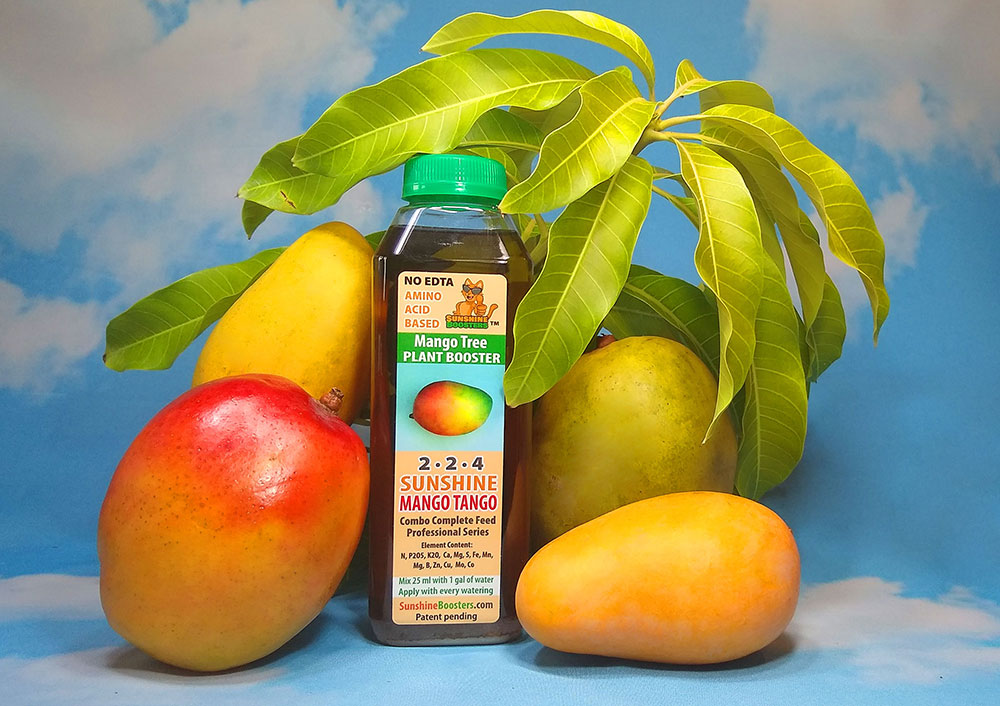
How to grow a healthy and productive mango tree?
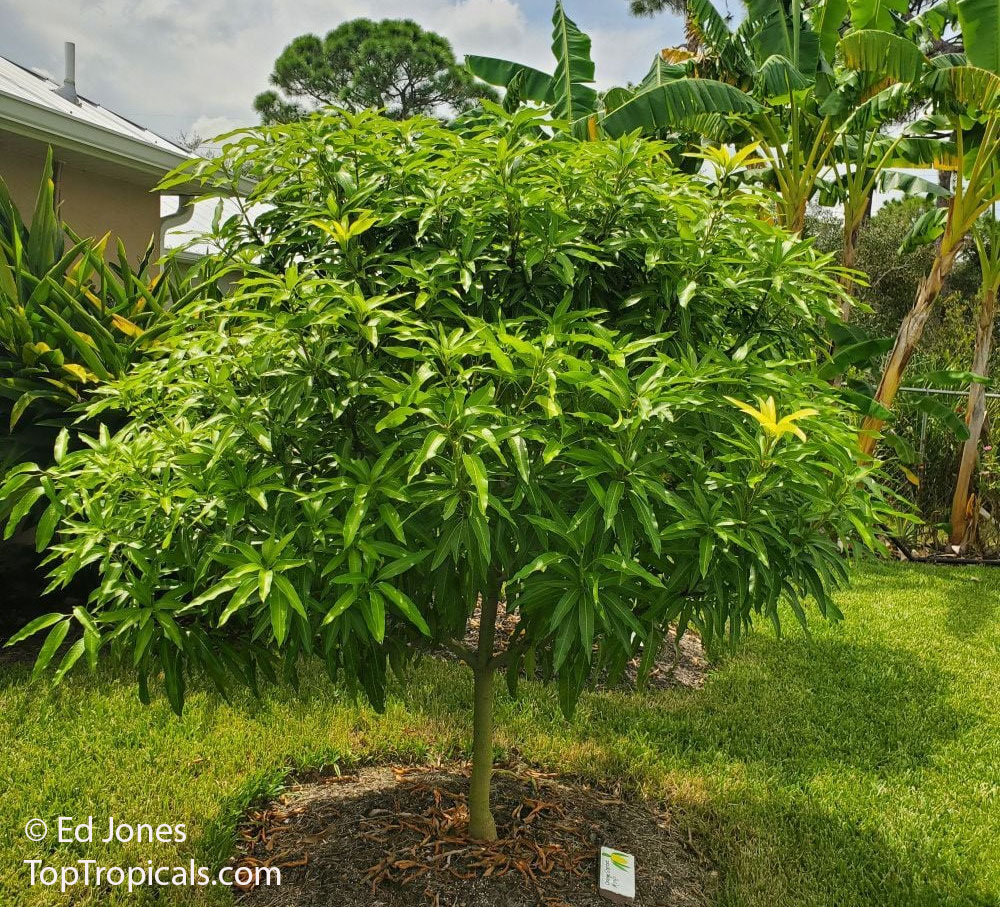
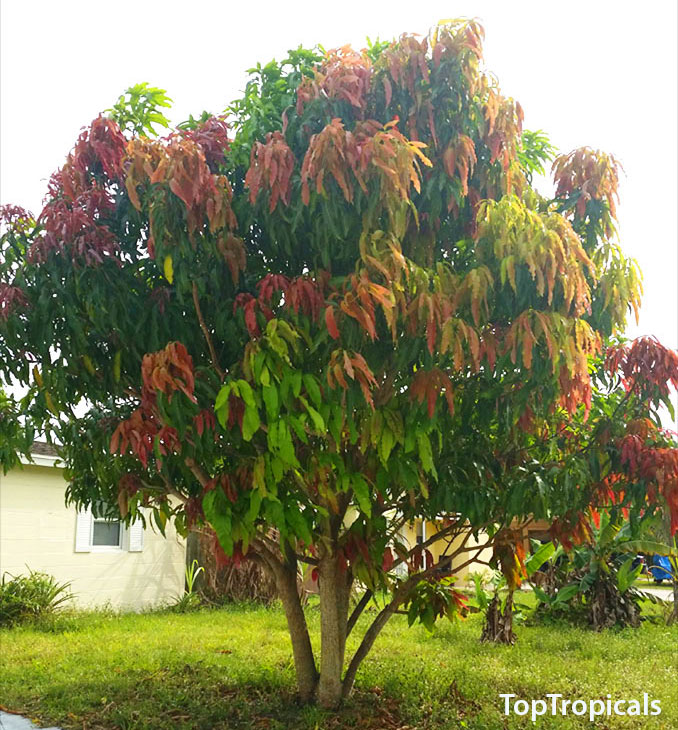
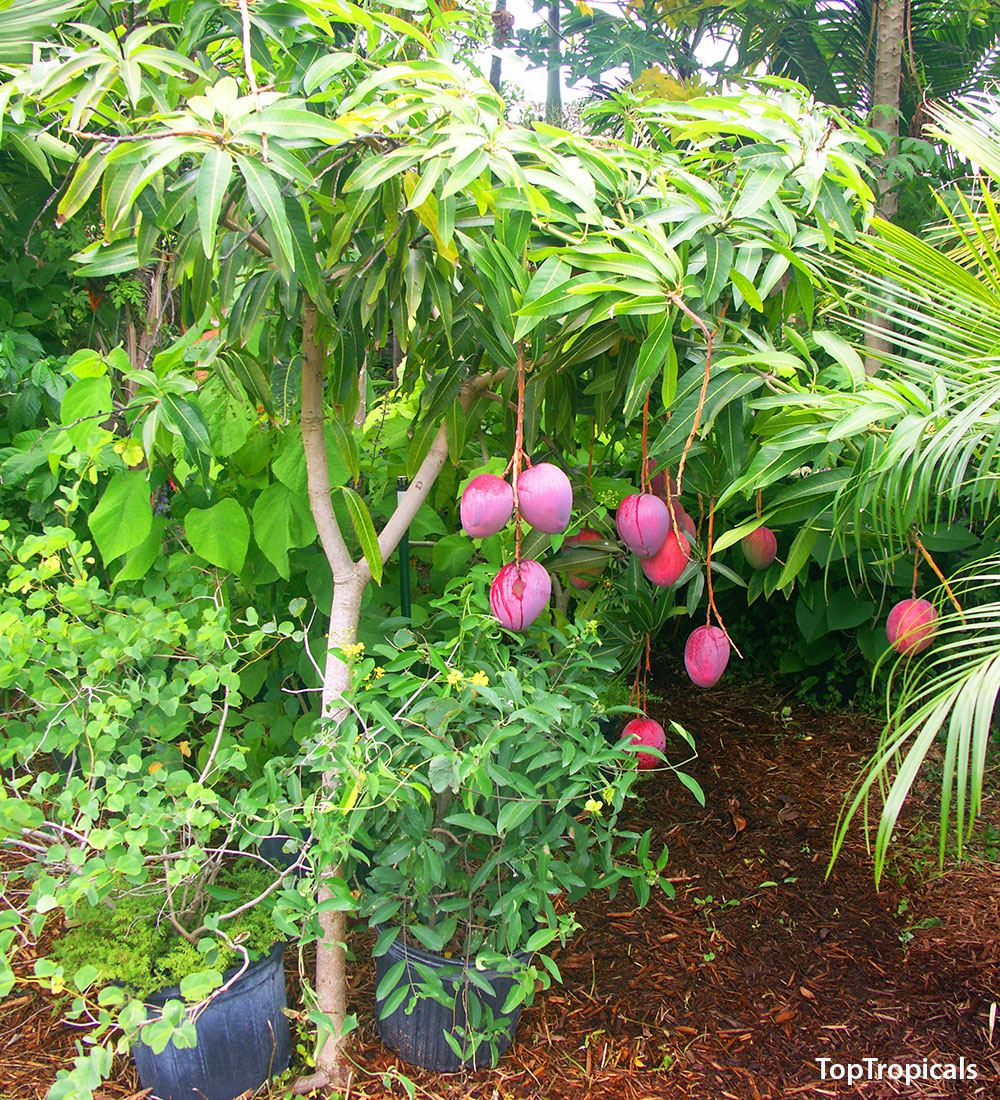
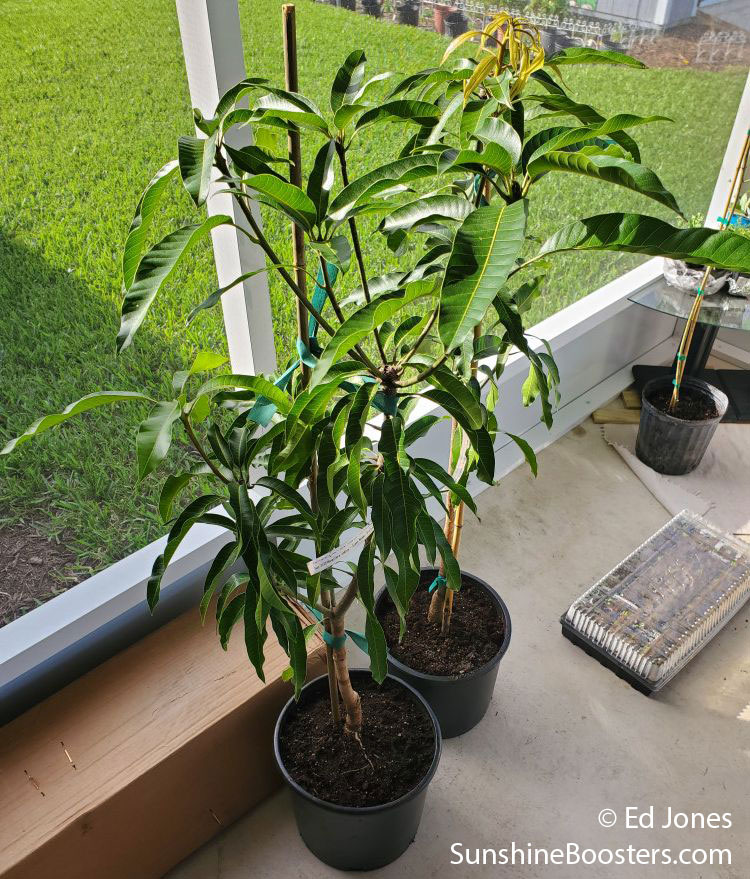
1. Right variety. Select a vigorous grower for
in-ground planting, or a condo mango cultivar for growing in container. More info on varieties.
2. Soil must be well-drained. If planted in the ground, plant on a
little elevation (see How to plant a tree)
3. Full sun is a must. The more sun, the more flower and fruit.
4. Water. Keep mango tree on a dry side, water young trees regularly
but let top of the soil dry before next watering. Mango trees don't like wet
feet.
5. Air circulation is important for mango tree to eliminate
diseases. Allow enough space from other trees and buildings.
6. Fungicide. Mango leaves are very susceptible do fungal issues,
especially in humid climates likу Florida. Spray fungicide (Copper or similar)
according to the label, once a month.
7. Fertilize year around with every watering with liquid fertilizer
Sunshine
Boosters Mango Tango. Apply Micro-elements once a month and use other good supplements.
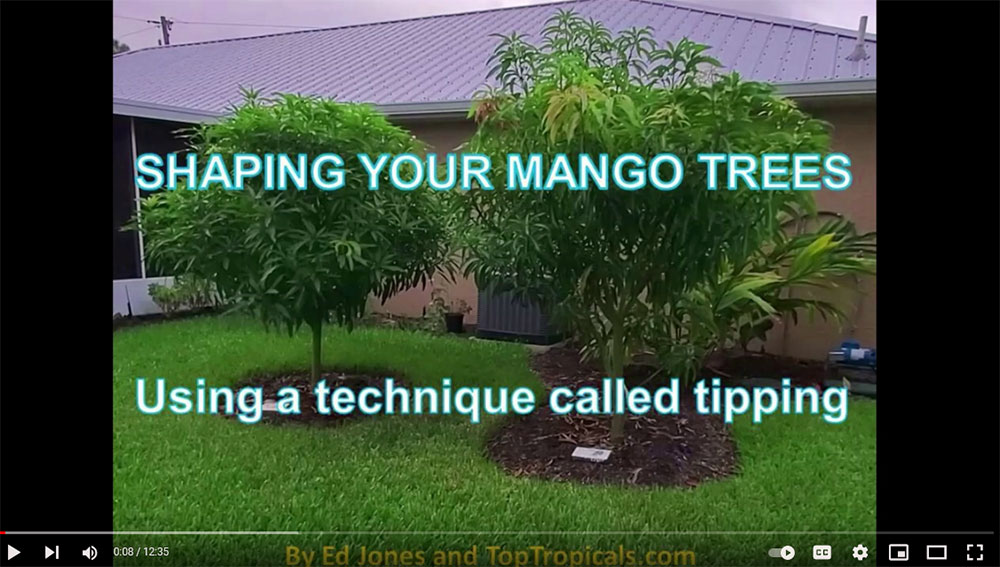
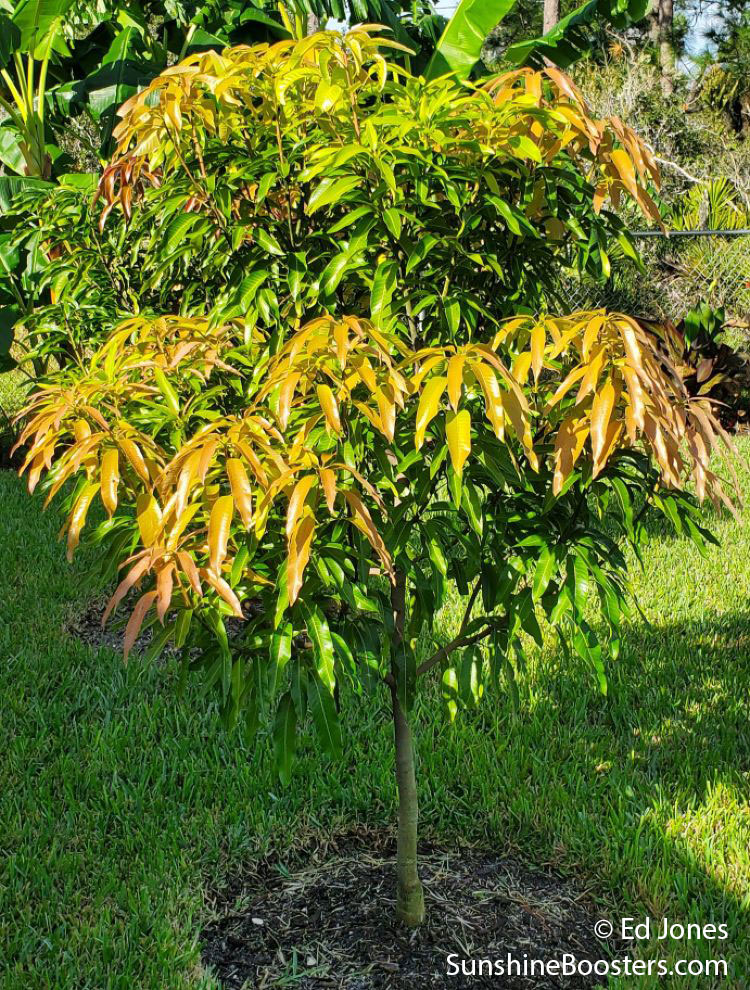
8. Shape. Check out Video:
- to shape the most vigorous and productive
tree.
9. Protect from hard freeze. Mango tree doesn't take freezing
temperatures well. In subtropical areas Mango can be protected. Alternatively, it can successfully produce in
container, if moved indoors during cold weather.
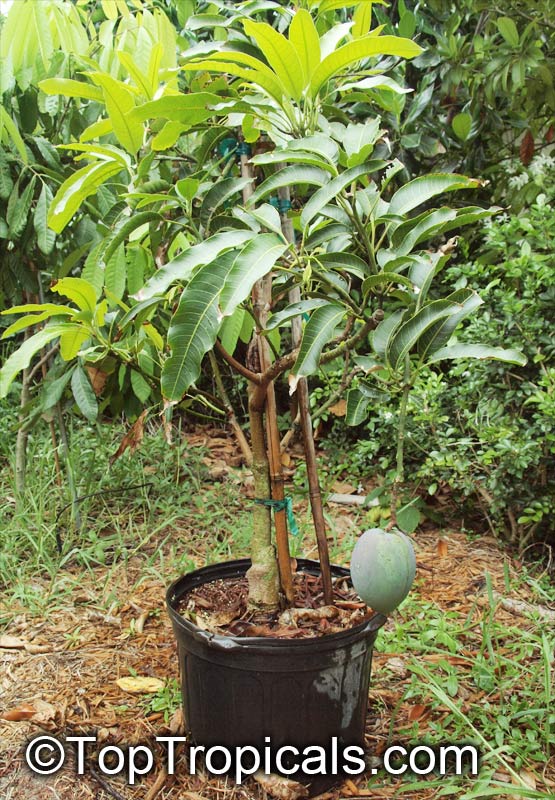
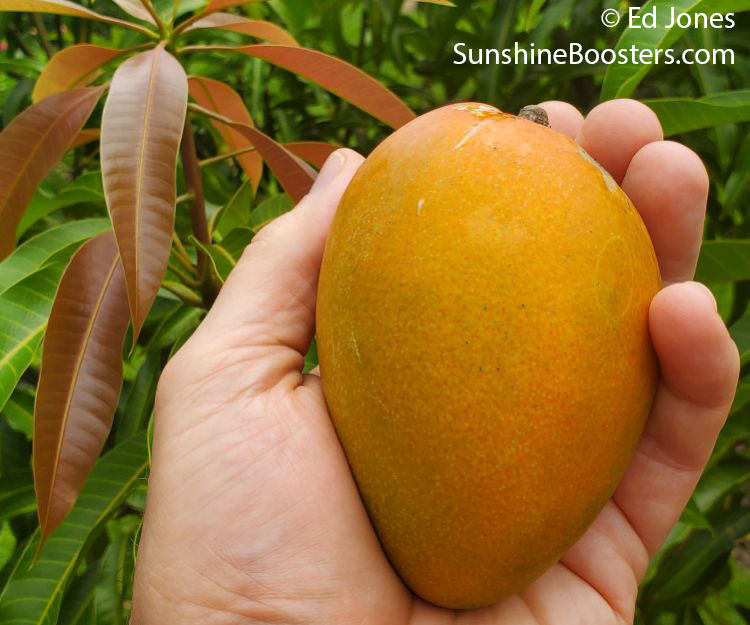
10. Fruit. Mango tree produces thousands of little flowers, many of
them can set fruit. Do not let a small, young tree to keep more than 1-2
fruit, remove extra, to avoid exhaustion. Allow 2-3 years for the tree to
establish until it produces a full crop. Apply Sunshine Honey supplement to your tree for sweeter fruit.
3. Full sun is a must. The more sun, the more flower and fruit.
4. Water. Keep mango tree on a dry side, water young trees regularly
but let top of the soil dry before next watering. Mango trees don't like wet
feet.
5. Air circulation is important for mango tree to eliminate
diseases. Allow enough space from other trees and buildings.
6. Fungicide. Mango leaves are very susceptible do fungal issues,
especially in humid climates likу Florida. Spray fungicide (Copper or similar)
according to the label, once a month.
7. Fertilize year around with every watering with liquid fertilizer
Sunshine
Boosters Mango Tango. Apply Micro-elements once a month and use other good supplements.
8. Shape. Check out Video:
- to shape the most vigorous and productive
tree.
9. Protect from hard freeze. Mango tree doesn't take freezing
temperatures well. In subtropical areas Mango can be protected. Alternatively, it can successfully produce in
container, if moved indoors during cold weather.
10. Fruit. Mango tree produces thousands of little flowers, many of
them can set fruit. Do not let a small, young tree to keep more than 1-2
fruit, remove extra, to avoid exhaustion. Allow 2-3 years for the tree to
establish until it produces a full crop. Apply Sunshine Honey supplement to your tree for sweeter fruit.
5. Air circulation is important for mango tree to eliminate
diseases. Allow enough space from other trees and buildings.
6. Fungicide. Mango leaves are very susceptible do fungal issues,
especially in humid climates likу Florida. Spray fungicide (Copper or similar)
according to the label, once a month.
7. Fertilize year around with every watering with liquid fertilizer
Sunshine
Boosters Mango Tango. Apply Micro-elements once a month and use other good supplements.
8. Shape. Check out Video:
- to shape the most vigorous and productive
tree.
9. Protect from hard freeze. Mango tree doesn't take freezing
temperatures well. In subtropical areas Mango can be protected. Alternatively, it can successfully produce in
container, if moved indoors during cold weather.
10. Fruit. Mango tree produces thousands of little flowers, many of
them can set fruit. Do not let a small, young tree to keep more than 1-2
fruit, remove extra, to avoid exhaustion. Allow 2-3 years for the tree to
establish until it produces a full crop. Apply Sunshine Honey supplement to your tree for sweeter fruit.
7. Fertilize year around with every watering with liquid fertilizer
Sunshine
Boosters Mango Tango. Apply Micro-elements once a month and use other good supplements.
8. Shape. Check out Video:
- to shape the most vigorous and productive
tree.
9. Protect from hard freeze. Mango tree doesn't take freezing
temperatures well. In subtropical areas Mango can be protected. Alternatively, it can successfully produce in
container, if moved indoors during cold weather.
10. Fruit. Mango tree produces thousands of little flowers, many of
them can set fruit. Do not let a small, young tree to keep more than 1-2
fruit, remove extra, to avoid exhaustion. Allow 2-3 years for the tree to
establish until it produces a full crop. Apply Sunshine Honey supplement to your tree for sweeter fruit.
9. Protect from hard freeze. Mango tree doesn't take freezing
temperatures well. In subtropical areas Mango can be protected. Alternatively, it can successfully produce in
container, if moved indoors during cold weather.
10. Fruit. Mango tree produces thousands of little flowers, many of
them can set fruit. Do not let a small, young tree to keep more than 1-2
fruit, remove extra, to avoid exhaustion. Allow 2-3 years for the tree to
establish until it produces a full crop. Apply Sunshine Honey supplement to your tree for sweeter fruit.