Garden Blog - Top Tropicals

Date: 5 Mar 2024

Event mementos: everybody had a happy time!

Plant Festival March into Spring at Top Tropicals

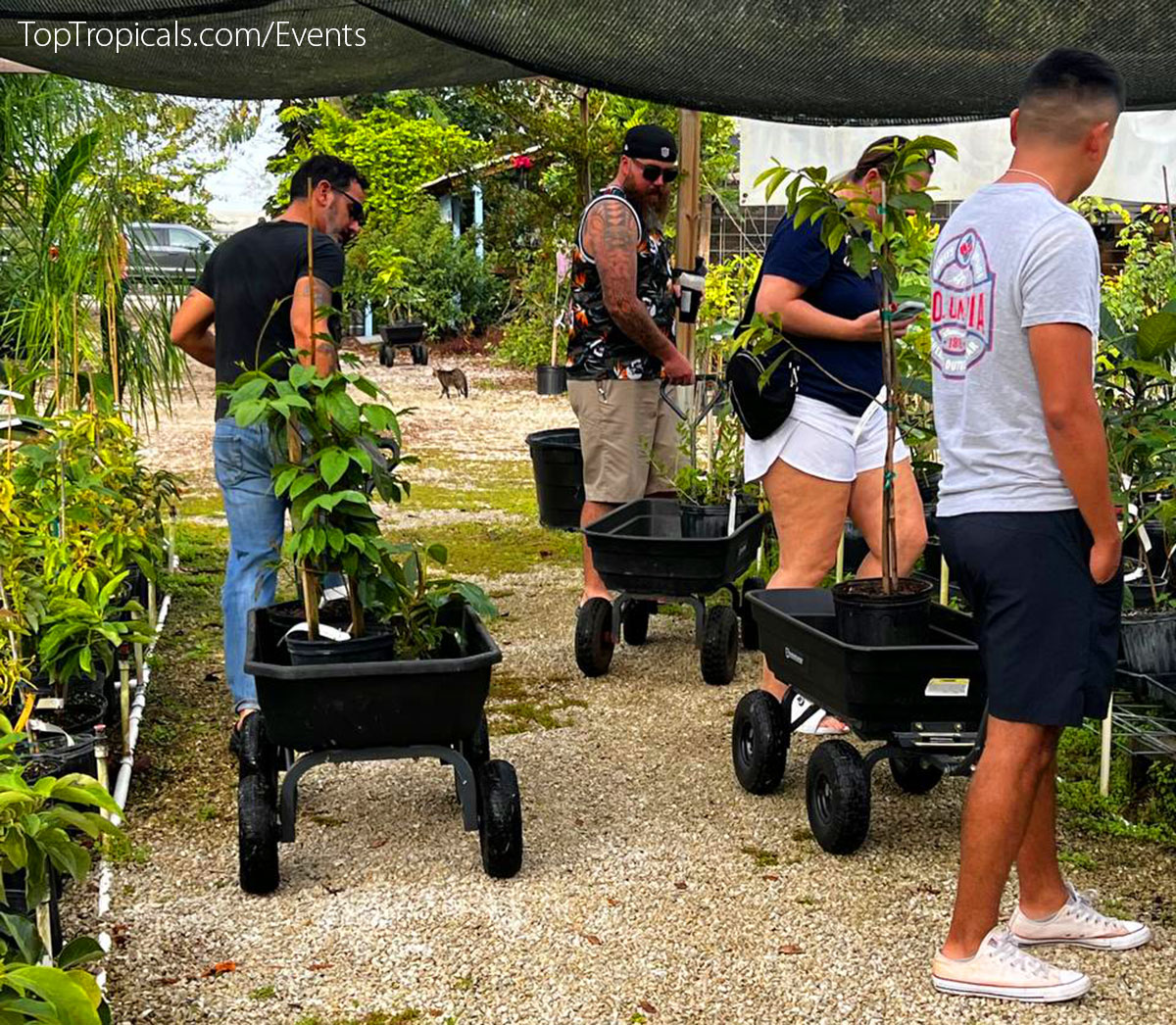
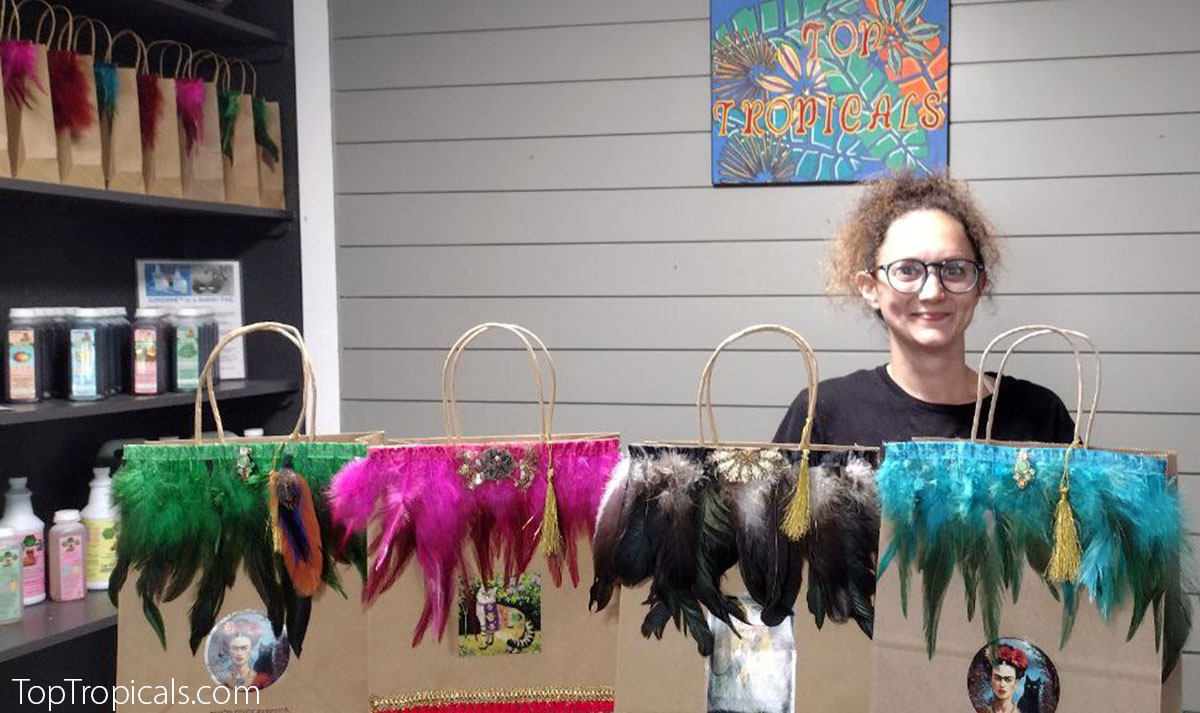
Our heartfelt gratitude to each and every one of you for visiting our Plant Festival March into Spring - on Saturday. It was delightful to see so many of you exploring the array of plants, finding ones that spoke to you, and ultimately making purchases that brought joy and life into your homes and gardens. The early birds received amazing Artistic Gift Bags by Onika Amell.
Your support means the world to us! It's moments like these that remind us of the beauty and wonder that nature brings into our lives...

Plant Festival March into Spring at Top Tropicals

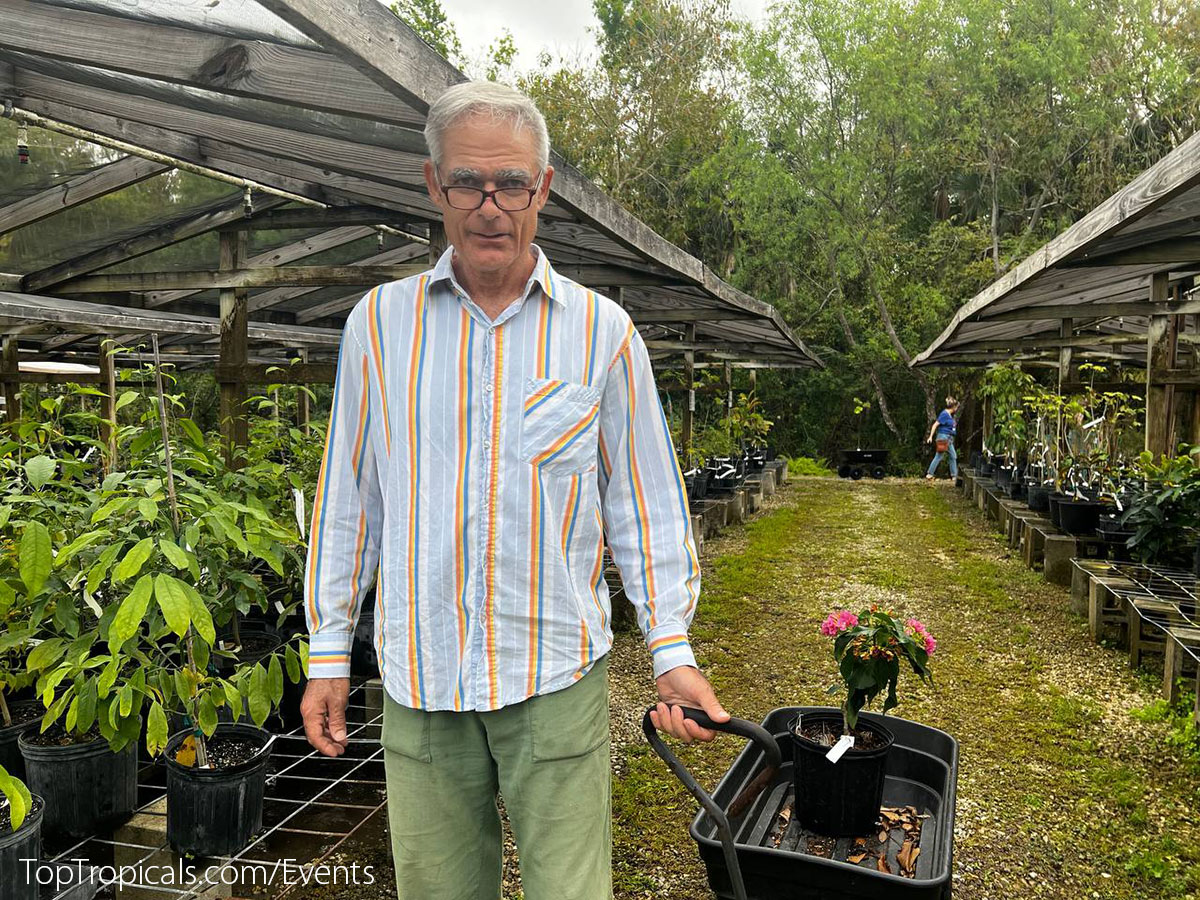
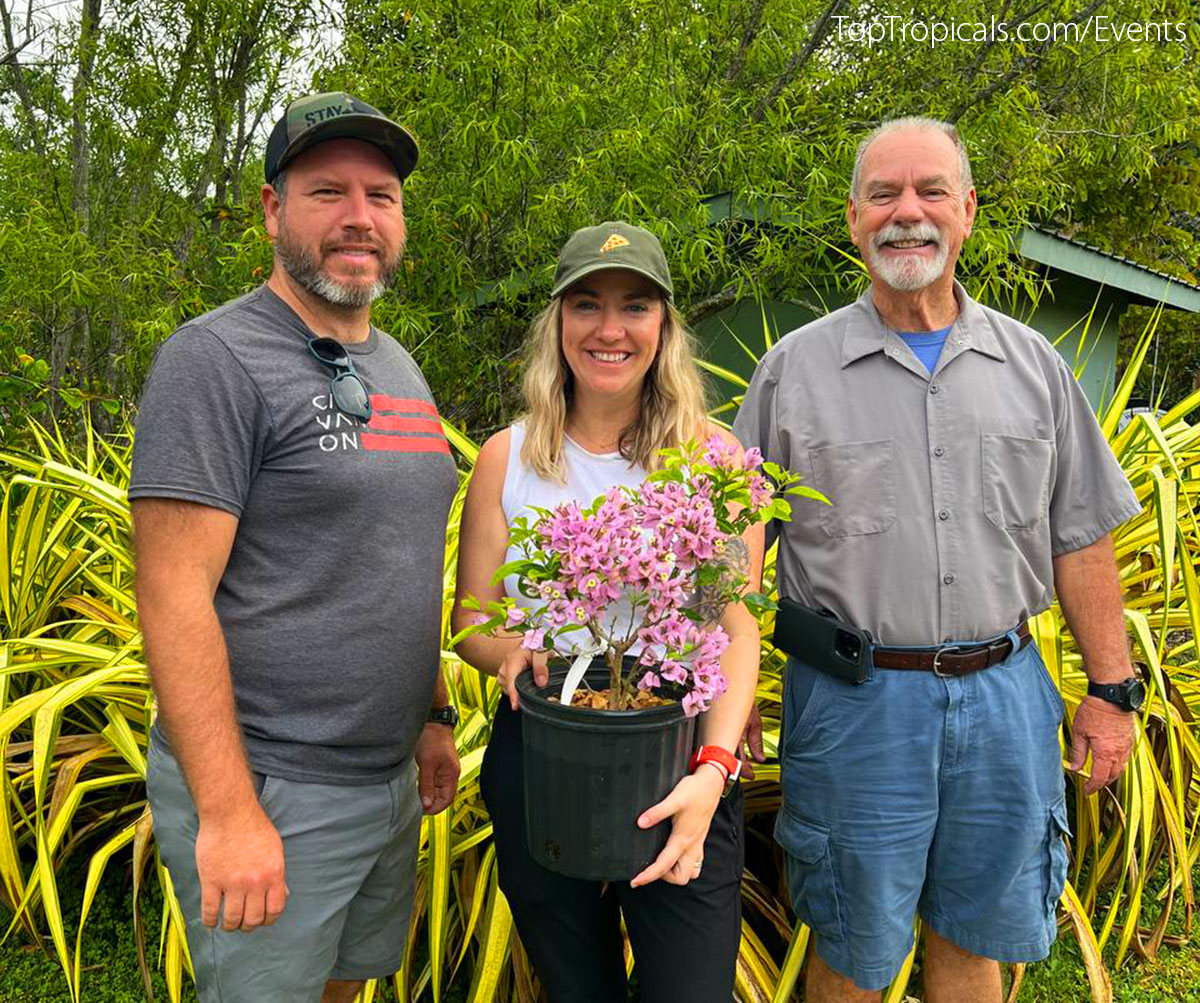
A man with a plant

Chiane with gift bags

Date: 25 Feb 2024

Avocado pollinating and crops

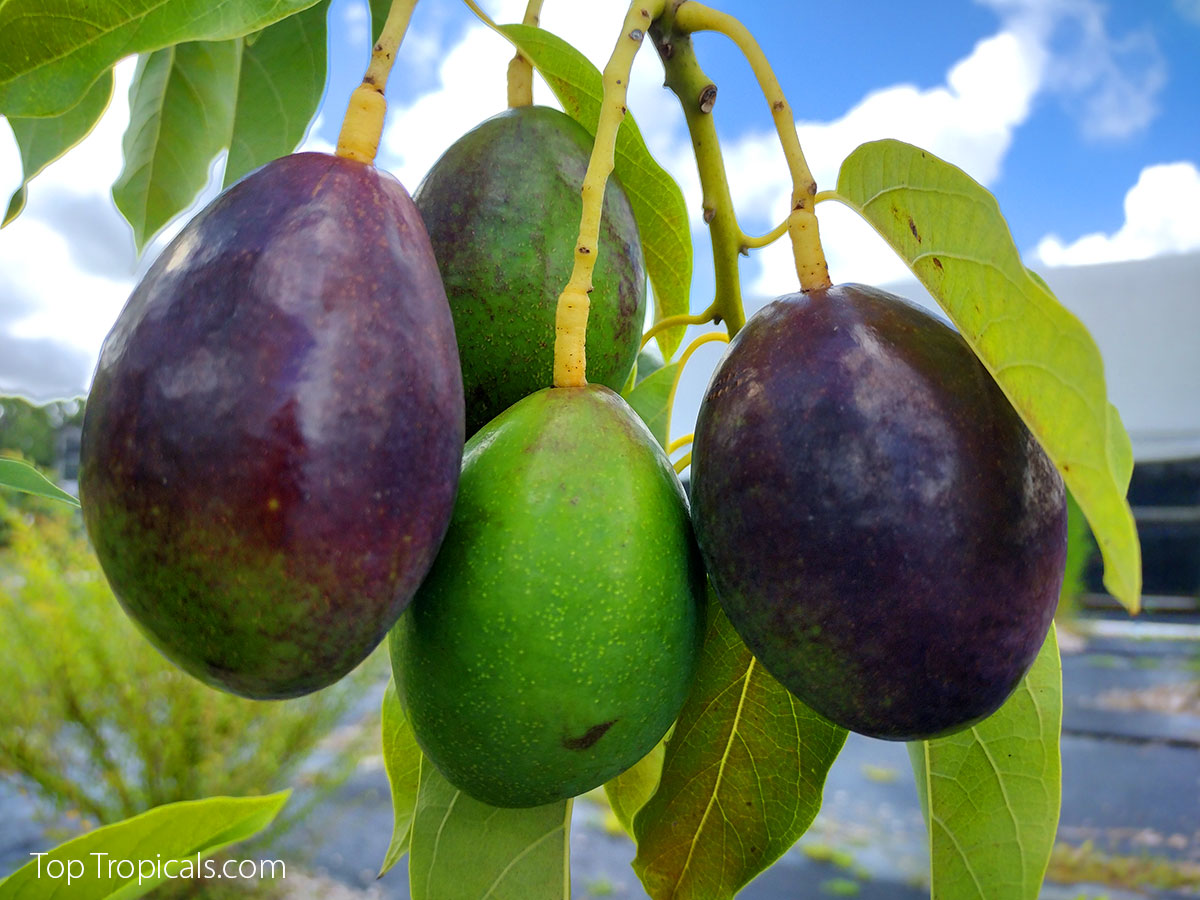
Avocado fruit

Photo above: Avocado Joey - very buttery fruit, cold hardy variety.

Q: I bought an anise leaf-scented avocado from you, and it is finally quite large and doing great. I live in California, the coldest temperatures we seem to get in some winters is around 25 to 28F, and it never lasts long. The tree might get a bit of frost nipping on the new growth, but it has done very well. It has flowered profusely for the last two years but hasn't set any fruit. What variety you might recommend to help with pollinating?

A: We are glad your avocado is doing great. Anise is one of our favorite varieties, with the wonderful smell of leaves and tasty fruit.

Cold hardiness and flower quality

It is true that cold damage may affect avocado production, especially in setting fruit. To improve the tree's cold hardiness, make sure to provide balanced plant food, especially during the season of active growth. For our avocado trees, we use Sunshine C-Cibus year-round.

If you prefer to use dry (granulated, slow-release) fertilizers, make sure they contain micronutrients, or apply Sunshine Superfood microelement complex once a month.

To improve flower quality (including the ability to set fruit), we recommend a special micronutrient supplement called Sunshine Honey. It contains Boron and Molybdenum - elements that are responsible for setting fruit and for developing fruit (meaning not dropping at the early stage of development).

Cross-pollination and crop

In general, every avocado tree is self-fertile, meaning it can produce some fruit with its own pollen and doesn't necessarily require a second tree for pollination. So even if you don't do anything, sooner or later your tree will set fruit. However, it is also true that the amount of fruit and crop reliability depends on pollination factors. One type of avocado classification is by flowering and pollination behavior - type A or B.

When both types of trees are grown in proximity to each other, their overlapping flowering patterns significantly enhance the chances of cross-pollination. This can lead to improved fruit set and higher yield, making it especially important for commercial production and, to a lesser extent, for home growers.

Therefore, it's advisable to plant different varieties of avocado in your garden - the more, the merrier! The greater the diversity of avocado trees with overlapping flowering periods, the better your crop is likely to be. If you're growing an avocado tree without other avocados nearby, it becomes helpful to have more than one tree with different flowering patterns (A and B) to increase yield in your garden.

Anise Avocado is type B. So to increase your crop, you may consider planting type A variety from the list: Bernecker, Black Prince, Catalina, Choquette, Day, Donnie, Fantastic, Florida Hass, Lila, Loretta, Lula, Mexicola, Mexicola Grande, Red Russell, Reed, Russell, Simmonds, Ulala , Waldin .

To learn more about avocado types, fruit characteristics, cold hardiness and much more, refer to our Avocado Variety Guide - a page with very convenient interactive chart allowing you to quickly sort types of avocado by requirements of your choice (just click on column header to sort data). You may also buy a Book or download a PDF.
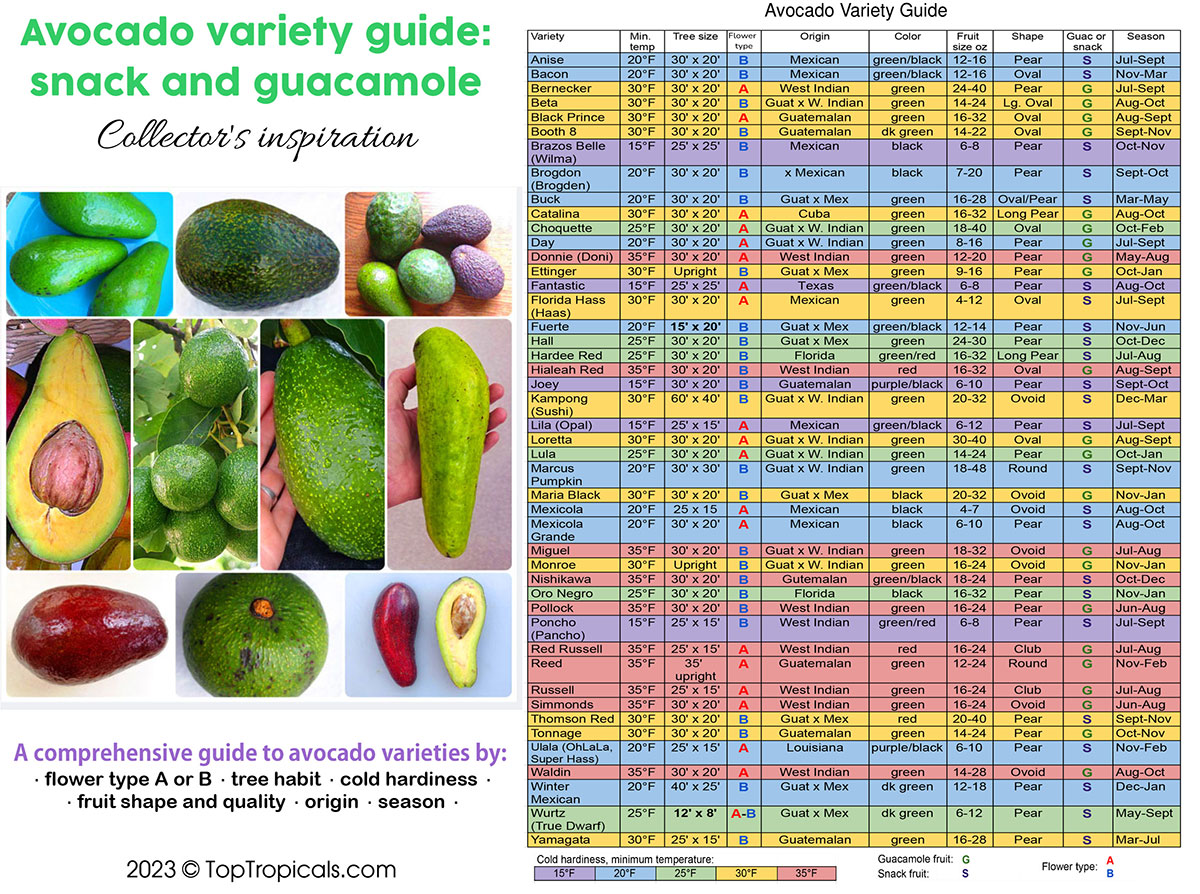
PAvocado Variety Guide Book

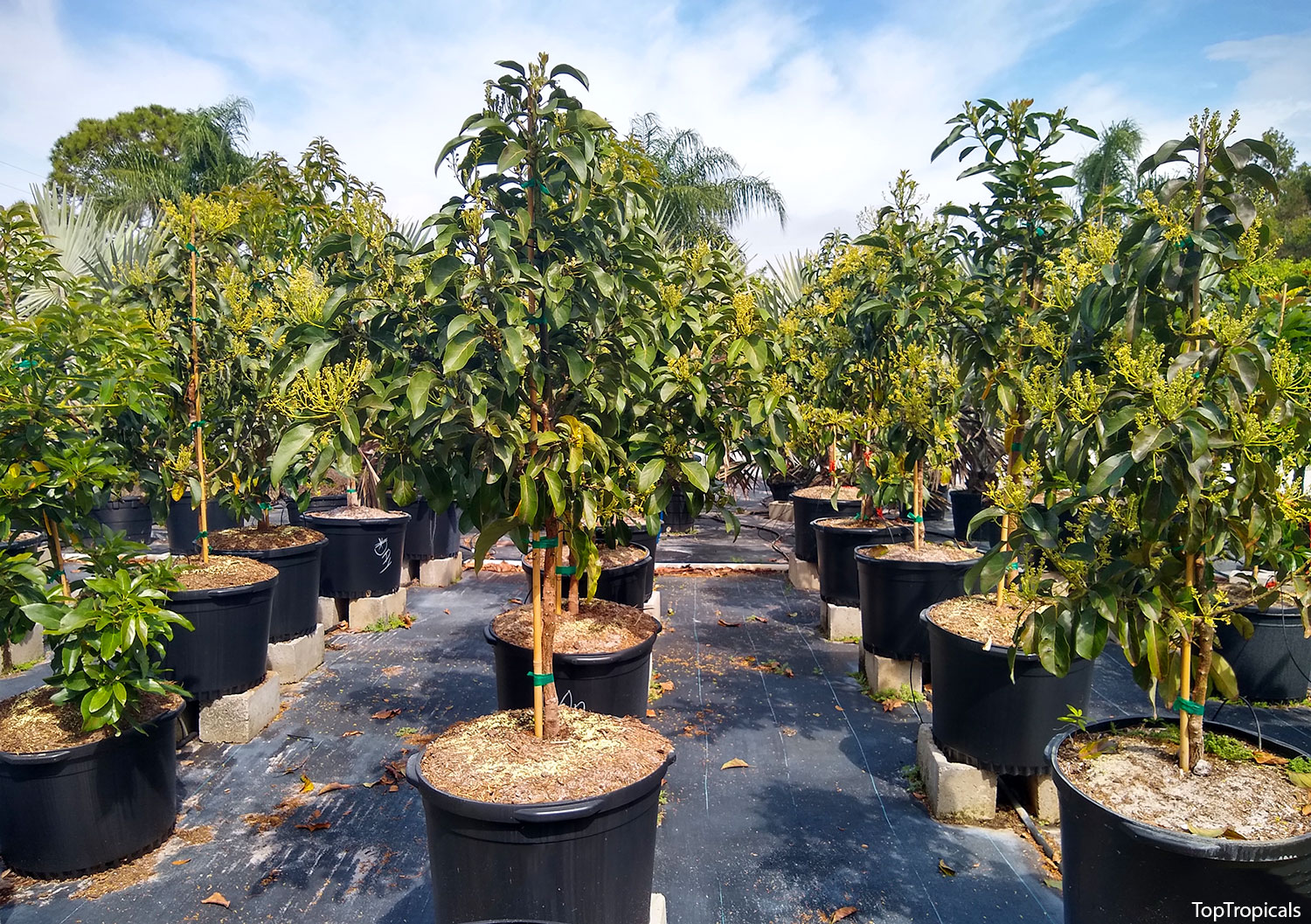
Avocado trees in pots

Photo above: 15 gal Avocado trees for local pick up. Delivery and installation available!
Date: 19 Feb 2024

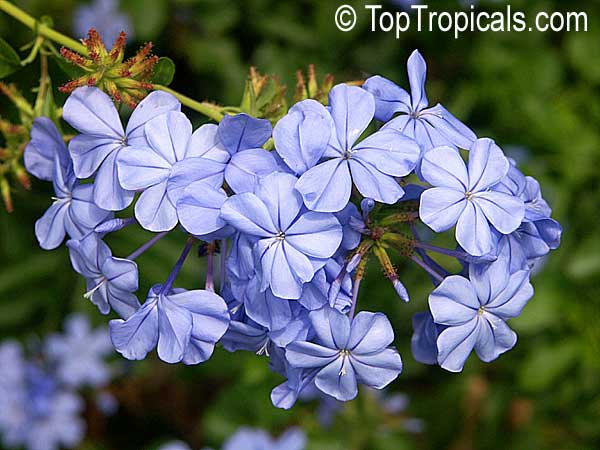
Sky Blue Plumbago

Plumbago auriculata Imperial Blue

Q: Can you recommend a small, easy flowering shrub for a hot, sunny location at the front of my house? I have lawn sprinklers, but they may not provide sufficient moisture. I attempted to grow roses and gardenias previously, but unfortunately, they didn't thrive. I'm eager to see some flowers, but I confess my watering habits aren't the best... Is there any hope for me?

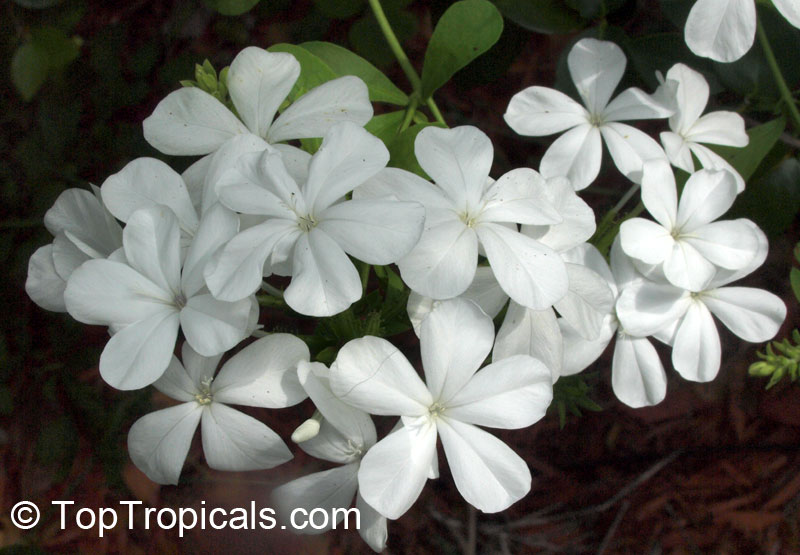
A: Don't lose hope just yet! We have the perfect solution for you. Plumbago is tailor-made for hot, sunny locations, offering a vibrant display of flowers with minimal effort required. This resilient plant is a true asset for southern landscapes, boasting adaptability, drought tolerance, rapid growth, and an extended blooming season. Plumbago's sky-blue blossoms are guaranteed to elevate the aesthetic of your outdoor space with their enchanting allure. With varieties like Imperial Blue and Pure White being among the hardiest cultivars, you're sure to find success with this delightful shrub.

Plumbago auriculata Alba

Date: 19 Feb 2024

Cat of the Day: Matilda

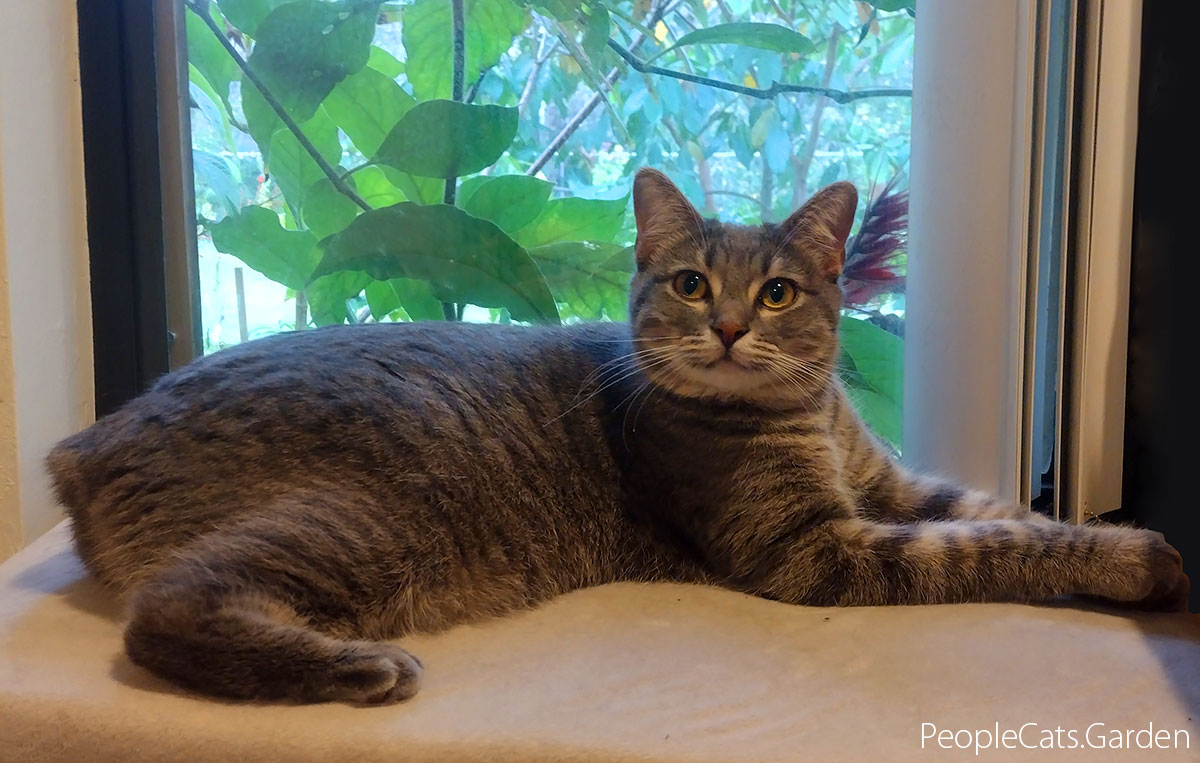
Gray Manx cat Matilda

Introducing Matilda, the newest member of the Top Tropicals PeopleCats.Garden family. Matilda is a Manx cat, a special breed known for being tailless, originally from the Isle of Man.

Matilda is a loving and friendly cat who enjoys her meals. After dining with her fellow PeopleCats, she dutifully cleans all 11 dishes. While she may still remember her days in the bushes, Matilda is now happily settling into her new life at Top Tropicals. Stay tuned for more stories about this unique cat breed in our upcoming Cat Breeds Series.

Date: 14 Feb 2024

Year of the Dragon: Chinese or Vietnamese?

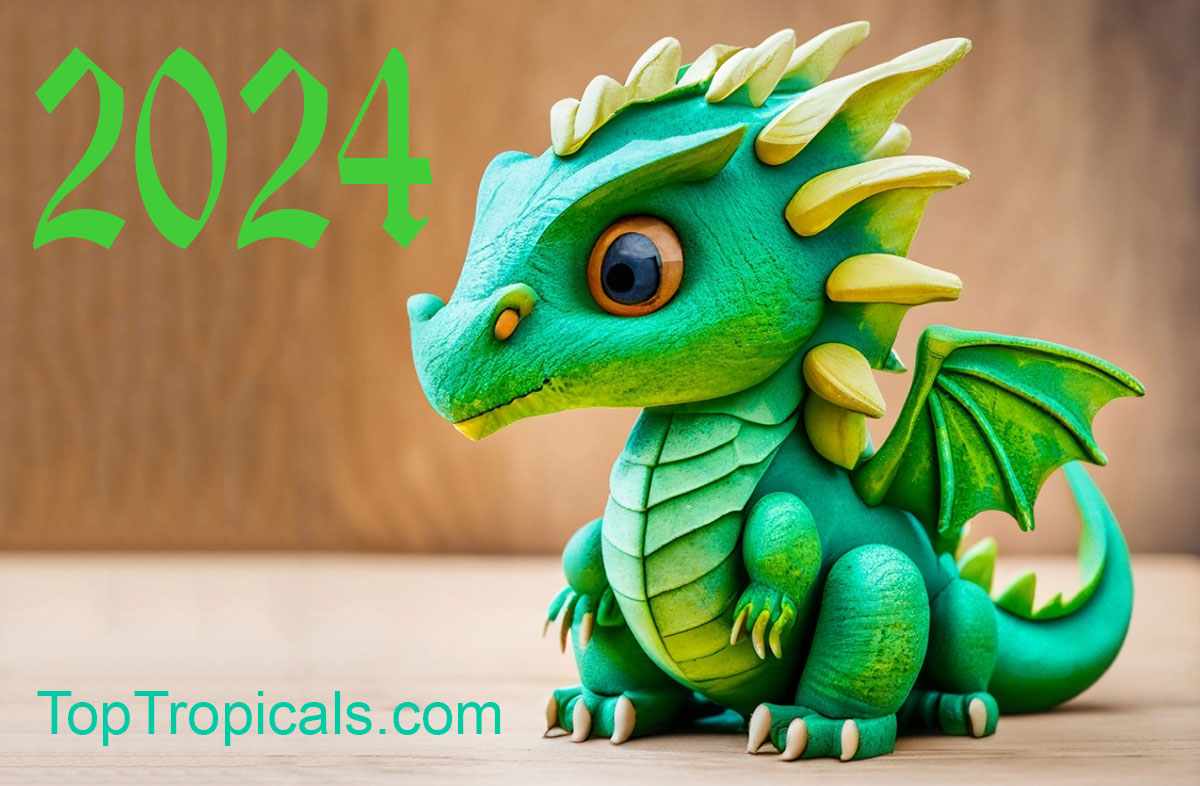
Green Wooden Baby Dragon

Q: Is Chinese New Year the same as Vietnamese Tat? I want to buy a Vietnamese Micky Mouse plant and I am wondering if this would be also a lucky plant for the Year of the Dragon?

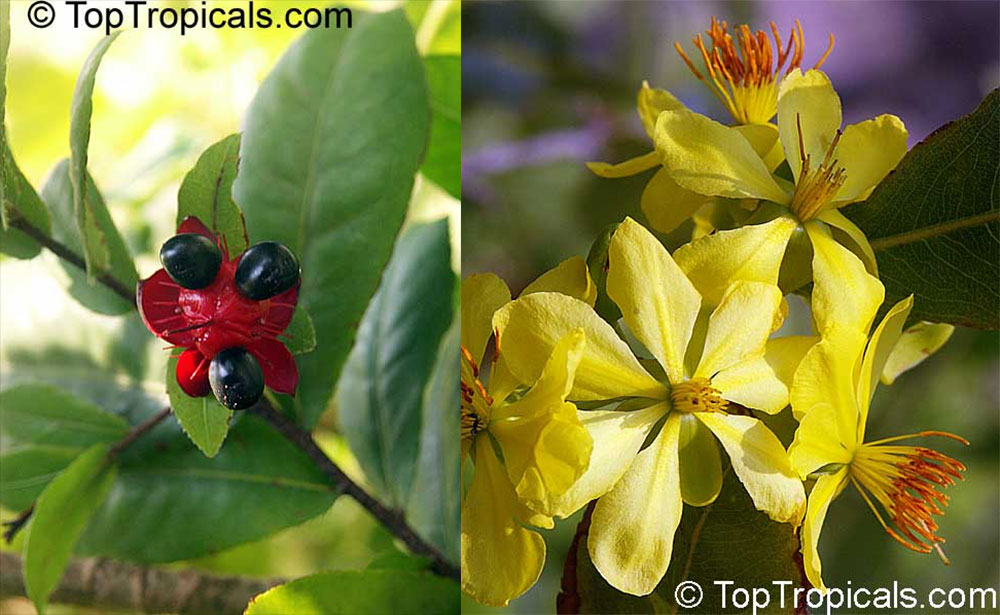
A: Vietnam, as well as other parts of Asia, is celebrating the Lunar New Year of the Dragon, which falls on February 10. Vietnam and neighboring China share 10 of the zodiac calendar's 12 signs: the rat, tiger, dragon, snake, horse, goat, monkey, rooster, dog and pig. The Vietnamese traditional Tet market in Hanoi is covered in hues of red and gold, colors that represent good luck and fortune. One of the most significant plants is the golden-flowered Ochna. But there are several other plants associated with the Lunar New year, as well as Dragon Year.

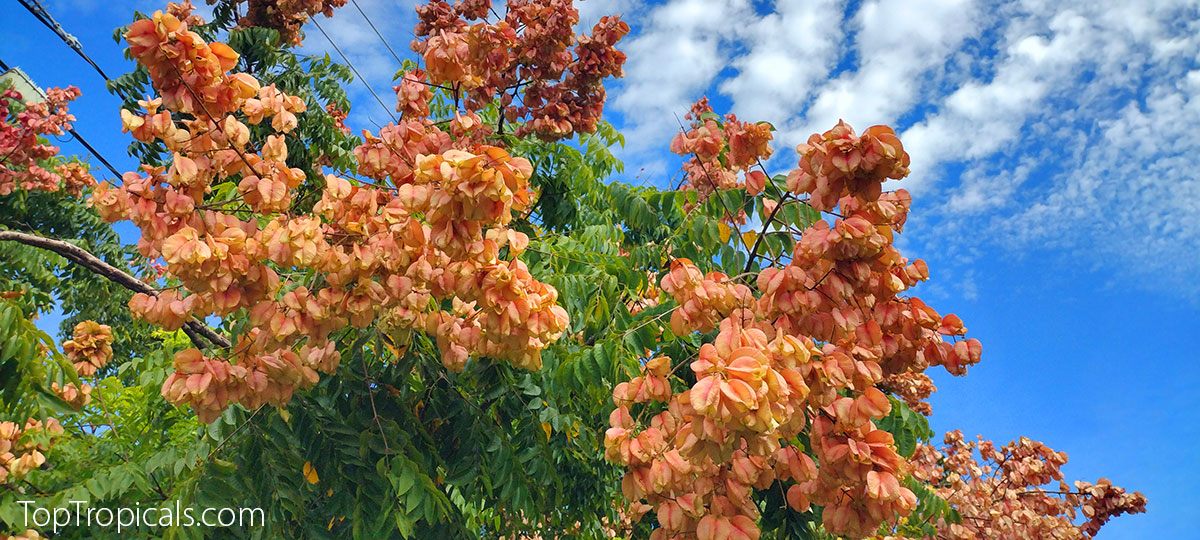
Green Wooden Dragon has specific favorite plants, including all species of Dragon fruits, Lychee or First Dragon's Eye (Litchi sinensis), Longan or Second Dragon's Eye (Euphoria longana), Creeping Philodendrons, and the Golden Rain Tree (Koelreuteria paniculata).

Learn more:

Golden Rain Tree (Koelreuteria 
paniculata)

Golden Rain Tree (Koelreuteria paniculata). According to ancient Chinese manuscripts, the Golden Rain Tree (Koelreuteria paniculata) is crucial for Dragons, as it is believed to be connected to their existence, guarding and complementing each other. Growing these plants is considered auspicious and is believed to safeguard the Dragon family.

Green Wooden Baby Dragon

The most celebrated flower in Vietnam, Ochna integerrima, called in Vietnam Hoa Mai or Mai Vang, blooms profusely on the occasion of Tet, the Vietnamese Lunar New Year.