Garden Blog - Top Tropicals

Date: 6 Nov 2023

Cat Horoscope
Scorpio Zodiac Cats 10/24-11/21

By Alex Butova, the Witch of Herbs and Cats
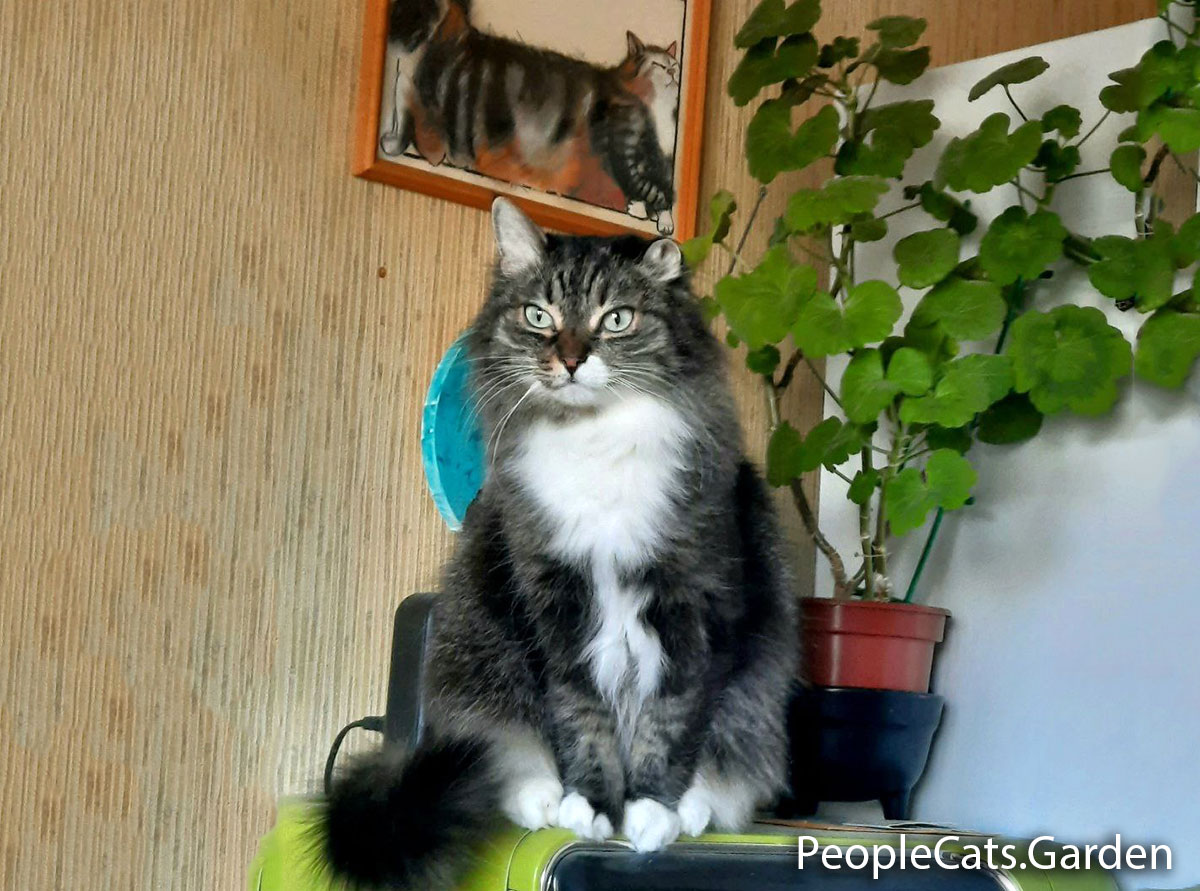
Scorpio Zodiac cat with indoor plants

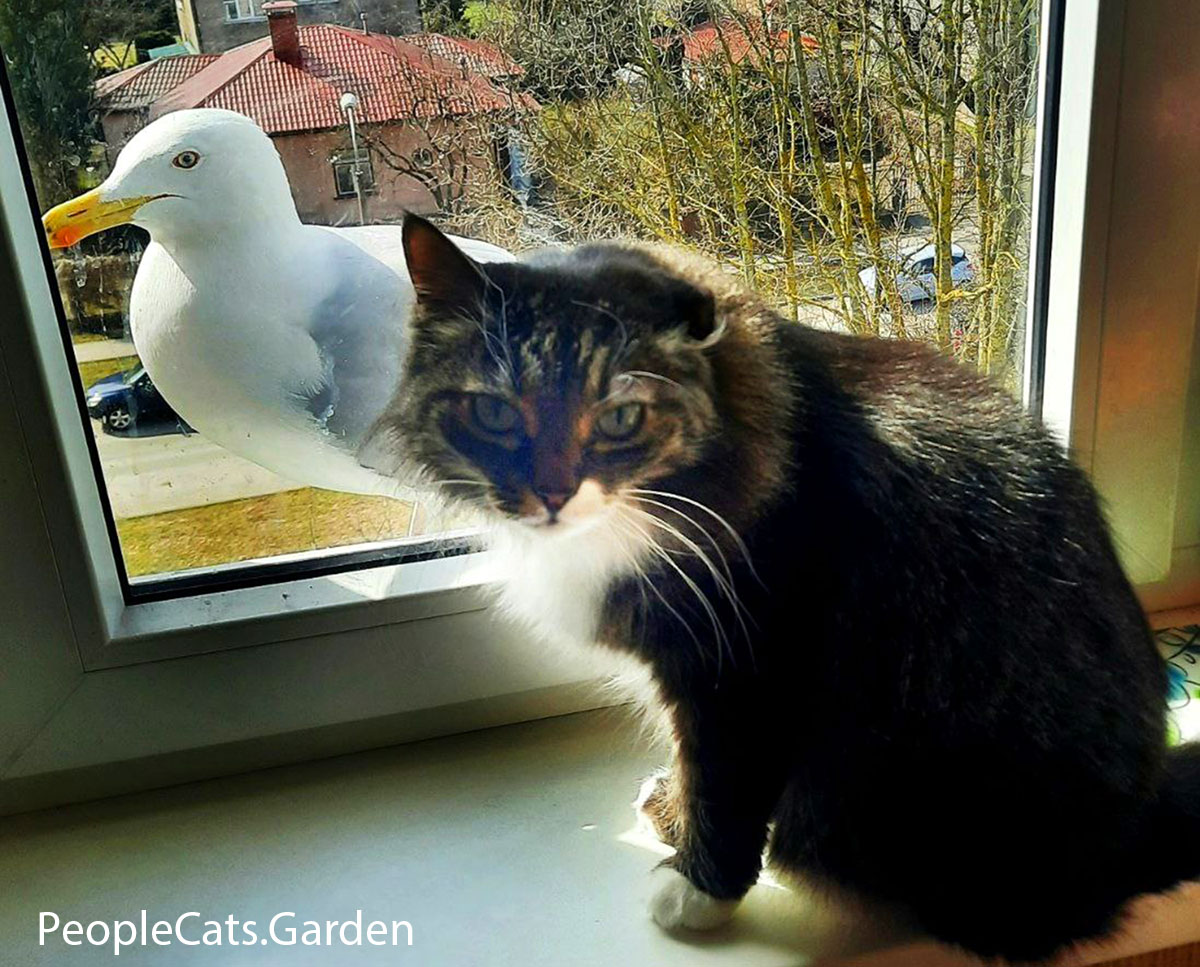
In the photos: Typical Scorpio cat Sonya, born 11-4-2010.

How to know the astrological sign of your cat?
The astrological sign of a cat can be determined by either their date of birth or adoption, as adoption is often considered a second birth for cats...
More >>

Scorpio Zodiac cat with seagull

Love all around them, be they cats, other animals, or humans...

Scorpio Cats exhibit a profound passion for life and love, extending not only to their own romantic affairs but also to the relationships of those around them, be they cats, other animals, or humans. These feline individuals thrive on being intricately involved in everything...

Scorpio Cats are inclined to assert dominance in any situation...

Scorpio Cats are known for their intense focus. Once they set their sights on something, they pursue it relentlessly, demonstrating fearlessness and a confrontational spirit...

One of the most distinctive traits of Scorpio Cats is their unwavering fidelity and loyalty. You've heard stories of cats separated from their families who travel miles to get back to them? They were probably all Scorpios!..

Scorpio Cats harbor a fondness for tall flowering shrubs and fragrant creepers with large blossoms. They possess a unique connection to scents, and while ordinary cats may recoil from potent odors, Scorpio Cats exhibit a particular affinity for select aromatic plants. For instance, while most cats are drawn to Catnip (Nepeta cataria) and Valerian root (Valeriana officinalis), Scorpio Cats go wild for the fragrances of Patchouli and Chinese Perfume Plant (Aglaia odorata). Even female perfumes containing oils from these plants bring the Scorpio Cat bliss, as they savor the scent and affectionately attend to the "mistress" of this aroma...
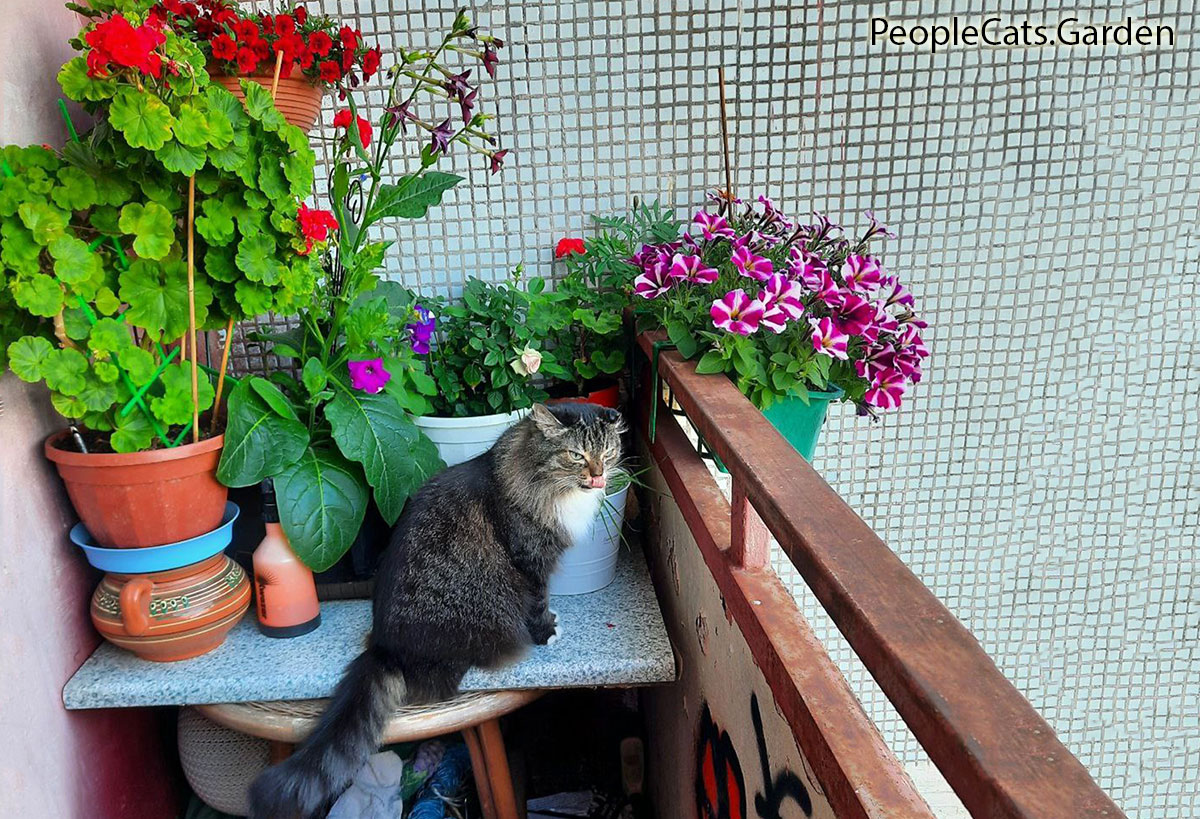
Scorpio Zodiac cat with flowers on a balcony

Date: 6 Nov 2023

How to grow a happy Moringa Tree

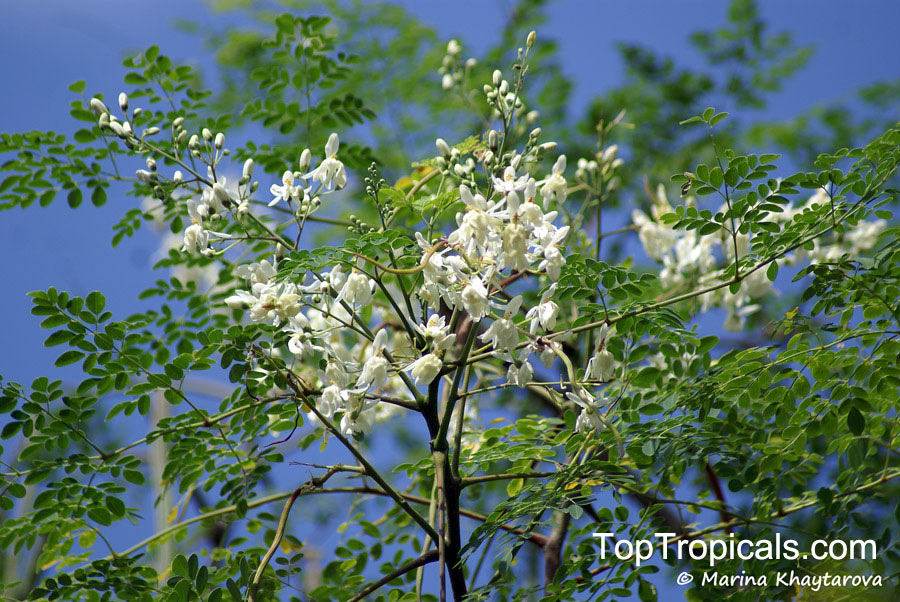
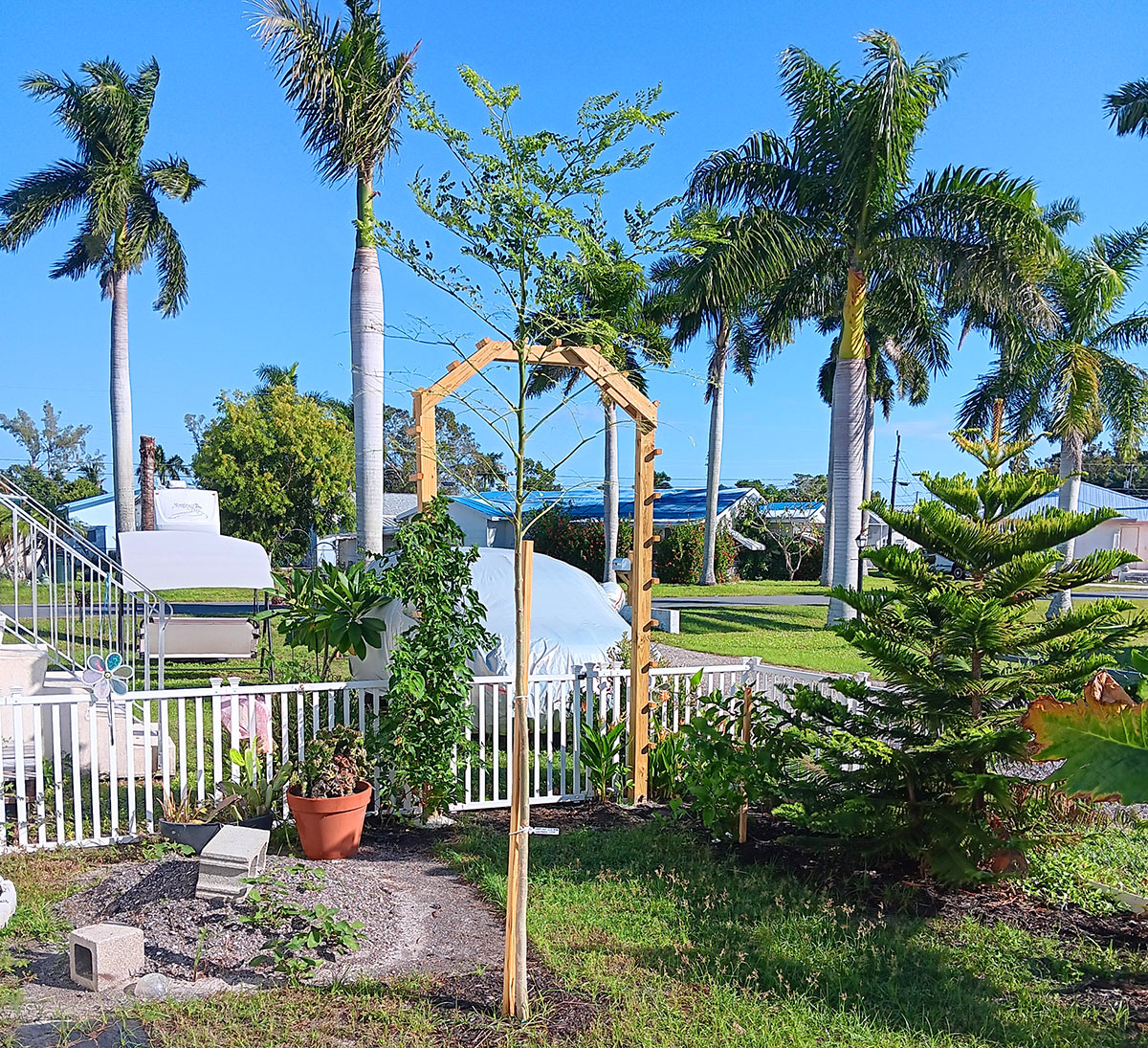
Moringa tree in the garden

Q: We purchased some tropical edible and medicinal plants from you in August this year. I have a question pertaining to our Moringa tree. When we purchased it, it was about two foot tall. It has put on tremendous growth and is now a little under ten foot tall. My question is, should a Moringa be losing lower leaves at this point? The bare limbs are still green and the top looks to have healthy green leaves.

A: Thank you for choosing our Moringa tree, and sharing the picture. It's great to see that your tree appears healthy and happy - it's a resilient plant. Given the relatively dry Fall we've experienced this year, a little extra water can make a significant difference.

Here are some suggestions to ensure your Moringa thrives:

Moringa branch with flowers

Watering: While Moringa is generally drought-tolerant, during dry periods, in addition to relying on your lawn sprinkler system, add some extra water with a hose. Adequate moisture is crucial for maintaining healthy foliage.

Pest Control: Moringa is not only a nutritious plant for humans but also attracts pests that appreciate its medicinal properties :) If you notice insect damage on the leaves, consider spraying with Neem oil or using an over-the-counter systemic insecticide containing imidacloprid or a similar ingredient.

Seasonal Behavior: Moringa trees are semi-deciduous to deciduous, and their leaf-shedding behavior can vary depending on the climate. In Florida, for instance, it's common for Moringa trees to shed leaves in the Fall. However, this is a natural process, and you can expect new growth in the Spring.

Fertilizing for Vigorous Growth: To promote the most vigorous growth of your Moringa tree and other plants in your garden, consider implementing a fertilizing program. If using dry, slow-release fertilizers, apply them only during the active growth season: from March through November. If you're looking for a year-round solution, liquid amino acid-based formulas like Sunshine Boosters can be a great option. You can easily add them to your watering routine or use injectors like The Robuster for convenient and consistent feeding. If you're planning to expand your garden with other medicinal plants or an edible forest, The Robuster smart fertilizing system is an excellent choice, offering the most efficient, care-free way to nourish your plants with natural nutrients throughout the year.

The Robuster

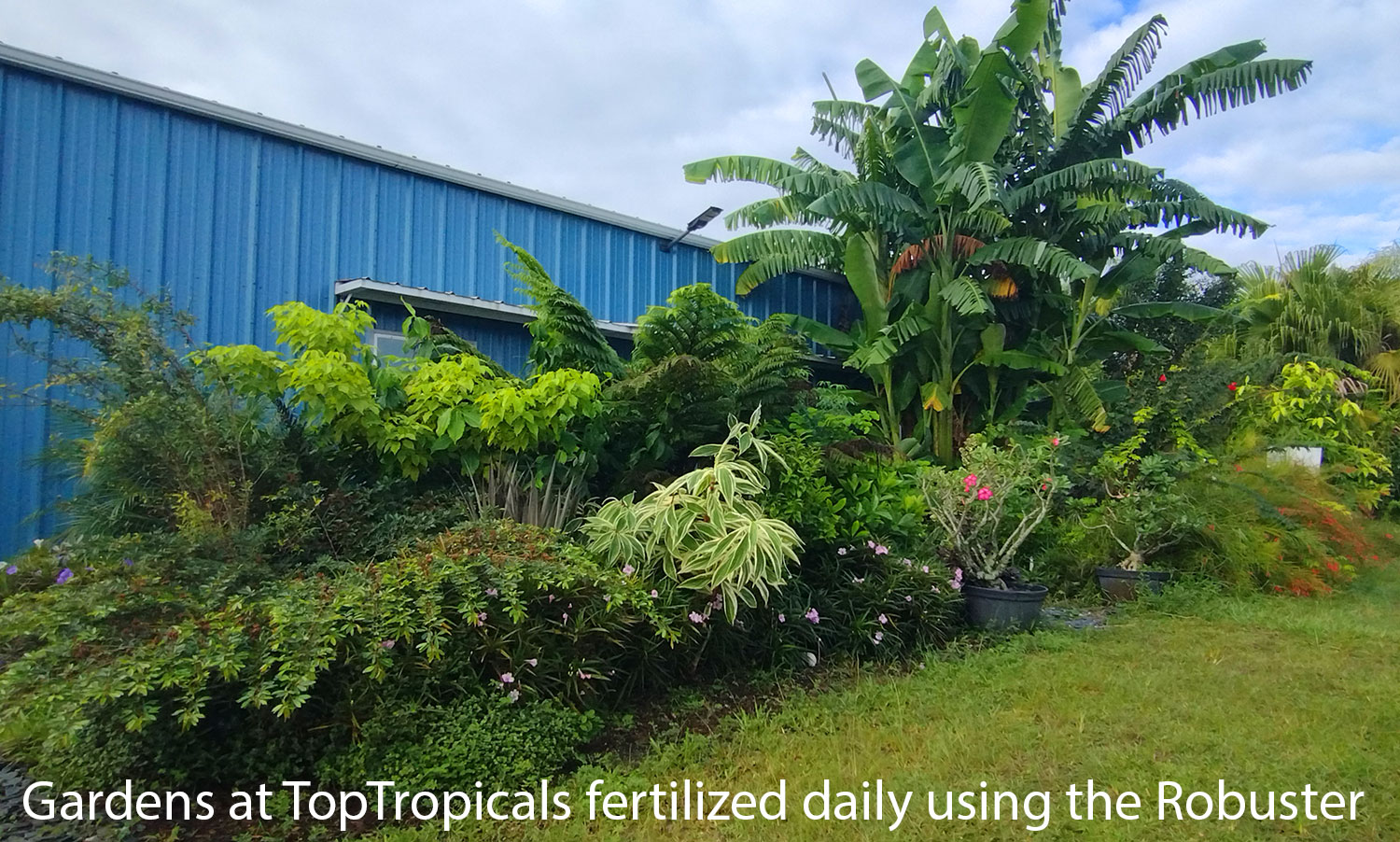
This garden doubled the size during just one season under the Robuster care.

Date: 31 Oct 2023

How to establish Tabernaemontana
and get more fragrant blooms

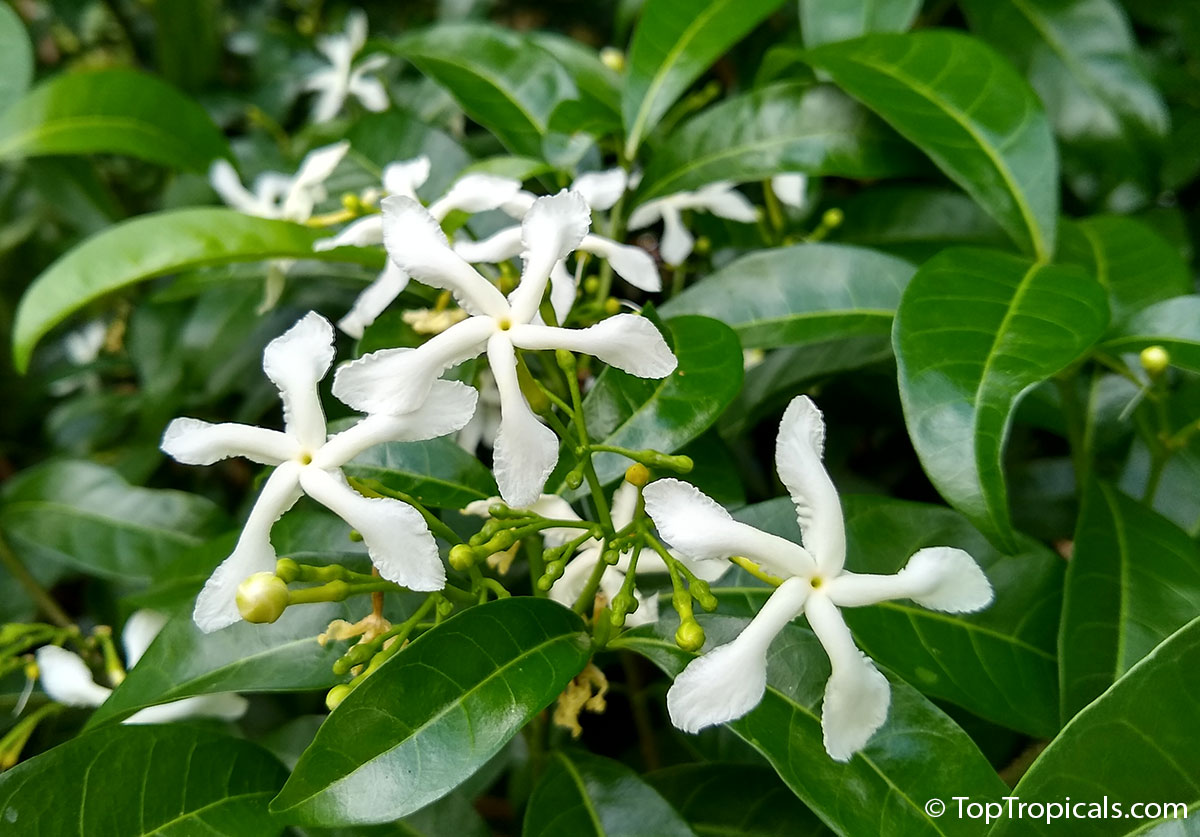
abernaemontana australis flowers

Q: I purchased Tabernaemontana australis from you back in June of this year and it recovered just fine, but the new growth got some chlorosis.   Older leaves still look normal.   The flowers also look normal but lack fragrance.   Since I live up north, I have it in a heated greenhouse for the winter, with a grow light to compensate for the short days.   I have it in a 10 inch clay pot in a mix of equal parts standard indoor potting soil, peat moss, and perlite.   It gets fed with half strength 10-10-10 about once a month on average.  Is there some specific culture that you would recommend for this plant ? I really love it and want it to thrive.

A: Tabernaemontana is a plant that may take some time to establish itself, and leaf chlorosis often becomes a common issue when the root system is not well-established. This symptom is indicative of Iron deficiency, and possibly other micro-element deficiencies, such as Boron or Molybdenum, which become more apparent when the plant receives excessive water. This problem tends to intensify as temperatures drop, particularly when a combination of cool and wet conditions prevails. It's worth noting that your potting mix seems to be appropriate for this plant.

In light of these circumstances, we recommend the following steps:

1) Reduce watering during the cooler season, especially when daylight hours are shorter. Allow the top layer of the soil to dry before watering again.

2) Consider supplementing with microelements using a product like   Sunshine Superfood. You can apply this as a foliar spray and mix it with your watering can.

3) Maintain your regular fertilizing program throughout the winter months, but ensure that you use only liquid amino-acid fertilizer, such as   Sunshine Megaflor. Follow the instructions on the label for the correct dosage and apply it with each watering, even during the winter. Since you will be reducing amount of water, the amount of fertilizer also will be adjusted accordingly.
Important: do not use any dry fertilizers during winter months (Nov-March).

Regarding the fragrance of the flowers, they typically emit a mild, sweet scent, although it may not be as potent as that of gardenia or jasmine. The strongest aroma usually becomes more prominent during warm (but not excessively hot) and humid conditions, particularly in the morning hours. As the plant grows larger and healthier, the fragrance should become more intense because the flowers produce more essential oil when the plant is robust. You may also apply Sunshine Honey supplement to improve flower quality and fragrance strength.

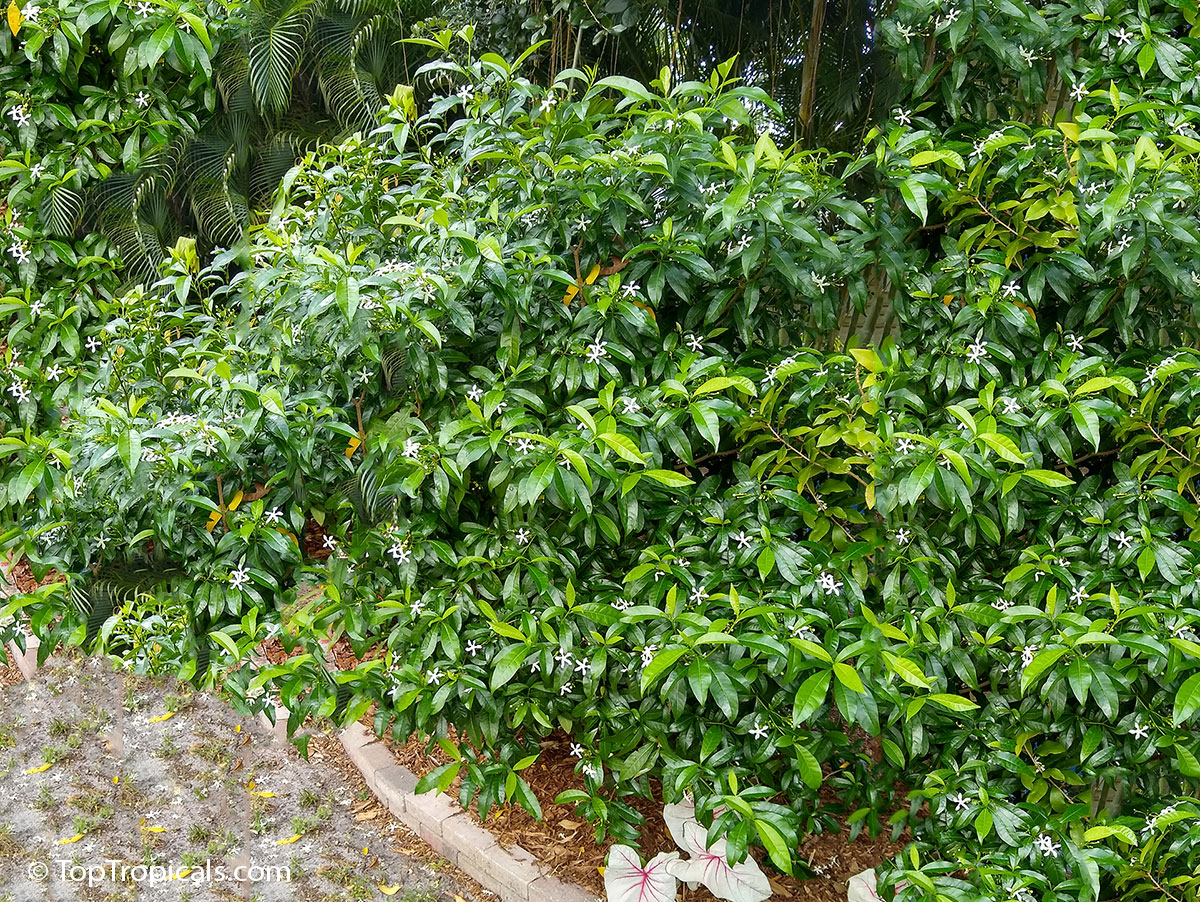
abernaemontana australis bush

Date: 31 Oct 2023

Cat of the day:
Shaka. The Tail of Two Kitties...

By Kristi VanBenschoten

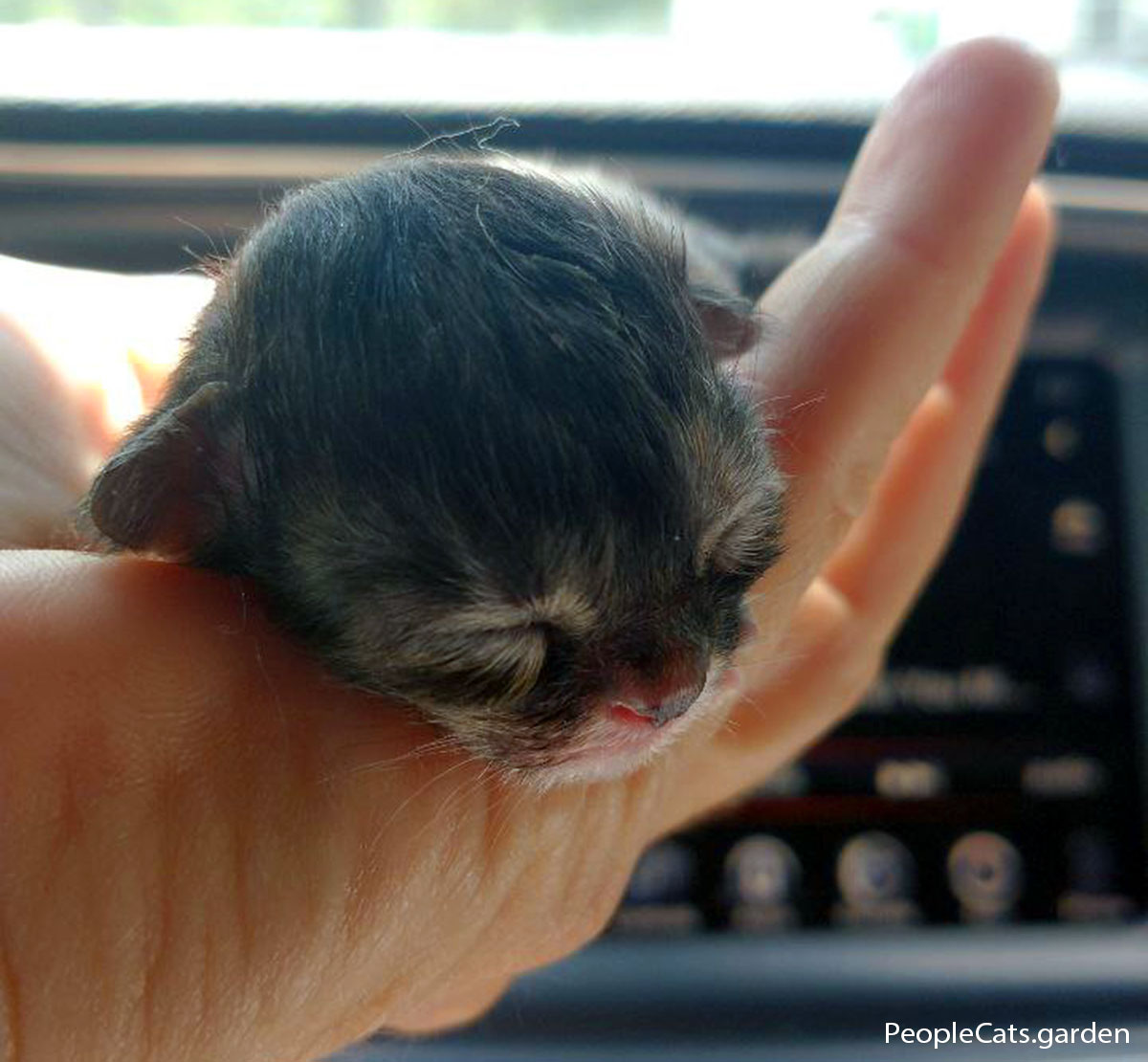
New born kitten

For those of you who have been following the Cat of the Day stories, you may remember the heartbreaking story about Little Raja... When Raja passed, I was heartbroken and vowed, "No more new cats." Well, wouldn't you know, I would eat those words...

One of our shipping experts, Rob, came in and said that a feral cat around his house had just given birth to a kitten on his front porch, but the mother had left and not returned. I immediately asked him to go get me the kitten, knowing it was going to be cold and hungry and could not be left without warmth and food for long...
Rob rushed off to get the kitten and, within what felt like the blink of an eye, returned with the tiniest (about 4 inches), yet astonishingly vocal, kitten I had ever met.

And this is what happened next...

New born kitten

Date: 26 Oct 2023

NEW VIDEO:
Happy Parrots Beak

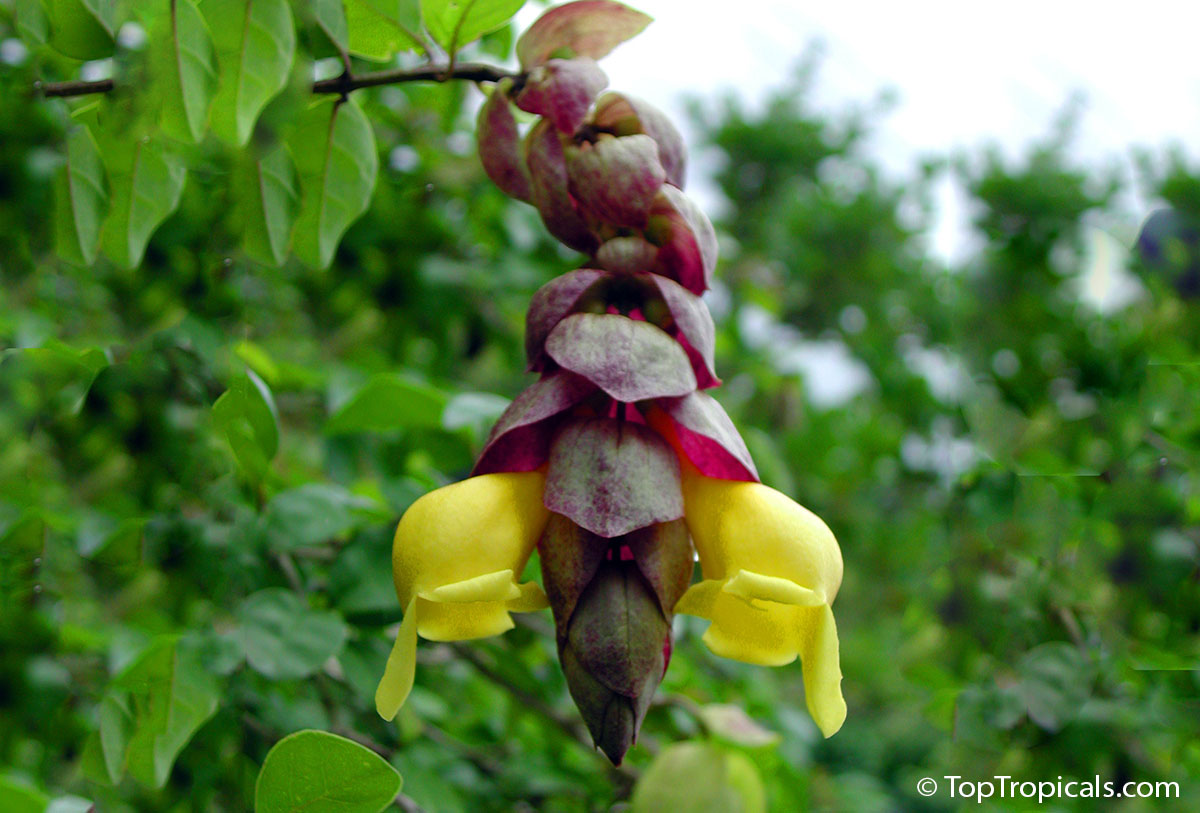
Introducing Parrots Beak: a whimsical and vibrant shrub, with funny flowers that mimic the playful antics of a parrot, with its pendant branches and joyful handstand-like leaves... This low-maintenance, sun-loving plant adds a touch of the tropics and endless whimsy to your garden, making it a butterfly magnet!

Looking to add some funny Parrot's Beak to your life? Order large plants - Gmelina philippensis - Parrots Beak - right now while we have them!

Gmelina philippensis - Parrots Beak

Subscribe to our Channel:

Stay updated with TopTropicals Videos by subscribing to our channel at YouTube.com/TopTropicals and get our latest video news of what is fruiting and blooming!