Garden Blog - Top Tropicals

Date: 24 Oct 2023

Calathea Zebrina: Nature's Zebra Striped Star
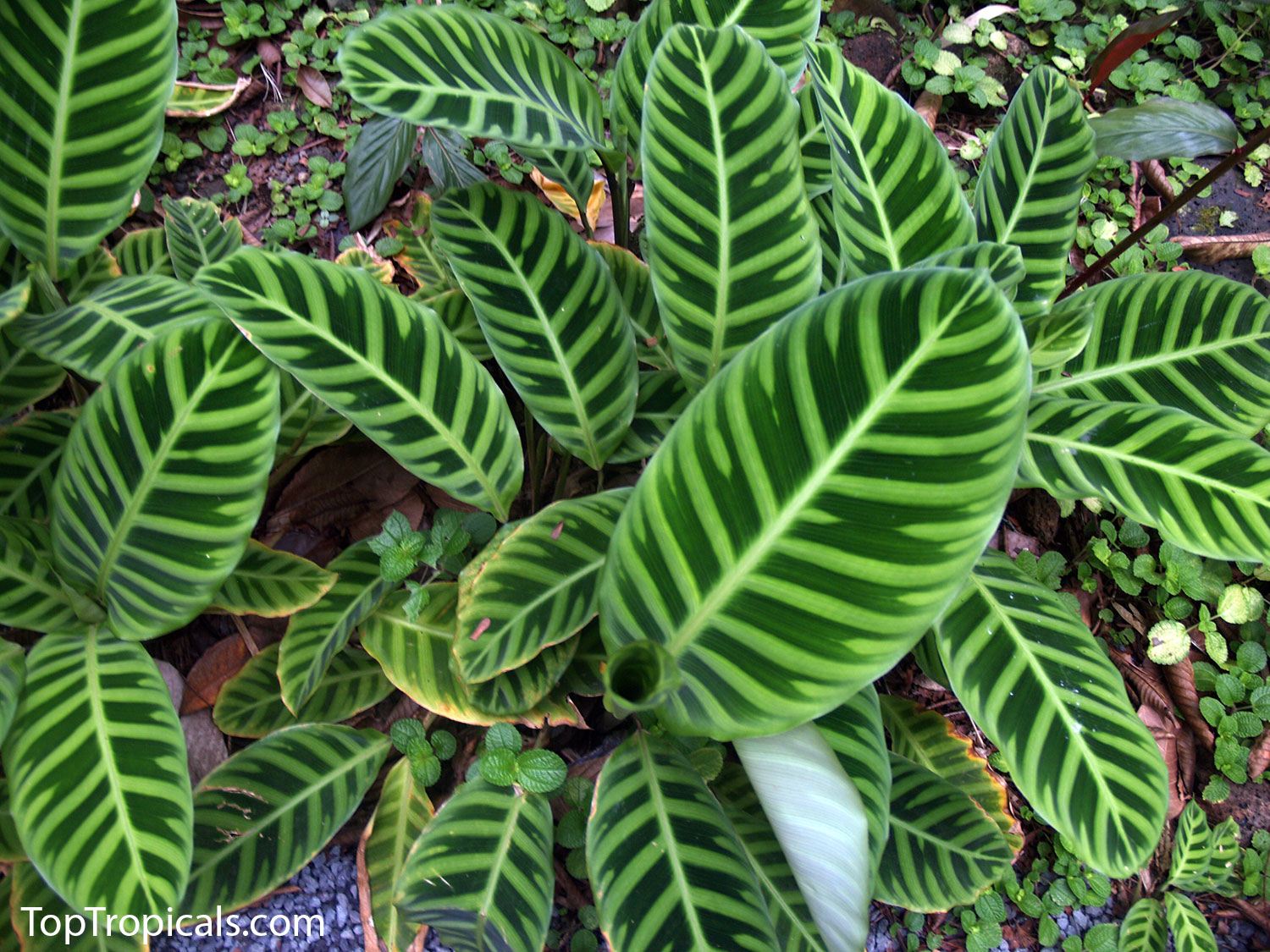
Calathea Zebrina - Zebra Plant

Q: Can you recommend a showy houseplant for a living room that doesn't need much care?

A: Meet the Calathea Zebrina - Zebra Plant, the zebra-striped sensation straight from the Brazilian rainforests. This charismatic plant is like a piece of living art for your home! The Calathea Zebrina isn't just a houseplant; it's a conversation starter and a slice of jungle magic right in your living room. Get ready to embrace the zebra-stripes and let your home's wild side shine!
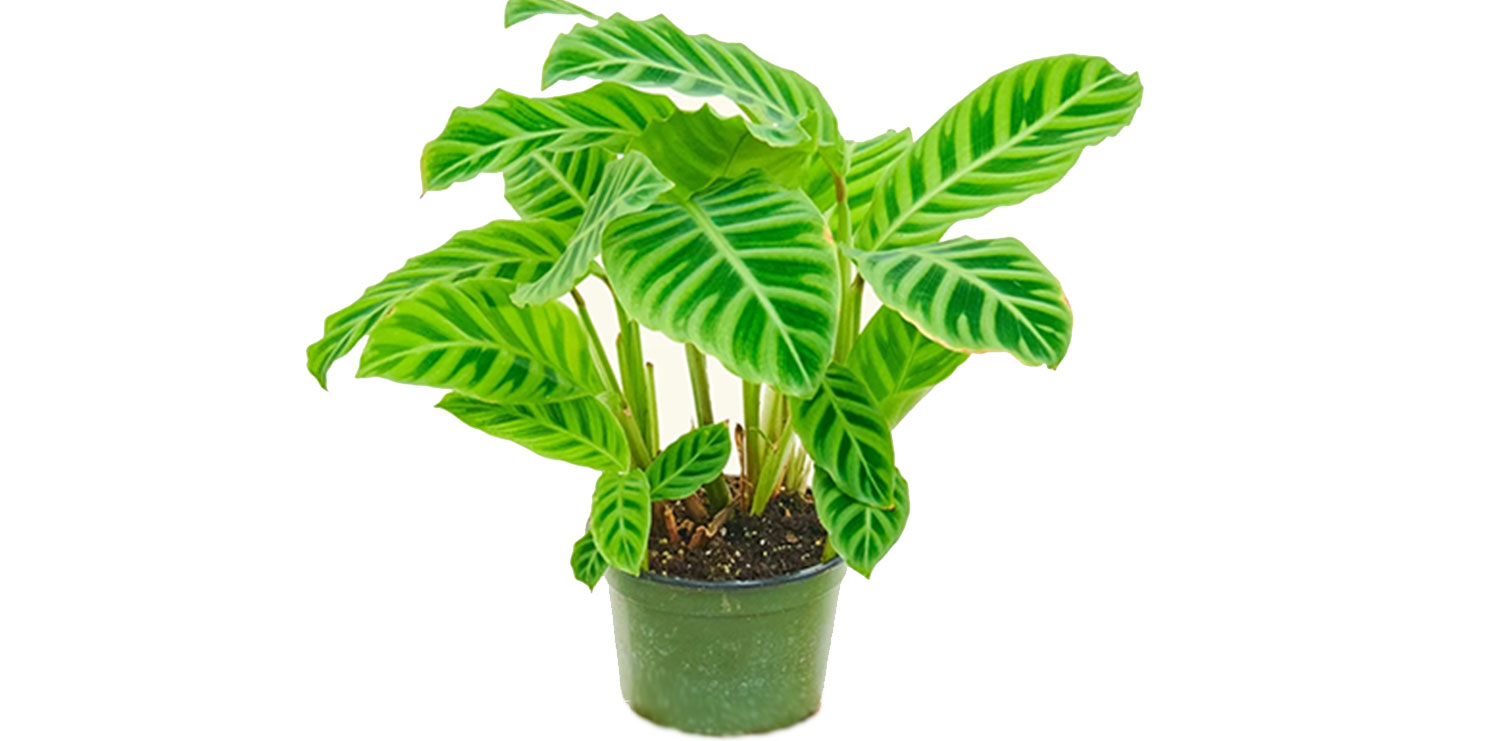
Calathea Zebrina - Zebra Plant

Zebra Stripes with a Twist:
With its bold dark green stripes on a velvety light green canvas, the Zebra Plant adds a touch of nature's whimsy to any room. It's like having a zebra with a green thumb as your housemate. The underside of the leaves are purple and not always visible because leaves grow horizontally (although some will curve or grow more upright).

Low-Light Lover:
Not only is it easy on the eyes, but it's also easy to care for. The Zebra Plant thrives in low light conditions, so you don't need to rearrange your whole house just to keep it happy. It even tolerates a little over-watering which all of us tend to do with house plants.

Green with Envy:
This plant may make your other houseplants a bit envious with its captivating appearance. Its zebra stripes aren't just a fashion statement; they're a botanical masterpiece. Keep it even greener with Sunshine Robusta plant food - safe to use year around!

A Slice of Serenity:
In a world that's always in a hurry, the Zebra Plant is a gentle reminder to slow down, appreciate nature's beauty, and bring a touch of tranquility to your space.
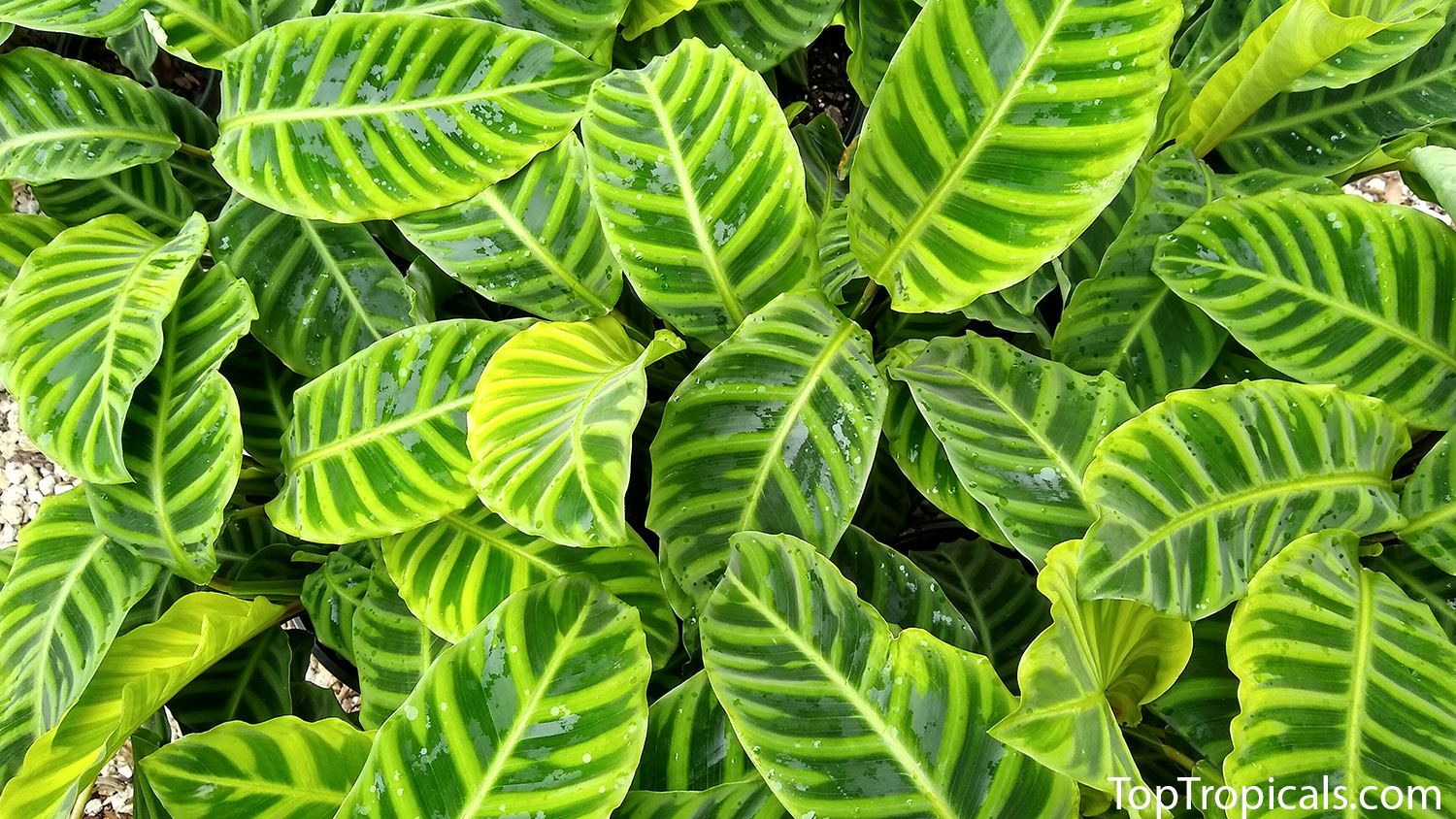
Calathea Zebrina - Zebra Plant

Date: 20 Oct 2023

Prepare your plants for Winter with Sunshine Boosters

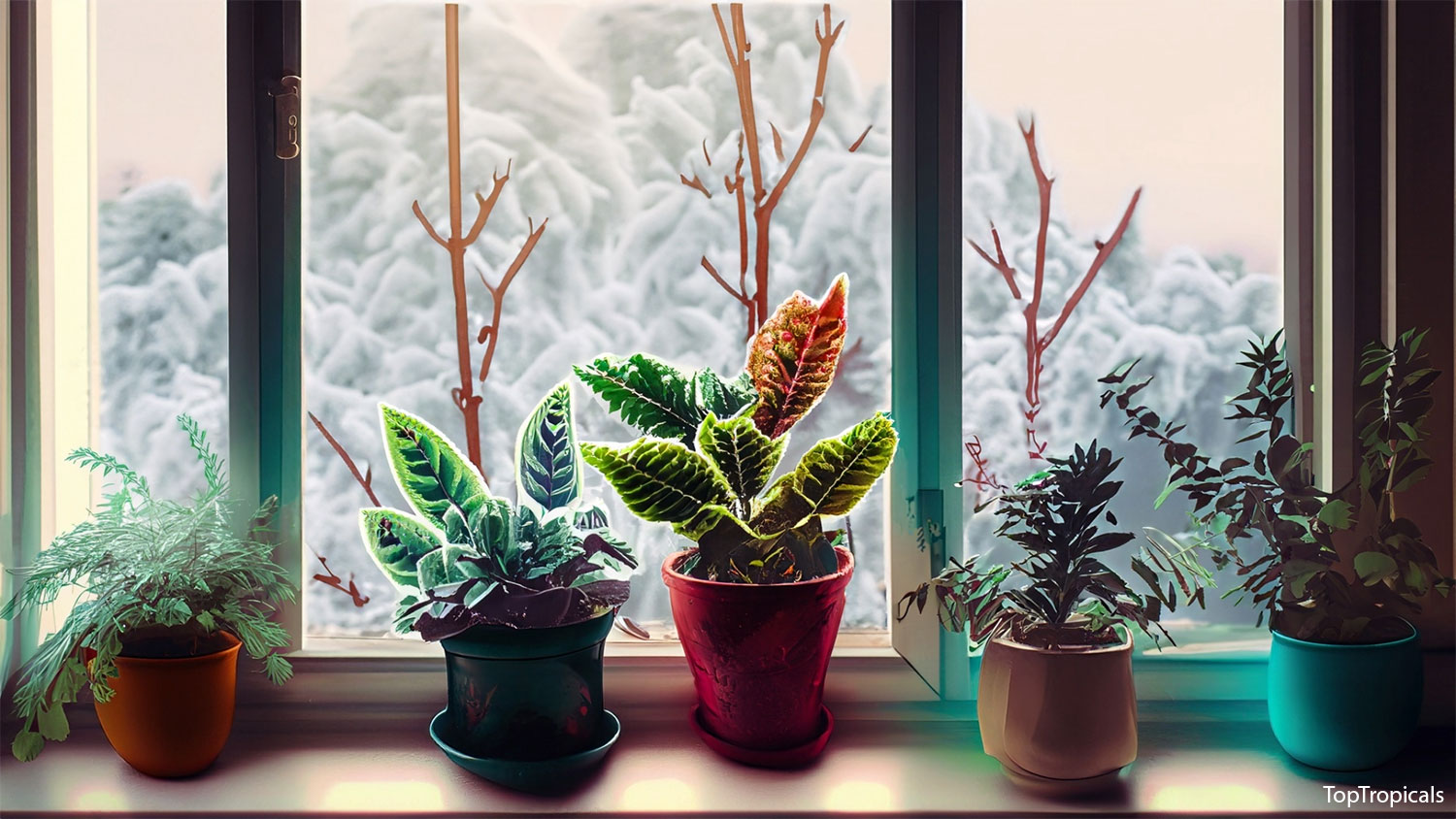
Tropical Plants on Winter Windowsill

We usually stop using dry slow-release fertilizers from November to March. However, liquid Sunshine Boosters, which are natural plant food, can be used all year. They help your plants survive winter. When it gets colder, we water less, so the fertilizer decreases too. The plants only use what they need. To learn more about how Sunshine Boosters work and why they're safe and helpful, check out this blog: Using Sunshine Booster during Winter.

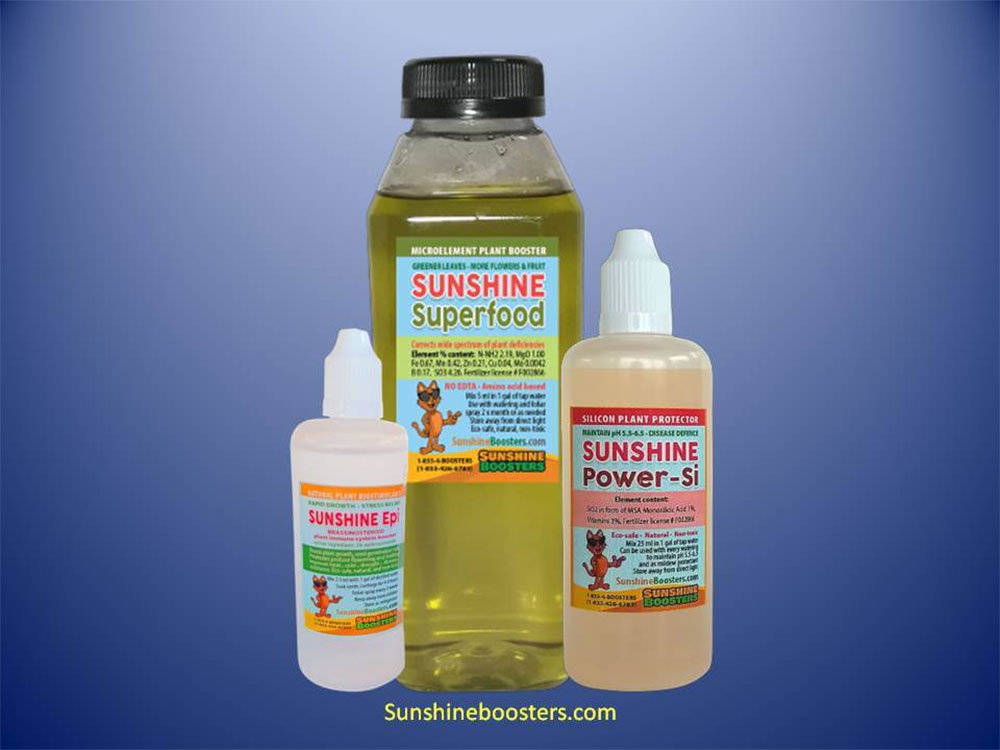
Sunshine boosters formulas

Apart from giving your plants nutrients during winter, you also can improve their ability to handle the cold. Try the Sunshine Boosters supplement kit for tropical plants. Follow the schedule and use three different supplements: SUNSHINE Superfood, SUNSHINE Epi, and SUNSHINE-Power-Si. Read more about treatment with Sunshine boosters supplement kit.

Sunshine boosters supplement kit

Sunshine boosters supplement kit

Date: 20 Oct 2023

How to help a weak tree to recover and thrive?

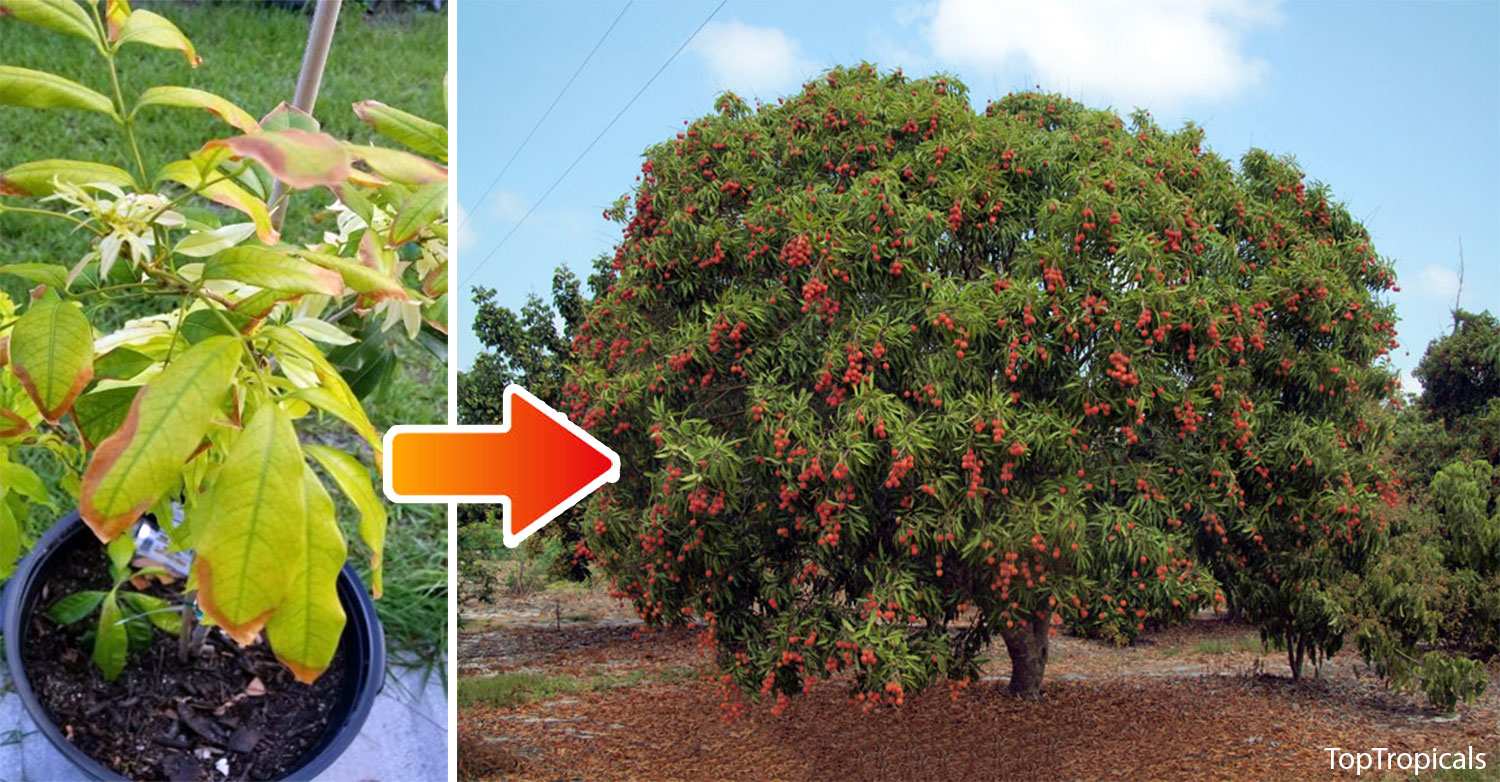
small and large lychee tree

Q: Look at my sad looking Lychee tree. Can you share with me any ideas about this tree condition?

A: From the photo (left), we see a few potential issues. The problem might be due to a combination of factors such as a heavy potting mix with poor drainage, over-watering, an underdeveloped root system sensitive to these conditions, leaf burn, and a lack of nutrients.

Suggestions for fixing the problem

1. Soil mix. First, assess the quality of the soil. If the plant has been in the same pot for a while, the soil at the bottom may have become compacted, leading to poor drainage. If this is the case, carefully remove the root system from the existing soil (by removing excess soil around the roots without disturbing the roots themselves). Repot the tree into fresh, well-draining potting mix with good drainage characteristics, which typically contains materials like bark and perlite. Ensure that the new pot is exactly the size of the root ball; using a significantly larger pot can lead to soggy conditions that harm the roots.

2. Light. Place the potted tree in an area with filtered light, avoiding direct sunlight throughout the day.

3. Water. Control the watering. During this recovery period, your plant will need very limited water until it shows signs of improvement and new growth. After repotting, water it thoroughly just once, and avoid watering again until the top layer of soil becomes dry. Then, water as needed. Avoid keeping the soil consistently wet, especially during rainy periods. Protect the plant from excessive rain.

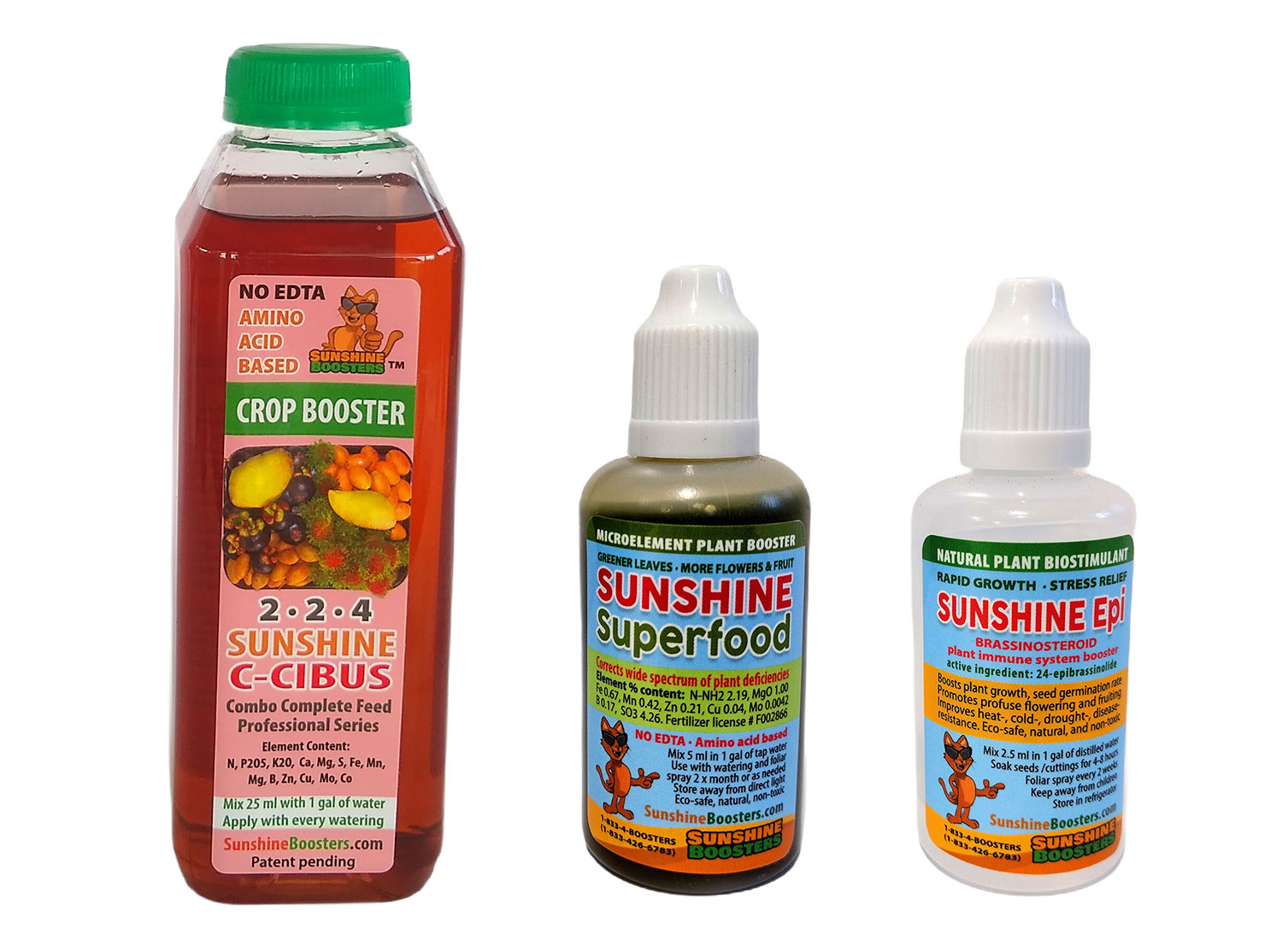
4. Supplements. Consider applying Sunshine Superfood micro-elements following the label instructions, once a month. Additionally, using Sunshine Epi bio-stimulant, sprayed every other week, can help the plant recover from stress and encourage growth. You can also use Sunshine C-Cibus at half the recommended concentration with each watering. Hold off on any other fertilizers until the plant has sufficiently recovered and begins to show signs of new growth.

5. Transplanting. If you plan to transplant the tree into the ground, it's advisable to wait until spring when nighttime temperatures consistently stay above 65F for at least two weeks.

6. Temperature. Keep the tree in a warm environment. When temperatures drop below 50F, bring it indoors.

These steps should help the tree recover, grow healthy leaves, and establish a better root system, preparing it for successful transplantation into the ground or a larger container, ensuring a happy and productive life ahead.

Sunshine Boosters: C-Cibus, Superfood, Epi

Date: 15 Oct 2023

Growing Barbados Cherry in container

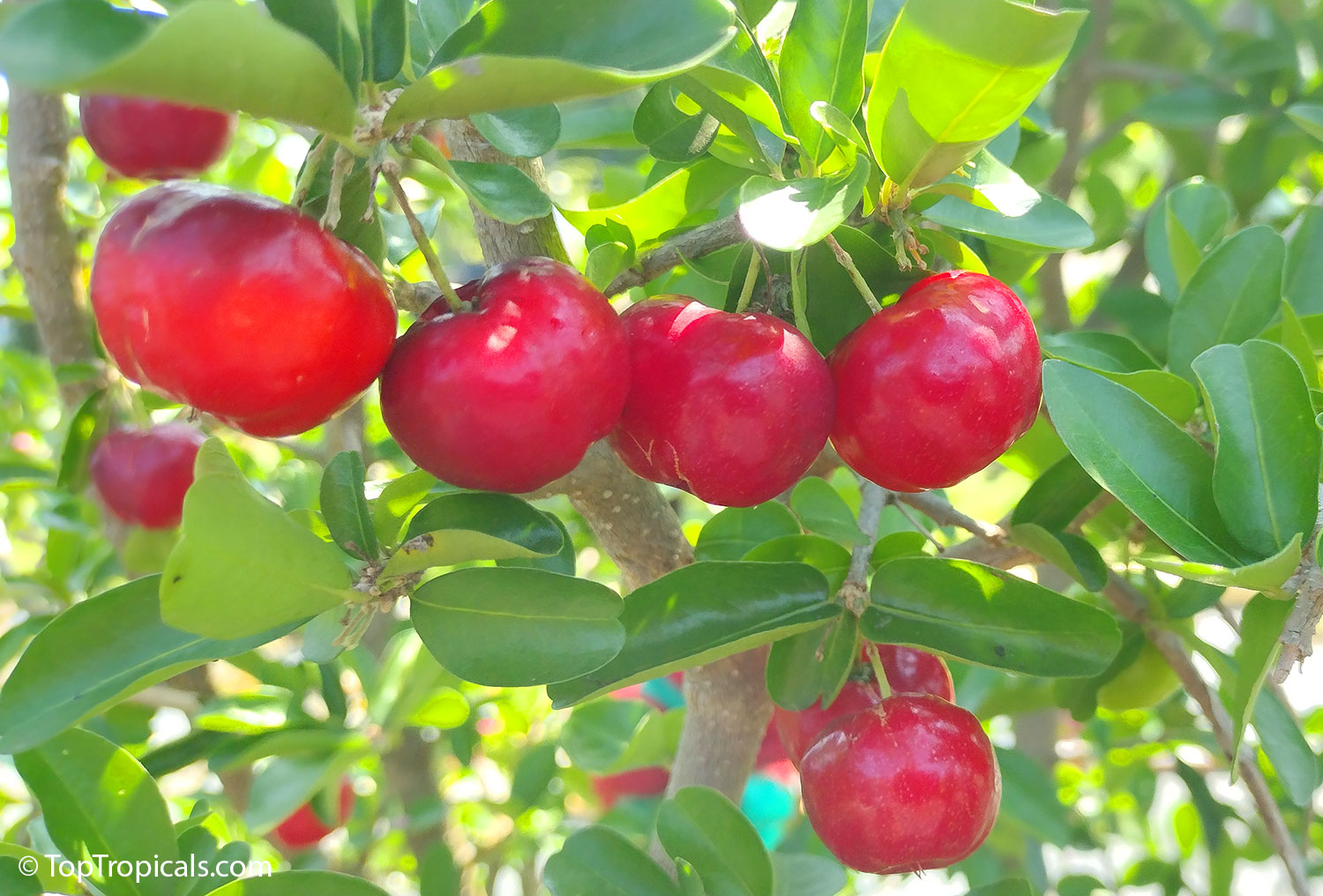
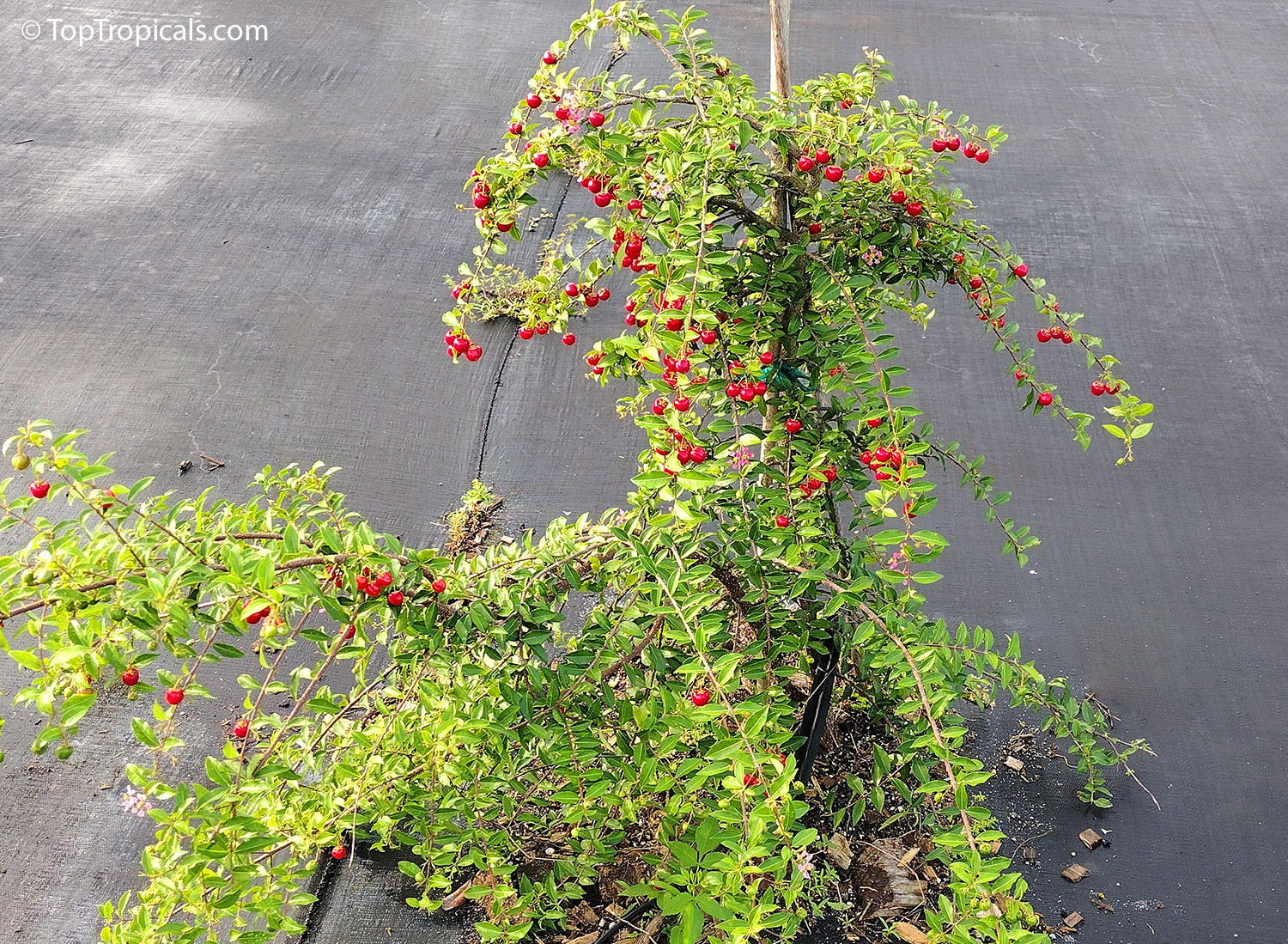
Barbados Cherry fruit on the branch

Q: I am interested in buying some Barbados cherry plants. Could you please advise if these can be grown in containers indefinitely or it's still better for them to be planted in ground for nutrients etc?

A: The Barbados cherry, like other tropical cherry varieties, is exceptionally well-suited for cultivation in containers.

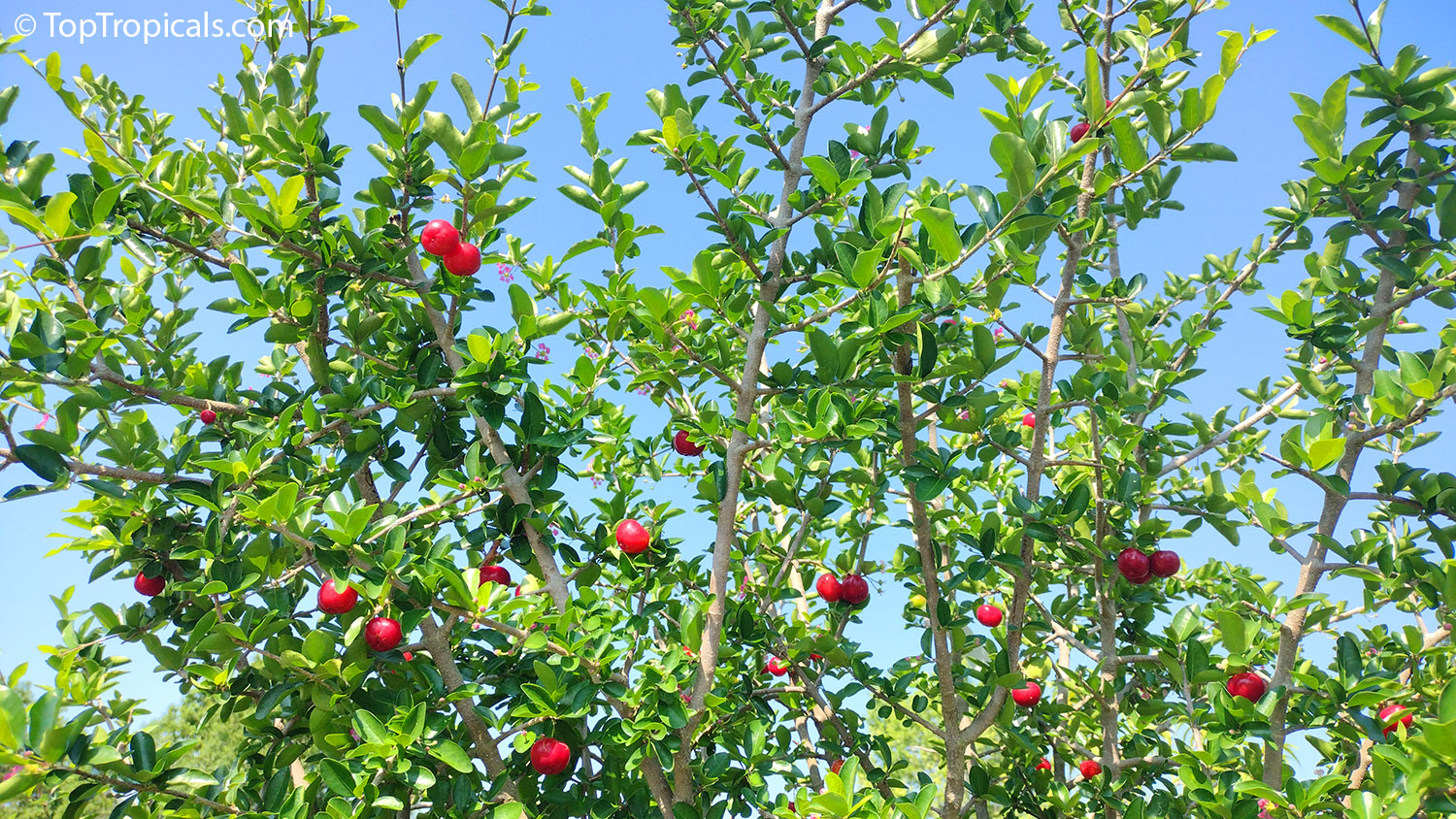
Barbados cherry grows into a dense bush, demands minimal pruning, and begins bearing fruit at a young age. Our plants, which are propagated from cuttings, initiate the flowering and fruiting process in the very same year. They produce fruit almost year around. This year we've had three big crops: April, July and October (still fruiting now!) besides sporadic fruiting throughout the warm season.

Barbados Cherry branches with fruit

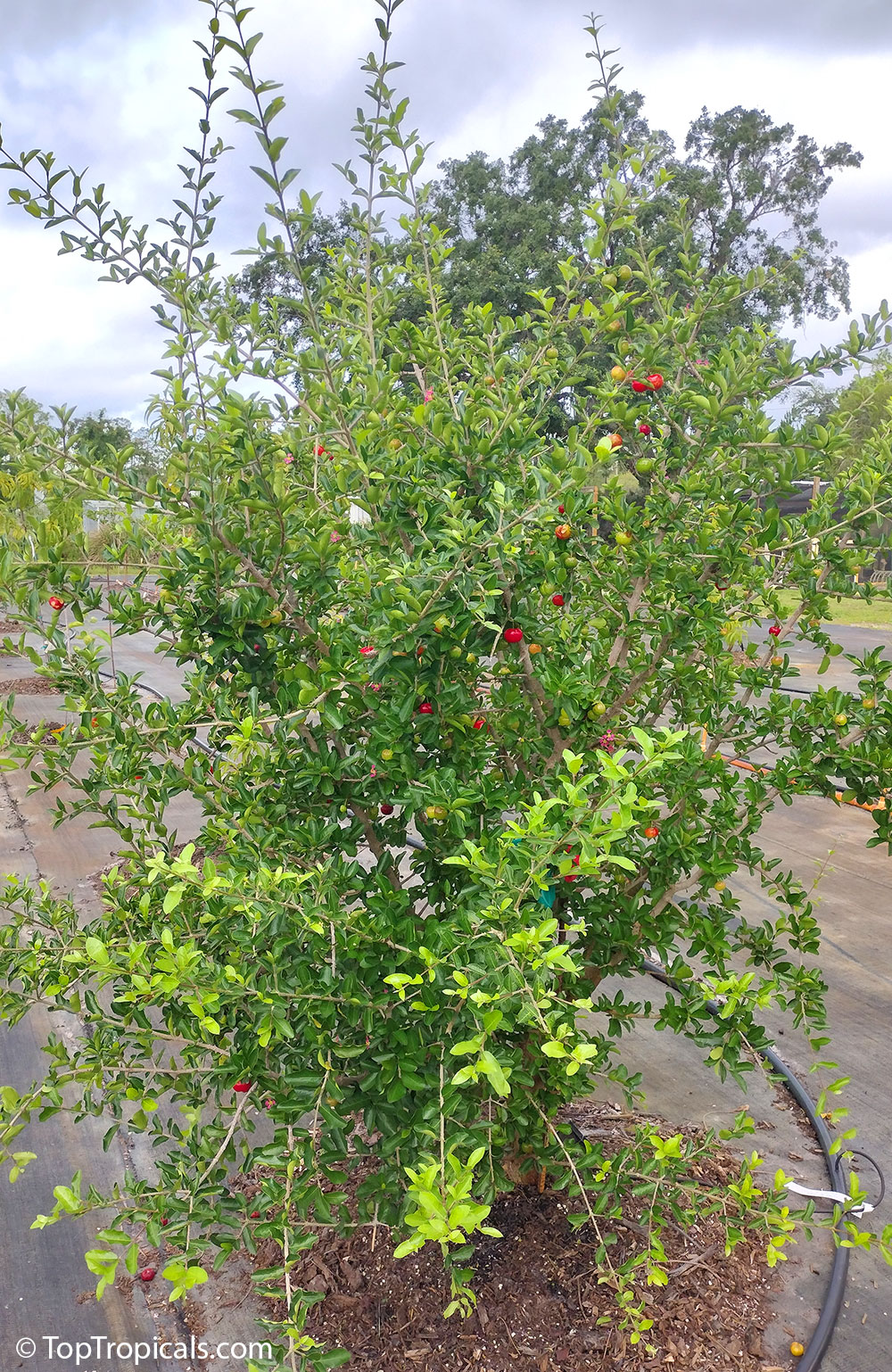
You can cultivate Barbados cherry in a pot, commencing with a 1-3 gallon container and gradually increasing the size each year. Below is a photo of a fully developed tree in the ground, for reference. This tree is approaching its third year of growth. When grown in a container, it maintains a more compact size, with the largest container needed likely being between 7 to 15 gallons. Regular pruning can be employed to keep it smaller.

 Barbados Cherry bush in the ground

Photo above: Barbados Cherry bush in the ground

Barbados cherry (Malpighia) possesses a distinct growth pattern that sets it apart from other tropical cherry varieties - Eugenias. Malpighia's branches can assume peculiar shapes, even at angles of up to 90 degrees. Therefore, pruning to achieve the desired shape is advantageous.

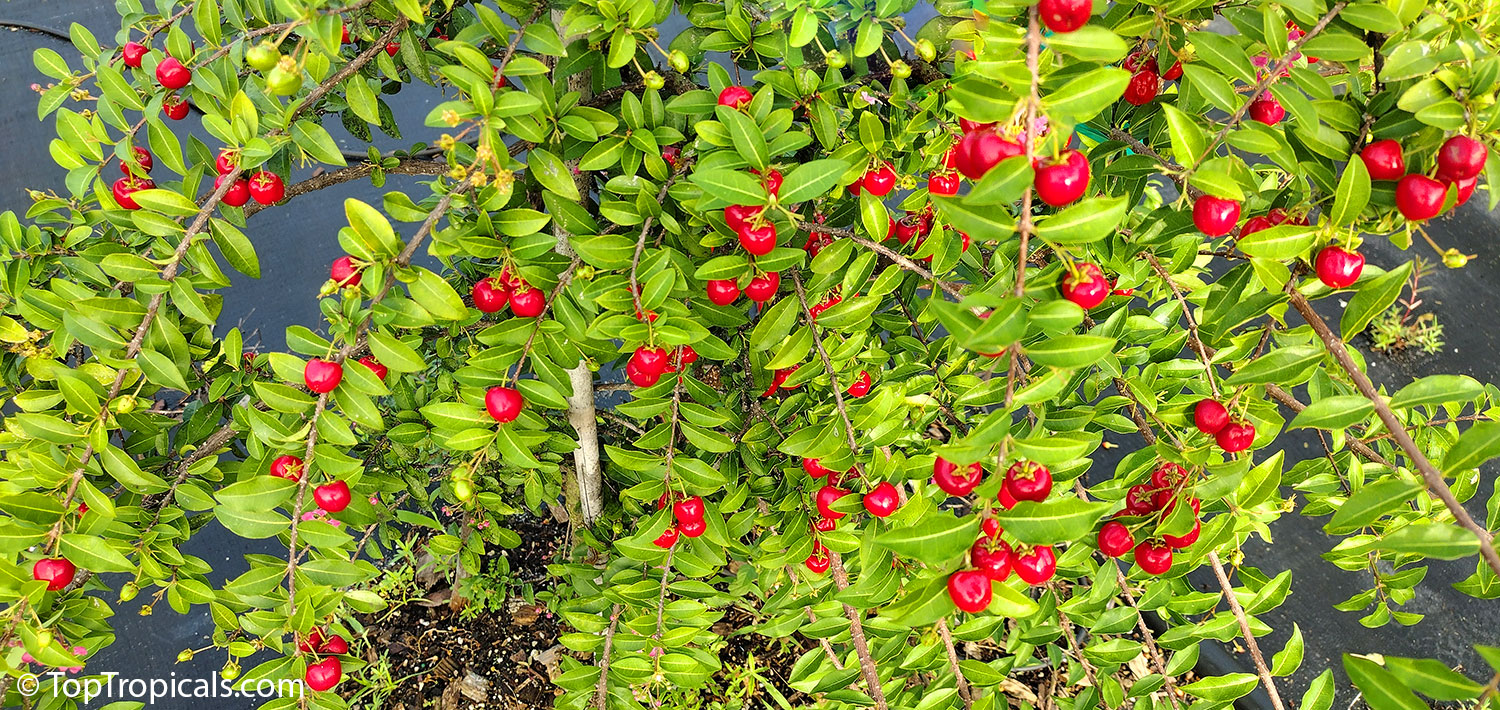
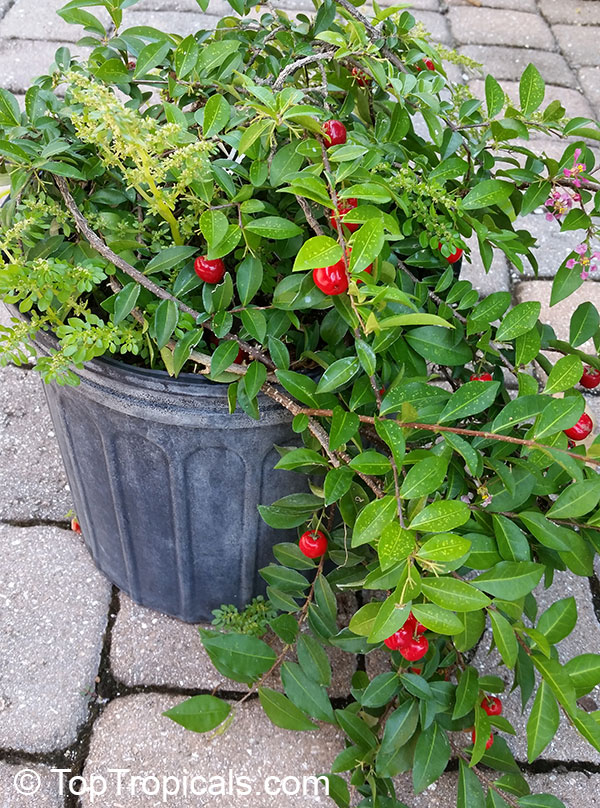
Additionally, you may want to explore the Dwarf Barbados cherry, a miniature cherry variety ideal for container cultivation, with cascading growth habit. Although its fruits are slightly smaller than those of the regular variety, they are notably sweeter.

Dwarf Barbados Cherry branches with fruit

Photo above: Dwarf Barbados Cherry fruit

When it comes to ensuring the health and vitality of your potted Barbados cherry plants, maintaining a consistent nutrient supply is crucial. Implementing a regular fertilization regimen is essential to promote robust growth, consistent flowering, and bountiful fruit production. For optimal results, we recommend using Sunshine Boosters, which are specially formulated to enhance the development of fruits and edibles. These boosters are derived from organic amino acids, making them environmentally friendly and safe for year-round use. By incorporating Sunshine Boosters C-Cibus into your plant care routine, you can ensure that your container-grown Barbados cherry plants receive the essential nutrients they need to thrive and flourish.

Barbados Cherry in the ground

Photo above: Dwarf Barbados Cherry in the ground

Barbados Cherry in a pot

Date: 9 Oct 2023

NEW VIDEO:
Jamaican Hibiscus Tea: what's in it?

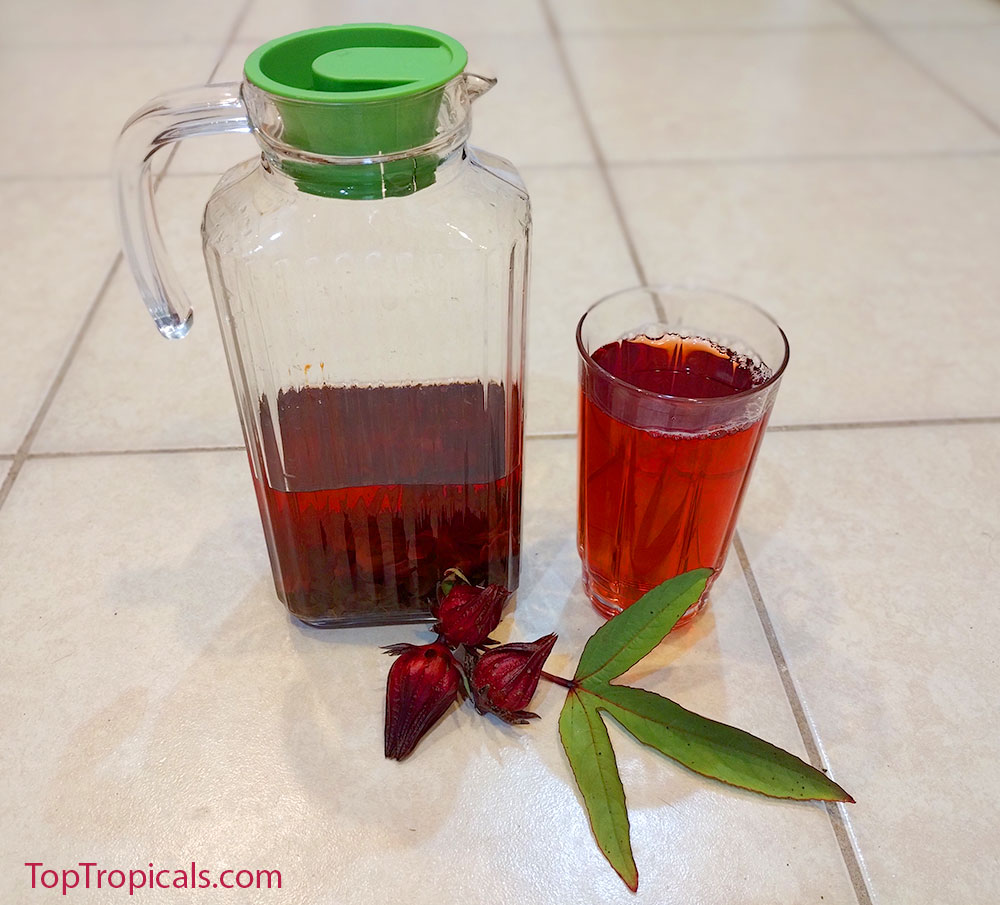
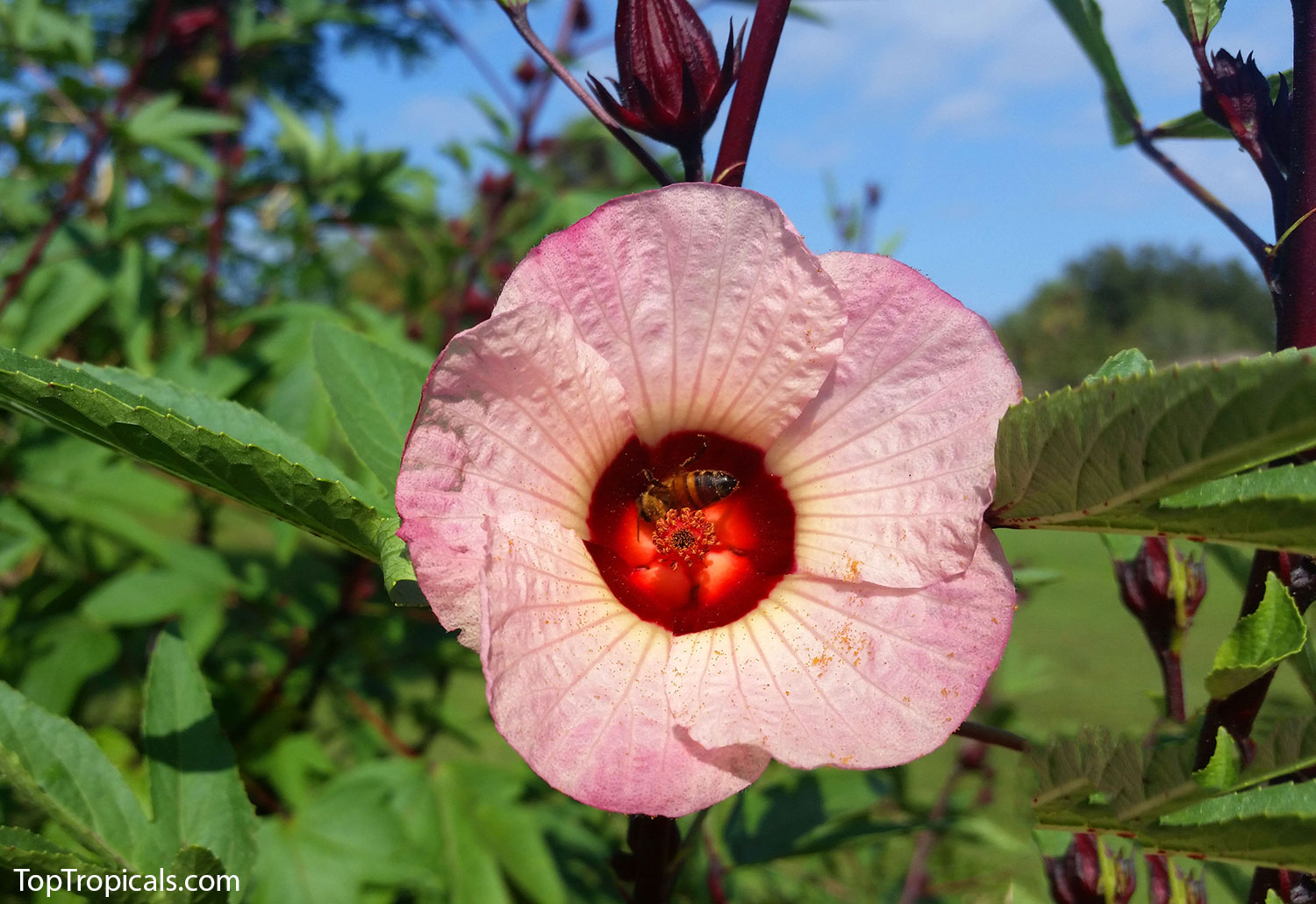
Ever wondered what's in your delicious Hibiscus tea? It's made from the flower bracts of Hibiscus sabdariffa, also known as Jamaica Tea flower, Flor de Jamaica, Karkade, or Roselle. To make it, pick ripe red seed pods with swollen calyces after the flowers fade. You can use the whole plant including leaves and flowers, but the best part is those flower bracts.
Enjoy this chilled summer drink, known as Agua de Jamaica, popular in Jamaica, the Caribbean, Central and South America. It's also used in Mexican sangria and as hot or cold tea in the US, with a tart cranberry-like flavor. Studies even show it can lower high blood pressure and has health benefits...
Learn more about Jamaican Hibiscus Tea from our new video...

Agua de Jamaica Tea

Hibiscus sabdariffa - Flor de Jamaica, Karkade Sorrel

Subscribe to our Channel:

Stay updated with TopTropicals Videos by subscribing to our channel at YouTube.com/TopTropicals and get our latest video news of what is fruiting and blooming!