Garden Blog - Top Tropicals

Date: 21 Mar 2023

How to grow Calathea indoors
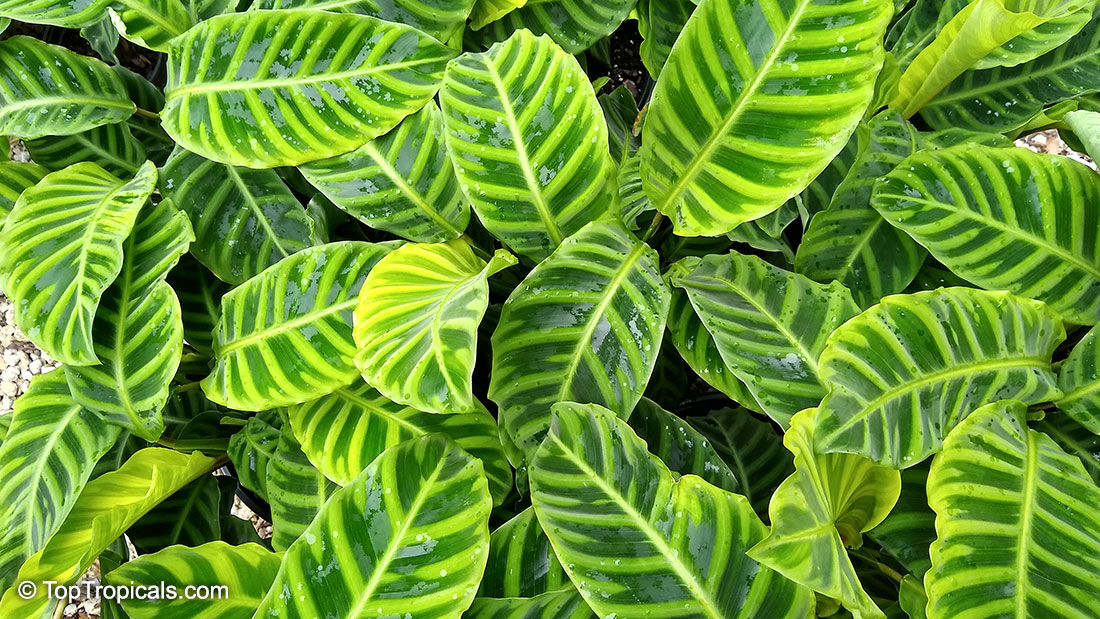
Calathea zebrina - Zebra Plant

In the photo: Calathea zebrina - Zebra Plant

Calathea is a beautiful and popular houseplant known for its unique and colorful foliage. Here are the steps to grow calathea indoors:

1. Choose a suitable location: Calathea plants prefer bright, indirect sunlight, so choose a location near a window with filtered light. Avoid direct sunlight as it can scorch the leaves.
2. Select a pot that is slightly larger than the plant's root ball and has drainage holes. Fill the pot with a well-draining potting mix that is rich in organic matter. Plant at the same depth as it was in its previous pot.
3. Water: Keep the soil consistently moist but not waterlogged. Water when the top inch of soil feels dry to the touch. Use room temperature water and avoid using hard water or water that contains high levels of minerals.
4. Provide humidity: Calathea plants thrive in humid conditions, so provide them with regular misting or place a tray of water near the plant to increase humidity. You can also use a humidifier to maintain optimal humidity levels.
5. Fertilize: Apply Sunshine Boosters liquid fertilizer. It is safe to feed the plant with Rubusta formula with every watering and year around. Feeding plants is especially important in Spring when active growth starts.
6. Prune any yellow or damaged leaves regularly to keep the plant healthy and attractive. Use clean, sharp scissors to make clean cuts.

By following these steps, you can successfully grow a beautiful and healthy Calathea plant and any beautiful container plant indoors.
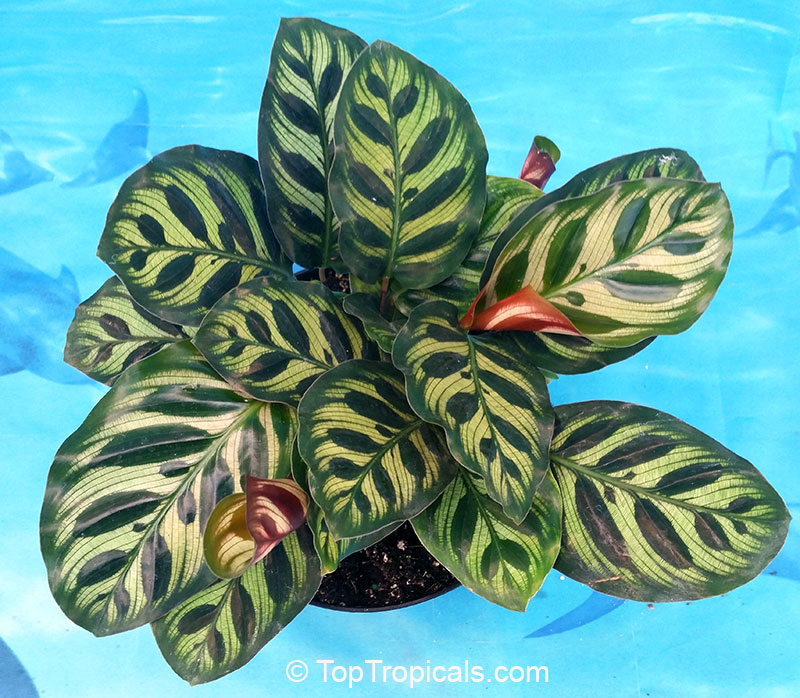
Calathea makoyana - Peacock plant

In the photo: Calathea makoyana - Peacock plant
Date: 16 Mar 2023

The Robuster field test:
turning green!

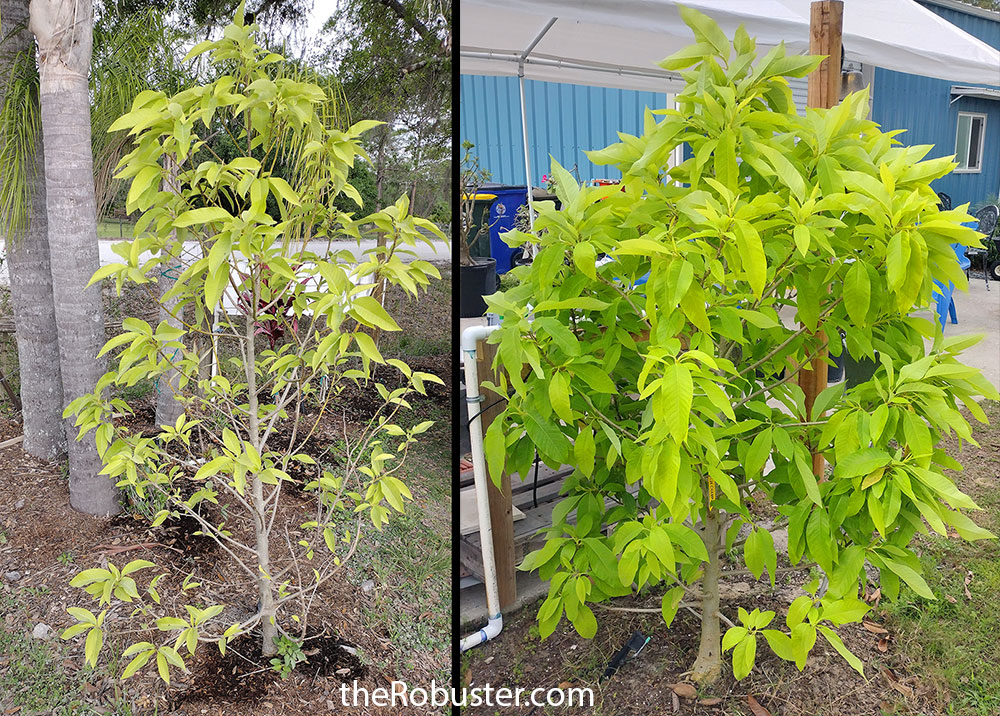
The Rubuster and Champaka tree turning green

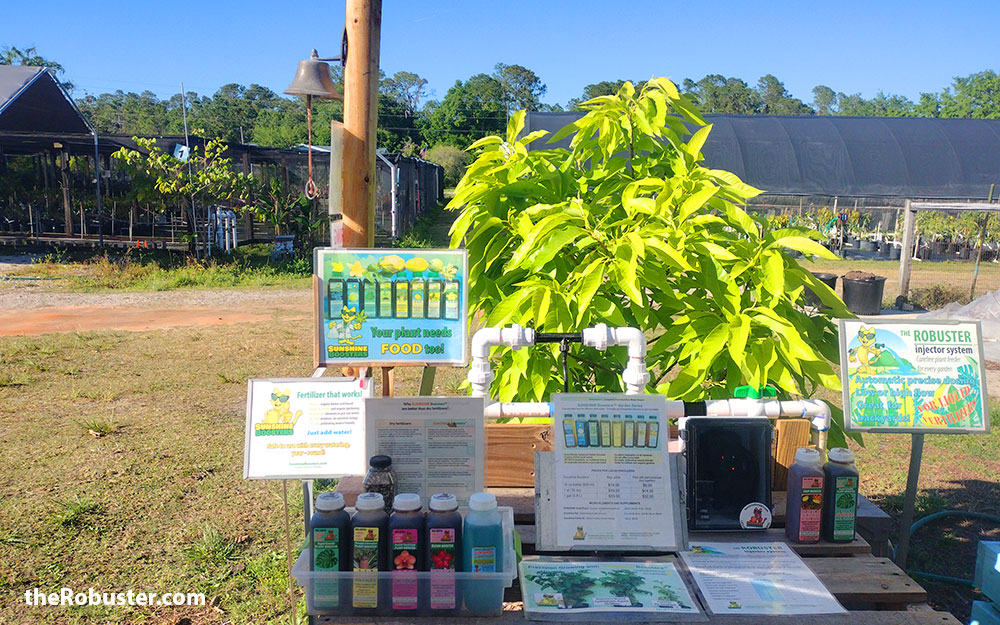
These two Champaka trees are of the same age, planted at the same time, 100 ft apart, with the same light, soil, and water amount... The only difference is - fertilizer schedule! The tree on the left is planted by our farm gate and gets pure water plus slow release fertilizer every 3 months. The tree on the right grows by our farm office with watering station hooked up to the Robuster active display. The Rubuster automatically dozes Sunshine Boosters liquid fertilizer with every watering.

Date of planting: 3/13/2022
The Robuster Started: 11/25/2022
Formula used: Sunshine C-Cibus 10 ml/gal with every watering
Drip irrigation: directly to the root zone once a day, 2-5 min (weather adjusted)
Image taken: 3/15/2023 @ TopTropicals B-Farm (Sebring)

The Robuster and Champaka tree by Top Tropicals office

In the photo: The Robuster active display by our B-Farm office in Sebring, with the subject Champaka tree behind it that gets its food first come first serve!

Installation available
for local customers

The instructions for assembly are included and are straightforward, making it easy for online purchasers to put together. If you're capable of basic PVC plumbing, then assembling this system will be a breeze!

For a green, lush and fruitful garden that allows you to relax and enjoy your tropical paradise, the Robuster automatic smart fertilizer injector system is a must-have. It takes the hassle out of gardening, ensuring that it's carefree! Do you have any questions, need advice, or require assistance with installation? Simply contact us, and we'll be happy to help!

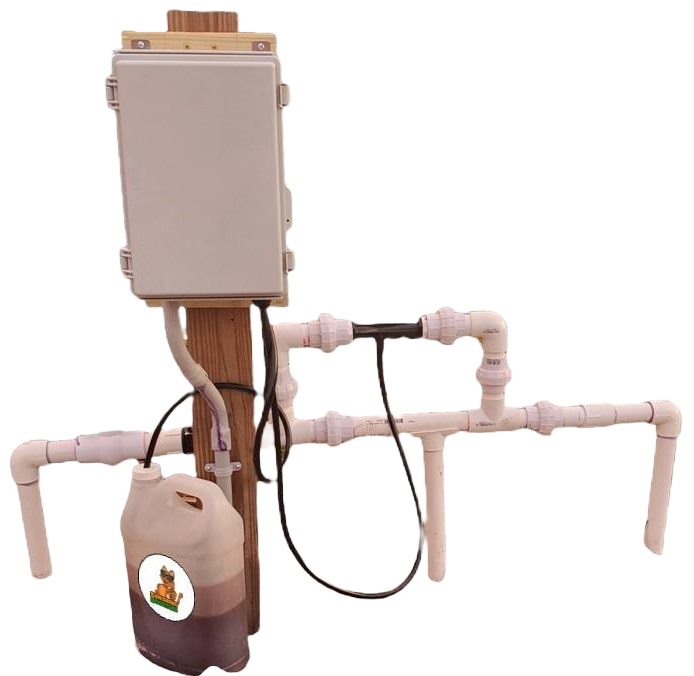
The Rubuster - automatic smart fertilizer injector system

Date: 5 Mar 2023

Cat Zodiac
Pisces Cats 2/19-3/20

By Alex Butova, the Witch of Herbs and Cats

Cat is swinging in a hammock

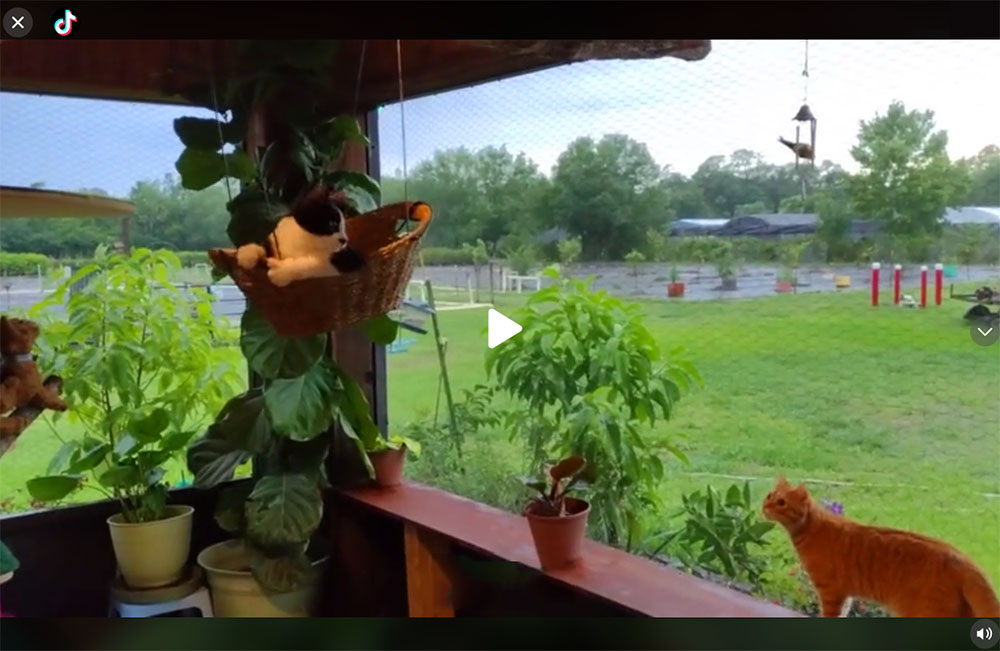
Watch TikTok video: Philemon and Bob are dreamers, not doers. Typical Pisces cats! Philemon was born 2/20, and Bob 3/13. They can swing in their hammock all day long!

The astrological sign of a cat can be determined by either their date of birth or adoption...More >>

Pisces Cats possess a remarkable ability to escape reality and enter alternate dimensions they can spend hours watching fish swim by... They explore the world with great curiosity... These cats are dreamers, not doers... Bright flowers with subtle scents should adorn their space, delectable grass can be chewed, and foliage creates shade and coolness for sweet dreams...
CONTINUE READING >>

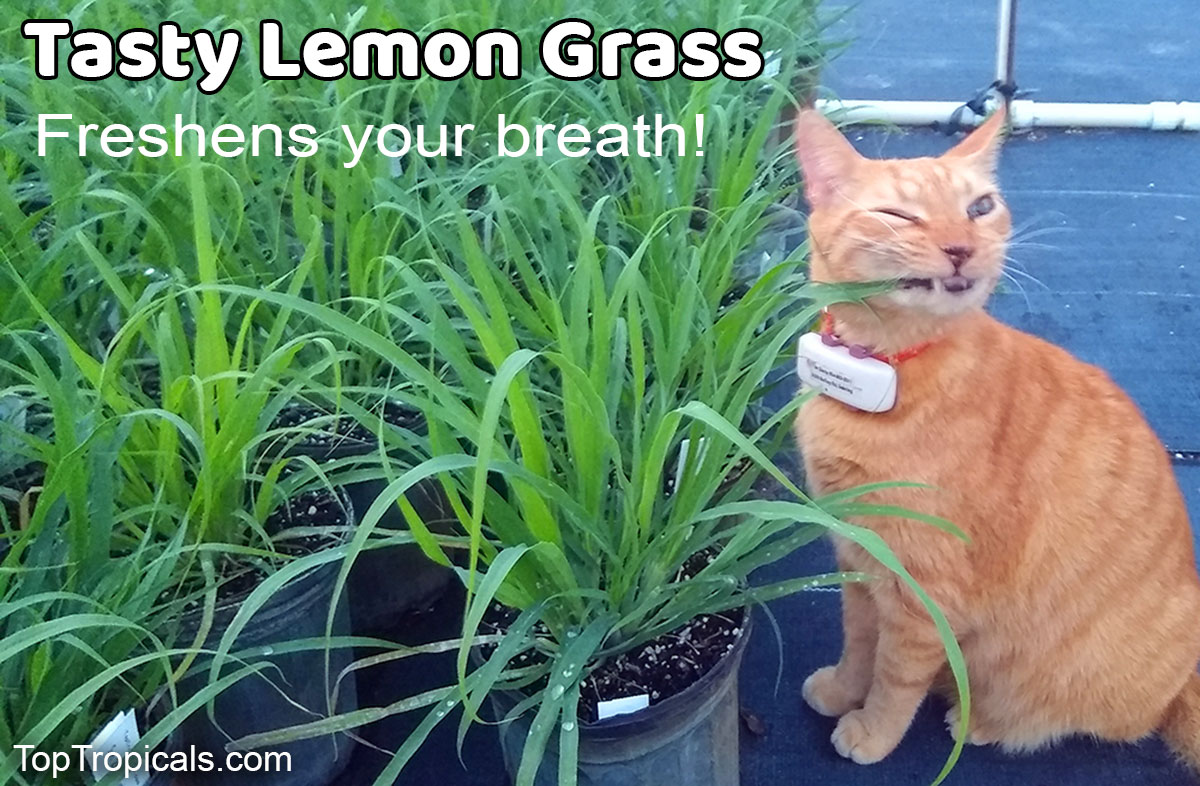
Orange cat chewing lemon grass

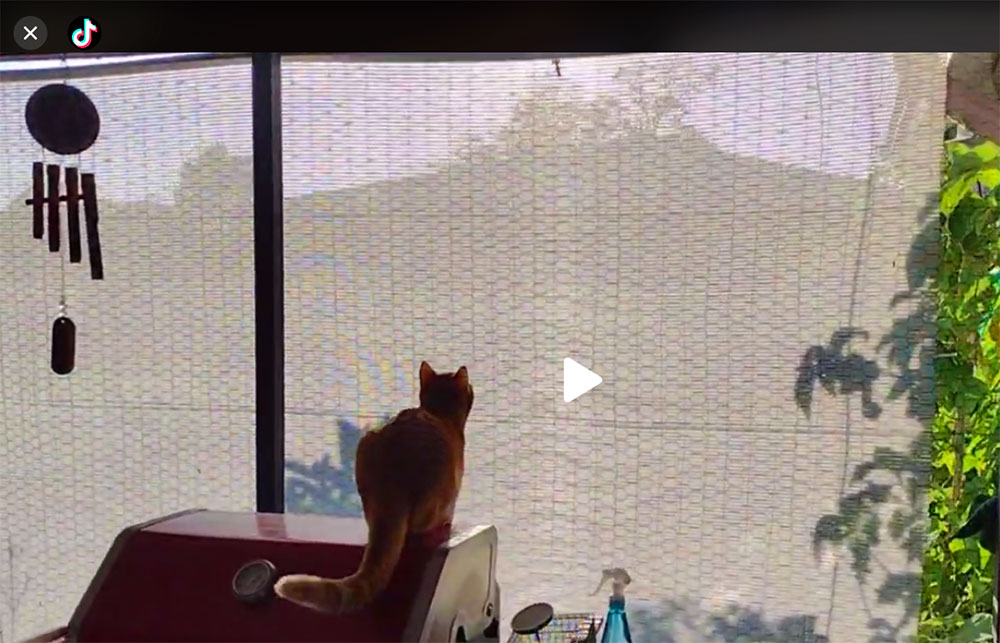
Cat catching a Gekko behind the screen

Watch TikTok video: Bob is trying to get a Gekko behind the screen (followed by Philemon's advice) and falls on Philemon's head...

Pisces lucky Zodiac plant

Date: 5 Mar 2023

How to move plants from indoors to outdoors

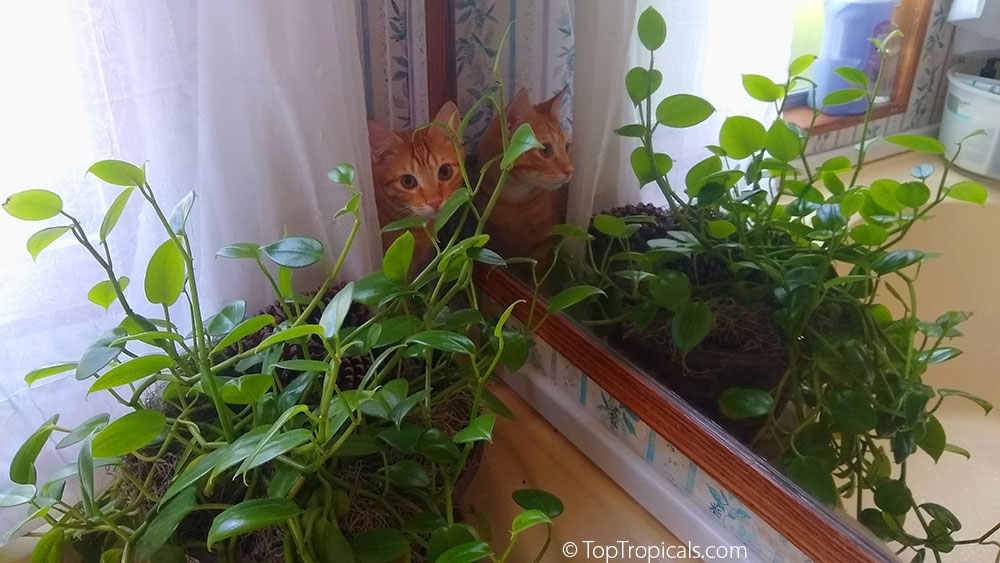
Cat with indoor plant hiding behind curtain

Q: When moving my tropical plant collection outside in the garden, what do I need to know to get them adjusted to this change?

A: As a tropical plant gardener, it's important to assess the temperatures outside before moving your plants outdoors. Most tropical plants thrive in sustained temperatures above 60F.
Moving your plants outside during the summer creates optimal growing conditions for sun-loving plants, providing them with more light and warmth than they can ever get inside. This active time of growth, along with the outdoor conditions of humidity, heat, sunlight, and natural day length, gives the plant a chance to experience growth in an outdoor environment, making for a much stronger plant.
However, be aware of sun burn. Direct sunlight can burn patches of white or brown on the surface of the tender leaves, so it's best to move your plants outside by hardening them off first. Gradually increase the amount of direct sunlight they receive over several days before moving them into full sun.
It's also a good time to prune your plants and repot them if needed, providing better aeration to the root system. But avoid root pruning as it can make your plant susceptible to disease and shock.
Overall, moving your tropical plants outside encourages their natural bloom cycle and provides extra vigor for the upcoming indoor season. However, be aware that you may have to deal with insects when you bring your plants back inside in the fall, so use preventive sprays like Sunshine NoBug before bringing them back inside. Leaf drop is also common when plants come back inside, so make sure to provide a well-lit location.
When moving plants outside, it's important to provide them with proper nutrients through fertilization. Outdoor conditions can deplete the soil of essential nutrients, so giving your plants a boost of fertilizer before moving them outside can help them acclimate to their new environment. Apply Sunshine Boosters with every watering, include micro-elements and bio stimulants to boost their immune system.

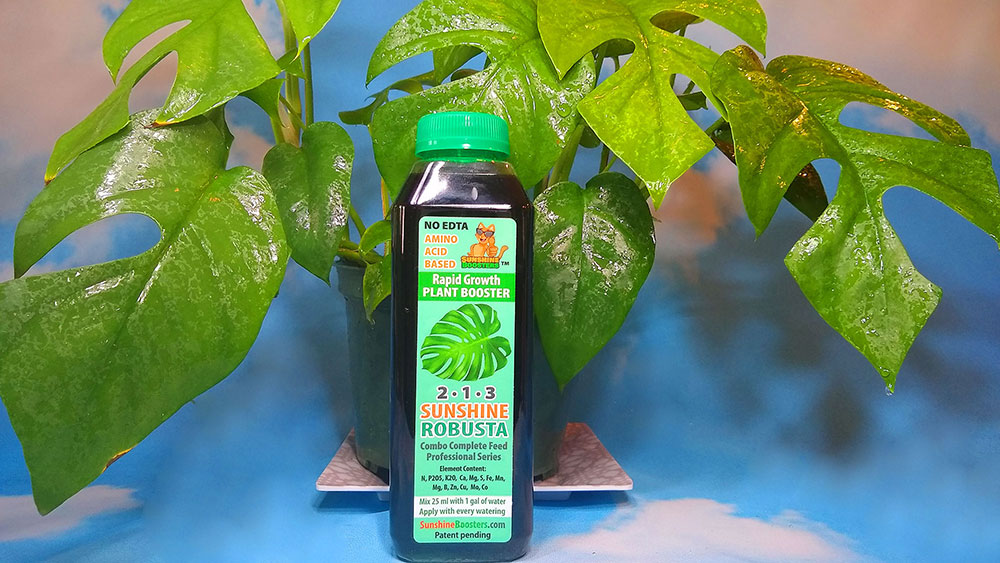
Sunshine Robusta Booster with lush foliage indoor plant

Date: 26 Feb 2023

Organic or inorganic fertilizers, which is best?

A very smart article by Fedor, Mike, and Ed

Colorful garden

Q: Which one is better - organic or inorganic fertilizer?

A: When it comes to fertilizer, gardeners always wonder if one better than the other. Does a total organic fertilizer make sense for you? Is it easier to just use a cheap granular fertilizer a few times per year? You may be surprised to learn that there is one fertilizer that has advantages over both!

While organic fertilizers may be all the rage, there is the difference between Sunshine Boosters fertilizers, organic and inorganic fertilizers. Sunshine Boosters fertilizers have been especially developed to provide optimal conditions for cultivating crops in pots and greenhouses. These specialized nutrient blends are essential in order to maintain an appropriate environment for successful crop production, as they compensate for the lack of natural beneficial bacteria and nitrifying organisms which are specific to open soil cultivation.
Learn about why Sunshine Boosters is the best choice...

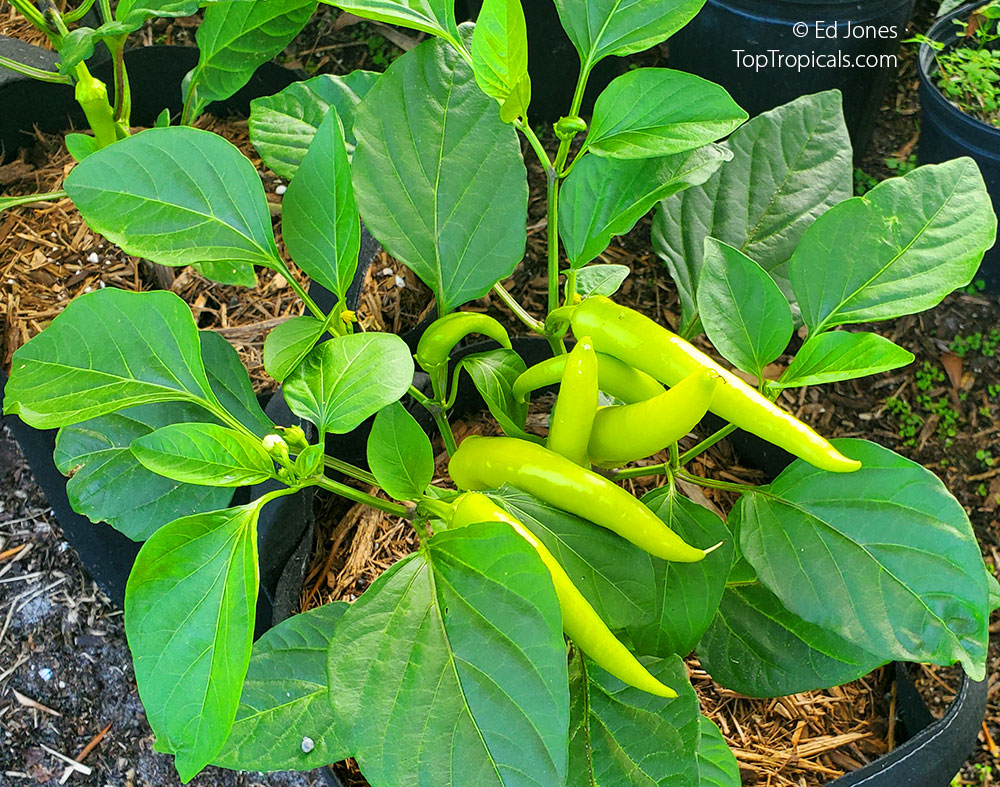
Hungarian hot wax pepper

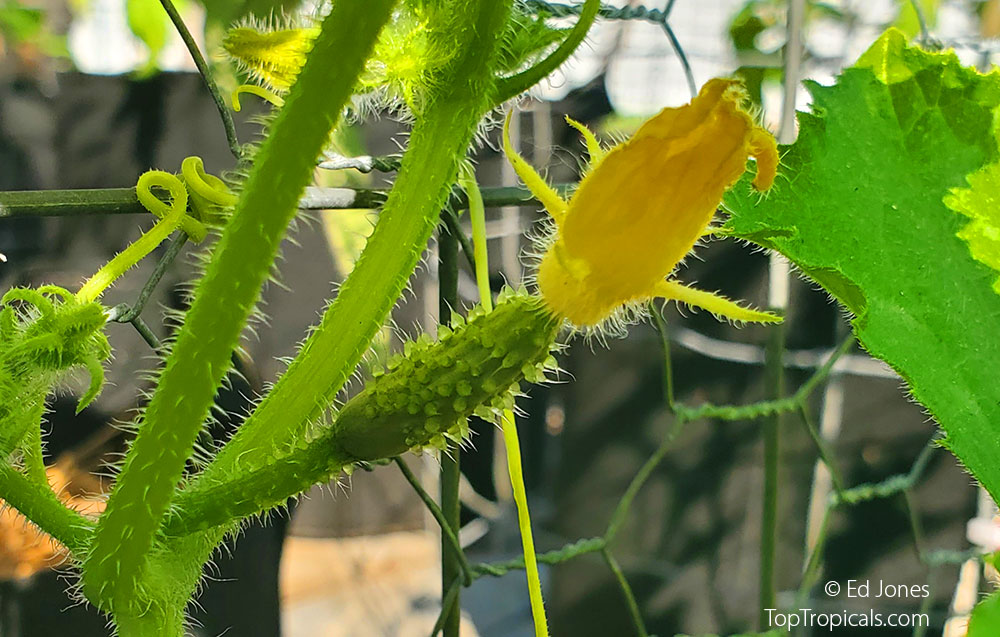
In the photos: Hungarian hot wax pepper (above) and a Baby Cucumber (below), both grown in Ed's organic garden with Sunshine Boosters

Baby Cucumber in organic garden