Garden Blog - Top Tropicals

Date: 24 Jun 2018

TopTropicals

URBAN TROPICAL GARDENING:
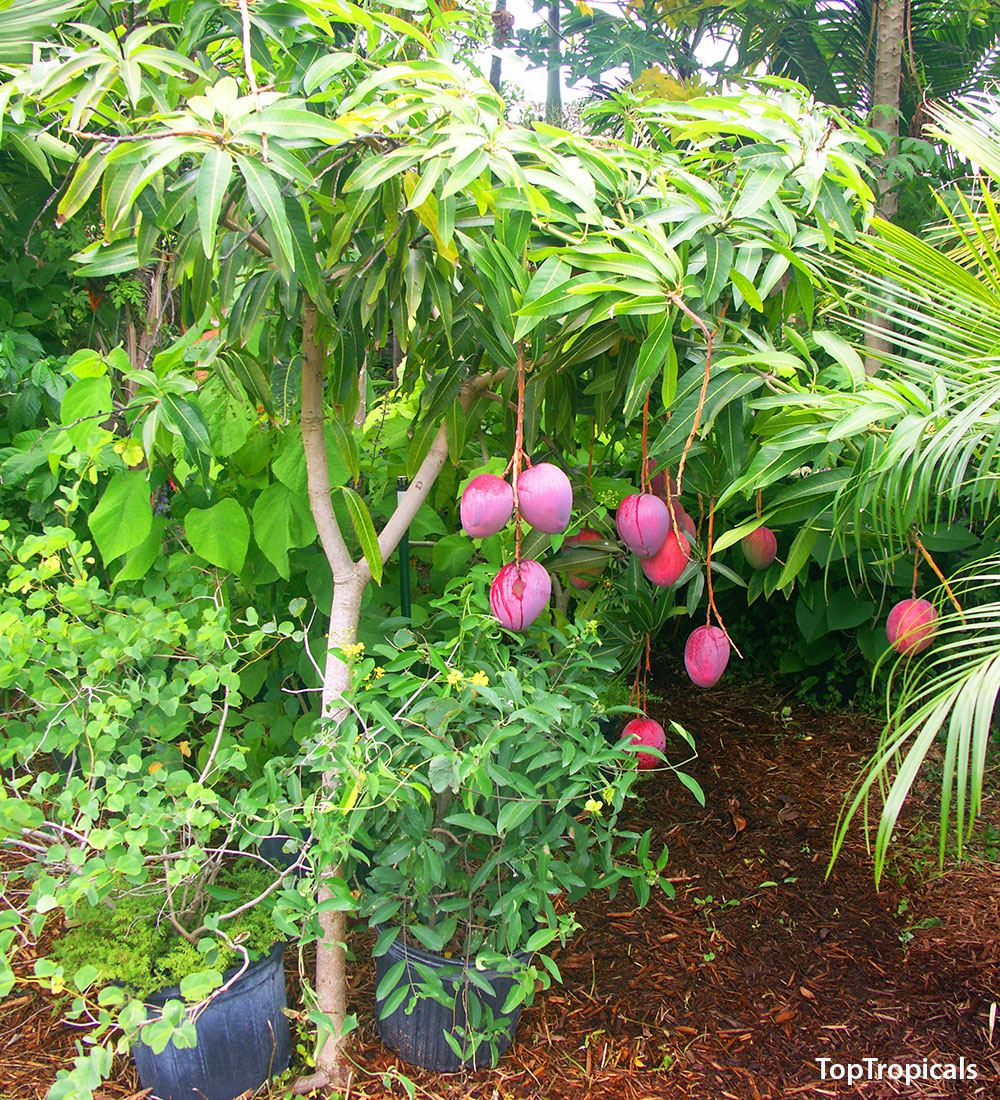
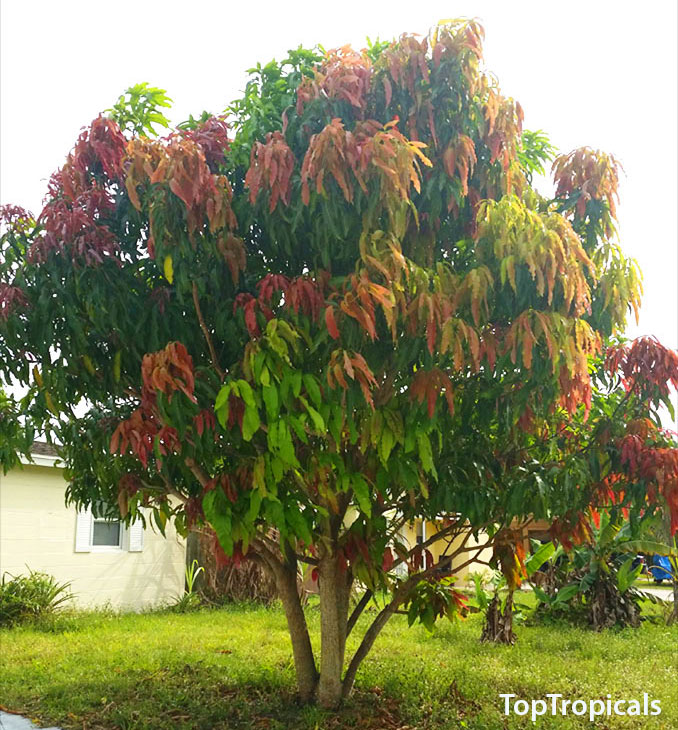
10 secrets of successful Container Mango growing on a balcony.

Q: I live in Miami in apartment on a second floor, and I have a balcony with SE exposure. I wonder if I can grow a mango tree in a pot? Will it fruit for me? I recently moved to South Florida and I don't know much about tropical plants; but I tasted real fiberless mangos from someone's garden - it was so delicious and different from those in the grocery store. I wonder if I can have a fruiting tree on my balcony? And if yes, how do I plant and take care of it?

A: Yes, you can! Here is what you need to do:
1) Temperature. You are lucky to live in Tropics, keep it on a balcony year round.
2) Light. Position the pot in a spot with the most sun exposure. Mango trees can take filtered light too, but the less sun, the less fruit you will get.
3) Soil and Container. Use only well drained potting mix. Step up the purchased plant into next size container (3 gal into 7 gal, 7 gal into 15 gal). When transplanting, make sure to keep growth point (where roots meet the trunk) just at the top of the soil. Covering base of the trunk with soil may kill the plant.
4) Water. Water daily during hot season, but only if top of soil gets dry. If it still moist, skip that day. Mangoes (unlike Avocados!) prefer to stay on a dry side.
5) Fertilizer. Use balanced fertilizer once a month, 1 tsp per 1 gal of soil. Do not fertilize during fruiting - this may cause fruit cracks.
6) Microelements. Apply SUNSHINE-Superfood once a month. This will help your mango healthy, vigorous, and resistant to diseases. Use SUNSHINE-Honey to make your fruit sweeter.
7) Insect control. Watch for scales and mealybugs, clean with solution of soapy water + vegetable oil (may need to repeat 2-3 times with 10 days interval), or with systemic insecticide like imidacloprid only as needed (if non-harsh treatment didn't help). Most Flea shampoo for dogs contain that chemical, you may try that shampoo solution.
8) Trimming. Once potted, do not remove leaves that are discolored or have spots until new growth appears. Dark dots on mango leaves, especially in humid climate like Florida, may be signs of fungus. Treat with fungicide according to label, and remove only badly damaged leaves. Trim crown as needed after flowering and fruiting (by Fall). Train into a small tree, and you may remove some lower branches eventually.
9) Flower and fruit. Mangoes are winter bloomers with bunches of tiny flowers coming in thousands. Many of them set fruit (if pollinating insects present). Keep in mind that young trees can only bare a few fruit. Normally a tree will drop excessive fruit and keep only a few that it can manage. To save the young tree some energy, remove fruit if too many and leave only 2-3 for the first year. It will pay you next year with more abundant crop.
10) Variety. Last but not least: Choose the right variety for container culture! Pick from "condo" dwarf varieties such as Icecream, Nam Doc Mai, Carrie, Cogshall, Julie, Fairchild, Pickering, Graham, Mallika, and a few others - check out Mango Chart pdf and full list of our Mango varieties.
Date: 27 Apr 2020

How to feed a Mango tree...
and to grow a Dwarf Mango

How to fertilize a Mango tree

Q: My mango trees that I bought and planted last august now have fruit. I bought 2 types of fertilizer from you and never used it. Should I use your fertilizer now?

A: It is a perfect time now to fertilize your plants as they start active growth. For mango trees, we recommend liquid fertilizer Sunshine Booster - Mango Tango. It is formulated for Mango trees, especially for container grown. It improves quantity and quality of flowers and ability to set fruit, reduces bud-flower-fruit drop. Can be used as often as with every watering. For best results, use in combination with Sunshine Honey and Sunshine Superfood plant supplements. Its scientifically-balanced stable formula is organic Amino-acid based and has NO EDTA chelators to eliminate nutrients lockup; it does not affect crop taste.
Additionally, you may use slow-release granulated fertilizer Mango-Food once a month during hot season only. Dosage: 1 teaspoon per each gal of soil. Water-soluble fertilizers can be also used, however, those are usually EDTA-chelated which is not as efficient as Amono-acid based Sunshine Boosters and may create nutrients build up, especially if overdosed in containers.
For in-ground mango trees, you may use all the above, and slow-release granulated fertilizer can be applied in larger quantities: spread a handful around the drip line.

Remember that only liquid Sunshine Boosters can be applied year around. With other fertilizers, you need to be careful not to overdose, and apply only during hot weather (when night temperatures are steadily above 65F).

How to grow a Dwarf Mango tree

Q: I received the Ice cream mango tree in great condition (thank you for the ingenious packing job) on Wednesday and have planted it in a pot slightly bigger than the root ball. I plan to grow the tree on my front porch, so how big a container should I ultimately use when the tree outgrows this pot? How big a container does it need to fruit? I hope to keep it around 6-7 feet high, if possible. I live in Hawaii.

A: Ice Cream mango is a perfect variety for container culture, and it should be happy in Hawaii. You did everything right. Keep it in this small pot for now and wait until it starts vigorous growth in Summer. Once it starts growing (and you will notice roots growing too, sometimes they try to grow through the holes in the bottom of the pot), then it's time to step up into a bigger container (7-10 gal). Eventually you may use container size as large as 15 gal. Ice cream mango is slow growing and compact, and you will be able to maintain it under 7 ft with very minimal pruning if any.

Date: 25 Feb 2021

Container mango - Condo varieties

Q: What are the good varieties of mango trees available for container grow? Can you please share the details?

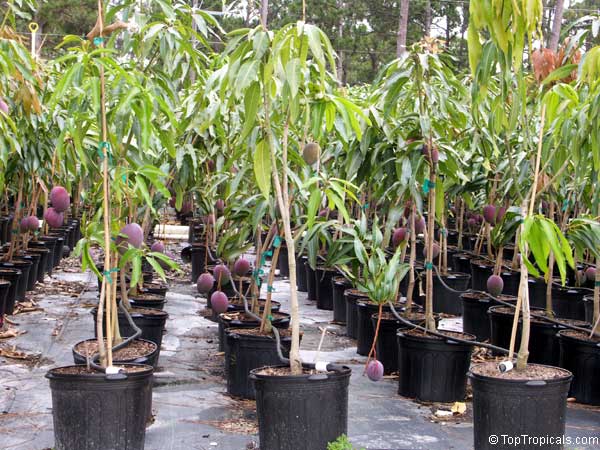
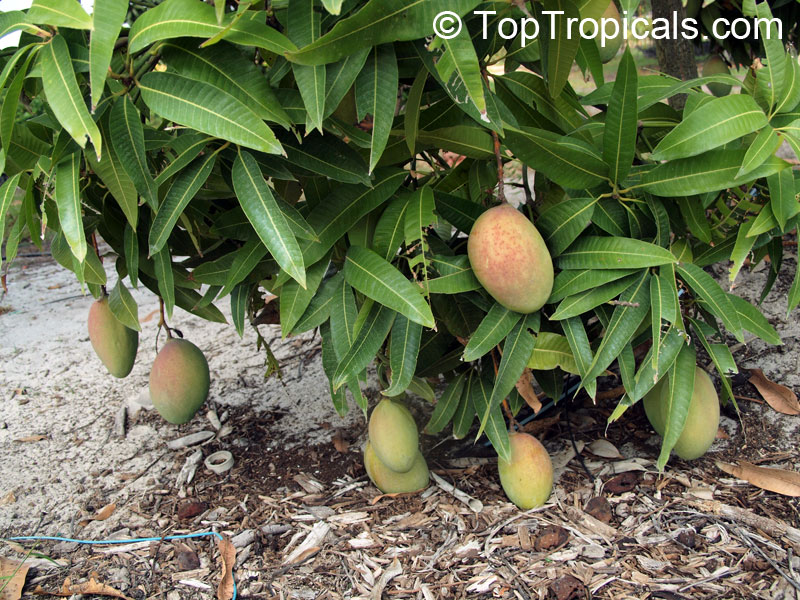
A: There are some great varieties of Mango selected specifically for container culture, they even have a nick-name - "condo mangoes". They have compact growth habit and respond well to pruning to keep them in small size. Here are a few of our favorites that we currently have in stock:
Glenn
Ice Cream
Cotton Candy
Mallika
Manilita
Pram Kai Mai
Mun Kun Si
Maha Chinook
You can see more condo mangoes on this page.

Related articles:

How to grow a Dwarf Mango tree
Choosing the right Mango for your garden
10 secrets of successful Container Mango growing on a balcony.
Condo Mango

Date: 4 Jun 2021

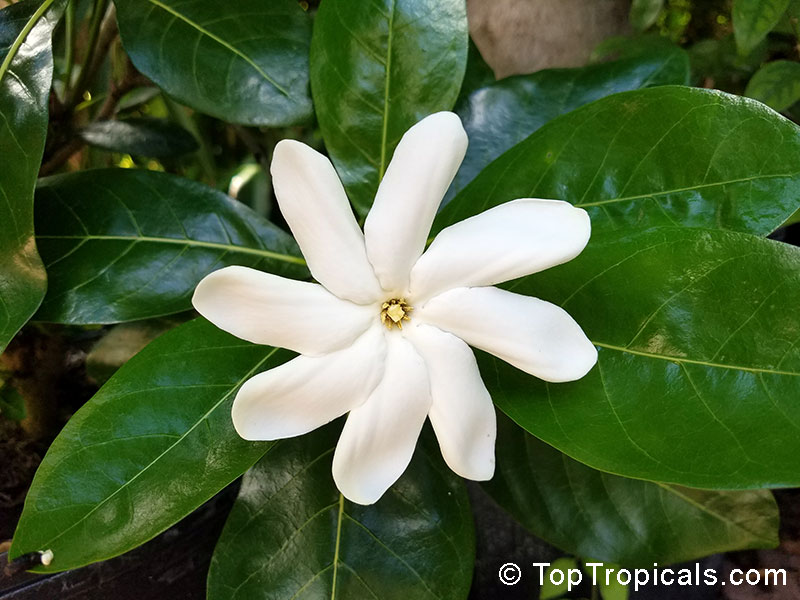
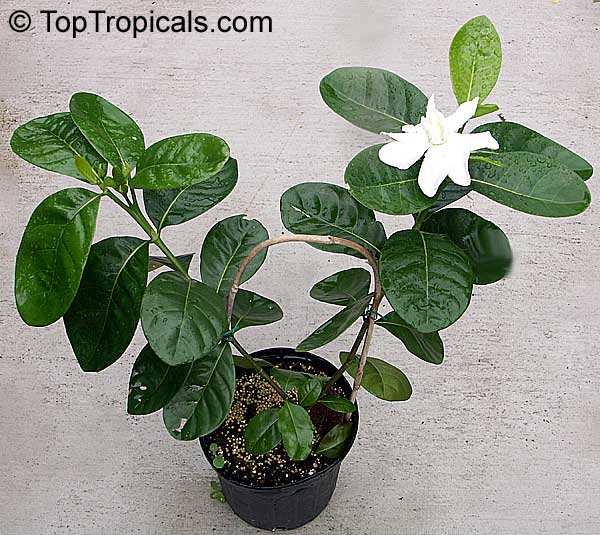
Tahitian Gardenia

Q: I am interested in your Tahitian Gardenia and I would love to try and grow this plant in a large container/fabric pot. The soil here where I live is terrible as it's hard rock, clay, and sand! So I'm not sure if amending the soil would help to plant in the ground? Can you tell me if this will do okay in a container or best in ground? I live here in Las Vegas, NV (zone 9a). Any information would be great to help me make a this decision, I love the selection of cool tropical plants you offer! Also my daughter does Tahitian/Polynesian dance and this would be a cool "topping on the cake" if she could have a live Tiare flower in her performances.

A: Tahitian Gardenia will be doing best if grown in container in your area. In its natural habitat, it grows full sun but also it enjoys mild weather conditions and high air humidity. All gardenias prefer acidic soils. In your area, if planted in the ground, it may be exposed to some harsh conditions: too high temperatures, too hot sun, dry air, and as you mentioned - heavy clay and sandy soil. You can enjoy this plant grown in container, which can be moved as needed away from too much sun during summer months. Use well-drained potting mix. Use plastic pot, do not use fabric or clay pots - soil will dry out too quickly.
Also remember to fertilize this plant on regular basis with a liquid fertilizer SUNSHINE Pikake - Fragrant Flower Booster.
Grow gardenia in full sun or semi-shade during the hottest months. You may spray it with pure water if the air too dry and hot. Enjoy your Tropical Beauty and good luck!

Date: 8 Apr 2019

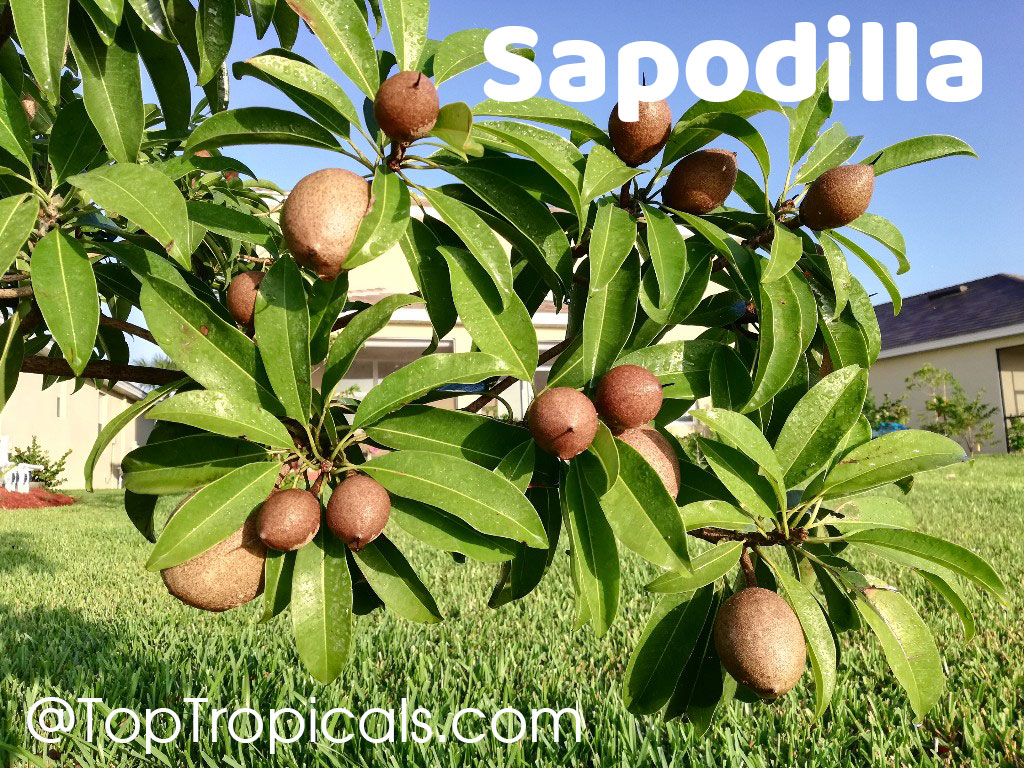
Growing sapodilla in container and indoors

TopTropicals.com

Q: I live in northwestern Washington state. I was wondering if I can grow a Sapodilla tree indoors in a container? Are they self-fertile, and which variety do you think would do best in a large container?

A: A: All Sapodillas are self-fertile. They can be successfully grown in pots due to their slow growth rate and compact nature. The most important requirement for successful growing and fruiting is a bright light, other than that it is a very undemanding plant and is not fussy about watering. The best variety for potting culture is Silas Woods which is a dwarf kind. This variety is the most profuse producer, flowering and fruiting nearly year round providing bright light and warmth. Although the fruit are smaller than other varieties and average 3-4" size.
Sapodillas require regular fertilizer applications for good production. We recommend Fruit Festival slow release fertilizer for the best results.