Garden Blog - Top Tropicals

Date: 15 Jun 2021

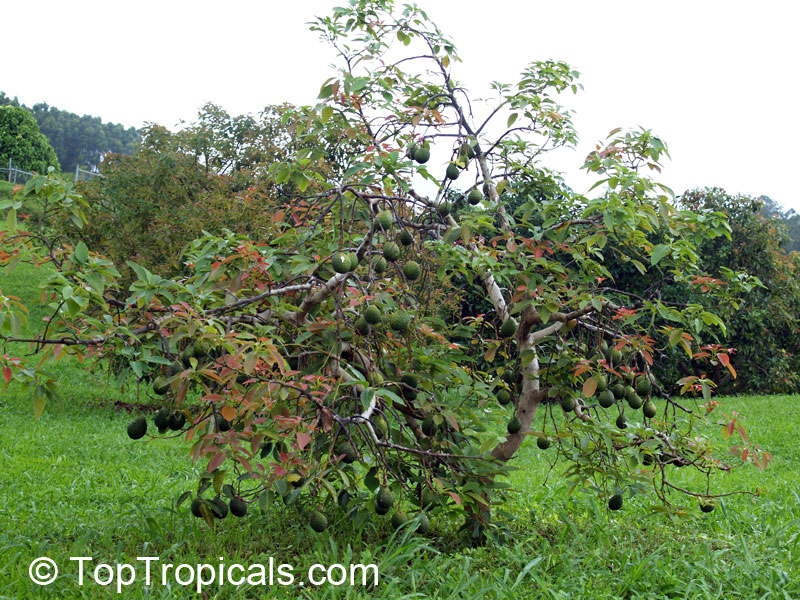
Establishing Avocado tree after shipping
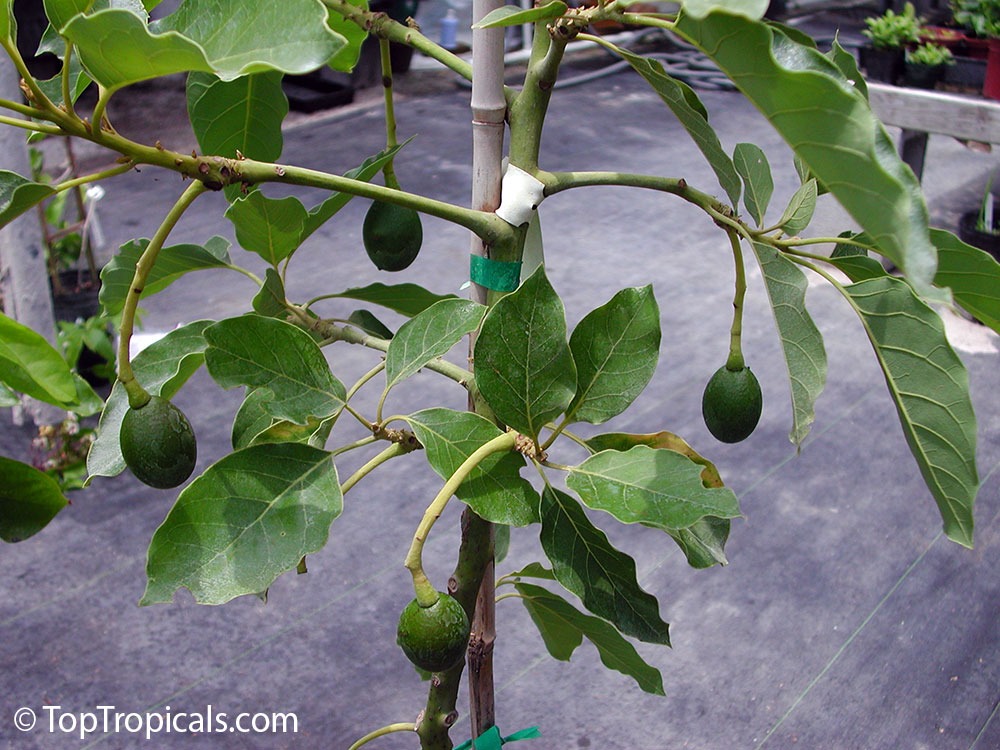
Q: Received my Avocado tree last week and I'm a bit concerned. Is this wilting normal with a new plant? No yellowing, or dropping of leaves. We moved it out of the sun but not sure how to handle?

A: This is normal for after-shipping stress. You did right, position the tree away from direct sun, in shade, preferably under roof (patio?) so it doesn't get over-watered with too much rain and you can control water amount. We recommend to spray the leaves with pure water and put a large clear plastic bag just over the crown (leave the soil to breath). Keep in shade. Within couple days the leaves should perk up. Do not overwater. Water only when the top of soil gets slightly dry. In a week or so, once the plant recovers, you may start moving it gradually into full sun, then to its permanent spot where you want to plant it.
Avocado is not an easy plant to establish. So be careful. It needs lots of water, however, it doesn't like wet feet - so must be planted in a well-drained spot, with at least 4-6" elevation (on a little "hill") so it never gets water-logged. It needs daily water to establish and may need more than just a sprinkler system, use additional hose water when establishing in the ground.

Date: 10 Jun 2021

Growing Champaka in Virginia

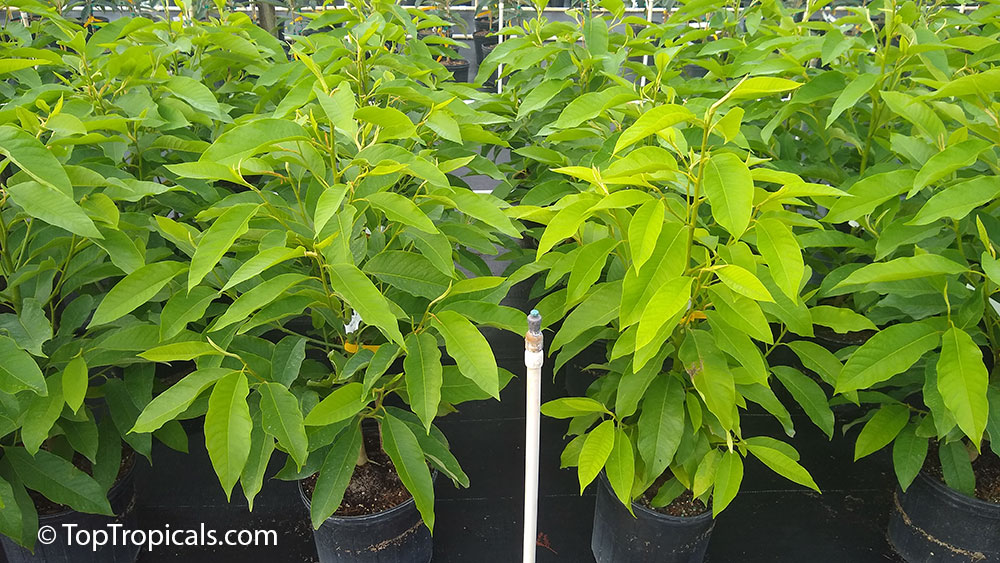
Q: I purchased a Magnolia champaca 1 gallon a few years ago. It is still growing as I bring it into my greenhouse in the winter. I live in VA. This spring I planted it in the ground hoping it might bloom which it did not. Will it survive our fairly mild winters with several freezing days with some special attention? What would you do?

A: Magnolia champaca is a tropical tree and won't survive winter in VA. It can not take hard freeze. Your only option is, to keep it in a pot and bring inside. If the temperature inside your greenhouse is too low, this may affect the plant's ability to flower. For example, if it stays 35-40F for a whole month - although it is not a hard freeze and the plant may survive, but the duration of the cold period is more critical than the low temperature itself. Champaka can survive a few hours even at upper 20's, but not many days with cool temperatures. The temperature in winter should be maintained at least above 55F during day time (the higher the better) and at least above 45F at night.
If the tree has grown too big, you may trim it. If the root ball is too large, roots can be trimmed too (similar way like they do with bonsai) before repotting. However, trimming must be done either during warm season and active growth, or in Spring, when the tree starts waking up and promotes new growth.
To encourage flowering, start fertilizing your Champaka with a liquid bloom booster - SUNSHINE Pikake - Fragrant Flower Booster. It can be used year round including winter months, and it is safe to apply with every watering. This way you will provide to the tree enough energy for the next flowering season, so flowers can be expected in late Spring - Summer.

Read more about greenhouse growing: Greenhouse in Virginia.

Date: 10 Jun 2021

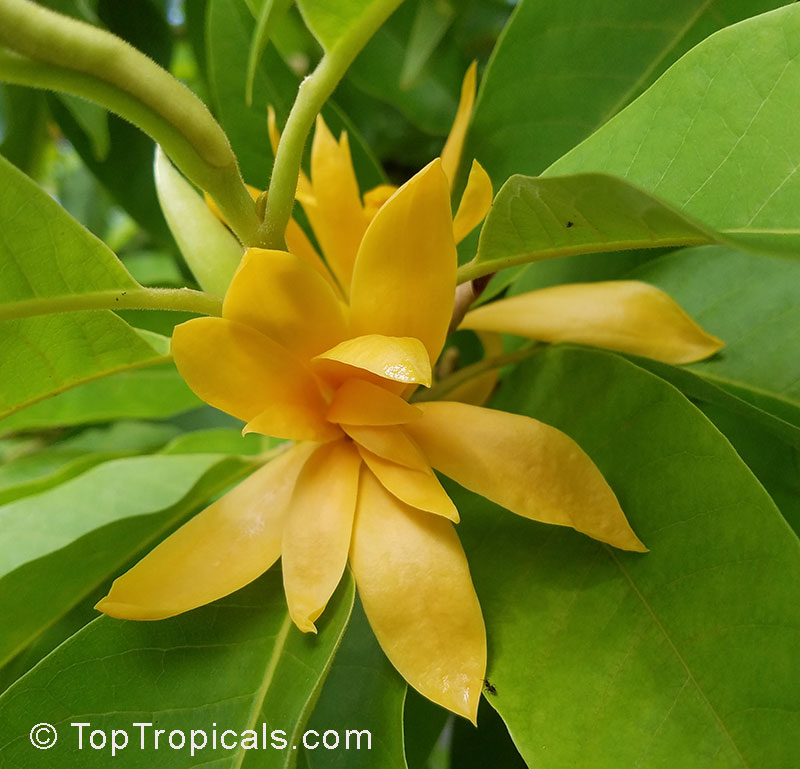
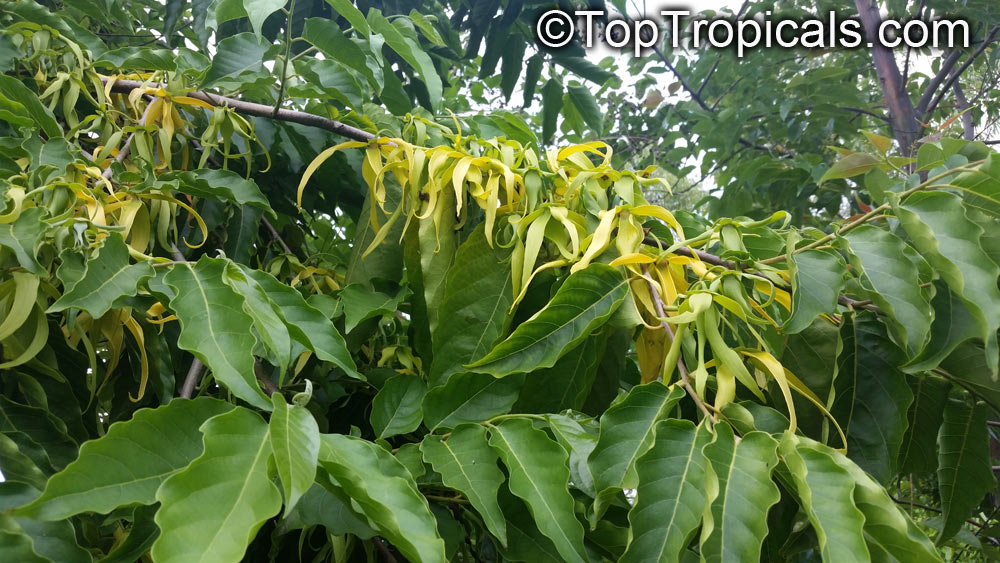
Champaka - a true Joy of your life

by Alex Butova, the Witch of Herbs and Cats

...Champaka, or Joy Perfume Tree, is regarded as one of the most sacred trees of India and tropical Asia. Its flowers exude a divine fragrance that is exceedingly pleasing to the Gods... and women!..
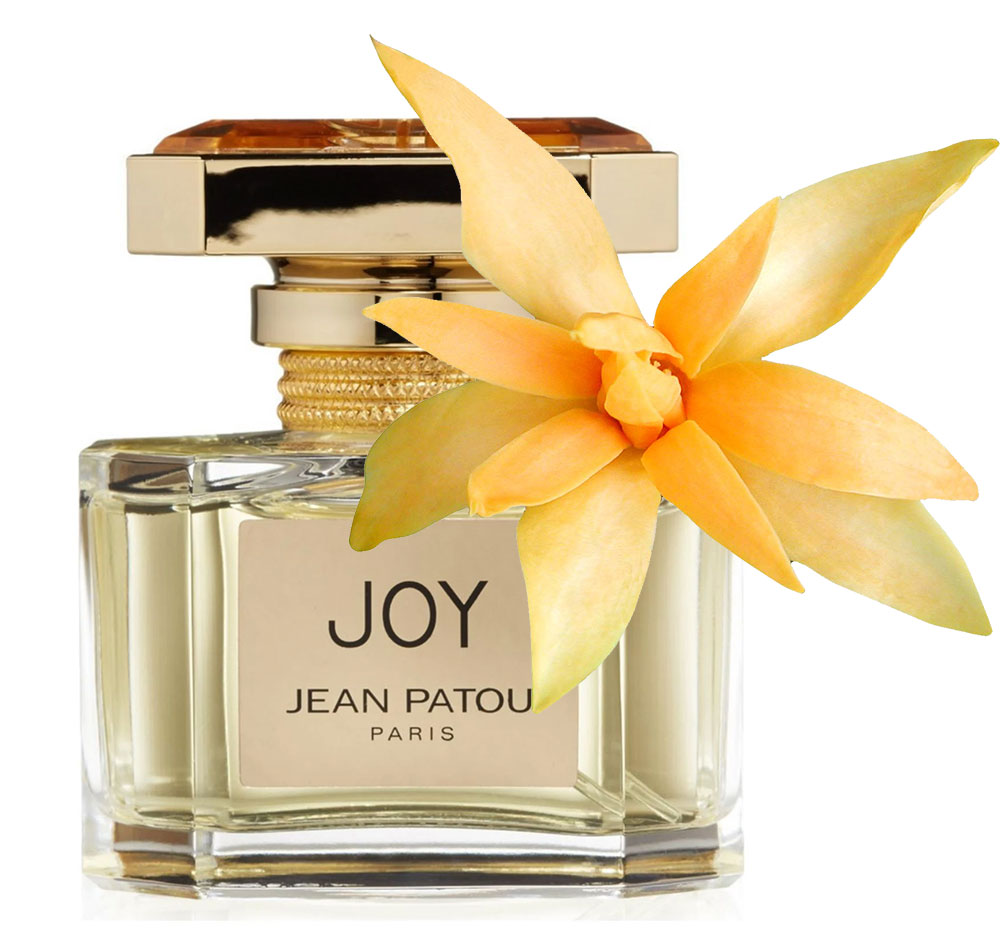
...The tree was traditionally used to make fragrant hair and massage oils. Jean Patou's famous perfume, 'Joy', the second bestselling perfume in the world after Chanel No. 5, (but definitely the most expensive number one!) is derived from the essential oils of champaka flowers. The plant common name "Joy Perfume Tree" comes from this perfume. Many niche perfumers are now once again using Champaka Absolute as single note fragrances...
Planting a Golden Champaka really makes your home a sweet home. Also you can take the flower into your car, office, restroom, and anywhere you want to create fragrant atmosphere. It emits a unique warm fragrance which promotes a peaceful state of mind, reduces stress and helps you to relax and breathe easily. Looks like it is specially designed for moments of tranquil contemplation. It's the nature of Champaka - to remind us of the Divine in all things...

CONTINUE READING >>

Date: 4 Jun 2021

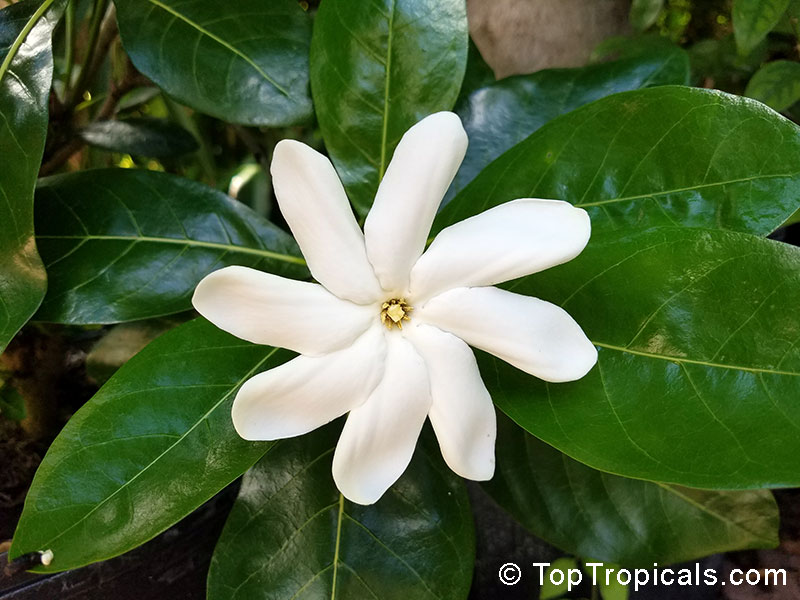
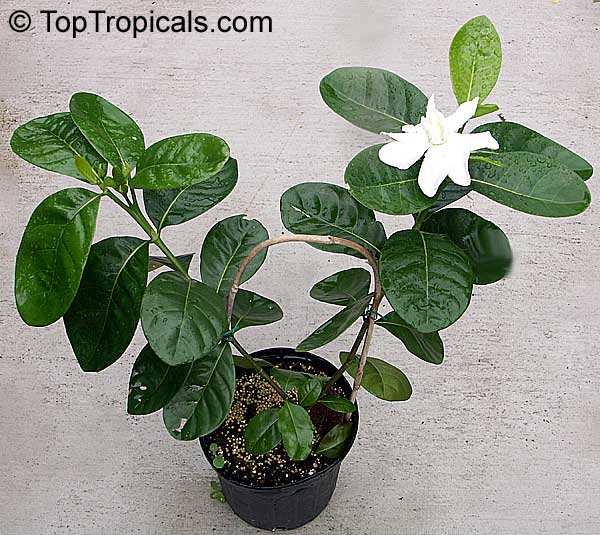
Tahitian Gardenia

Q: I am interested in your Tahitian Gardenia and I would love to try and grow this plant in a large container/fabric pot. The soil here where I live is terrible as it's hard rock, clay, and sand! So I'm not sure if amending the soil would help to plant in the ground? Can you tell me if this will do okay in a container or best in ground? I live here in Las Vegas, NV (zone 9a). Any information would be great to help me make a this decision, I love the selection of cool tropical plants you offer! Also my daughter does Tahitian/Polynesian dance and this would be a cool "topping on the cake" if she could have a live Tiare flower in her performances.

A: Tahitian Gardenia will be doing best if grown in container in your area. In its natural habitat, it grows full sun but also it enjoys mild weather conditions and high air humidity. All gardenias prefer acidic soils. In your area, if planted in the ground, it may be exposed to some harsh conditions: too high temperatures, too hot sun, dry air, and as you mentioned - heavy clay and sandy soil. You can enjoy this plant grown in container, which can be moved as needed away from too much sun during summer months. Use well-drained potting mix. Use plastic pot, do not use fabric or clay pots - soil will dry out too quickly.
Also remember to fertilize this plant on regular basis with a liquid fertilizer SUNSHINE Pikake - Fragrant Flower Booster.
Grow gardenia in full sun or semi-shade during the hottest months. You may spray it with pure water if the air too dry and hot. Enjoy your Tropical Beauty and good luck!

Date: 4 Jun 2021

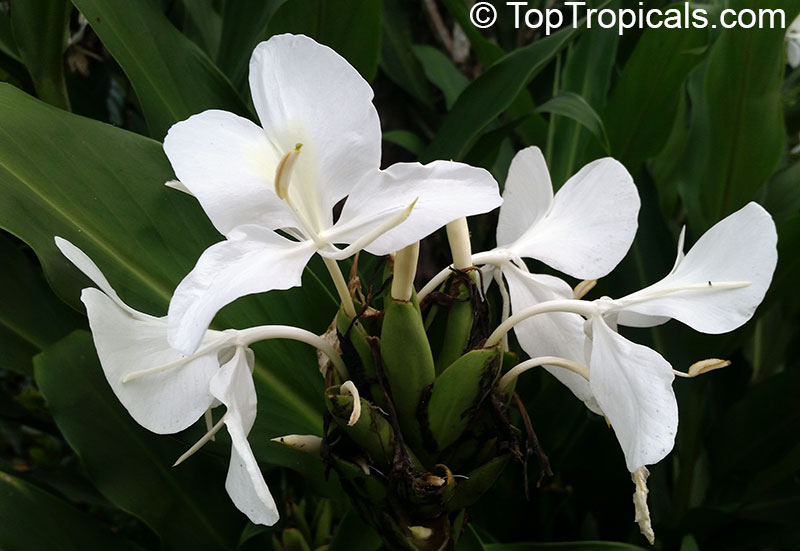
Fragrant plants - Sweet memories

...More than any other sense, the sense of smell has the power to recall memories of the past. Perhaps this is because the olfactory impressions are received by the brain's limbic system, one of the most ancient components that also associated with emotions. The result is that even a whiff of a certain flower or leaf can instantly transport us in time to when we first encountered the fragrance. Little wonder that fragrant plants have always ranked high among Southern favorites...

CONTINUE READING >>