Garden Blog - Top Tropicals

Date: 22 Apr 2020

PeopleCats saving us from COVID-19!
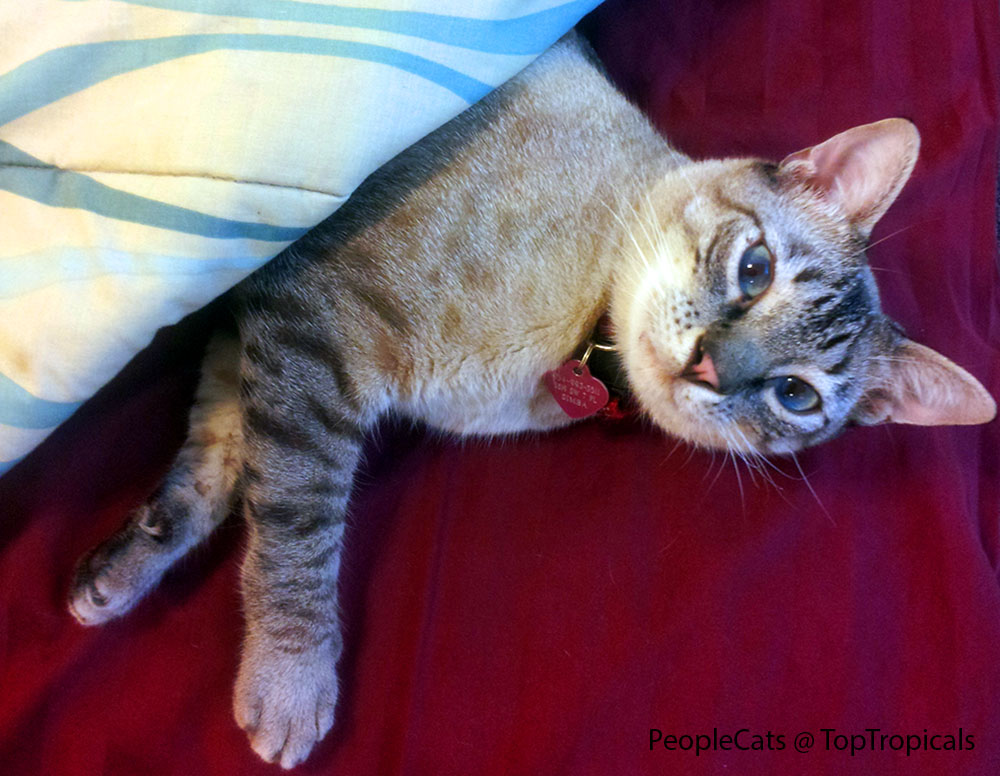
Cat owners have higher immunity for COVID-19?

In our previous newsletter, we were talking about cats fighting the coronavirus and how to help them to recover.
The research made by Sabina Olex-Condor, a Polish doctor who works in a clinic in Madrid, showed that due to cross-immunity (cats are a known reservoir of coronaviruses) cat owners have milder sympthoms of COVID-19! Perhaps this is due to the fact that in a cross-reaction antibodies are produced to the virus, and owners of cats are more protected from COVID19... Read more)
Now that quarantine has been introduced almost universally because of coronavirus, dog owners are also in a better position - they can officially go outside for a short while. But the benefit of dogs (and other pets) is not only that. Scientists from the Italian city of Catanzaro found in the course of the study, that those who have a four-legged pet, have very mild symptoms of the COVID-19. A similar effect was observed in those in contact with cattle... To find an explanation for this phenomenon, the researchers compared viruses. It turned out that the disease of bulls, cows and other cattle is similar to Chinese coronavirus by 38.4%, and the virus of dogs by 36.9%. This means that owners of animals already have some kind of immunity. So the owners of cats and dogs, as a rule, tolerate coronavirus easier or completely asymptomatic. Read more...

Stay safe and healthy with your PetPeople!
TopTropicals PeopleCat Club

Thank you everybody for supporting us in helping PeopleCat Community!
Make your kind donation today and receive a surprise gift from us. Every little bit helps! Thank you and God bless you and your pets!
Date: 25 Jun 2020

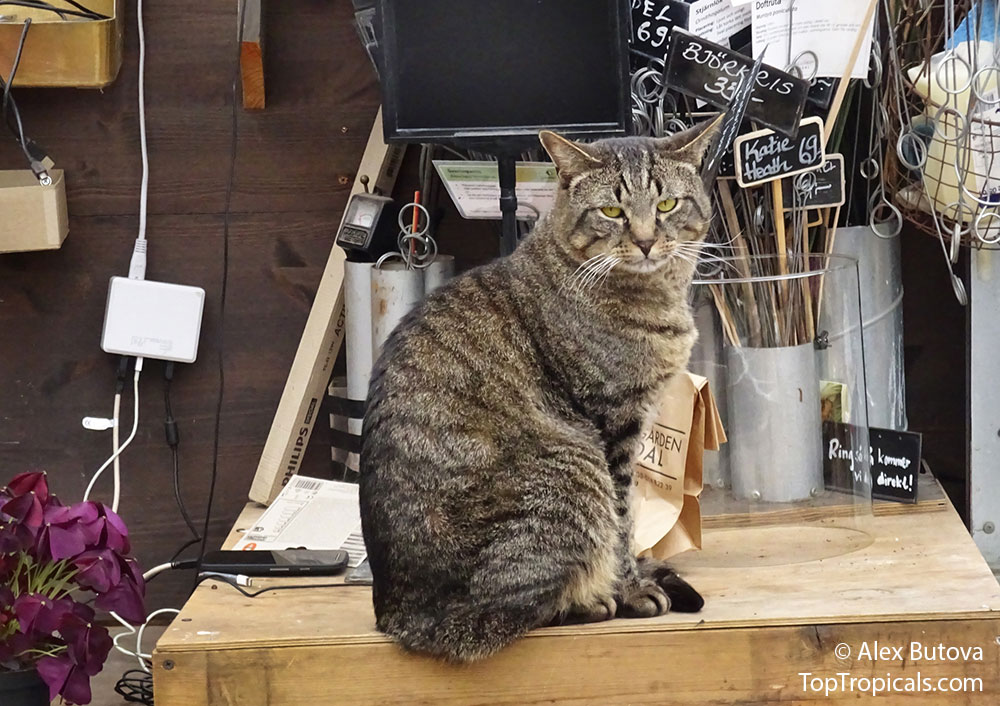
Meet PeopleCats of TopTropicals. Cat of the day: Anders from the King's Palace

We receive many letters from customers who enjoy our Cat of the Day column, including those who want to share their cat stories with us! Today's guest in PeopleCat studio -

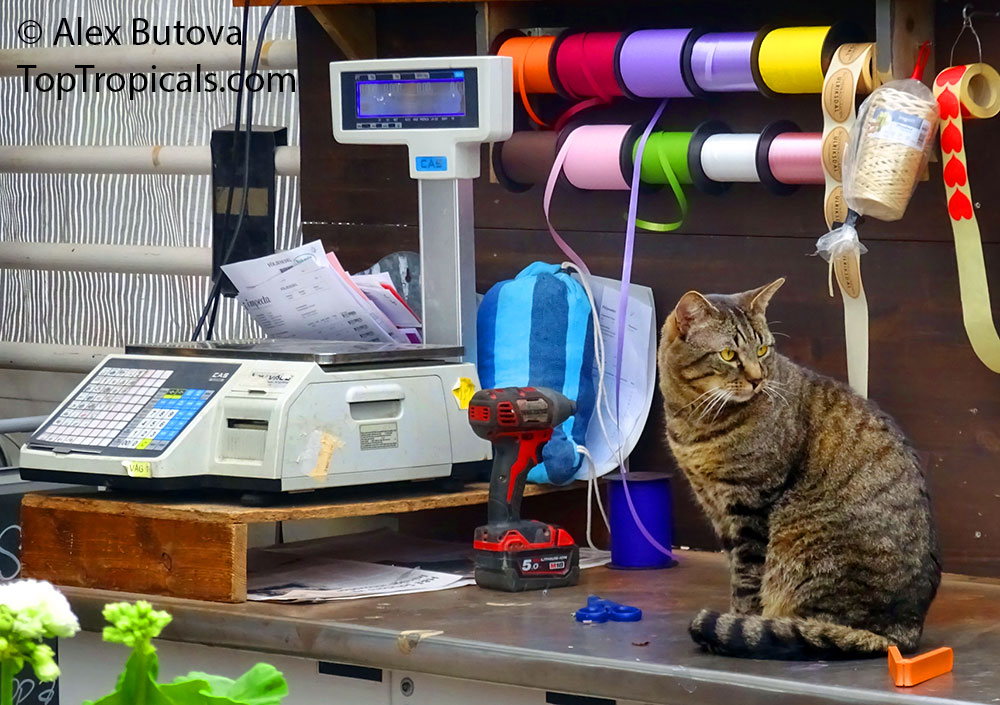
Cat Anders. Anders lives in Stockholm. He is a manager of a Garden Center located in one of the King's properties - Palace Ulriksdal. He has so many beautiful flowers in stock! Lots of orchids, camellias, and showy colorful annuals.
Anders' favorite spot is to sit by the cash register where he can closely monitor every payment transaction. Sometimes he takes a walk around the premises to take care of security issues and to stay on top of his inventory control. During lunch time Anders visit Flower Cafe nearby, to make sure visitors' dogs behave properly... Yes, dogs and cats are welcomed in!

TopTropicals PeopleCat Club and Zoo

Thank you for supporting us in helping PeopleCat Community!
Make your kind donation today and receive a surprise gift from us! Every little bit helps. Thank you and God bless you and your pets!

Date: 2 Aug 2020

Sunshine Boosters: Healthy Plant Food

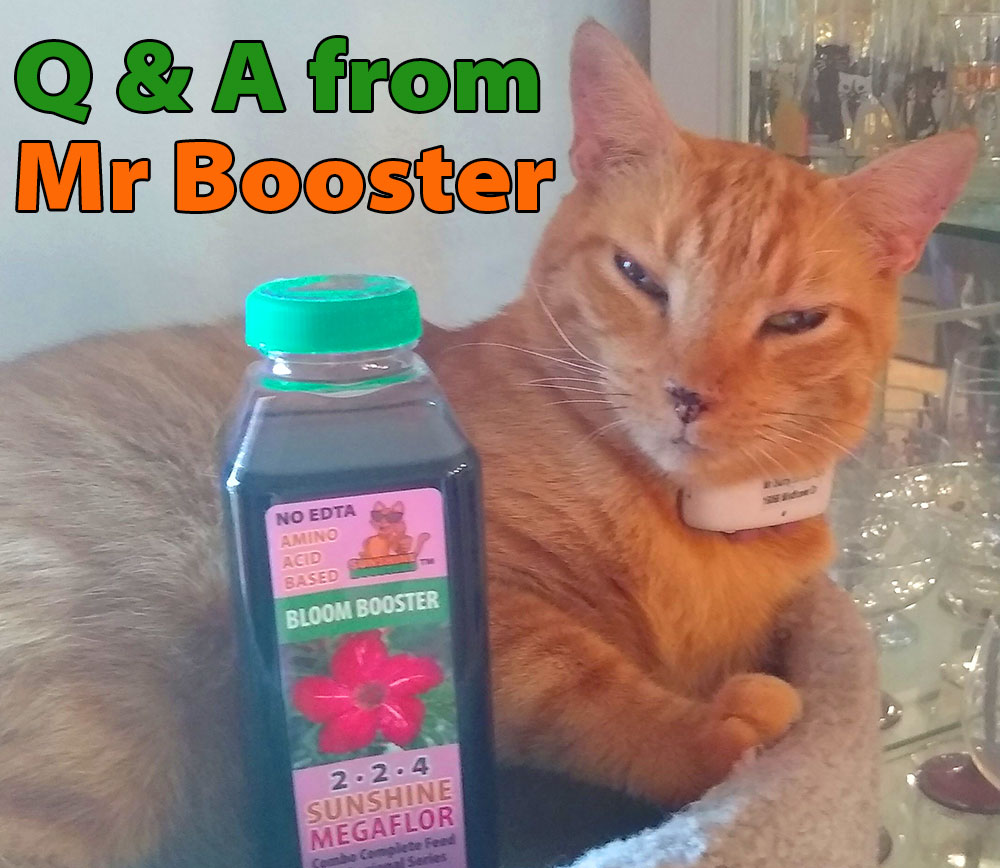
Q&A from Mr Booster

This year we introduced many new items to Sunshine Boosters selection - for all your plant needs in the garden. We receive lots of feedback and questions, so it is time now to share this information with all our customers and open this new section in our Newsletter -

From Mr Booster: Q&A

We promise that we will keep up with your favorite Cat of The Month blog as well!

Dry, liquid, or both?

Q: I have bought different plant boosters, and I am so exited to use them on my plants! I understand that Sunshine Boosters are better than traditional fertilizers, should I give up dry fertilizers all together, or can I continue using them? They are so easy, don't require any mixing...

A: We are all busy and it seems at first like a little bit of work with all the mixing, but it saves your time in a long run! And money too.
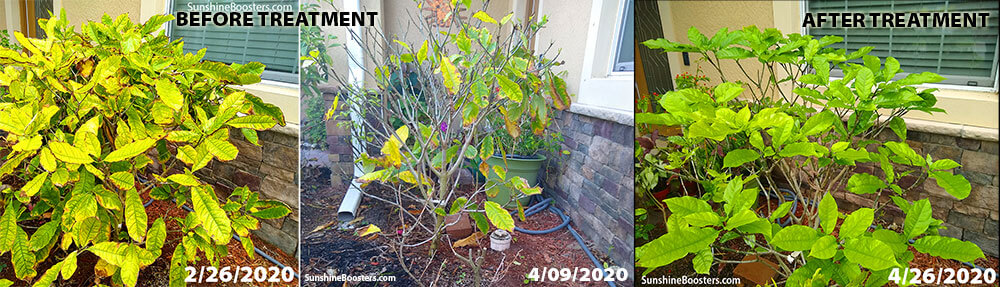
When we used dry fertilizers, every now and then a plant got killed, some looked undernourished (or over-fertilized) and unhappy. It was always a challenge to figure out which plant needs more and which needs less, and how often. It made us use more and more chemicals trying to adjust the feeding balance, and we had to worry about why a plant doesn't look happy. Sometimes we lost rare, valuable, collectible plants since we couldn't find a cure for their illnesses.

With Sunshine Boosters, those problems are gone now! See examples.

Compare using Sunshine Boosters with eating healthy, well-balanced food. You can still survive on junk food and won't die from starvation, but eventually eating junk food will take its toll and create health problems. So you will end up trying to fix them with more and more medicine... which in turn will create more side effects.
By using Sunshine Boosters, you provide all necessary elements and vitamins to plants without a risk of side effects or building up unnecessary junk/toxins in their system. No more leftovers!

According to tests, Sunshine Boosters are used up completely through plant metabolism, making them healthy, strong, and disease resistant. Sunshine Boosters are based on organic amino-acids which is the foundation of life on Earth. This helps to eliminate nutrients lock up in soil. See why Sunshine liquid fertilizers are better than dry fertilizers.

To answer your question, we recommend to switch to liquid Sunshine Boosters. It is possible to additionally use dry granulated "smart-release" fertilizers for in-ground plants, no more than once a month and only during hot season (Sunshine Boosters can be used year-round). However, some customers ran independent tests and admit that using Sunshine Boosters alone is more effective than in combination with dry fertilizers. See review from Karma Nursery.

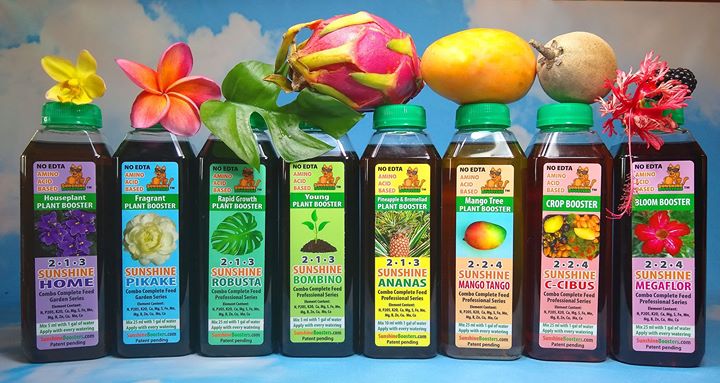
Garden Series, or Combo Total Feed Collection - all nutrients in just one bottle, for different plant types. See booster in this collection, for different types of pants.

Date: 27 Apr 2020

PeopleCats of TopTropicals. Cats of the day: Biggy's Cat Hospital

Biggy checking on patient Abu when he couldn't walk

During these challenging times for the whole planet, we receive kind letters from our customers checking on how our PeopleCats are doing, especially those that previously were ill. And since we promised to follow up on everyone, including heart-breaking story of Raja and Abu, today's report is about everybody's progress!

As we mentioned in our previous newsletter, several cats in TopTropicals Cat Sanctuary had a coronavirus (we call it COVID-Cat-20), or simply a cat respiratory infection. Chiefy, Snitch, Marco and Biggy had it really bad, but some other PeopleCats surprisingly didn't get it! Just like with humans. Lucky King didn't have a single sneeze!
Finally, everybody has recovered by now, but it has been a very stressful couple of weeks for us, considering limited vet availability at this stay-home time. On top of that, Lil S had an abscess and was also contained in a home hospital, away from flu-quarantined PeopleCats. Our homes become real cat hospitals!
We are thankful to our customers support, especially Silvia who made several donations for our PeopleCats, and also recommended antiseptic pads - those worked great for Lil S!
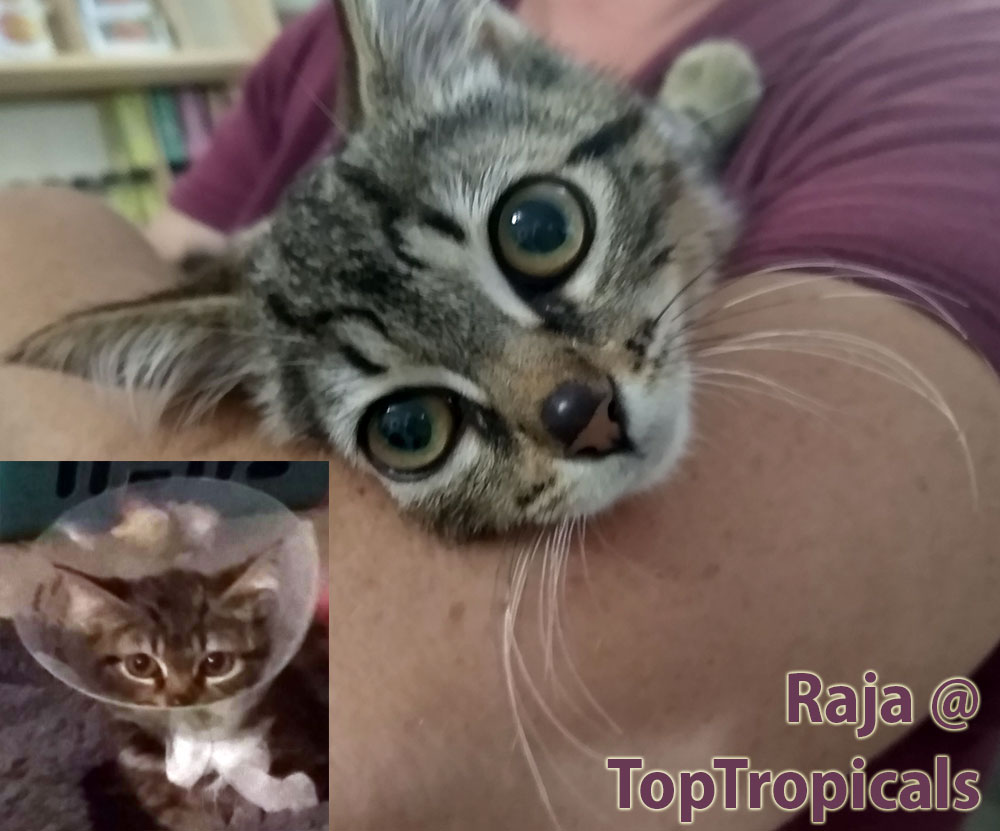
Abu and Raja's adventures were not over... After 2 weeks of seeing a vet treating their infections and injuries, they got worse... Then after a couple of weeks in another hospital (and a couple thousand more in bills) we were suggested to put them down as hopeless since they would never walk again... But Kristi did not want to believe it, she did not give up! The kittens heard her. They won. Today, they are all better, walking, jumping and playing!

Thank you Kristi!
Never give up hope!

Stay safe and healthy with your PeoplePets!

TopTropicals PeopleCat Club

Thank you everybody for supporting us in helping PeopleCat Community!
Make your kind donation today and receive a surprise gift from us. Every little bit helps! Thank you and God bless you and your pets!
Date: 24 Jun 2018

TopTropicals

URBAN TROPICAL GARDENING:
10 secrets of successful Container Mango growing on a balcony.

Q: I live in Miami in apartment on a second floor, and I have a balcony with SE exposure. I wonder if I can grow a mango tree in a pot? Will it fruit for me? I recently moved to South Florida and I don't know much about tropical plants; but I tasted real fiberless mangos from someone's garden - it was so delicious and different from those in the grocery store. I wonder if I can have a fruiting tree on my balcony? And if yes, how do I plant and take care of it?

A: Yes, you can! Here is what you need to do:
1) Temperature. You are lucky to live in Tropics, keep it on a balcony year round.
2) Light. Position the pot in a spot with the most sun exposure. Mango trees can take filtered light too, but the less sun, the less fruit you will get.
3) Soil and Container. Use only well drained potting mix. Step up the purchased plant into next size container (3 gal into 7 gal, 7 gal into 15 gal). When transplanting, make sure to keep growth point (where roots meet the trunk) just at the top of the soil. Covering base of the trunk with soil may kill the plant.
4) Water. Water daily during hot season, but only if top of soil gets dry. If it still moist, skip that day. Mangoes (unlike Avocados!) prefer to stay on a dry side.
5) Fertilizer. Use balanced fertilizer once a month, 1 tsp per 1 gal of soil. Do not fertilize during fruiting - this may cause fruit cracks.
6) Microelements. Apply SUNSHINE-Superfood once a month. This will help your mango healthy, vigorous, and resistant to diseases. Use SUNSHINE-Honey to make your fruit sweeter.
7) Insect control. Watch for scales and mealybugs, clean with solution of soapy water + vegetable oil (may need to repeat 2-3 times with 10 days interval), or with systemic insecticide like imidacloprid only as needed (if non-harsh treatment didn't help). Most Flea shampoo for dogs contain that chemical, you may try that shampoo solution.
8) Trimming. Once potted, do not remove leaves that are discolored or have spots until new growth appears. Dark dots on mango leaves, especially in humid climate like Florida, may be signs of fungus. Treat with fungicide according to label, and remove only badly damaged leaves. Trim crown as needed after flowering and fruiting (by Fall). Train into a small tree, and you may remove some lower branches eventually.
9) Flower and fruit. Mangoes are winter bloomers with bunches of tiny flowers coming in thousands. Many of them set fruit (if pollinating insects present). Keep in mind that young trees can only bare a few fruit. Normally a tree will drop excessive fruit and keep only a few that it can manage. To save the young tree some energy, remove fruit if too many and leave only 2-3 for the first year. It will pay you next year with more abundant crop.
10) Variety. Last but not least: Choose the right variety for container culture! Pick from "condo" dwarf varieties such as Icecream, Nam Doc Mai, Carrie, Cogshall, Julie, Fairchild, Pickering, Graham, Mallika, and a few others - check out Mango Chart pdf and full list of our Mango varieties.