Garden Blog - Top Tropicals

Date: 31 Jan 2017

Plants of Love. TopTropicals Webinars
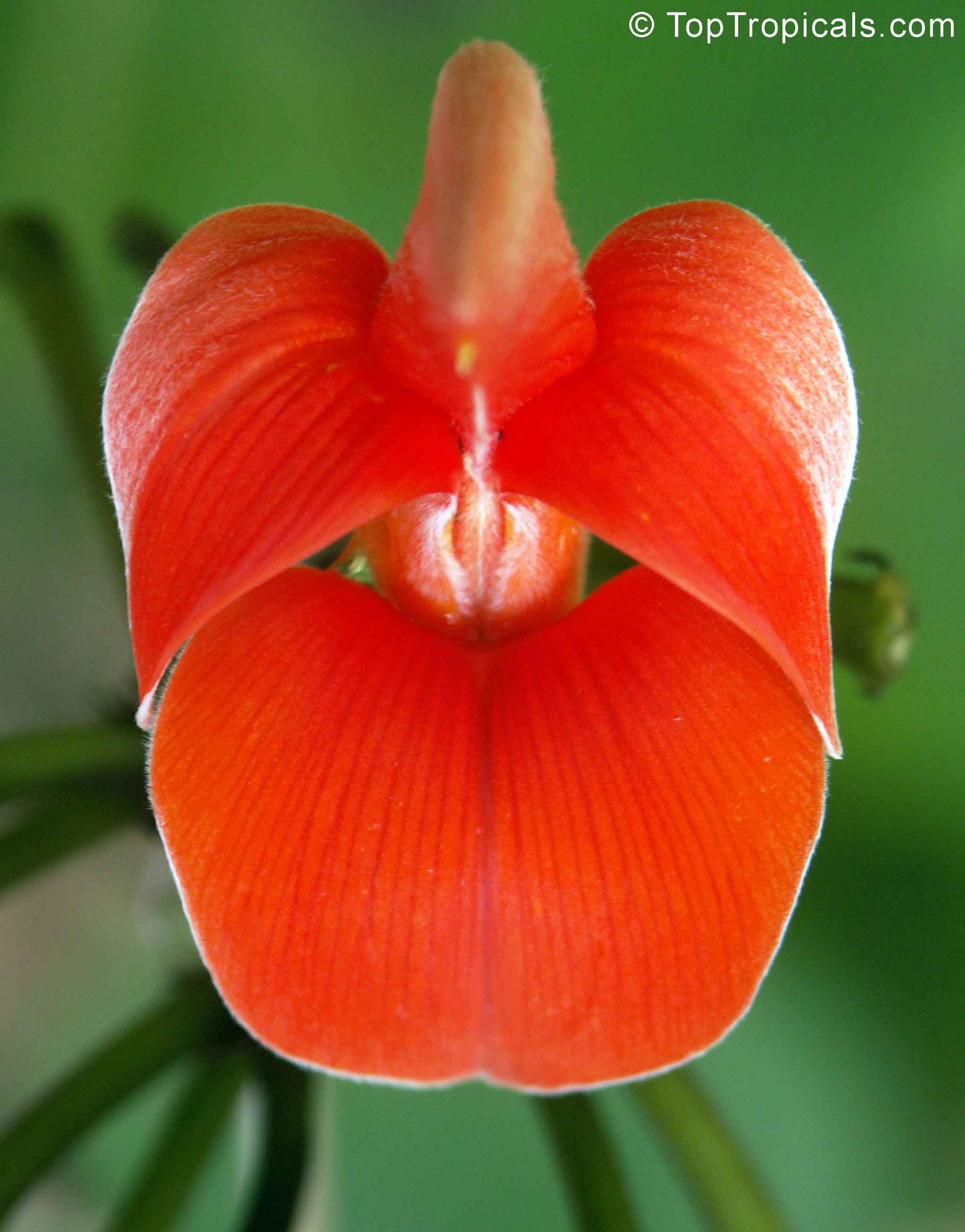
Plants of Love - Valentines Day Sale. For Valentines day, look beyond roses for a plant that will last a lifetime! It is not a surprise that the most popular plants that has been ordered from TopTropicals for Valentines day for the past 3 years, are: Vanilla, Chocolate, Grape, Strawberry tree, Rose apple - all things you get for your Valentines!

This year we are celebrating Valentines day with our special local event - "Aphrodisiacs, or Plants of Love".

When: Saturday, February 11, 2017, from 10 am to 2 pm
Where: Toptropicals Garden Center, 13890 Orange River Blvd, Ft Myers, FL 33905
Agenda:
10:00 am - Explore the grounds: Customers can come in to look through the nursery and guided tours through gardens.
12:00 pm - Aphrodisiac plants. Class on plants used for aphrodisiacs throughout history.
1:00 pm - Plant giveaway. Must be present to win one of the aphrodisiac plants in lecture.
2:00 pm - sale ends.
Special Love Discounts for local visitors! Snacks and drinks.

Just a few examples of the most famous plants of love that we will be talking about -
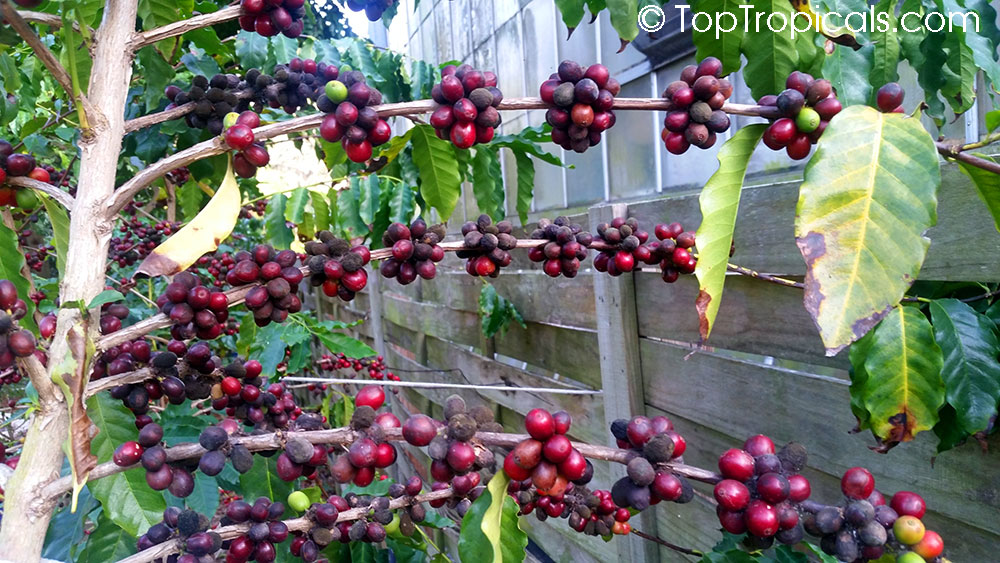
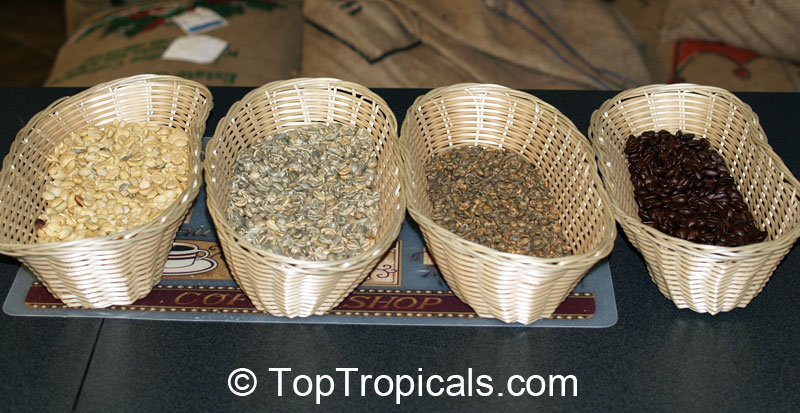
Coffea arabica - in East Africa and Arabia it was a sacred beverage to African sufis. For aphrodisiac results mix in cardamom and honey.
Banisteriopsis caapi, Ayahuasca - giant liana from tropical Amazon forests psychedelic, ritual inebriant that promotes potency. Drink is made from the bark and is taken in love rituals to revive the mythical past of the tribe.
Areca catechu, Betel Nut - seeds have stimulating effect on the entire body and eros. It's a traditional aphrodosiac in Ayurvedic medicine and is counted among the eight types of pleasure in the Brahmanic tradition. It has magical and religious properties and used as an offering to the Gods.
Theobroma cacao, Chocolate - mild stimulant, beans contain aphrodisiac. Antient Indian "recipe of chocolati" will be shared at the event! Cocoa was considered the "food of gods".
Cinnamon - in Southern Asia used as stimulant, in food or massage oil for erotic stimulation.
Cola nitida, Cola nut - used in love magic, was used as currency in W Africa.
Cananga odorata, Ylang-Ylang - increases eroticism with oil inhaled. Prescribed to treat impotency and frigidity.
Butea monosperma, Flame of The Forest - is traditionally used to manage male sexual disorders.
Mimosa pudica, Sensitive Plant - significantly increases the libido and hormonal levels of testosterone.
Satureja Viminea, Kama Sutra Mint Tree - used for love gel...
- and much more!

TopTropicals Webinars. Welcome to Top Tropicals Webinar! Discover the world of Rare Plants and surround yourself with a Tropical Paradise! Our plant experts will be answering your garden questions. Our next LIVE air time is just before Valentines Day - Saturday February 11, at 2 pm ET, with a topic of... of course, Aphrodisiac Plants! Get your questions ready!

Date: 29 Jul 2019

When to fertilize and prune tropical fruit trees?

Q: Can tropical fruit trees (Soursop, Mango, Star fruit, etc) be given plant food any time of year? Also can they be trimmed this time of year/summer?

A: True tropical plants (including fruit trees) need plant food most of the year in real Tropics, where temperatures have very little fluctuations, and active growth season is close to 12 months a year. In subtropical areas when temperatures in winter drop below 65F, plant metabolism slows down, so it is recommended to fertilize only during the warmest period (March through November). So yes, Summer is the perfect time for fertilizing your trees; their metabolism is at the highest point and they can use more food!

Trim your fruit trees right after harvesting. Obviously, you don't want to prune branches before or during flowering or fruiting. The specific time of the year for pruning depends on the plant - every tree has its own flowering/fruiting season. However, avoid pruning right before winter: young shoots promoted by pruning are tender and can be cold damaged.

Recommended fertilizers for fruit trees:

Fruit Festival Plant Food - Super Crop Booster
Mango-Food - Smart Release Fruit Tree Booster
SUNSHINE-Honey - for sweeter fruit
SUNSHINE SuperFood - microelement supplement

Date: 24 Aug 2019

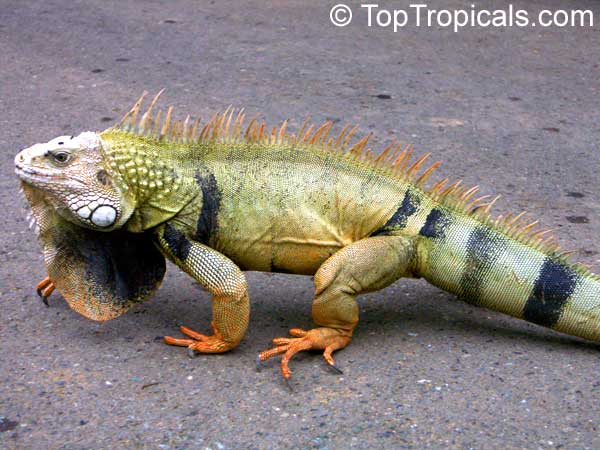
How to keep iguanas away?

Q: Really enjoy all the plants that I have got from you, but having a hard time keeping iguanas eating everything! We are not on the water, any solution to keep them out?

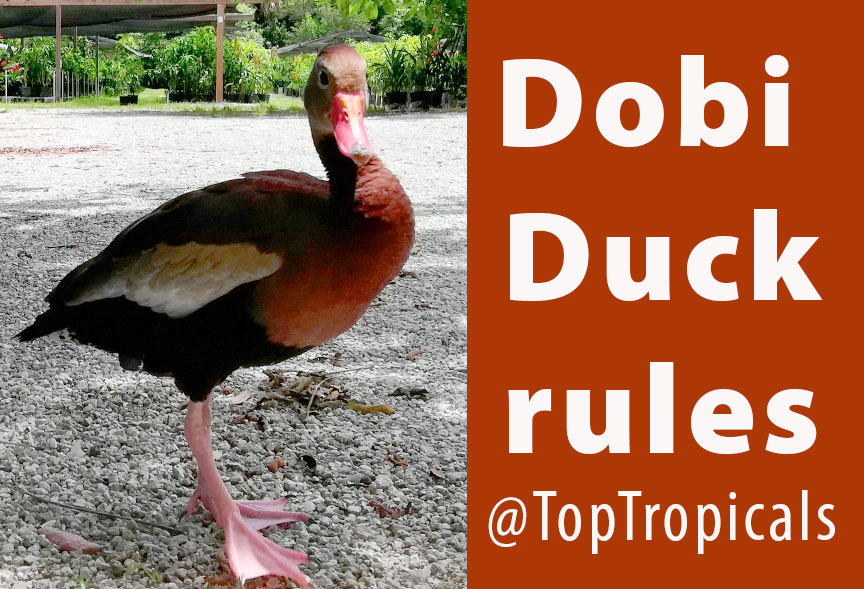
A: Iguanas may become quite a problem in the garden. Our first suggestion would be - get a Duck as we have (Duck Dobi), she is so dominant and keeps any wild animals away from the property, including gators... and cats! They are scared of her! Dobi thinks she owns the place.

Here are a few other ways to control iguana problem in your backyard:

1. Rid your lawn of dropped fruits. Iguanas love fruit. And they love low-hanging fruit or fruit that's easy to get to. If you have fruit trees, take the time to pick up your yard and dispose of any dropped fruit.
2. Keep a lid on a garbage can. Put your garbage cans in a place they can't get to, or put a cinder block on your can lid.
3. Do not leave pet food out. If you're putting a bowl of dog food or a plate of cat food out for your pets, you're inviting iguanas into your yard.
4. Fill iguana holes. Iguanas like to dig. Wherever you see a hole, fill it. Stuff rocks into the hole first, then fill it with dirt and top it with sod. The iguana may return to dig again, but he won't dig through large rocks.
5 Do NOT feed the iguanas. Don't be friendly with them, so they won't come back.
6. Wire netting around plants. You can use wire netting or screens to prevent iguanas from entering plants and shrubs.
7. Spray them with a hose. When you see an iguana in the yard, spray them with the hose. They also hate loud noises. Constant harassment can keep them from returning.
8. Keep your yard clean. Excessive overgrowth or yard storage are great places for iguanas to hide.
9. Do not leave food out, unattended. Iguanas are mainly herbivores but that doesn't mean they won't smell something good and want to eat it. They will TRY anything.

Hopefully these tips help keep your iguana problems to a minimum.

Date: 15 Mar 2019

Save Coffee from extinct!

TopTropicals.com

The most popular kind of coffee for commercial production, Coffea arabica, is already on the endangered species list. According to research, Coffea arabica plant could become extinct in as little as 60 years.

Coffee requires a forest habitat for its survival. With so much deforestation going on around the world, wild coffee species are being impacted at an alarming rate. Coffee plants grow in very specific natural habitats, so rising temperatures and increased rainfall brought by climate change can make coffee impossible to grow in places the plants once thrived.

Read the whole article

See video: Top Tropicals Showcase: Coffee plant

To reserve a cup of coffee for yourself and your children, plant the Coffee tree now!

TopTropicals.com

Date: 29 Aug 2019

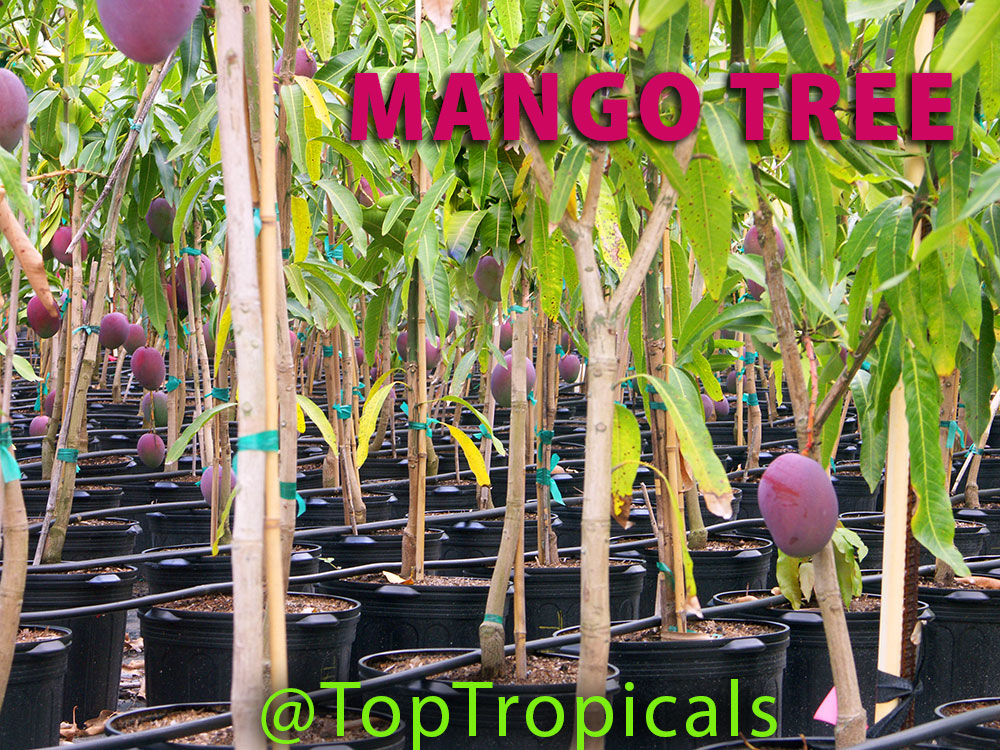
How to fertilize a Mango Tree

Q: I bought a Mango tree from you last month and planted it soon after it arrived. When is the best time to fertilize it? (I am in Florida)

A: We always recommend to wait on fertilizing until the plant is well established. If you planted your tree a month ago and it is doing well, showing new growth, then this is the time to start giving it some food.
For a mango tree, we recommend using 2 fertilizers - water-soluble and granulated:
Fruit Festival Plant Food
Mango-Food
Remember micro-elements that are essential for healthy and vigorous growth:
SUNSHINE SuperFood - plant booster

In Florida, this is the best time right now for fertilizing - while we still have a few months of nice warm weather - active growth period. This will help you Mango tree to establish well before winter rest.