Garden Blog - Top Tropicals

Date: 12 Sep 2019

Shipping live plants
Q: I am a rare plant collector and very impressed with your plants selection that I can not find in our local nurseries in California. I have never ordered plants online before and wonder how they make it through the trip and do you suggest any special care to help plants with recovery?

A: Shipping live plant in a box for several days is definitely a challenge both for a plant and for a grower. After many years of experience packing/shipping plants we learned how to make that trip a success. Thanks to our special packing techniques, breaking during shipping happens very rarely. However, in order for the plant to recover well from normal shipping stress, some special attention required from a customer too. You will receive care instructions with your order. Make sure to follow them thoroughly, otherwise you may put your plants at risk. These are a few factors to consider that affect your plant during transit. They may cause the following symptoms of shipping stress:

1. Lack of light. Complete darkness in a box is opposite to a bright light that the plant was used to. After 2-3 days it may cause leaf drop. If this happens, make sure to reduce watering. Less leaves means less evaporation, and a plant can't use excessive water which may cause root rot.

2. Extreme temperature. Hot summer or cold winter temperatures may put a tender tropical plant into serious shock. Usually the only time when temperature may affect the package is when it is left outside on your doorstep. Watch out for delivery by tracking the package with a number we provide in shipping confirmation email.

3. Dry air and lack of water. When packing plants, we saturate root ball and then wrap it tightly in plastic so normally your plant will have enough water supply for a 3-4 day trip unless there are unexpected delays. In a special package, the plant usually has enough of humid environment around the leaves, especially if there are several plants together. However if the box was exposed to heat it may dry out, and this will cause yellowing and/or drying leaves. In most cases this is not critical; cut damaged leaves and new growth will appear soon.

The shipping stress symptoms are normal and once you apply some extra attention and love, your plants will recover sooner than you think. Be patient, don't push with too much water or light, keep warm, in bright shade, and do not fertilize until the plant shows new growth.

Remember to always use SUNSHINE Epi - a natural bio-stimulant that helps stressed plants to recover quickly!

Date: 9 Sep 2019

Time to clean your yard!

In the South. It's getting cooler in subtropical areas, and garden work becomes even more enjoyable. Your garden now is in the most perfect shape after summer vigorous growth. It is the best time now to run the last trim before winter, as well as last fertilizer application. Clean up your yard without sweating off, add mulch to help plants to survive through possible winter chills. Don't forget to start reducing watering! Remember once temperatures drop below 65F, tropical plants slow down or stop growing and go into winter dormancy sleep.

Up North. When temperatures drop below 45F, start bringing sensitive plants indoors or into protected areas. Prepare/cover greenhouse, check availability of covers (sheets, plastic) and condition of heaters. Plants indoors will experience environment change, may drop leaves, and need different care than out in the sun. Reduce watering, check for insects once a week, and stop fertilizing until spring. Remember to pick the brightest spots for overwintering your tropical plants!

Enjoy cooler weather, fresh air, and thank yourself for a wonderful work you have done in your yard!

Date: 9 Sep 2019

How to make leaves green?

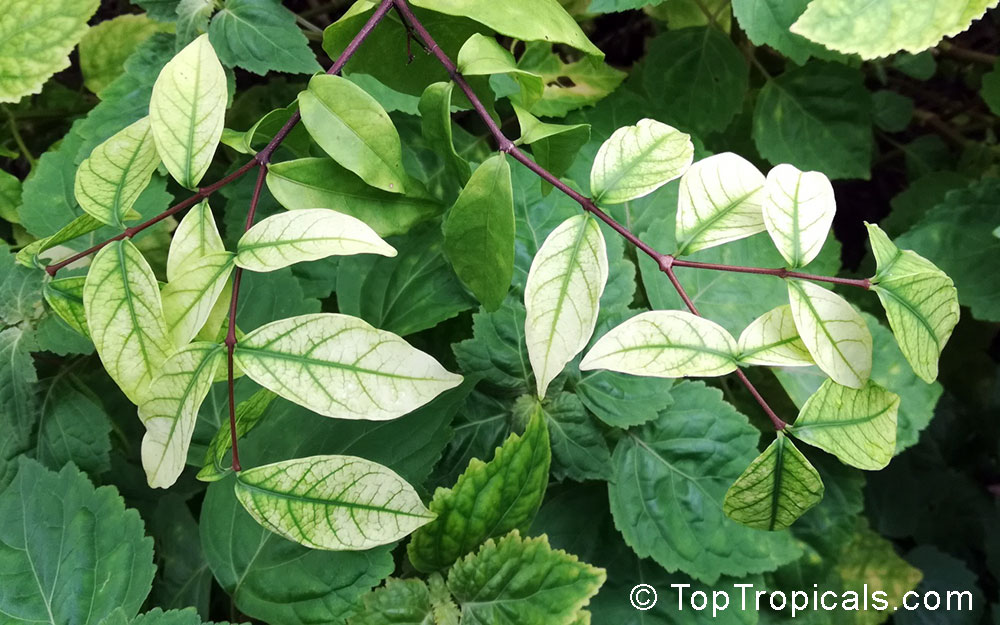
Q: I purchased several plants from you and they all arrived in great shape. The Wrightia is very large and vigorous but some leaves are yellowish. How can I improve that look? Any special fertilizer?

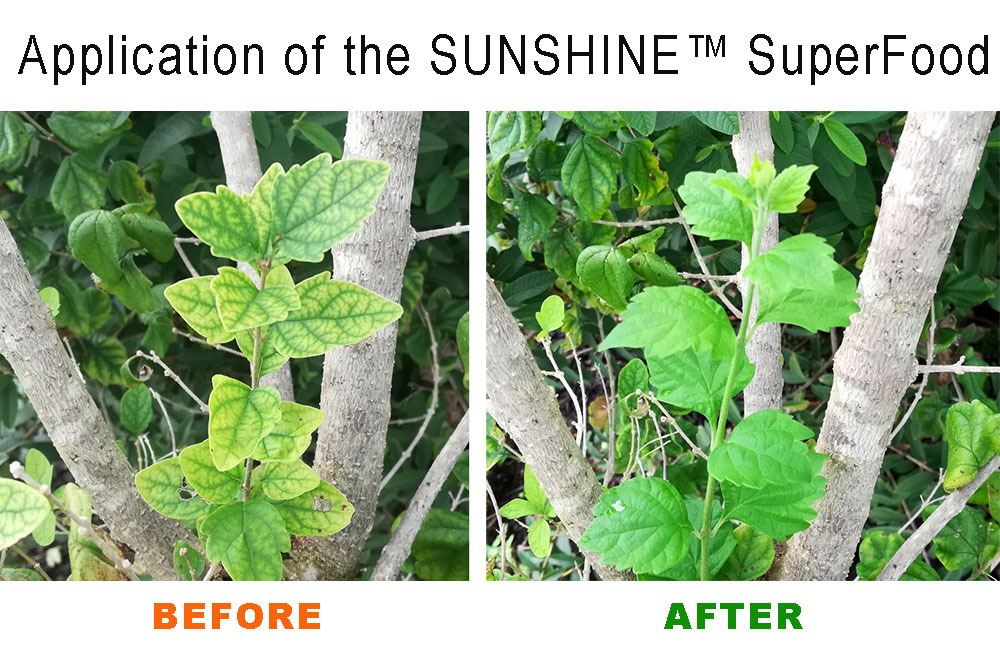
A: Wrightias are very showy and beautiful plants, although sometimes they are susceptible to leaf chlorosis which in other words is iron deficiency, especially during wet rainy weather. It is not harmful to the plant and can be corrected with microelement applications. Use Microelements once a week to correct the iron deficiency that usually goes away within a month. Then maintain plants health with monthly applications. It is beneficial to use microelements in combination with regular applications of health boosting fertilizer.

Recommended boosters and microelement supplements:

Pink N Good Daily Plant Food - Flower Booster
Tropical Allure - Smart-Release Booster
SUNSHINE SuperFood - plant booster
SUNSHINE-Greenleaf

See SUNSHINE Boosters page for the complete list of plant boosters.

Date: 5 Sep 2019

How to get Jasmines to flower

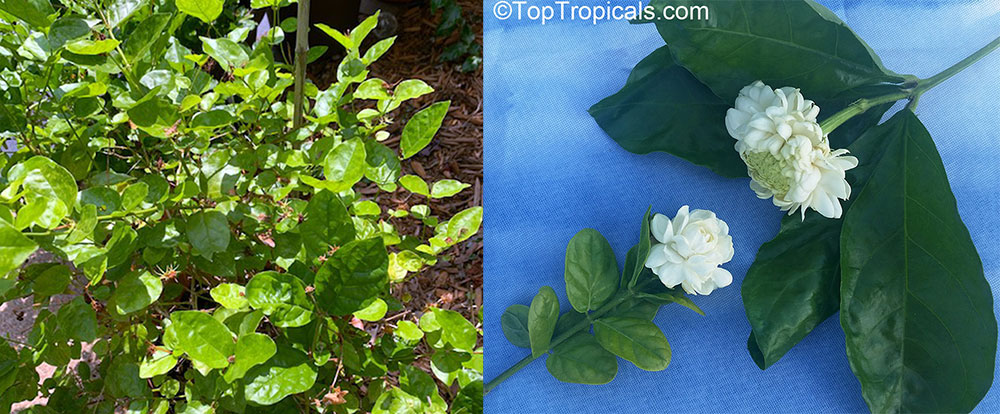
Q: On the picture, these are a few of the jasmine plants that I have from Top Tropicals. I have bought so many plants from you over the years, not just jasmine. I have several varieties of jasmine. They were all doing very well. However this year I didn't get a single flower. There are a lot of buds... But before the buds open they become brown and withered. I bought fertilizer from you. Fertilized the plants once a month like I always do. I water the plants once a week. I repotted the plants hoping that would take care of this problem. Some of the jasmine plants I pruned... the plants came back vigorous growth with a lot of buds... BUT it is the same problem! Please help.

A: One of the possible reasons why they have flower issues is - maybe they don't have enough sunlight. They need to be in full sun all day long for profuse blooming and proper flower forming. However since the buds are forming, there may be just enough light. In this case, dropping buds may be a sign of overwatering.

Important steps - how to make Jasmine Sambac flower:

1. Soil. Use only well-drained soil

2. Water. Keep plants on a dry side and never over water. If the top of the soil is still moist, do not water.

3. Sun. Keep in full sun all day long. The more sun, the more flowers.

4. Bloom booster. Use Flower booster fertilizers:
Pink N Good Daily Plant Food - Flower Booster
Fragrant Plant Special booster, this 90-day Smart-Release container plant food:
Plumeria Top Dress - Smart-Release Booster
Do not use fertilizers with high Nitrogen (1st number in NPK formula) - those will promote more leaves instead of flowers.

5. Micro-elements. Use Apply micro-elements, they will help the plant to develop healthy and long-lasting flowers:
SUNSHINE SuperFood - plant booster

Here is more information on growing Jasmine

Date: 5 Sep 2019

Bahamas Dorsett Golden Low Chill Apple

Q: We recently moved to Florida and we miss our Apple trees we had back up North and the Golden Delicious apples. I was told they won't grow in Florida, it is true?

A: There is a solution for apple lovers even in Tropics! Low chill apples bear as far south as South Florida, and may be a unique addition to your tropical garden.
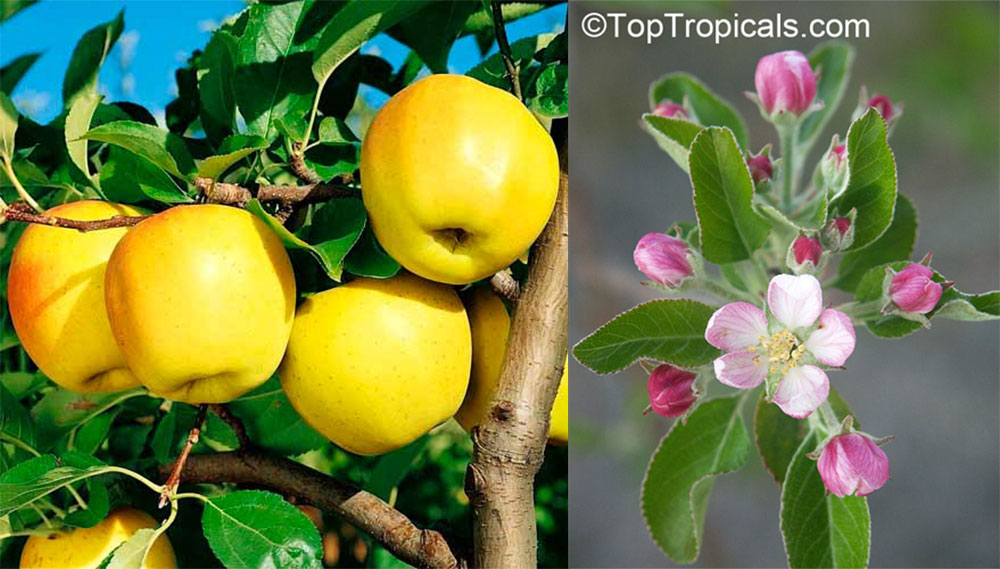
Variety Dorsett Golden looks like Golden Delicious with golden skin and sometimes a red blush. This cultivar was discovered in the Bahamas and is crisp and juicy with excellent flavor.
Attractive and fragrant pinkish-white apple blossoms will appear during Feb-March and give way to fruit (smaller than standard apples) in June. They remain a small tree, growing to about 15 feet.
For best results of cross-pollination and heavy production, we recommend a pair of low chill apples - the perfect couple Dorsett Golden and Anna.