Garden Blog - Top Tropicals

Date: 30 May 2019

Selecting the right jasmine
TopTropicals.com

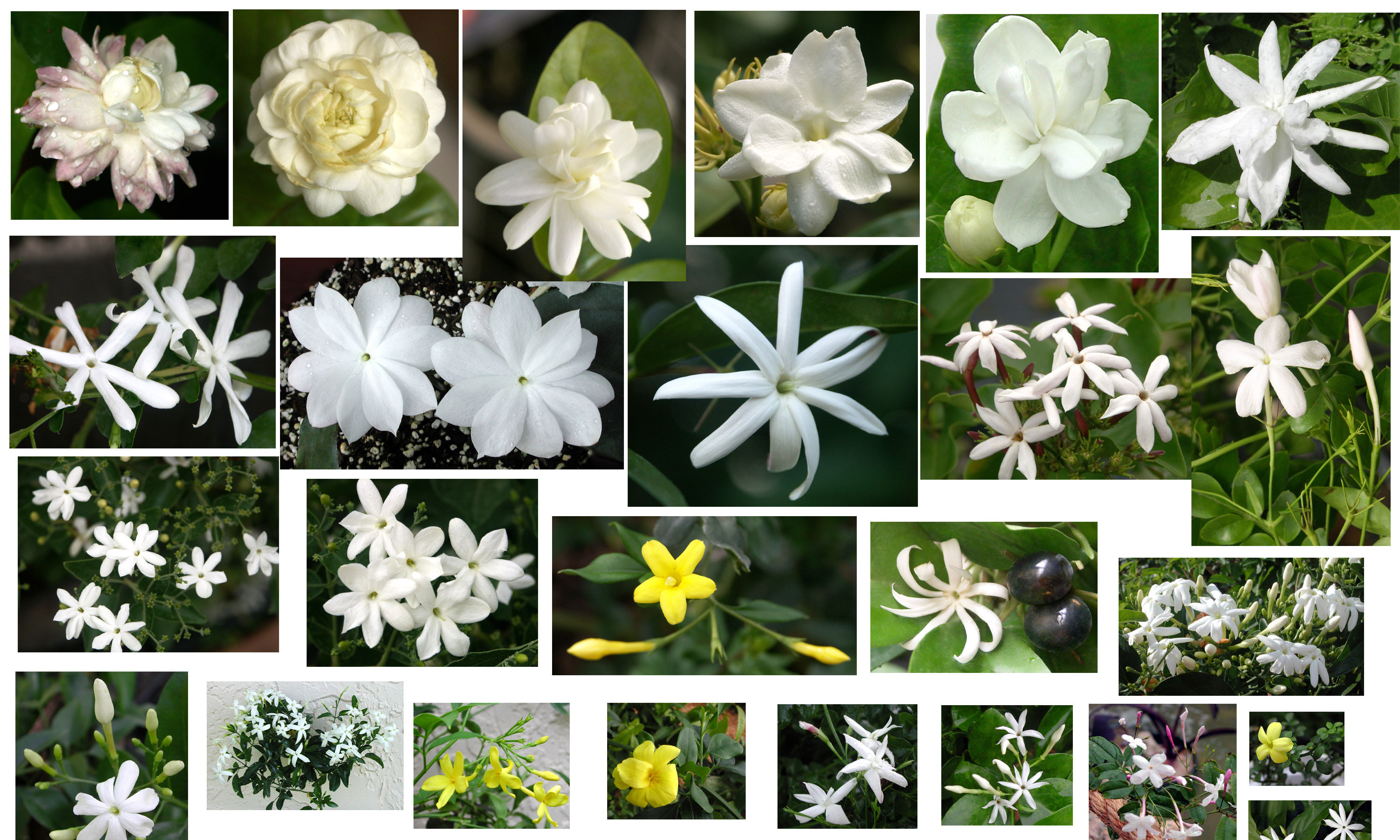
Q: Would you please help me select the right jasmine? I want to find a jasmine that smells like lily of the valley or honeysuckle or roses, not the one that smells like gardenia. I'm in Missouri, zone 6, so I want a jasmine for my deck for the summer, so I want it to bloom this season.

A: There are 3 major types of tropical flower fragrances - Sweet, Fresh, and Fruity (including Lemony). Below are the most interesting fragrant tropical flowers, excluding Gardenias (which are sweet type). These are all same-year bloomers, so you can enjoy the fragrance this year assuming proper care and bloom booster feeding.

* - The fastest growers that can be treated as annuals. Others can be grown in a pot and brought inside for winter, and be enjoyed every year.

Sweet

* Aloysia virgata - Almond Bush
* Cestrum diurnum - White Chocolate Jasmine, Day Blooming Jasmine
* Cestrum nocturnum - Night blooming jasmine
* Heliotropium peruviana - Turnsole, Cherry Pie
Portlandia Cubanola domingensis - Cubanola (Warm white Chocolate)
Portlandia grandiflora - Glorious Flower of Cuba (Warm white Chocolate)

Fresh

Beaumontia grandiflora - Easter Lily Vine
* Brugmansia Jean Pasco - Yellow Angels Trumpet
* Brugmansia Variegated Orange Angel Trumpet
* Brunfelsia americana - Lady of the night
* Brunfelsia lactea - Lady of the night
* Brunfelsia nitida - Lady of the night
Crinum Queen Emma - Spider lily
* Eucharis grandiflora - Amazon Lily
* Hedychium coronarium - Butterfly Ginger
Hiptage benghalensis - Helicopter Flower
Hoya odorata - Fragrant Hoya
Ixora hybrid Sea Green
Ixora odorata - Fragrant Ixora
* Jasminum azoricum - River Jasmine
* Jasminum Molle - Indian Jui
Jasminum nitidum - Star Jasmine
* Jasminum officinale Flore Pleno - French Perfume Jasmine
* Jasminum polyanthum - Pink Winter Jasmine
* Jasminum sambac Belle of India
* Jasminum sambac Grand Duke
* Jasminum sambac Maid of Orleans
* Polianthes tuberosa - Tuberose
*Sclerochiton harveyanus - Blue Lips, Mazabuka (Lavender-violet-like)

Fruity

Aglaia odorata - Chinese Perfume Plant (Lemony)
Artabotrys siamensis - Climbing Ylang-Ylang (Lemony)
Cananga fruticosa - Dwarf Ylang-Ylang
Carissa grandiflora - Natal Plum
Cerbera x manghas hybrid - Enchanted Incense
* Jasminum dichotomum - Rose Bud Jasmine
* Lonicera japonica - Japanese Honeysuckle
Magnolia figo - Banana Magnolia (Banana-like)
Magnolia x Alba grafted (Bubble-gum-like)
* Mirabilis jalapa - Four oclock plant
Oxyceros horridus, Randia siamensis
* Quisqualis - Rangoon Creeper
* Radermachera Kunming - Dwarf Tree Jasmine
* Stephanotis floribunda - Bridal Bouquet
Strophanthus gratus - Climbing Oleander
Telosoma cordata - Pakalana vine (Lemony)

Fertilizers for profuse flowering:

Pink N Good Daily Plant Food - Flower Booster
Tropical Allure - Smart-Release Booster
SUNSHINE-Superfood micro-elements

Date: 28 Dec 2018

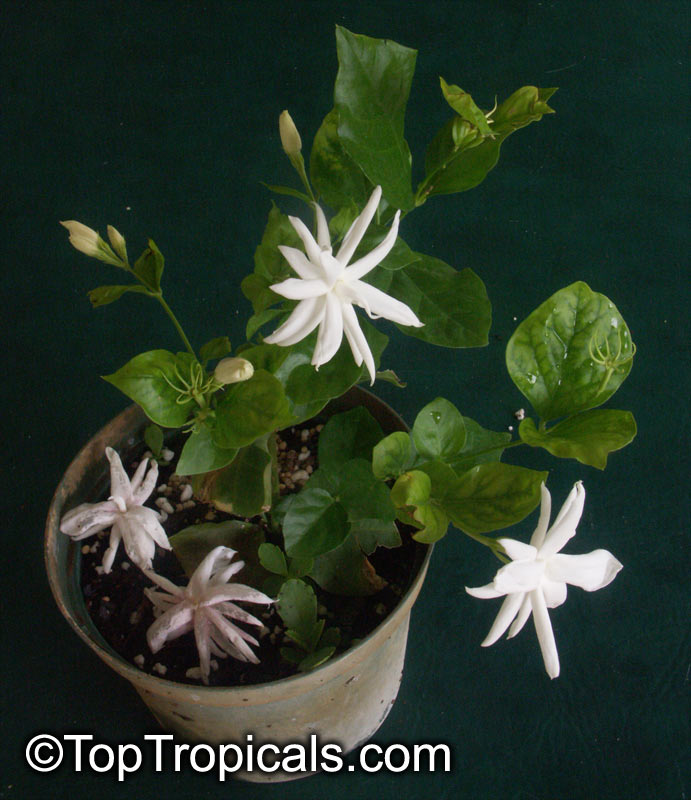
How to get a Jasmine to bloom.
Caring for jasmines as container plants during Winter

TopTropicals.com

Locate the jasmine plant where it will receive bright filtered light at least six hours every day.

Put a few pebbles in a shallow plate or tray and pour fresh water over the pebbles. Set the pot on the pebbles, but don't let the water level touch the bottom of the pot. This increases the humidity in the air around the jasmine. Keep the plant away from wood stoves, heat vents and radiators.

Water the jasmine when the top 1/2 inch of the soil feels dry. Don't let the soil get soggy, and never let the pot sit in water. Water the plant sparingly during the winter.

Feed jasmine twice a month between Spring and early Fall, using a granulated slow-release, or water-soluble houseplant fertilizer mixed at half strength. Don't fertilize during the winter months.

Prune the jasmine as needed to maintain the desired shape. Never prune in winter, as the plant will be preparing to bud.

Encourage the jasmine to bloom by putting it in a cool room at night for four to five weeks during Fall to Early Winter. The plant should get plenty of sunlight during the day, but during the night, move it to a pitch-dark room where the temperature is between 40 and 50 degrees F. After four to five weeks, leave the plant in its regular, daytime location. The plant should start blooming in mid-Winter to early Spring.

See all jasmine plants...

Date: 9 May 2017

Secrets of flowering of Jasmine Sambac

Q: Q: My Jasmine sambac Maid of Orleans is growing very fast and produced lots of branches and dark green leaves, when will I see flowers? I only saw 2 or 3 flowers since since Spring. I is planted by East wall of the house. Should I use some special fertilizer perhaps?

A: Jasmine sambac is a tropical bush or vine that enjoys hot summers. Since it tolerates wide range of light conditions, it can be grown both in shade or sun; this is why it is highly recommended for indoor culture where light level is limited. Remember though that profuse blooming directly depends on the light level. Your Eastern exposure location may not be providing enough light for the flowering. Dark green leaves are also a sign of a filtered light sitution. Extra fertilizing may not help to induce flowering if the light is low, although it is always beneficial for a plant (it may just start producing even more leaves and branches). The ideal conditions for Sambac's flowering are - full sun all day long, high temperatures (upper 80's-90's, even over 100F is fine), and very good drainage. Some gardeners call Jasmine sambac "almost a succulent", referring to its low watering needs. To be exact, this plant requires regular watering, but will produce lots of flowers only providing perfect drainage. You may never see flowers if the plant has wet feet or water-logging occurs. If your summers are rainy (like in Florida), make sure your jasmine is planted with at least 4-5" elevation and not in a low/wet spot.

See Top Tropicals Video about jasmine Sambac: - varieties, history and use.

Date: 13 Jun 2019

Millingtonia hortensis - Tree Jasmine

By Onika Amell, tropical plant specialist

Q: Q: How fragrant is the Tree Jasmine (Millingtonia) and how tall does it grow?

A: Millingtonia hortensis, or Tree Jasmine, is such a beautiful flowering tree with long, white, slender and trumpet-shaped flowers with a perfume that wafts through the air. These trees are very sought after because they are so highly fragrant. They are fast-growing trees that in Nature (Burma) can easily reach a height of 40-50 feet, however here in SW Florida we have them growing about 20-25 ft. The tree flowers at night and then shed the flowers in the morning. The flowers are waxy and stay fresh for a long time. In India the flowers are picked up and braided for rituals. It flowers from October until the end of December. The tree is also known as the Cork Tree, as an inferior cork is processed from the corky bark. It is a fast growing, tall, straight tree with few branches and its popularity lies in its ornamental value and not in its shade-giving properties. Yet, once you've witnessed the profusion of white flowers, you will understand why. It is a sight to behold! Cork tree is very easy and can grow in a variety of soils. It requires full sunlight.

Date: 25 Sep 2016

Libra Zodiac lucky plants

Libra - 9/23-10/22. Libra is an AIR sign, and is ruled by the planet Venus. Because Venus is the planet of beauty and love, Libra's plants often have light, lovely flowers and gorgeous scents.
Libra has been related to the endocrine system, the kidneys, and the bladder. Venus (which also rules Taurus) is responsible for the harmony between the various body systems, as well as the abdomen, kidneys and urinary tract, and thyroid. Libra's plants help to bring balance to these areas of the body. Libra's romantic nature appreciates a spice that cultivates love and sensuality. Cardamom is a spice known for its gently warming nature, so add a sprinkle when you want to heat things up slowly.

Libra Zodiac lucky plants: Jasmine, Gardenia, Euclinia, Pua Keni Keni, Randia, Beaumontia, Faradaya, Butterfly Ginger, Kopsia, Hydrangea, Montanoa, Aglaia, Dwarf Ylang-Ylang, Desmos, Clematis, Almond Bush, Brunfelsia, Four oclock plant, Juniper, Moonflower, Carissa, White Chocolate Jasmine, Night blooming jasmine, Fiddlewood, Honeysuckle, Orchid, Clerodendrums, Millingtonia, Parijat, Fried Egg Tree, Oxyceros, Phaleria, Tuberose, Cubanola, Portlandia, Rothmannia, Allamanda, Nasturtium, Rose, Camellia, Ephedra, Fuchsia, Ylang-Ylang, Magnolia, Stemmadenia, White Plumeria, Appleblossom, Needle Flower Tree, Tree Jasmine, Guaiacum, Epiphyllum, Amazon Lily, India Hawthorn, Stephanotis, Talauma, Pakalana vine, Wrightia, White flowers, Cypress, Lucky Bamboo, Dracaena, Bakul, Apple, Pear, Fig, Raspberry, Olive, Pomegranate, Apricot, Peach, Plum, Loquat, Grape, Blackberry, Mango, Cherries, Chrysobalanus icaco, Berries, Neem tree, Asparagus, Spices, Mint, Catnip, Bergamot, Thyme, Cardamom.

For other signs information, see full Plant Horoscope.

15% OFF ON ALL FRAGRANT PLANTS! 3 day sale.