Garden Blog - Top Tropicals

Date: 8 Apr 2019

Growing sapodilla in container and indoors
TopTropicals.com

Q: I live in northwestern Washington state. I was wondering if I can grow a Sapodilla tree indoors in a container? Are they self-fertile, and which variety do you think would do best in a large container?

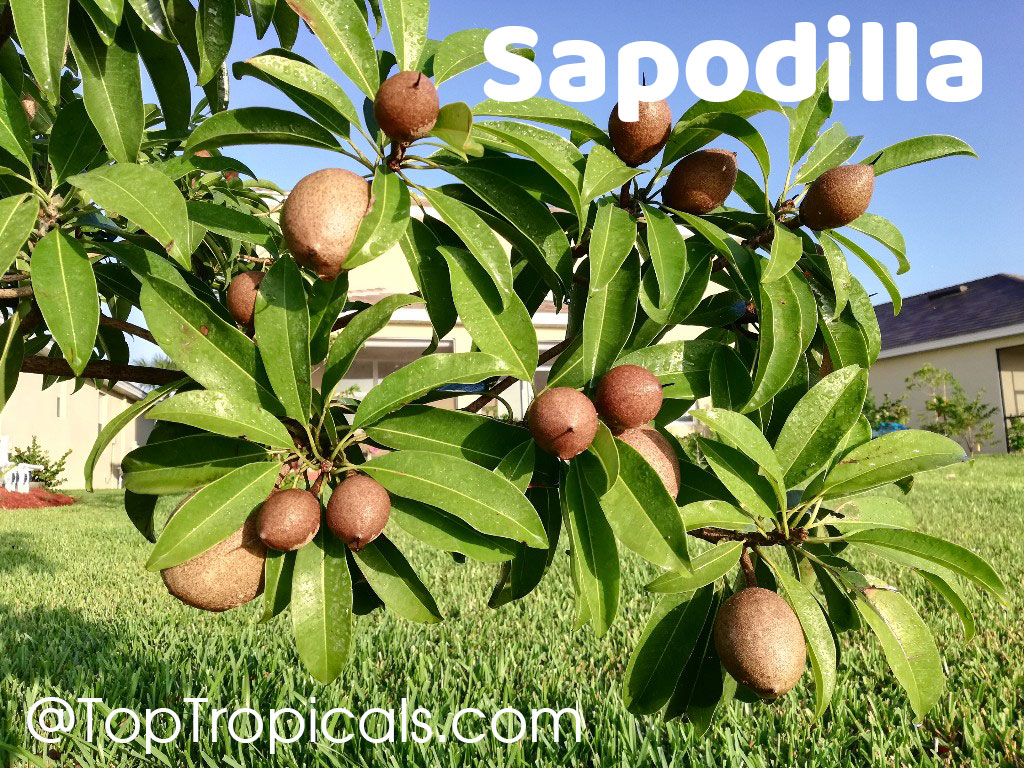
A: A: All Sapodillas are self-fertile. They can be successfully grown in pots due to their slow growth rate and compact nature. The most important requirement for successful growing and fruiting is a bright light, other than that it is a very undemanding plant and is not fussy about watering. The best variety for potting culture is Silas Woods which is a dwarf kind. This variety is the most profuse producer, flowering and fruiting nearly year round providing bright light and warmth. Although the fruit are smaller than other varieties and average 3-4" size.
Sapodillas require regular fertilizer applications for good production. We recommend Fruit Festival slow release fertilizer for the best results.

Date: 3 Apr 2019

Featured plant. Acacia sphaerocephala - Bulls-Horn Acacia

TopTropicals.com

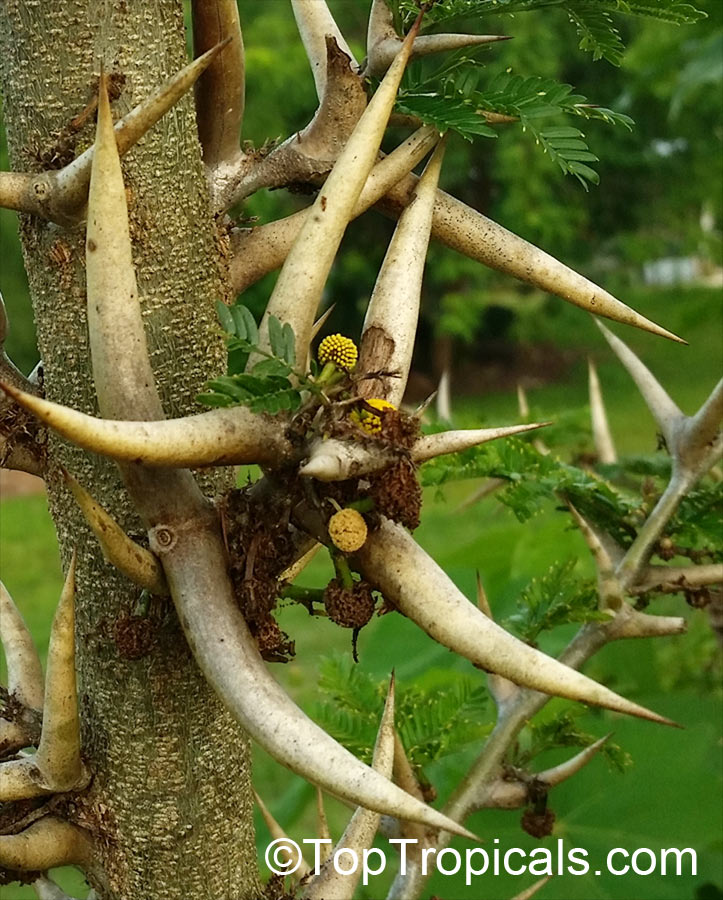
Acacia (Vachellia) sphaerocephala - Bulls-Horn

The name of this cool unusual tree comes from the shape of the thorns which do indeed resemble the horns of a bull! The tree has a strong, symbiotic relationship with a species of an ant, Pseudomyrmex sphaerocephala for which it is the obligate habitat. The ants act as caretakers for the tree, and clear the ground and keep it free of any other plants and even prune surrounding branches of other trees that threaten to outshade the acacia. Without the protection of the ant colony, the acacia tree would fall vulnerable to chewing insects such as beetles or caterpillars, and surrounding trees and shrubs would quickly outcompete the acacia without the maintenance work of the ants to keep the tree safe.

Check out this plant...

Date: 3 Apr 2019

Clay or plastic?

TopTropicals.com

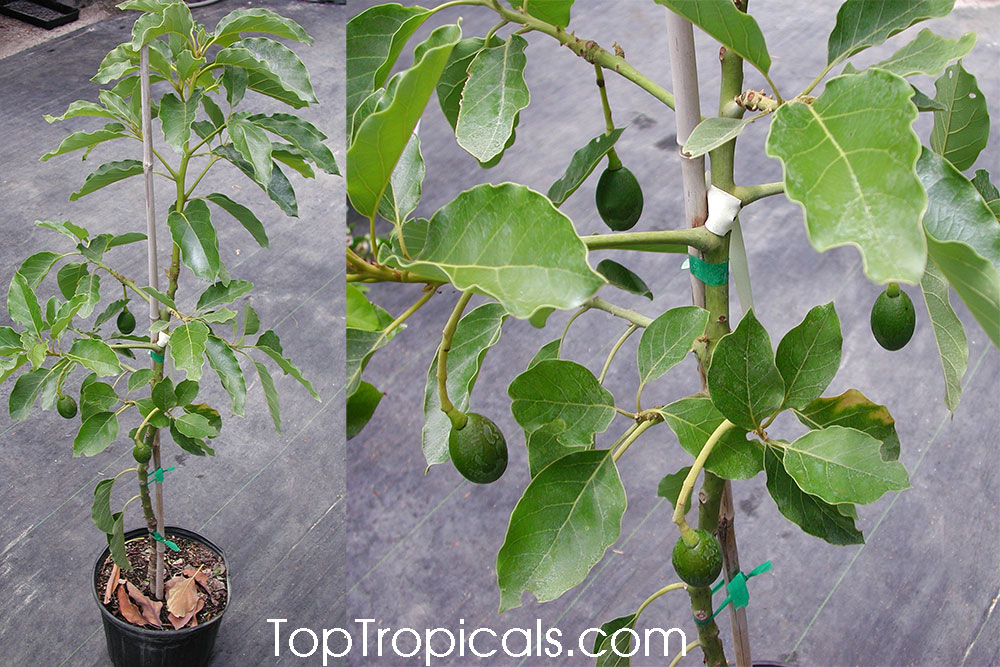
Q: I purchased an Avocado tree and planted it in a nice clay pot that I bought in a special pottery place. My tree looked very healthy when arrived but after a week leaves become droopy and started yellowing. I was advised this was a sign of over-watering. I watered the tree only once since I got it 2 weeks ago. What is wrong with my plant?

A: Unfortunately, the fancy pot may be the reason. Although clay pots (plain clay, without glaze) are considered to be good for root health, however, the root system is hard to control and difficult to check without disturbing. Clay pots with fancy glaze and painting may have a drainage problem. We have noticed that cone-shaped pots are usually problematic for drainage, and a plant always has "wet feet". Avocados like watering, but cannot tolerate sitting in water. If you want to avoid root problems and still like to keep a beautiful look of your treasure plant, you may use a fancy planter, where you can put your plant growing in a plain plastic black nursery pot of much smaller size than a planter: its vertical walls are perfect for drainage, and the pot is easy to remove for re-potting or inspecting. Make sure to put a layer of drainage rock on the bottom of the planter so your efforts won't be in vain.

Date: 28 Mar 2019

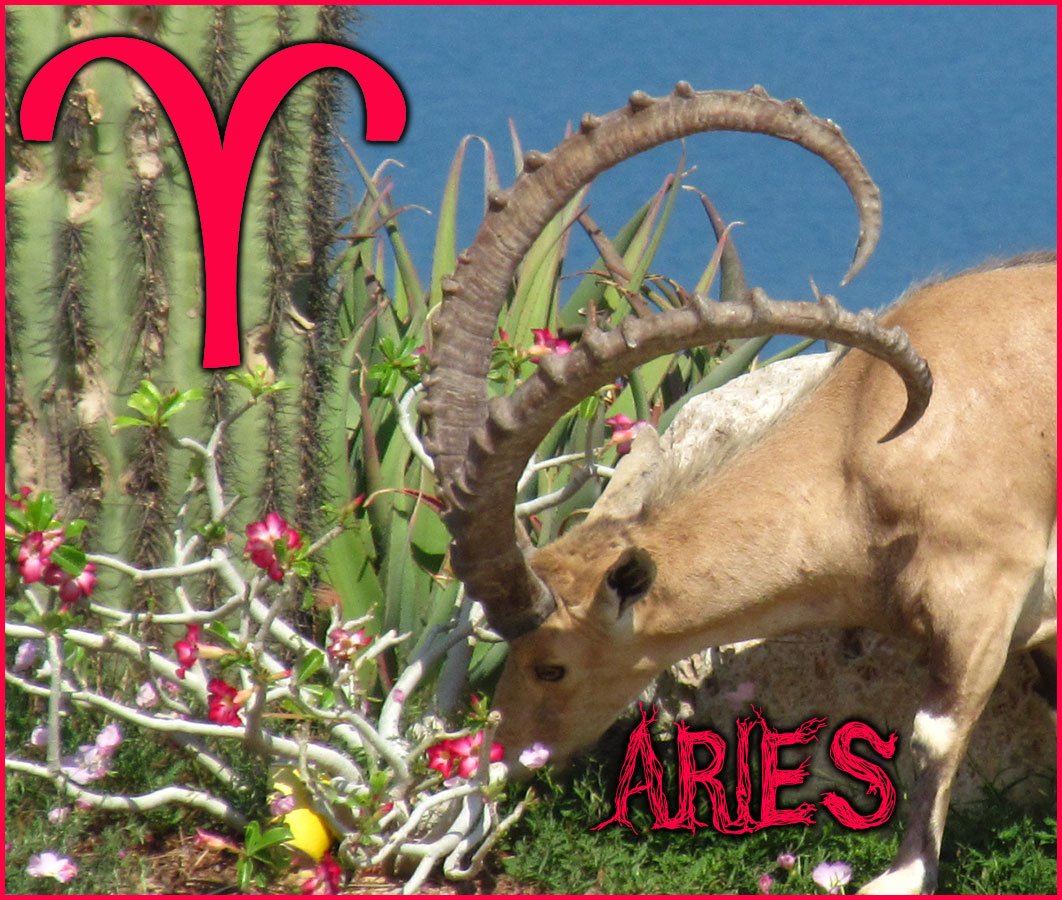
Plant Horoscope. Aries Zodiac lucky plants: Red Oleander and Maple

TopTropicals.com

Aries - 3/21-4/19

Aries is a FIRE sign ruled by the planet Mars. Plants associated with this element and planet very often have thorns or prickles. They can be also spicy or bitter in flavor, or red in color. Because Aries rules the head, eyes, and face, the plants for Aries purify the blood, stimulate the adrenal glands, and/or are high in iron (Mars rules the mineral iron). Mars-ruled Aries is assertive, energetic and fearless. Mars rules the red blood cells, the muscles, and metabolic processes, as well as the motor nerves and the head. These plants help you when you want more get-up-and-go and the courage to take on the world.

Aries Zodiac lucky plants:

Governors plum, Hibiscus Karkade, Tapioca, Mamey Sapote, Ruda, Baobab, Euphorbia, Acanthus, Aloe, Caesalpinia, Erythrina, Opuntia, Dragon Fruit, Pachypodium, Pomegranate,Chilli peppers, Syngonium, Begonia, Geranium, Red Sandalwood, Jamiaca pepper (Pimenta, Allspice), Camphor, Jujube, Anise, Red Roses, Tiger Lily, Impatiens, Calendula, Tarragon, Ginger, Coriander, Basil,Ruda, Amaryllis, Wild Indigo, Gooseberries, Sesbania, Campsis, Red Oleander, Maple, Schotia brachypetala, Momordica, Coffee, Amla , Ephedra, Red Kapok.

For links to these plants and other signs information, see full Plant Horoscope.

Date: 28 Mar 2019

Hawaiian Dwarf is a True Star!

TopTropicals.com

By Mark Hooten, the Garden Doc

Q: I live in Southern Ohio and love growing lots of tropical plants. In the warm months, they all go outside under the protection of tall trees, but in the cold months, they all come inside in a snug but very brightly lit sun-room. For many years I have successfully kept a dwarf Meyer's lemon which amazes my friends, and I am wondering if you could suggest some other dwarf tropical fruit tree which I might be able to grow that would amaze them even more?
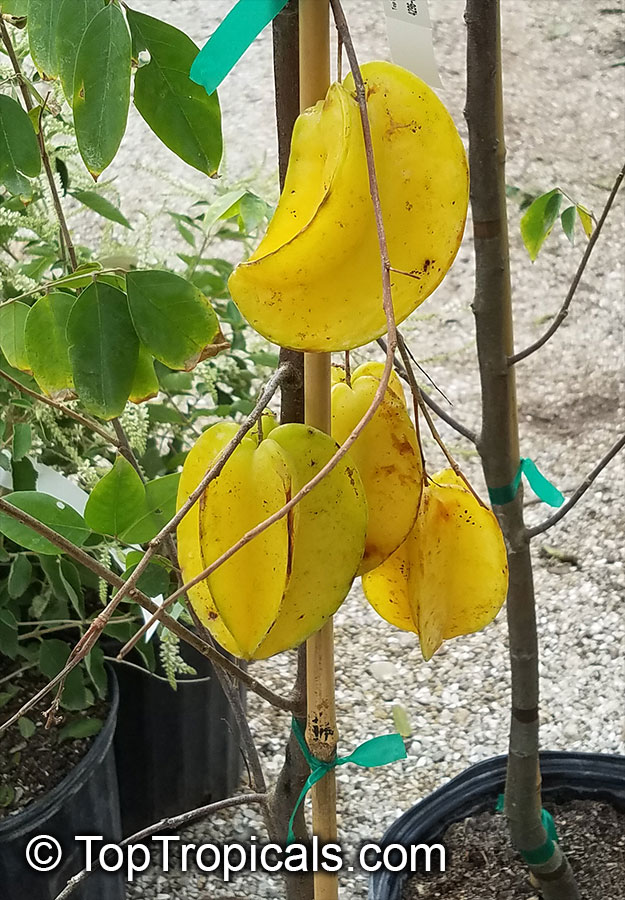
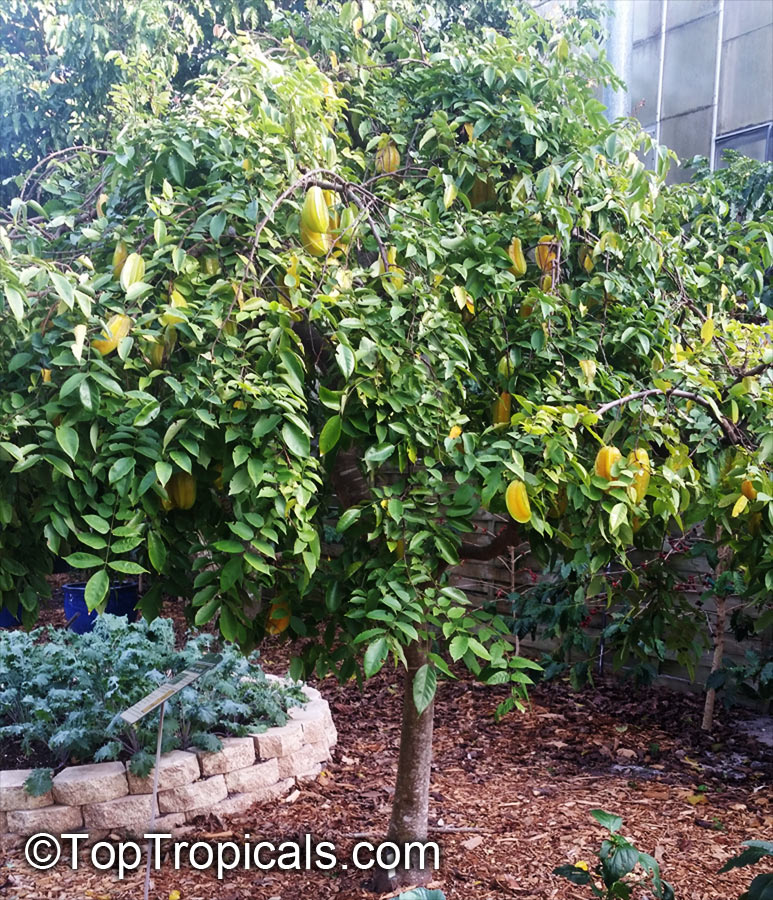
A: Without hesitation, I would strongly suggest a particular variety of carambola (star-fruit) called Dwarf Hawaiian, as it is truly special as tropical fruit trees go. First and foremost, they begin fruiting at a very young age, often while only in a one-gallon pot, and even less than a couple of feet tall with a very little trimming. Better even is that they are perfectly happy living perpetually in a pot. I have one myself which is content in a 12 inch pot and which fruits freely throughout the year. Also, even though it should be too much to be expected, the fruits are of the highest quality and are as sweet as candy. I also like the fact that the fruits hang decoratively on the tiny tree for quite some time before finally ripening, rather like ornaments. One of these little trees in-fruit is an amazing sight and ought to make anyone take notice, especially in a sun-room in Ohio! They really are very easy to grow, and if you have a Meyer's lemon which does well, you'll certainly have no particular issues with a Dwarf Hawaiian carambola.

However, I have found that in order for them to remain extra dwarf and fruit especially precociously, this variety needs to be grafted and not cutting grown. Fortunately, Top Tropicals has recently obtained a number of these extra wonderful grafted trees which are of the highest quality I have seen in some time, all of which will likely begin fruiting very shortly. They simply are wonderful little trees! Check them out...

TopTropicals.com