Yellow, orange flowers - Plant Encyclopedia Results
| Number of plants found: 1233 | Next | 
|
Go to page: | 1 | 2 | 3 | 4 | 5 | Last |

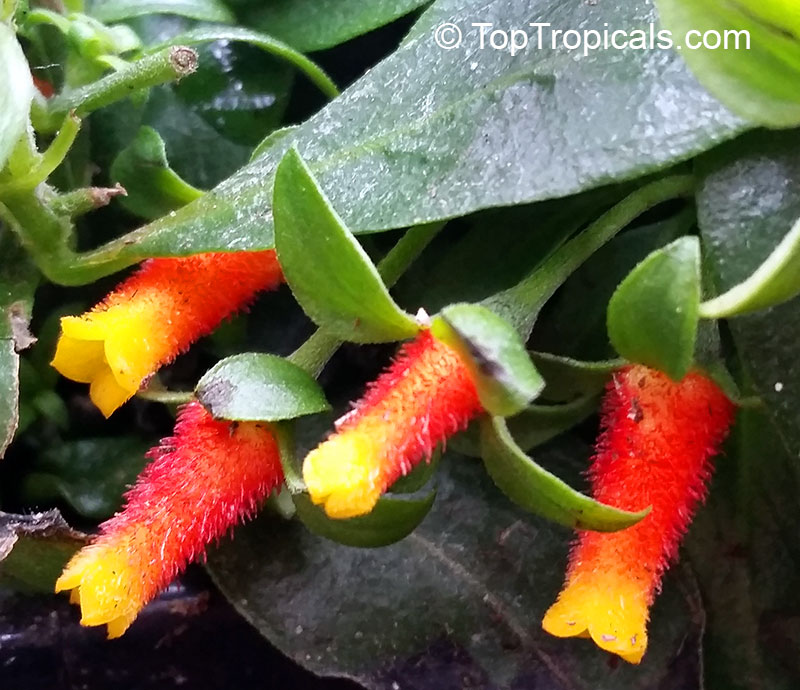
Botanical names: Manettia luteorubra, Manettia bicolor, Manettia luteo-rubra, Manettia inflata
Common names: Firecracker Plant, Candy Corn Vine, Cigar Flower
Family: Rubiaceae
Origin: Paraquay, Uruguay
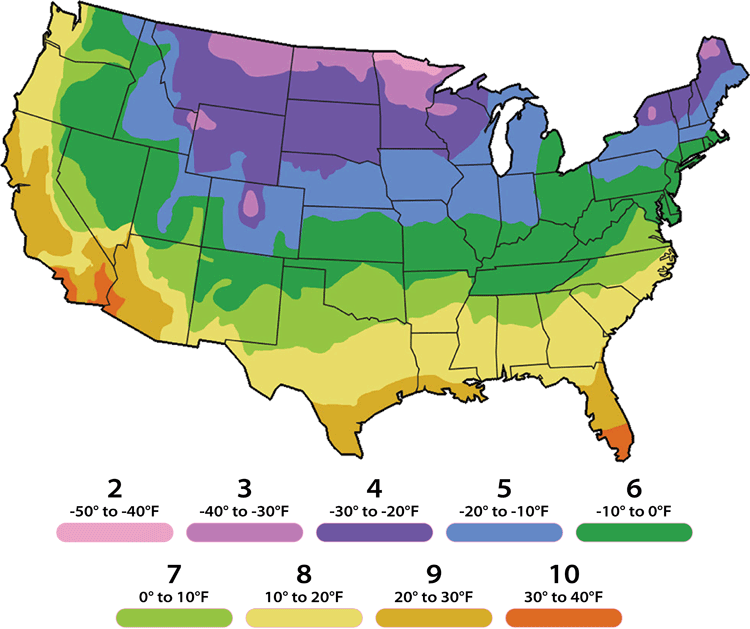


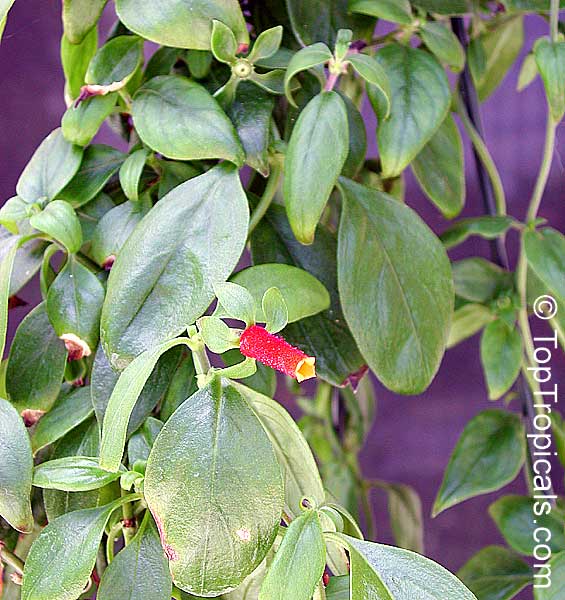
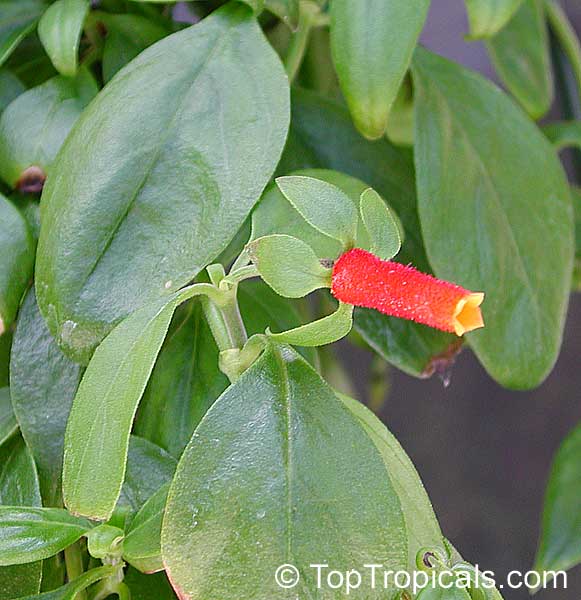
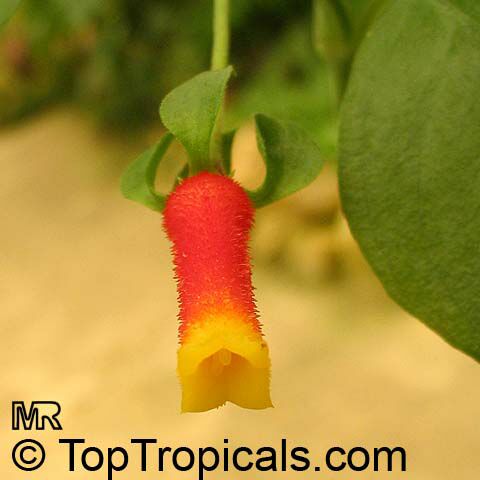
When grown in a container, Manettia luteorubra or Firecracker Plant typically only grows 2 feet high. The foliage is deep green and small leaved, forming a groundcover as the vine travels across the soil. In late summer and early fall, small clusters of bright red, crimson, or vinous flowers arise from the center of the foliage, each one tipped with yellow. These blooms attract butterflies and hummingbirds and are extra eye-catching! Manettia luteorubra grows best in USDA Zones 9-11, preferring full sun and partial shade and regular watering. Well-drained soil is a must for Manettia luteorubra. When growing in a container, use a well-draining potting mix and feed with a nutrient-rich fertilizer every four weeks. To keep it blooming, pinch off the spent flowers. In colder regions, protect the plant during heavy frosts. Move it indoors during winter or to a sheltered location and make sure to water as needed. Wherever you put it, Firecracker Vine will light up your garden with hundreds of eye-catching flowers. With proper care, you can enjoy its beauty year after year!



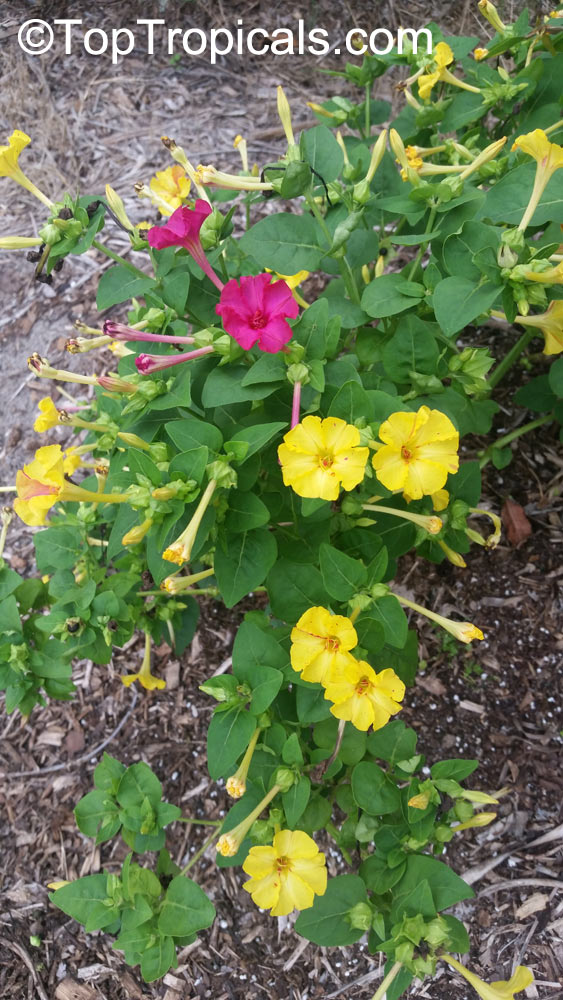
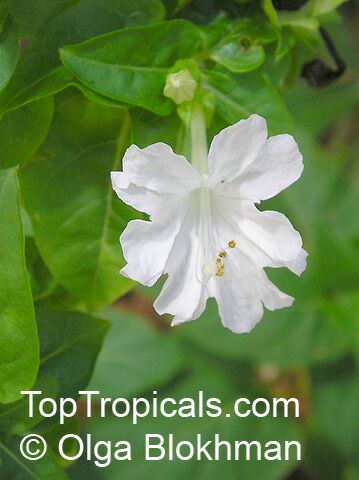
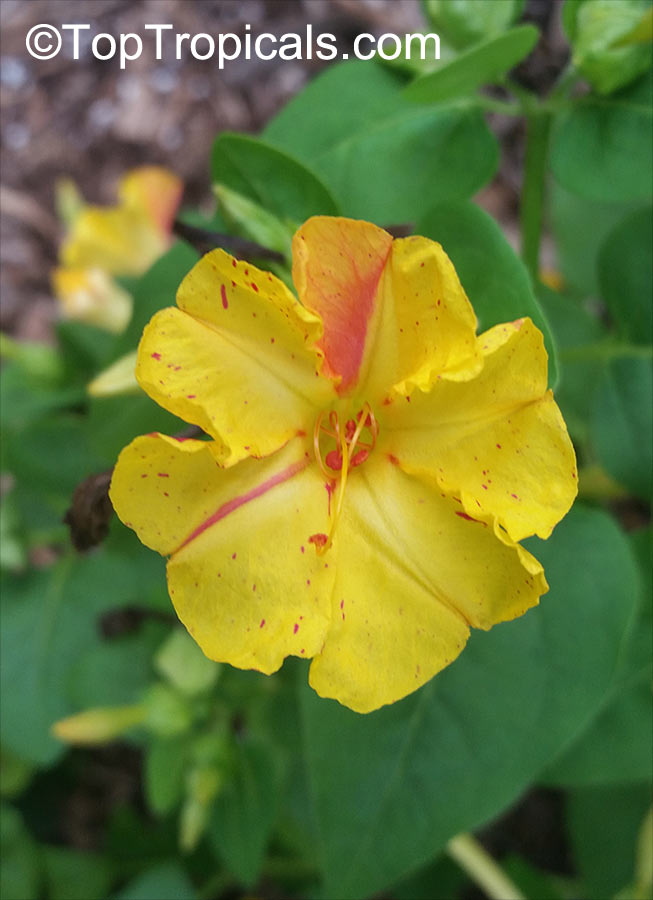
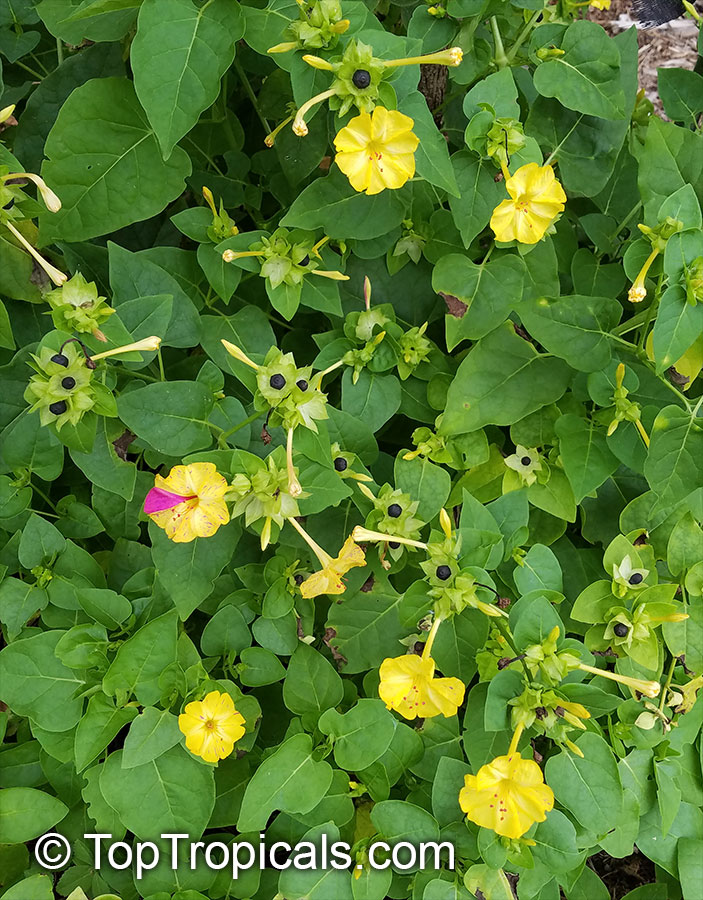
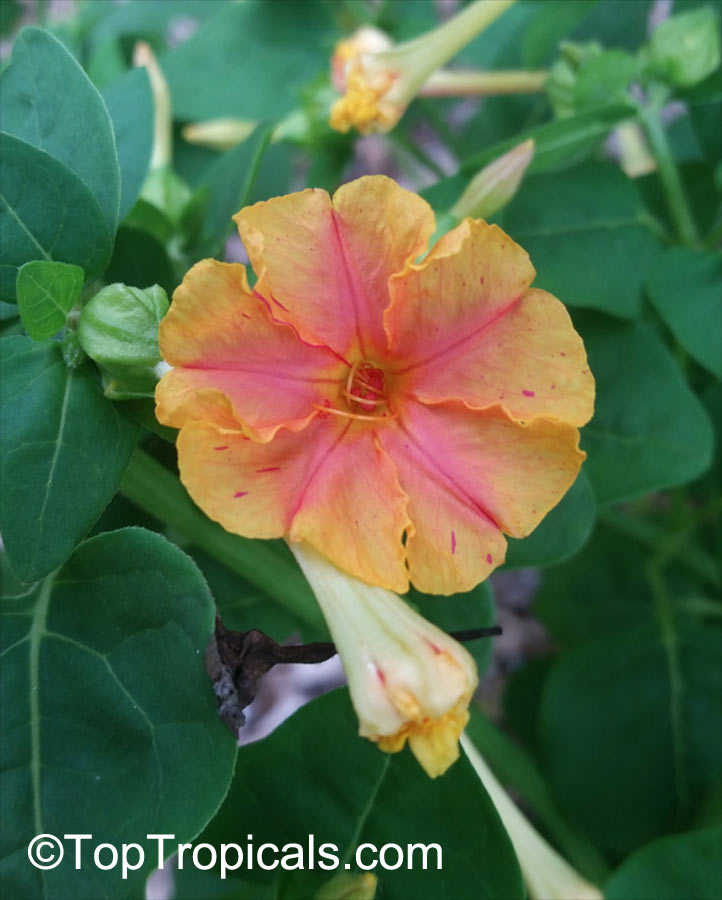
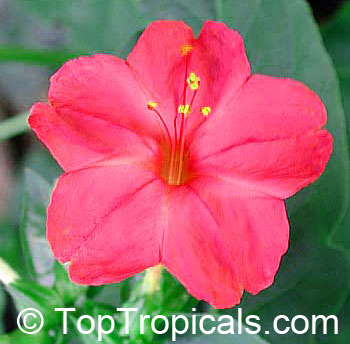
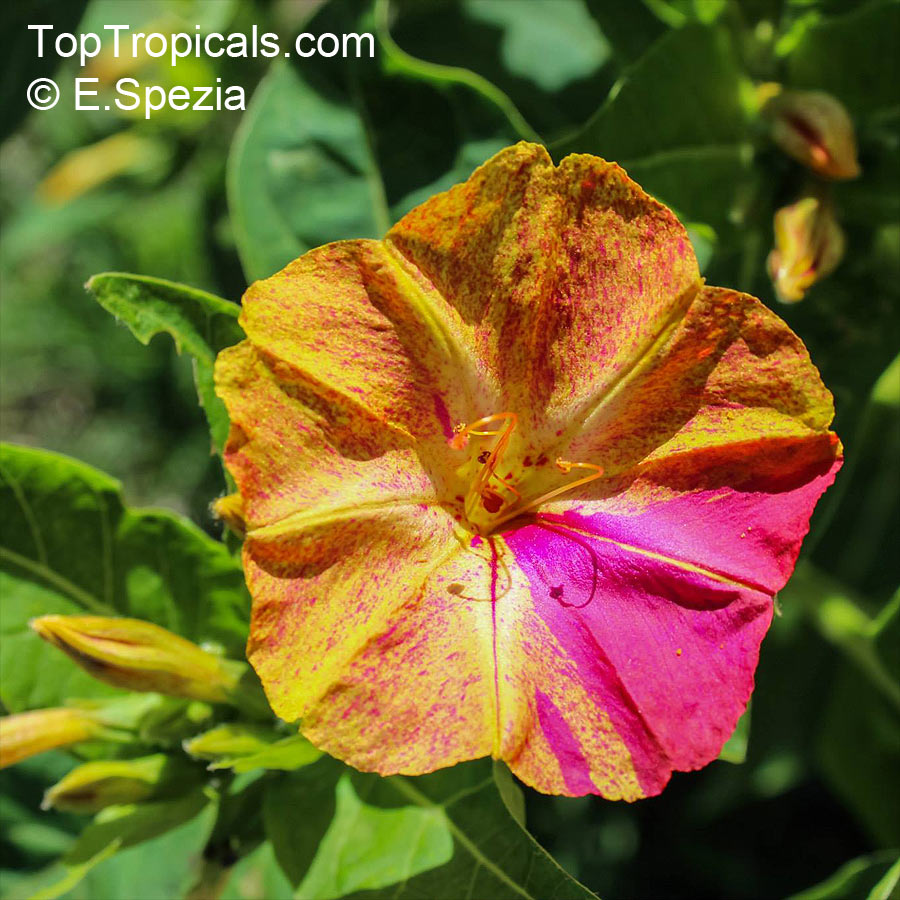
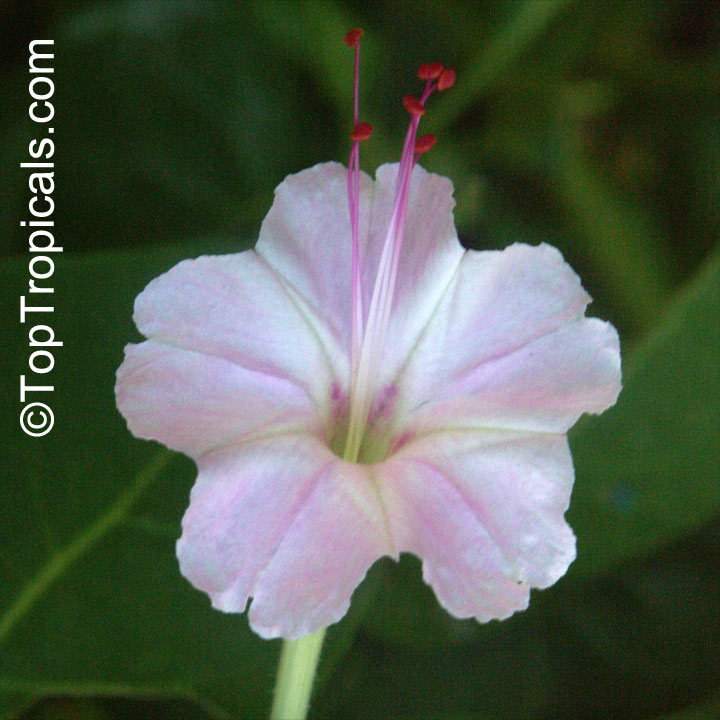
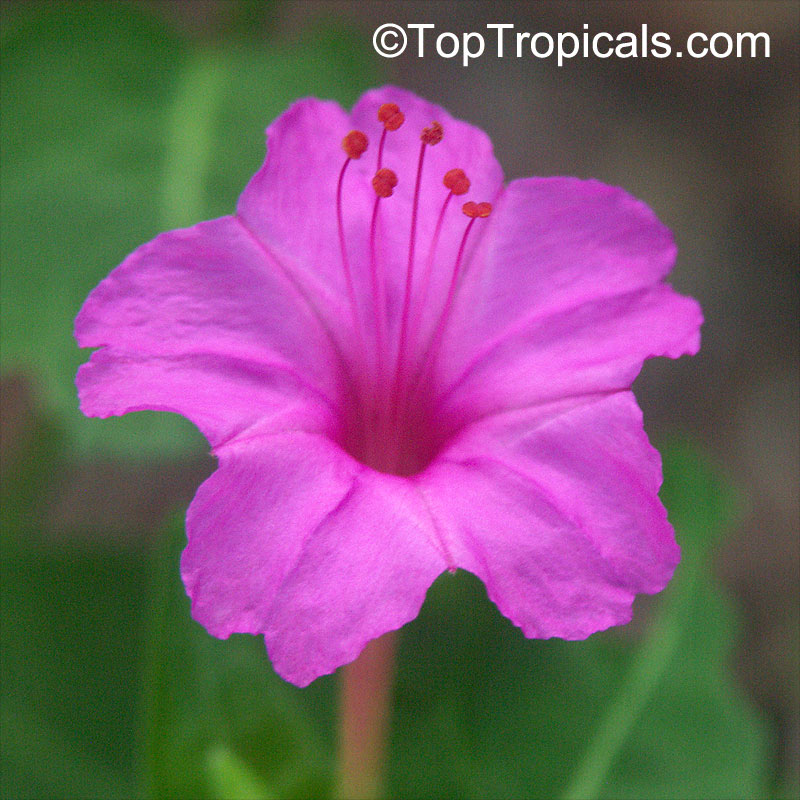
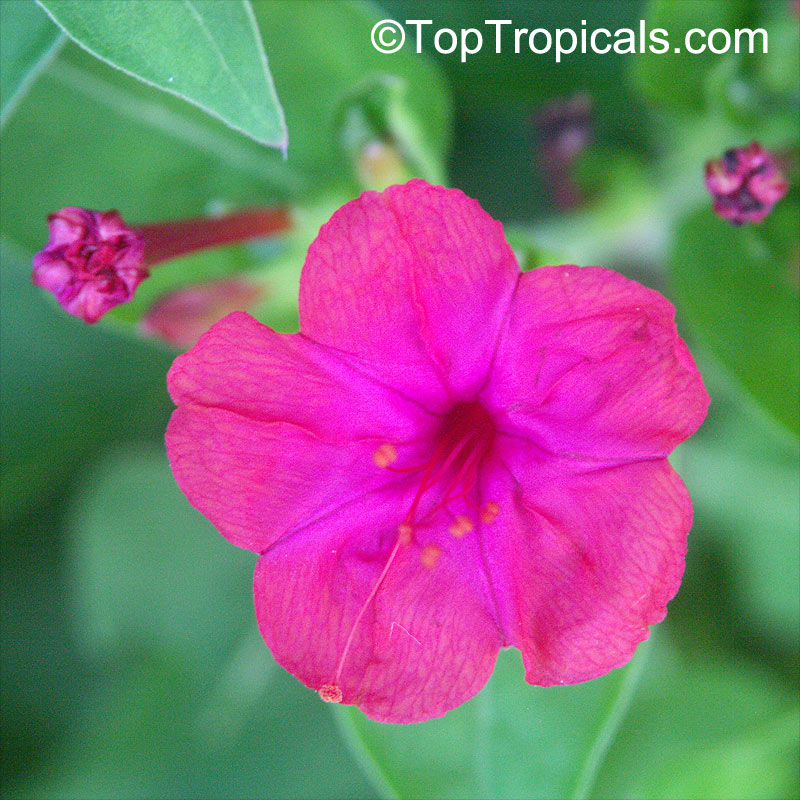
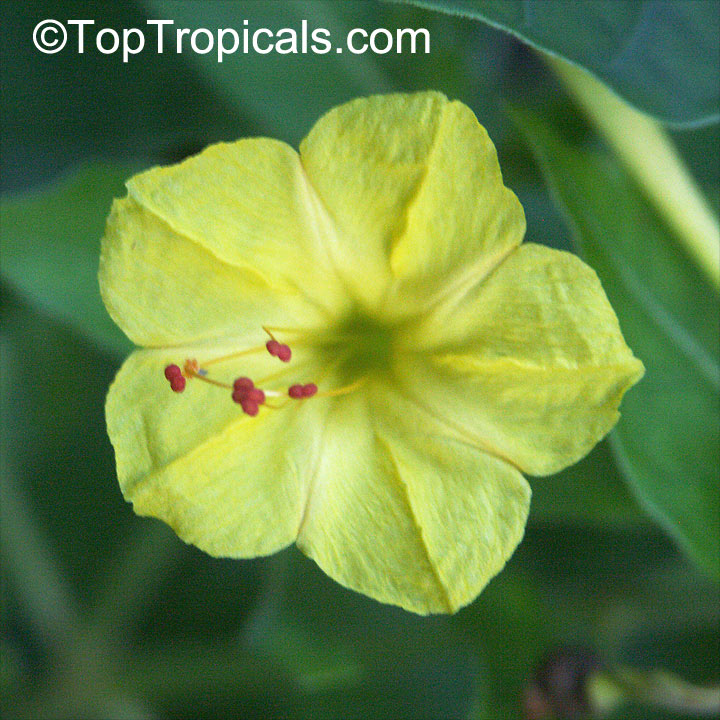
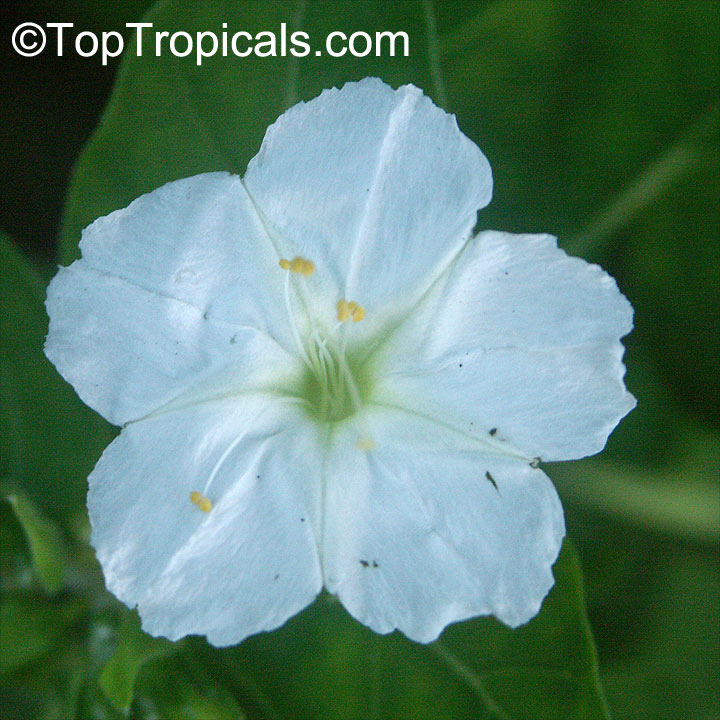
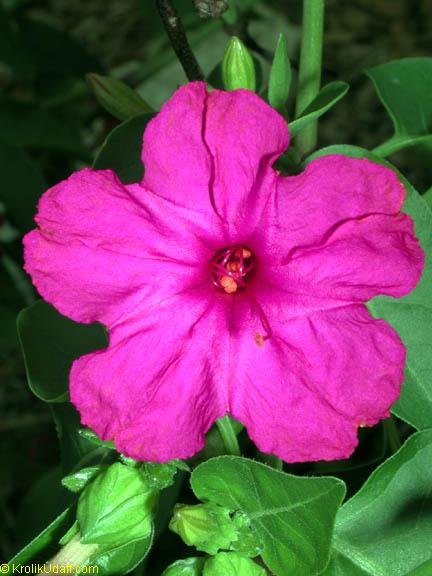
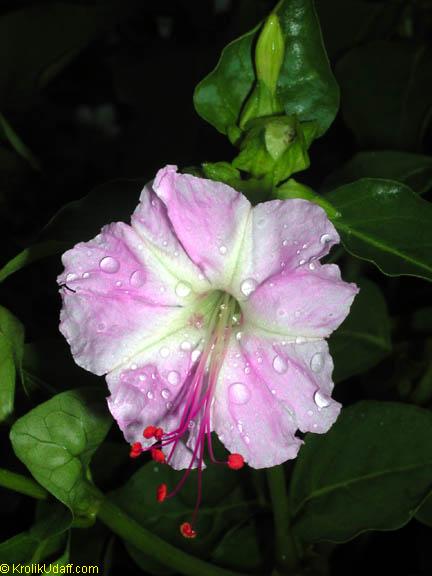
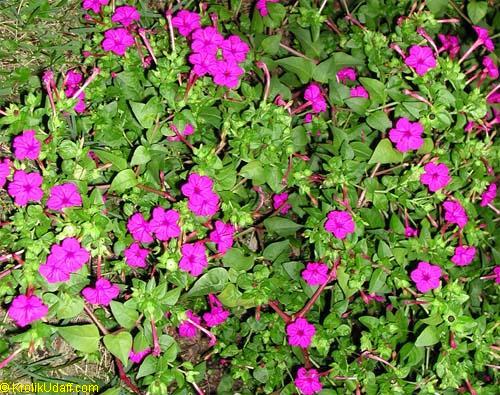
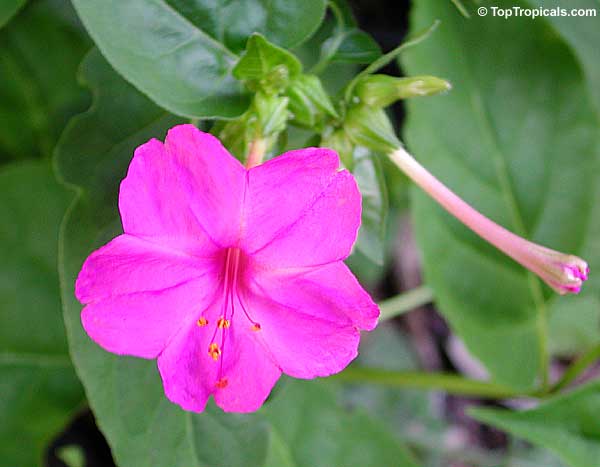
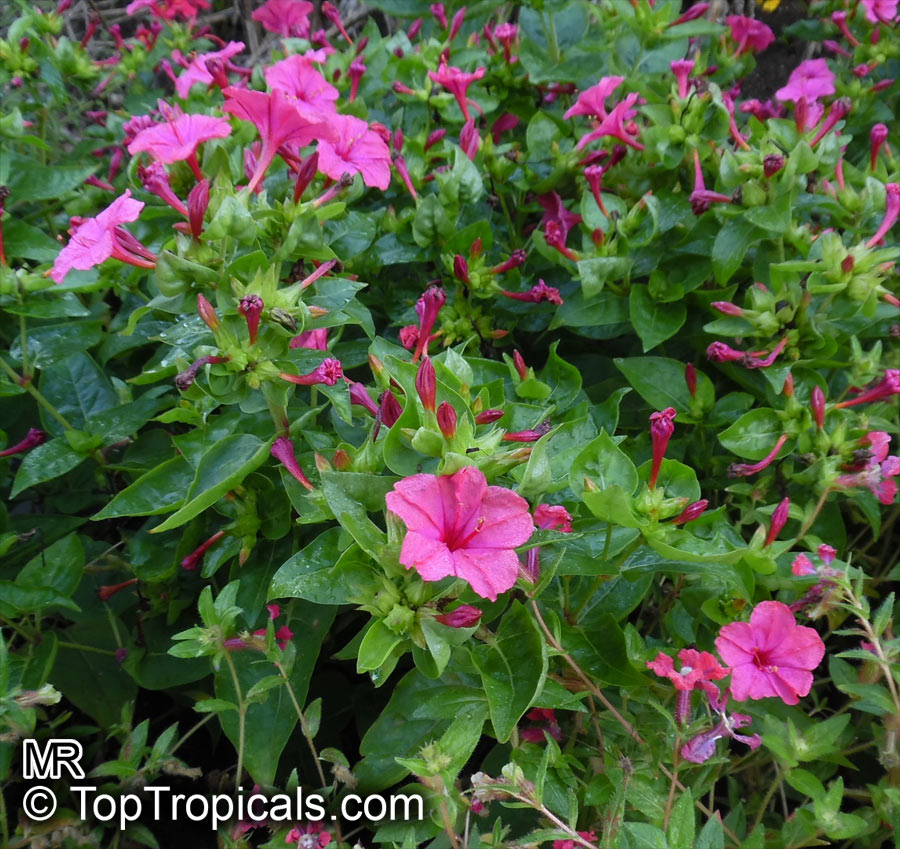
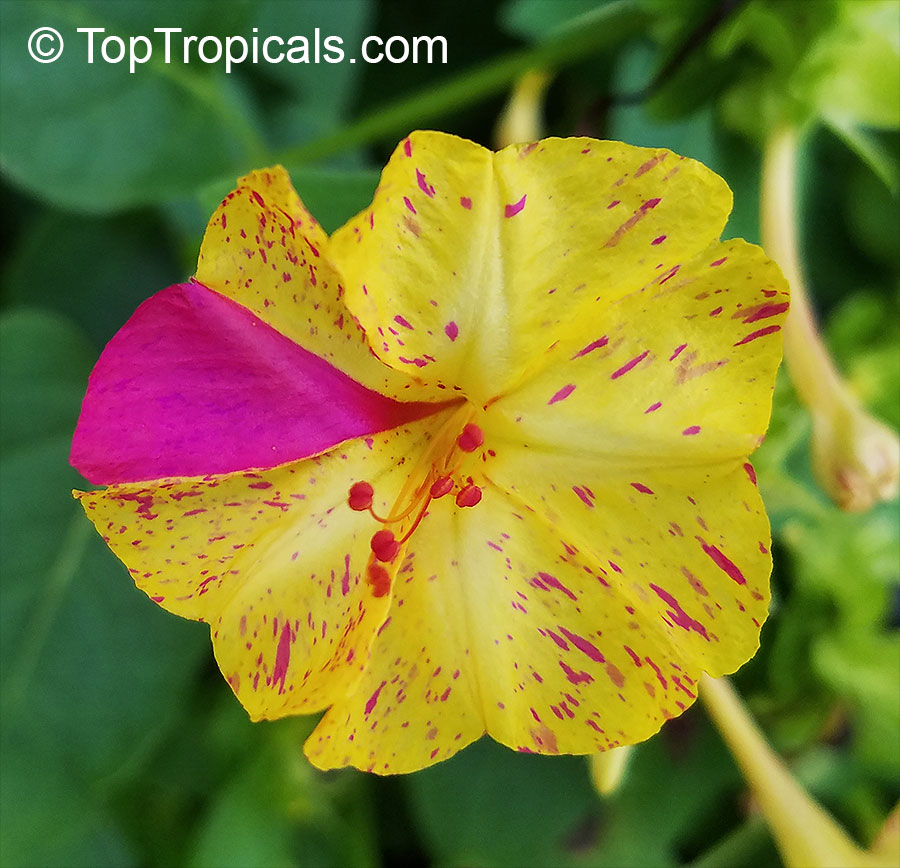
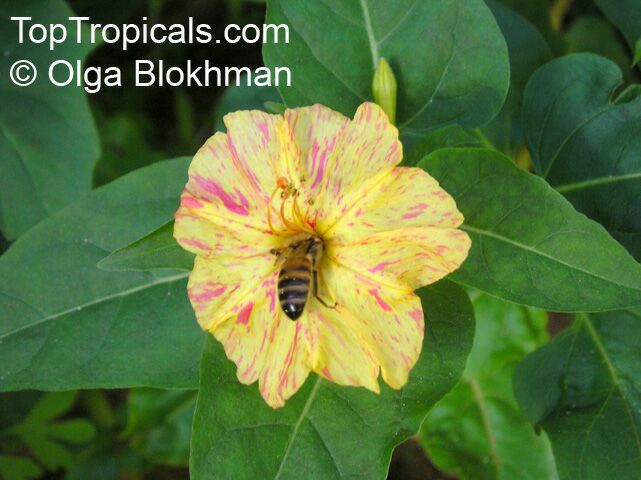
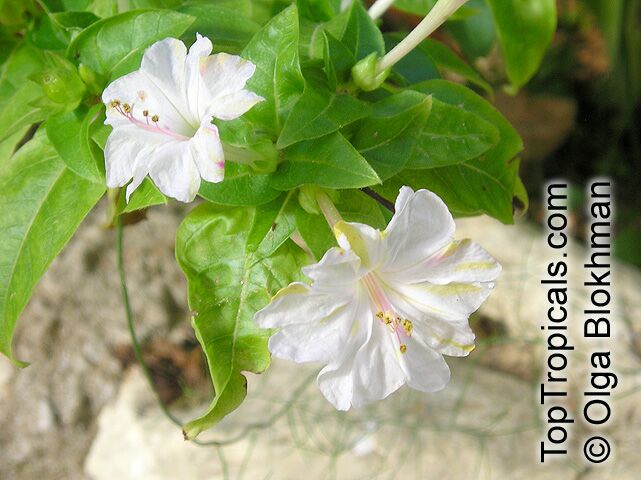
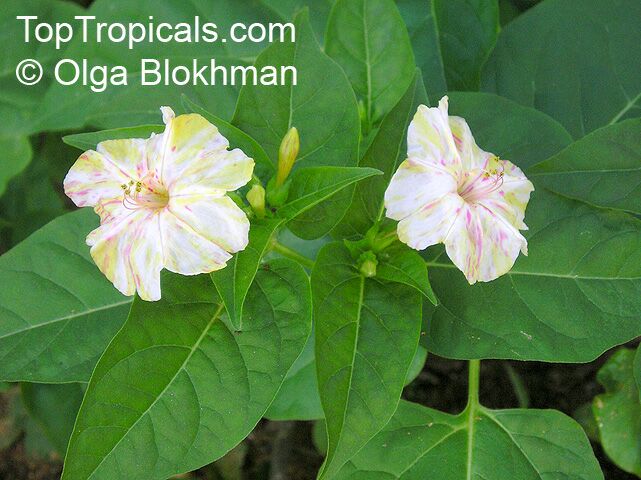
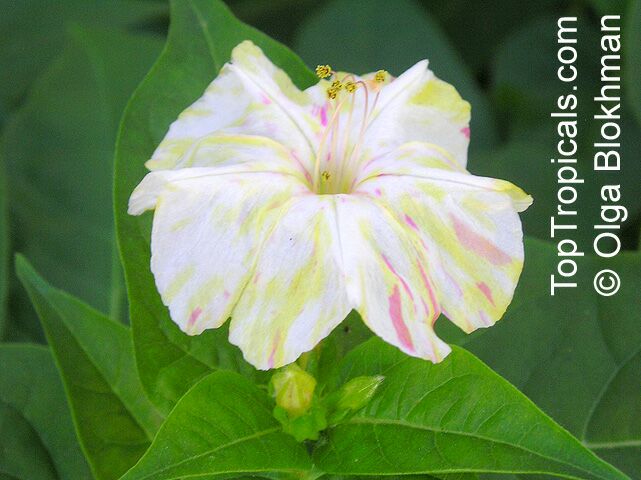
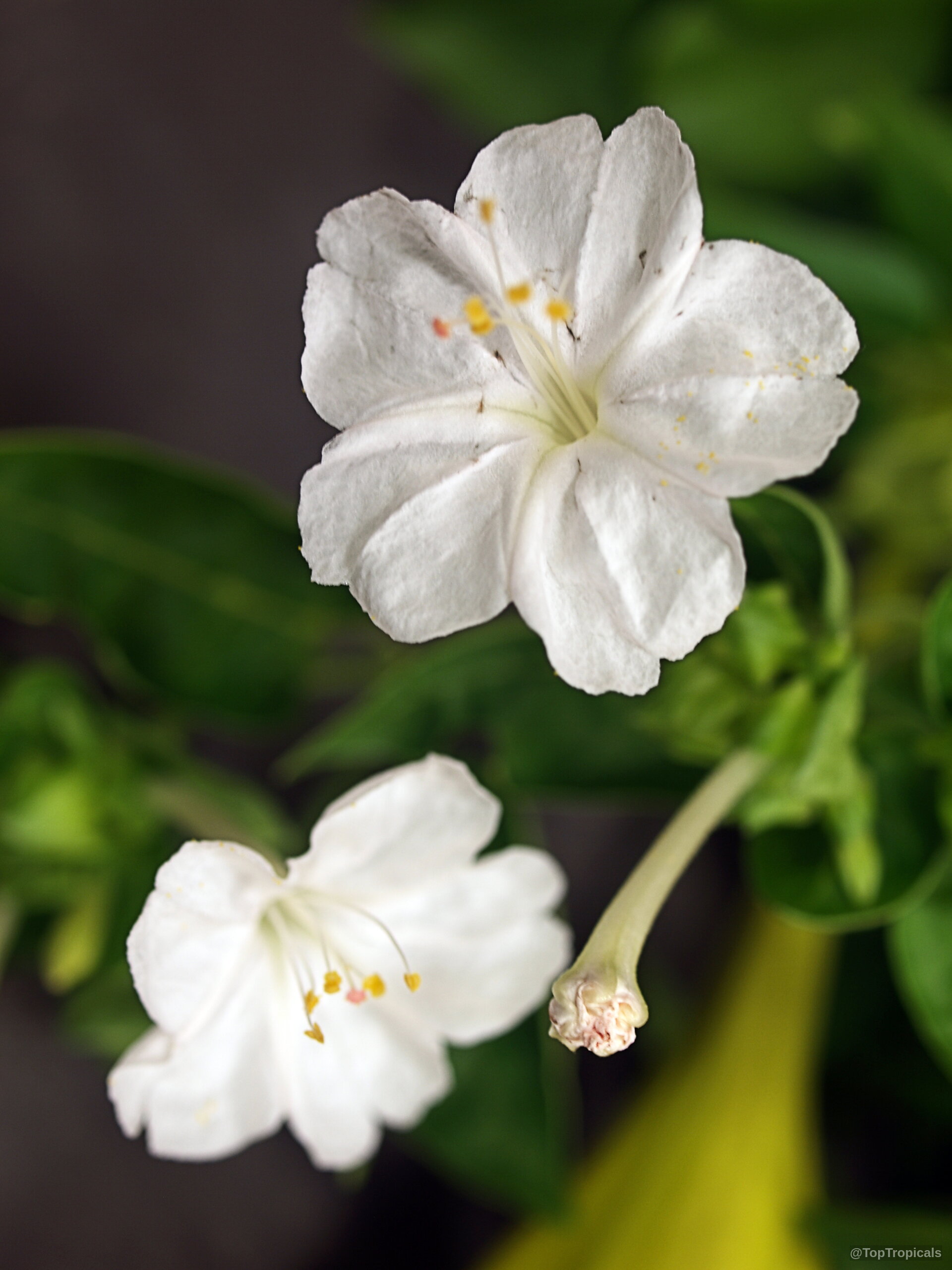
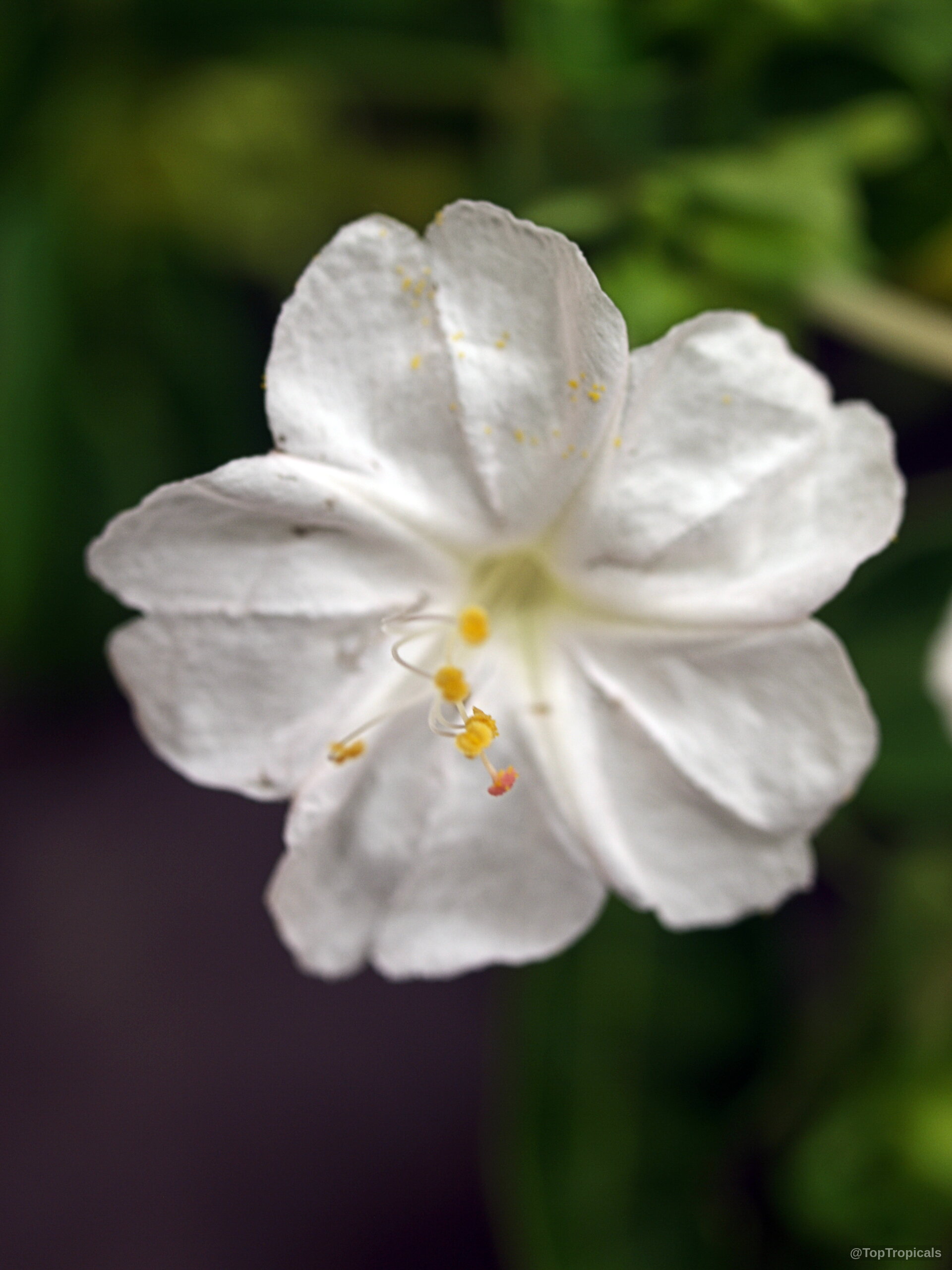
Botanical names: Mirabilis jalapa, Mirabilis lindheimeri, Mirabilis dichotoma, Mirabilis odorata
Common names: Four o'clock plant, Clavillia, Jalap, Maravilla, Bonina
Family: Nyctaginaceae
Origin: Tropical America


Perennial herb that reaches a height of 2-3 ft from a tuberous root. It produces beautiful flowers that usually open around 4 o'clock in the afternoon - hence its common name, four o'clocks. It is a popular ornamental plant grown worldwide for the beauty of its flowers (which can be white, red, pink, purple, yellow or multicolored) and their sweet fragrance. It was officially botanically recorded in 1753 although it already had long been distributed as an ornamental plant throughout the tropics of the world. In Brazil the plant is known as clavillia, maravilha, or bonina; in Peru it is known as jalapa or maravilla. The plant is used medicinally as well. Indigenous Peruvian people use a root decoction as a diuretic; the Shipibo-Conibo Indians put the flowers in baths to treat colds and flu. In Brazil, the Kayapo Indians inhale the powdered, dried flowers as a snuff for headaches, and use a root decoction to wash wounds and to treat such skin afflictions as leprosy. The Assuraní Indians in Brazil crush the seeds to use as a peppery condiment on foods, and grate the tuberous root into cold water and drink it for intestinal parasites. The tribal people of Orissa, India grind the roots of the plant into a paste with black pepper and take it orally for conjunctivitis. They also apply the juice of the leaves to fungal infections of the skin. Poisonous parts: Roots and seeds. Propagation by seeds is easy.


Recommended Fertilizer: SUNSHINE Pikake - Fragrant Flower Booster
 SUNSHINE Pikake (NPK 2-2-4) - eco-friendly concentrated nutrition booster for fragrant flowers. Improves quantity and quality of flowers. Encourages profuse blooming. Increases flower fragrance intensity. Can be used with every watering. For best results, use in combination with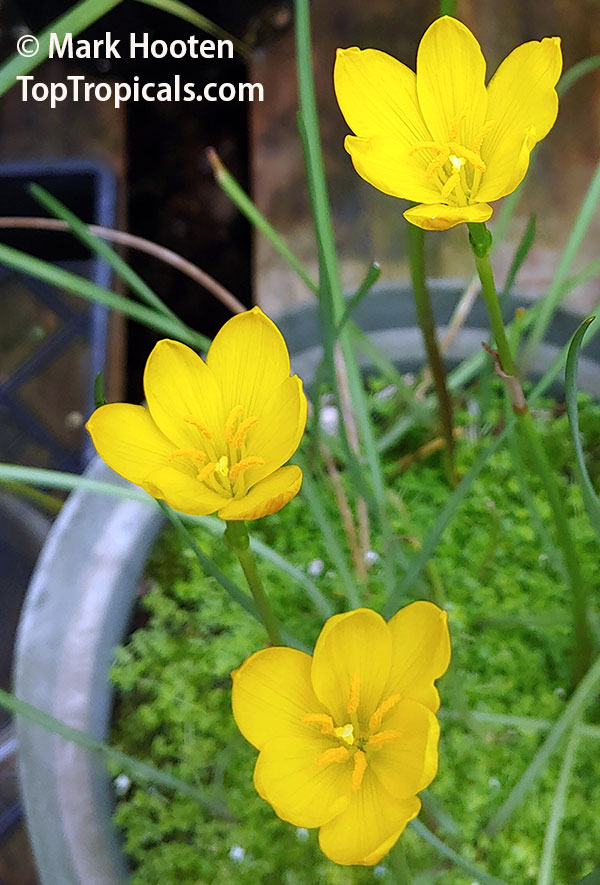
Botanical name: Zephyranthes sp.
Common names: Fairy Lily, Zephyr Lily, Magic Lily, Atamasco Lily, Rain Lily
Family: Amaryllidaceae (Formerly:Alliaceae / Liliaceae / Amaryllidaceae)
Origin: USA, Central and South America

Various members of the genus may bloom spring only or repeat and continue into autumn, often a few days after rainstorms thus one of the common names, Rain Lily. Most are spring or summer flowering.
Cultivation from seed is easy in this group. Seeds are papery and can be floated but they sprout very easily sown under just a thin covering of sowing medium. Sow the seeds in a well-drained mix and keep in a warm place. The seedlings will grow well in warm weather and respond well to fertilizer. As with any papery seeded amaryllids, these have a relatively short viability period.
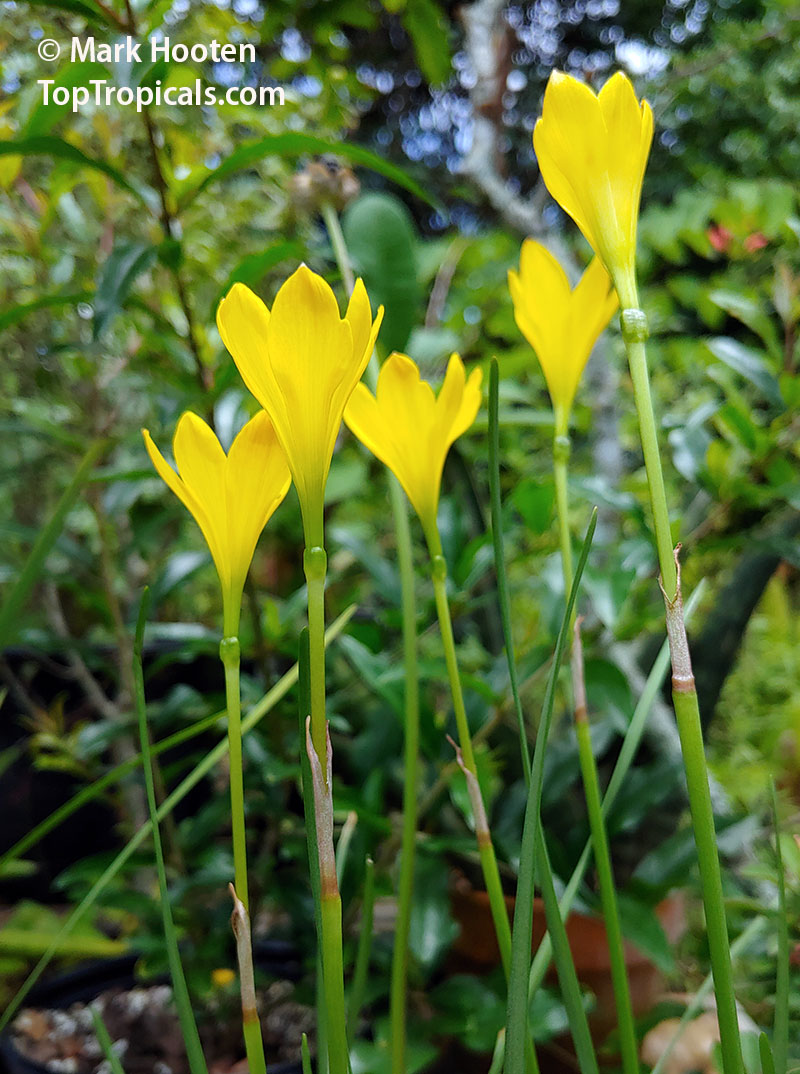
Zephyranthes pulchella - Showy Zephyrlily - is found in the coastal prairies and wet roadsides of eastern Texas and Gulf Coast Louisiana. The leaves grow through the winter and spring and die off in summer; flowering occurs in autumn. Leaves are linear and sedge-like and flowers are golden yellow. Pulchella means "pretty". These spectacular rain lilies growing in the highway medians near Refugio, Texas, on the east coast of that state. The glossy green leaves serve as a nice foil to the bright yellow flowers that are held just atop the foliage. The vigorously multiplying clumps flower for us from late summer into fall.
Zephyranthes flowers are very similar to Habranthus flowers and both are called rain lilies. Habranthus flowers point upward BUT at an angle and have unequal stamens, and Zephyranthes flowers point straight up and have equal stamens. Zephyranthes flowers tend to be star shaped and Habranthus have somewhat irregular flowers. Additionally, the seeds of Habranthus are slightly winged (and thicker).
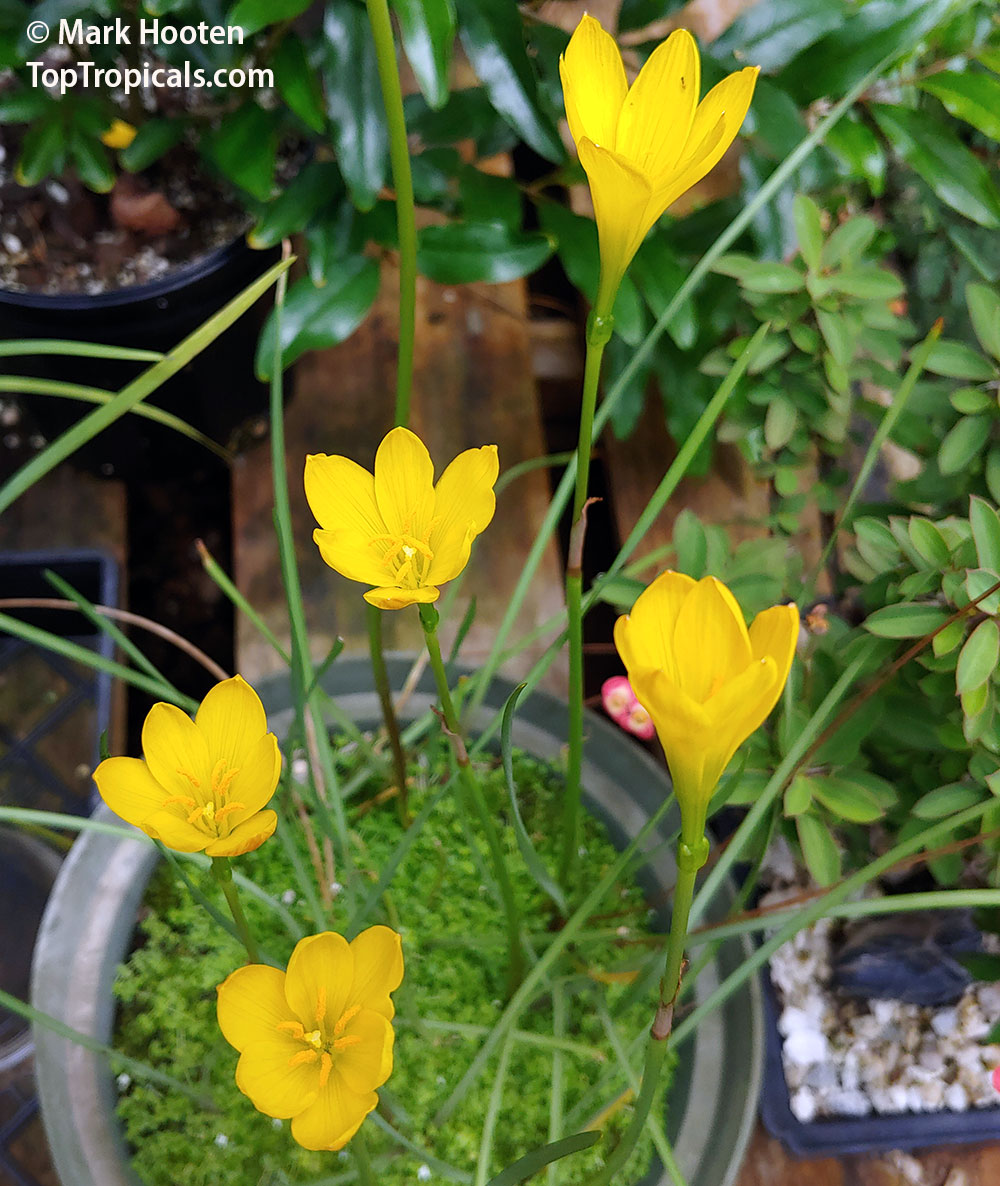
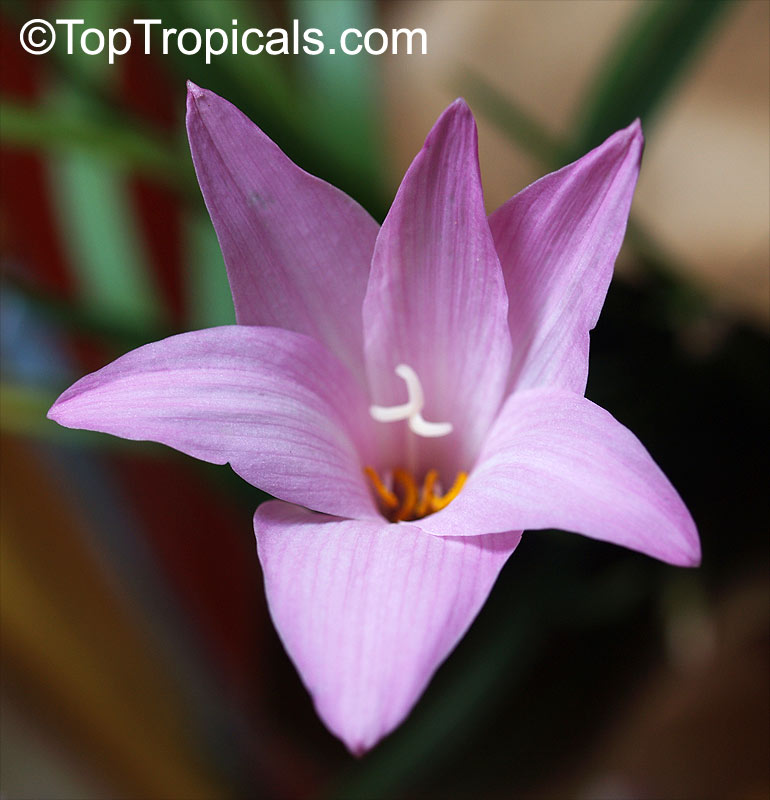
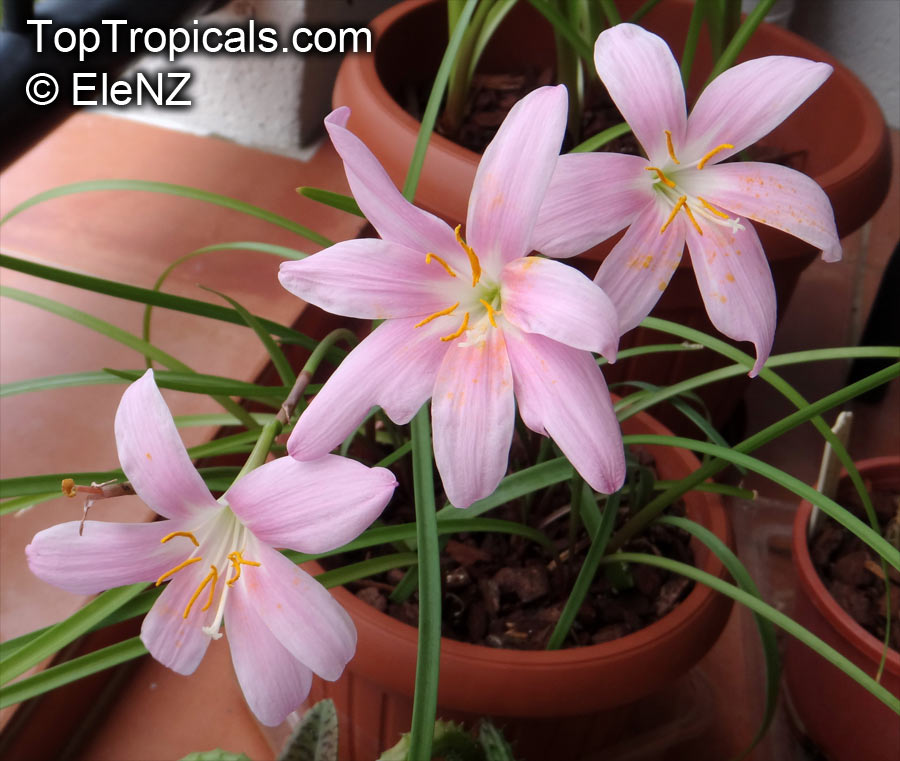
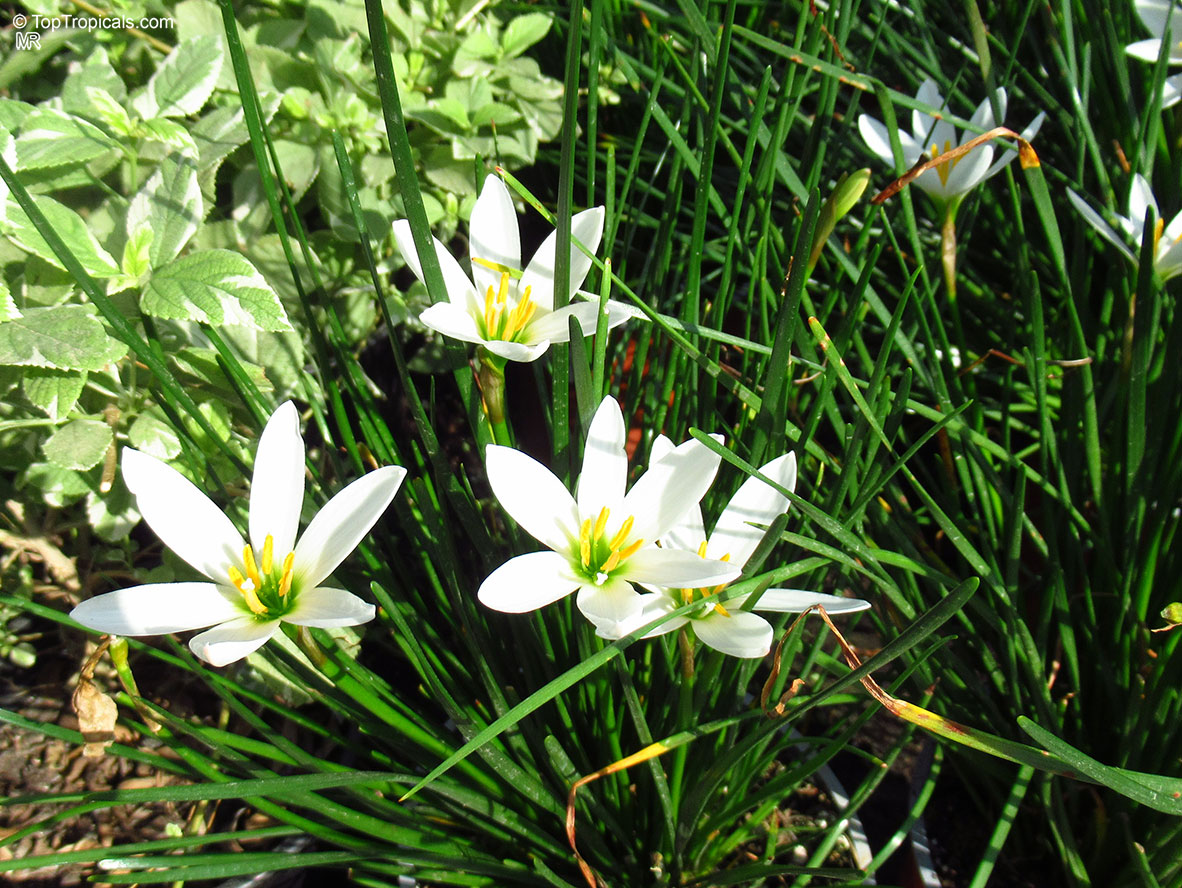
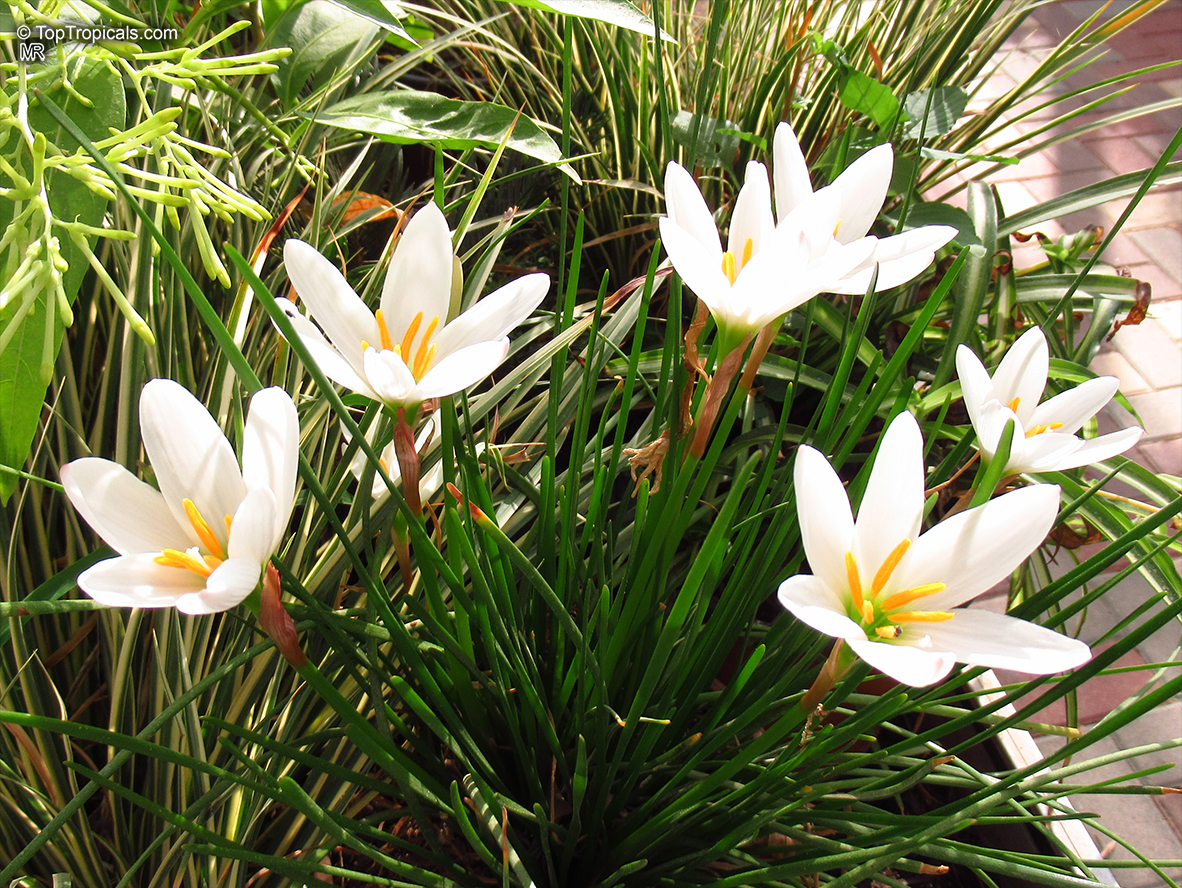
Few flowers create as much surprise and delight as a rain lily. Zephyranthes Lucky All Over produces cheerful bright pink, crocus-like blooms that seem to appear almost overnight, often just days after a summer rain shower or a thorough watering. One day the garden is green, and the next it's dotted with vibrant pink flowers.
This charming perennial bulb forms clumps of slender, grass-like foliage that remain attractive throughout the growing season. The flowers rise above the foliage on short stems, creating a natural, carefree display that looks beautiful in garden beds, borders, rock gardens, and containers.
A reliable bloomer, Lucky All Over flowers repeatedly from spring through summer, often responding to changes in moisture and weather conditions. As the bulbs mature, they multiply readily, creating larger and more impressive drifts of color each year.
Growing about 8 inches tall, this compact plant is easy to fit into almost any garden space. It performs best in full sun to partial shade and prefers well-drained soil. Once established, it is remarkably drought tolerant while also adapting well to regular garden irrigation.
Cold hardy in USDA Zones 7b-10b, Zephyranthes Lucky All Over returns year after year with minimal care. In colder climates, the bulbs can be grown in containers and protected from hard freezes during winter.
Easy to grow, long-lived, and full of surprises, this delightful rain lily brings bursts of color to the garden whenever nature decides it's time to bloom.
See Article about this plant.
Recommended Fertilizer: SUNSHINE Megaflor - Bloom Nutrition Booster
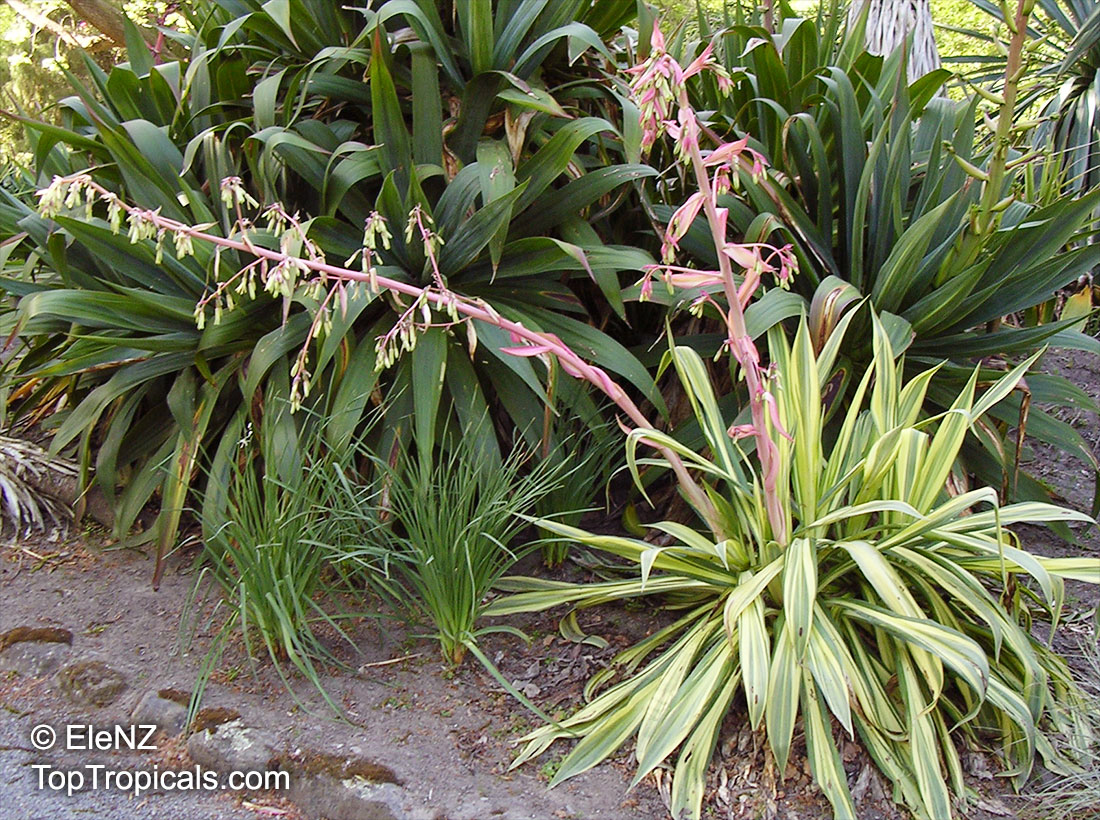
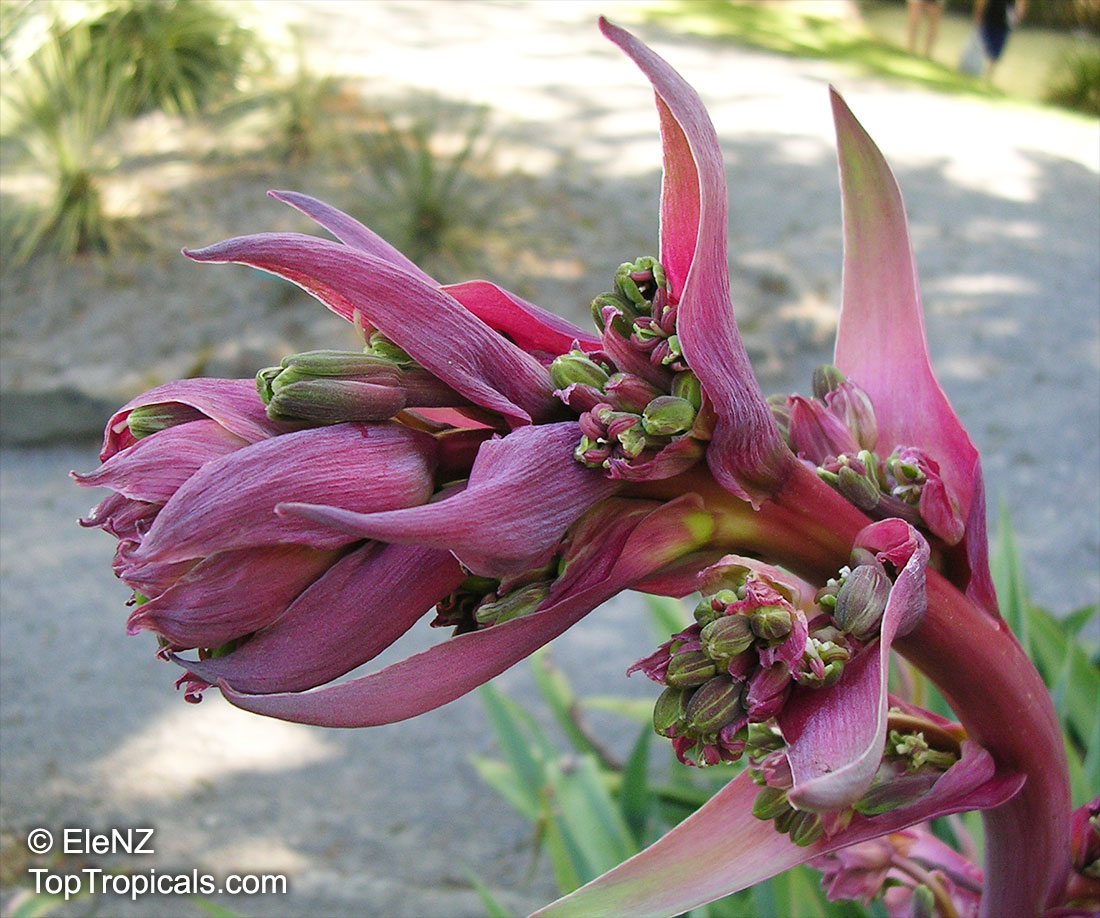
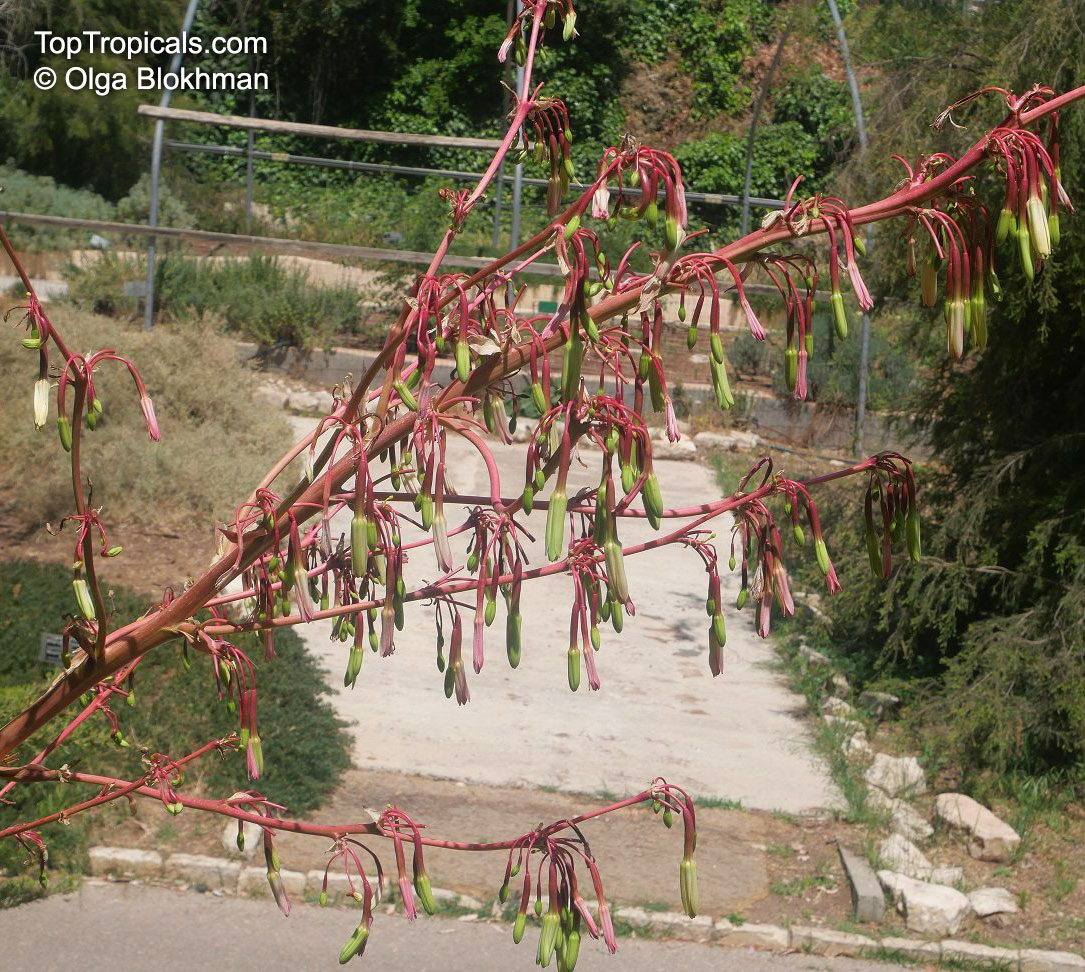
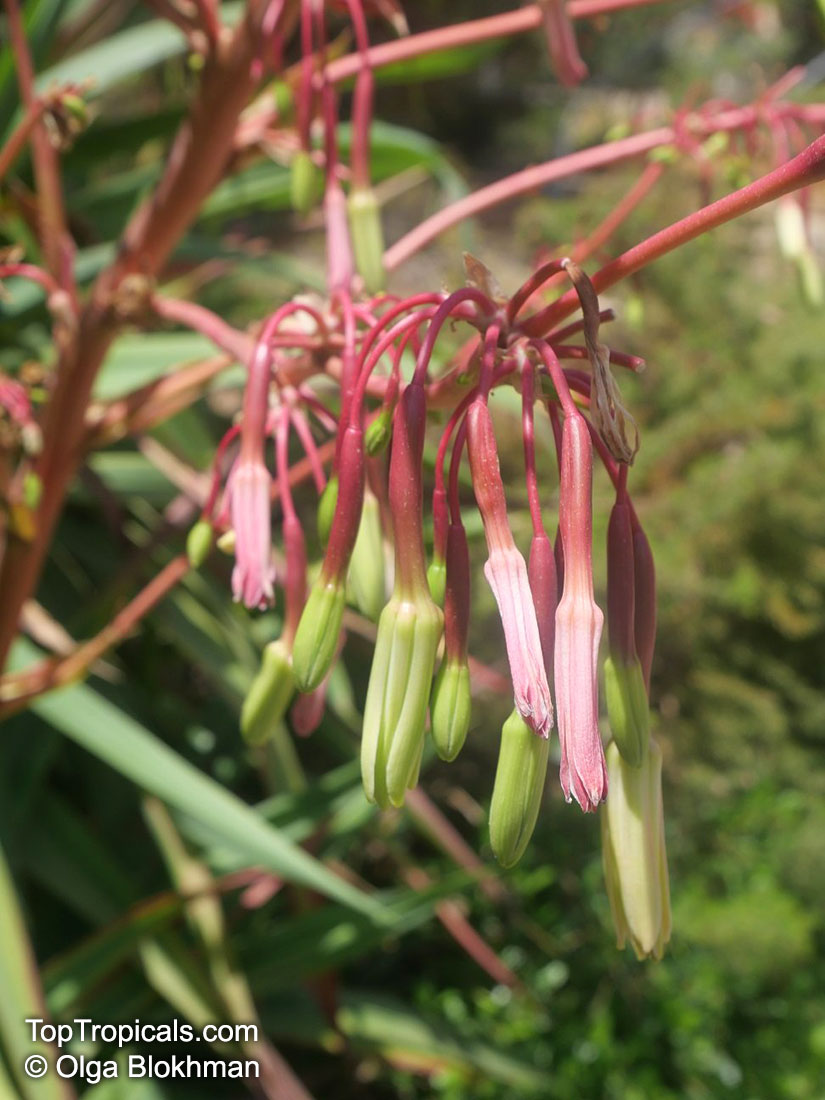
Botanical name: Beschorneria yuccoides
Common name: Mexican Lily
Family: Asparagaceae (Formerly:Agavaceae / Amaryllidaceae)
Subfamily: Agavoideae
Origin: Mexico

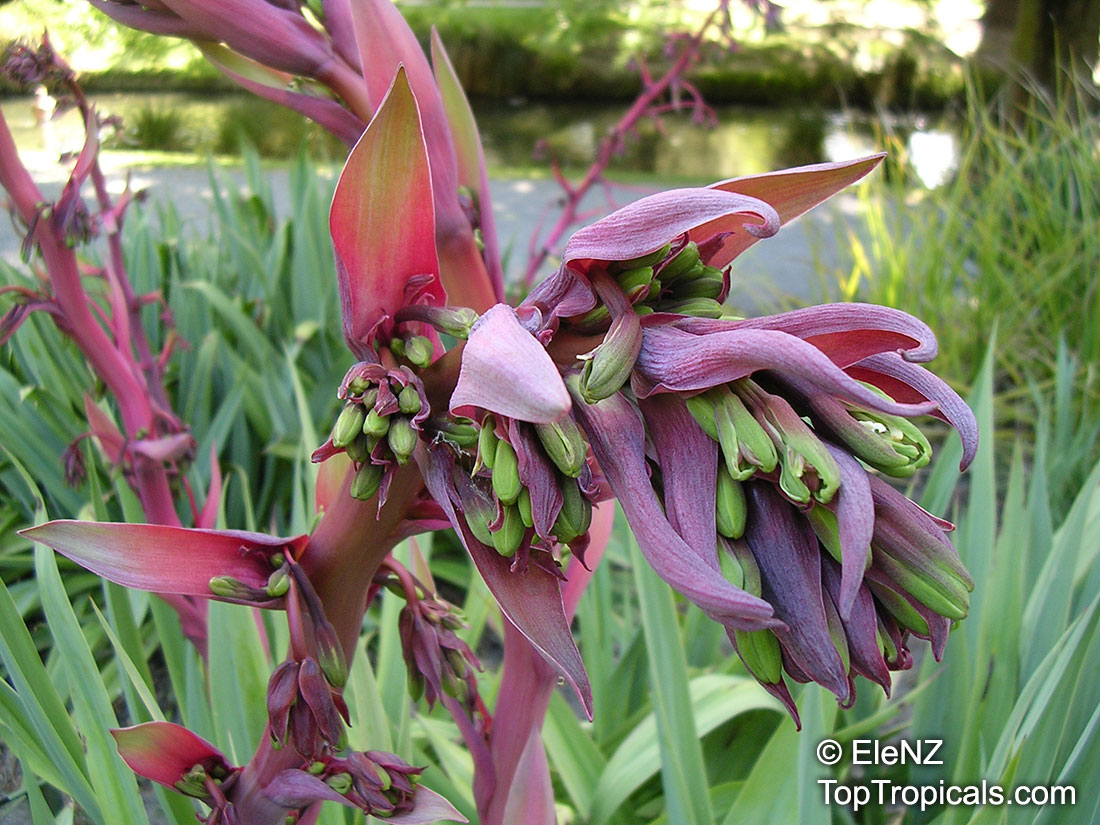
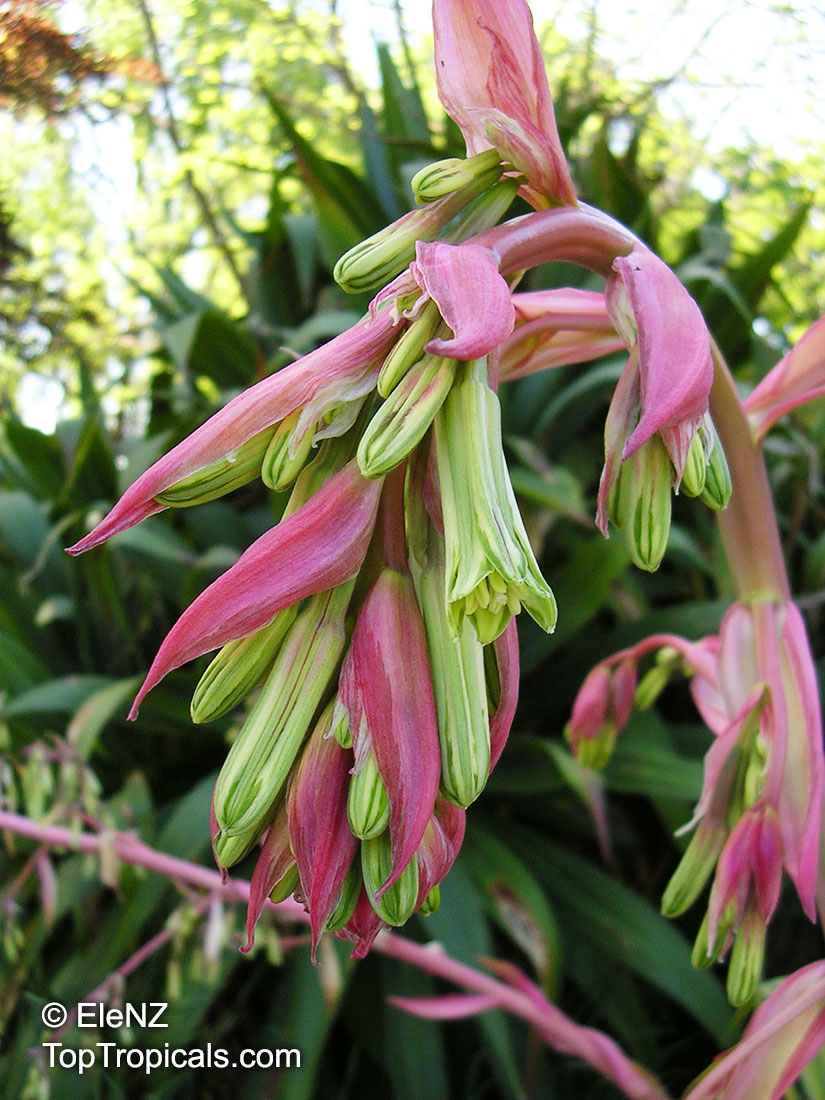
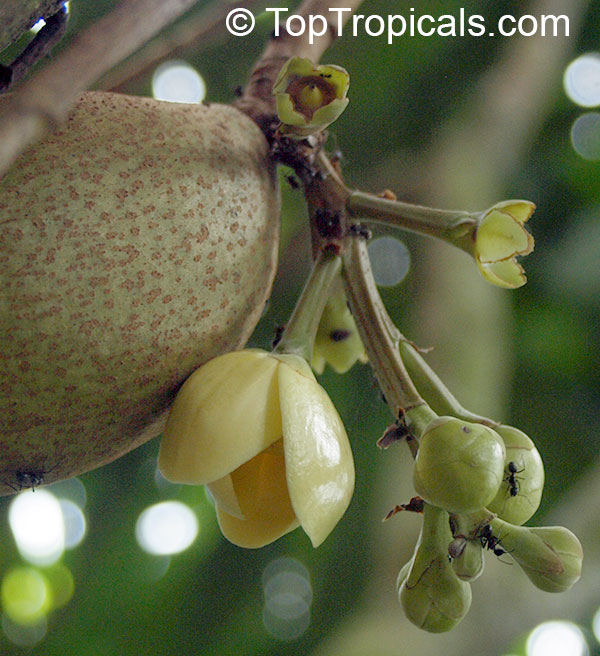
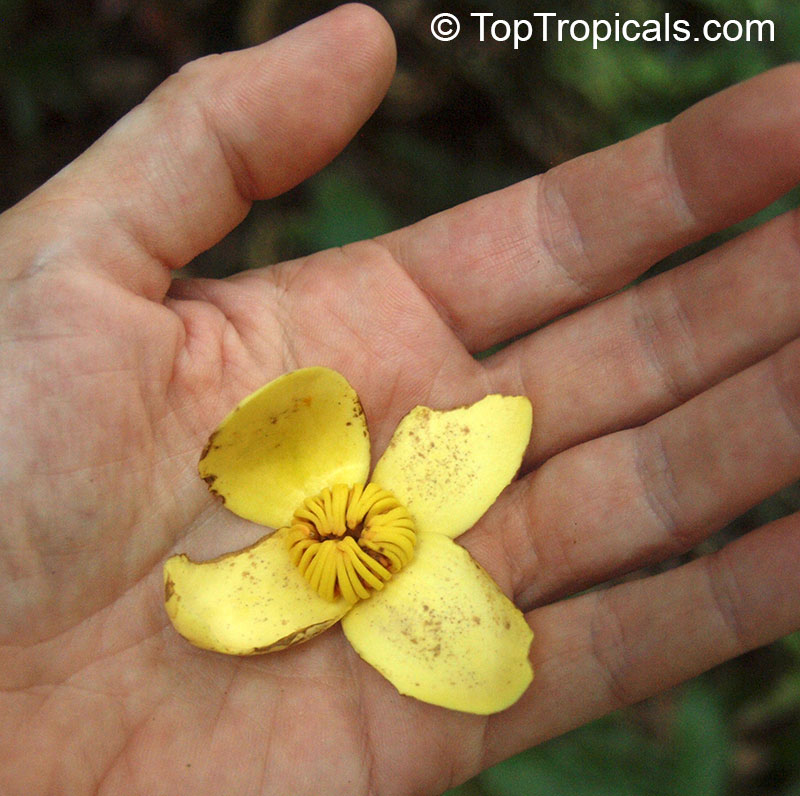
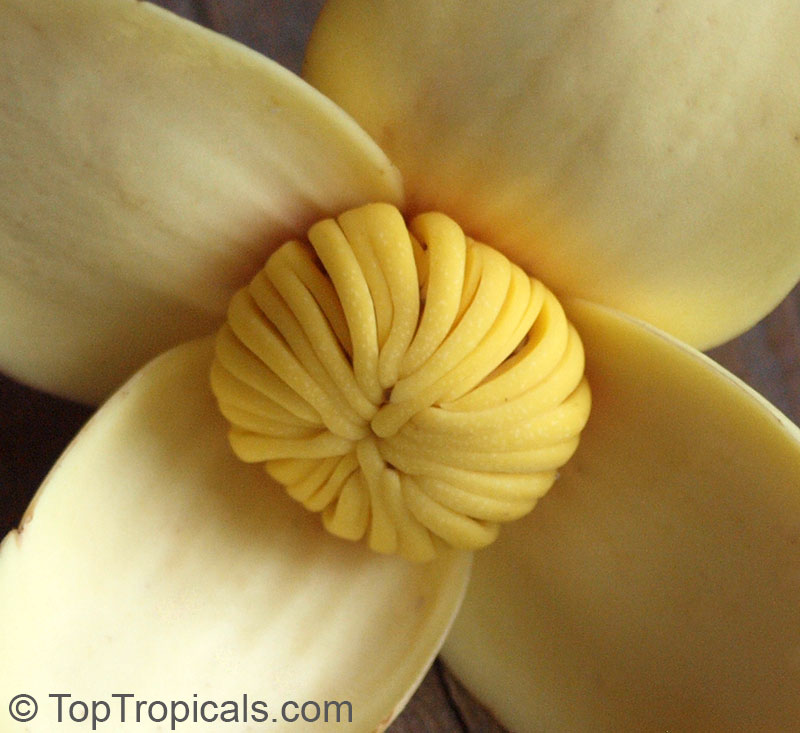
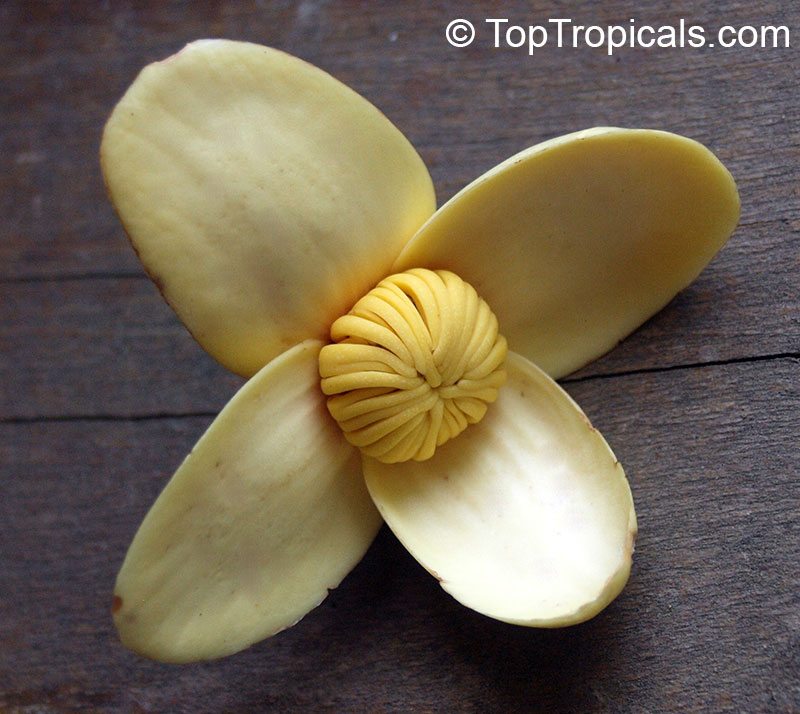
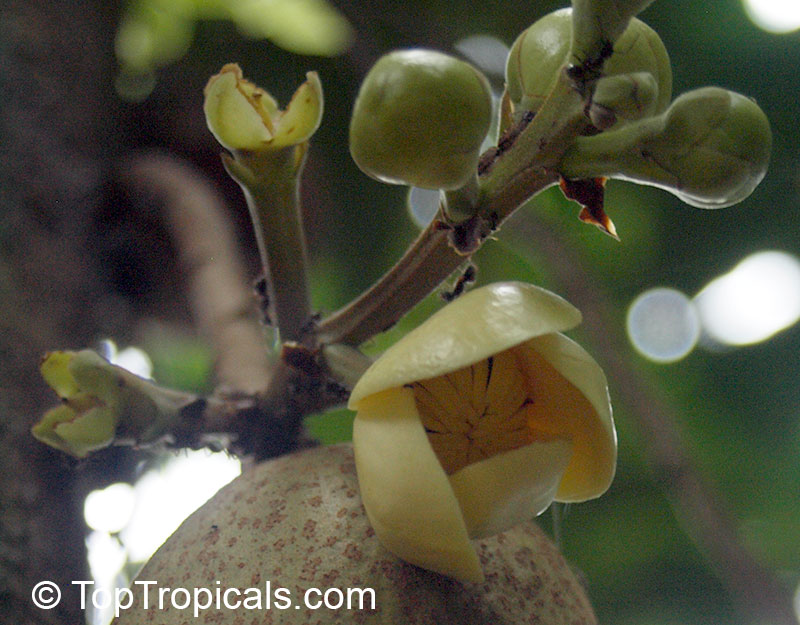
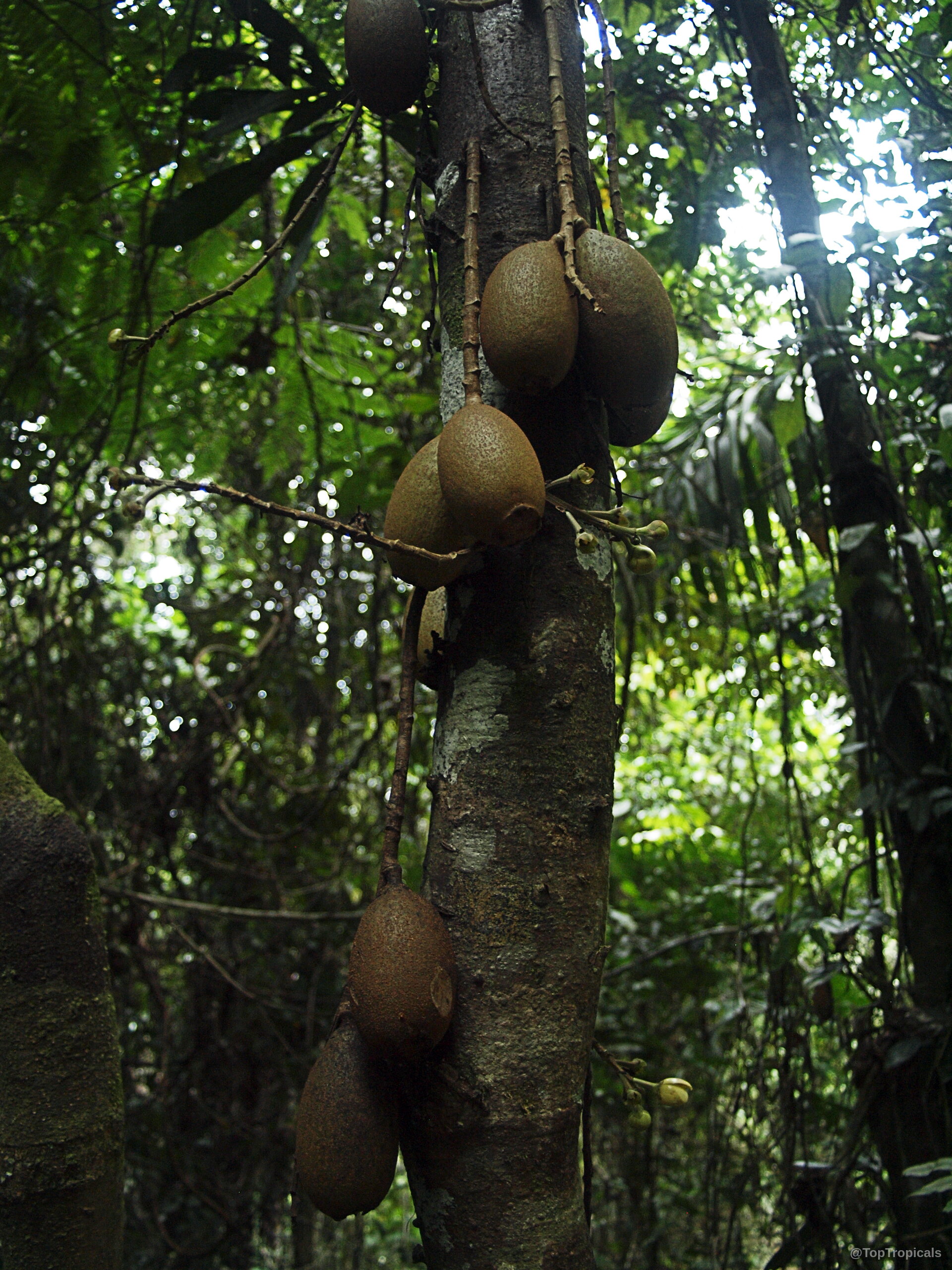
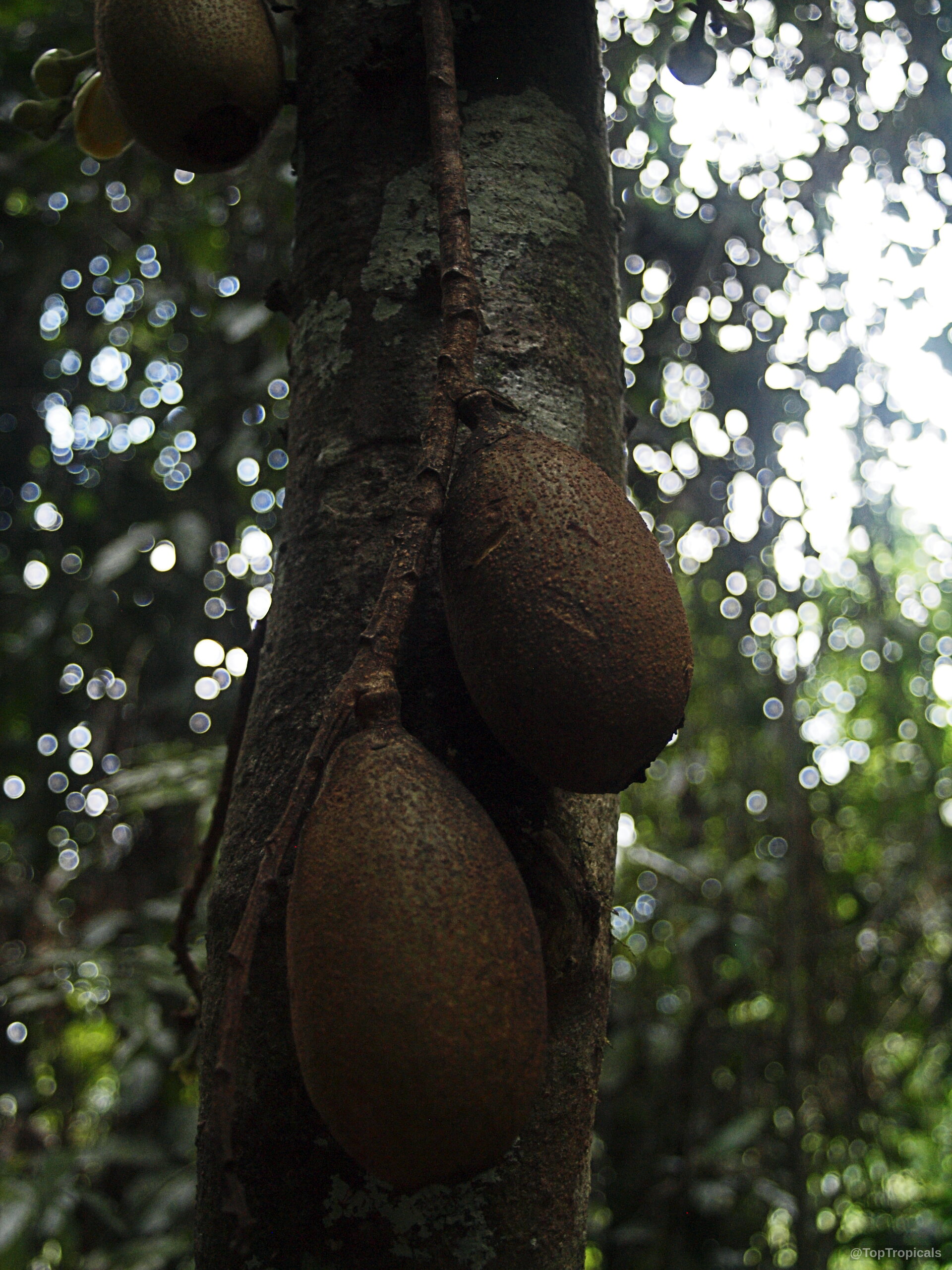
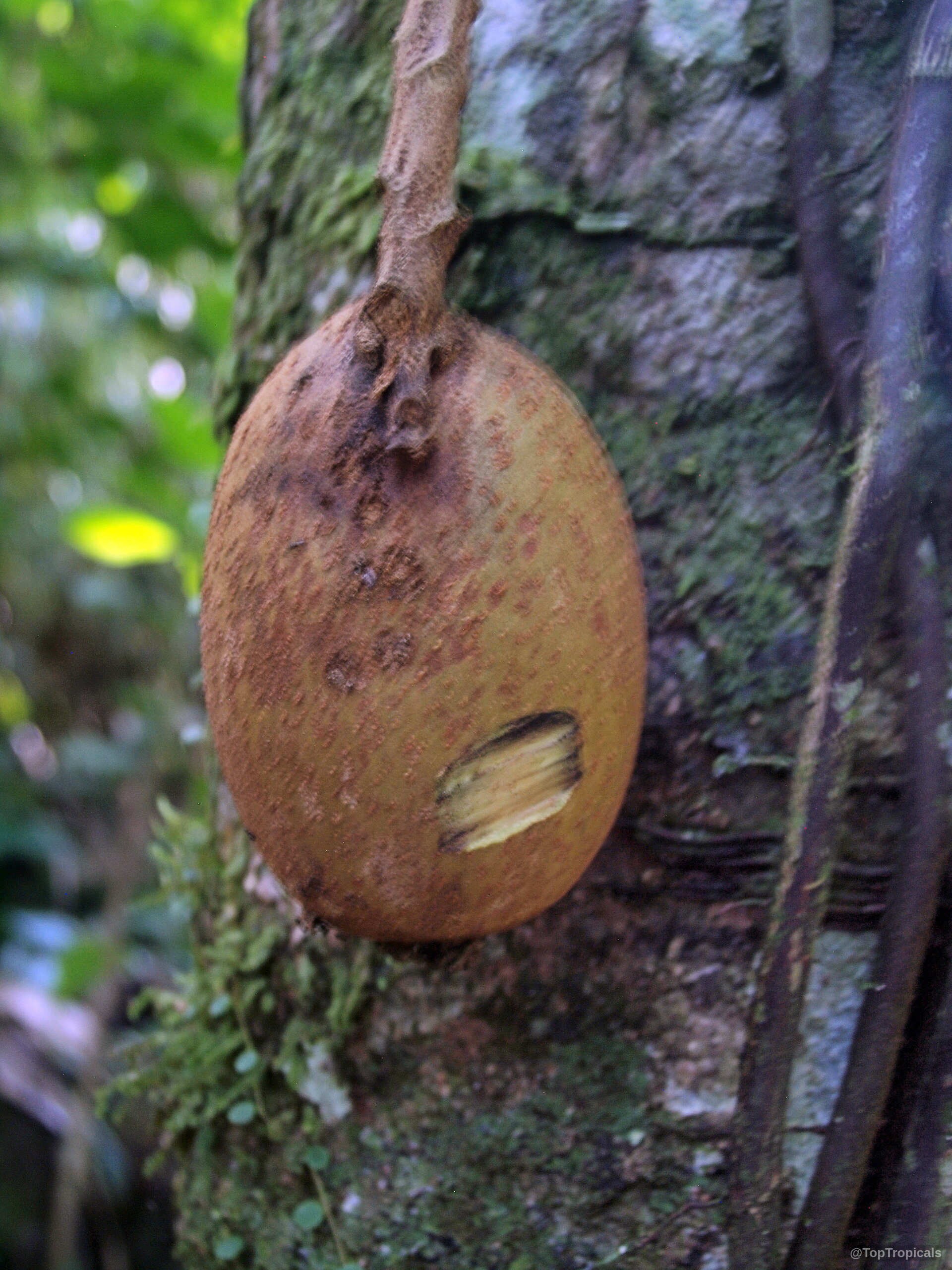
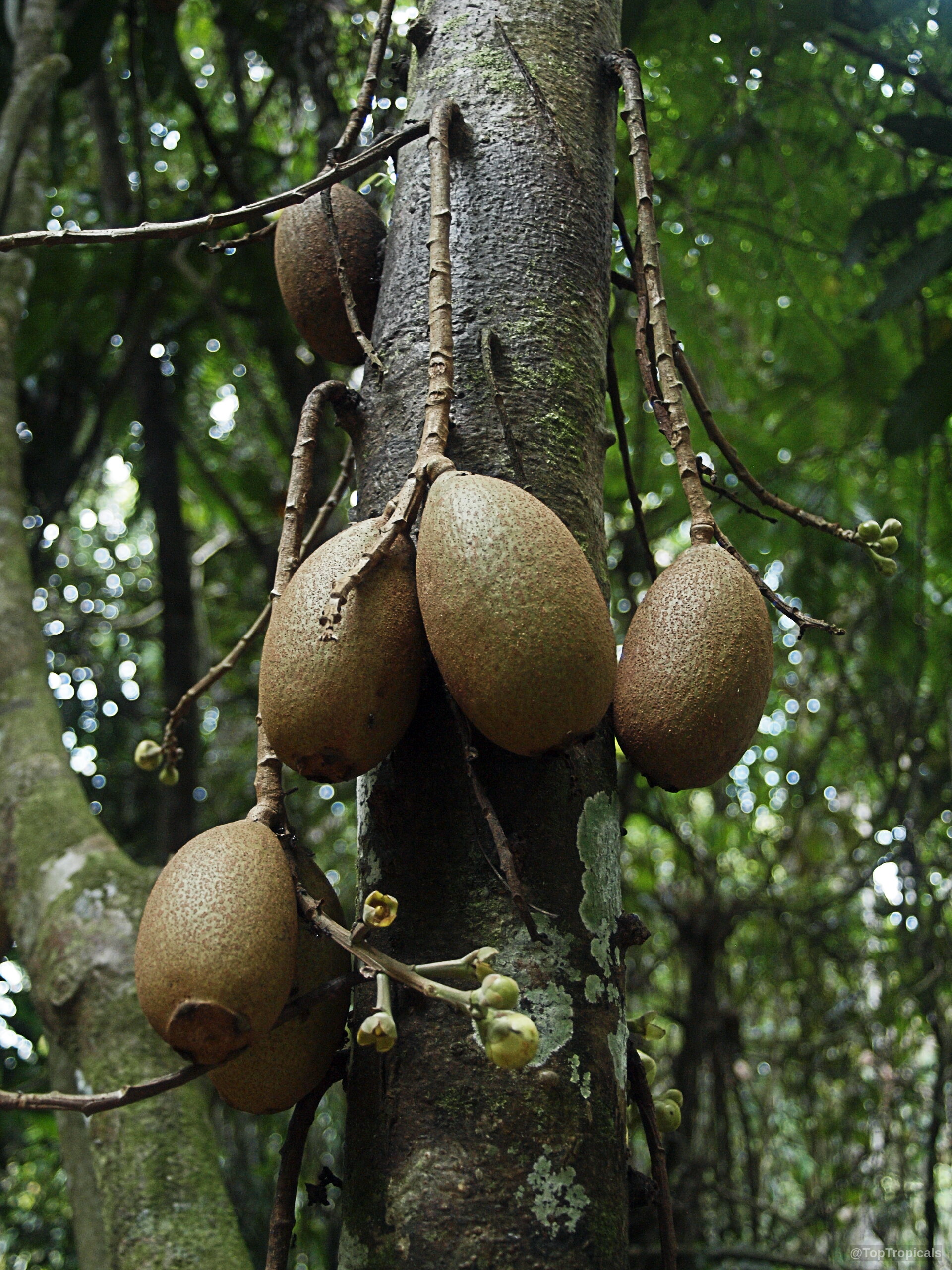
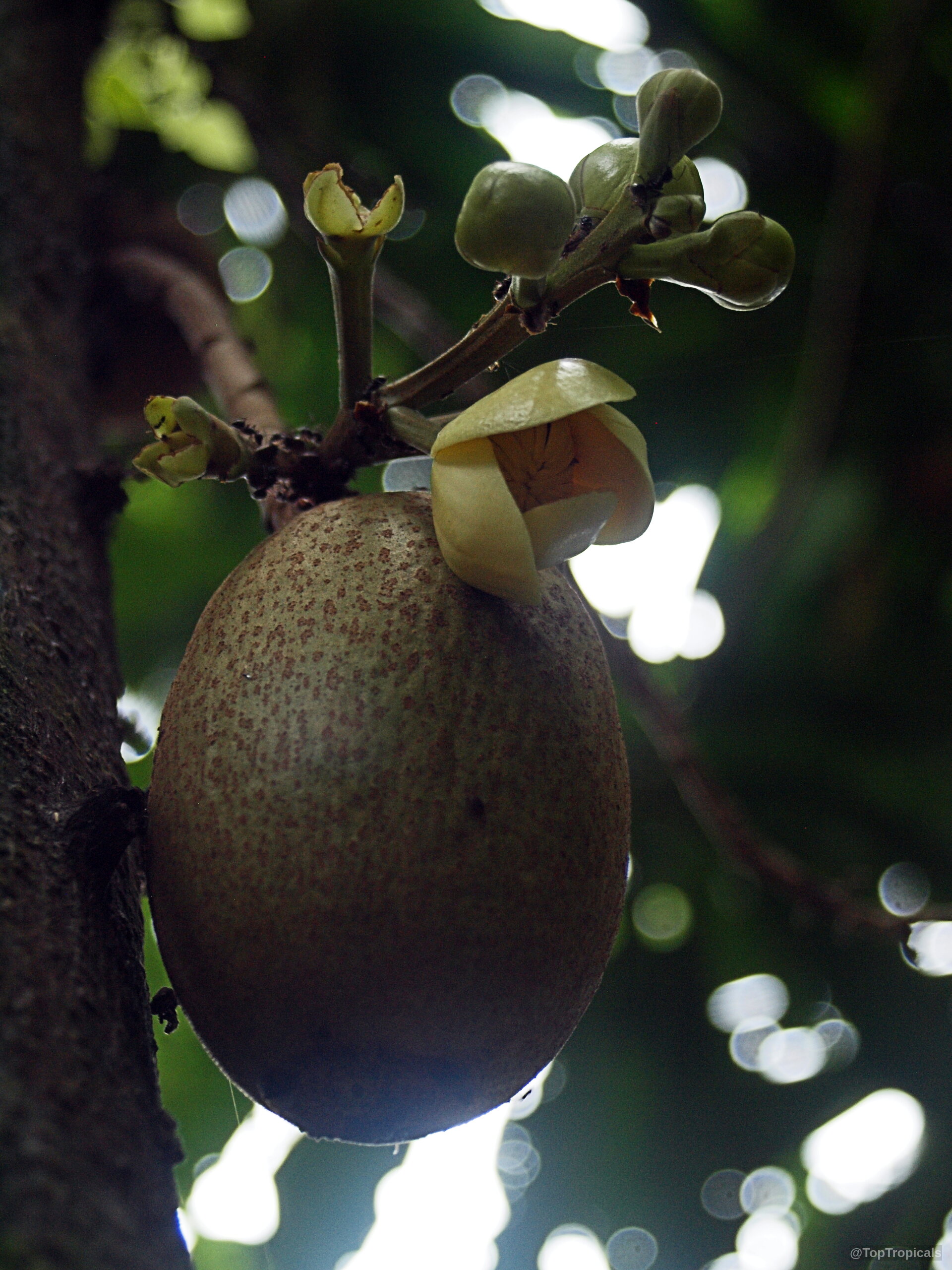
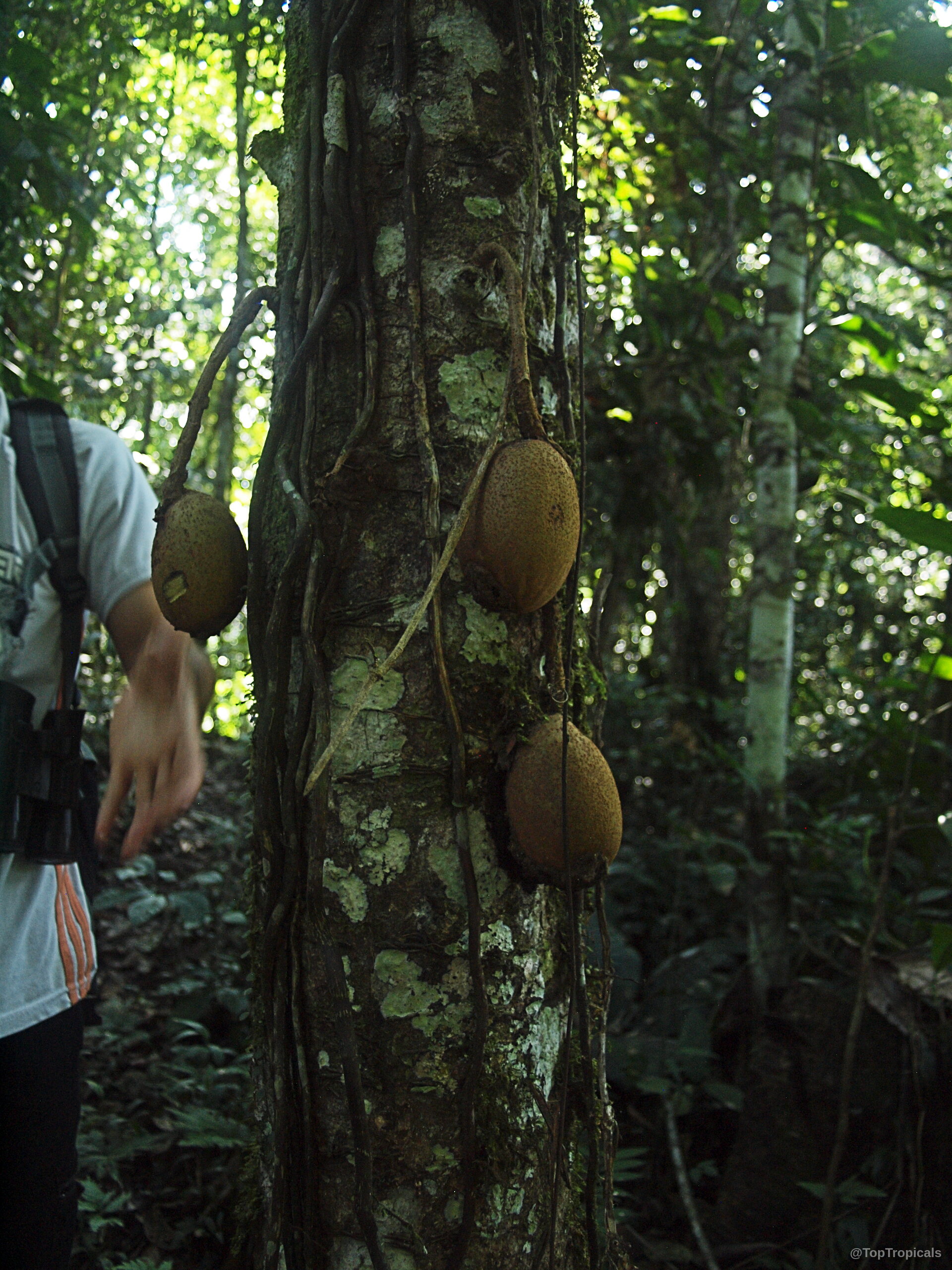
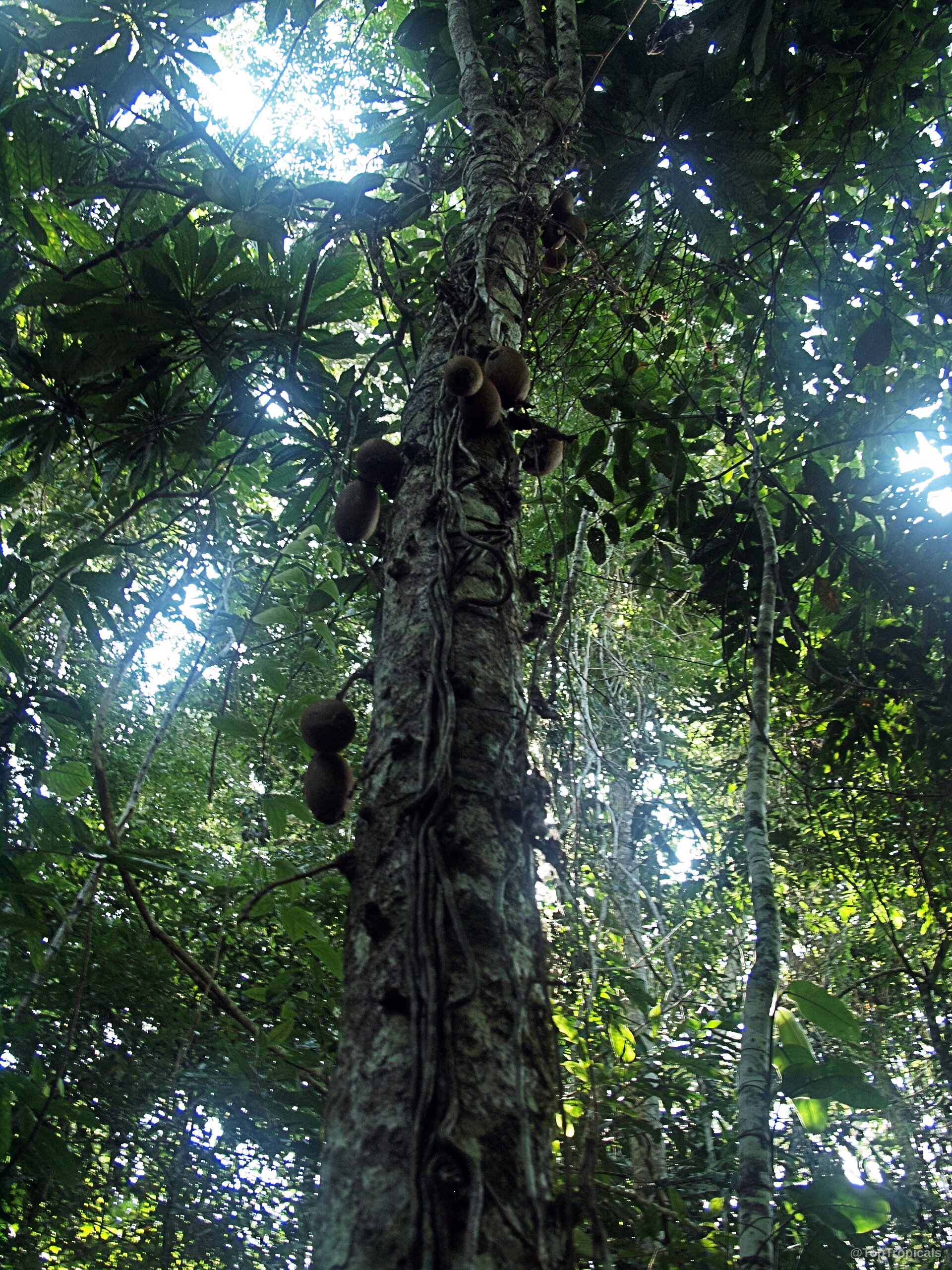
Botanical name: Grias neuberthii
Common names: Piton Tree, Wild Mango, Sanchamangue
Family: Lecythidaceae
Origin: Ecuador


The trunk is straight upwards, branching very little until several meters high. The leaves are on the top, and are very large. The flowers are in inflorescences that come out directly from the trunk, the lower part of it, close to the ground where heavy bees and beetles (the natural pollinators of this species) live.
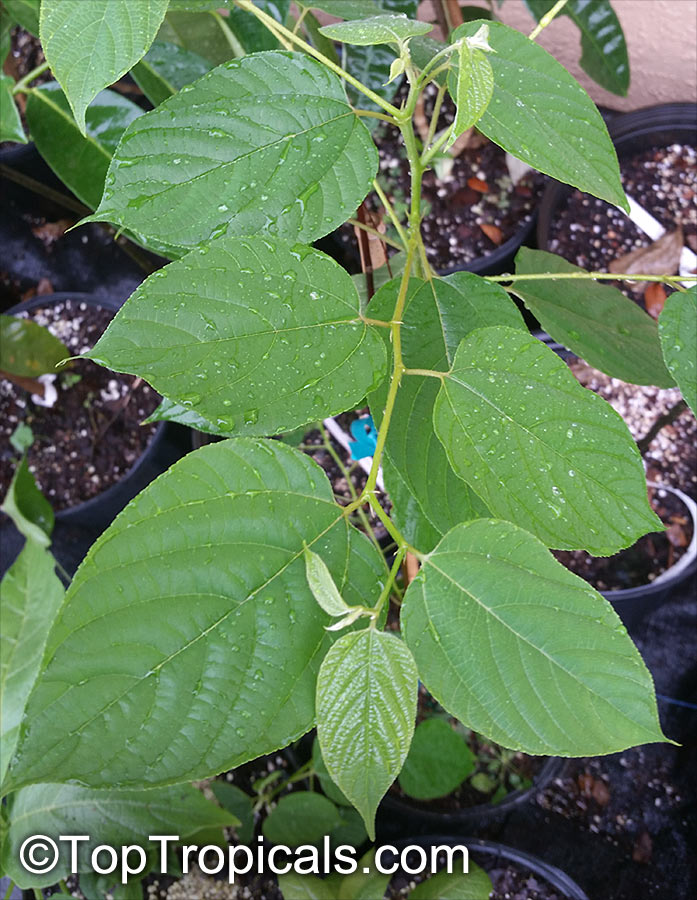
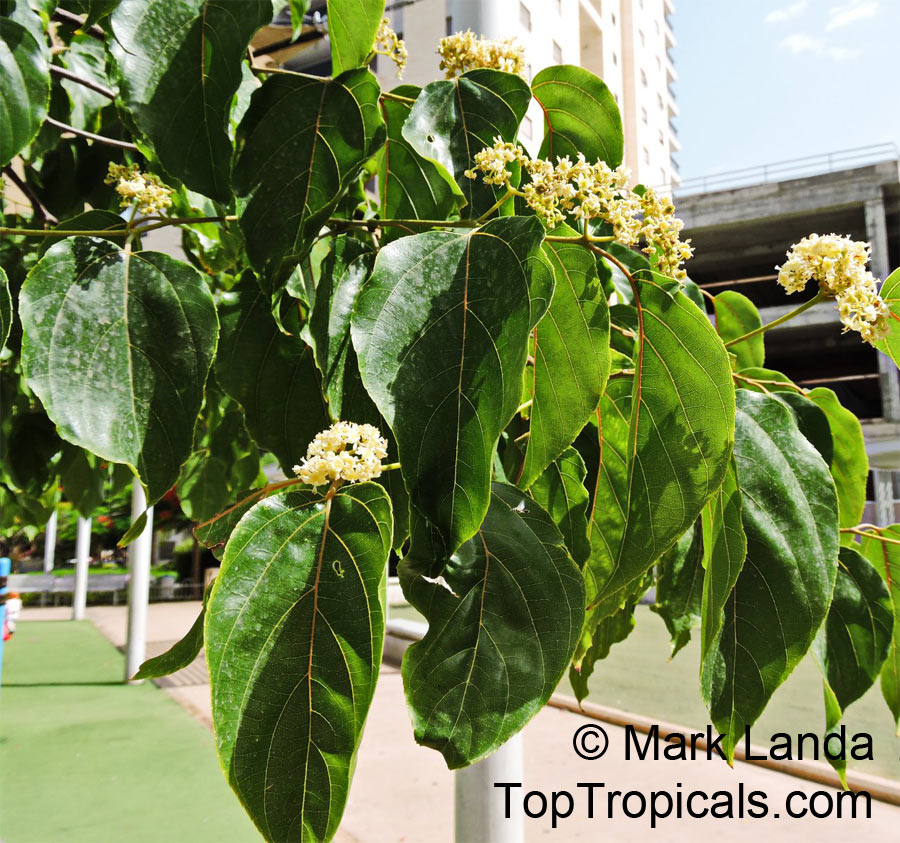
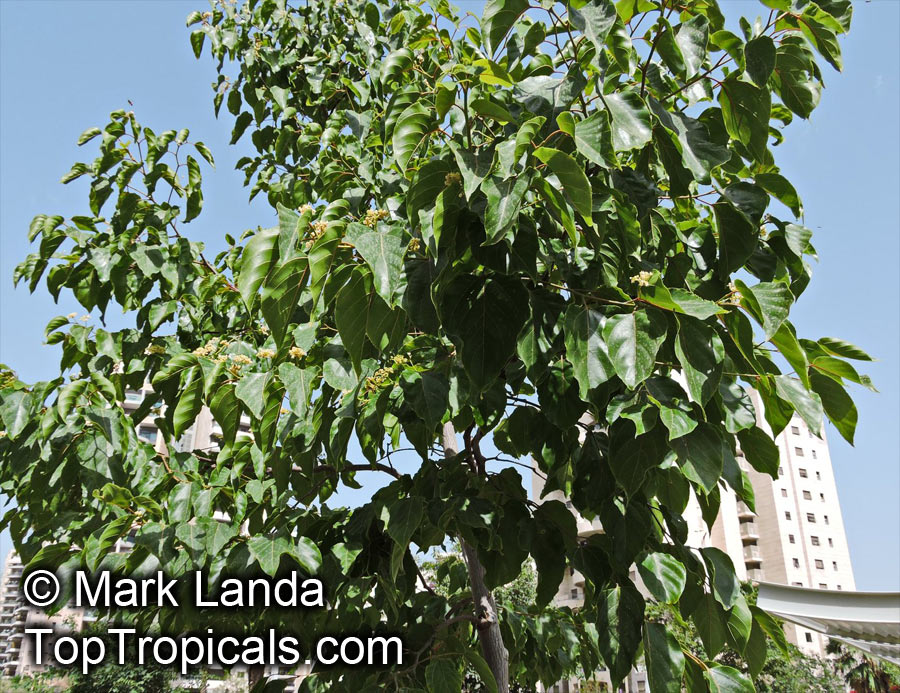
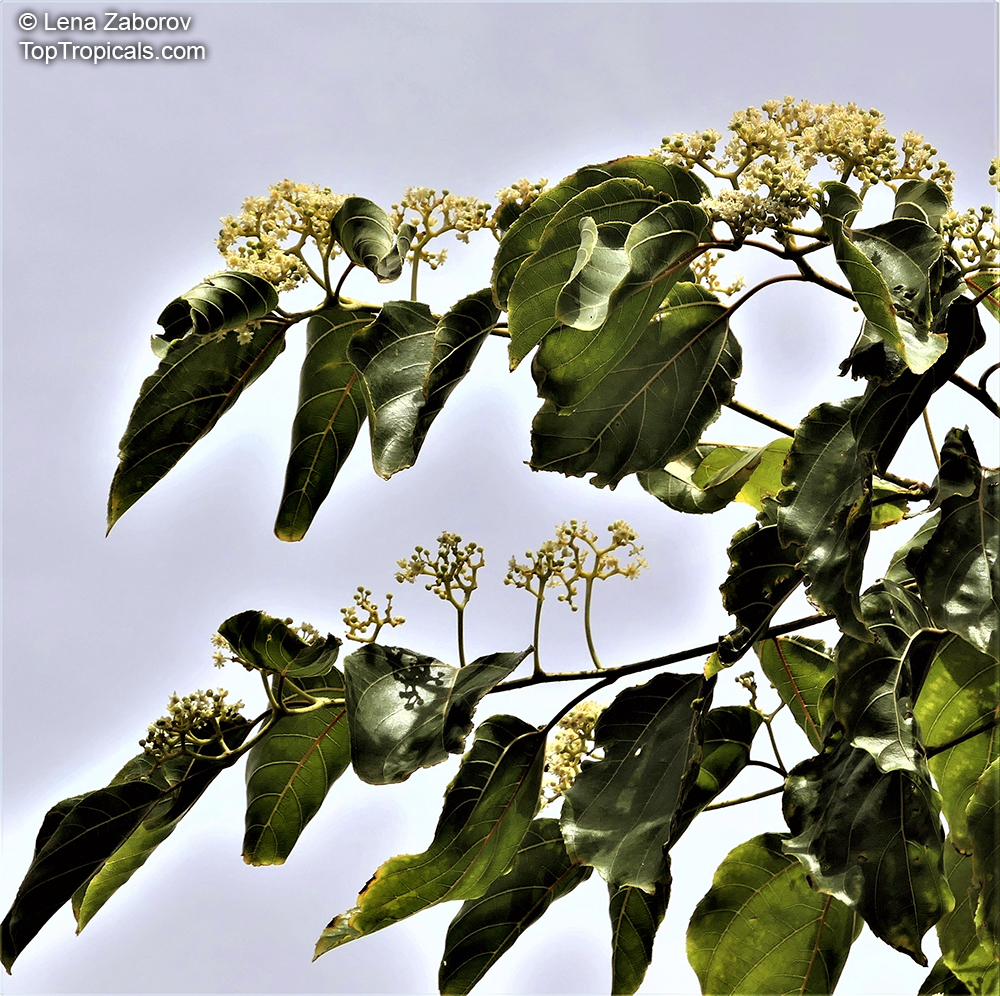
Botanical name: Hovenia dulcis
Common name: Japanese Raisin Tree
Family: Rhamnaceae
Origin: China

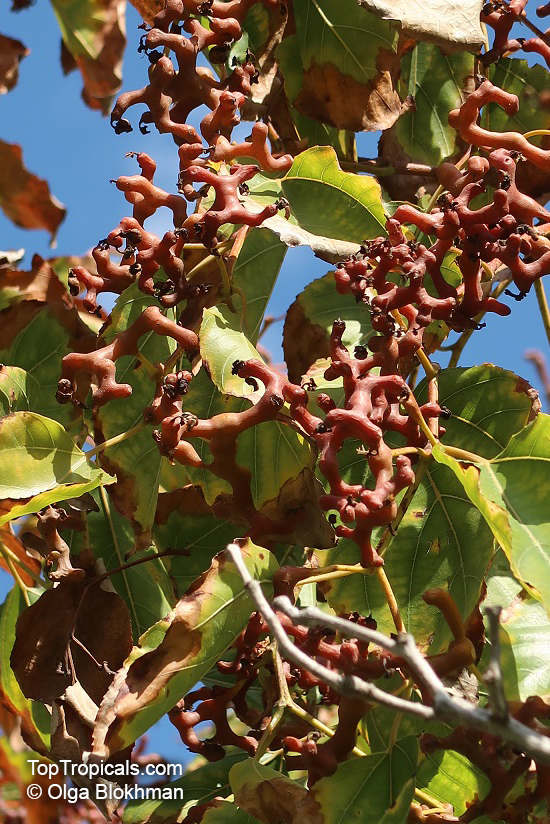
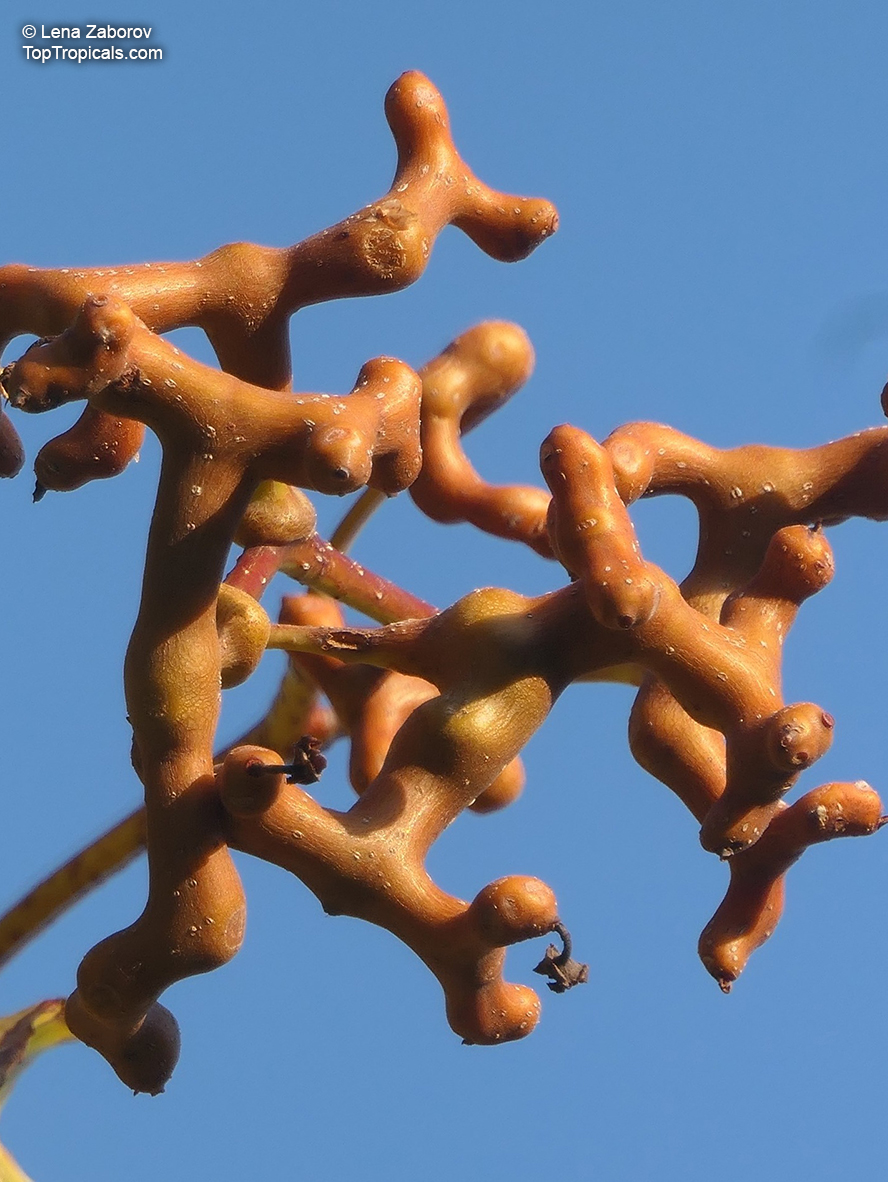
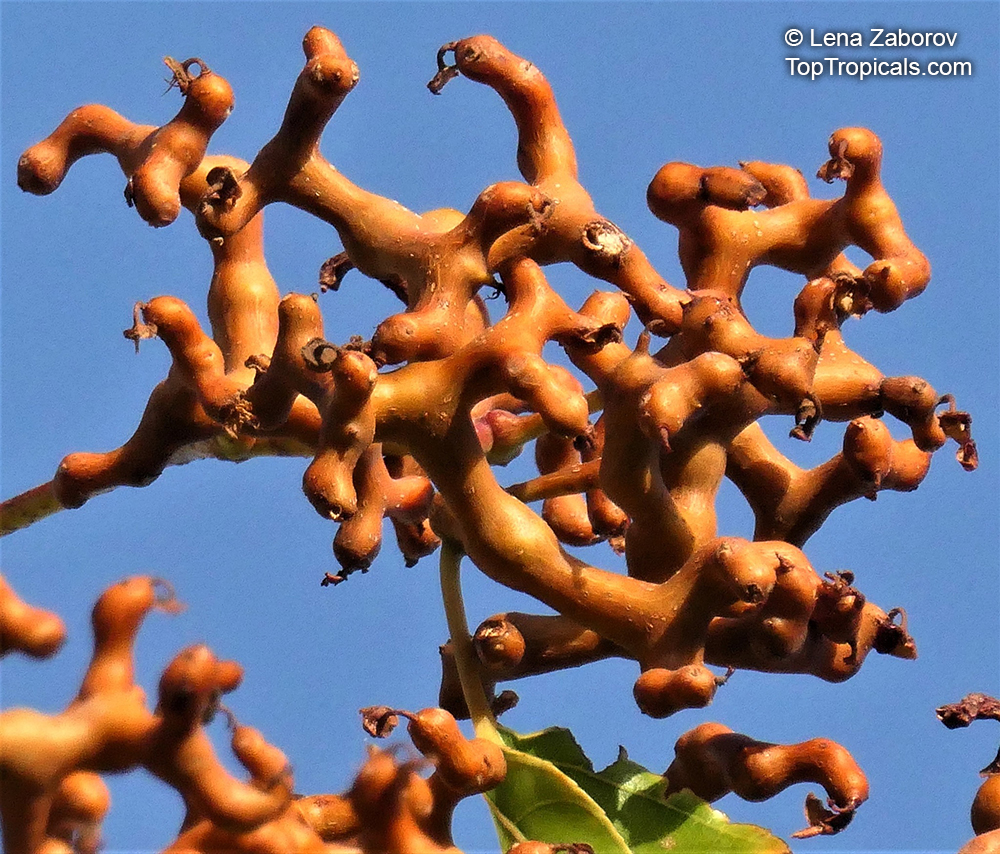
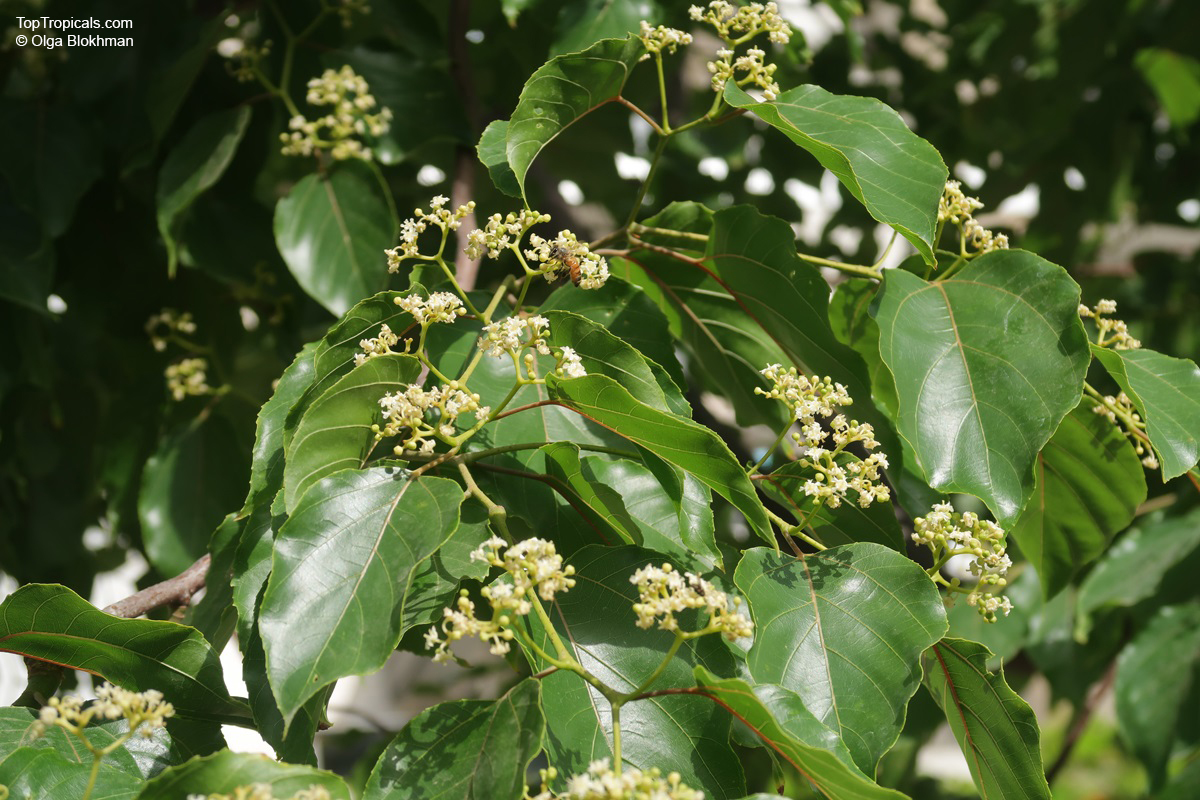
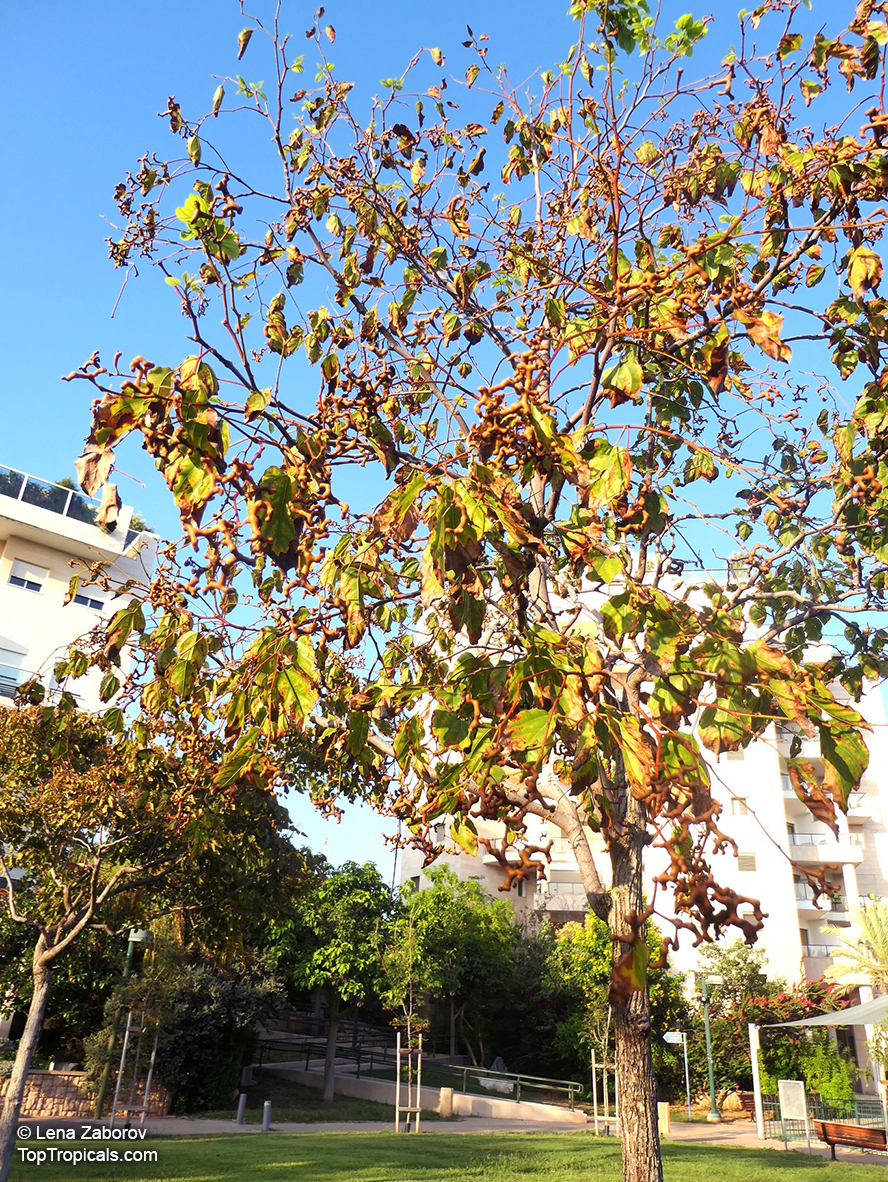
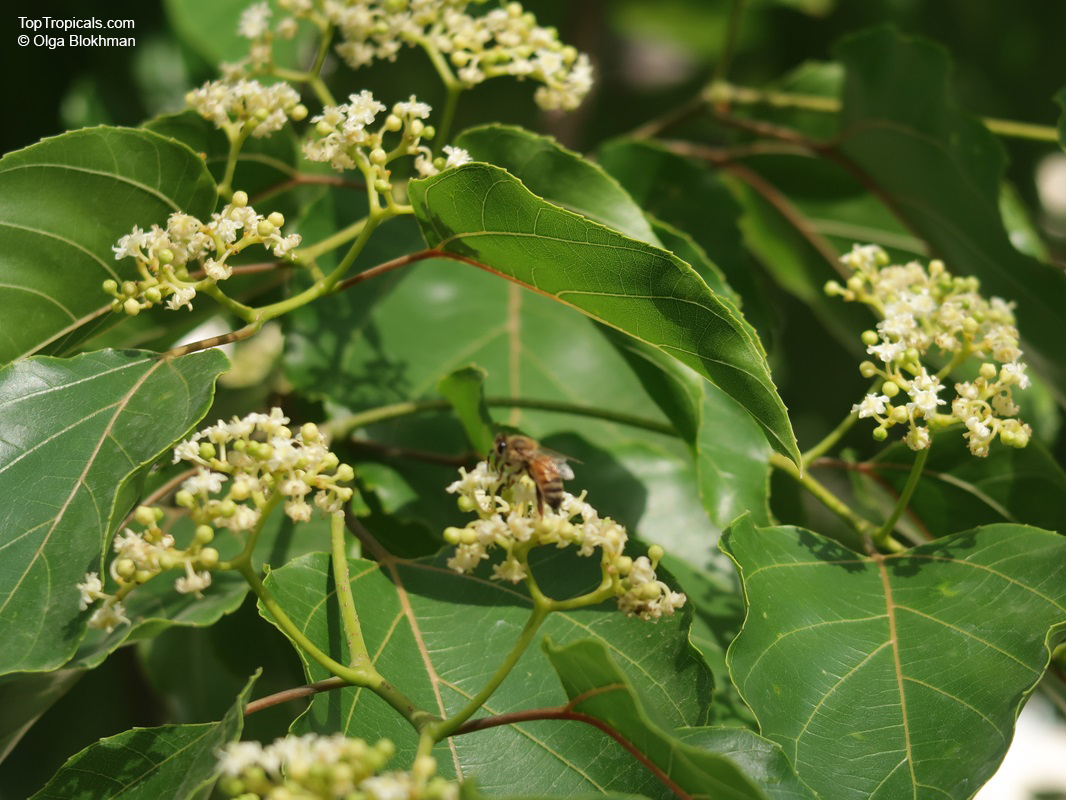
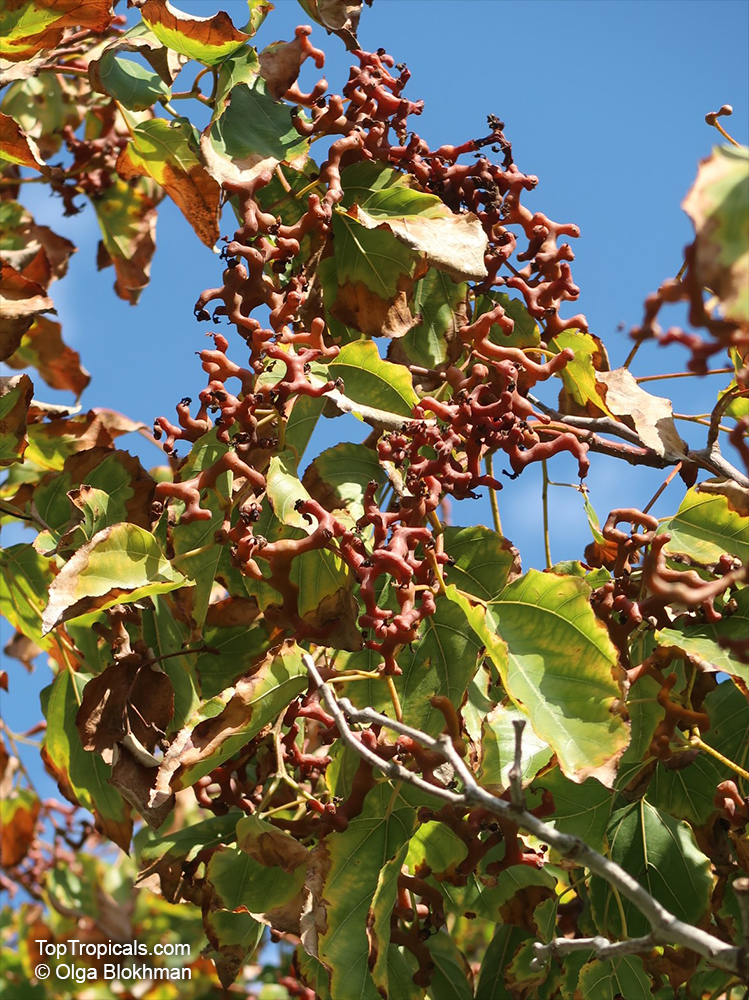
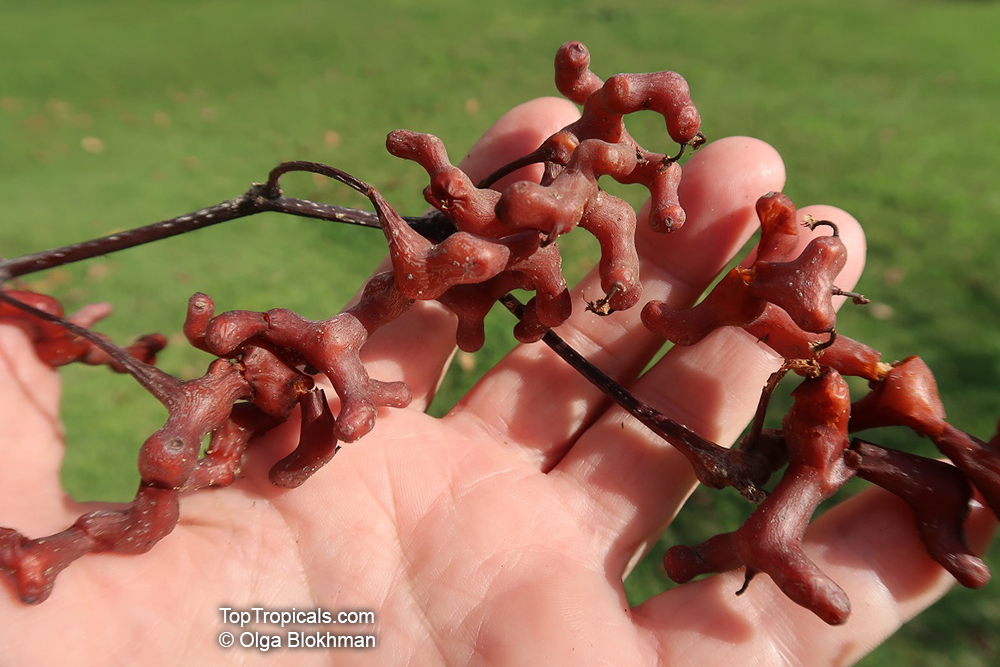
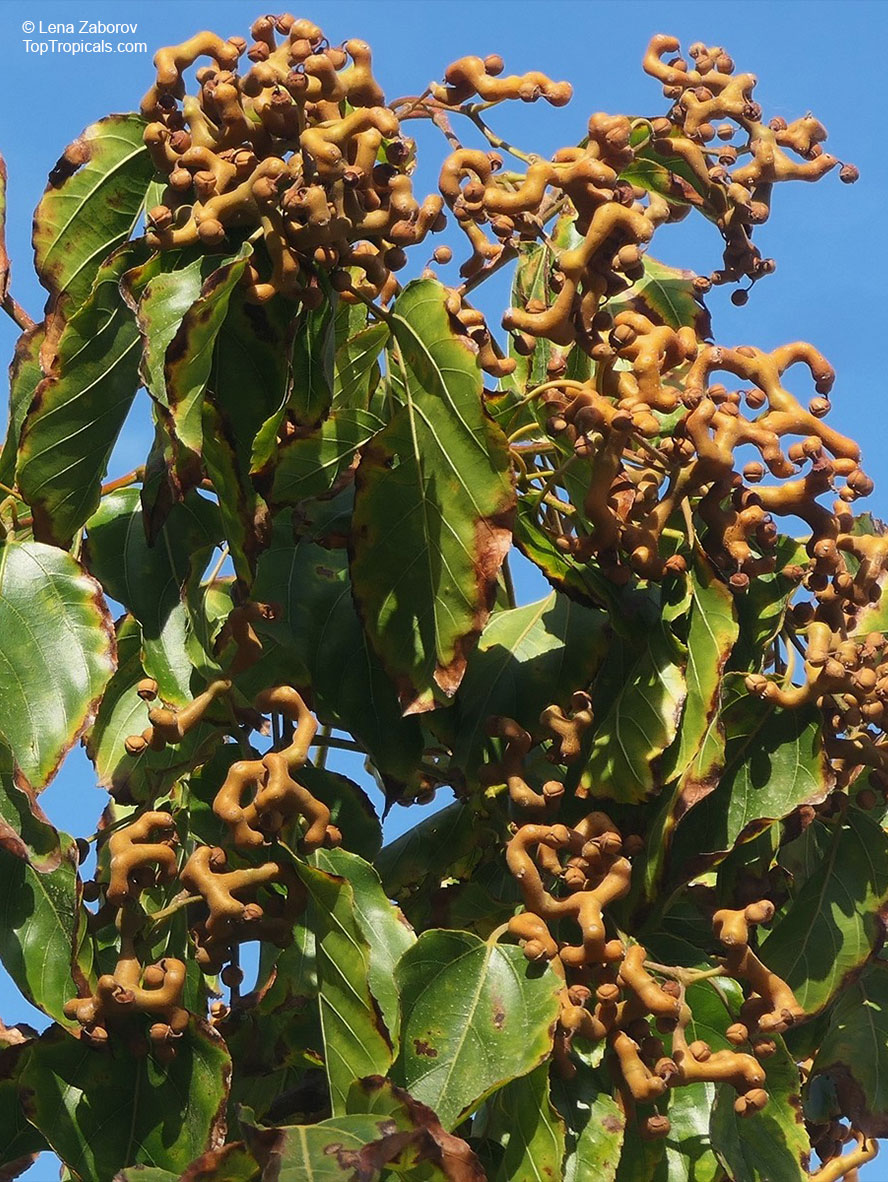
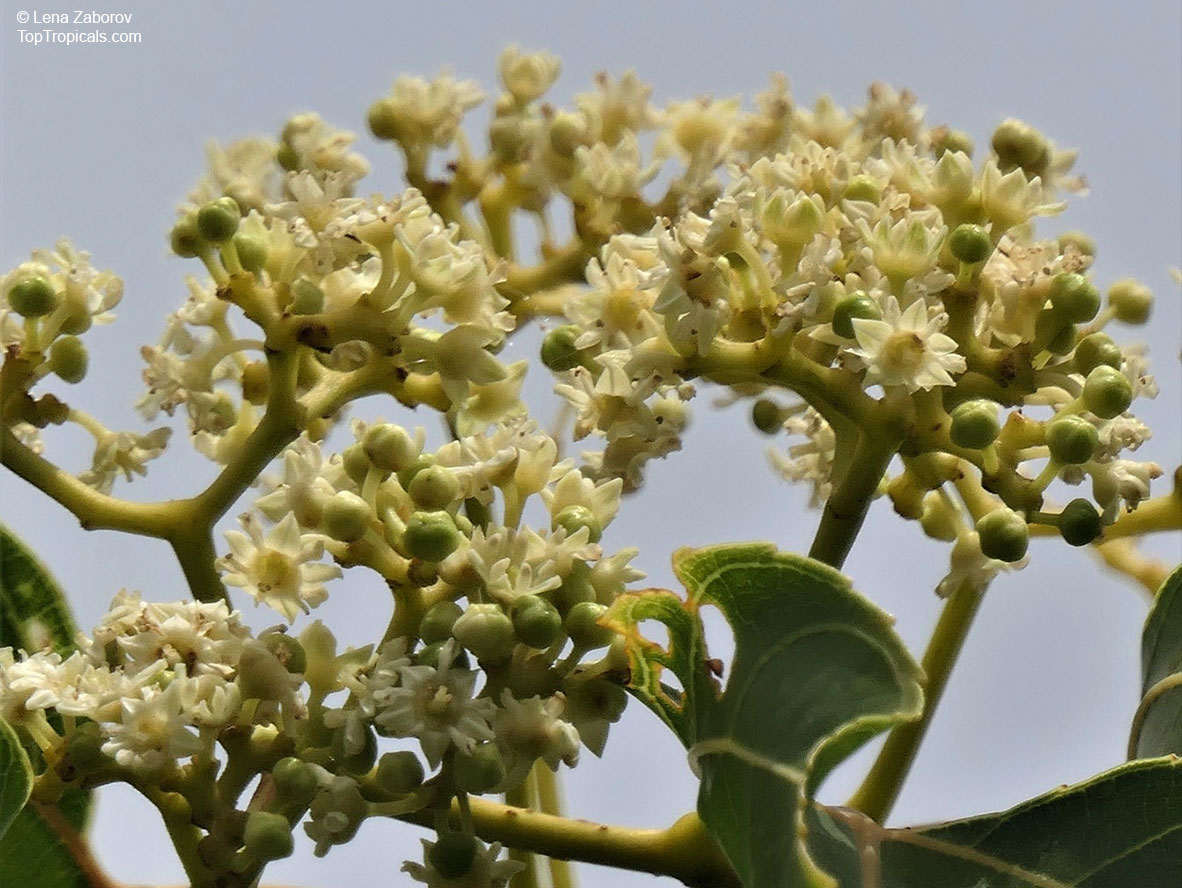
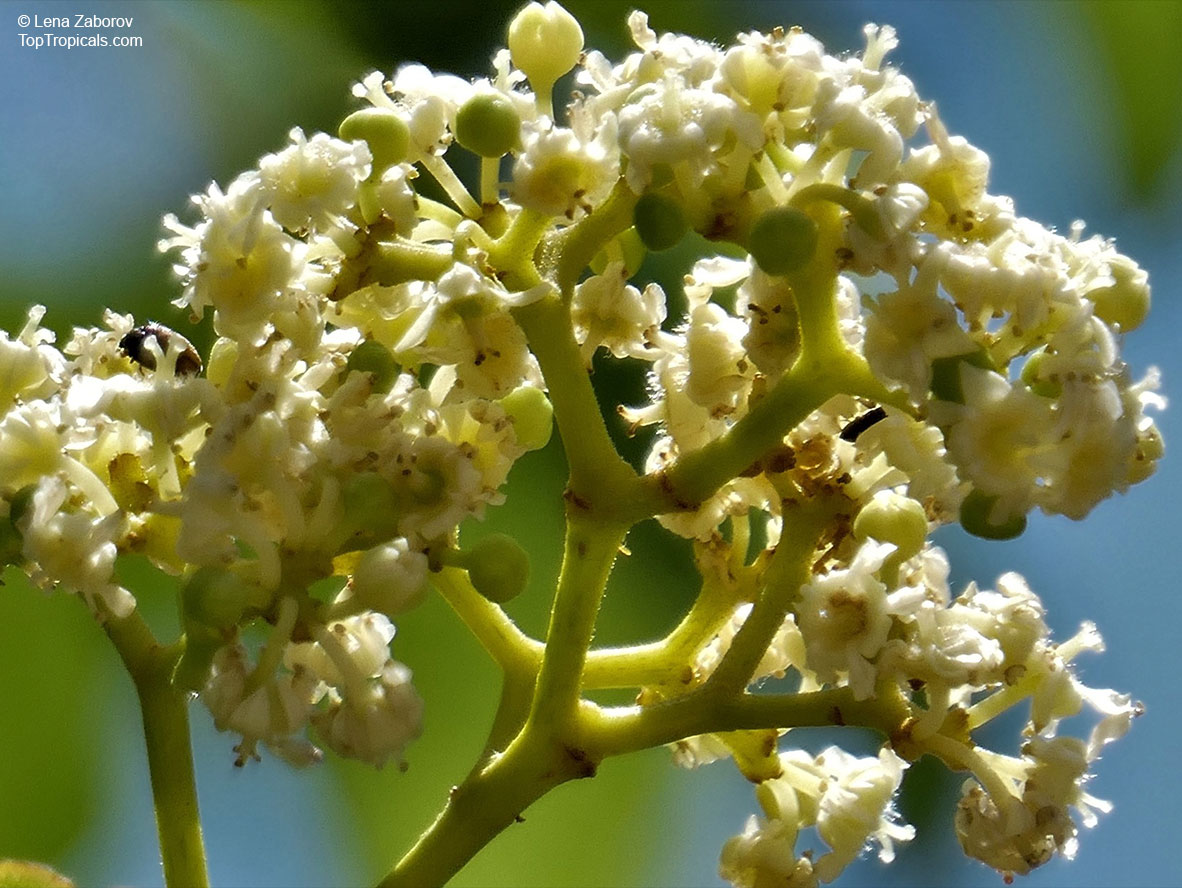
Adaptable plant tolerant of many soil conditions but not wet soil. Flowers pale green, about 7 mm across, slightly fragrant. Fruit is a reddish-brown drupe, about 1/3" in diameter about the size of a raisin, hence the name. They are sweet, and can be eaten. A sweet extract of the seed, boughs and young leaves is used as a substitute for honey.

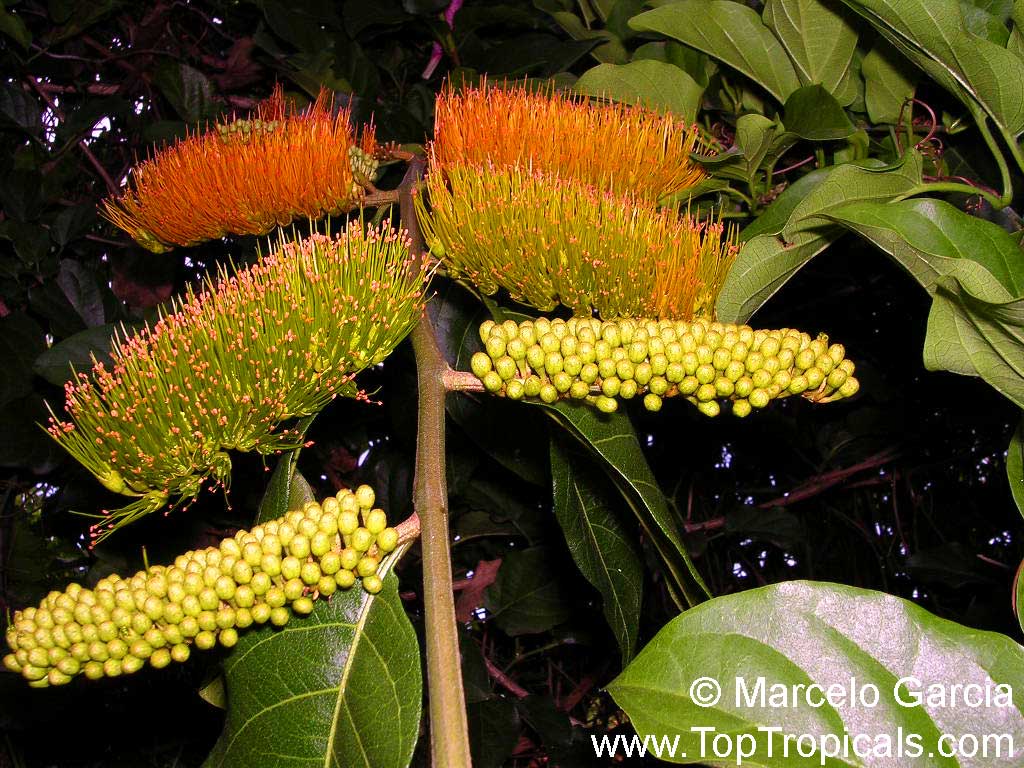
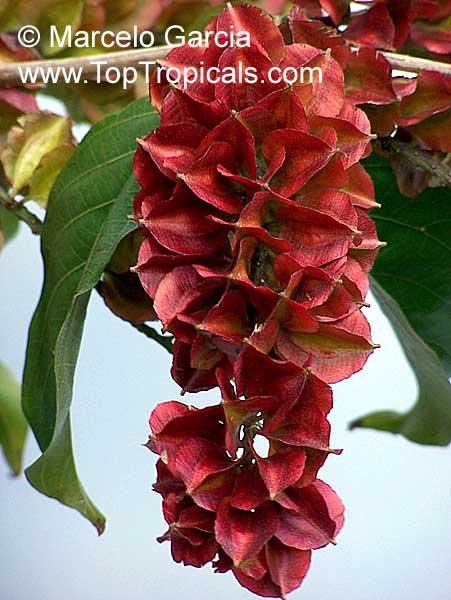
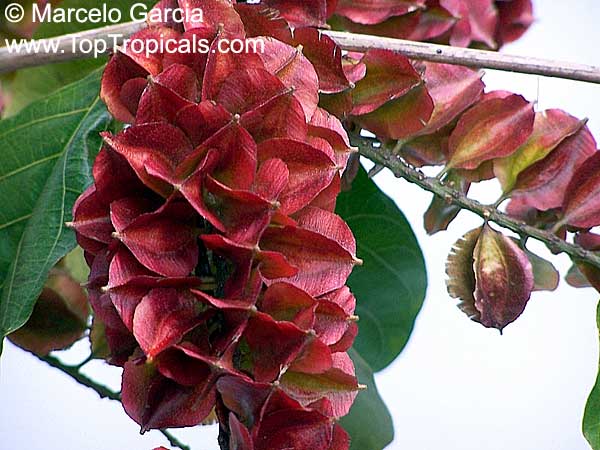
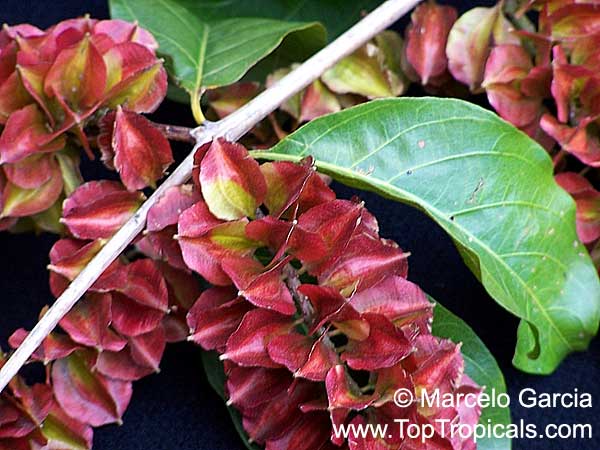
Botanical name: Combretum fruticosum
Common names: Orange Flame Vine, Chameleon Vine
Family: Combretaceae
Origin: South America

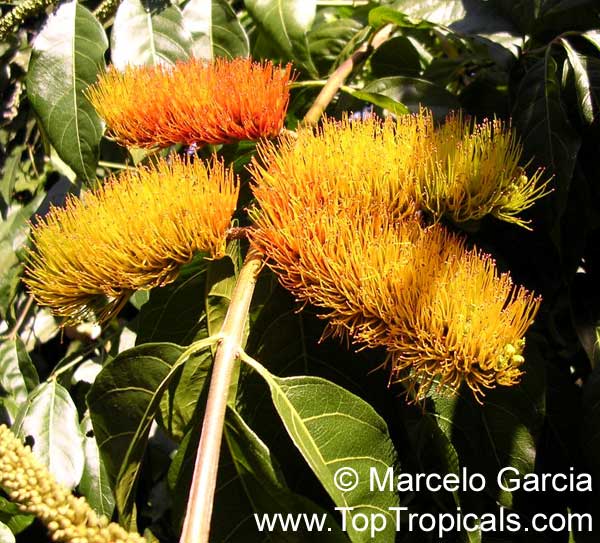
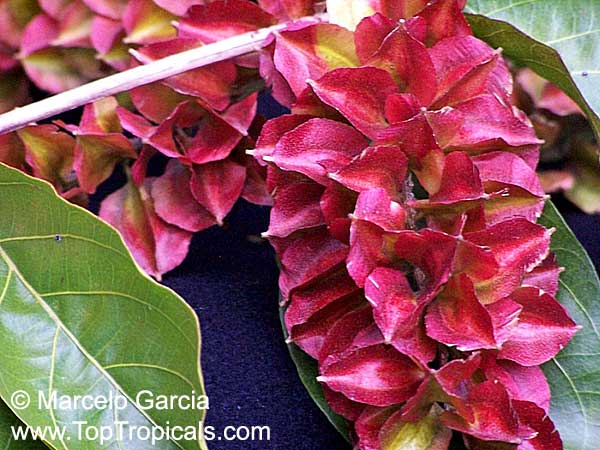
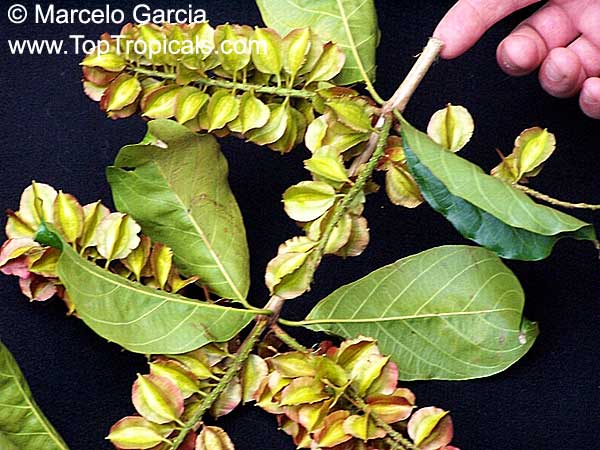
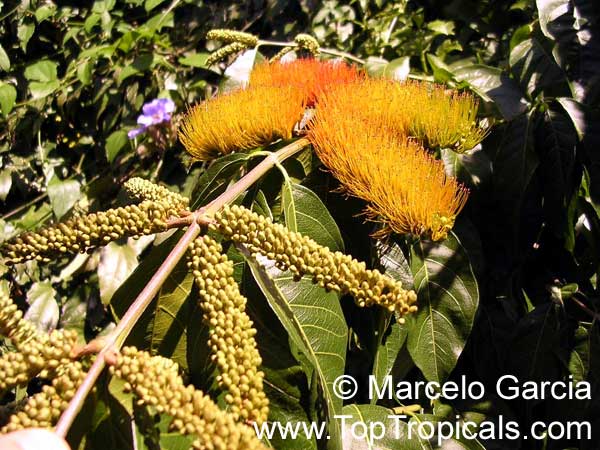
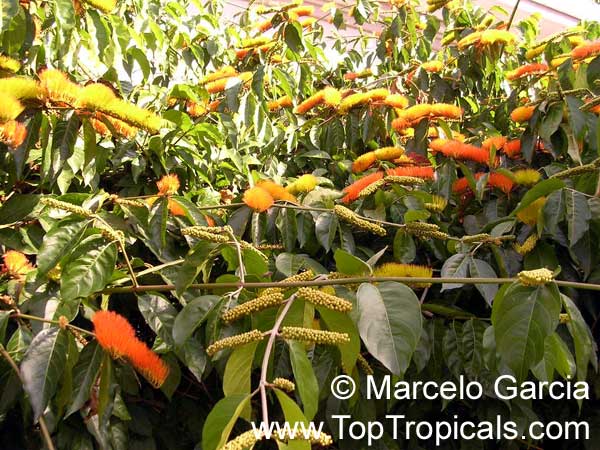
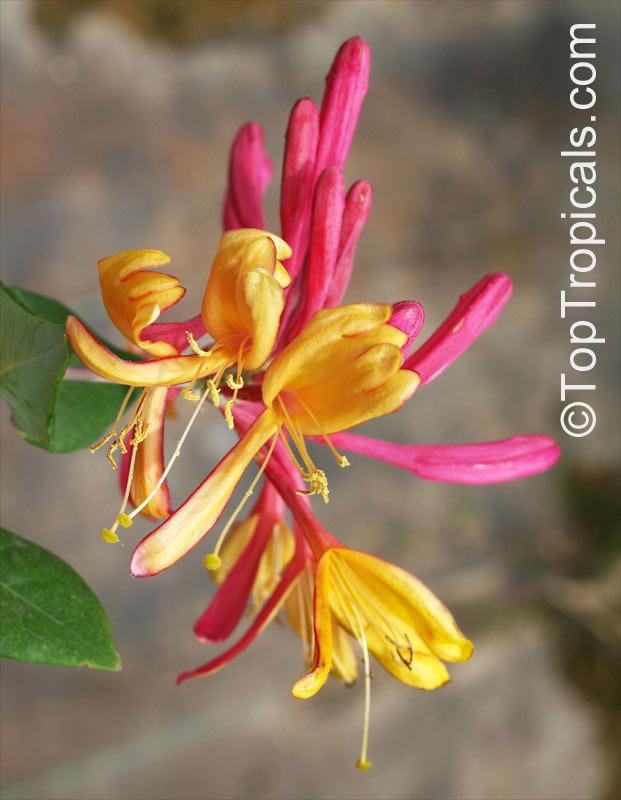
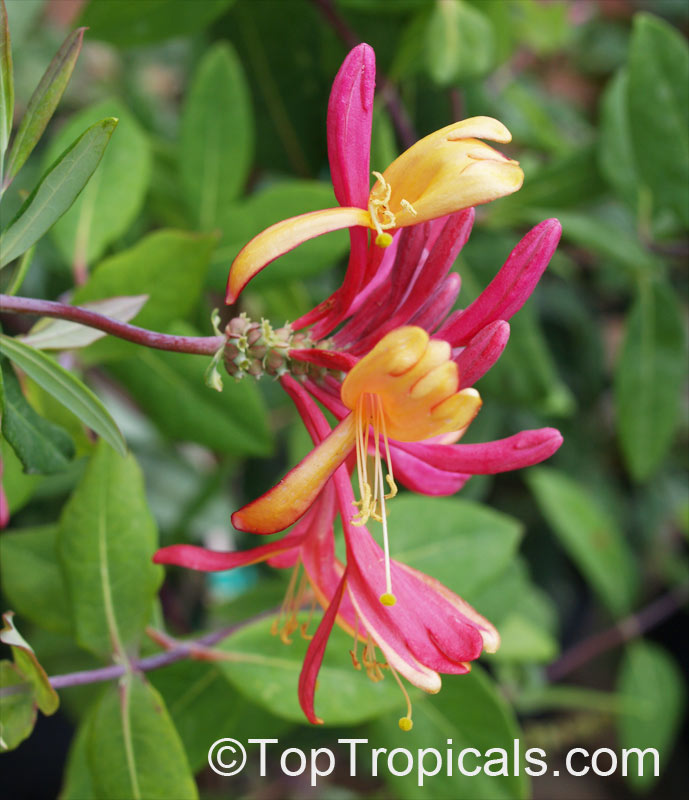
The Orange Flame Vine, Combretum fruticosum, is a large shrub or vine native to South America. It can grow up to 20 feet tall, and has a vigorous twining habit. It requires full sun for optimal growth and should be regularly watered. This vine is known for its profusion of showy red, crimson and vinous flowers, which are 4-6 inches long and slightly curved. During the spring and summer, these blooms are frequented by butterflies and hummingbirds.
This tropical vine is also known for its unique yellow and orange flowers, which appear in the late summer and autumn months. It is a fairly easy plant to care for, making it an ideal choice for beginner gardeners. In colder regions, this plant can be grown in a pot and should be brought indoors during the winter. The mature plant is cold hardy at least to 30s F for a short time. It is hardy in USDA Zones 9-11.
For the best results, it is important to regularly fertilize and prune this plant. As it flowers on new growth, pruning should be done after the flowering period. During the summer months, this plant should be watered every week. In the winter months, give it less water as its growth slows considerably. Additionally, be sure to plant it in soil that is rich in organic matter and well-drained to promote healthy growth.




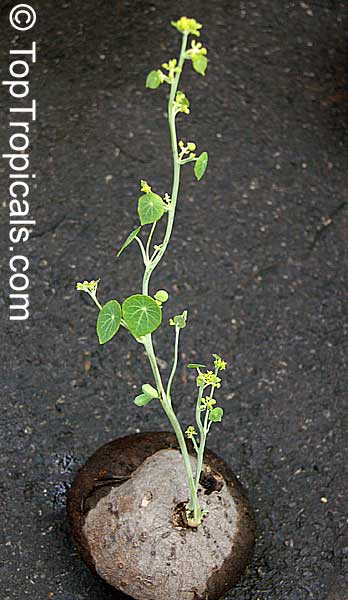
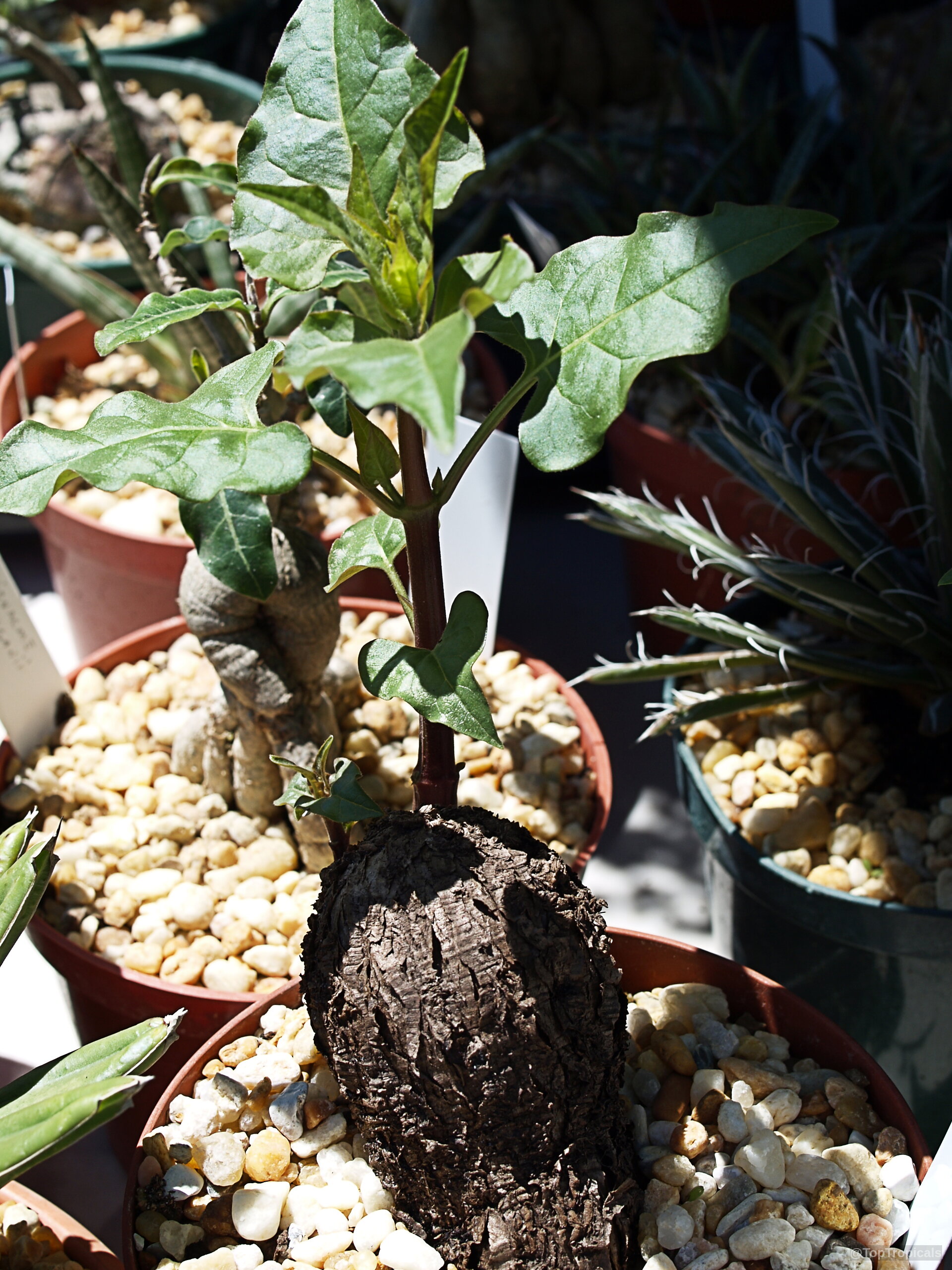
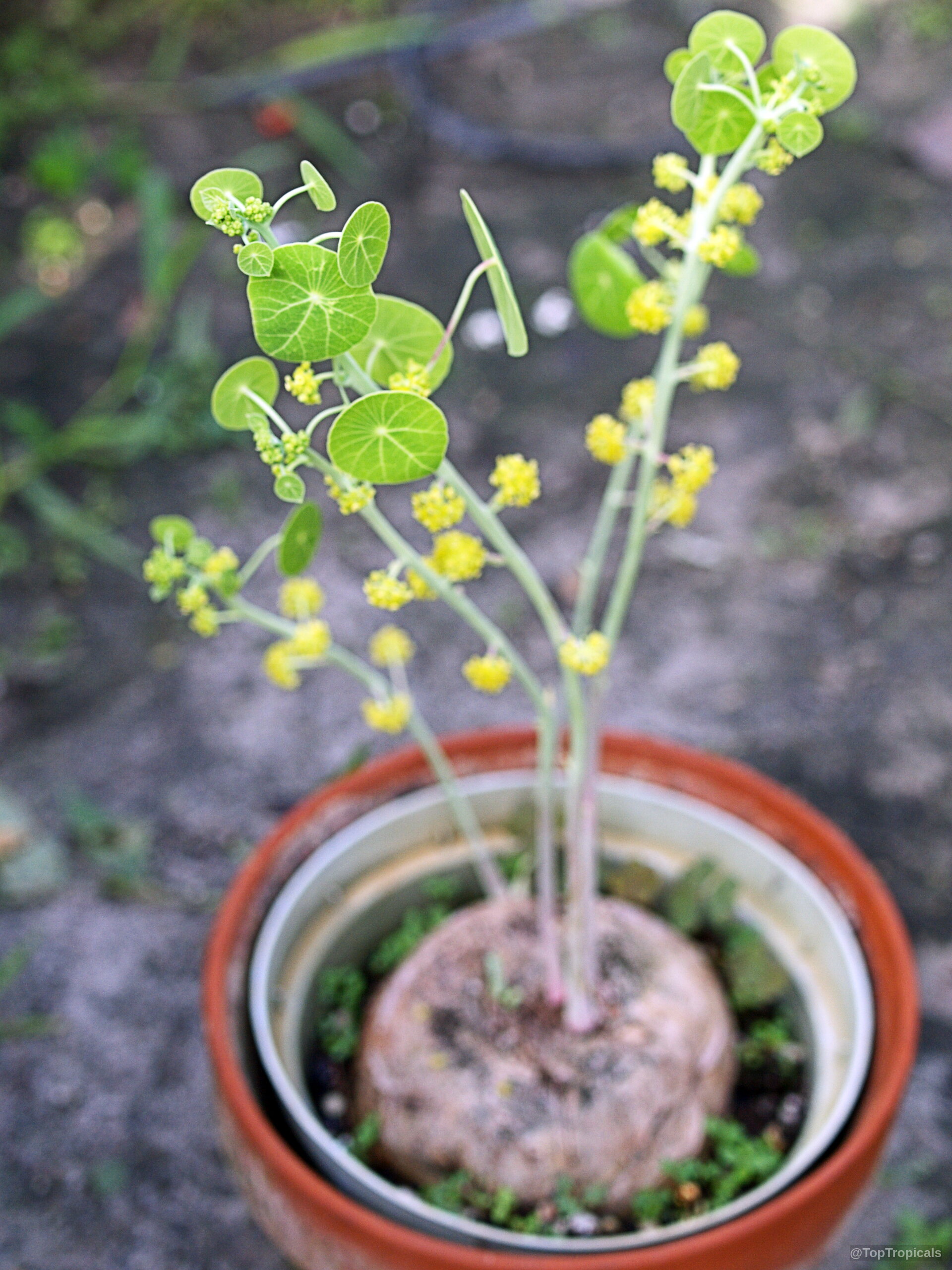
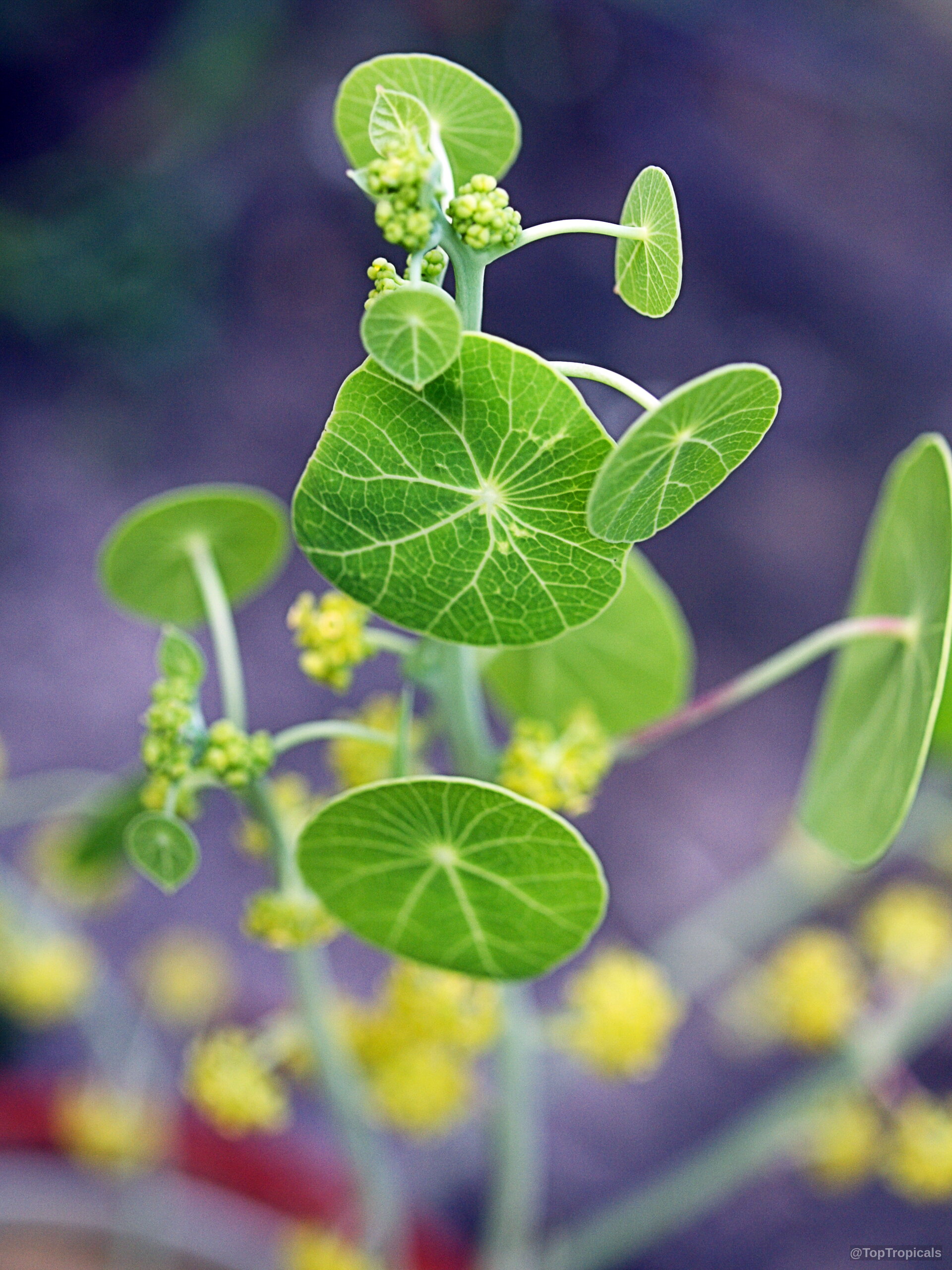
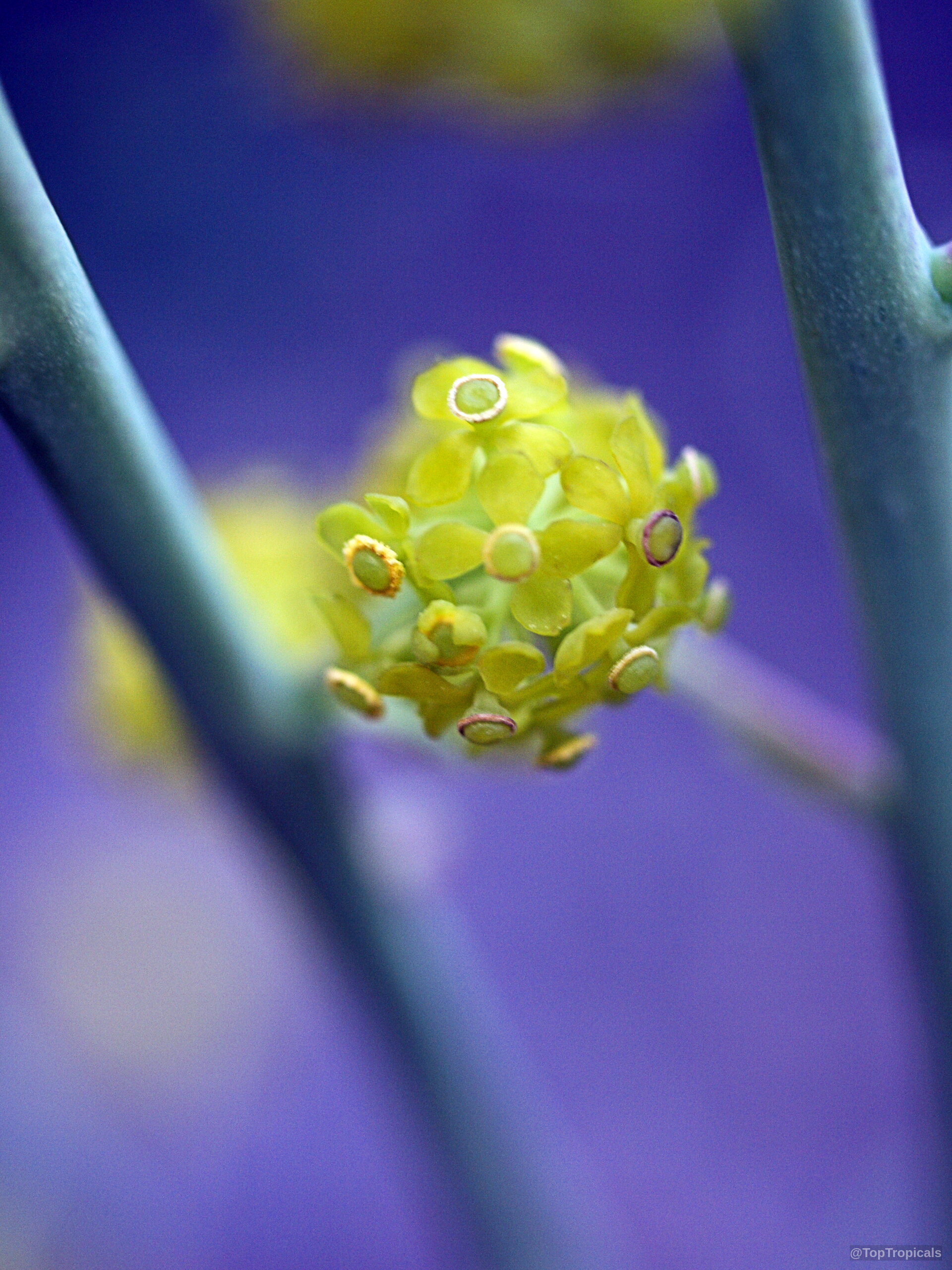
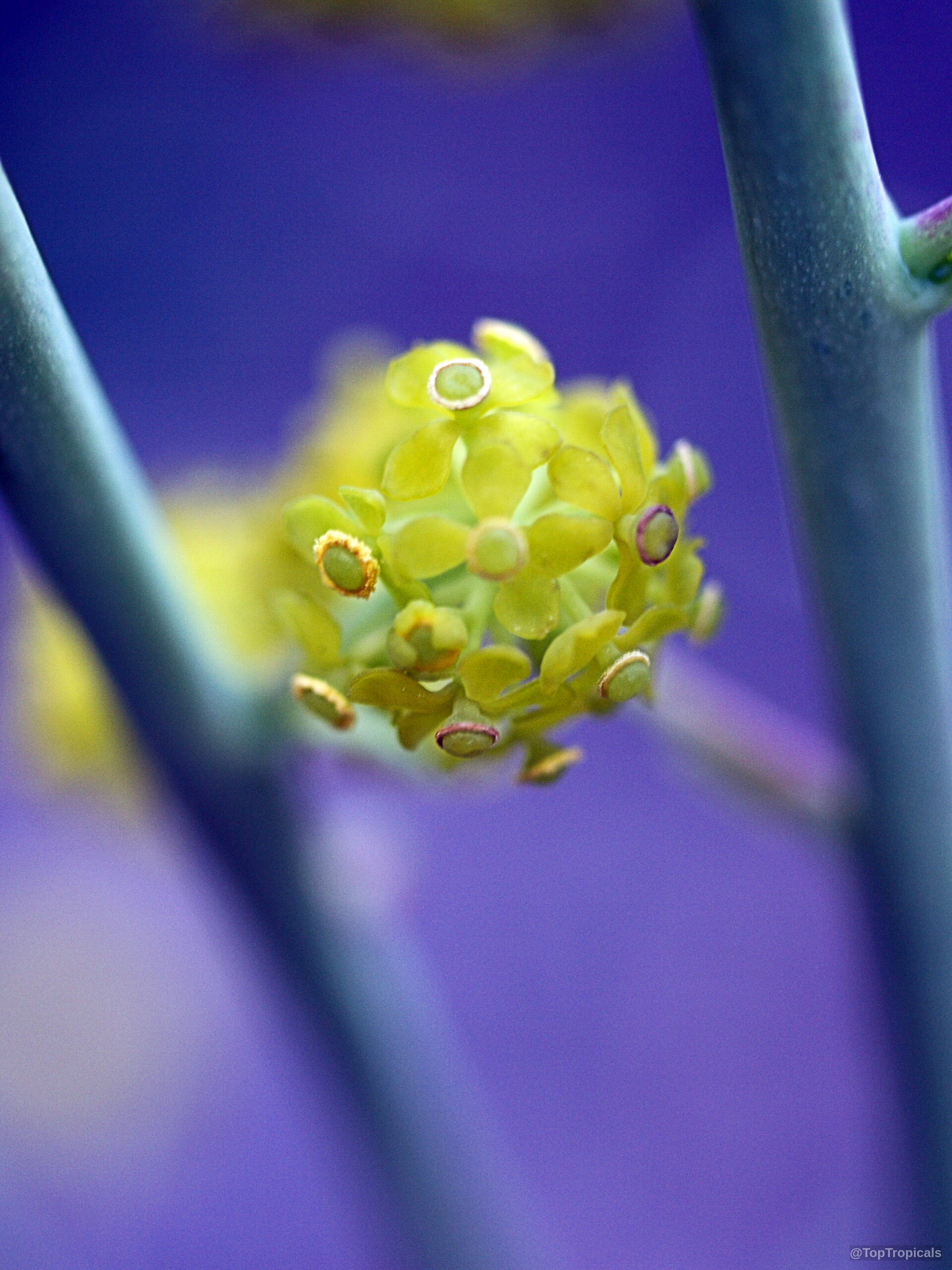
Botanical name: Stephania erecta
Common name: Stephania
Family: Menispermaceae
Origin: Thailand

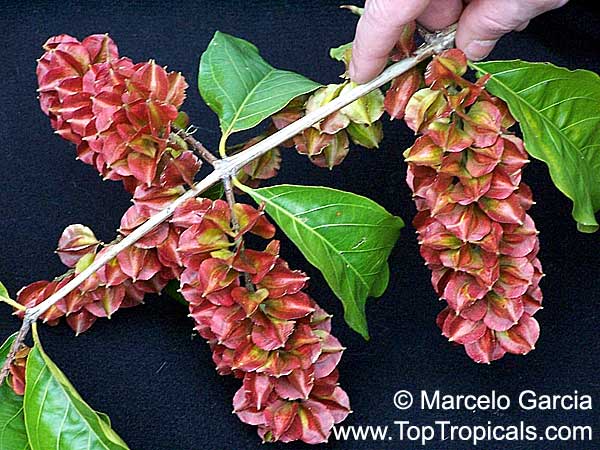
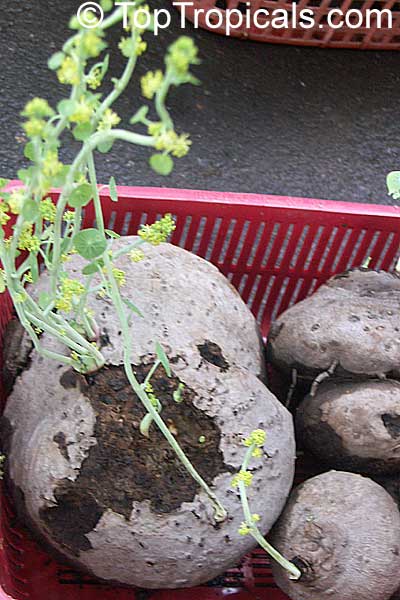
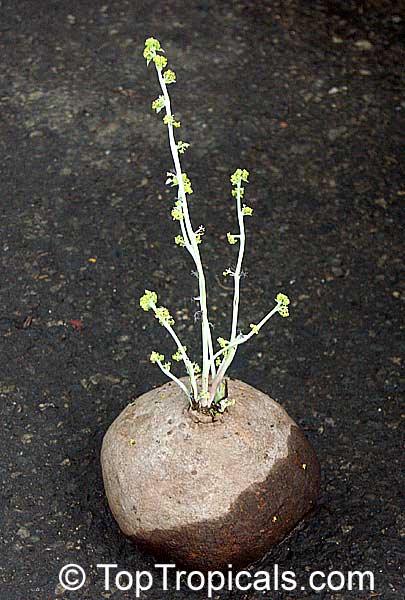
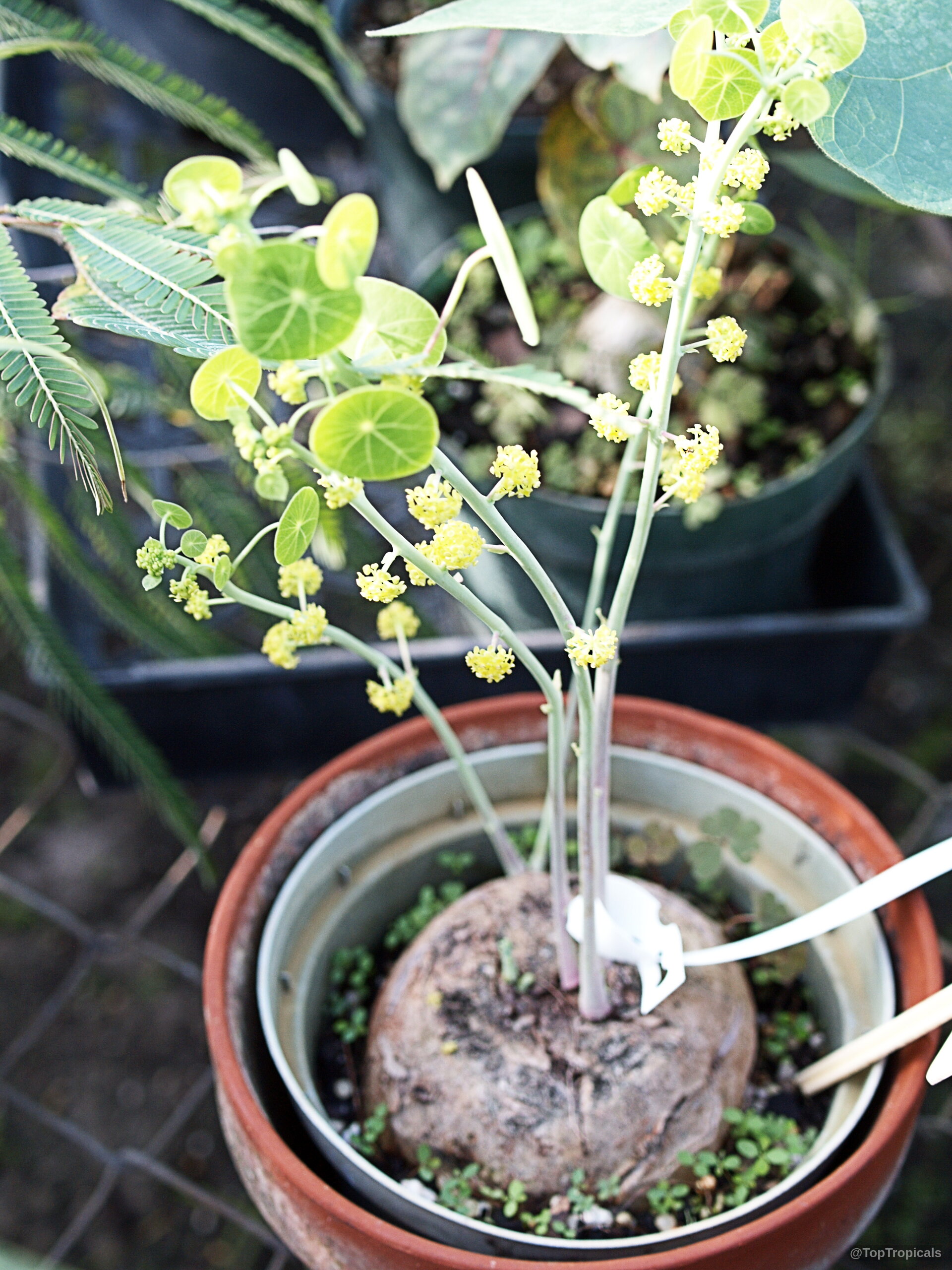
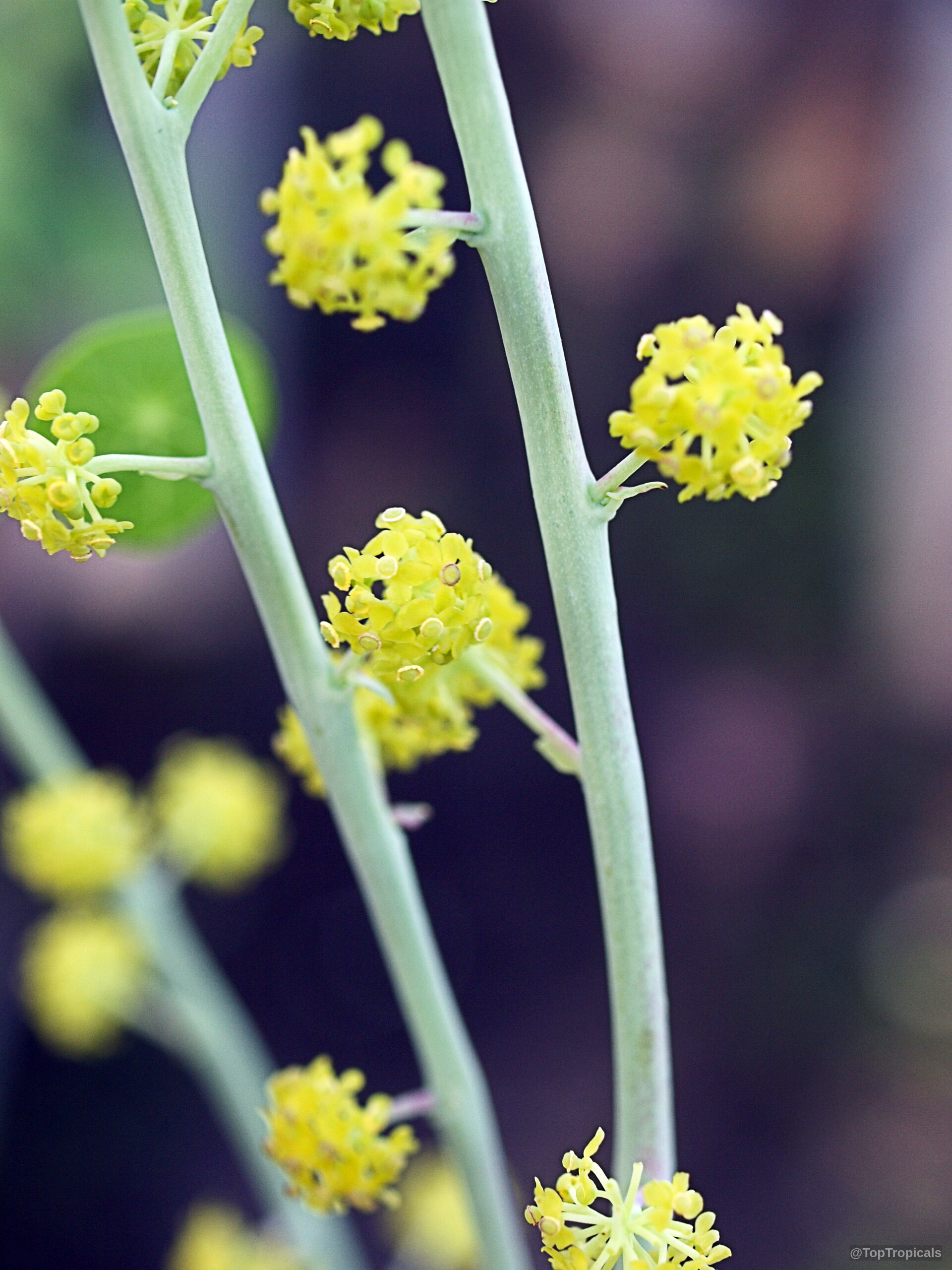
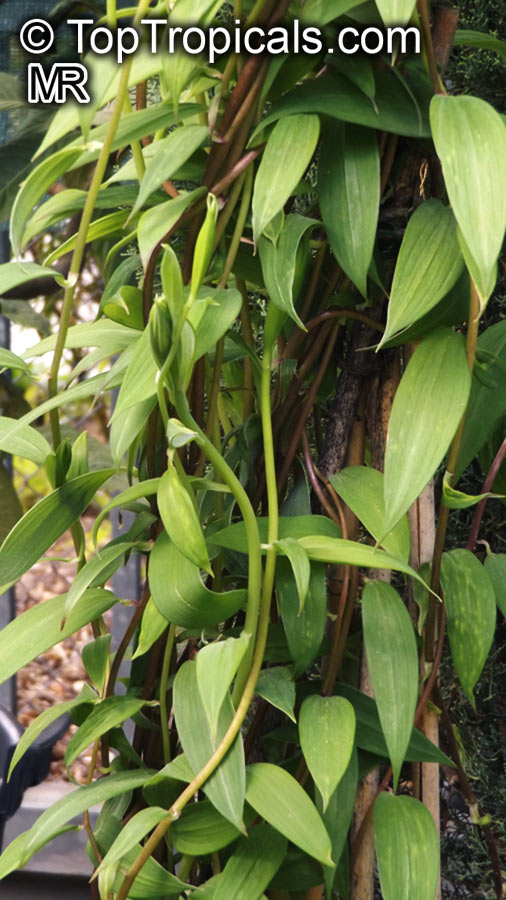
Very unusual caudex plant, with a stem swollen like a round ball. Sprouts in spring in a nice fine vine with round leaves and yellowish flowers. Prefers moderate water and filtered light. Can be grown as a unique bonsai plant on your desktop or window sill. Foliage dies back in winter, when the watering should be reduced or stopped.
Botanical name: Bomarea sp.
Common name: Bomarea
Family: Alstroemeriaceae
Origin: Central America, Mexico

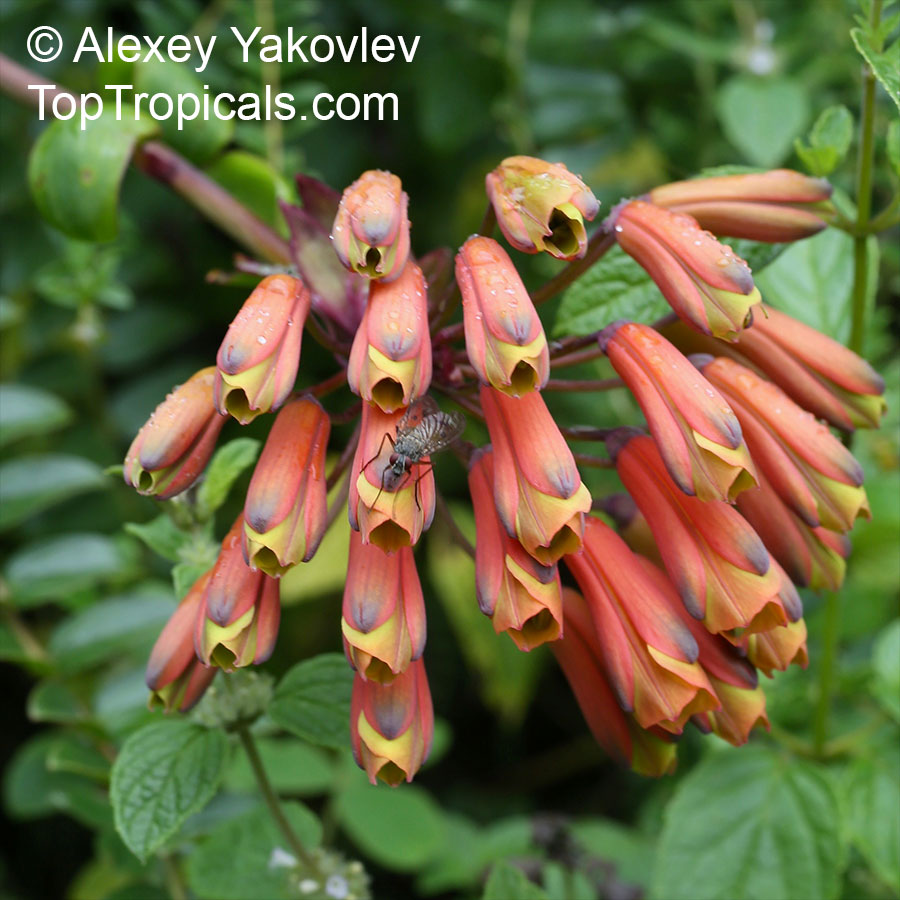
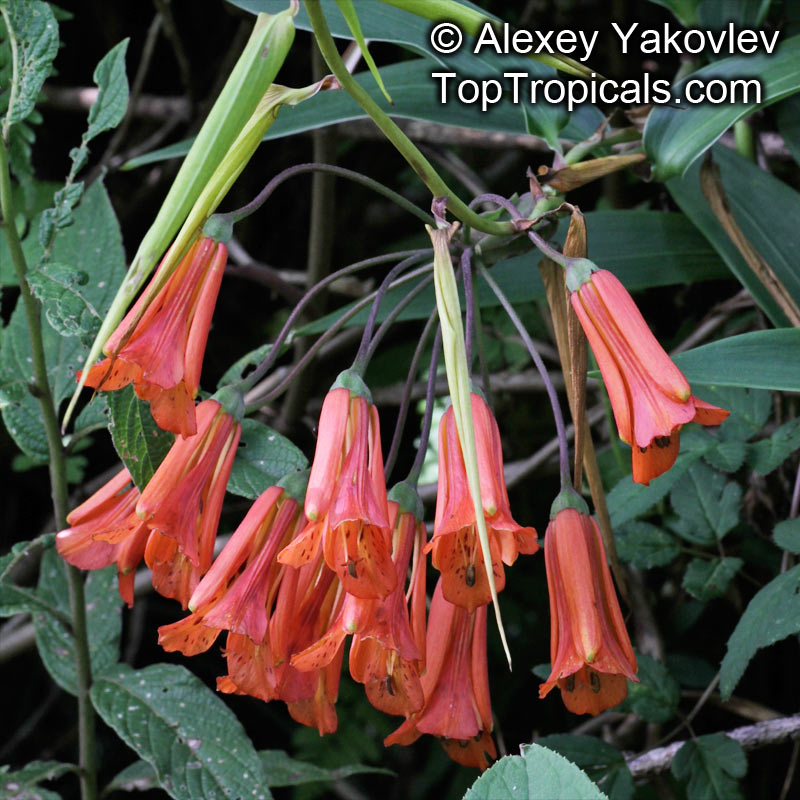
These plants are similar to their relatives in Alstroemeria, but many take a twining form. There are about 100 species, some of which are non-climbing, growing more like a ground cover, although the majority are climbers.

| Next | |
Use link to repeat this search:
https://toptropicals.com/cgi-bin/garden_catalog/cat.cgi?search_op=and&keyword_op=and&language=e&number=10&no_change_lang=1
&v1=ylw&user=tt&sale=1&first=0