White, off-white flowers - Plant Encyclopedia Results
| Number of plants found: 1895 | Next | 
|
Go to page: | 1 | 2 | 3 | 4 | 5 | Last |
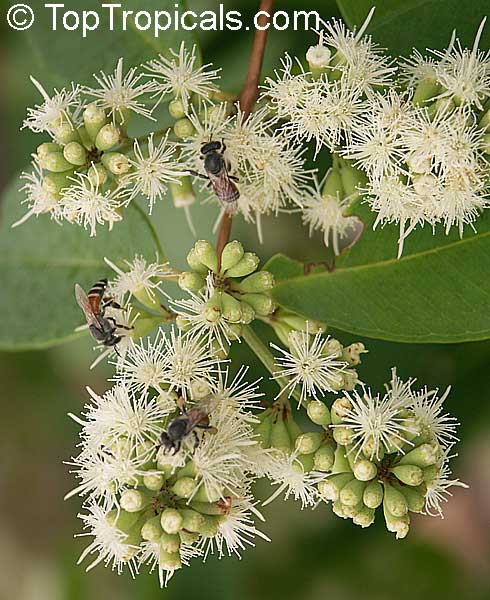
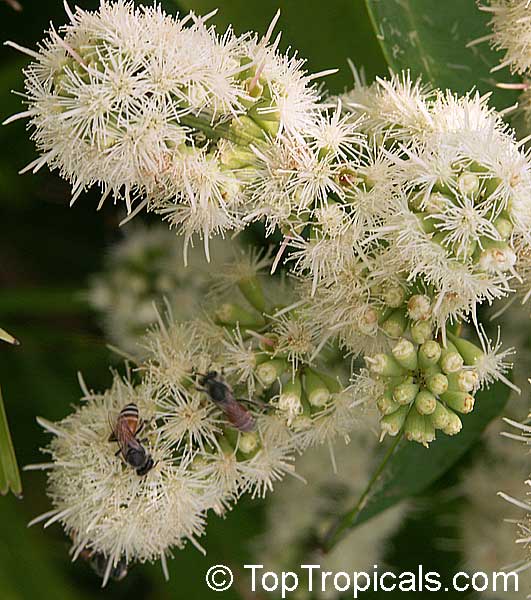
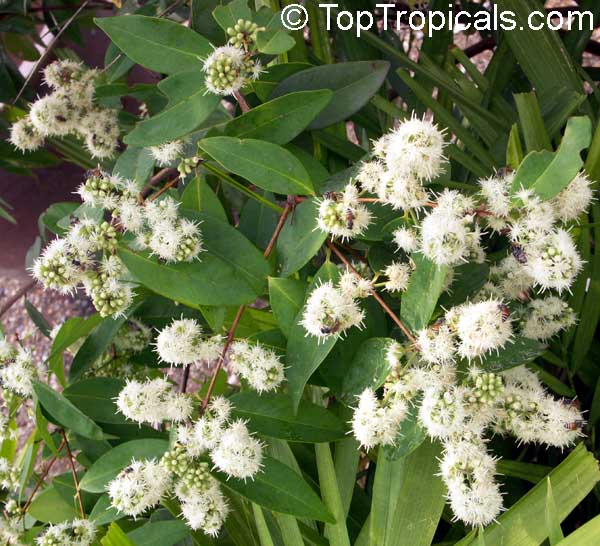
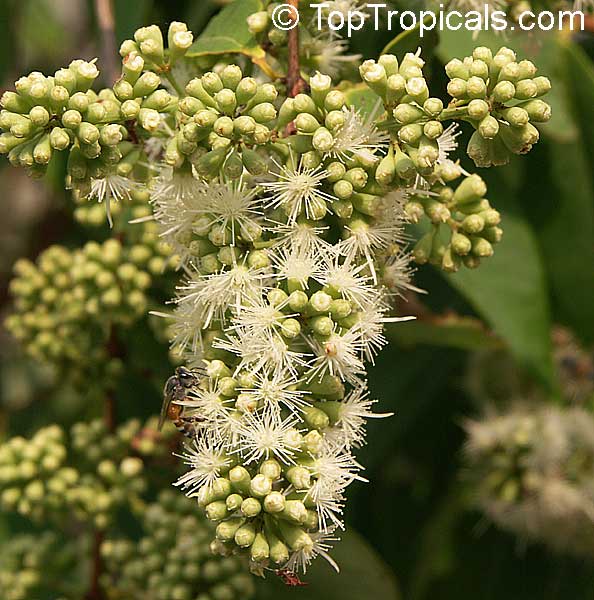
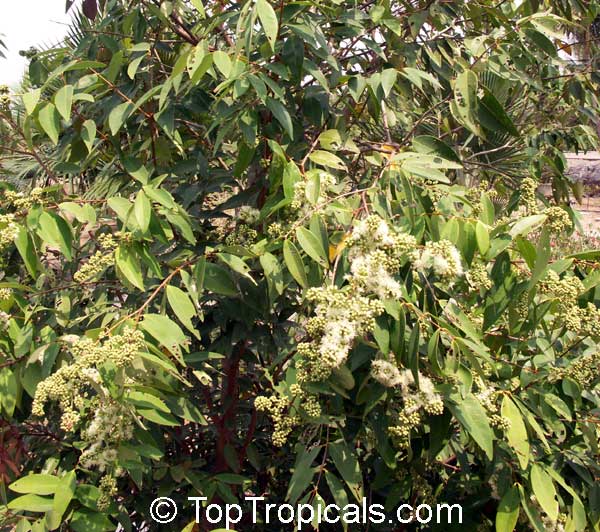
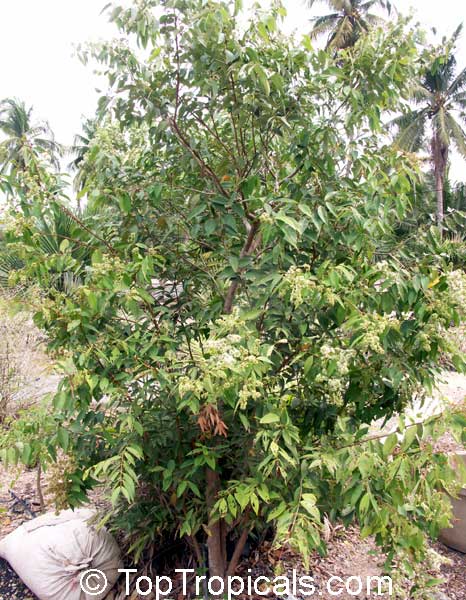
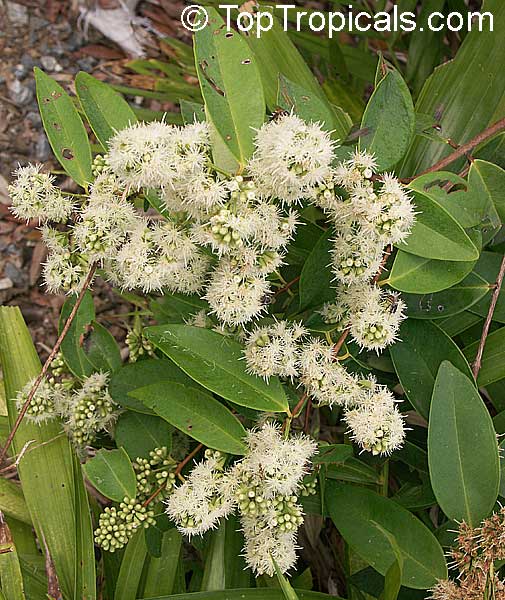
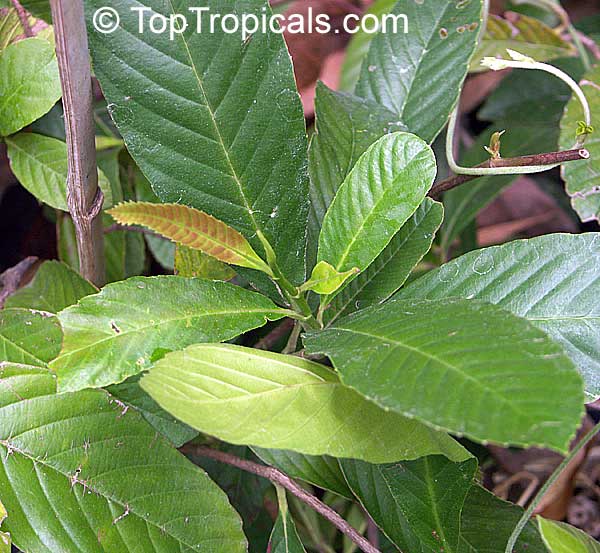
Botanical name: Tetracera sp.
Common names: Tetracera, Bee Flower
Family: Dilleniaceae
Origin: Thailand



Tetracera is a large shrub, growing from 5-10 feet tall, found natively in Thailand. It is best grown in full sun and thrives in areas with regular water. In the summer it blooms white or off-white flowers with a sweet, fragrant aroma. This shrub is particularly attractive to butterflies and hummingbirds and will draw them to your yard. In order to grow Tetracera successfully, it is best to plant them in USDA zones 10-11, where the temperature is above 55F.
If you live in a colder region, it is still possible to enjoy the beauty of a Tetracera shrub. Growing them in pots allows you to move them easily and protect them during extreme cold, giving you the best chance of success. Plant them in a potting soil mix and provide consistently moist soil. When the temperature drops to 55F, you may want to bring the pot indoors or move it to a sheltered area so as to protect from cold. Water regularly and fertilize once a year with a balanced slow release fertilizer to ensure your shrub thrives. Pruning may be necessary to encourage bushier growth or to remove dead or diseased branches.
Tetracera is an attractive and unique plant, perfect for adding interest to your garden. It is easy to care for and attracts a variety of wildlife. With just a little care and attention, you will have a beautiful and fragrant shrub to enjoy for years to come.
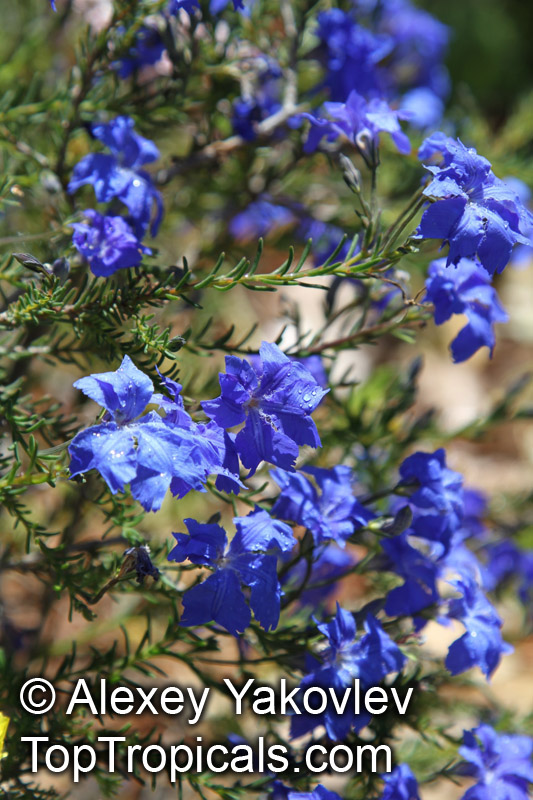
Botanical name: Lechenaultia biloba
Common name: Blue Leschenaultia
Family: Goodeniaceae


In cultivation it is essential that the plant is grown in a sandy, well-drained situation.
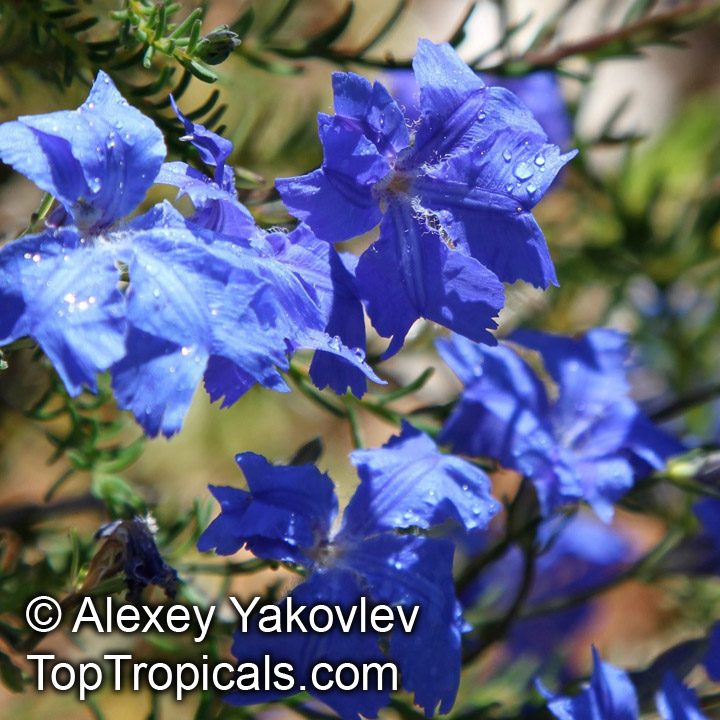
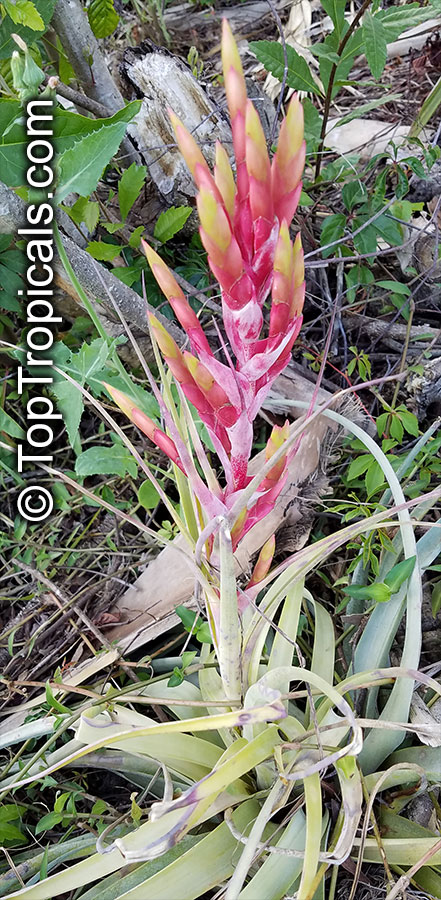
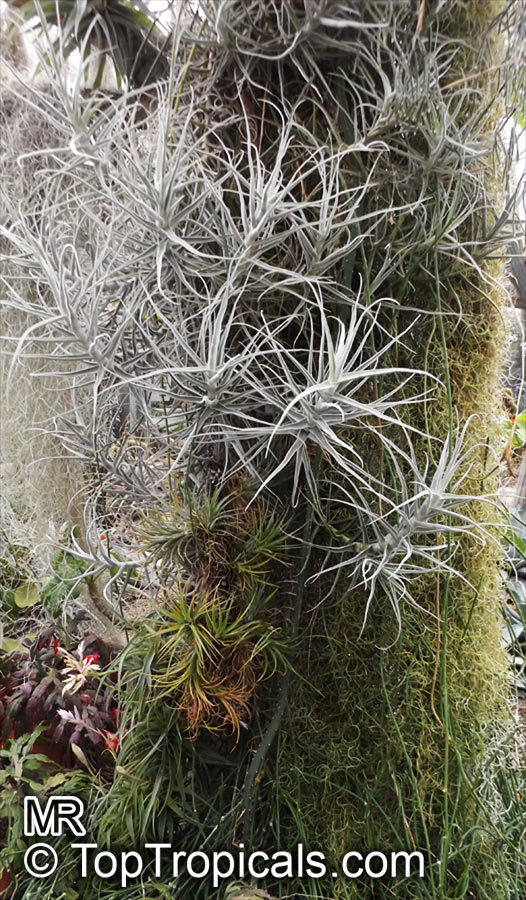
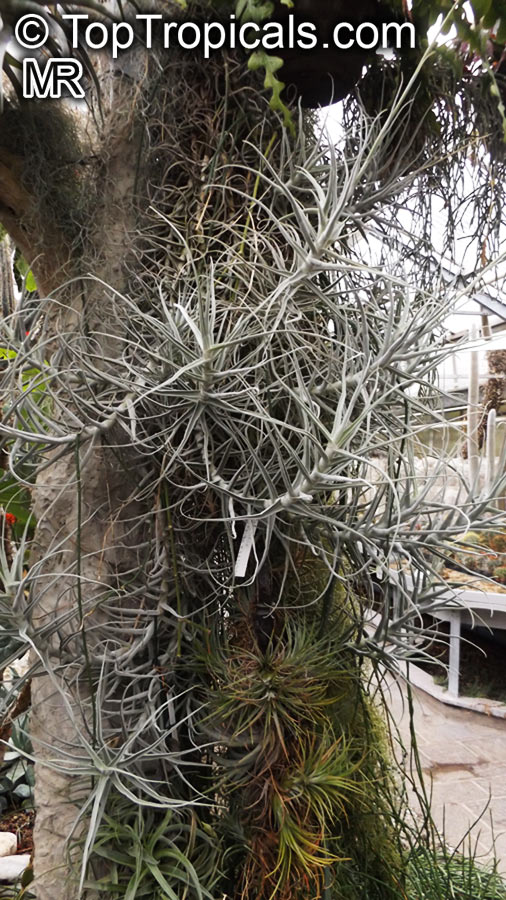
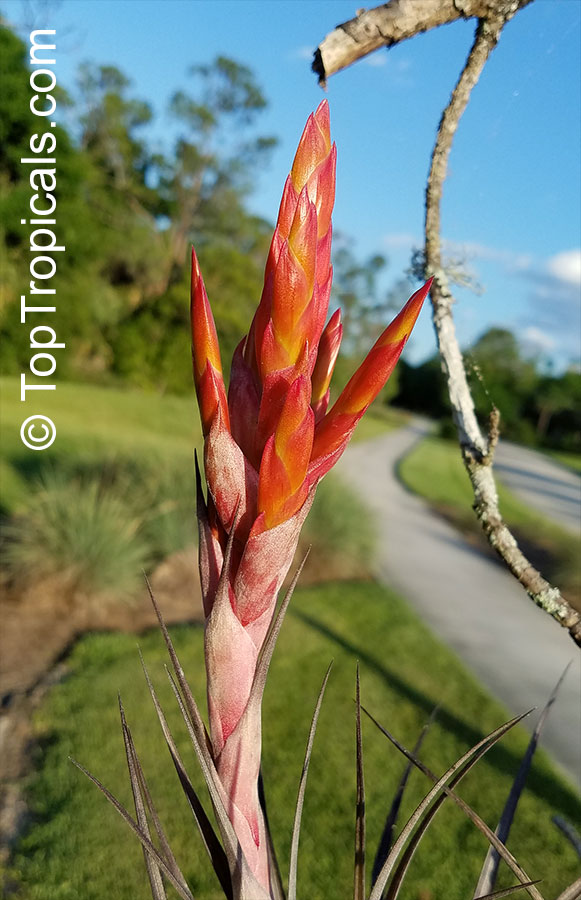
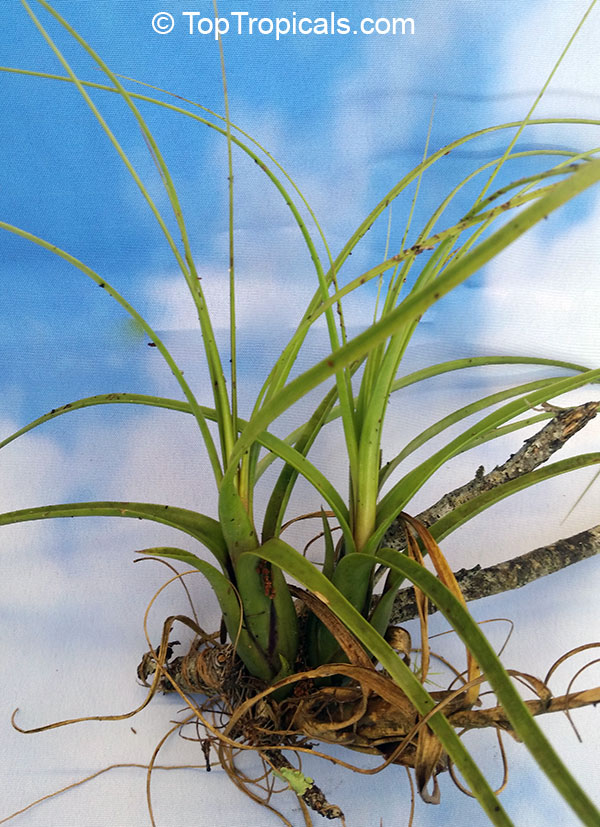
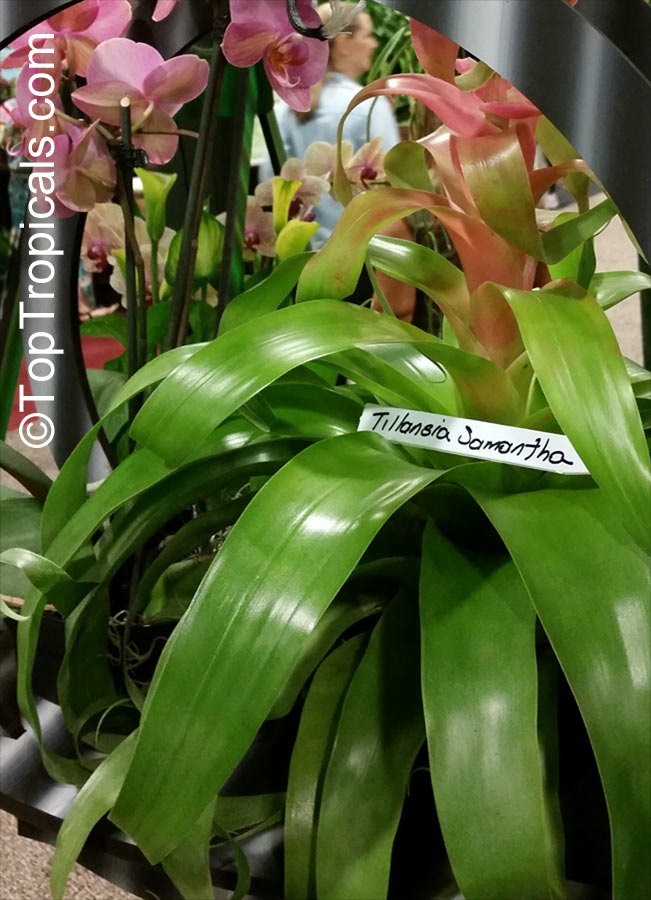
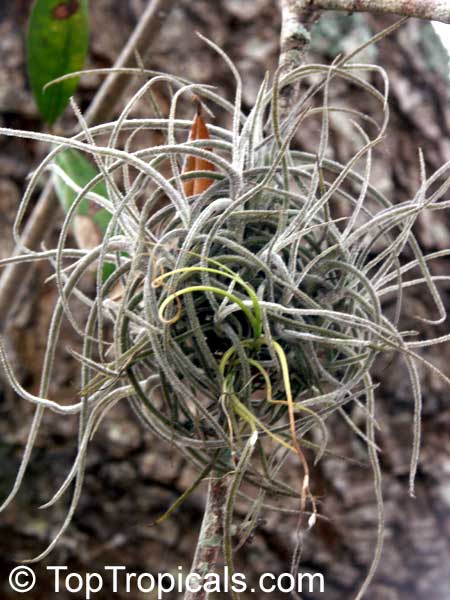
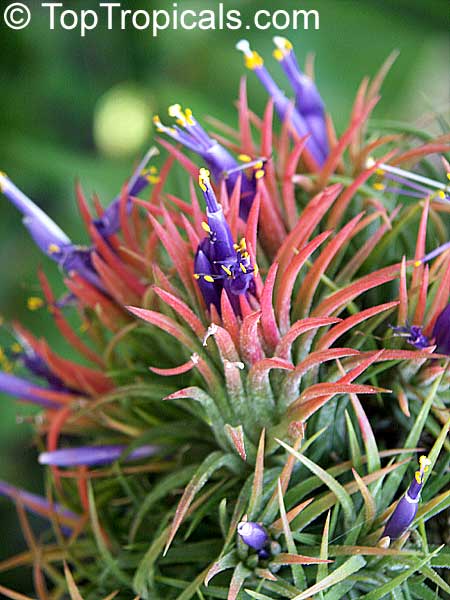
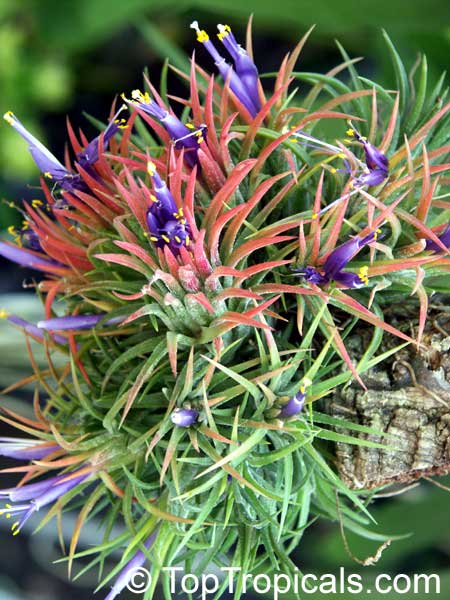
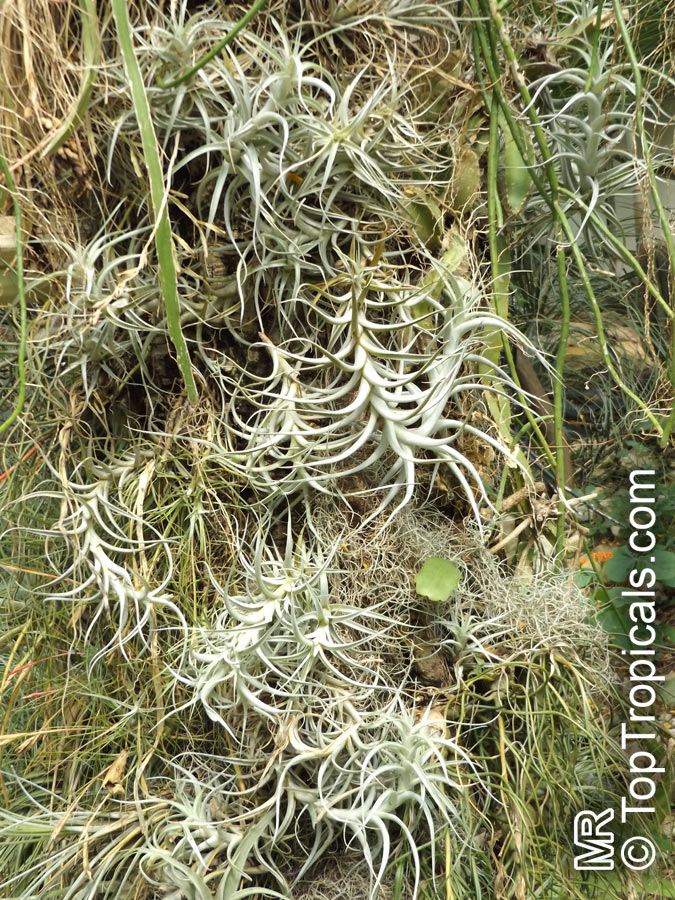
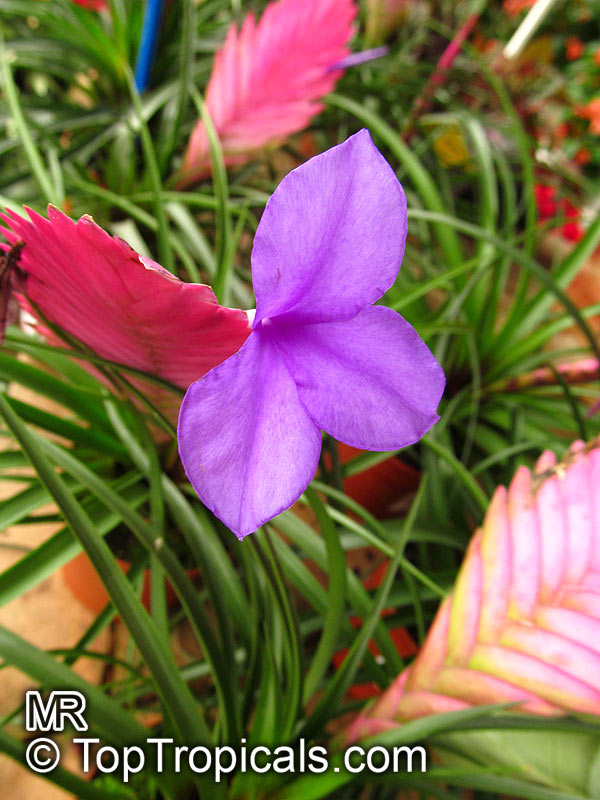
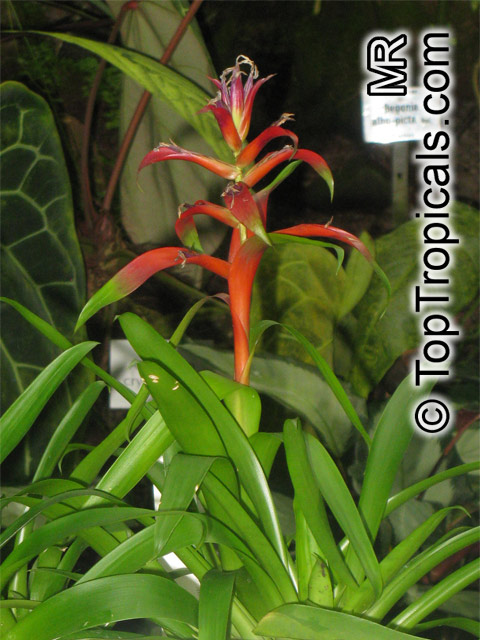
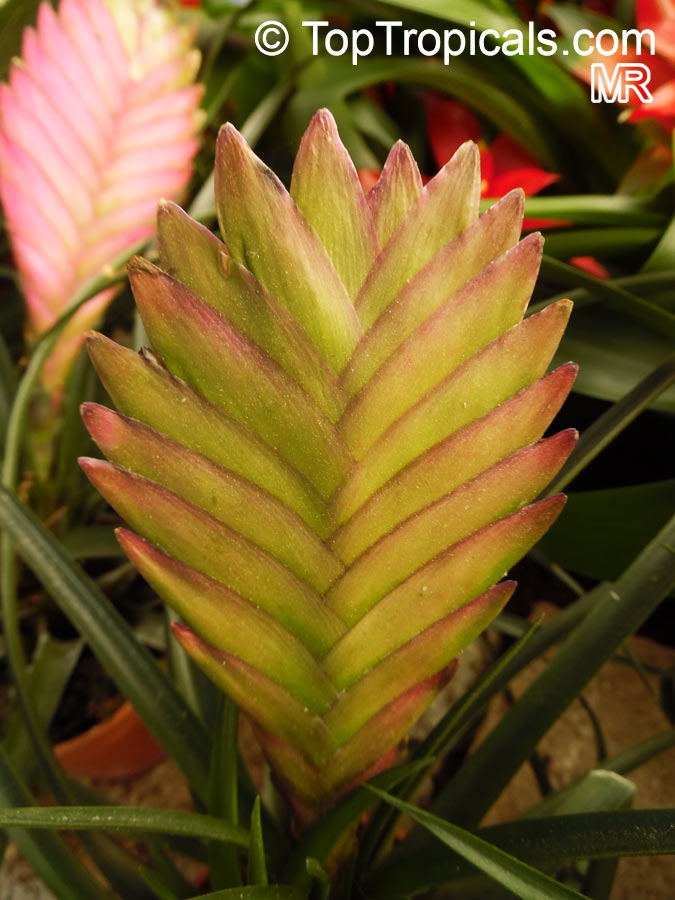
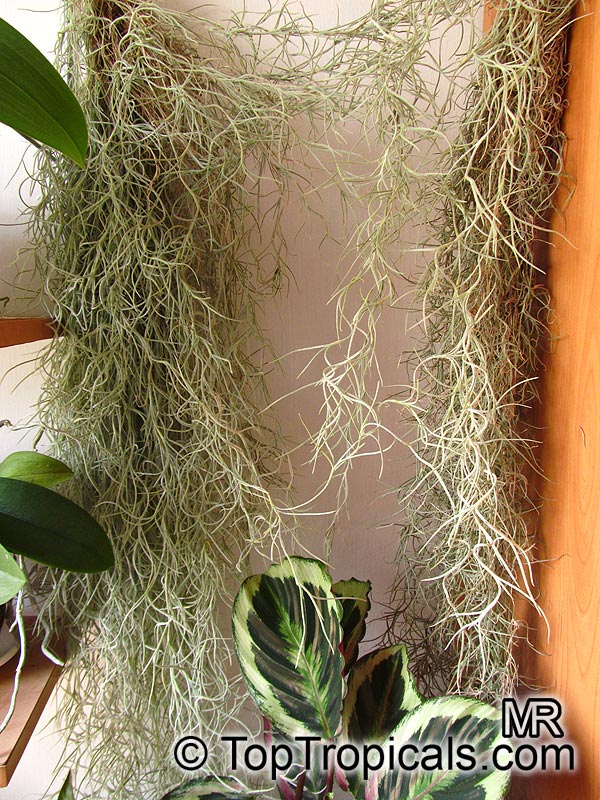
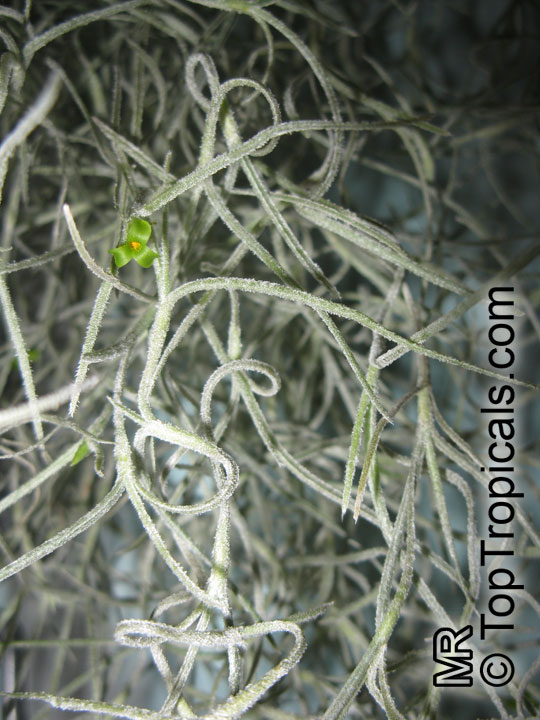
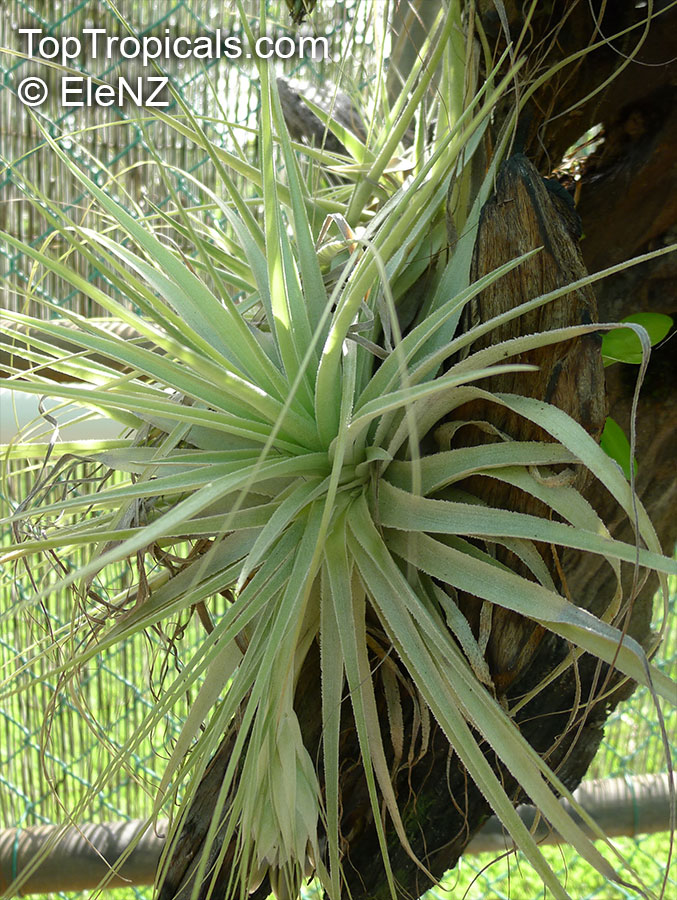
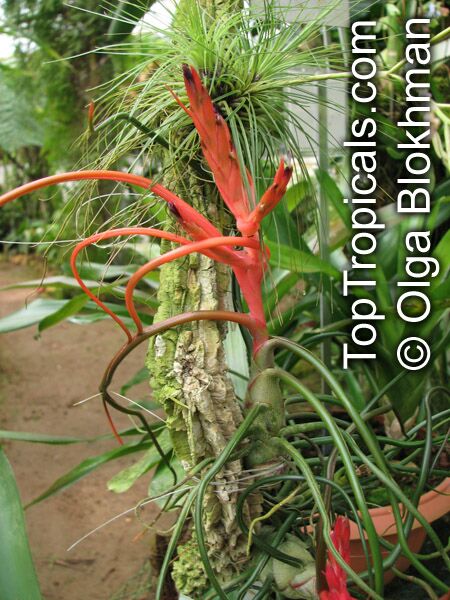
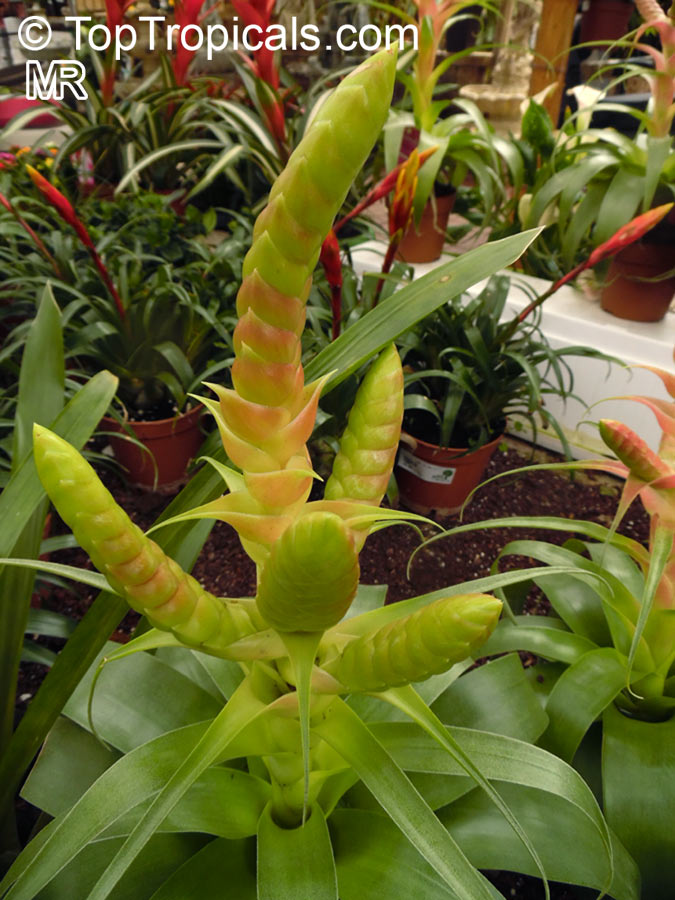
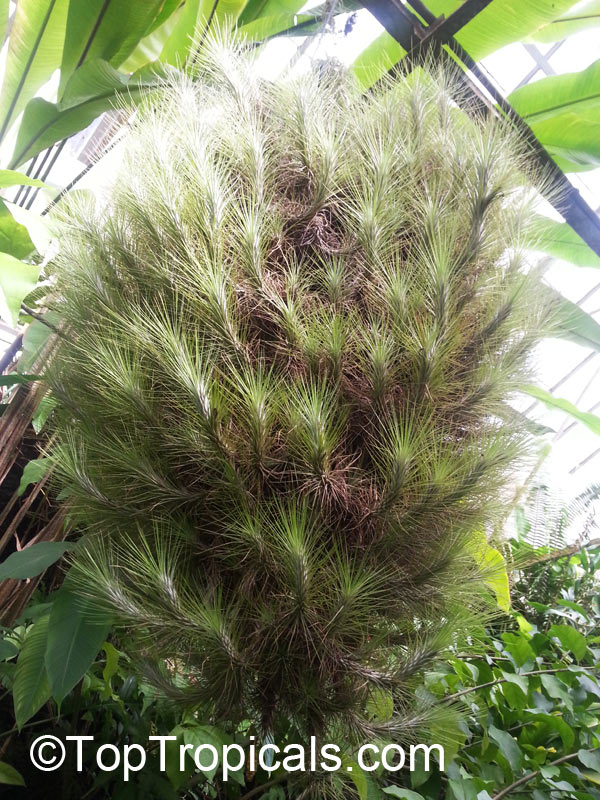
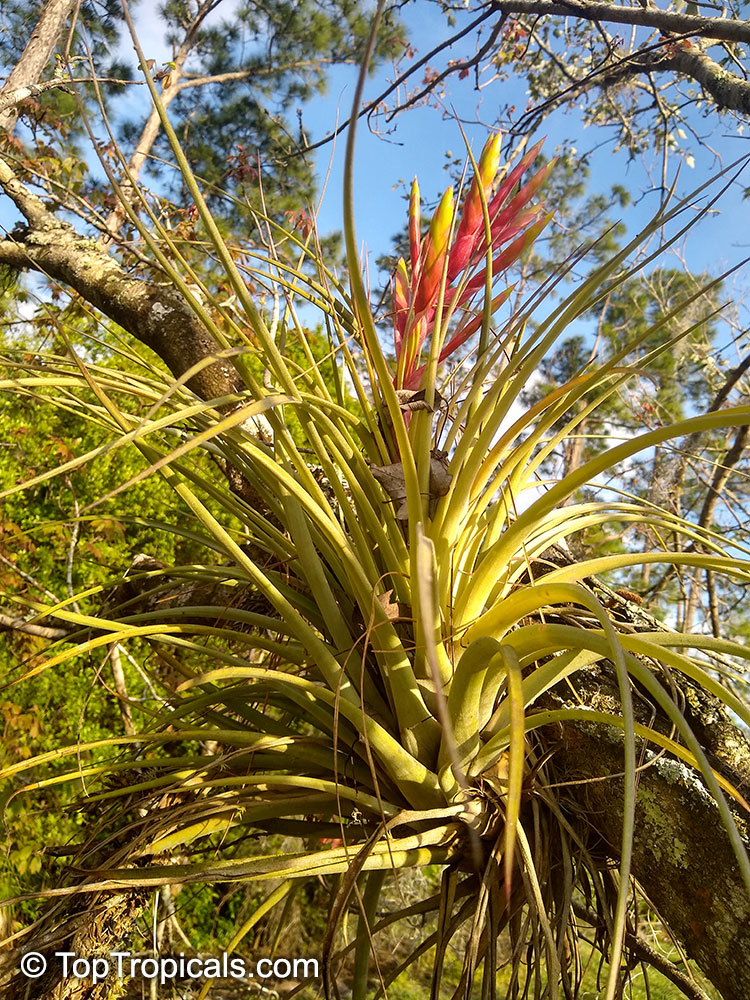
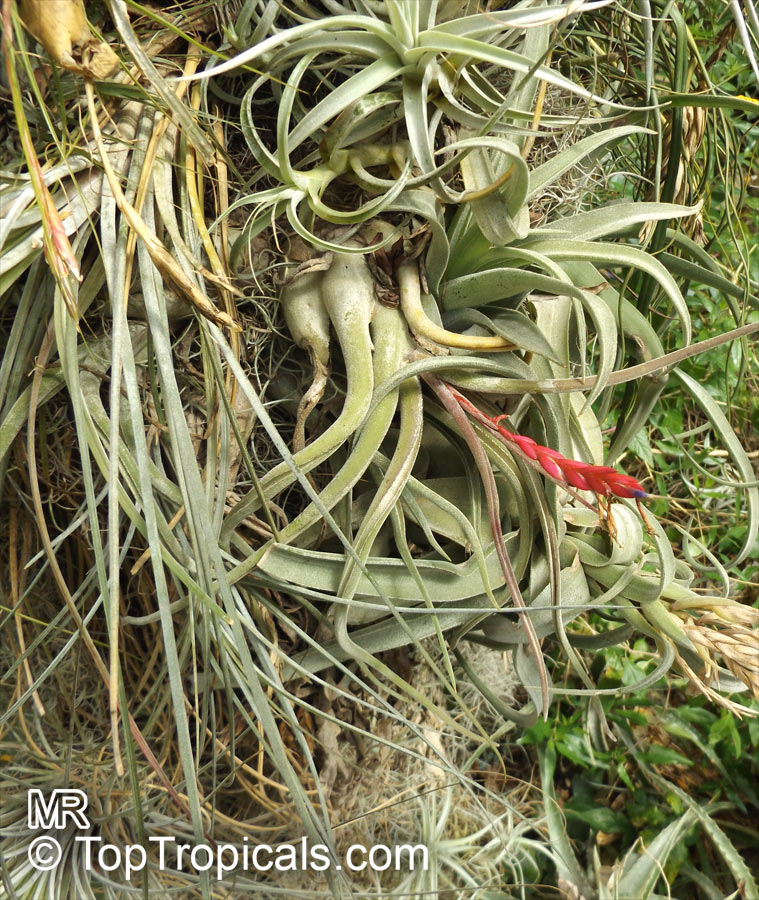
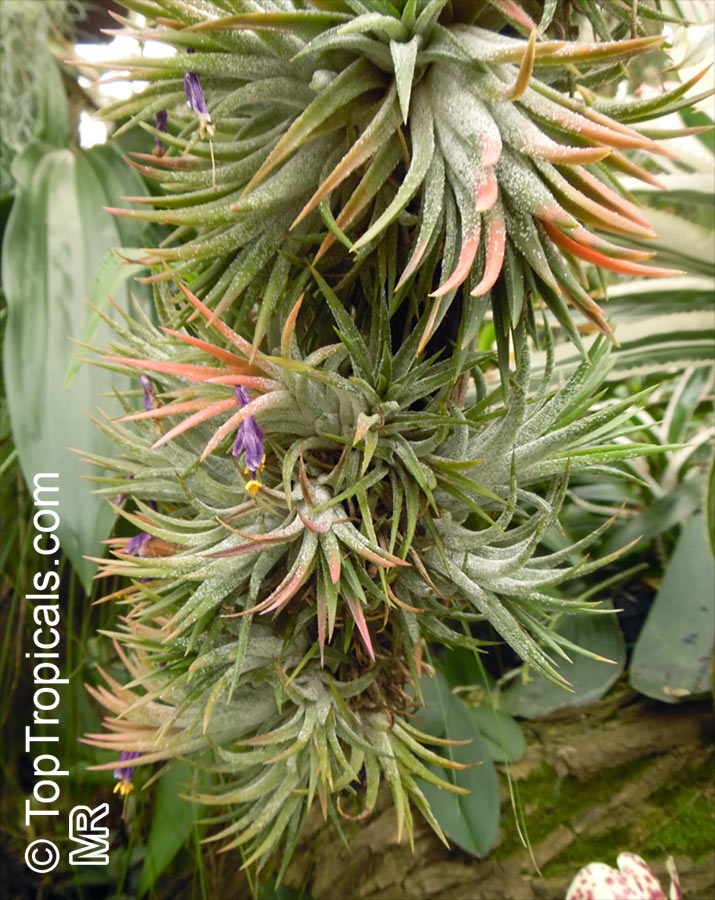
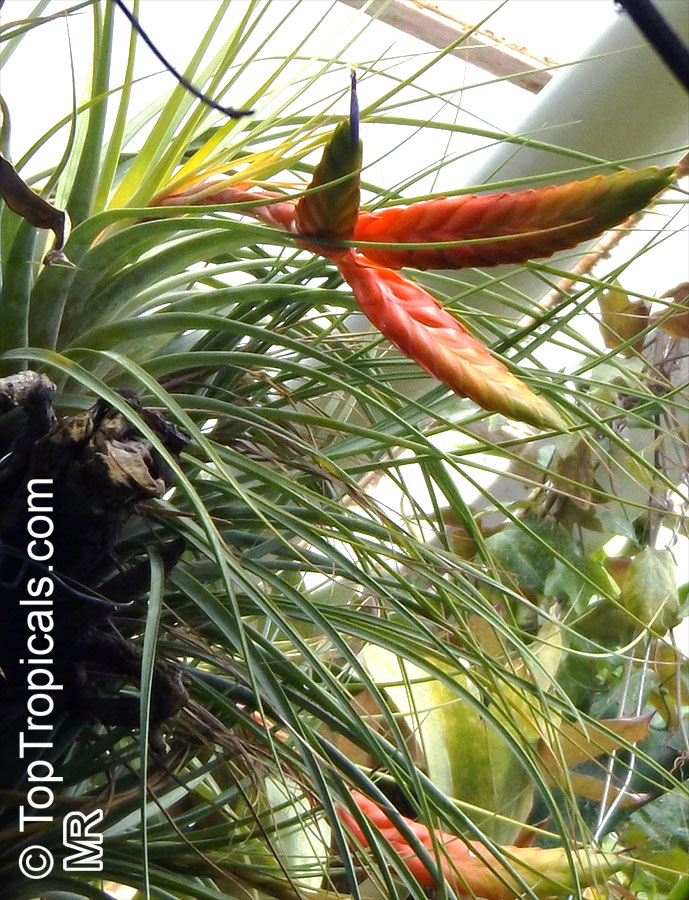
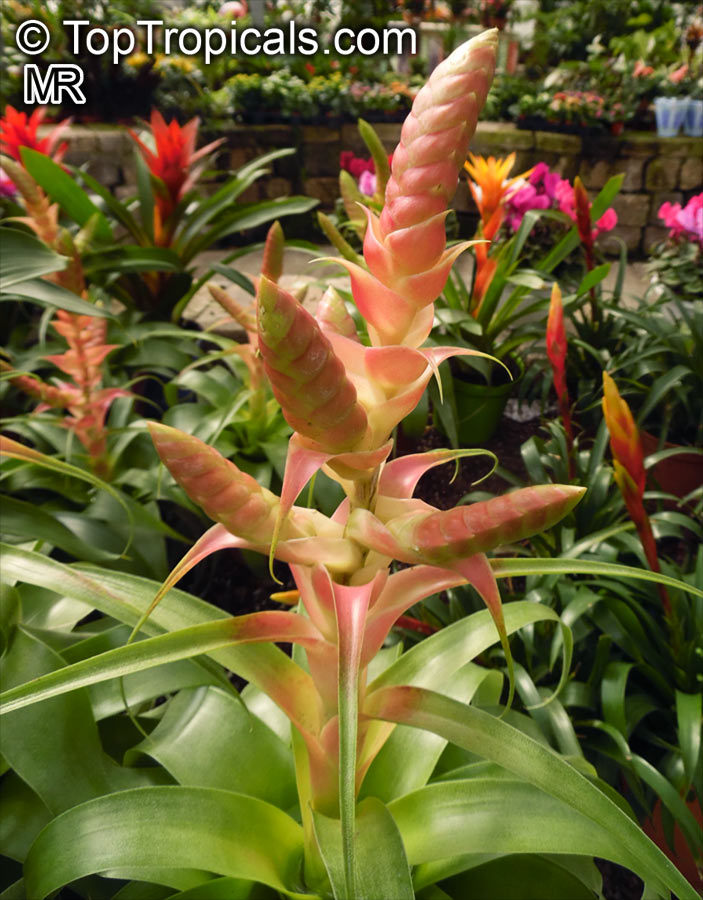
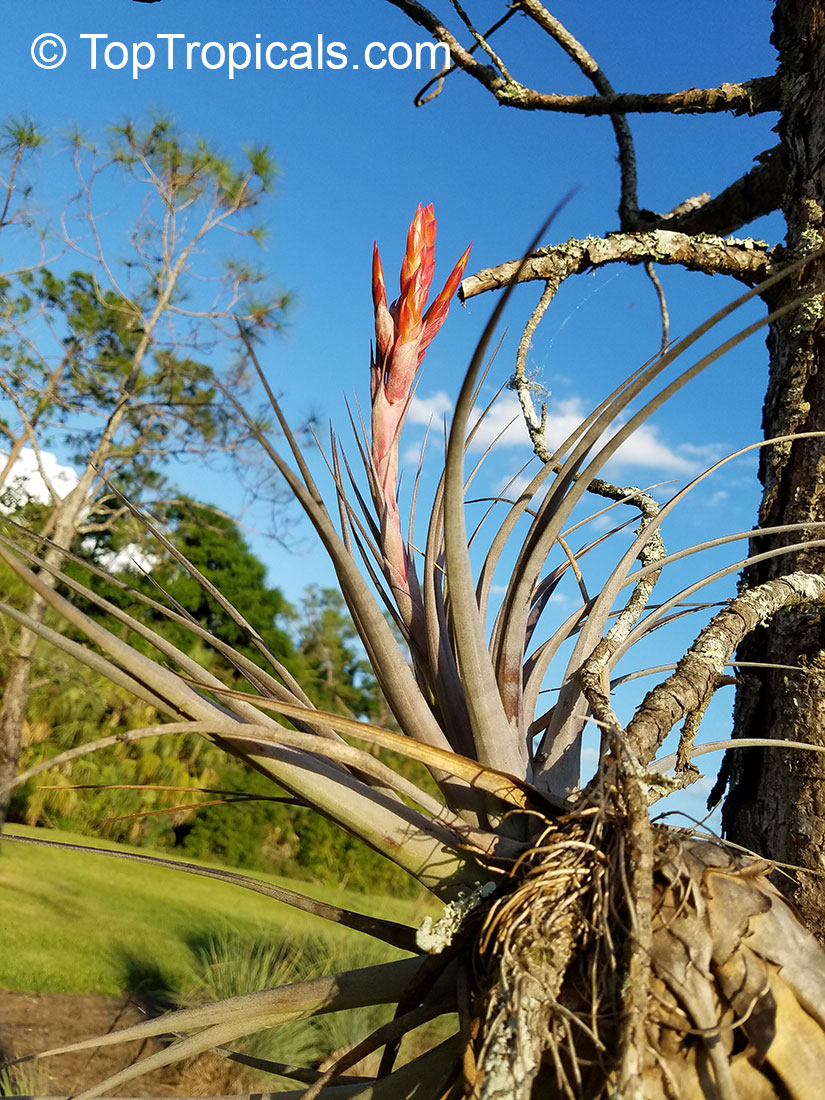
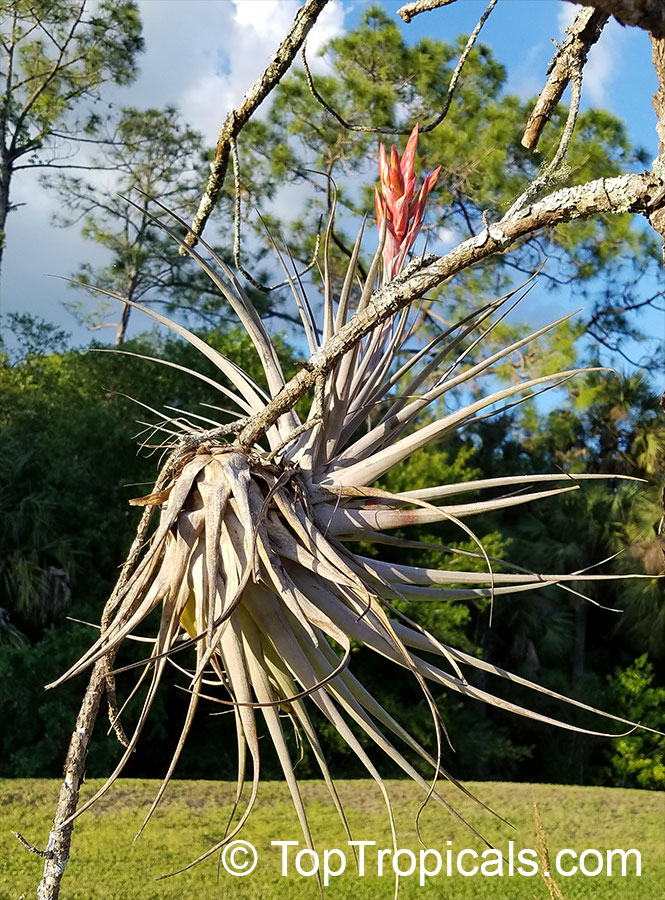
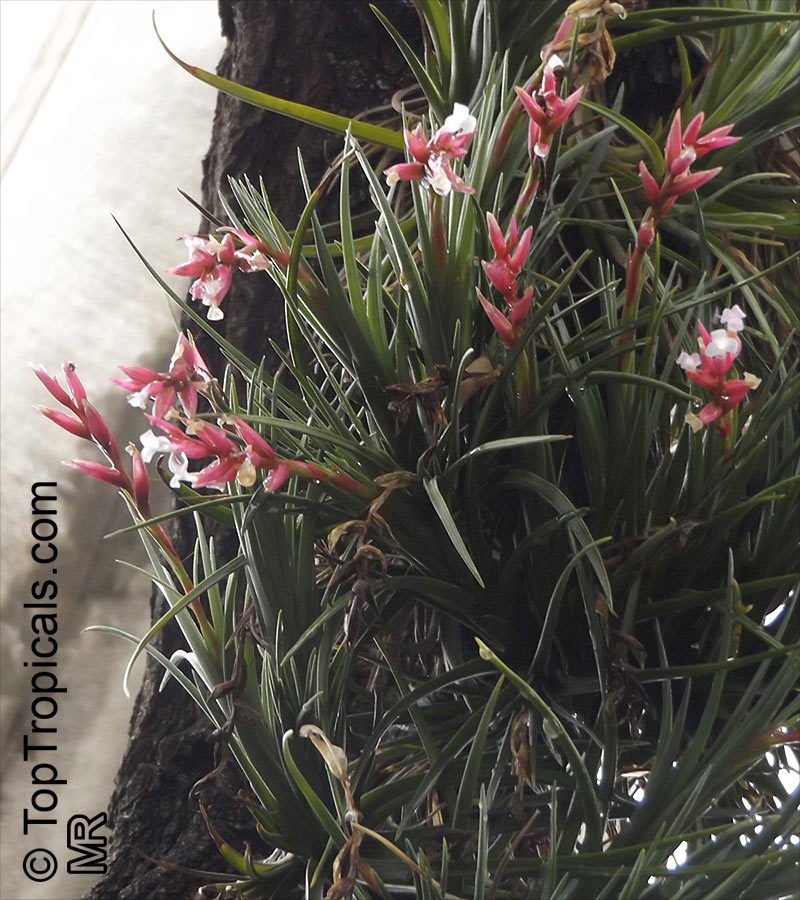
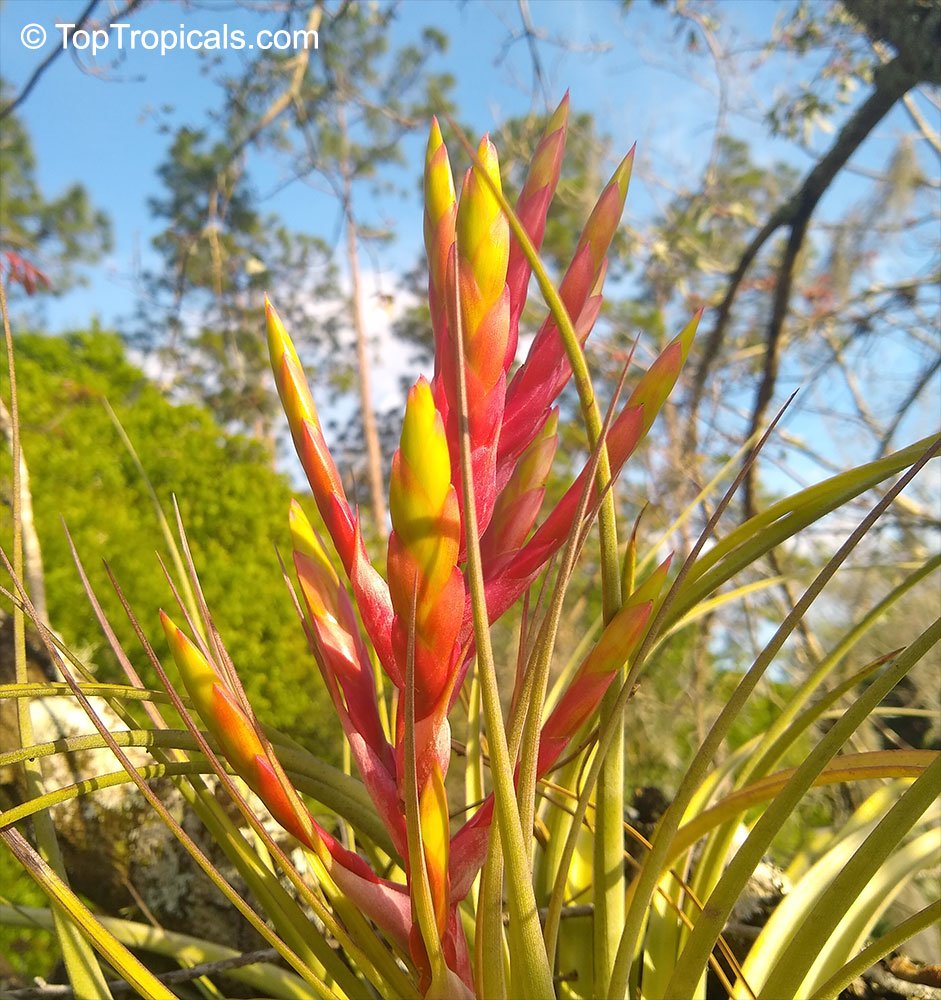
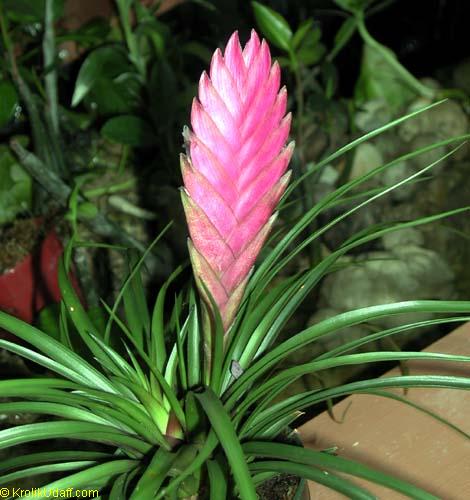
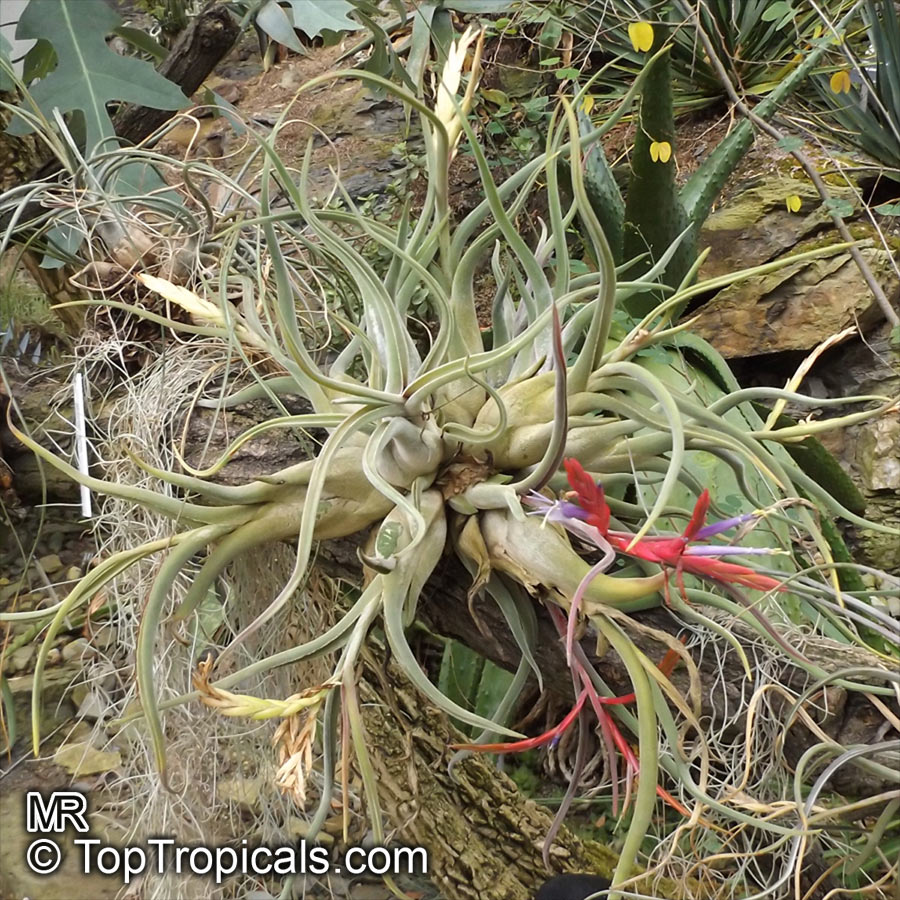
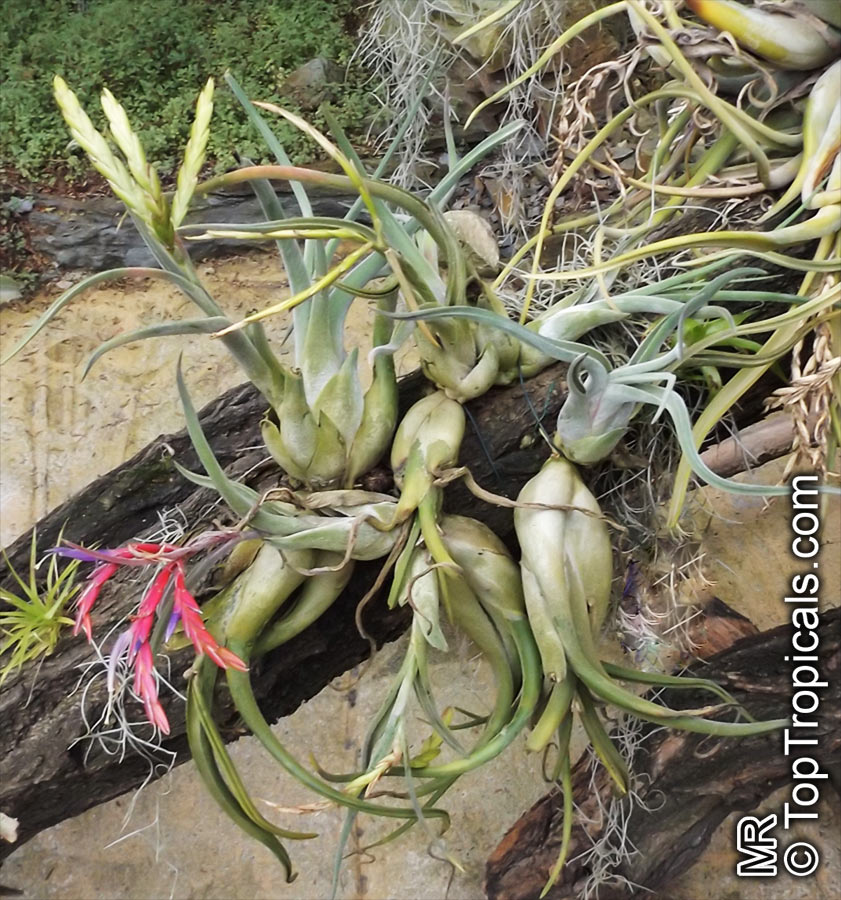
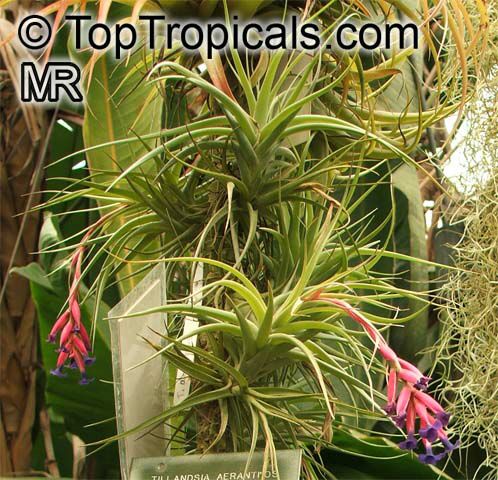
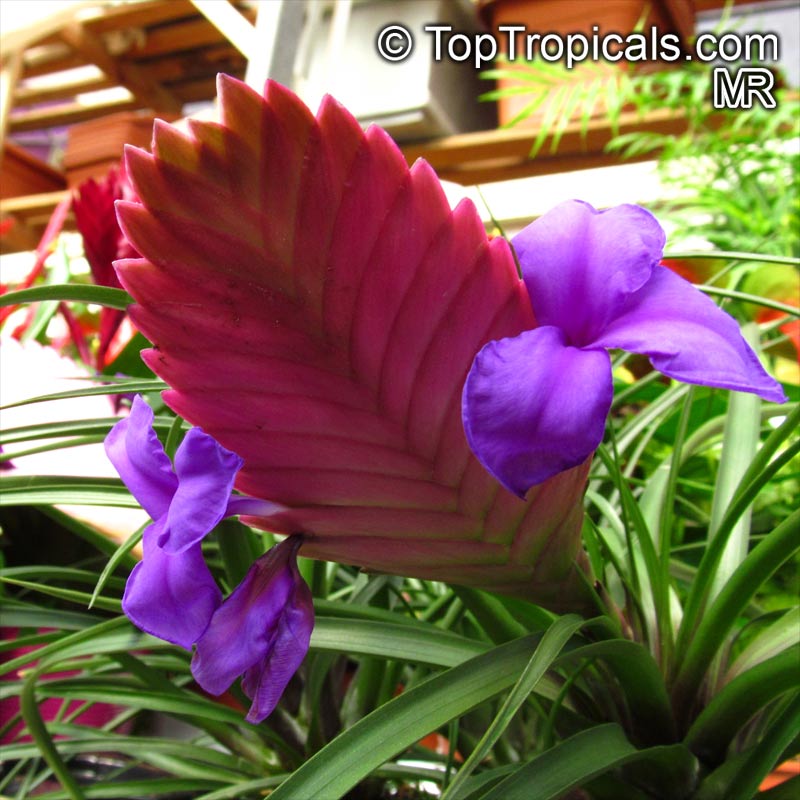
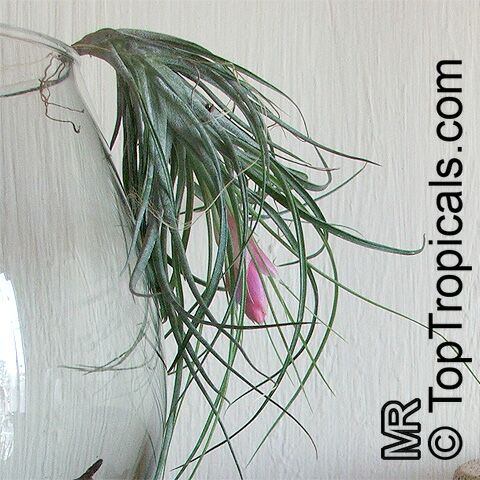
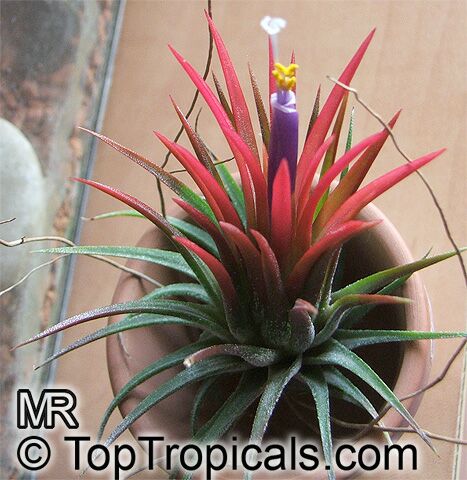
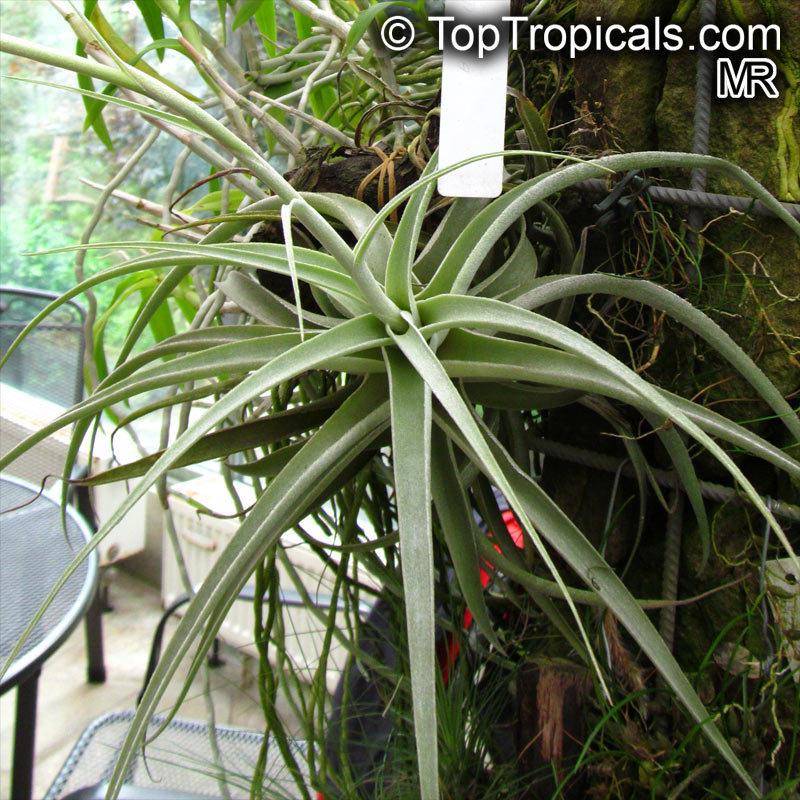
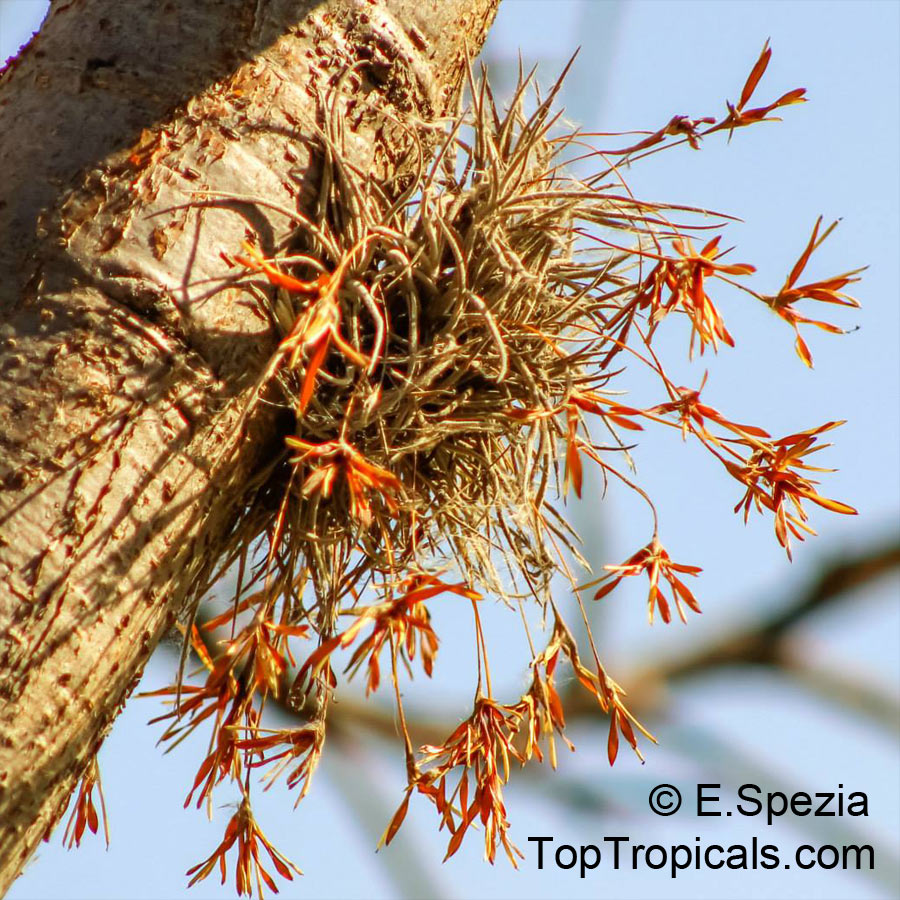
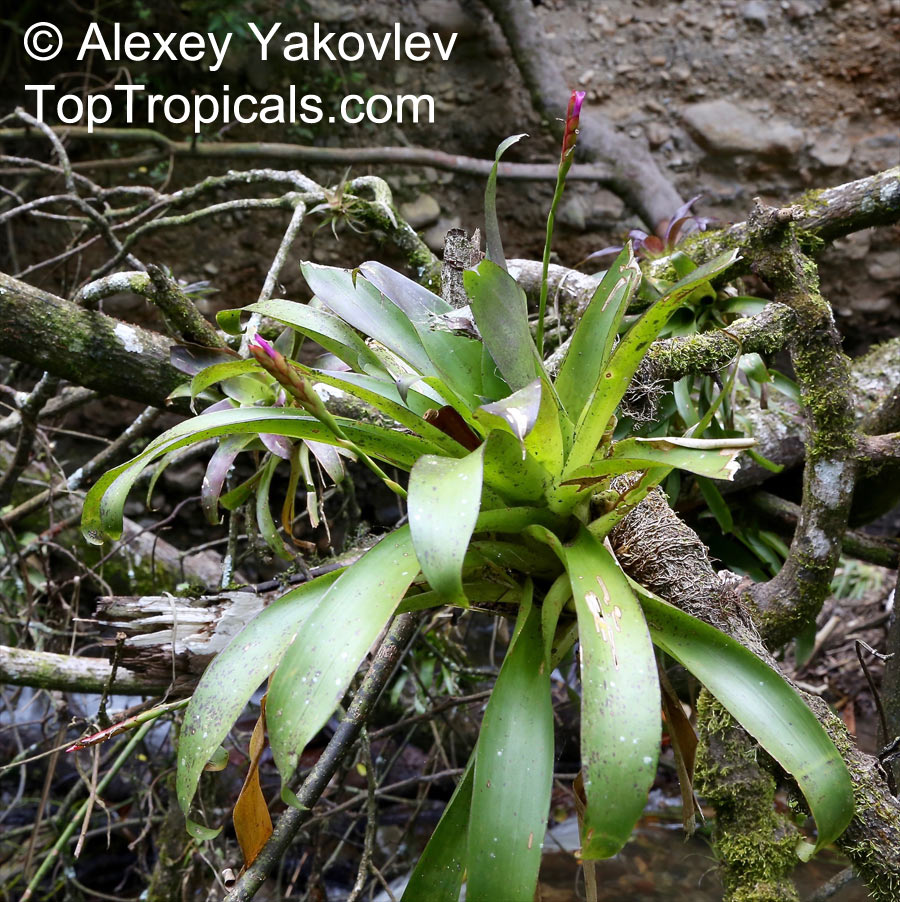
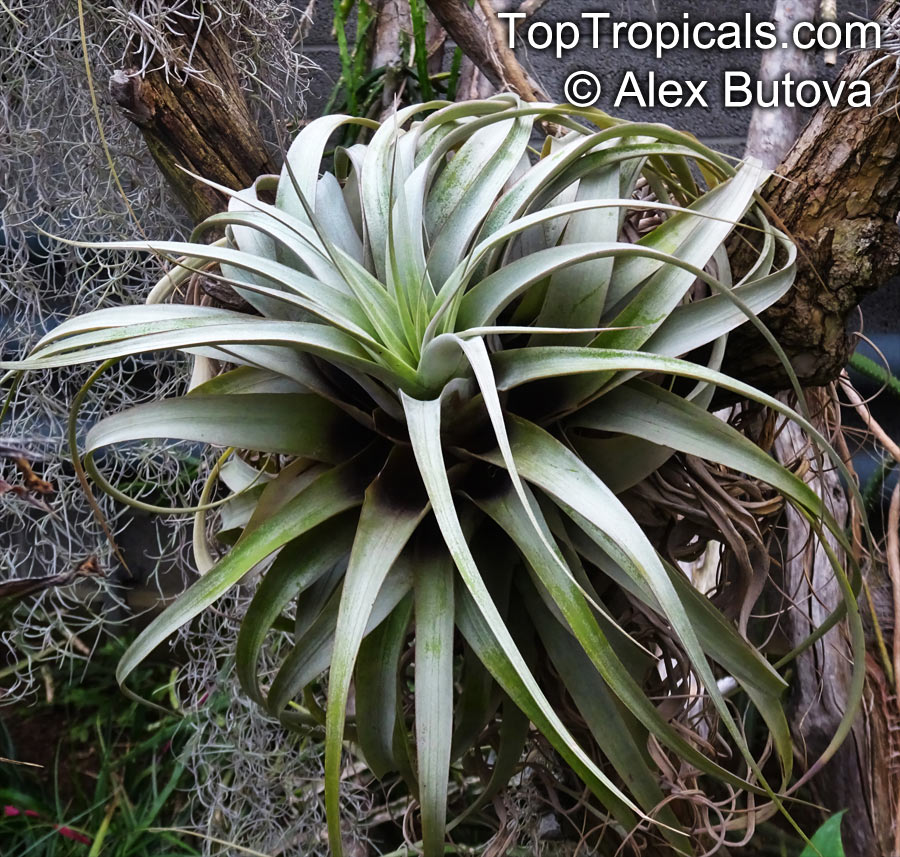
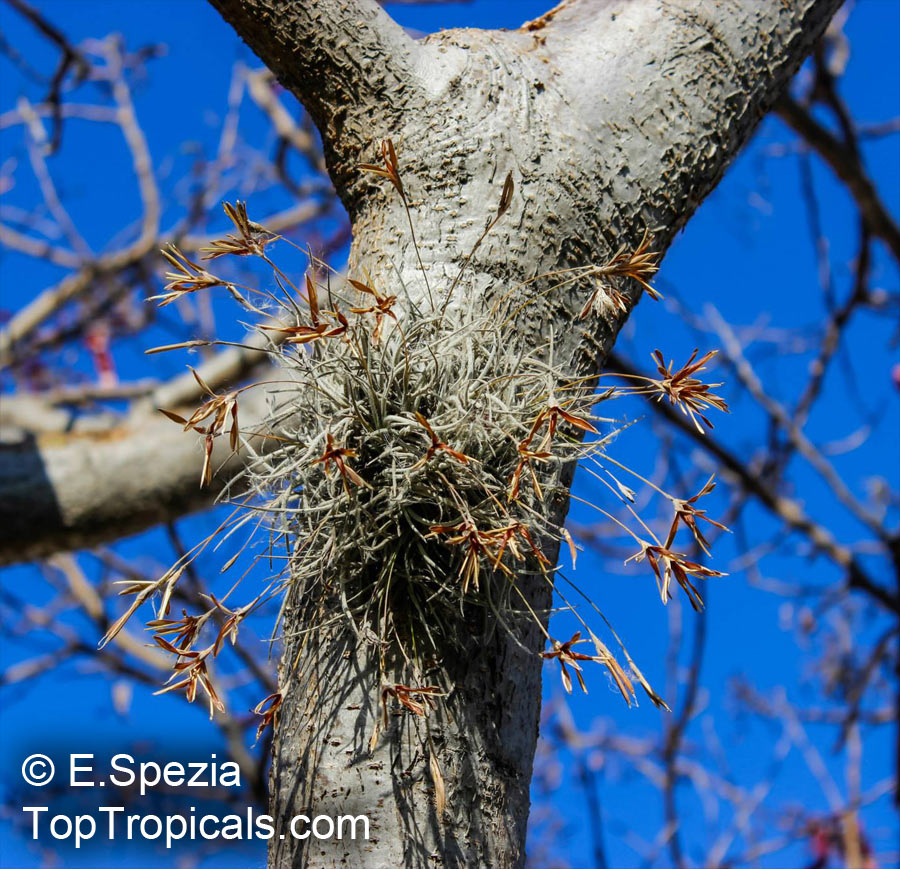
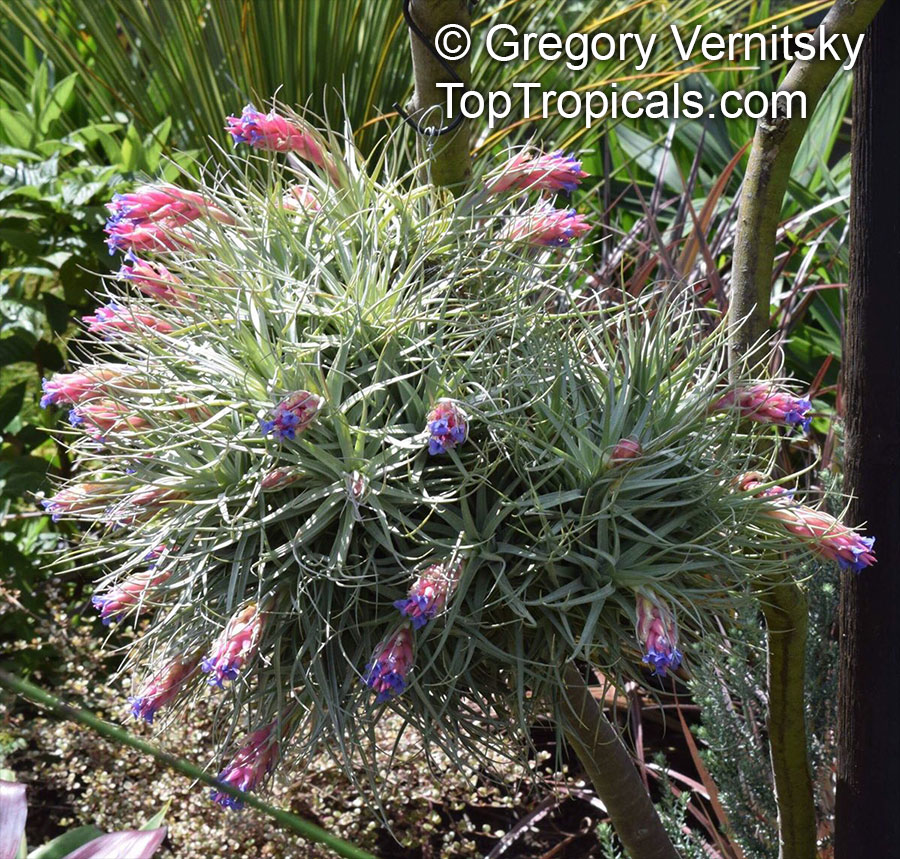
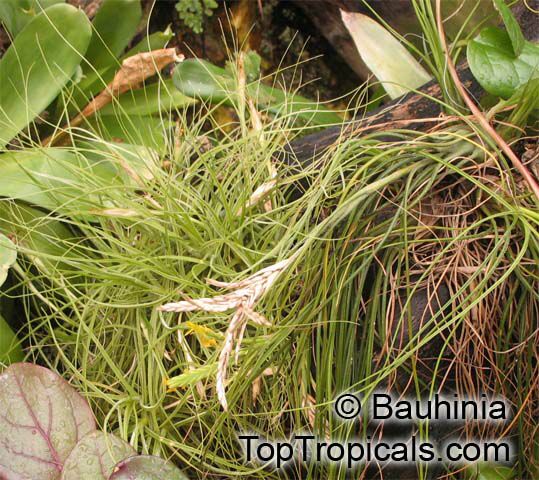
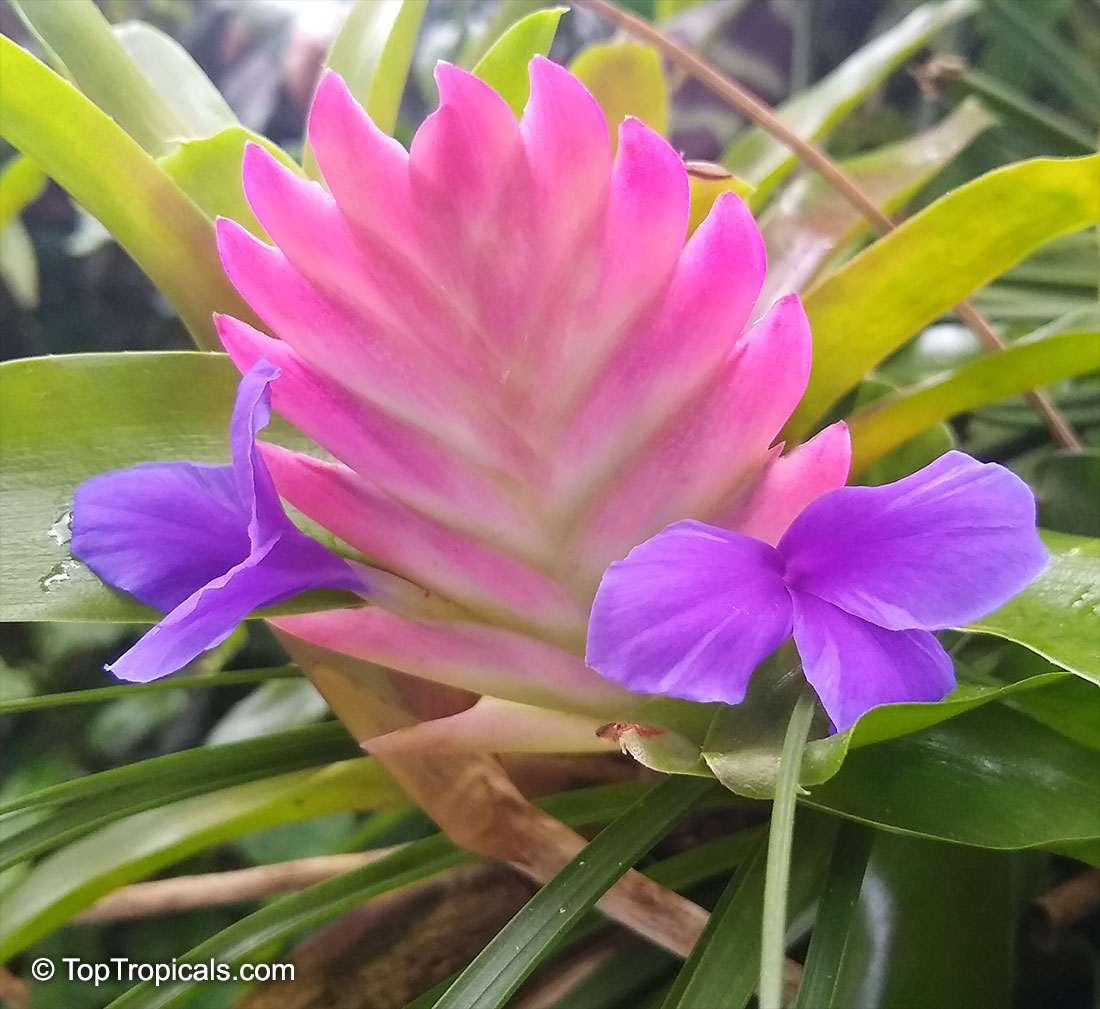
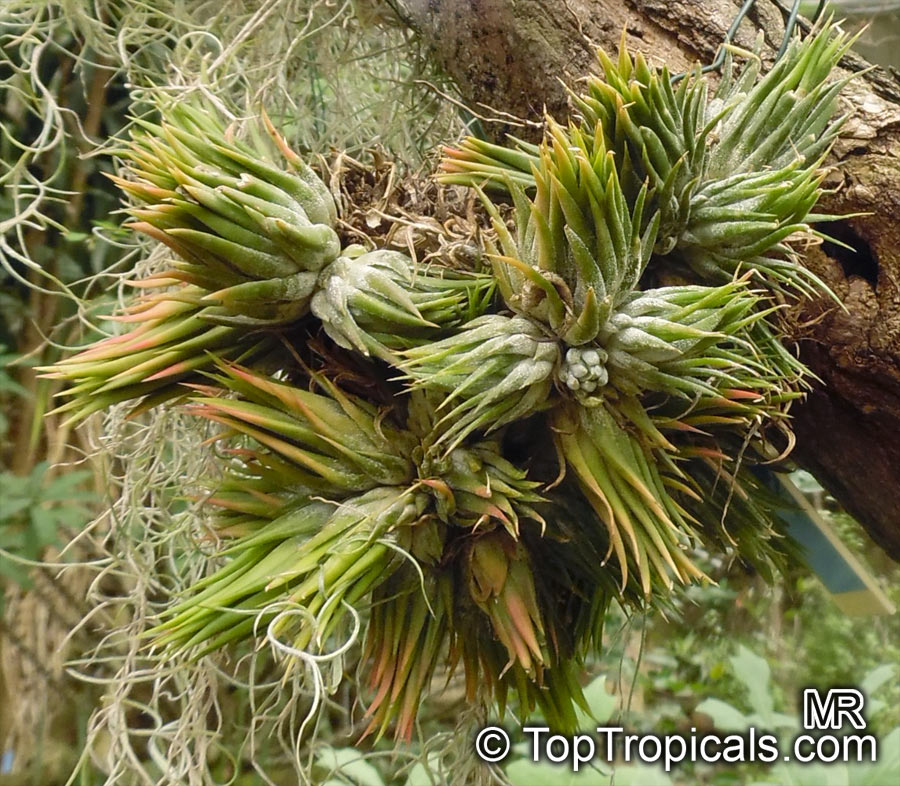
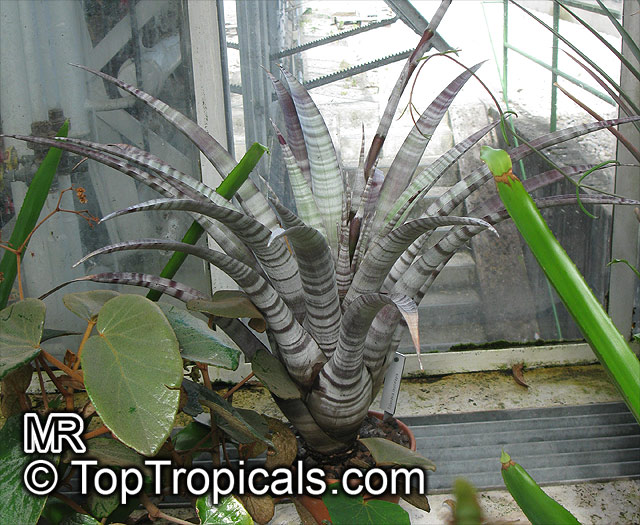
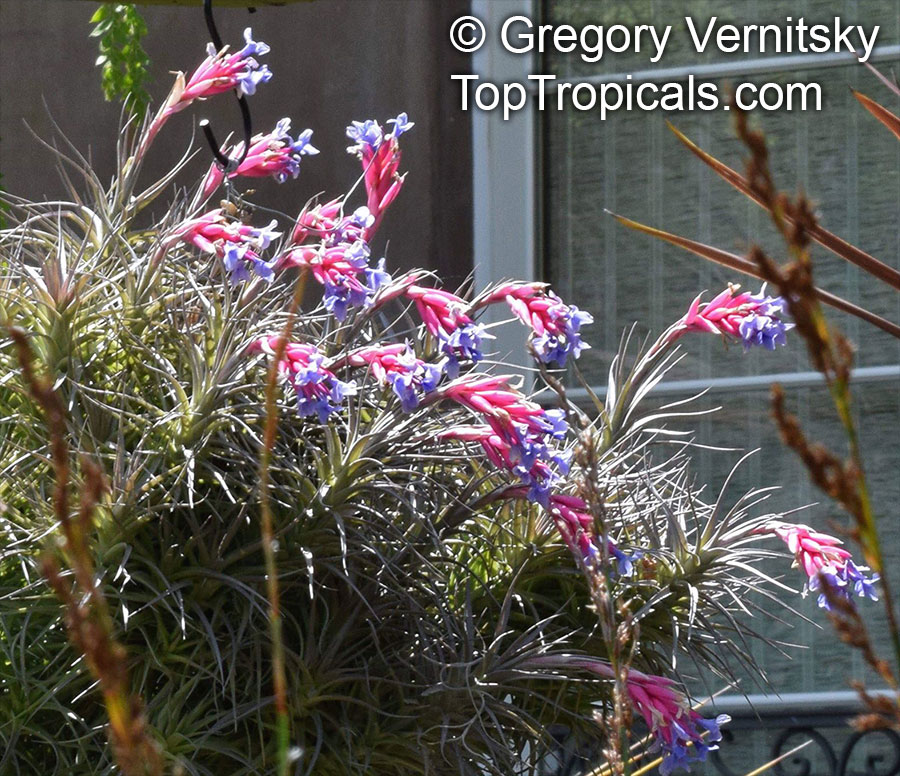
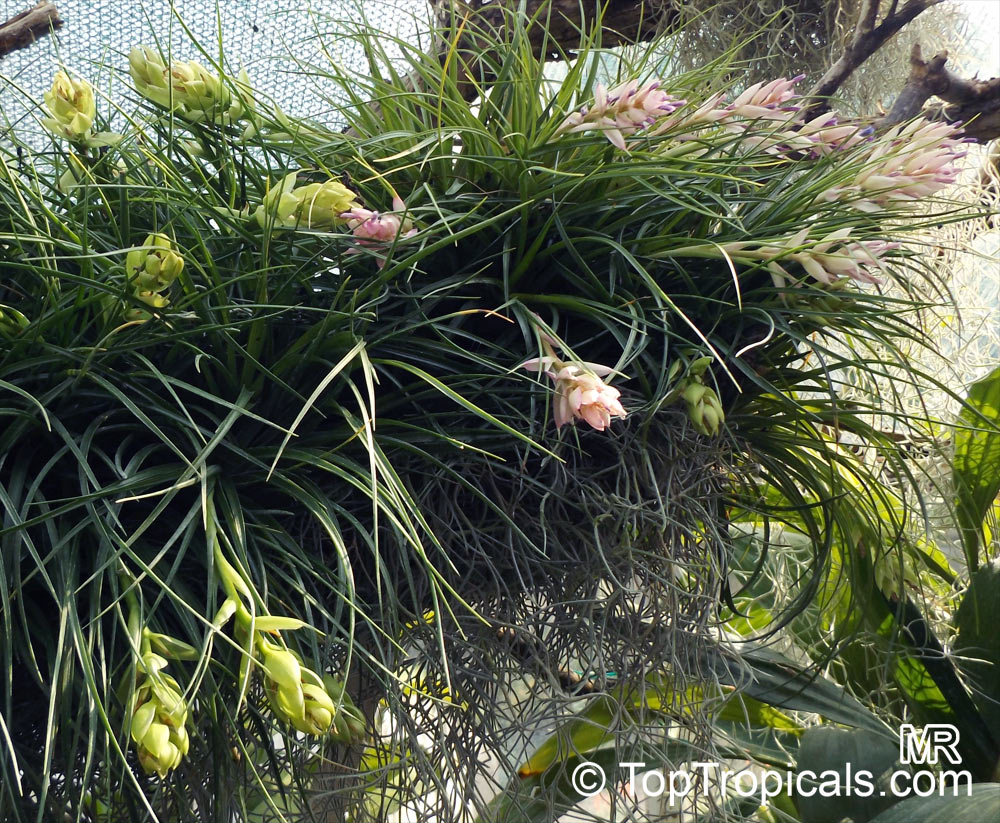
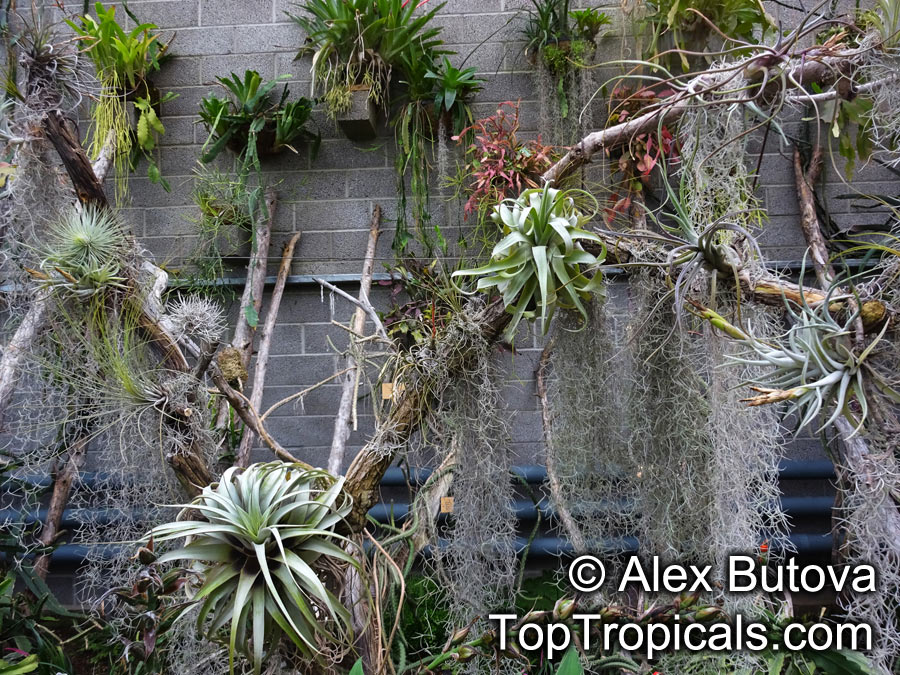
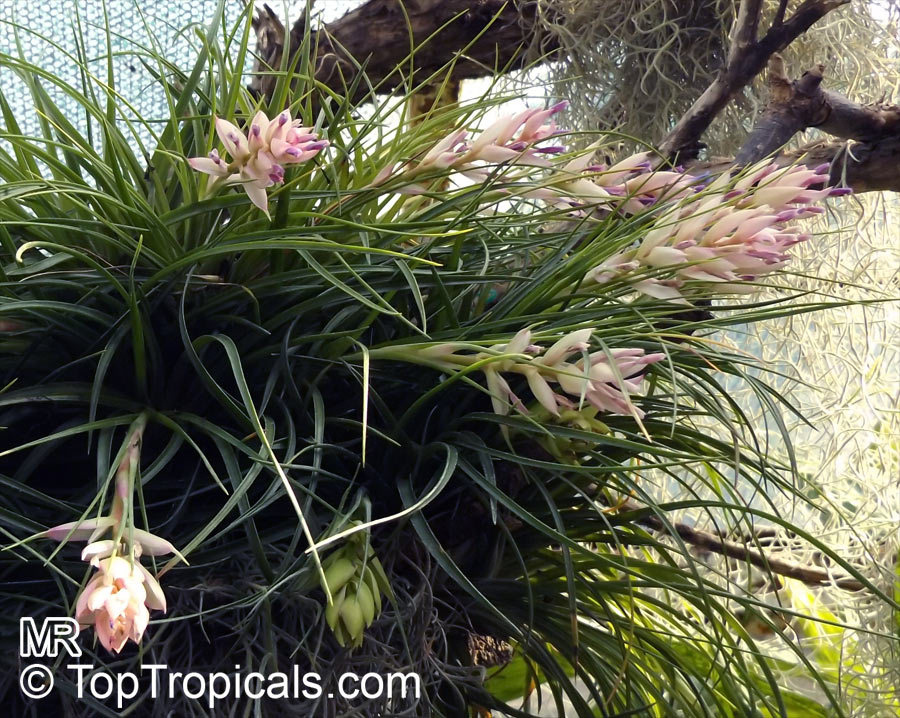
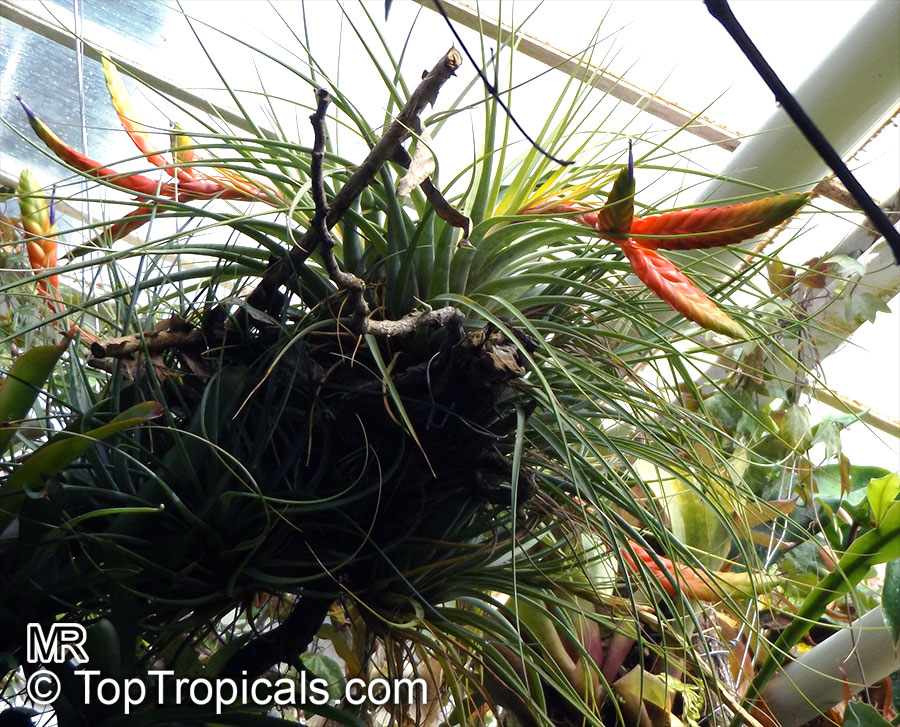
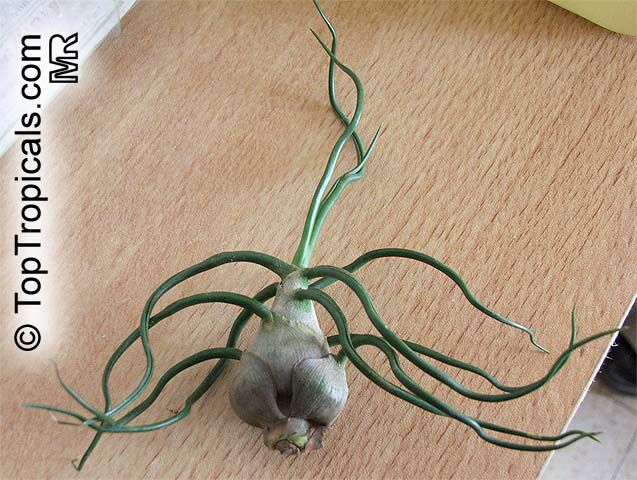
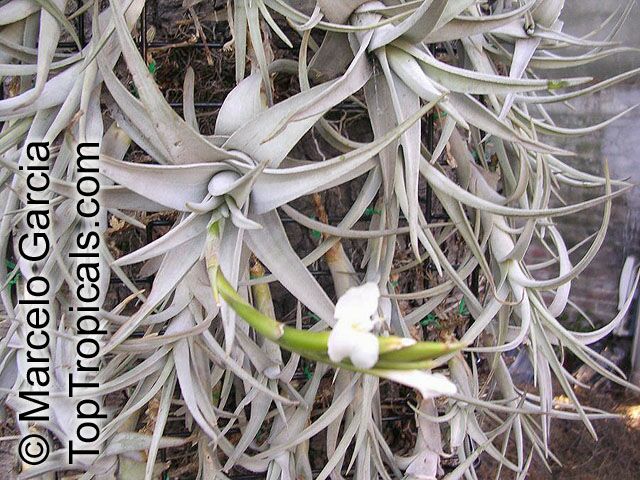
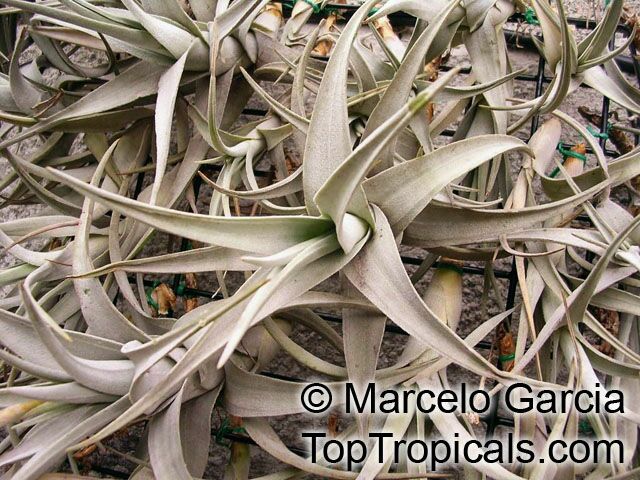
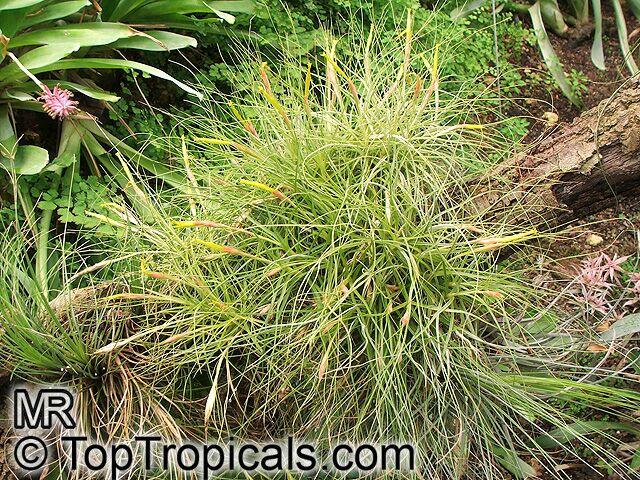
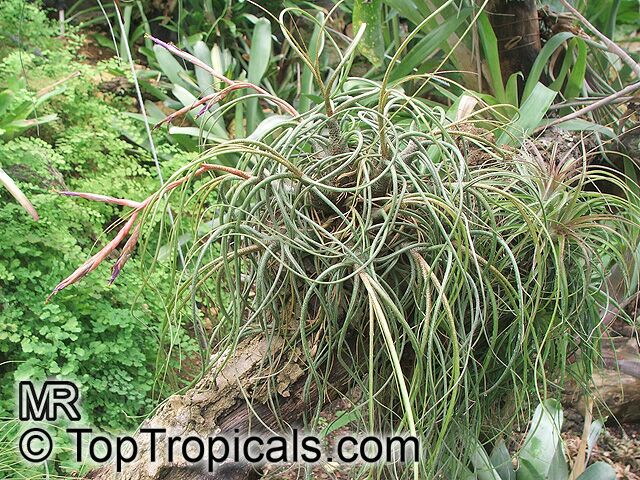
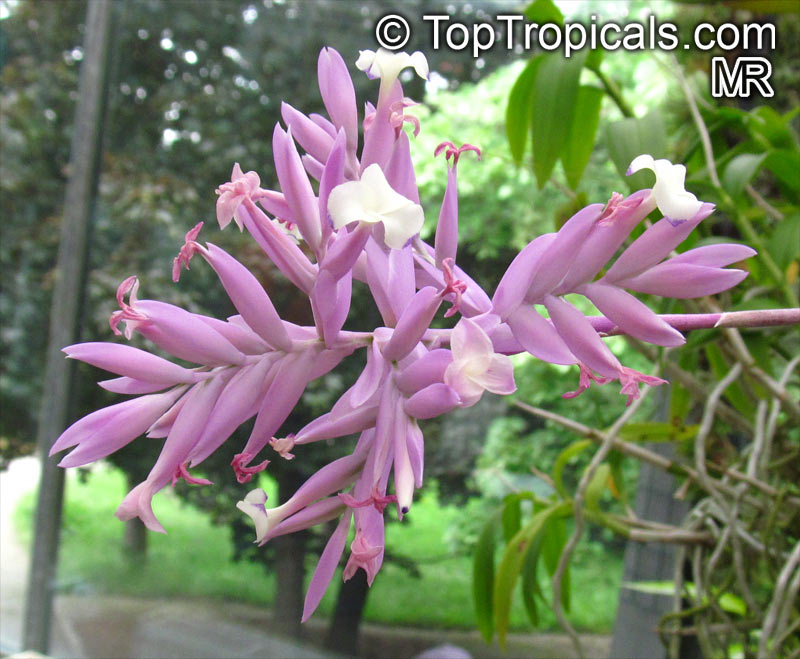
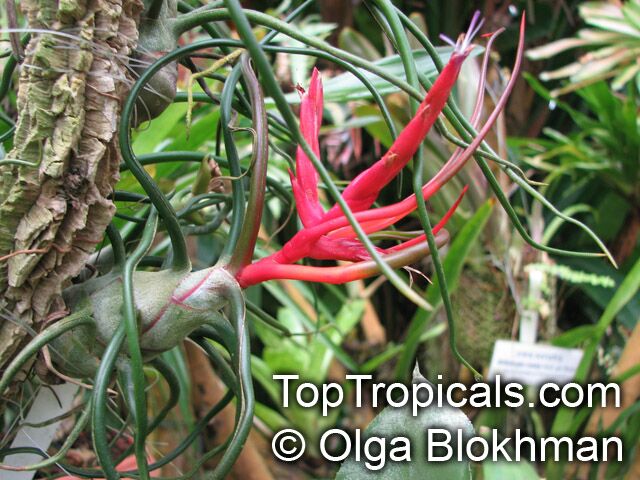
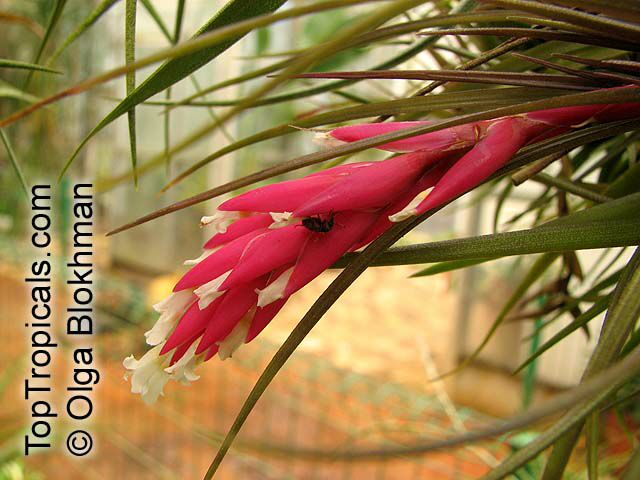
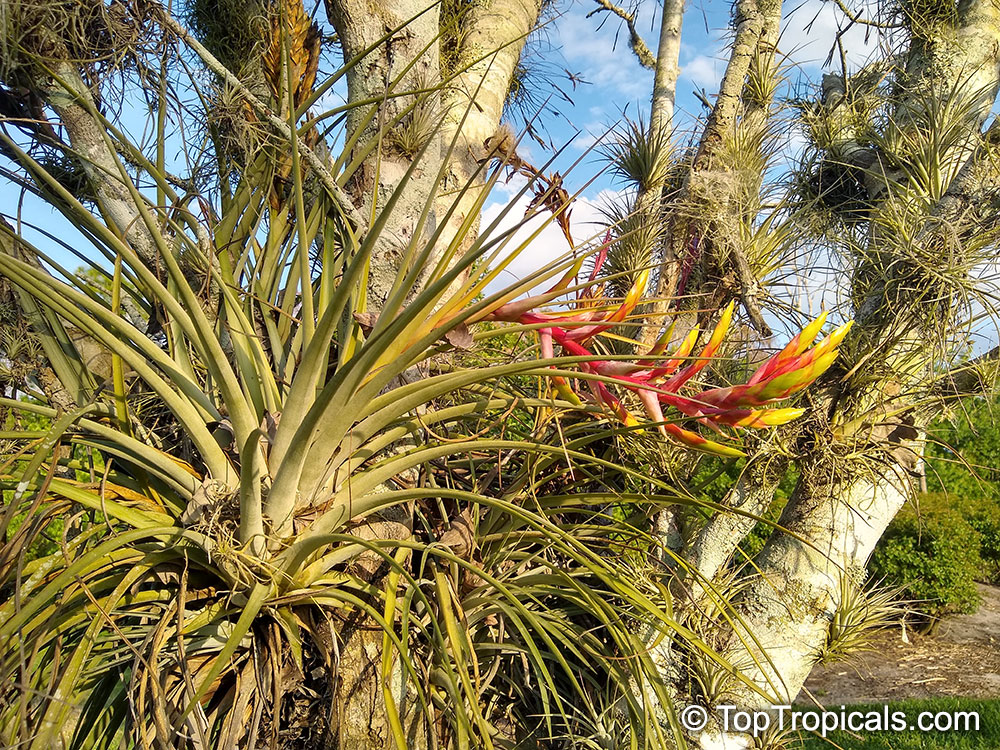
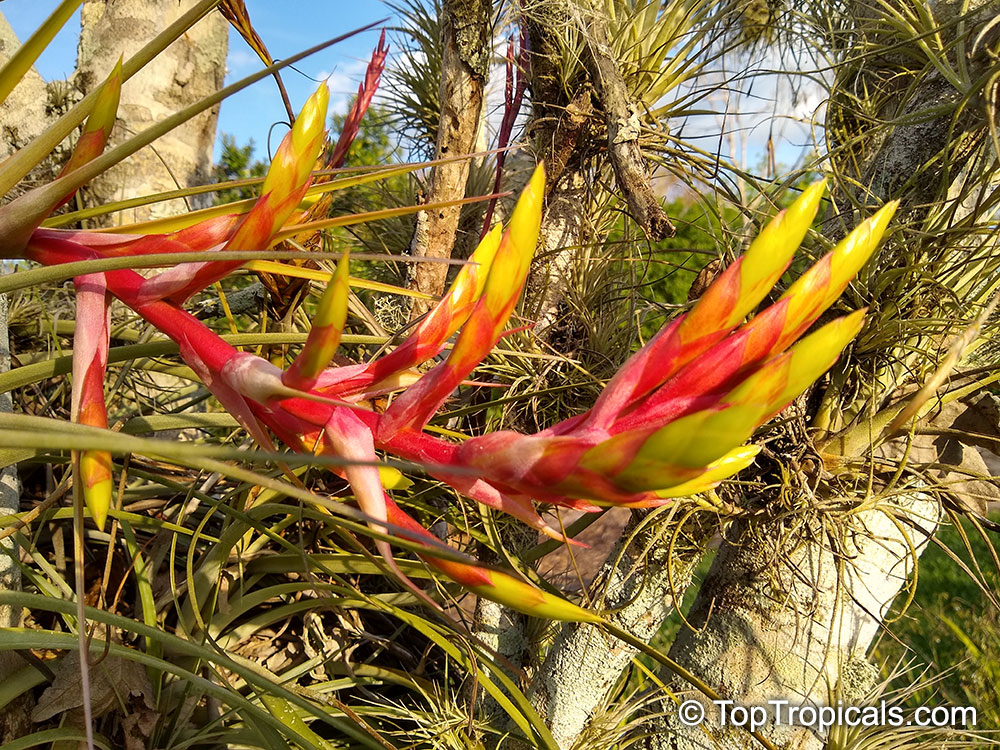
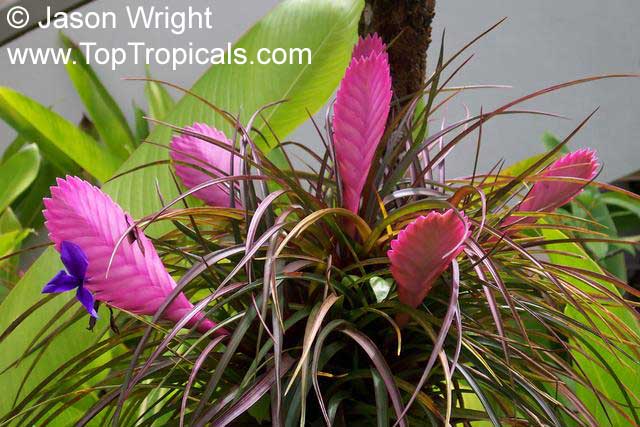
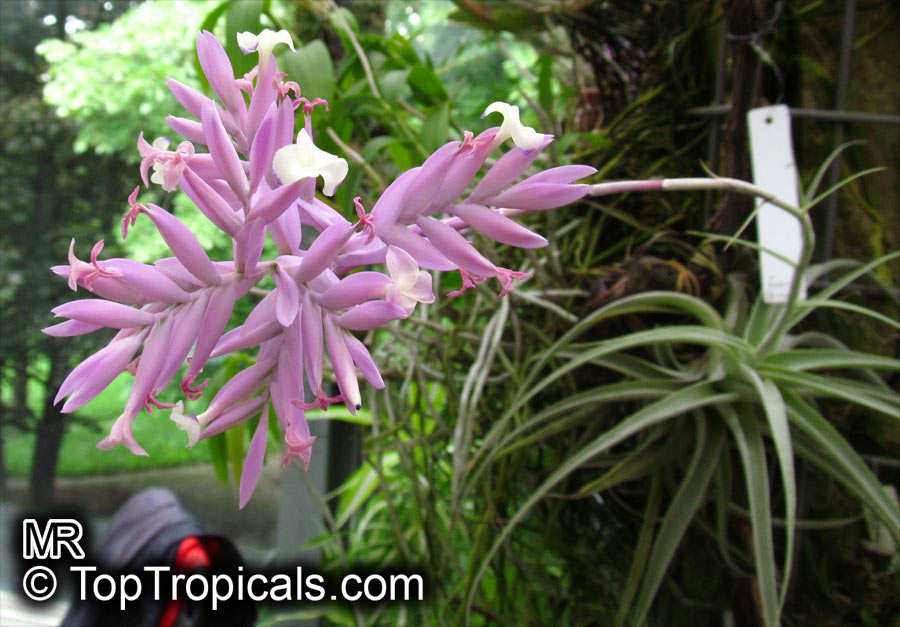
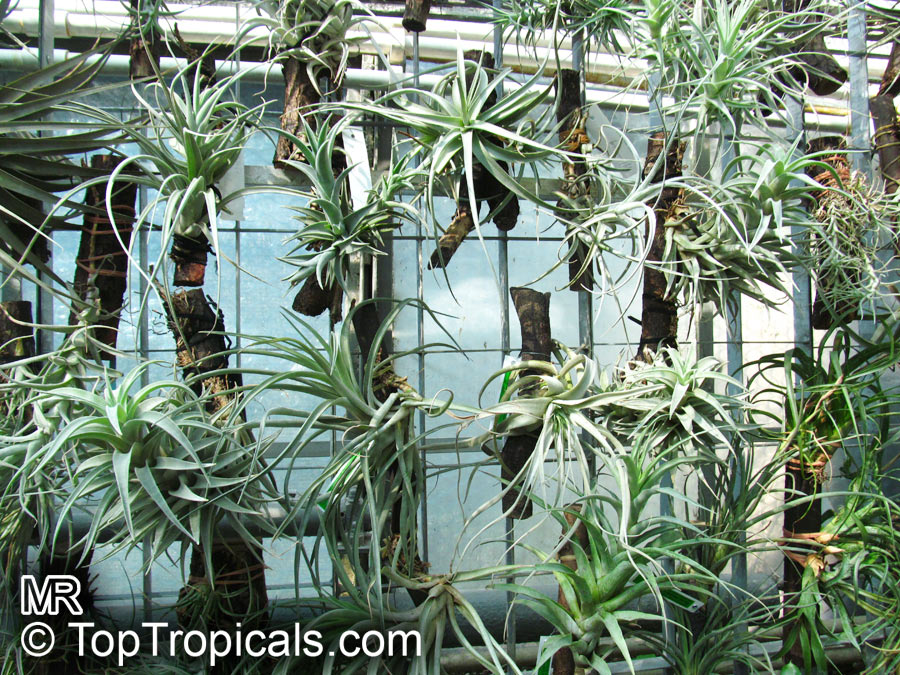
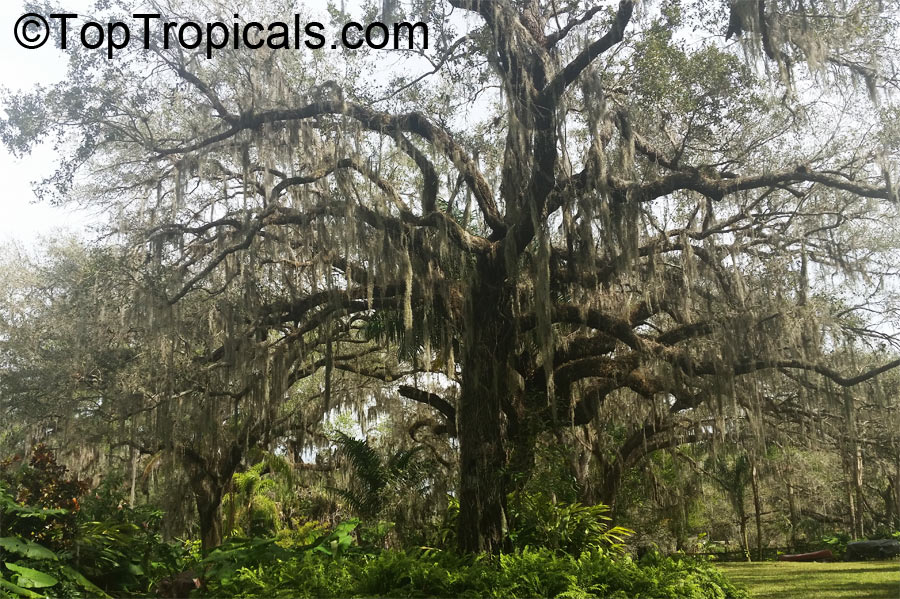
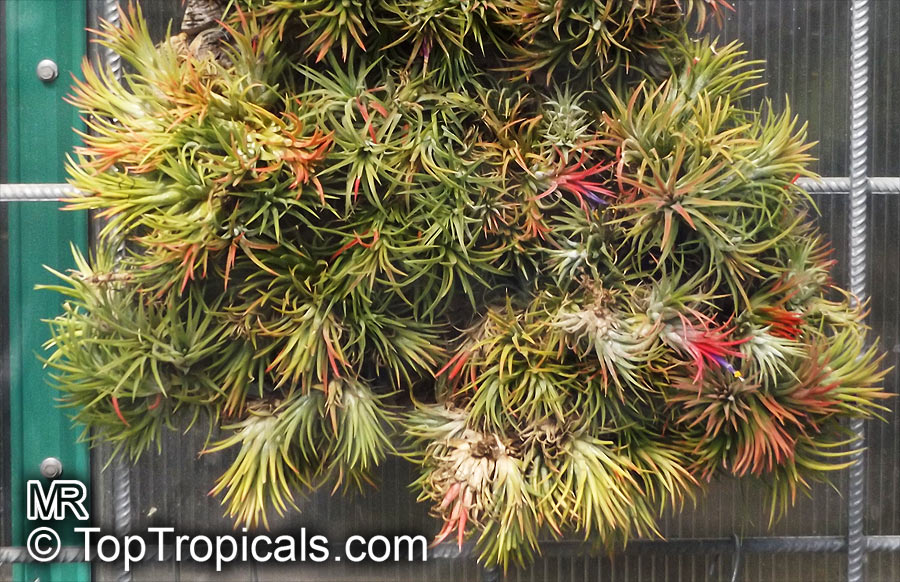
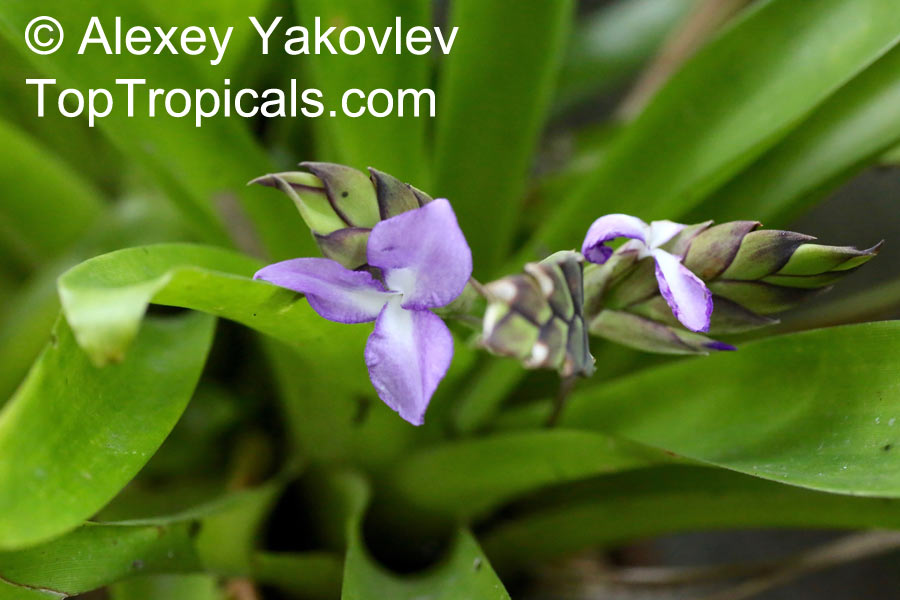
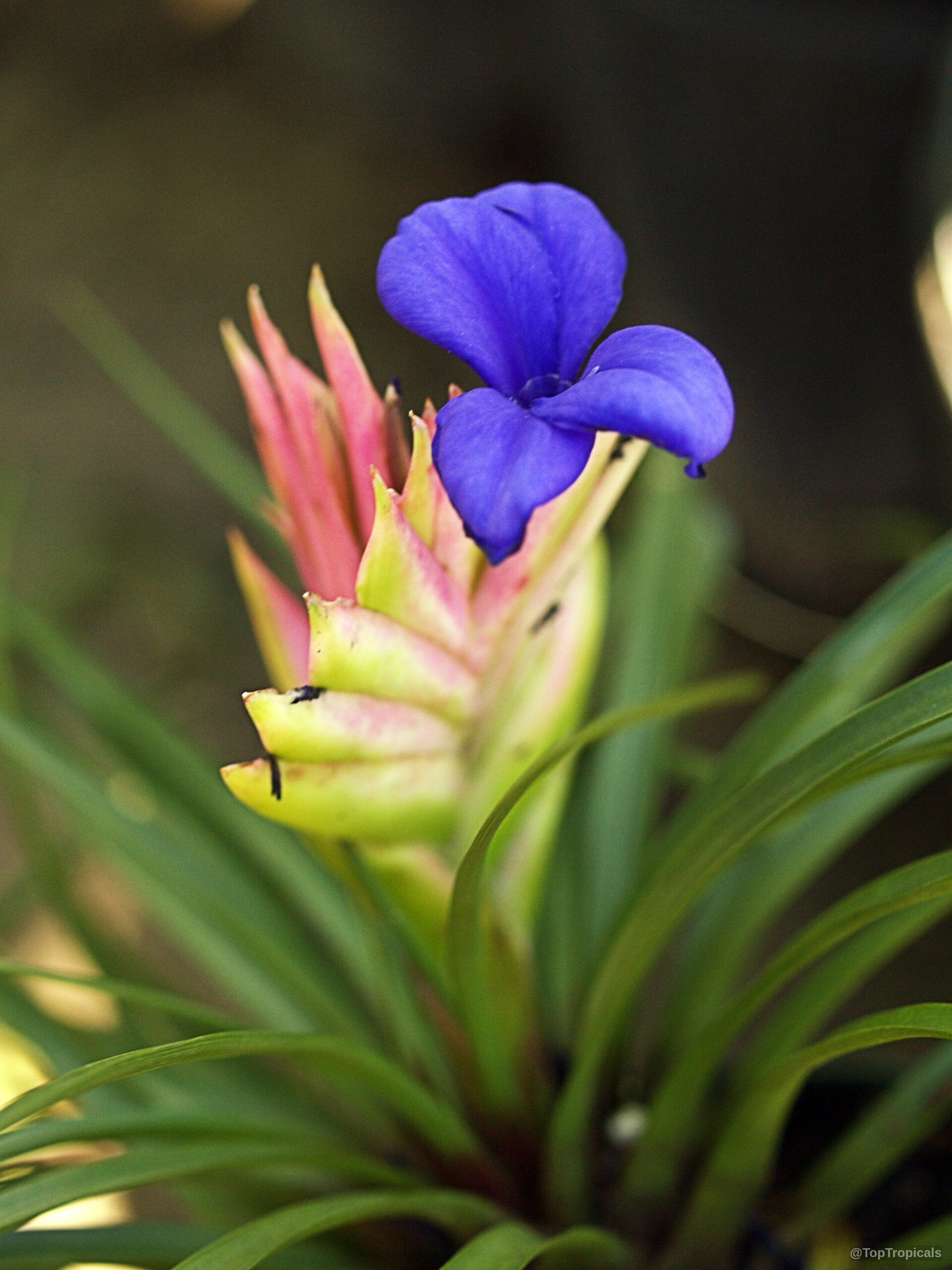
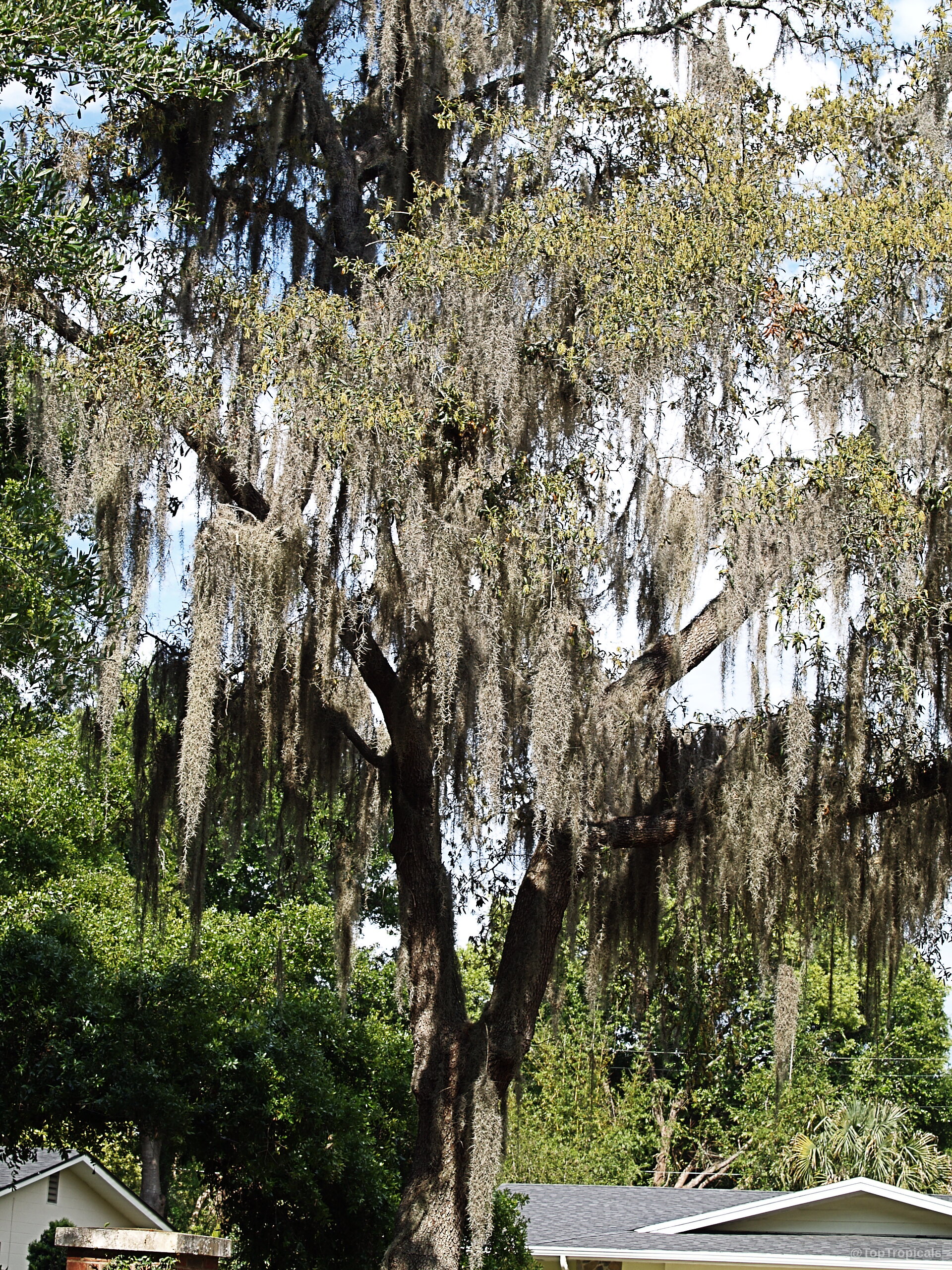
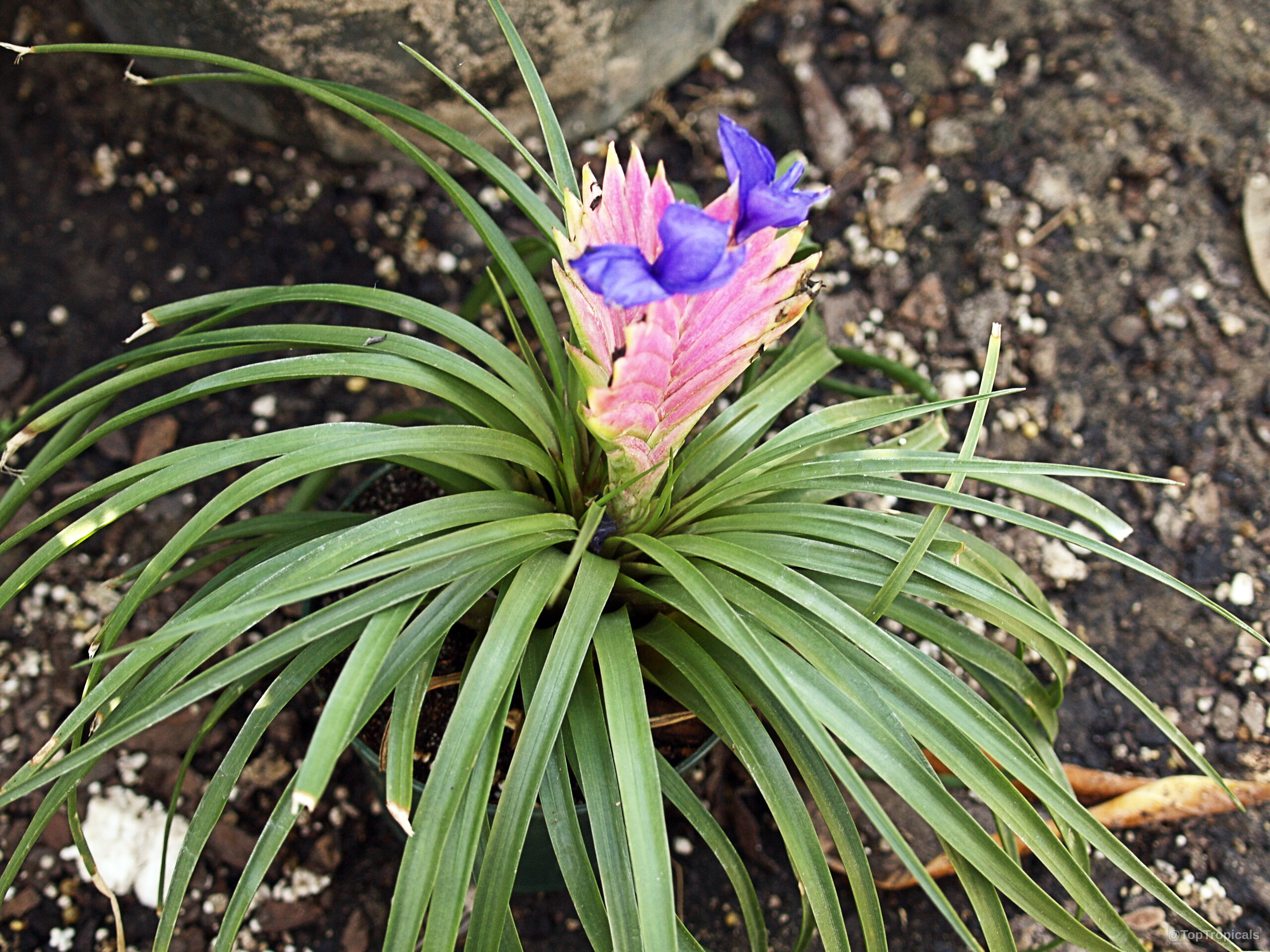
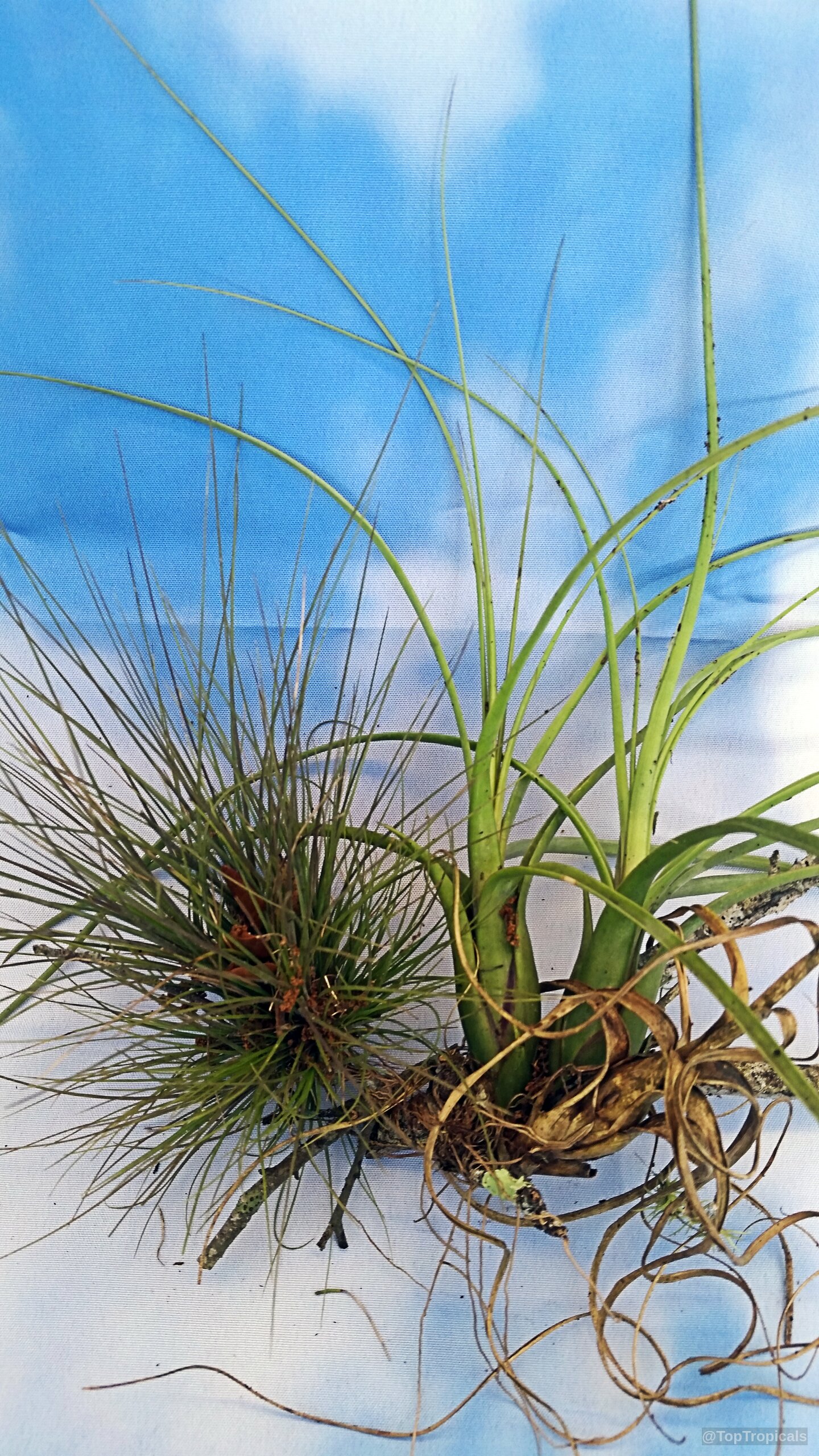
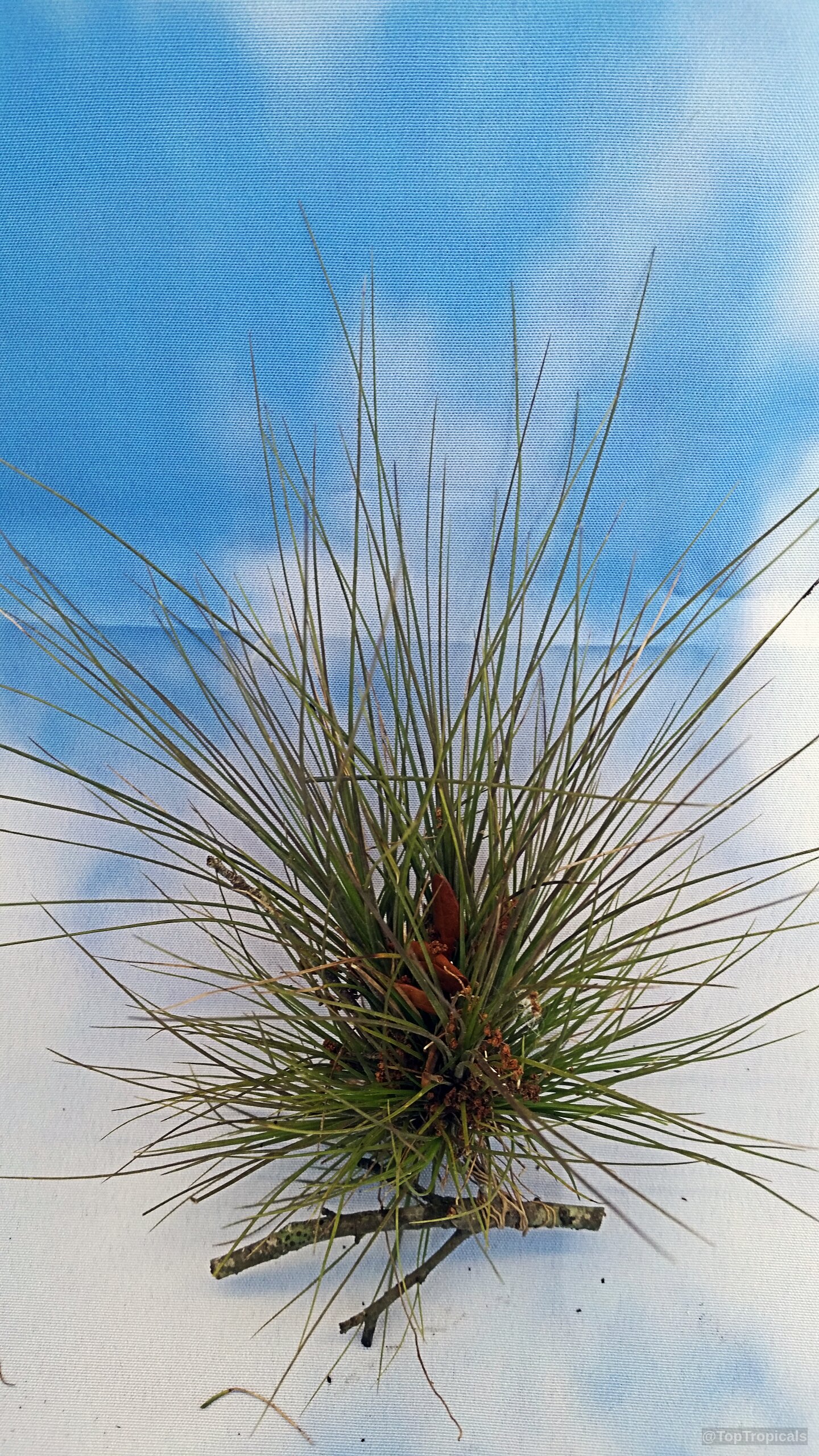
Botanical name: Tillandsia sp.
Common name: Tillandsia
Family: Bromeliaceae
Subfamily: Tillandsioideae


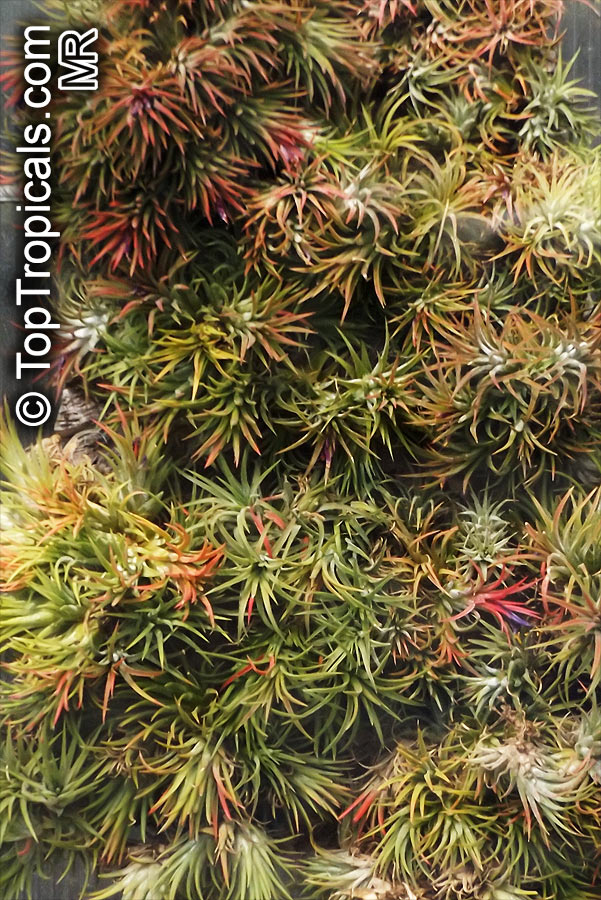
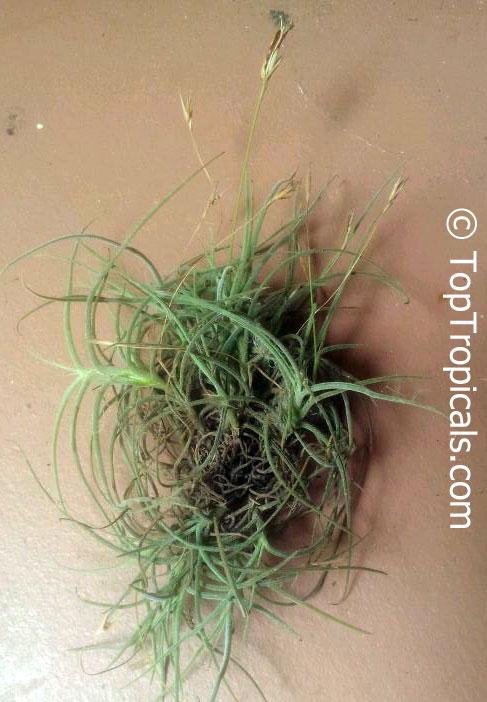
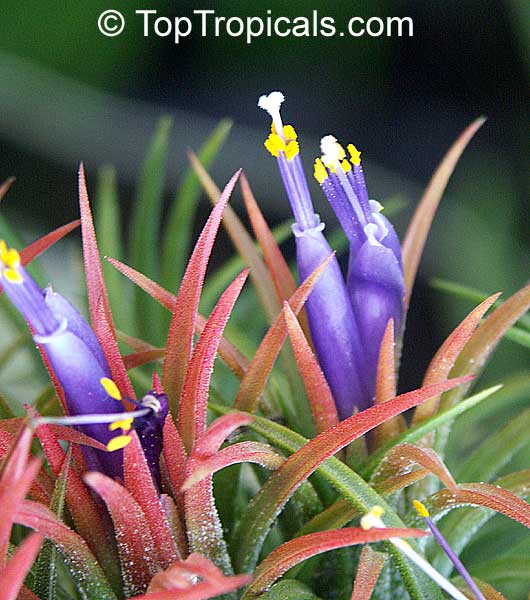
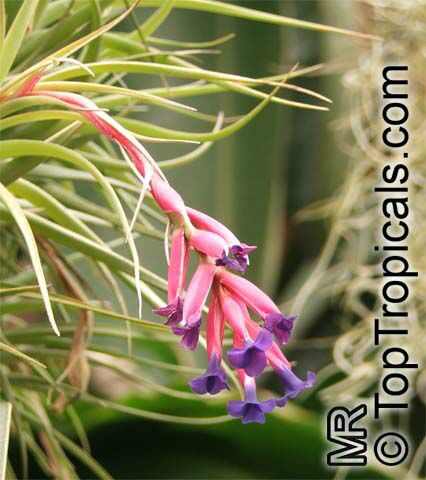
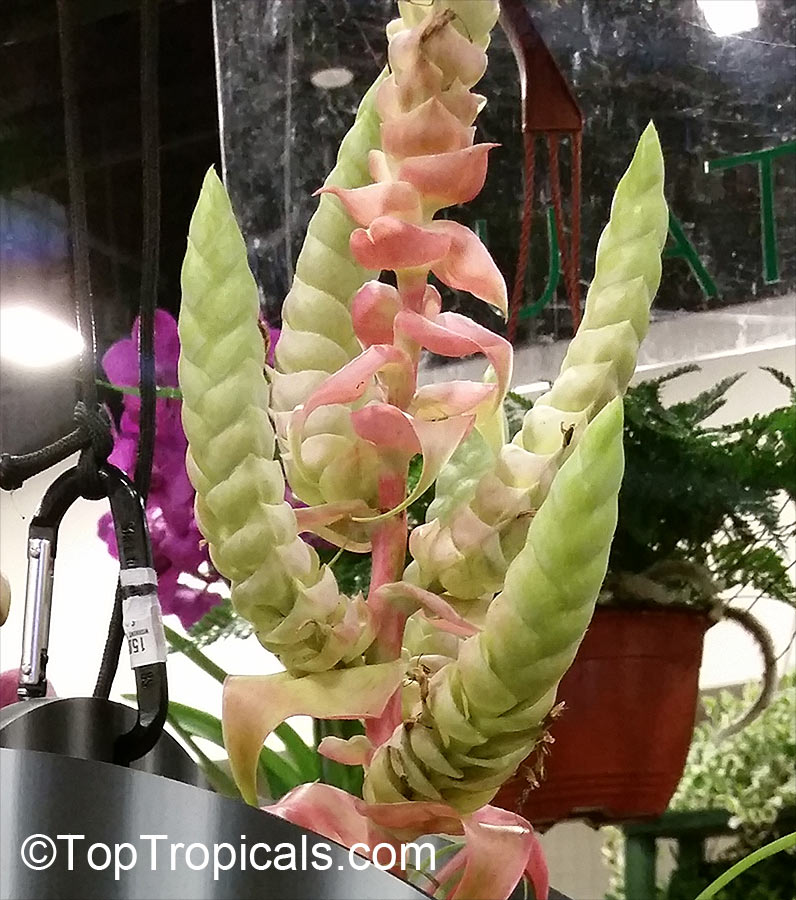
Tillandsias, also known as air plants, are excellent for growing in pots in cold regions such as USDA Zone 8-11. They can be cold hardy at least to 30s F for a short time, and come in many different varieties that can grow to different heights, depending on the species. Some prefer semi-shade and others require more direct sunlight.
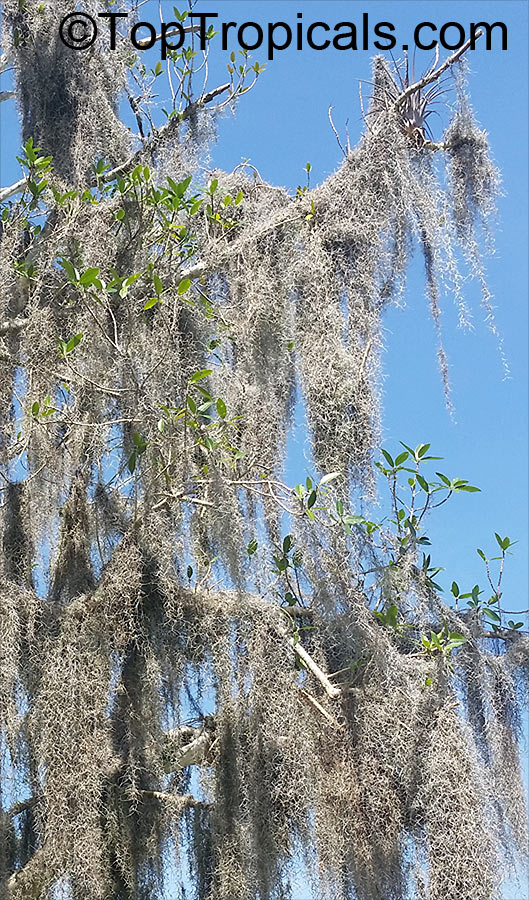
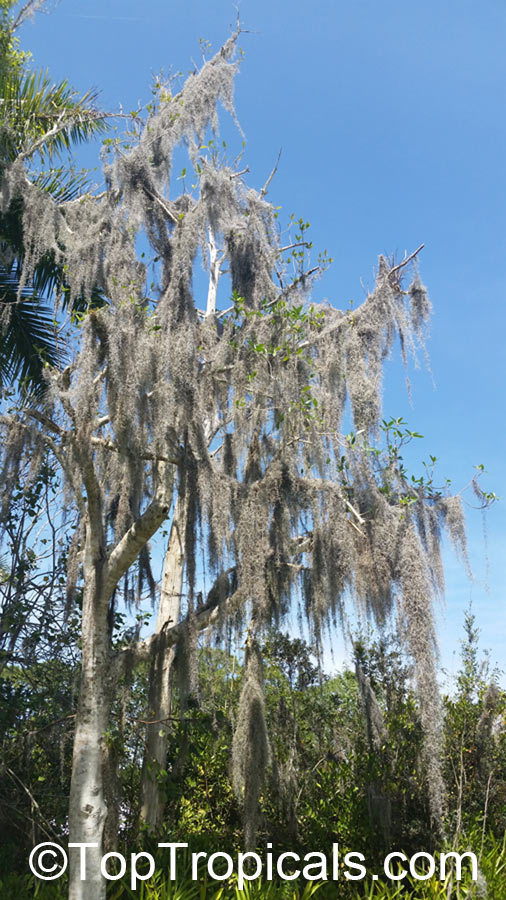
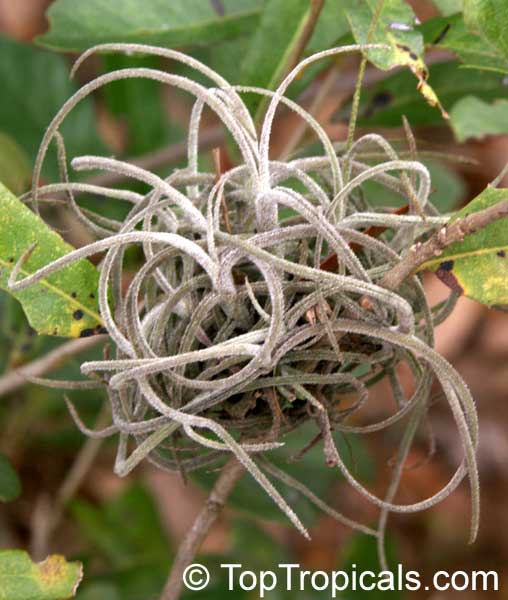
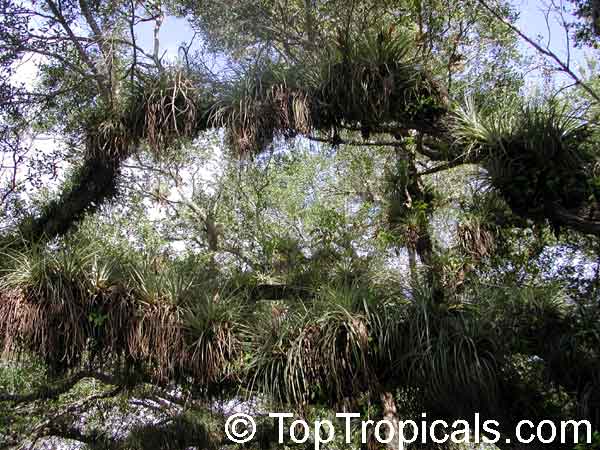
Tillandsias are known for being the world's most unusual airplants, and are a delightful addition to any greenhouse. They are easy to care for, exotic to look at, and interesting to study. Unlike other bromeliads, Tillandsias are air plants, much like vandaceous orchids. They have developed the ability to take all their food and water through specially designed cells on their leaves, and can therefore exist without any roots.
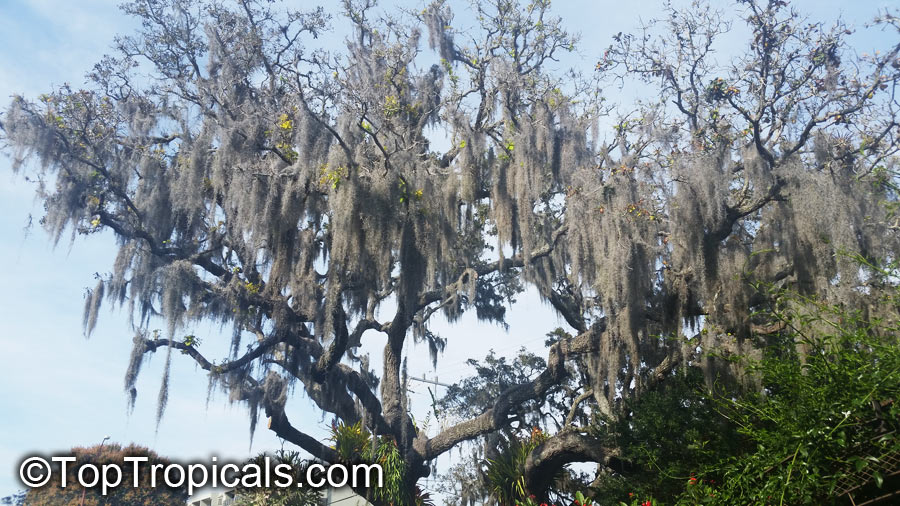
While roots are used by most species to attach themselves, Tillandsias can grow in places no other plants can survive, including on electrical cables on power lines. They prefer light airy conditions and daily misting in areas of low humidity. They must be brought into protection from any freeze, but a light frost will not usually damage them. The greener and softer varieties like a little more water and shade. Any can be grown in your sunniest indoor area.
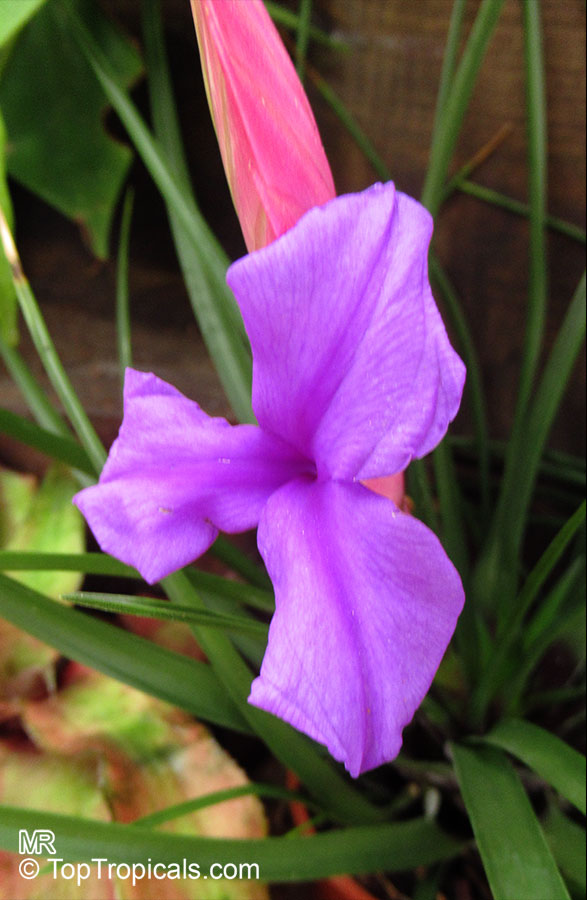
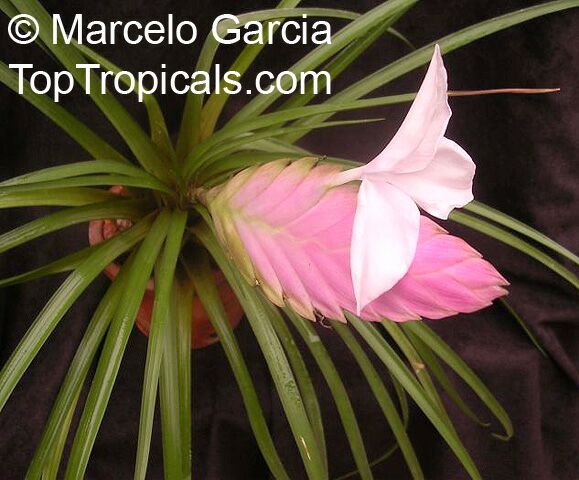
All Tillandsia plants require regular misting waterings and offer a range of vibrant color displays. Pink, white, off-white, red, crimson, vinous, yellow, and orange flowers can be seen on some of the varieties. Proper growing and plant care can ensure that your Tillandsia will thrive and offer a beautiful, long-lasting display of foliage and flowers for years to come.
Enjoy your Tillandsia plant for years of blooming and pupping with good light, fresh air, and adequate but not overabundant watering, particularly in cooler weather.
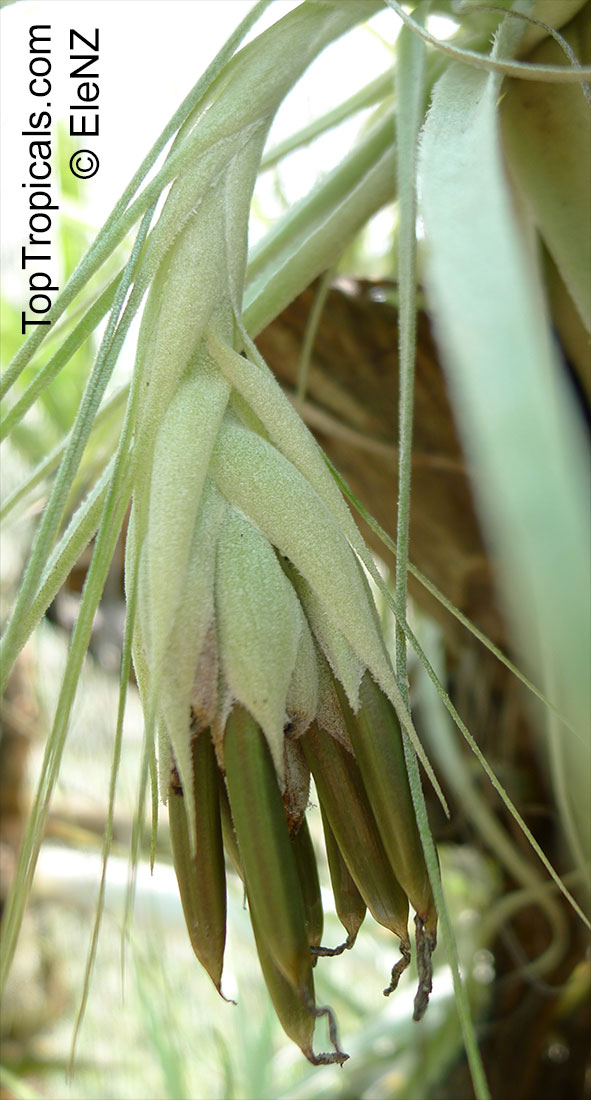


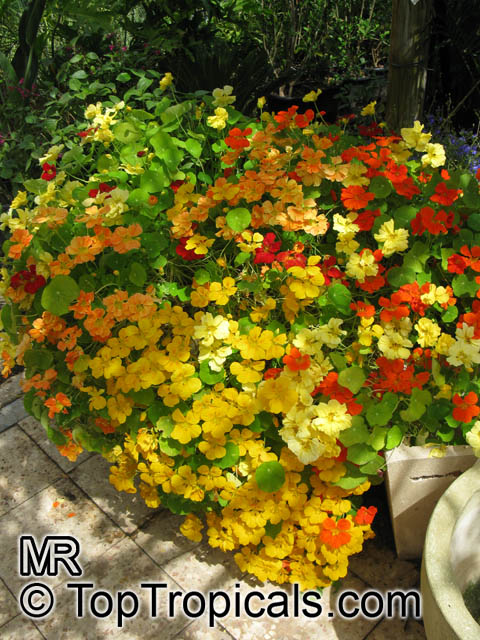
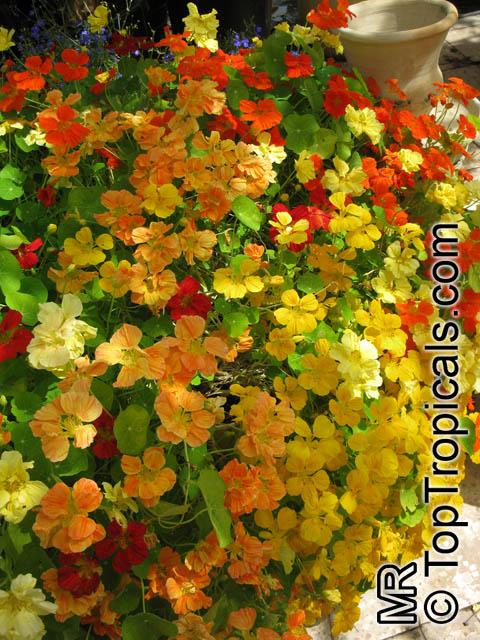
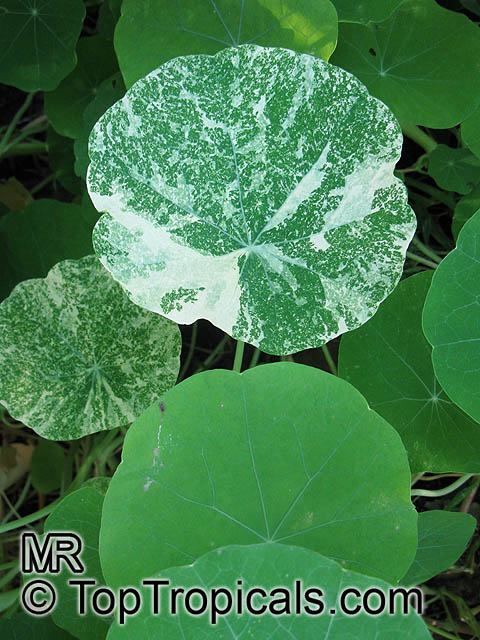
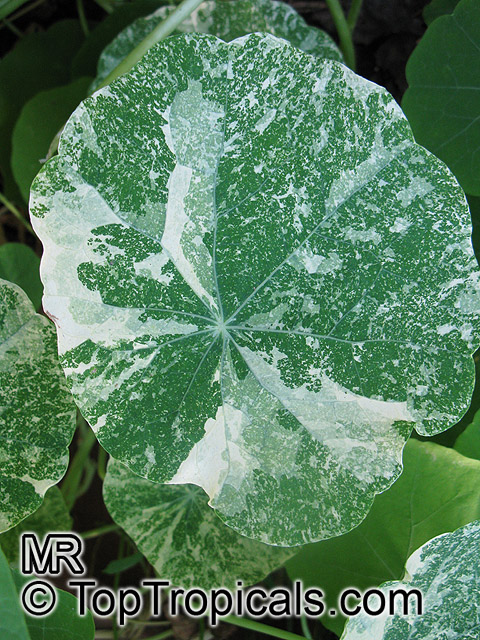
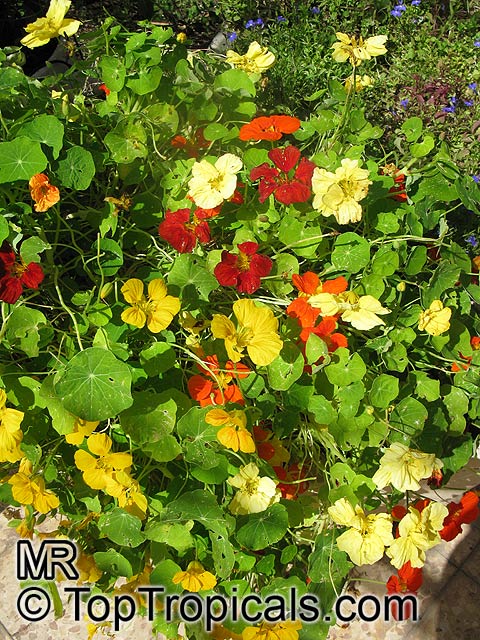
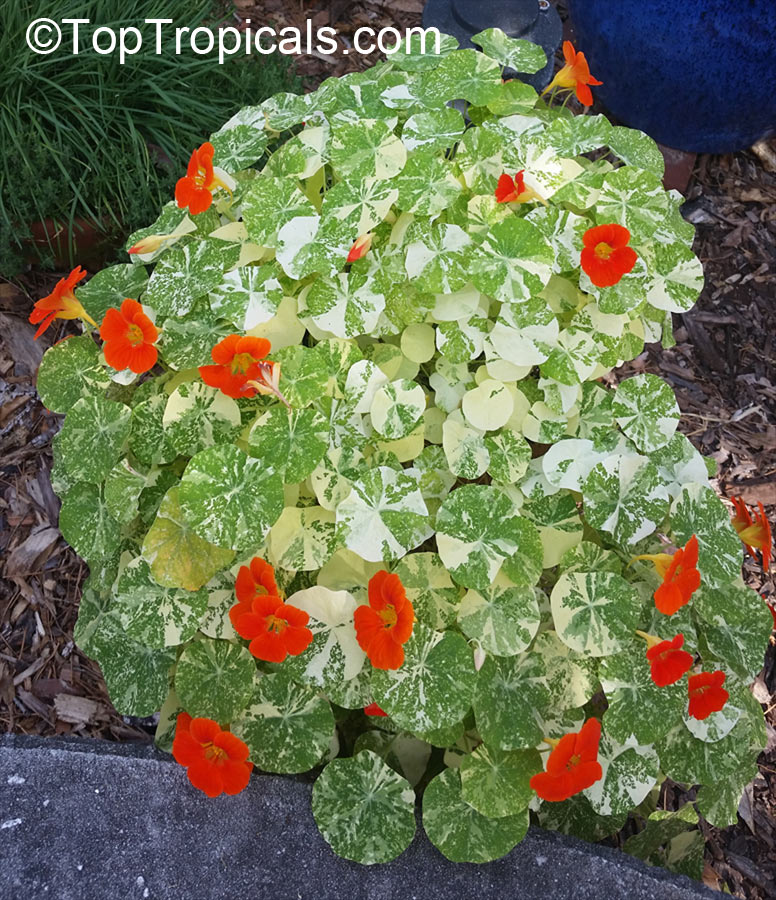
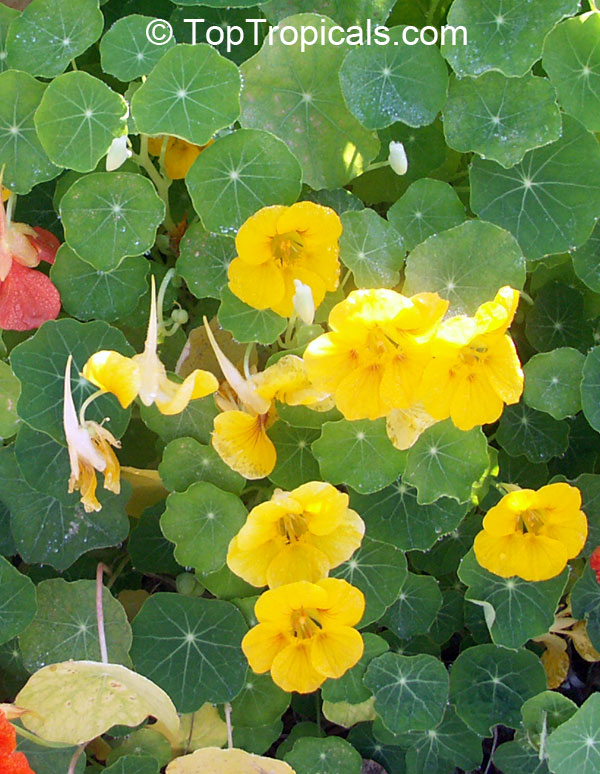
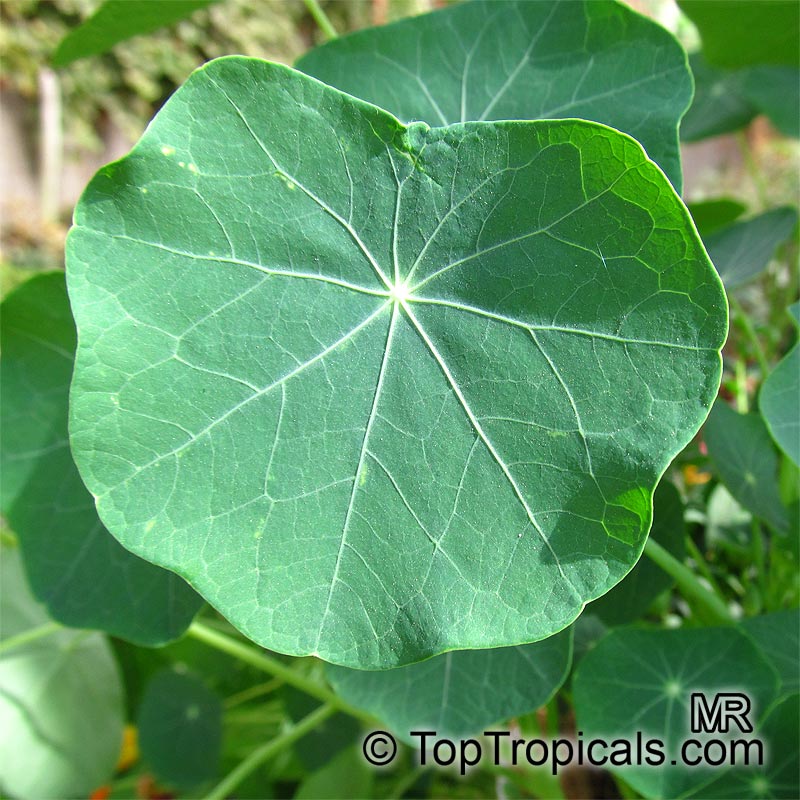
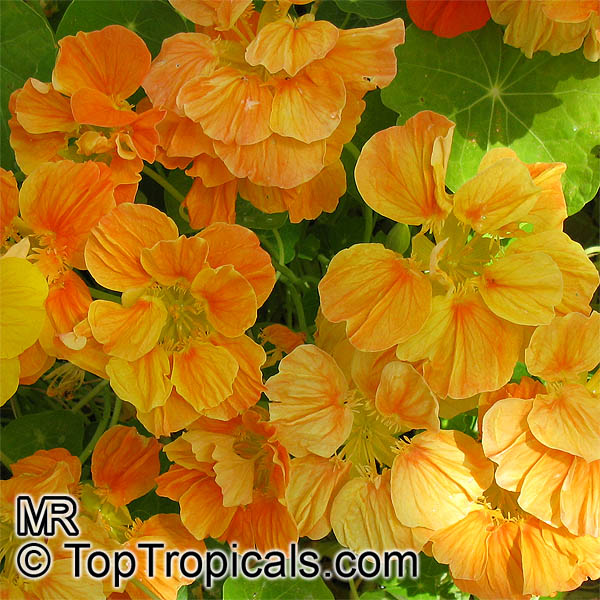
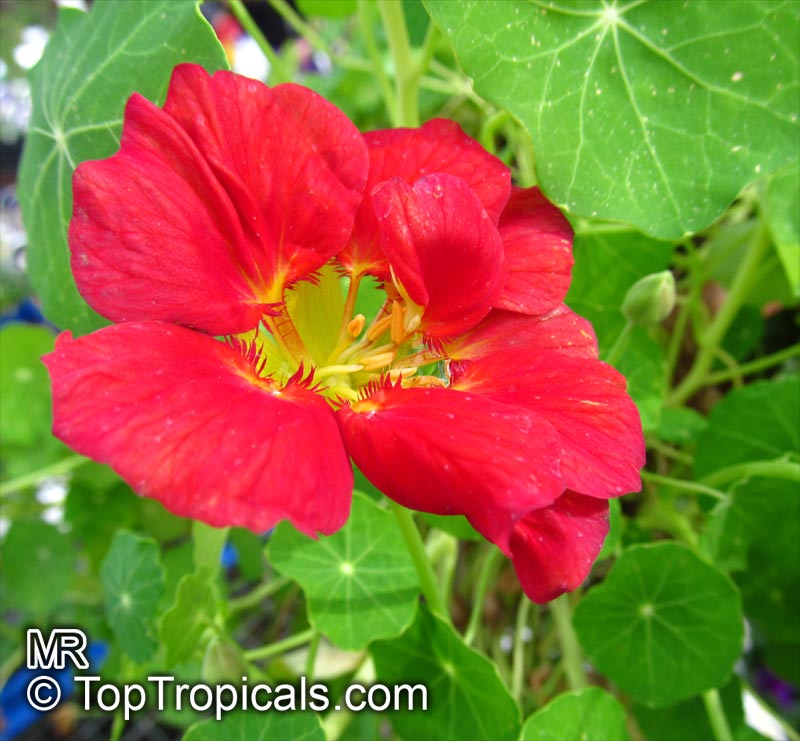
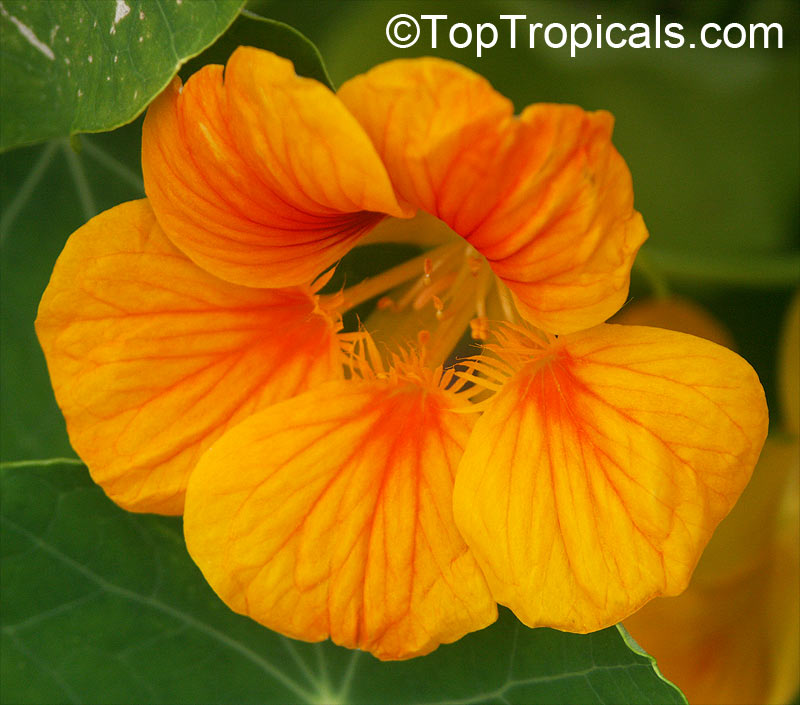
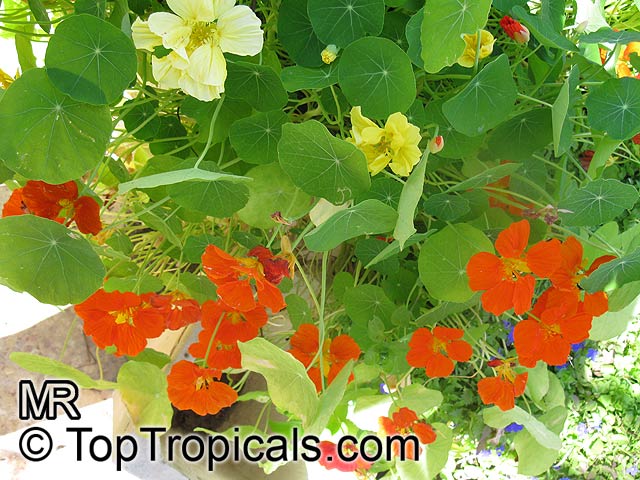
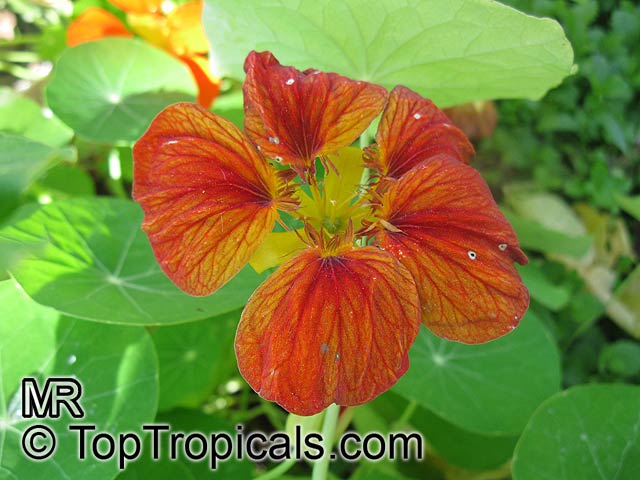
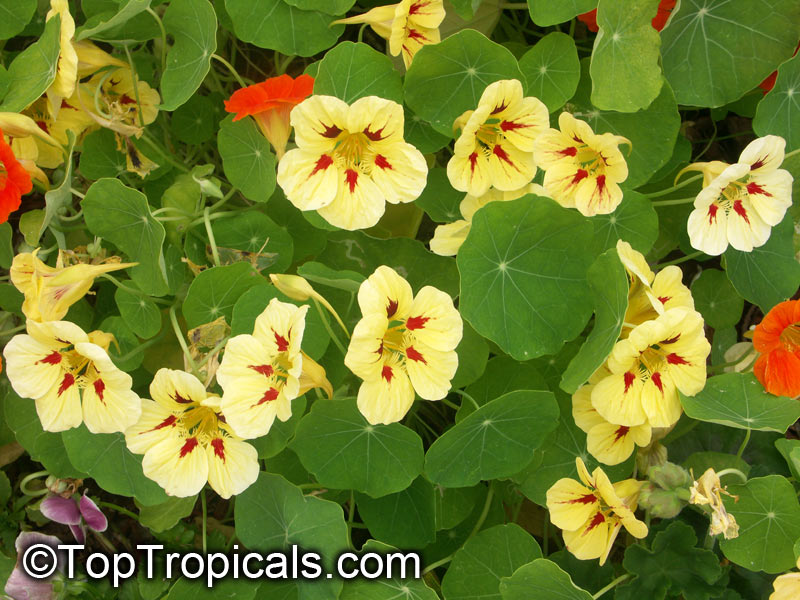
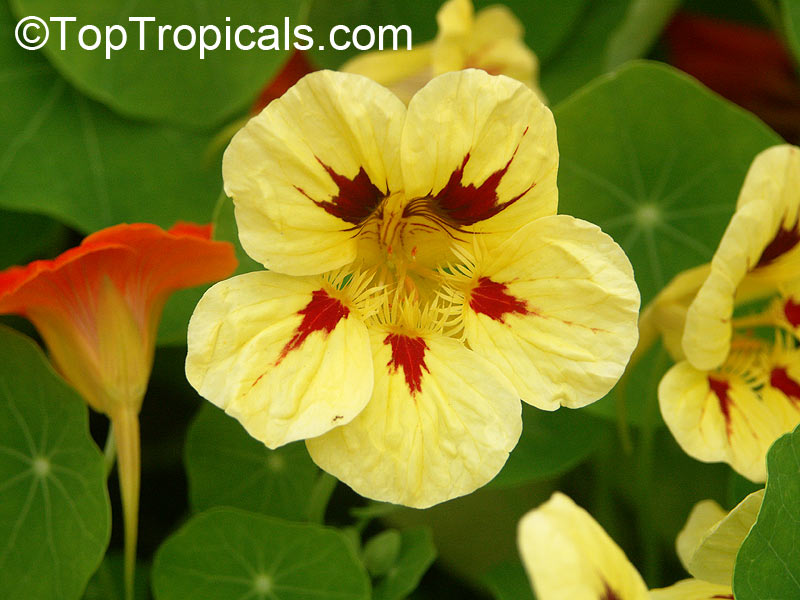
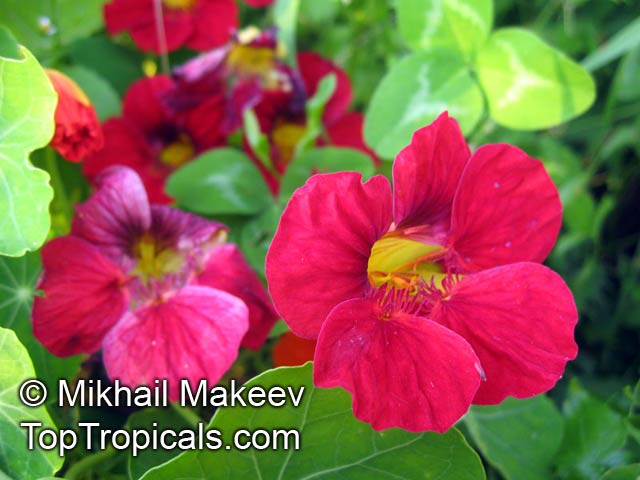
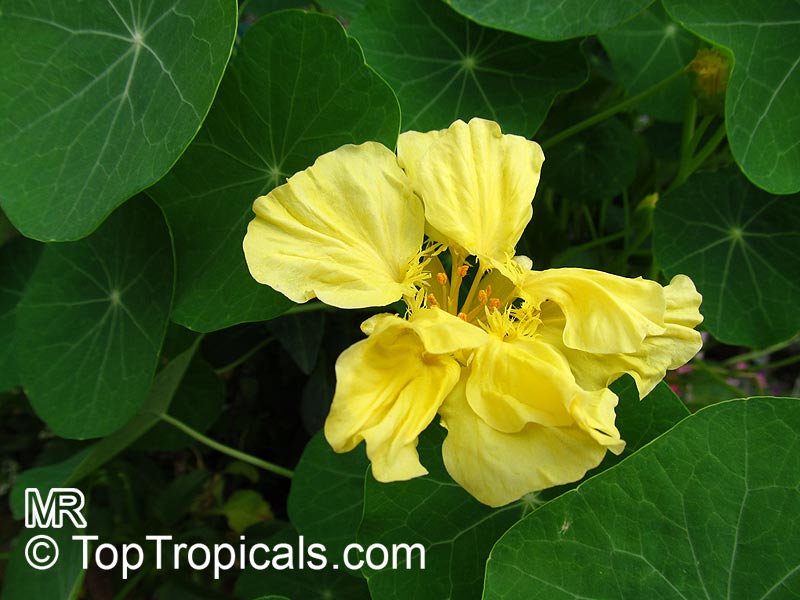
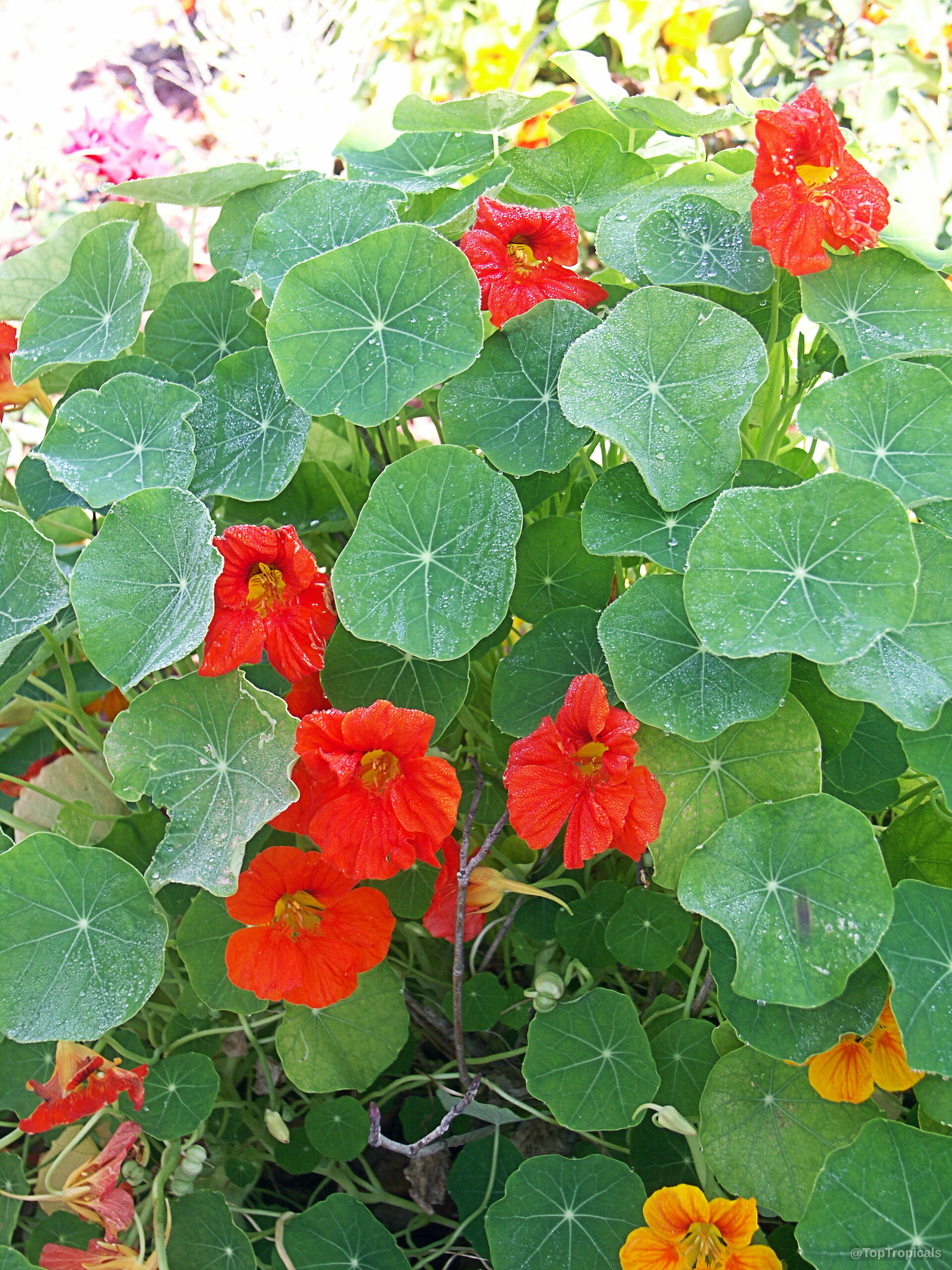
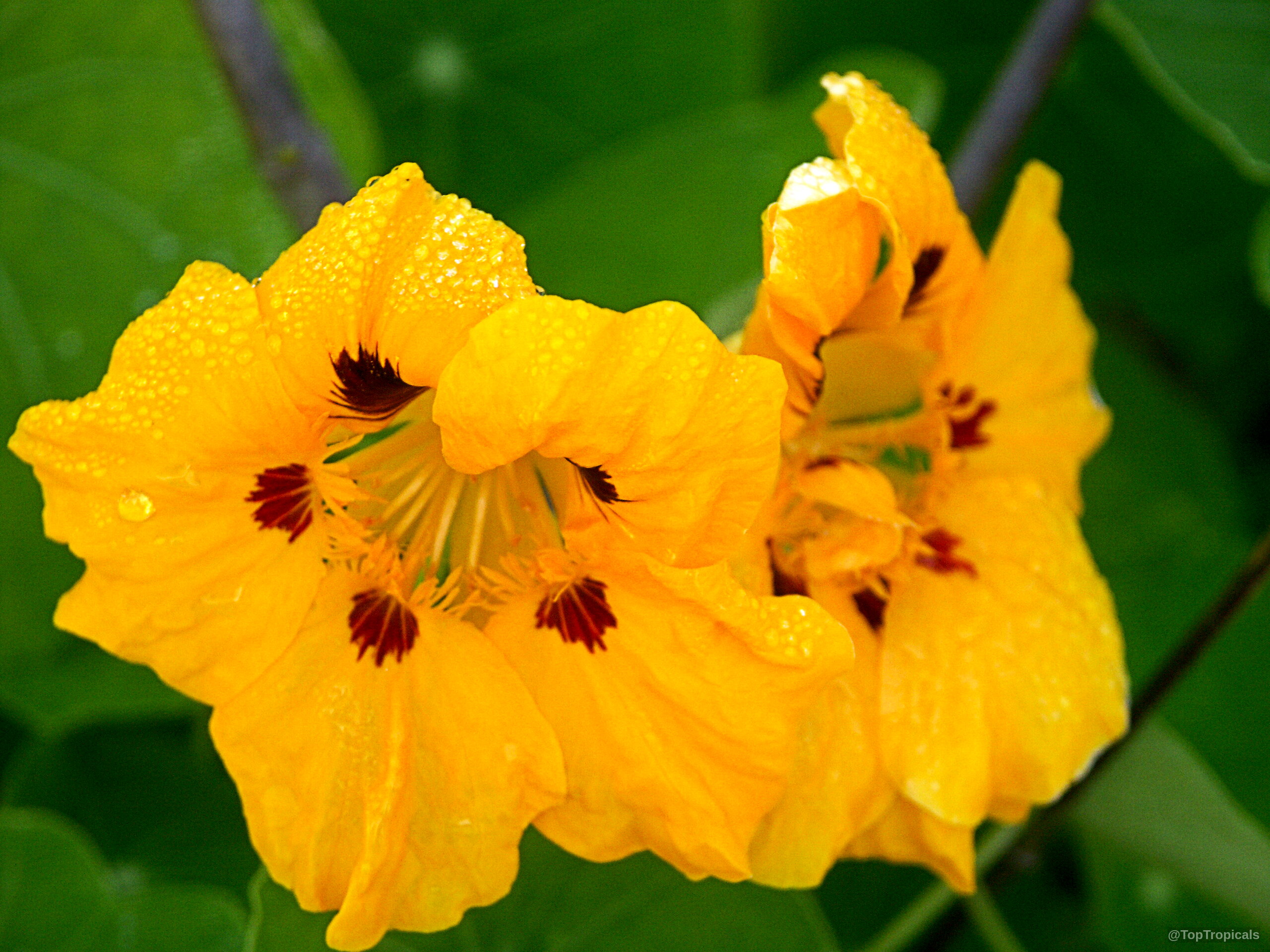
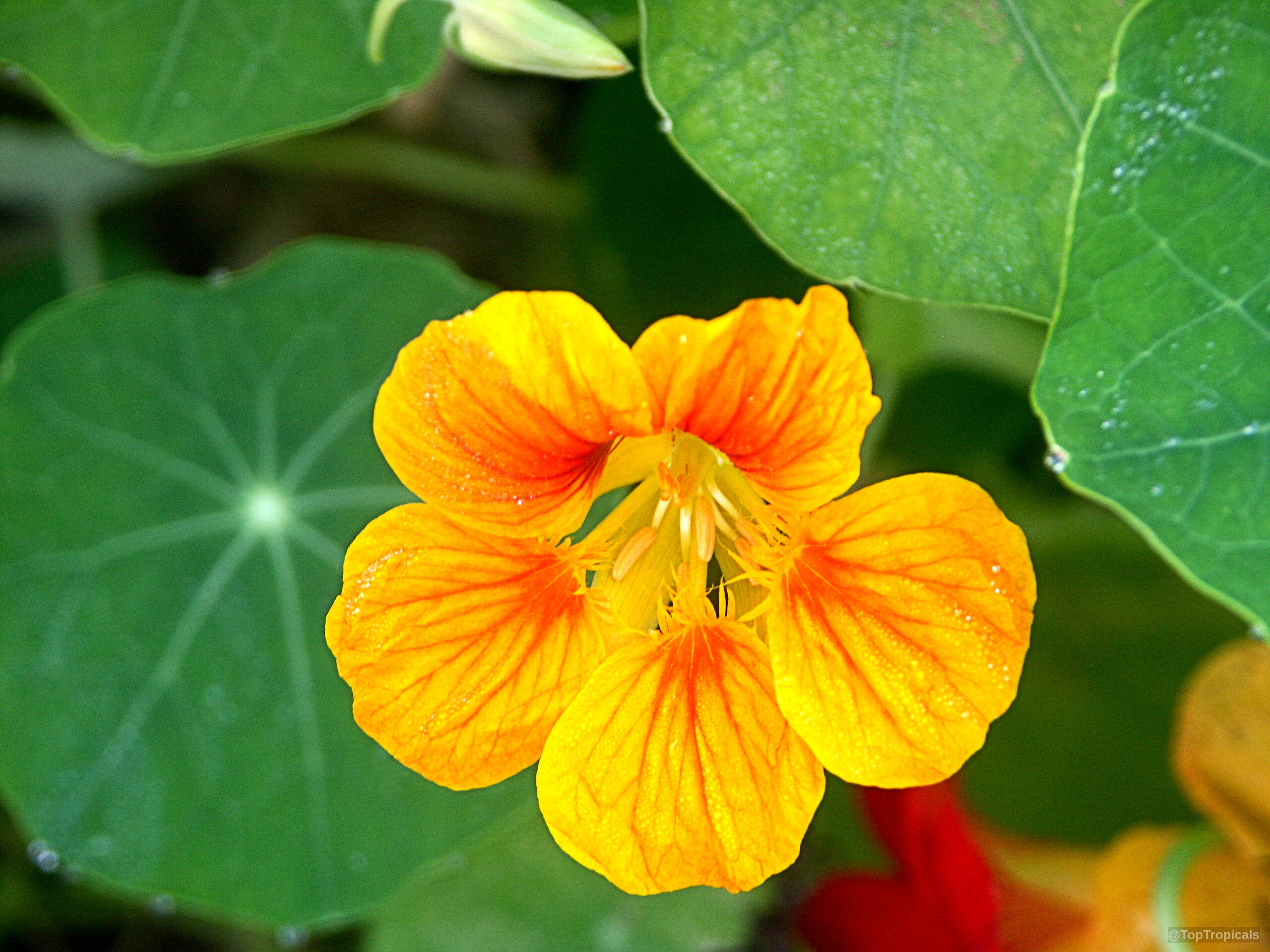
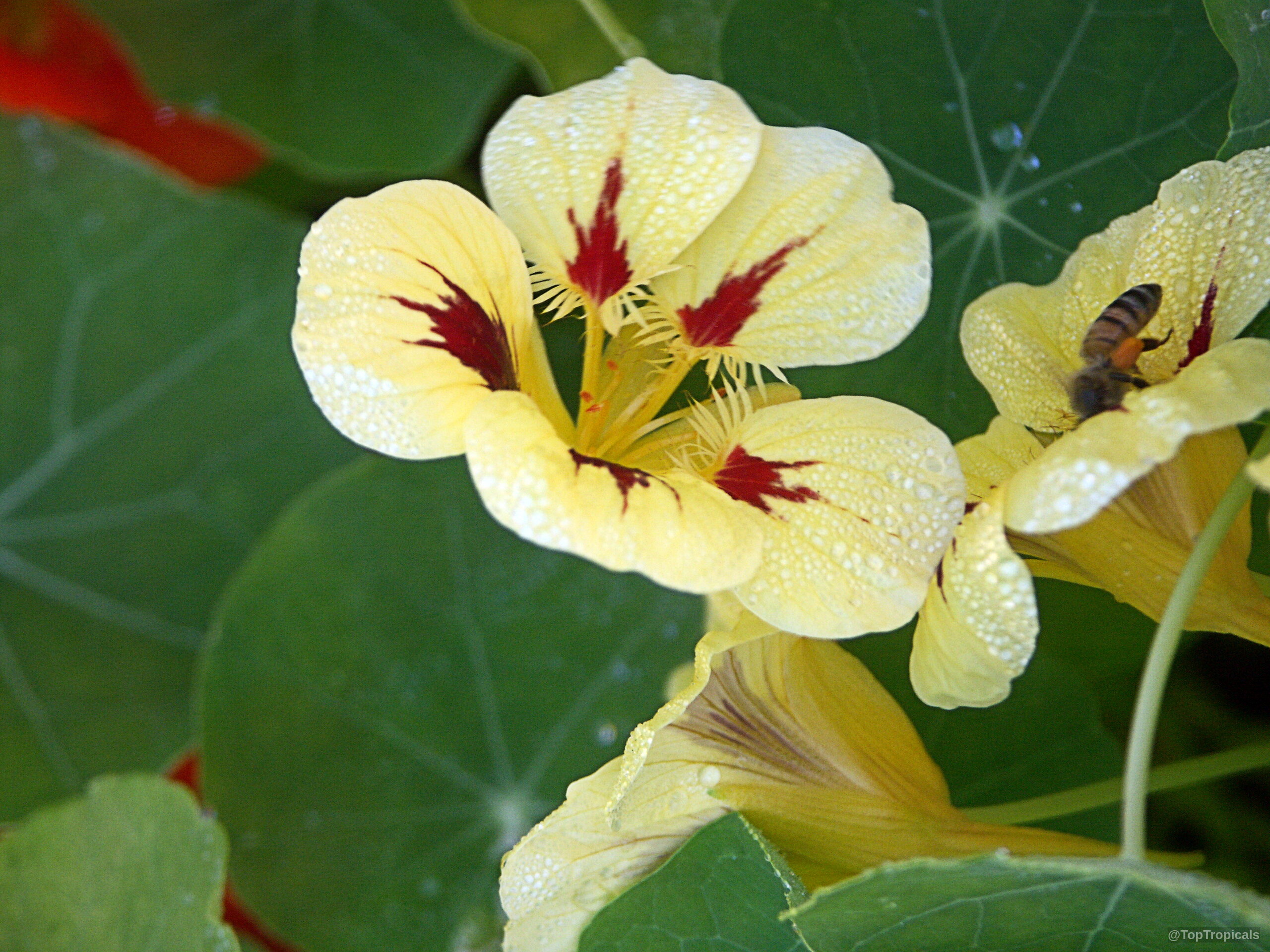
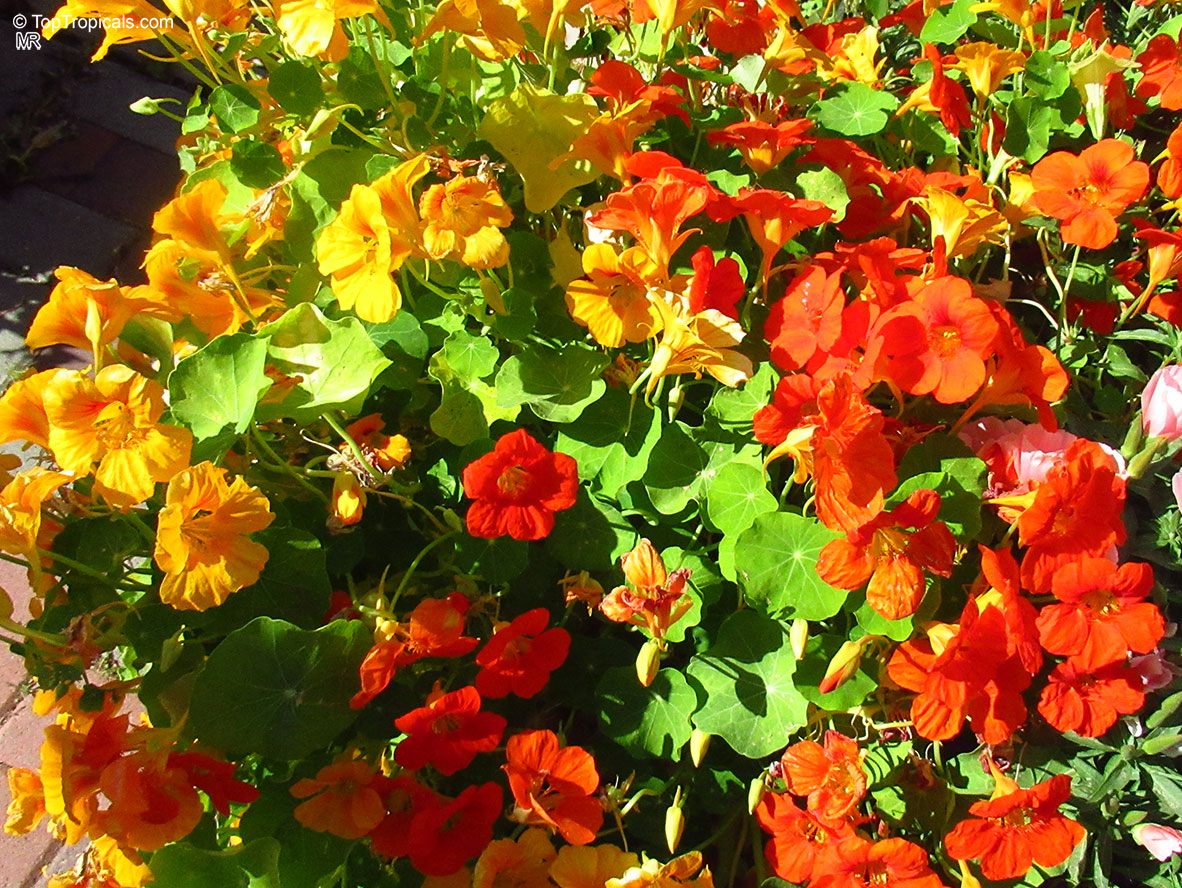
Botanical name: Tropaeolum majus
Common names: Garden Nasturtium, Indian Cress, Monks Cress
Family: Tropaeolaceae
Origin: South America
Hardiness: 0°F


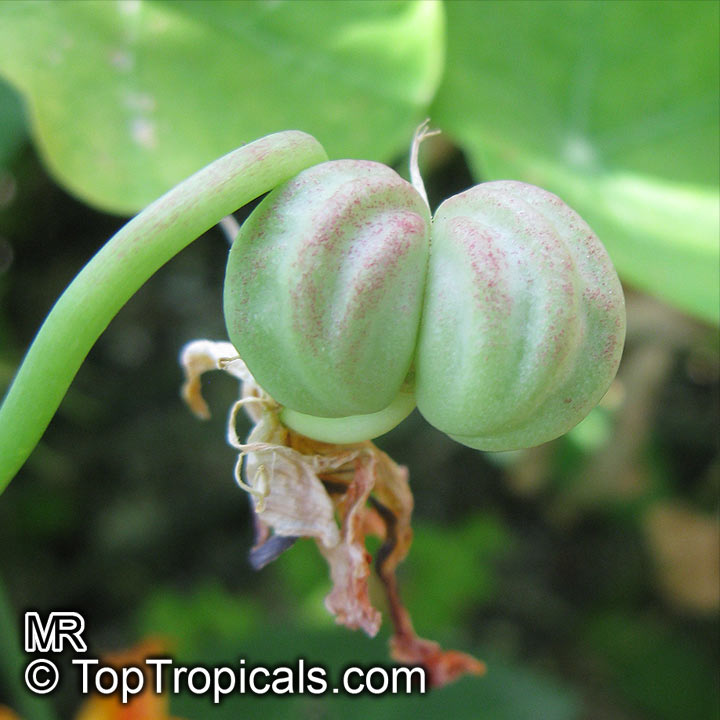
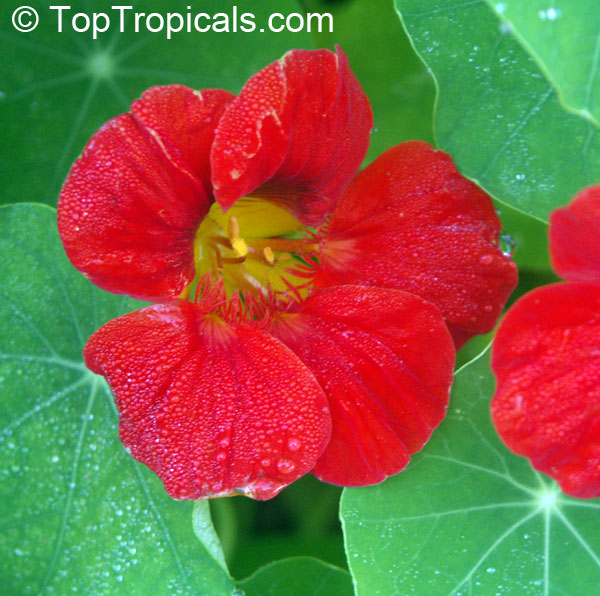
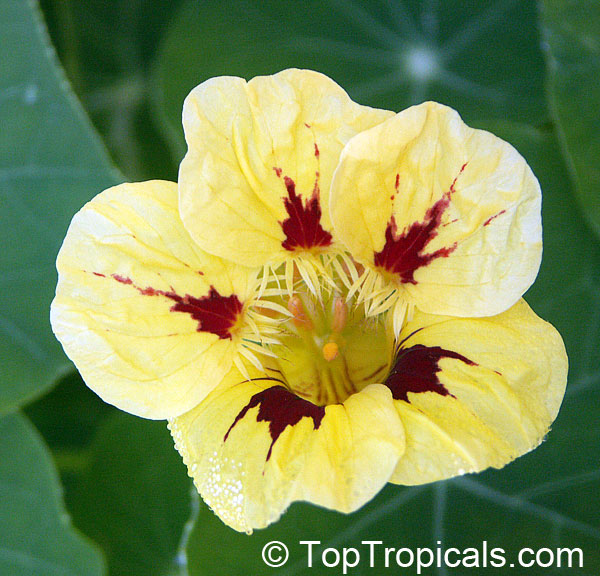
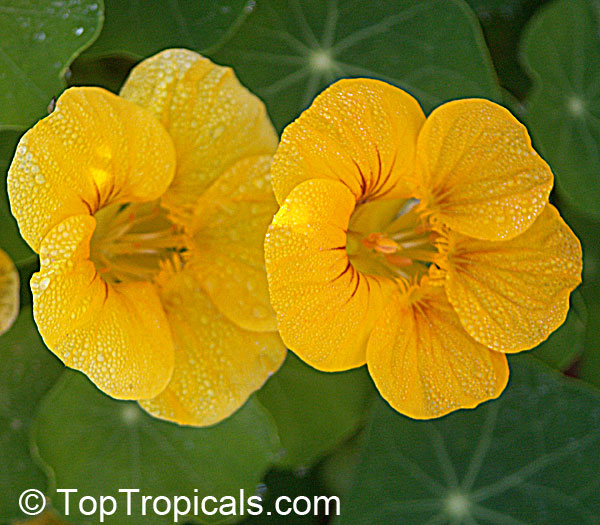
Tropaeolum majus (garden nasturtium) is a fast-growing herbaceous annual native to the Andes from Bolivia north to Colombia. Cultivated varieties have hybrid origin, with possible parent species including T. minus, T. moritzianum, T. peltophorum, and T. peregrinum. Plants form trailing or compact mounds, with rounded, shield-shaped leaves attached at the center. The showy flowers, in shades of yellow, orange, and red, appear over a long season and are both ornamental and edible. Leaves and flowers have a peppery flavor and are commonly used fresh in salads and as colorful garnishes. Seeds can be pickled as a caper substitute.
Grow nasturtiums in full sun with moist, well-drained soil. Compact forms stay around 12 in tall and make colorful borders, while trailing types can reach several feet and are suited to hanging baskets, window boxes, or ground cover. The plants are low-maintenance, tolerate poor soils, and may self-seed in mild climates. Hardy as an annual in most regions; perennial in frost-free areas.


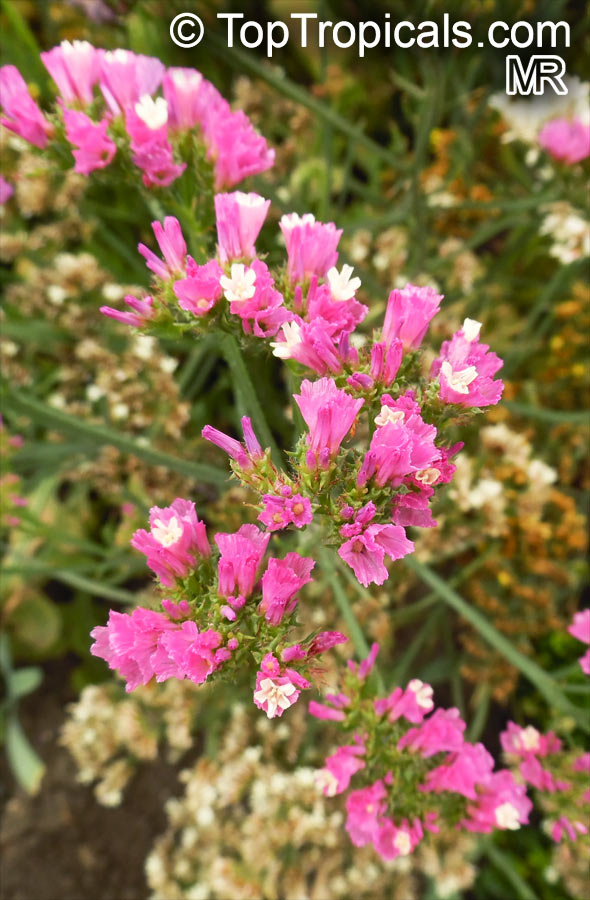
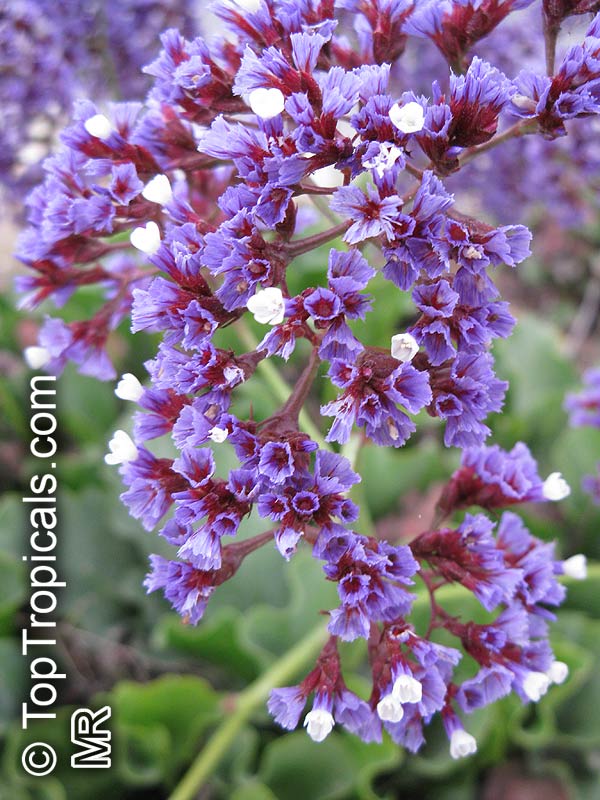
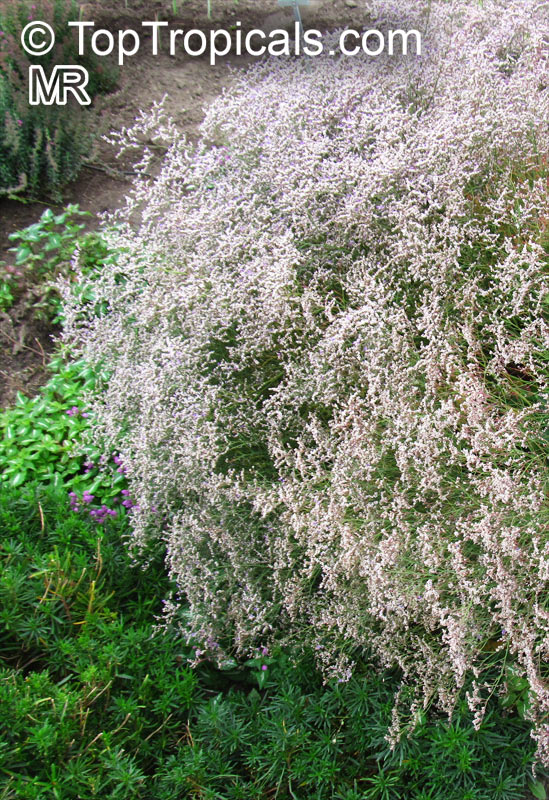
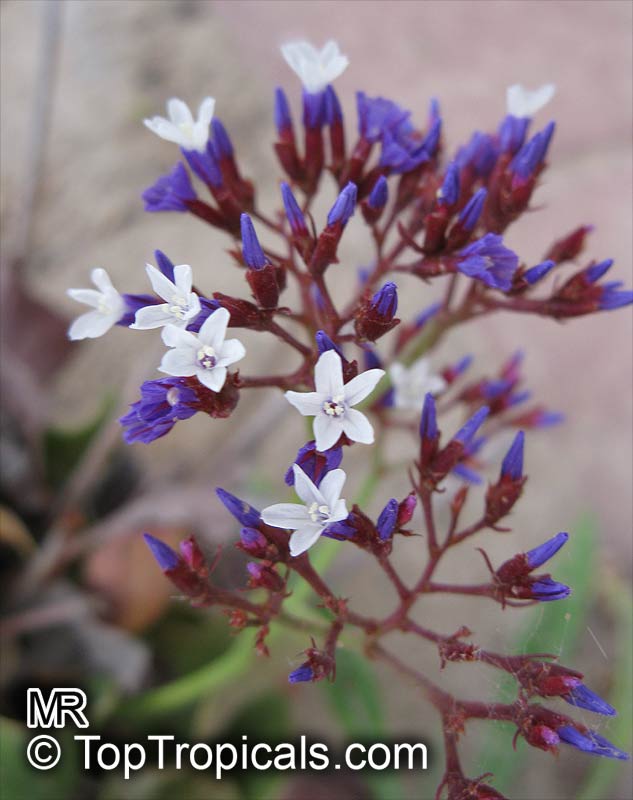
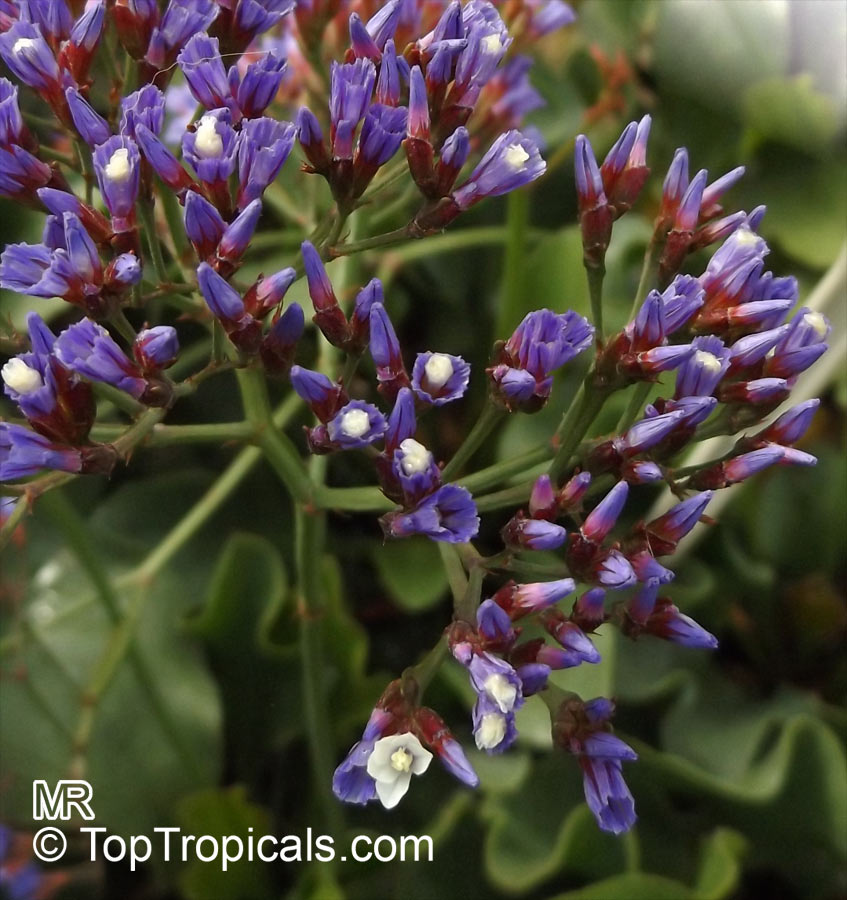
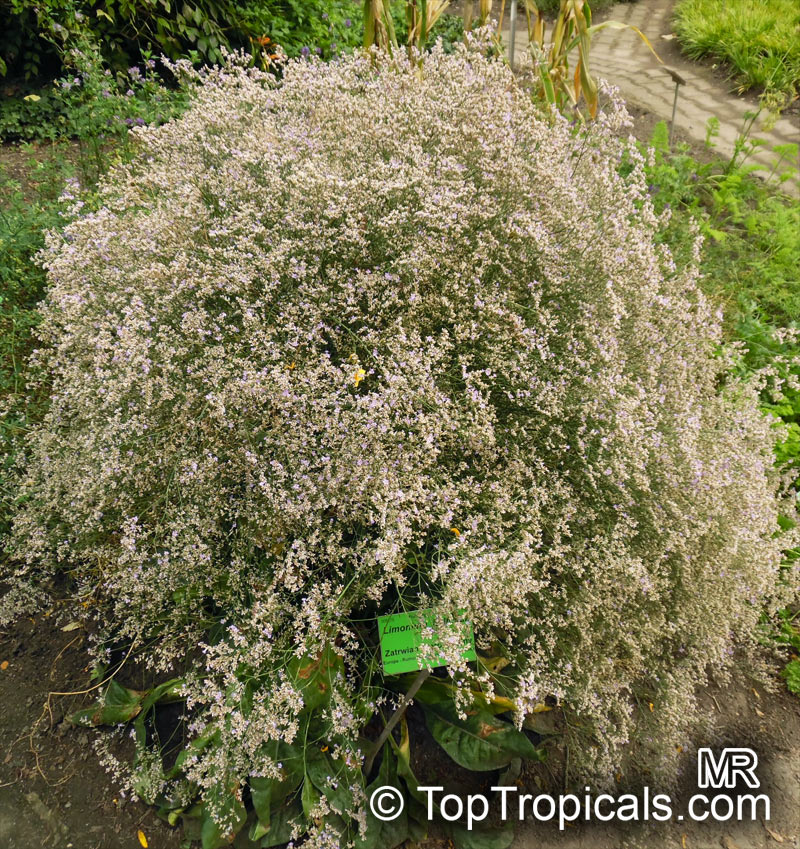
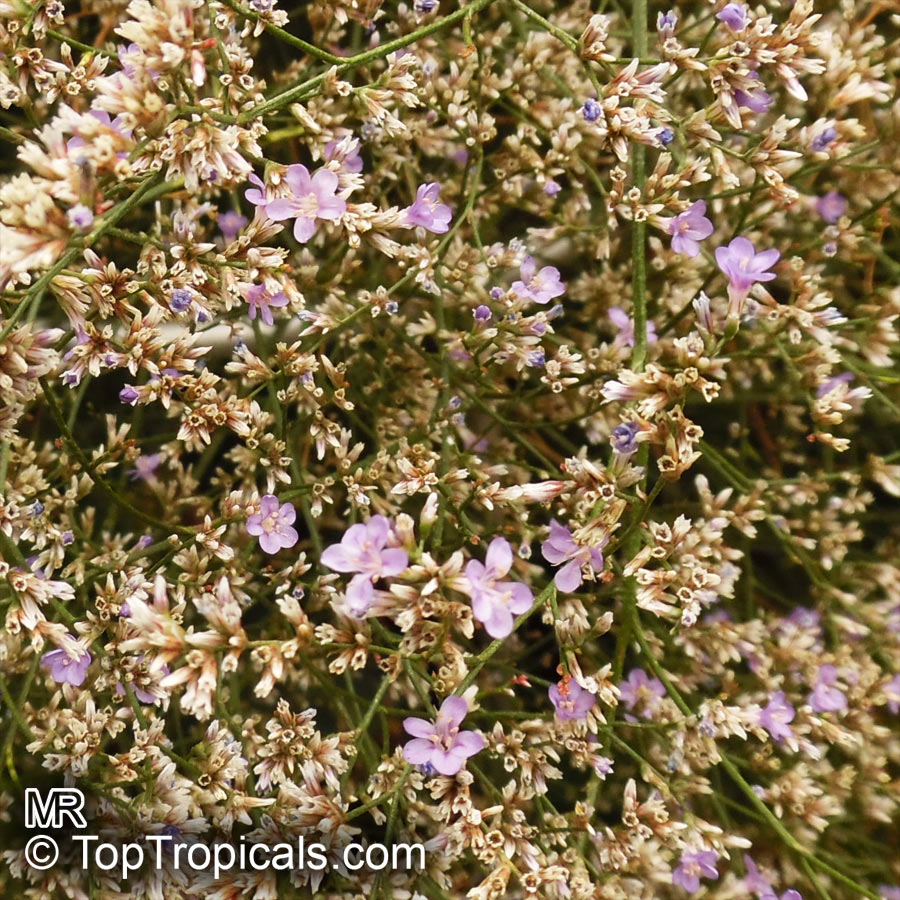
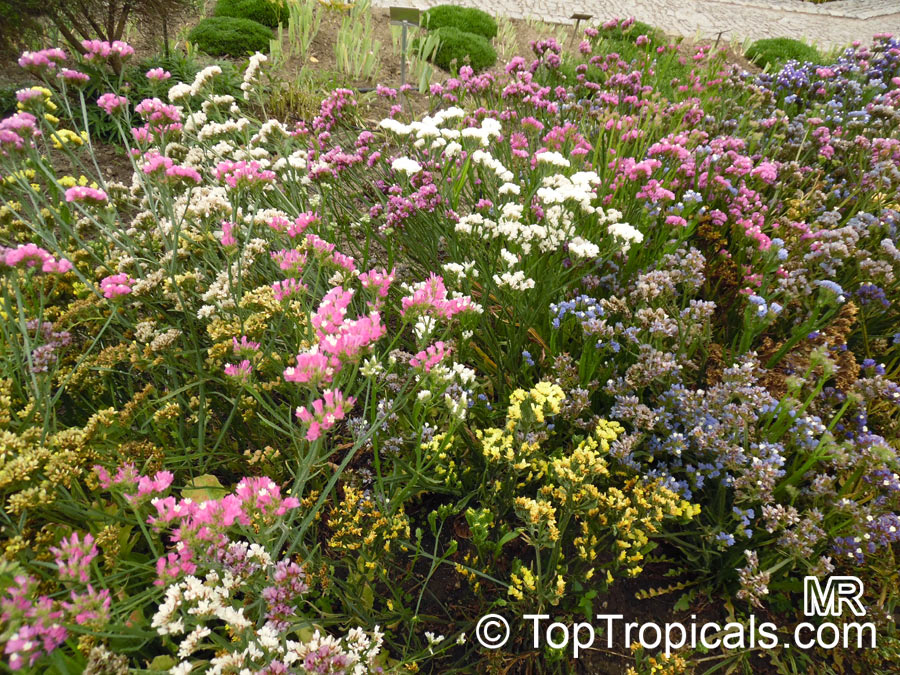
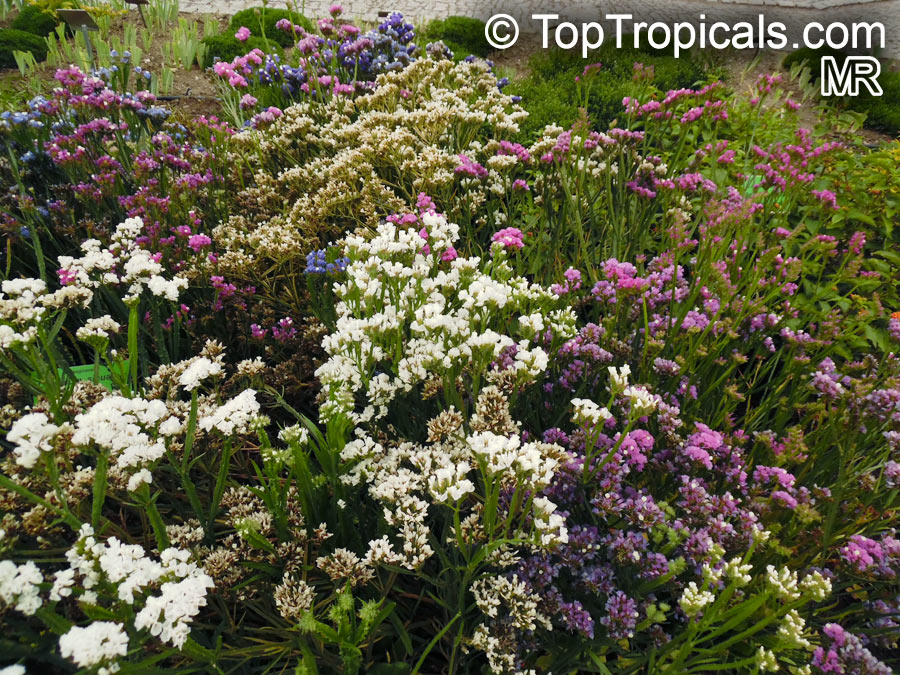
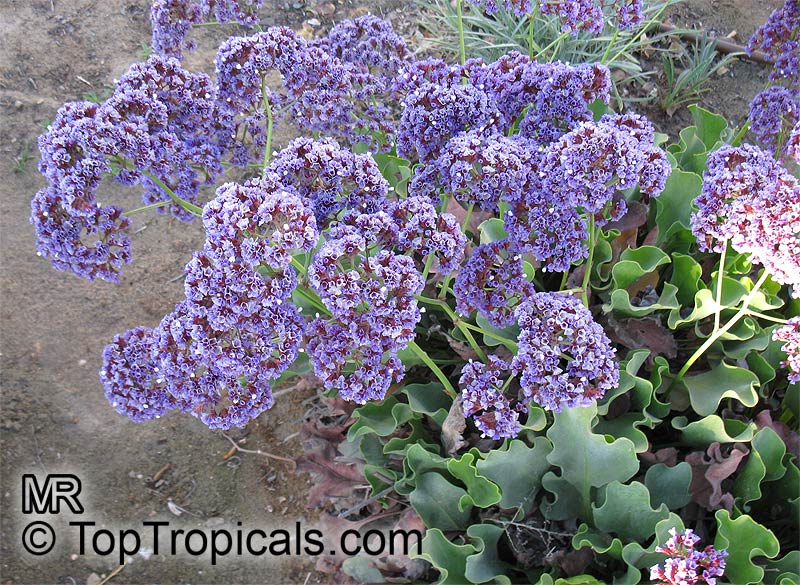
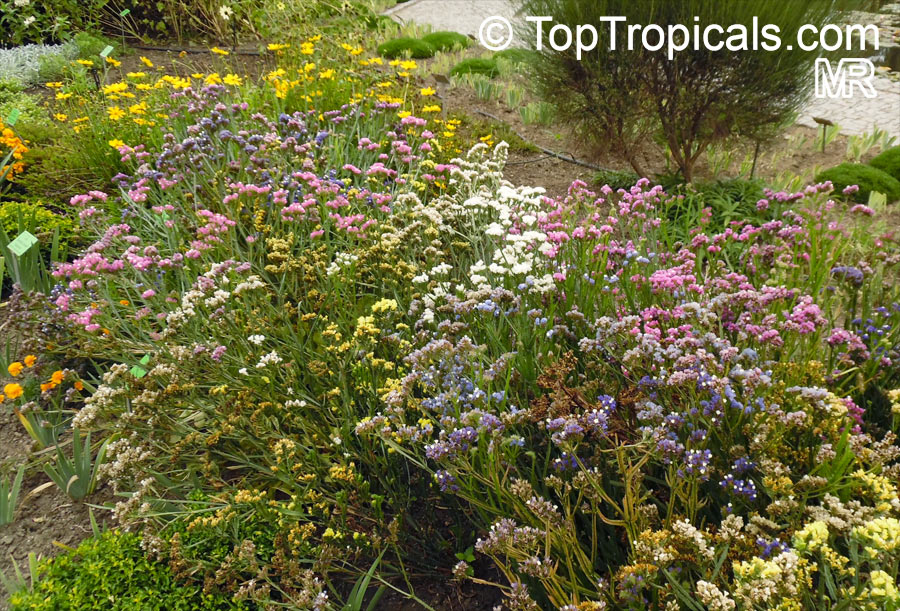
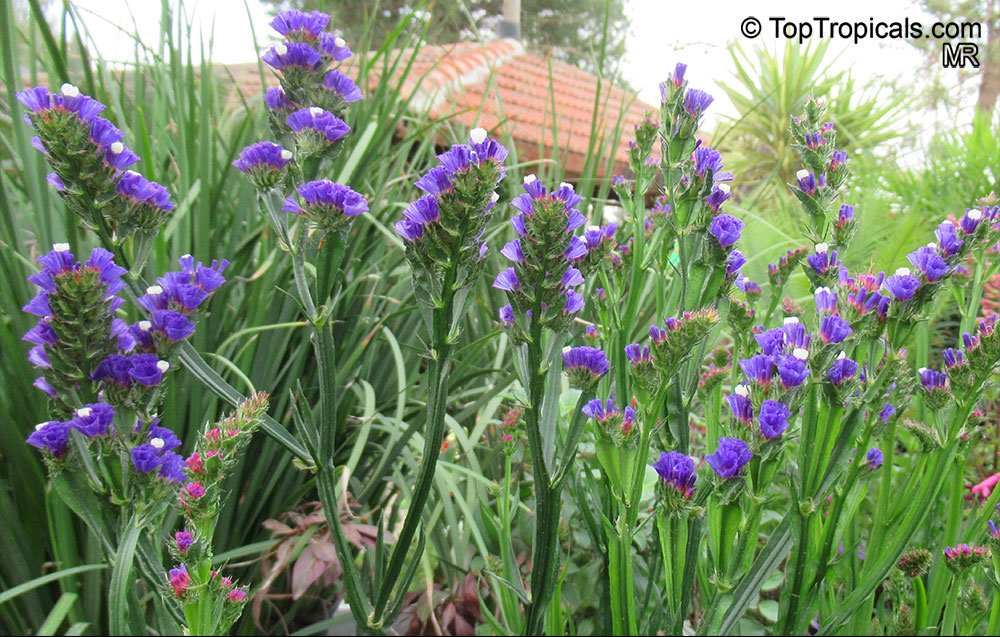
Botanical name: Limonium sp.
Common names: Sea-lavender, Statice, Marsh-rosemary
Family: Plumbaginaceae
Limonium sp. or Sea Lavender flowers come in a variety of colors ranging from pink, white, off-white, blue, lavender, purple, red, crimson, vinous to yellow and orange.
Plants are small shrubs, only two to five feet in height. They thrive in full sun or semi-shade and require moderate watering. Limonium sp. are usually grown in USDA Zones 3-9. They can also be grown in a pot.
The flowers of Limonium sp. are made of four petals, which form a cross. The main inflorescence is composed of many small flowers. Although the flowers are delicate, they are very long-lasting once cut, which makes it a very attractive choice for floral arrangements.
Caring for this plant is relatively easy. In the garden, it should be planted in soil that drains well, as it should not be overwatered. If placed in a pot, it is best to use a potting mix with good drainage.
Fertilizer should be given on an as-needed basis. The most important aspect of fertilizer is ensuring it is well balanced, as this will help the plant grow and blossom. Pruning is also recommended to remove dead flowers and branches and stimulate new growth.
Limonium sp. is a colorful and resilient flower that makes a wonderful addition to any garden. With proper care, the plant will produce magnificent blooms of various colors.
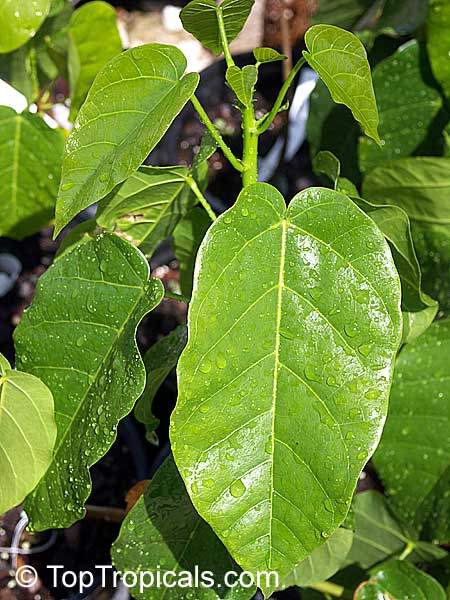
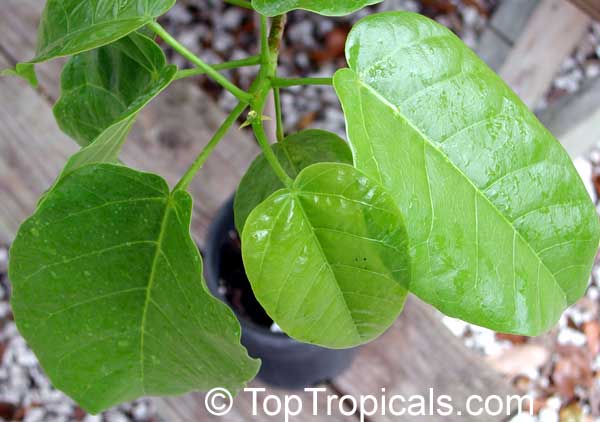
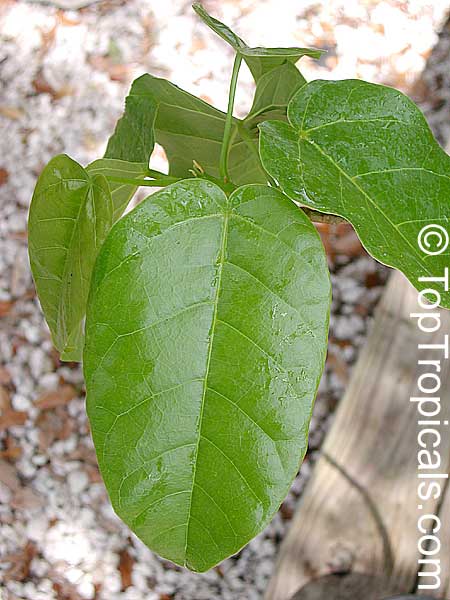
Botanical name: Sterculia ceramica
Common name: Lanyu Sterculia
Family: Malvaceae
Subfamily: Sterculioideae
Origin: Taiwan


A small evergreen tree. Leaves alternate, chartaceous, oblong, apex acute. Inflorescence panicles, pubescent. Follicles sickle-like, with 1-2 seeds. An ornamental or avenue tree.
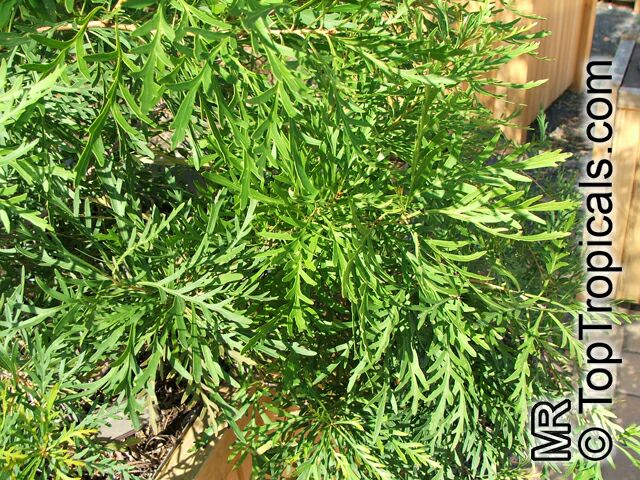
Botanical name: Lomatia tinctoria
Common name: Guitar Plant
Family: Proteaceae
Origin: Australia
Lomatia tinctoria, or the Guitar Plant, is a small, evergreen shrub native to Australia. Growing up to two to five feet tall, this ornamental foliage is best suited for full sun to semi-shade locations, with moderate levels of water. White or off-white flowers appear in late spring, in the form of a loose spikes. The buds, similar in shape to the ensuing woody fruits, are guitar-shaped and leathery to the touch. The leaves are fern-like and pinnately divided into long and slender feathery lobes.
This species is not often cultivated, but is a hardy shrub for temperate climates in zones 7-10. It can withstand extreme dry conditions once established, but performs best with adequate moisture. It can also adapt to a range of soil types, as long as there is proper drainage.
For the best results when planting this species in cold regions, the soil should be well draining and the plant should be given occasional deep waterings. It is best to mulch the pot to provide insulation and help retain moisture in the soil during cold winters. The area should then be monitored in order to ensure that the plant receives enough water during its most vital season. It is also important to provide wind protection and full sun when feasible. With the right environmental conditions and proper care, this plant can be a great ornamental addition to any garden!
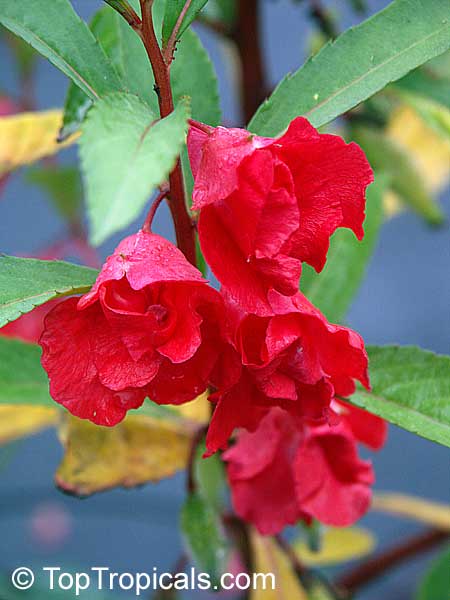
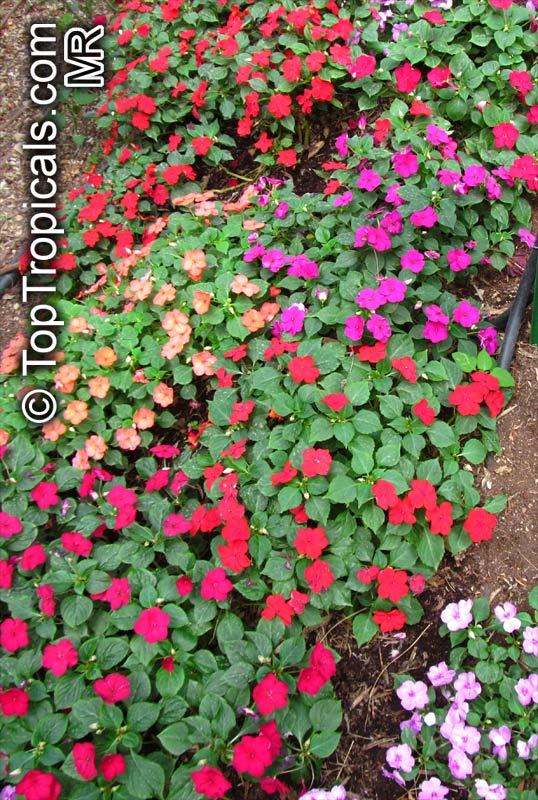
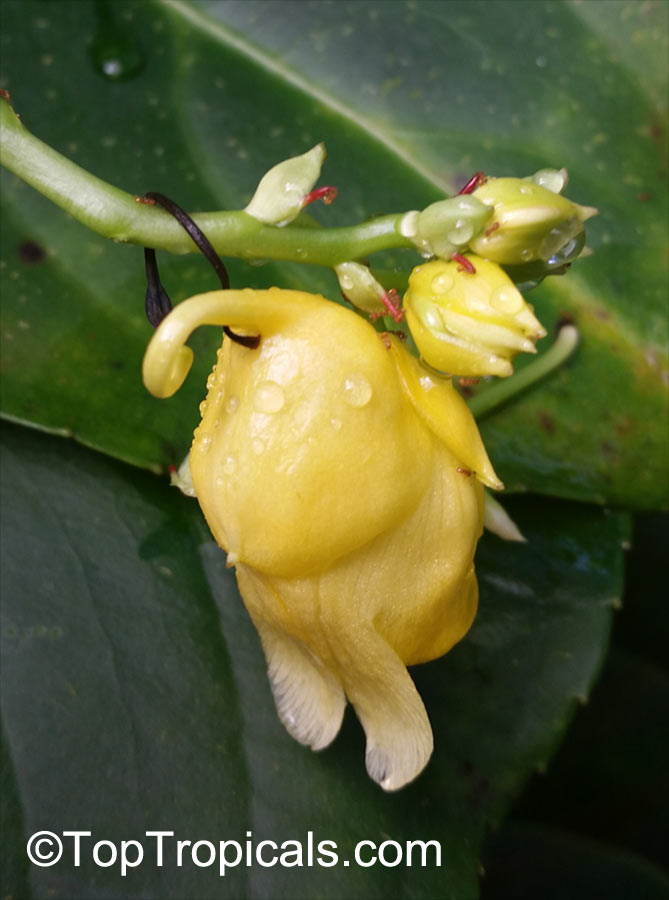
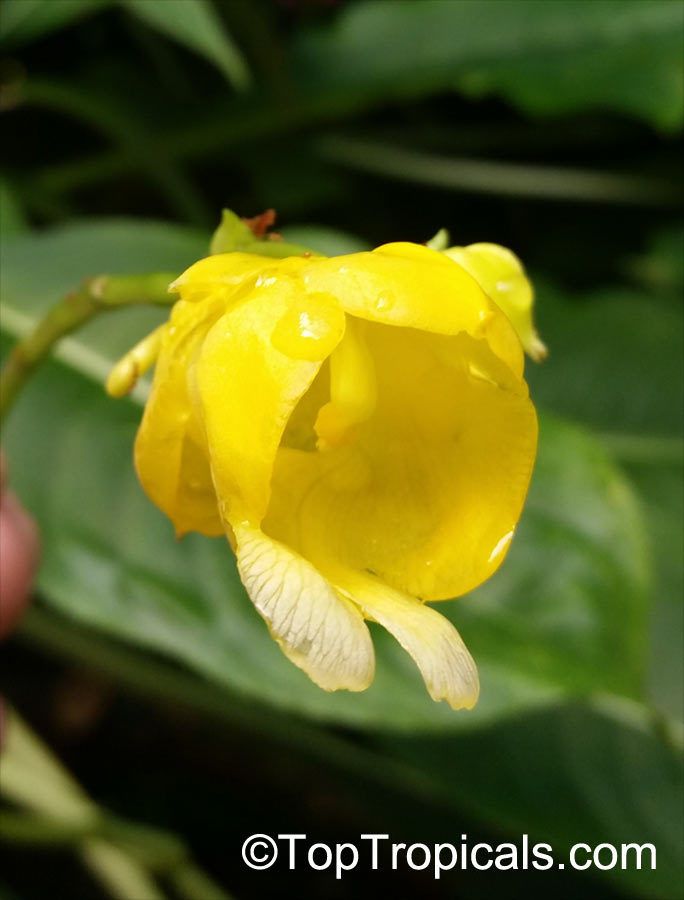
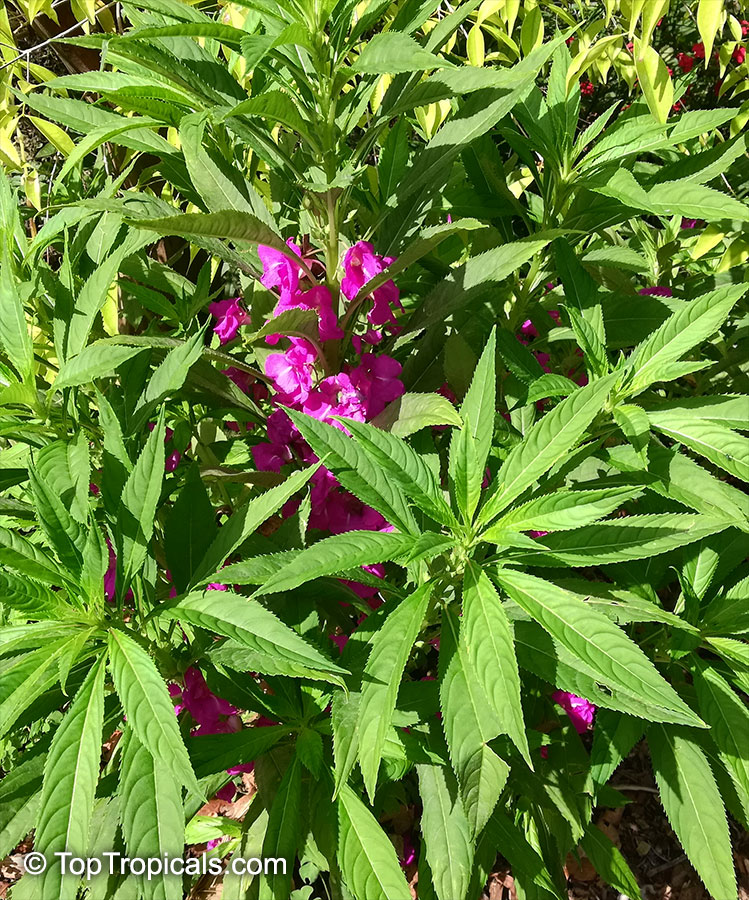
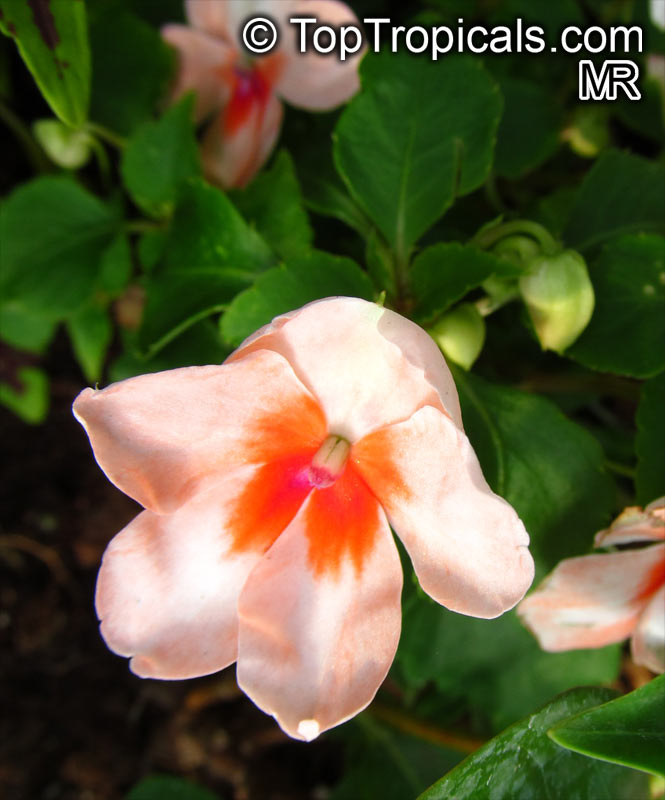
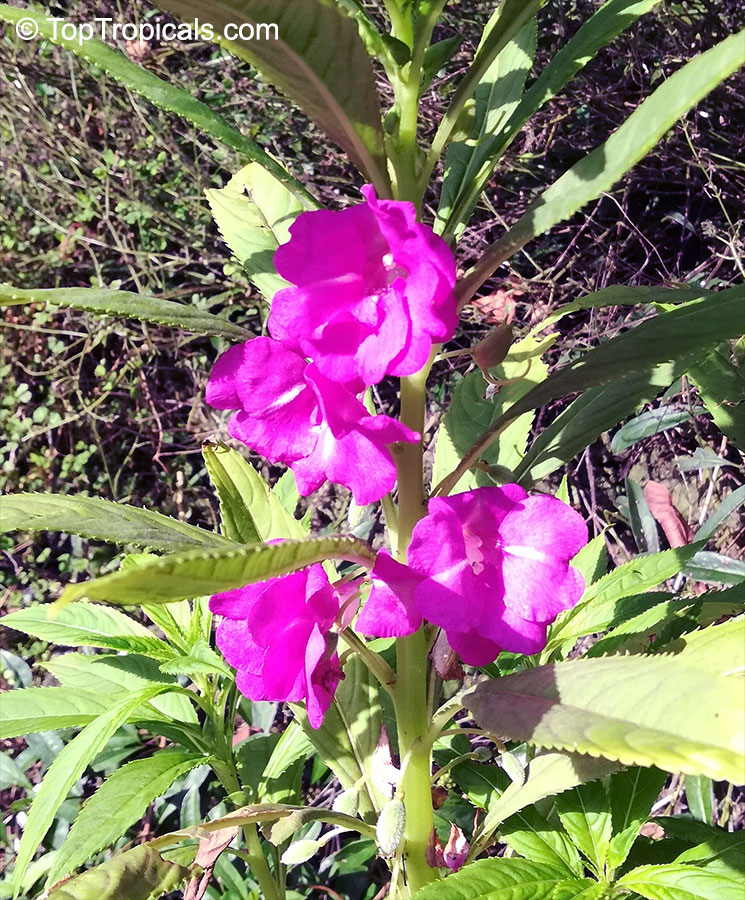
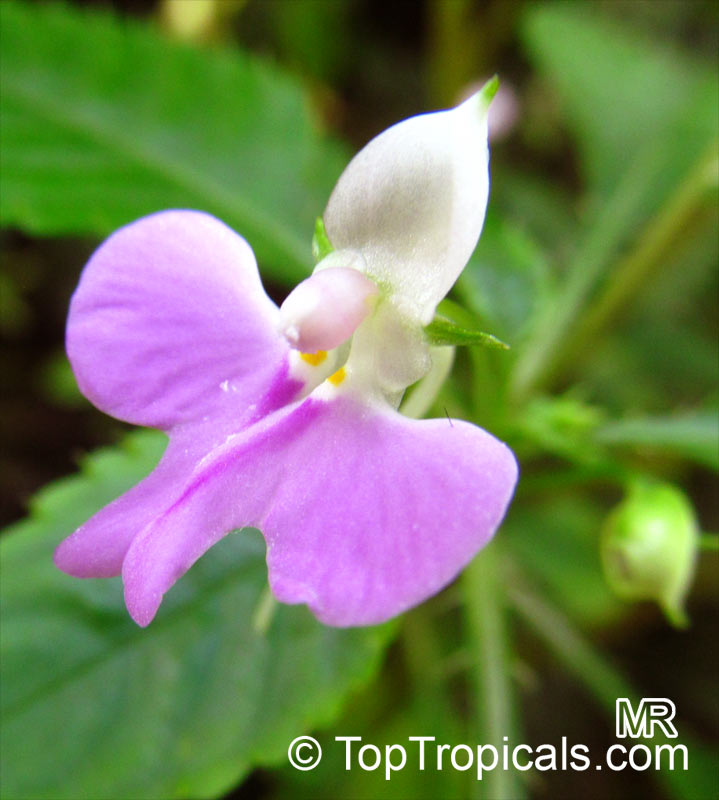
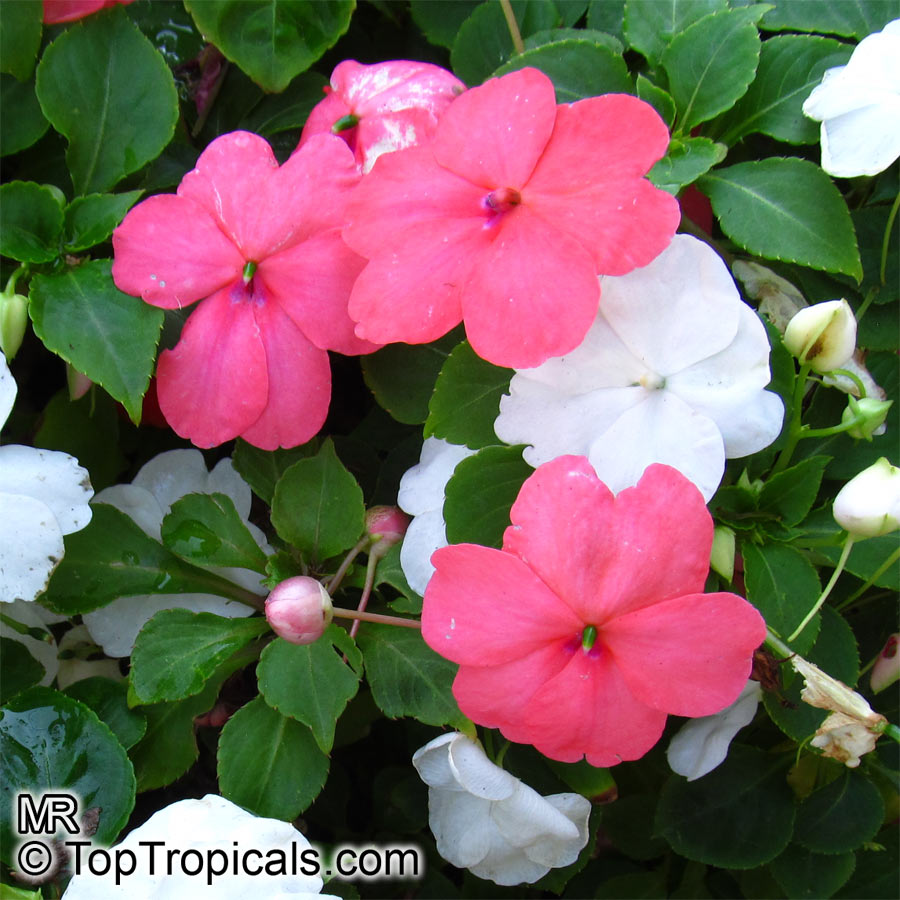
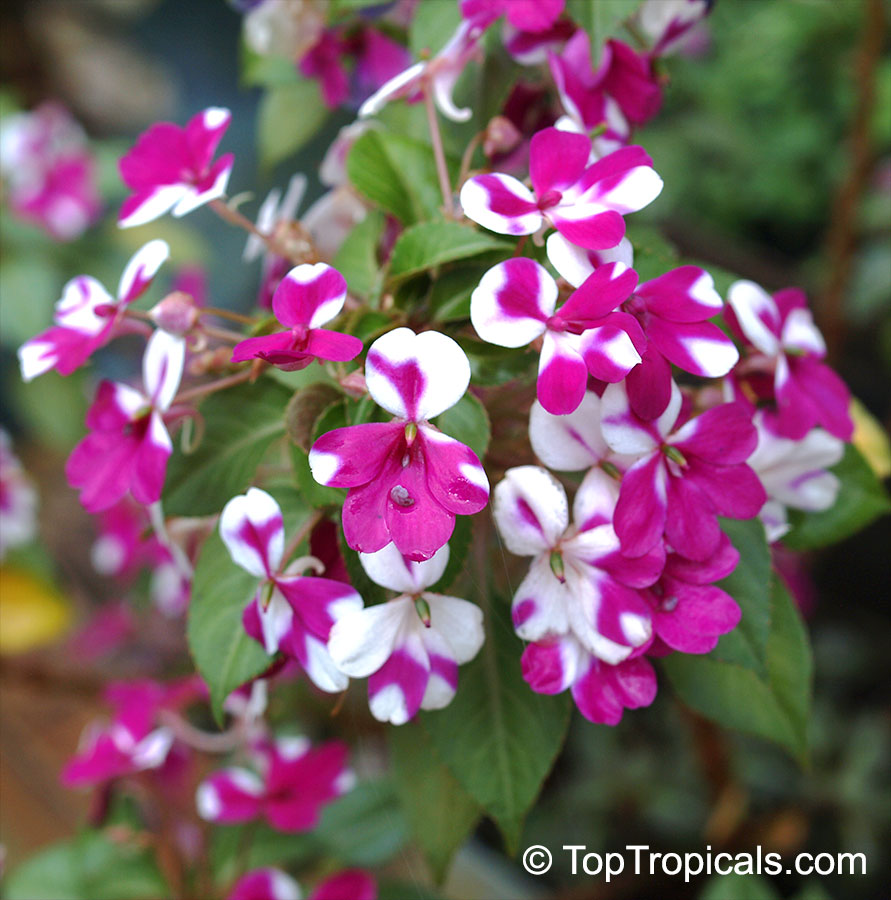
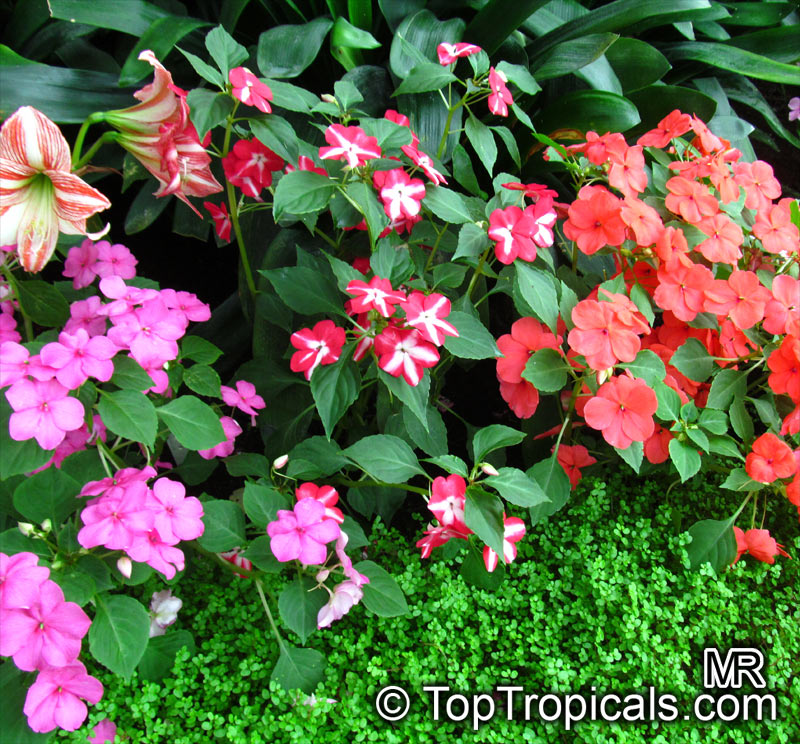
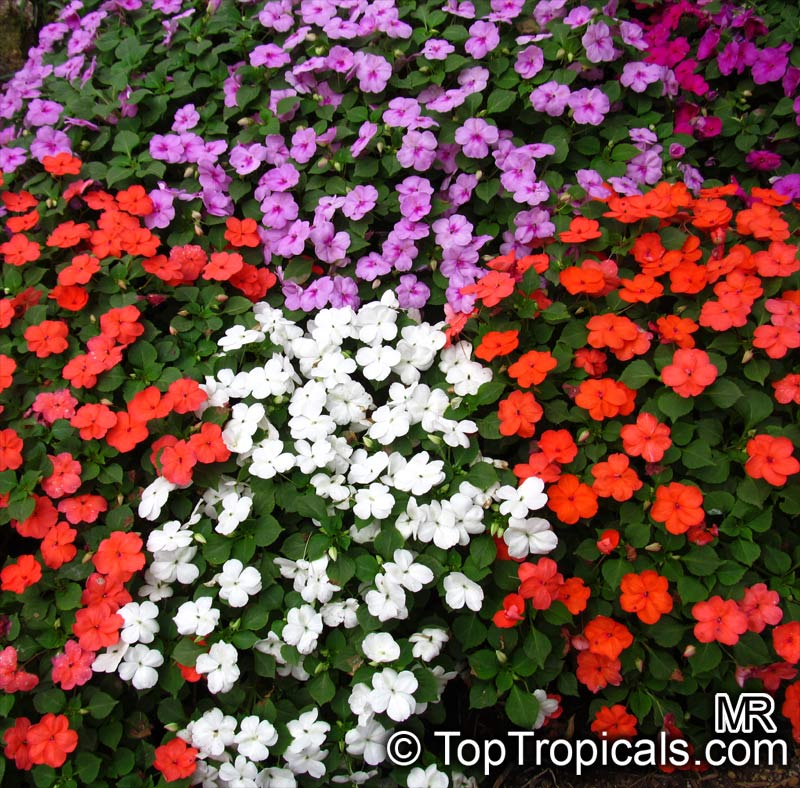
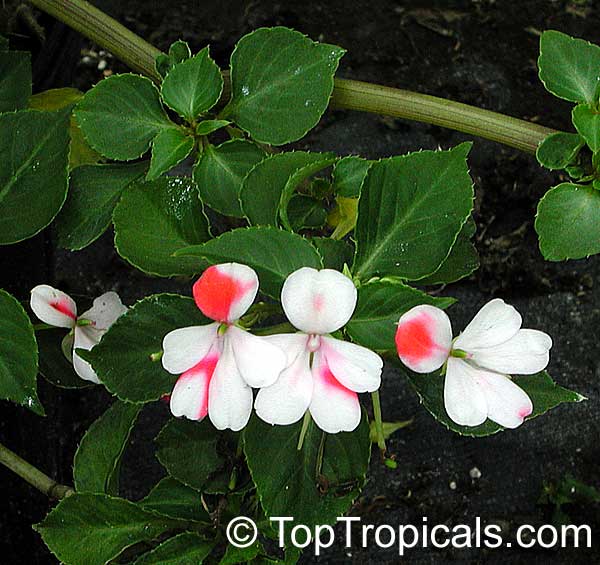
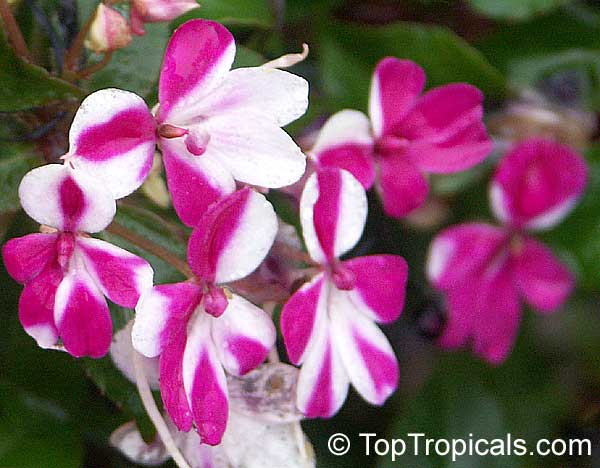
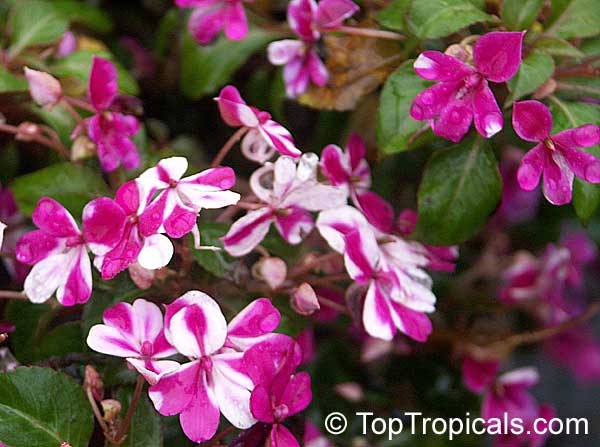
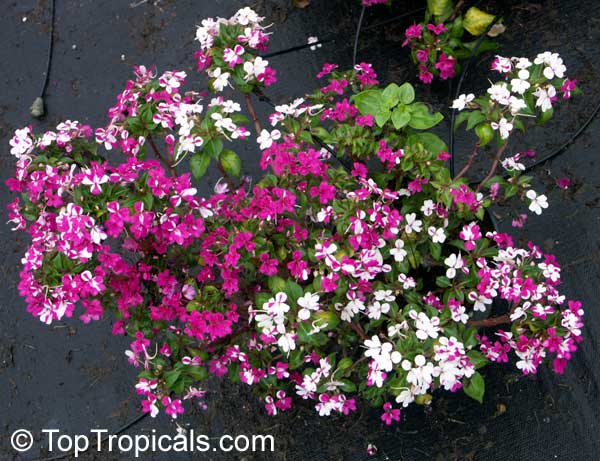
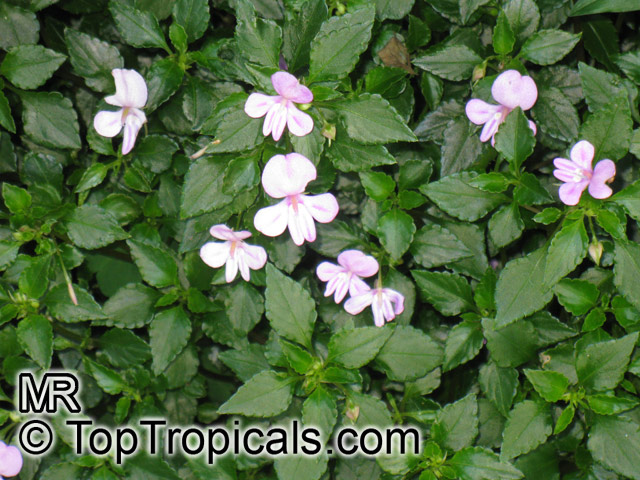
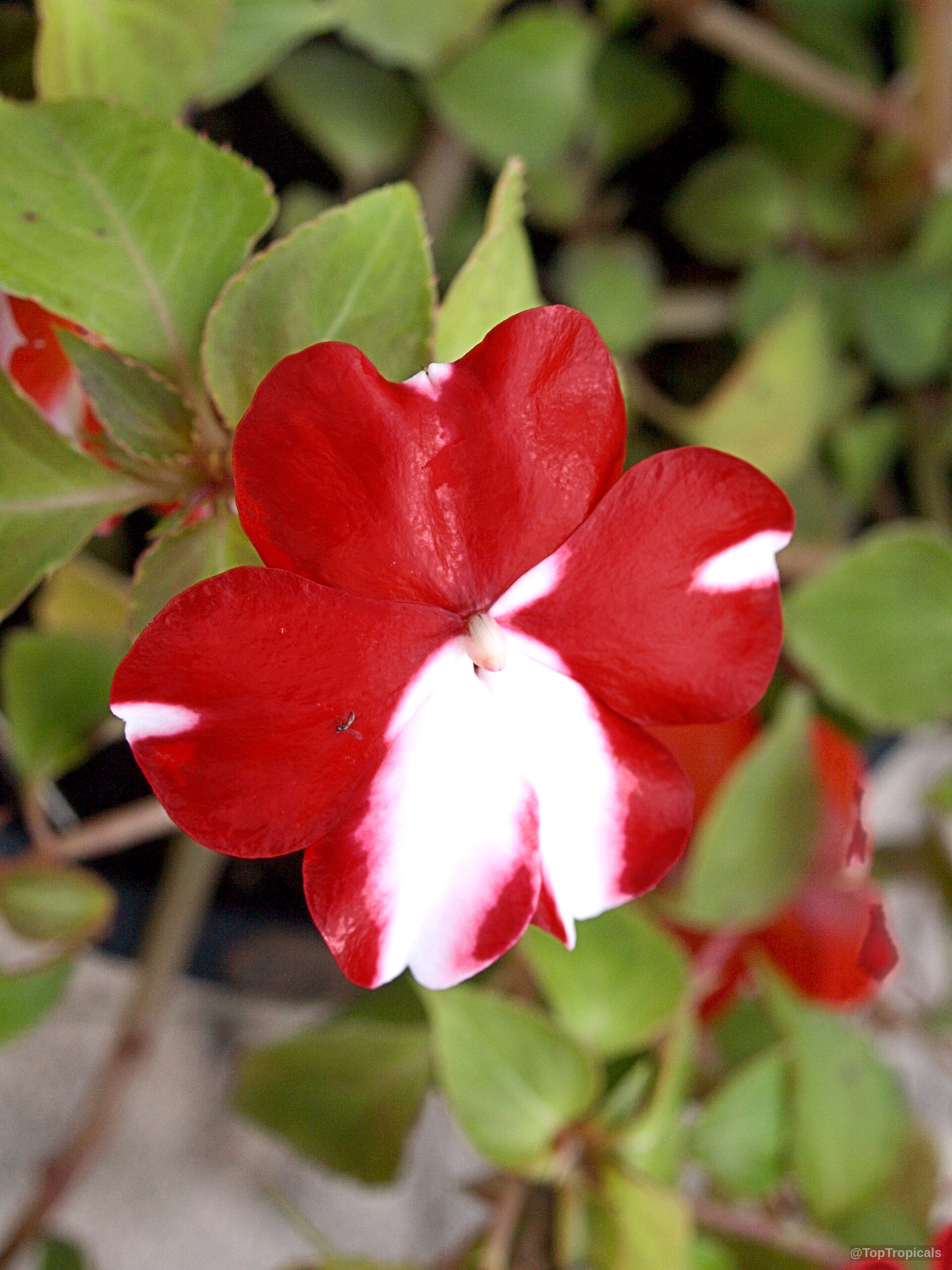
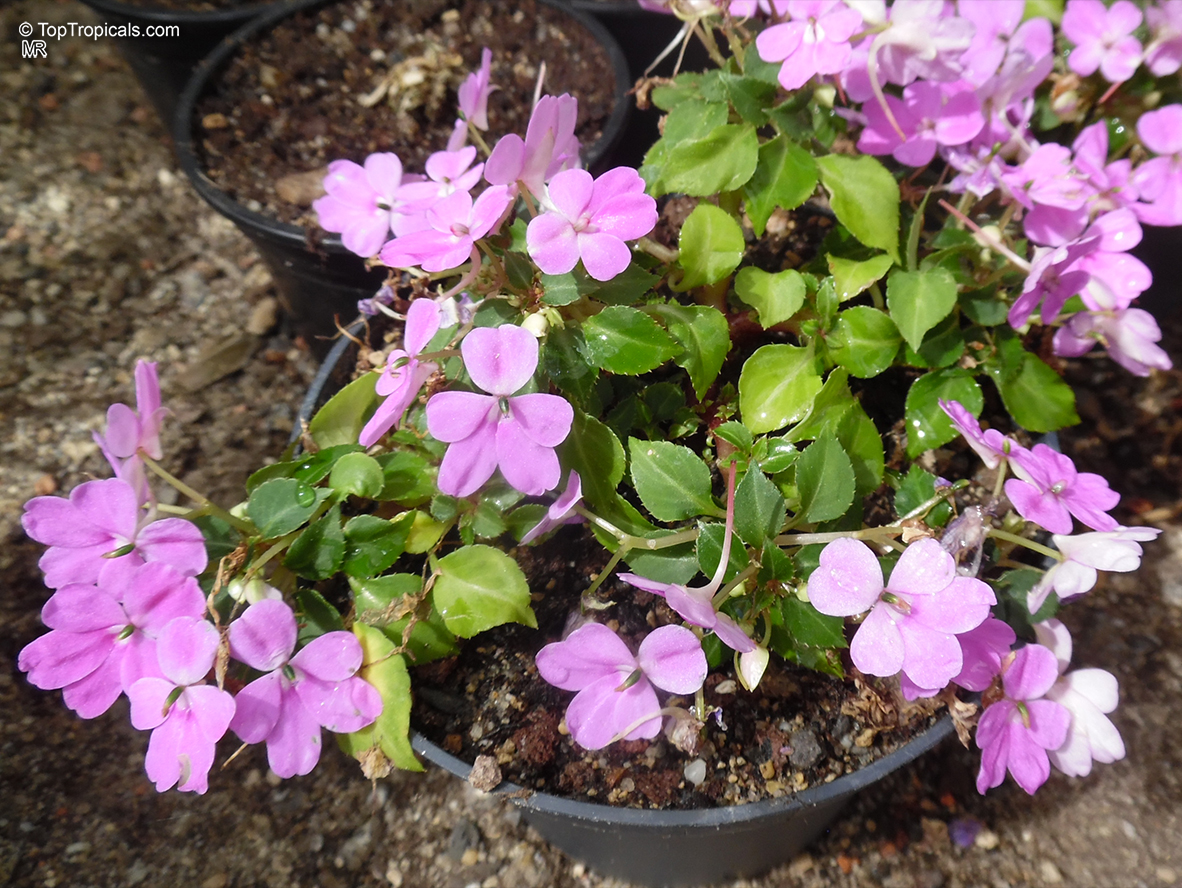
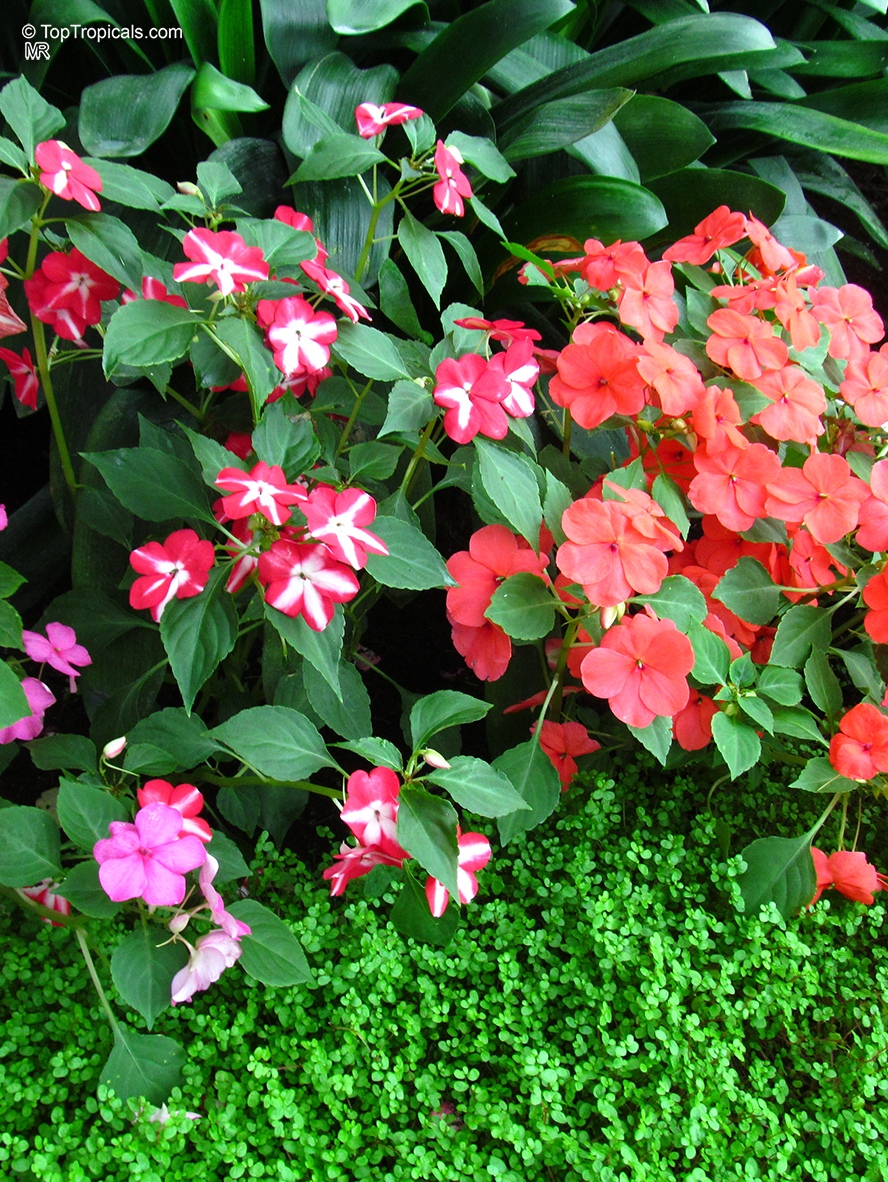
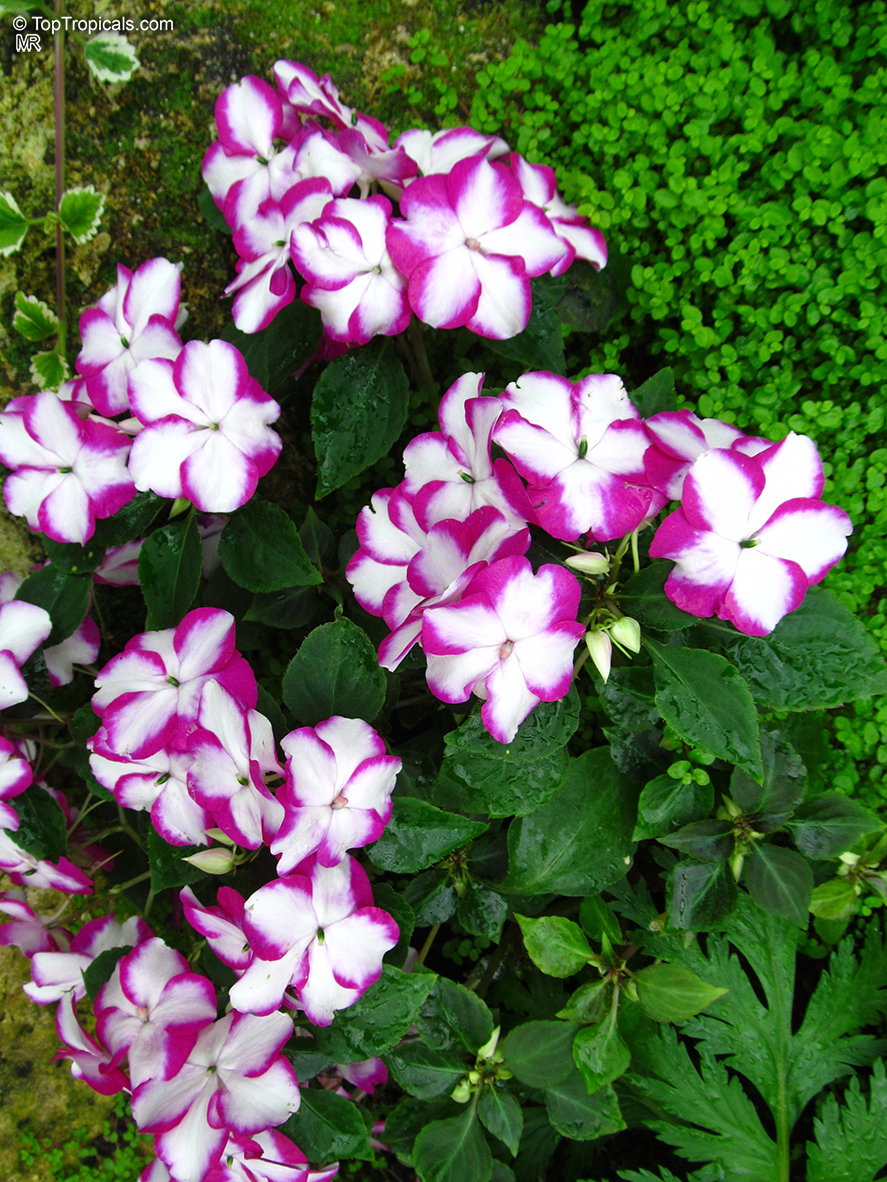
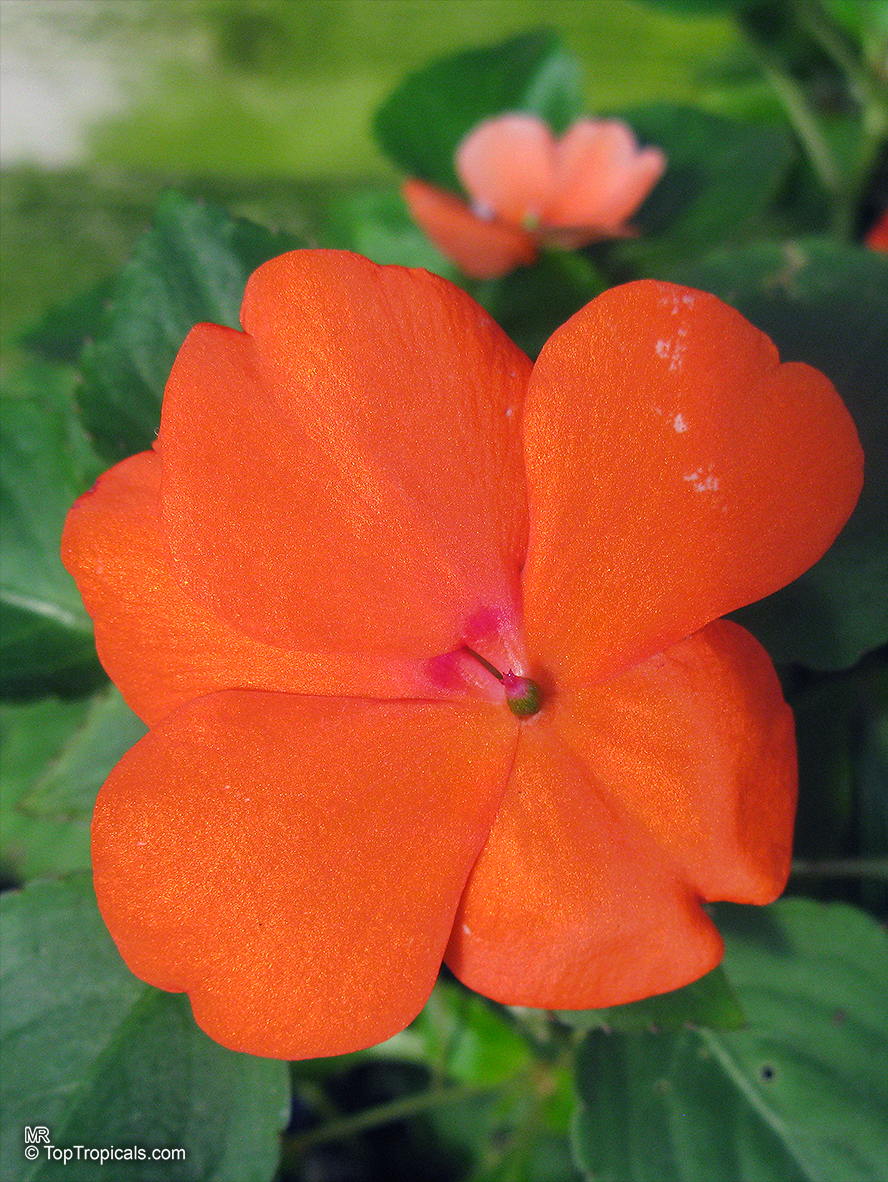
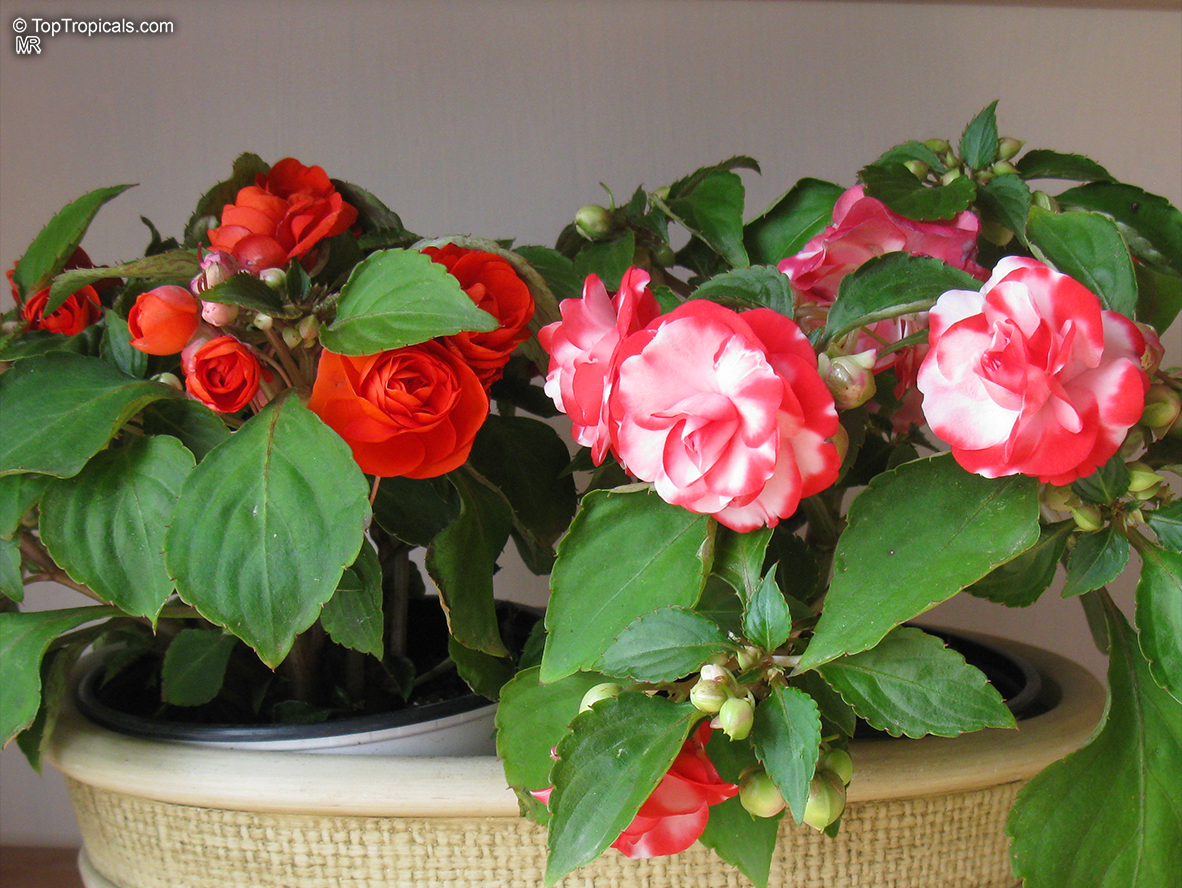
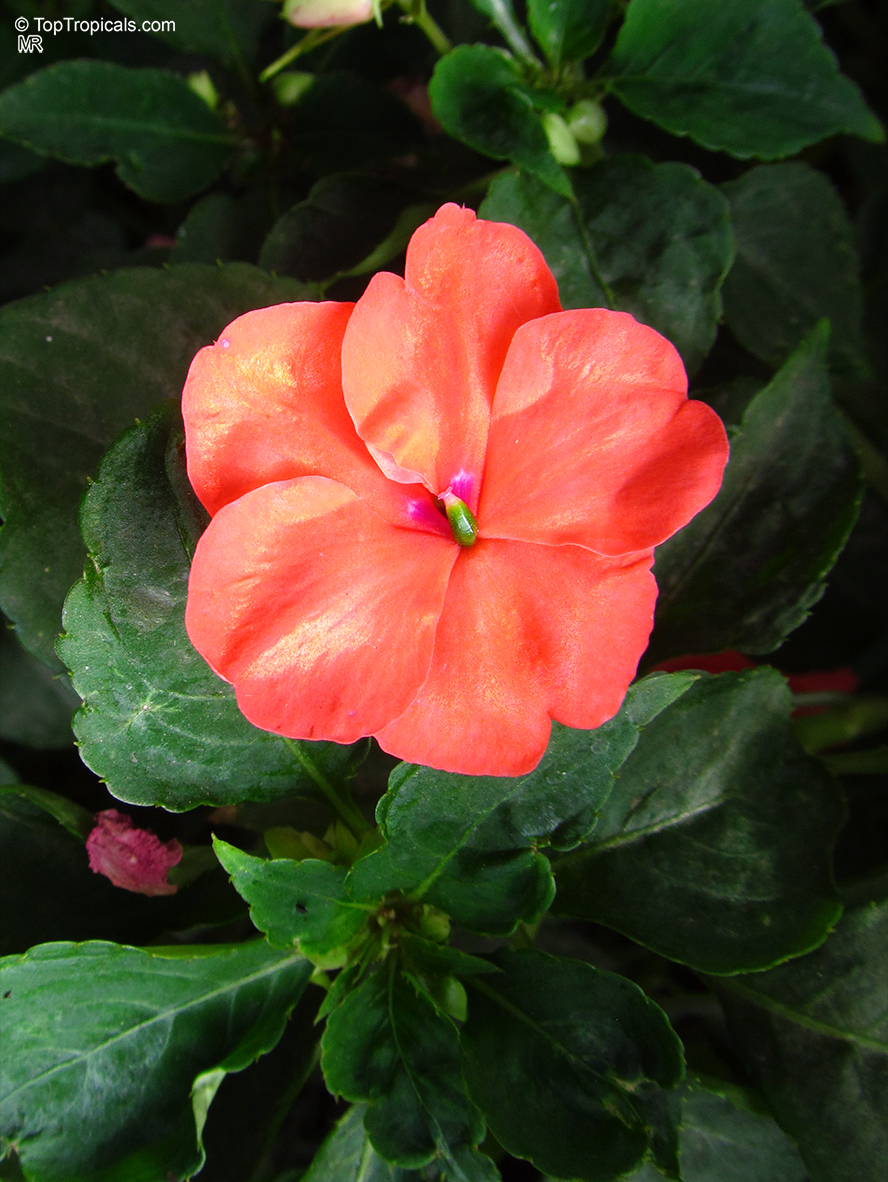
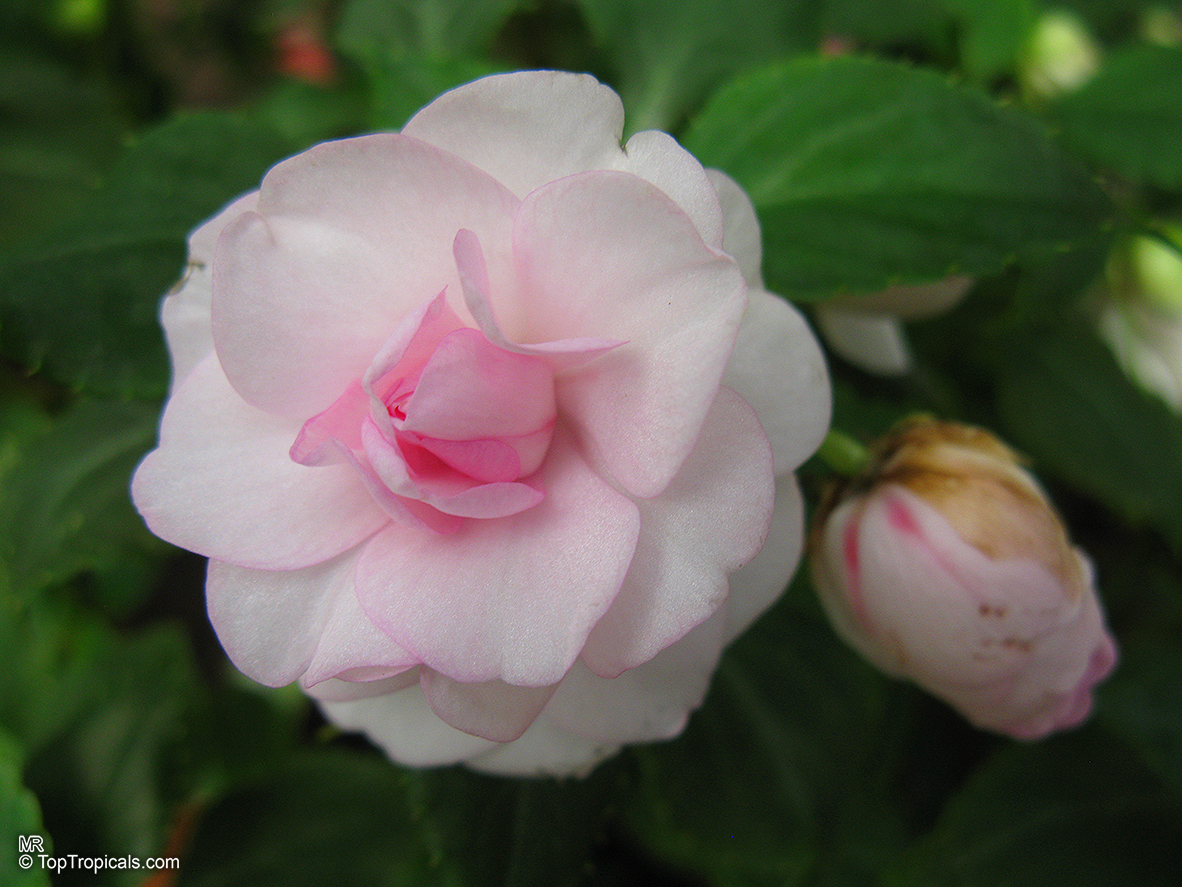
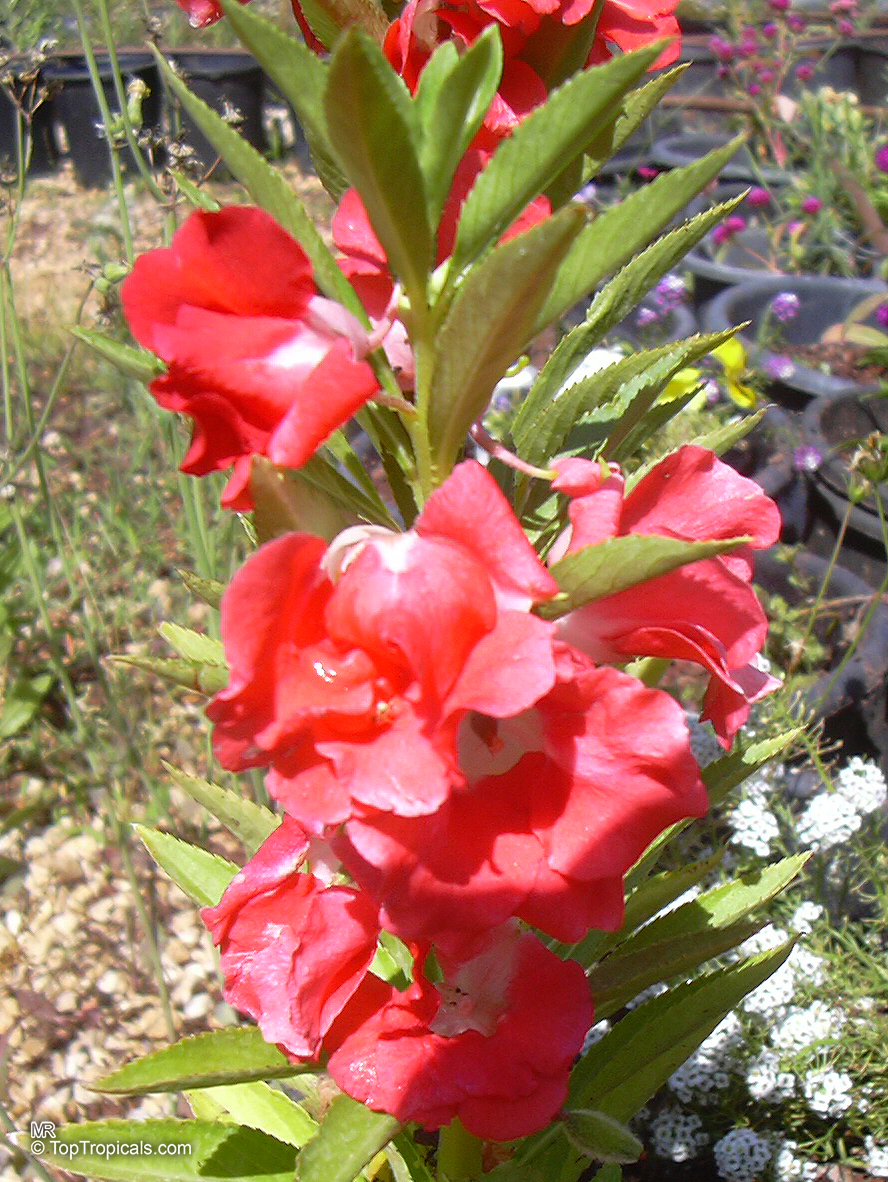
Botanical name: Impatiens sp.
Common names: Garden Balsam, Touch-me-not, Jewel Weed
Family: Balsaminaceae
Origin: Tropics of Asia and Africa
Impatiens is one of the best known and most popular garden plants for its prolific flowers and ease in growing. It is an evergreen perennial but is often grown as an annual in nontropical climates. Most varieties form low mounds that are usually 8-24in in height with about equal spread.
Likes moist, but well drained, fertile soil.
Propagation: Seed or cuttings in warm weather.
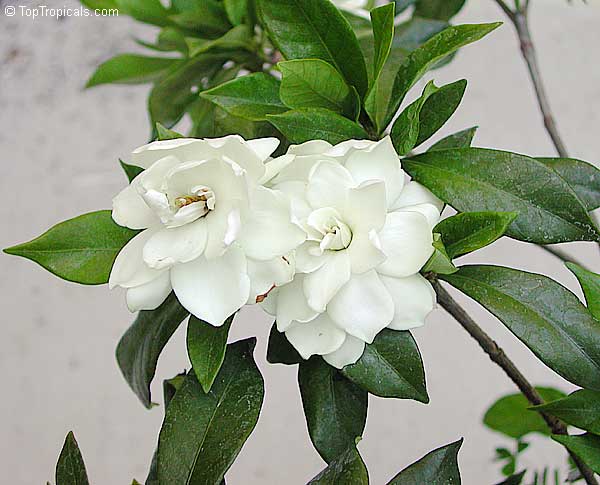
Botanical name: Gardenia jasminoides
Common name: Four Seasons Gardenia
Cultivar: Four Seasons
Family: Rubiaceae
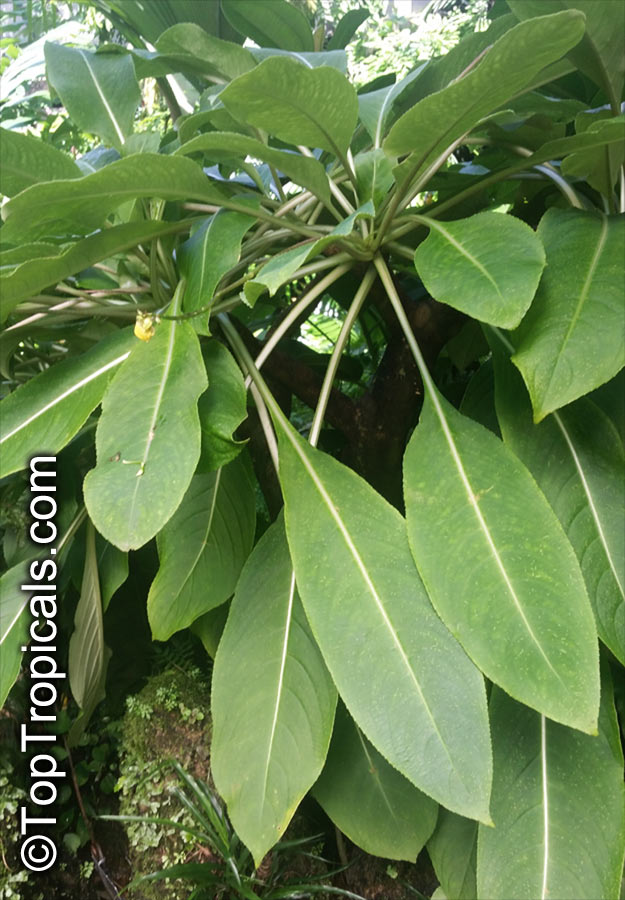
Everblooming Gardenia. It is well known there is little to rival the fragrance of Gardenias, and this plant is no exception. It lends itself well to pot culture with a compact stature. As new growth emerges, buds appear and then unfold into pristine white flowers that have a loose, double form. The long narrow leaves and upright spreading habit make this a distinctive addition to any collection. Hardy Zone 8 and higher Full or partial sun, grows to 1-3 ft in container, intermittent bloomer. Read more about gardenias.

| Next | |
Use link to repeat this search:
https://toptropicals.com/cgi-bin/garden_catalog/cat.cgi?search_op=and&keyword_op=and&language=e&number=10&no_change_lang=1
&v1=wht&user=tt&sale=1&first=0