Vine or creeper plant - Plant Encyclopedia Results
| Number of plants found: 576 | Next | 
|
Go to page: | 1 | 2 | 3 | 4 | 5 | Last |
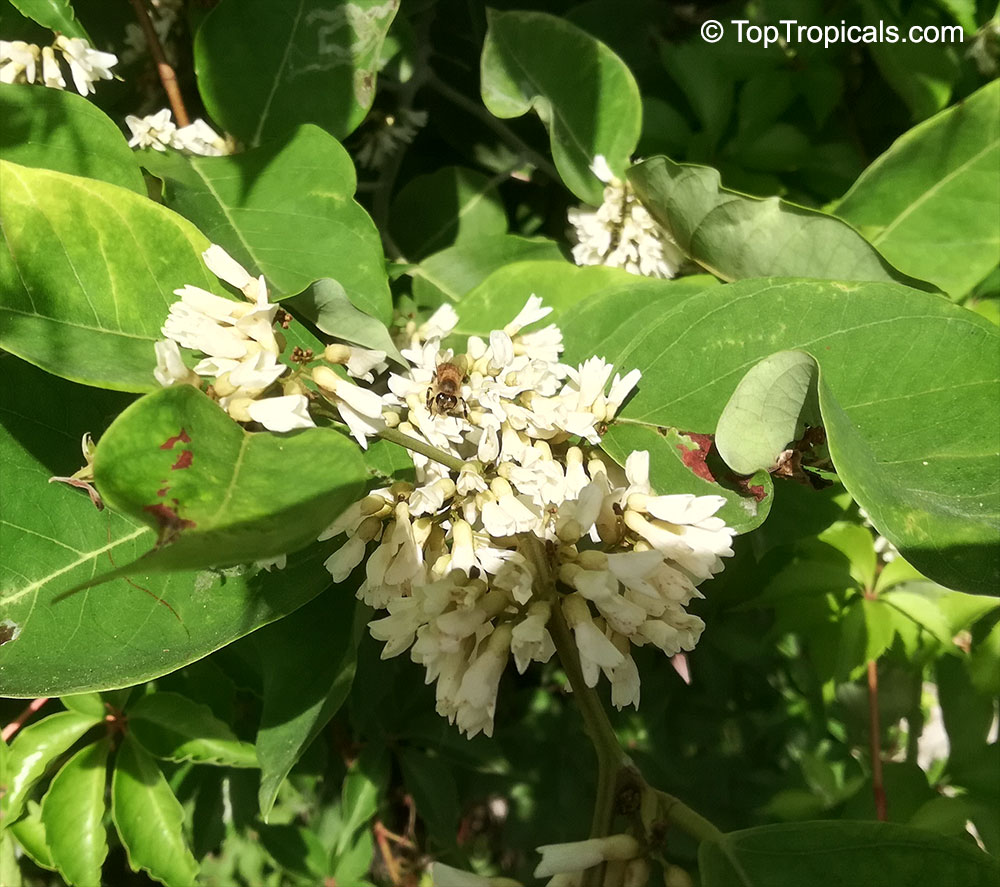
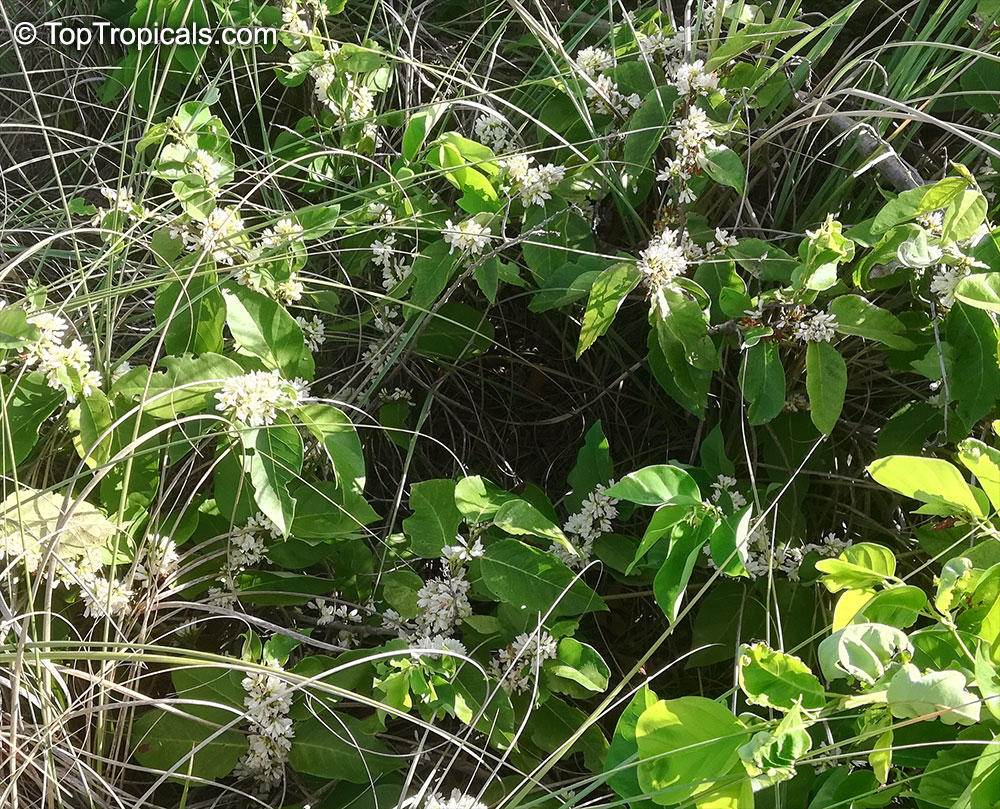
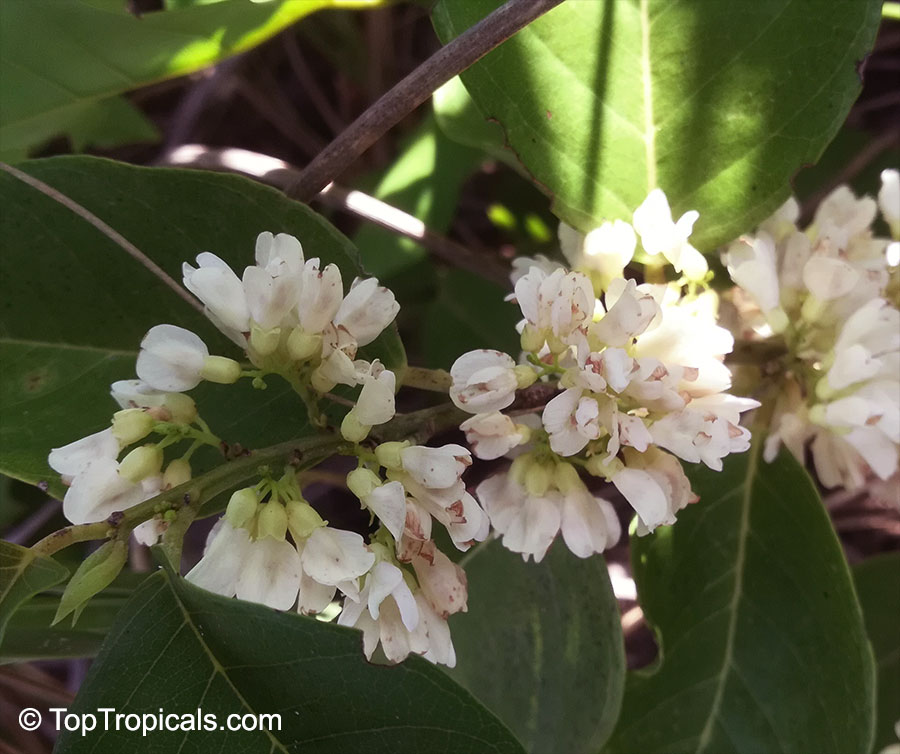
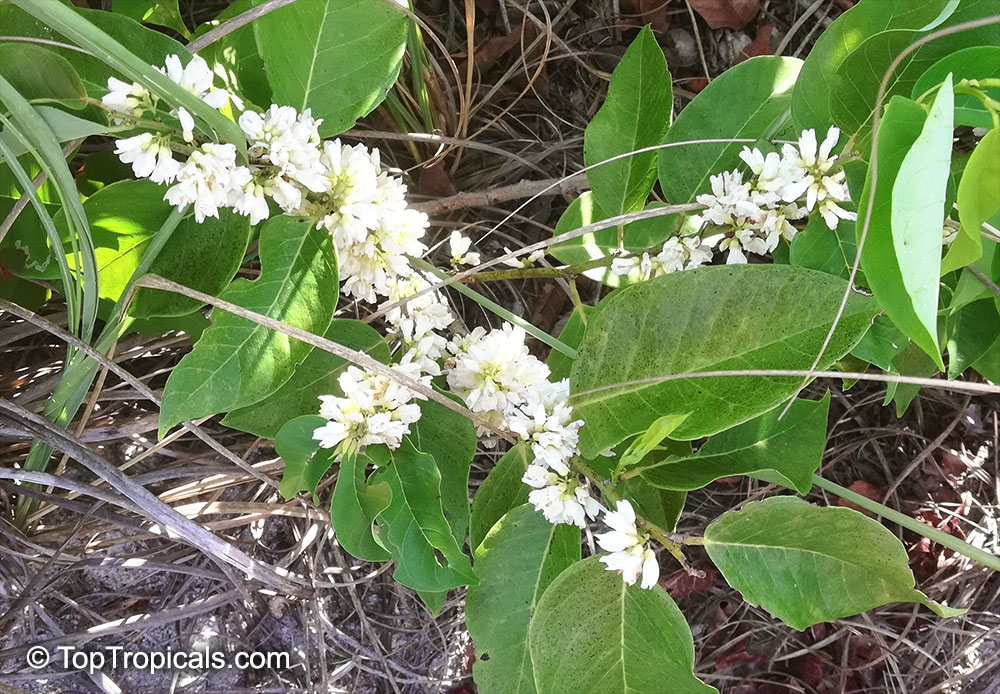
Botanical name: Dalbergia ecastaphyllum
Common name: Coinvine
Family: Fabaceae
Subfamily: Faboideae
Origin: South America


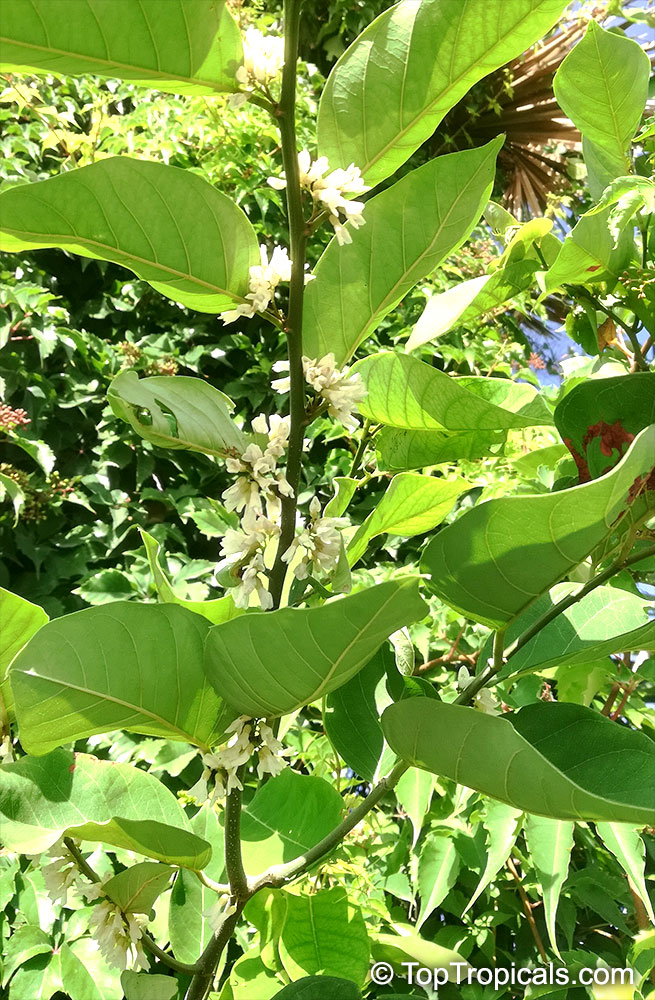
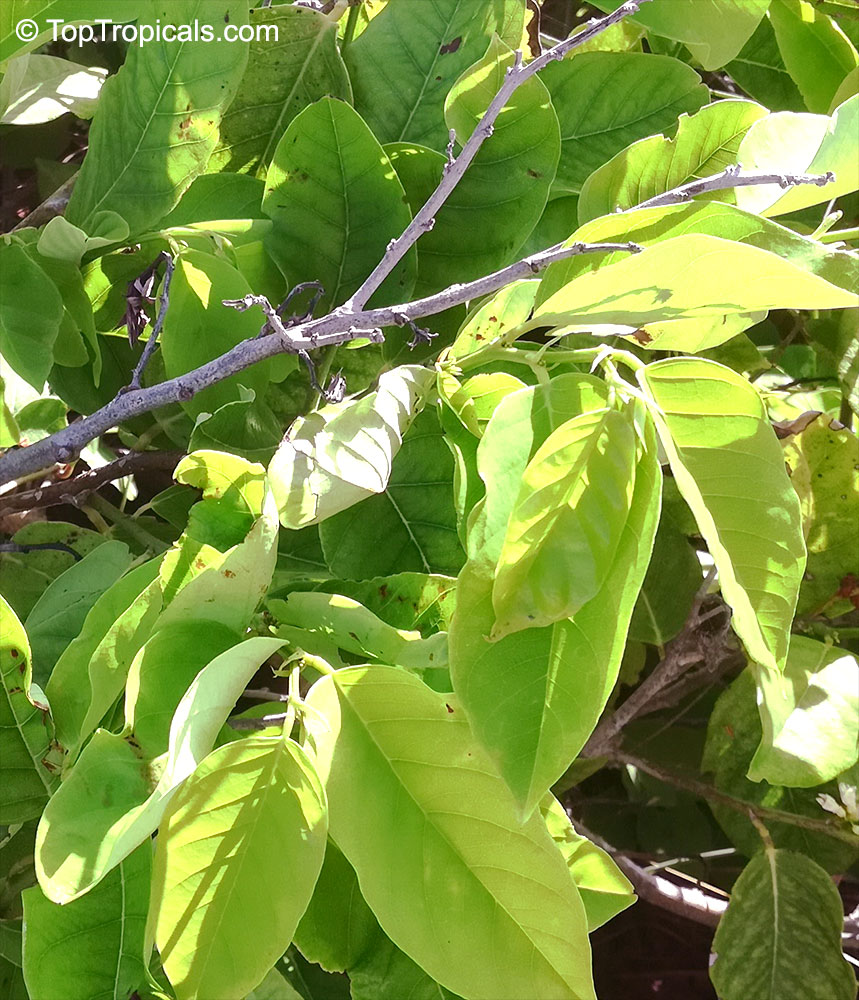
Dalbergia ecastaphyllum, also known as Coinvine Creeper, is a large shrub, vine or creeper native to South America. It can grow up to 5-10 feet tall and has a fibrous bark. The plant is particularly popular for its attractive, dark green, compound leaves with an obovate shape that turn orange-brown in the fall. It has an exotic appeal, making it a great addition to any garden.
This plant enjoys full sun to semi-shade and thrives in moderately moist, well-drained soil. It is surprisingly salt tolerant, making it an excellent choice for seaside gardens. Coinvine produces white or off-white flowers throughout the summer. During winter, it produces large, coin-shaped pods that give the plant its name.
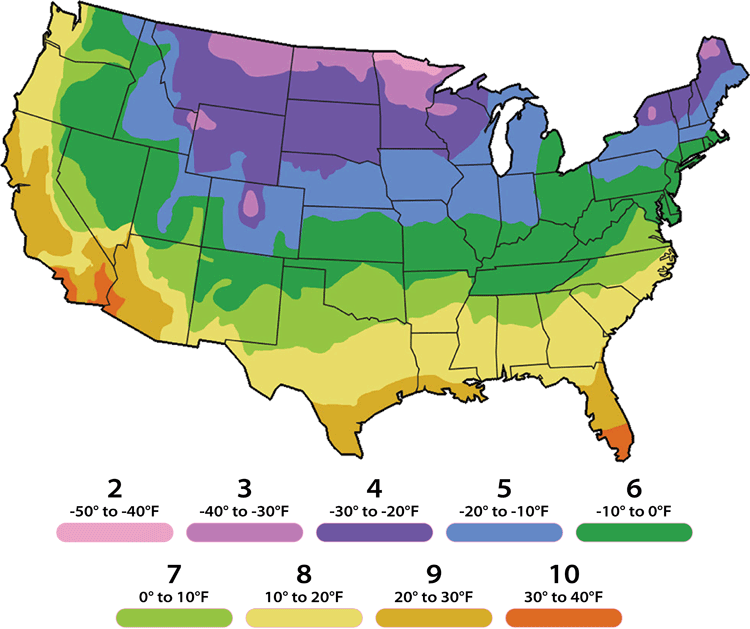
Coinvine is generally grown in USDA Zone 9-11, making it ideal for warm-weather gardens. It requires regular watering and should be protected from cold spells when grown in a pot. If you live in a region that experiences cold winters, it is advisable to move the plant indoors when temperatures drop. In a pot, Coinvine can also benefit from consistent fertilization.
The plant unique coin-shaped woody pods and attractive leaves make it stand out in any garden. Its moderate water and sun requirements make it easy to care for. The plant is hardy and resilient, making it an excellent choice for gardeners looking to add an exotic touch to their garden.
For those growing Coinvine in a pot in cold regions, it is essential to ensure the plant is watered regularly, especially during winter. The plant should be placed in a sunny spot, and you can use a grow light to supplement the sunlight during winter. The plant requires a well-draining potting mix and consistent fertilization. It is advisable to move the plant indoors during extreme cold spells, ensuring it gets enough light to thrive.
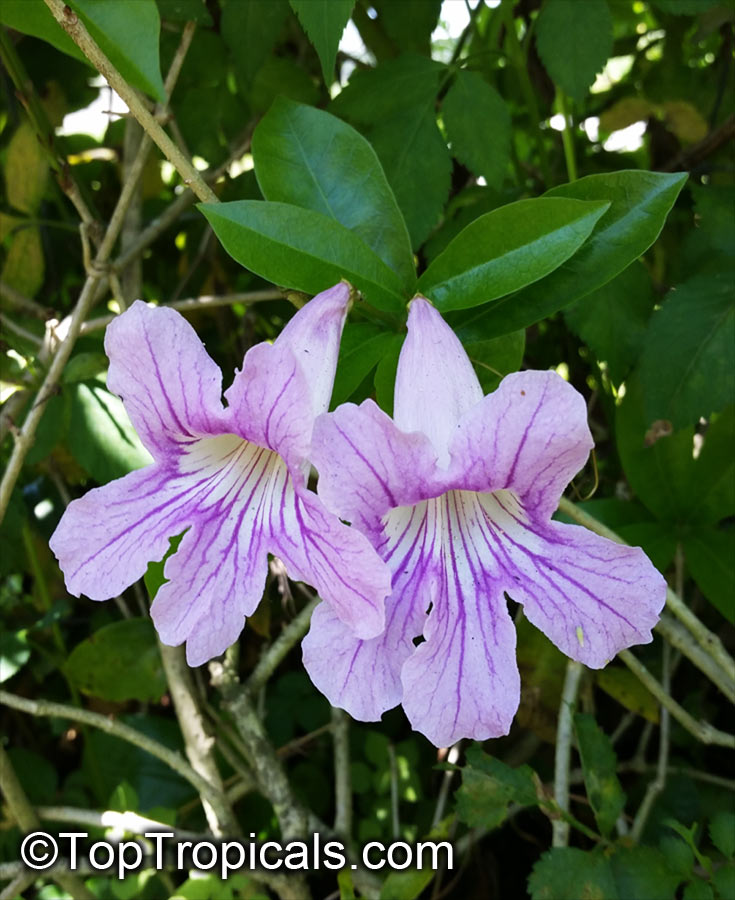
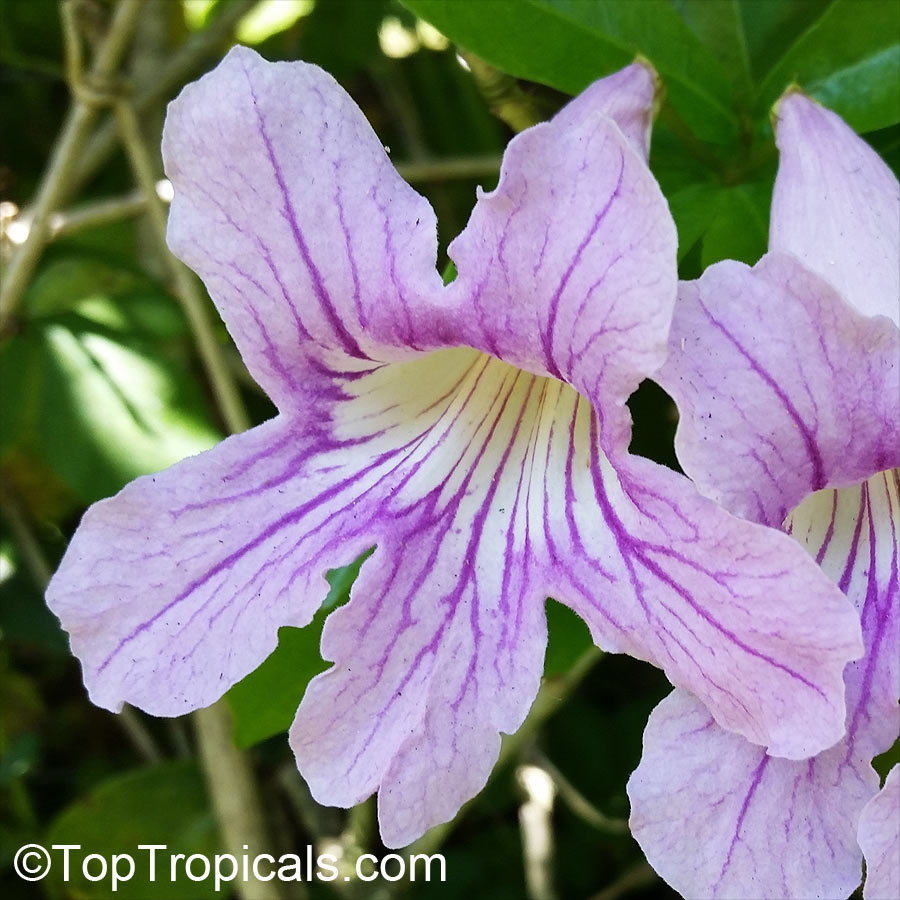
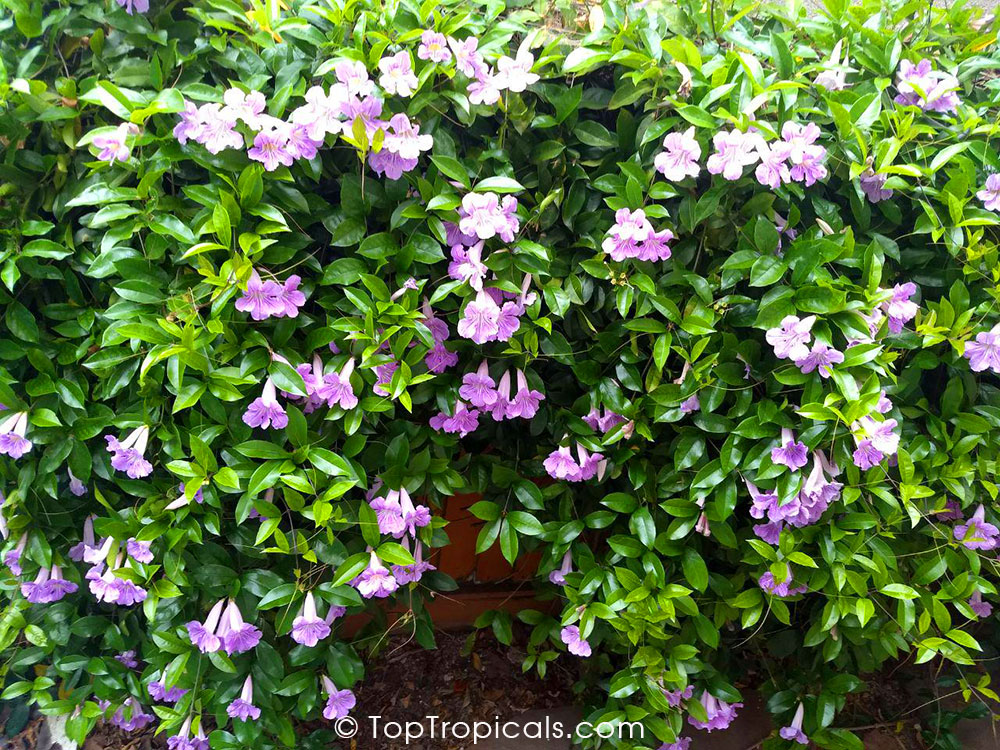
Botanical names: Clytostoma callistegioides, Bignonia lindleyana
Common names: Violet Trumpet Vine, Lavender Trumpet Vine
Family: Bignoniaceae
Origin: South America


Clytostoma callistegioides (Violet Trumpet Vine) is a perennial vine native to South America. It can easily reach heights of 15-20 feet, making it an excellent choice for covering trellises, walls, or even large fences. Once established, this vine will grow quickly, and soon you will be rewarded with its spectacular display of colorful blossoms. Violet Trumpet Vine requires full sun in order to flower and grow, but it also enjoys a bit of shade, especially during the hottest times of the day. It should be kept moist, and will benefit from regular watering and fertilizing during the growing season.
Violet Trumpet Vine produces stunning pink, white, off-white, blue, and lavender-colored flowers that bloom in the spring. These flowers will remain on the plant for four to six weeks attracting both butterflies and hummingbirds. It can be grown in USDA Zones 9-11. When mature, the Violet Trumpet Vine can tolerate temperatures down to 30°F for a short time, making it a great choice for seaside and salt-tolerant plants.
If you live in a cold region, the best way to keep your Violet Trumpet Vine healthy is to grow it in a pot, as this allows you to move it indoors during colder months. Keep the pot in a sunny location, provide regular water and proper fertilization, and you can enjoy its impressive display for many years to come.



Botanical name: Cryptostegia madagascariensis
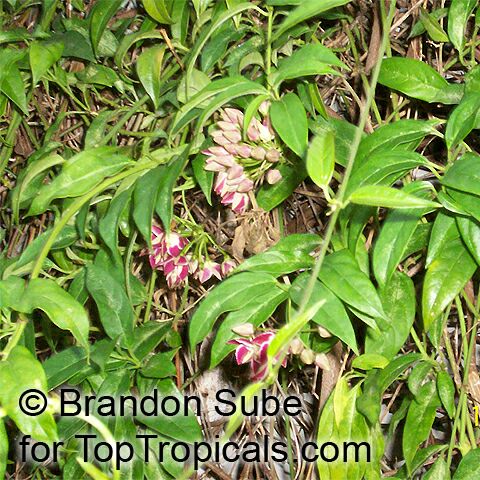
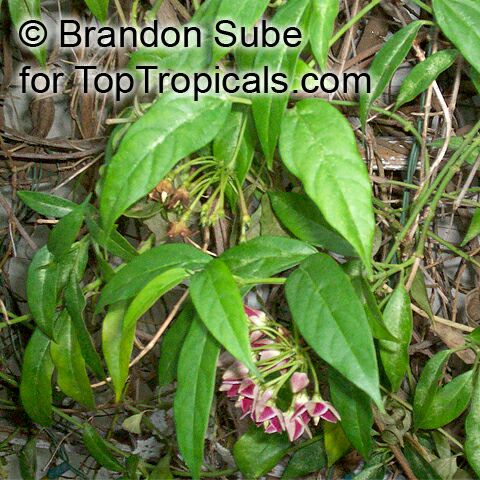
Common names: Rubber vine, Purple Allamanda
Family: Apocynaceae (Formerly:Asclepiadaceae)
Subfamily: Periplocoideae
Origin: Madagascar


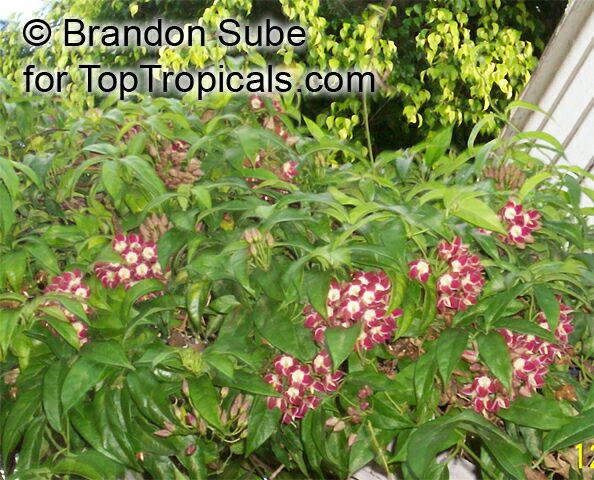
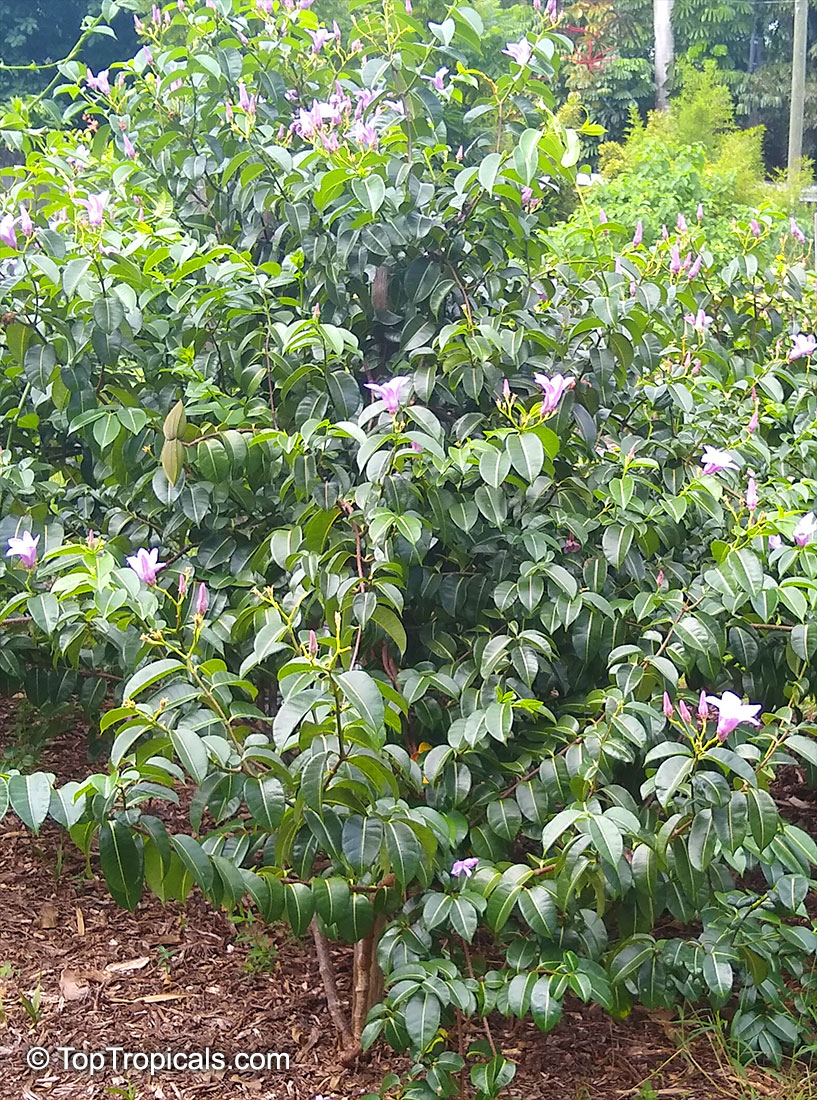
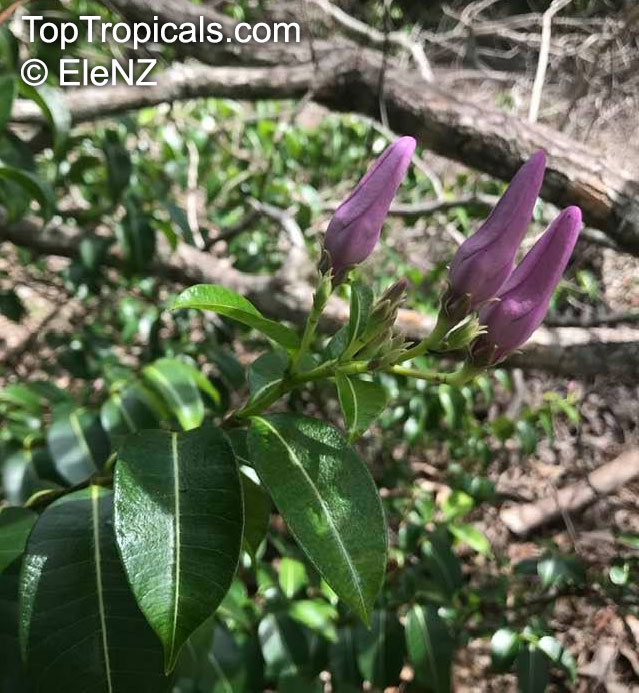
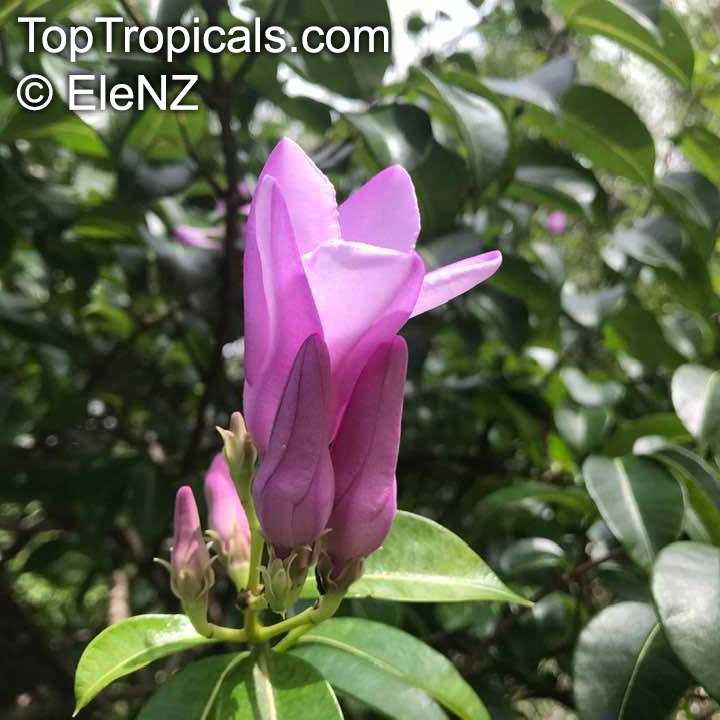
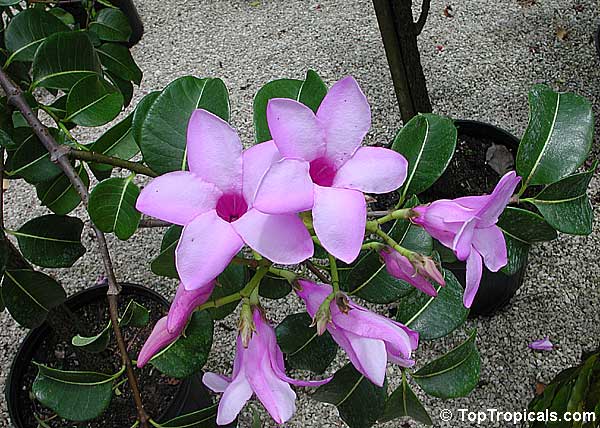
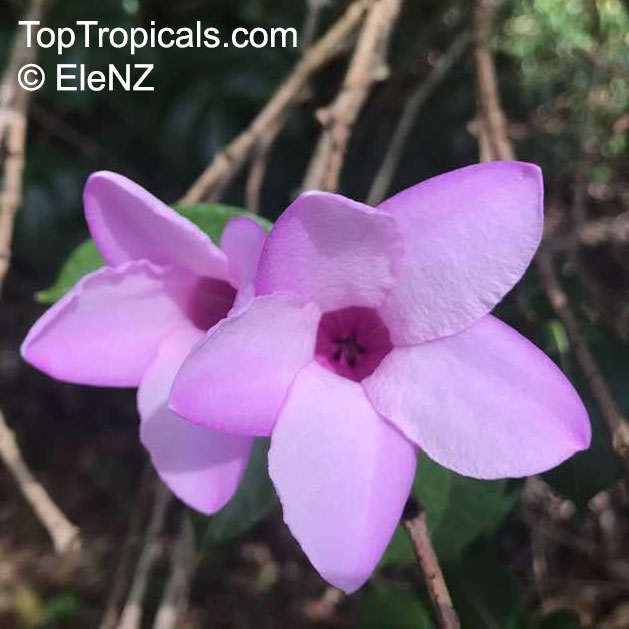
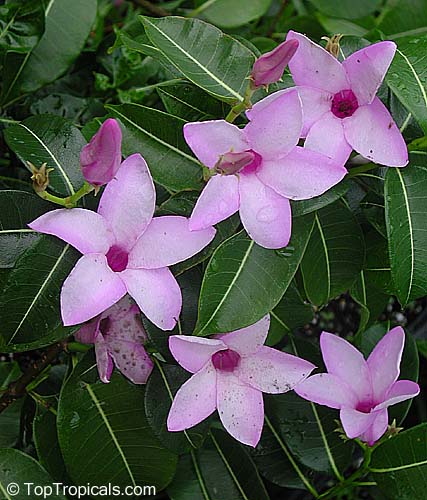
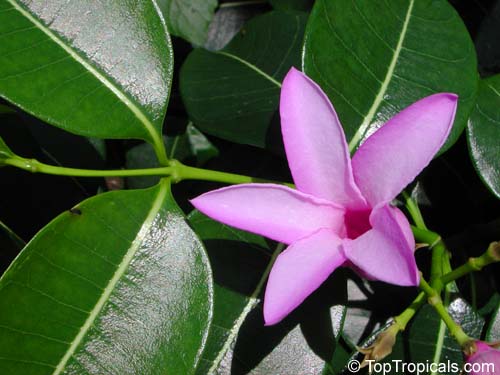
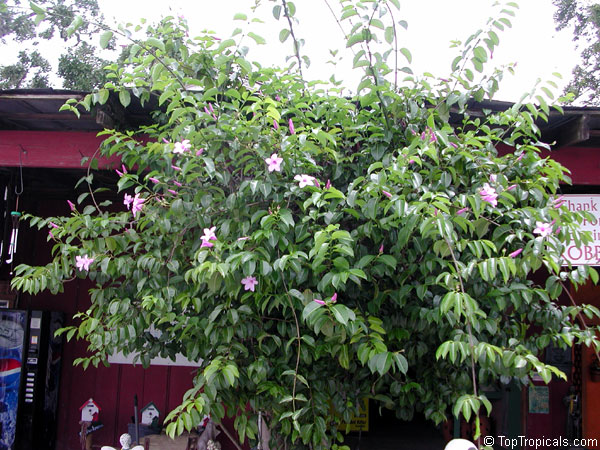
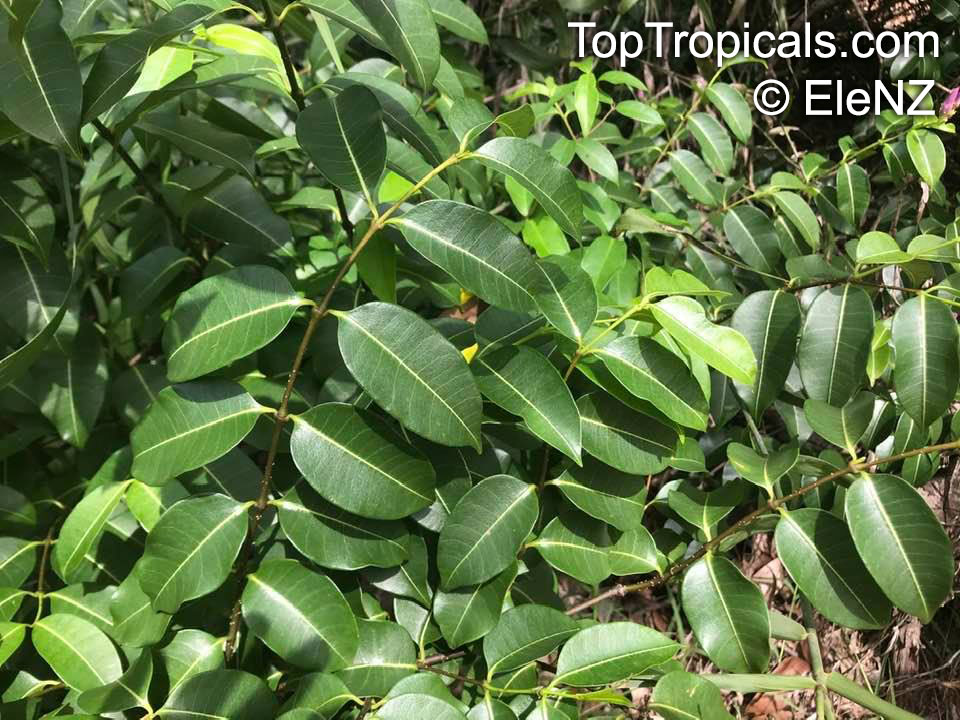
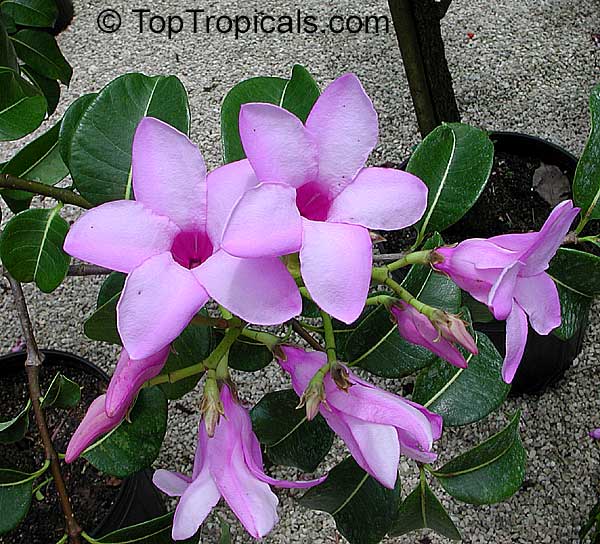
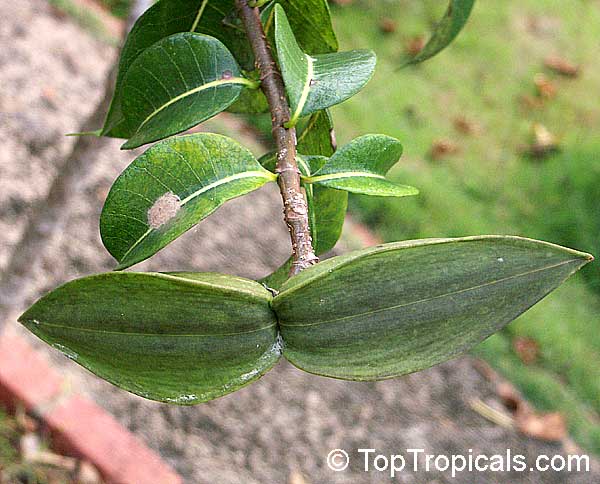
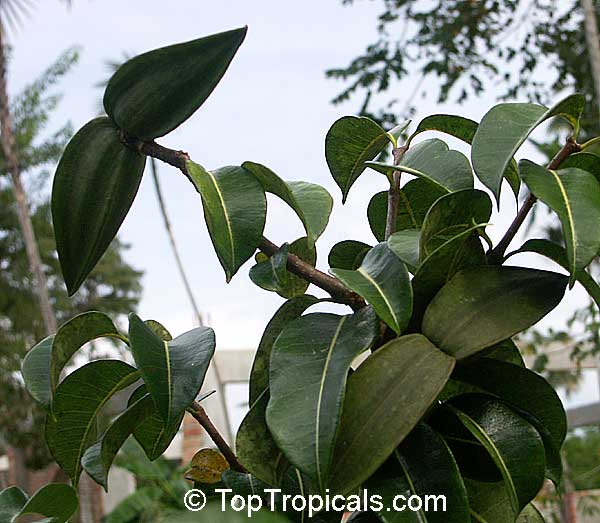
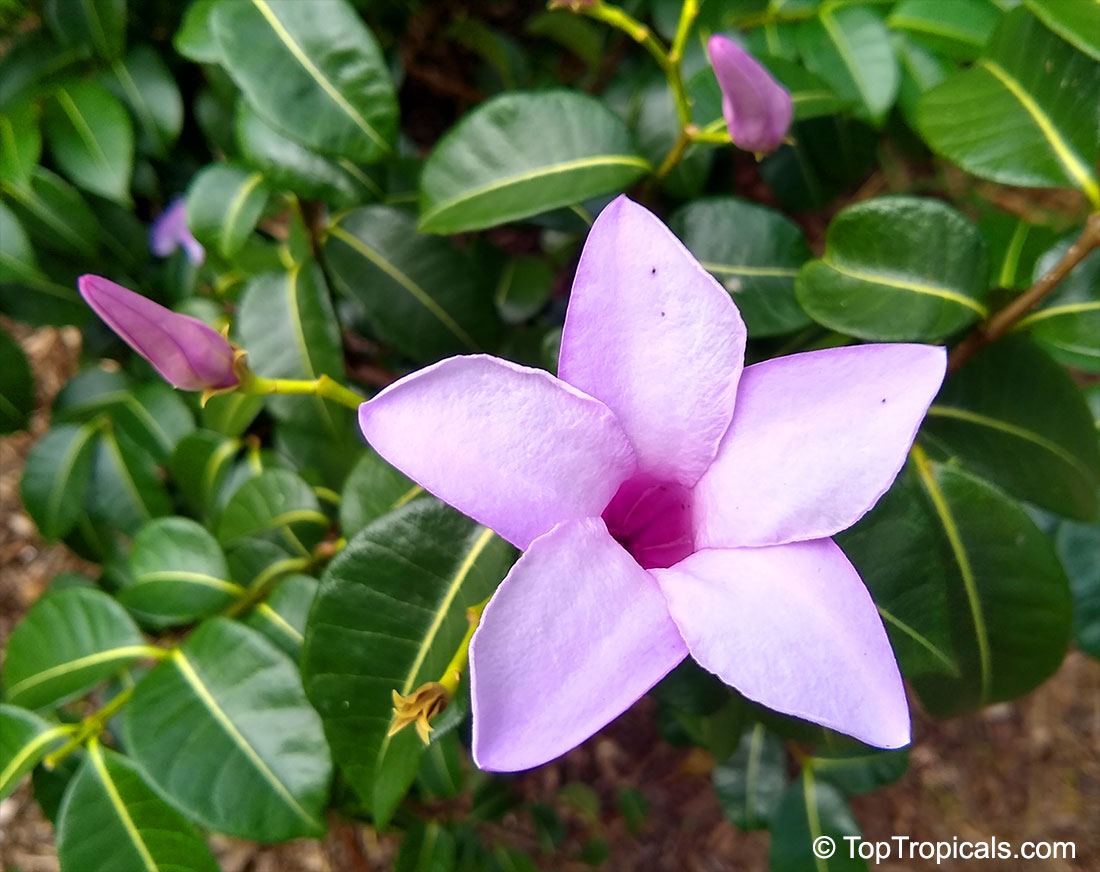
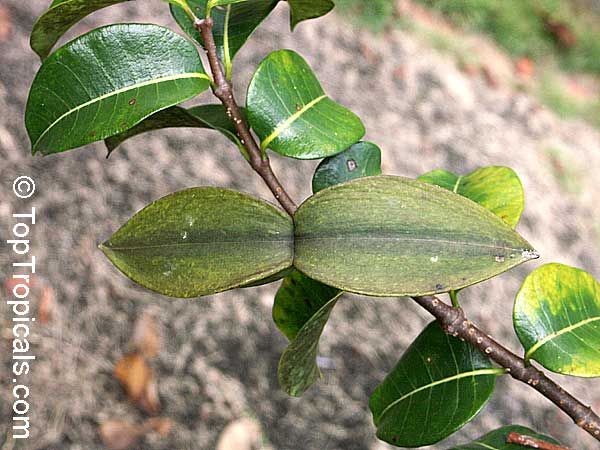
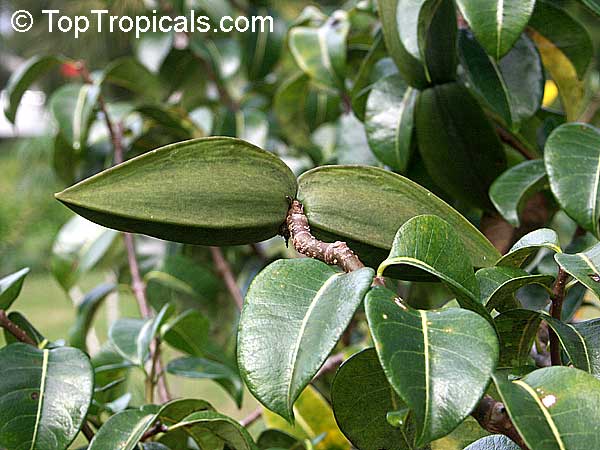
The Madagascar rubbervine originates from Madagascar and was formerly grown there and later in India to produce a poor quality rubber latex. Has large (2" across), showy, lilac flowers with a broad funnel-shaped tube and five spreading lobes. Leaves are very ornamental, wide, deep green and waxy. This exotic woody vine poses a significant threat to northern Australian savanna landscapes. The Rubber Vine is poisonous it contains glucosides interfering with the heart, and ingesting with provoke stomach and intestinal upset. When trimming wear gloves since the sap is very irritating to the skin, and discard what you trimmed rapidly, because the dust from dried plants is also irritating.
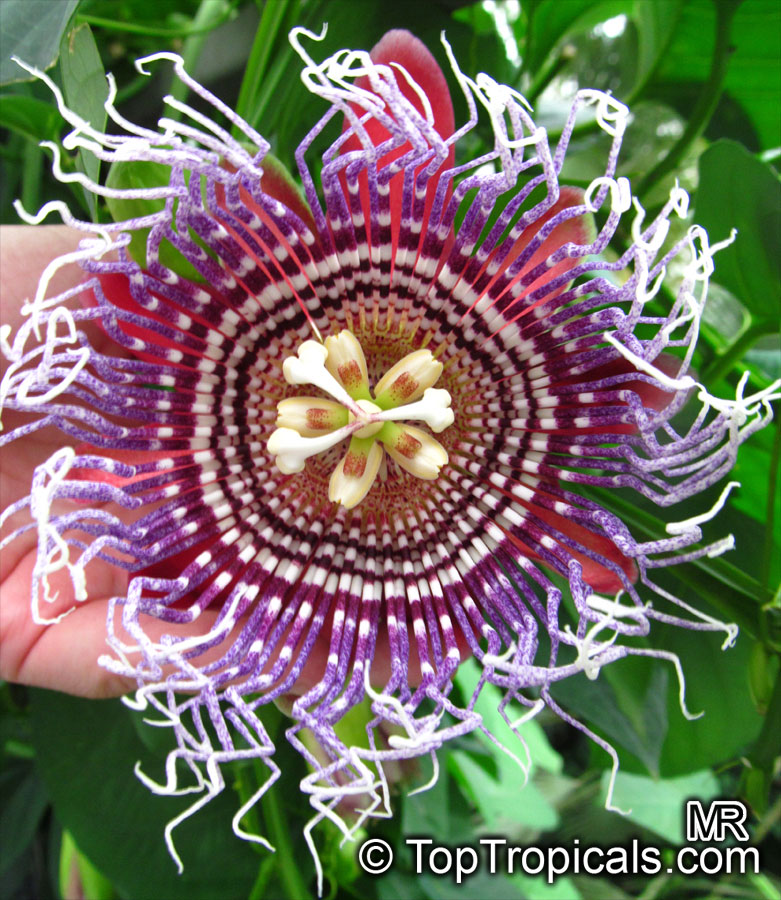
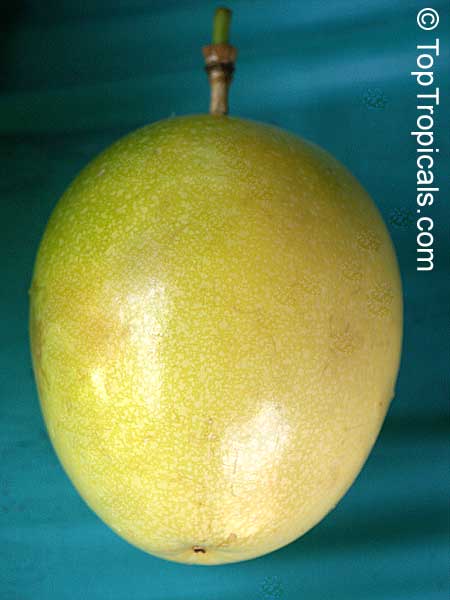
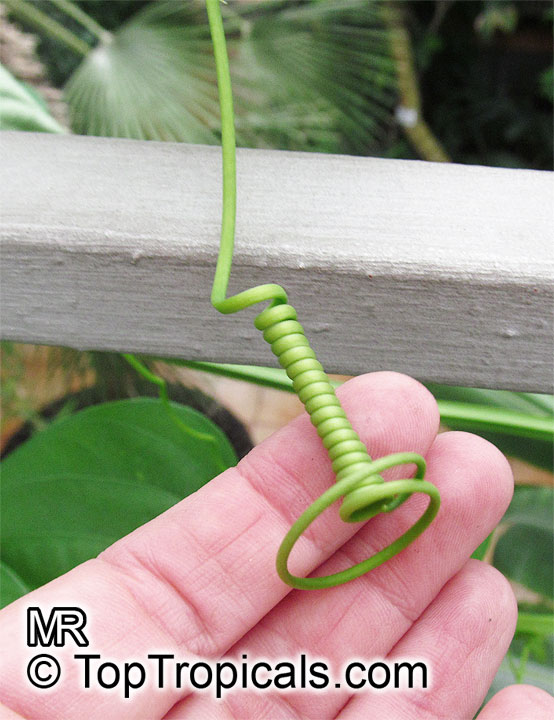
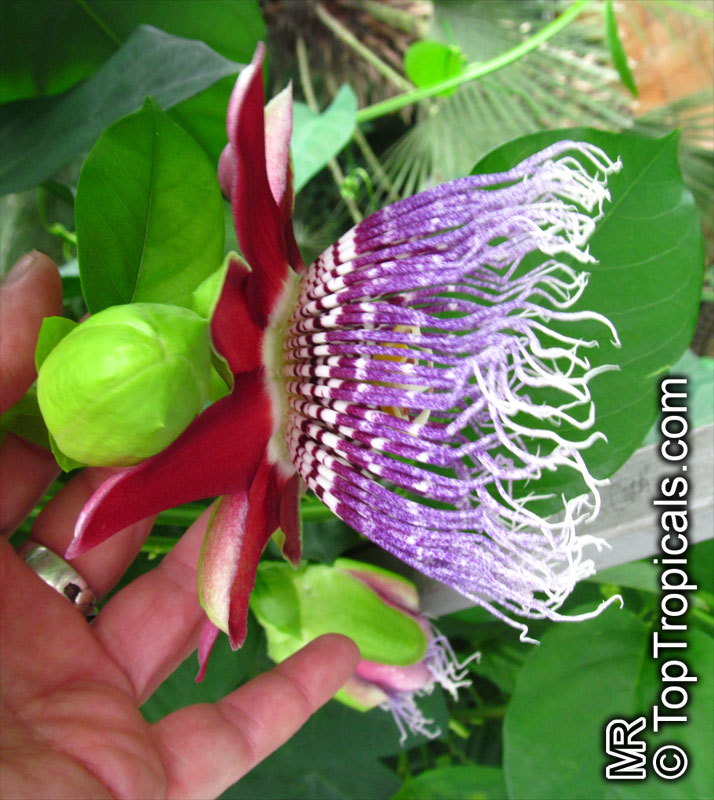
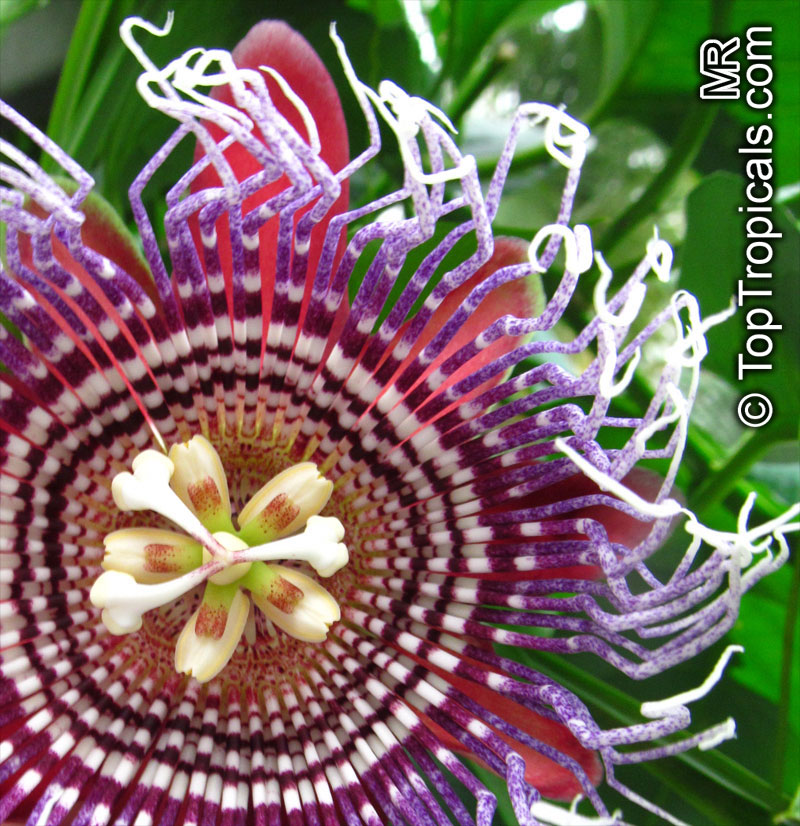
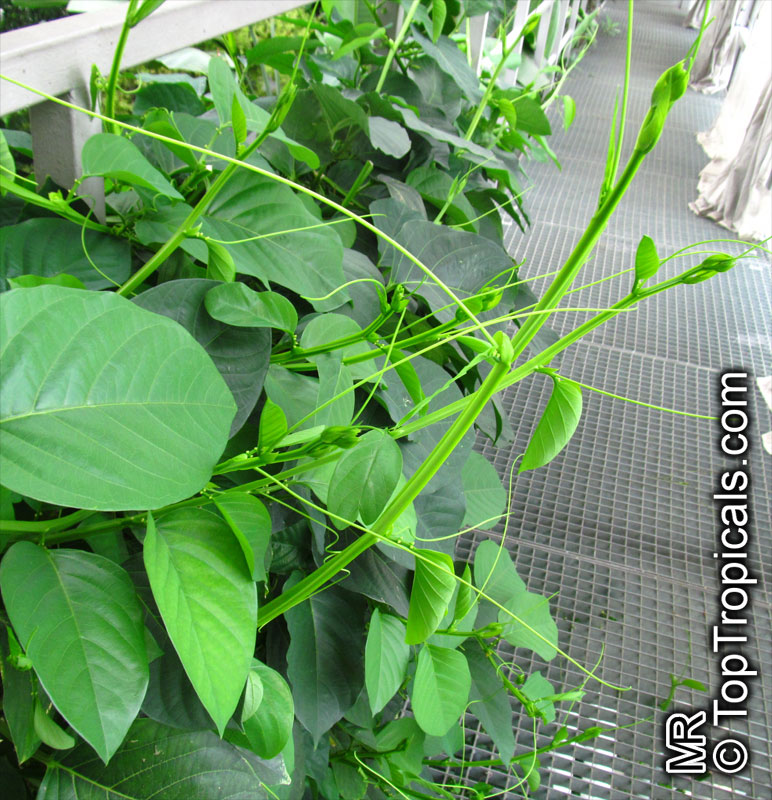
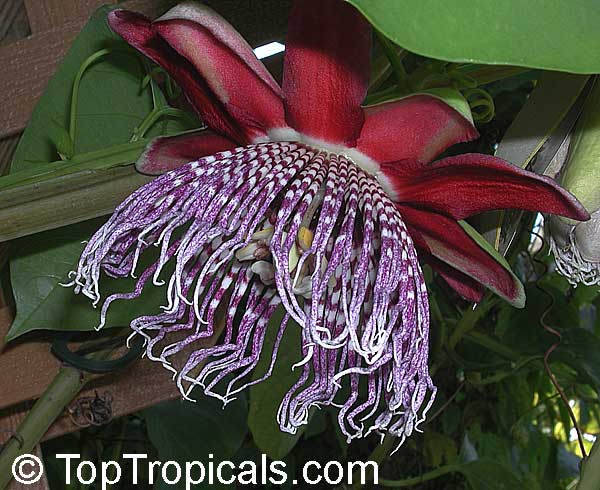
Botanical names: Passiflora quadrangularis, Passiflora macrocarpa
Common name: Giant granadilla
Family: Passifloraceae
Origin: Central and South America


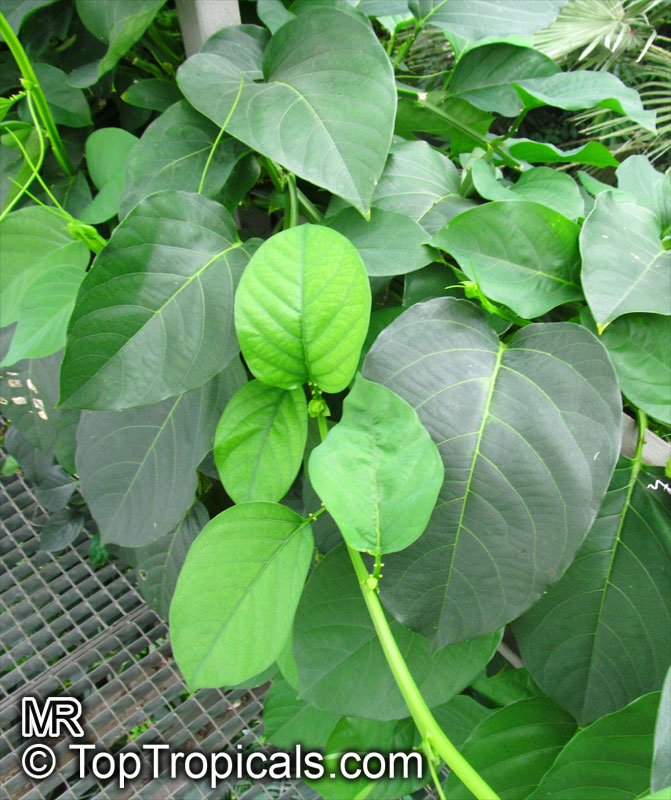
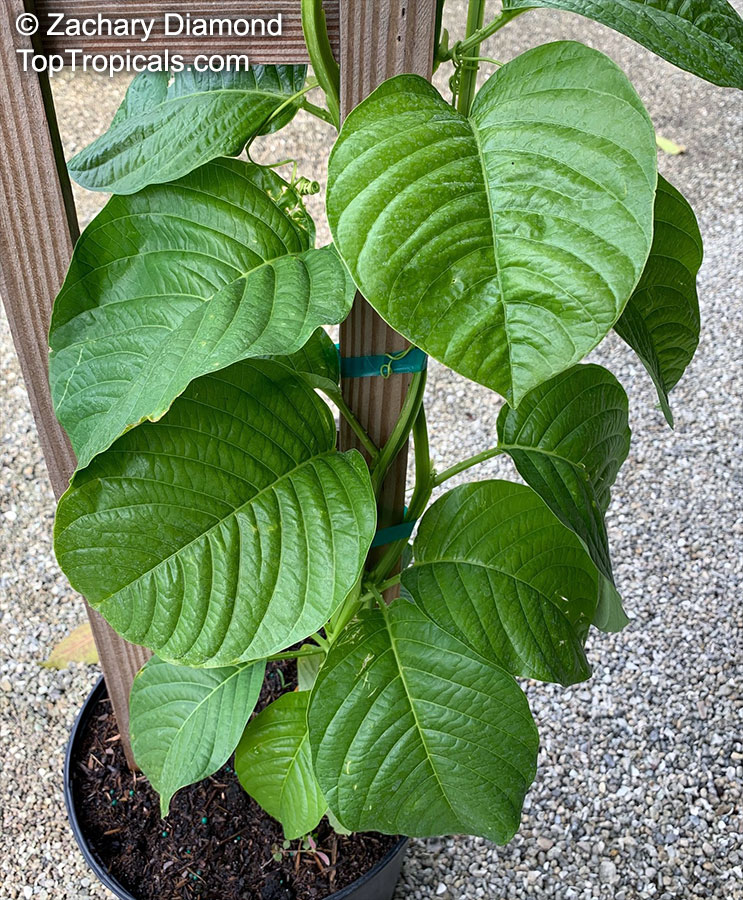
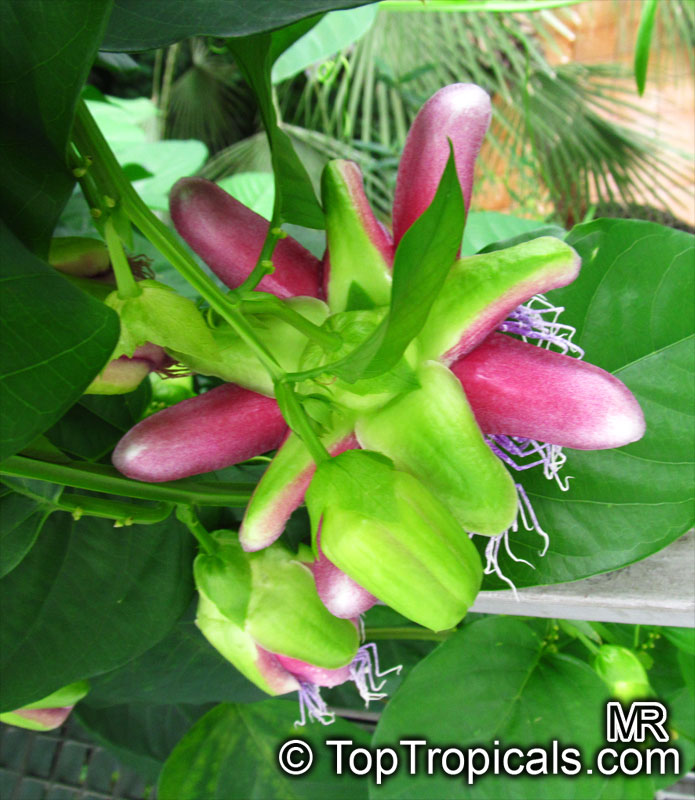
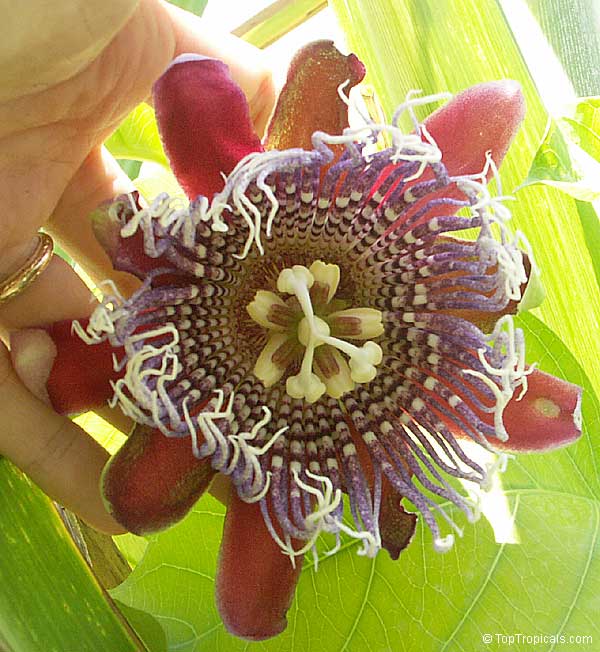
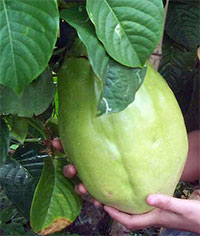
Fast growing vine which can grow over 50ft in a single season. Loves the warm humid tropics, but will not stand flooding. Protect from freezing temperatures. The stems are quadrangular in shape. Fruit forms best after self-pollination.Fruit is eaten fresh or used in drinks. The unripe, green fruit is eaten as a vegetable.
Ordering seeds info
RECOMMENDED SUPPLIES:
Seed Germination Mix #3, professional grade
SUNSHINE-Epi - Seeds and cuttings booster
SUNSHINE Bombino - Young Plant Booster
Recommended Fertilizer: SUNSHINE C-Cibus - Crop Nutrition Booster
SUNSHINE-Honey - sugar booster
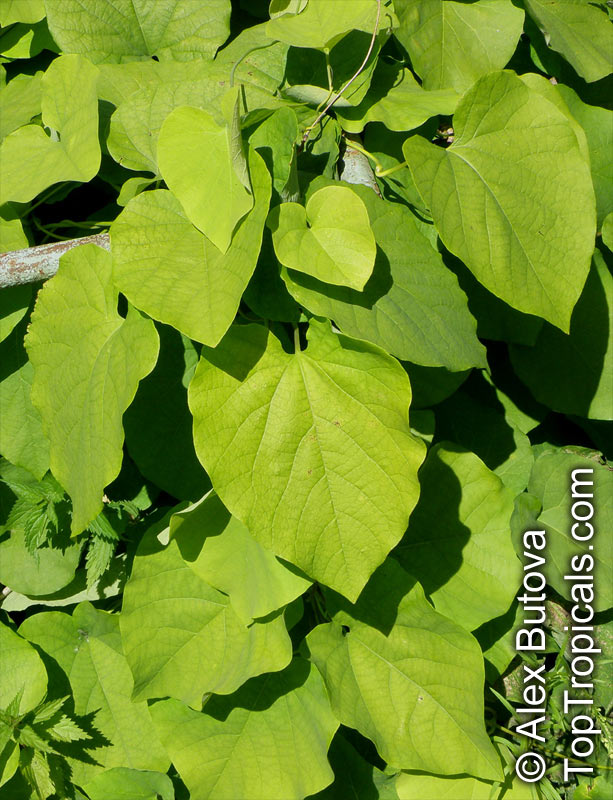
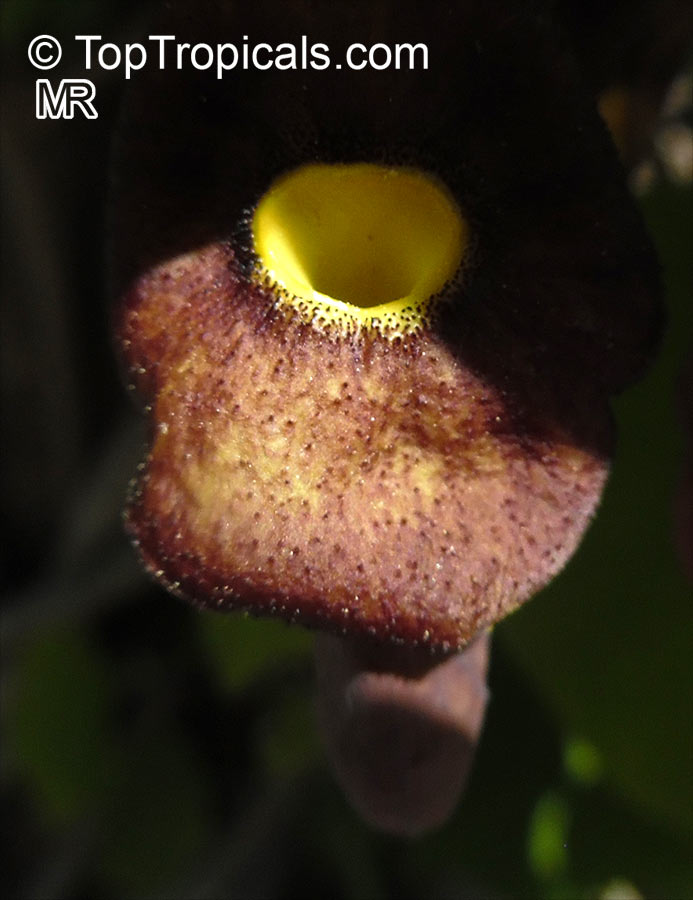
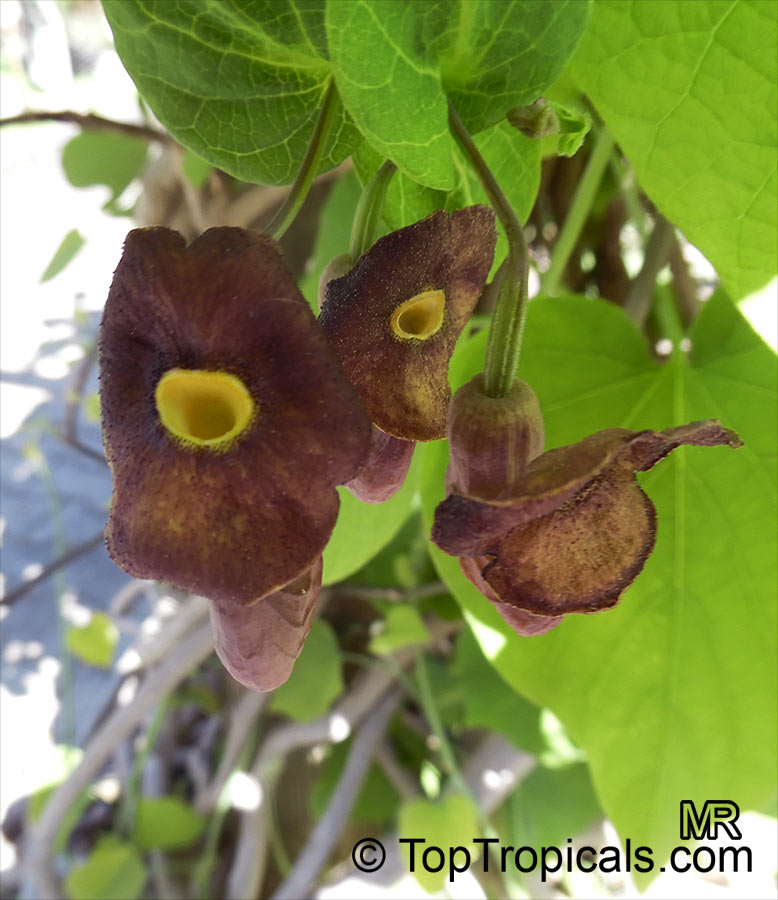
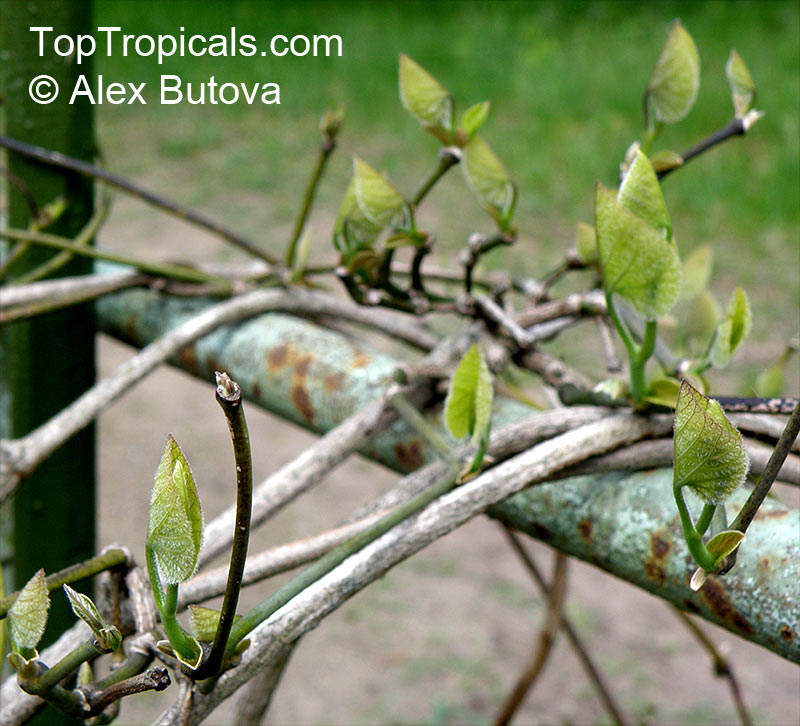
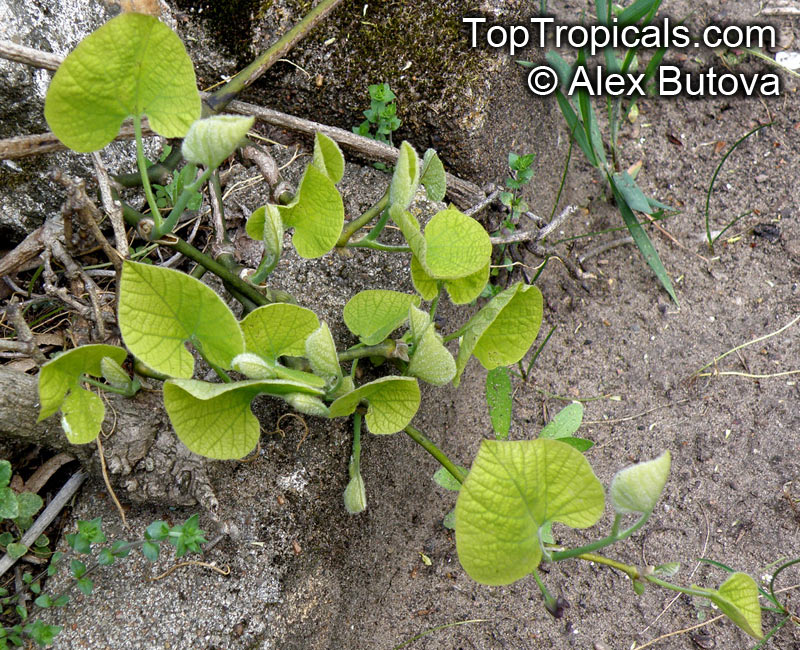
Botanical names: Aristolochia macrophylla, Aristolochia durior
Common name: Dutchman's Pipe
Family: Aristolochiaceae
Origin: Eastern USA


Primarily grown for foliage: dark green, heart shaped leaves (6 to 10 inches); ordinary, well-drained soil; requires a strong trellis; withstands urban pollution; rarely bothered by insects or diseases; creates a dense shade.
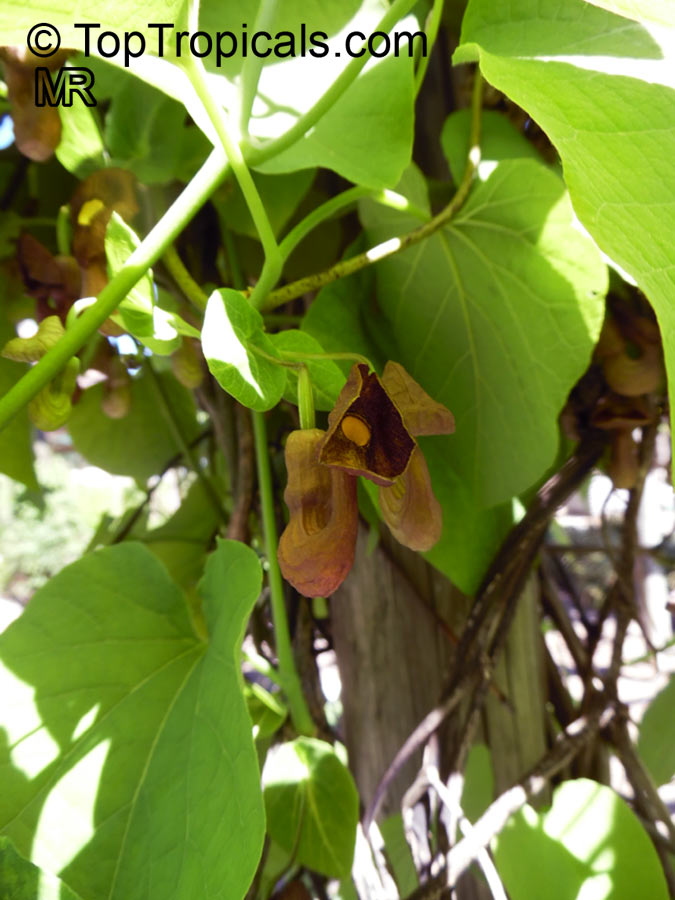
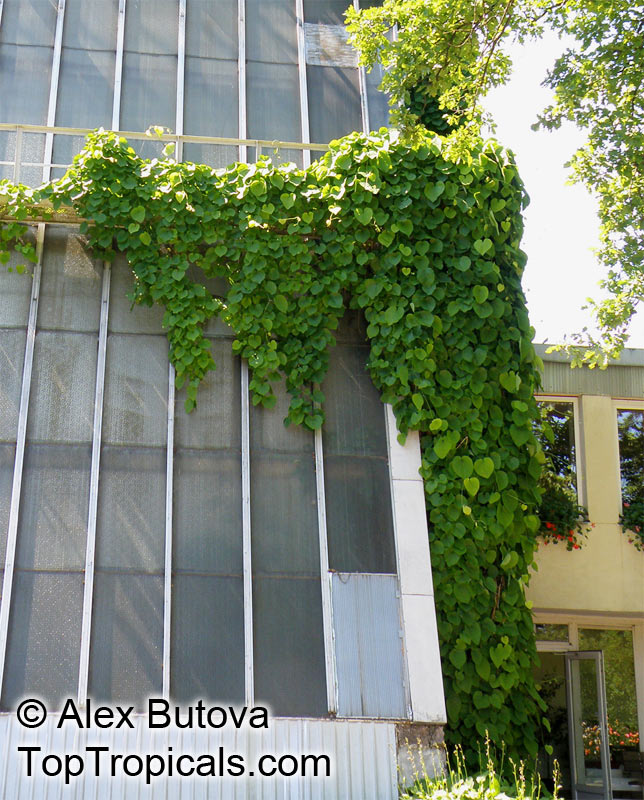
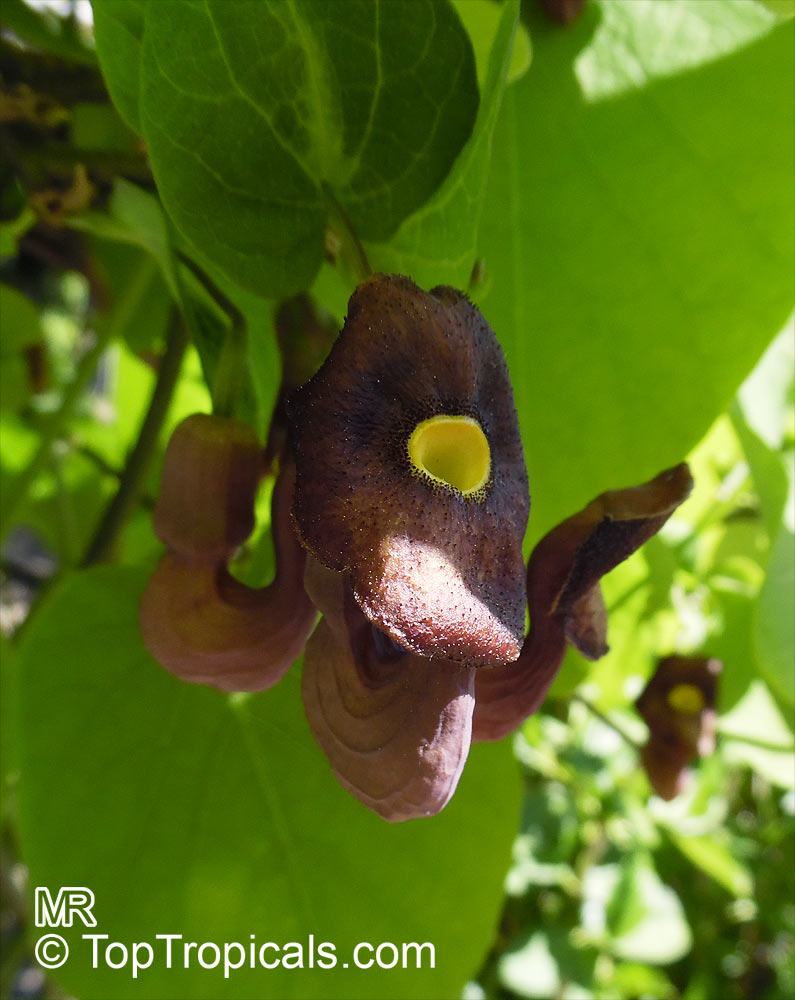
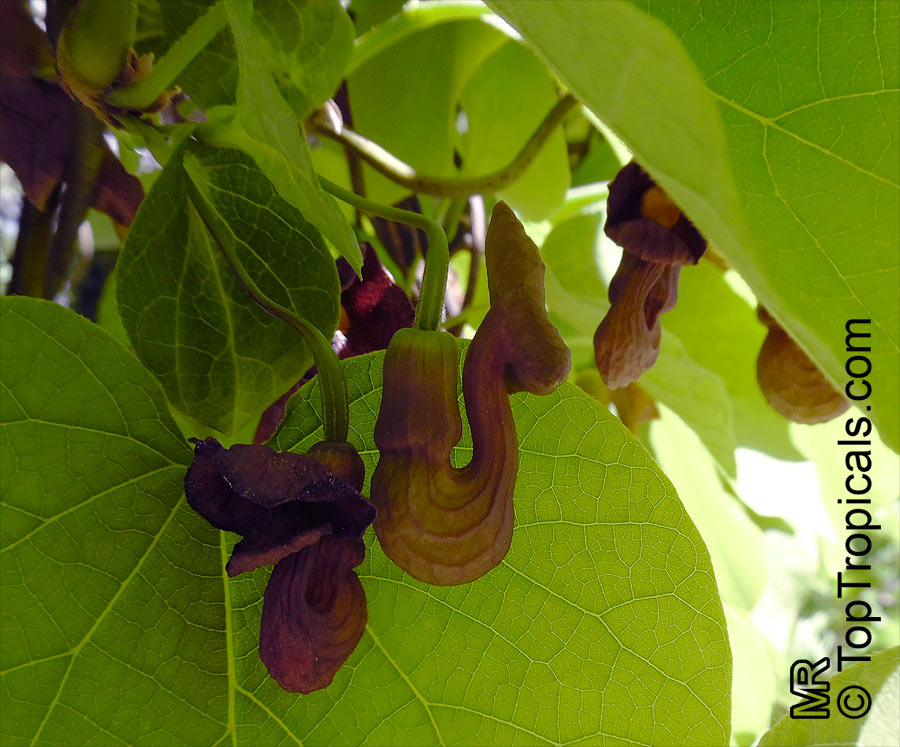
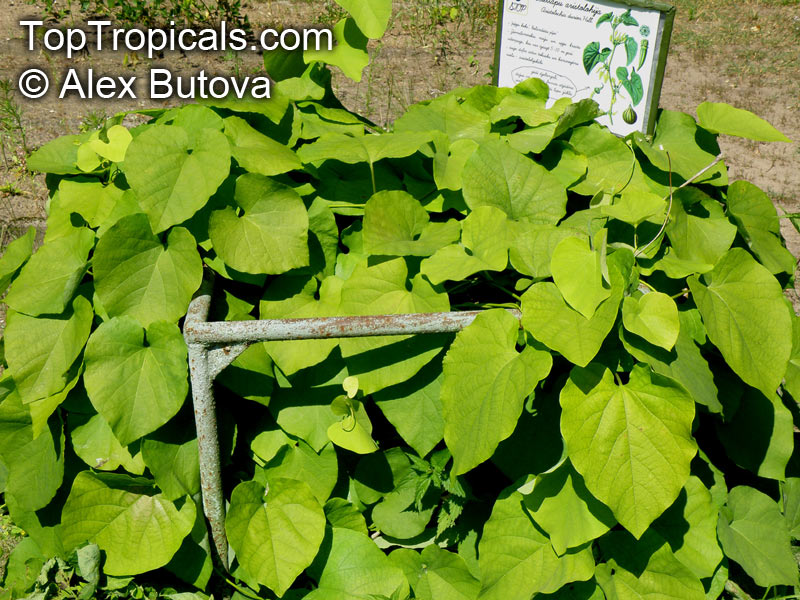
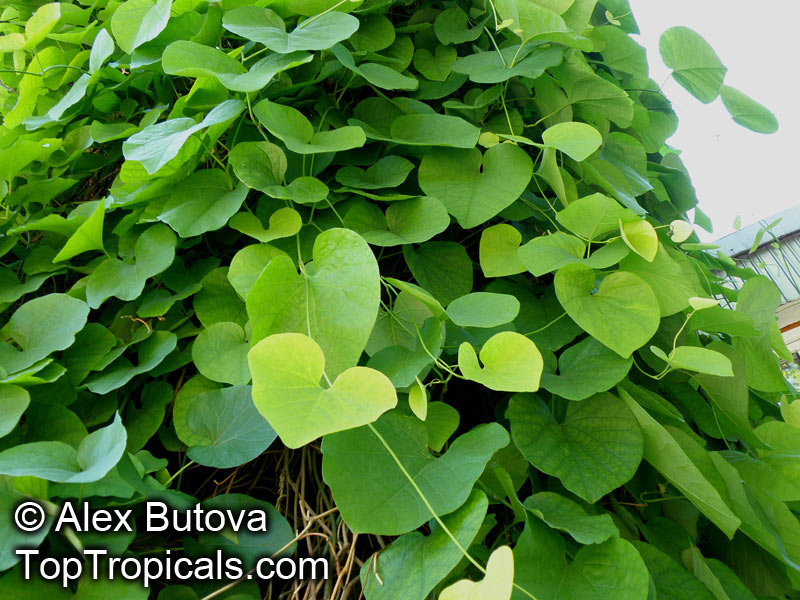
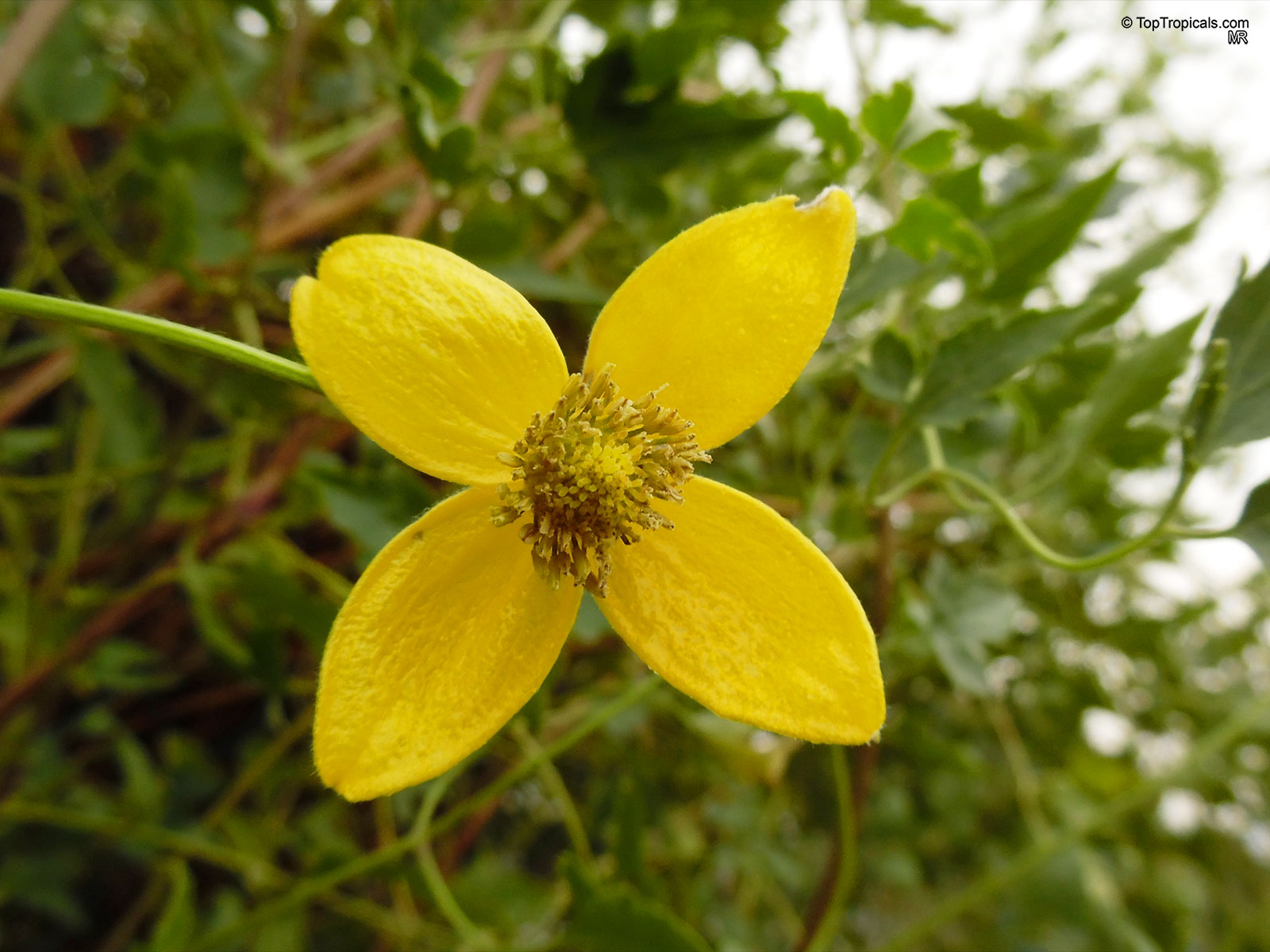
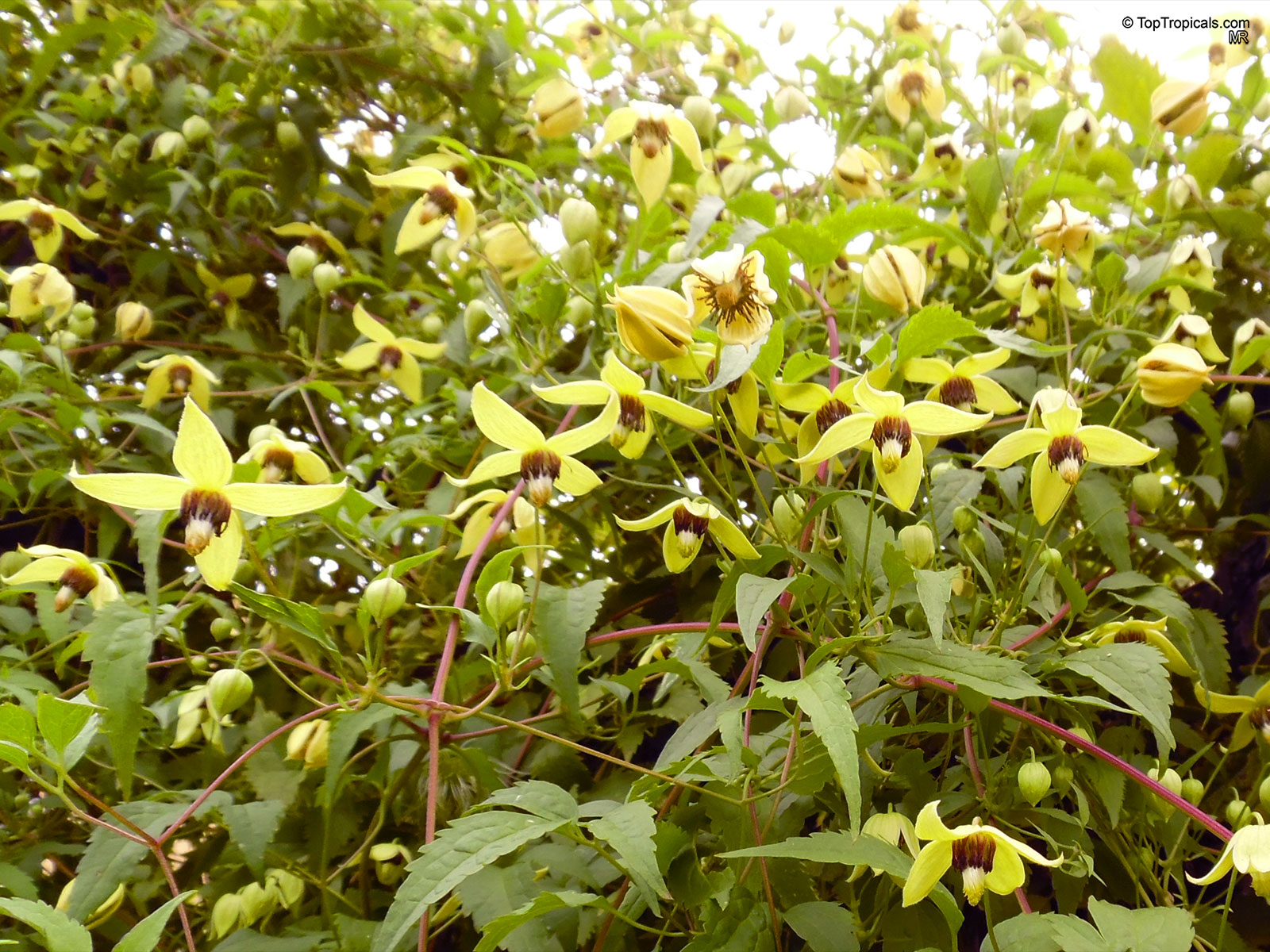
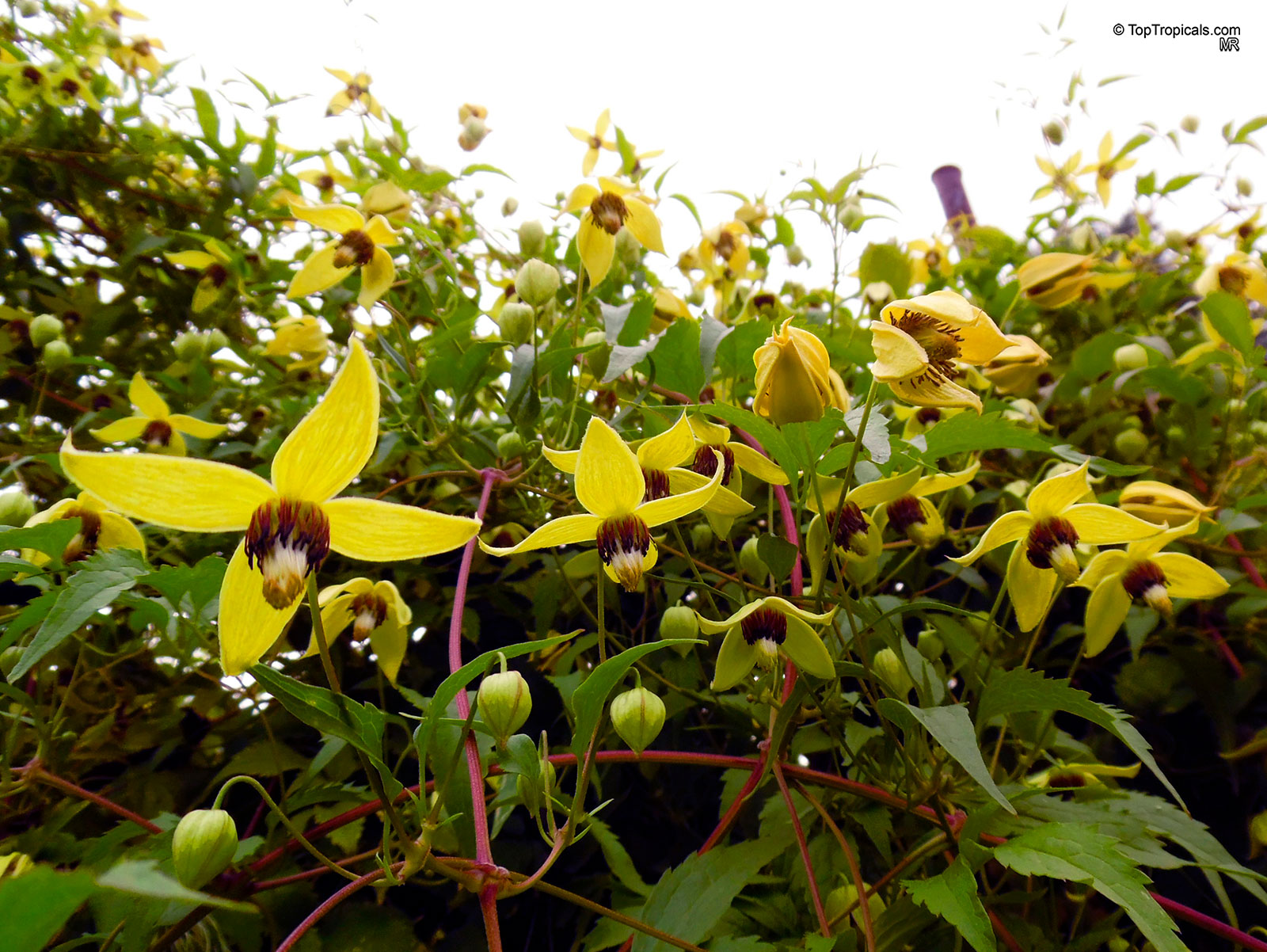
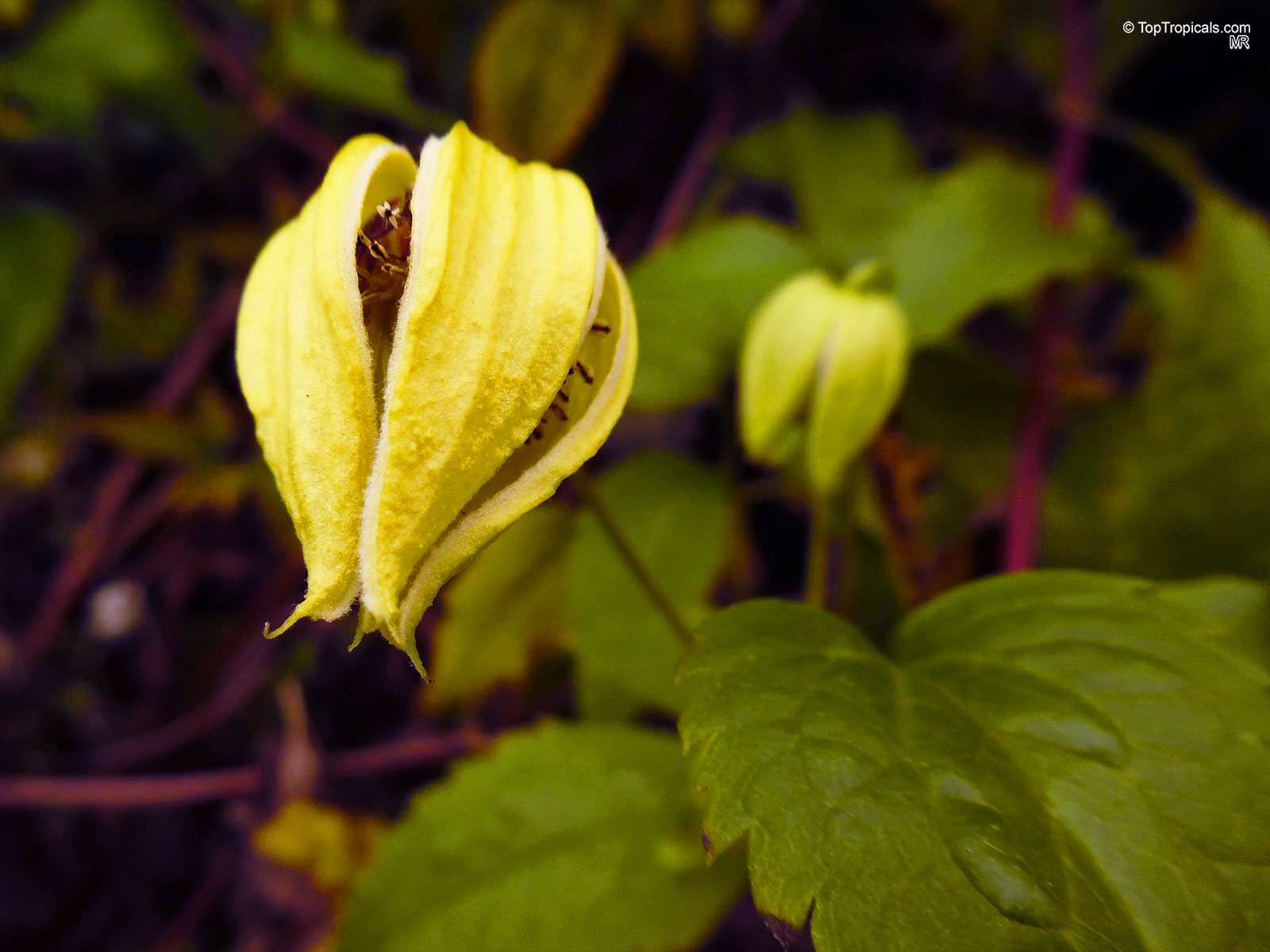
Botanical name: Clematis tangutica
Common names: Golden Clematis, Russian Virgin's Bower
Family: Ranunculaceae
Origin: Asia

Clematis tangutica, commonly known as Golden Clematis, is a deciduous climbing vine in the Ranunculaceae family native to Central Asia. It produces slender, twining stems that can reach 10 to 15 ft in length, with finely divided, light green leaves that give the plant a delicate texture. The flowers are nodding and bell-shaped, typically bright yellow, appearing from summer into early fall. They are followed by ornamental, silky seed heads that persist and add visual interest after flowering.
This species prefers full sun to partial shade and well-drained soil with moderate moisture. Growth rate is fast under favorable conditions. Cold tolerance is high, with reliable performance in USDA Zones 4 to 9. Clematis tangutica is suitable for trellises, fences, and arbors, and can also be grown in large containers with support.
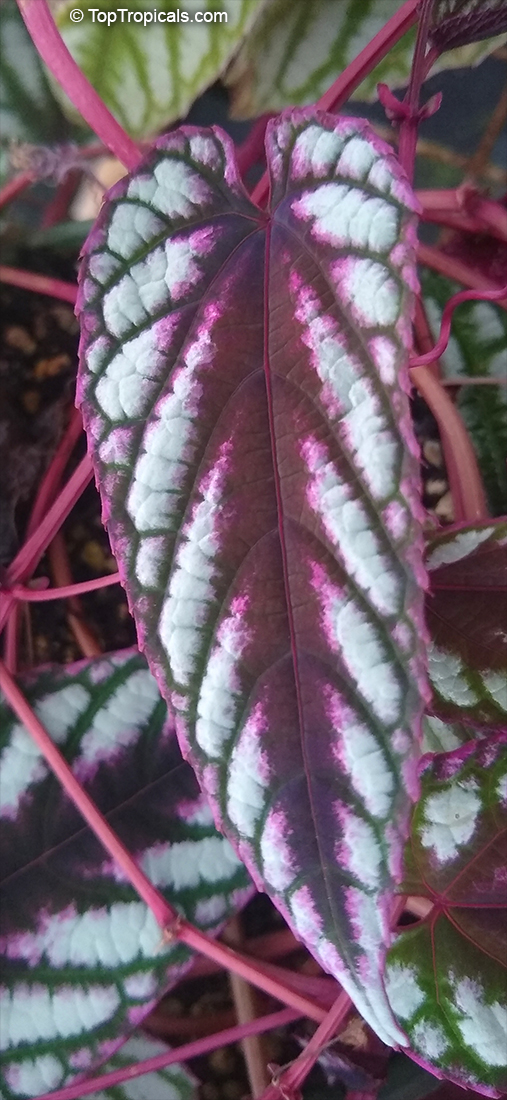
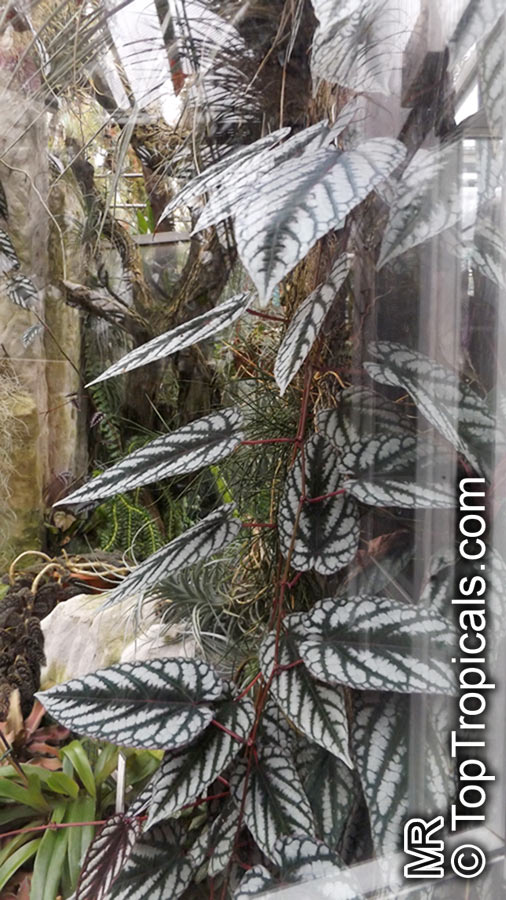
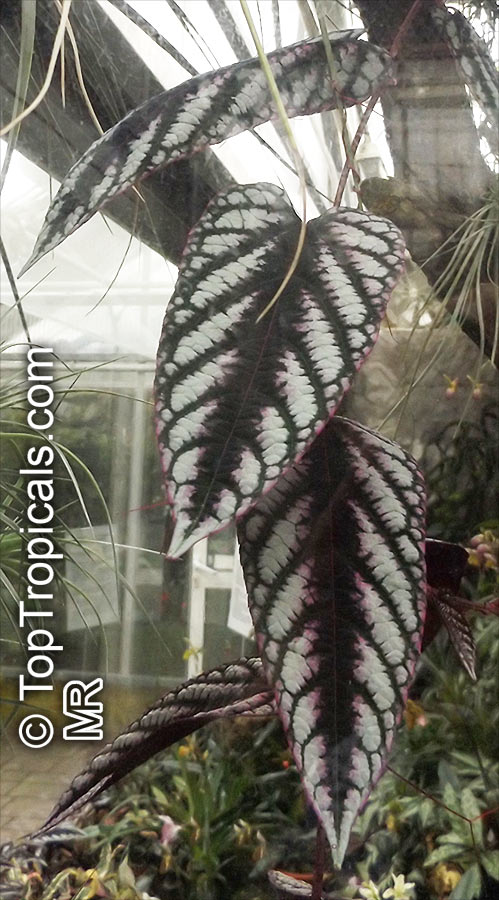
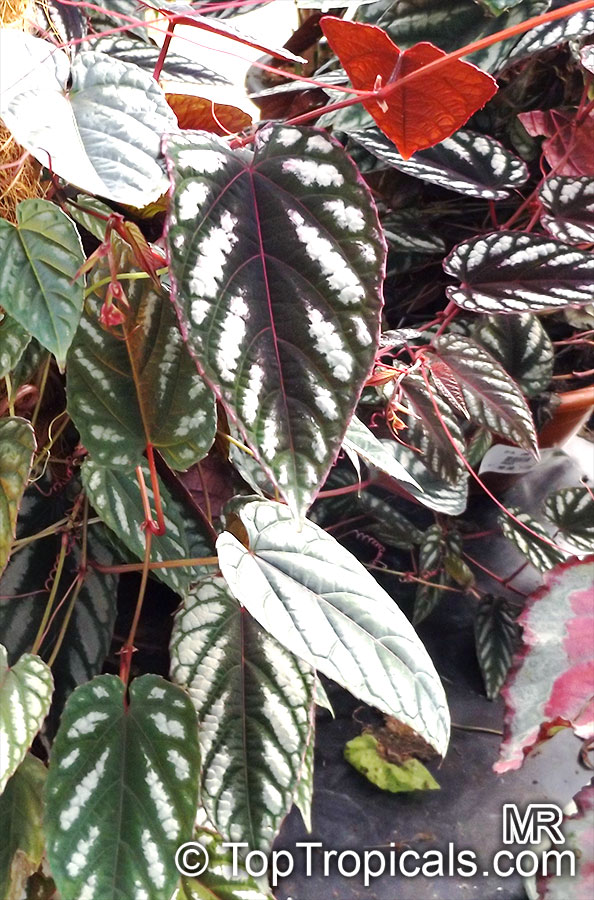
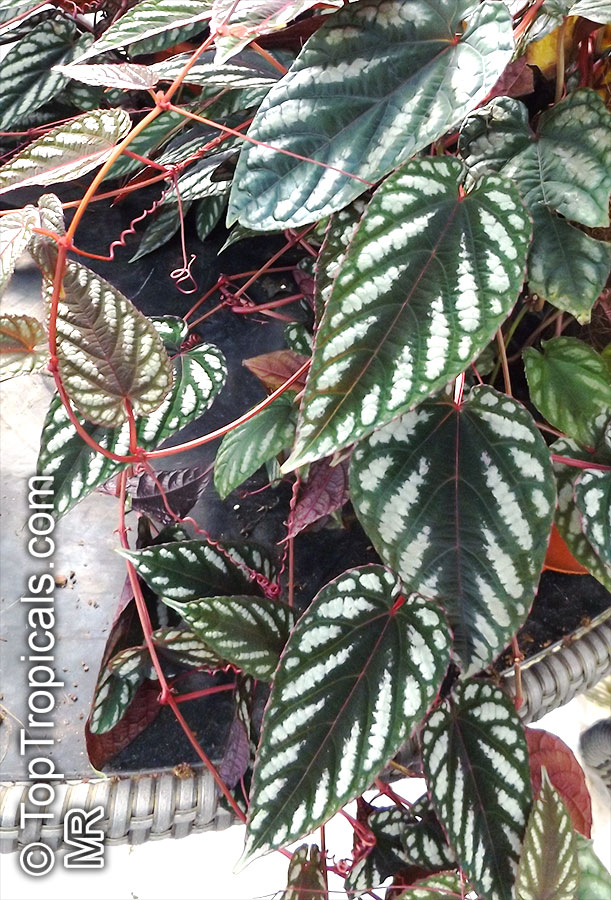
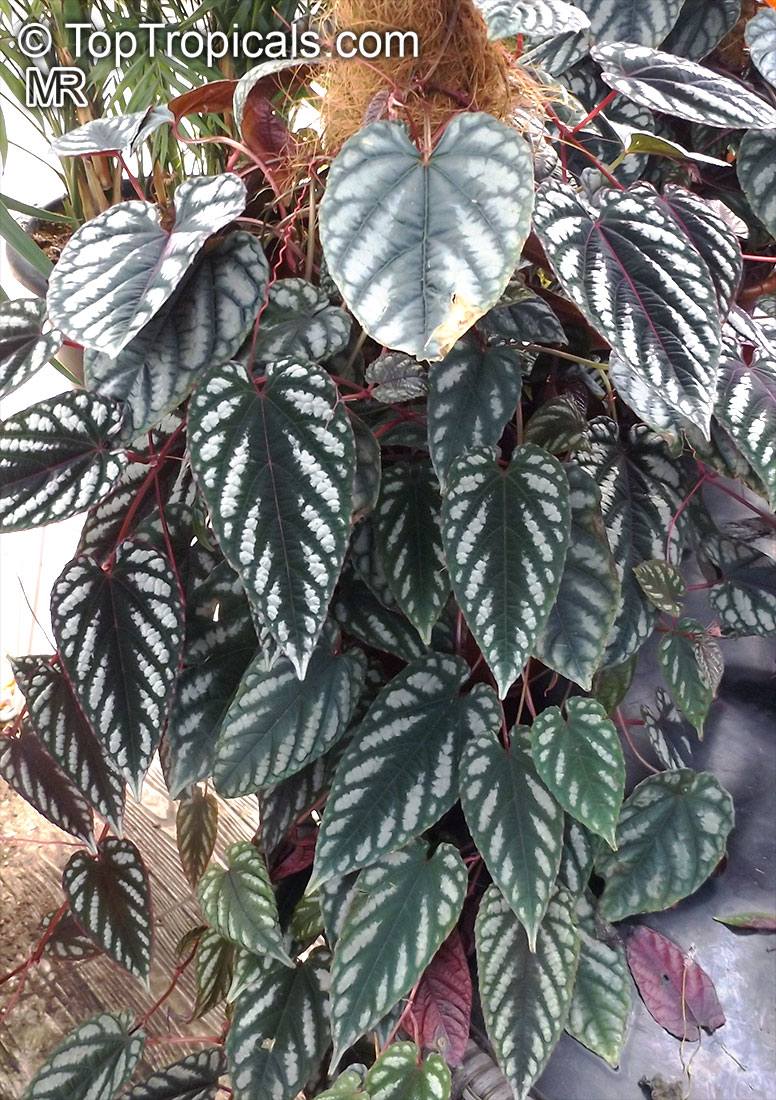
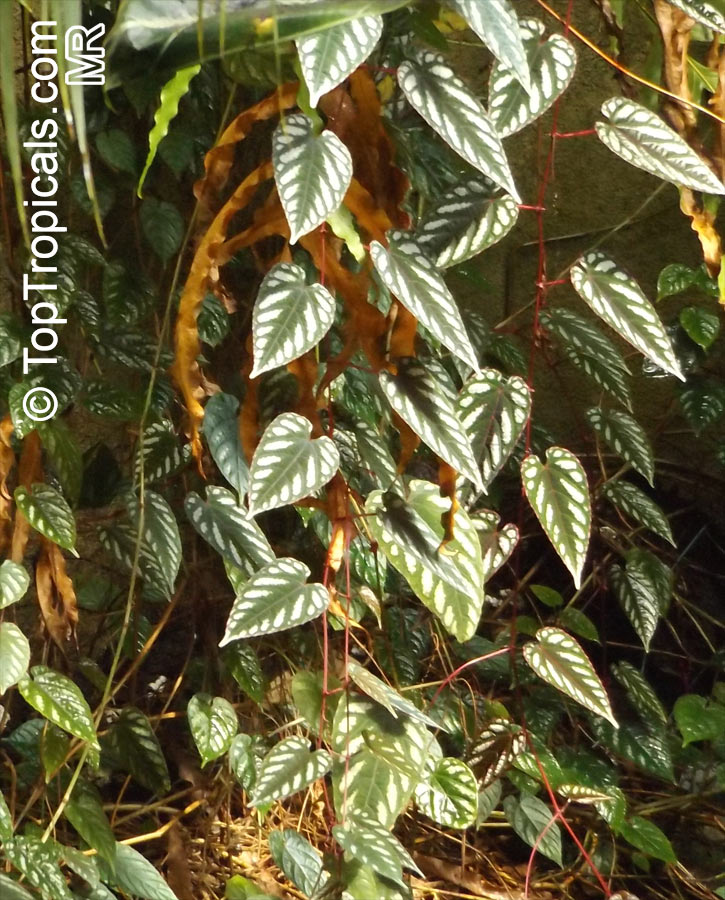
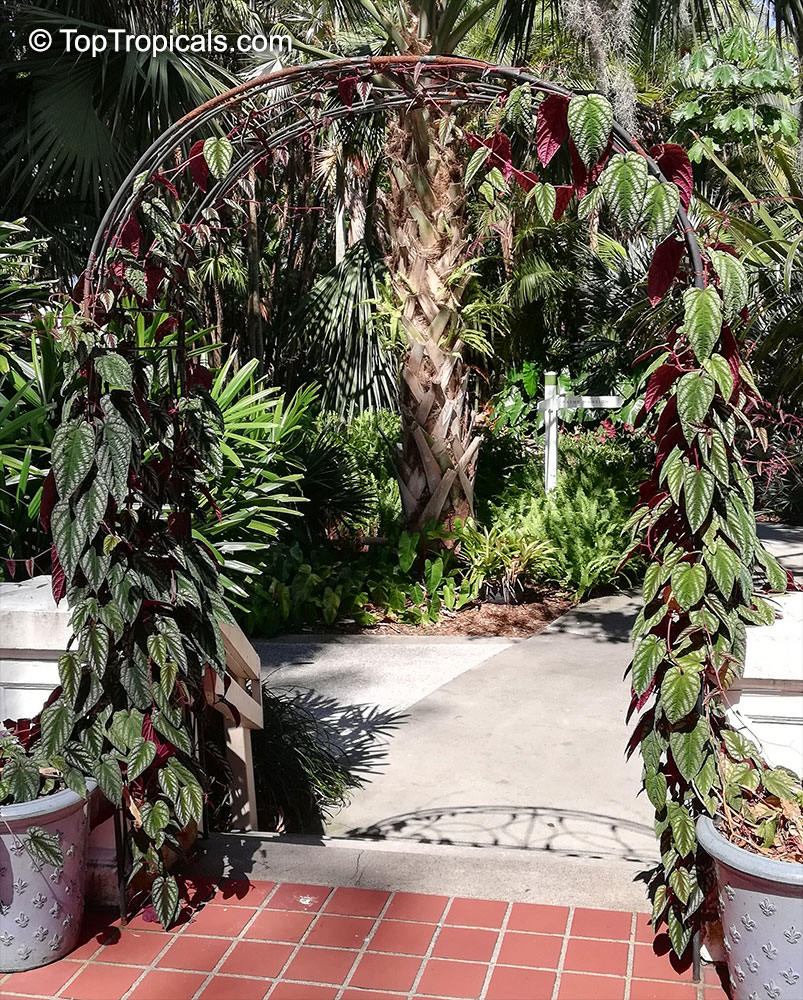
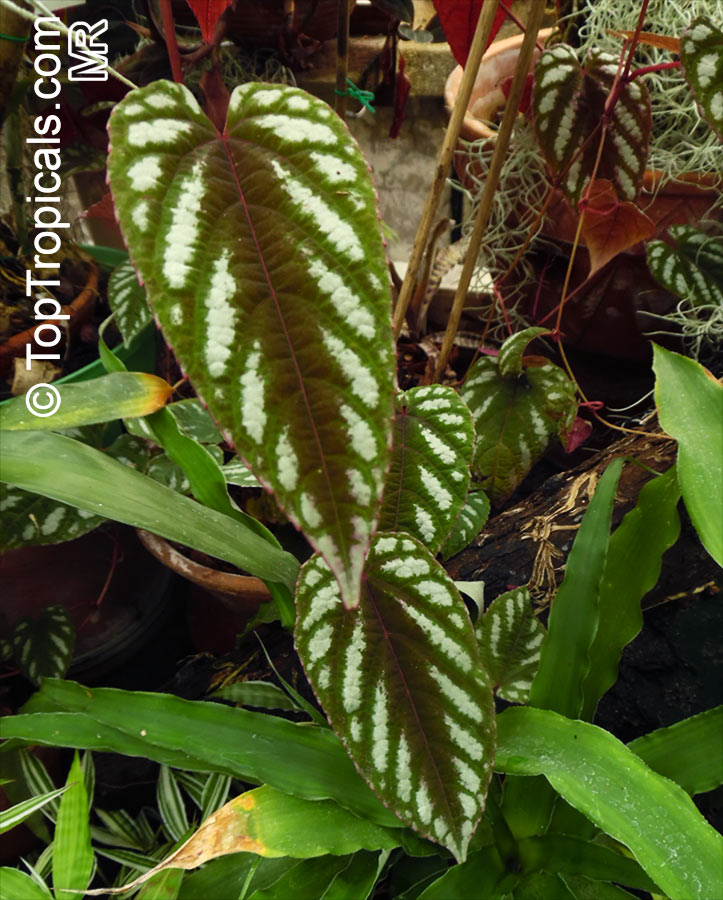
Botanical names: Cissus discolor, Vitis discolor
Common names: Rex Begonia Vine, Painted Cissus, Tapestry Vine
Family: Vitaceae
Origin: Java and Cambodia

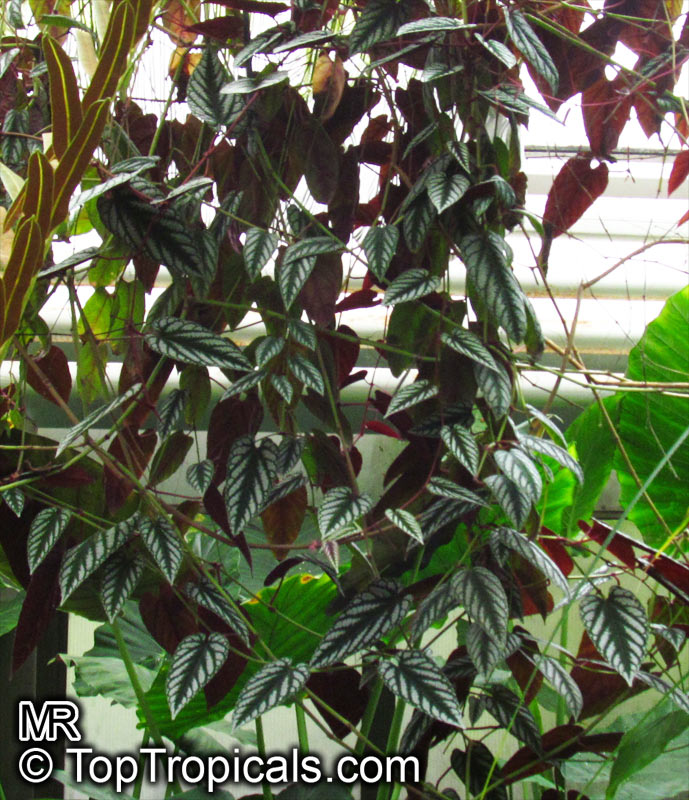
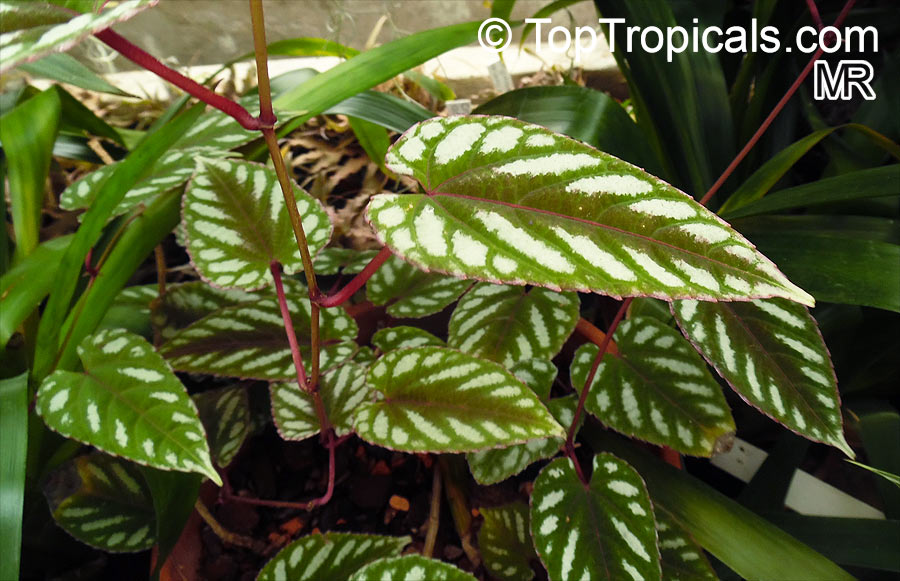
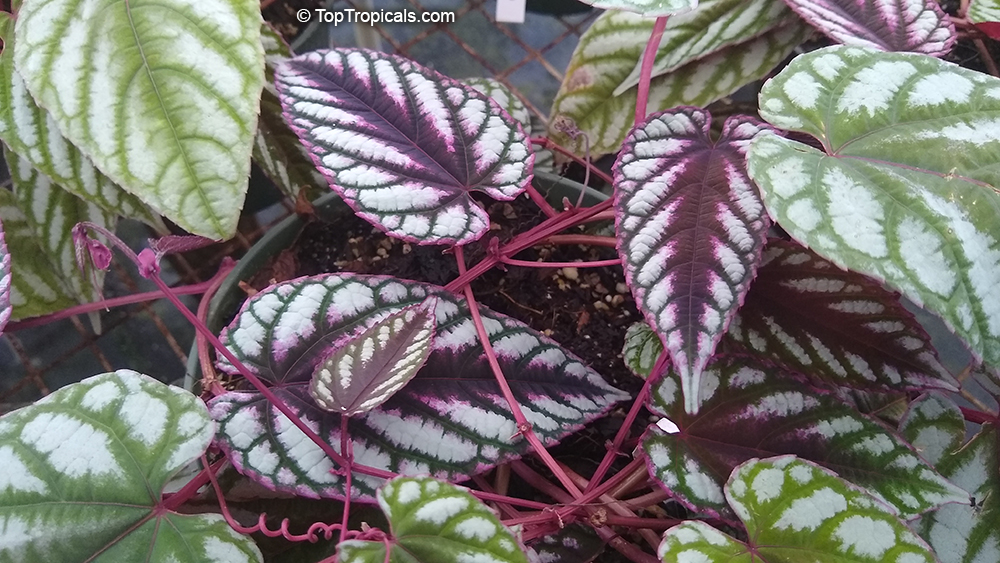
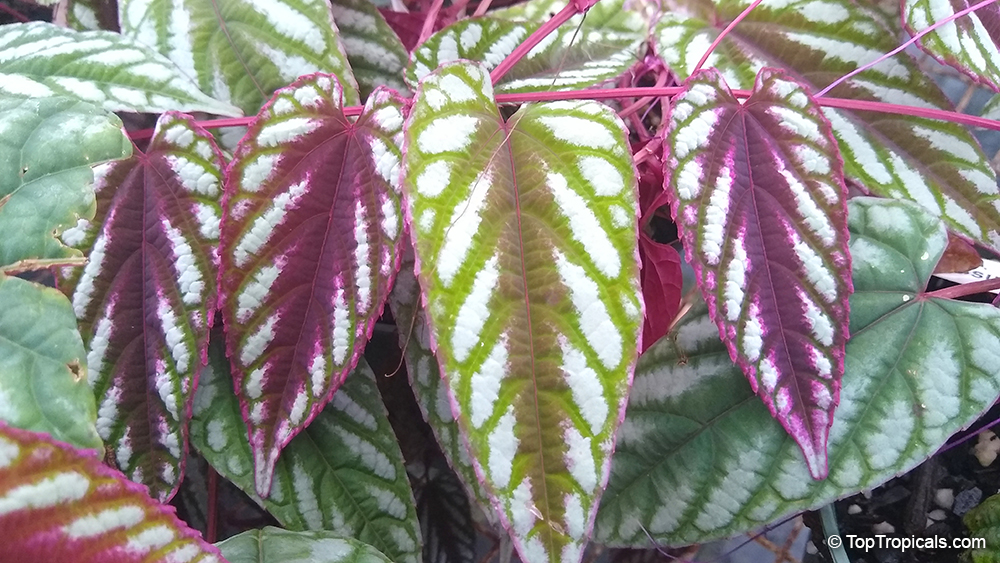
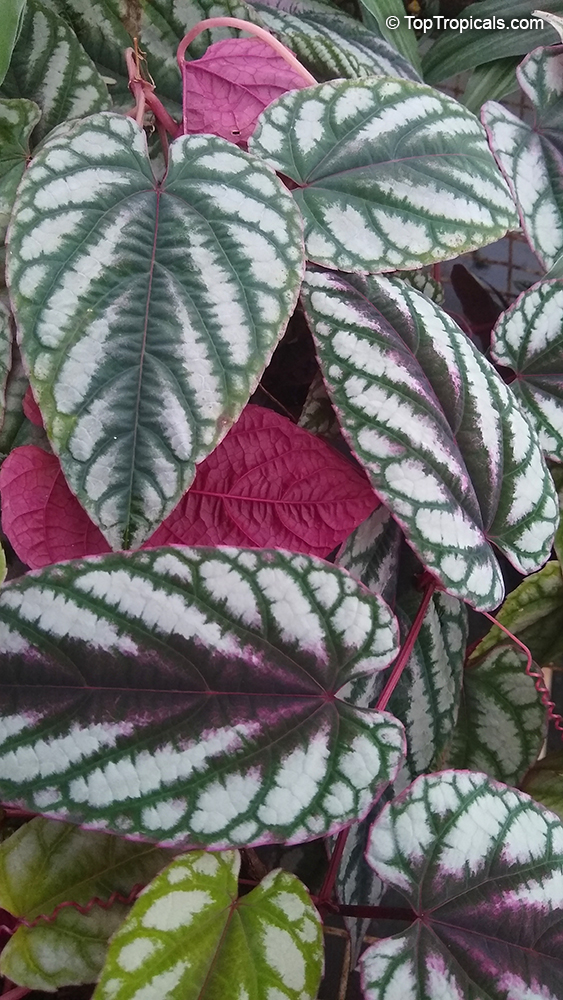
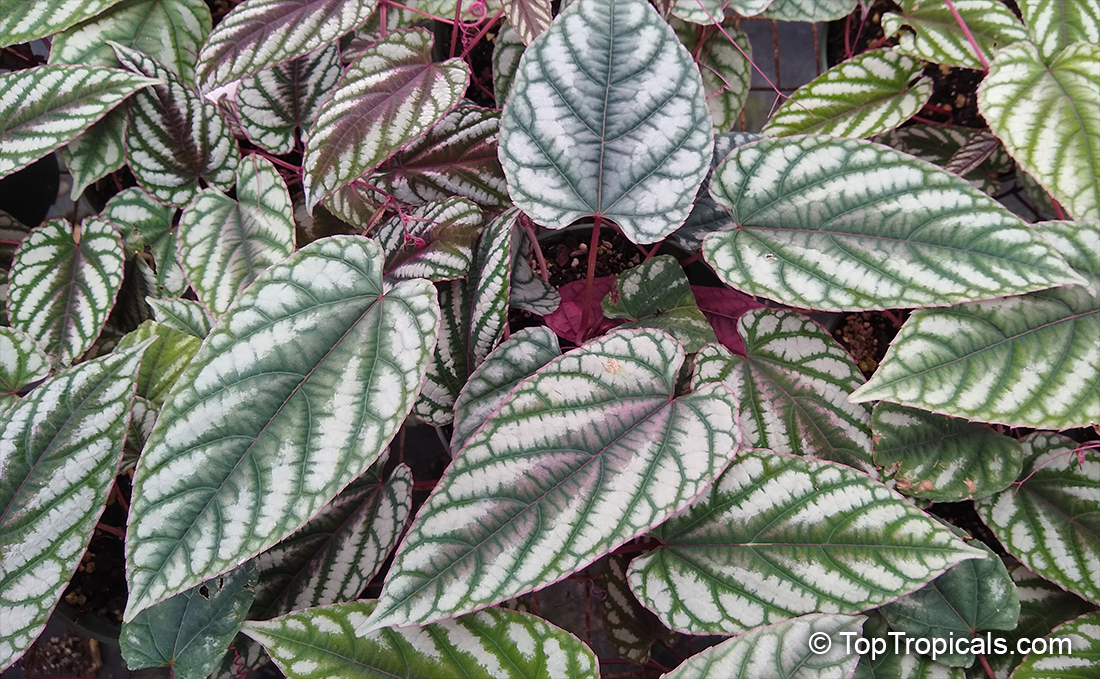
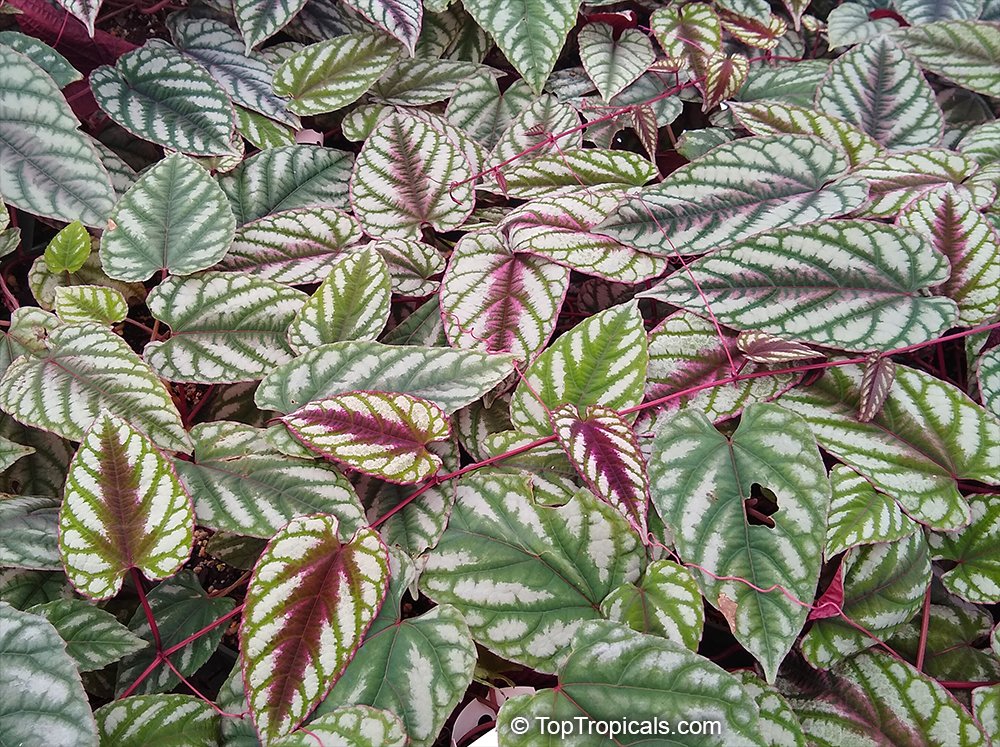
Cissus discolor, native to Java and Cambodia, is a fast growing, exotic looking, trailing vine, which is sometimes called Tapestry Vine or Rex Begonia Vine. It is not a begonia, but the medium sized lance shaped leaves have the bright colors of Rex Begonia leaves. The leaves are dark green with silver and purple blotches. It makes a gorgeous hanging basket. Thanks to its large, striking leaves and climbing growth, Cissus discolor has become a popular houseplant. The leaves and stems produce a natural secretion, tiny opaque dots, called cystolyths. Grow this Cissus in a hanging basket or let it climb up a trellis.

Botanical names: Fockea angustifolia, Fockea tugelensis
Common name: Fockea
Family: Apocynaceae (Formerly:Asclepiadaceae)
Subfamily: Asclepiadoideae
Origin: South Africa


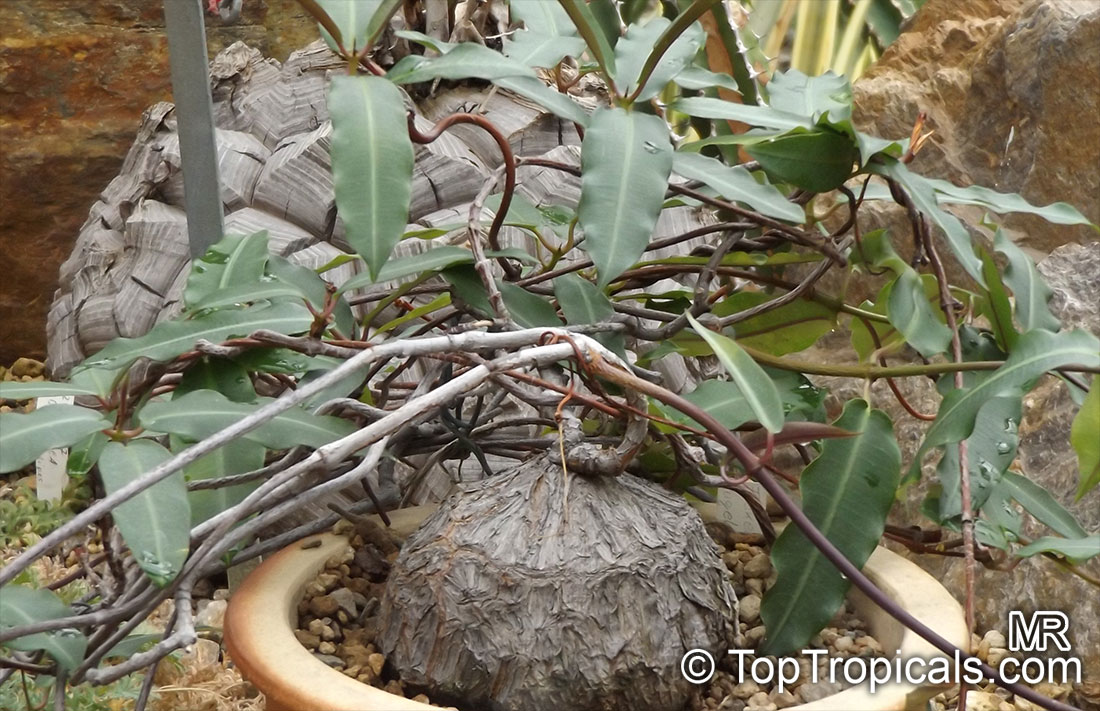
Fockea angustifolia is a climbing, perennial, succulent plant producing several stems from a tuberous rootstock. The stems can be erect or climbing, supporting themselves by twining around other plants. The caudex can grow to 25 centimetres in diameter and 40 centimetres long, the vines can reach one and a half meter. The flowers are from greenish to white, and vary in size, depending on the origin.
The plant is harvested from the wild for its large, edible root, which is eaten locally.
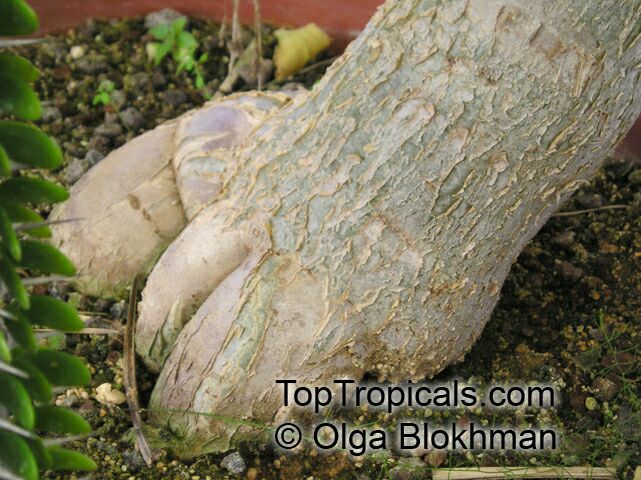
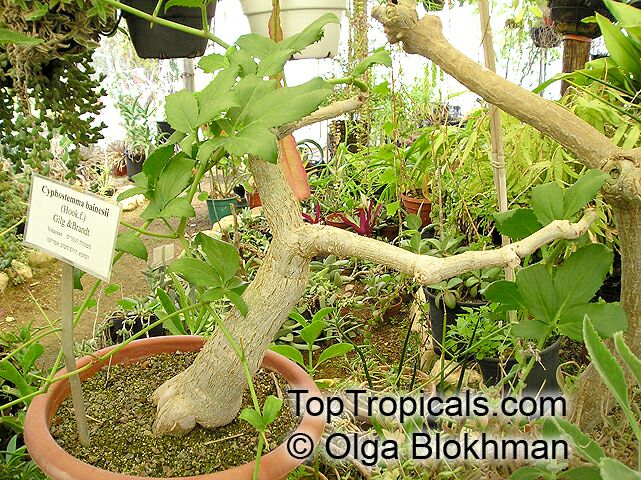
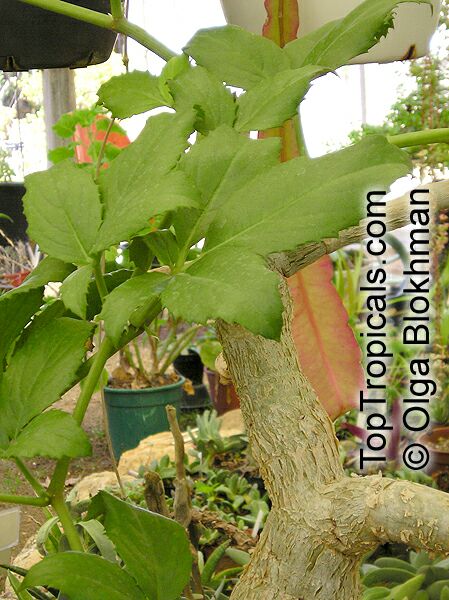
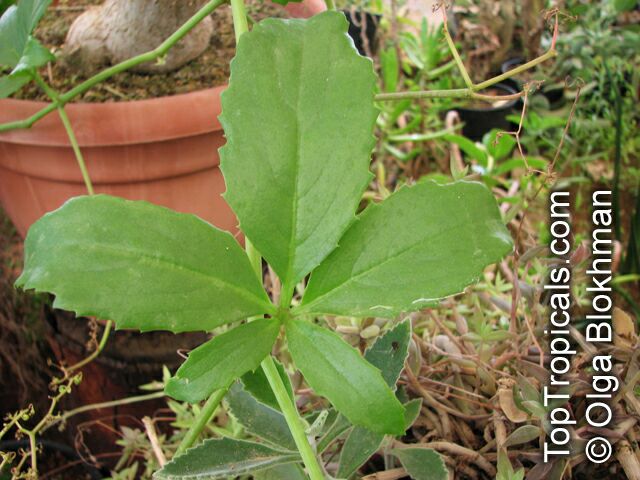
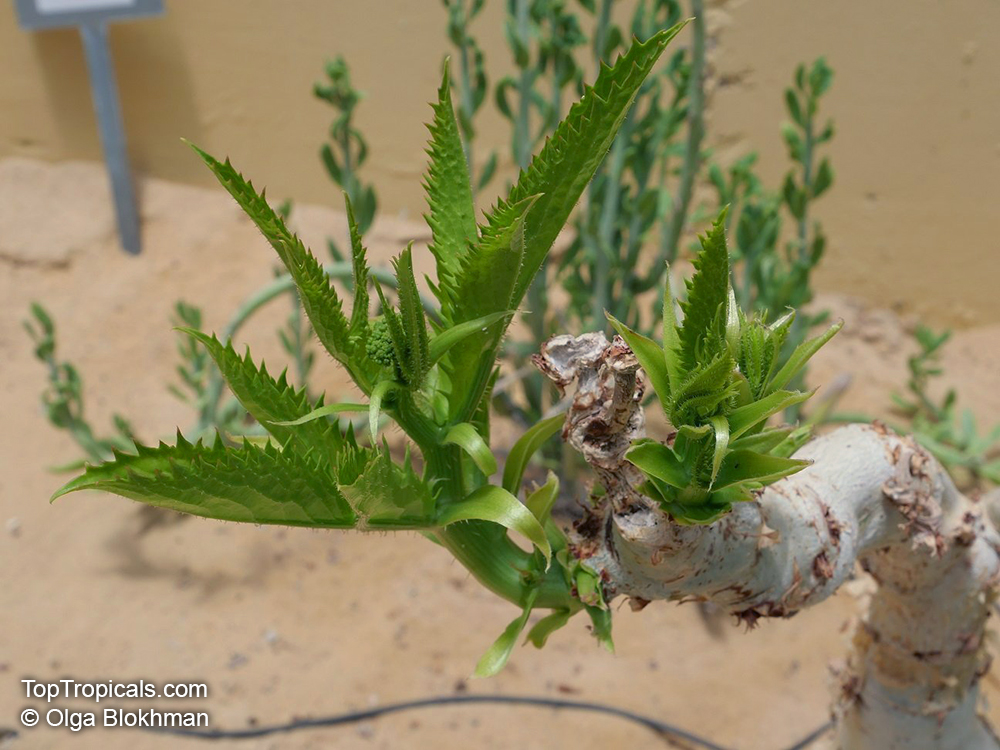
Botanical names: Cyphostemma bainesii, Cissus bainesii, Vitis bainesii
Common names: African Tree Grape, Gouty Vine, Butterwood Tree
Family: Vitaceae
Origin: South Africa
African Tree Grape growing in a well drained soil with some water and lots of sun. Mature plants are hardy to 26F(-3C). Younger plants need protection.
| Next | |
Use link to repeat this search:
https://toptropicals.com/cgi-bin/garden_catalog/cat.cgi?search_op=and&keyword_op=and&language=e&number=10&no_change_lang=1
&v1=vin&user=tt&sale=1&first=0