Shade - Plant Encyclopedia Results
| Number of plants found: 511 | Next | 
|
Go to page: | 1 | 2 | 3 | 4 | 5 | Last |
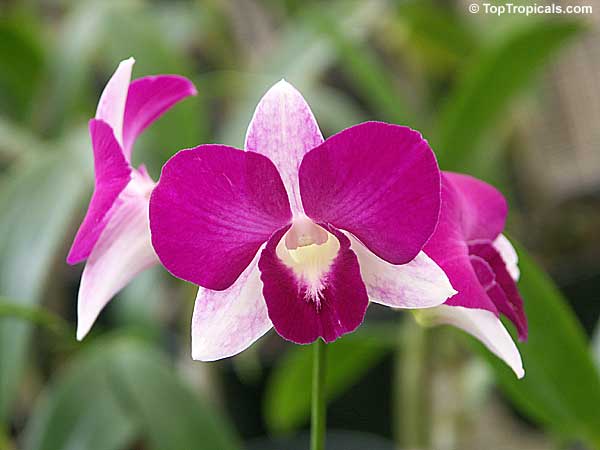
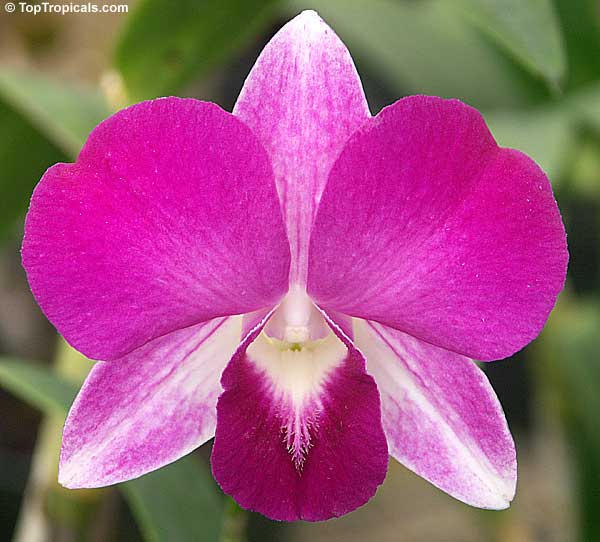
Botanical name: Dendrobium sp.
Common name: Dendrobium 'Party Queen'
Cultivar: Party Queen
Family: Orchidaceae
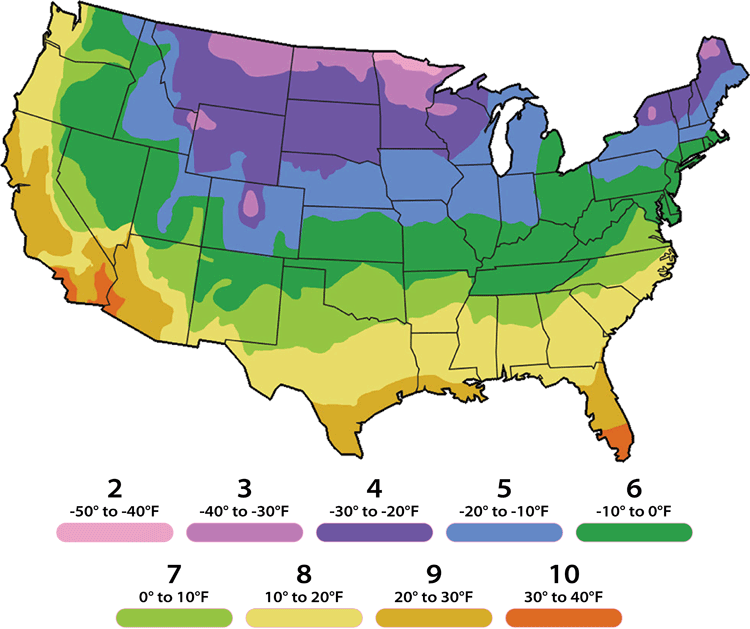
USDA Zone: 9-10


Dendrobium 'Party Queen' is a hybrid in the Dendrobium x Phalaenopsis group (often referred to as Den-Phal hybrids). A very bright eye-stopper new hybrid from Thailand with deep purple and white flowers, high contrast colors!
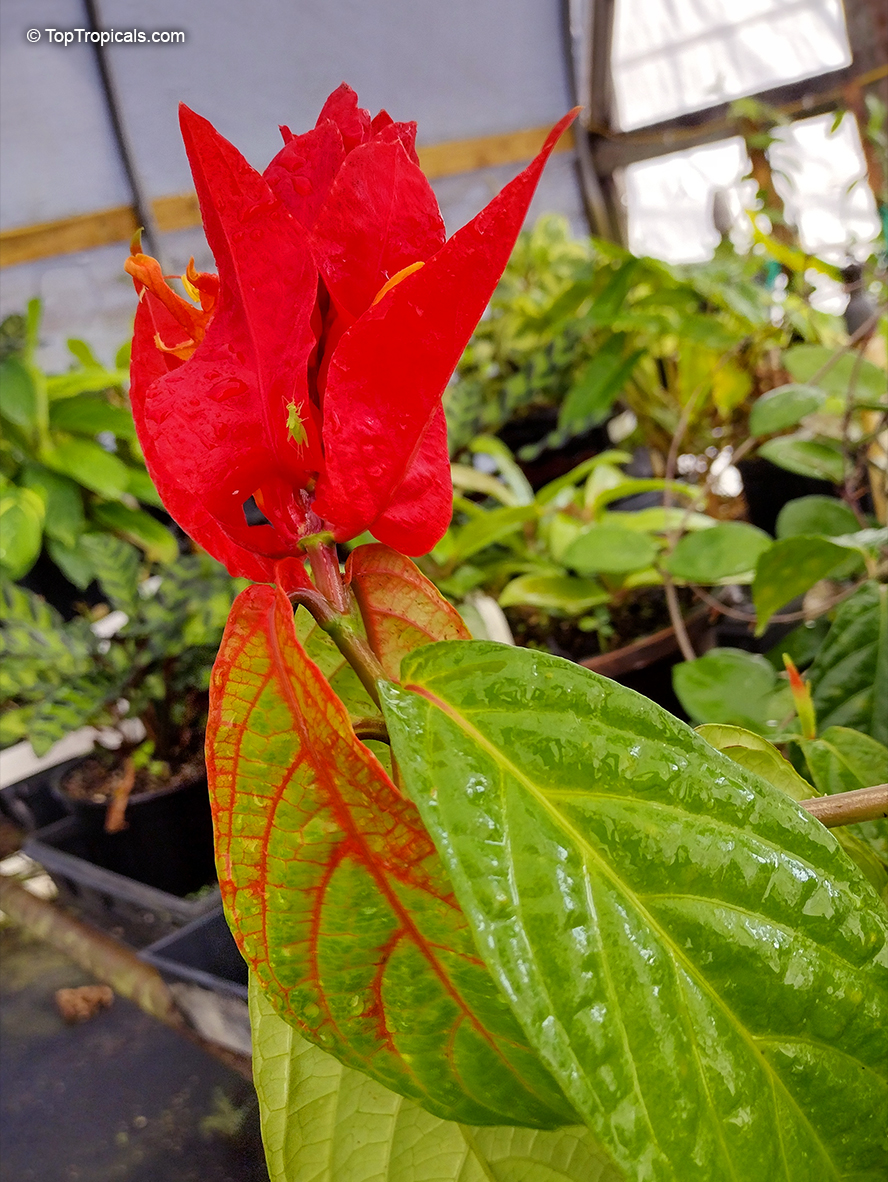
Botanical names: Ruellia chartacea, Ruellia colorata
Common name: Colorama
Family: Acanthaceae
Origin: Brazil
USDA Zone: 9-11


The most exclusive tropical Christmas flower!
Ruellia colorata, known as Colorama, is a rare and vibrant addition to any exotic container plant collection. Its brilliant scarlet bracts color up just in time for Christmas, staying bright carmine for several months. Native to Brazil, this small plant grows 2-4 feet tall, displaying vivid scarlet bracts and crimson flowers that add a touch of holiday cheer.
One of Colorama's most striking features is its photoperiodic response: the top leaves turn crimson red around Christmas due to changes in daylight length, much like the beloved Poinsettia. After winter, these leaves return to green, keeping the plant lively and versatile year-round. Photoperiodism, the process where plants respond to the length of day and night, triggers changes such as leaf coloration or flowering.
Its blooms are a magnet for butterflies and hummingbirds, making it a favorite for wildlife enthusiasts. Colorama thrives in shady to semi-shady spots and requires regular watering to stay lush and healthy. It's ideal for USDA zones 9-11 but can also be grown in colder regions if protected from frost. For winter care in cooler climates, move it indoors or to a warm area to keep this stunning beauty happy and blooming.
When grown in pots, ensure good drainage, use rich organic soil, and place the plant in a bright location. Prune twice a year to maintain its compact, bushy shape, and fertilize with a flowering fertilizer once established.
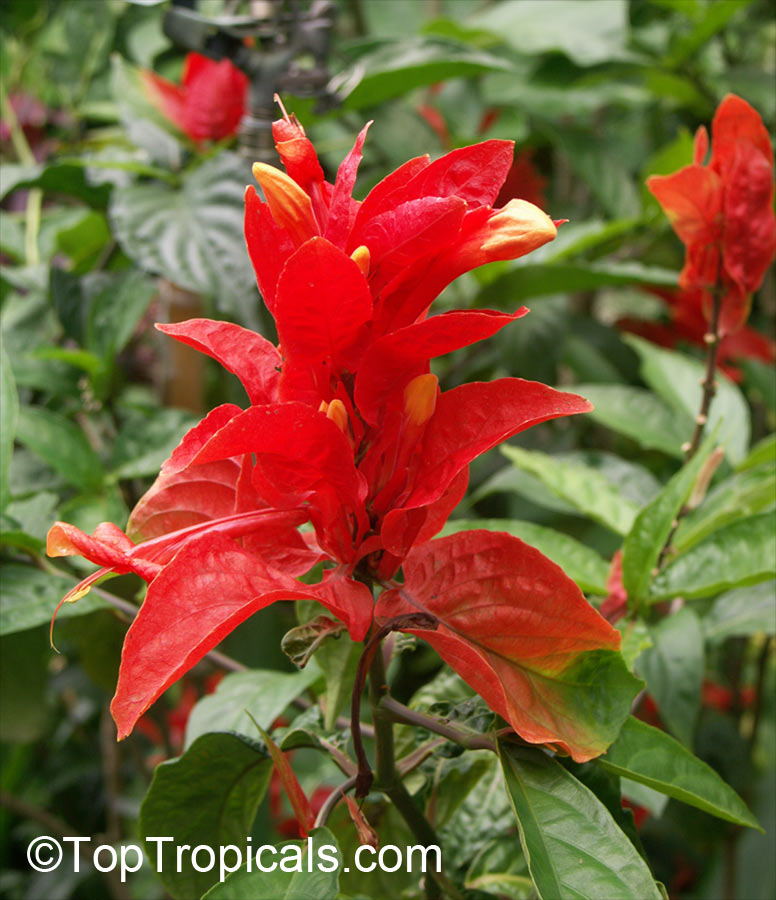
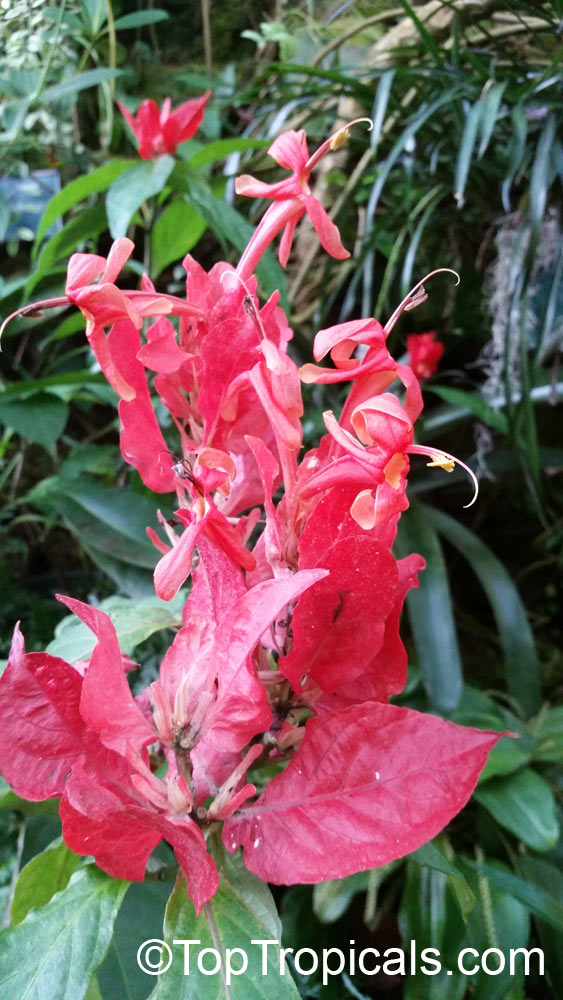
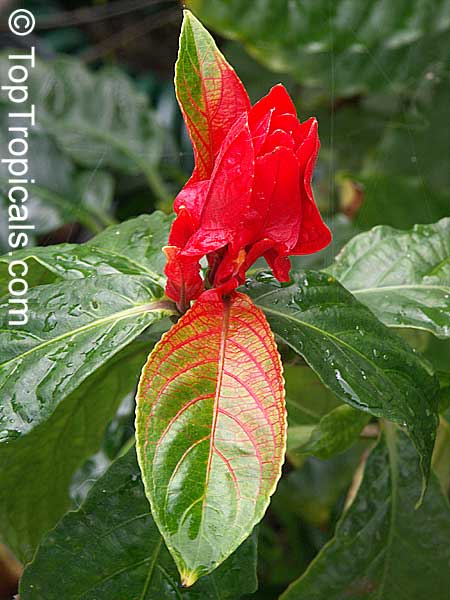
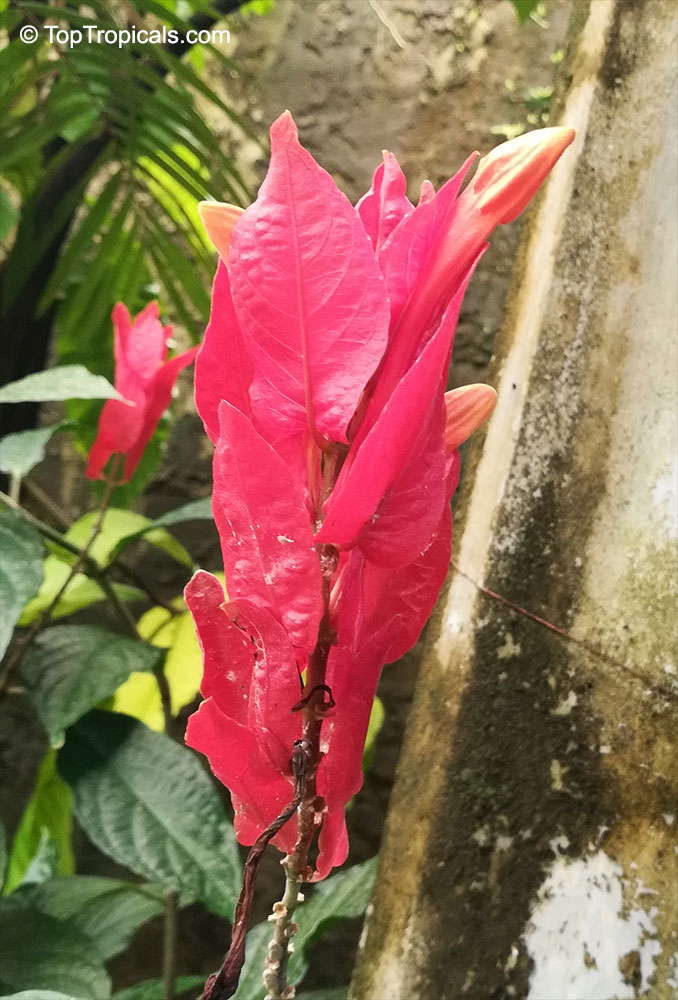
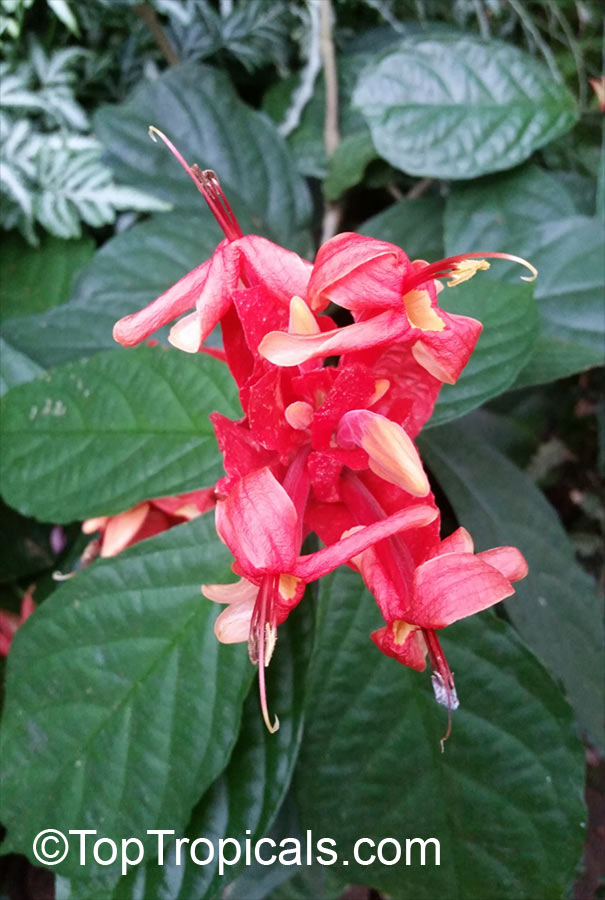
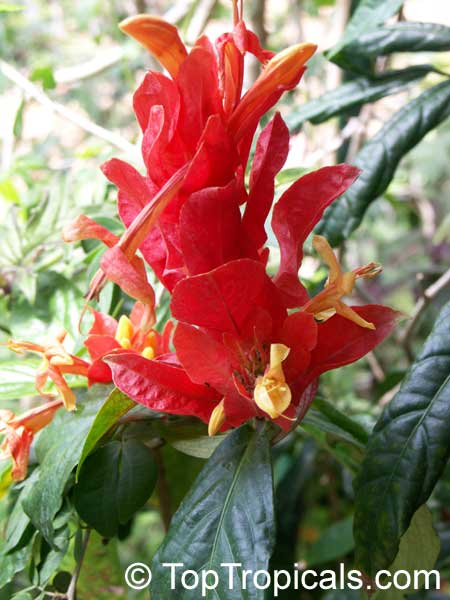
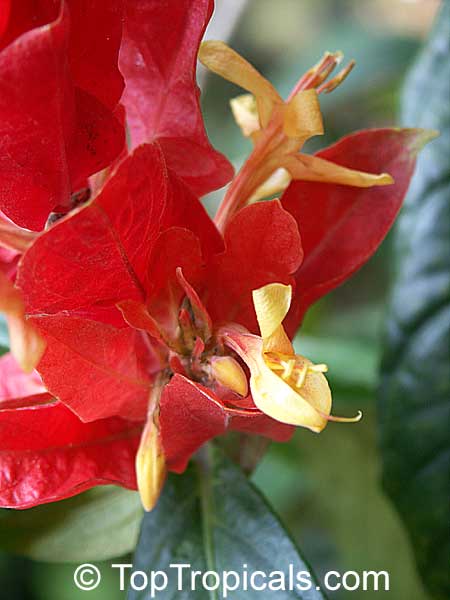
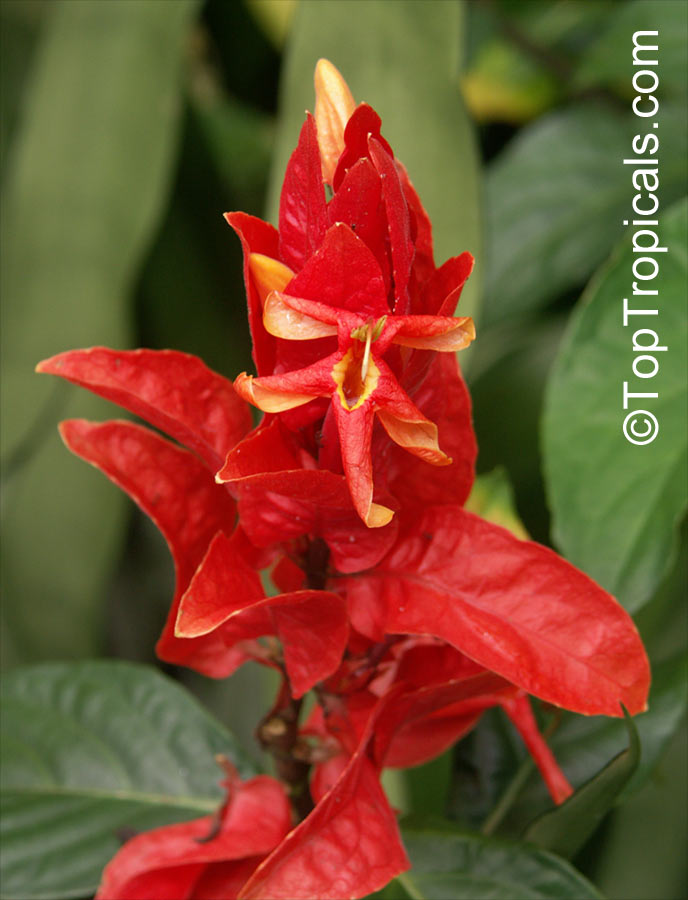
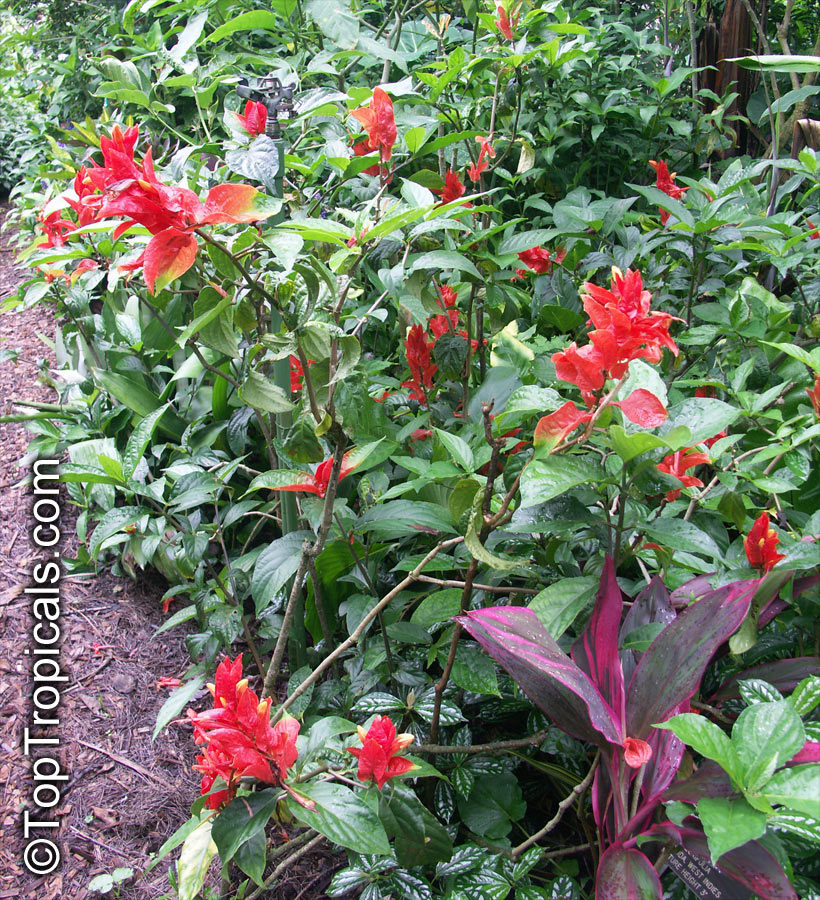
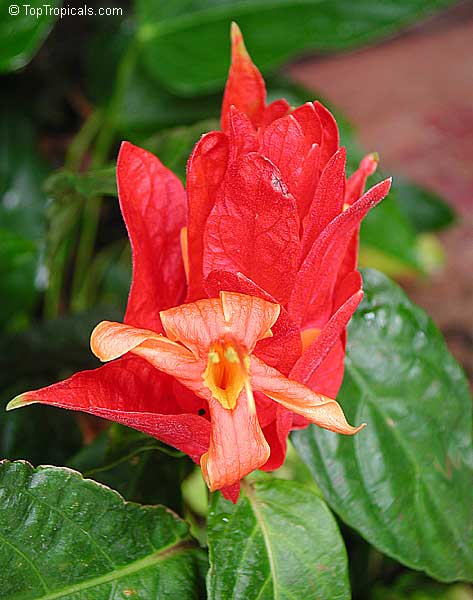
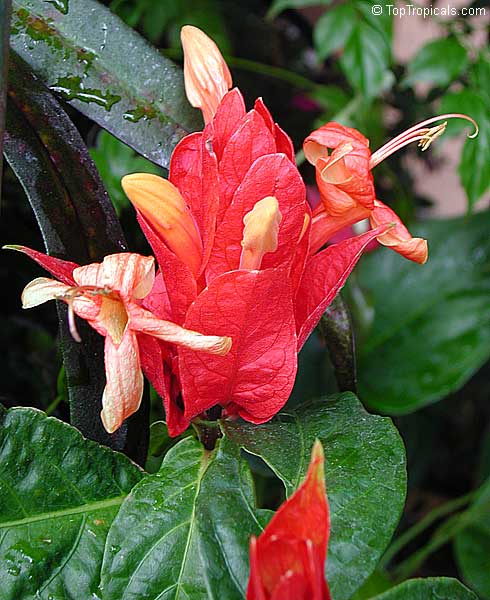
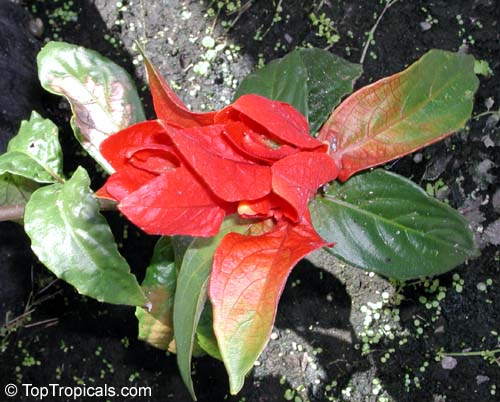
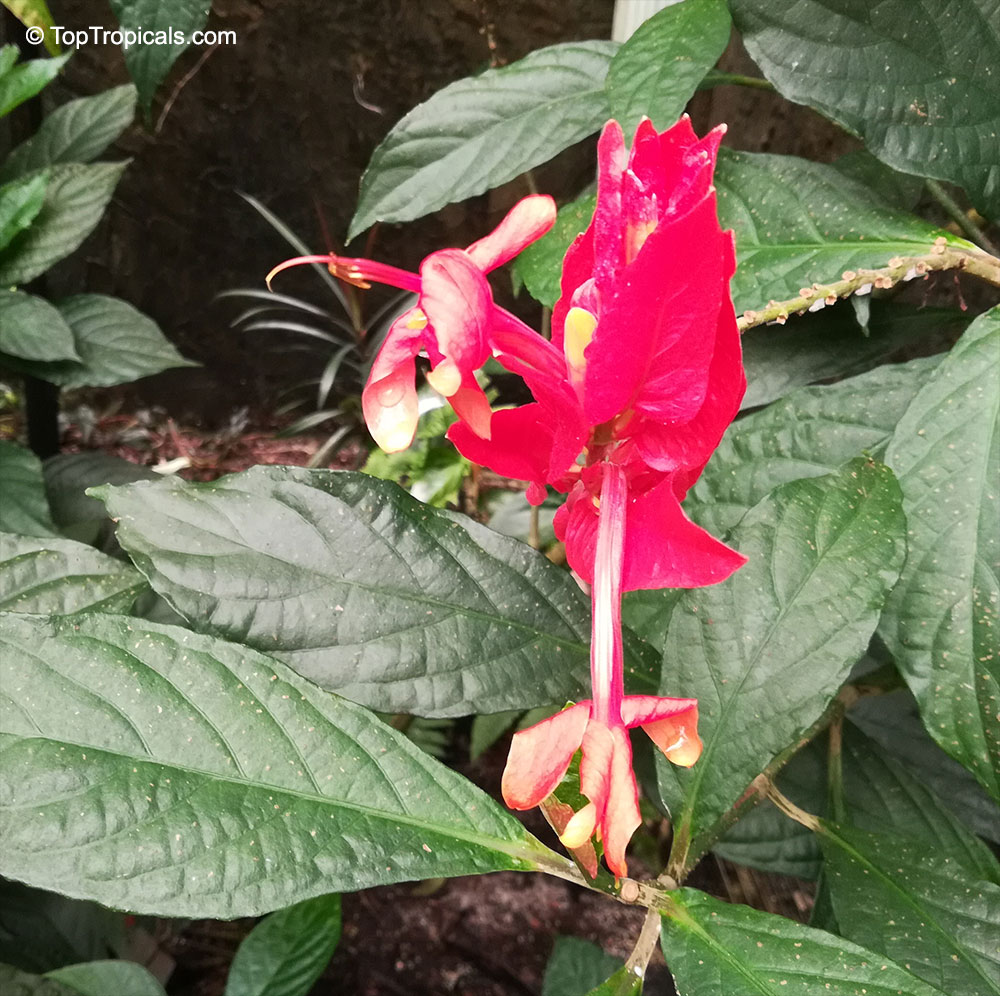
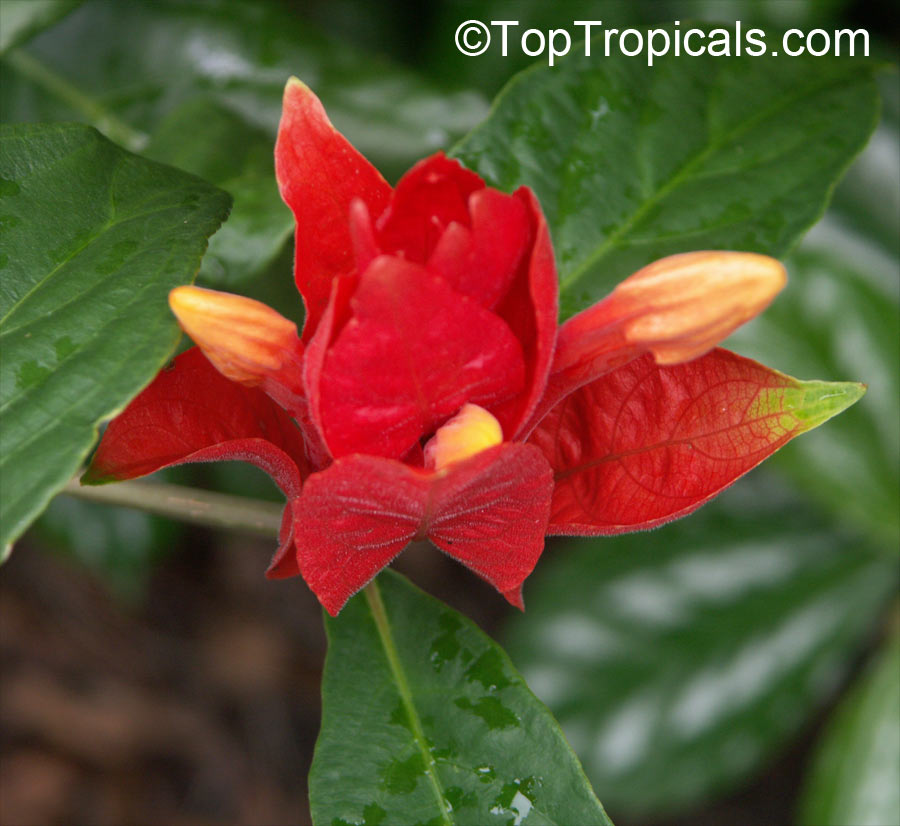
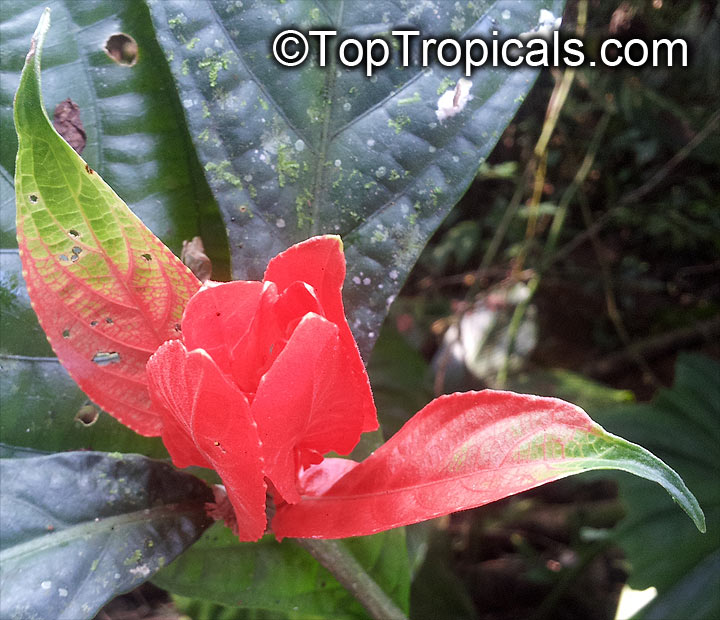
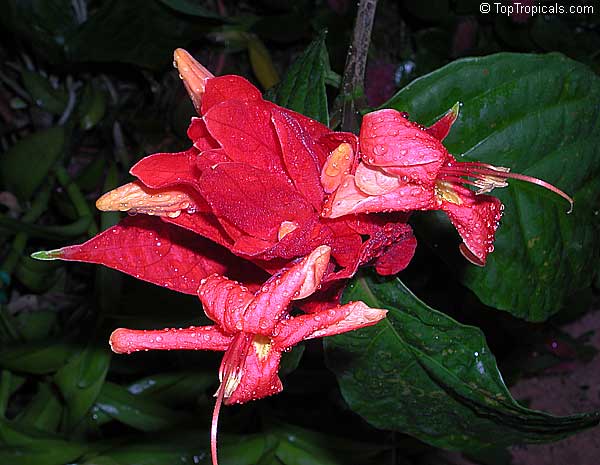
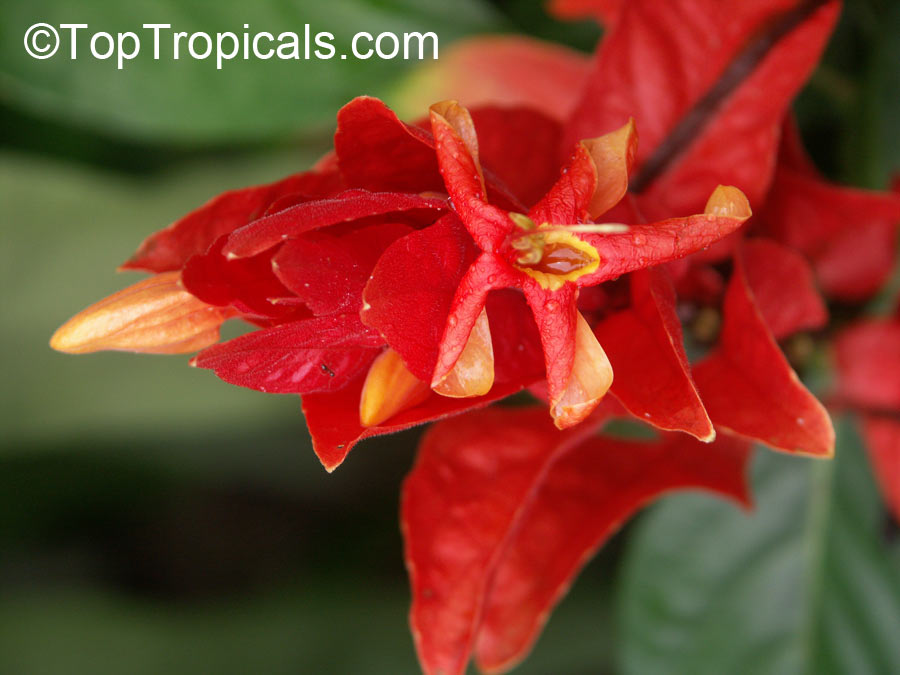

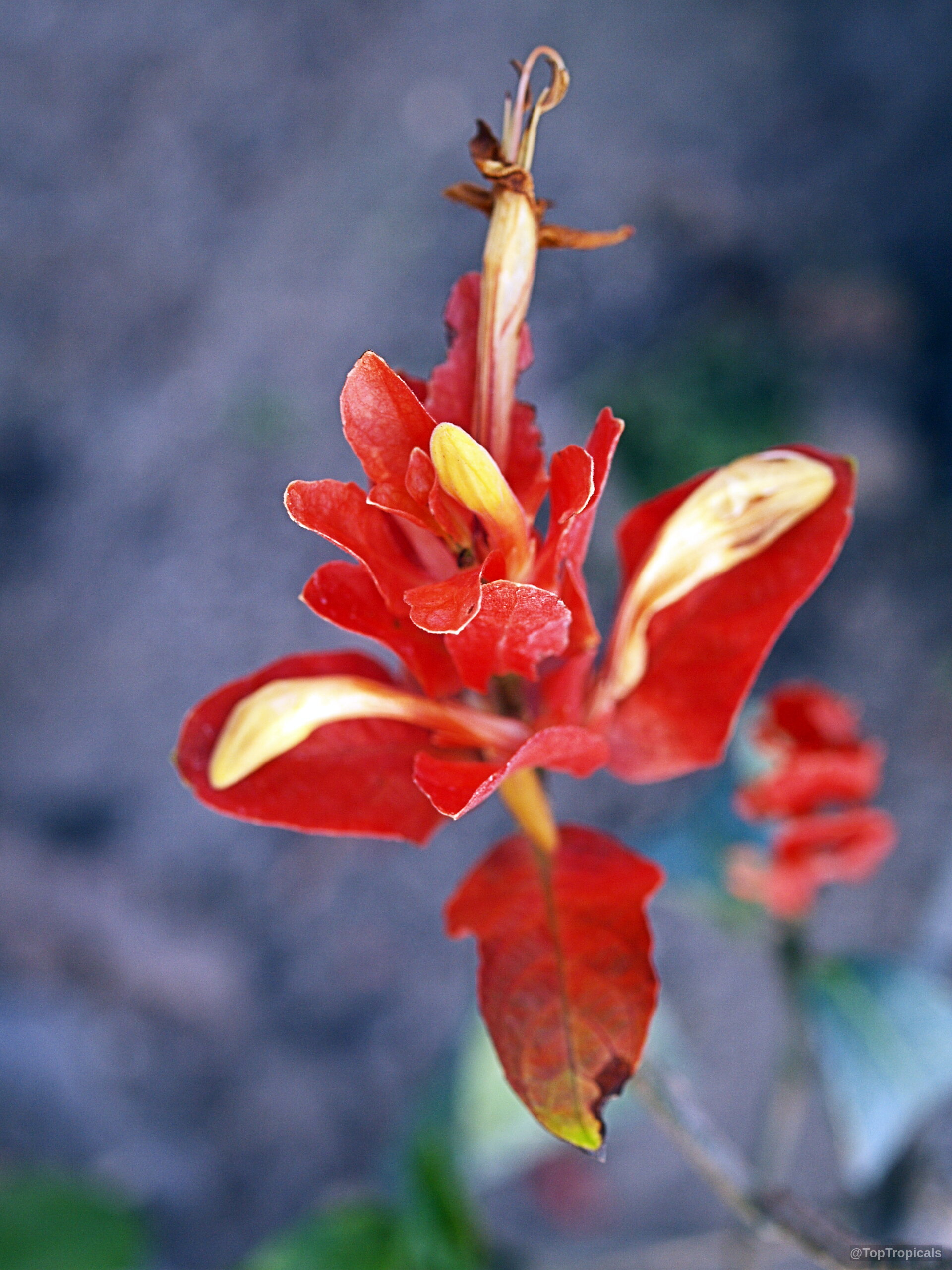


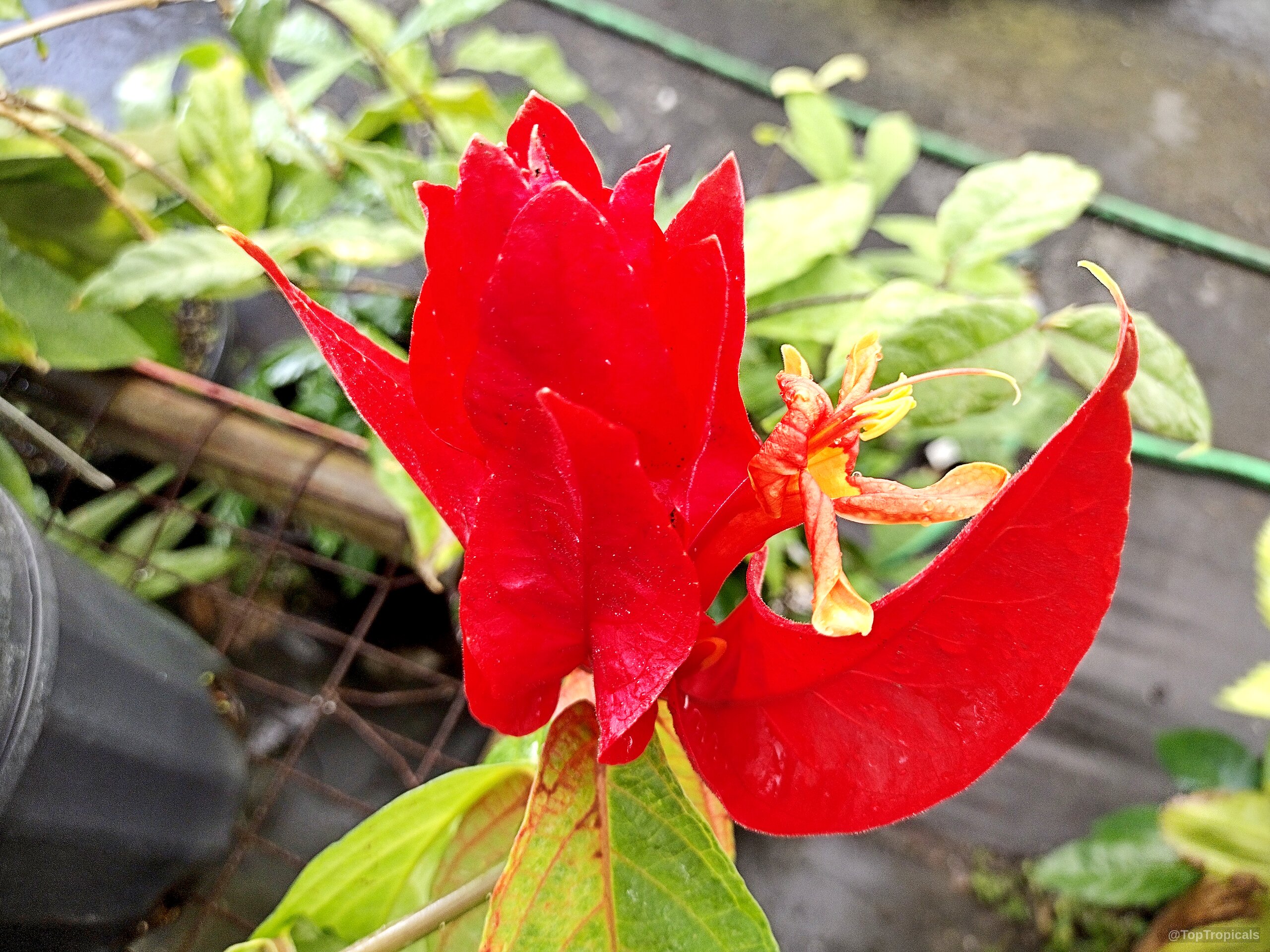
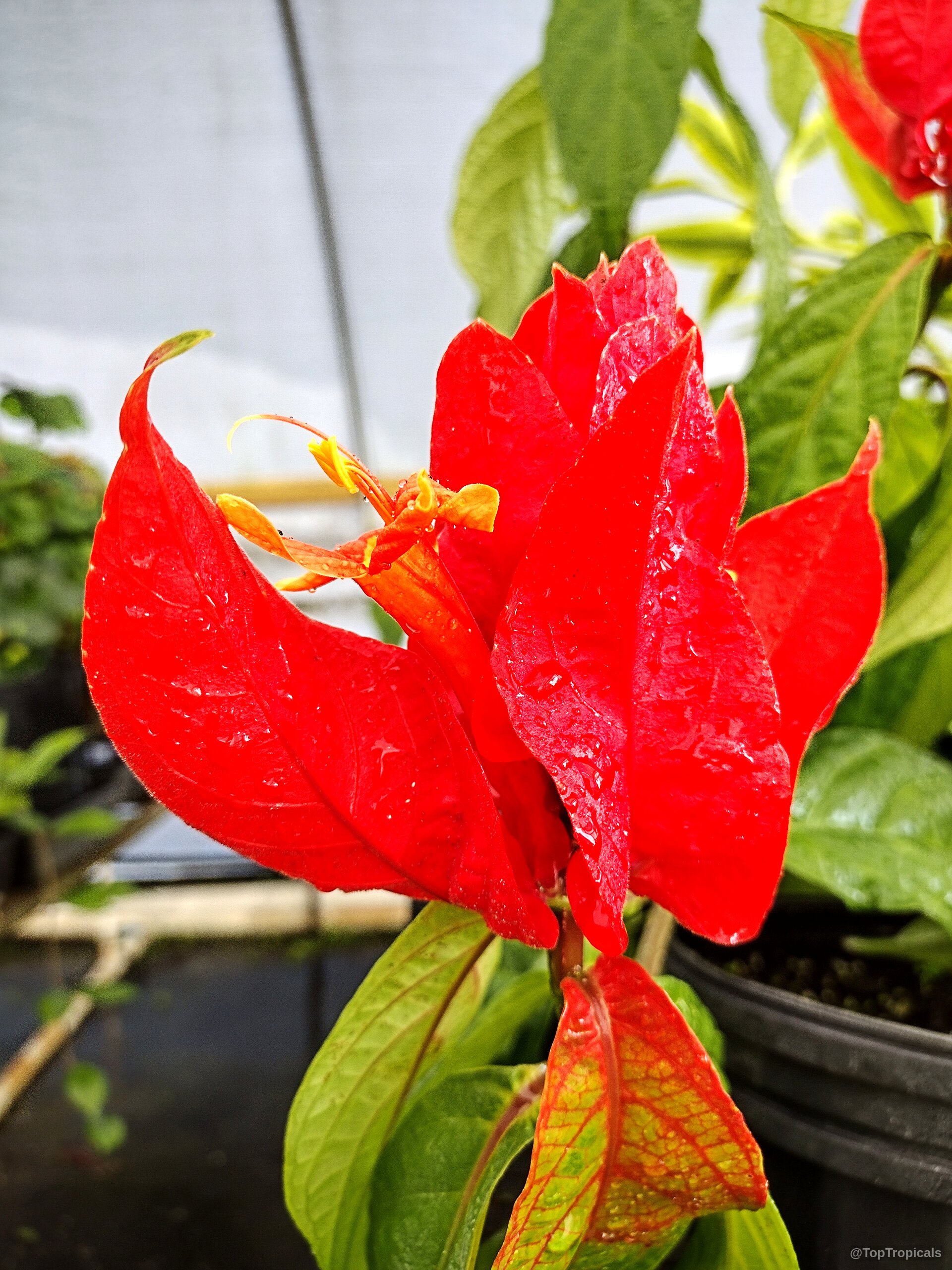
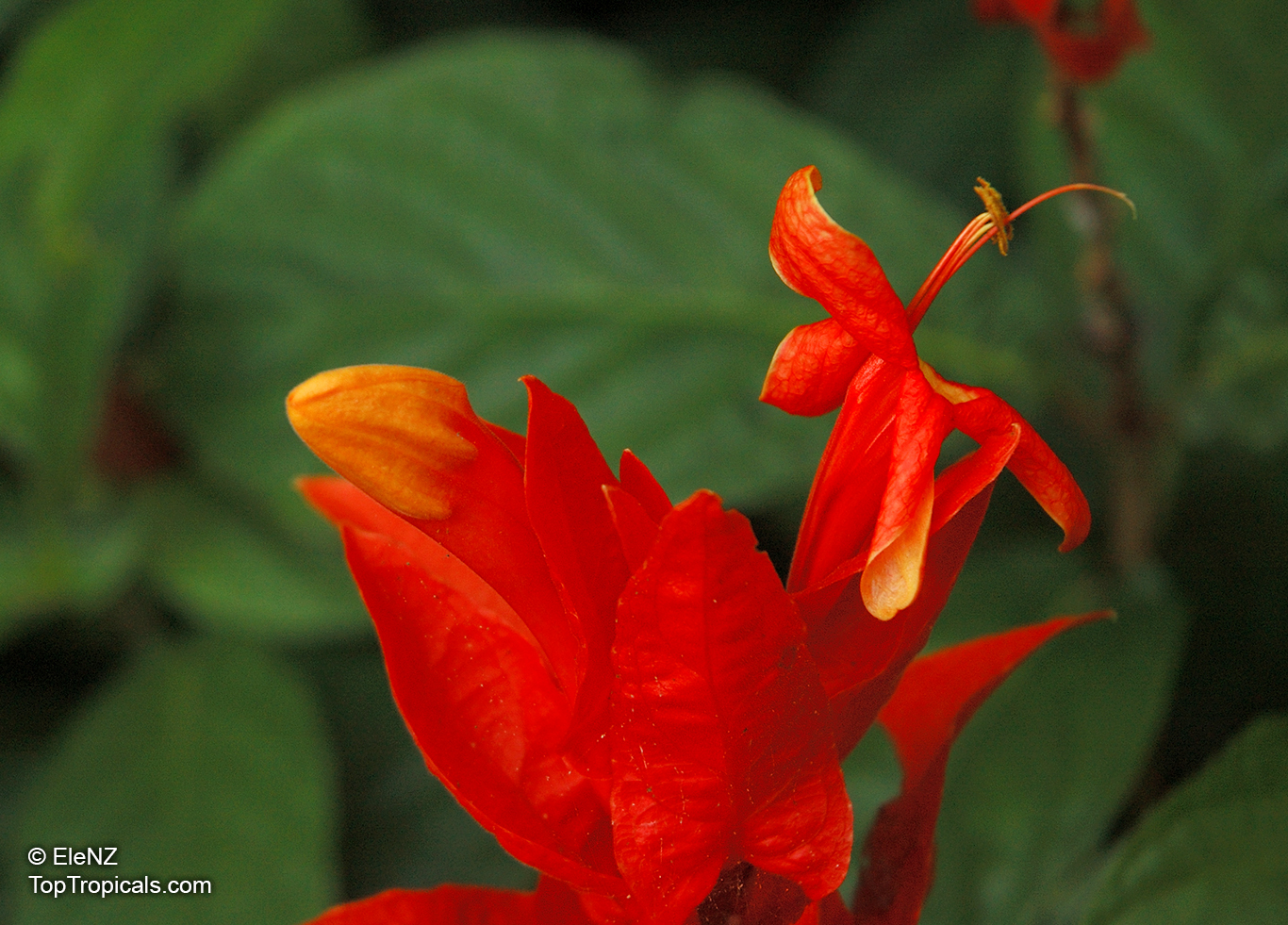
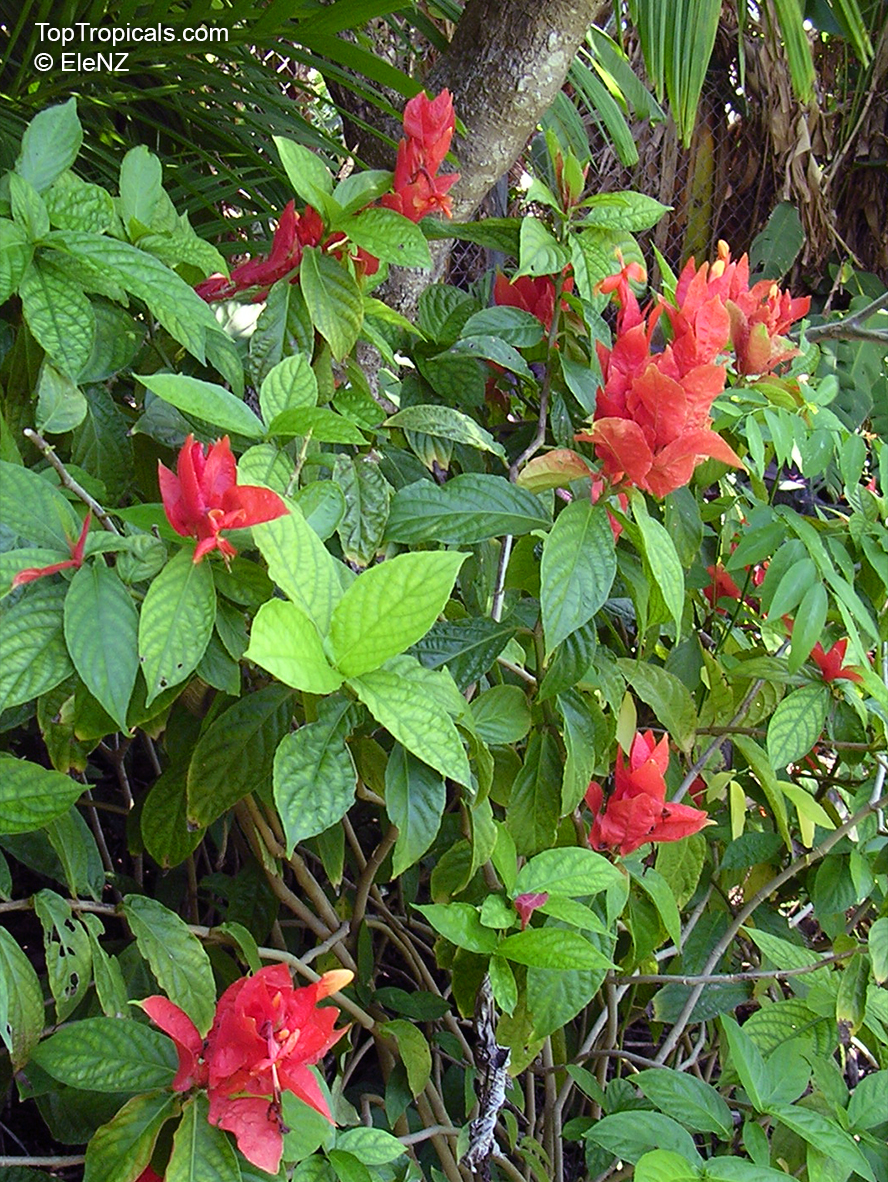
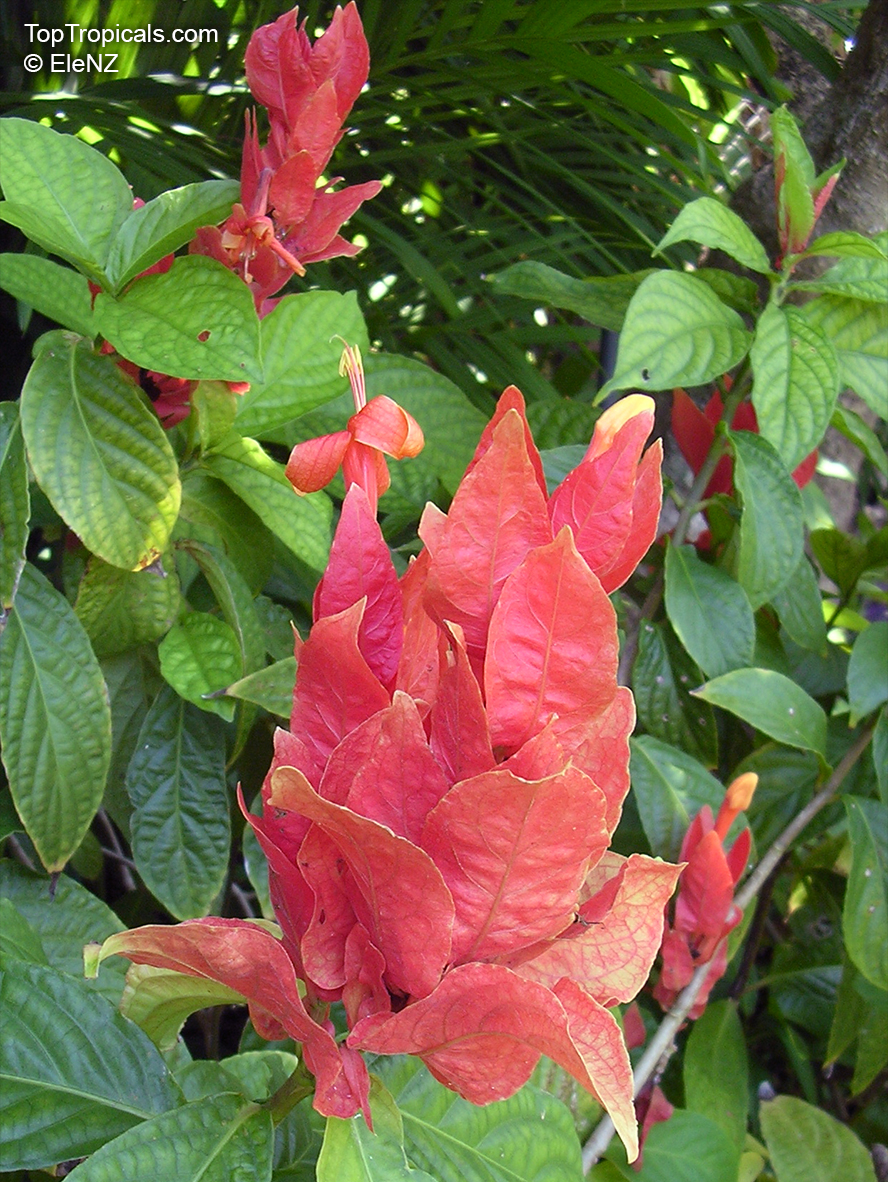
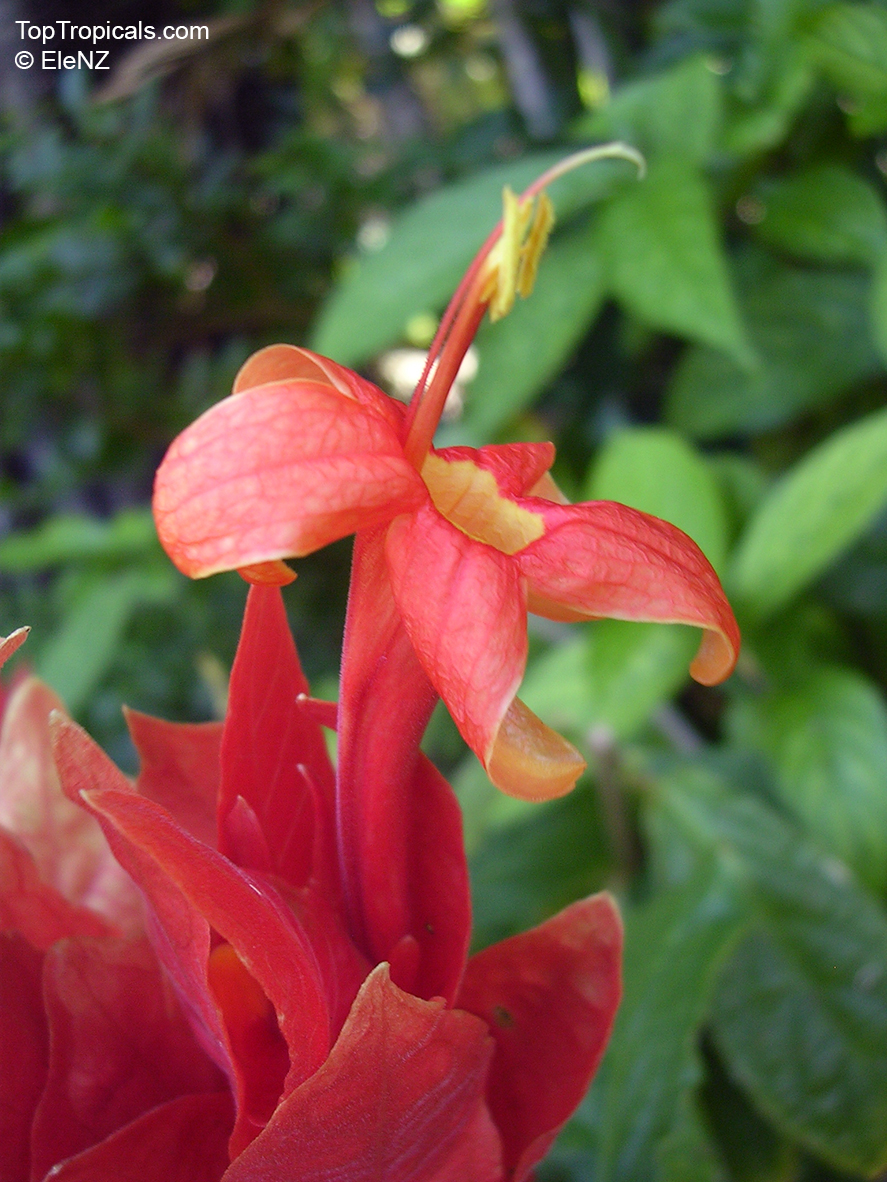
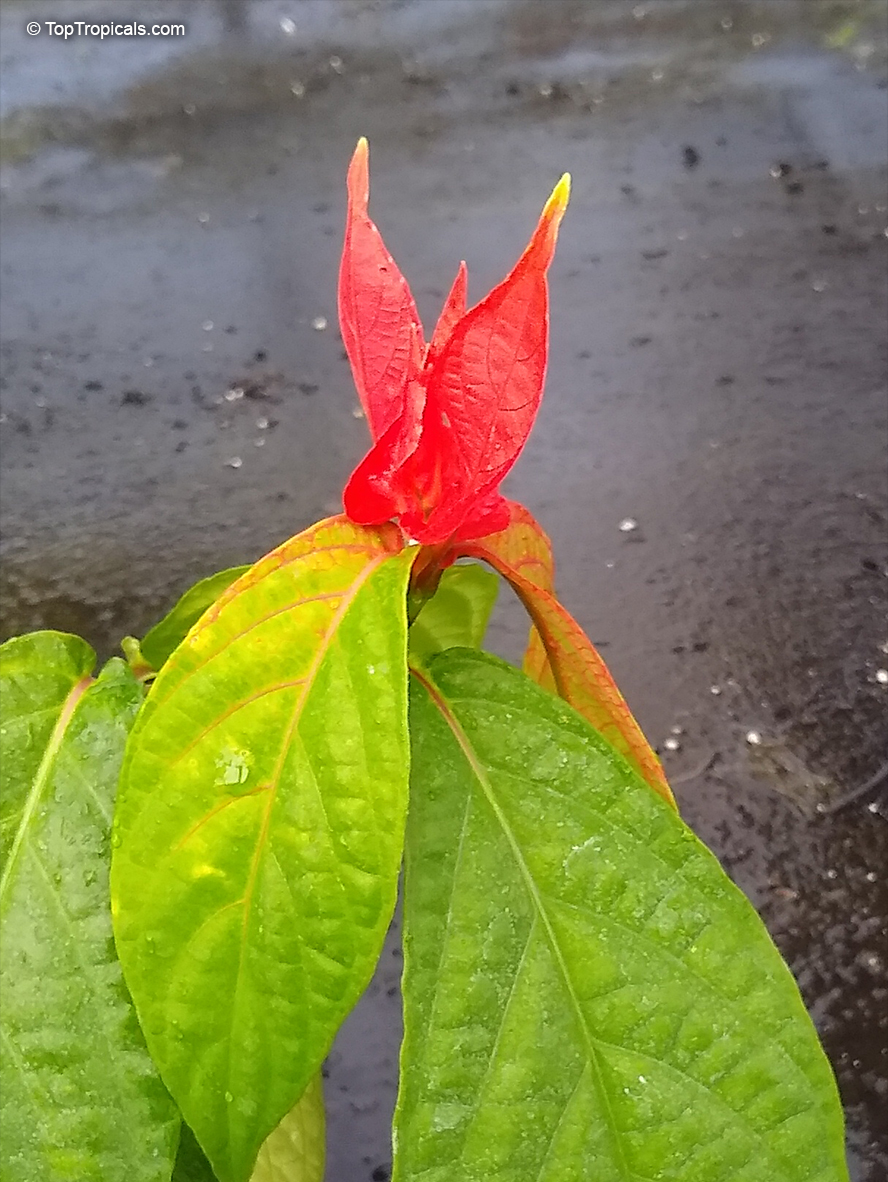
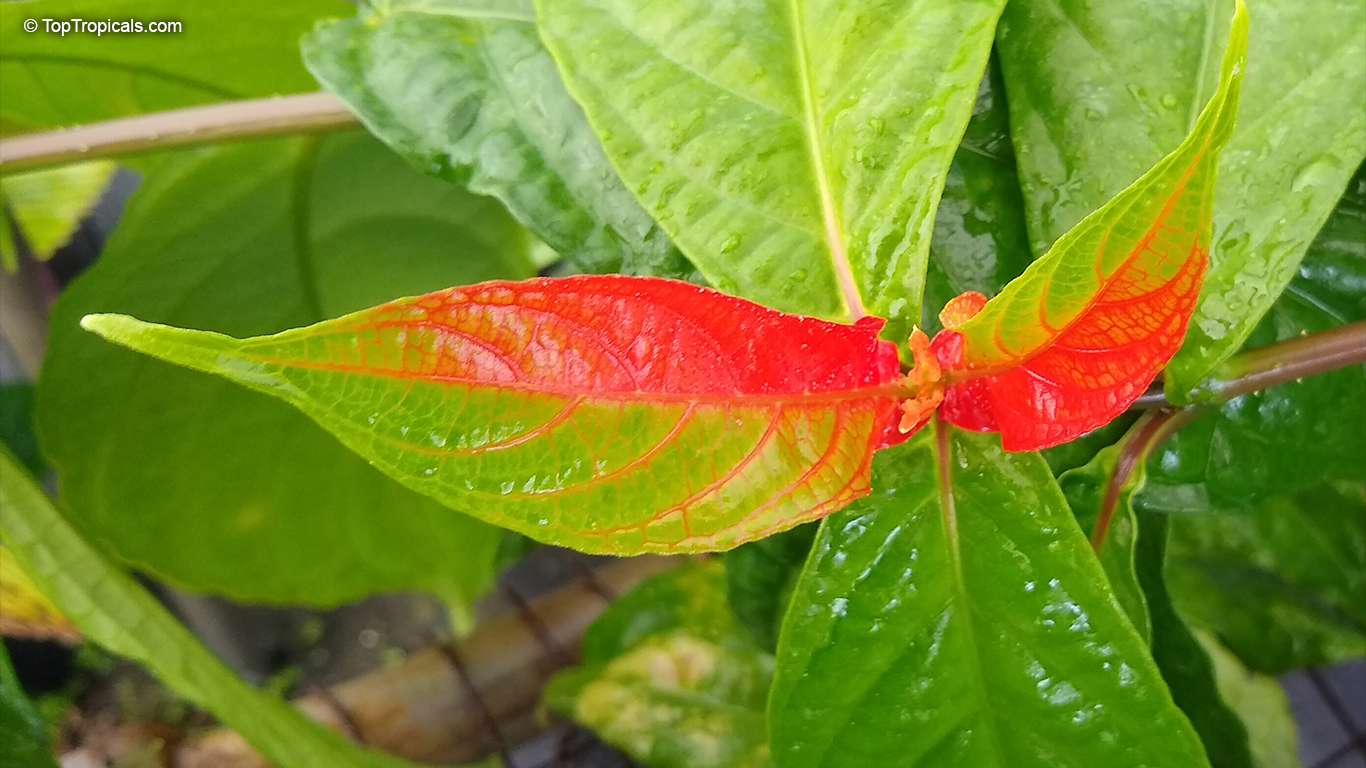
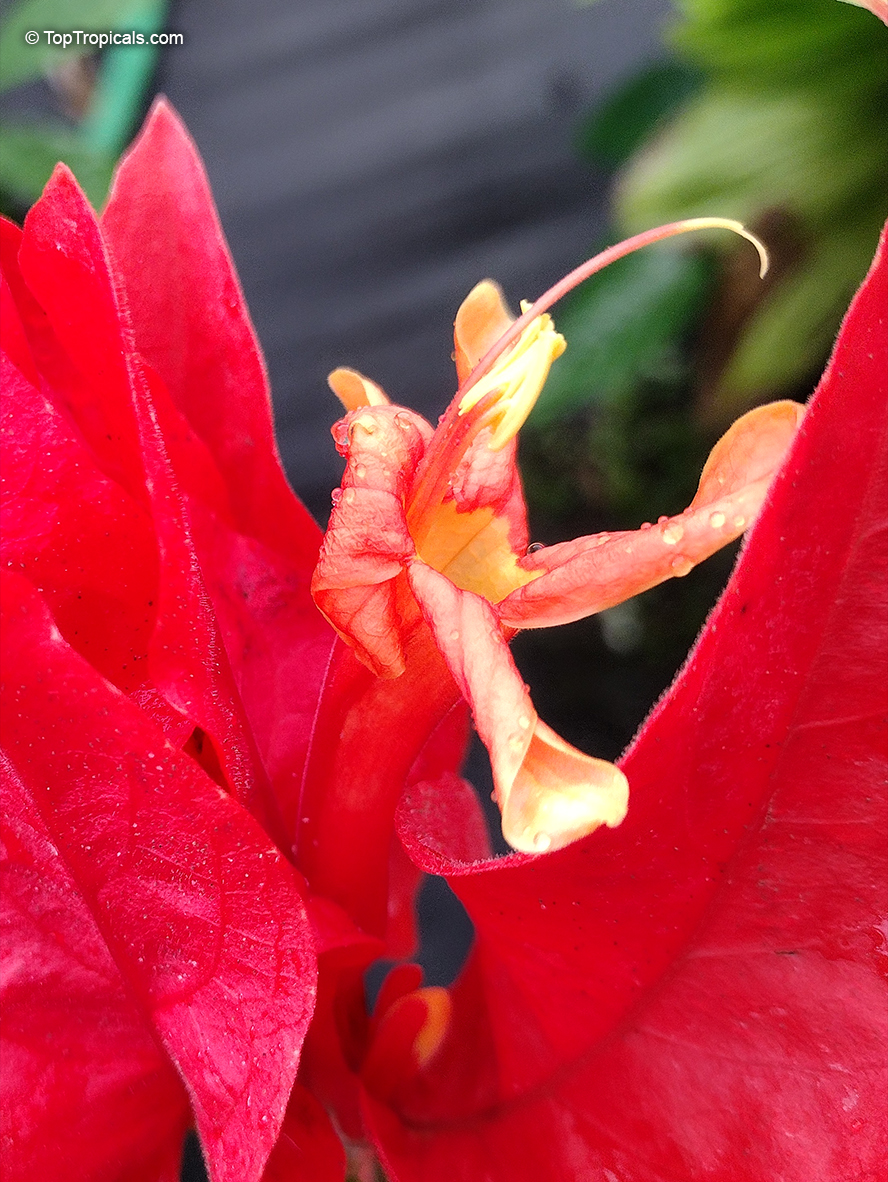
Ruellia colorata, known as Colorama, is a rare and vibrant addition to any exotic container plant collection. Its brilliant scarlet bracts color up for Christmas and stay bright carmine for several months.
Native to Brazil, this small plant grows 2-4 feet tall, showcasing brilliant scarlet bracts and crimson flowers that stay bright for months, adding a festive touch of holiday cheer. One of Colorama's most striking features is its photoperiodic response: the top leaves turn crimson red around Christmas due to changes in daylight length, much like the beloved Poinsettia. After winter, these leaves return to green, keeping the plant lively and versatile year-round. Its blooms are a magnet for butterflies and hummingbirds, making it a favorite for wildlife enthusiasts. Colorama thrives in shady to semi-shady spots and requires regular watering to stay lush and healthy. It's perfect for USDA zones 9-11 but can also be grown in colder regions if protected from frost. For winter care, move it indoors or to a warm area to keep it blooming. When grown in pots, ensure good drainage, use rich organic soil, and place the plant in a bright location. Prune twice a year to maintain a compact, bushy shape, and fertilize with a flowering fertilizer once established.
Recommended Fertilizer: SUNSHINE Megaflor - Bloom Nutrition Booster
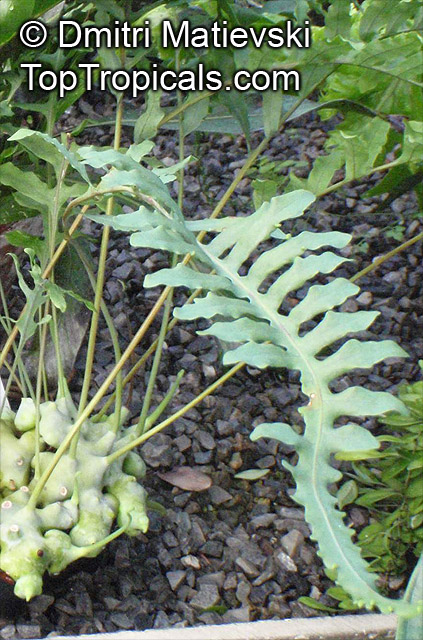
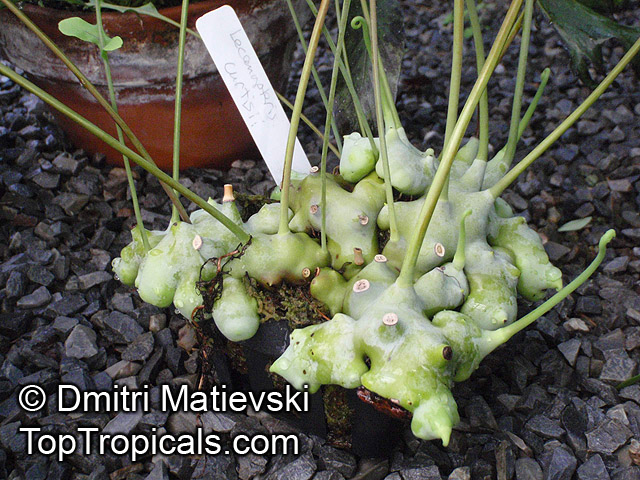
Botanical name: Lecanopteris celebica
Common name: Ant Fern
Family: Polypodiaceae
Origin: Sulawesi, Indonesia
USDA Zone: 9-10


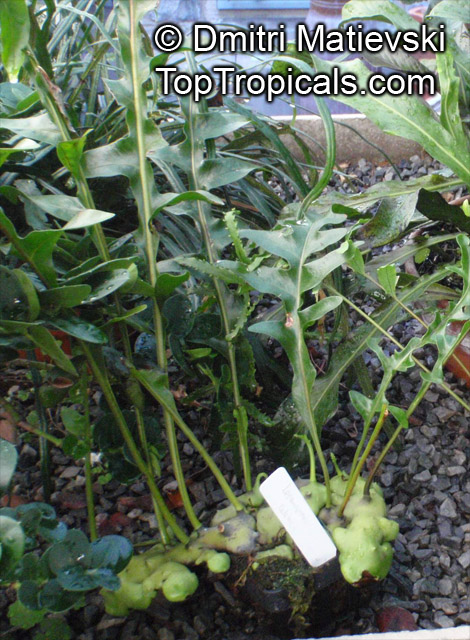
Originating from the high humidity of Sulawesi, Indonesia, Lecanopteris celebica (Ant Fern) is a unique and beautiful fern with lush, ornamental foliage. It is a small plant, typically growing between 2 and 5 ft tall and is an interesting conversation piece for any garden. As a tropical epiphyte, it requires warm temperatures, high humidity, and access to partial shade or even semi-shade - and it loves to live in trees or on logs.
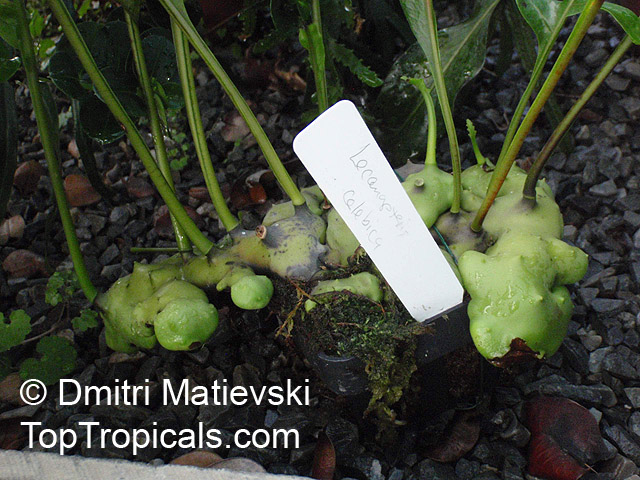
This unique fern has an interesting addition to its anatomy, that being hollow caudexs which ants use to live and thrive in. These ants are considered symbiotic to the plant and help with pollinating, eating and removing pests, and providing nutrients to the soil.
The Lecanopteris celebica is hardy in zones 9-11, making it suitable to be grown outdoors in many areas. Proper care is important, though. This plant must be kept moist and heavily misted to replicate its natural environment. If you live in an area with a cooler climate, you can still grow it in a pot indoors or outdoors. Some protection must be provided to shield it from the cold, and a humidifier can help replicate the humidity of its native environment. It should be kept away from direct sunlight and its soil should be changed about once a year.
Overall, if you live in the proper climate, or have the resources to provide proper care and protection from the cold, this unique and vibrant fern is a great addition to any garden or indoor setup. Its unique caudex is sure to be a conversation starter, and with proper care and attention, it's sure to bring a slice of tropical paradise to your living space.
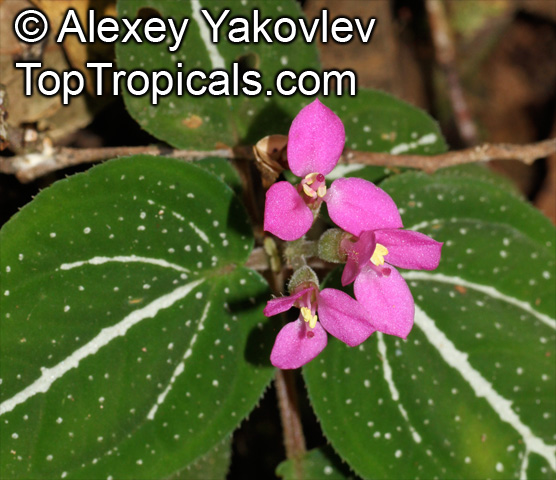
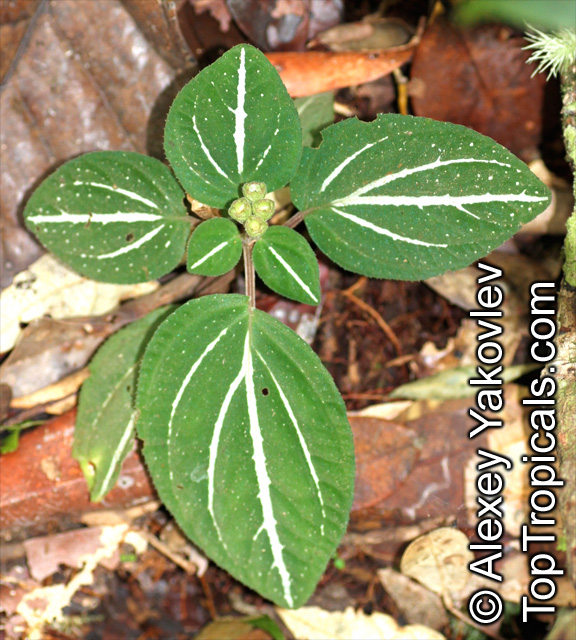
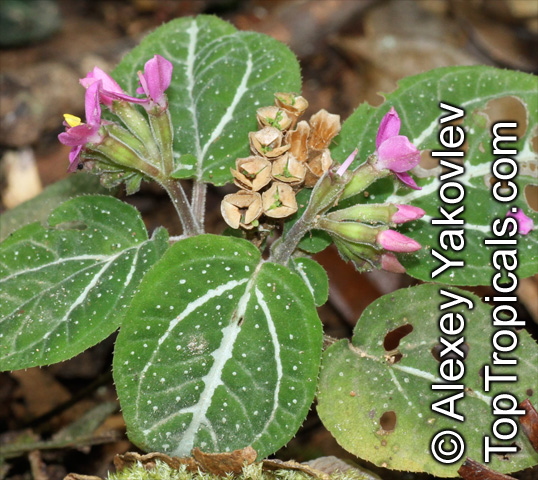
Botanical name: Sonerila pulchella
Common name: Sonerila
Family: Melastomataceae
Origin: Malaysia
USDA Zone: 9-10
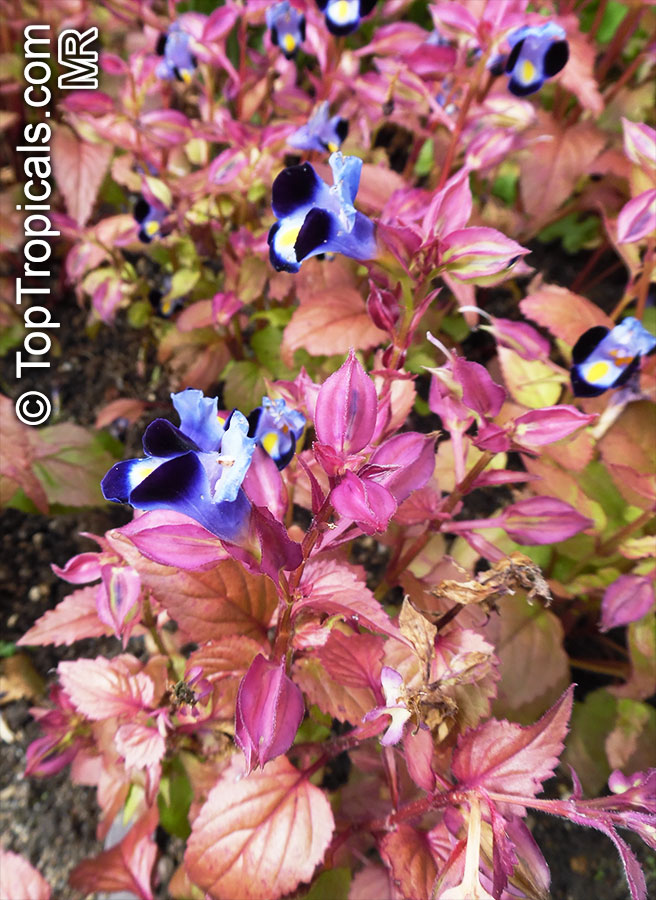
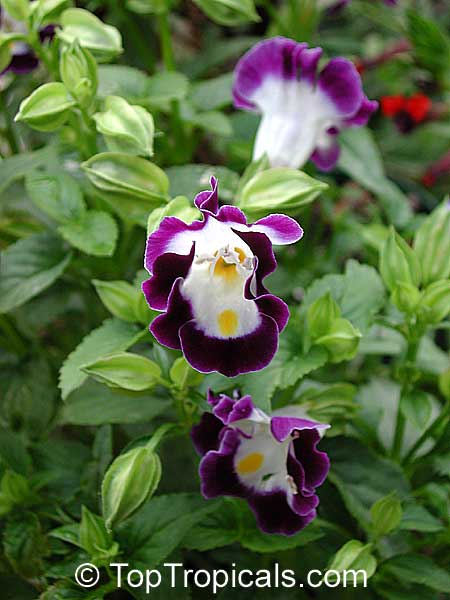
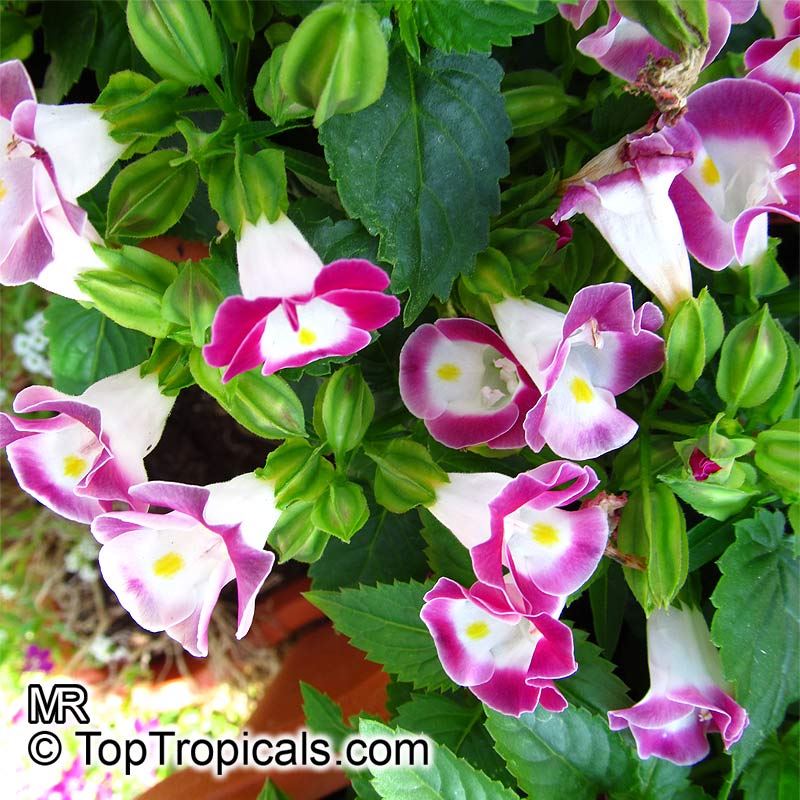
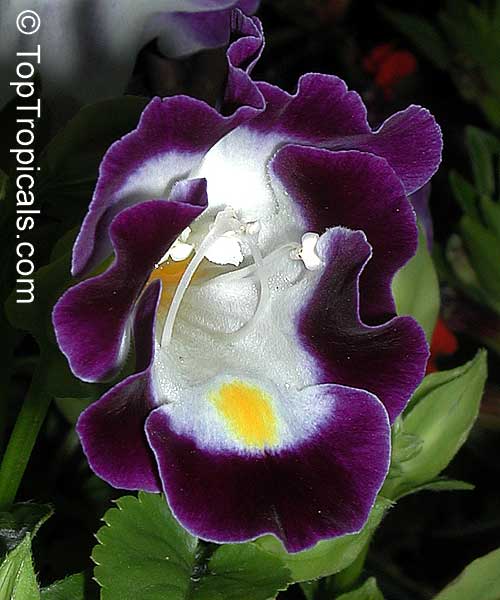
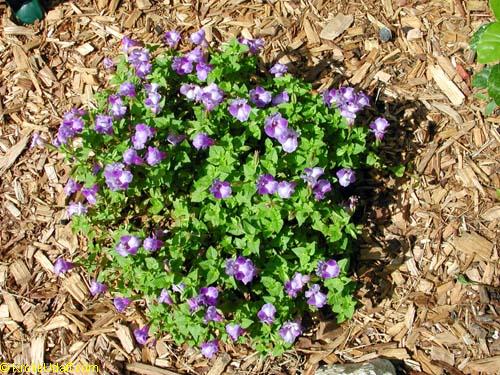
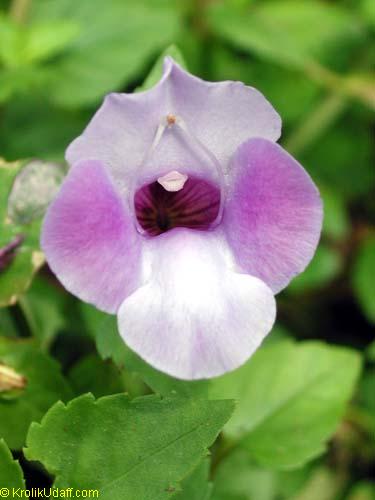
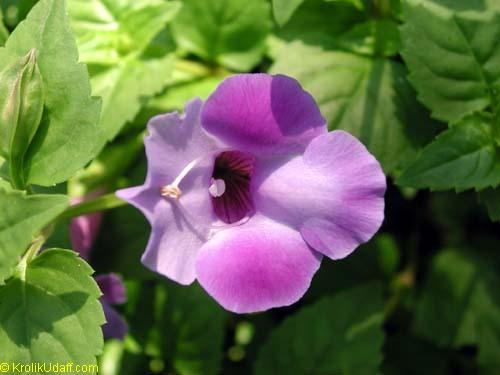
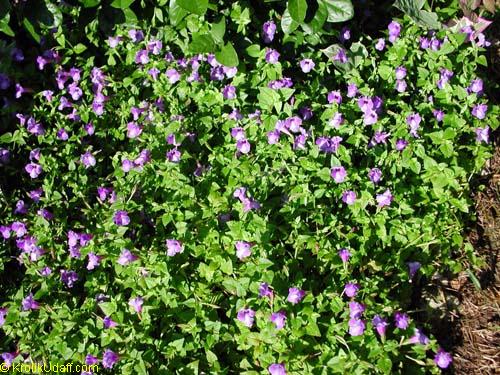
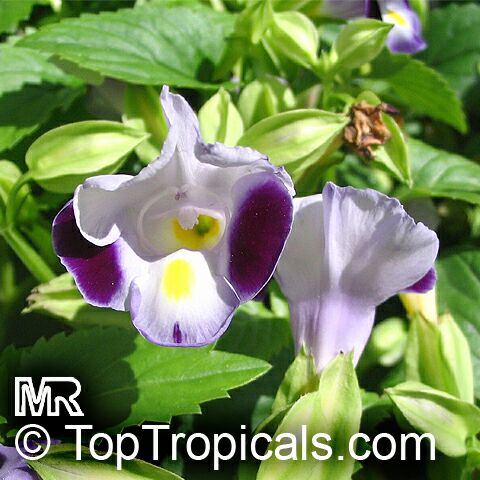
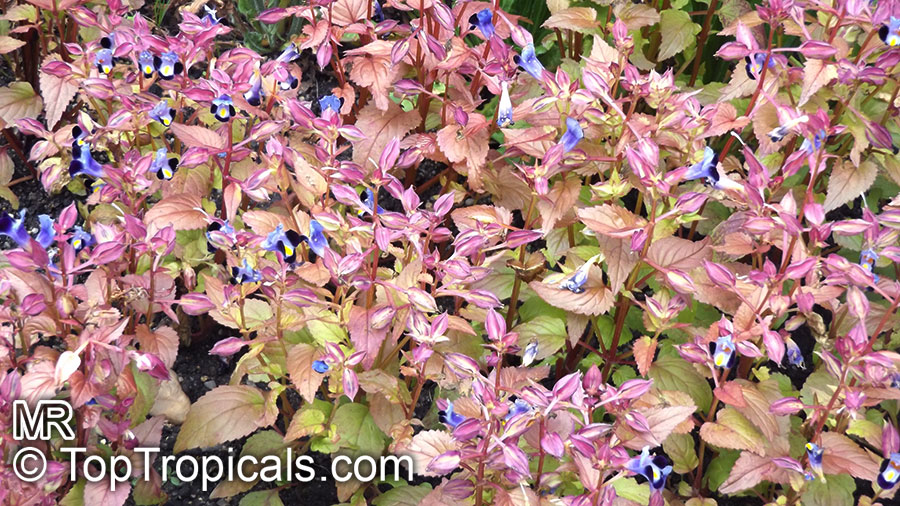
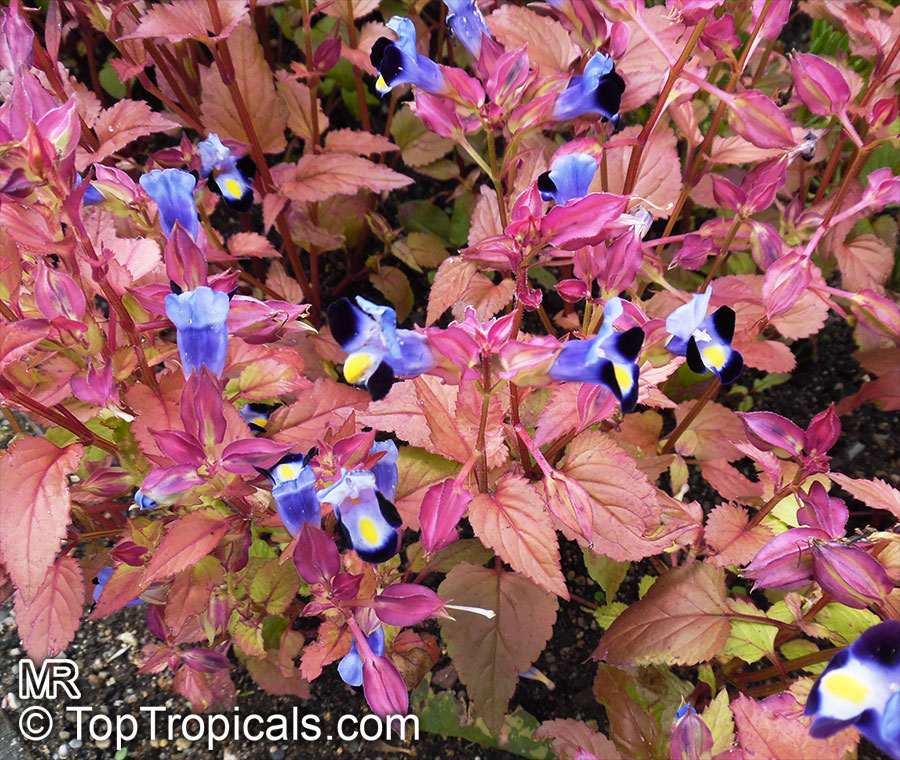
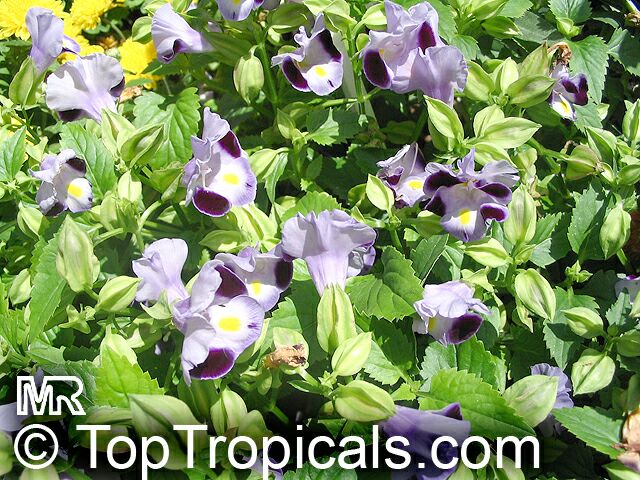
Botanical name: Torenia fournieri
Common names: Wishbone Flower, Ladys Slipper, Blue Wing
Family: Linderniaceae (Formerly:Scrophulariaceae)
Origin: Thailand, Indo-China
USDA Zone: 9-10


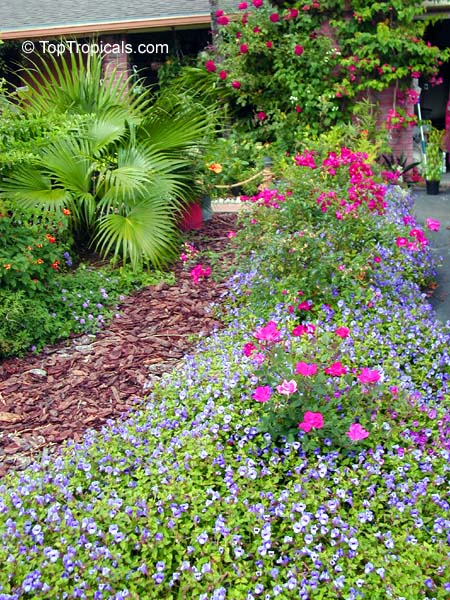
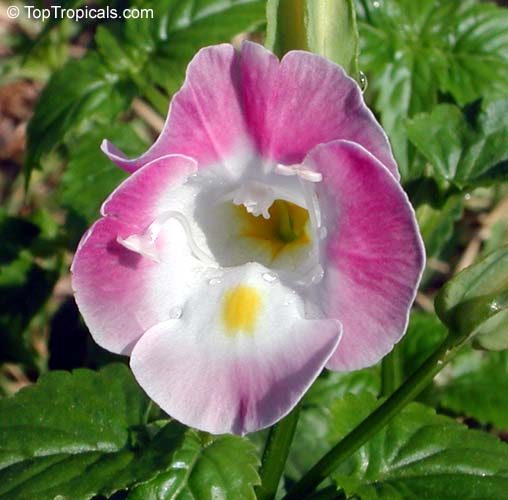
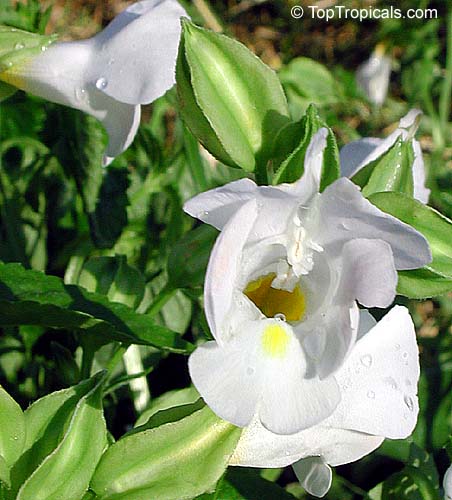
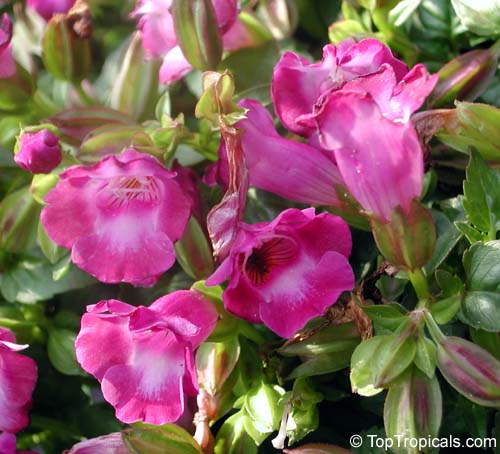
One of the few ground covers that grow equally well in sun or semi-shade. Plants make a compact, upright bush of eight to twelve inches in height. The pale violet flowers have deep purple blotches on the lower petals with yellow inside. The cool colors are a welcome relief during the heat of summer. This everblooming ground cover looks like a bright blanket. Attracts bufferflies and makes a blooming atmosphere. Easy to grow, drought tolerant.

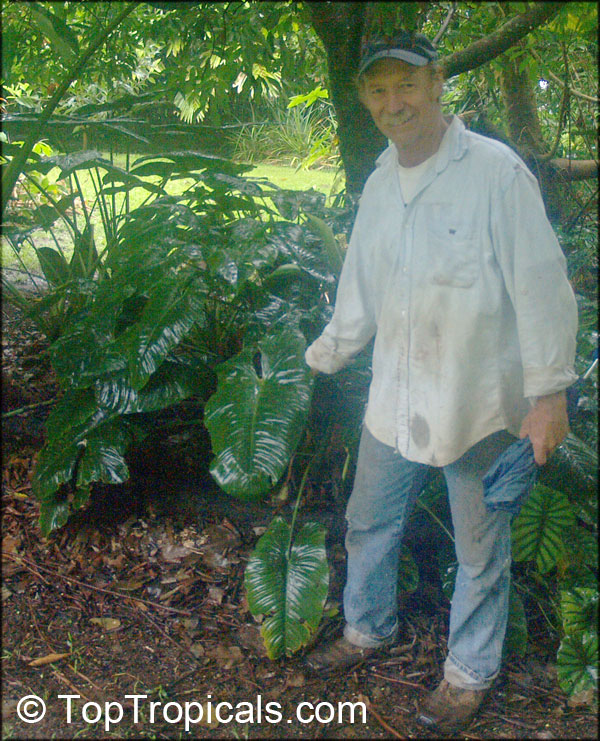
Botanical name: Schismatoglottis moodii
Common name: Schismatoglottis
Family: Araceae
USDA Zone: 9-10

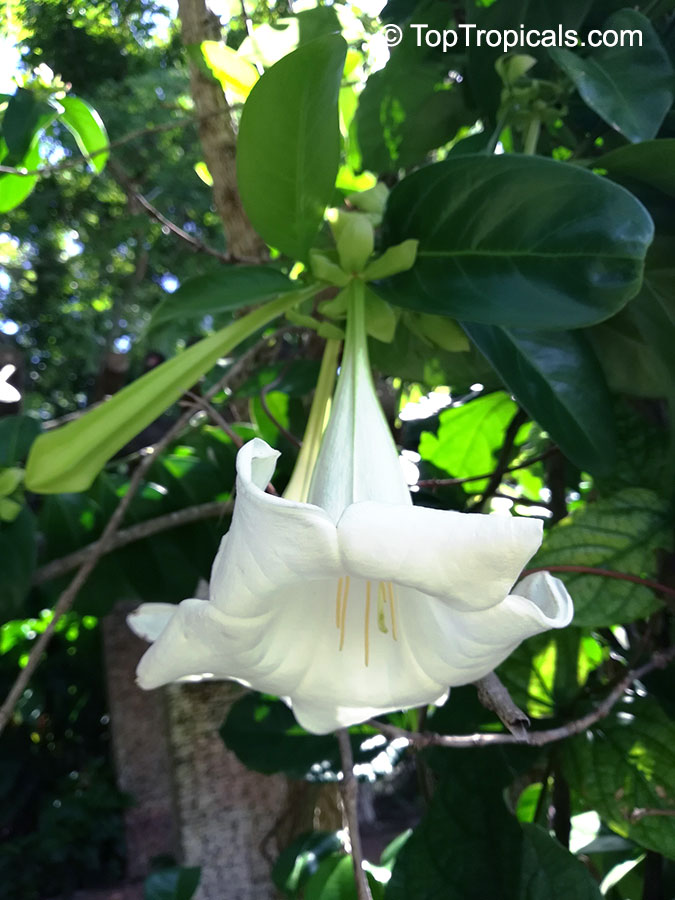
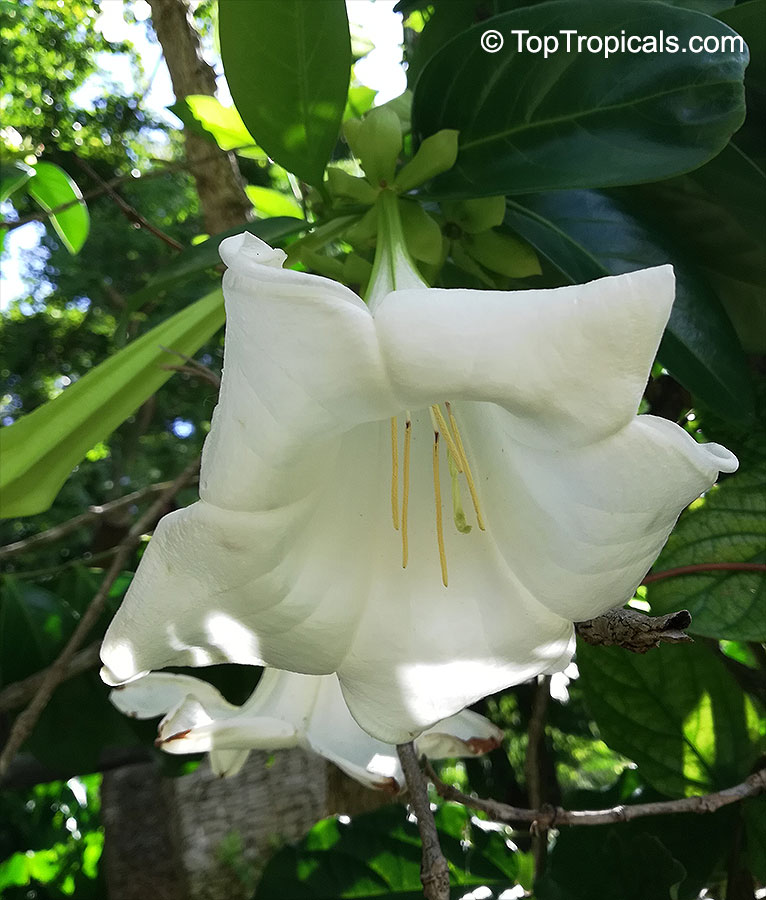
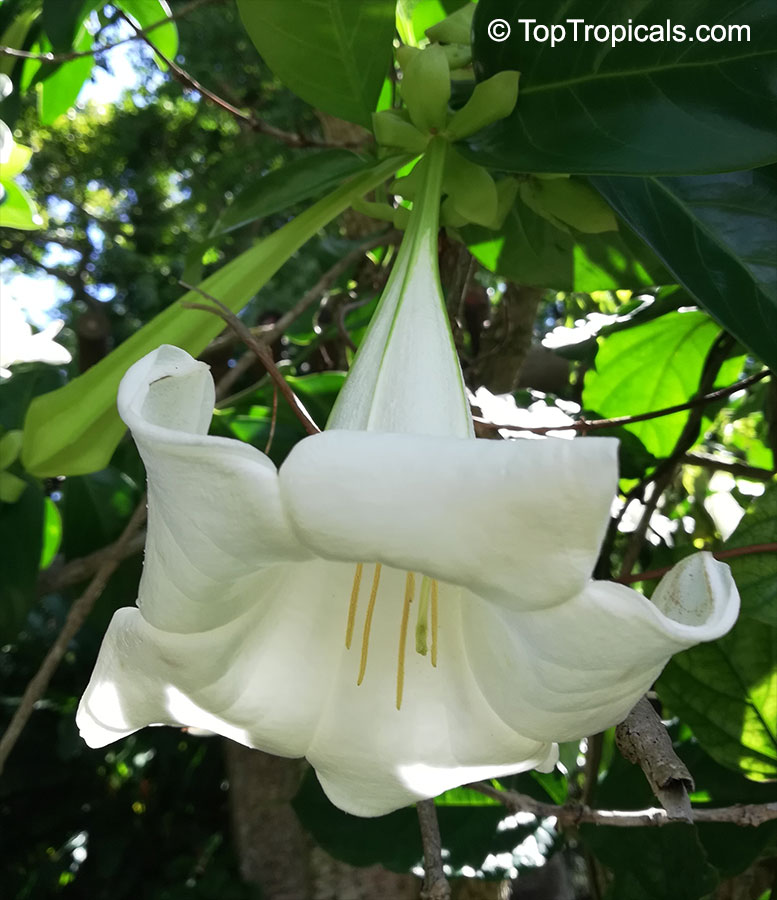
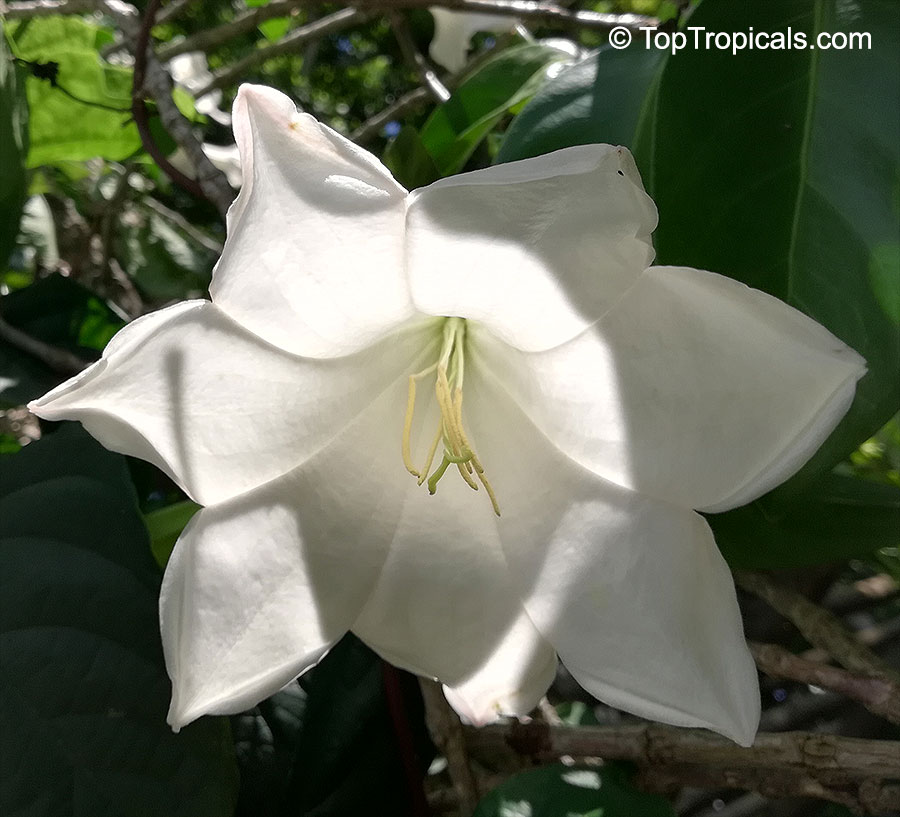
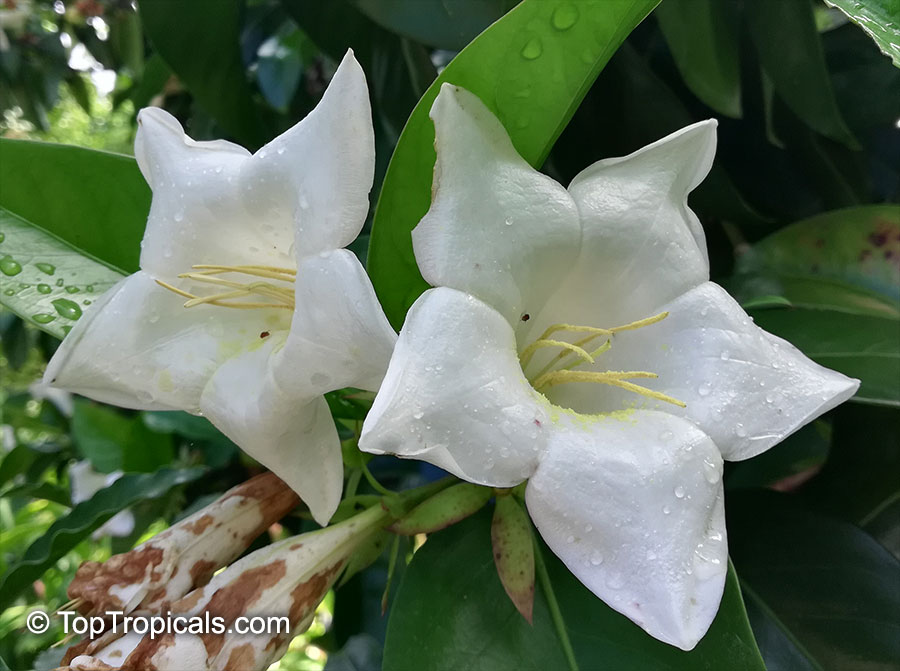
Botanical name: Portlandia sp.
Common name: Bell Flower
Family: Rubiaceae
Origin: Cuba, Jamaica
USDA Zone: 9-10


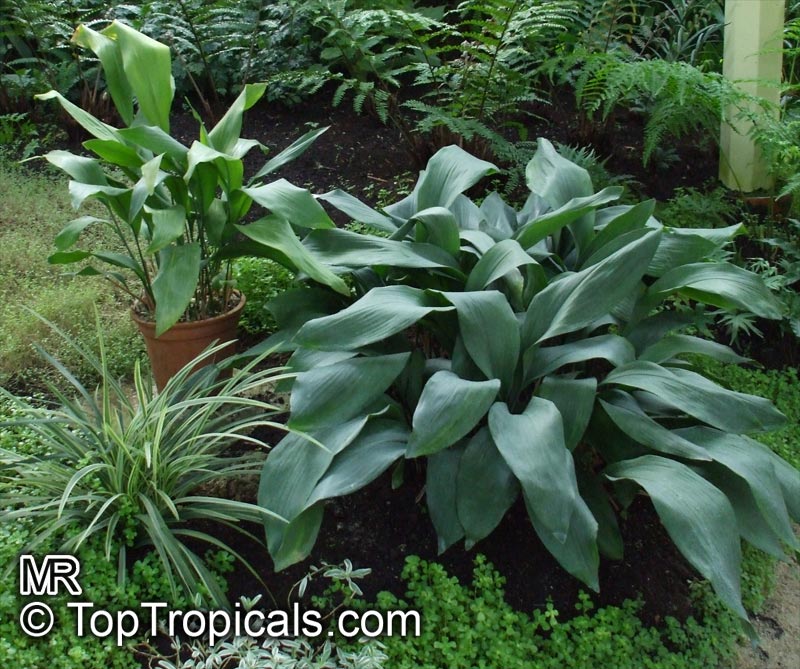
Botanical name: Aspidistra sp.
Common name: Cast Iron Plant
Family: Asparagaceae (Formerly:Ruscaceae)
Subfamily: Nolinoideae
Origin: Southeastern Asia
USDA Zone: 10-11
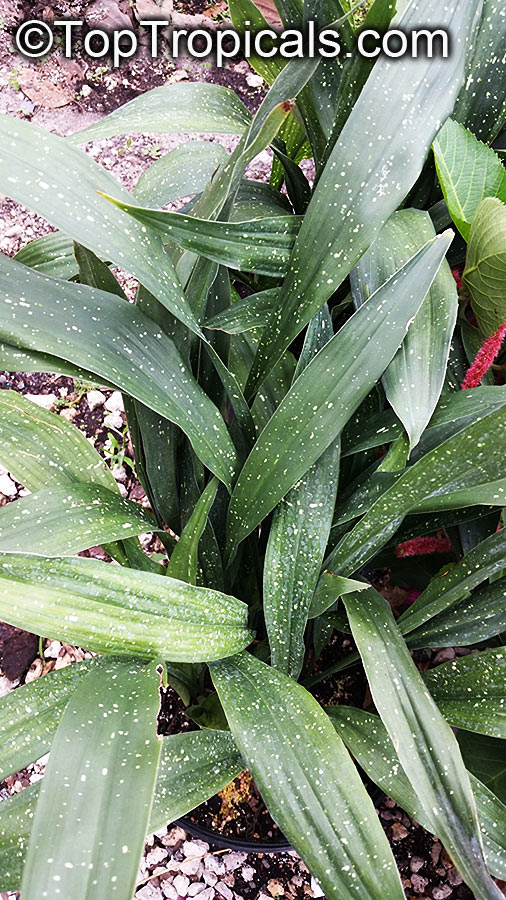
In the garden, Aspidistra sp. (Cast Iron Plant) makes a great groundcover, especially in shady areas. This small shrub typically reaches 2-5 ft in height, with an equal width. The foliage is dense and ornamental, which explains its popularity as a garden specimen. The leaves are evergreen and grow in a spreading or arching way. Plant can handle short periods of full sun but prefers semi-shade.
Care and Growing: Aspidistra sp. is easy to grow. It prefers moist, well-drained soil with moderate water and a slightly acid soil. Water when the top layer of soil becomes slightly dry. Feed with low-nitrogen fertilizer every 6-8 weeks during the growing season. The plant can also be grown in containers, under the right conditions.
In cold regions, it can be grown in pots in a sheltered spot. If the temperature drops below freezing, move the pot to a warmer area to keep the leaves from dying. The potted plant needs more frequent watering and more fertilizer during the warmer months than its outdoor counterpart. If necessary, pruning the stems may be done in late winter or early spring.
The most common variety is the one with all green leaves, Aspidistra elatior (sometimes labeled as Aspidistr lurida). Aspidistra elatior 'Variegata' has green leaves variegated with white striping
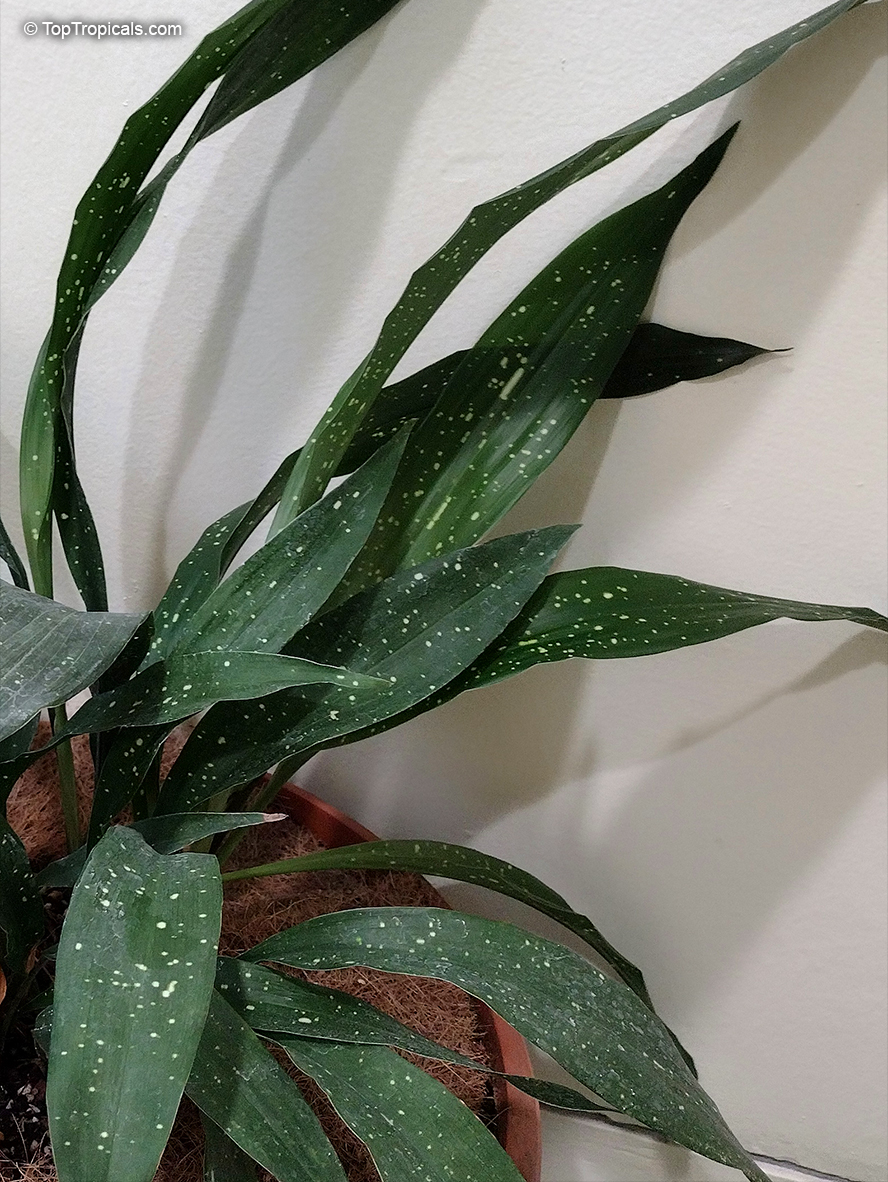
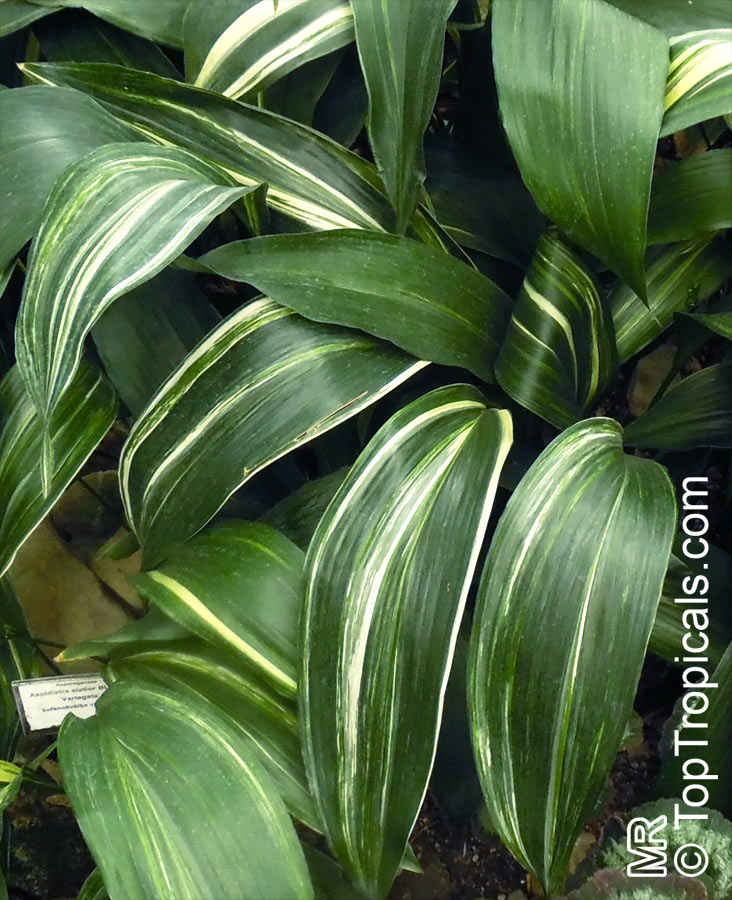
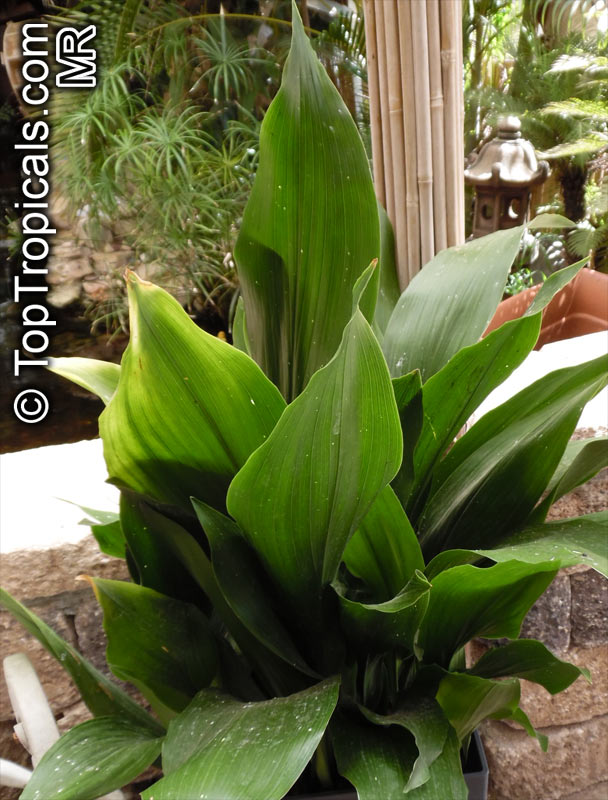
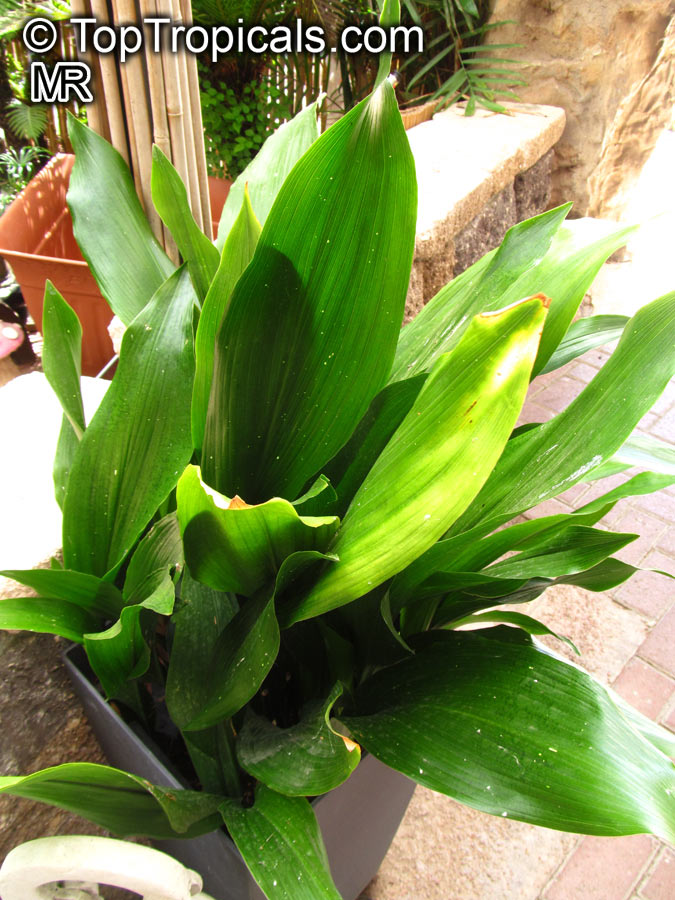
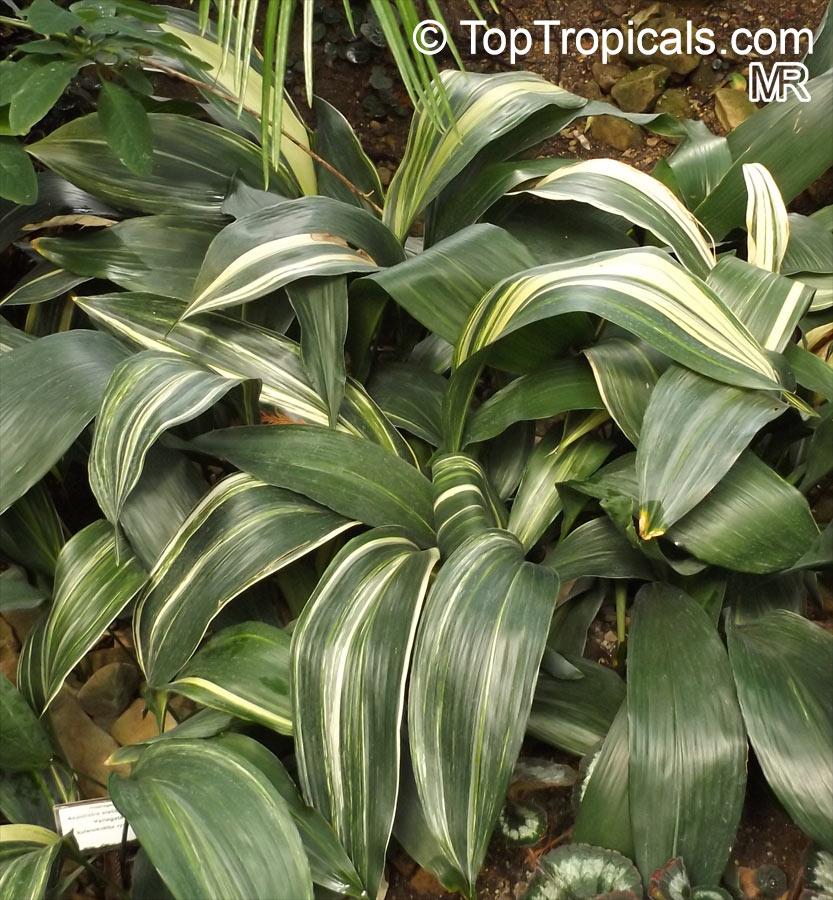
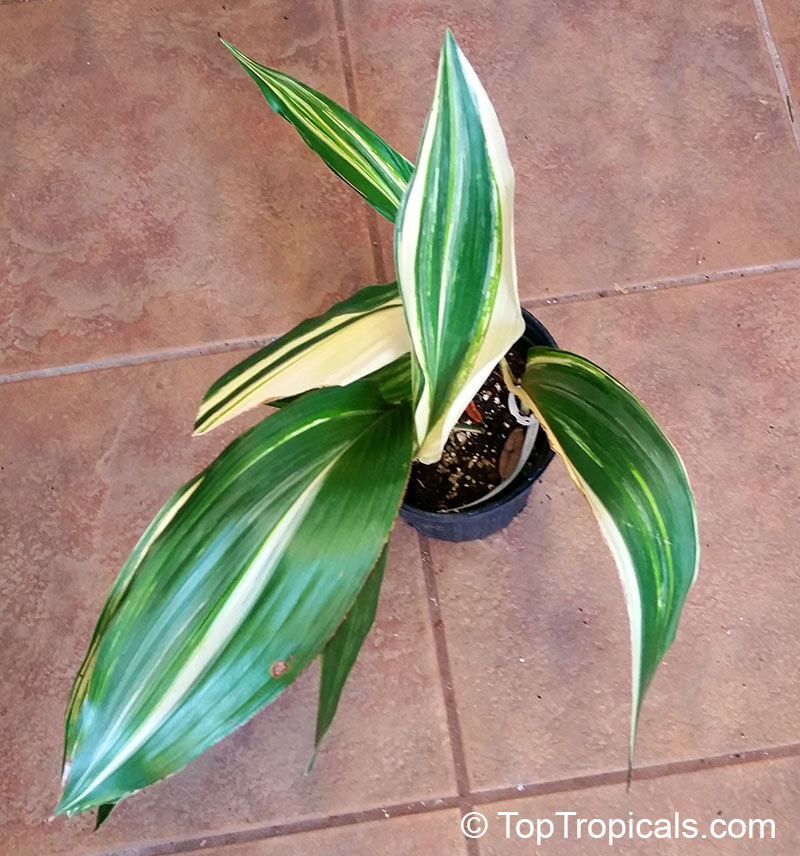
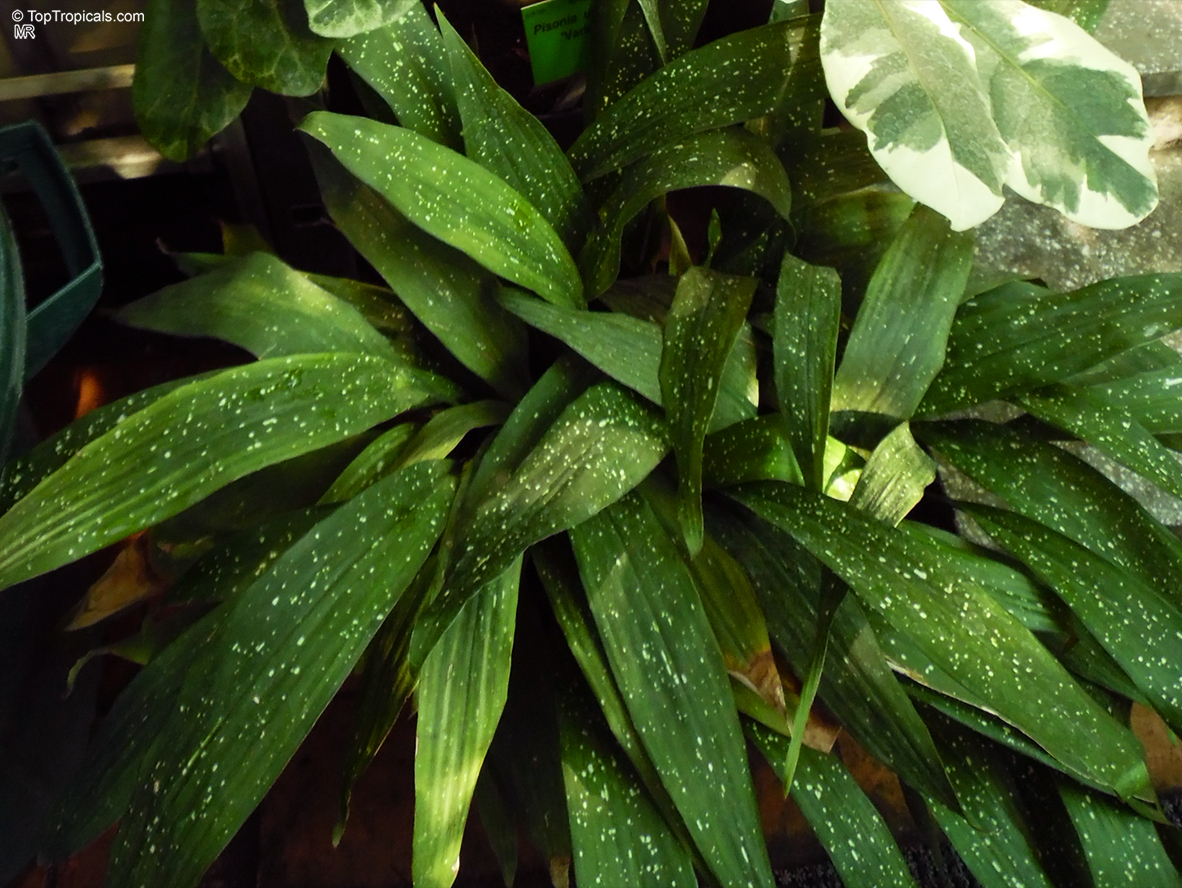
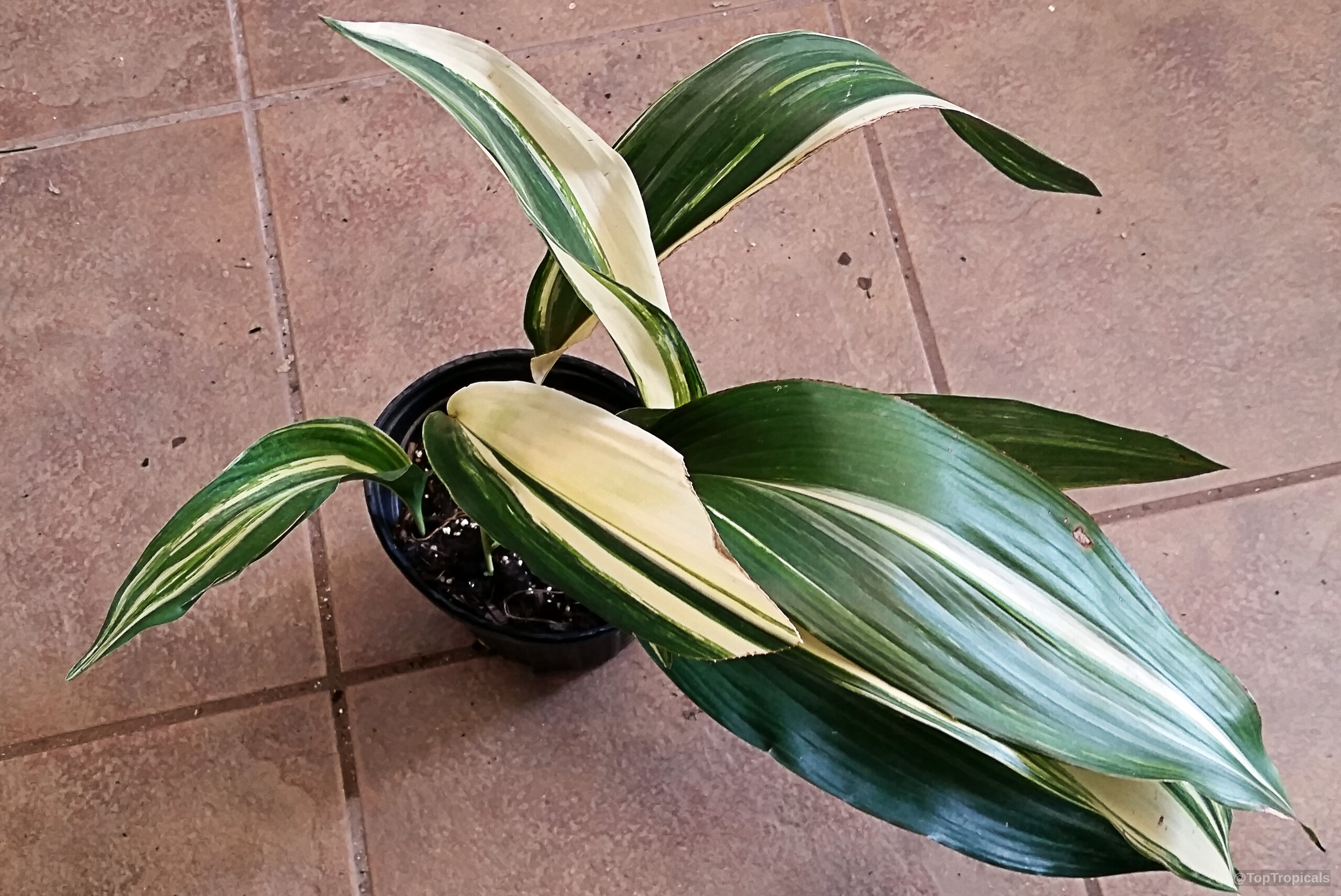
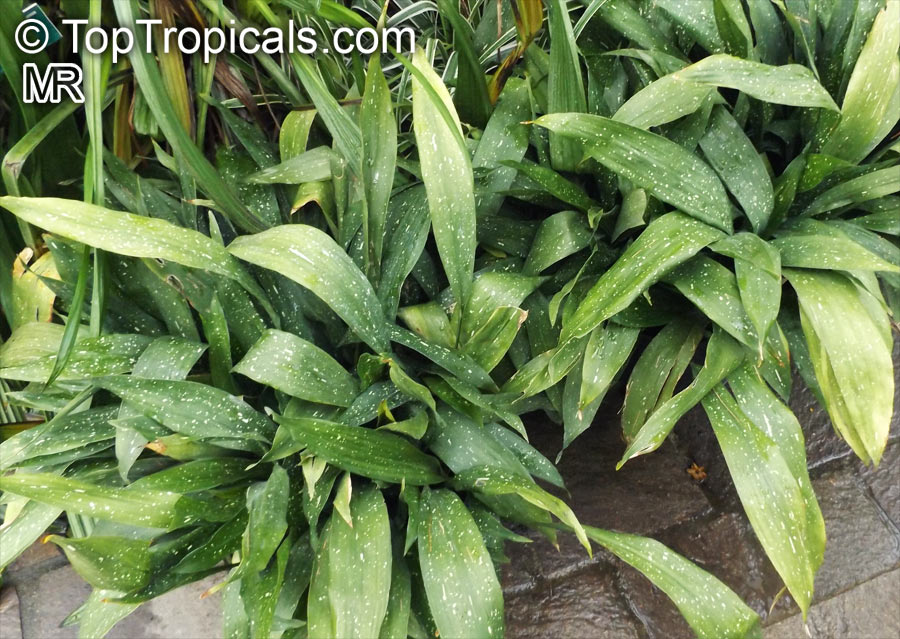
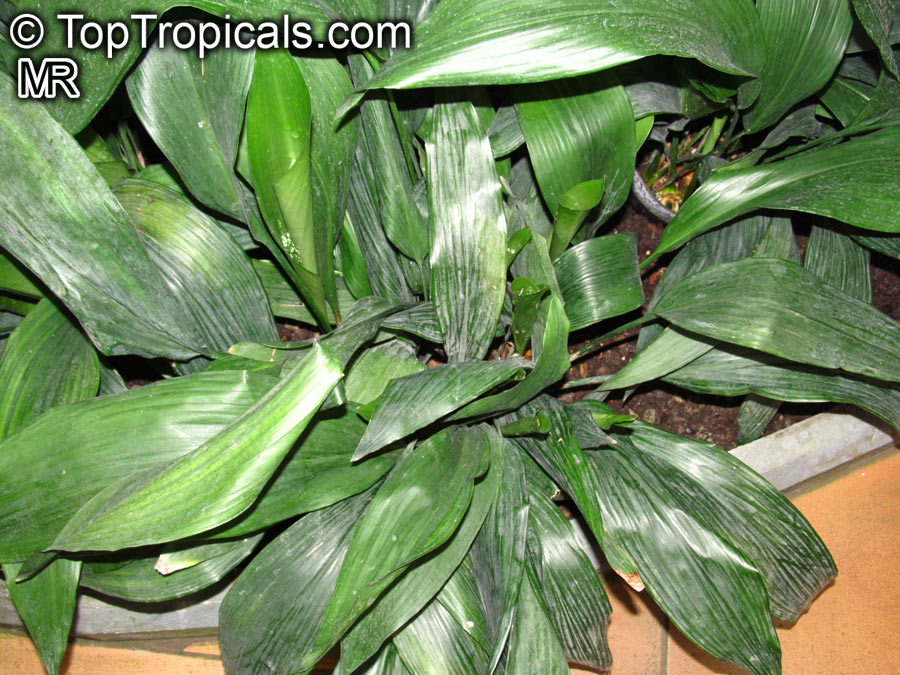

Best sited in bright indirect light, but tolerates full shade. This variety is not the commoner A. elatior 'Milkyway', but the much nicer and difficult to find Aspidistra vietnamensis 'Ginga'.
Species of Aspidistra are perennial herbaceous plants growing from rhizomes. The leaves are either solitary or are grouped in small "tufts" of two to four. The most common variety is the one with all green leaves, A. elatior (sometimes labeled as A. lurida). Aspidistra vietnamensis Ginga is quite rare and has green leaves variegated with white striping or spots.
Recommended Fertilizer: SUNSHINE Robusta - Rapid Growth Booster
Last one
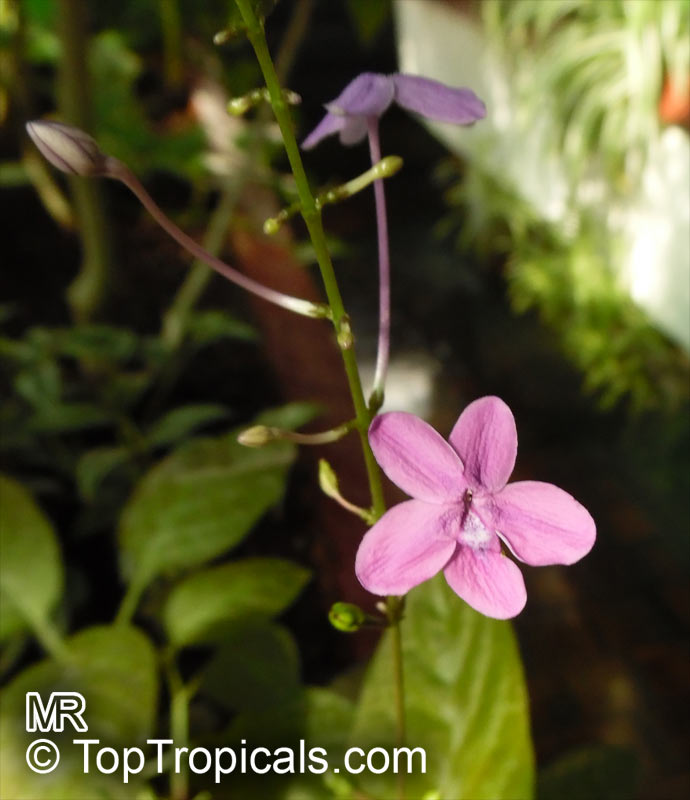
Botanical name: Pseuderanthemum alatum
Common name: Chocolate Plant
Family: Acanthaceae
Origin: Mexico, Central America
USDA Zone: 9-10
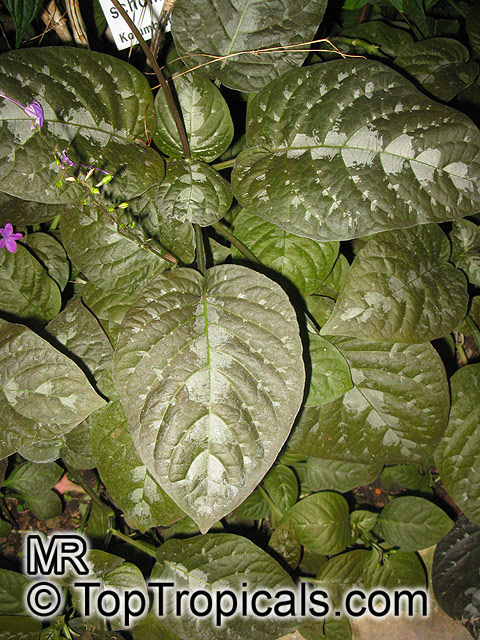
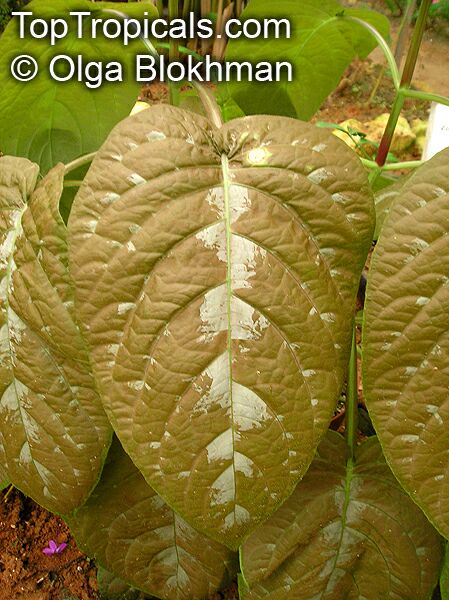
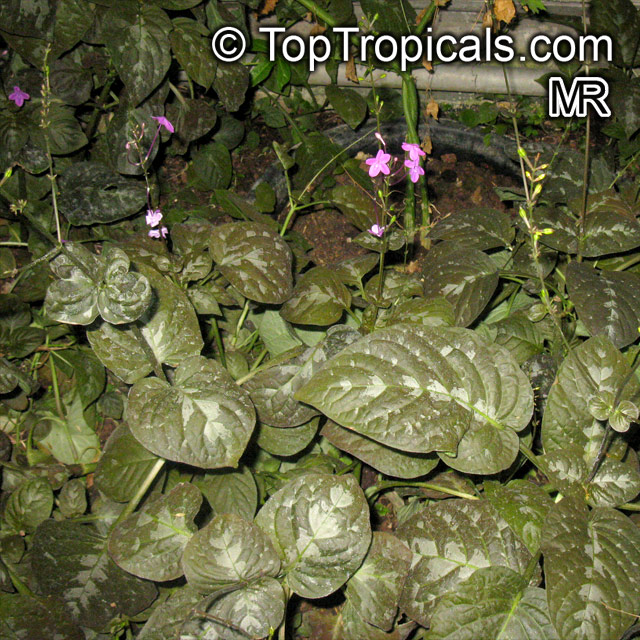
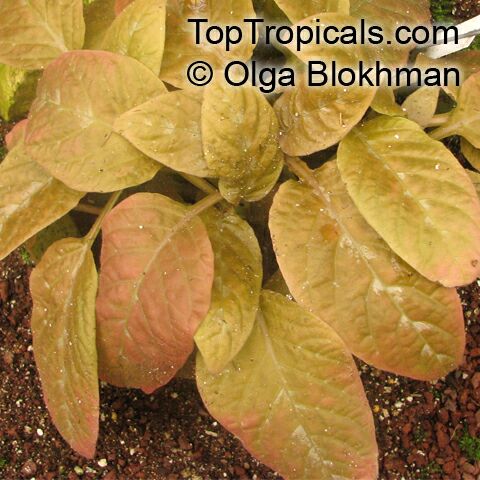
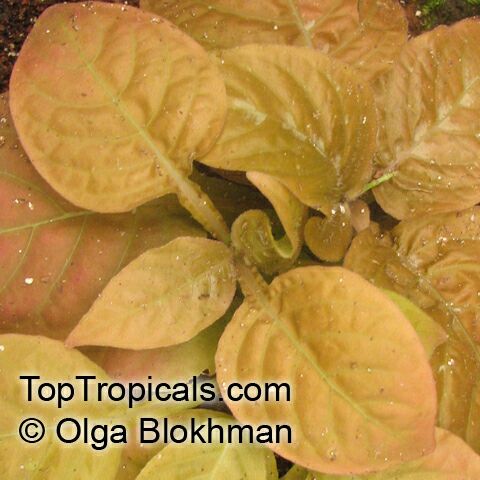
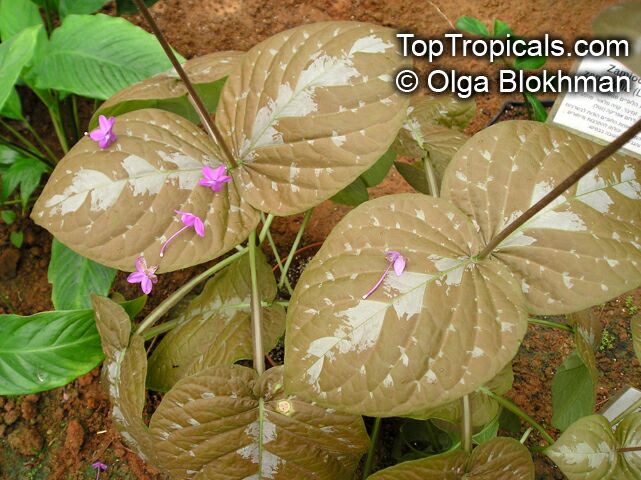
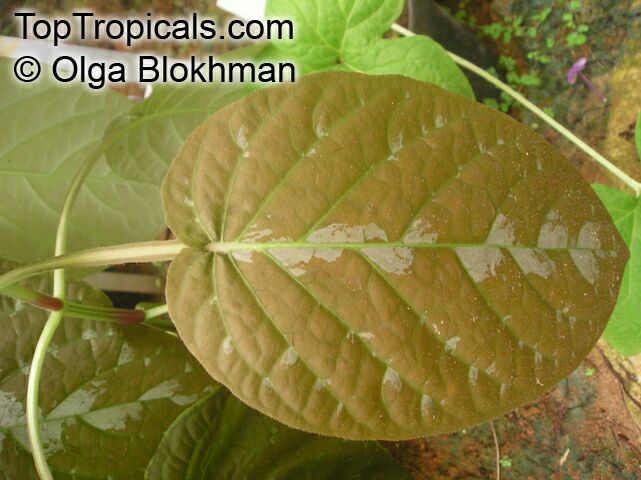
Native to Mexico and Central America, Pseuderanthemum alatum or Chocolate Plant is a small shrub that reaches a height of 2-5 ft. and grows best in areas with partial shade to semi-shade. This plant is known for its ornamental foliage and the color of its leaves, which range from coppery-brown to silvery-green with distinctive silver blotches.
These plants are quite easy to take care of, requiring little more than regular watering and maintenance throughout the year. During summer, water your Pseuderanthemum alatum once a week, making sure that the soil is slightly moist after every application. In winter, however, the frequency of watering can be reduced to once every two weeks to avoid over-hydrating the plant.
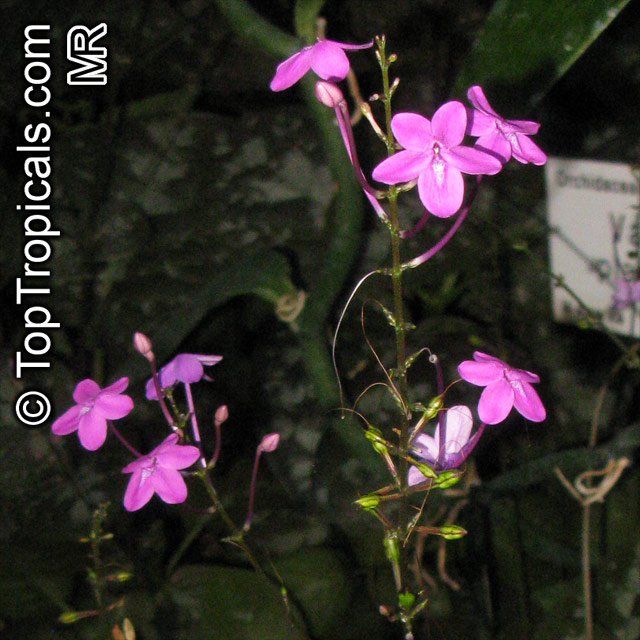
Additionally, this small shrub produces beautiful pink, blue, lavender, and purple flowers. The clusters of fragrant blossoms arrive right after the rainy season, often starting in the late spring. This showy display will last you until late summer, making it a wonderful addition to any garden.
Pseuderanthemum alatum requires a warm climate to thrive, being listed as hardy to USDA Zone 9-11. For those living in cooler regions, your Chocolate Plant can be grown in pots and kept indoors during the winter months. Make sure to place it in a sunny spot with access to bright light, but not direct sunlight. Additionally, water your potted plants thoroughly, but only when the top couple of inches of the soil begins to dry.

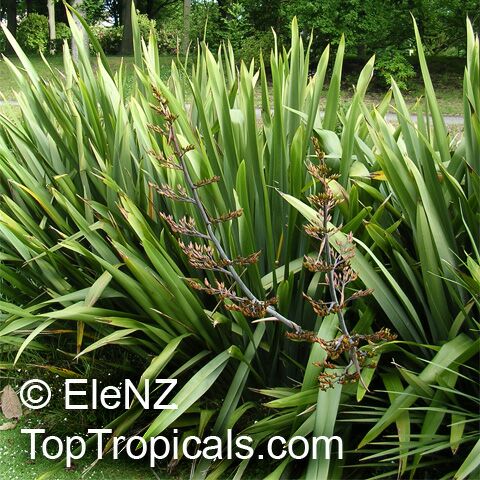
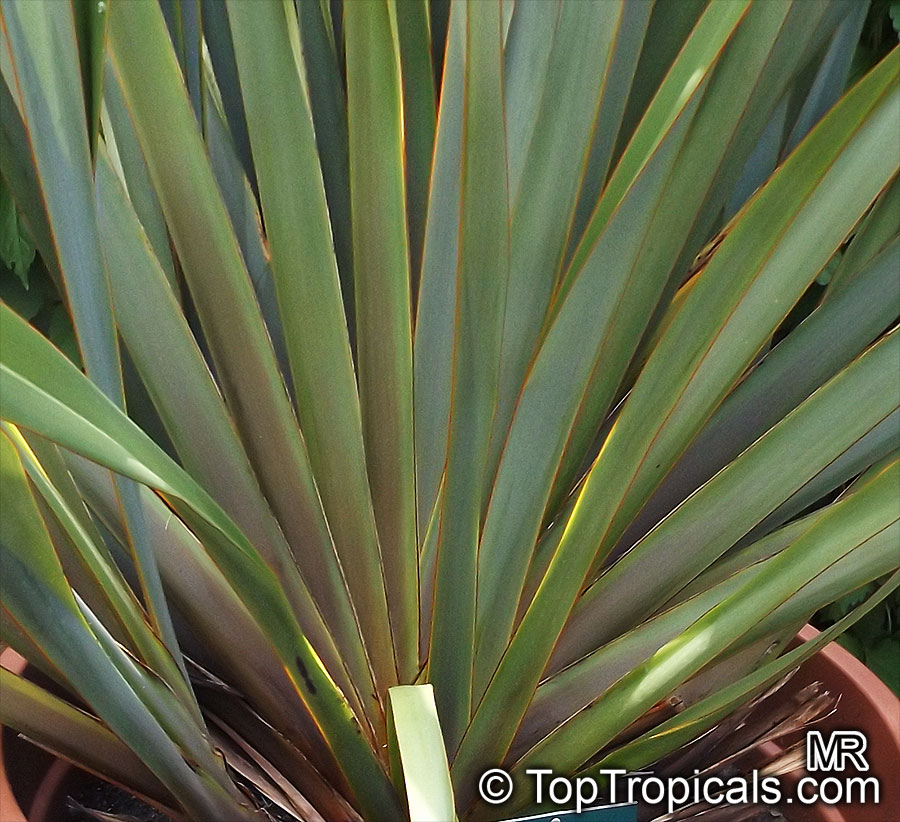
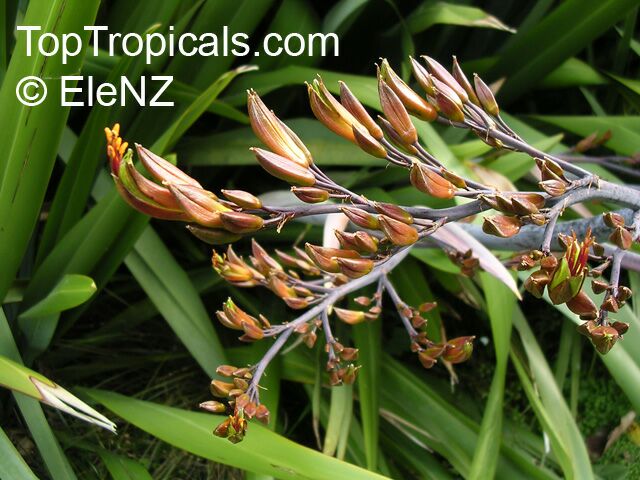
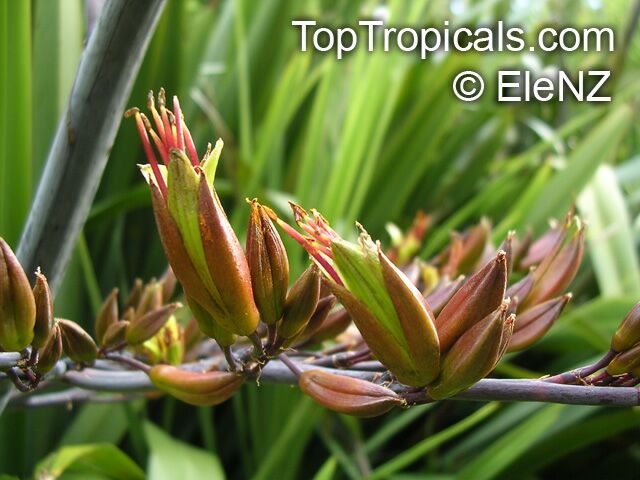
Botanical name: Phormium tenax
Common name: New Zealand Flax
Family: Xanthorrhoeaceae (Formerly:Phormiaceae / Liliaceae)
Subfamily: Hemerocallidoideae
Origin: New Zealand
USDA Zone: 9-11

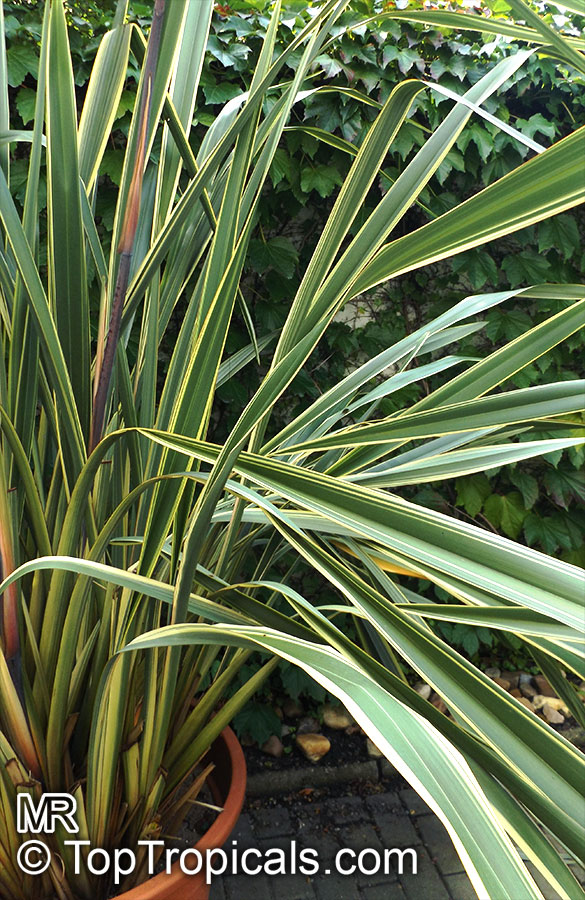
Phormium tenax is an evergreen perennial plant native to New Zealand and Norfolk Island that is an important fibre plant and a popular ornamental plant. The plant grows as a clump of long, straplike leaves, up to two metres long, from which arises a much taller flowering shoot, with dramatic yellow or red flowers.
The tough, sword-shaped leaves usually darkish green but sometimes have colored edges and central ribs. Cultivated varieties range from light green through pink to deep russet bronze. There are numerous variegated cultivars with leaves marked by contrasting stripes in shades of green, red, bronze, pink and yellow. Widely cultivated as ornamental garden plant, striking fans of pointed leaves providing a focal point in mixed plantings or at the edge of a lawn. They are easy to grow in a sunny spot, especially in coastal areas with some protection in winter, but require reliably moist soil. Great for filling garden beds, edges, and containers.
| Next | |
Use link to repeat this search:
https://toptropicals.com/cgi-bin/garden_catalog/cat.cgi?search_op=and&keyword_op=and&language=e&number=10&no_change_lang=1
&v1=shd&user=tt&sale=1&first=0