Semi-shade - Plant Encyclopedia Results
| Number of plants found: 3380 | Next | 
|
Go to page: | 1 | 2 | 3 | 4 | 5 | Last |
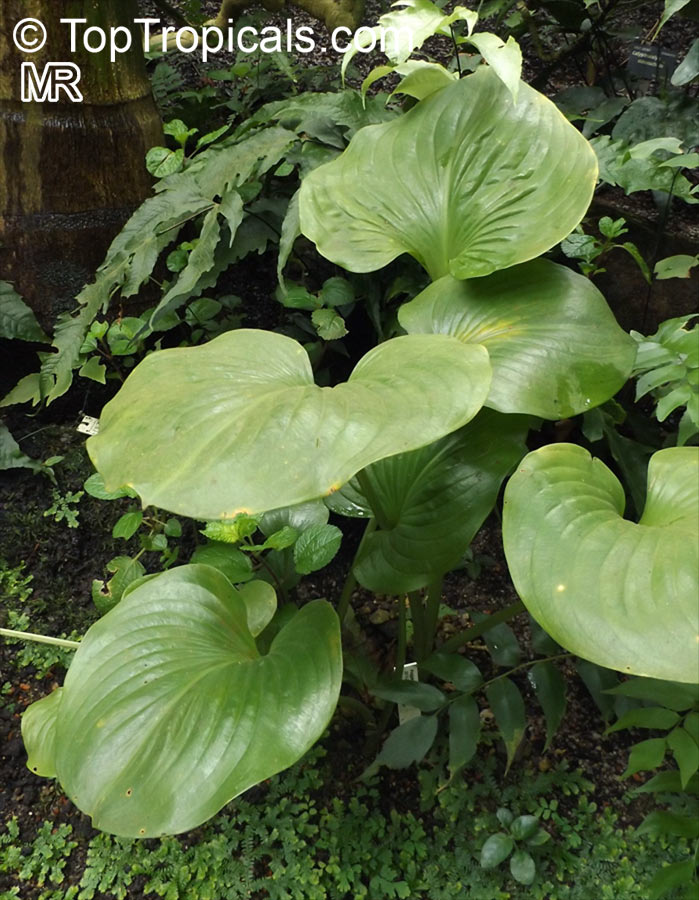
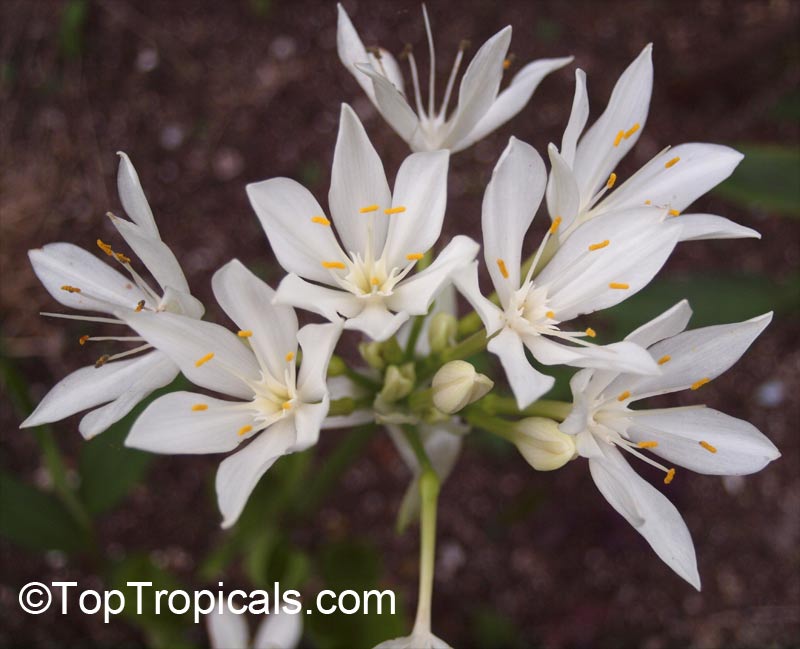
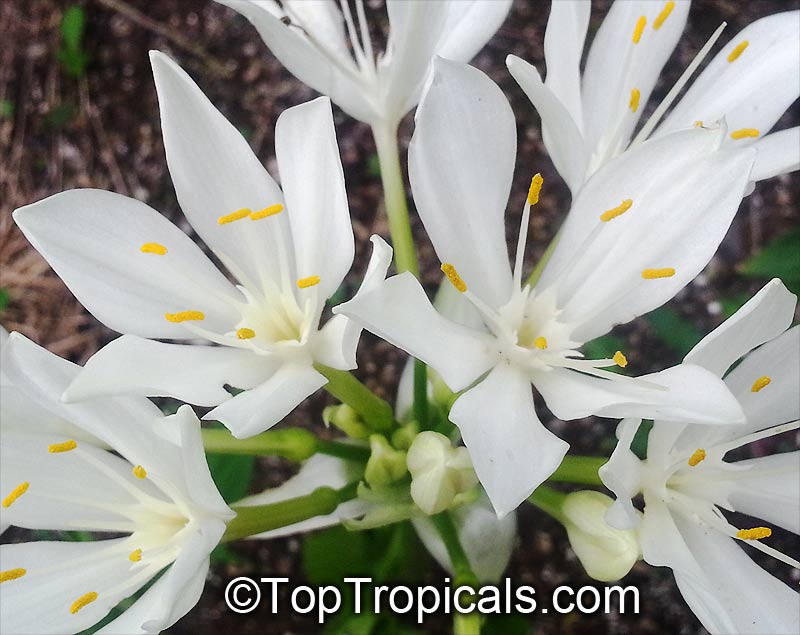
Botanical name: Proiphys amboinensis
Common names: Cardwell Lily, Northern Christmas Lily
Family: Amaryllidaceae (Formerly:Alliaceae / Liliaceae /Amaryllidaceae)
Subfamily: Amaryllidoideae
Origin: Southeast Asia, Australia
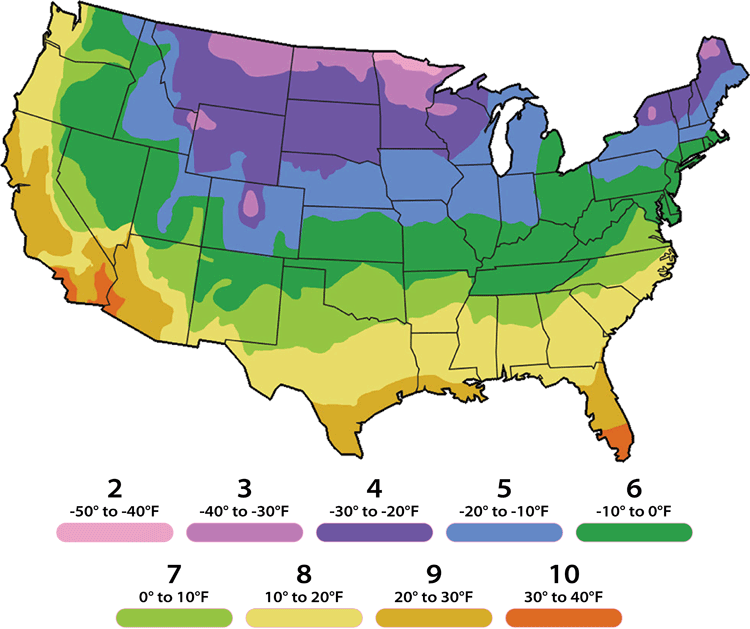
USDA Zone: 10a-11


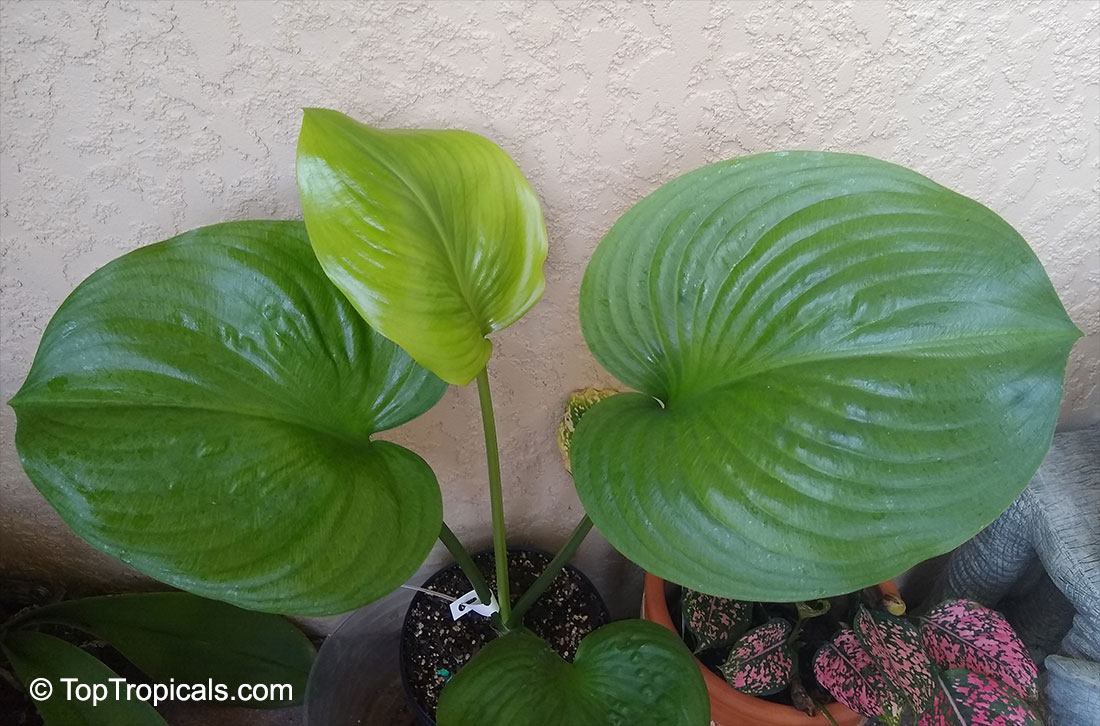
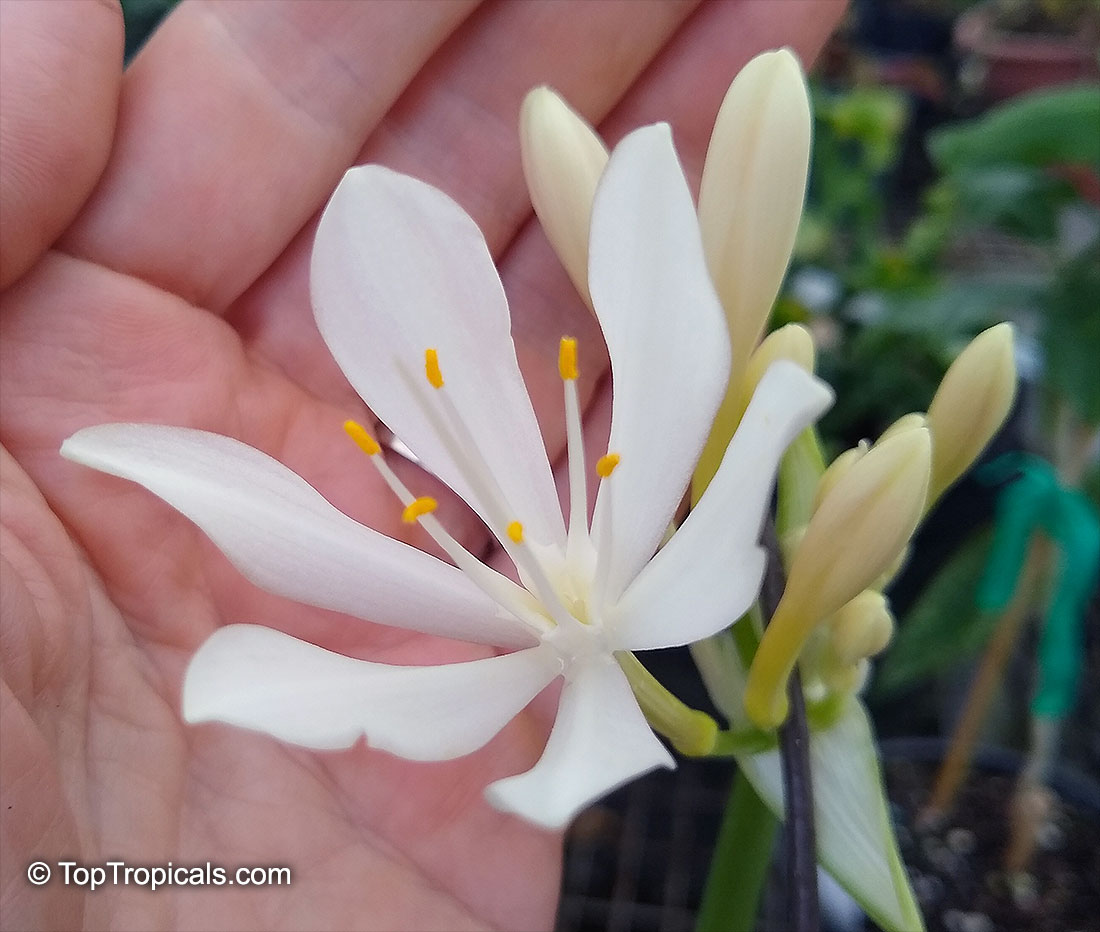
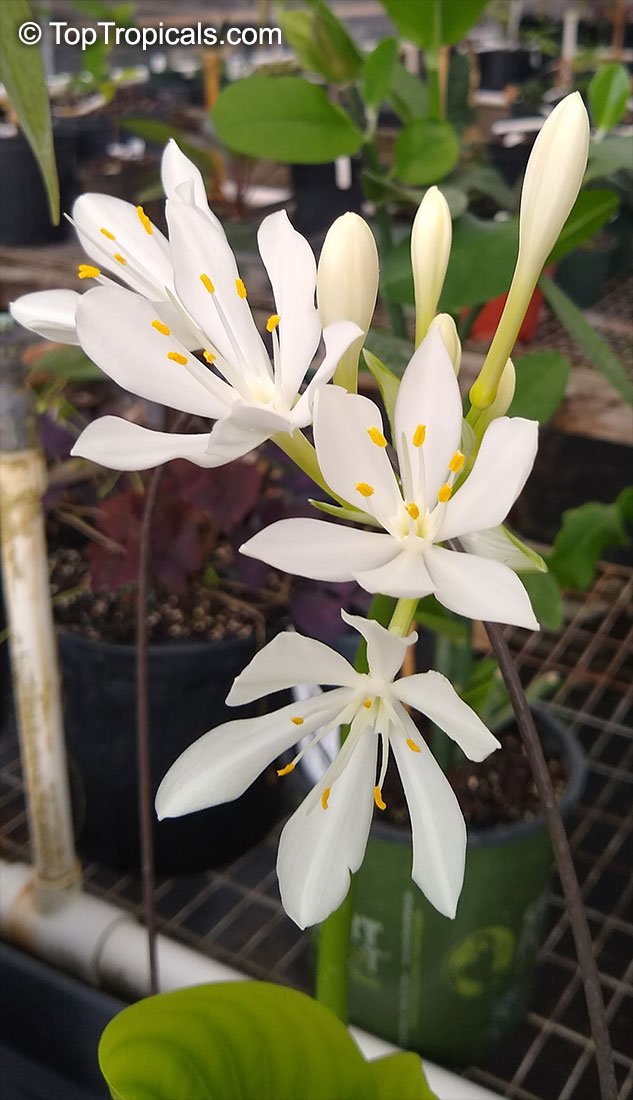
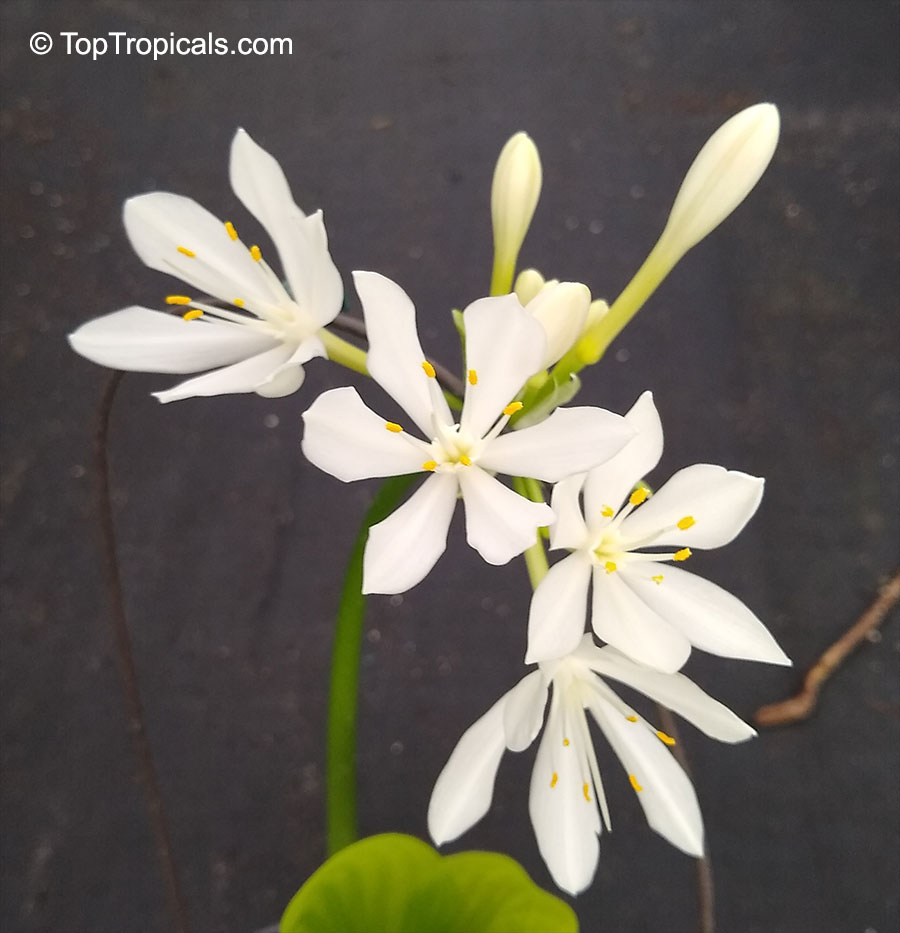
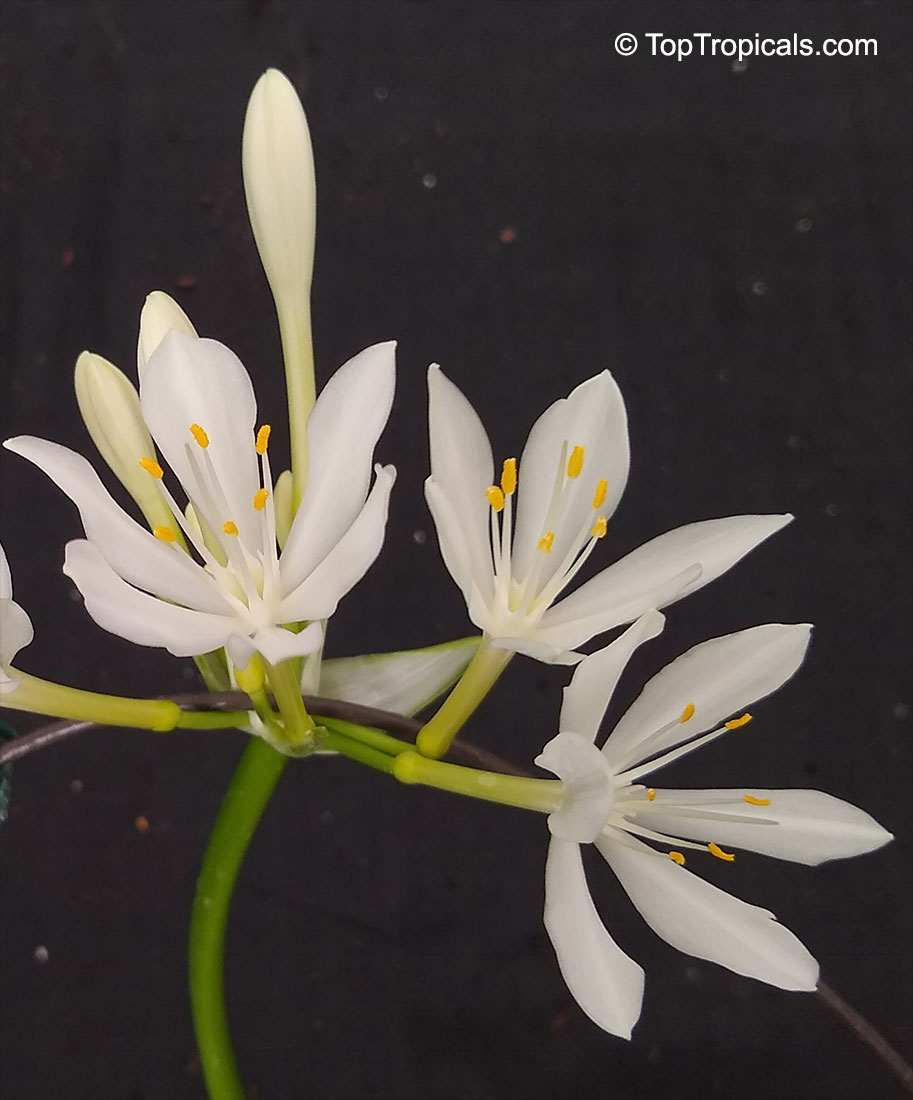
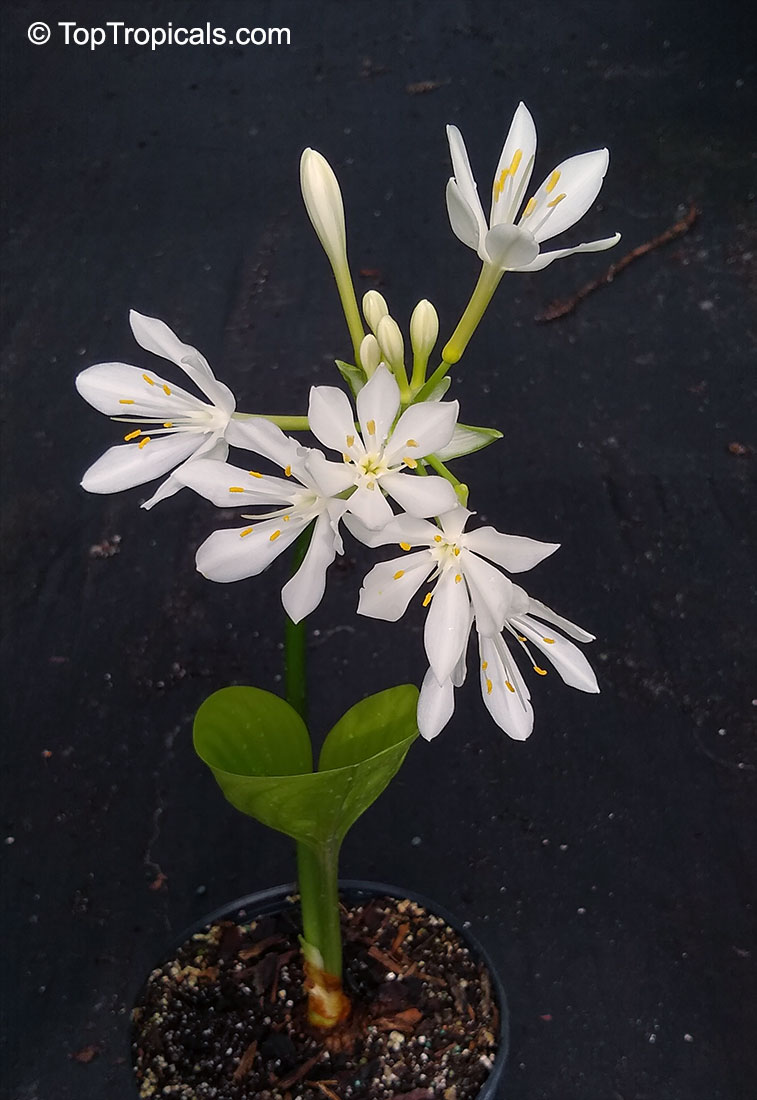
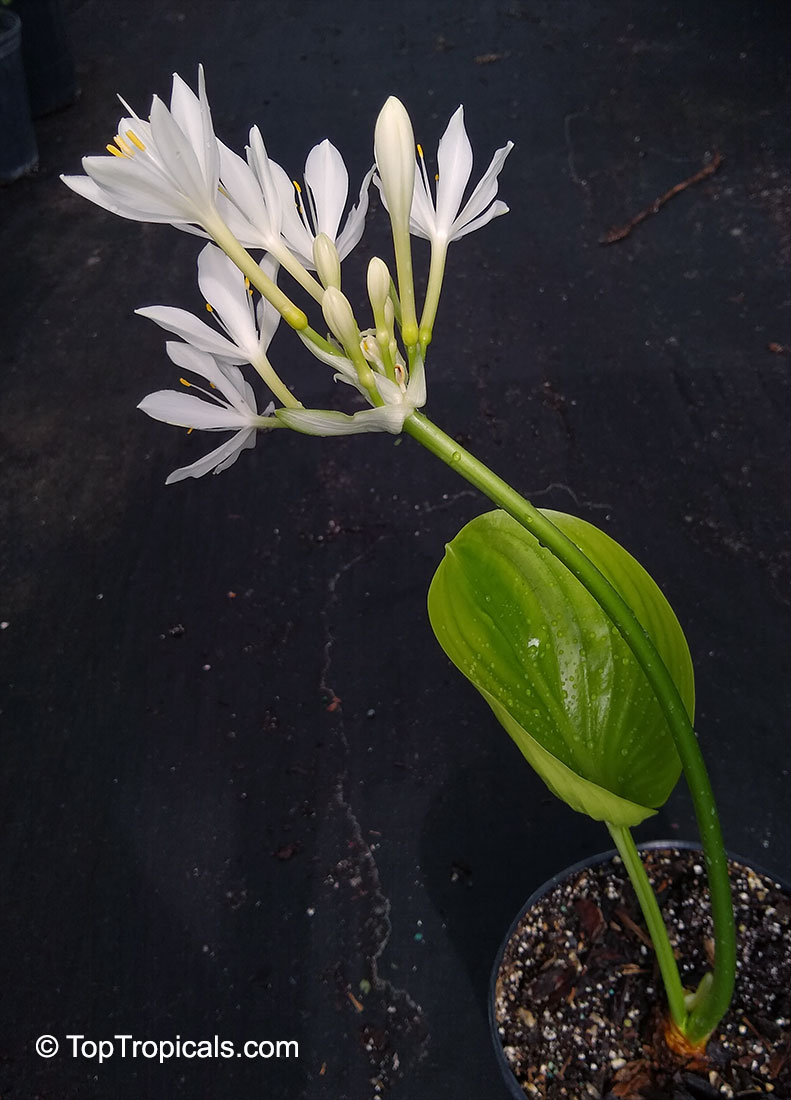
Proiphys amboinensis (Cardwell Lily) is a small shrub reaching 2-5 feet tall. It is an attractive, ornamental plant with deciduous foliage, semi-shade-loving and requires moderate water. The flowers it produces are large and fragrant, in clusters of off-white or white with yellow throats. This flower blooms during the rainy season, usually around late December. Proiphys amboinensis was named after the island of Ambiona, now Ambon, in Indonesia. The plant is native to Southeast Asia and Australia, and grows best in USDA Zone 10-11.
Flowers open in succession over a prolonged period and last well. The fruits that develop on the flower heads often germinate on the plant (new plants can be grown from these).
When it comes to growing Proiphys amboinensis, it can be grown in a small pot, or in the ground. It prefers a semi-sunny spot and moderate watering, with occasional fertilizer. During the winter, it is important to withhold water to promote flowering and ensure the plant survives the season. The plant will die back to an underground bulb, and should not be disturbed during this time.
It is important to take extra care when growing this plant in colder regions. During the winter bring pot inside.
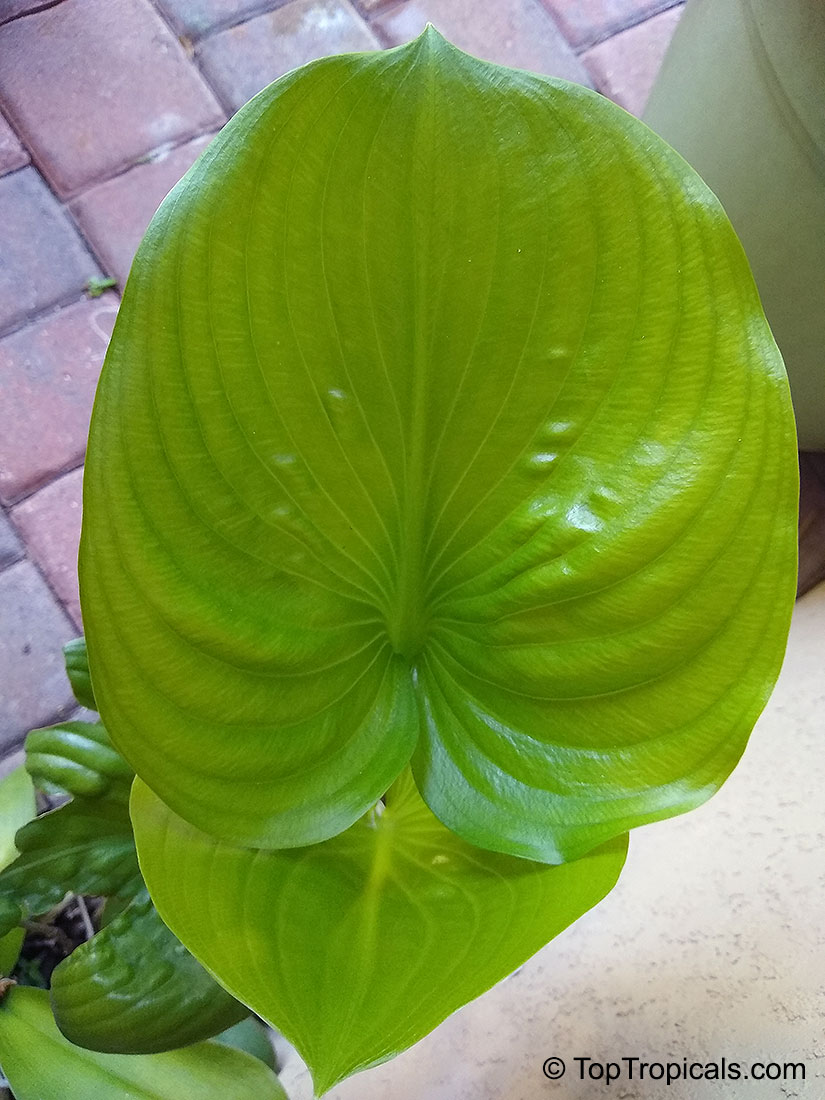
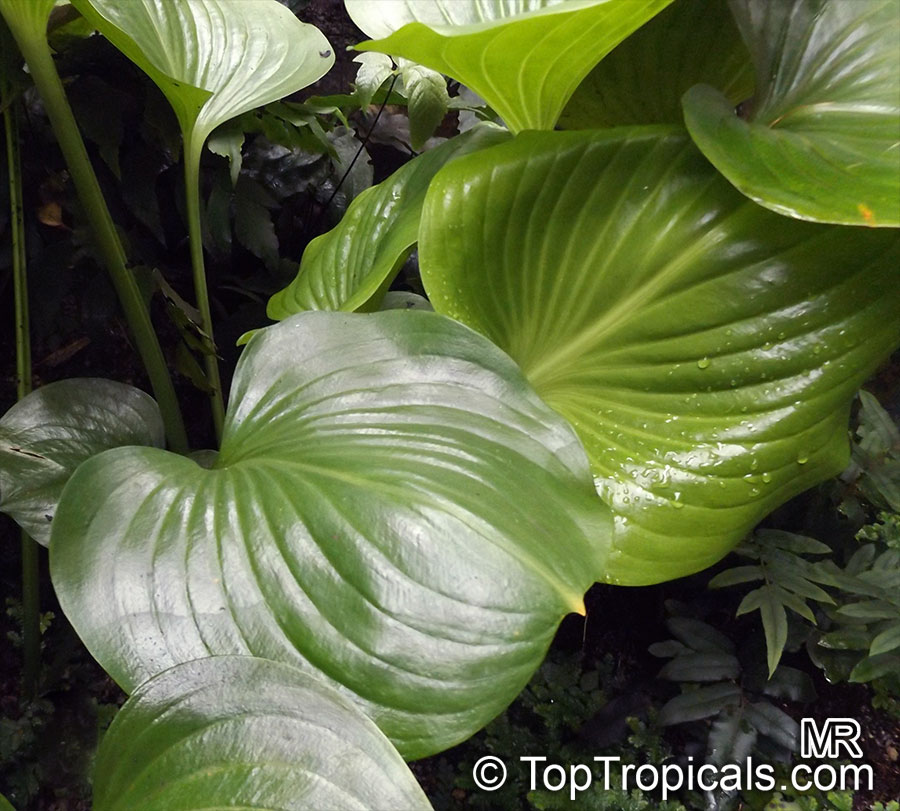
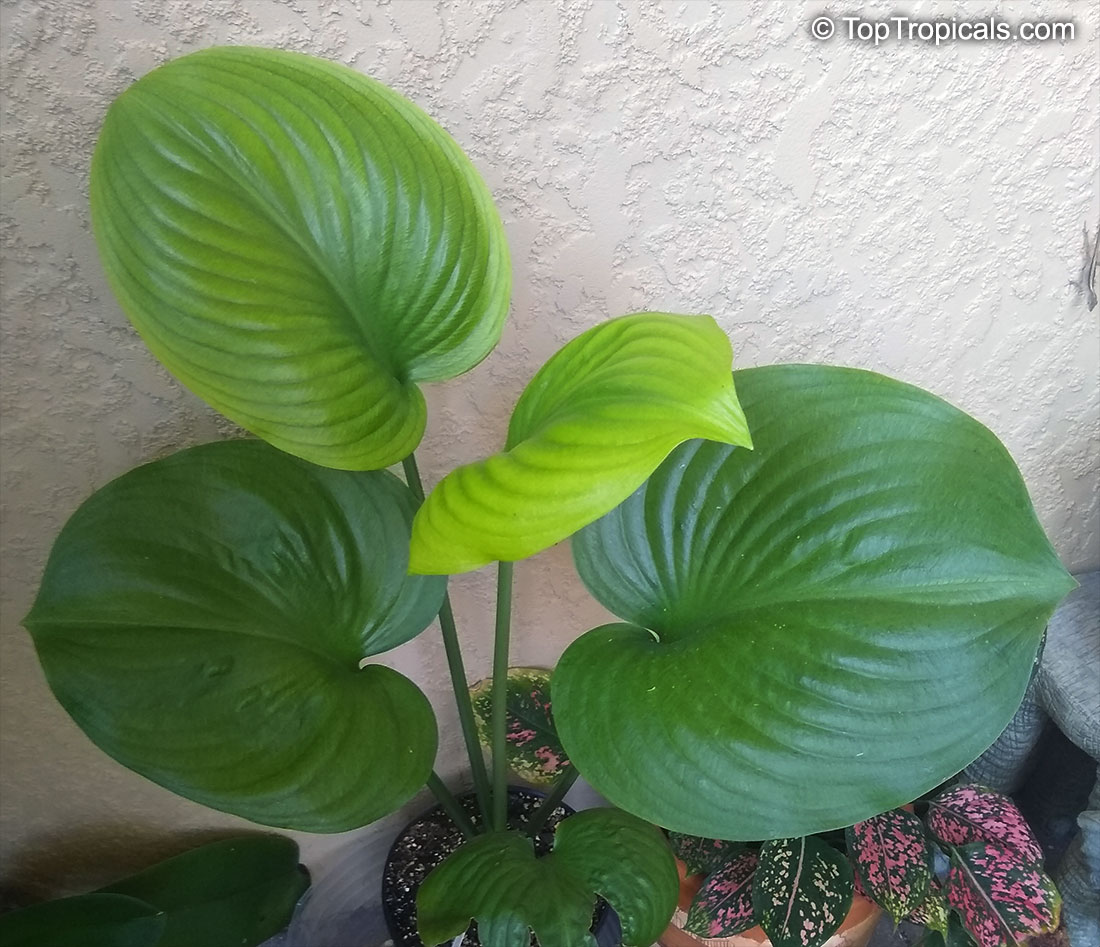
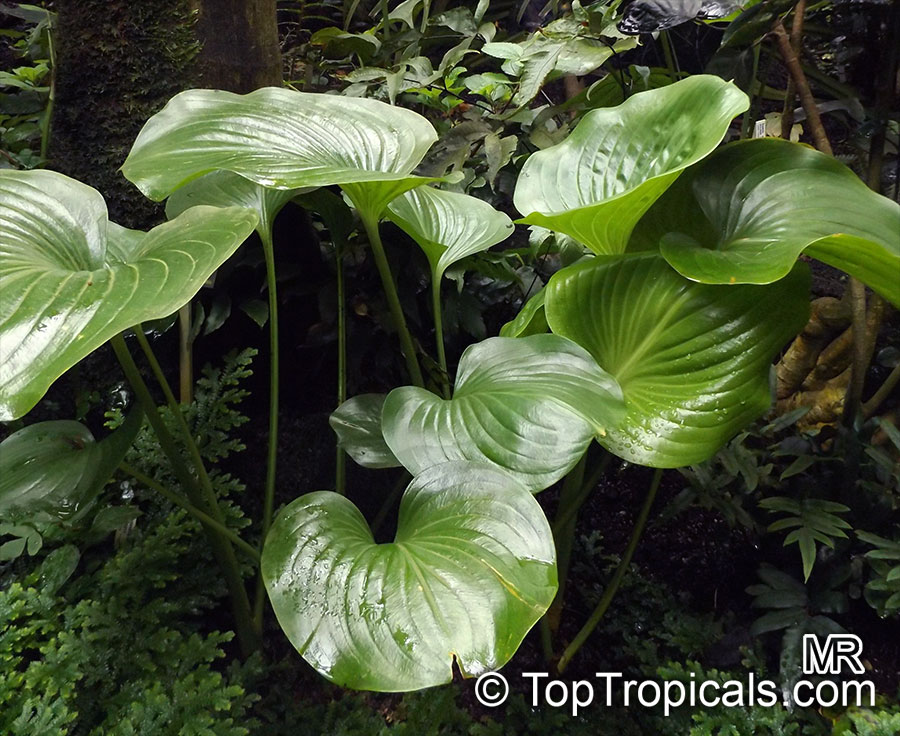
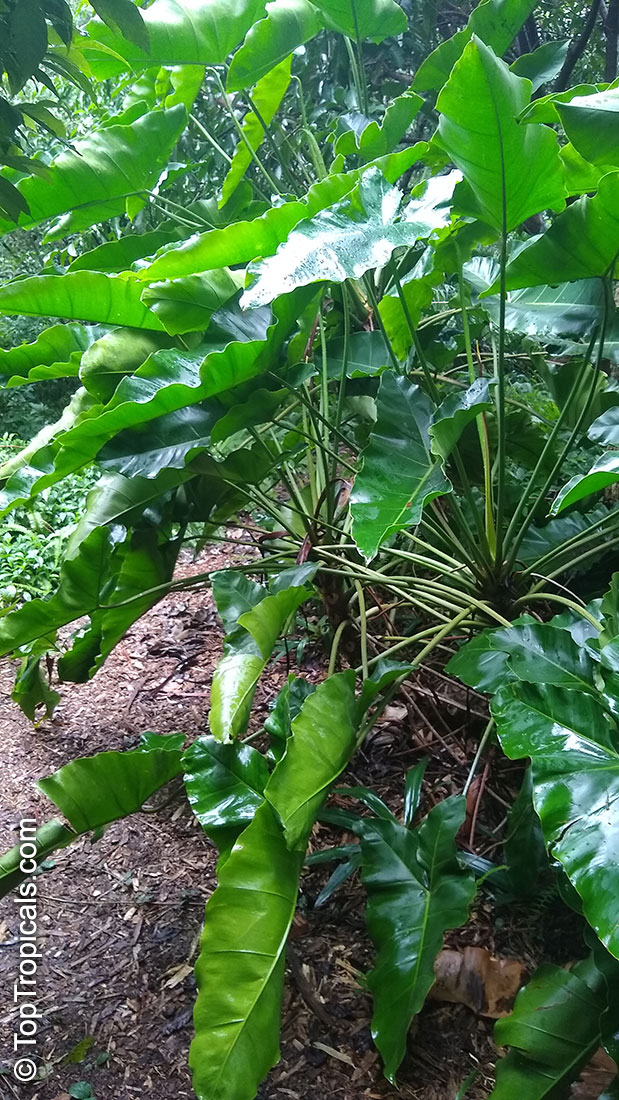
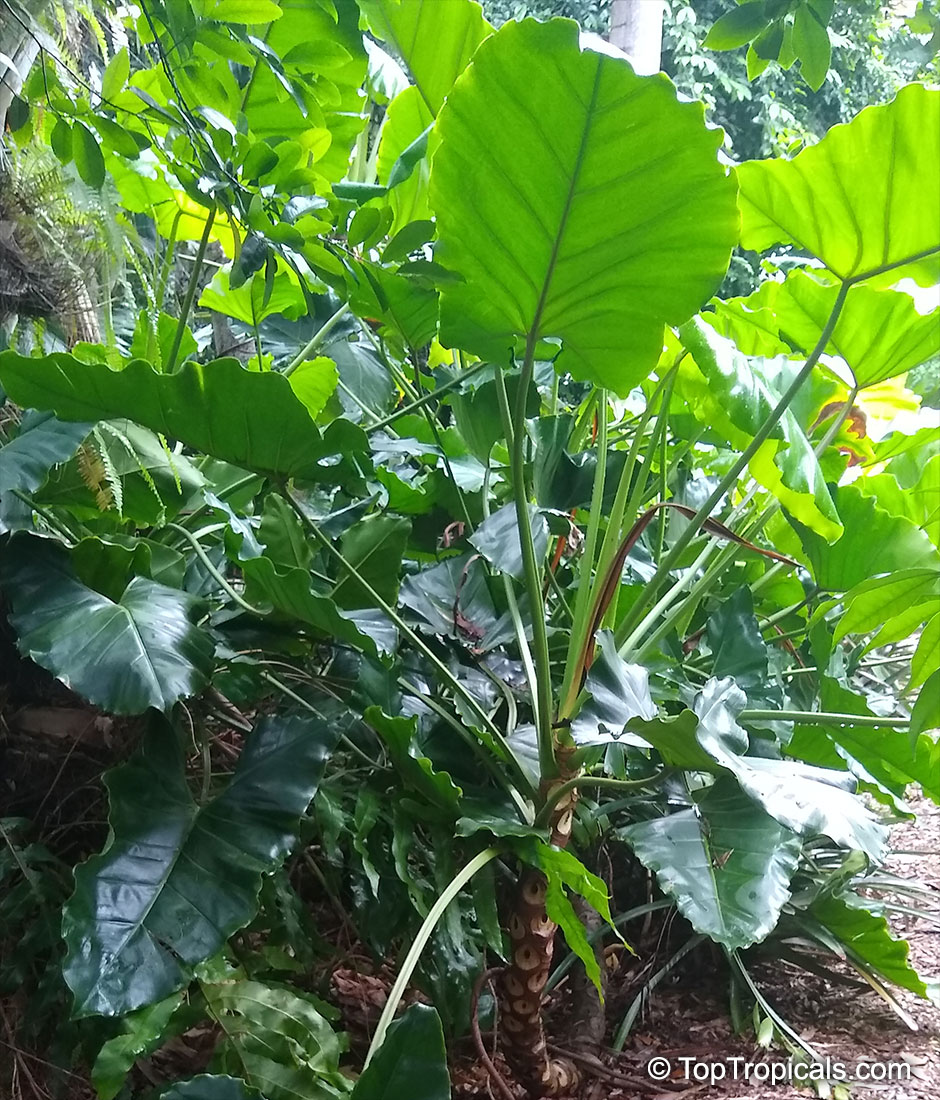
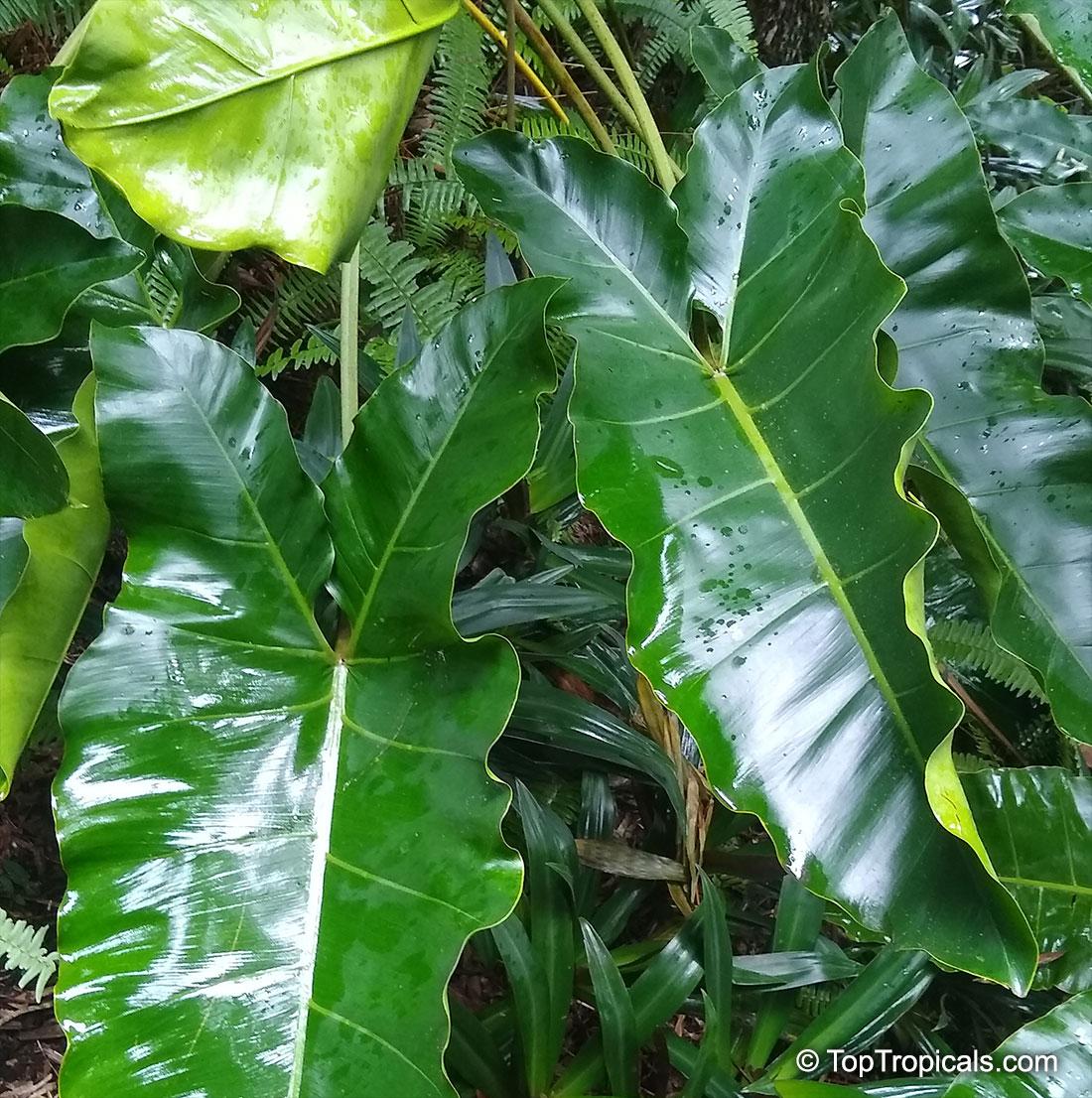
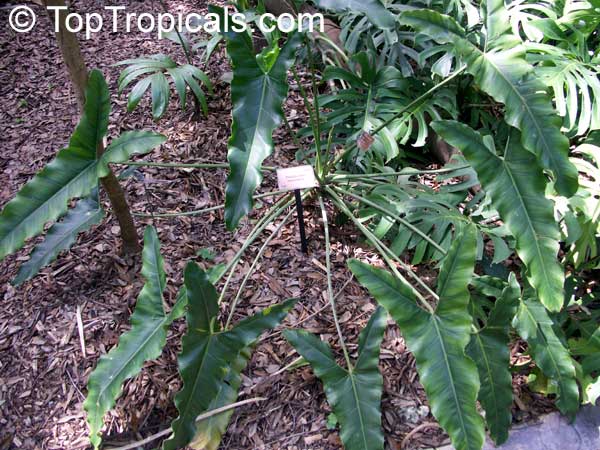
Botanical name: Philodendron stenolobum
Common name: Philodendron
Family: Araceae
Origin: Brazil
USDA Zone: 9-10


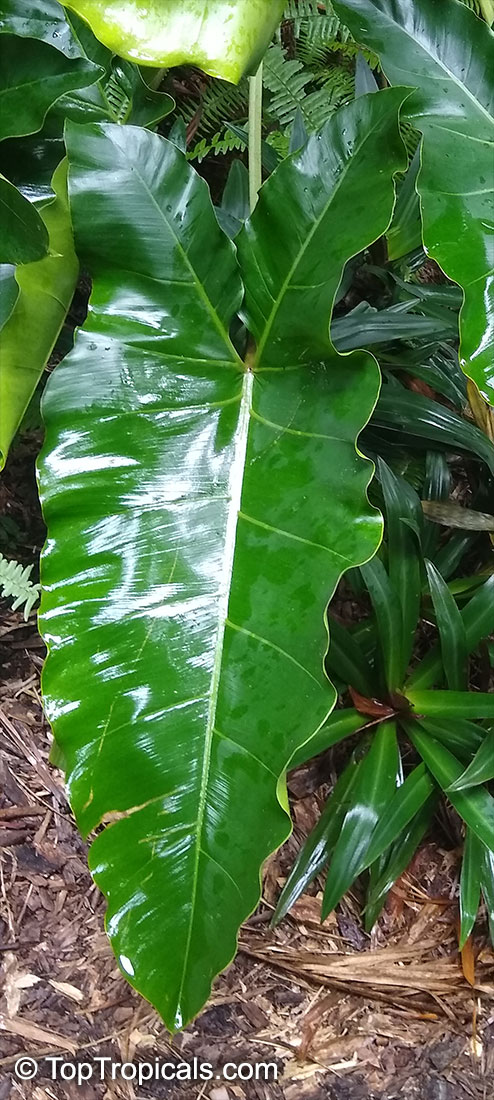
This narrow-leaved plant was one of earliest Philodendron hybrids, and it even won an award at an International Aroid Society show.
The leaf blades are 4ft or more long, with petioles of about the same or greater length. The plant grows very large.
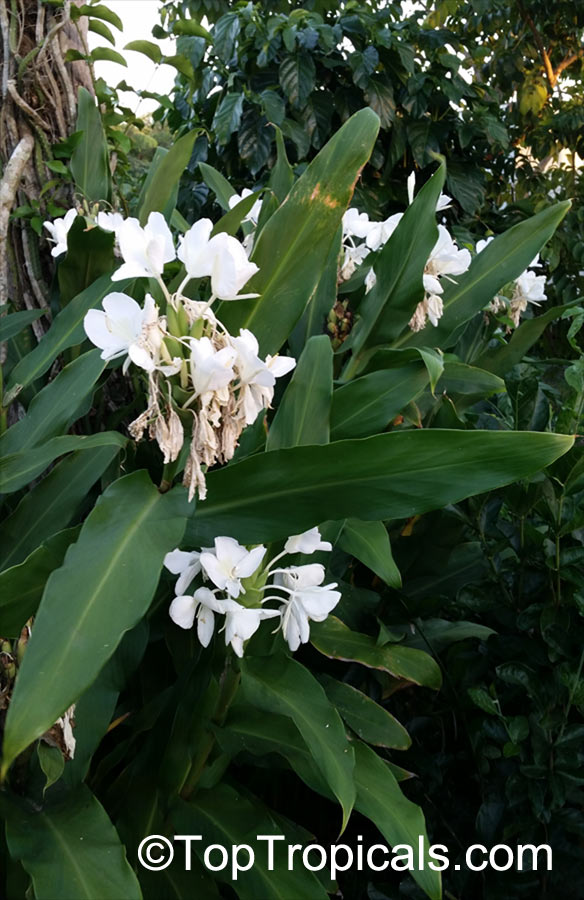
Botanical name: Hedychium coronarium
Common names: White Ginger, Butterfly Ginger Lily
Family: Zingiberaceae
Origin: India, Indonesia
USDA Zone: 8-10


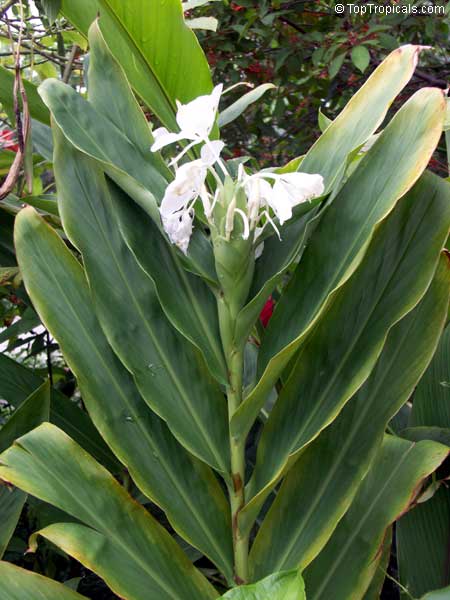
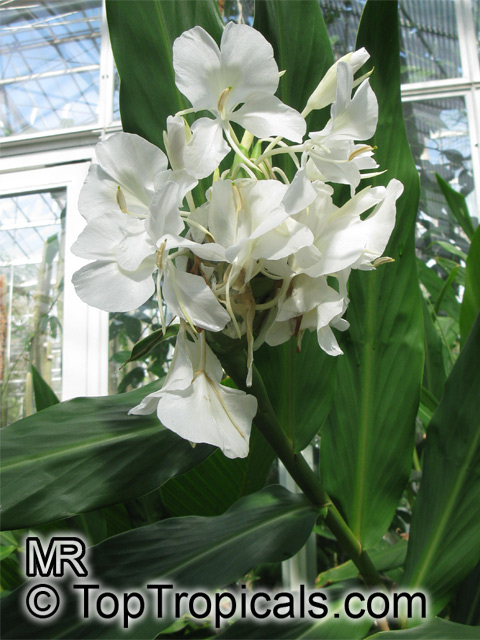
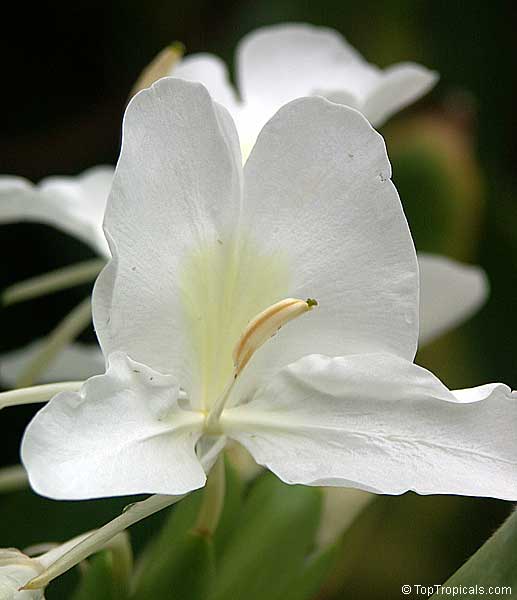
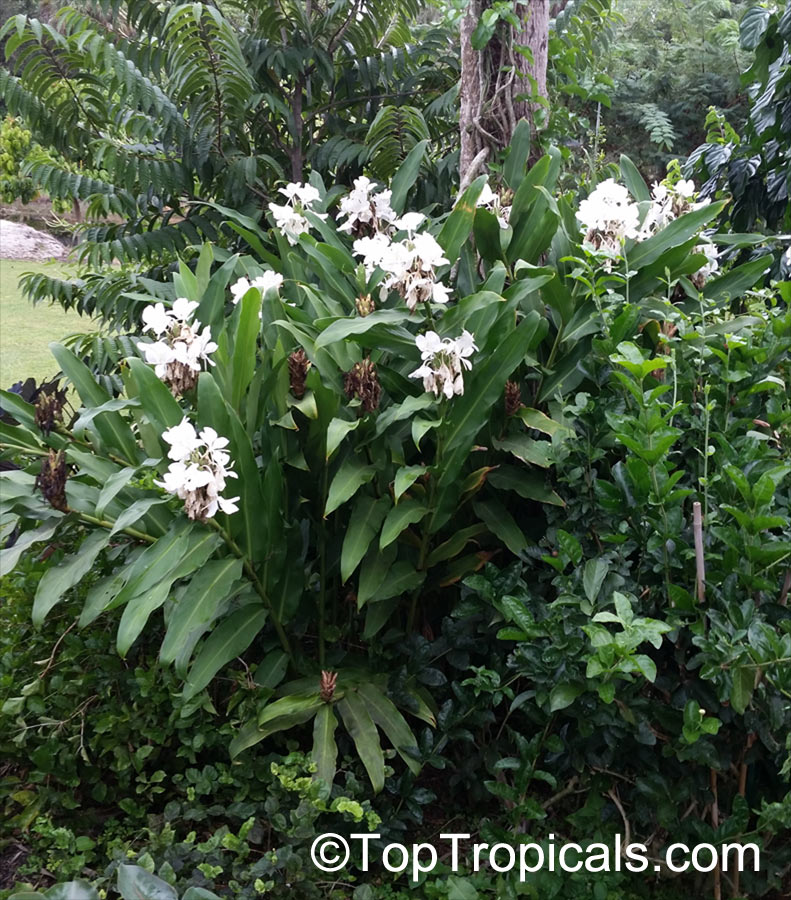
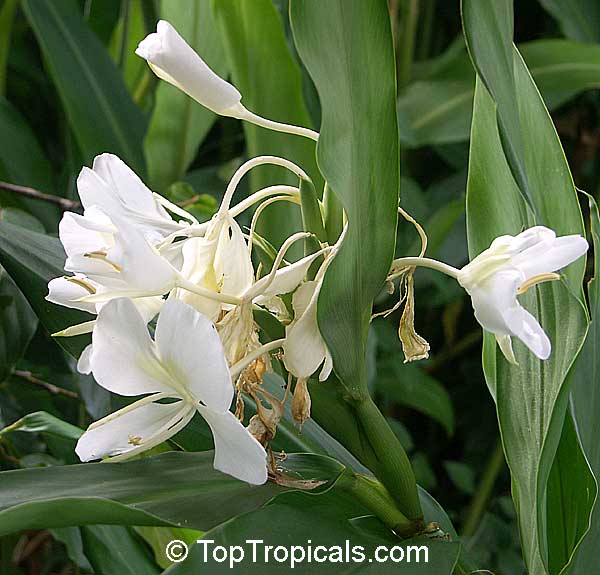
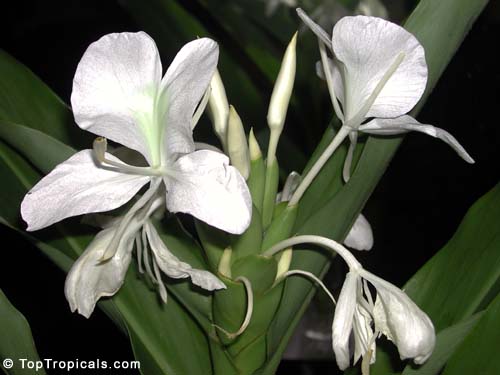
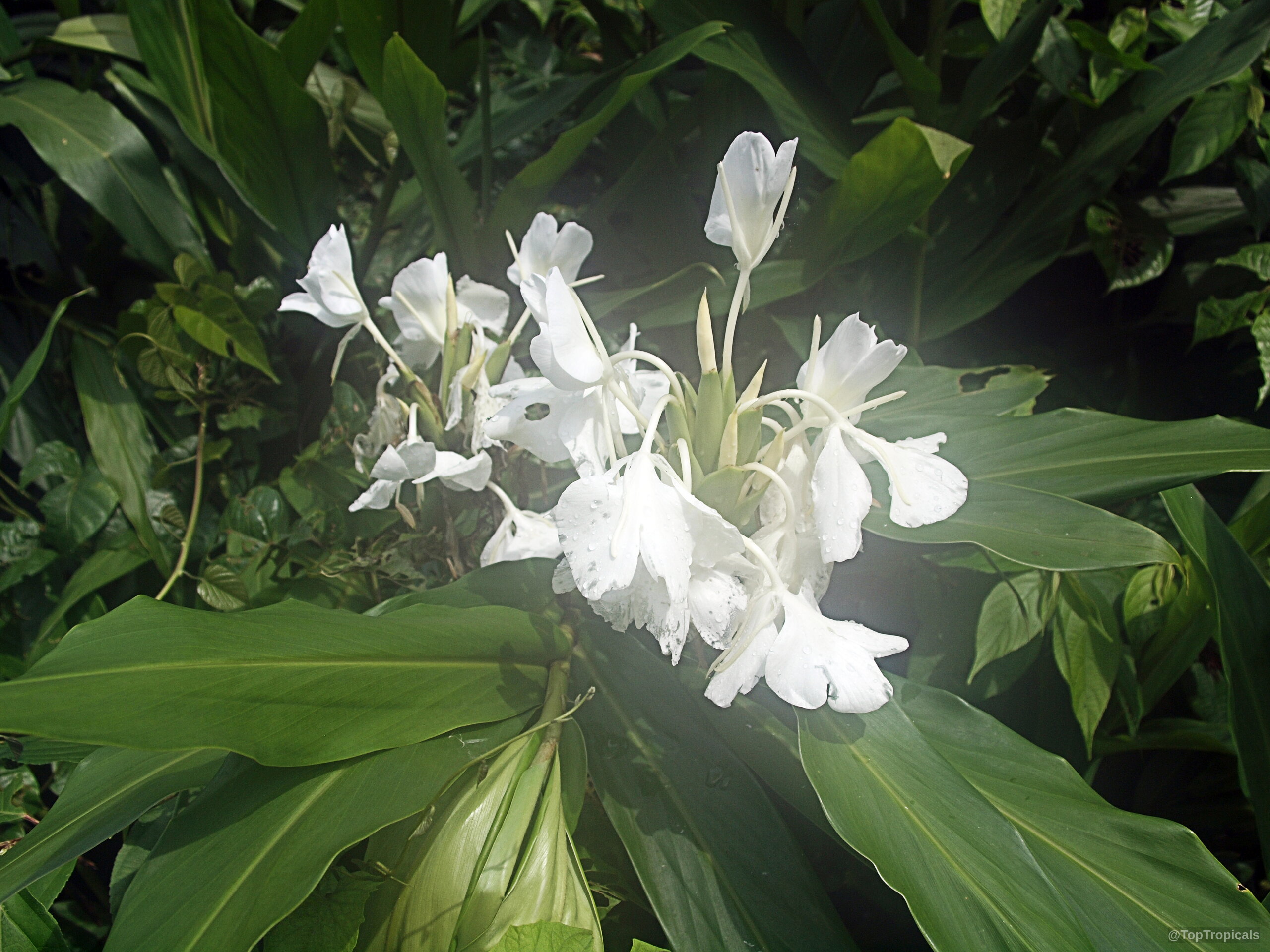
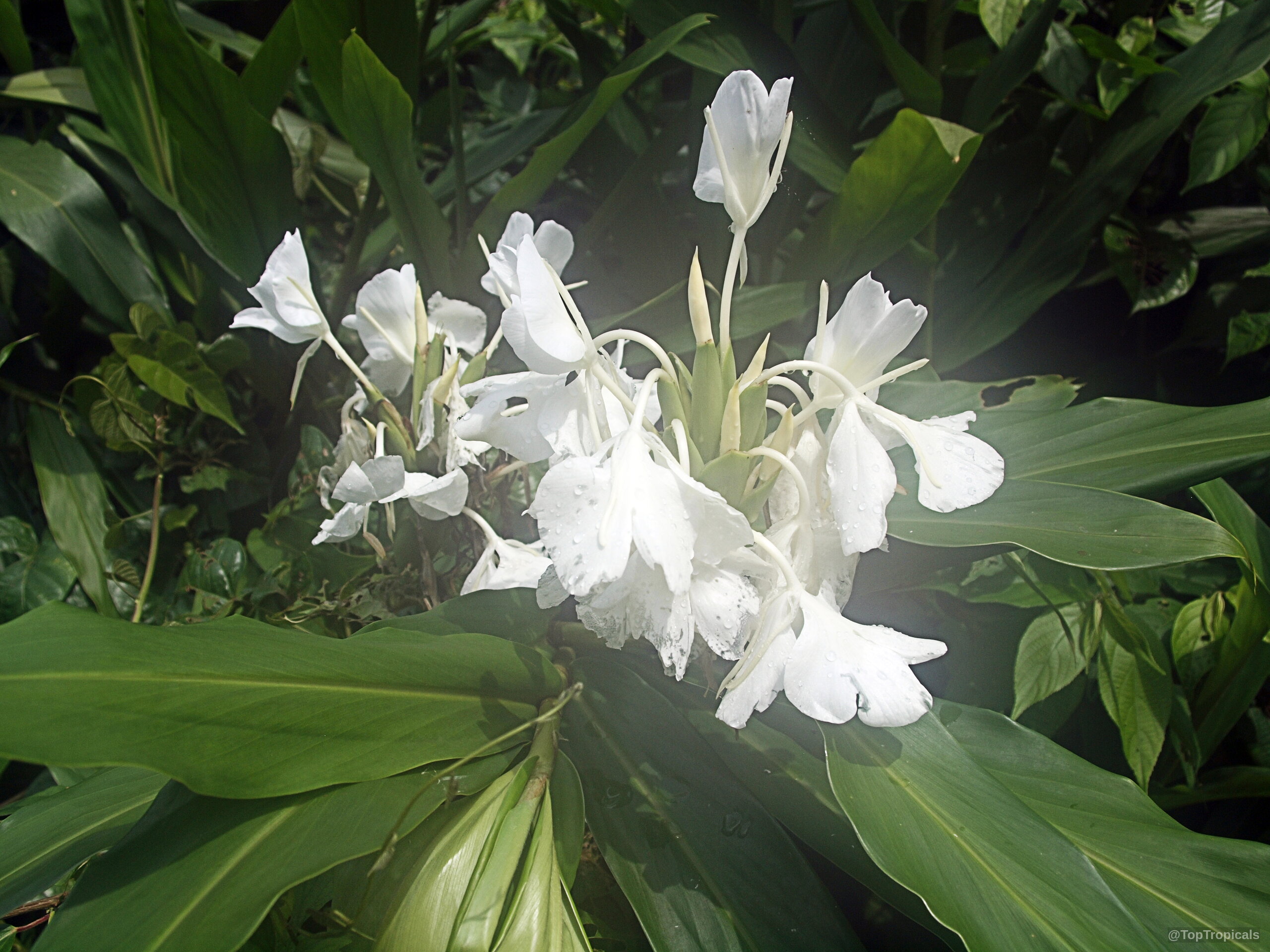
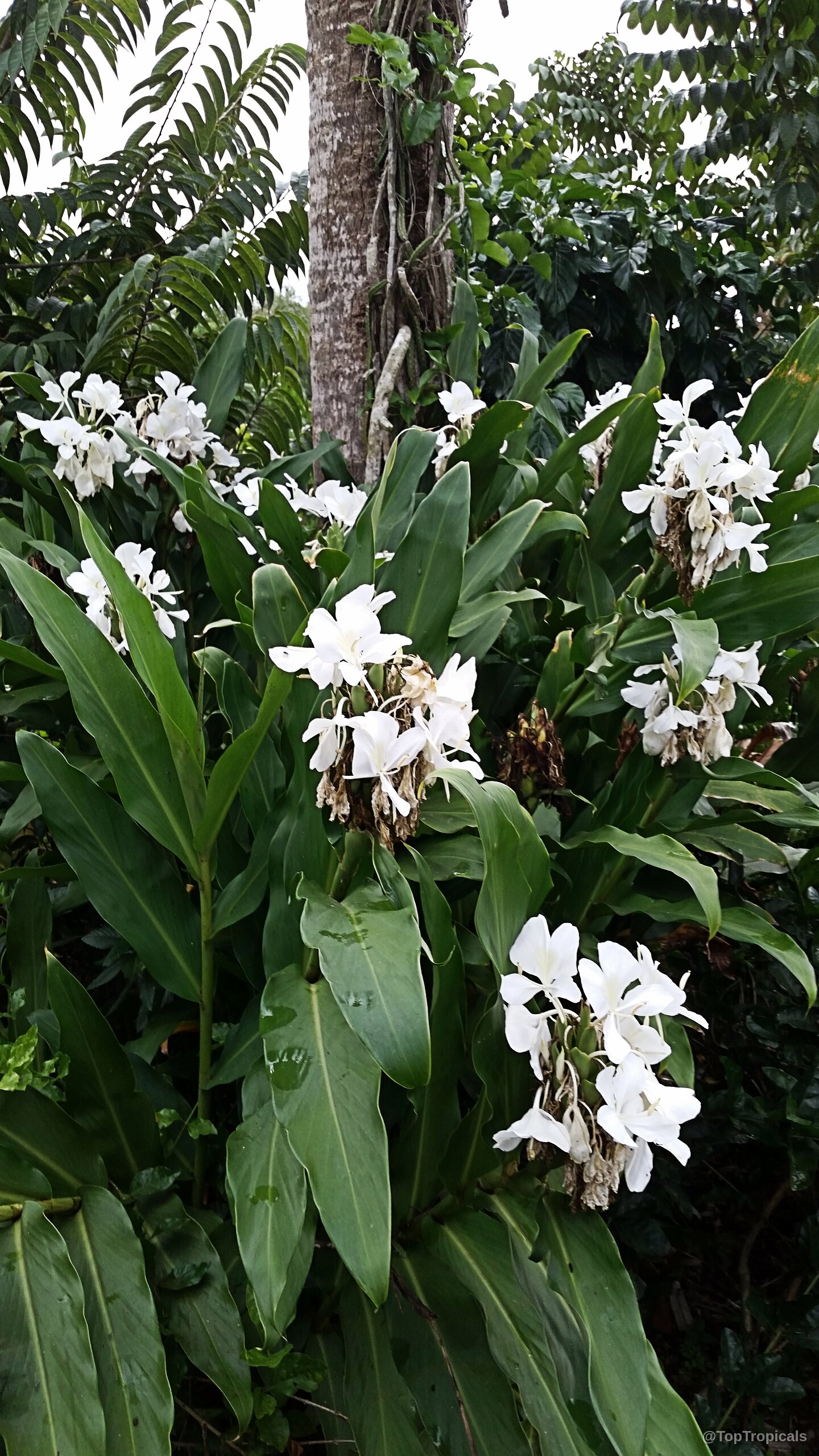
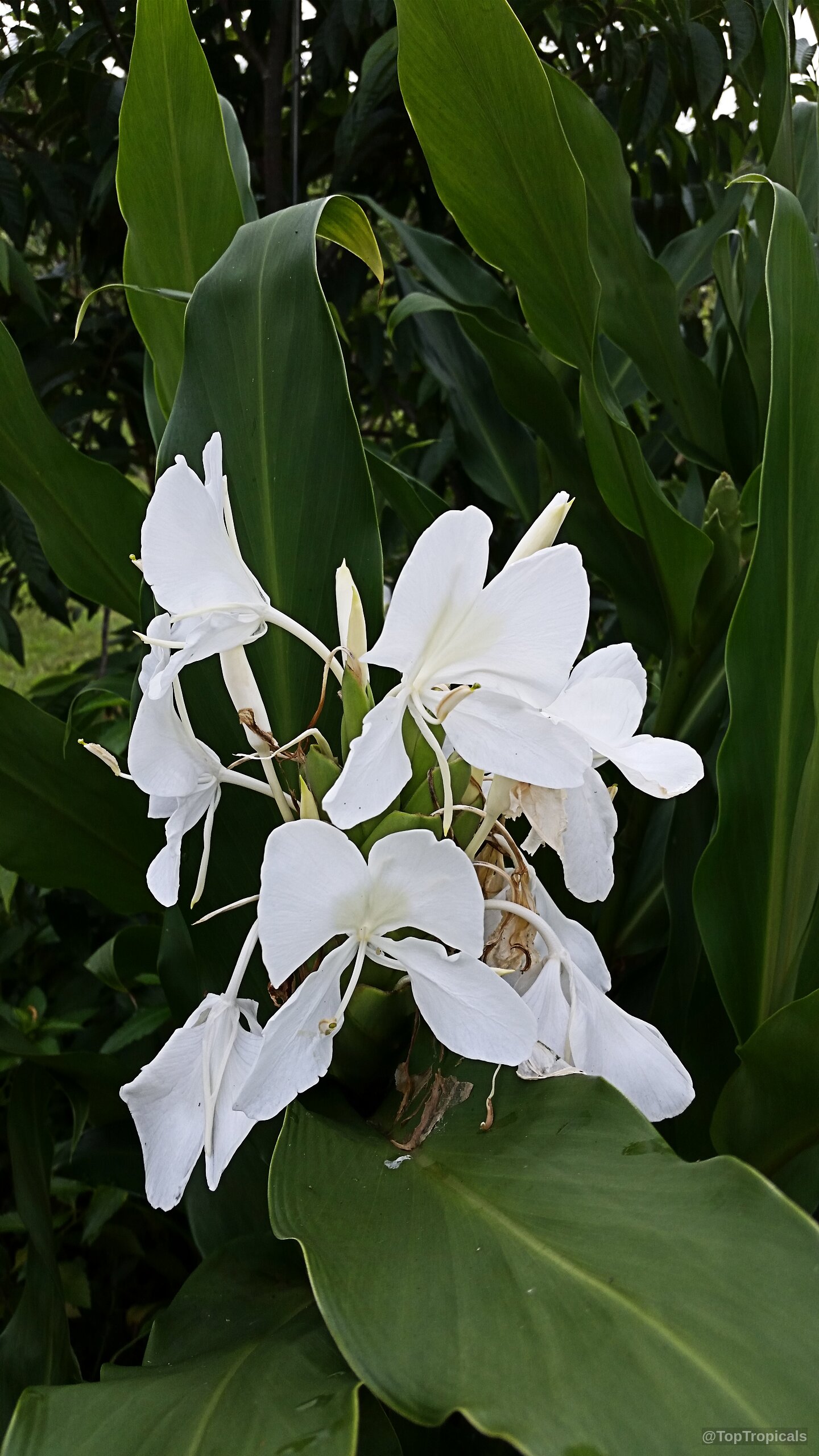
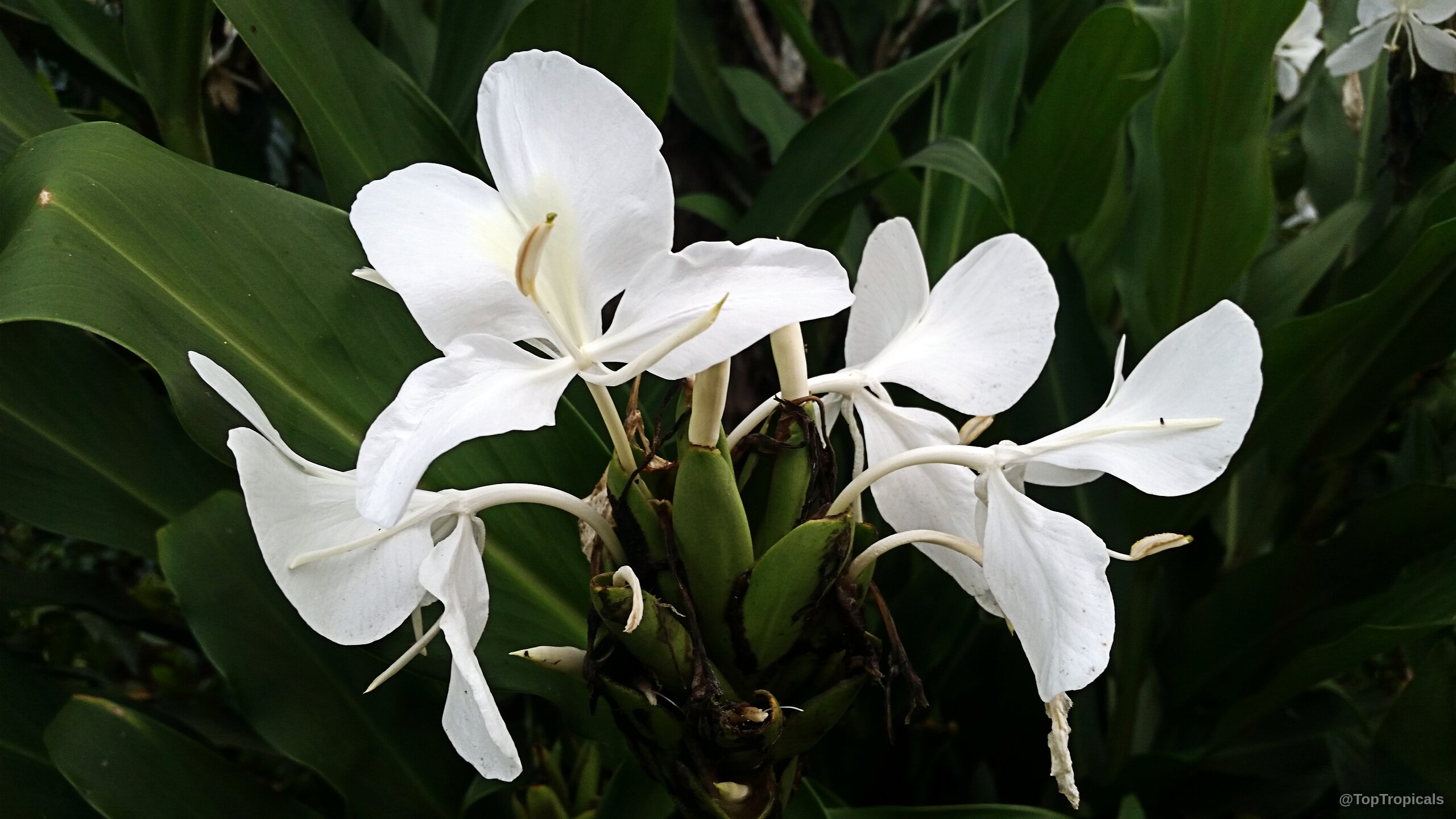
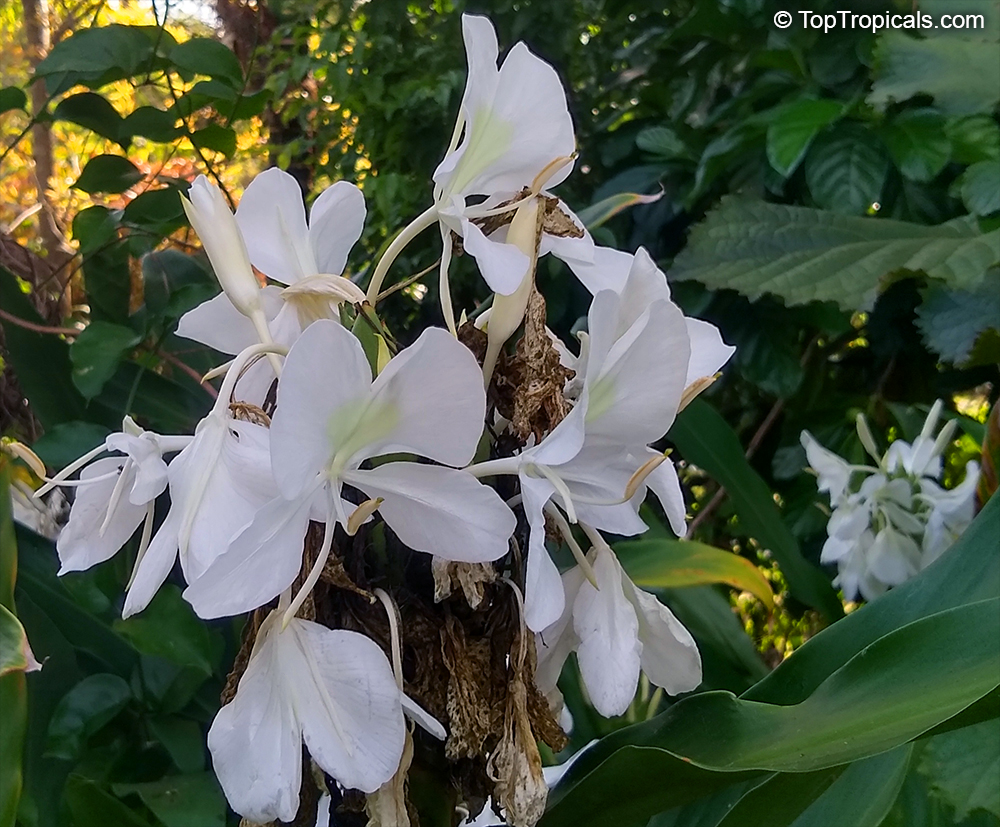
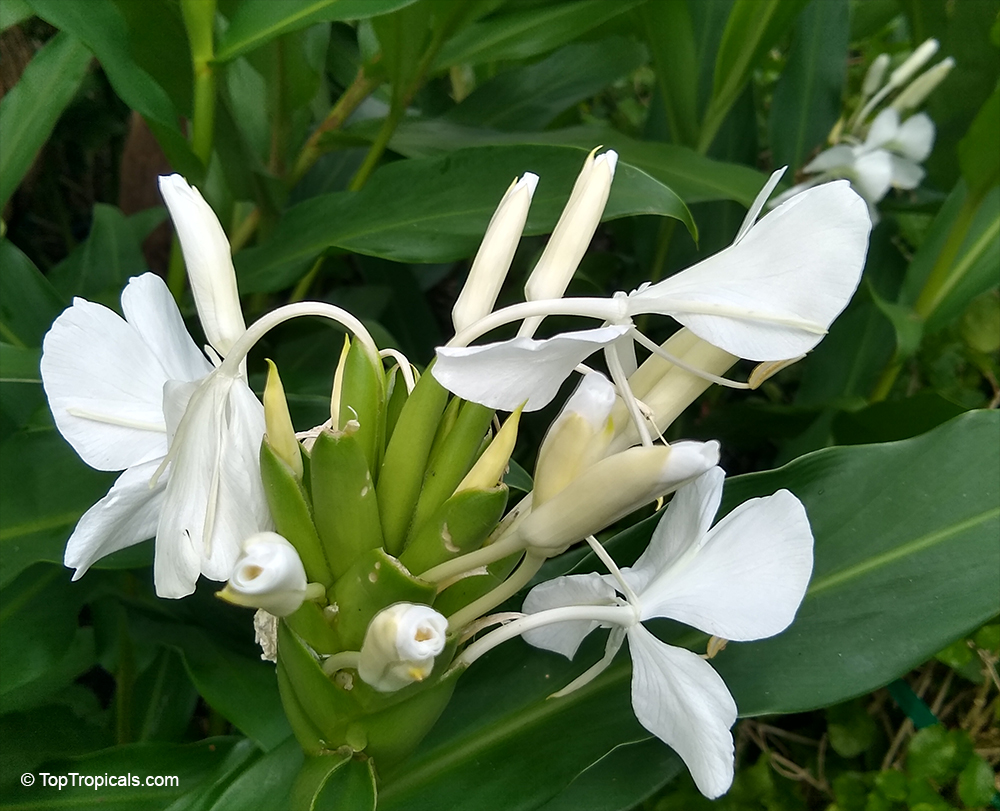
Hedychium coronarium, also known as Butterfly Ginger, is a small plant native to India and Indonesia. It grows to be 2-5 ft tall and wide and requires full sun or semi-shade exposure and moist, well-drained soil. In the summer and fall, it produces off-white or white, fragrant flowers that attract butterflies and hummingbirds. It is popular in Hawaii and the Pacific Islands, where it is often used in leis or worn in the hair. It is also a good cut flower for scenting the home.
This ginger plant has medicinal properties and is used to treat colds, headaches, arthritis, and injuries. It is known to have anti-inflammatory and analgesic effects. It is USDA hardy in Zones 8 to 10, but it is not frost hardy and may suffer damage at lower temperatures. In regions with colder climates, it is best to grow the plant in a pot and bring it indoors during the winter months.
To propagate Hedychium coronarium, divide the plant in late winter or early spring. Cuttings may also be taken in late spring to mid-summer and rooted in soil. To keep the plant healthy, keep the soil moist at all times and fertilize weekly with a balanced fertilizer. After the flowers have faded, remove old stems to promote new growth. It is a popular plant in the house gardens of the Dai people along the Mekong river and is sometimes mistakenly referred to as Alpinia alba.
Recommended Fertilizer: SUNSHINE Pikake - Fragrant Flower Booster
 SUNSHINE Pikake (NPK 2-2-4) - eco-friendly concentrated nutrition booster for fragrant flowers. Improves quantity and quality of flowers. Encourages profuse blooming. Increases flower fragrance intensity. Can be used with every watering. For best results, use in combination with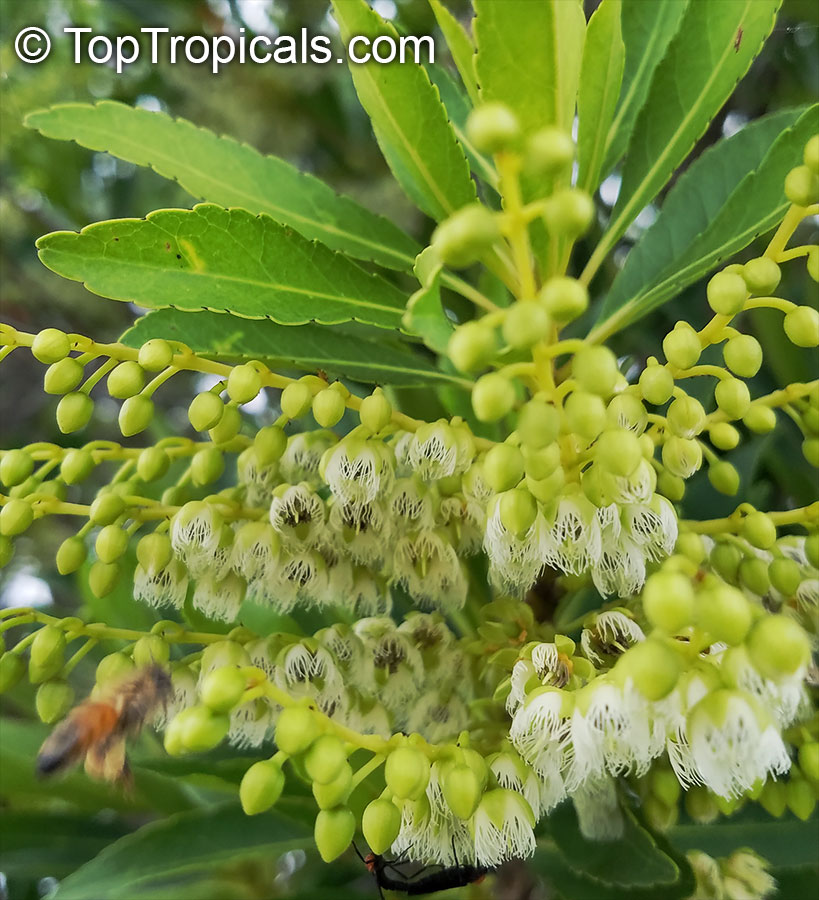
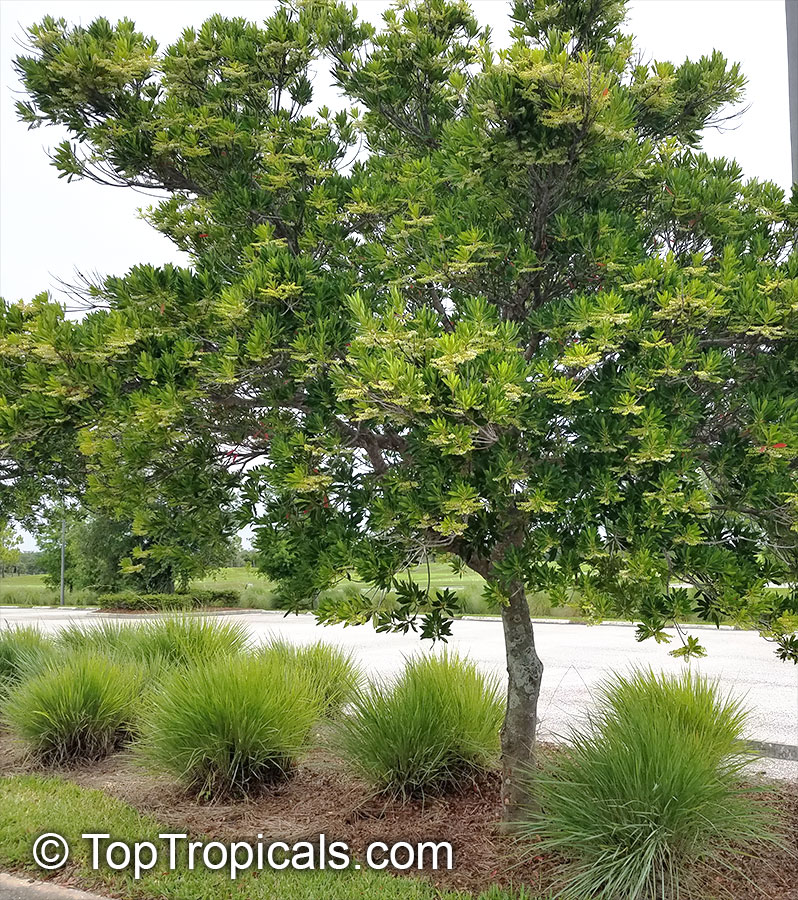
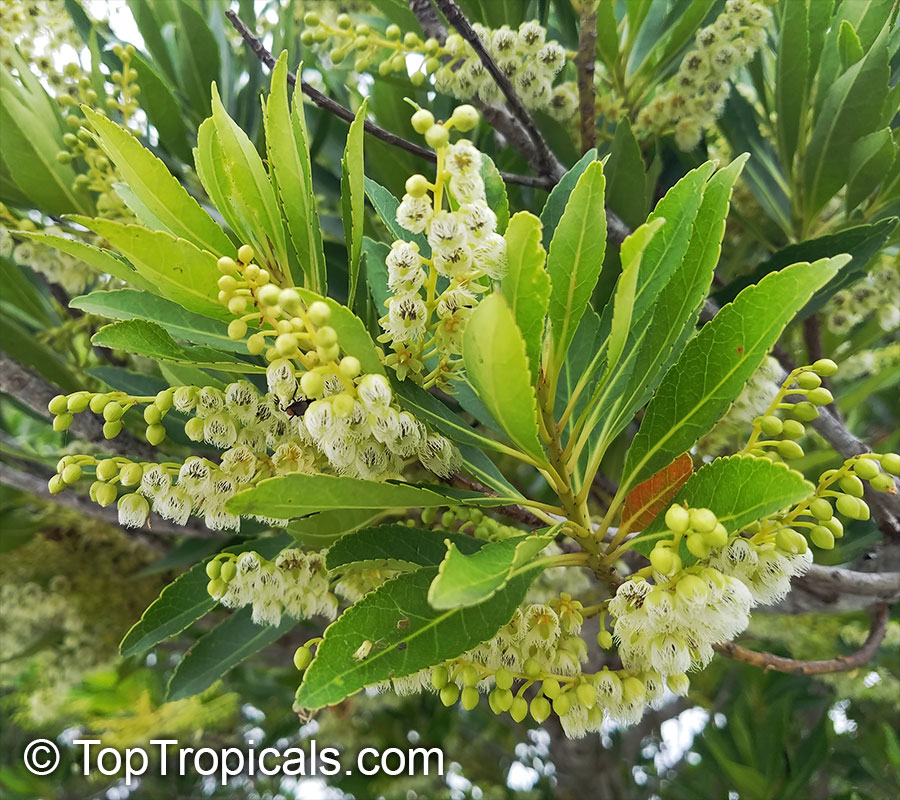
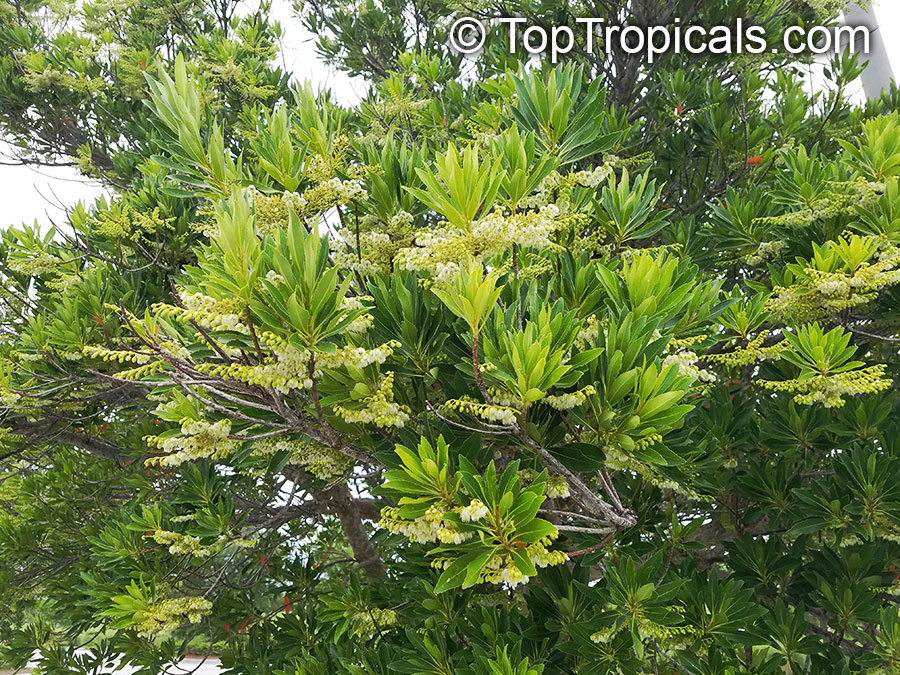
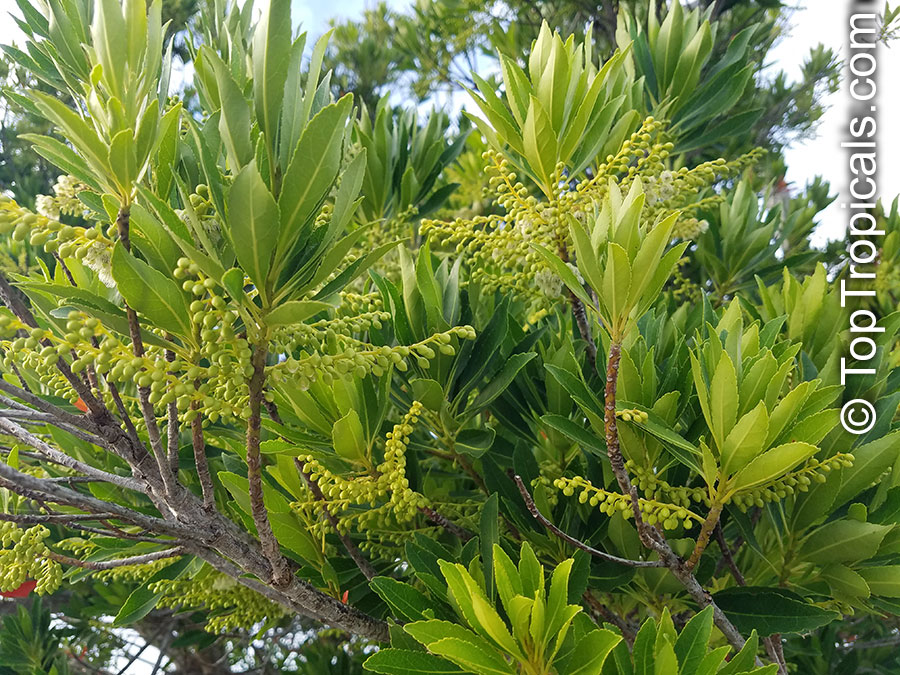
Botanical name: Elaeocarpus decipiens
Common name: Japanese Blueberry Tree
Family: Elaeocarpaceae
Origin: Japan
USDA Zone: 8-11

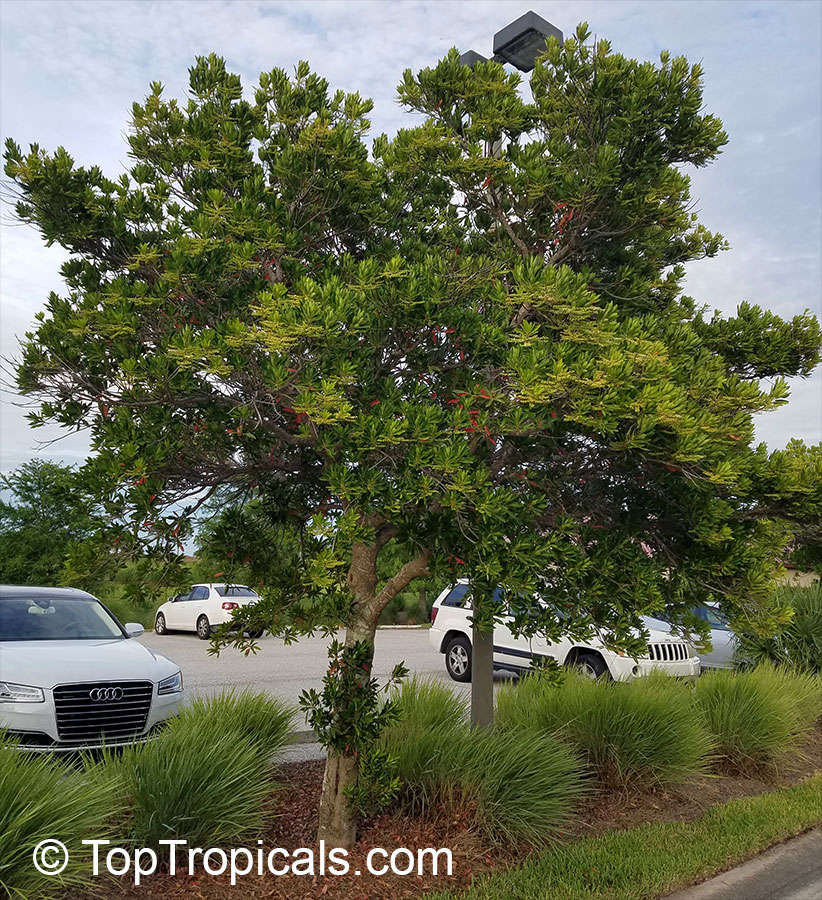
Elaeocarpus decipiens produces dark green, lustrous, leathery foliage and makes a wonderful specimen evergreen upright growing shrub or small evergreen tree in the warm parts of the South. New emerging foliage has a bronze color.
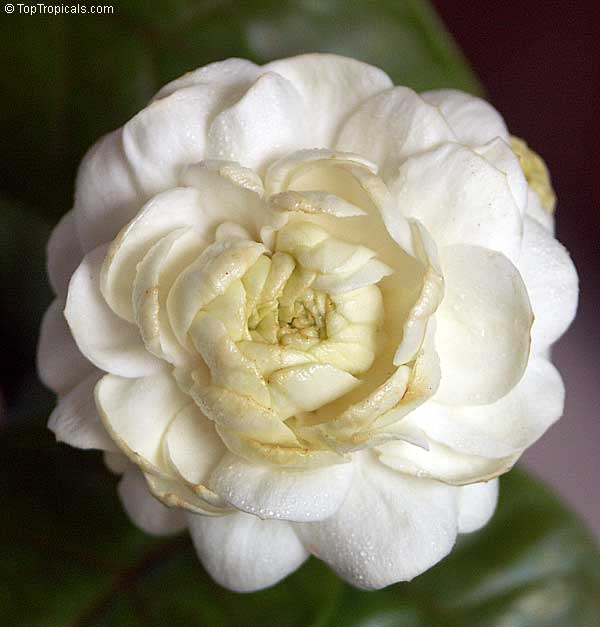
Botanical name: Jasminum sambac
Common names: Fragrant Jasmine, Grand Duke Sambac Jasmine, Mogori Sambac, Butt Mograw, Hawaiian Pikake, Moss Rose Jasmine, Sambac Flore Pleno
Cultivar: Grand Duke Of Tuscany
Family: Oleaceae
USDA Zone: 9-11

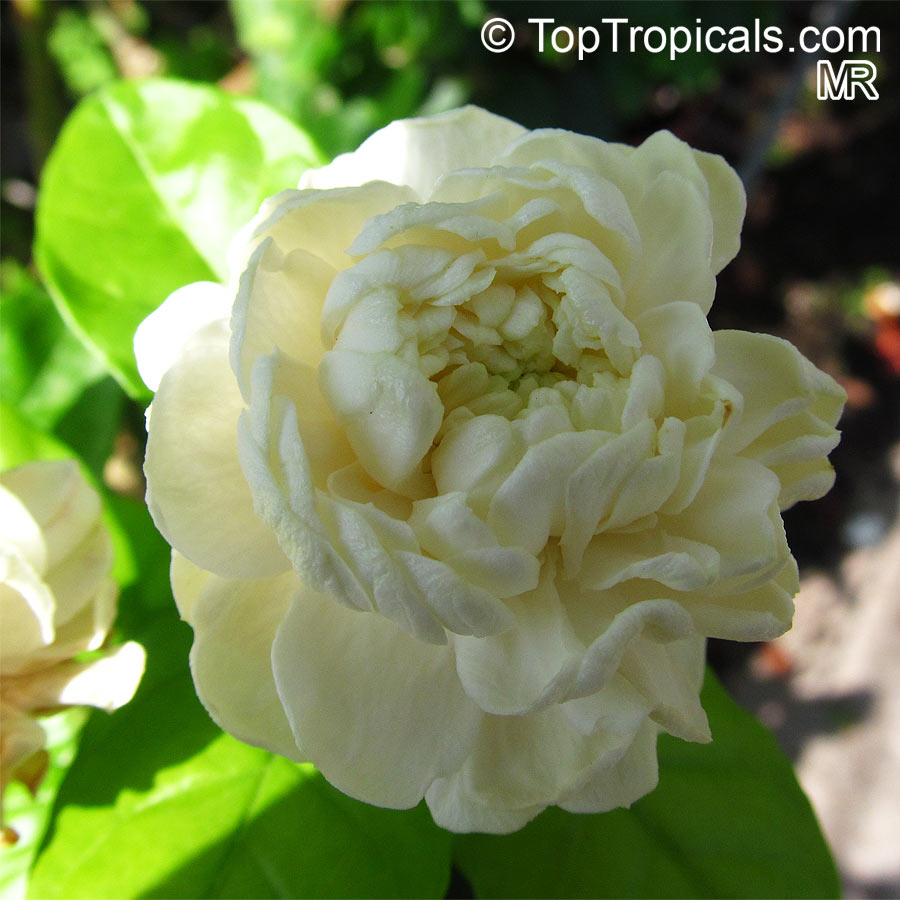
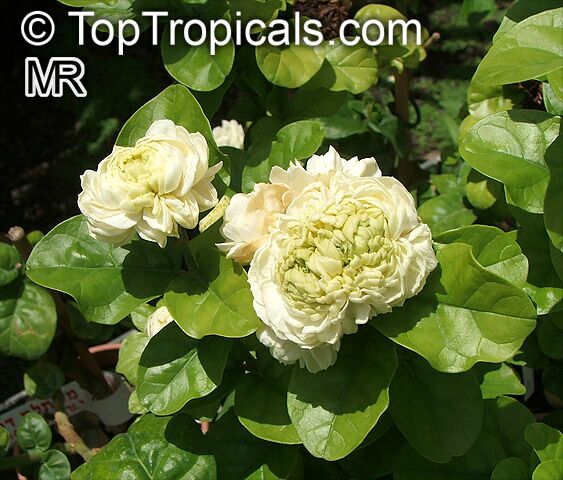
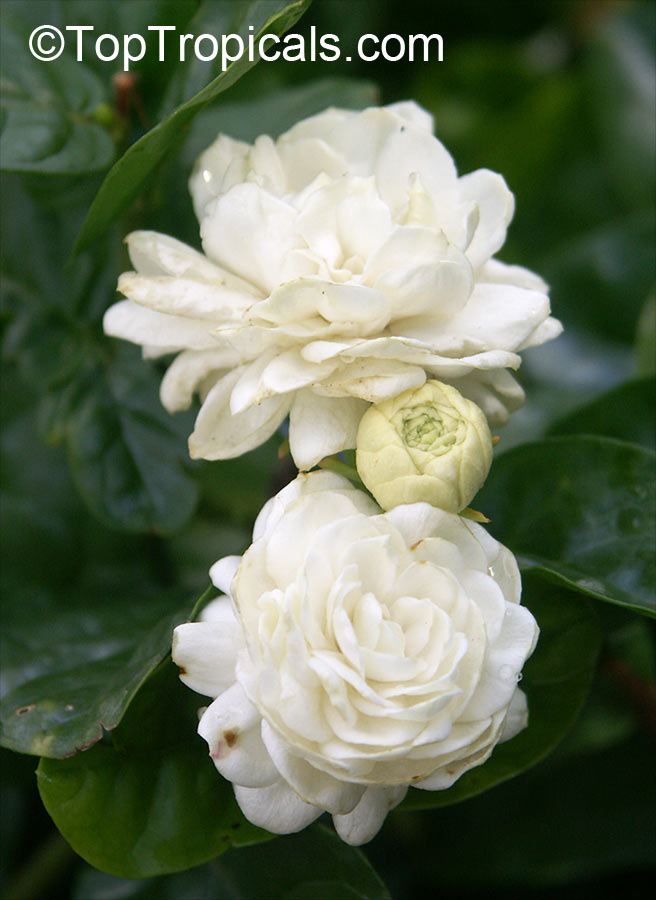
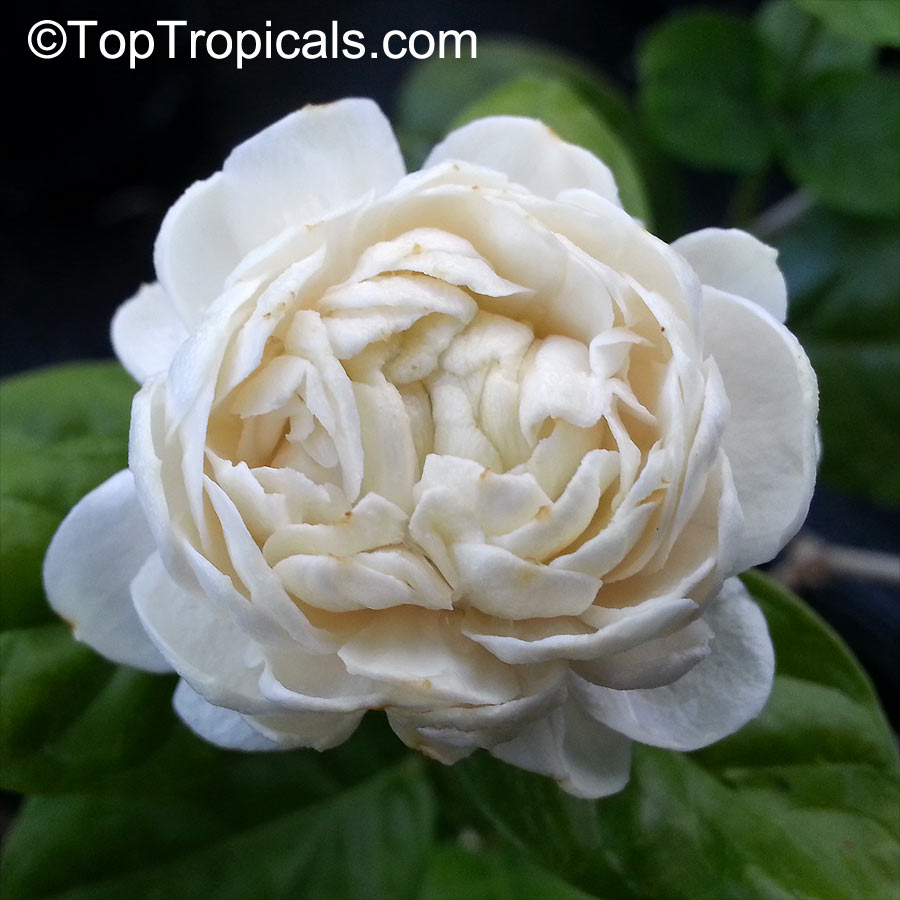
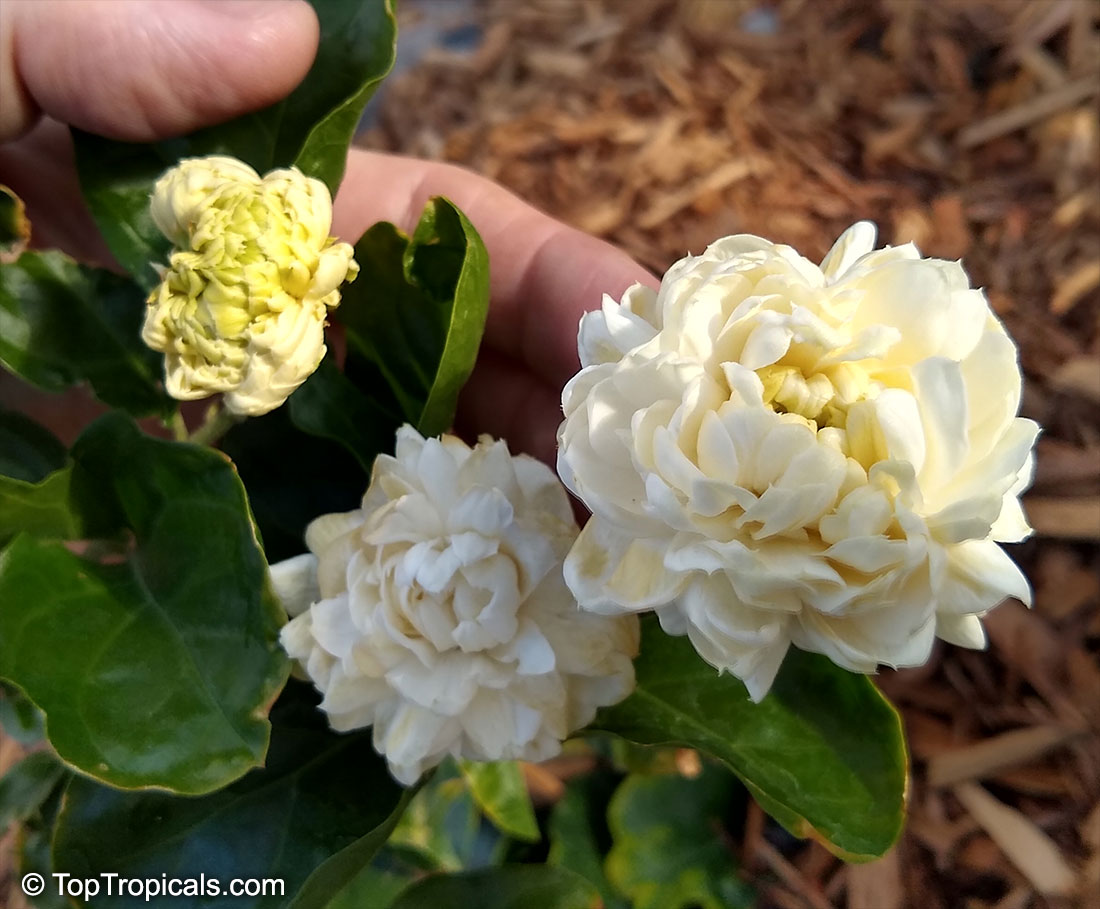
Jasminum sambac 'Grand Duke of Tuscany' is a cultivated jasmine variety known for its very full, rosette-like flowers. The blooms are double to fully double, with many tightly layered petals that give them a compact, rounded appearance similar to small gardenias. Flowers open creamy white and retain their shape well as they mature. The fragrance is strong, rich, and sweet, making this cultivar one of the most aromatic forms of Arabian jasmine.

Botanical names: Suessenguthia multisetosa, Ruellia multisetosa
Common name: Columbian Petunia
Family: Acanthaceae
Origin: Bolivia
USDA Zone: 10-11

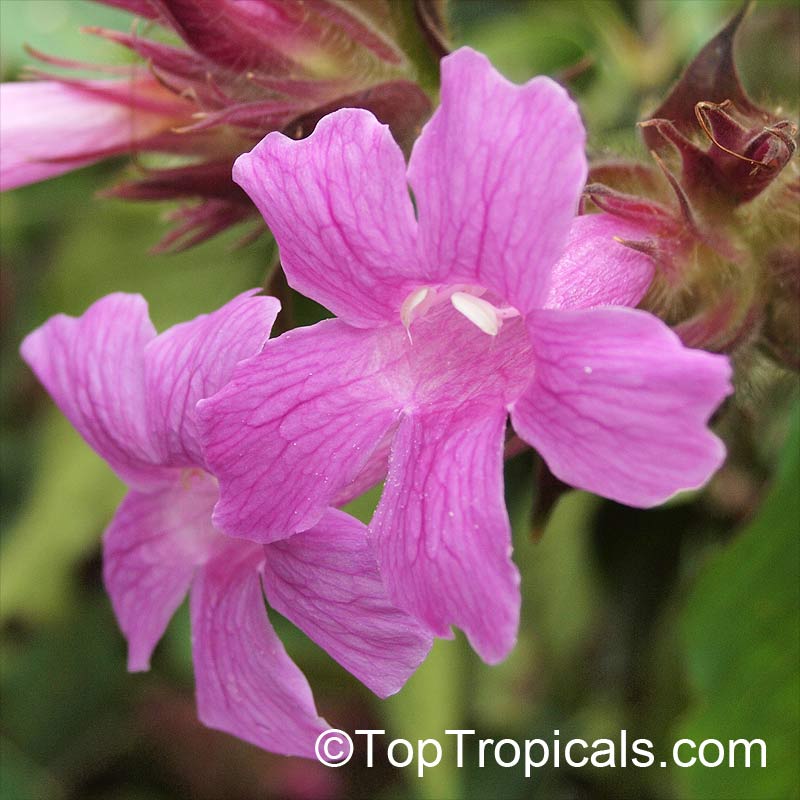
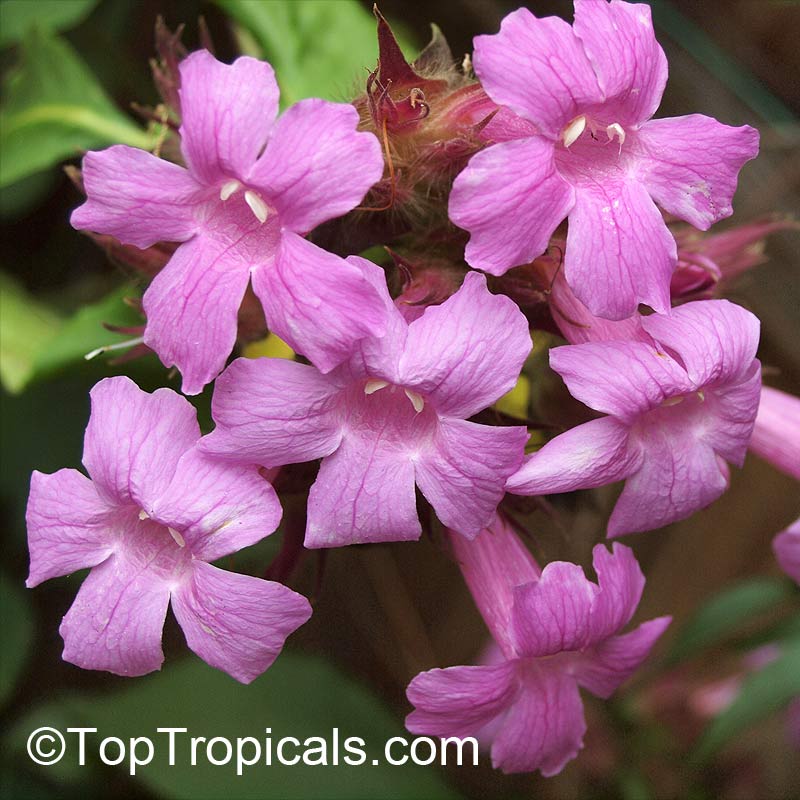
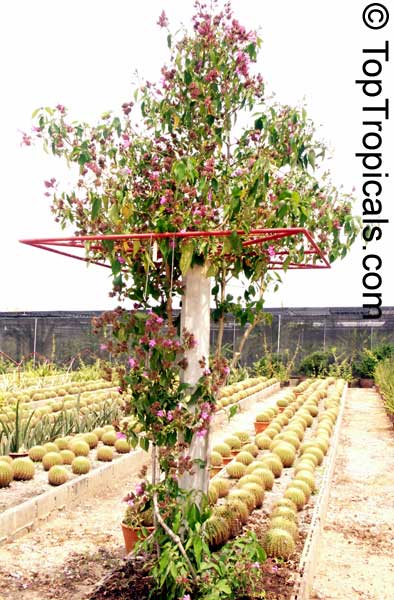
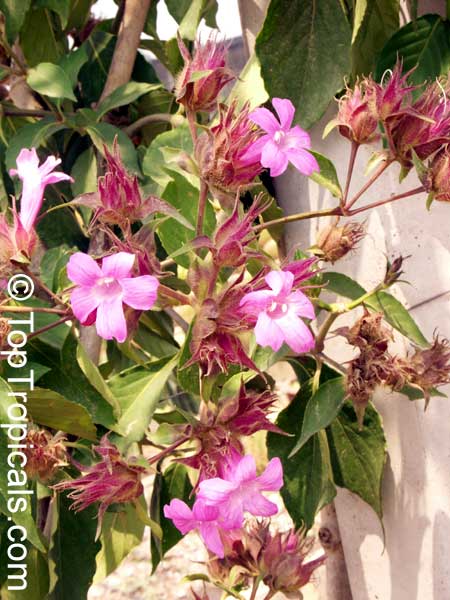
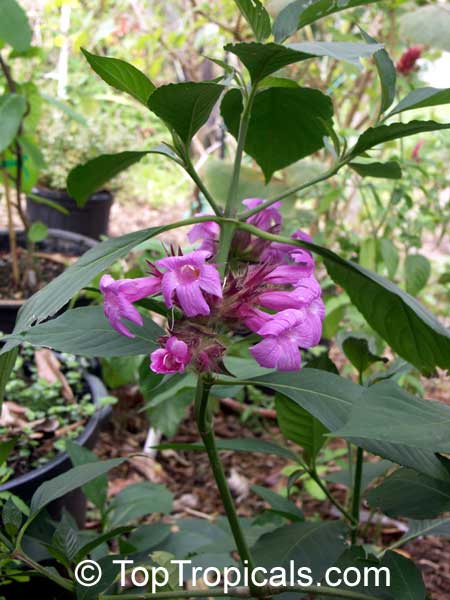
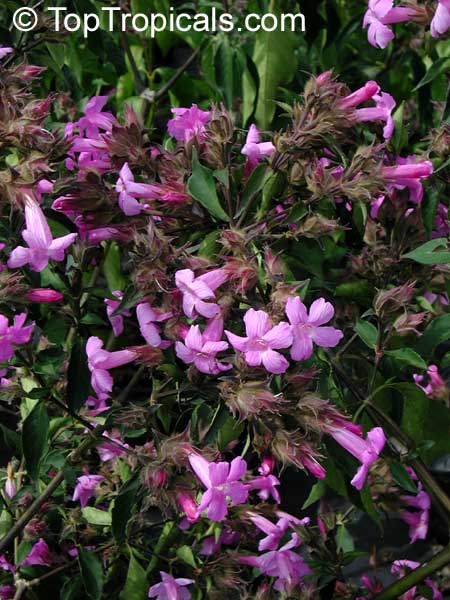
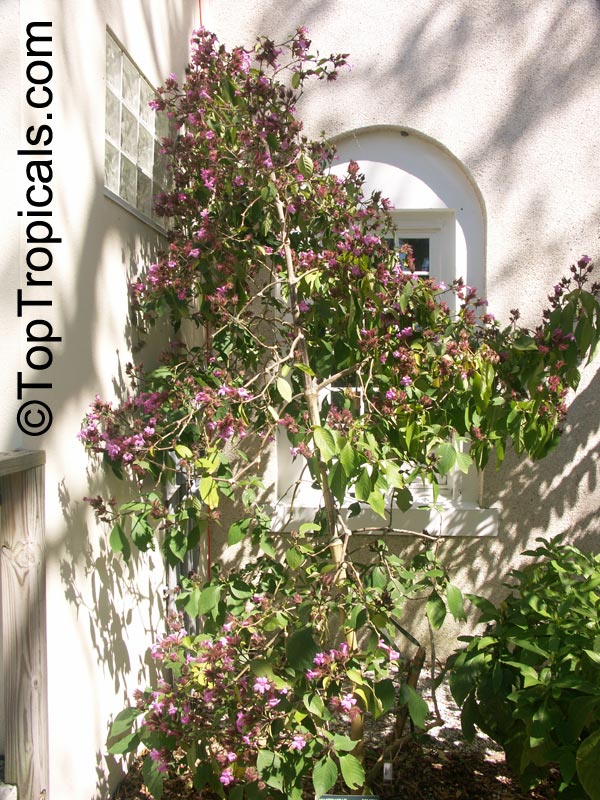
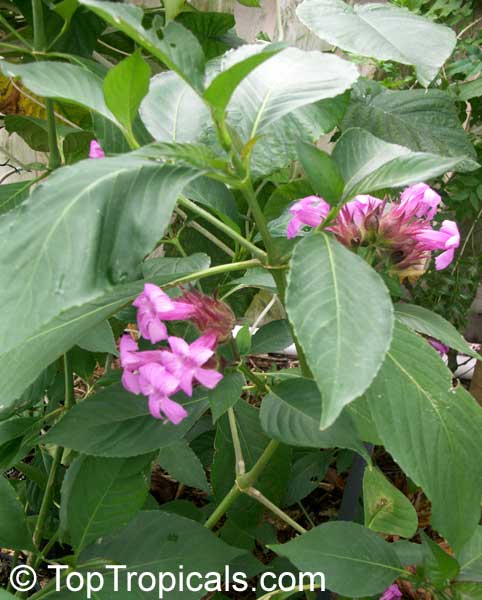
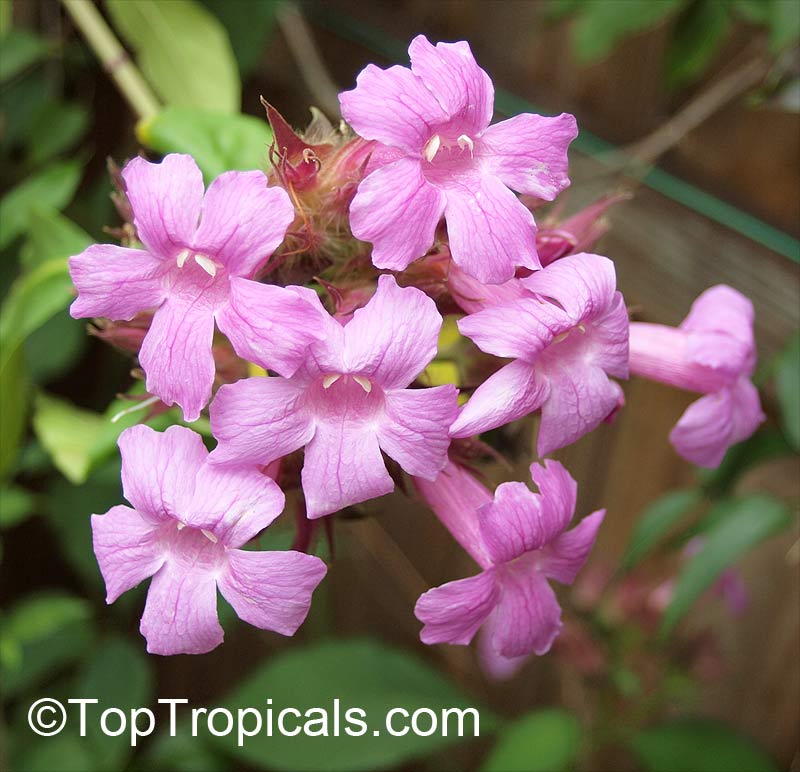
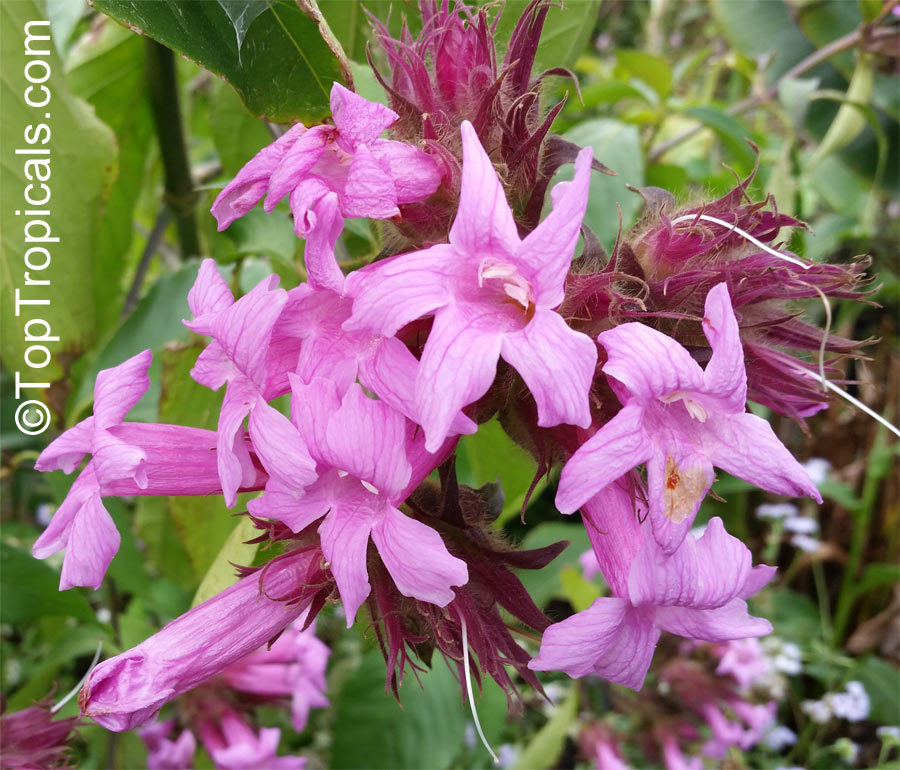
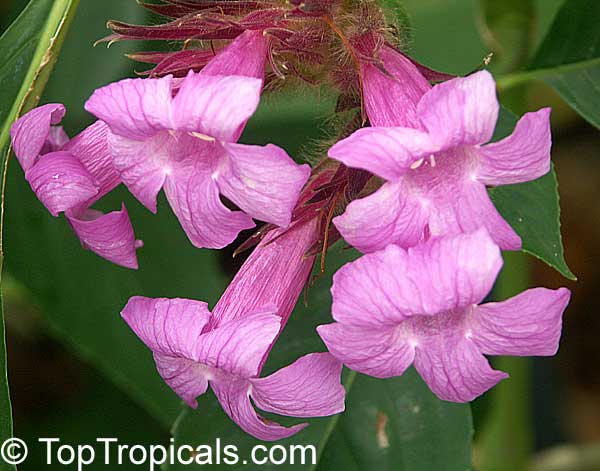
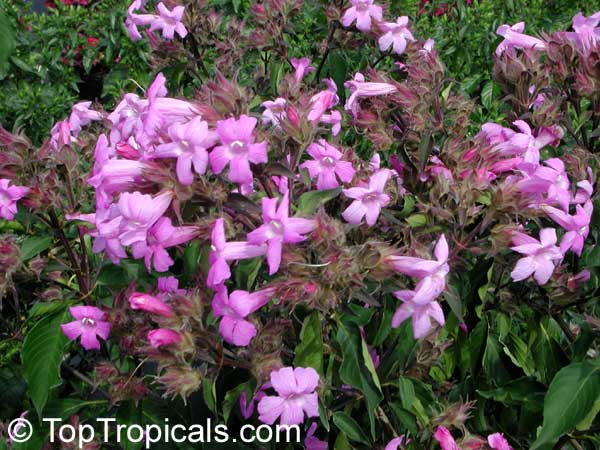
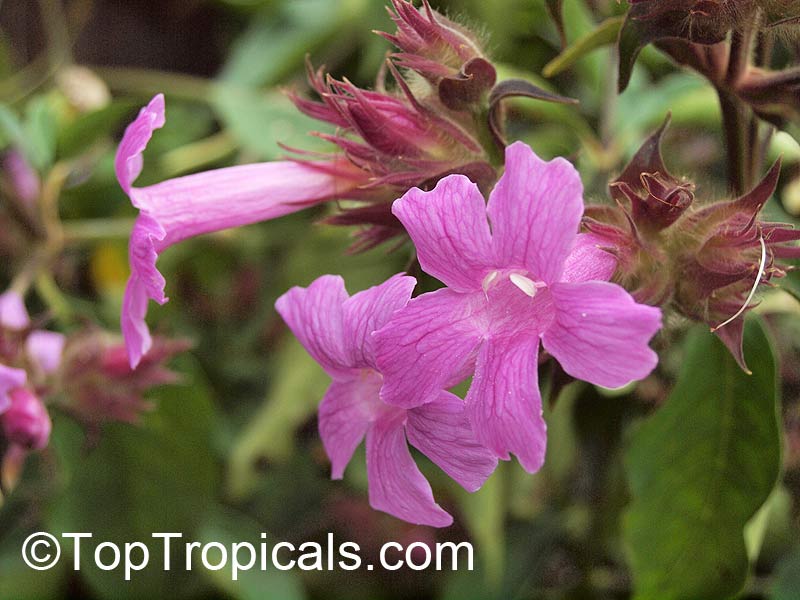
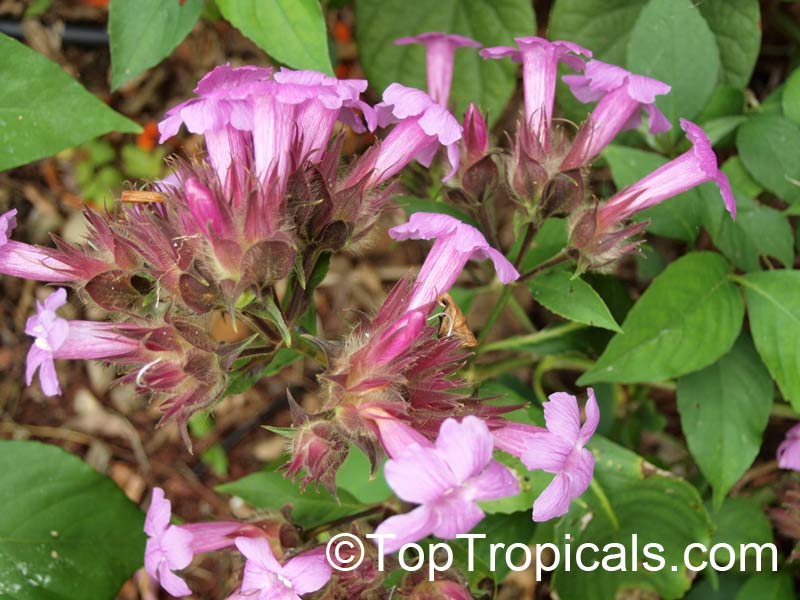
Suessenguthia multisetosa, sometimes called Columbian Petunia, is a large shrub or small tree in the Acanthaceae family, endemic to Bolivia. It occurs in Andean foothills, moist and seasonally dry forests, and savannas, generally at about 650-2,300 feet elevation. Plants grow about six to 20 feet tall, with angular stems and large, opposite, hairy leaves. Clusters of pink to purple, broadly tubular flowers are surrounded by distinctive long, narrow, densely hairy bracts and calyx lobes, reflected in the name multisetosa, meaning "many-bristled." The species was originally described as Ruellia multisetosa and is considered Vulnerable in the wild.
Suessenguthia multisetosa prefers tropical warmth, partial shade to sun, and well-drained soil with regular moisture, but its occurrence in seasonally dry habitats indicates some tolerance of drier periods. Unlike several hummingbird-pollinated relatives, its flowers are adapted primarily to bee pollination. It is frost-tender: temperatures around 28-30F may kill the top growth, although established plants can resprout from the base. USDA Zones 10-11 are a conservative choice for outdoor cultivation. It can be propagated from cuttings and is grown for its conspicuous flower clusters and bold foliage.


Recommended Fertilizer: SUNSHINE Megaflor - Bloom Nutrition Booster
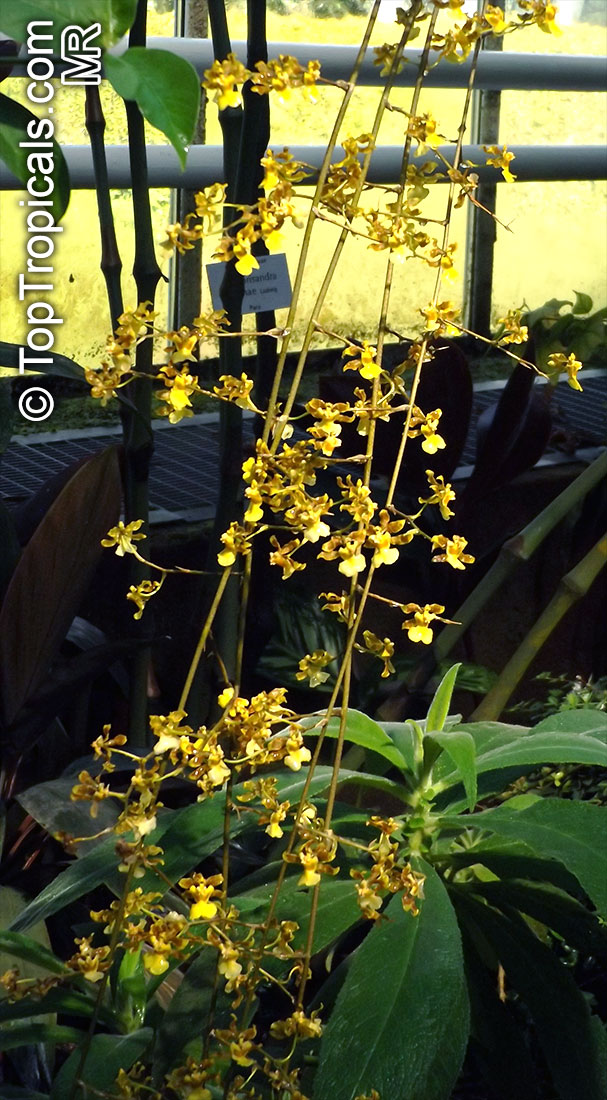
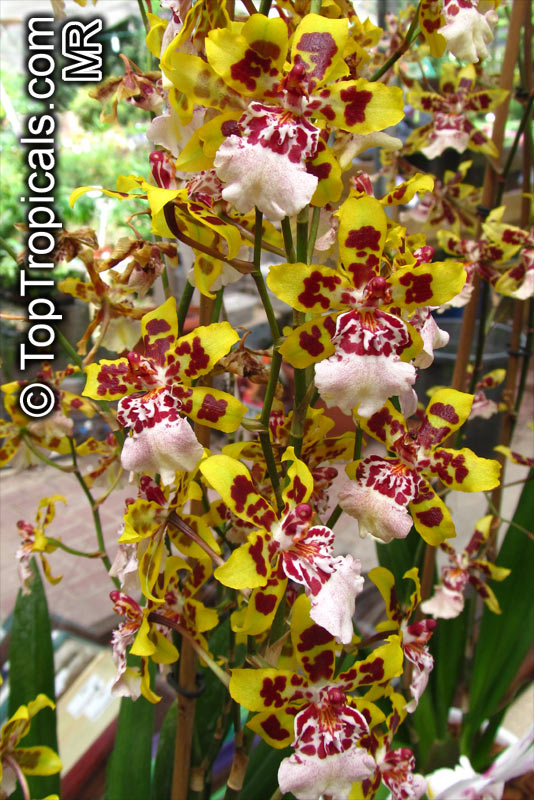
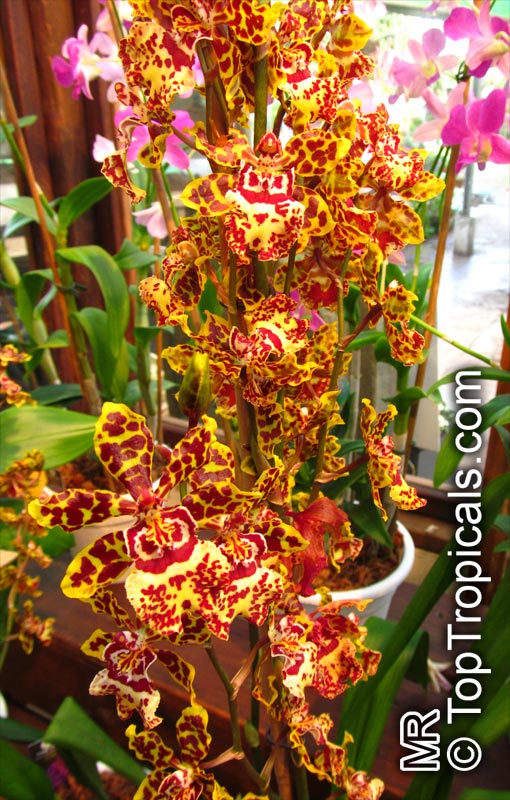
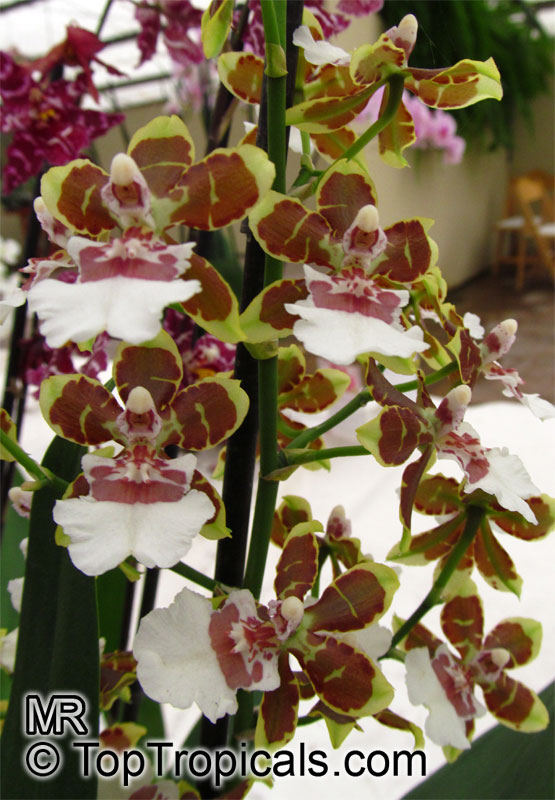
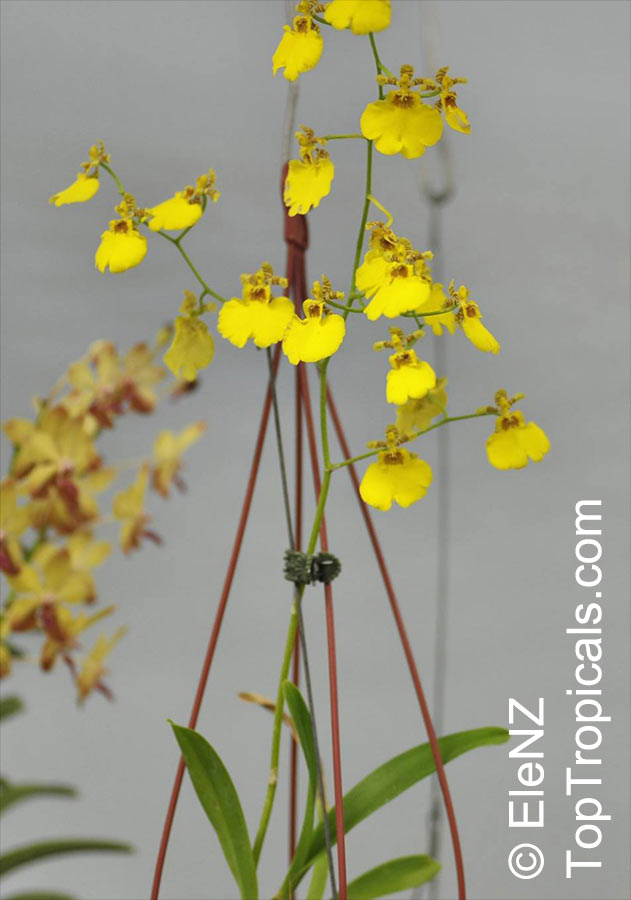
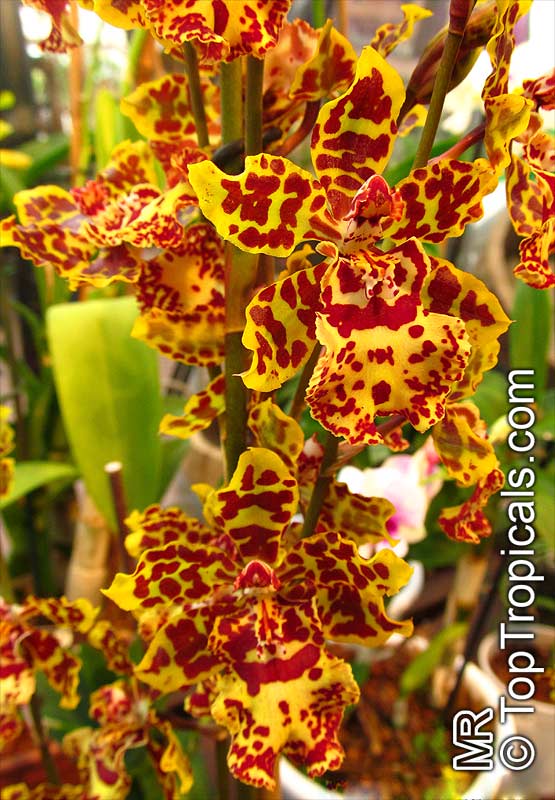
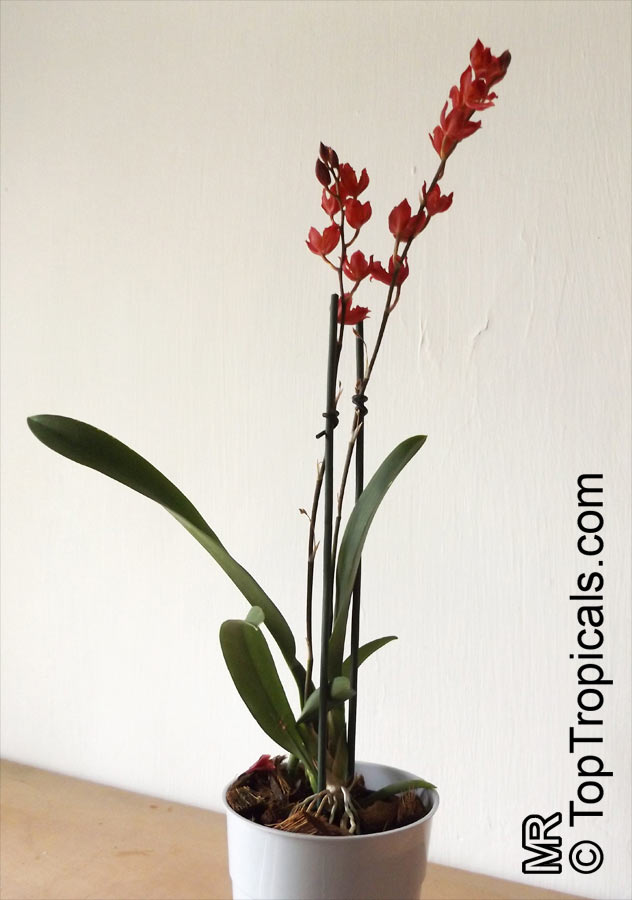
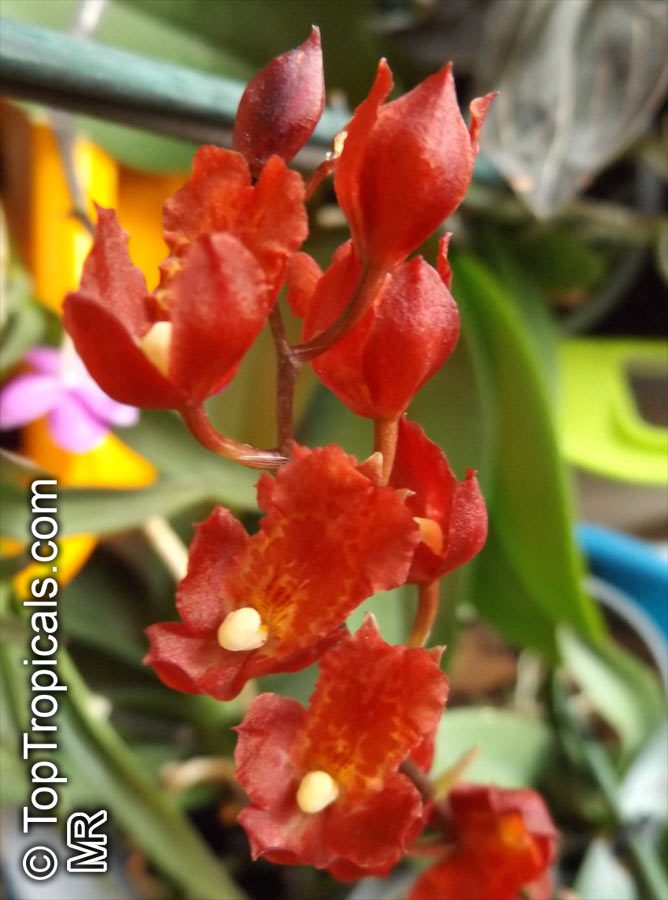
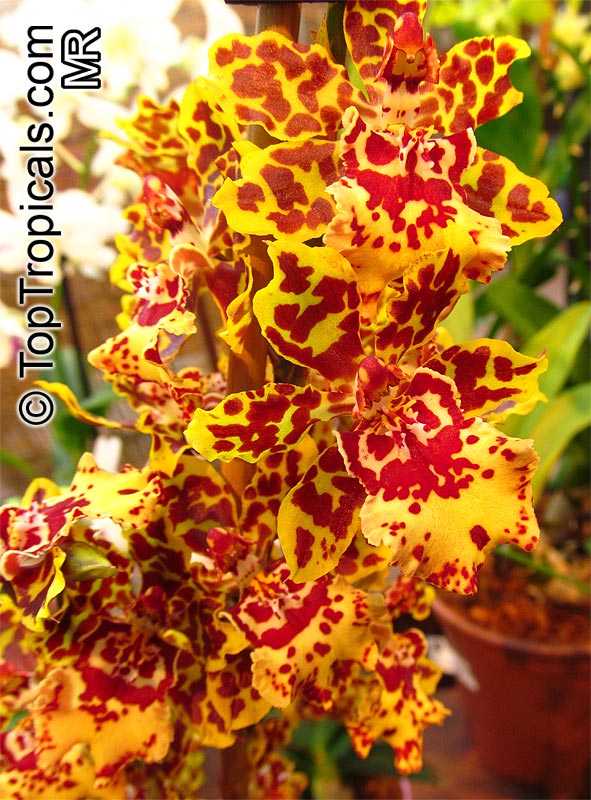
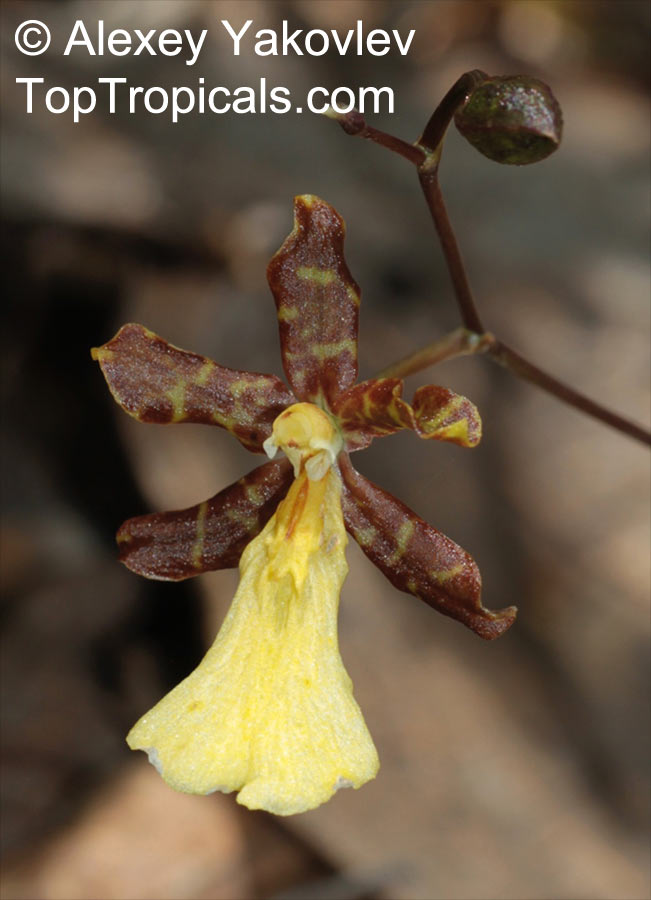
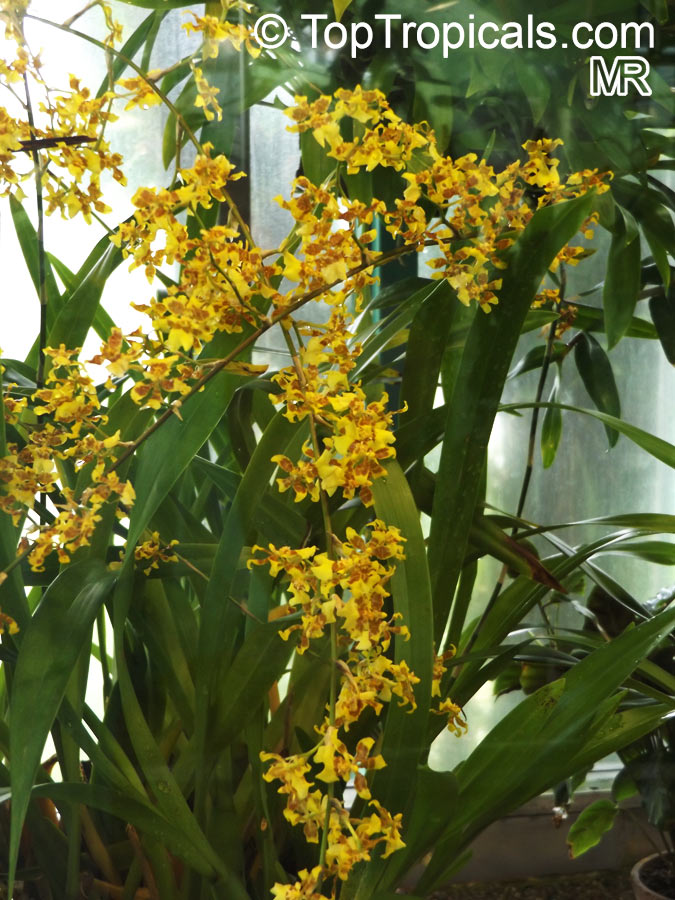
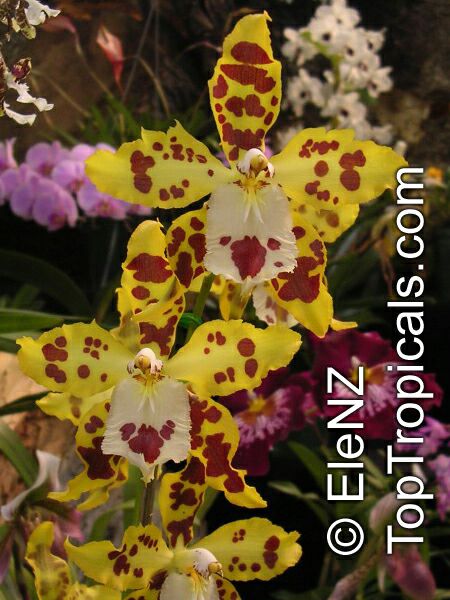
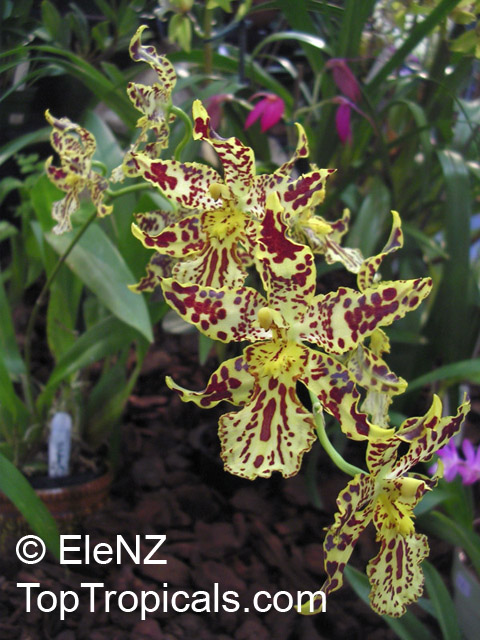
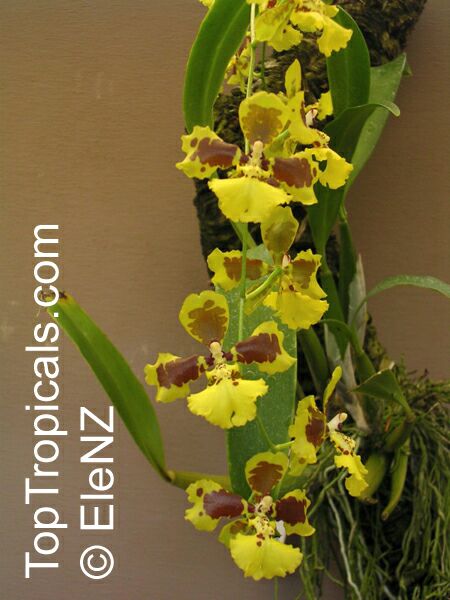
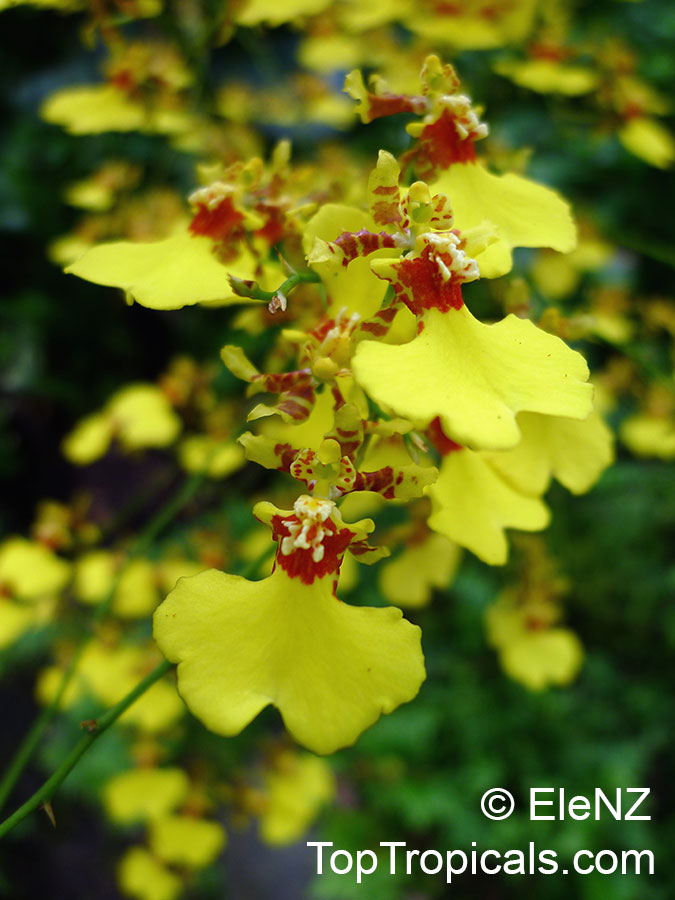
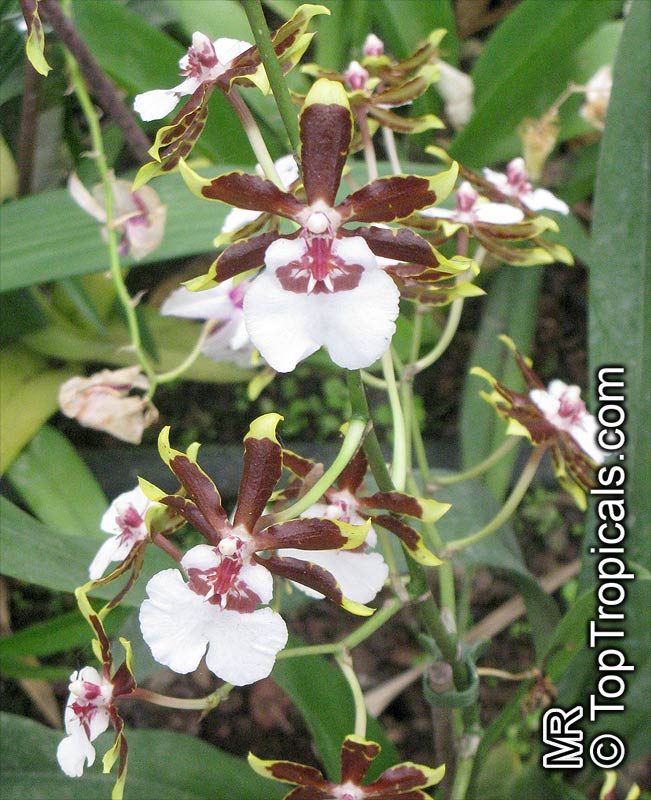
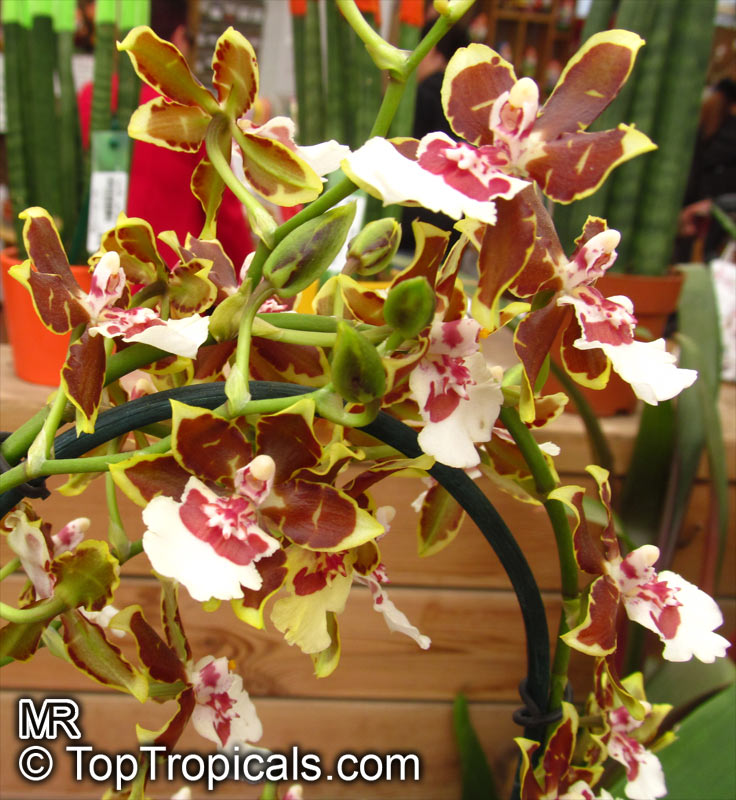
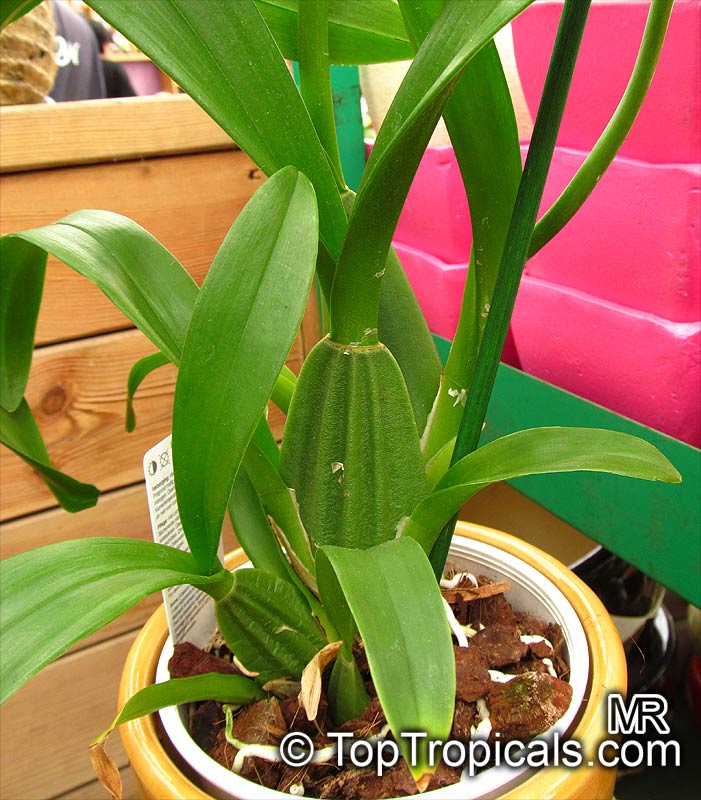
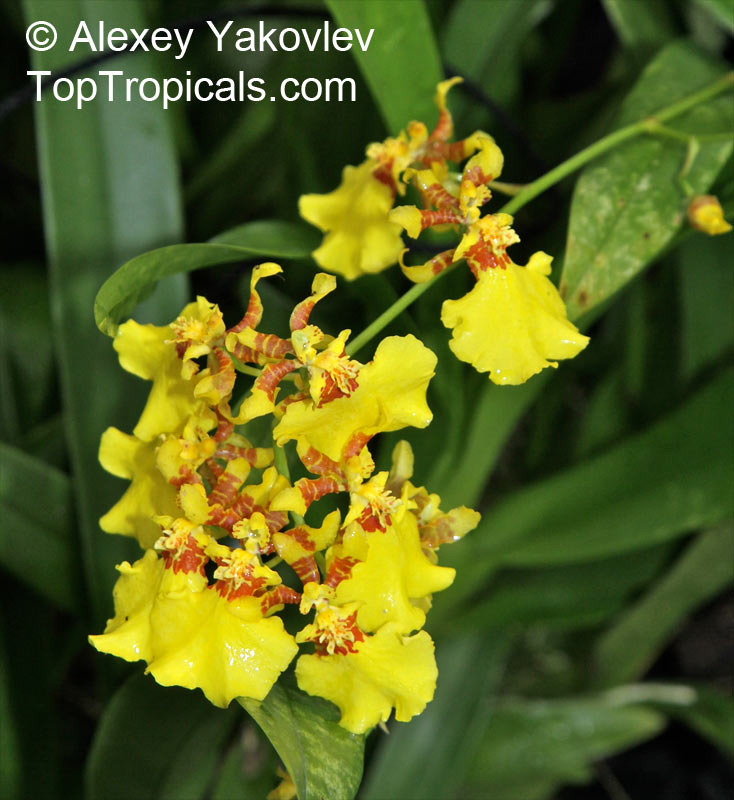
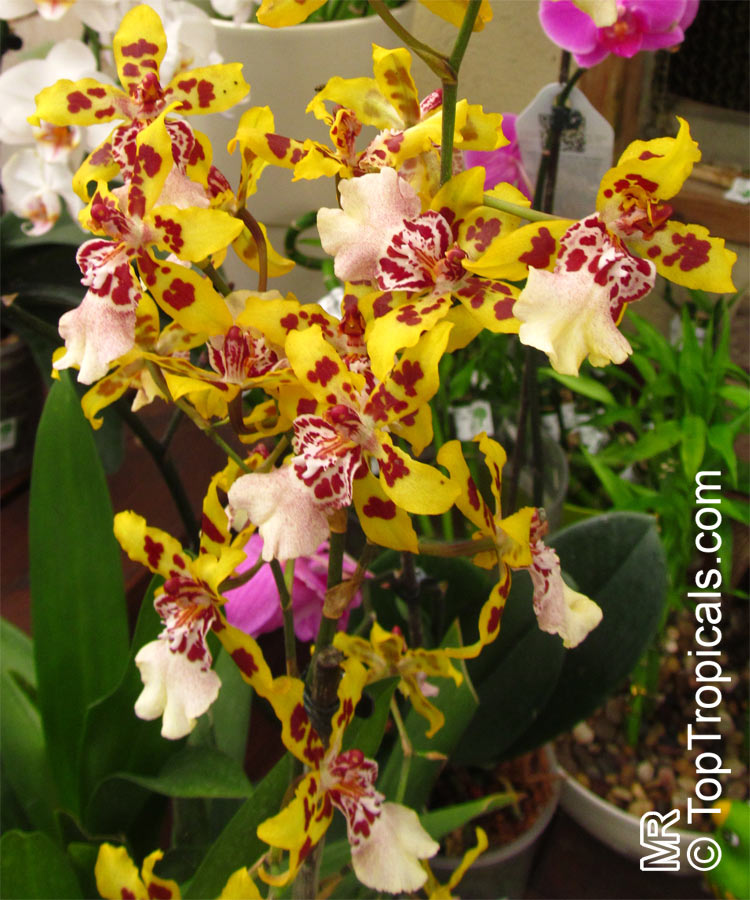
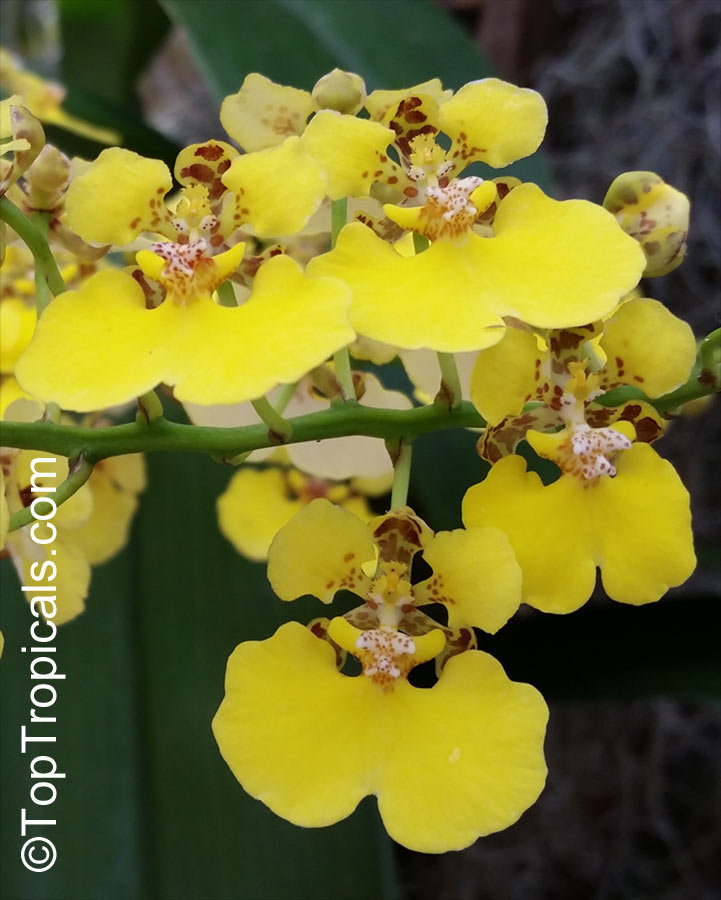
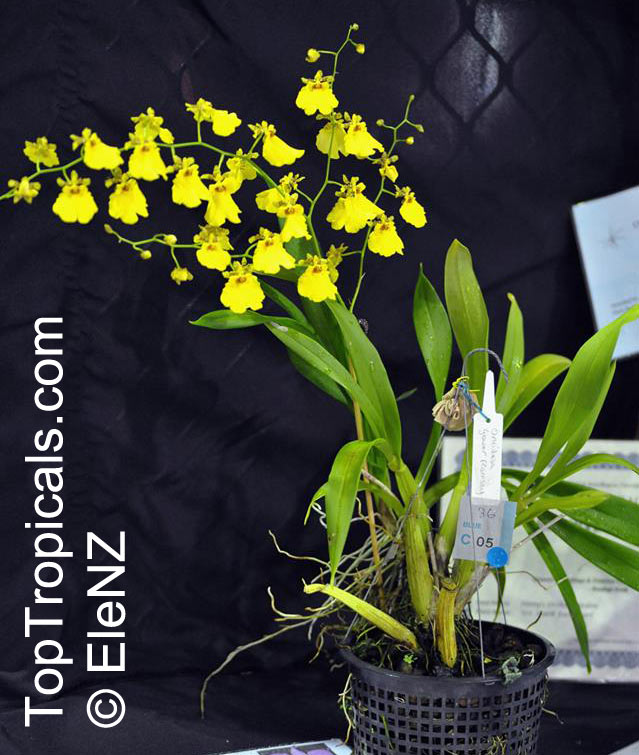
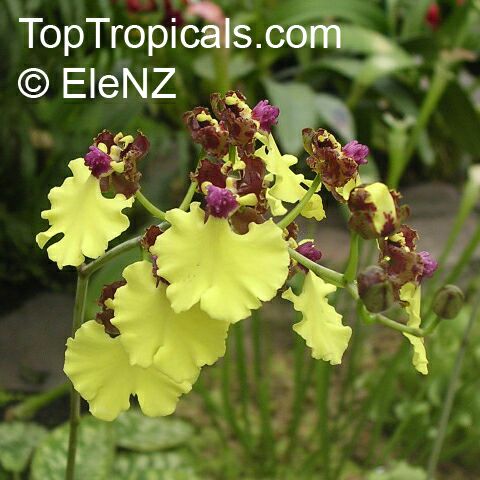
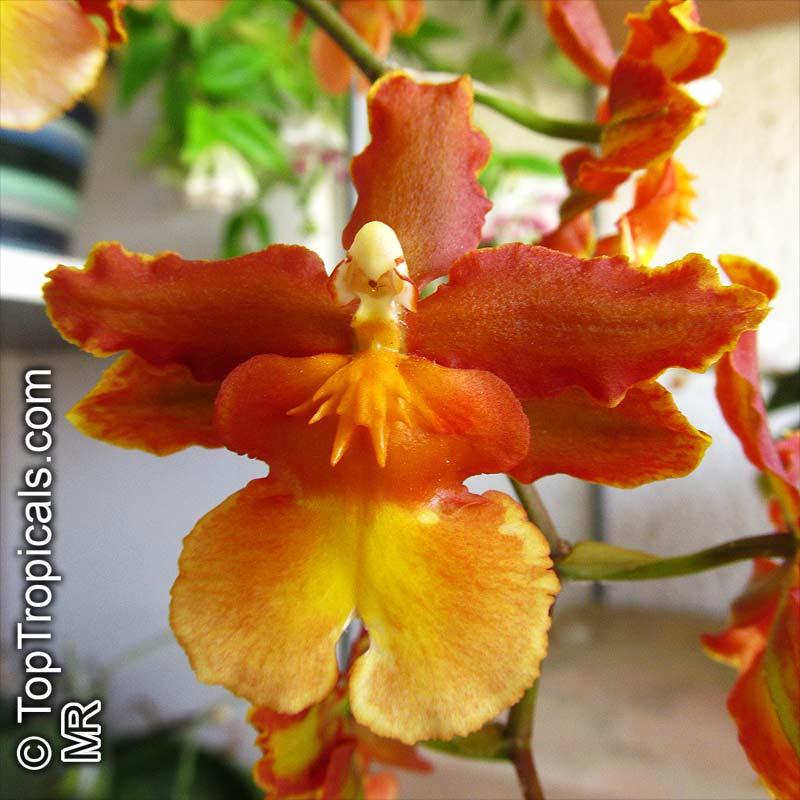
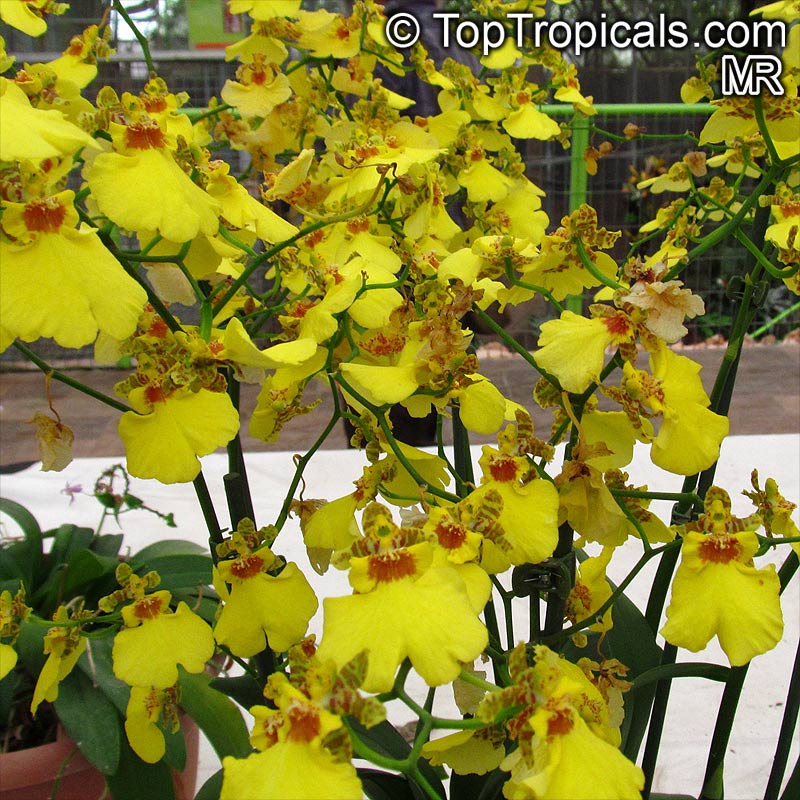
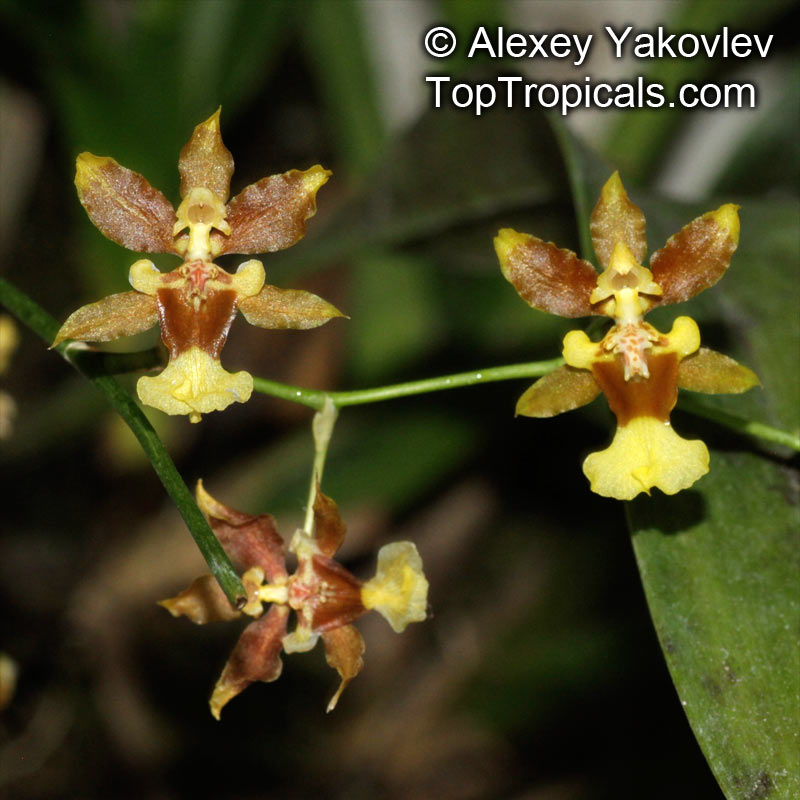
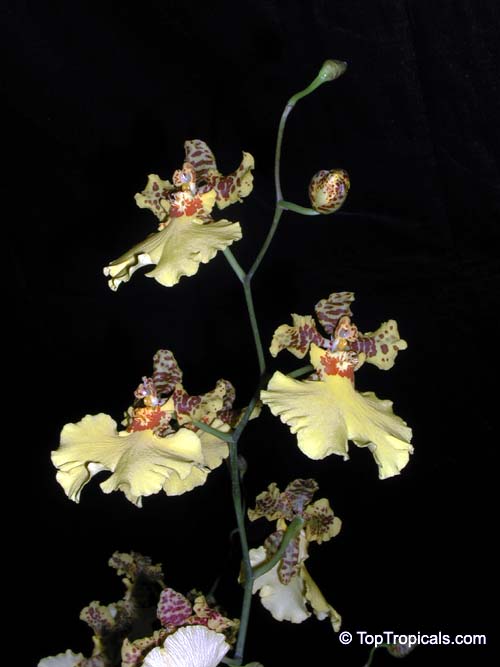
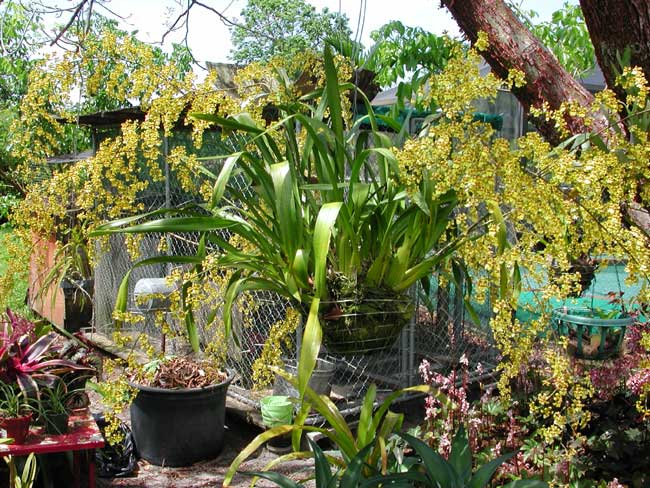
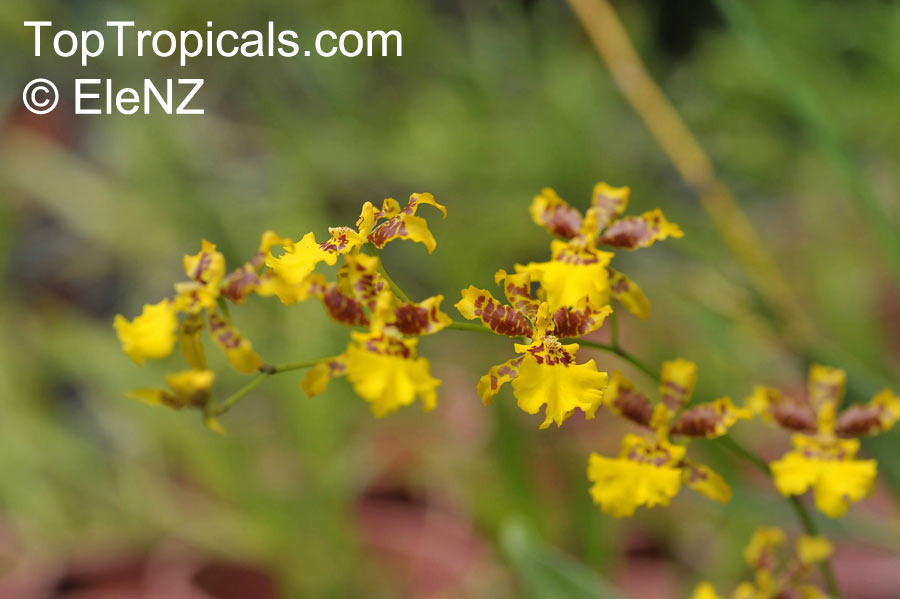
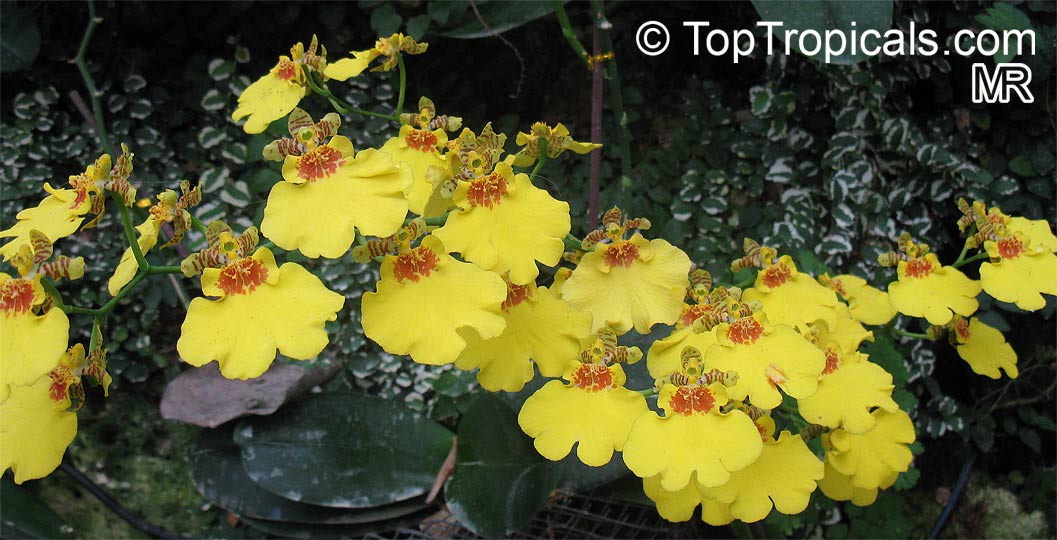
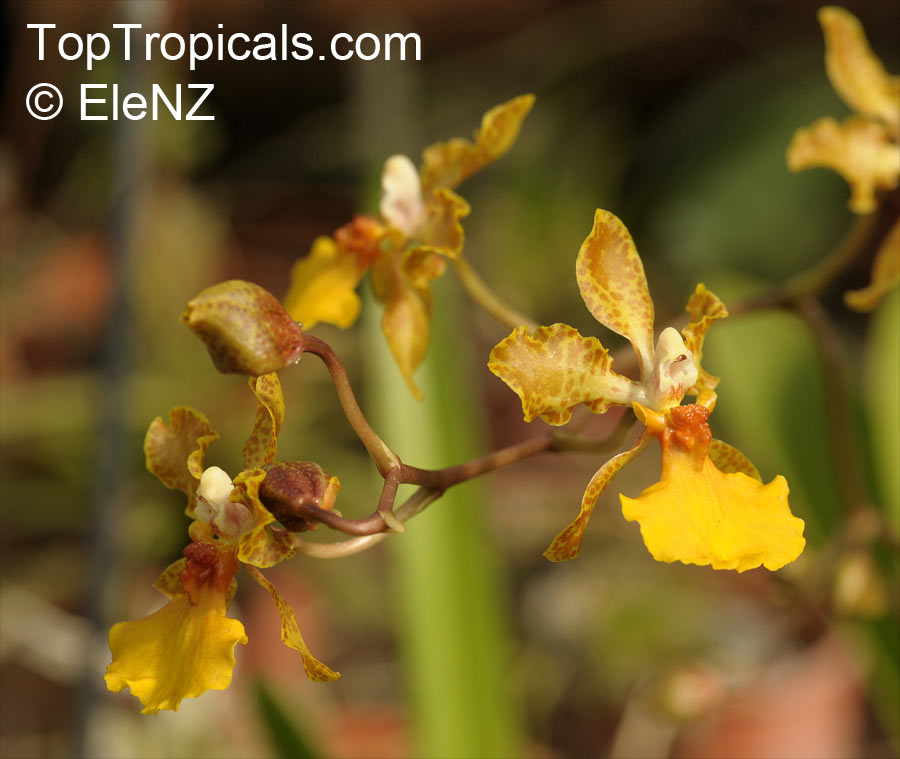
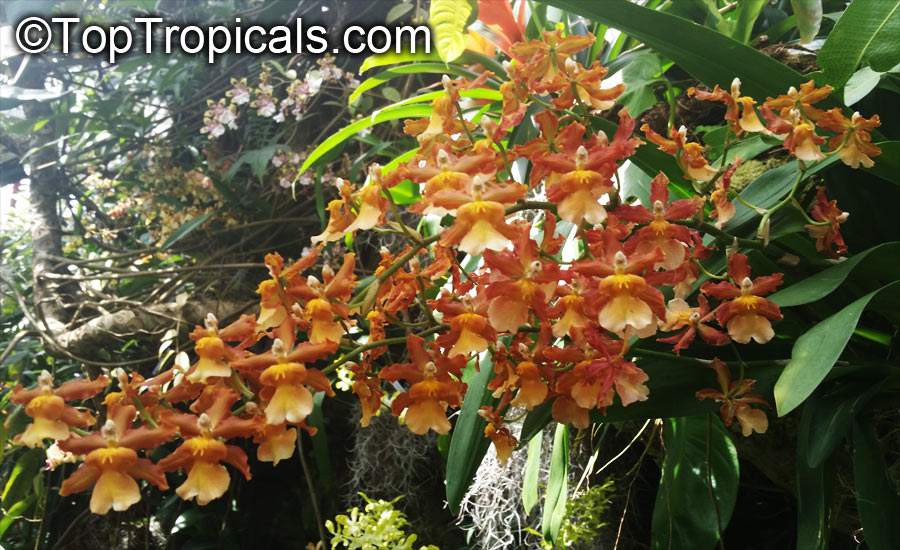
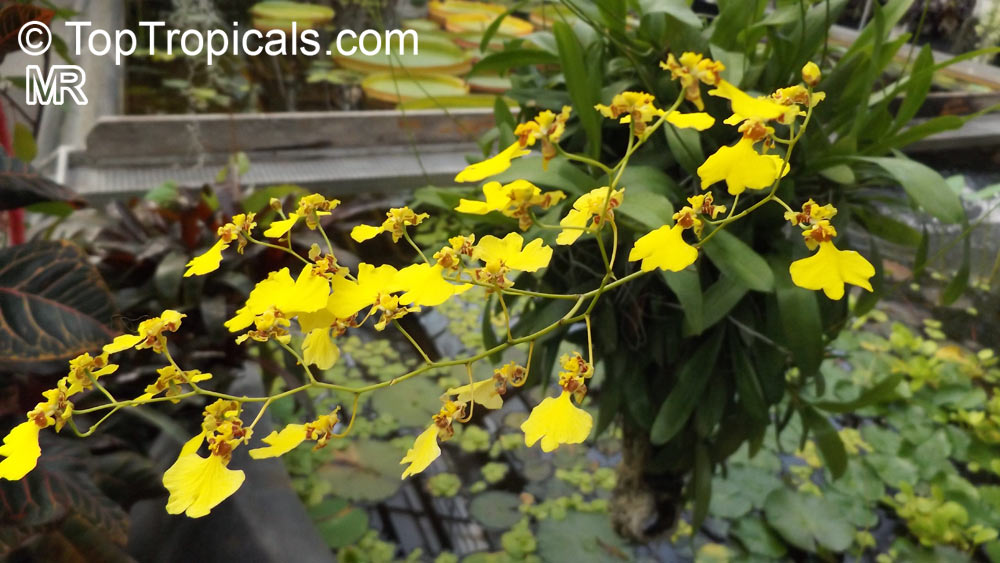
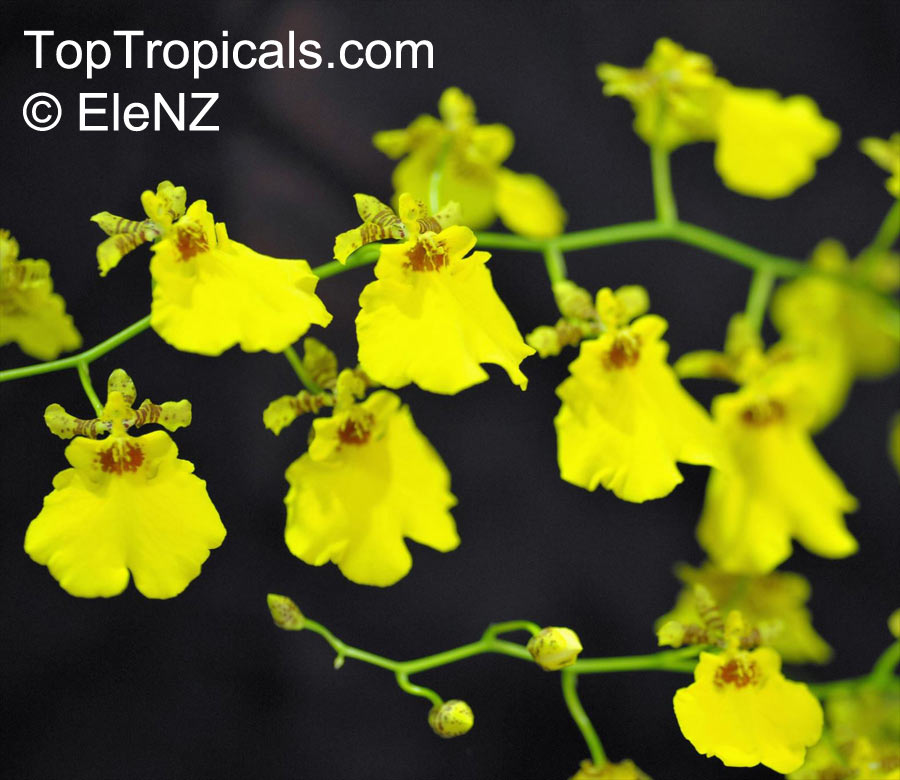
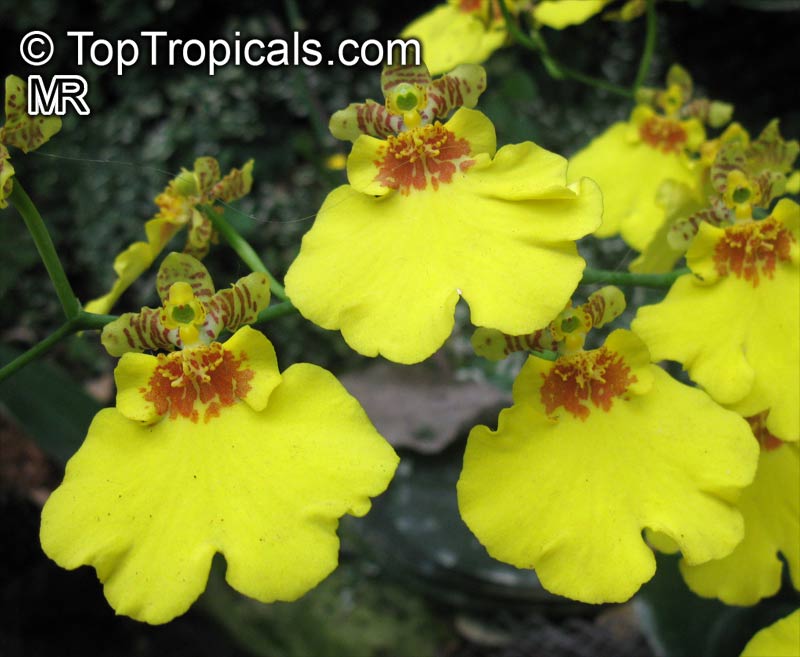
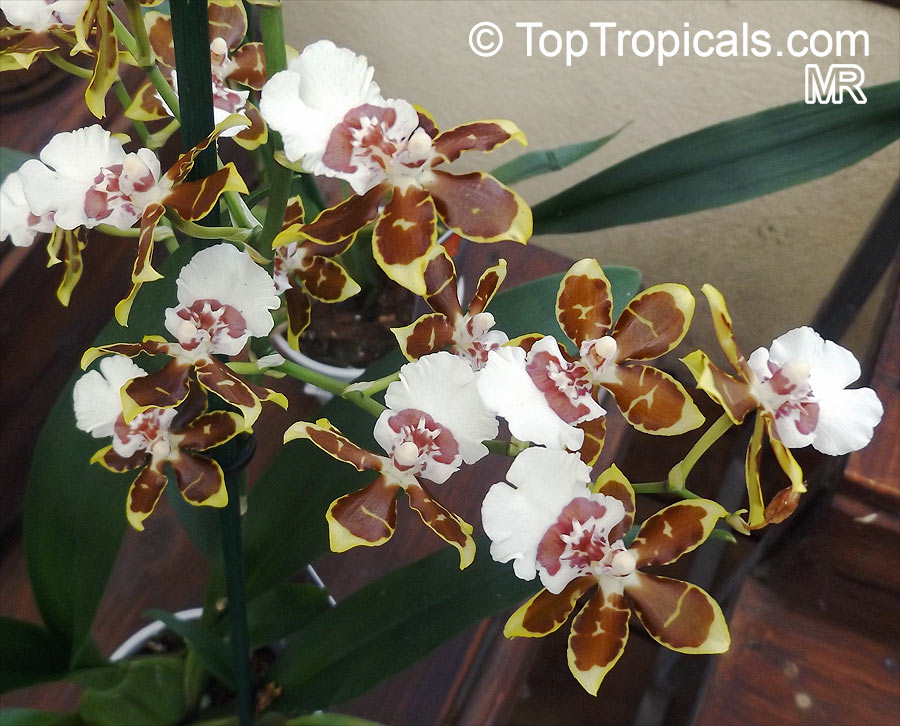
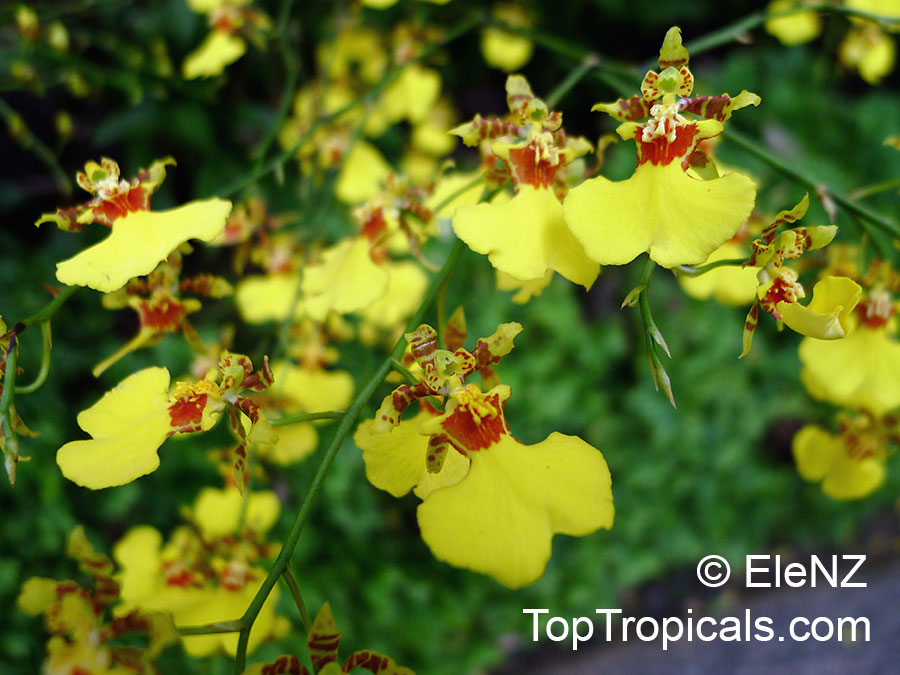
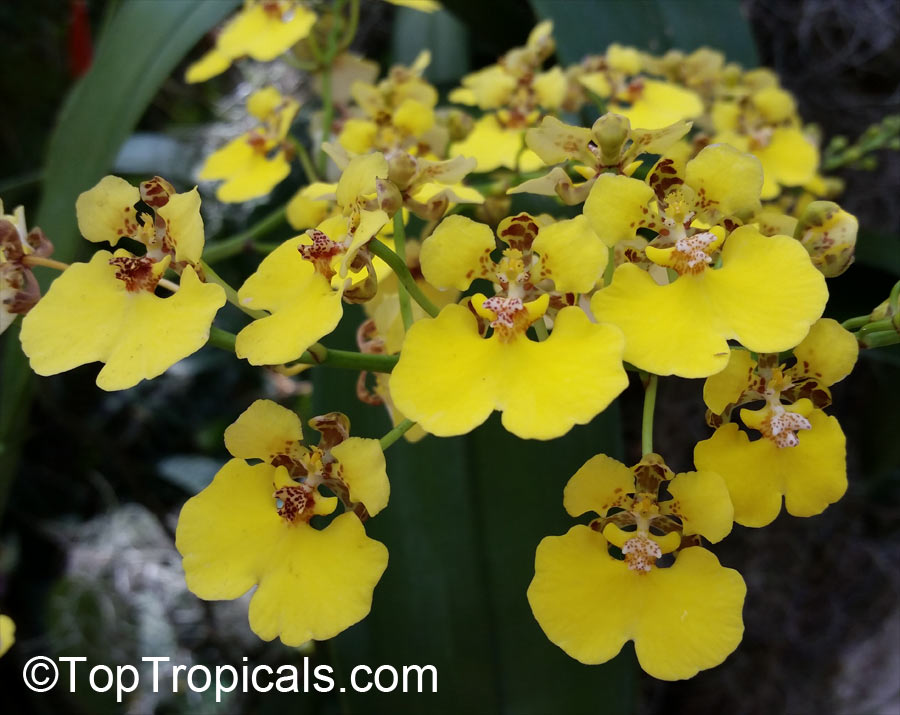
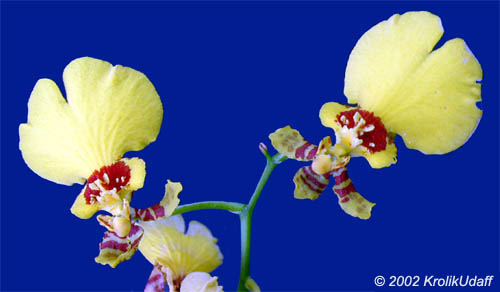
Botanical name: Oncidium sp.
Common name: Oncidium Orchid
Family: Orchidaceae
USDA Zone: 9-10


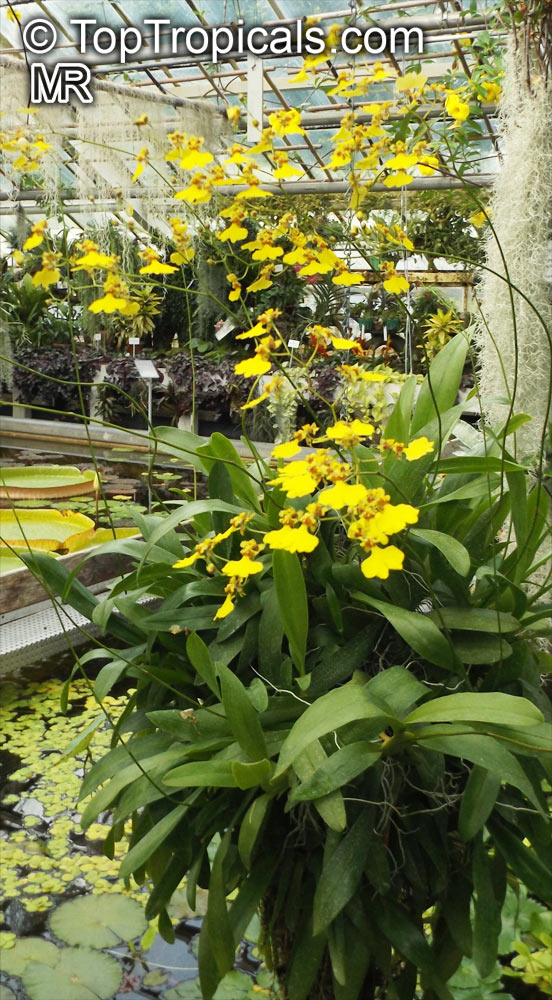
Most popular orchidss from the 600 or so species in existance come from the tropics of the Americas, but there are a few which grow in the higher elevations, and therefore require cooler conditions, hybrids are more tolerant than the species, as in most plants. These orchids can be varied in their cultural requirements, the hybrids are tolerant of wide ranges in temperature, and broadly speaking do best in an intermediate environment. There are many varieties however spread throughout the world, and cultural requirements differ widely amongst the species, hence the following is given as a general rule for most hybrids. Minimum night temperatures of 50F, depending on the plants' origin, are needed, but growth in summer is rapid at temperatures up to 88F. A humid atmosphere, propelled by a fan is beneficial. In hot weather shade sufficiently to ensure that the leaves are cool to the touch. If you are growing in the home give a bright situation but not direct sunlight, behind a net curtain, from April to September. These also make good conservatory plants as long as summer shade and good air movement can be provided. From March to September the medium should never be allowed to dry out completely. Water twice a week and fertilize fortnightly with a recommended orchid fertilizer. From October to February, no fertilizer is needed, but water the plants when the medium appears dried out. It is better to underwater as the plants can stand neglect more than over watering.
Odontocidium, abbreviated as Odcdm. is the nothogenus comprising intergeneric hybrids of the two orchid genera Odontoglossum and Oncidium (Odm. x Onc.).
x Wilsonara, abbreviated as Wils. in the horticultural trade, is the nothogenus for intergeneric hybrids between the three orchid genera Cochlioda, Odontoglossum and Oncidium (Cda. x Odm. x Onc.).
x Howeara, abbreviated as Hwra. is the nothogenus for intergeneric hybrid of the three genera Leochilus, Oncidium and Rodriguezia.
Oncidesa is the hybrids of Gomesa and Oncidium. Oncidesa Gower Ramsey has three species in its background: Gomesa flexuosa, Gomesa varicosa, Oncidium sphacelatum
See Orchid page for pictures of different orchids and care info.

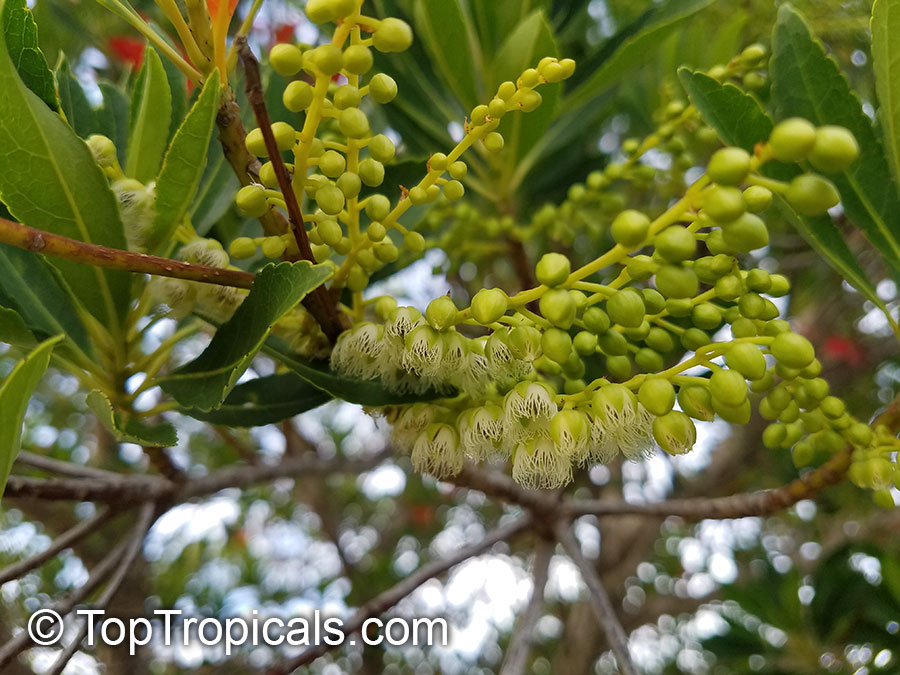
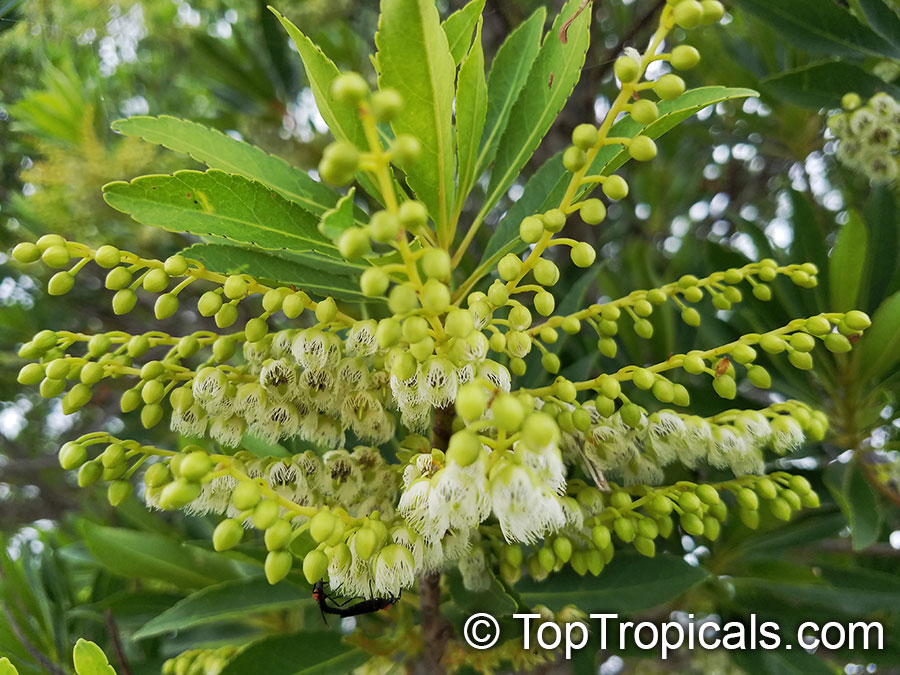
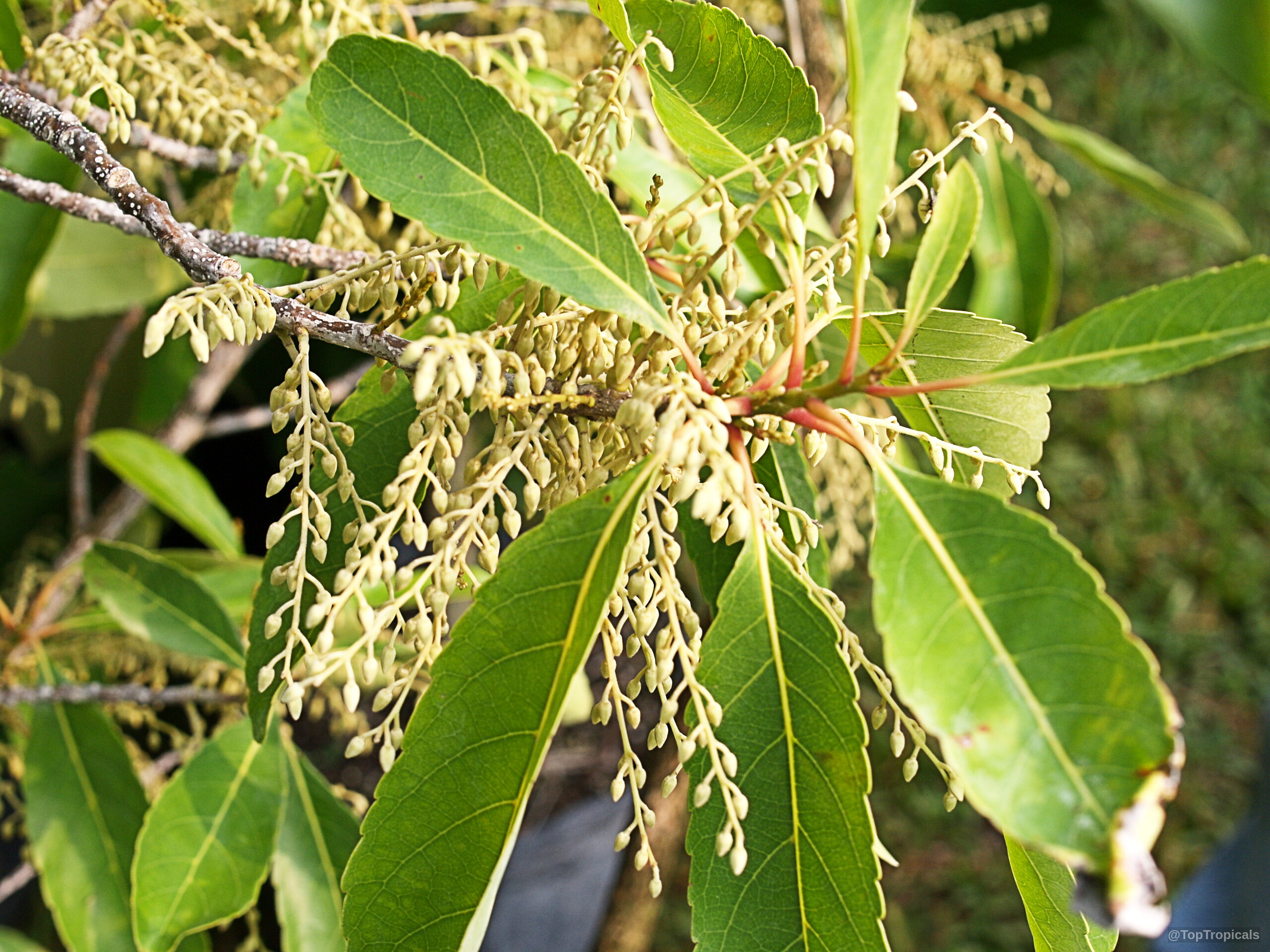
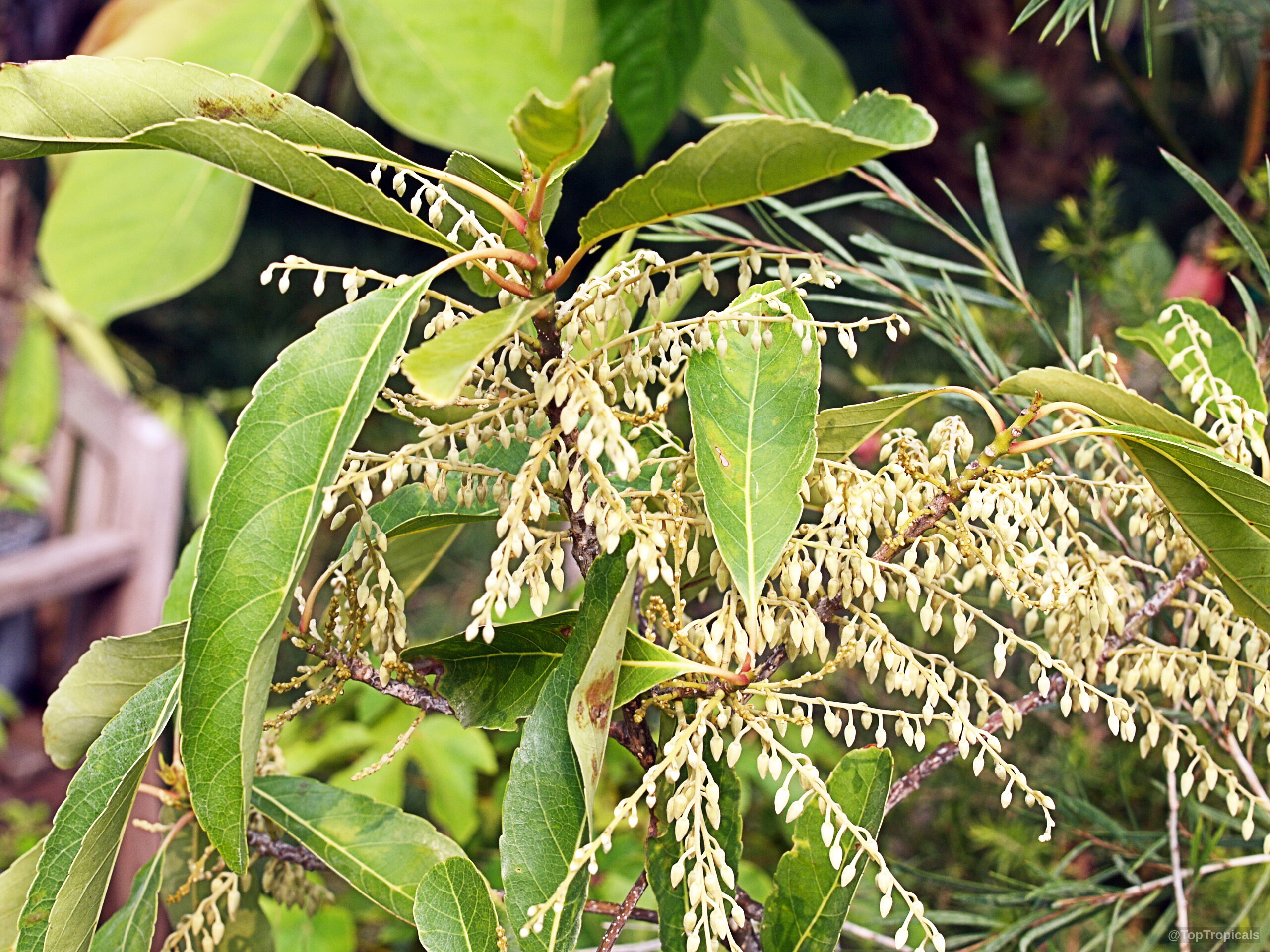
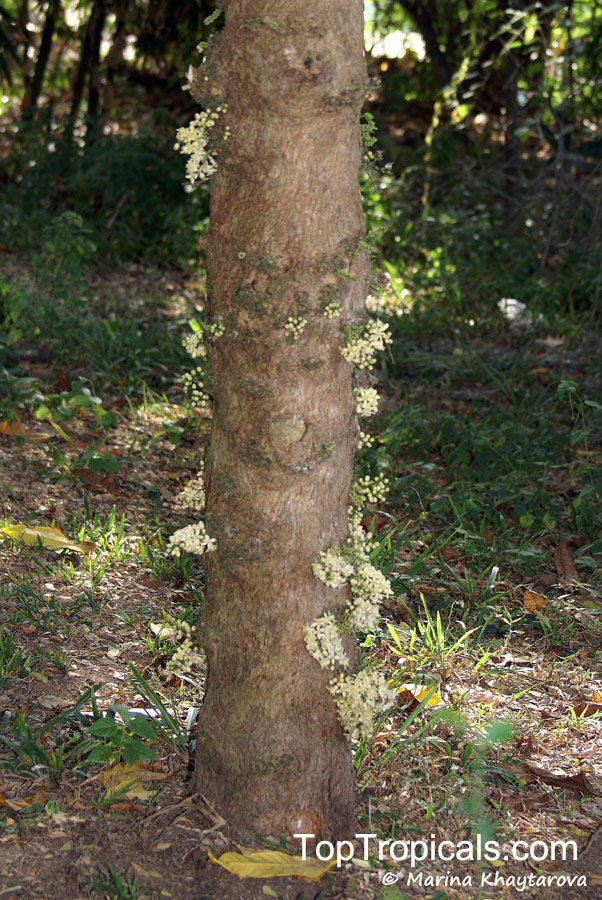
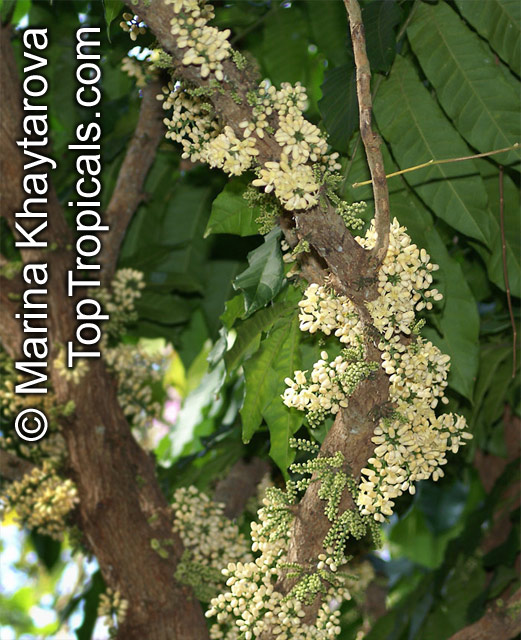
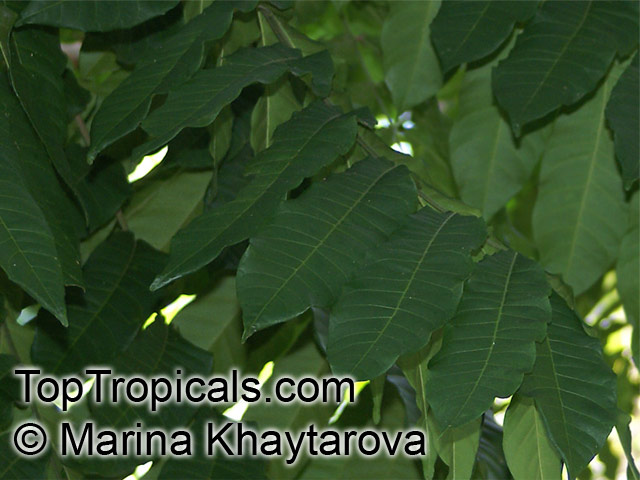
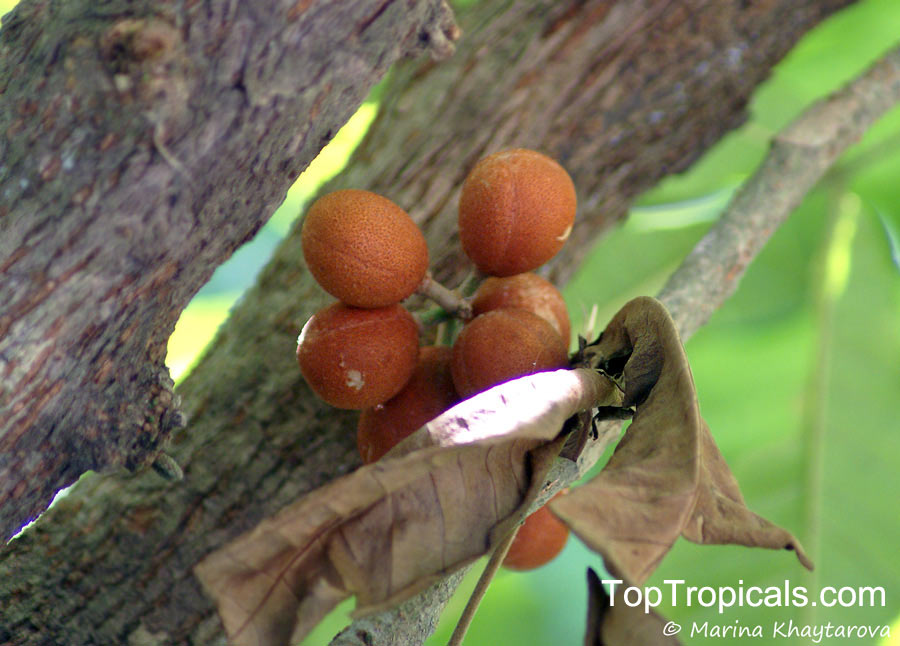
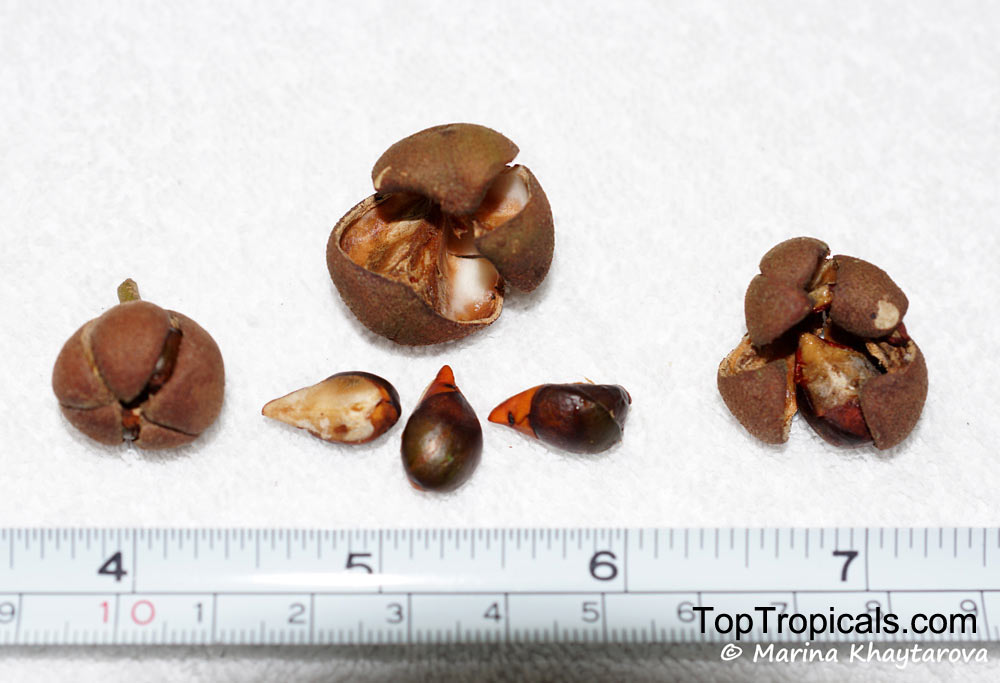
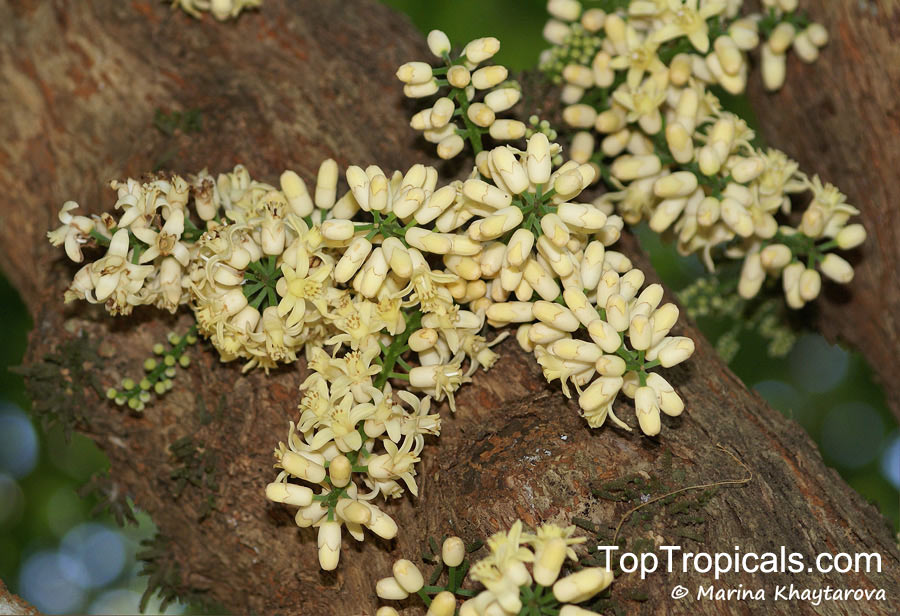
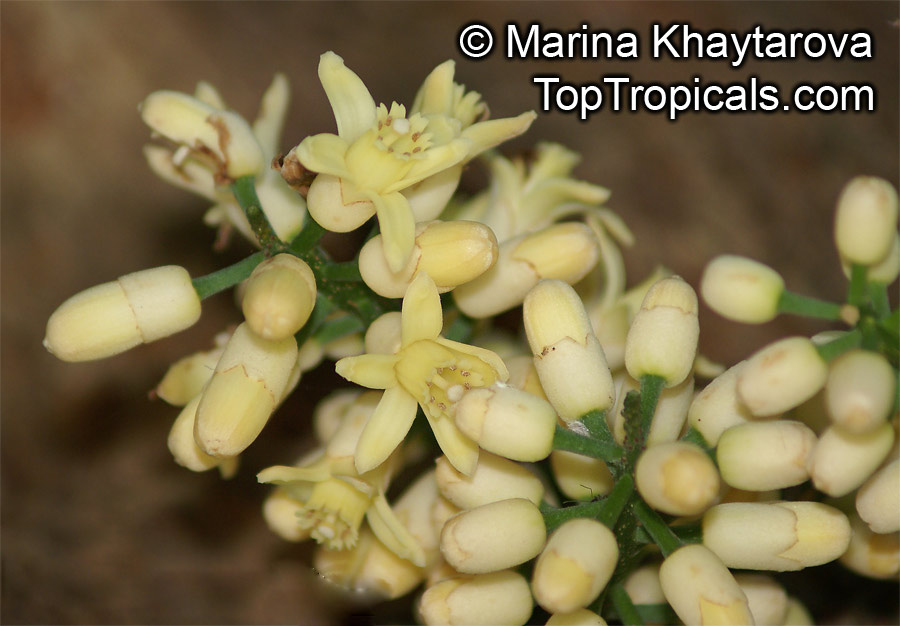
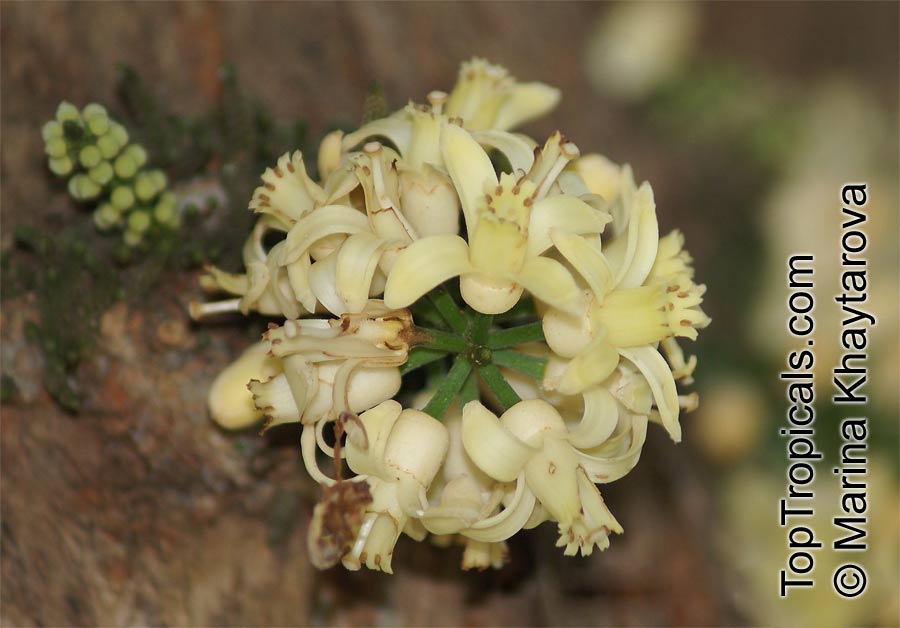
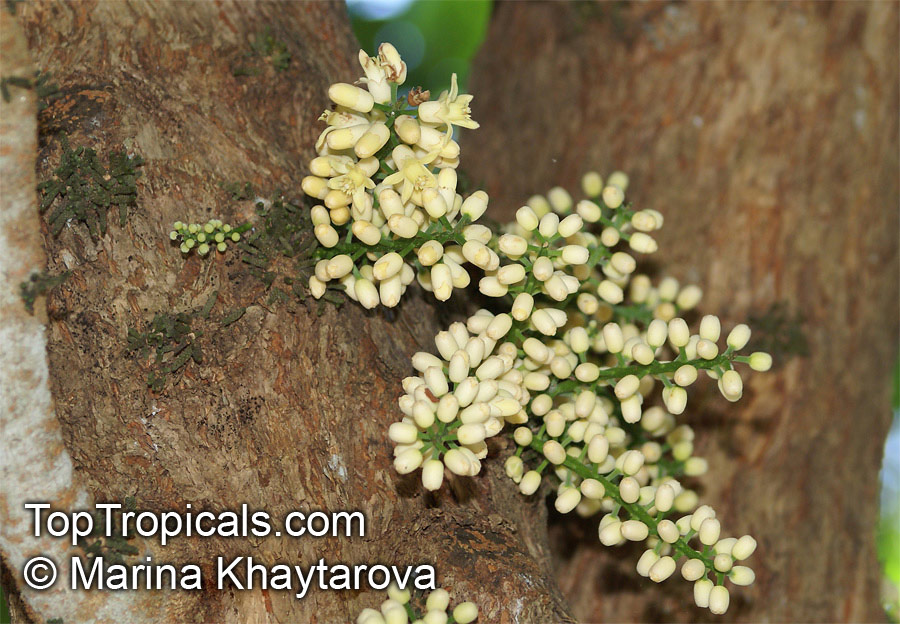
Botanical name: Dysoxylum densiflorum
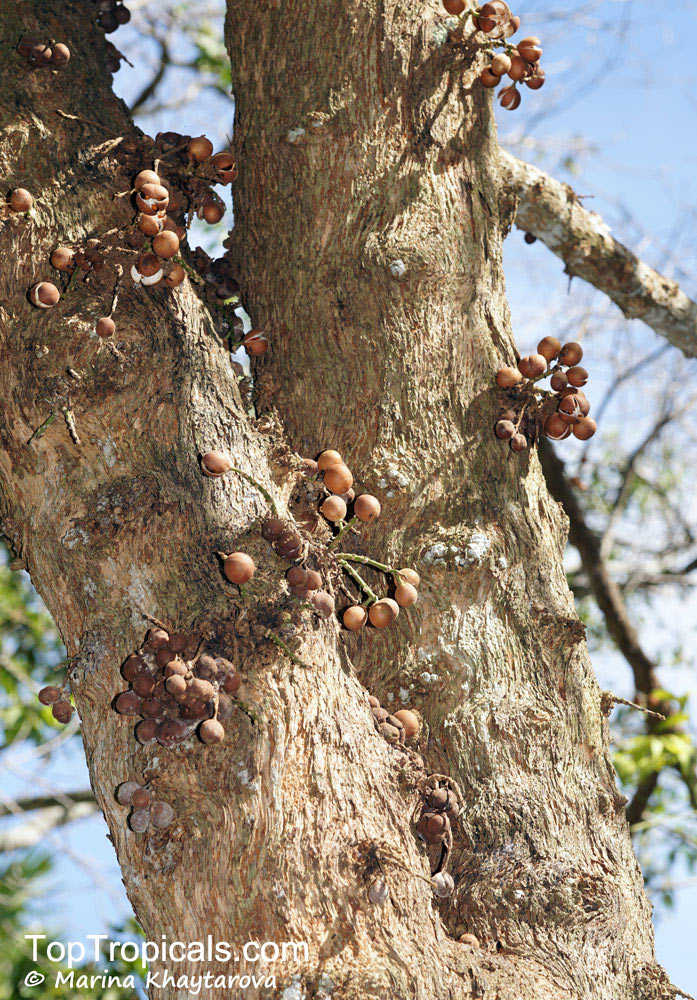
Common name: Dysoxylum
Family: Meliaceae
Origin: Southeast Asia
USDA Zone: 9-10

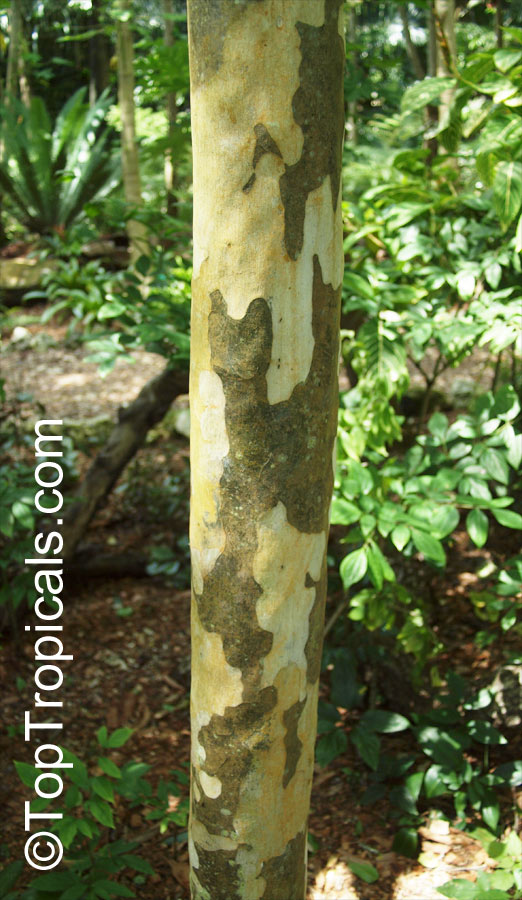
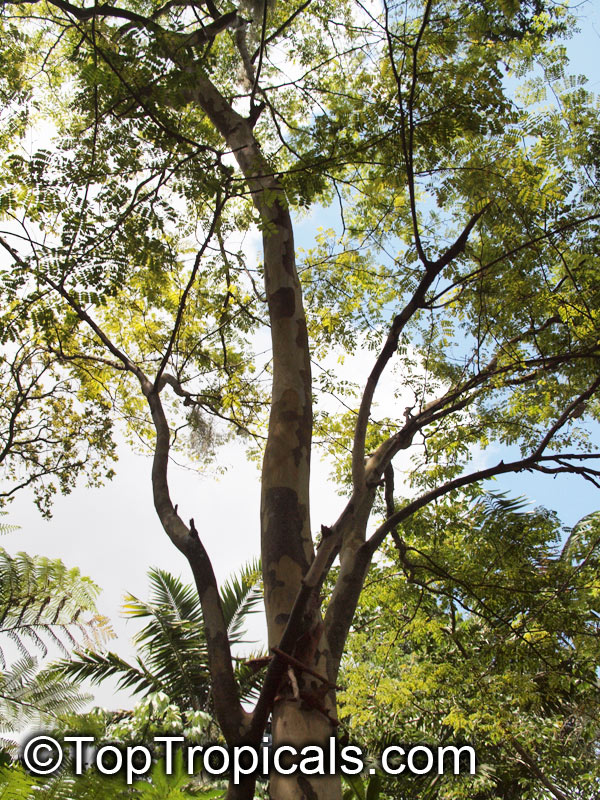
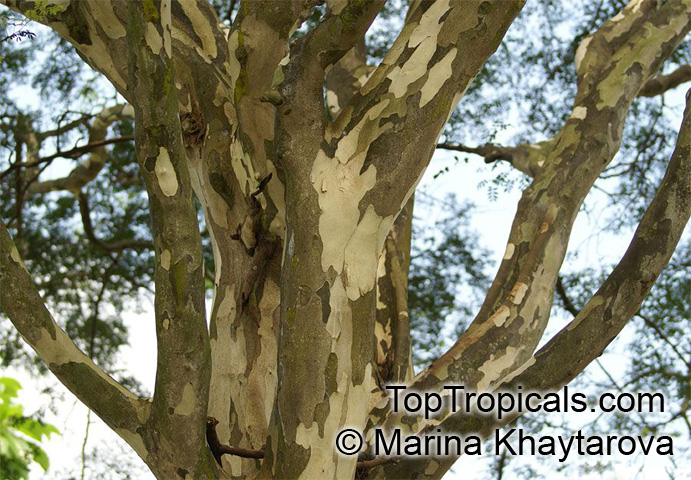
Botanical name: Caesalpinia ferrea
Common names: Brazilian Ironwood, Leopard Tree
Family: Fabaceae
Subfamily: Caesalpinioideae
Origin: Brazil
USDA Zone: 9-10
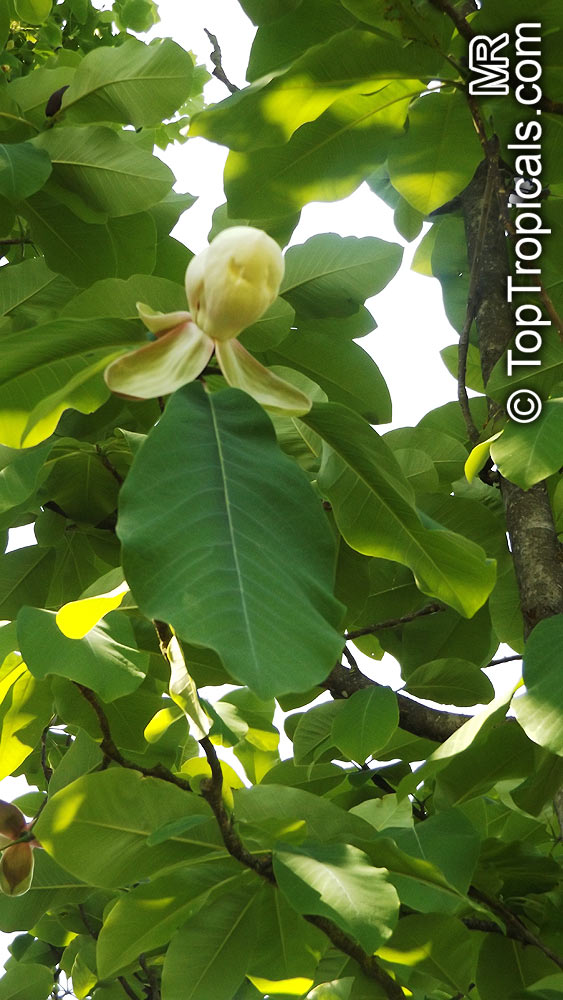
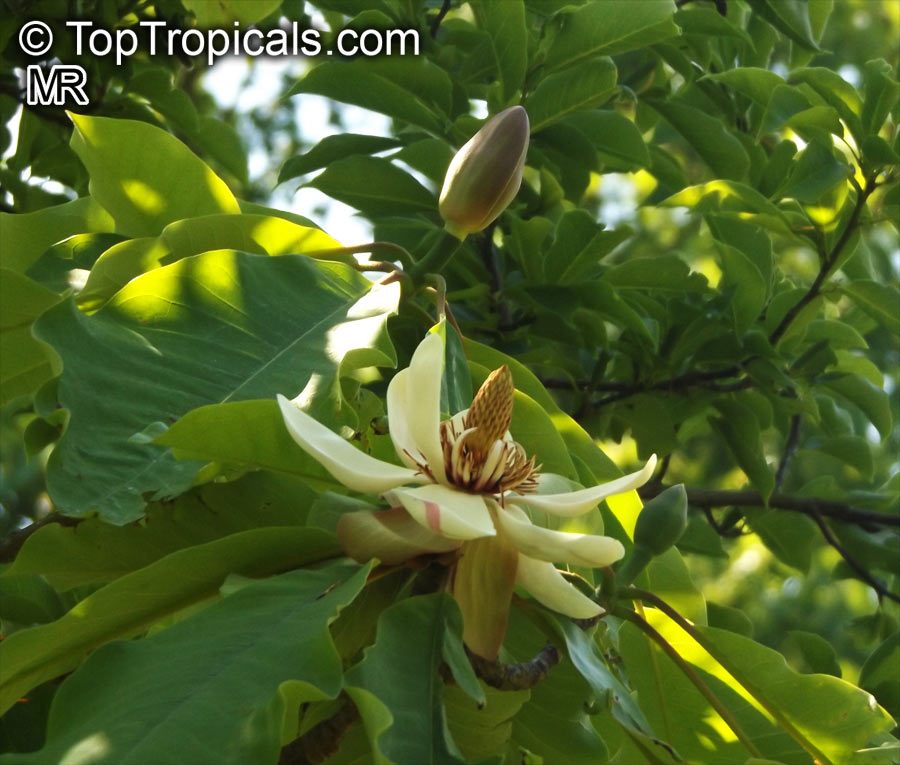
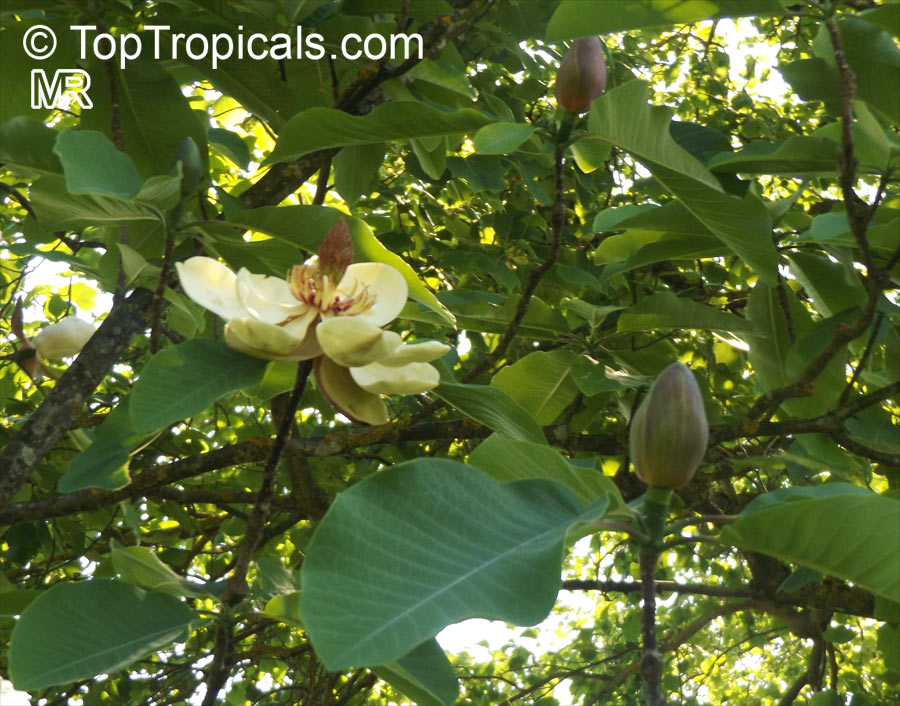
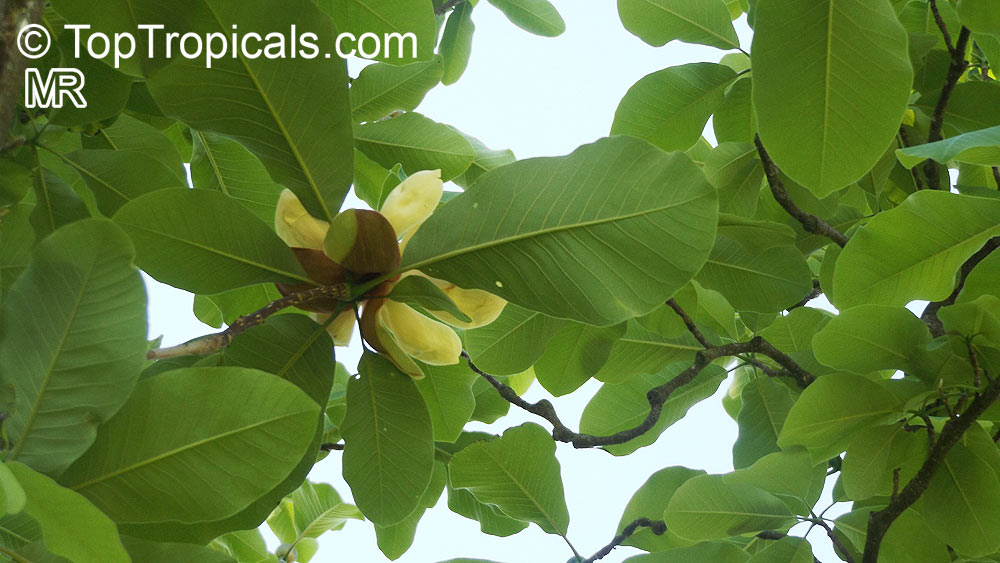
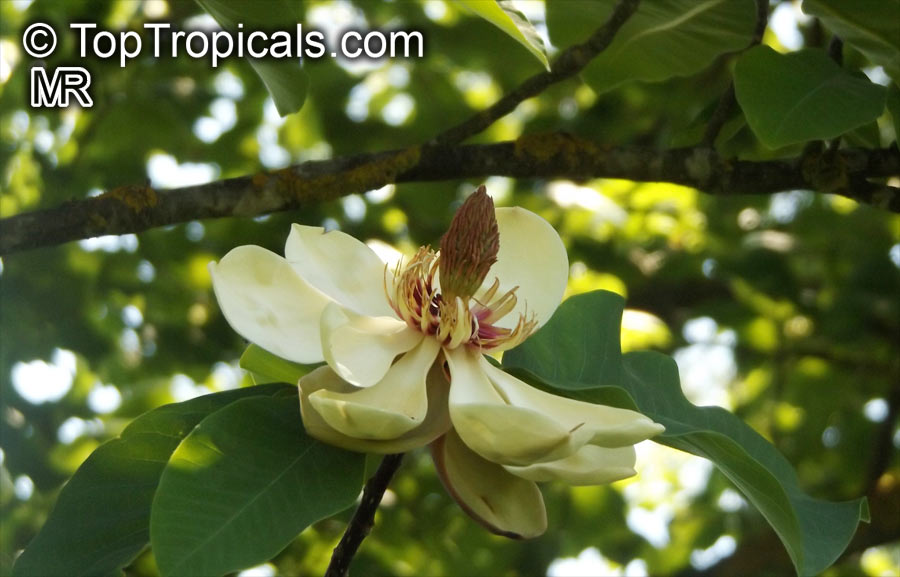
Botanical name: Magnolia obovata
Common names: Japanese Bigleaf Magnolia, Japanese Whitebark Magnolia
Family: Magnoliaceae
Origin: Japan
USDA Zone: 5-8
Cold tolerance: -10°F
Magnolia obovata is a medium-sized deciduous tree 15-30 m tall, with slate grey bark. The leaves are large, 16-38 cm (rarely to 50 cm) long and 9-20 cm (rarely 25 cm) broad, leathery, green above, silvery or greyish pubescent below. The flowers are also large, cup-shaped, 15-20 cm diameter, with 9-12 creamy, fleshy tepals, red stamens.
Leaf is sometimes used in Japan to wrap food.


| Next | |
Use link to repeat this search:
https://toptropicals.com/cgi-bin/garden_catalog/cat.cgi?search_op=and&keyword_op=and&language=e&number=10&no_change_lang=1
&v1=sem&user=tt&sale=1&first=0