Palm or palm-like plant - Plant Encyclopedia Results
| Number of plants found: 186 | Next | 
|
Go to page: | 1 | 2 | 3 | 4 | 5 | Last |
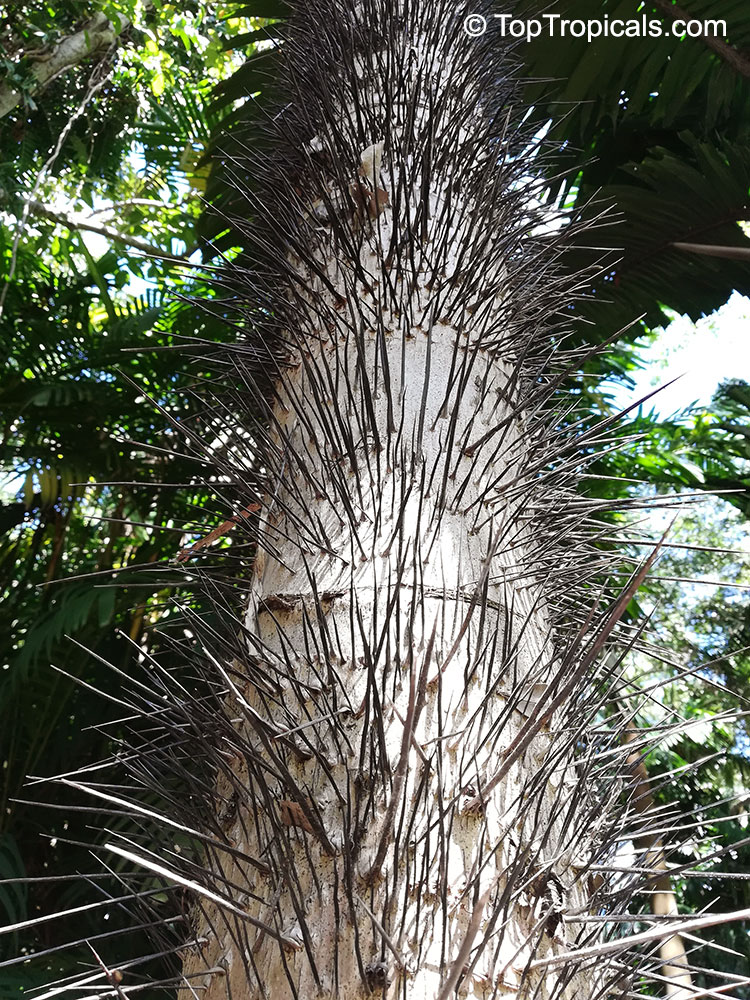
Botanical names: Cryosophila stauracantha, Cryosophila argentea, Cryosophila bifurcata
Common name: Rootspine Palm
Family: Arecaceae / Palmae
Origin: Mexico
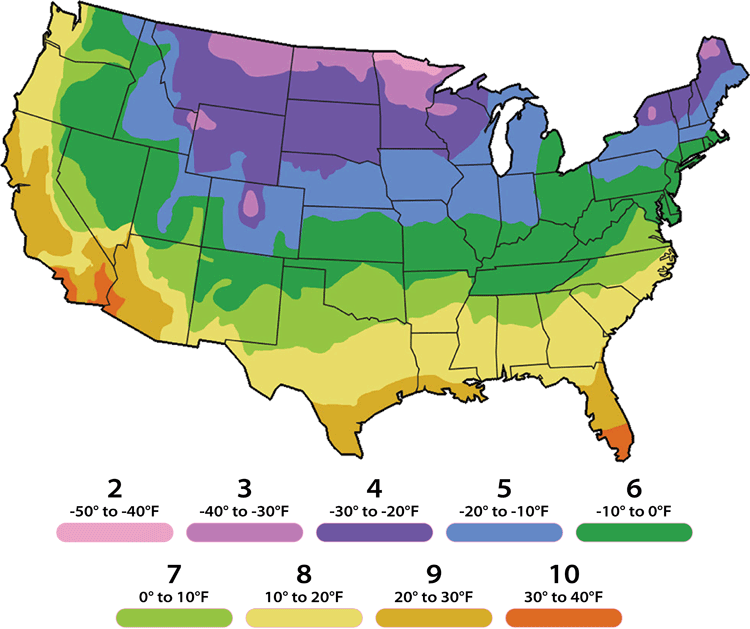
USDA Zone: 9-10


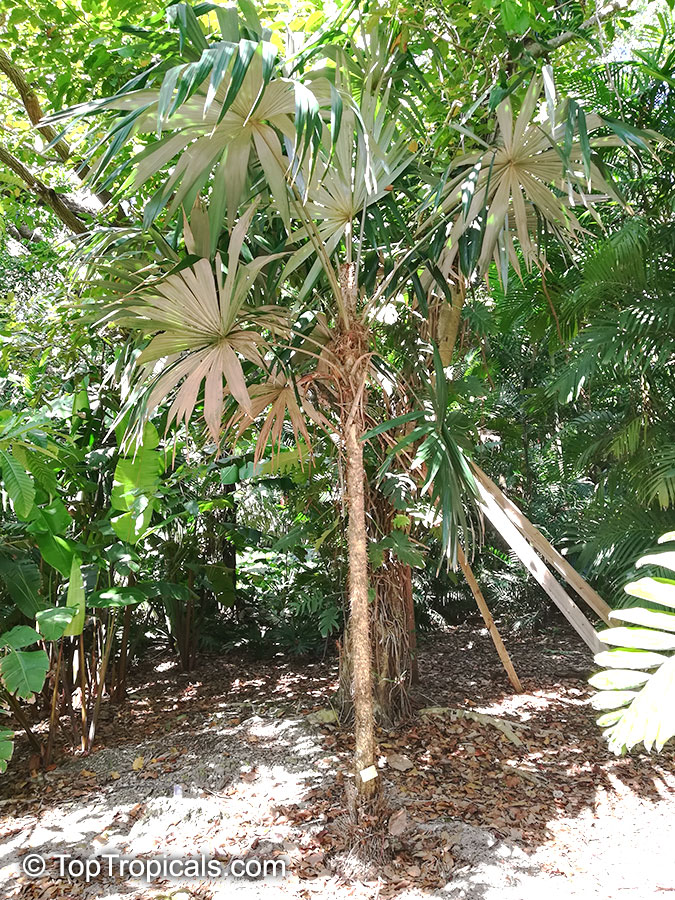
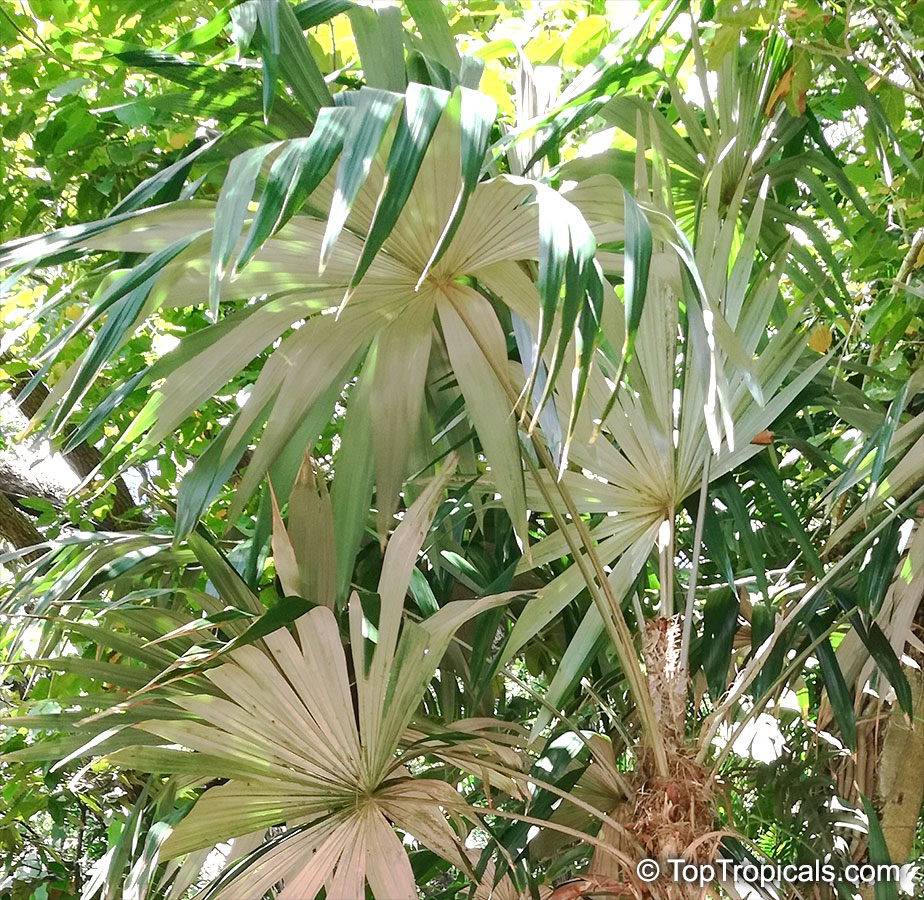
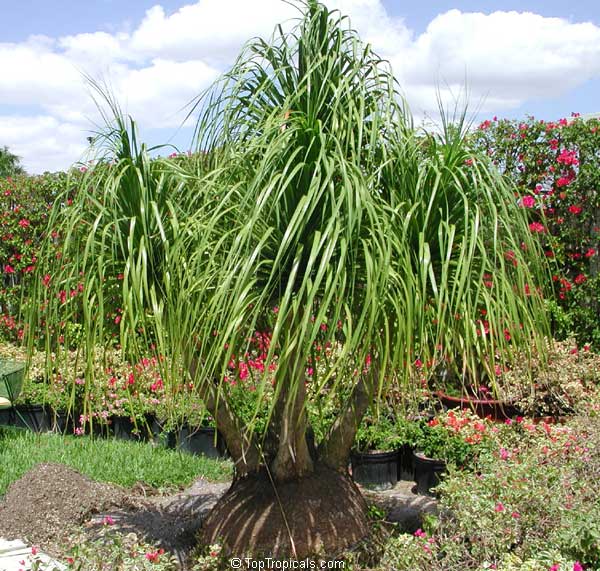
Botanical name: Beaucarnea guatemalensis
Common names: Red Ponytail Plant, Guatemala Pony Tail
Family: Asparagaceae (Formerly:Dracaenaceae / Liliaceae / Agavaceae)
Subfamily: Nolinoideae
Origin: Guatemala
USDA Zone: 10-11


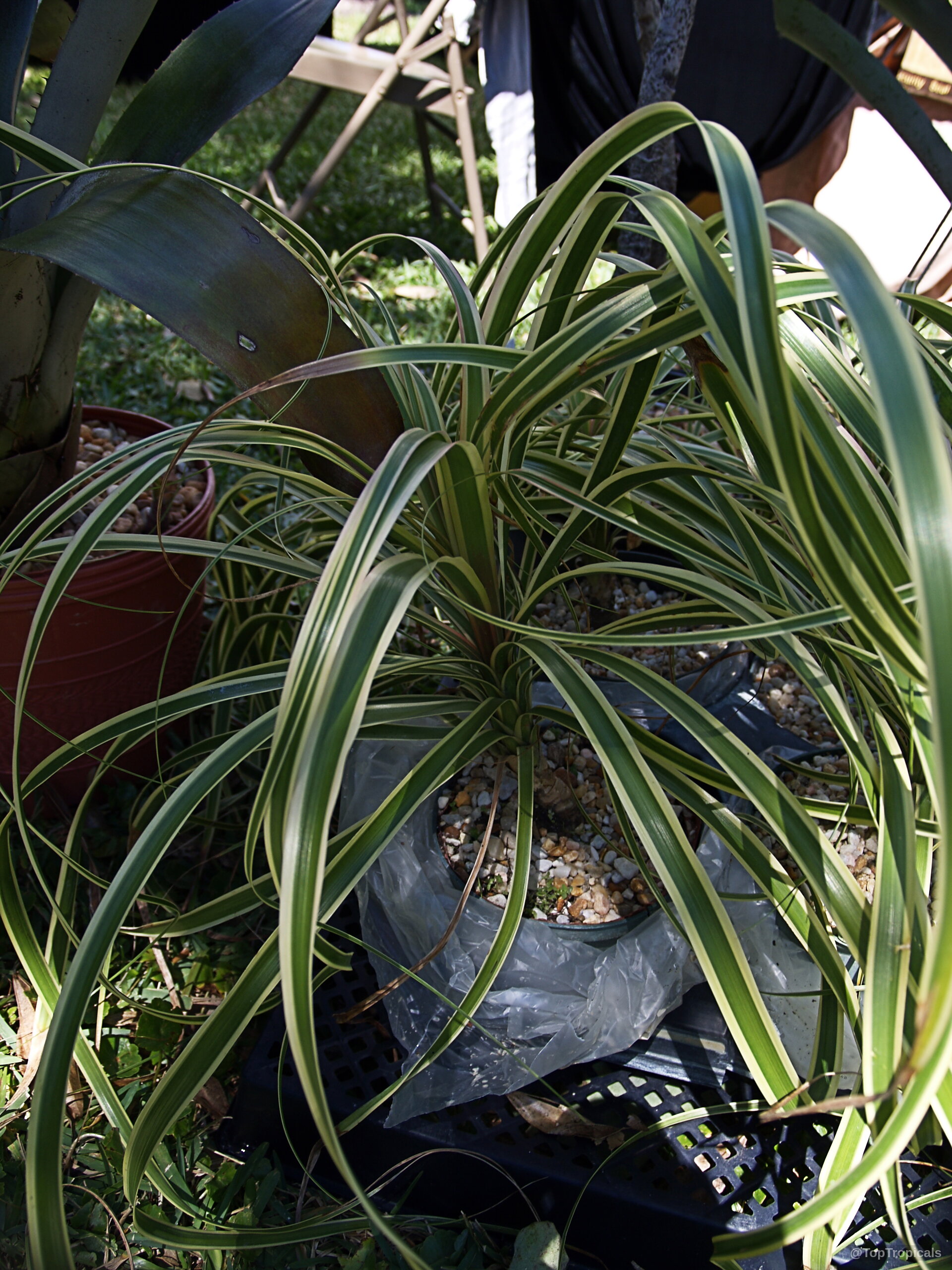
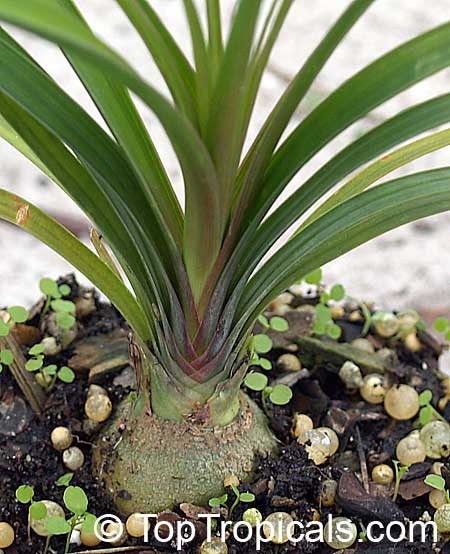
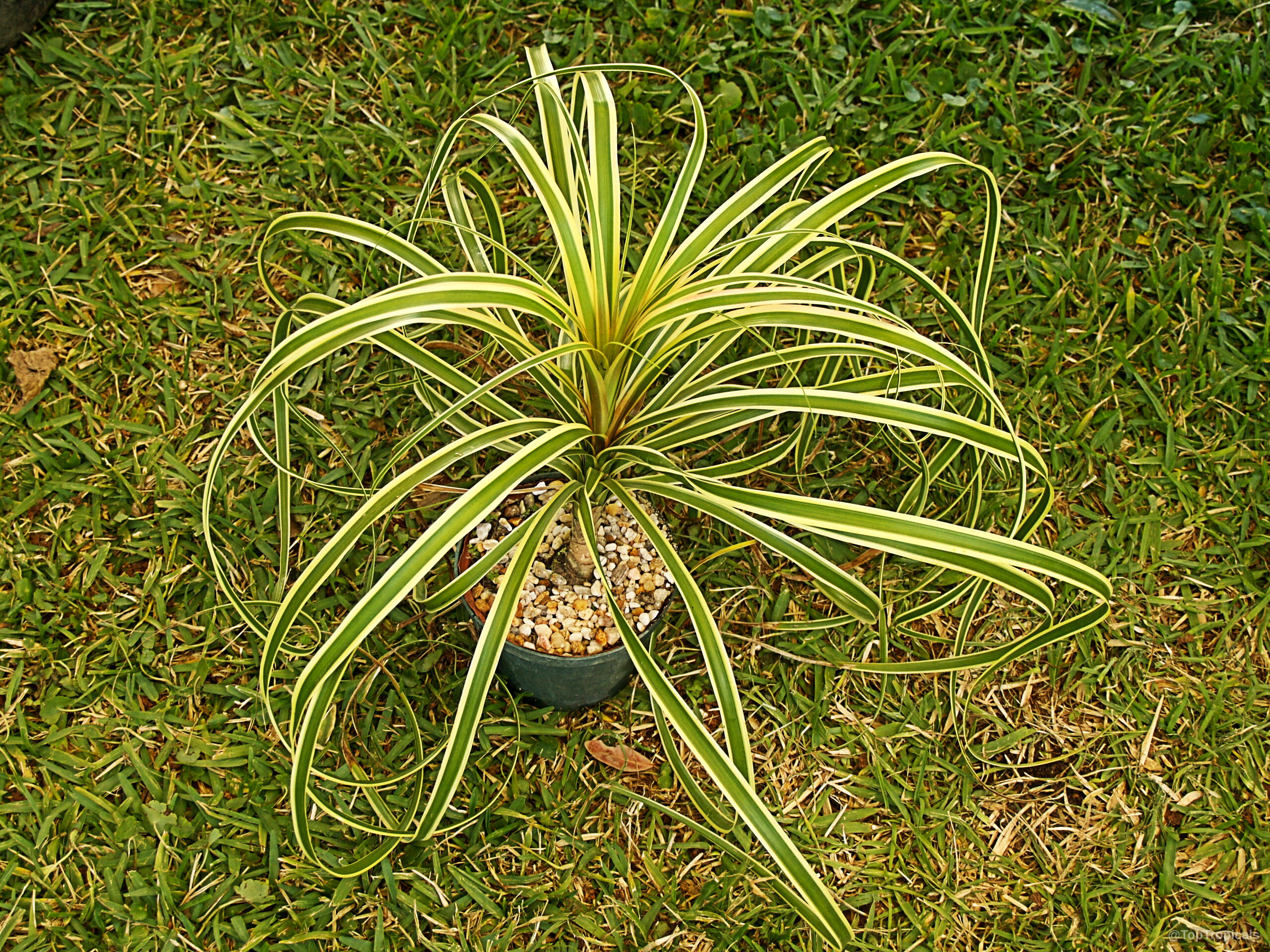
The Guatemala Ponytail is a succulent which features a swollen base. As the plant matures, this base swells up. The crown of the trunk is a rosette of long ribbon-like leaves. The leaves grow in one plain when the plant is young. Beaucarnea guatemalensis can grow up to 15 ft tall and the base may swell to 12 ft wide. Can be grown in a pot as a nice bonsai.
Closely related species - Beaucarnea recurvata.



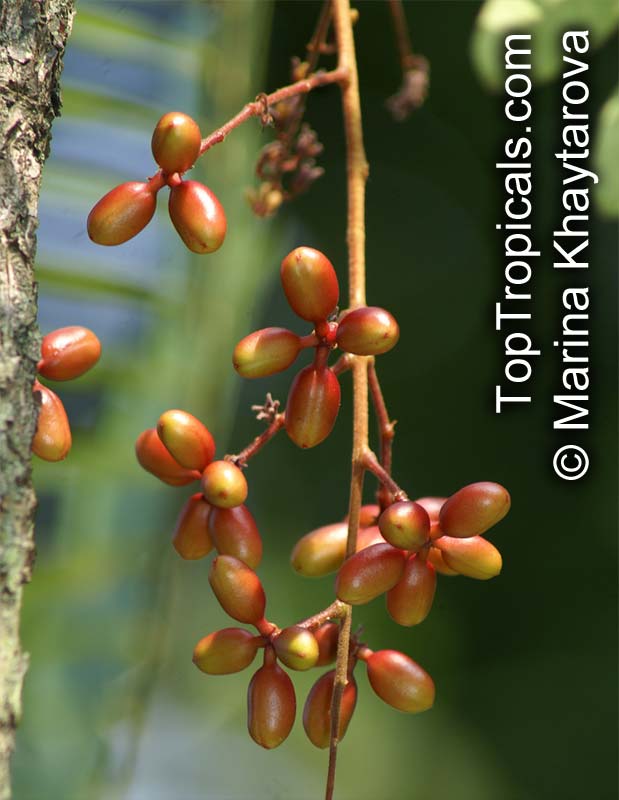
Botanical name: Eurycoma longifolia
Common names: Ali's Umbrella, Long Jack, Malaysian Ginseng, Pasak Bumi, Tongkat Ali
Family: Simaroubaceae
Origin: Malaysia, Borneo, Sumatra
USDA Zone: 9-10


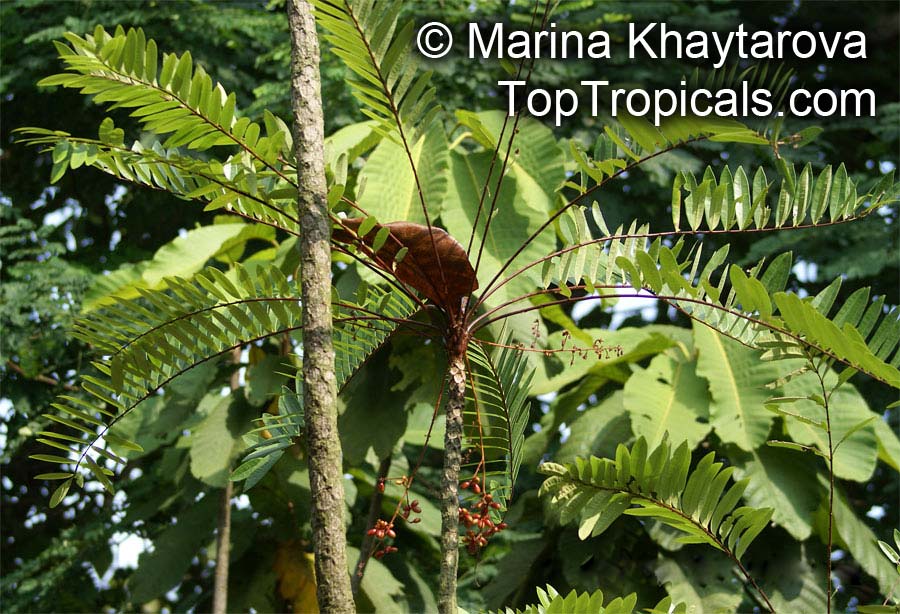
Eurycoma longifolia is a small, evergreen tree with spirally arranged, pinnate leaves 20-40 cm (8-16 inches) long with 13-41 leaflets. The flowers are dioecious, with male and female flowers on different trees; they are produced in large panicles, each flower with 5-6 very small petals. The fruit is green ripening dark red.
The plant parts have been traditionally used for its antimalarial, aphrodisiac, anti-diabetic, antimicrobial and antipyretic activities.
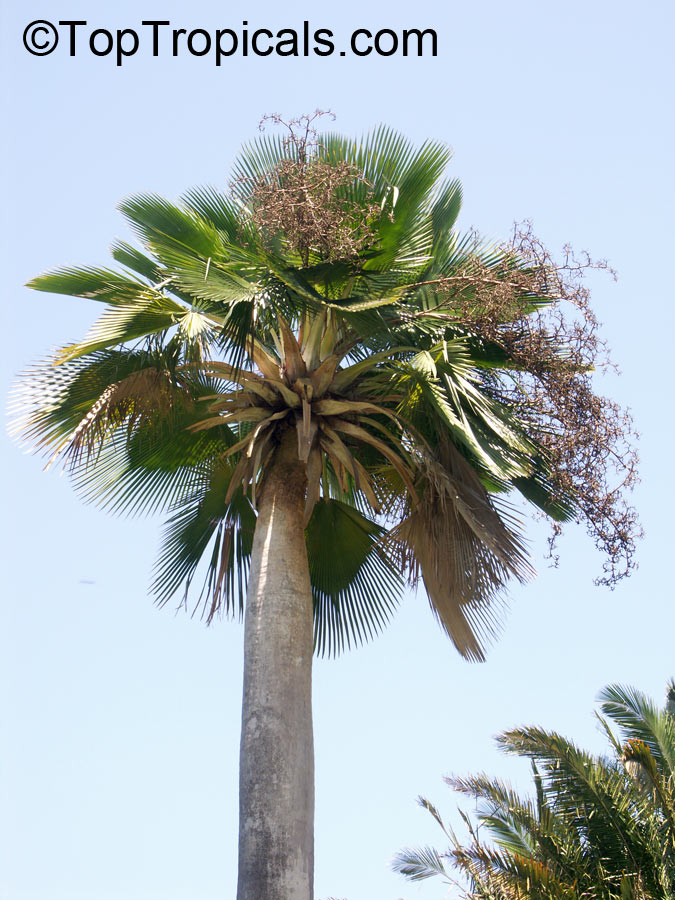
Botanical name: Copernicia baileyana
Common names: Bailey Palm, Yarey Palm
Family: Arecaceae / Palmae
Origin: Cuba
USDA Zone: 9-10
This unique palm has a large crown with dense and numerous fan shaped leaves that curve upward, like a smile growing from the petiole (leaf stem). The leaves of Bailey Palm are about 5 ft (1.5 m) across, and have a thin waxy coating. The dark brown fruit is round and about 1 in (2.5 cm) in diameter.
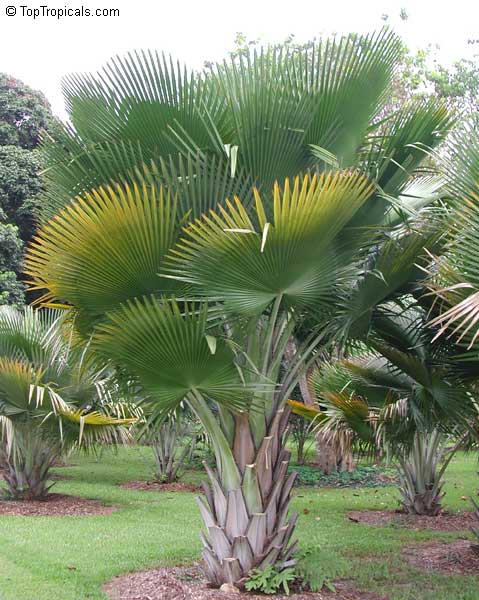
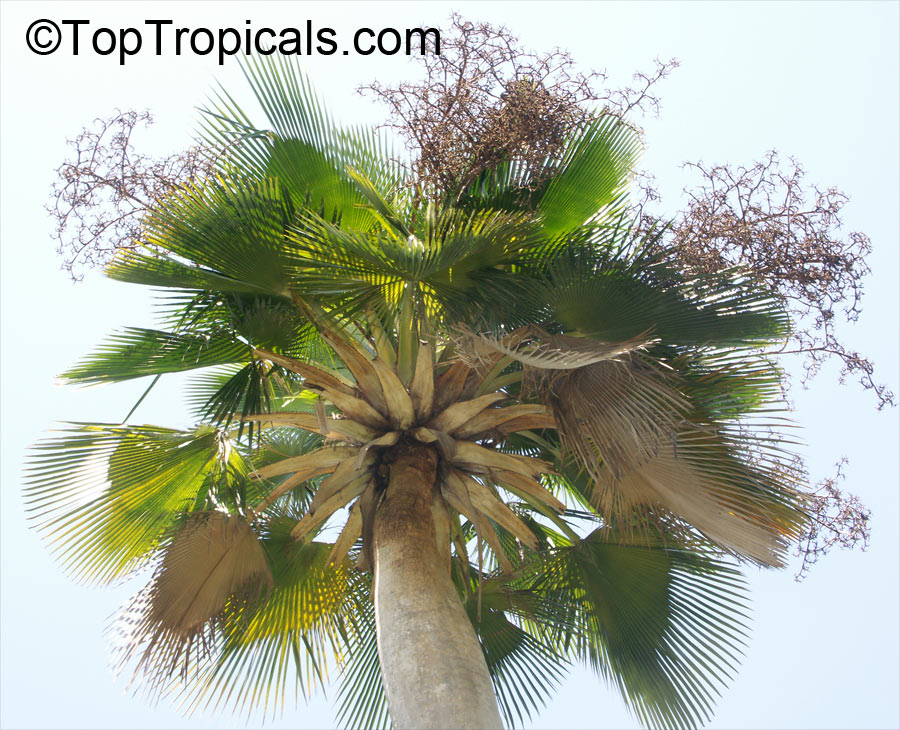
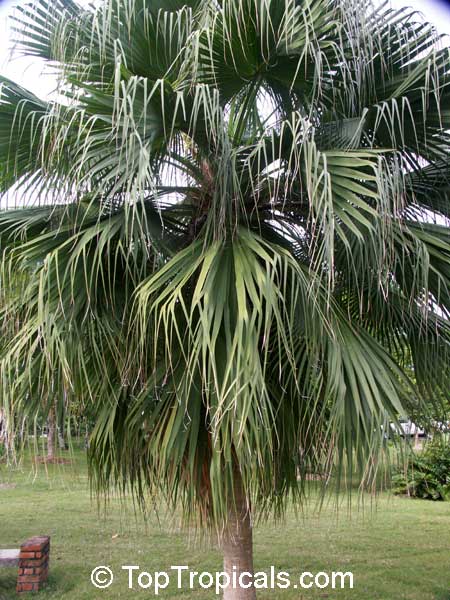
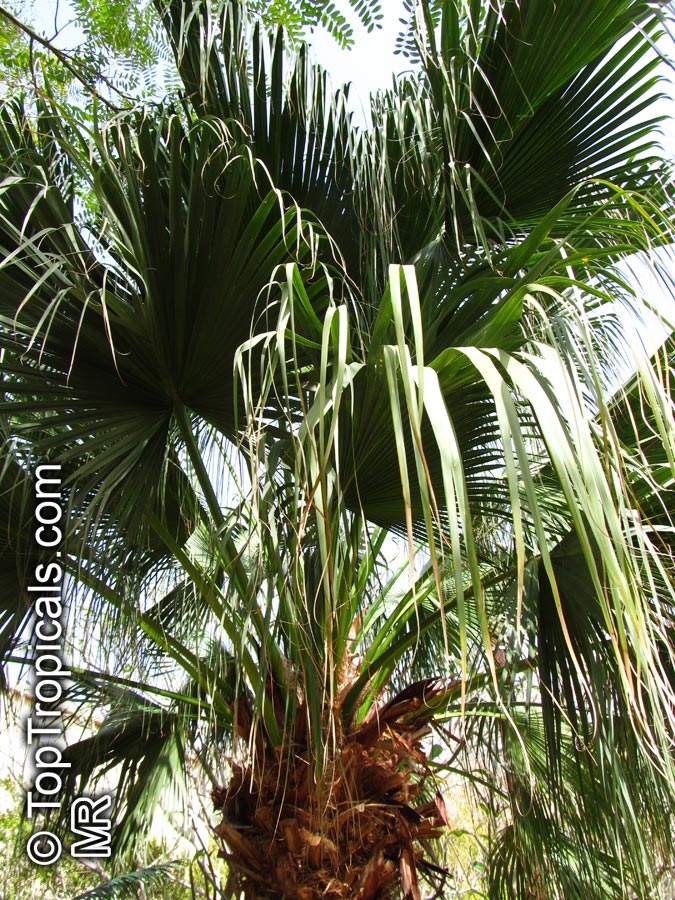
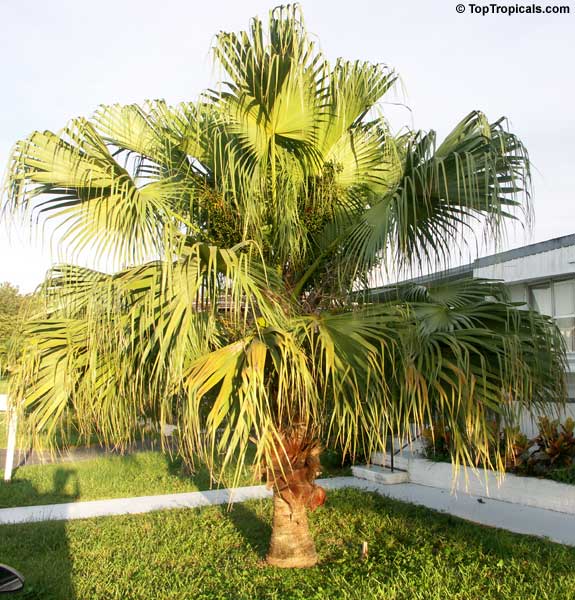
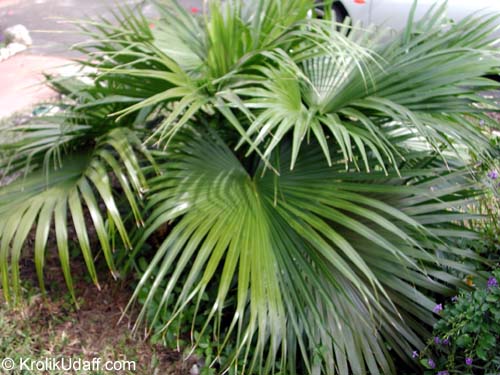
Botanical name: Livistona chinensis
Common names: Chinese Fan, Chinese Fountain Palm
Family: Arecaceae / Palmae
Origin: China, Southern Japan, Taiwan
USDA Zone: 9-11
A popular container palm which can also be used as an attractive landscape tree. Younger plants require partial shading.
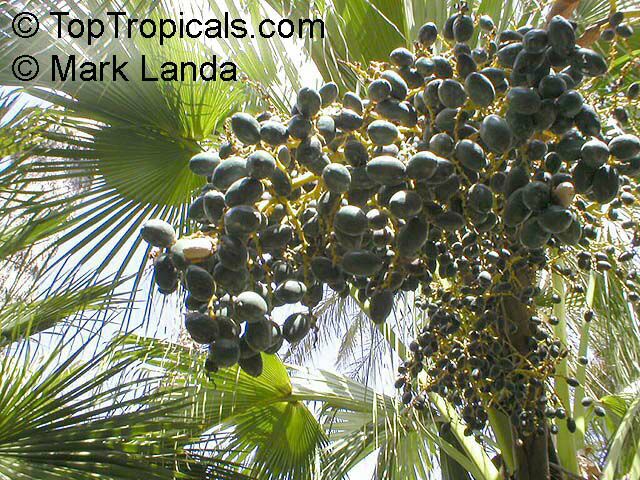
The large bright green fan-shaped leaves are deeply divided into about 75 segments that droop downward to give a gracefully fountain-like aspect inspiring its common name Chinese fountain palm. These leaves may grow up to 5 ft in diameter and form a dense canopy on a solitary brown trunk that bleaches to gray on older specimens. Trunks grow to about 18" in diameter and are wider at the base. This palm is occasionally seen in Florida, slowly growing to a height of 30 ft. Flowers are borne on 6 ft inflorescences hidden within the crown and are followed by oval or round seeds that turn dark blue to blue-gray when ripe.
This palm is increasingly popular for use in landscapes in Florida, California and other warm temperate climates.
Chinese fan palm is not particular about soil. Fertilize twice a year in spring and summer with a good quality slow release fertilizer that contains micro-nutrients.
Likes direct sun and bright situations. Young plants look better when grown in part shade.
This palm forms a long tap root and can survive extended periods of drought. Provide adequate moisture for more rapid growth.
Hardiness: USDA Zones 9 - 11. Sheltered under live oak trees, these specimens routinely survive temperatures in the mid twenties with no ill effect. They have survived temperatures as low as 15 degrees which burnt the leaves but they recovered. They also seem resistant to the fungus diseases that attacked other "semi-hardy" palms after sustaining cold damage.
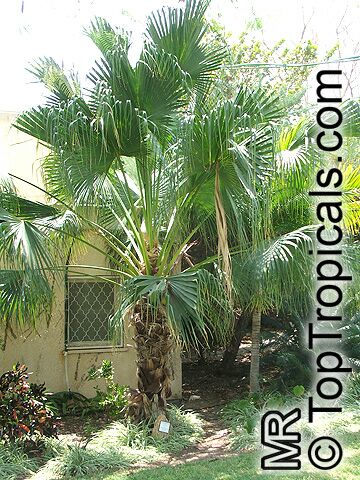
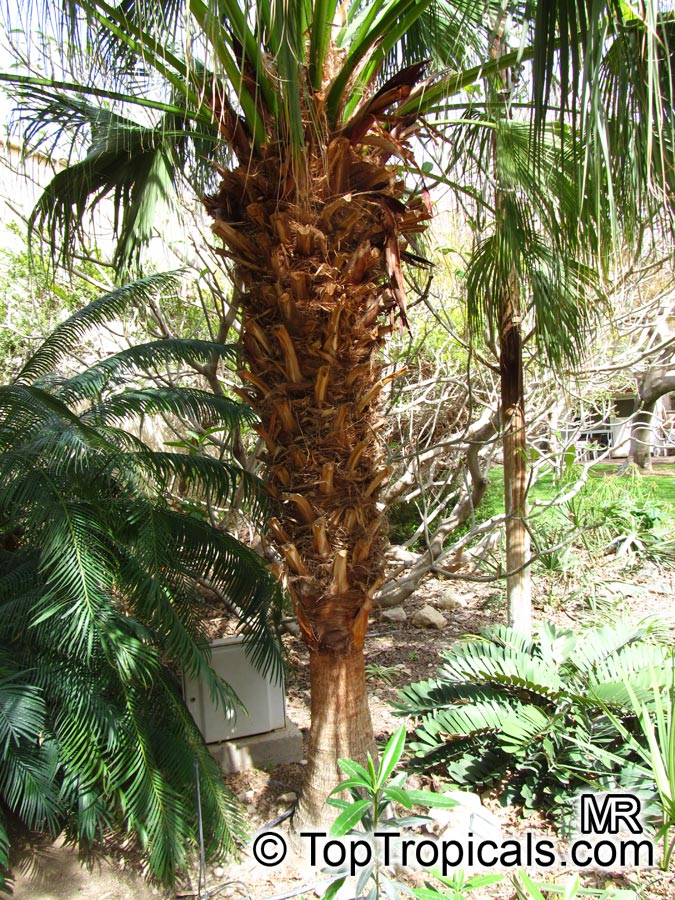



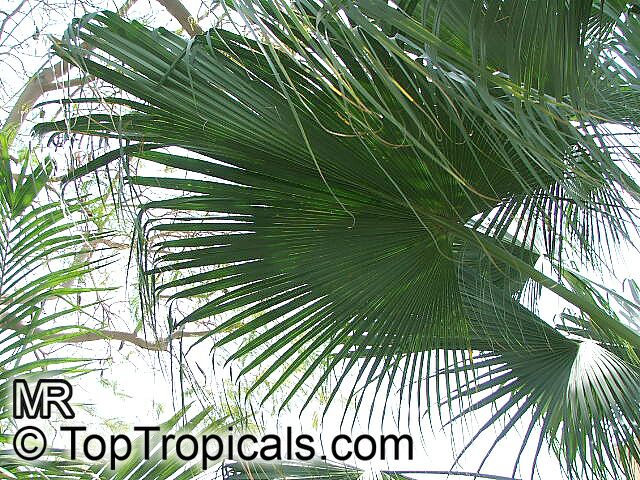
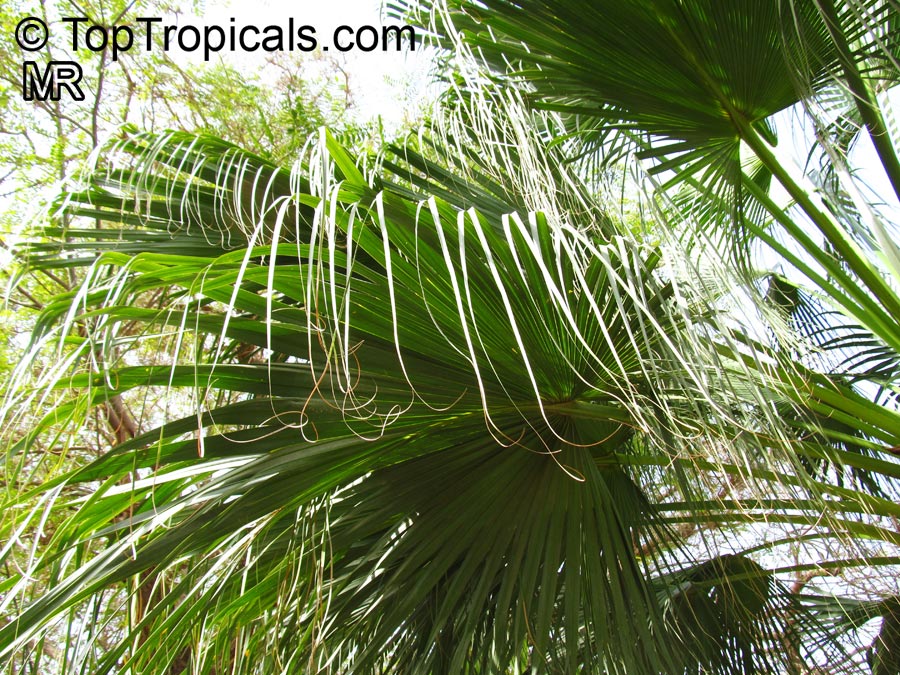
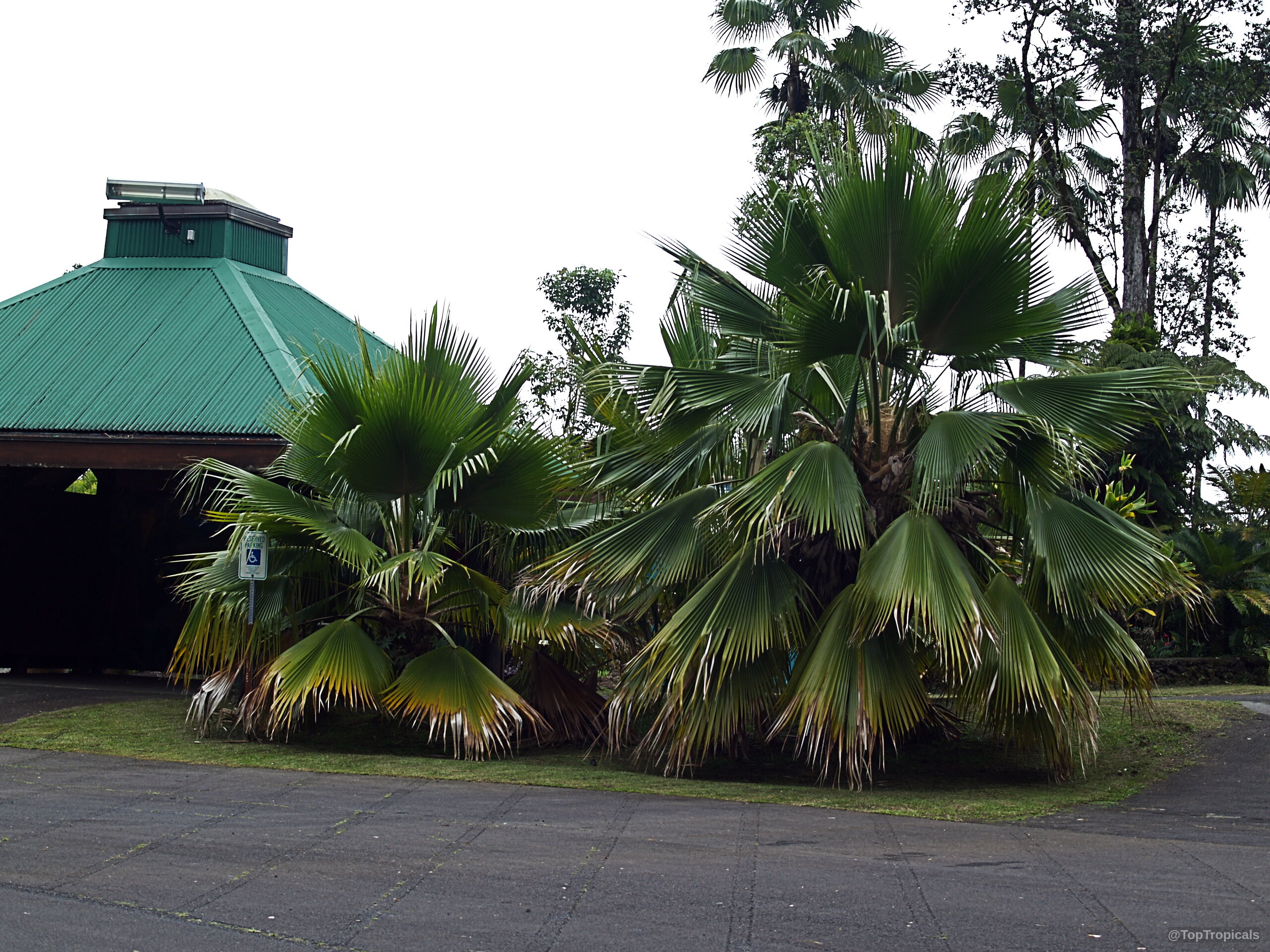

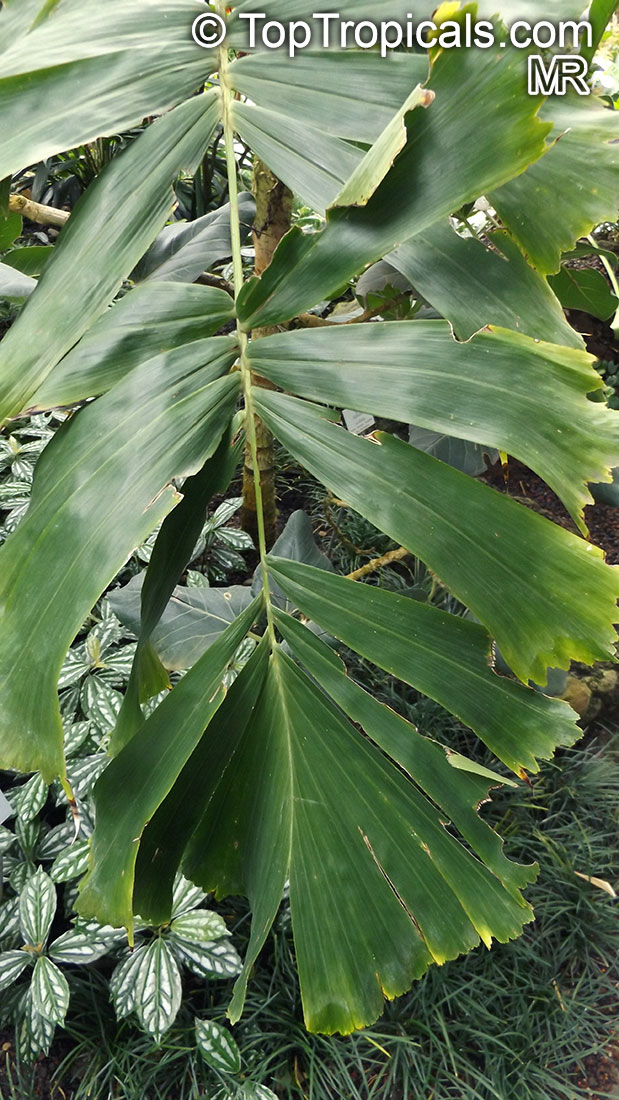
Botanical names: Aiphanes horrida, Aiphanes aculeata, Aiphanes caryotifolia, Martinezia truncata
Common names: Devil Palm, Ruffle Palm, Spine Palm
Family: Arecaceae / Palmae
Origin: Trinidad and Tobago
USDA Zone: 9-10

This very different dwarf palm from South America, has attractive spines all over it and fabulous, gracefully arching leaves, covered with white powder, with long, wavy, closely- spaced leaflets. The fragrant flowers produce clusters of red fruit making it ideal for conservatory or a warmer garden where it can actually stand occasional, but not hard freezing.
A solitary, showy spiny small tree. In the wild it grows 9-15 feet tall with a stem diameter of 2-4 inches. The epicarp and mesocarp of the fruit are rich in carotene and are eaten in Colombia, while the seeds are used to make candles.
The range of the species is found in forests of Bolivia, Brazil, Colombia, Peru, Trinidad and Tobago and Venezuela. The species is cultivated as an ornamental throughout the tropics.
Also known as Devil Palm, Corozo, Cocos rura, Mararay, Corozo, Macaguita, Marara, Macahuite, Corozo del Orinoco, Corozo anchame, Mararava, Cubarro, Chonta, Chascaraza, Charascal, Corozo chiquito, Corozo colorado, Pujamo, Gualte, Chonta ruro, Pupunha xicaxica, Coyure palm, Ruffle palm, Aculeata palm and Spine palm.
Scientific Synonyms - Caryota horrida, Aiphanes aculeata, Euterpe aculeata, Martinezia aculeata, Martinezia caryotifolia, Marara caryotifolia, Aiphanes caryotifolia, Tilmia caryotifolia, Bactris premorsa, Aiphanes premorsa, Martinezia truncata, Aiphanes truncata, Martinezia elegans, Aiphanes elegans, Marara bicuspidata, Martinezia ernestii, Aiphanes ernestii, Martinezia killipii, Aiphanes killipii, Aiphanes orinocensis.
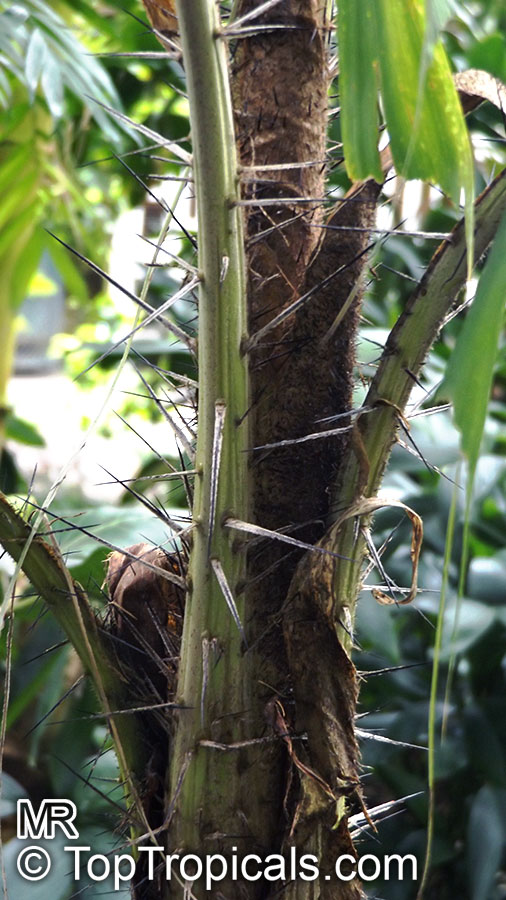
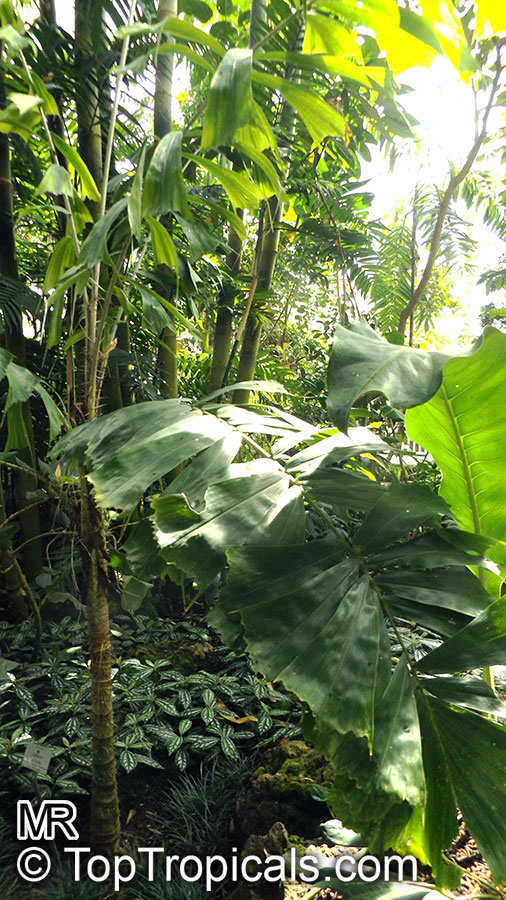
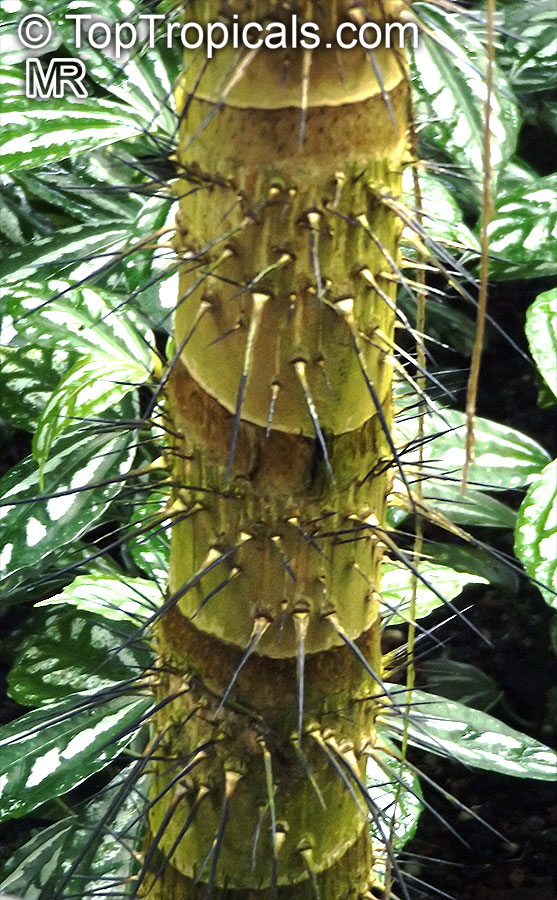
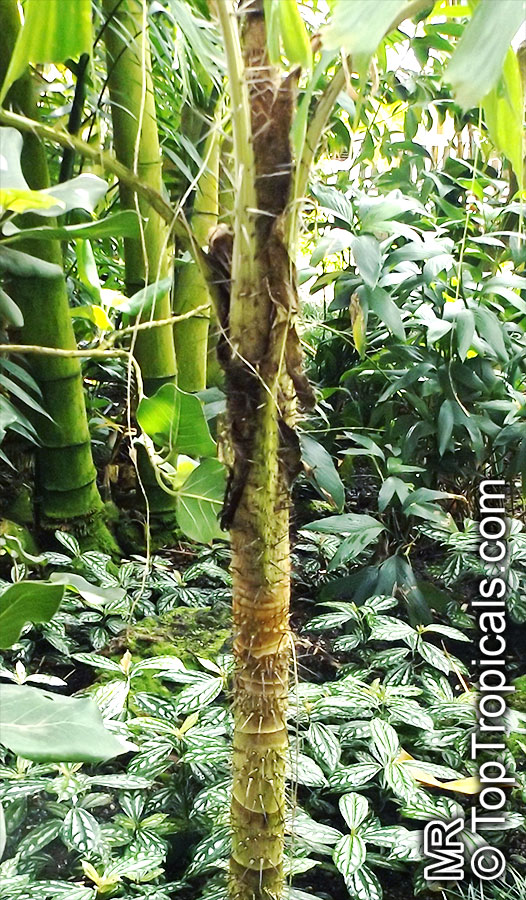
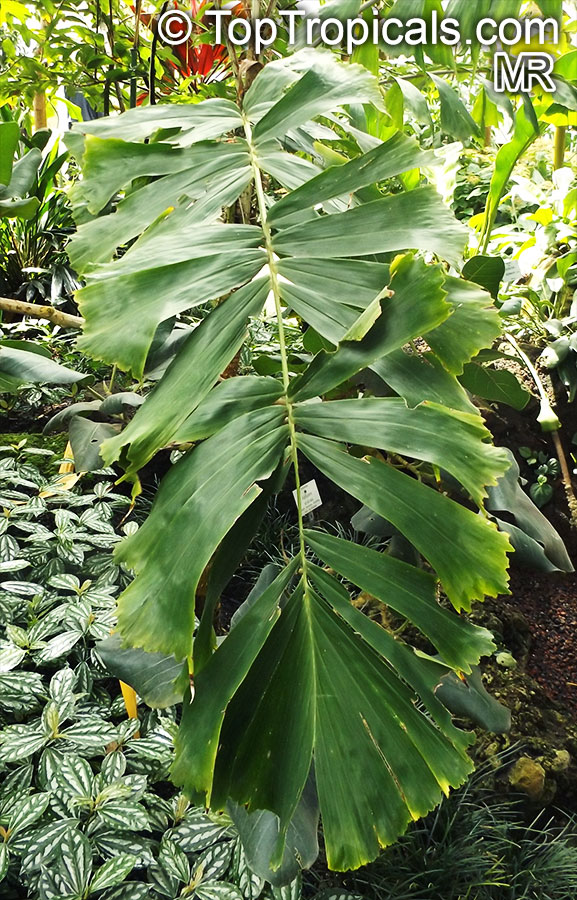
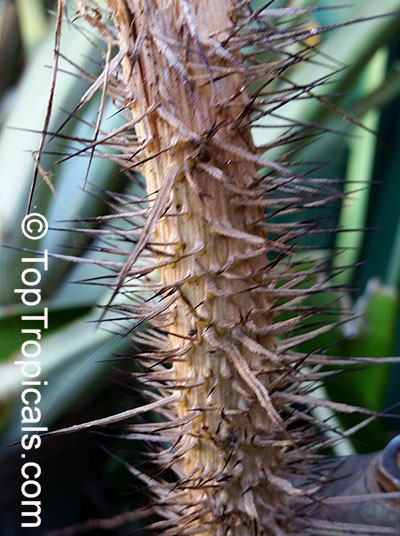
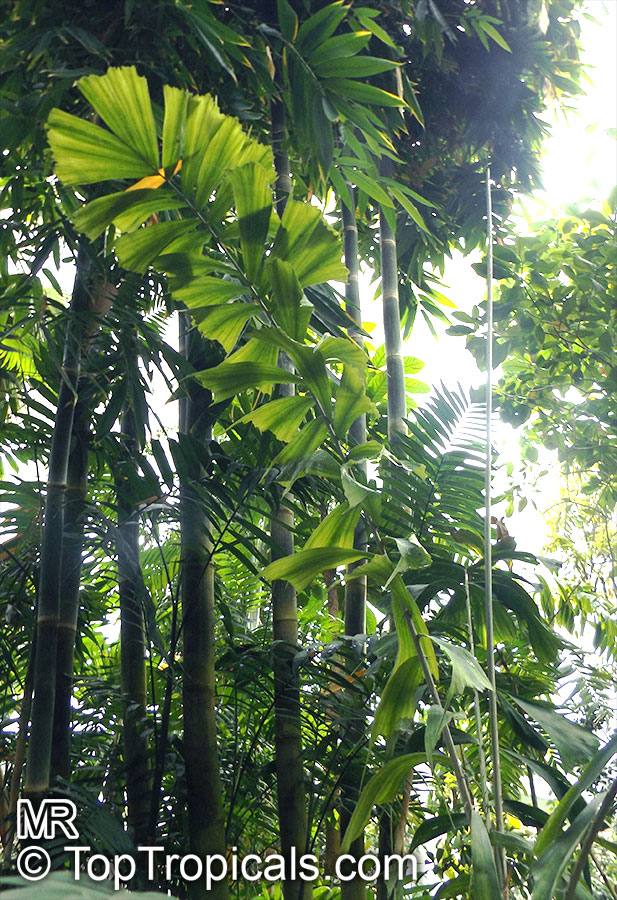
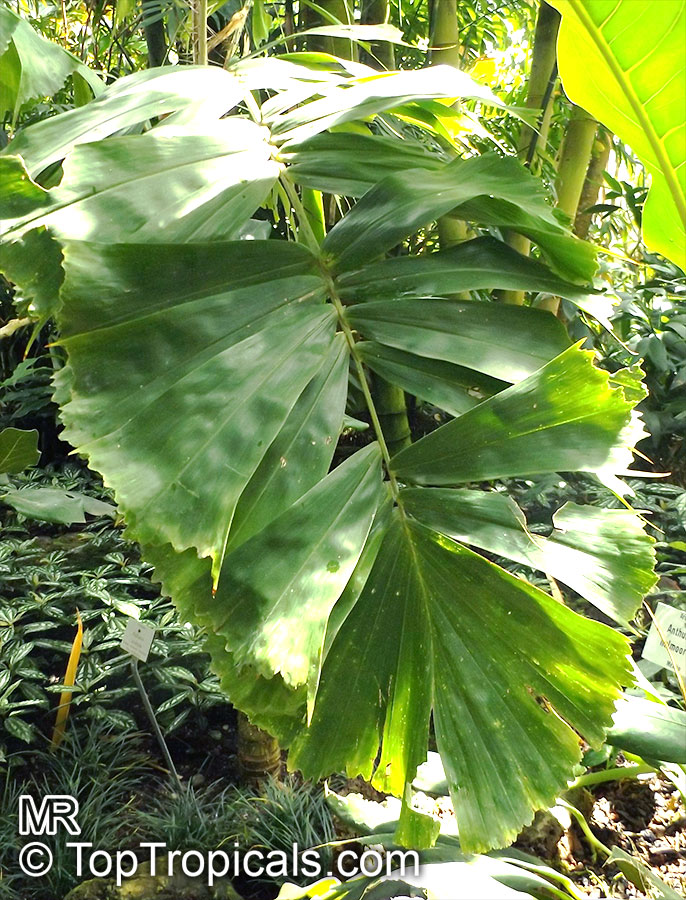
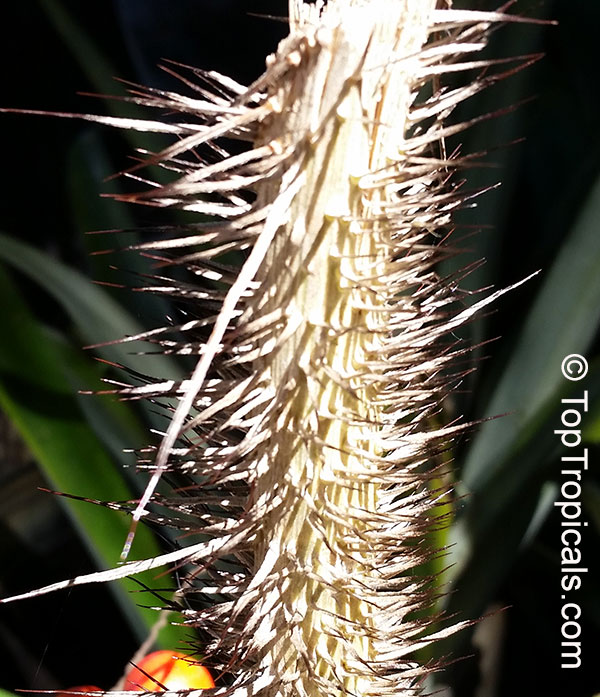
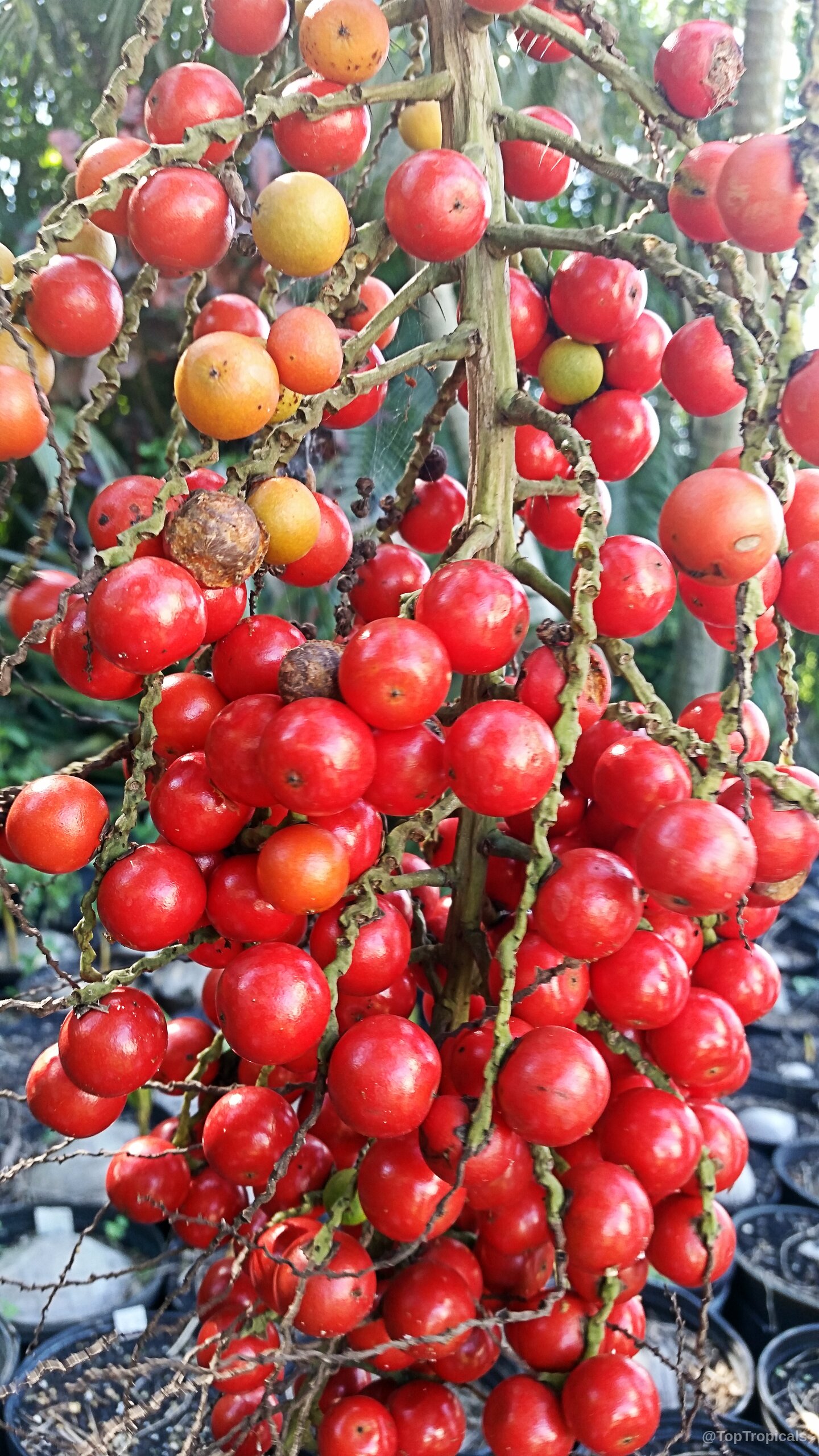
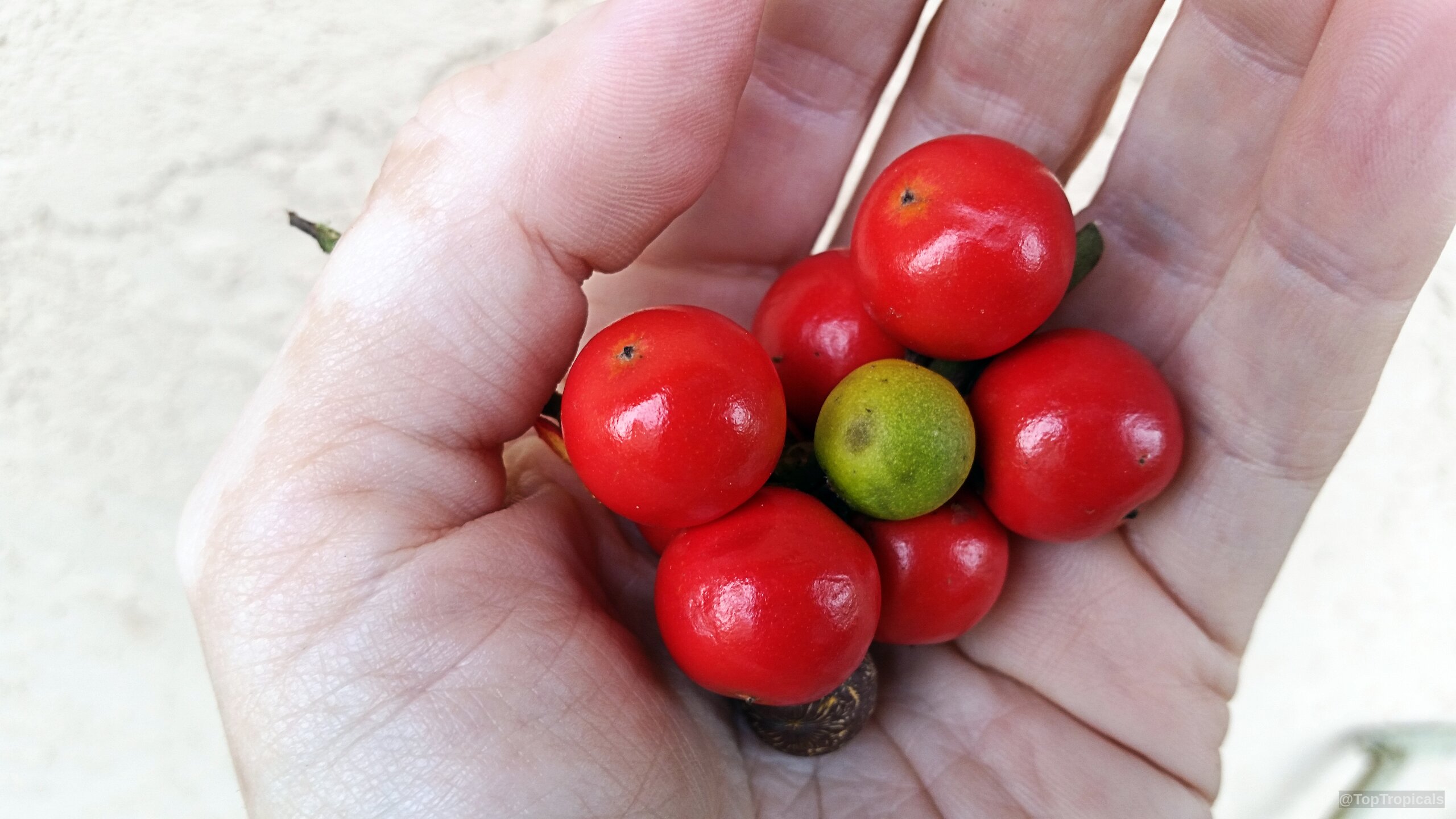
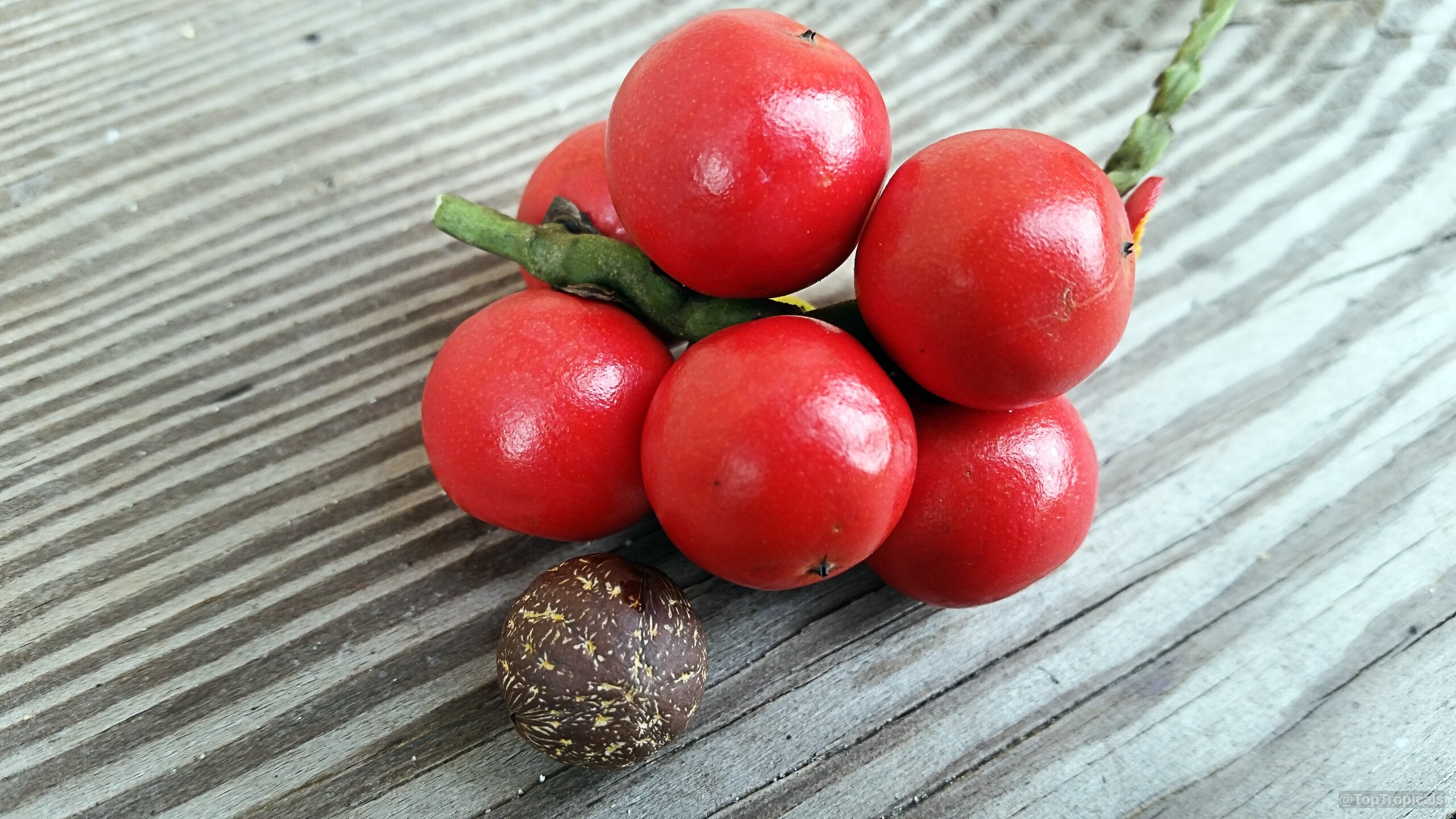
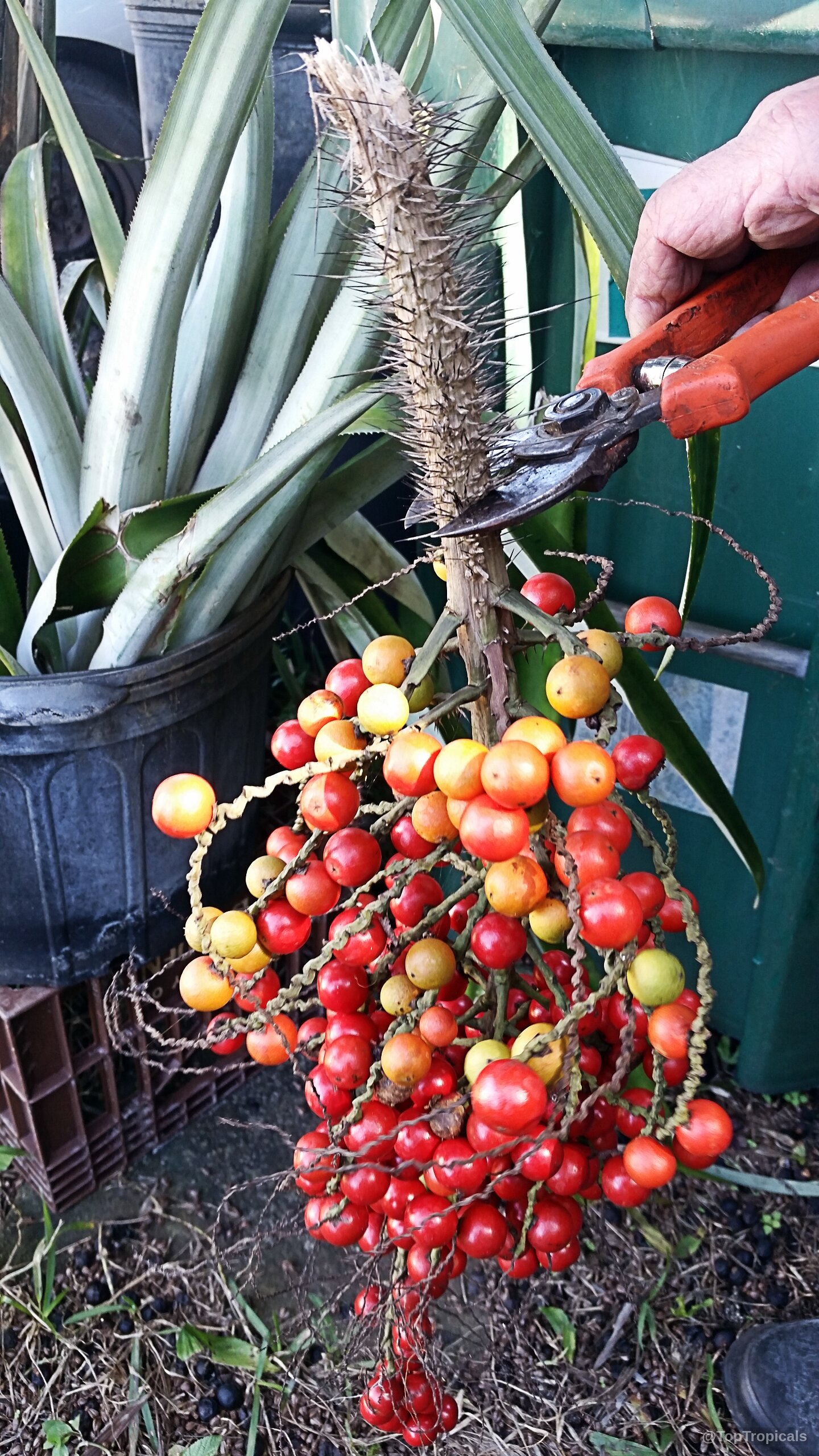
Very tasty coconut-like nuts! Good palm for semi-shade garden.
This very different dwarf palm from South America, has attractive spines all over it and fabulous, gracefully arching leaves, covered with white powder, with long, wavy, closely- spaced leaflets. The fragrant flowers produce clusters of red fruit making it ideal for conservatory or a warmer garden where it can actually stand occasional, but not hard freezing. A solitary, showy spiny small tree. In the wild it grows 9-15 feet tall with a stem diameter of 2-4 inches. The epicarp and mesocarp of the fruit are rich in carotene and are eaten in Colombia, while the seeds are eaten raw or used to make candles.
Recommended Fertilizer: SUNSHINE Robusta - Rapid Growth Booster
Local pickup only. This item is not available for shipping. Local delivery may be available in Ft. Myers or Sebring, Florida. Contact us for an estimate. Non-pickup orders are subject to restocking fees.
 SUNSHINE C-Cibus (NPK 2-2-4) - Crop Booster for every watering.
  SUNSHINE C-Cibus (NPK 2-2-4) - Crop Booster for every watering.
 Last one
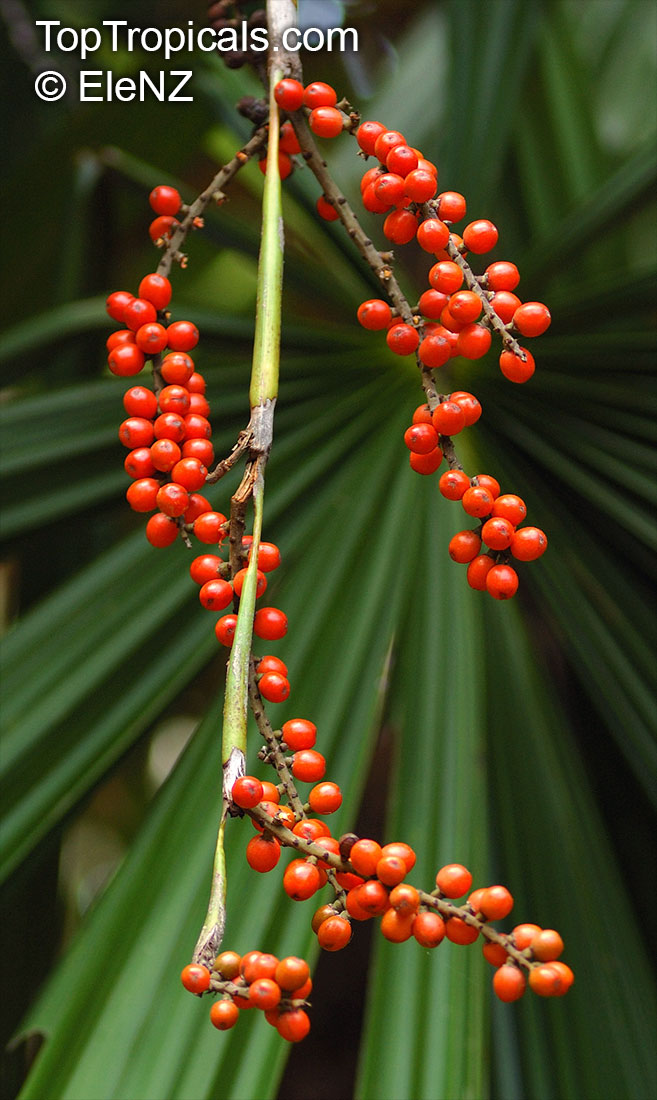
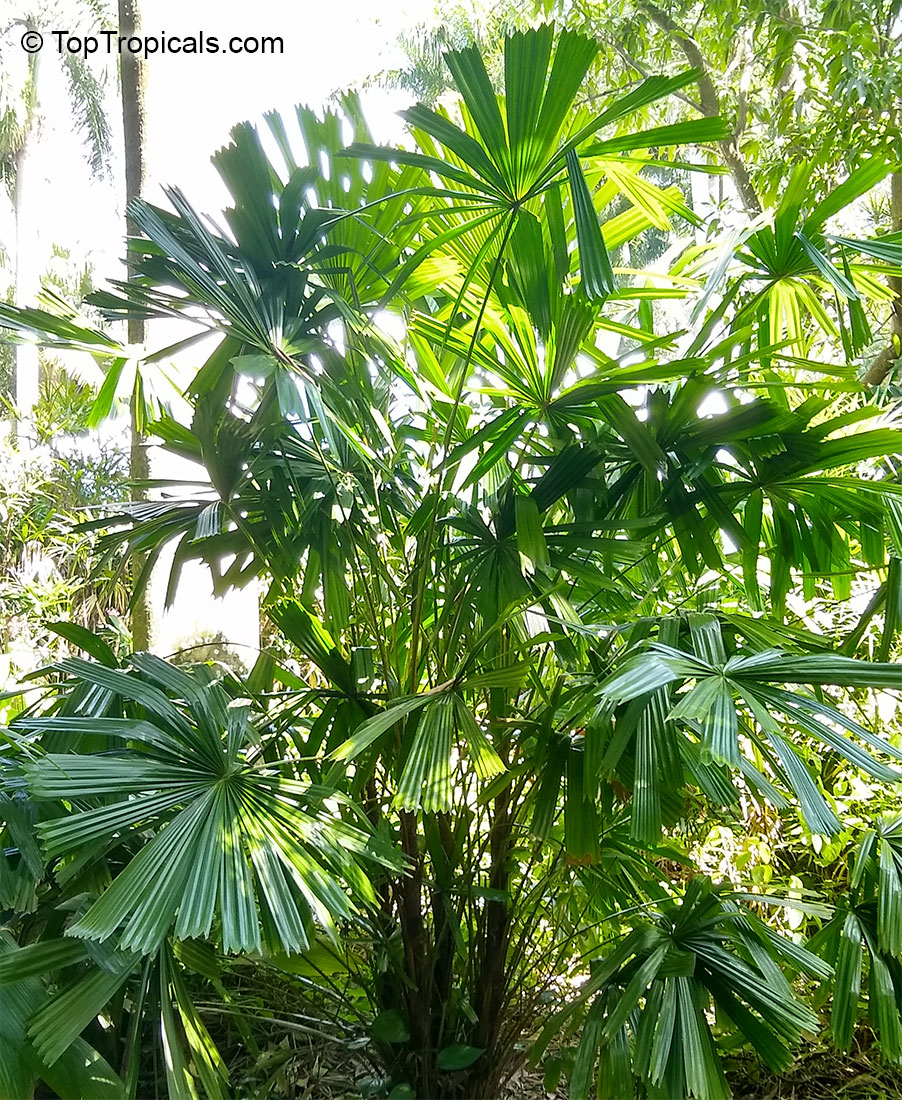
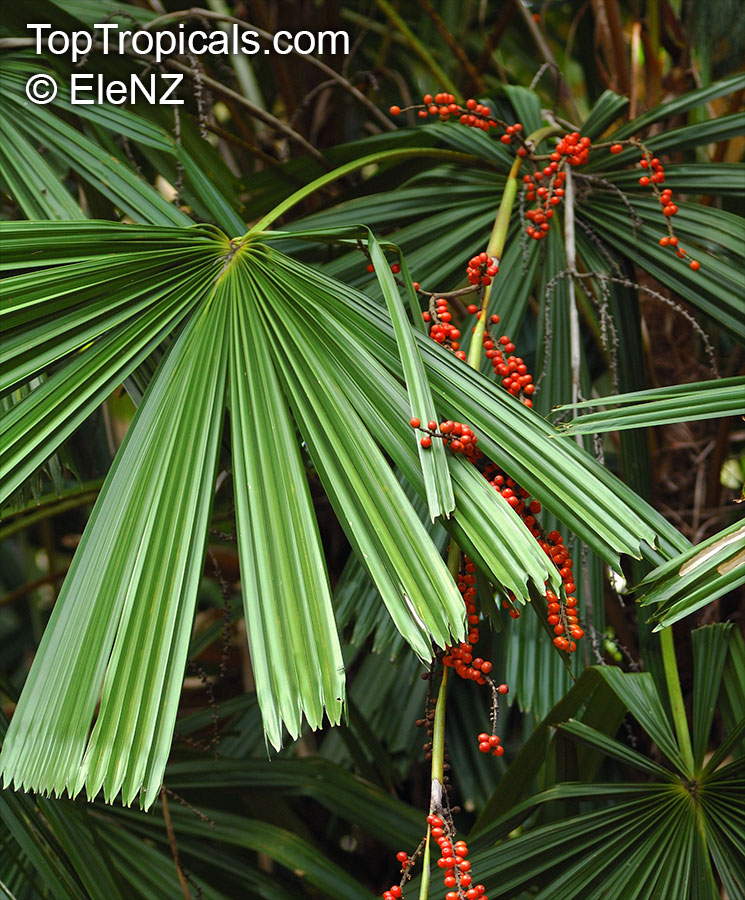
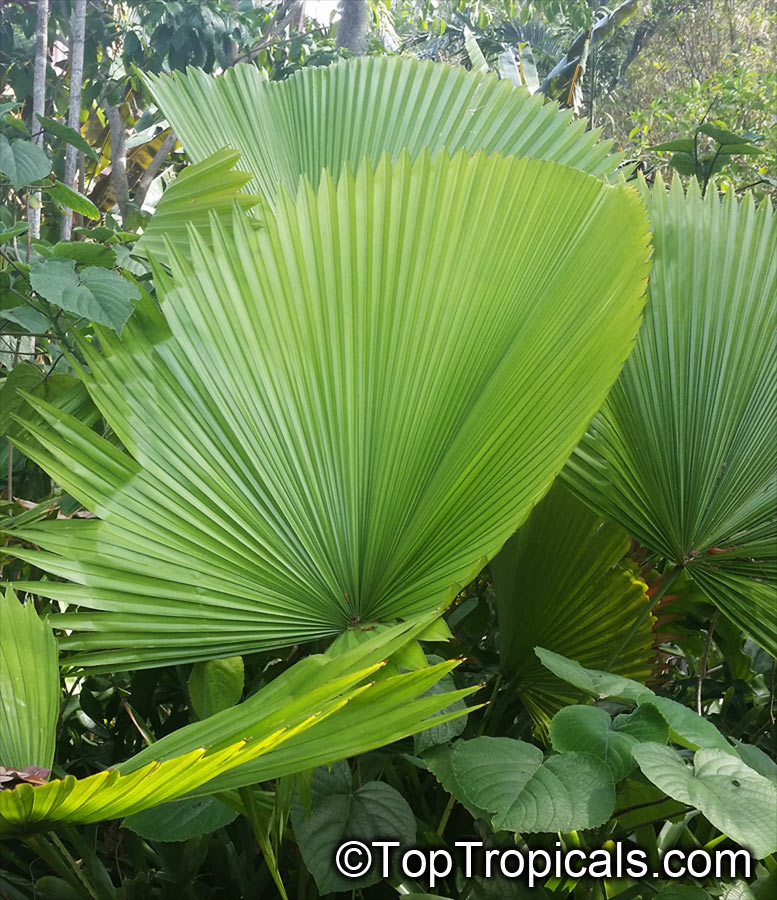
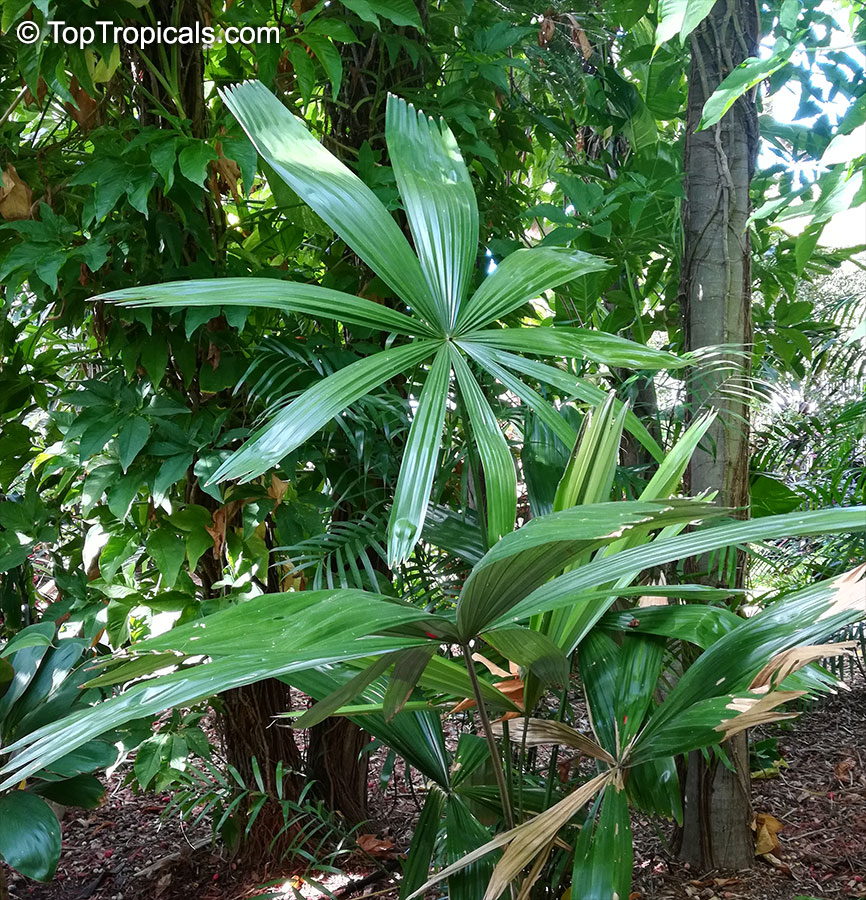
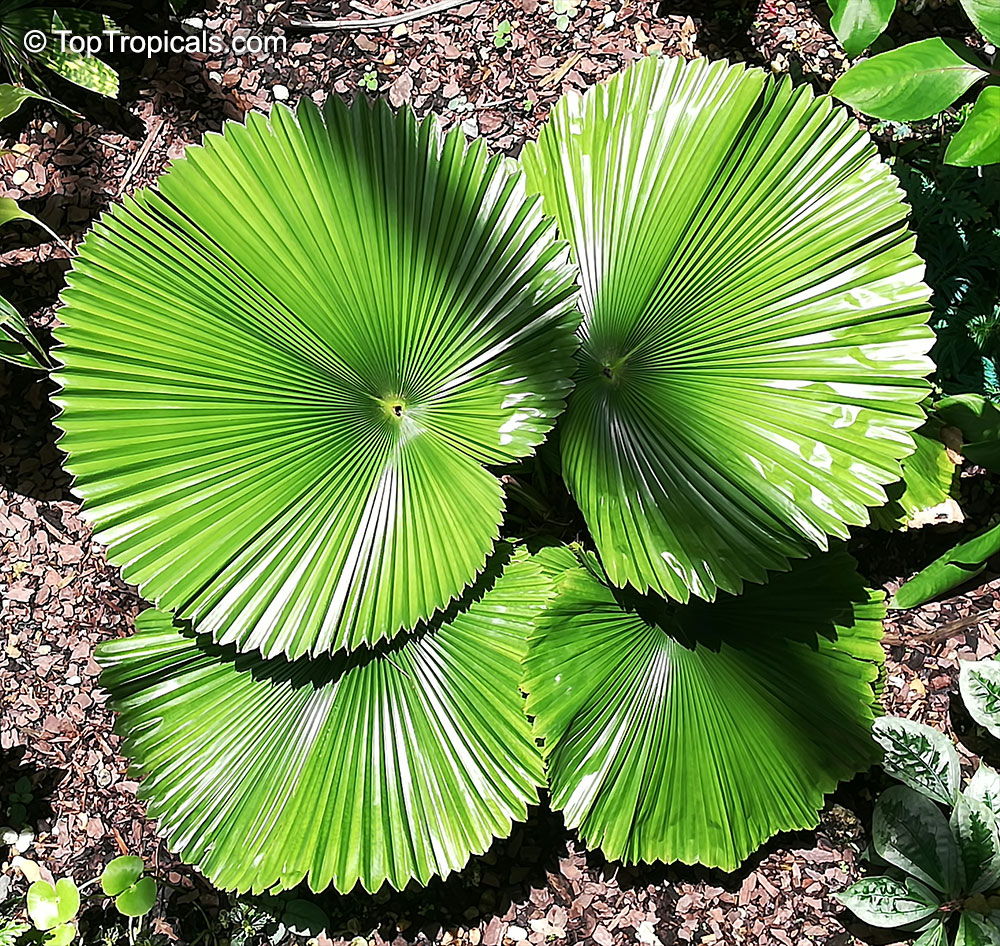
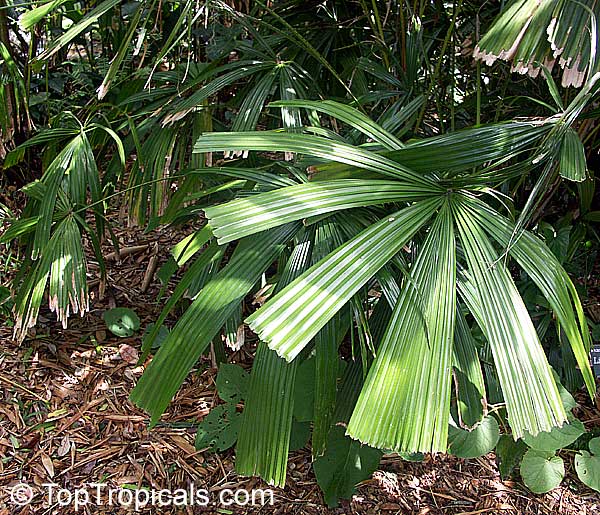
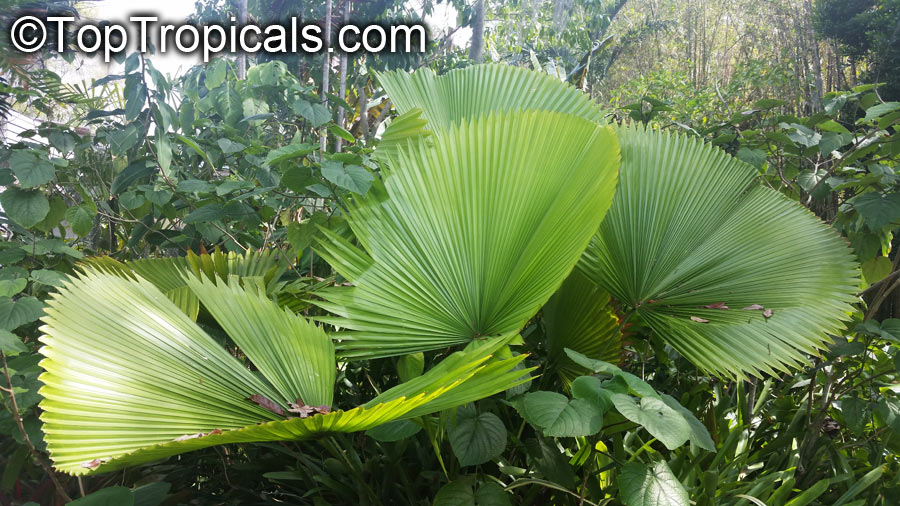
Botanical name: Licuala sp.
Common name: Ruffled Fan palm
Family: Arecaceae / Palmae
Origin: SE Asia, Pacific
USDA Zone: 9-10
The large genus Licuala includes a great diversity of tropical palms from a wide range of habitats. It is found from southern Asia to the southwest Pacific. Most Licuala species are found in shady lowland rainforests, but light and temperature requirements vary. The genus is known for its fan-shaped leaves that often have attractive splitting patterns. The leaves of many species are shaped like pinwheels, but some have undivided leaves that are round or diamond-shaped. The flowers and fruits are also attractive.
Species:
Licuala elegans
Licuala spinosa


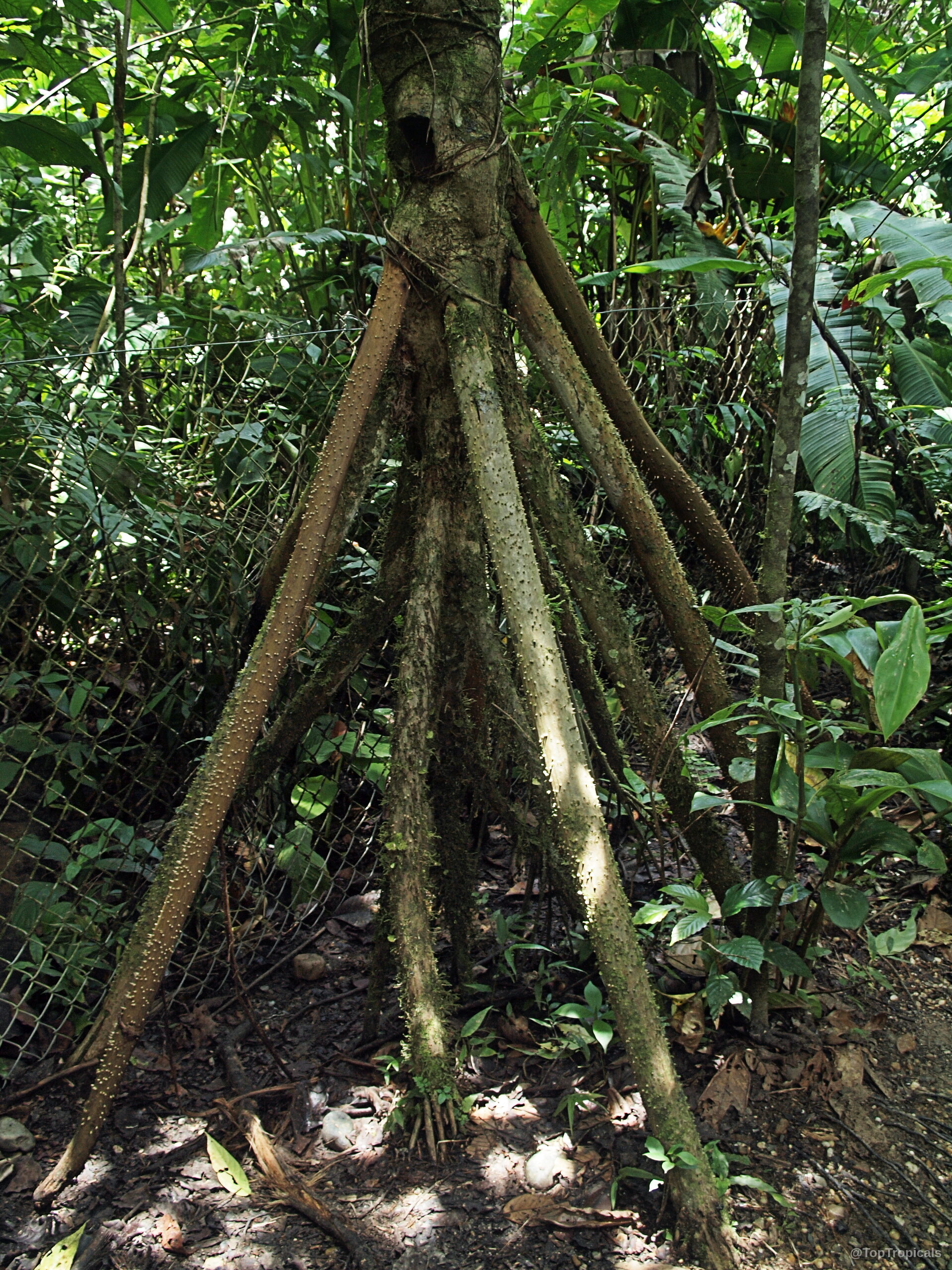
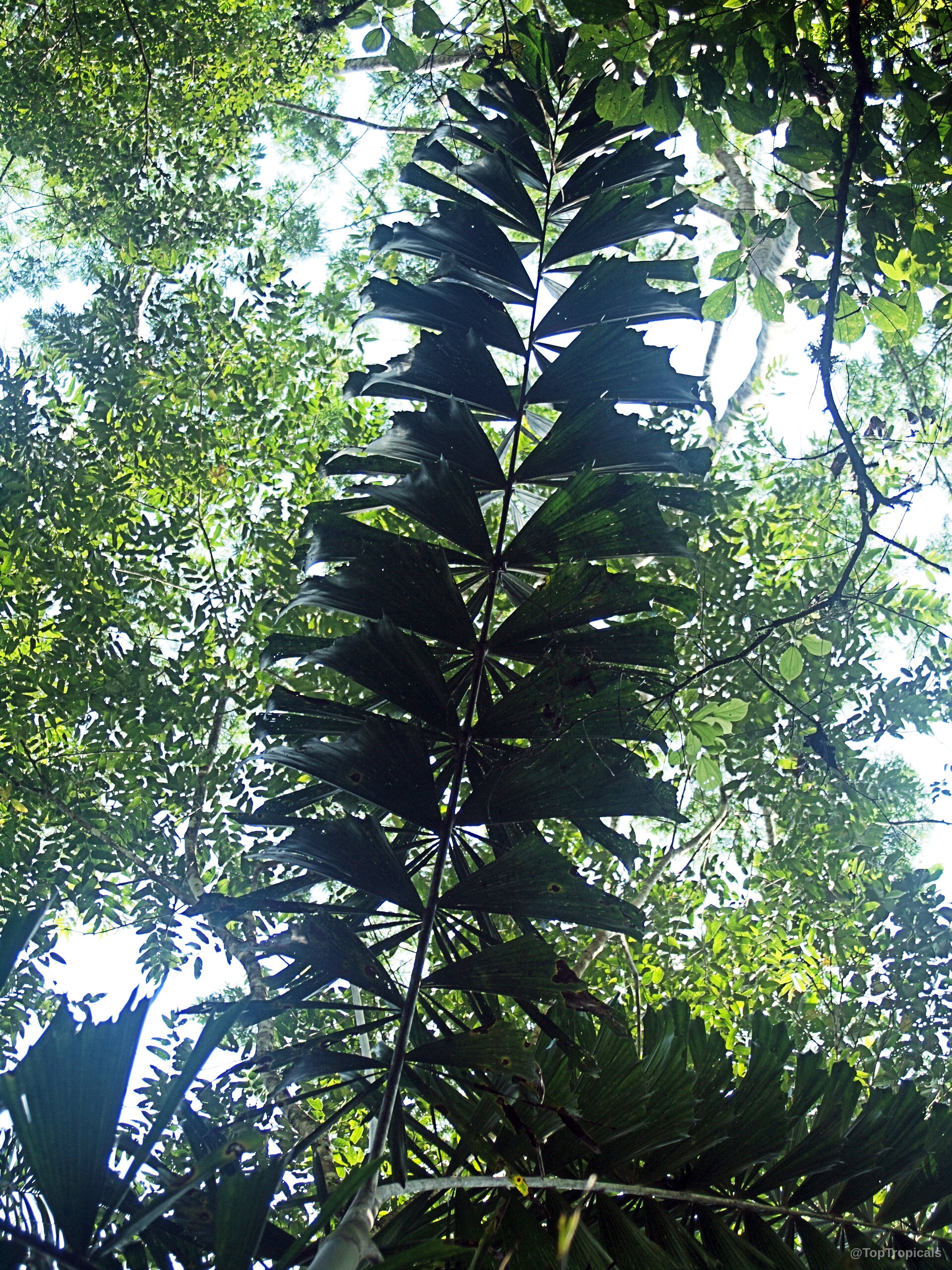
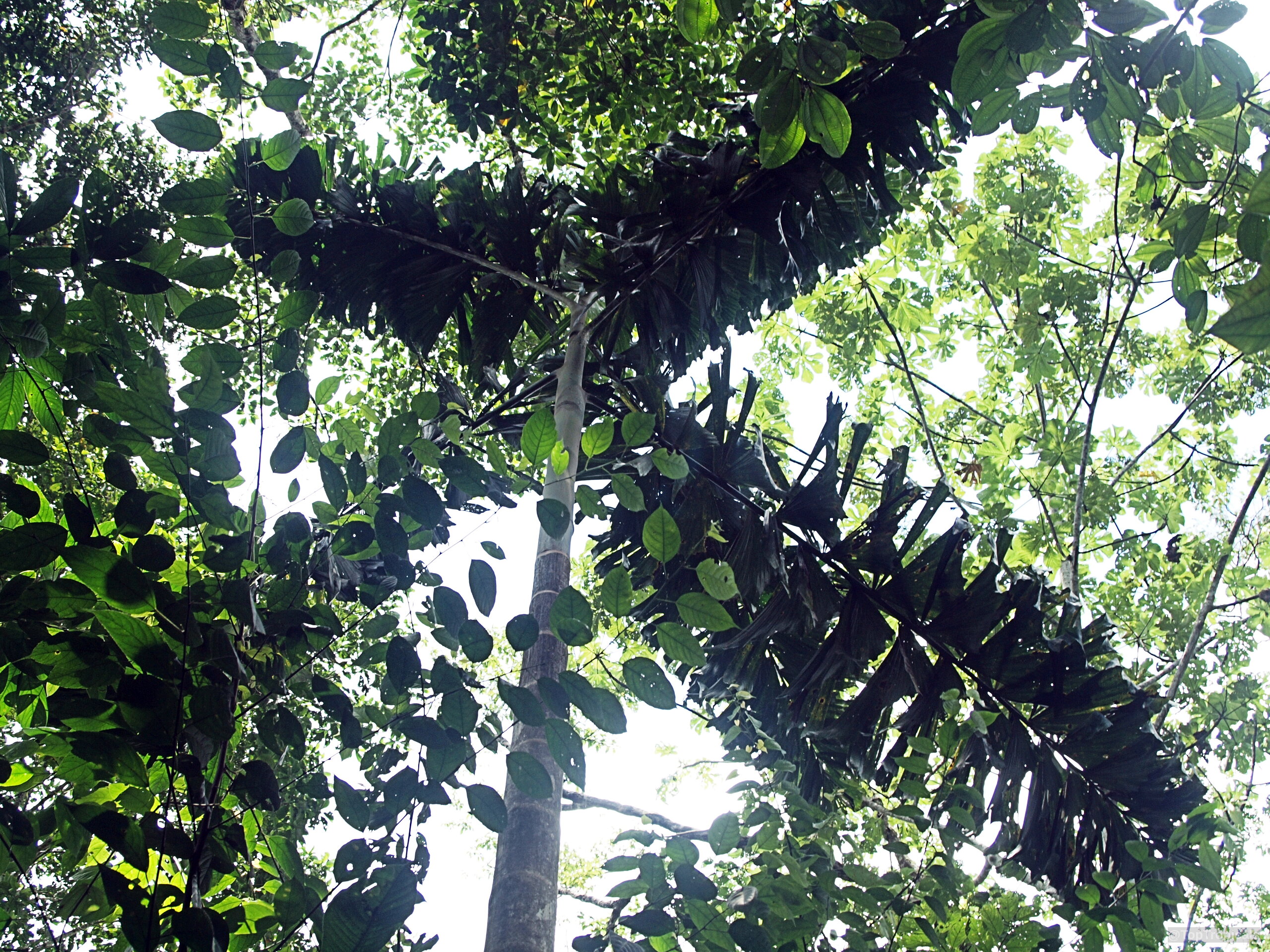
Botanical name: Socratea exorrhiza
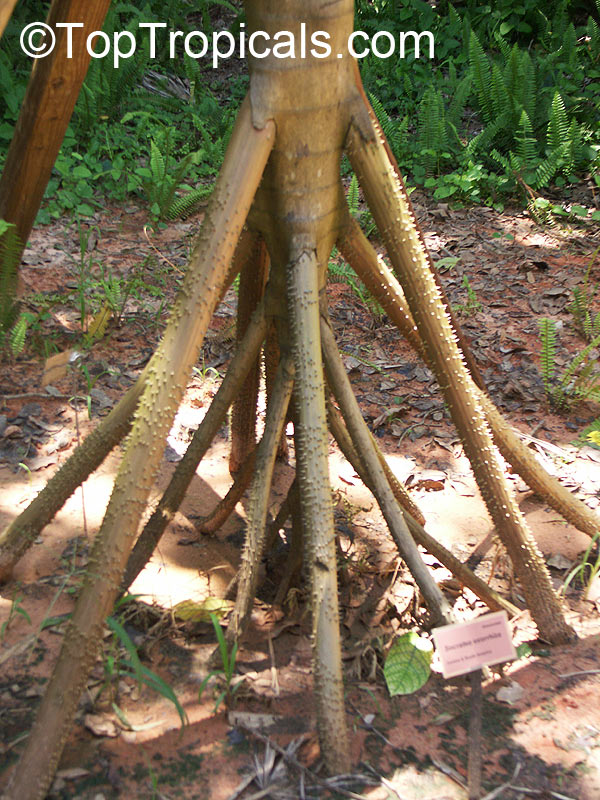
Common names: Walking Palm, Cashapona
Family: Arecaceae / Palmae
Origin: Central America, South America
USDA Zone: 9-10

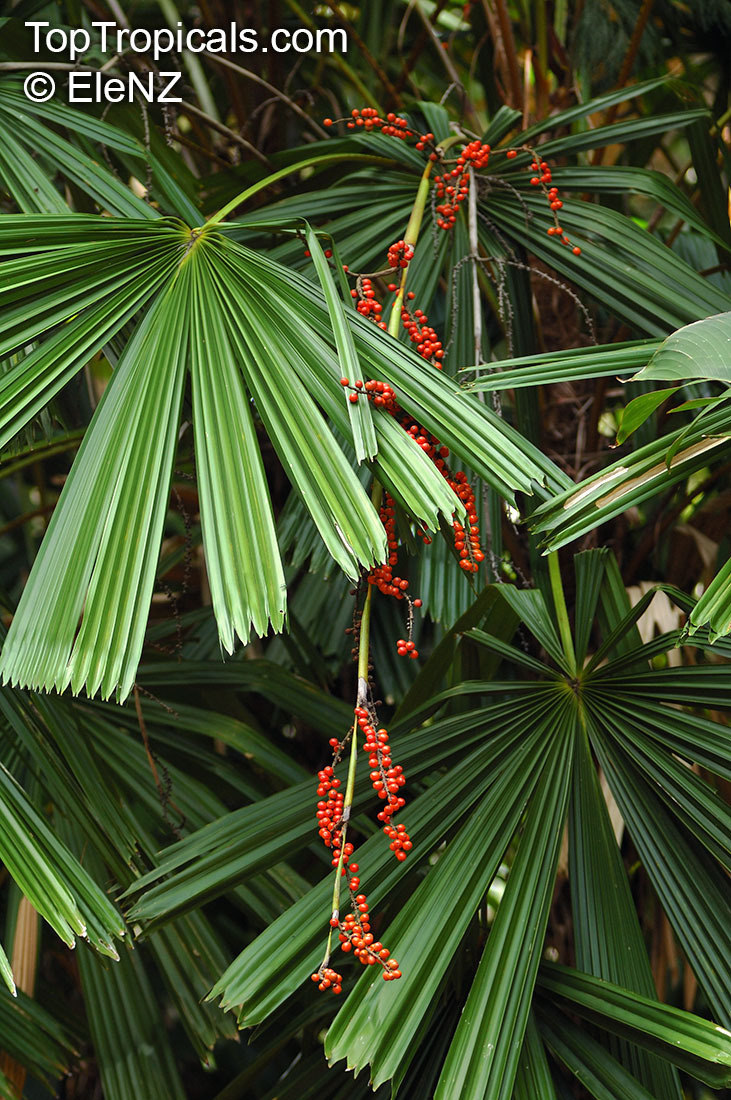
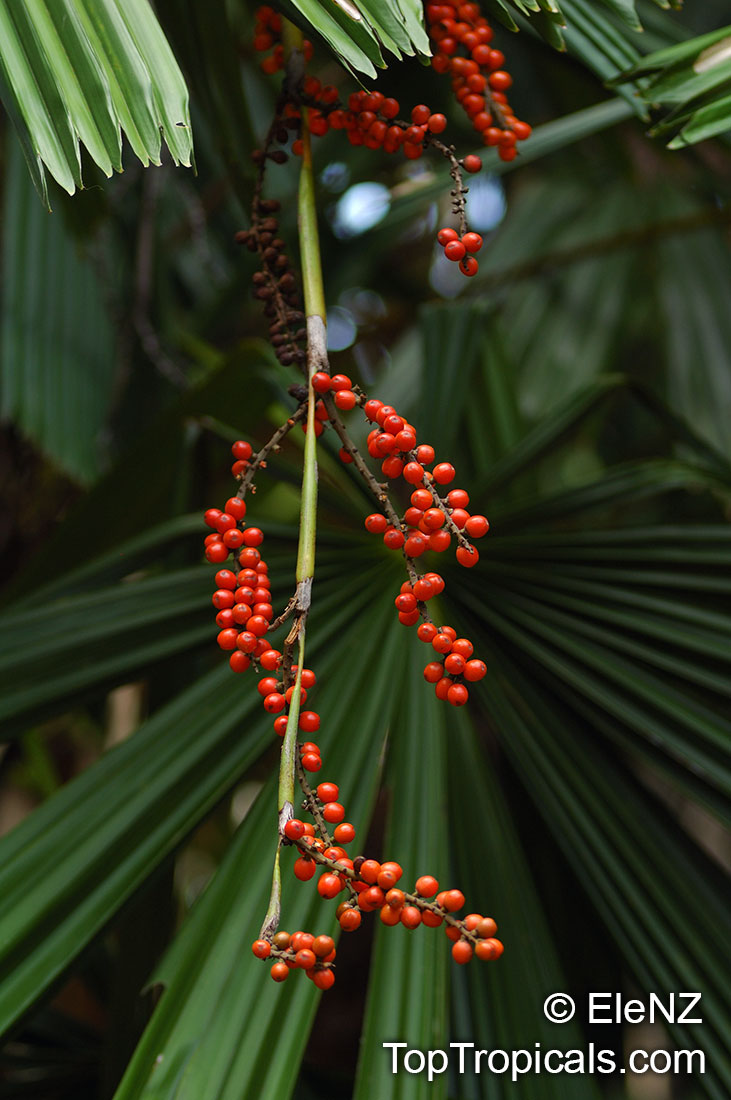
Probably the most famous of the stilt rooted palms, with the roots coming from up to 2m (6 feet) from the ground. The roots have small, white, conical spines.



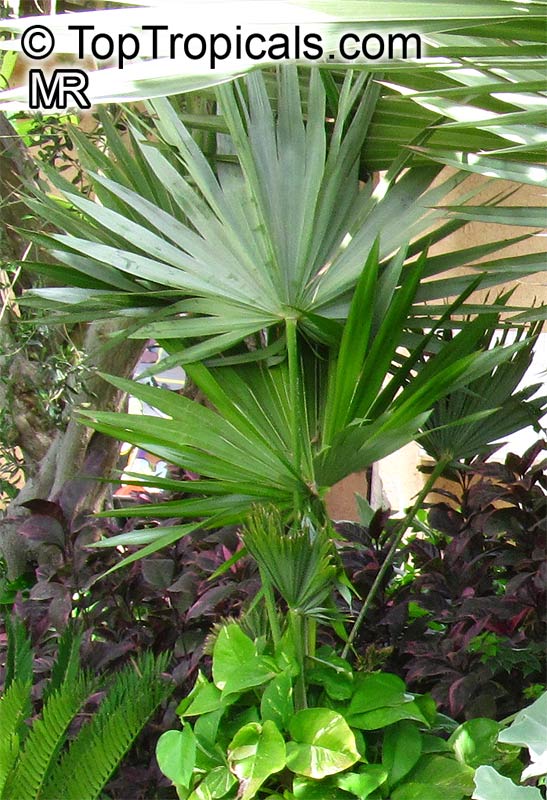
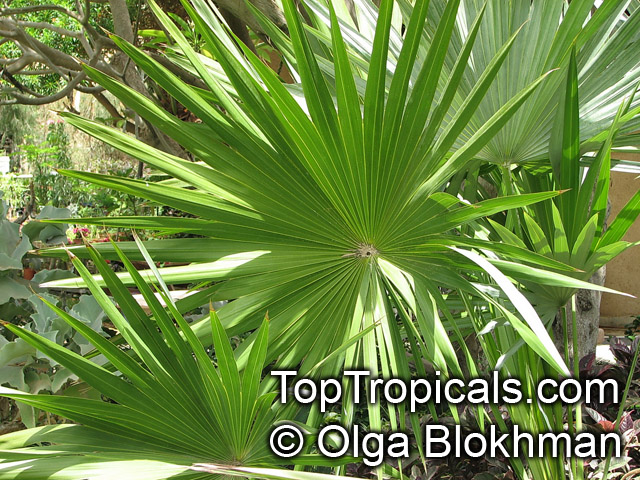
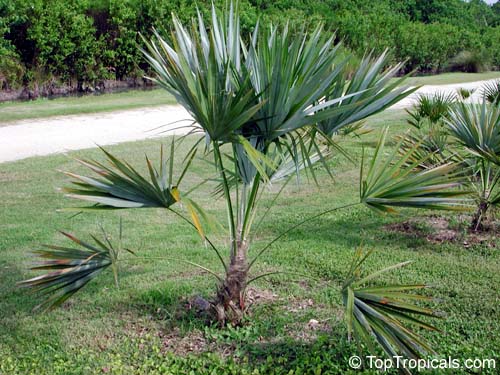
Botanical names: Thrinax morrisii, Simpsonia microcarpa, Thrinax keyensis, Thrinax microcarpa
Common names: Broom Palm, Key Thatch Palm
Family: Arecaceae / Palmae
Origin: USA, Caribbean Basin
USDA Zone: 9-10

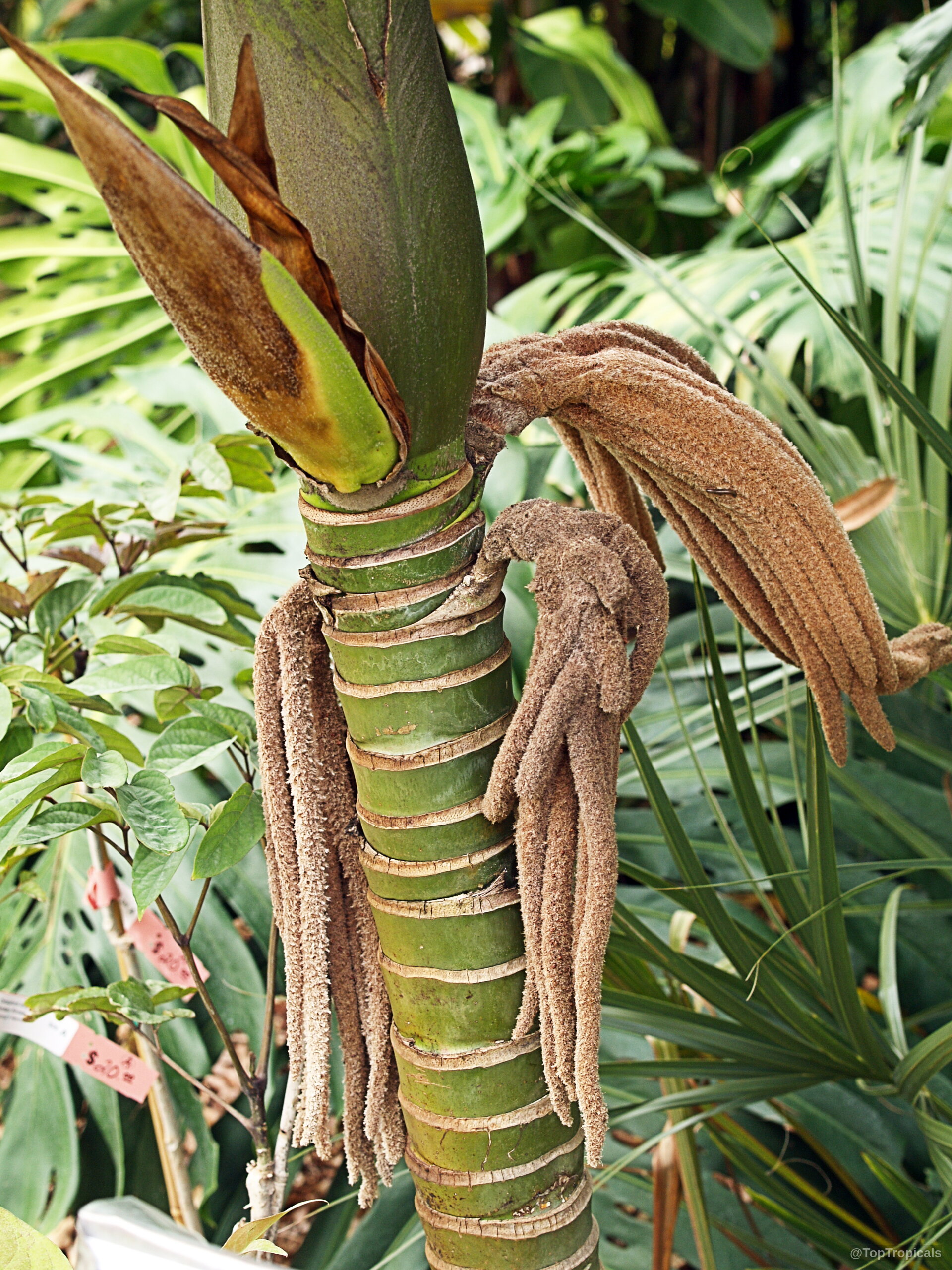
Thrinax morrisii is of medium size and grows slowly to a maximum of about 4ft tall with a solitary, slender grey trunk, which is topped by a large, spherical crown consisting of about 20 leaves. In its upper part, just below the crown, the trunk is wrapped in fine, fibrous leafsheaths which are eventually deciduous. As a genus, Thrinax is closely related to Zombia, a clustering palm which is easily distinguished by its spiny leafsheath fibres, and Coccothrinax, both native to the Caribbean. It is often confused with Coccothrinax but can be easily identified by its split petiole bases, white fruits (purple to black in Coccothrinax) and smooth seeds (grooved in Coccothrinax). Uses: deck or patio; container or planter; specimen; highway median. Min. Temperature: 25F
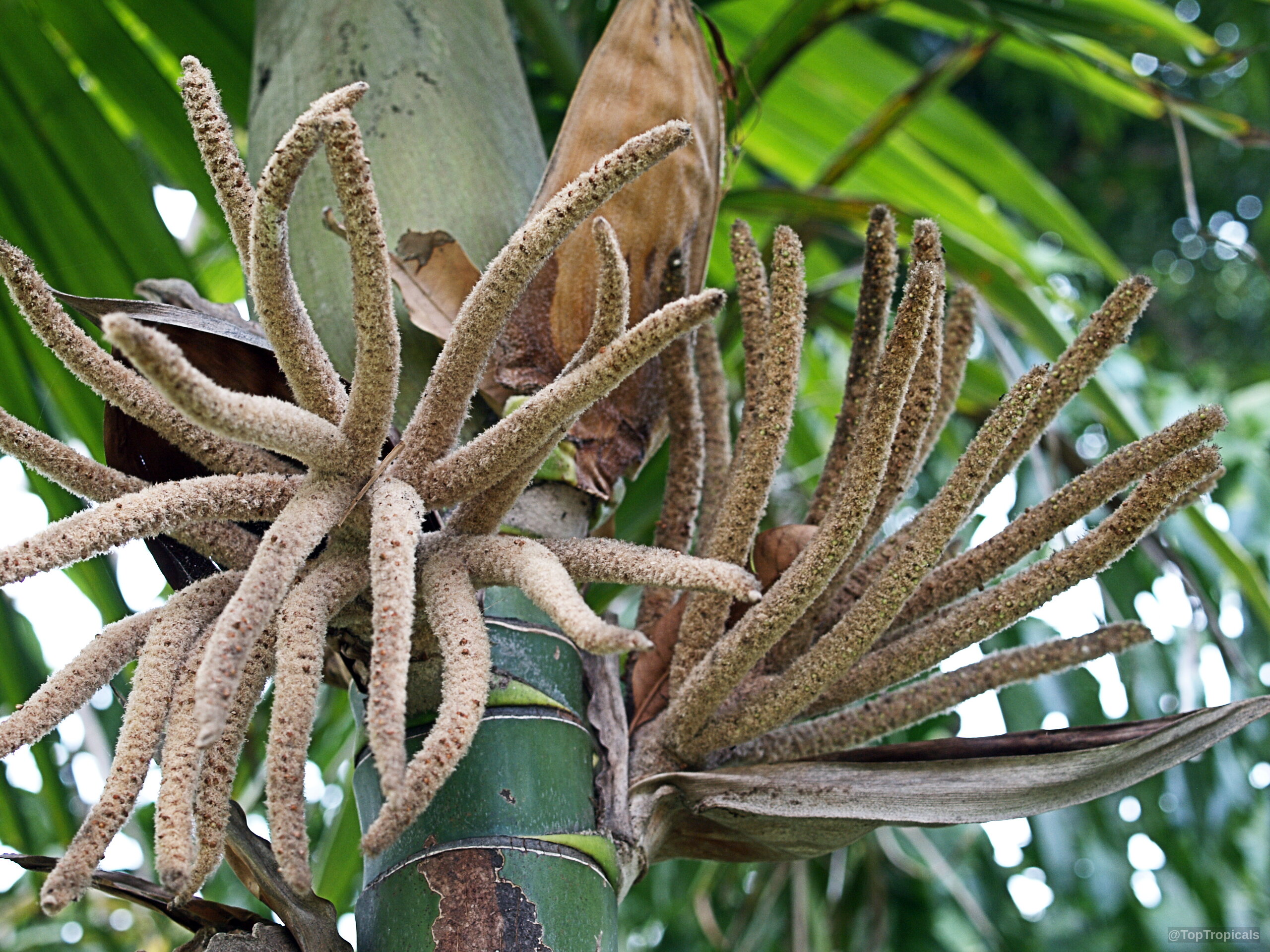
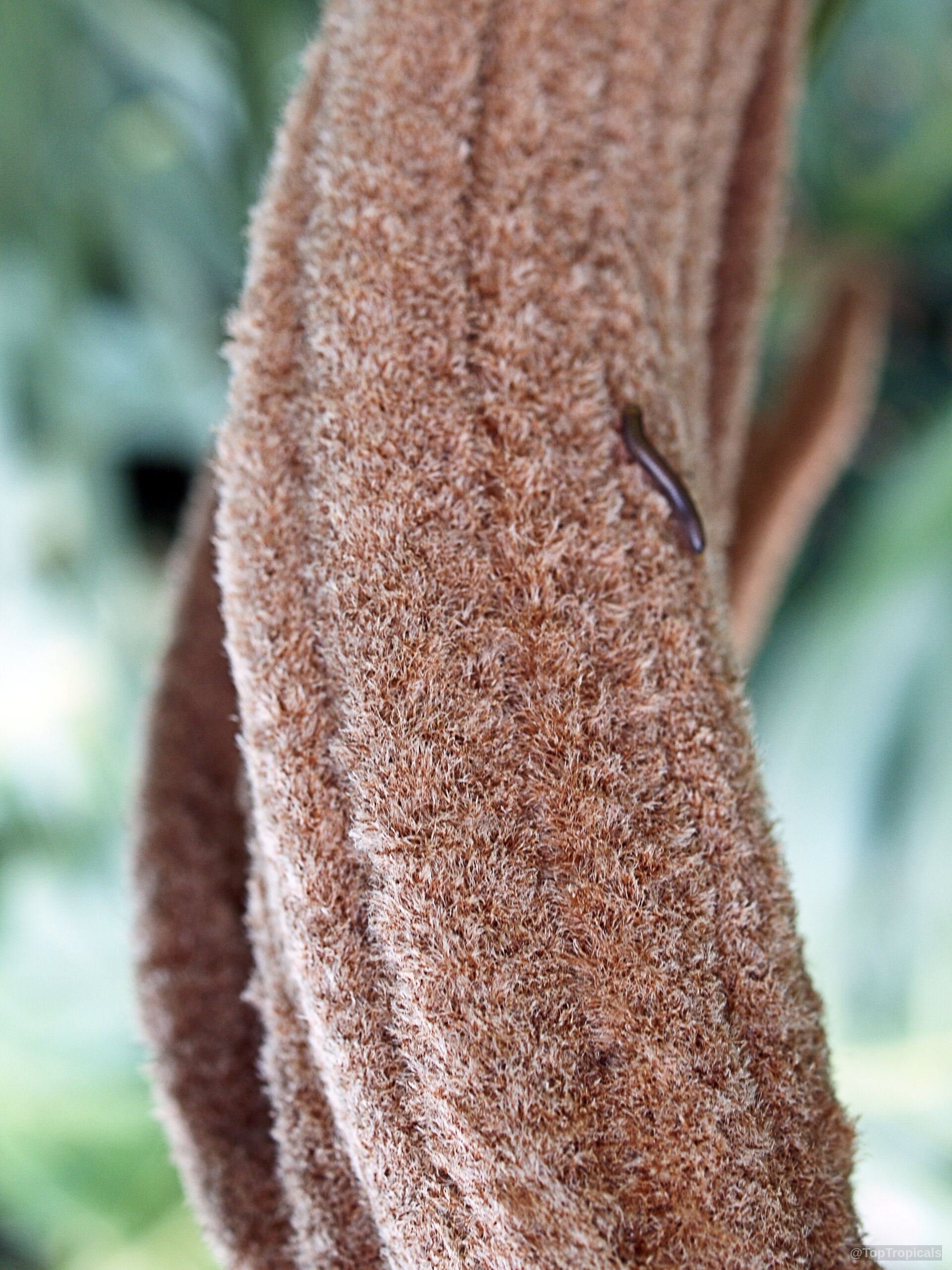
Botanical name: Burretiokentia hapala
Common name: Burretiokentia
Family: Arecaceae / Palmae
Origin: New Caledonia
USDA Zone: 9-10



| Next | |
Use link to repeat this search:
https://toptropicals.com/cgi-bin/garden_catalog/cat.cgi?search_op=and&keyword_op=and&language=e&number=10&no_change_lang=1
&v1=plm&user=tt&sale=1&first=0