Plant with caudex - Plant Encyclopedia Results
| Number of plants found: 136 | Next | 
|
Go to page: | 1 | 2 | 3 | 4 | 5 | Last |
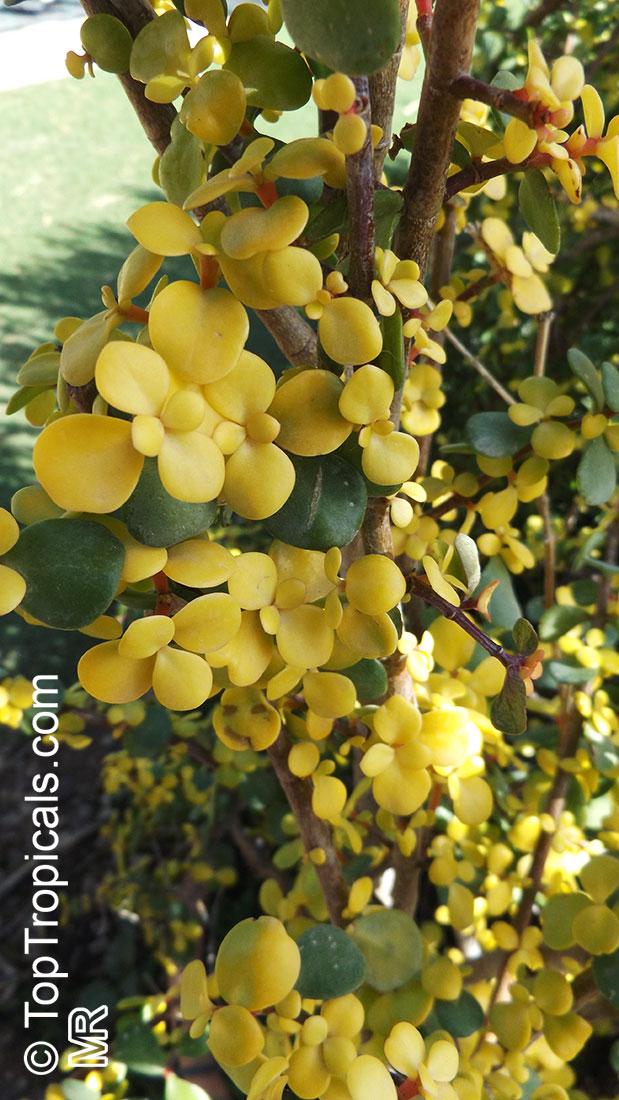
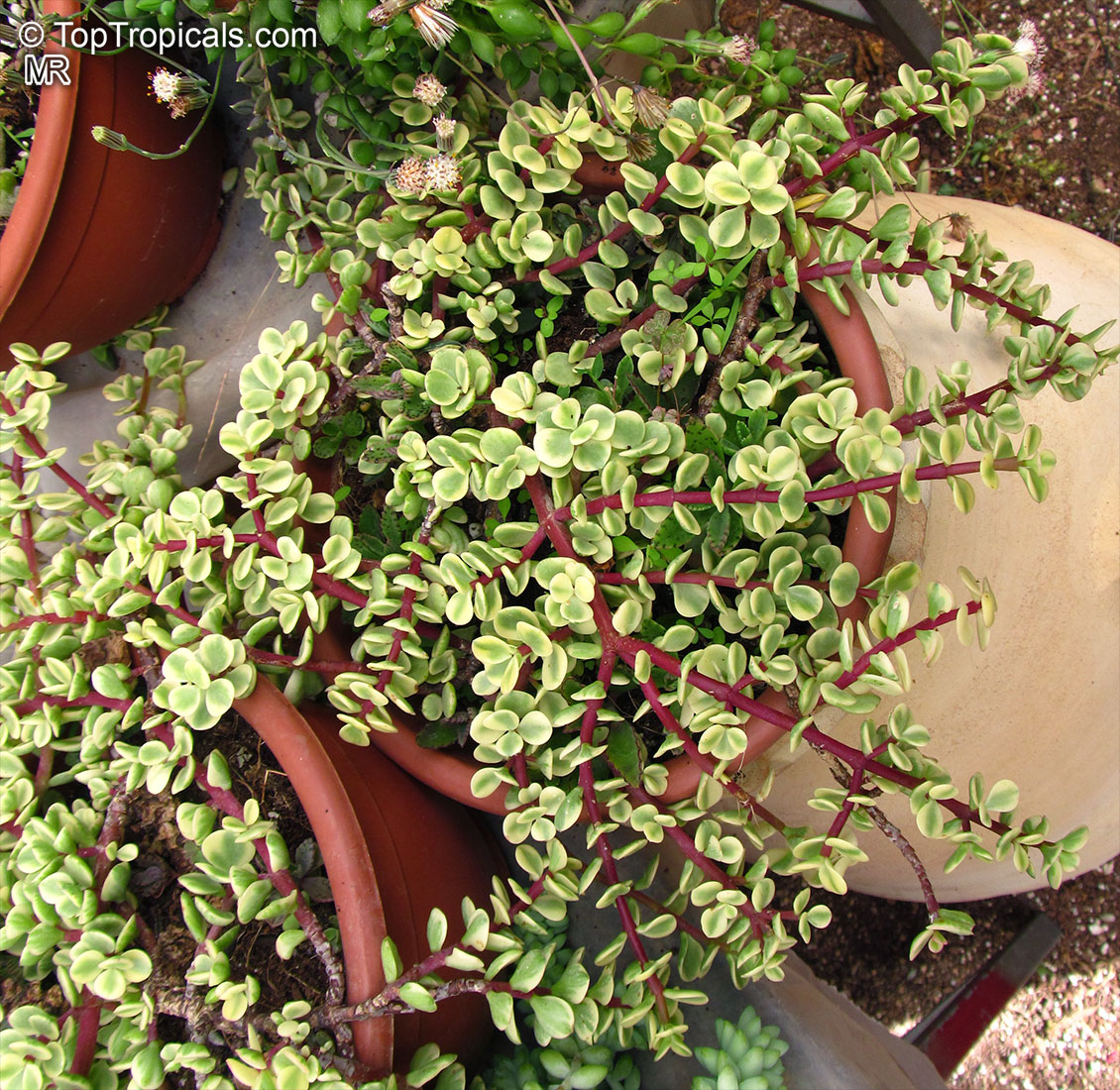
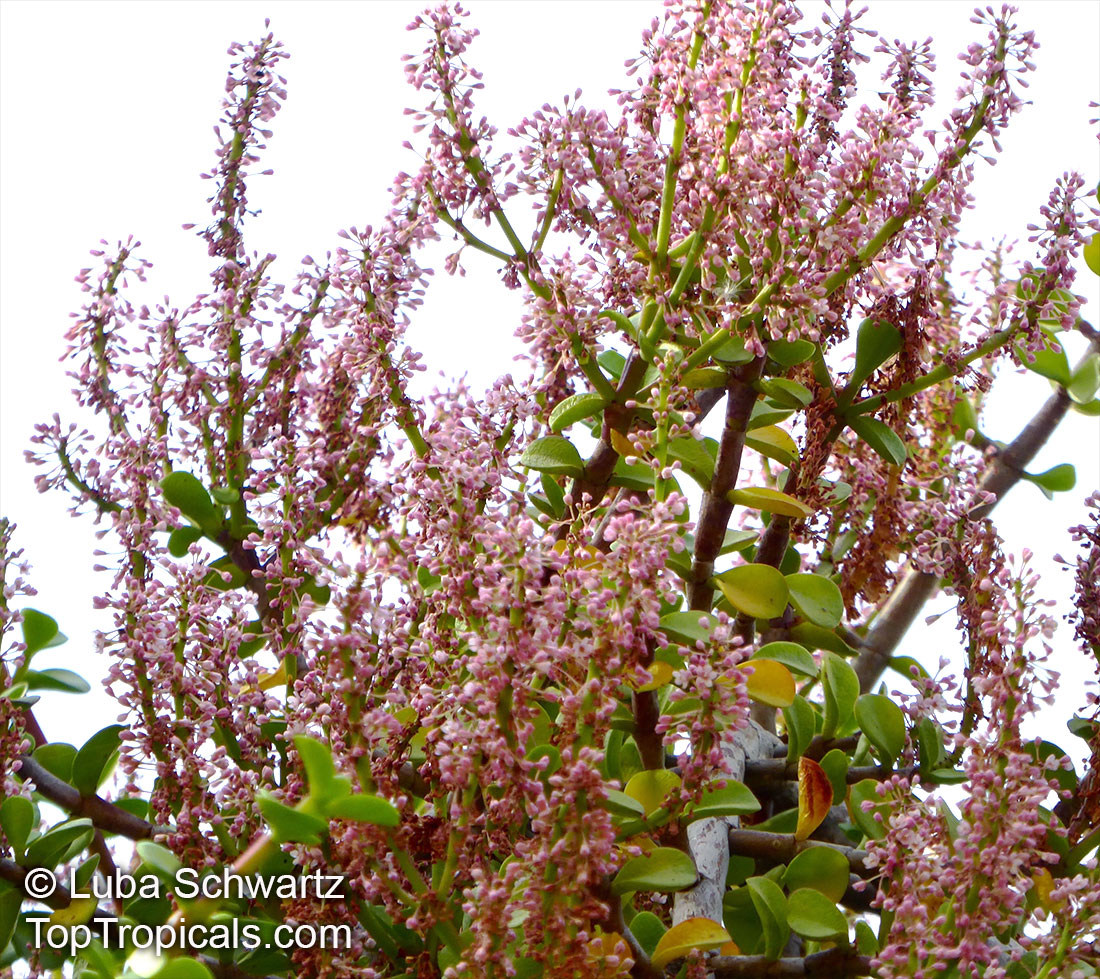
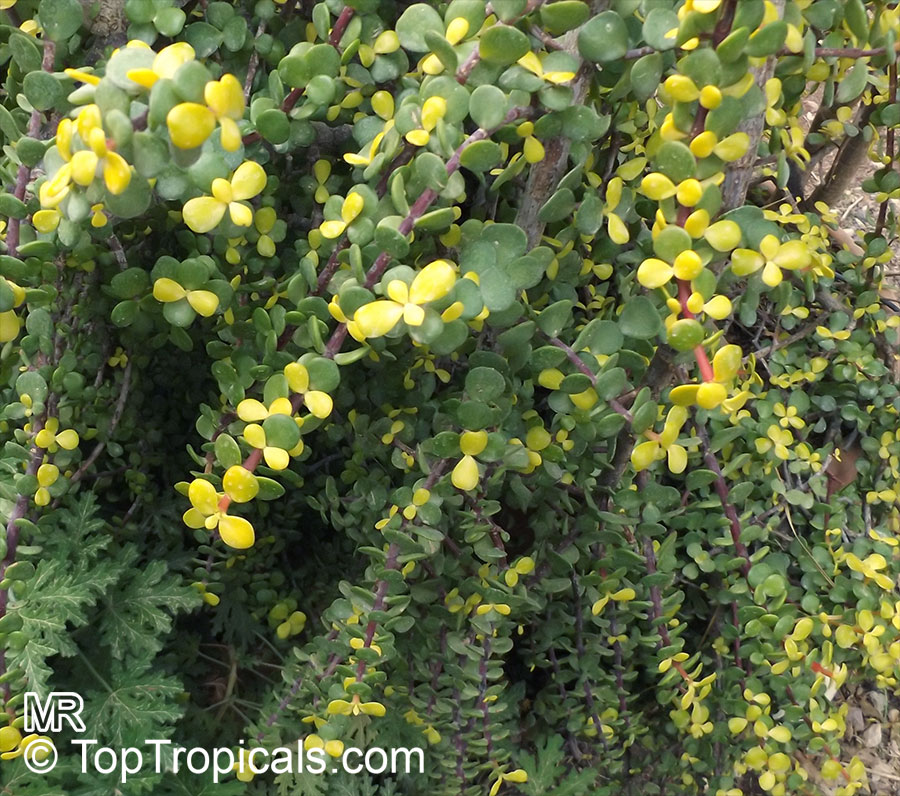
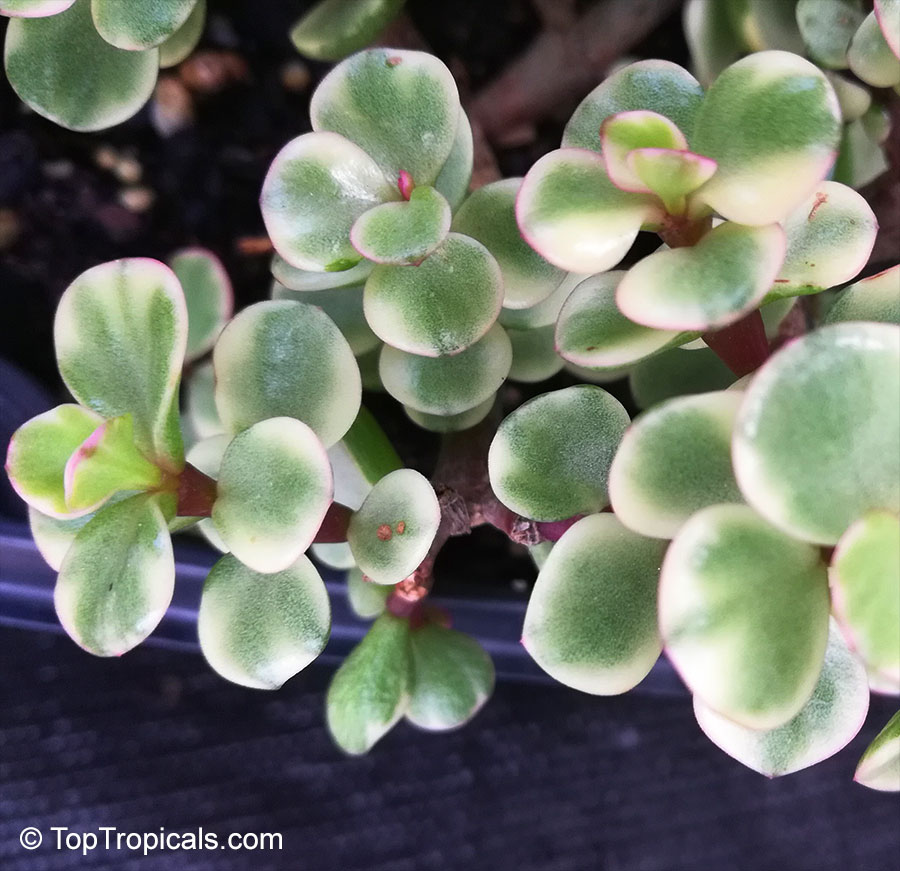
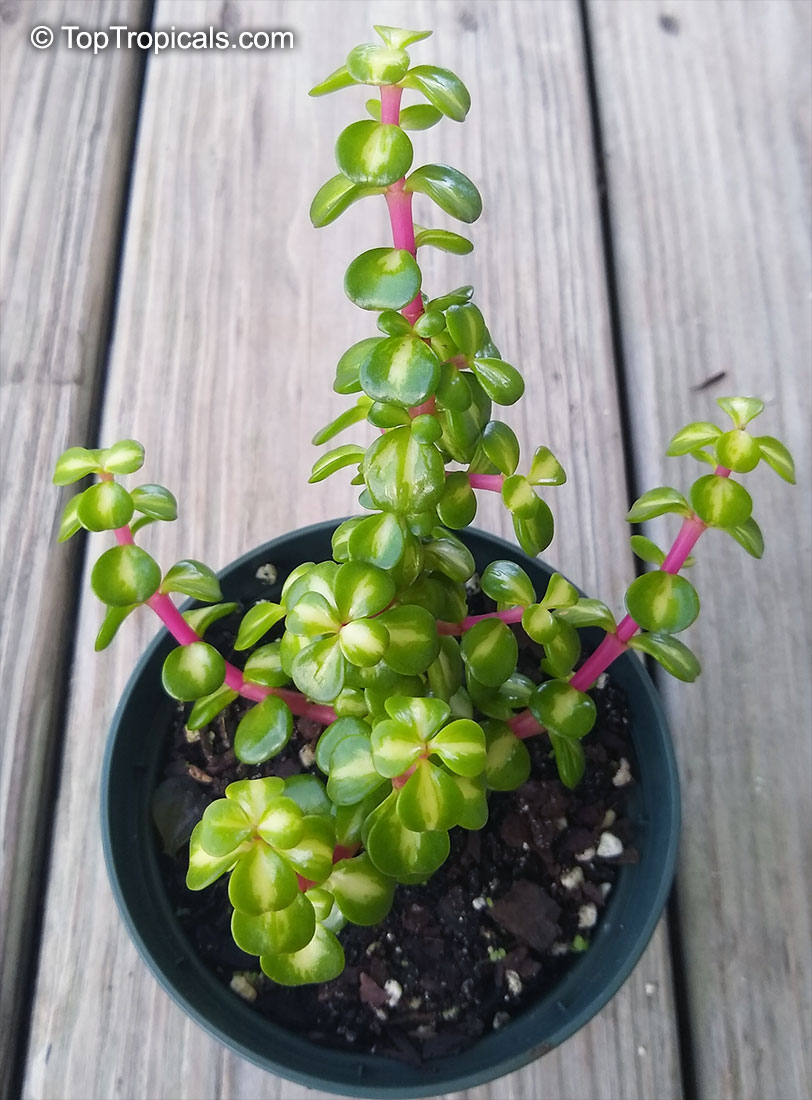
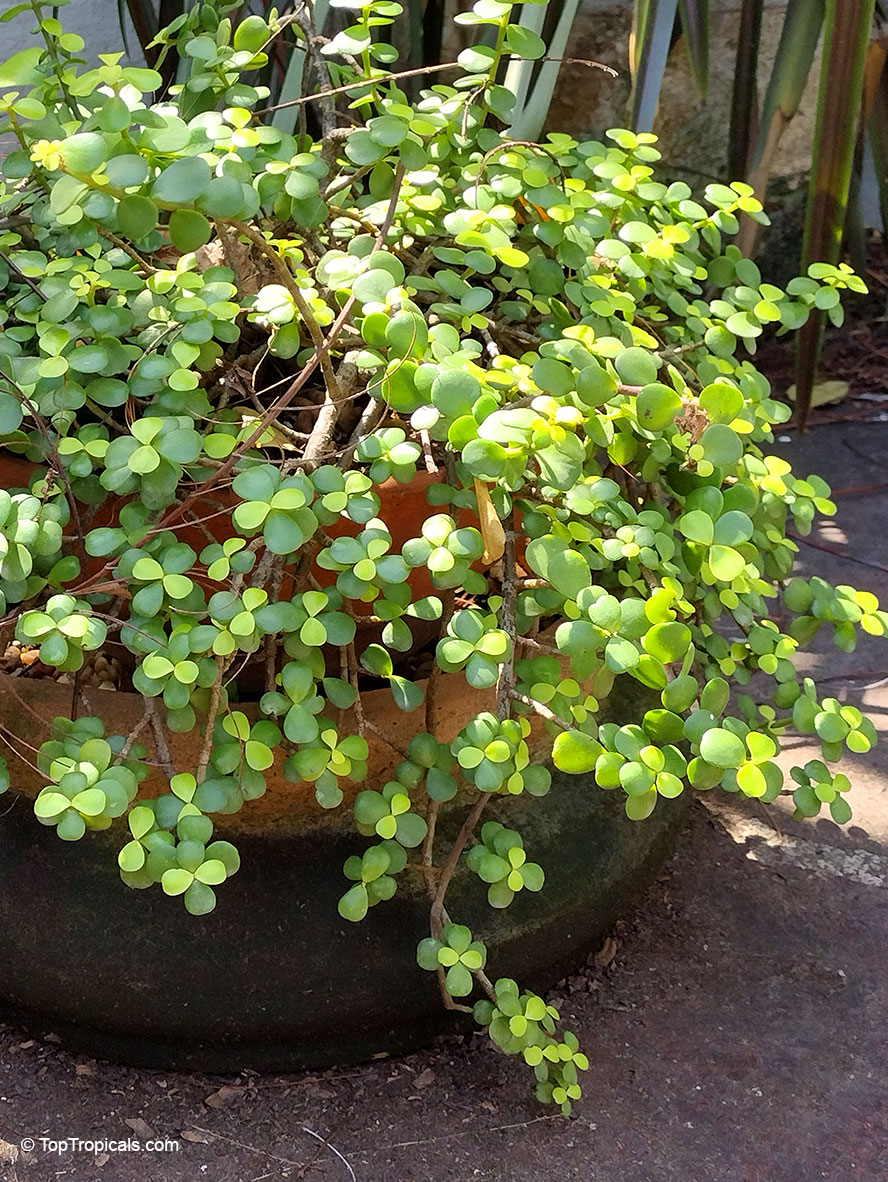
Botanical name: Portulacaria afra
Common names: Elephant's Food, Elephant Bush, Baby Jade, Crassula Portulacaria
Family: Didiereaceae (Formerly:Portulacaceae)
Subfamily: Portulacarioideae
Origin: South Africa


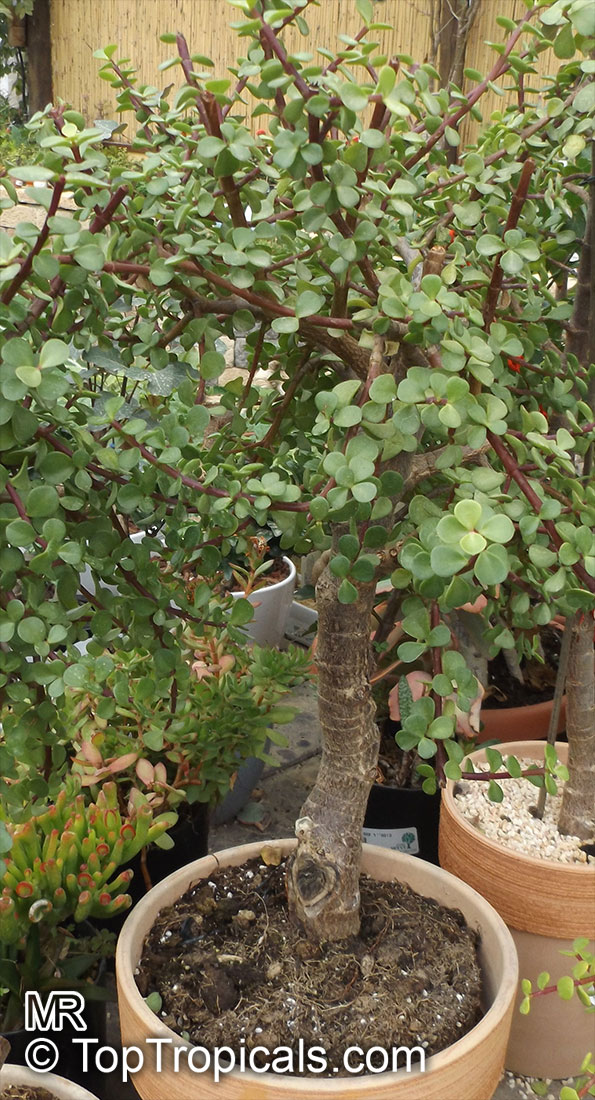
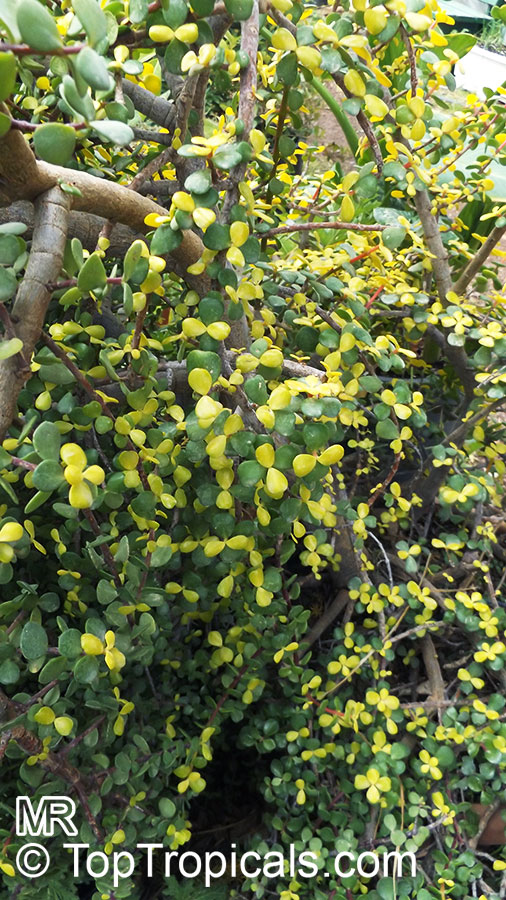
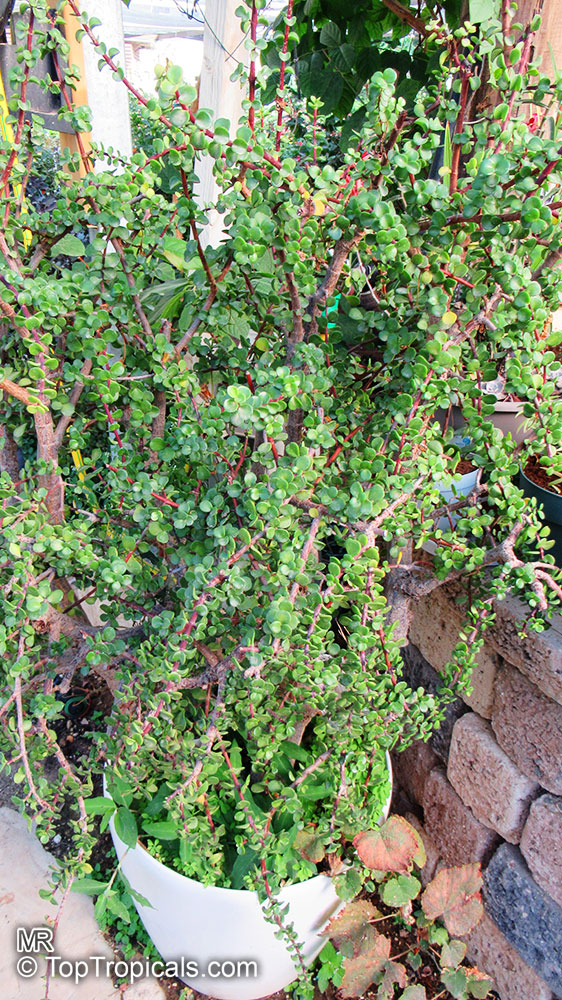
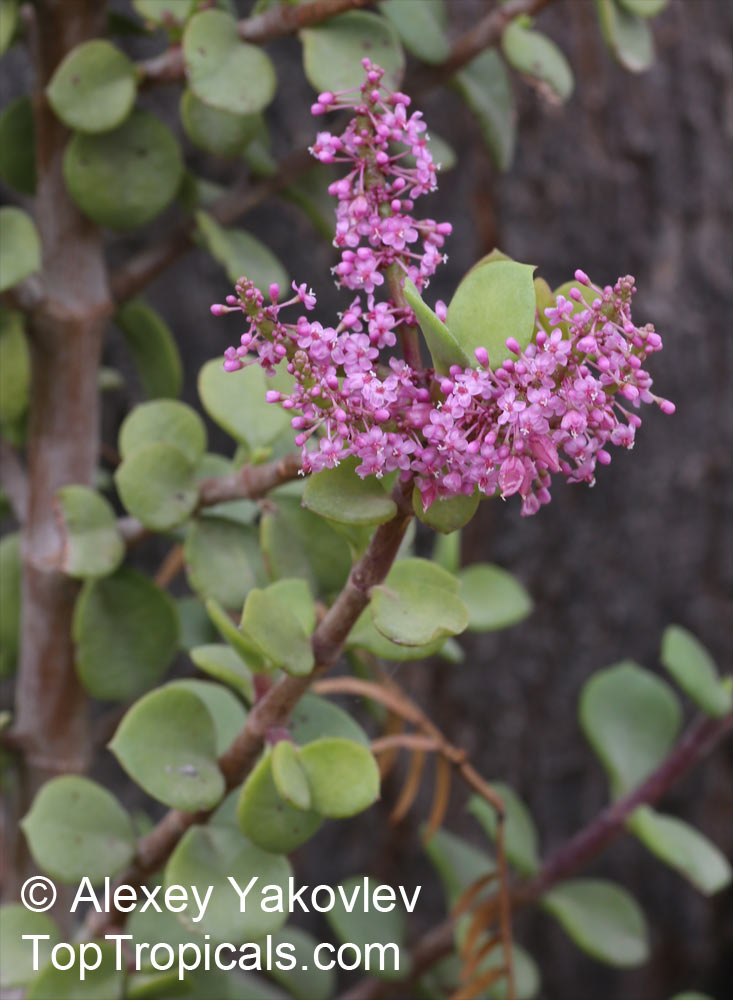
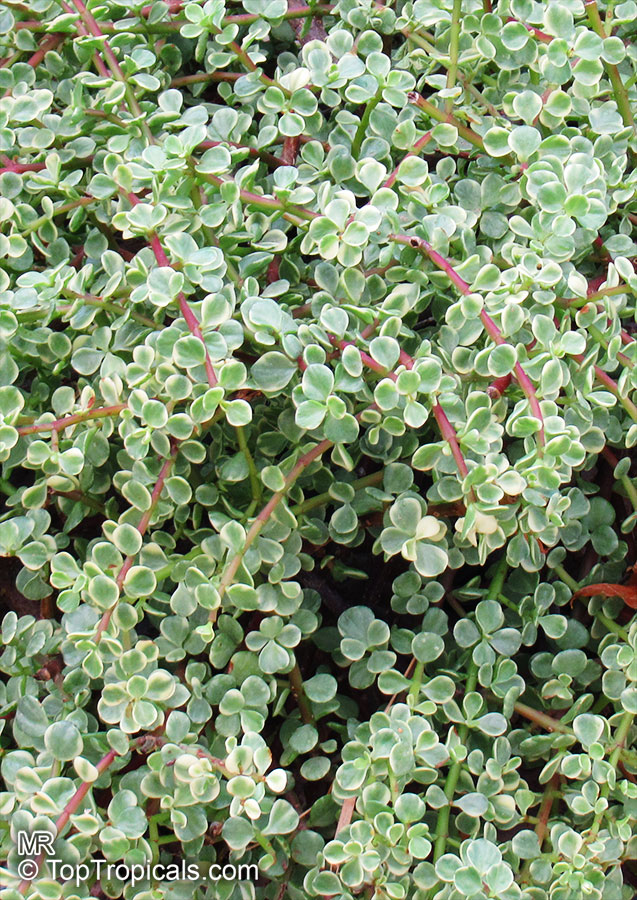
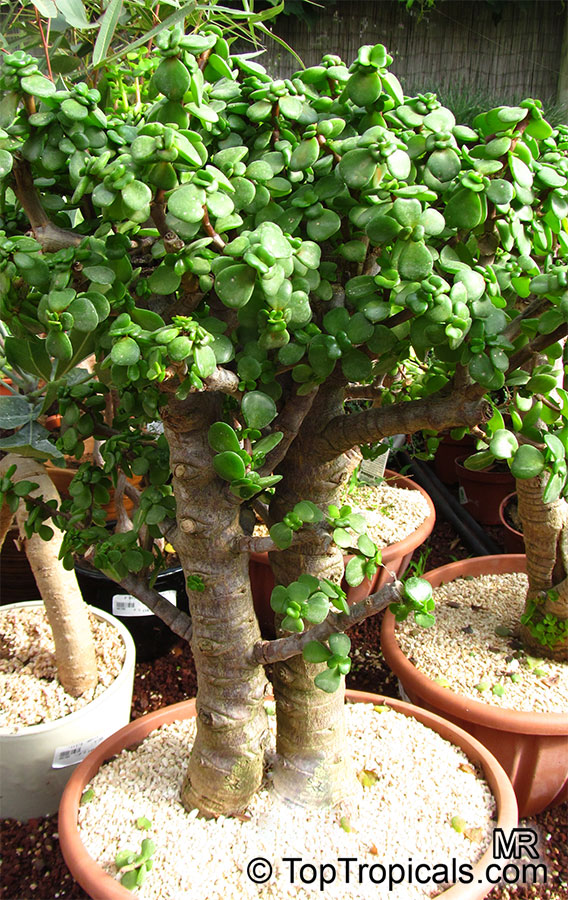
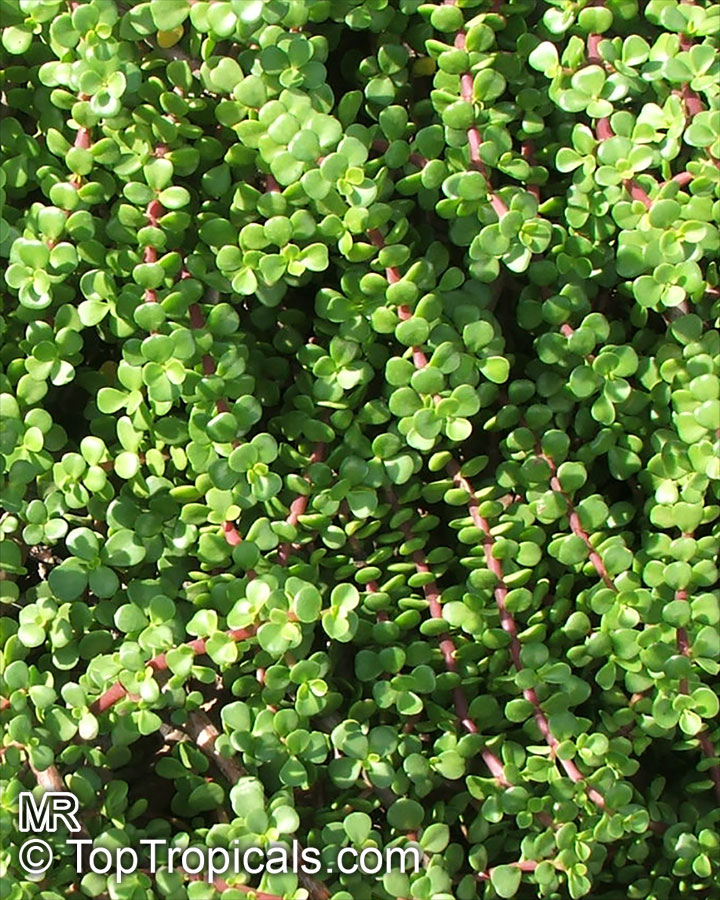
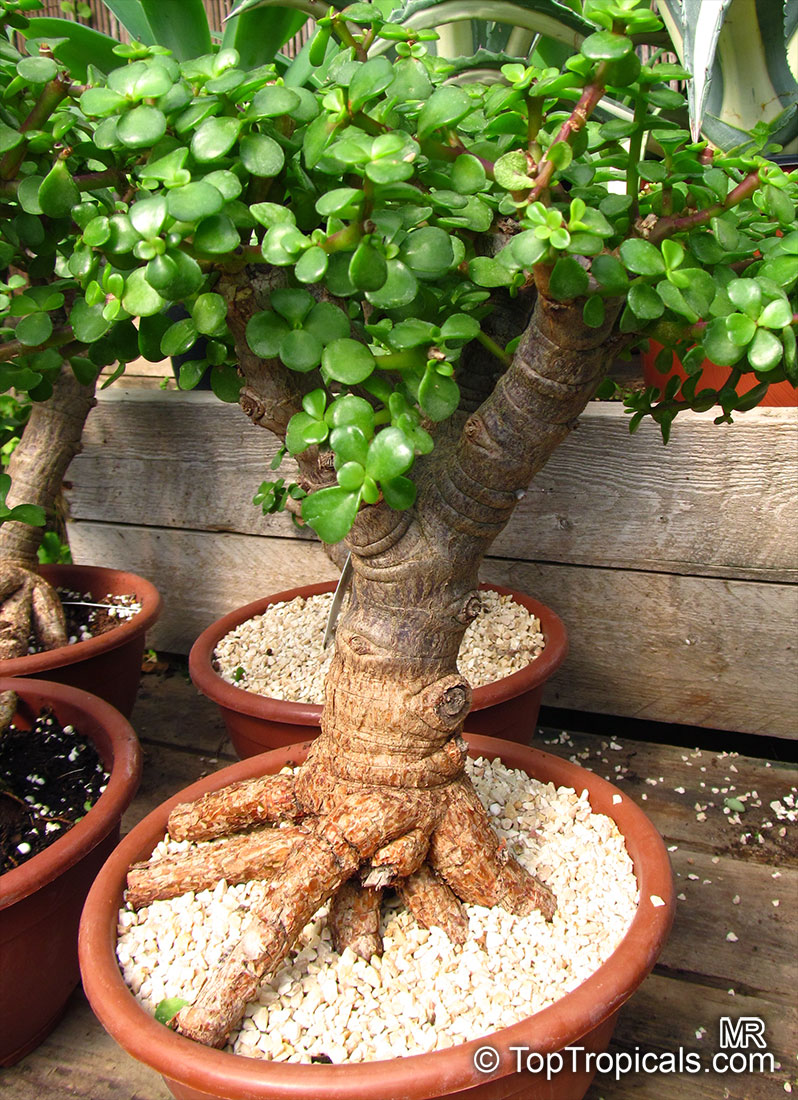
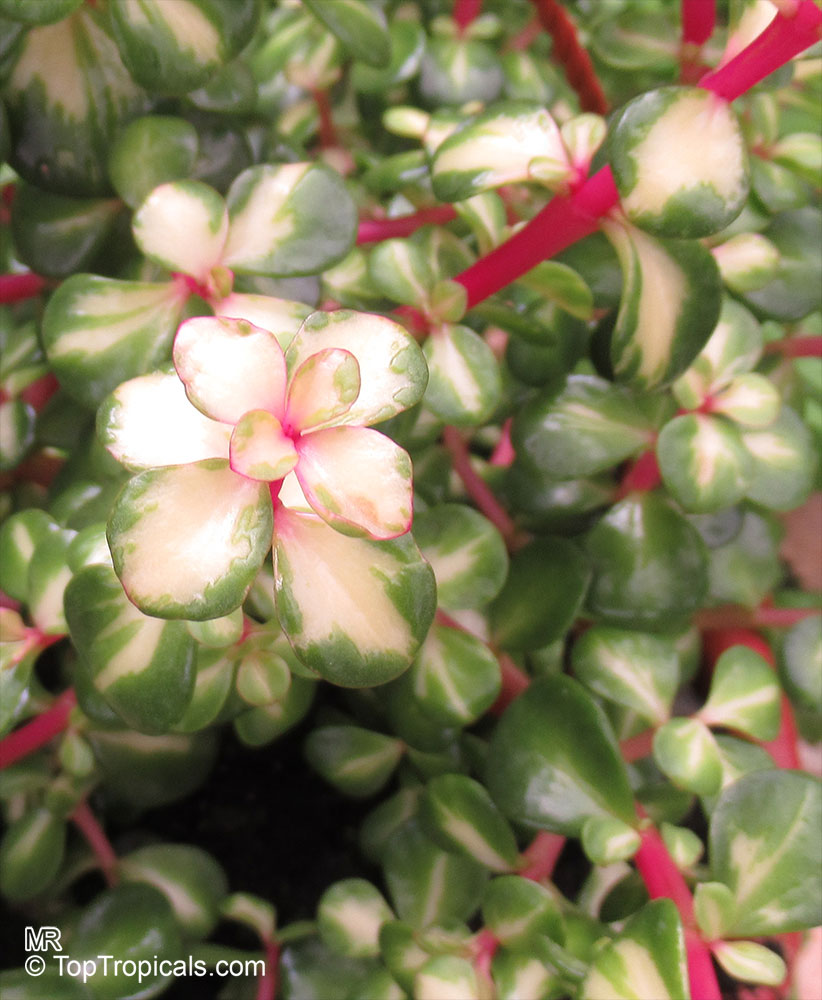
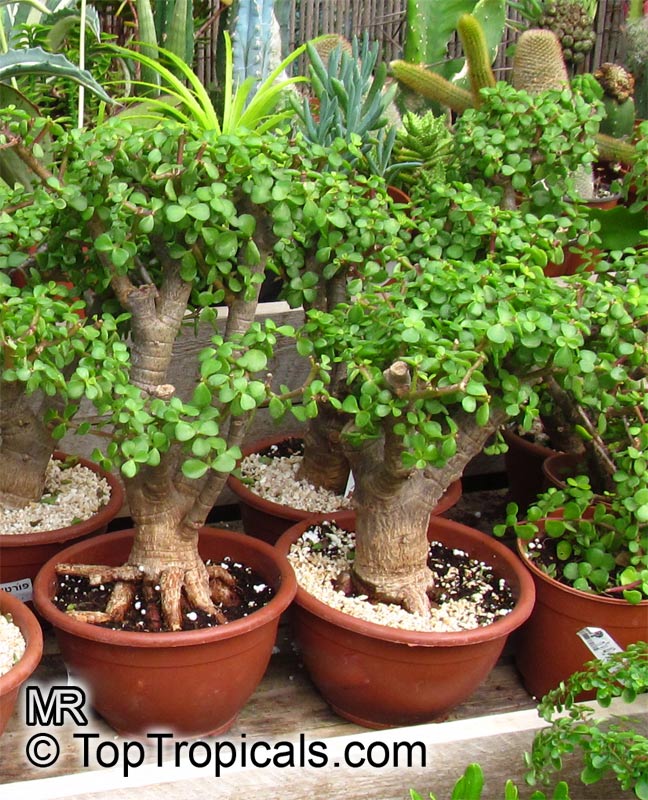
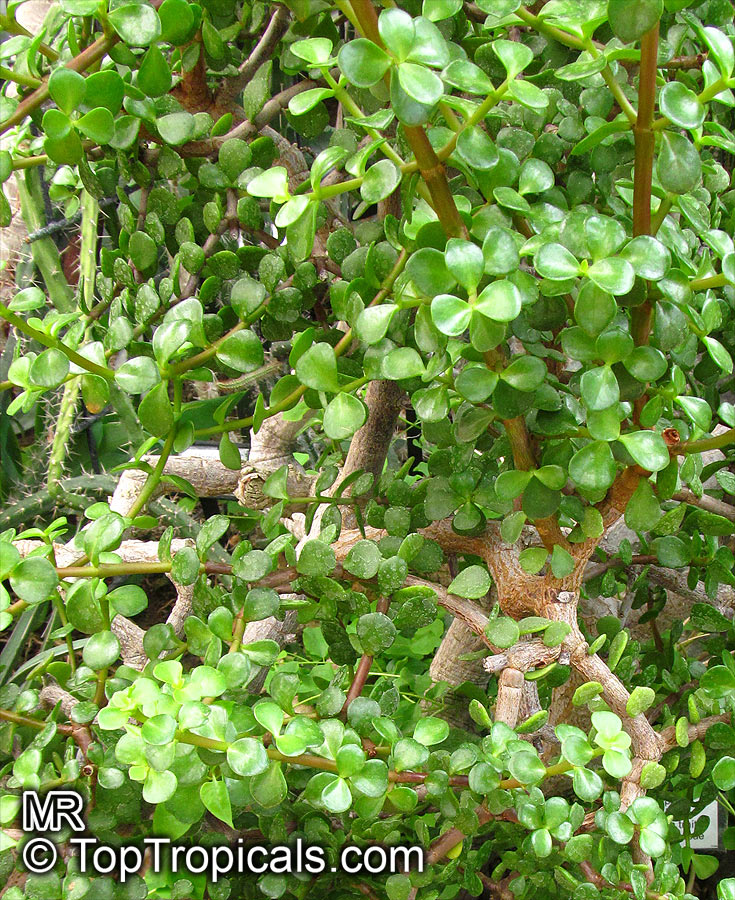
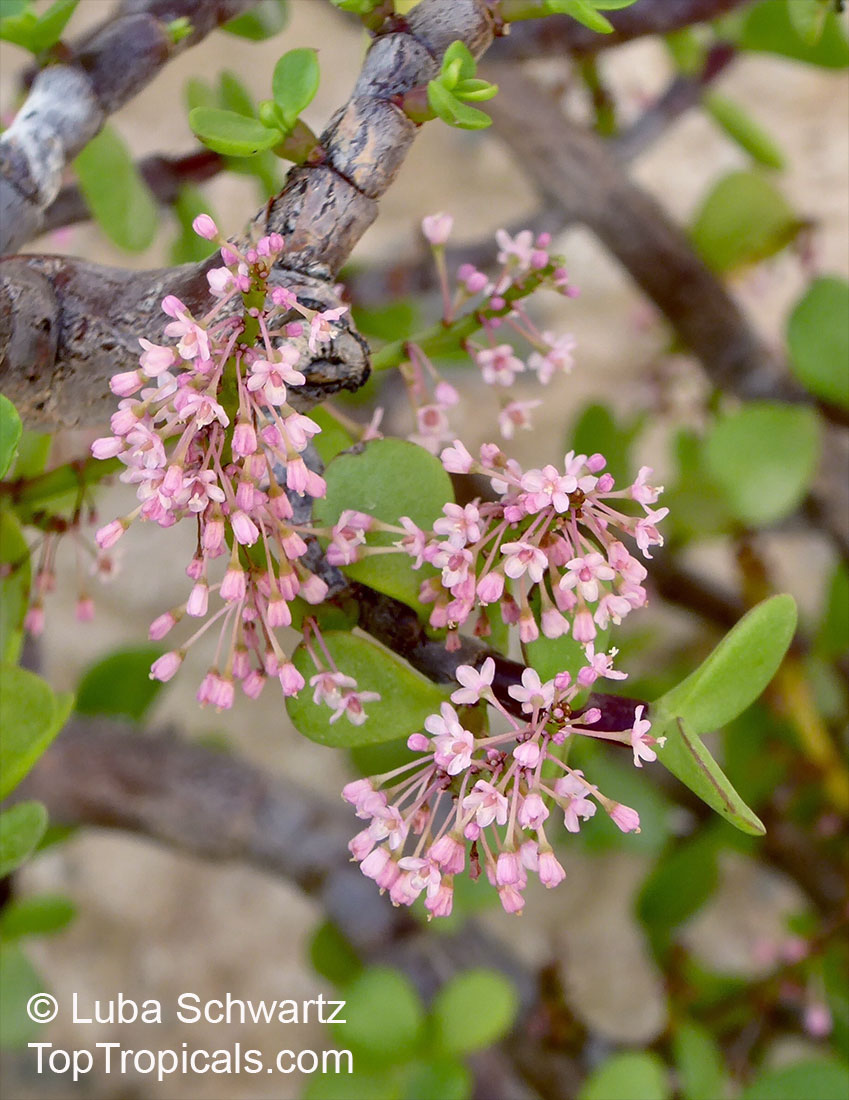
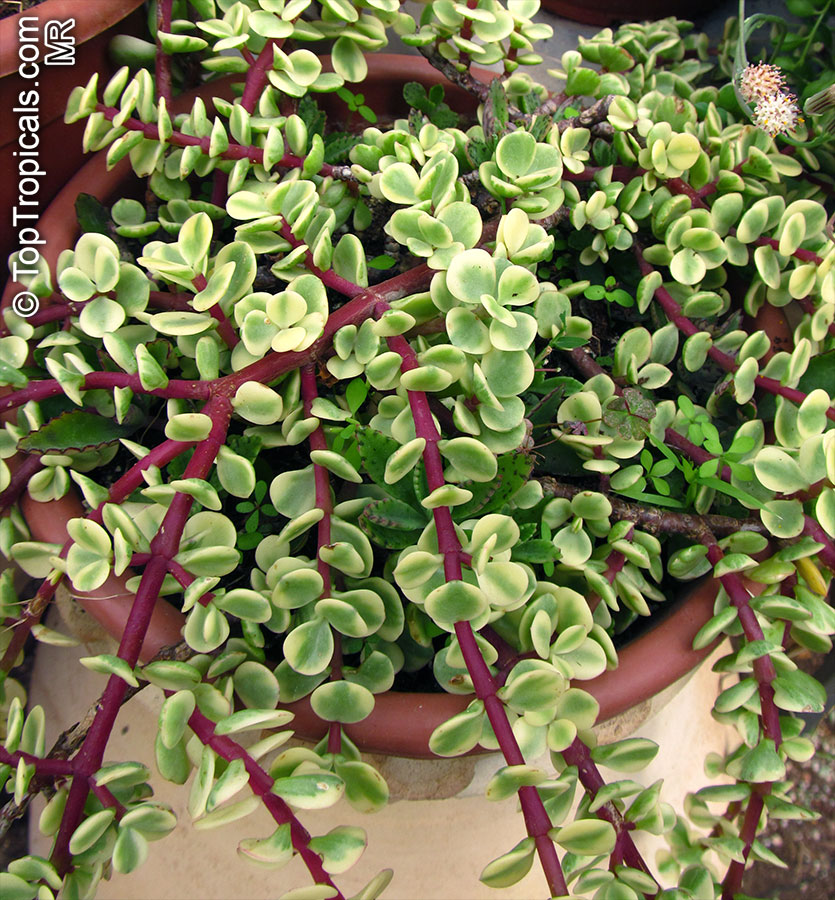
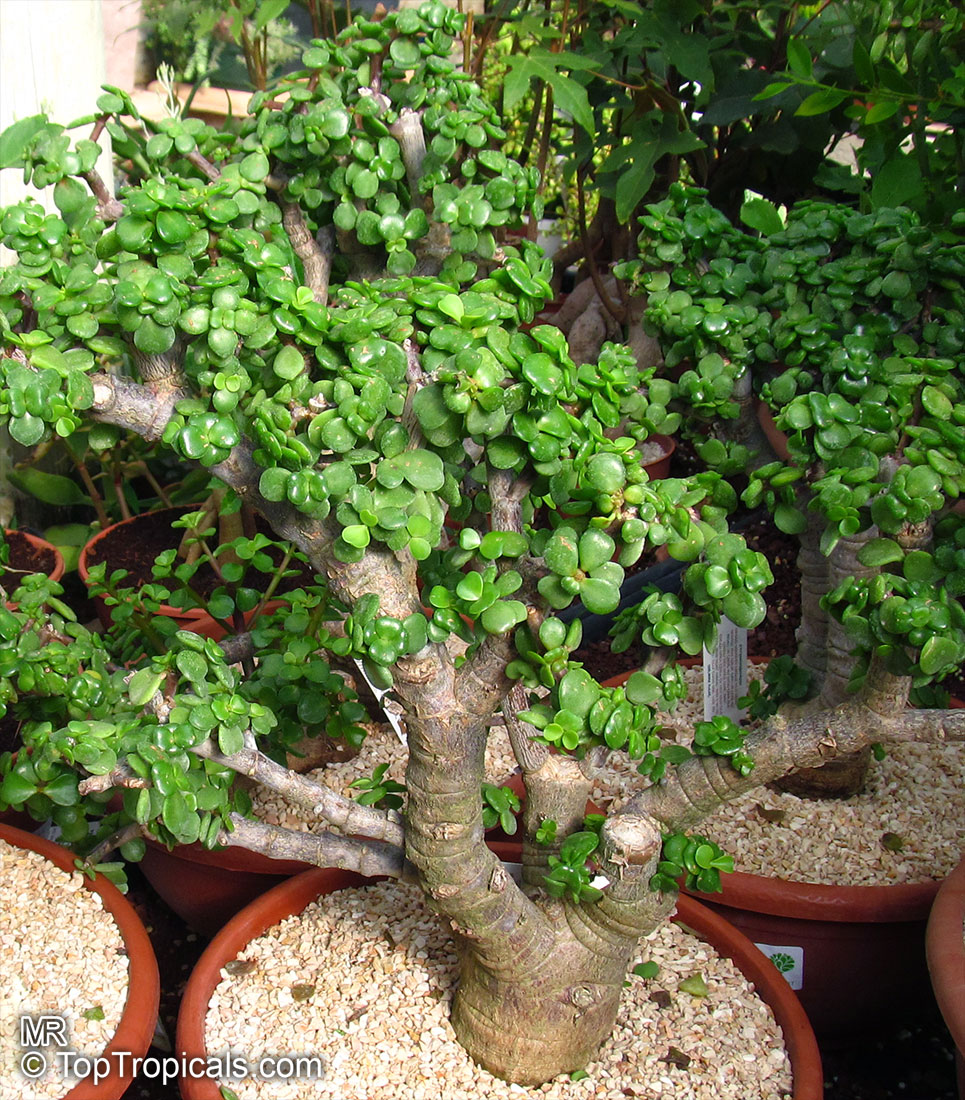
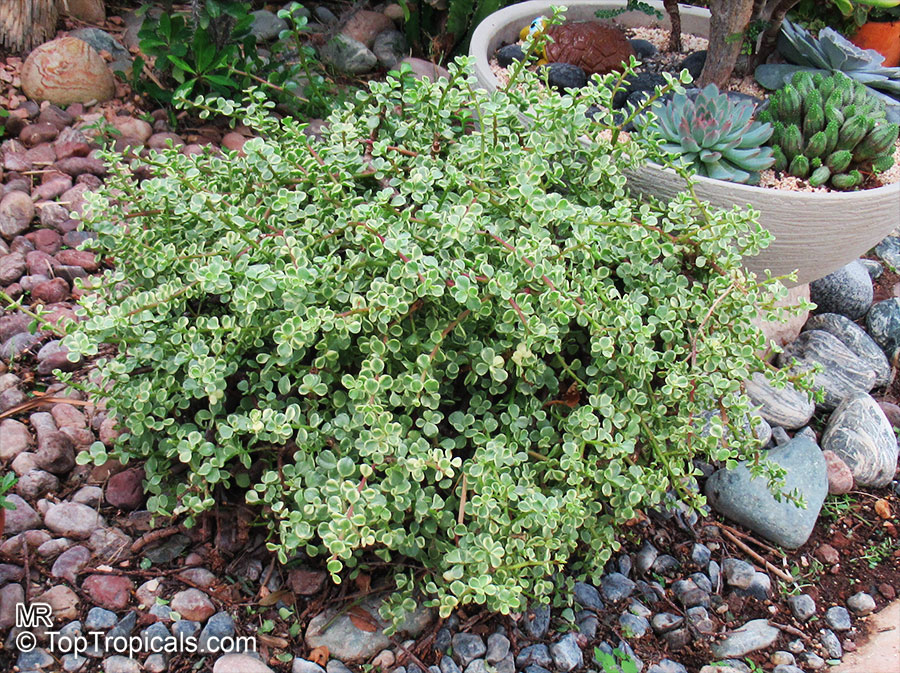
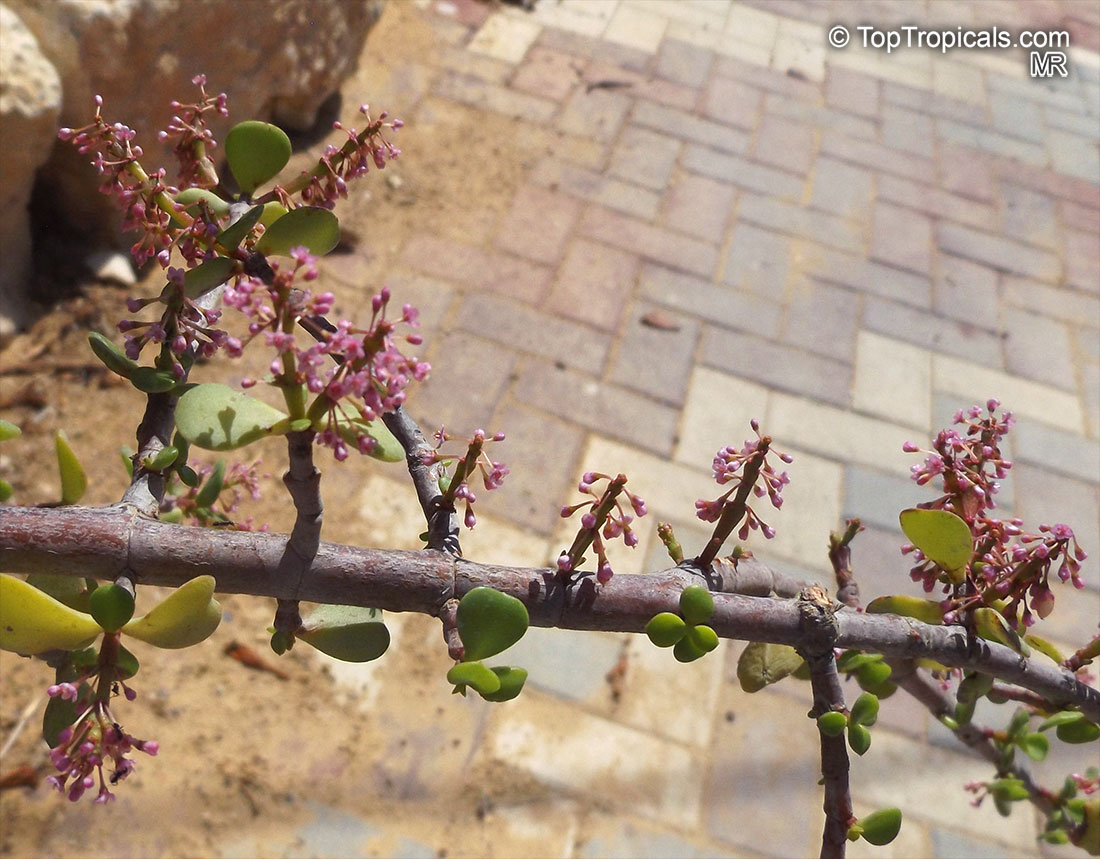
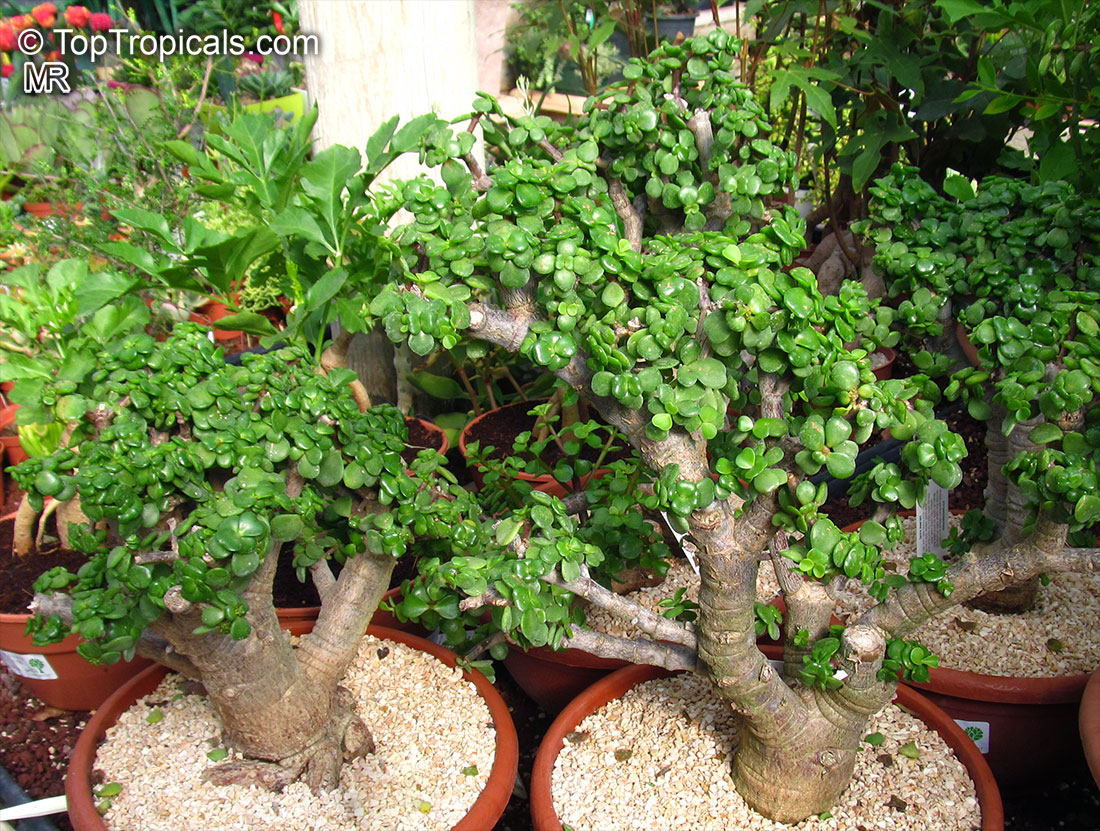
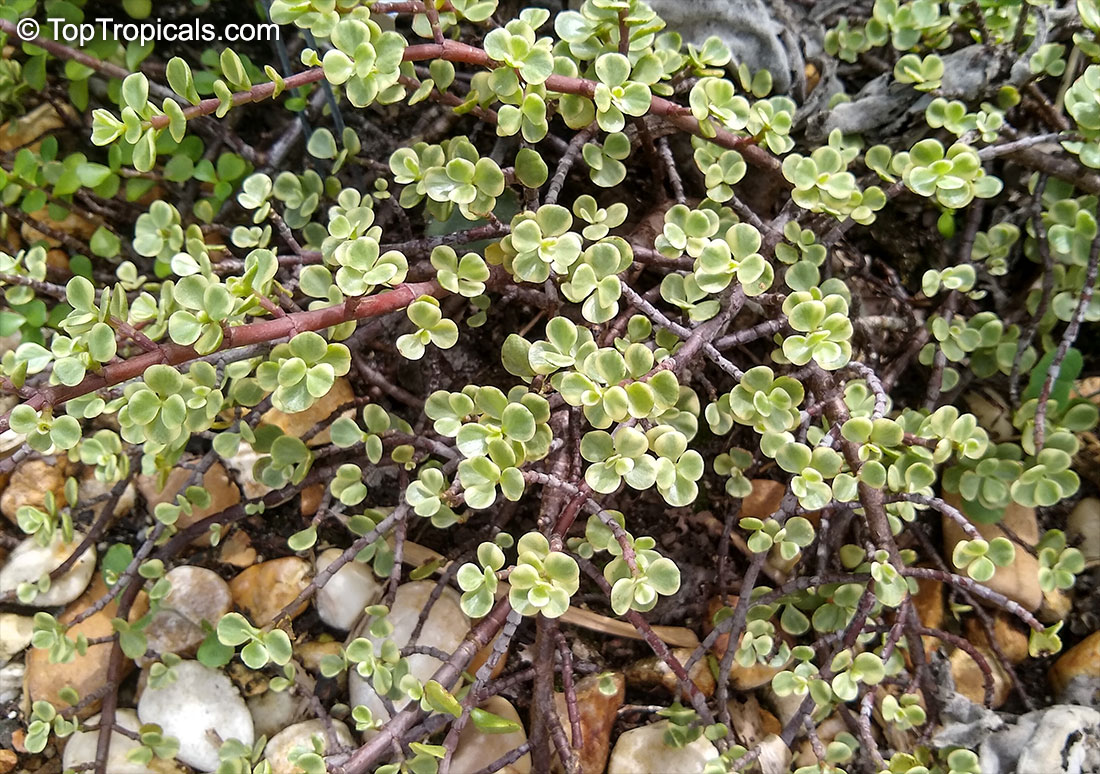
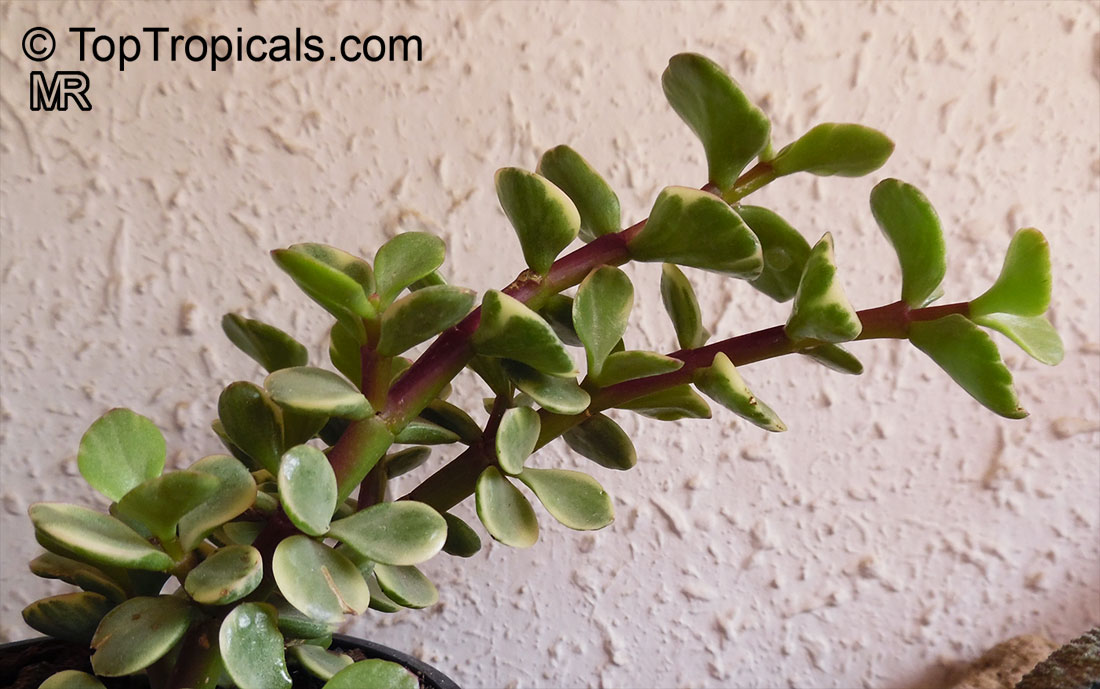
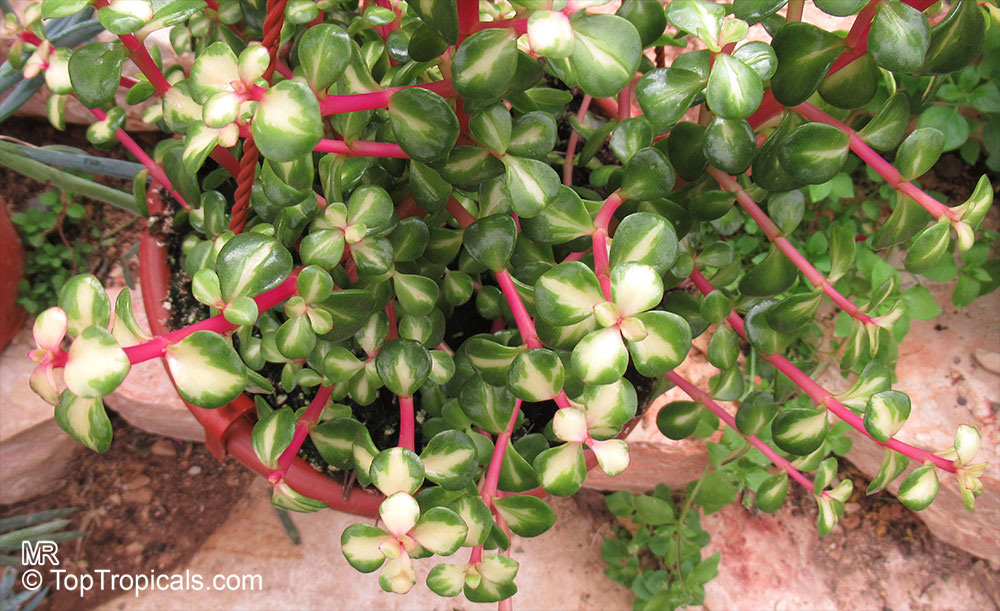
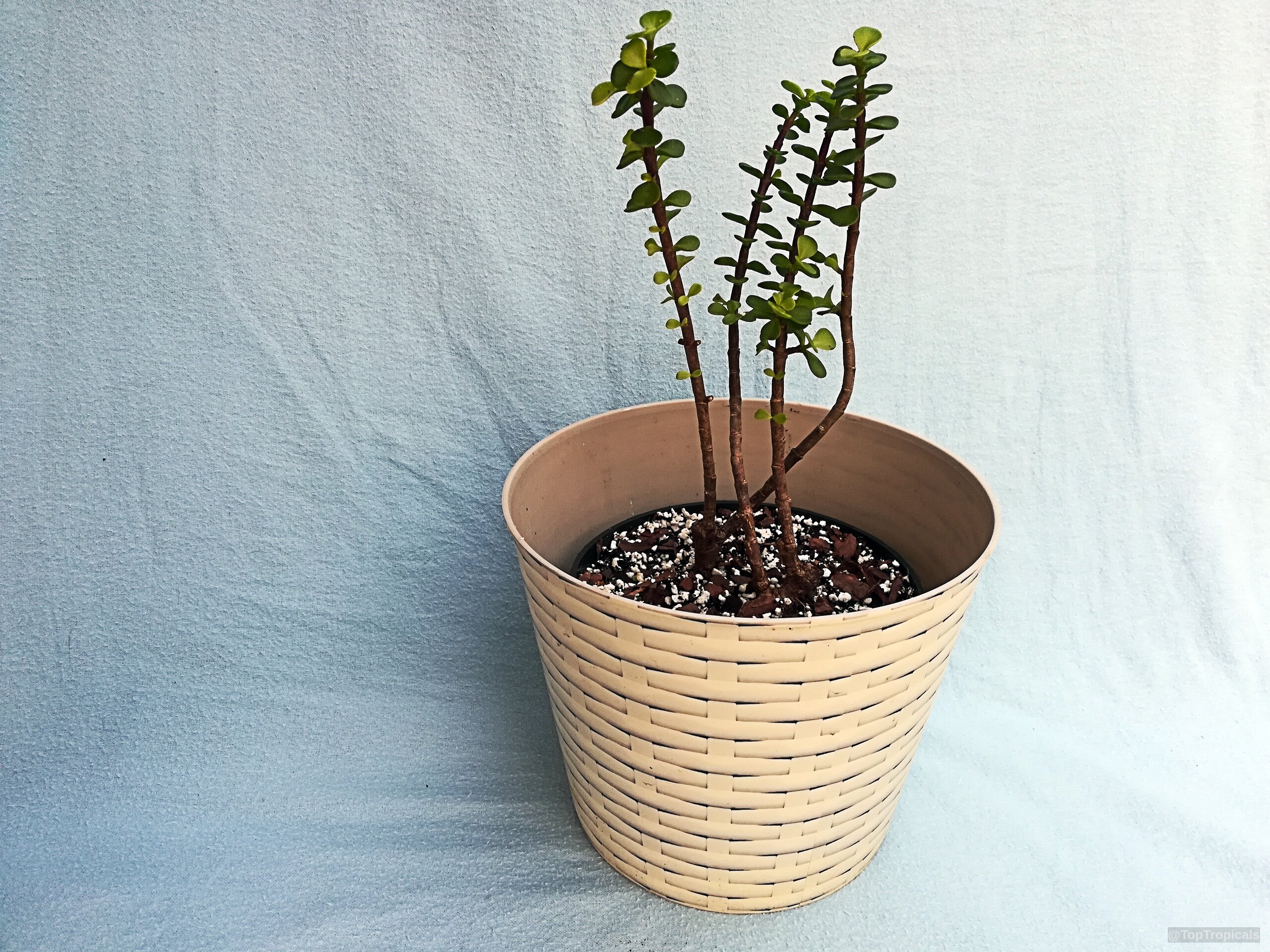
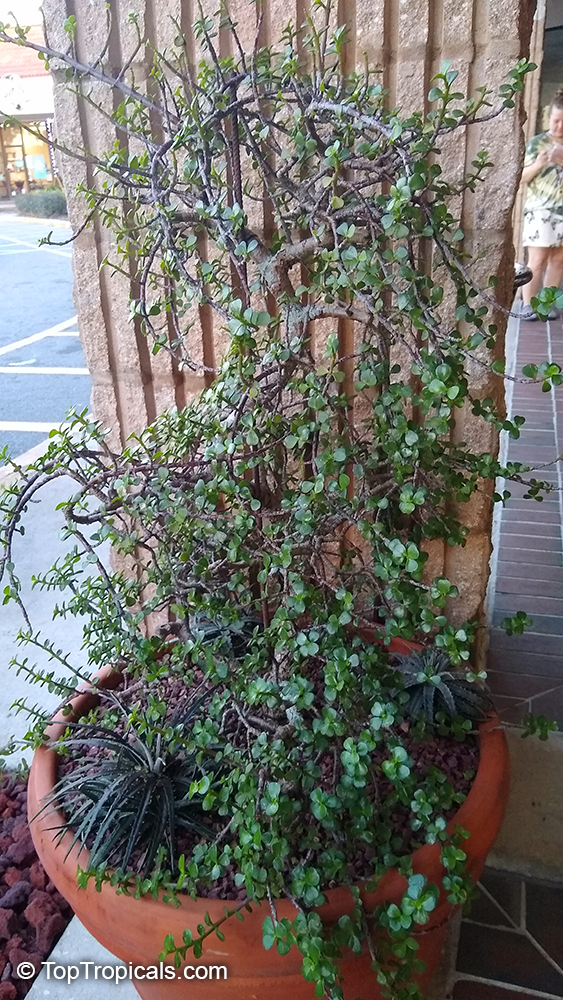
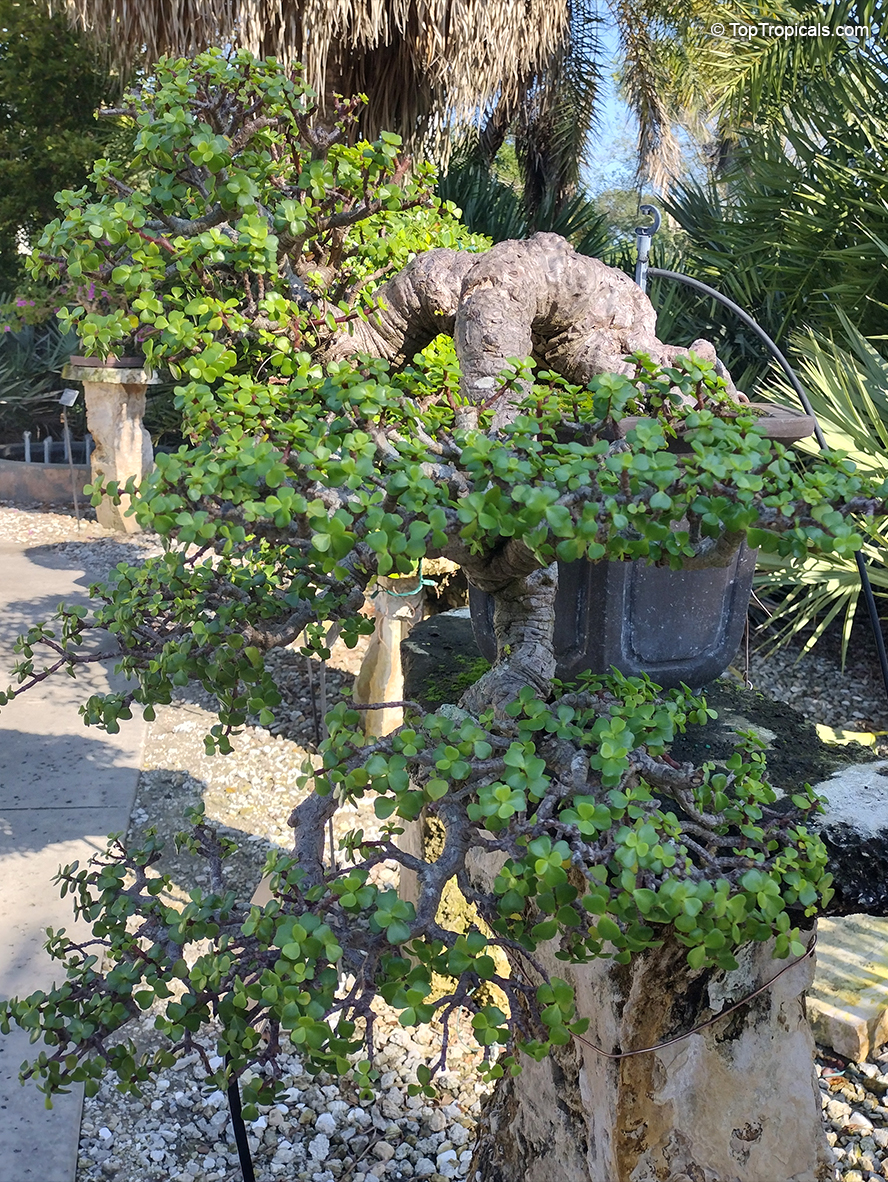
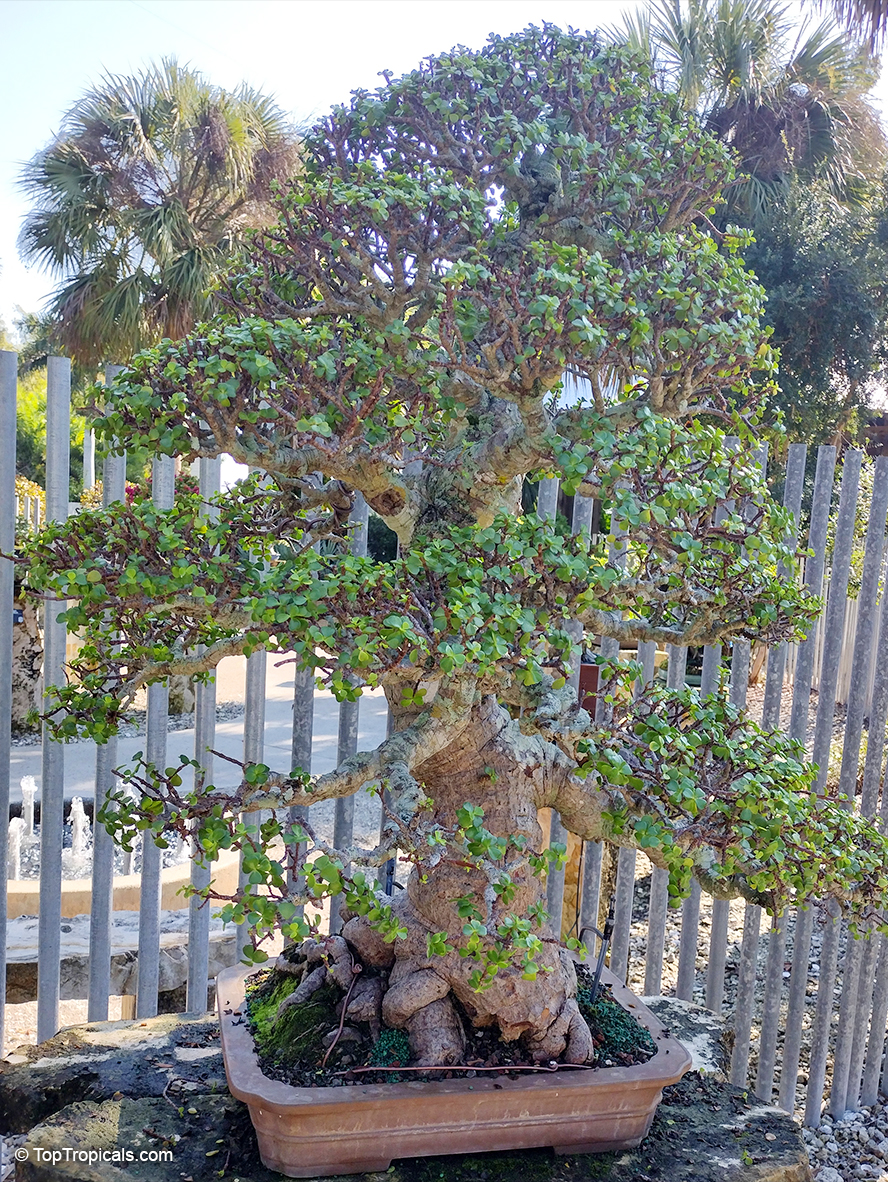
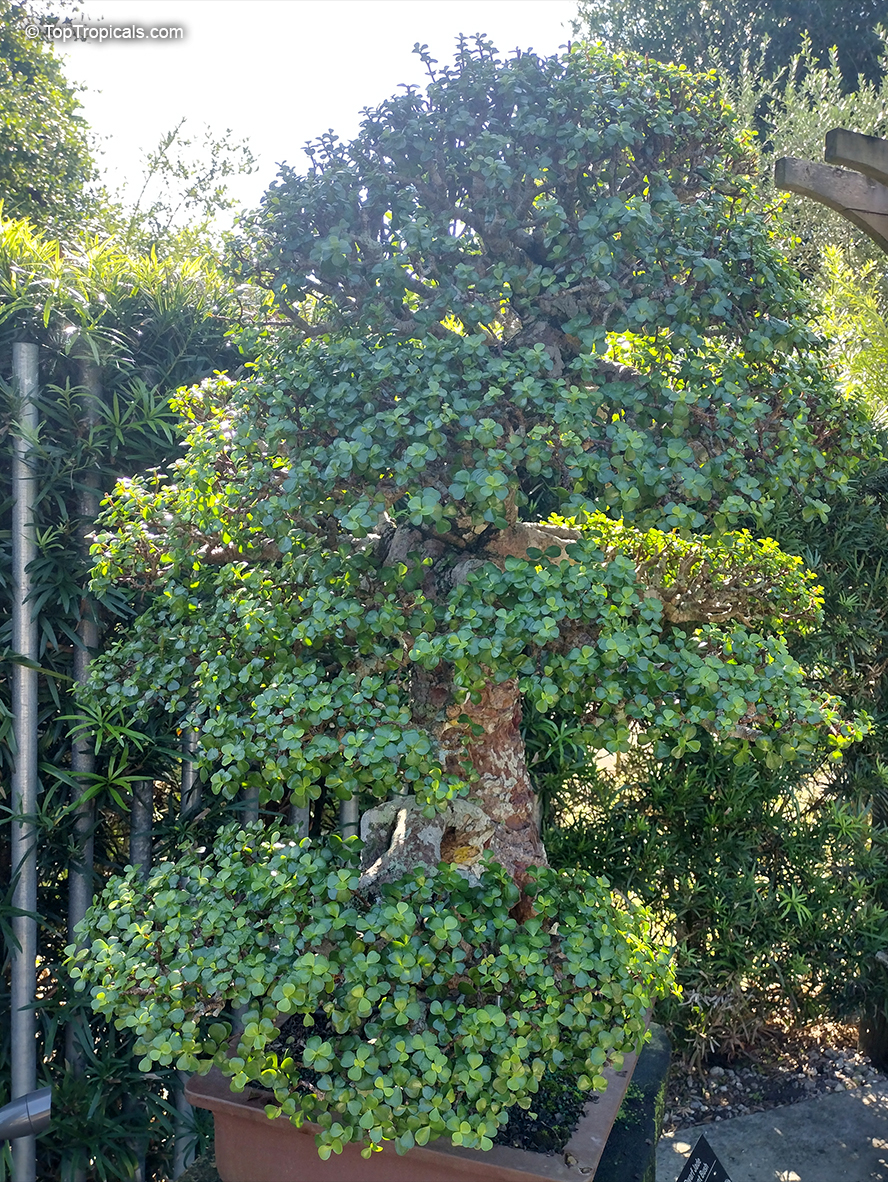
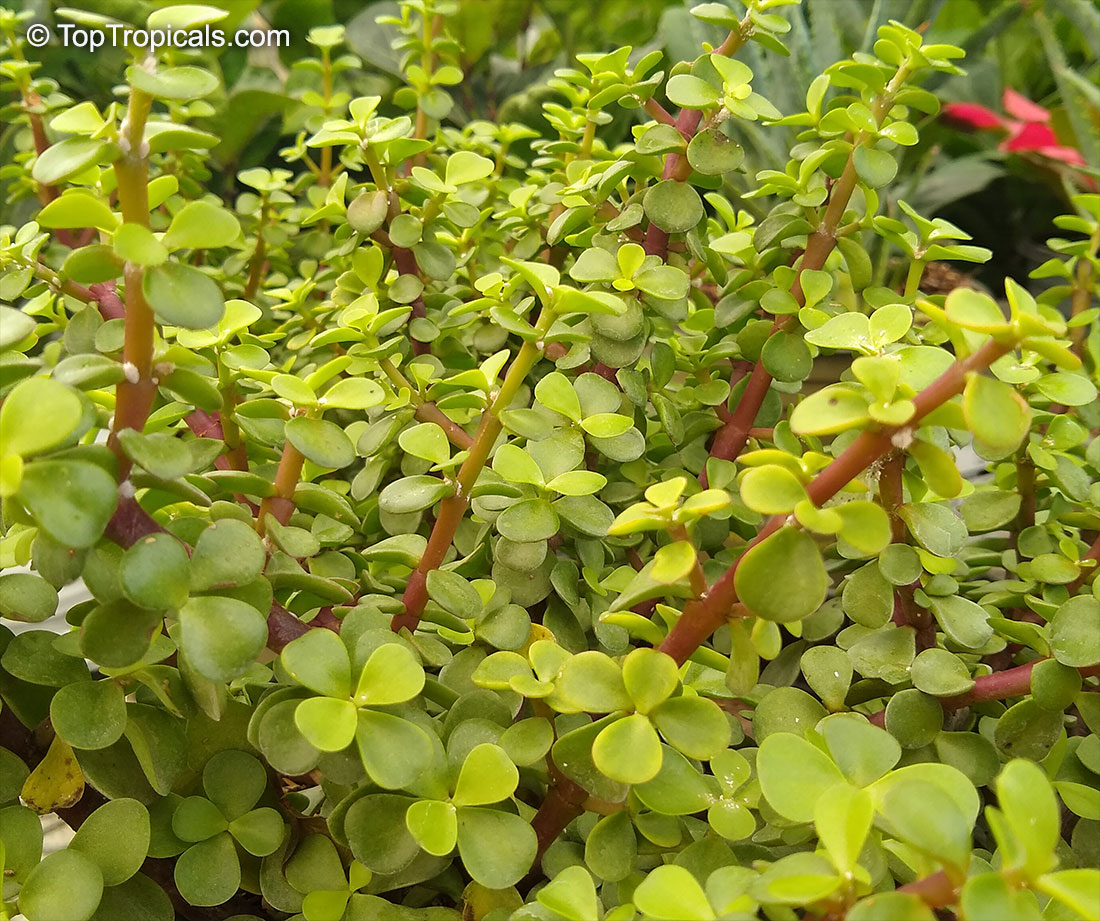
This interesting plant can be used as an indoor bonsai where sunlight or strong artificial light is sufficiently available. The plant known to us as P. Afra was first illustrated from a rooted cutting in 1732 by Dr. Johann Jakob Dillenius, Oxford professor of botany, in his Hortus elthamensis. Not having flowered, it was understandably thought to be a species of Crassula. The common names derive from the succulent nature of the plant's leaves and stout trunk, and also from the observation that elephants will browse upon this. This is a stout juicy-stemmed, soft-wooded, semi-evergreen upright shrub or small tree, in the ground growing about 9 ft tall. The diameter of the trunk can be 9" or more. The leaves and young branches/branch tips are quite phototropic. Older branches, gray, shiny and up to 2" thick, will hang down or trail on the ground. Spreading outward, less frequently they will grow erect, especially at the center of the plant. Has opposite, obovate (egg-shaped), glabrous, very fleshy, blunt green leaves usually less than 1" long and without a distinct petiole or leaf stem. The flowers are white/pink/rose/lilac-colored. In South Africa P. afra bears these star-shaped flowers in late spring and summer after the rains, but seldom blooms in the western U.S., Hawaii, or Florida. The flowers are rare in cultivation, but if kept very dry the older and presumably unpruned plants may flower after rain. The berry-like fruit is pinkish, small, light, dry, transparent. Leaves of plants grown in full sun are smaller than those of the same variety grown in partial shade. Full sun is also known to bleach the leaves to a pale yellowish color on some large potted specimens. Brown patches on leaves can be due to sun scorch. Move the affected plant to a more airy place and shade from the hot sun for two weeks. Cuttings can become rooted in water, but after about one month the cutting needs to be put in soil or else it will rot.
In Africa, it is a favorite food for both Elephants and Rhinoceros, and is grown in farms for feeding both animals and people. The foliage when eaten raw, steamed, lightly boiled, or especially stir-fried, is not only delicious but actually very nutritious, containing more beneficial Beta 3 fatty acids than most fish.
Read more about Portulacaria afra.
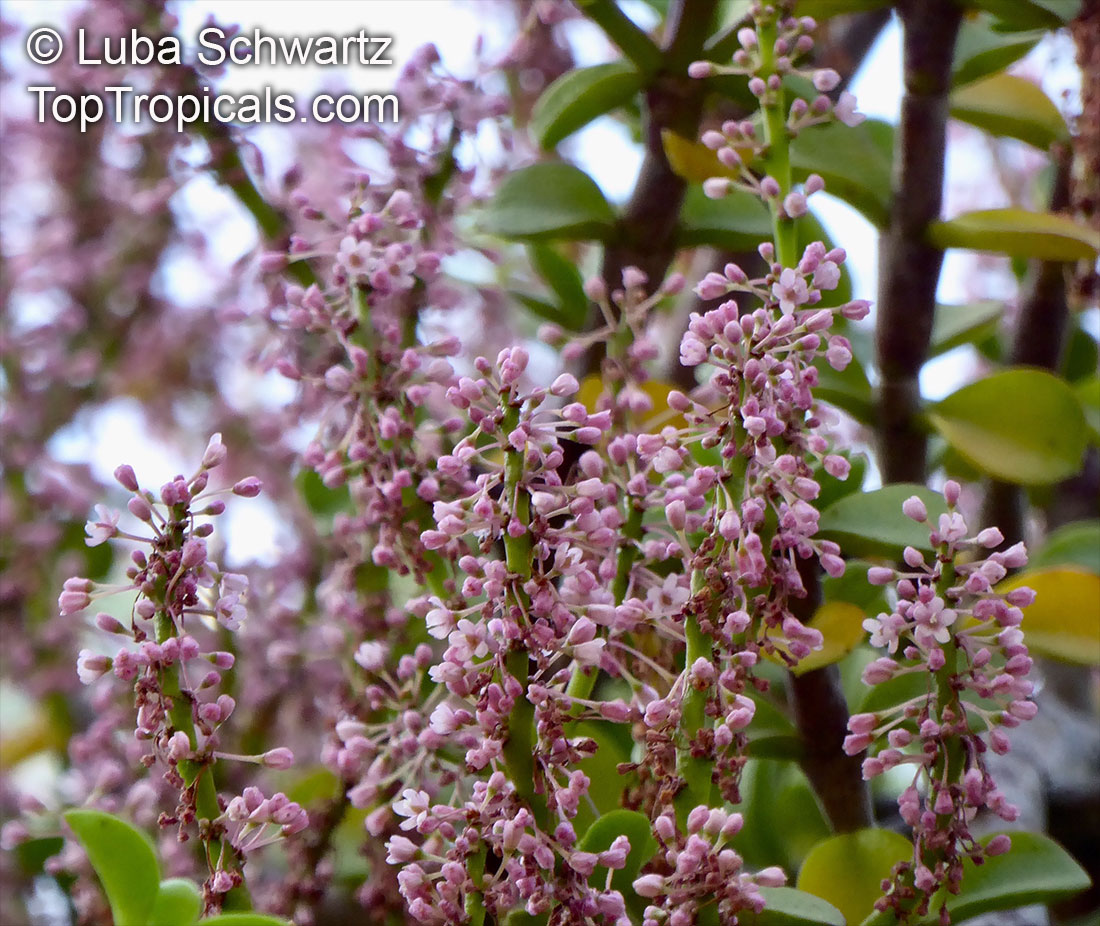
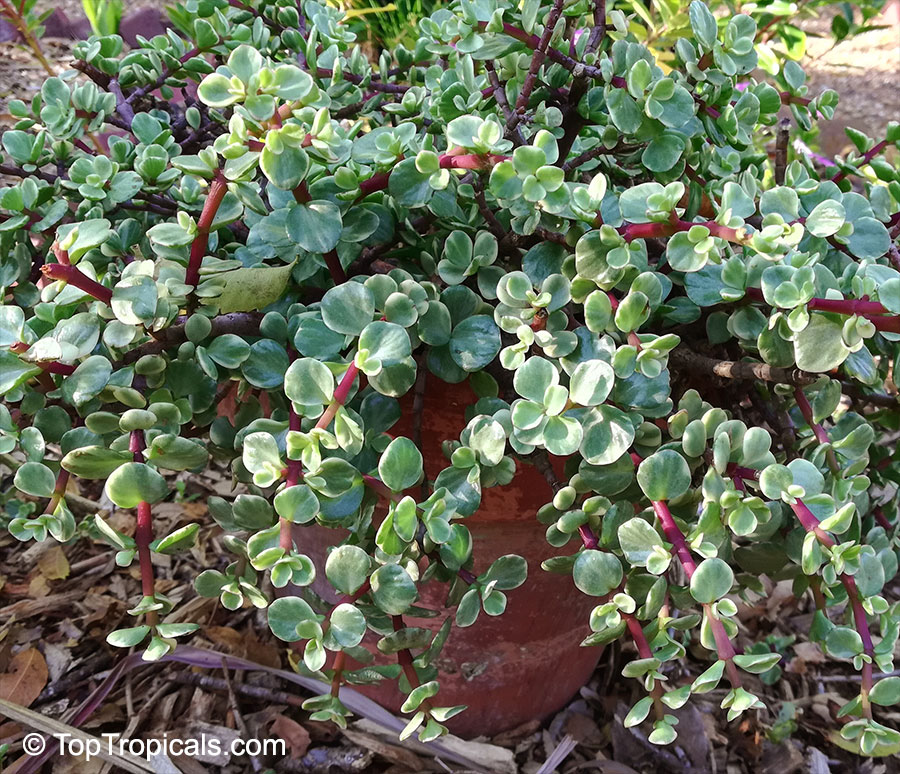
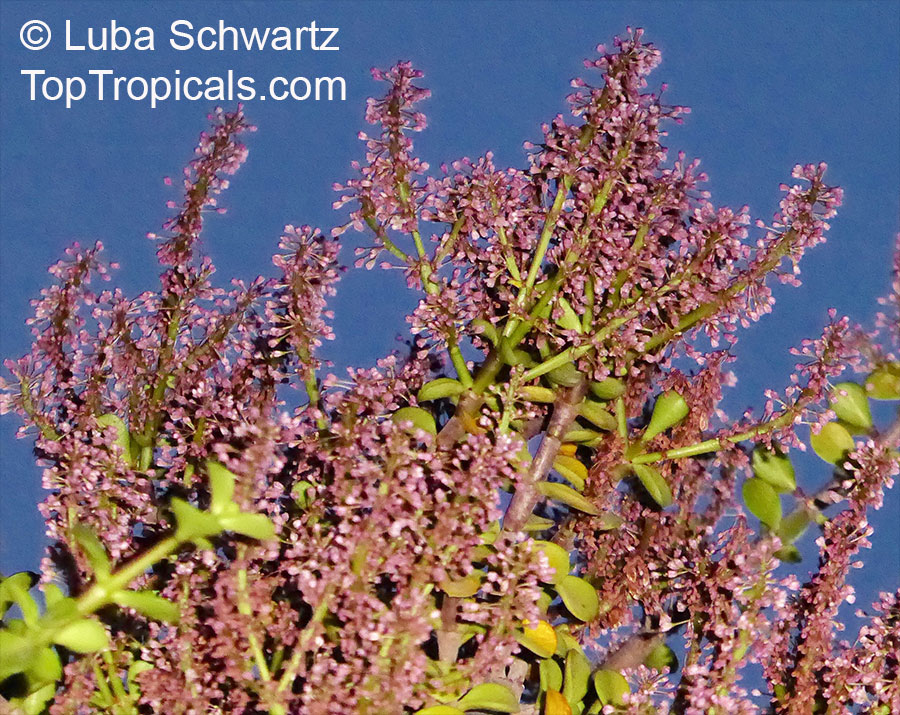
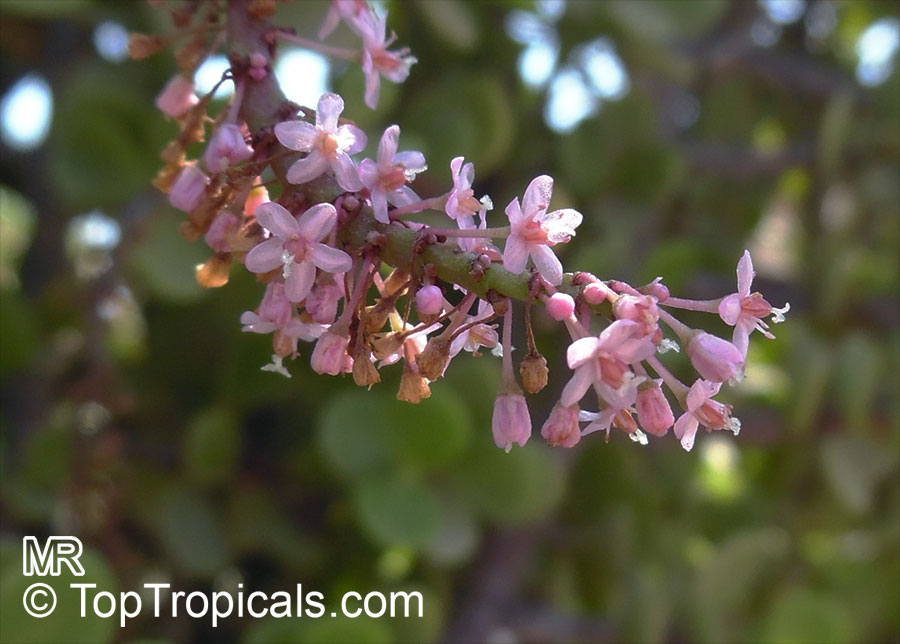

In Africa, it is a favorite food for both Elephants and Rhinoceros, and is grown in farms for feeding both animals and people. The foliage when eaten raw, steamed, lightly boiled, or especially stir-fried, is not only delicious but actually very nutritious, containing more beneficial Beta 3 fatty acids than most fish.
Read interesting Article about this plant.
Recommended Fertilizer: SUNSHINE Robusta - Rapid Growth Booster
Local pickup only. This item is not available for shipping. Local delivery may be available in Ft. Myers or Sebring, Florida. Contact us for an estimate. Non-pickup orders are subject to restocking fees.
 SUNSHINE C-Cibus (NPK 2-2-4) - Crop Booster for every watering.
  SUNSHINE C-Cibus (NPK 2-2-4) - Crop Booster for every watering.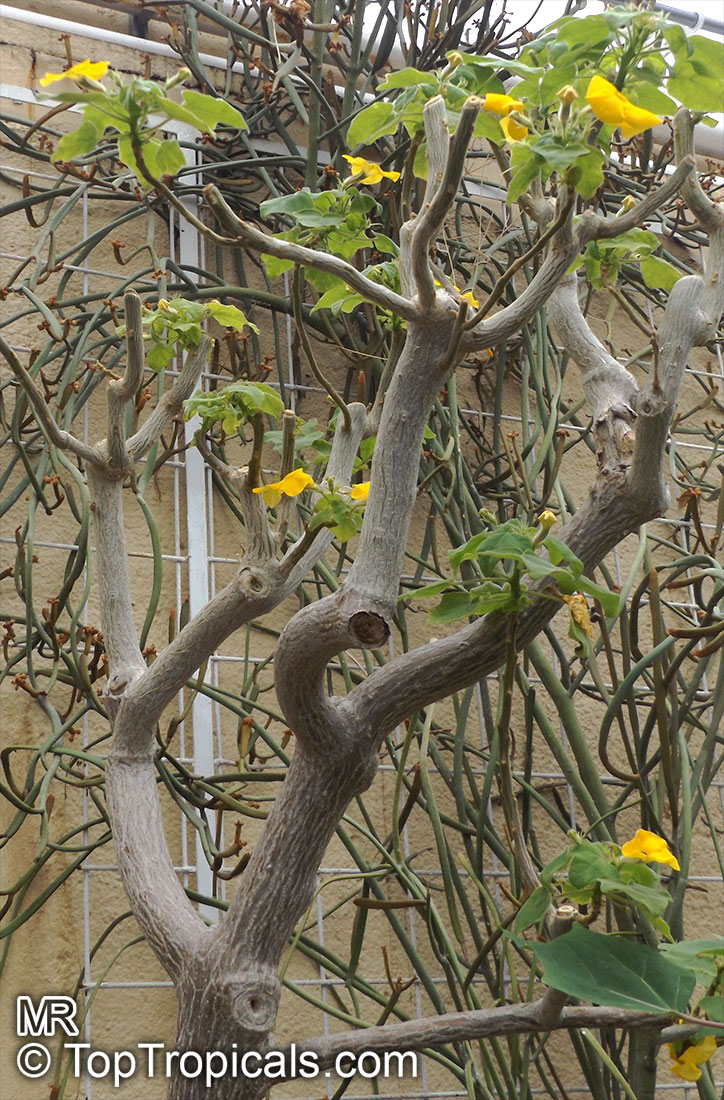
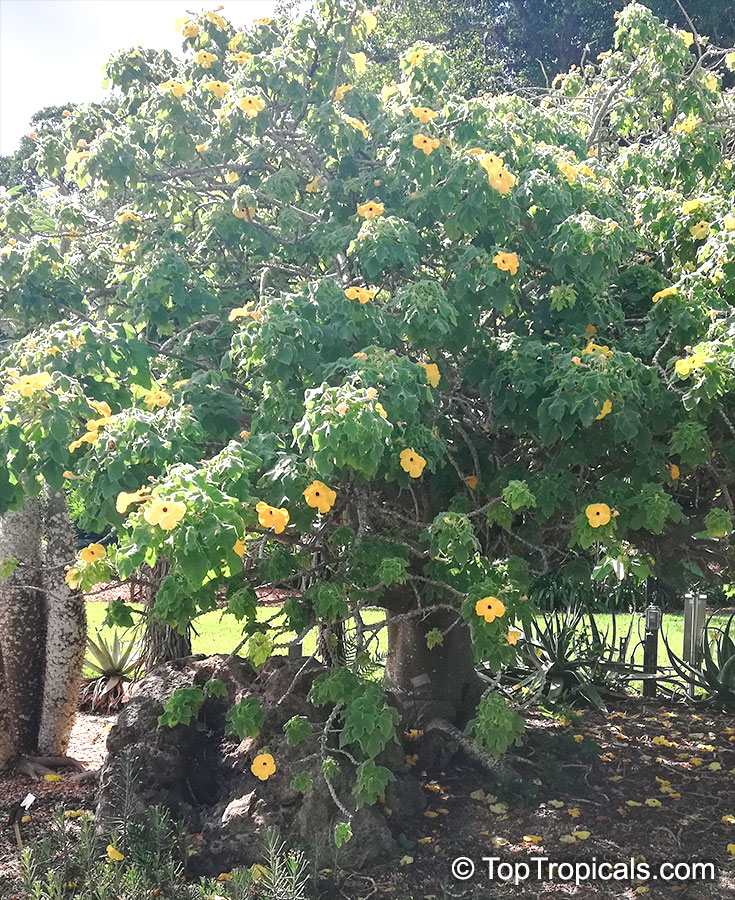
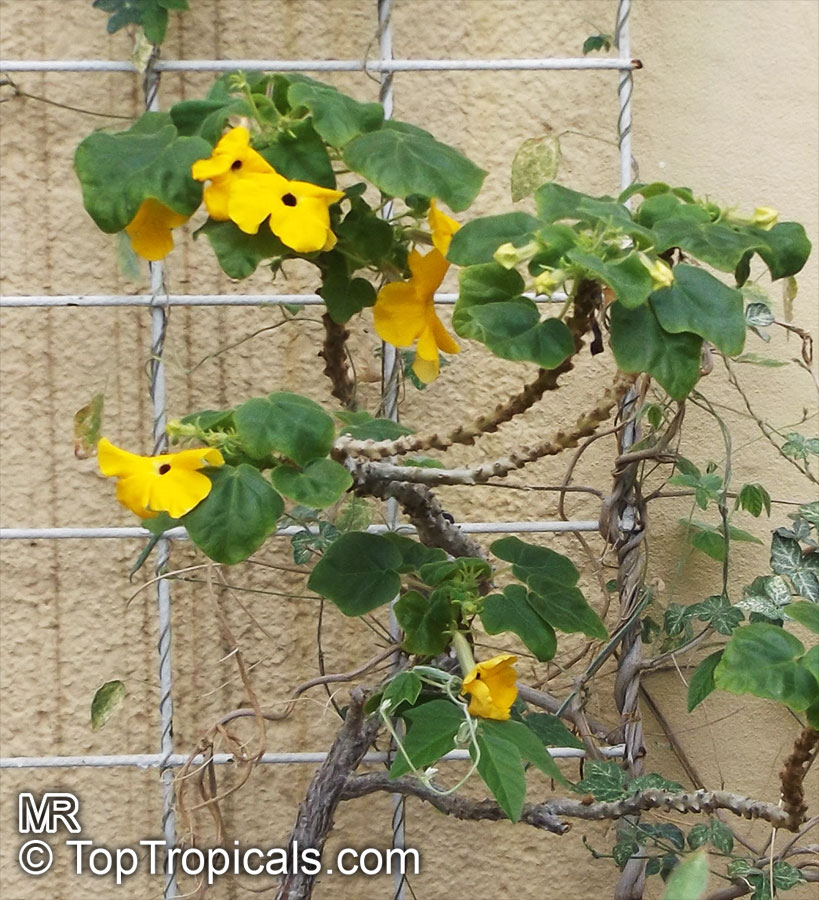
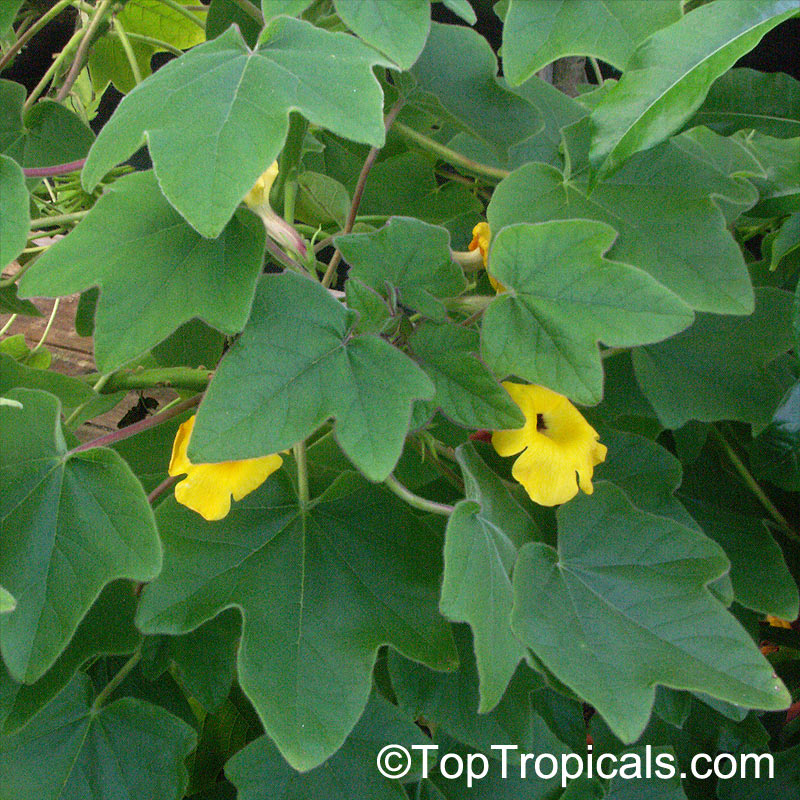
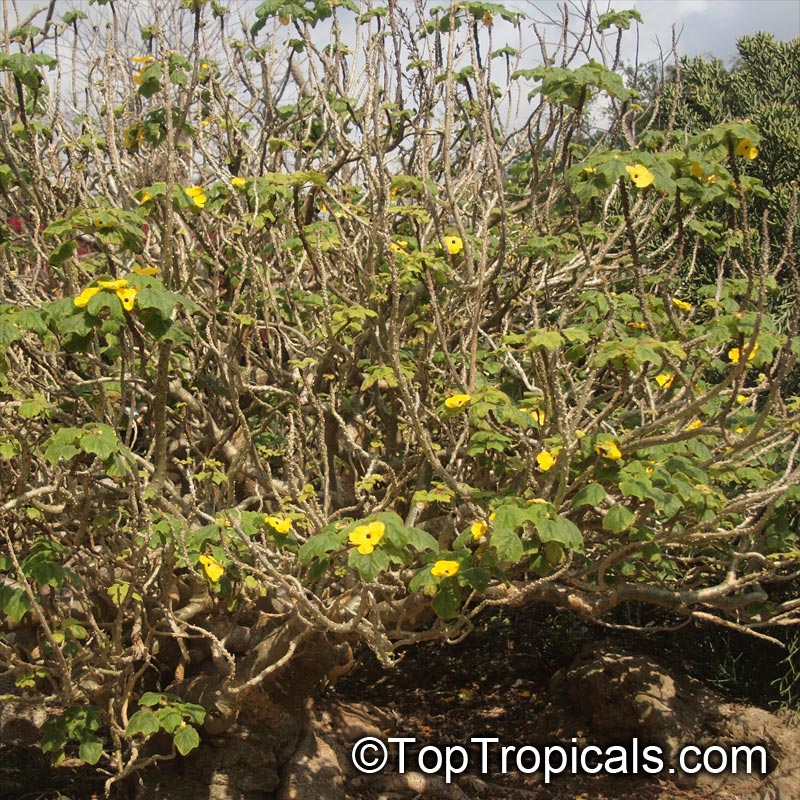
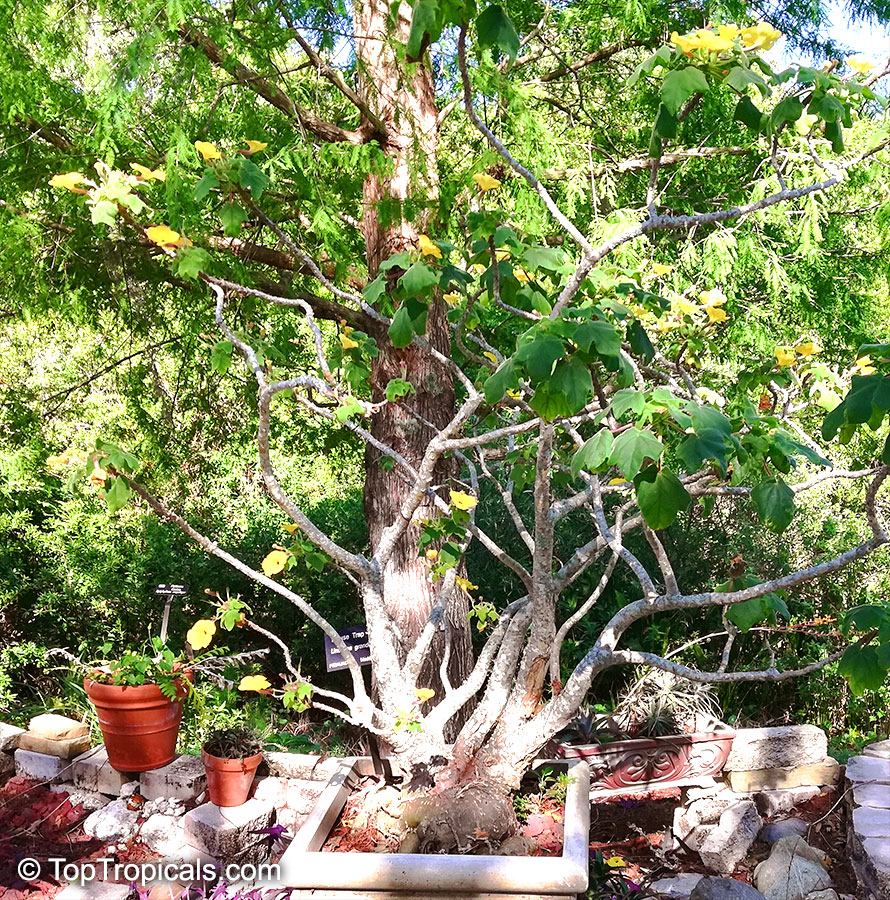
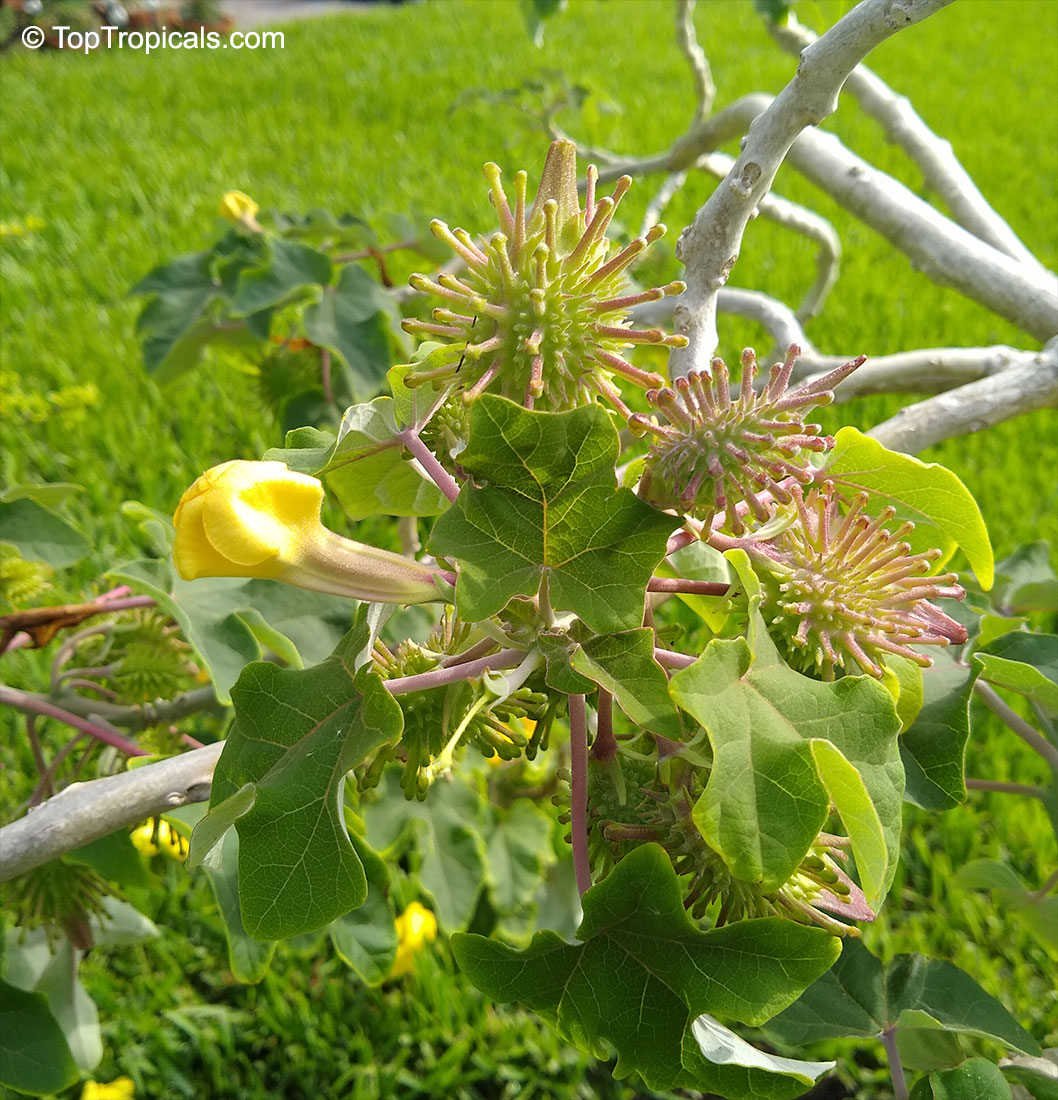
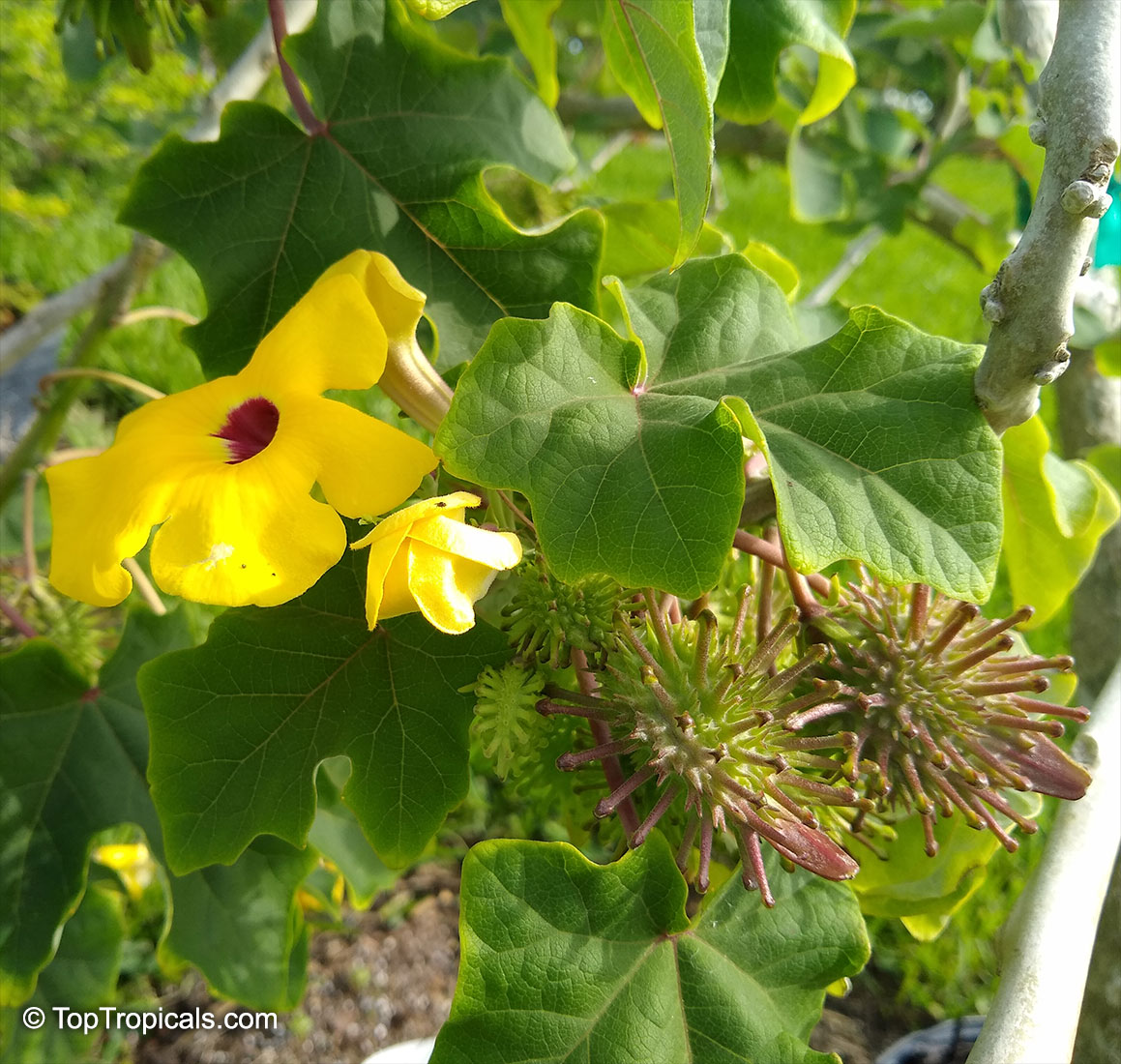
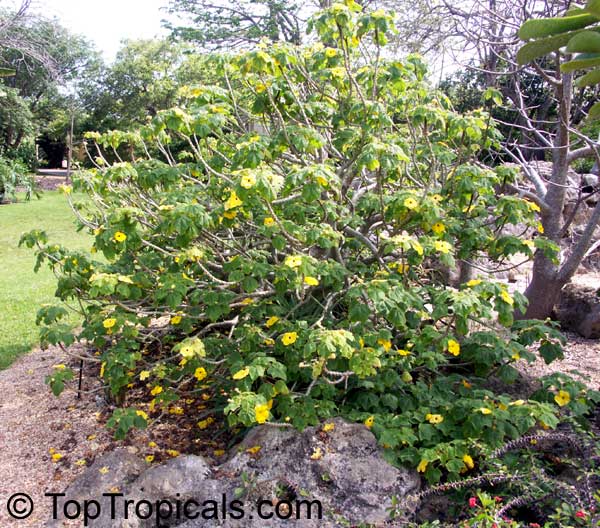
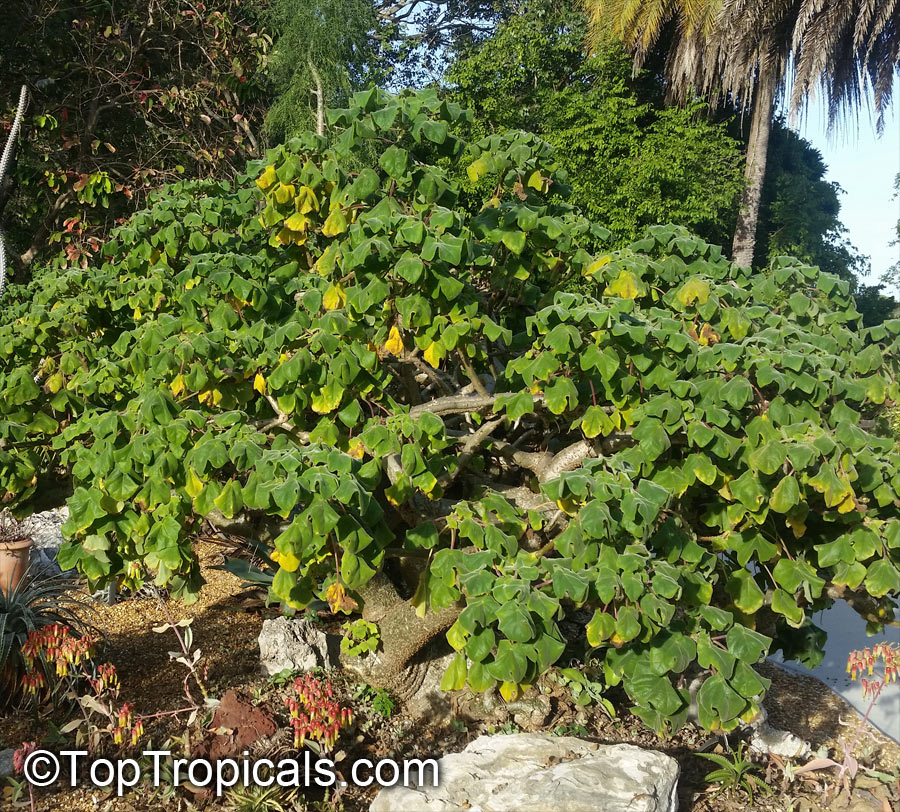
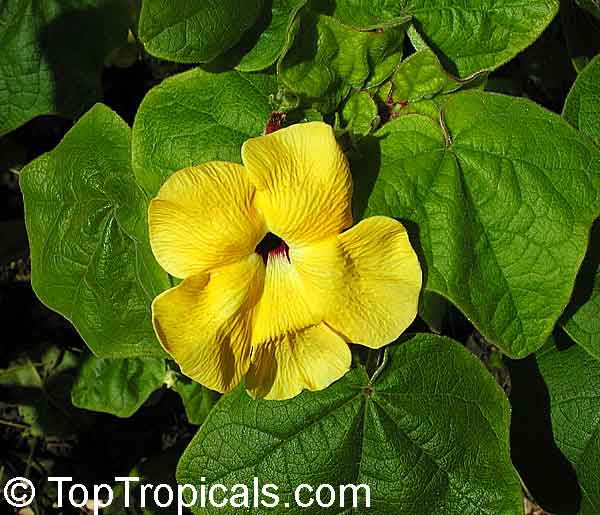
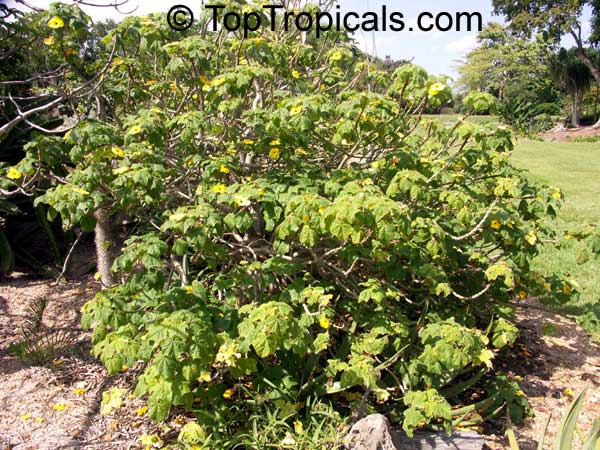
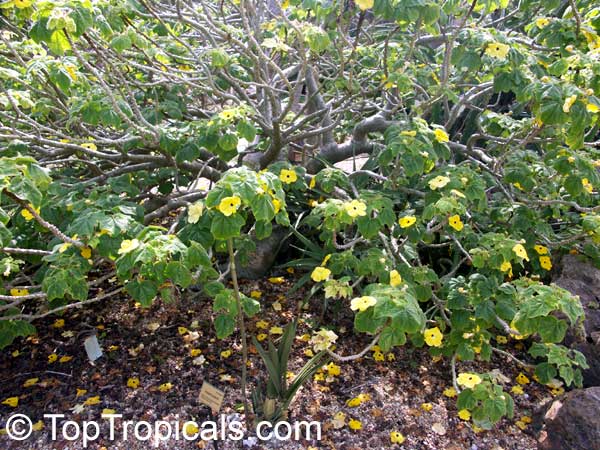
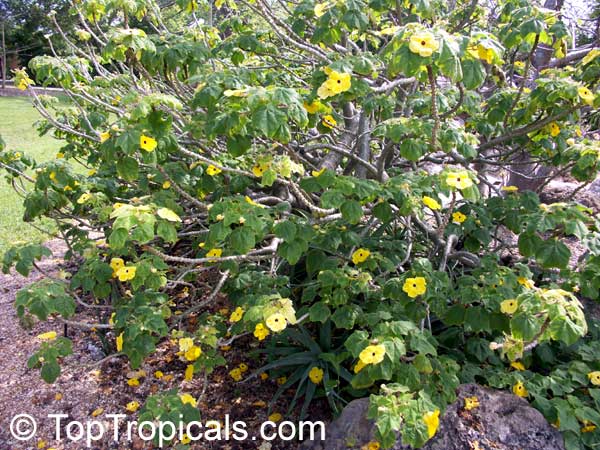
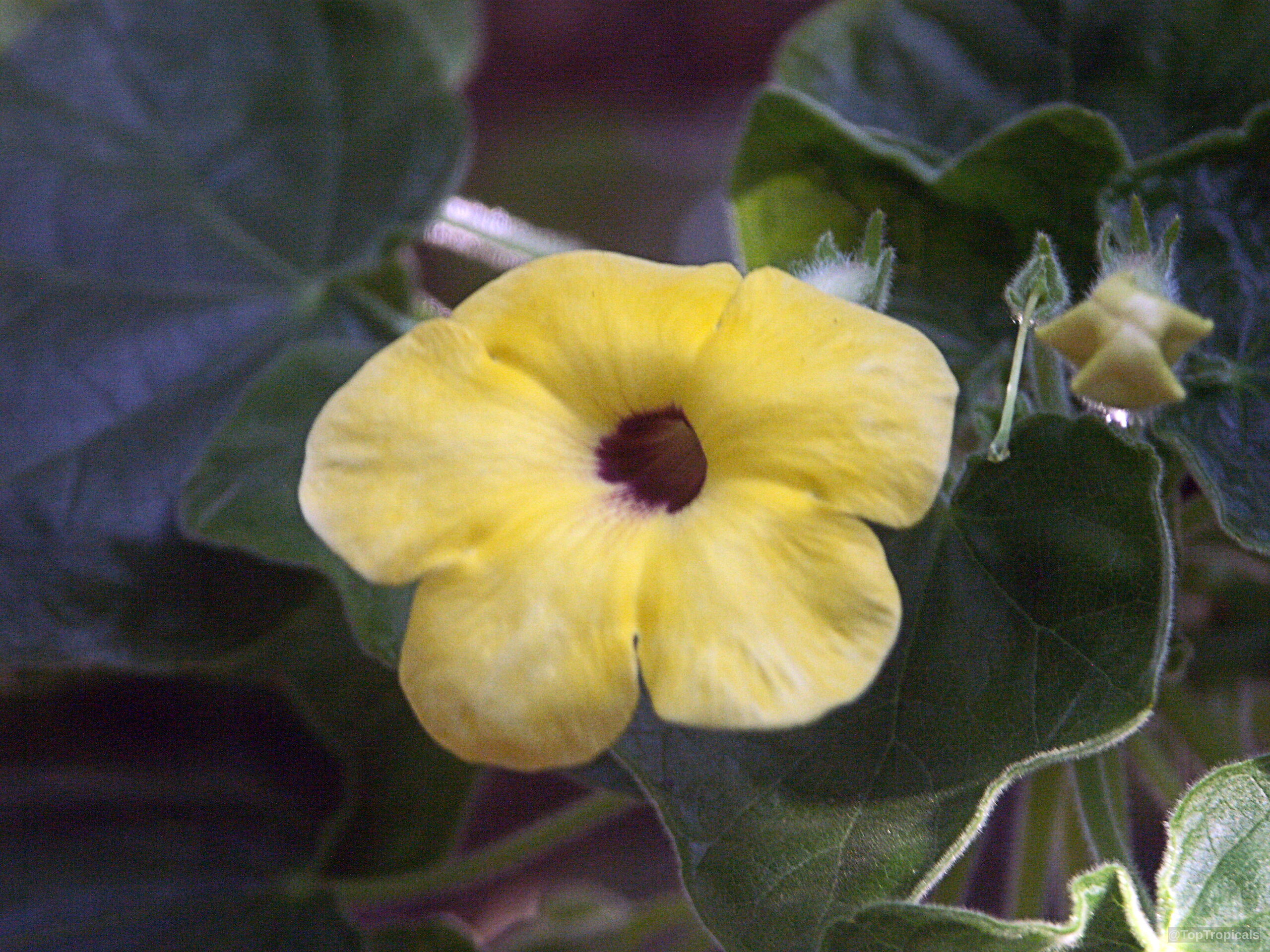
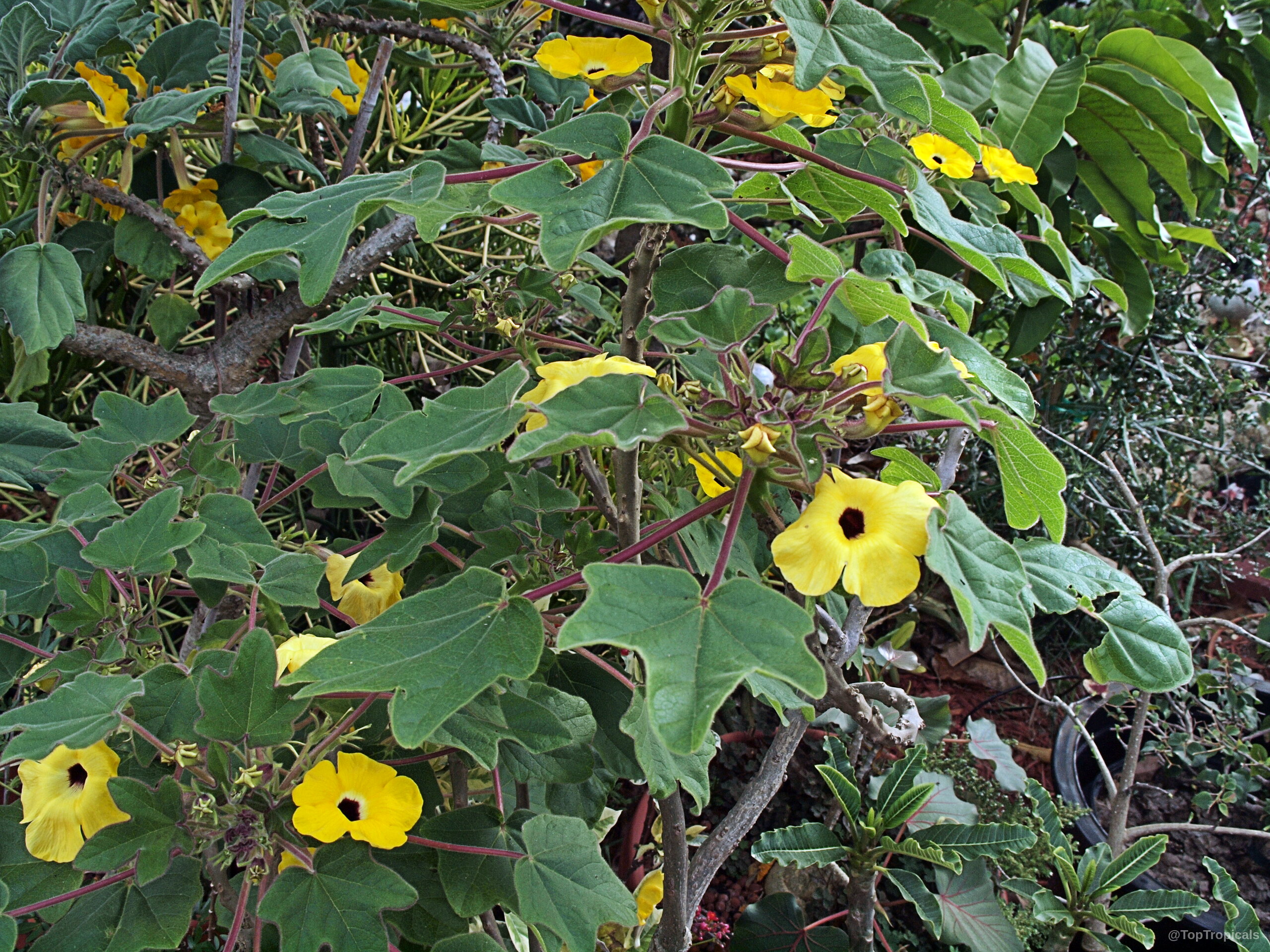
Botanical names: Uncarina grandidieri, Harpagophytum grandidieri
Common names: Mouse trap tree, Succulent Sesame
Family: Pedaliaceae
Origin: Madagascar


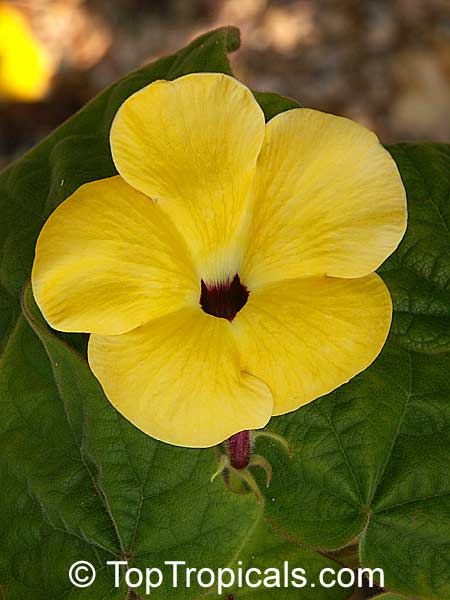
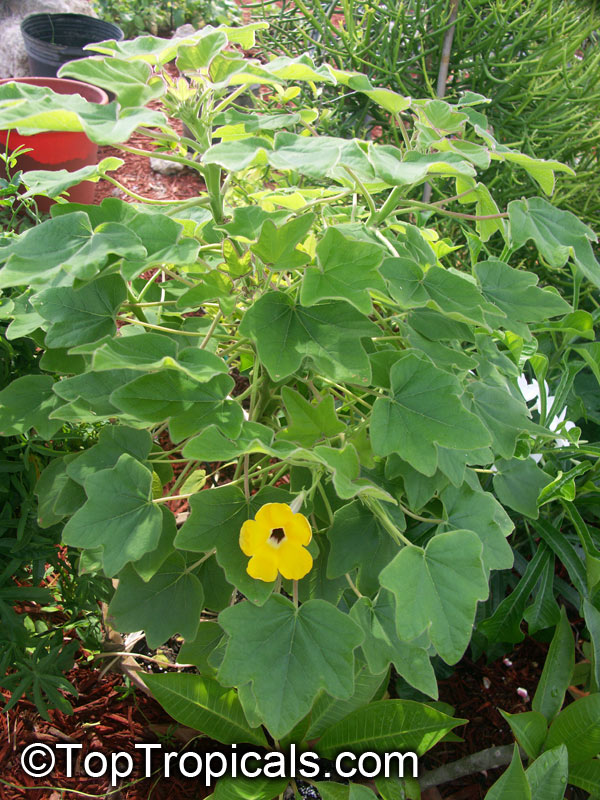
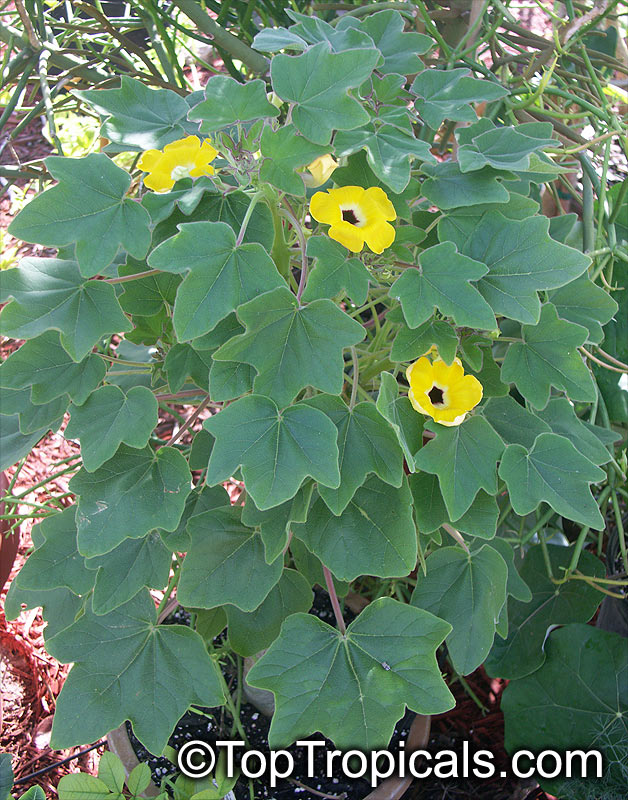
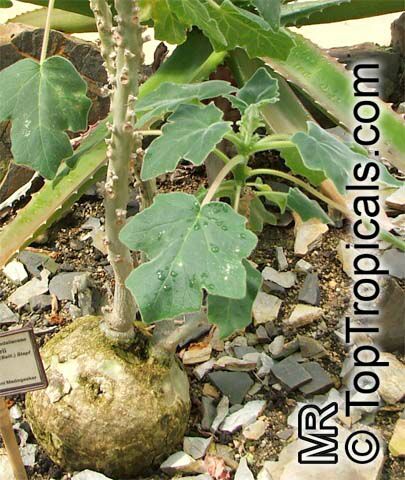
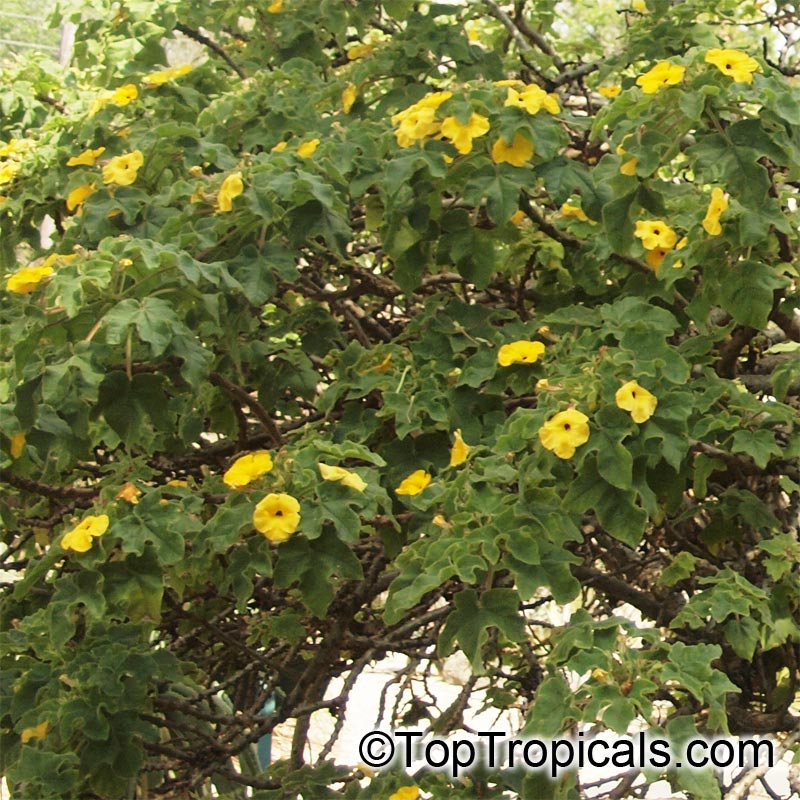
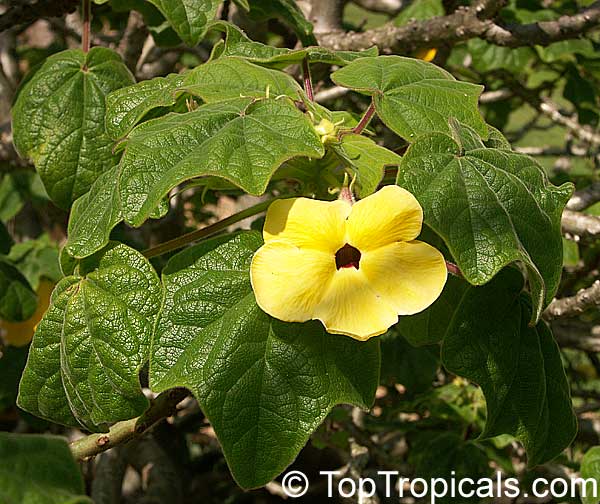
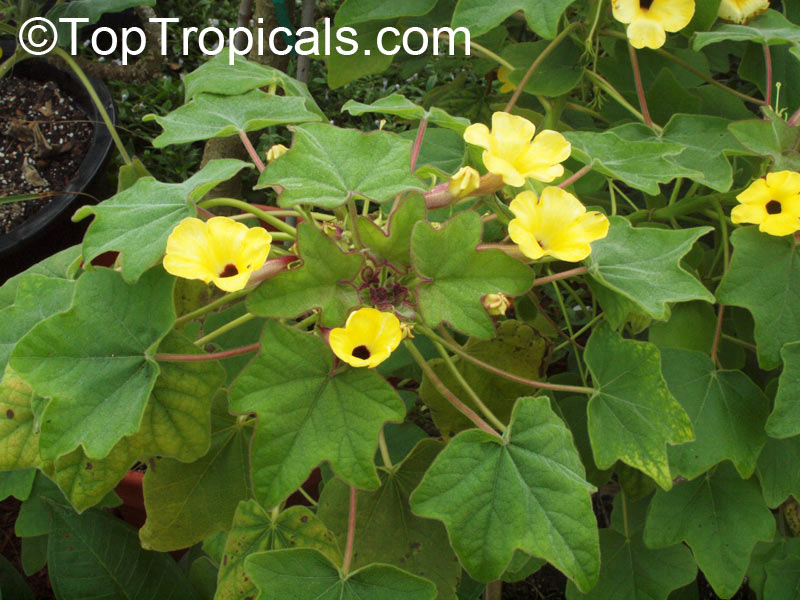
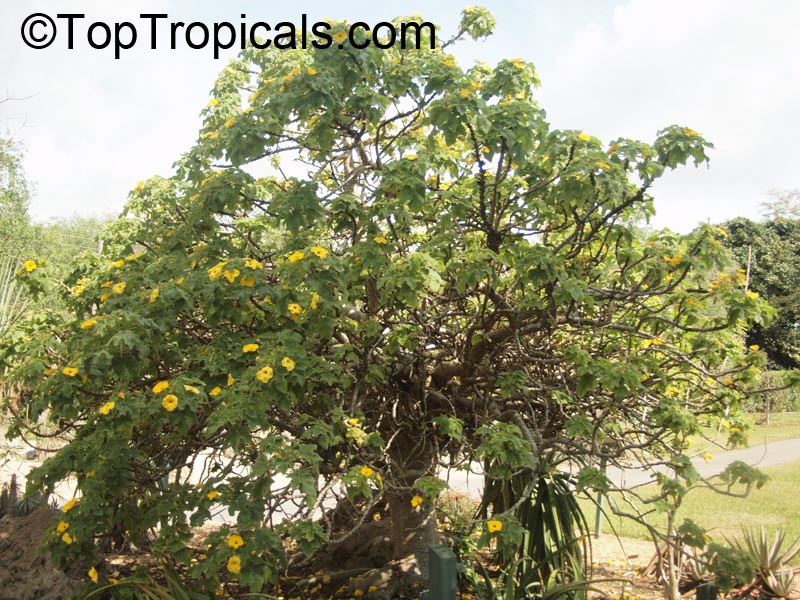
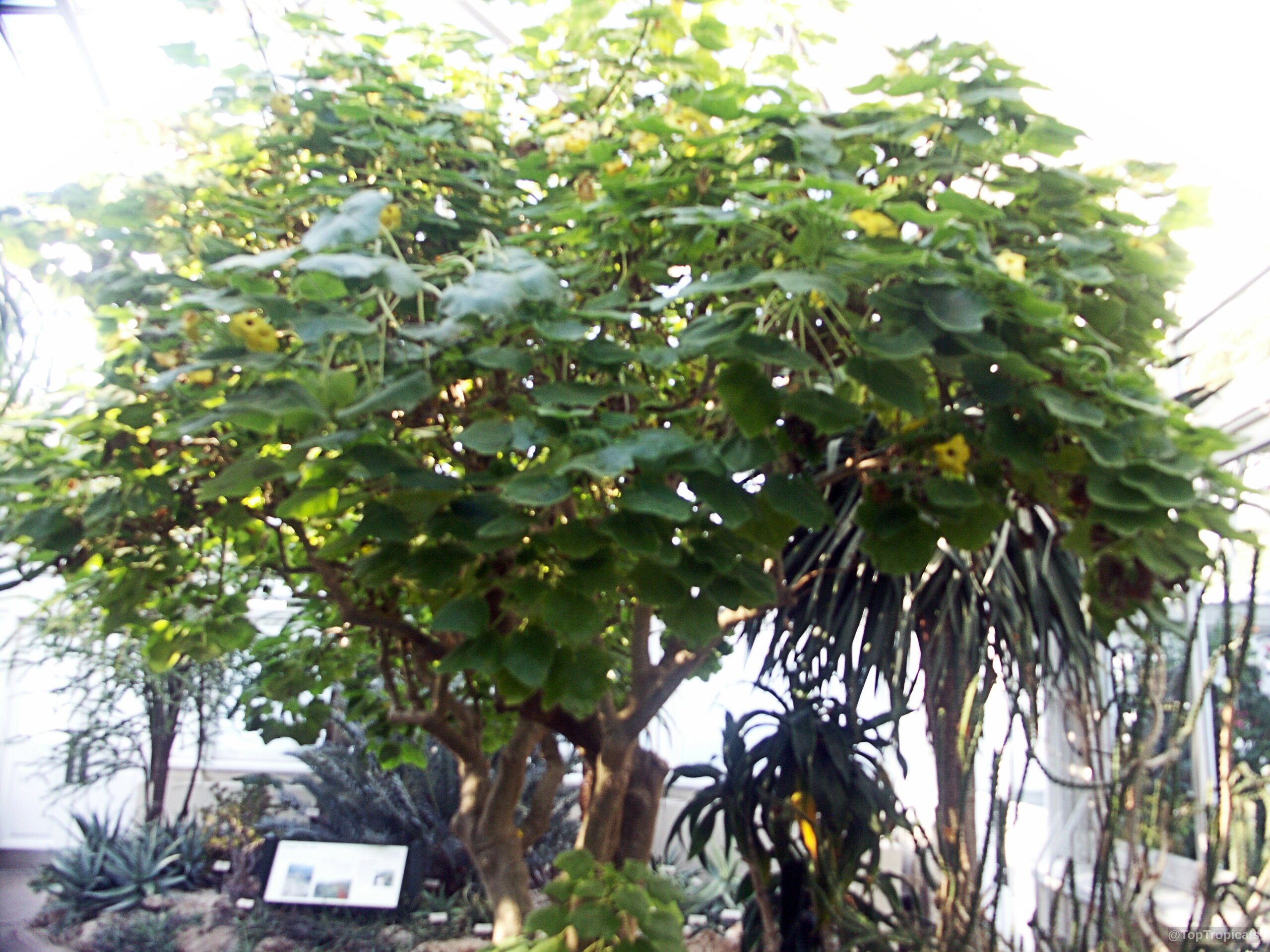
Uncarina grandidieri is a most attractive plant. Deciduous shrub or small tree to 25ft, trunk up to 1ft in diameter. Abundant water when growing, keep on the dry side when dormant.
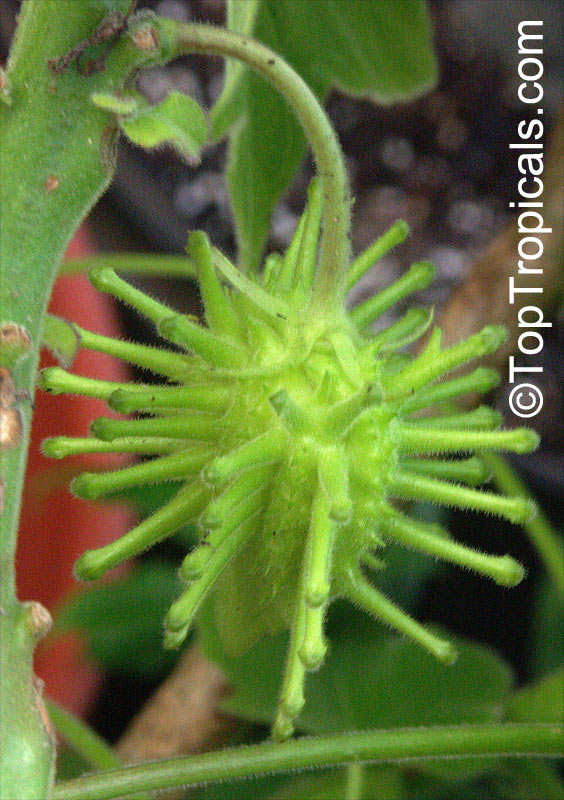
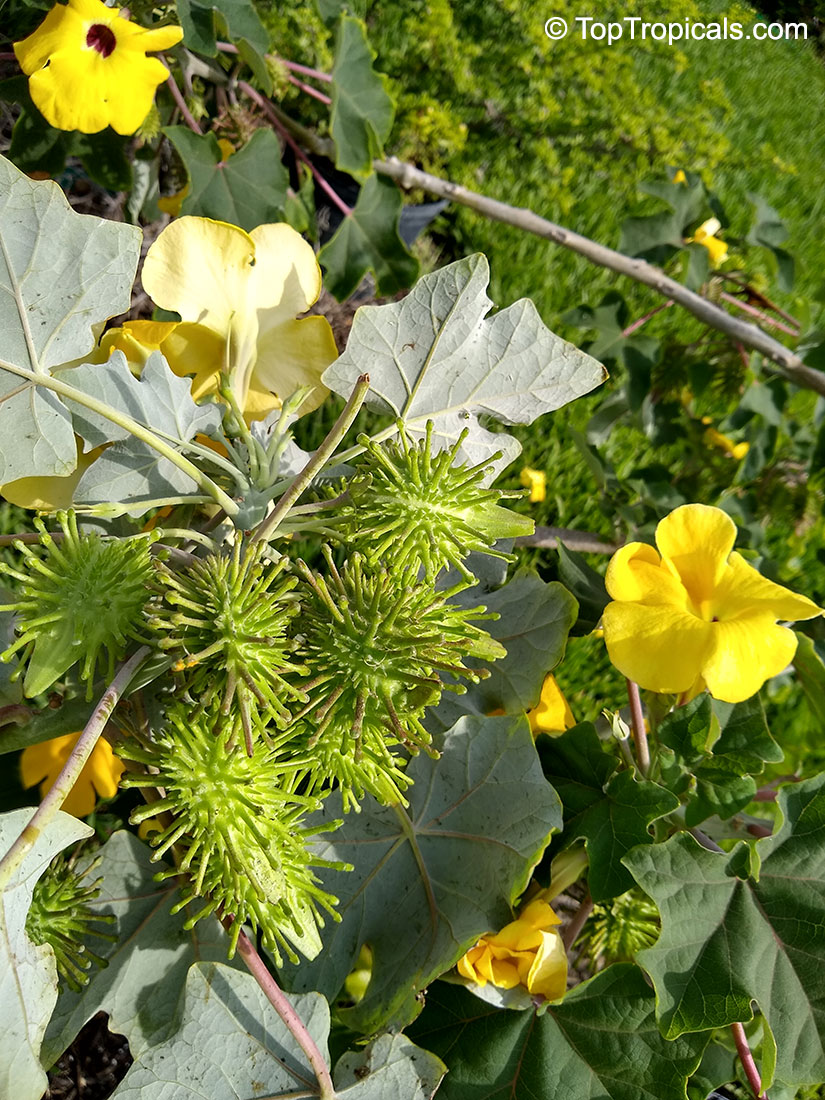
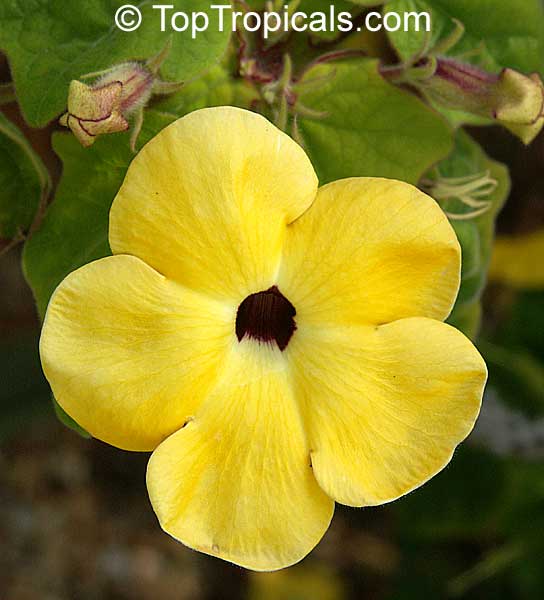
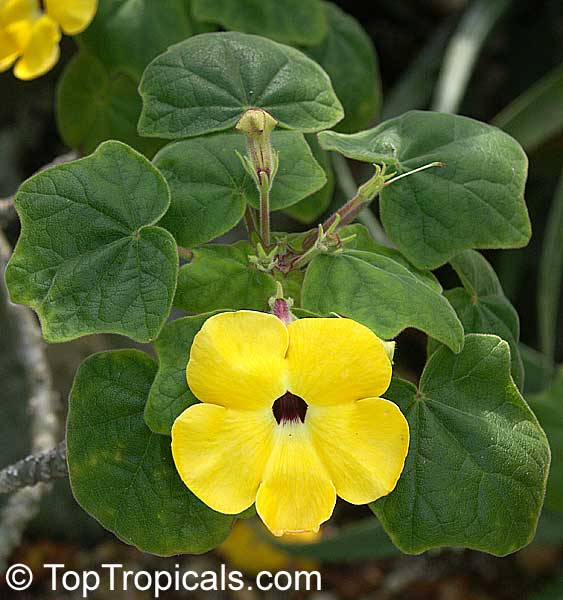
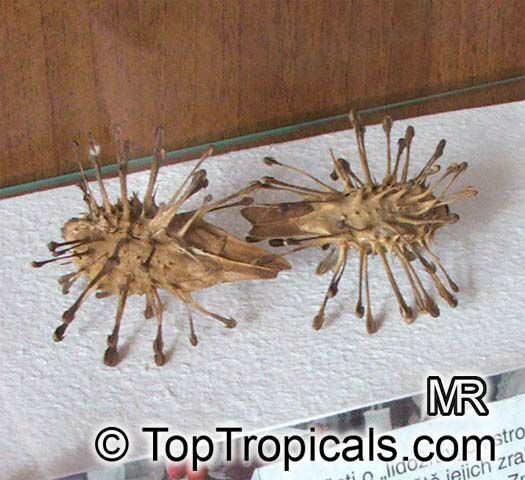
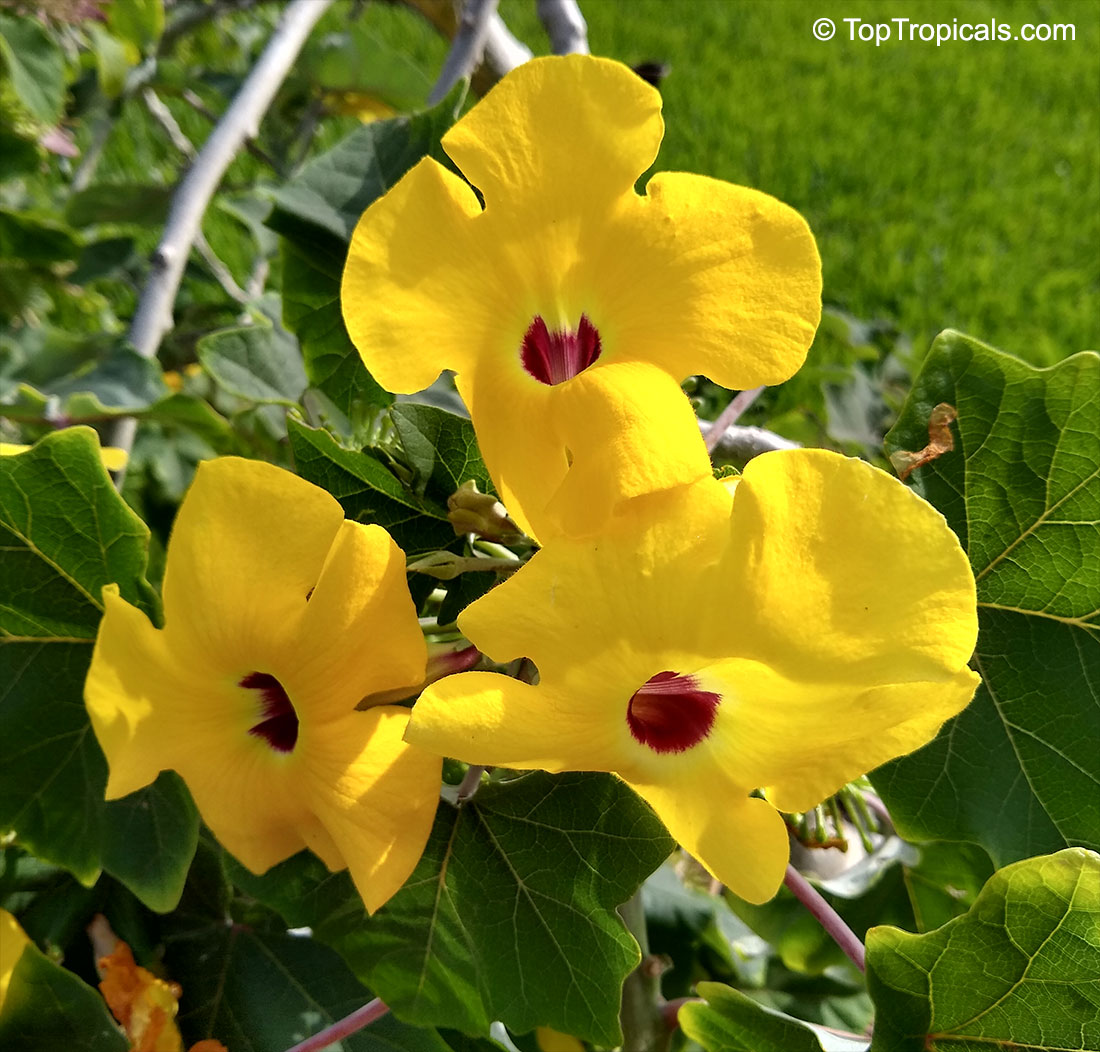
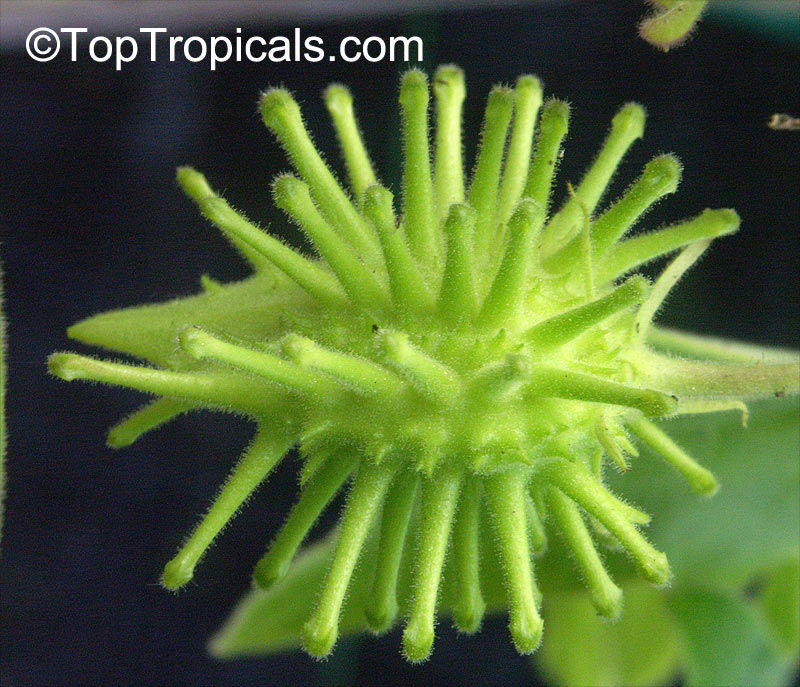
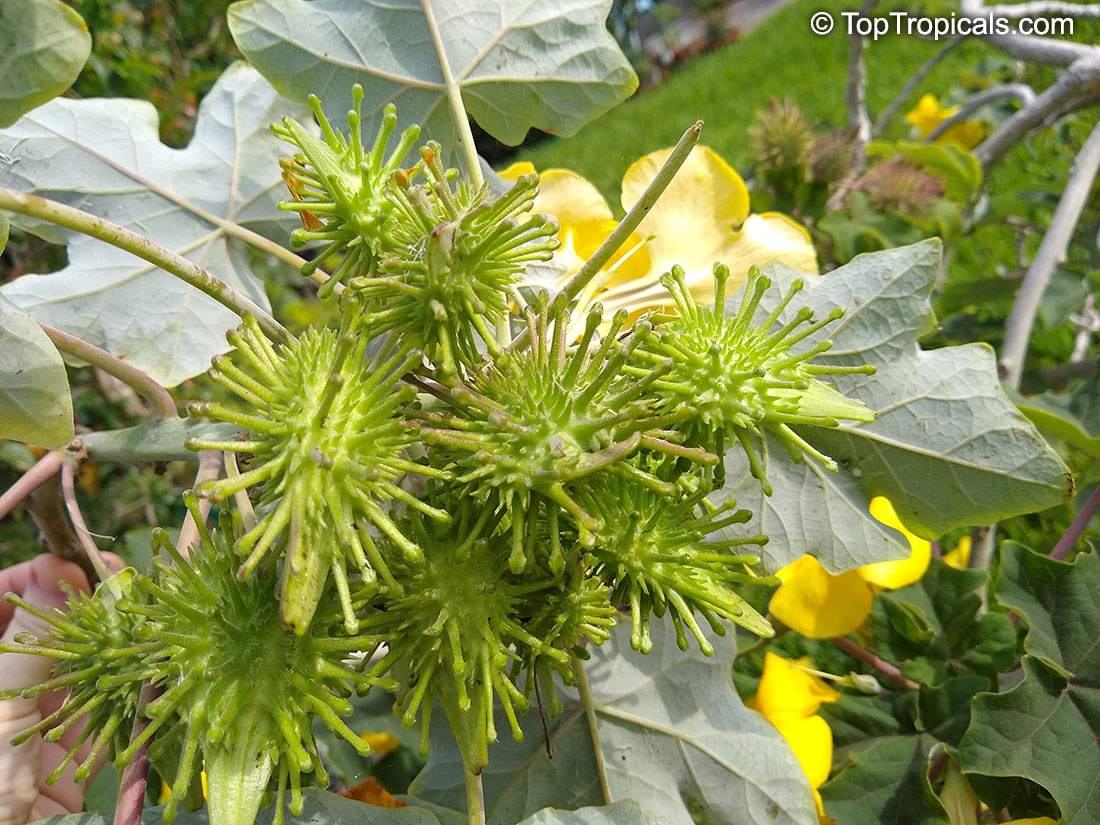
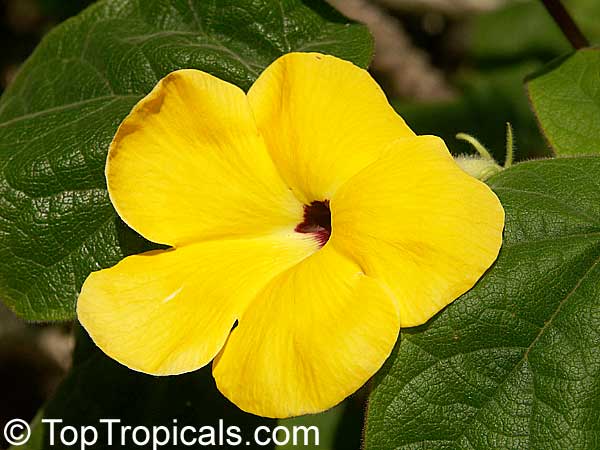
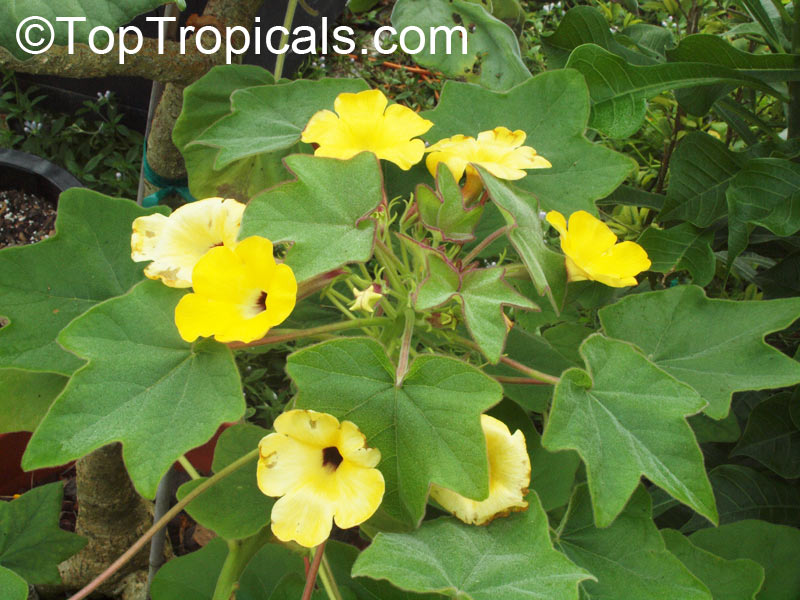
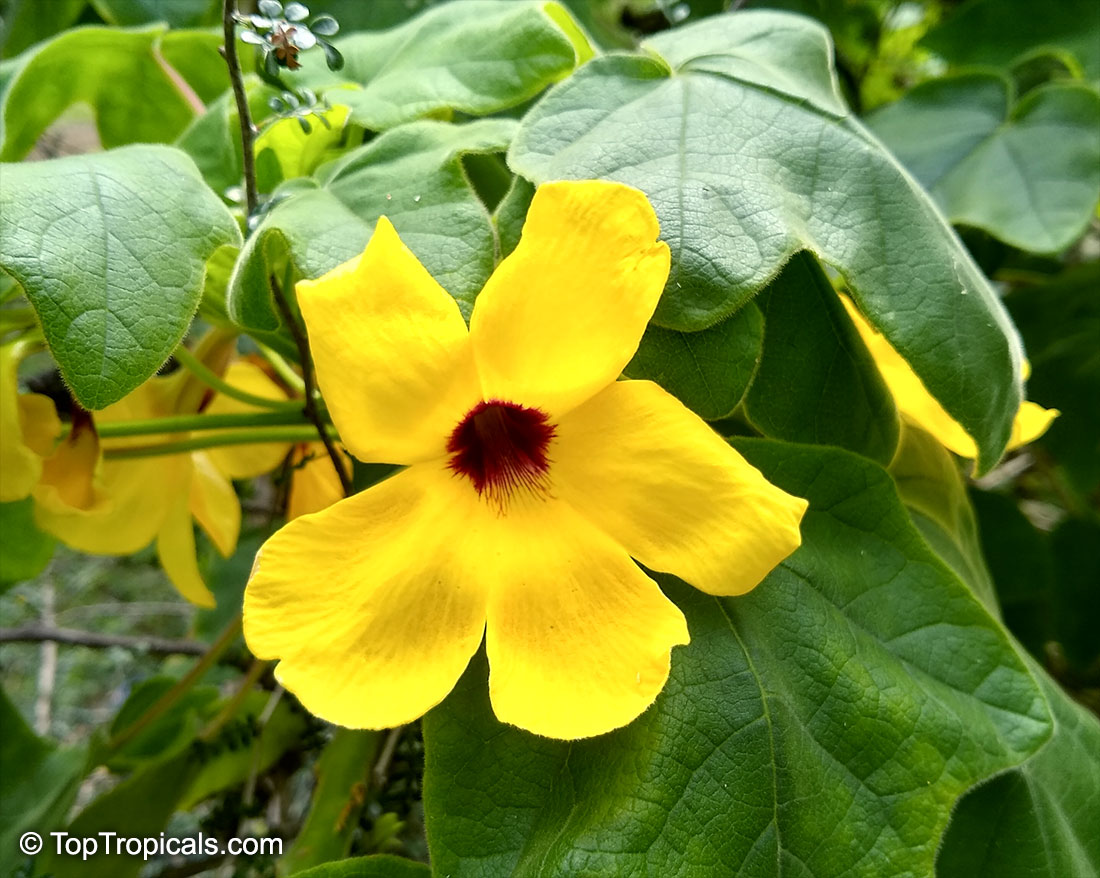
The flower resembles a large Petunia in form and is bright yellow with a dark throat, as in the Thunbergia alata. The stems are stout and become thickened with age. The hairy leaves resemble those of the cotton plant. They are sticky to the touch and yield a musty odor when rubbed. The leaves are deciduous during the winter resting season. Fruit has small inwardly pointed barbs mounted on 3/4in pedicels. Don't touch this fruit unless you want to spend some time trying to remove it from your fingers.
Close related species - Pedalium murex.



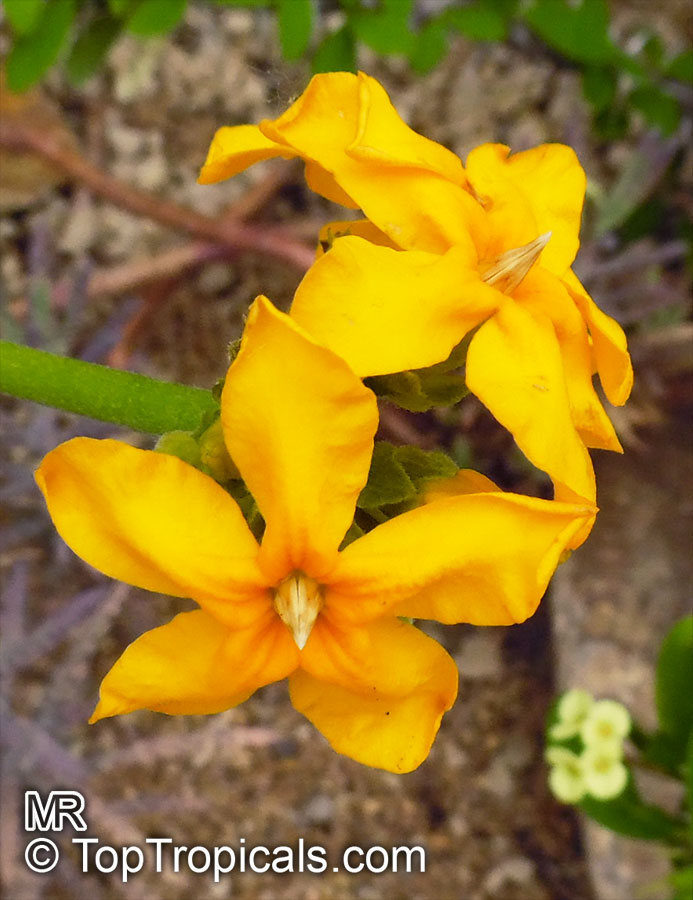
Botanical name: Pachypodium densiflorum
Common name: Pachypodium
Family: Apocynaceae
Origin: Madagascar


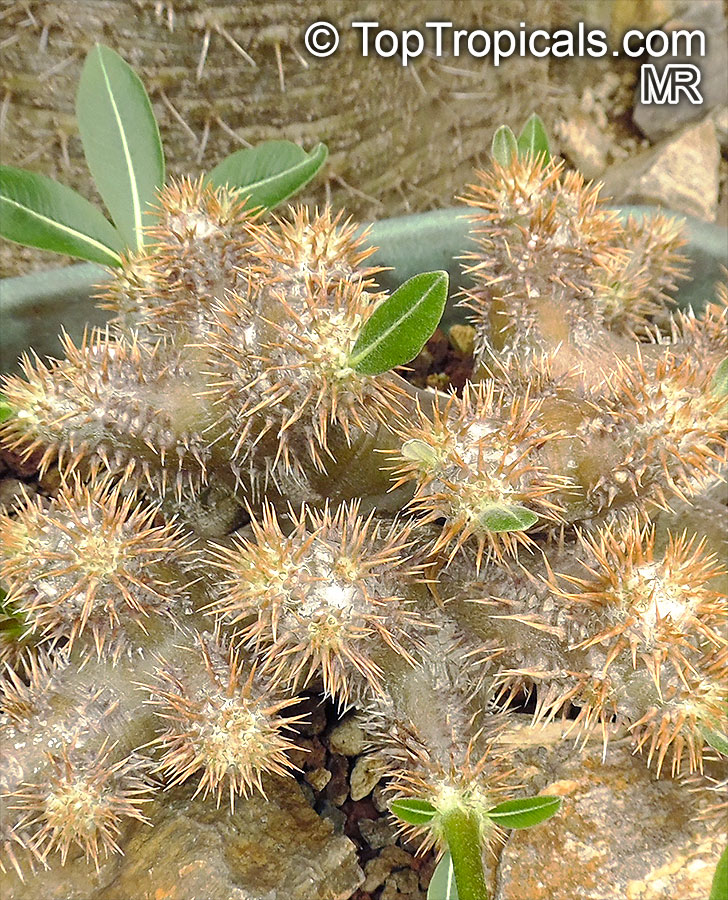
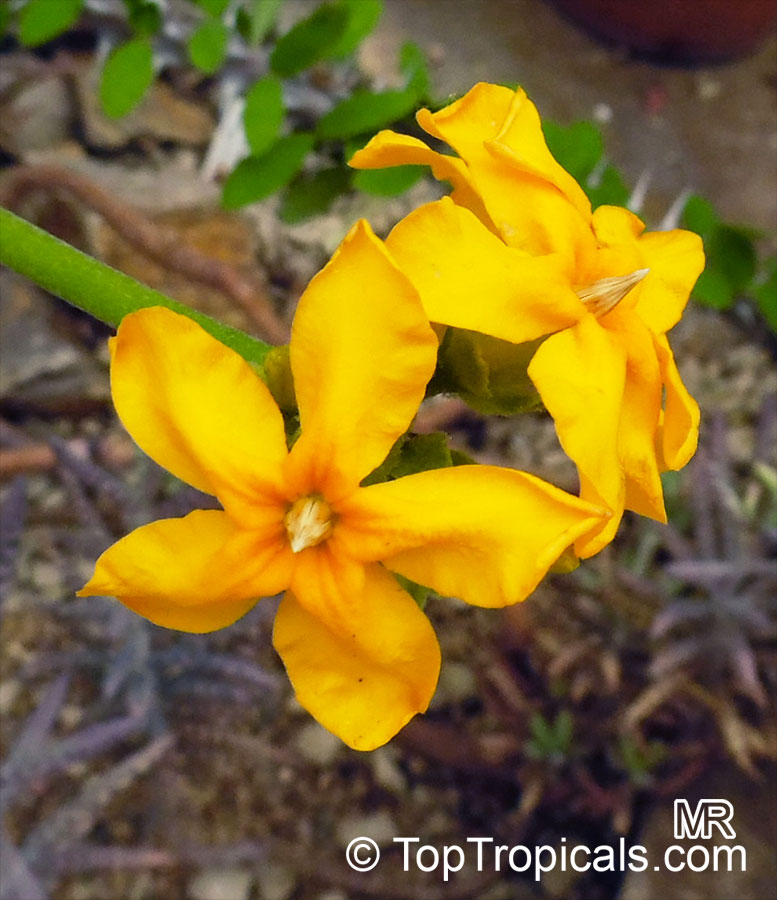
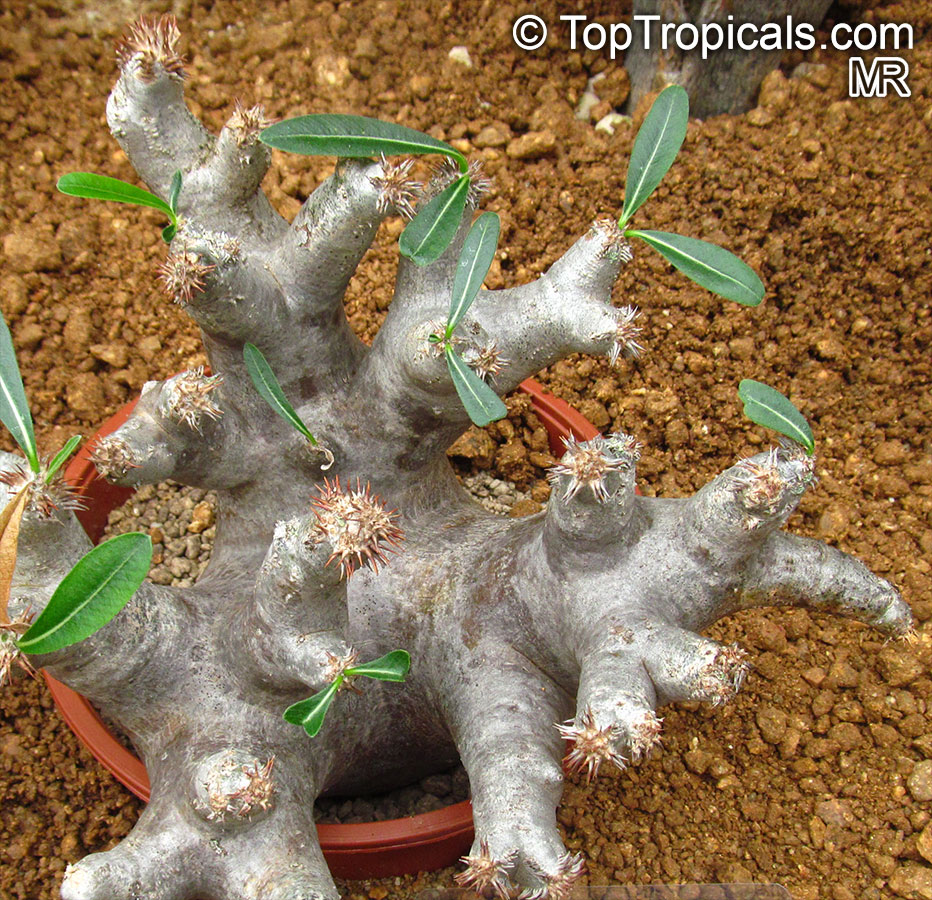
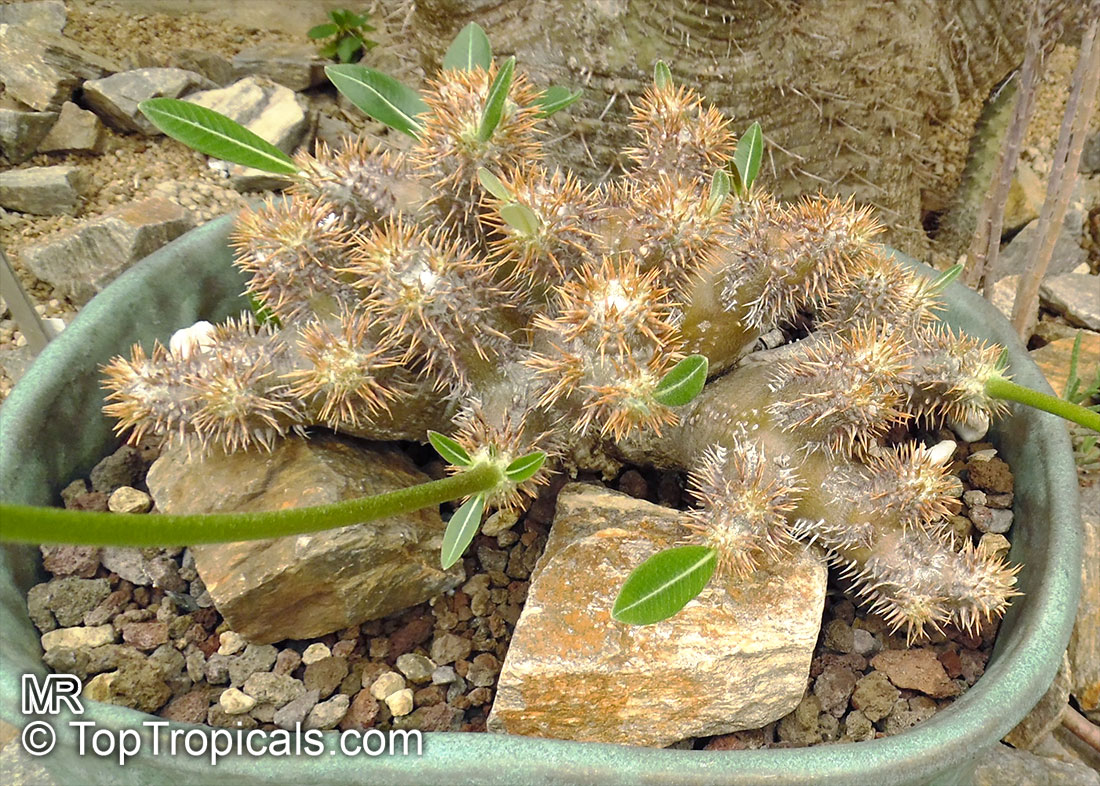
This small shrub is 2-5 ft in height, with triangular leaves and spiny, thick stems spreading in small clusters. It is a full sun plant that prefers moderate levels of water. It produces yellow or orange flowers in the summer.
Pachypodium densiflorum is a plant native to Madagascar, and the species is quite hardy. It can be grown outdoors in USDA zones 9-11 and is capable of withstanding heat and some frost. In colder regions, it can still be grown in a pot. The caudex needs to be protected from frost in such cases, as well as sheltered from heavy winds. When grown in pots, Pachypodium densiflorum needs to be fed with a half-strength, balanced fertilizer every two weeks during the active growing season.
When it comes to watering, Pachypodium densiflorum should be watered regularly, although be careful to not over water the plant. The pot should have drainage holes for excess water. During the hottest days of summer, it is a good idea to give the plant an occasional misting to help keep it cool.
Pachypodium densiflorum is a great addition to any garden or home due to its hardiness and vibrant colors. With its yellow and orange flowers, thorny or spiny stems, and sizeable caudex, it is a unique and eye-catching specimen. Though a full sun plant, it does not need too much water and can tolerate some frost, making it an ideal plant for anyone looking for a low-maintenance shrub.
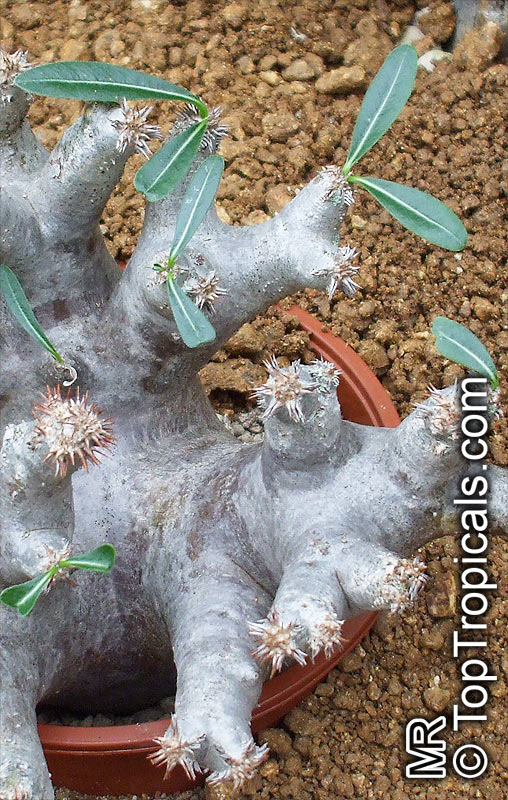
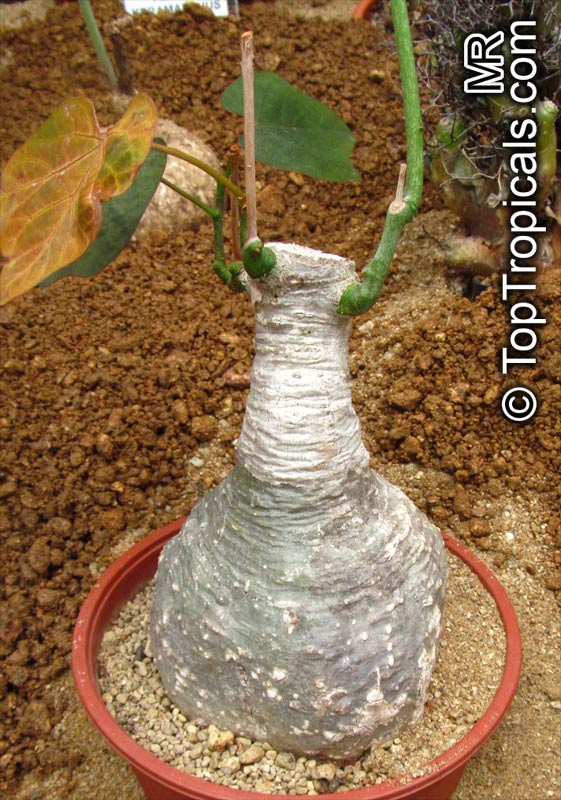
Botanical name: Adenia stylosa
Common names: Adenia, Candlestick Plant
Family: Passifloraceae
Origin: Madagascar
Adenia stylosa is a native plant of Madagascar that will grow into a small shrub 2-5 feet in ideal conditions. This plant likes full sun and moderate water with excellent drainage to ensure its growth. The caudex of Adenia stylosa can grow up to 25-30 cm in diameter, while the vine-like branches grow up to one meter or more. As they mature, they produce small greenish-white flowers.
Adenia stylosa can be grown in USDA Zone 9-11 making it an easy to care for and relatively hardy plant. Plant Adenia stylosa in well-drained soil, preferably sandy, and prune regularly to give it the best possible shape. Moderate watering is recommended in hot and dry weather, while during cold and rainy periods the soil should remain slightly damp. However, avoid overwatering or you will risk root and stem rot.
Adenia plants can also be grown in pots, but it's important to stick to the same guidelines mentioned above. Those living in colder regions will also need to protect their plants from the cold. When winter approaches, cover your plant with a frost blanket or move it to a spot with more shelter. This will ensure that your Adenia plants thrive despite the cold season.
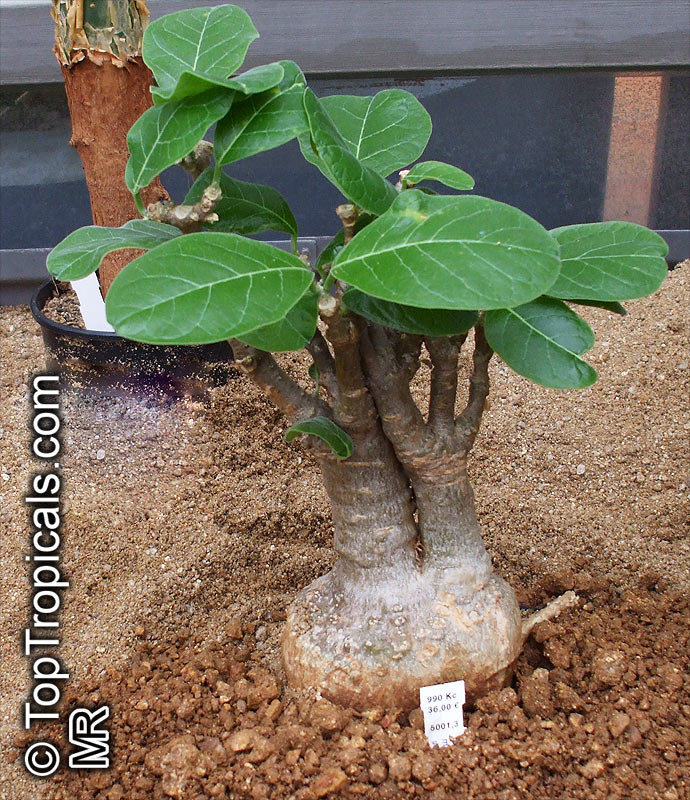
Botanical name: Fockea multiflora
Common names: Elephant Vines, Python Kambro, Pythonranke, Pythonwein
Family: Apocynaceae (Formerly:Asclepiadaceae)
Subfamily: Asclepiadoideae
Origin: Eastern Africa

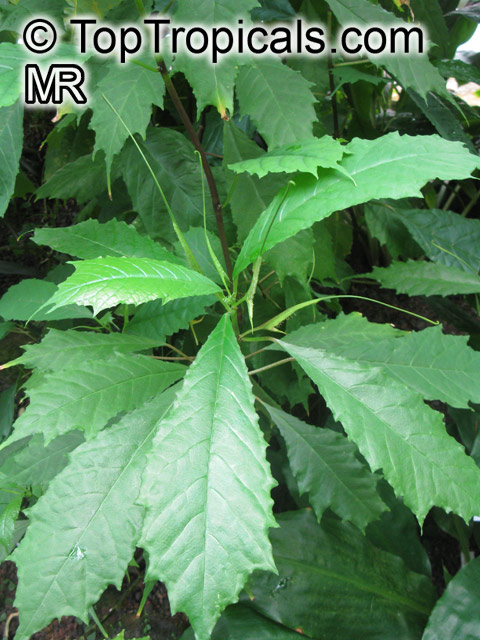

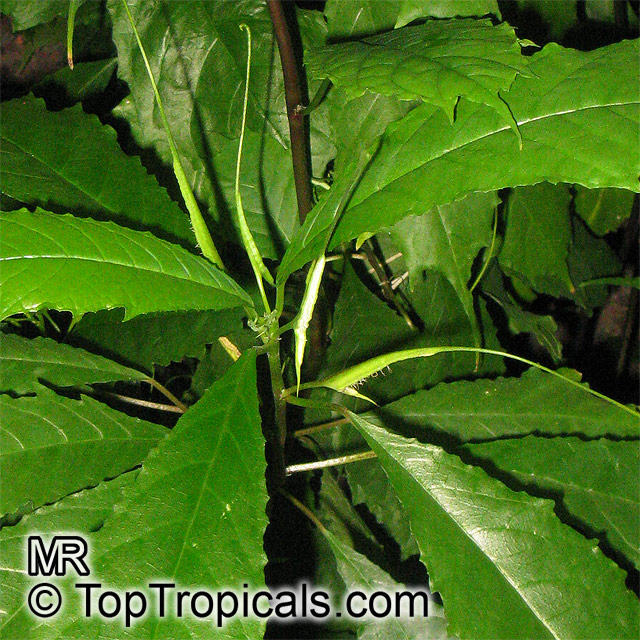
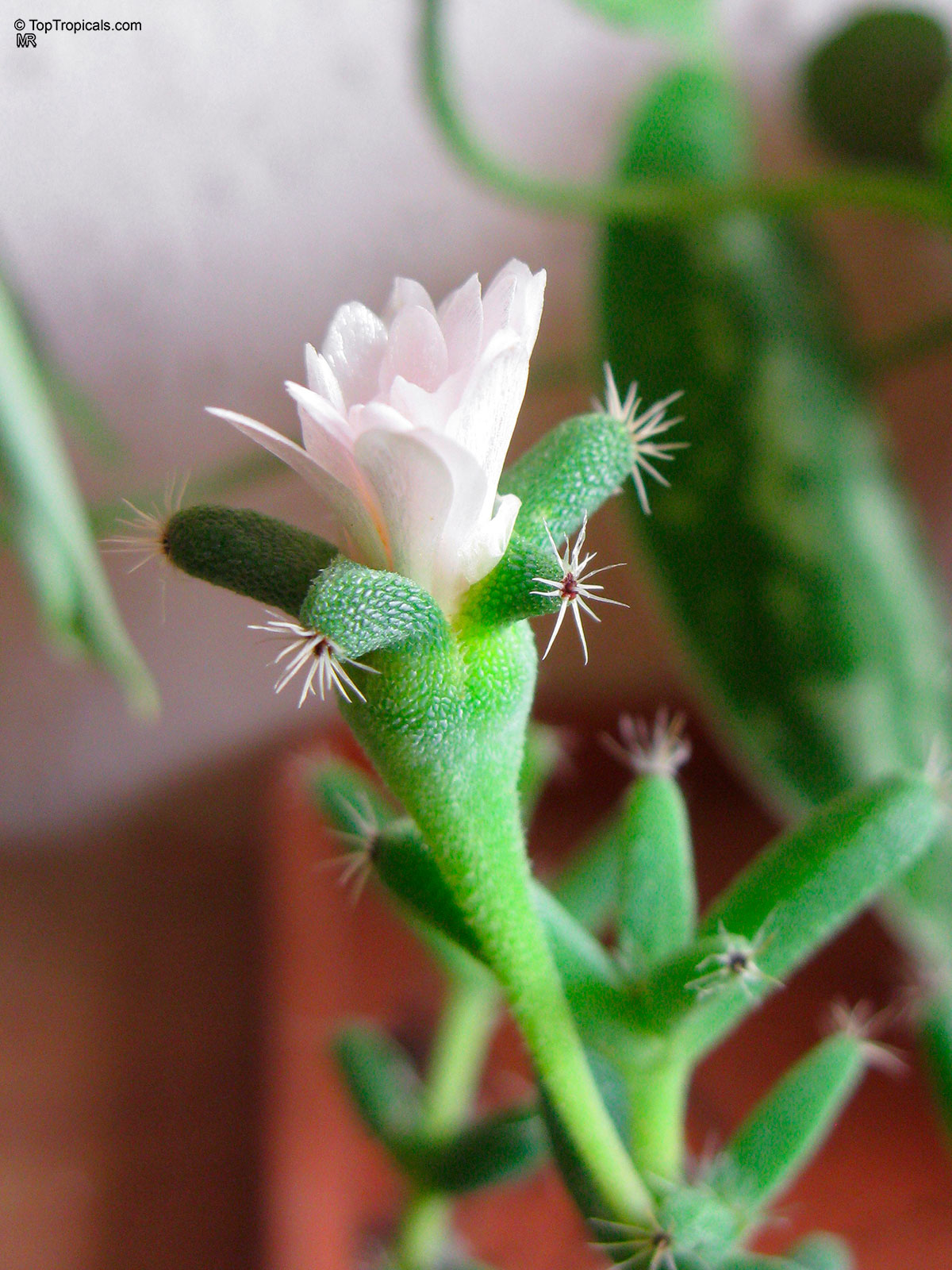
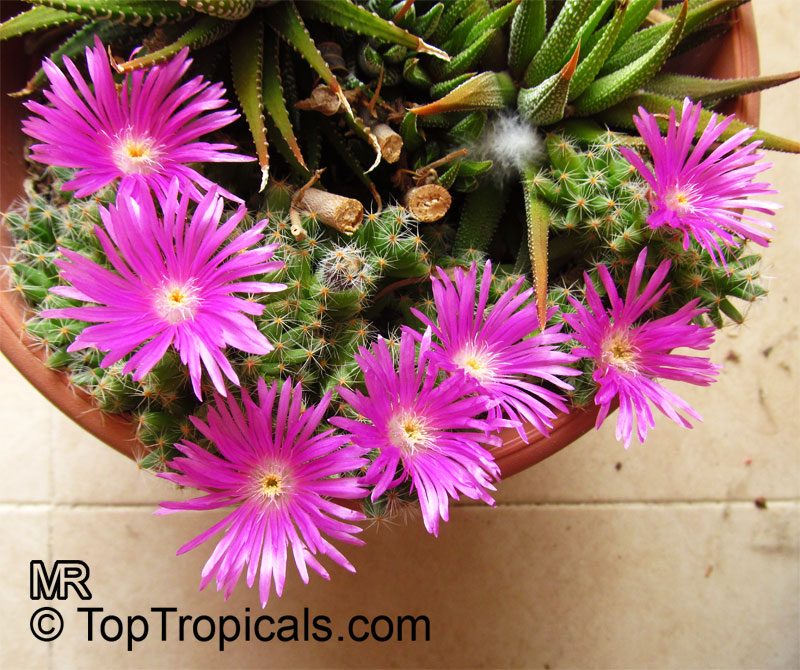
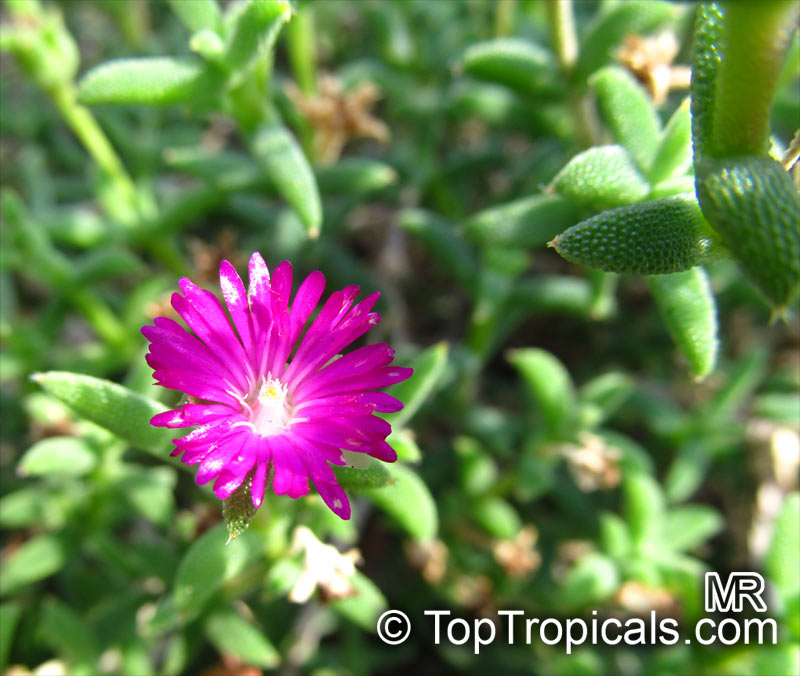
Botanical name: Trichodiadema sp.
Common names: African Bonsai, Miniature Desert Rose
Family: Aizoaceae
Origin: South Africa


Trichodiadema are small, short-stemmed succulents with small, elongated, alternating sections measuring 8 mm long. They are grey and green. Trichodiadema densum -small and compact, mat forming perennial succulent with fleshy caudex up to 3,5 cm in diameter. It readily produces abundant attractive pink flowers.
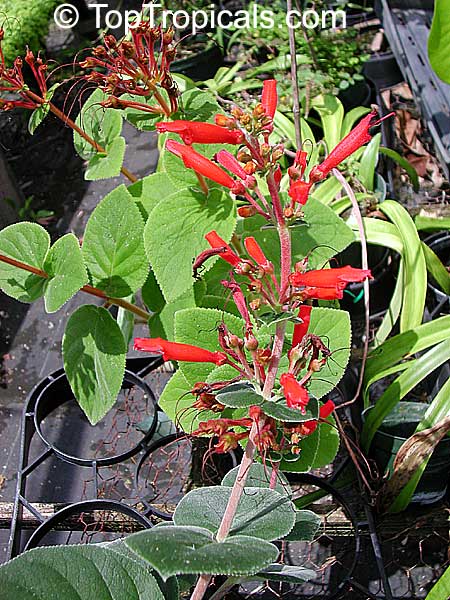
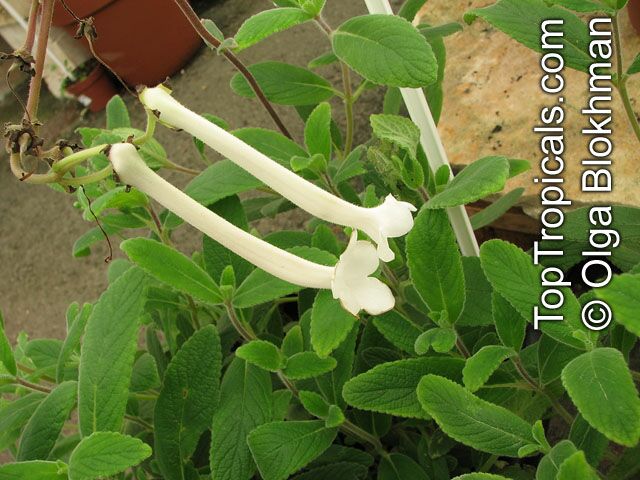
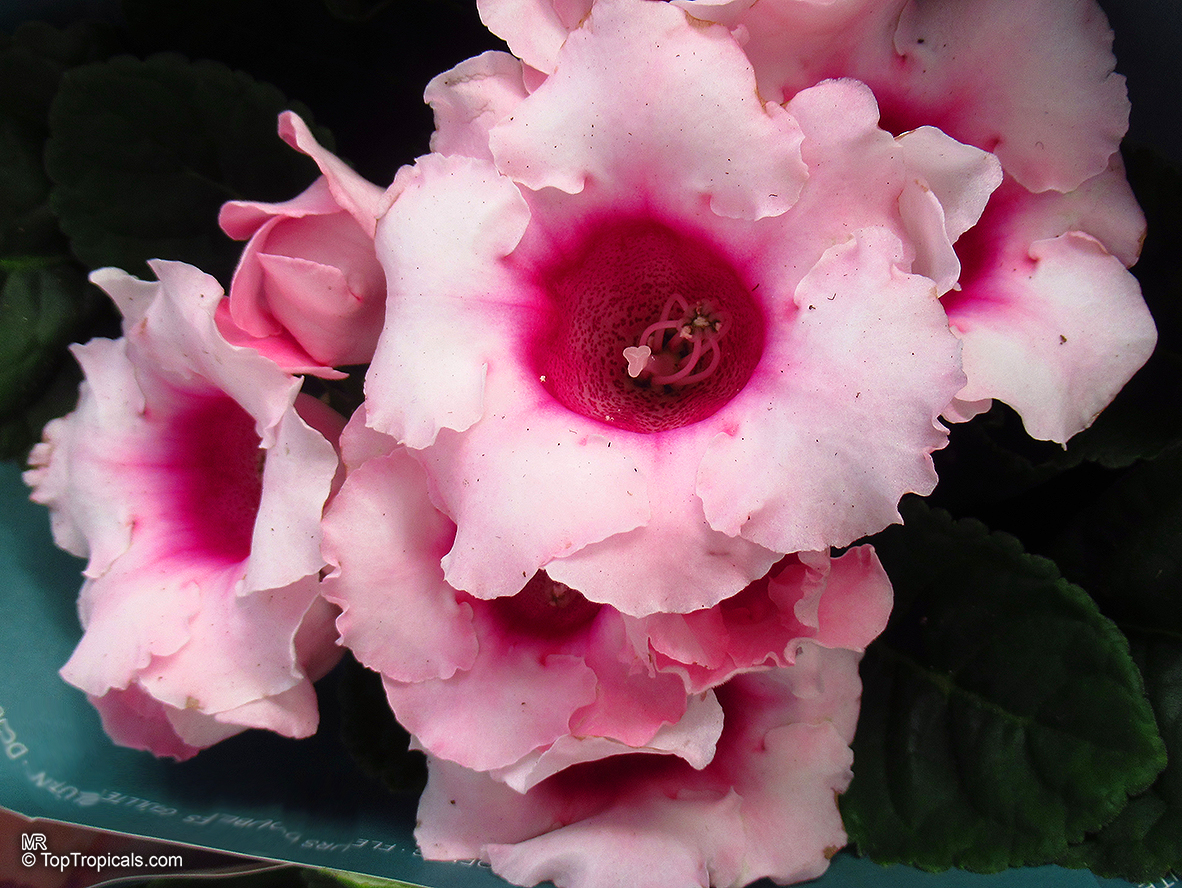
Botanical name: Sinningia sp.
Common name: Siningia
Family: Gesneriaceae
Origin: Brazil


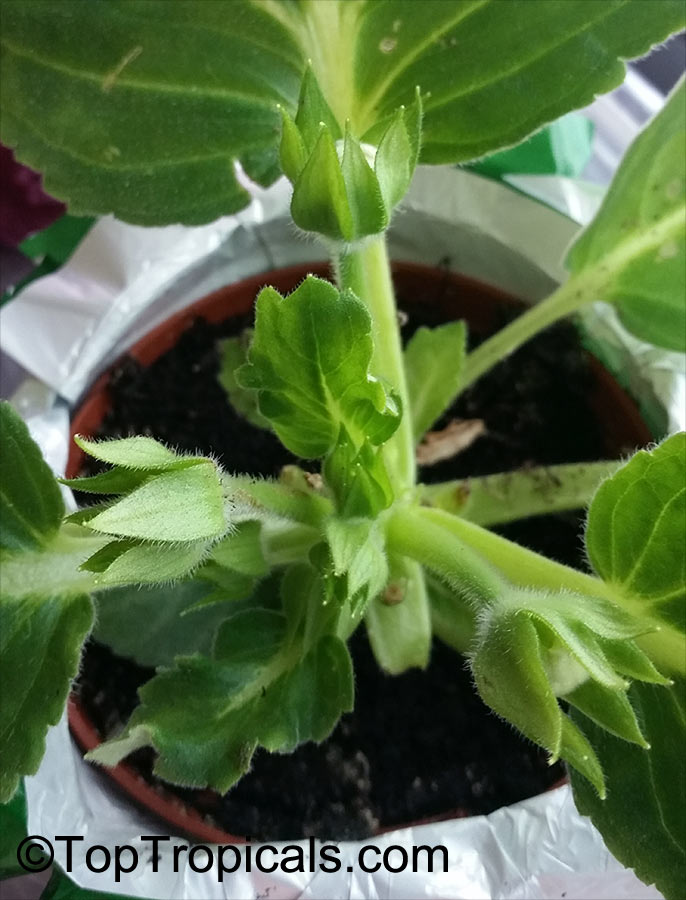
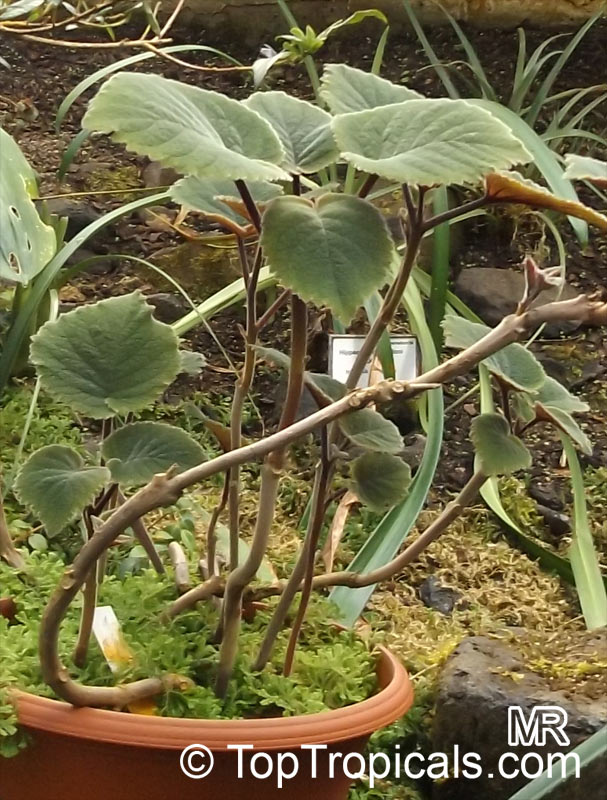
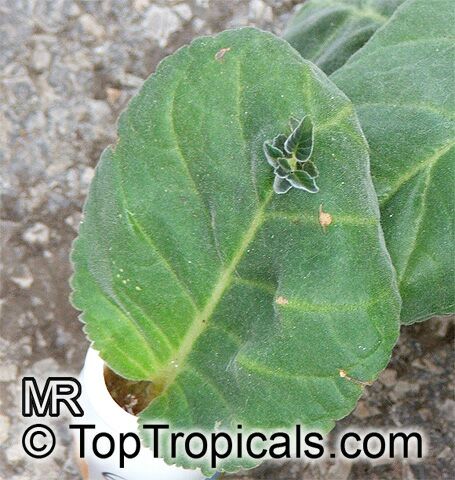
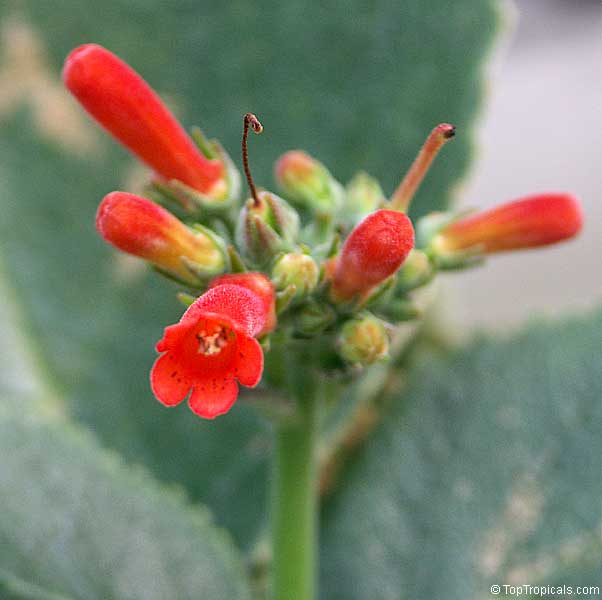
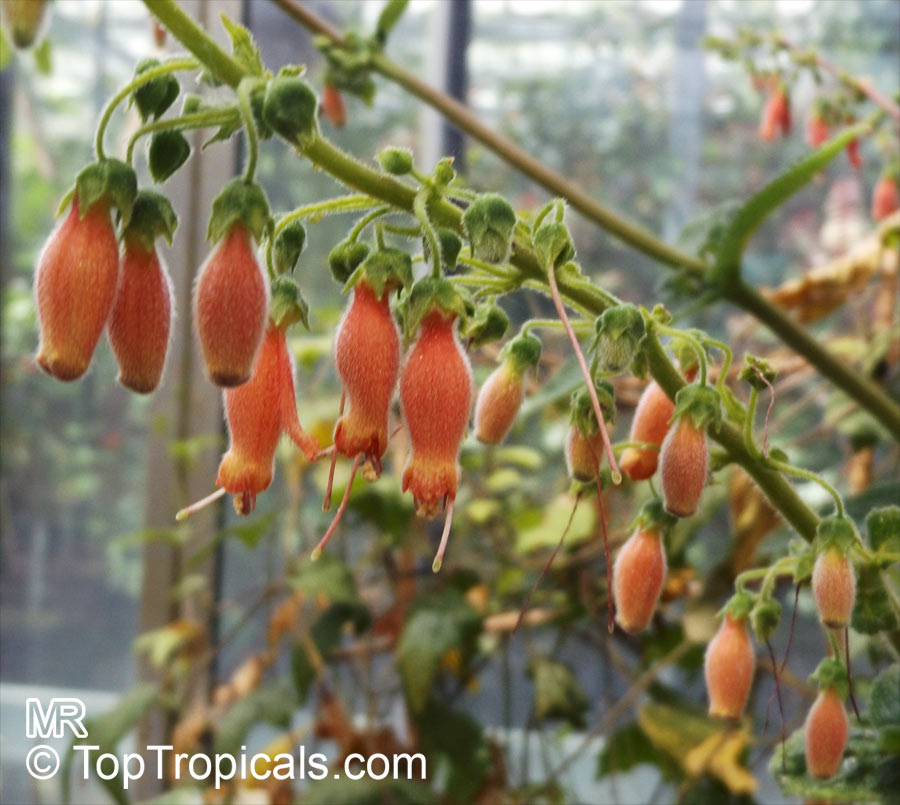
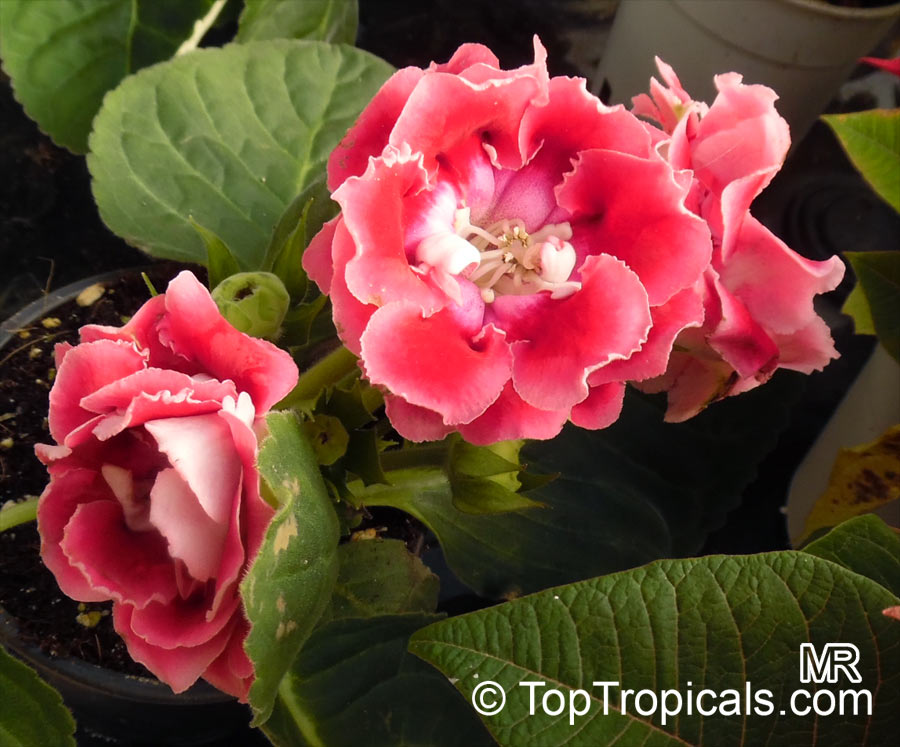
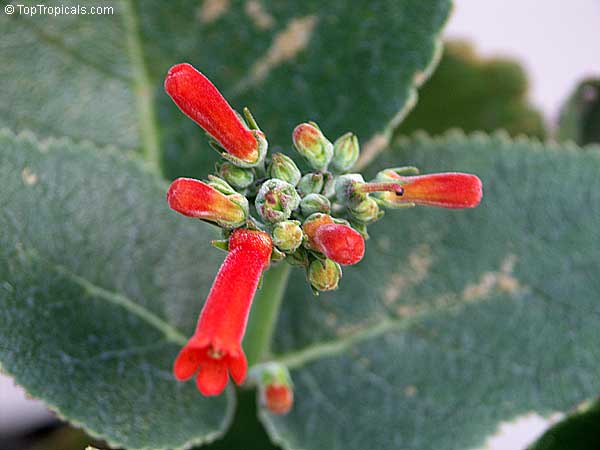
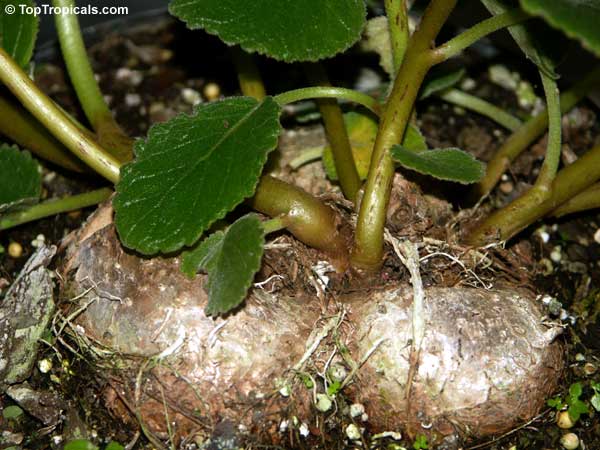
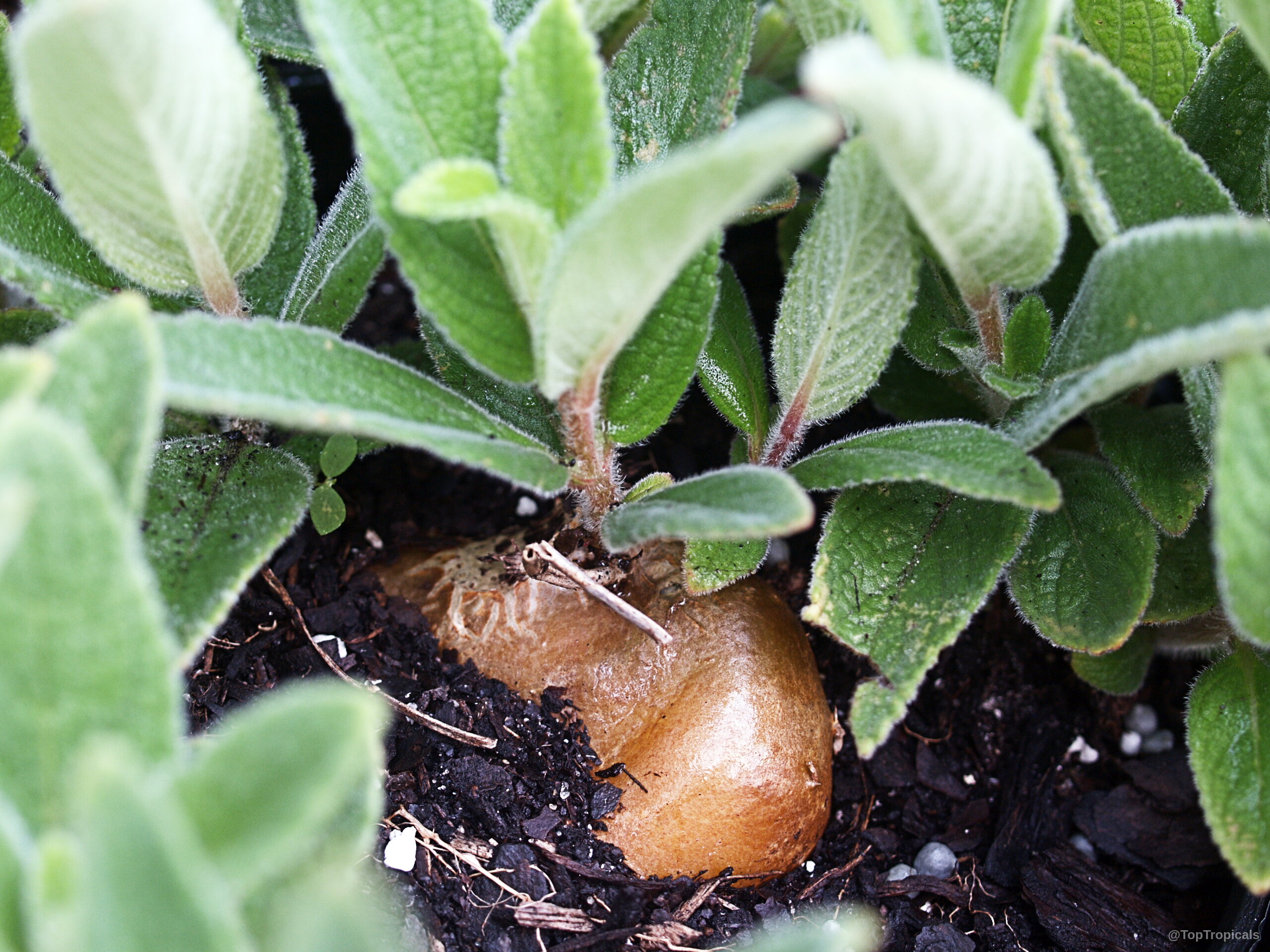
Sinningia sp. (Siningia) is a plant native to Brazil that thrives in USDA Zones 8-12. Its caudex consists of thick, cylindrical roots that resemble a bonsai-like growth giving an attractive appearance to the groundcover. It stands about 2 ft. (60 cm) tall and its mature foliage becomes large and lustrous. It behaves differently in regions with cooler climates; the caudex of Sinningia sp. remains dormant during winter and its foliage is shed, while it is active during the warmer months.
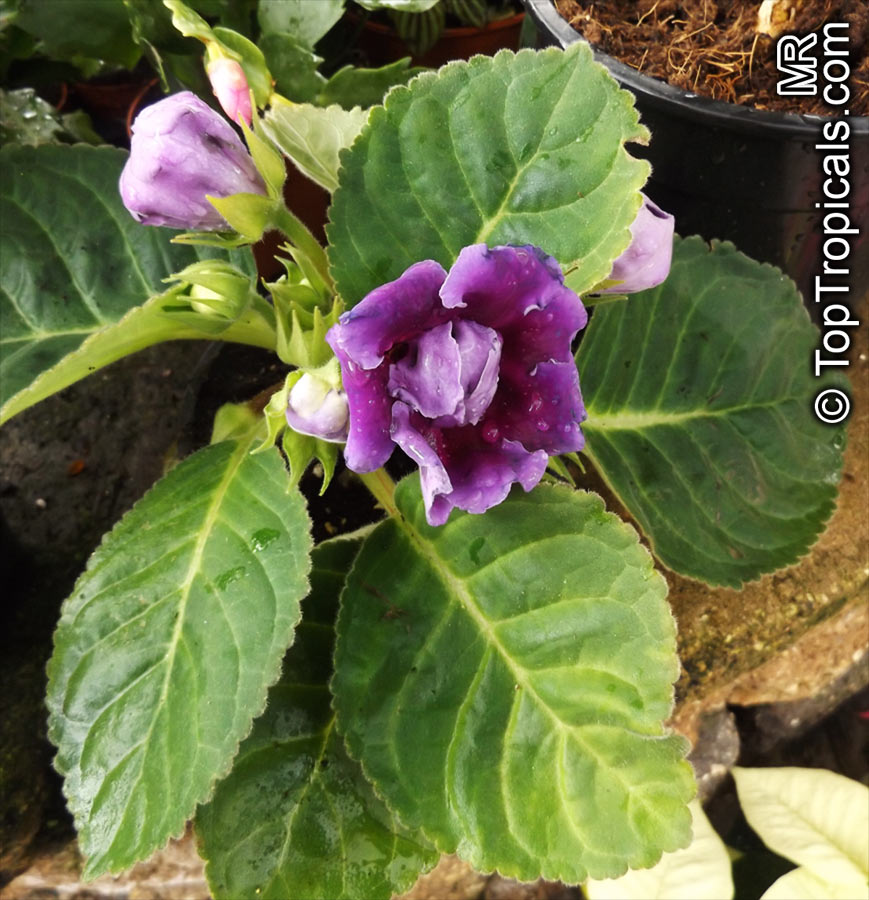
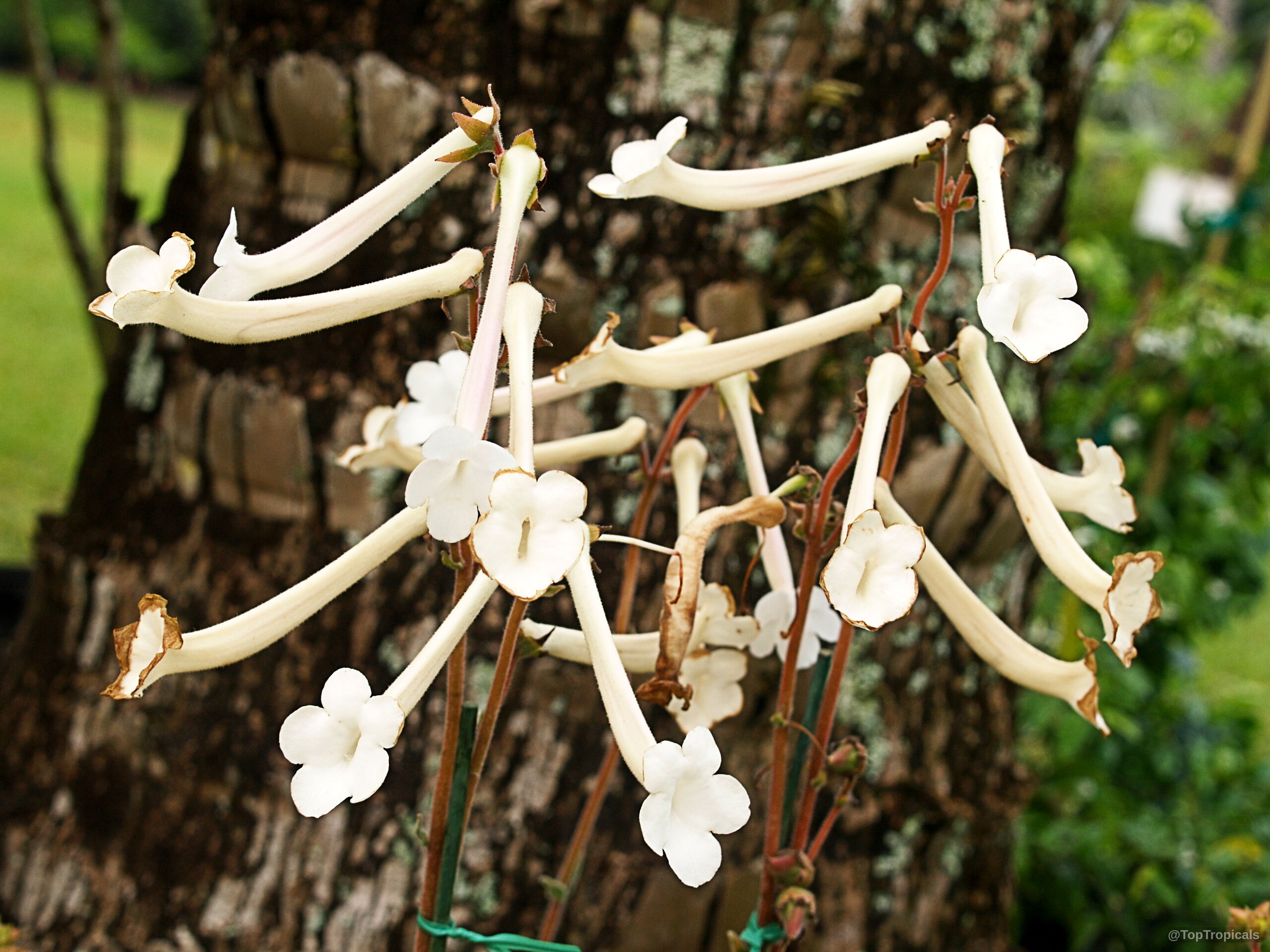
In its natural habitats, Sinningia sp. is borne on bushes growing in semi-shade. Its colorful blooms attract butterflies and hummingbirds, and come in a range of colors from pink, white, off-white, blue, lavender, purple, red, crimson and vinous. Its regular water requirements keep it looking lush and extend the period during which it flowers.
Sinningia sp. is a wonderful addition to any garden in regions that experience a temperate climate. It prefers to be potted in sandy, well-drained soils and should receive ample shade. In cold regions, it should be stored in an unheated garage (with temperatures between 7-13 degrees Celsius) during the winter months. It should be allowed to dry out slightly between waterings to avoid waterlogging, fungus, and plant diseases. As Sinningia sp. prefers full sunlight or semi-shade, container plants should receive either by being placed outside or kept in a well-lit space. If grown in a pot, it is necessary to repot periodically to ensure the soil remains vibrant, aerated, and loose. The plant also requires regular fertilization to ensure it remains healthy and flowers abundantly.
Overall, Sinningia sp. is a rewarding species native to Brazil that is easy to care for and keeps gardens vibrant with its colorful flowers. Its attractive caudex growth and exceedingly hardy nature make it desirable for gardeners looking for a low-maintenance and drought-tolerant groundcover plant.

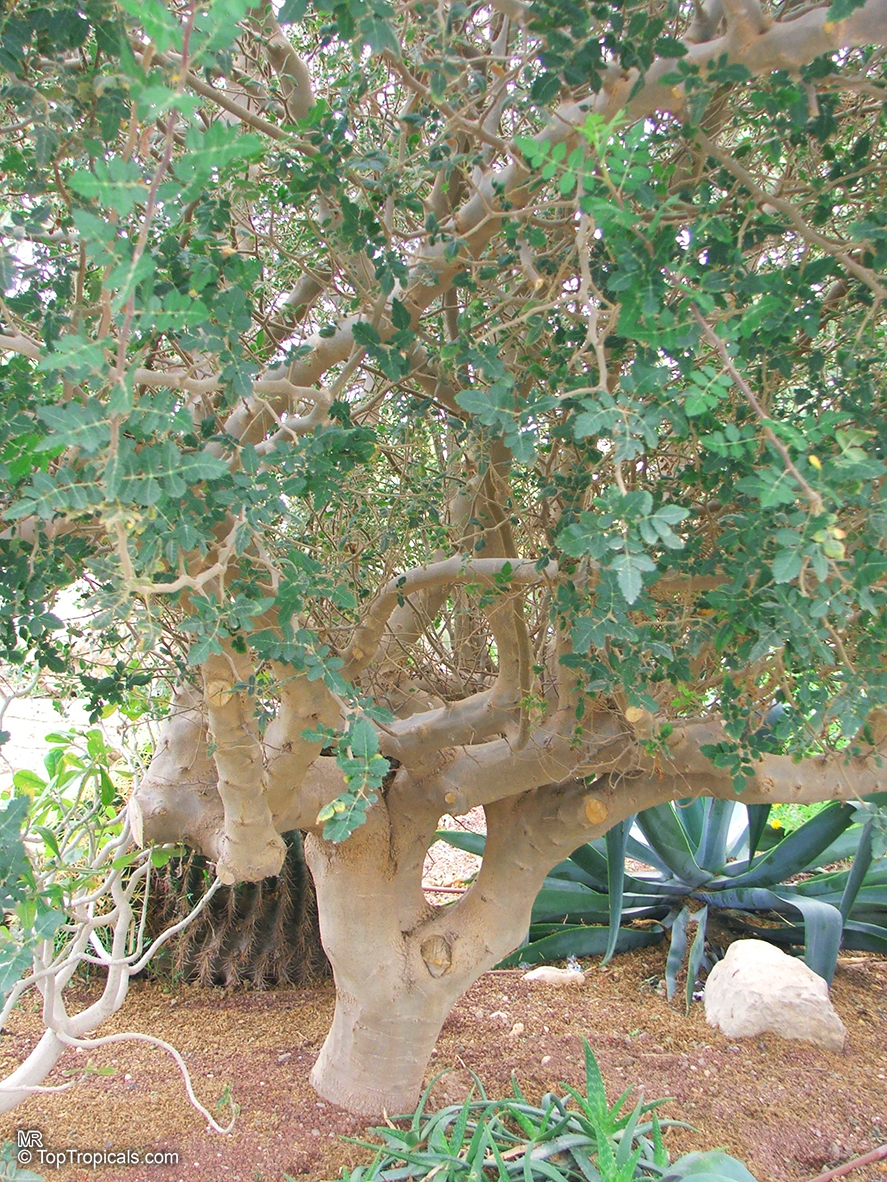
Botanical name: Bursera hindsiana
Common names: Copal, Torote Prieto
Family: Burseraceae
Origin: Western Mexico

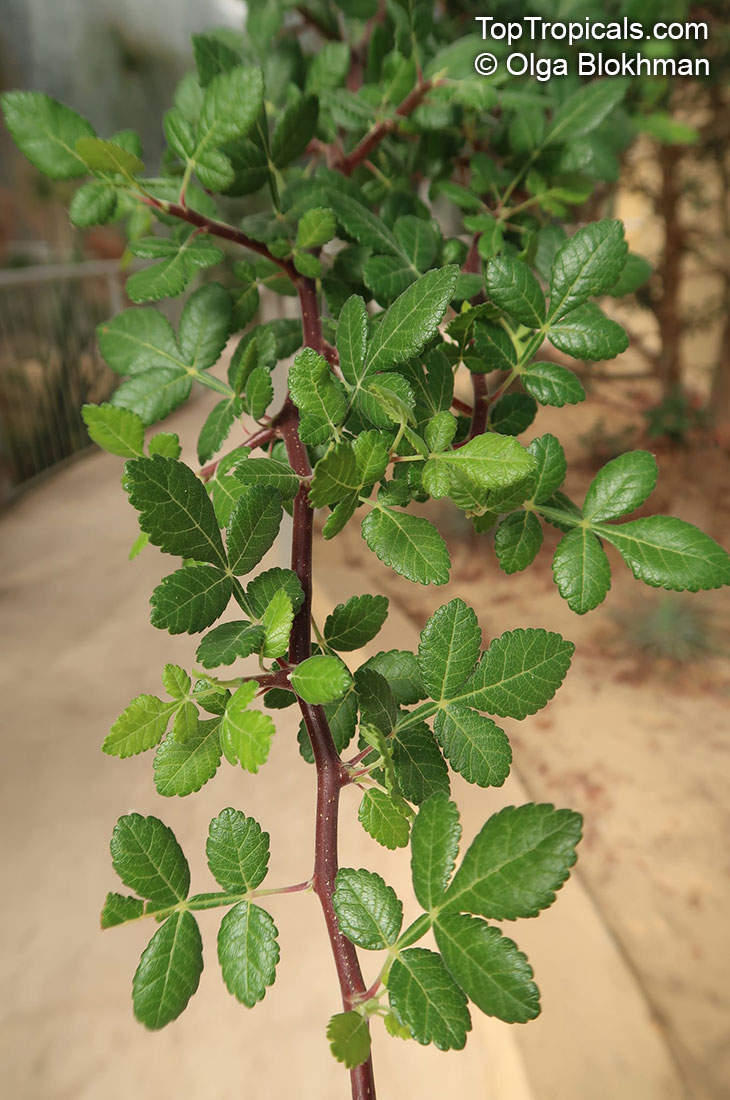
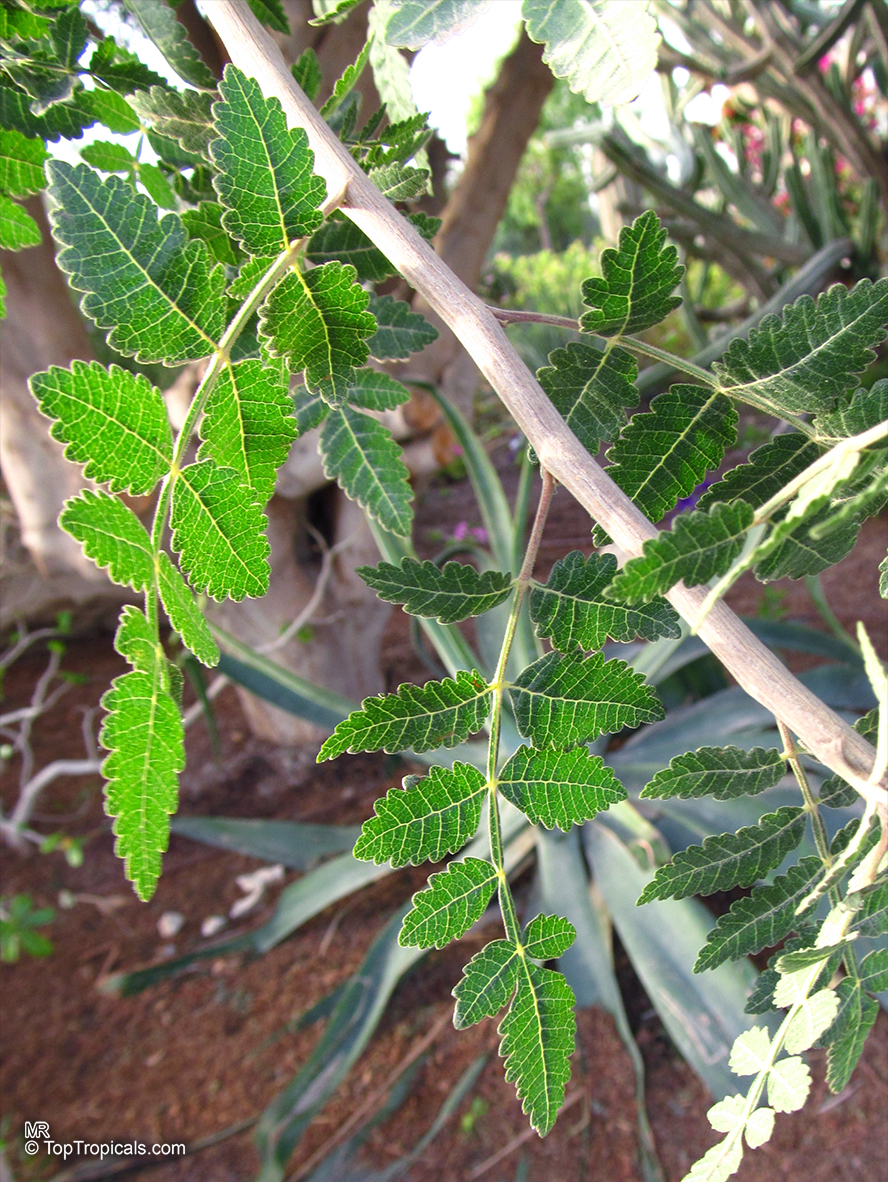
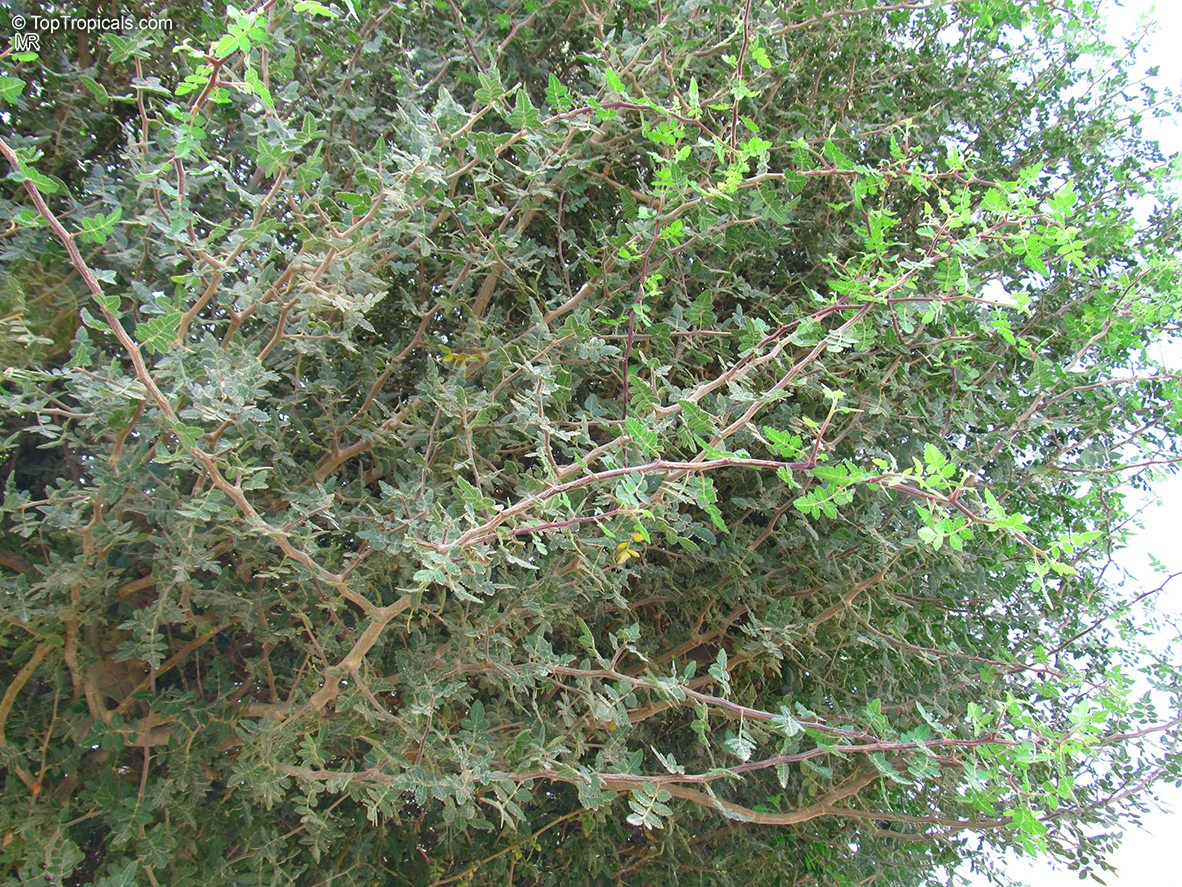
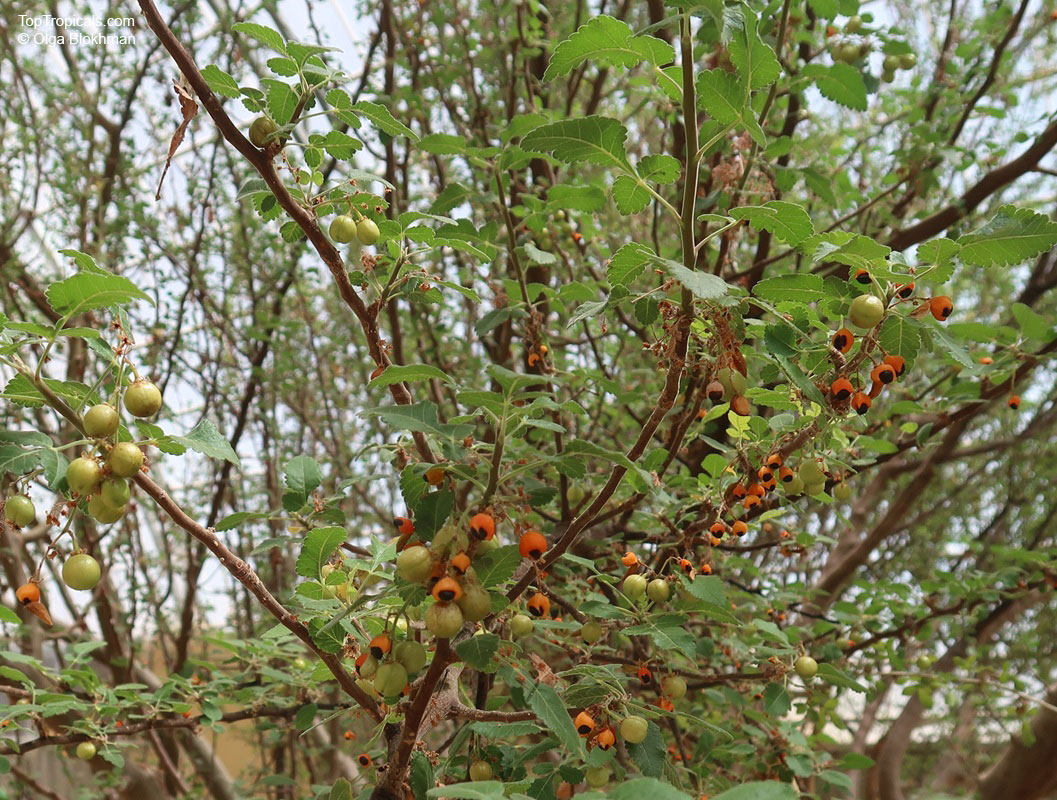
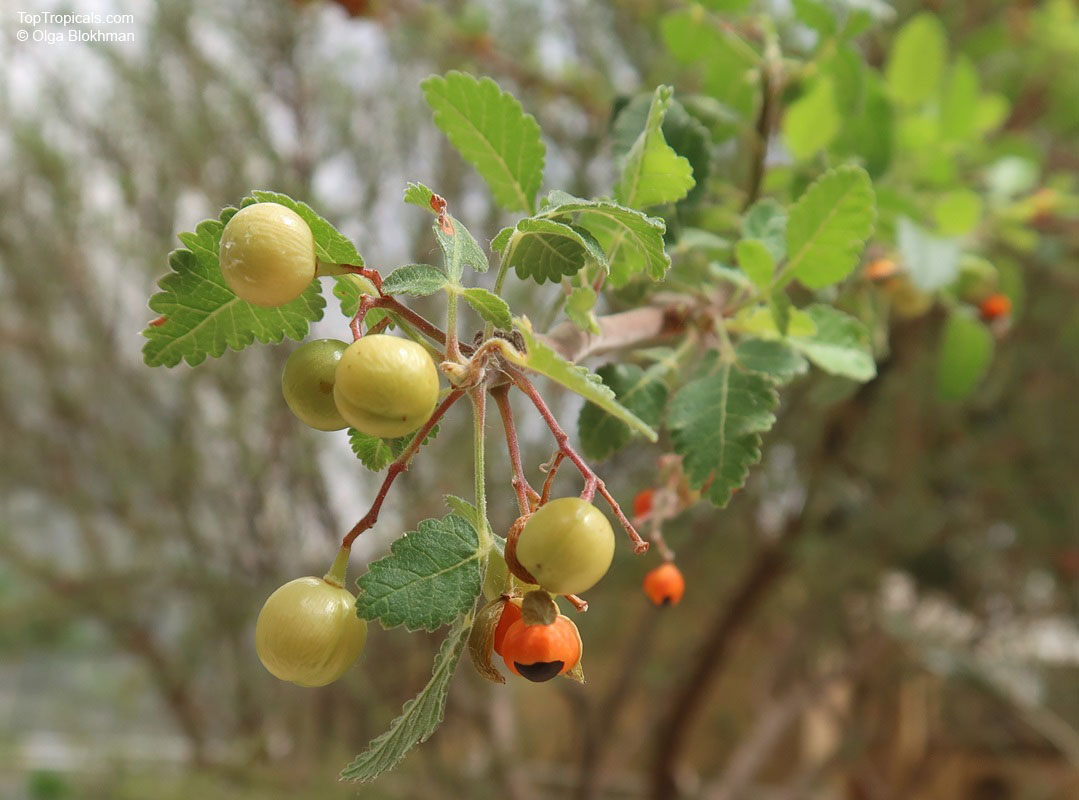
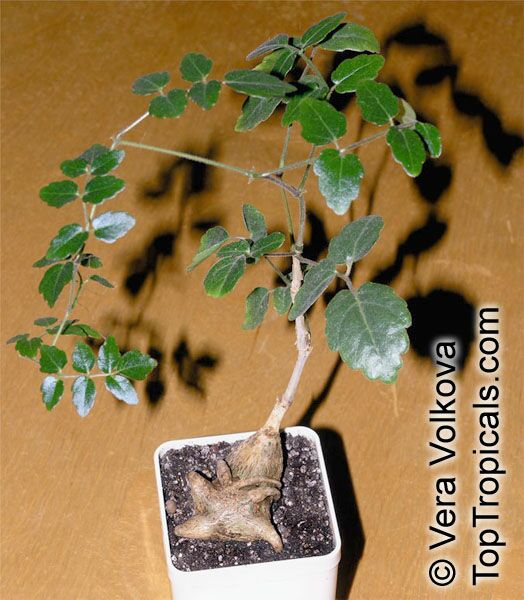
Leaves drought deciduous, serrate, to 2 inches, occasionally trifoliate, aromatic when crushed. Great plant for bonsai.
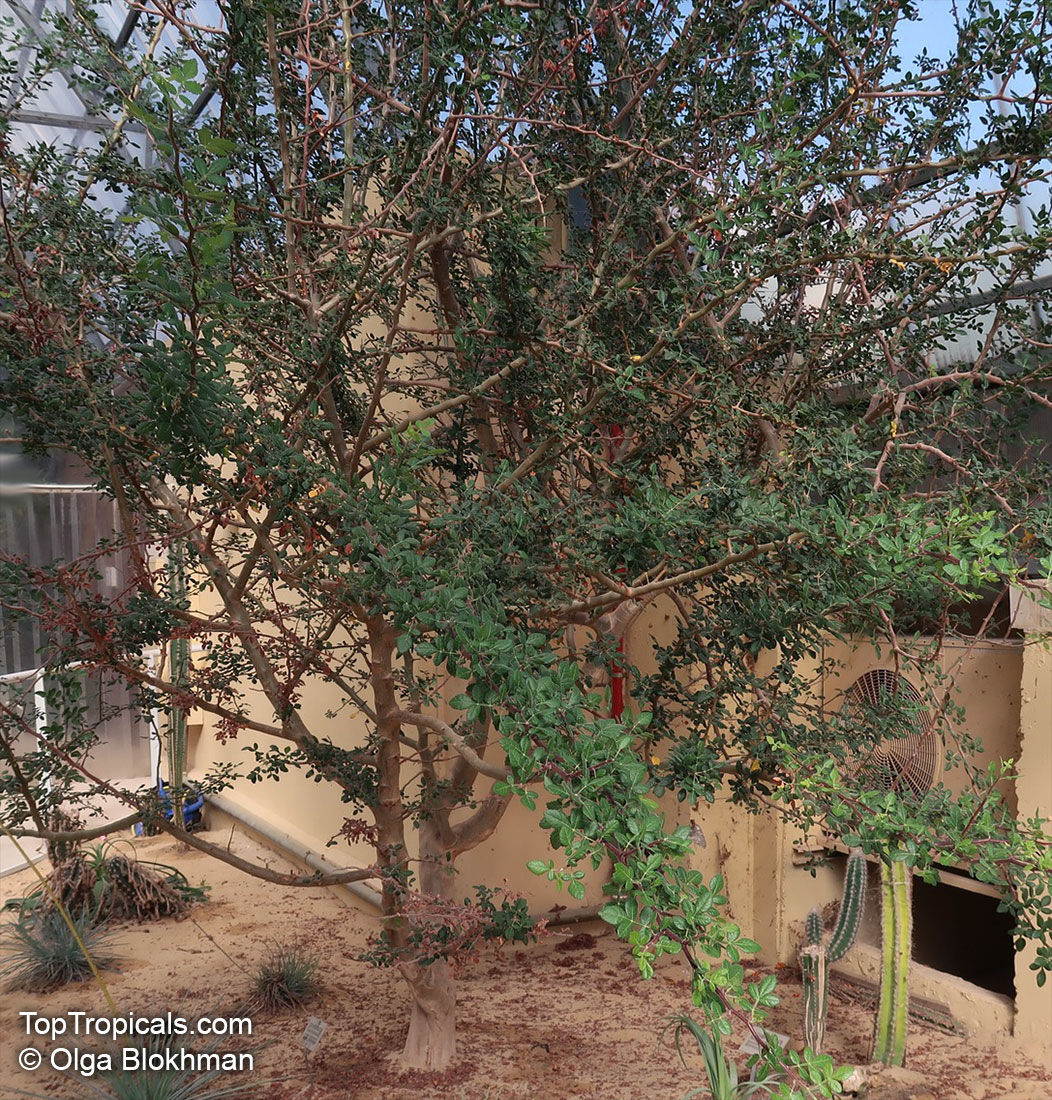
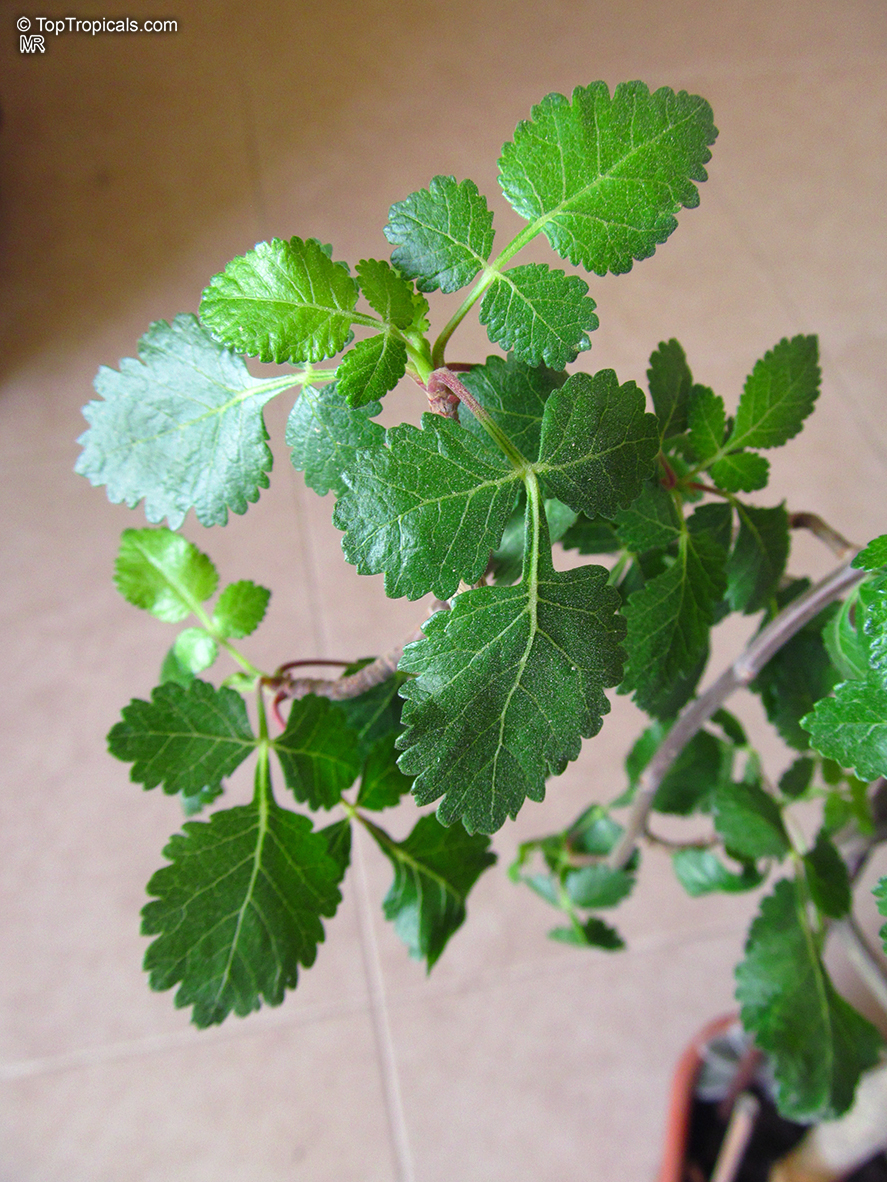
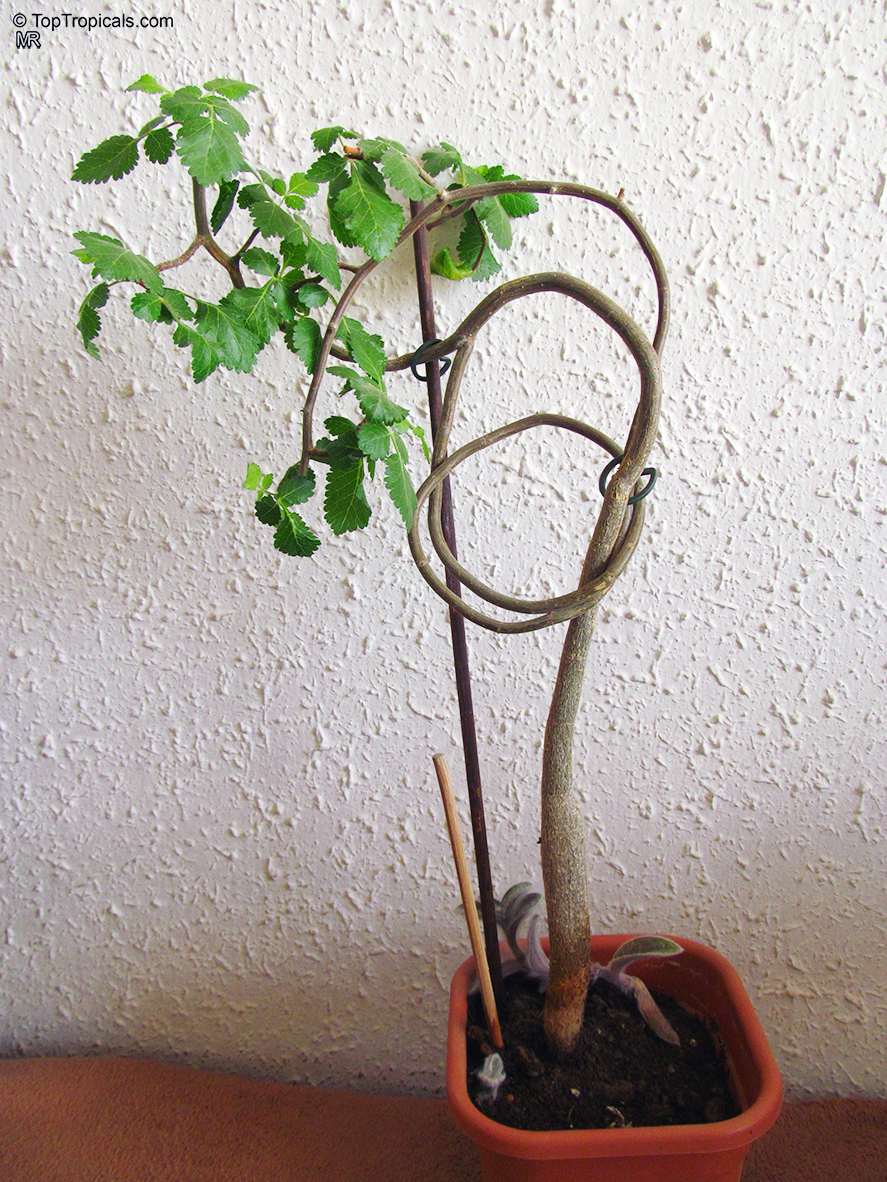
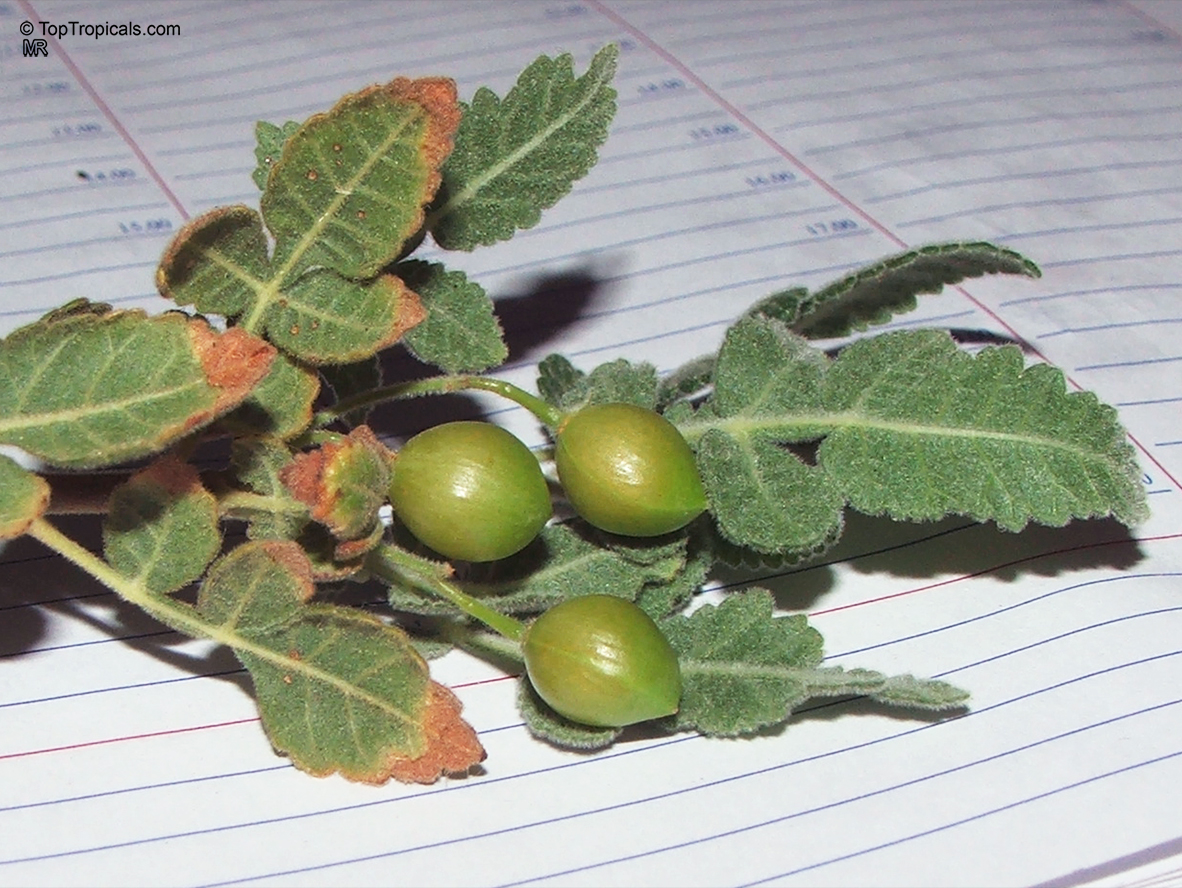

Botanical names: Cyphostemma laza, Cissus laza
Common name: Laza
Family: Vitaceae
Origin: Madagascar
Cyphostemma laza, a creeper native to Madagascar, is commonly referred to as Laza. This woody vine is mainly grown for its aesthetically pleasing foliage, which appears in thick, luscious bunches that are often a deep green color.
When growing, this plant should have plenty of sun exposure. It can thrive in either full sun or semi-shade. Watering should be kept to a moderate level, around 2 to 3 times a week.
In terms of the USDA hardiness zone, this plant is hardy anywhere between zone 9 and zone 11. Having its natural habitat in tropical climates, it does not tolerate cold temperatures well.
In colder regions, if you lucky enough to obtain one, this plant is best suited to being grown in a pot. Outdoor environments require warm, humid air as well as full sun or semi-shade. Watering should be monitored carefully; the soil should be kept slightly moist but not soggy. Indoor environments also require all these conditions, but it should be noted that in a pot, it will be far less tolerant of significant drops in temperature.
When allowed to thrive in the right environment, Cyphostemma laza is a highly attractive plant. With its glossy, rich foliage, it is best used as an accent piece in garden arrangements, or to bring life to an indoor space. If given the appropriate environment and care, any gardener can enjoy this caudiciform vine.
| Next | |
Use link to repeat this search:
https://toptropicals.com/cgi-bin/garden_catalog/cat.cgi?search_op=and&keyword_op=and&language=e&number=10&no_change_lang=1
&v1=cdx&user=tt&sale=1&first=0