Large tree taller than 20 ft - Plant Encyclopedia Results
| Number of plants found: 440 | Next | 
|
Go to page: | 1 | 2 | 3 | 4 | 5 | Last |
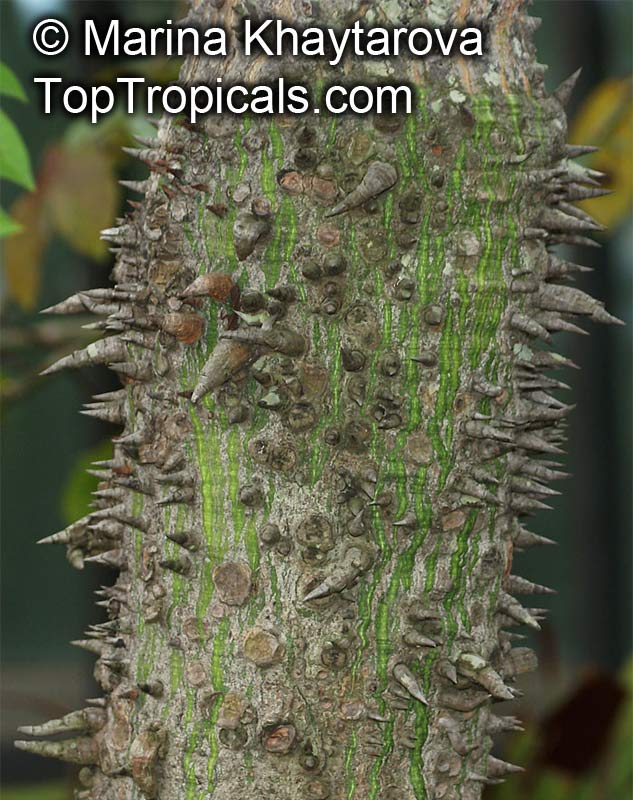
Botanical name: Ceiba schottii
Common names: Painera, Pochote
Family: Malvaceae (Formerly:Bombacaceae)
Subfamily: Bombacoideae
Origin: Central America


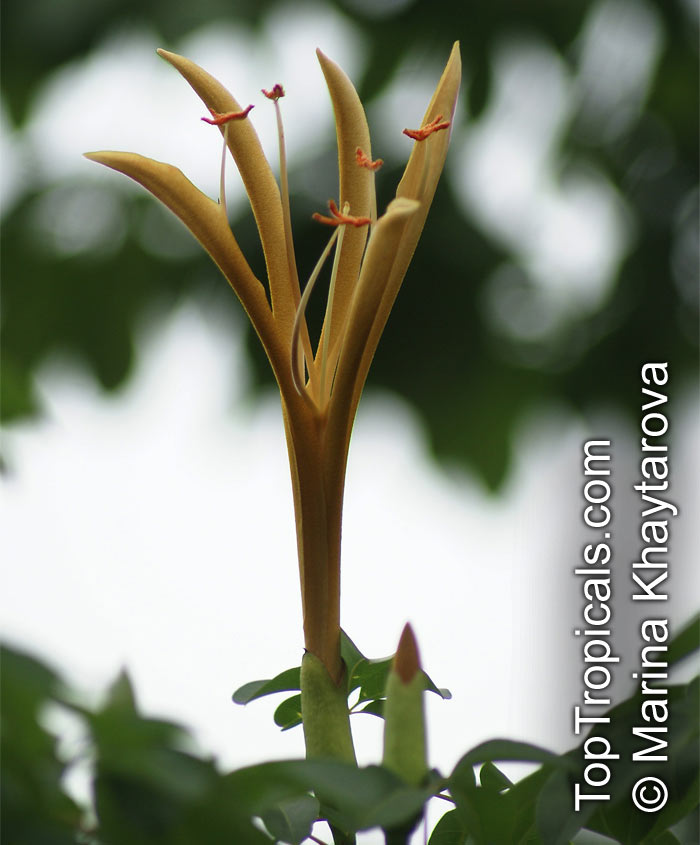
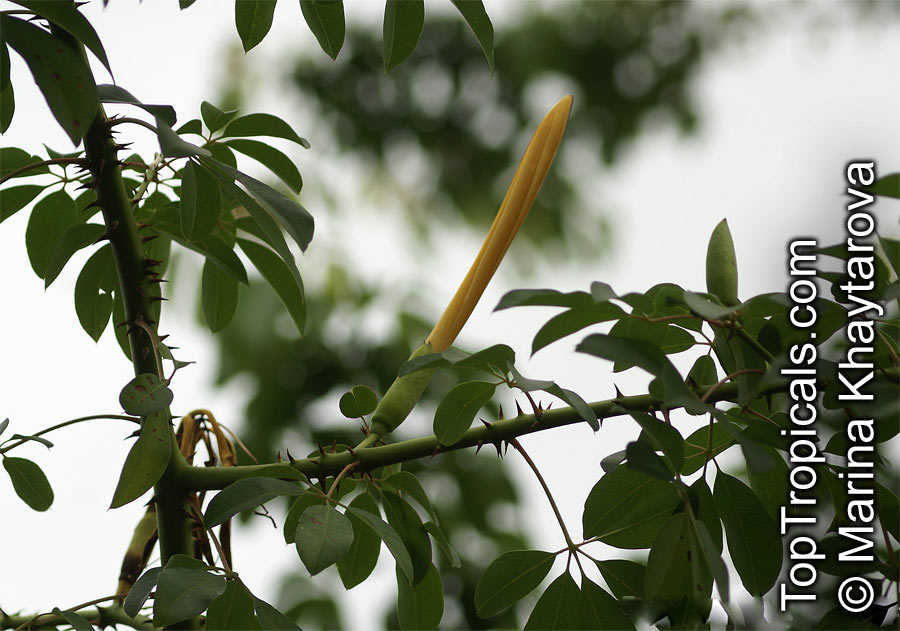
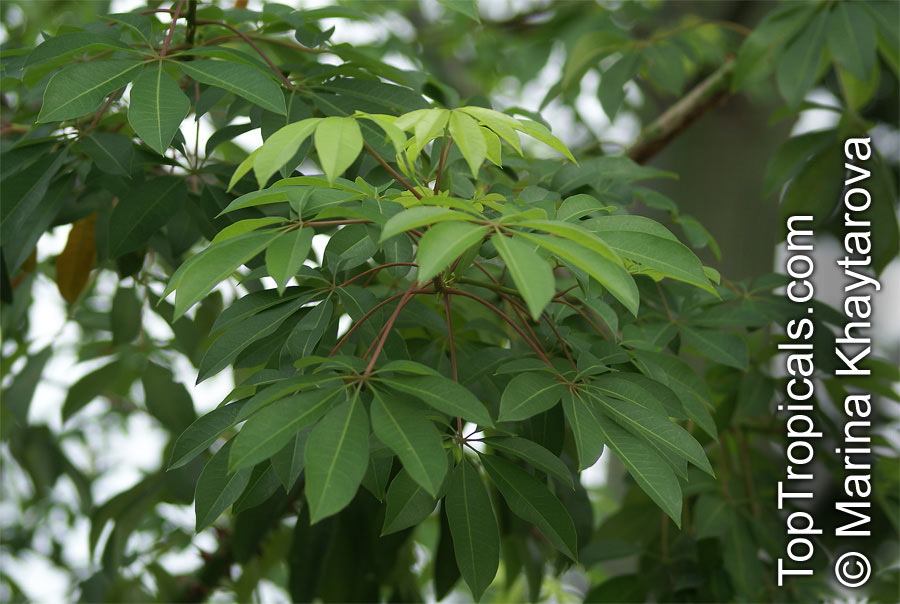
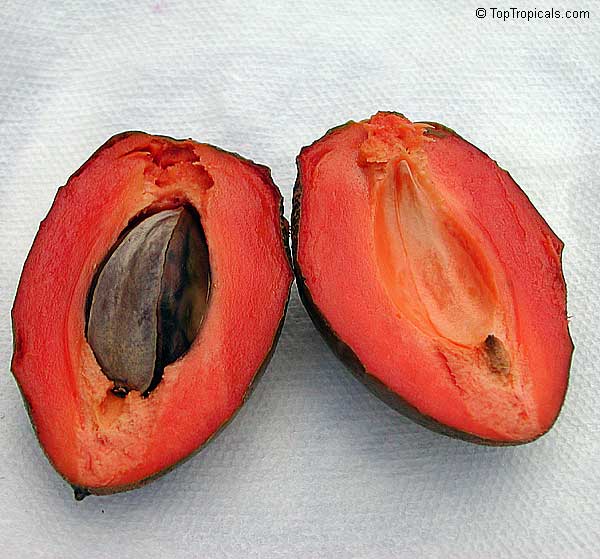
Botanical names: Pouteria viridis, Calocarpum viride
Common name: Green Sapote
Family: Sapotaceae
Origin: Guatemala, Central American highlands

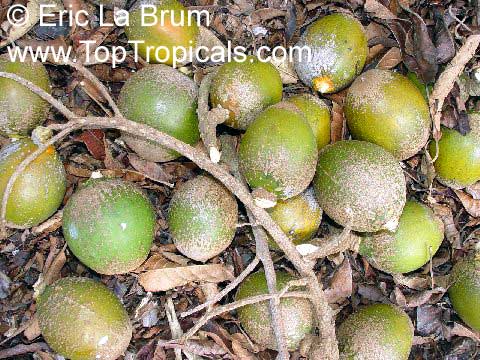
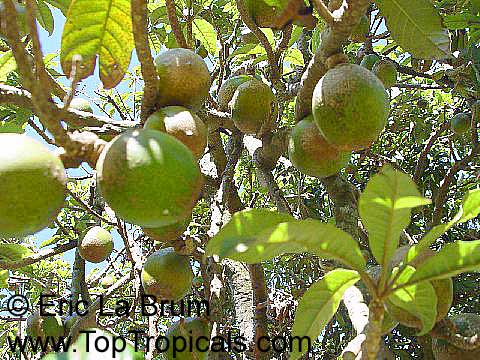
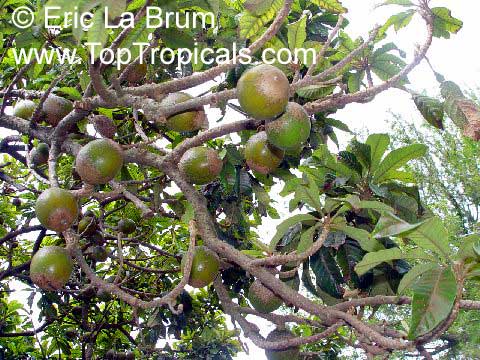
Green Sapote is a hardy close relative of Mamey Sapote, with a fruit very similar in taste.
Originated and cultivated in Ecuador, Honduras, Guatemala and Costa Rica, the fruit is little known outside of Central America, even though its flavor is often described as superior to the Mamey.
The tree is very compact and slow growing. It has smaller, darker green leaves than the Mamey.
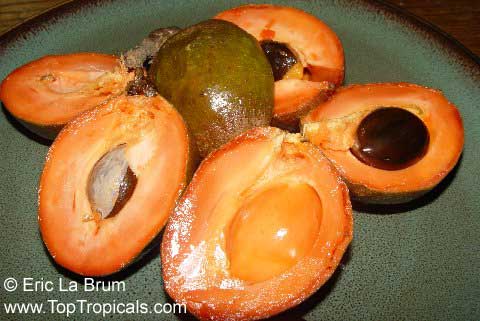
The fruit is slightly smaller in size than one of Mamey and is 2-3'' wide, oval to round, green outside, orange inside; thin skin turns golden to brownish with ripening. The pulp is softer than the Mamey Sapote, with a better flavor and finer texture. Fruit softens when ripe, flesh contains one to two large seeds. Fruit is mature with first color break, can be picked hard, and will ripen off the tree. Fruits take up to 9-10 months to ripen.
The thick orange flesh has a 'melting in your mouth' effect, usually eaten fresh out of hand, or used in making desserts and preserves. The seeds are edible when roasted and have been used as an adulterant to chocolate.
The plant grows very slowly during the first year, then much faster. It is propagated by seed, but grafts can be also made onto Mamey Sapote rootstock. Grafted trees fruit soon, seedlings may take 7-8 years. Established trees can tolerate some frost for short periods. Good drainage is essential.
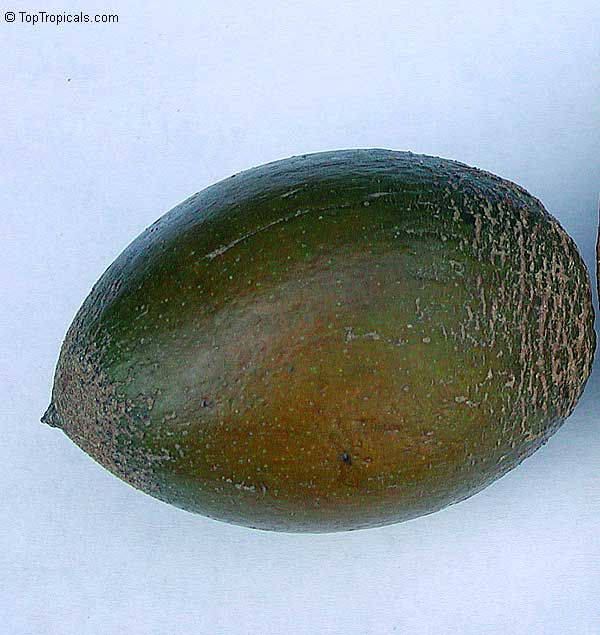
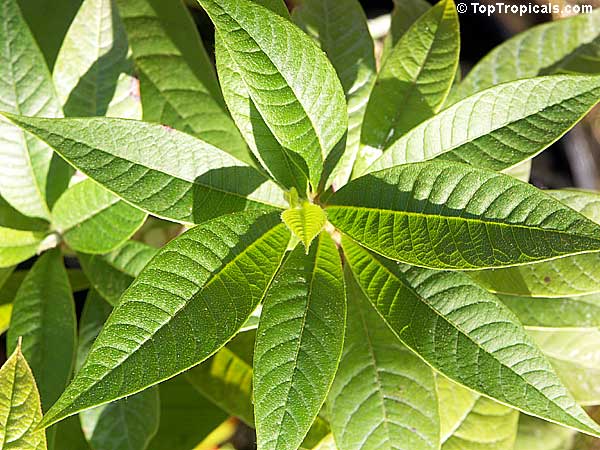
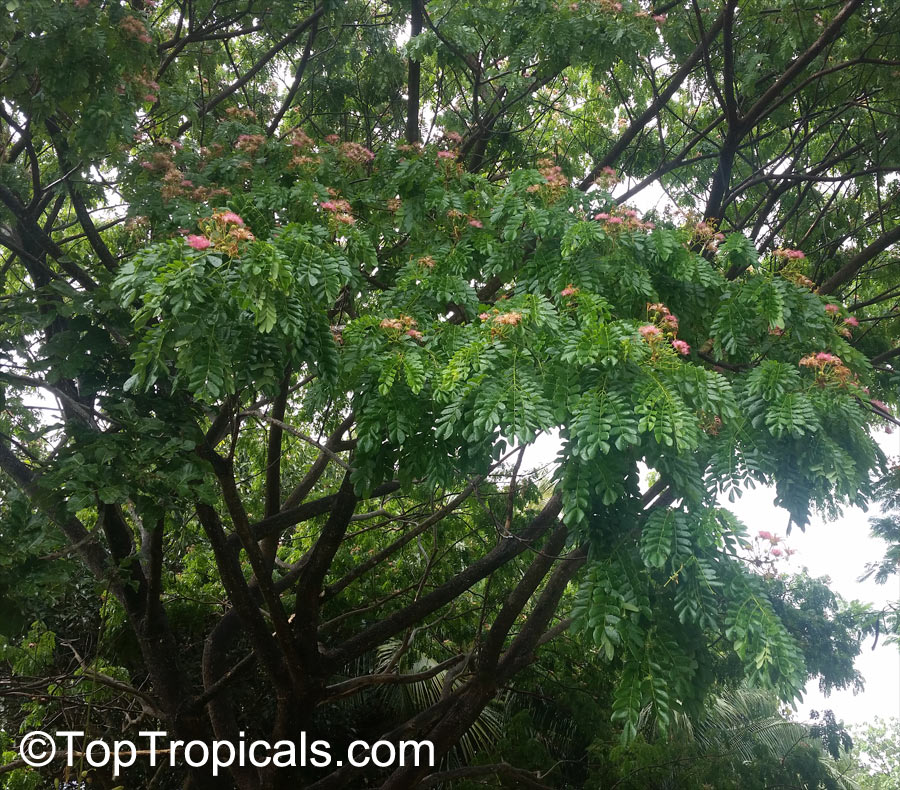
Botanical names: Samanea saman, Albizia saman, Pithecellobium saman
Common names: Monkeypod, Rain Tree, Cenizaro, Cow Tamarind
Family: Fabaceae
Subfamily: Mimosoideae
Origin: Tropical America

As a fast-growing, large tree, Samanea saman (Monkeypod) can reach heights of up to 80 feet and a width of almost as much. For gardeners who haven't the space, pruning can be done to maintain size. In full sun, this tree can withstand a wide range of climates and temperatures, but generally thrives best in USDA Zones 9-11. The tree prefers moderate water throughout the year, but can tolerate periods of drought.
The long-lasting, pink 'powderpuff' flowers bring a burst of color to the landscape in late summer and early autumn. Deer rarely damage or consume the leaves or flowers. The pods have a sweet, sticky brown pulp, and are fed to cattle in Central America.
When planting Samanea saman, dig a hole twice the size of the root ball and mix equal parts compost and existing soil. Once planted, mulch and water regularly. In cold regions, it's best to grow this tree in a pot. For best growth, the pot should be moved indoors during winter.
This beautiful and easy-to-care-for tree adds a stunning and unique touch to any landscape. Its height, shade, and color make it an ideal accompaniment to any garden.
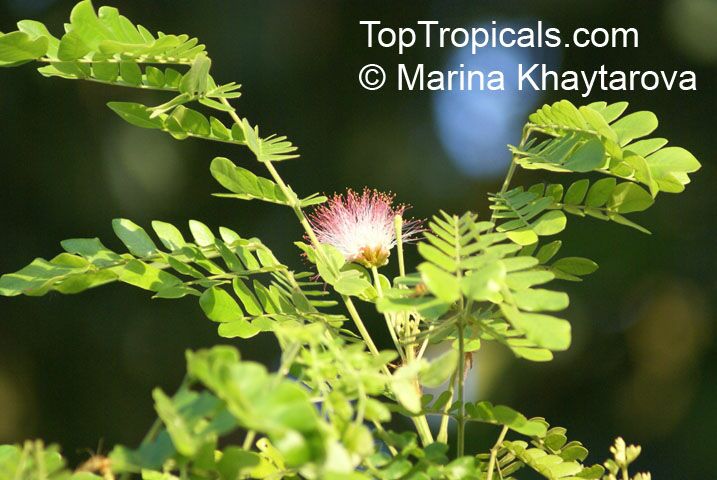
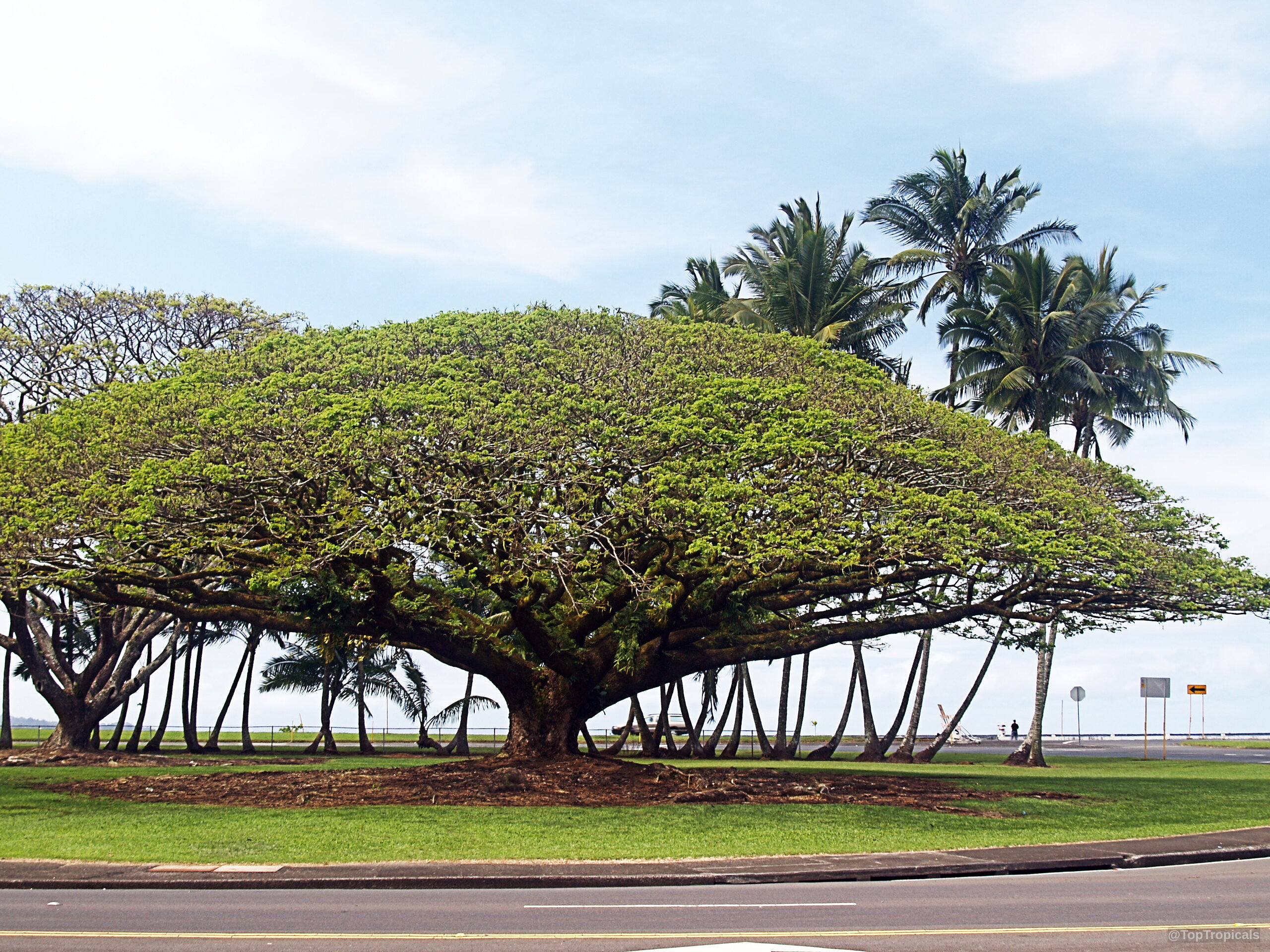

Botanical name: Cordia goeldiana
Common names: Freijo, Jenny Wood
Family: Boraginaceae
Origin: Brazil


Freijo is very similar in strength properties to Teak, and is occasionally used as a substitute for Teak in building ships.
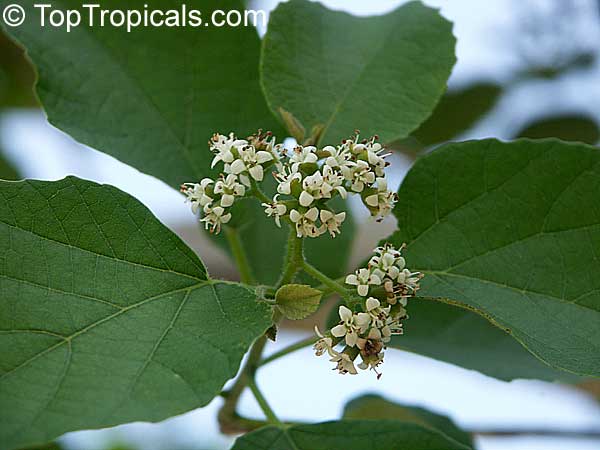
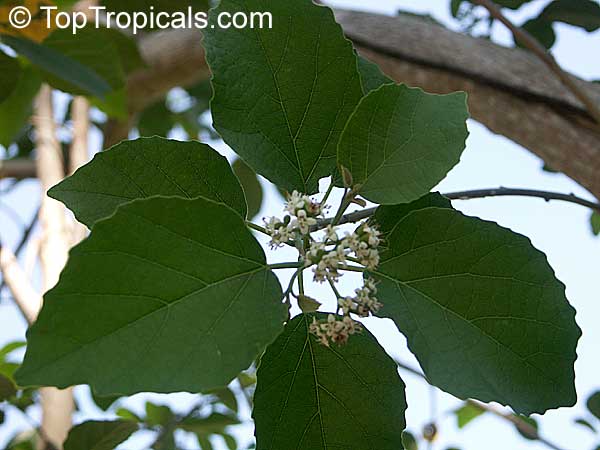
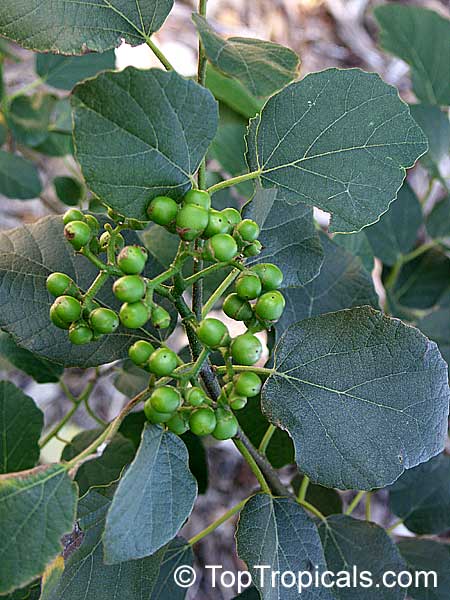
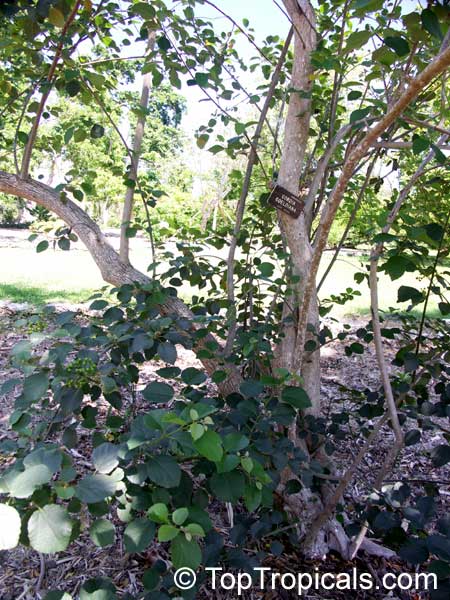
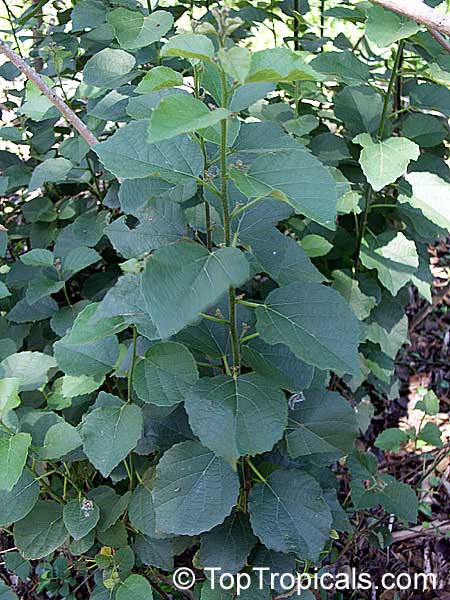
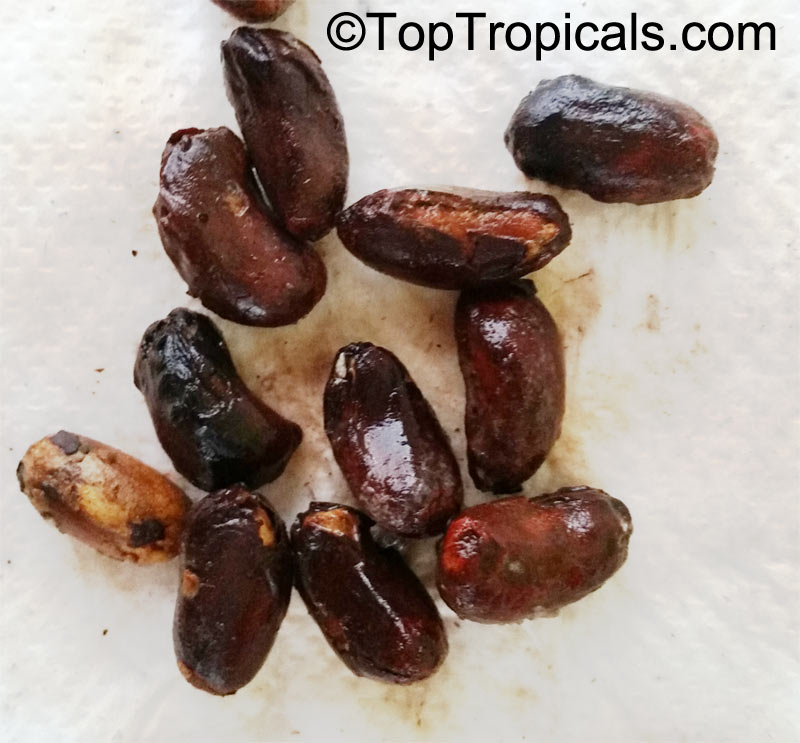
Botanical name: Treculia africana
Common name: African Breadfruit
Family: Moraceae
Origin: Tropical Africa
Native to tropical Africa, Treculia africana is a beautiful, large shade tree, easy to recognize with its large, rounded crown and spreading branches. It can grow taller than 20-50 feet in its native environment, but will typically be more compact if grown in containers in garden environments.
This tree flourishes best in full sun to semi-shade environment, with moderate water. It can thrive in USDA Hardiness Zones 9-11.
The fruit of the Treculia africana tree is round and greenish yellow when ripe, and has a spongy texture. It contains a large number of edible seeds, which are the main edible part of the fruit. Africa Breadfruit is known for its sweet and nut-like flavor. It can be eaten on its own, but is also a popular ingredient in various dishes, ranging from salads to desserts.
This fruit is also harvested for its wide array of health benefits. It contains essential vitamins, minerals, and antioxidants; such as vitamins A and C, calcium, potassium, and zinc. Eating the fruit and seeds may reduce levels of bad cholesterol, protect from heart disease, and improve bone and muscle health, making it a nutritious addition to any diet.
Treculia africana trees can yield up to 60 fruits each year depending on climate and tree health, making this a bountiful addition to any garden. Moreover, with its easy care requirements, this African breadfruit tree can be a low-maintenance way to bring beauty and nutrition to any garden.
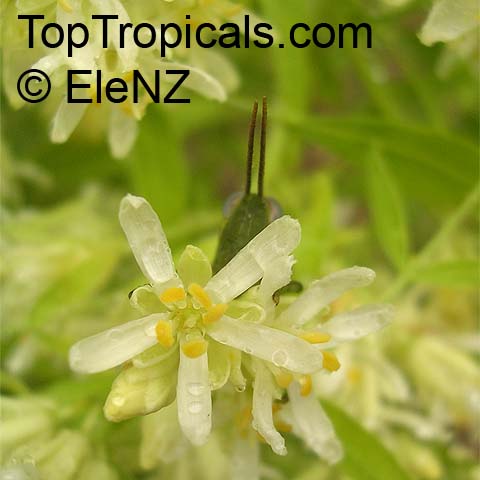
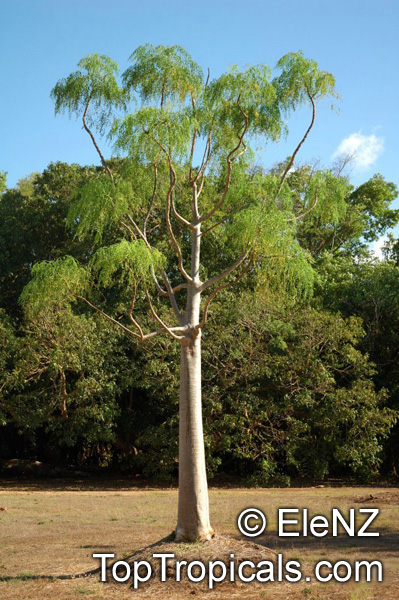
Botanical name: Moringa drouhardii
Common name: Malagasy Moringa
Family: Moringaceae
Origin: Madagascar


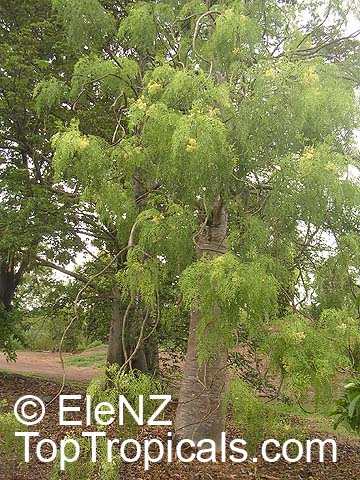
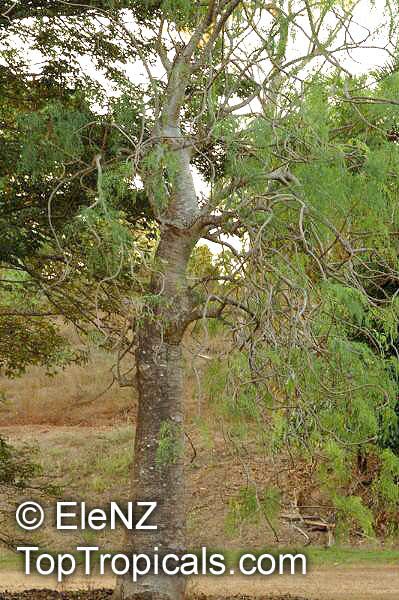
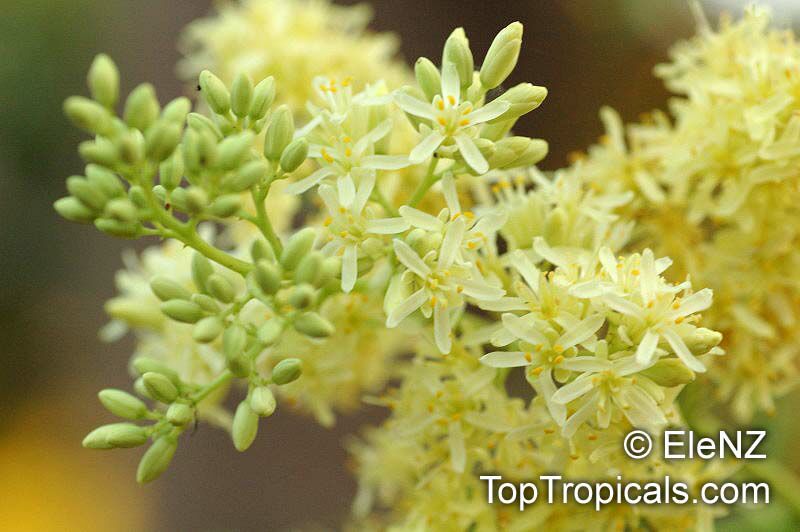
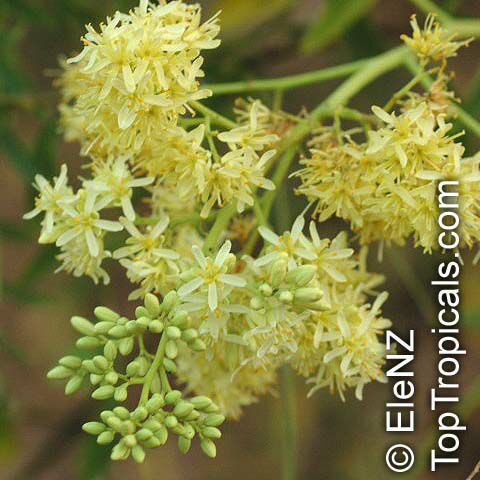
Moringa drouhardii is a large tree and can grow taller than 20 feet with a distinctive swollen trunk. It is native to Madagascar and grows in scattered stands in the southern Malagasy dry forest on limestone. It is a fast-growing tree, often surpassing three meters in its first year. The leaves are alternate, typically pinnate, and finely toothed. The flowers are yellow to orange and fragrant, often forming in clusters in the leaf axils. Moringa drouhardii has the potential to attract butterflies and hummingbirds when blooming.
In USDA Zone 9-11, Moringa drouhardii can be grown in full sun in moderately moist soil. It will benefit from a deep, occasional watering. A layer of mulch is beneficial and can help maintain soil moisture. When grown in a pot, Moringa drouhardii will do best in warm regions and should be brought inside during the colder months. If growing in cold regions, the pot should be insulated and stored in a warm and frost-free location.
Moringa drouhardii has been used for thousands of years for its ethnomedical properties. It is still used medicinally and the leaves, bark, and seed pods are the most frequently used parts of the tree. The leaves are very nutritious and contain a numerous of vitamins, minerals, and antioxidants.

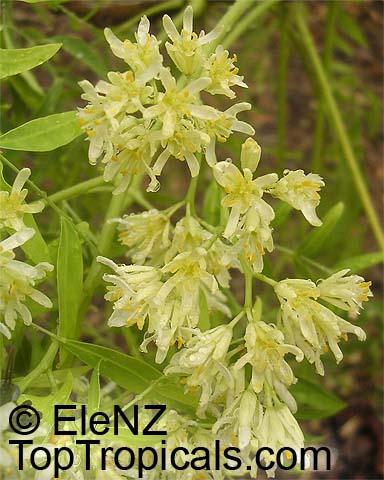
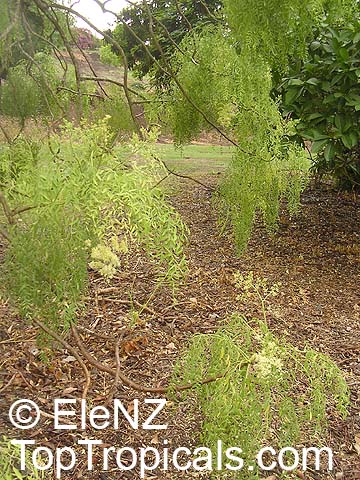
Botanical names: Nephelium rambutan-ake, Nephelium philippense, Nephelium mutabile, Nephelium intermedium, Litchi ramboutan-ake
Common names: Pulasan, Bulala, Ngoh-khonsan, Ramboutan-ake
Family: Sapindaceae
Origin: Southeast Asia
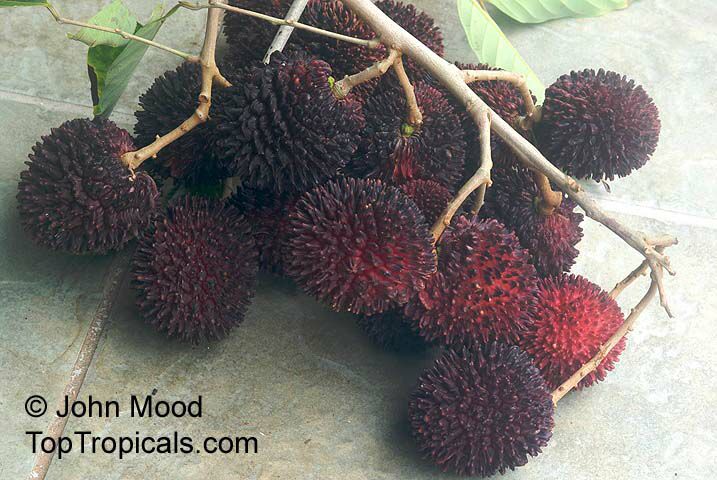
The Pulasan, or Poolasan is closely allied to the Rambutan and sometimes confused with it.
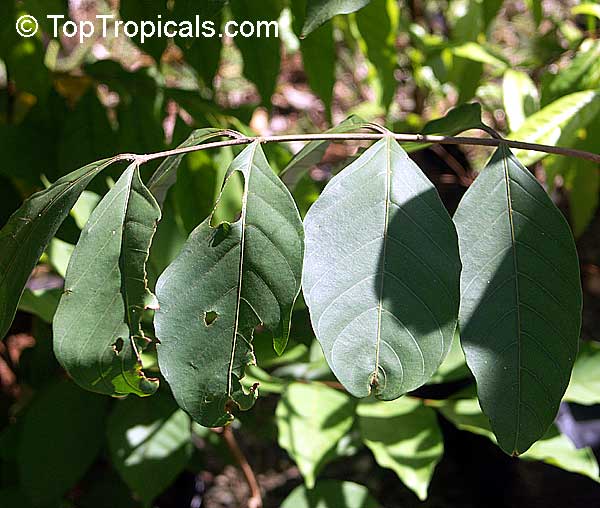
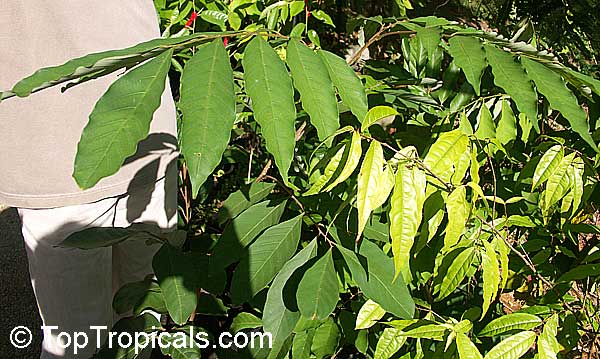
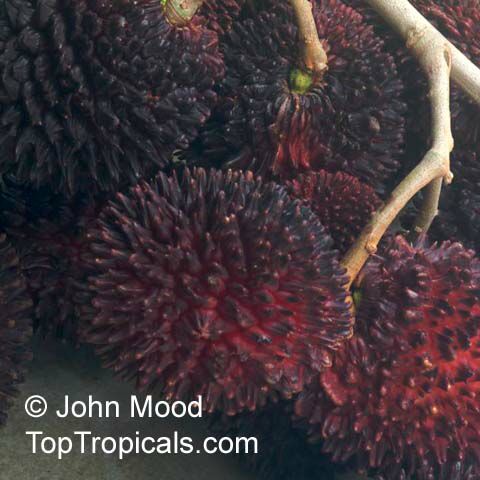
Dioecious tree reaching 30-45 feet (9-14 m), with a short trunk and a wide, rounded crown. Alternate, compound leaves with 2-5 pairs of glossy leaflets. Flowers small, greenish, in branched axillary or terminal panicles. The fruit is round to ovoid, about 2-3 inches (5-7.5 cm) in length, with a bumpy red, purple or yellow peel. The pulp is white or yellowish, translucent, juicy, sweet and aromatic. Delicious fruit, sweeter than the rambutan and lychee, but very rare outside of southeast Asia. An ultra-tropical species, needing lots of water for much of the year, and a humid climate.
Pulasan is propagated by seed, grafting or air layers. Seed propagation is not usually preferred, as the trees may be males or have fruit of inferior quality. Both bud and approach grafting are used. Grafted trees begin to produce fruit at about 3-5 years.
The Pulasan is from the humid tropics, and grows well where abundant moisture is available year round, although it does tolerate brief periods of drought. The best growth is achieved in fertile, well drained soils, from sea level to about 1,000 feet (305 m) elevation. Regular fertilization will also improve growth and fruiting.
The flesh of ripe fruits is eaten raw or made into jam. Boiled or roasted seeds are used to prepare a cocoa-like beverage.

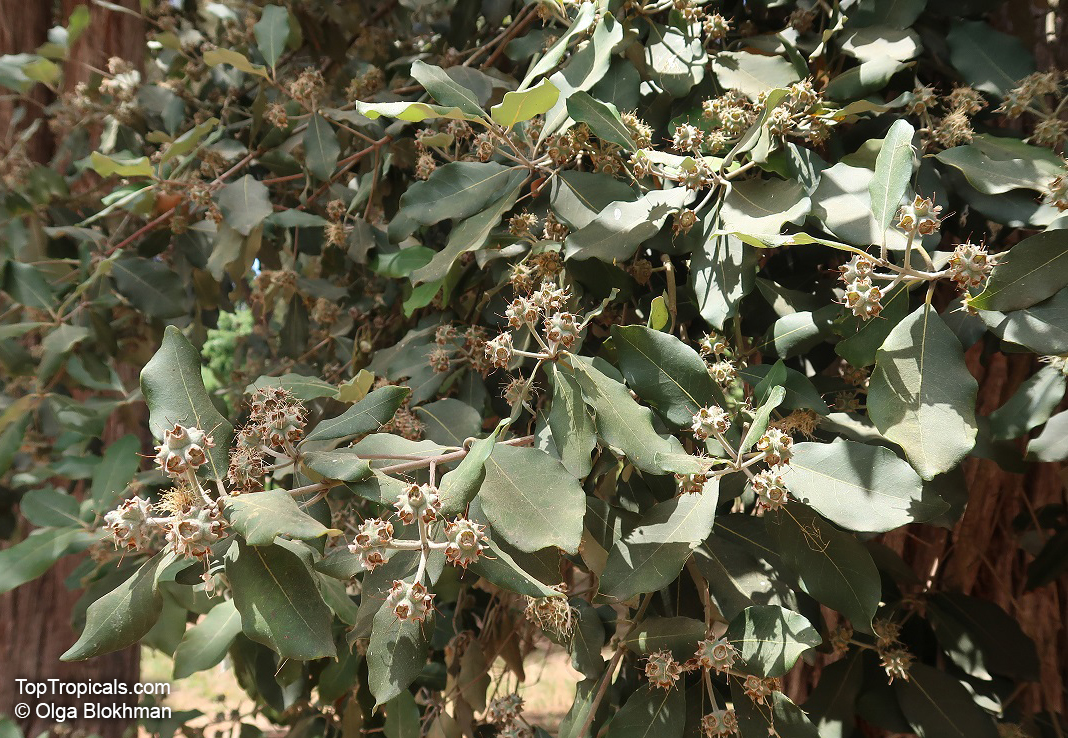
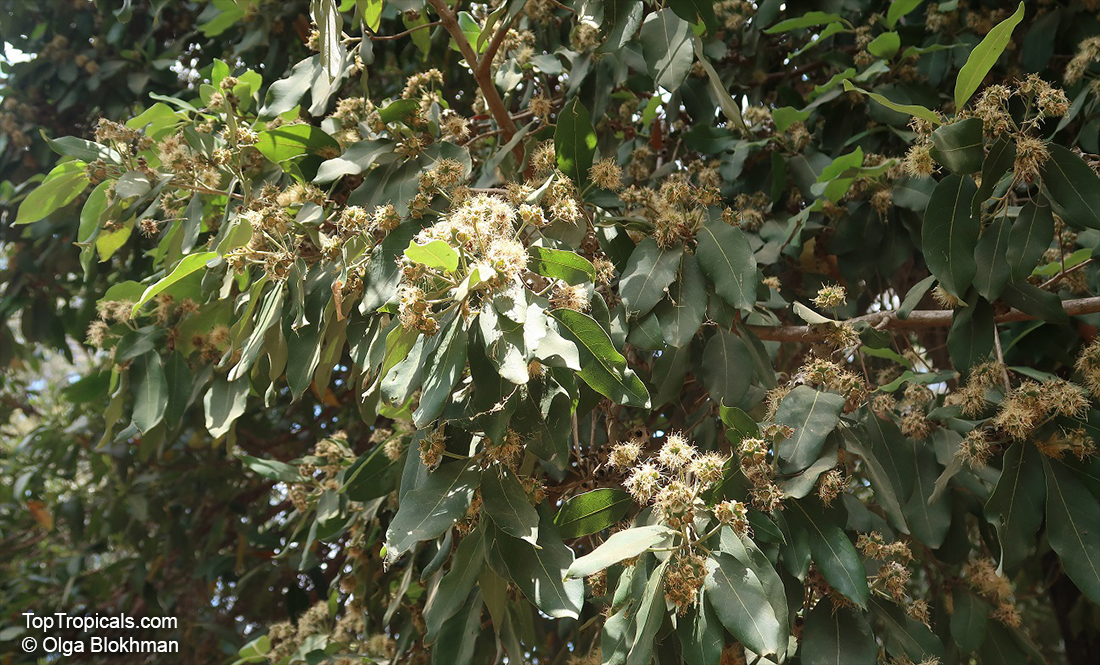
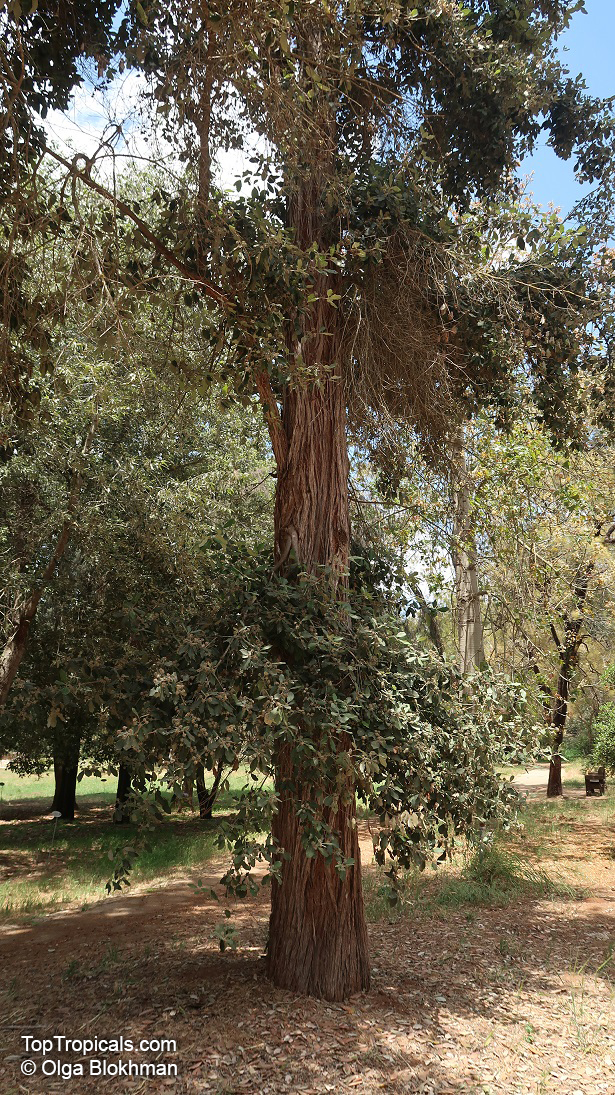
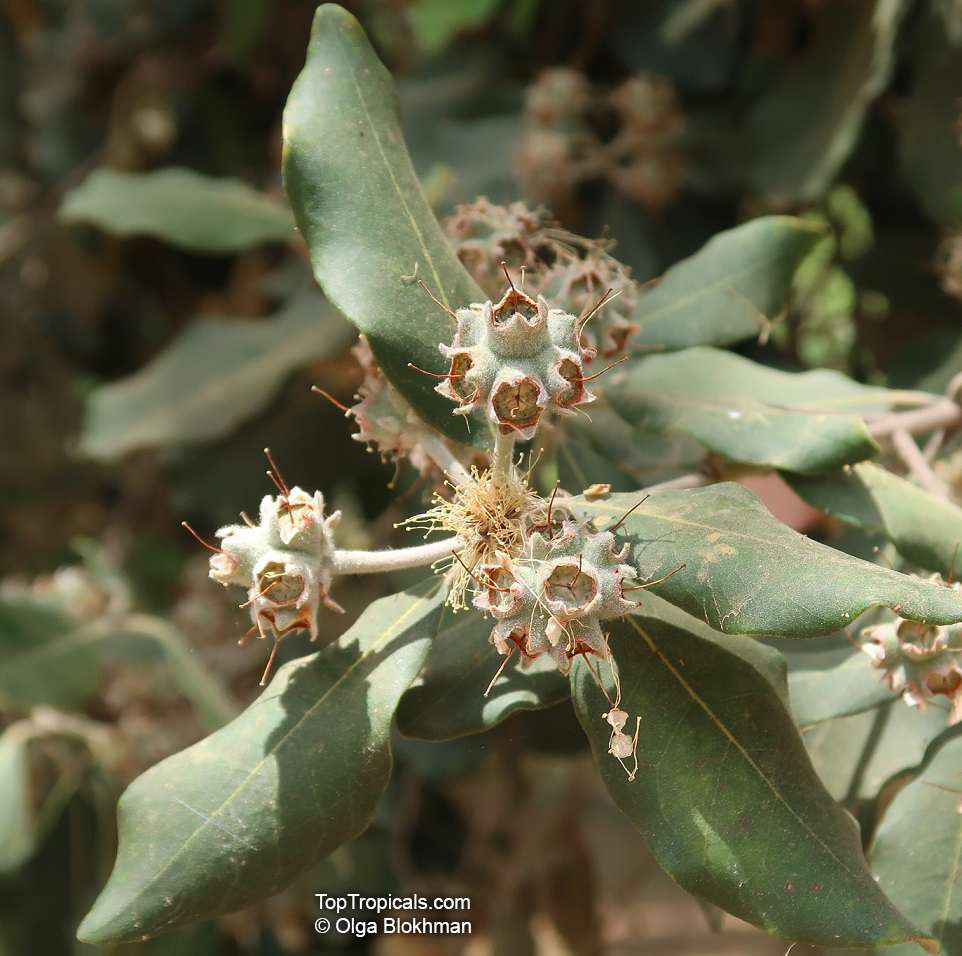
Botanical name: Syncarpia glomulifera
Common names: Turpentine Tree, Yanderra
Family: Myrtaceae
Origin: Australia
Syncarpia glomulifera is native to Australia and is an .
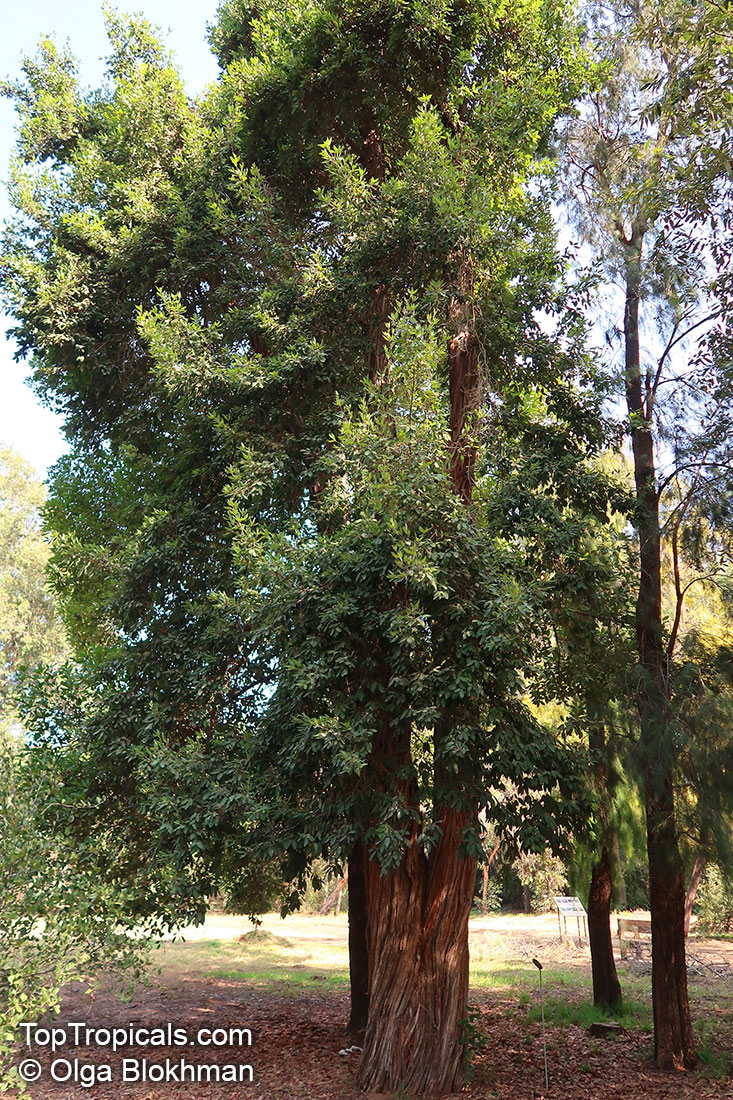
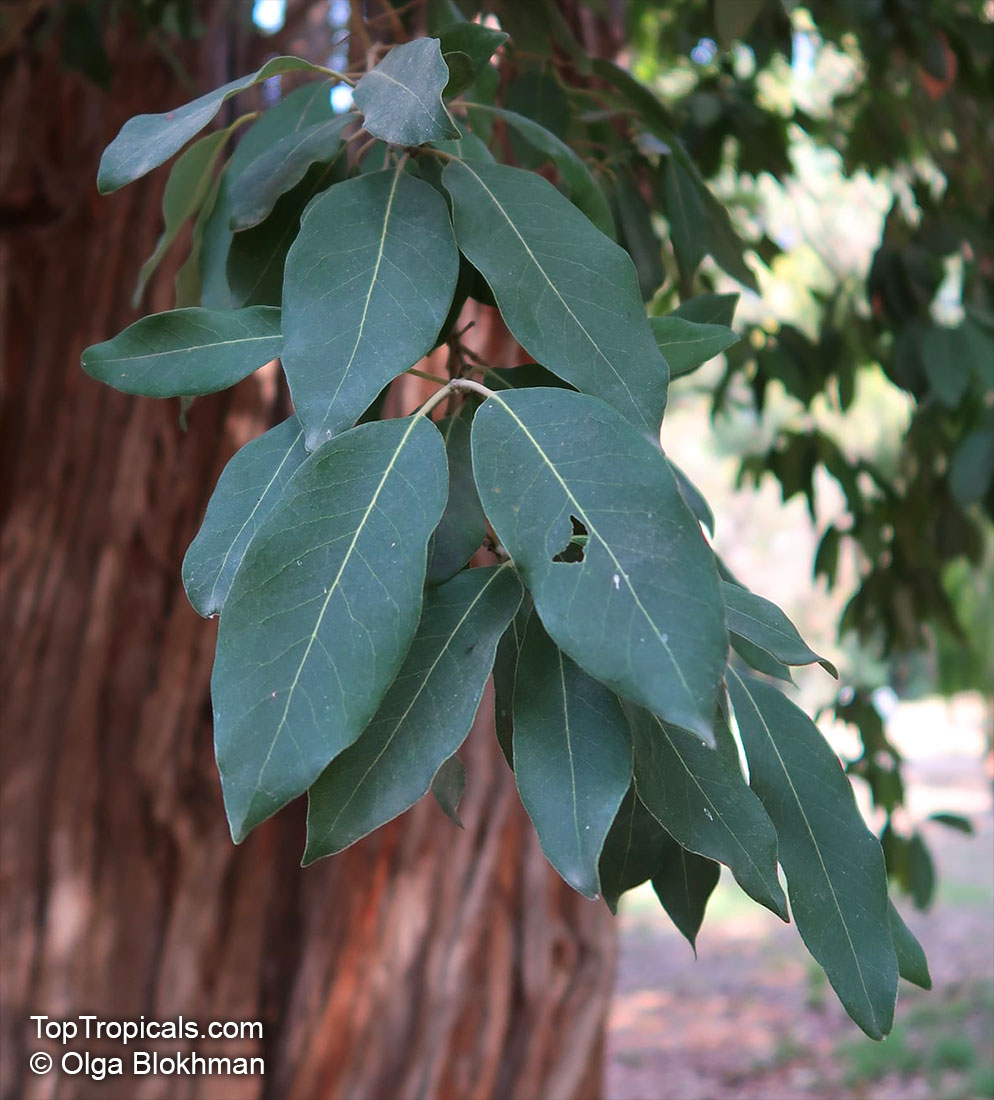
The fast-growing Turpentine Tree is an attractive tree, with a dramatic, evergreen glossy grey-green spreading canopy. It can be grown as a large tree, with a height of 20ft or more, as well as a small tree, growing 10-20ft in height. It can be planted in either full sun or semi-shade and will tolerate either regular or moderate water requirements. From spring to summer it produces spectacular clusters of white or off-white flowers.
The Turpentine Tree thrives in USDA Zones 10-11. In cold regions, it can be grown in a pot and will need to be taken indoors in the winter months. When potted, it still needs plenty of sun to reach its full potential, and regular watering to keep the soil moist. It will also benefit from a light application of a balanced fertilizer, once a month during the growing season.
In general, the Turpentine Tree is a low-maintenance tree and is an ideal choice for gardens and parks with its strong, disease-resistant foliage and evergreen presence.
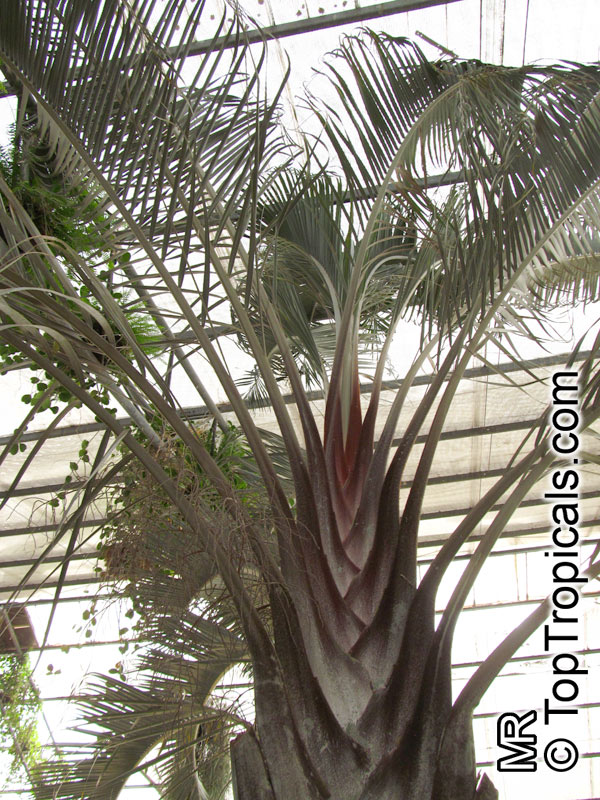
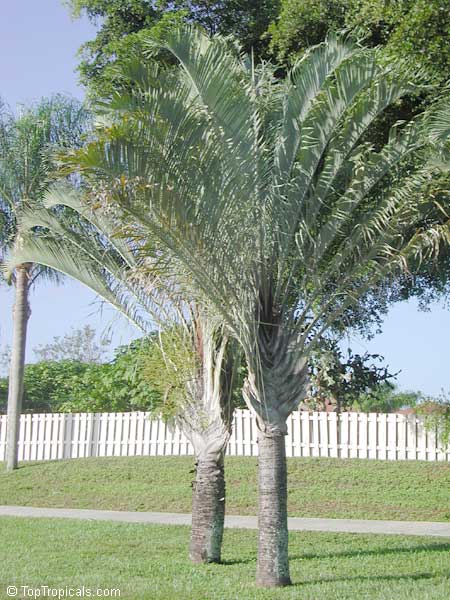
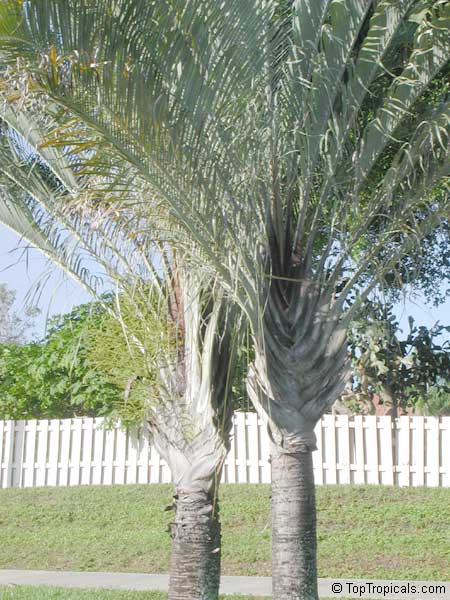
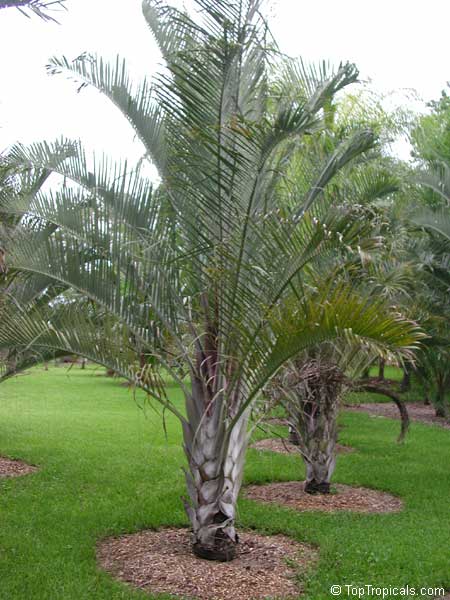
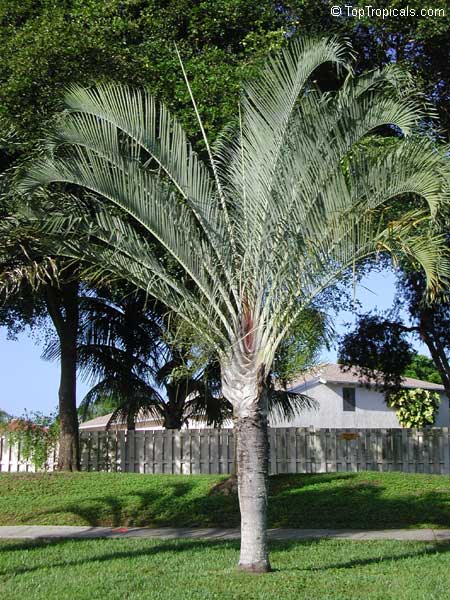
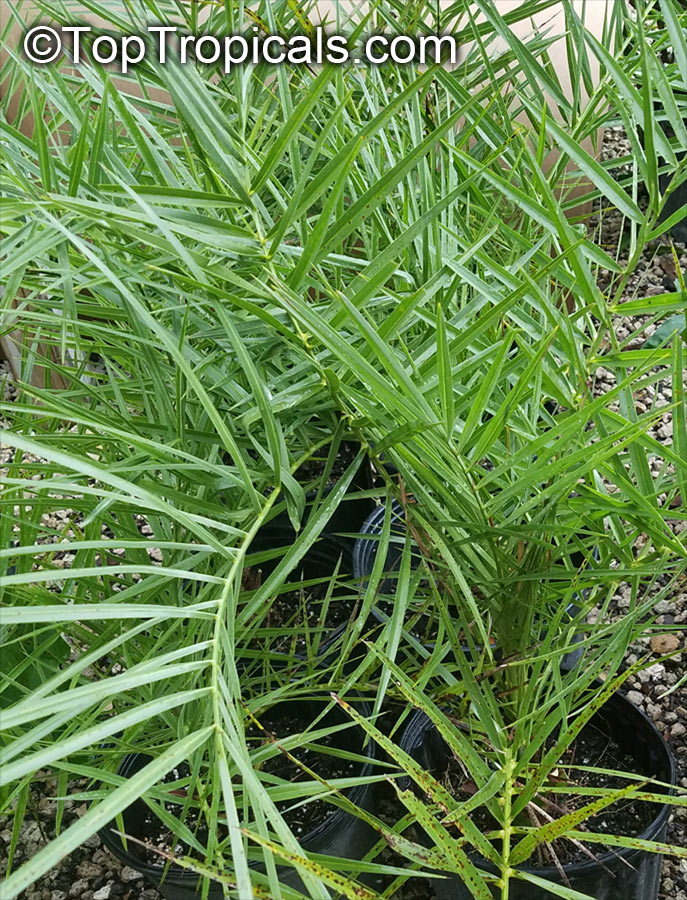
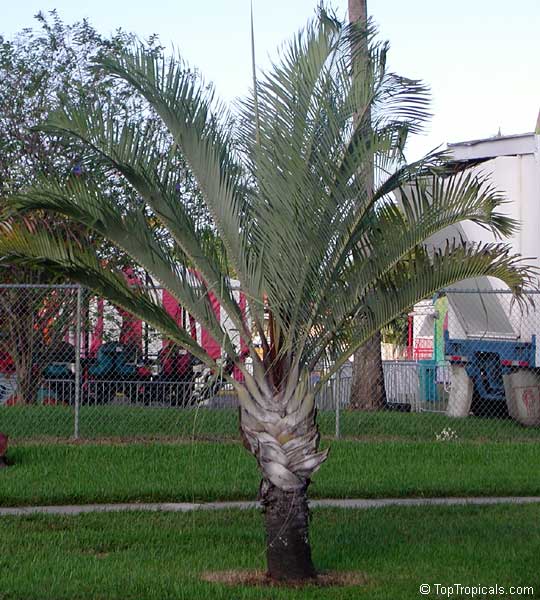
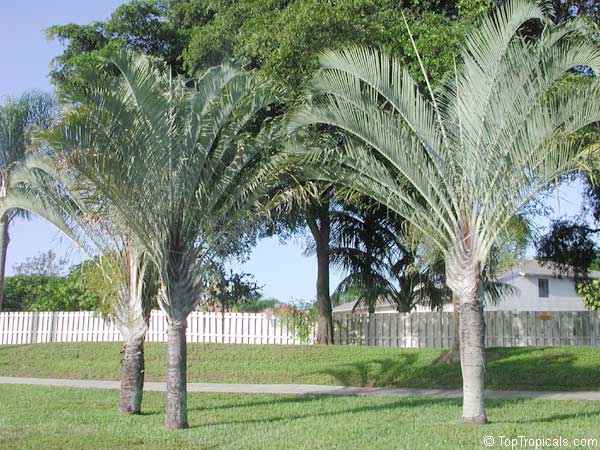
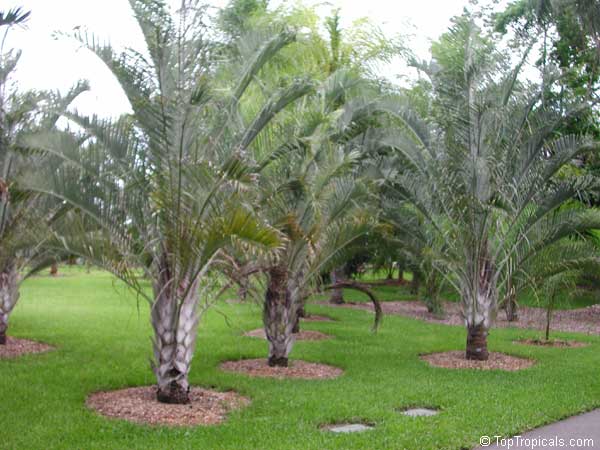
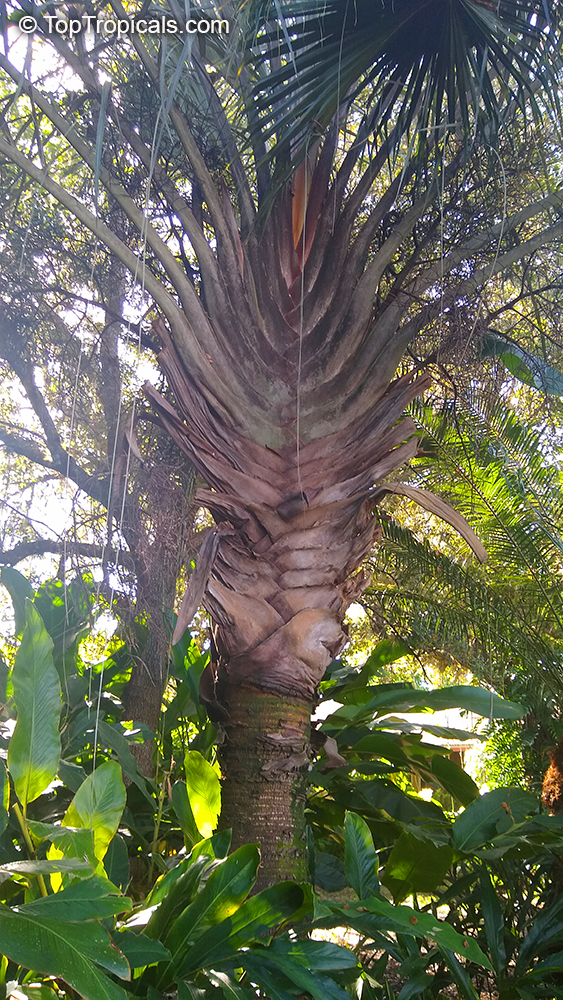
Botanical names: Dypsis decaryi, Neodypsis decaryi
Common name: Triangle Palm
Family: Arecaceae / Palmae
Origin: Madagascar

Dypsis decaryi will do very well in all warm temperate to tropical climates that do not experience more than just a light frost. It will quickly grow into a stunning landscape plant.

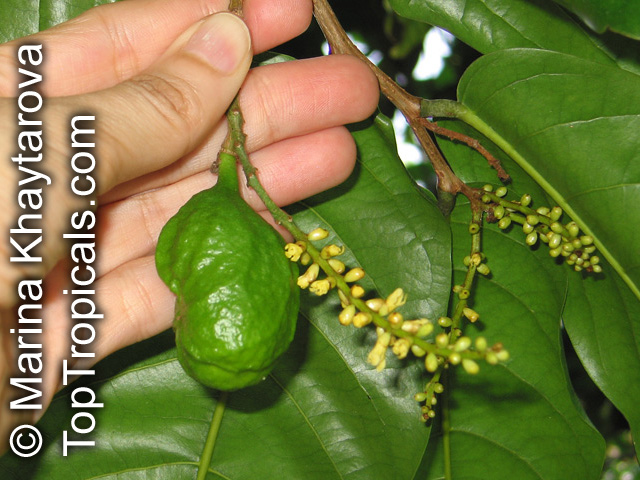
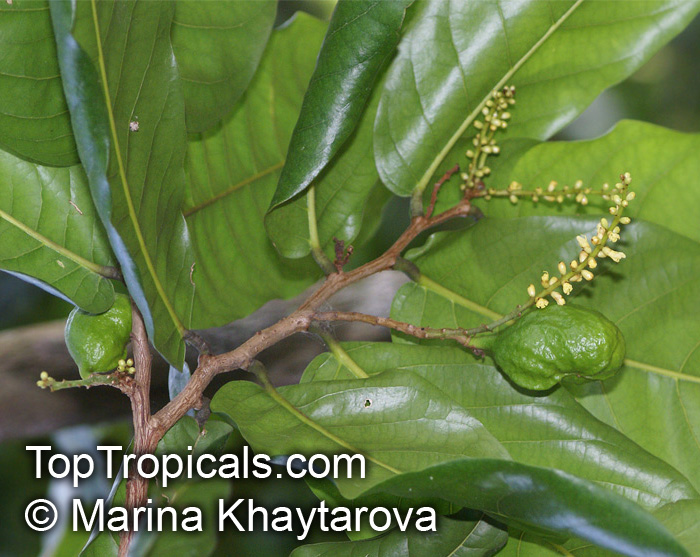
Botanical name: Inocarpus fagifer
Common names: Tahitian Chestnut, Polynesian Chestnut
Family: Fabaceae
Subfamily: Faboideae
Origin: Southeast Asia, Australia

The seed is toxic when raw but edible when cooked.
| Next | |
Use link to repeat this search:
https://toptropicals.com/cgi-bin/garden_catalog/cat.cgi?search_op=and&keyword_op=and&language=e&number=10&no_change_lang=1
&v1=btr&user=tt&sale=1&first=0