Fragrant plant - Plant Encyclopedia Results
Top Tropicals Plant Encyclopedia
| Number of plants found: 917 | Next | 
|
Go to page: | 1 | 2 | 3 | 4 | 5 | Last |
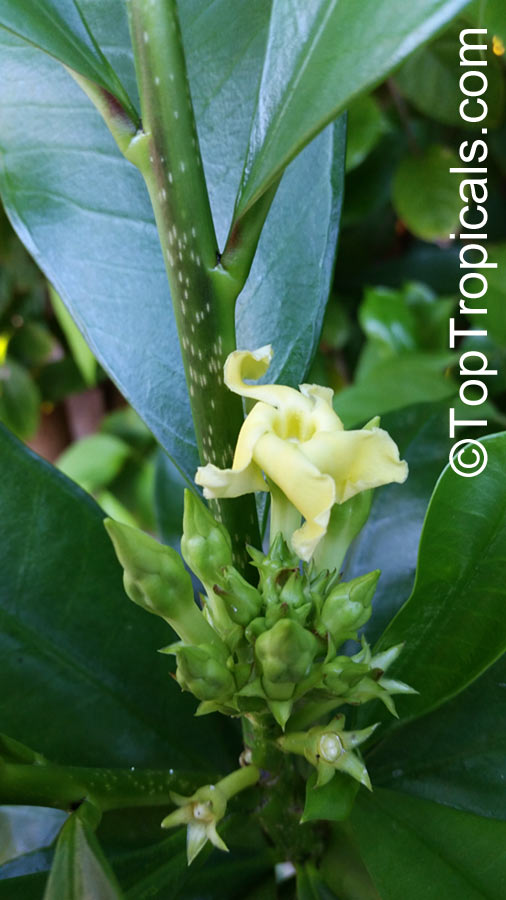
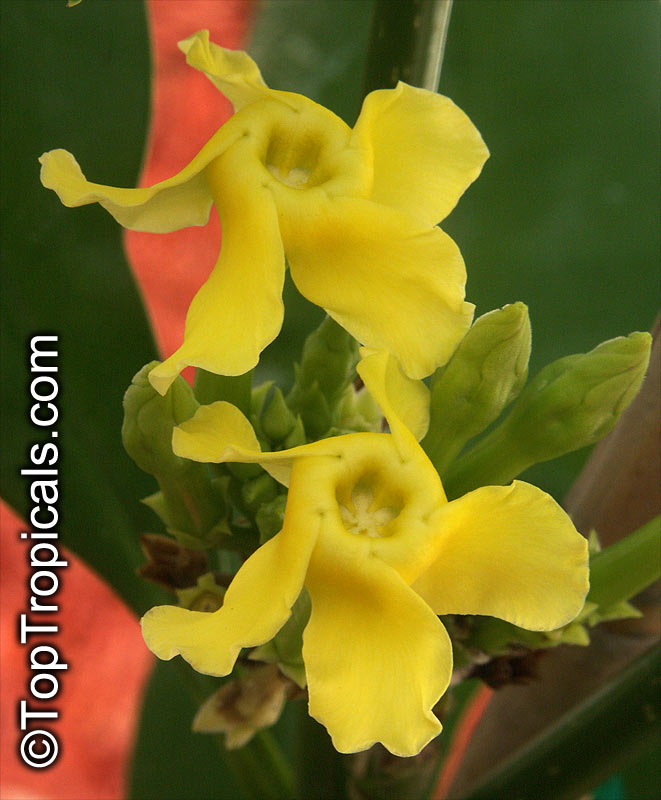
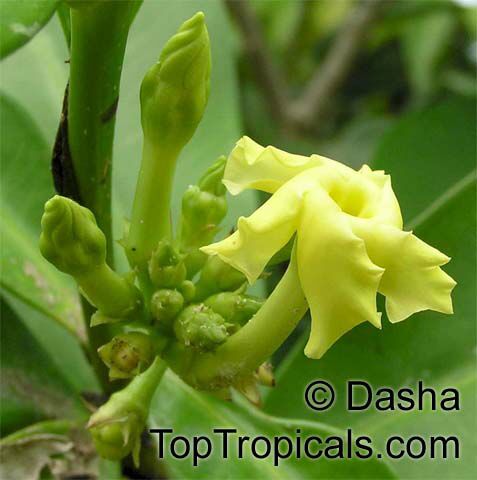
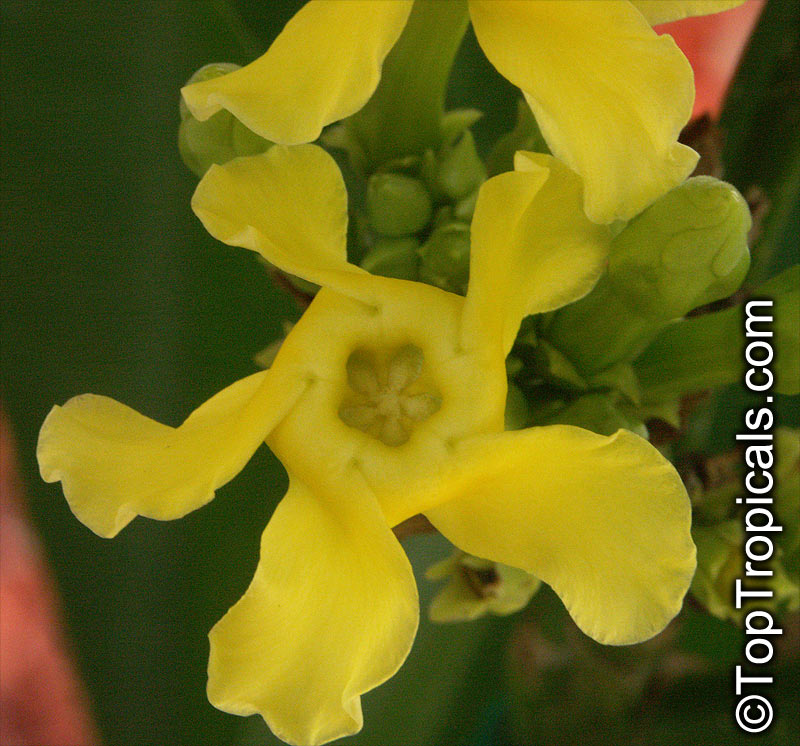
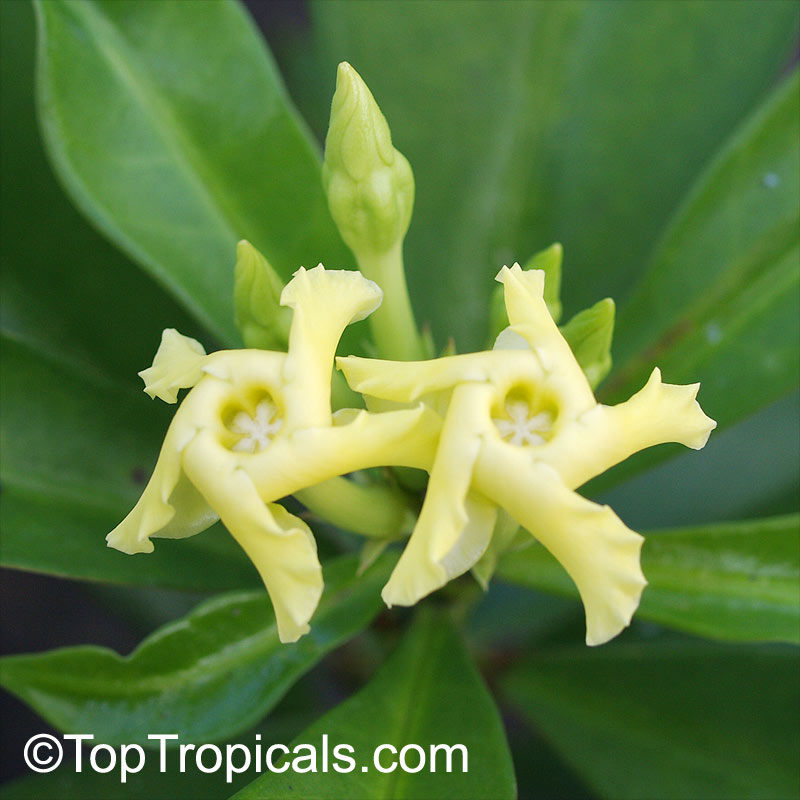
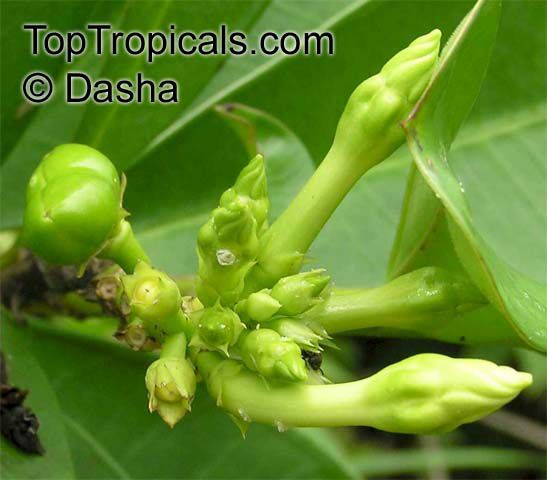
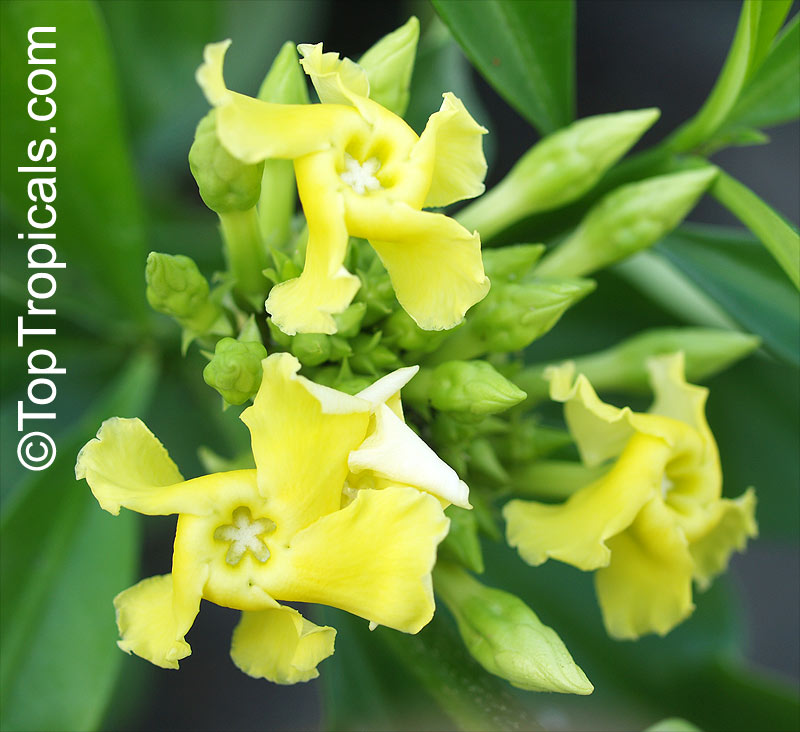
Botanical names: Thevetia ahouai, Ahouai nitida, Plumeriopsis ahouai
Common names: Broadleaf Thevetia, Yellow oleander, Dog's Tongue, Dog Balls, Grandfather's Balls
Family: Apocynaceae
Origin: Central America, Mexico


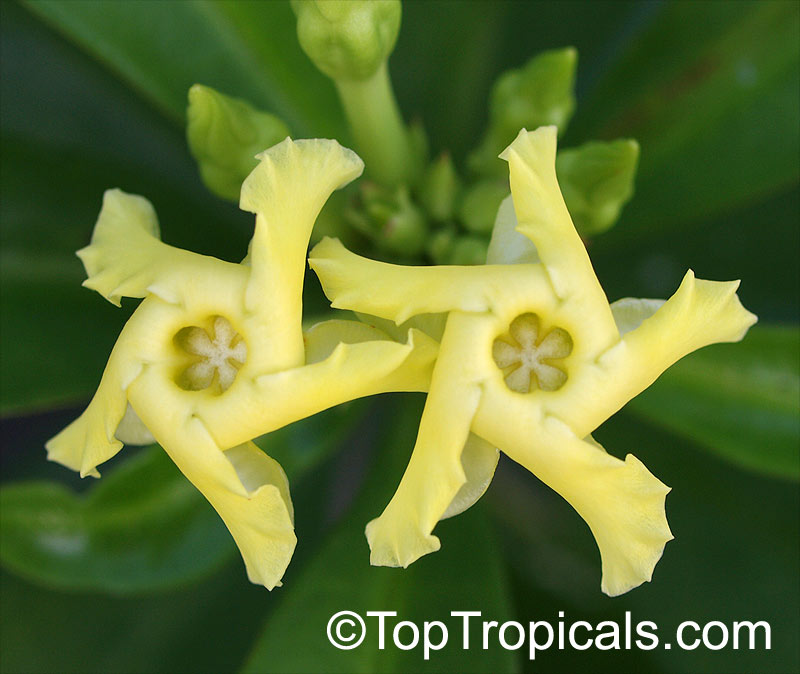
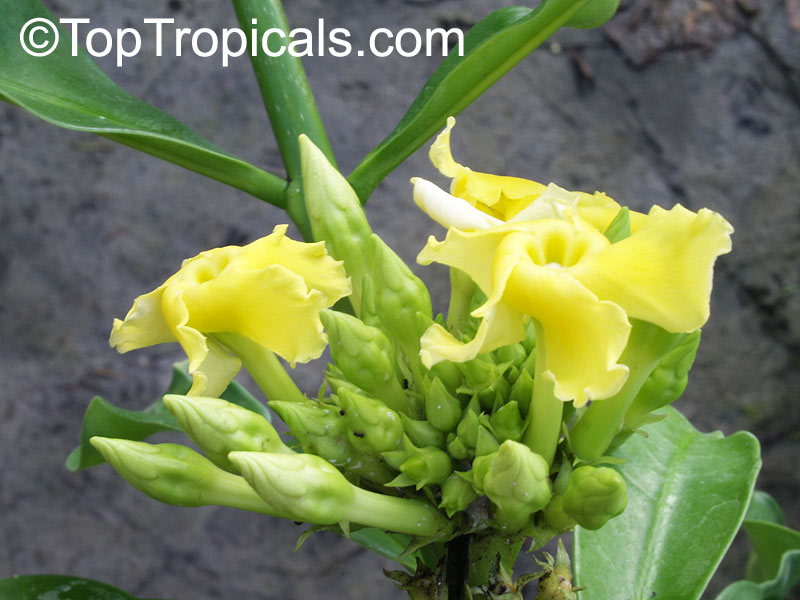
Thevetia ahouai is native to Central America and Mexico, but can be found in a variety of warm climates, such as the American south-west. It prefers full sun, though it can tolerate light shade in hotter regions. The plant should be watered regularly, but not to the point of saturation. In colder regions, Thevetia ahouai can be grown in containers. In this situation regular watering is still important, but it's important to avoid overwatering in the winter months when the plant is dormant as this can cause root rot.
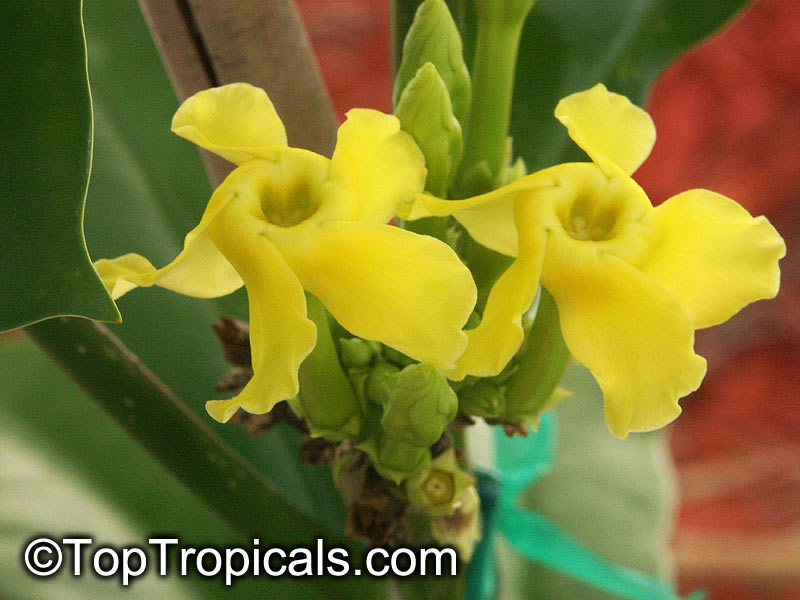
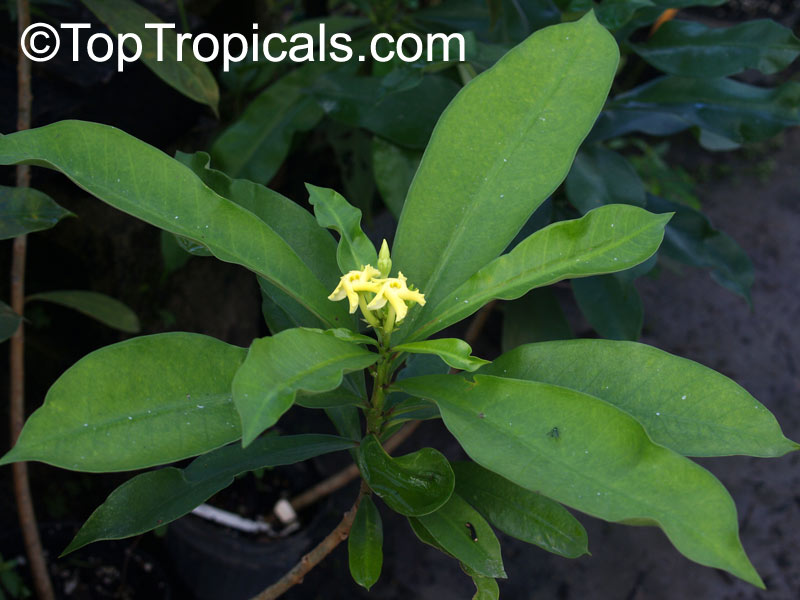
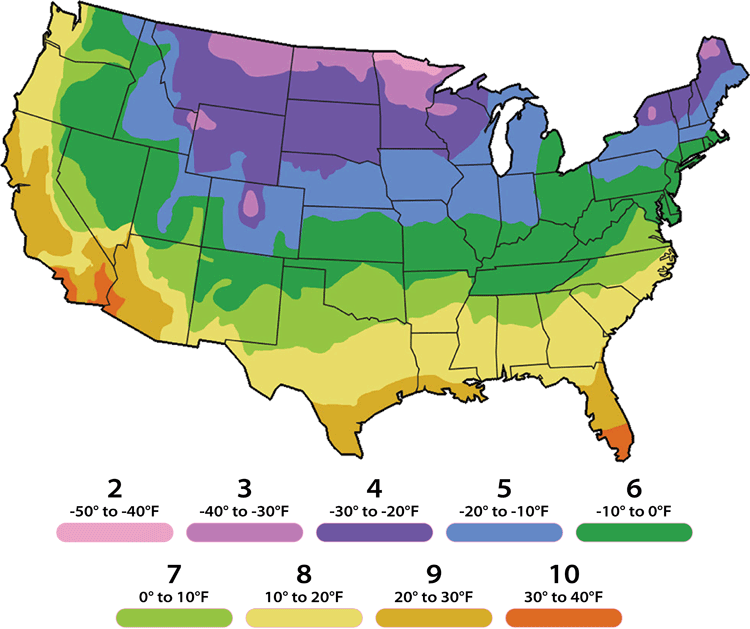
Thevetia ahouai is a large shrub, usually growing to between five and ten feet tall, with yellow and orange flowers that are highly fragrant. They bloom in clusters in the late spring and early summer months. Thevetia ahouai is hardy in USDA zones 9-11, and is generally a low maintenance plant once established. Pruning can be done to keep the plant shaped and to enhance flowering, however it is not necessary. With proper care Thevetia ahouai will provide beautiful colour and fragrance in any garden.
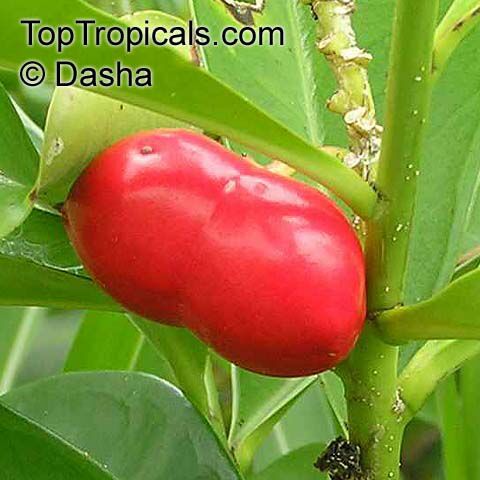
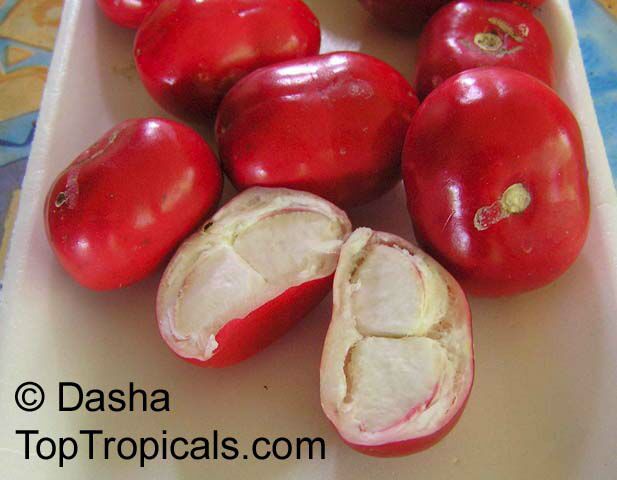
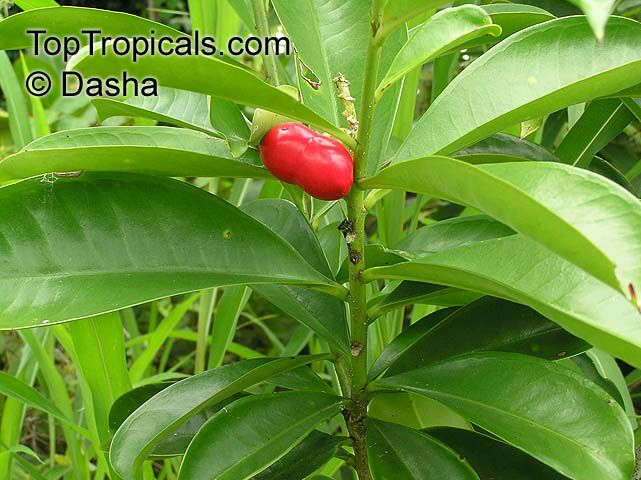
Leaves and bark exude a milky white sap which can cause irritation when coming in contact with the skin. Its fruit are 1 inch long with bright red color. Special caution must be taken with children and pets as they're highly toxic.
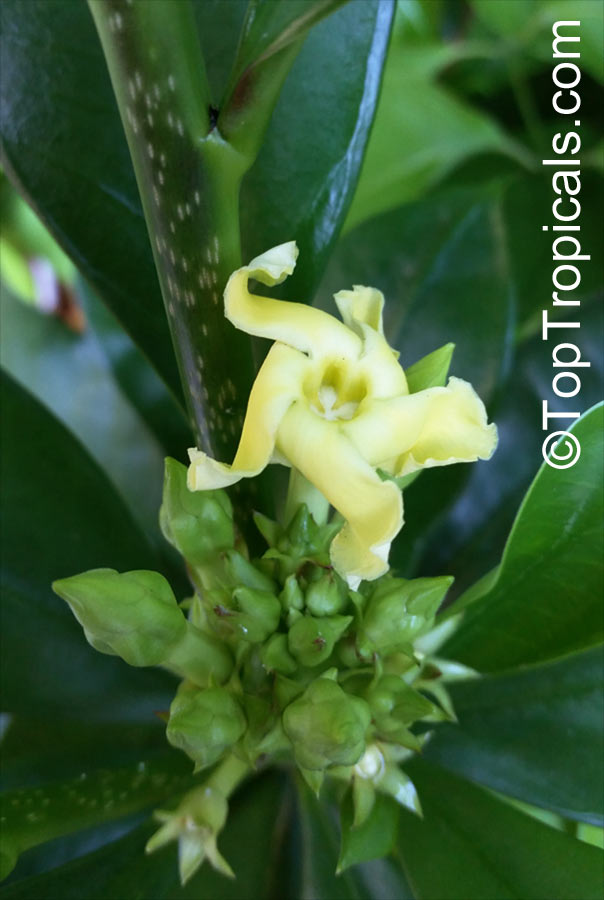
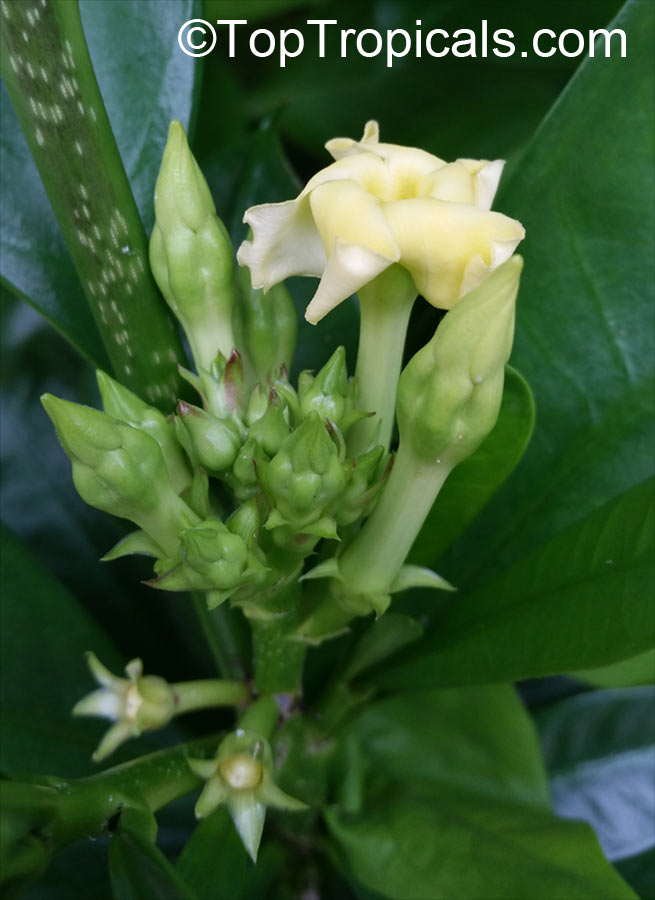
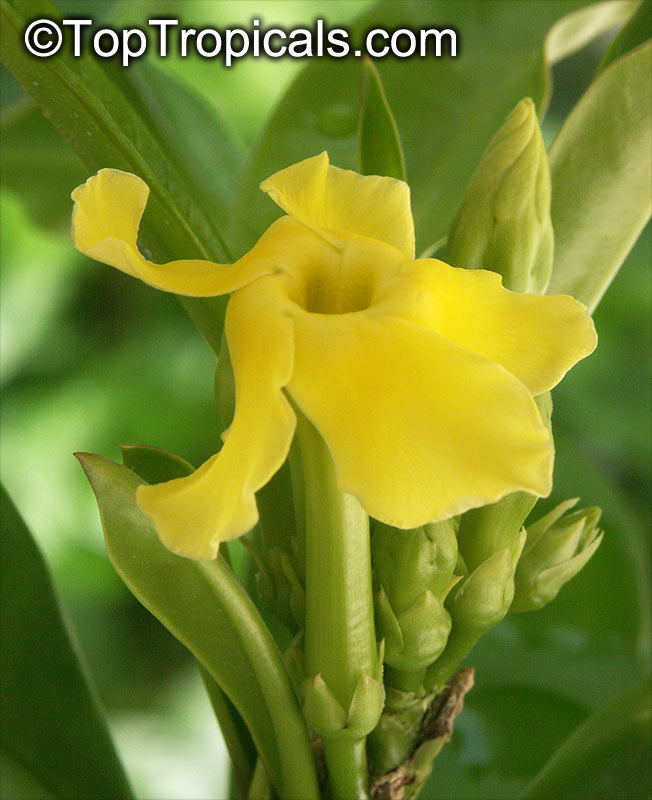
Botanical name: Pittosporum tenuifolium
Common name: Kohuhu
Family: Pittosporaceae
Origin: New Zealand


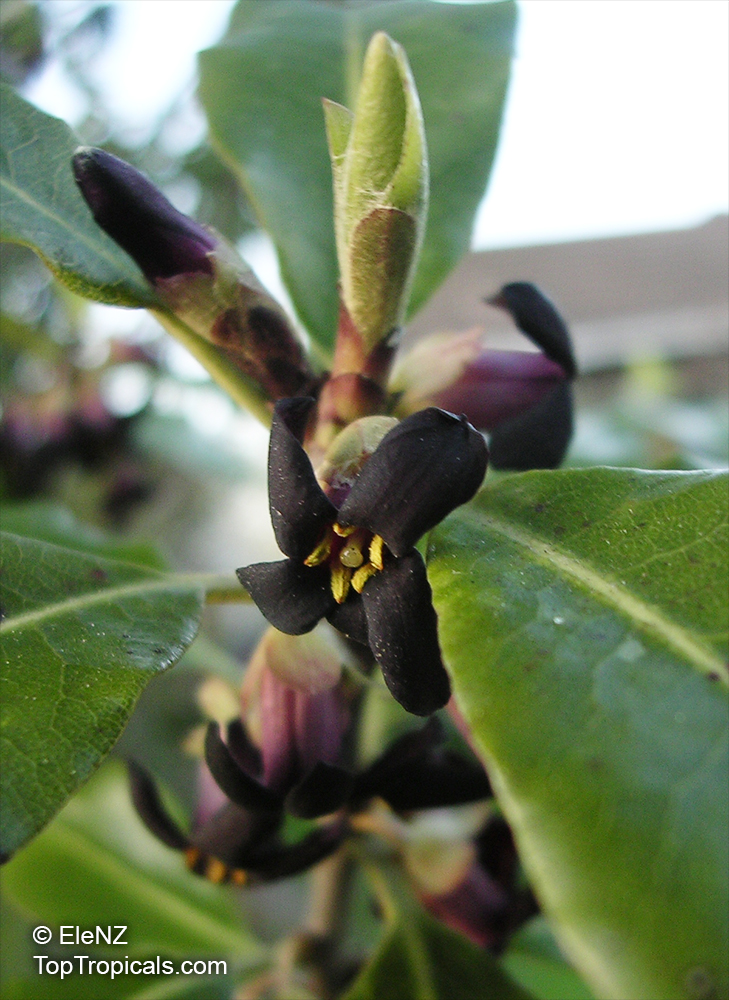
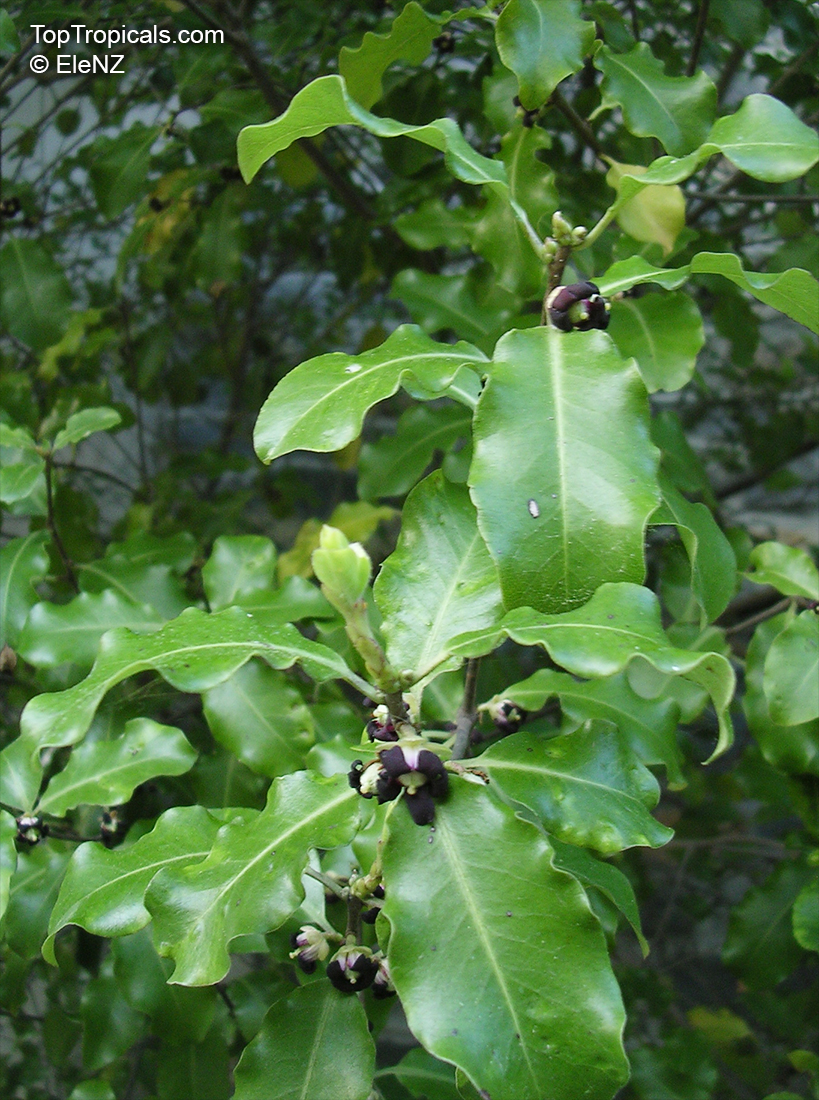
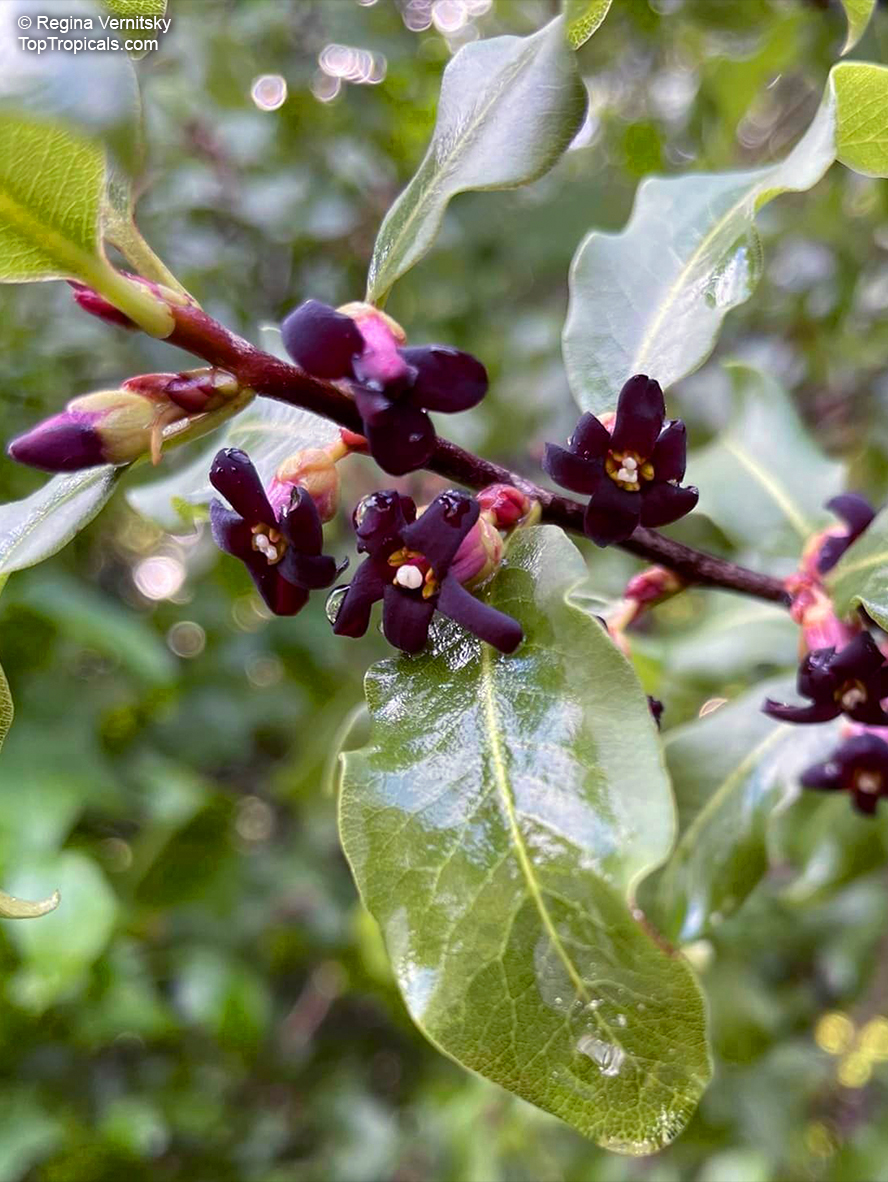
Pittosporum tenuifolium (Kohuhu) is a beautiful large shrub native to New Zealand that can grow up to 5-10 ft tall and 2-5 ft wide. It is popular for its unusual and fragrant dark brown flowers that bloom at night and have an intense honey perfume. This species is also known for their glossy crinkly leaves, which can be quite attractive, especially in the autumn and winter months.
Pittosporum tenuifolium can be established in the garden in USDA Zone: 8-10, and it can either be planted in full sun or semi-shade. It is important to ensure that the plant has regular water, as it is not drought tolerant. This shrub is recommended for homeowners who want a low-maintenance, low-water ornamental to add to their garden.
To ensure it grows properly, it is important to take special care of this shrub not only when you first plant it, but also throughout its life. It should be planted in a well-drained soil, so you might find it helpful to dig in some compost when planting. This will help the plant thrive and prevent it from suffering from any diseases. Once planted, water your shrub periodically and apply a good layer of mulch to protect the roots and discourage weeds.
If you are growing Pittosporum tenuifolium in a pot in cold regions, be sure to take special care of it in winter. Make sure it is kept in a warmer area, so it is less exposed to the cold temperatures and frost. Keep it properly watered and protected from strong winds, and consider wrapping the pot with an insulator to help protect the plant. In addition, you may want to repot the tree in a larger pot annually to allow more room for the roots to breathe and ensure its long-term survival.
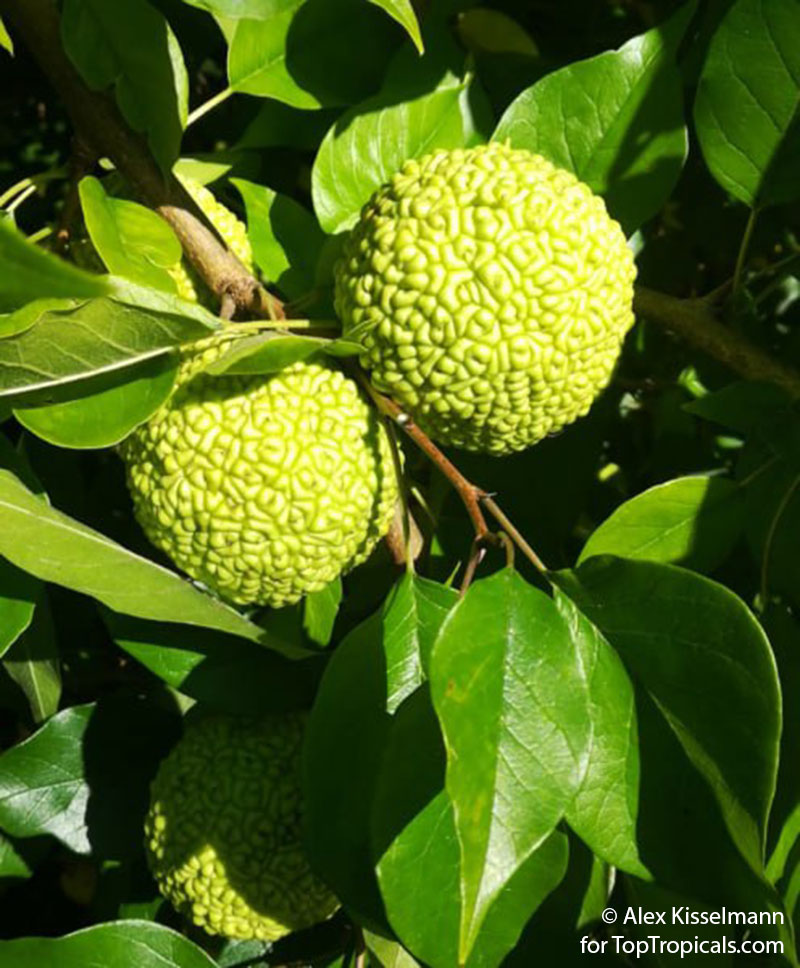
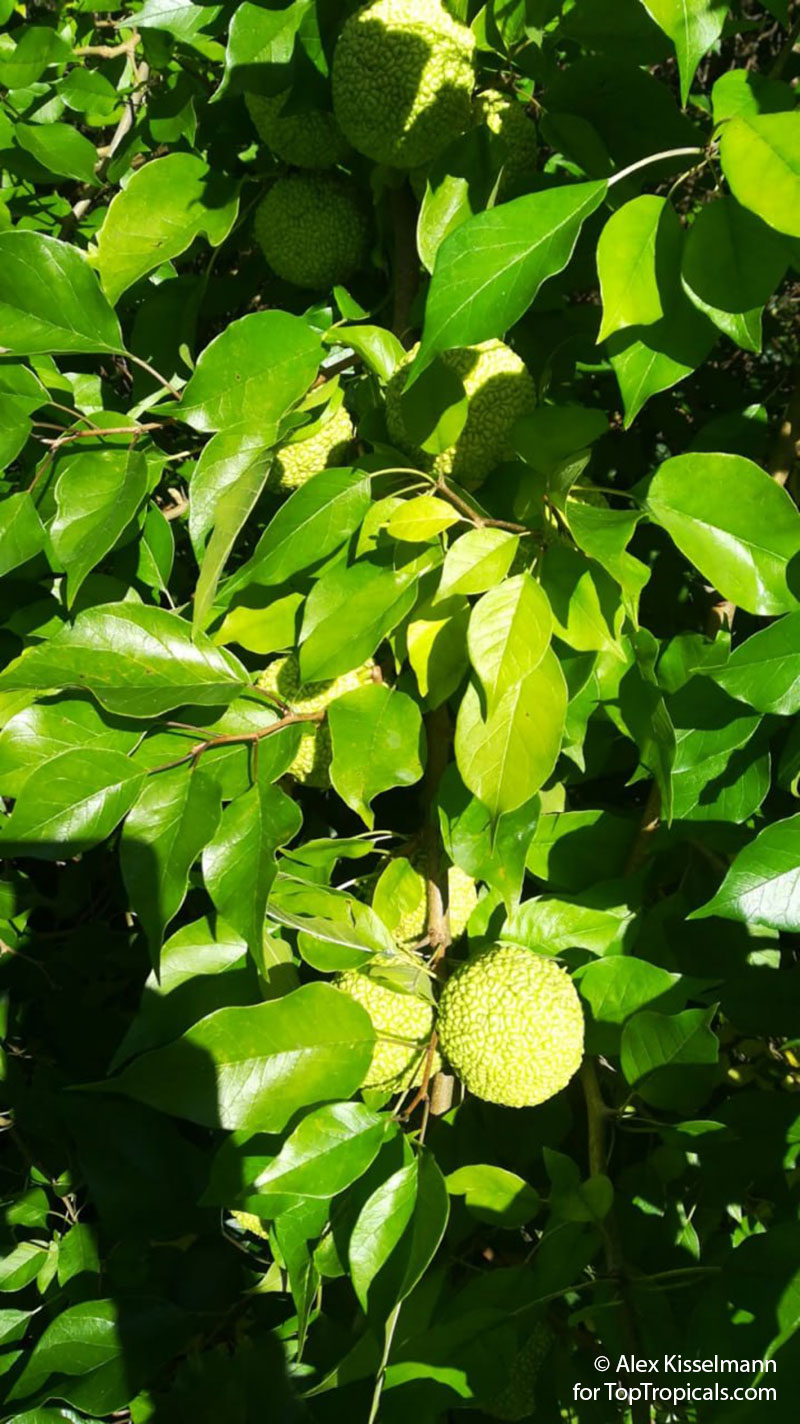
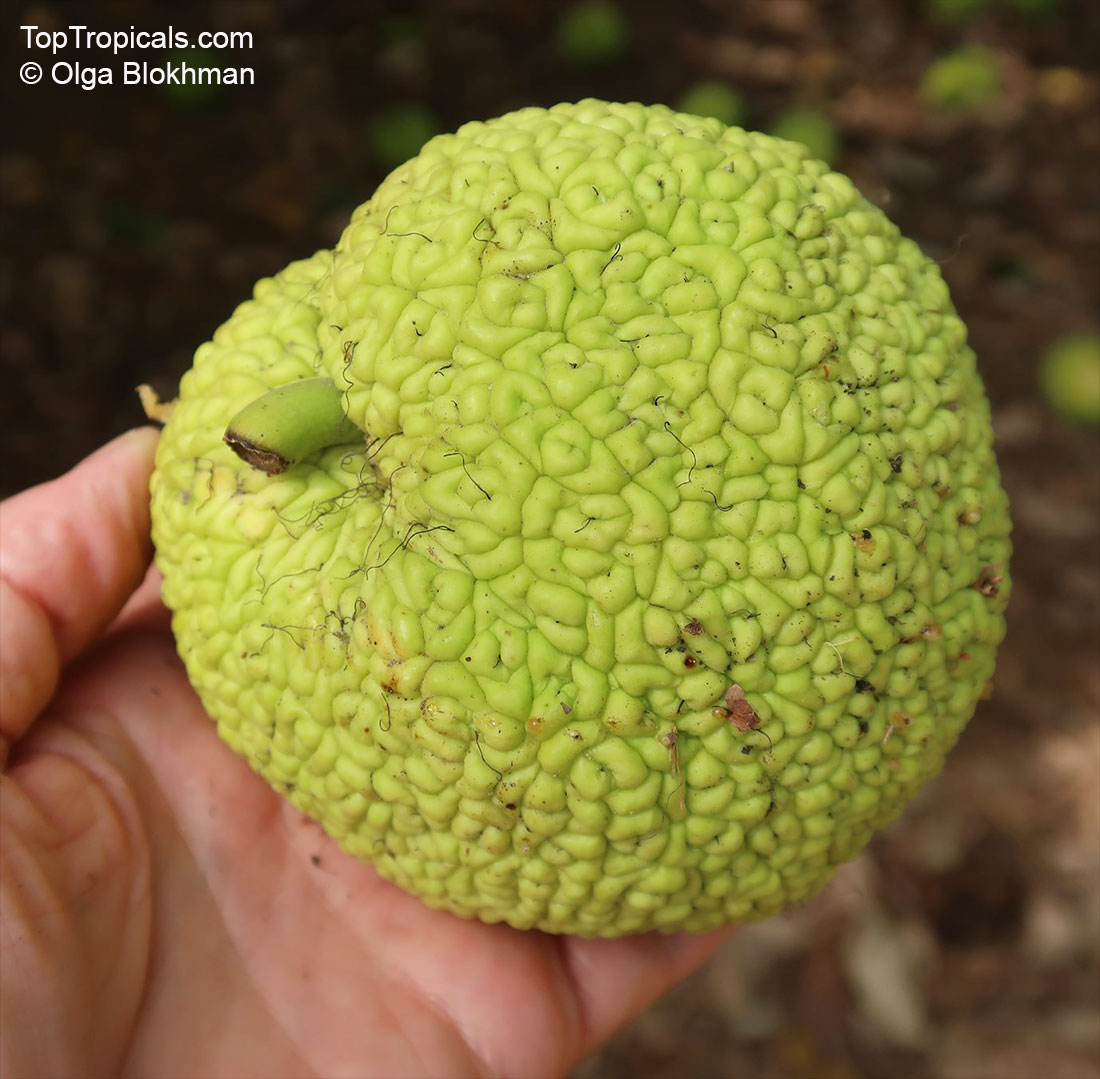
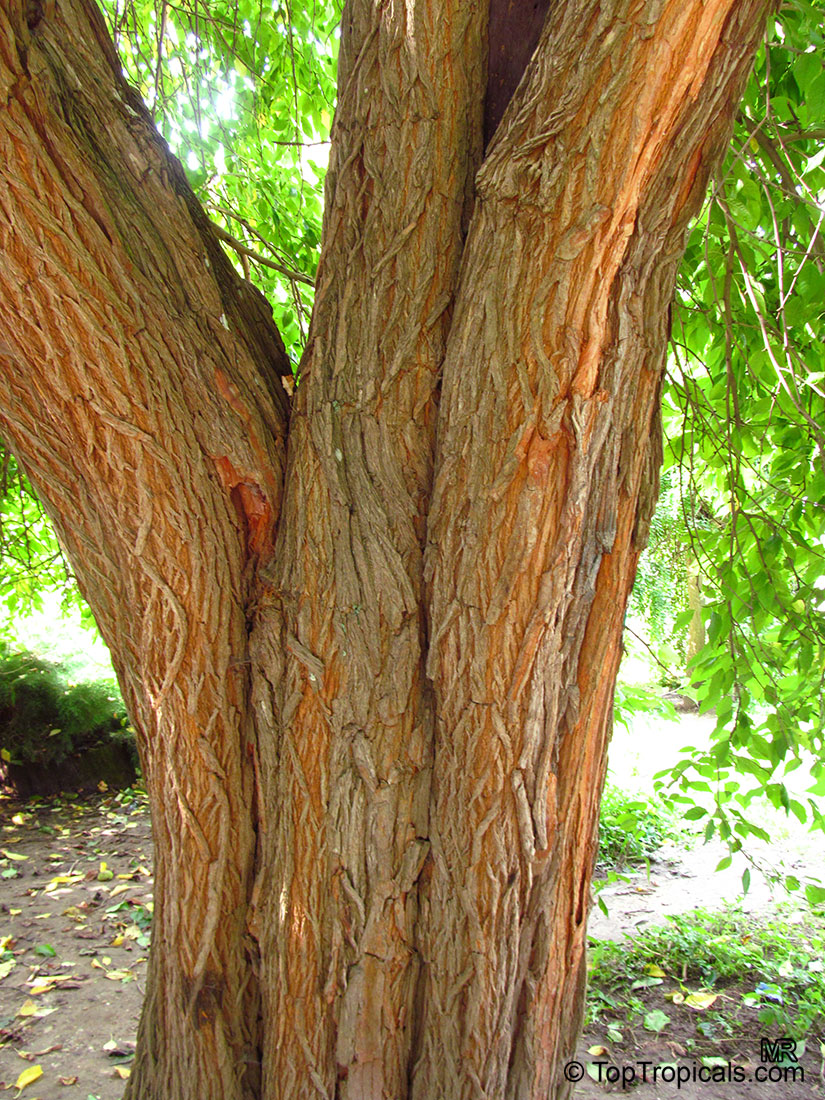
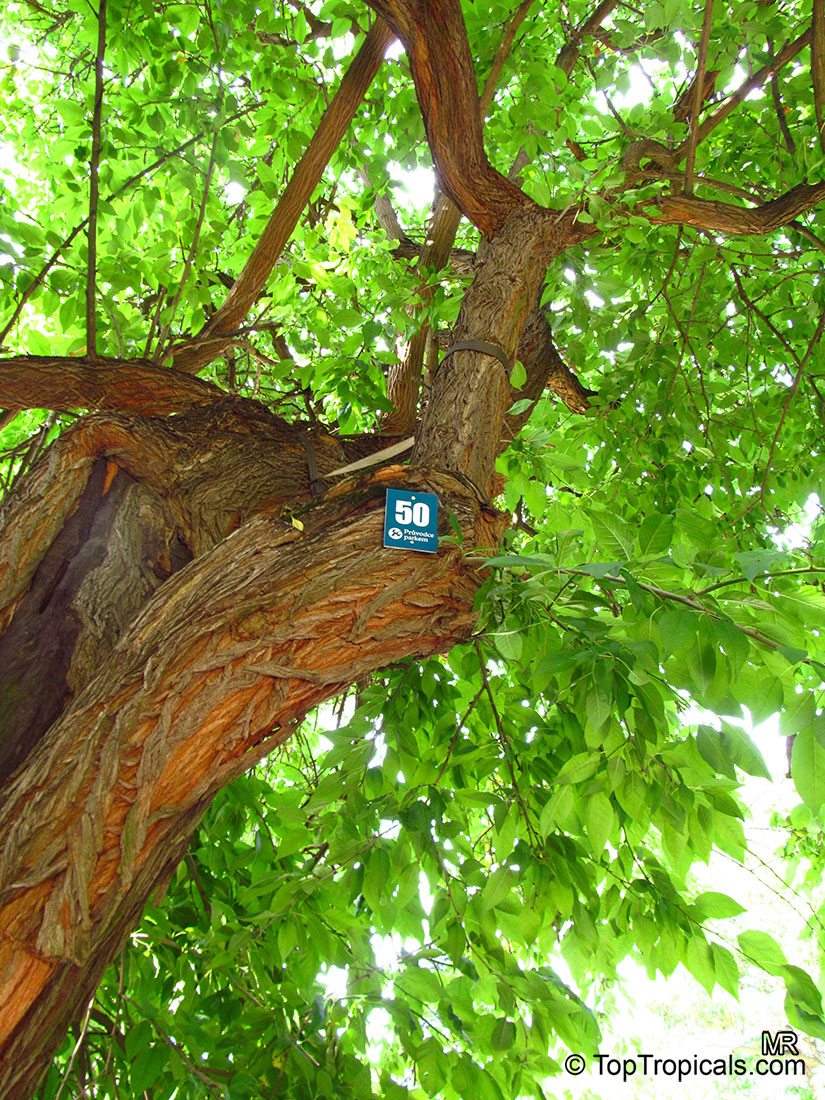
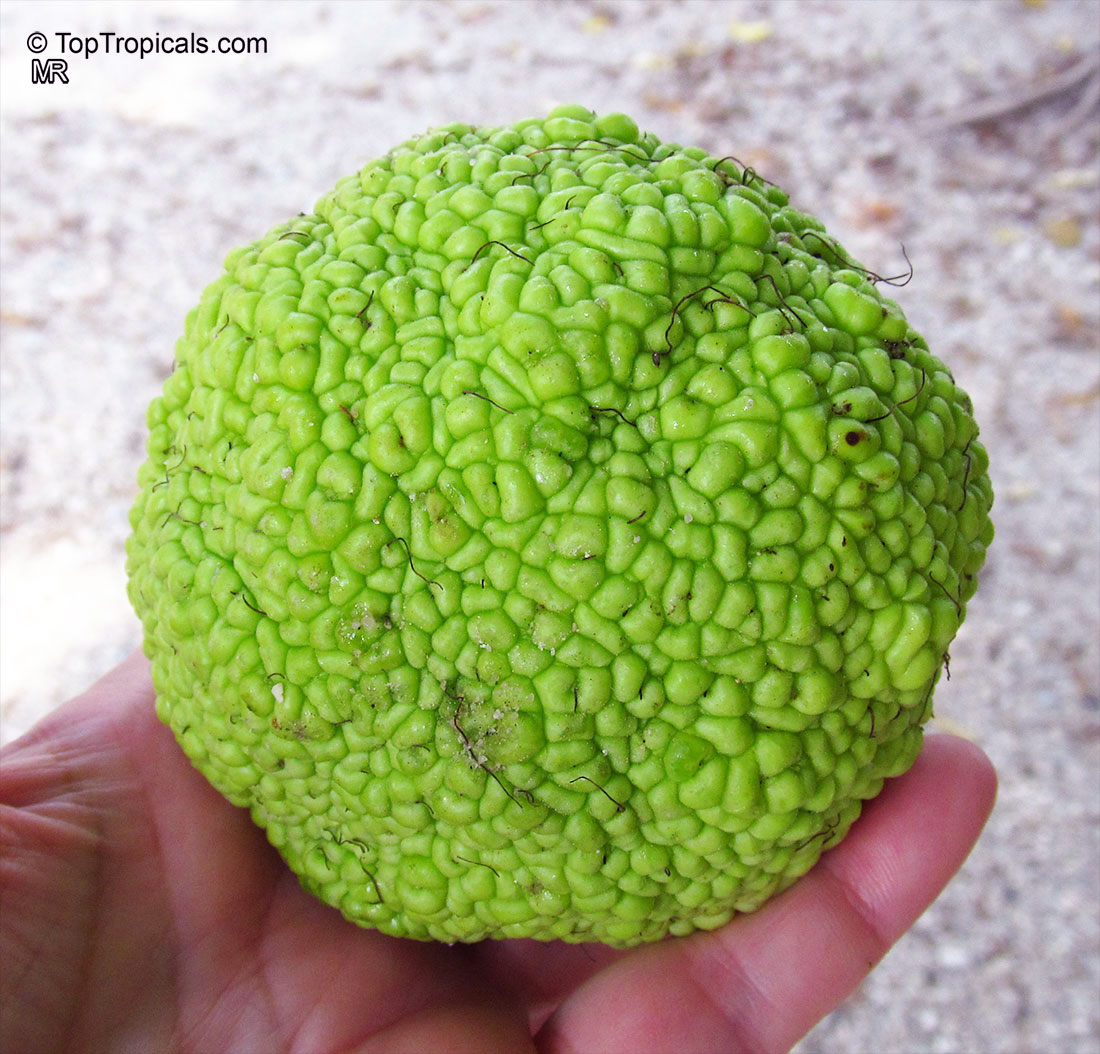
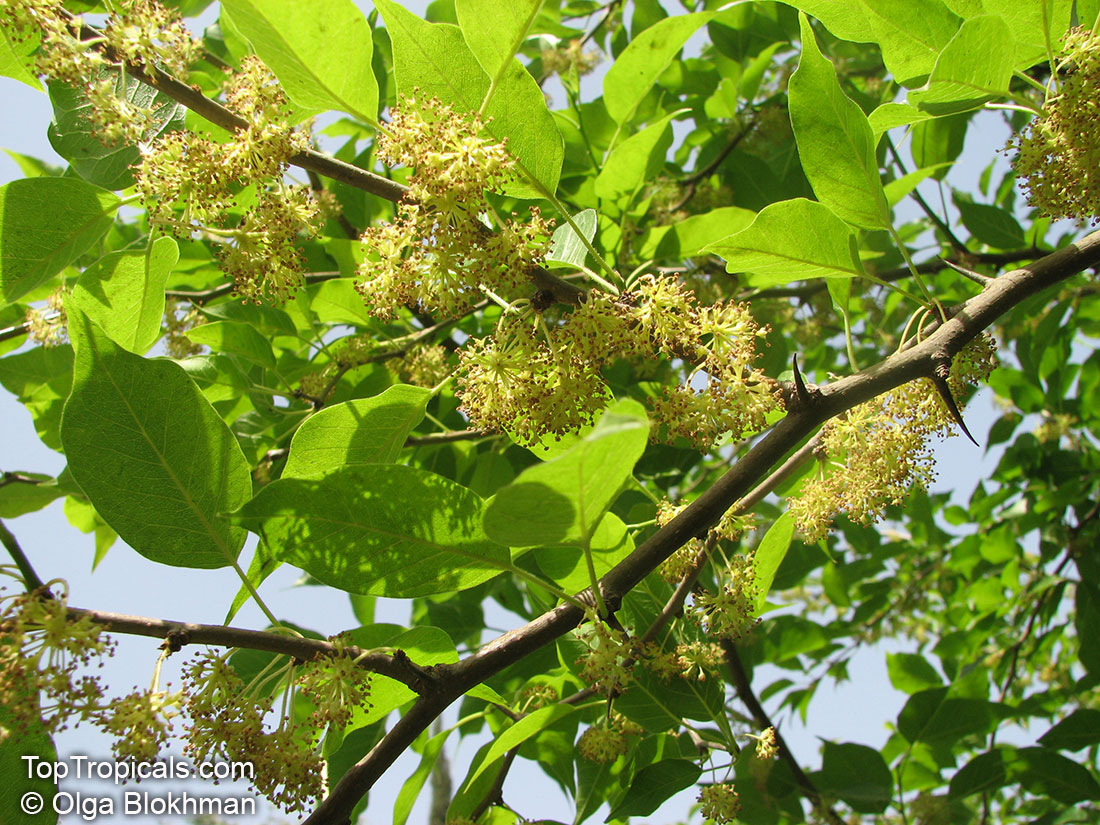
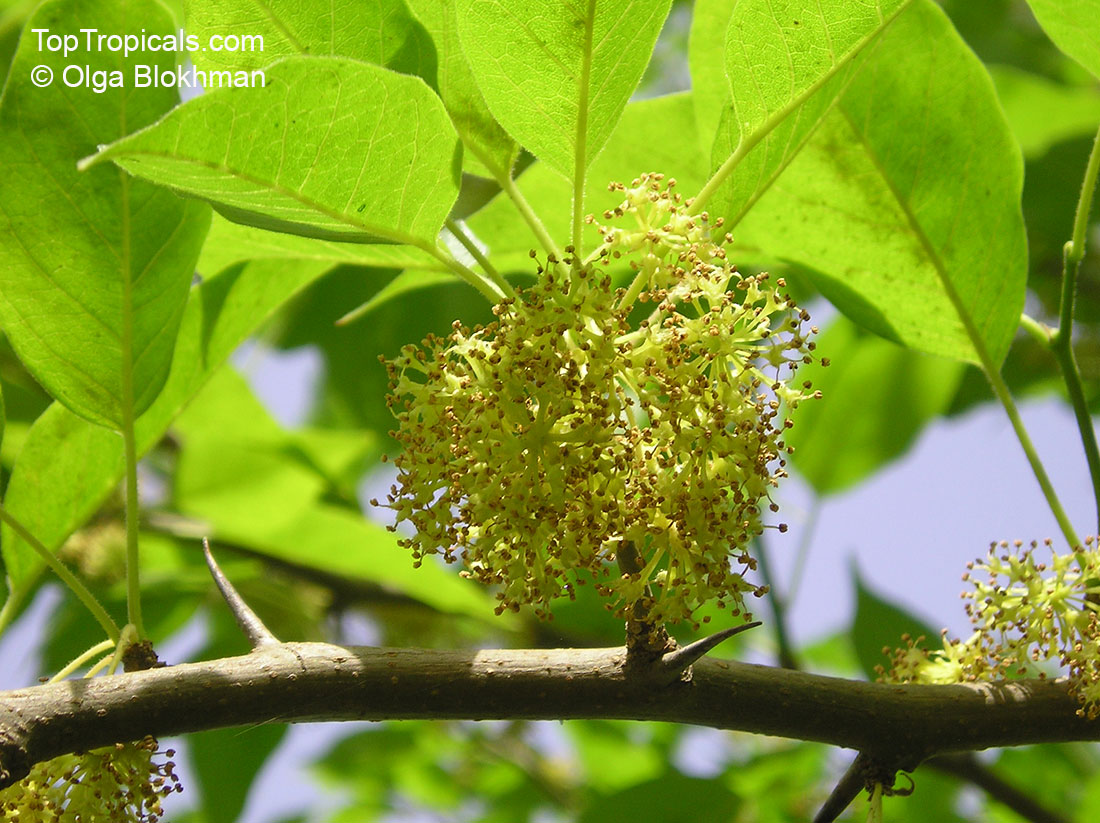
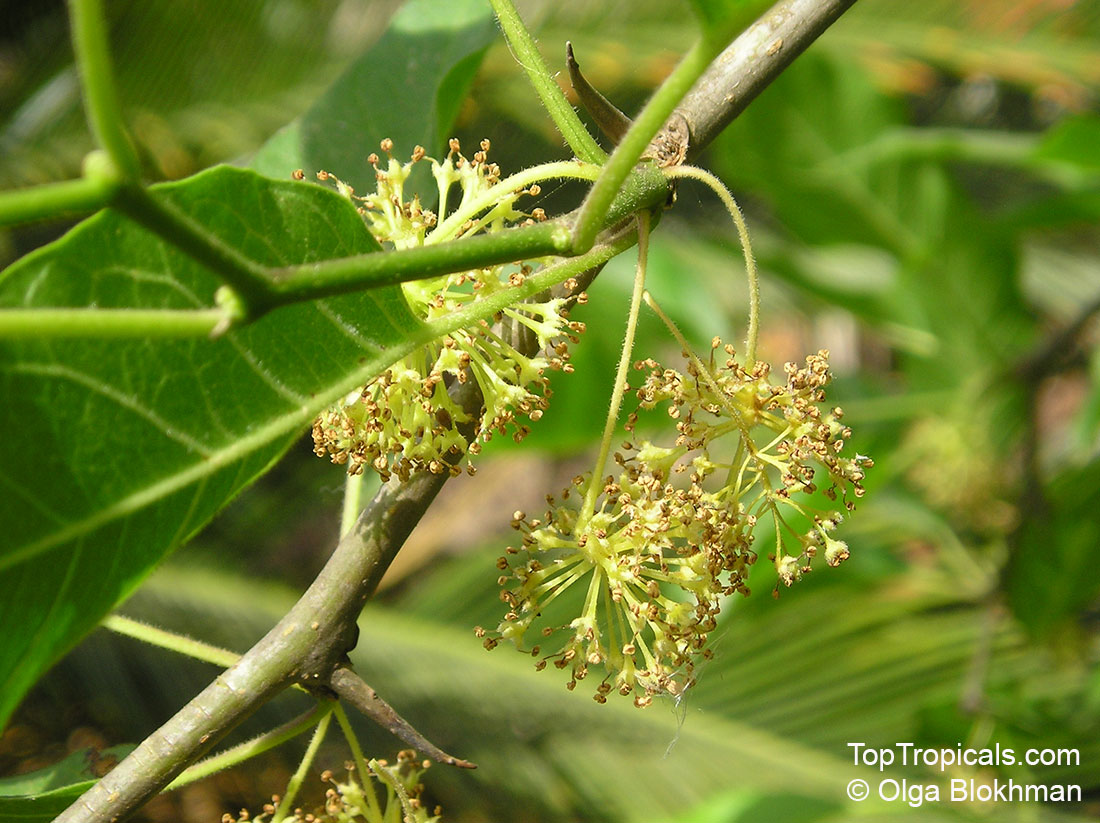
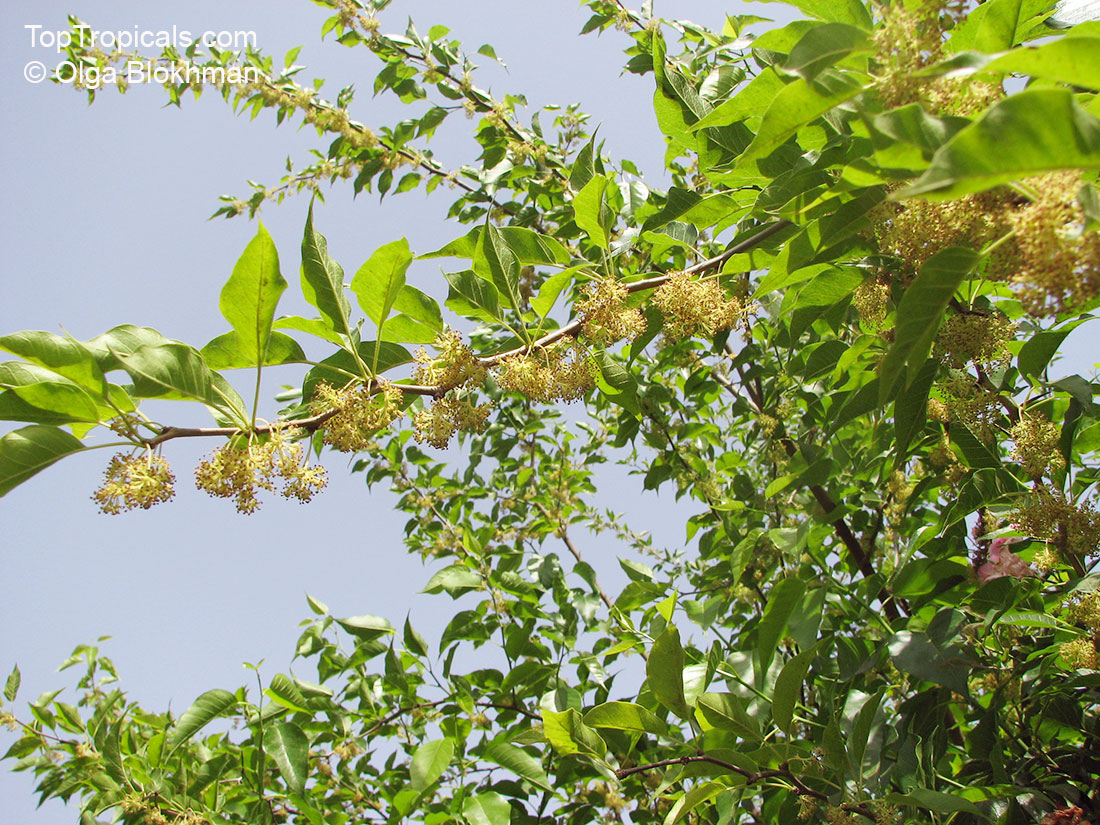
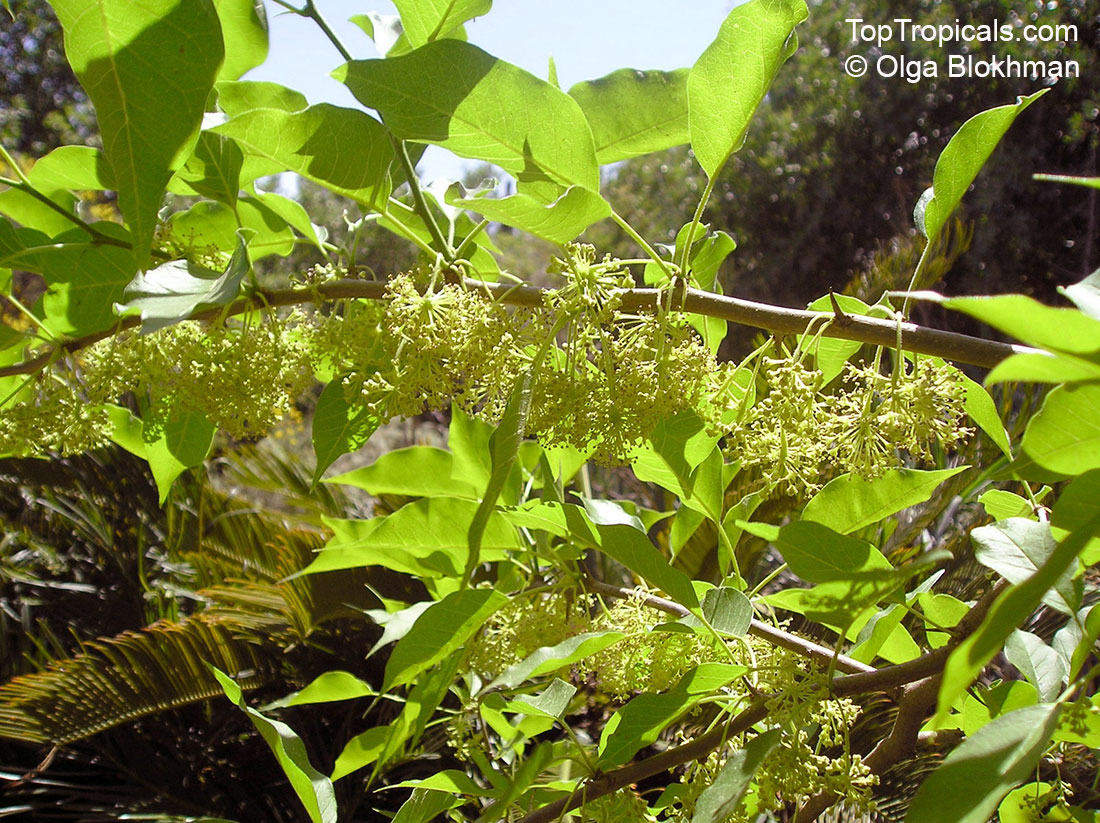
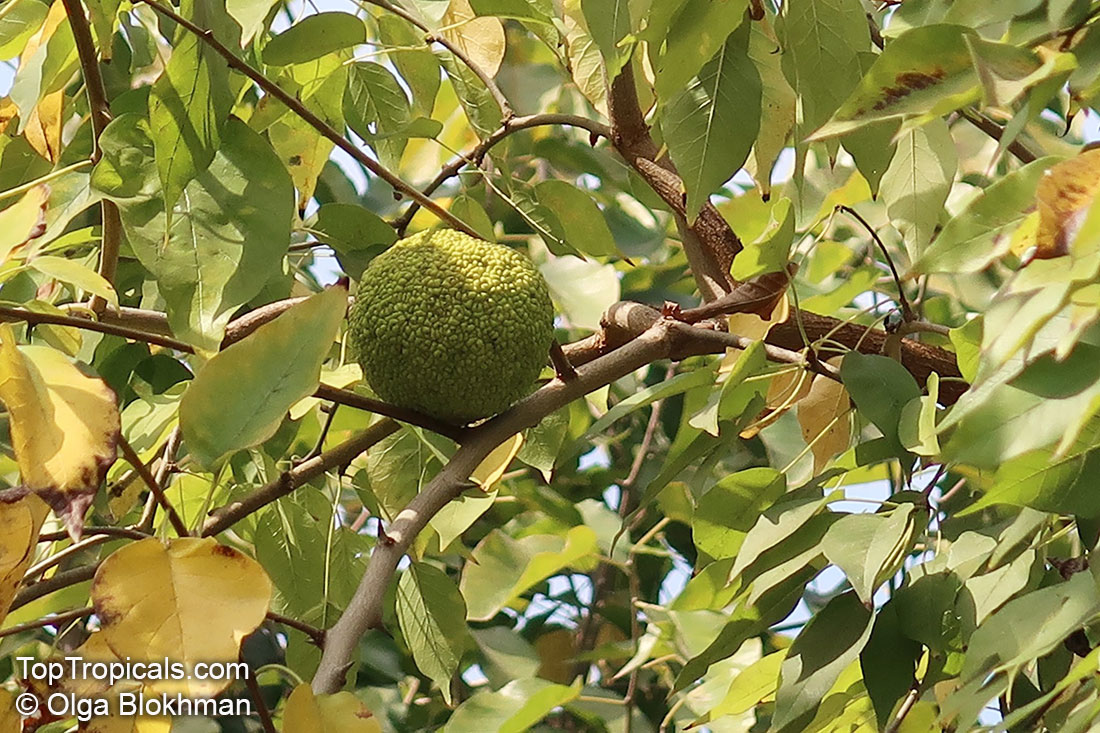
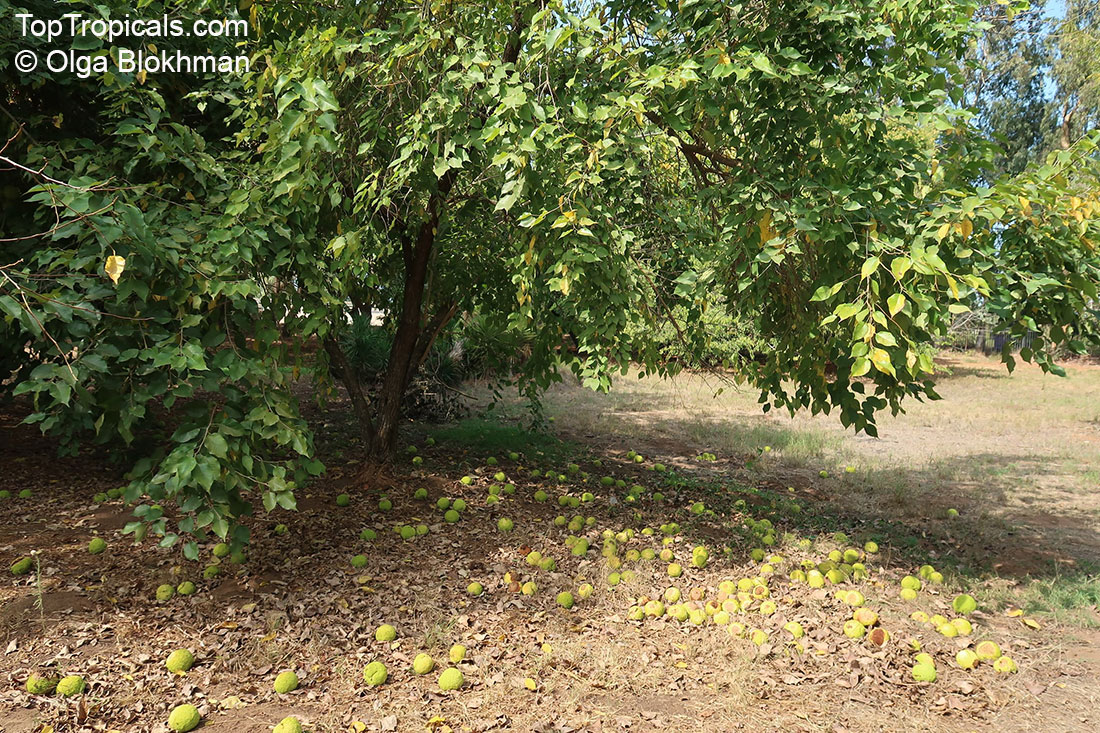
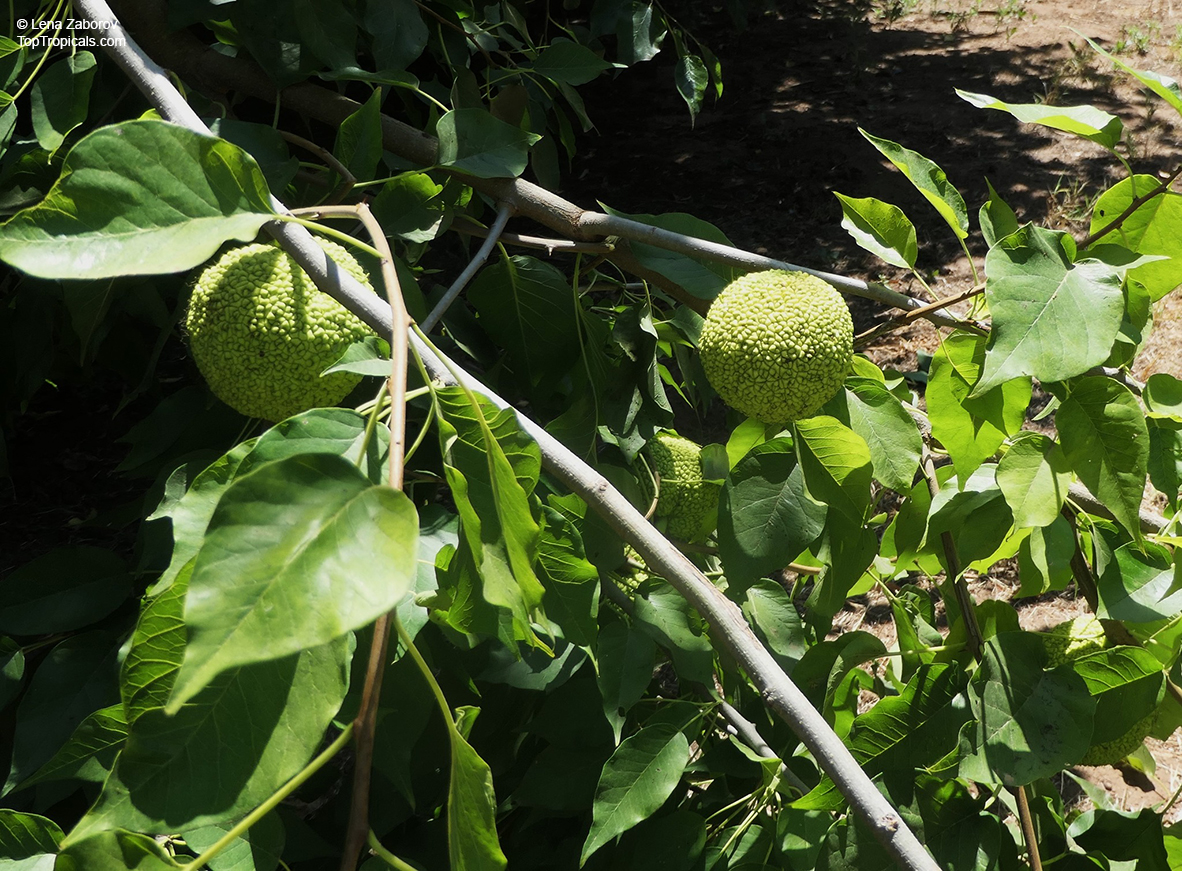
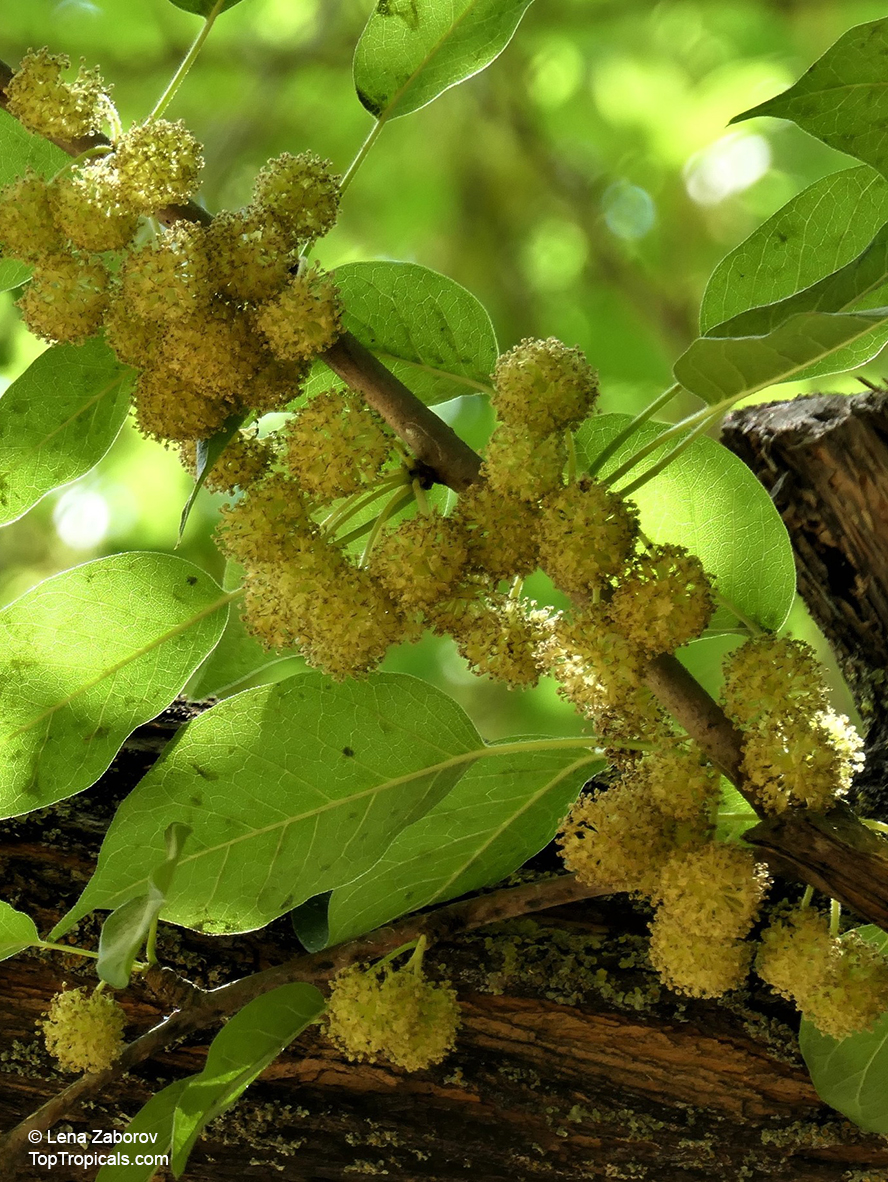
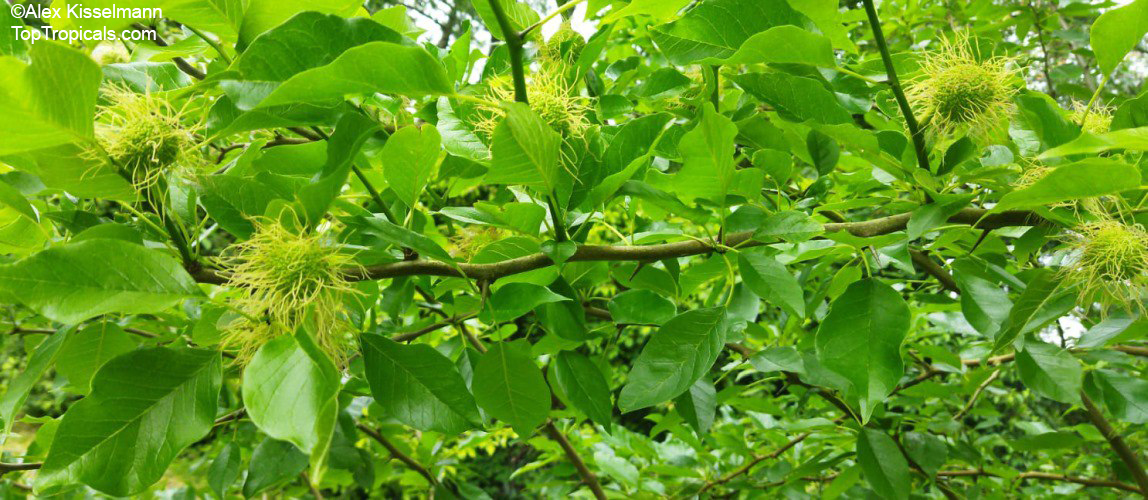
Botanical name: Maclura pomifera
Common names: Osage Orange, Horse Apple, Hedge Apple
Family: Moraceae
Origin: North America


Maclura pomifera (Osage Orange) is a deciduous tree and can grow to a size of more than 20 ft high and wide, with a spreading canopy. It is a dominant species in many areas of the central and eastern United States, preferring deep and fertile soils on the banks or flood plains of streams. It also grows in USDA zones 5-10, making it a great choice for many southern gardens.
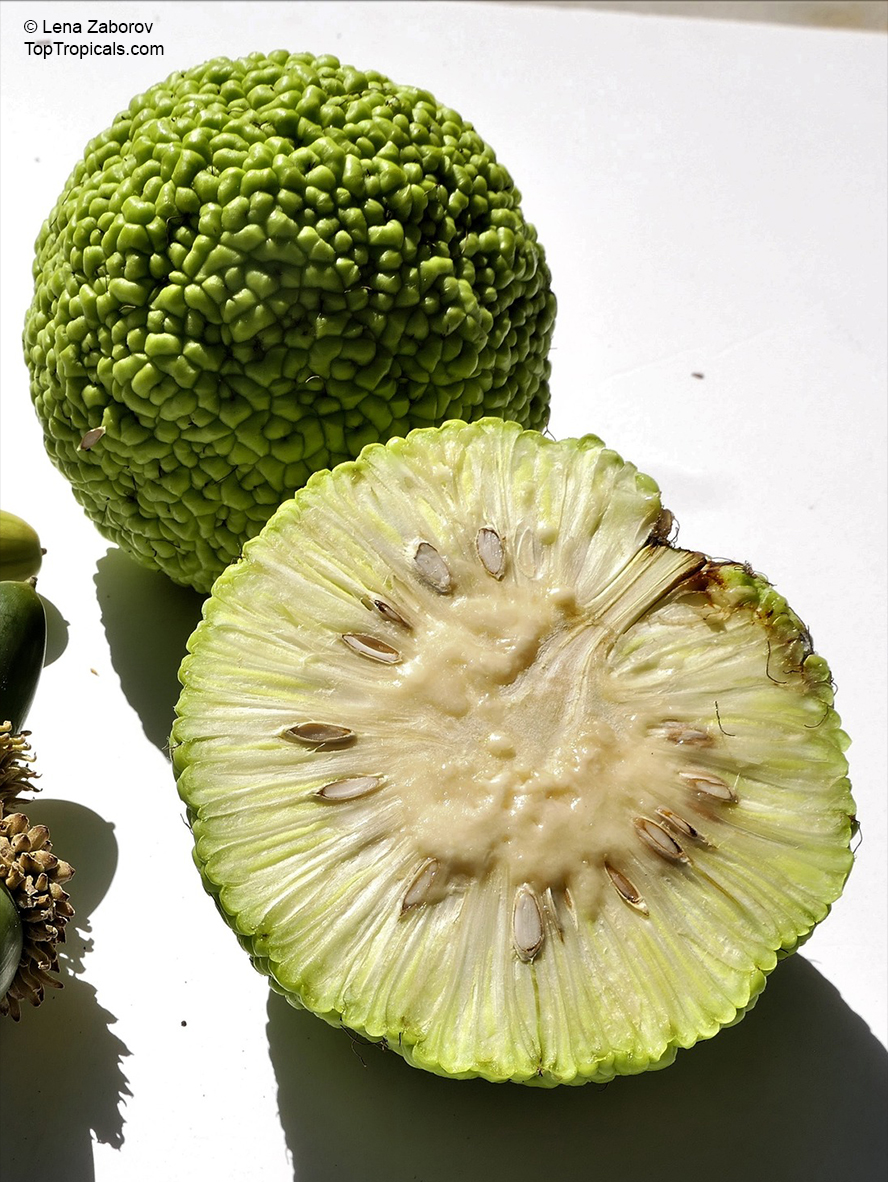
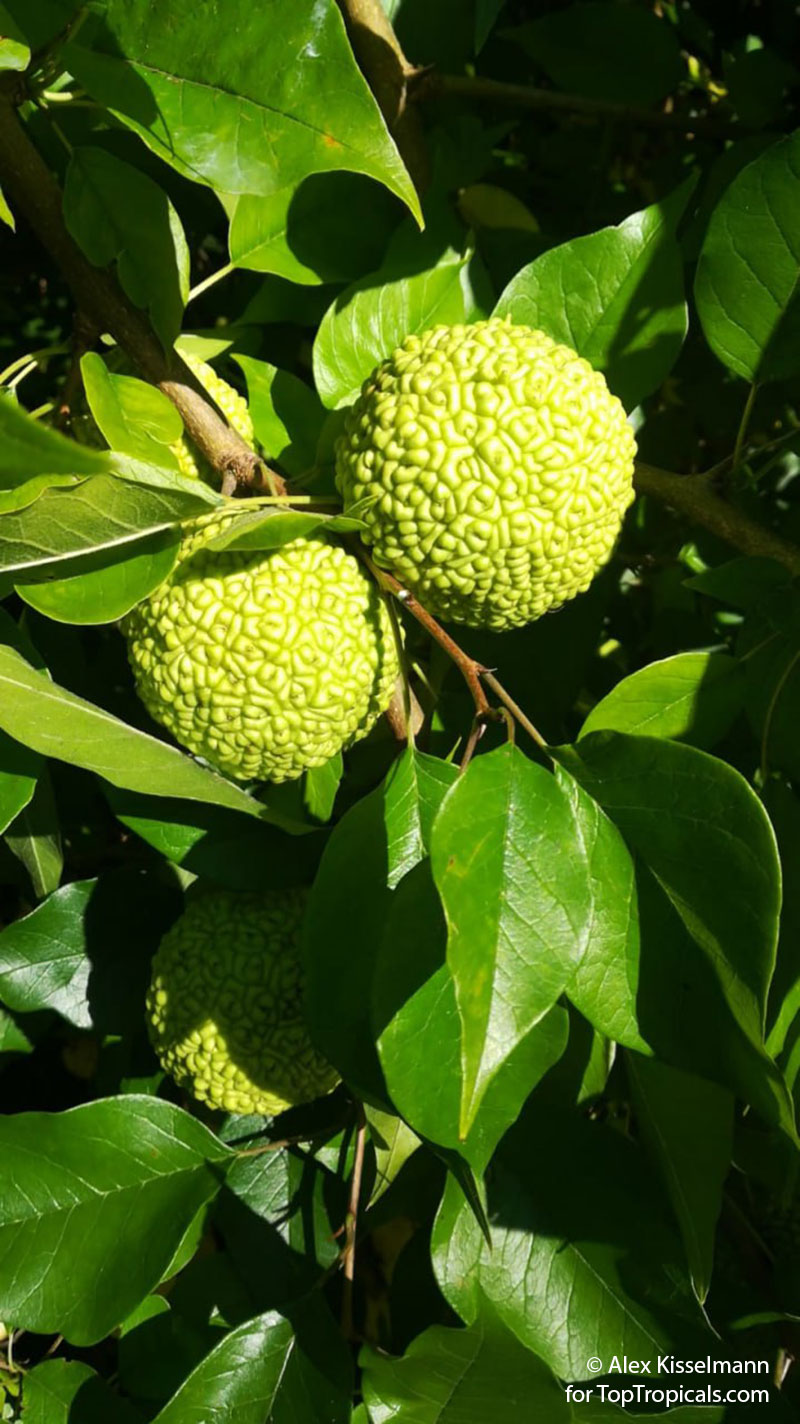
Its fragrant blossoms are yellow-green in color and are followed by the large, apple-sized, green fruit. Osage Orange is a great choice for providing large areas of deep shade and is an ethnomedical plant that has been used for centuries. The native Americans used the tree for its bark and fruit, as well as for its aromatic wood.
When it comes to growing and caring for Osage Orange, it is an easy tree to care for, preferring full sun and regular water. In moderately dry conditions it can handle most soils that are well-draining, and can flourish in a range of soil pH levels.
When it comes to cold climates, mature plants are usually cold hardy, while younger plants may be killed or damaged in a severe freeze. For cold regions, it is best to grow them in pots and protect them from direct exposure to severe winter weather. It is also important to ensure that soil is well-draining, because winter waterlogging can kill a plant, regardless of its hardiness.
Finally, if you're looking for a reliable and fast-growing tree for your yard, Osage Orange is an excellent choice. It can provide great shade in both warm and cold climates, and its unique fruit makes it an interesting addition to any garden. With its deep root system, it can also help prevent soil erosion, making it a great choice for erosion control projects.
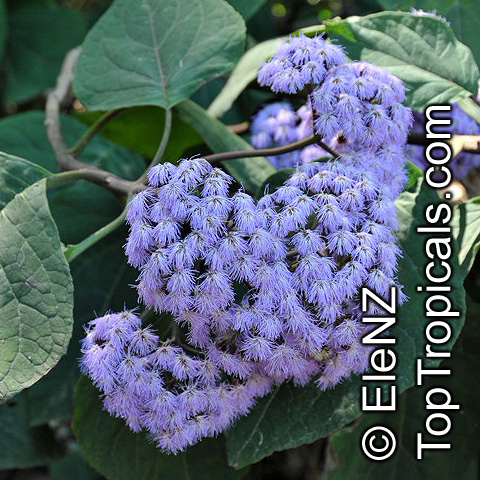
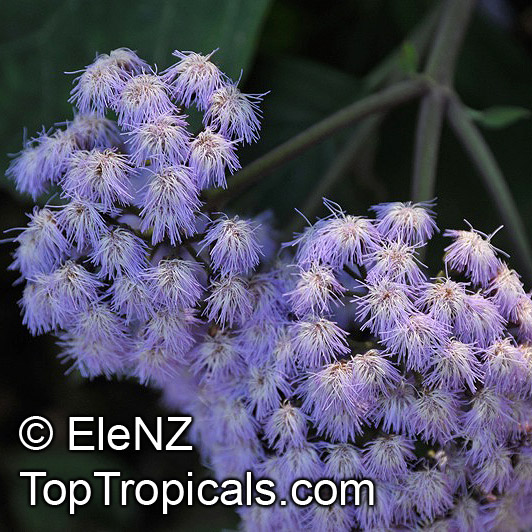
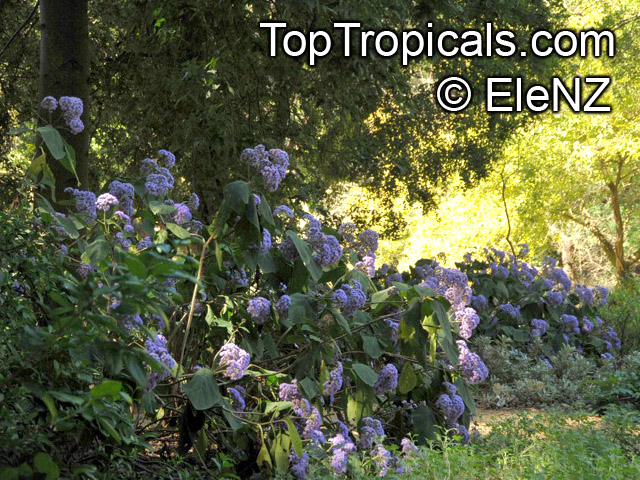
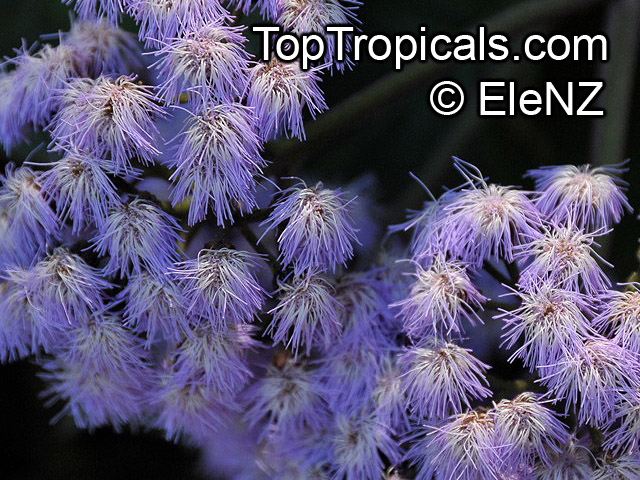
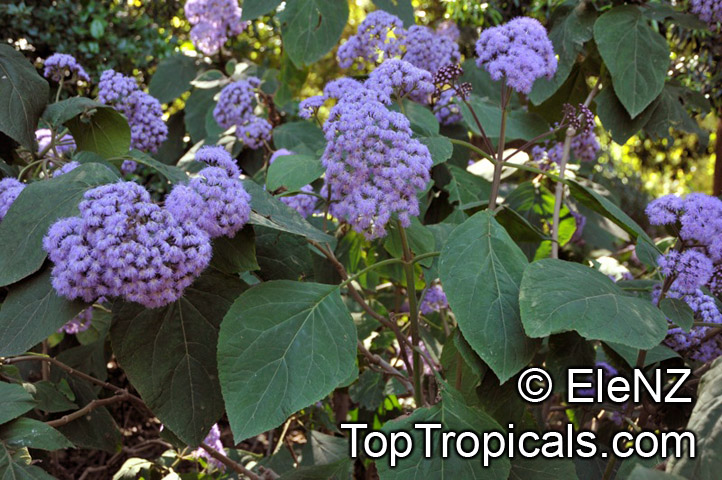
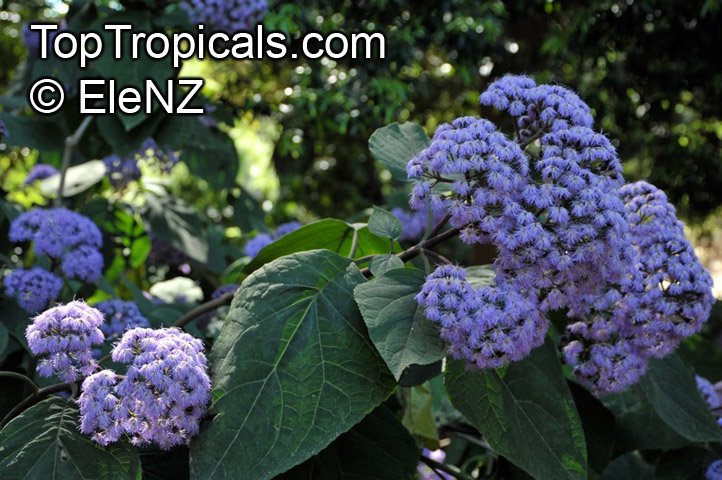
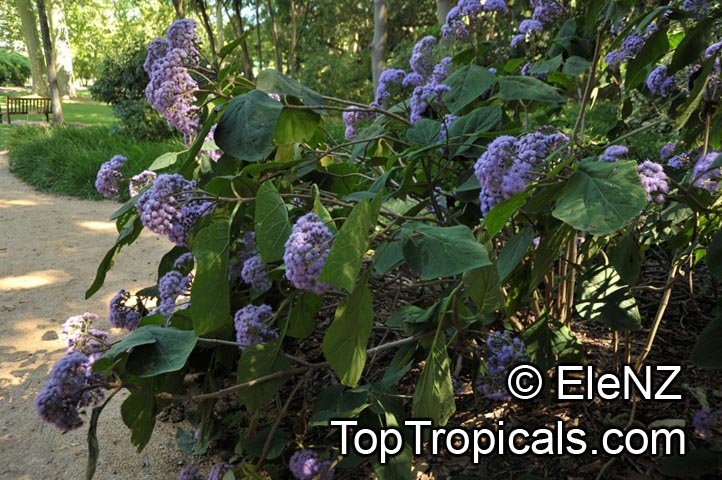
Botanical names: Bartlettina sordida, Eupatorium sordidum, Eupatorium megalophyllum
Common name: Purple Torch
Family: Asteraceae
Origin: Mexico


Bartlettina sordida, formerly classified in the genus Eupatorium, is an evergreen, erect shrub with large clusters of lilac flowers.
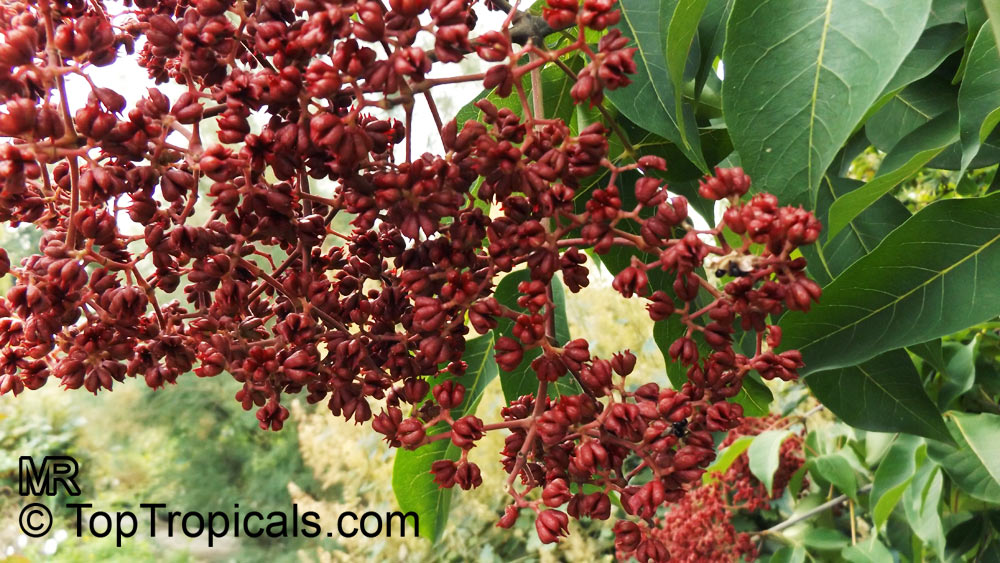
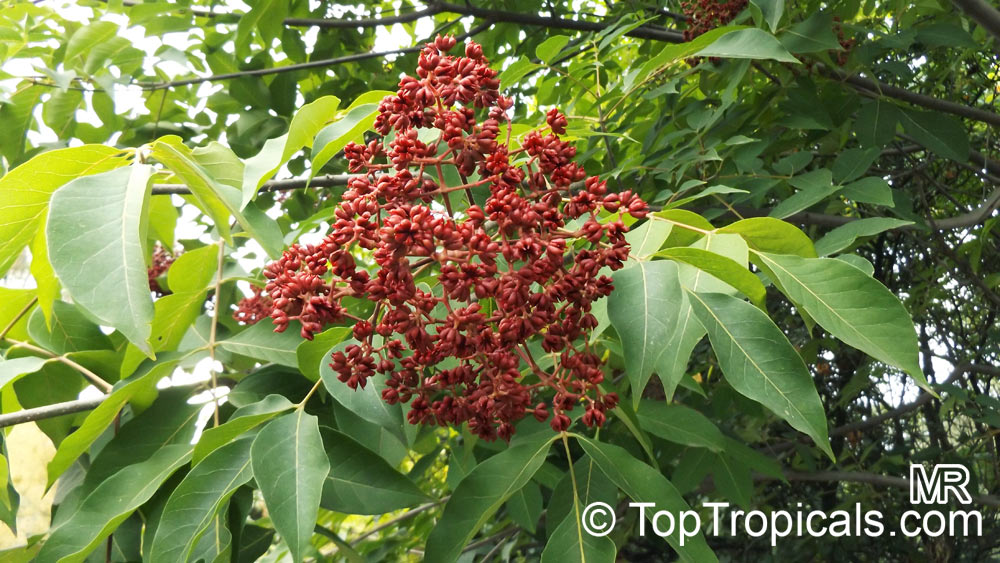
Botanical names: Tetradium daniellii, Euodia daniellii
Common names: Bee-bee Tree, Korean Evodia
Family: Rutaceae
Origin: Southwest China, Korea


The leaves are mid- to dark green and oval-shaped, with deeply toothed margins. It is a fast growing small tree, typically growing to 10-20 feet in height, making it a great option for small and even medium-sized yards. It has fragrant white (or yellow-tinged) flowers. The small red-to-black berries attract many birds, as well as butterflies and hummingbirds.
Tetradium daniellii is a great choice for adding texture and color to gardens in US Department of Agriculture (USDA) zones 4-10. It does best in full sun, though it can tolerate semi-shade. The tree will do best with regular watering, though it can tolerate moderate water when mature.
When planting Tetradium daniellii, it is important to select a site with plenty of sunlight and good drainage.Tetradium daniellii can also be grown in pots and containers, especially in the colder regions. Plant the tree in a light potting mix that drains well. Water the tree so it is moist but not soggy and feed it with a balanced fertilizer once a month during the growing season. When temperatures dip, it's a good idea to move the container to a sheltered place like a porch or garage.
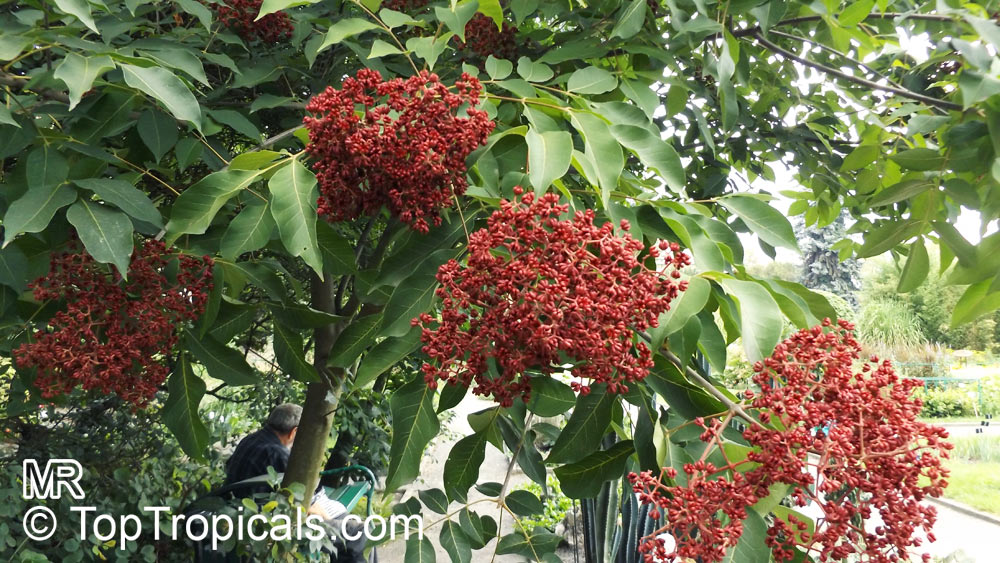
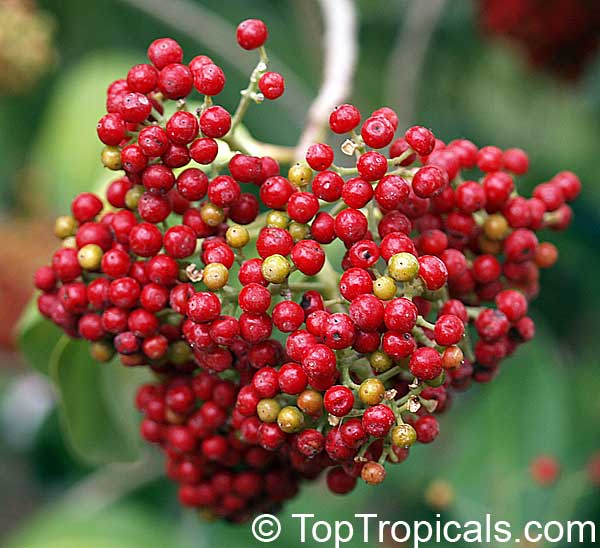
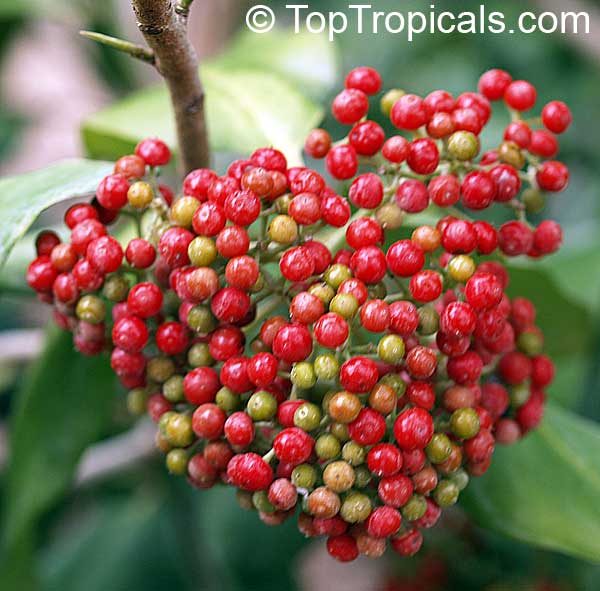
Botanical name: Wallenia laurifolia
Common name: Dominican Beauty
Family: Primulaceae (Formerly:Myrsinaceae)
Origin: West Indies
Wallenia laurifolia, or the 'Dominican Beauty' is a large shrub native to the West Indies. Growing from 5-10ft tall, this visually pleasing landscaping option requires a full sun or semi-shady environment and regular watering for its optimal growth. Water should be moderate and given regularly throughout the summer months and reduced during the winter months.
The flowers of the Wallenia laurifolia are small and fragrant, with a creamy white or off-white color. These flowers bloom in the summer season and they add an additional sense of elegance to the shrub's beautiful, glossy green foliage. This shrub can be grown in USDA Zones 9-11 to provide visual interest to a garden.
For the best care, plant your Wallenia laurifolia in a humus-rich and well drained soil. It will form a dense shrub if pruned, however it is best if done in the winter. Depending on its size, you may also consider growing it in a pot for its first few years. In colder regions, where the shrub cannot become established outdoors, it is best to keep in a container and bring inside during the winter season. When bringing indoors, be sure to place near a south facing window for adequate sunlight and water it regularly.
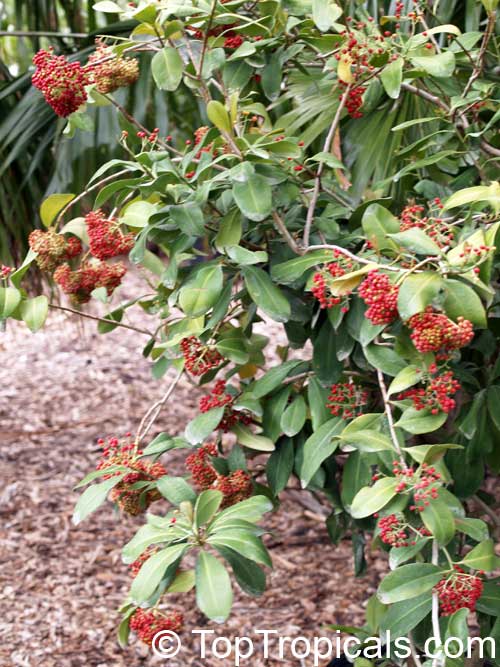
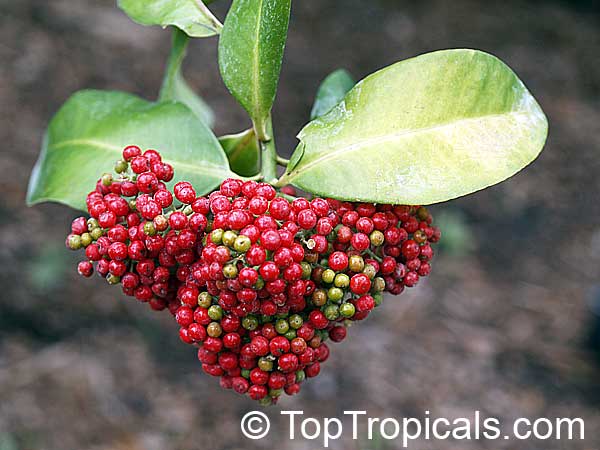
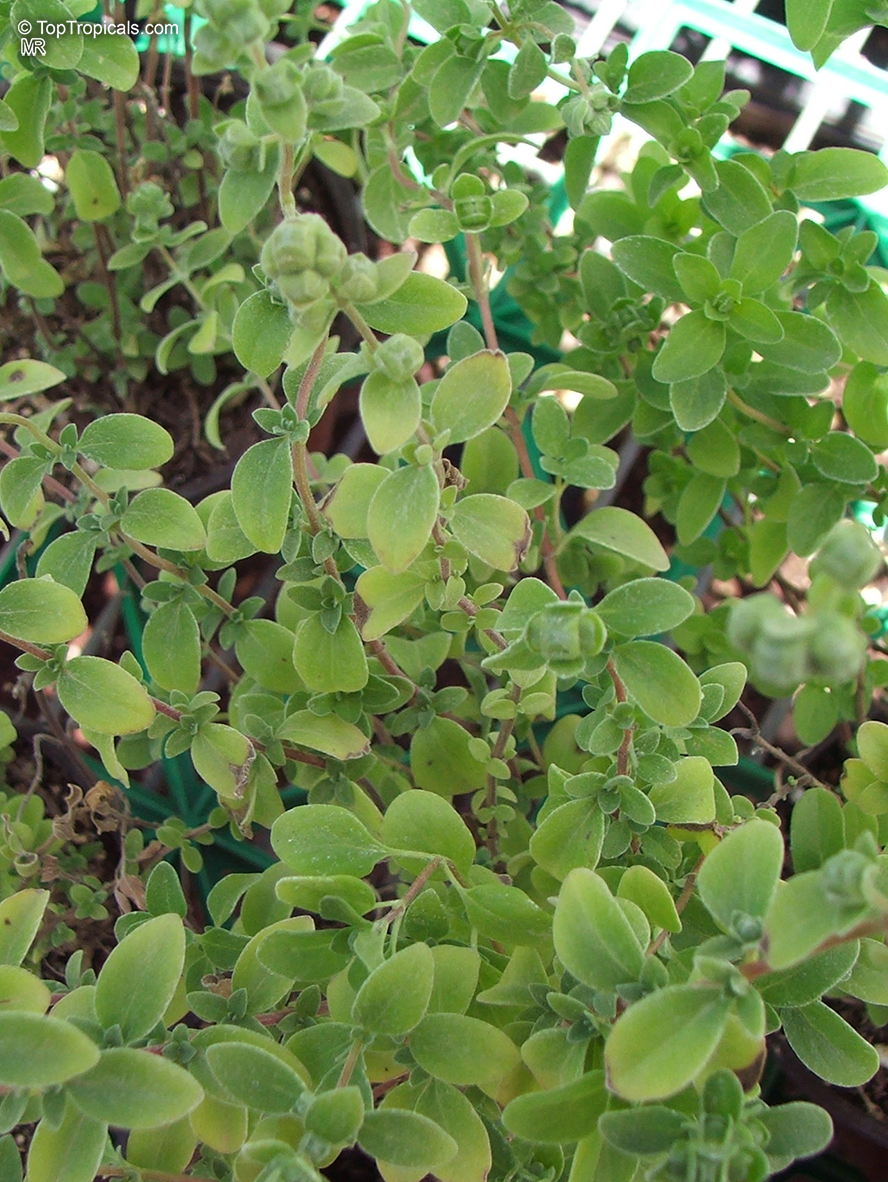
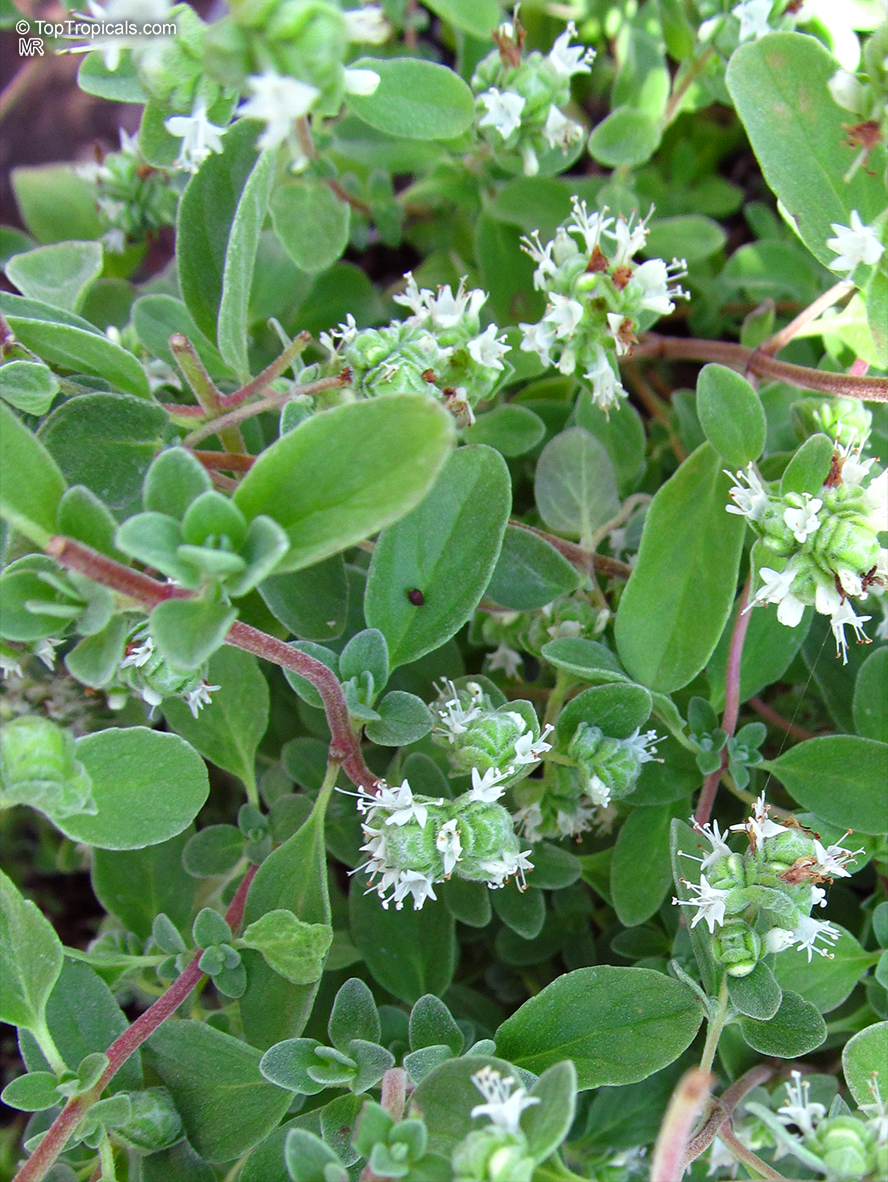
Botanical name: Origanum majorana
Common names: Sweet Marjoram, Knotted Marjoram
Family: Lamiaceae
Origin: Mediterranean

Sweet marjoram is a bushy half-hardy perennial sub-shrub that is often grown as an annual. Origanum majorana is multi-branched stems that spill over to create a mound. Since the stems take root where they touch the soil, the mound gradually increases in diameter. If grown in a hanging basket, the stems form a a cascade of attractive gray-green foliage. Sweet marjoram's oval leaves are soft and fuzzy. The leaves have a wonderful, very distinctive, perfumy fragrance when bruised. The flowers are tiny and arranged in burrlike heads. Sweet marjoram does best in a well-drained, slightly limey soil. Prefers full to nearly full sun. In the hottest part of summer, it should be given more shade. It likes a well-drained soil and frequent watering. Sweet marjoram is frost-tender. Propagation: It's easy to grow sweet marjoram from seed, but it's better to start it from cuttings. The flavor combines well in salads, in soups, sauces, fish, meats, and tomato slices. The flowers dry well for decorative arrangements or potpourri. Makes an effective home insect repellant. Often used in herbal sleep pillows. Marjoram makes a fragrant bath herb.
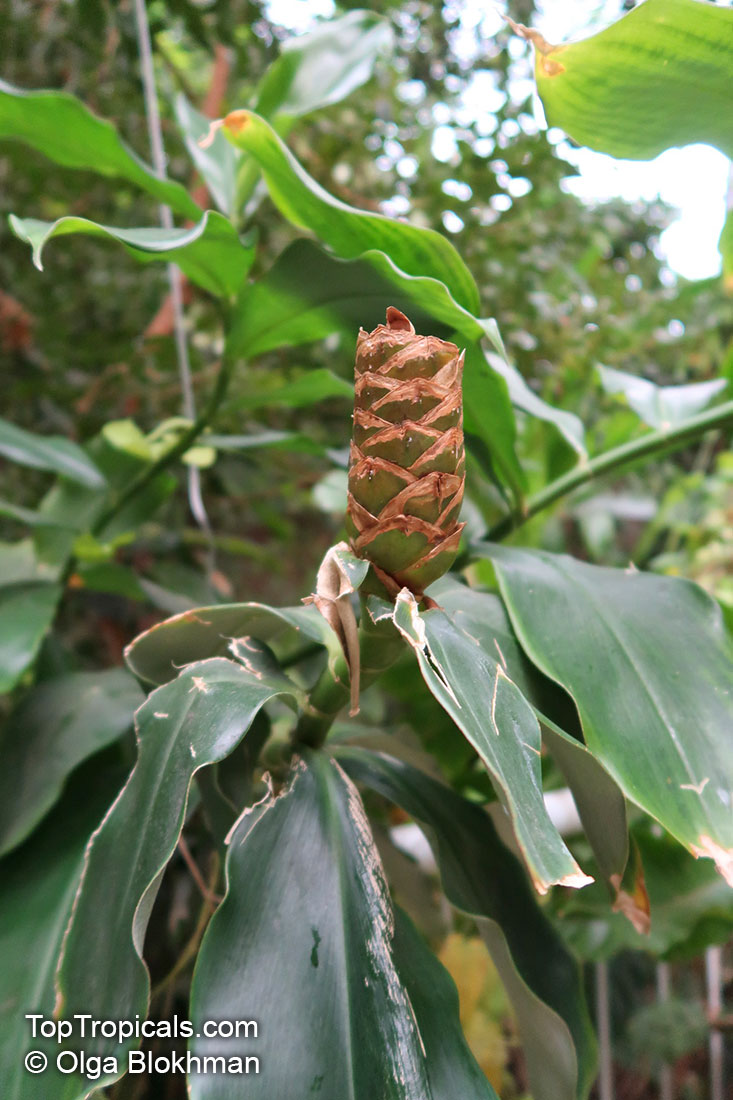
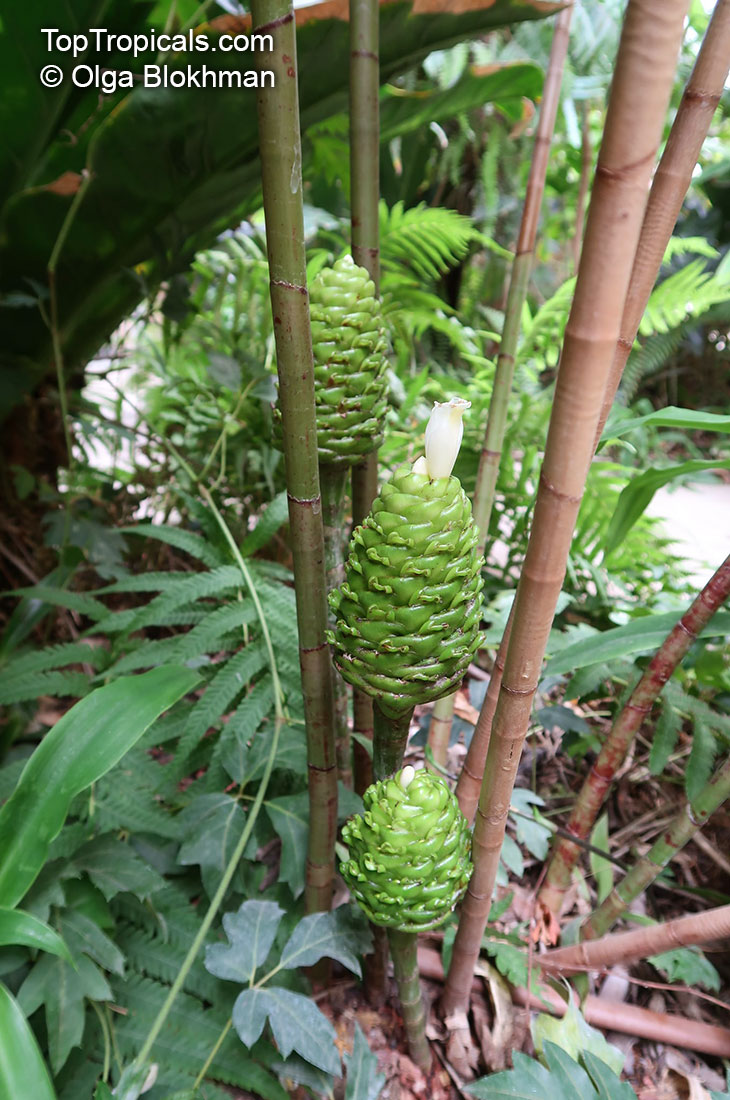
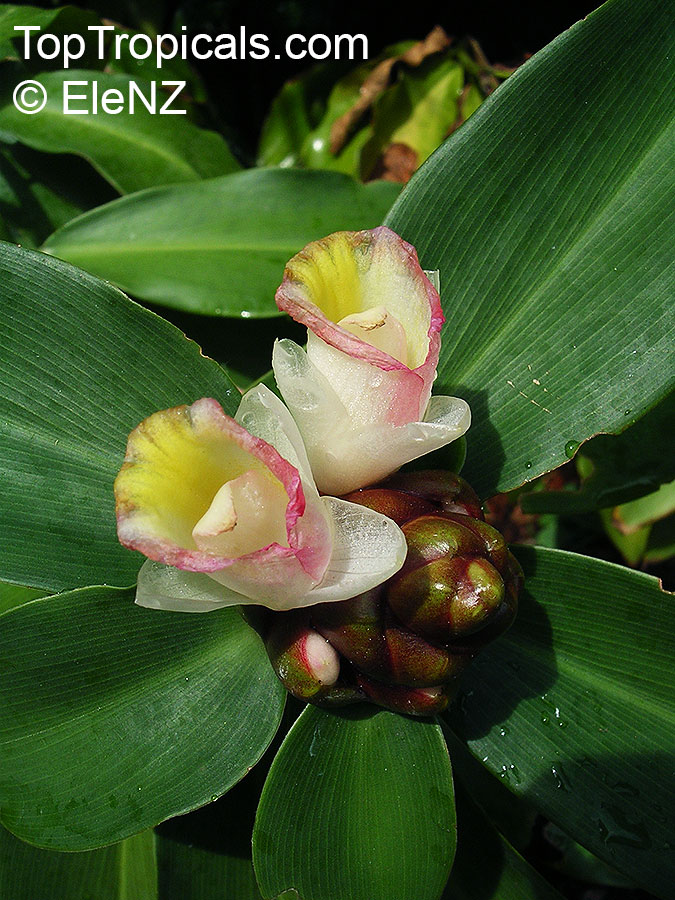
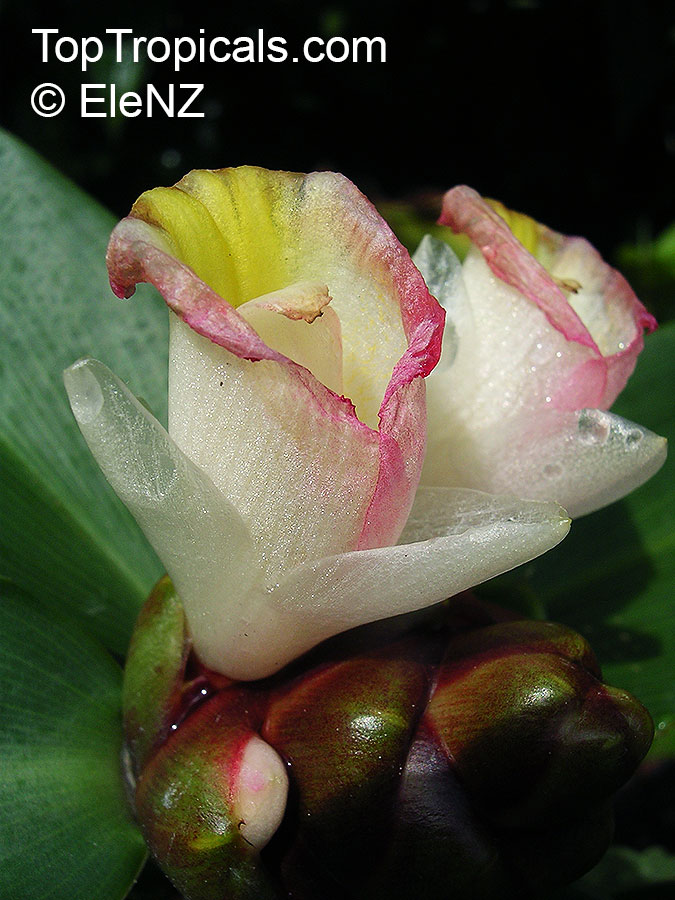
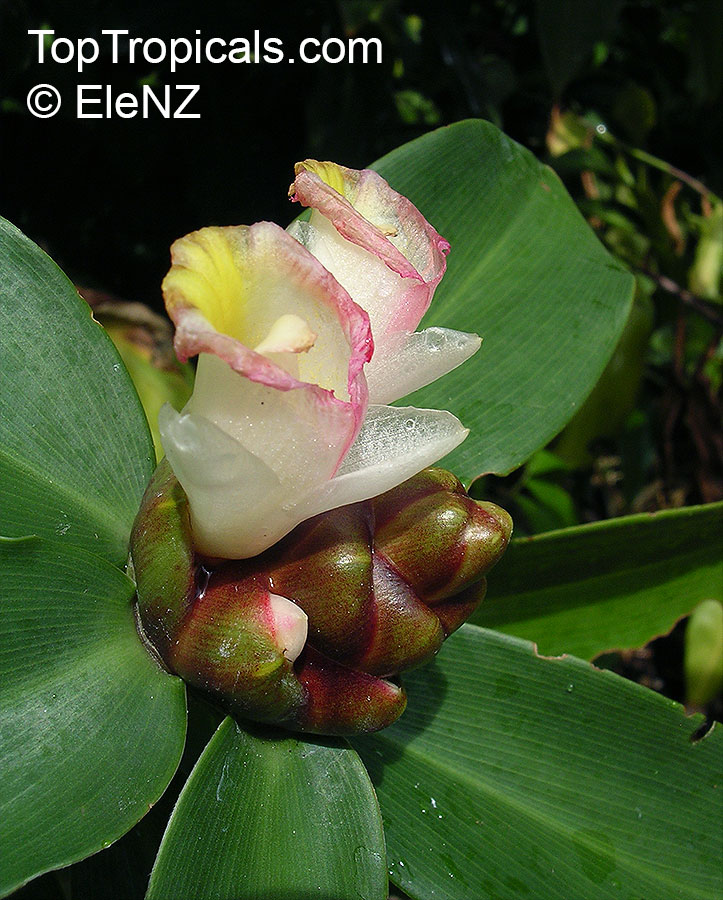
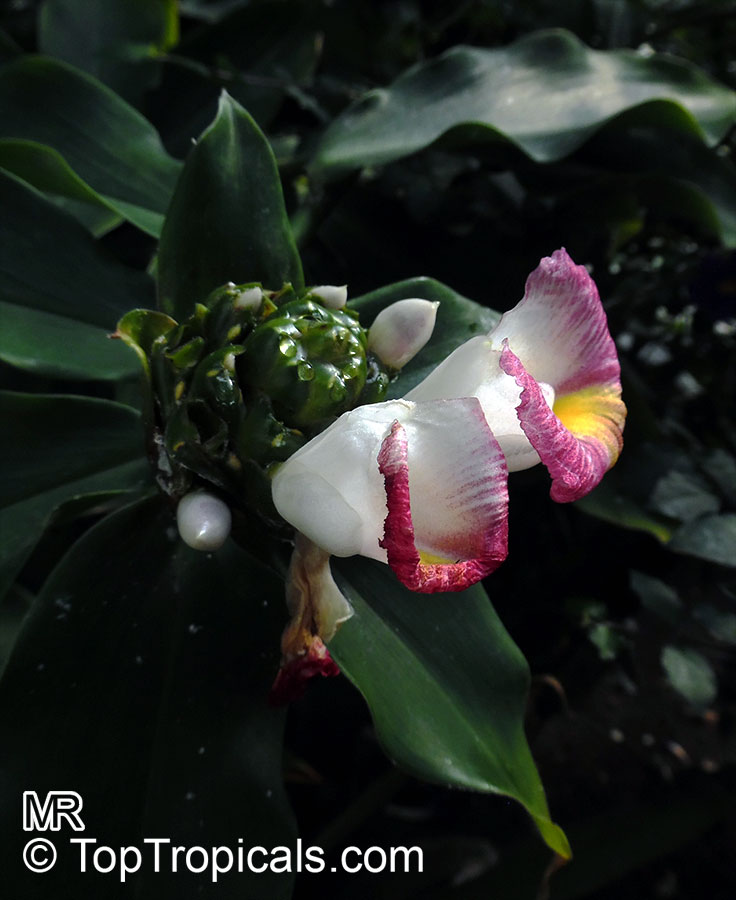
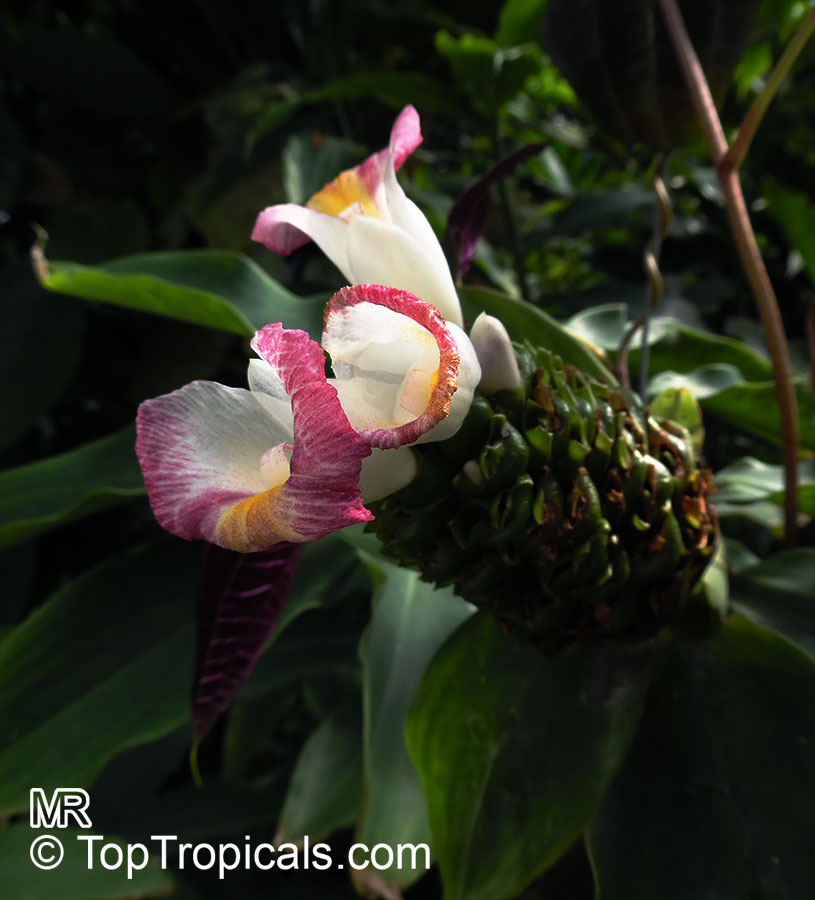
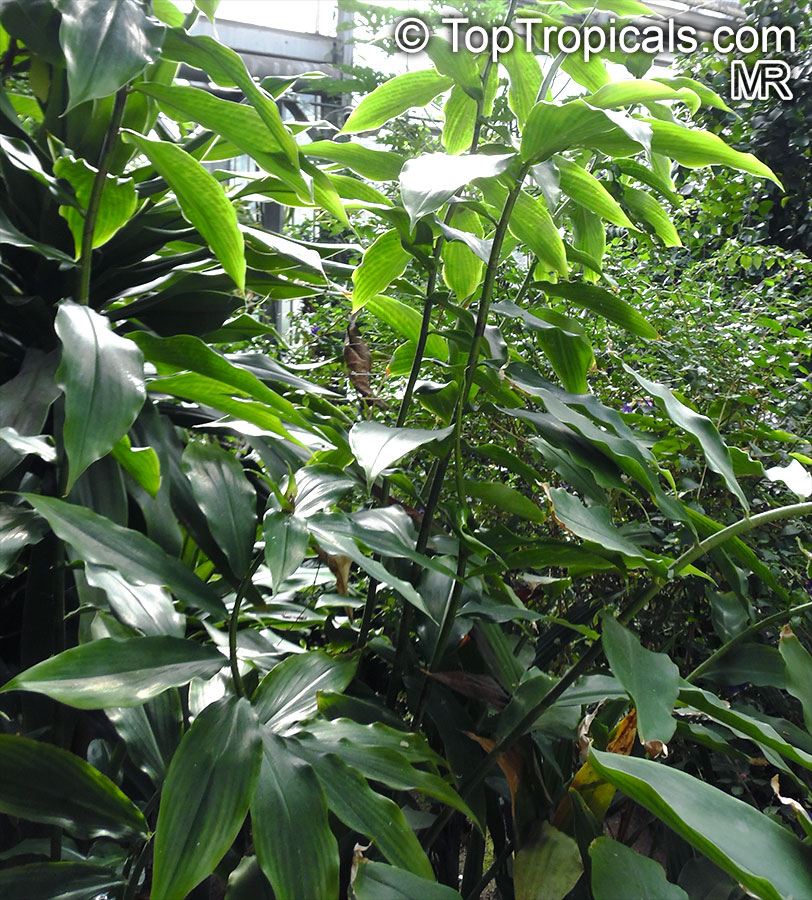
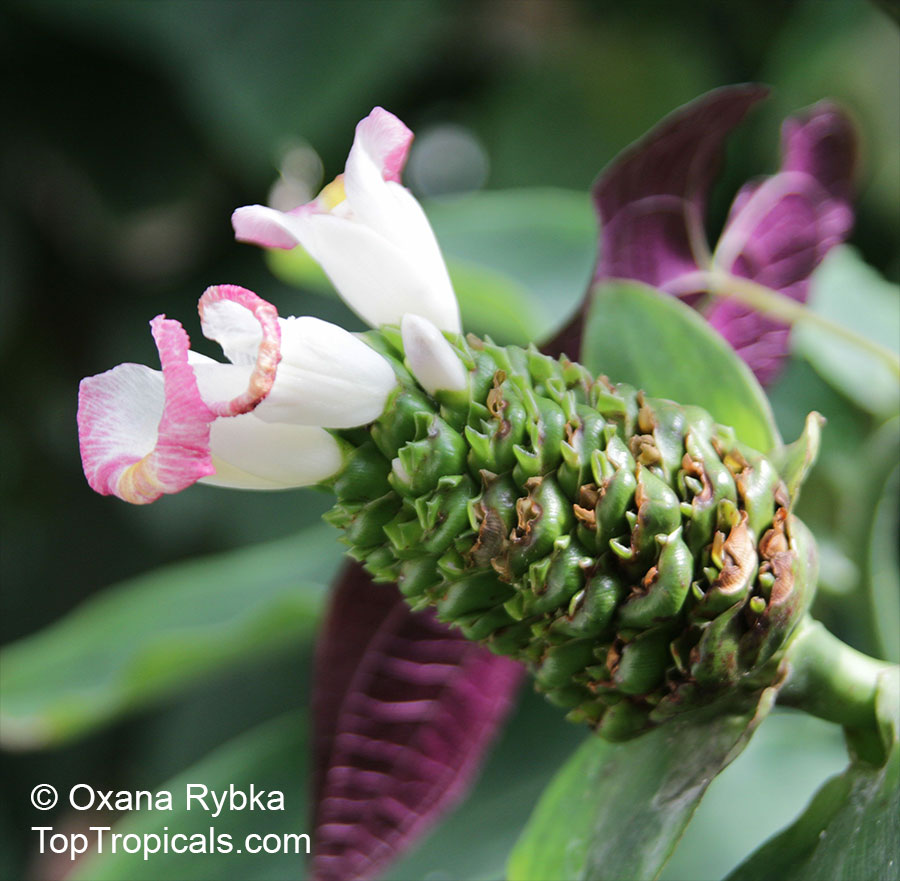
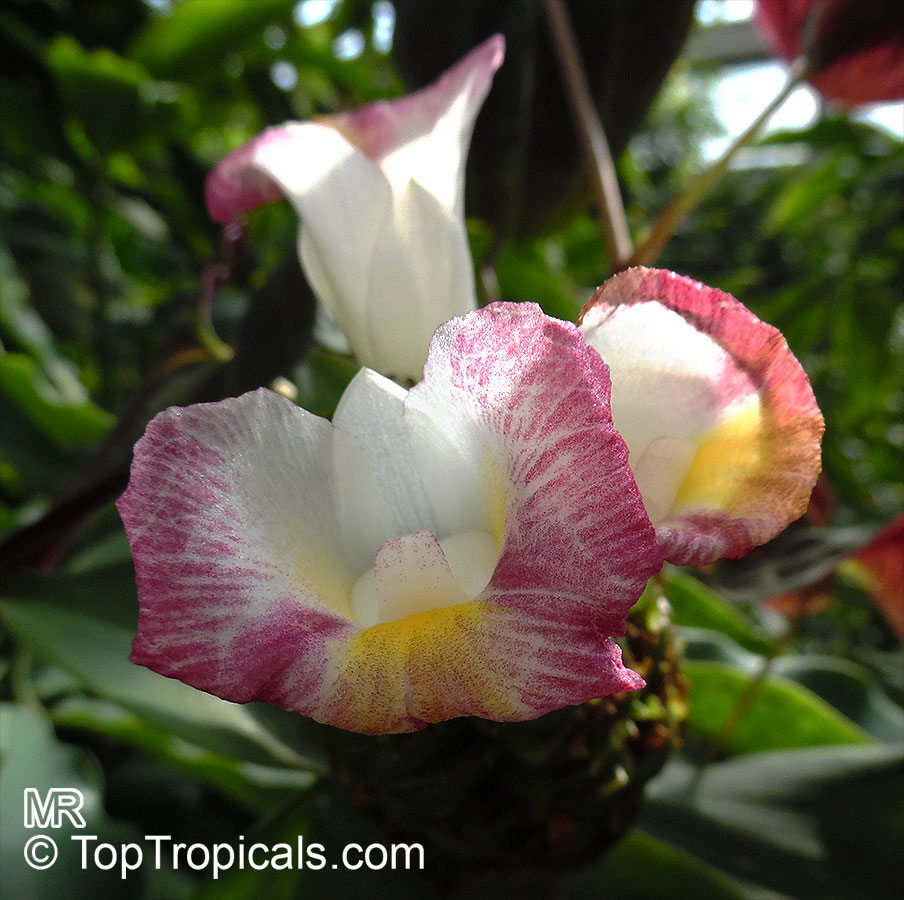
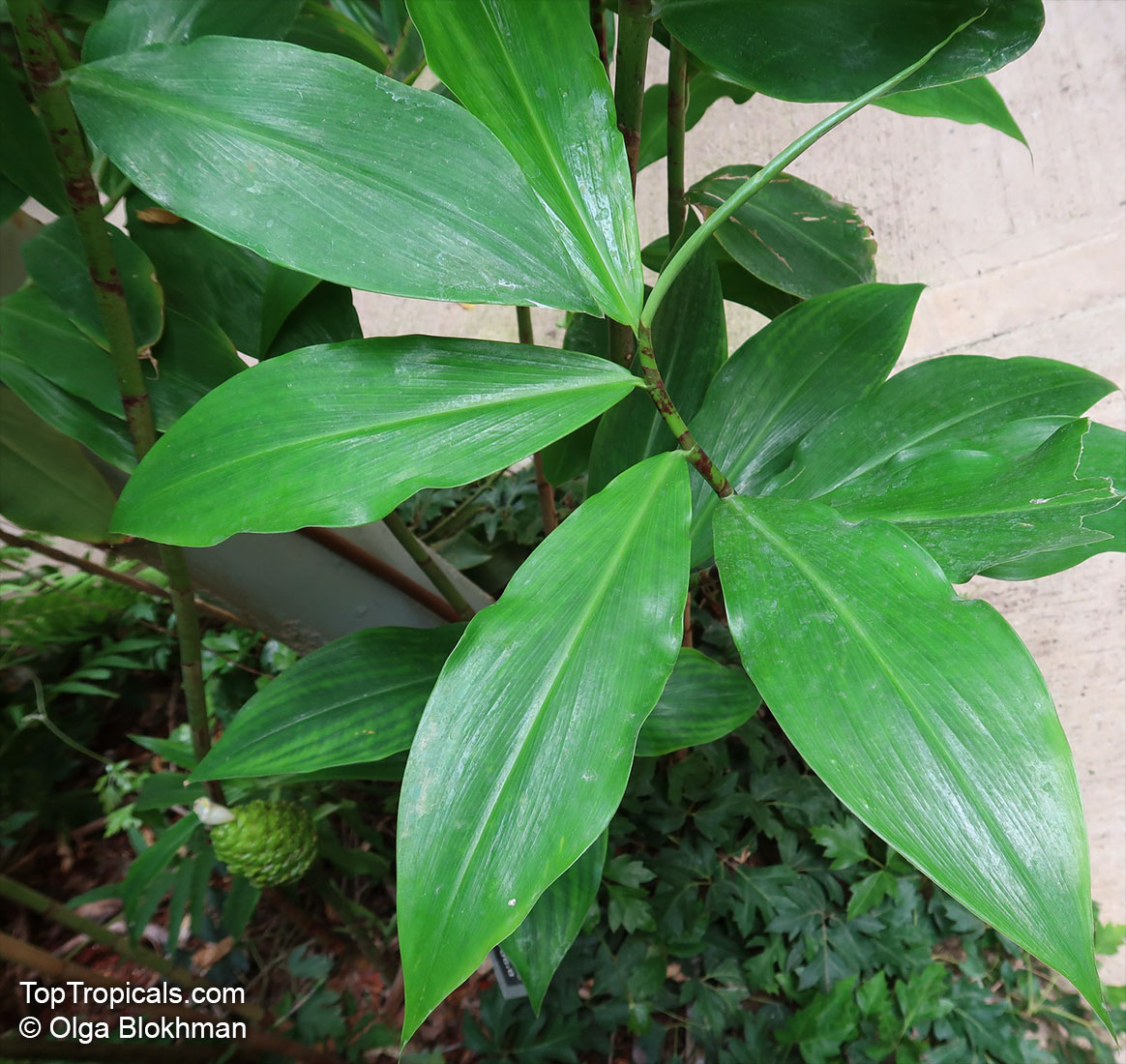
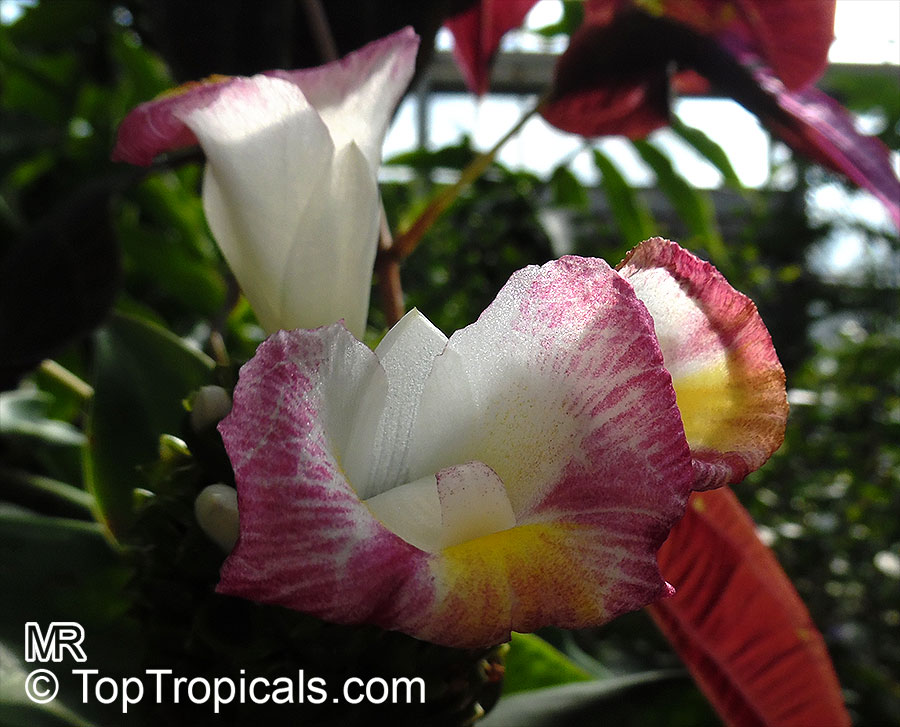
Botanical name: Costus afer
Common name: Spiral Ginger
Family: Costaceae
Origin: Africa
Costus afer are very easy to grow. They require a rich well drained soil (2 parts peat moss to 1 part loam to 1 part sharp sand), kept on the moist side. They do well in part shade to full sun. Spiral Ginger is a very vigorous grower, that requires frequent repotting to control its size.
Botanical name: Dendrophylax funalis
Common name: Jamaican Ghost Orchid
Family: Orchidaceae
Origin: Jamaica


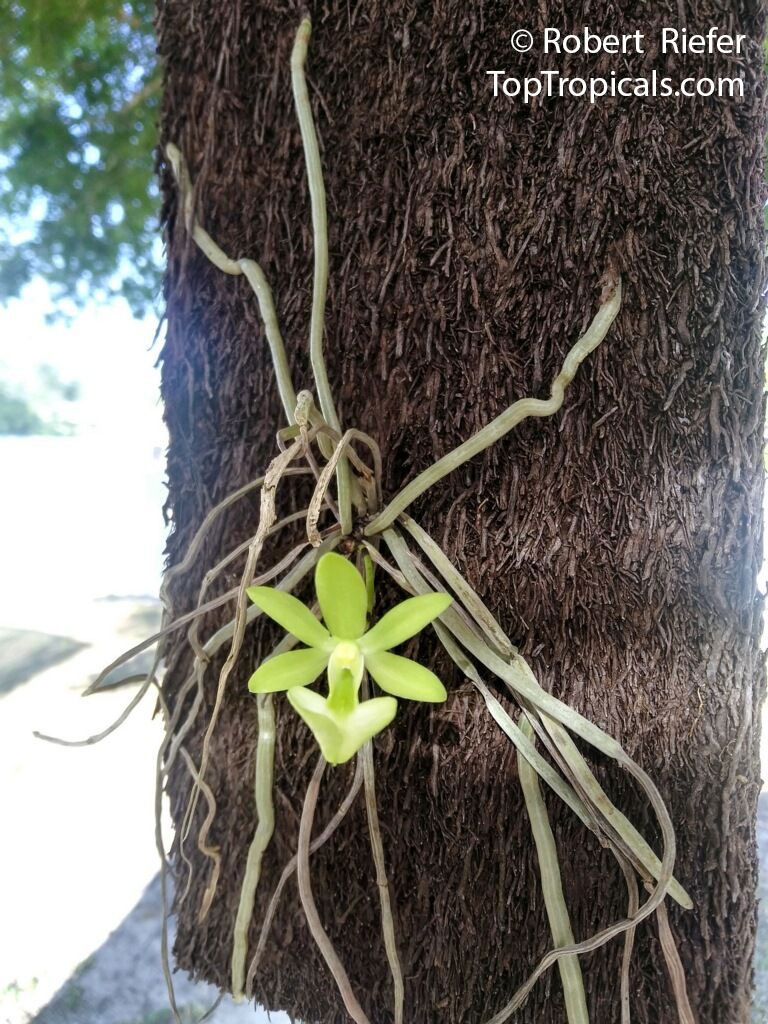
An amazing and unusual miniature Angraecoid orchid that somehow reached the Caribbean, a completely leafless orchid whose thick long greenish roots perform photosynthesis.
New roots and 4" spikes emerge from a terminal stem, up to 6 large blooms appear on each spike, the 2" flowers are lime green with a large flat bi-lobed white lip and a green 2" spur, highly fragrant and described as smelling fruity and reminiscent of an apple.
Dendrophylax is a genus of leafless neotropical orchids native to Mexico, Central America, the West Indies, and Florida. The plants of this genus are unusual in that they consist of masses of photosynthetic roots anchored in trees with a highly reduced stem and ephemeral leaves which have been reduced to scales. The bulk of these plants consists only of flat, cord-like, green roots with distinctive "track marks". These white track marks are called pneumatodes and function in much the same manner as stomata allowing the photosynthetic roots to perform gas exchange to support photosynthesis.
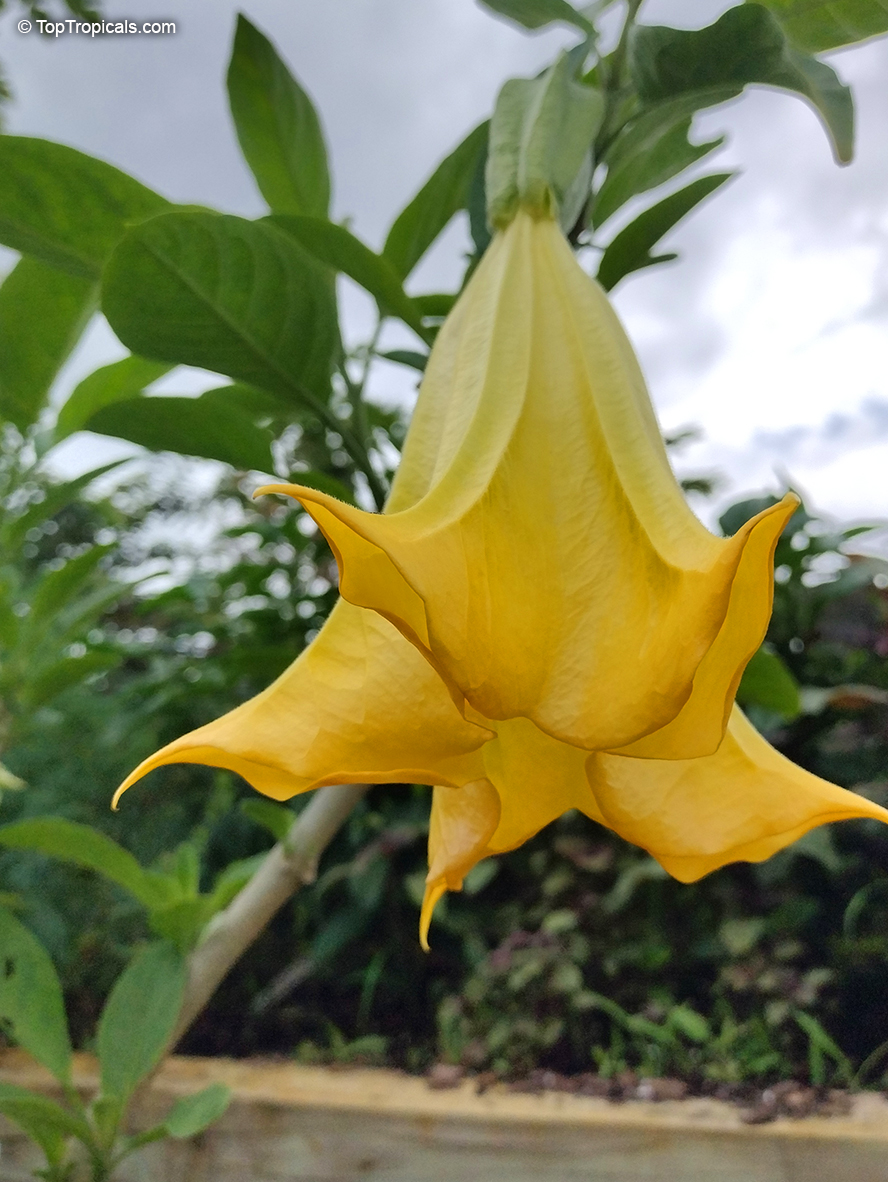
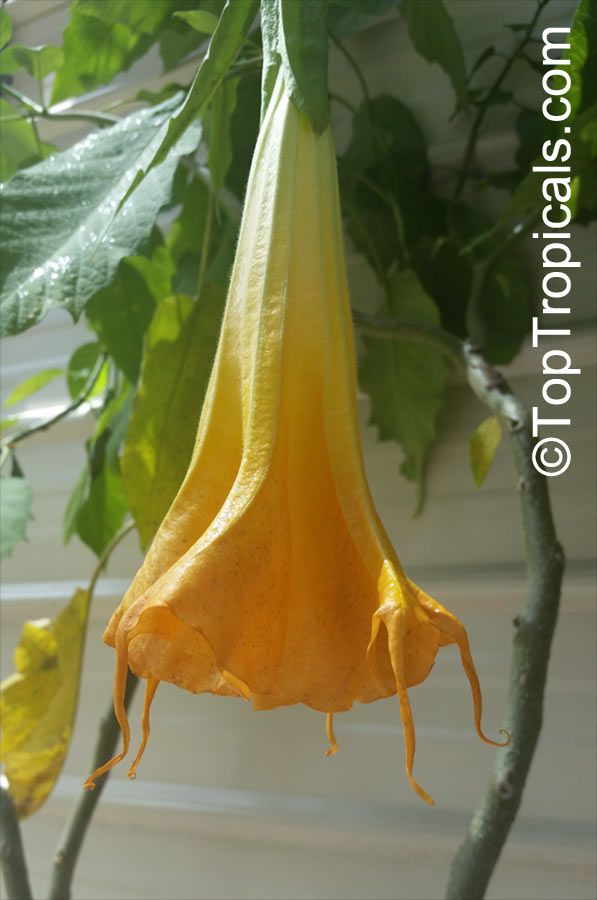
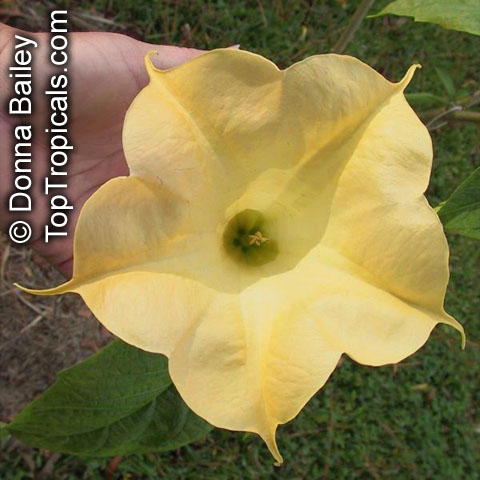
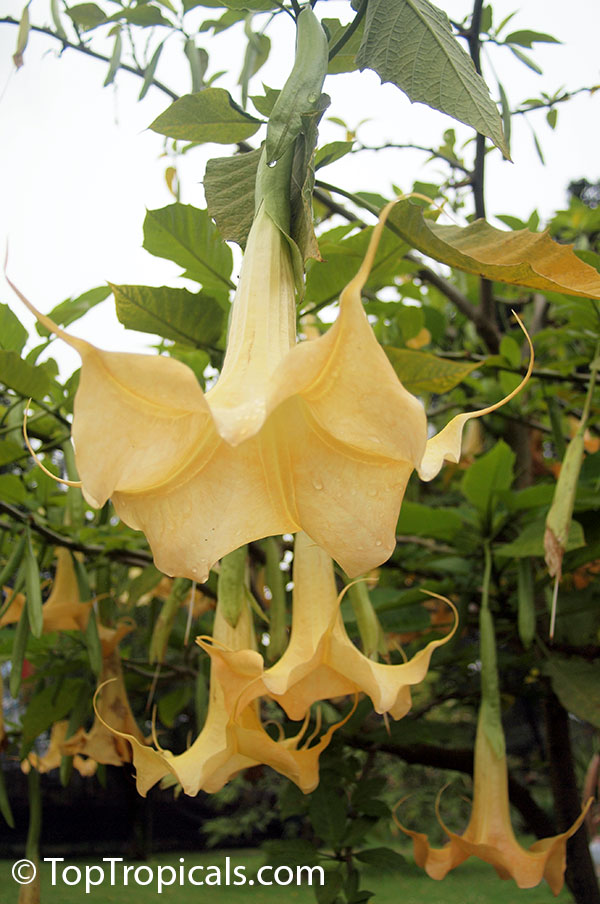
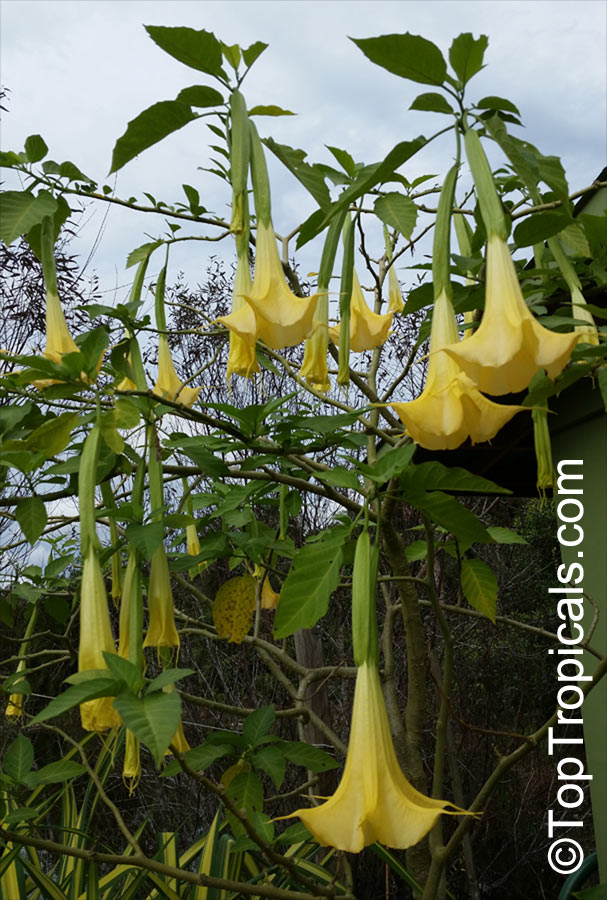
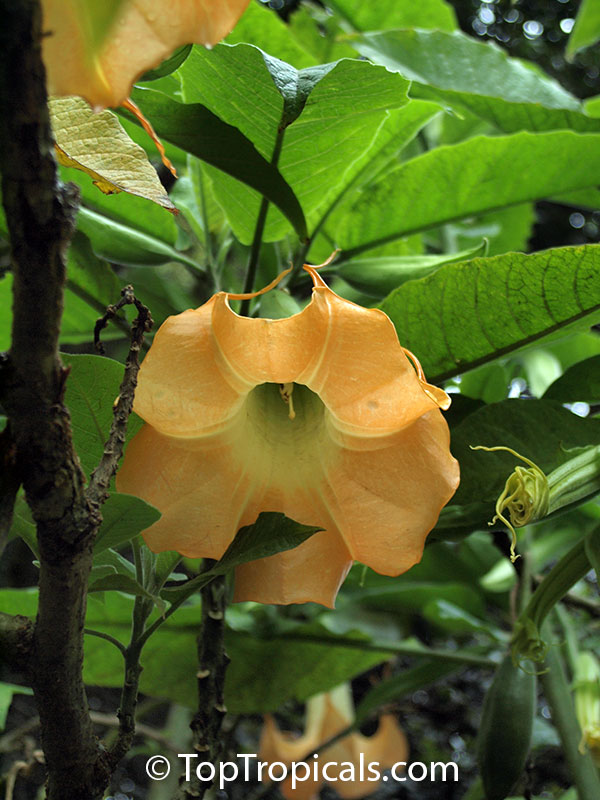
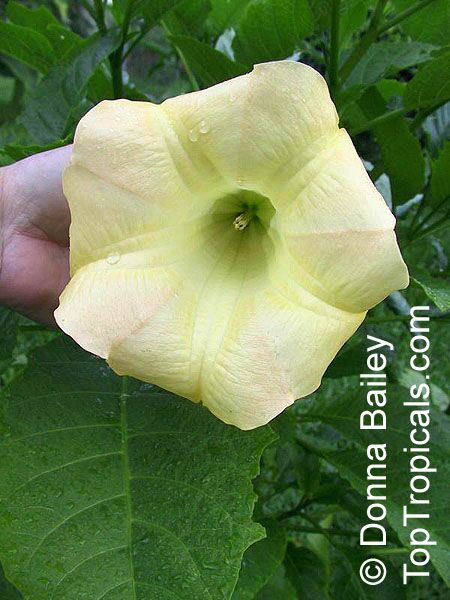
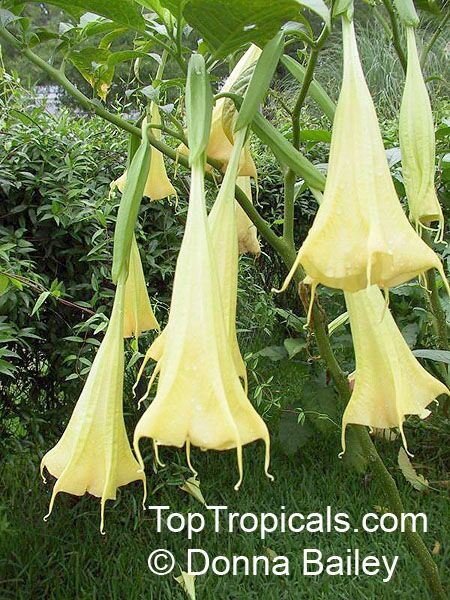
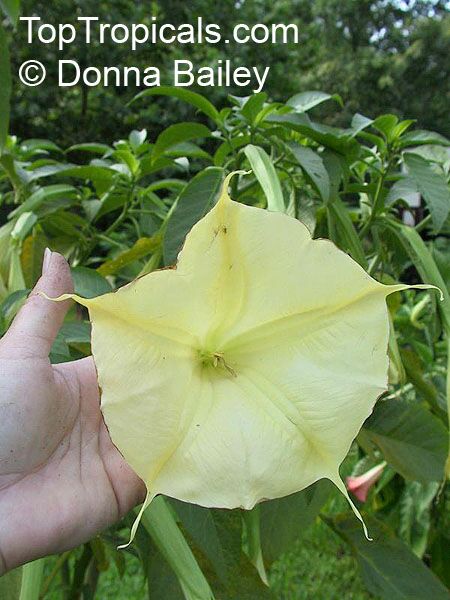
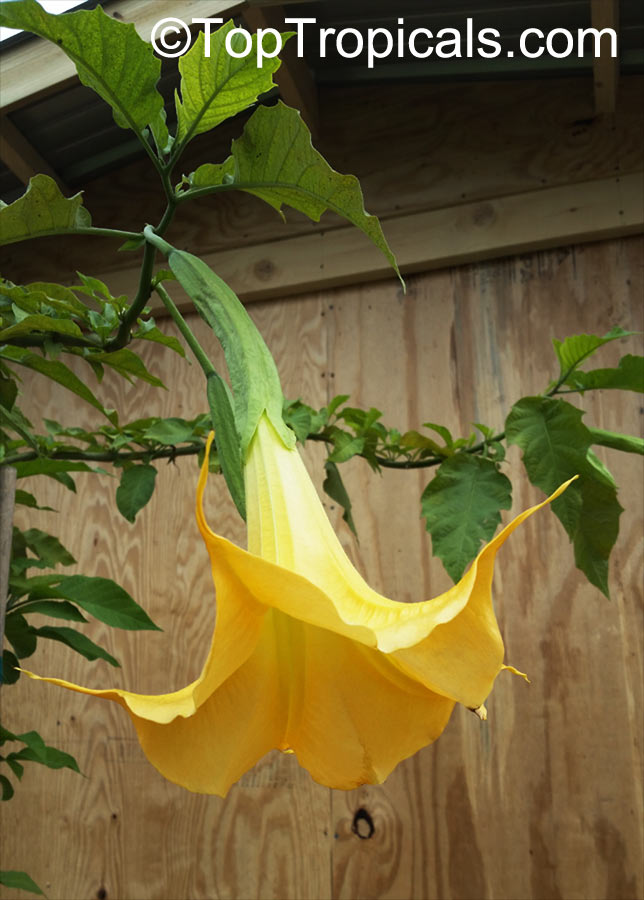
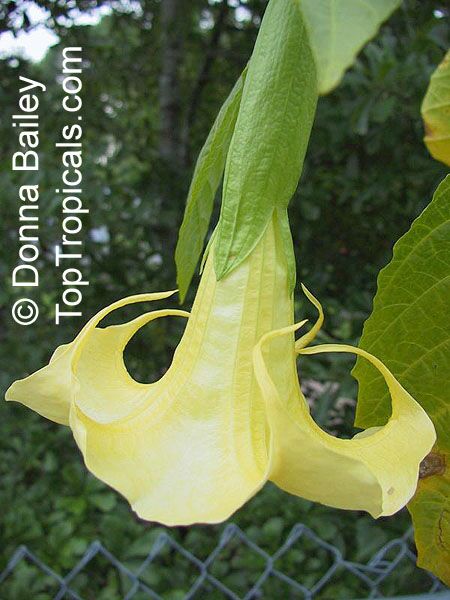
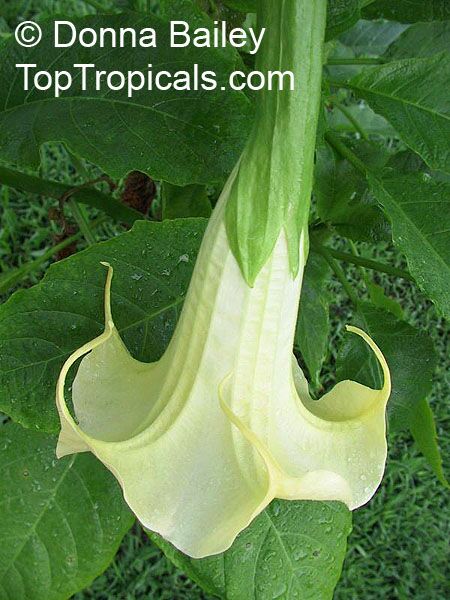
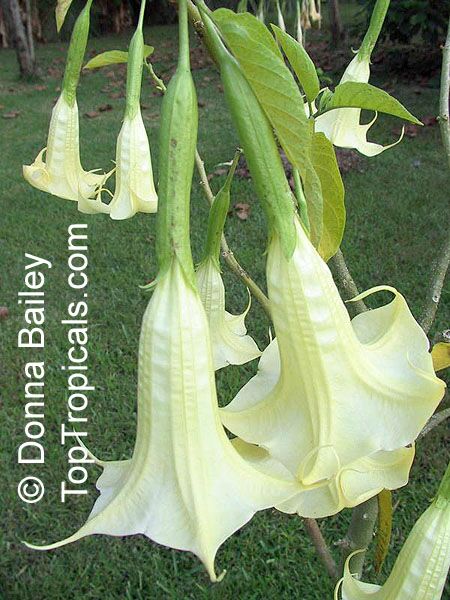
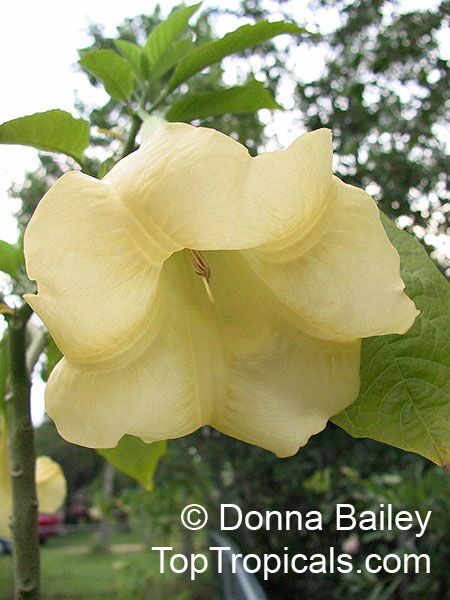
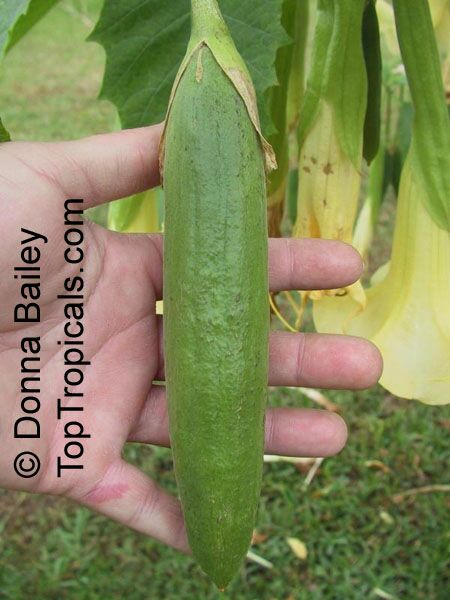
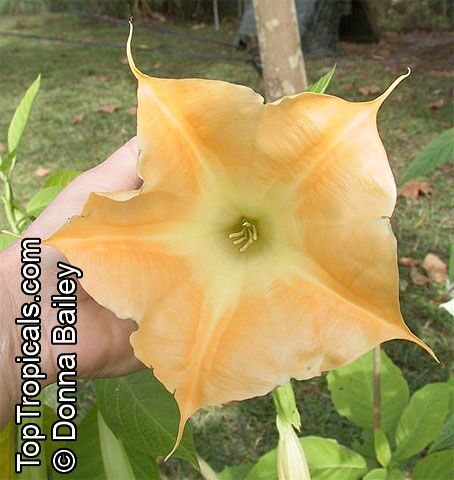
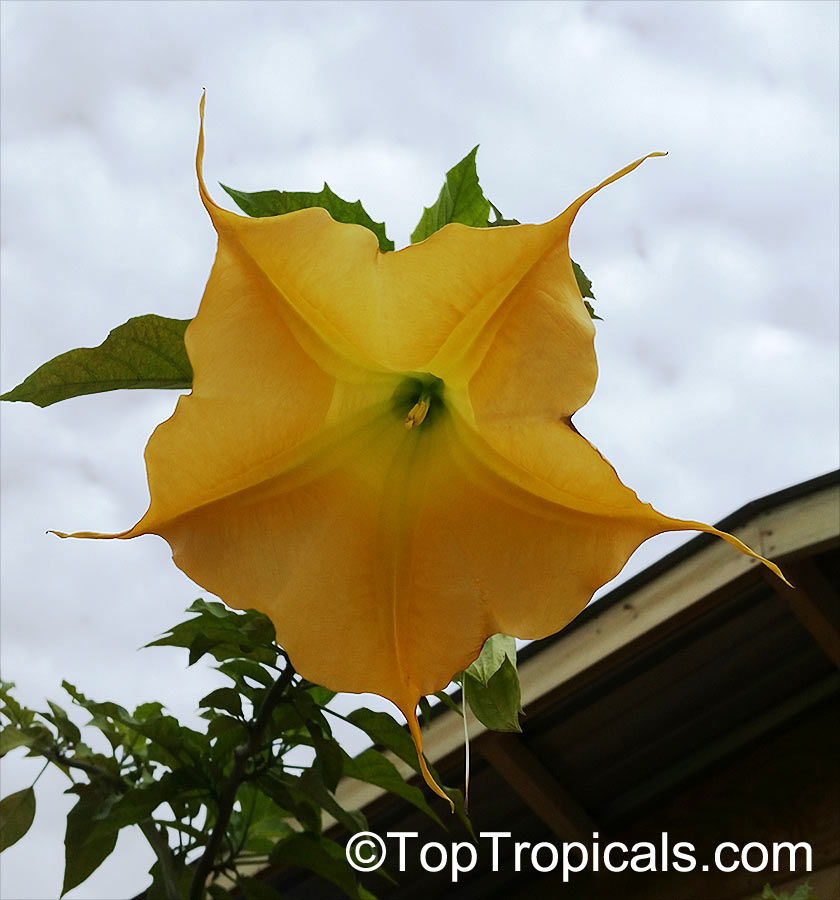
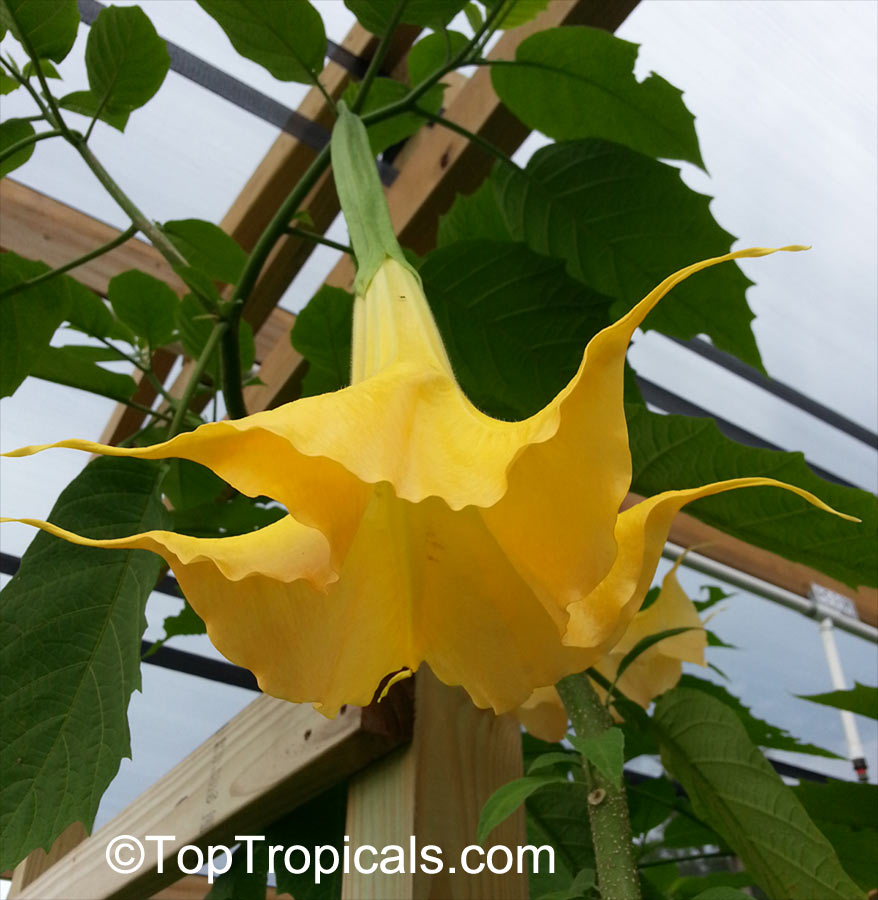
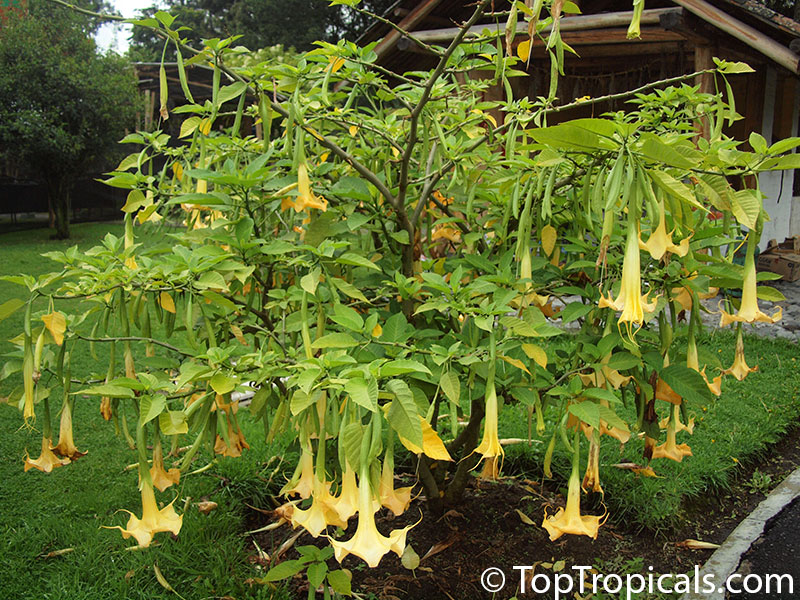
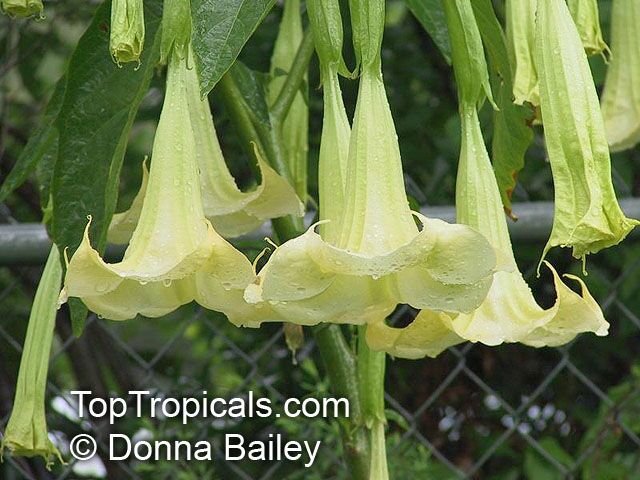
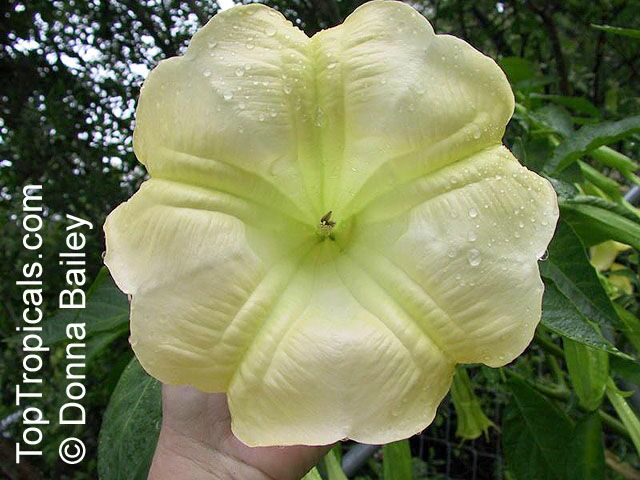
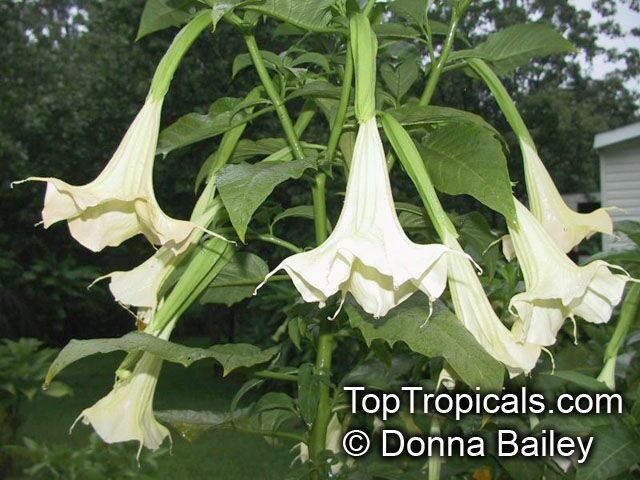
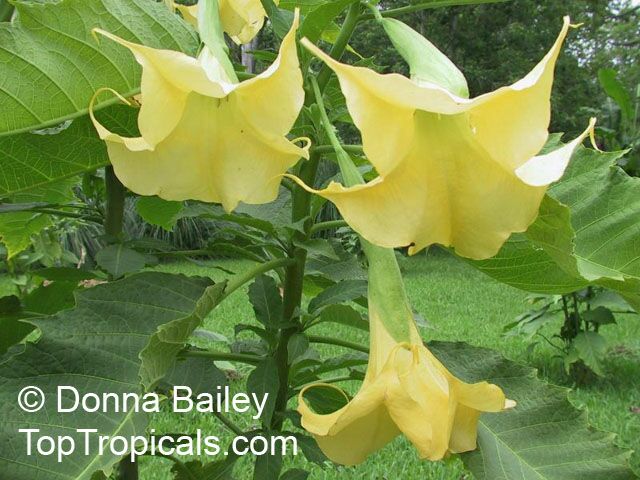
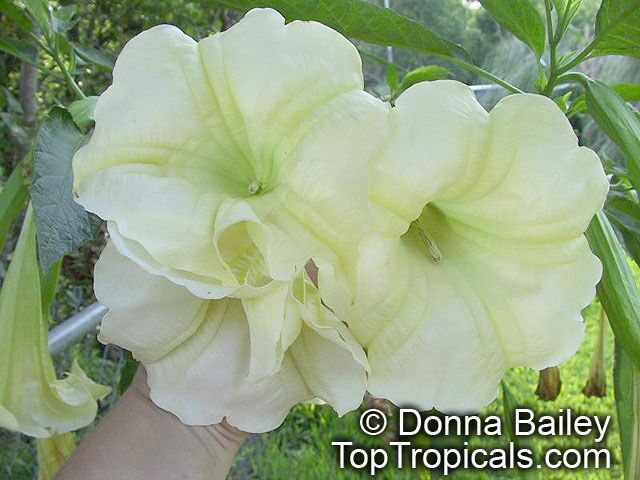
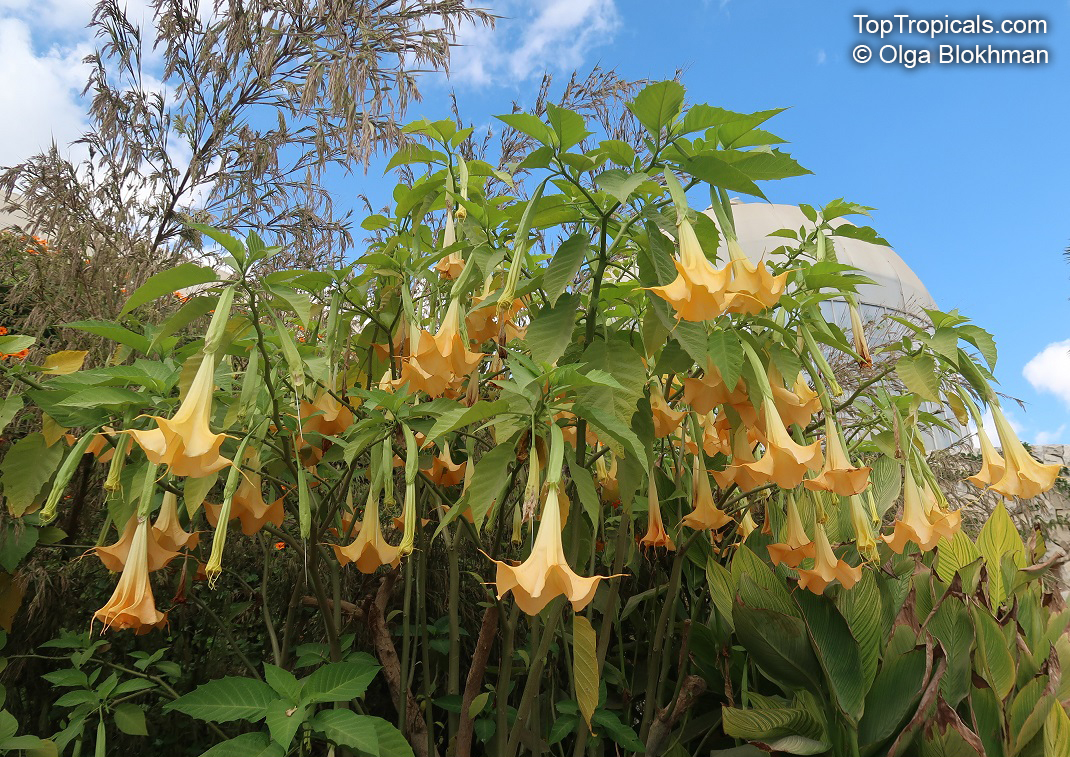
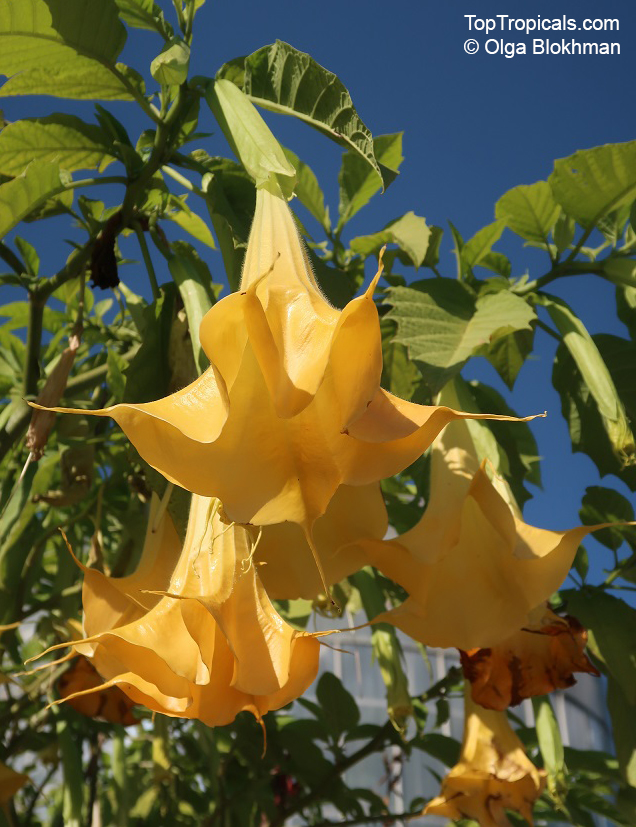
Botanical name: Brugmansia sp.
Common name: Angels Trumpet
Cultivar: Yellow
Family: Solanaceae
Origin: Ecuador
It is one of the most fragrant brugmansias. Yellow to deep orange flowers with a lighter throat. Color depends on climatic conditions. One of the best Brugmansia hybrids, the Charles Grimaldi variety is a fast grower and heavy bloomer. The flowers start out yellow and change to a beautiful orange. This plant is one of the smaller varieties and is well suited for being in a pot. Belonging to the Deadly Nightshade family, which also includes the tomato, Brugmansia comprises about 20 different species, nearly all of them poisonous. There are a number of cultivars, some orange or yellow flowers. It's a showy landscape evergreen plant. The more sun, the more flowers. Can be pruned into a nice small accent tree. Put it where you can enjoy the fragrance at night. Blooms on and off all year. Easy to grow. Not fussy about soil or water. Likes lots of fertilizer. Brugmansia Page here.

| Next | |
Use link to repeat this search:
https://toptropicals.com/cgi-bin/garden_catalog/cat.cgi?search_op=and&keyword_op=and&language=e&number=10&no_change_lang=1
&v1=fgt&user=tt&sale=1&first=0