| Number of plants found: 5139 |  | Prev | Next | 
|
Go to page: | First | 406 | 407 | 408 | 409 | 410 | 411 | 412 | 413 | 414 | 415 | Last |
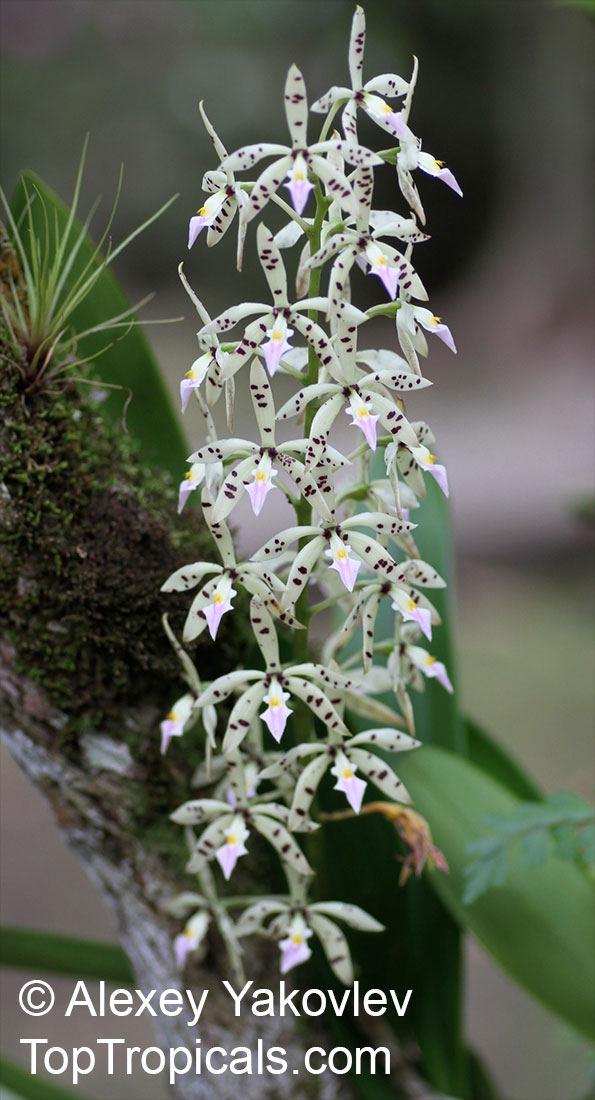
Botanical names: Prosthechea prismatocarpa, Encyclia prismatocarpa, Panarica prismatocarpa
Common names: Appendage Orchid, Prismatic Seed Pod Encyclia
Family: Orchidaceae
Origin: Central America
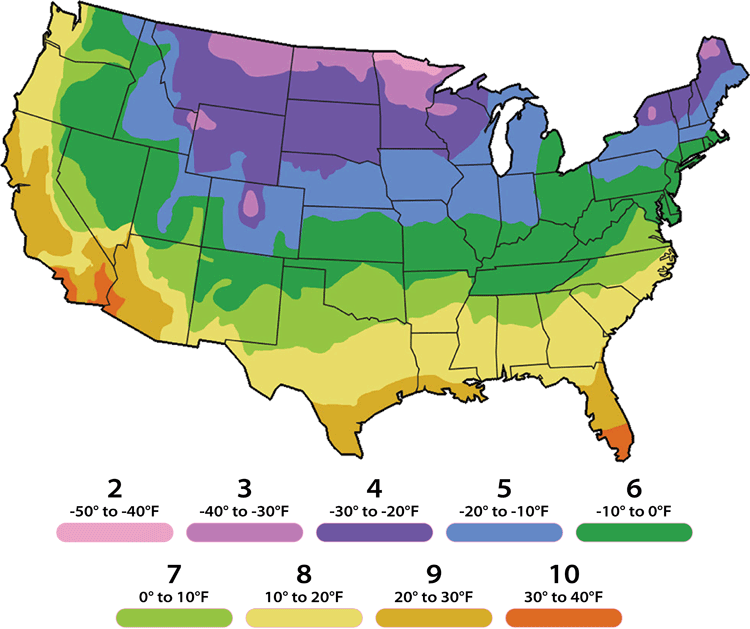


This unique orchid is native to Central America, mainly in the Nicaraguan forests and Central American low-lying areas, growing in the low-lying and humid tropical rainforests. The Prosthechea prismatocarpa (Appendage Orchid) is a semi-shade lover and needs regular water throughout the year, and loves humid air. It prefers to be grown in USDA Hardiness Zone 9-11.
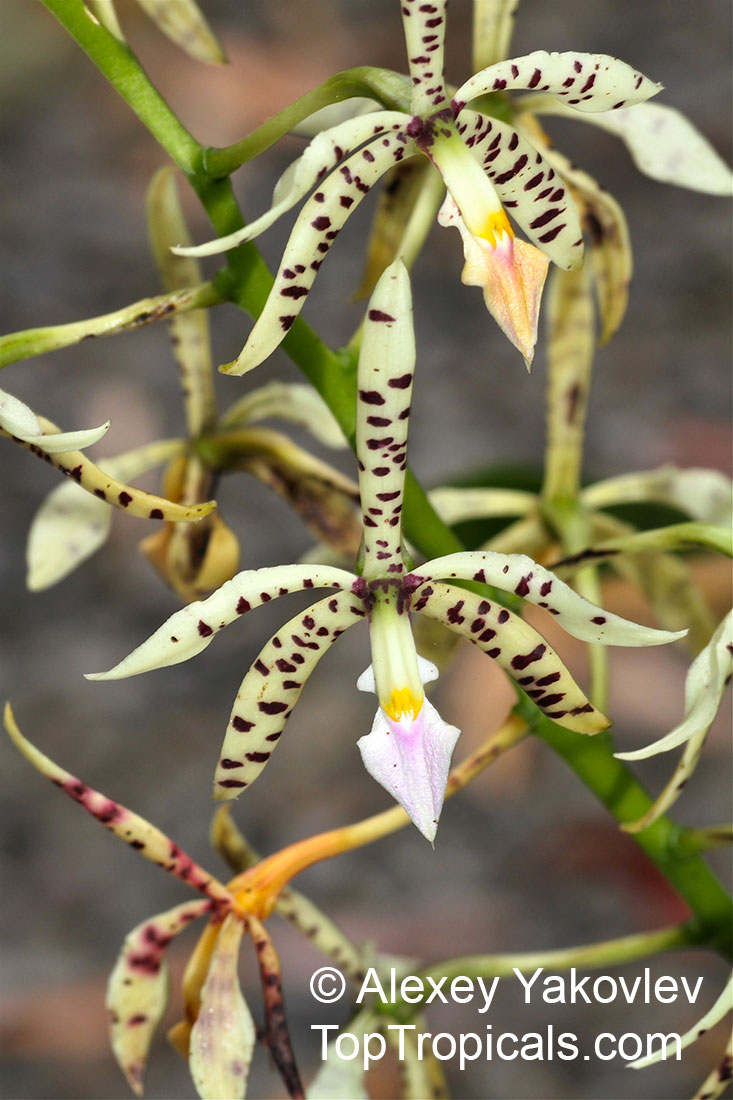
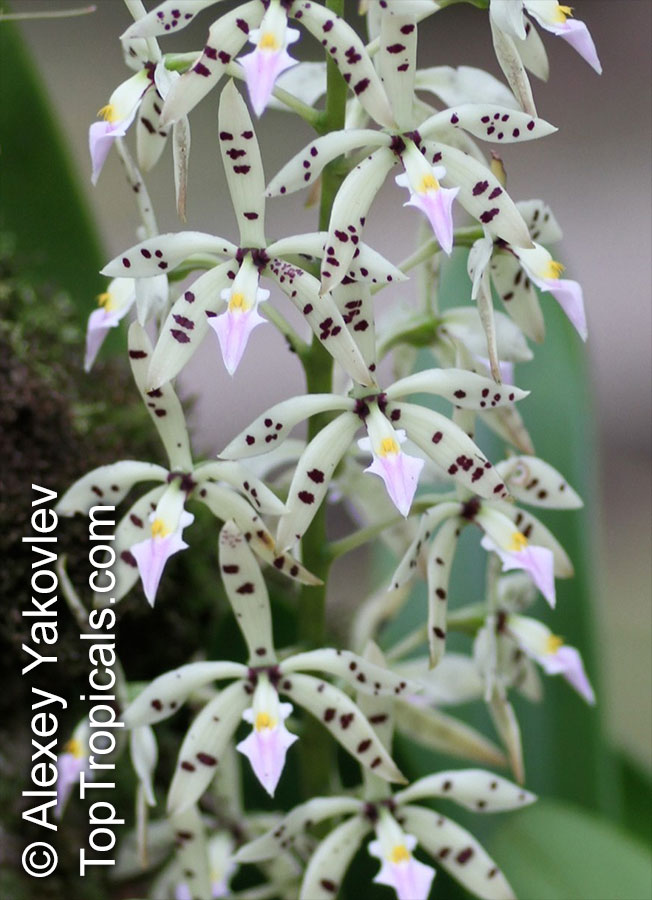
This small plant produces beautiful, fragrant white or off-white flowers with yellow and orange spots. The flowers often reach 1-2 inches in size and come in clusters. It blooms during the summer and winter months, providing a stunningly sweet and fragrant display in your garden.
Prosthechea prismatocarpa is an epiphyte and is best grown on a tree or in an orchid pot with a medium such as fir bark. Ensure the potting mix and tree bark are kept lightly moist and provide regular water to the roots. In winter, do not water plants too much, but you can mist them to add humidity and protect your orchids from drought. During the summer, water regularly and add special orchid fertilizer to give ideal nutritional support.
Prosthechea prismatocarpa is an exquisite and hardy epiphyte that is sure to give your garden an exotic edge. With its fragrant, spotty flowers and easy to maintain care routine, it is a great choice for any avid gardener.
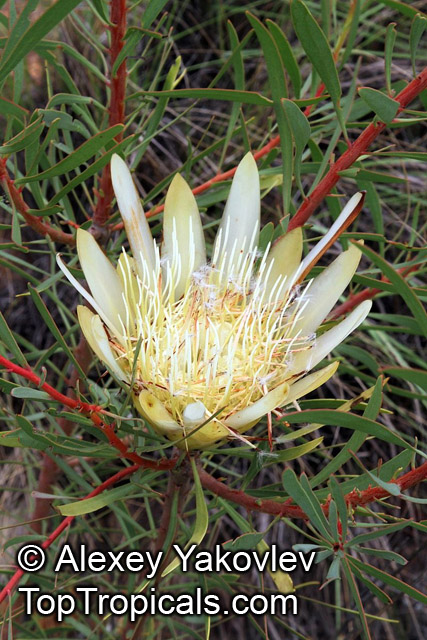
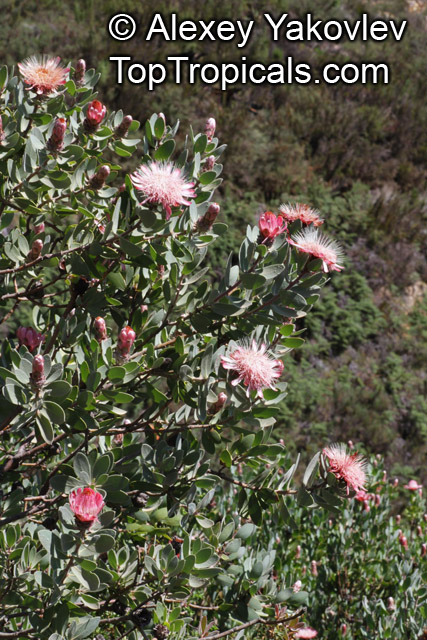
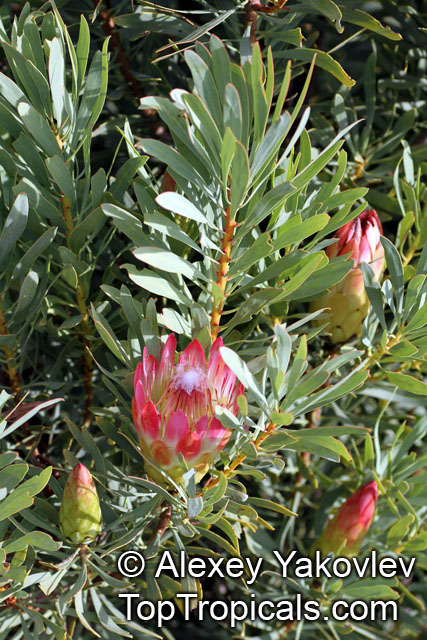
Botanical name: Protea lanceolata
Common name: Lanceleaf Sugarbush
Family: Proteaceae
Origin: South Africa


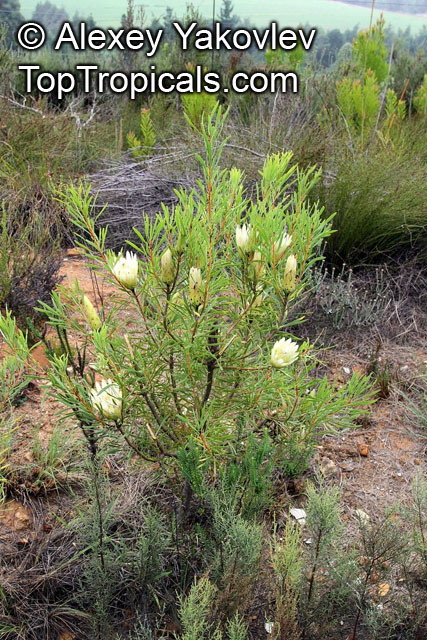
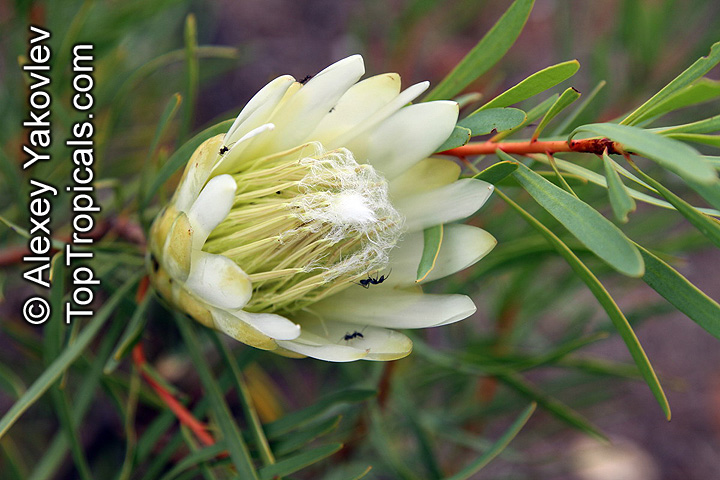
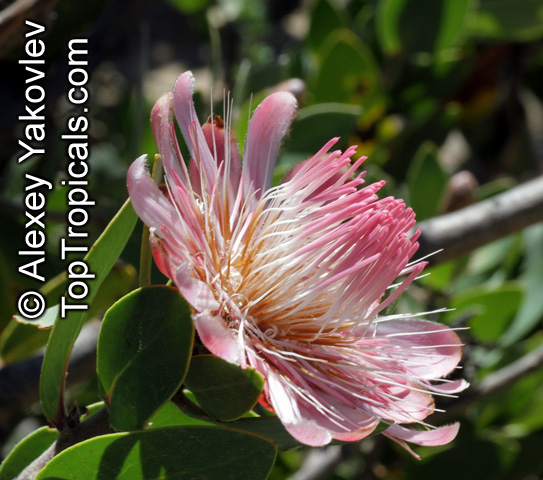
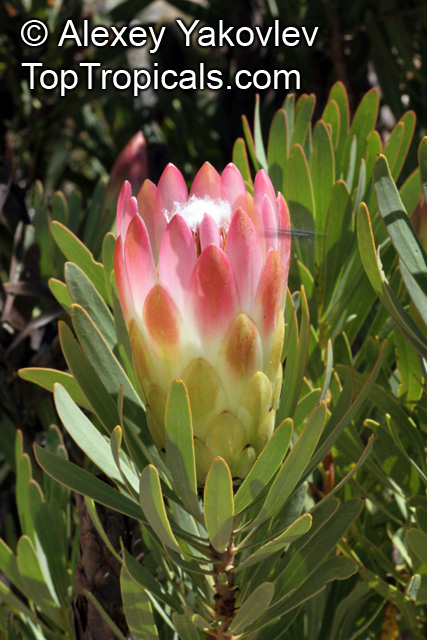
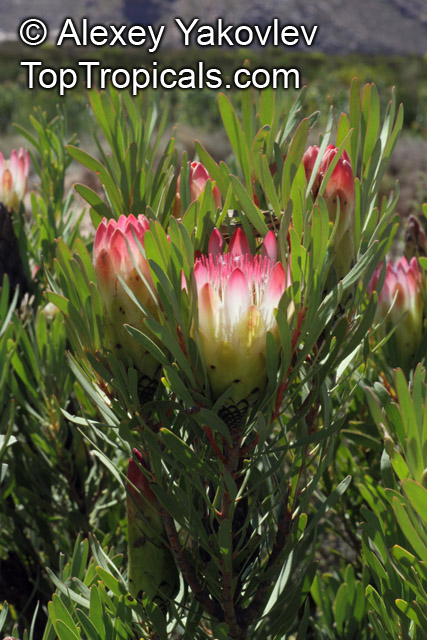
Botanical name: Protea repens
Common name: Common Sugarbush
Family: Proteaceae
Origin: South Africa


The flower color also varies, from a creamy white to white touched with pink, to the deep red varieties used by the cut flower industry.
Protea repens is one of the easiest, most adaptable and reliable proteas in cultivation. It is tolerant of a wide range of soils, from heavy clay to deep white sand.
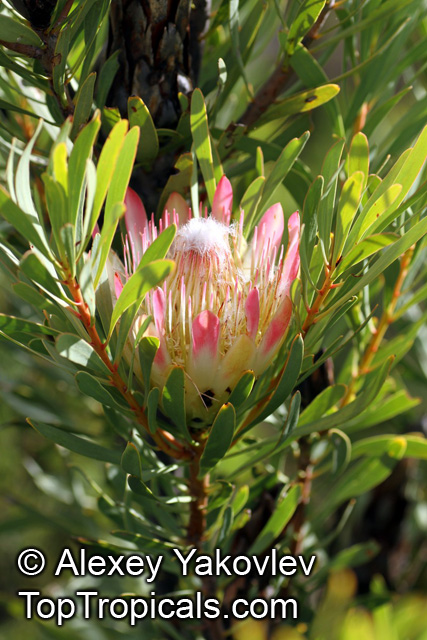
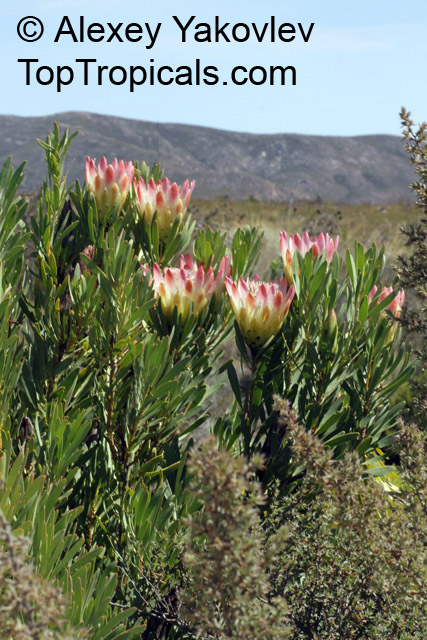
Botanical name: Protea roupelliae
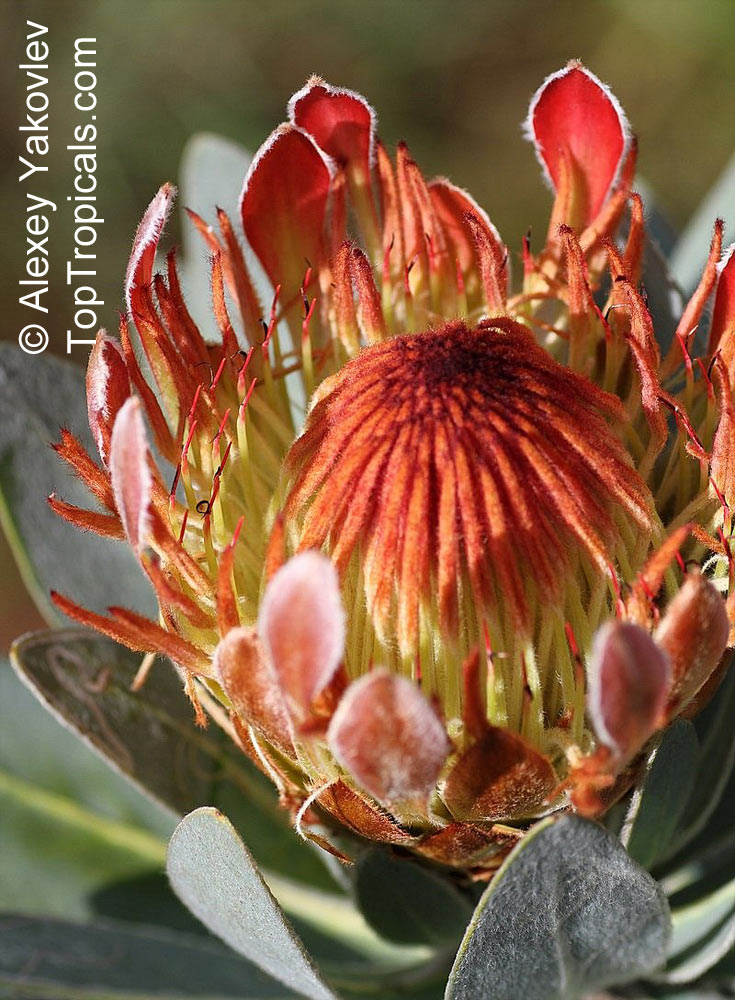
Common name: Silver sugarbush
Family: Proteaceae
Origin: South Africa

The Protea roupelliae is a large shrub native to South Africa that typically grows to between 5-10 feet tall, but under the right conditions, it can develop into a small tree 10-20 feet tall. This very showy protea prefers full sun to partial shade and moderate water. Clusters of fragrant, pink flowers bloom in spring and summer, while in winter and fall, the red and crimson vinous flowers can be seen.
The Protea roupelliae is an attractive plant for hummingbirds and butterflies. With its showy flowers, it makes for a great accent plant in any garden. Even better, its mature plant is quite cold hardy and can withstand temperatures as low as the 30s F for a short time. Grown in USDA Zone 9-11, it is sure to bring color and life into any garden.
When growing Protea roupelliae in a pot, be sure to choose a container large enough to accommodate the mature root system and to provide plenty of drainage. Depending on the climate, provide protection when temperatures drop into the 30s F and above. Avoid excessive water during the winter and make sure the pot has good drainage. To ensure the best possible results, choose a high-quality potting soil that drains well and fertilize with a balanced plant food in spring and summer.
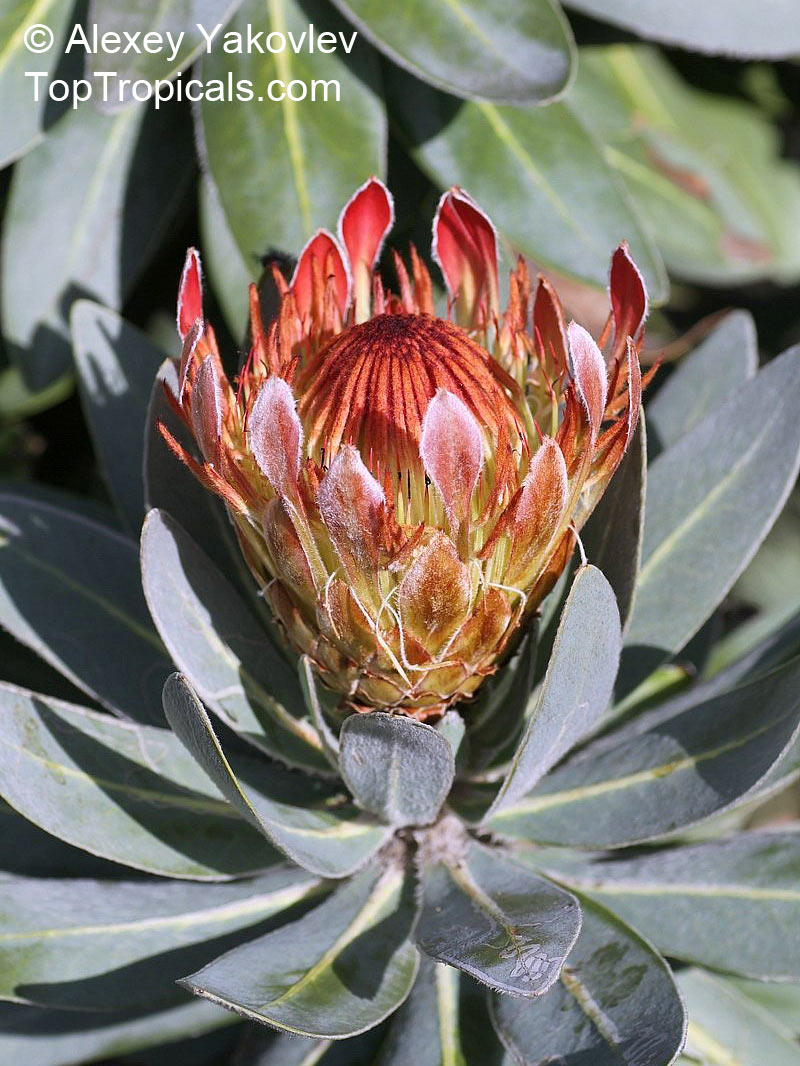

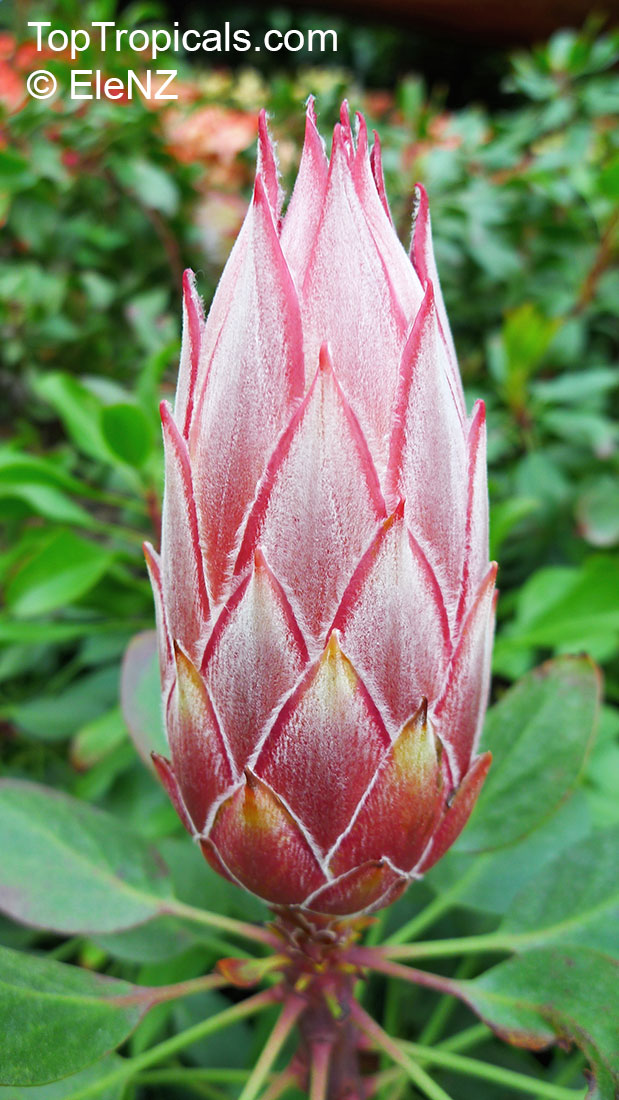
Botanical name: Protea sp.
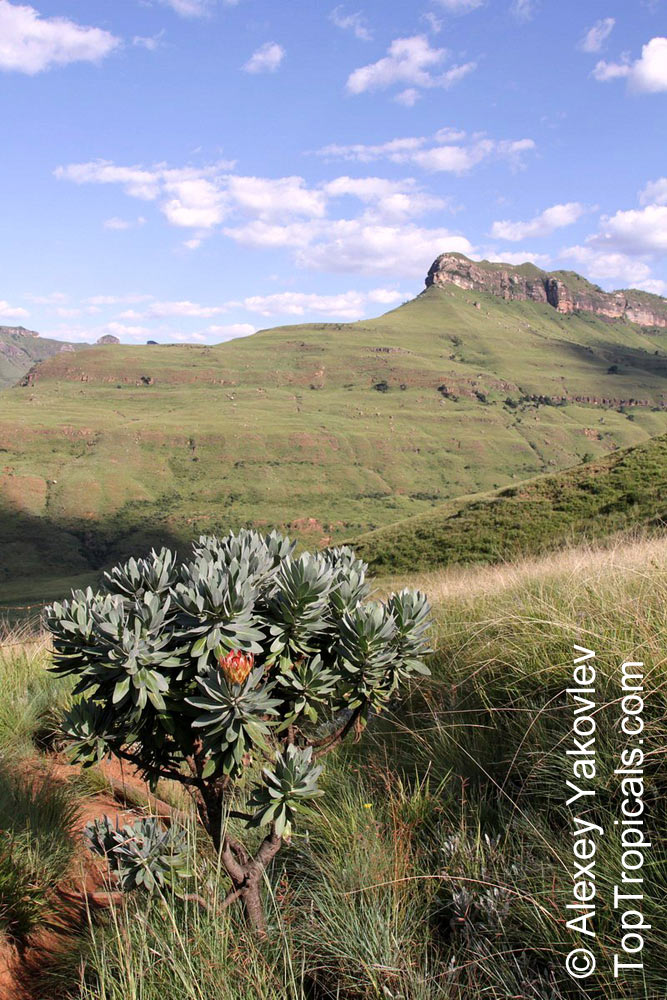
Common name: Sugarbush
Family: Proteaceae
Origin: Africa
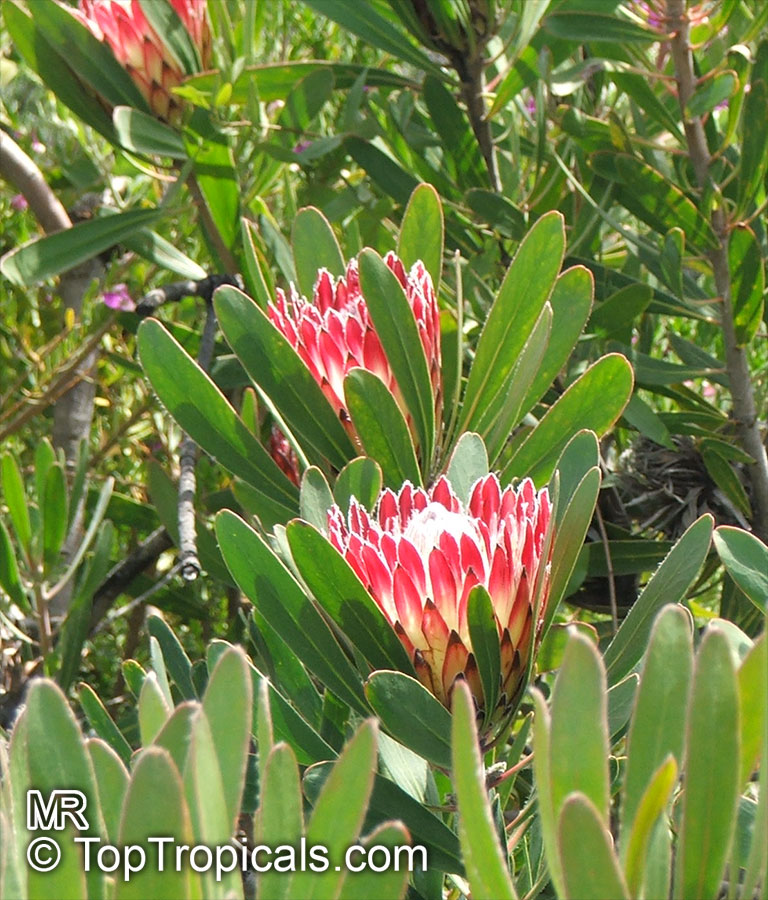
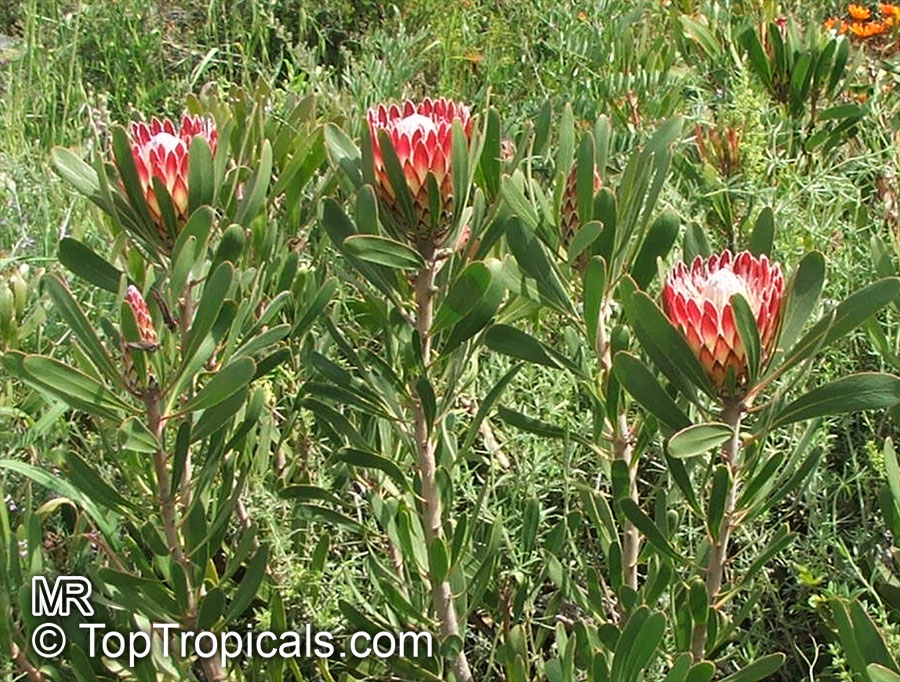
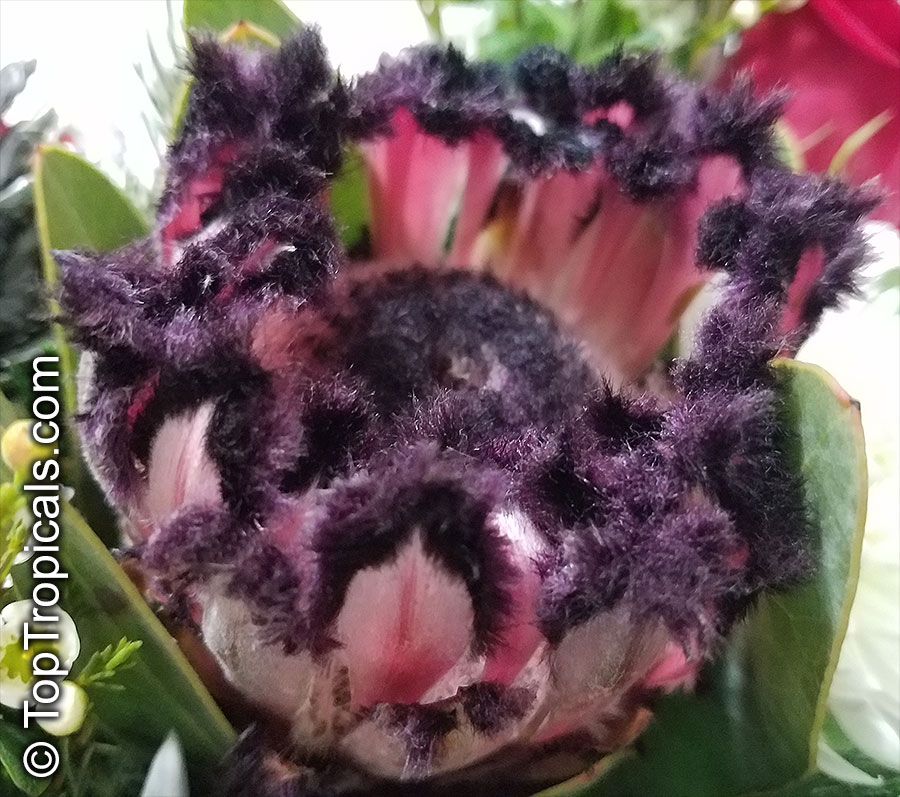
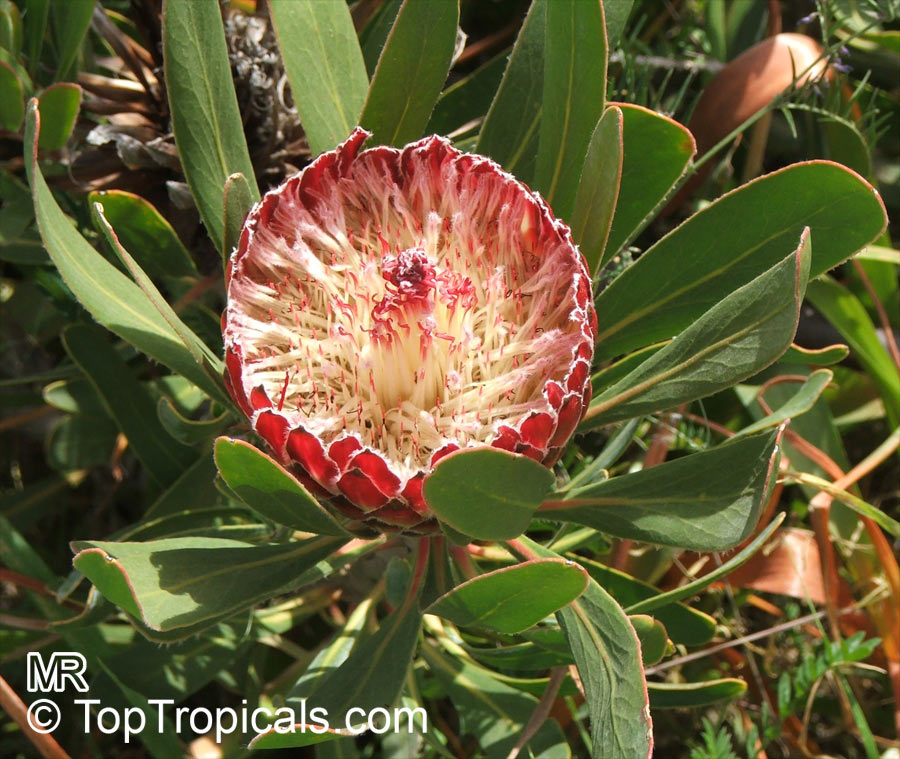
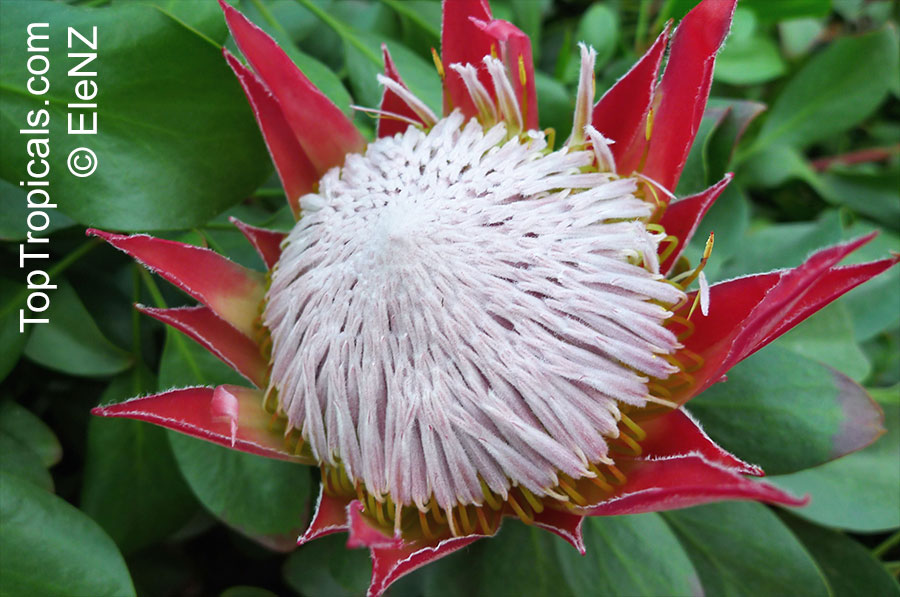
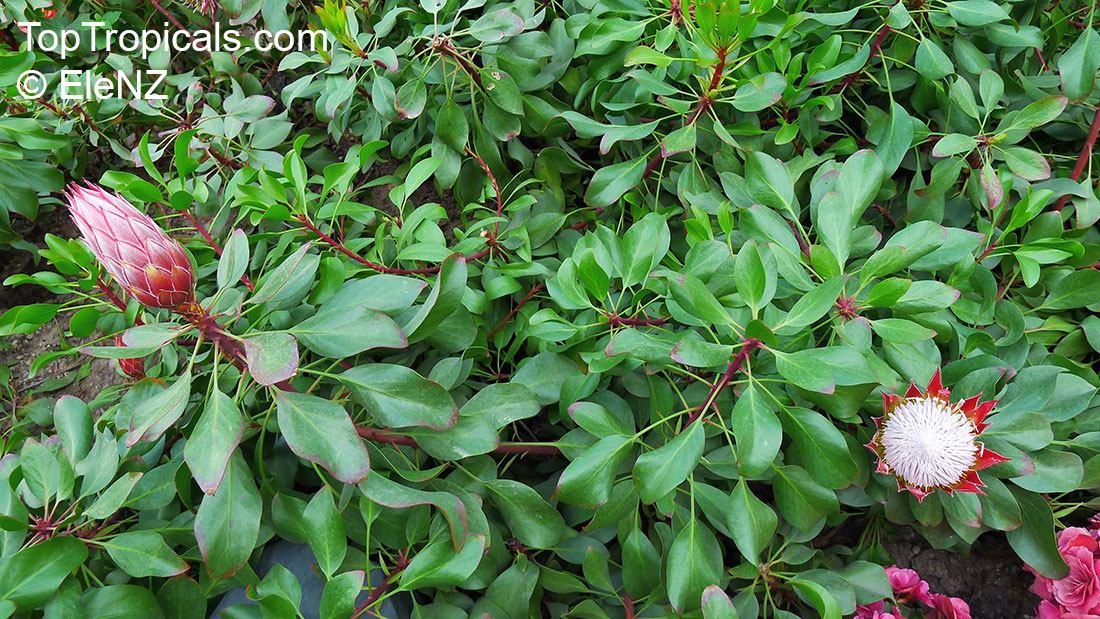
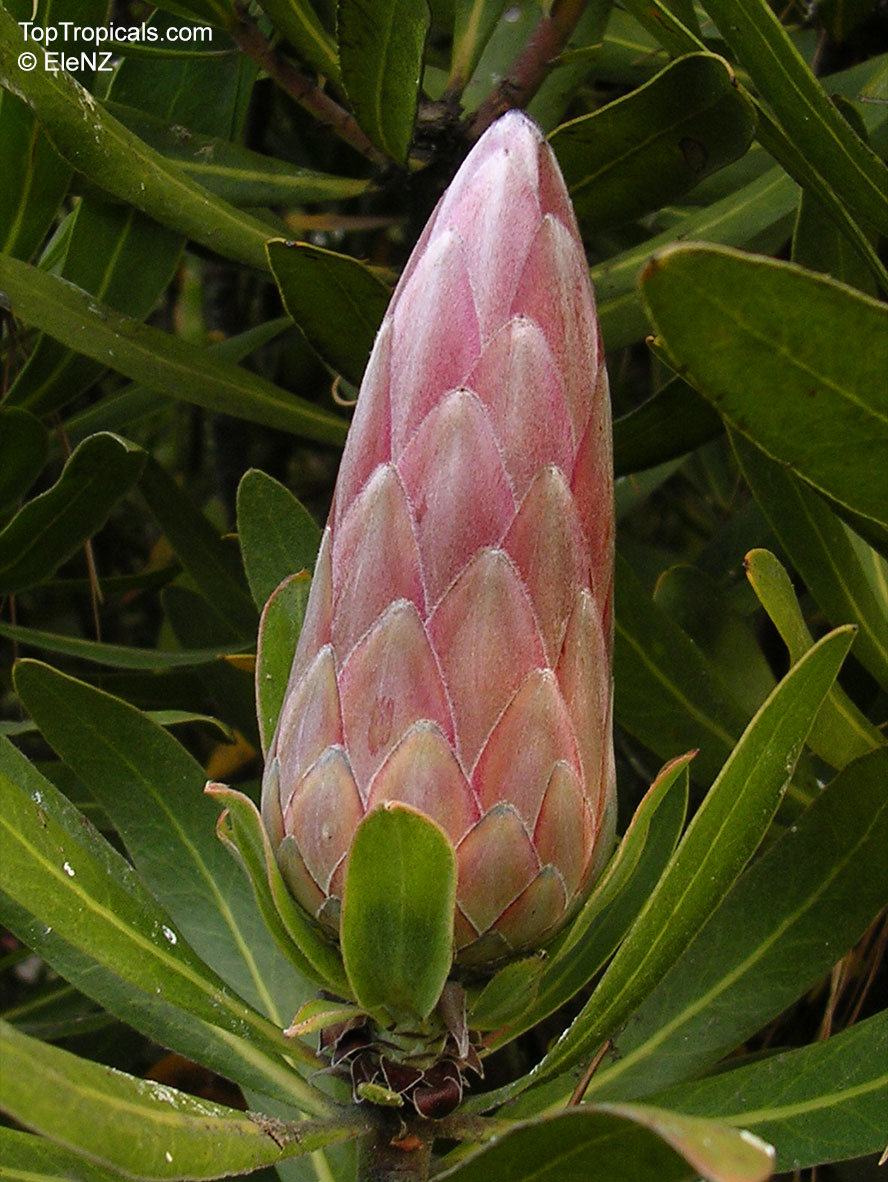
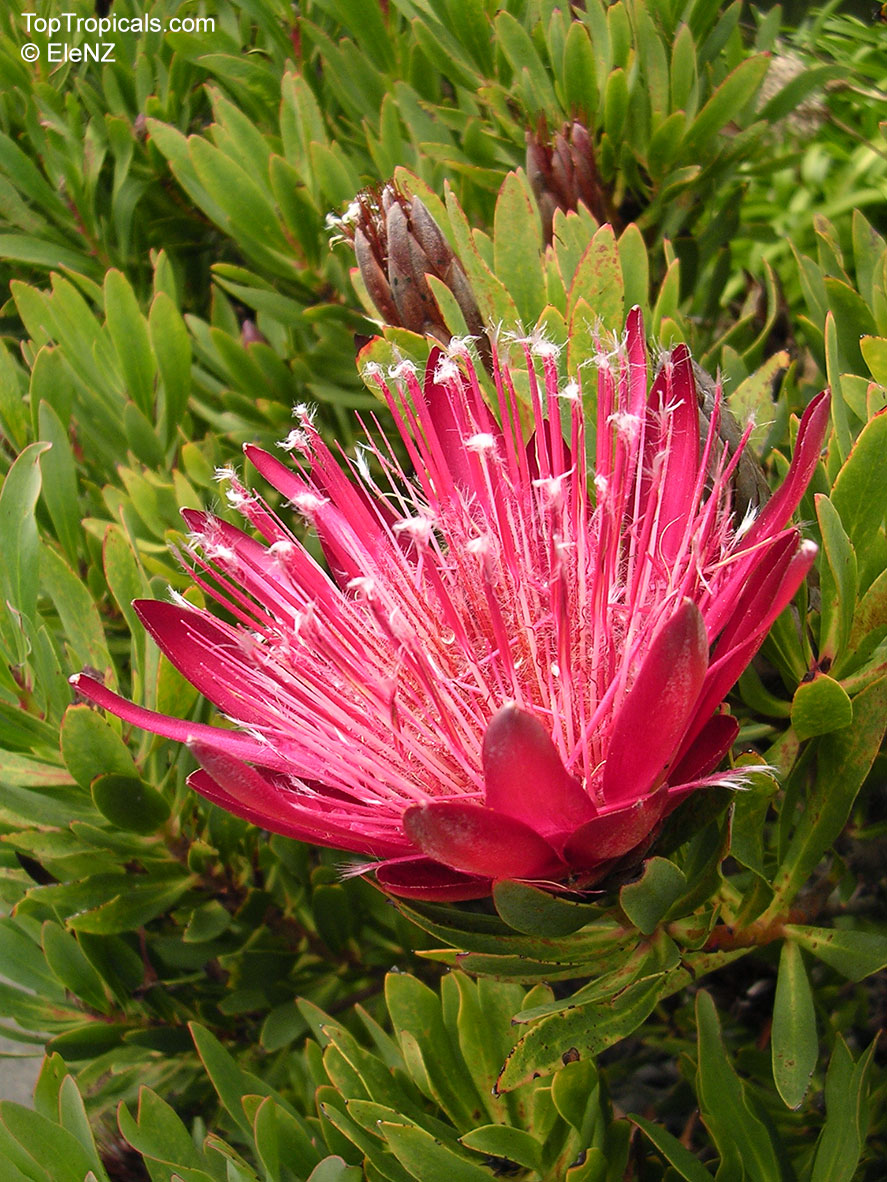
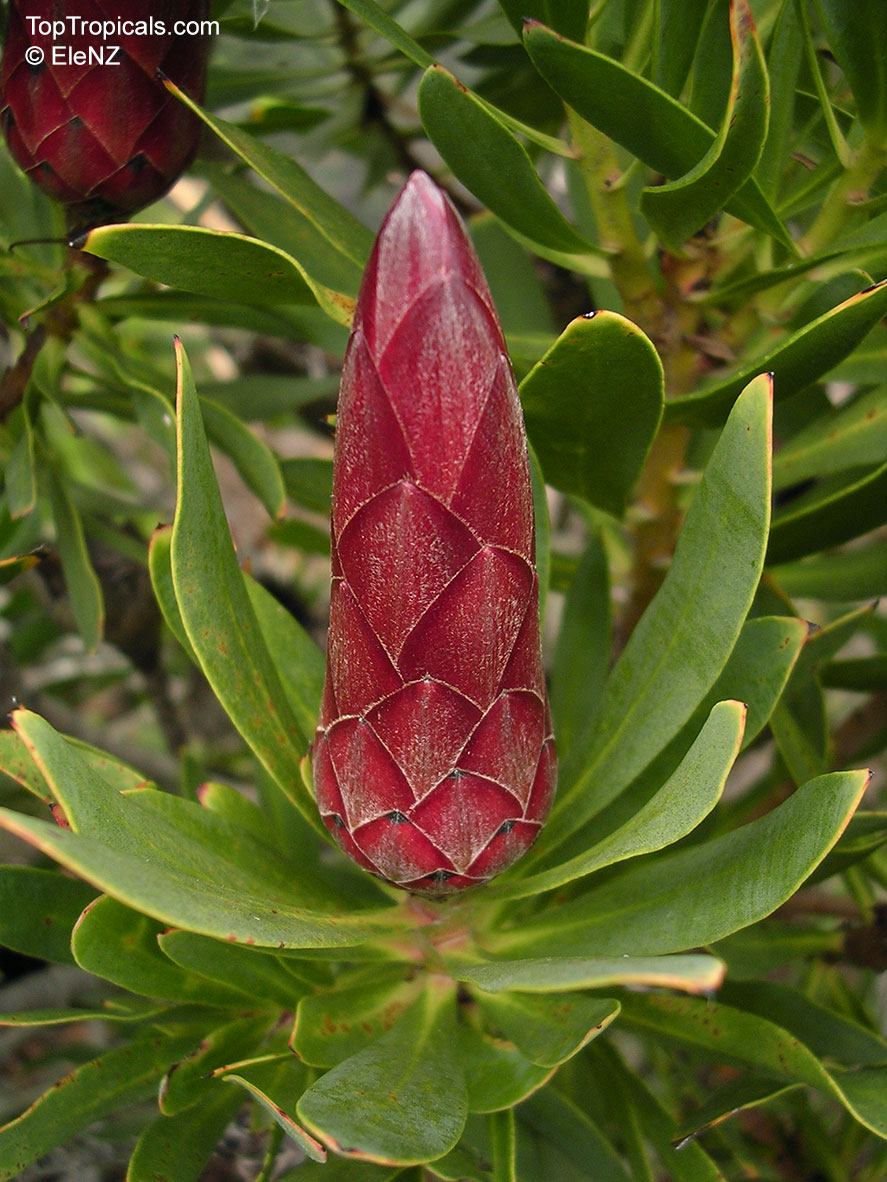
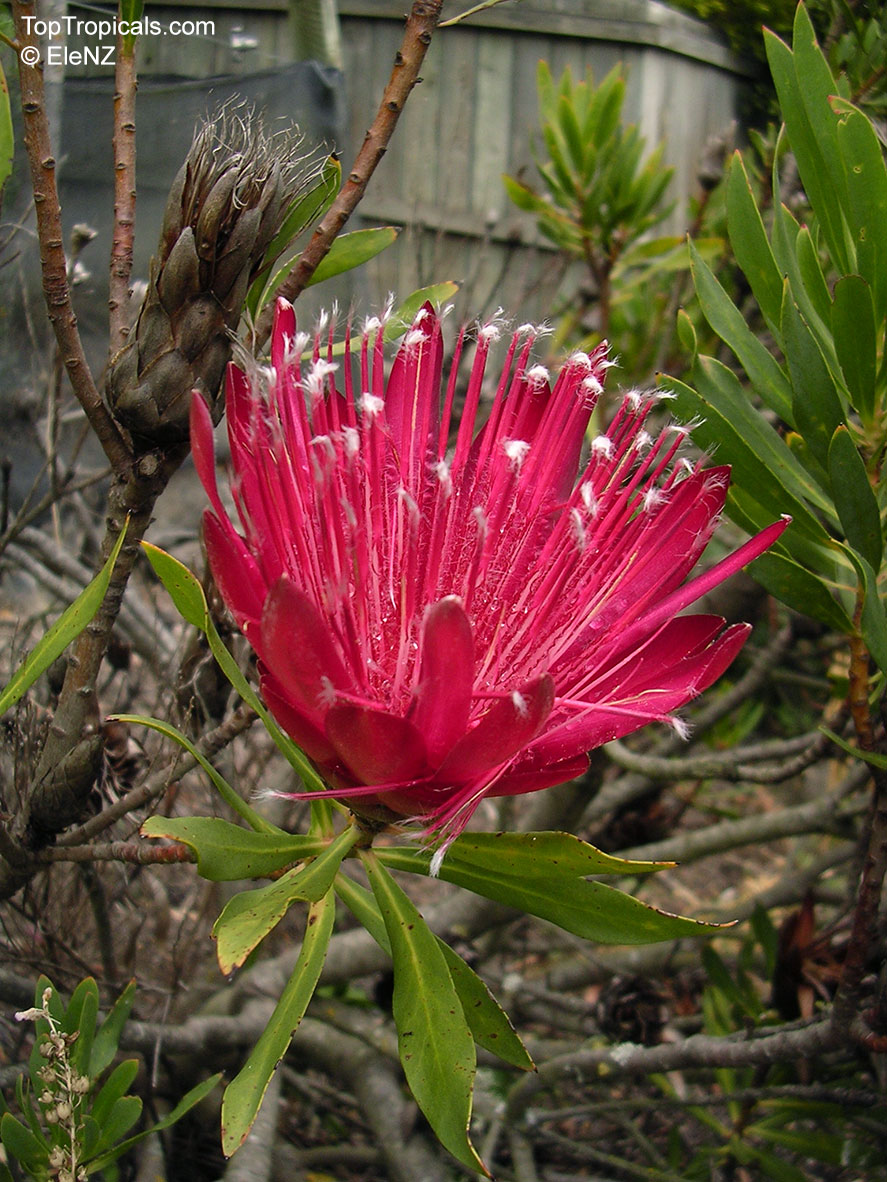
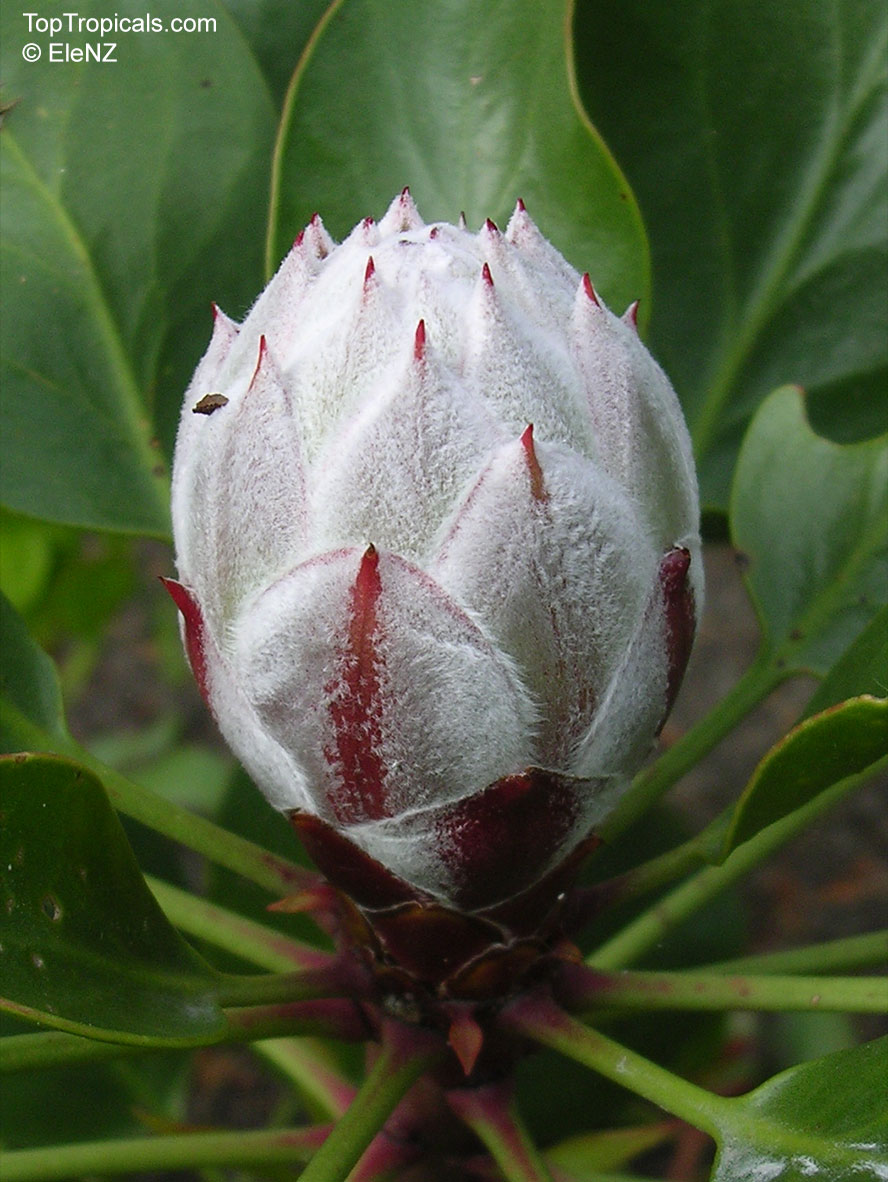
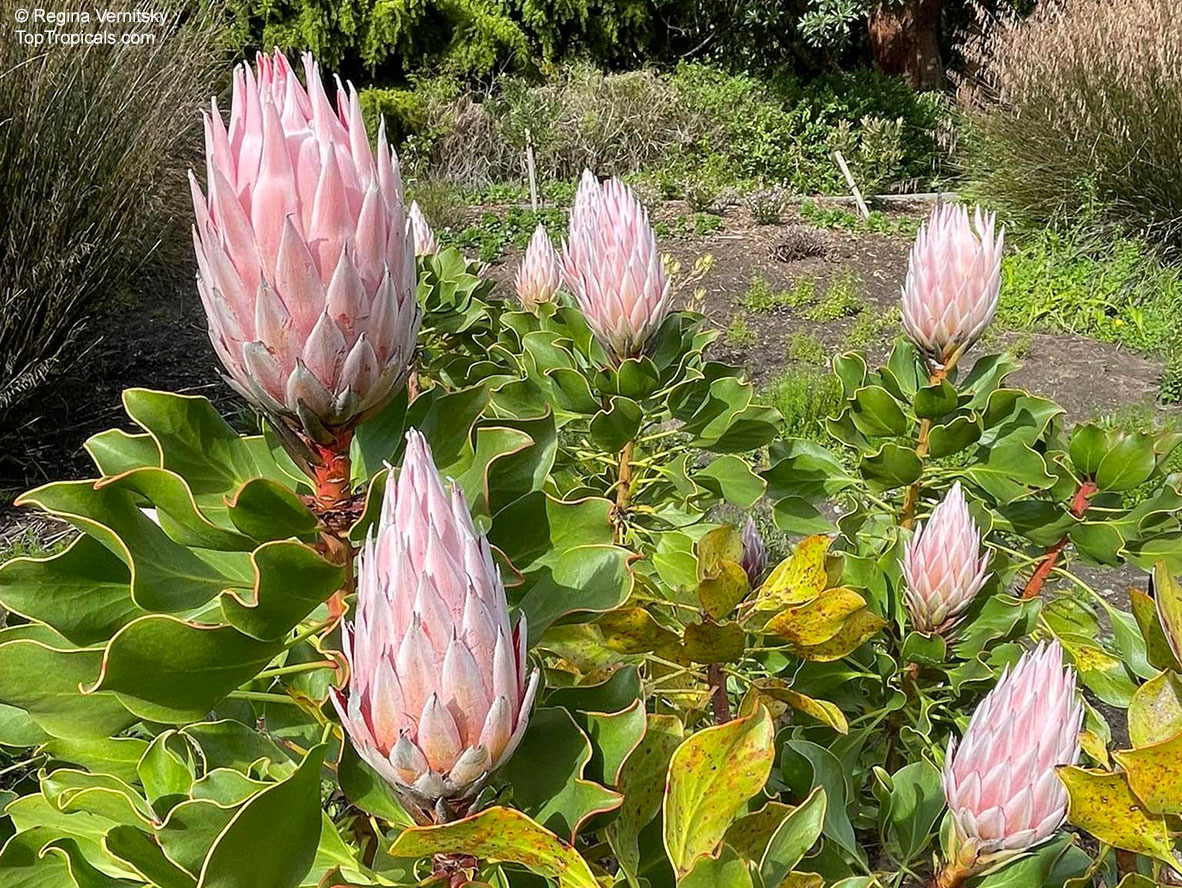
The genus Protea, which has more than 92 species, subspecies and varieties. The amazing variety in plant size, habit, flower size and color of the genus Protea was the reason it was named after the Greek god Proteus, who could change his shape at will.
Often difficult to grow, proteas prefer an open, sunny position with light, usually acidic, well-drained soil. They can cope with occasional light frosts, but young plants need protection during their two winters. Prune after flowering to maintain shape and promote new growth.
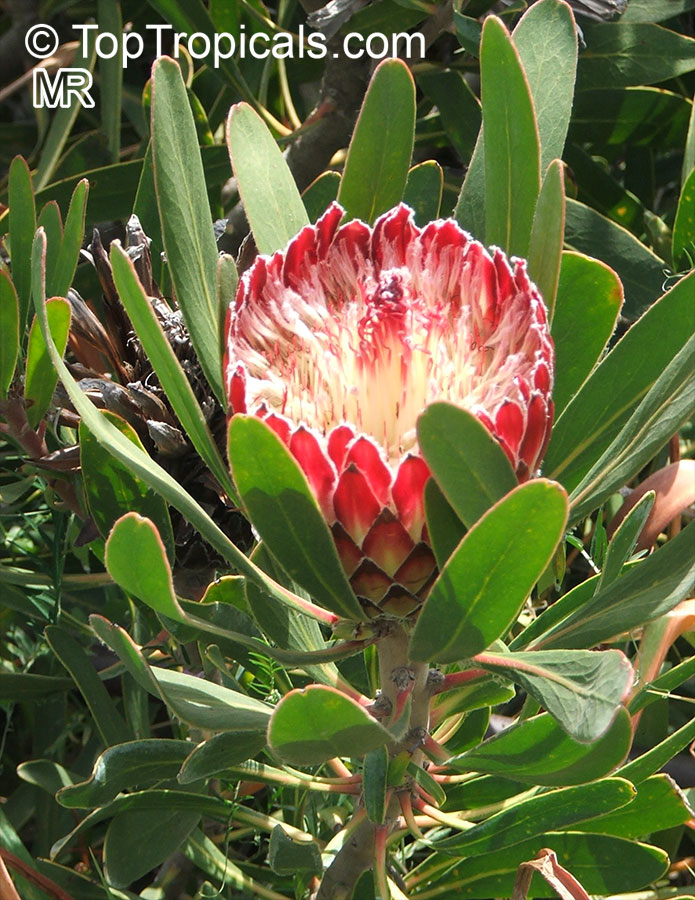
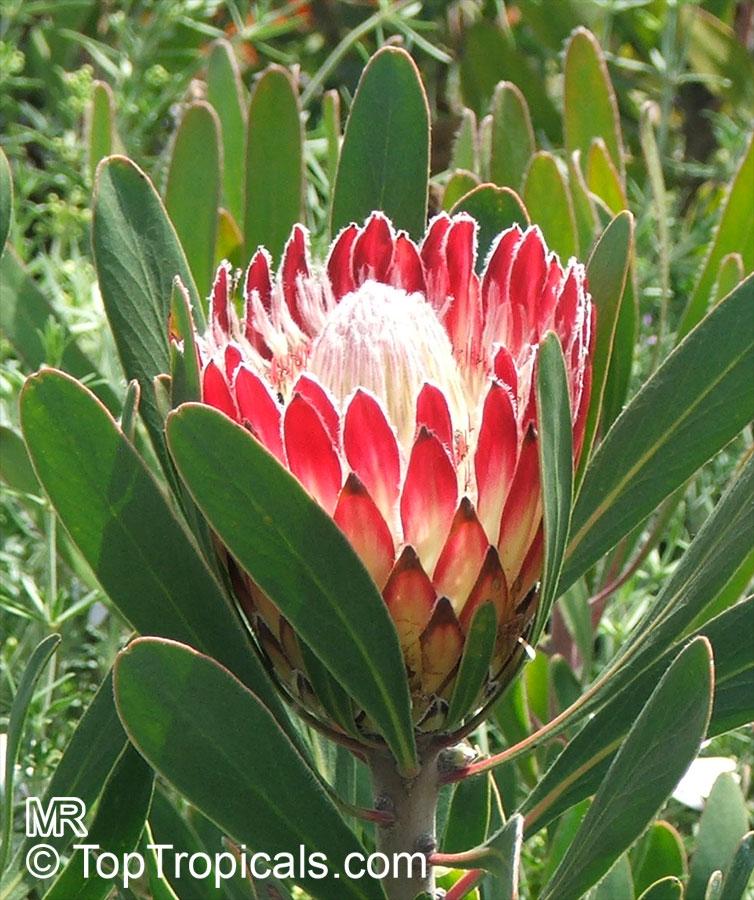


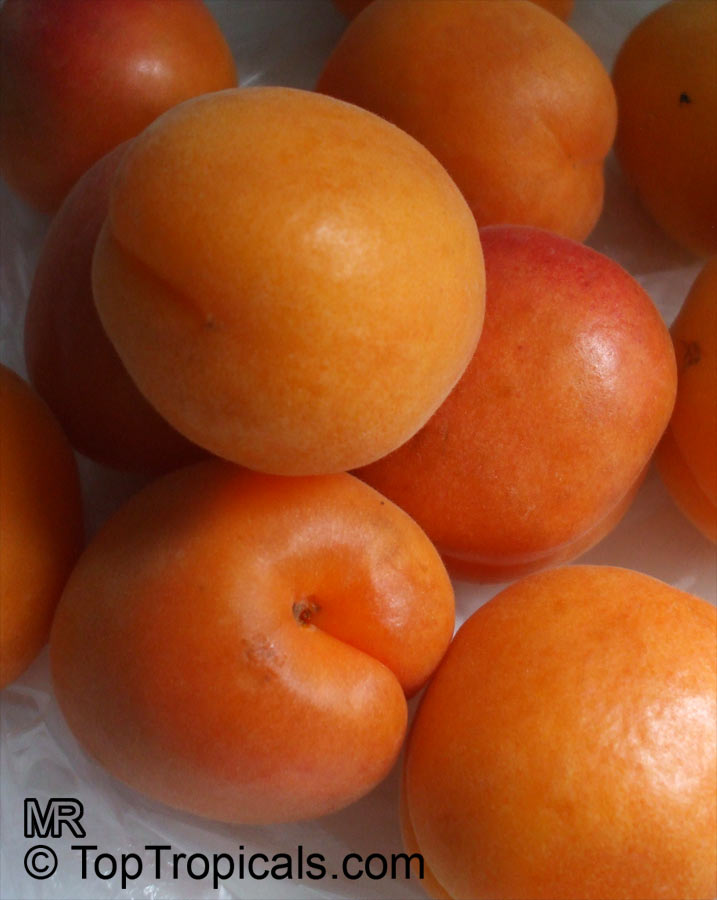
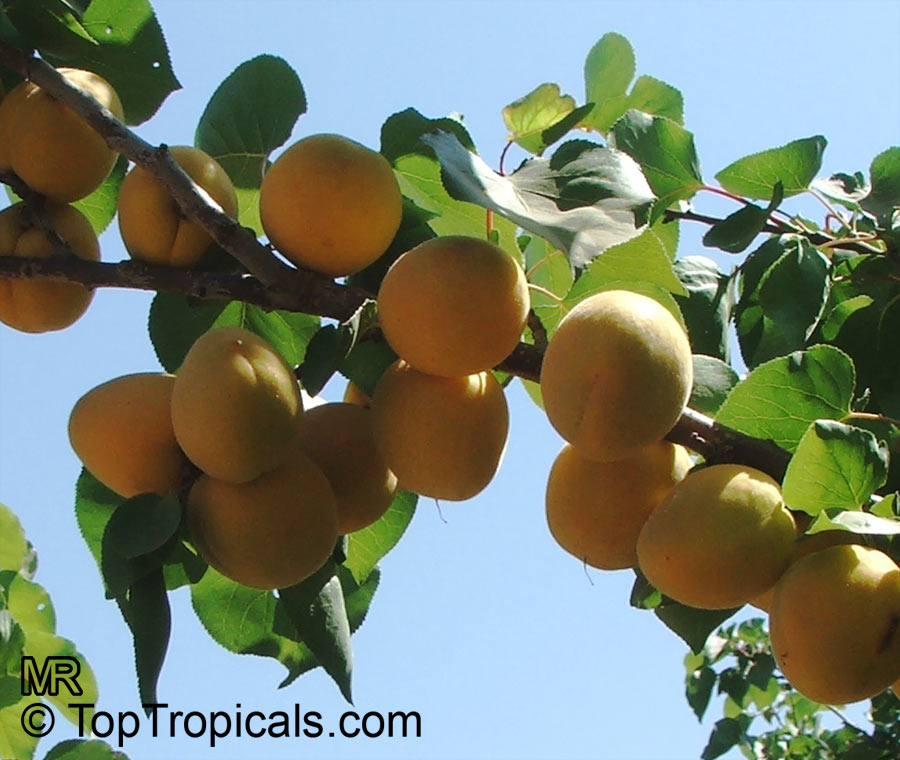
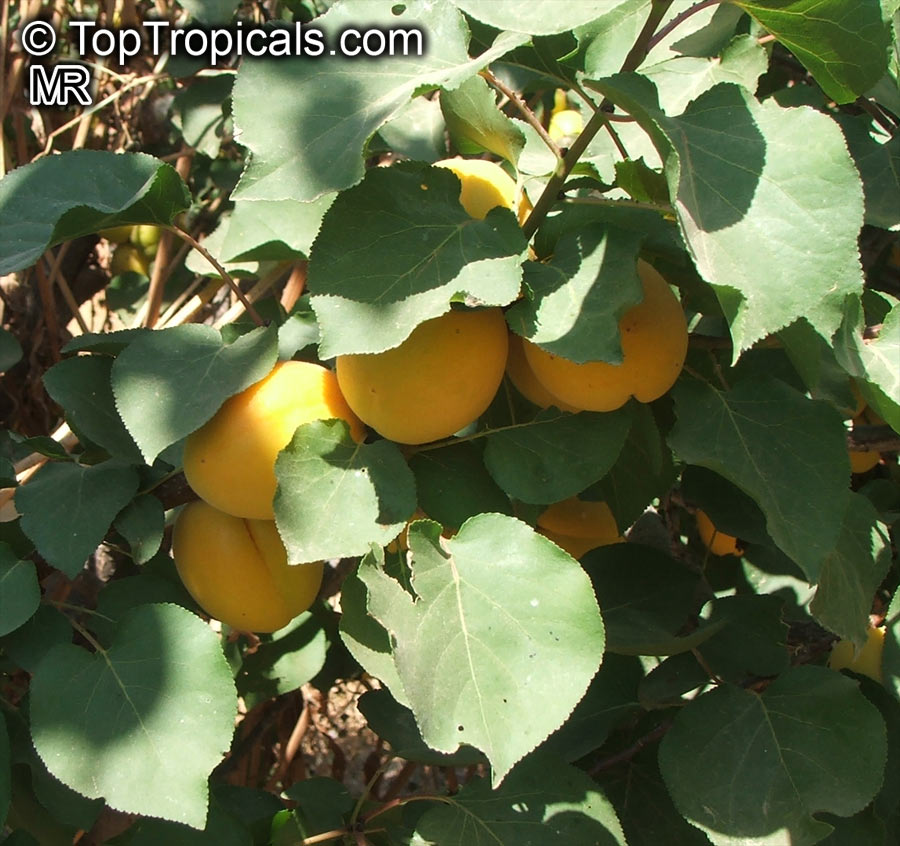
Botanical names: Prunus armeniaca, Amygdalus armeniaca
Common name: Apricot
Family: Rosaceae
Origin: Asia


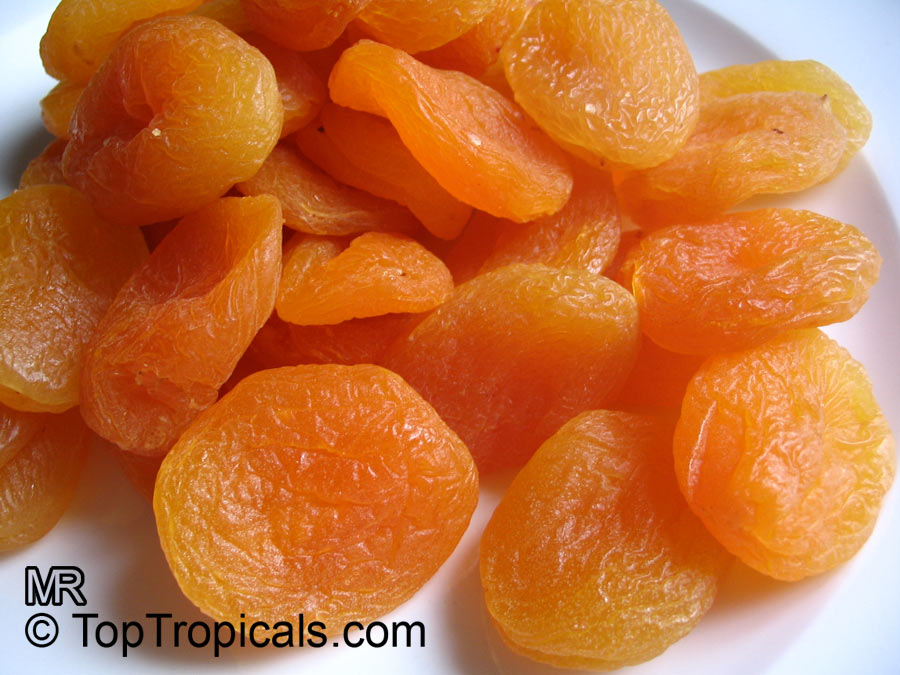
They are extremely rich in beta-carotene, and are an excellent source of vitamin A, vitamin B, and other nutrients. They also have a low Glycemic Index, which means that dried apricots have a low impact on blood sugar levels. Apricots are very high in antioxidants and are packed with essential dietary fibers, minerals, and vitamins.
Prunus armeniaca, commonly known as Apricot, is a small deciduous tree growing to a height of 10-20 feet. Native to Asia, Apricot has large pink and white or off-white flowers that attract hummingbirds and butterflies. The tree is highly drought tolerant and thrives in full sun with moderate water. It is a cold hardy plant and is suitable for growing in USDA zones 5-9.
Apricot fruits are drupes, similar in size to small peaches, and typically range from yellow to orange in color. They are rich in beta-carotene, vitamin A, vitamin B, and other essential nutrients, making them a nutritious snack or ingredient. They also have a low Glycemic Index and are very high in antioxidants. Apricot trees can be prolific producers, typically yielding between 30 and 50 pounds of fruit per tree annually. The fruit can be consumed fresh or dried, while the apricot kernels can be used in cooking or to make medicinal extracts.

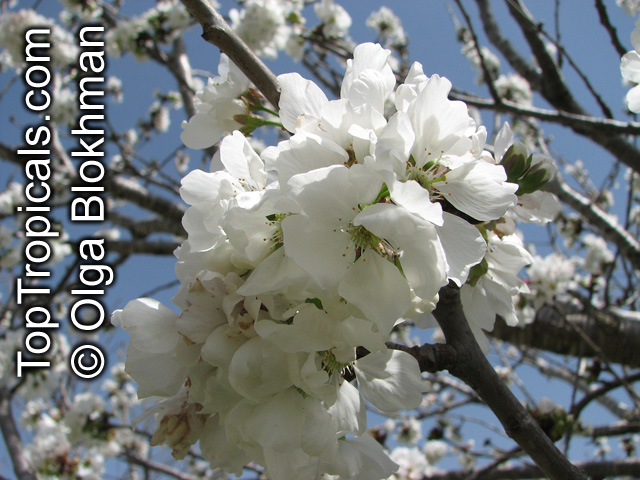
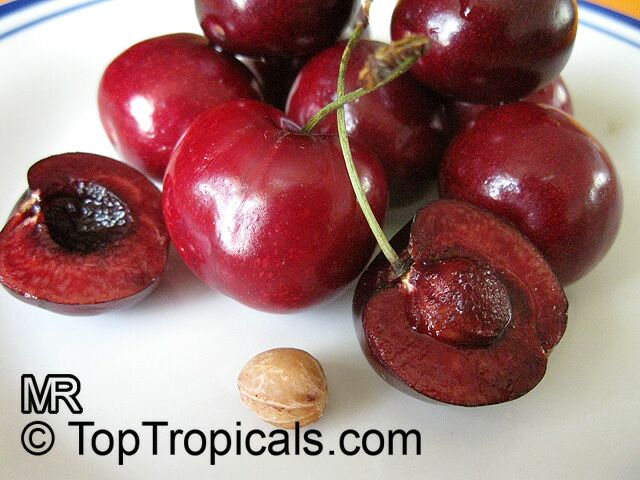
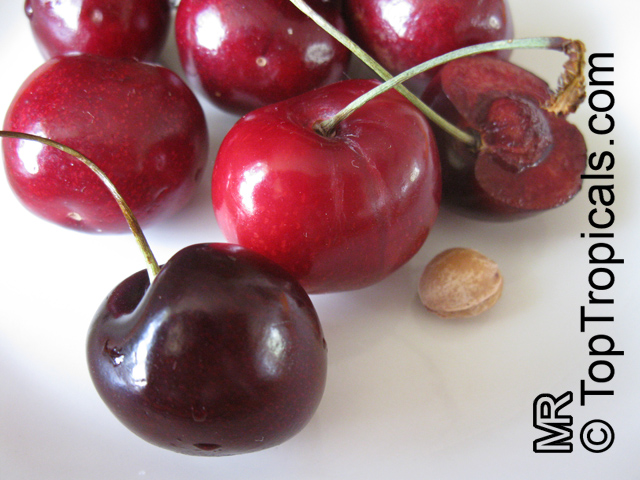
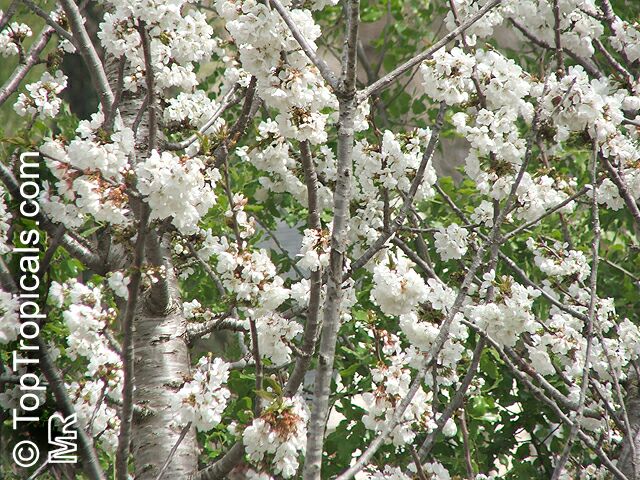
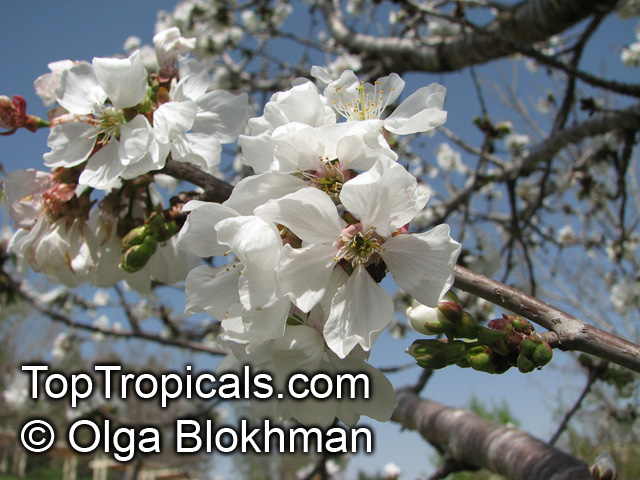
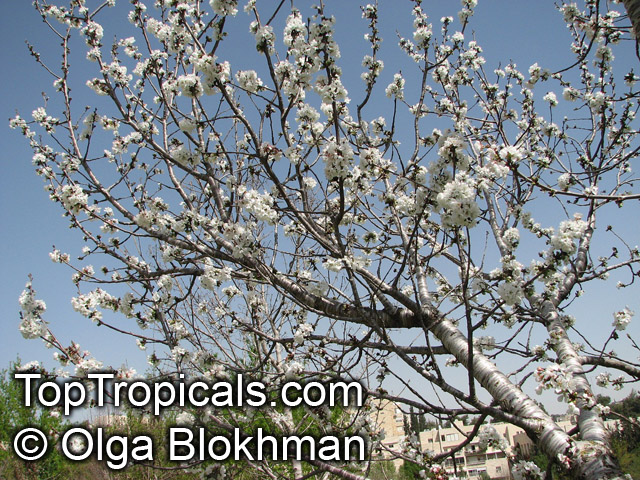
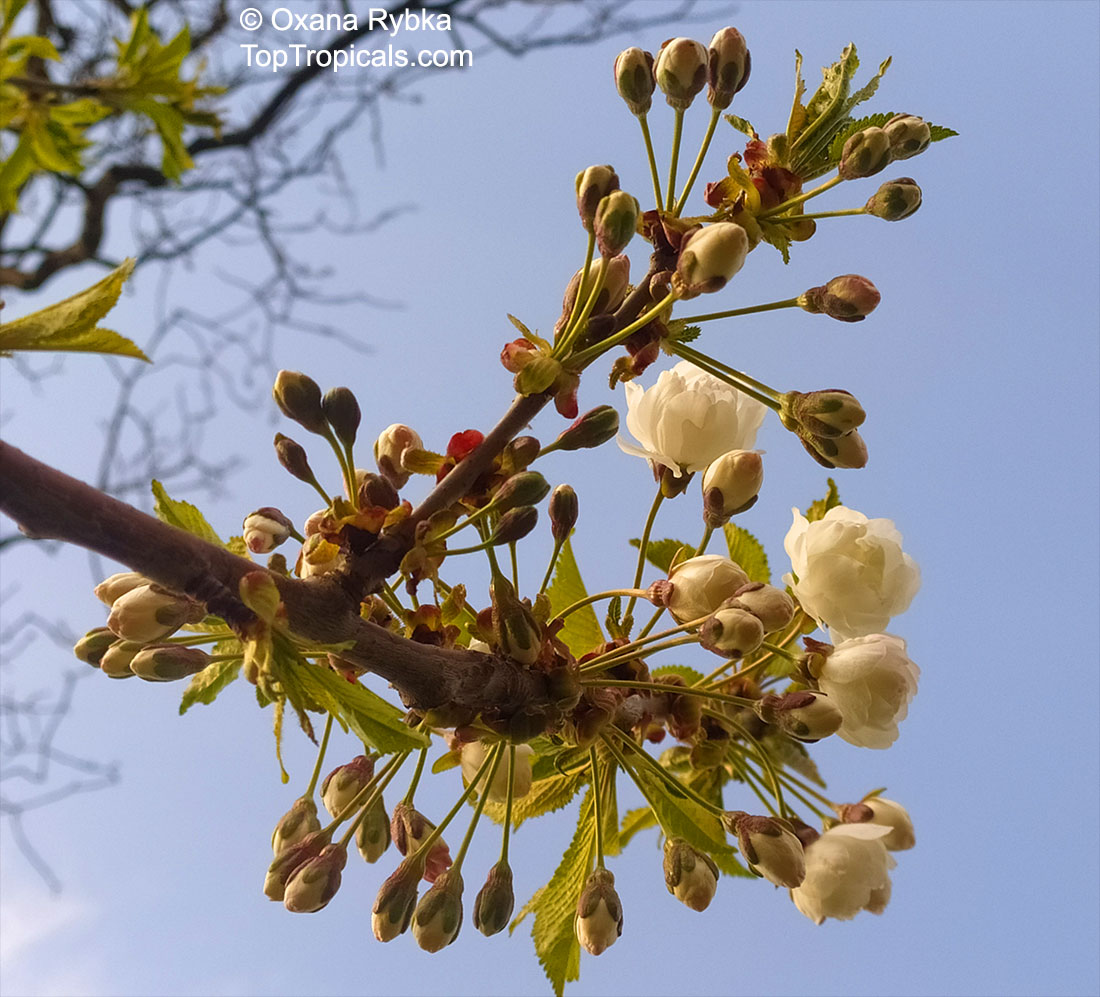
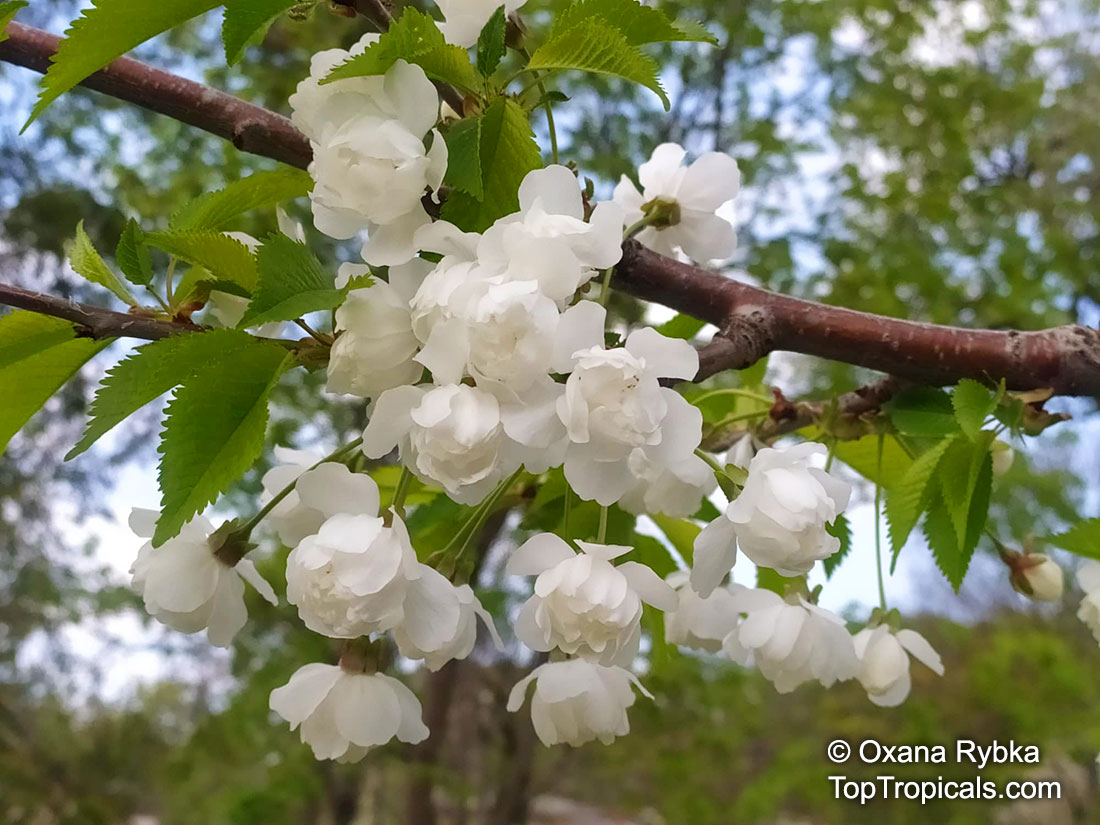

Botanical name: Prunus campanulata
Common names: Taiwan Cherry, Formosan Cherry
Family: Rosaceae
Origin: Taiwan, South China
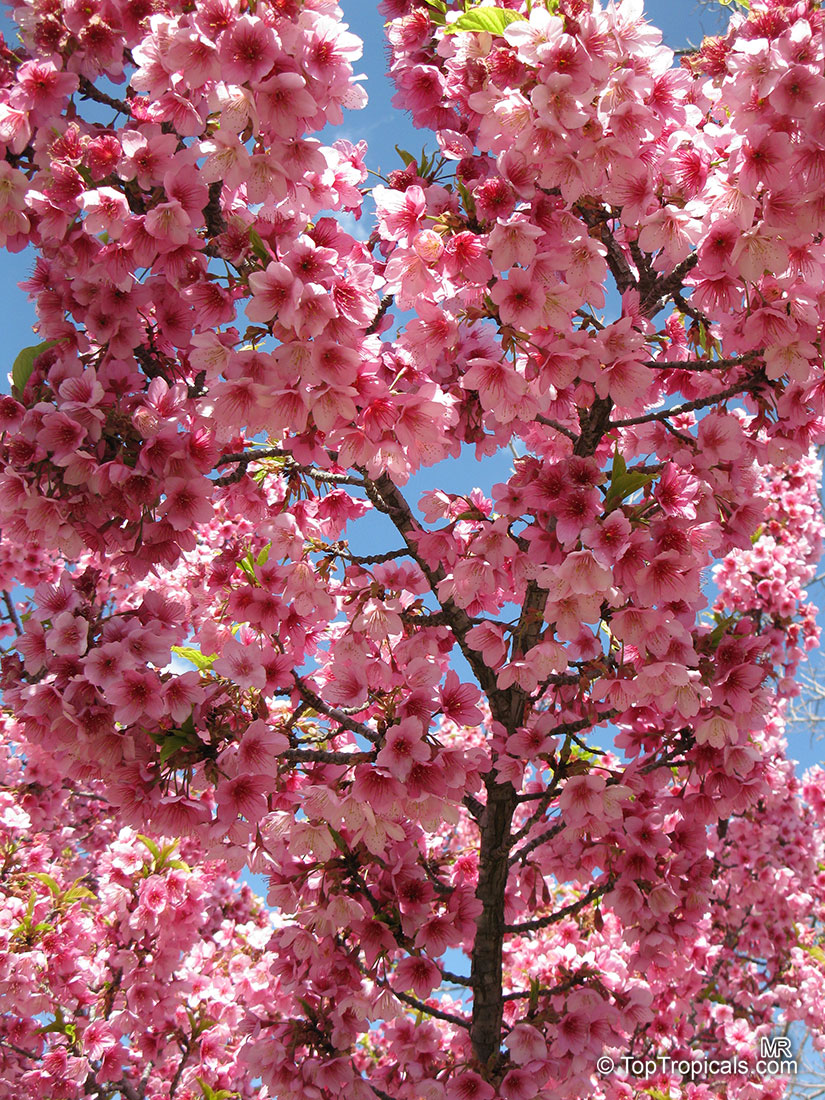
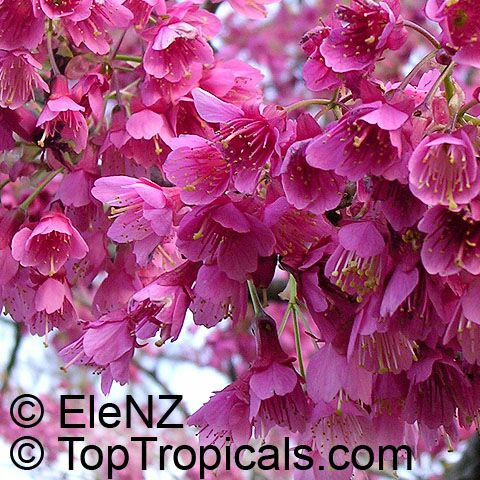
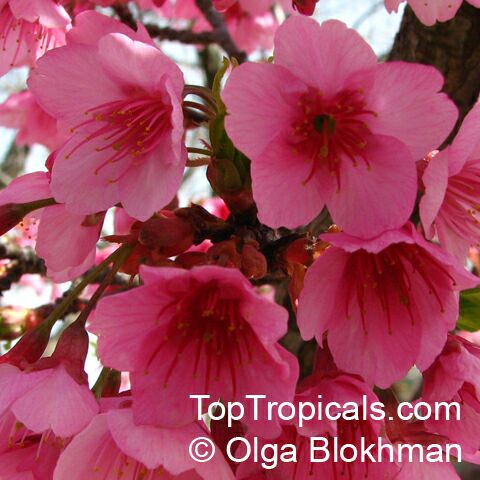
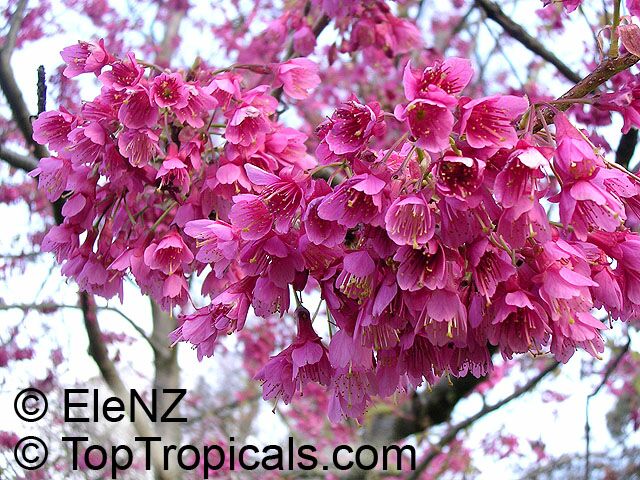
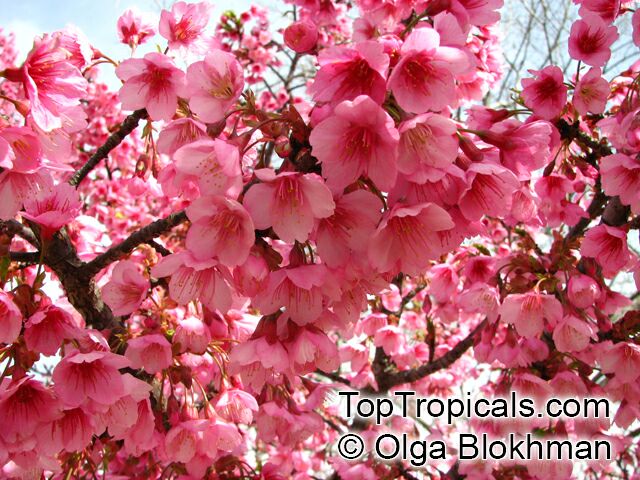
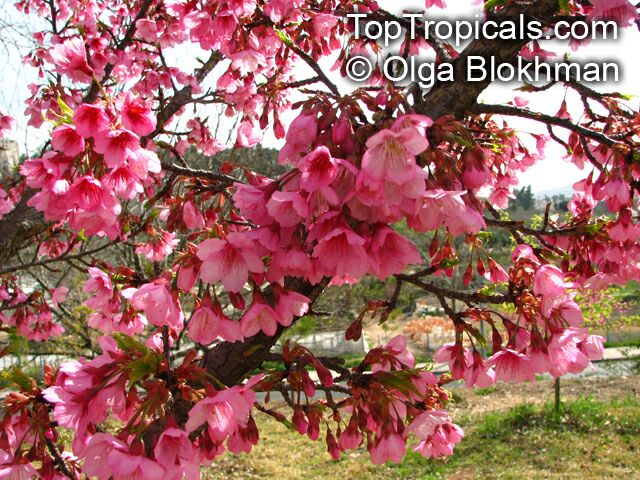
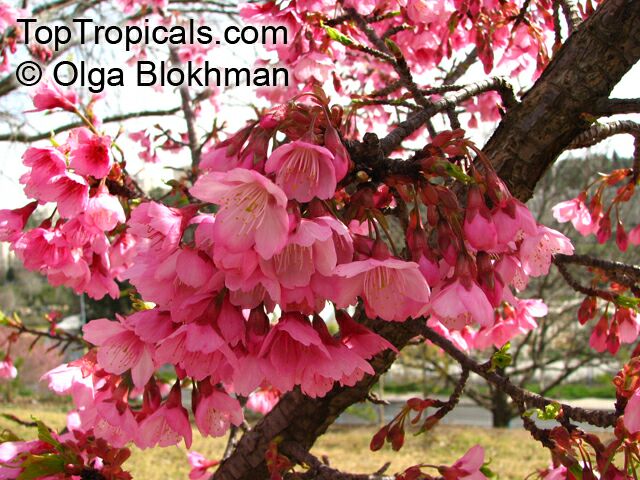
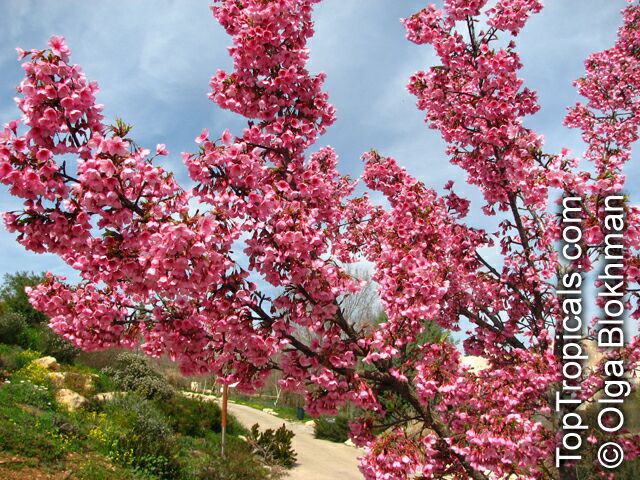
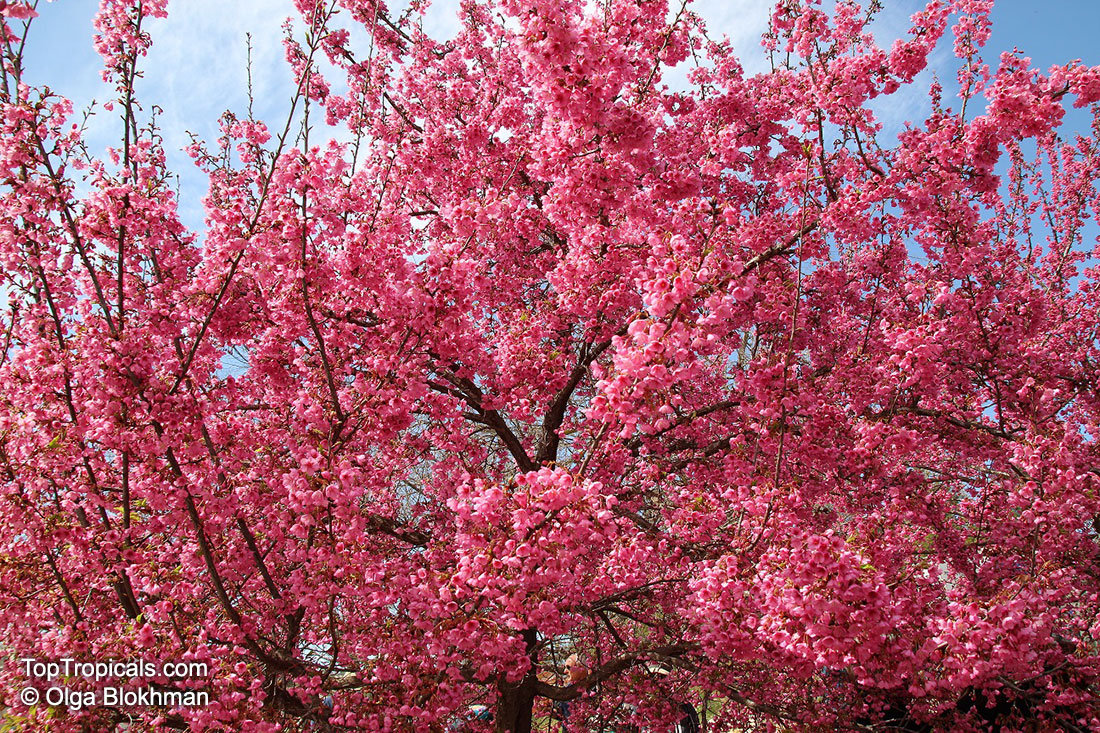
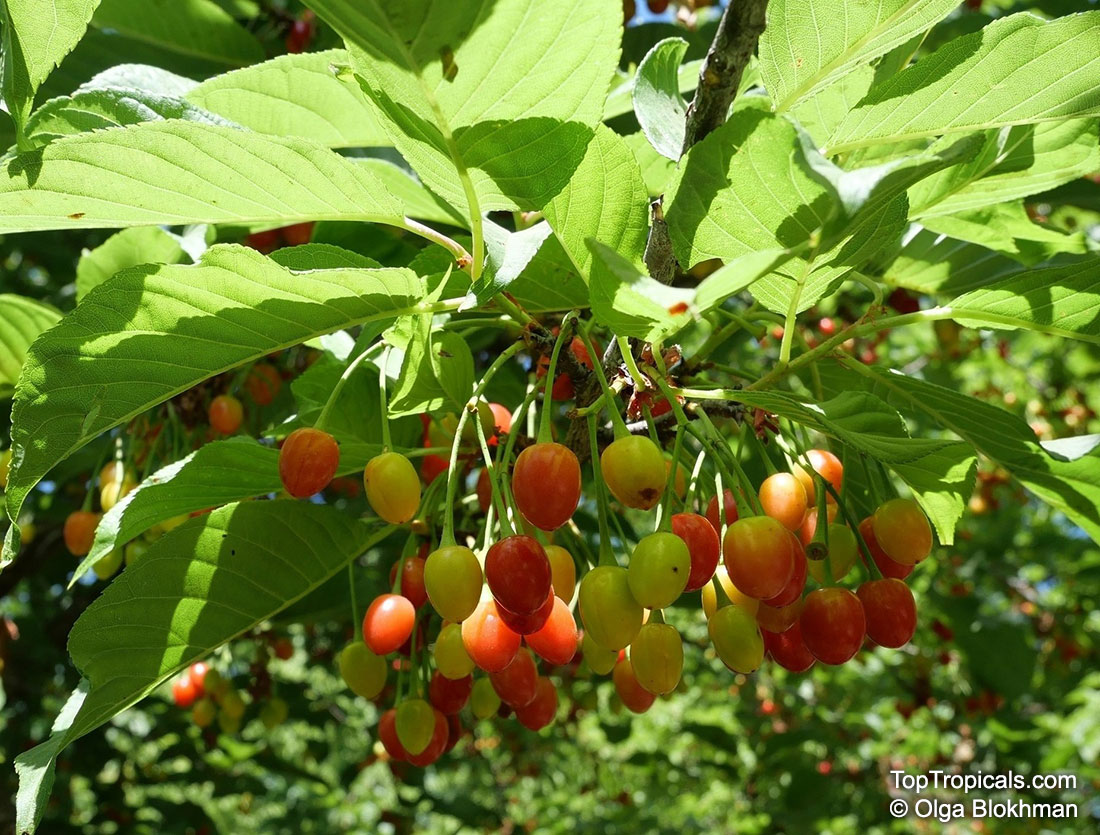
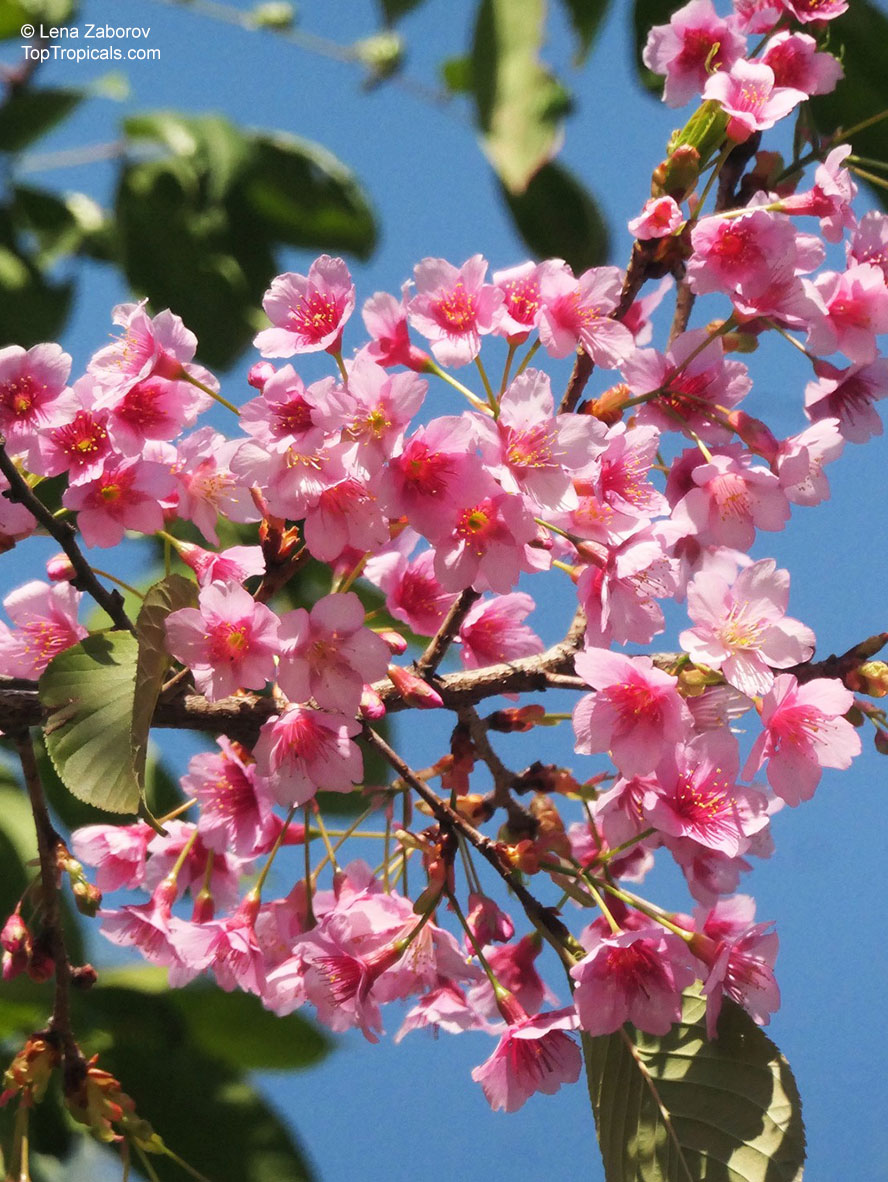
Prunus campanulata or Taiwan Cherry is an attractive and eye-catching small deciduous tree that grows to 10-20ft in height. Boasting an appealing reddish-brown bark that is smooth to the touch and coarsely serrated leaves, it is native to Taiwan and South China. This fast-growing tree produces an array of pink flowers and will attract butterflies, hummingbirds and other wildlife. It prefers full sun but can tolerate some semi-shade, though it will require regular garden watering and is well-suited to the USDA Zone 7-10 climate.
Plant in moist, well-drained soil. To encourage flowering, prune out any weak wood immediately after flowering season has finished. While young, protect from pests or frost. Taiwan Cherry can be maintained in a pot as a bonsai in cold regions, provided the right temperature and habitat conditions are provided. Ideal temperature should be between 50 and 70F. The pot should be placed in a well-lit area. The soil should be kept moist but not waterlogged. Feeding requires to be done twice a month, during spring and summer. It is important to note that the Taiwan Cherry is a deciduous plant, shedding its leaves during the winter season.

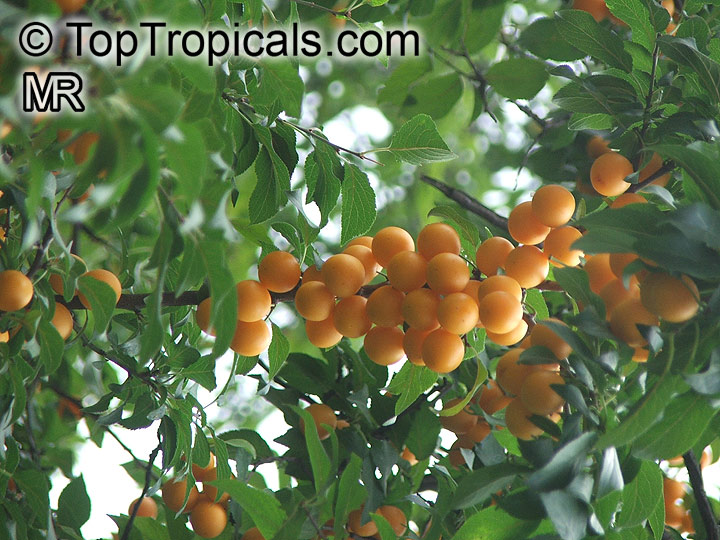
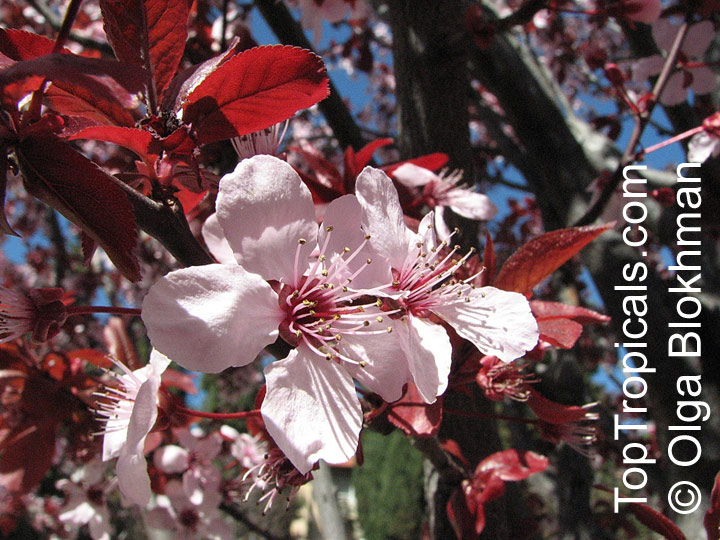
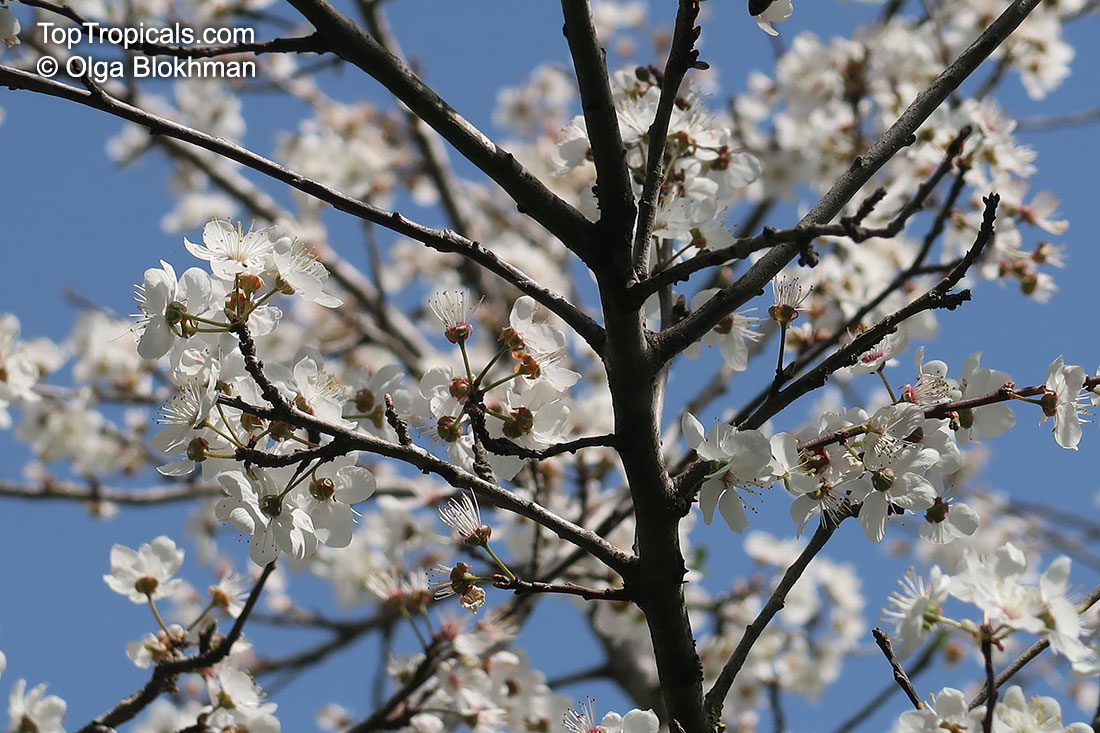
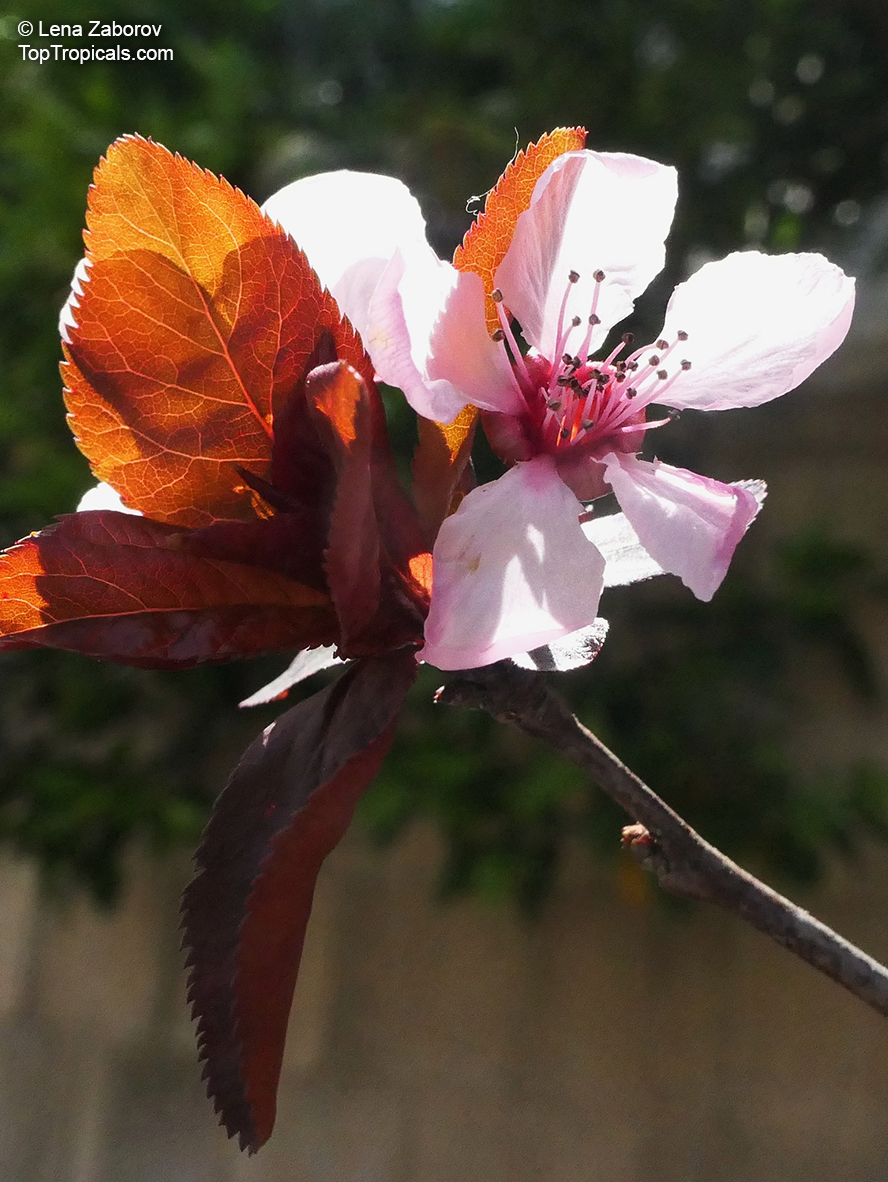
Botanical names: Prunus cerasifera, Prunus divaricata
Common names: Cherry Plum, Myrobalan Plum, St. Lukes Flowering Plum
Family: Rosaceae
Origin: Europe, Asia


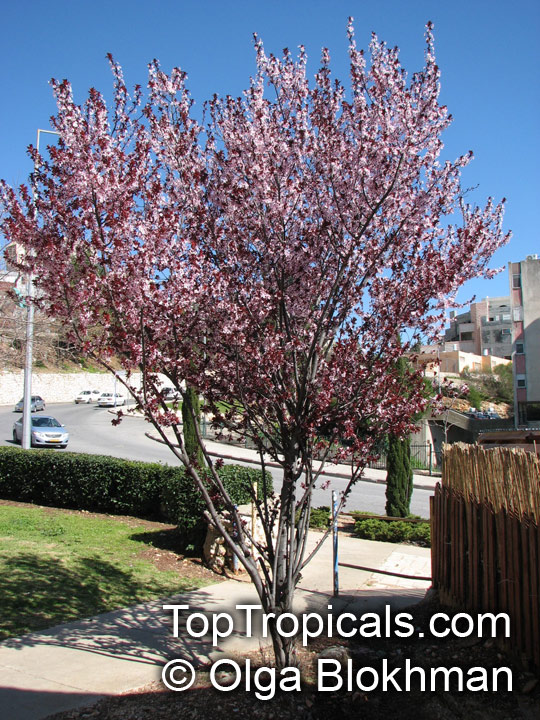
Wild types are large shrubs or small trees reaching 6-15 meters tall, with deciduous leaves 4 to 6 centimeters long.
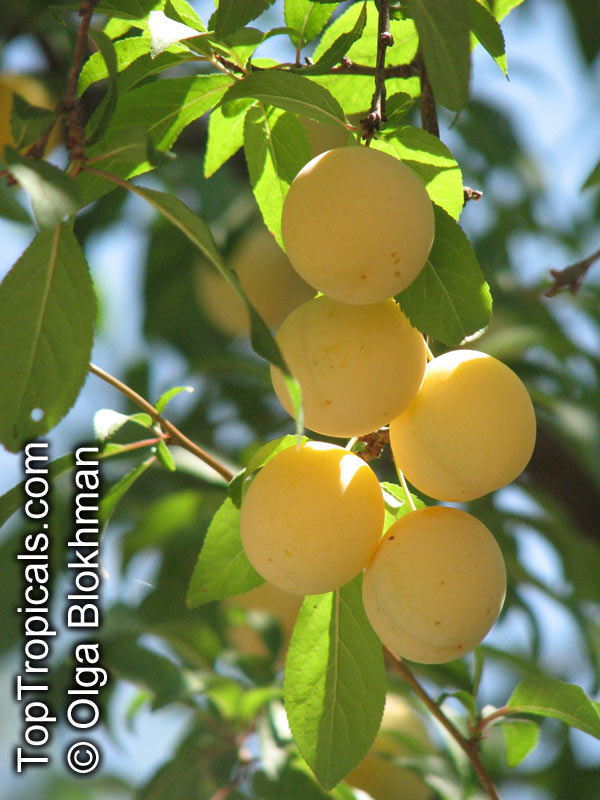
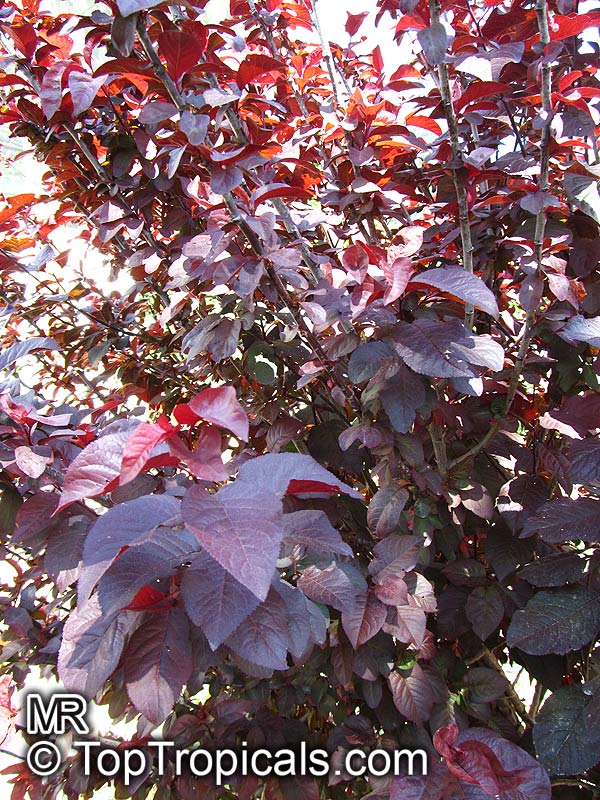
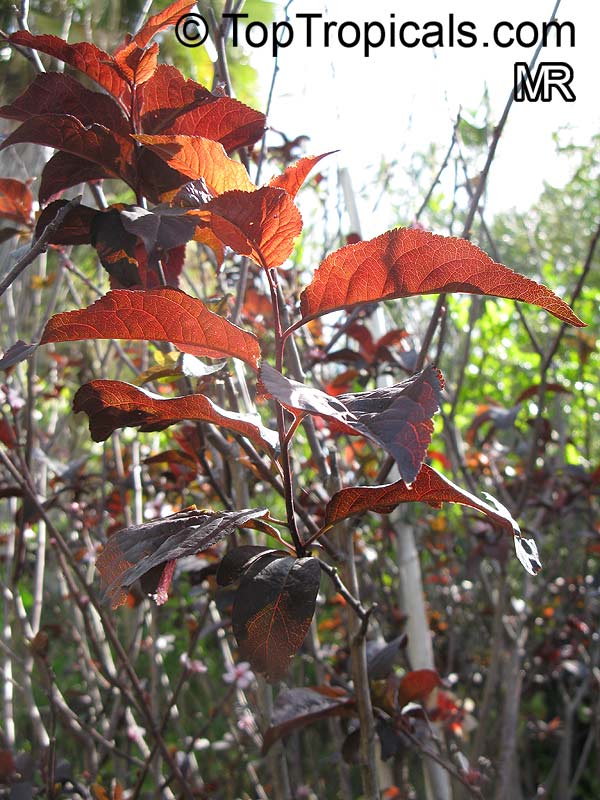
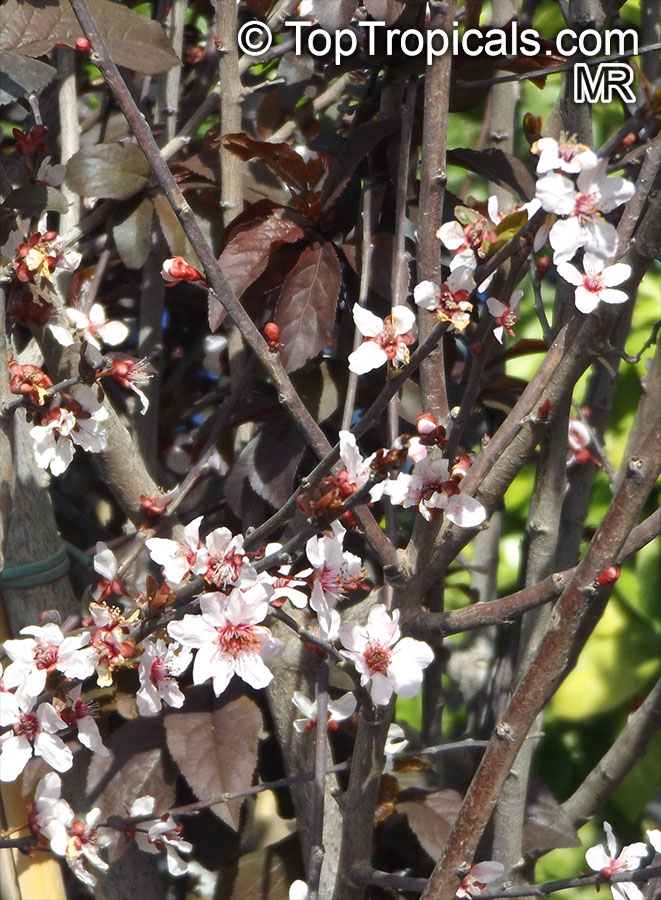
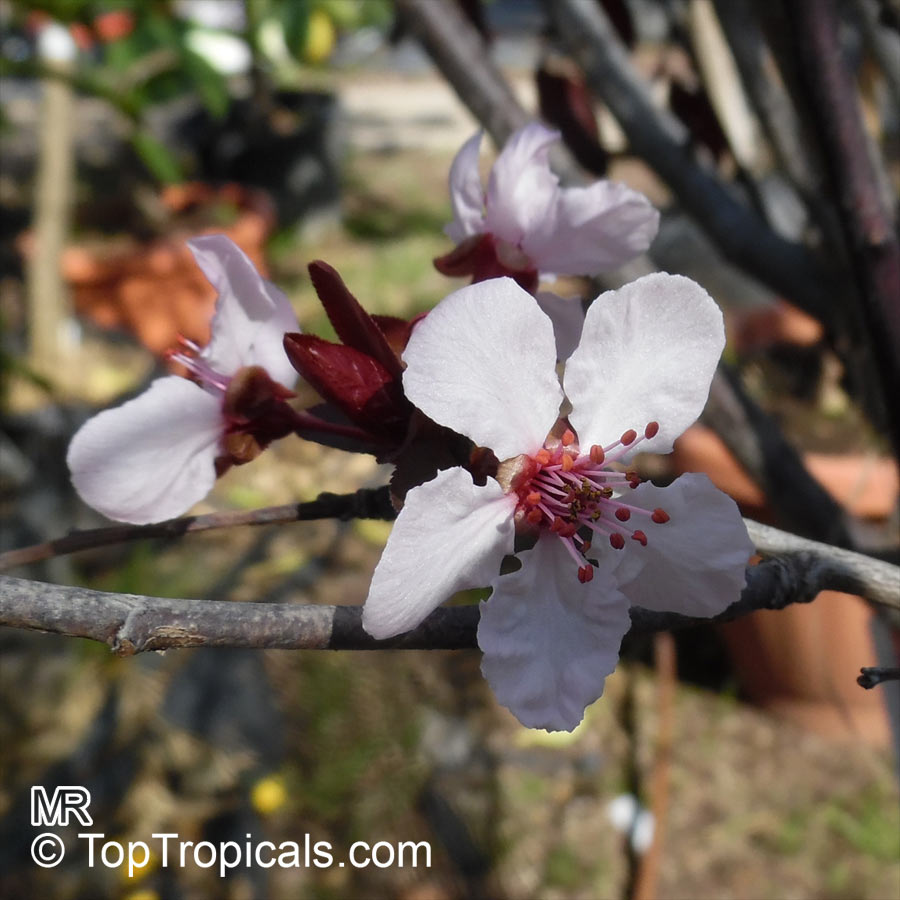
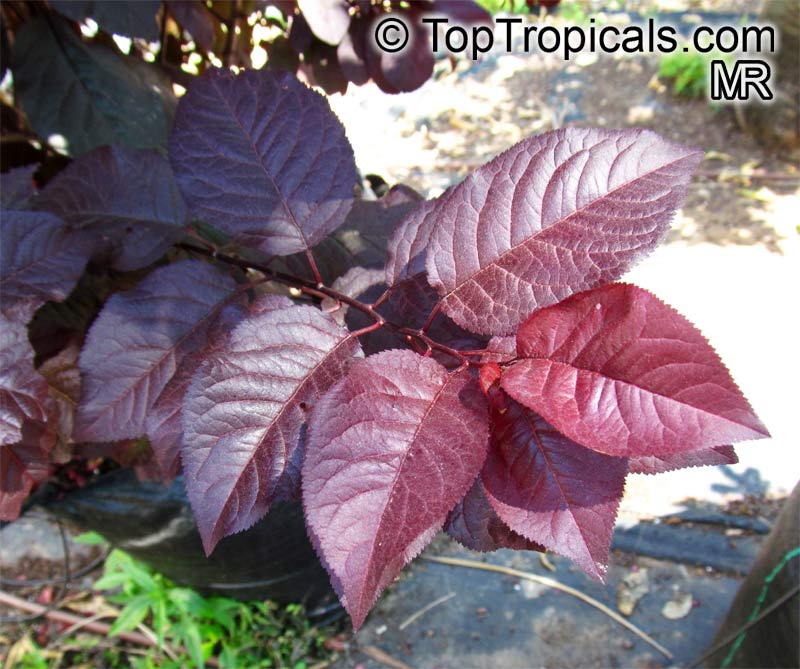
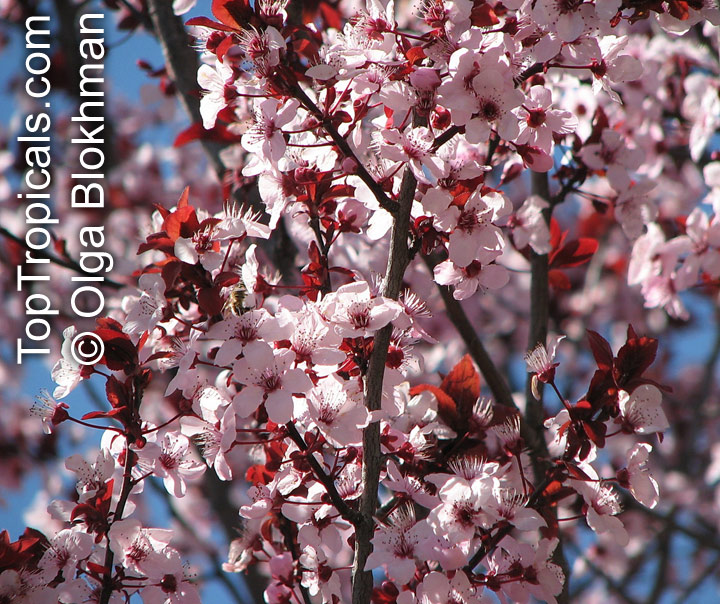
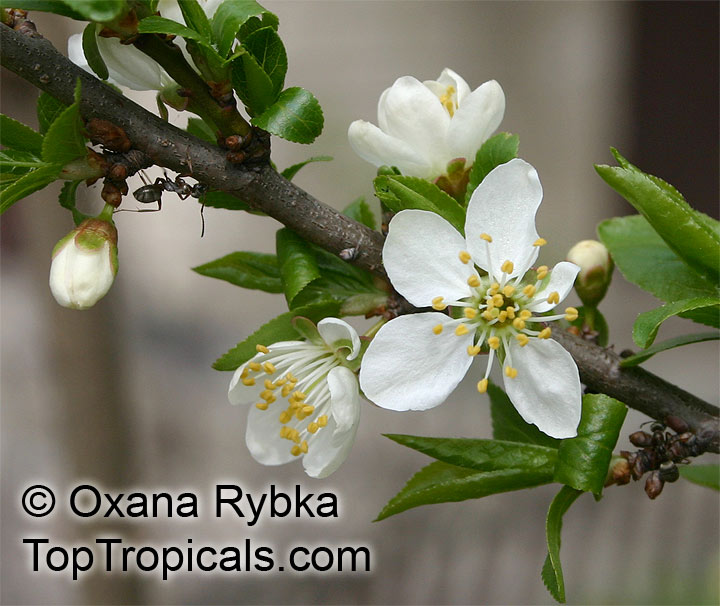
Prunus cerasifera is a popular ornamental tree for garden and landscaping use, grown for its very early flowering. Numerous cultivars have been developed, many of them selected for purple foliage. They can have white or pink flowers.
Fruit are flavorful and tart, used in preserves, pies and desserts.



| Prev | Next | |
Use link to repeat this search:
https://toptropicals.com/cgi-bin/garden_catalog/cat.cgi?search_op=and&keyword_op=and&language=e&number=10&no_change_lang=1
&user=tt&sale=1&first=0