| Number of plants found: 5110 |  | Prev | Next | 
|
Go to page: | First | 16 | 17 | 18 | 19 | 20 | 21 | 22 | 23 | 24 | 25 | Last |
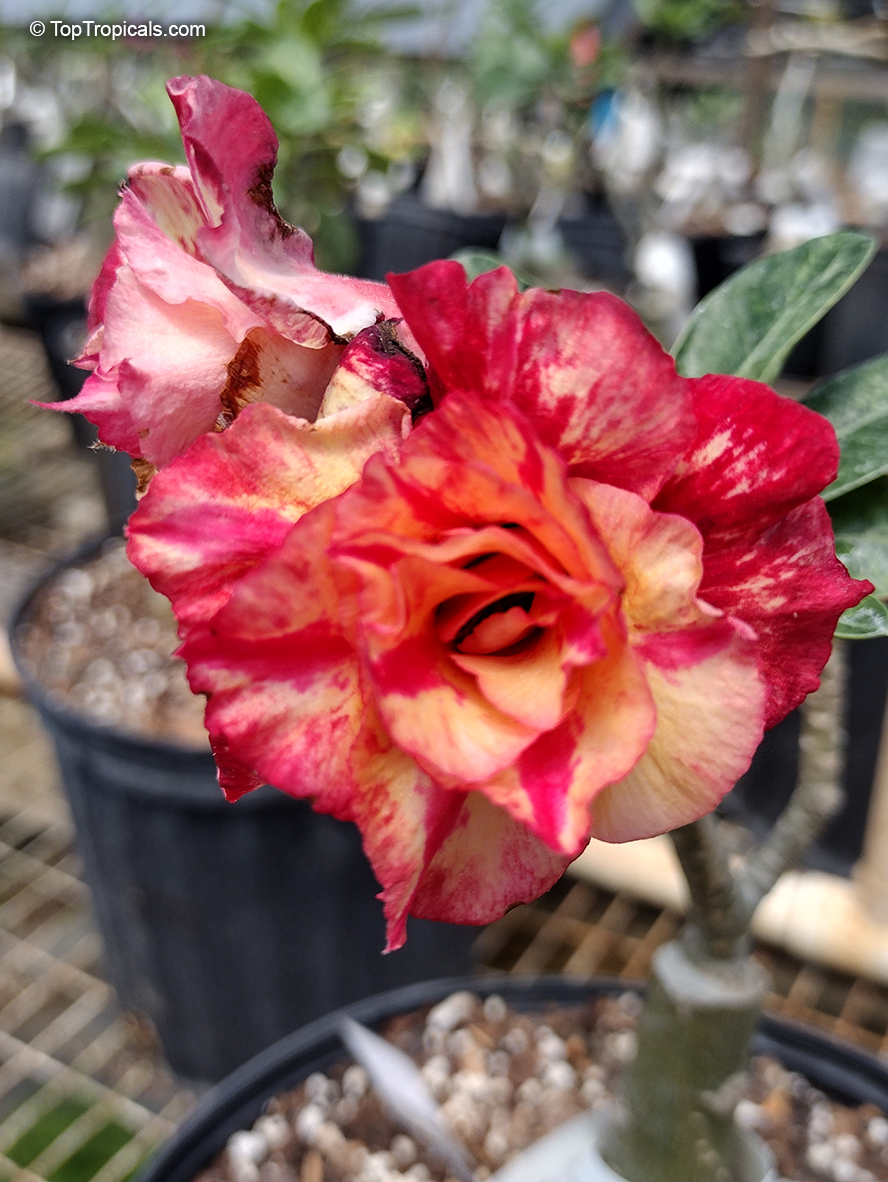
Botanical name: Adenium sp.
Common name: 'Thong Suk Jai' Desert Rose
Cultivar: Thong Suk Jai
Family: Apocynaceae
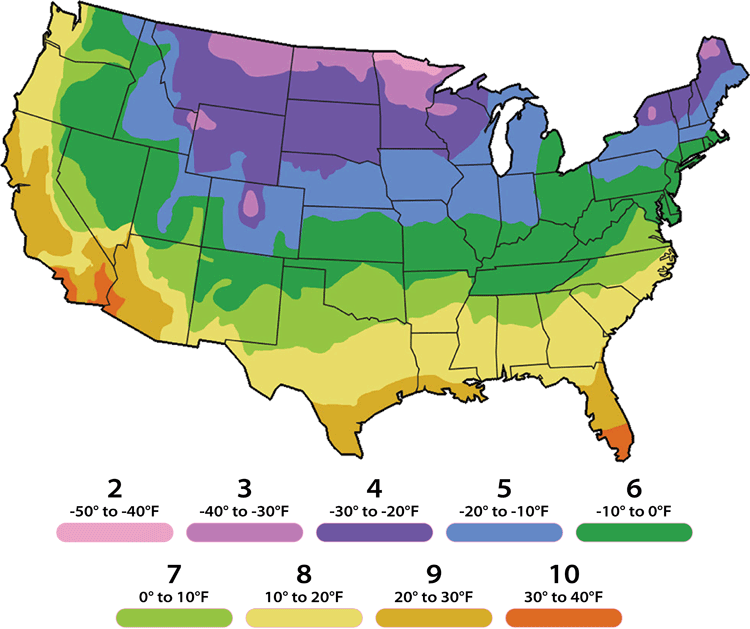
Hardiness: 35°F, protect from freezing


The first double flowered variety of Adenium that we obtained was bright red color. After growing simple pink varieties, it seemed the most exotic flower. Soon enough other colors were hybridized and white and pink double flowers came to the market. Within just a year or two after that, all the sudden all kinds of colors appeared, including striped, dotted, spotted... The rainbow of hybrid adeniums nowadays is unbelievable!
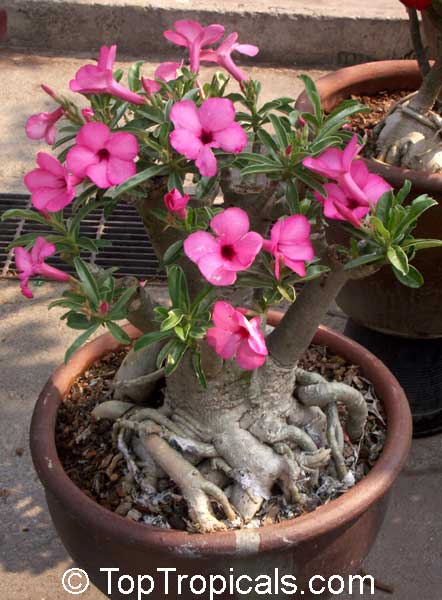
Adeniums have many spectacular hybrids. The basic culture is very similar to orchids. A small pot with excellent drainage is a must. Adeniums do not like both over-watering or drying-out. There is a little secret of how to create a weird shape of the base: lift the plant a bit every time you re-pot the plant, so that the upper part of roots will be a little exposed. The plant will form more roots that will go down. To make your plant develop a large swollen base/trunk, you'll need a good quality fertilizer. Fertilizer requirement for swelling up trunks is also used to increase flowering. It shouldn't be too high in nitrogen, the middle number should be the highest. Never apply fertilizer directly on roots and do not liquid feed when a plant is thirsty: always water first slightly to avoid root burn and leaf drop. Do not wet leaves. Adeniums need lots of light for heavy flowering. Most hybrids and species start blooming in the spring when the conditions are warm and days get longer, and continue blooming through the fall and winter in warmer climates. Adeniums like a neutral to hard water. Acidic water tends to sour the soil too fast and may cause root rot. Water plants preferably in the early morning, and allow them to drink up throughout the day. Watering can be done daily to every few days. Never allow your plants to sit in a saucer of water, but don't let them to dry out too often - this causes adeniums to go into early dormancy.
See Photo gallery of exotic varieties and Thai Adeniums - milti-colored, multi-grafted.
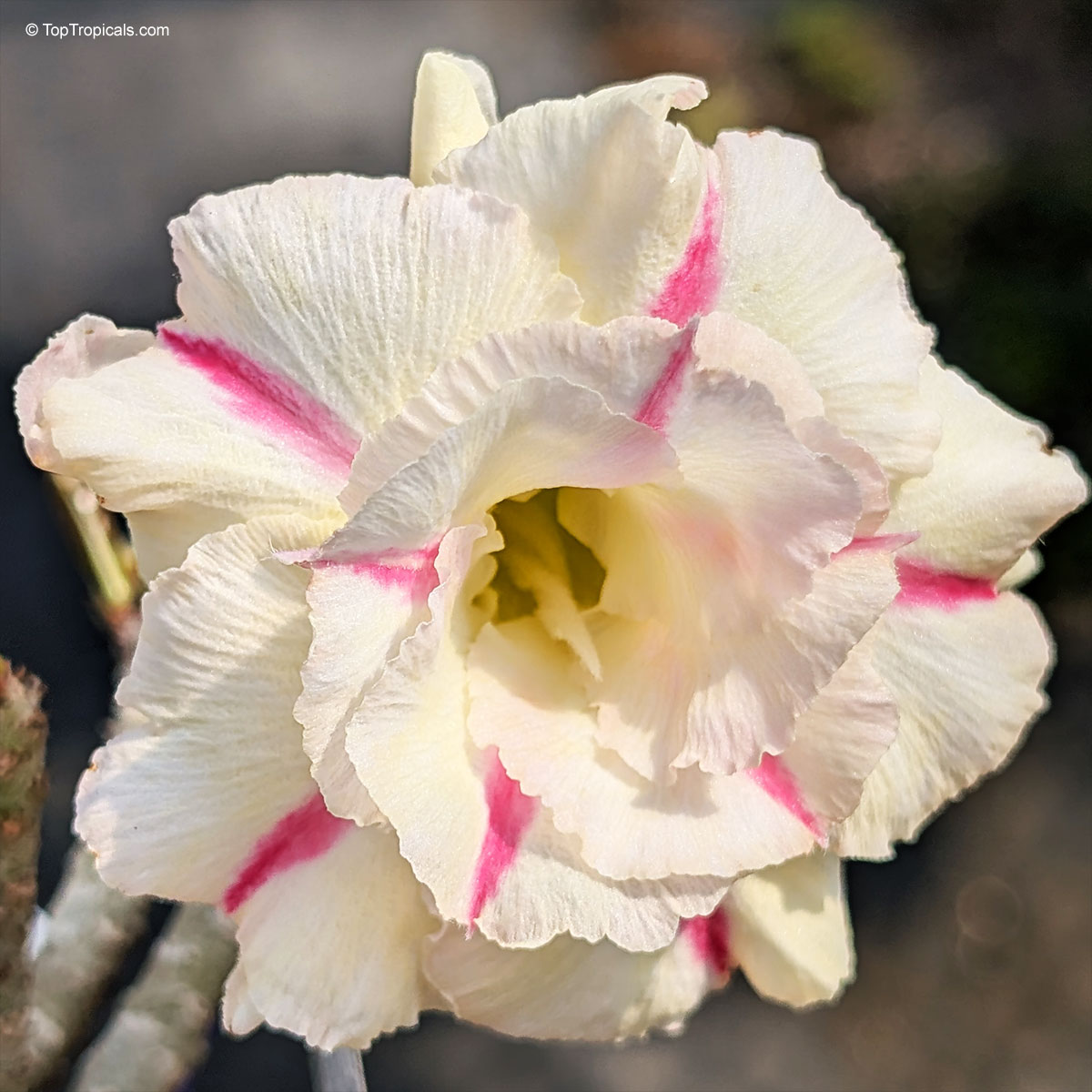
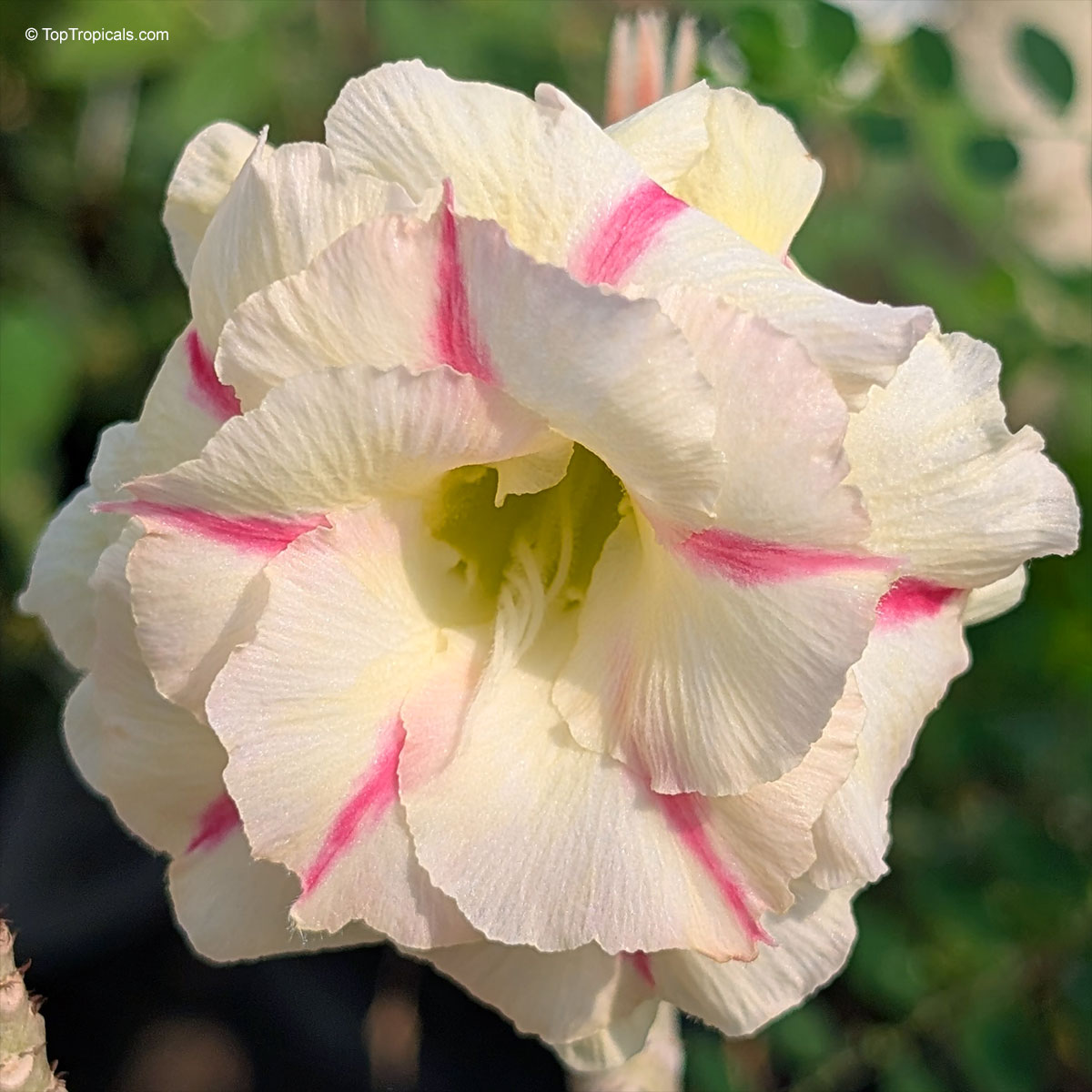
Adenium 'Thong Suk Jai' - delicate double flowers with creamy-white petals softly brushed with pastel pink, creating a gentle and elegant look.
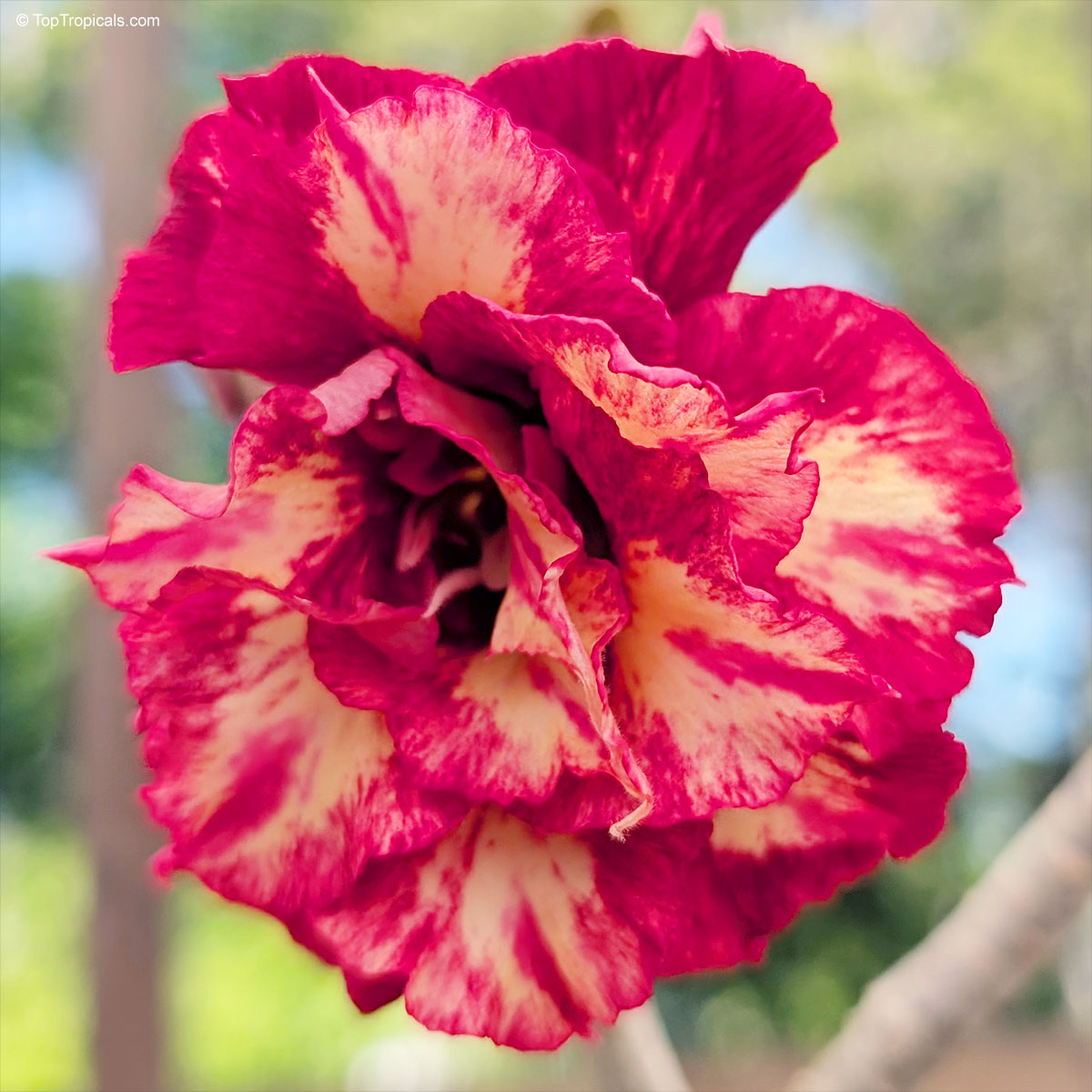
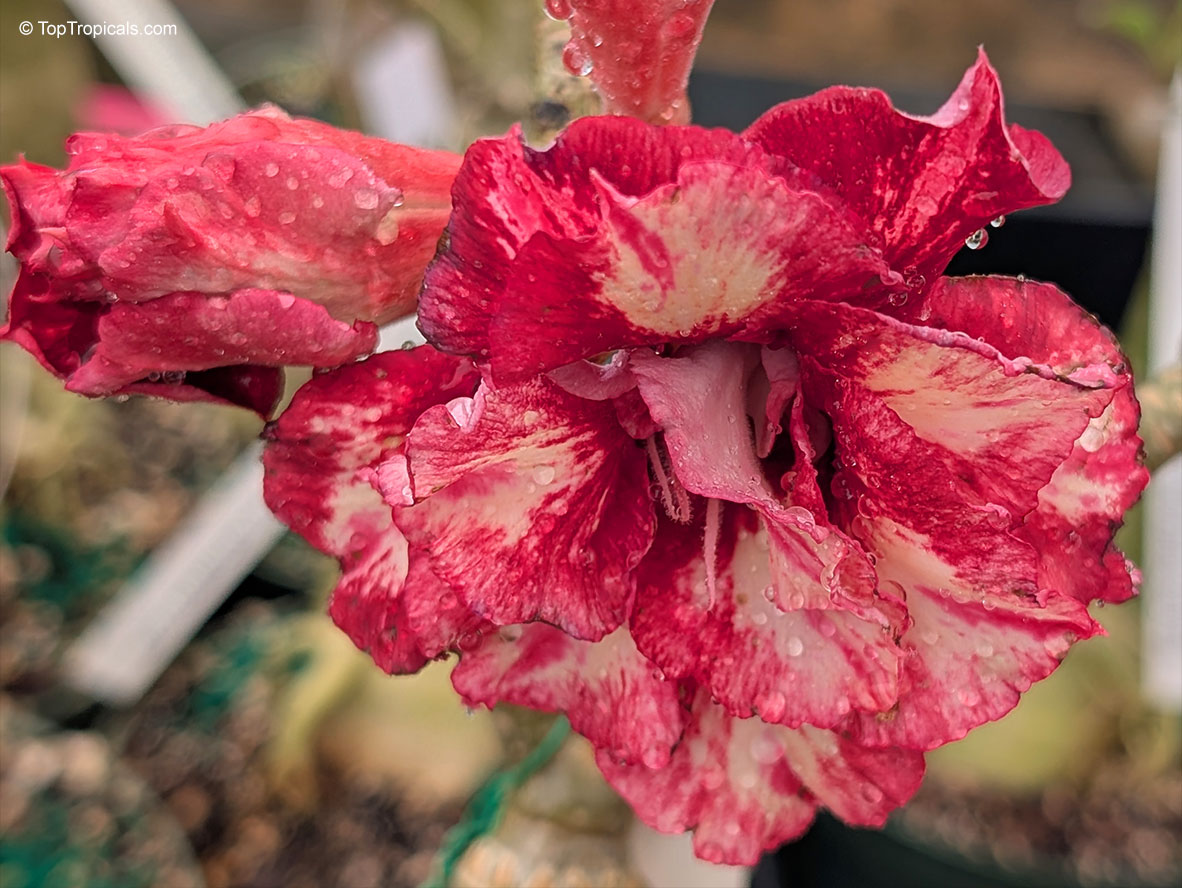
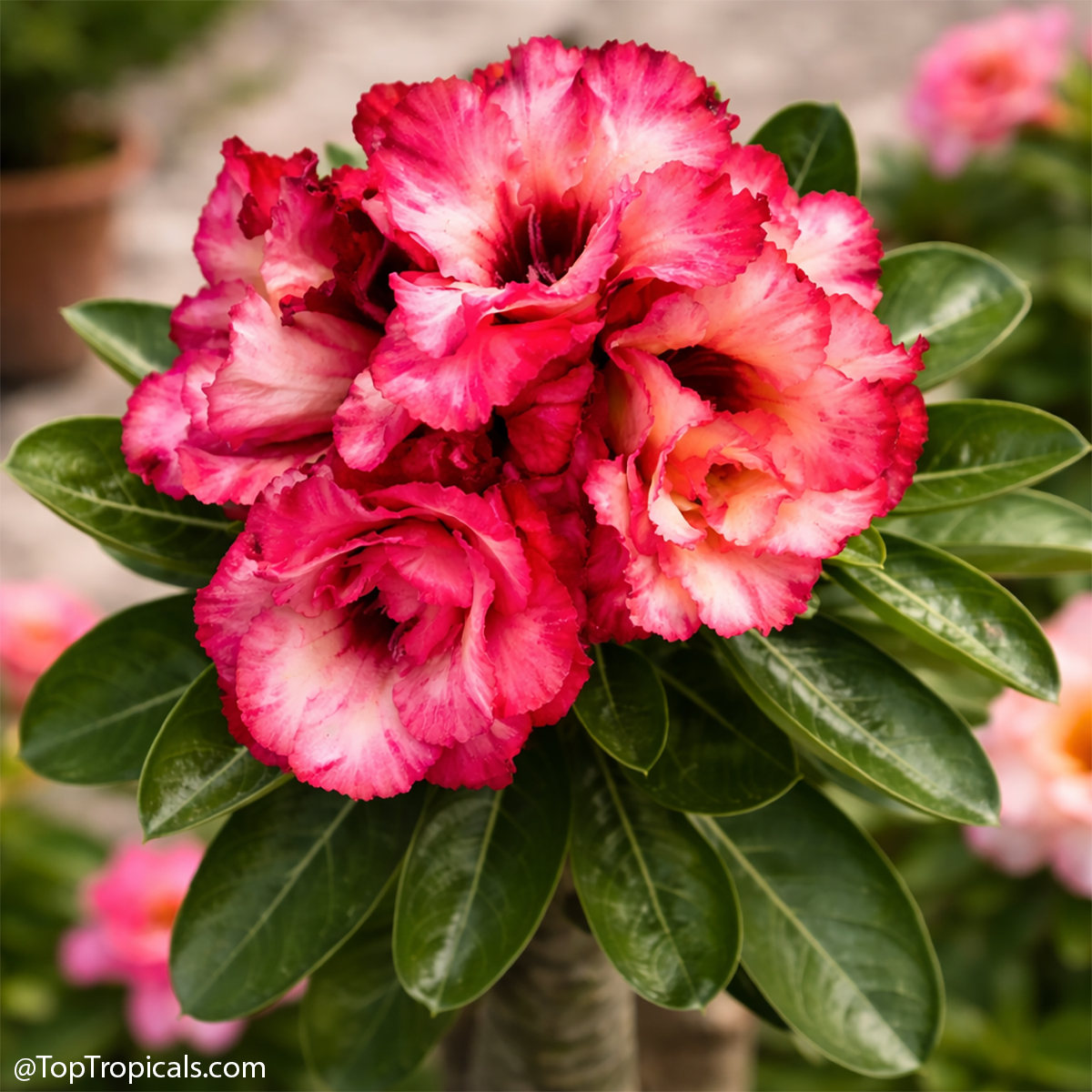
The blooms are full and textured, with soft, wavy edges that give the flower a lush, almost peony-like appearance. Against the glossy green leaves, the bright red and pink tones stand out beautifully, making the plant look vibrant and cheerful when in bloom.
Because the flowers form dense clusters, a blooming plant can look like a bouquet sitting right on top of the thick caudex trunk - a classic desert rose effect that collectors love.
The name Thong Suk Jai carries a very positive meaning in Thai. Thong - gold; Suk - happiness, joy; Jai - heart or spirit. Together, the name can be understood as Golden Happiness of the Heart or Joyful Golden Heart.
Names with Thong (gold) are very popular in Thai plant breeding because gold symbolizes prosperity, success, and good fortune. This gives the plant not only ornamental beauty but also a symbolic meaning of happiness, wealth, and positive energy.
Recommended Supplies: SUNSHINE Megaflor - Bloom Nutrition Booster
SUNSHINE-Epi - Caudex booster
Adenium Soilless Mix
Succulent Care. This plant is shipped bare-rooted. Plant it in well-drained soil mix, water and keep in warm (75-80F) place in filtered light. Let soil dry between waterings.
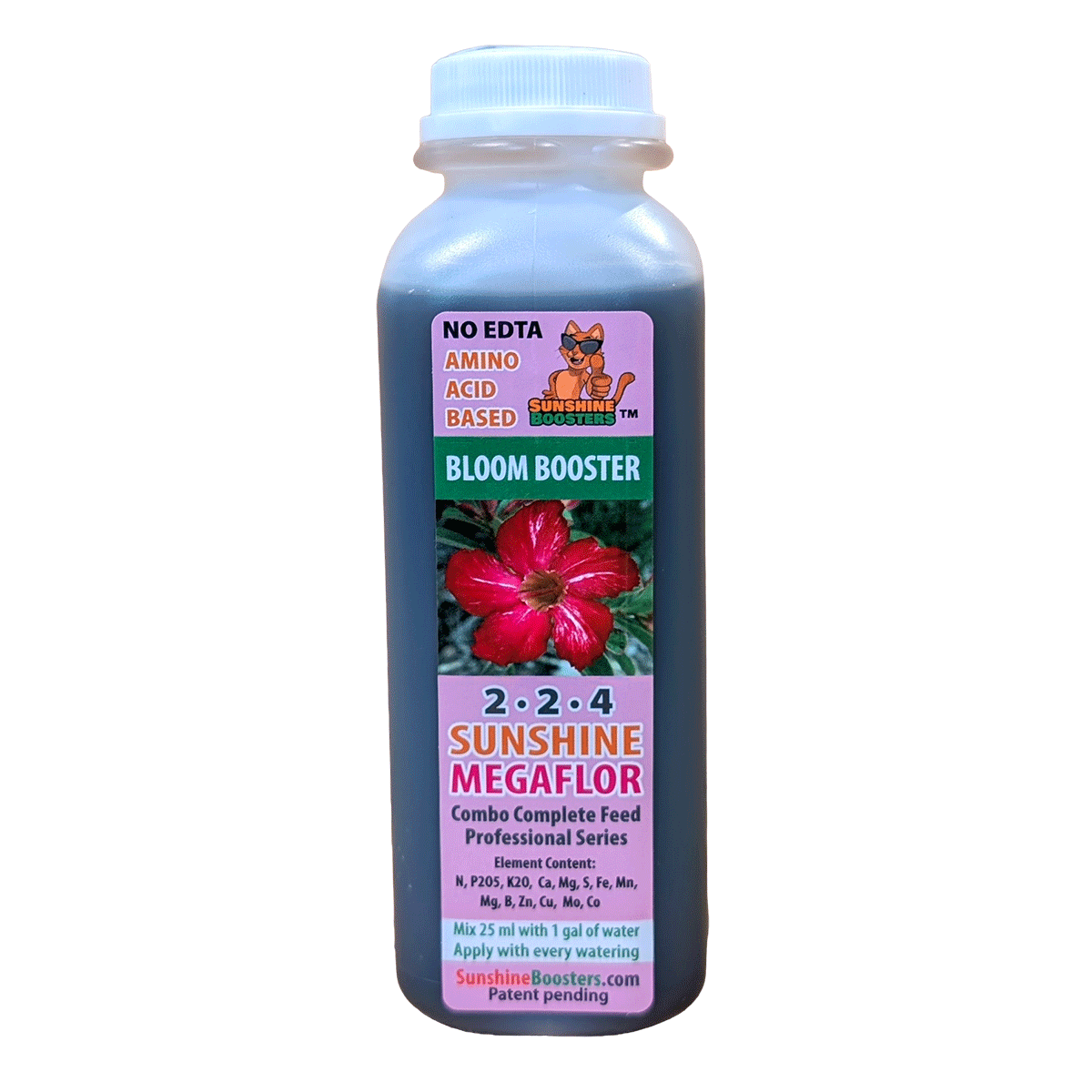 SUNSHINE Megaflor (NPK 2-2-4) - Bloom Booster for every watering. Formulated especially for blooms, to boost flowering, improve flower size and quality, and stimulate pollen development. This is an eco-friendly nutrition booster that can be used for organic gardens. Can be used for daily feeding with every watering. Scientifically-balanced stable formula is organic Amino-acid based and has NO EDTA chelators to eliminate nutrients lockup; it does not affect crop taste. Organic Amino acids greatly enhance stability of all Sunshine boosters and provide excellent absorption of trace elements. Pollinating insects friendly.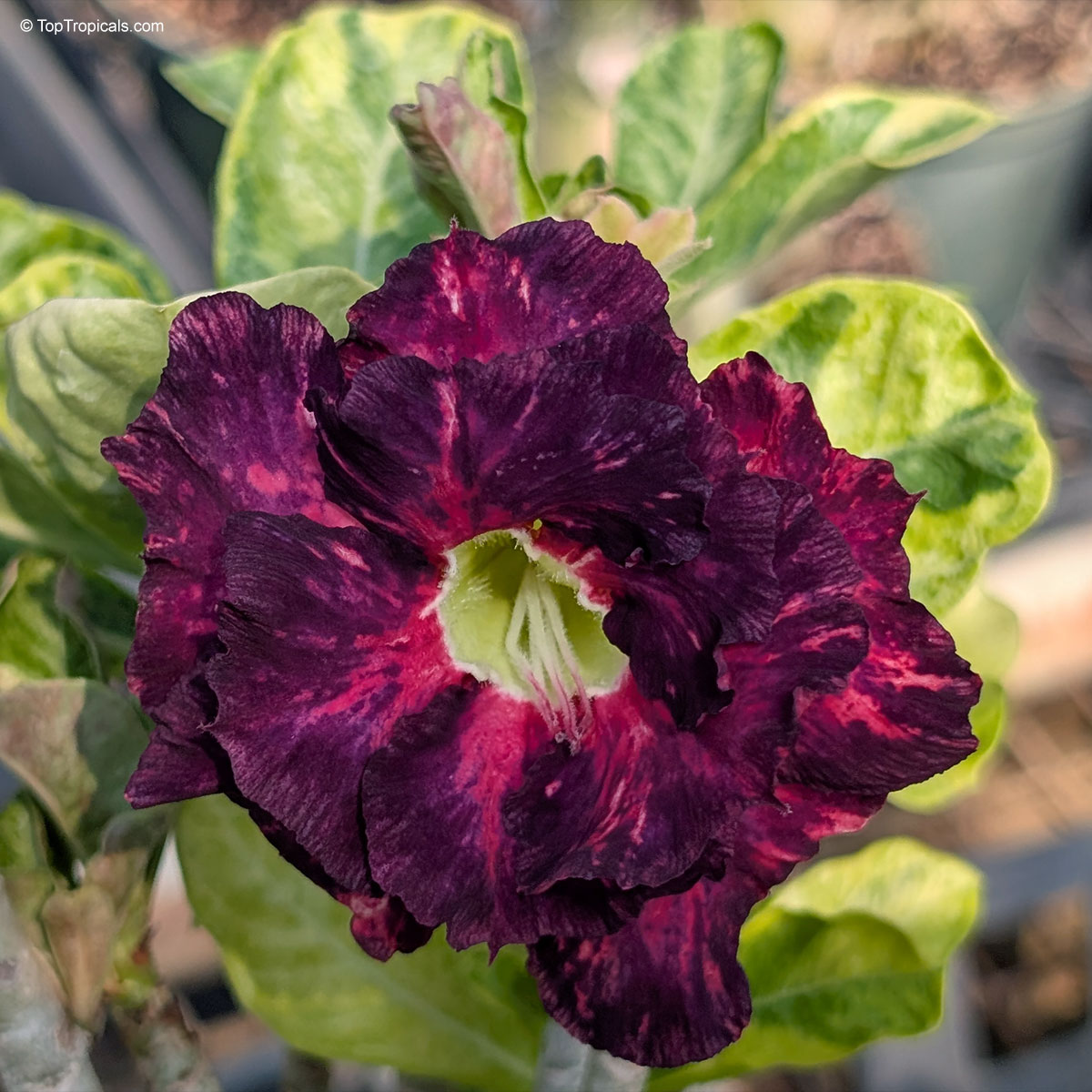
Botanical name: Adenium sp.
Cultivar: Wonderful Purple' Varirgated
Family: Apocynaceae


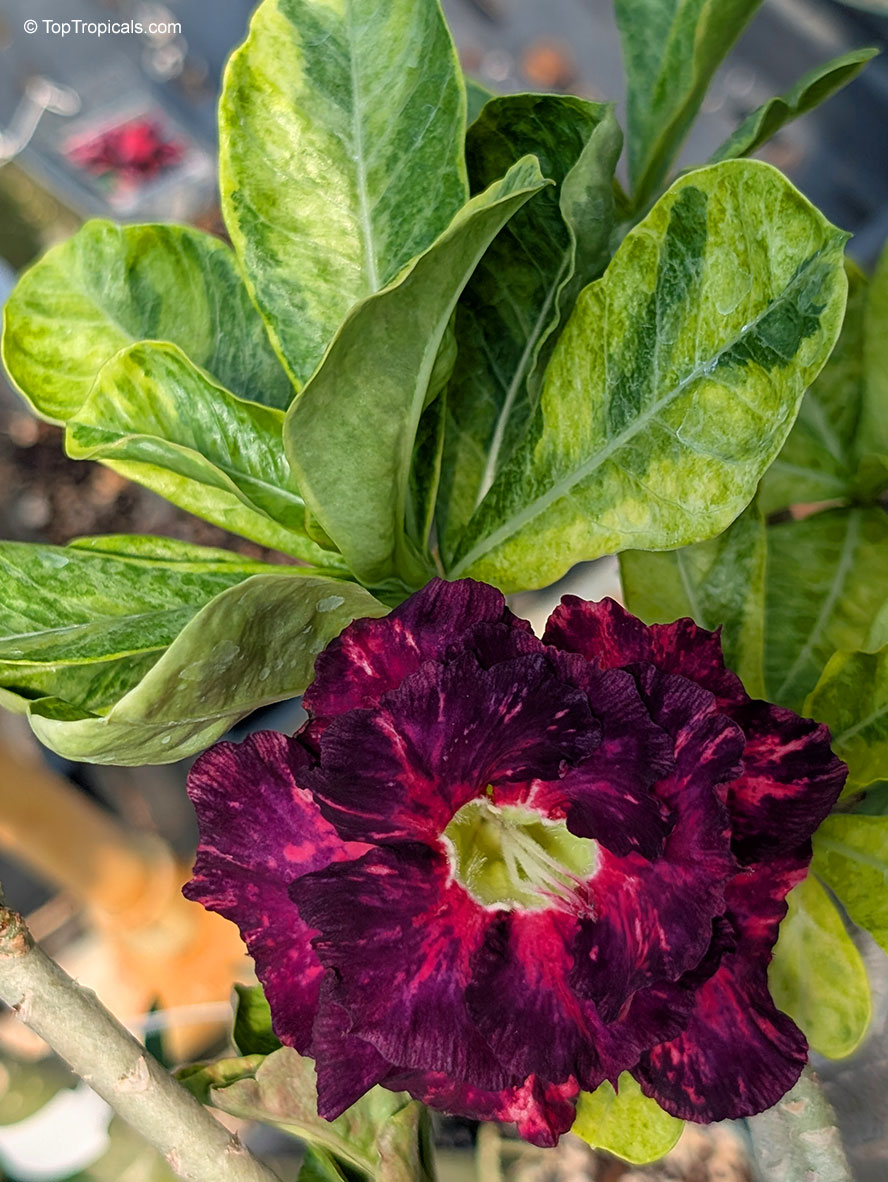
Adenium 'Wonderful Purple' striking double blooms in shades of plum and crimson, paired with unusual variegated foliage that adds ornamental value even out of bloom.
Botanical name: Adenium sp.
Common name: 'Wonderful Yellow' Desert Rose
Cultivar: Wonderful Yellow' Variegated
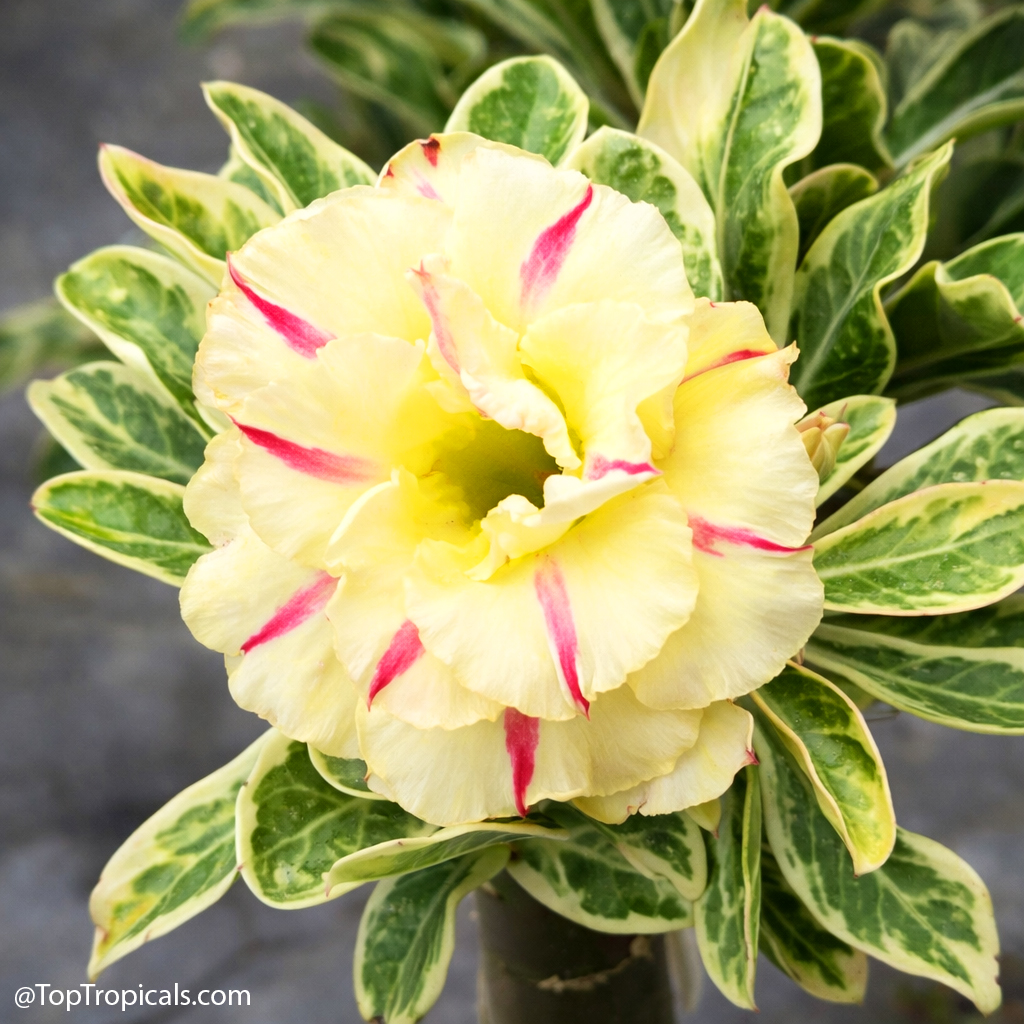
Adenium 'Wonderful Yellow' variegated produces creamy white double flowers with a pale yellow undertone and soft pink stripes, and has decorative variegated foliage on a compact plant.
Recommended Supplies: SUNSHINE Megaflor - Bloom Nutrition Booster
SUNSHINE-Epi - Caudex booster
Adenium Soilless Mix
Succulent Care. This plant is shipped bare-rooted. Plant it in well-drained soil mix, water and keep in warm (75-80F) place in filtered light. Let soil dry between waterings.
Botanical name: Adenium sp.
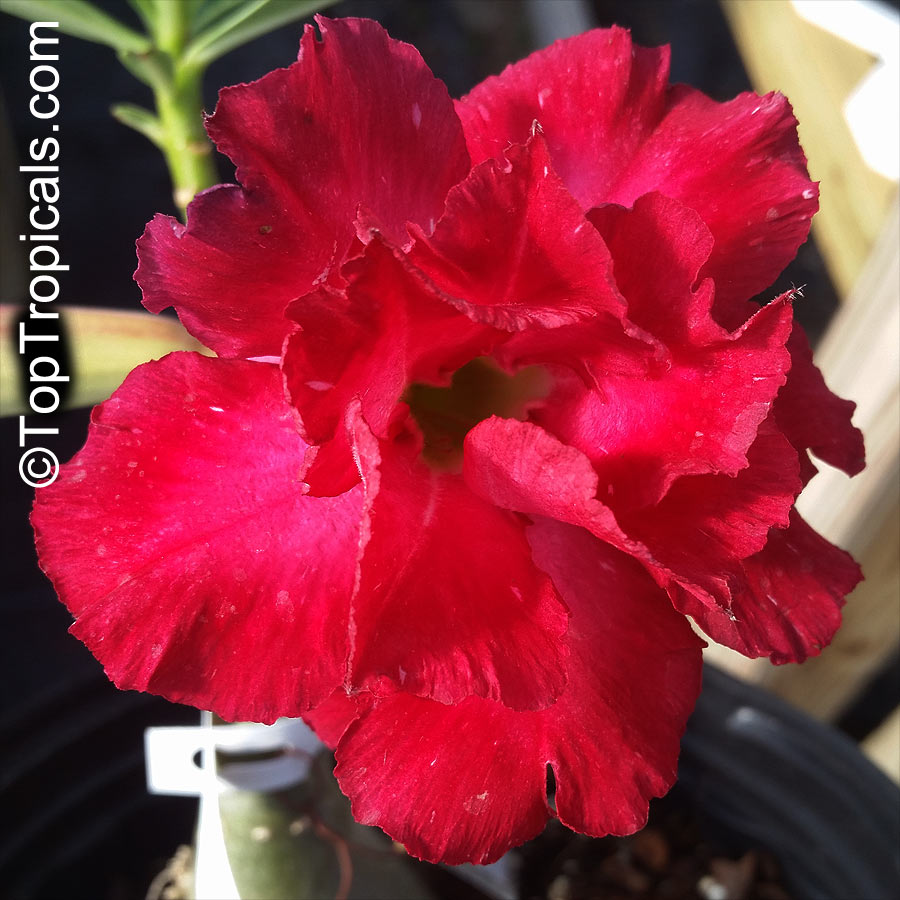
Common name: 'Dang Sab Jaren' Desert Rose
Cultivar: Dang Sab Jaren
Family: Apocynaceae
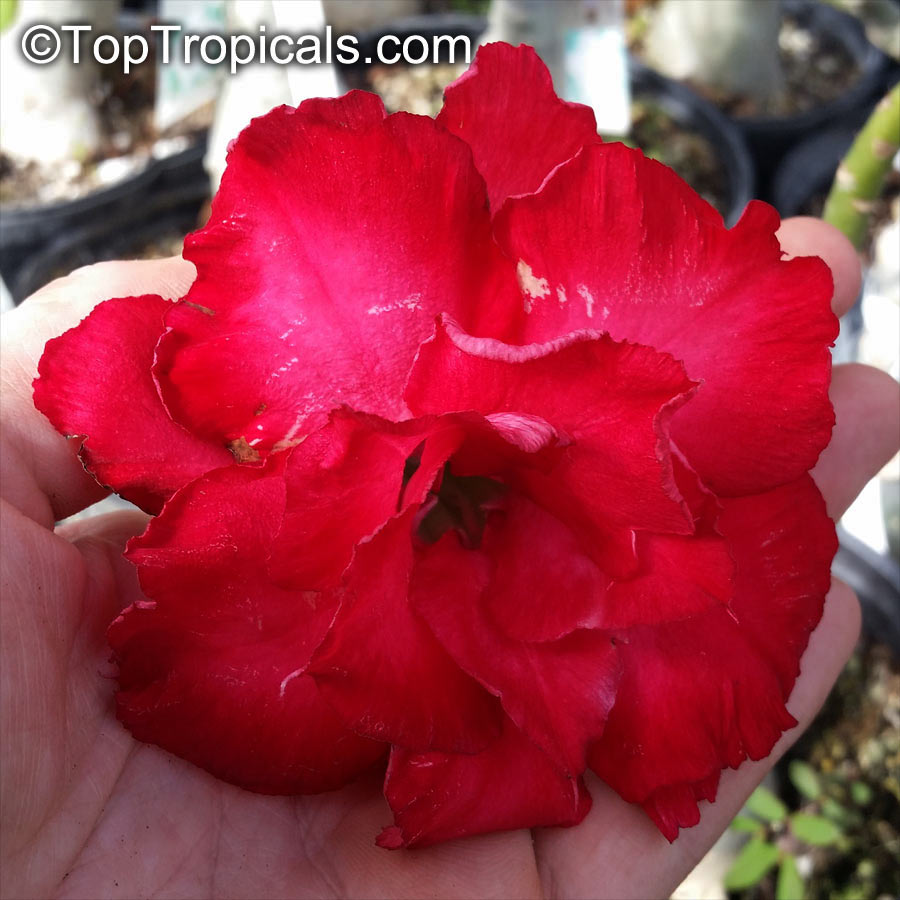
Adenium 'Dang Sab Jaren' Large bright red double bloom with smooth, rounded petals. Vibrant and full-bodied flower ideal for bold landscape accents or container displays.
Botanical name: Adenium sp.
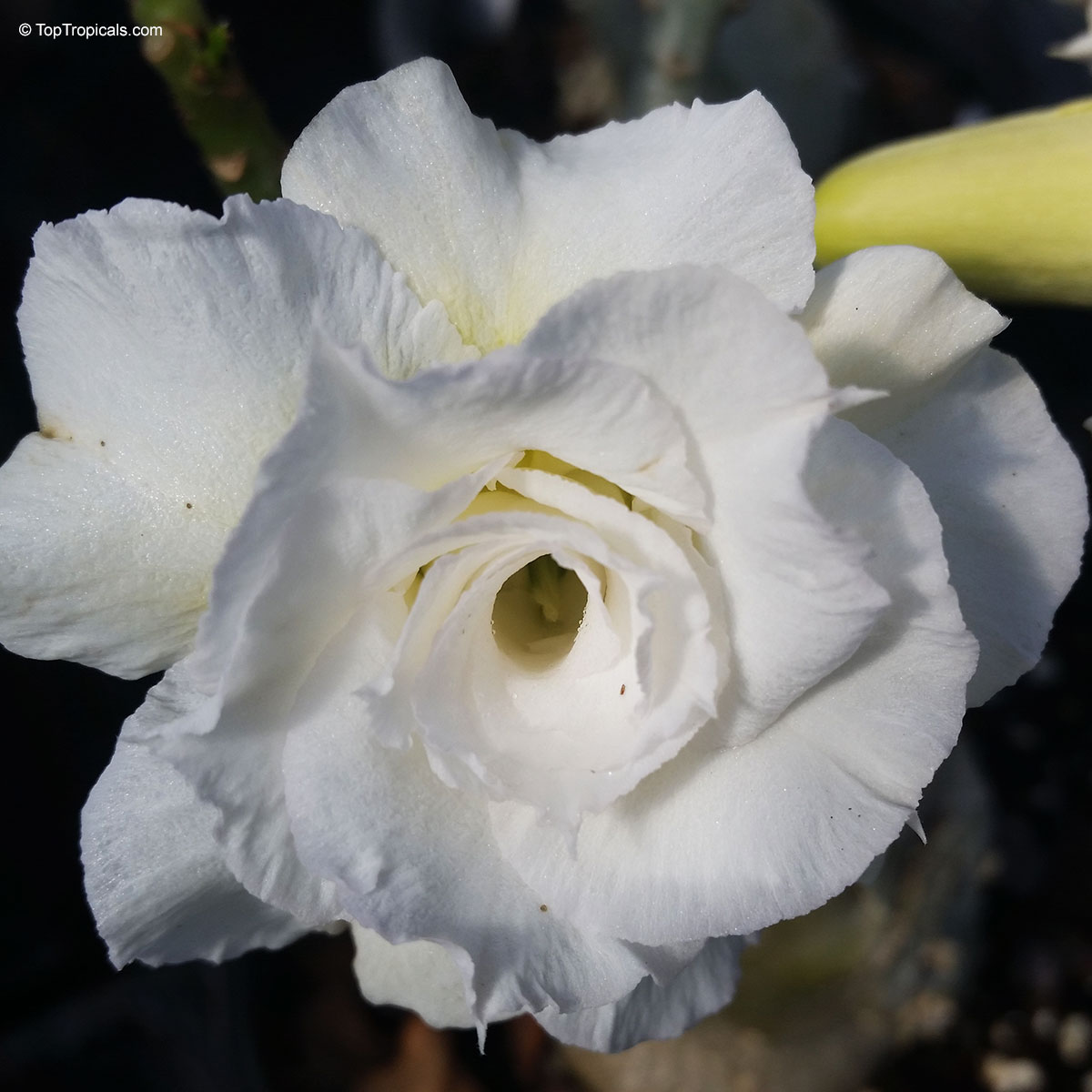
Common name: 'White Princess' Desert Rose
Cultivar: White Princess
Family: Apocynaceae
Adenium 'White Princess' blooms with pure white double flowers with a soft creamy glow.
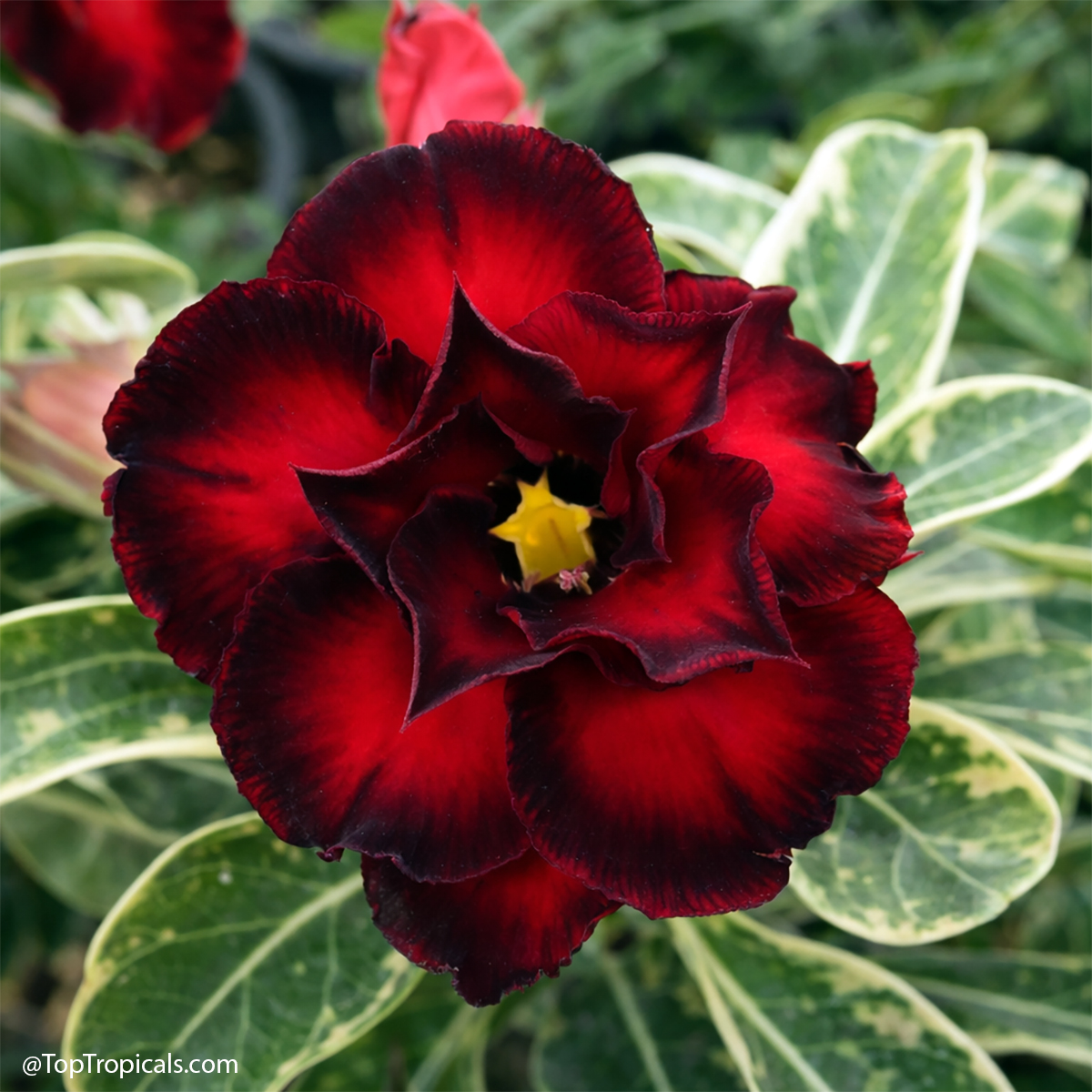
Botanical name: Adenium sp.
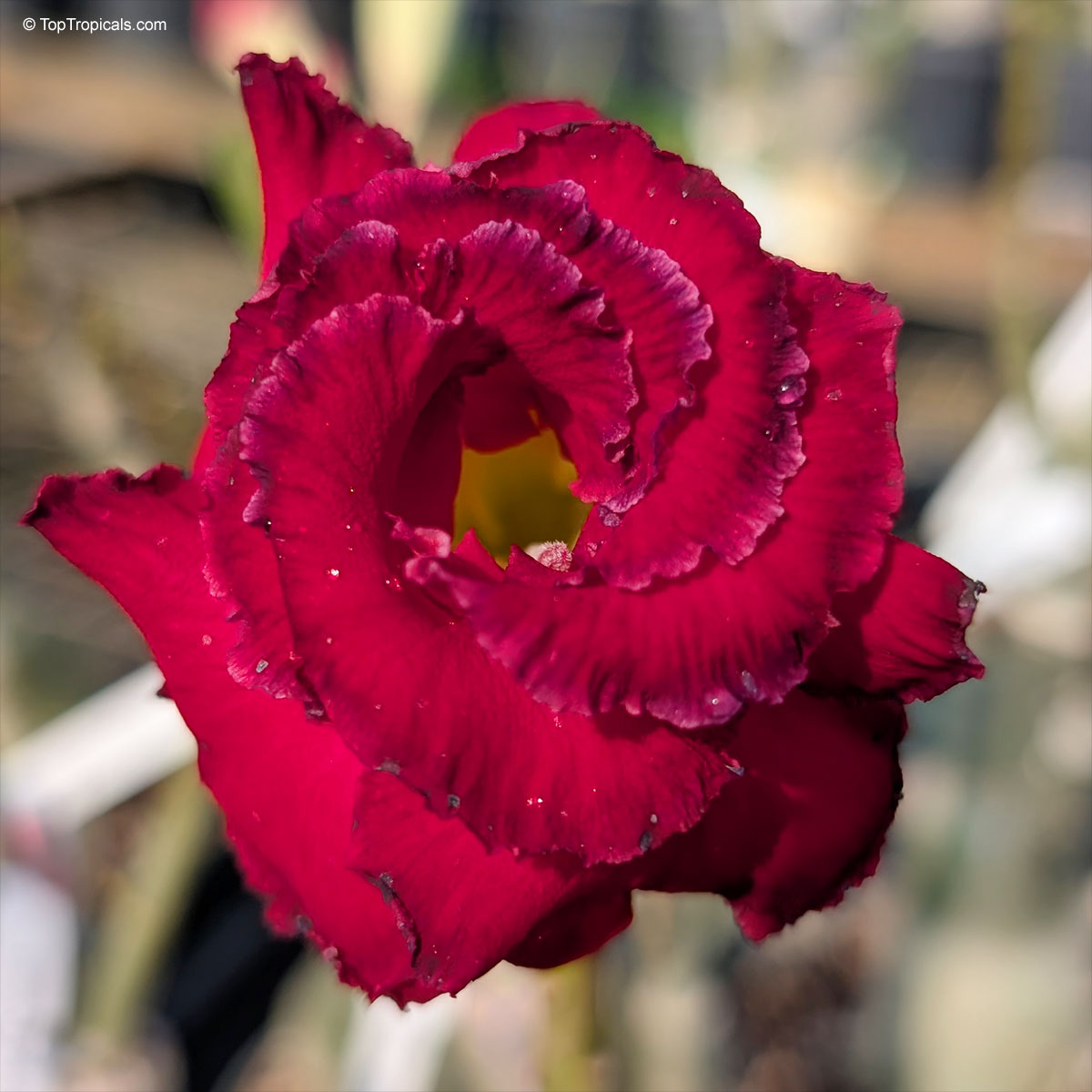
Common name: 'Wonderful Red' variegated Desert Rose
Cultivar: Wonderful Red' Variegated
Family: Apocynaceae
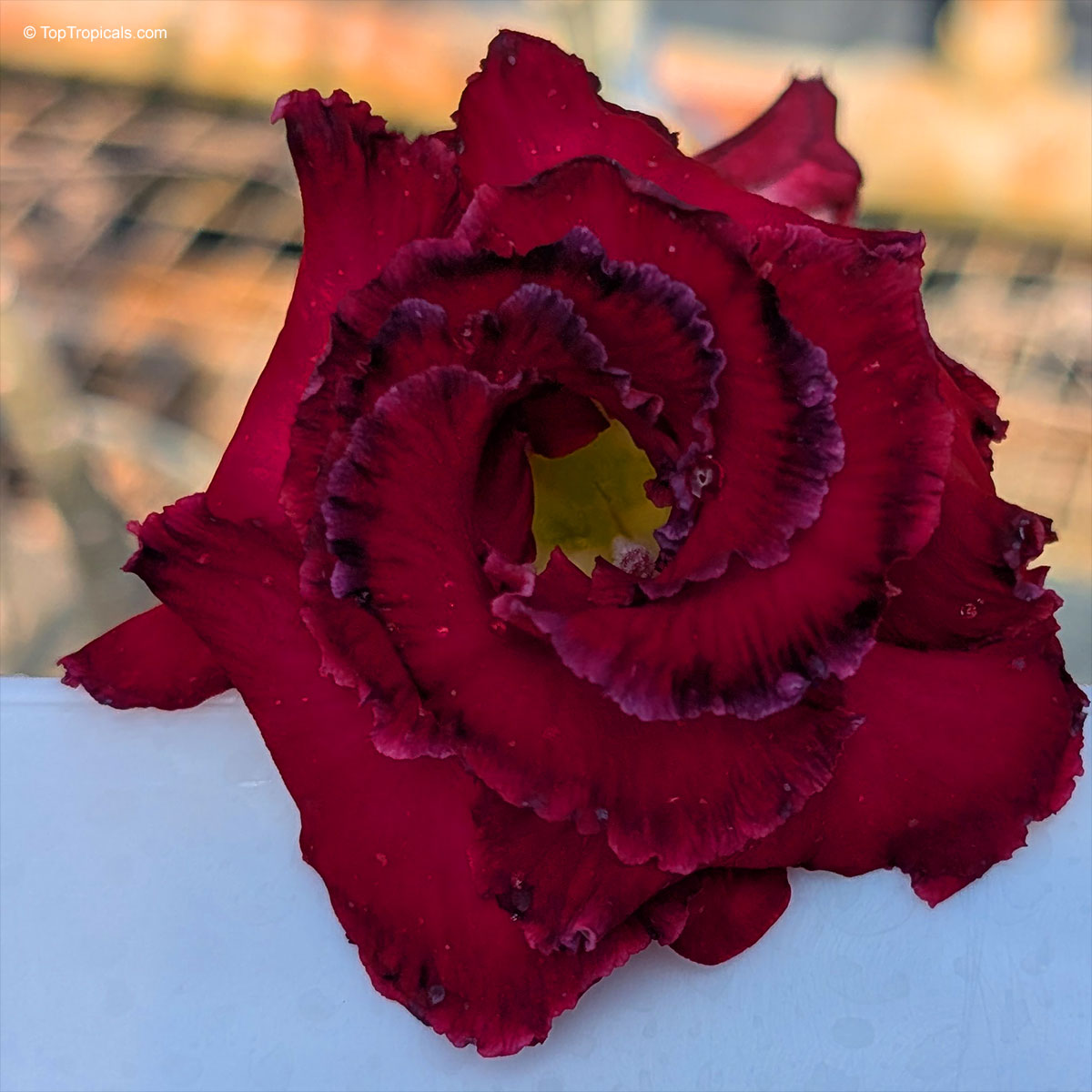
Adenium 'Wonderful Red Variegated' is a Desert Rose variety featuring bright red double flowers and attractive variegated foliage. Its striking leaves with creamy-white patterns add year-round ornamental value. Prefers full sun, well-drained soil, and limited watering. Ideal for container growing in warm climates.


Recommended Supplies: SUNSHINE Megaflor - Bloom Nutrition Booster
SUNSHINE-Epi - Caudex booster
Adenium Soilless Mix
Succulent Care. This plant is shipped bare-rooted. Plant it in well-drained soil mix, water and keep in warm (75-80F) place in filtered light. Let soil dry between waterings.
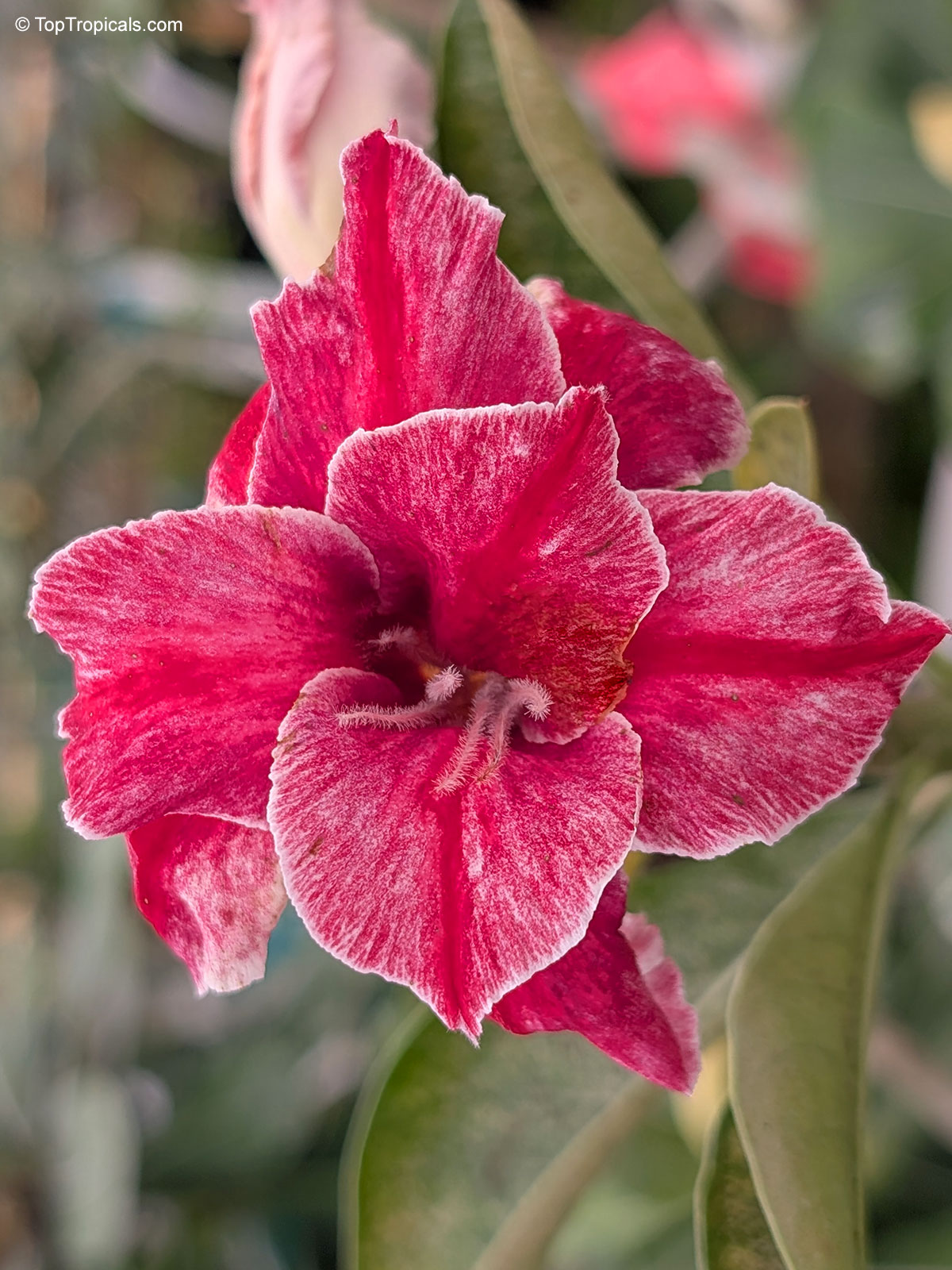
Botanical name: Adenium sp.
Common name: 'Beautiful Smile' Desert Rose
Cultivar: Beautiful Smile
Family: Apocynaceae
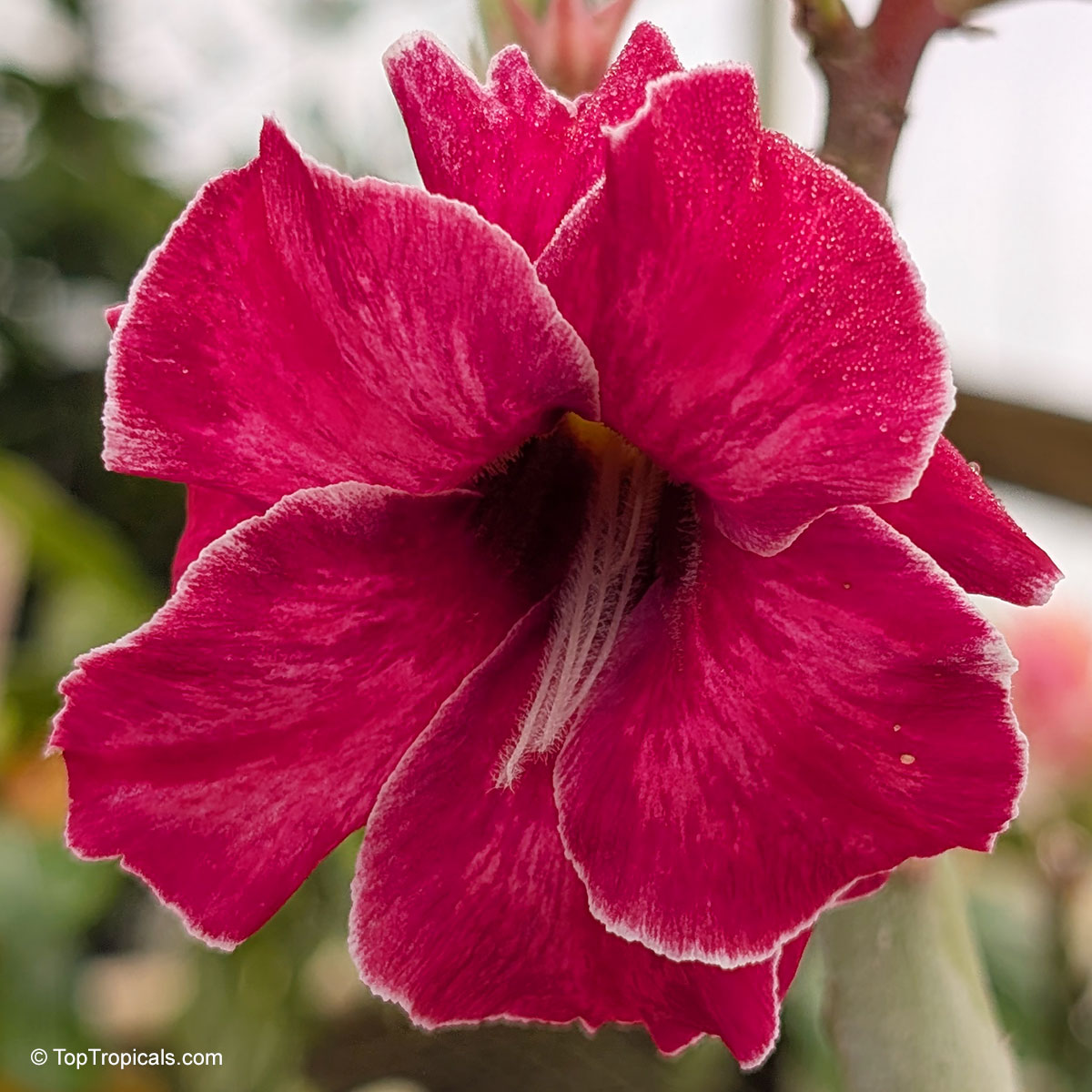
Adenium 'Beautiful Smile' - vivid crimson petals edged in white, opening in a joyful burst of color true to its name.

Recommended Supplies: SUNSHINE Megaflor - Bloom Nutrition Booster
SUNSHINE-Epi - Caudex booster
Adenium Soilless Mix
Succulent Care. This plant is shipped bare-rooted. Plant it in well-drained soil mix, water and keep in warm (75-80F) place in filtered light. Let soil dry between waterings.
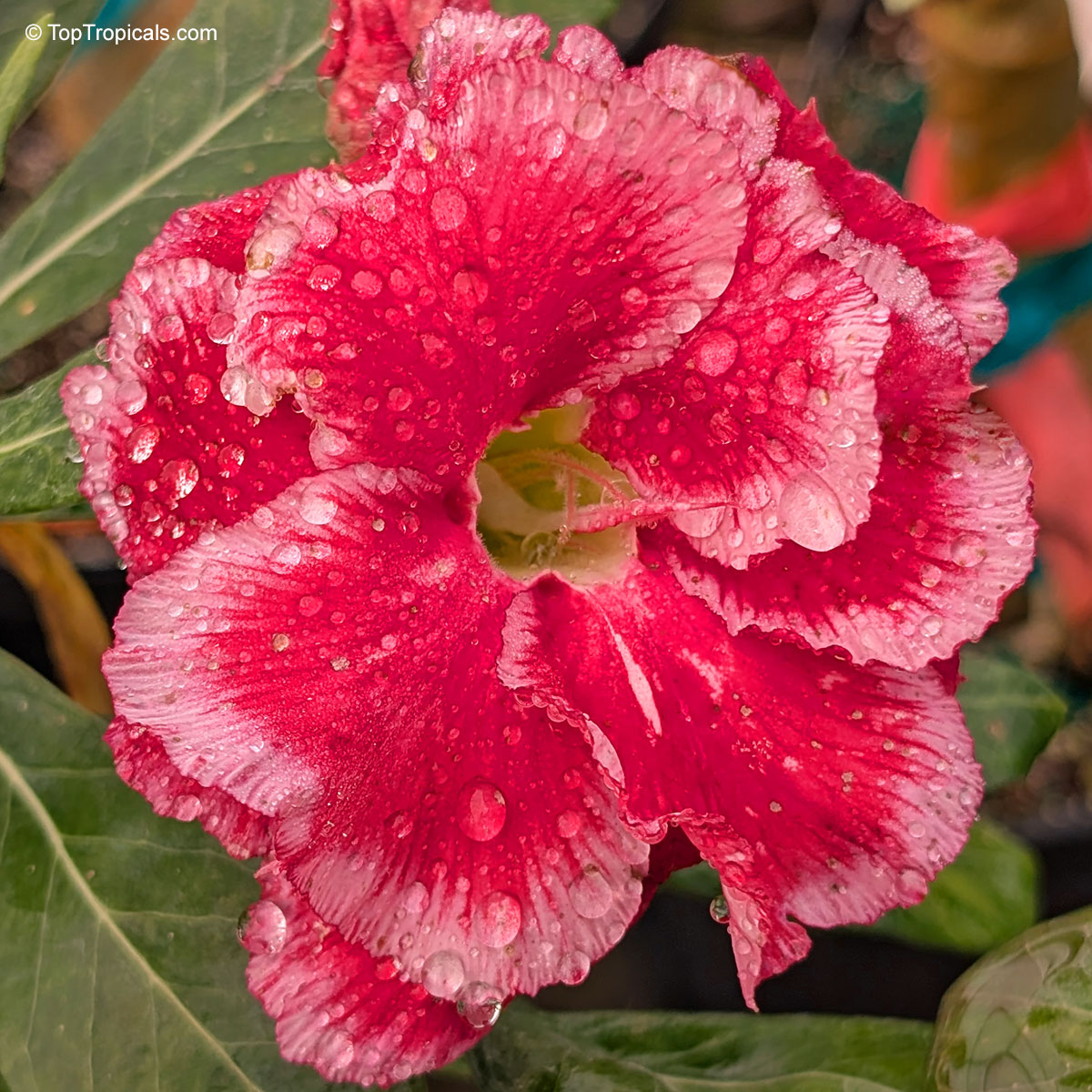
Botanical name: Adenium sp.
Common name: Fighting Fishtail Desert Rose
Cultivar: Fighting Fishtail
Family: Apocynaceae
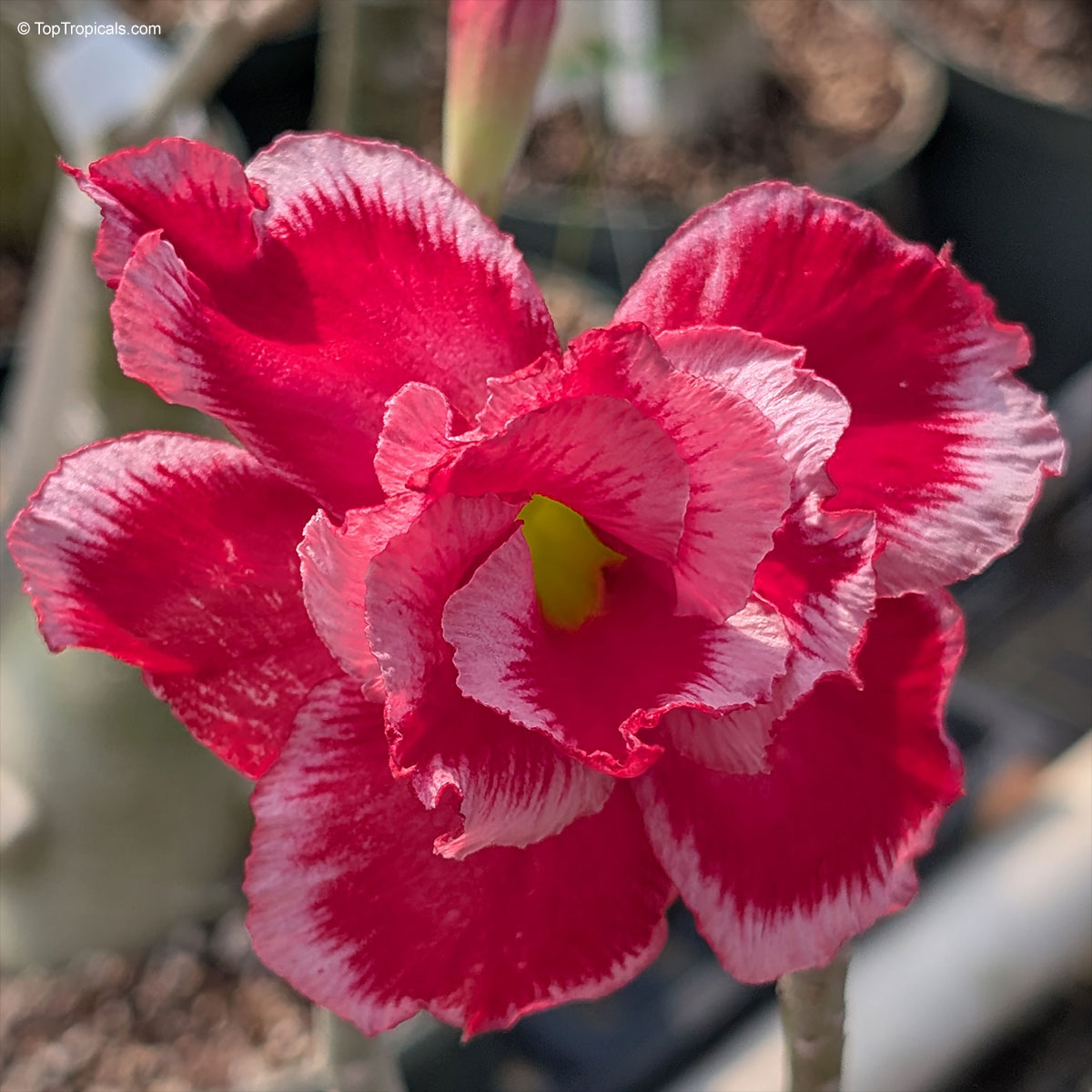
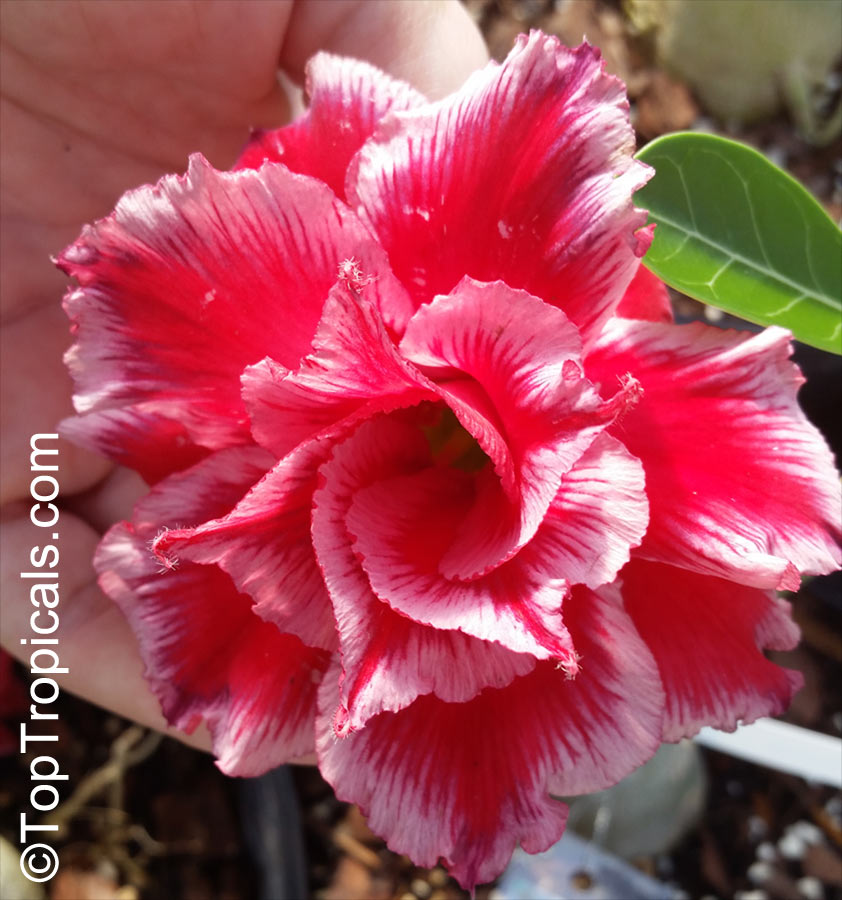
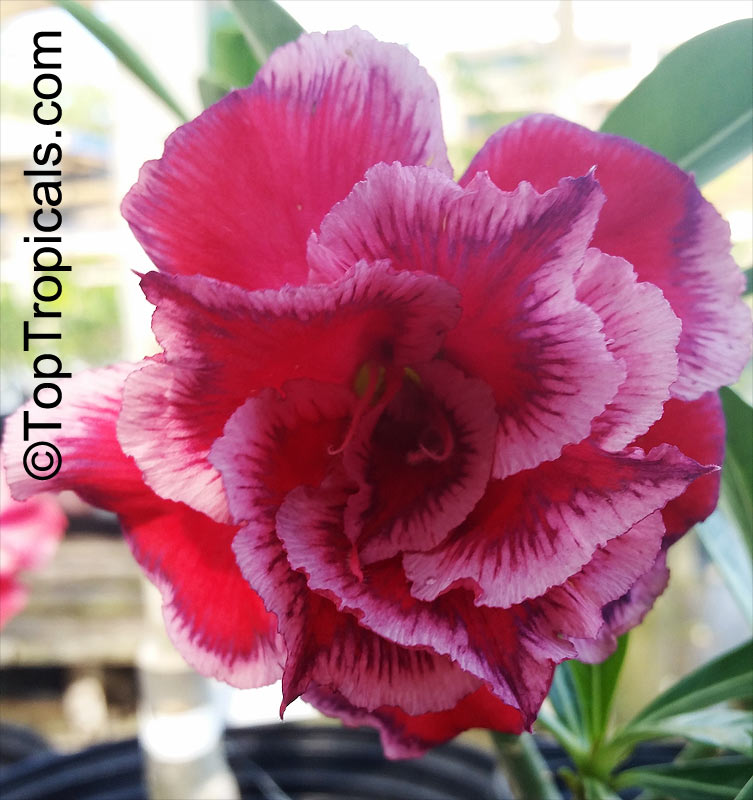
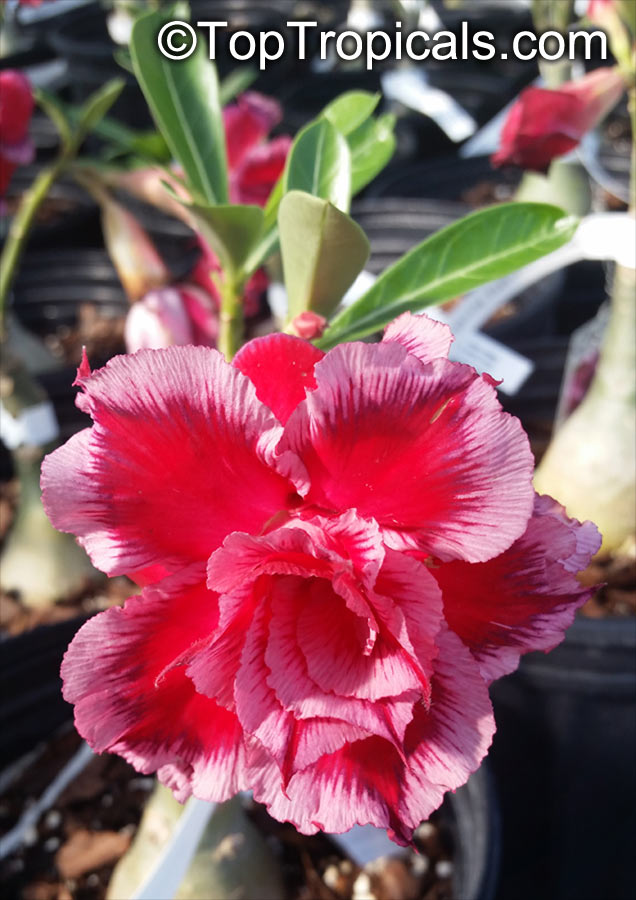
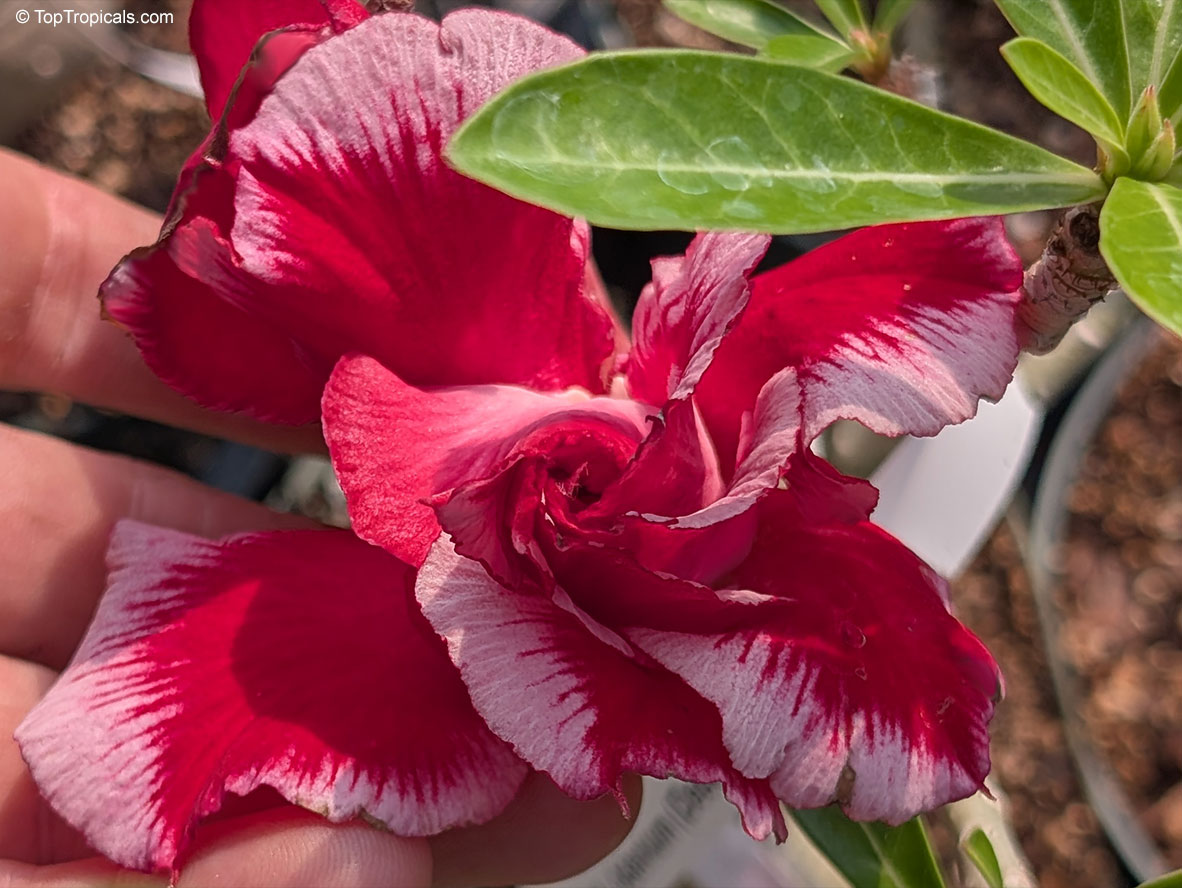
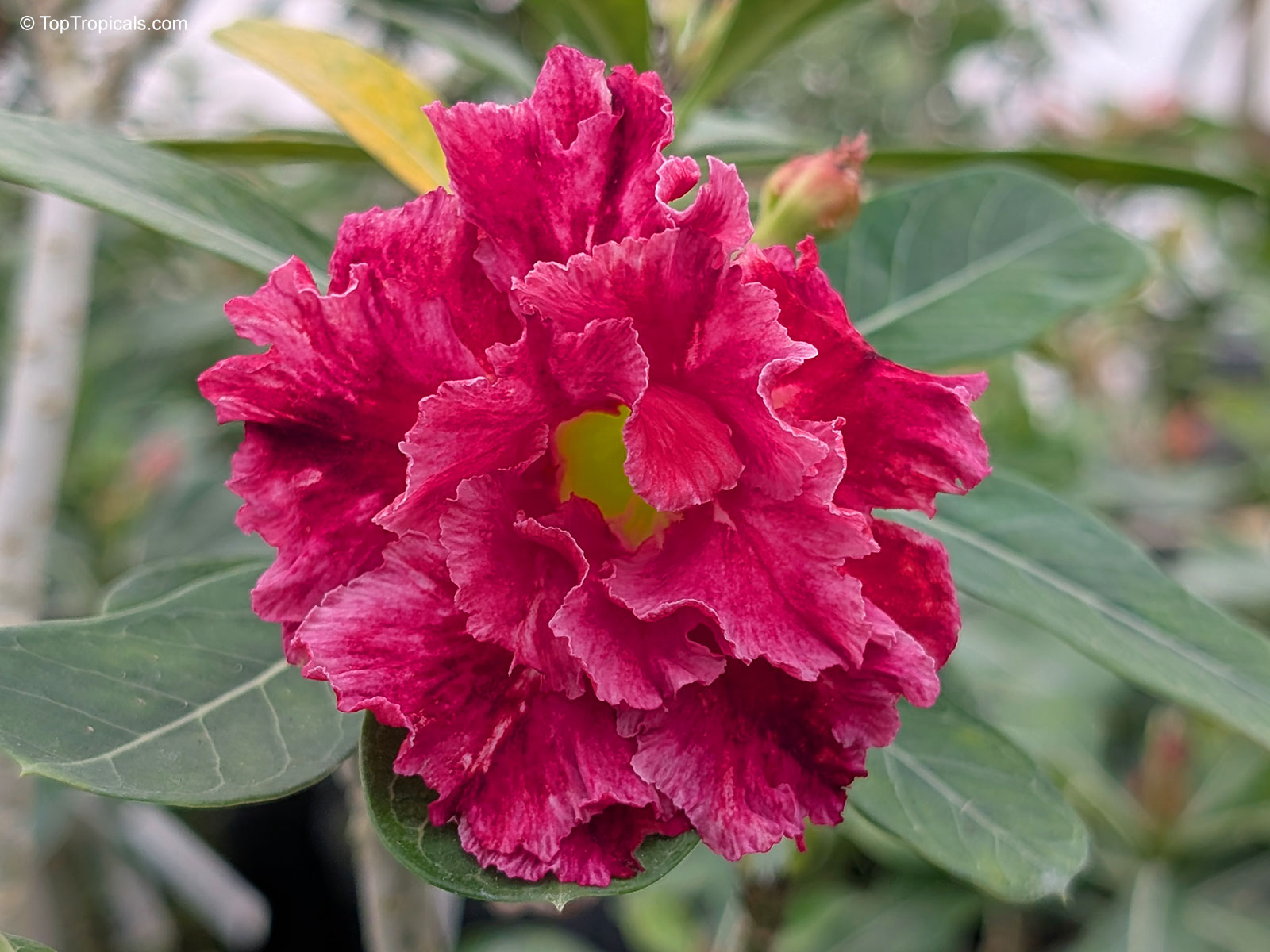
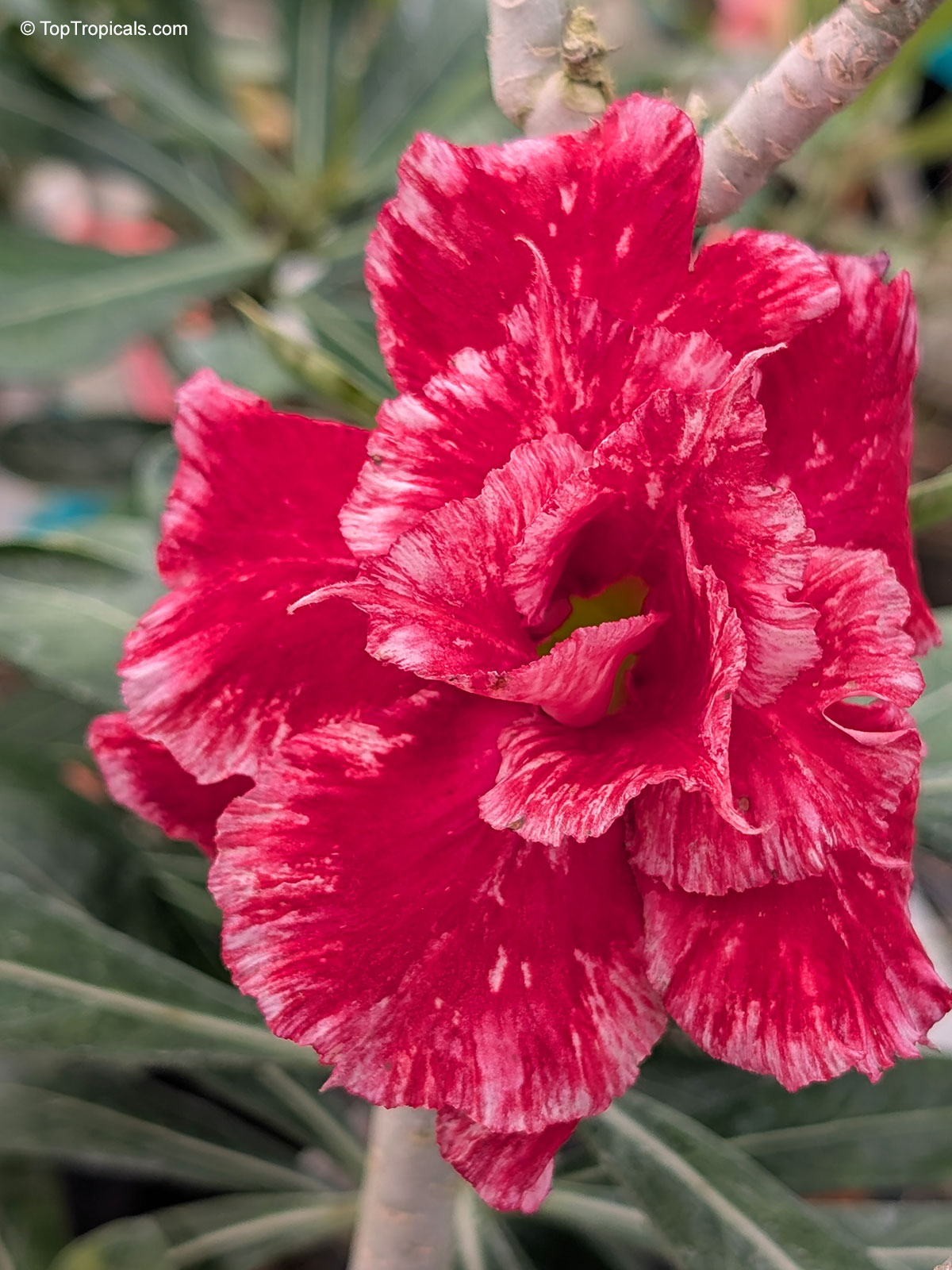
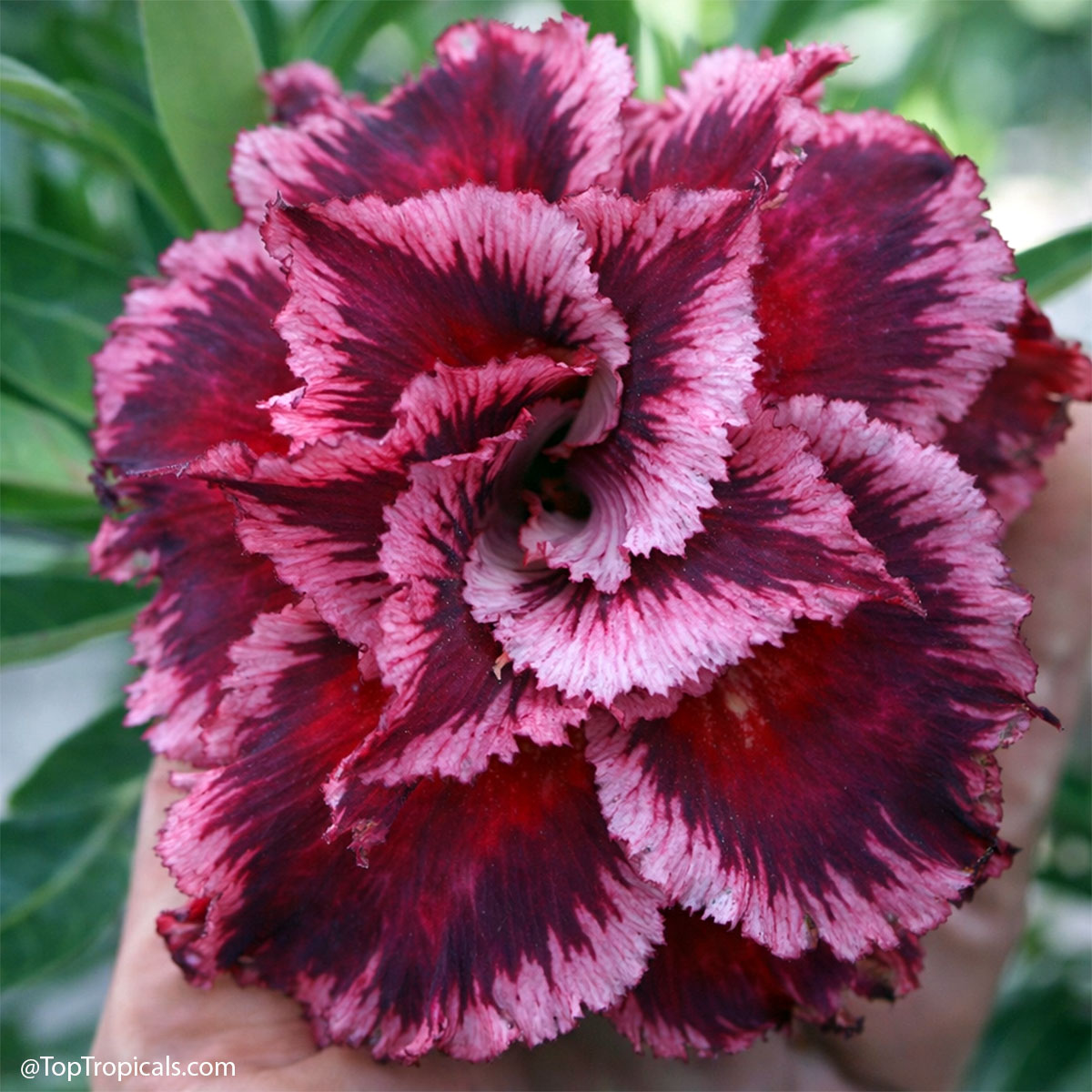
Adenium (Desert Rose) 'Fighting Fishtail' with deep red double flowers edged in pale pink, featuring ruffled, irregular petals reminiscent of a fishtail.
Recommended Supplies: SUNSHINE Megaflor - Bloom Nutrition Booster
SUNSHINE-Epi - Caudex booster
Adenium Soilless Mix
Succulent Care. This plant is shipped bare-rooted. Plant it in well-drained soil mix, water and keep in warm (75-80F) place in filtered light. Let soil dry between waterings.
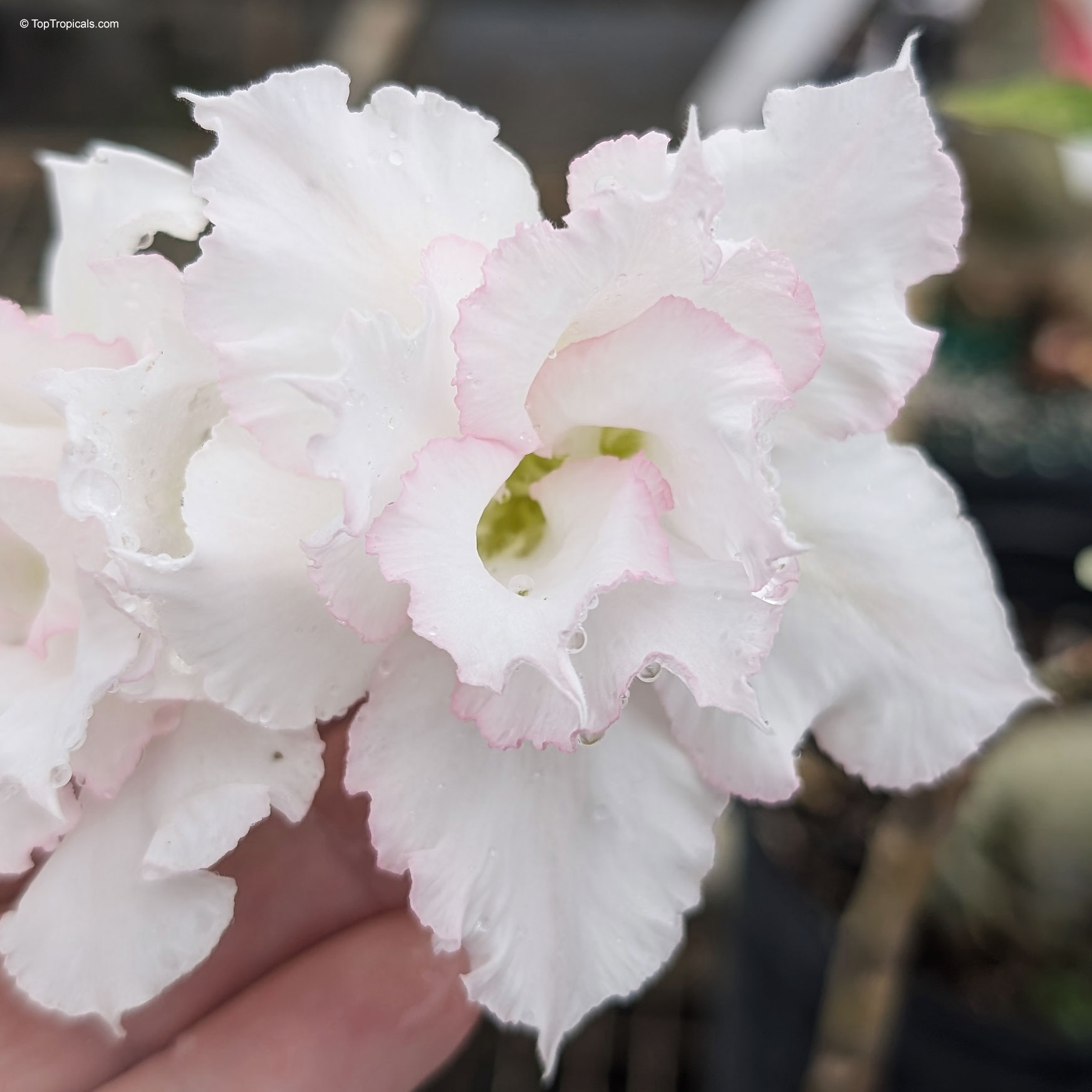
Botanical name: Adenium sp.
Common name: 'Frozen White' variegated Desert Rose
Cultivar: Frozen White' Variegated
Family: Apocynaceae
Adenium 'Frozen White' variegated - double white flower with delicate pale pink edges, resembling frost-kissed petals. The foliage is strikingly variegated, adding contrast and elegance to the plant.
Recommended Supplies: SUNSHINE Megaflor - Bloom Nutrition Booster
SUNSHINE-Epi - Caudex booster
Adenium Soilless Mix
Succulent Care. This plant is shipped bare-rooted. Plant it in well-drained soil mix, water and keep in warm (75-80F) place in filtered light. Let soil dry between waterings.
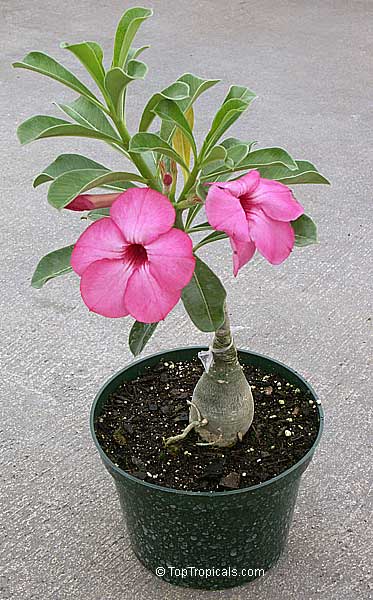
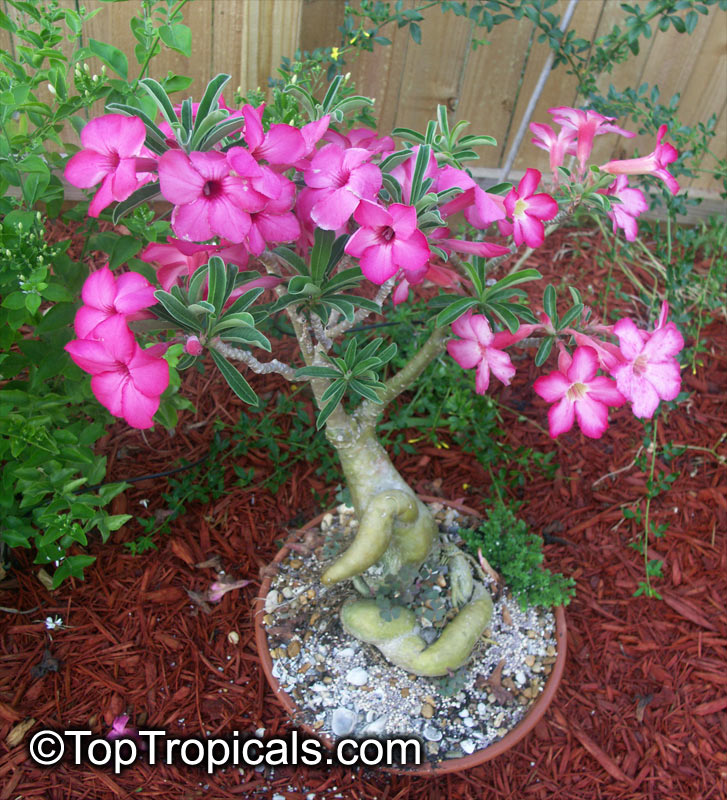
Botanical name: Adenium swazicum
Common name: Desert Rose
Family: Apocynaceae
Origin: Arabia


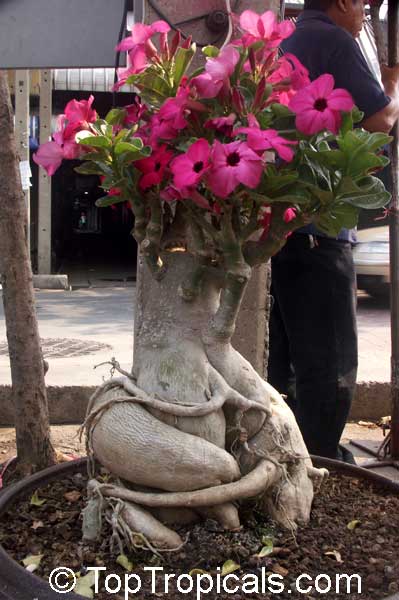
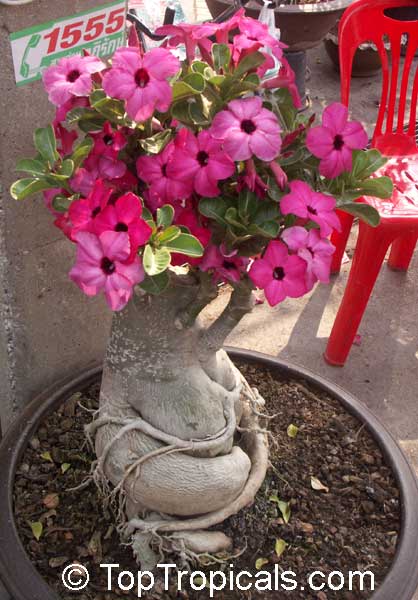
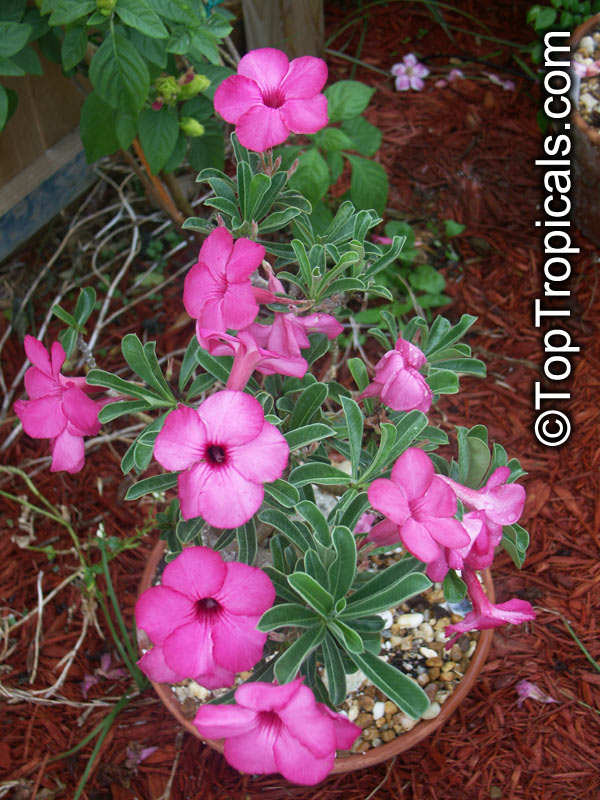
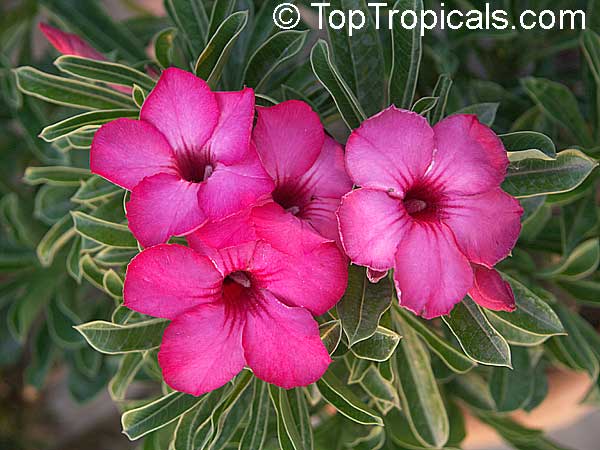
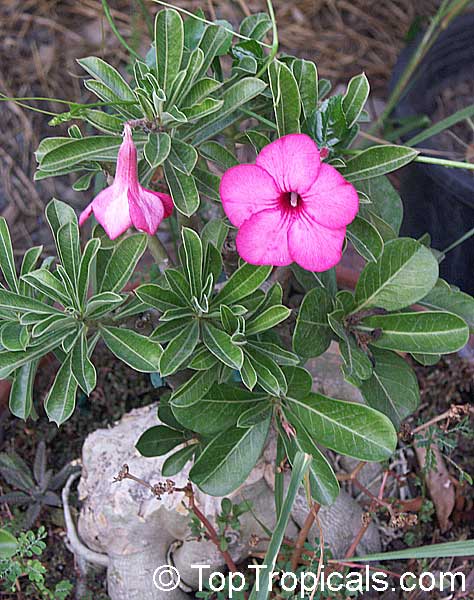
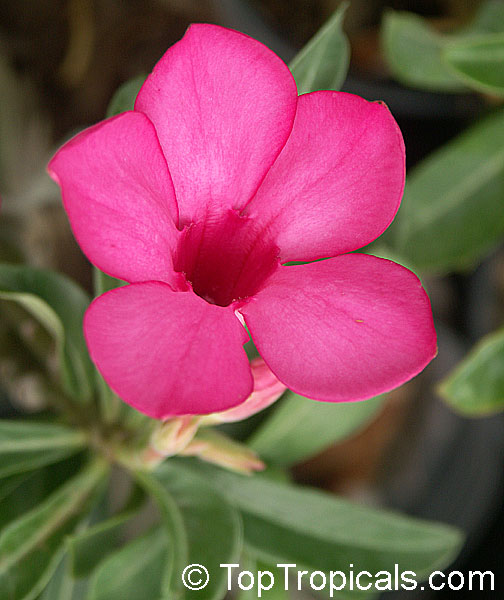
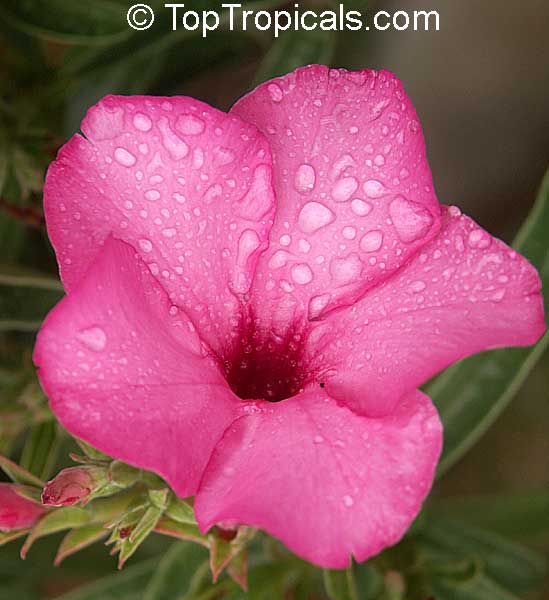
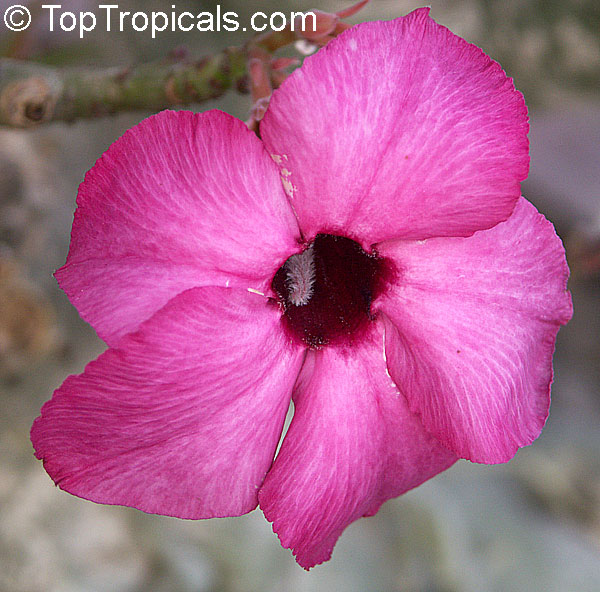
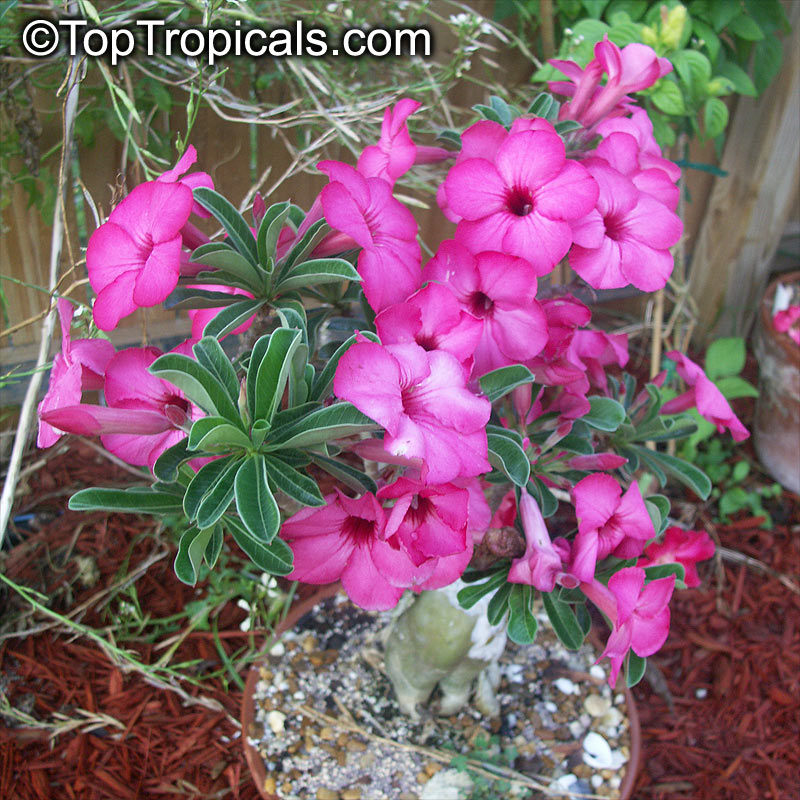
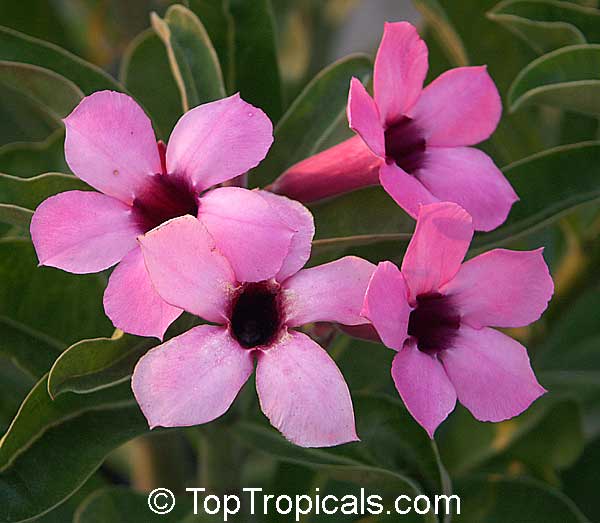
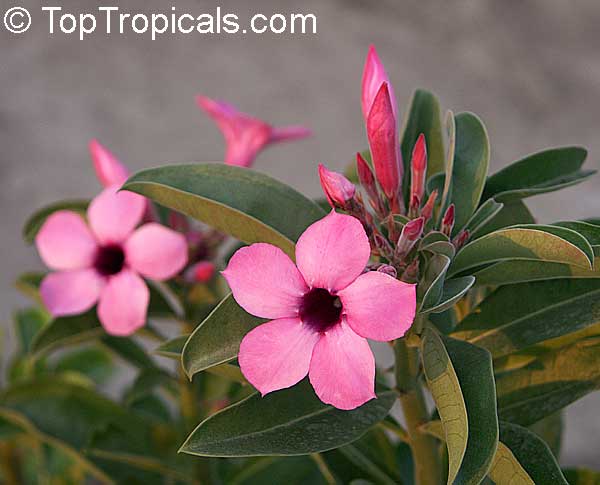
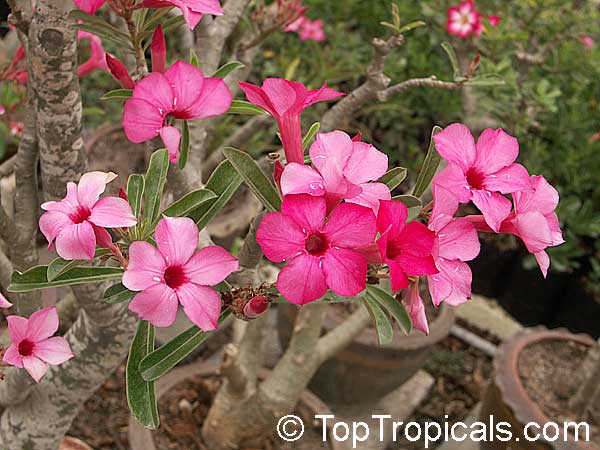
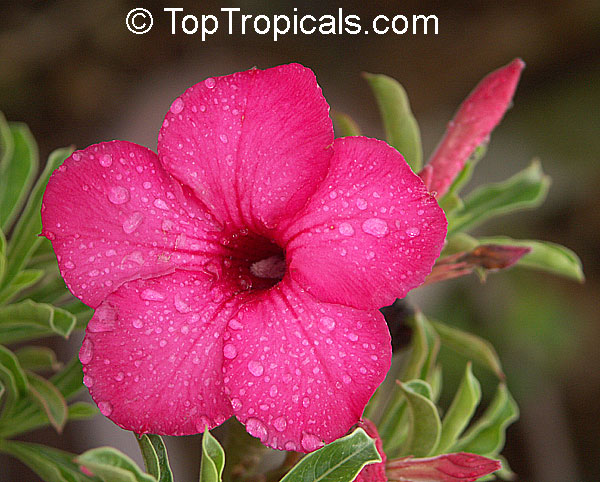
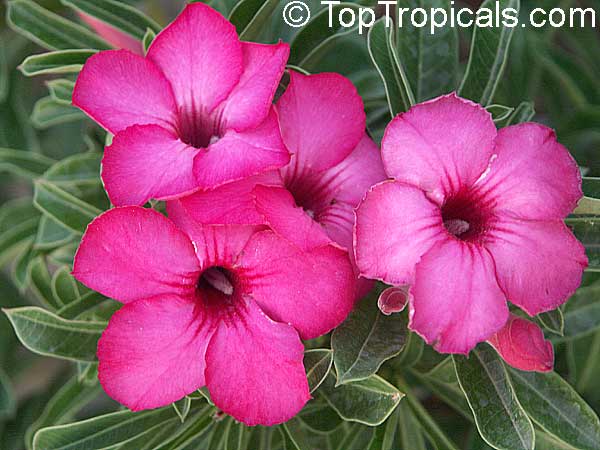
Growing to a height of about 4-5ft, this succulent plant is a member of the same family as Plumeria. Their swollen, often twisted trunks, are pale gray. The leaves are glossy and club-shaped. The flowers appear almost continuously, are trumpet-shaped, and range from white and bright pink to crimson red. They emit a highly toxic sap, which in some places is used as a poison for arrows. Adeniums are not generally grown in moist tropical gardens but are often seen as a decorative pot plants; they may also be used in rock gardens. They need full sun and a well-drained potting mixture. Exotic multi-color varieties can be grafted on the same plant. See other exotic species of Adenium, photo gallery of exotic varieties and Thai Adeniums - milti-colored, multi-grafted.
See article about Adenium.

| Prev | Next | |
Use link to repeat this search:
https://toptropicals.com/cgi-bin/garden_catalog/cat.cgi?search_op=and&keyword_op=and&language=e&number=10&no_change_lang=1
&user=tt&sale=1&first=0