Maranta - Plant Encyclopedia Results
| Number of plants found: 35 | Next | 
|
Go to page: | 1 | 2 | 3 | 4 |
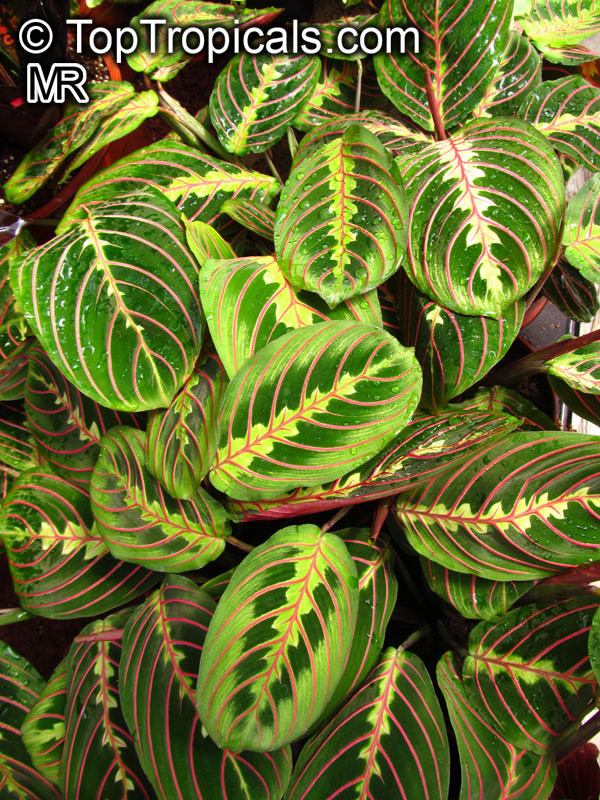
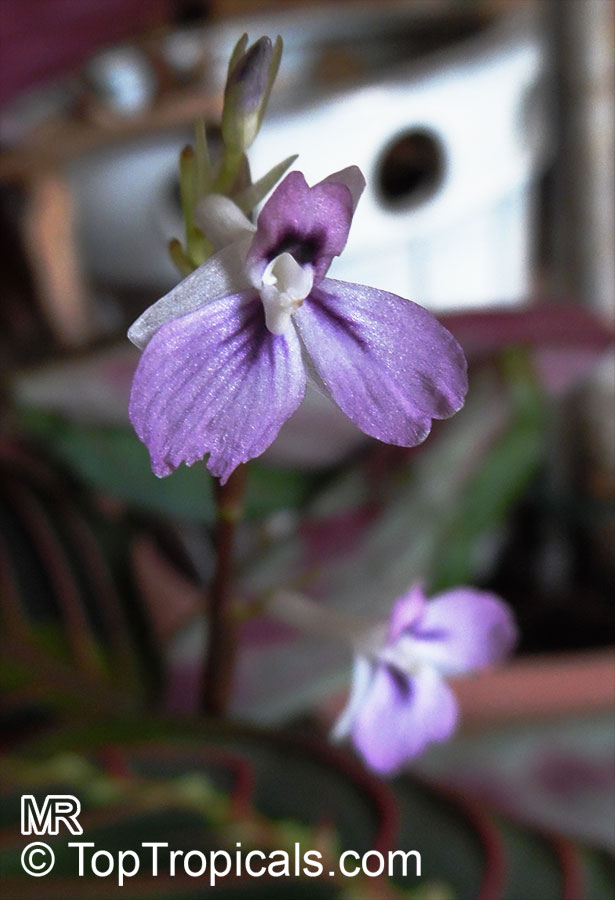
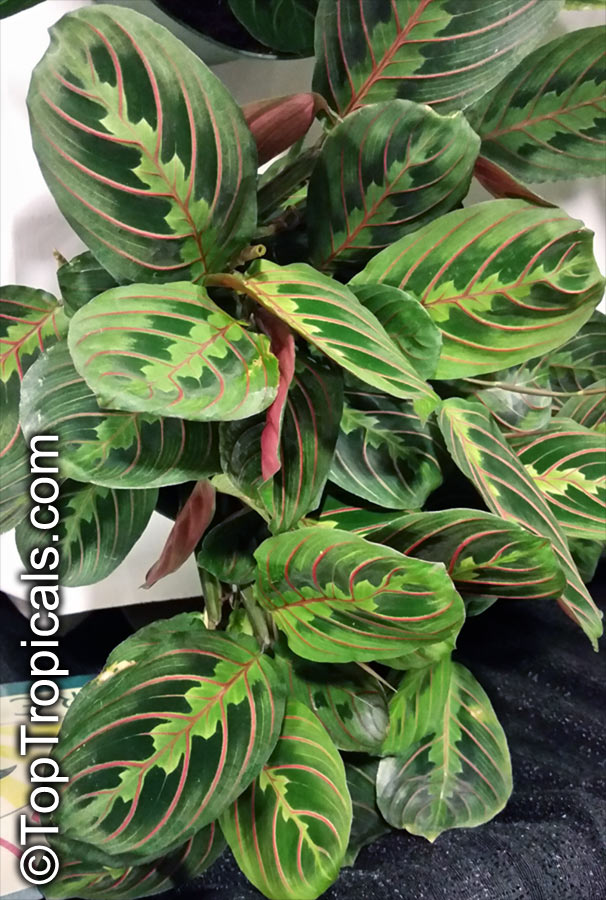
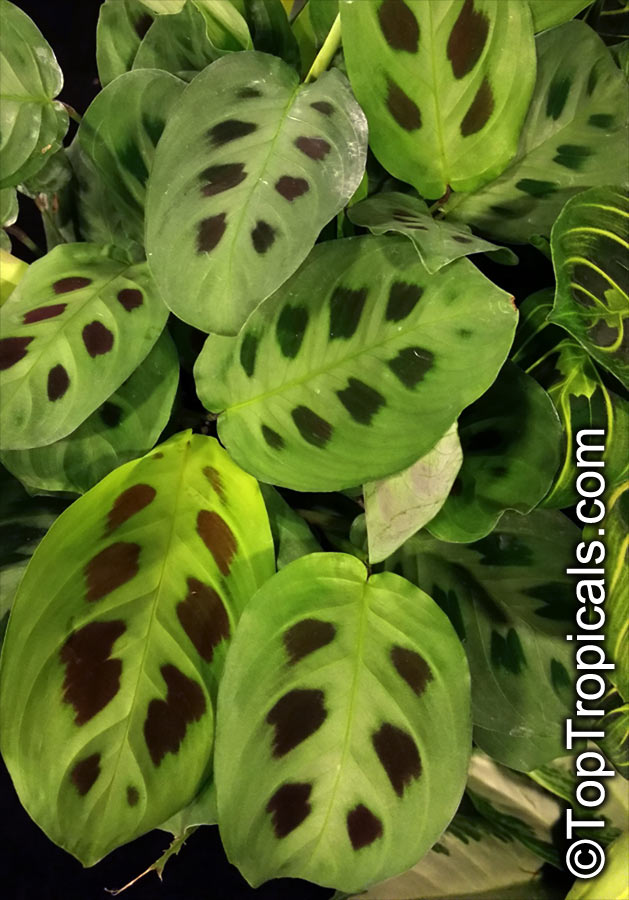
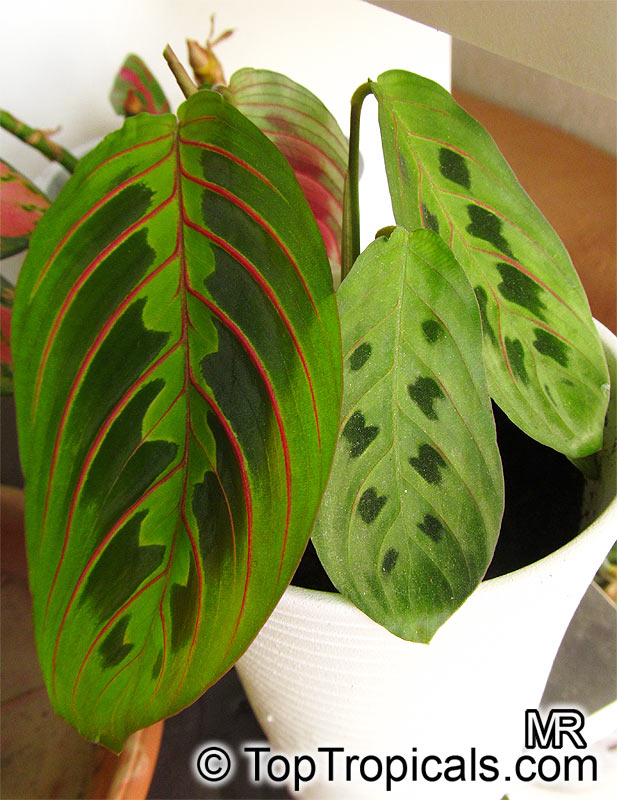
Botanical name: Maranta leuconeura
Common name: Prayer Plant
Family: Marantaceae
Origin: Brazil
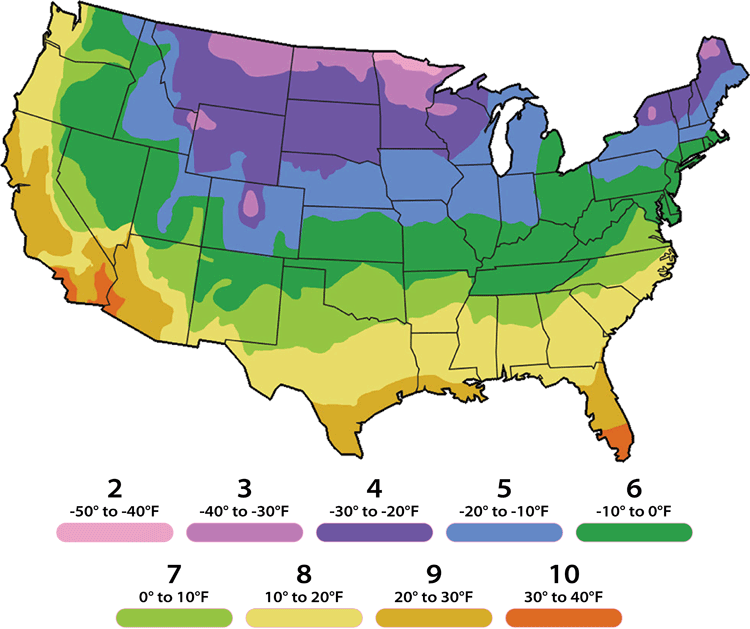
USDA Zone: 9-10


Maranta leuconeura is a small tropical plant with broad oval leaves, up to 8 inches long by half as wide. The leaves fold upwards at night, hence the common name. Maranta leuconeura need full shade and warm temperatures. Water regularly; do not overwater.
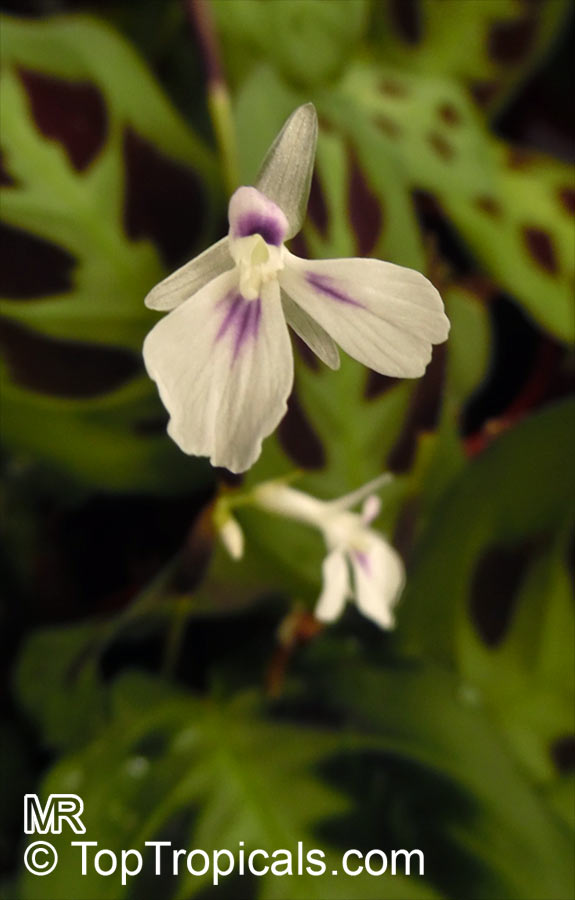
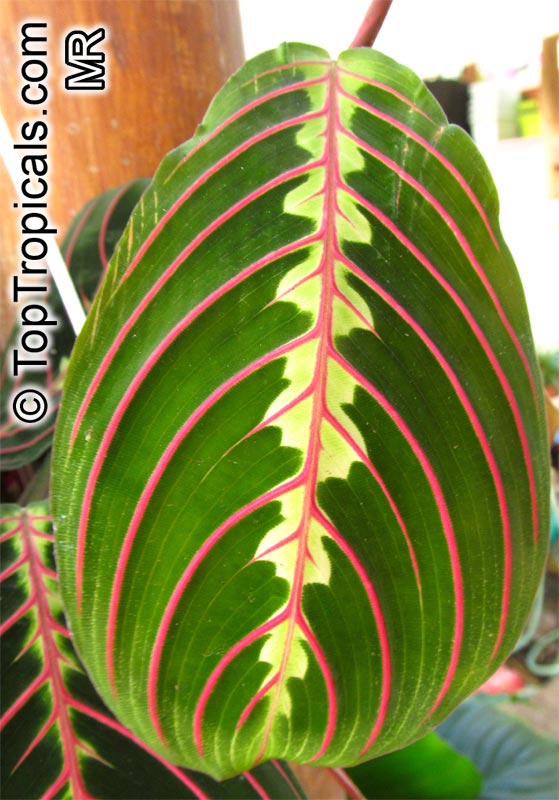
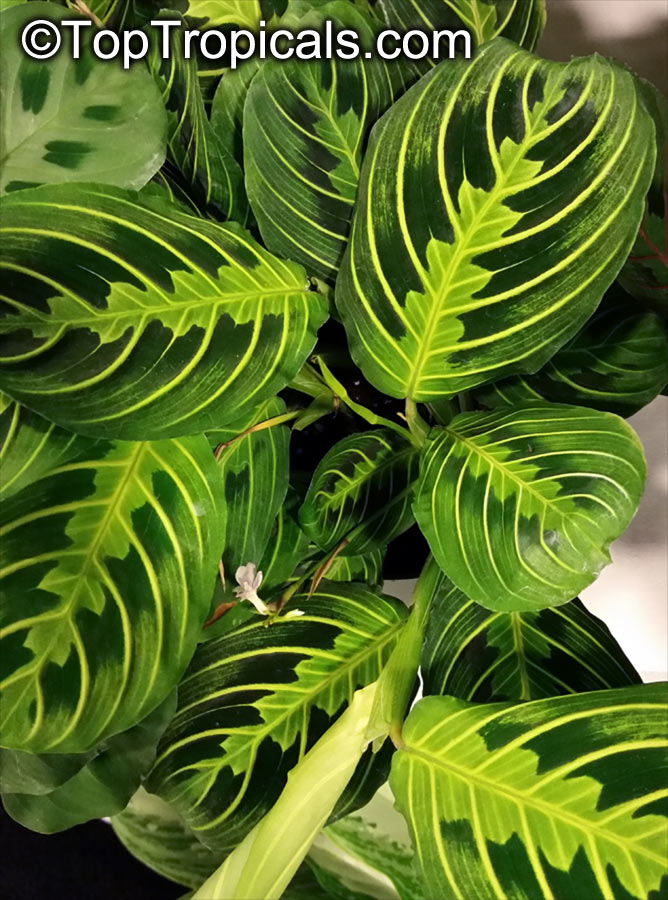
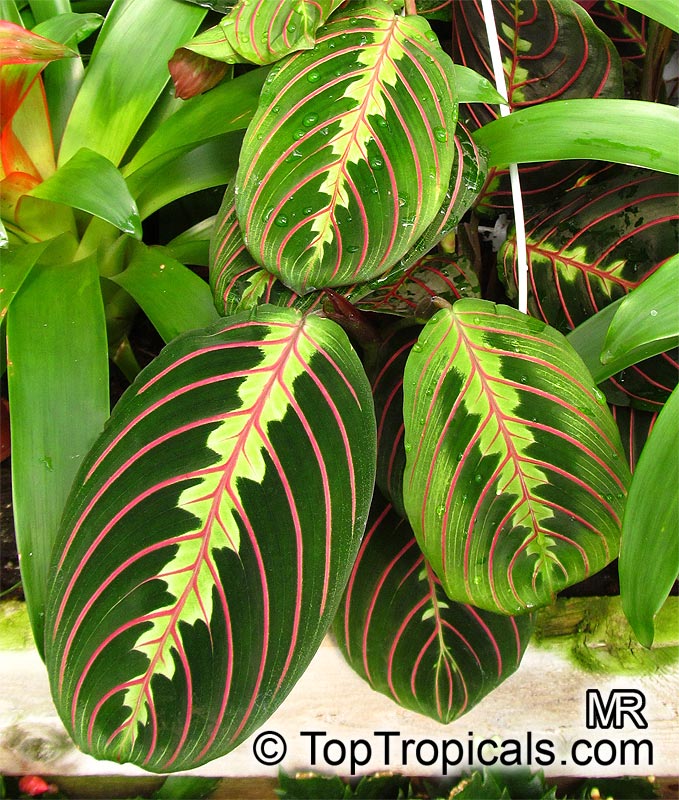
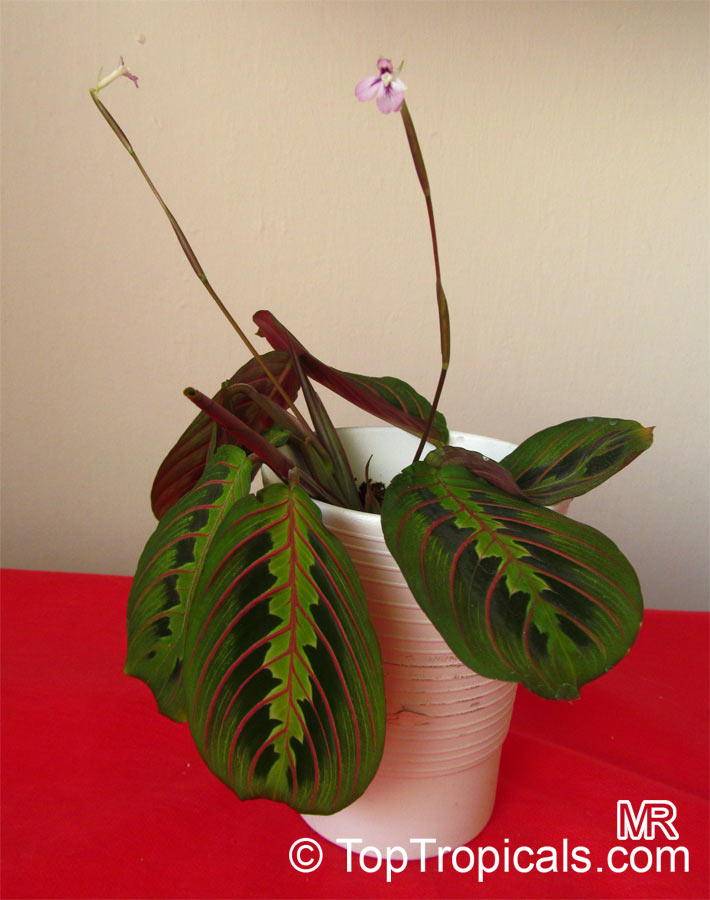
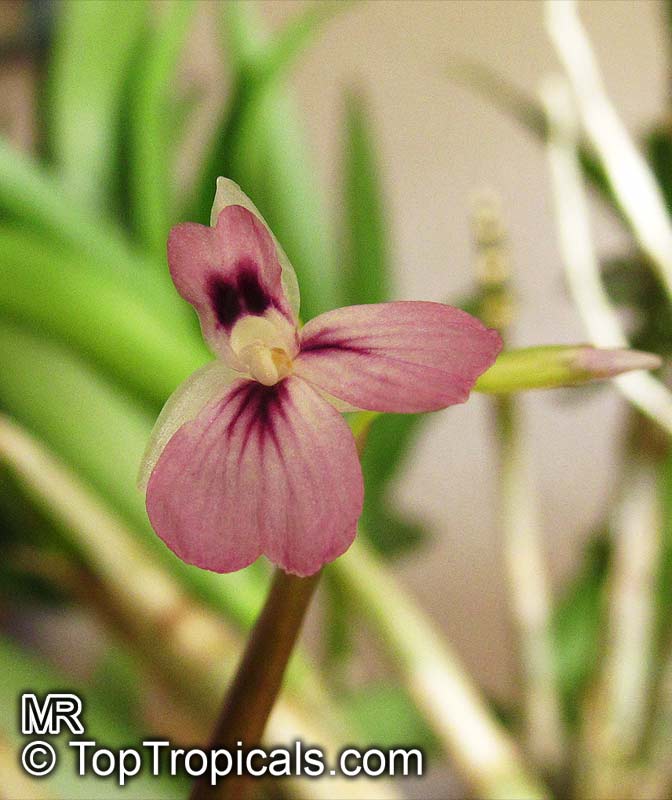
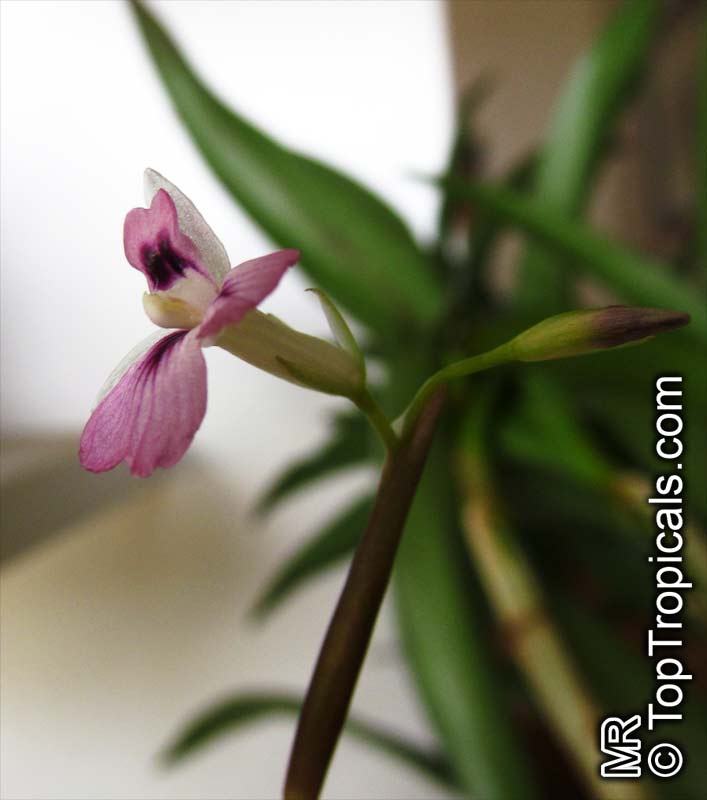
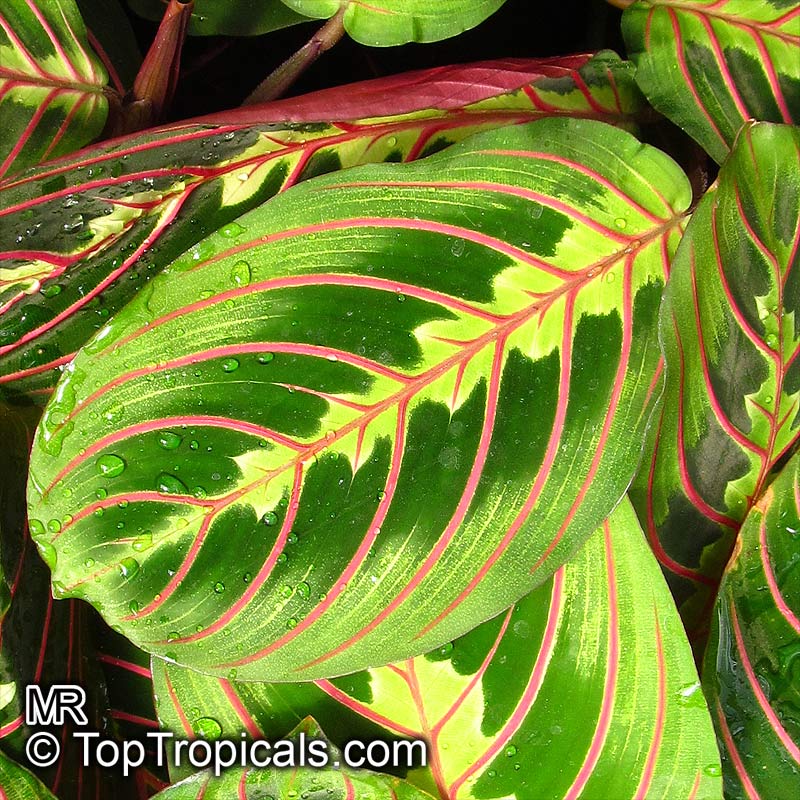
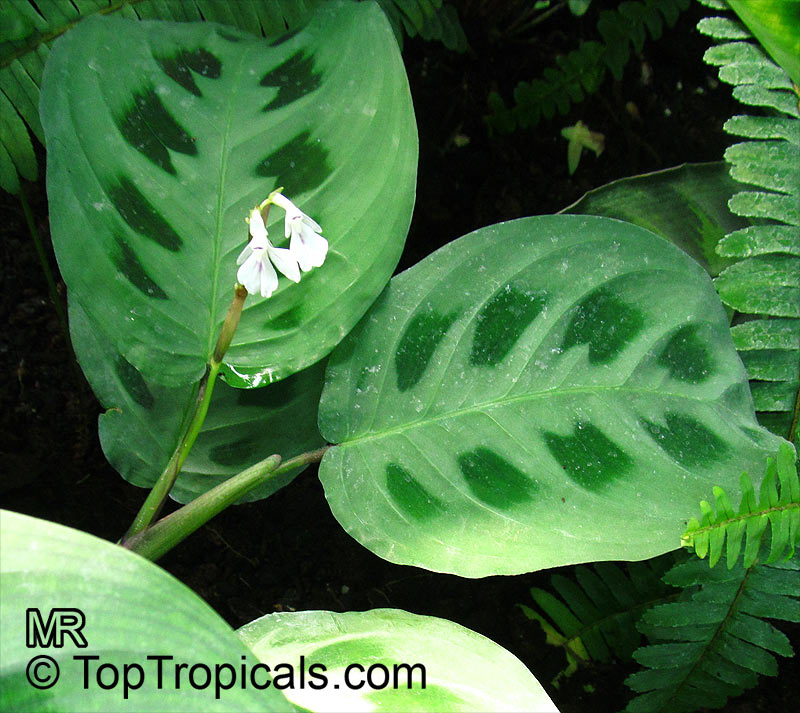
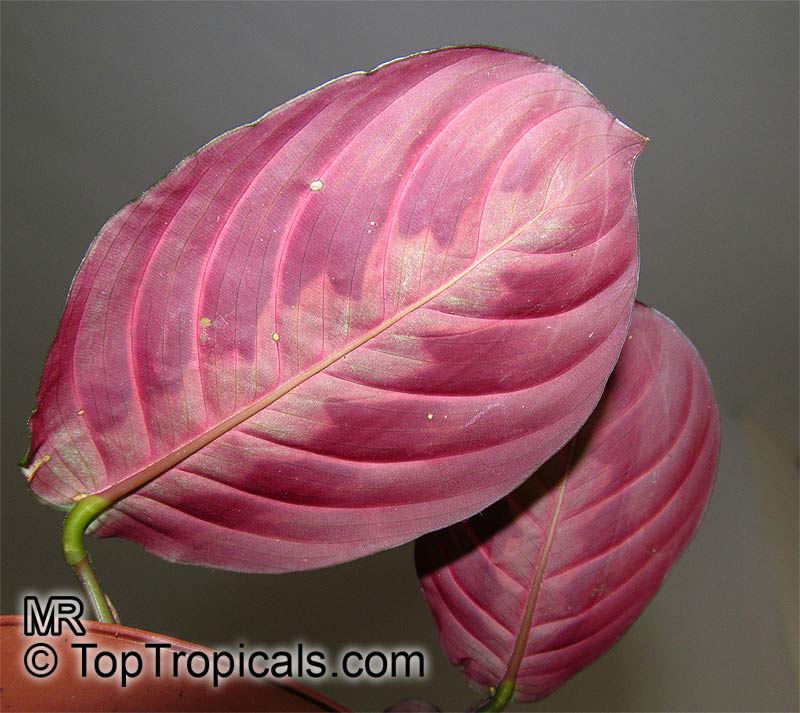
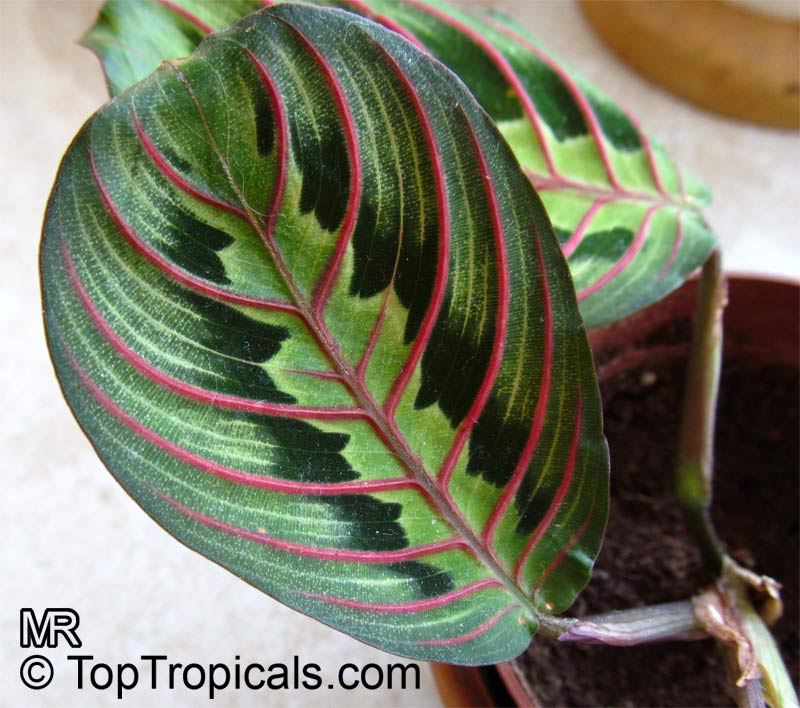
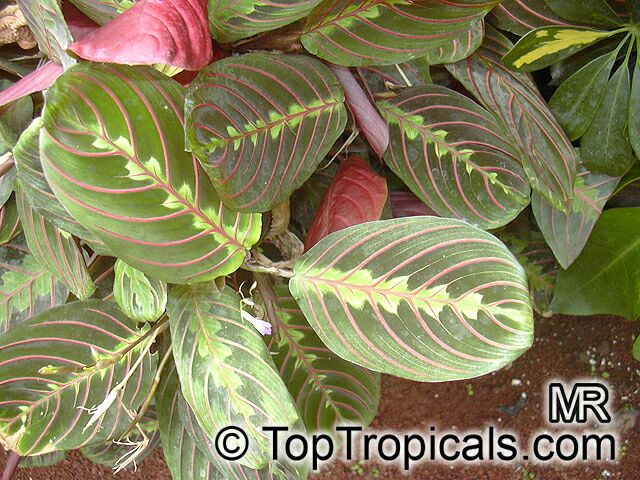
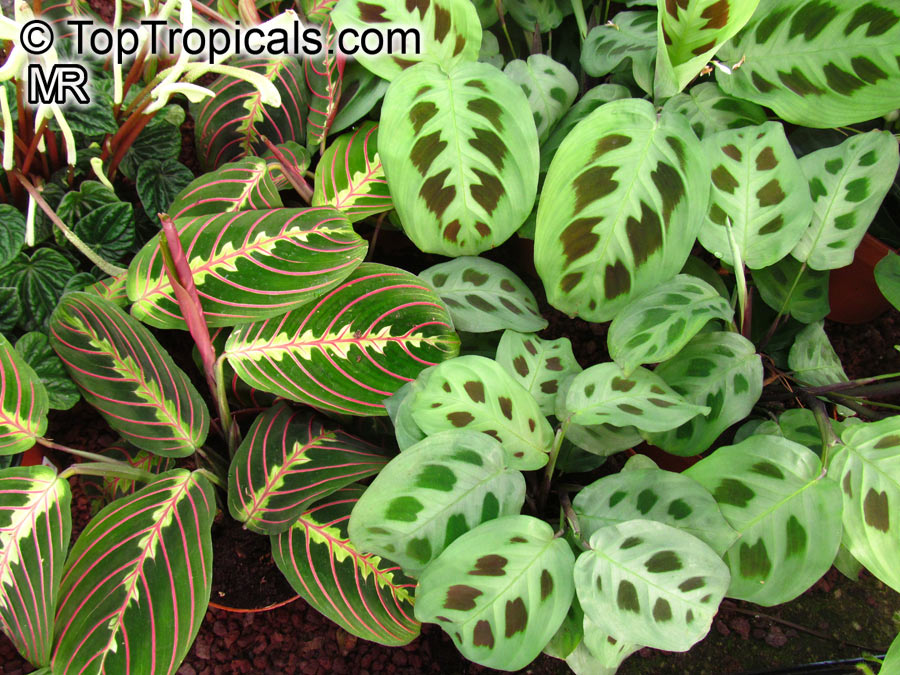
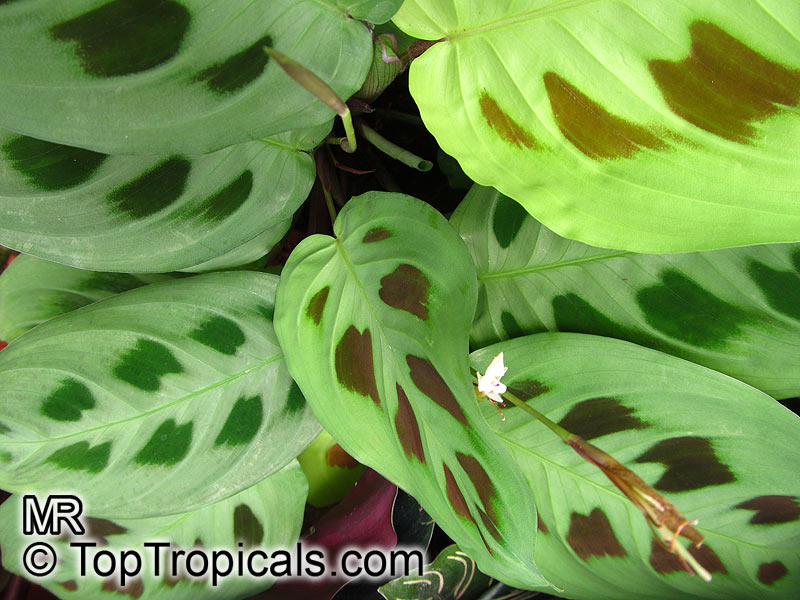

Botanical names: Goeppertia makoyana, Calathea makoyana, Maranta makoyana
Common name: Peacock Plant
Family: Marantaceae
Origin: Brazil
USDA Zone: 10-11


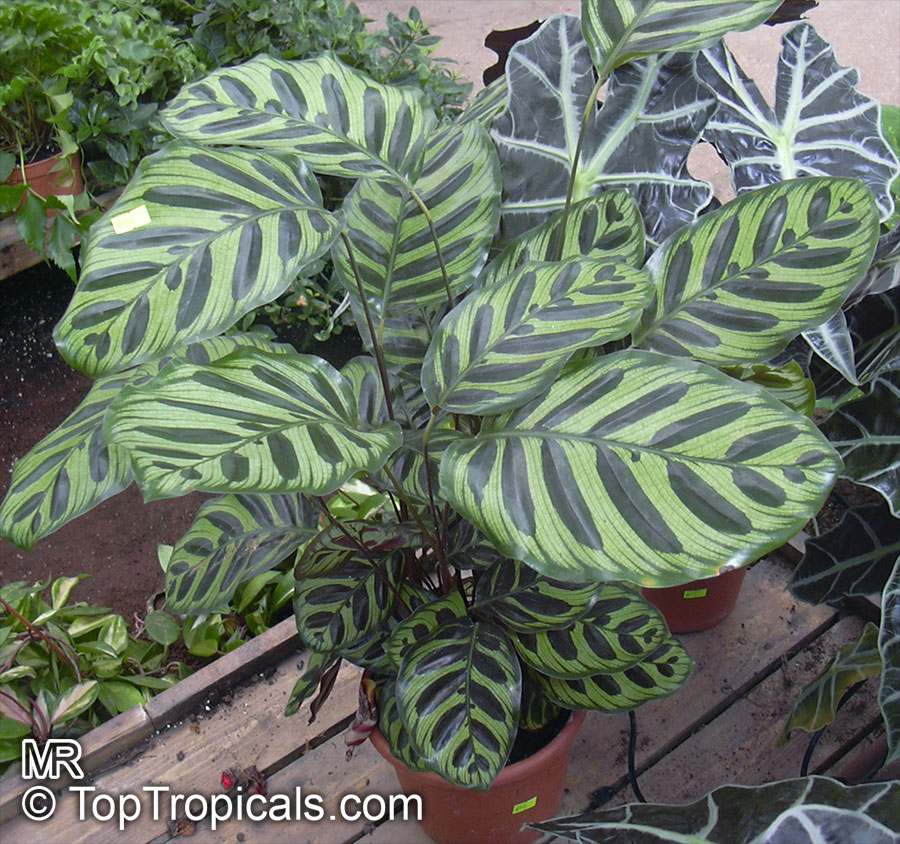
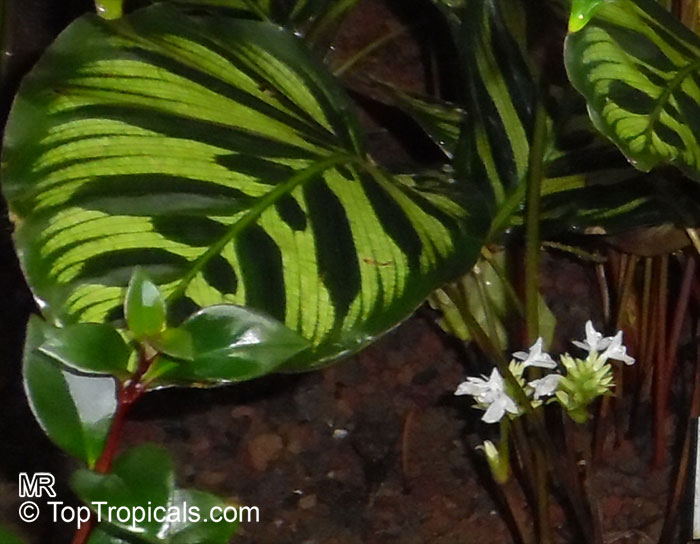
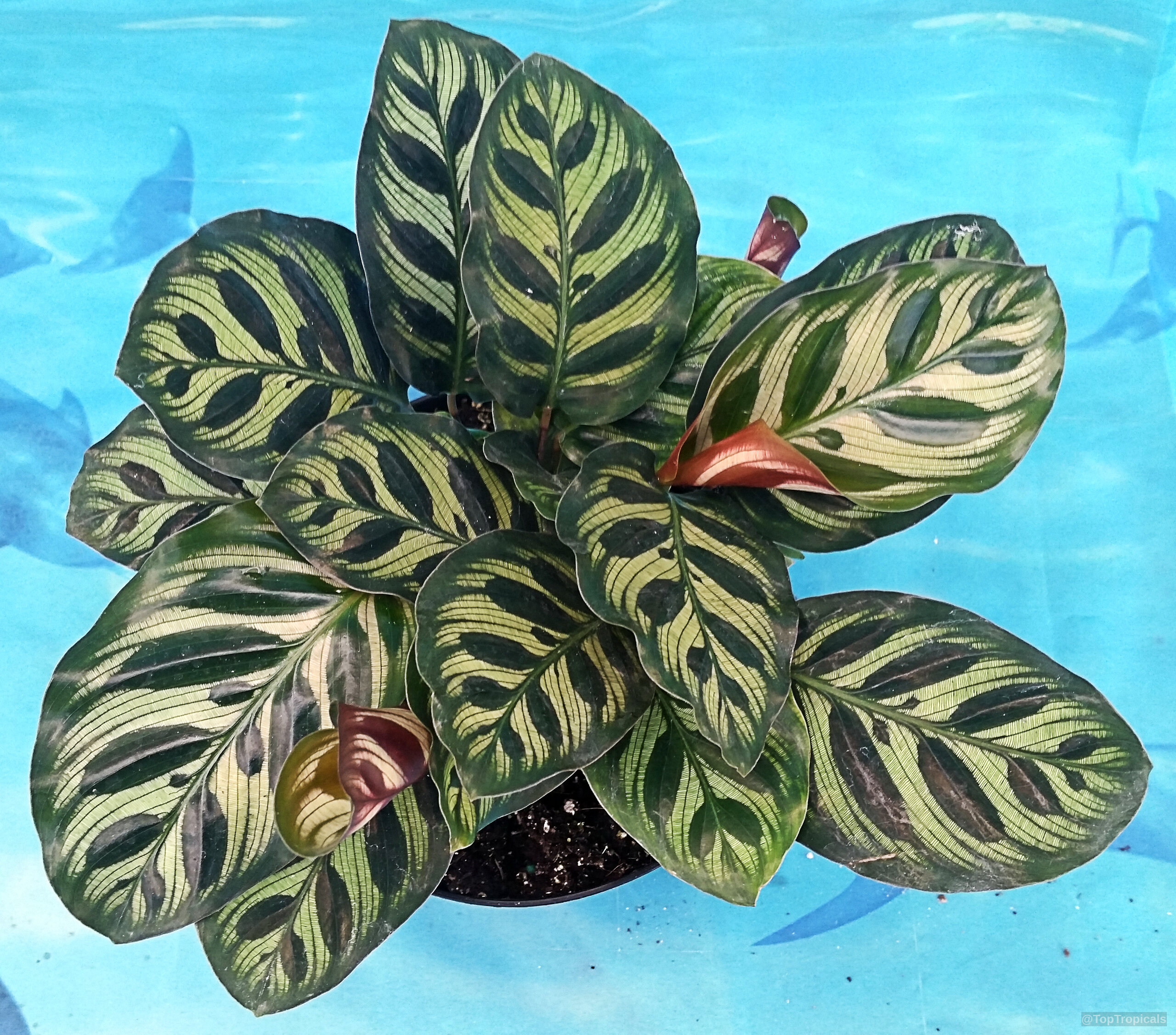
Goeppertia makoyana, commonly known as peacock plant or cathedral windows, is a tropical evergreen perennial in the Marantaceae family, native to Brazil. Its former name, Calathea makoyana, remains much better known and is still widely used in horticulture and the houseplant trade. The plant forms compact clumps of thin, broadly oval leaves marked with an intricate feather-like pattern of dark green blotches against a pale green to silvery background. The leaf undersides are purplish to reddish purple, with the upper-surface pattern repeated in darker tones, creating a stained-glass effect when light passes through the foliage. Plants typically remain about 1-2 ft tall and are grown primarily for their striking leaves.
Goeppertia makoyana prefers bright filtered light, warm temperatures, high humidity, and loose, organic-rich, well-drained soil. Keep the soil evenly moist but not waterlogged, and avoid prolonged drying, which can cause leaf margins to brown or curl. Direct sun may scorch or fade the patterned foliage. It is best suited to frost-free conditions in USDA Zones 10b-11 and is widely grown elsewhere as a container or indoor plant.
See Article - How to grow Calathea indoors.
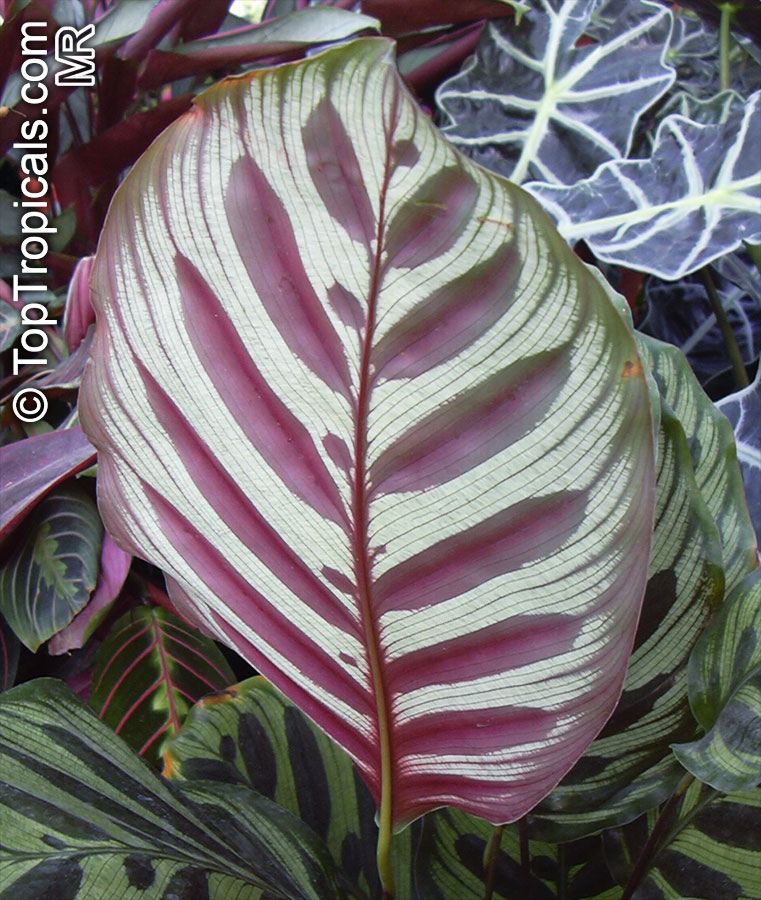
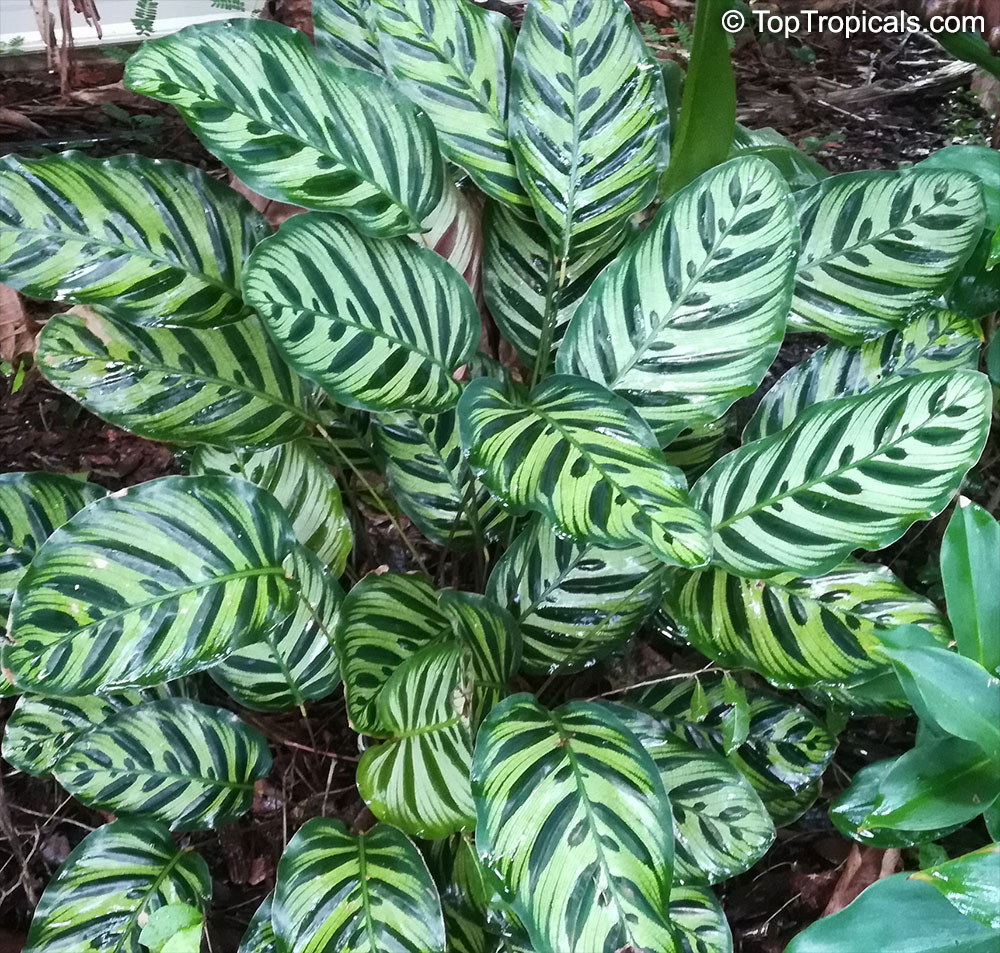
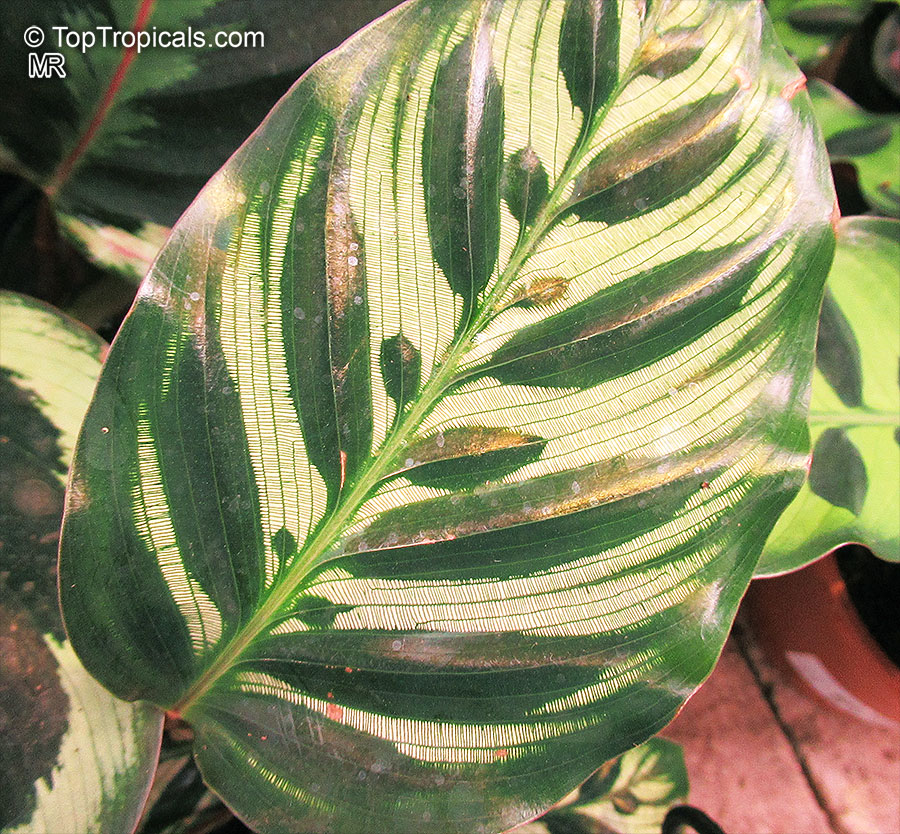
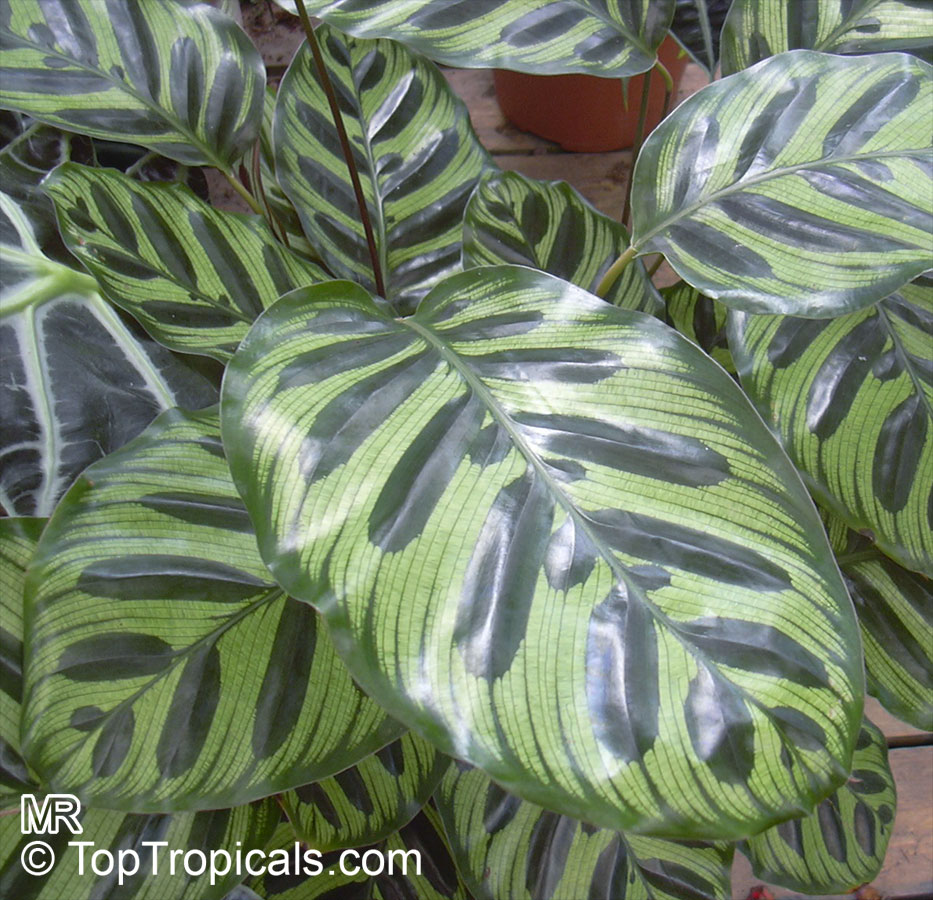
See Article - How to grow Calathea indoors.
Recommended Fertilizer: SUNSHINE Robusta - Rapid Growth Booster
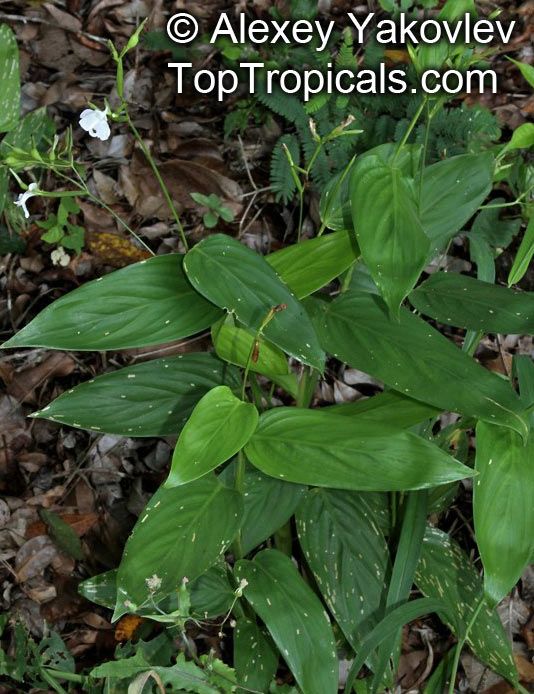
Botanical name: Maranta arundinacea
Common names: West Indian Arrowroot, Obedience Plant
Family: Marantaceae
Origin: Central America
USDA Zone: 9-10


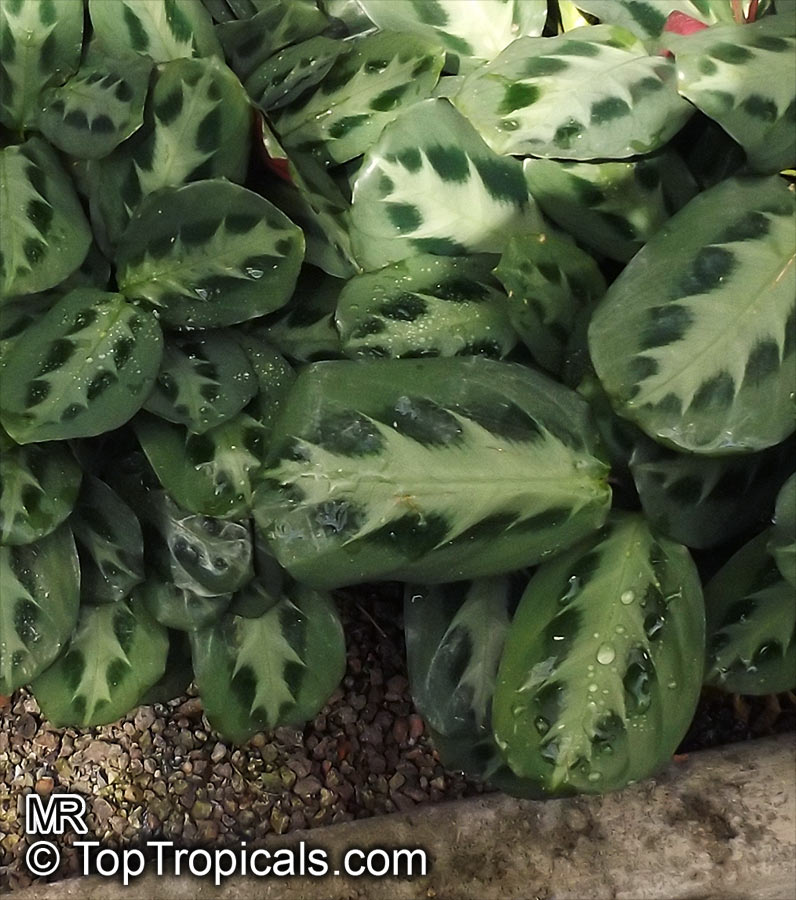
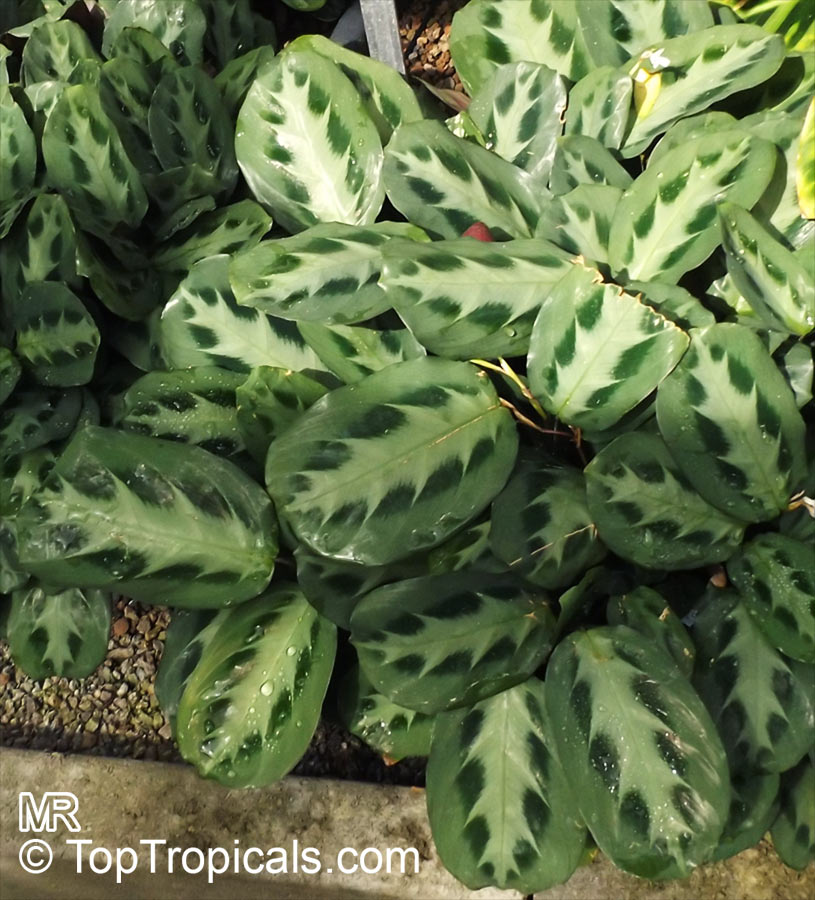
Botanical names: Maranta cristata, Maranta bicolor
Common name: Prayer Plant
Family: Marantaceae
Origin: Brazil
USDA Zone: 9-10
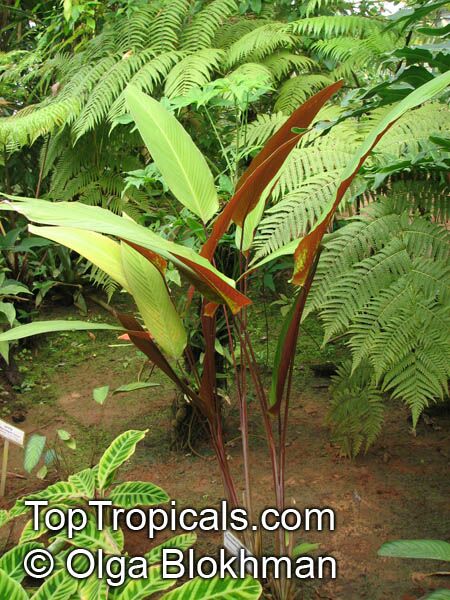
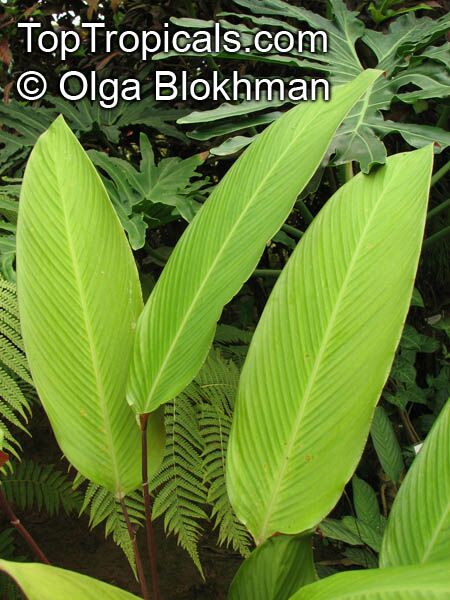
Botanical names: Pleiostachya pruinosa, Maranta pruinosa
Common names: Wheat Calathea, Platanillo
Family: Marantaceae
Origin: Central America
USDA Zone: 11
Cold tolerance: 50°F


This plant has been called Wheat Calathea for its inflorescence, which is reminiscent of Wheat and carries small purple flowers.
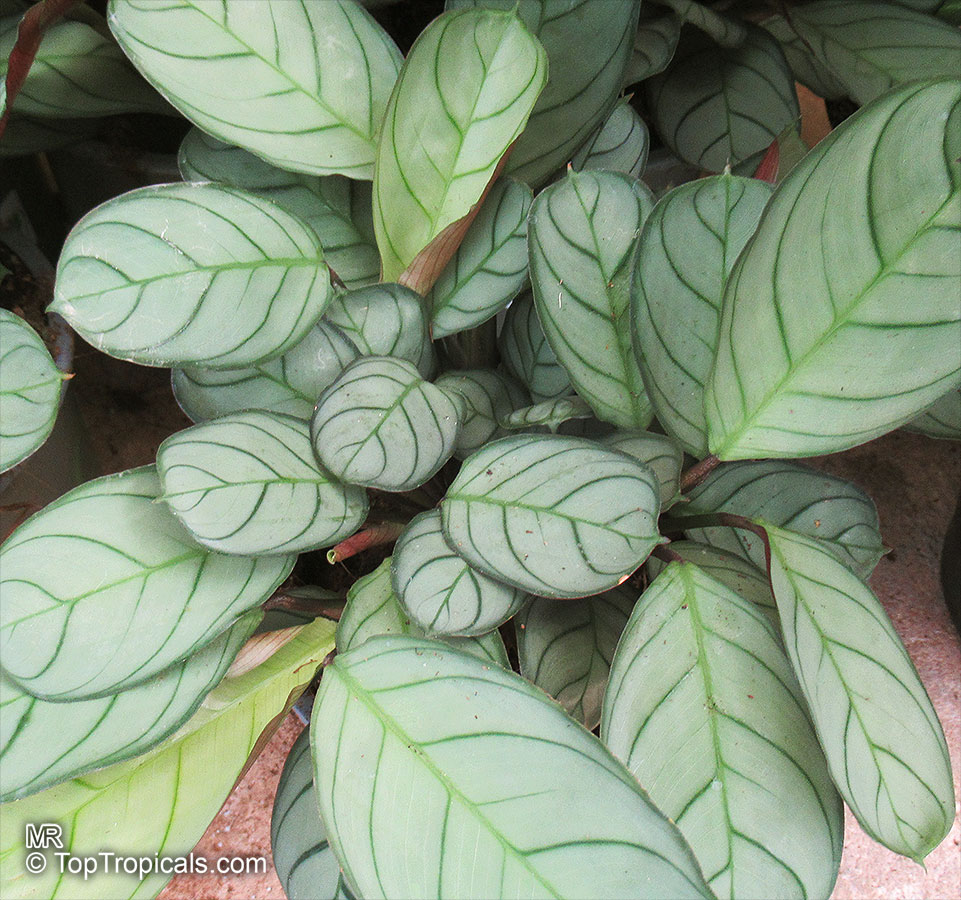
Pleiostachya pruinosa is a shade-loving tropical plant from Central and South America, recognized for its upright growth and powdery, bluish-green foliage with a silvery sheen. It prefers warm, humid conditions, rich moist soil, and protection from direct sun. Ideal for USDA Zone 11 or as an ornamental foliage plant in indoor or greenhouse settings.
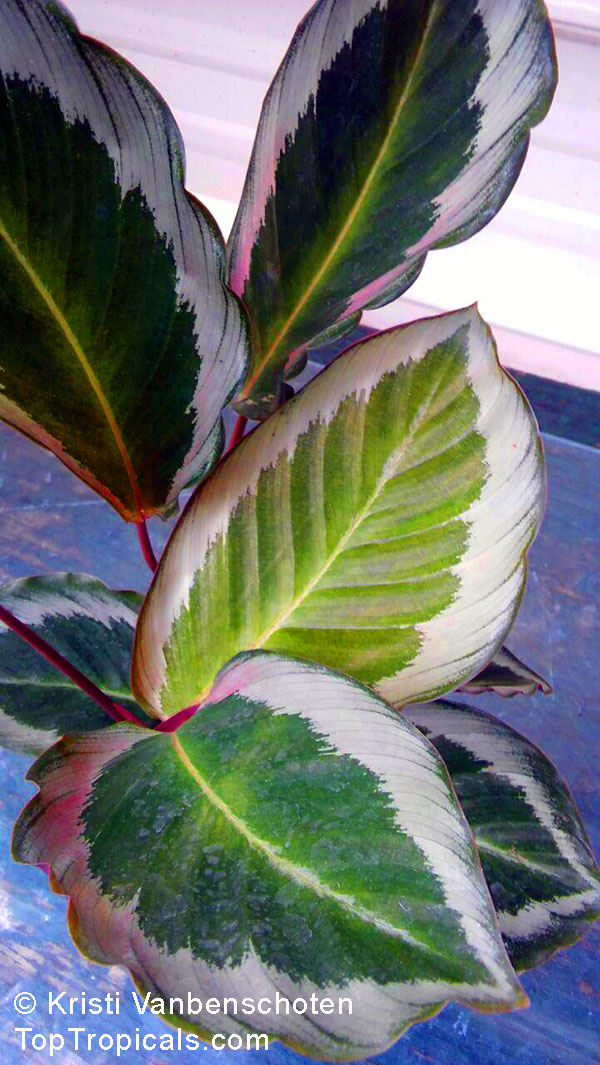
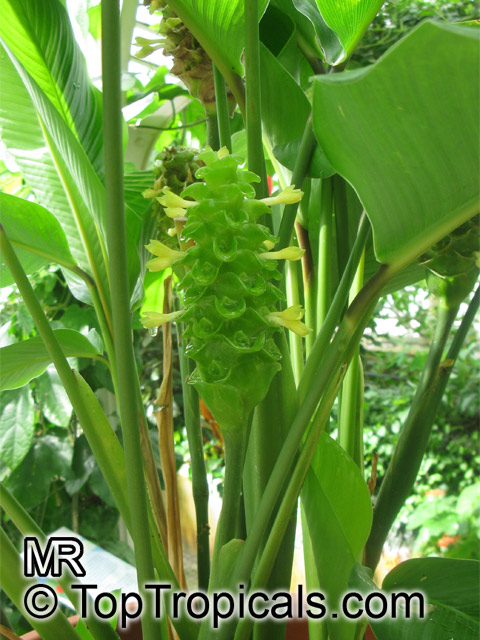
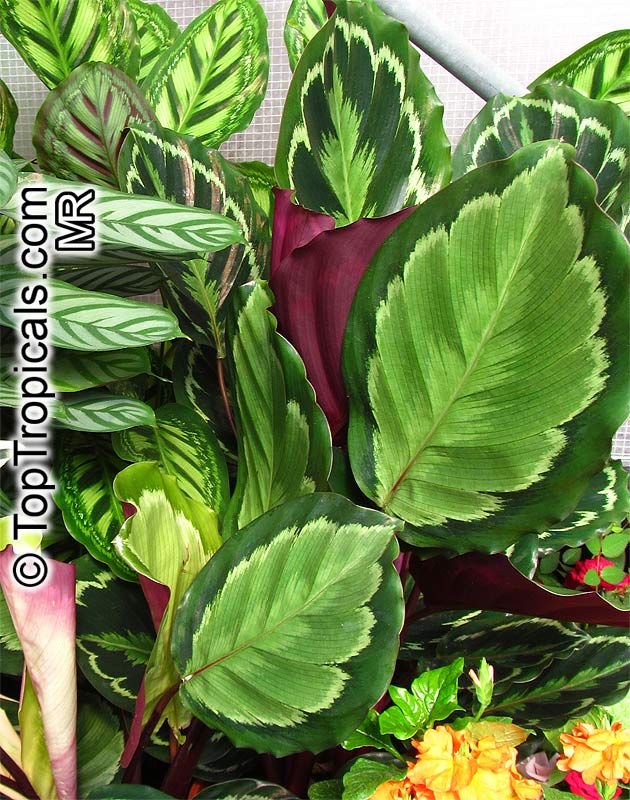
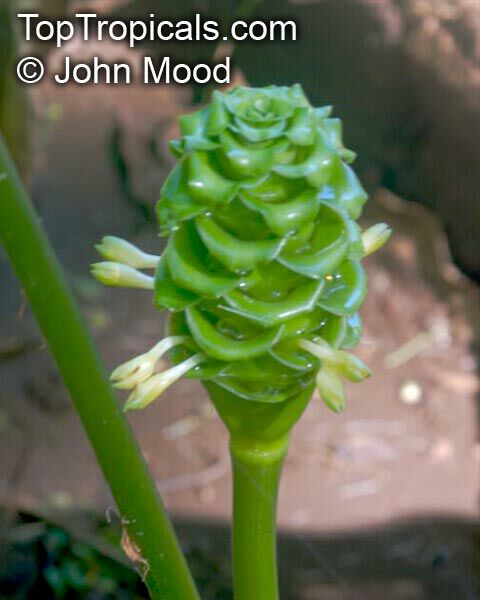
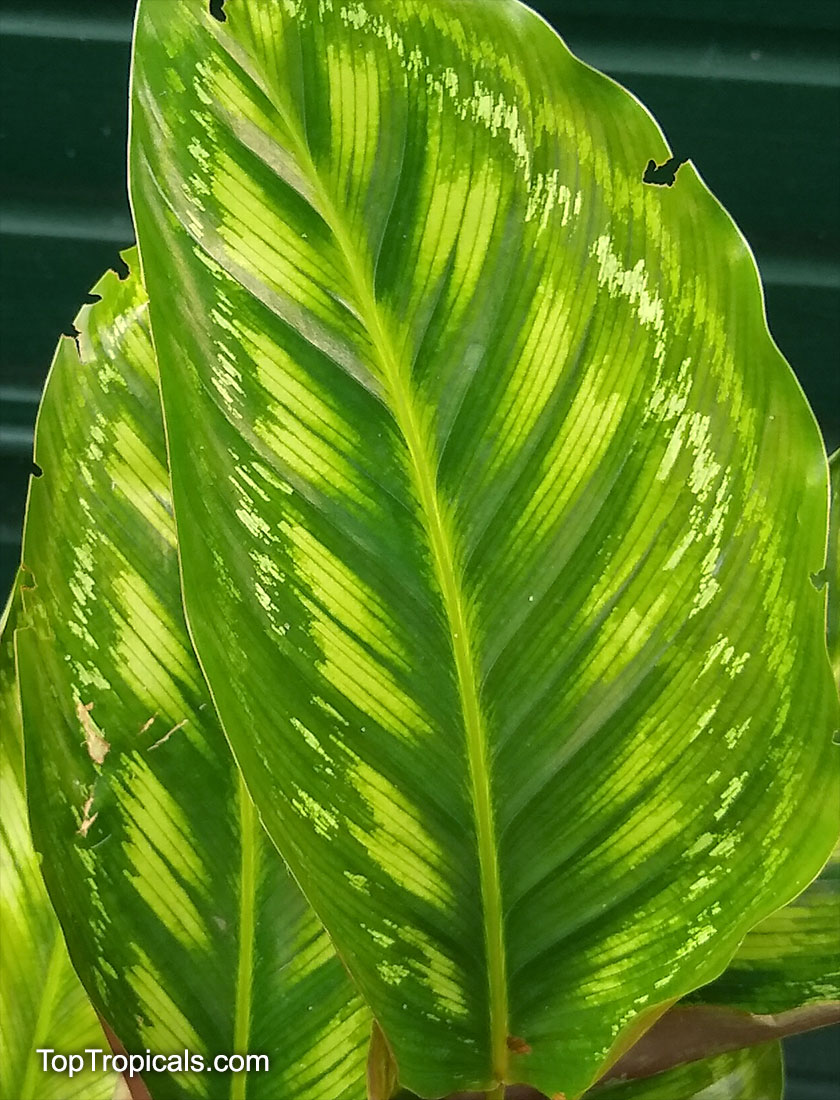
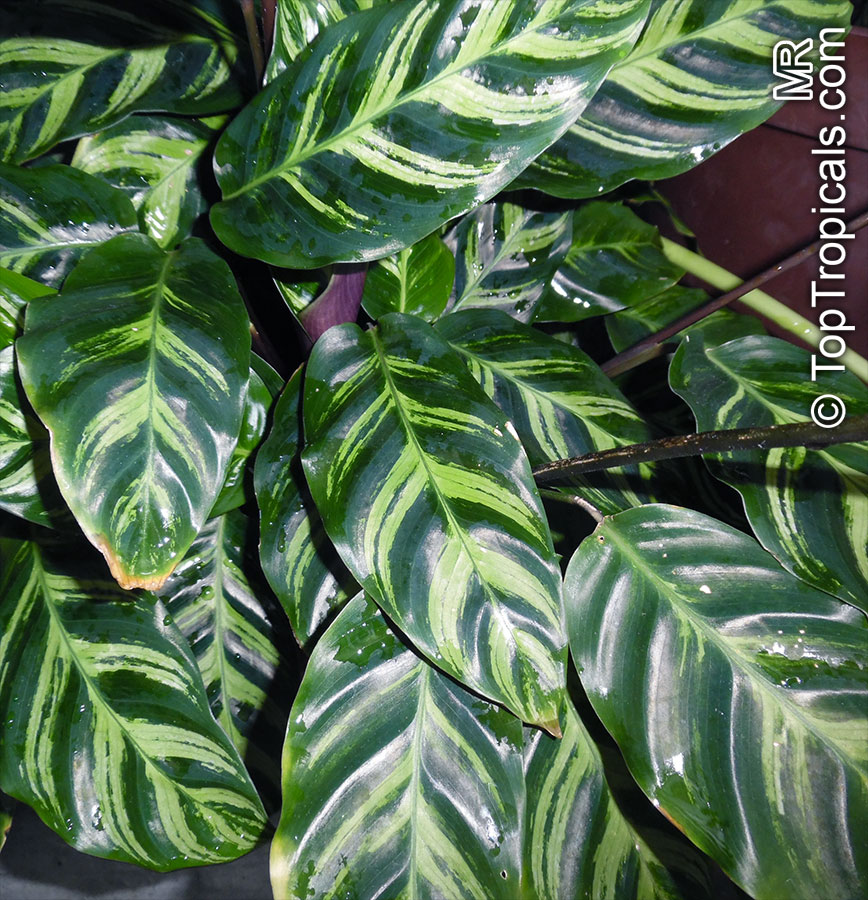
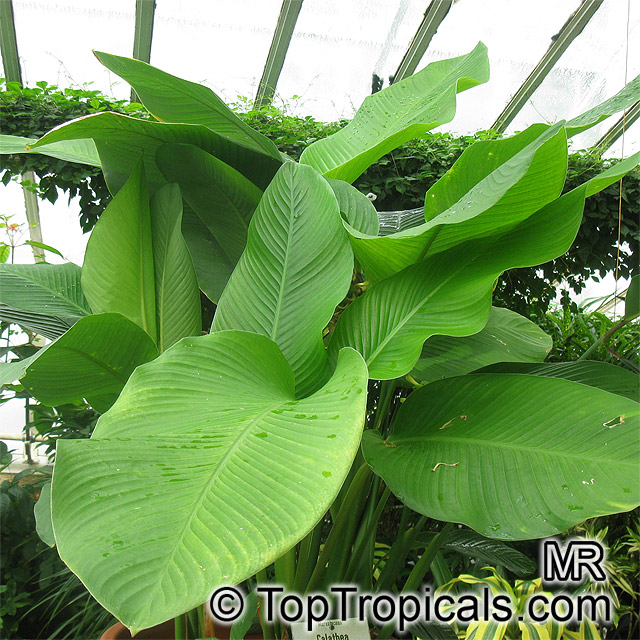
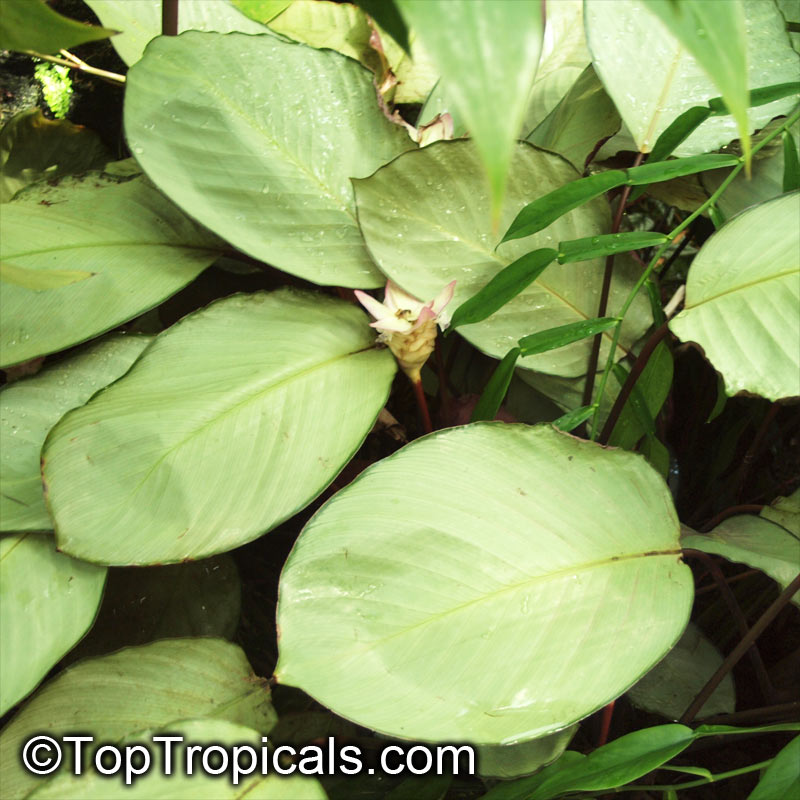
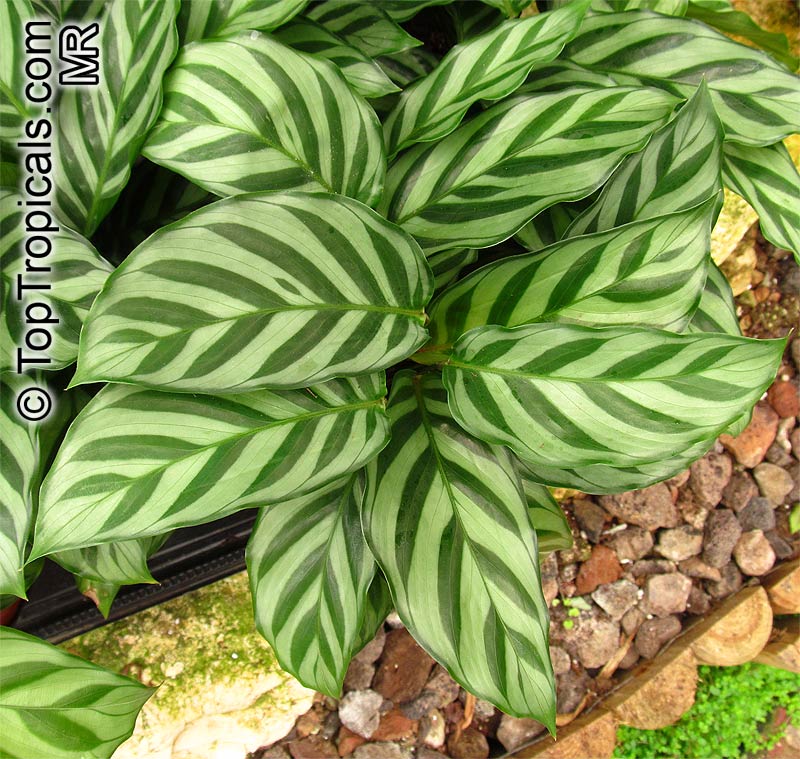
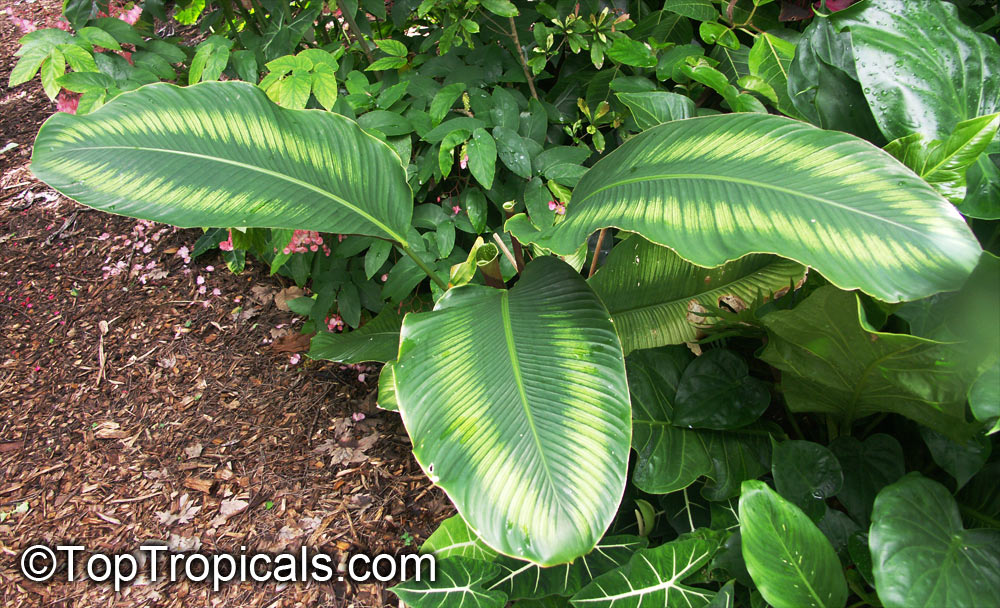
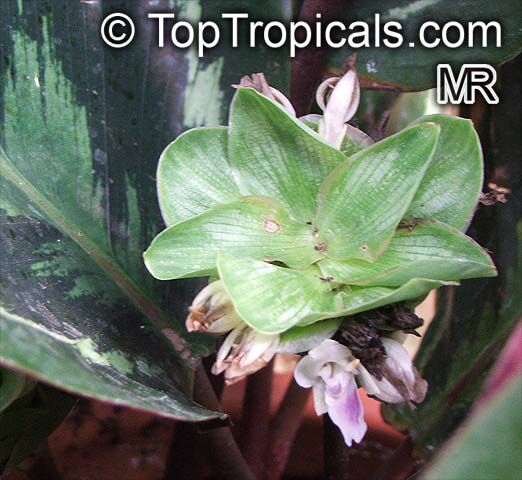
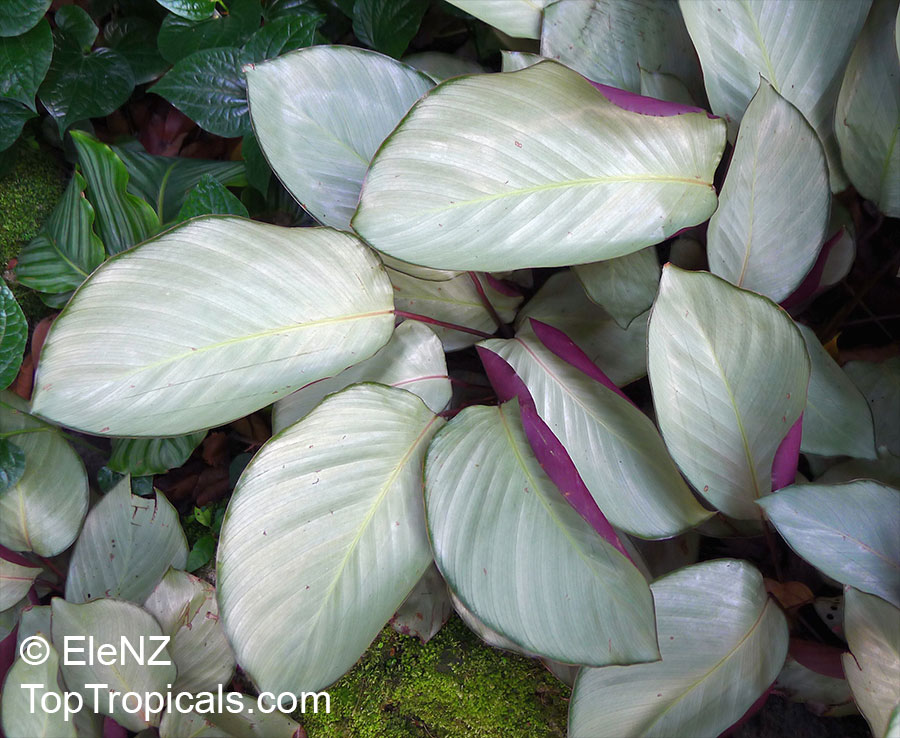
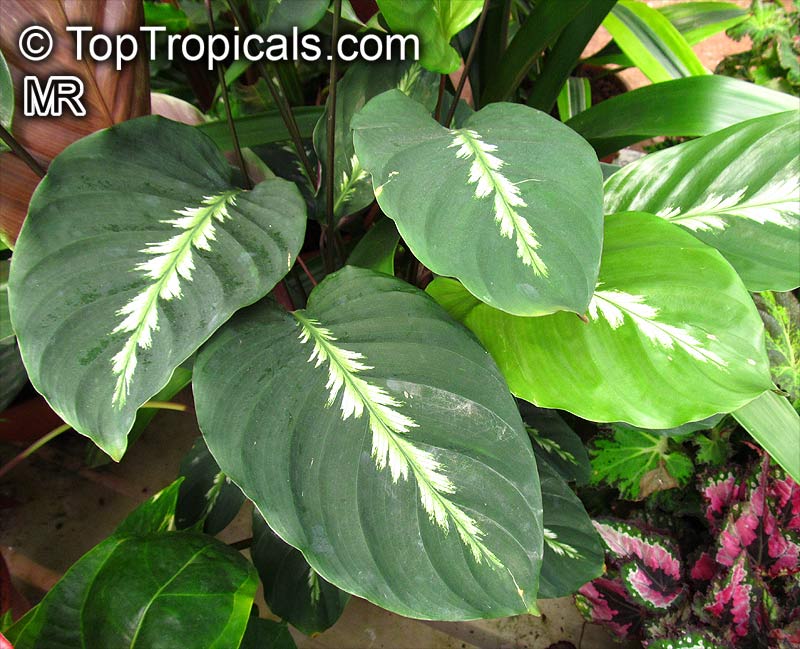
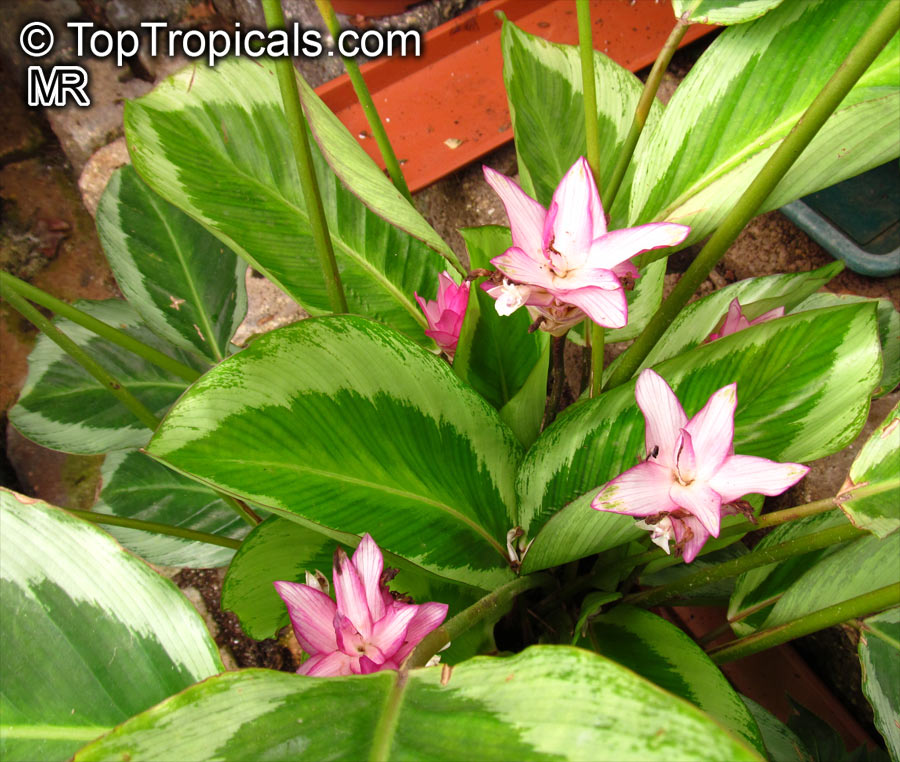
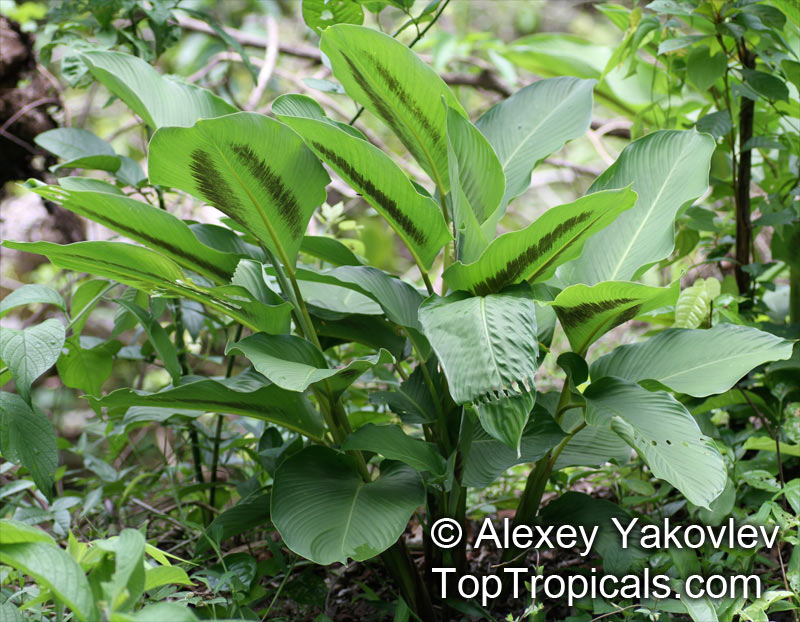
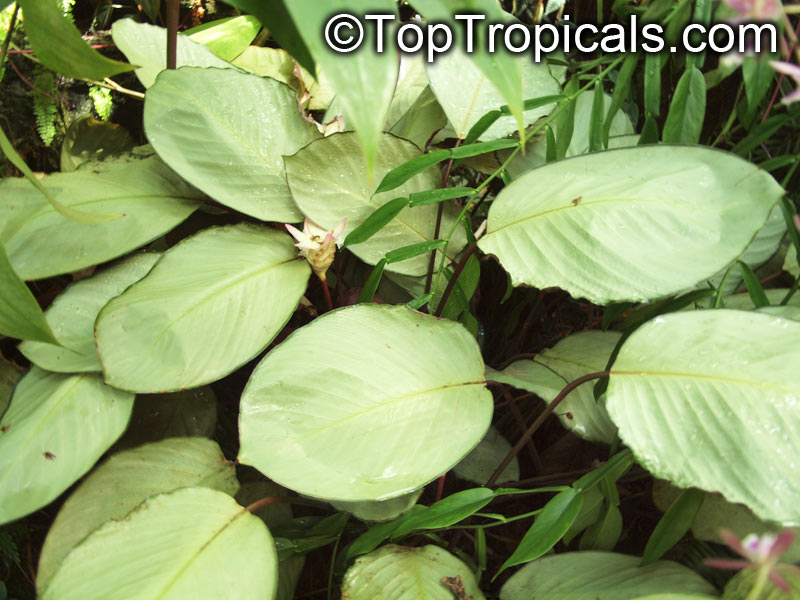
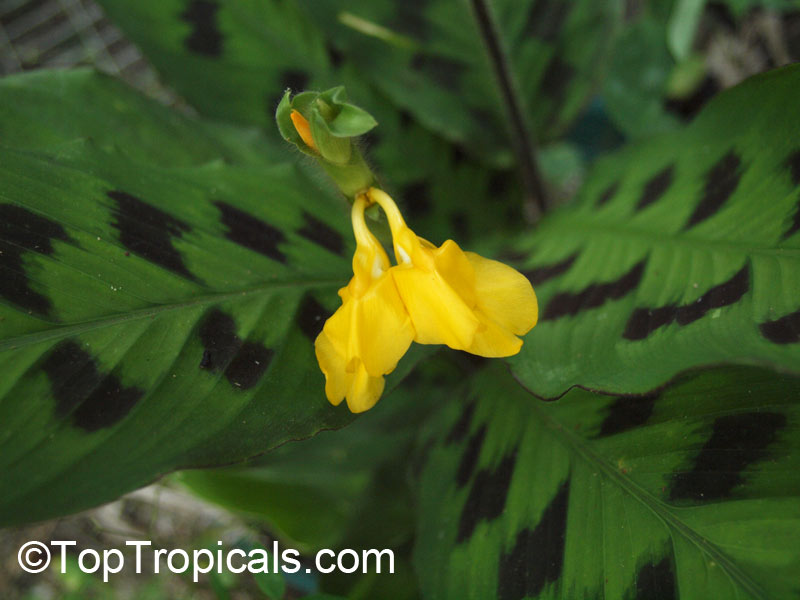
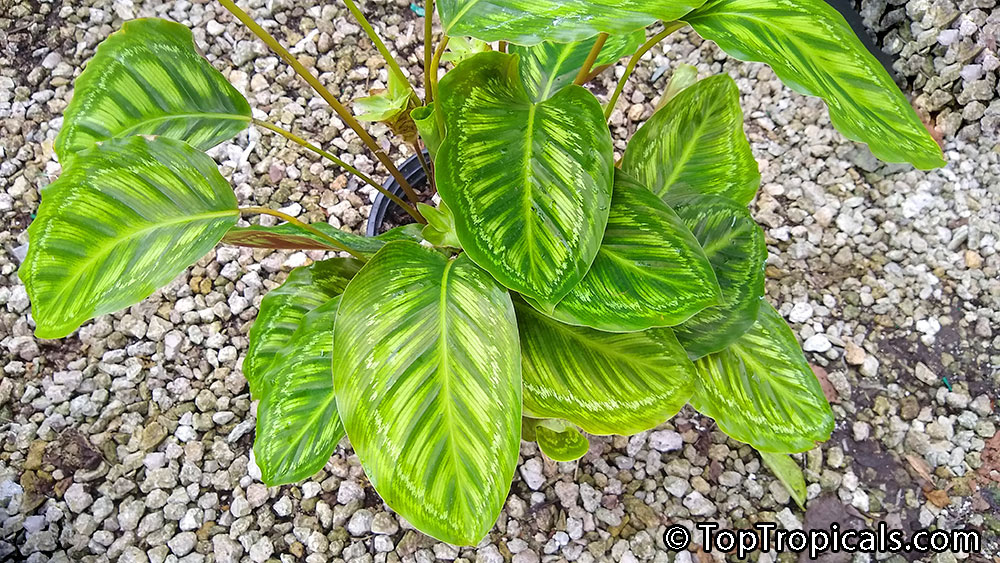
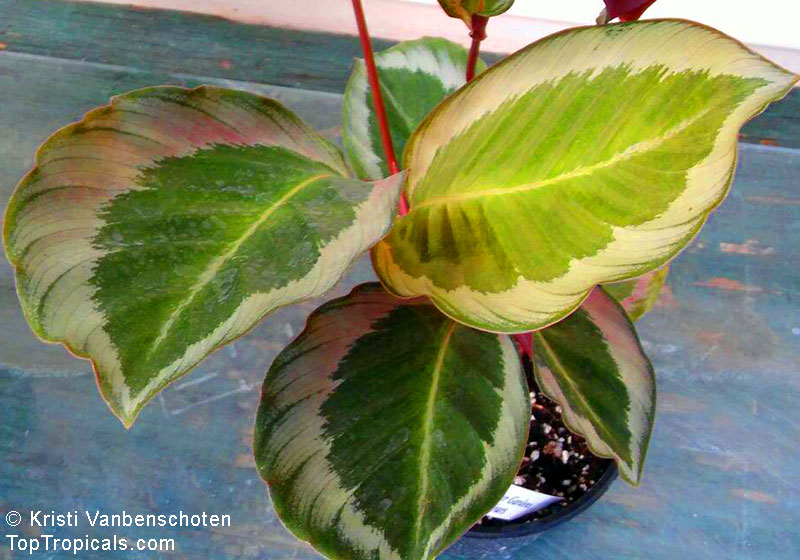
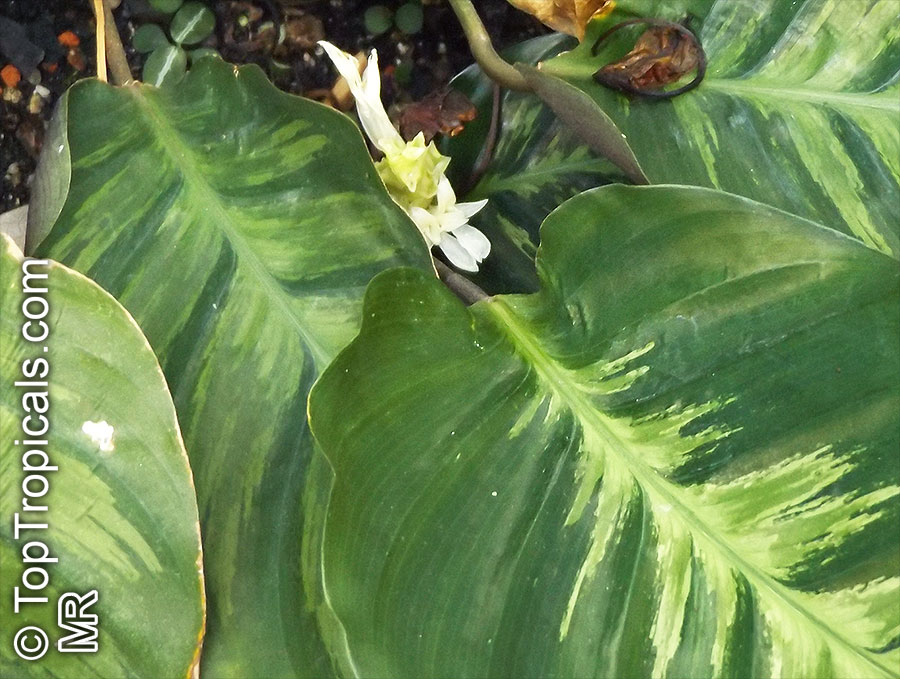
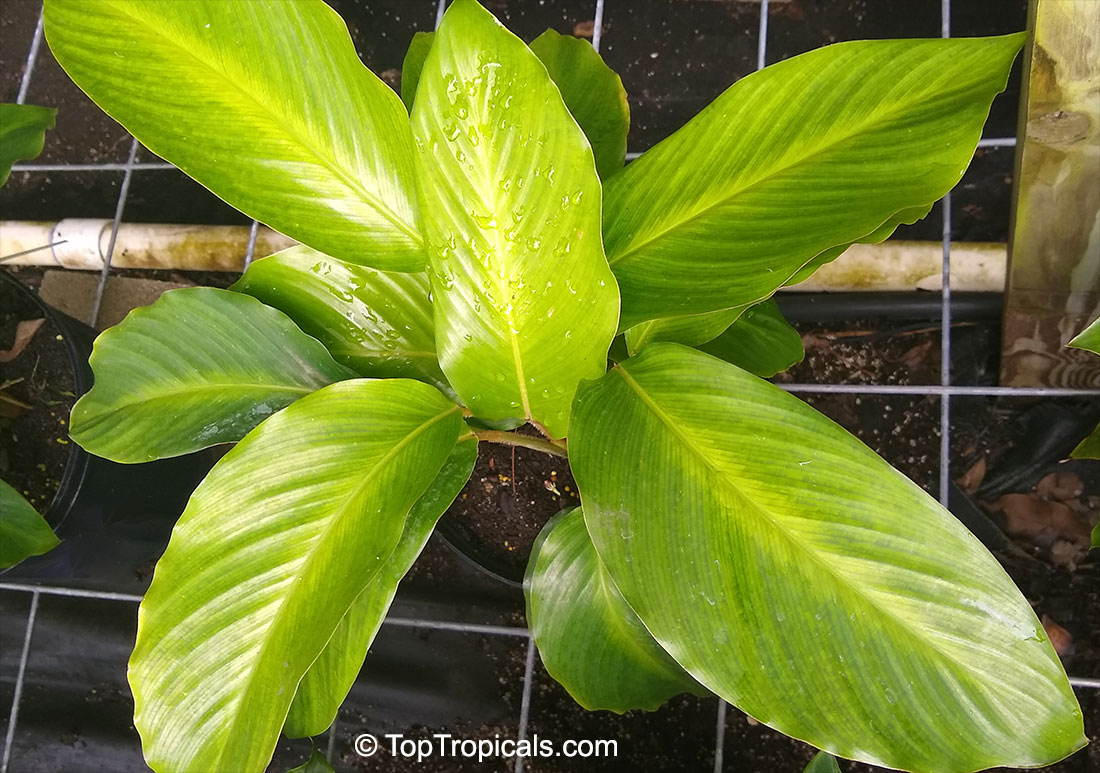
Botanical name: Calathea sp.
Common name: Calathea
Family: Marantaceae
Origin: Central and South America and the Caribbean
USDA Zone: 10-11
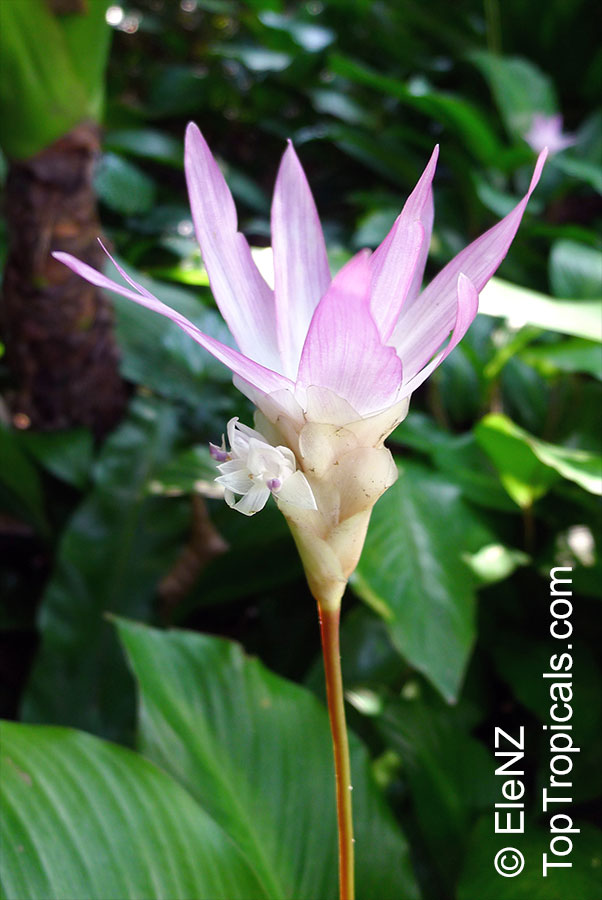
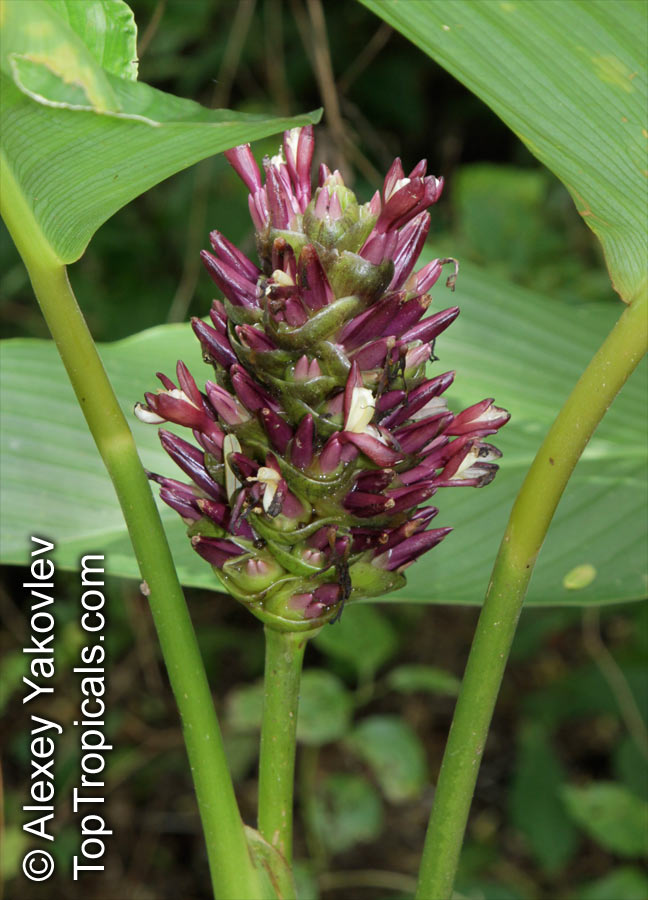
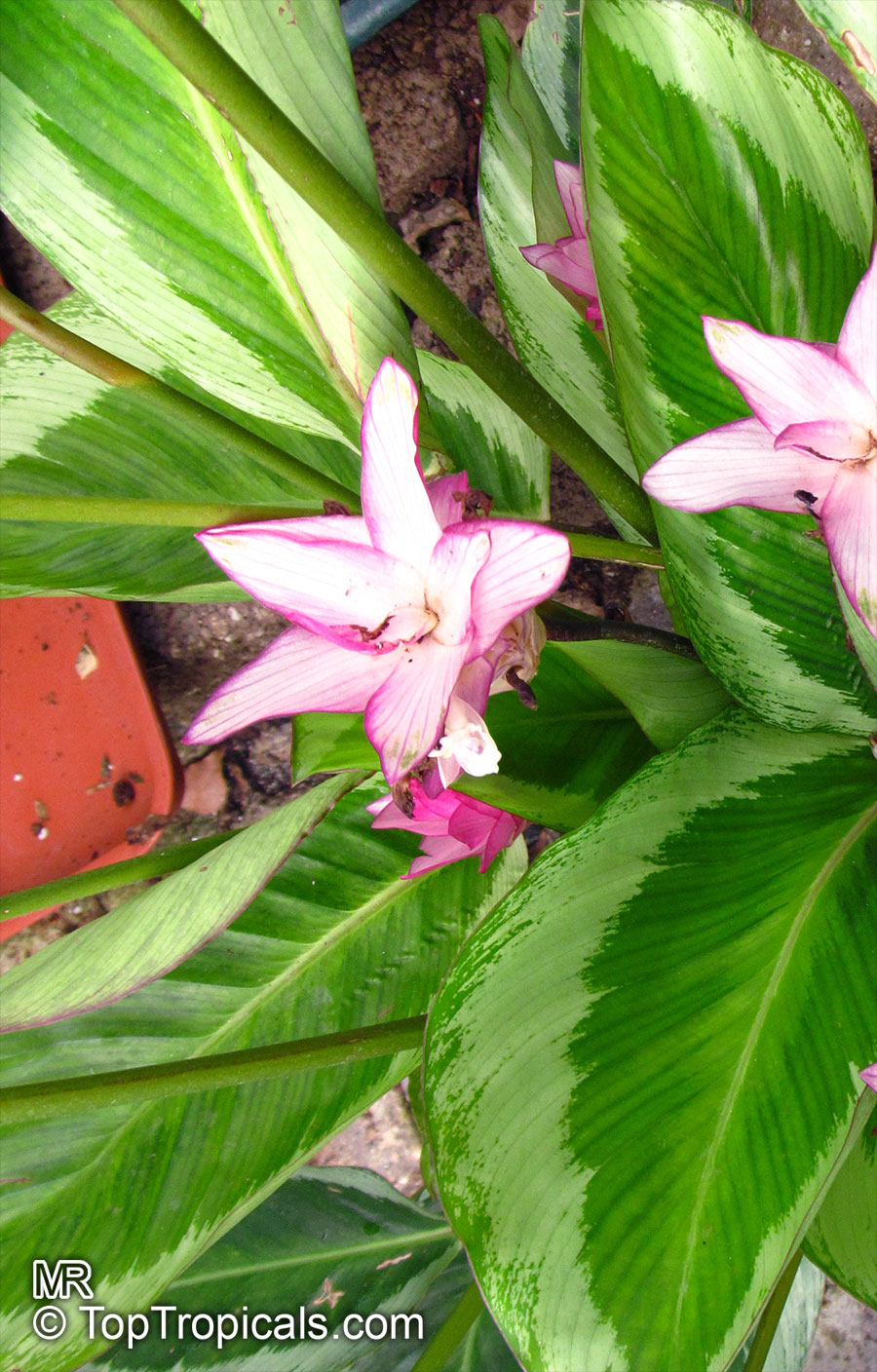
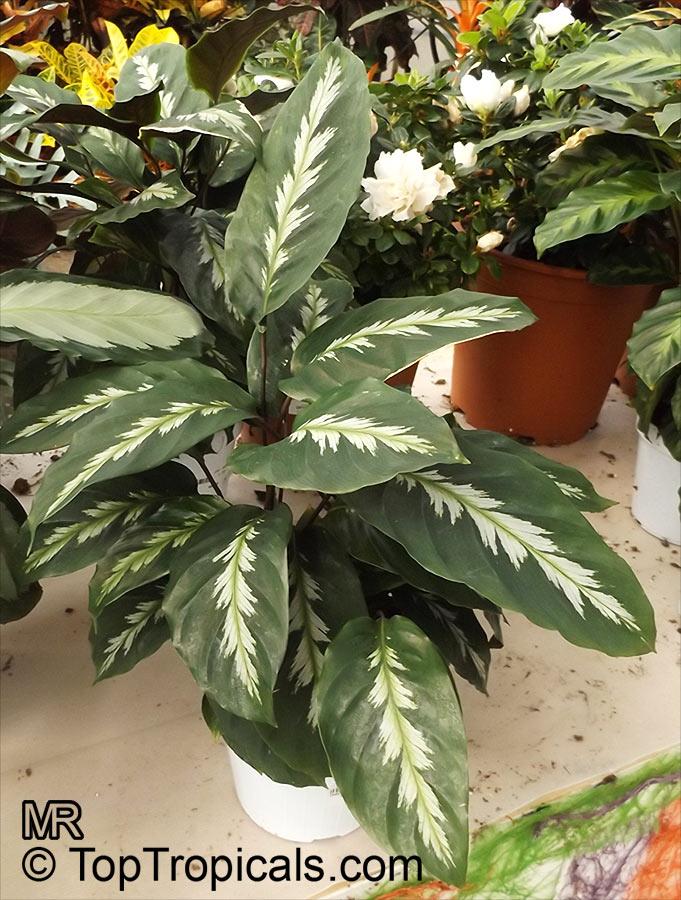
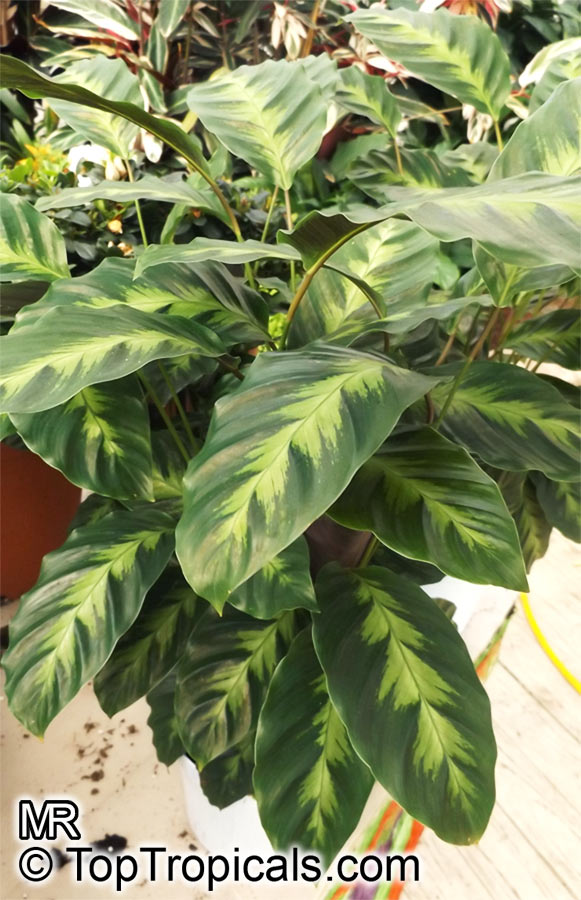
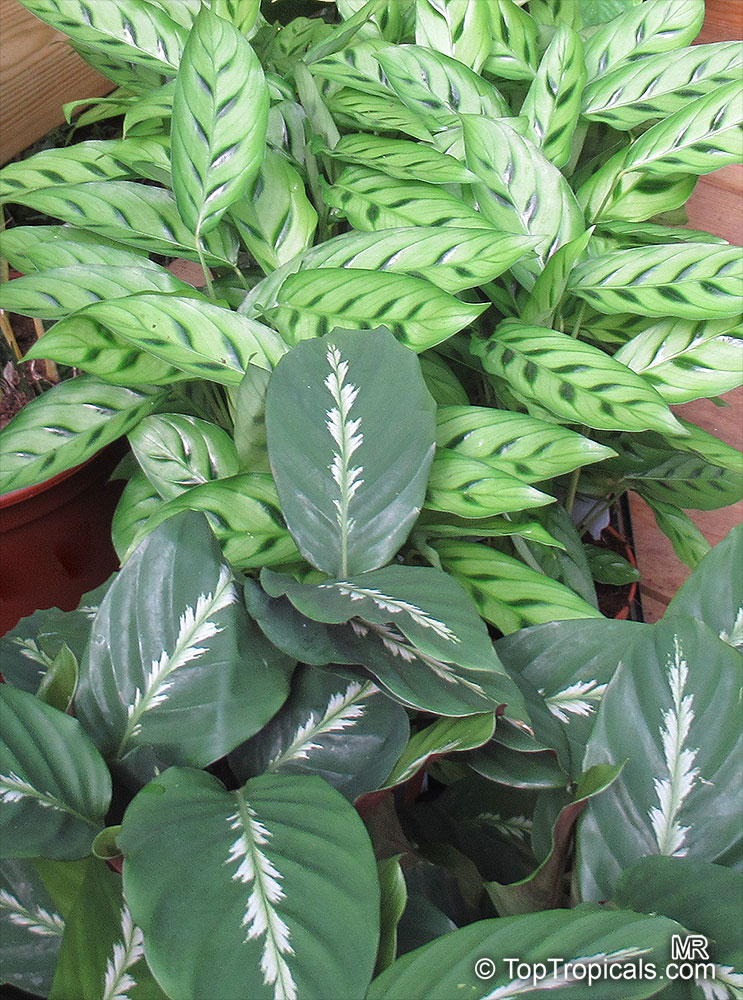
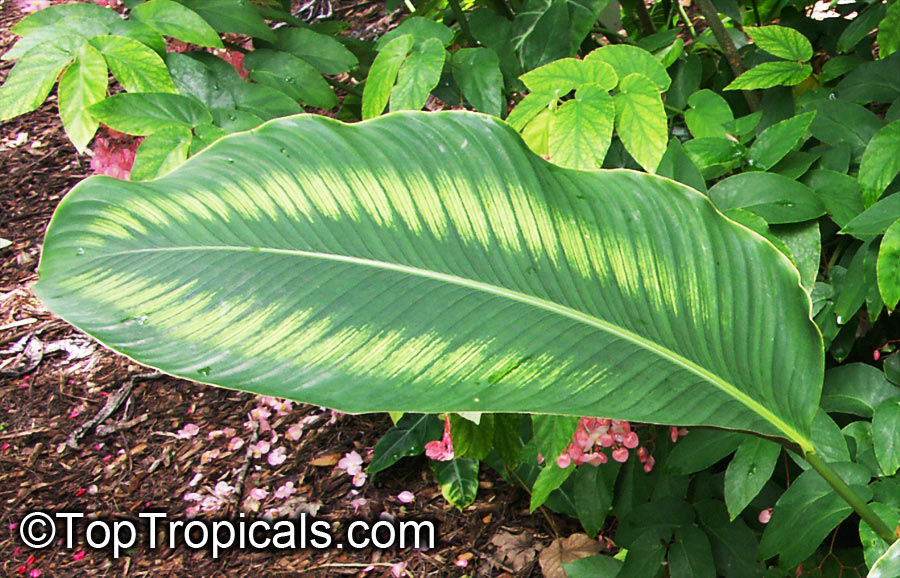
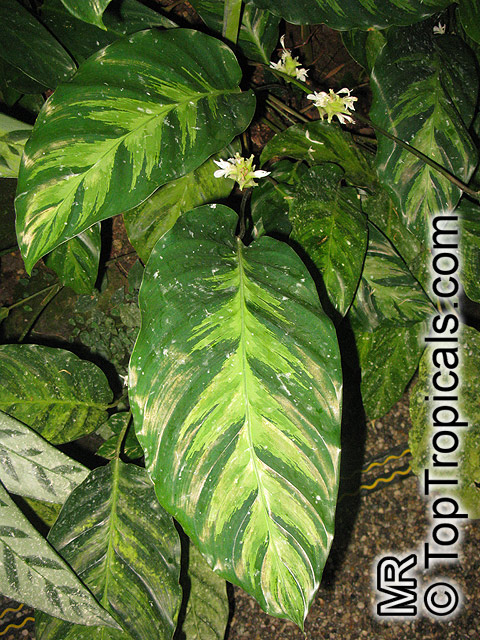
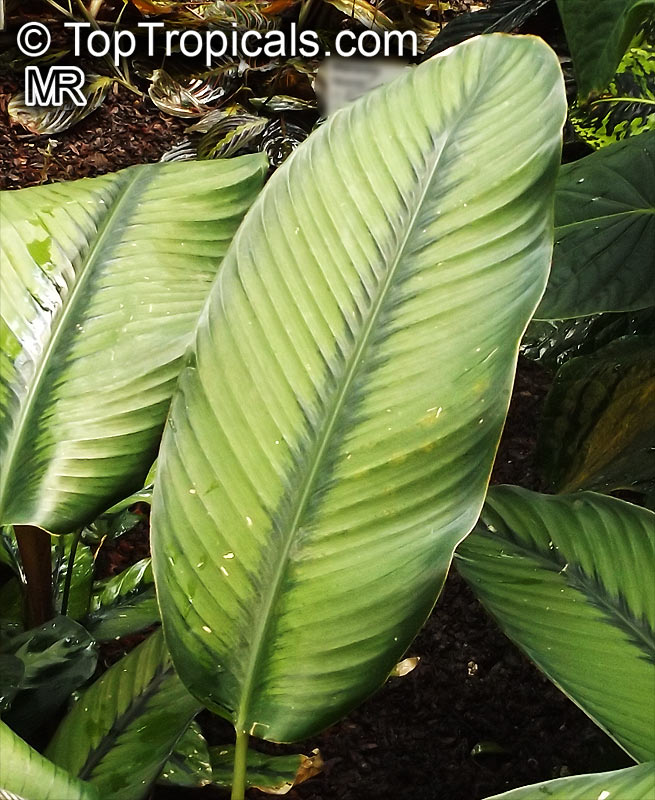
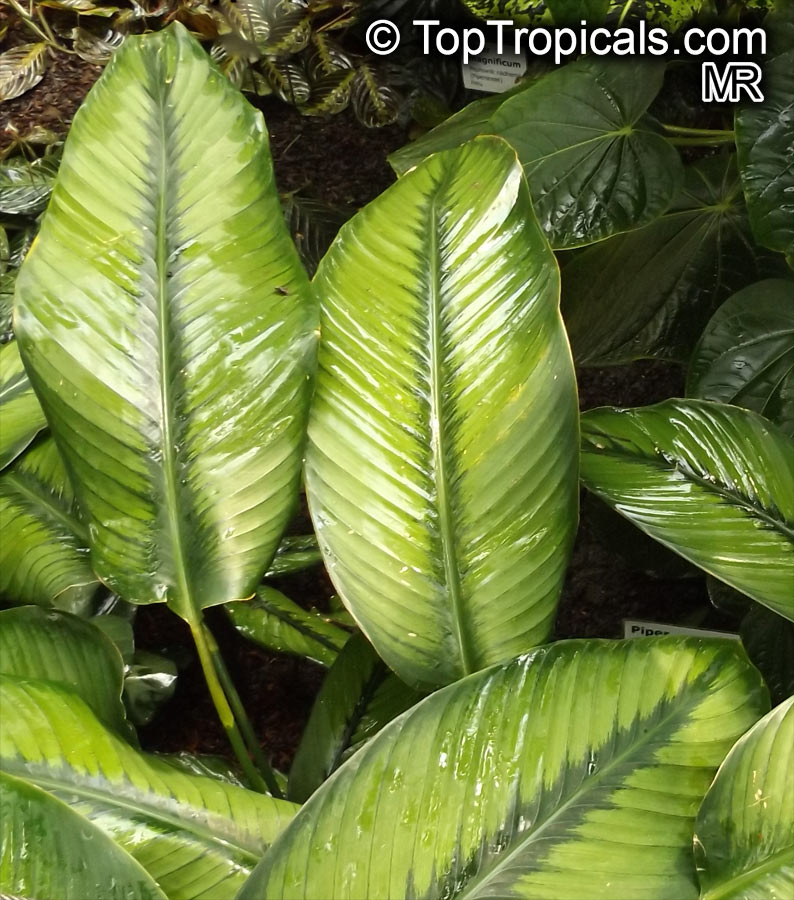
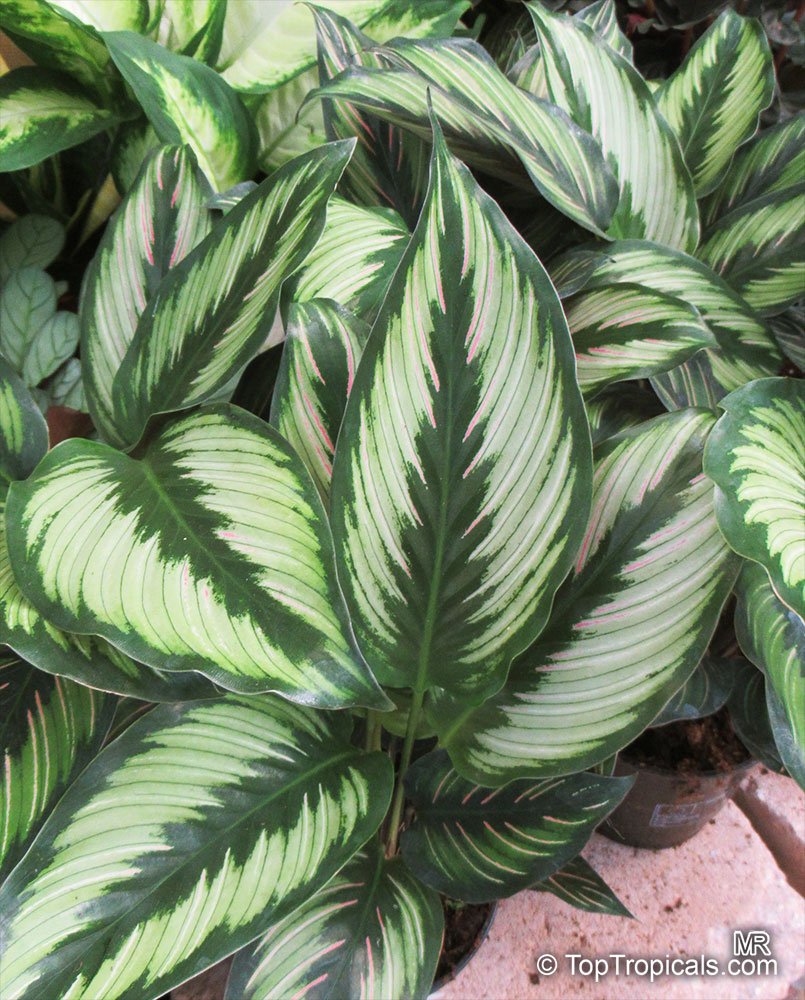
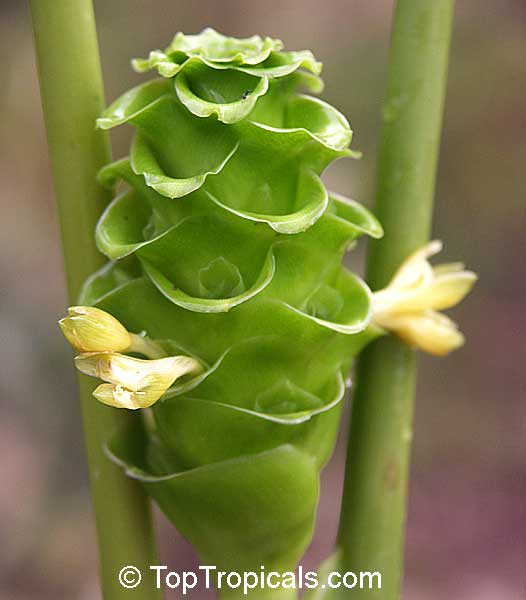
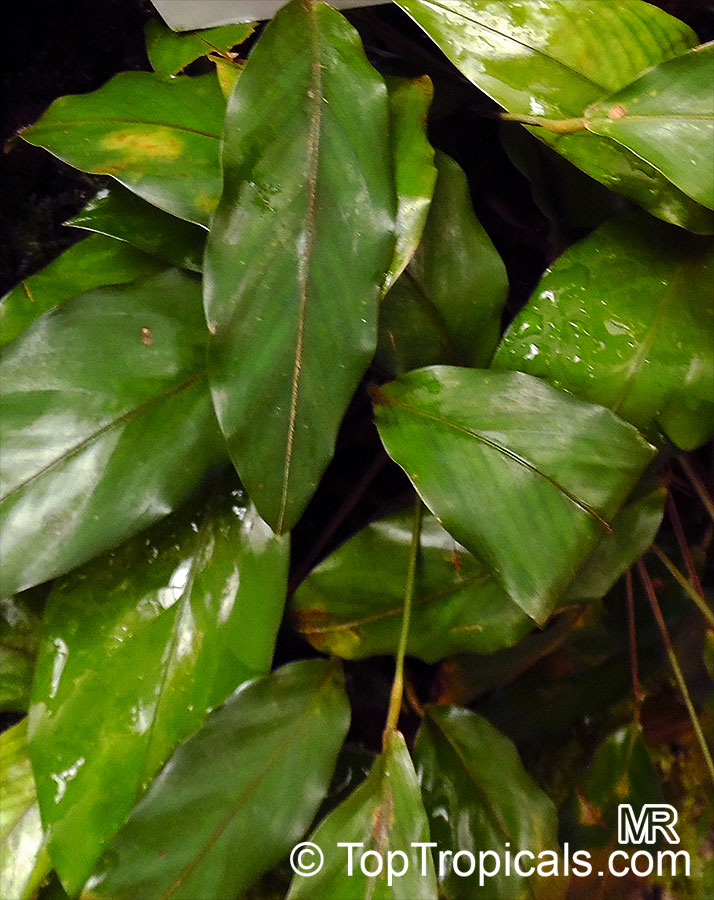
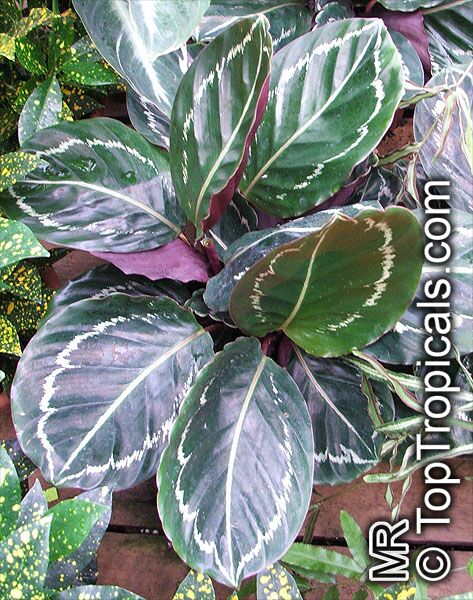
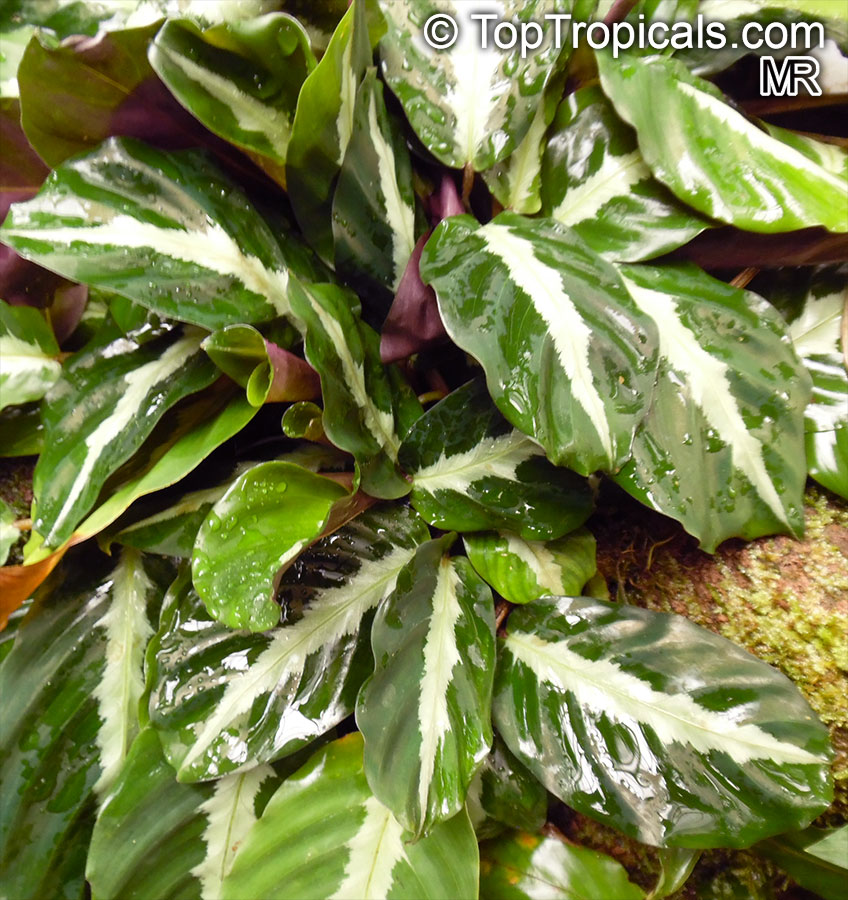
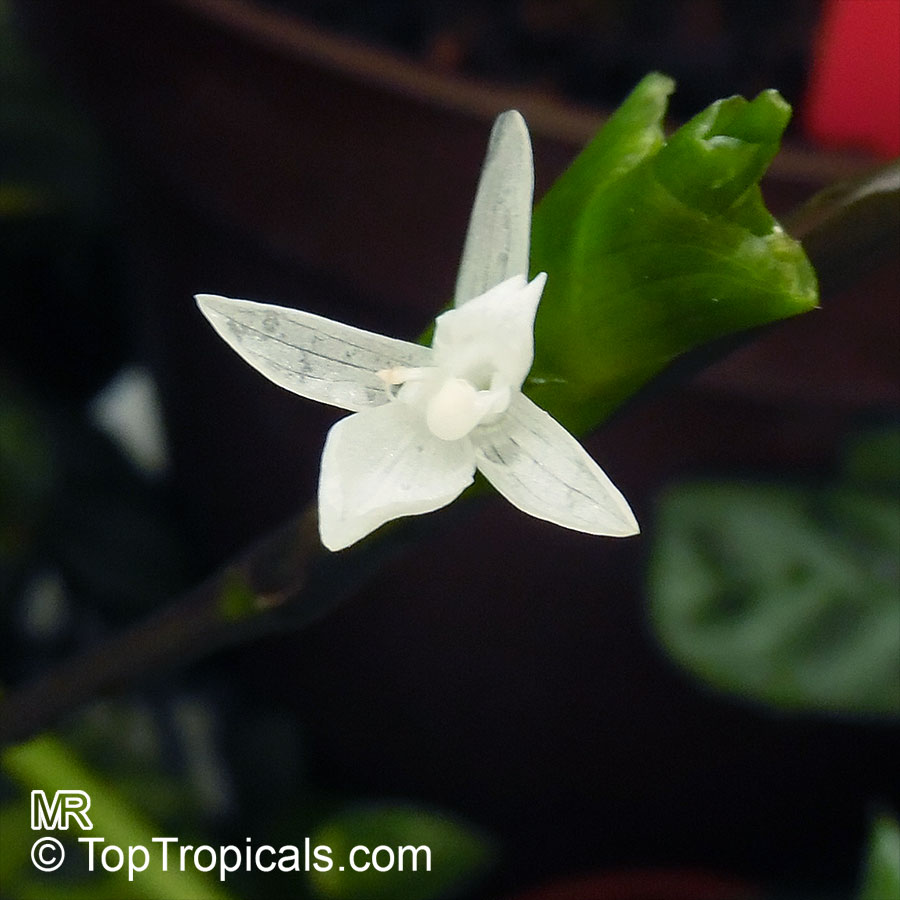
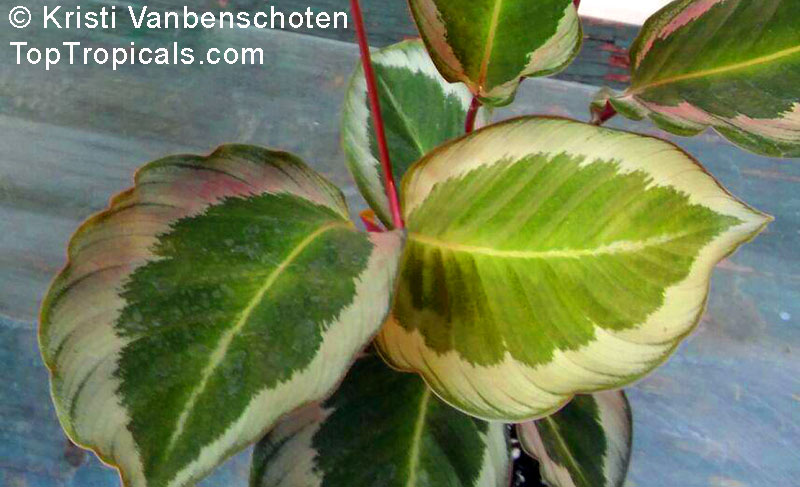
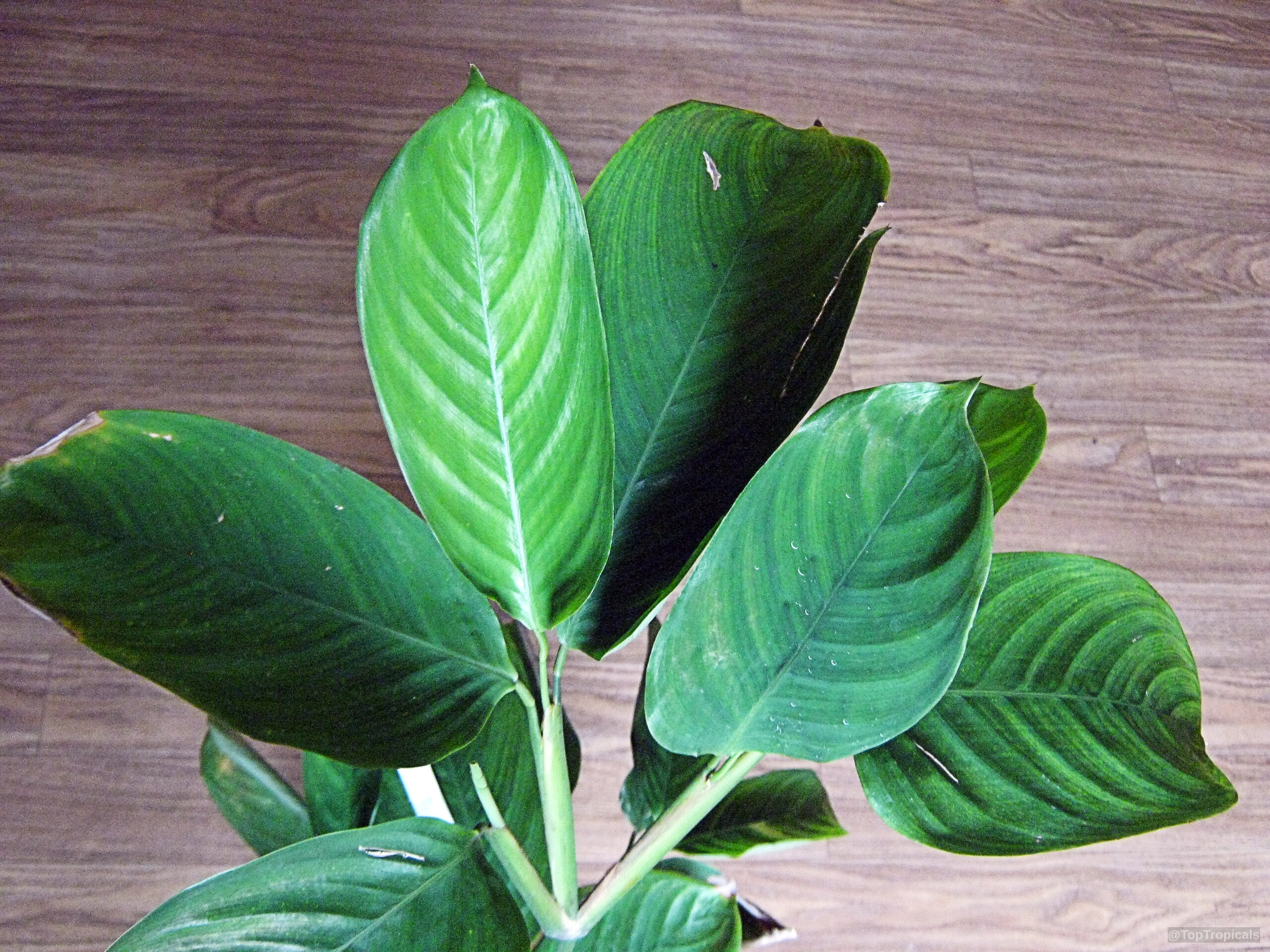
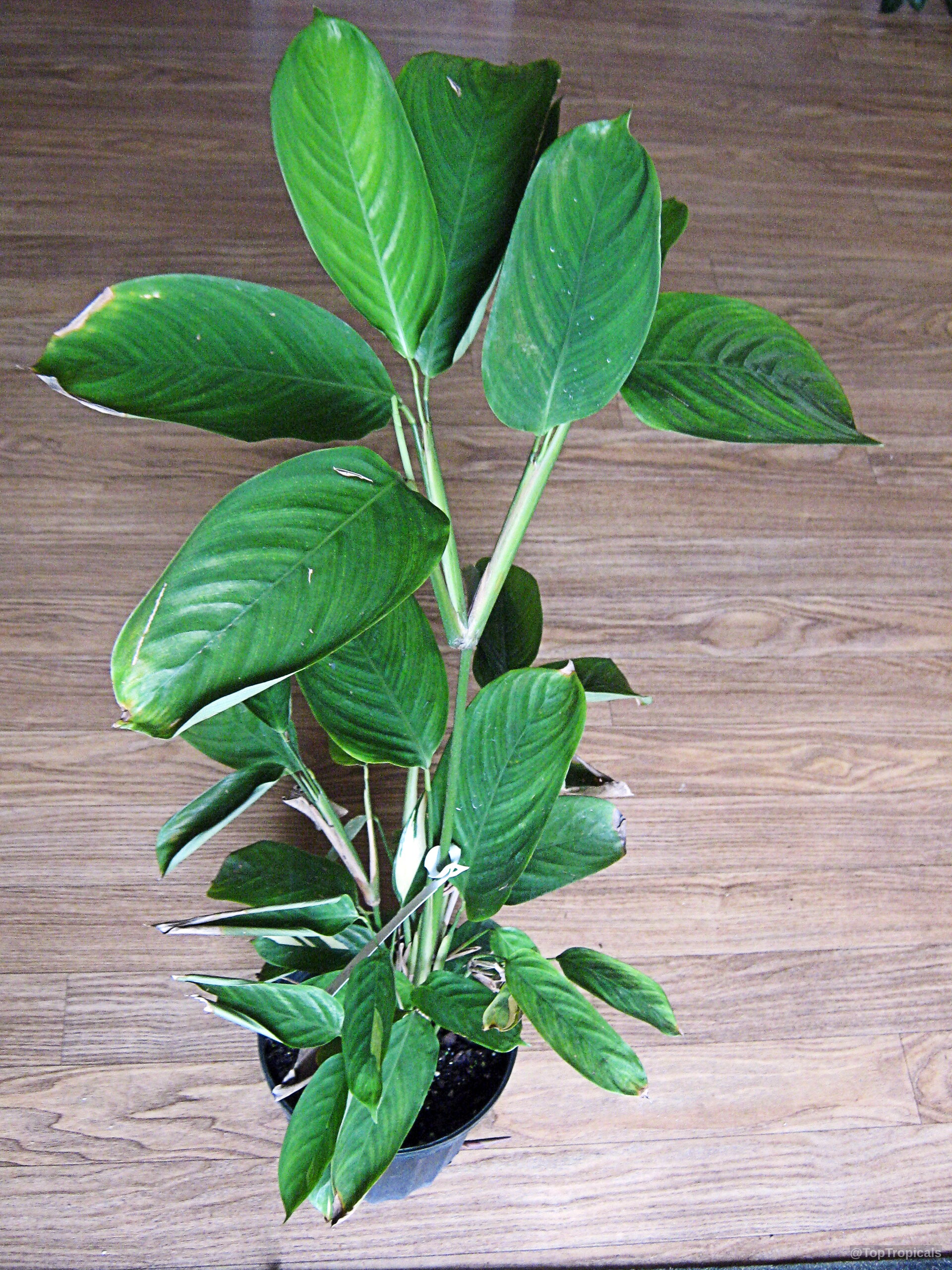
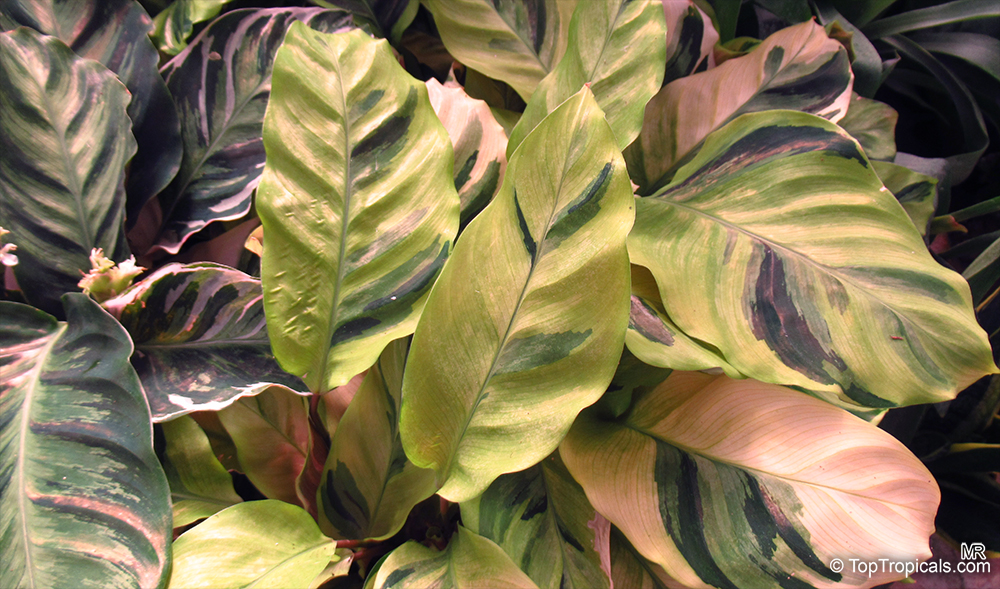
Mostly grown in gardens for the handsomely patterned foliage. Calathea prefers moist, shady, jungle-like conditions in a garden and is also often grown as potted specimens. When it is used as a house plant, the leaves should be sprayed with water several times a week. Propagation is by root division. Water with soft water. Keep uniform high humidity and temperature.
Some of the Calathea species have been reclassified as species of the Ischnosiphon, Maranta and Goeppertia genera.
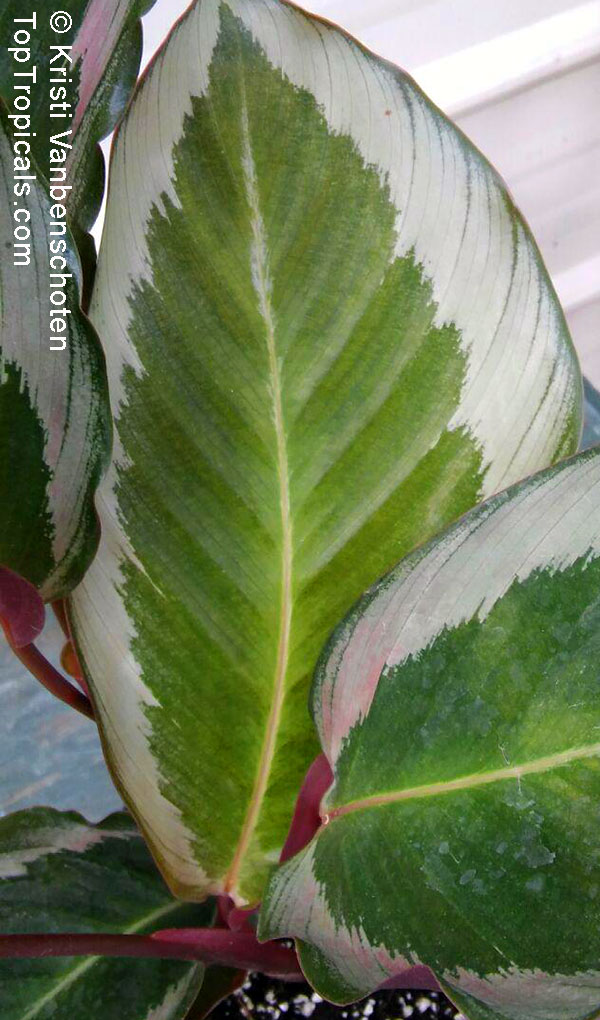
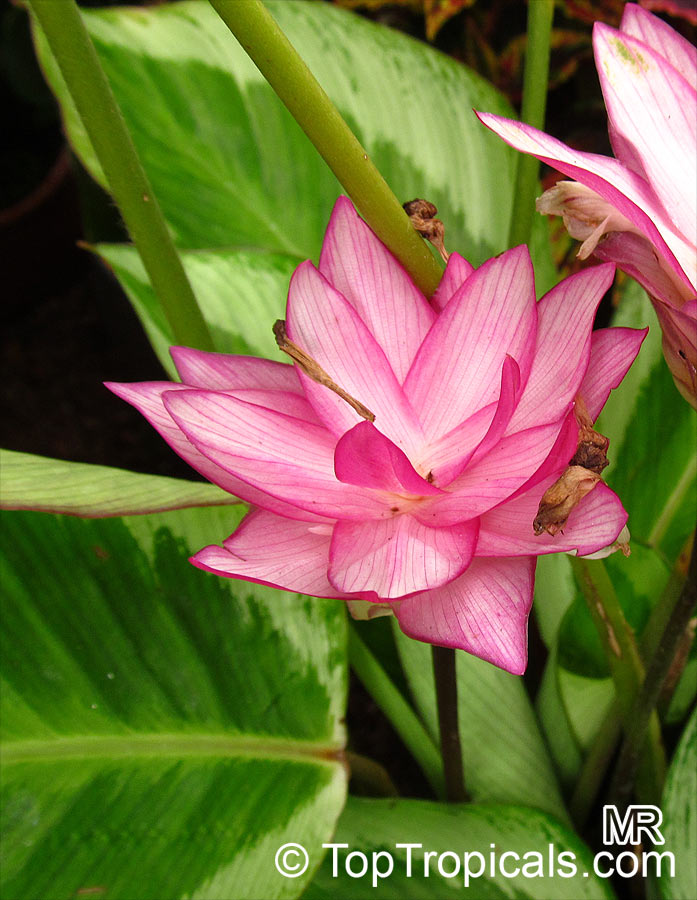
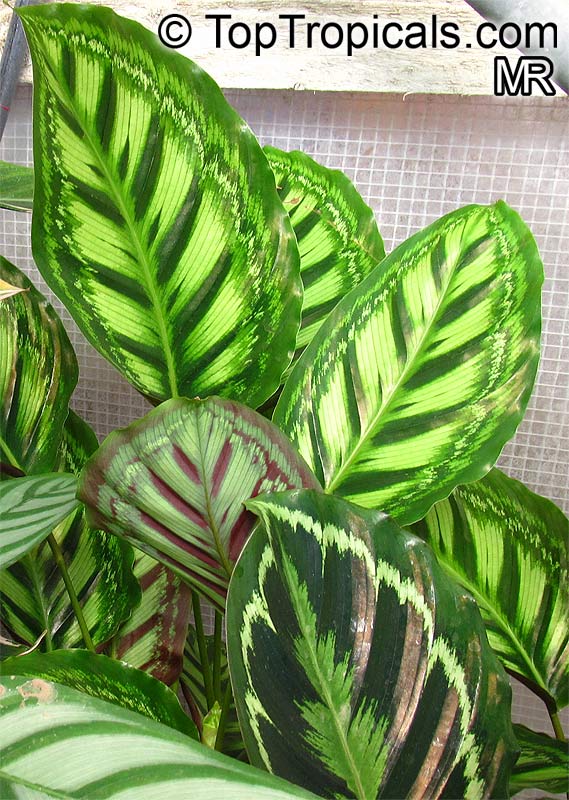



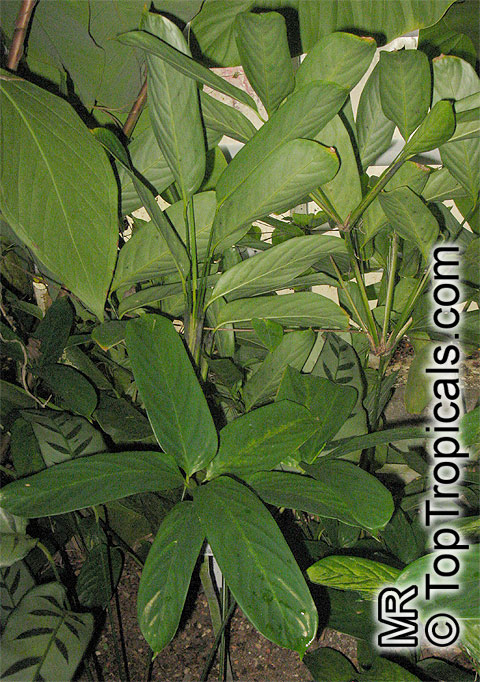
Botanical name: Ctenanthe sp.
Common names: Bamburanta, Never-Never Plant
Family: Marantaceae
Origin: Brazil
USDA Zone: 10-11
Cold tolerance: 35°F

Ctenanthe is a genus of tropical plants native to tropical Brazil and related to Calathea and Maranta . It is primarily grown for its striking foliage This plant requires a well-drained soil and should be kept moist during the growing season. It thrives in high humidity and bright indirect light.
In colder climates, it is best grown in a house or greenhouse with a steady temperature and humidity. The foliage should be sprayed with water several times a day and given a liquid fertilizer in the spring. The soil should not be packed too hard and the plant should be divided as needed. This plant adds a lush, tropical feel to shaded patios or courtyards. It should not be overwatered, especially in the winter when water should only be given when the soil is somewhat dry.
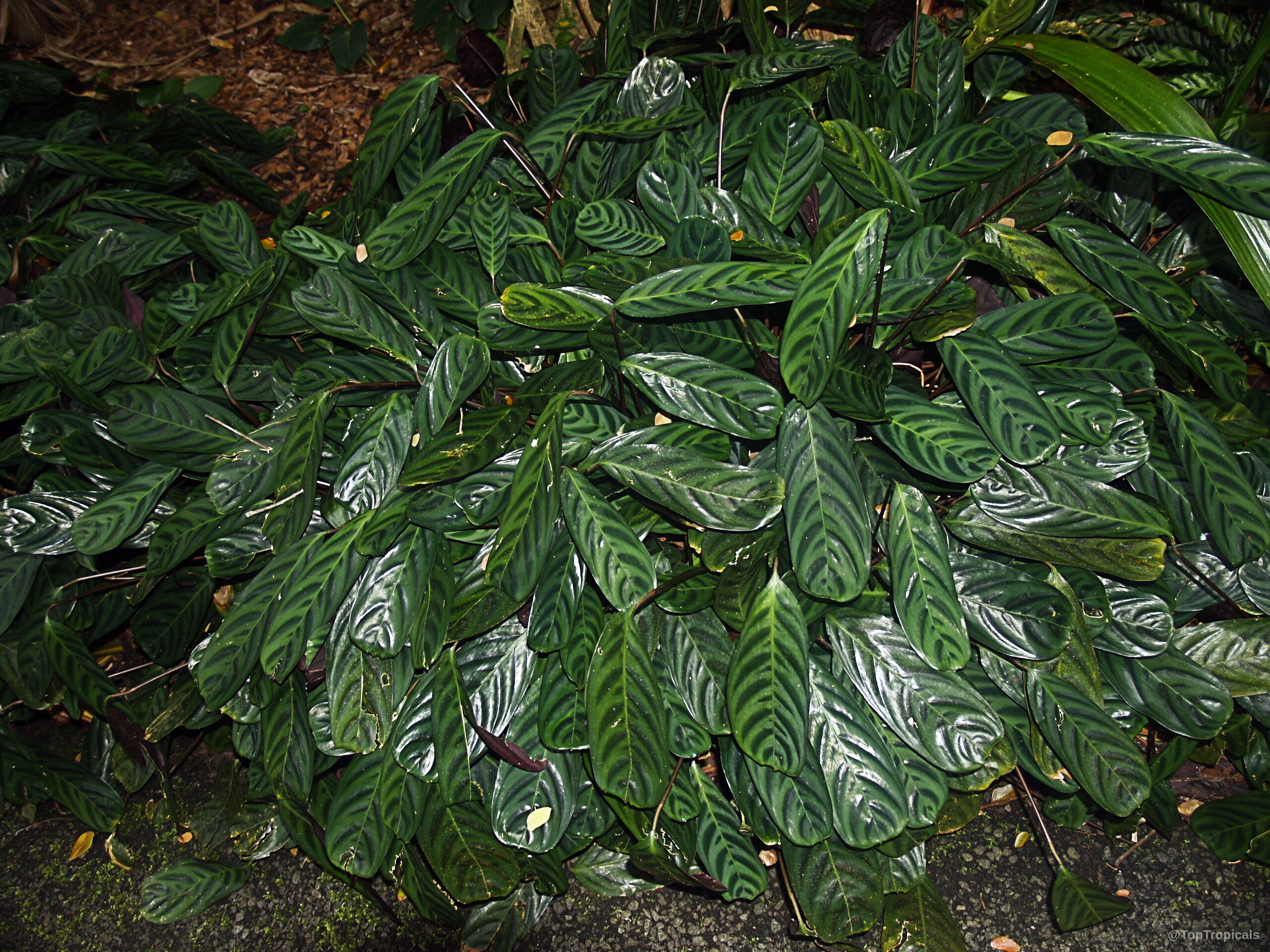
Ctenanthe lubbersiana variegata has deep variegation, with branching bamboo-like stems and oblong green, veined leaves that are mottled with cream and gold. Plant in a well-drained soil and keep moist during the growing season.
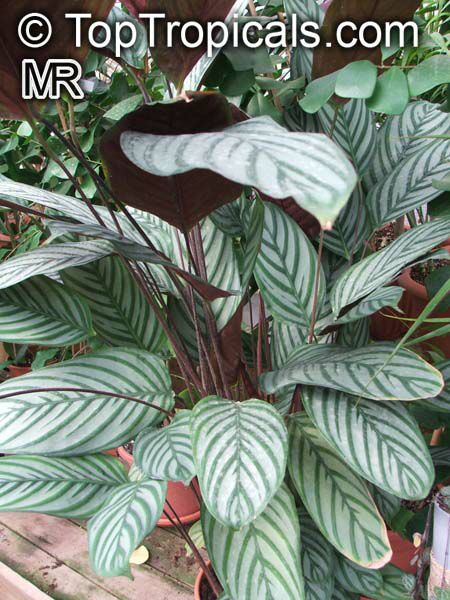
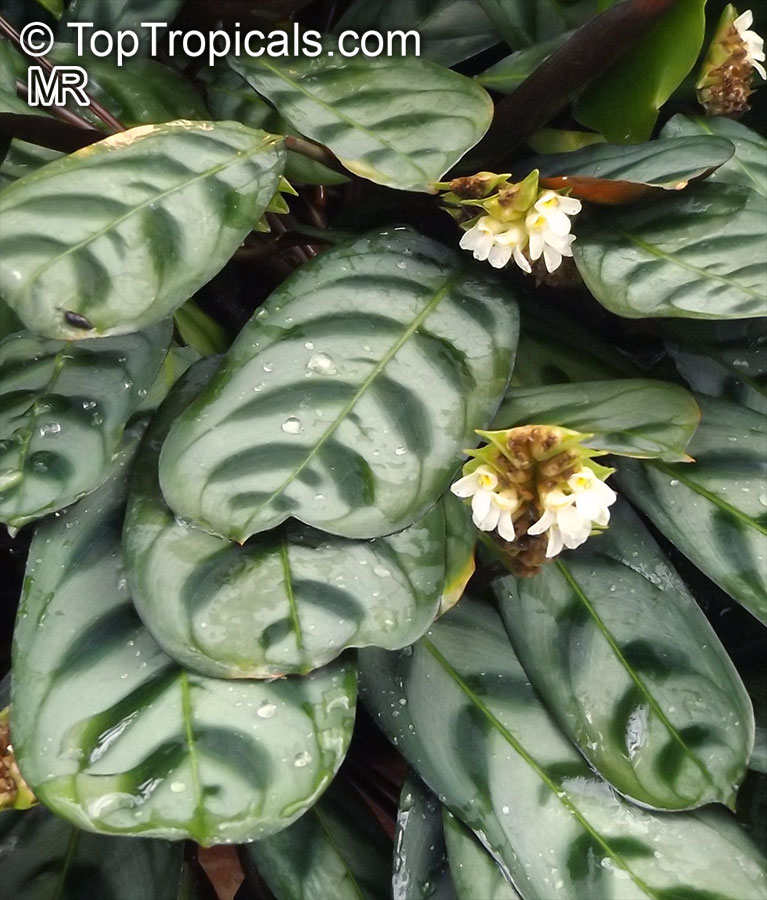
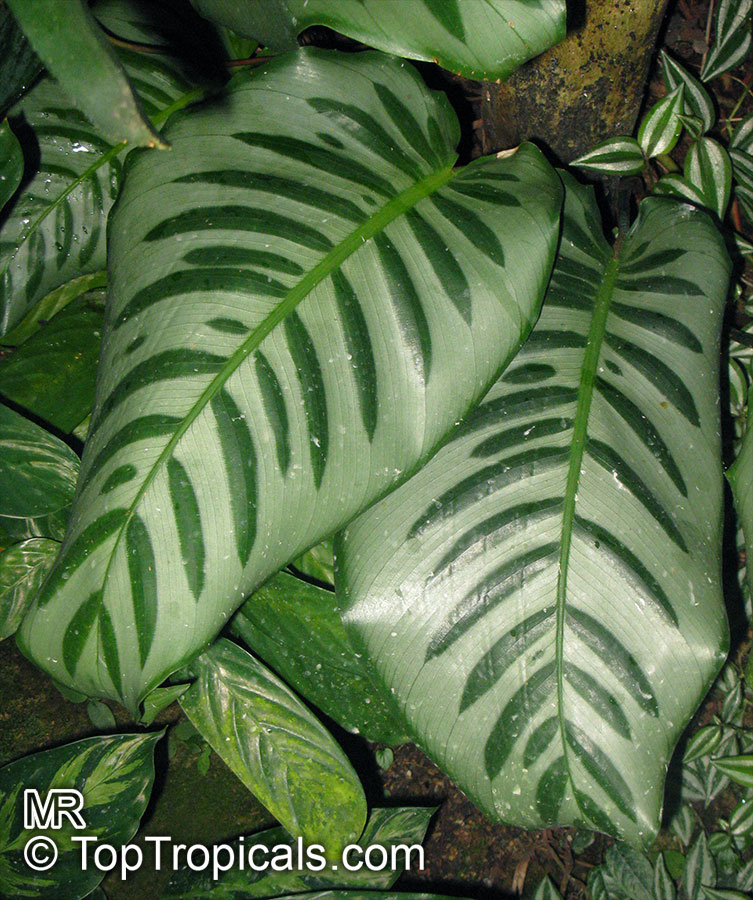

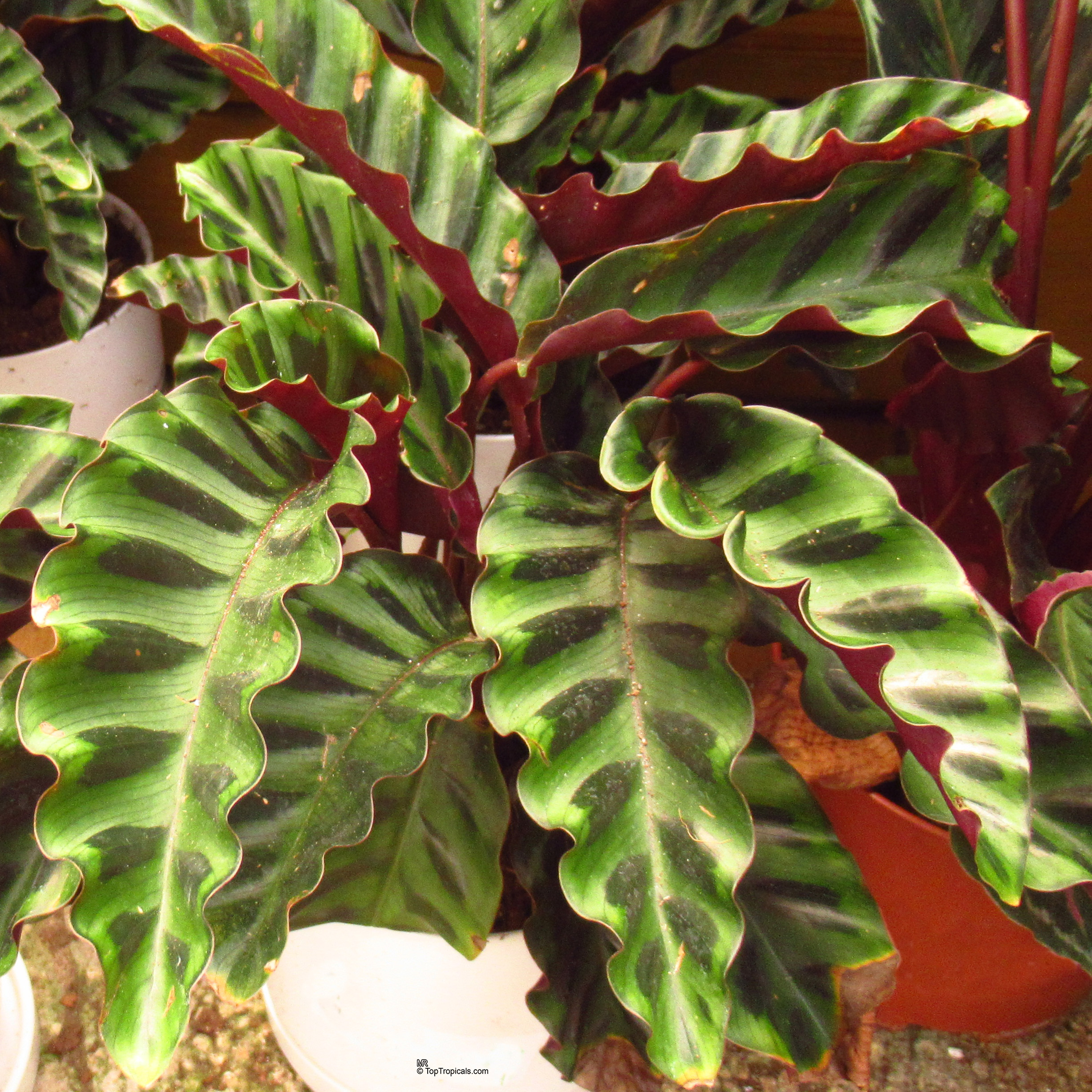
Botanical names: Goeppertia gandersii, Calathea gandersii
Common name: Gandersii Calathea
Family: Marantaceae
Origin: Ecuador
USDA Zone: 11
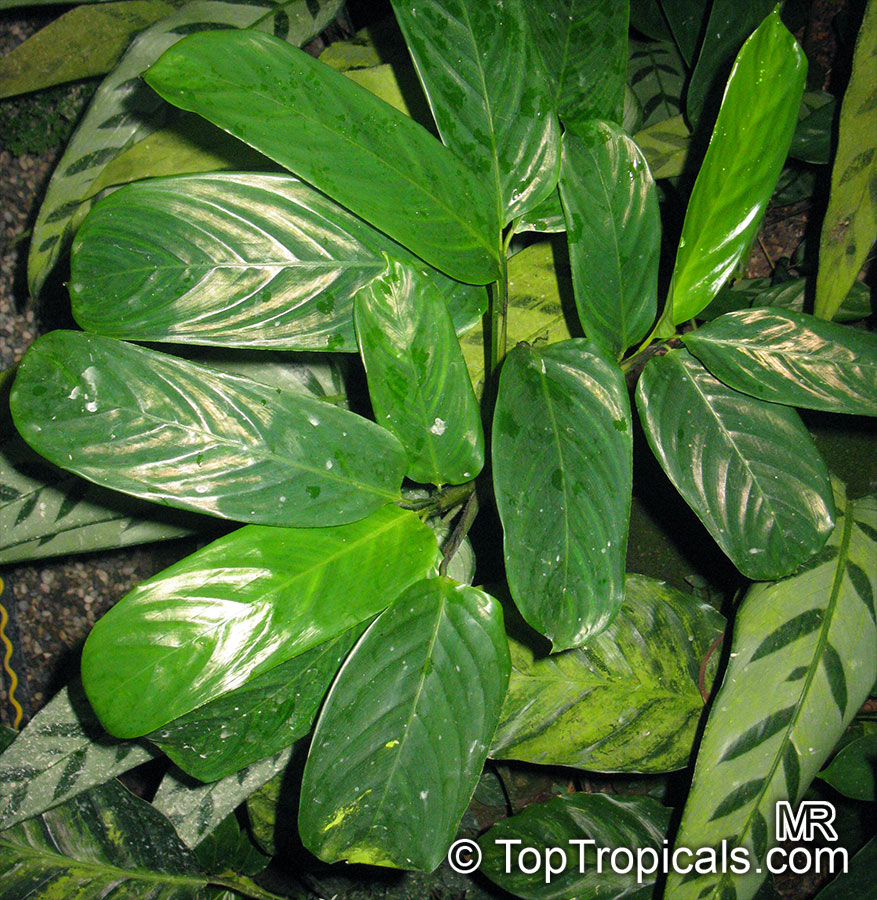
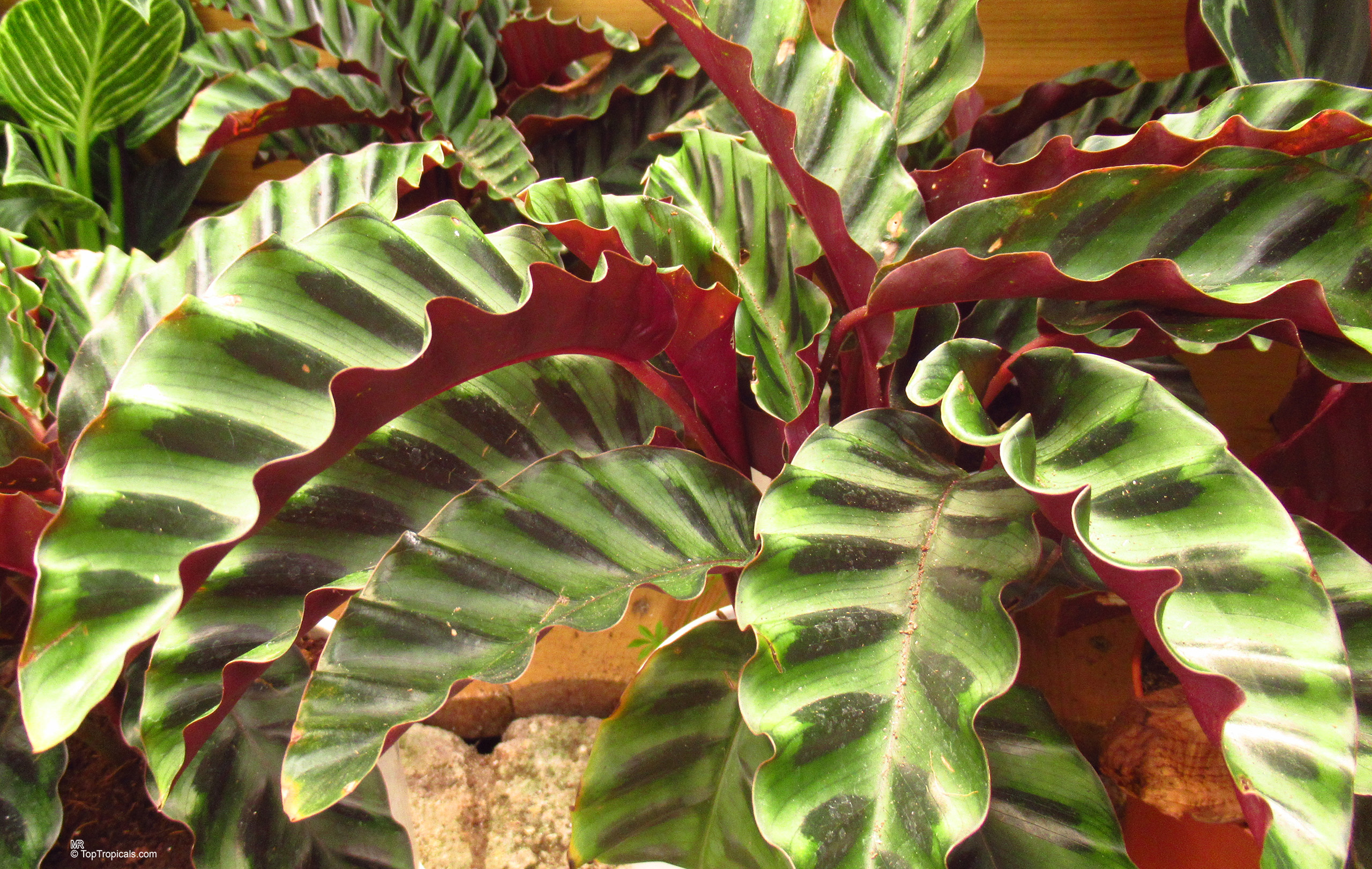
Goeppertia gandersii is a tropical perennial in the Marantaceae family endemic to Ecuador, where it grows in wet tropical lowland forest. It forms clumps of broad green leaves with strongly undulating margins, dark elongated blotches along the midrib, and burgundy to purple undersides. This distinctive combination gives the foliage a bold, sculptural appearance. The species is rare and poorly documented in cultivation.
Its natural habitat includes humid terra firme and lowland evergreen forest at about 590-770 ft elevation. Cultivated plants prefer warm, humid conditions, moist but well-drained soil, and protection from direct sun, although species-specific cultivation data are limited. It is best grown in warm indoor or greenhouse conditions outside tropical climates.
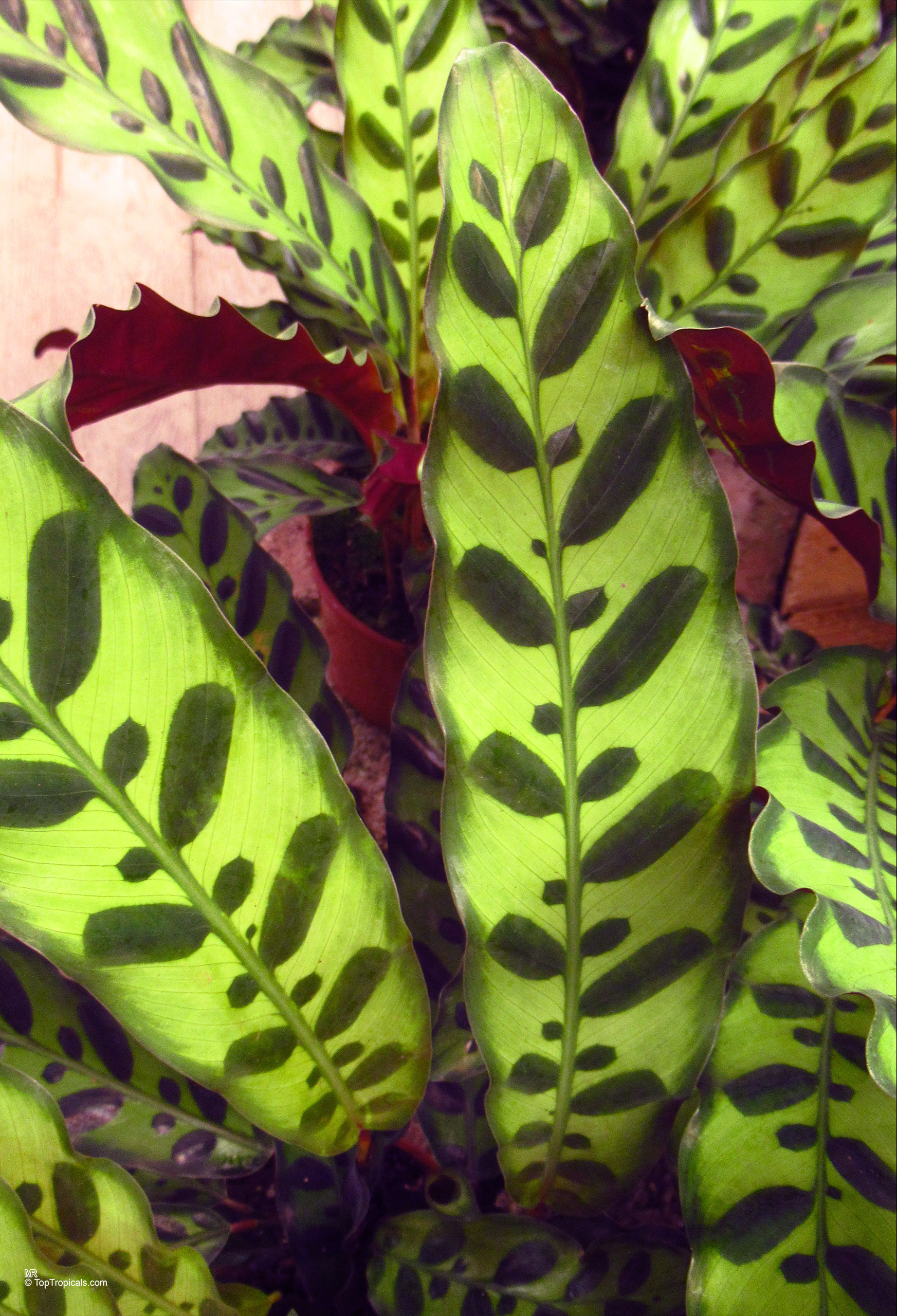
Botanical names: Goeppertia insignis, Calathea lancifolia, Calathea insignis
Common name: Rattlesnake Plant
Family: Marantaceae
Origin: Brazil
USDA Zone: 10-11
Cold tolerance: 40°F
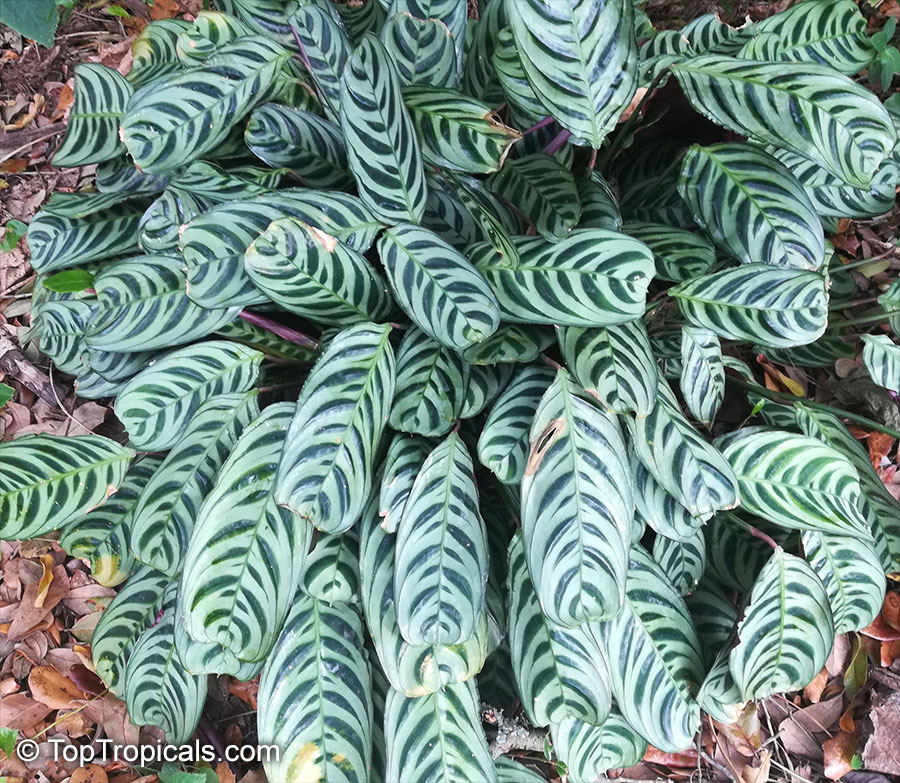
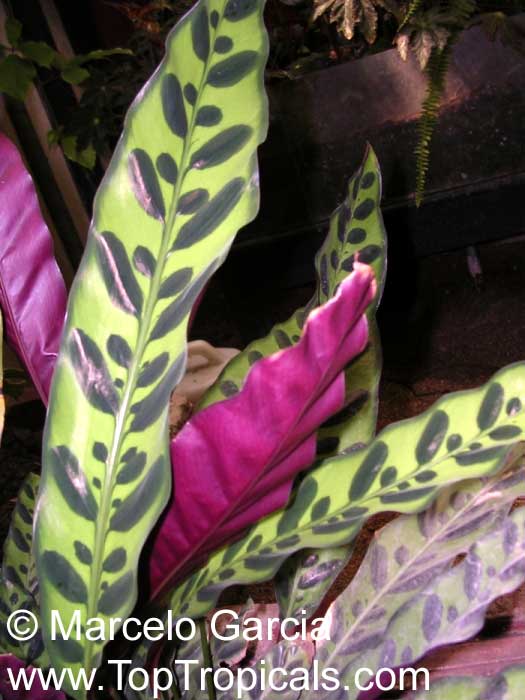
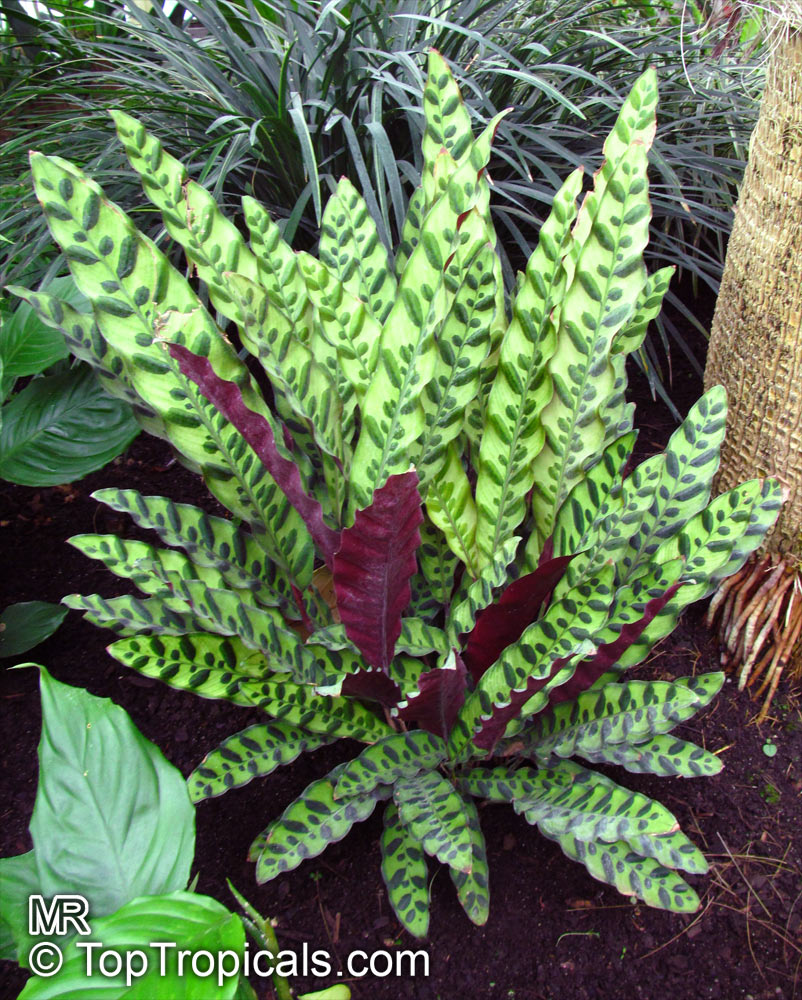
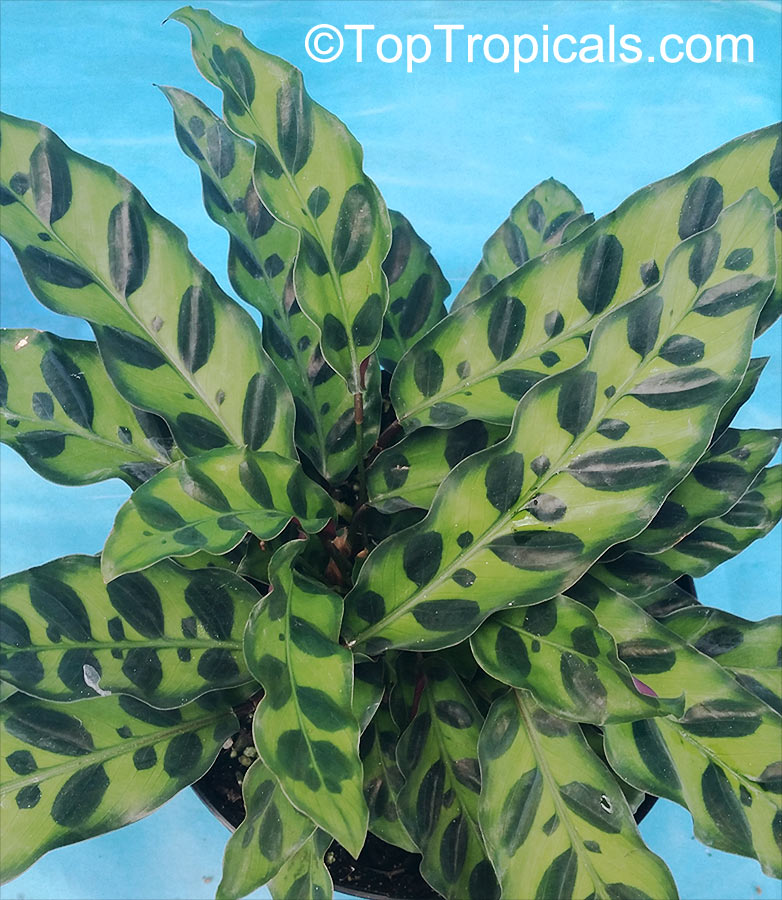
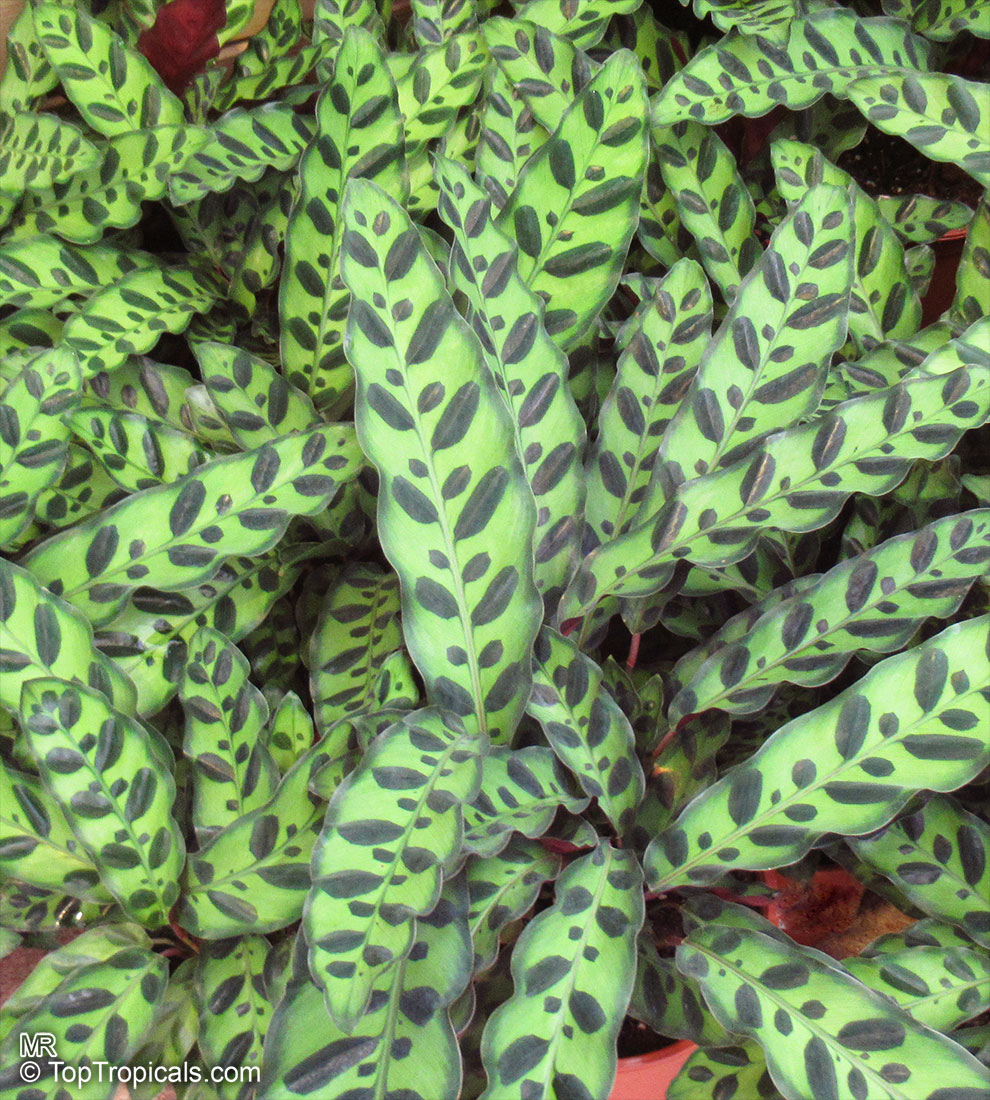
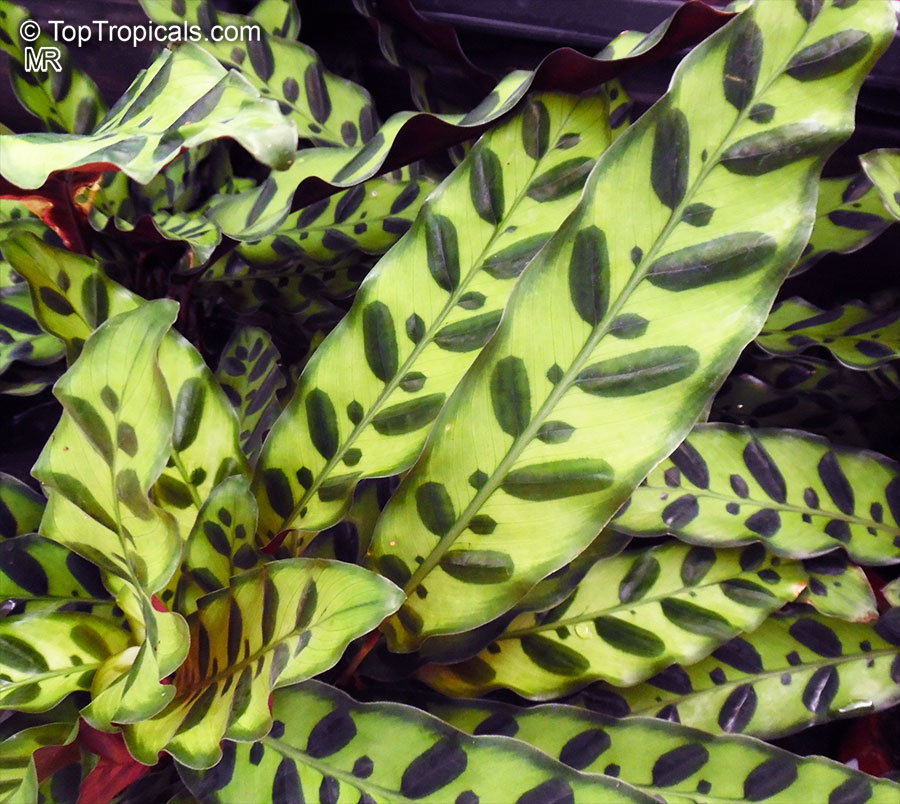
Goeppertia insignis, commonly known as rattlesnake plant, is a tropical evergreen perennial in the Marantaceae family, native to Brazil. It was formerly known as Calathea lancifolia and is still very commonly sold under that name in the houseplant trade. The plant forms upright clumps of long, narrow, lance-shaped leaves with strongly undulating margins. Their light to medium green upper surfaces are marked with alternating dark green oval blotches along both sides of the midrib, creating a distinctive feather-like pattern. The leaf undersides are deep burgundy to purple, adding a striking contrast. Plants typically reach about 2-3 ft tall and are grown primarily for their ornamental foliage.
Goeppertia insignis grows best in bright filtered light, warm temperatures, and high humidity. It prefers loose, organic-rich, well-drained soil kept evenly moist but not waterlogged. Strong direct sun can scorch or fade the leaves, while prolonged dryness may cause curling and brown margins. It is widely grown as a container and indoor plant and can be grown outdoors in warm, humid, frost-free gardens. Goeppertia insignis is suitable for USDA Zones 10b-11 and should be protected from cold.
See Article - How to grow Calathea indoors.



See Article - How to grow Calathea indoors.
Recommended Fertilizer: SUNSHINE Robusta - Rapid Growth Booster

Botanical names: Goeppertia majestica, Calathea majestica
Family: Marantaceae
USDA Zone: 10-11
Cold tolerance: 35°F
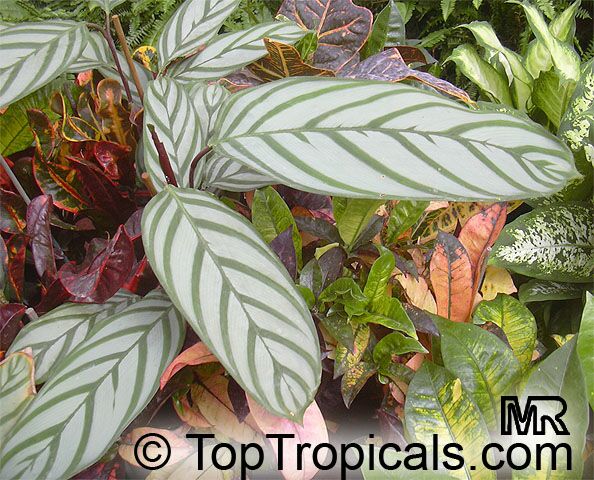
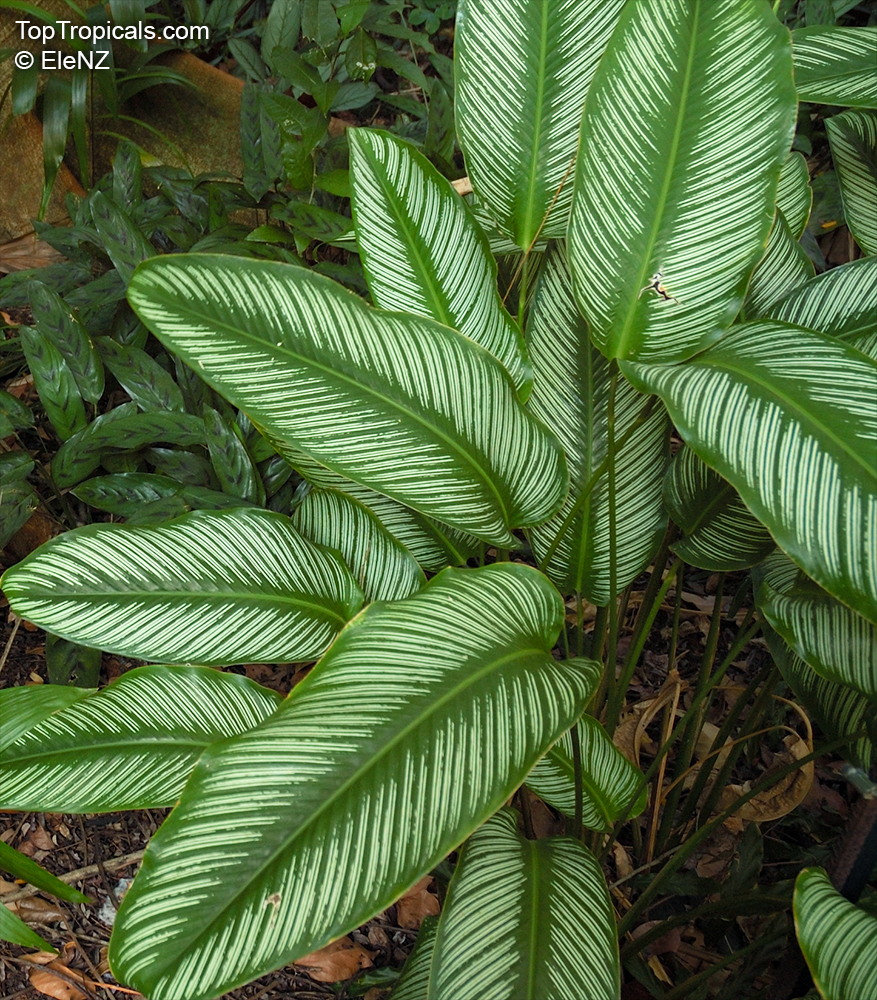
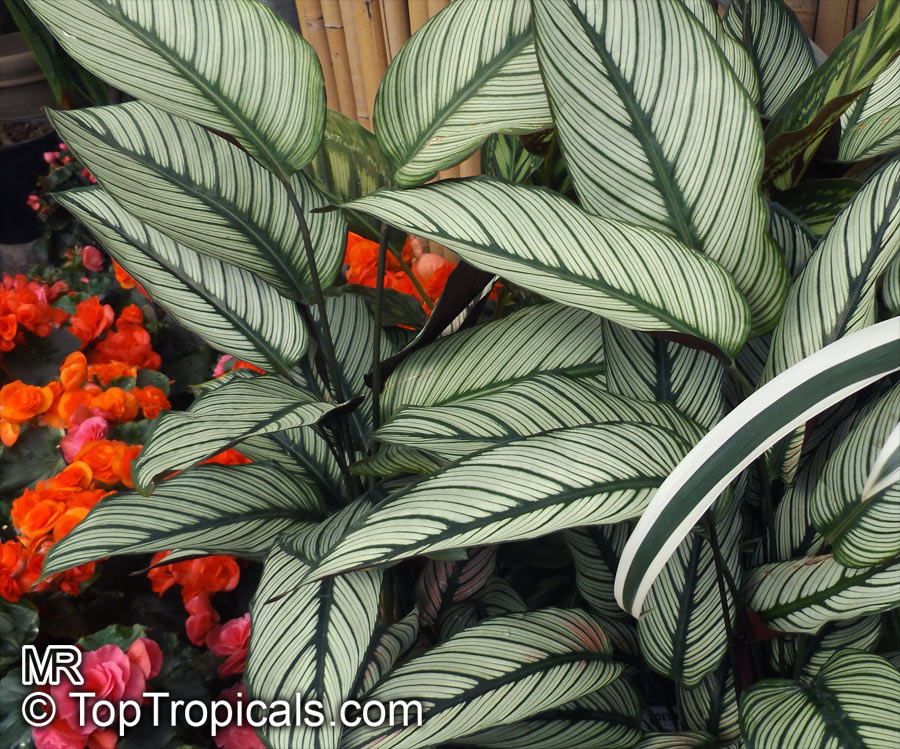
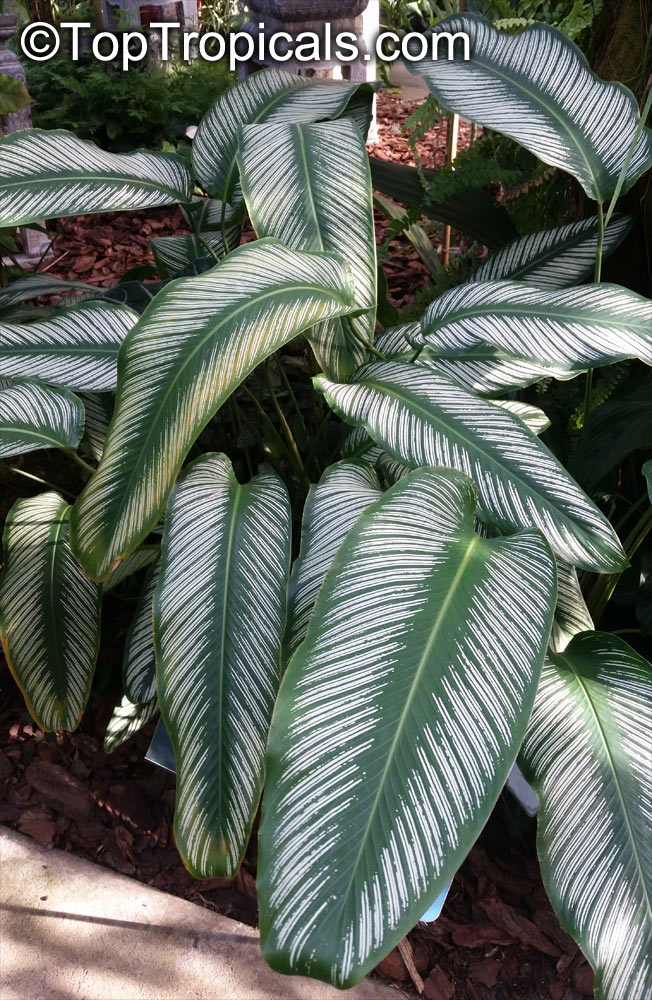
Goeppertia majestica is a tropical evergreen perennial in the Marantaceae family, native to South America. Formerly known as Calathea majestica, it was also historically treated as Calathea ornata var. majestica, but is now recognized as a distinct species rather than a variety of Goeppertia ornata. This taxonomic history helps explain why the two similar species are still confused in horticulture. Goeppertia majestica forms clumps of elongated, oval to elliptic green leaves with purple undersides. The upper surface is marked by numerous very fine white or pinkish lines running outward from the midrib along the lateral veins, producing a delicate, closely spaced pinstripe pattern. The cultivated selection Goeppertia majestica 'Albo-lineata' is particularly striking, with conspicuous creamy white striping against the green foliage.
Goeppertia majestica grows best in bright filtered light, warm temperatures, and high humidity. It prefers loose, organic-rich, well-drained soil kept evenly moist but never waterlogged. Protect plants from harsh direct sun and prolonged drying, which can damage the foliage. Like many relatives formerly sold as Calathea, it is now grown primarily as a decorative houseplant. Frost sensitive, it is suitable outdoors in USDA Zones 10b-11 and can be grown in containers elsewhere.


| Next | |
Use link to repeat this search:
https://toptropicals.com/cgi-bin/garden_catalog/cat.cgi?find=maranta&search_op=and&keyword_op=and&language=e&number=10
&no_change_lang=1&user=tt&sale=1&first=0