Calathea - Plant Encyclopedia Results
| Number of plants found: 27 | Next | 
|
Go to page: | 1 | 2 | 3 |
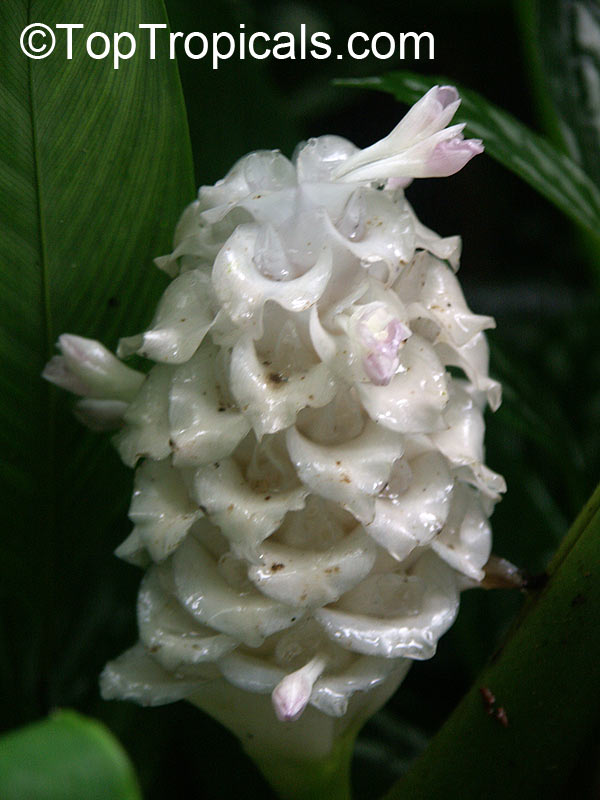
Botanical name: Calathea burle-marxii
Common name: Ice Blue Calathea
Family: Marantaceae
Origin: Brazil
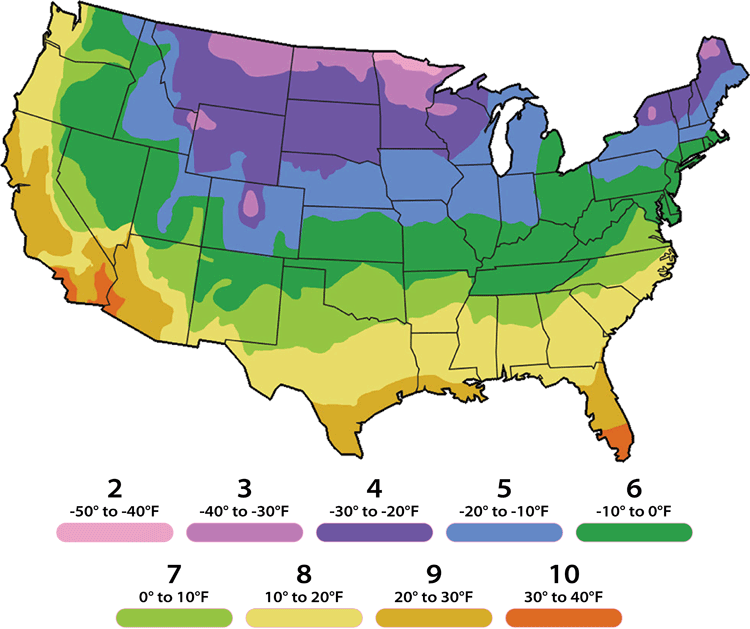
USDA Zone: 10-11
Cold tolerance: 35°F


Calathea burle-marxii (Ice Blue Calathea) is an attractive small shrub, native to Brazil, that can reach up to 2-5 feet in height. It boasts an array of ornamental foliage in silver and blue hues, as well as white, off-white, blue, lavender and purple flowers.
This plant requires regular watering and should never be allowed to dry out between waterings. It performs best in shade or semi-shade, and will appreciate some kind of humidity system if kept in dry indoor conditions. Fertilize regularly with a water-soluble fertilizer to keep your Calathea looking its best.
In USDA zones below 10, grow as a houseplant or seasonal container specimen. If you do need to overwinter your Calathea, make sure the pot it is in has good drainage and that you place it in a warm, lightly shaded area. Make sure not to overwater it during this time, as this could lead to root rot. Move the plant back outside during spring and summer.
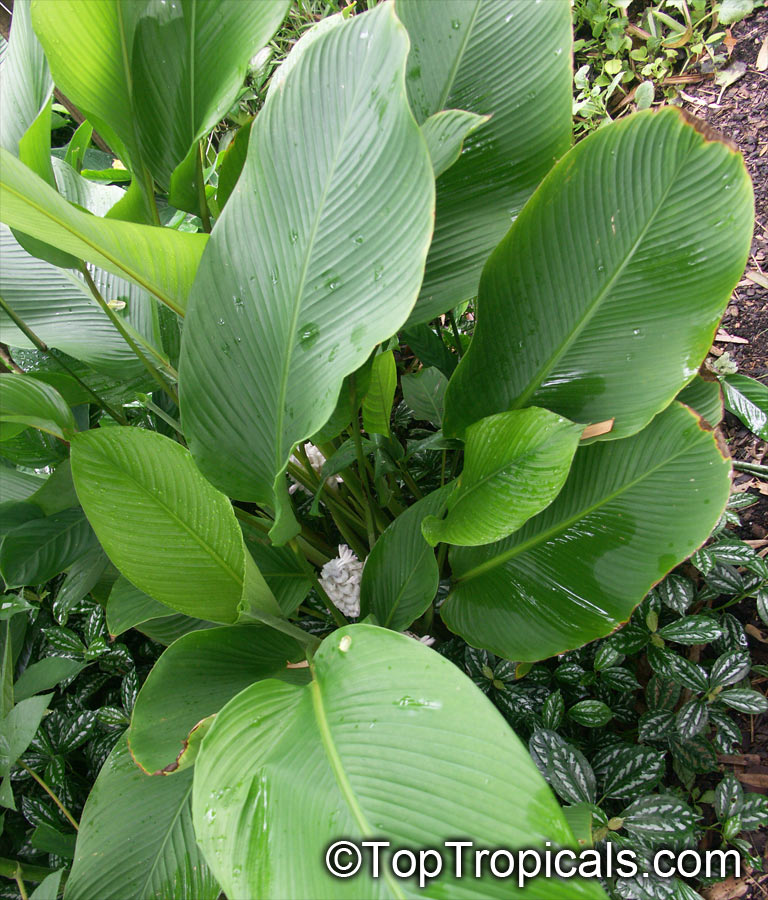


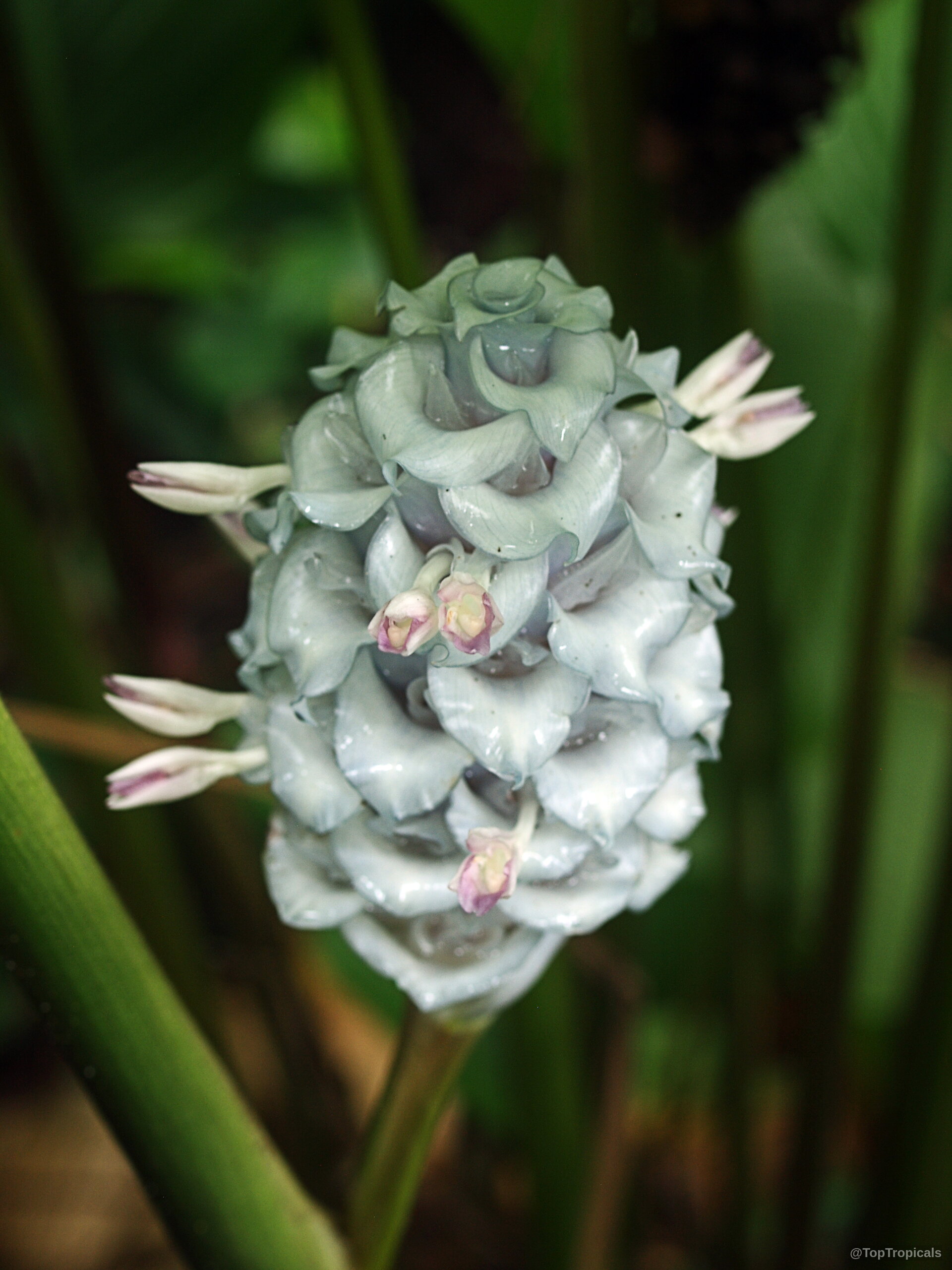
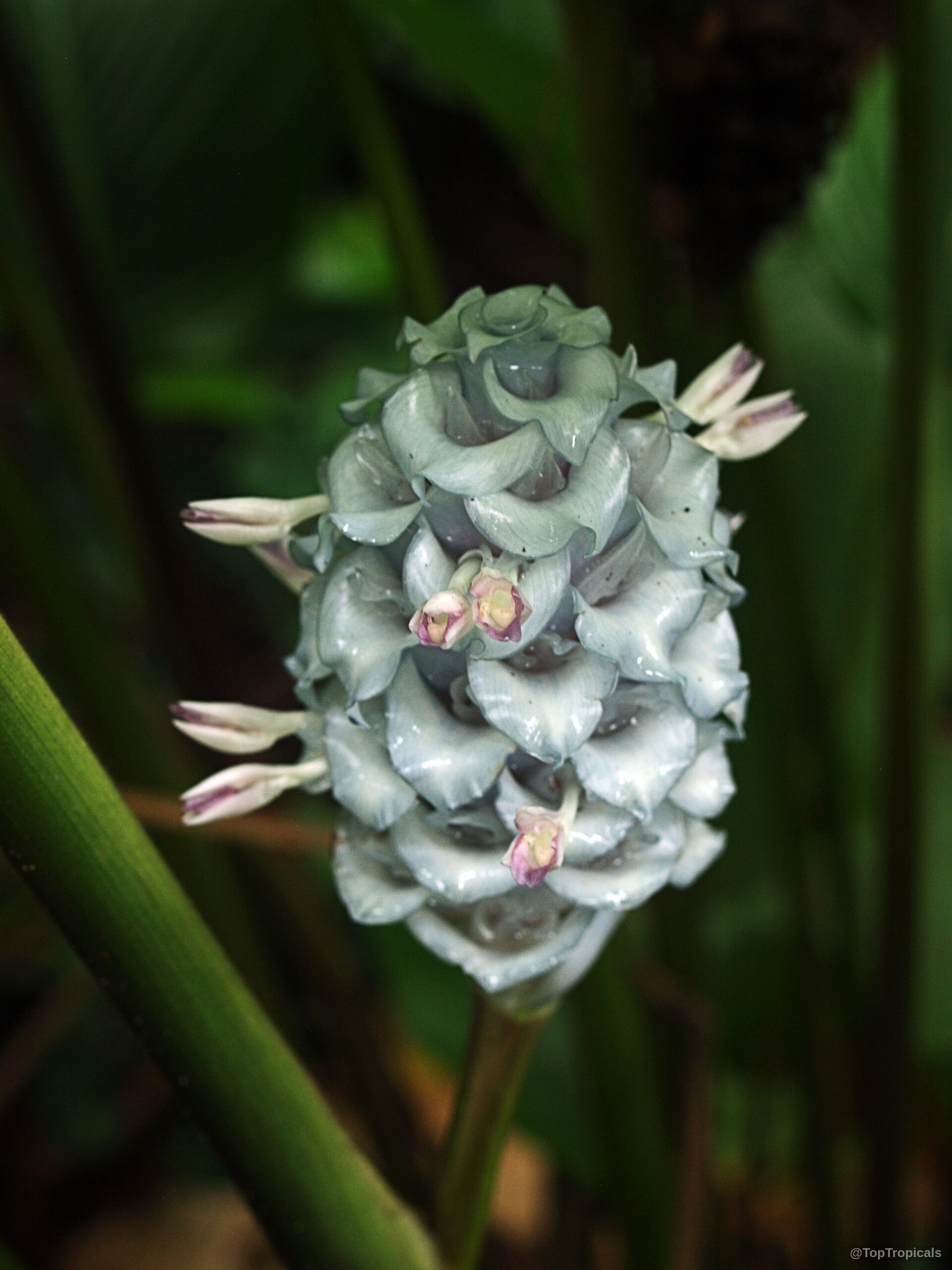


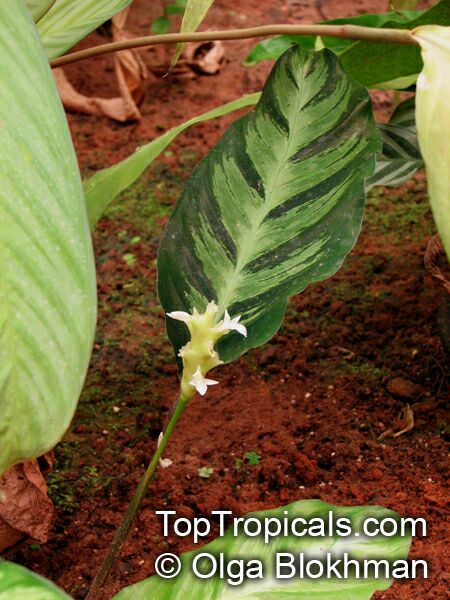
Botanical names: Calathea lietzei, Goeppertia lietzei
Common name: Calathea
Family: Marantaceae
Origin: Brazil
USDA Zone: 11
Cold tolerance: 50°F
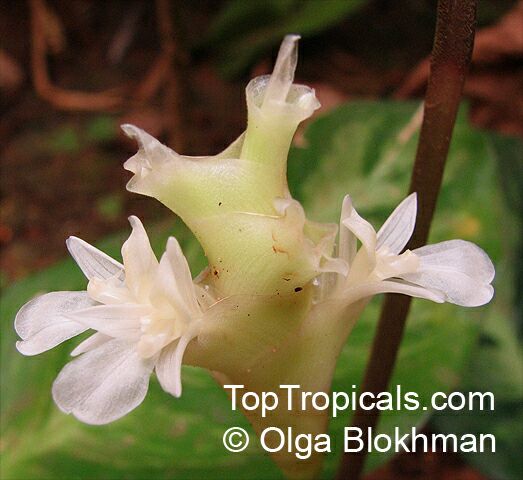
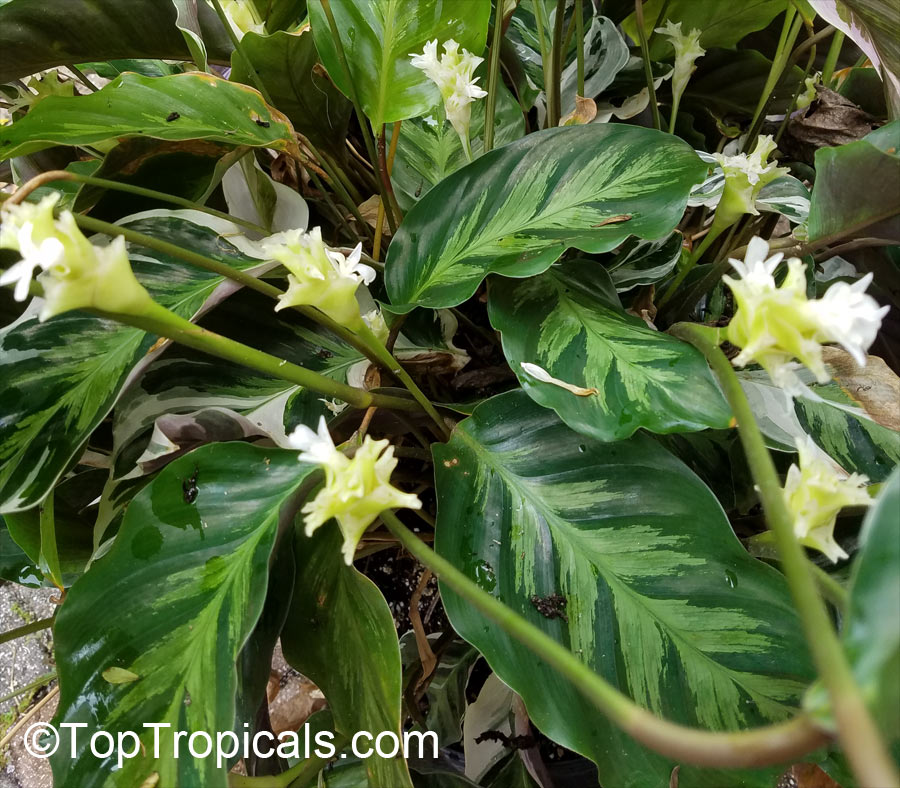
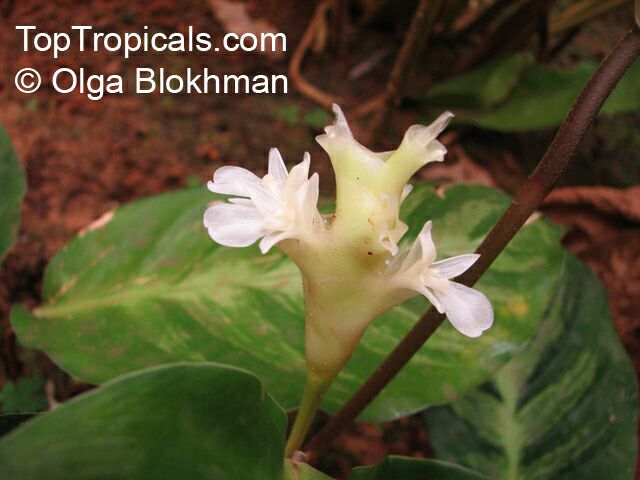
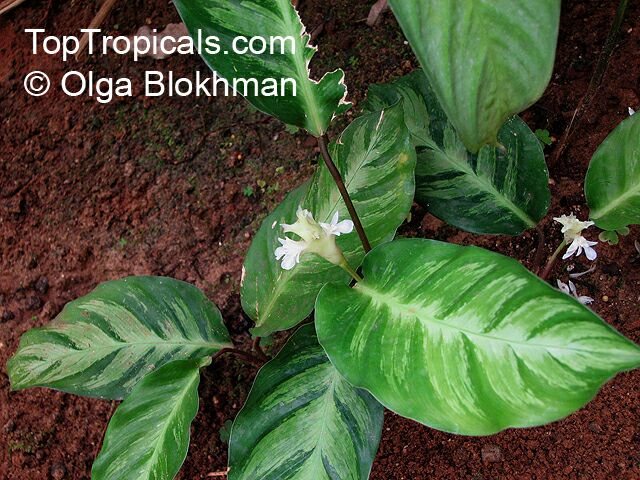
Calathea lietzei is a compact tropical plant known for its striking patterned foliage. It typically grows up to 2 feet tall and prefers warm, humid conditions with partial shade. The soil should be consistently moist but well-drained, and regular watering is essential for healthy growth.
This plant can be grown outdoors year-round only in USDA Zone 11, where temperatures stay above 50F.
In cooler zones, Calathea lietzei should be grown in a container. Place the pot in bright, indirect light, sheltered from wind, and bring it indoors before temperatures drop. With the right care, Calathea lietzei makes a beautiful addition to indoor spaces or shaded tropical gardens.
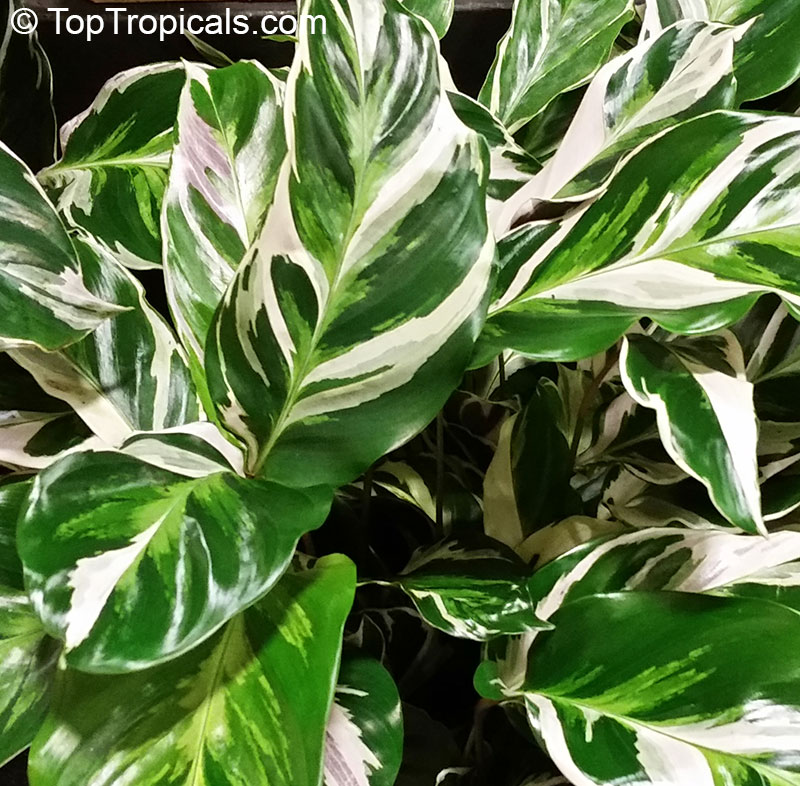
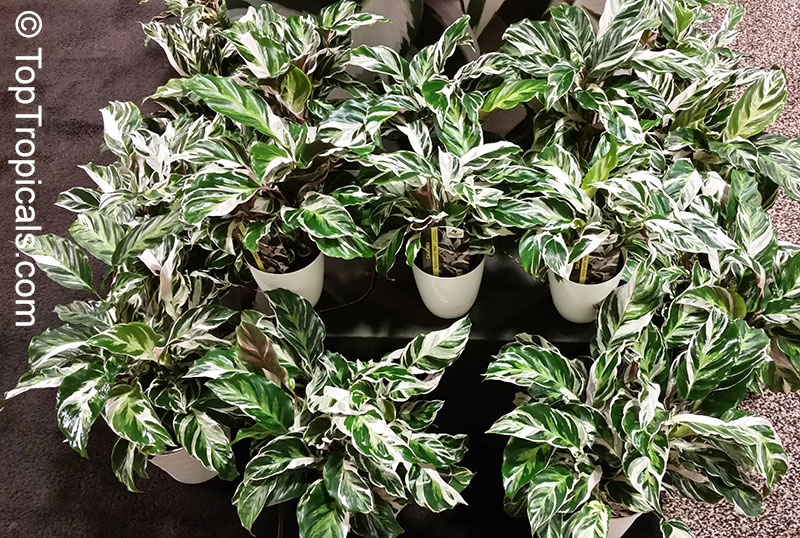
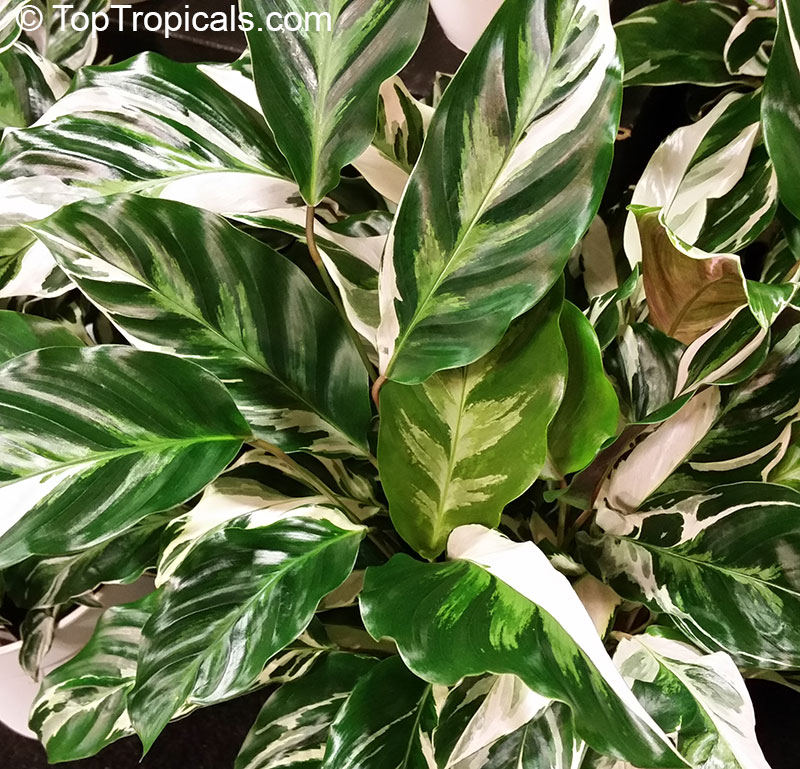
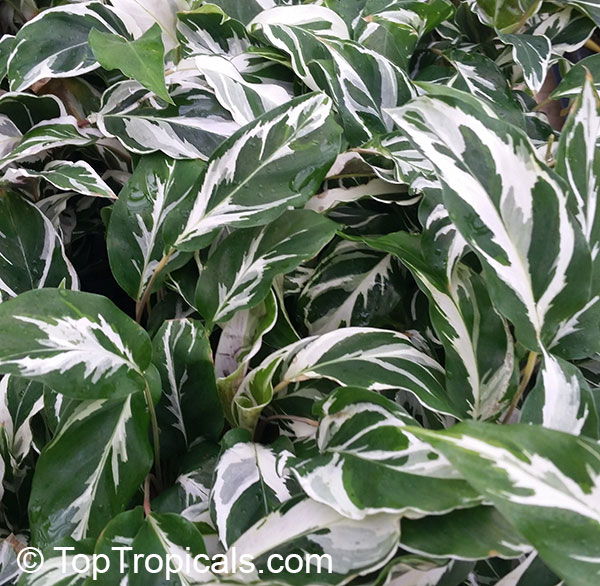
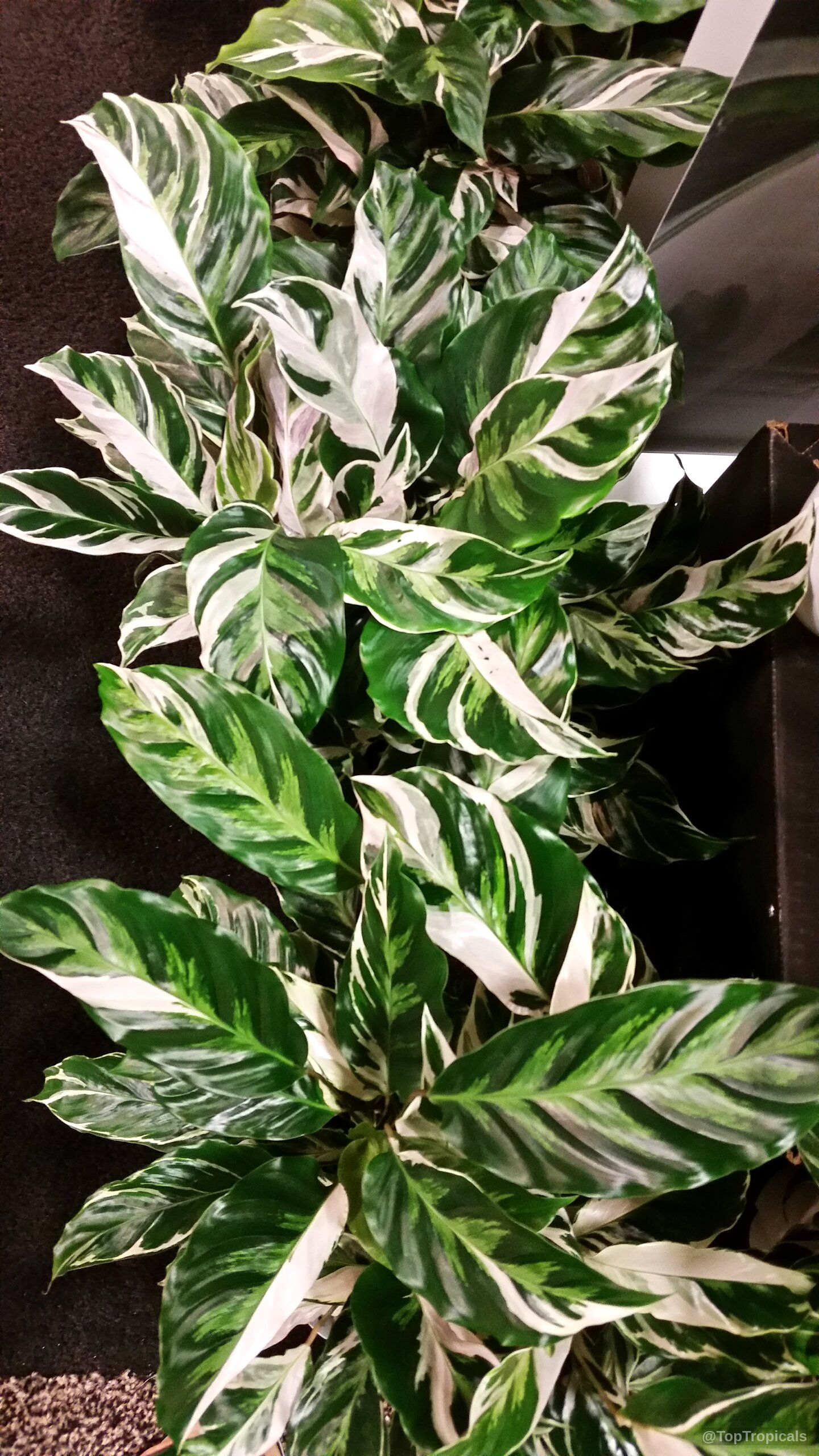
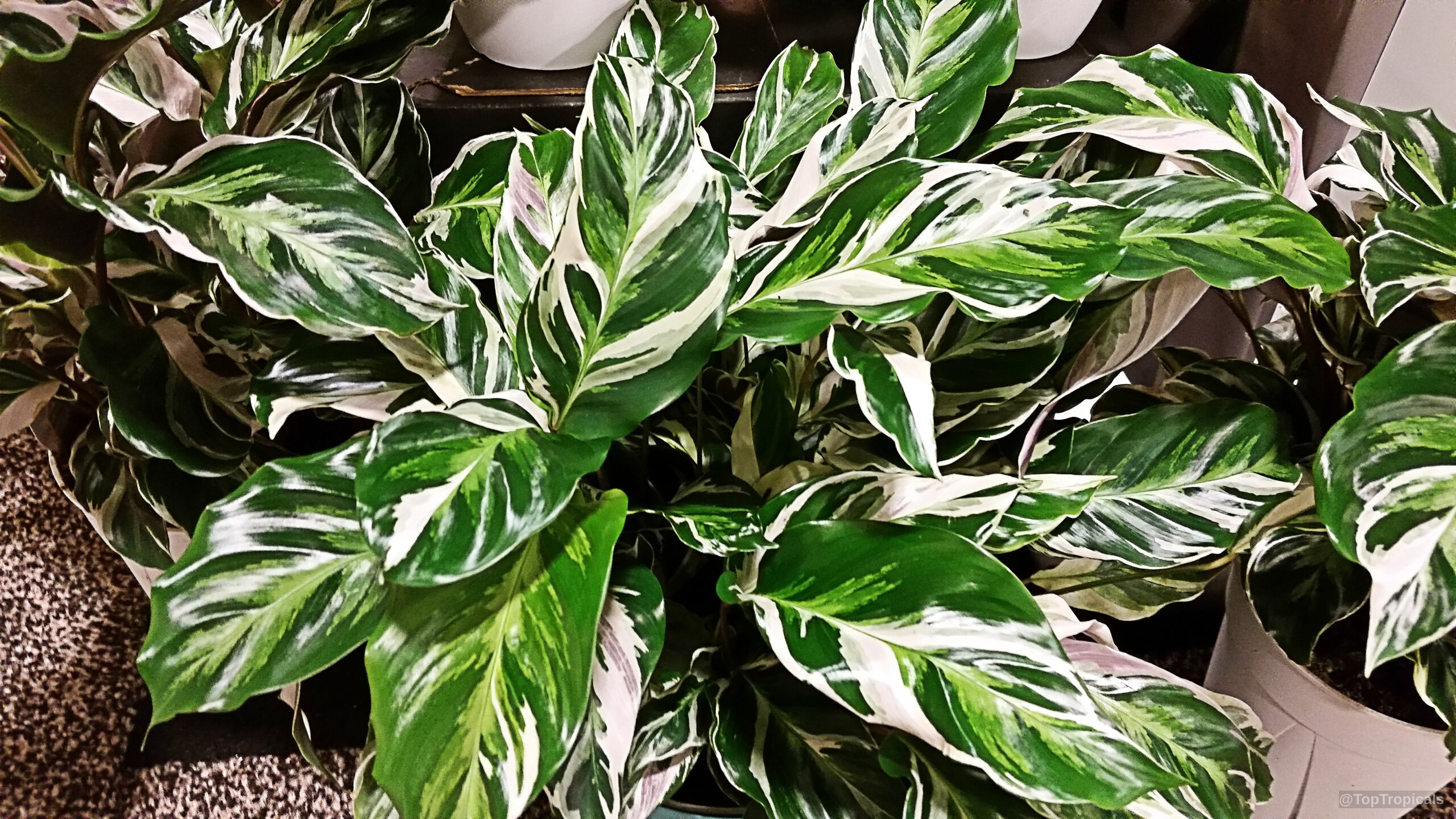
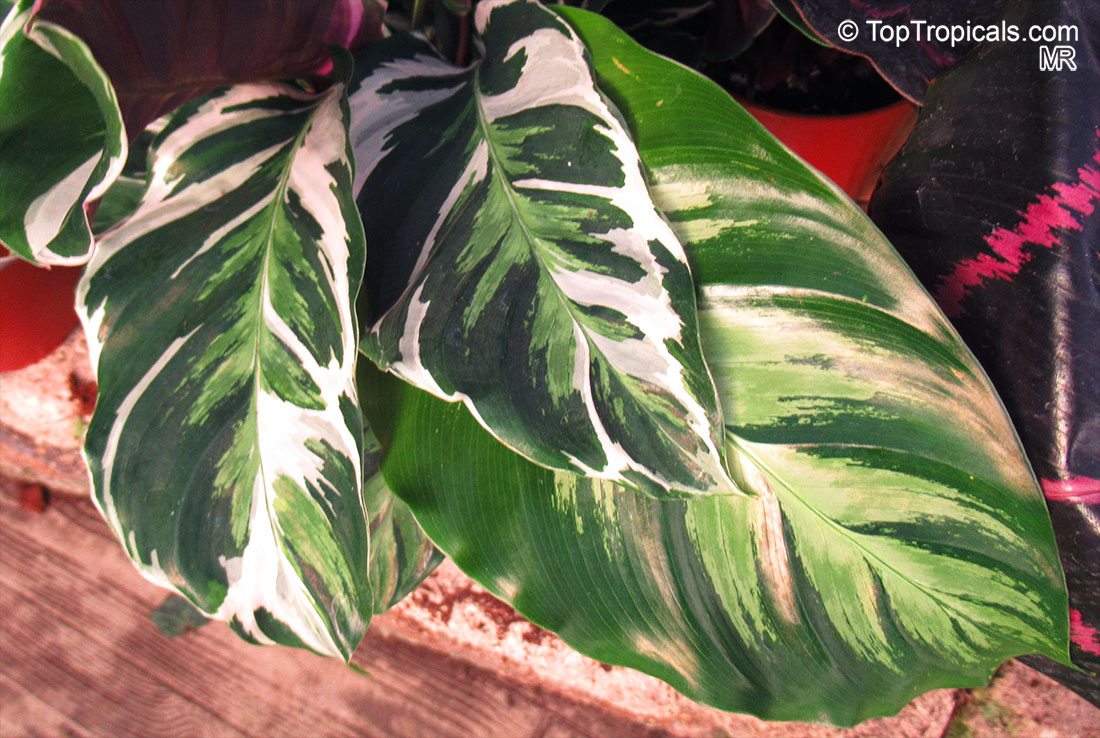
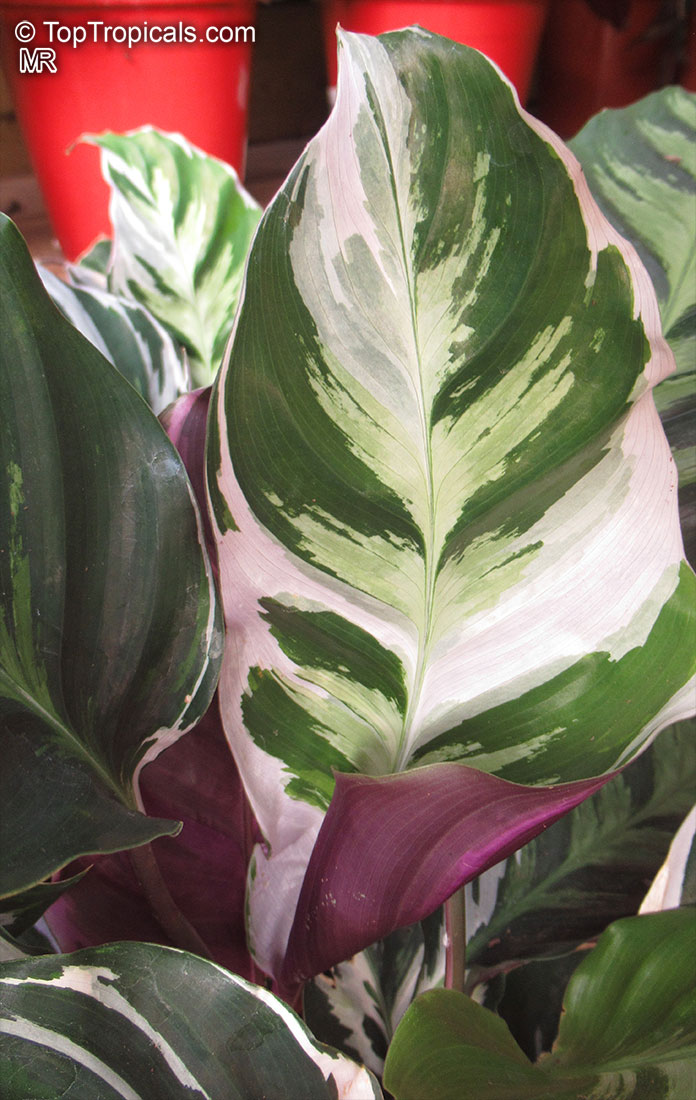
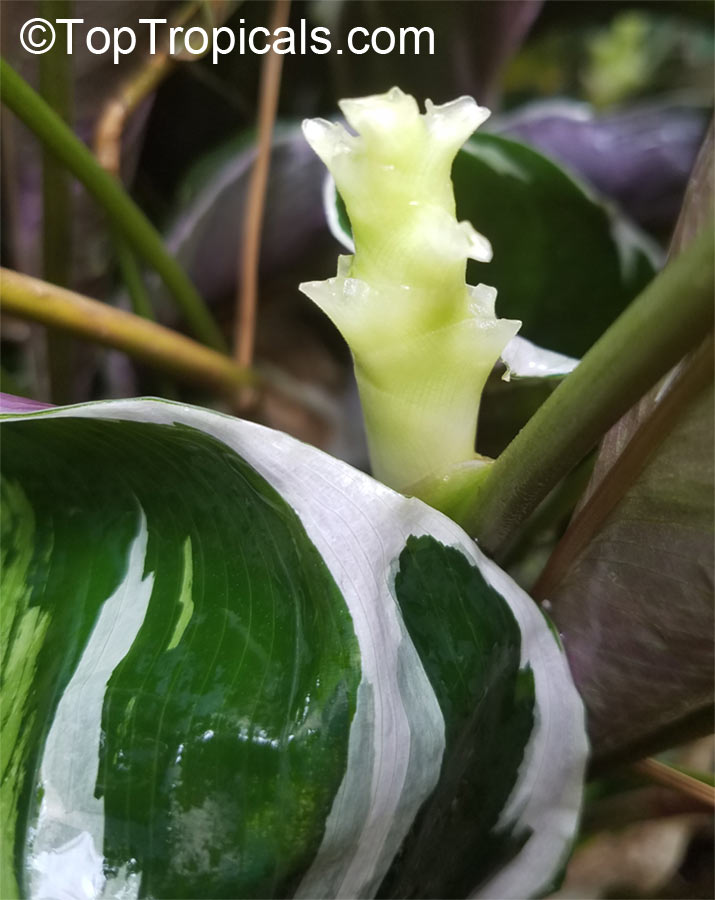
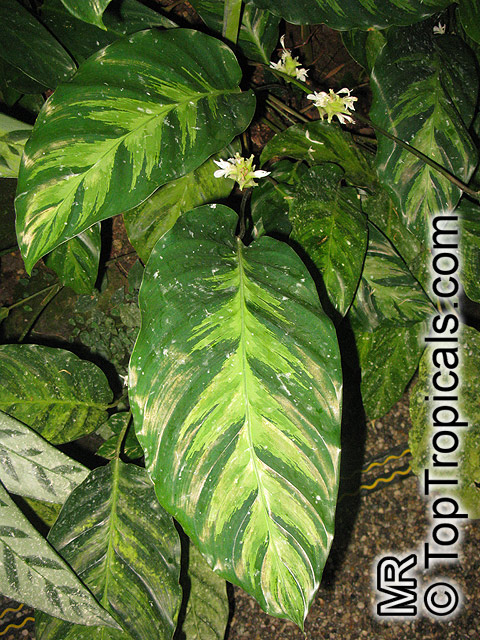
Calathea lietzei 'White Fusion' (Goeppertia lietzei 'White Fusion') is a stunning variegated cultivar prized for its marbled leaves that combine pure white with several shades of green, ranging from deep emerald to light mint. The unique foliage pattern makes it a striking decorative plant for indoor settings.
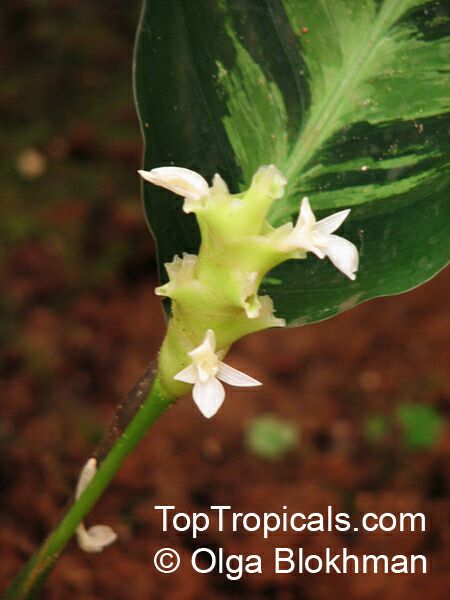
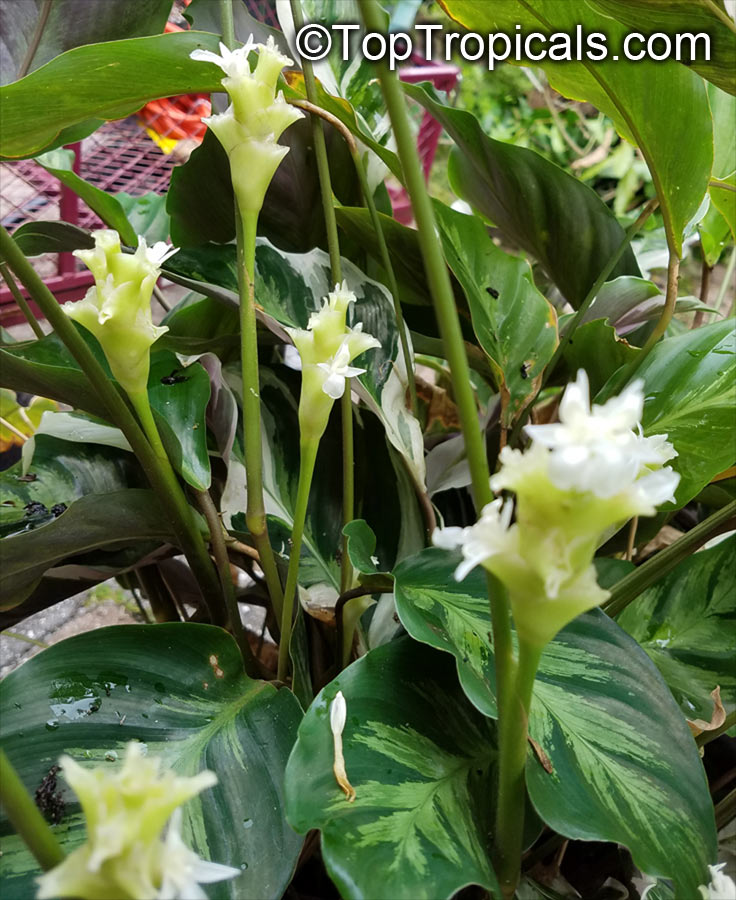



Botanical names: Calathea loeseneri, Goeppertia loeseneri
Common name: Brazilian Star Calathea
Family: Marantaceae
Origin: Peru, Brazil, Colombia, Ecuador and Bolivia
USDA Zone: 11
Cold tolerance: 50°F


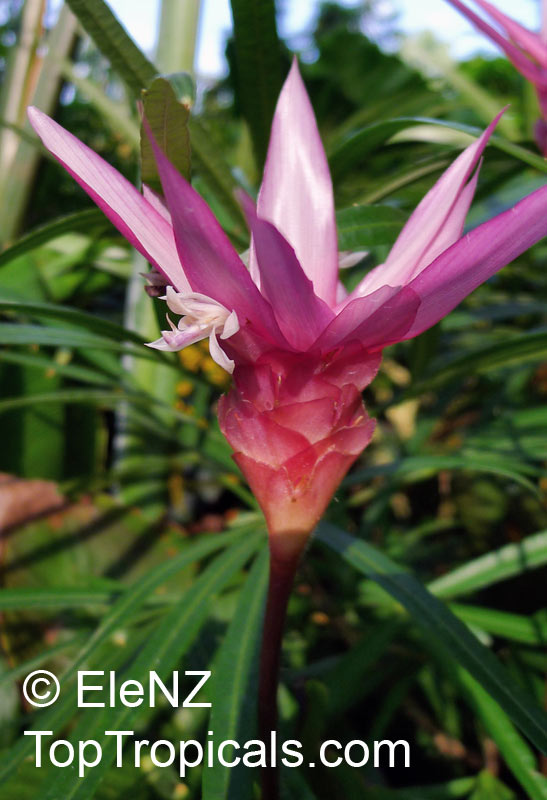
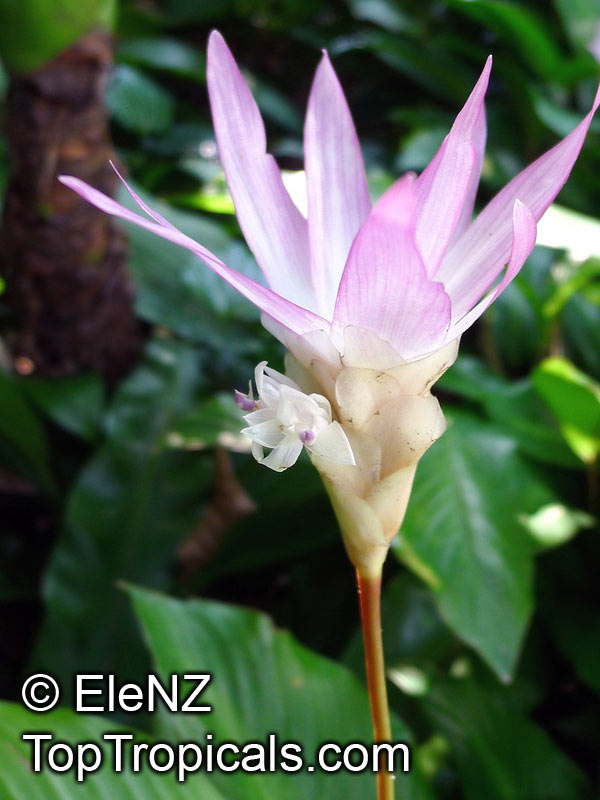
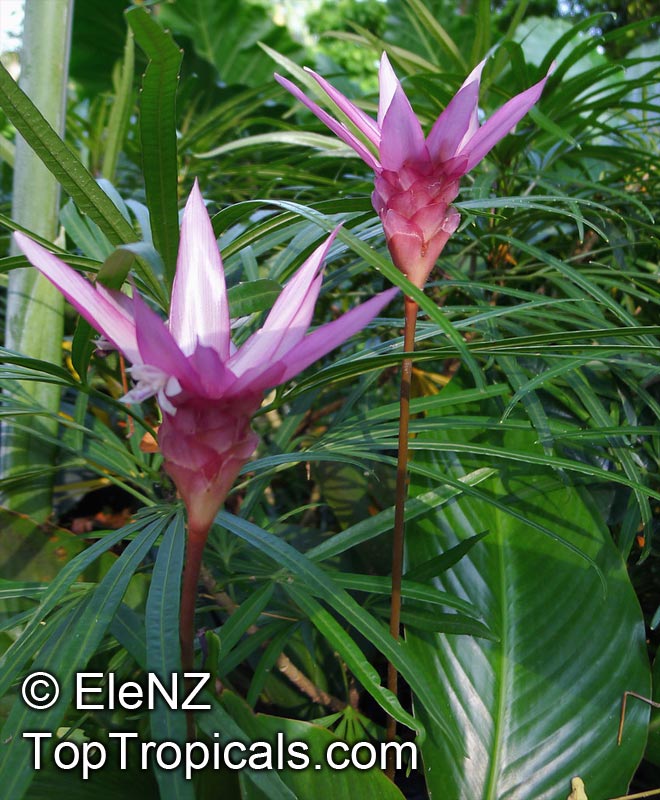
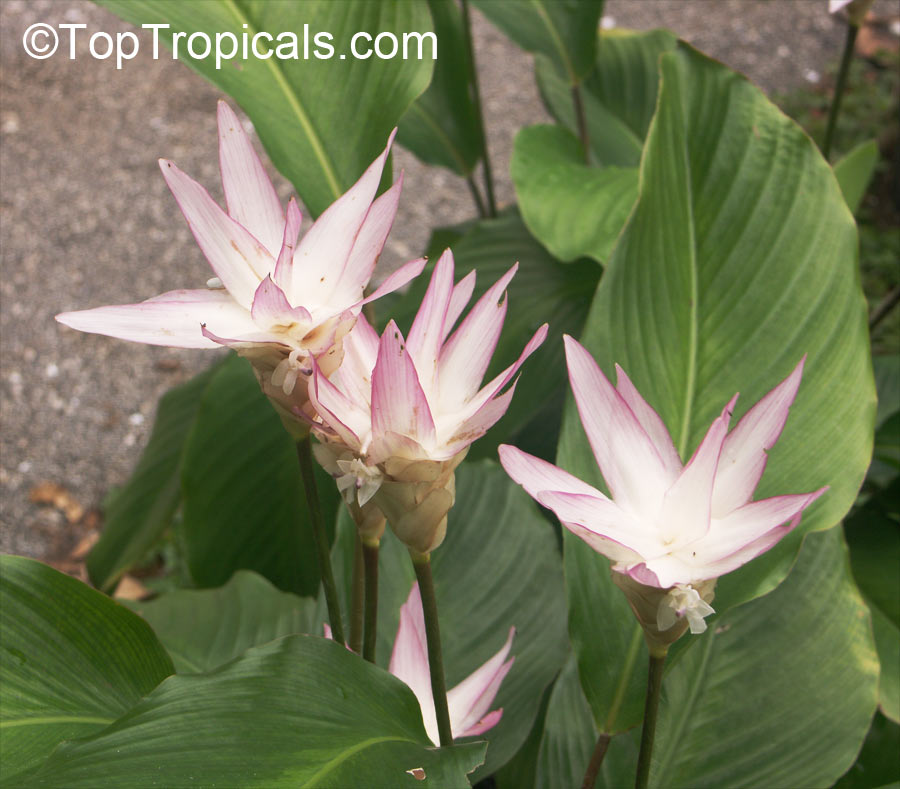
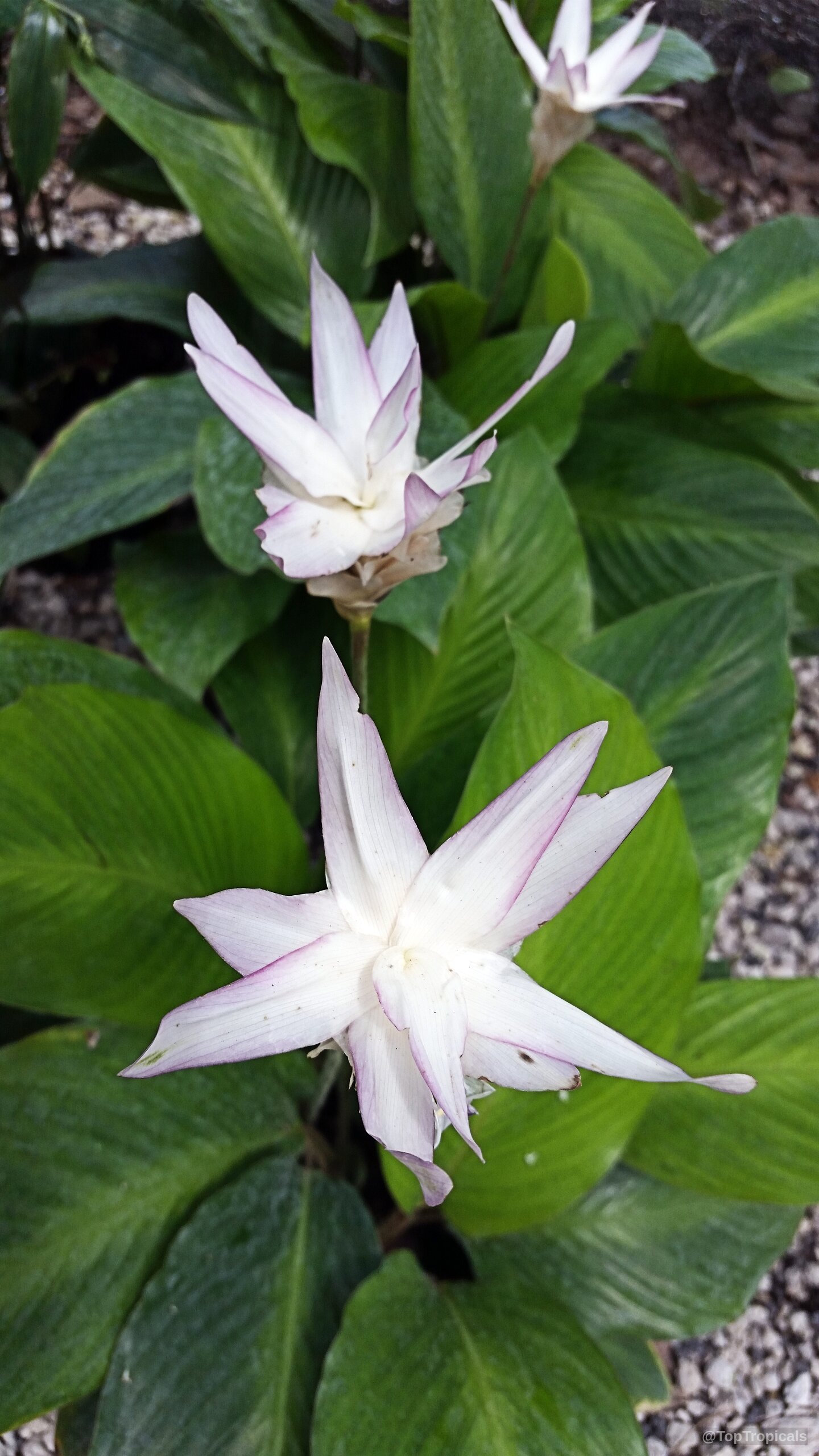
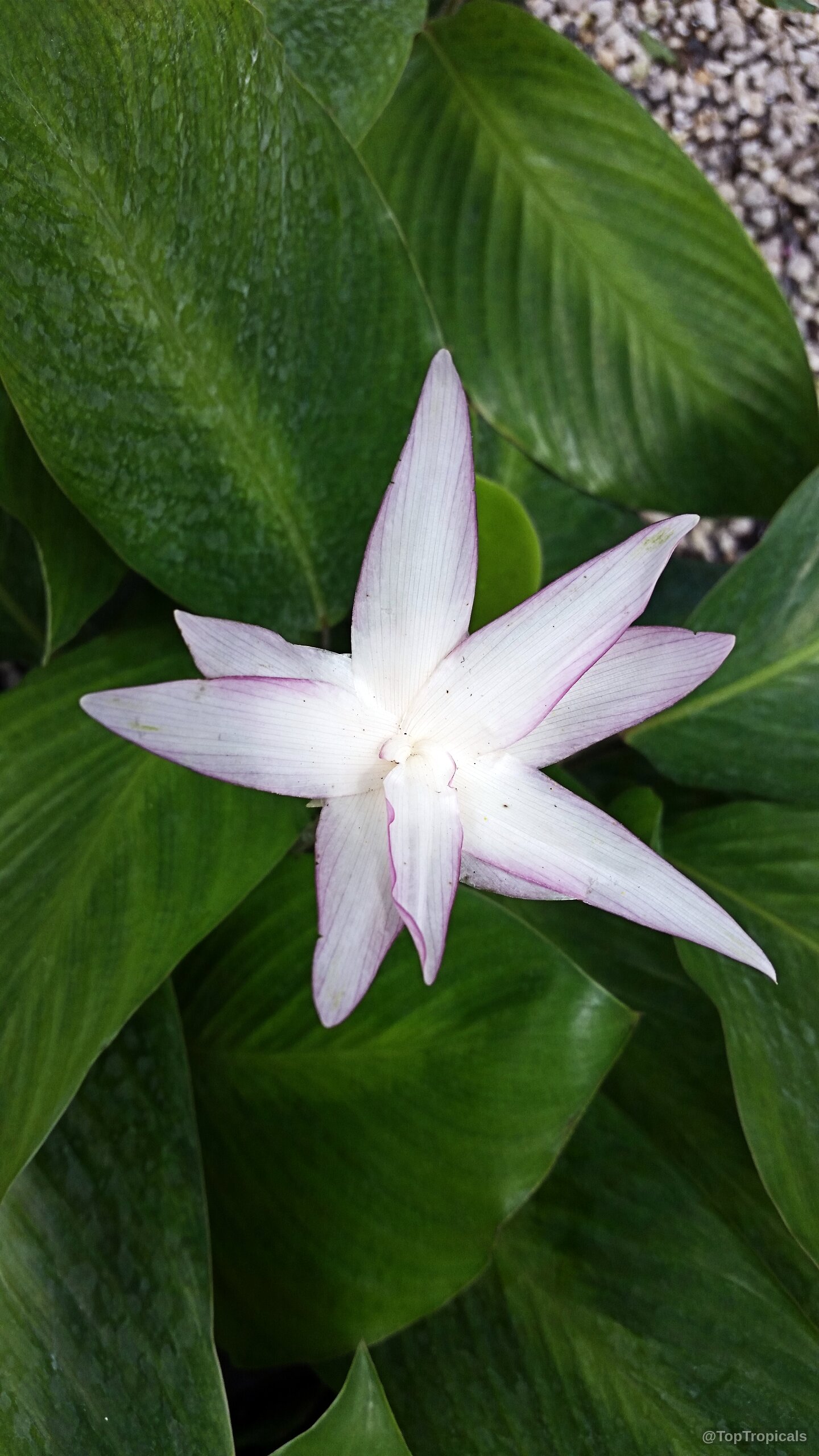
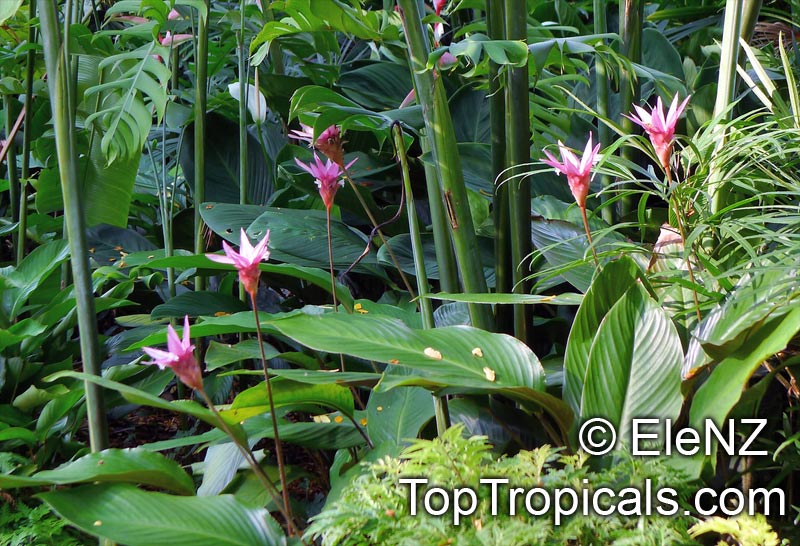
This Brazilian Calathea is one of the very few with showy flowers. The large leaves are quite attractive and they remind of a peacock ginger (Kaempferia). The leaves are light green with a white midrib. The white/pinkish flowers are 3" produced on long stems. The blooms are very showy above the foliage. This is a rarely offered plant. Makes an excellent container plant for shady locations.
In USDA zones below 11, grow as a houseplant or seasonal container specimen.



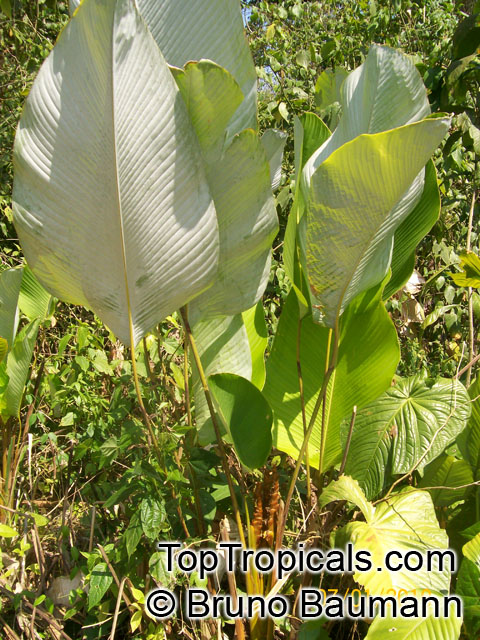
Botanical name: Calathea lutea
Common name: Cigar Calathea
Family: Marantaceae
Origin: Tropical America
USDA Zone: 10-11
Cold tolerance: 40°F


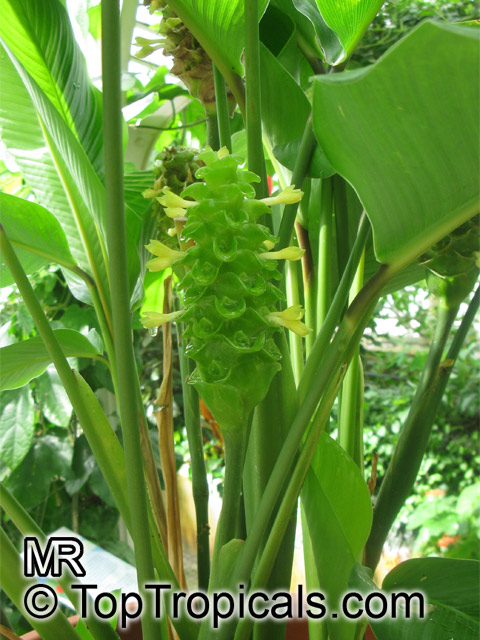
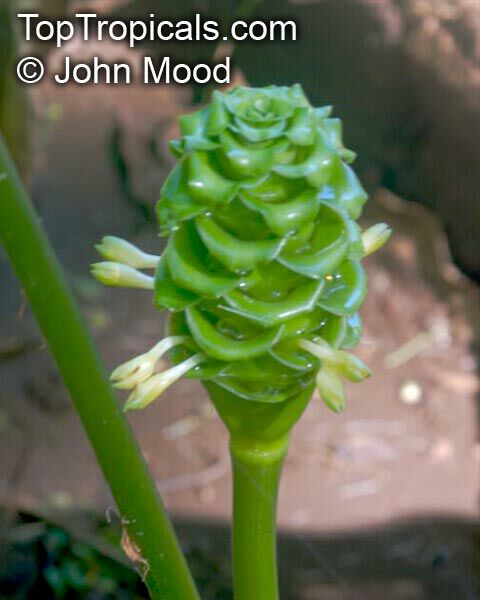
Calathea lutea can grow to a height of 2.5 m and produces cigar-shaped bracts. The paddle-shaped leaves have reflective silver undersides. The most common cultivar found locally produces brownish bracts.
In USDA zones below 10, grow as a houseplant or seasonal container specimen.
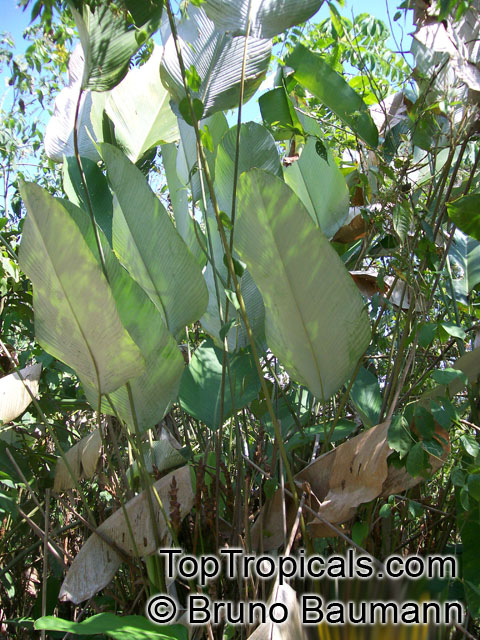
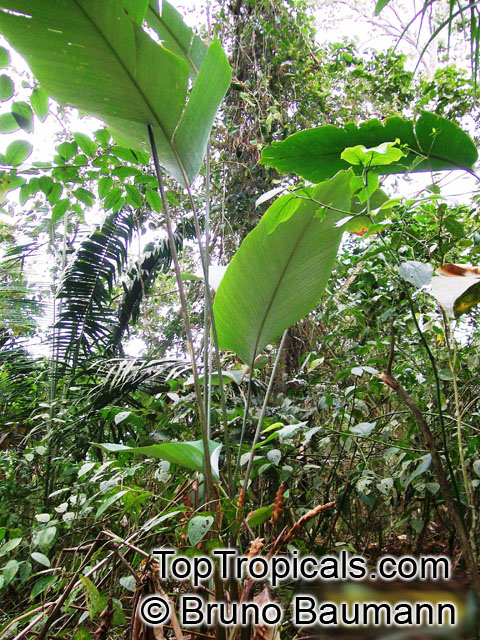
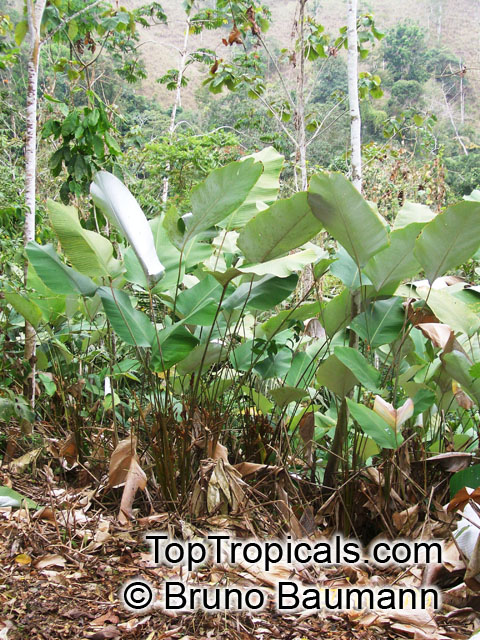
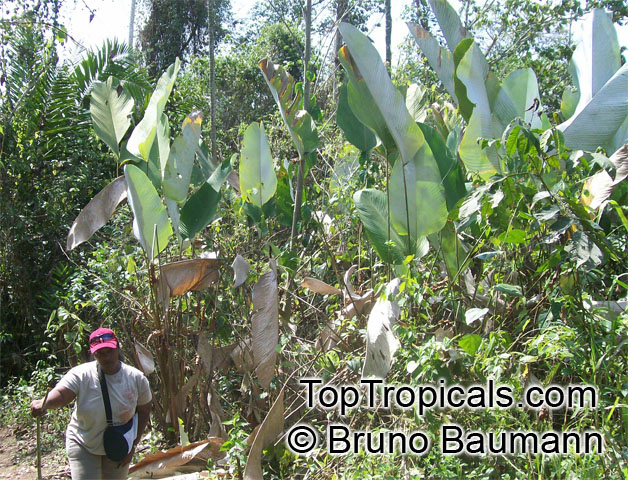
Botanical names: Calathea rufibarba, Goeppertia rufibarba
Common names: Velvet Calathea, Fuzzy Pheasant Feather, Furry Feather
Family: Marantaceae
Origin: Brazil
USDA Zone: 10-11
Cold tolerance: 35°F


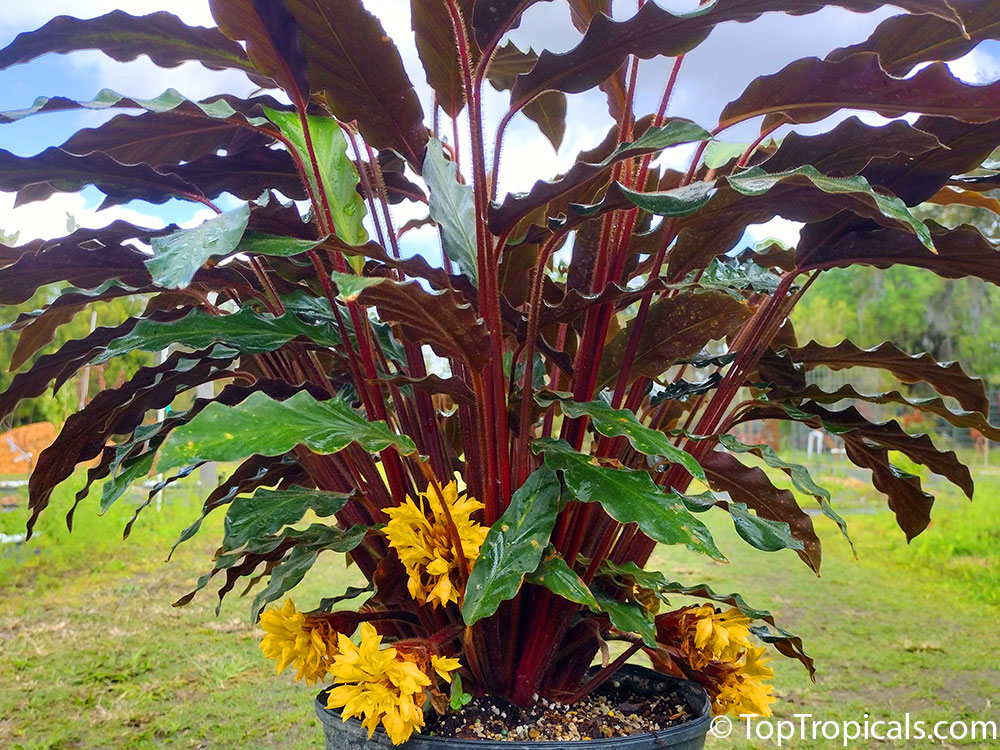
This small shrub grows to 2-5 feet tall and bears ornamental foliage and yellow to orange flowers. Calathea rufibarba (Velvet Calathea) is native to Brazil and thrives best in USDA Zones 11. While most Calatheas are recommended for outdoor growing only in USDA Zone 11, Calathea rufibarba has been successfully grown at TopTropicals in Fort Myers, Florida (Zone 10b), under protected conditions. It can tolerate some shade and semi-shade, requiring regular to moderate water in order to remain healthy.
For growing this plant in a pot in cold regions it is important to ensure the pot used is a good insulator. Clay pots are not recommended as these can increase the risk of the plant freezing in extreme temperatures. It is best to use plastic or fiberglass pots, but please note that these do not offer the same breathability as ceramic or clay pots which can help the soil to dry evenly. Additionally, potting soil should be mixed with perlite or coarse sand to further enhance breathability, and to ensure the soil does not become waterlogged.
When bringing the plant in during colder temperatures, it is recommended to check and treat the plant for pests. This can be done by wiping down all foliage using a diluted mixture of dish soap and water, or using a specialized pesticide. Lastly be sure to monitor the temperature and humidity of the indoor air to make sure the plant is not exposed to environments which are too dry or too cold.
See Article - How to grow Calathea indoors.
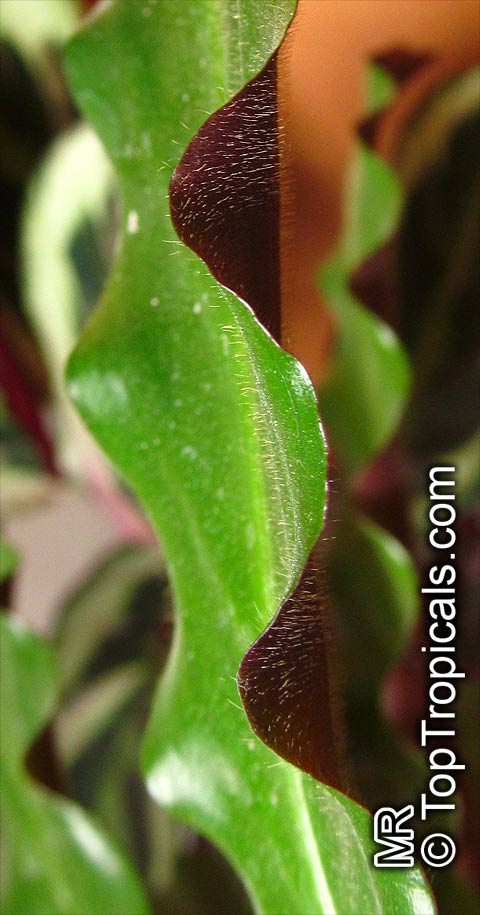
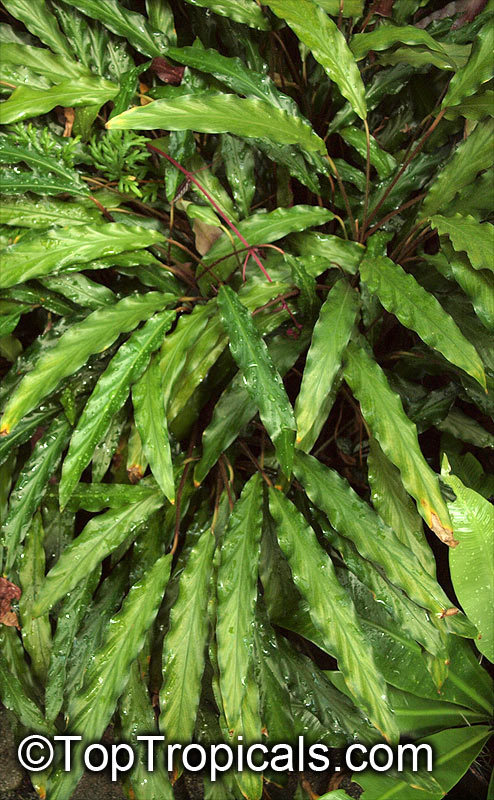
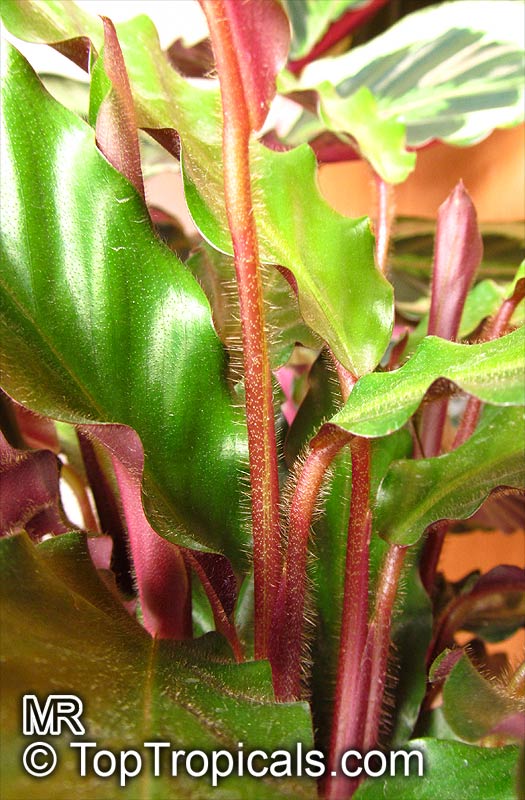
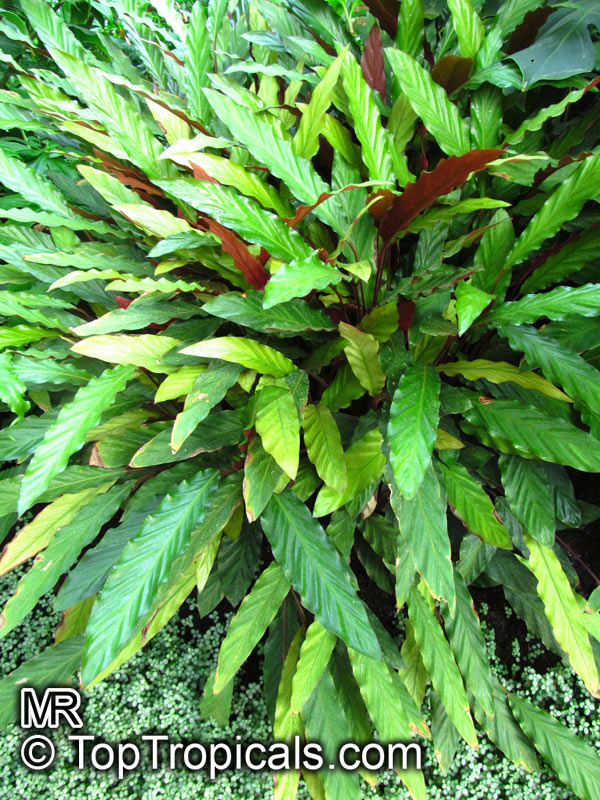
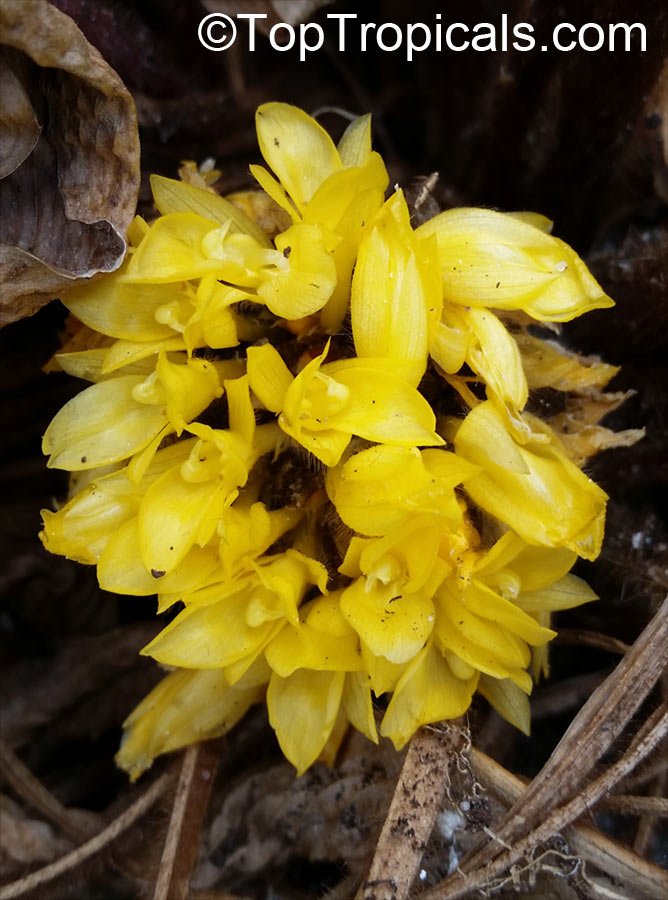
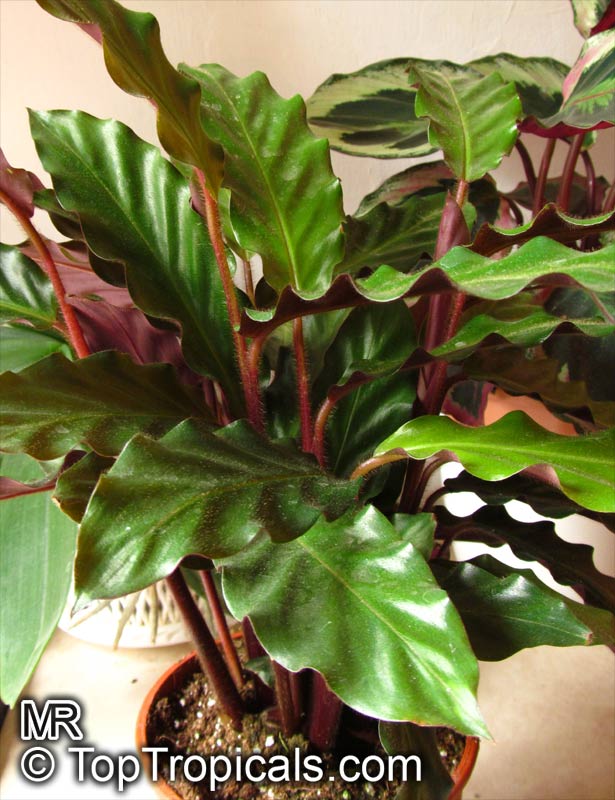
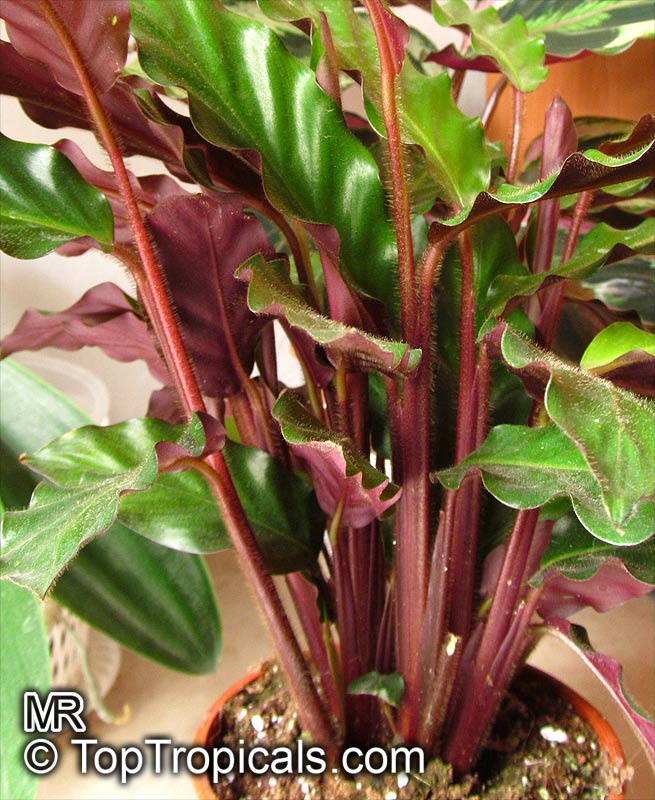
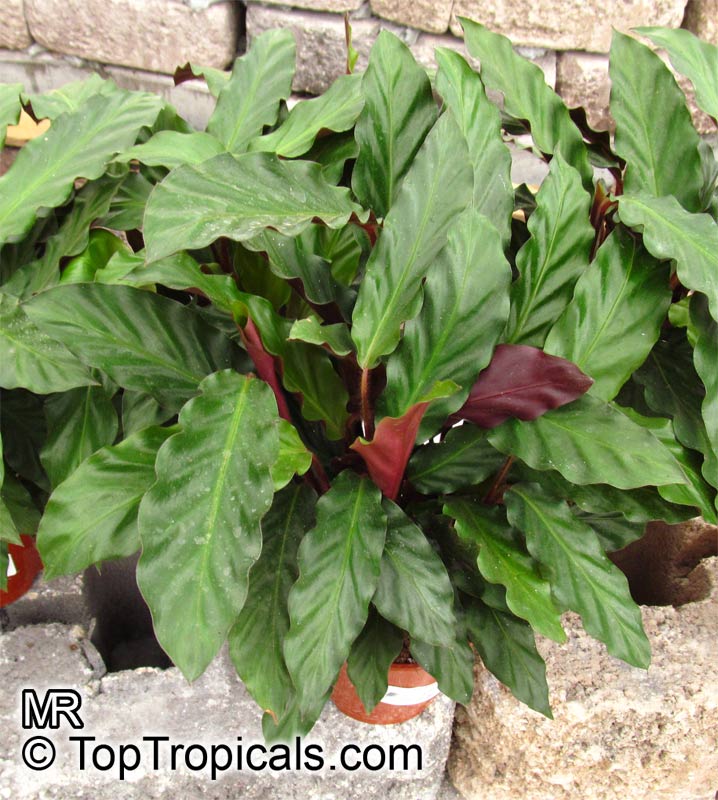
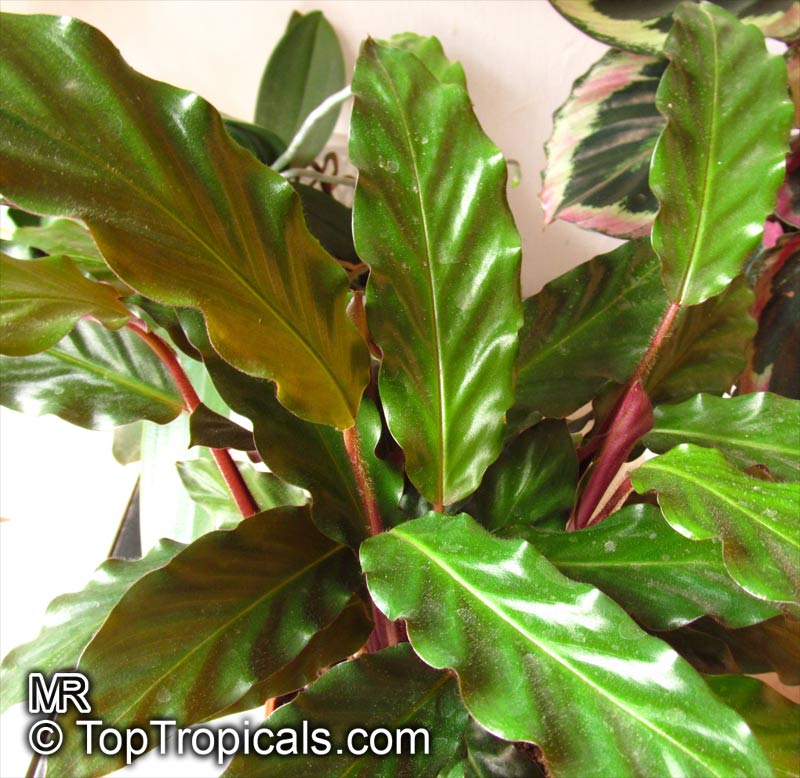
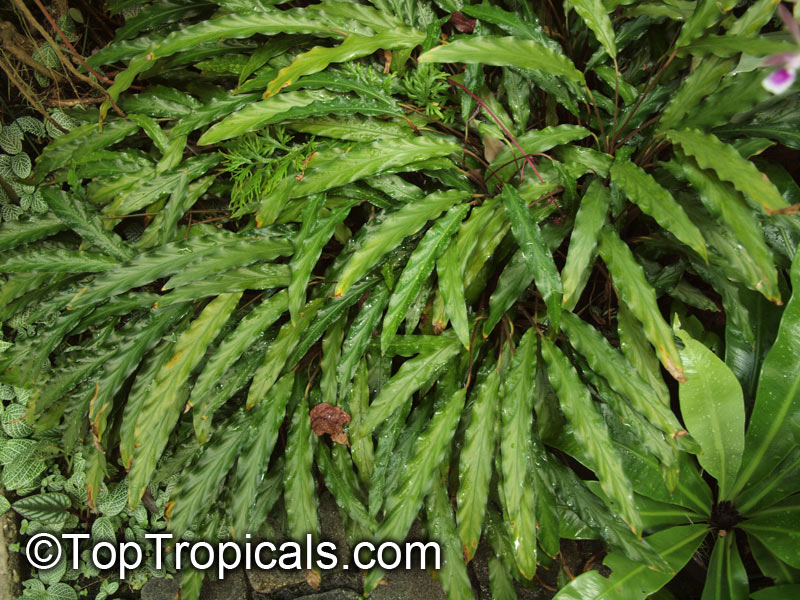
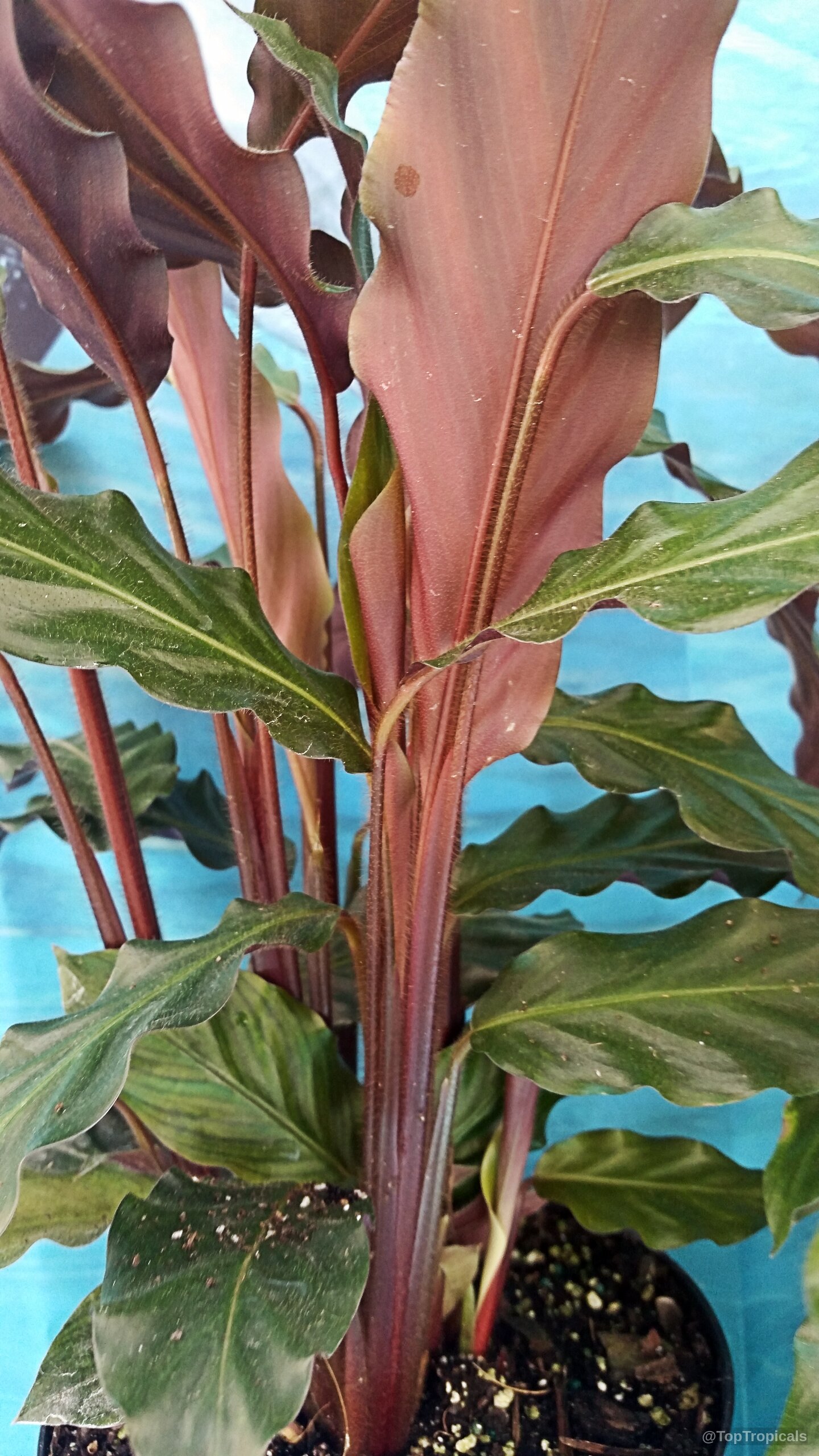
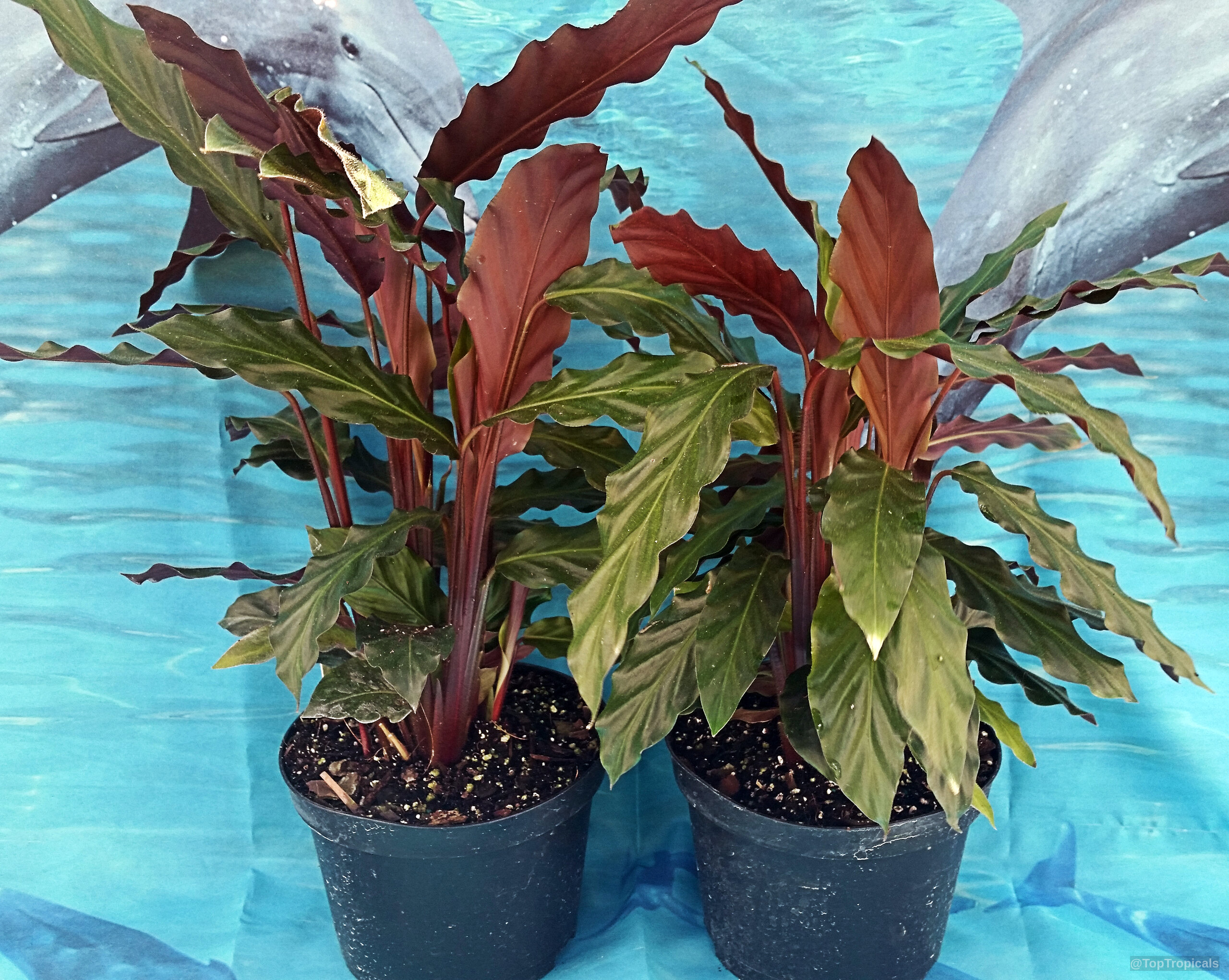
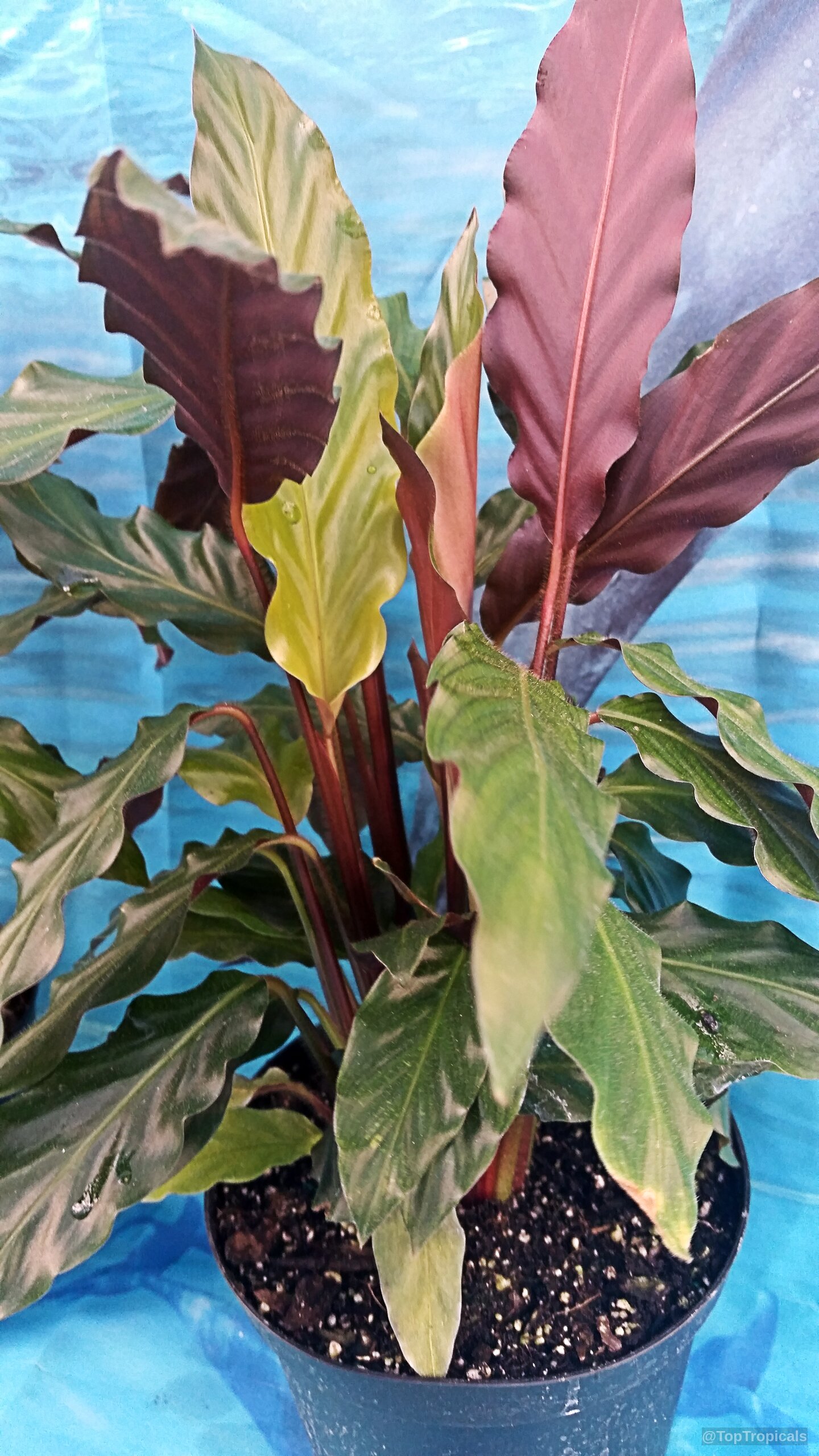

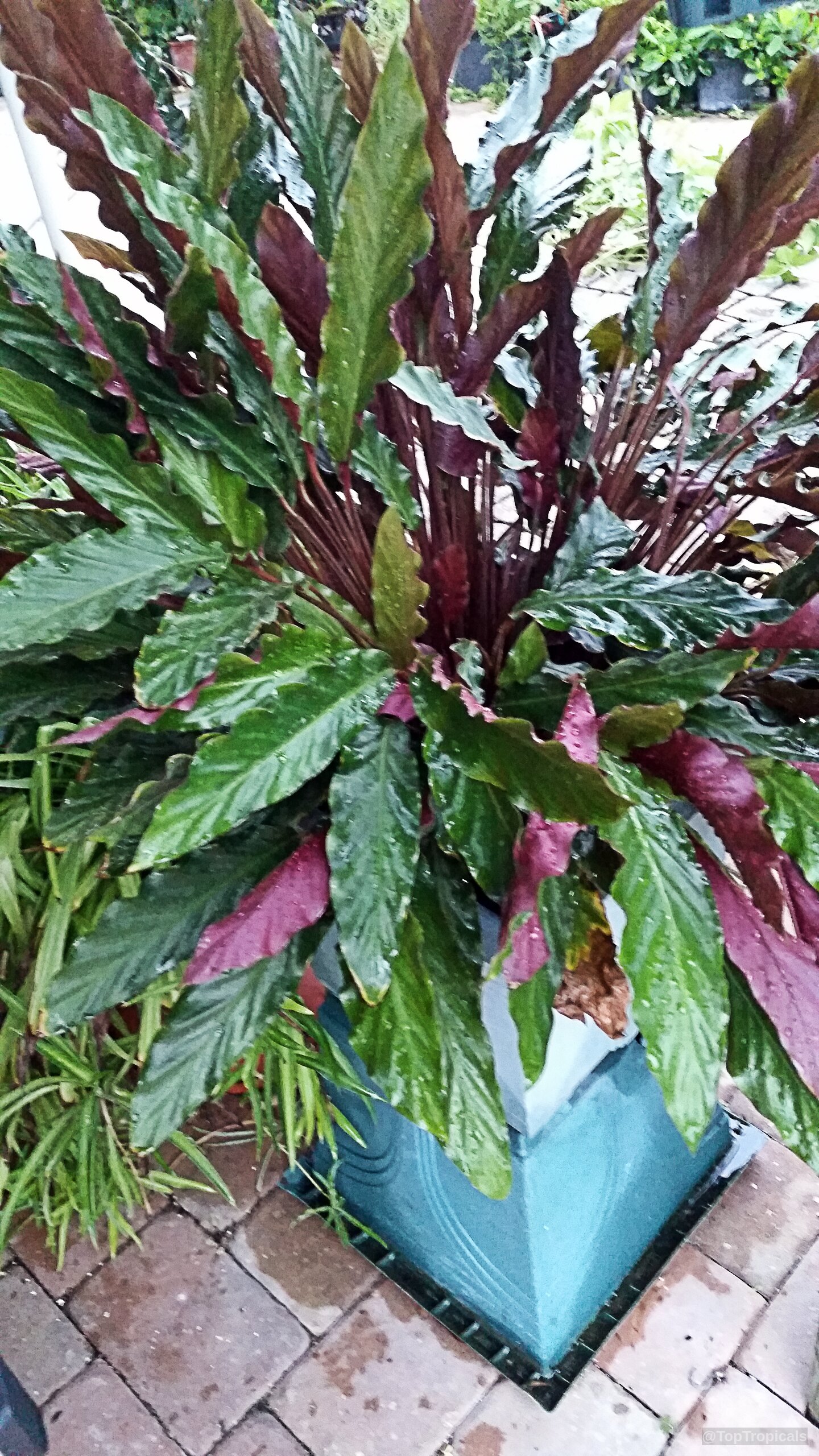
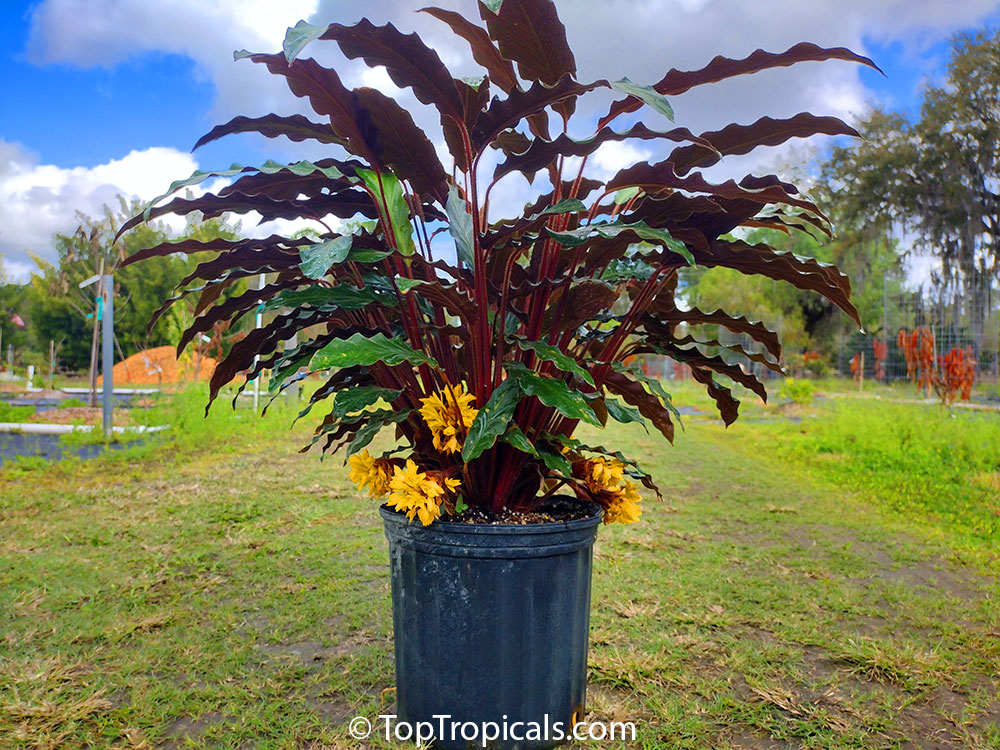
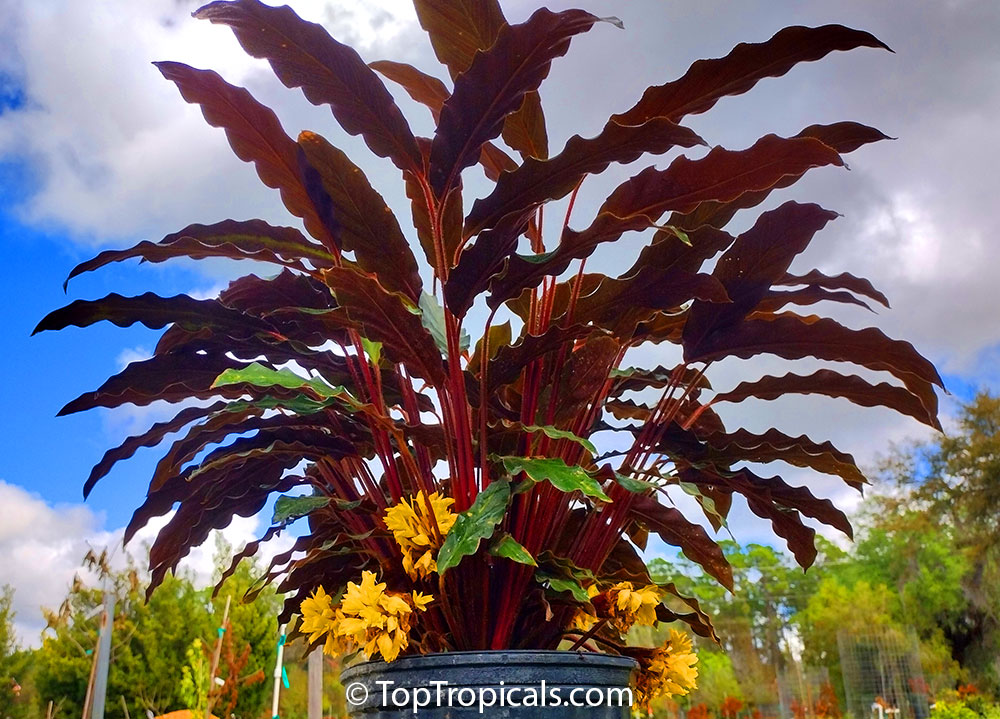
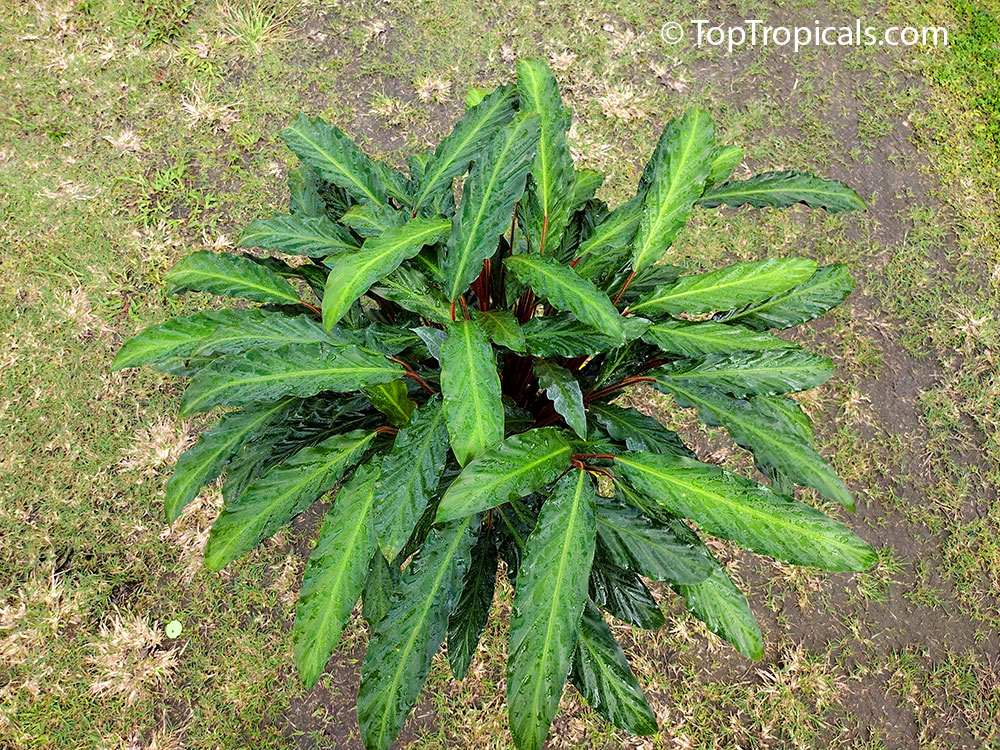
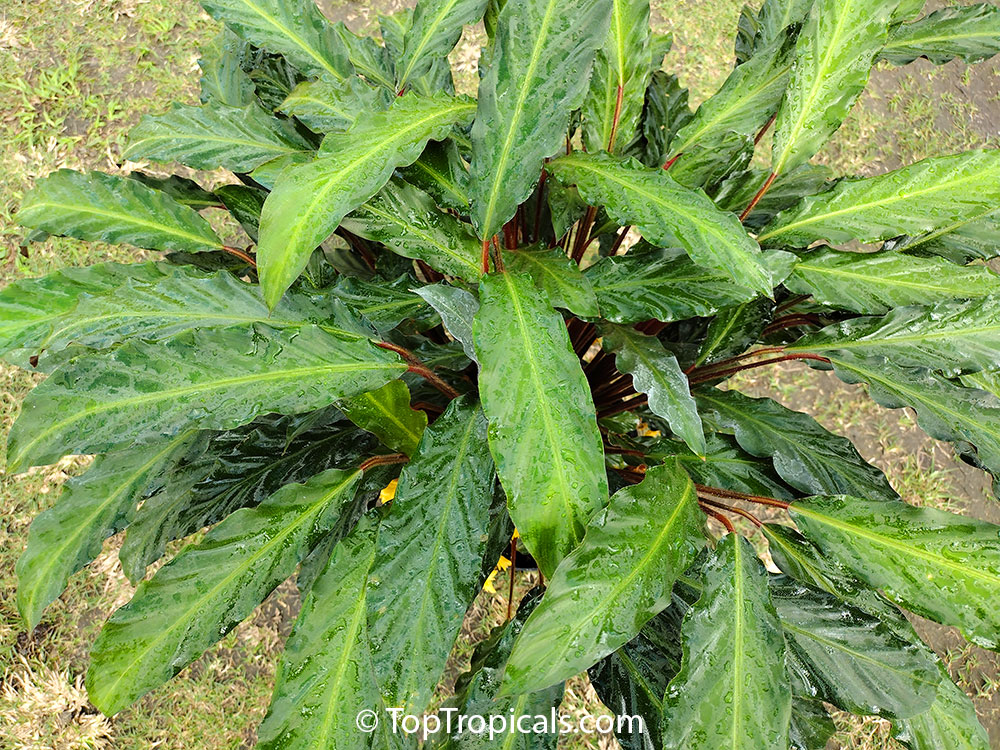
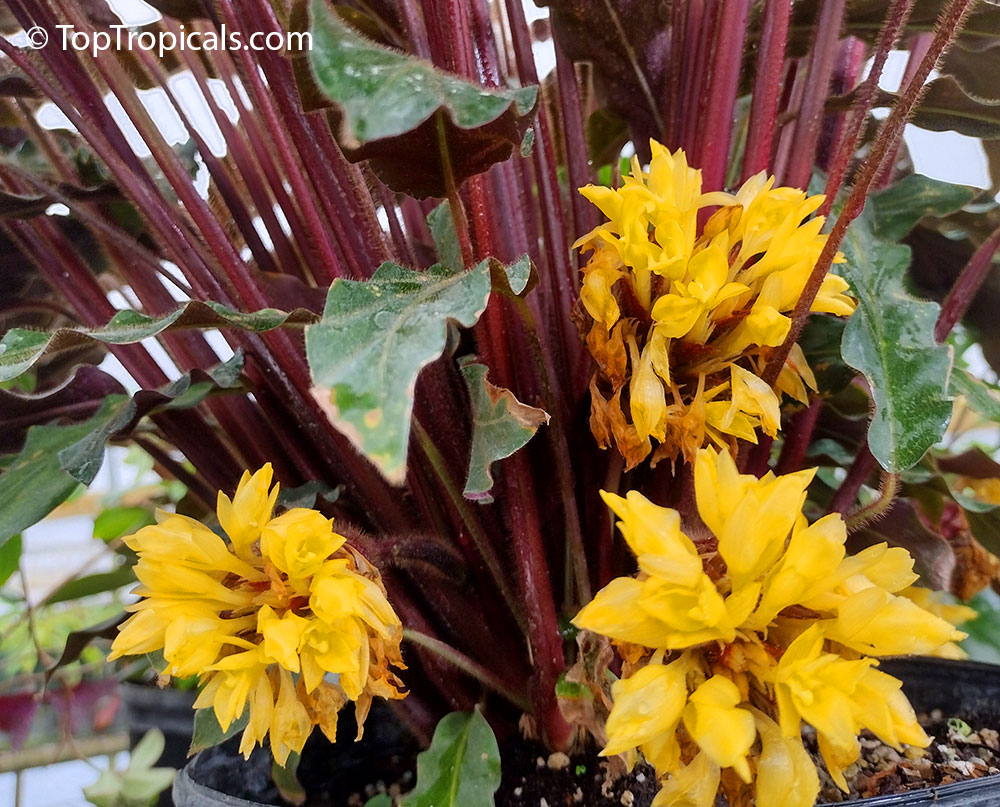
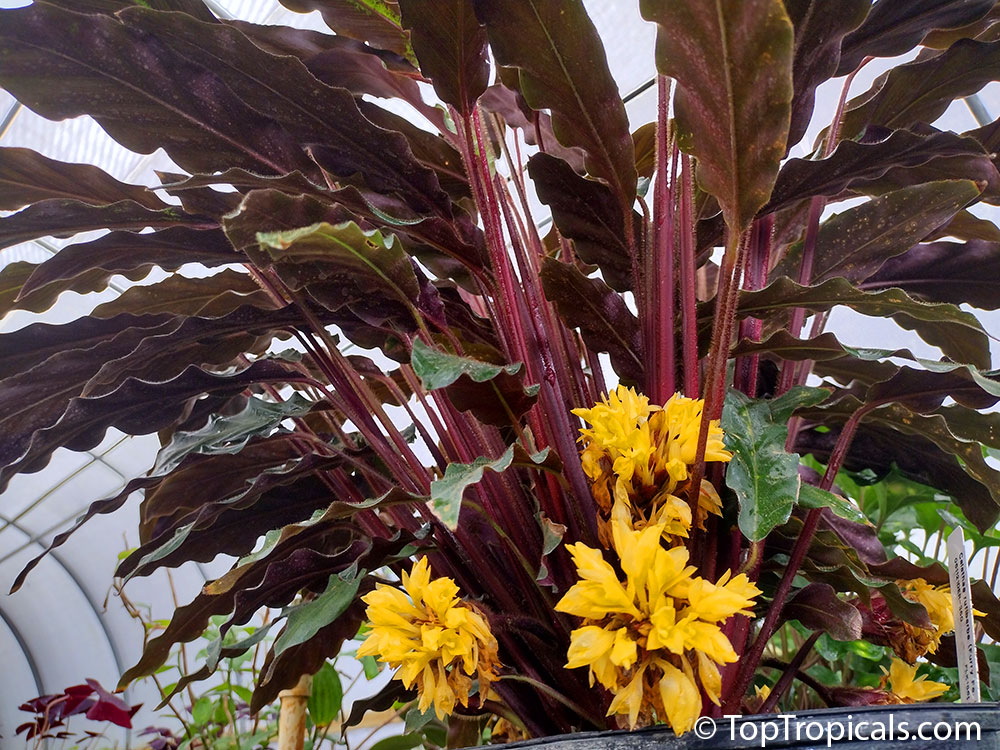
The upper foliage of Calathea rufibarba is semi-glossy, and olive green in color. The under side of the foliage, along with the stems are rich burgundy in color. The stems are covered with fine purplish-brown hairs. Place your Calathea rufibarba in bright filtered or indirect light.
See Article - How to grow Calathea indoors.
Recommended Fertilizer: SUNSHINE Robusta - Rapid Growth Booster
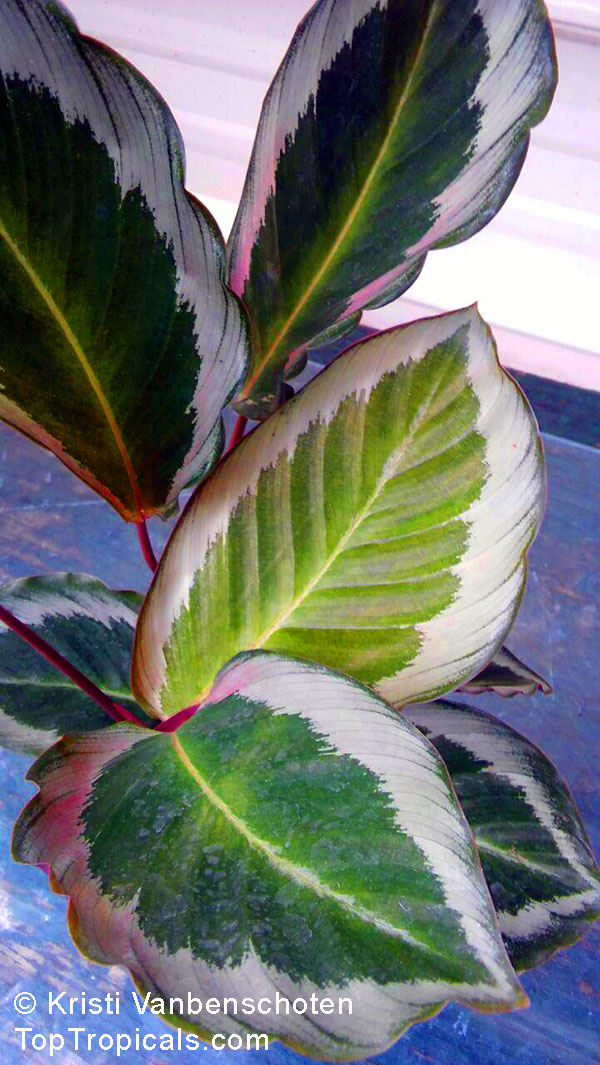
Botanical name: Calathea sp.
Common name: Calathea
Family: Marantaceae
Origin: Central and South America and the Caribbean
USDA Zone: 10-11

Mostly grown in gardens for the handsomely patterned foliage. Calathea prefers moist, shady, jungle-like conditions in a garden and is also often grown as potted specimens. When it is used as a house plant, the leaves should be sprayed with water several times a week. Propagation is by root division. Water with soft water. Keep uniform high humidity and temperature.
Some of the Calathea species have been reclassified as species of the Ischnosiphon, Maranta and Goeppertia genera.
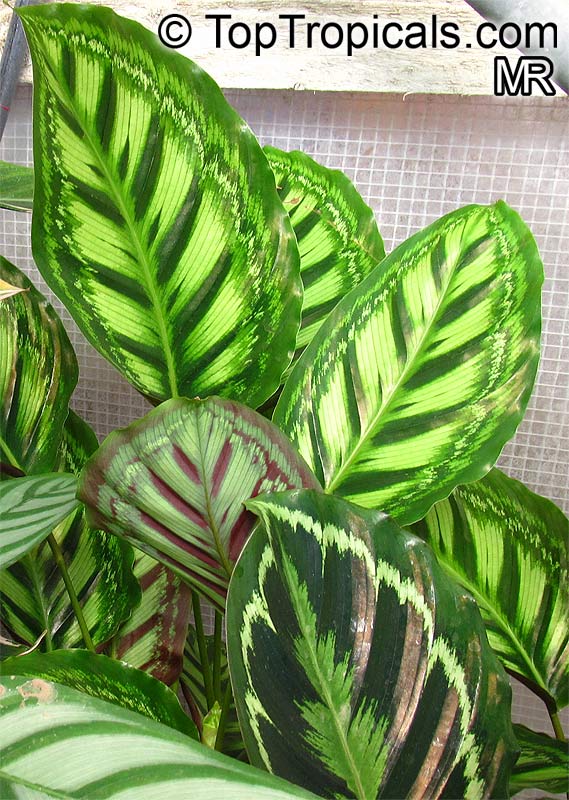
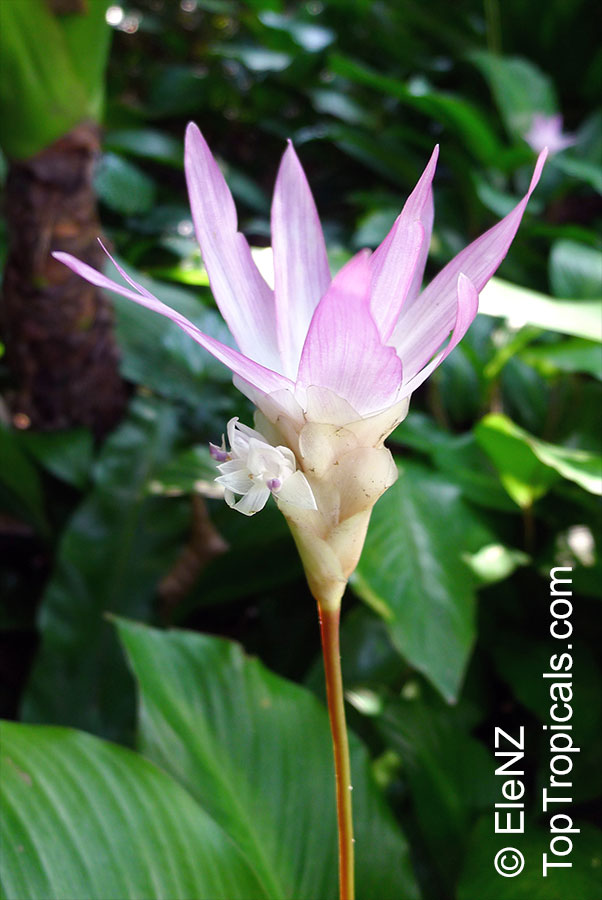
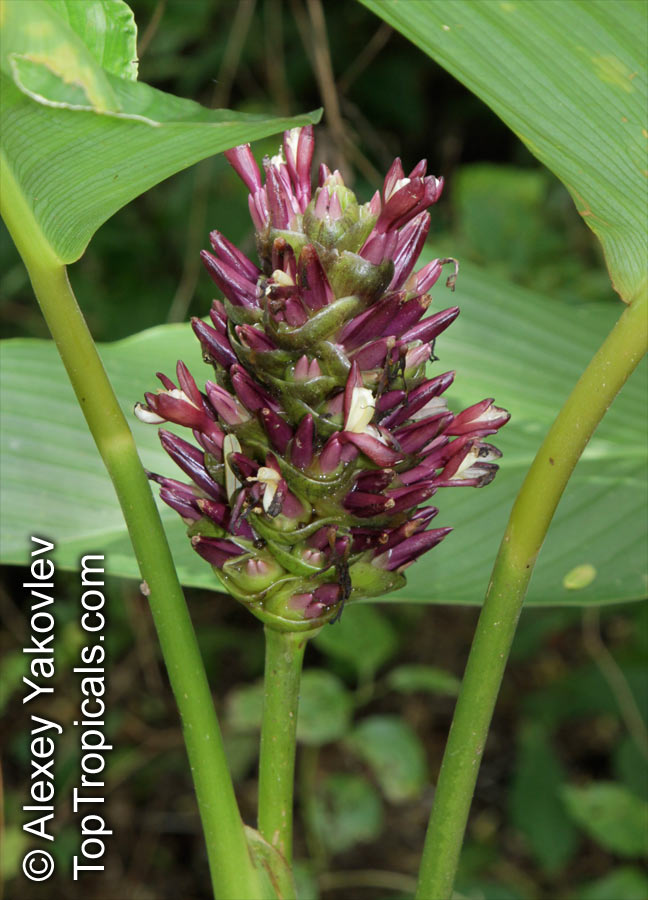
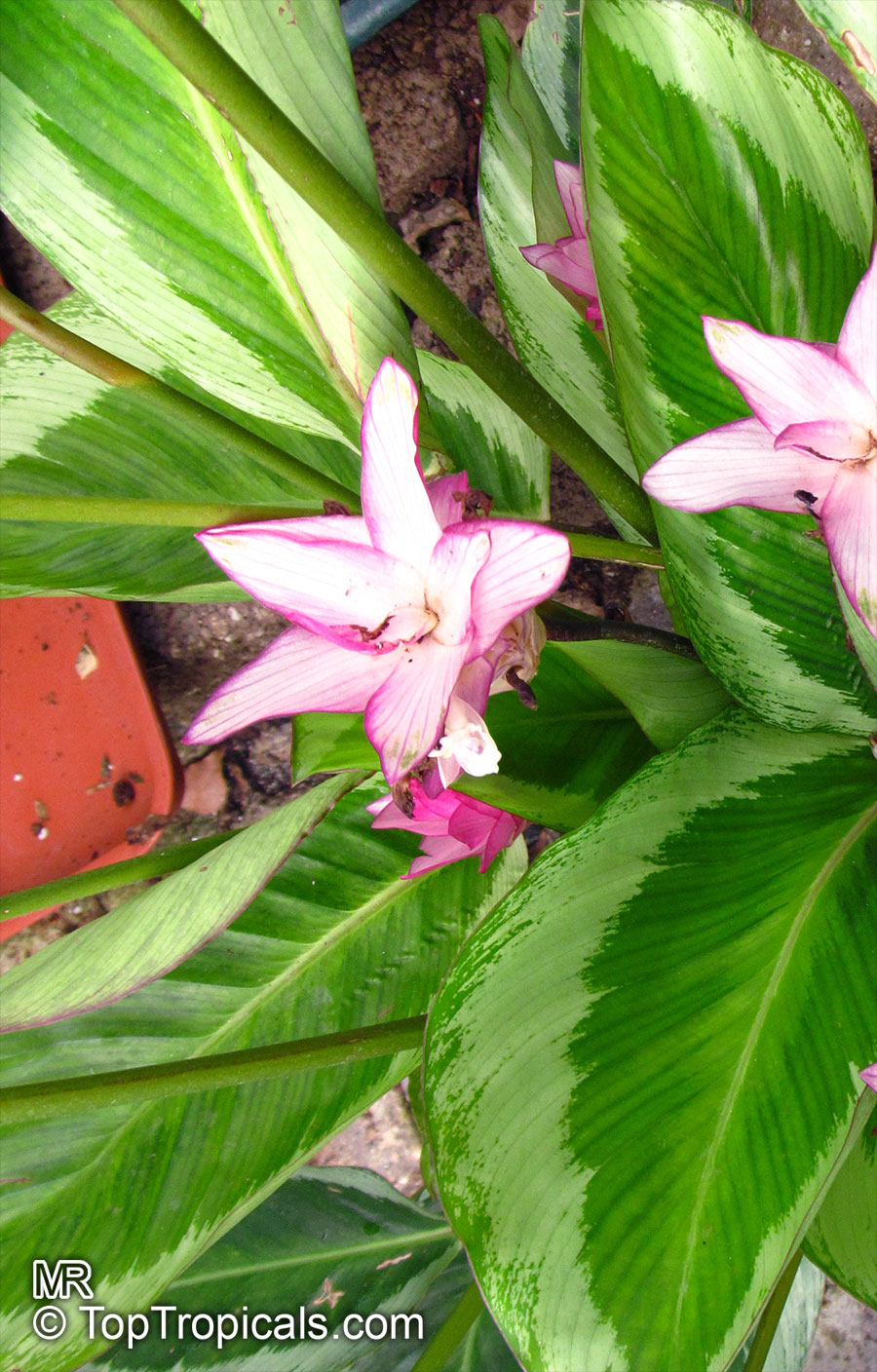
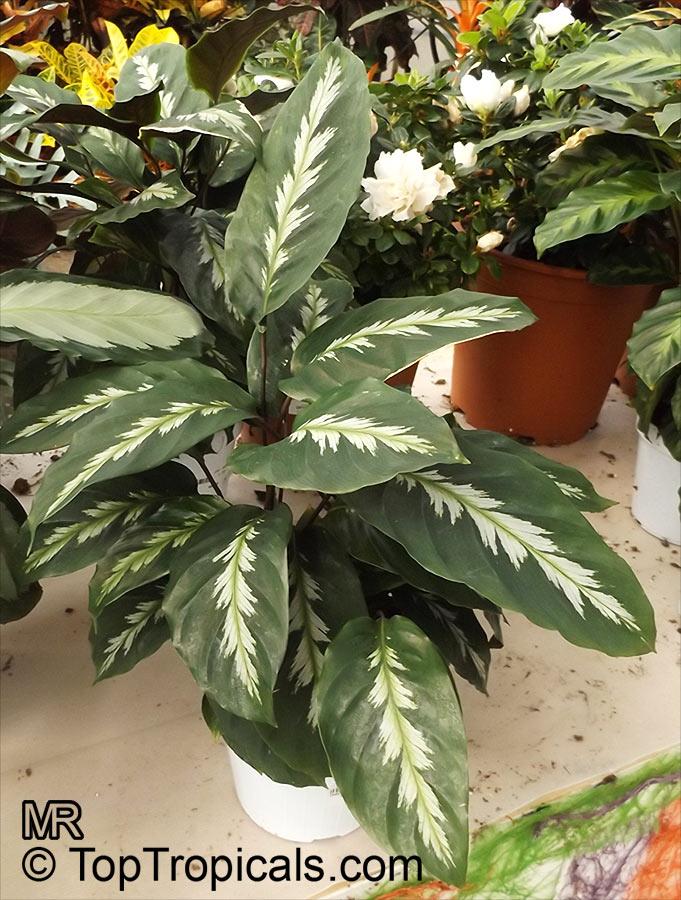
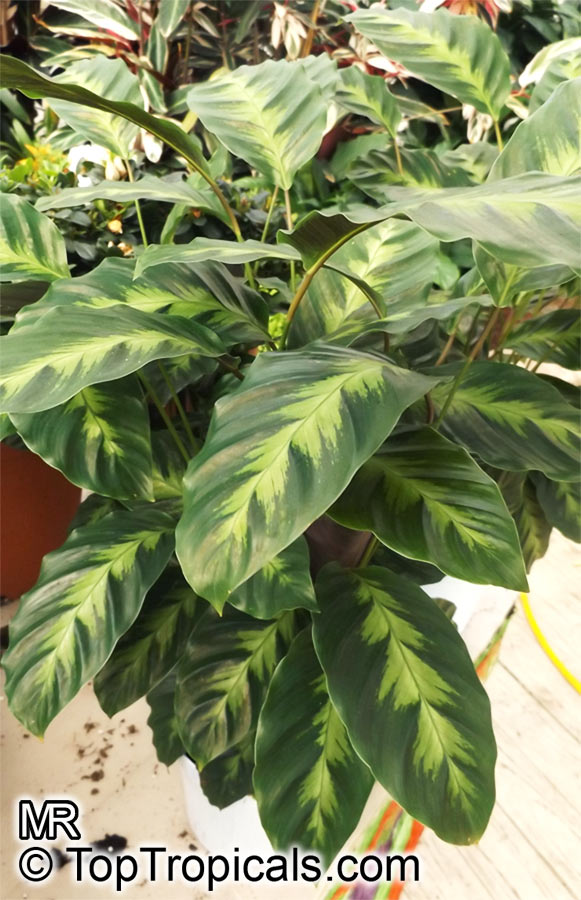
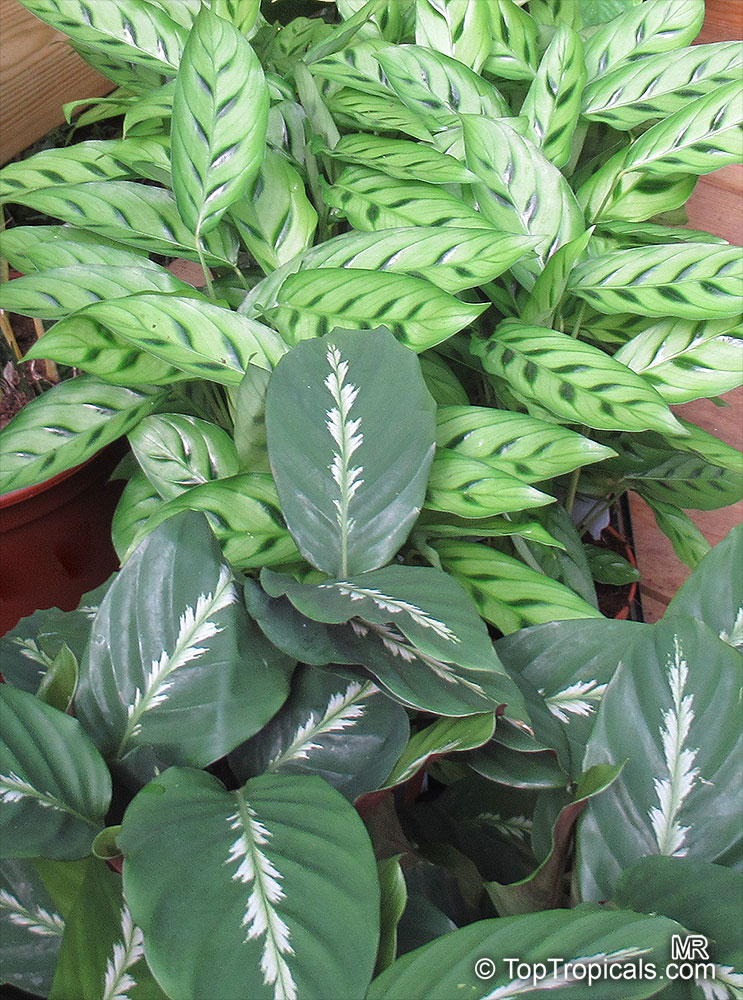
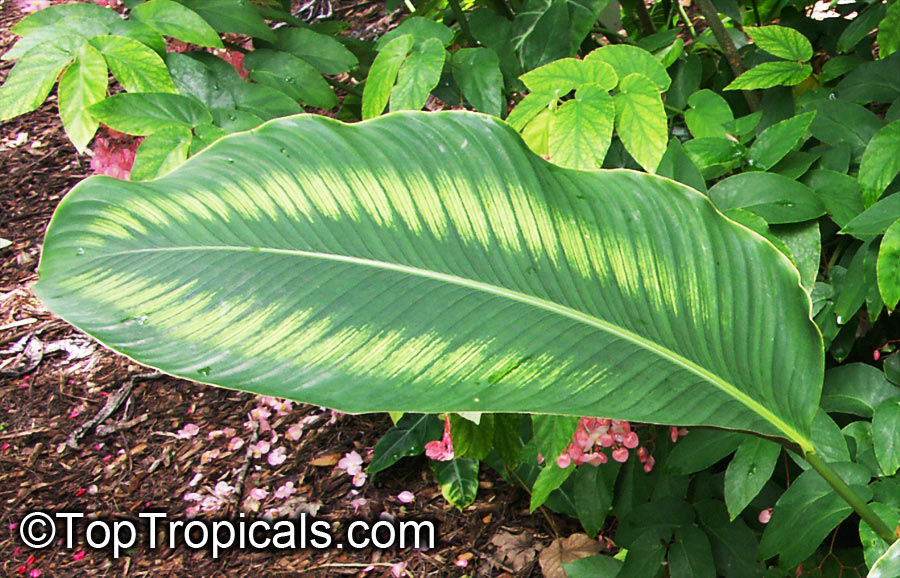
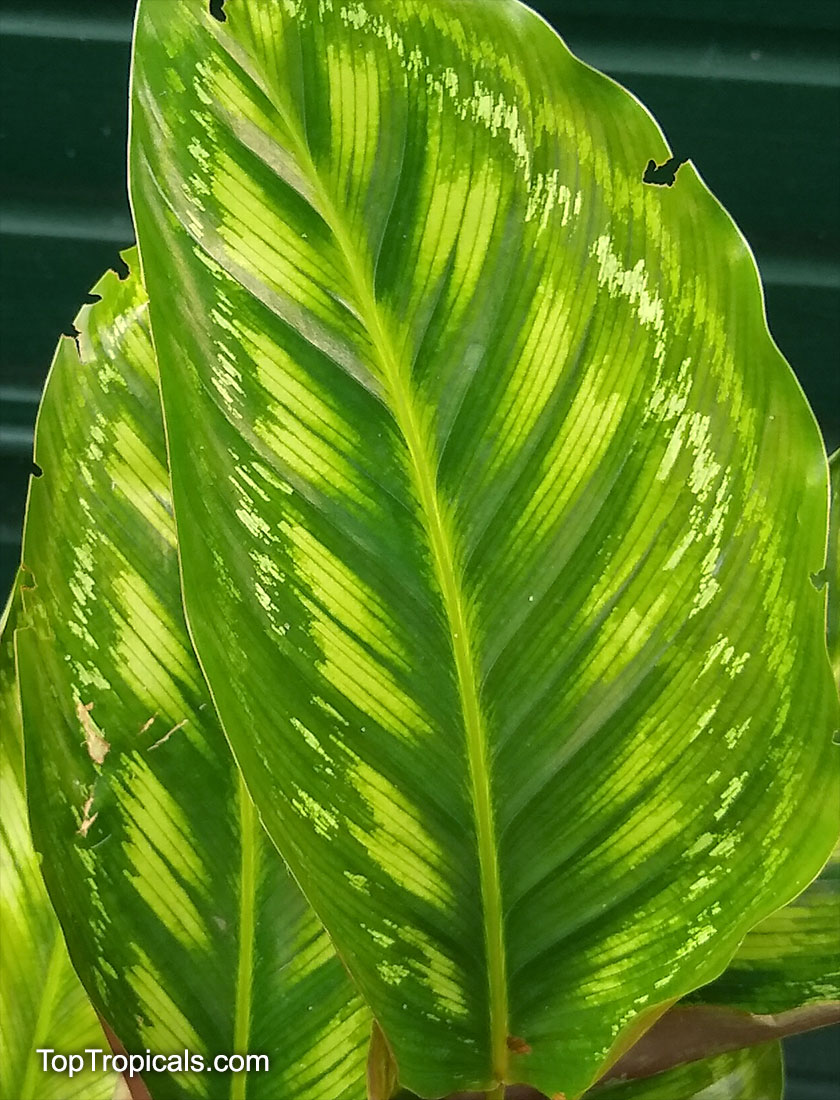
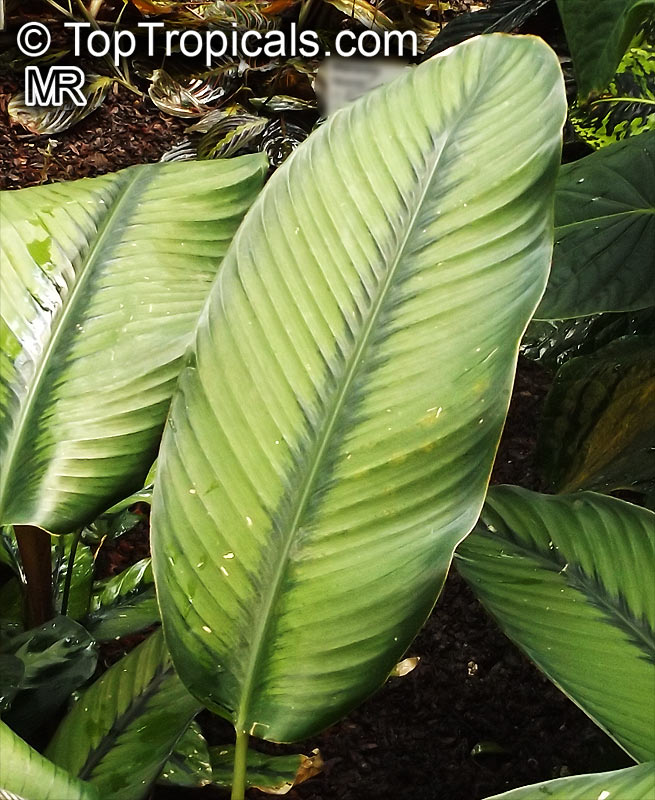
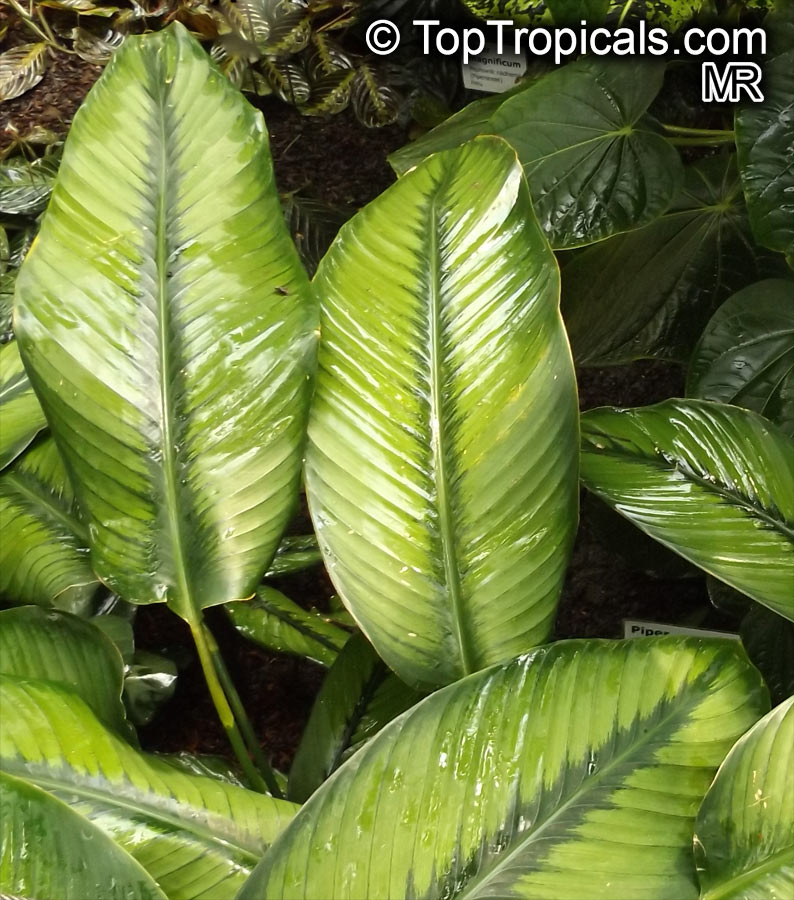
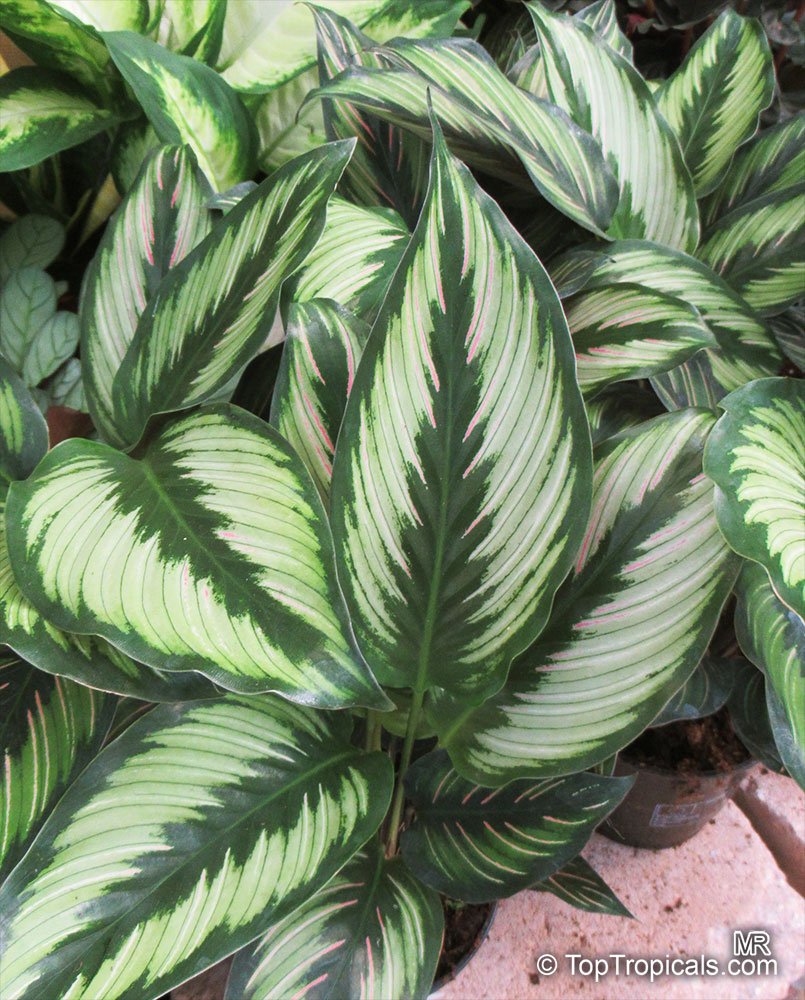

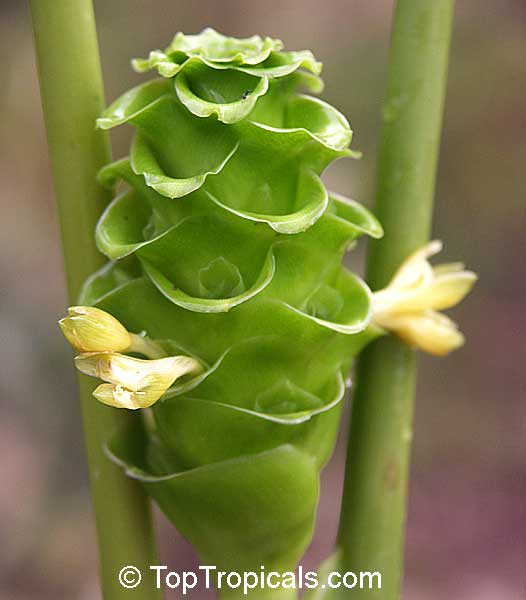
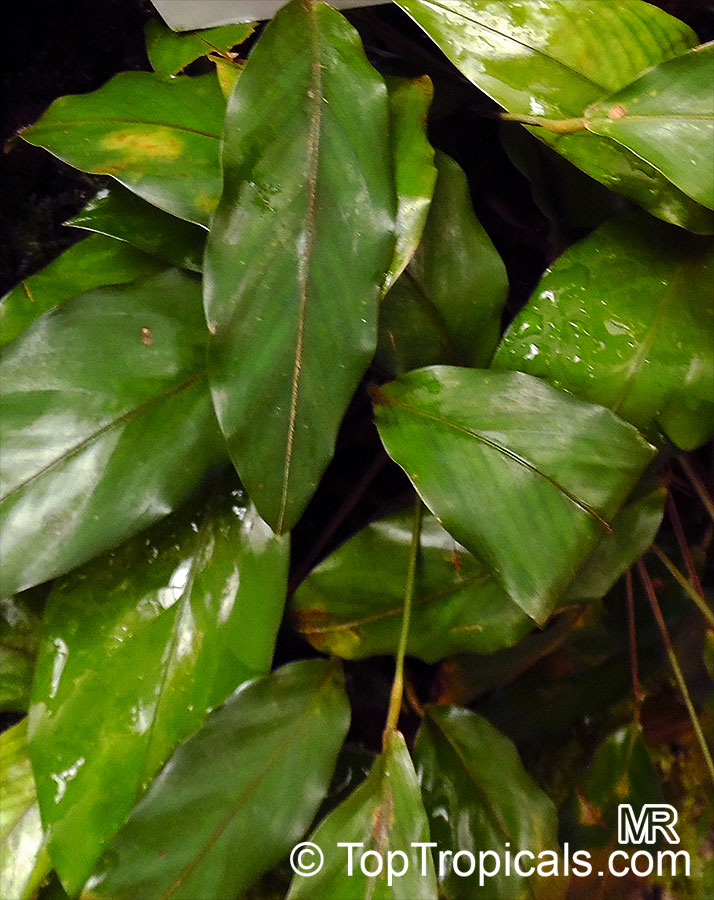
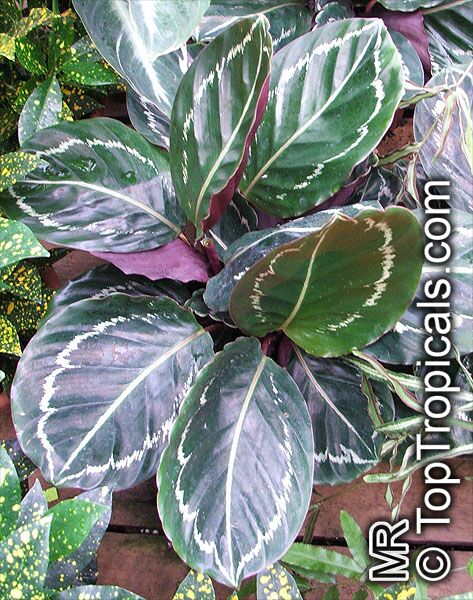
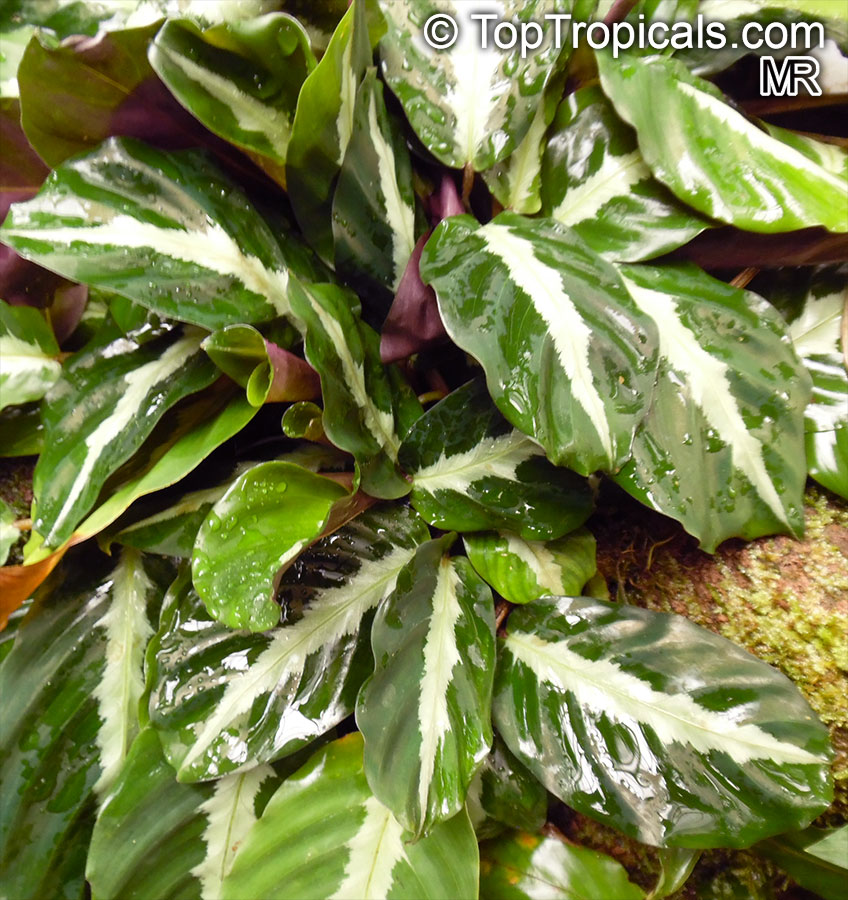
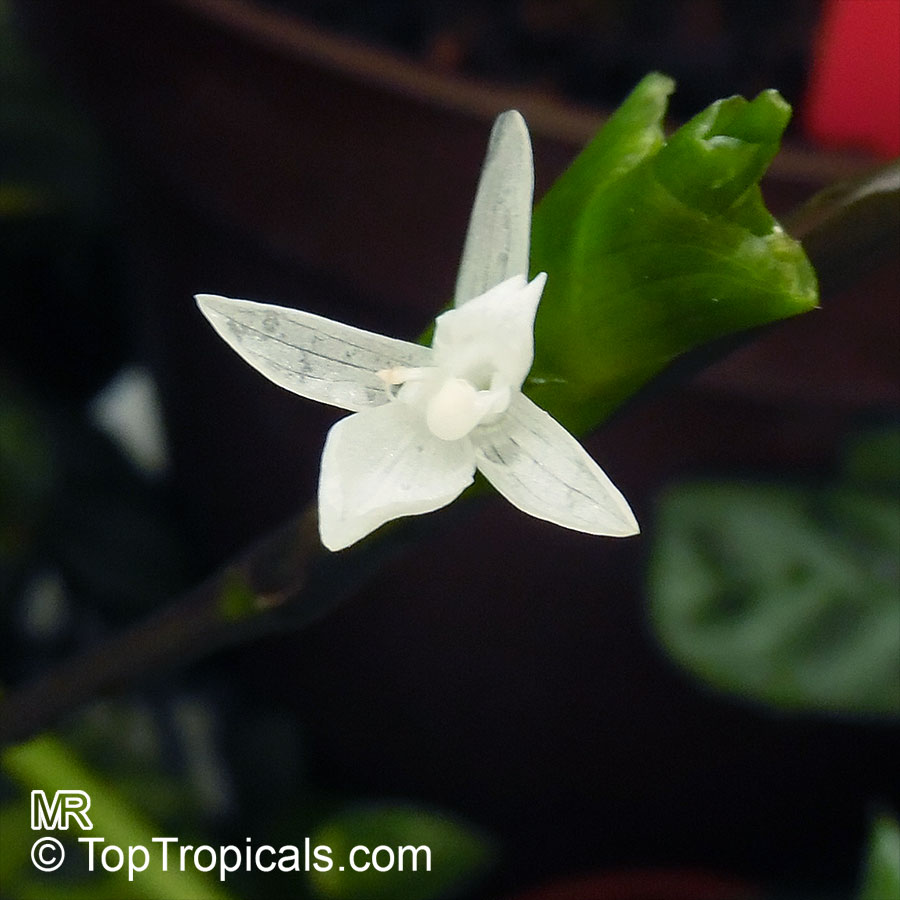
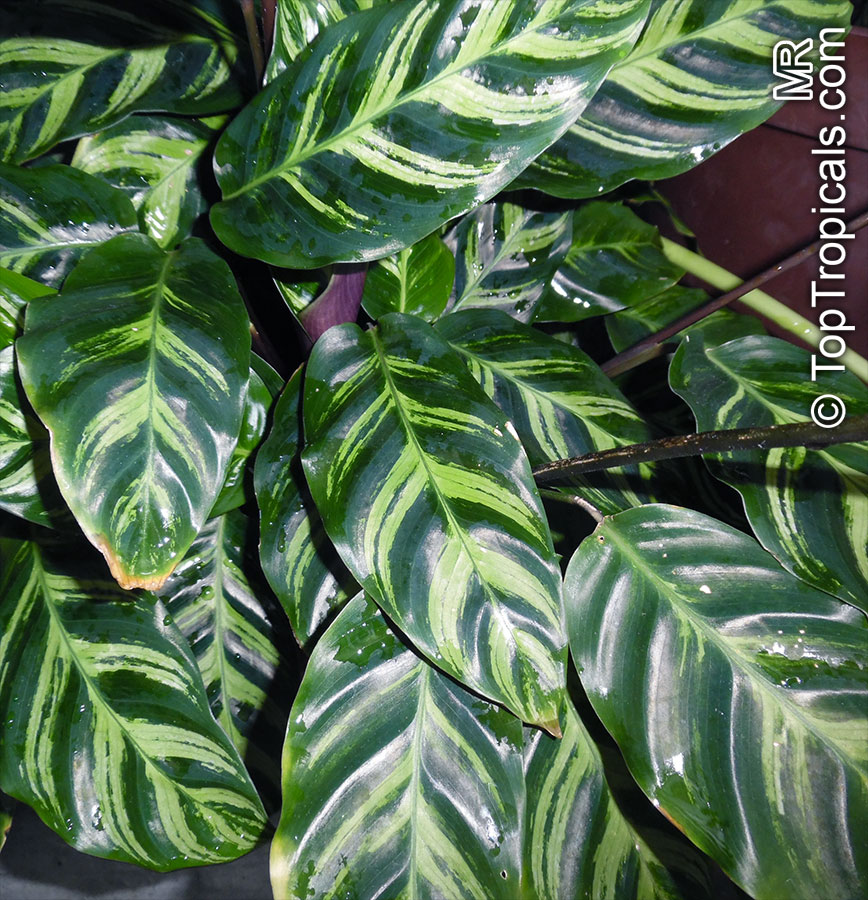
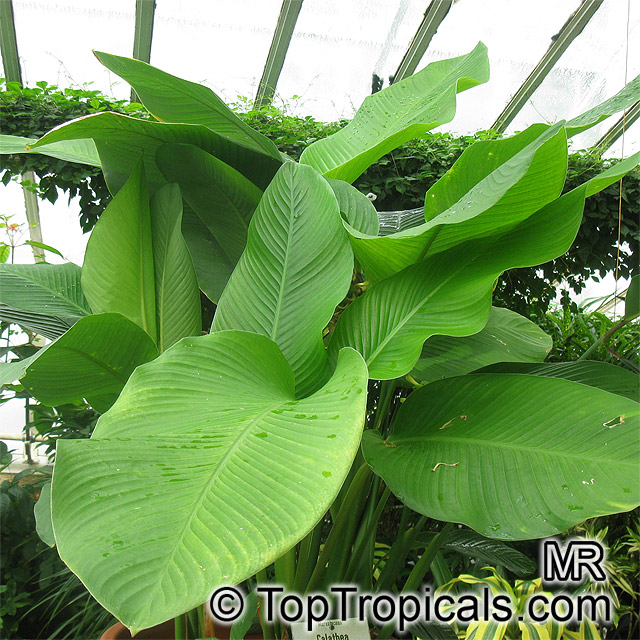
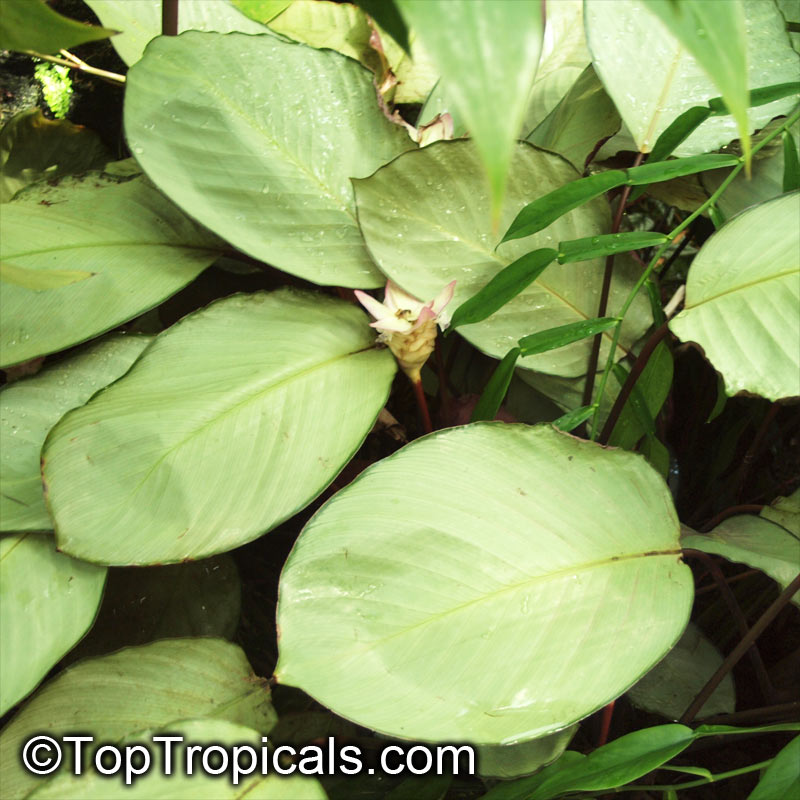
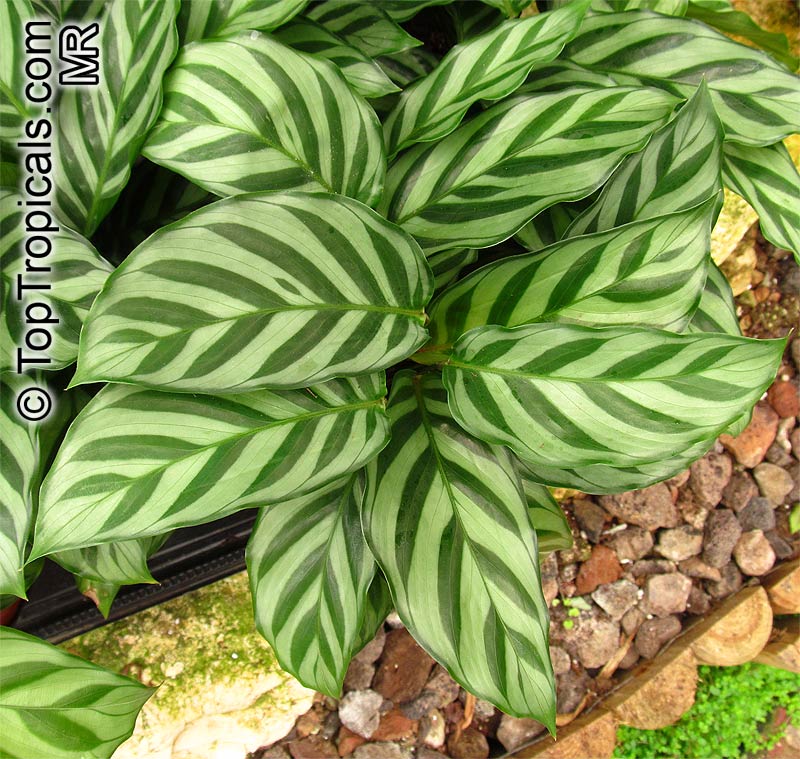
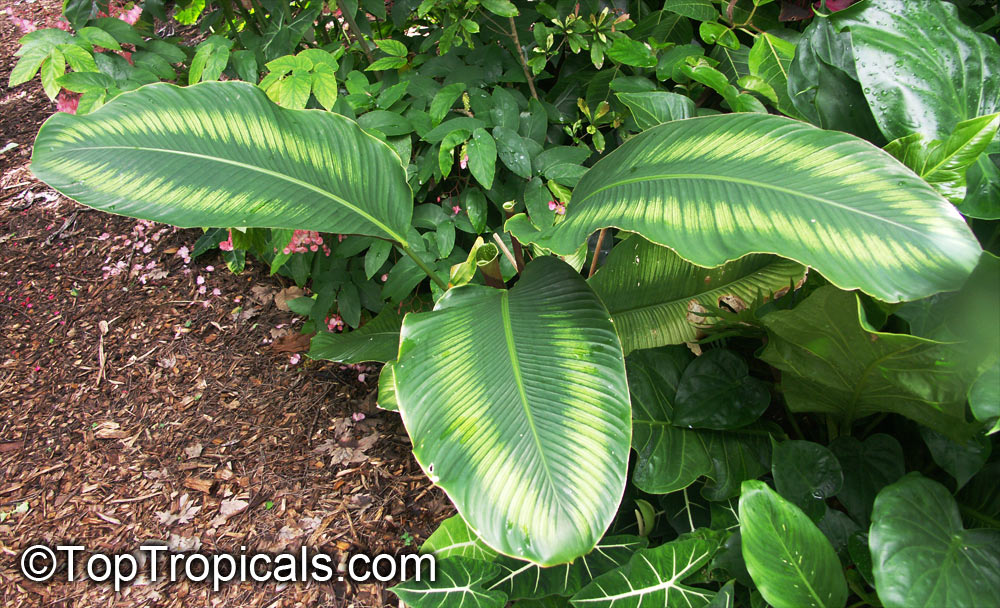
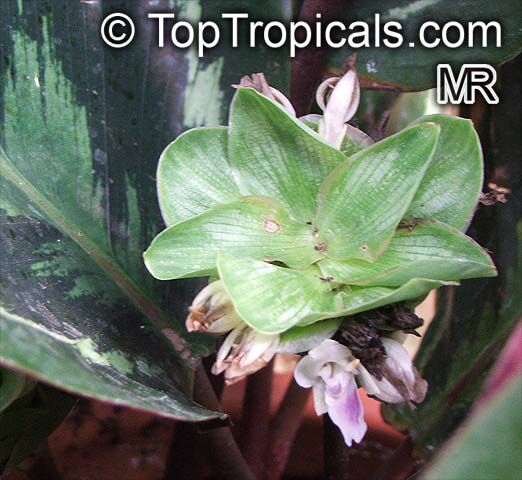
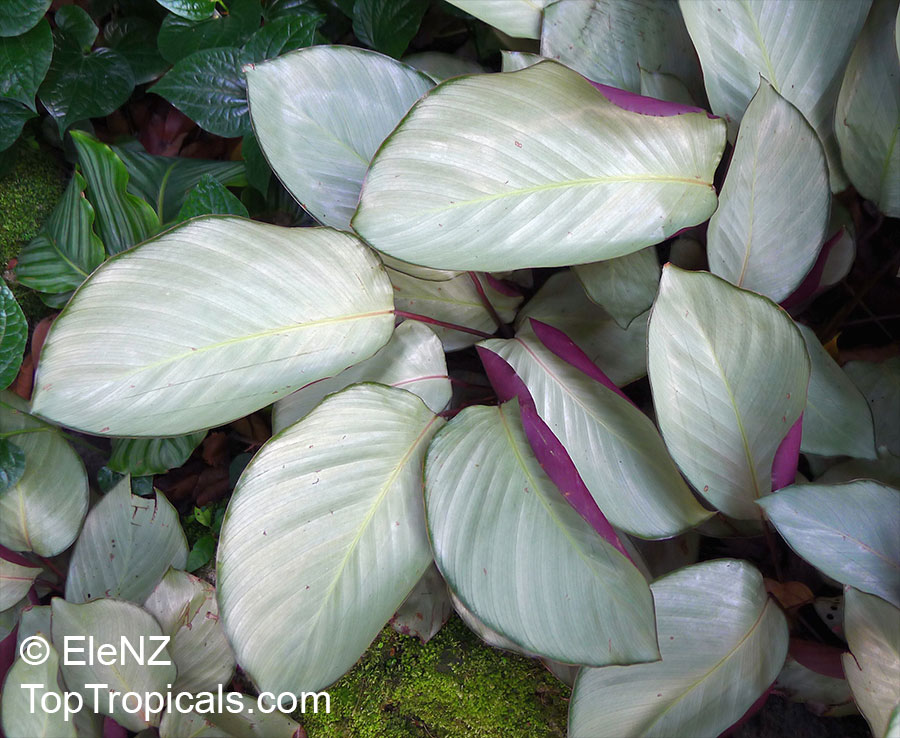
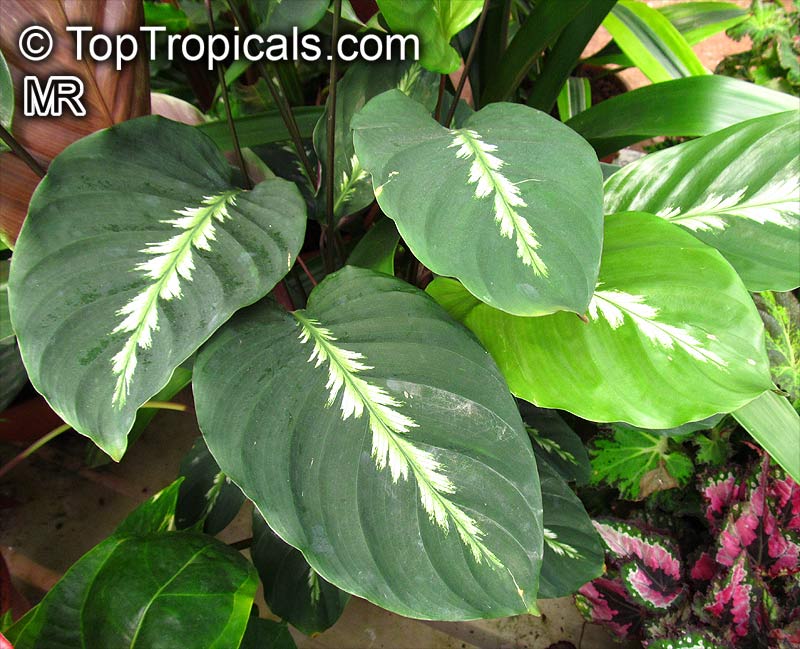
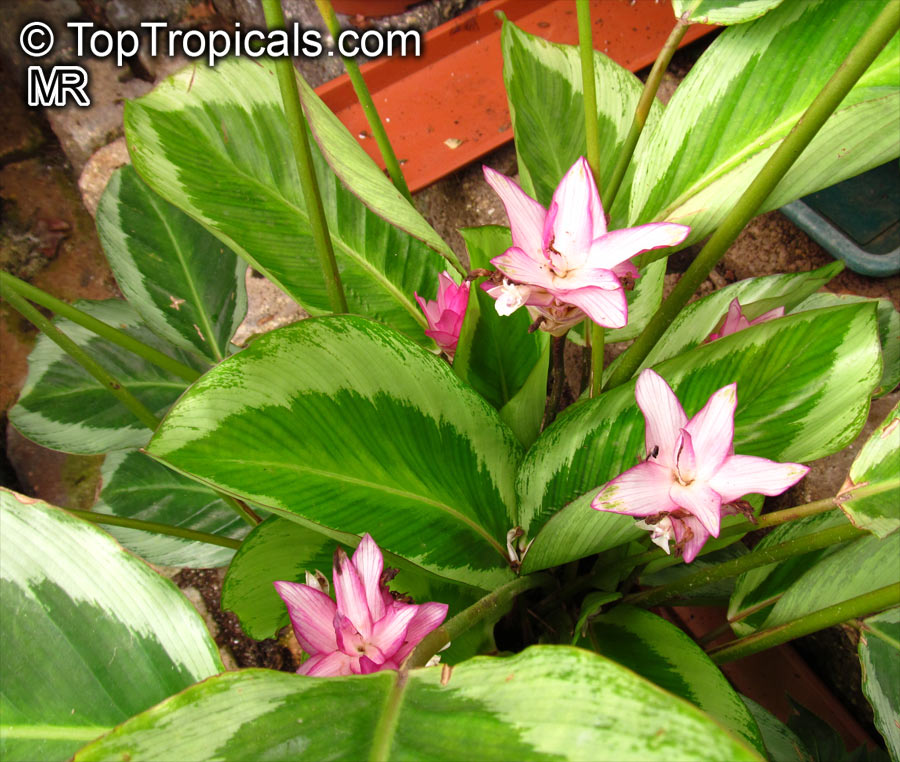
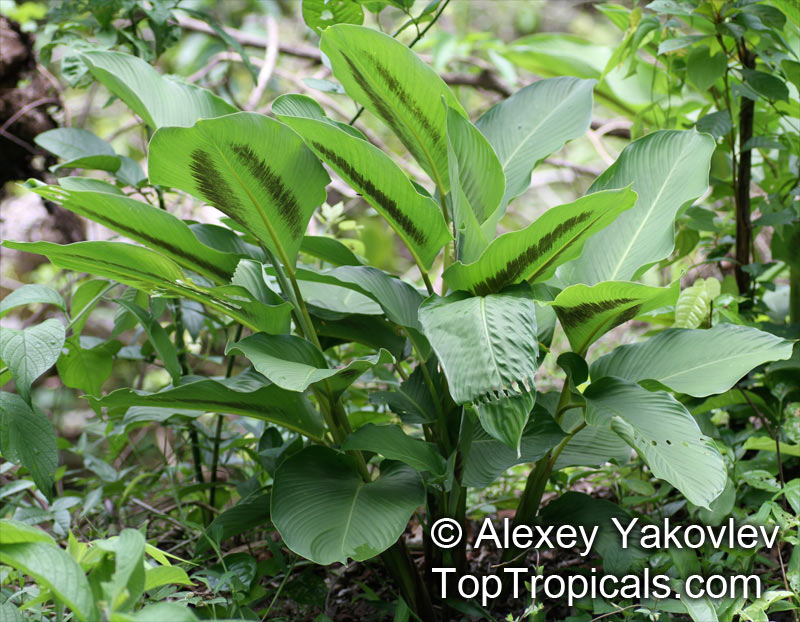
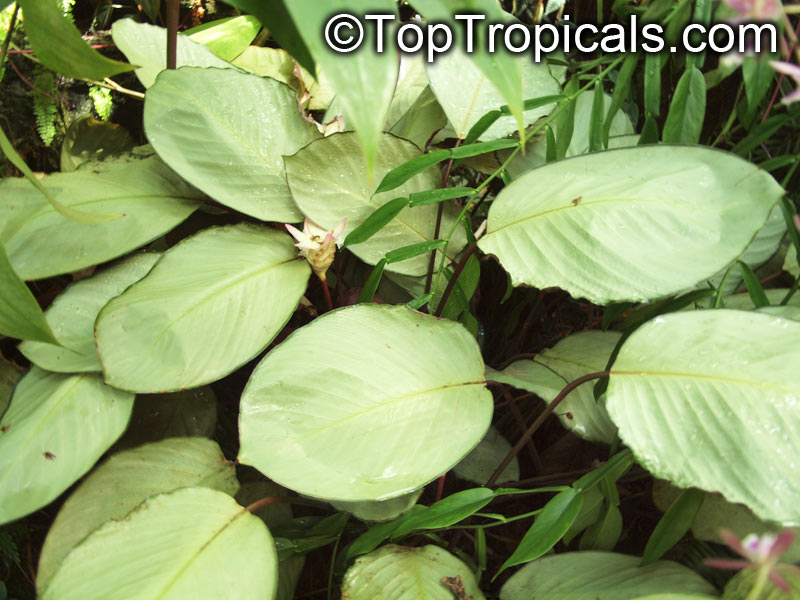
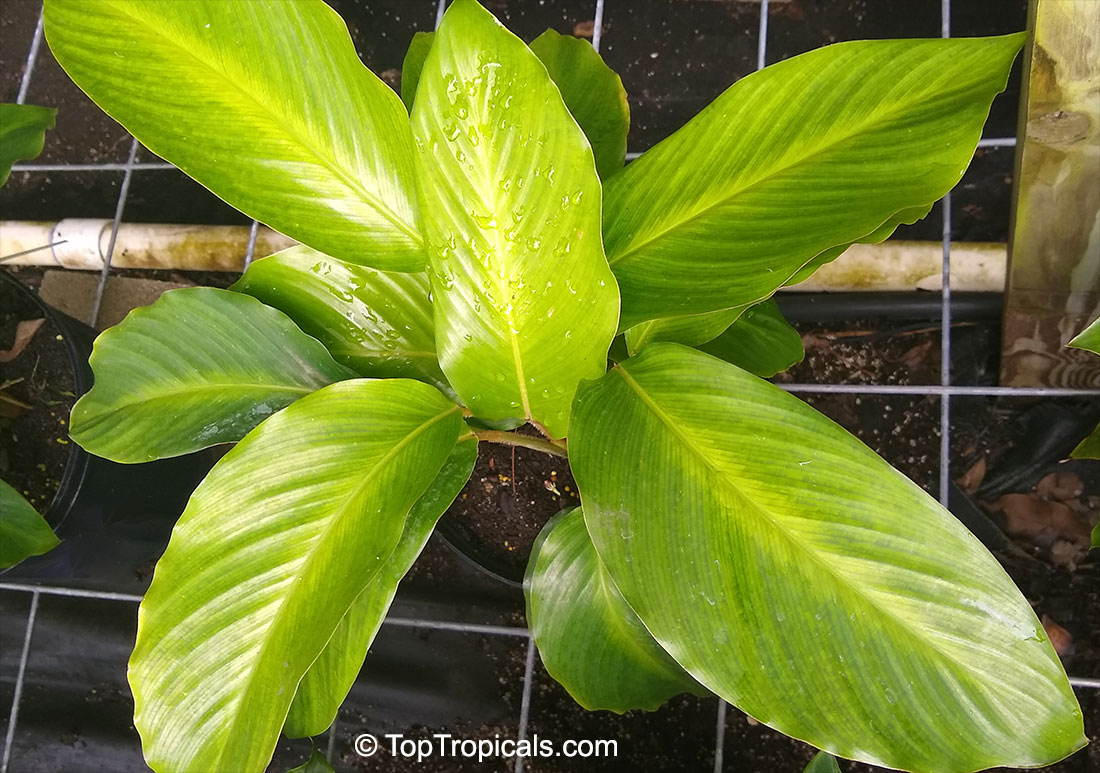
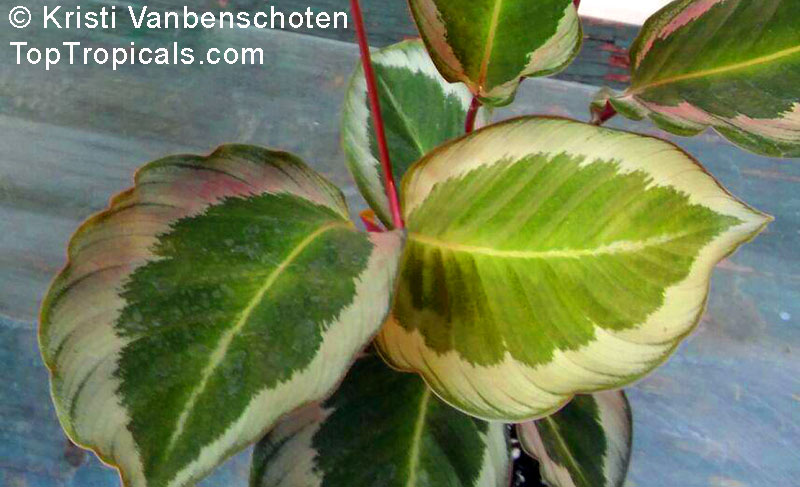


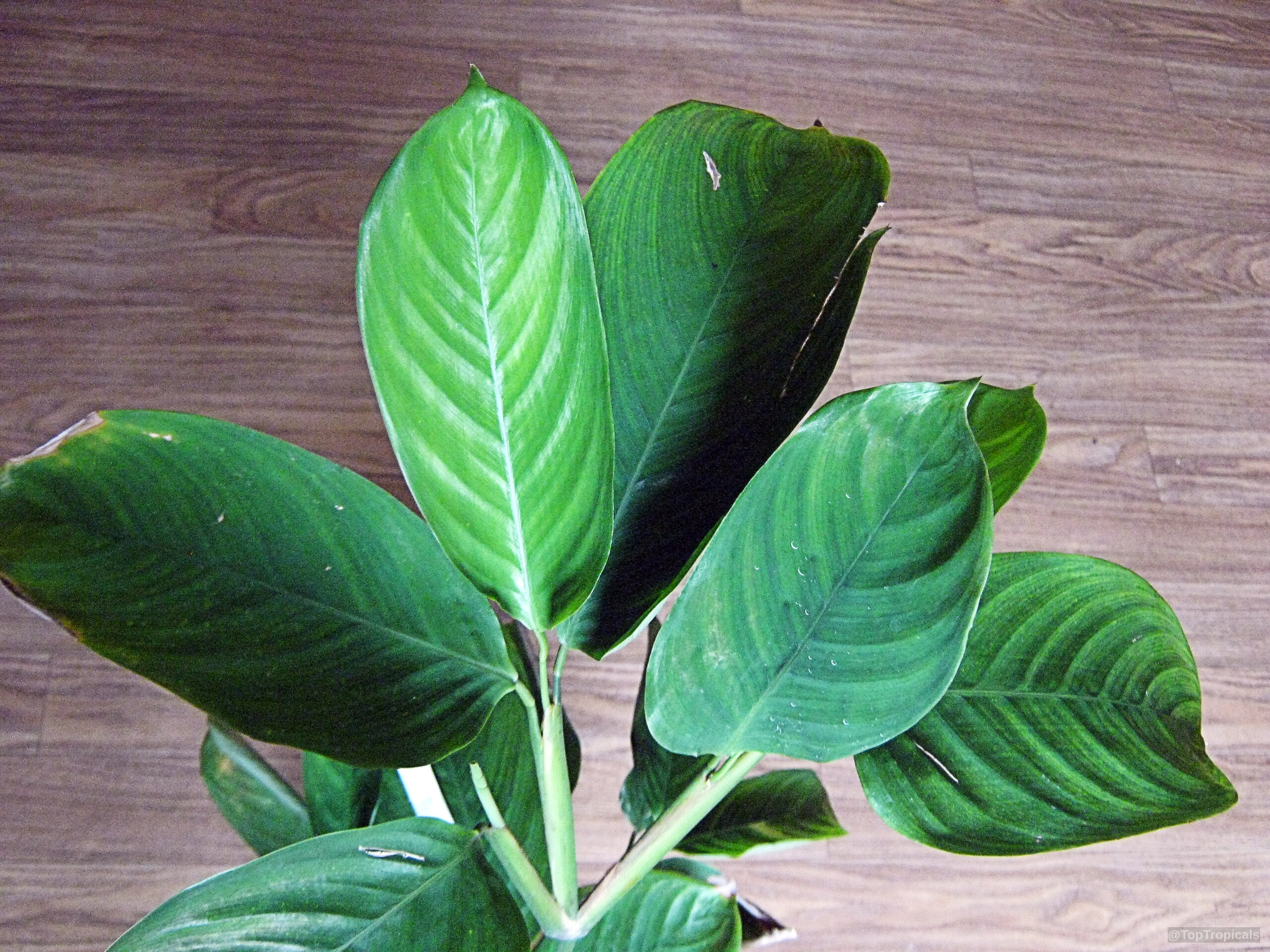
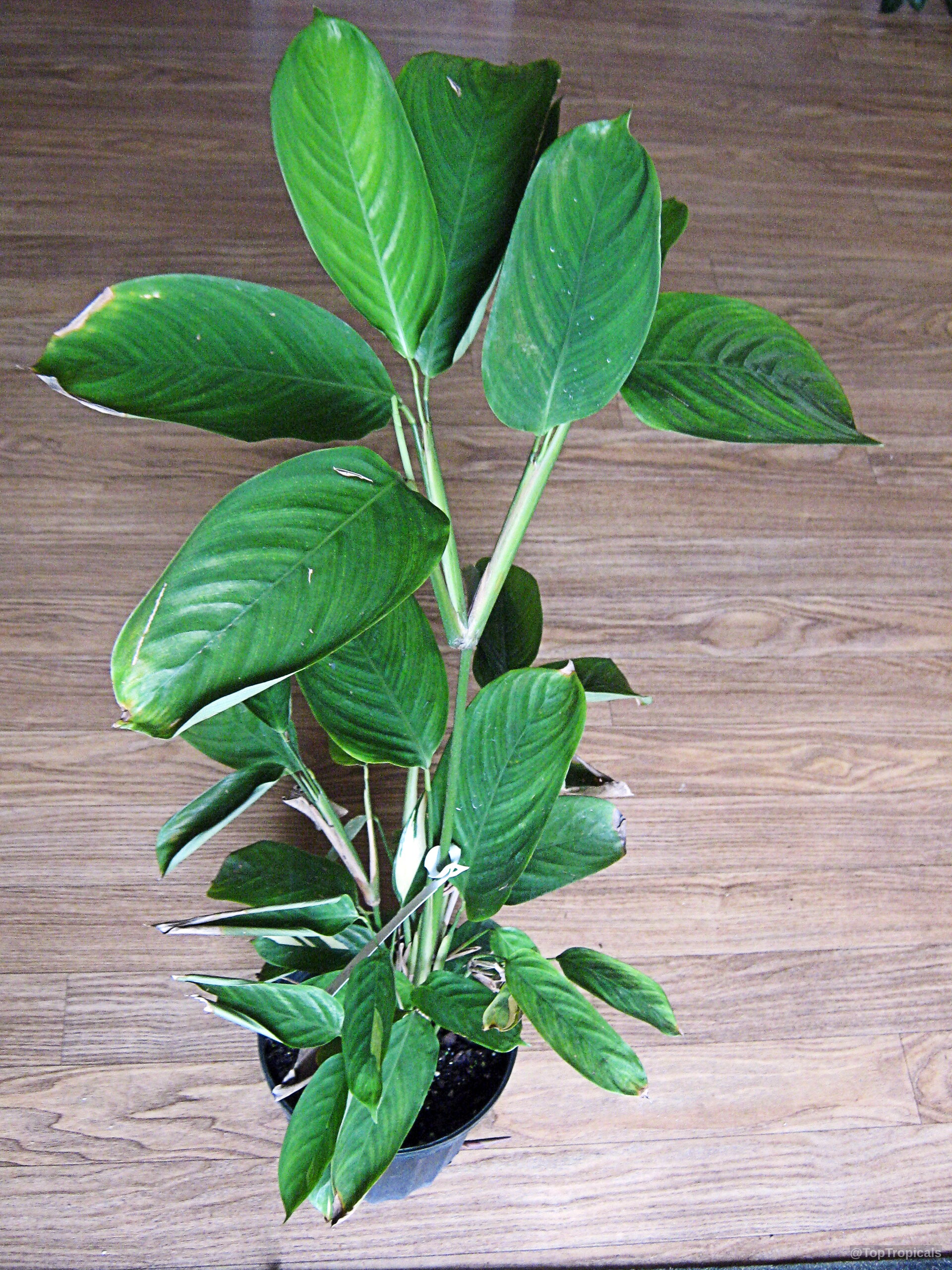
Botanical names: Calathea warscewiczii,Goeppertia warscewiczii
Common name: Calathea
Family: Marantaceae
Origin: Costa Rica, Nicaragua
USDA Zone: 10-11
Cold tolerance: 40°F
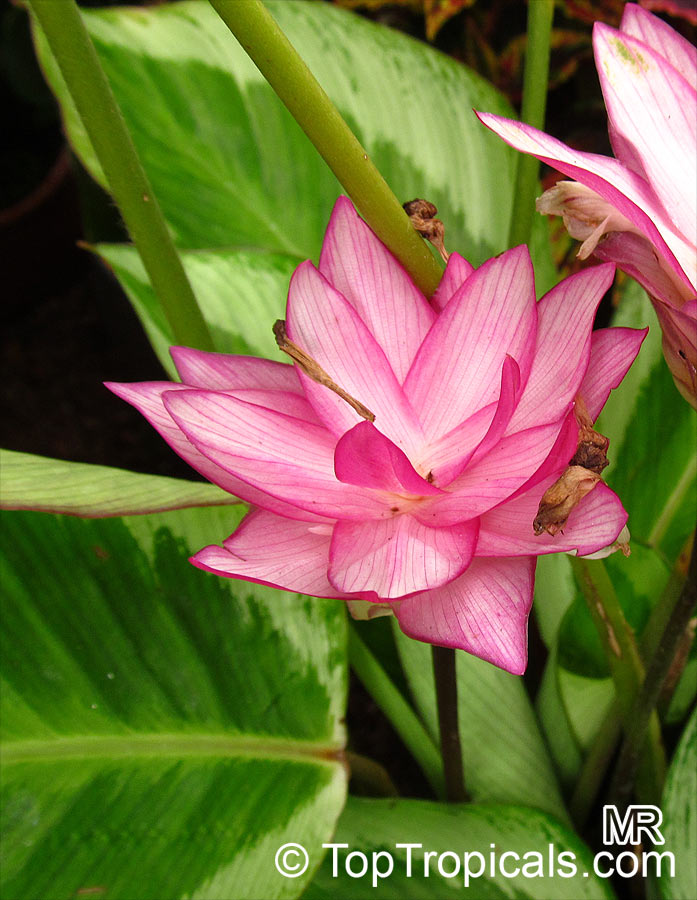
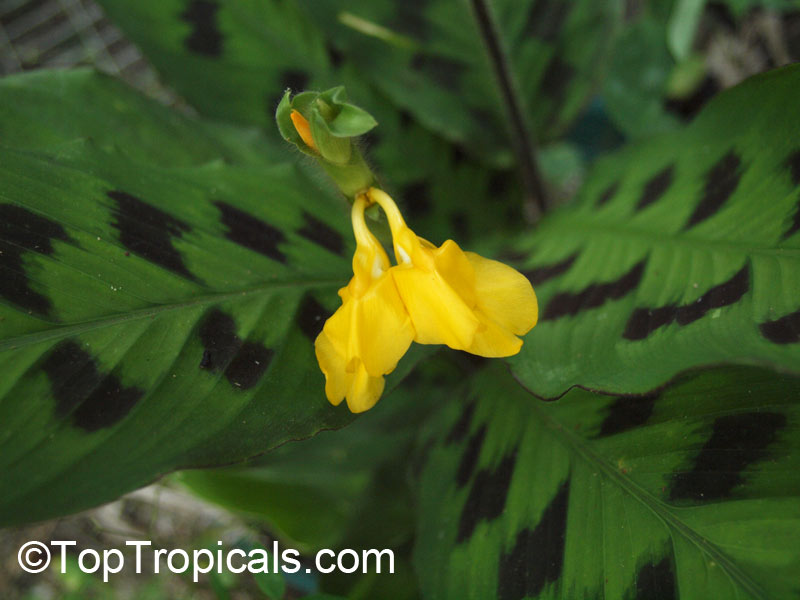
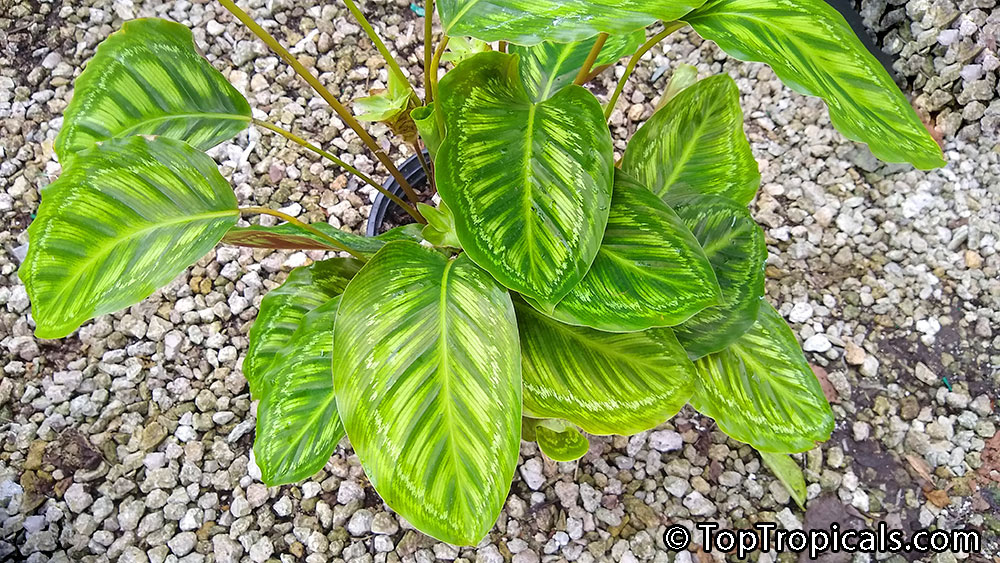
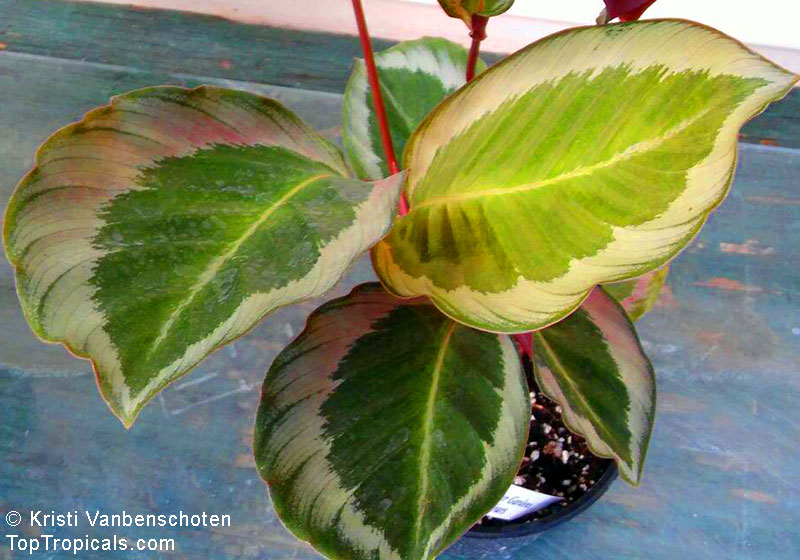
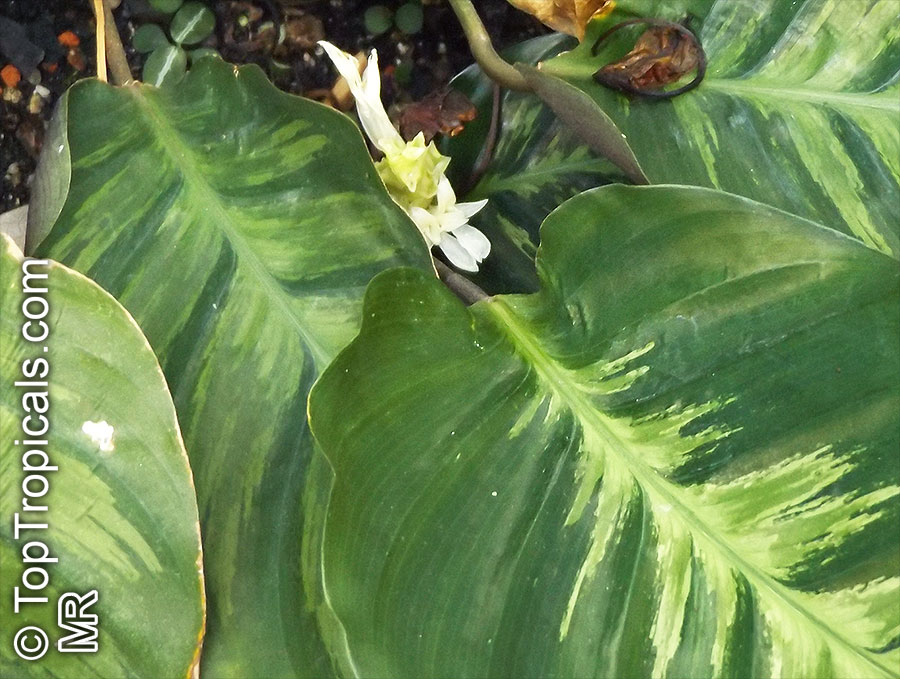
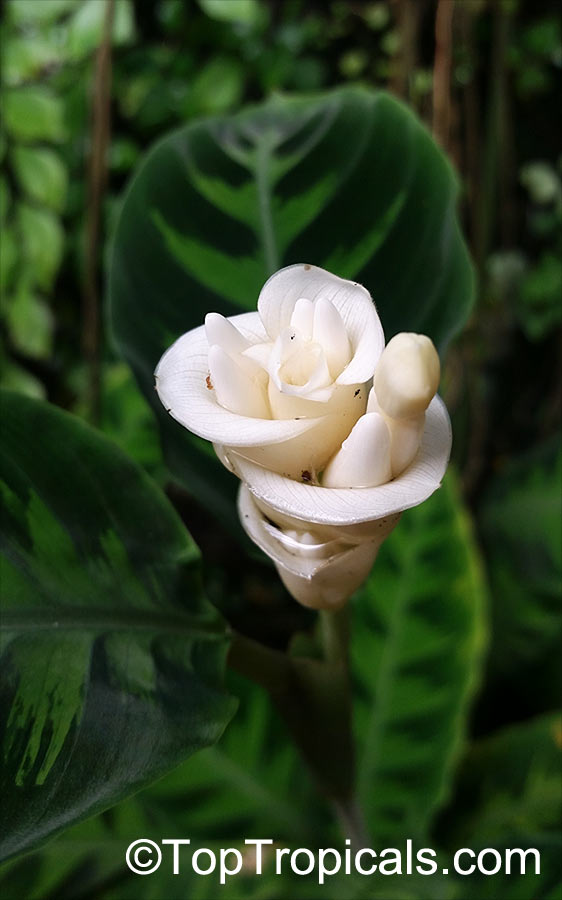
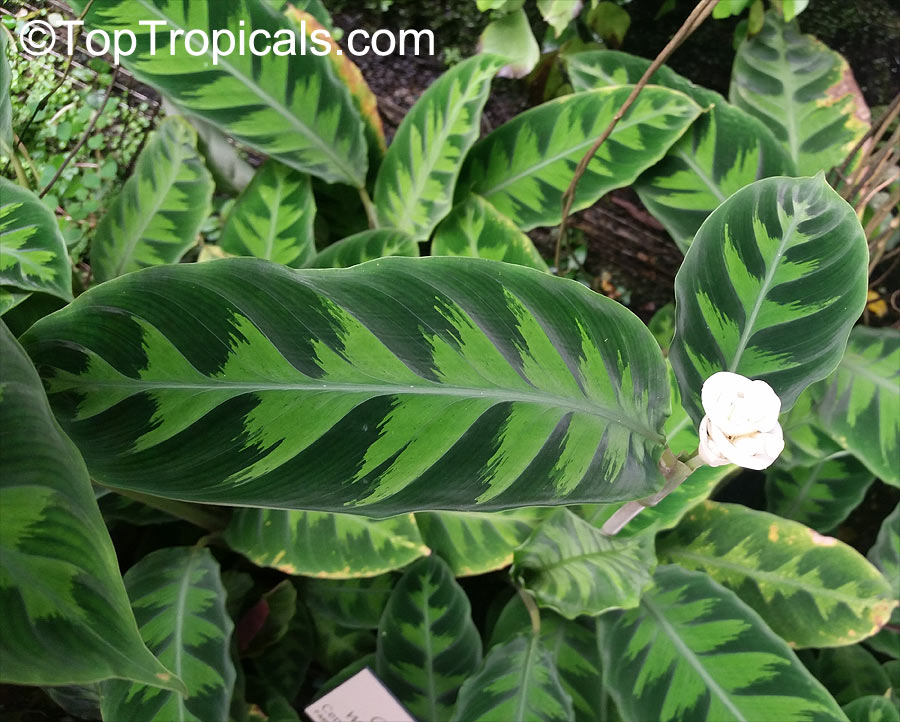
Calathea warscewiczii is a semi-shaded, small, perennial plant that grows 2 to 5 ft tall and is native to Costa Rica and Nicaragua. It produces off-white to white flowers, each flower turns yellowish, then blushes to pink making this plant very ornamental. It is grown in USDA zones 10-11 and will thrive in a warm, humid environment and average indoor temperatures.
This plant prefers moderate water, so when watering make sure to give it a good soak and allow the soil to dry in between waterings. It loves humid environments, so misting it twice a week can do wonders for increasing the humidity.
In colder climates, Calathea warscewiczii can be grown in a pot. To ensure that it survives the cold seasons, make sure to keep it in an area with indirect sunlight. Cold temperatures and direct sunlight can be detrimental to the foliage. Regularly monitor the plant and make sure to remove any dead or damaged leaves to help keep it healthy during winter.
Botanical names: Goeppertia ornata, Calathea ornata
Common name: Calathea
Family: Marantaceae
Origin: Cuiana, Colombia & Ecuador
USDA Zone: 10-11

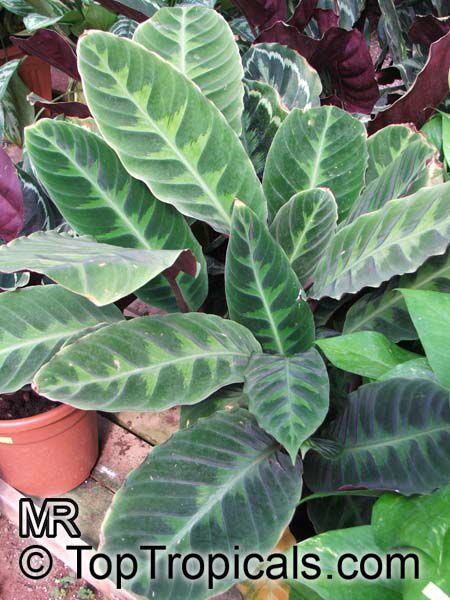
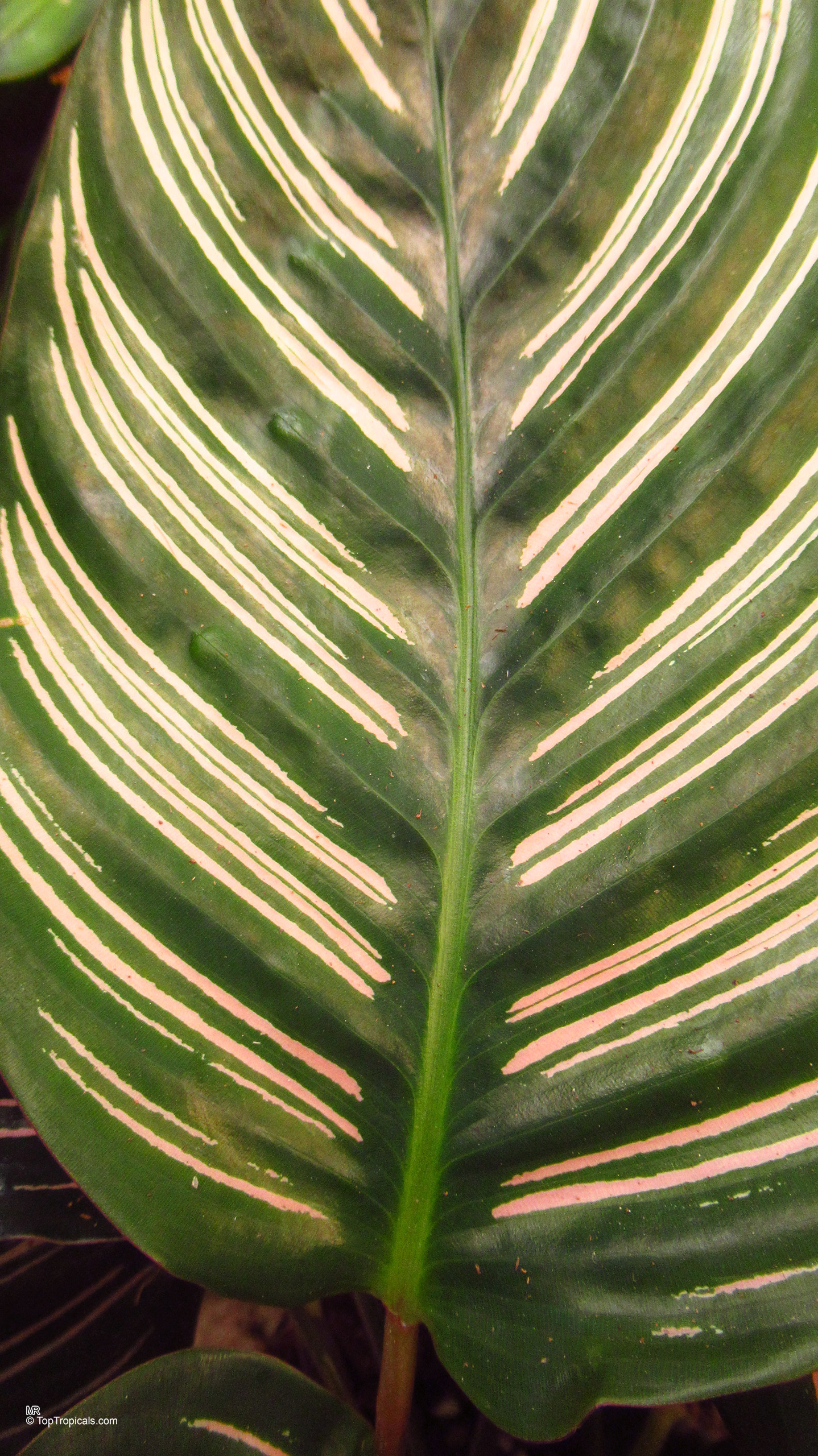
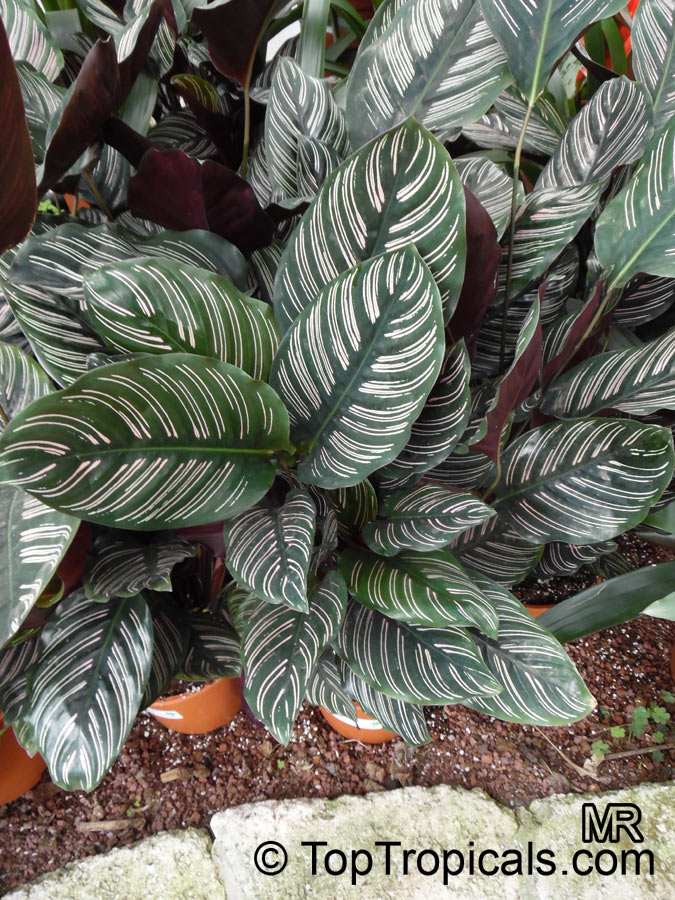
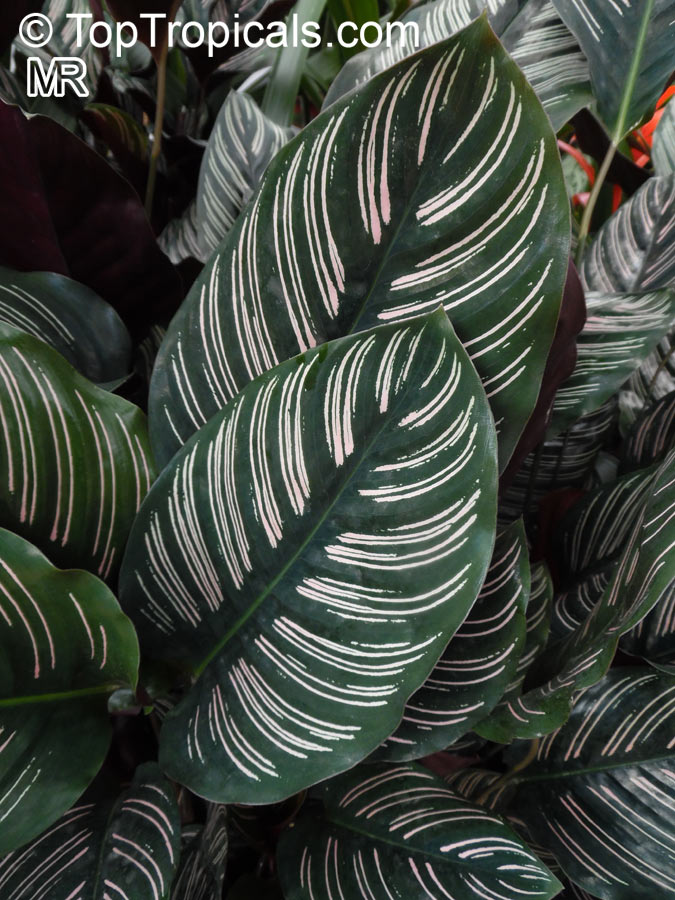
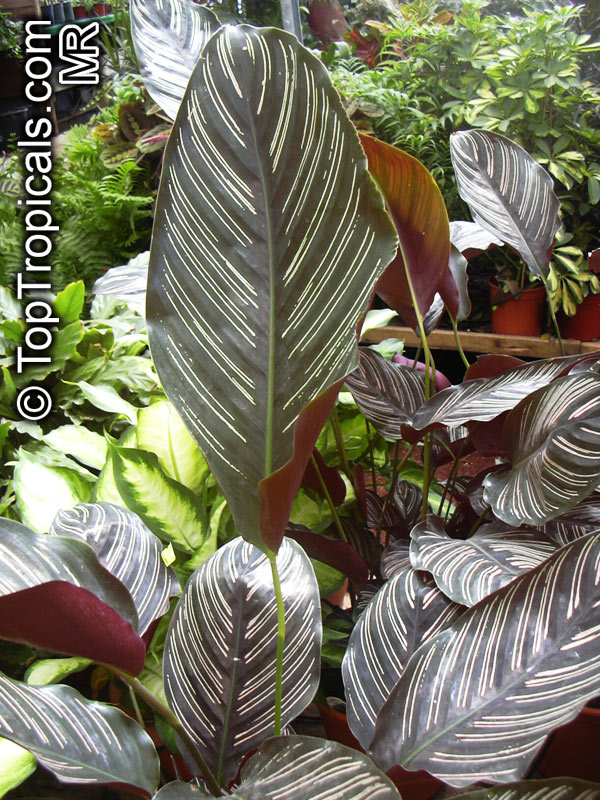
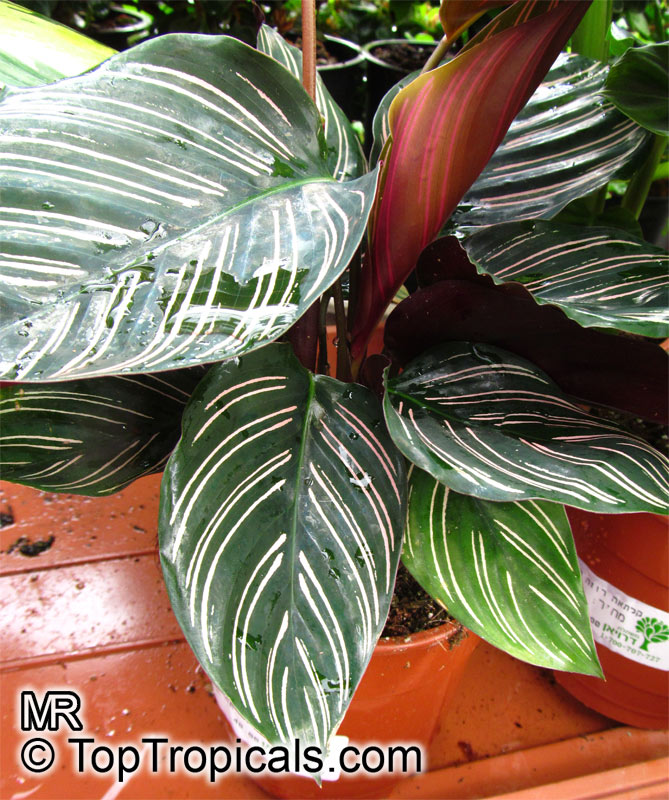
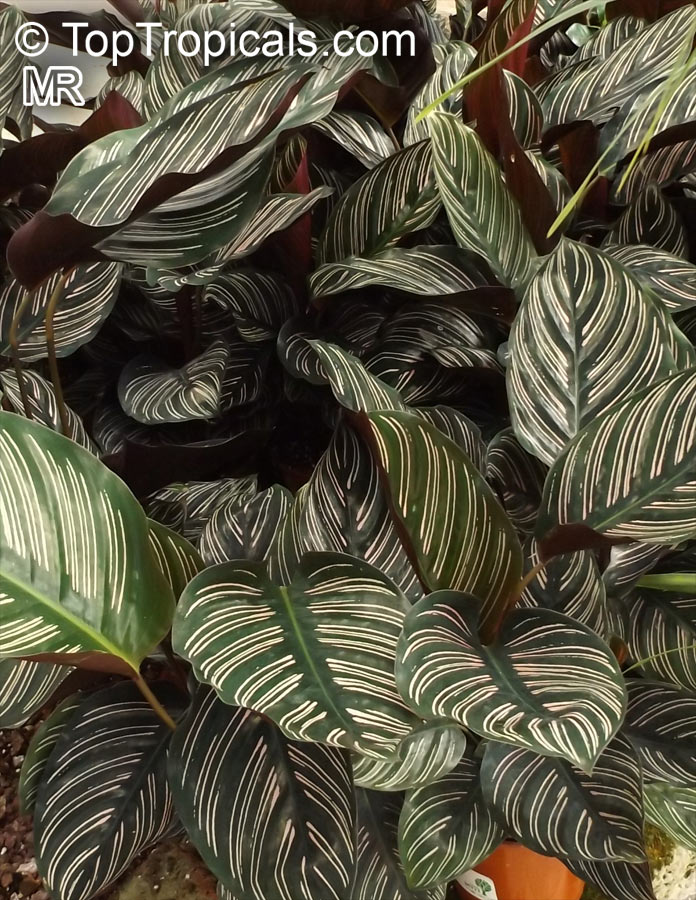
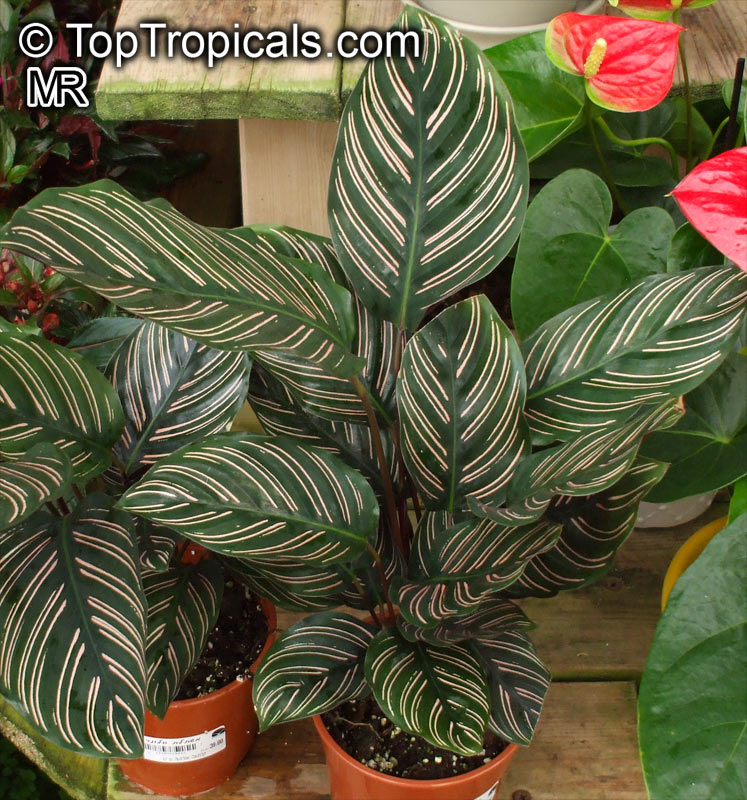
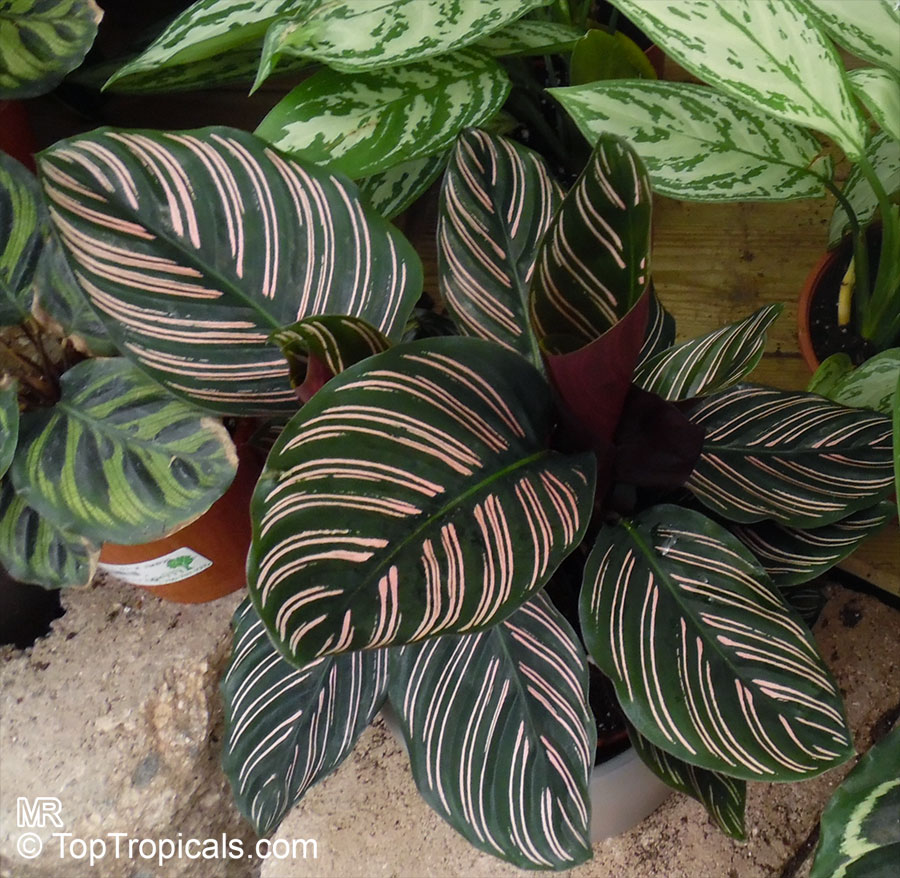
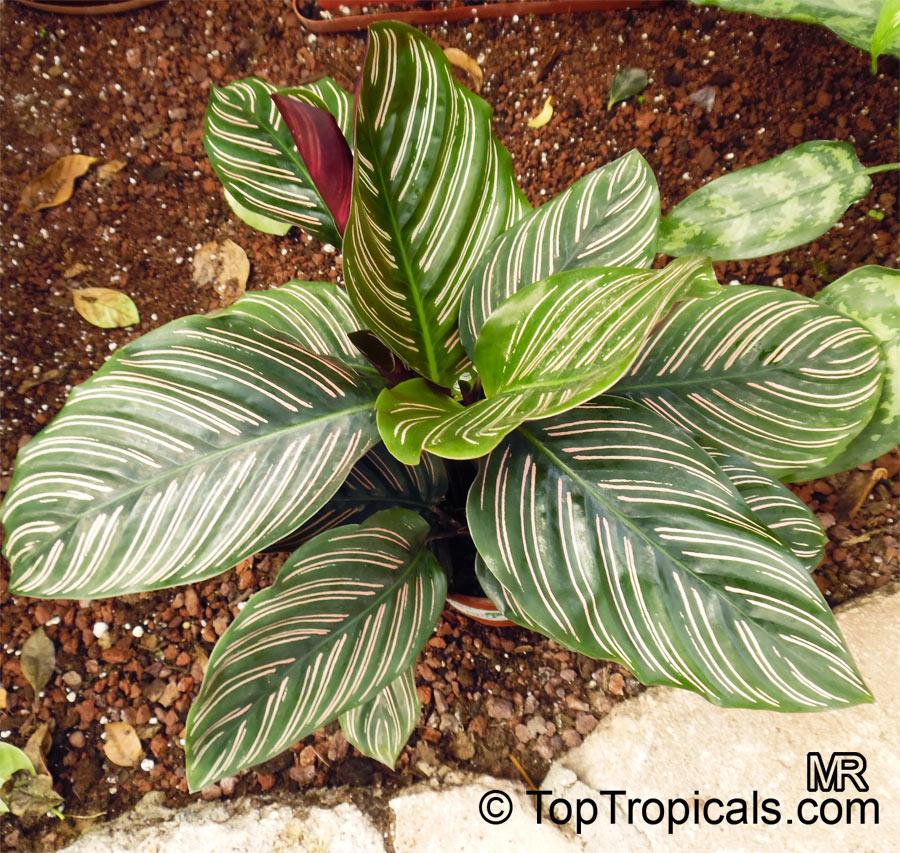
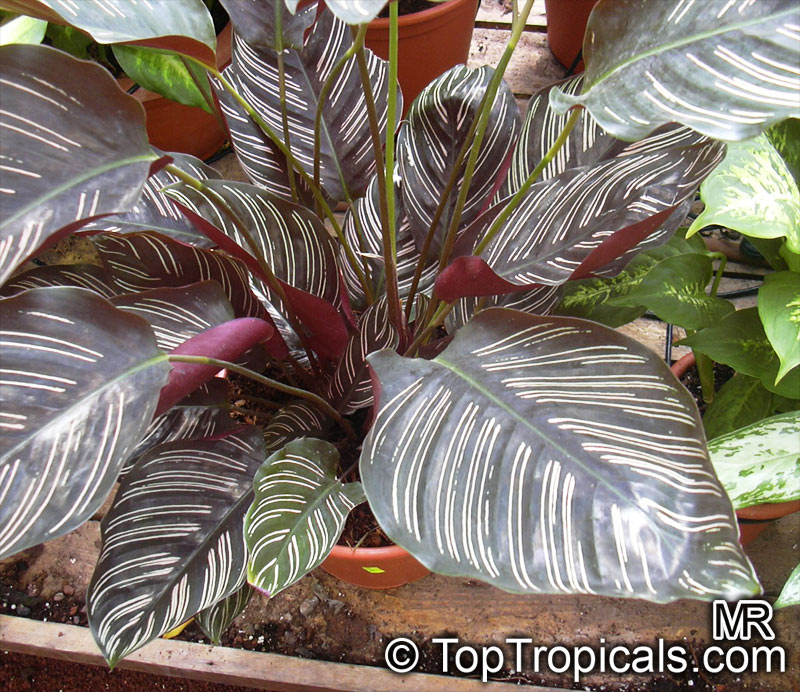
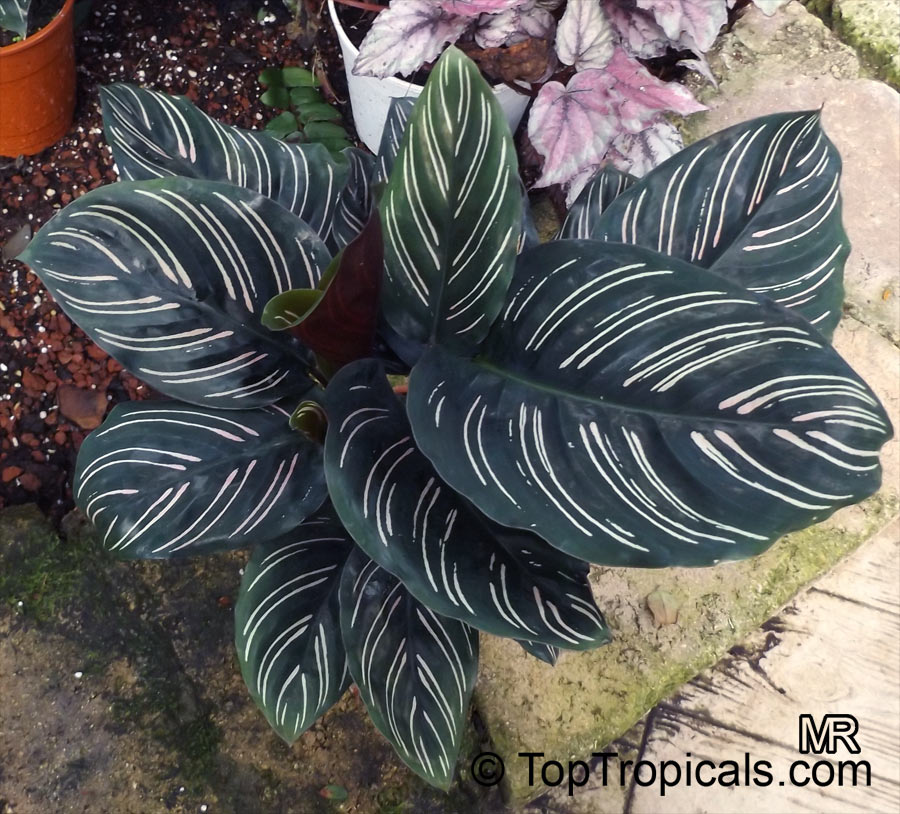
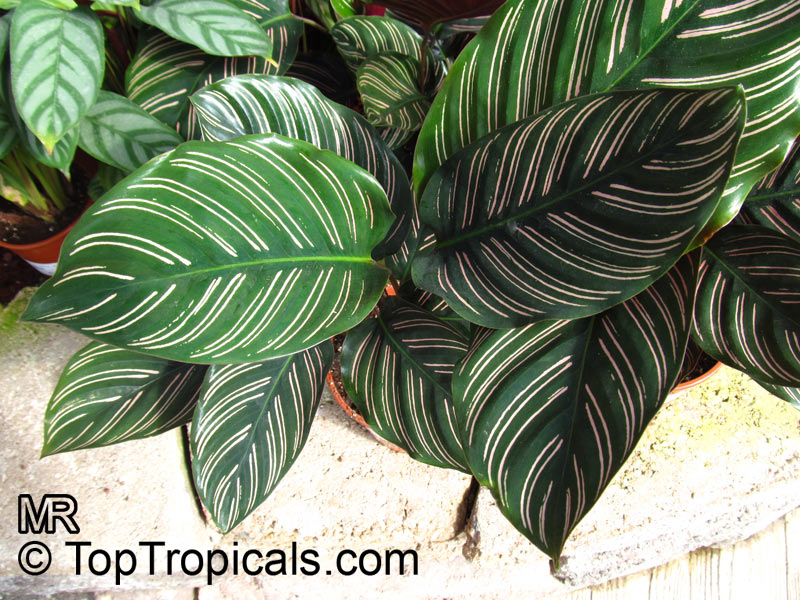
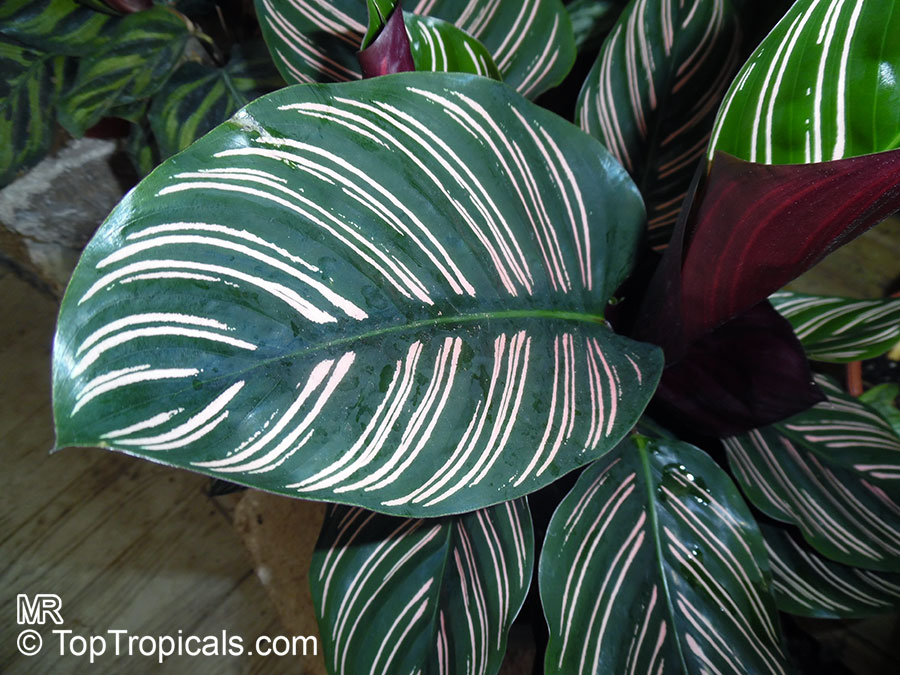
Goeppertia ornata, commonly known as pinstripe plant, is a tropical evergreen perennial in the Marantaceae family, native to northern South America. It was long known as Calathea ornata, and that synonym remains widely used in horticulture and the houseplant trade. The plant forms clumps of broad, oval to elliptic leaves with a dark green surface crossed by numerous fine pinkish-white to pale pink stripes that follow the lateral veins, creating its characteristic pinstriped appearance. Leaf undersides are typically deep reddish purple. Several cultivated forms are grown for variations in foliage color and pattern, and the species is now best known as a decorative indoor plant.
Goeppertia ornata prefers bright filtered light, warm temperatures, high humidity, and loose, organic-rich, well-drained soil. Keep the soil evenly moist but not waterlogged, and avoid prolonged drying, which can produce brown leaf margins and curling. Strong direct sun may scorch the leaves or fade their distinctive markings. Plants generally reach about 2-3 ft tall under favorable conditions. Frost sensitive, Goeppertia ornata is suitable outdoors in USDA Zones 10b-11 and is commonly grown elsewhere as a container or houseplant.
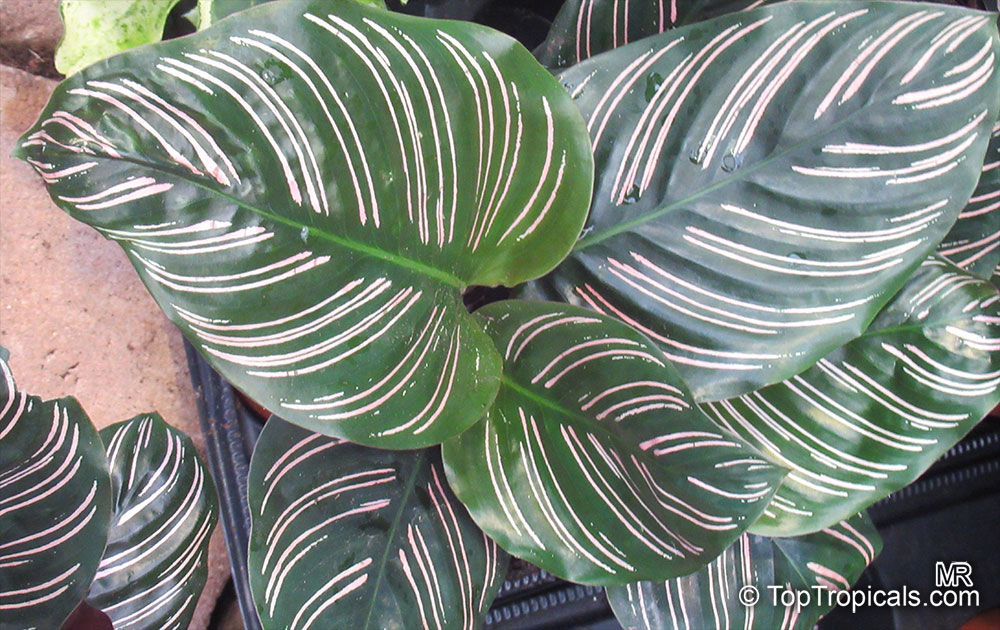
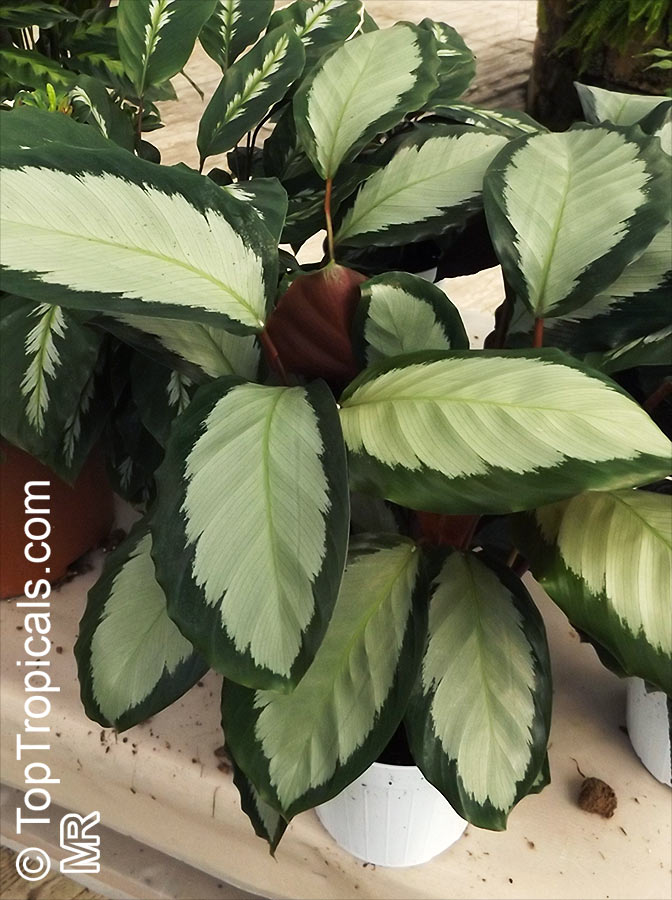
Botanical names: Goeppertia picturata, Calathea picturata
Common names: Silver Variegated Calathea, Variegated Prayer Plant
Family: Marantaceae
Origin: Northern Brazil
USDA Zone: 10-11
Cold tolerance: 50°F
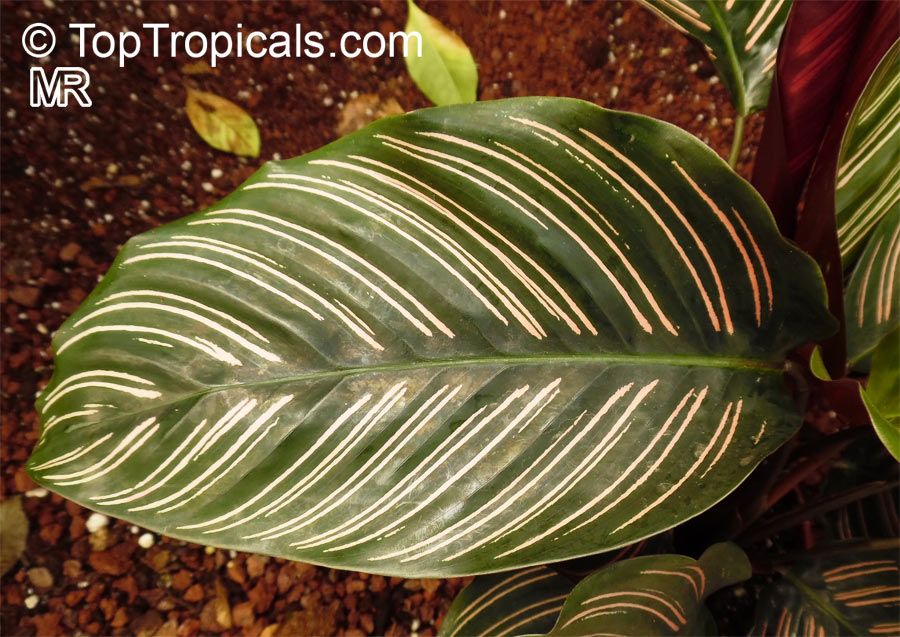
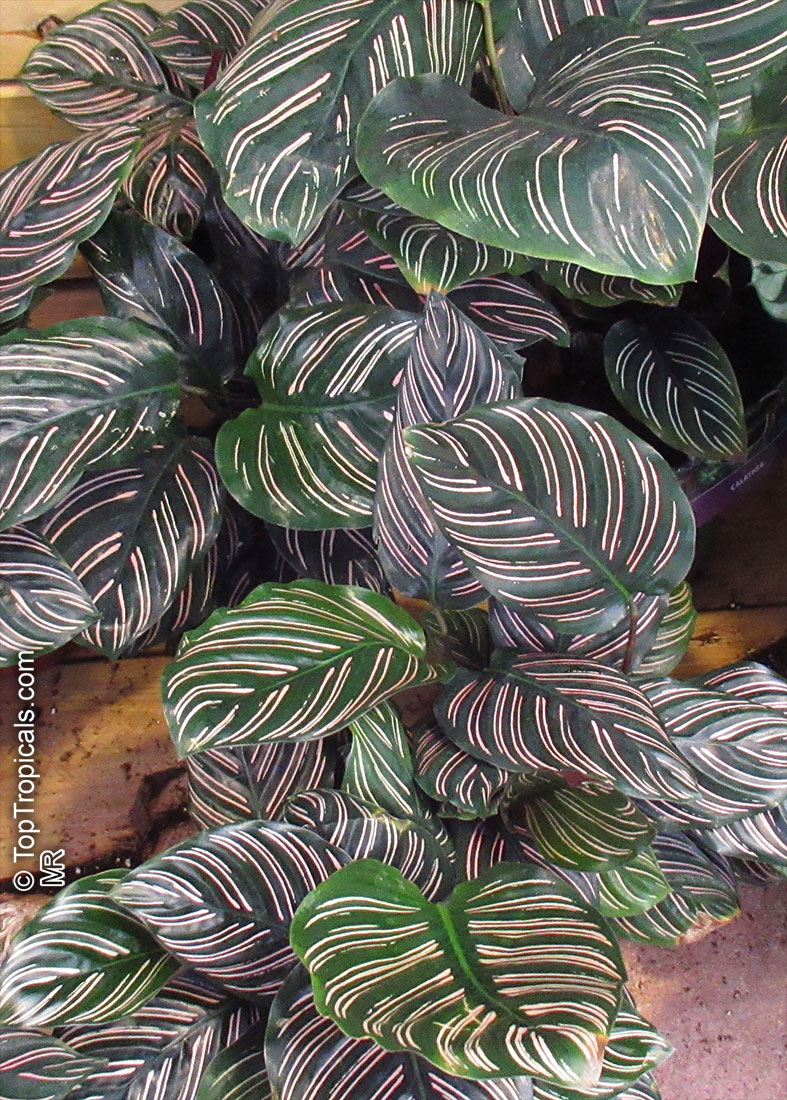
Goeppertia picturata, commonly known as silver variegated calathea, is a tropical evergreen perennial in the Marantaceae family, native to northwestern Brazil. Formerly known as Calathea picturata, it is still frequently sold under that older name in the houseplant trade. The species forms compact clumps of broad, oval to elliptic leaves with deep purple to burgundy undersides. Typical foliage has a pale green to silvery central area surrounded by a broad dark green margin, creating a bold two-tone pattern. Cultivated selections vary considerably in the proportions and intensity of these colors, and several forms are grown primarily for their decorative foliage.
Goeppertia picturata prefers bright filtered light, warm temperatures, high humidity, and loose, organic-rich, well-drained soil. Keep the soil evenly moist but not waterlogged, and avoid prolonged drying or harsh direct sun, which can damage the leaves. It is well suited to containers and is now grown mainly as a houseplant in temperate regions. Frost sensitive, Goeppertia picturata is suitable outdoors in USDA Zones 10b-11 and should be protected from cold.
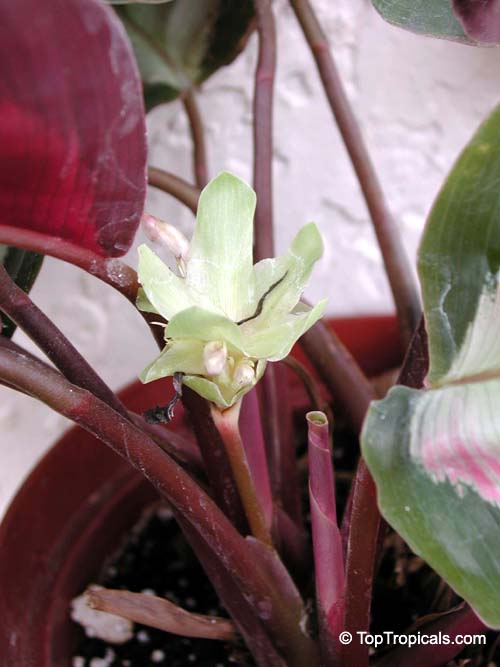
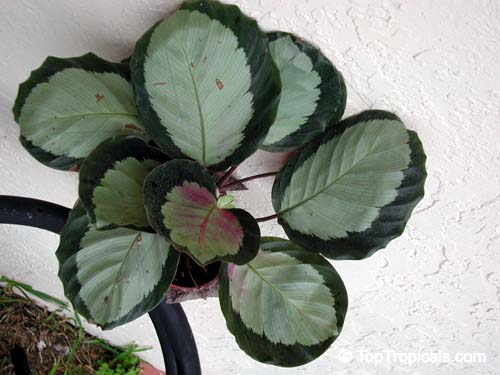
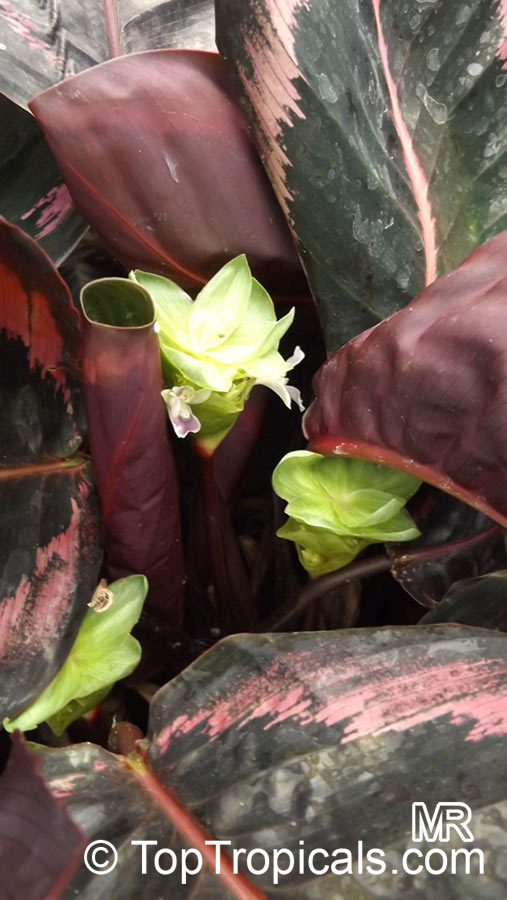
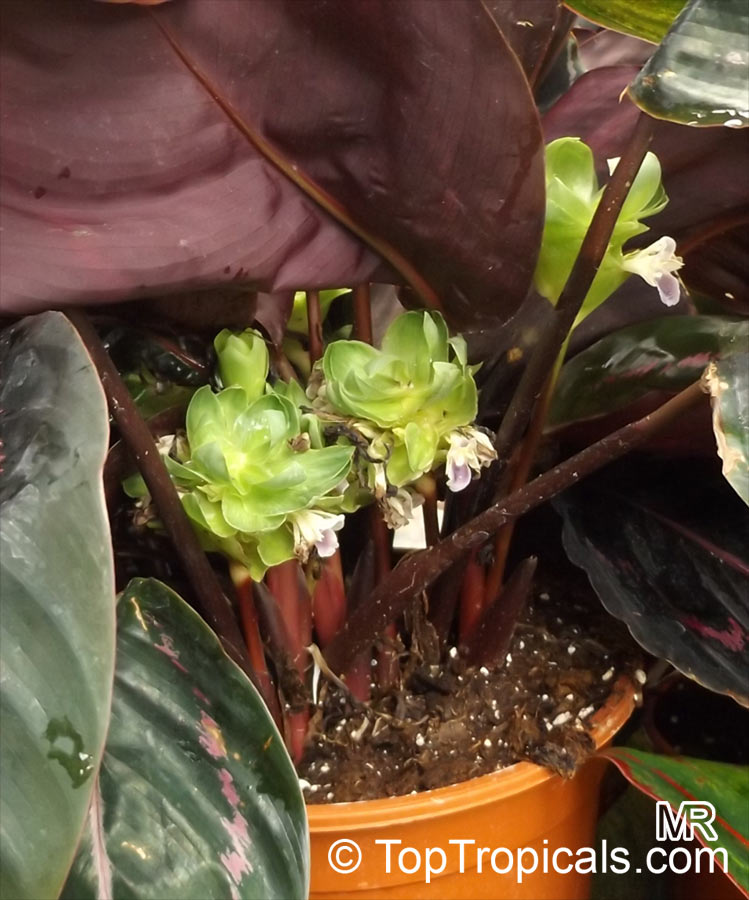
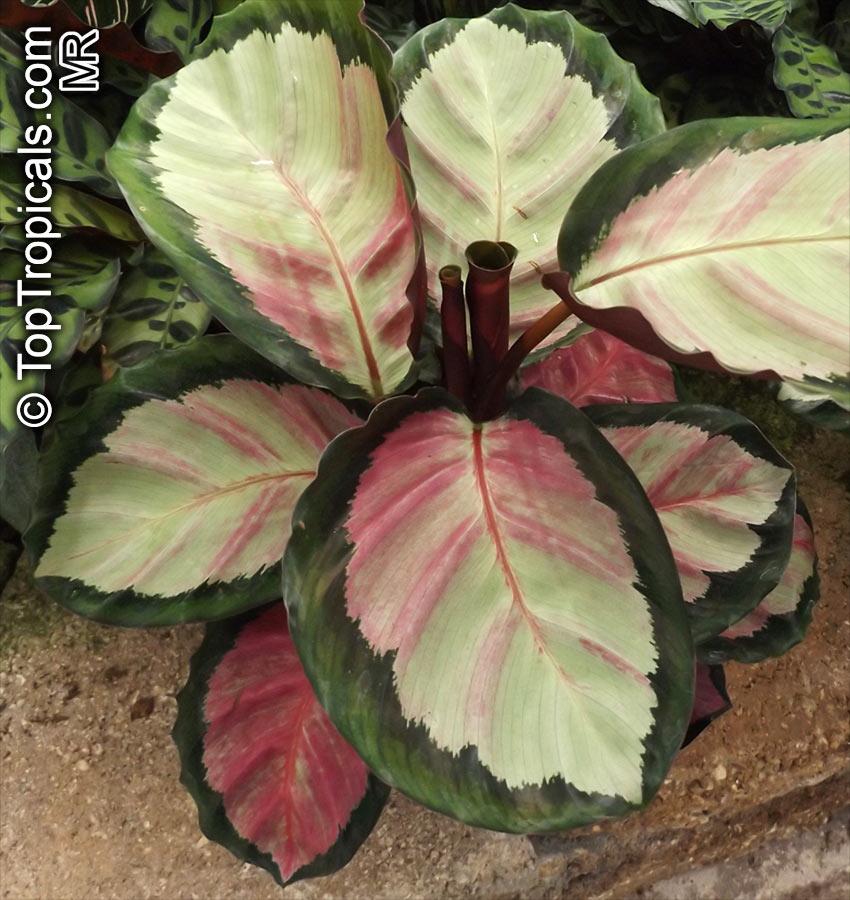
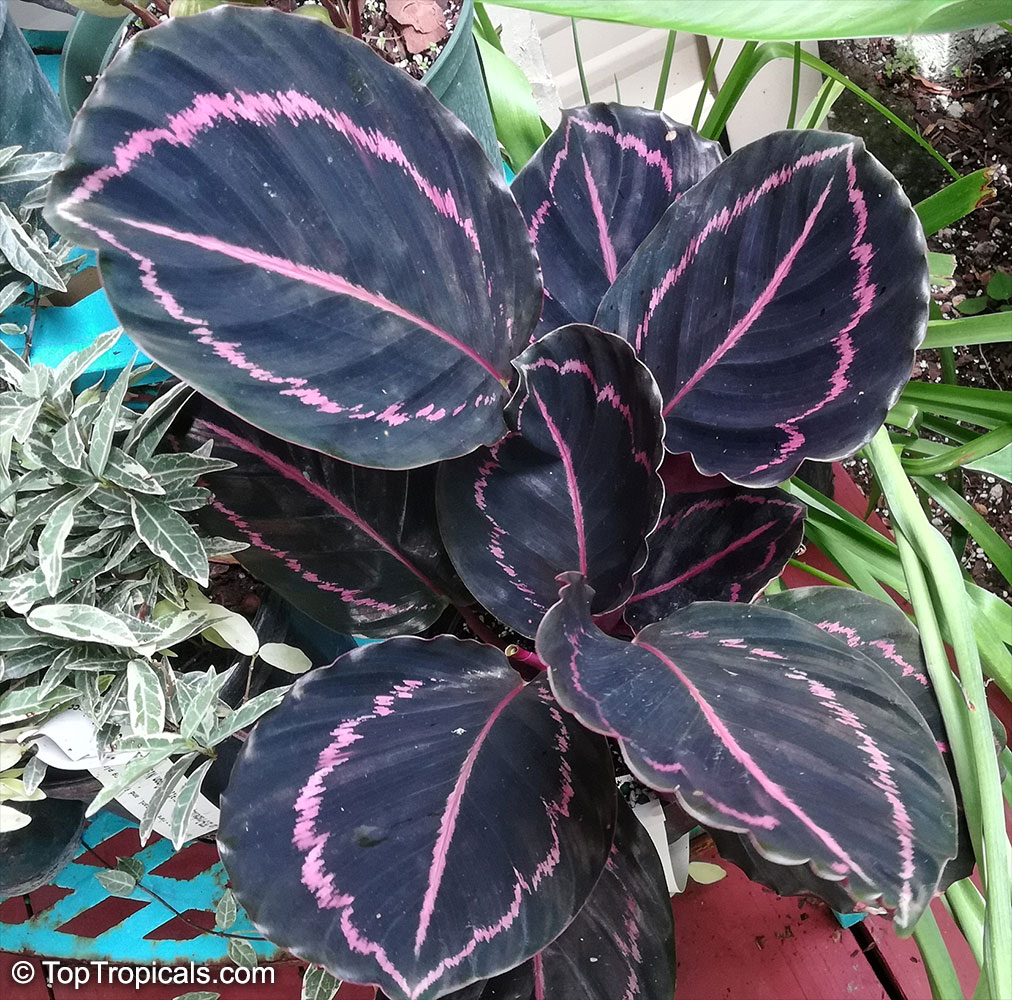
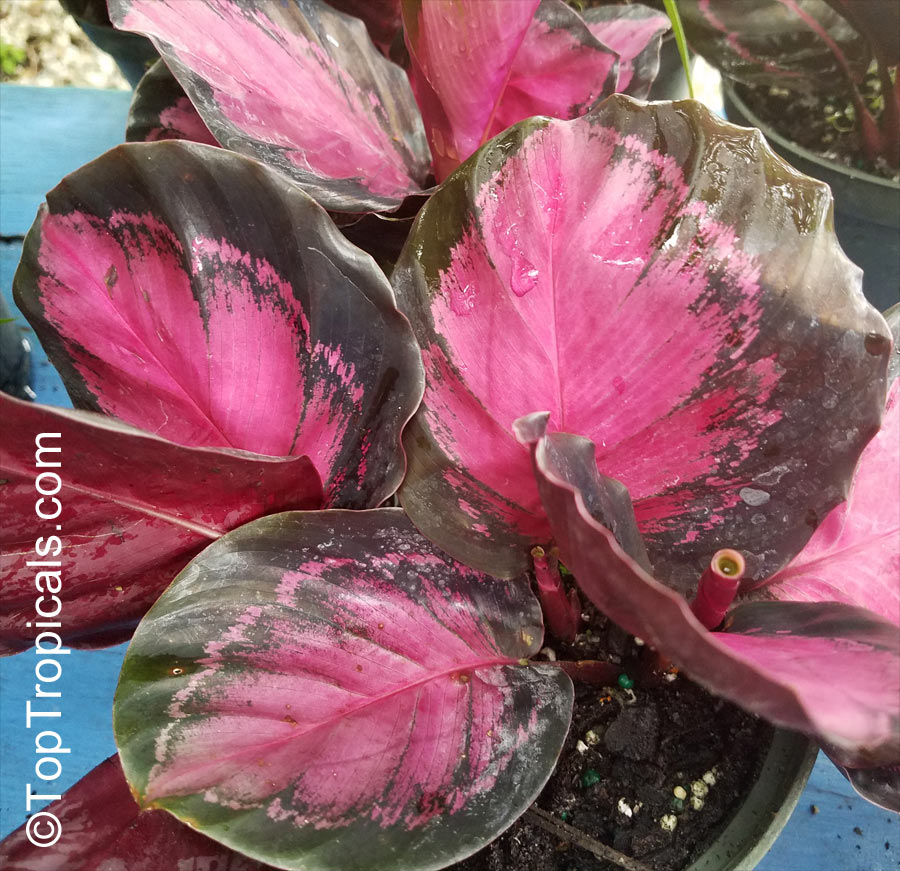
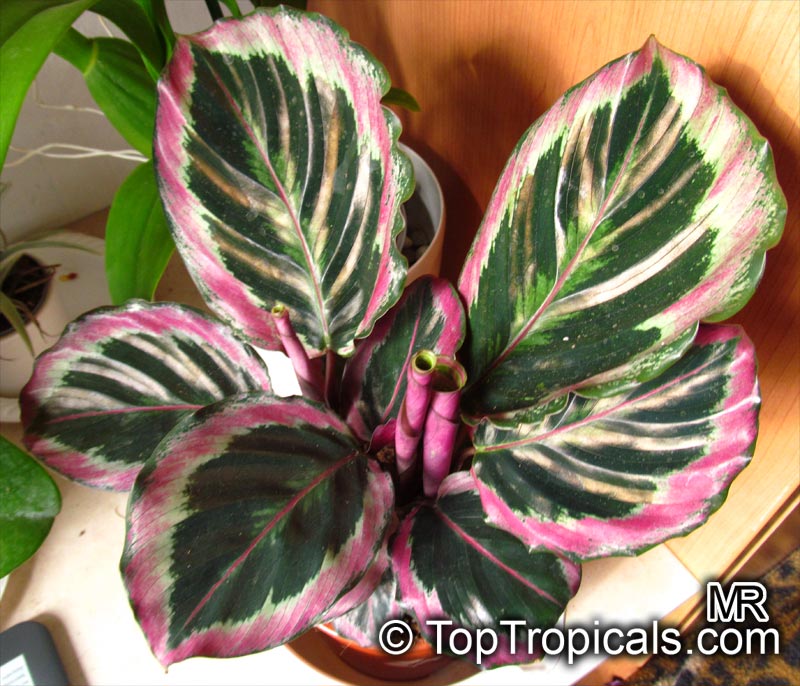
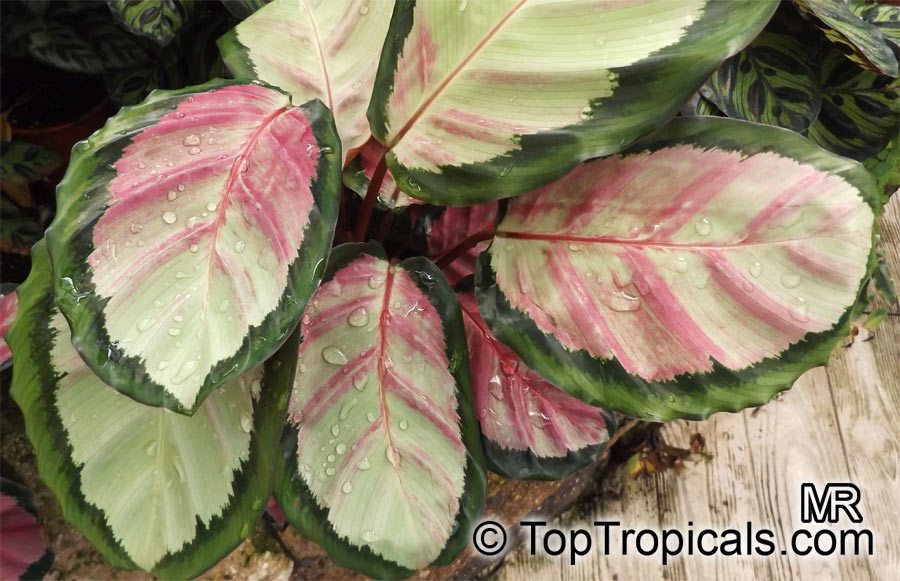
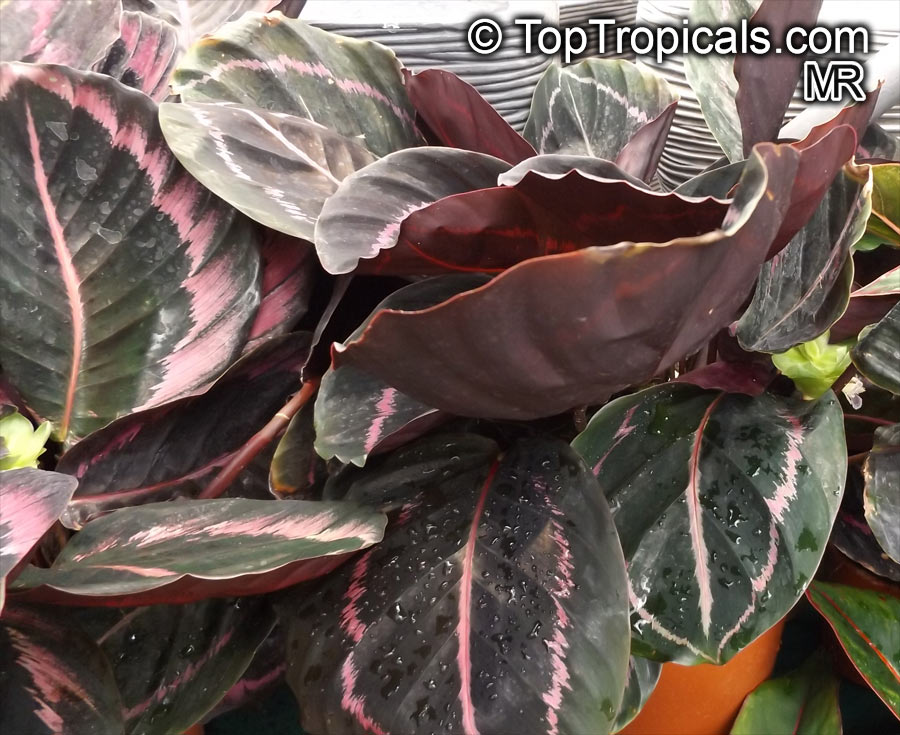
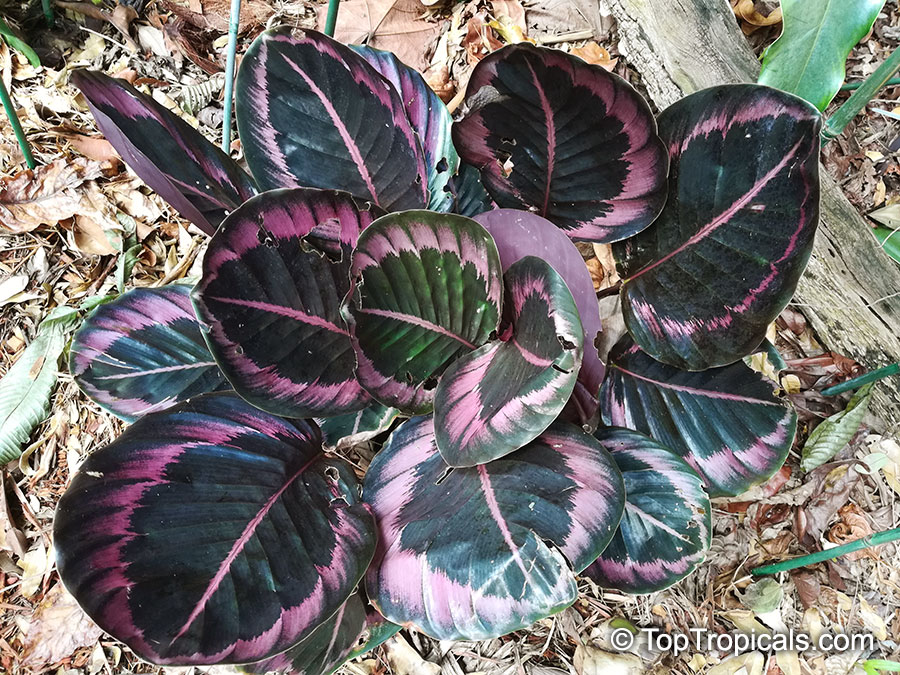
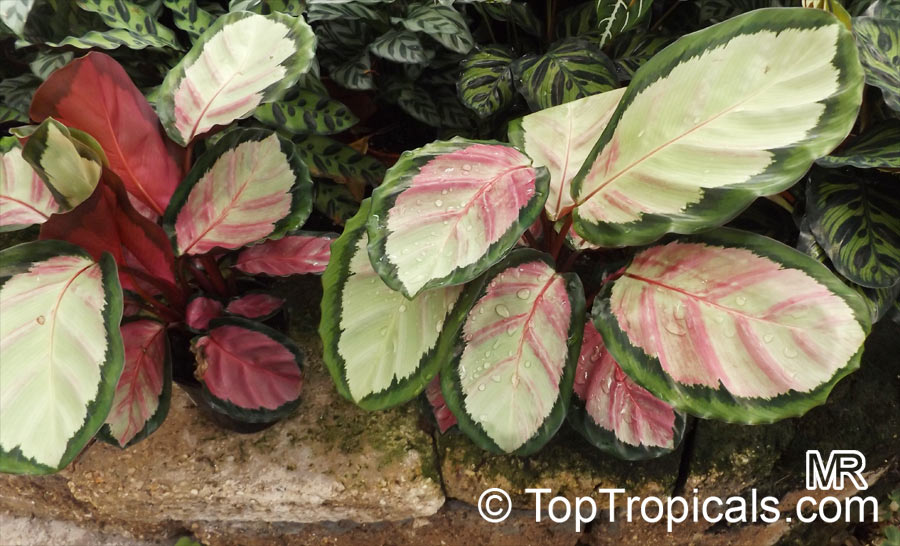
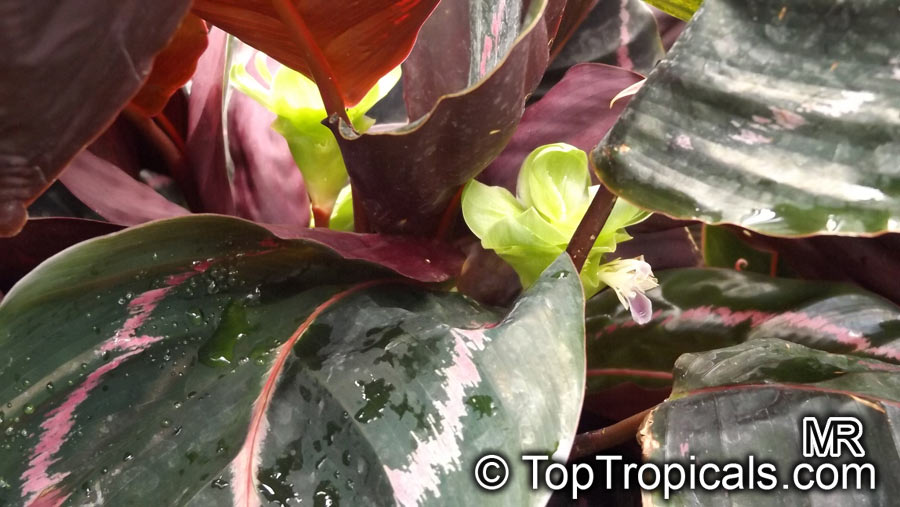
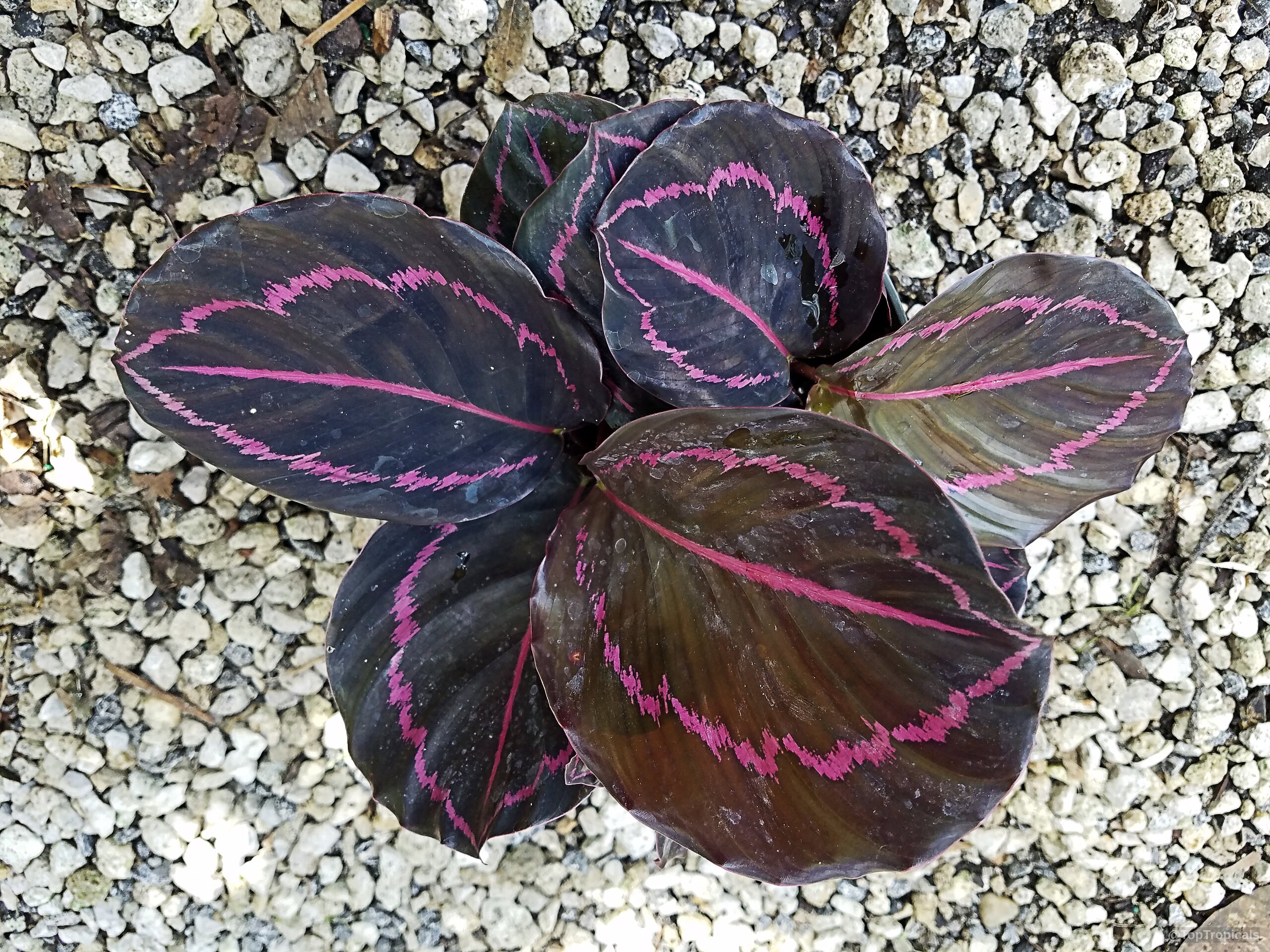
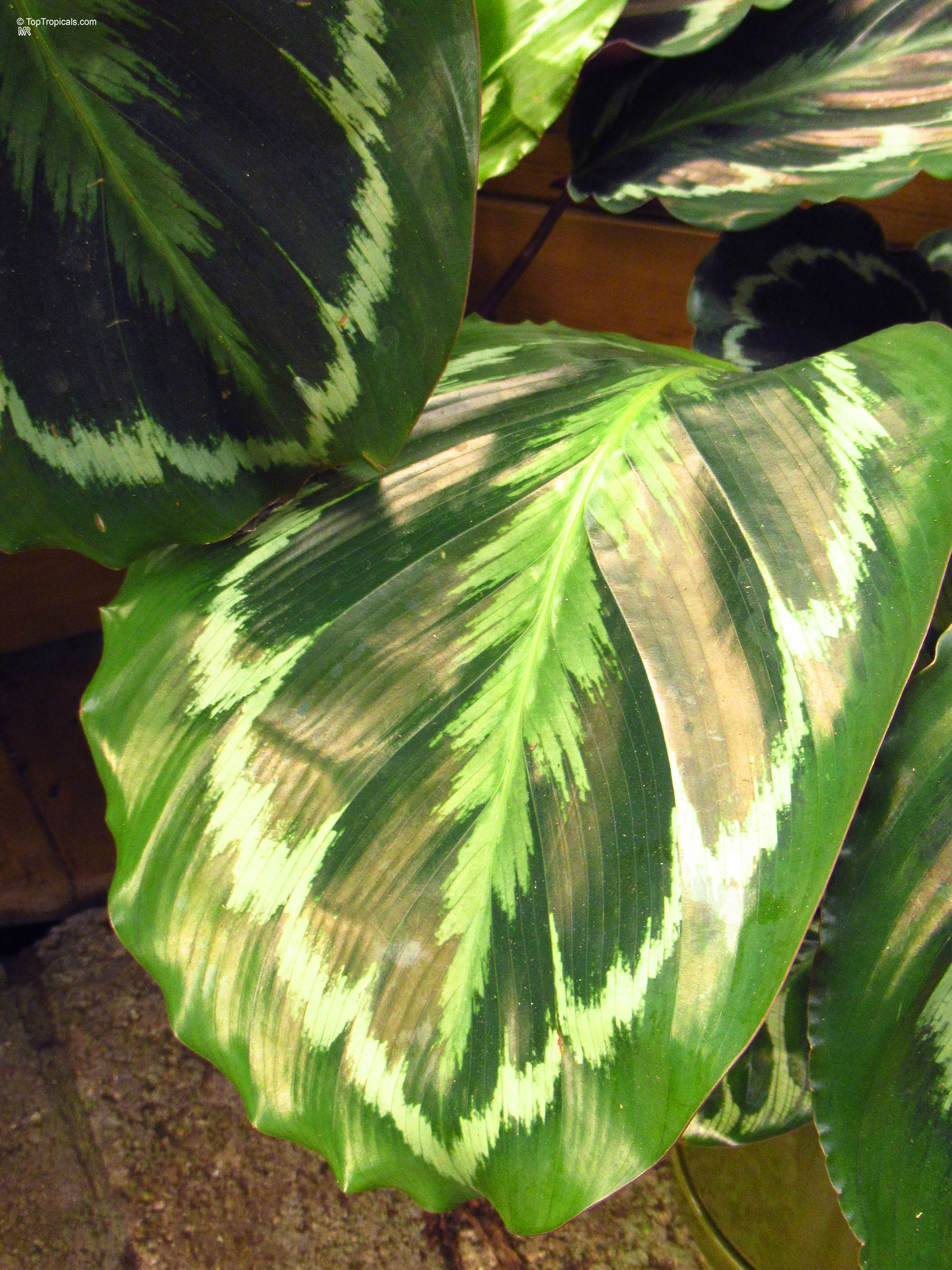
Botanical names: Goeppertia roseopicta, Calathea roseopicta
Common name: Calathea
Family: Marantaceae
USDA Zone: 11
Cold tolerance: 50°F
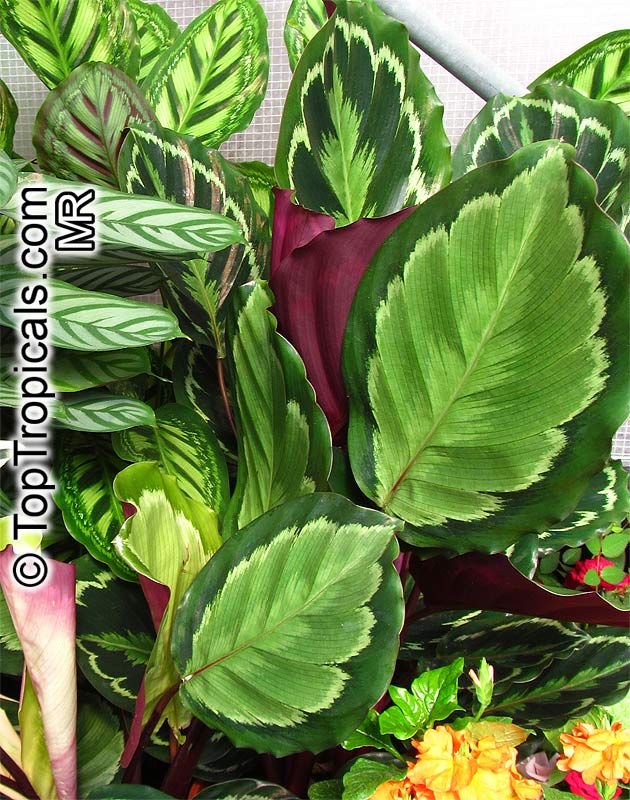
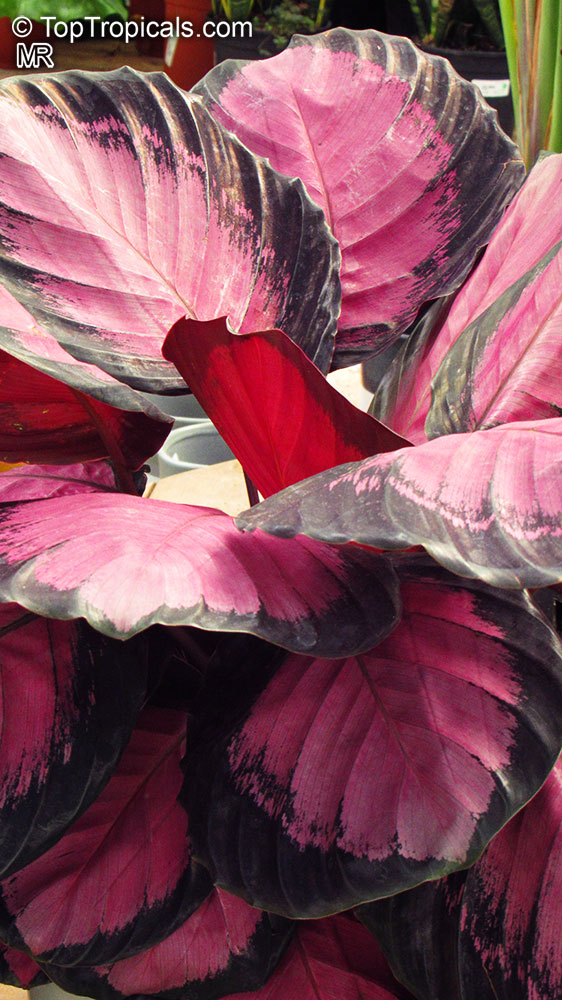
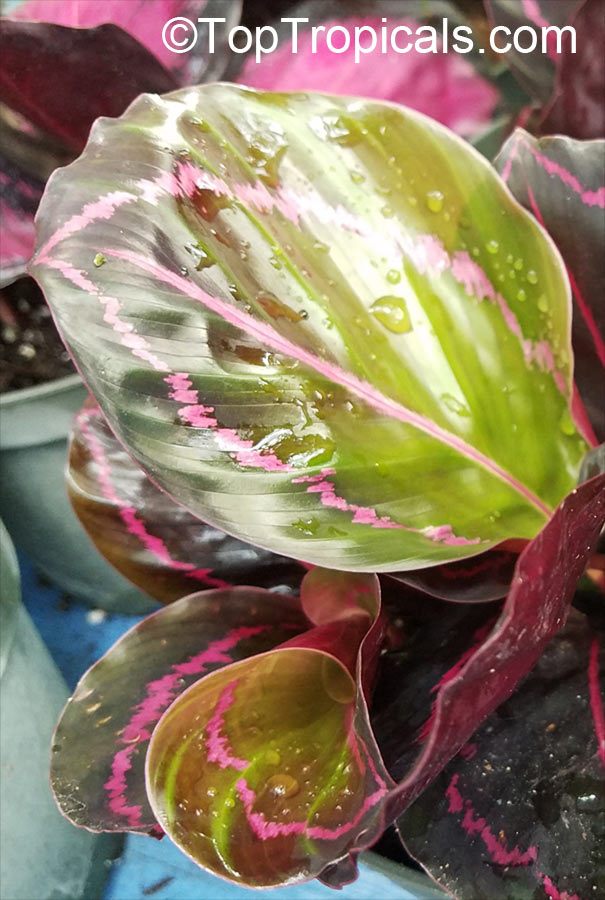
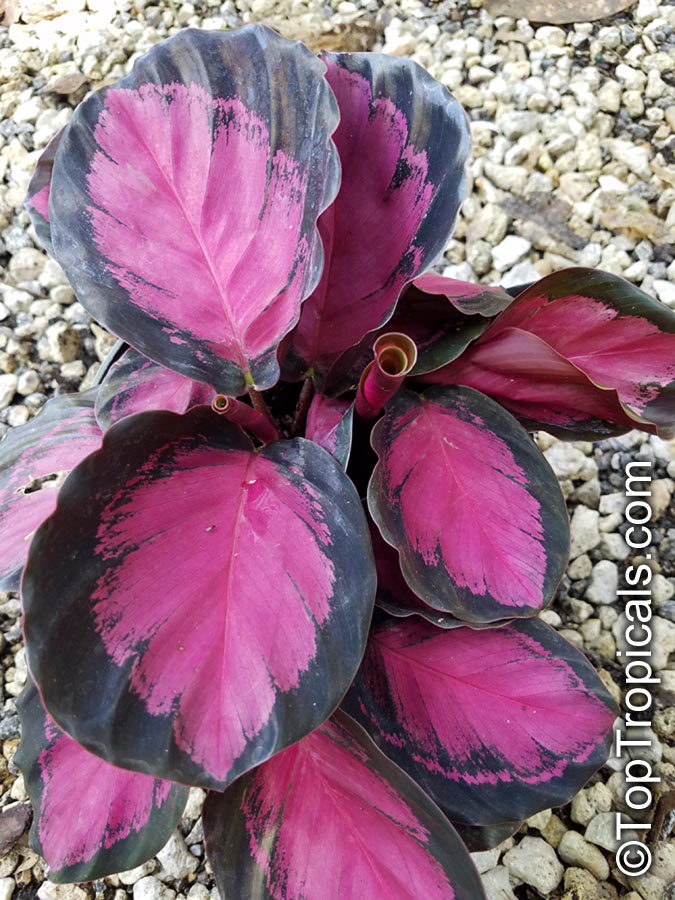
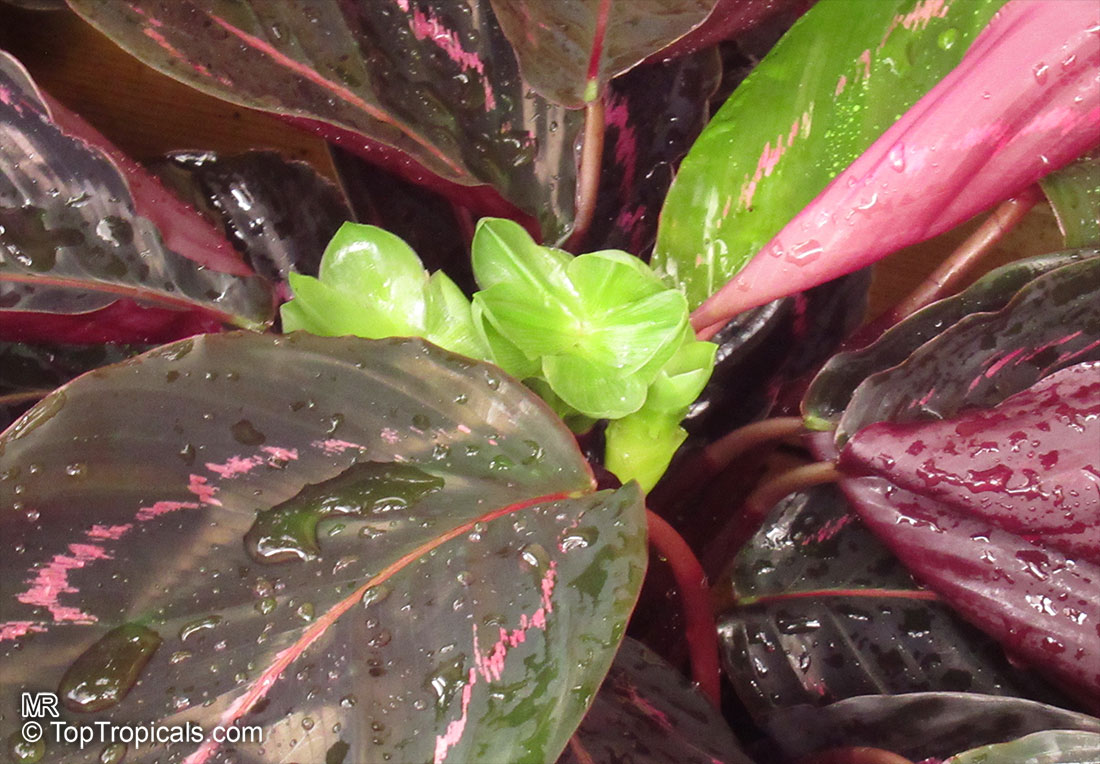
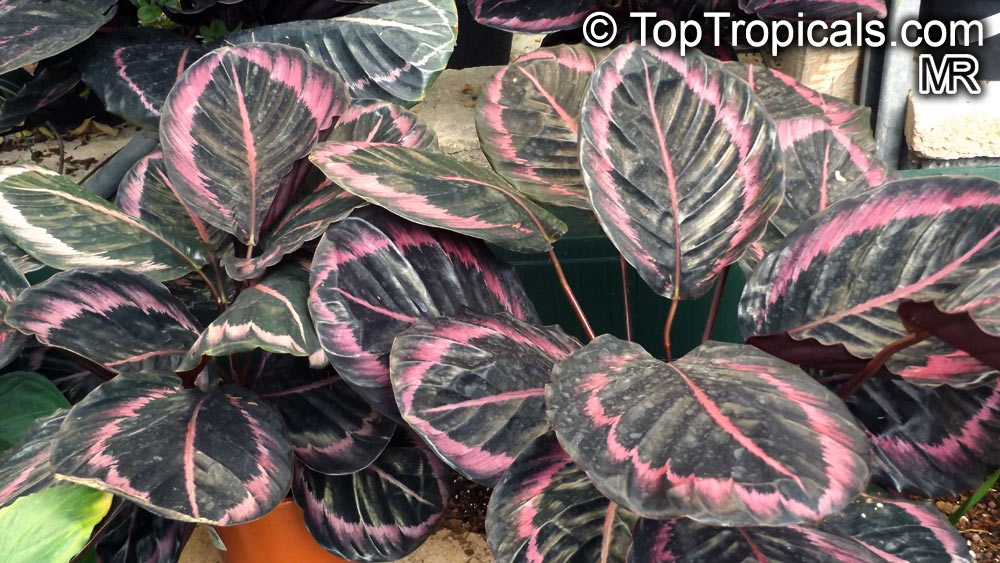
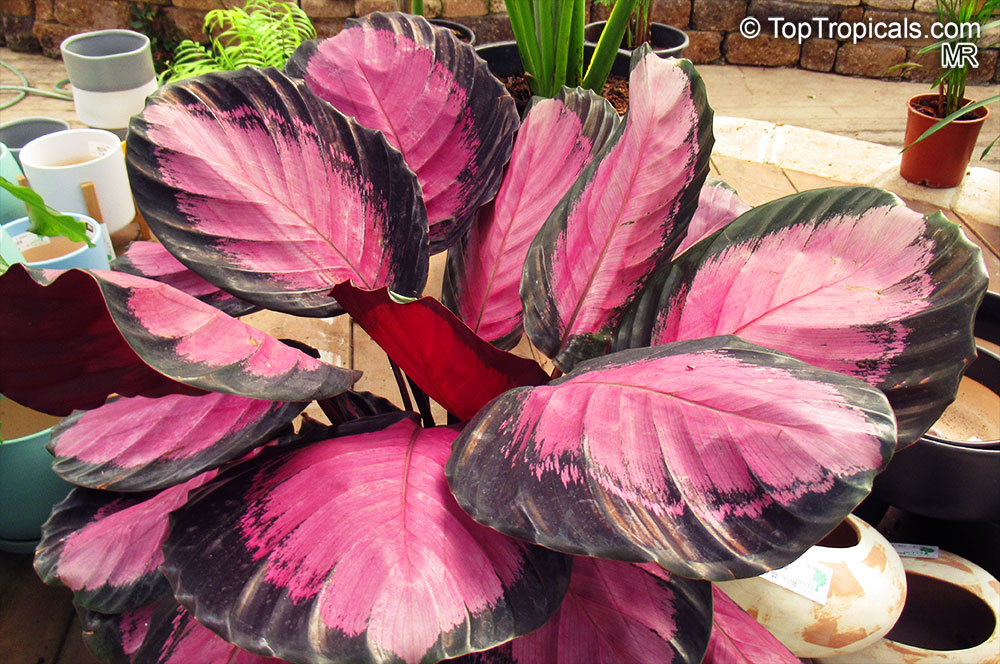
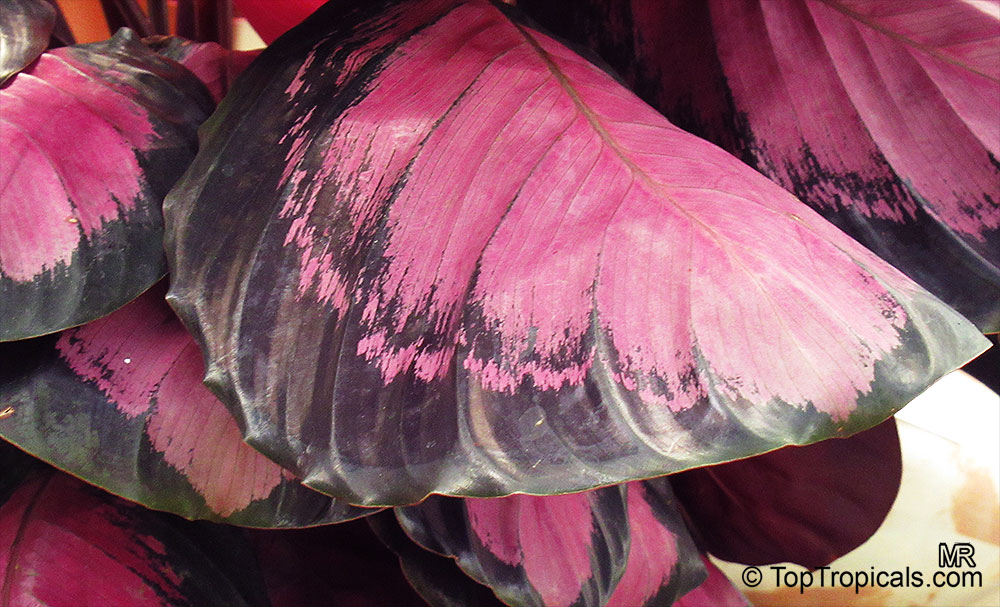
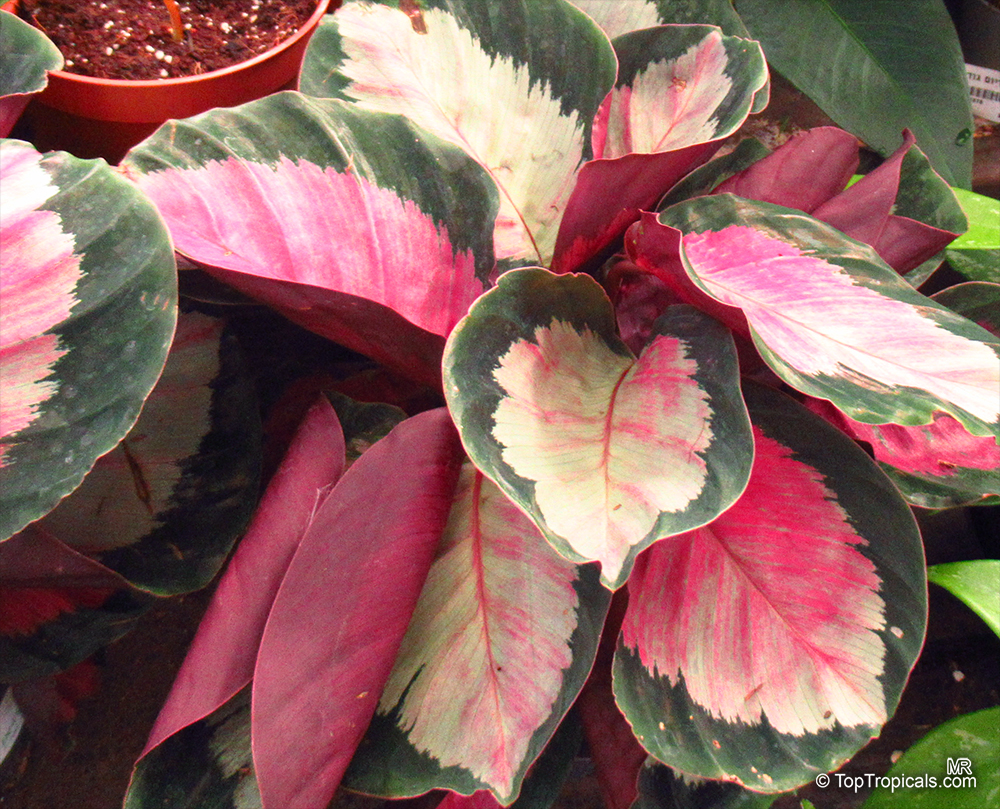
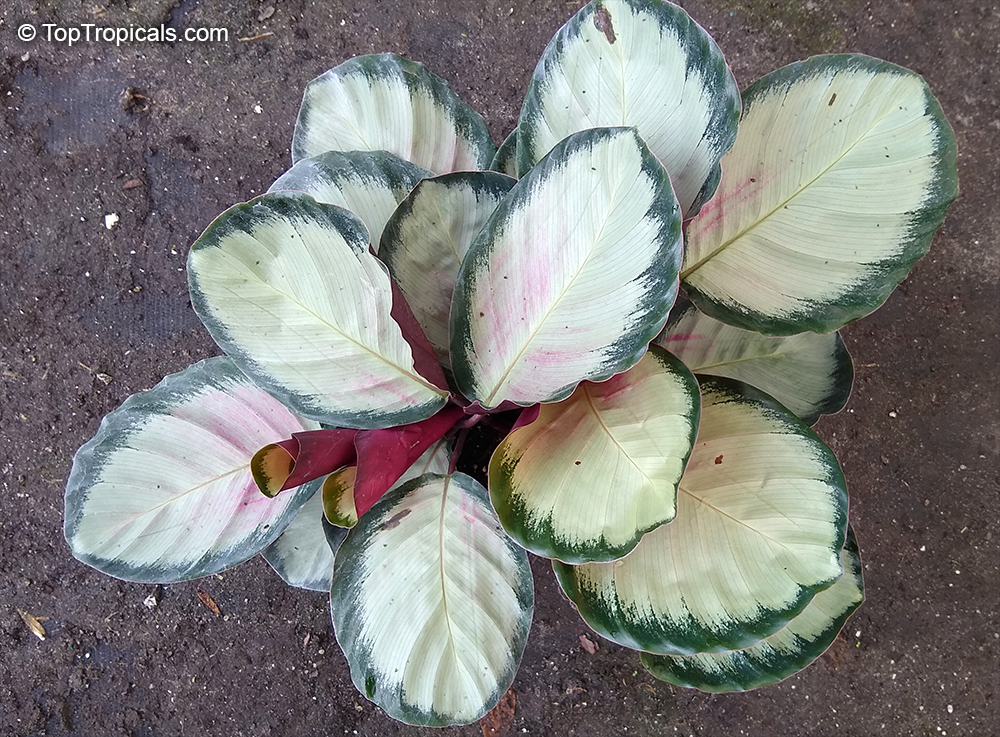
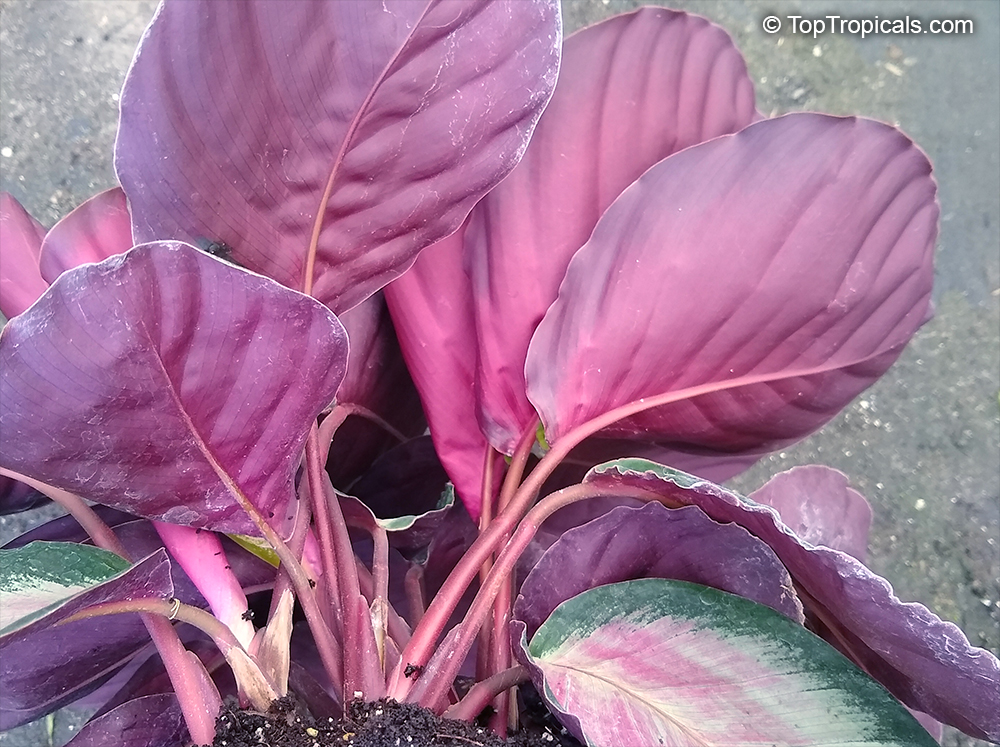
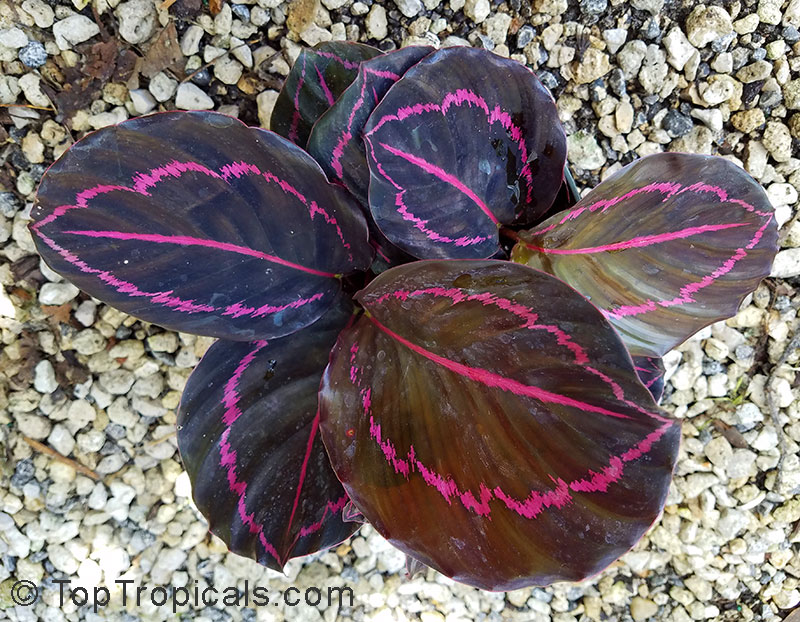
Indoors, Calathea is tolerant of lower light conditions making it a fine houseplant. Your soil for Calathea should be highly organic and well drained. Use plenty of coarse material in the soil mix to help water flow through. Never allow roots to be soaked with standing water but they do enjoy continuous availability of water in their soil. Keep your Calathea roseopicta on a pebble tray to increase the humidity level near your plant, but do not allow your plant to sit in water. Calathea's prefer a warm location, away from cold drafts. Keep the soil moist but not soggy. If the water in your area is extremely hard, or of poor quality, water your plants with bottled water. Hard water will cause leaf spotting. If you're fortunate enough to have soft water, let the water sit out over night before watering your plants. If you have an aquarium, your can recycle the tank water, for watering your plants. In USDA zones below 11, grow as a houseplant or seasonal container specimen.

Recommended Fertilizer: SUNSHINE Robusta - Rapid Growth Booster
| Next | |
Use link to repeat this search:
https://toptropicals.com/cgi-bin/garden_catalog/cat.cgi?find=Calathea&search_op=and&keyword_op=and&language=e&number=10
&no_change_lang=1&user=tt&sale=1&first=0