Dalbergia - Plant Encyclopedia Results
| Number of plants found: 9 |
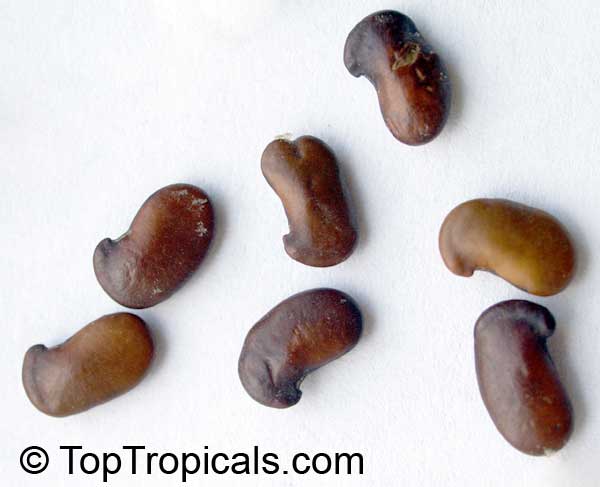
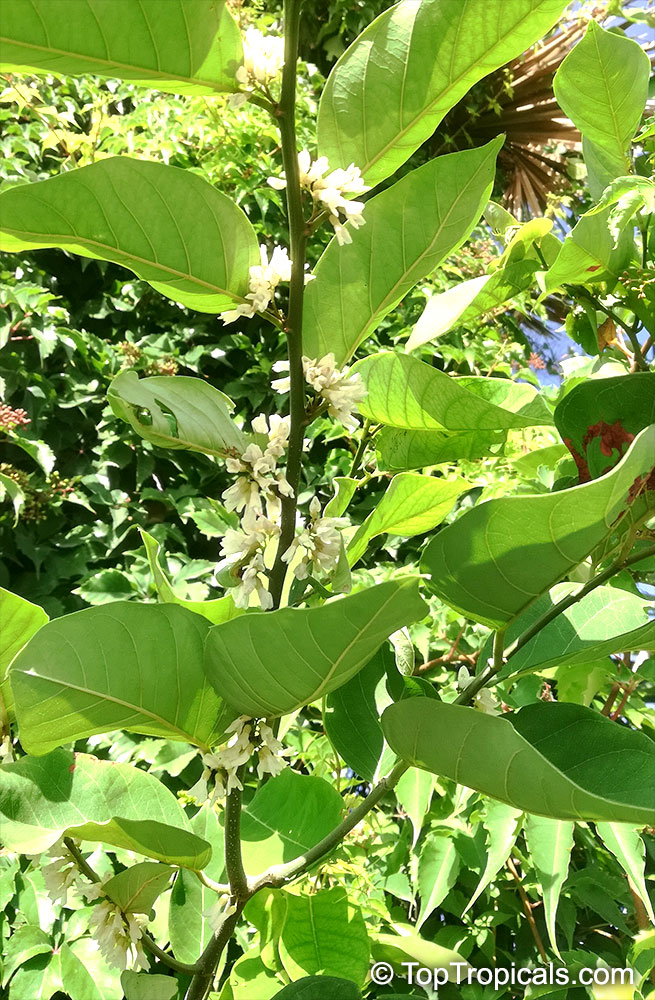
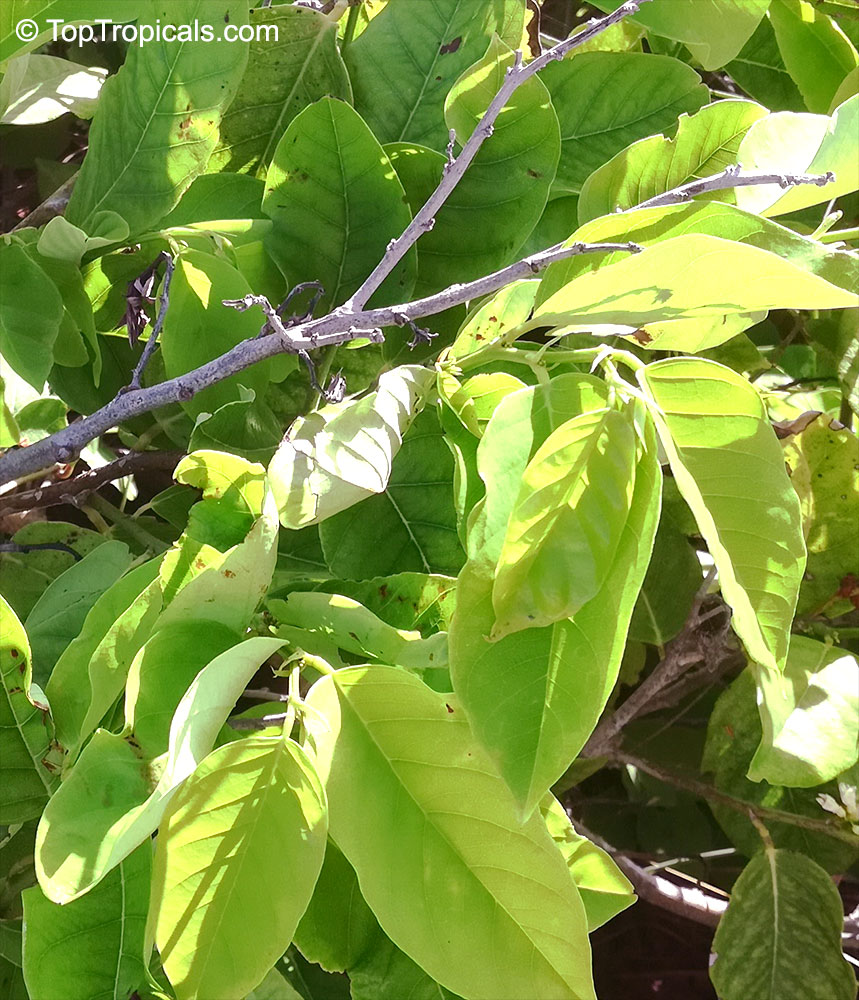
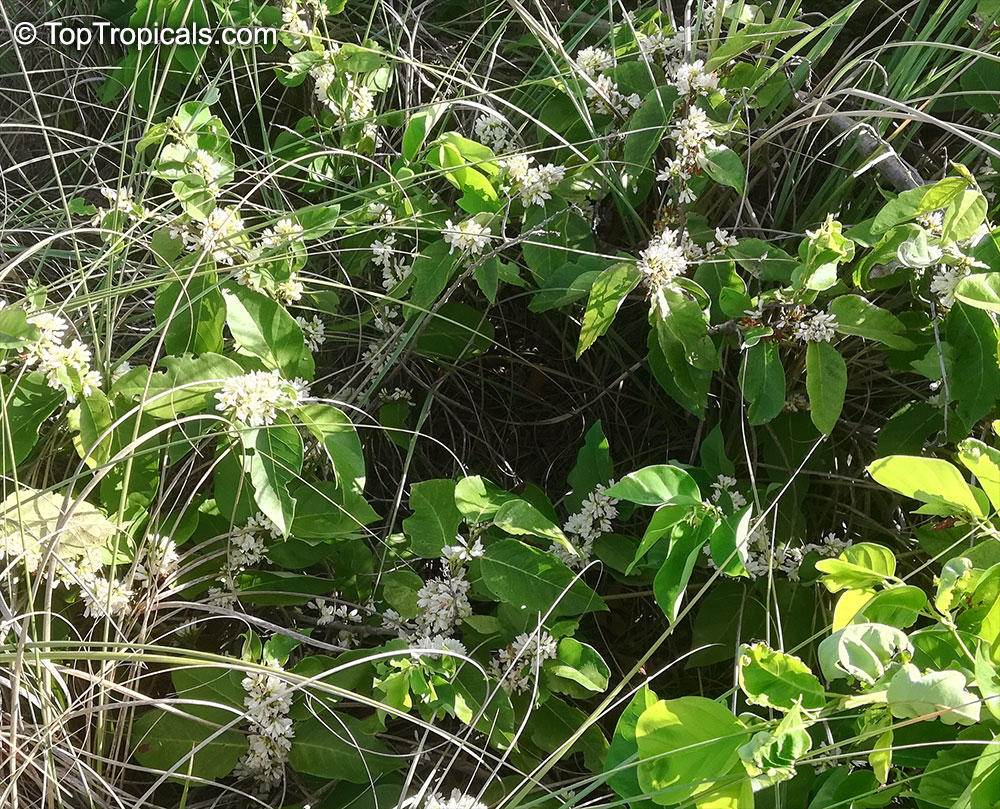
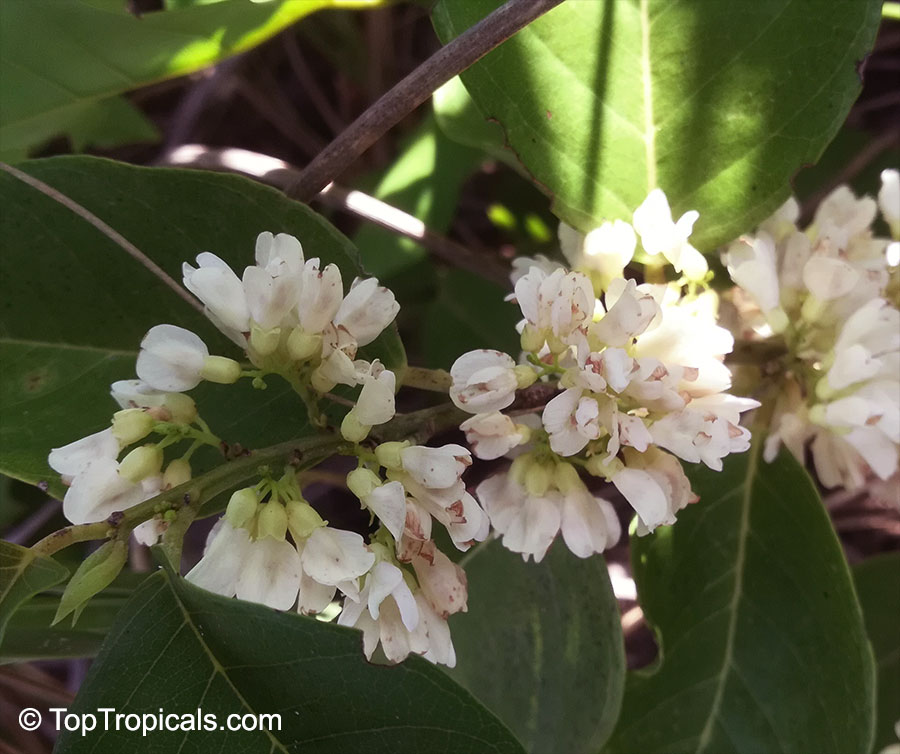
Botanical name: Dalbergia armata
Common name: Thorny Rope
Family: Fabaceae
Subfamily: Faboideae
Origin: South Africa
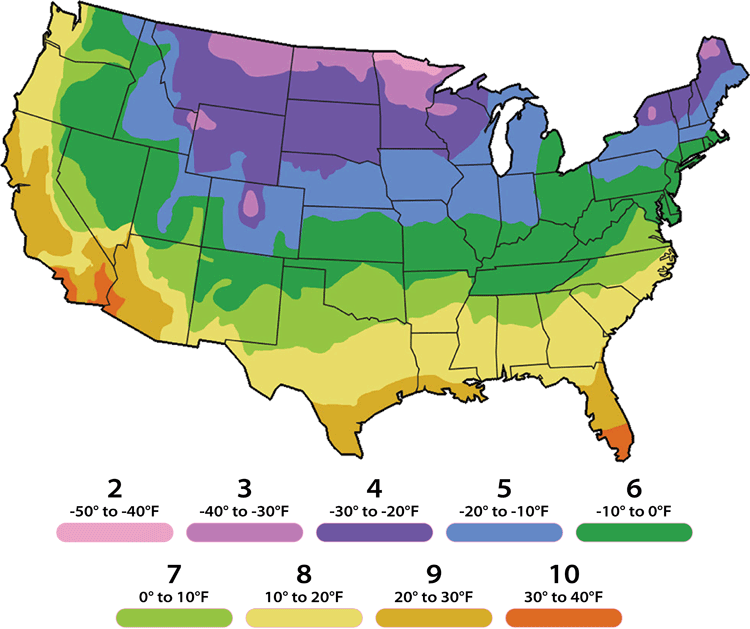
USDA Zone: 9-10


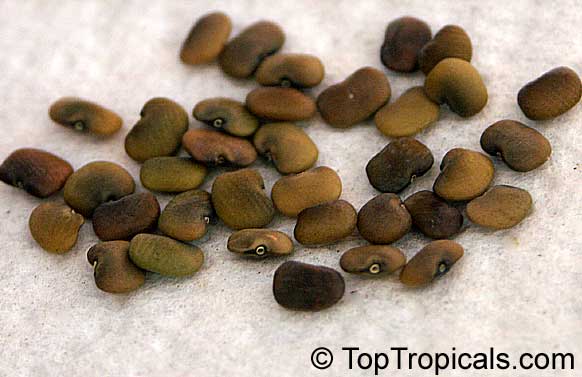
Dalbergia armata (Thorny Rope) is a plant native to South Africa. This vigorous vine or creeper is an aggressive grower and can reach heights of 20-30 feet when provided with appropriate support. It produces glossy, dark green pinnate leaves with four to eight leaflets, and white to off-white flowers with a sweet fragrance, which bloom from October to November. After the flowers fade, thin papery seed pods form with small, flat seeds.
Thorny Rope prefers well-drained soil, semi-shade or dappled shade, and regular waterings. It can handle dry periods, but moderate waterings provide the best growth and bloom results. In colder climates, it can die back in the cold and should be grown in a pot. The potting mix should drain easily and soil should be kept moist during the growing season. During the winter months, reduce water and keep soil from getting wet. Also, be sure to protect the pot from extreme cold with a frost blanket or burlap.
The thorns on the stems of Thorny Rope are thin and may be difficult to see, so it is recommended to wear thick gardening gloves when handling the plant. It is an excellent addition to the garden and works great in landscape design. This plant can also be grown as a houseplant, and is suitable for warm, high trellises. When cared for properly, the Thorny Rope can create a lush foliage with its aggressive growth habit.
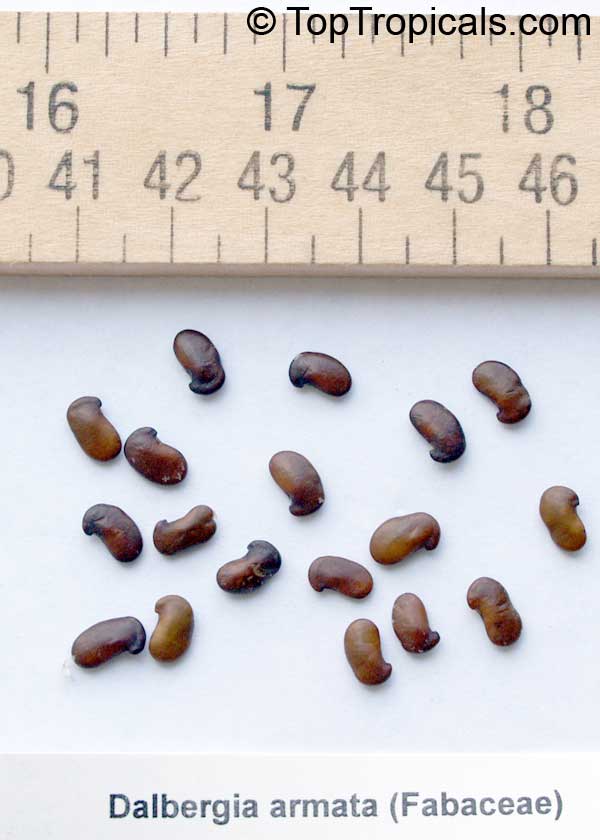
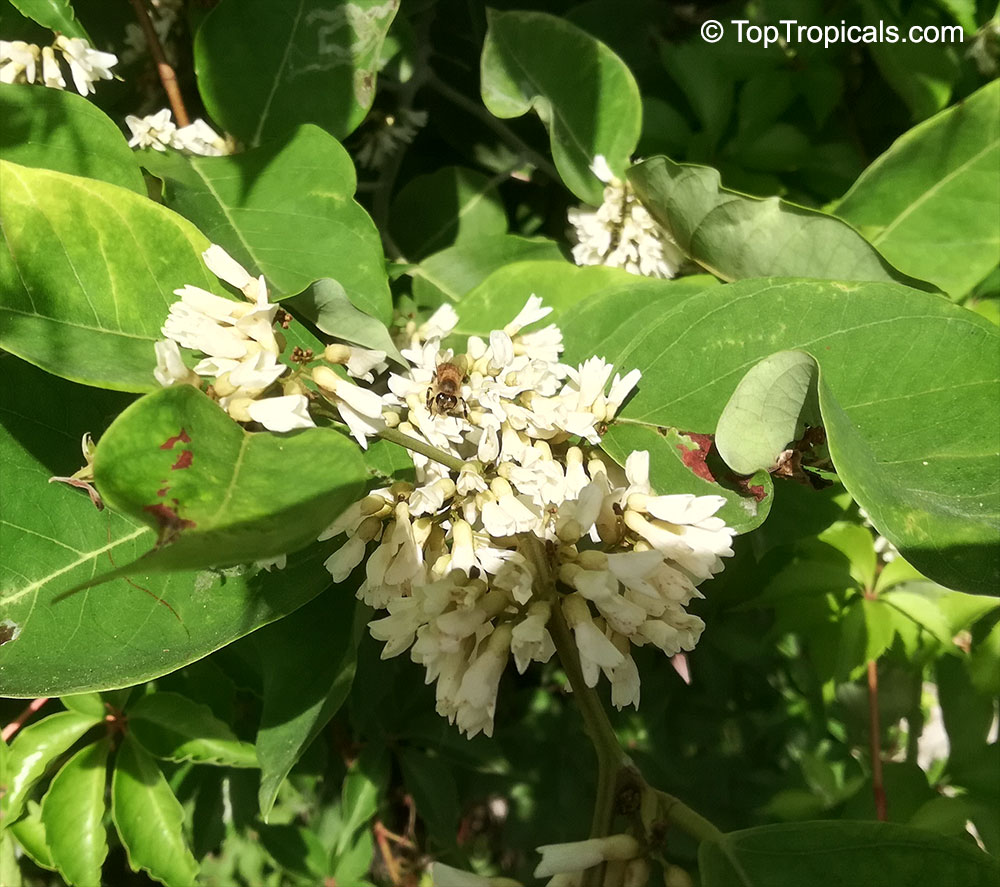
Botanical name: Dalbergia ecastaphyllum
Common name: Coinvine
Family: Fabaceae
Subfamily: Faboideae
Origin: South America
USDA Zone: 9-10


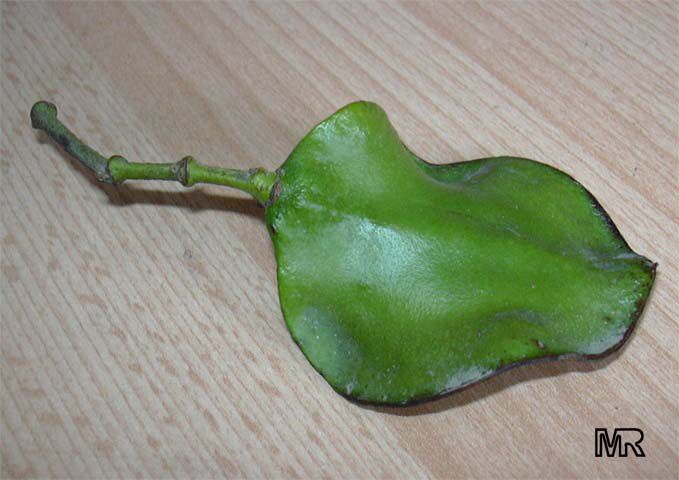
Dalbergia ecastaphyllum, also known as Coinvine Creeper, is a large shrub, vine or creeper native to South America. It can grow up to 5-10 feet tall and has a fibrous bark. The plant is particularly popular for its attractive, dark green, compound leaves with an obovate shape that turn orange-brown in the fall. It has an exotic appeal, making it a great addition to any garden.
This plant enjoys full sun to semi-shade and thrives in moderately moist, well-drained soil. It is surprisingly salt tolerant, making it an excellent choice for seaside gardens. Coinvine produces white or off-white flowers throughout the summer. During winter, it produces large, coin-shaped pods that give the plant its name.
Coinvine is generally grown in USDA Zone 9-11, making it ideal for warm-weather gardens. It requires regular watering and should be protected from cold spells when grown in a pot. If you live in a region that experiences cold winters, it is advisable to move the plant indoors when temperatures drop. In a pot, Coinvine can also benefit from consistent fertilization.
The plant unique coin-shaped woody pods and attractive leaves make it stand out in any garden. Its moderate water and sun requirements make it easy to care for. The plant is hardy and resilient, making it an excellent choice for gardeners looking to add an exotic touch to their garden.
For those growing Coinvine in a pot in cold regions, it is essential to ensure the plant is watered regularly, especially during winter. The plant should be placed in a sunny spot, and you can use a grow light to supplement the sunlight during winter. The plant requires a well-draining potting mix and consistent fertilization. It is advisable to move the plant indoors during extreme cold spells, ensuring it gets enough light to thrive.
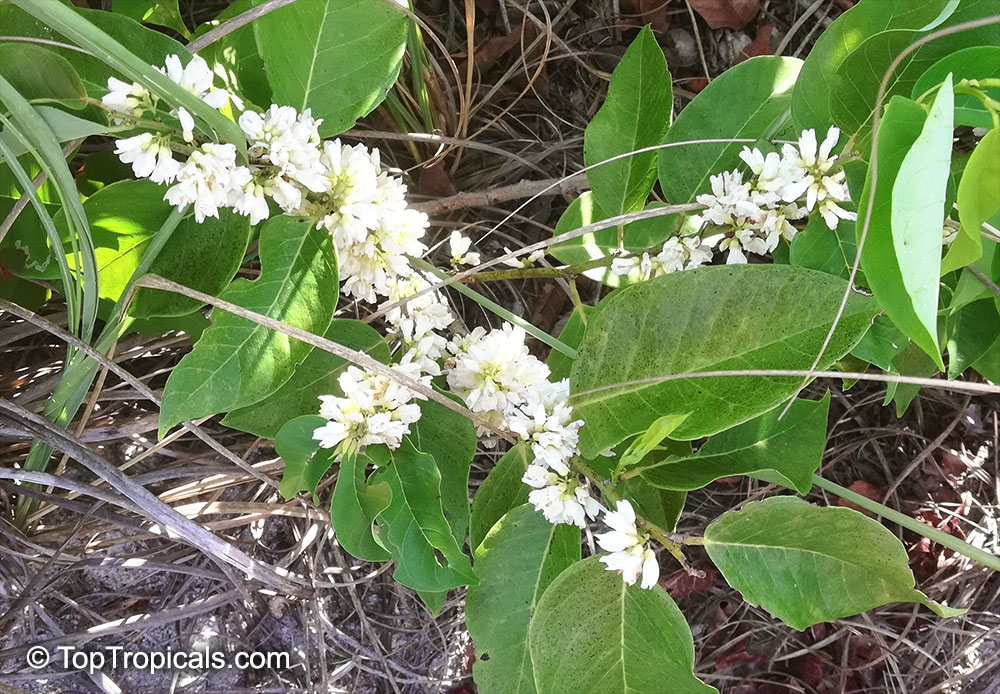
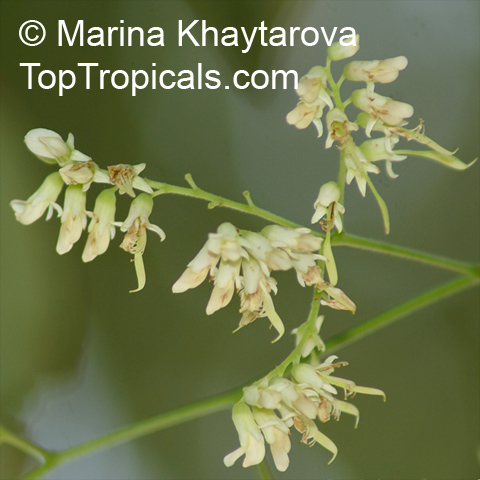
Botanical names: Dalbergia cochinchinensis, Dalbergia cambodiana
Common name: Thailand Rosewood
Family: Fabaceae
Subfamily: Faboideae
Origin: Southeast Asia
USDA Zone: 9-10

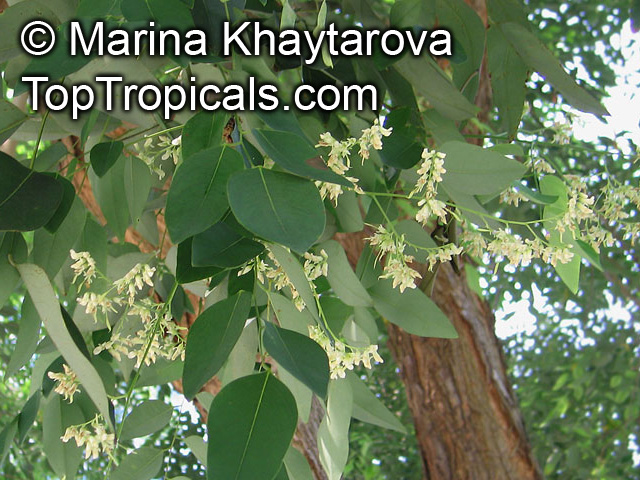
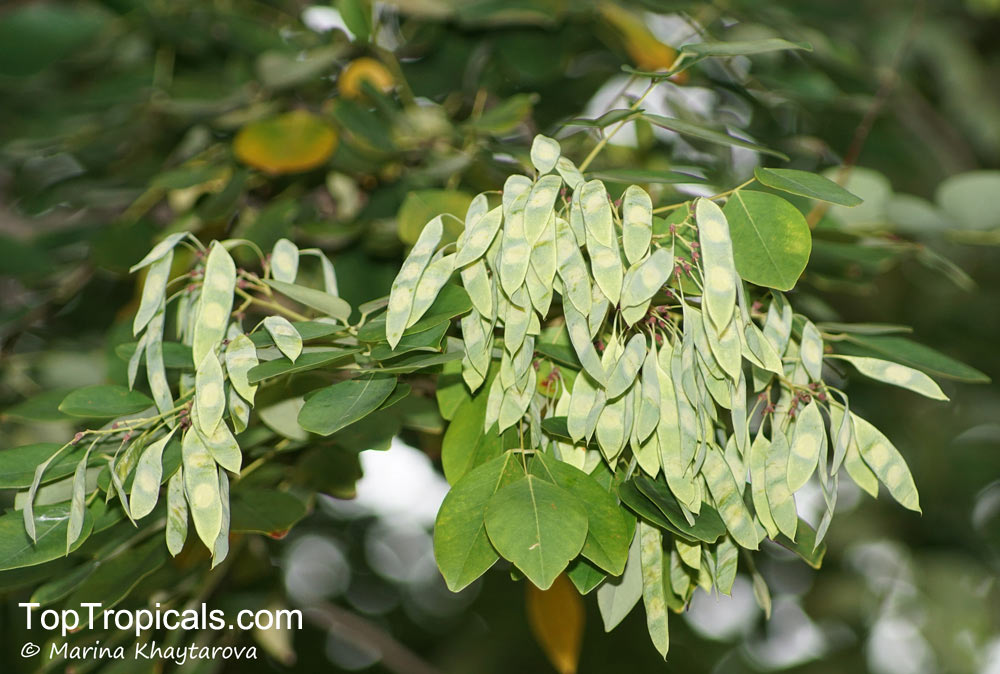
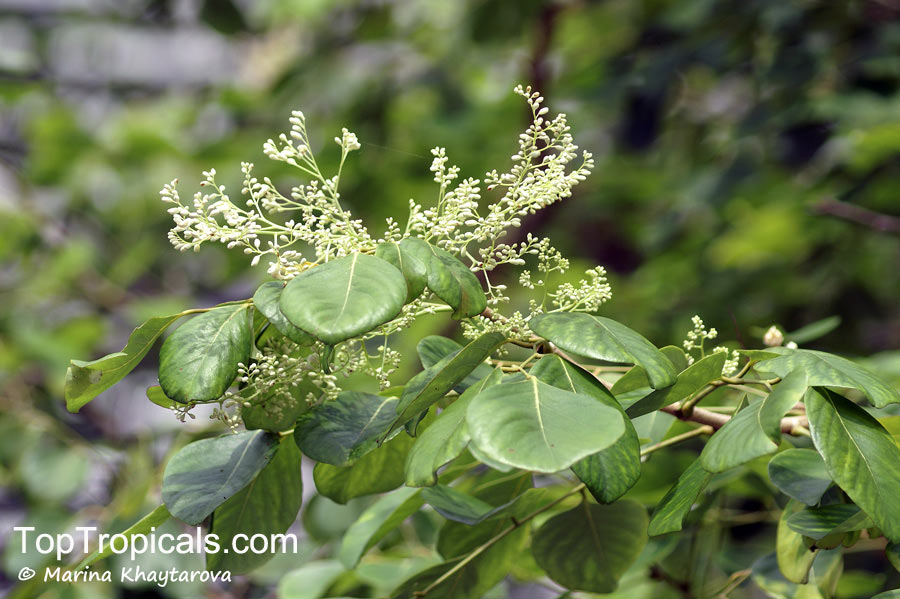
Botanical names: Dalbergia latifolia, Dalbergia emarginata
Common names: Black Rosewood, Blackwood Tree, East Indian Rosewood, Indian Blackwood, Indian Rosewood, Malabar Rosewood
Family: Fabaceae
Subfamily: Faboideae
Origin: India
USDA Zone: 9-10


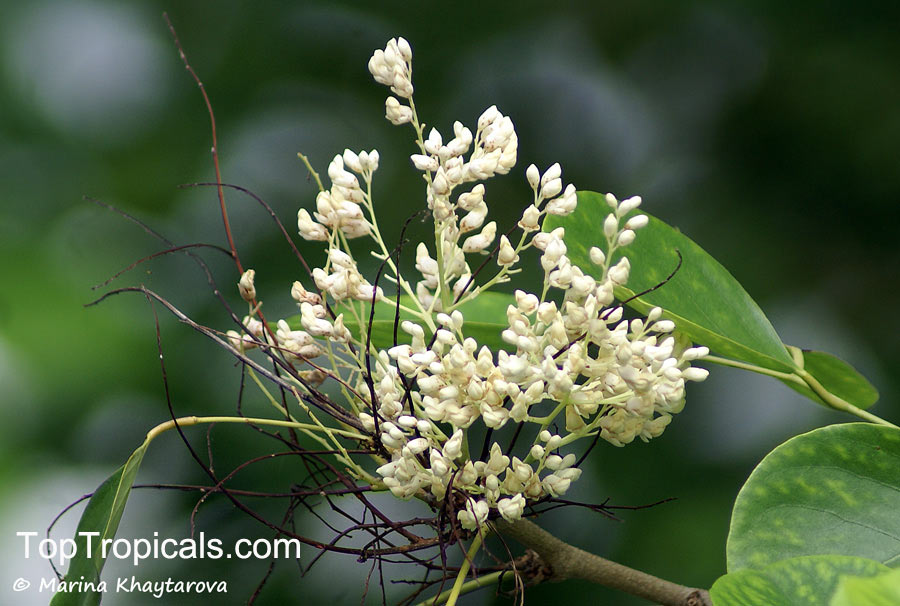
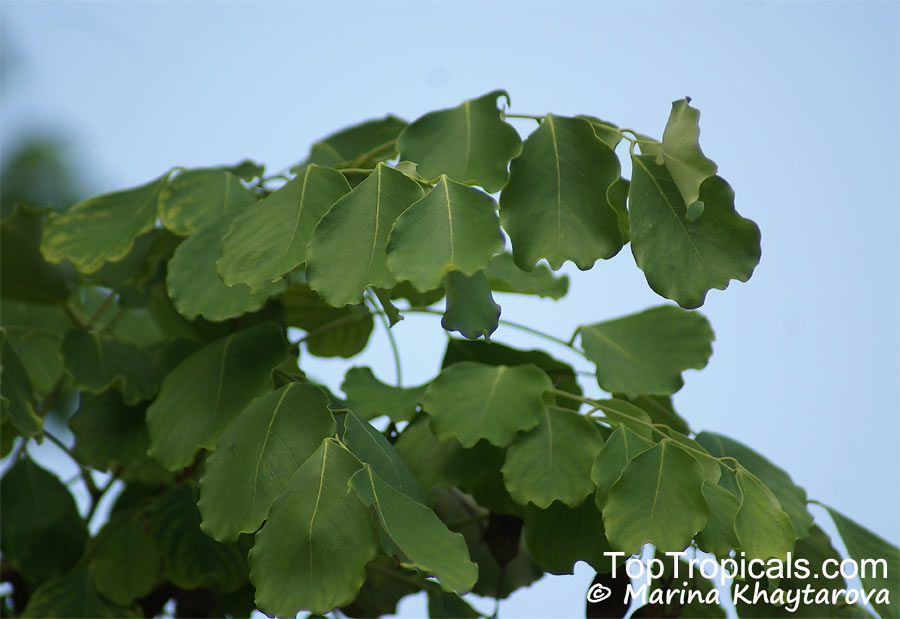
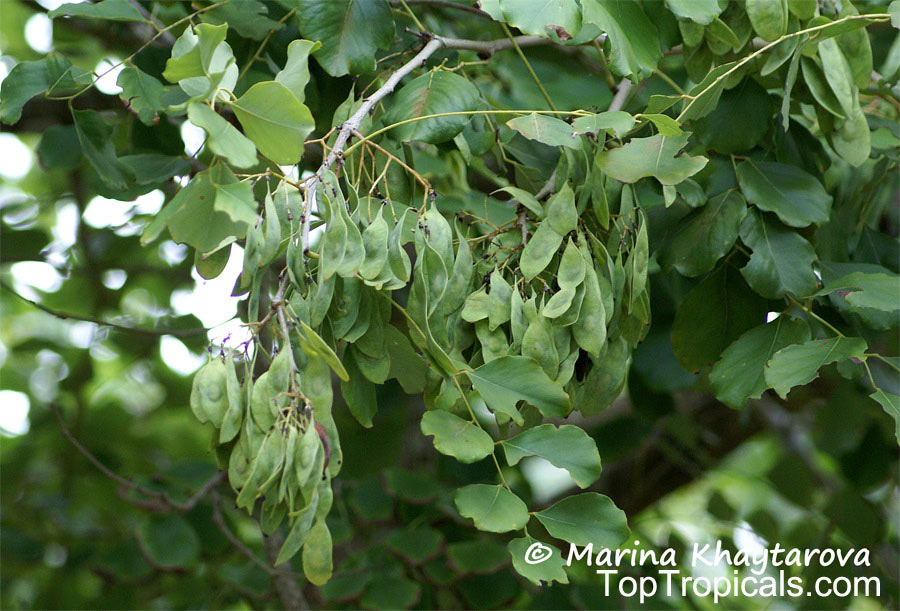
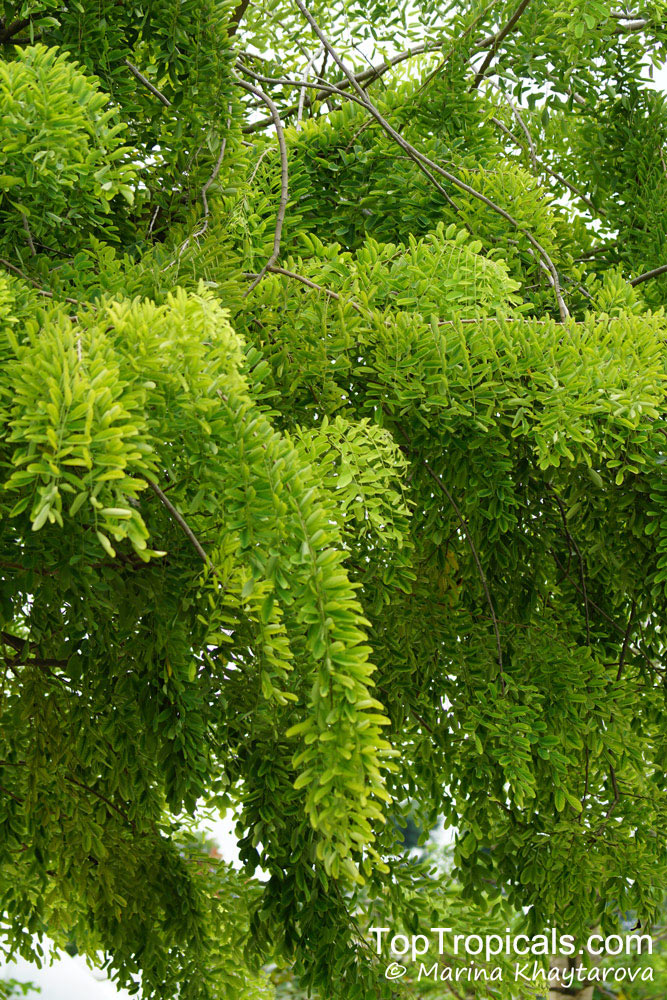
The sharply defined sapwood is yellowish or pale yellowish-white, often with a purplish tinge. Heartwood varies in color from rose to dark-brown with darker purple-black lines or deep purple with black lines. The darker streaks impart an attractive figure to the timber. The wood is fragrant, very hard and difficult to work because of its high density. It is used for plywood, agricultural, and musical instruments, skis, carvings, boats, floorings, etc.
The species is planted as a shade tree in coffee plantations and on roadsides.
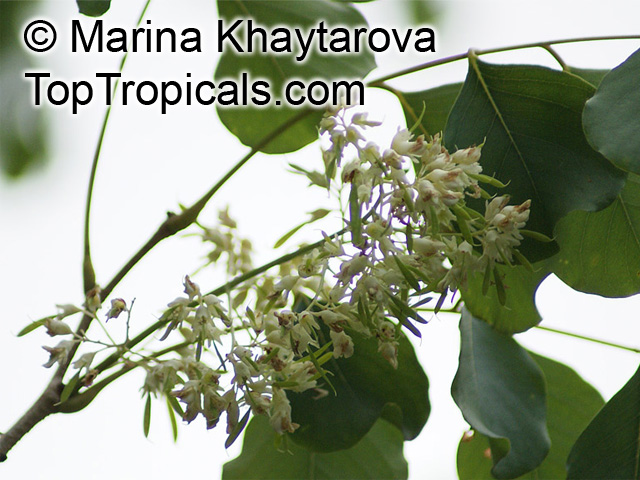
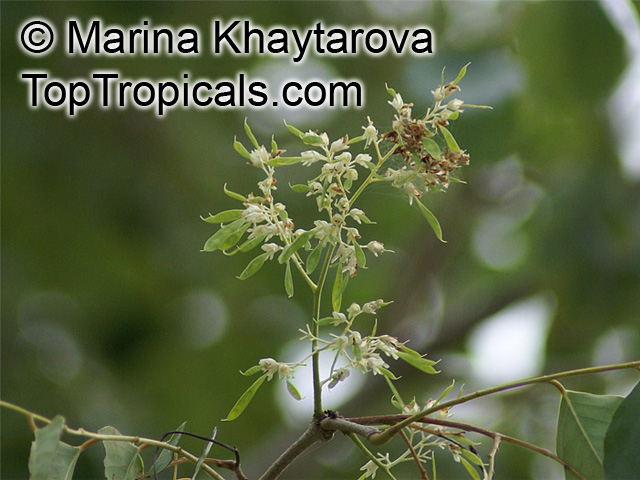
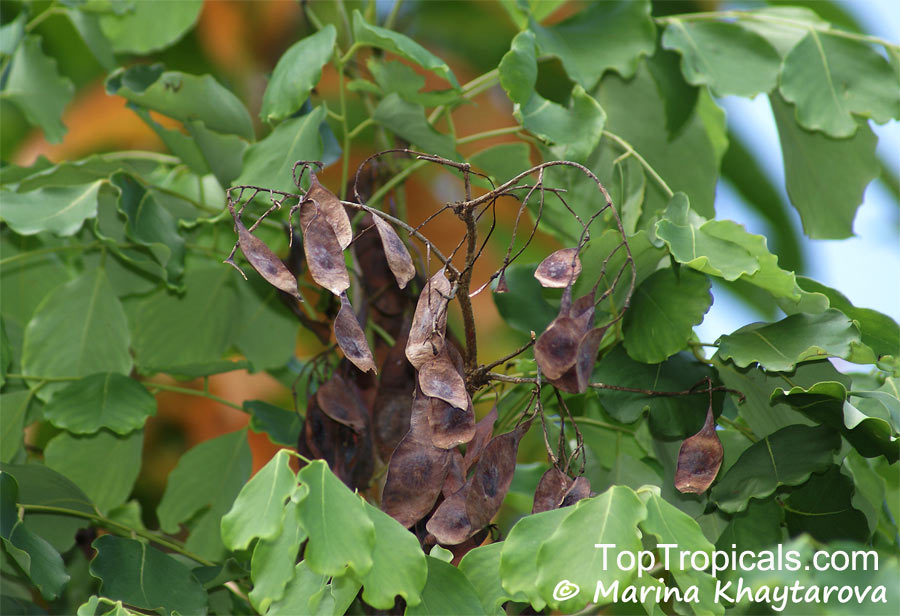
Botanical name: Dalbergia oliveri
Common names: Burma Tulipwood, Pinkwood, Tamalan Tree
Family: Fabaceae
Subfamily: Faboideae
Origin: Southeast Asia
USDA Zone: 9-10
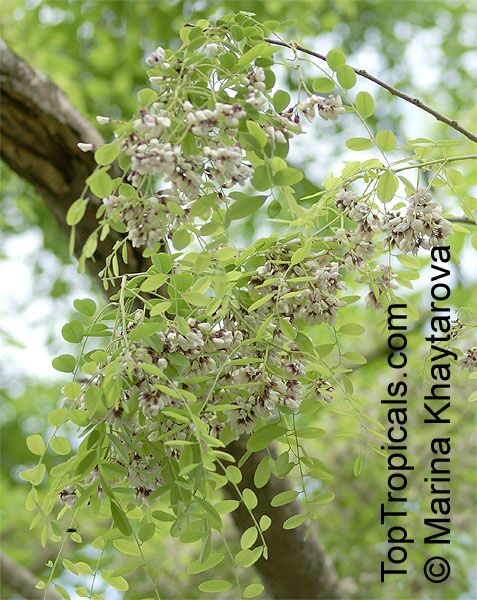
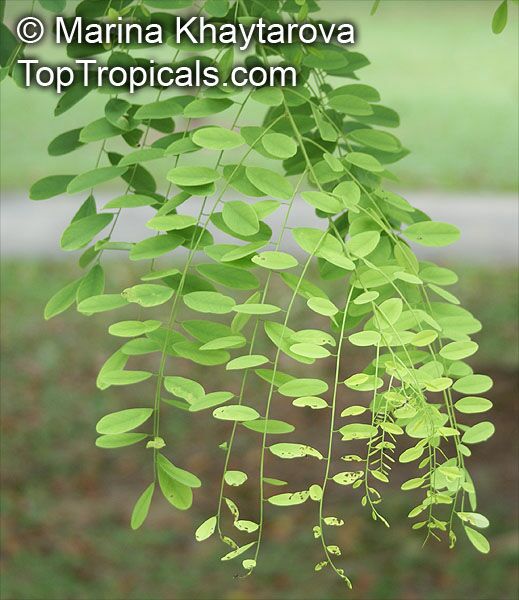
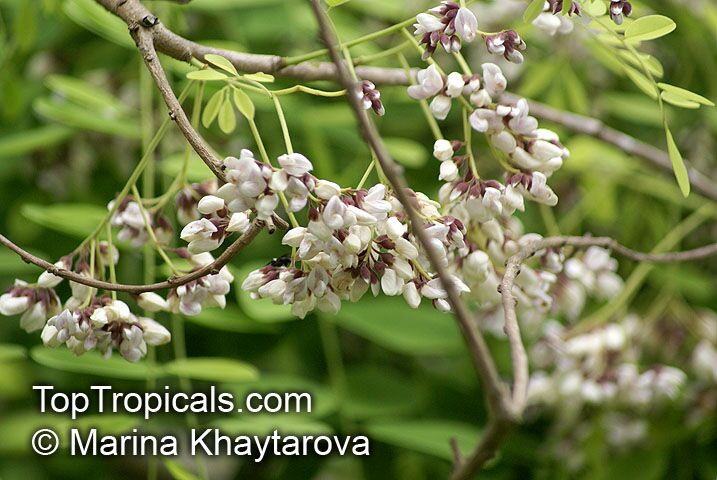
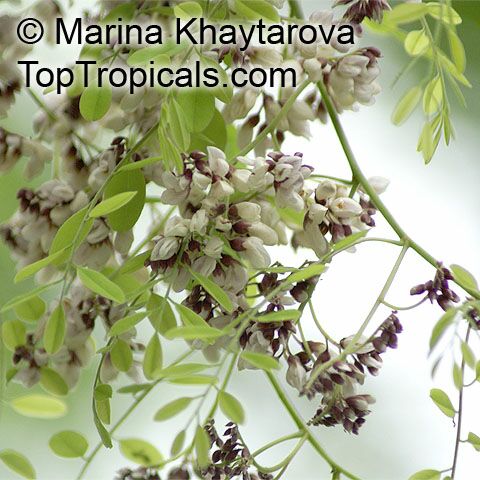
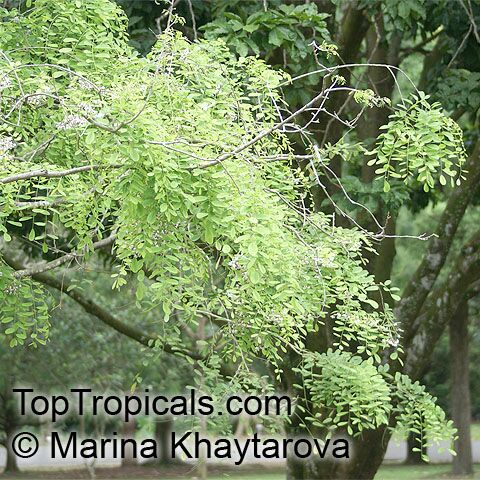
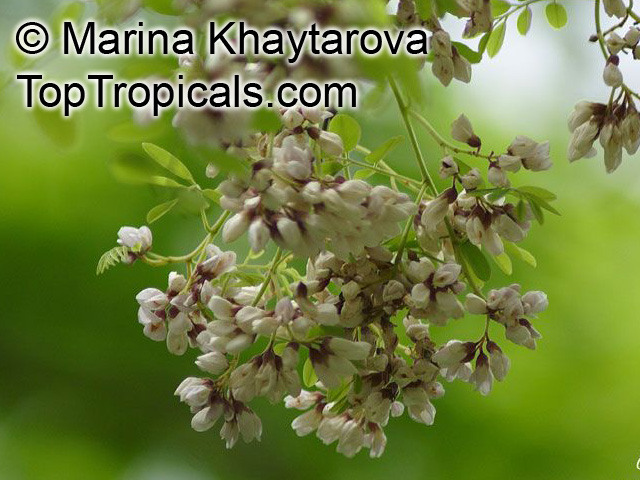
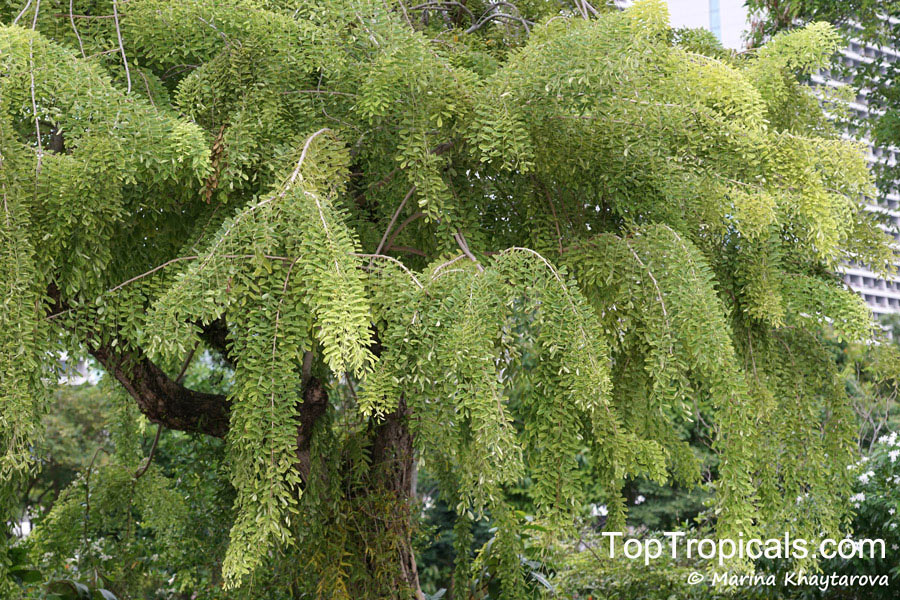
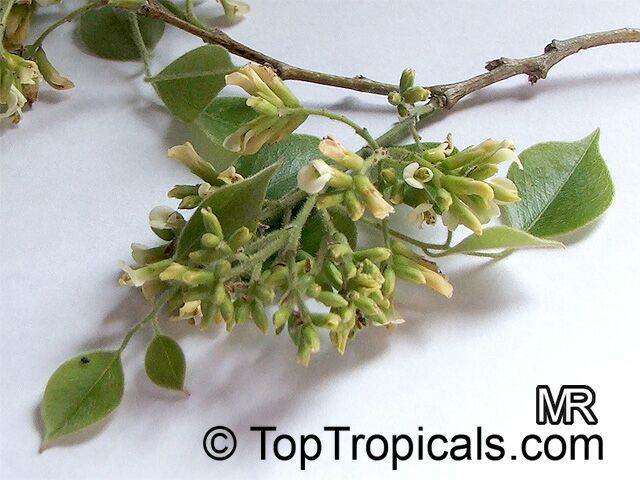
Botanical name: Dalbergia sissoo
Common names: Sisu, Sissoo, Indian Rosewood
Family: Fabaceae
Subfamily: Faboideae
Origin: India, Pakistan and Afghanistan
USDA Zone: 9-11

After teak, it is the most important cultivated timber tree in India, planted on roadsides, and as a shade tree for tea plantations. Sissoo makes first class cabinetry and furniture. It is used for plywood, agricultural, and musical instruments, skis, carvings, boats, floorings, etc. The leaves are used for fodder.
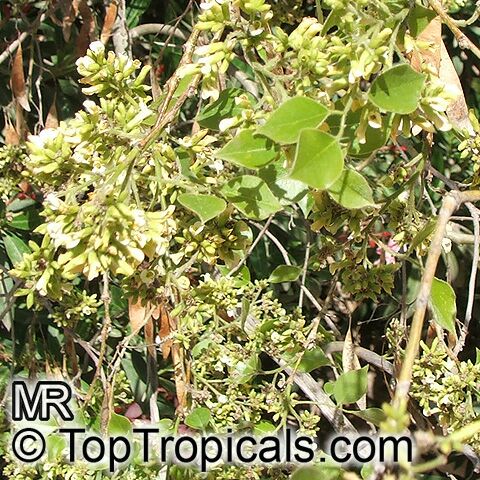
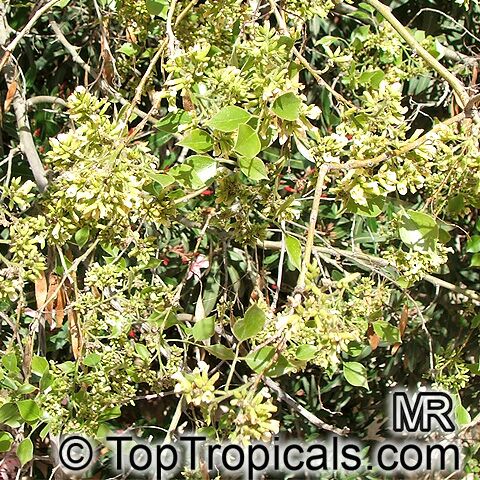
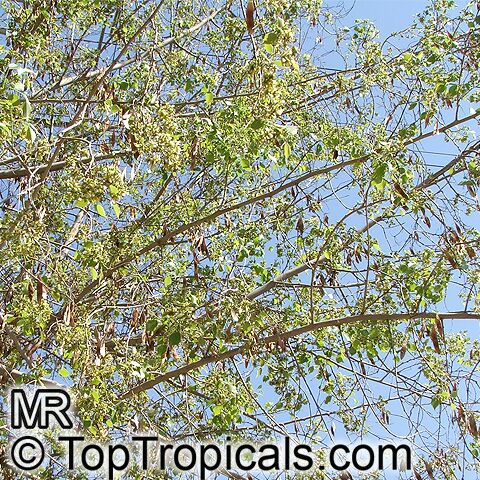
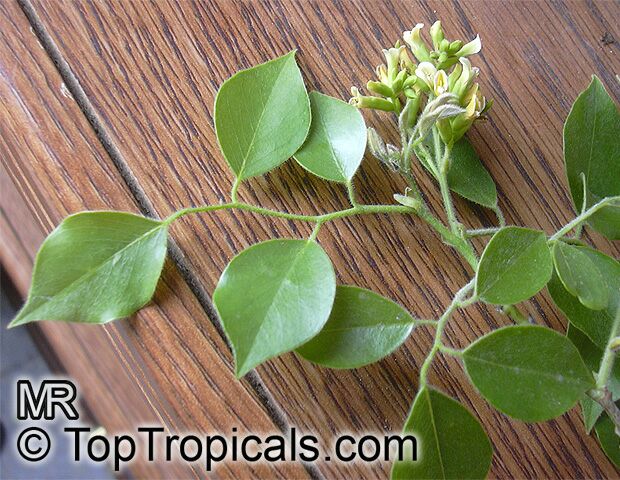
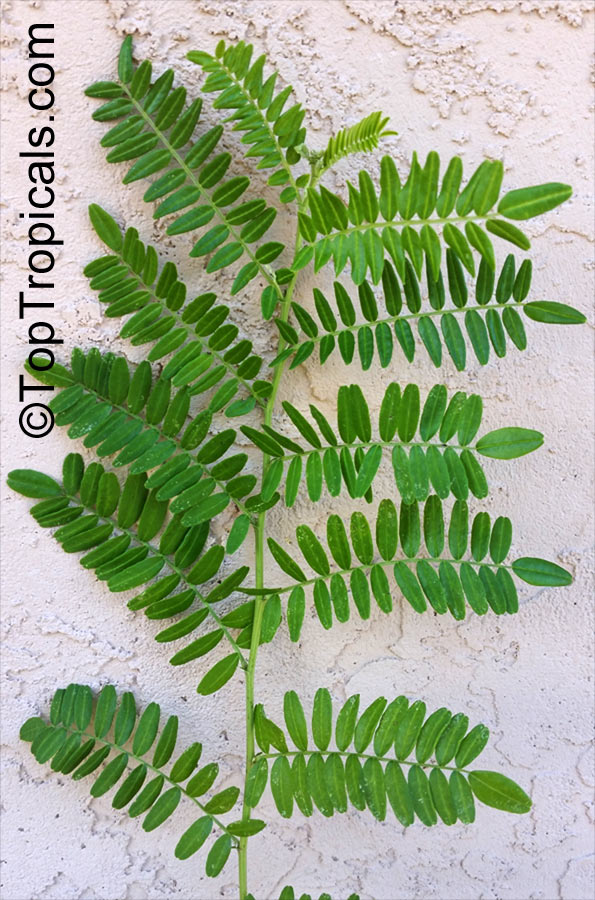
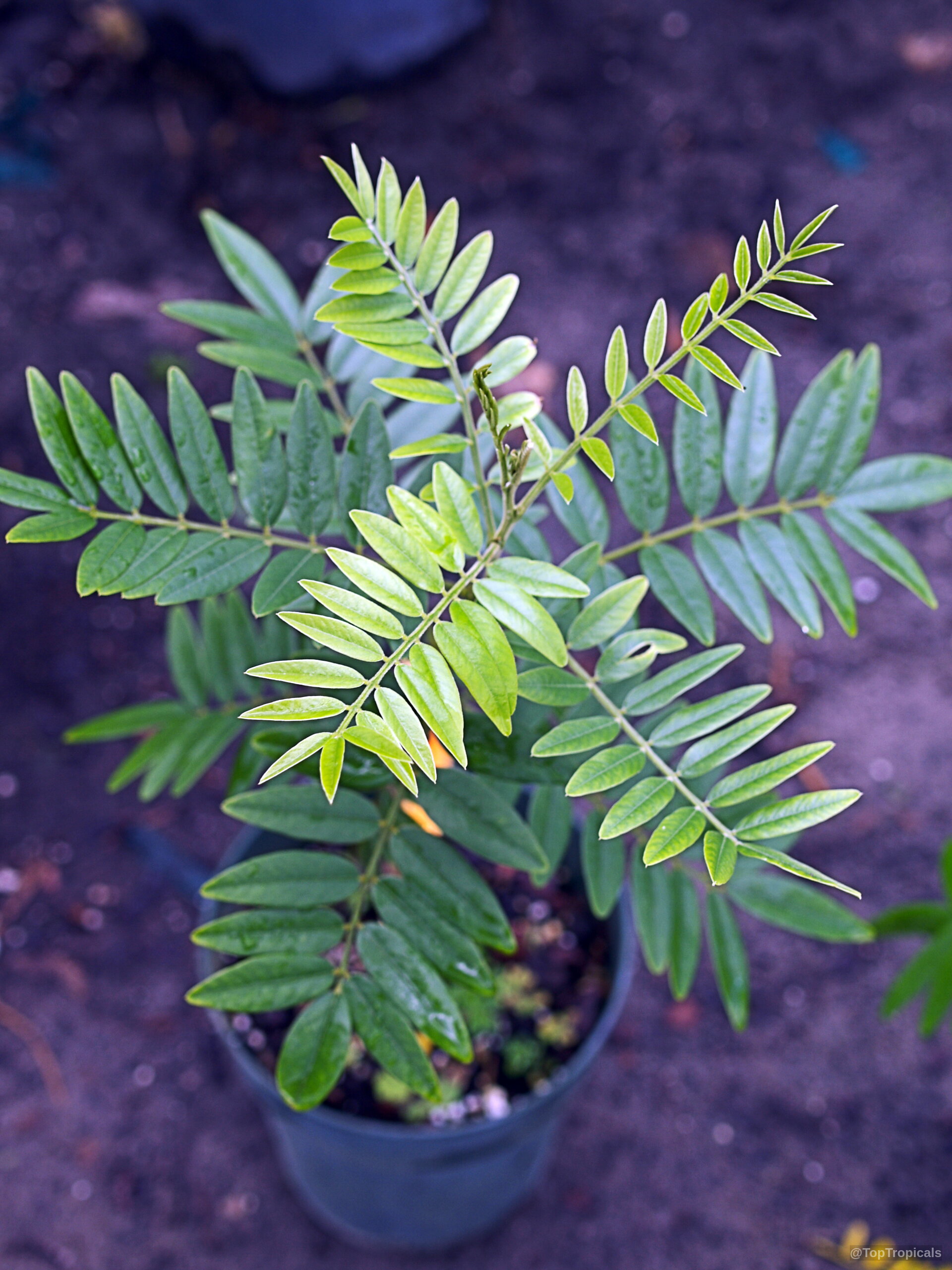
Botanical names: Mundulea sericea, Dalbergia sericea, Mundulea suberosa
Common names: Silver Bush, Cork Bush, Sheesham Tree
Family: Fabaceae
Subfamily: Faboideae
Origin: Madagascar, South Africa
USDA Zone: 9-11


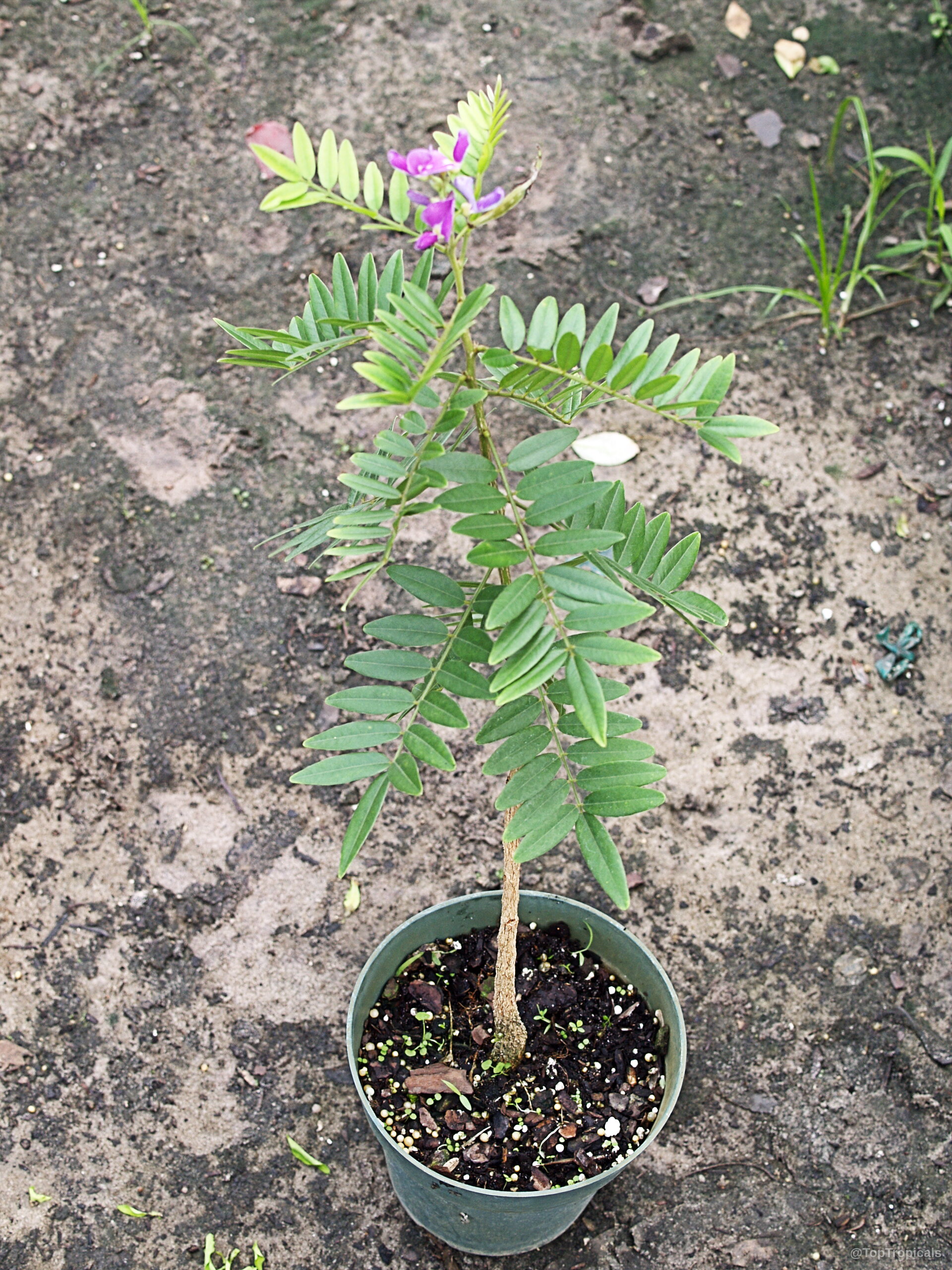
Mundulea sericea, or Silver Bush, is a perennial shrub native to Madagascar and South Africa. It can be grown as a large shrub of 5-10 feet tall or as a small tree of 10-20 feet. Its attractive foliage adds a year-round interest to gardens and makes it an ideal choice for bonsai culture.
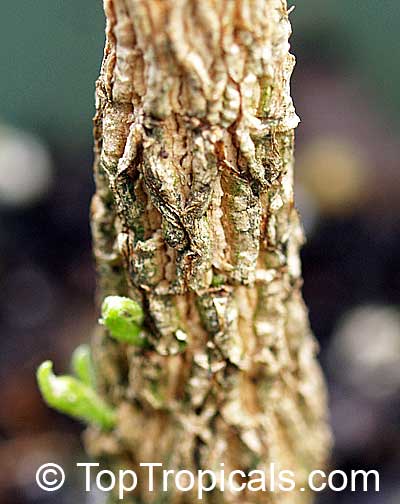
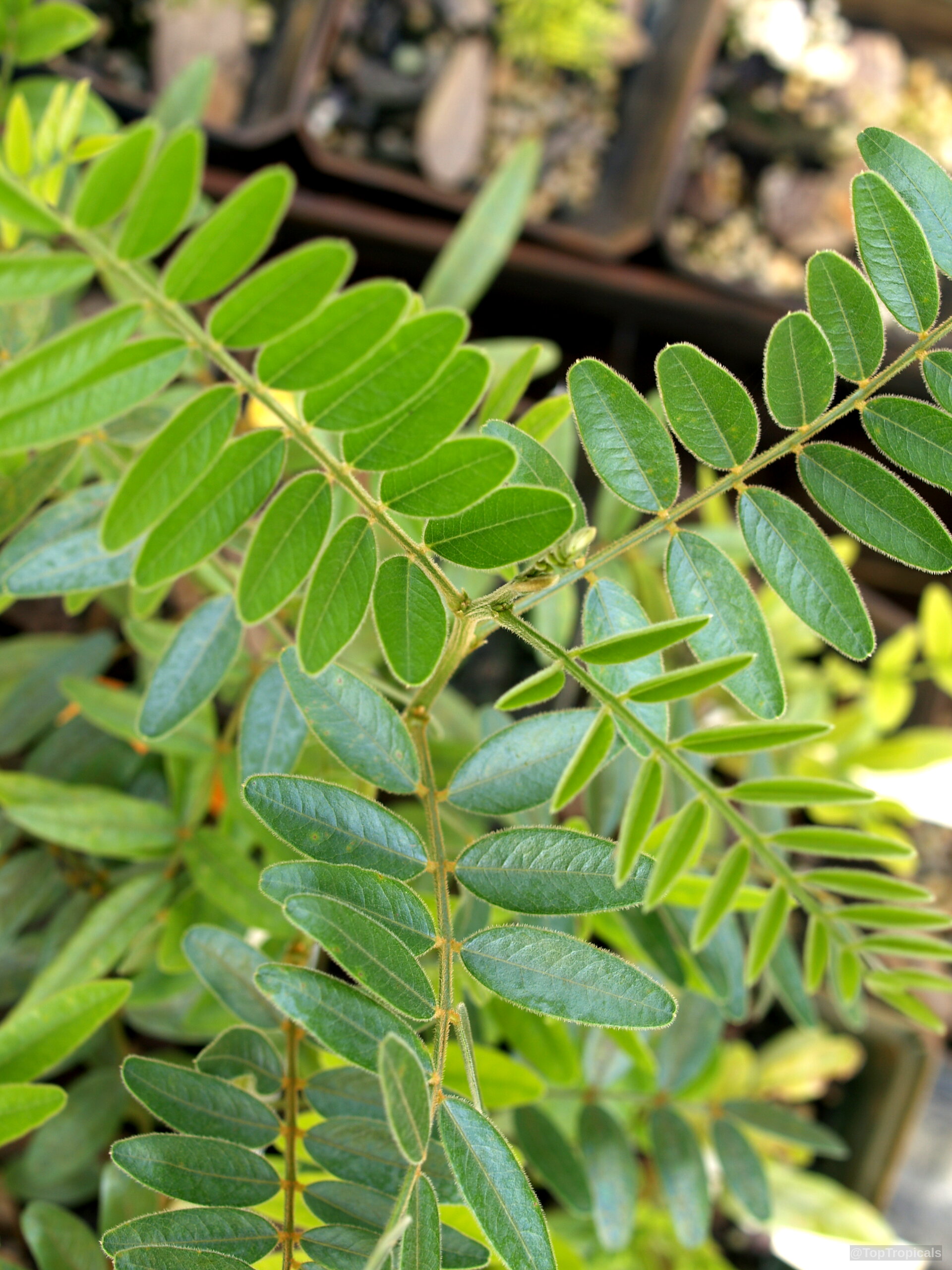
The foliage of the Silver Bush has a silvery sheen that comes from the soft hairs that cover the leaves. In cooler months, this foliage may take on a blue-grey hue. It also has a distinctive corky bark that forms after the plant is around 6 months old.
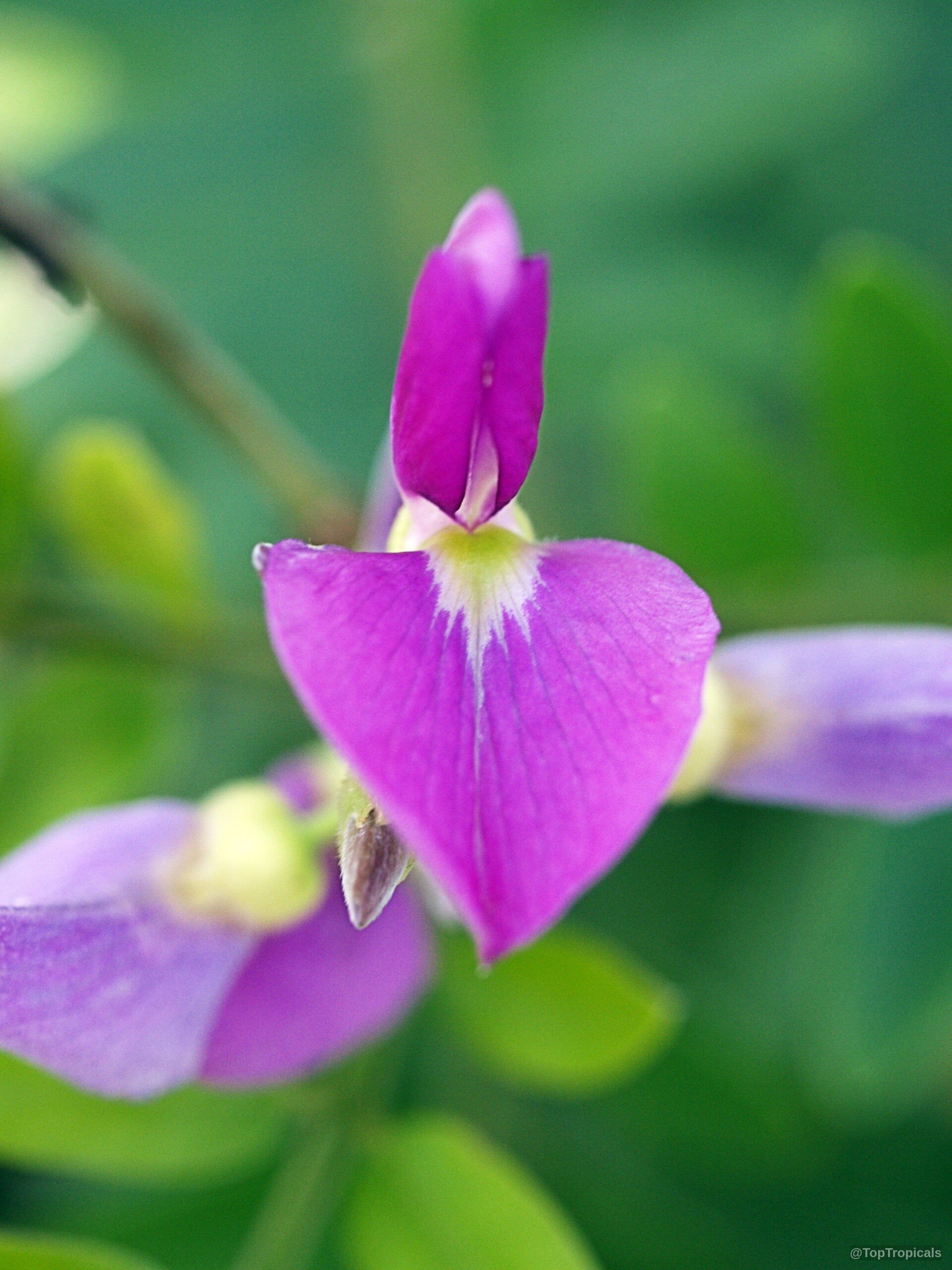
The main attraction of the Mundulea sericea are the clusters of purple, lilac, and pea-like flowers that bloom from early Spring through Summer. Not only do these flowers brighten up any garden, but they also attract butterflies and hummingbirds.
This shrub can withstand a range of conditions and is fairly drought-tolerant once established. It prefers full sun to semi-shade and and moderate water. It can also tolerate dry conditions. It is a hardy plant, but will be happiest in USDA Zone 9-11.
For those living in colder regions, the Silver Bush can be grown in a pot or container, which will help protect it from frost. When caring for a potted Silver Bush, it should be kept indoors during frosts and brought outside to a sheltered spot when the temperature is warmer, such as a patio. It should be watered more regularly than Silver Bush planted in the ground, but take care to ensure the soil does not become waterlogged.
Overall, the Mundulea sericea is an attractive, easy to care for shrub that will bring interest to any garden, from its silvery foliage to its vibrant flowers.


Recommended Fertilizer: SUNSHINE Pikake - Fragrant Flower Booster
Last one
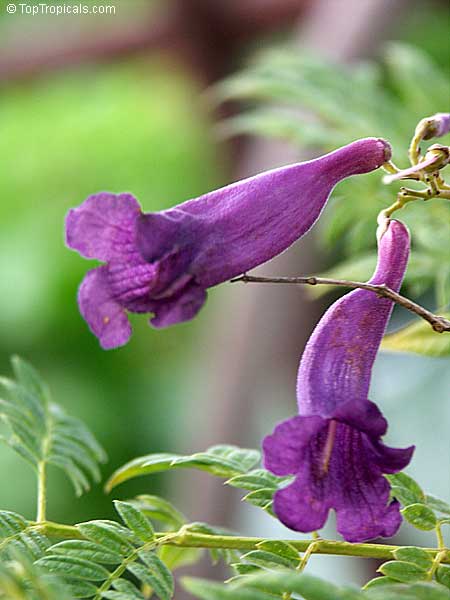
Botanical name: Jacaranda cuspidifolia
Common name: Jacaranda
Family: Bignoniaceae
Origin: Central America, Southern America, W. Indies
USDA Zone: 9-11
Jacarandas are grown widely in warm parts of the world and in greenhouses for their showy blue or violet flowers and attractive, oppositely paired, compound leaves. The genus includes about 50 species. The name is also applied to several tree species of the genera Machaerium and Dalbergia in the pea family (see legume), the sources of commercial rosewood. As well as the commonly seen white-flowering and variegated foliage varieties. See Article about Jacaranda.
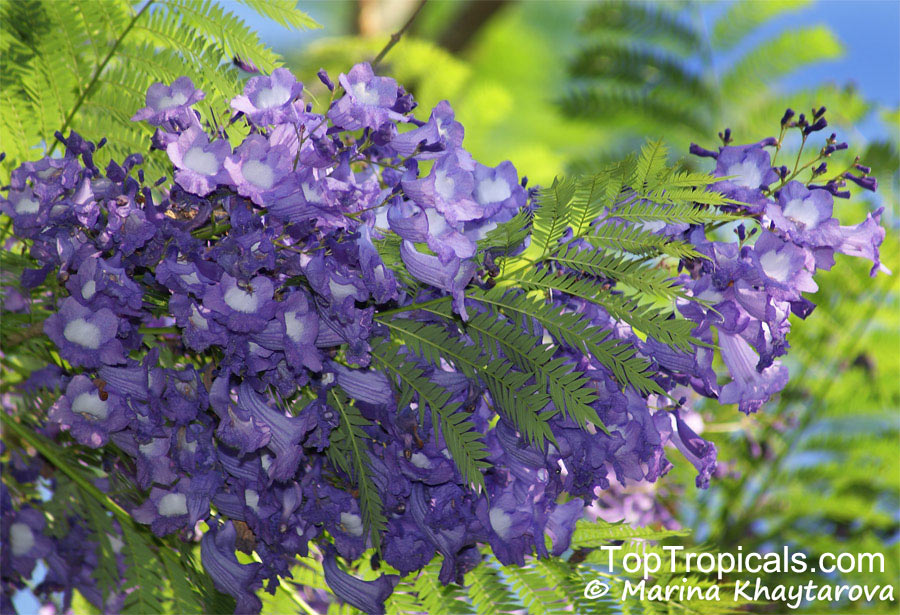

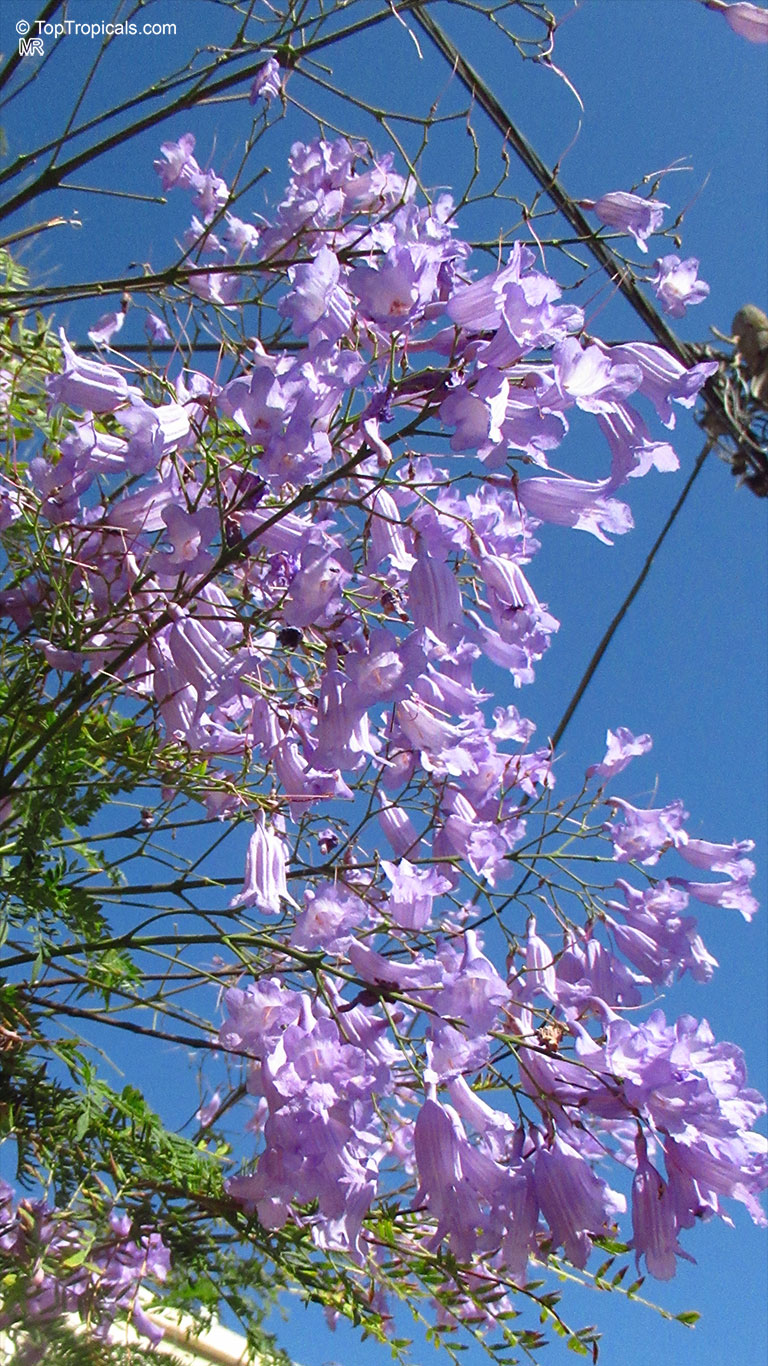
Botanical names: Jacaranda mimosifolia, Jacaranda acutifolia
Common name: Jacaranda
Family: Bignoniaceae
Origin: Central America and the W. Indies.
USDA Zone: 9-11
Cold tolerance: 25°F
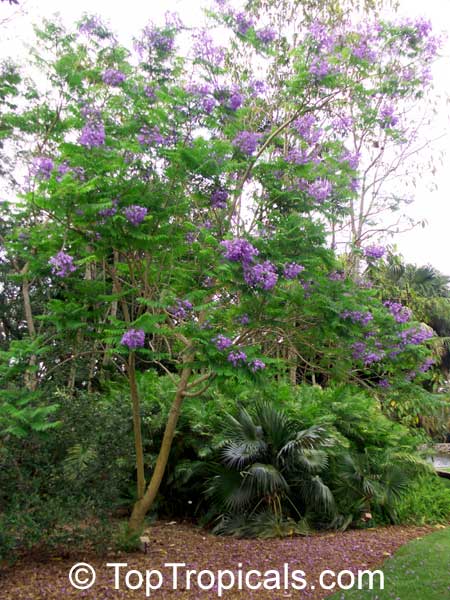
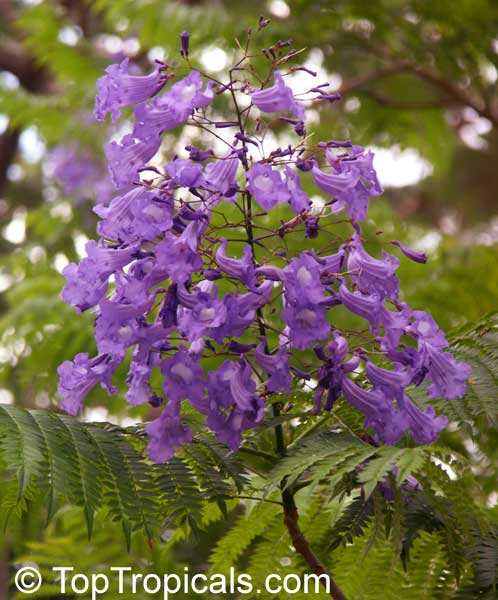
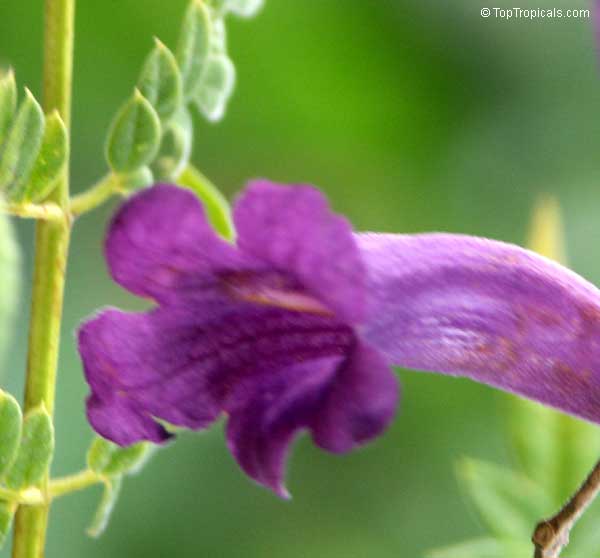
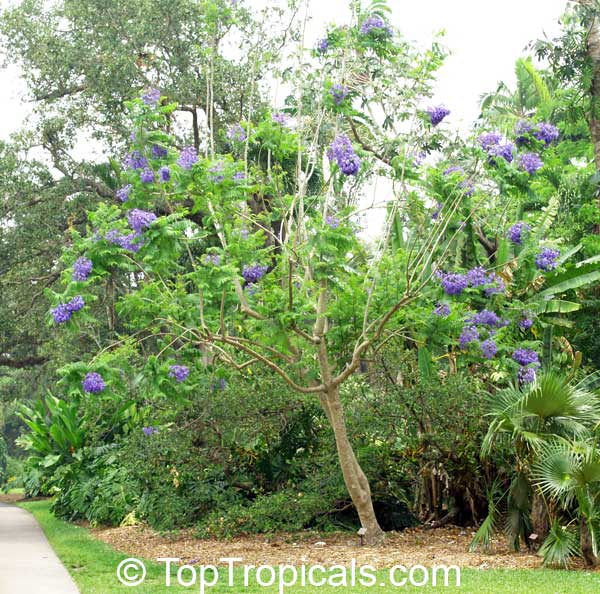
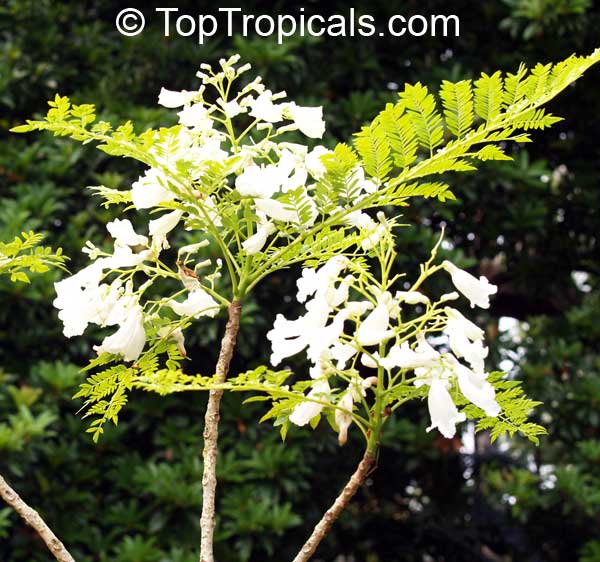
Jacarandas are grown widely in warm parts of the world and in greenhouses for their showy blue or violet flowers and attractive, oppositely paired, compound leaves. The genus includes about 50 species. The name is also applied to several tree species of the genera Machaerium and Dalbergia in the pea family (legume), the sources of commercial rosewood. The blue flowers of the Jacaranda tree adorn the streets of many African cities, such as: Pretoria - the Jacaranda City. Jacaranda mimosifolia are spectacular late spring flowering trees, which create washes of purple through many towns and suburbs each spring. In particular mass plantings of jacarandas along the street create a river of purple as well as a carpet underneath the trees when the flowers begin to fall. Jacarandas are large trees which grow to 30ft tall and up to 30ft wide with a low, broad branching habit. As well as the commonly seen purple, there are also white-flowering and variegated foliage varieties. See Article about Jacaranda.
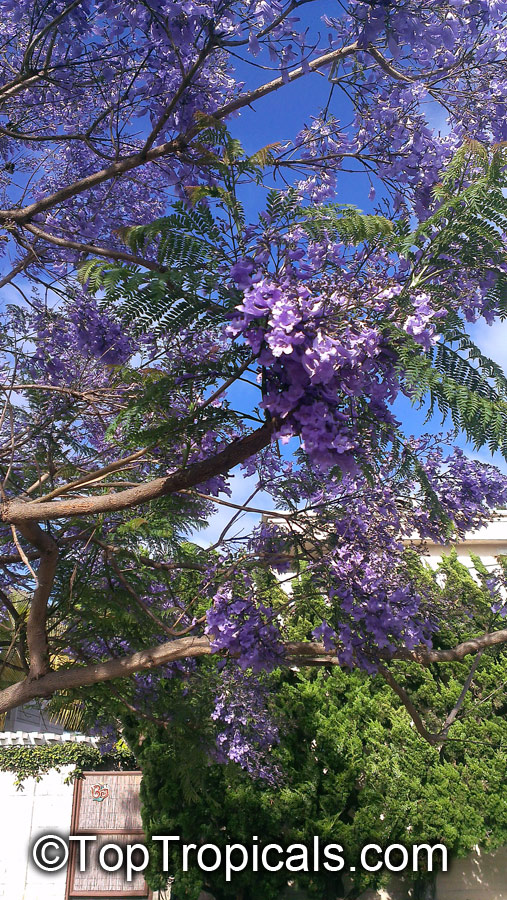
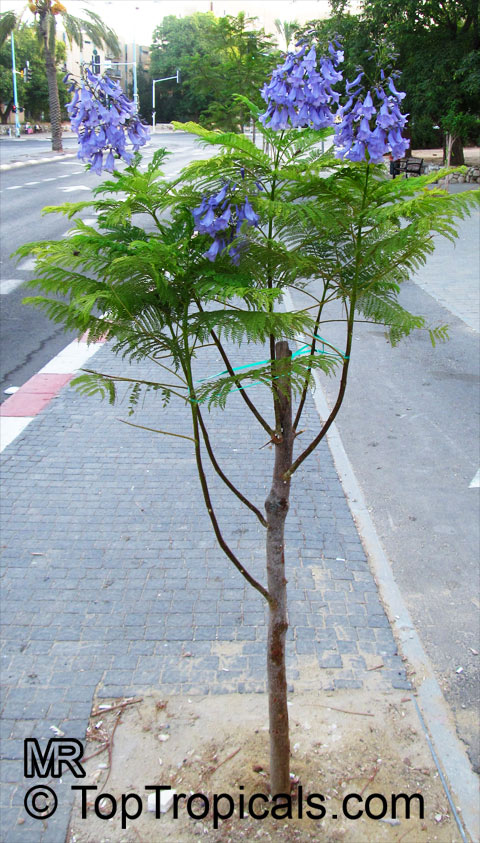
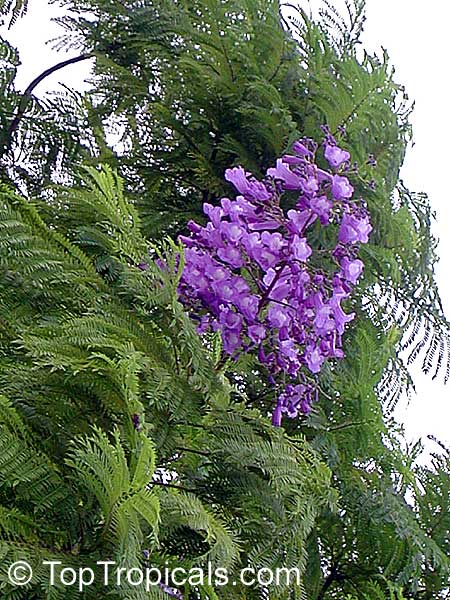
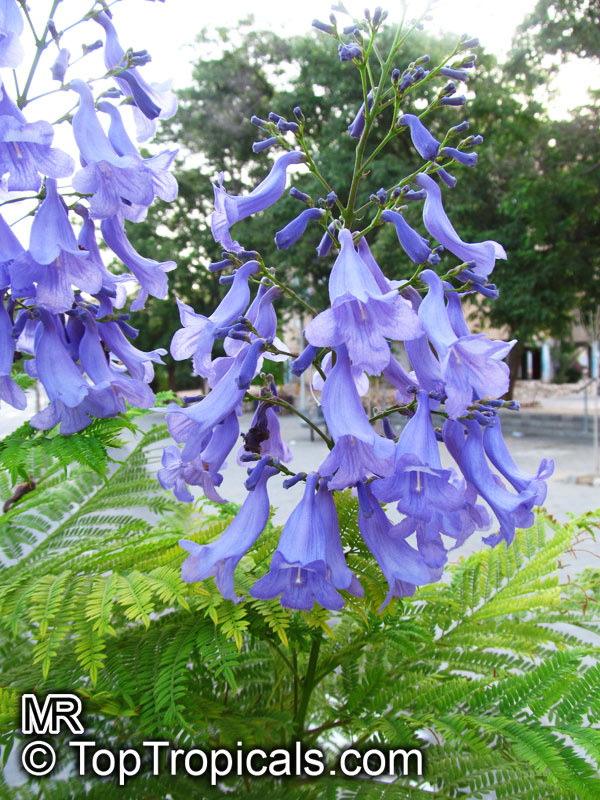
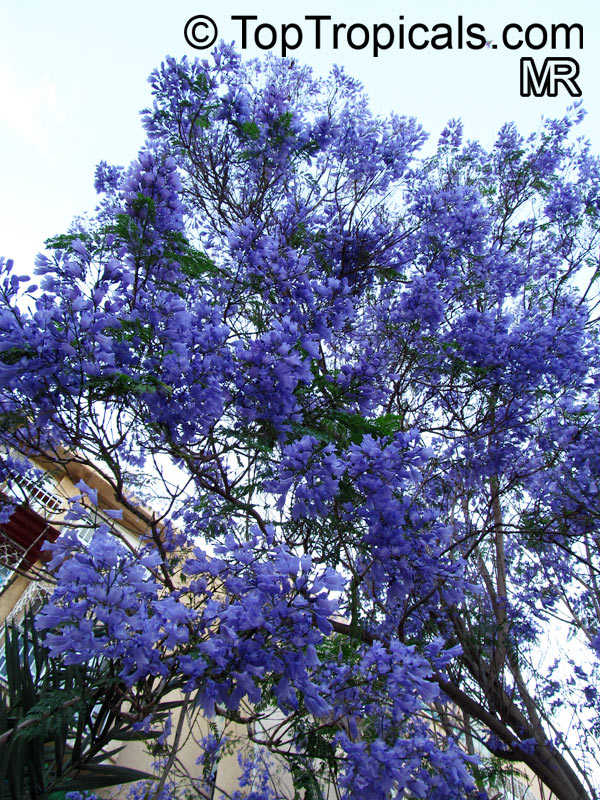
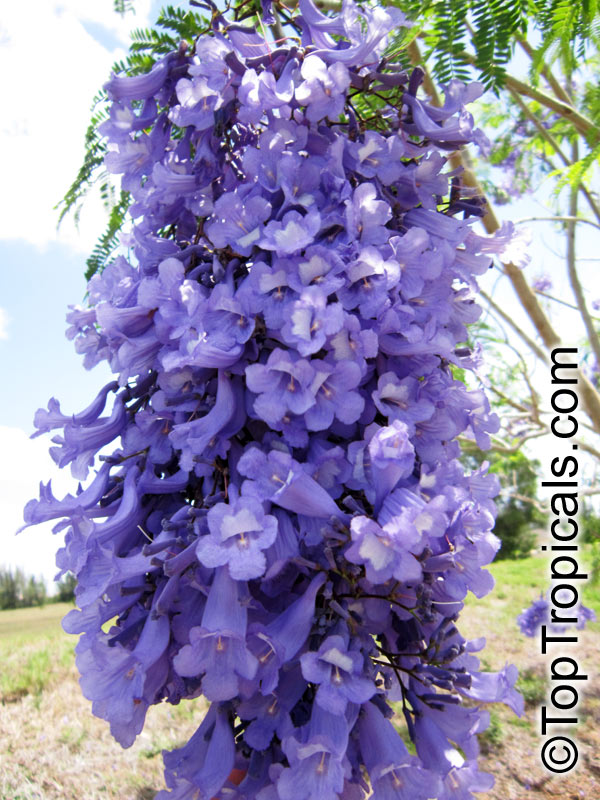
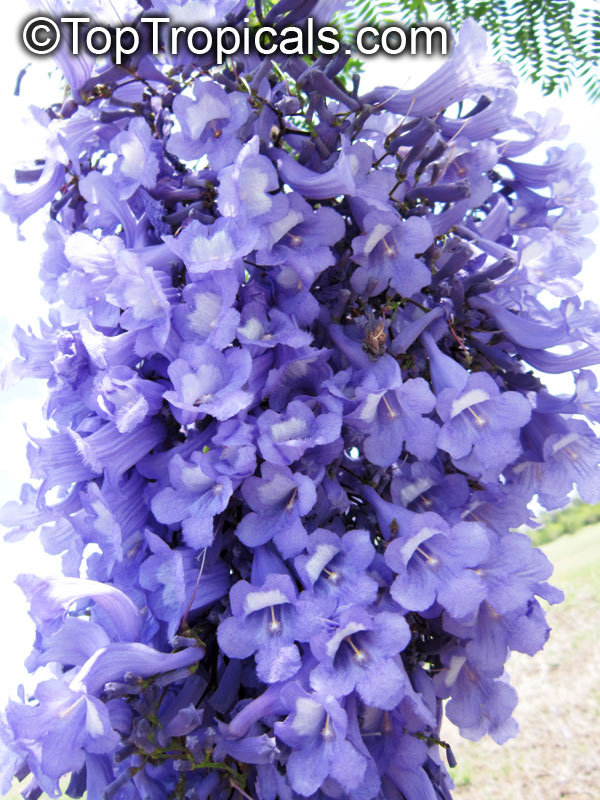
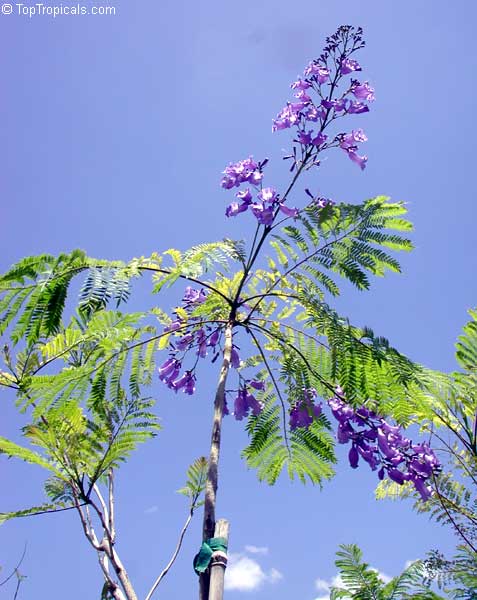
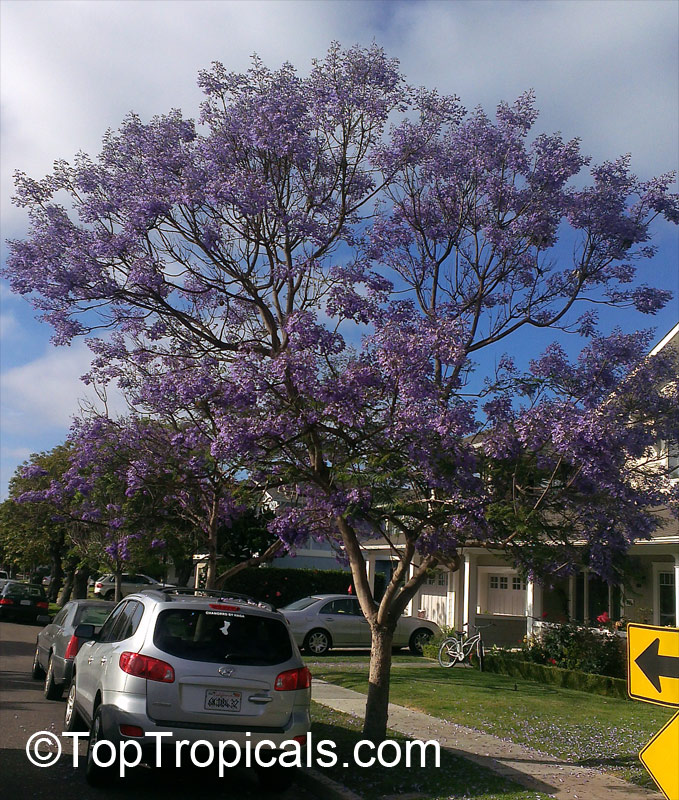
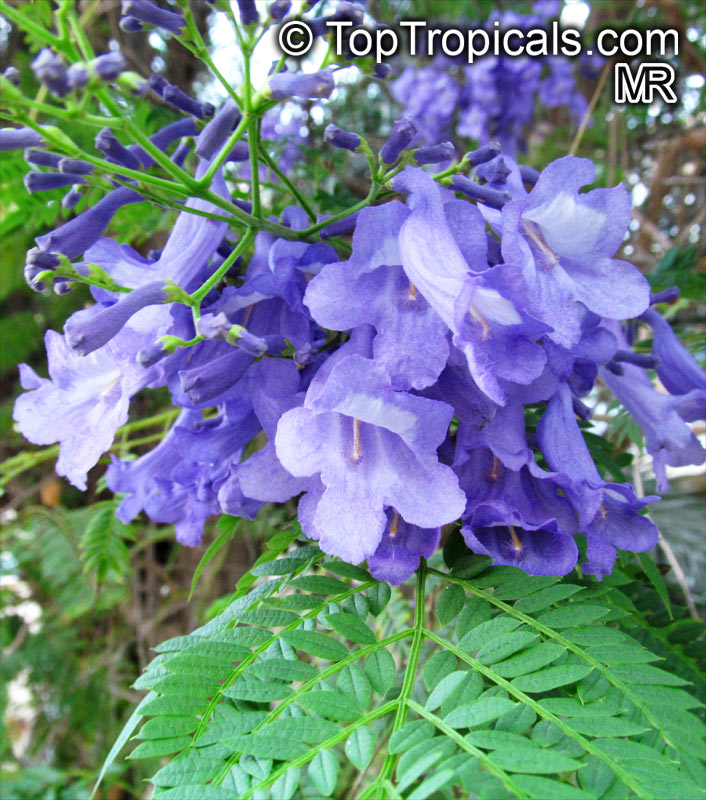
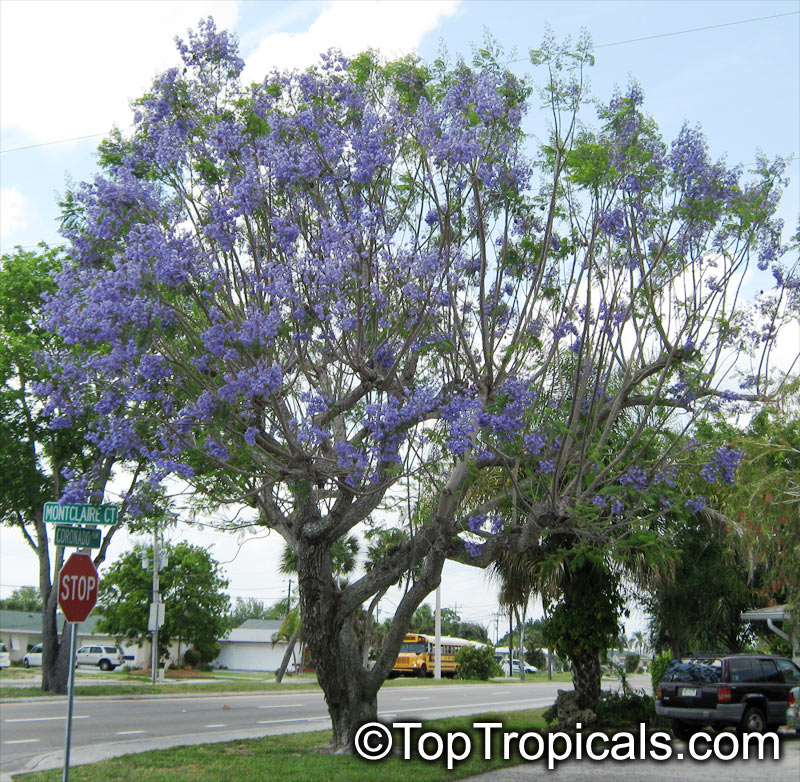
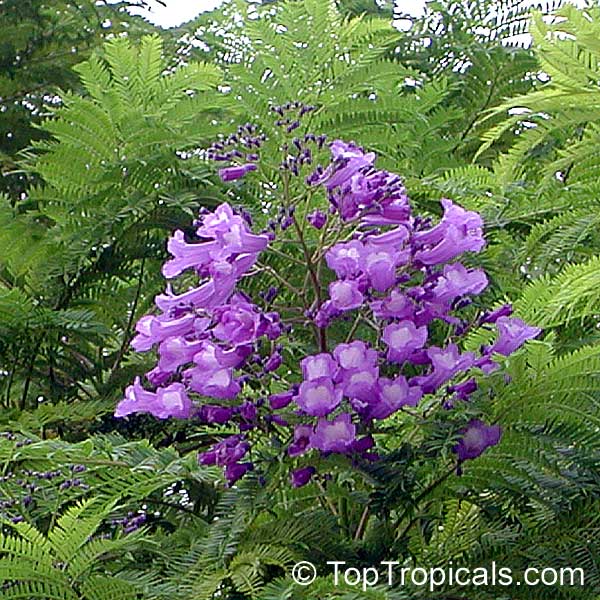
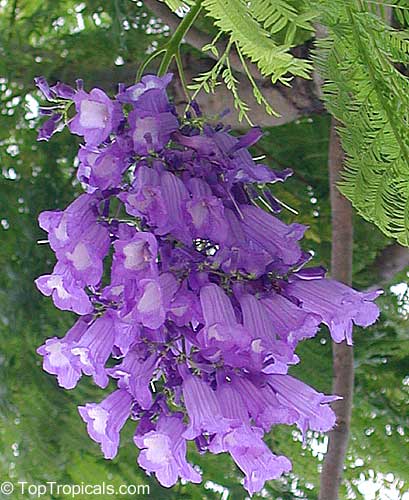
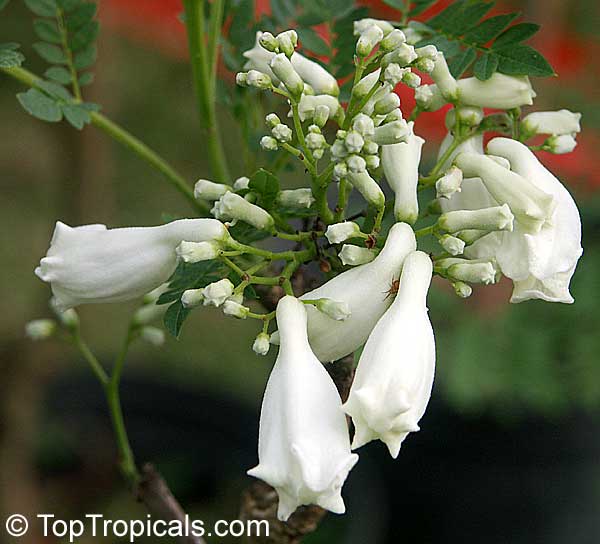
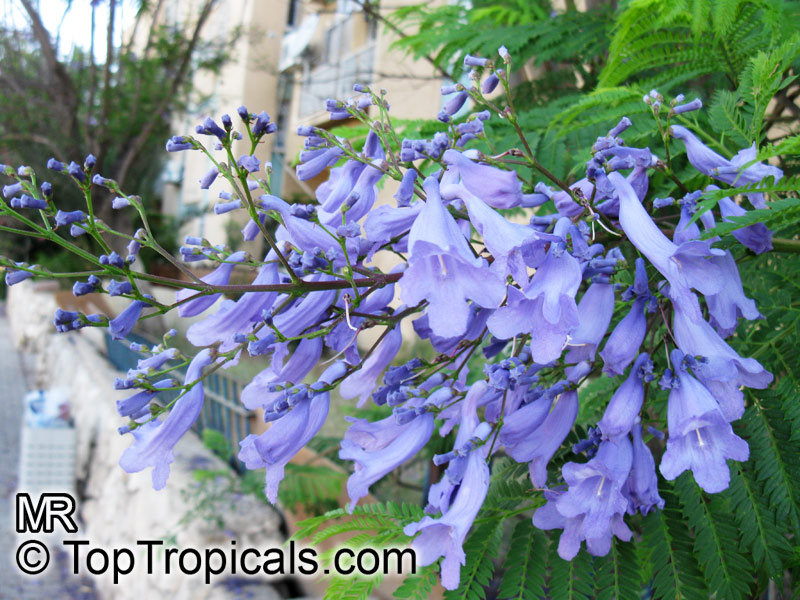
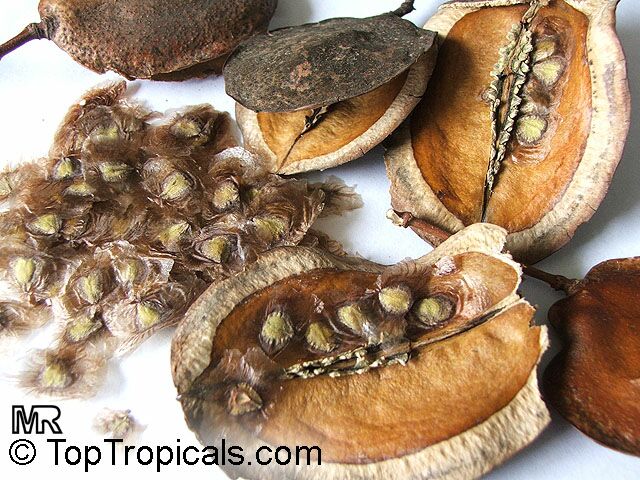
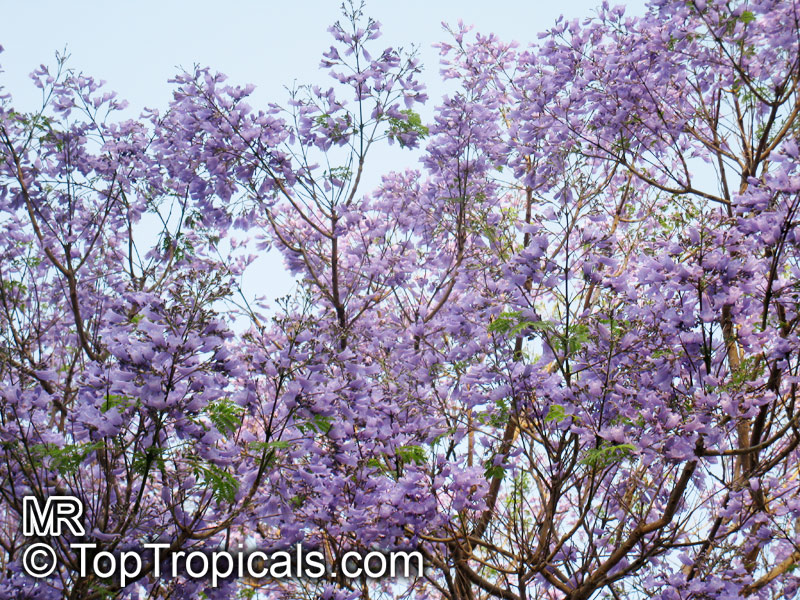
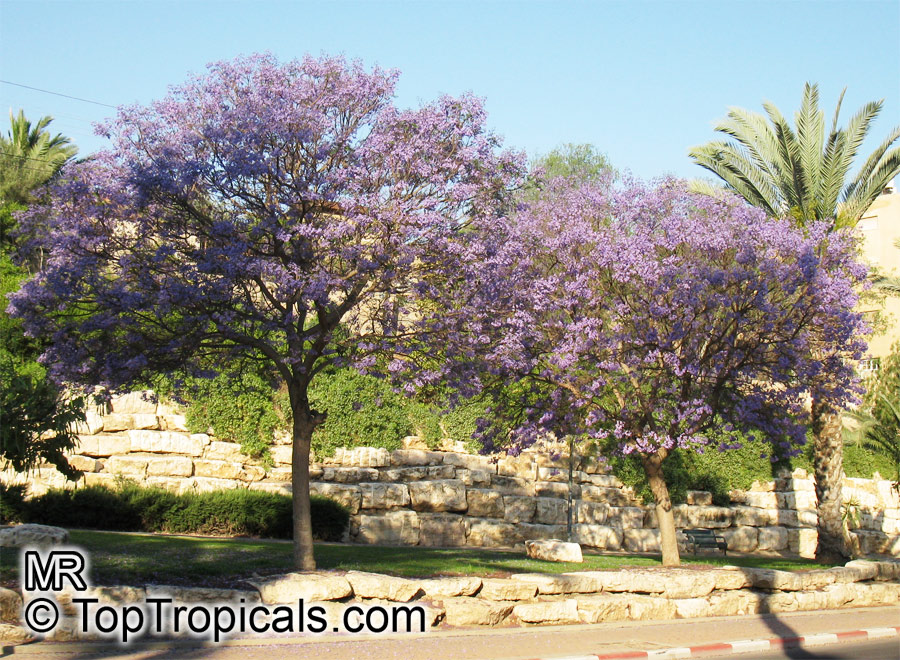
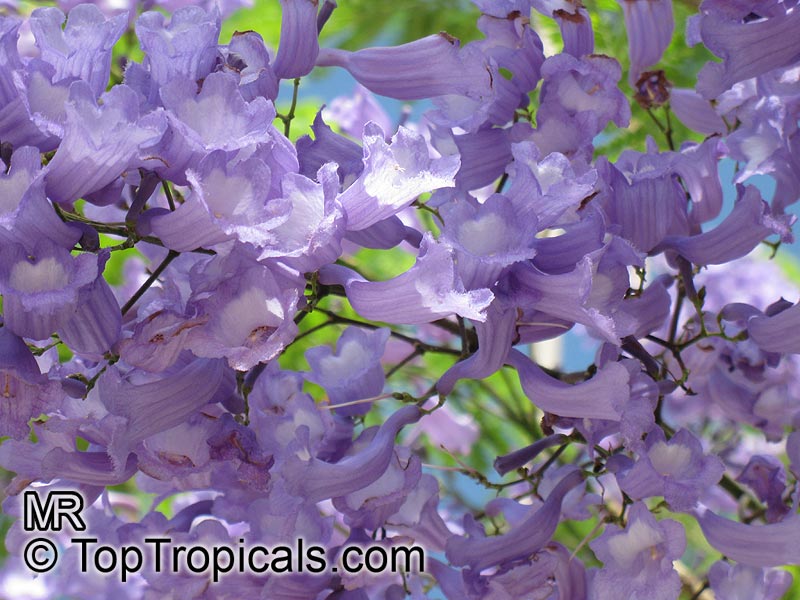
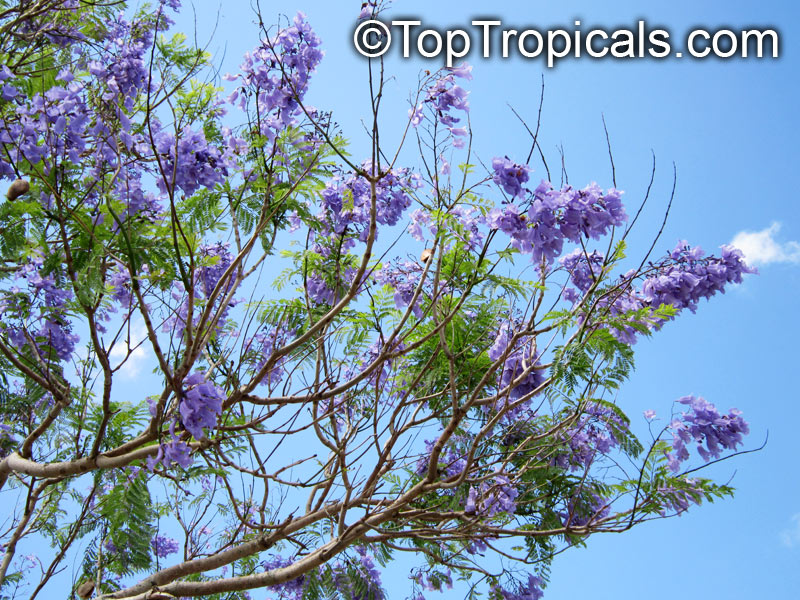
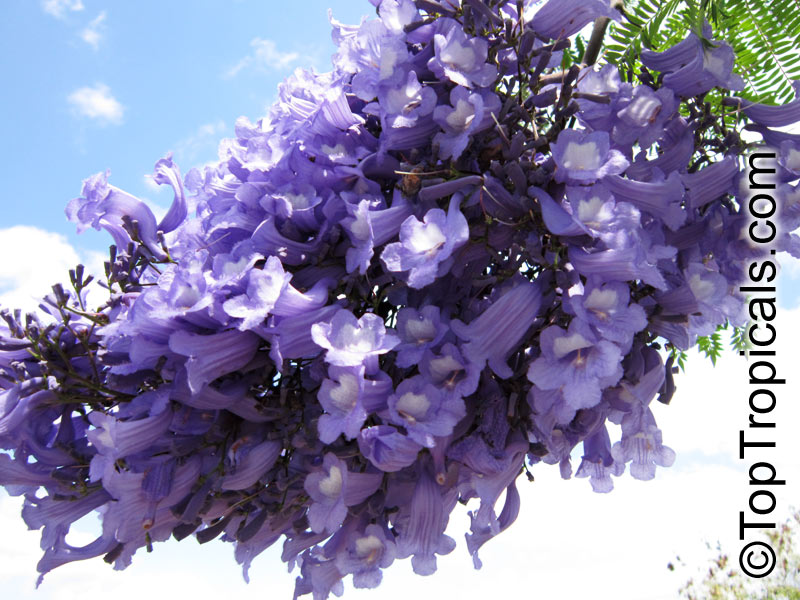
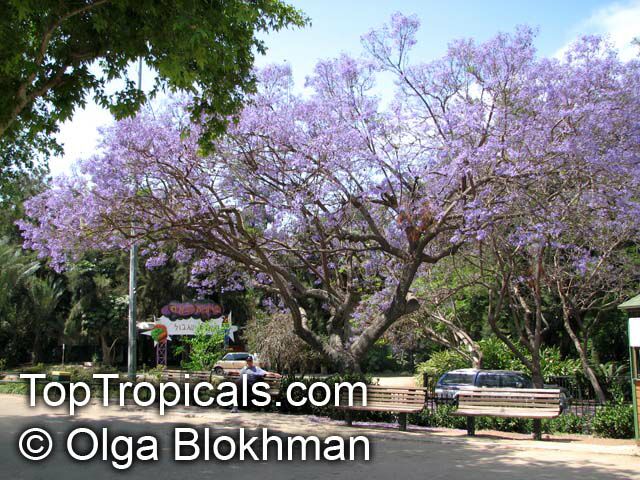
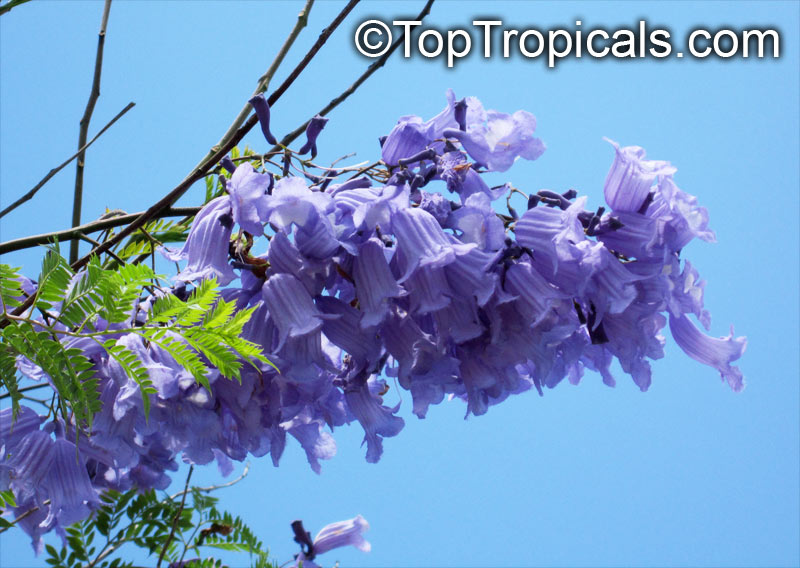
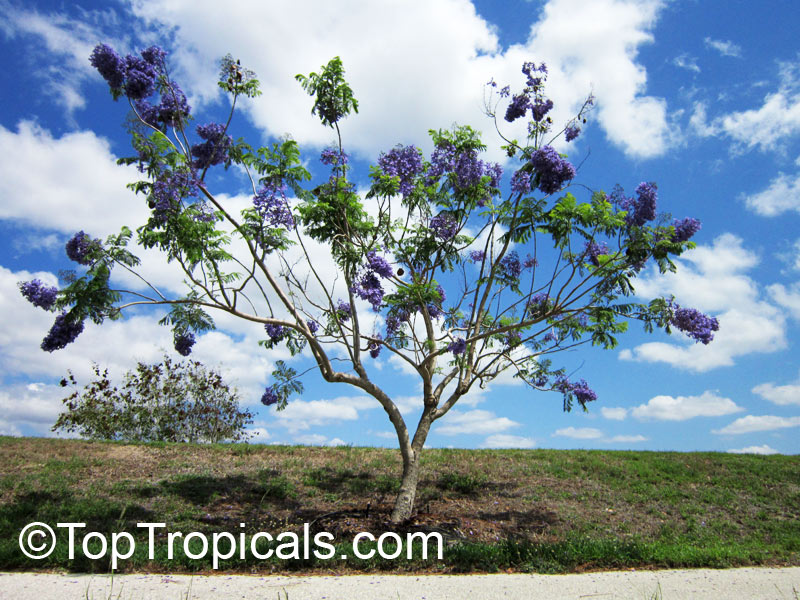
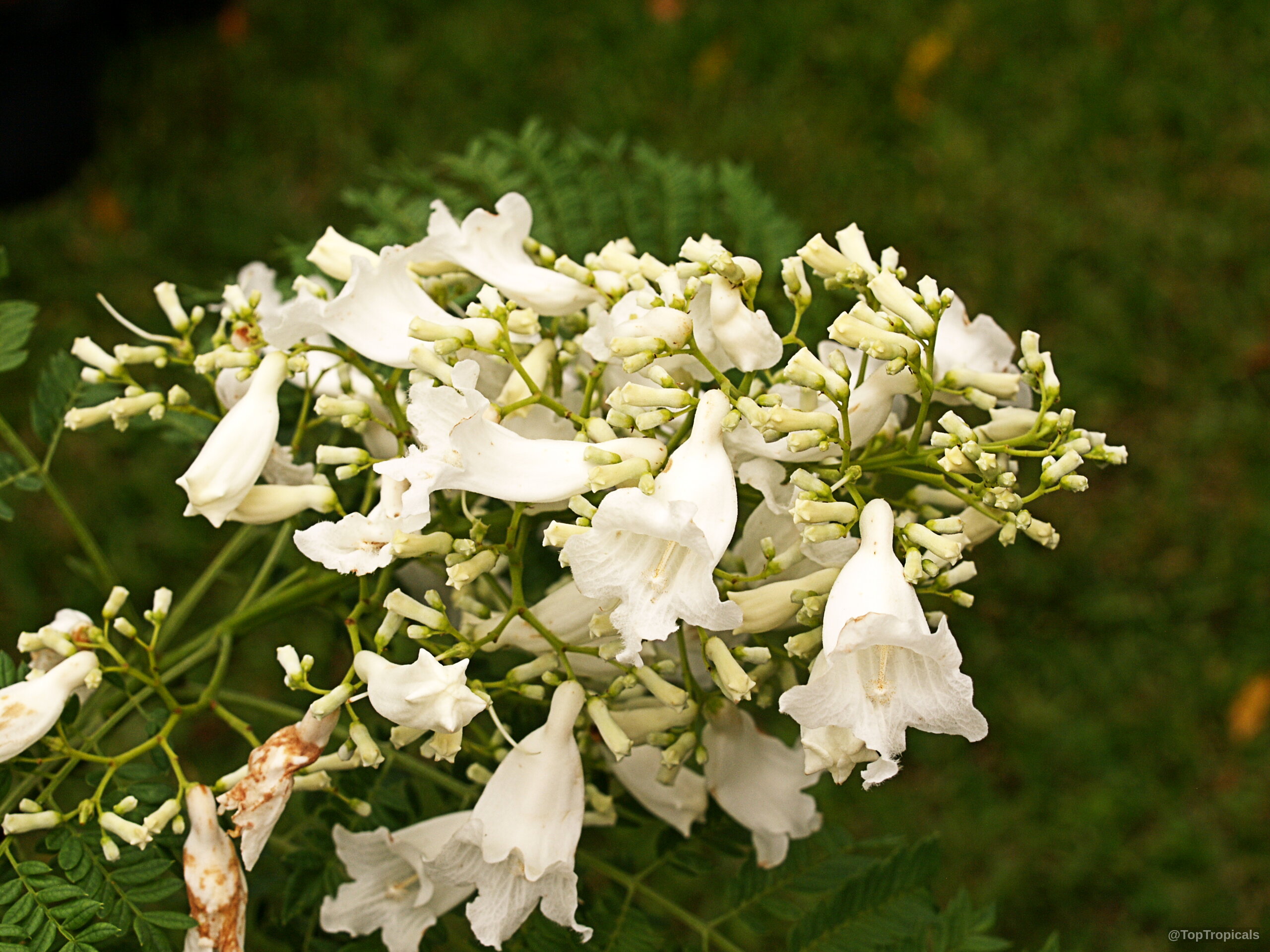
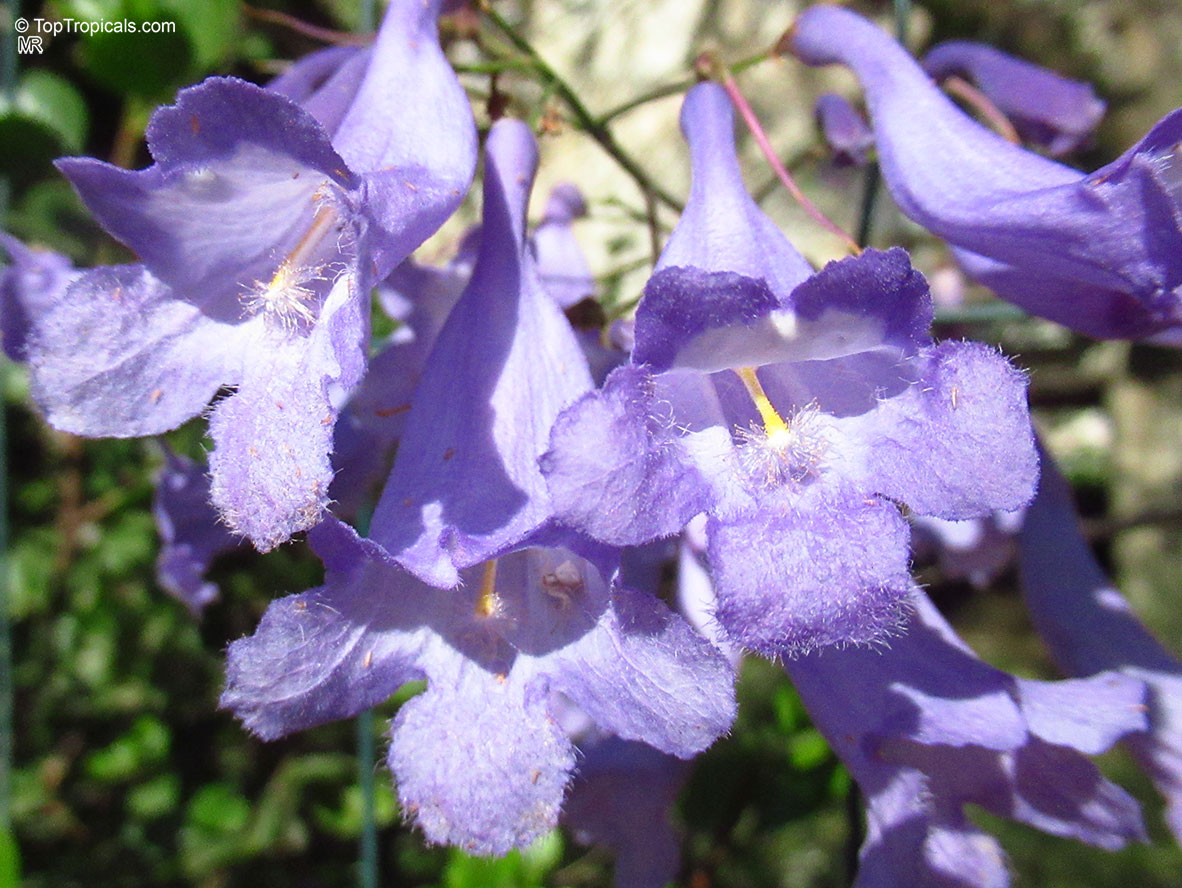
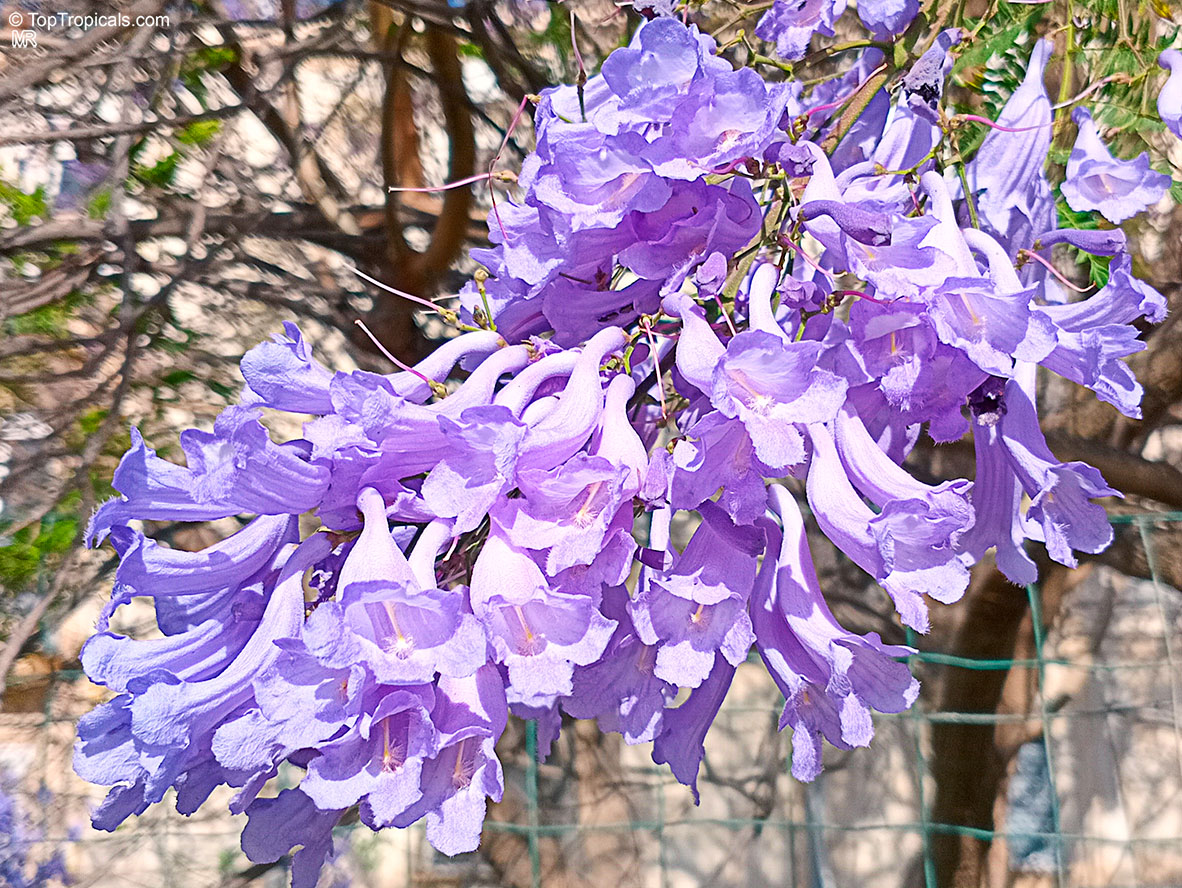
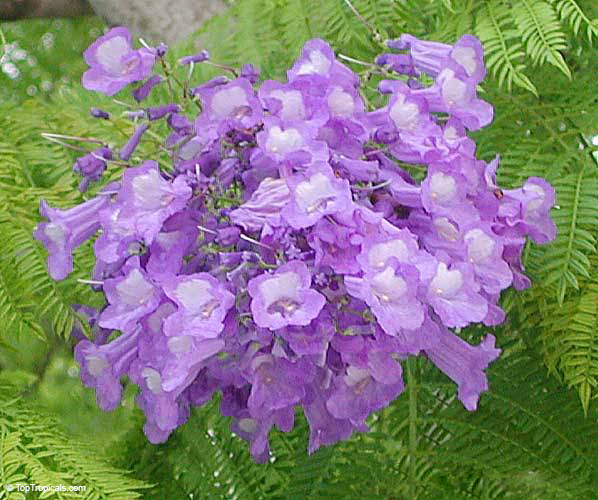
Jacaranda trees are known for their stunning purple flowers, which bloom in late spring and early summer. These trees are native to South America and are commonly found in tropical and subtropical regions around the world. Jacaranda trees are fast-growing and can reach heights of up to 50 feet. They have a distinctive umbrella-like canopy and fern-like leaves, which make them popular as ornamental trees in gardens and parks. In addition to their attractive flowers, jacaranda trees are also prized for their hardwood, which is strong and durable. The wood is often used in the construction of furniture and other wood products. Jacaranda trees are also known for their ability to thrive in a variety of soil conditions and are resistant to many pests and diseases. They are relatively easy to care for, making them a popular choice for gardeners and landscapers. Overall, jacaranda trees are a beautiful and versatile addition to any garden, and their striking purple flowers are sure to add a splash of color to any landscape.
See Article about this plant.
Recommended Fertilizer: SUNSHINE Megaflor - Bloom Nutrition Booster


Jacaranda trees are known for their stunning purple flowers, which bloom in late spring and early summer. These trees are native to South America and are commonly found in tropical and subtropical regions around the world. Jacaranda trees are fast-growing and can reach heights of up to 50 feet. They have a distinctive umbrella-like canopy and fern-like leaves, which make them popular as ornamental trees in gardens and parks. In addition to their attractive flowers, jacaranda trees are also prized for their hardwood, which is strong and durable. The wood is often used in the construction of furniture and other wood products. Jacaranda trees are also known for their ability to thrive in a variety of soil conditions and are resistant to many pests and diseases. They are relatively easy to care for, making them a popular choice for gardeners and landscapers. Overall, jacaranda trees are a beautiful and versatile addition to any garden, and their striking purple flowers are sure to add a splash of color to any landscape.
See Article about this plant.
Local pickup only. This item is not available for shipping. Local delivery may be available in Ft. Myers or Sebring, Florida. Contact us for an estimate. Non-pickup orders are subject to restocking fees.
Recommended Fertilizer: SUNSHINE Megaflor - Bloom Nutrition Booster
Jacaranda trees are known for their stunning purple flowers, which bloom in late spring and early summer. These trees are native to South America and are commonly found in tropical and subtropical regions around the world. Jacaranda trees are fast-growing and can reach heights of up to 50 feet. They have a distinctive umbrella-like canopy and fern-like leaves, which make them popular as ornamental trees in gardens and parks. In addition to their attractive flowers, jacaranda trees are also prized for their hardwood, which is strong and durable. The wood is often used in the construction of furniture and other wood products. Jacaranda trees are also known for their ability to thrive in a variety of soil conditions and are resistant to many pests and diseases. They are relatively easy to care for, making them a popular choice for gardeners and landscapers. Overall, jacaranda trees are a beautiful and versatile addition to any garden, and their striking purple flowers are sure to add a splash of color to any landscape.
See Article about this plant.
7 gal pot. More developed root system, thicker trunk and branches. Plant height depends on growing season and variety. Dwarf varieties are slow growers and may be shorter. Contact us for exact size description if size/height matters to you. 7 gal plants may be shipped separately from other items by Ground service due to large size. See here time in transit (business days, excluding Sat-Sun!)
Recommended Fertilizer: SUNSHINE Megaflor - Bloom Nutrition Booster
Use link to repeat this search:
https://toptropicals.com/cgi-bin/garden_catalog/cat.cgi?find=Dalbergia&search_op=and&keyword_op=and&language=e&number=10
&no_change_lang=1&user=tt&sale=1&first=0