Bergamot - Plant Encyclopedia Results
| Number of plants found: 2 |
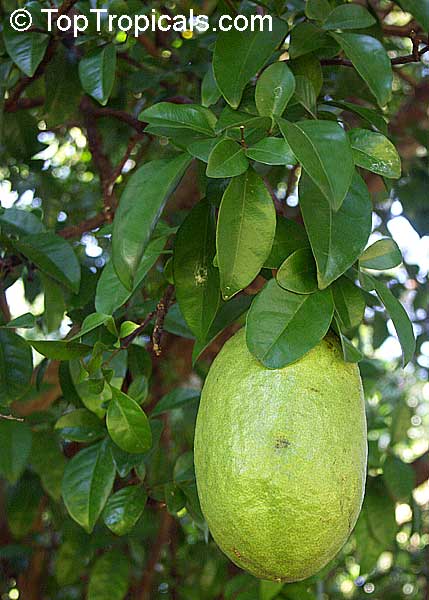
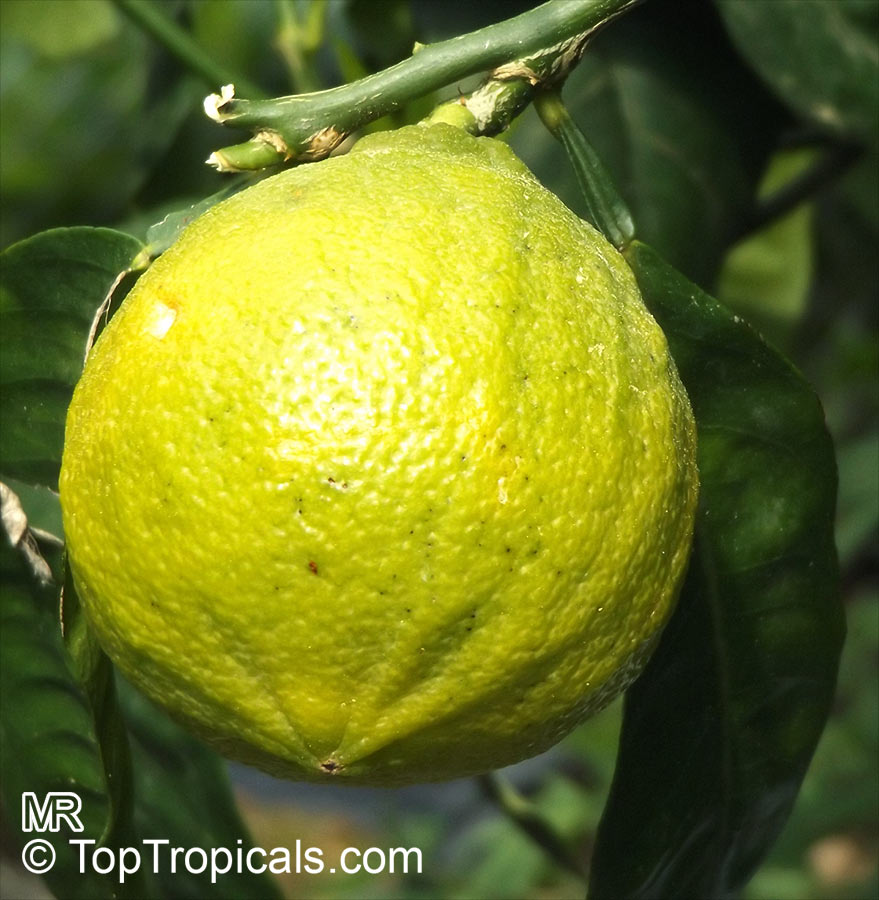
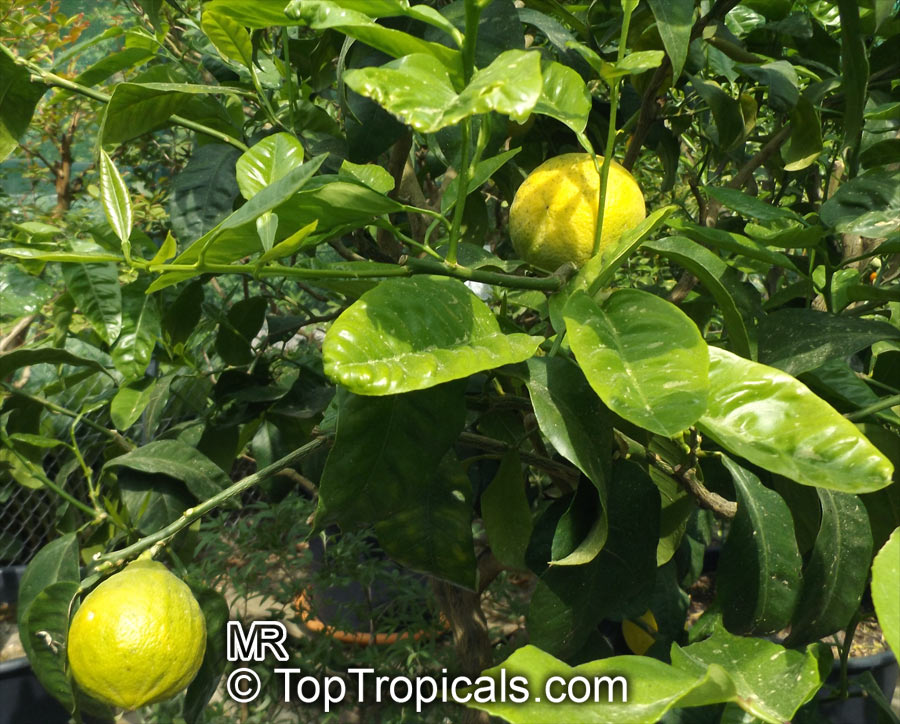
Botanical name: Citrus bergamia
Common name: Bergamot orange
Family: Rutaceae
Origin: South East Asia
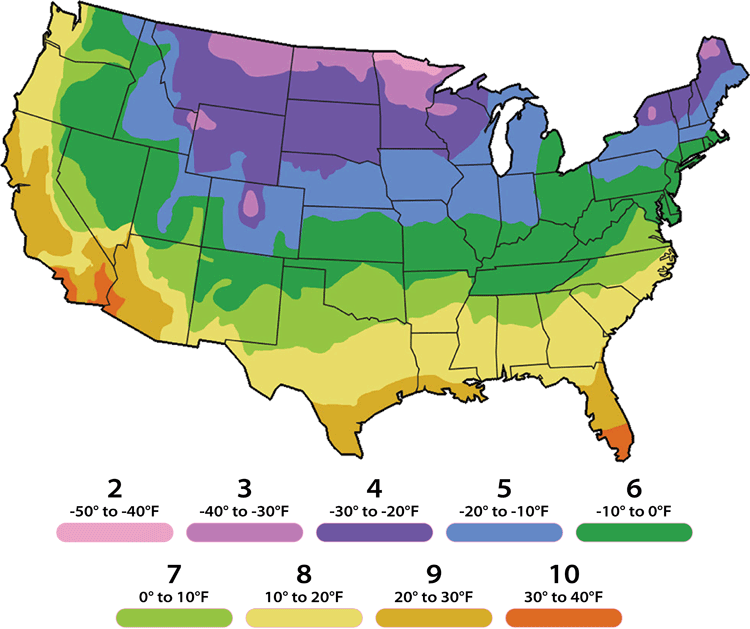
USDA Zone: 9-10


Citrus bergamia, commonly known as the Bergamot orange, is a small evergreen tree that is native to South East Asia. The tree can grow up to 10-20ft in height and is recognized by its dark green, glossy leaves and fragrant off-white flowers. Bergamot oranges thrive in full sun and require regular watering, though they are tolerant of drought and occasional flooding. They are hardy in USDA Zones 9-11.
The edible fruit of the Bergamot orange tree is slightly sour and resembles an orange. It can be consumed raw or used to make jams, jellies, and presses. The fruit can also be processed to produce bergamot essential oil, which has numerous ethnomedical applications, including use as a spice or herb.
Bergamot oranges have many health benefits in addition to their culinary and medicinal uses. Research shows that they possess antioxidant and anti-inflammatory properties that promote cardiovascular and digestive health and may help reduce cholesterol levels. The essential oil derived from Bergamot oranges can promote relaxation and reduce stress, mild depression, and anxiety.
Bergamot oranges are relatively easy to grow in the appropriate climate and soil. When grown in a pot, they do best when placed in an area with direct sun and moderate watering. If grown in colder regions, they should be brought indoors during the winter months. The tree can produce hundreds of fruits each year depending on the care given. When provided with adequate sunlight, regular water, and proper soil, Citrus bergamia can live for over a decade.
Aside from its health benefits and culinary uses, the oil derived from Bergamot oranges is widely used in the perfume industry due to its refreshing scent. The oil possesses antiseptic, antibiotic, anti-inflammatory, carminative, relaxant, sedative, and uplifting properties.
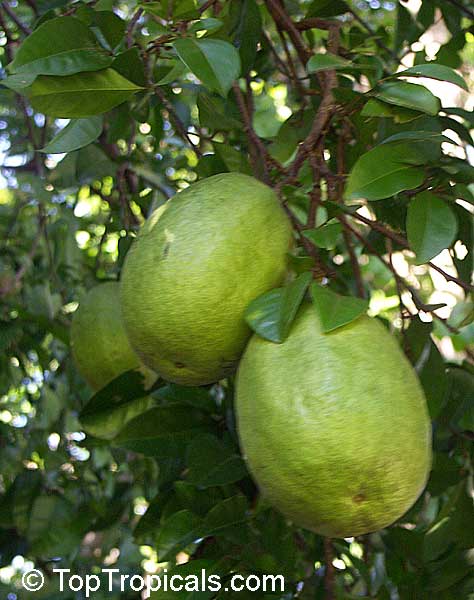
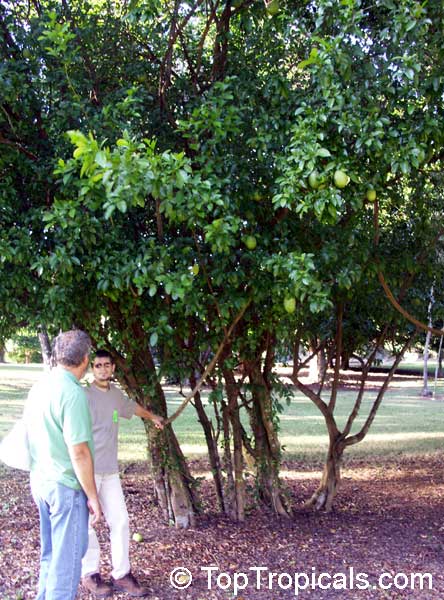

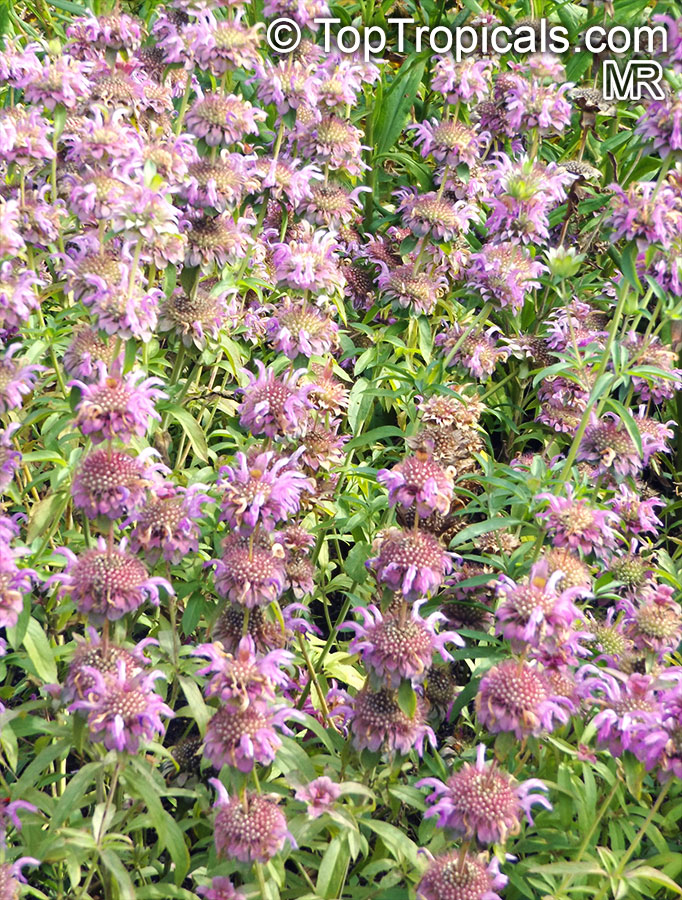
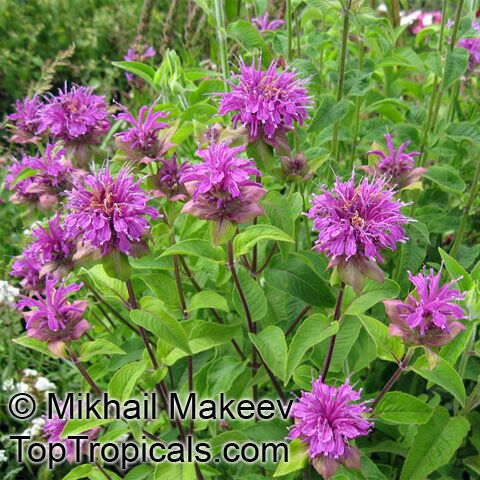
Botanical name: Monarda sp.
Common names: Bee Balm, Horsemint, Oswego Tea, Bergamot
Family: Lamiaceae
Origin: North America
USDA Zone: 9-10


Monarda species include annual and perennial upright growing herbaceous plants with lanceolate to ovate shaped leaves. Flower colors vary, with wild forms of the plant having crimson-red to red, pink and light purple hues.

Use link to repeat this search:
https://toptropicals.com/cgi-bin/garden_catalog/cat.cgi?find=Bergamot&search_op=and&keyword_op=and&language=e&number=10
&no_change_lang=1&user=tt&sale=1&first=0