Elaeagnaceae - Botanical Family
| Number of plants found: 6 |
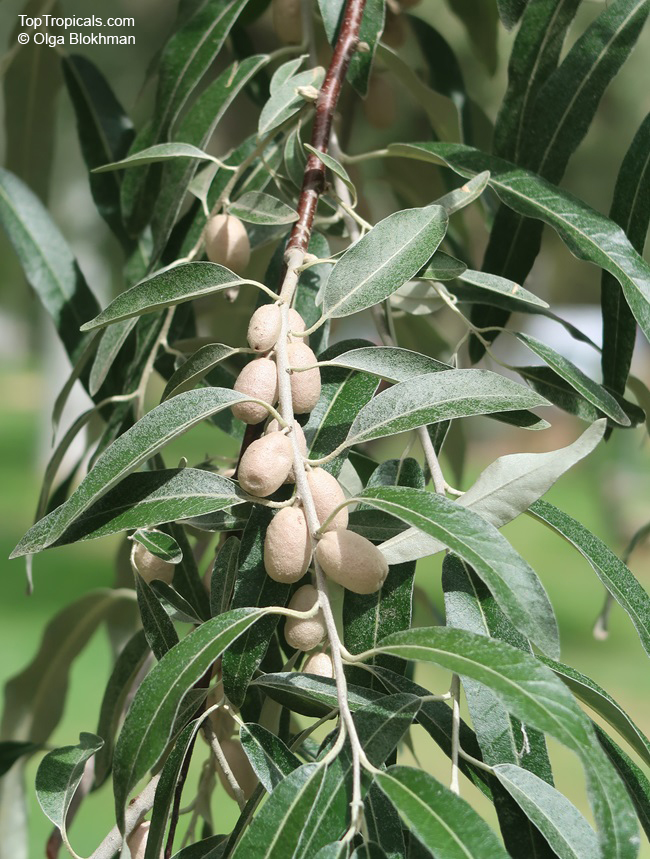
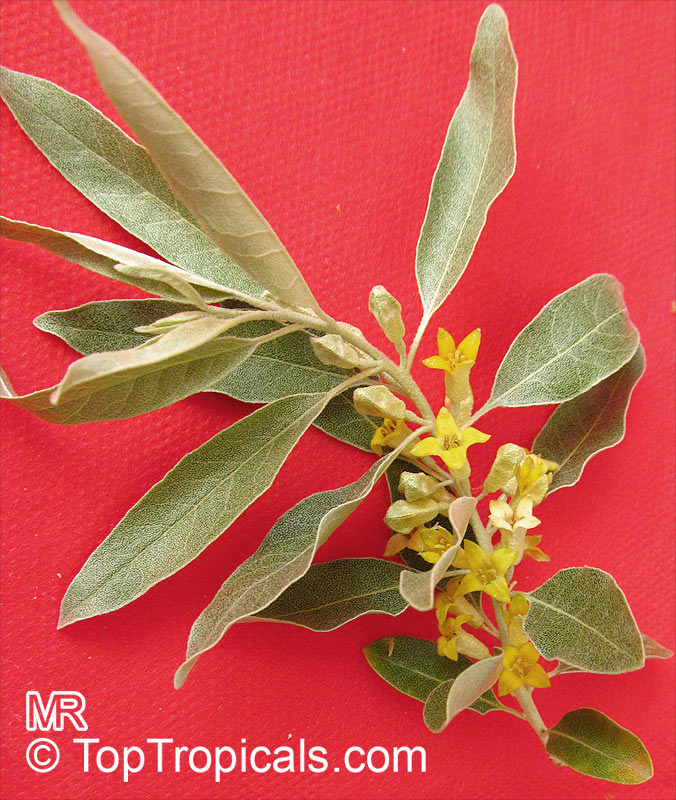
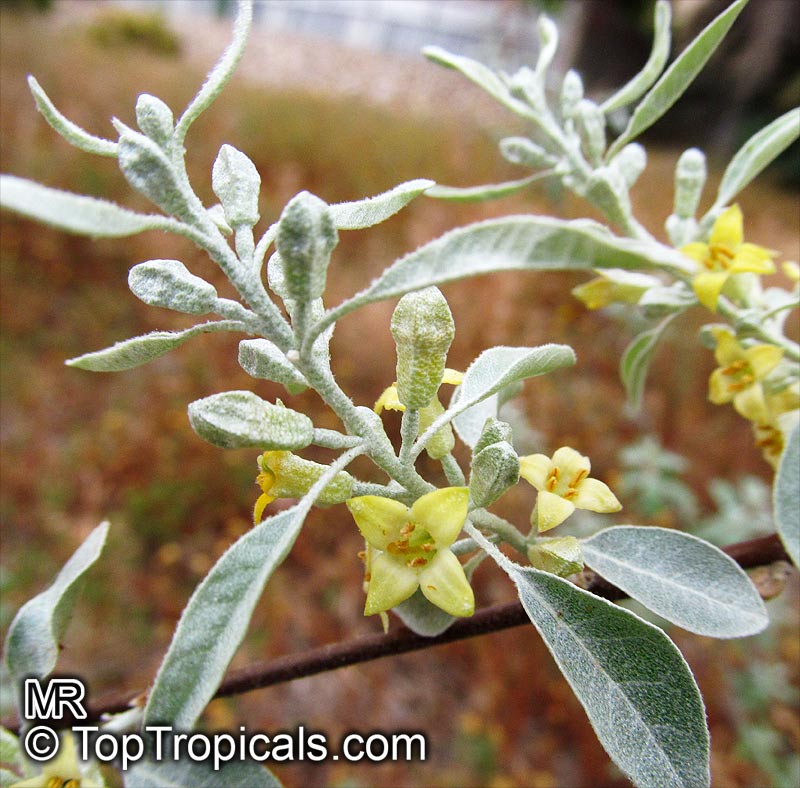
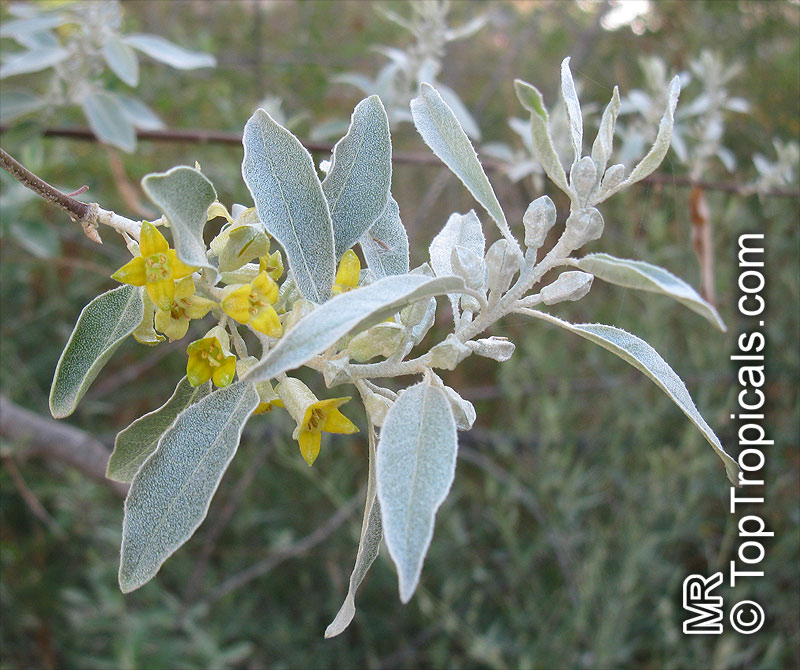
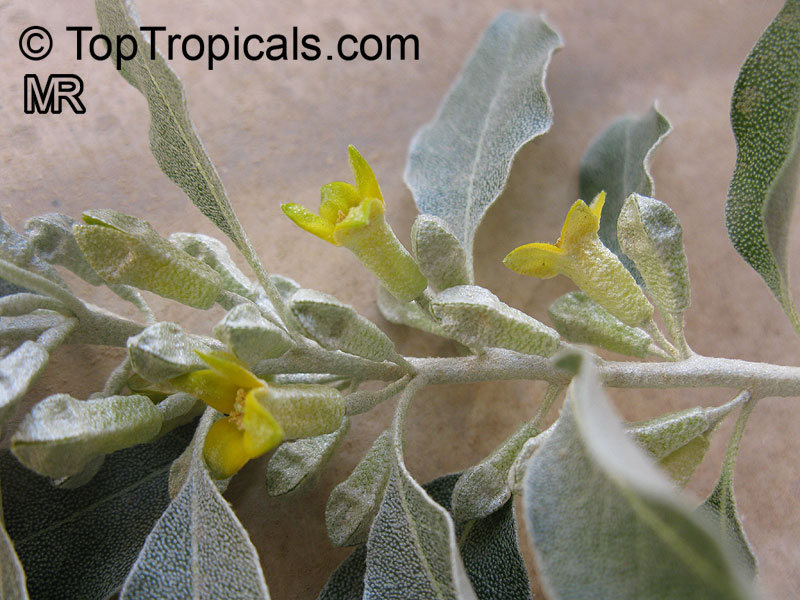
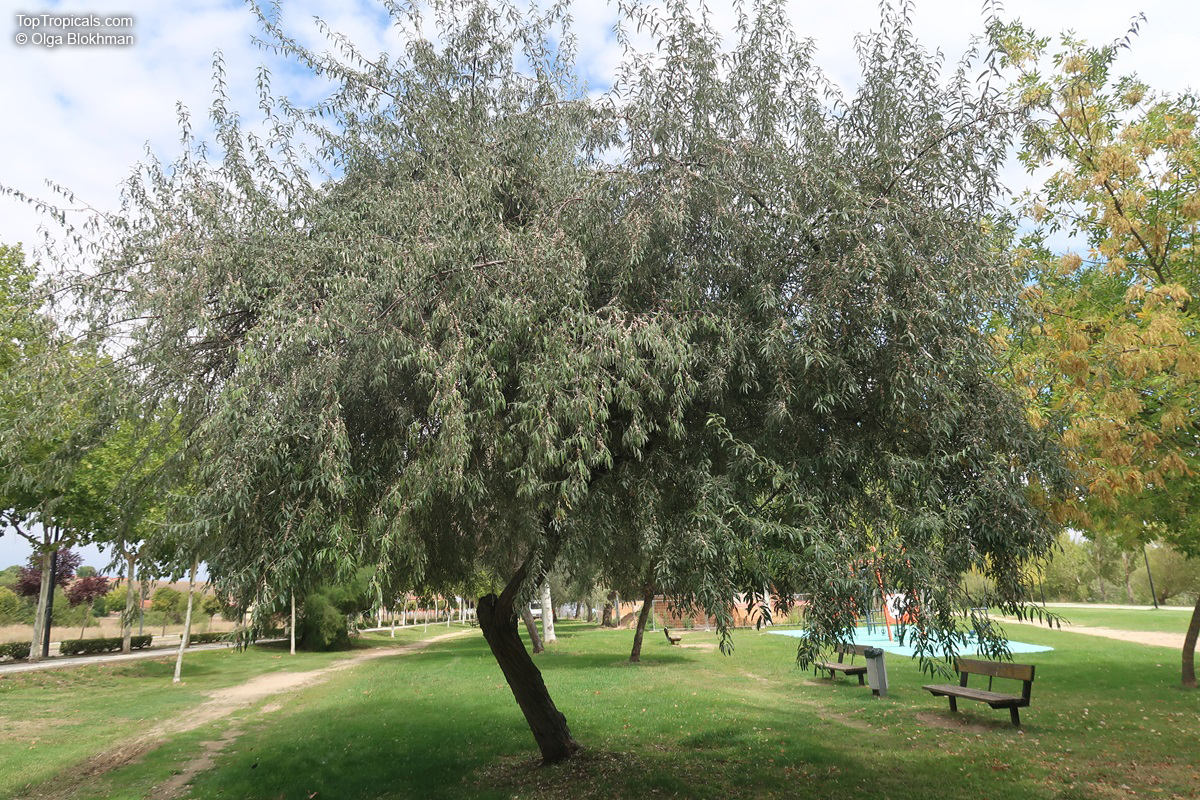
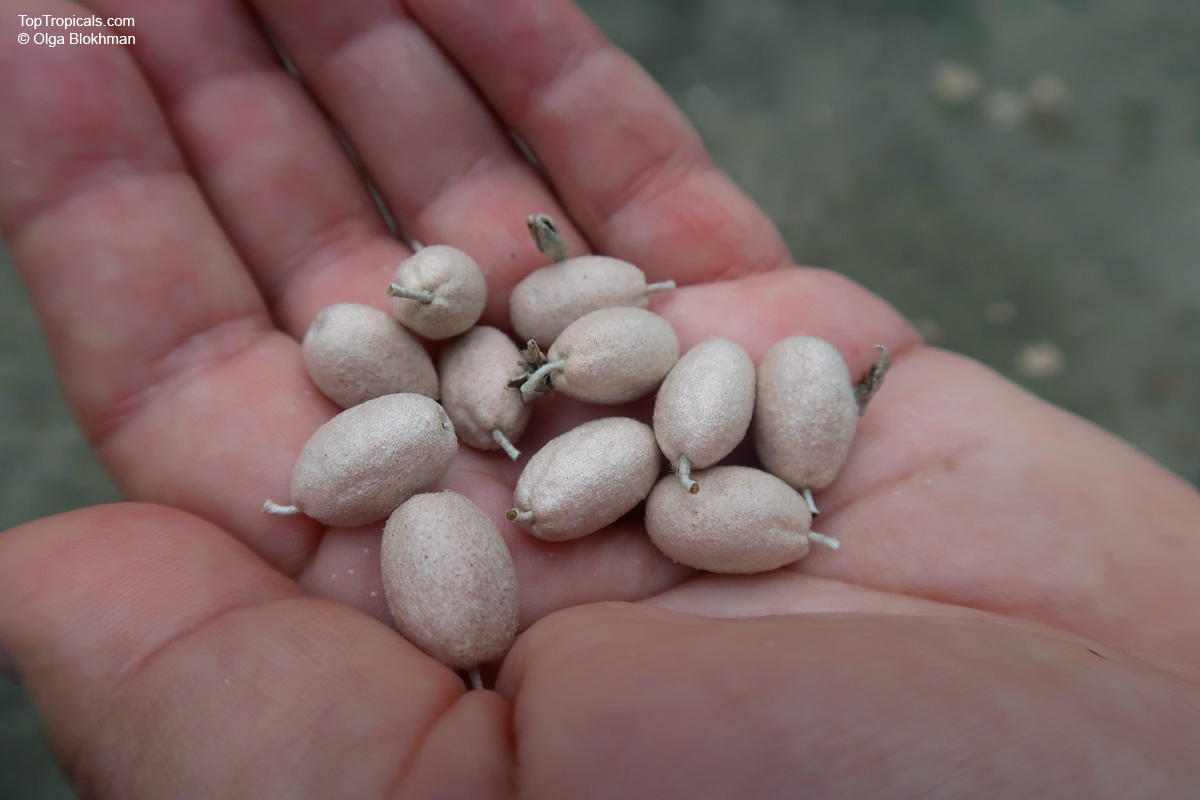
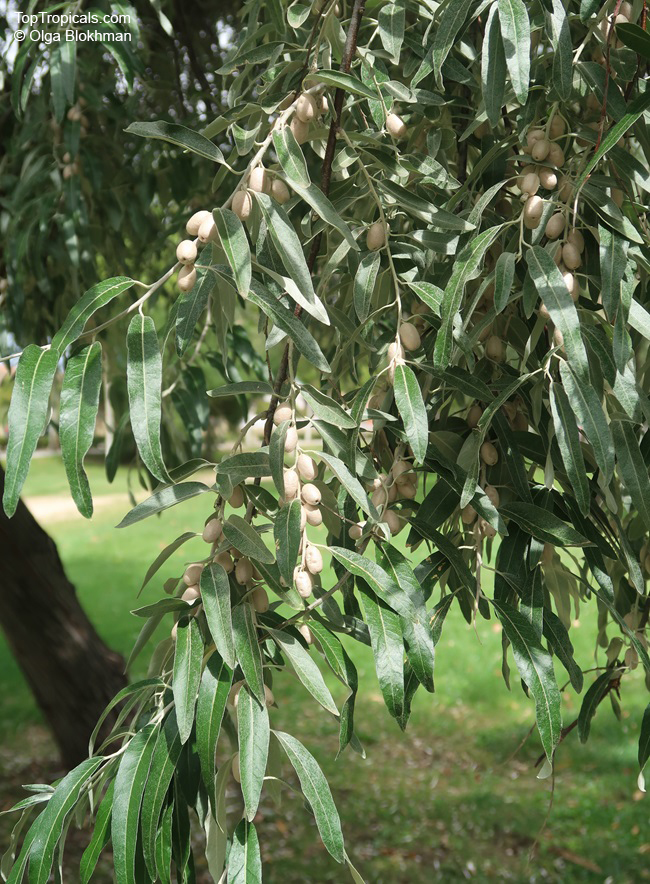
Botanical name: Elaeagnus angustifolia
Common names: Russian Silverberry, Oleaster, Russian Olive
Family: Elaeagnaceae
Origin: Central Asia


This large evergreen shrub is quite distinctive with its 5-10 feet tall and can even be grown as a small tree of 10-20 ft. It's native to Central Asia and has been widely grown in many areas.
Elaeagnus angustifolia needs full sun to stay healthy. It requires moderate water to thrive and will tolerate a range of soil conditions. This plant produces mildly fragrant yellow and orange flowers that attract butterflies and hummingbirds, followed by edible fruit in the fall and winter. The evergreen leaves are silver, which makes this shrub a highly prized ornamental plant.
.
The edible fruit produced by Elaeagnus angustifolia are yellow-red, sweet and acidic, and very popular among gardeners. The fruit can be eaten raw, cooked, or dried, and can be used to make jams, jellies, wines, and syrups. The leaves and twigs can also be dried and used as herbal teas or treatments for minor pain. The fruit is filled with nourishing and medicinal properties, such as high amounts of vitamin C, dietary fiber, and fatty acids, which are great for boosting digestion and gut health.
This plant can produce an abundance of fruit if given adequate water, but the amounts will vary based on the climate and the age of the plant. On average, one mature shrub will produce between 5-10 lbs of fruit, which is more than enough to feed a family.
In order to provide optimal growth, Elaeagnus angustifolia needs ample sunlight and moderate amounts of water. Potted plants in cooler regions should also be kept in a sheltered, sunny spot and can benefit from winter mulches or an indoor greenhouse or terrarium setup for protection from cold temperatures.
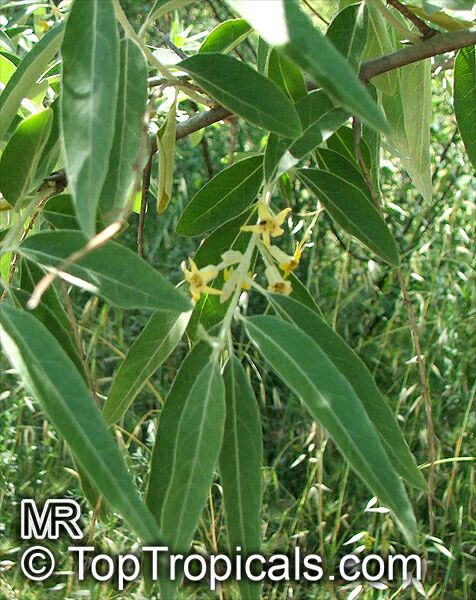
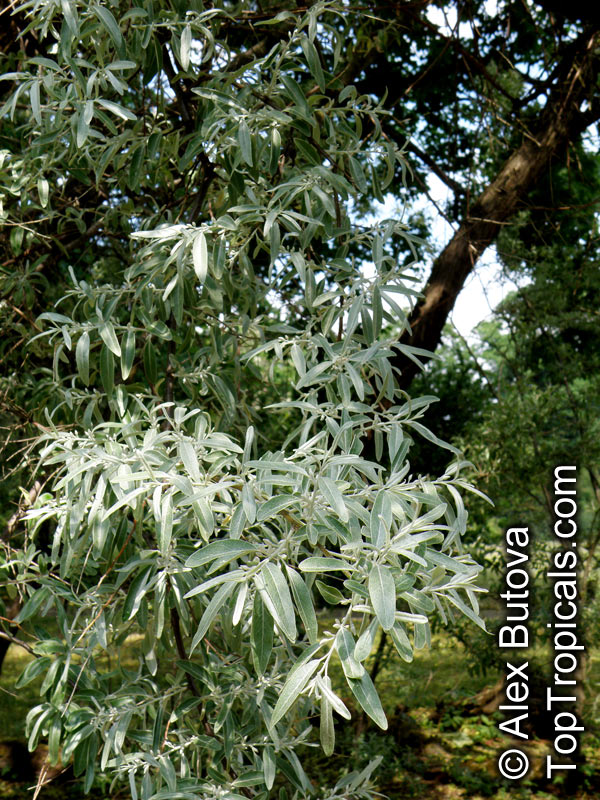
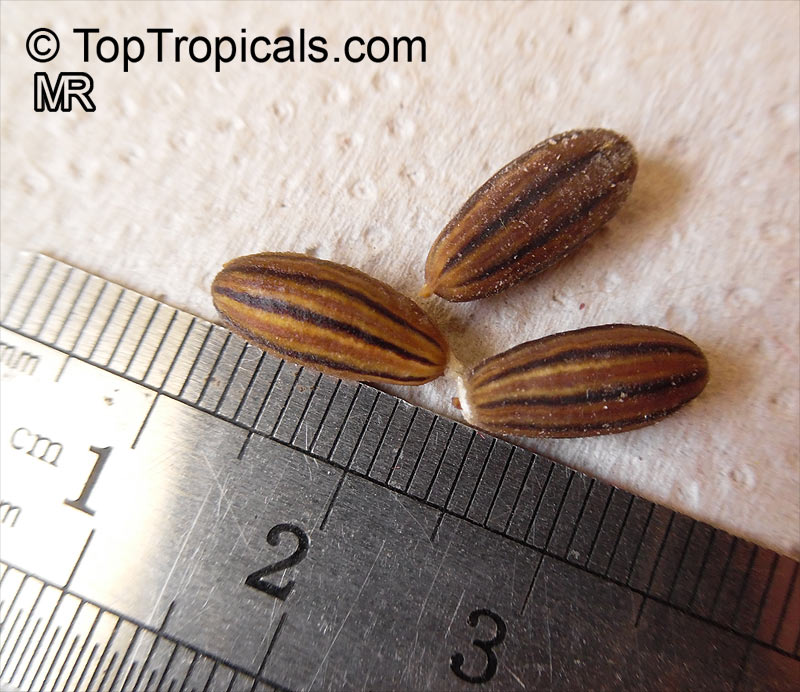
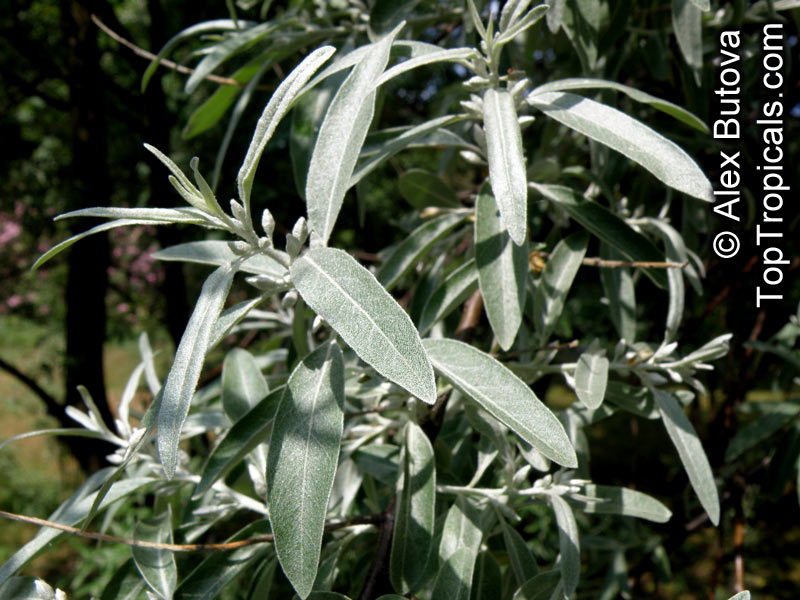
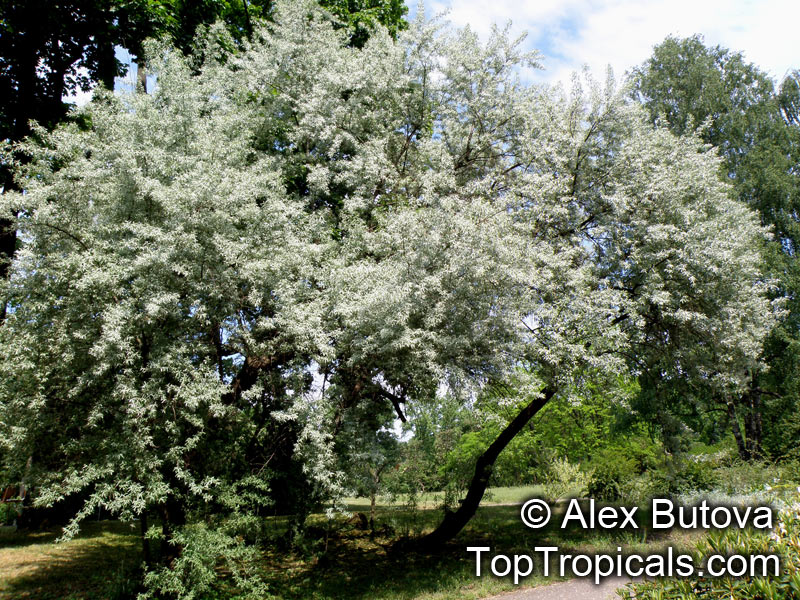
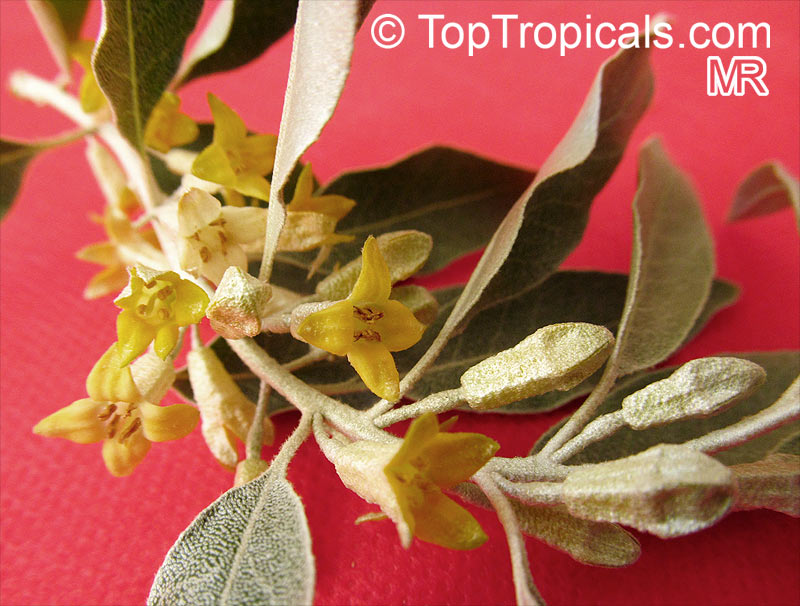
Botanical names: Elaeagnus latifolia, Elaeagnus infundibularis
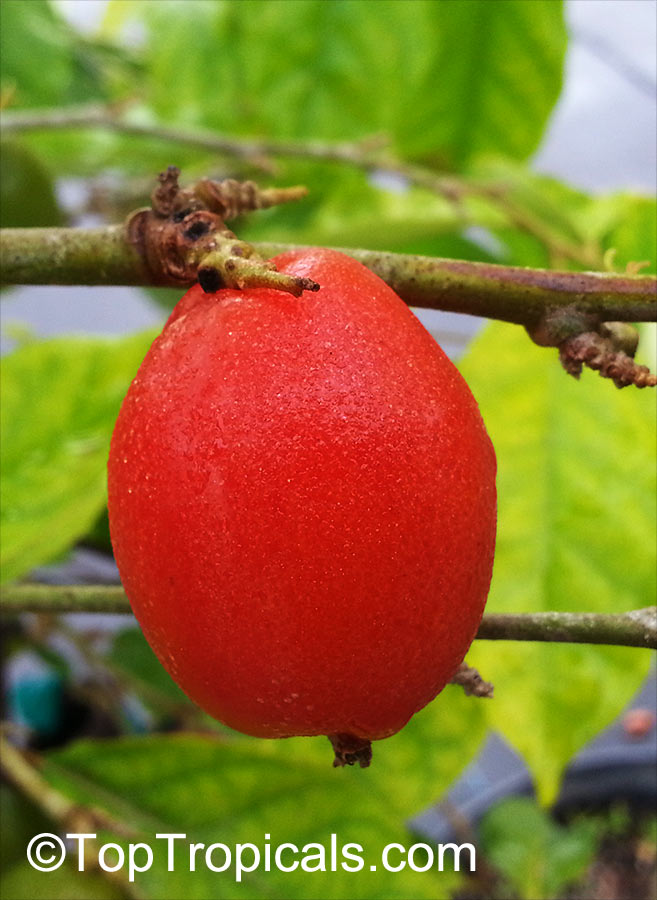
Common name: Bastard Oleaster
Family: Elaeagnaceae
Origin: Southeast Asia


Elaeagnus latifolia, also known as Bastard Oleaster, is an ethnomedical plant native to the Mediterranean and central Asia regions. It is categorized as an evergreen deciduous plant, and can reach heights of 5 to 10 ft. Bastard Oleaster is grown in USDA Zones 9-11 and prefers to be planted in full sun to semi-shade. It enjoys moderate amounts of water and can tolerate a variety of soil conditions.
Fruits from this plant are edible and offer many medicinal properties. Round throughout the year, the fruits of Elaeagnus latifolia are small and about 1 cm in diameter. The reddish fruit possess an inedible leathery outer layer, and an edible fleshy fruit inside. Fruits are full of important nutrients such as omega-3 fatty acids, calcium, carotenoid, folate, and potassium. Not only is this fruit nutritious, consuming them can also provide anti-inflammatory, anti- Alzheimer's, and anti-aging effects.
Bastard Oleaster is easy to grow and requires minimal care. For cold regions, it is best to plant in a pot so it can be brought inside during periods of extreme cold. Pots should be watered regularly, fertilizer should be applied every 2-3 months, and occasionally prune away dead and overgrown branches.
Overall Elaeagnus latifolia is a low maintenance shrub that is a great source of healthy nutrients and medicinal properties. With its glossy evergreen leaves and spiny thorny branches, it makes a great addition to any garden.
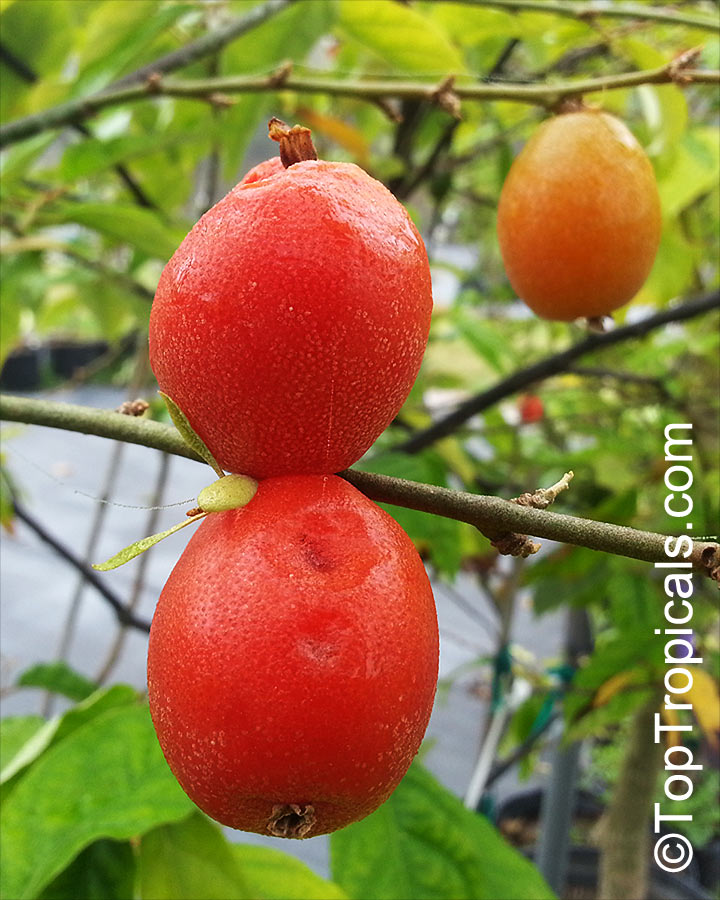
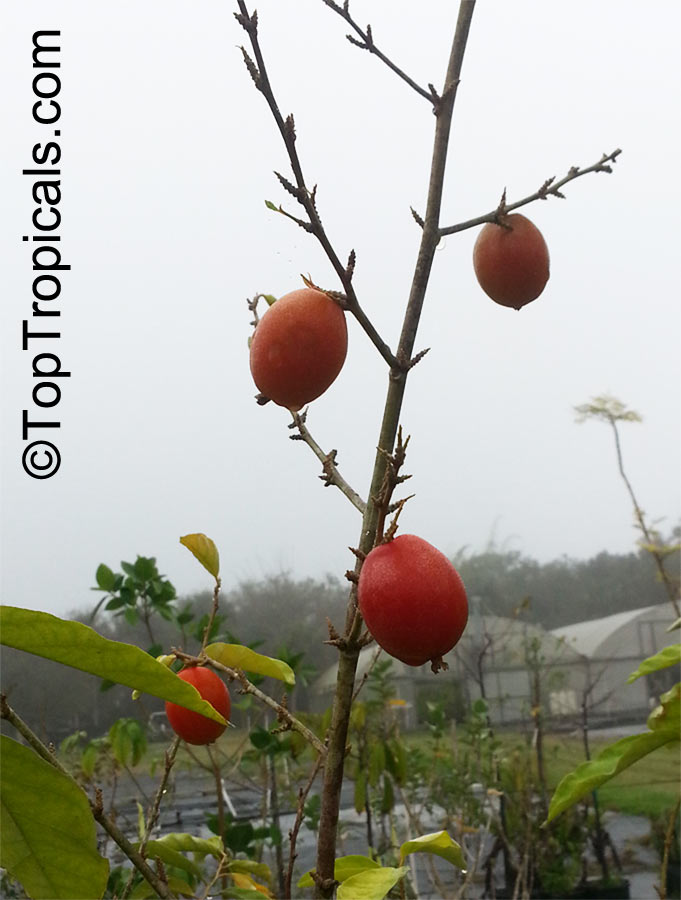

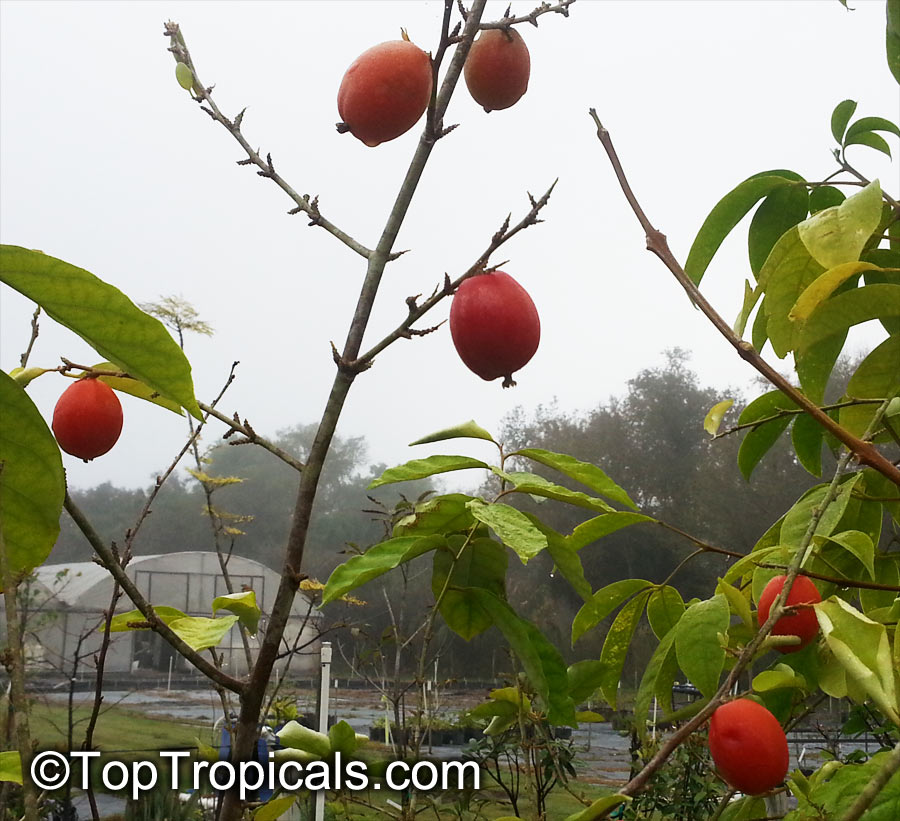
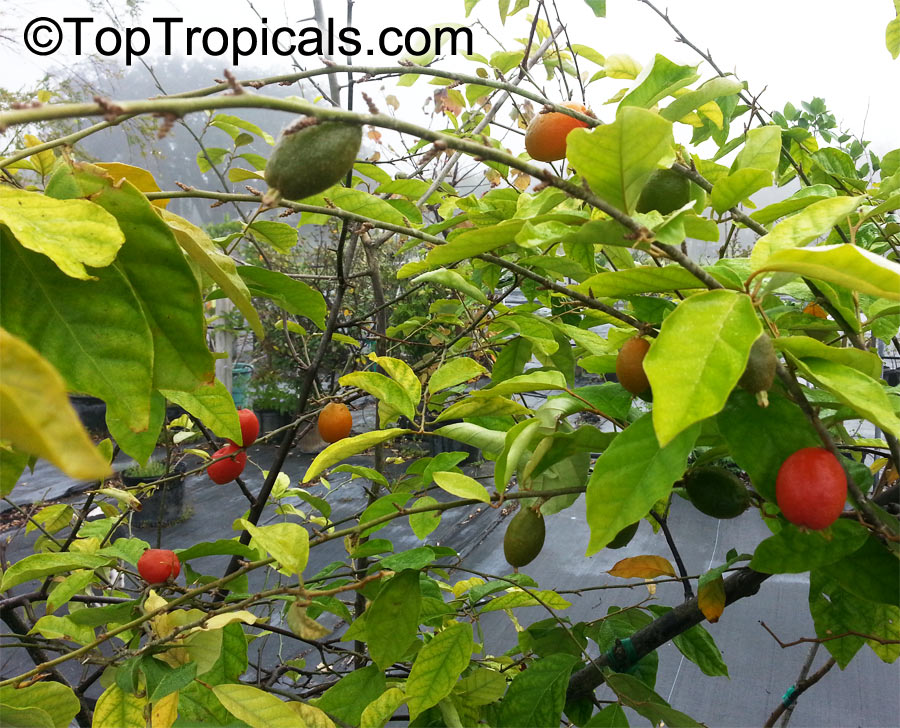


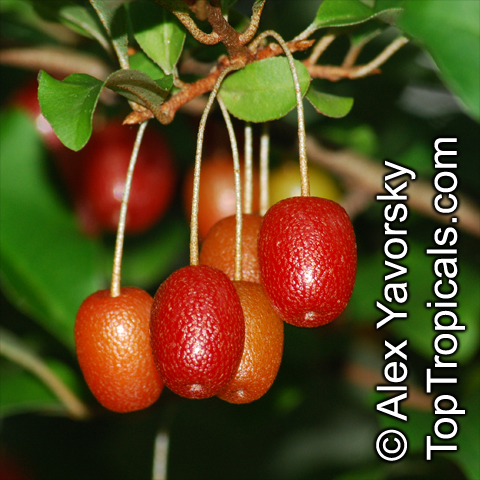
Botanical name: Elaeagnus multiflora
Common names: Goumi, Gumi, Natsugumi, Cherry Silverberry, Cherry Elaeagnus
Family: Elaeagnaceae
Origin: South East Asia


Gumi is a rounded deciduous or semi-evergreen shrub that grows to 8 ft (2.4 m) in height. It is occasionally grown in Europe and North America as an ornamental plant and for its fruit.
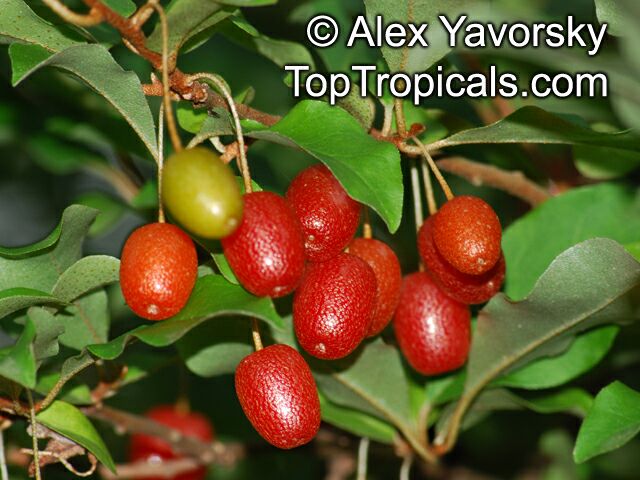
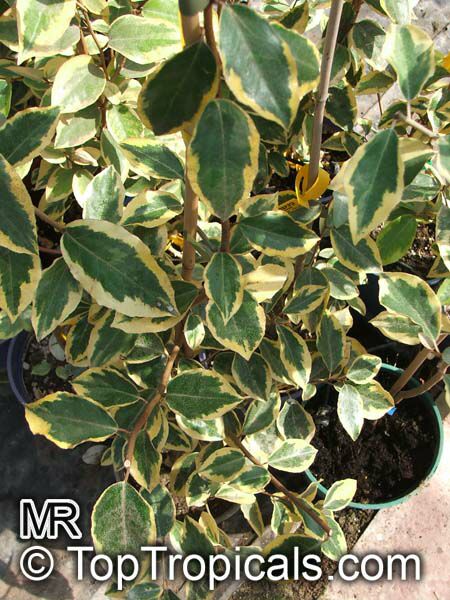
Botanical name: Elaeagnus pungens
Common names: Thorny Elaeagnus, Spotted Elaeagnus, Silverthorn
Family: Elaeagnaceae
Origin: China, Japan


For optimal growth, silverthorn requires at least 6 hours of direct sun each day, though it will also tolerate semi-shade. Water regularly at first, until the plant is established. Thereafter it can tolerate very dry conditions. Silverthorn is also able to withstand temperatures as low as 30 F (1 C) for a short period of time, but cold hardy varieties with lower tolerances are available.
For those who want to grow silverthorn in colder regions, keeping the plant in a pot provides an additional layer of insulation. Overwintering in an unheated garden shed or garage is also an option for more hardy specimens. Remove the plant from its pot, shake off any excess soil and place the roots right on the ground if planting in this manner. To avoid damaging the delicate roots, gently tease the tangled roots apart with your finger tips. The plant should then be covered with a thick layer of mulch or straw to insulate it.
Silverthorn makes an attractive addition to any garden with its ornamental foliage, fragrant flowers, and salt-tolerance. Fast growing and undemanding, this reliable evergreen is a valuable addition to warmer climates, as well as colder areas where it can be grown in a container or overwintered in a shed.
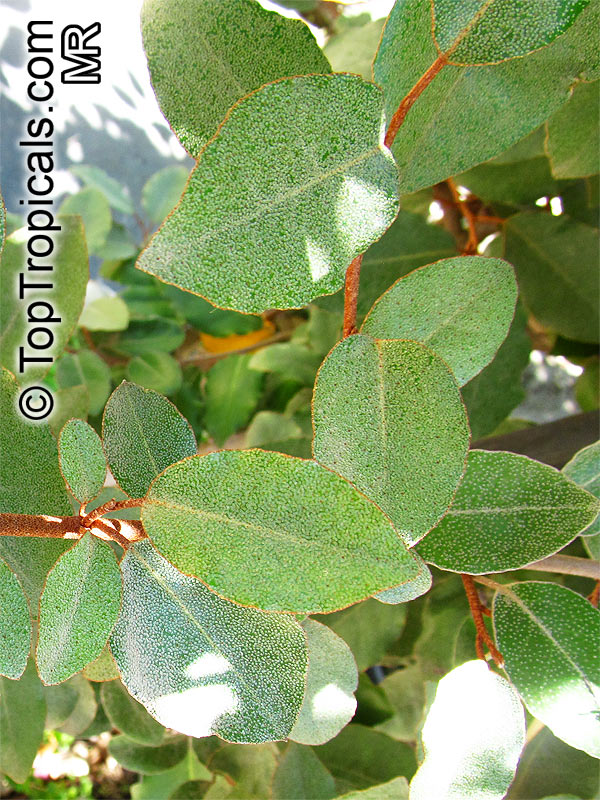
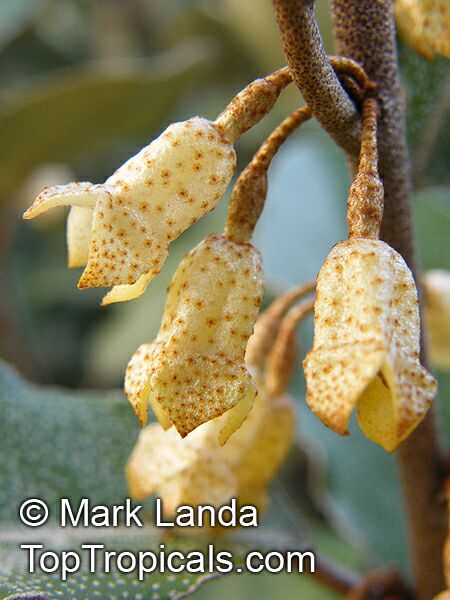
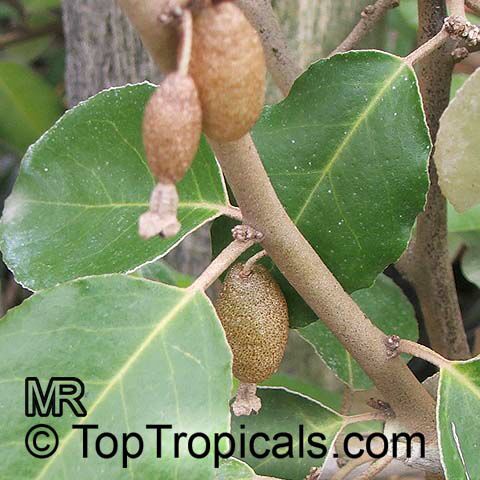
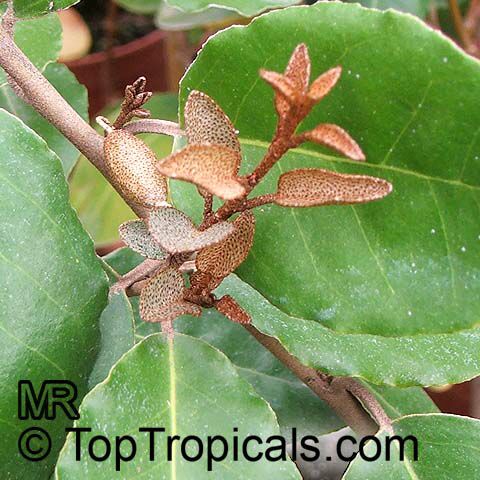
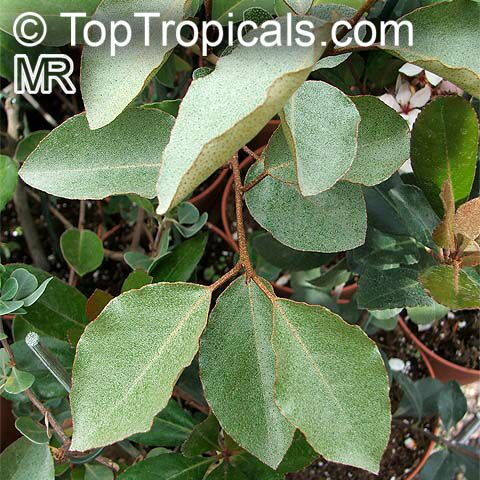
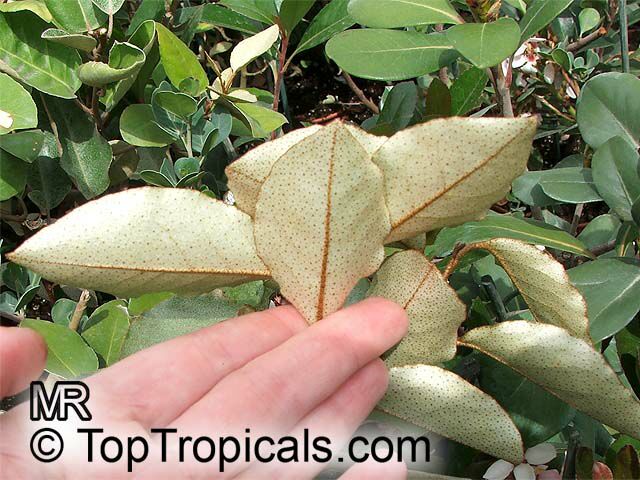
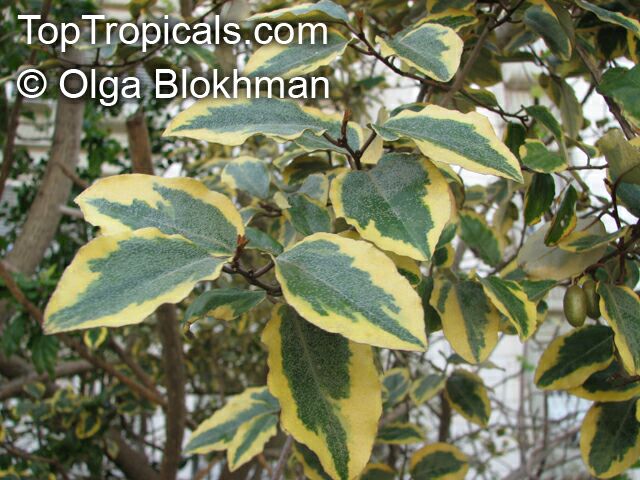
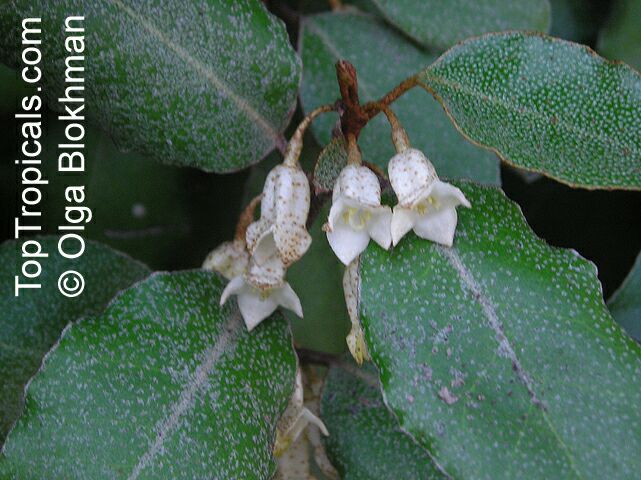
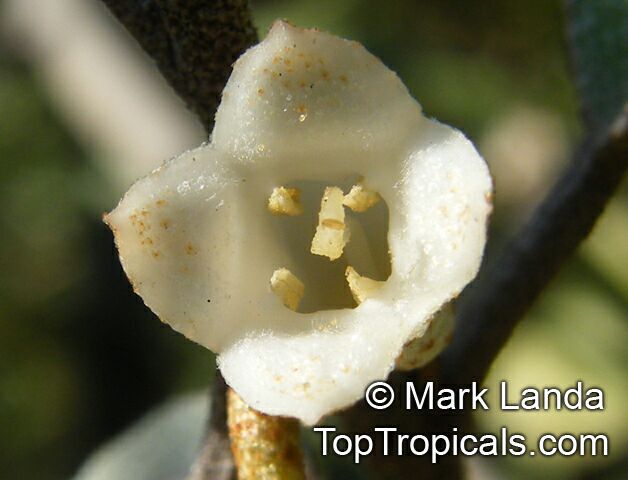
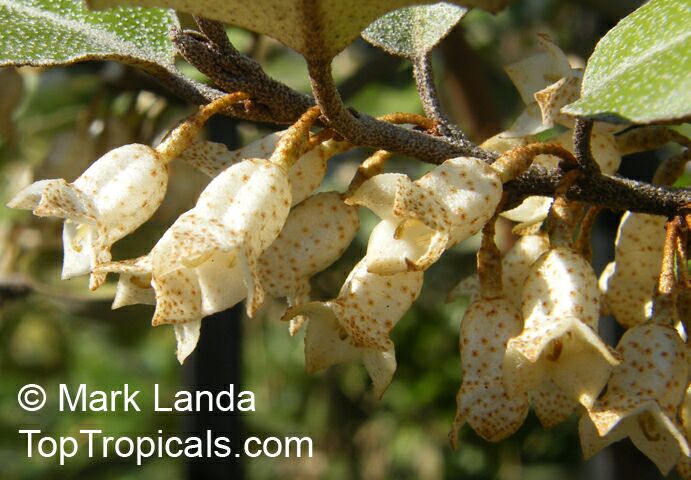
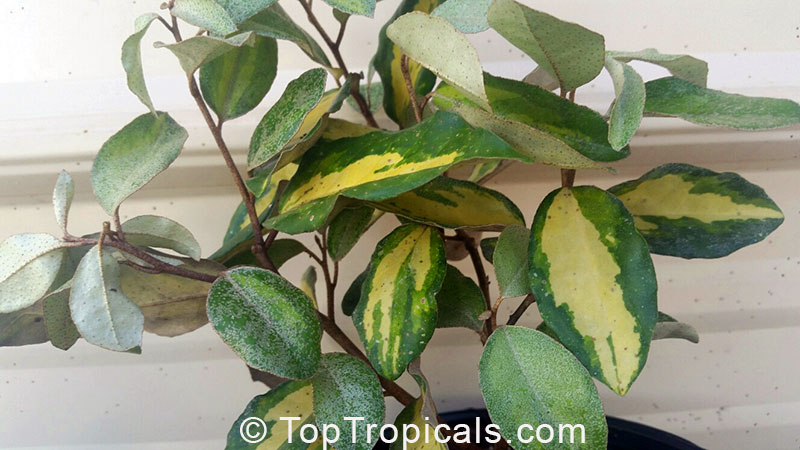
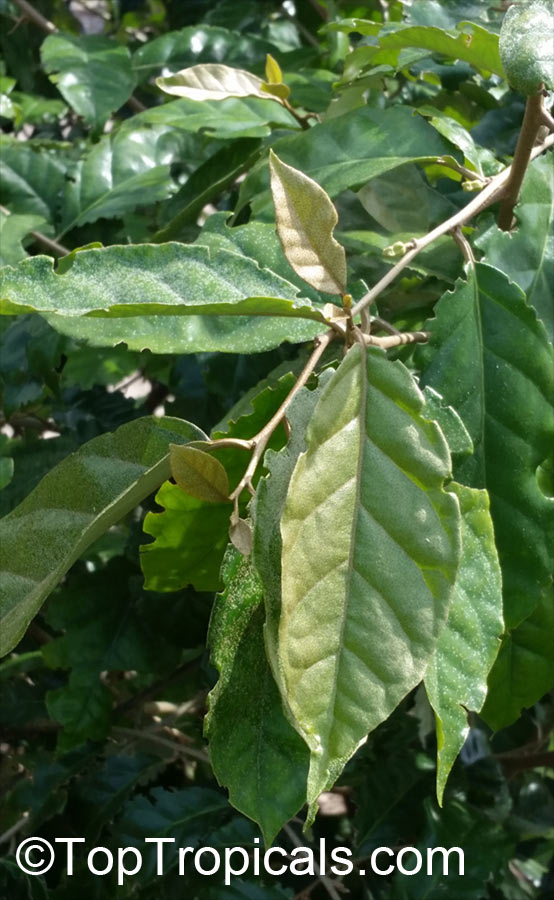
Botanical name: Elaeagnus sp.
Common names: Oleaster, Silverberry
Family: Elaeagnaceae
Hardiness: -20°F
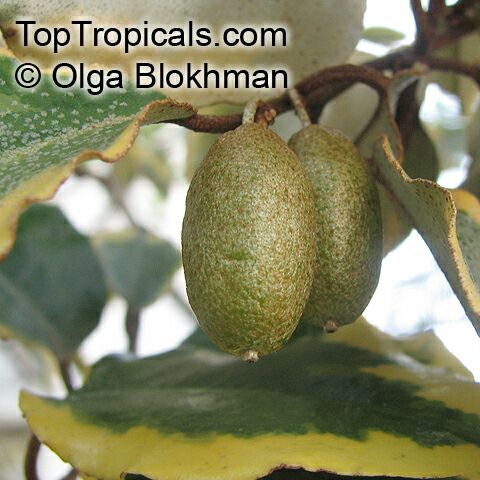
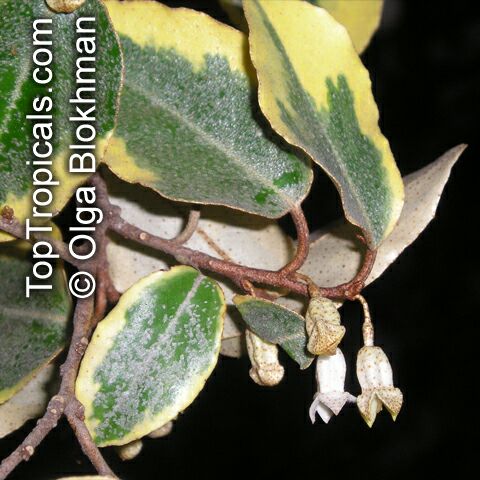
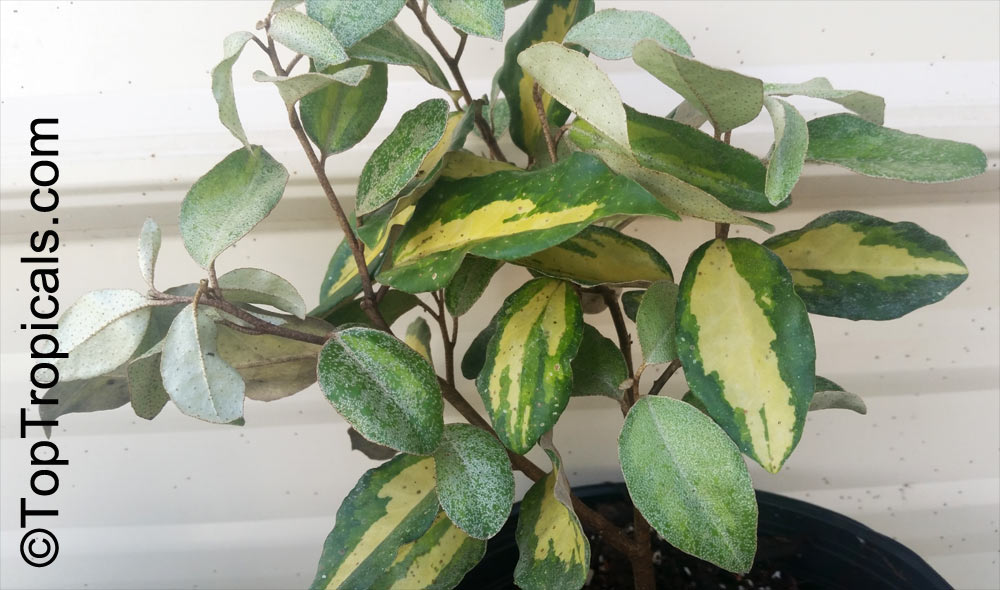
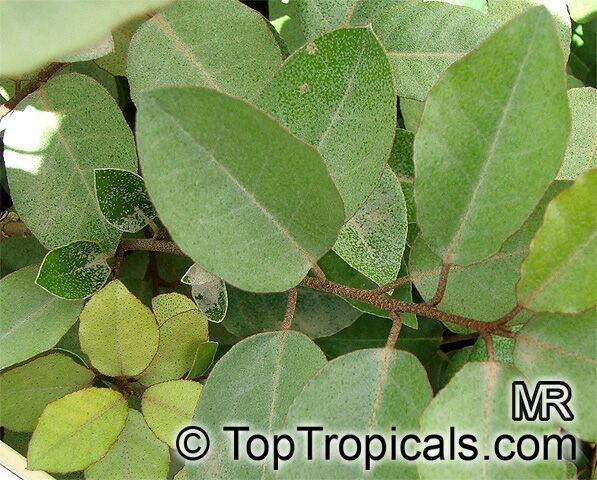
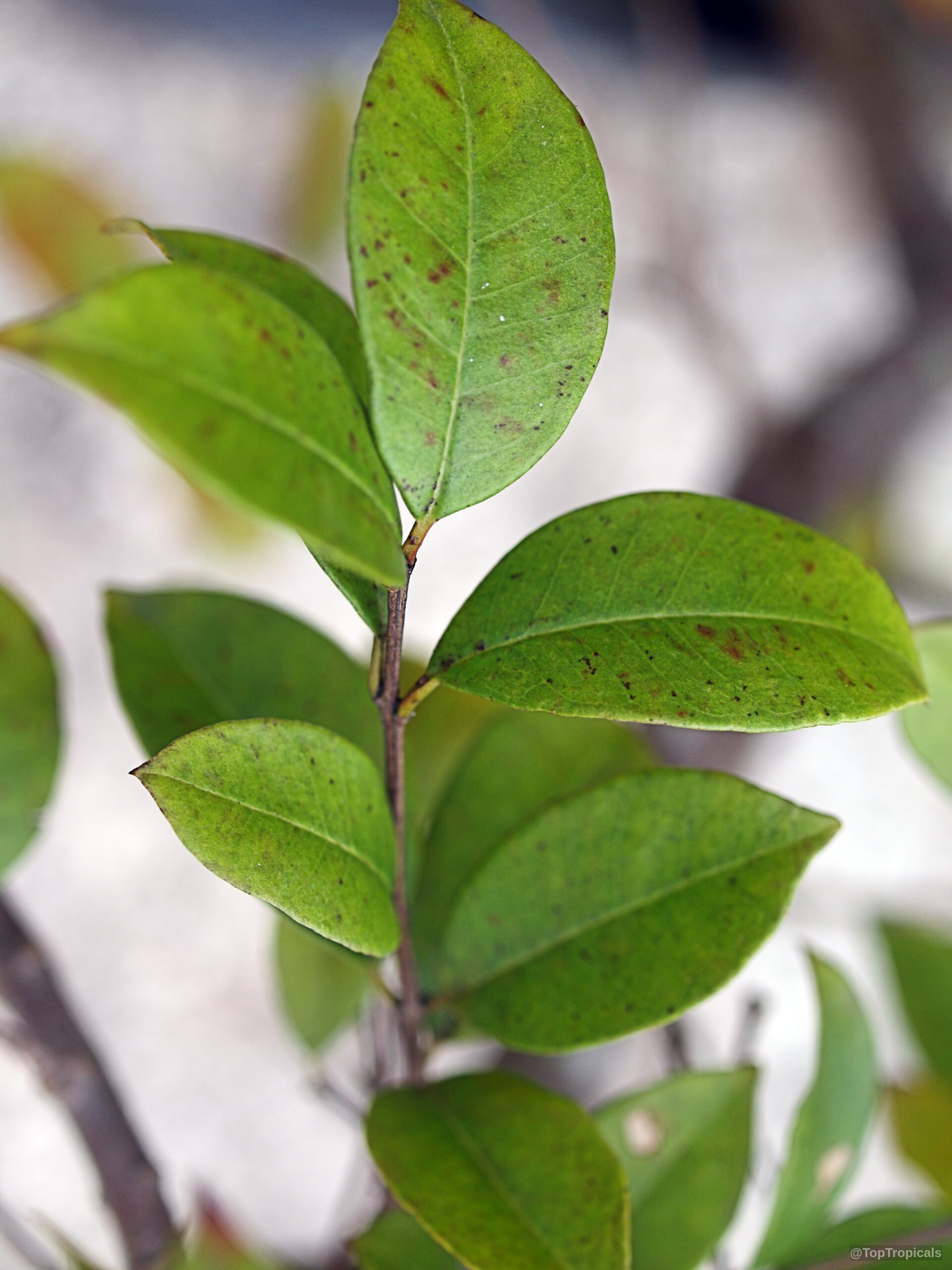
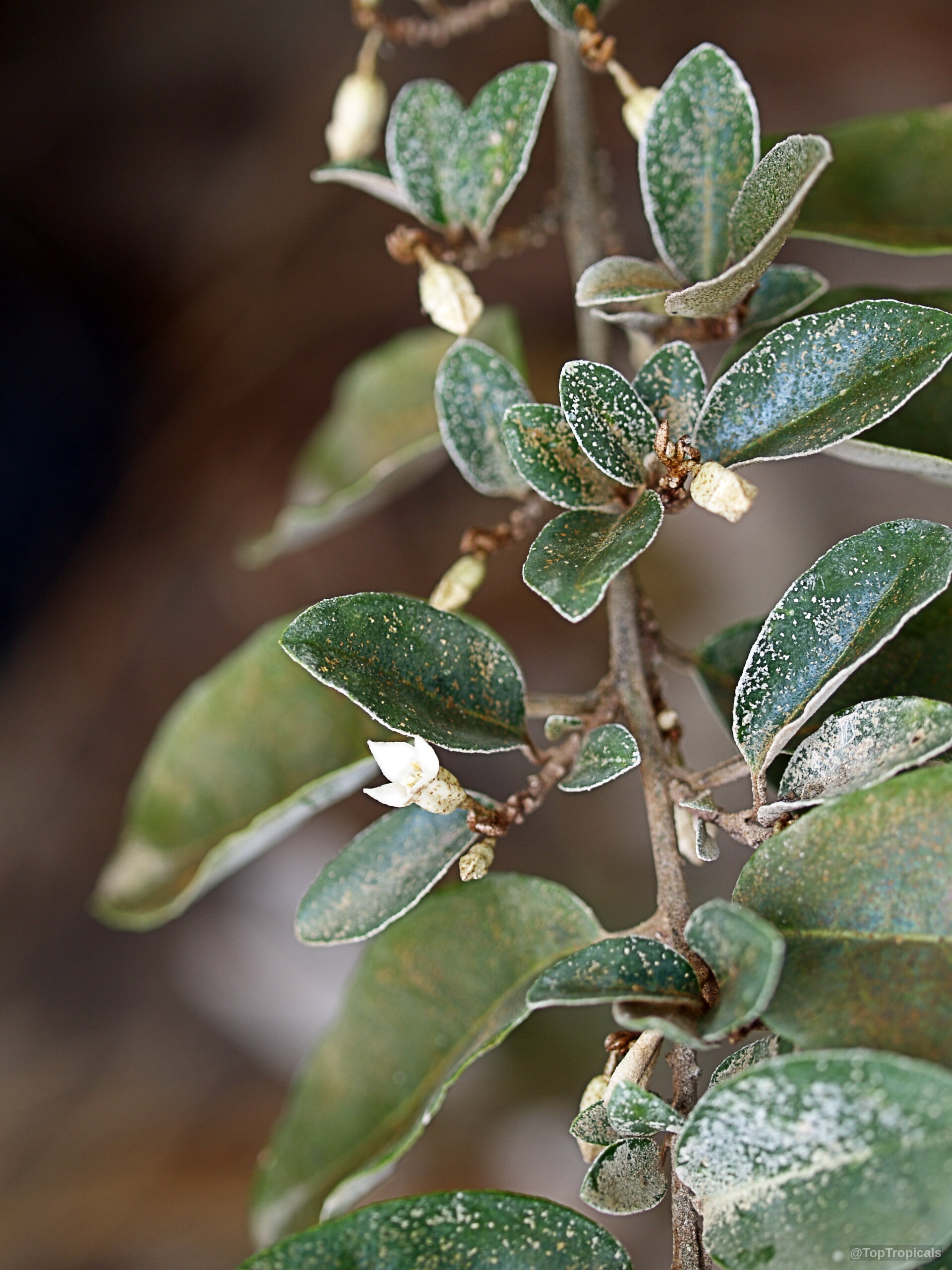
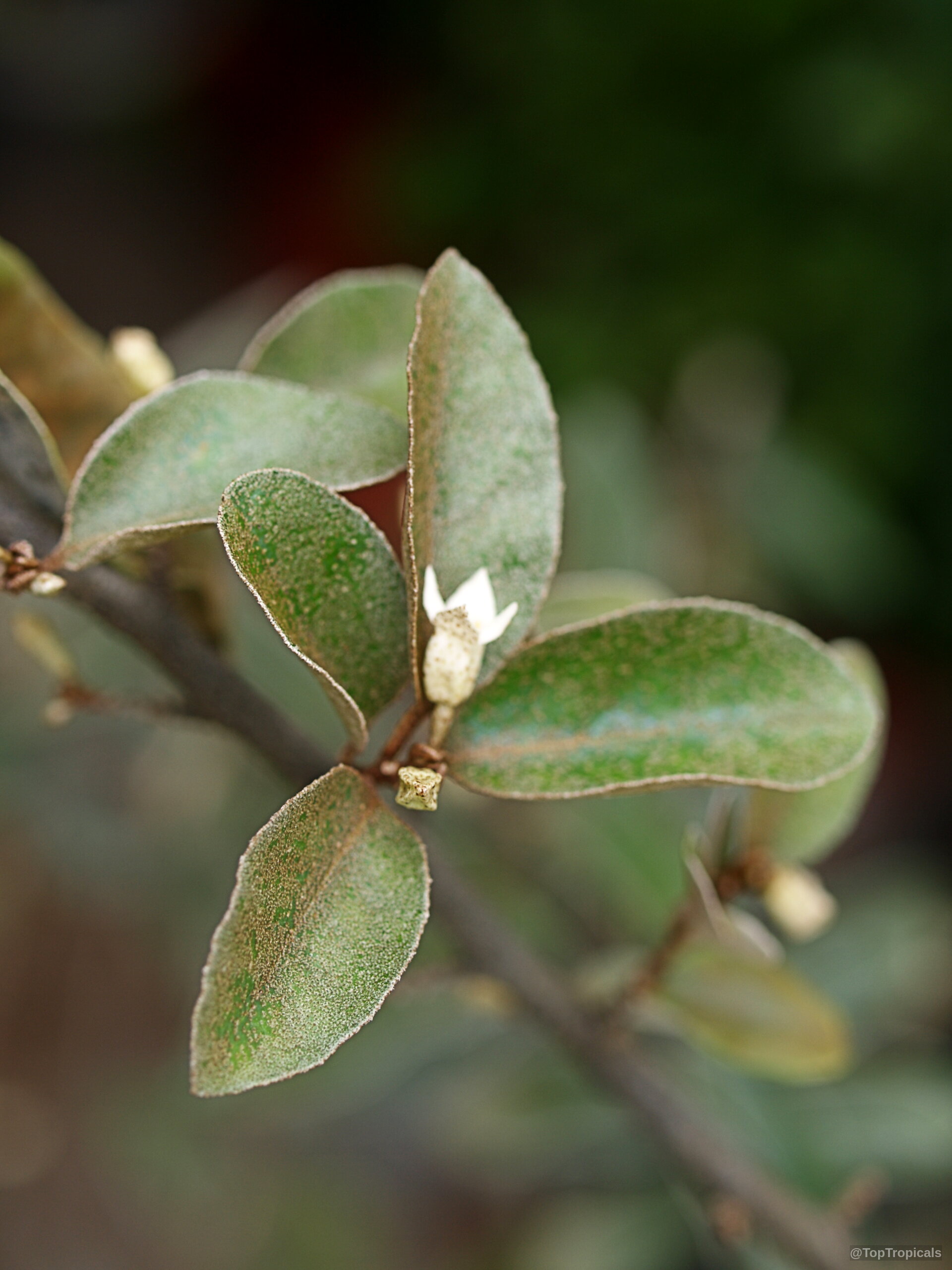
Elaeagnus is a diverse genus of shrubs and small trees known for their silvery foliage, drought tolerance, and strong adaptability in temperate and subtropical regions.
These species serve as ornamental, hedging, and screening plants, valued for their hardiness, rapid growth, and ability to thrive even in poor soils.
What makes Elaeagnus distinctive?
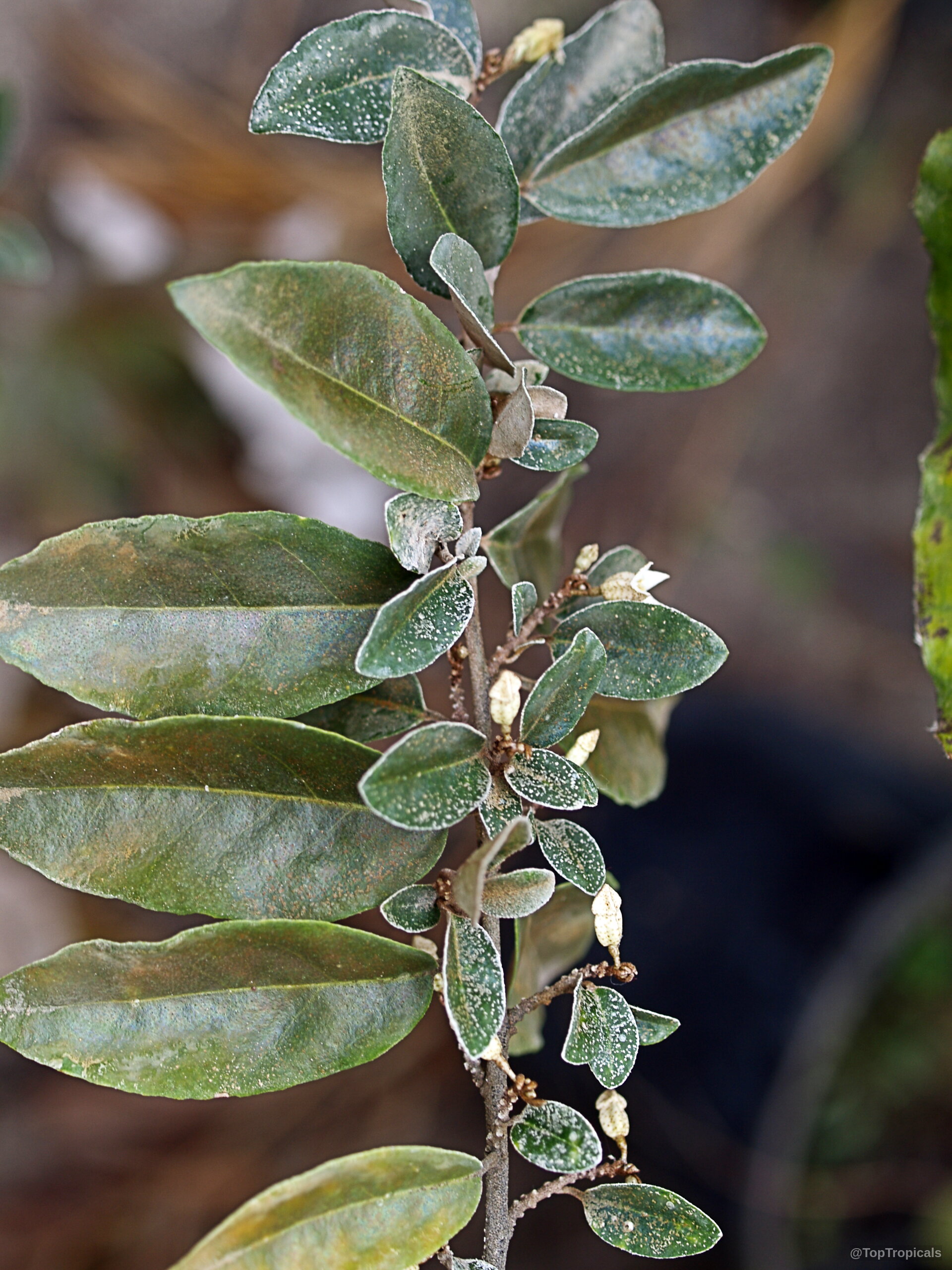
Elaeagnus includes resilient shrubs and small trees with leaves coated in fine silvery scales that create a soft metallic sheen. Many species produce fragrant tubular flowers followed by fleshy fruits that ripen in red, orange, or brown tones, often marked with characteristic speckling. The genus tolerates full sun, wind, salt exposure, and nutrient-poor soils, supported by nitrogen-fixing root associations that enhance vigor in challenging conditions. Across the genus, forms range from dense hedging shrubs to broad, arching landscape plants, all contributing durable structure to warm temperate and frost-free subtropical gardens. One species native to the Philippines is widely known by the common name Lingaro or Philippine Elaeagnus, and is appreciated for its suitability for bonsai cultivation due to its small leaves, flexible branching, and compact growth pattern.



Botanical name: Hippophae rhamnoides
Common name: Sea Buckthorn
Family: Elaeagnaceae
Origin: Temperate zones of Asia and Europe
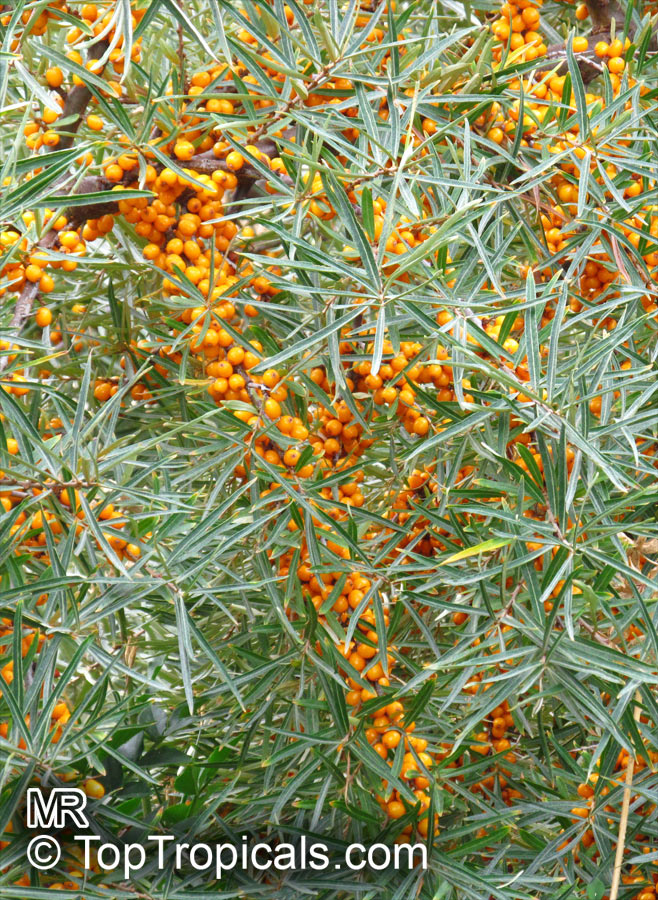
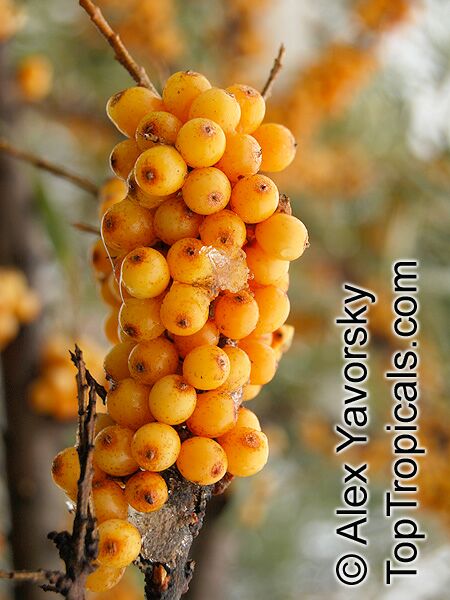
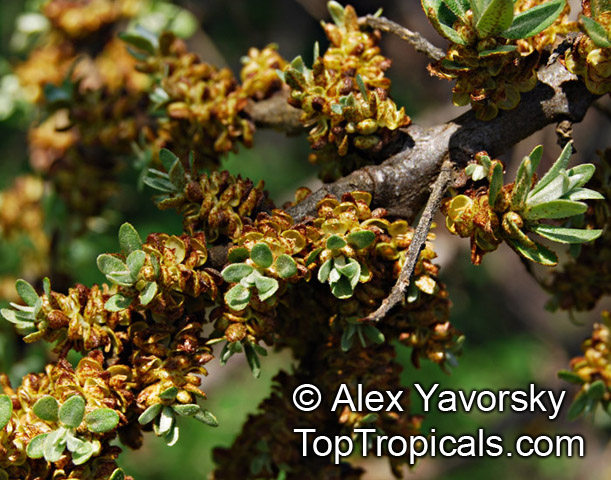
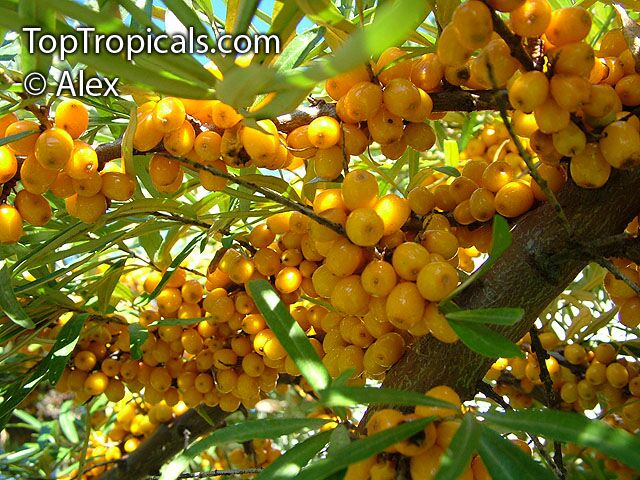
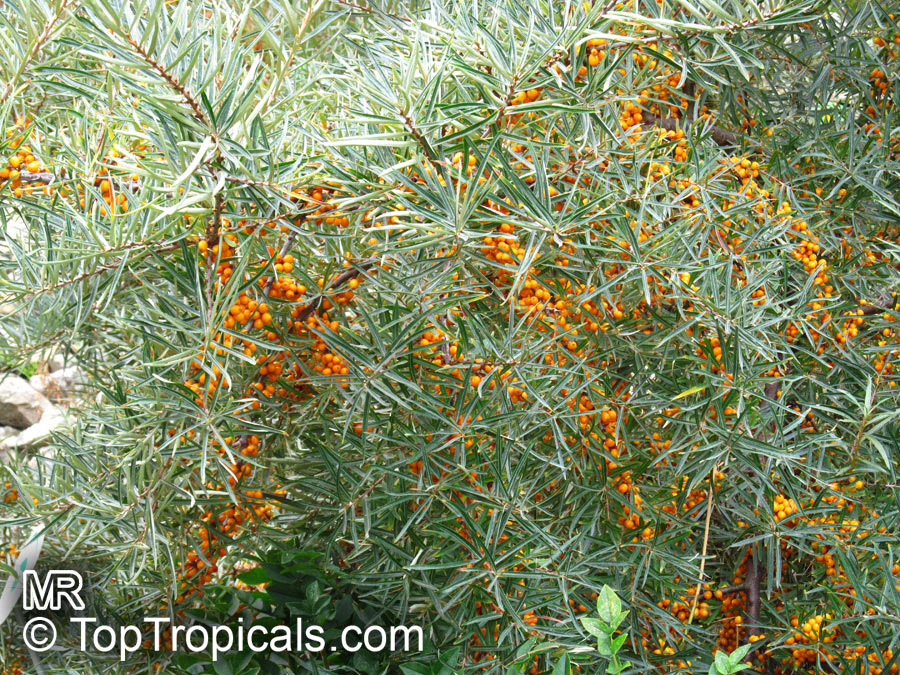
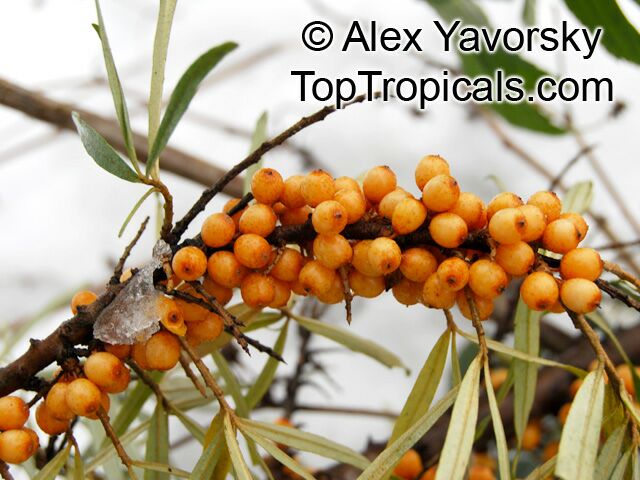
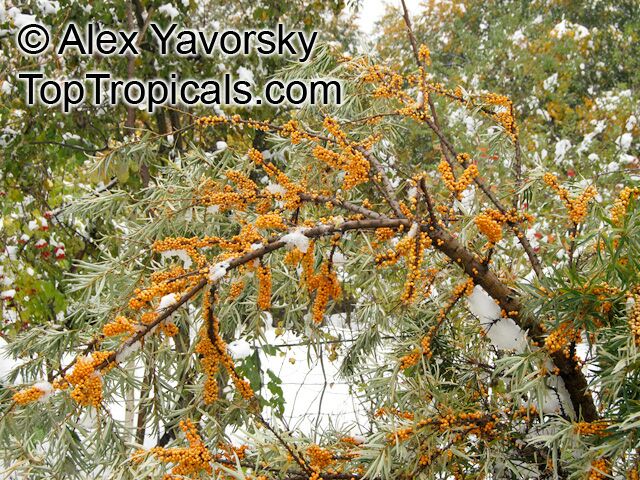
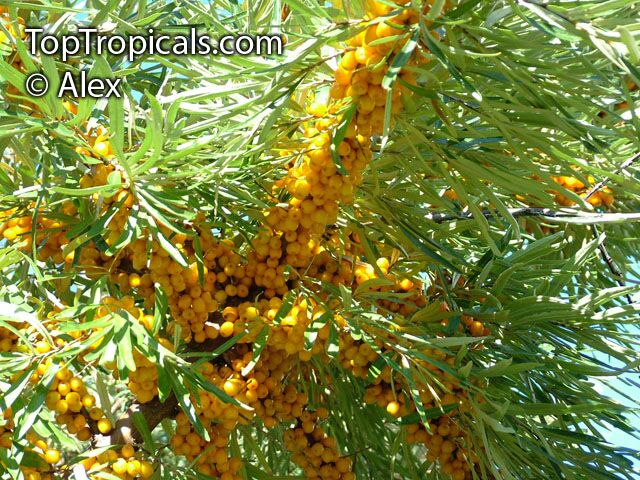
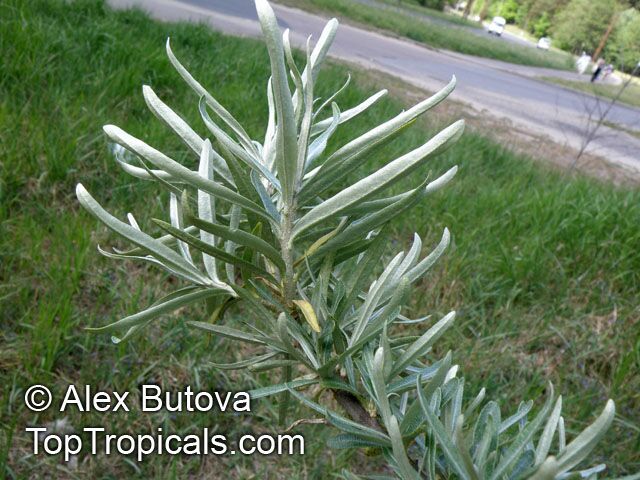
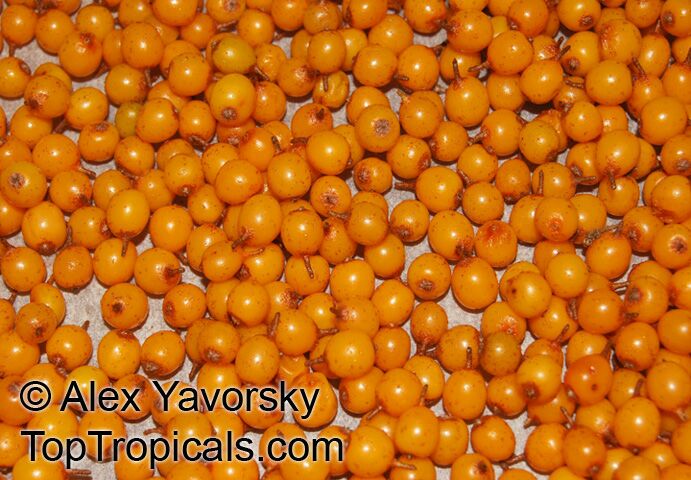
Sea Buckthorn (Hippophae rhamnoides) is a large shrub or small tree that is native to Europe and Asia. It is known for its abundant yellow-orange berries, which grow in clusters and ripen in the fall. These berries are edible, with a tangy flavor and high vitamin content. They can be eaten fresh or used to make jams and sauces.
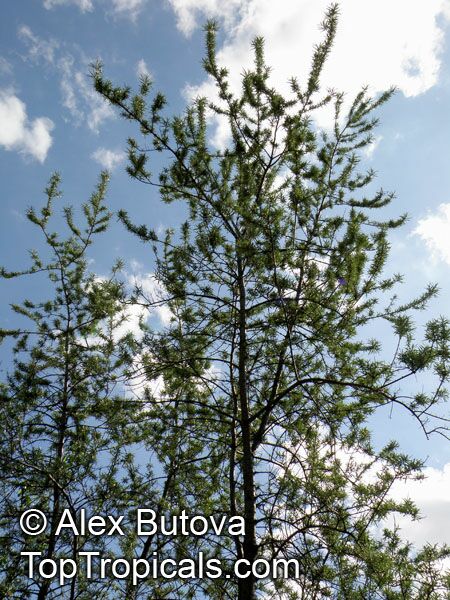
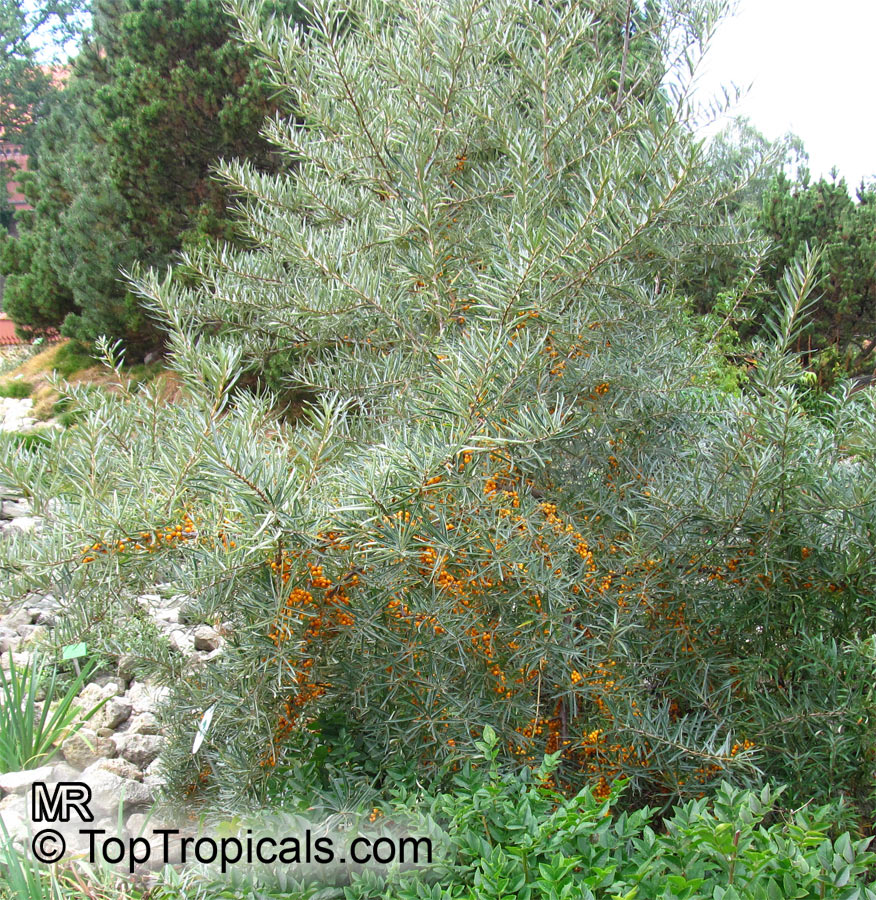
Sea Buckthorn will grow in full sun and with moderate water. It is hardy to USDA Zone 3-7. The plant can reach 5-10 feet tall as a shrub or 10-20 feet tall as a small tree, depending on age and climate.
Sea Buckthorn has a long history of medicinal and nutritional use, dating back many centuries in Europe and Asia. It was fed to horses in ancient Greece to improve their health and shine their coats. The plant is known for producing a high-quality medical oil from its fruit, which is used in the treatment of cardiac disorders and is the best single source known to man for Vitamin E, Vitamin C, Beta-carotene, unsaturated fatty acids, essential amino acids, and flavonoids.
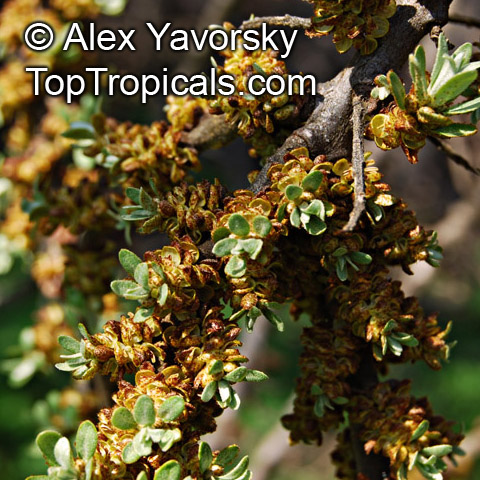
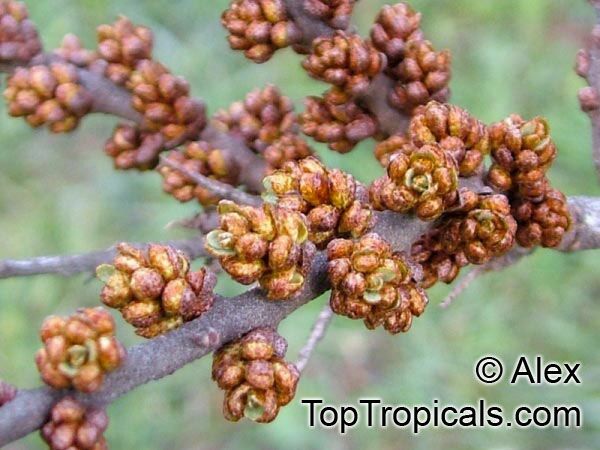
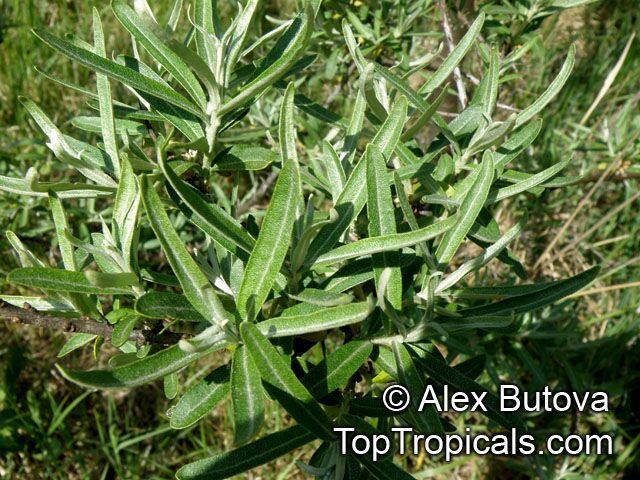
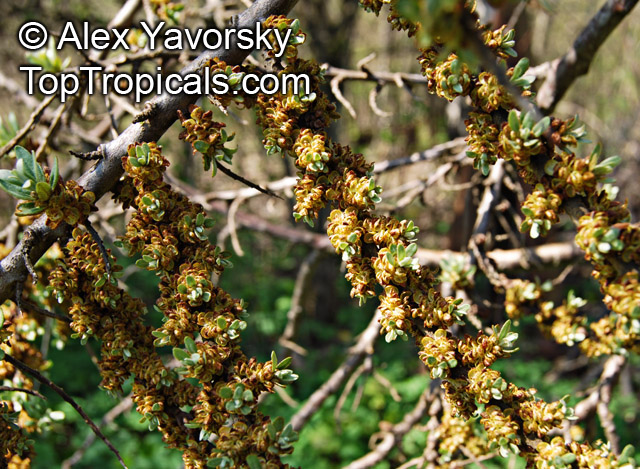
Sea Buckthorn is also being increasingly used in making fruit juices, especially when mixed with other fruits, because of its reputed health benefits. The freshly pressed juice is used in the treatment of colds and exhaustion. The plant has dense and stiff branches, and the leaves are a distinct pale silvery-green color. Sea Buckthorn is dioecious, with male and female flowers on separate plants. The flowers bloom in April and are cold hardy to hard freeze.
Use link to repeat this search:
https://toptropicals.com/cgi-bin/garden_catalog/cat.cgi?search_op=and&keyword_op=and&language=e&family=Elaeagnaceae
&number=10&no_change_lang=1&user=tt&sale=1&first=0