Syzygium cumini (Malabar plum) - Video 1
Botanical name: Syzygium cumini
Common names: Malabar plum, Java plum, Black plum, Jamun, Jaman, Jambul, Jambolan, Lilly Pilly, Duhat
Family: Myrtaceae
Origin: Southern Asia, Australia
USDA Plant Hardiness Zone Map
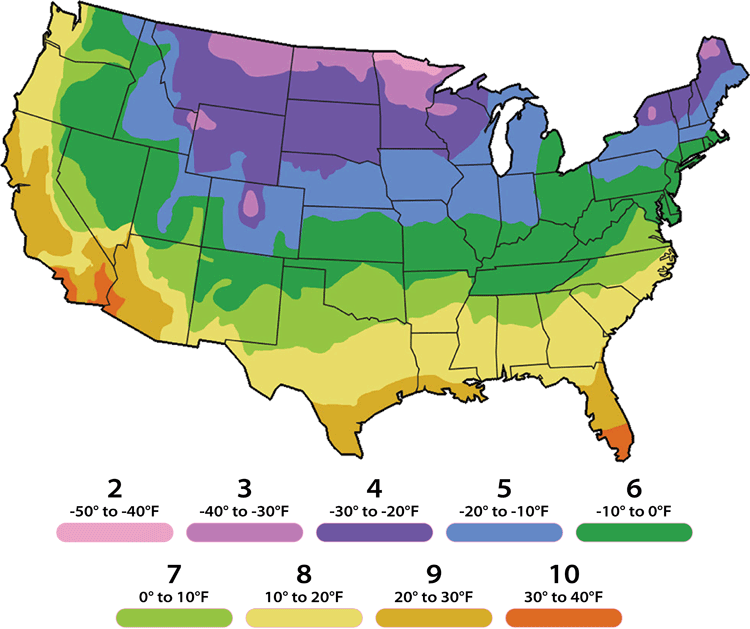
USDA Zone: 8-11
Cold tolerance: 20°F
Plant type: Fruit
Fruit type: Jambolan, Java Plum
 Plant form: Large tree
 Mature height: 20 ft or more
 Sun exposure: Full sun or bright light indoor
 Cold tolerance: Tolerates light freezing to about 30°F for short periods (mature plants). Young plants must be protected.
 Watering: Moderate
 Flower color: White and off-white
 Suitable for: Outdoors in the suitable USDA zone; large gardens
 Ethnomedical: Ethnomedical plant, traditionally used in folk or indigenous medicine
Syzygium cumini
Learn more about
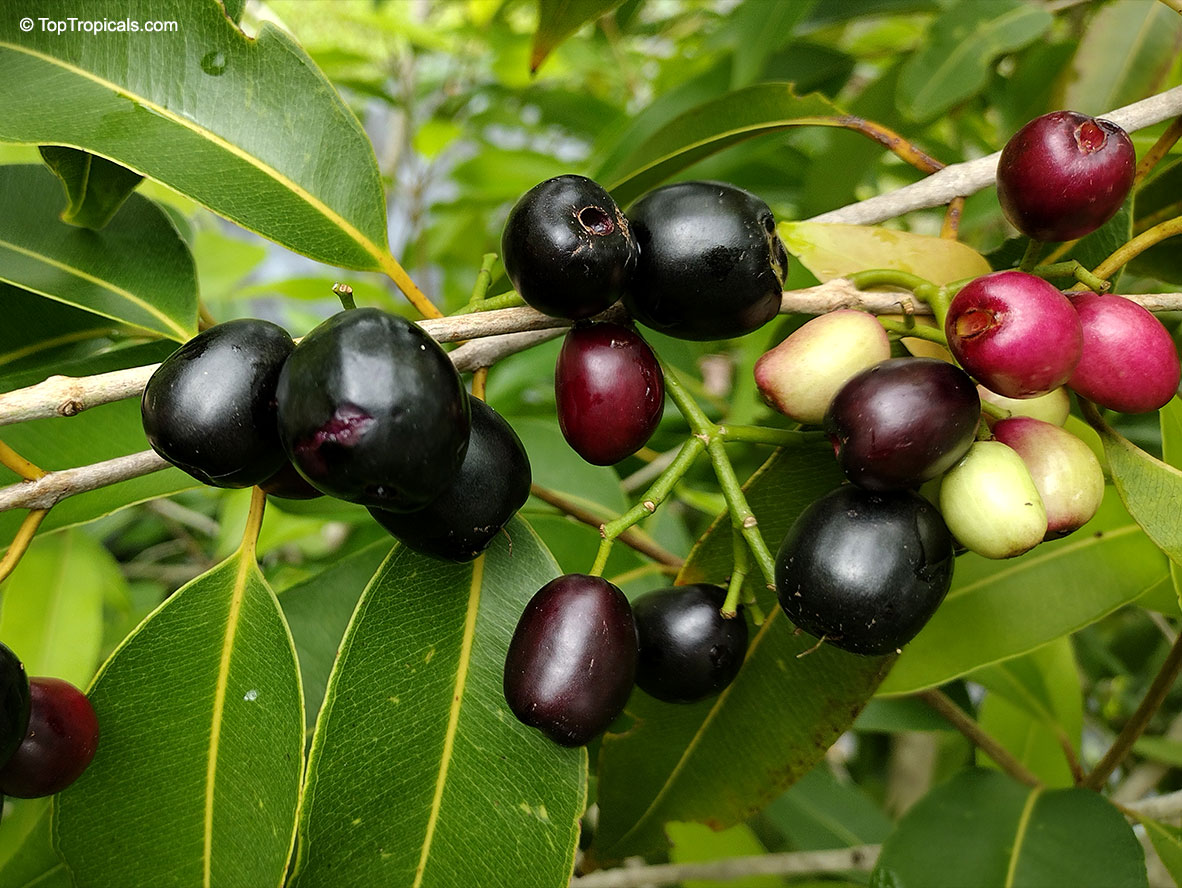

Jambolan, Java Plum - Jambolan has fragrant white flowers in branched clusters at stem tips and purplish-black oval edible berries. Jambolans of good size and quality, having a sweet or subacid flavor and a minimum of astringency, are eaten raw and may be made into tarts, sauces and jam. The jambolan has received recognition in folk medicine and in the pharmaceutical trade. The seeds, leaves and bark are also used in various alternative healing systems like Ayurveda and Chinese medicine. According to Hindu tradition, Rama subsisted on the fruit in the forest for 14 years during his exile from Ayodhya. Because of this, many Hindus regard Jambul as a "fruit of the gods". In Hindu mythology Lord Krishna has been described as having skin the color of Jambul. The leaves are used in India as marriage pendals.
The tree is very vigorous, bushy and full, and can be also used as a fast growing ornamental, creating a dense privacy screen in just a couple of seasons.
Recommended Fertilizer: SUNSHINE C-Cibus - Crop Nutrition Booster
SUNSHINE-Honey - sugar booster
The tree is very vigorous, bushy and full, and can be also used as a fast growing ornamental, creating a dense privacy screen in just a couple of seasons.
Recommended Fertilizer: SUNSHINE C-Cibus - Crop Nutrition Booster
SUNSHINE-Honey - sugar booster
Buy together promotion:
 SUNSHINE C-Cibus (NPK 2-2-4) - Crop Booster for every watering.
  SUNSHINE C-Cibus (NPK 2-2-4) - Crop Booster for every watering.
 Grown in
10"/3 gal pot, large plant
In stock
$49.95
Sale $39.95