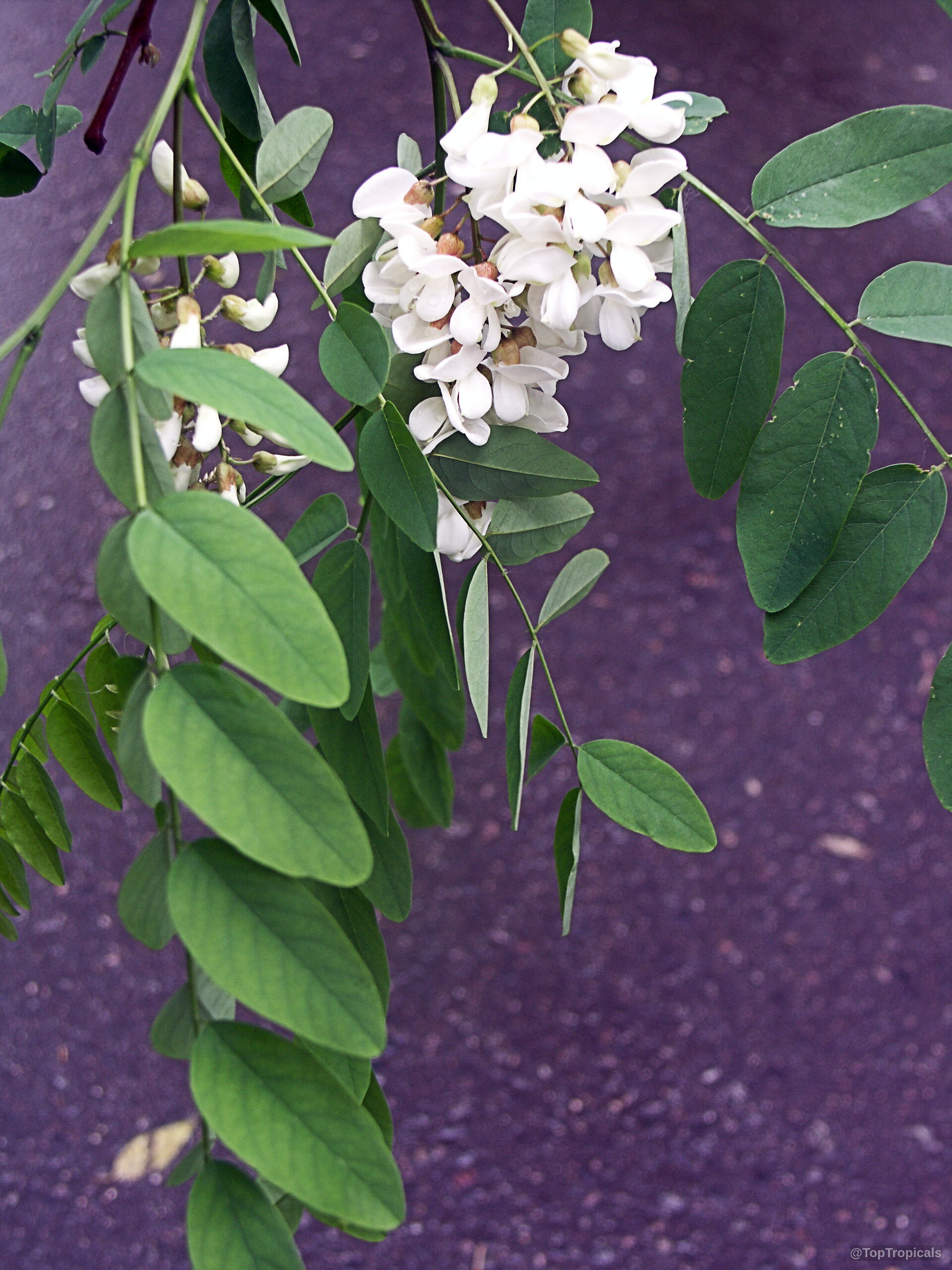
Robinia sp. (Locust)

Botanical name: Robinia sp.
Common name: Locust
Family: Fabaceae
Subfamily: Faboideae
Origin: Eastern United States
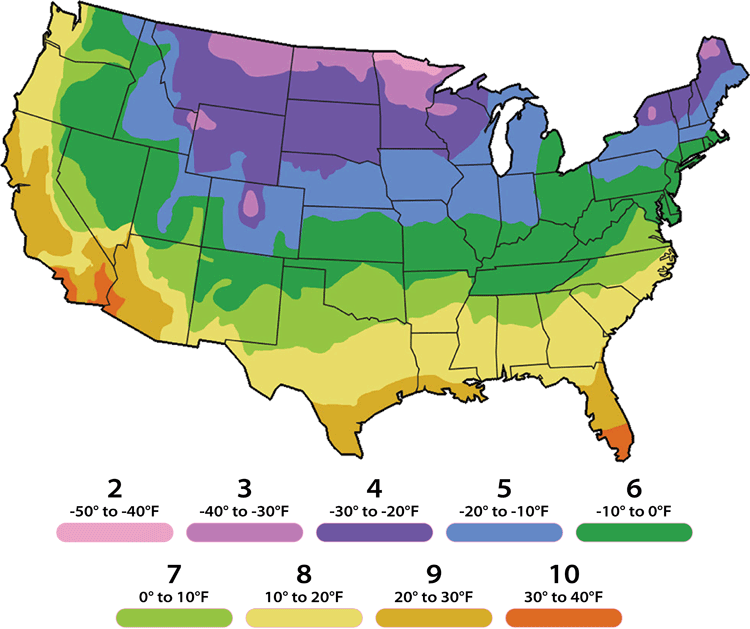
USDA Zone: 5-9


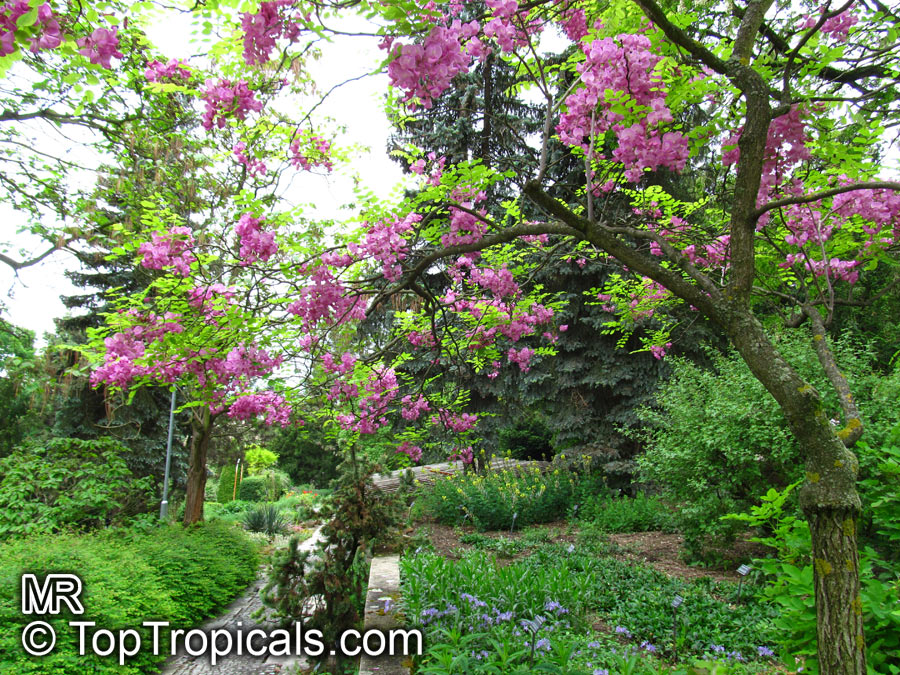
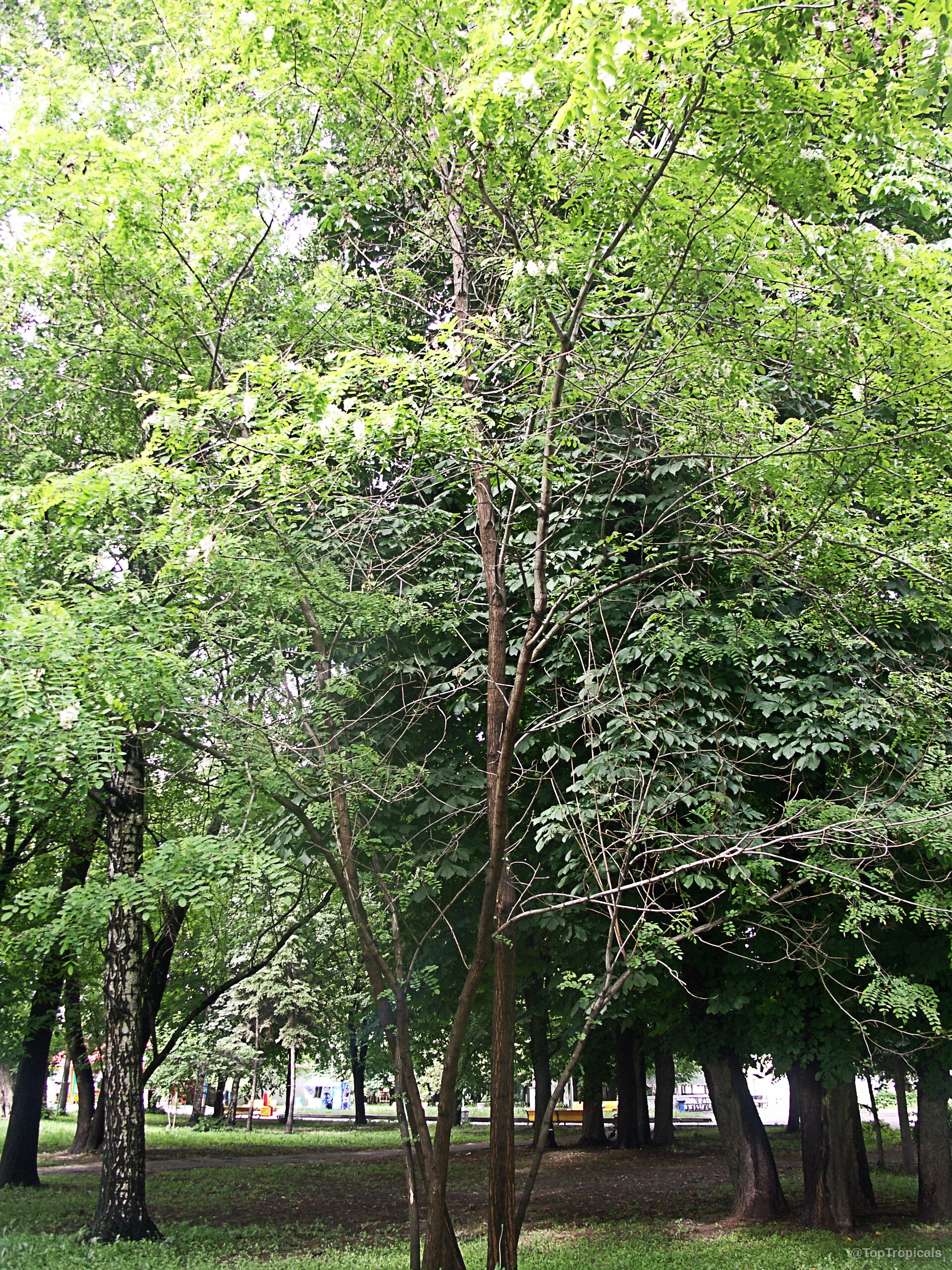
 Plant form: Large or medium tree; suitable for bonsai
 Mature height: 20 ft or more
 Sun exposure: Full sun or bright light indoor; semi-shade
 Cold tolerance: Tolerates light freezing to about 30°F for short periods (mature plants). Young plants must be protected.
 Watering: Moderate
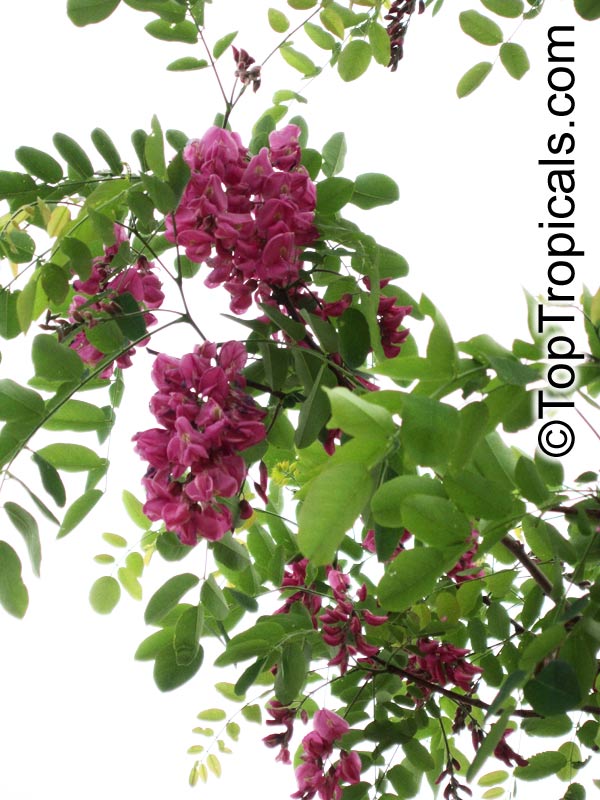
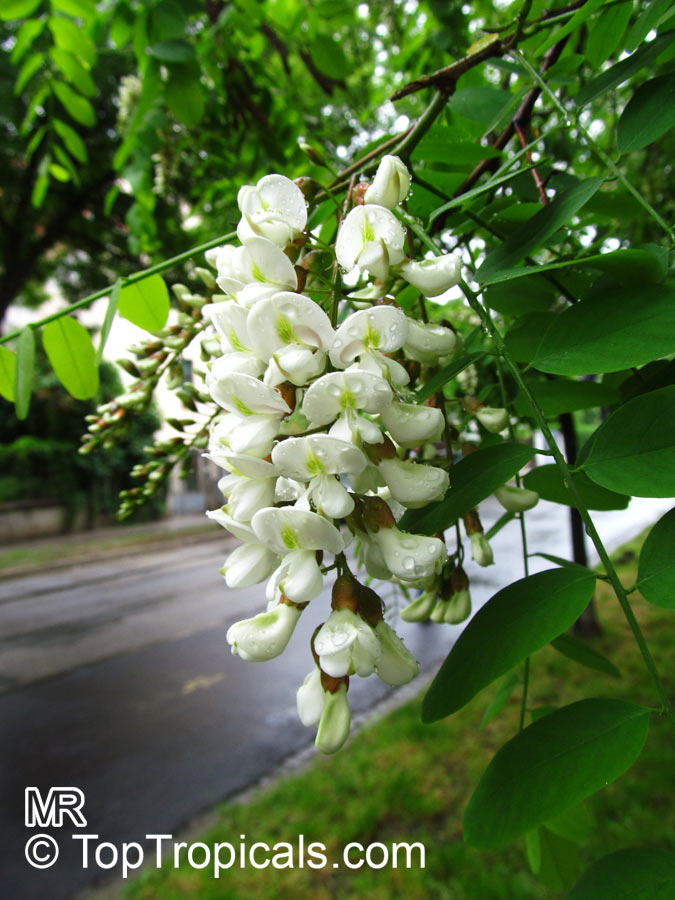
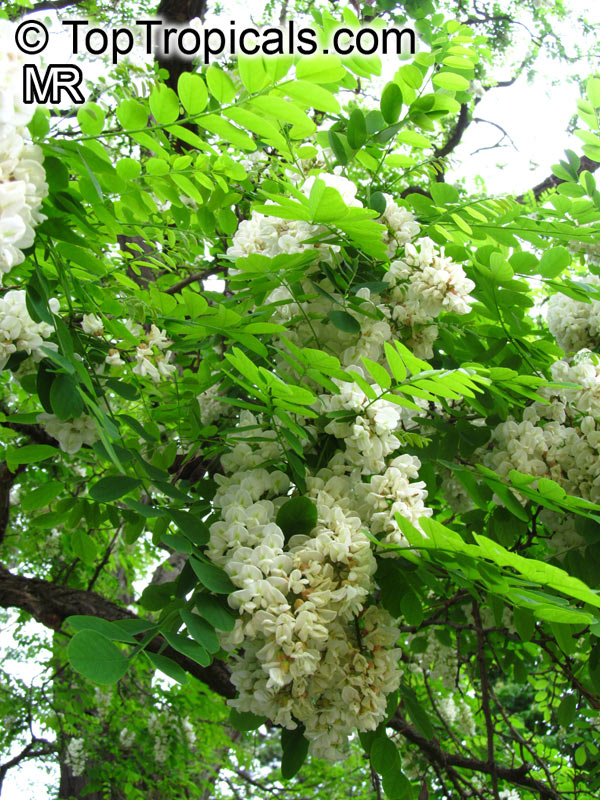
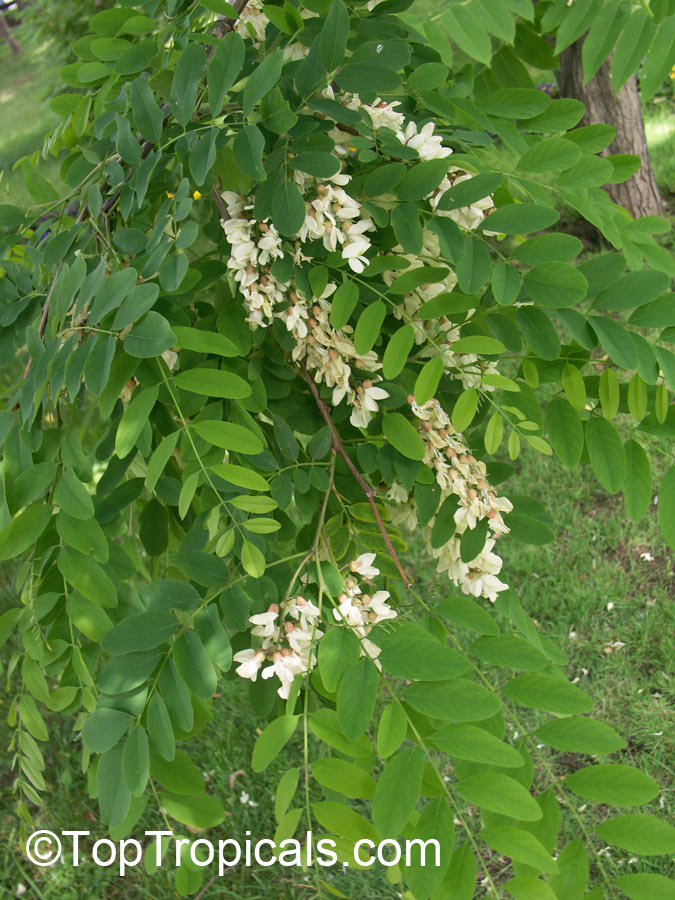
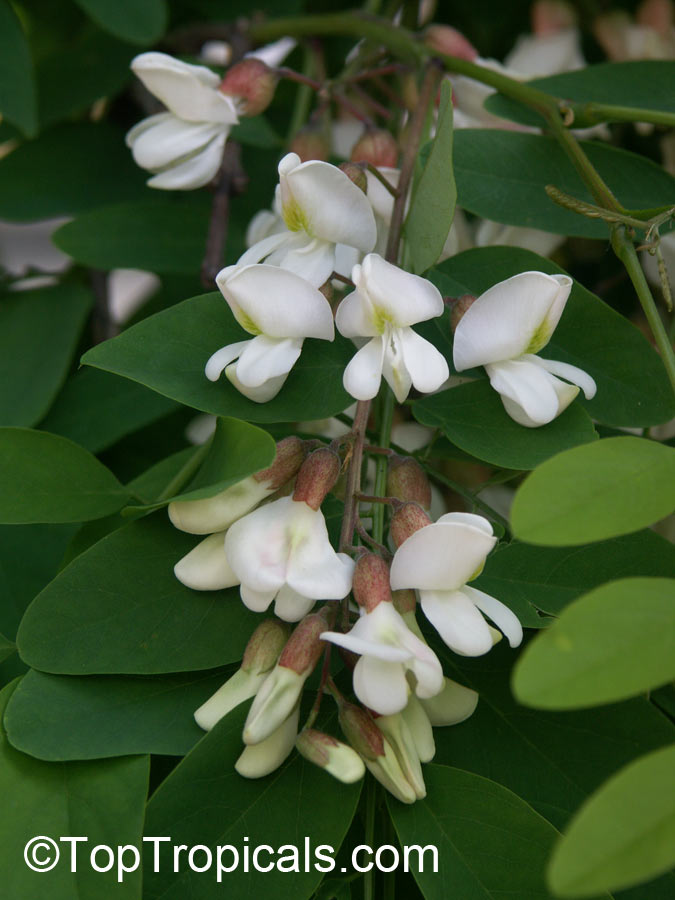
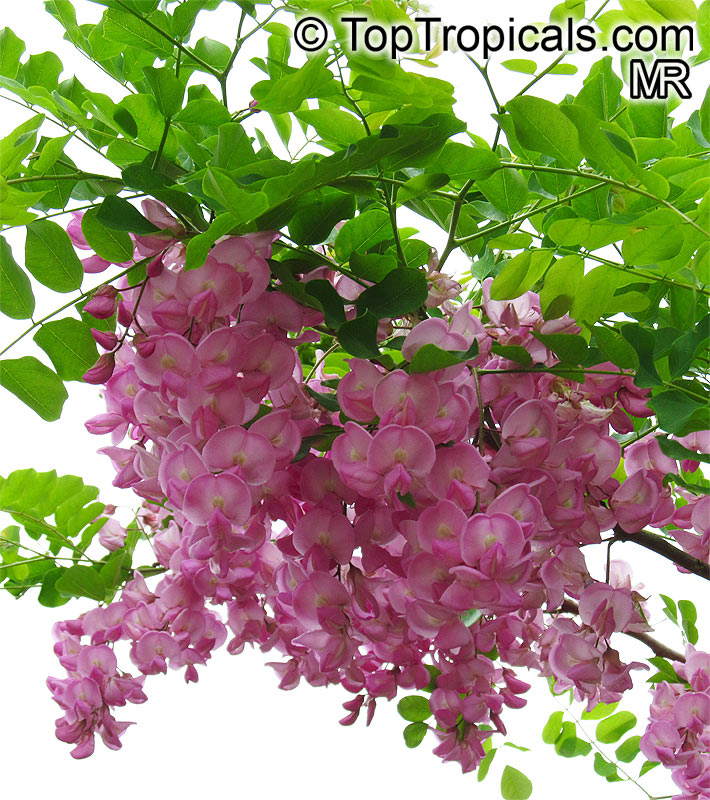
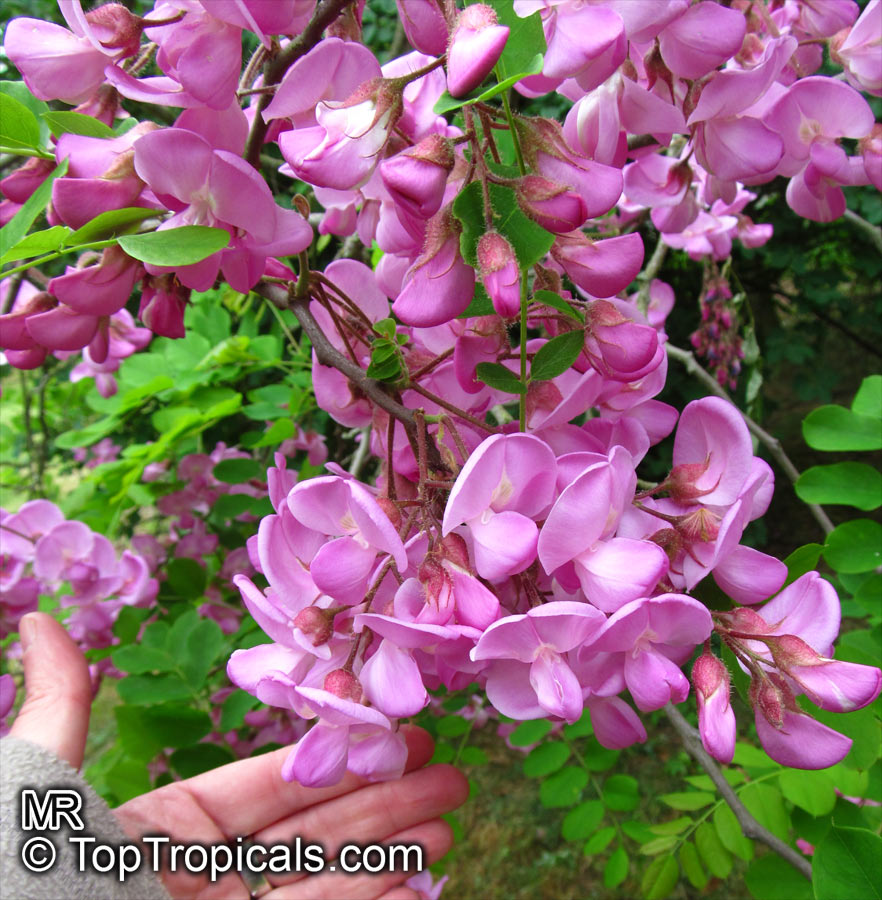
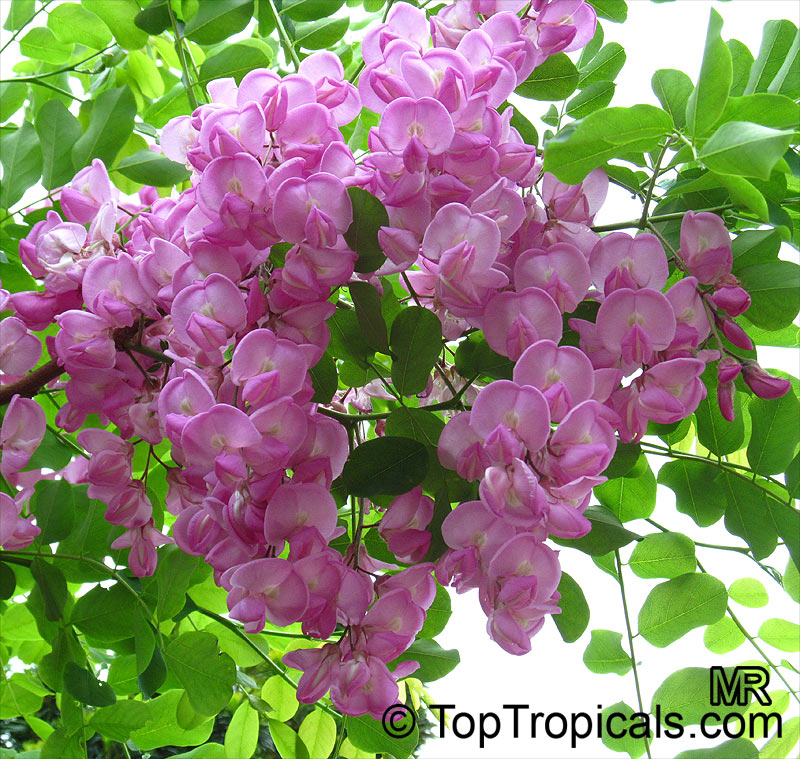
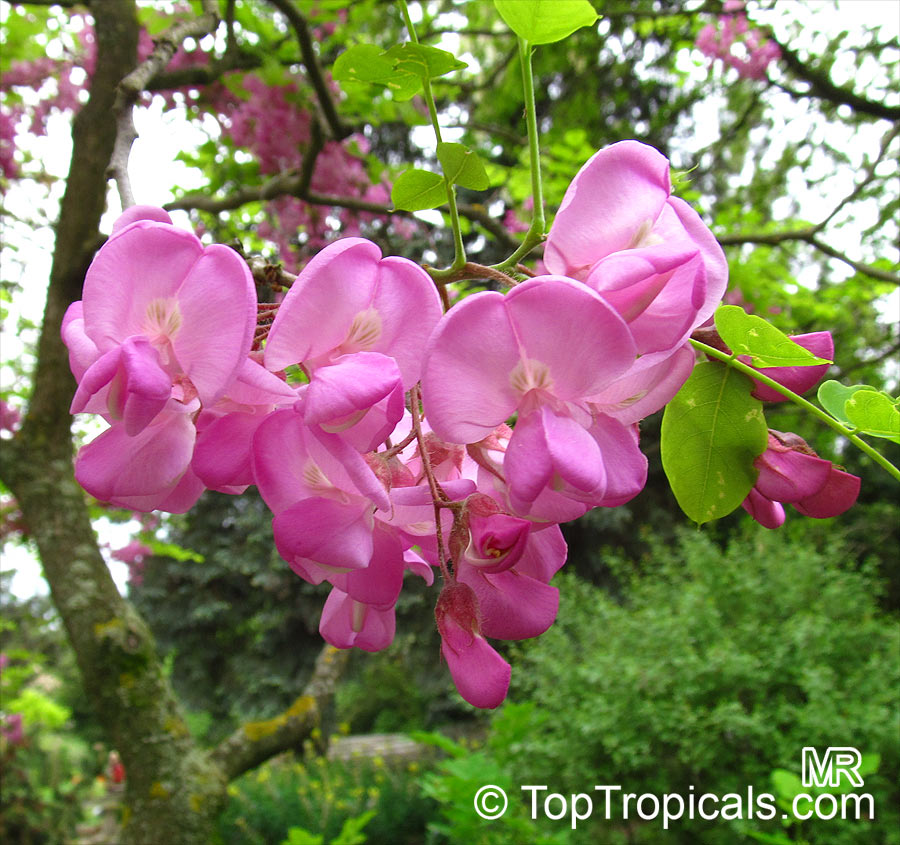
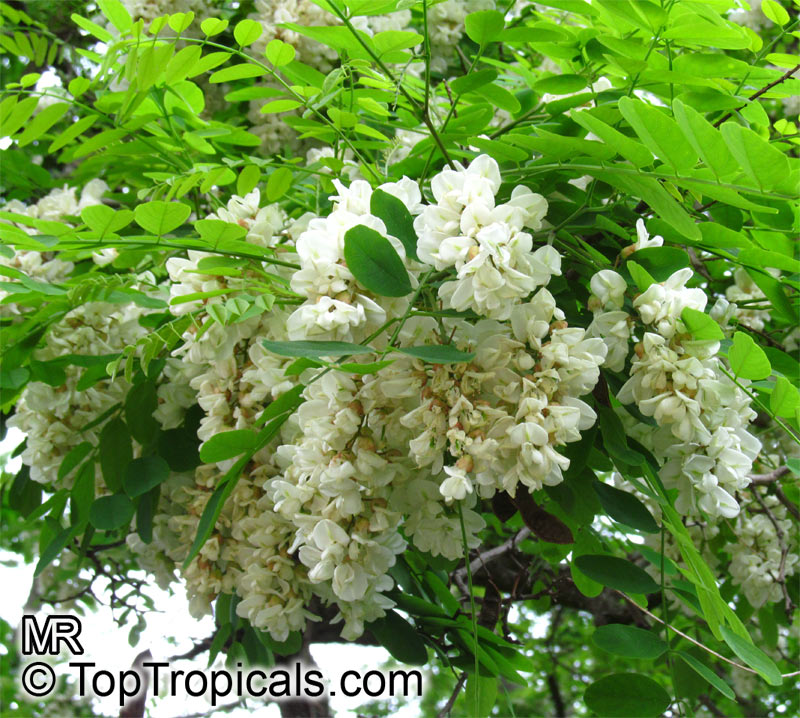
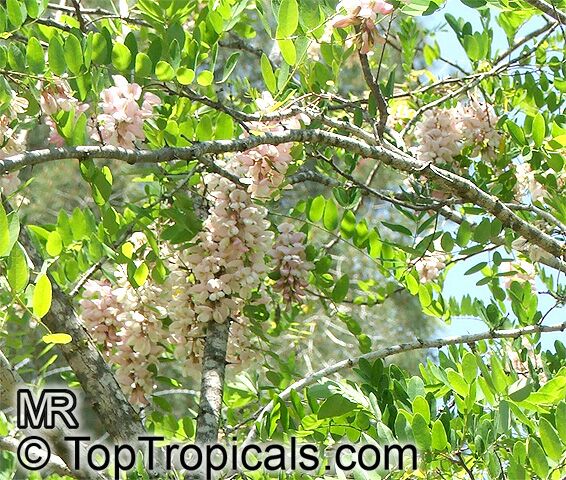
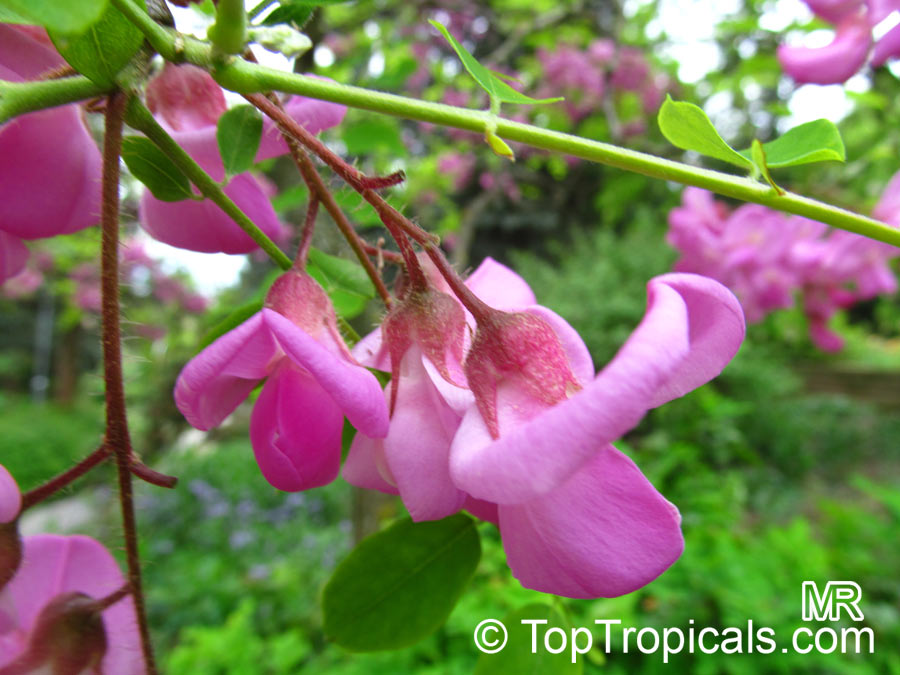
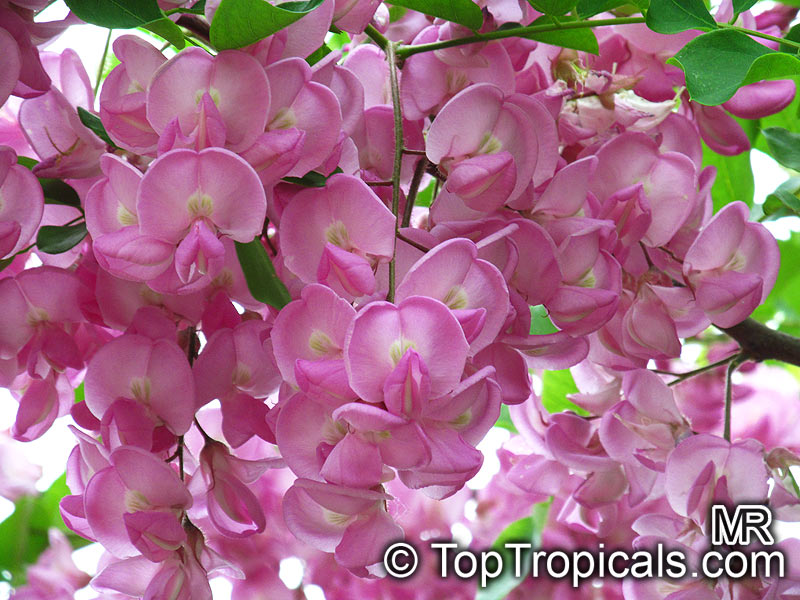
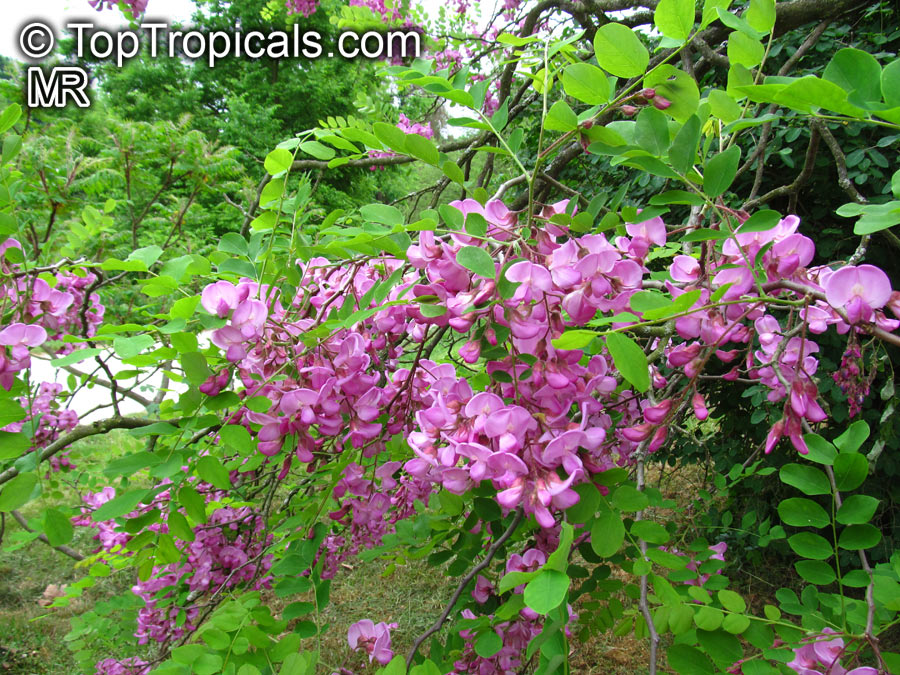
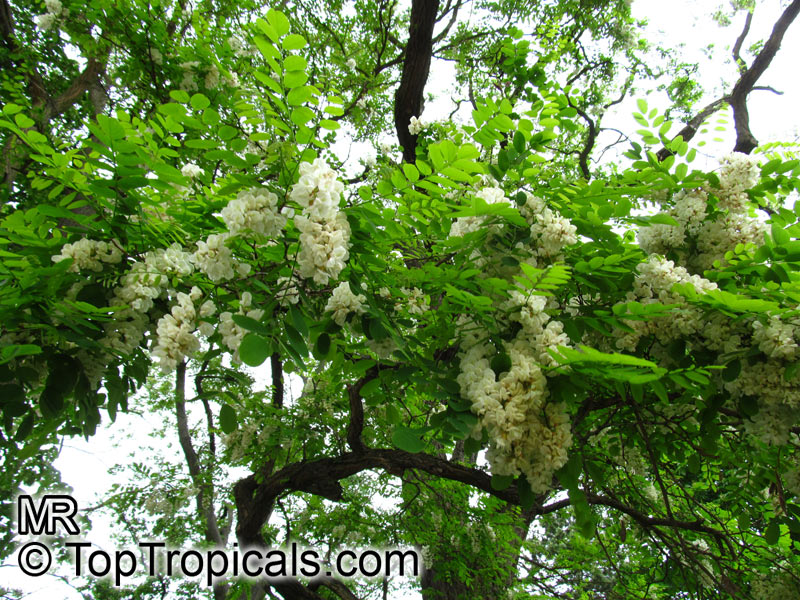
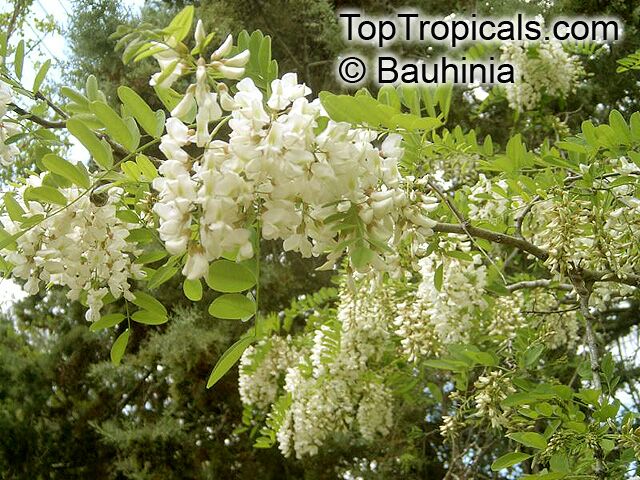
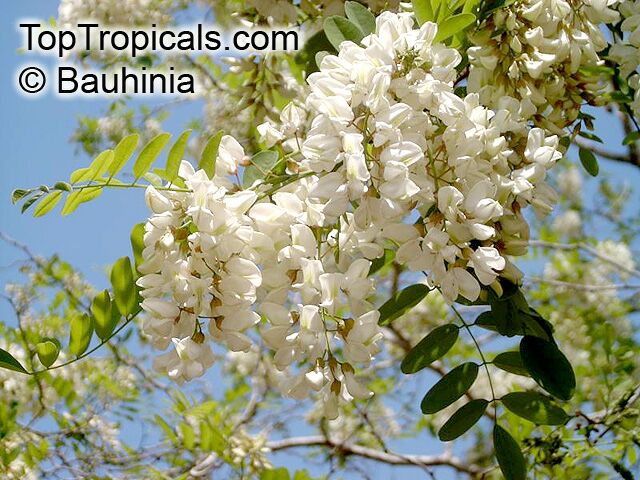
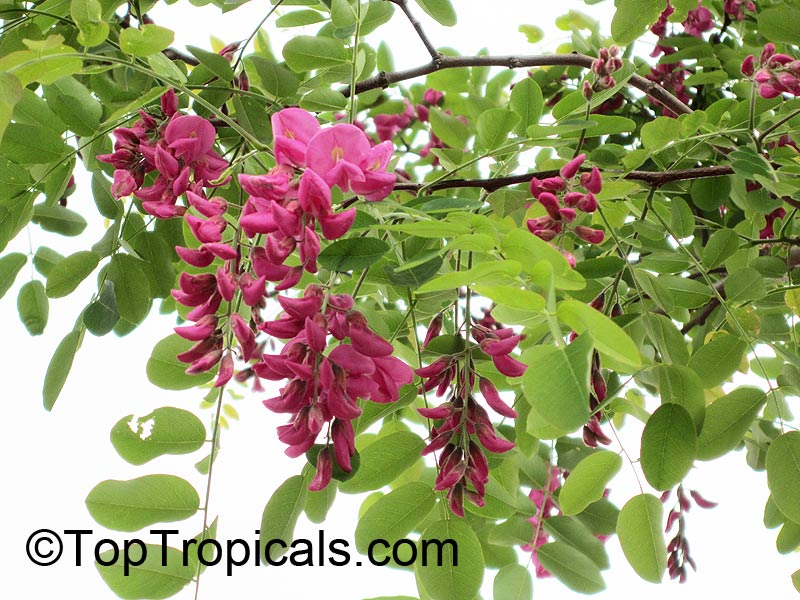
 Flower color: Pink; white and off-white
 Suitable for: Outdoors in the suitable USDA zone; large gardens
 Foliage: Deciduous
 Fragrance: Fragrant; perfume plant
 Wildlife: Attracts butterflies and hummingbirds
The Robinia sp. is a native species found throughout the eastern part of the United States. Many species can be used for bonsai, and because of their adaptability and resilience, this plant is a popular choice for landscapers.
Depending on the kind of Robinia sp. you want to grow, the size of your tree can range between a large shrub 5-10ft tall, to a small tree 10-20ft and even larger trees that can reach a height taller than 20ft.
These plants thrive in full sun or semi-shade and require moderate water growing conditions. When blooming, the flowers are white or off-white tone and has a sweet fragrant smell. The blooms are especially attractive to butterflies and hummingbirds.
In terms to growing conditions, the Robinia sp. is generally hardy enough to tolerate a USDA Hardiness Zone 9 to 11 and can tolerate temperatures as low as 30s (F) for a short period of time. But for growers in cold climates, the best practice to keep the plant flourishing is to grow it in a pot and bring it indoors when temperatures drop. The plant should be given enough light and watered accordingly.