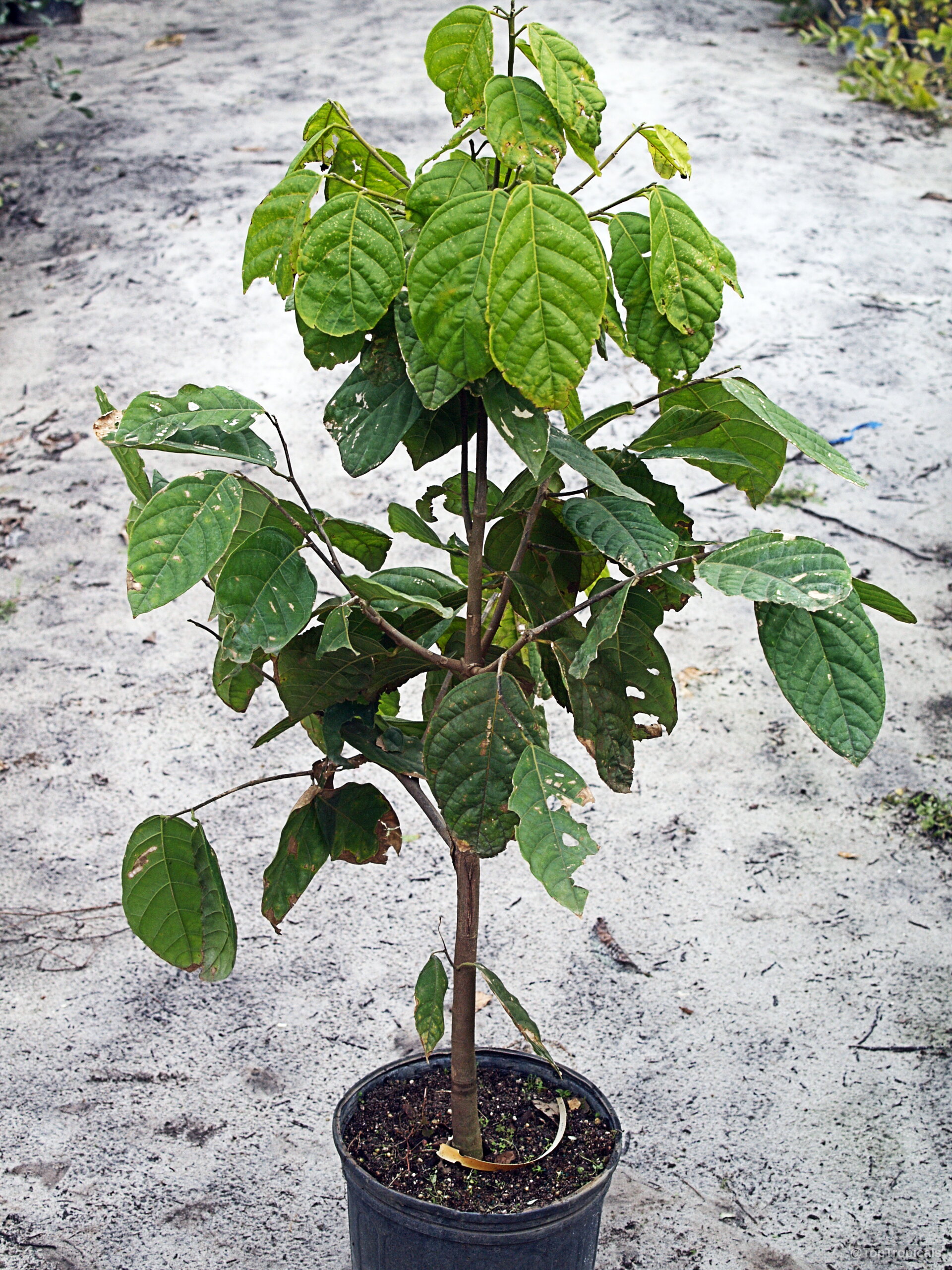
Quararibea funebris (Rosita de Cacao)
Botanical name: Quararibea funebris
Common names: Rosita de Cacao, Cabezona, Molinillo, Funeral Tree
Family: Malvaceae (Formerly:Bombacaceae)
Subfamily: Bombacoideae
Origin: Southern Mexico
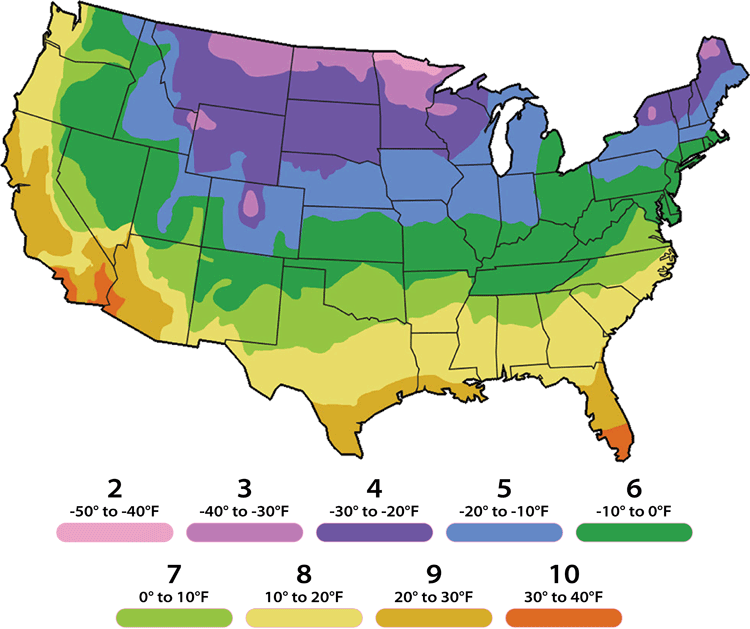
USDA Zone: 9-11
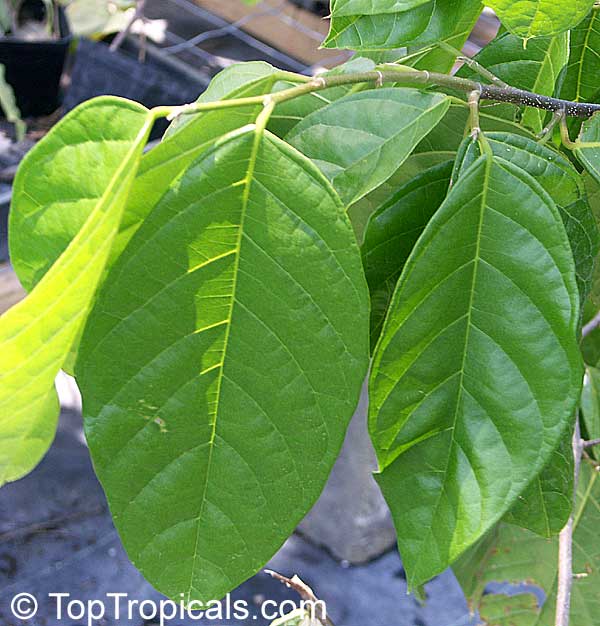
 Plant form: Large tree
 Mature height: 20 ft or more
 Sun exposure: Full sun or bright light indoor; semi-shade
 Cold tolerance: Tolerates light freezing to about 30°F for short periods (mature plants). Young plants must be protected.
 Watering: Moderate
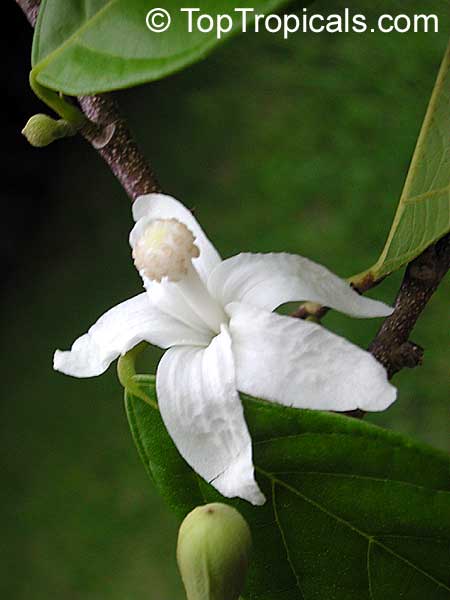
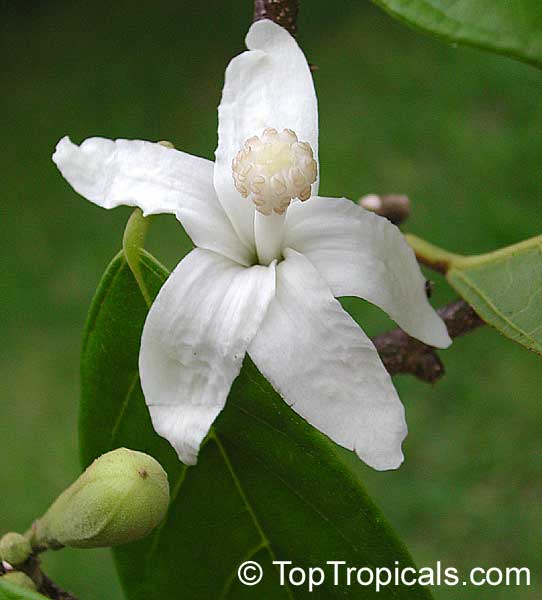
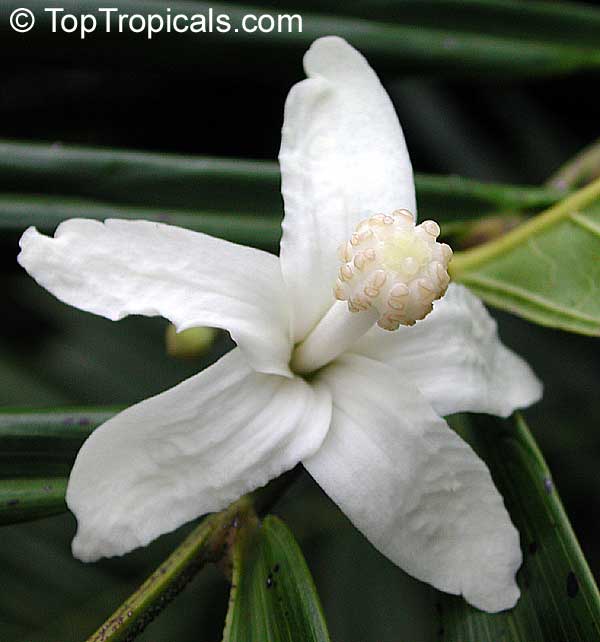
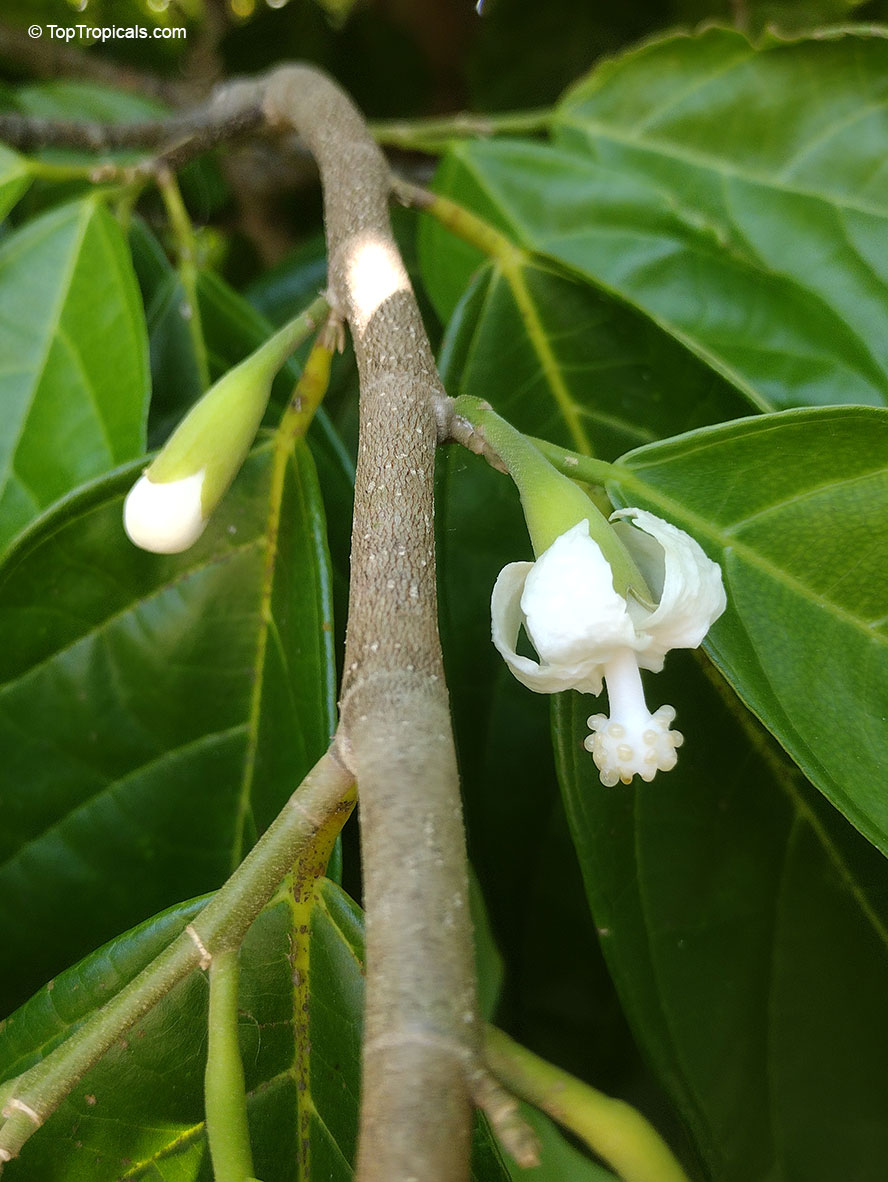
 Flower color: White and off-white
 Suitable for: Outdoors in the suitable USDA zone; large gardens
 Fragrance: Fragrant; perfume plant
 Ethnomedical: Ethnomedical plant, traditionally used in folk or indigenous medicine
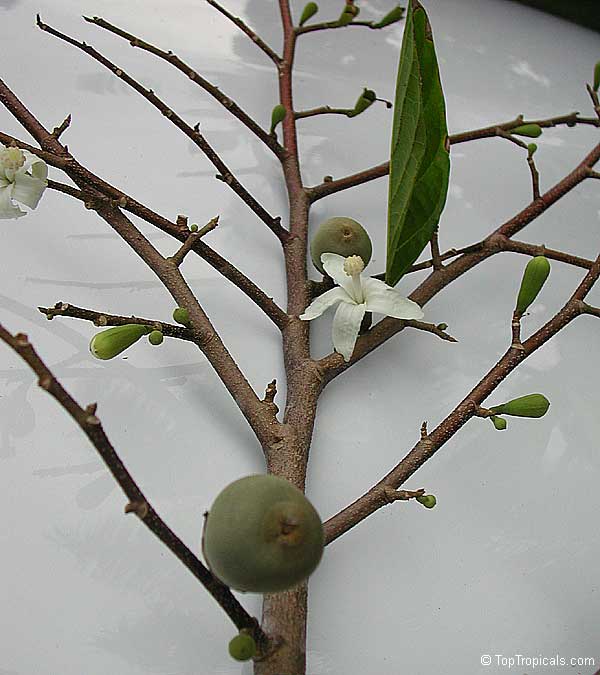
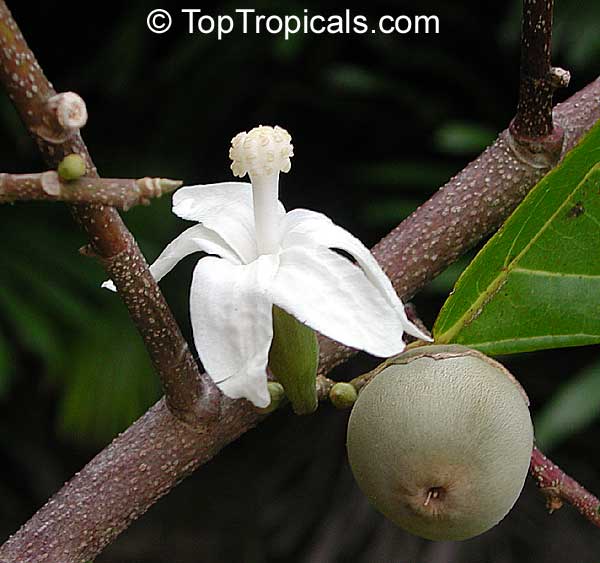
South American Sapote relative known for its flowers which yield an aromatic spice. The dried flowers are used as a flavoring for chocolate drinks and a variety of other things and for perfume producing. The fragrance stays in dry flowers for decades, thus they were used for funeral ceremonies and were found in crypts still fragrant after many years. The wood of this tree was used for fishing: pieces of the scented wood placed in water attracts fishes. Aztecs mixed flowers with chocolate to add spicy pungent taste, hence the name Rosita de Cacao. The tree seems to be somewhat hardy and able to survive brief temperature drops to the 30s.
Other names: Cacao Flower, Flor de Cacao, Madre Cacao, Molinillo. Aztec names: Poyomatli, Xochicacaohuatl, Flor Cacahuaxochitl, Cacaoxochitl
See Article about Drink of the Gods.
Similar plants: Quararibea funebris (Rosita de Cacao)