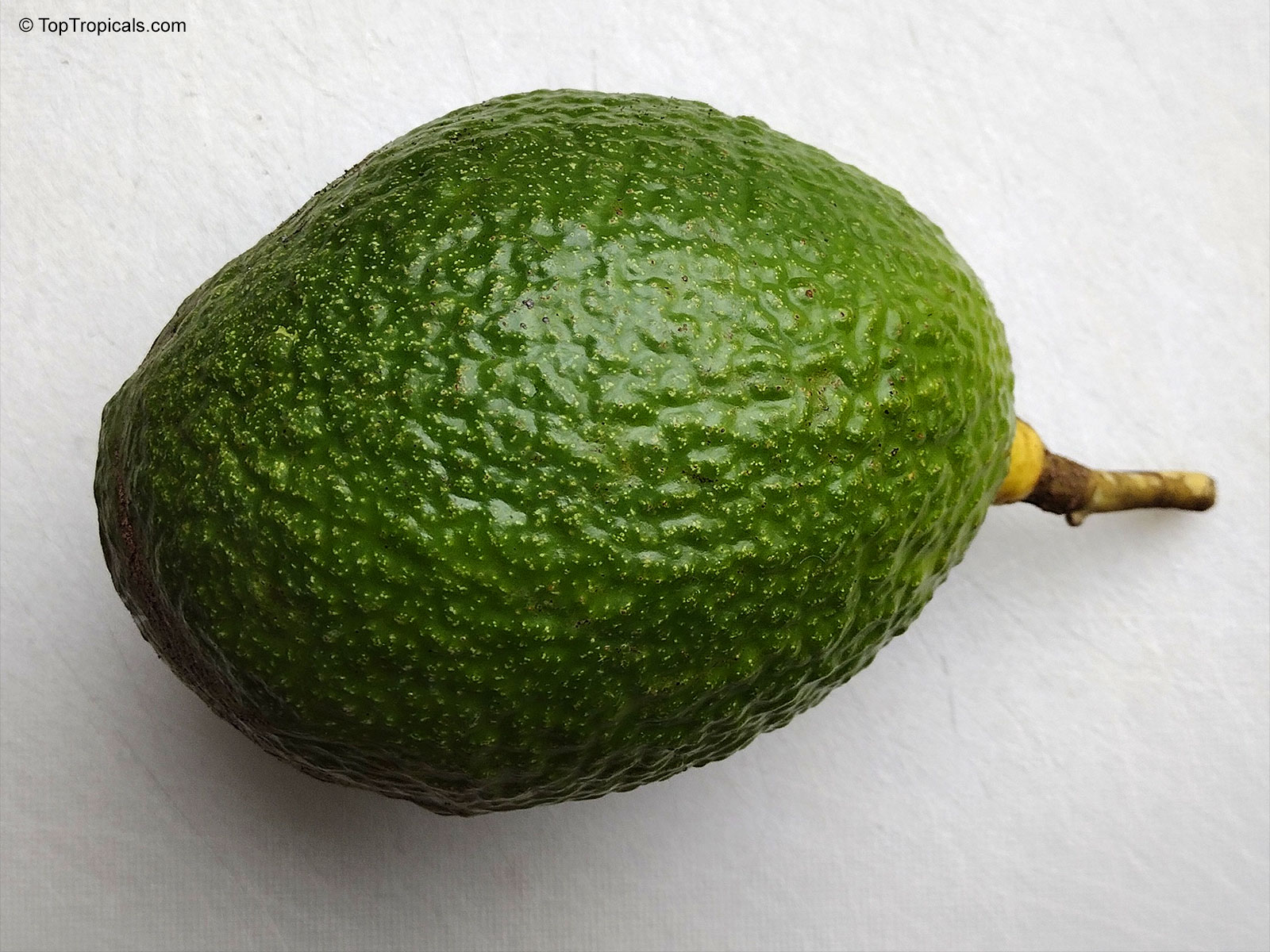
Persea americana 'Choquette' (Avocado)
Botanical names: Persea americana, Persea gratissima
Common names: Avocado, Alligator Pear, Aguacate, Abacate
Cultivar: Choquette
Family: Lauraceae
Origin: Southern Mexico
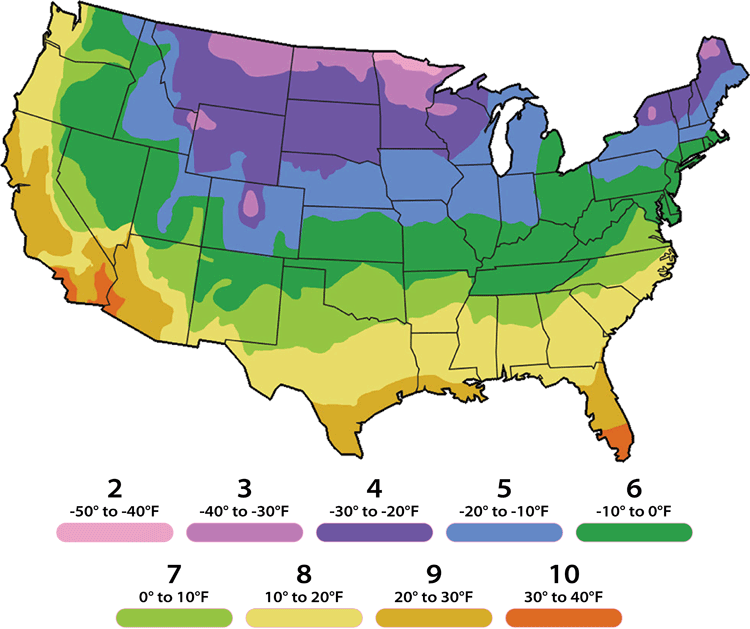
USDA Zone: 9b-11
Cold tolerance: 25°F

 Plant form: Large or medium tree
 Mature height: 20 ft or more
 Sun exposure: Full sun or bright light indoor
 Cold tolerance: Tolerates light freezing to about 30°F for short periods (mature plants). Young plants must be protected.
 Watering: Regular
 Suitable for: Outdoors in the suitable USDA zone; large gardens
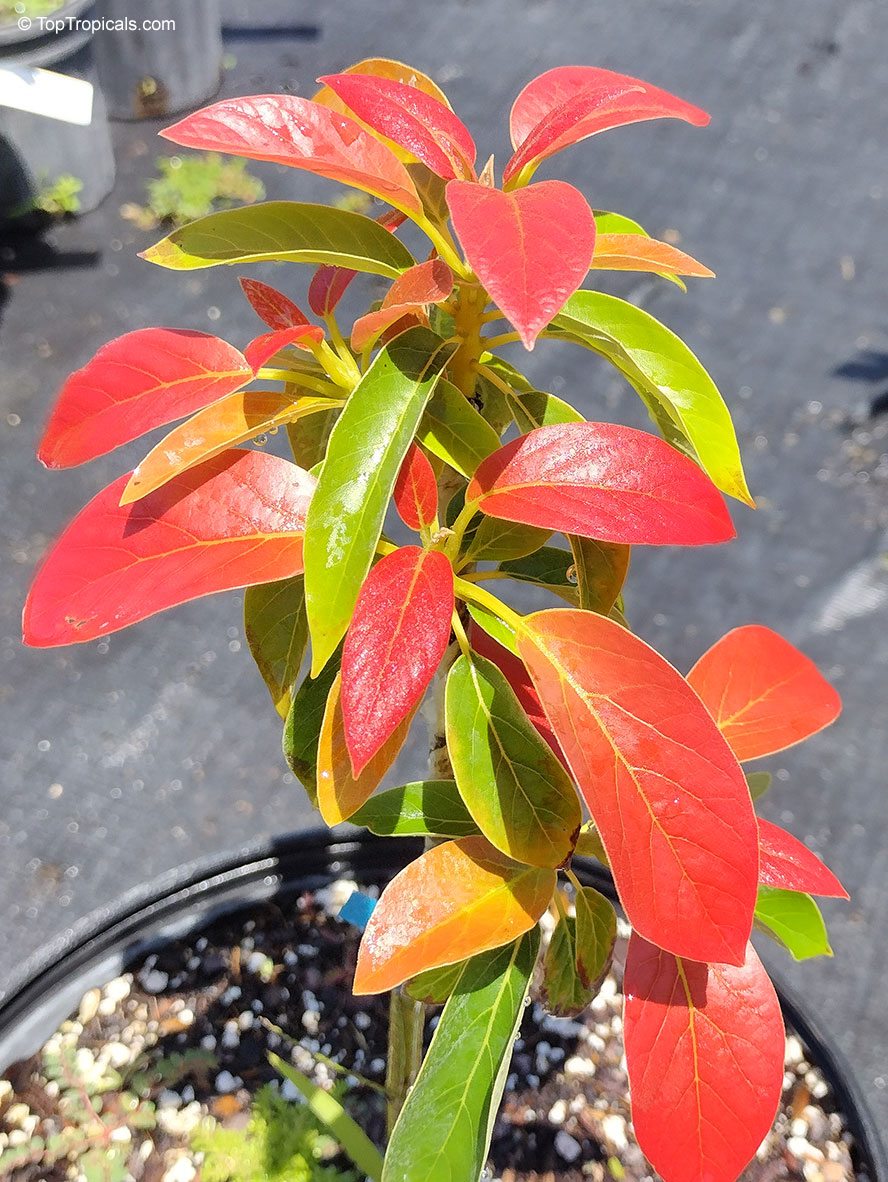
 Persea americana, the avocado, is an evergreen fruit tree native to southern Mexico and Central America, cultivated for thousands of years and now grown throughout tropical and subtropical regions worldwide. Belonging to the laurel family, it develops into a medium to large tree with a dense canopy of glossy green leaves, reaching 20 to 60 feet depending on climate and rootstock, and remaining productive for decades.
Fruits vary widely in size, shape, skin texture, and color - from smooth green to rough dark-purple - depending on the cultivar. The flesh is rich in healthy oils and prized for its smooth buttery texture. The species is also notable for its unusual flowering biology, with flowers opening in two phases that promote cross-pollination between complementary types.
Cultivars derived from Mexican, Guatemalan, and West Indian genetic backgrounds show considerable variation in fruit quality, harvest season, and cold tolerance. The hardiest Mexican-type selections may survive temperatures near 20F when mature, while many West Indian types sustain damage below 30F. Avocado grows best in full sun with well-drained soil and regular moisture; it is sensitive to prolonged waterlogging. Generally suited to USDA Zones 9b-11. See more about avocado:
Avocado varieties chart.
Avocado variety guide: Snack or Guacamole?
Growing avocadoes in Florida
The Magic of the Avocado
Persea americana (Avocado) 'Choquette' is a classic Florida avocado cultivar that originated from a seedling discovered in Miami in the early twentieth century. The original tree was grown by Remi D. Choquette, for whom the cultivar was later named. Believed to be a hybrid between Guatemalan and West Indian avocado types, 'Choquette' became popular for its vigorous growth, reliable productivity, and large, high-quality fruit. The tree develops a dense evergreen canopy of glossy green leaves and is valued both as a fruit crop and as an attractive landscape specimen. Its fruits are exceptionally large, often weighing well over a pound, with smooth, glossy green skin that remains green when ripe. The flesh is thick, creamy, and pale yellow to yellow-green with a mild, nutty flavor and relatively low fiber content. Fruits typically mature from late fall through winter in Florida.
This cultivar performs best in full sun and well-drained soil with regular moisture during establishment. Mature trees are vigorous and can become quite large if not pruned, making them better suited for planting in the ground than for long-term container culture. Suitable for USDA Zones 9b-11, 'Choquette' is hardy to about 25F and should be protected from frost and freezing temperatures. The tree produces Type A flowers and may yield even more heavily when planted near a compatible Type B cultivar. Known for its heavy crops, disease resistance, and impressive fruit size, 'Choquette' remains one of the most important and widely grown avocado cultivars in Florida.
Related cultivars: Persea americana 'Choquette' (Avocado)
- Persea americana ''Bernecker''
- Persea americana ''Brogdon''
- Persea americana ''Catalina''
- Persea americana ''Day''
- Persea americana ''Fantastic''
- Persea americana ''Fuerte''
- Persea americana ''Hardee Red''
- Persea americana ''Joey''
- Persea americana ''Marcus Pumpkin''
- Persea americana ''Mexicola Grande''
Similar plants: Persea americana 'Choquette' (Avocado)