Opuntia sp. (Prickly Pear)

Botanical name: Opuntia sp.
Common name: Prickly Pear
Family: Cactaceae
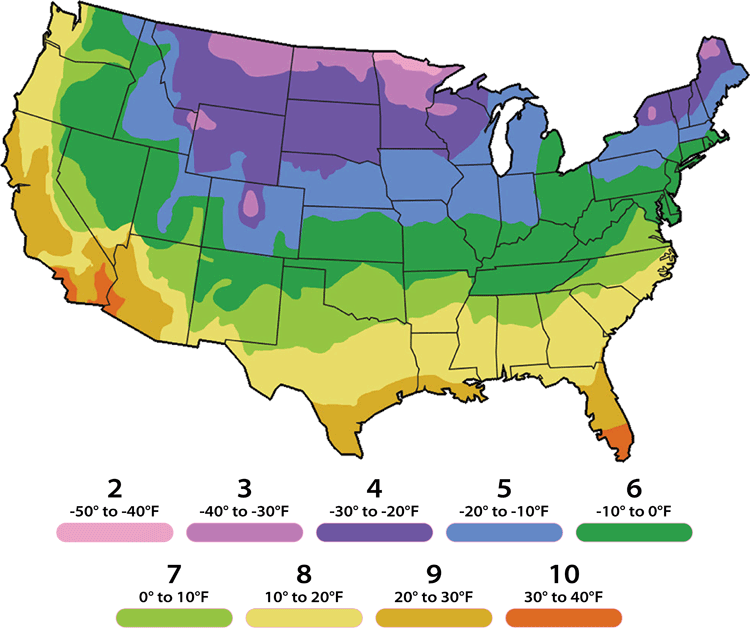
USDA Zone: 3-11

 Plant form: Large bush or small tree
 Mature height: 10-20 ft
 Sun exposure: Full sun or bright light indoor
 Cold tolerance: Frost sensitive. Protect from freezing.
 Watering: Dry conditions

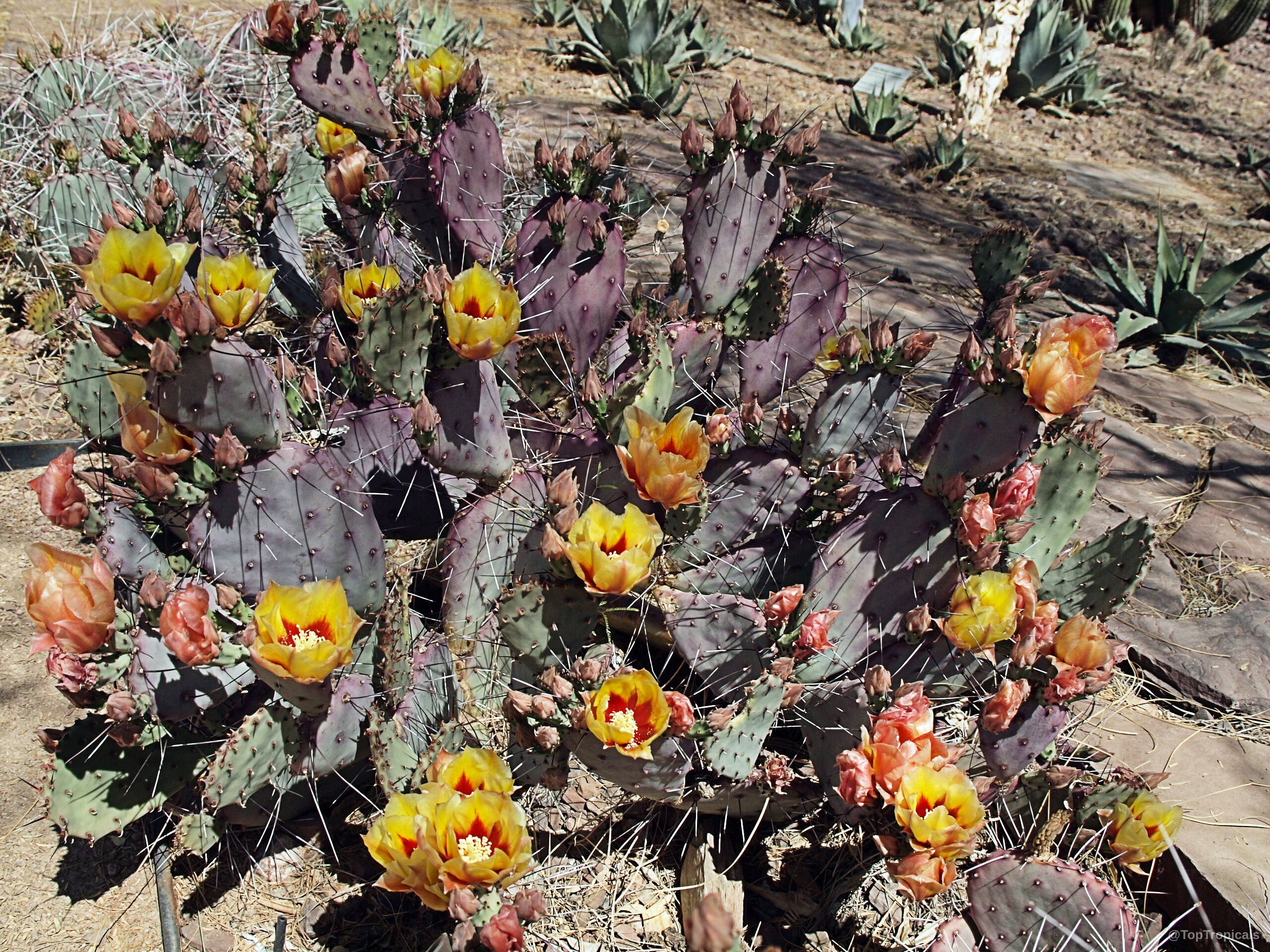
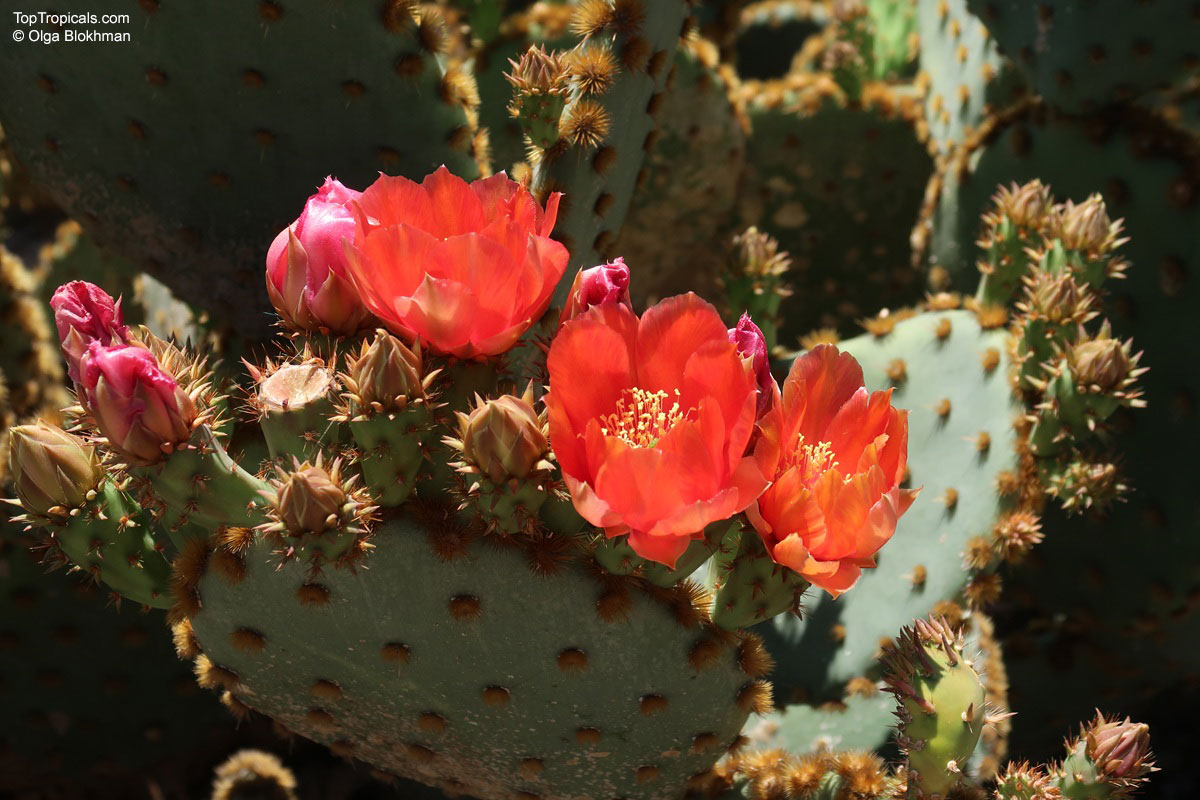
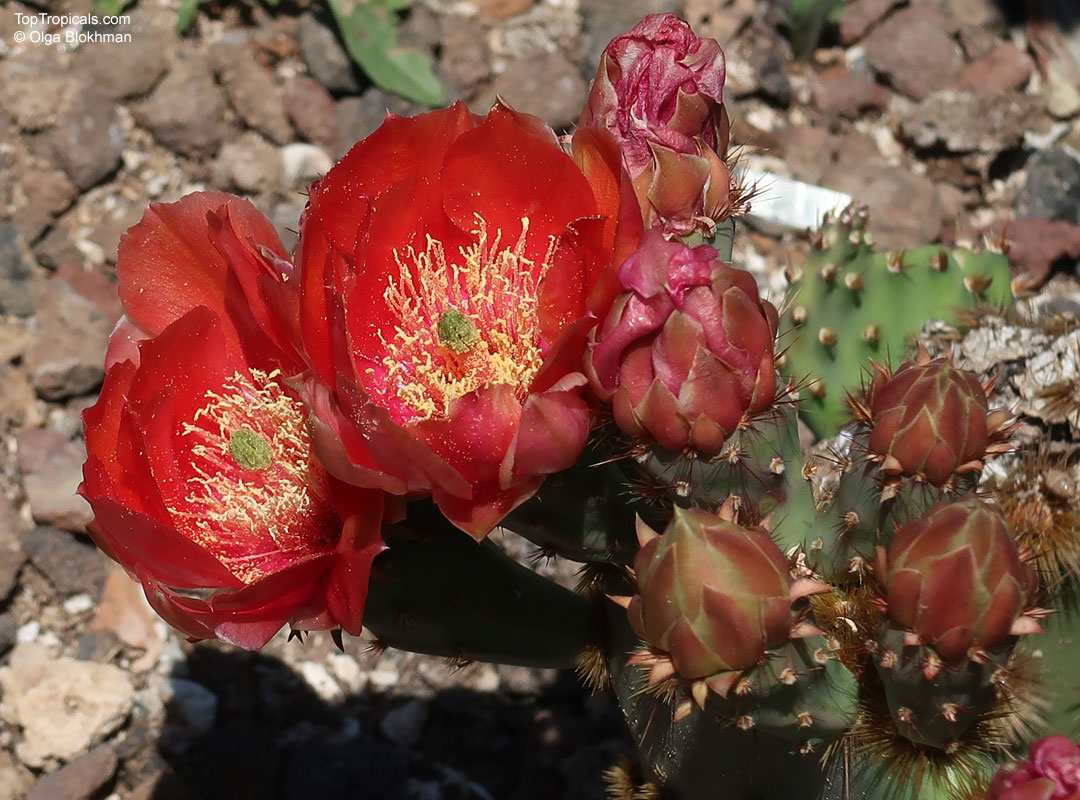
 Flower color: Red, crimson, vinous; yellow, orange
 Suitable for: Outdoors in the suitable USDA zone; small gardens, containers, and indoor growing
 Thorns: Thorny or spiny
 Ethnomedical: Ethnomedical plant, traditionally used in folk or indigenous medicine
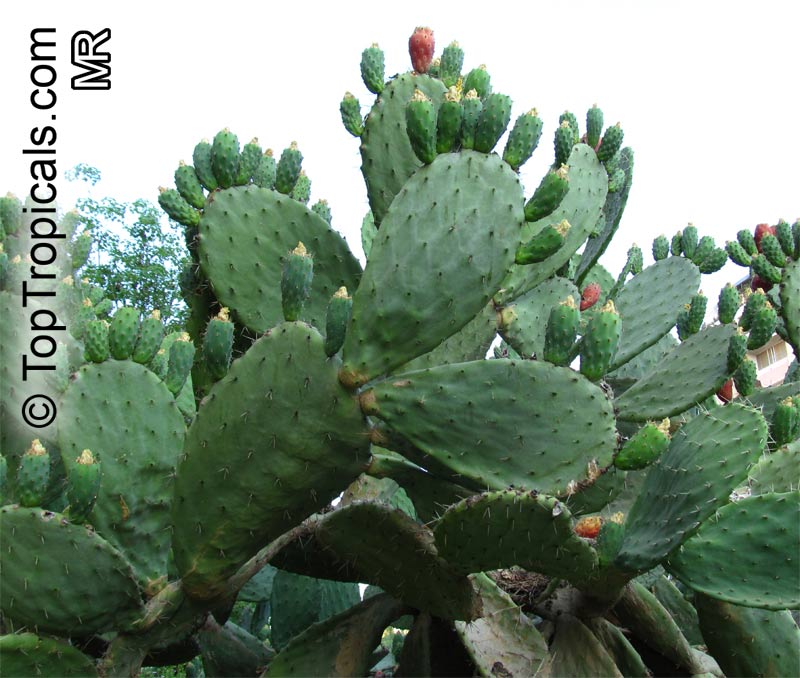
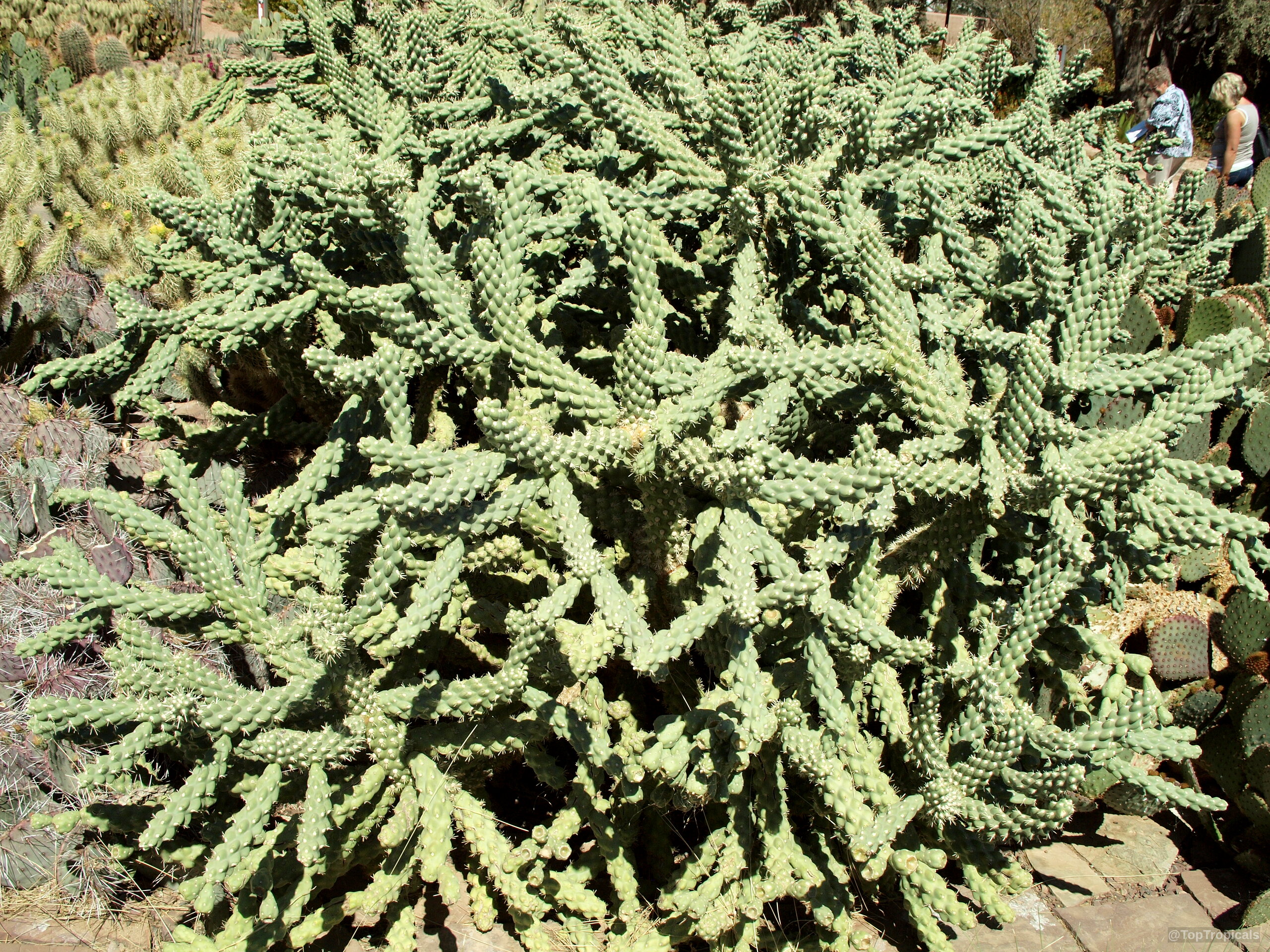
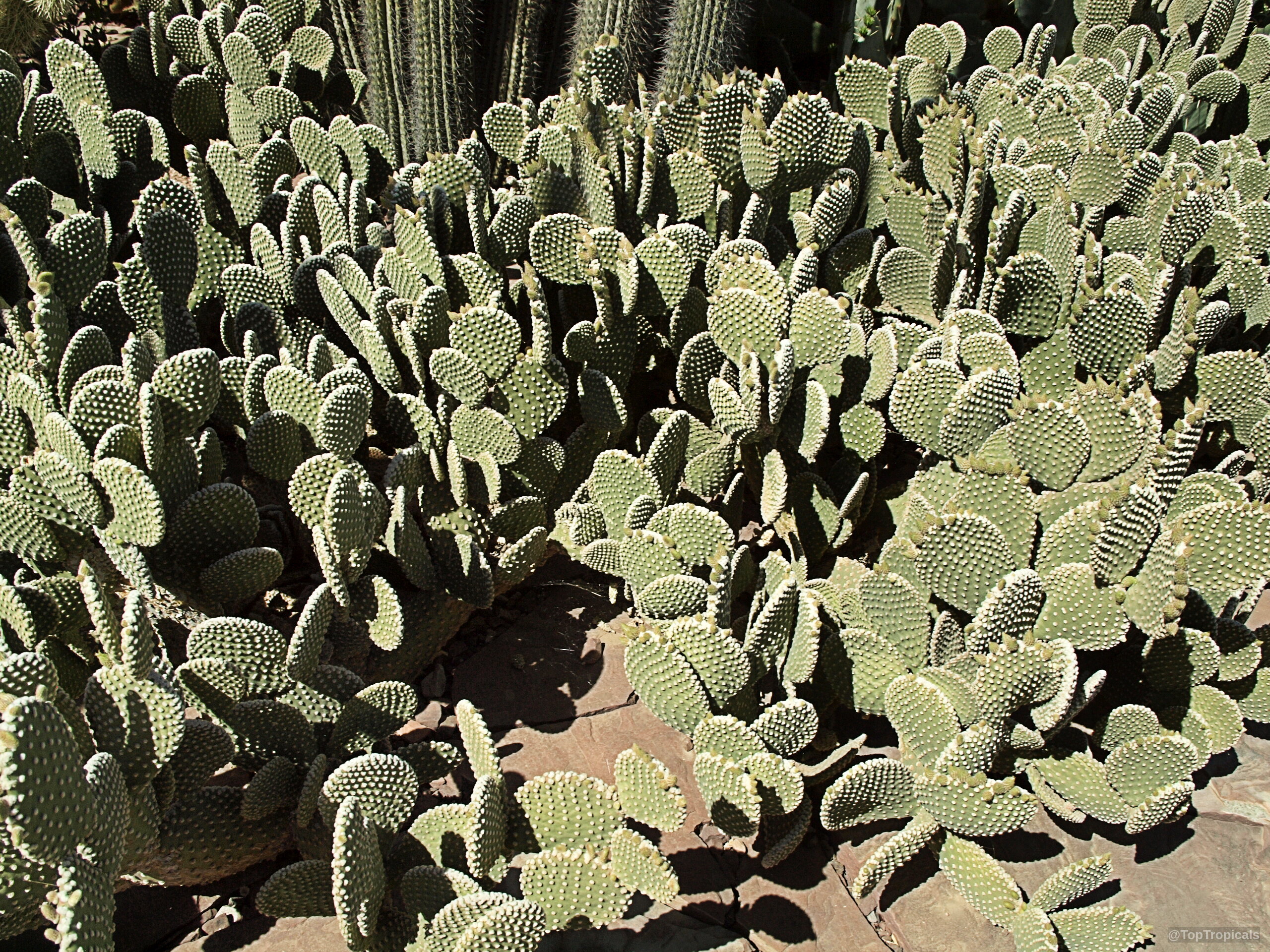
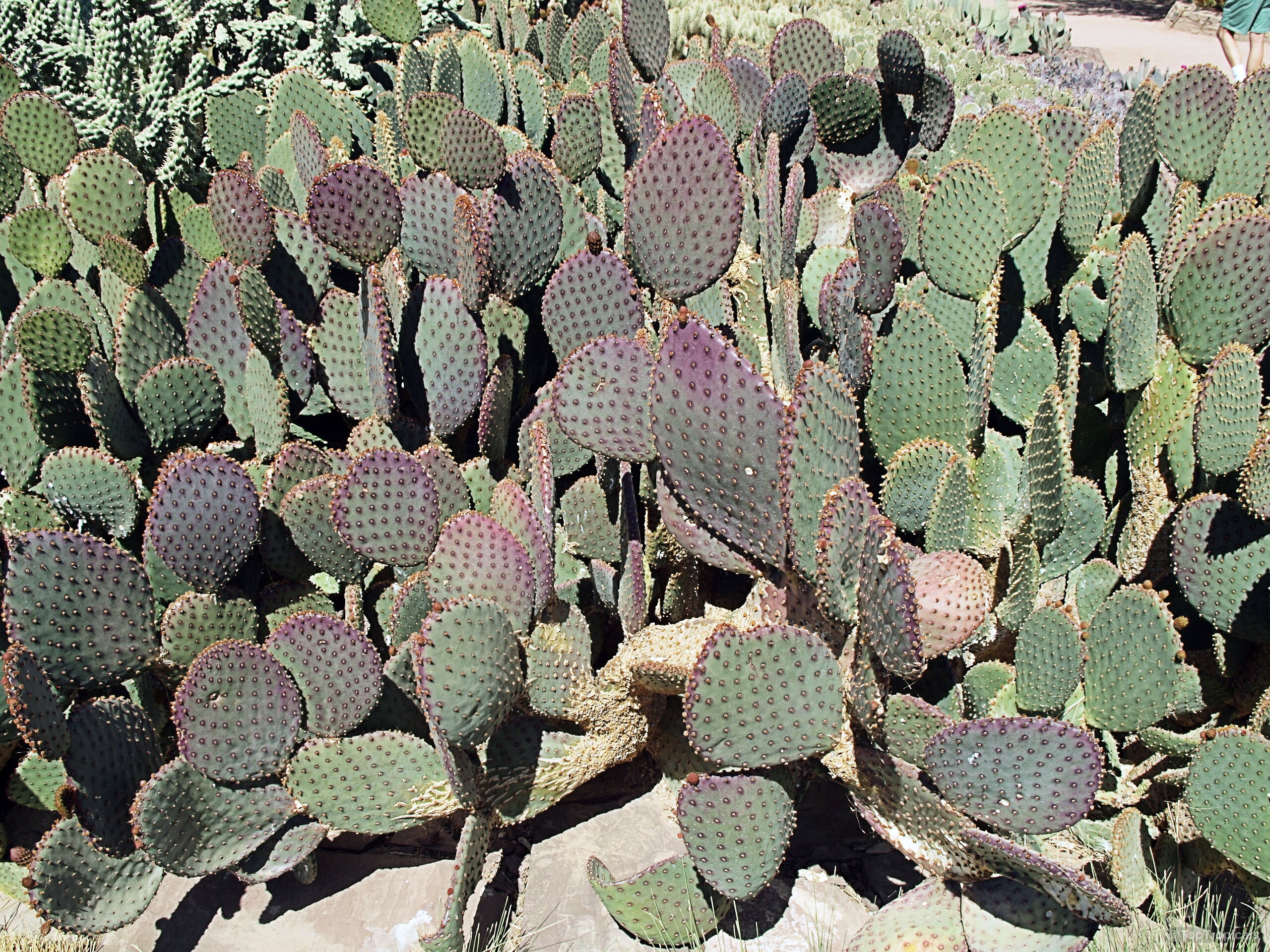
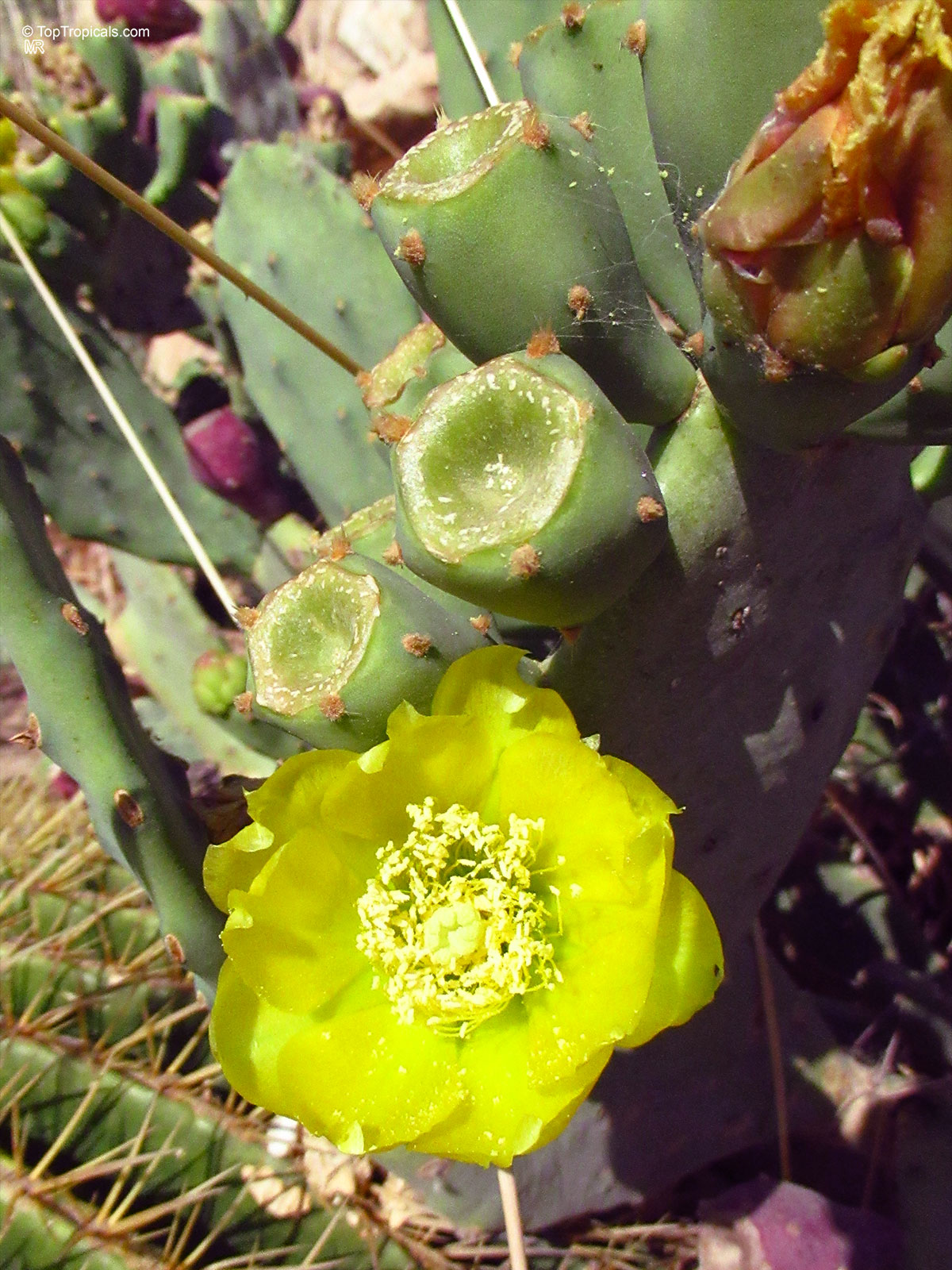
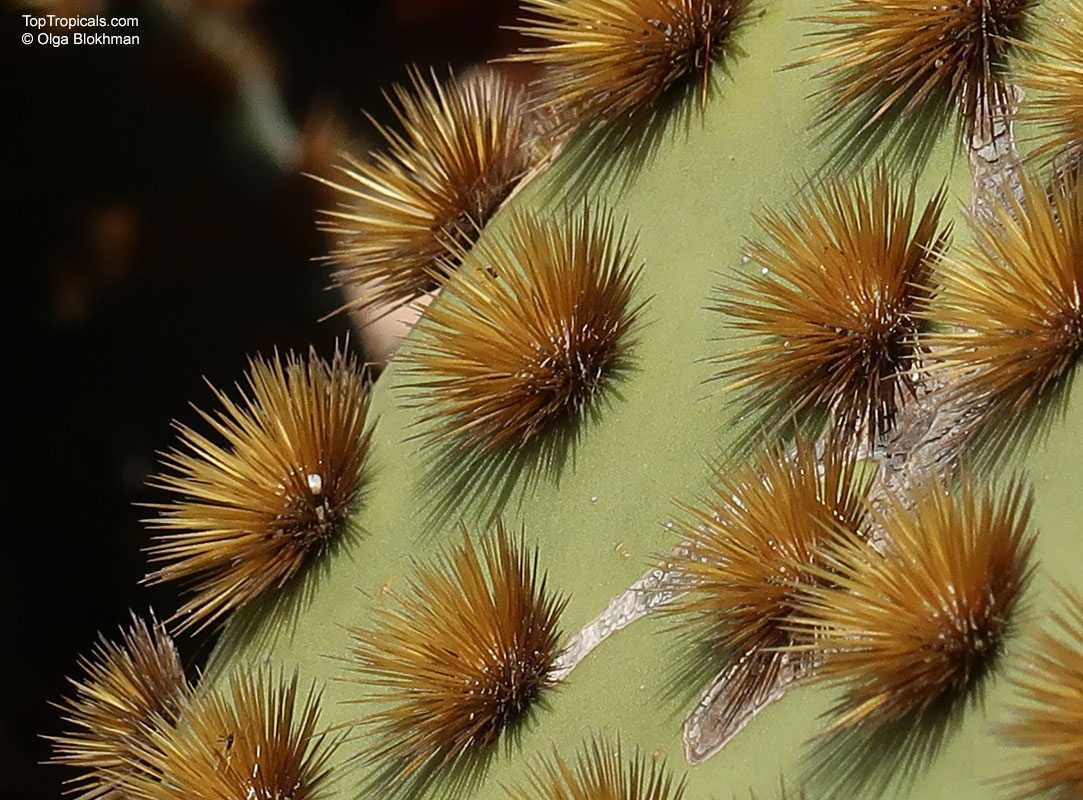
Opuntia, commonly known as Prickly Pear Cactus, is a large genus of succulent plants in the Cactaceae family, native to the Americas, from Canada to southern South America. Species inhabit deserts, rocky slopes, grasslands, and tropical dry forests. Most develop flattened, jointed stem segments called cladodes or pads, which perform photosynthesis in place of leaves. The areoles bear spines and characteristic clusters of tiny, barbed glochids that readily detach on contact. Growth forms range from low, spreading groundcovers to large, tree-like cacti exceeding 15 feet tall. Showy flowers, usually yellow, orange, pink, or red, develop along the pad margins and are followed by fleshy fruits, often called prickly pears. Familiar species include Opuntia ficus-indica, cultivated for its edible fruits and pads, and O. microdasys, distinguished by its dense clusters of glochids.
Opuntia species generally prefer full sun and sharply drained, sandy or rocky soil. Most are highly drought-tolerant, although cold hardiness varies considerably. Depending on the species, cultivation ranges from USDA Zones 3-11, with hardy North American species surviving severe winter freezes and tropical species requiring frost-free conditions. Many are grown ornamentally, while selected species provide edible fruits and young pads. Care is necessary when handling even apparently spineless plants because their glochids can cause persistent skin irritation.
Similar plants: Opuntia sp. (Prickly Pear)
- Austrocylindropuntia cylindrica (Cane Cholla)
- Brasiliopuntia brasiliensis (Brazilian Prickly Pear)
- Consolea rubescens (Road Kill Cactus)
- Cylindropuntia leptocaulis (Desert Christmas Cactus)
- Opuntia cochenillifera (Cochineal Cactus)
- Opuntia macrocentra (Santa Rita Prickly Pear)
- Opuntia microdasys (Angel's-wings)
- Opuntia phaeacantha (Prickly Pear)
- Opuntia rufida (Prickly Pear)
- Opuntia tomentosa (Tree Pear)