Neea psychotrioides (Jelly Bean)
Botanical name: Neea psychotrioides
Common names: Jelly Bean, Saltwood, Pigeon Plum, Hoja de Salat
Family: Nyctaginaceae
Origin: Central America, Mexico
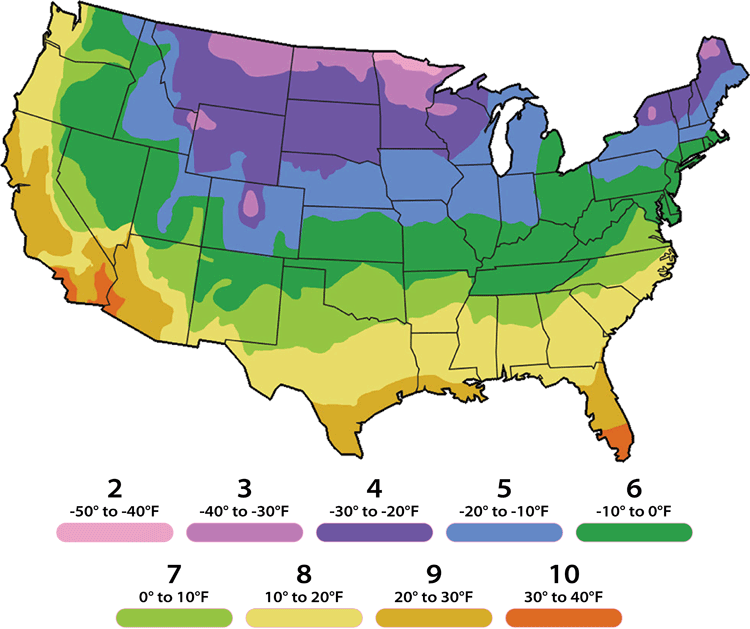
USDA Zone: 9-11
 Plant form: Large bush
 Mature height: 5-10 ft
 Sun exposure: Full sun or bright light indoor; semi-shade
 Cold tolerance: Tolerates light freezing to about 30°F for short periods (mature plants). Young plants must be protected.
 Watering: Regular
 Suitable for: Outdoors in the suitable USDA zone; small gardens, containers, and indoor growing
 Ethnomedical: Ethnomedical plant, traditionally used in folk or indigenous medicine
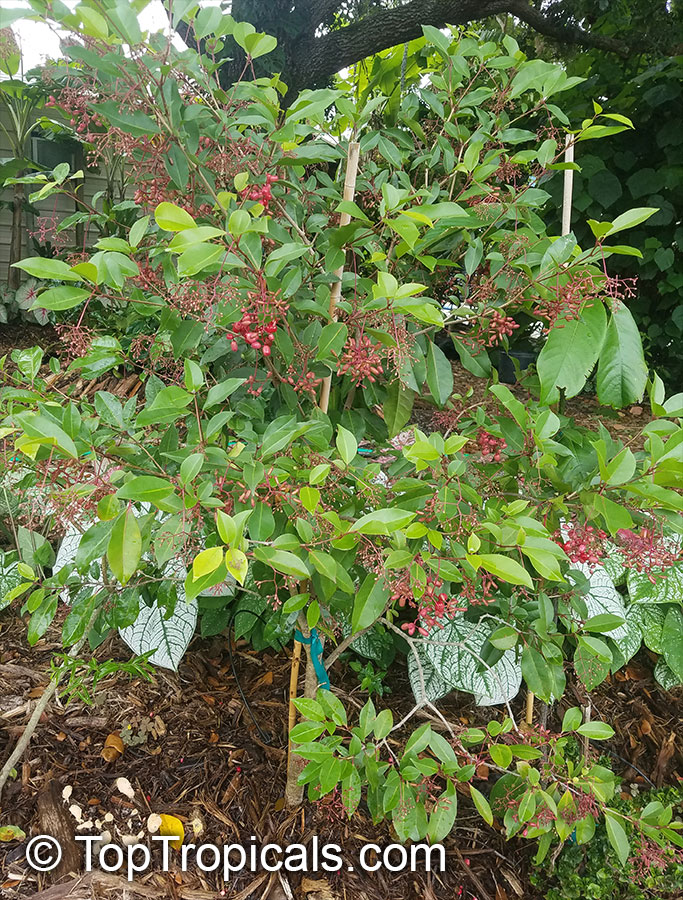
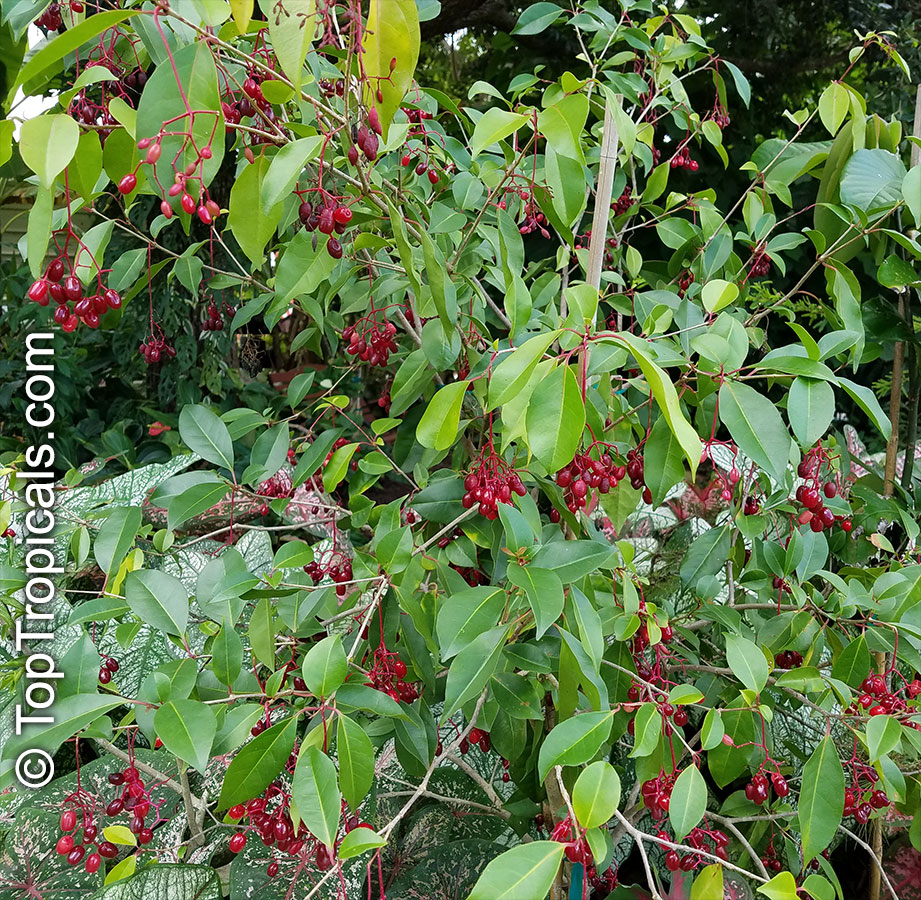
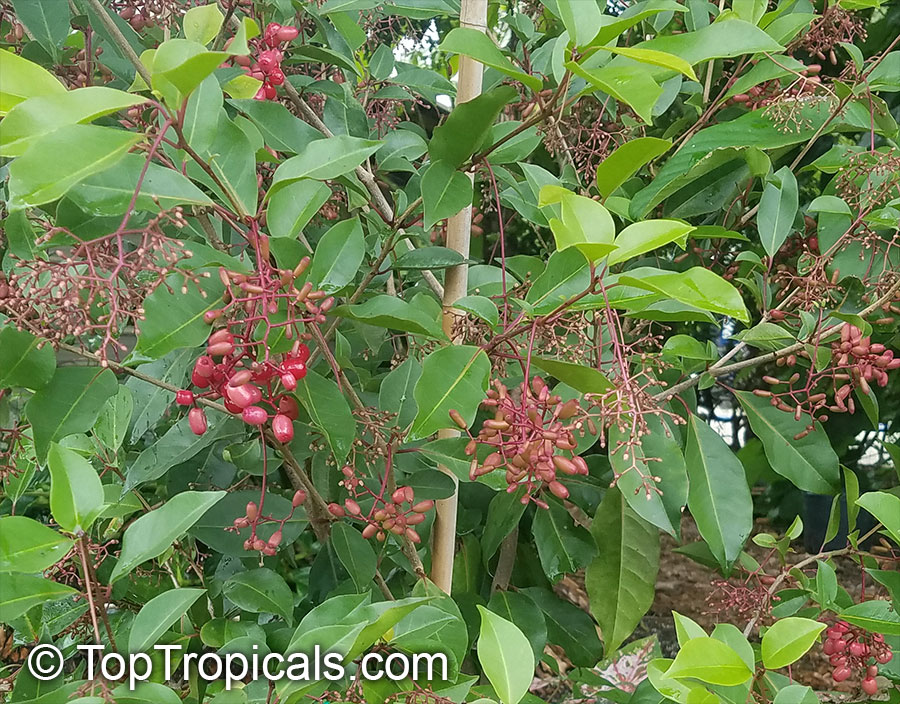
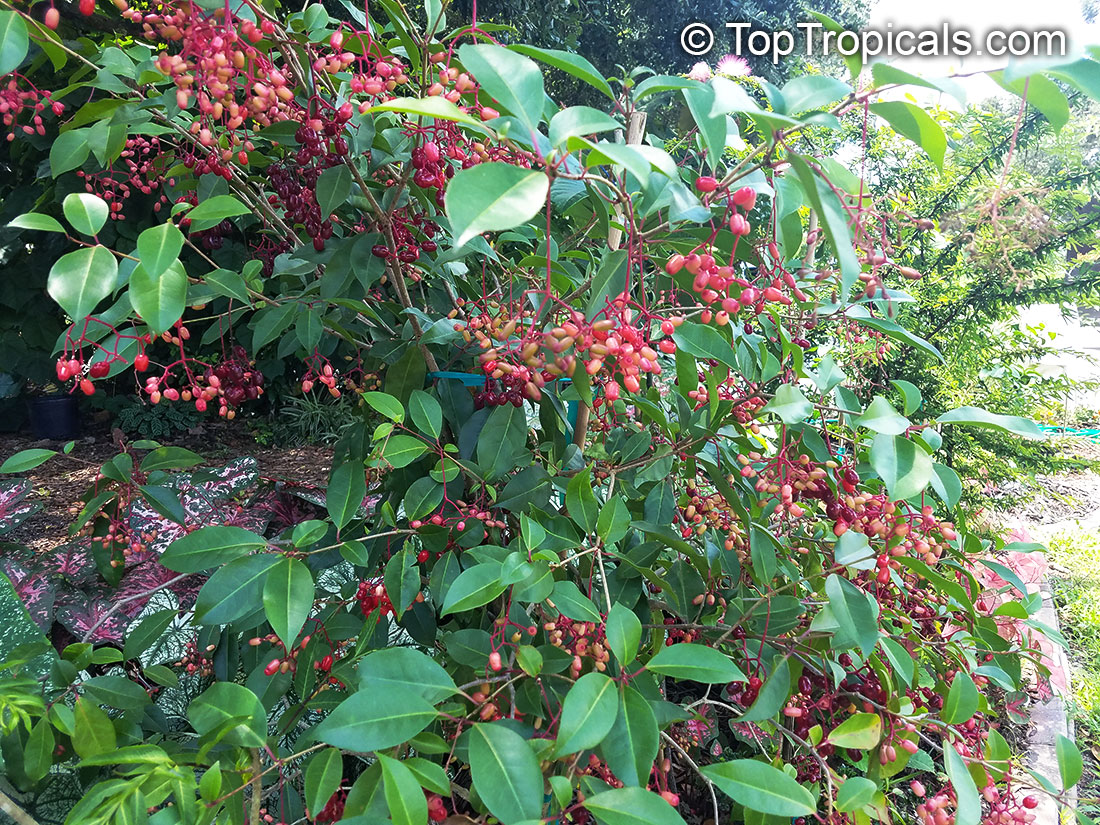
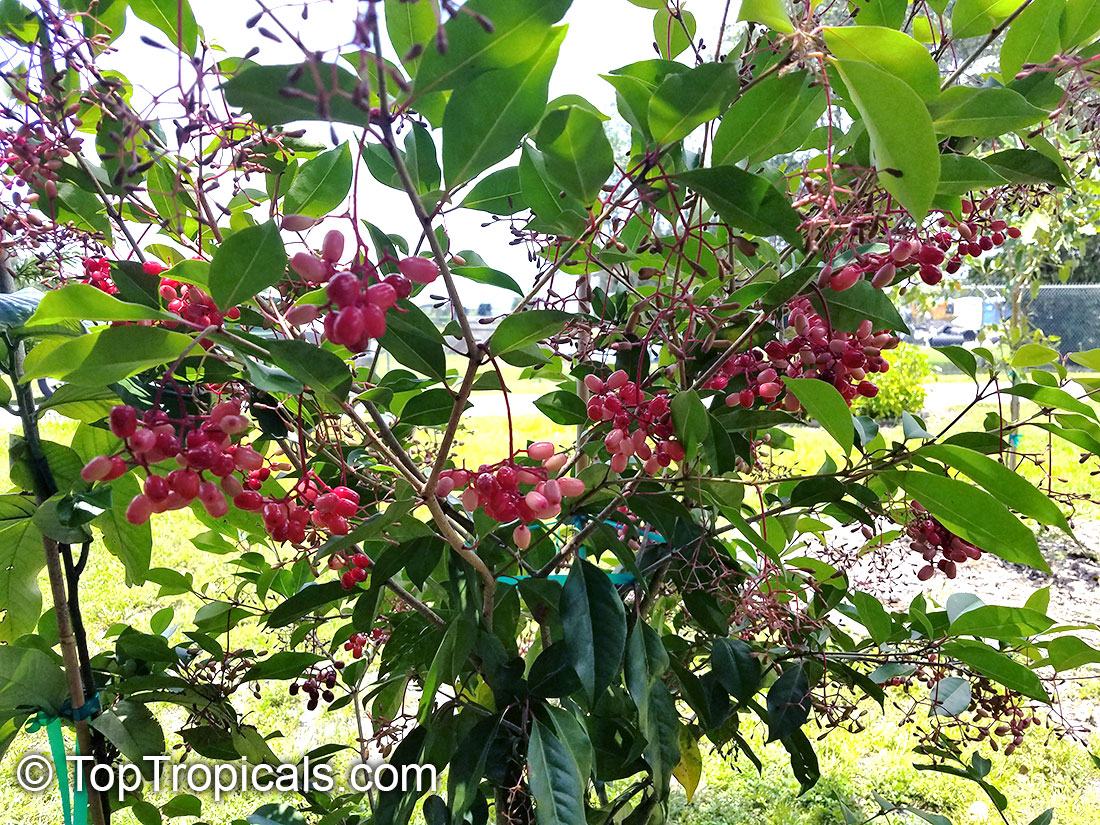
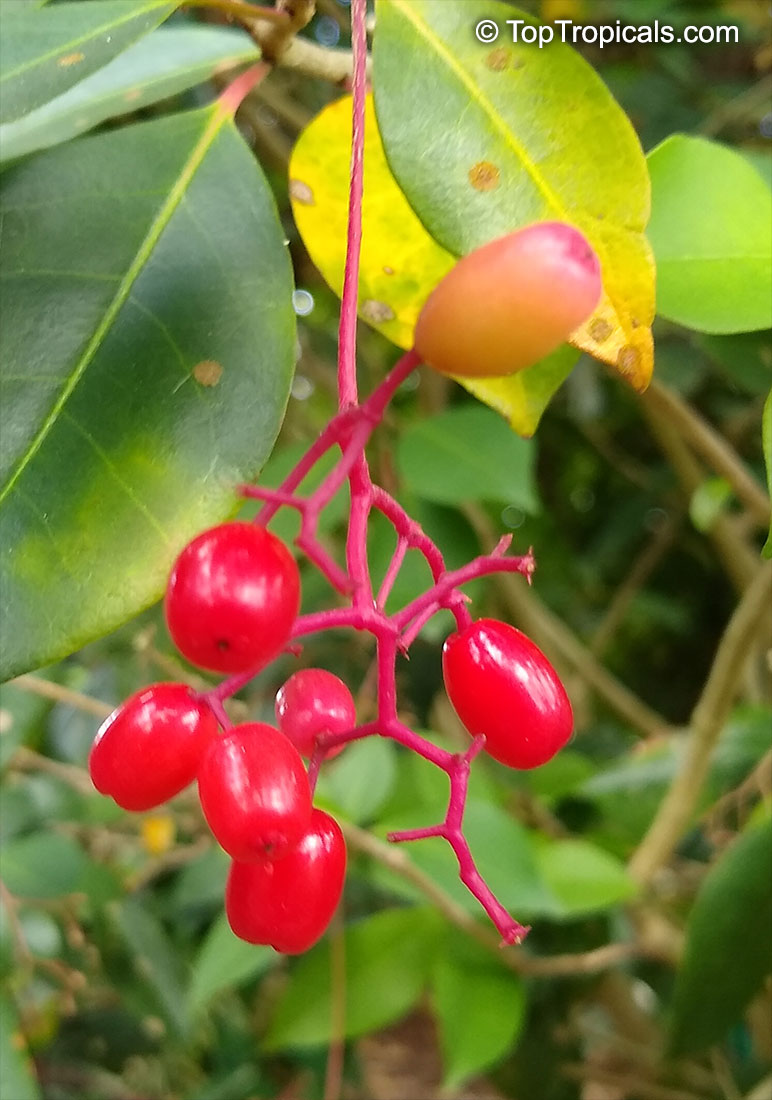
Rare in cultivation, this small tree or bush should get more attention from tropical plant collectors.
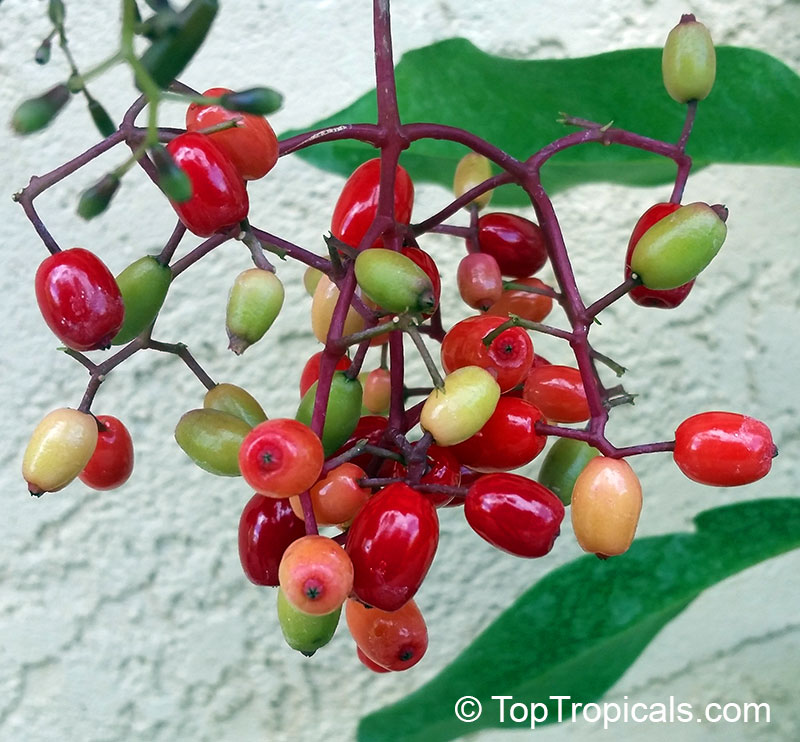
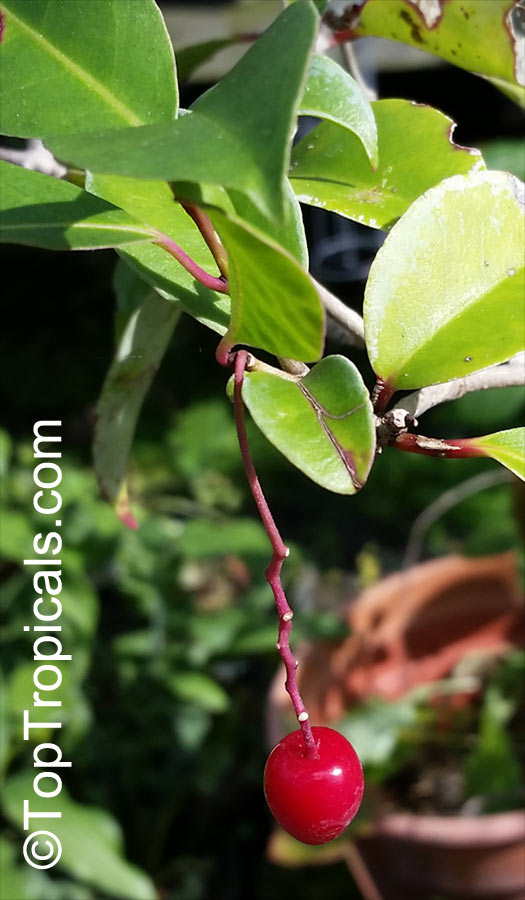
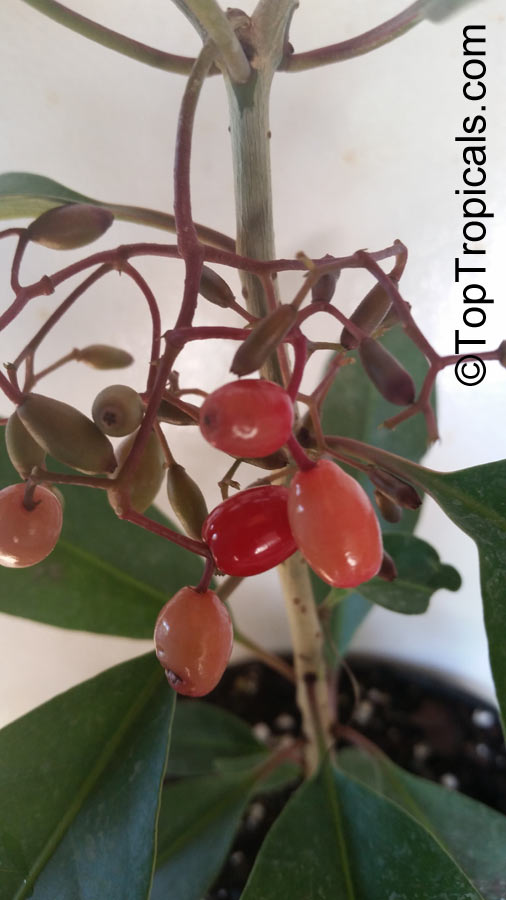
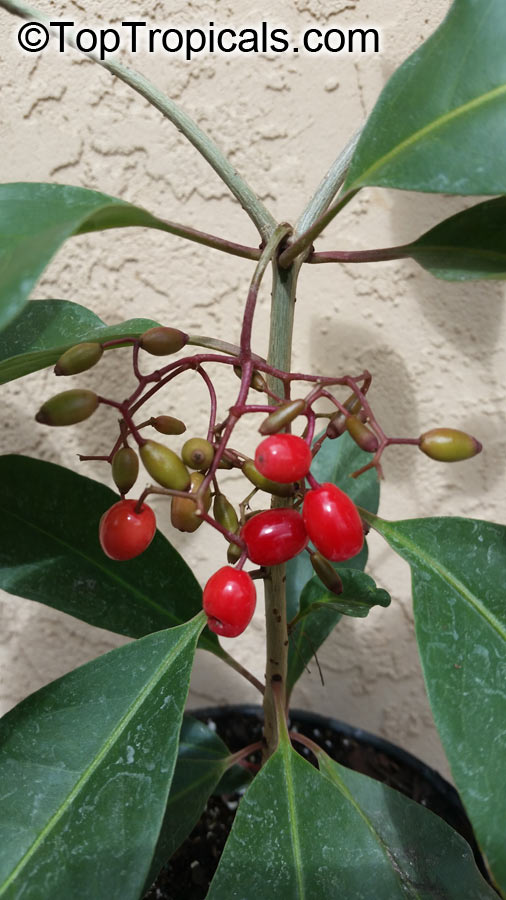
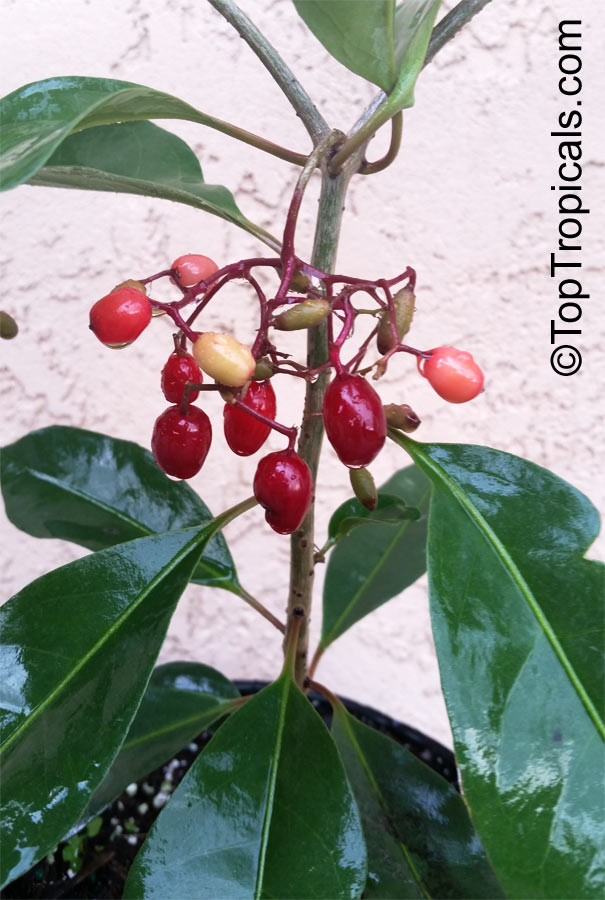
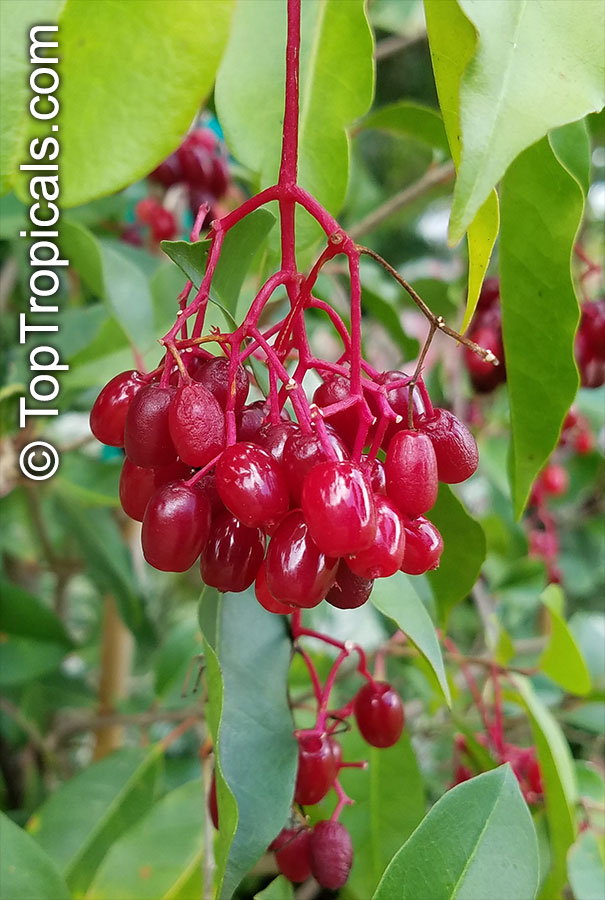
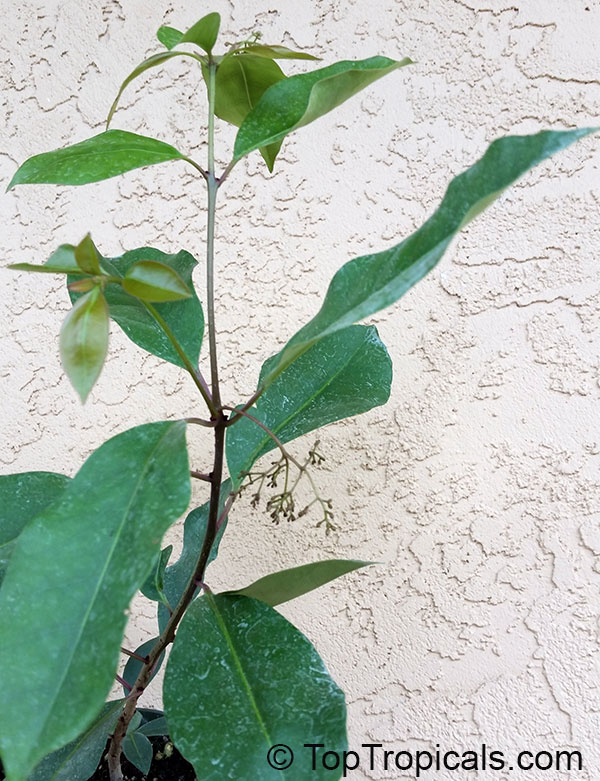
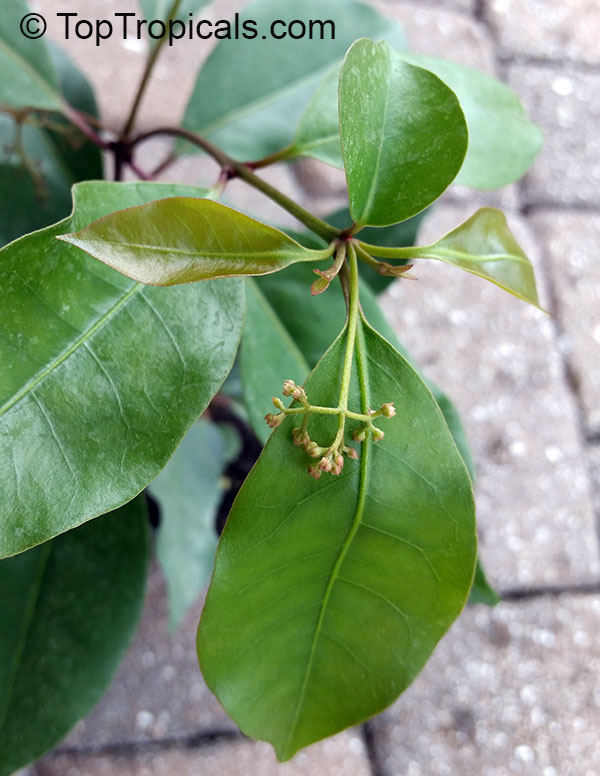
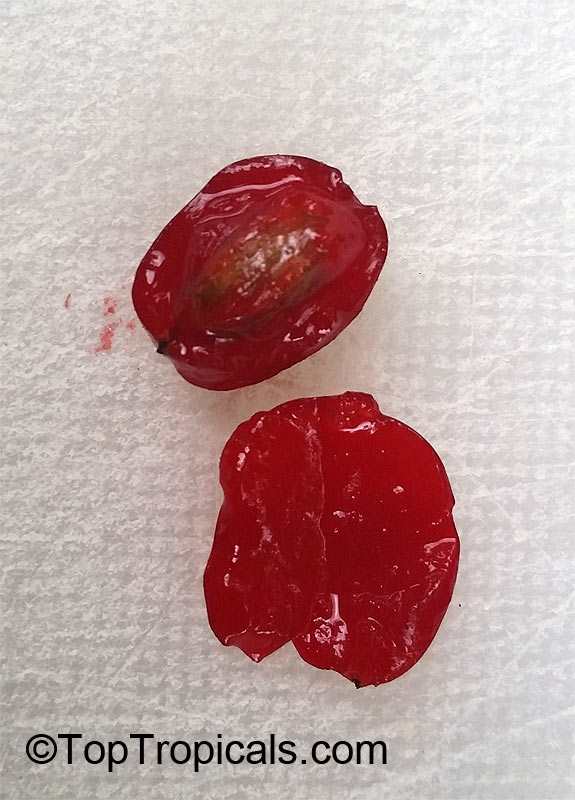
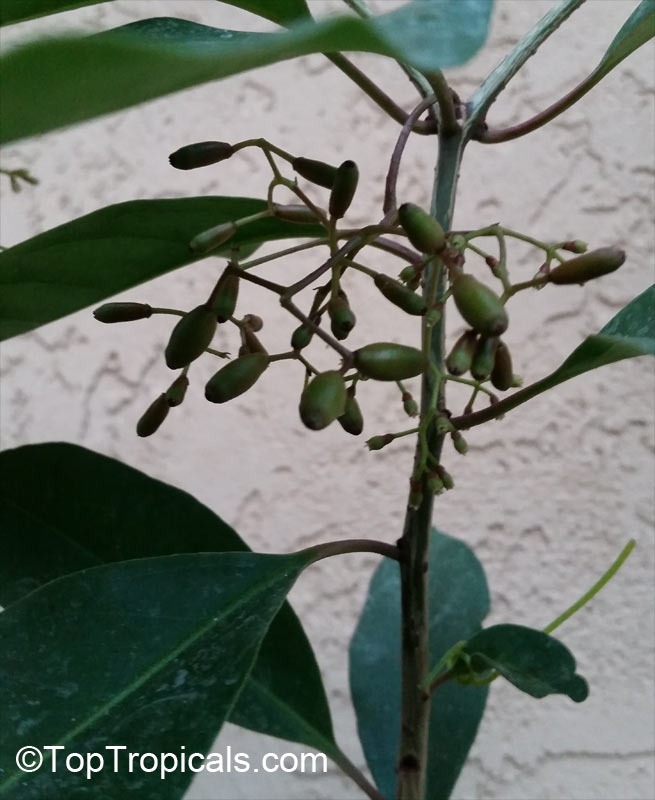
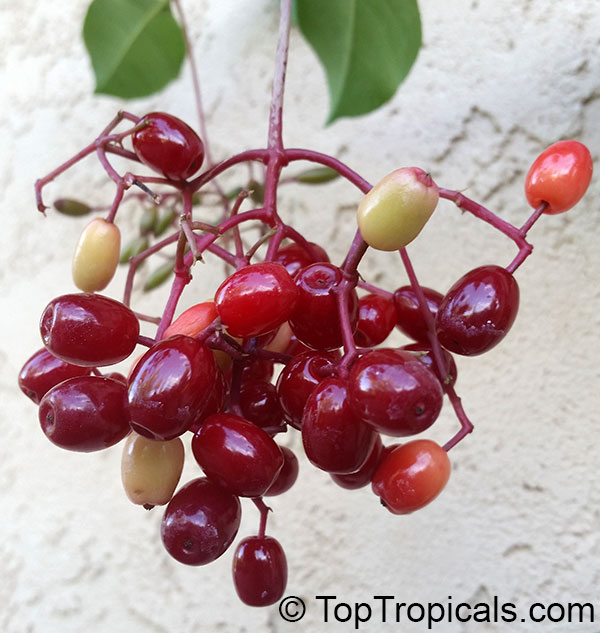
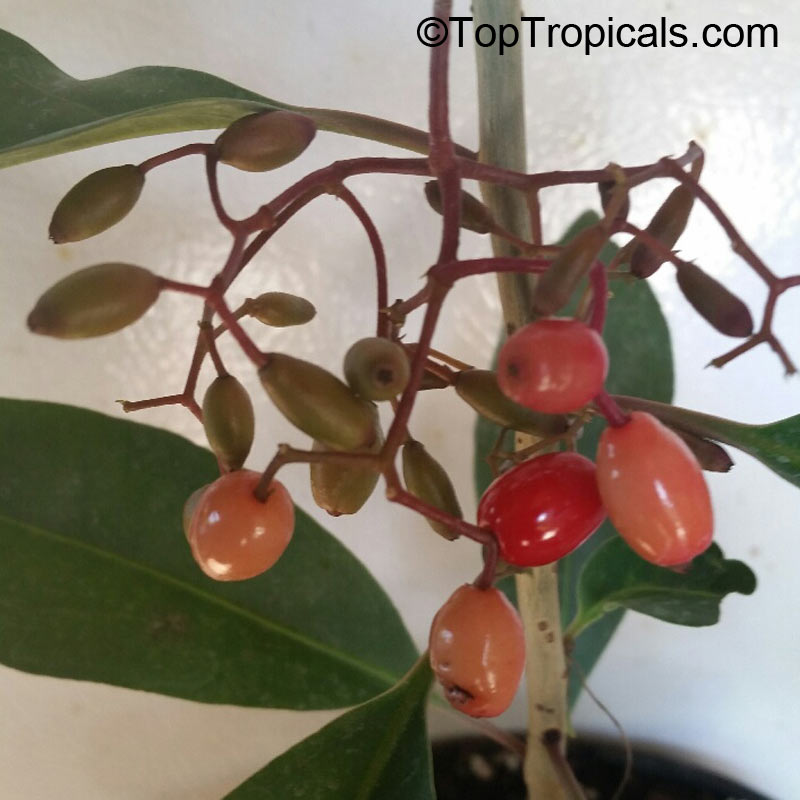
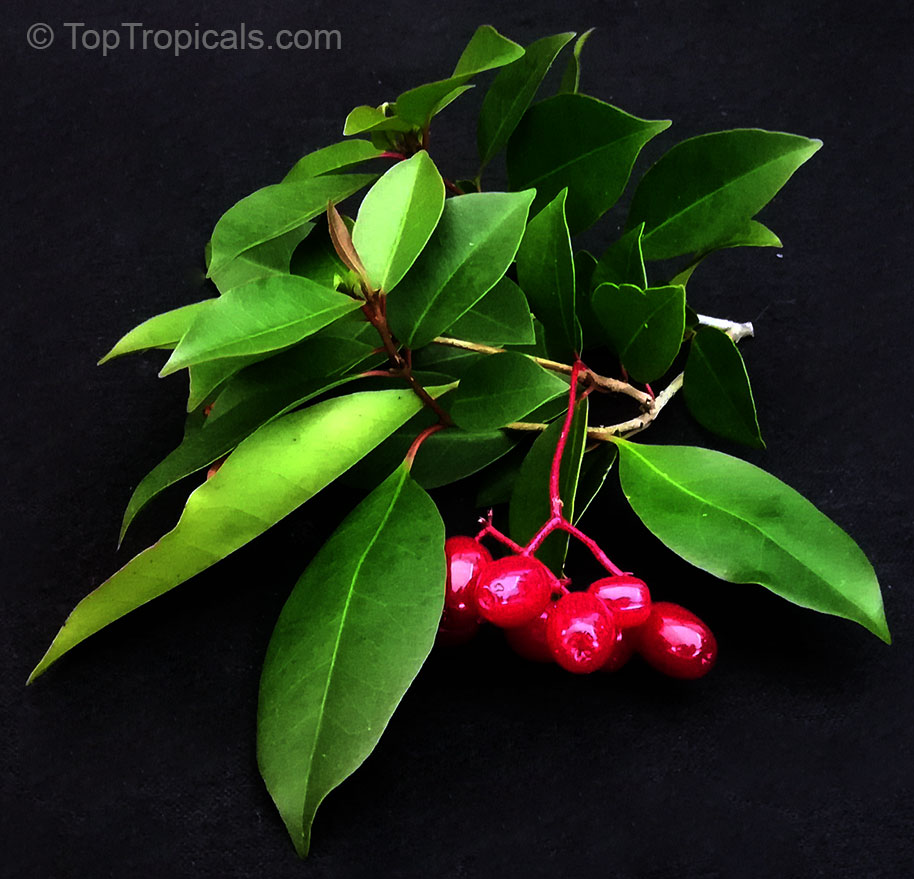
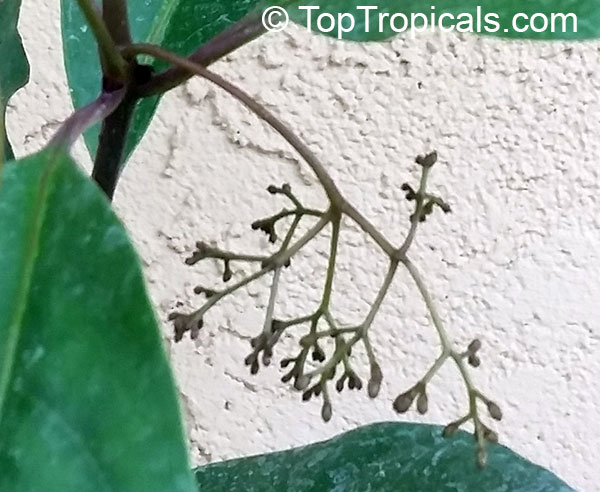
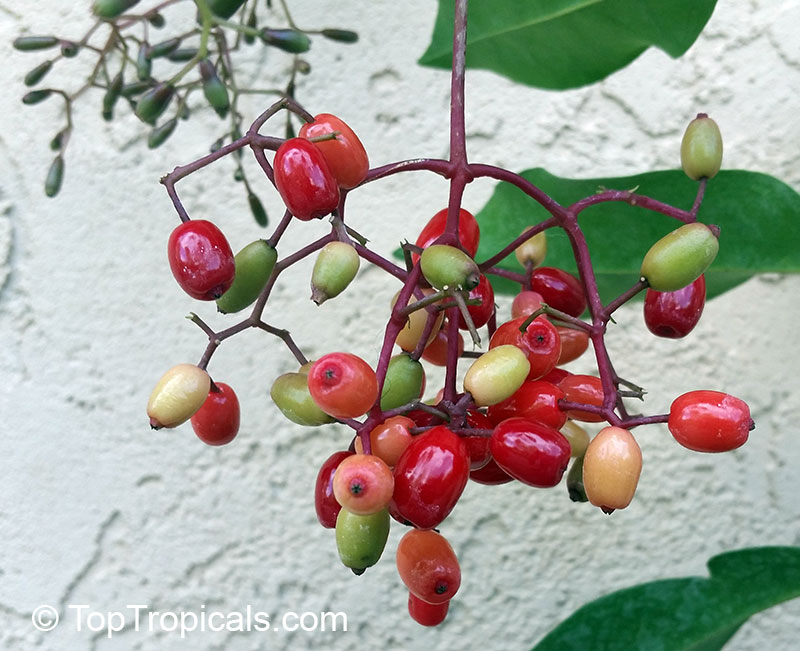
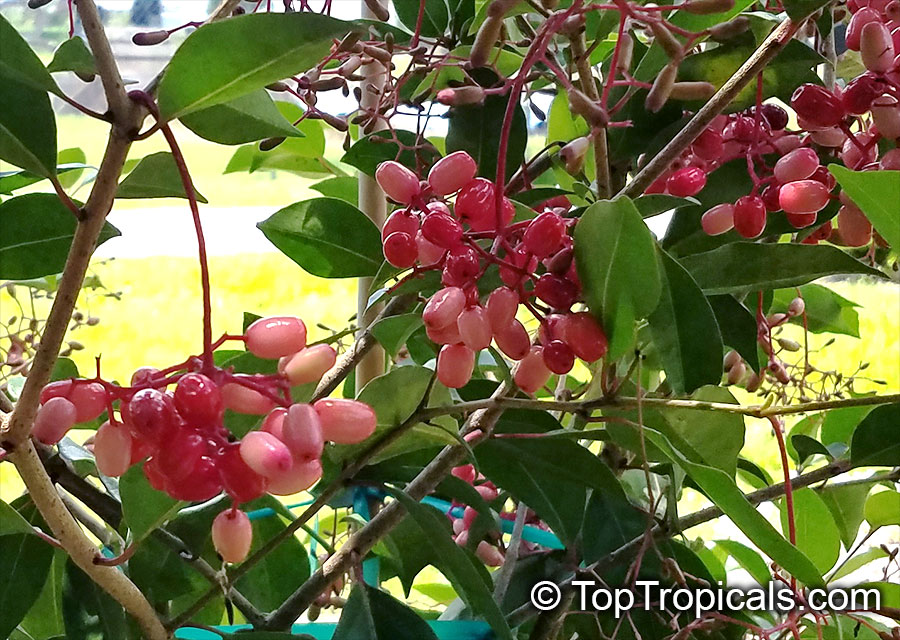
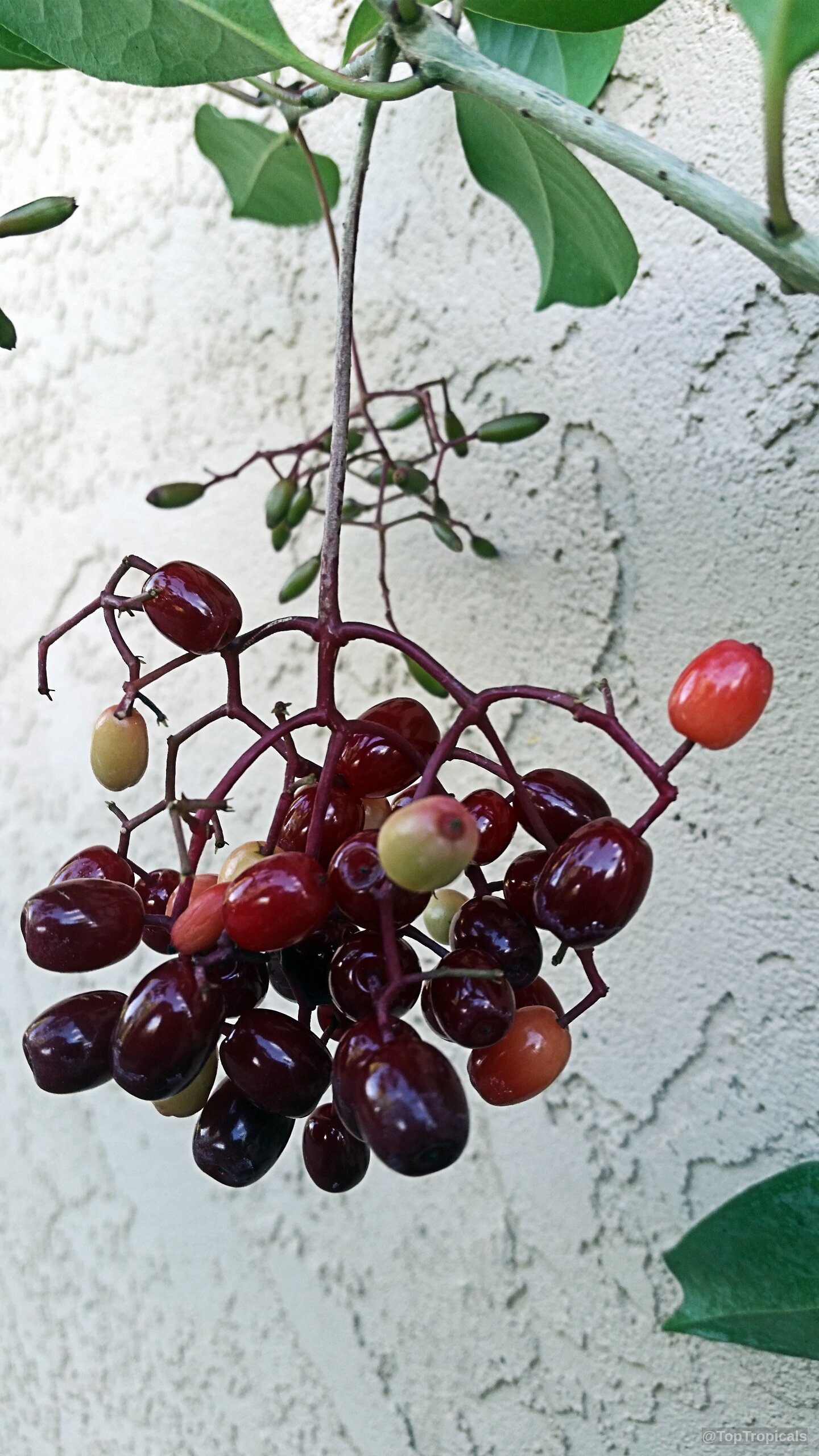
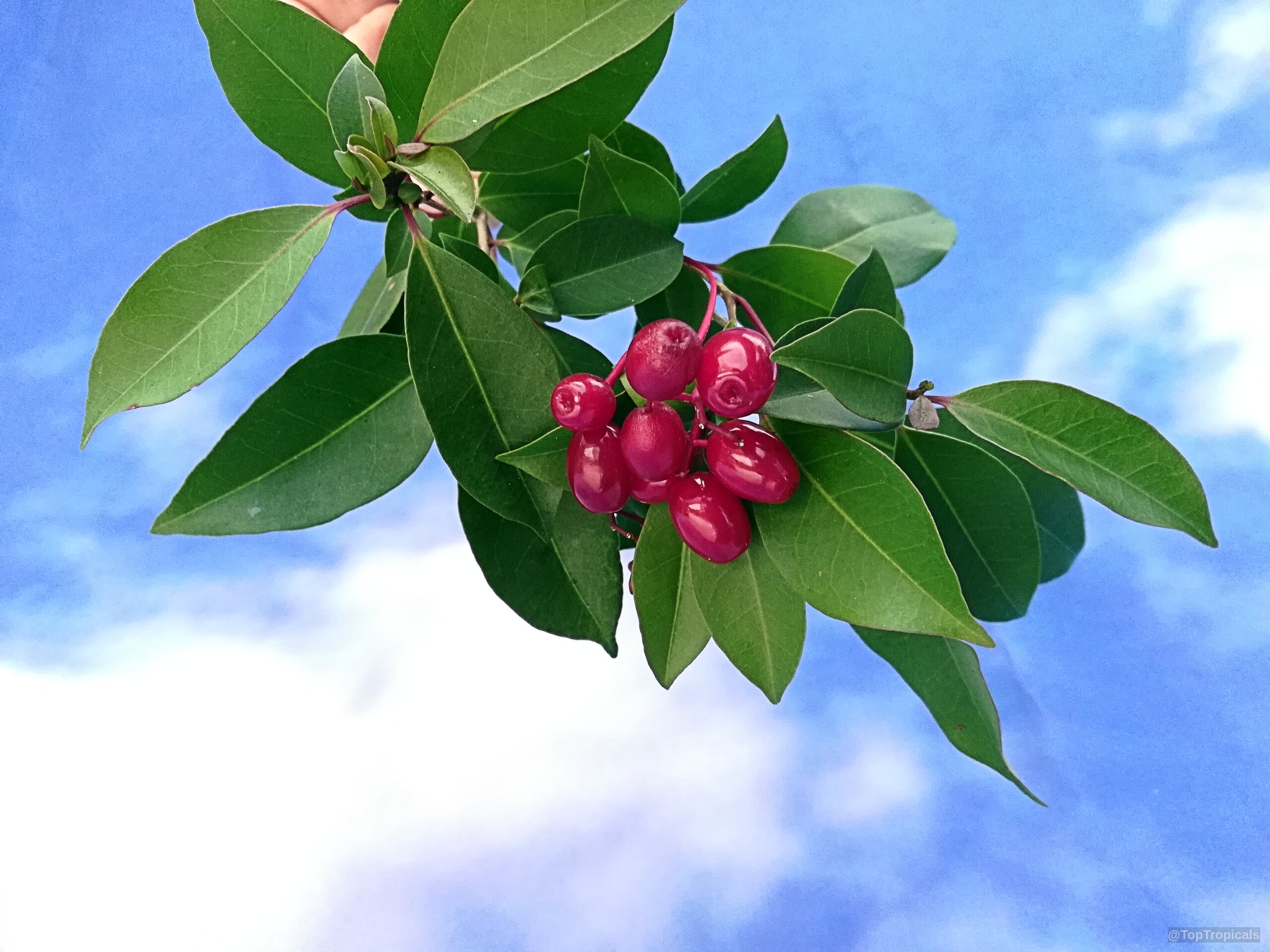
The plant is very nice, easy growing and make those "jelly beans" like berries at least twice/year. The flowers are almost unnoticeable. The berries are very showy and come right after. It fruits for several months non stop. Mature fruit is edible.
In native countries, this plant is widely used medicinally. From book "Messages from the Gods. A Guide to the useful plants of Belize": "To treat fever in an infant, fresh leaf is used as a bath or rubbed over the body... To treat babies who can not sleep, often accompanied with crying, especially when they have been frightened by chickens, leaves are mashed, fried and rubbed all over the body..."
Very useful plant especially for those who are afraid of chickens!
It looks sort like an Ardisia, but it not even related.






Recommended Fertilizer: SUNSHINE Megaflor - Bloom Nutrition Booster