Hoya pachyclada (Wax plant)
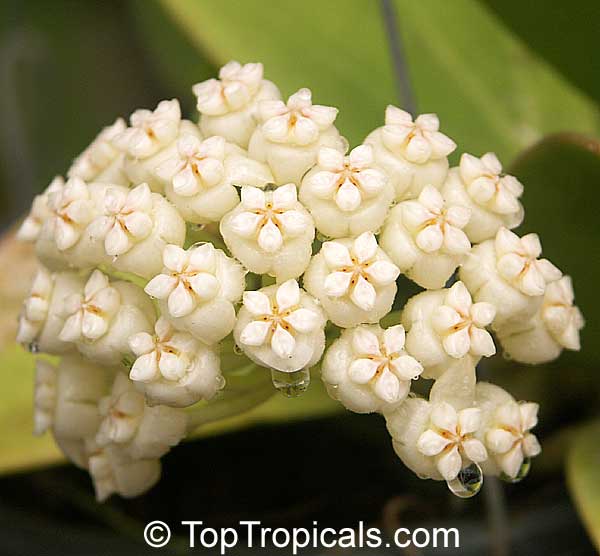
Botanical name: Hoya pachyclada
Common name: Wax plant
Family: Apocynaceae (Formerly:Asclepiadaceae)
Subfamily: Asclepiadoideae
Origin: Thailand


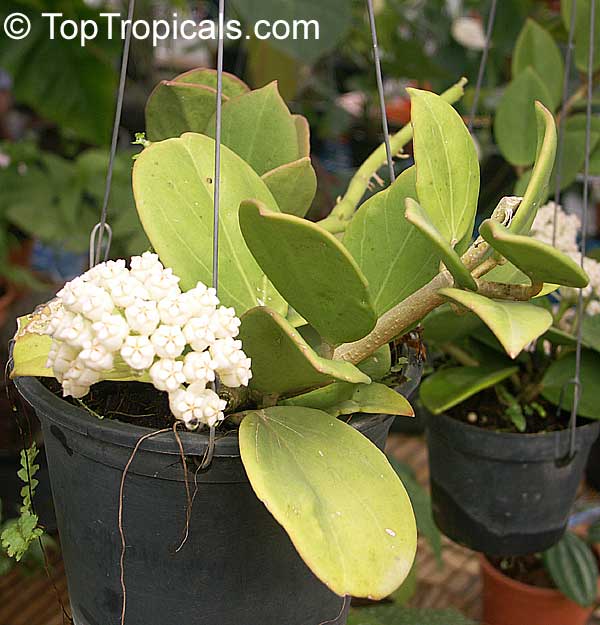
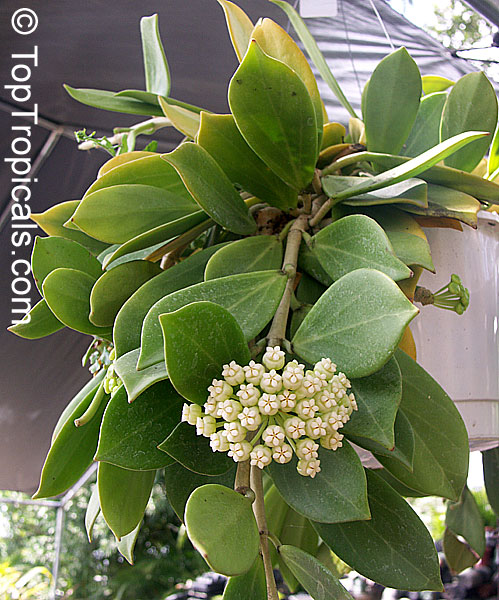
Hoya pachyclada is a compact epiphytic species native to Thailand and neighboring parts of mainland Southeast Asia. Unlike many hoyas that produce long, slender vines, this species develops short internodes and thick succulent leaves, giving it a dense, sturdy appearance even when relatively young. The broad, rounded foliage is often covered with a subtle waxy sheen and serves as an adaptation to periods of reduced moisture in its native habitat.
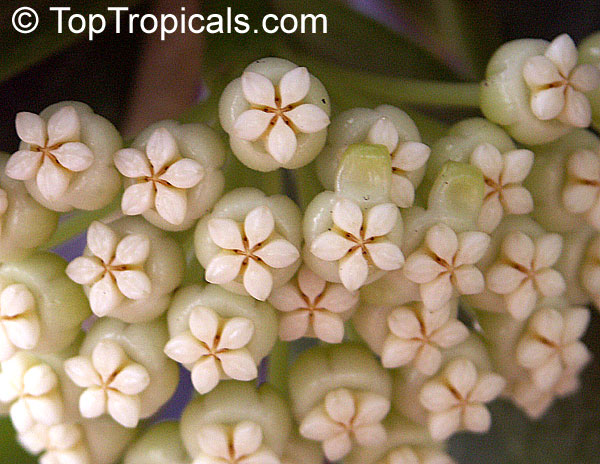
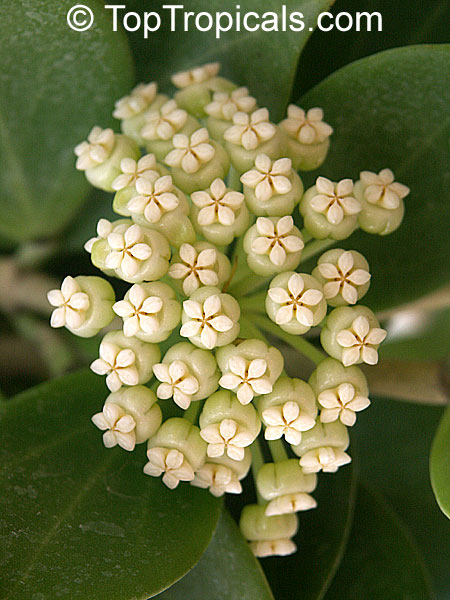
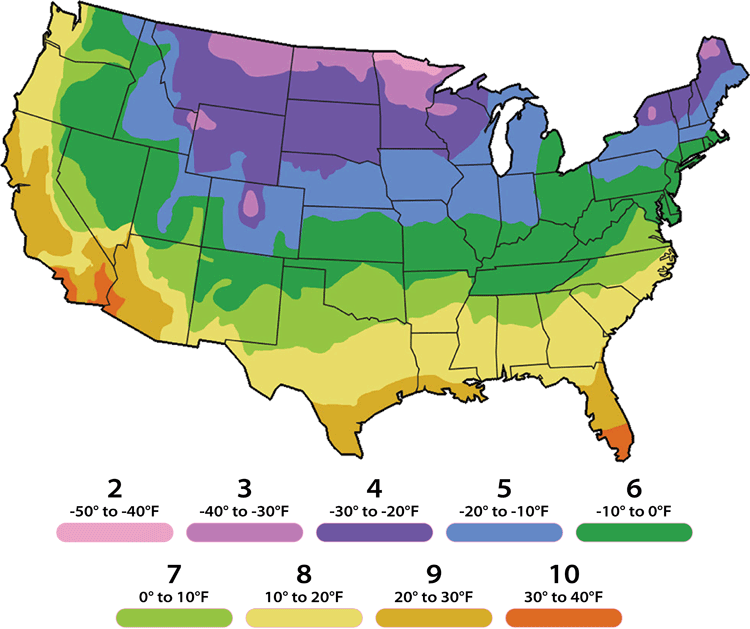
The species is particularly valued for its unusually large flower clusters in relation to the size of the plant. The blooms are white to creamy white with a pink to reddish central corona and have a waxy texture typical of many hoyas. Their sweet fragrance is often most noticeable during the evening. Mature plants may flower several times a year, and the dense umbels can nearly cover the foliage when conditions are favorable. Hoya pachyclada grows best in bright filtered light, a loose and well-drained growing medium, and moderate watering with partial drying between applications. Its thick leaves allow it to tolerate short dry periods better than many thin-leaved species, although prolonged drought should be avoided. Suitable for USDA Zones 10-12, it is widely grown as a container plant and is especially appreciated by collectors seeking a compact species with substantial foliage and showy blooms.
Similar plants: Hoya pachyclada (Wax plant)
- Hoya archboldiana (Papua Wax Plant)
- Hoya australis (Common Waxflower)
- Hoya bella (Beautiful Hoya)
- Hoya bilobata (Wax Plant)
- Hoya calycina (Wax Flower)
- Hoya carnosa (Wax Plant)
- Hoya carnosa 'Compacta' (Hindu Rope)
- Hoya curtisii (Million Hearts)
- Hoya kerrii (Wax Hearts)
- Hoya lacunosa (Wax plant)