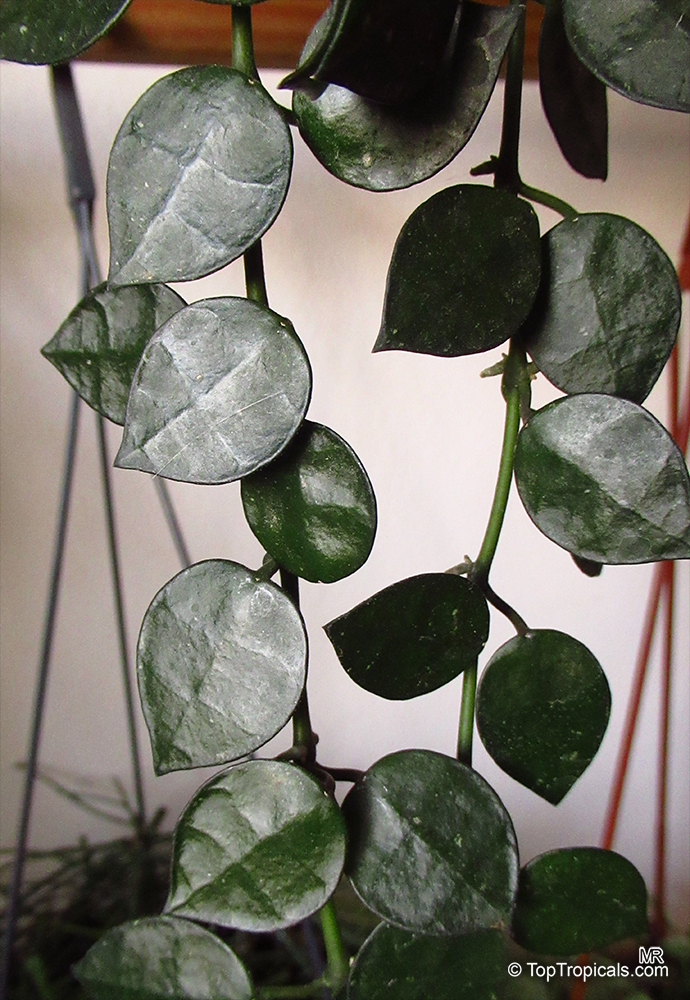
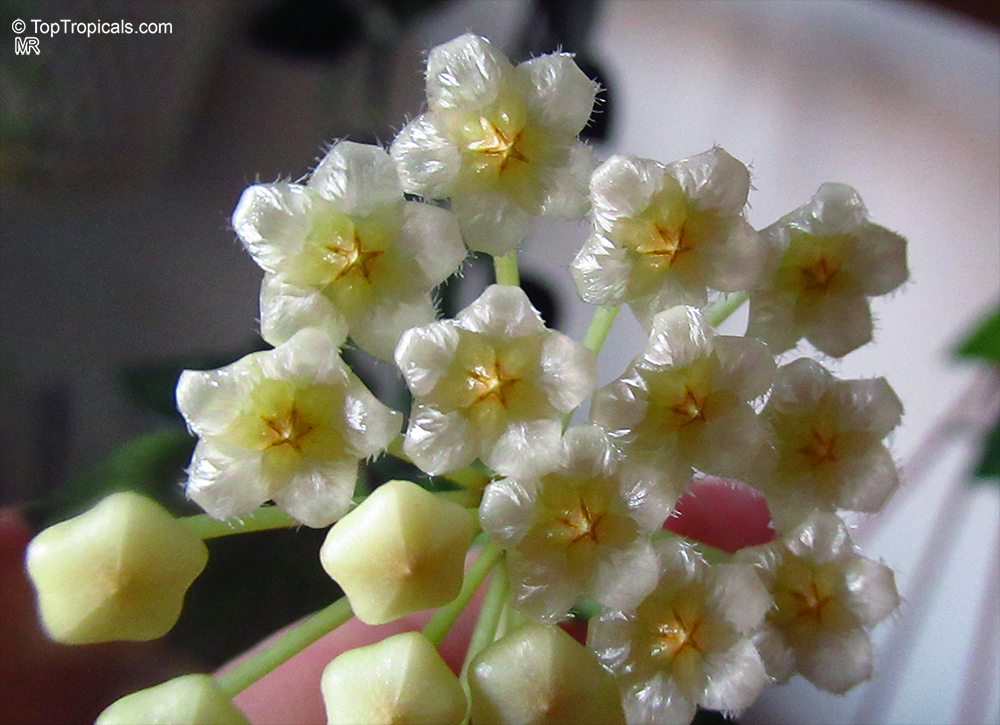
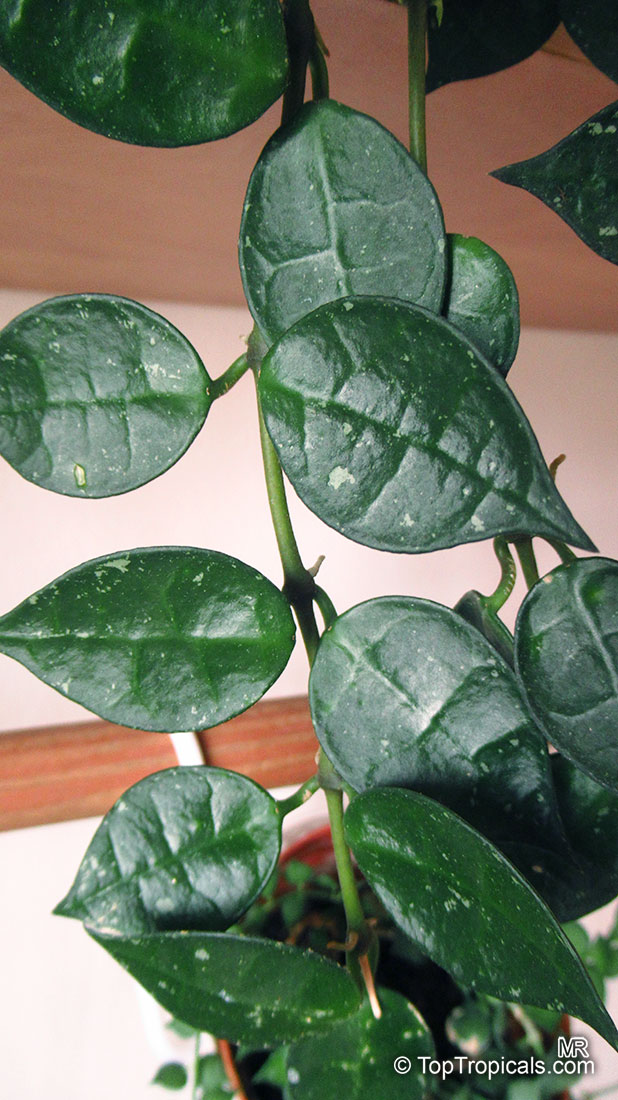
Hoya lacunosa (Wax plant)
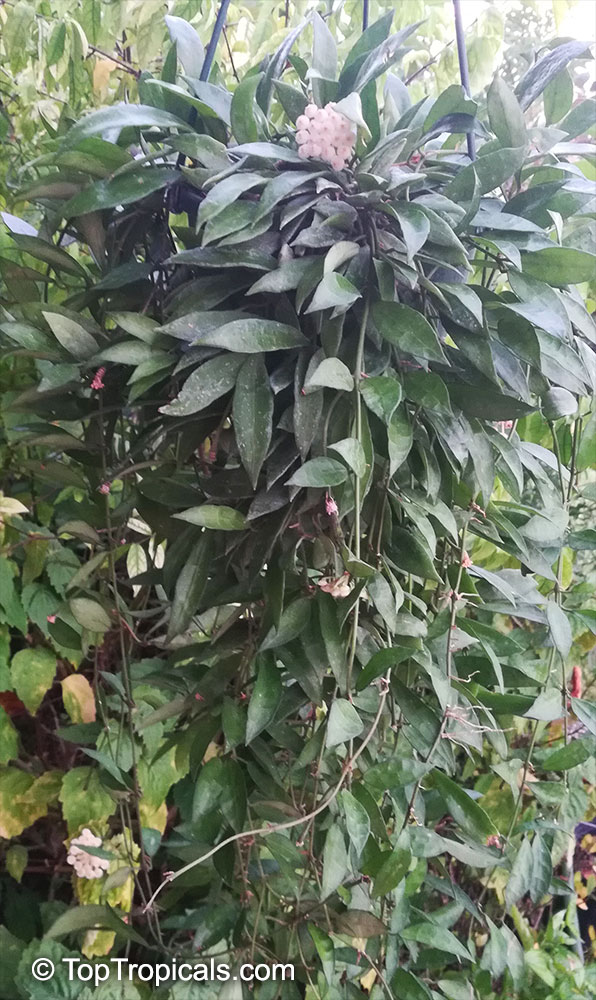
Botanical name: Hoya lacunosa
Common name: Wax plant
Family: Apocynaceae (Formerly:Asclepiadaceae)
Subfamily: Asclepiadoideae
Origin: Thailand


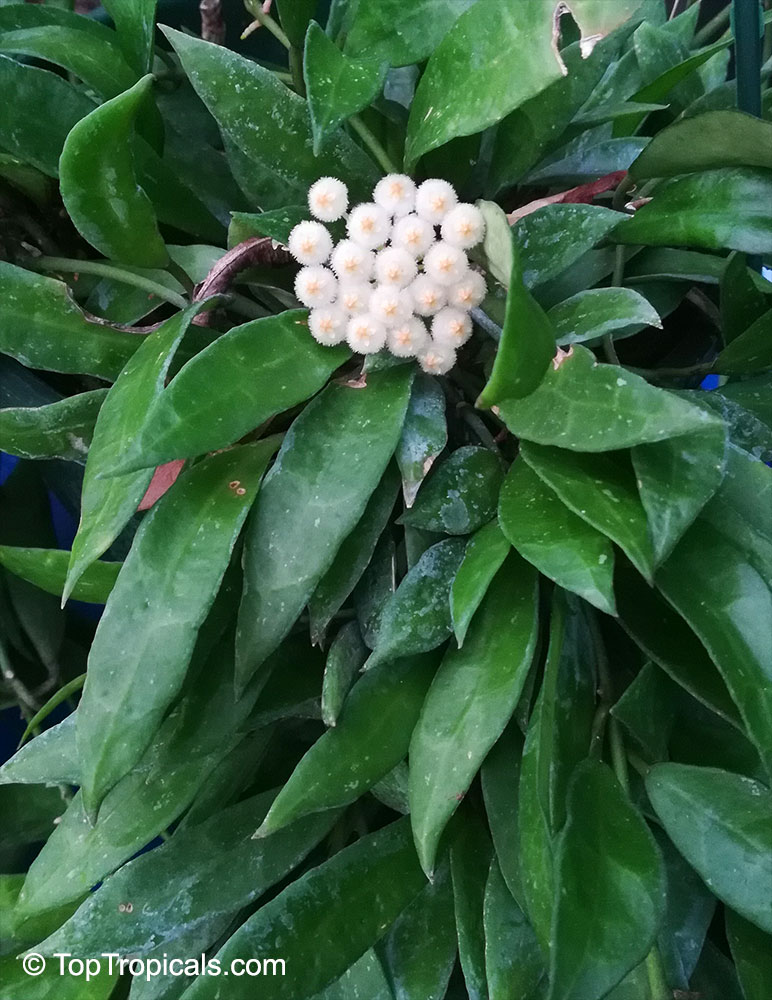
lacunosa is a small-leaved epiphytic species native to Southeast Asia, where it grows in warm, humid forests on tree trunks and branches. The plant develops slender trailing or climbing stems covered with narrow, slightly concave leaves, a feature reflected in the species name lacunosa, meaning "pitted" or "hollowed." Its compact growth habit makes it particularly well suited to hanging baskets, small trellises, and indoor cultivation.
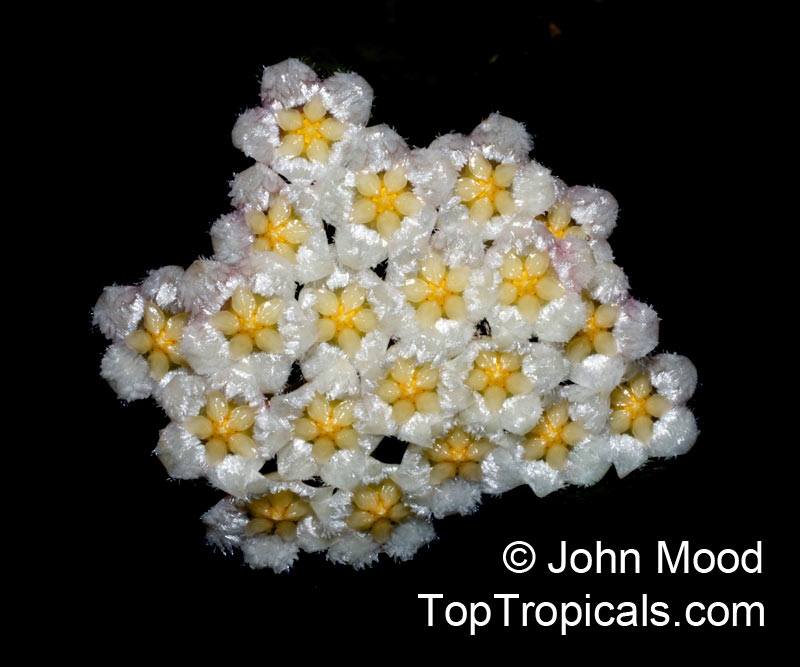
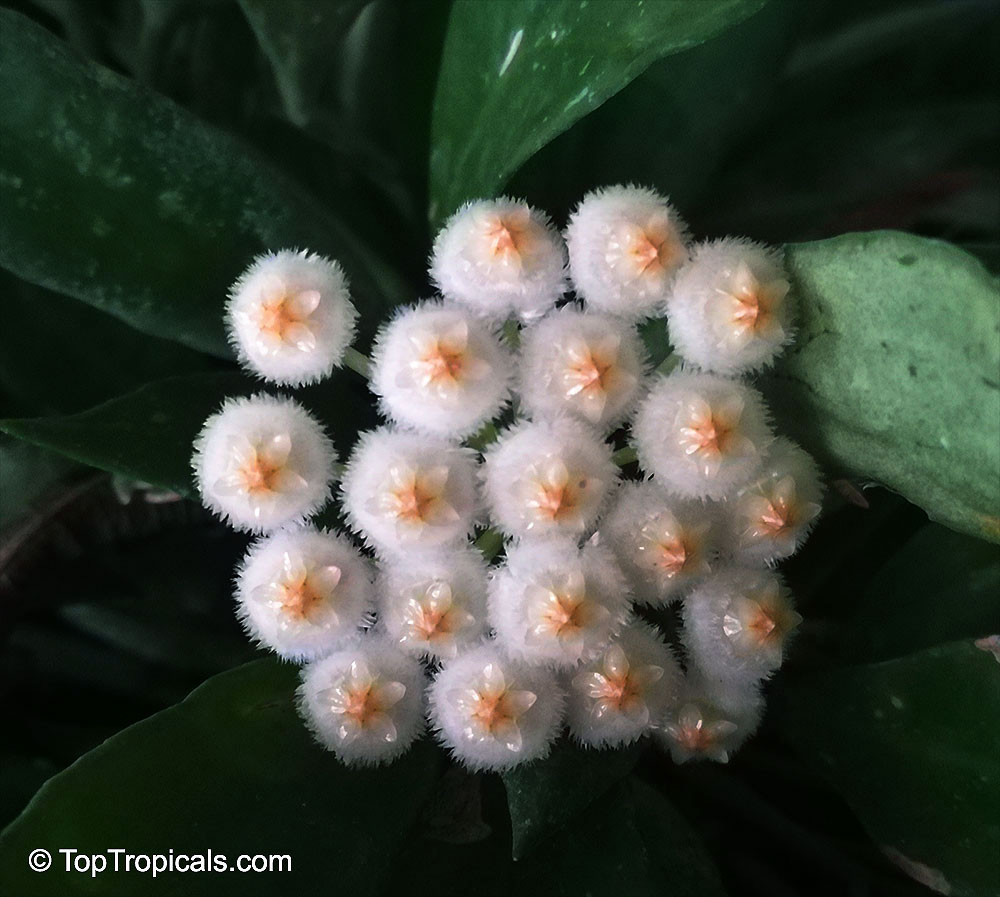
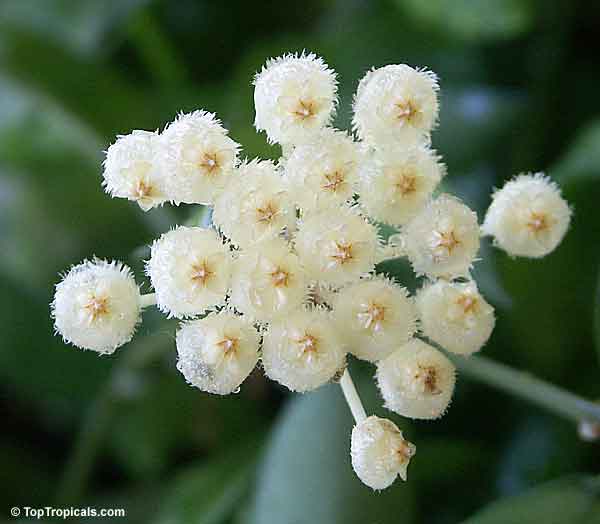
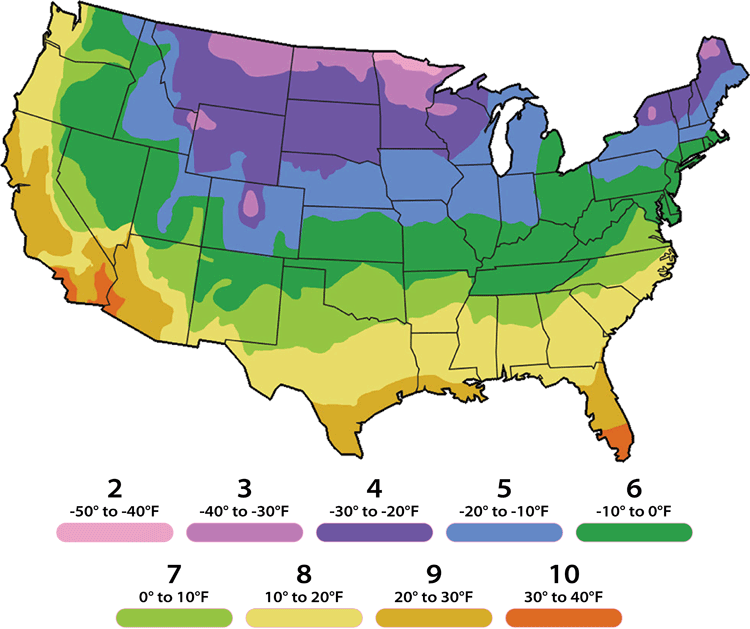
The species is especially valued for its profuse flowering and distinctive fragrance. Mature plants produce numerous clusters of fuzzy, star-shaped flowers that are typically white to cream-colored with yellow centers. Depending on the clone, the blooms may release a sweet scent often compared to cinnamon, cloves, honey, or perfume, particularly during the evening. Hoya lacunosa is known for flowering readily and may bloom repeatedly throughout the year under favorable conditions. It grows best in bright filtered light, a loose and well-drained growing medium, and regular watering with slight drying between applications. Higher humidity encourages vigorous growth, although the species adapts well to typical indoor conditions. Suitable for USDA Zones 10-12, Hoya lacunosa is most commonly grown as a houseplant, where its compact size, frequent flowering, and fragrant blooms have made it one of the most popular small-leaved hoyas in cultivation.
Similar plants: Hoya lacunosa (Wax plant)
- Hoya archboldiana (Papua Wax Plant)
- Hoya australis (Common Waxflower)
- Hoya bella (Beautiful Hoya)
- Hoya bilobata (Wax Plant)
- Hoya calycina (Wax Flower)
- Hoya carnosa (Wax Plant)
- Hoya carnosa 'Compacta' (Hindu Rope)
- Hoya curtisii (Million Hearts)
- Hoya kerrii (Wax Hearts)
- Hoya linearis (Porcelain Flower)