Epidendrum sp. (Reed Orchid)
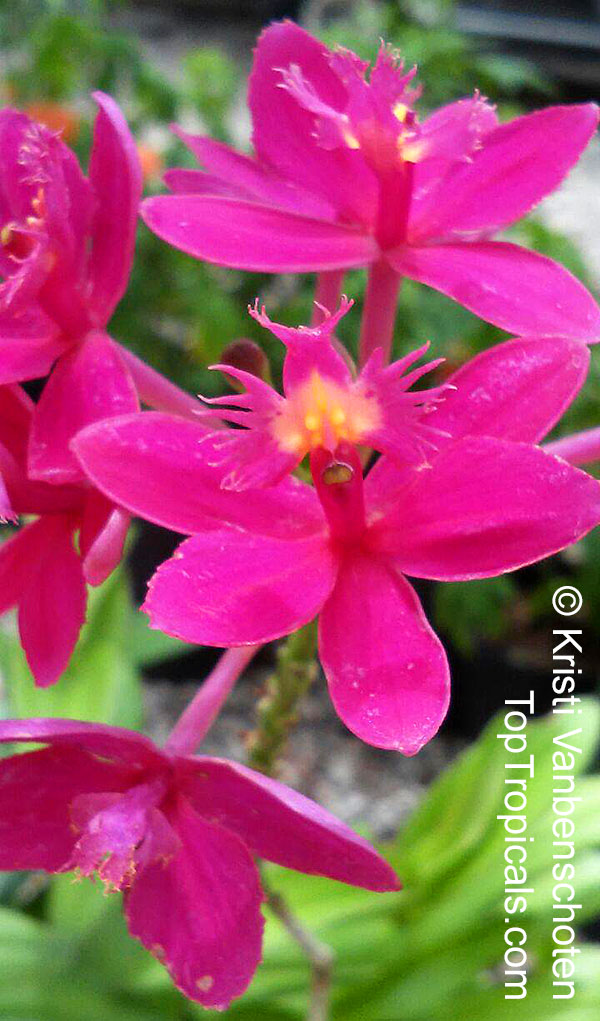
Botanical name: Epidendrum sp.
Common names: Reed Orchid, Epidendrum Orchid, Clustered Flowers Orchid, Crucifix Orchid
Family: Orchidaceae
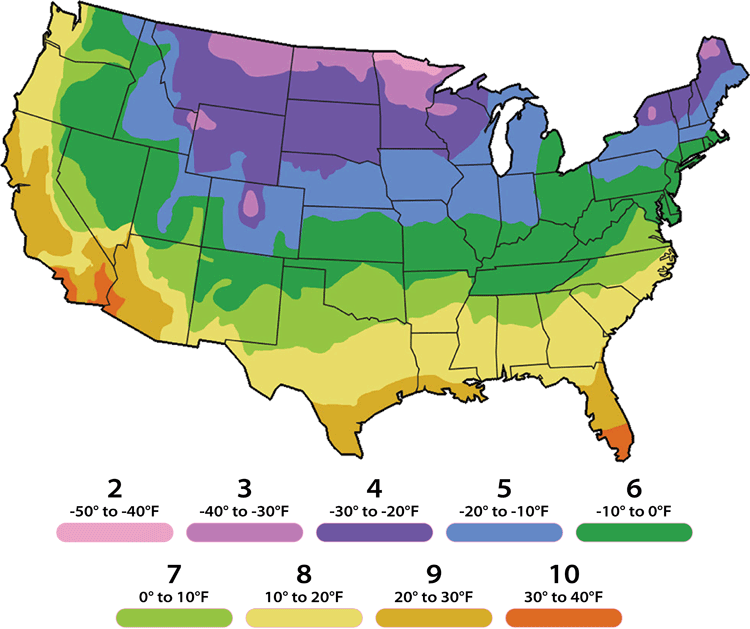
USDA Zone: 9-11
Cold tolerance: 25°F

 Plant form: Climbing or groundcover vine
 Sun exposure: Semi-shade
 Cold tolerance: Tolerates light freezing to about 30°F for short periods (mature plants). Young plants must be protected.
 Watering: Regular; epiphyte. Needs light, frequent misting or soaking to stay hydrated.


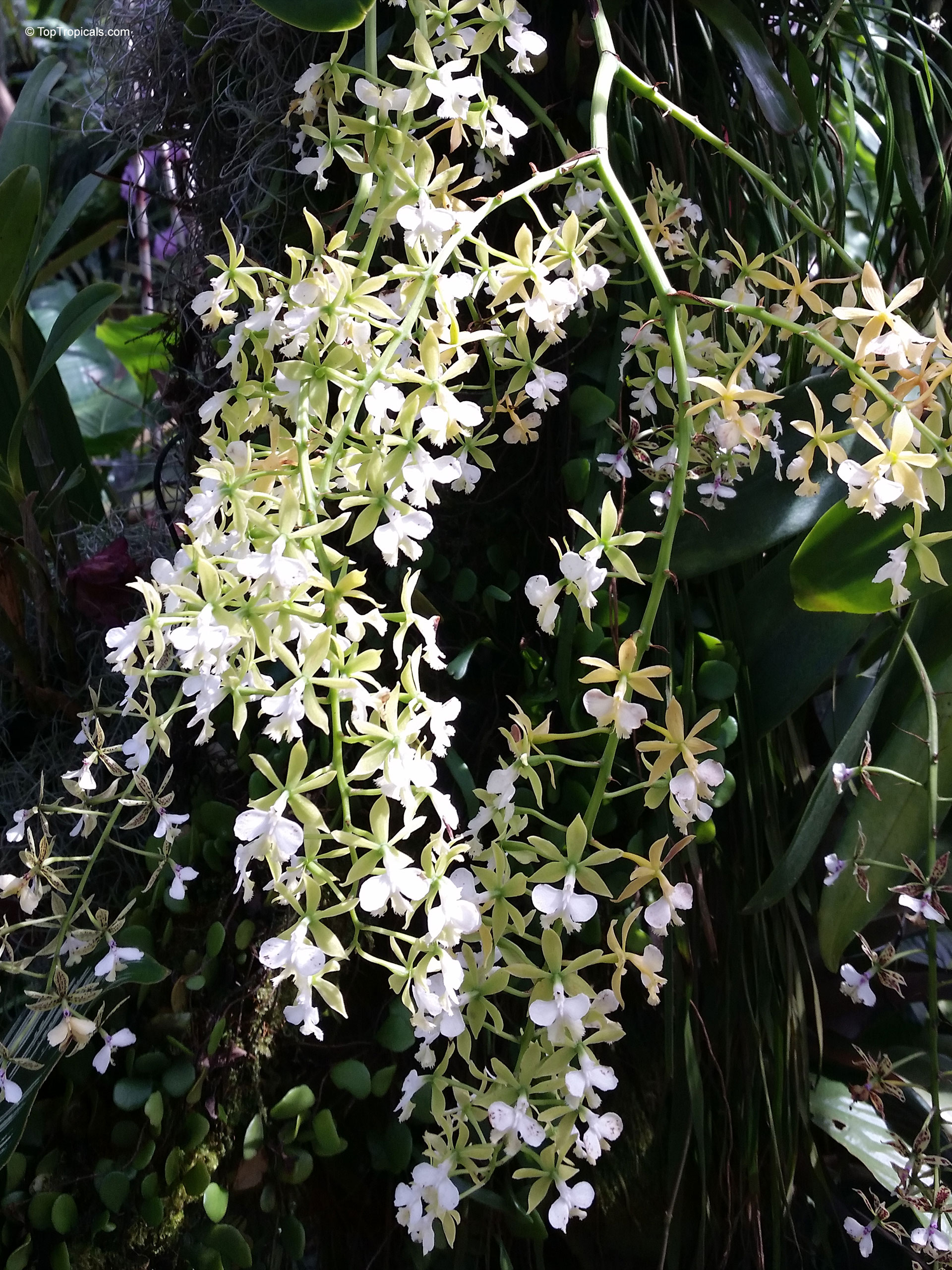
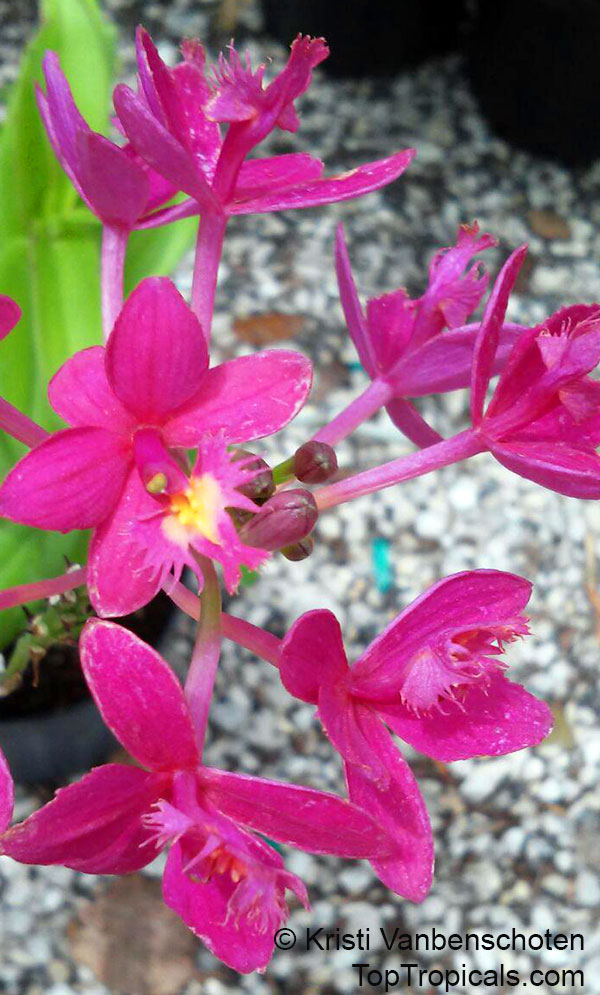
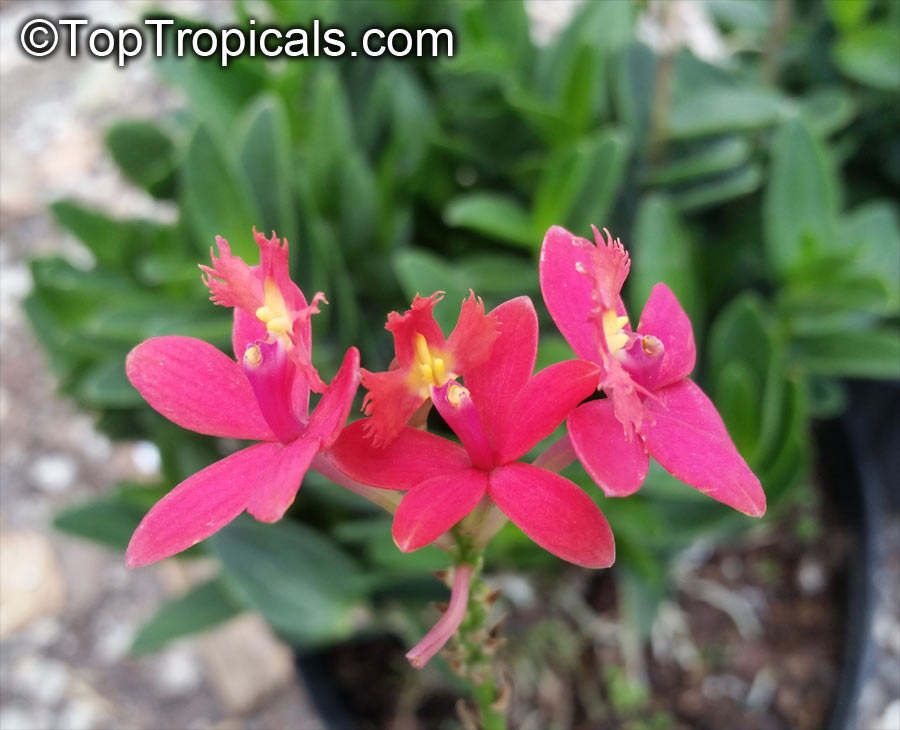
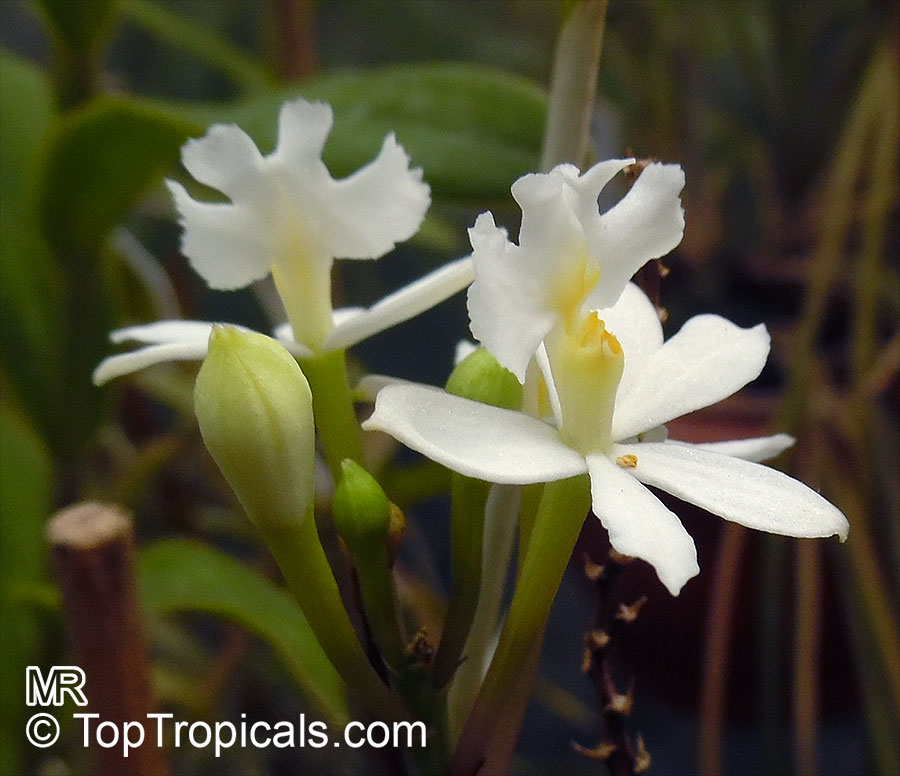
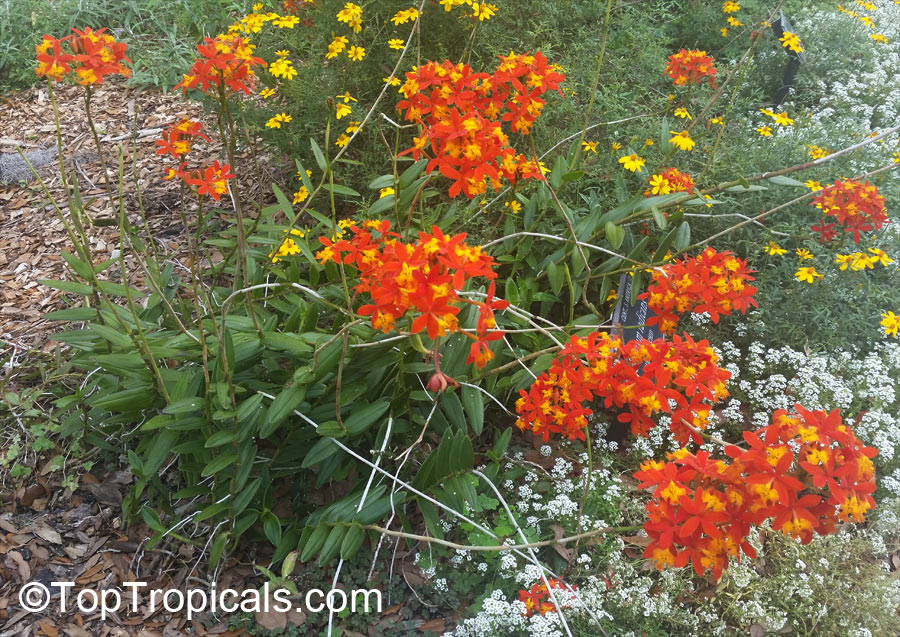
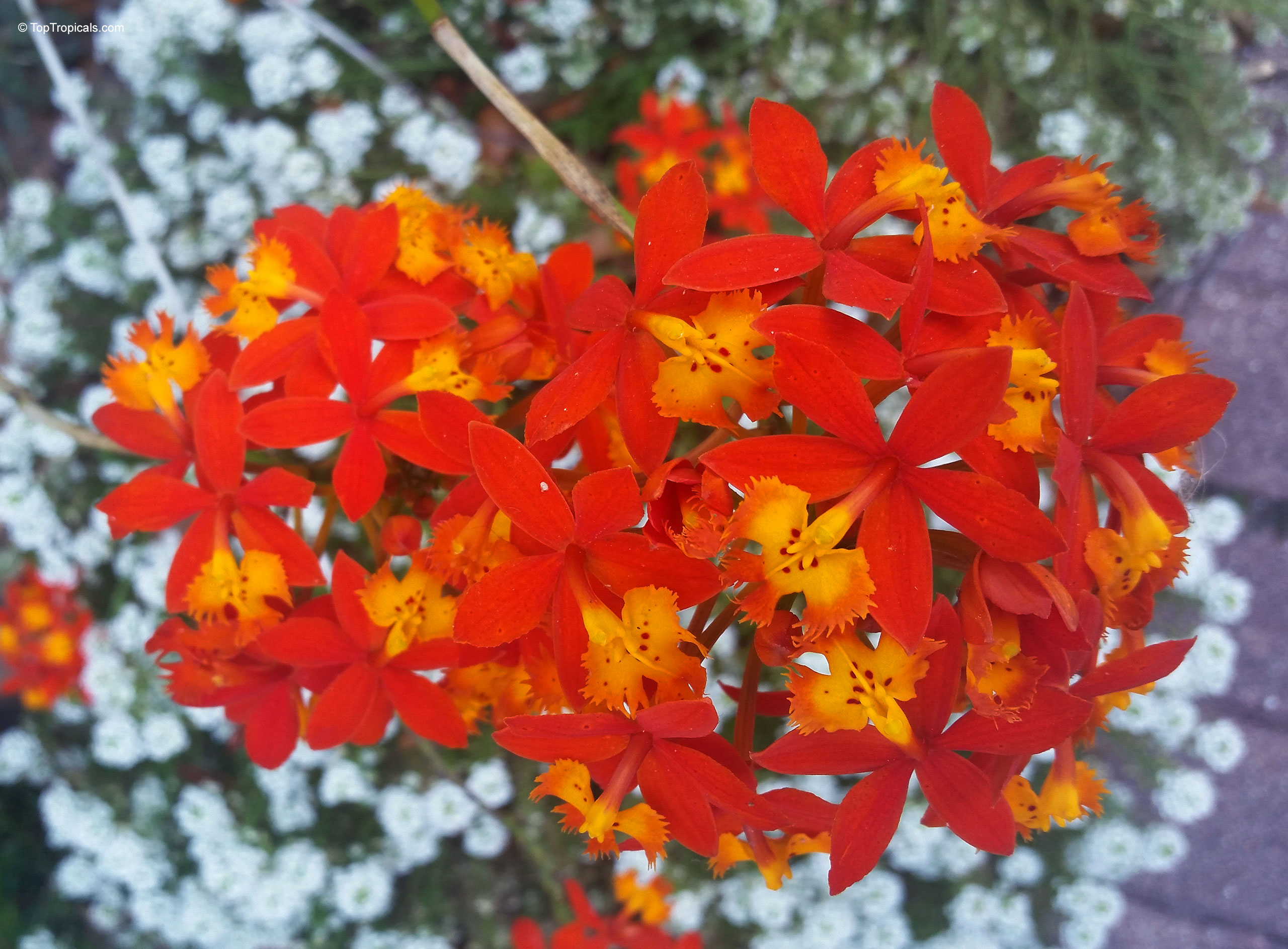
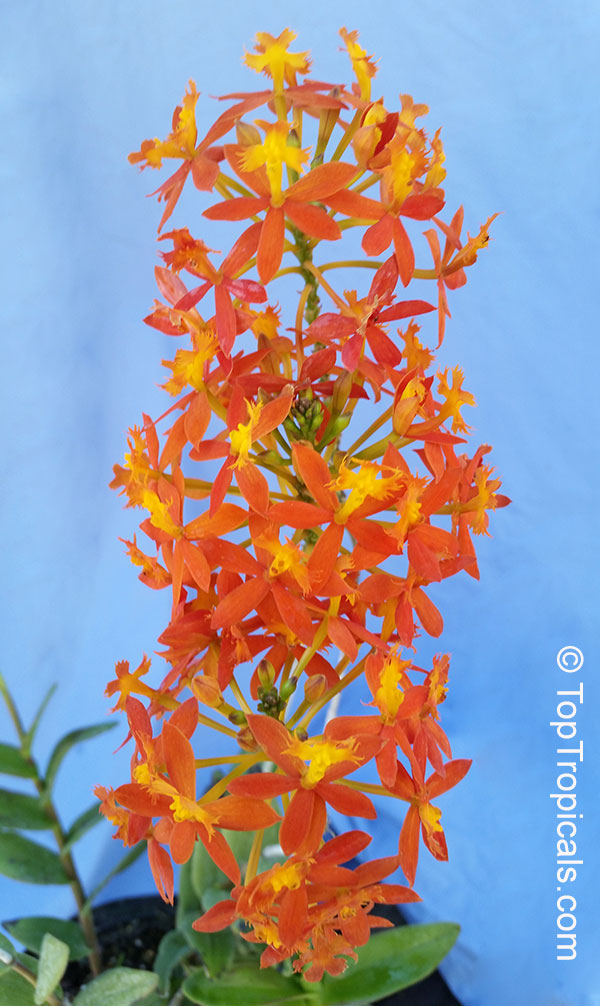
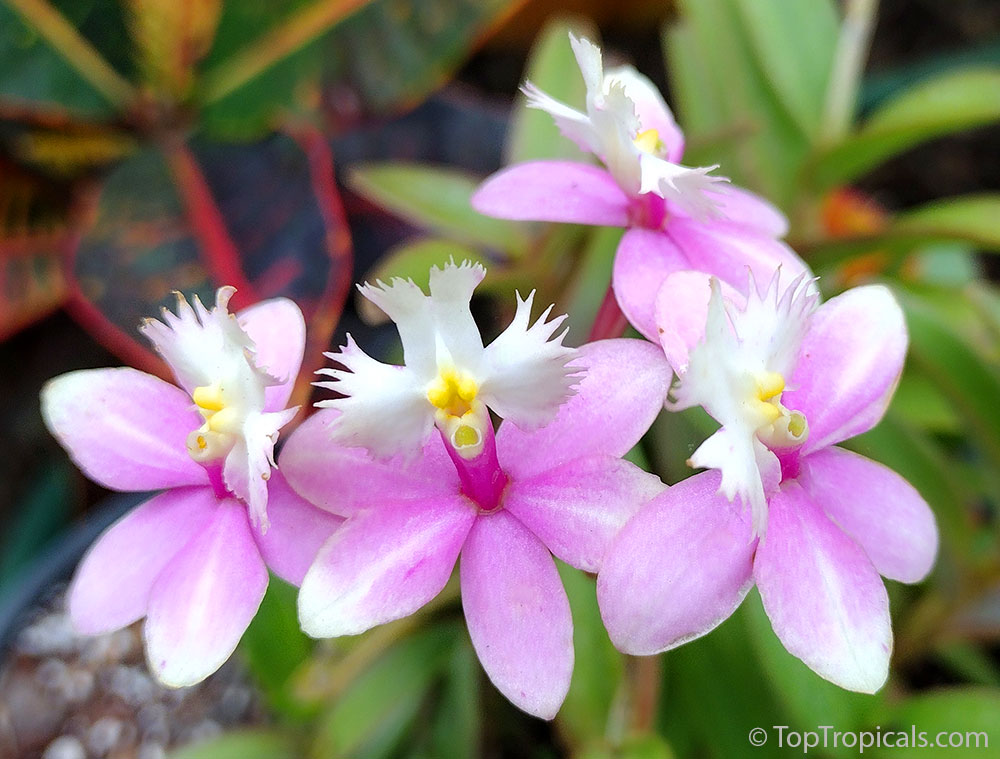
 Flower color: Pink; white and off-white; red, crimson, vinous; yellow, orange
 Suitable for: Outdoors in the suitable USDA zone; small gardens, containers, and indoor growing
 Wildlife: Attracts butterflies and hummingbirds
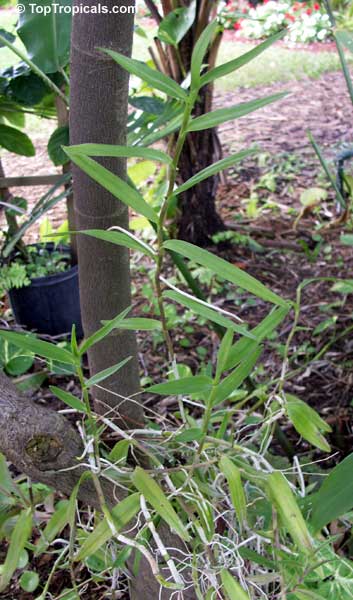
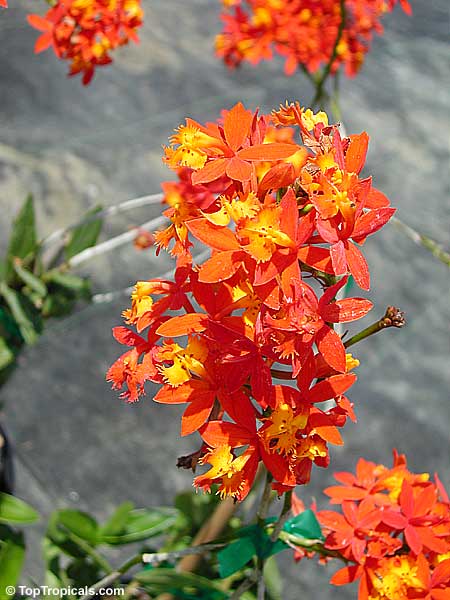
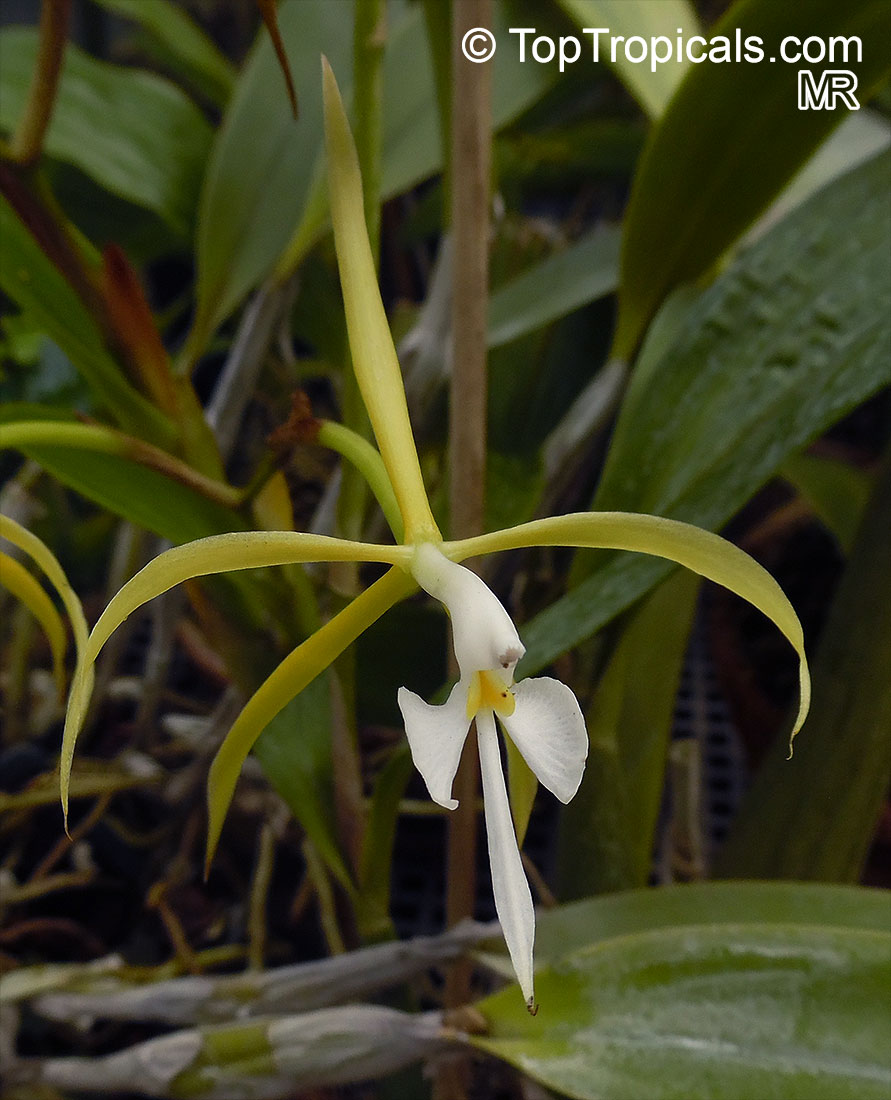
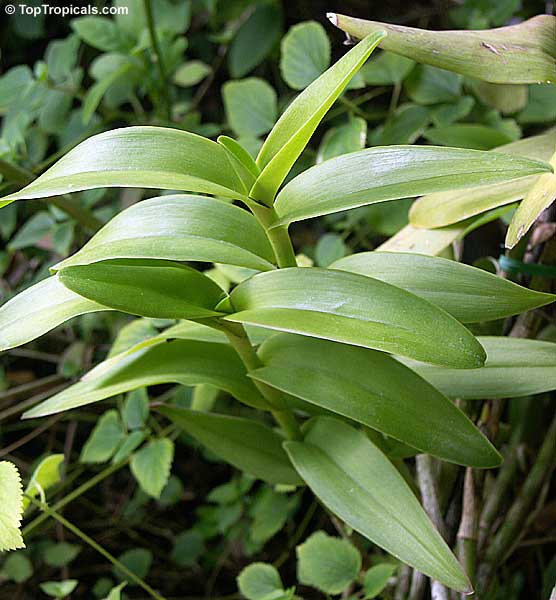
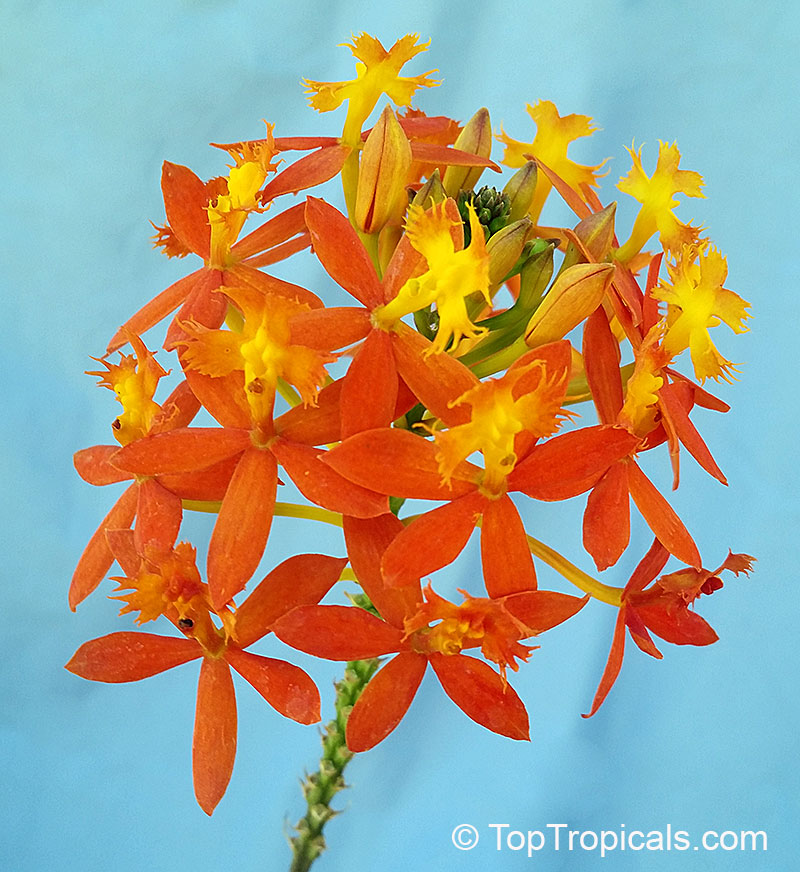
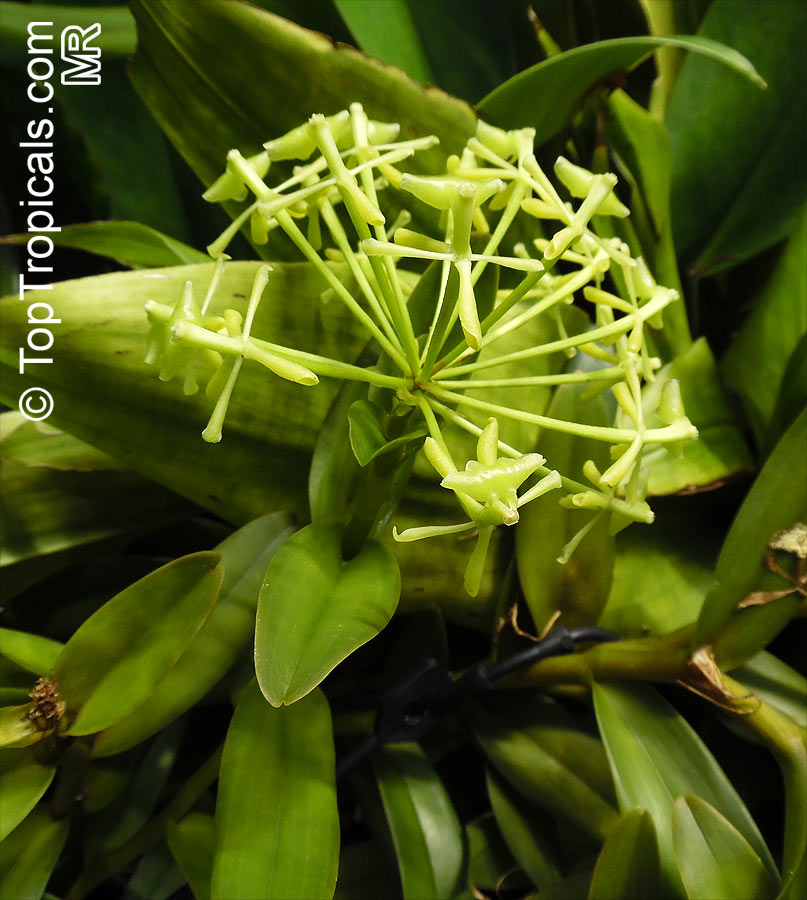
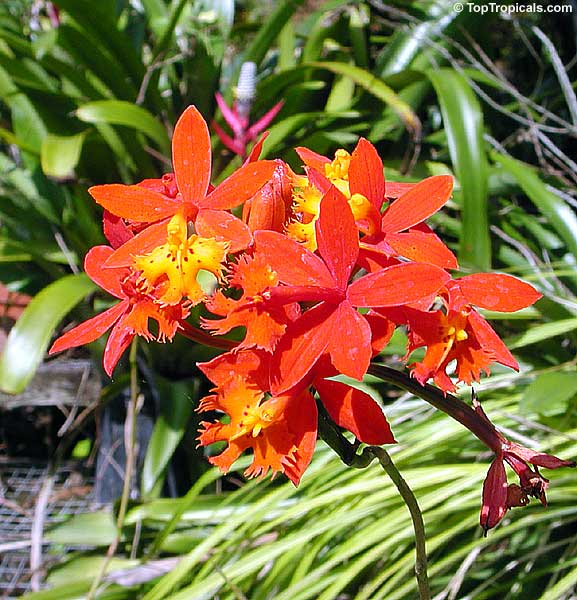
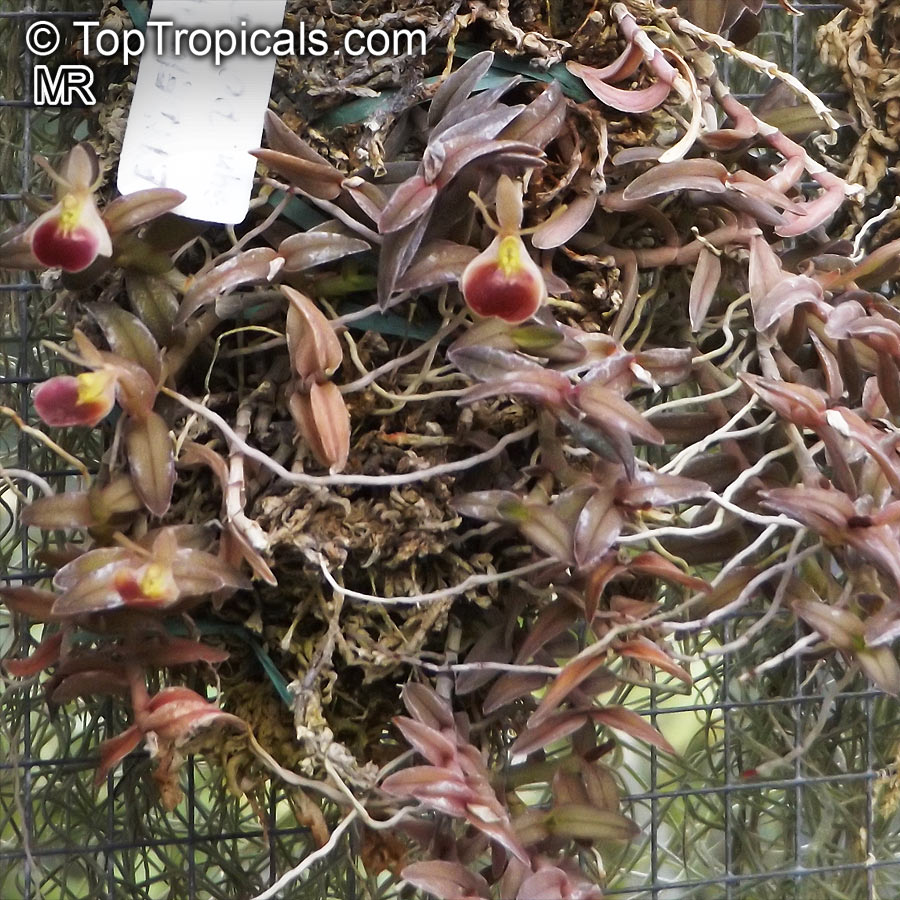
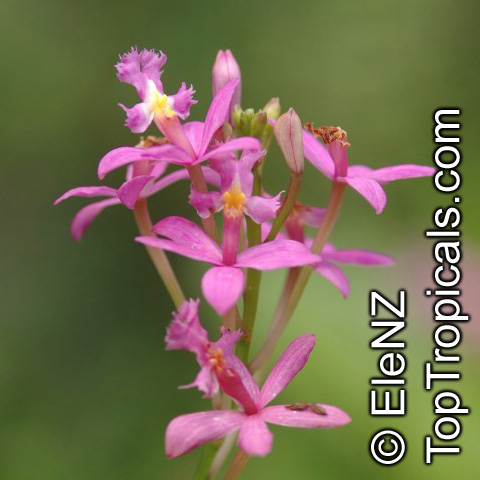
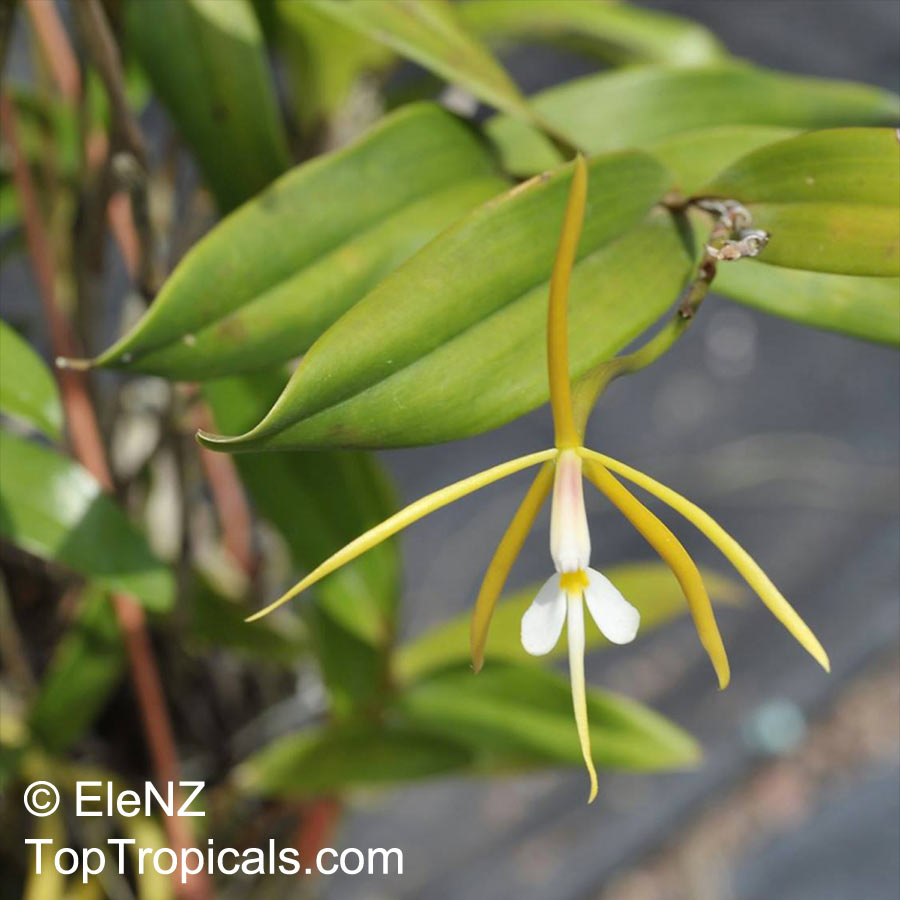
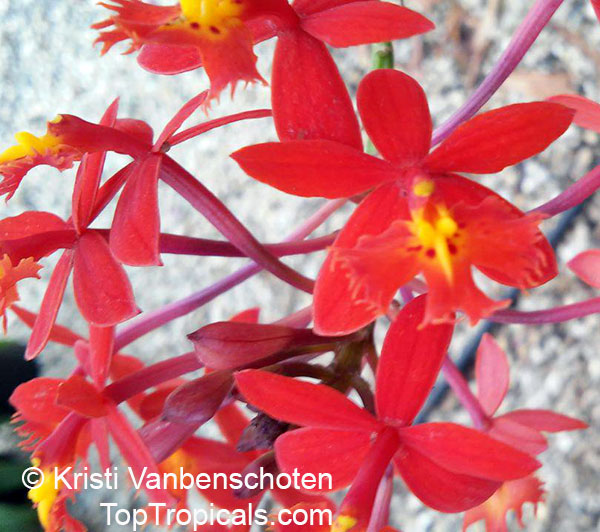
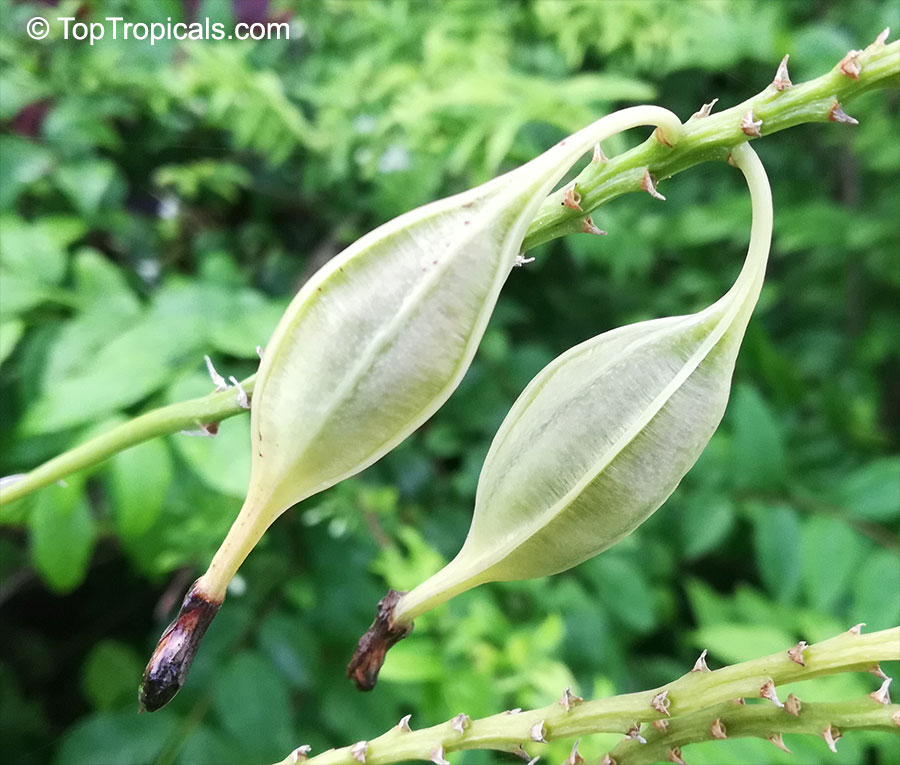
Epidendrum is a very large and morphologically diverse genus of orchids in the Orchidaceae family, native to tropical and subtropical regions of the Americas. Its species occupy habitats ranging from humid lowland forests to cool mountain regions and may grow as epiphytes, lithophytes, or terrestrial plants. Growth forms vary greatly, from compact orchids to large plants with elongated stems, and flowers range from small and inconspicuous to large and brightly colored. Many species have a distinctive lip that is partly or completely fused to the column. The popular reed-stem Epidendrums, with upright cane-like stems and showy terminal clusters of red, orange, pink, yellow, or purple flowers, represent only one horticulturally important group and should not be regarded as typical of the genus as a whole.
Cultivation requirements vary considerably among species because of the genus's enormous ecological range. Many commonly cultivated Epidendrums prefer bright filtered light to partial sun, good air circulation, and an open, well-drained orchid medium, with regular moisture during active growth. Reed-stem types are particularly adaptable and are widely grown in tropical and subtropical gardens as well as containers. Numerous species and hybrids are cultivated, and Epidendrum has also contributed to many intergeneric orchid hybrids. Cold tolerance varies greatly; tropical garden types generally require frost-free or nearly frost-free conditions, while cooler-growing species should be cultivated according to the climate of their native habitats.
See Orchid page for pictures of different orchids and care info.
See video about Ground Orchids.
Similar plants: Epidendrum sp. (Reed Orchid)


Recommended Fertilizer: SUNSHINE Megaflor - Bloom Nutrition Booster
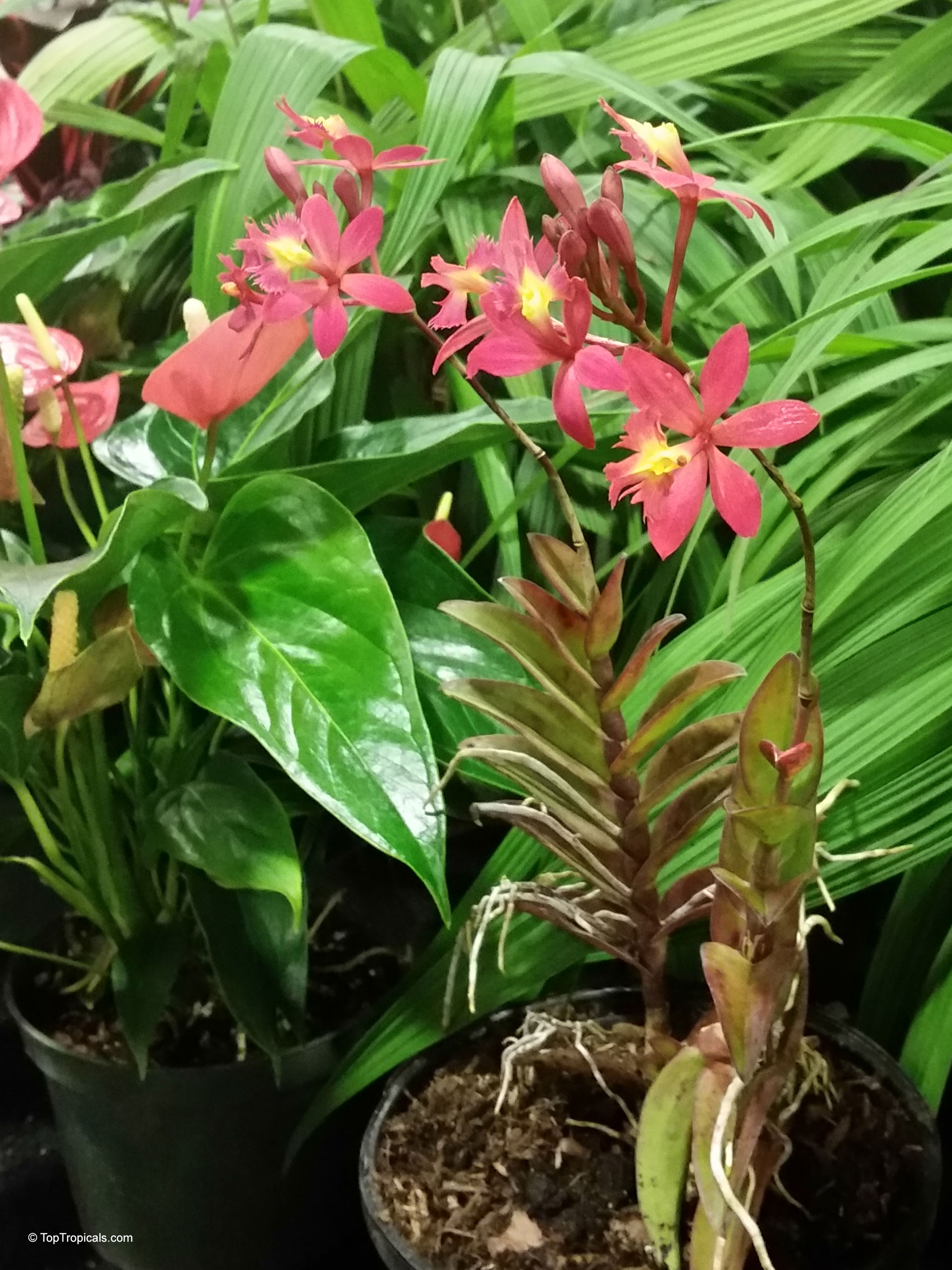
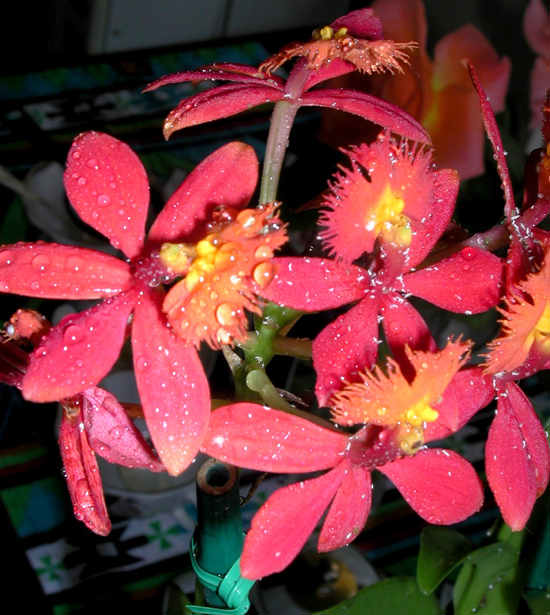
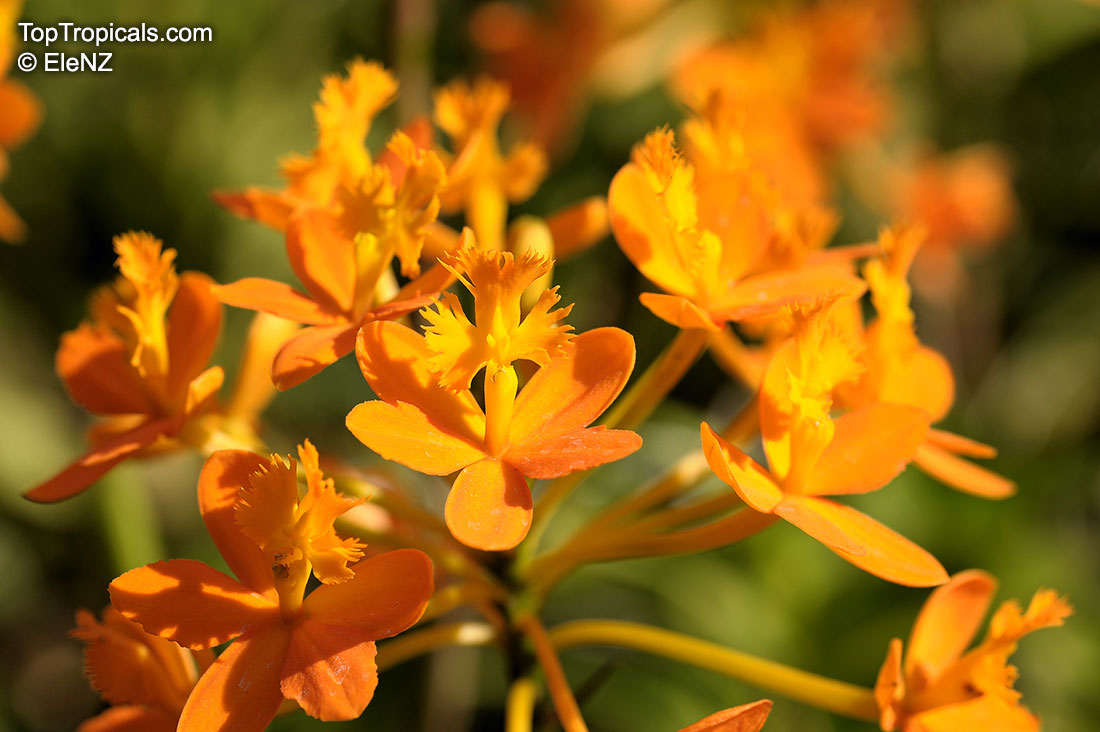
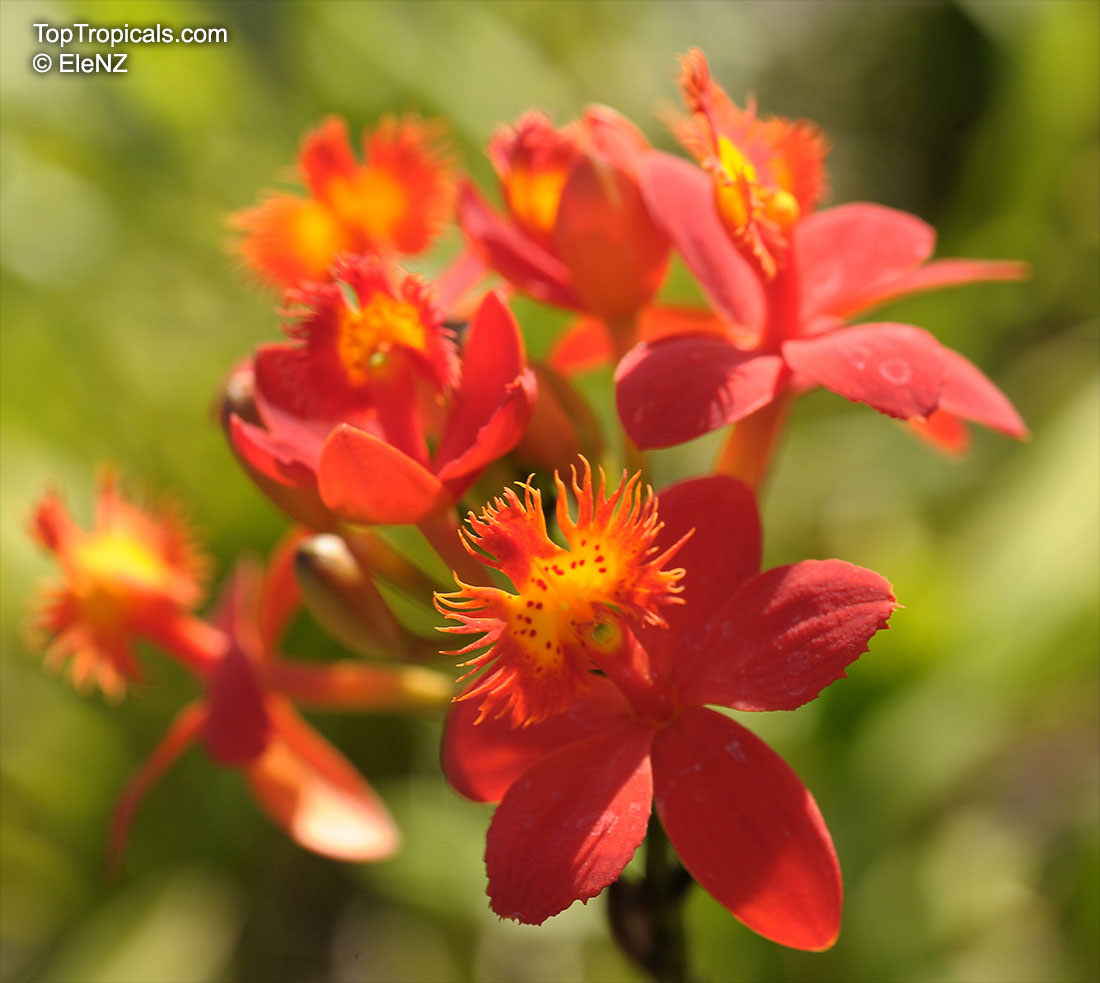
Epidendrum is a diverse neotropical genus that has flowers characterized by a frilly or fringed lip. This feature is occasionally diagnostic to distinguish between species. These orchids are widely cultivated and may be hybridized with Sophronitis, another South American genus. The flowers are usually small and delicately colored, and borne on a dense inflorescence. Many species have a fragrance. These well established plants are a red raspberry color.
See video about Ground Orchids.
Recommended Fertilizer: SUNSHINE Megaflor - Bloom Nutrition Booster
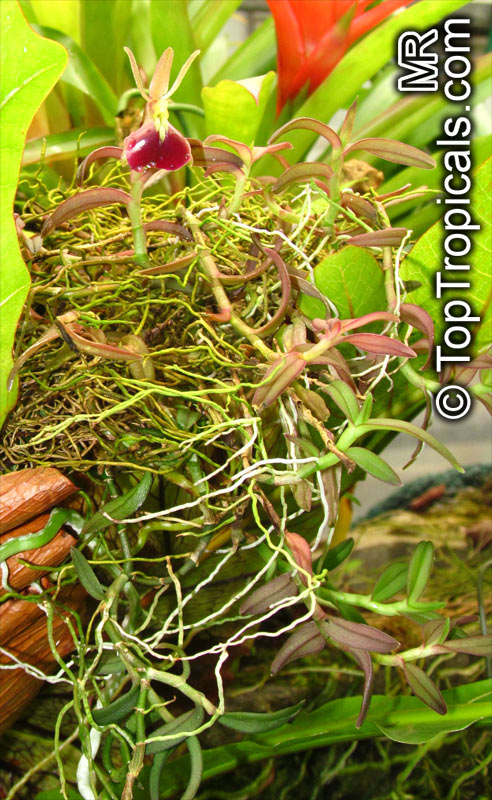
Epidendrum is a diverse neotropical genus that has flowers characterized by a frilly or fringed lip. This feature is occasionally diagnostic to distinguish between species. These orchids are widely cultivated and may be hybridized with Sophronitis, another South American genus. The flowers are usually small and delicately colored, and borne on a dense inflorescence. Many species have a fragrance.
See video about Ground Orchids.
Recommended Fertilizer: SUNSHINE Megaflor - Bloom Nutrition Booster
Recommended Fertilizer: SUNSHINE Megaflor - Bloom Nutrition Booster