Decaisnea fargesii (Dead Man's Fingers)
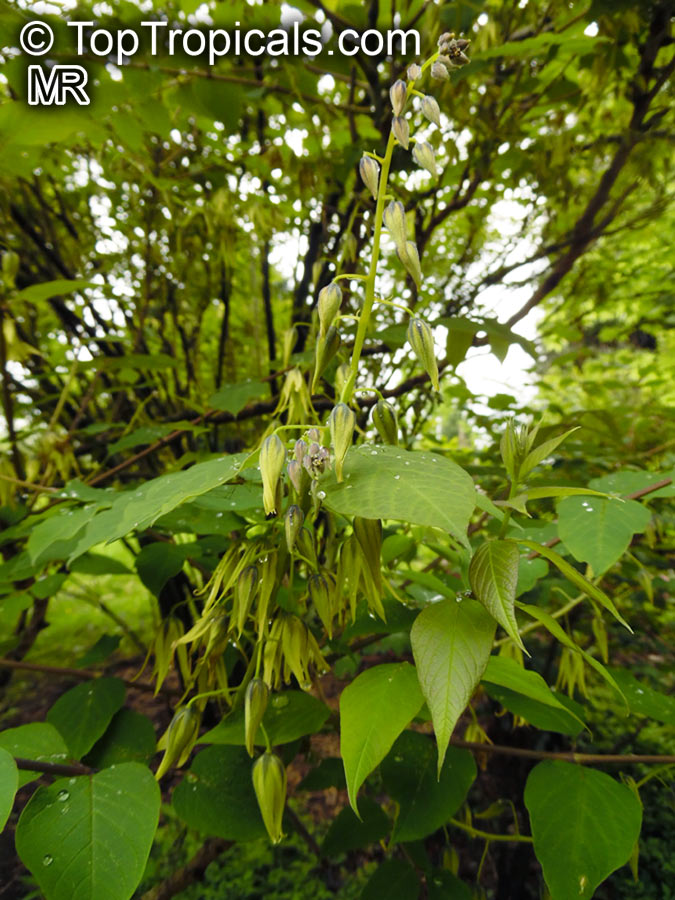
Botanical name: Decaisnea fargesii
Common name: Dead Man's Fingers
Family: Lardizabalaceae
Origin: Eastern Asia
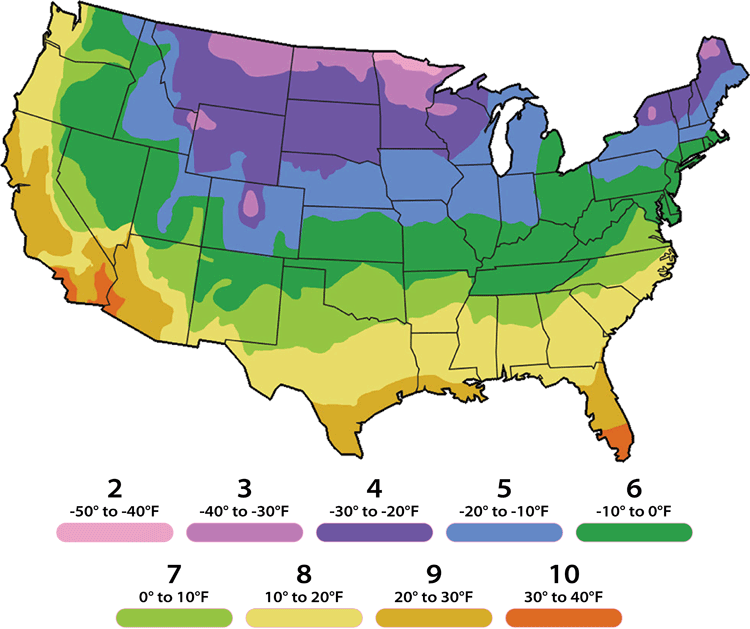
USDA Zone: 6-10

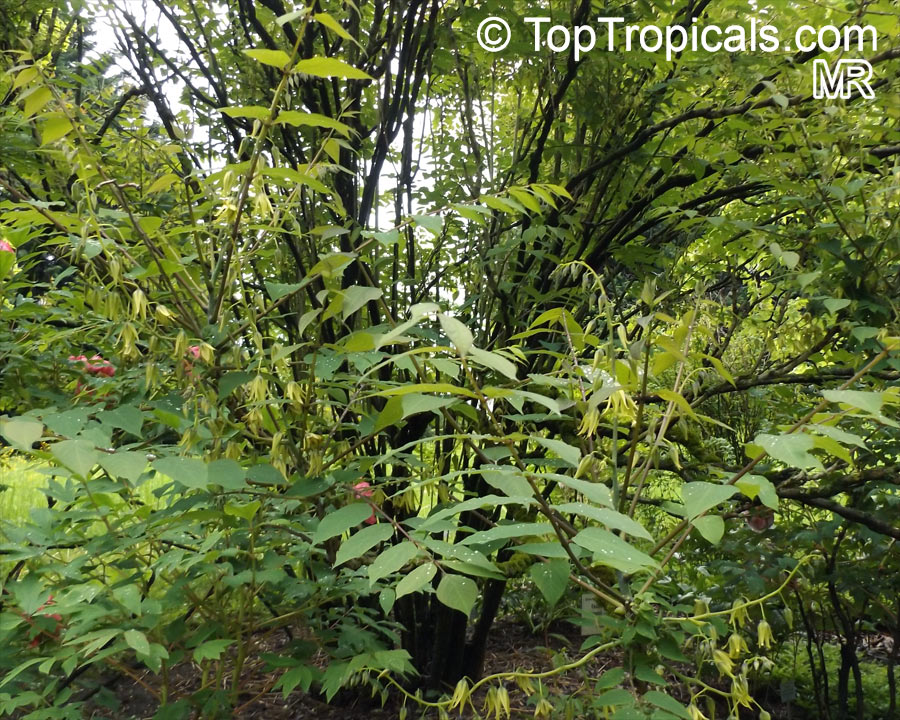
 Plant form: Large bush or small tree
 Mature height: 10-20 ft
 Sun exposure: Full sun or bright light indoor; semi-shade
 Cold tolerance: Tolerates light freezing to about 30°F for short periods (mature plants). Young plants must be protected.
 Watering: Regular
 Flower color: Yellow, orange
 Suitable for: Outdoors in the suitable USDA zone; small gardens, containers, and indoor growing
 Foliage: Deciduous
Decaisnea, known commonly as dead man's fingers, is a genus of flowering plant in the family Lardizabalaceae. It is native to eastern Asia, from China west to Nepal and south to Myanmar.
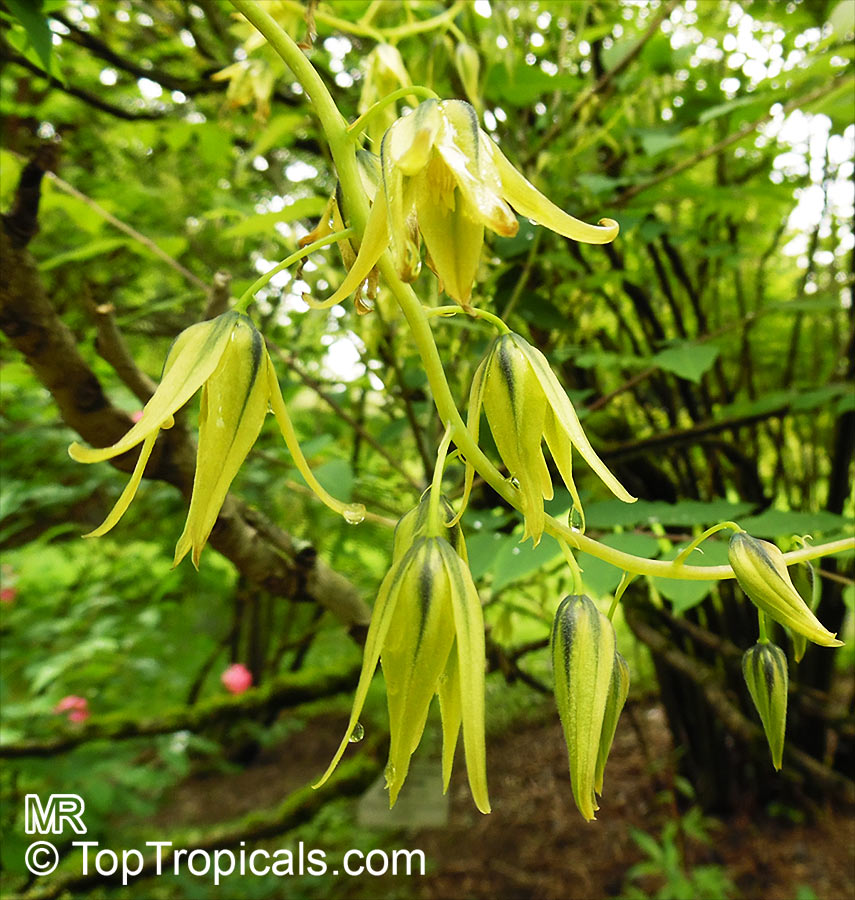
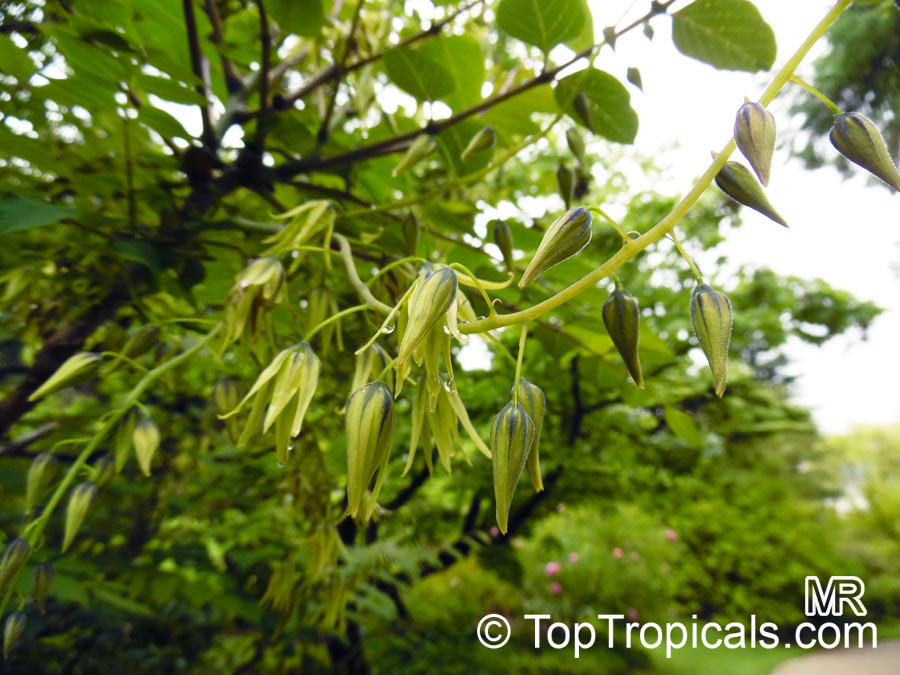
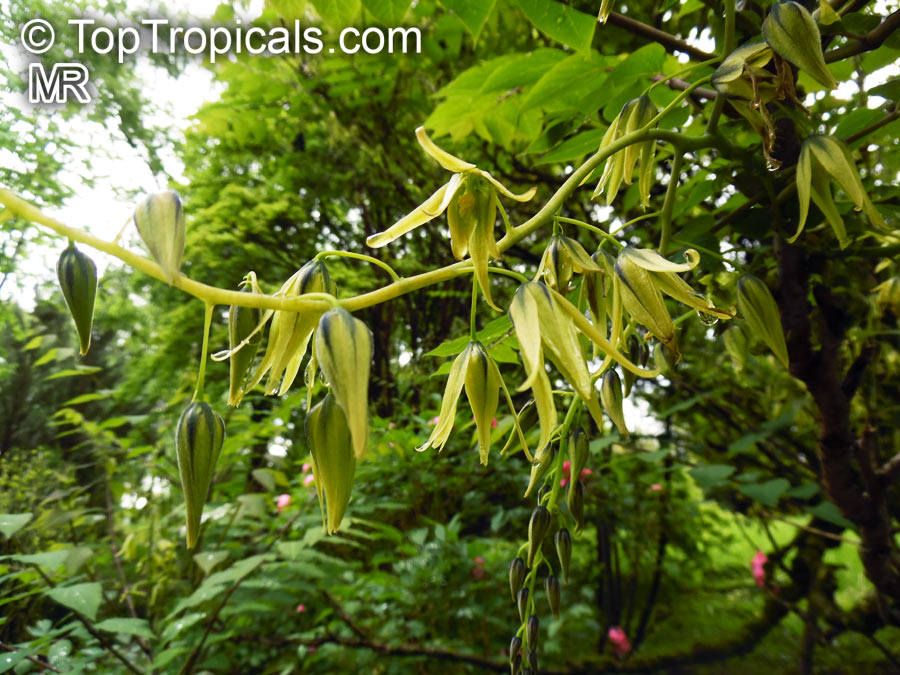
Decaisnea are deciduous shrubs or small trees. The flowers are produced in drooping panicles. Each flower has greenish-yellow sepals and no petals. The fruit is a soft greenish-yellow to blue-black pod-like follicle and contains a transparent, glutinous, jelly-like pulp containing numerous flat black seeds about a centimeter wide. The pulp is edible. The flavor of D. fargesii fruit pulp has been described as sweet and similar to watermelon, and the texture described as "gelatinous".
Decaisnea is grown as an ornamental plant for its foliage and decorative fruit, bright blue in many cultivated specimens. Most plants in cultivation derive from Chinese seed and are commonly grown under the name D. fargesii. The plants are successfully grown in cooler temperate climates, and in fertile, well-drained soil. They are tolerant of temperatures as low as 5°F.