Carica papaya (Papaya)
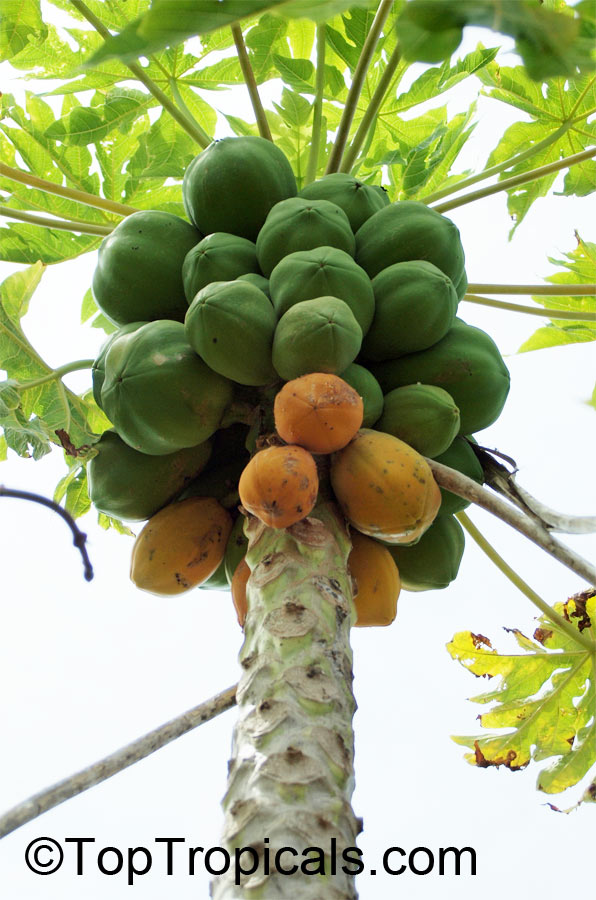
Botanical name: Carica papaya
Common name: Papaya
Family: Caricaceae
Origin: Tropical America
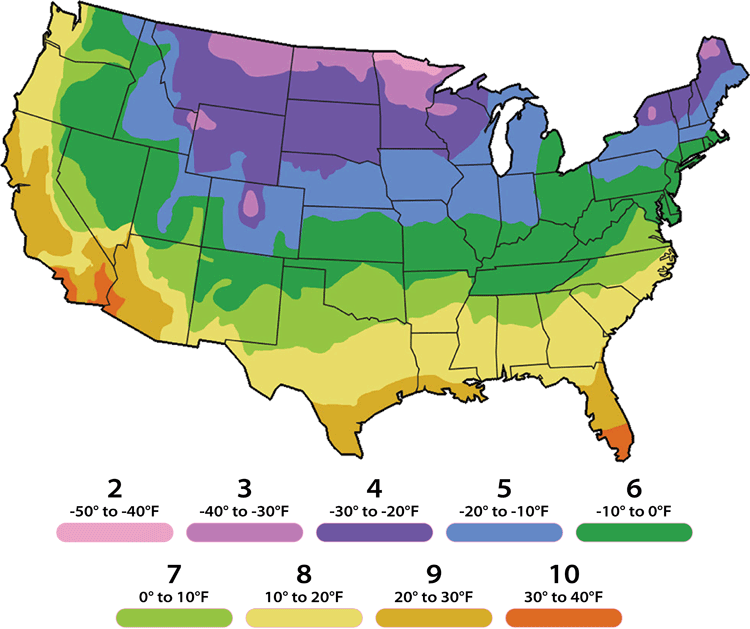


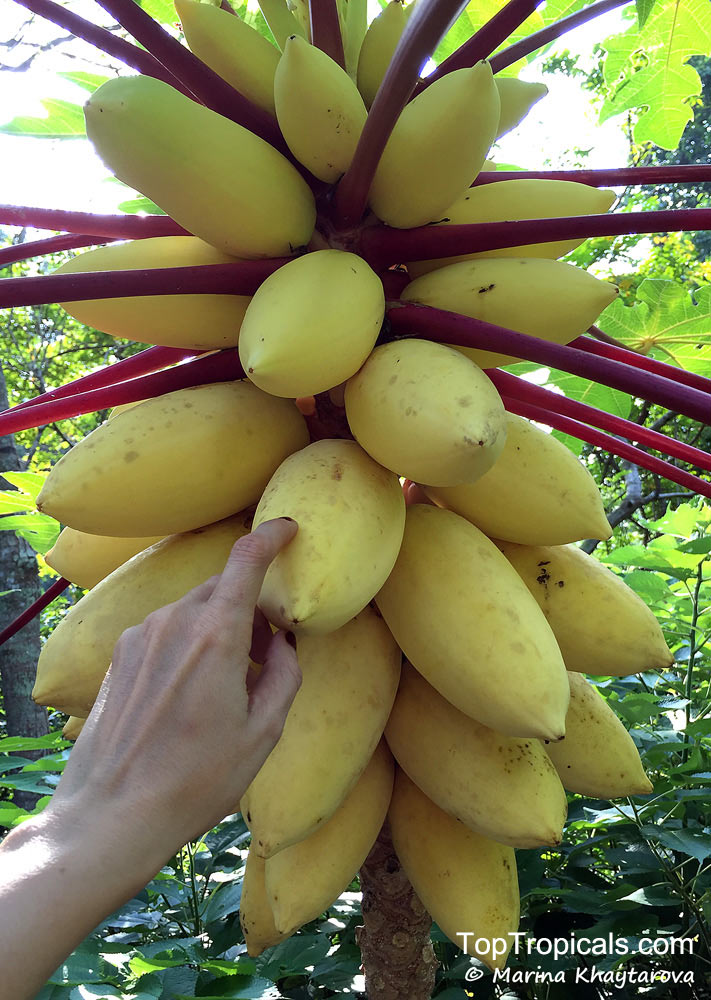
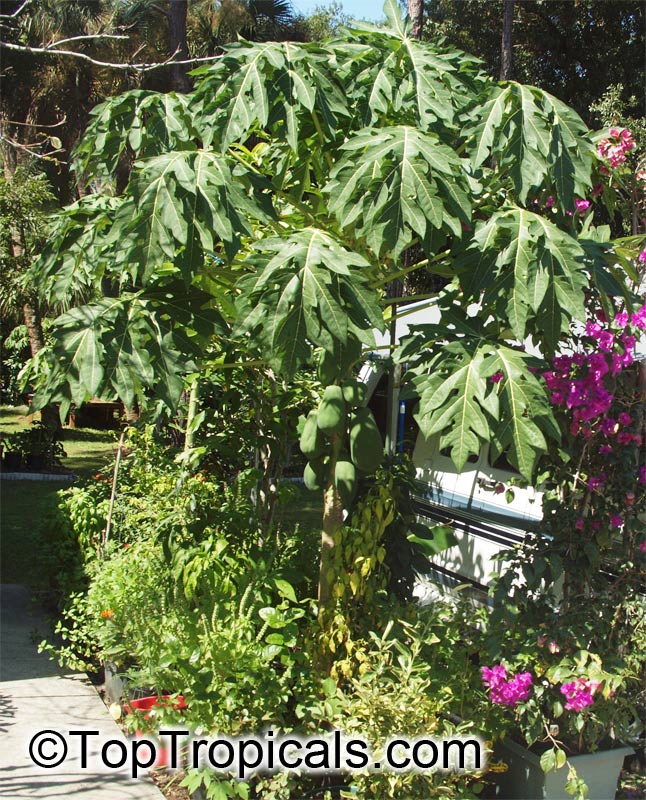
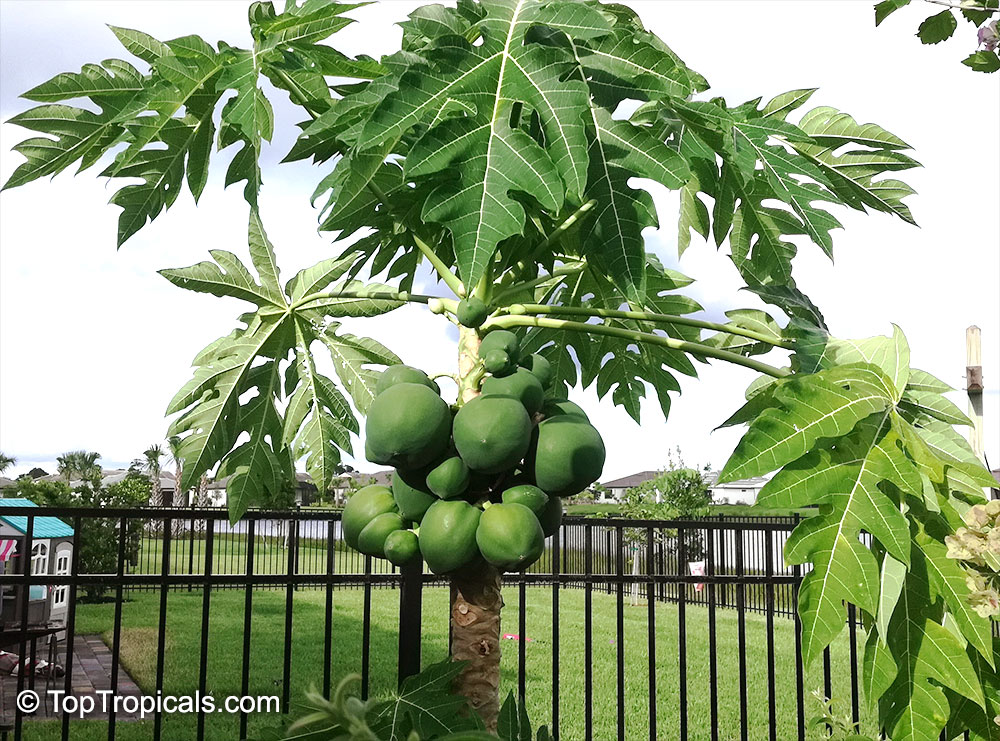
Papaya is one of the fastest fruiting plants to grow. Often starting production the same year from planting a seed, papayas are ideal for gardeners seeking quick rewards. Many dwarf varieties reach only 6-8 feet tall, yet produce large crops of full-sized fruit that are easy to harvest. Papaya trees are space-efficient, making it possible to plant multiple trees in even small gardens. Plant 2-3 different cultivars to enjoy year-round harvests of healthy, delicious fruit.
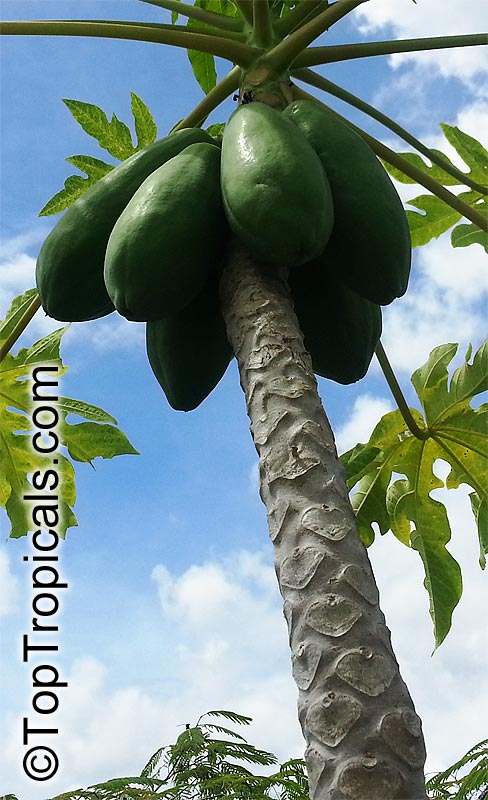
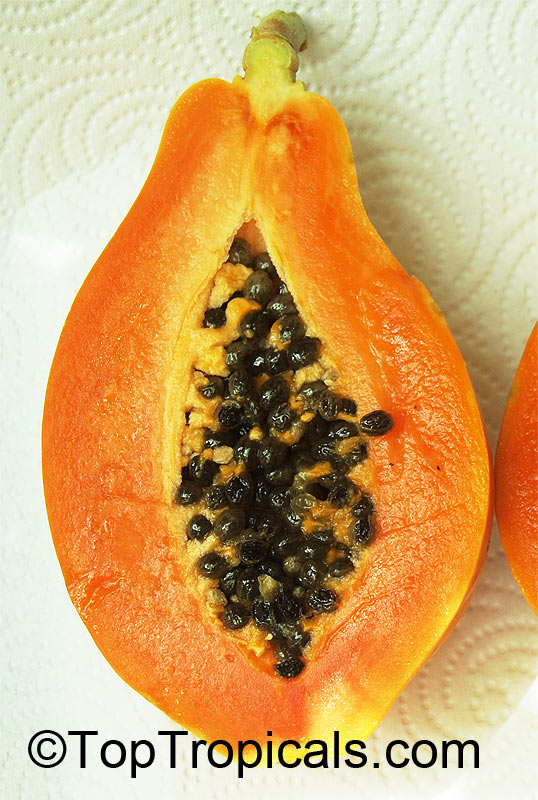
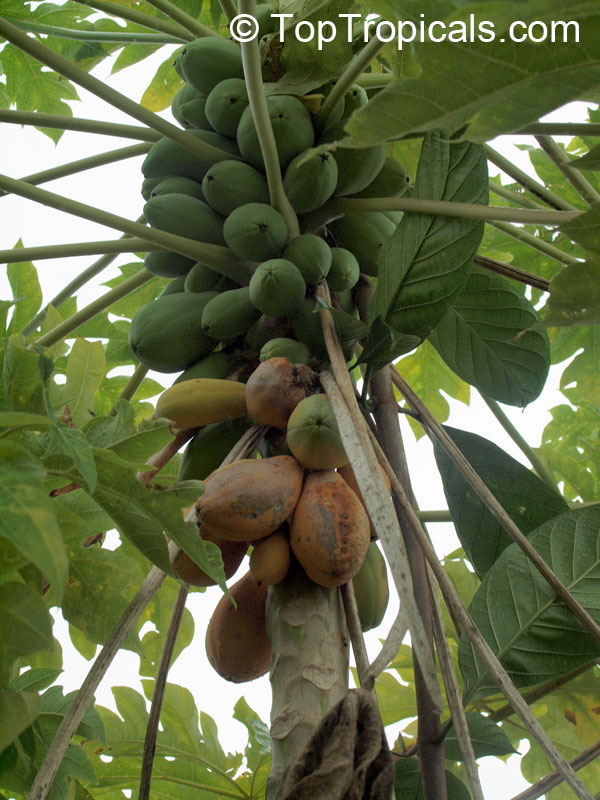
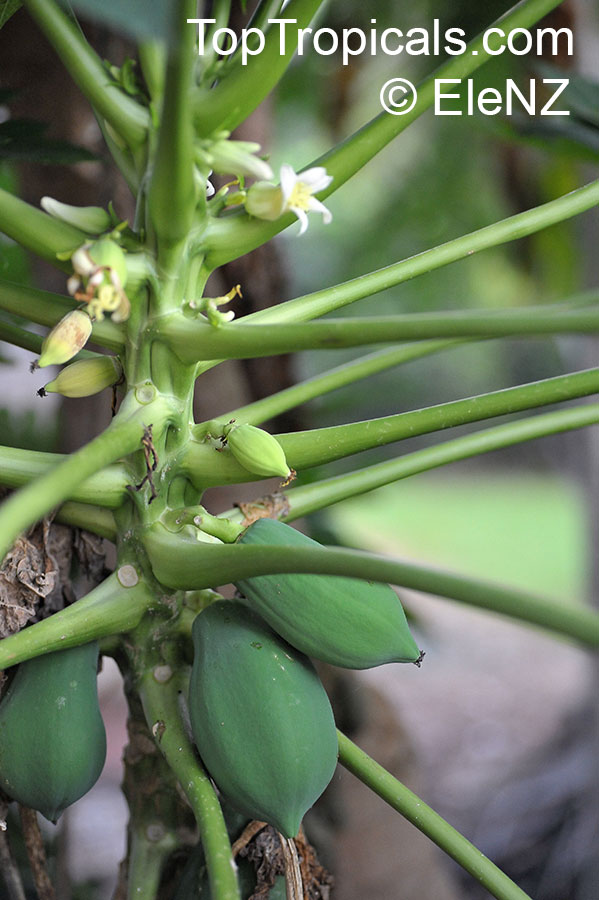
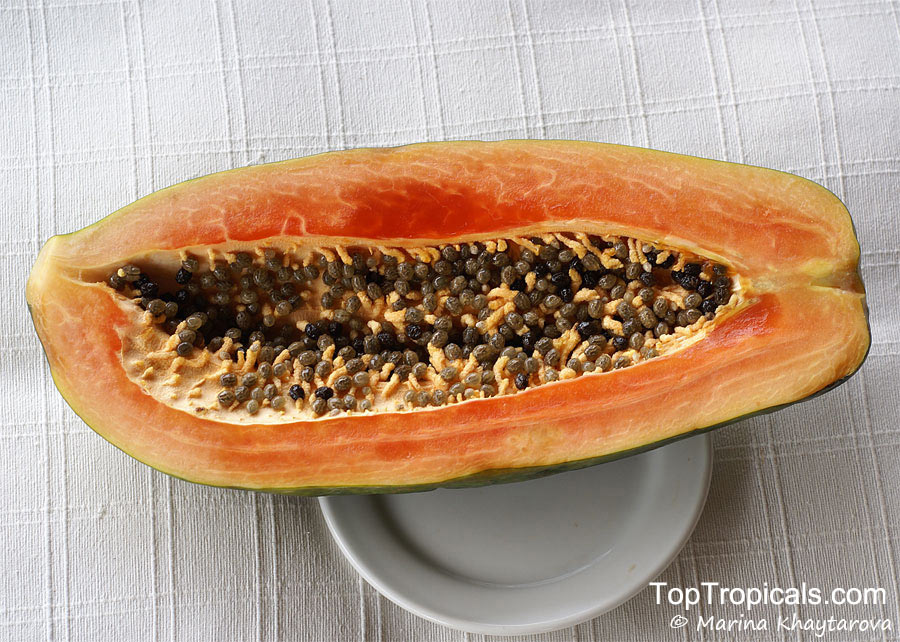
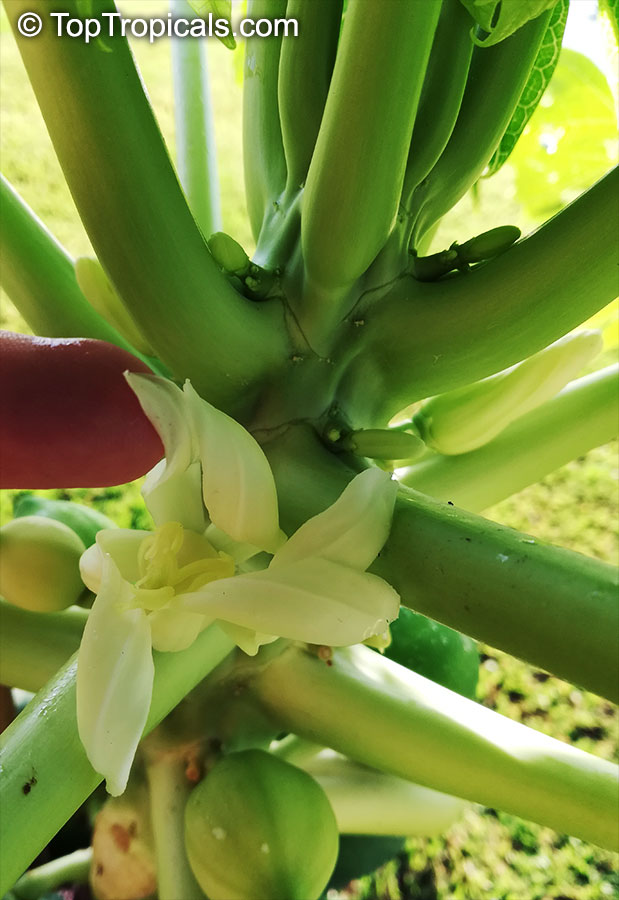
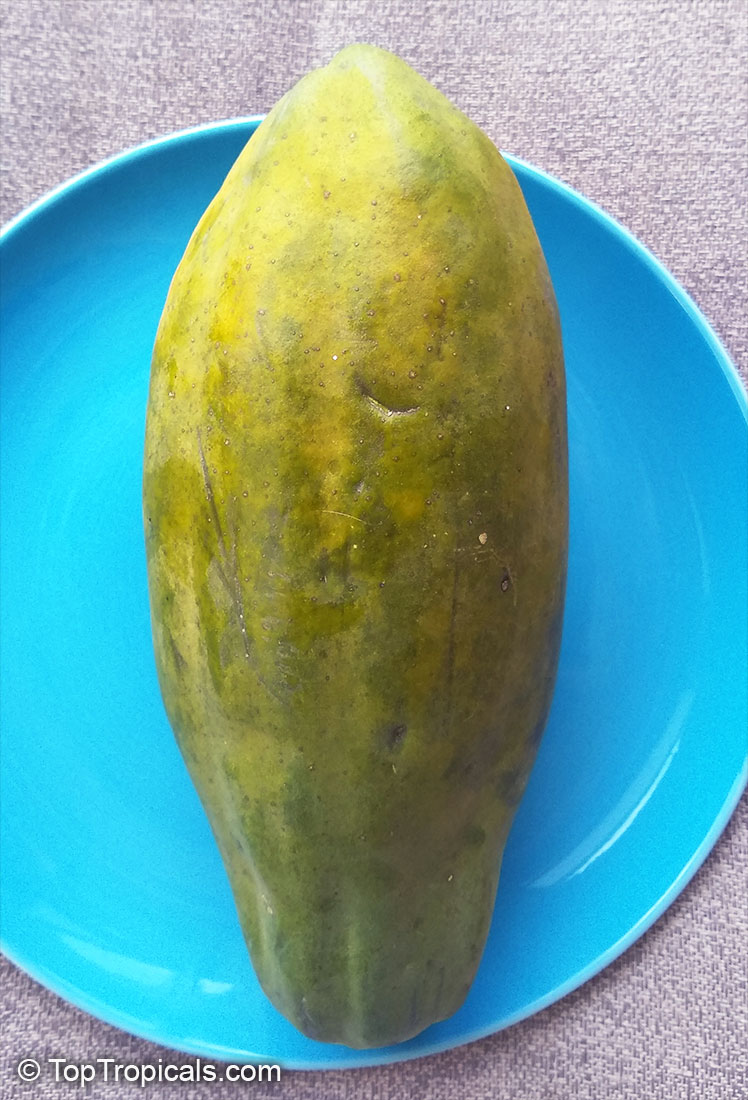
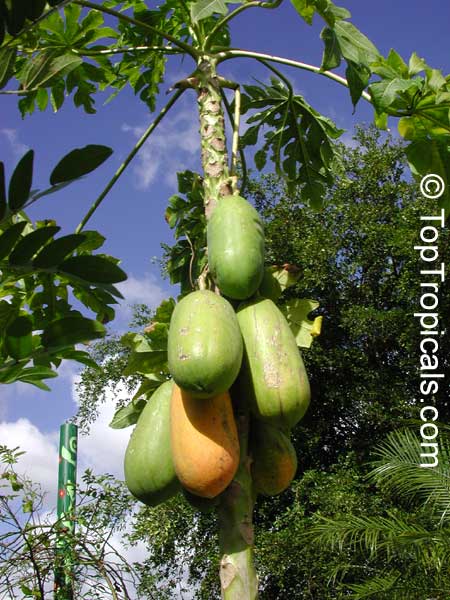
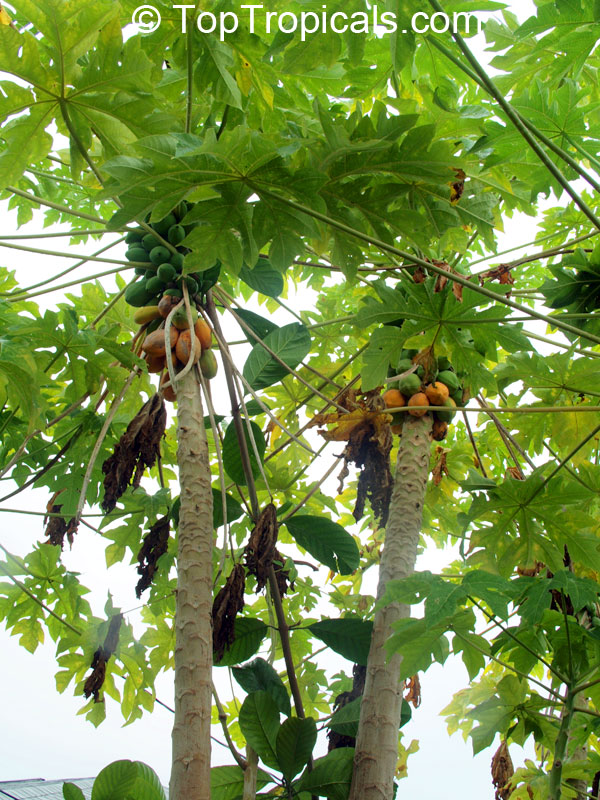
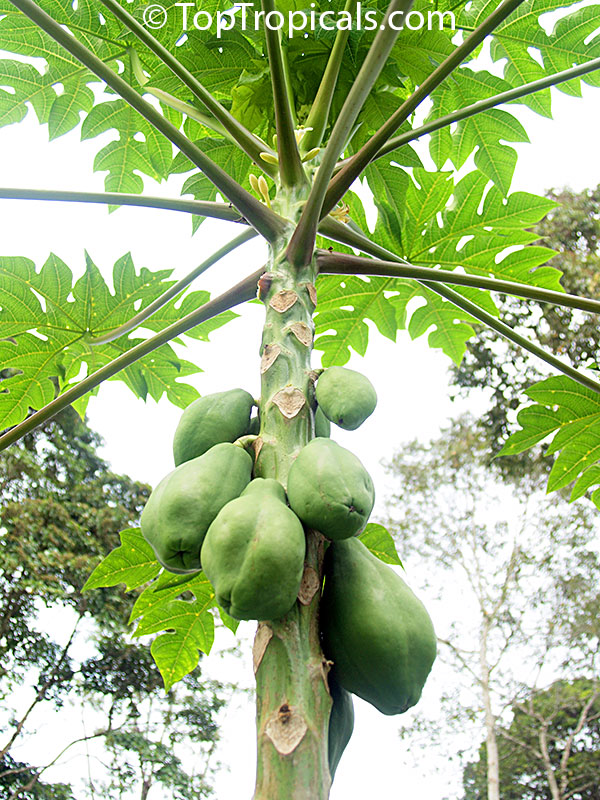
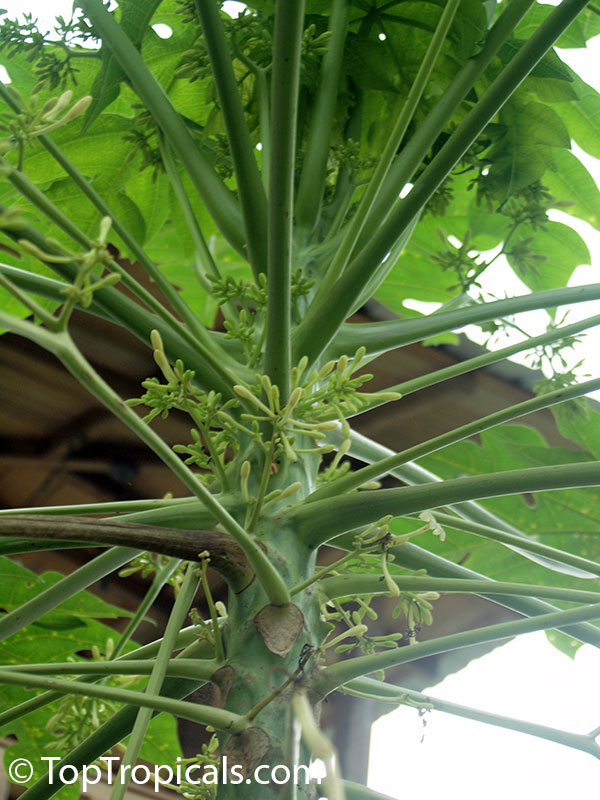
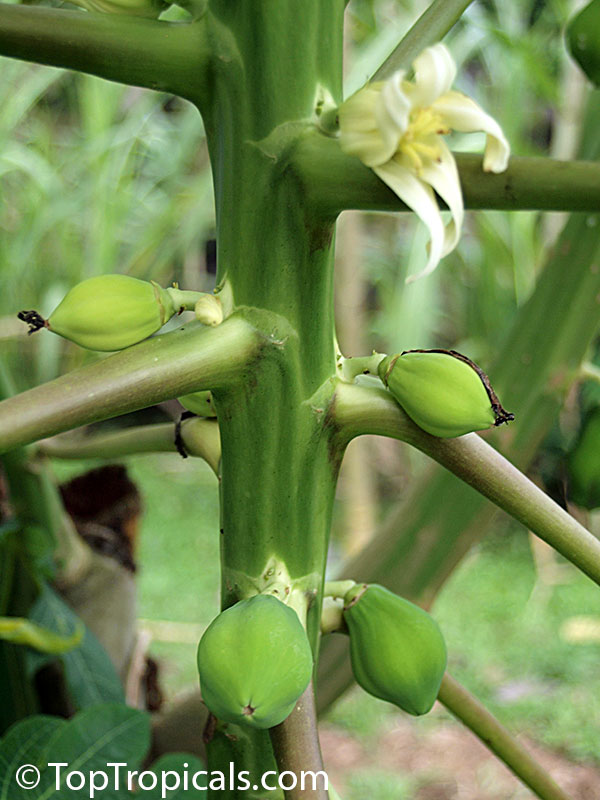
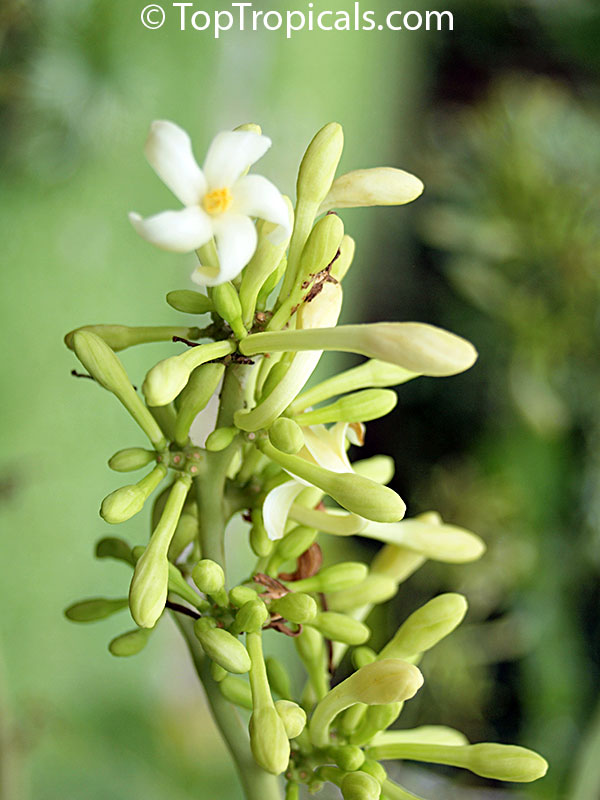
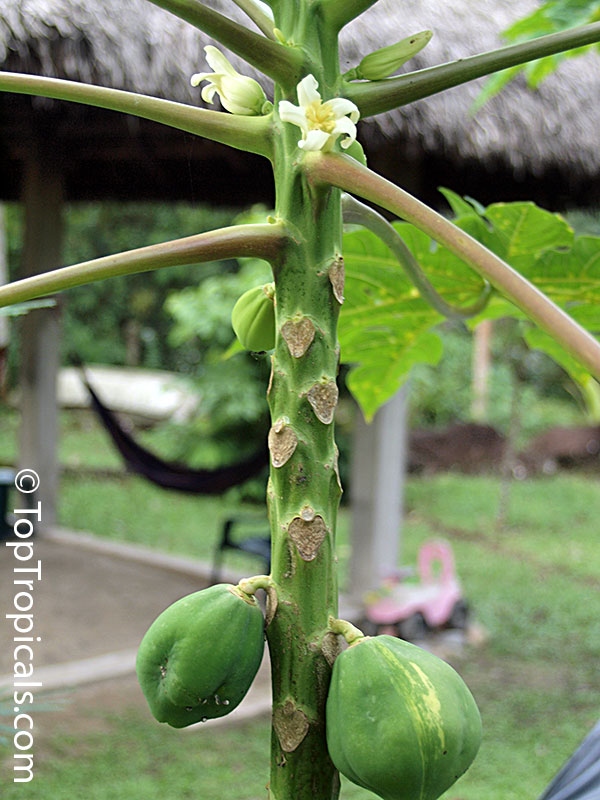
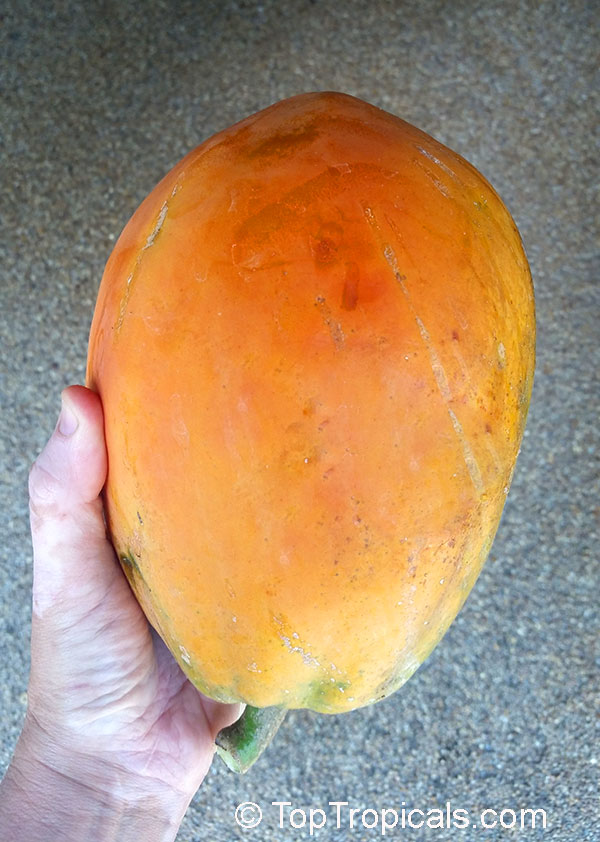
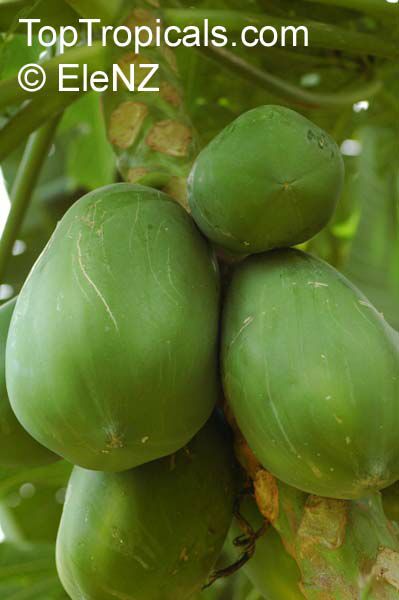
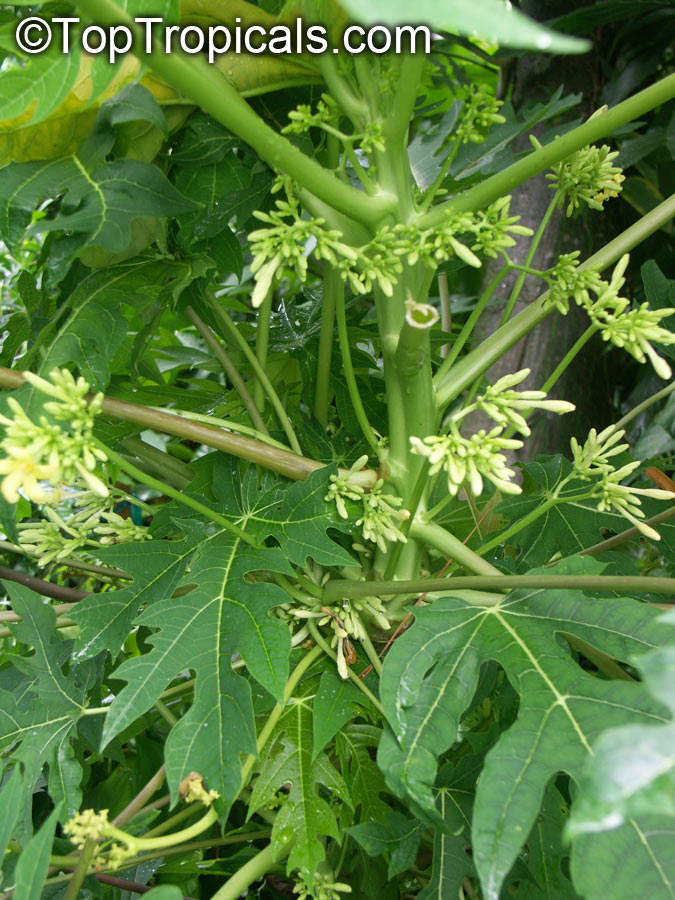
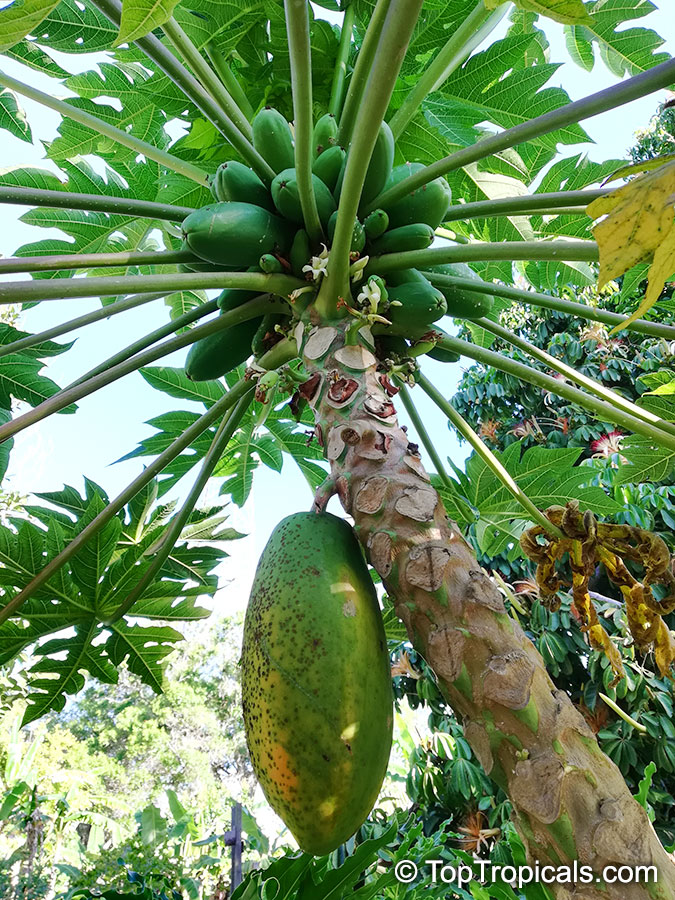
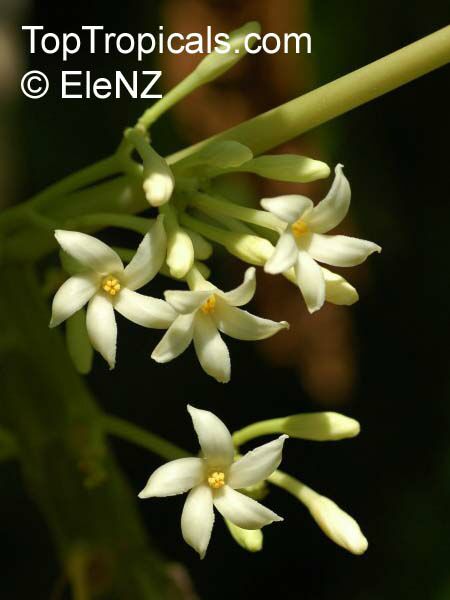
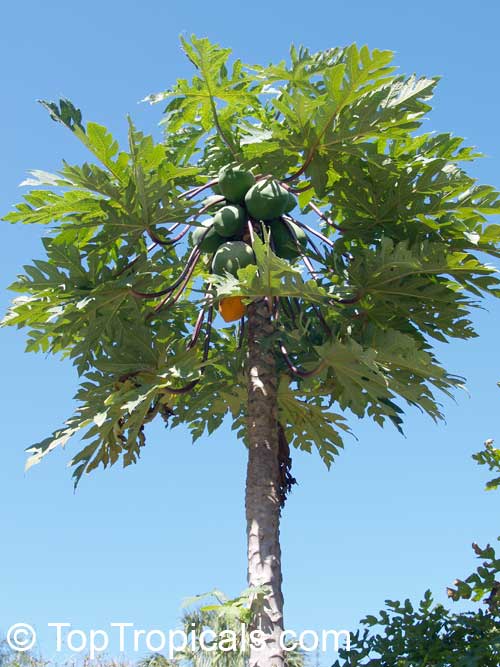
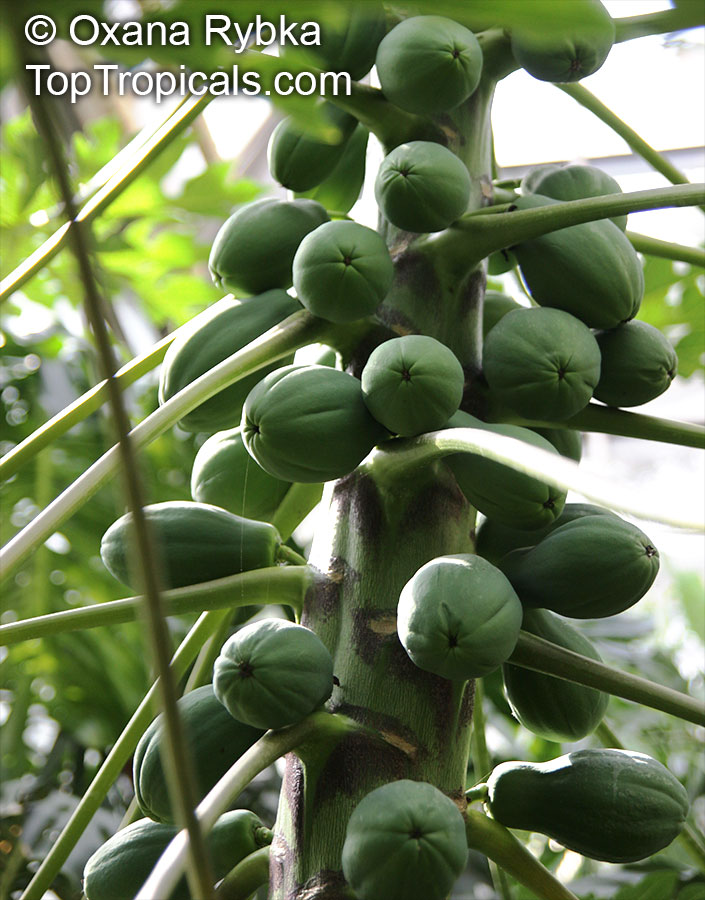
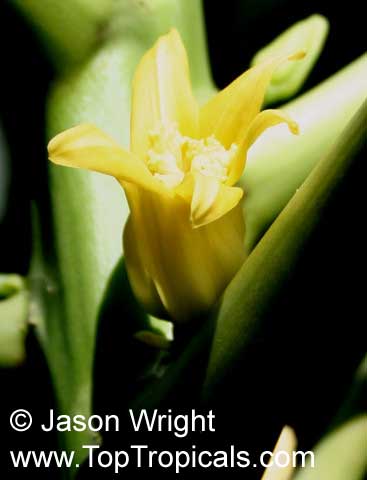
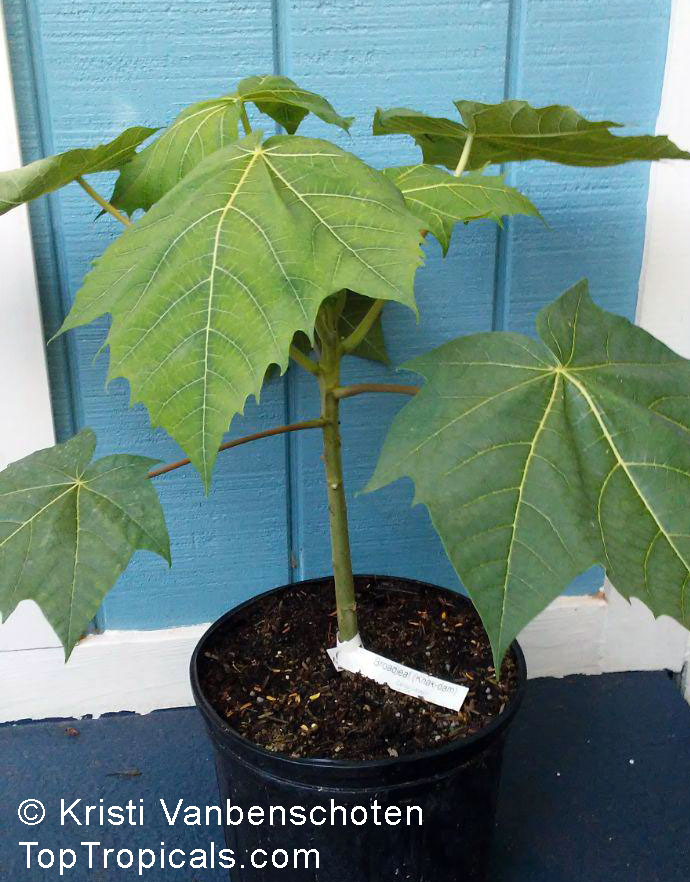
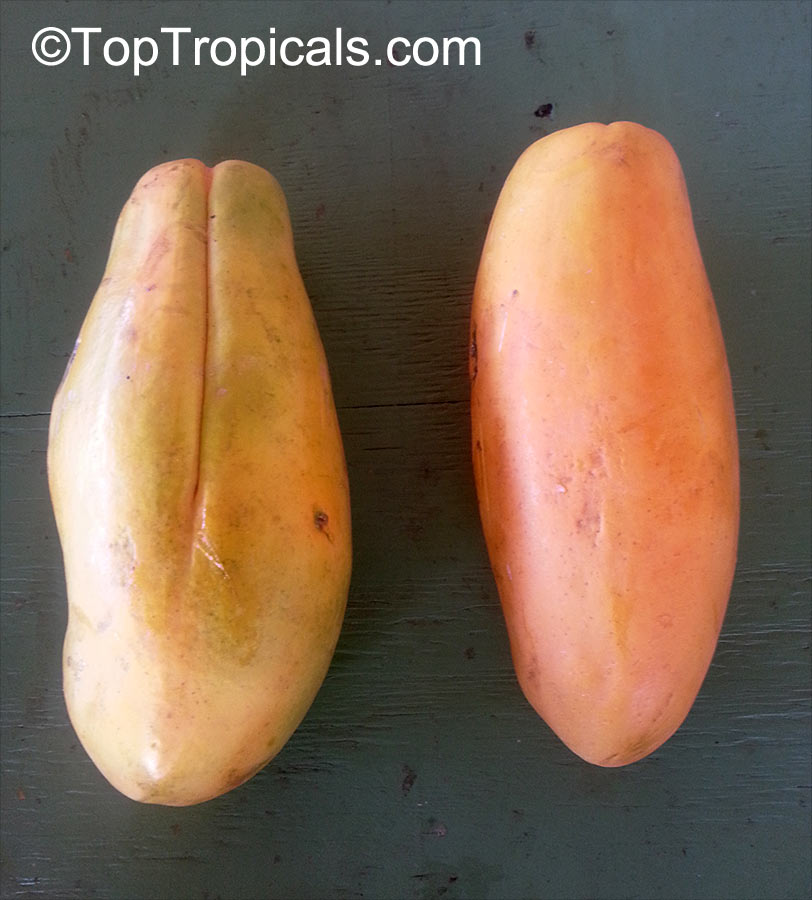
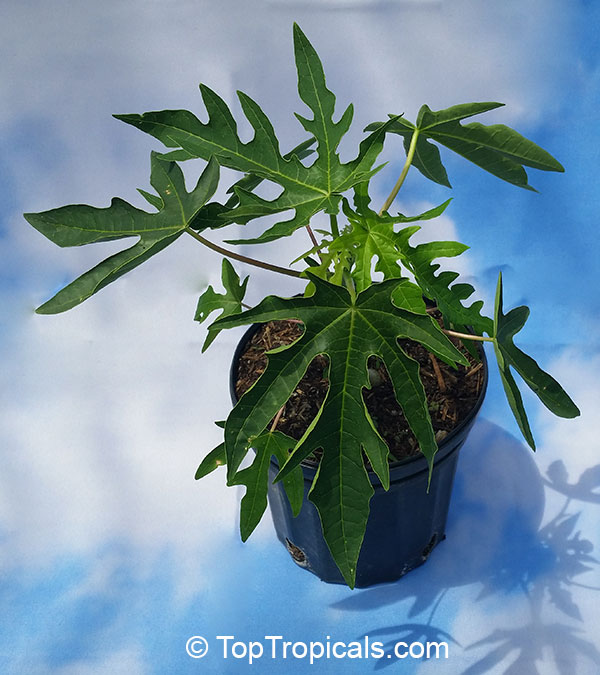
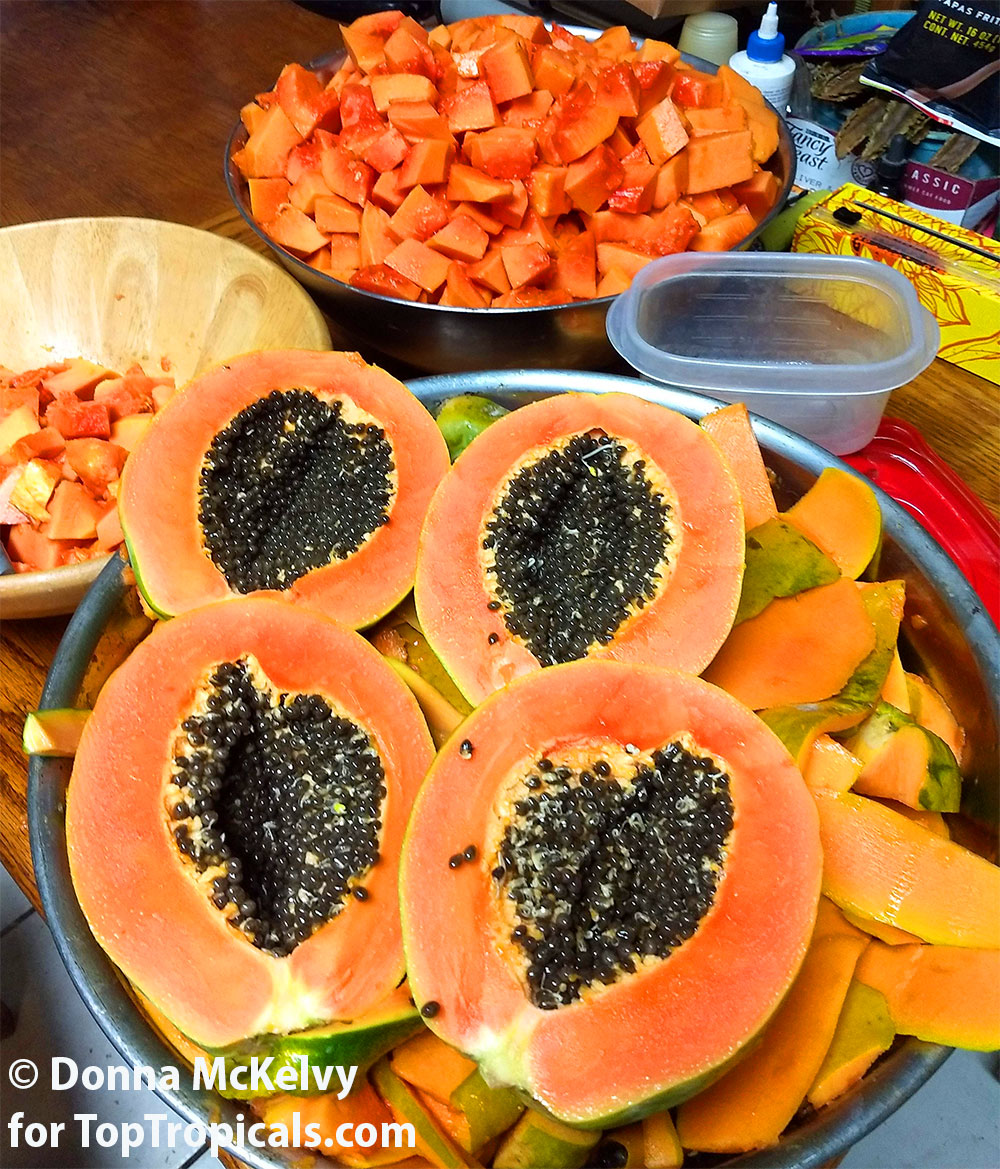
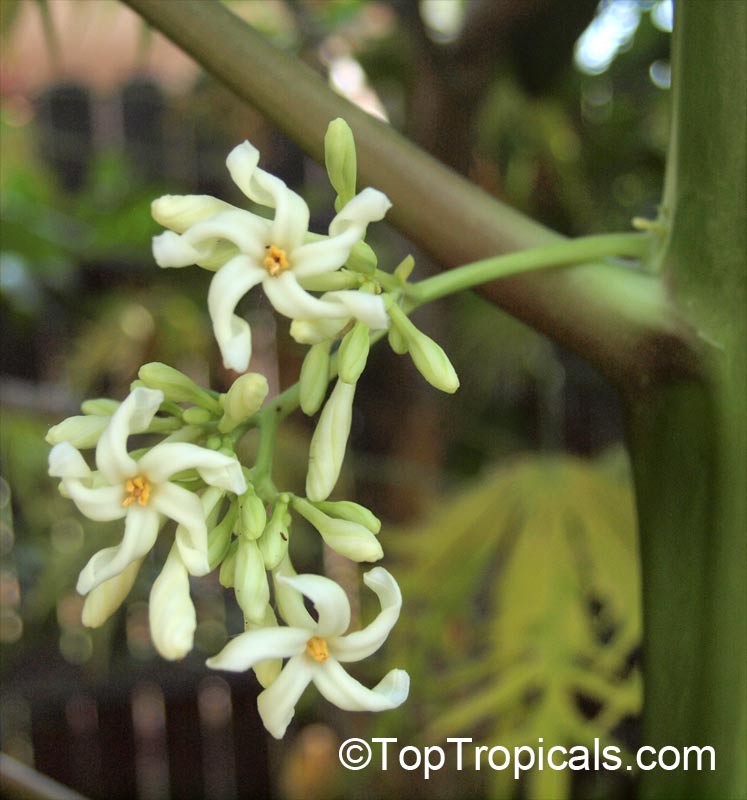
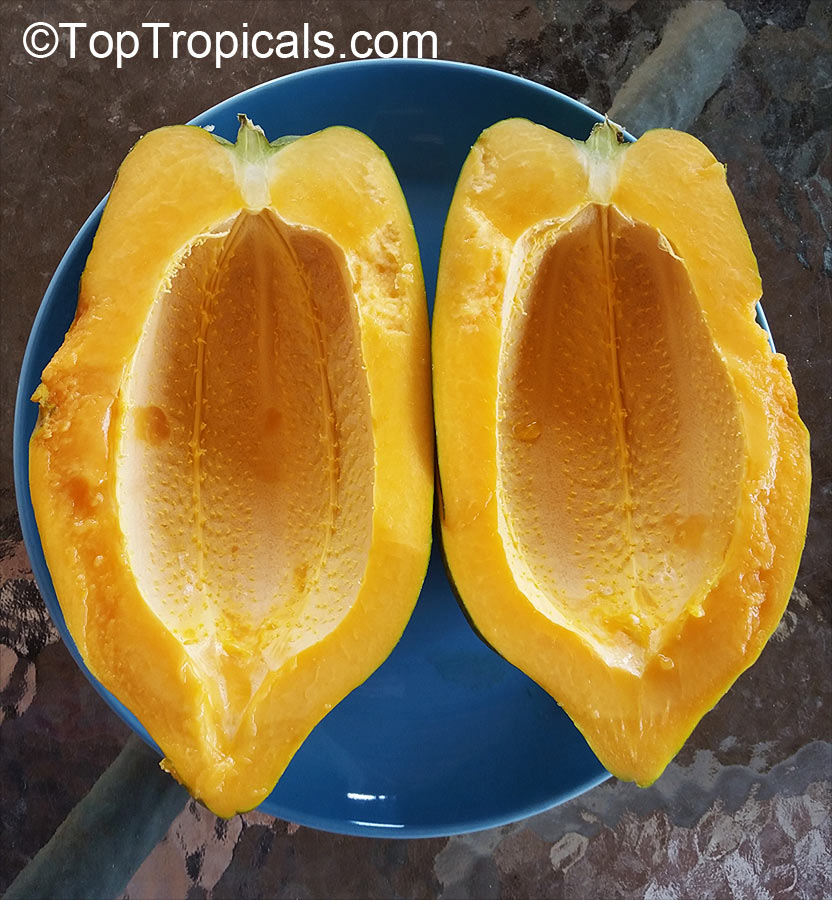
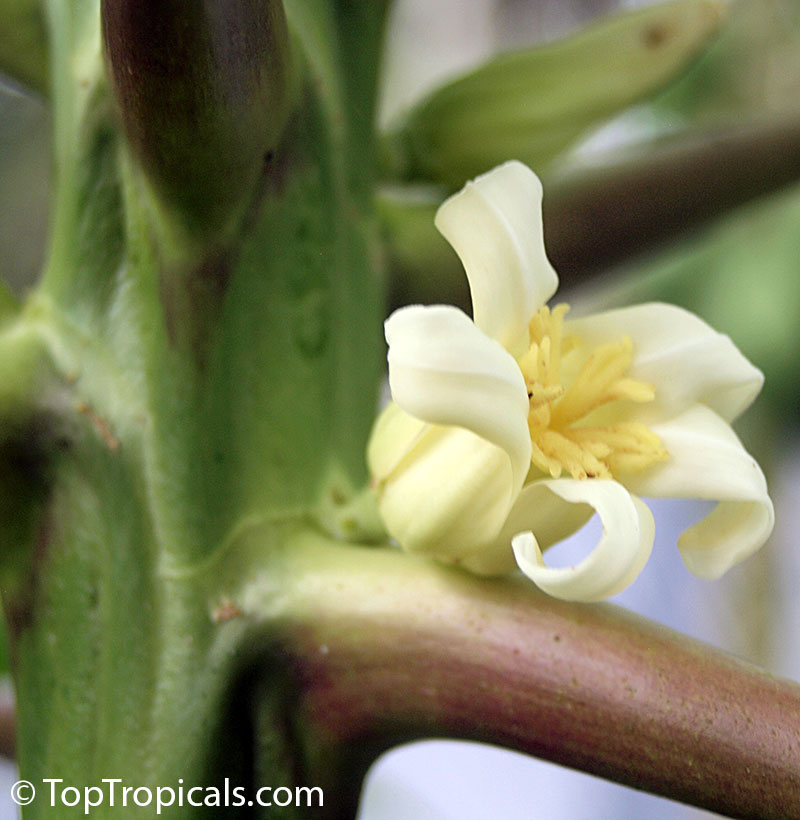
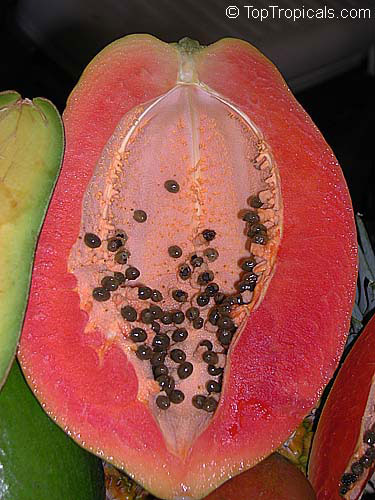
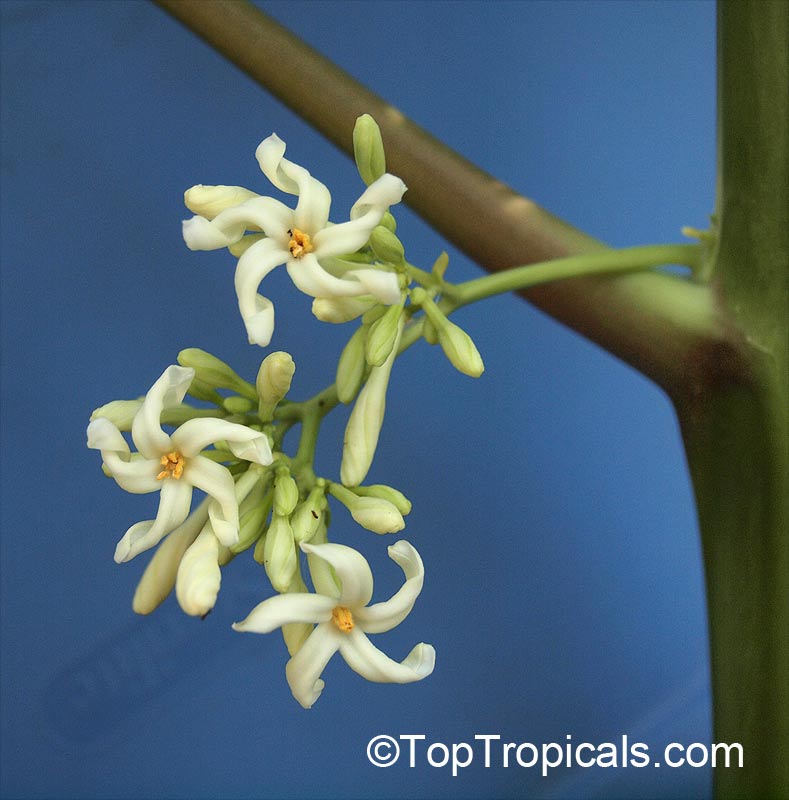
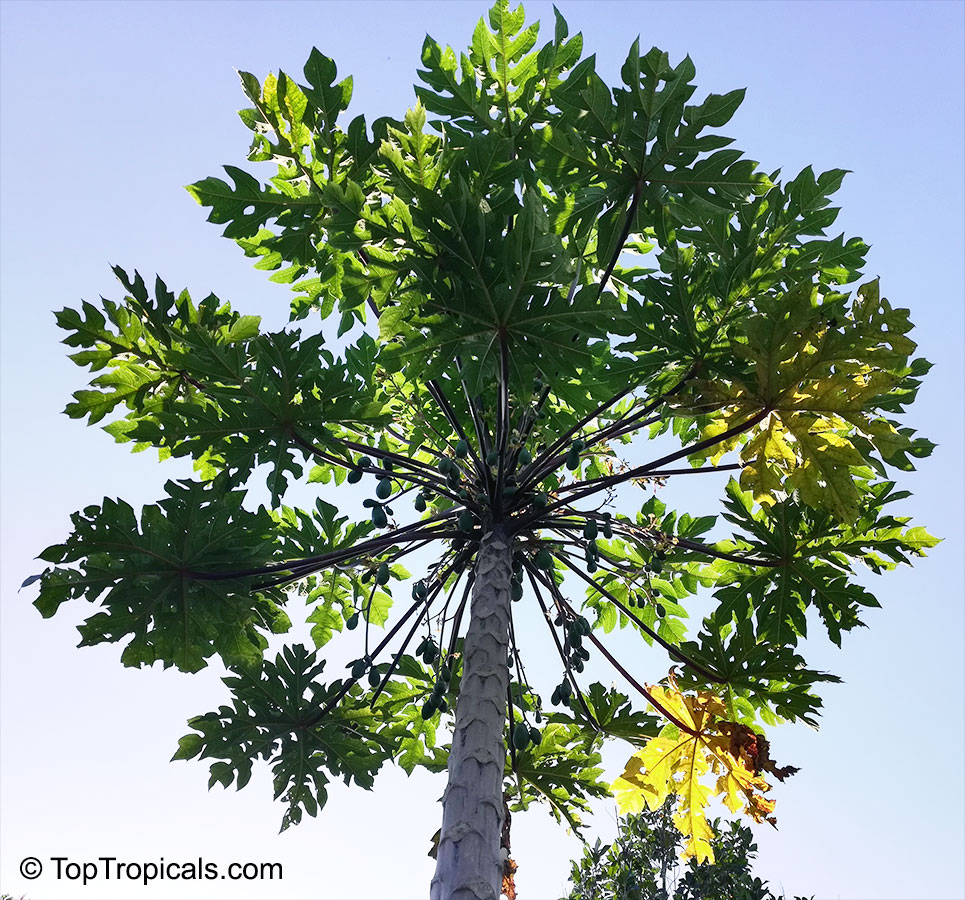
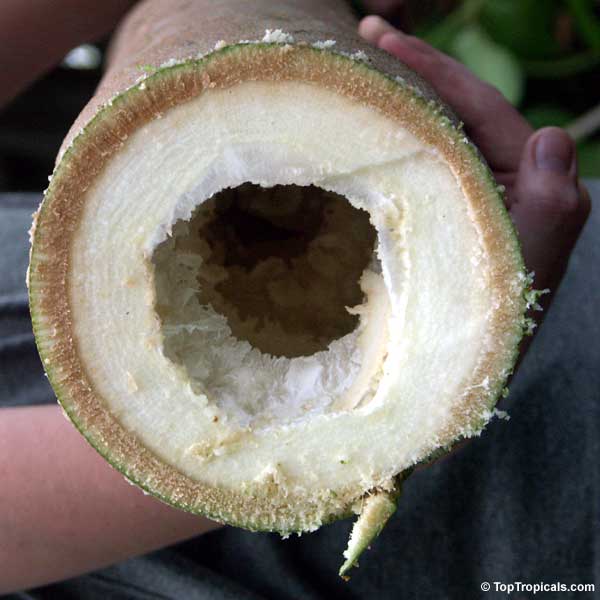
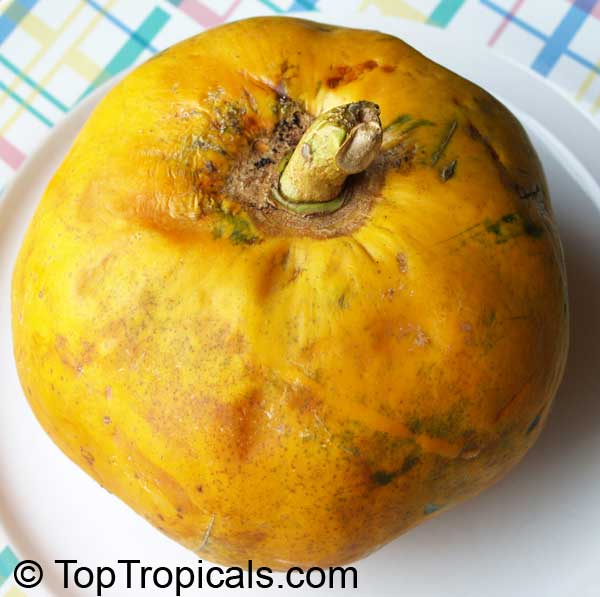
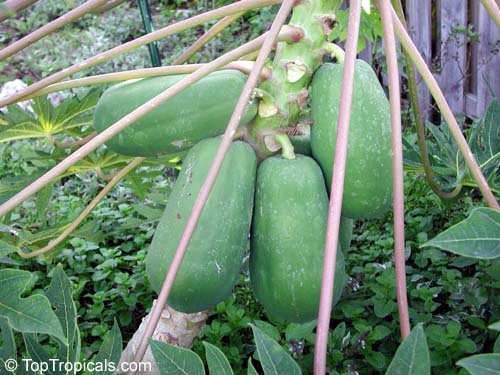
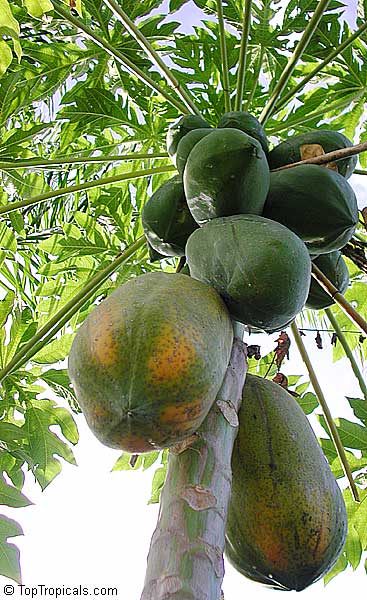
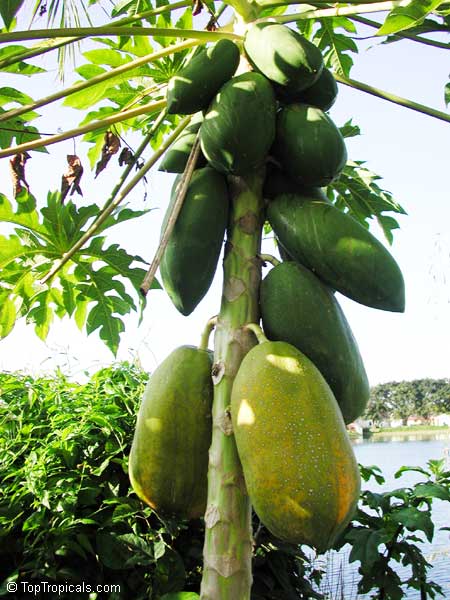
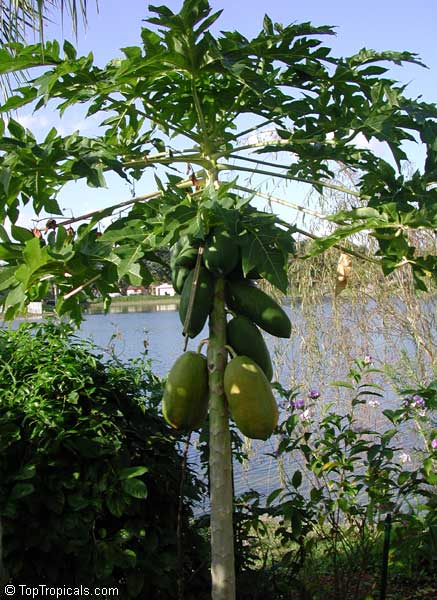
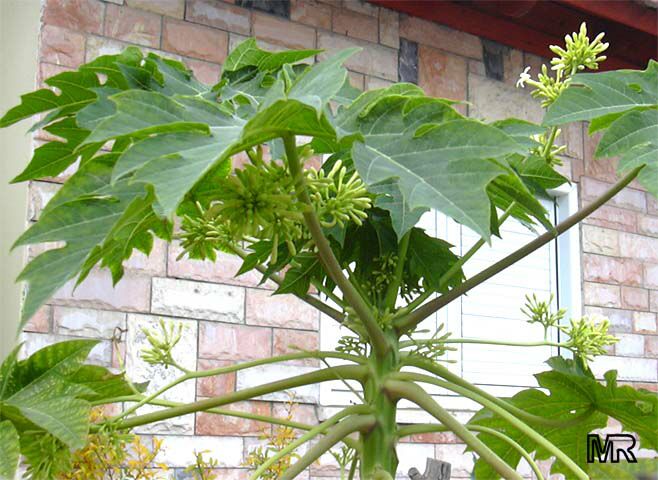
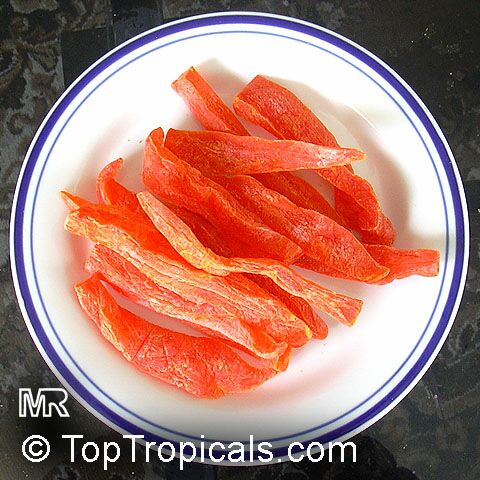
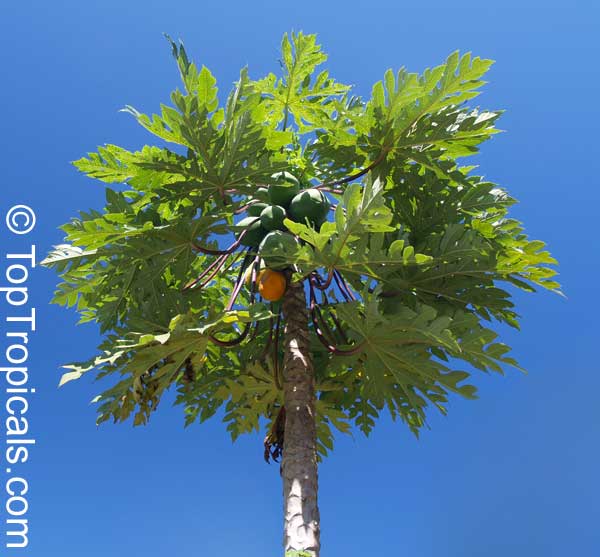
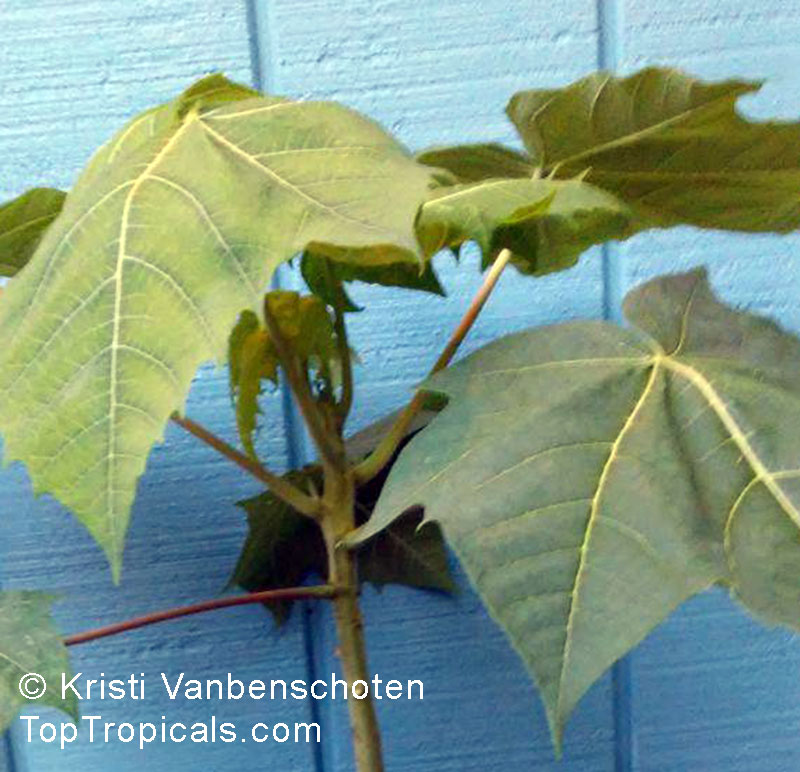
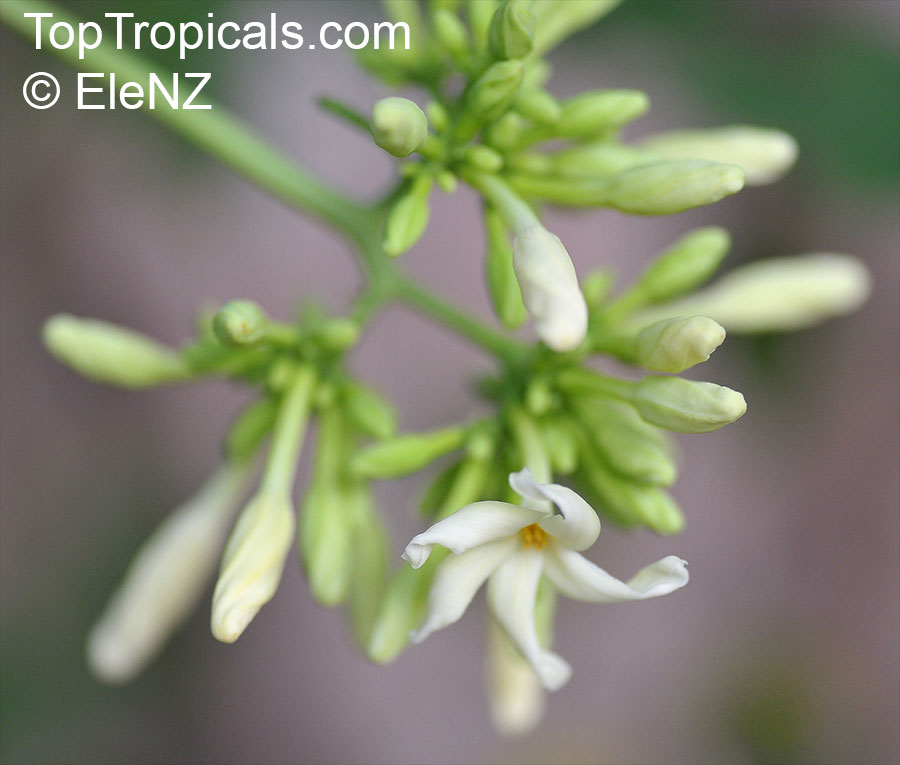
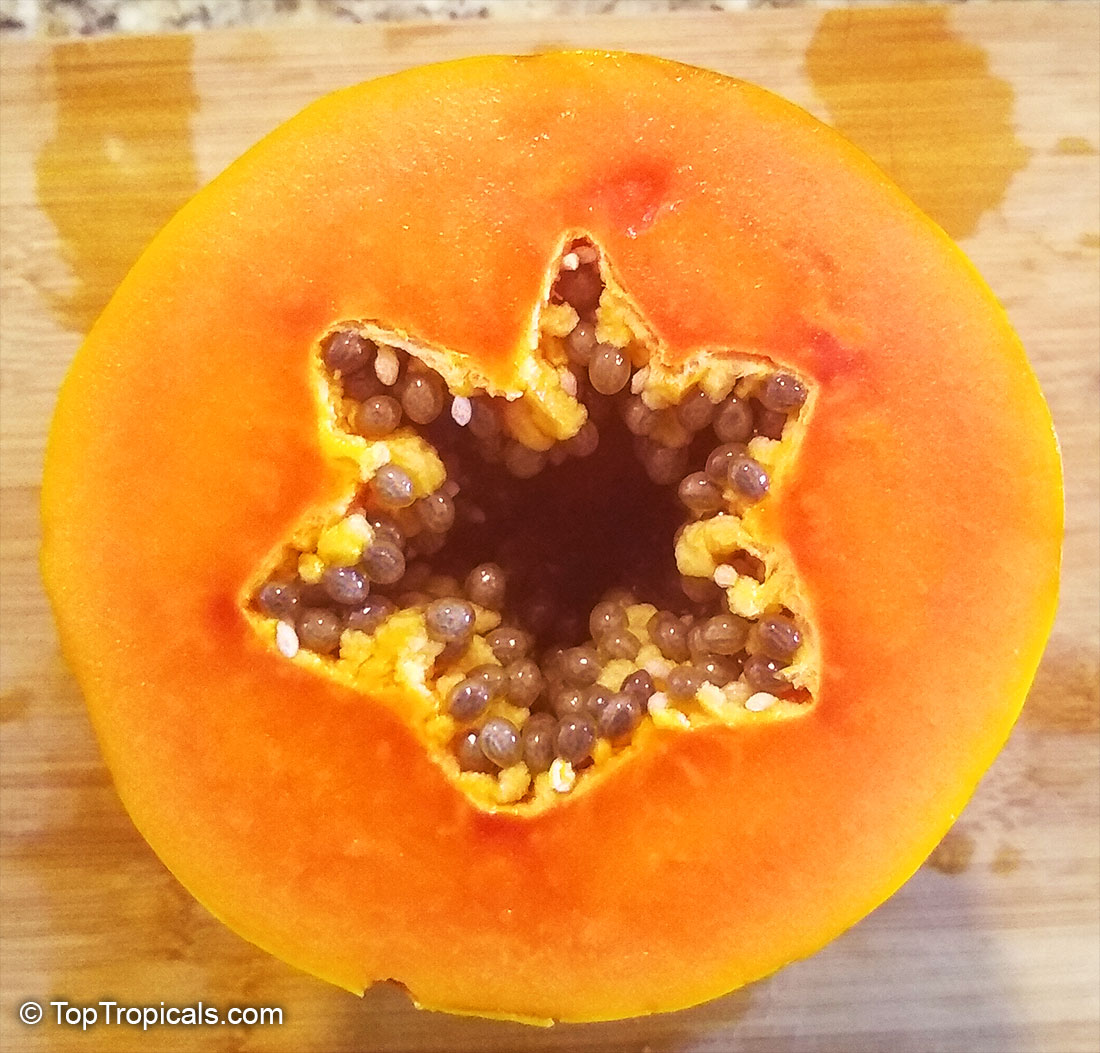
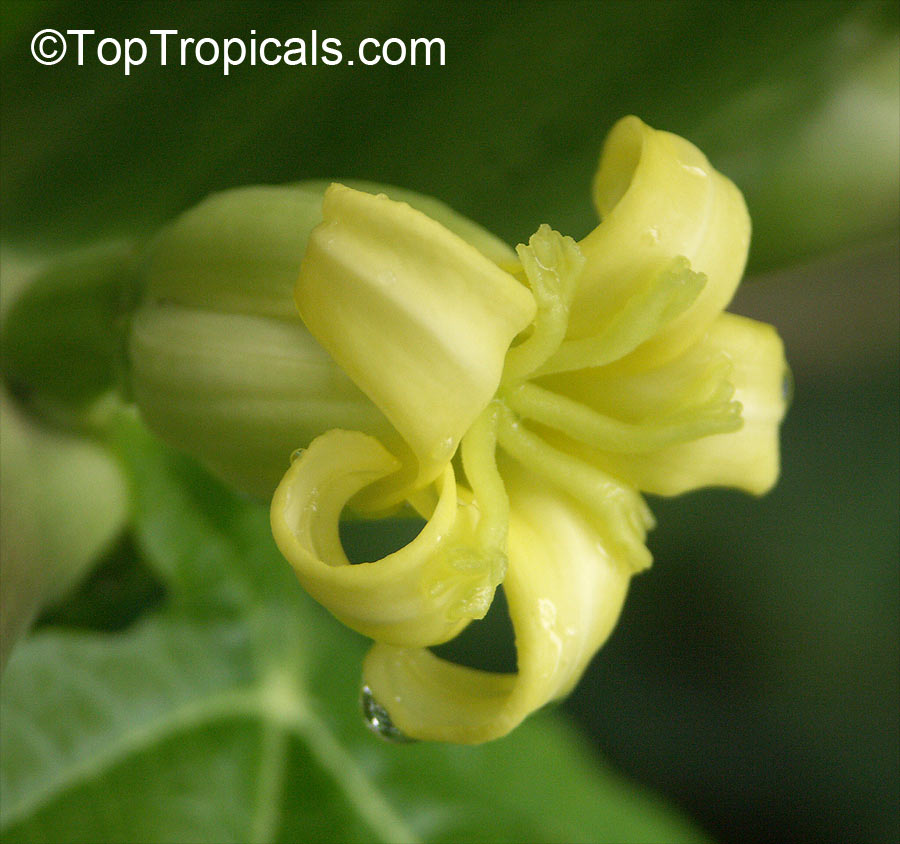
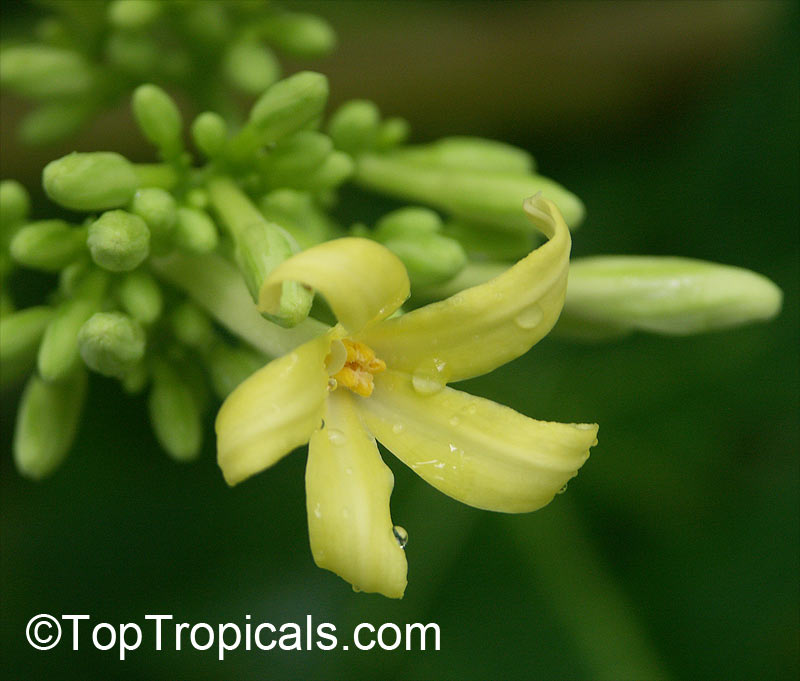
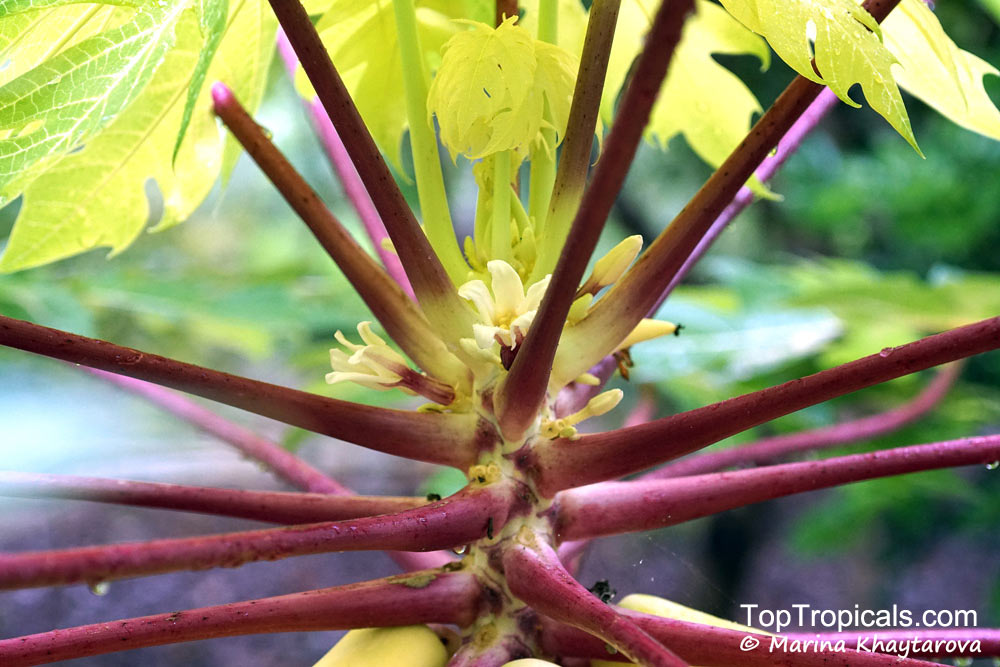
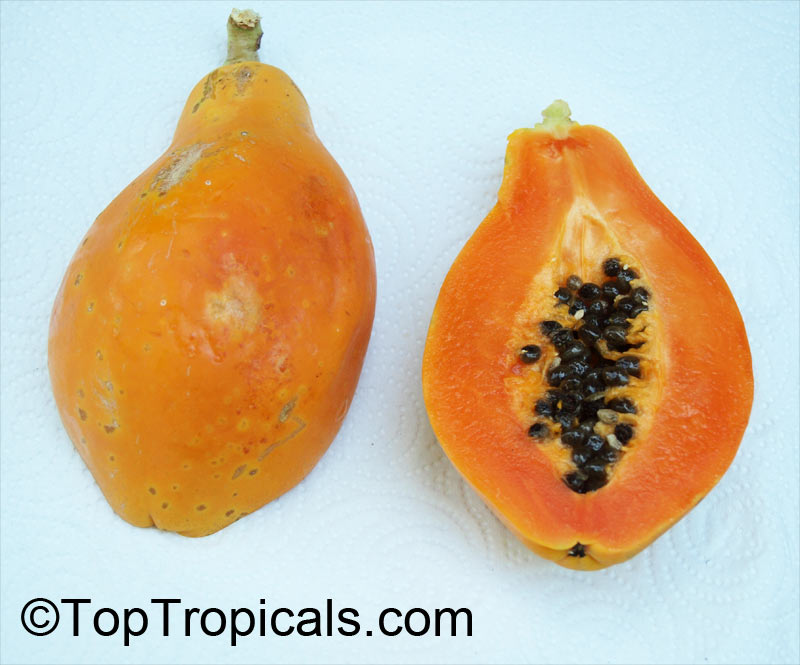
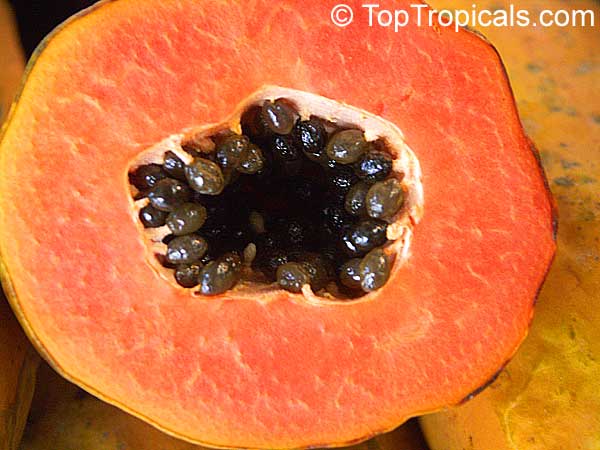
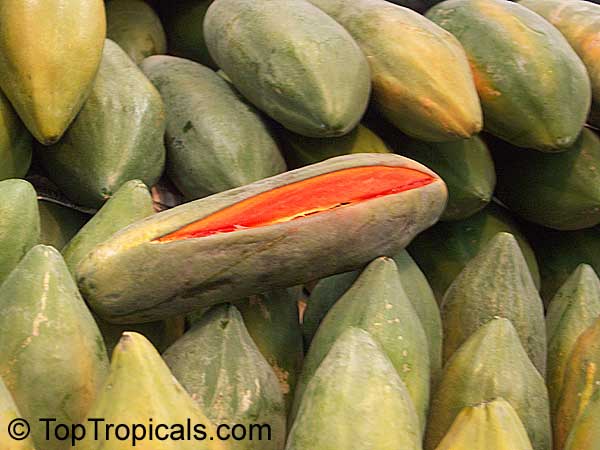
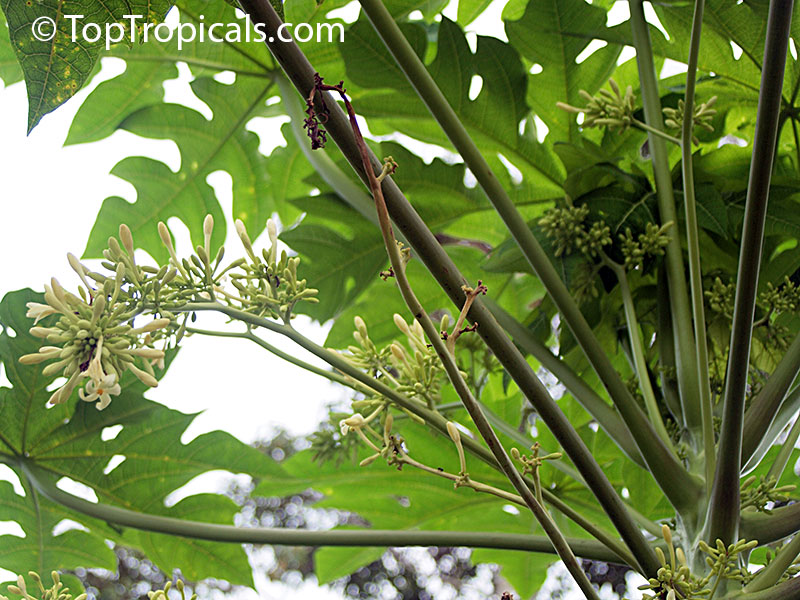
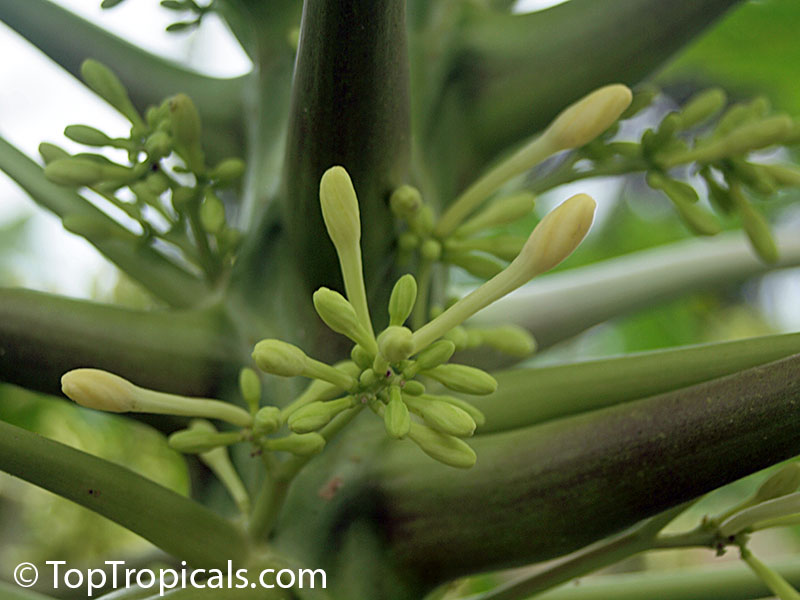
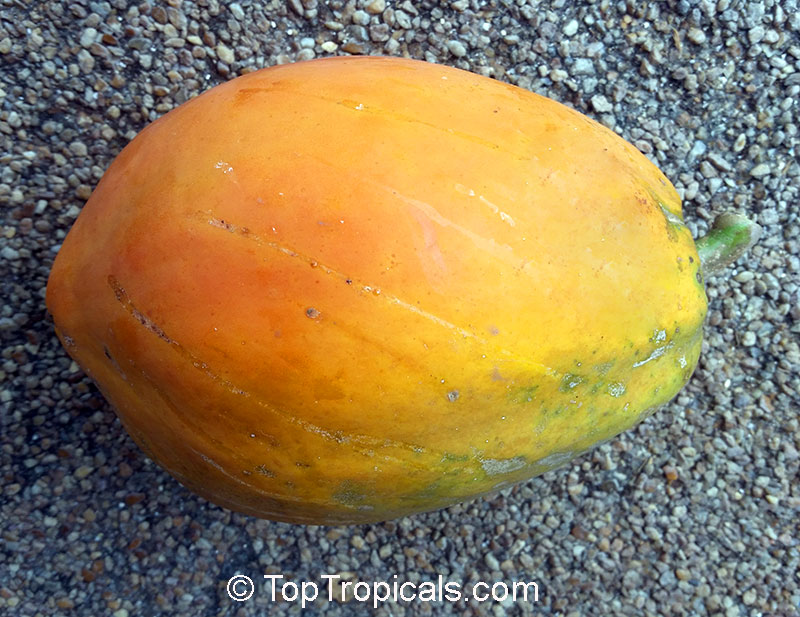
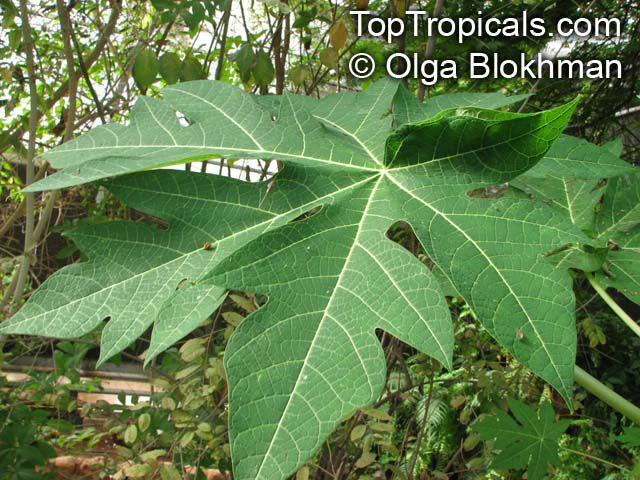
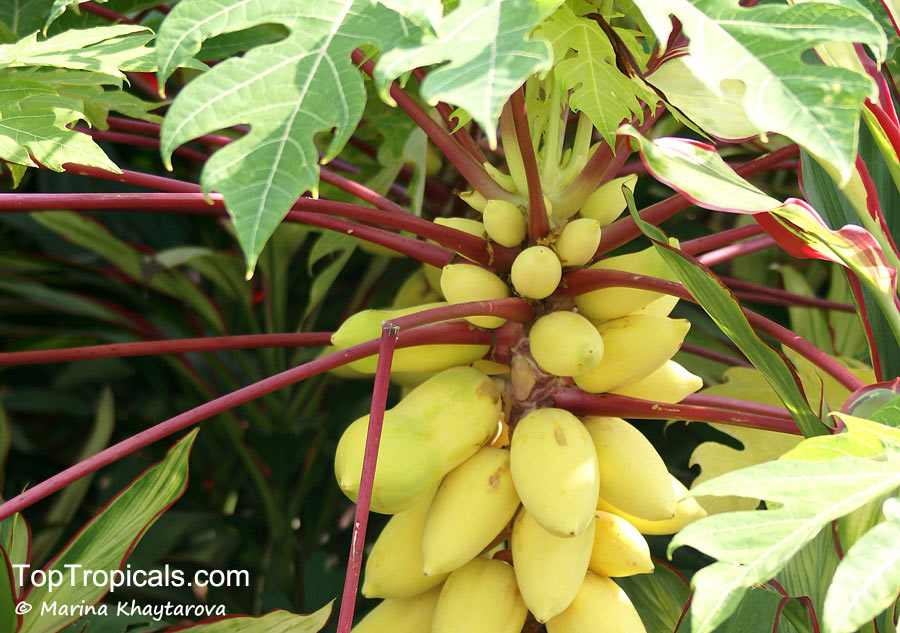
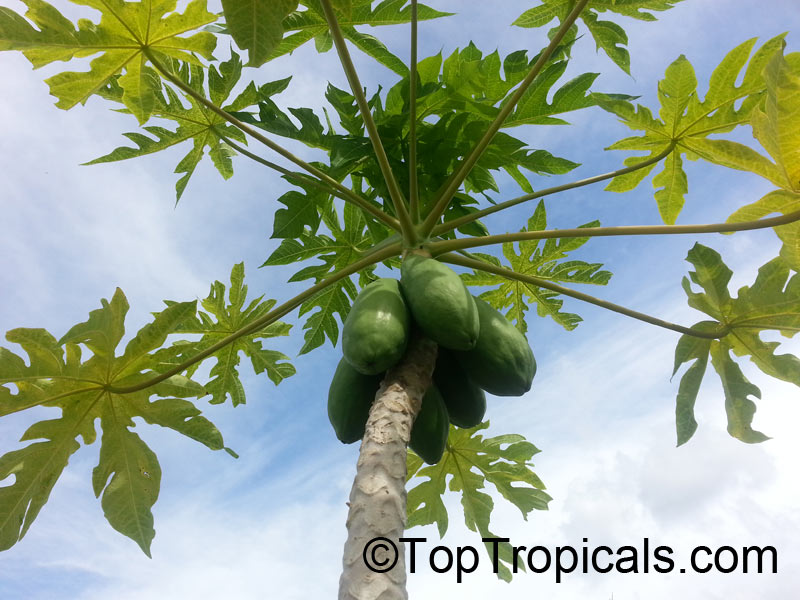
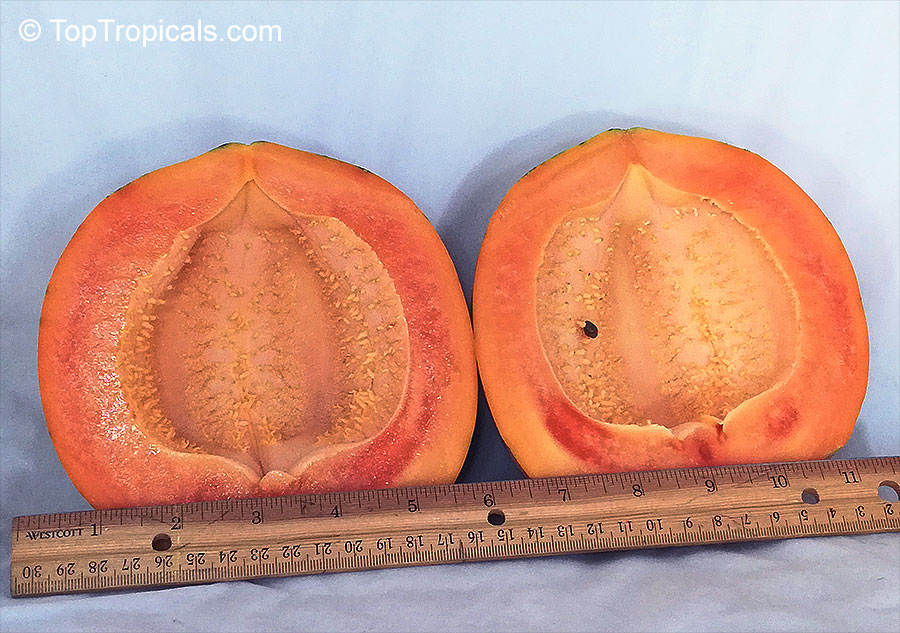
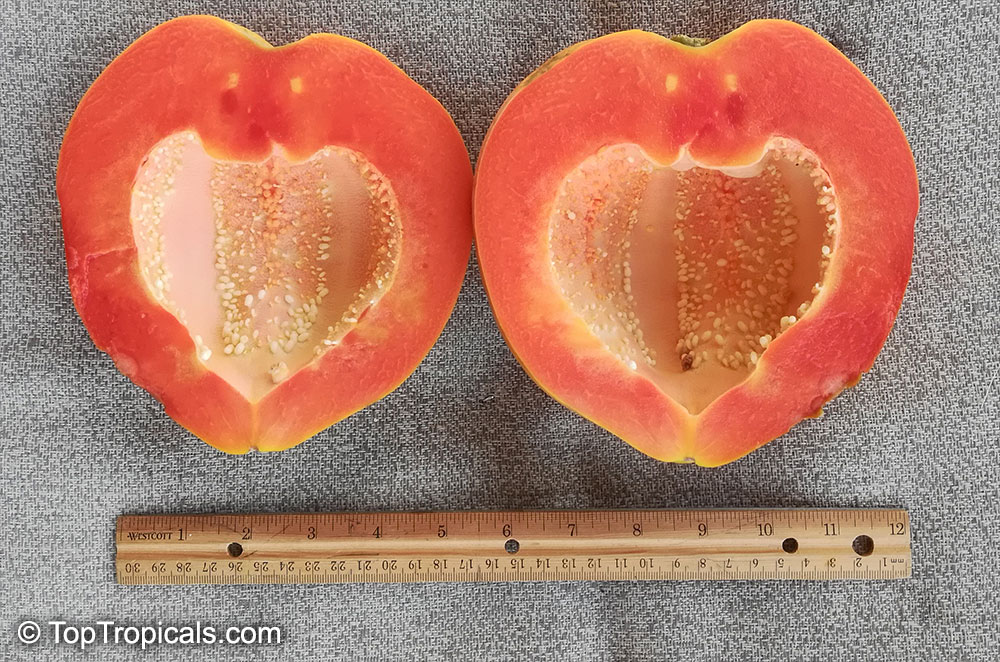
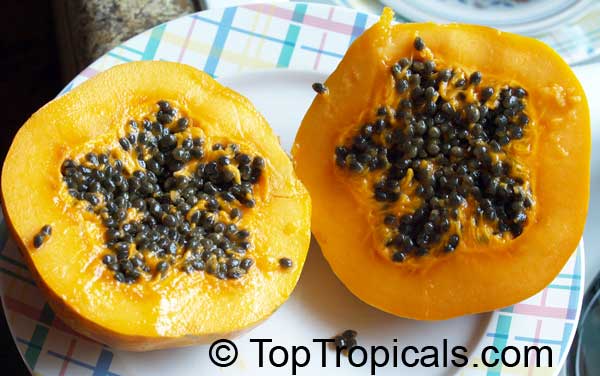
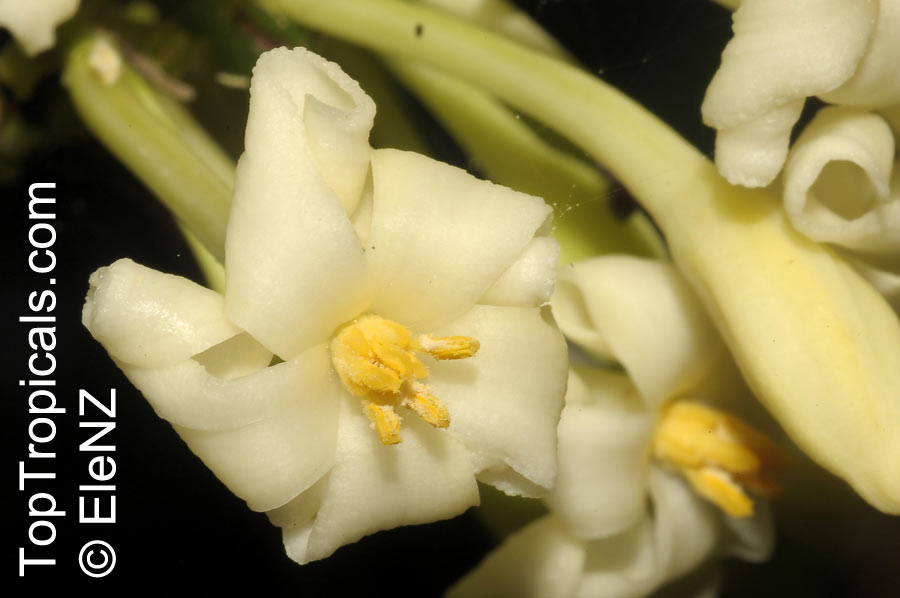
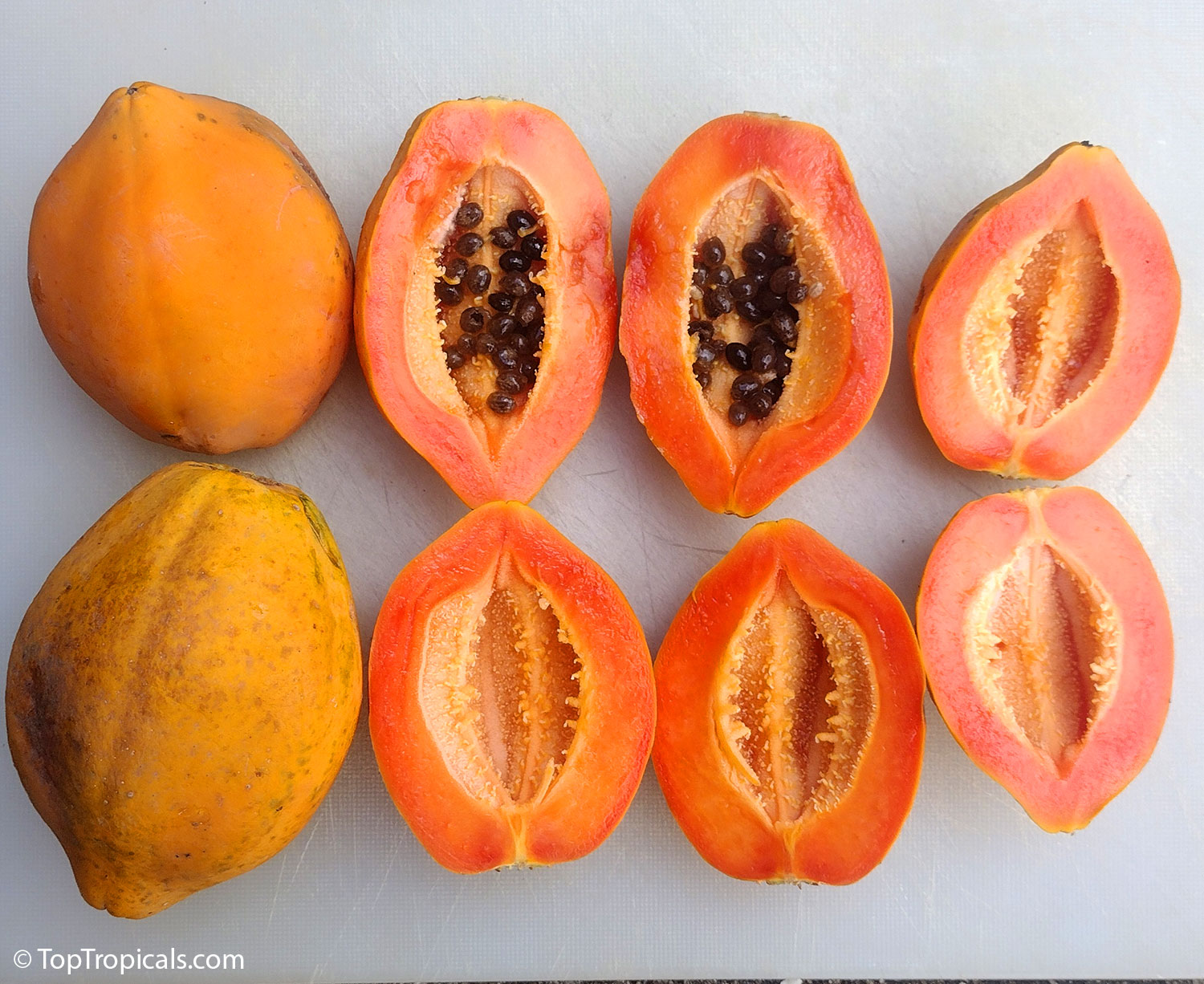
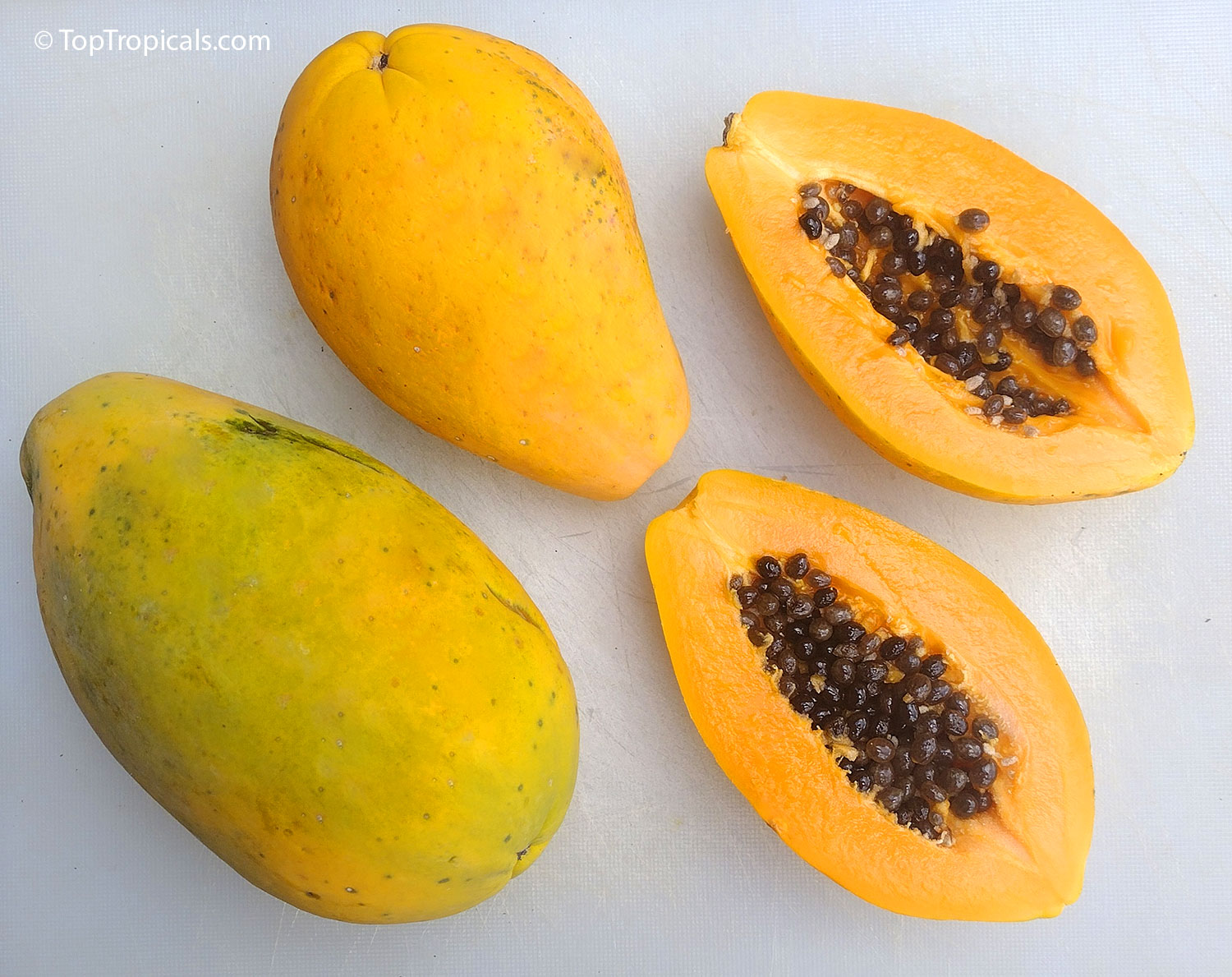
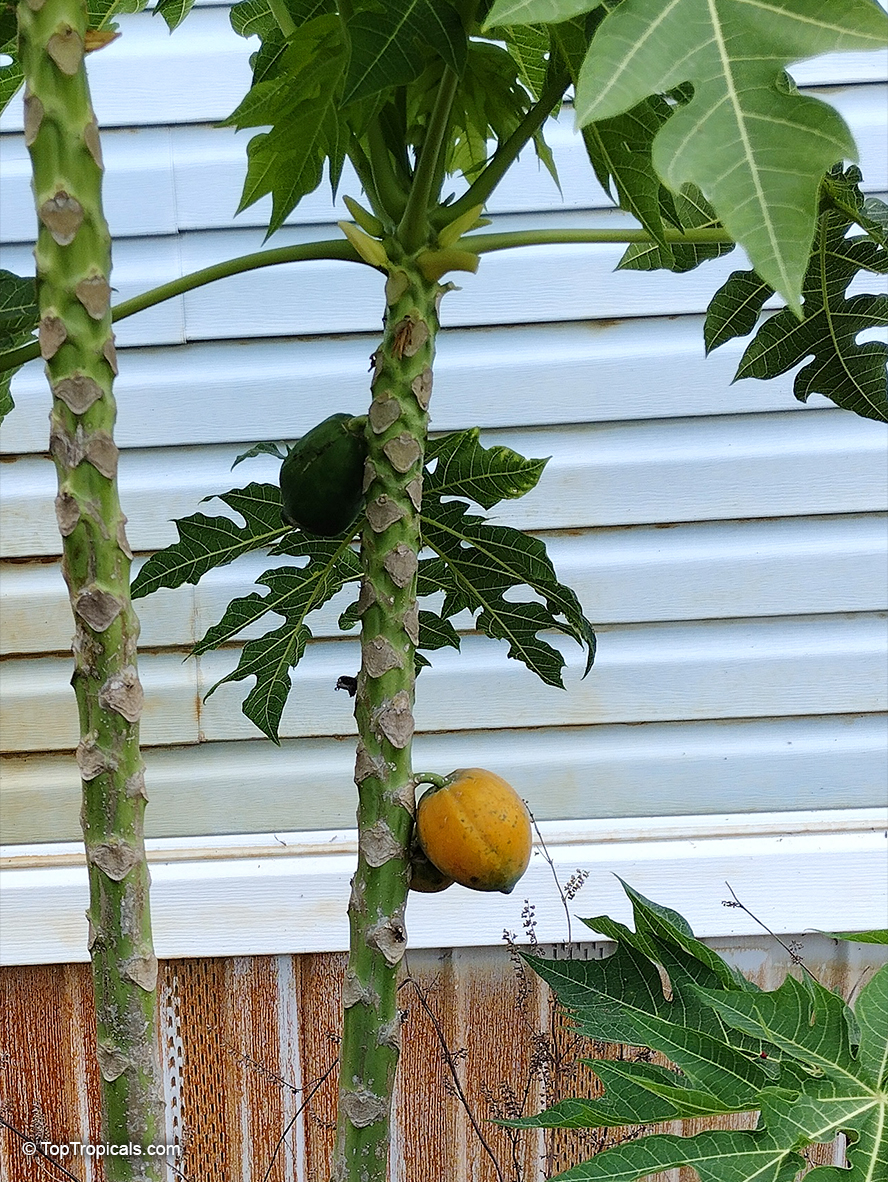
Papaya is a fast growing herbaceous plant with thick, hollow trunk. Leaves lobed to 2' across. Flowers/fruit appear in nodes directly from trunk. Fruit size varies from 1/2 to 20 pounds. Flesh is yellow to orange-red, melon-like. The tree may freeeze at about 31F, young plants are very tender. Plant in full sun, however it grows tall in shade, but produces less fruit. Best to use lots of organic matter and mulch to reduce nematode problems. Best to replant every 4-5 years, although trees live and produce to up to 30 years, but the best fruit quality comes from younger trees. Soil must be well-drained. The delicious fruit of the papaya is good for you as a dessert or as a digestive aid (it contains the enzyme papain, which is essential to digestion). Papaya flowers can be male, female, or hermaphrodite. Solo Papayas are self pollinating.
When starting a plant from seed, first wash the seeds well and remove the slippery outer coating; then sow immediately. Cover with soil and keep in a warm, bright place. Germination should occur in four to eight weeks. Papayas are prone to damping-off. Water copiously in the summer but less frequently in the winter. When repotting, do not disturb root system. Papaya roots are very sensitive for transplanting.
Fun facts about Papaya:
Not a tree: Papaya is technically a giant herb with a single, straight trunk that can grow up to 30 feet tall.
Gender flexible: Papaya plants can change their gender based on environmental conditions. This complex mechanism ensures better adaptability.
Cold and wind resistant: Papayas can withstand light freezes and strong winds, making them surprisingly hardy for a tropical plant.
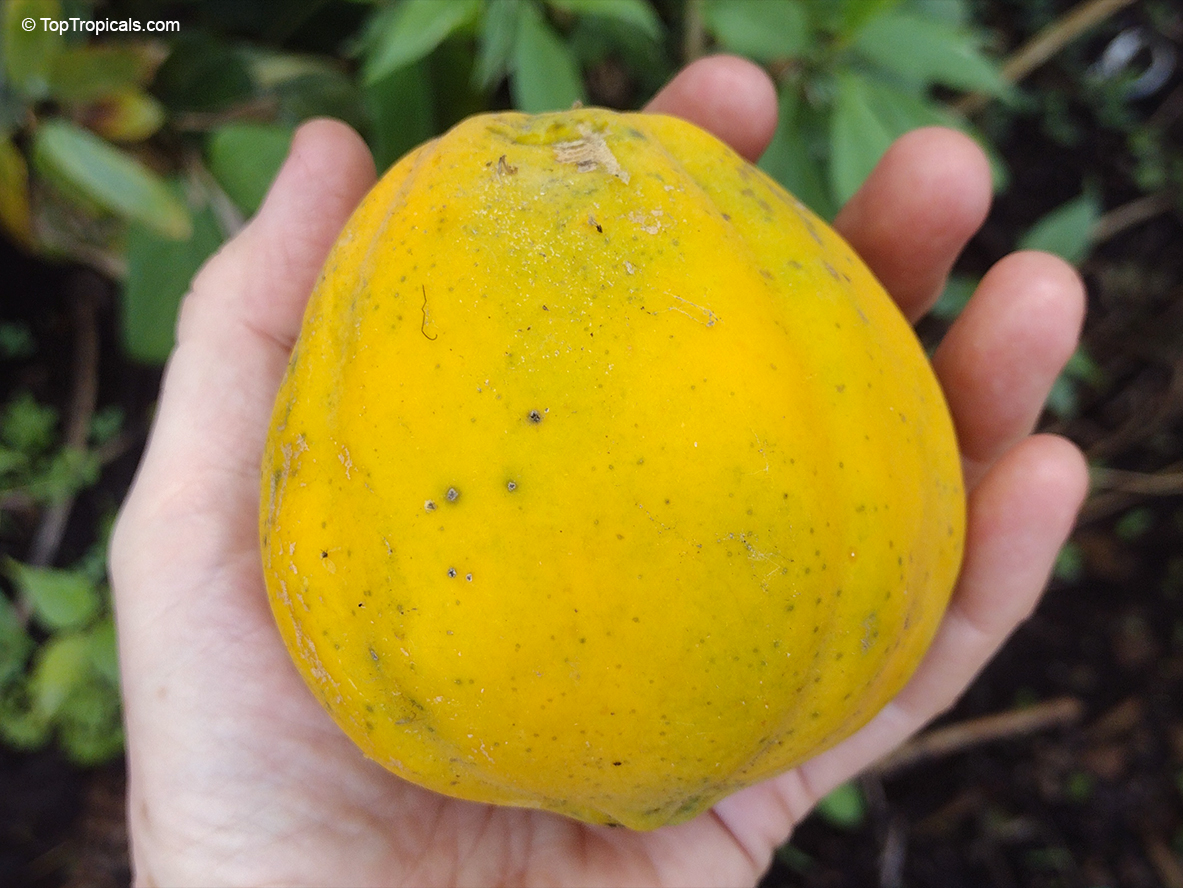
Solo cultivars: These smaller, round or oval papayas are incredibly sweet and less susceptible to fruit flies.
Learn more: How to grow a Papaya Tree: Practical Guide
Similar plants: Carica papaya (Papaya)


Papaya does not take shipping well, but recovers easily (do not overwater!).
Cost of expedited shipping included in shipping cost of this item.
Shipped at customers risk, no replacements or refunds. Leaf drop possible. We guarantee healthy plant to be shipped and the best packaging. Express shipping optional.
Recommended Fertilizer: SUNSHINE C-Cibus - Crop Nutrition Booster
SUNSHINE-Honey - sugar booster
 SUNSHINE C-Cibus (NPK 2-2-4) - Crop Booster for every watering.
  SUNSHINE C-Cibus (NPK 2-2-4) - Crop Booster for every watering.