Broussonetia papyrifera (Paper Mulberry)
Botanical names: Broussonetia papyrifera, Morus papyrifera
Common name: Paper Mulberry
Family: Moraceae
Origin: Eastern Asia

USDA Zone: 6-10
 Plant form: Large bush
 Mature height: 5-10 ft
 Sun exposure: Semi-shade
 Cold tolerance: Tolerates light freezing to about 30°F for short periods (mature plants). Young plants must be protected.
 Watering: Moderate
 Flower color: Red, crimson, vinous
 Suitable for: Outdoors in the suitable USDA zone; small gardens, containers, and indoor growing
 Foliage color: Ornamental foliage
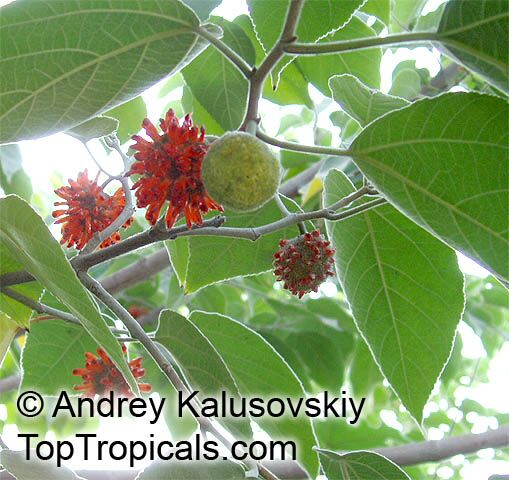
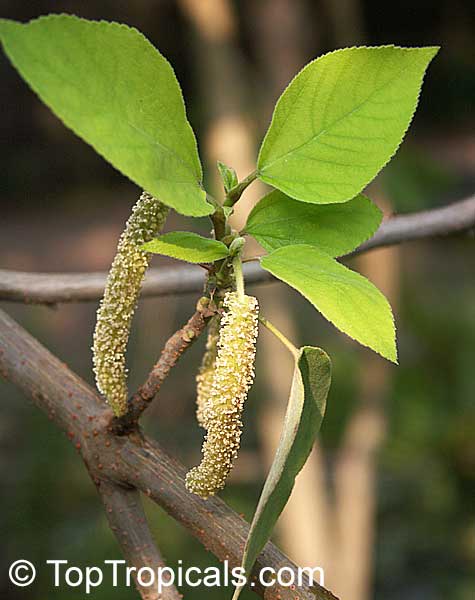
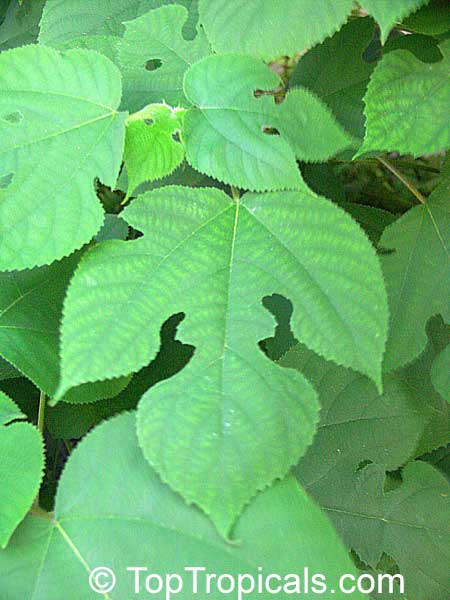
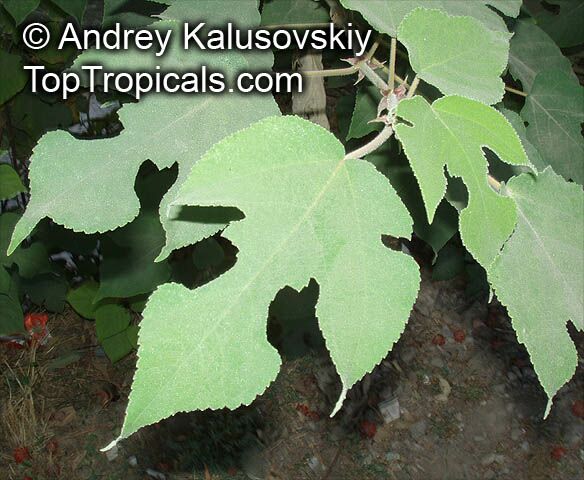
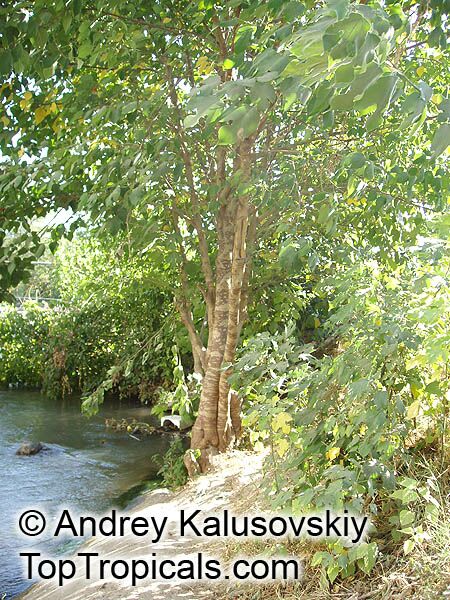
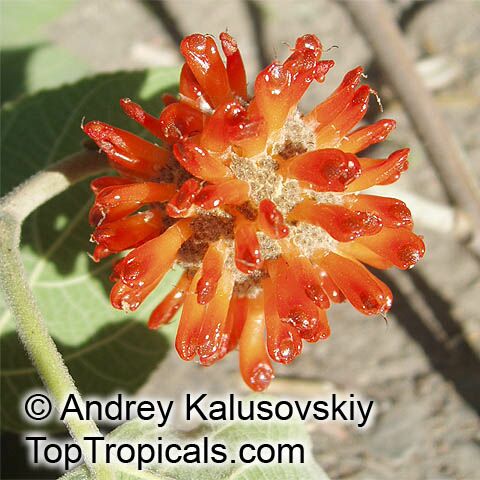
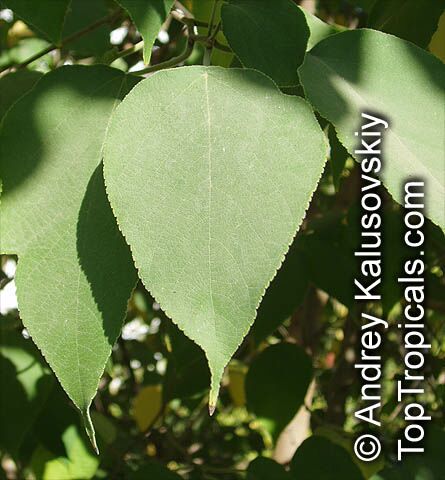
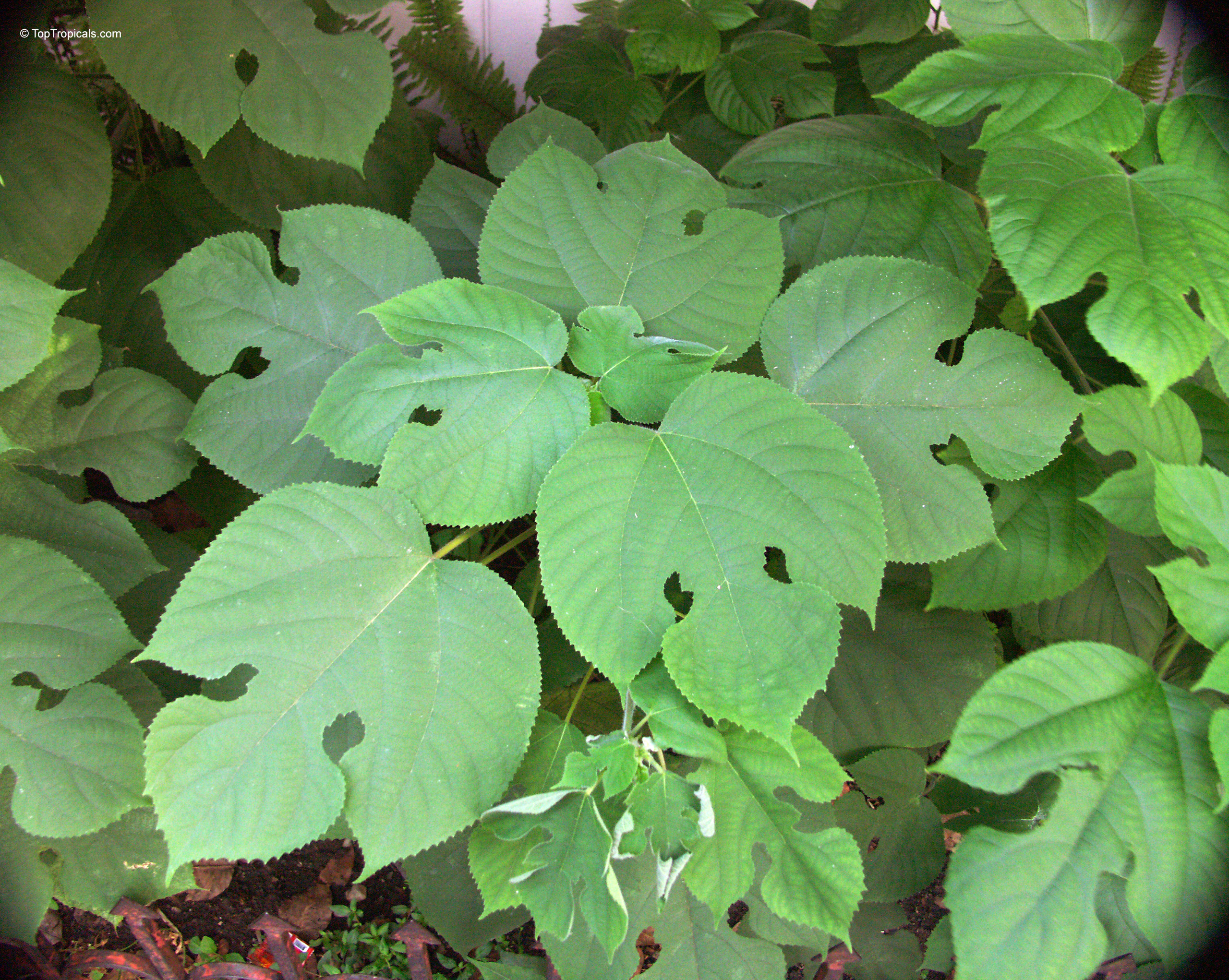
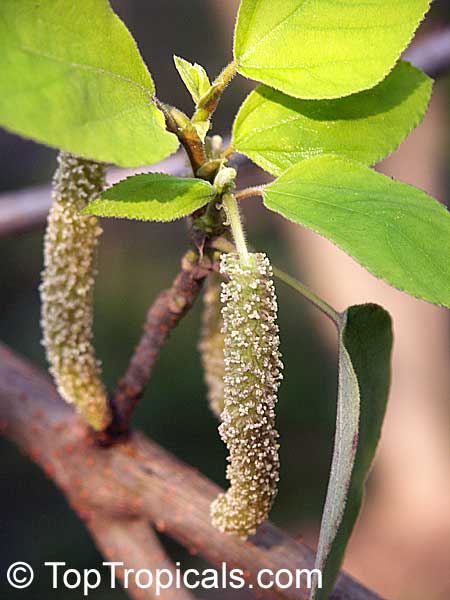
Broussonetia papyrifera, commonly known as paper mulberry, is a deciduous tree or large shrub in the Moraceae family, native to eastern Asia and widely introduced throughout warm temperate and tropical regions. It typically grows 20-40 ft tall and has rough, hairy leaves that are extremely variable in shape, even on the same plant, ranging from unlobed and broadly ovate to deeply three- or five-lobed. Plants are usually dioecious, with male and female flowers on separate trees. Male flowers occur in elongated catkins, while female flowers form rounded heads that develop into orange-red, ball-shaped multiple fruits. The inner bark has been used for centuries in Asia and the Pacific for making paper and traditional bark cloth.
Broussonetia papyrifera grows readily in full sun to partial shade and tolerates a wide range of soils, drought, heat, and urban conditions once established. It grows rapidly and spreads by seeds and vigorous root suckers, sometimes forming dense colonies. Because it can become invasive outside its native range, its behavior should be considered before planting. The tree is useful where a fast-growing screen or informal specimen is appropriate, but suckering may require control. It is generally hardy in USDA Zones 6-10.
Similar plants: Broussonetia papyrifera (Paper Mulberry)