Bombax ceiba (Kapok tree)
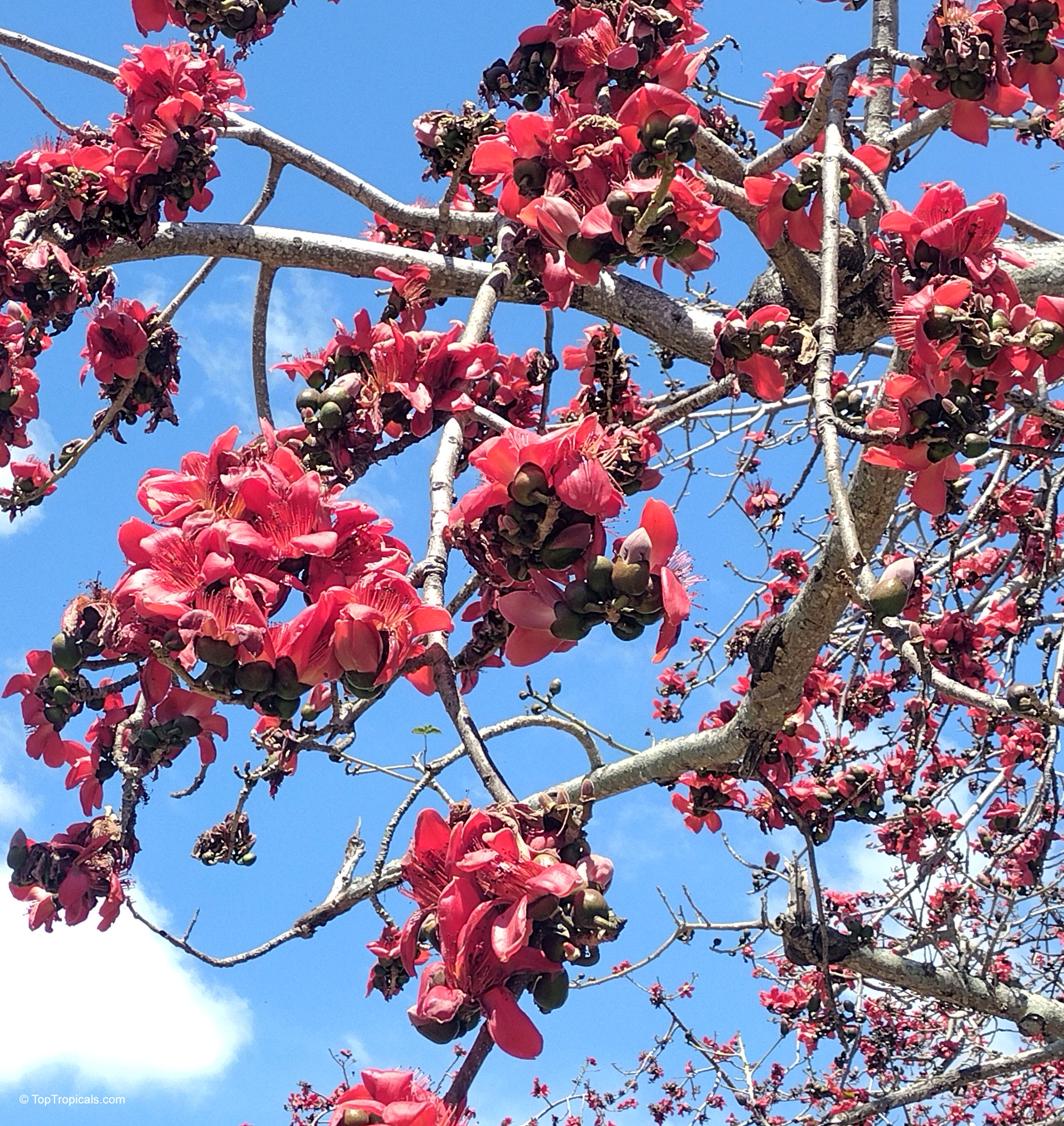
Botanical names: Bombax ceiba, Salmalia malabarica, Bombax malabaricum
Common names: Kapok tree, Silk Cotton Tree
Family: Malvaceae (Formerly:Bombacaceae)
Subfamily: Bombacoideae
Origin: Tropical Asia
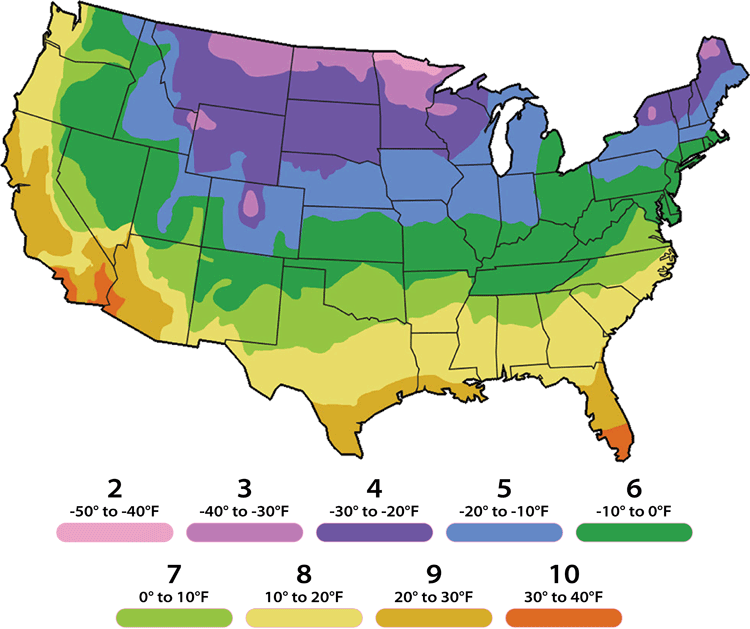
USDA Zone: 9-11
Cold tolerance: 30°F
 Plant form: Large tree
 Mature height: 20 ft or more
 Sun exposure: Full sun or bright light indoor
 Cold tolerance: Frost sensitive. Protect from freezing.
 Watering: Regular
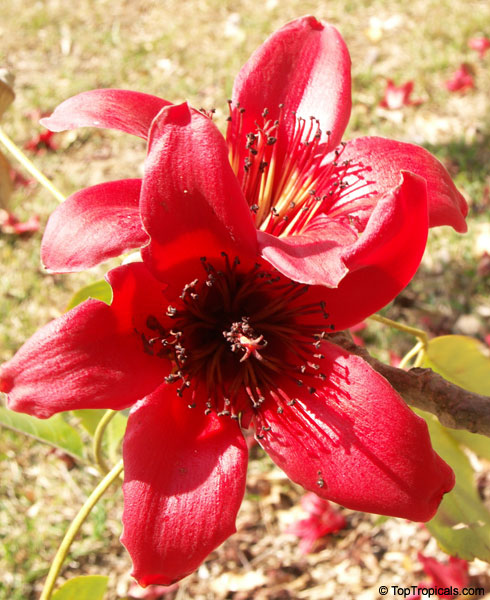
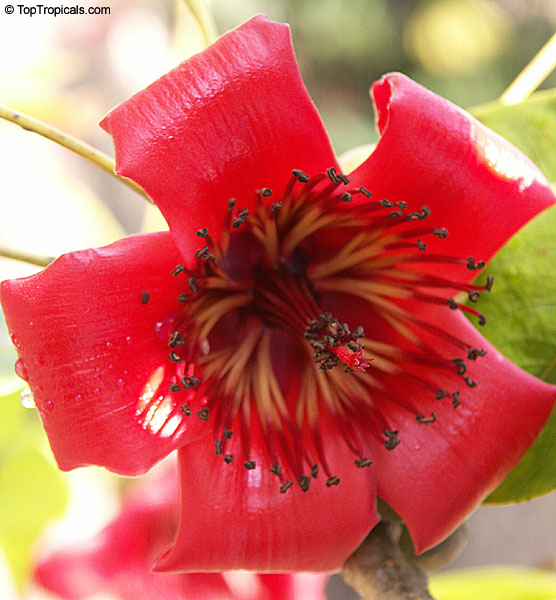
 Flower color: Red, crimson, vinous
 Suitable for: Outdoors in the suitable USDA zone; large gardens
 Foliage: Deciduous
 Wildlife: Attracts butterflies and hummingbirds
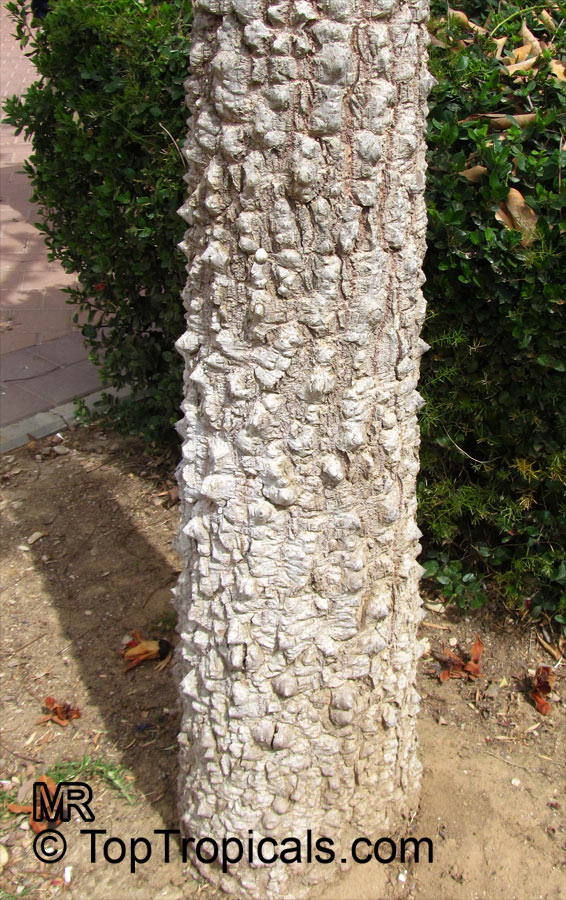
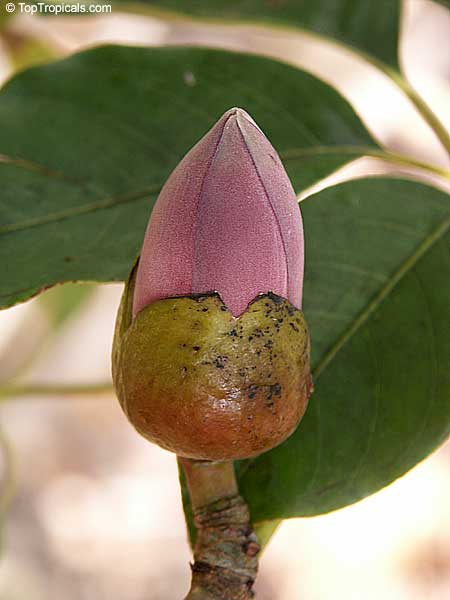
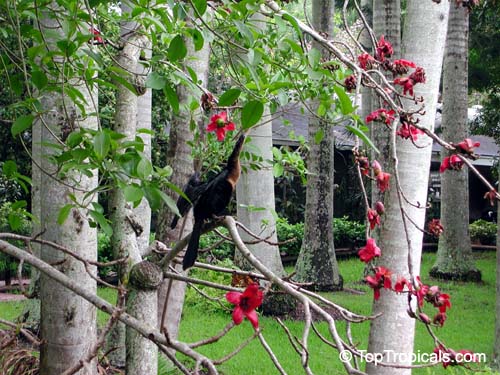
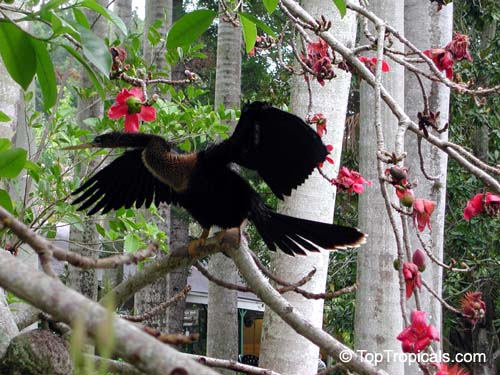
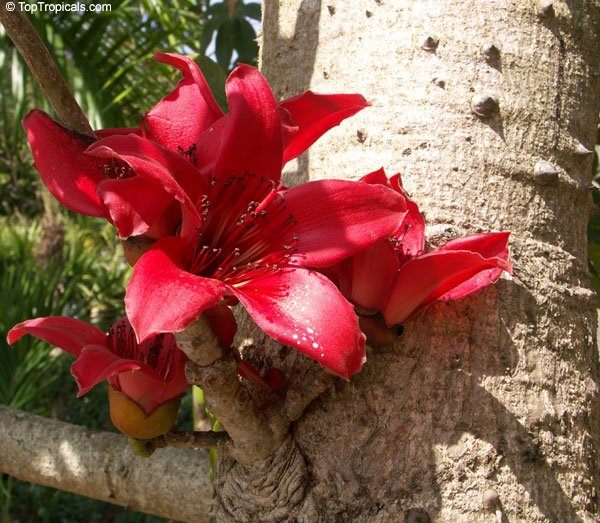
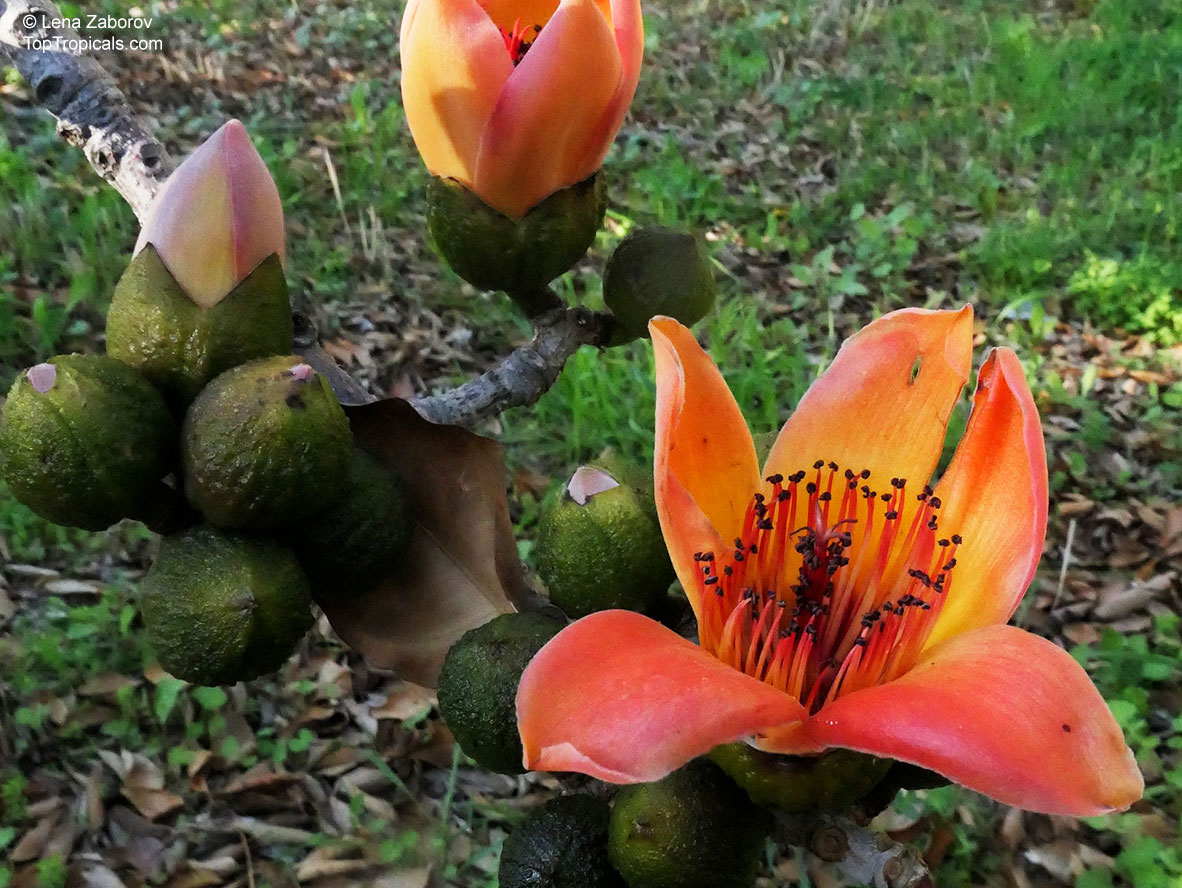
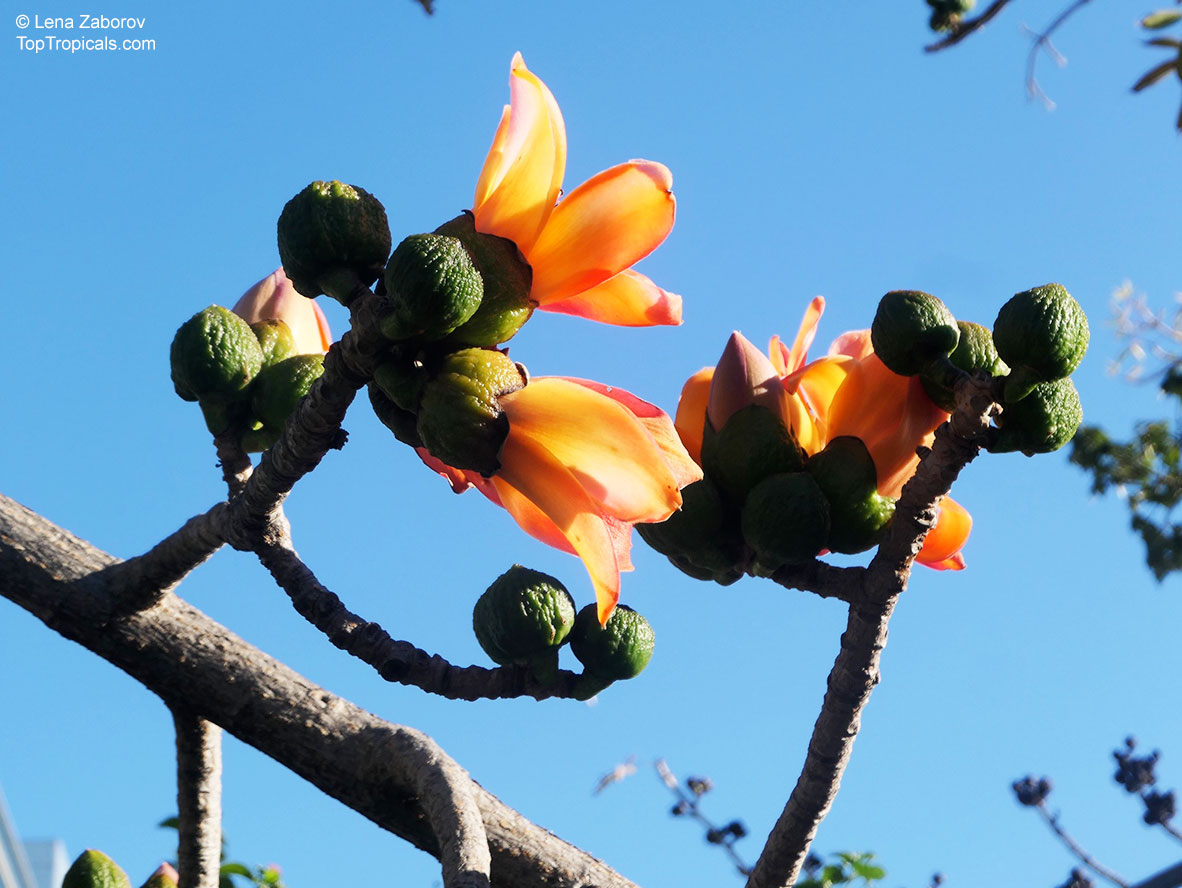
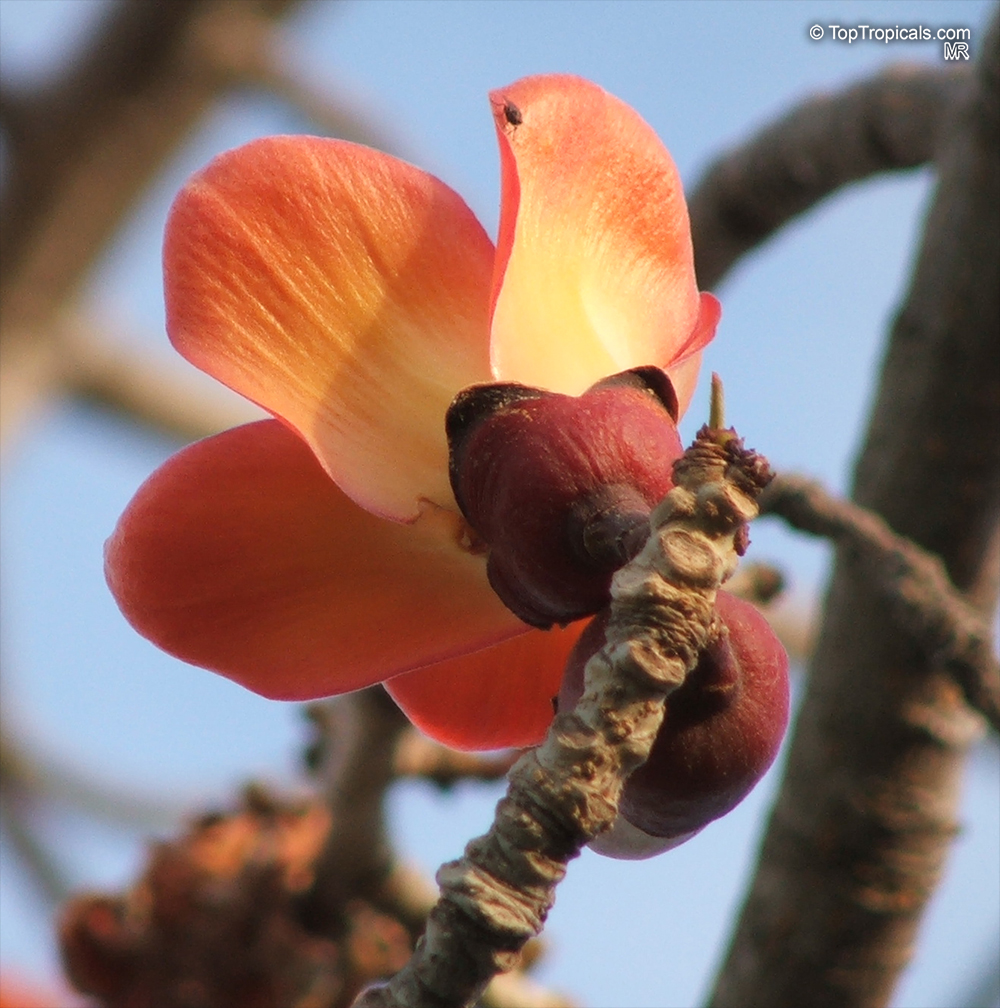
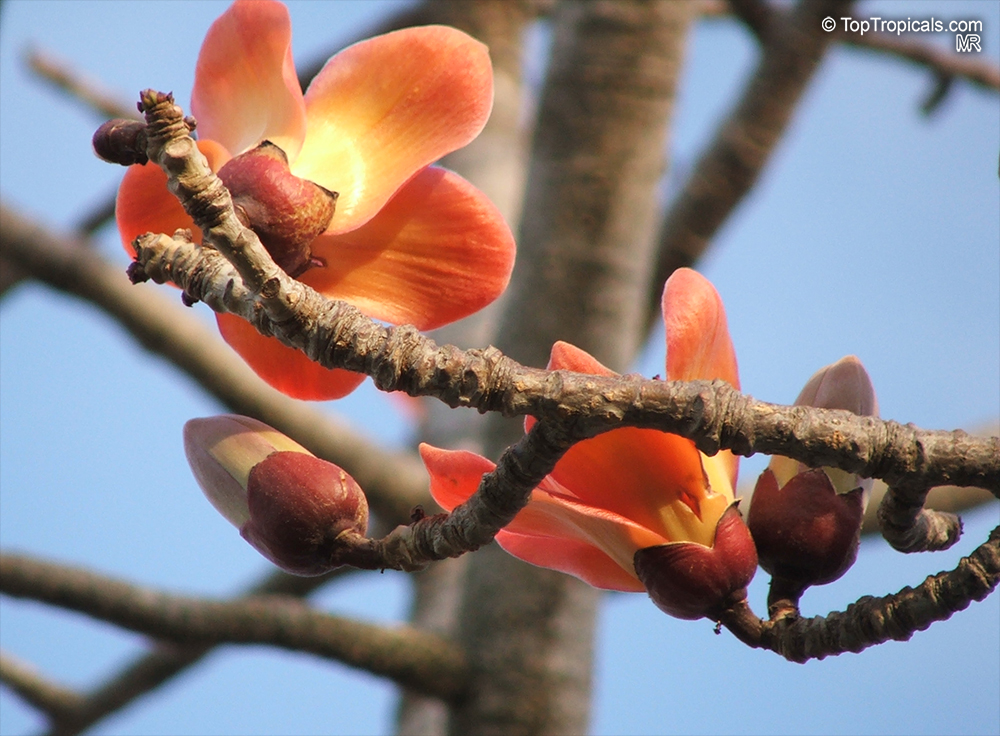
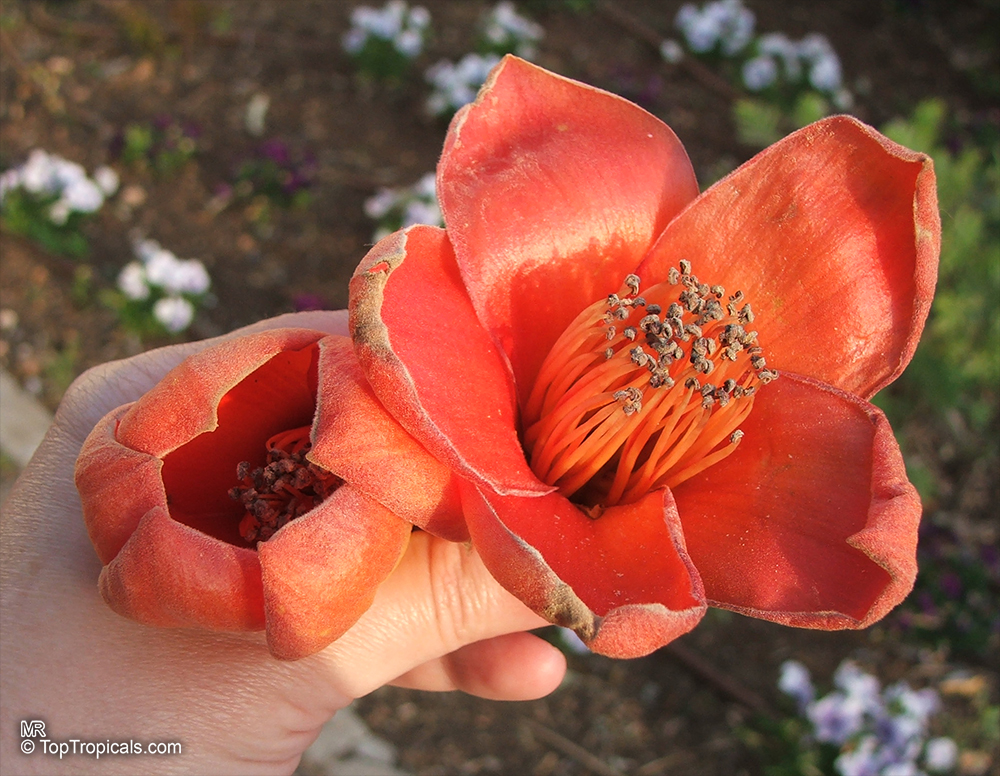
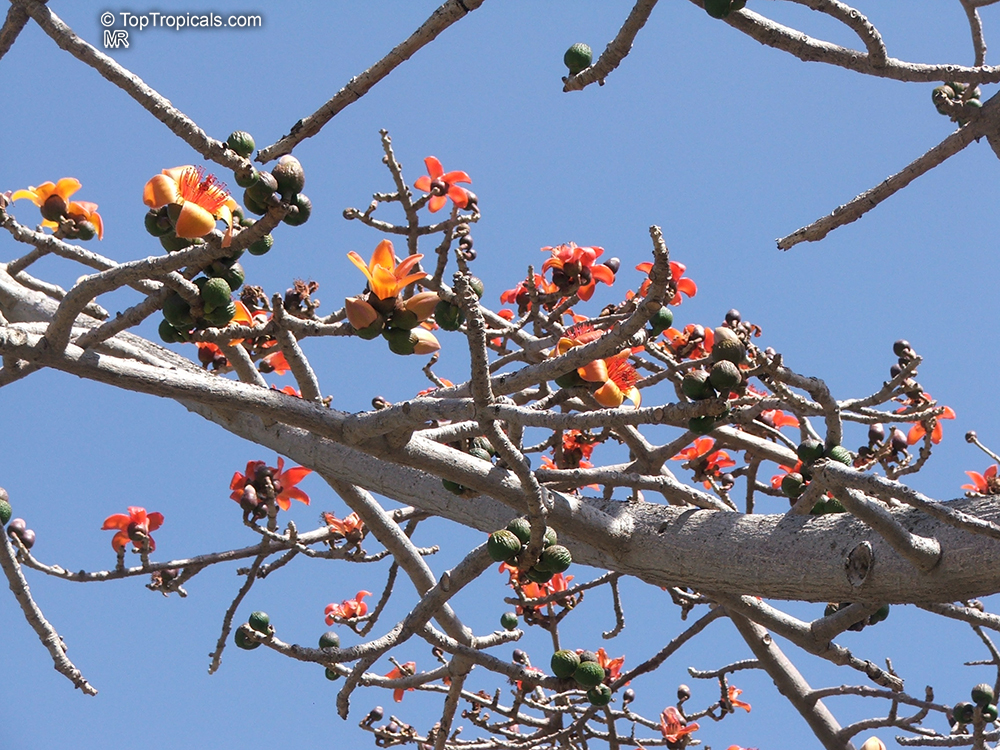
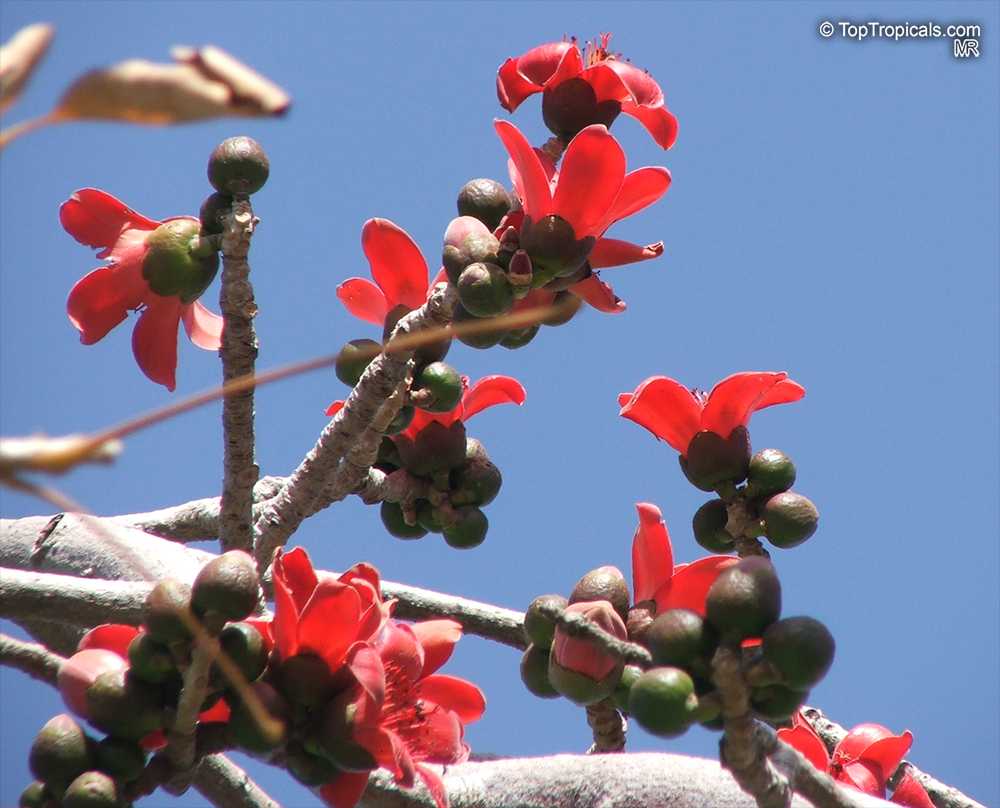
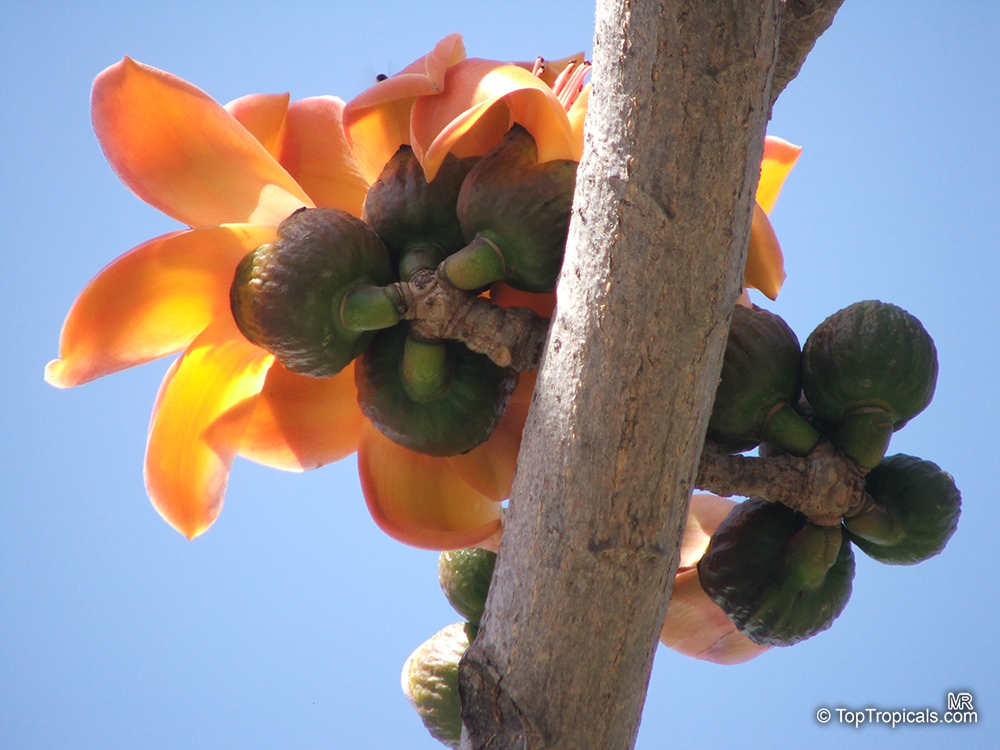
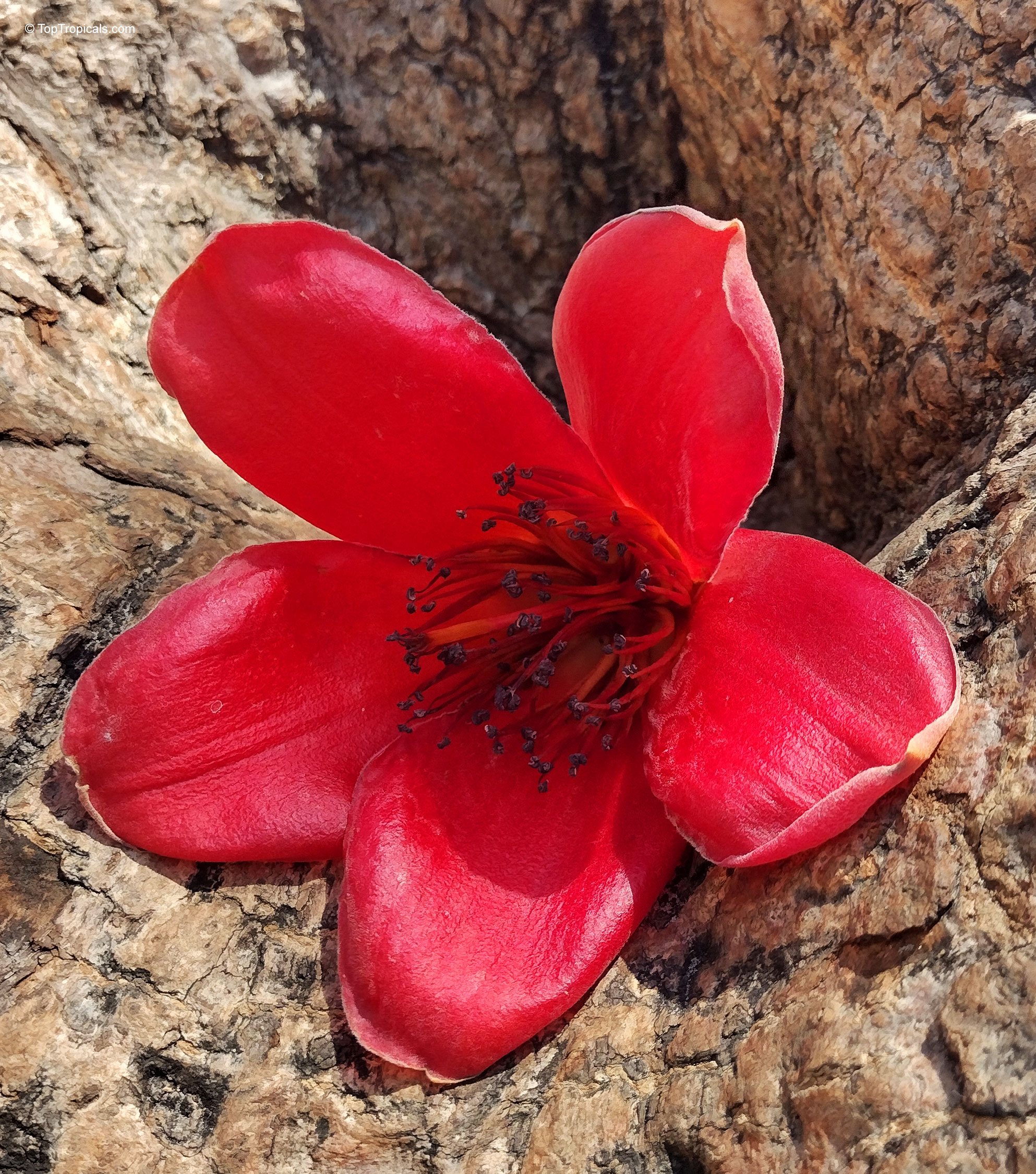
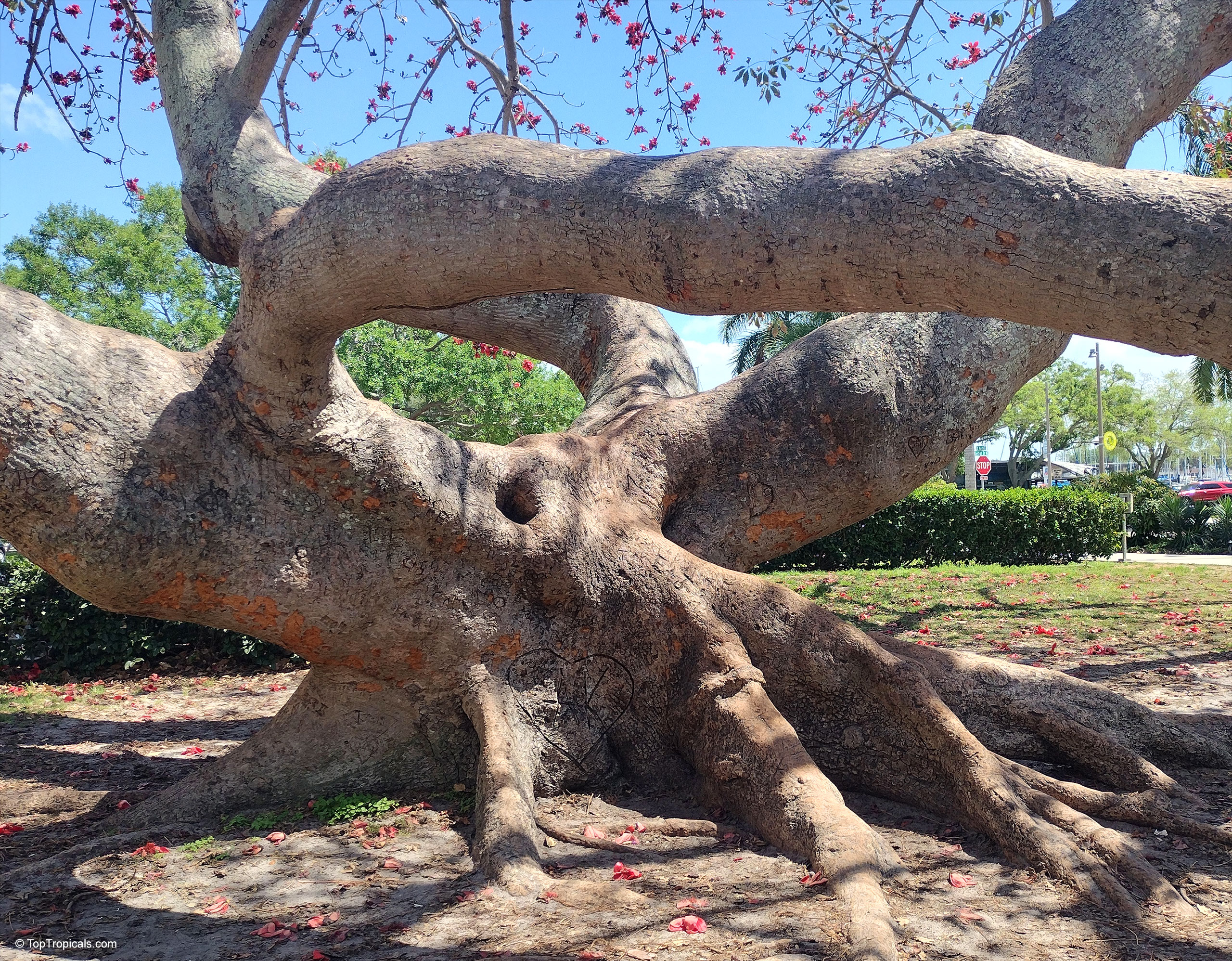
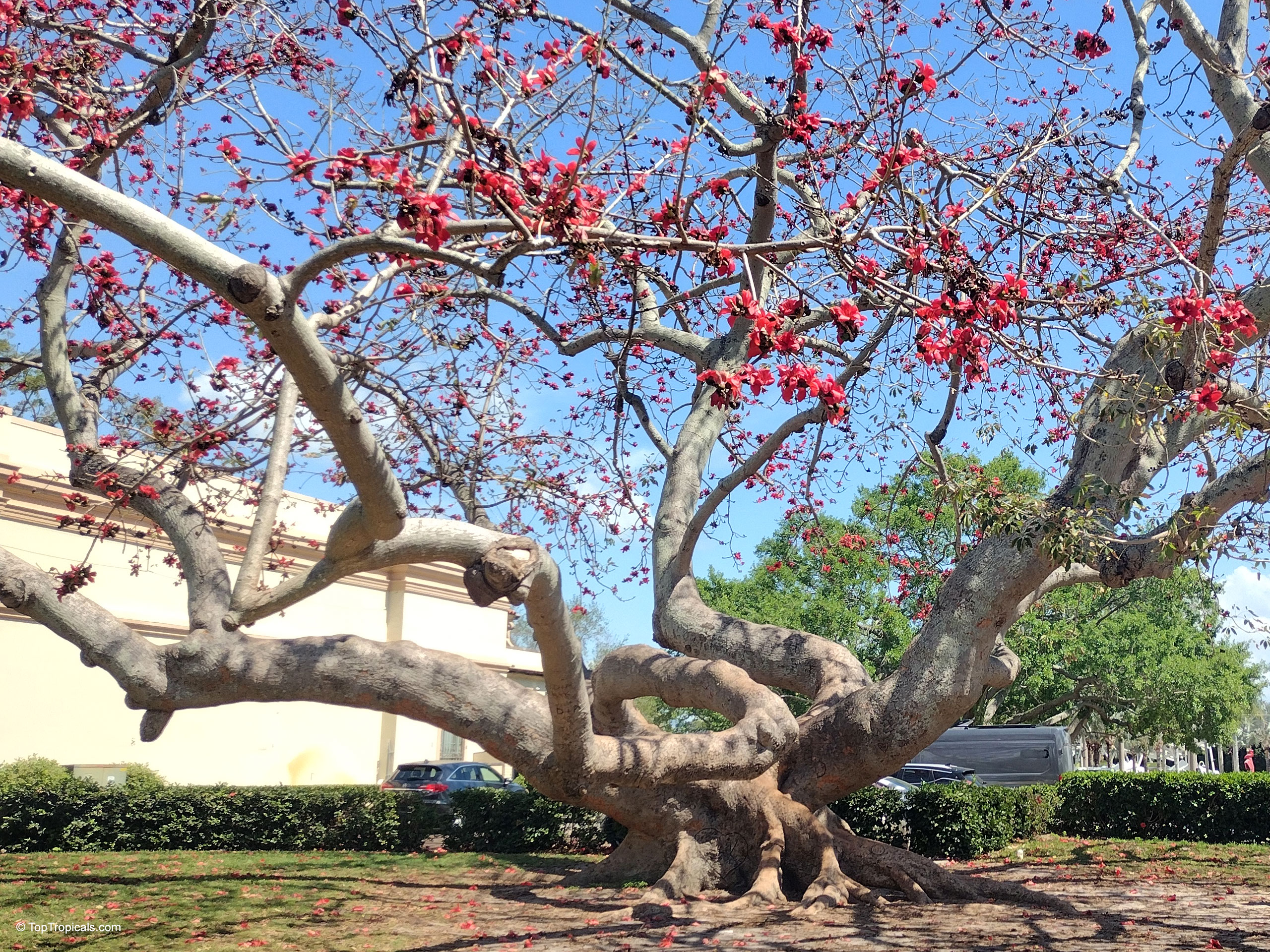
Bombax ceiba, commonly known as Red Silk Cotton Tree or Red Kapok Tree, is a spectacular deciduous tree in the Malvaceae family native to tropical and subtropical Asia, extending from India and southern China to Southeast Asia and northern Australia. It is one of the region's most iconic flowering trees, eventually reaching 60 to 130 feet (18 to 40 m) tall. Young trees usually have a straight trunk armed with large conical prickles, while mature specimens develop massive buttresses and broad, spreading branches. During the dry season, the tree sheds its leaves before producing a breathtaking display of large, fragrant scarlet to crimson flowers on otherwise bare branches.
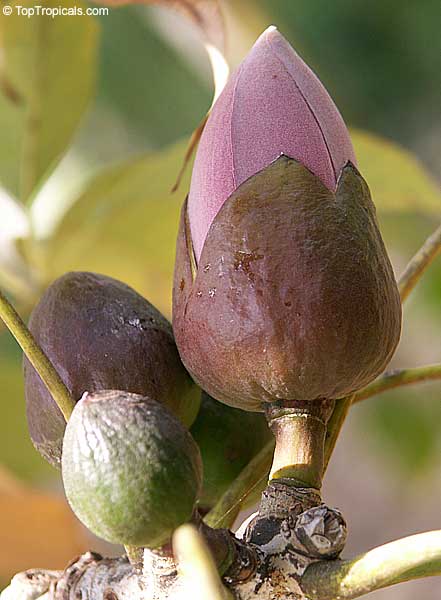
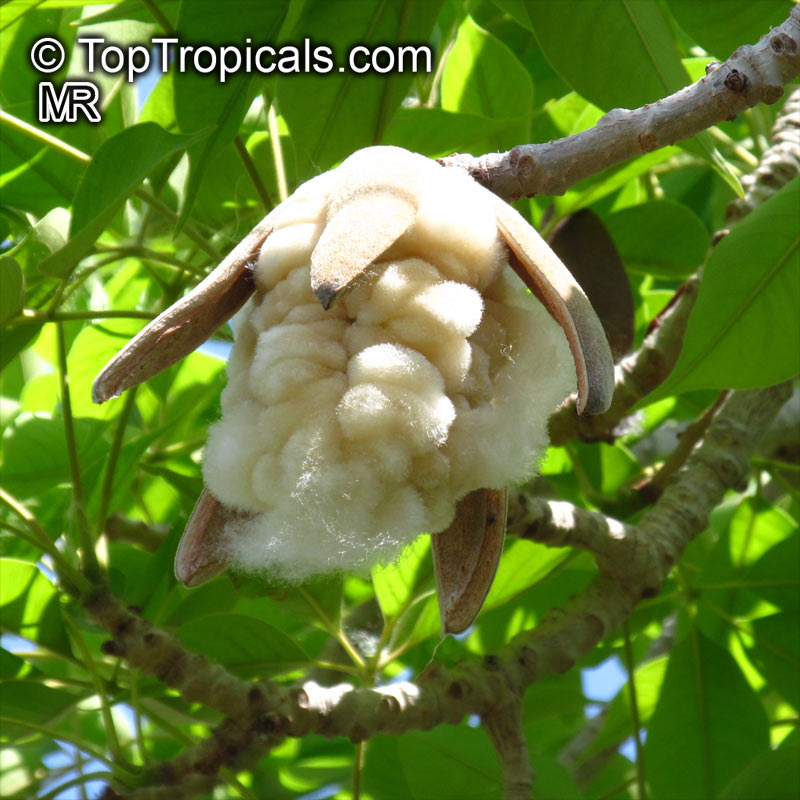
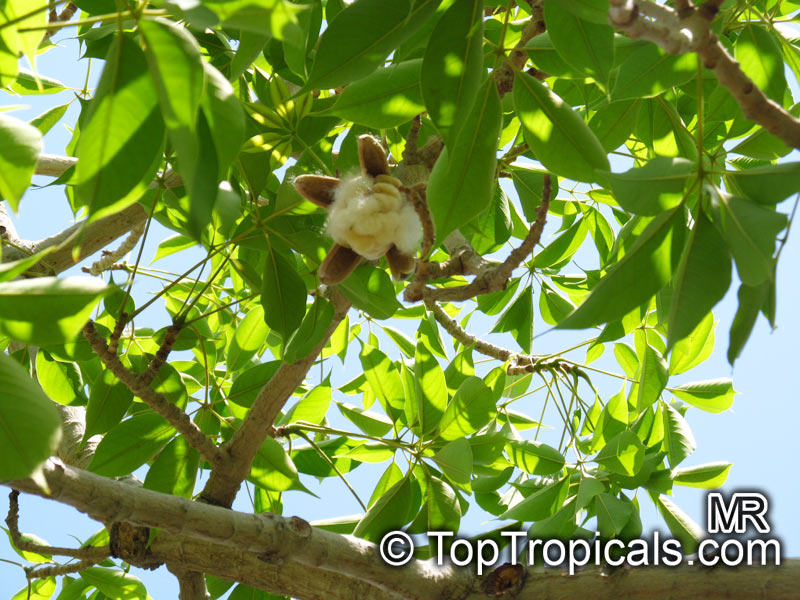
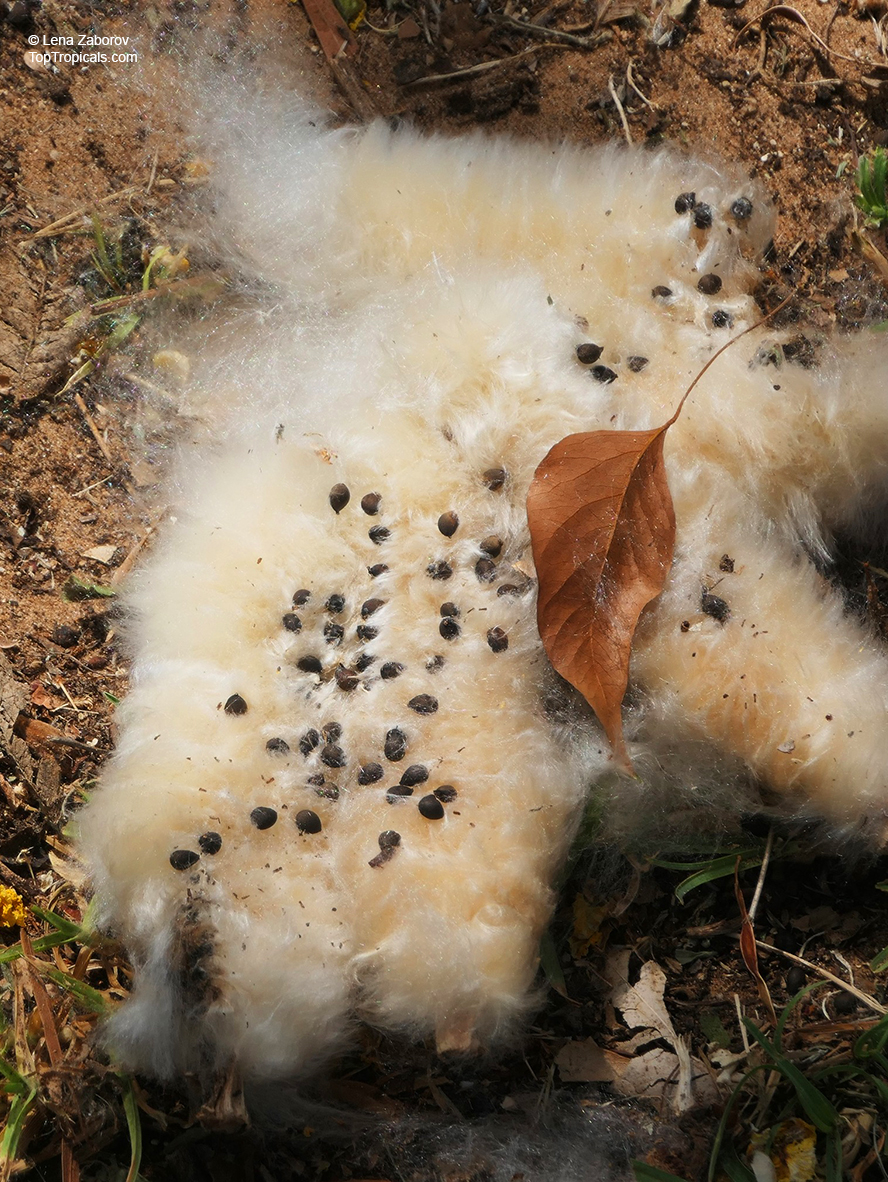
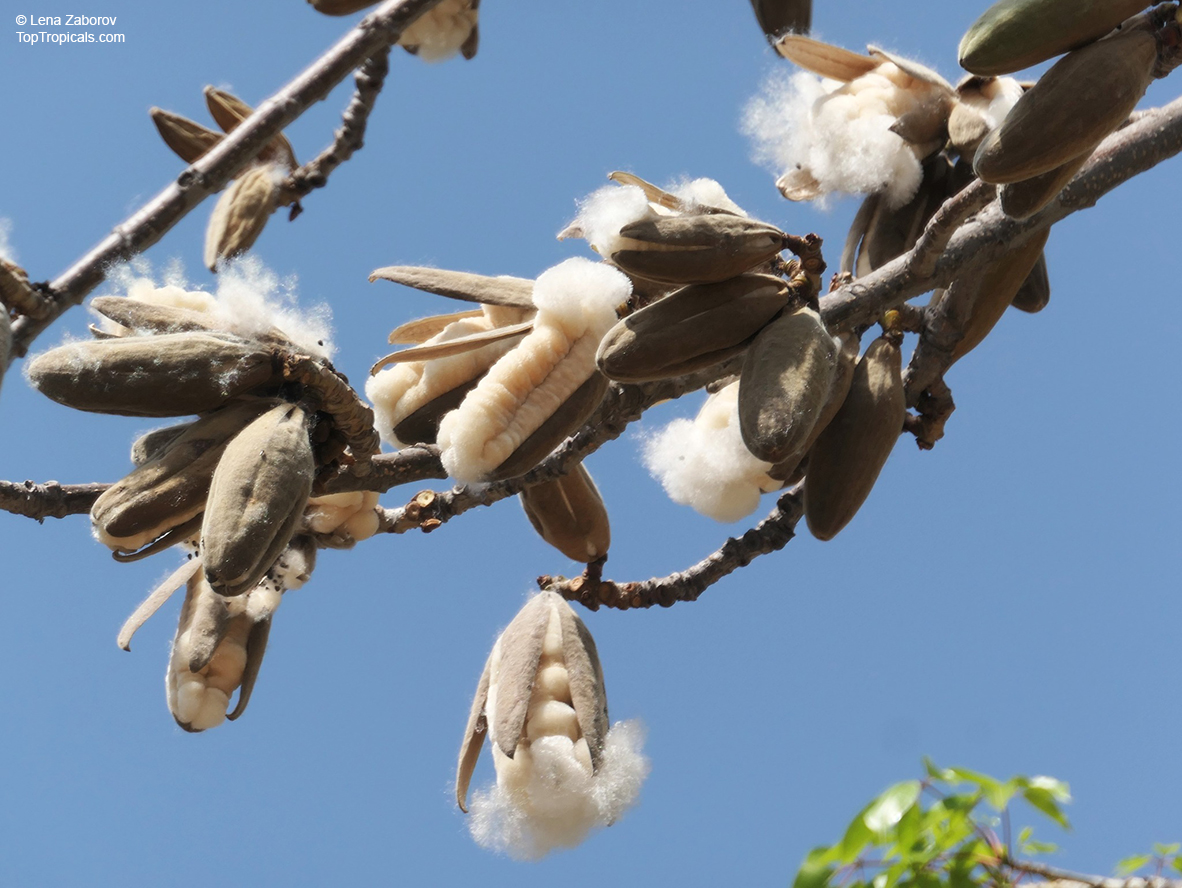
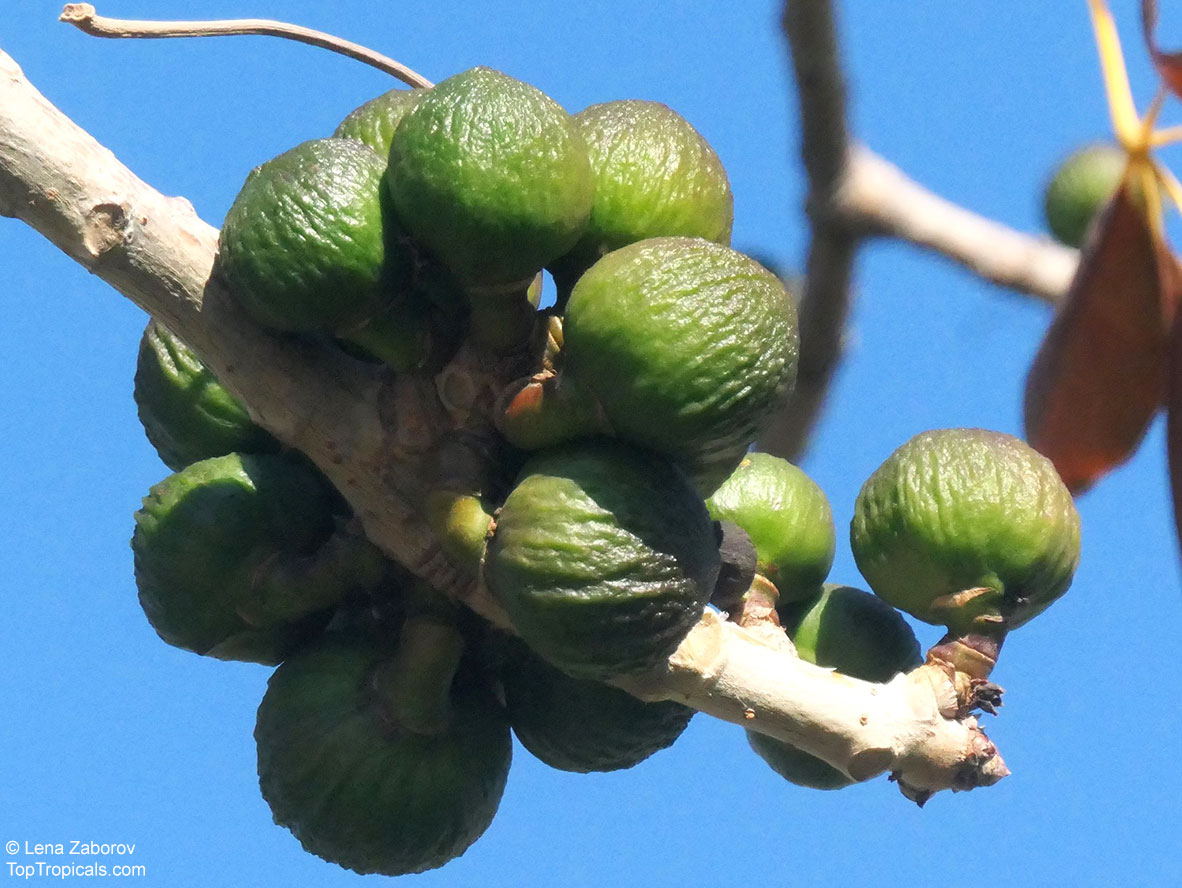
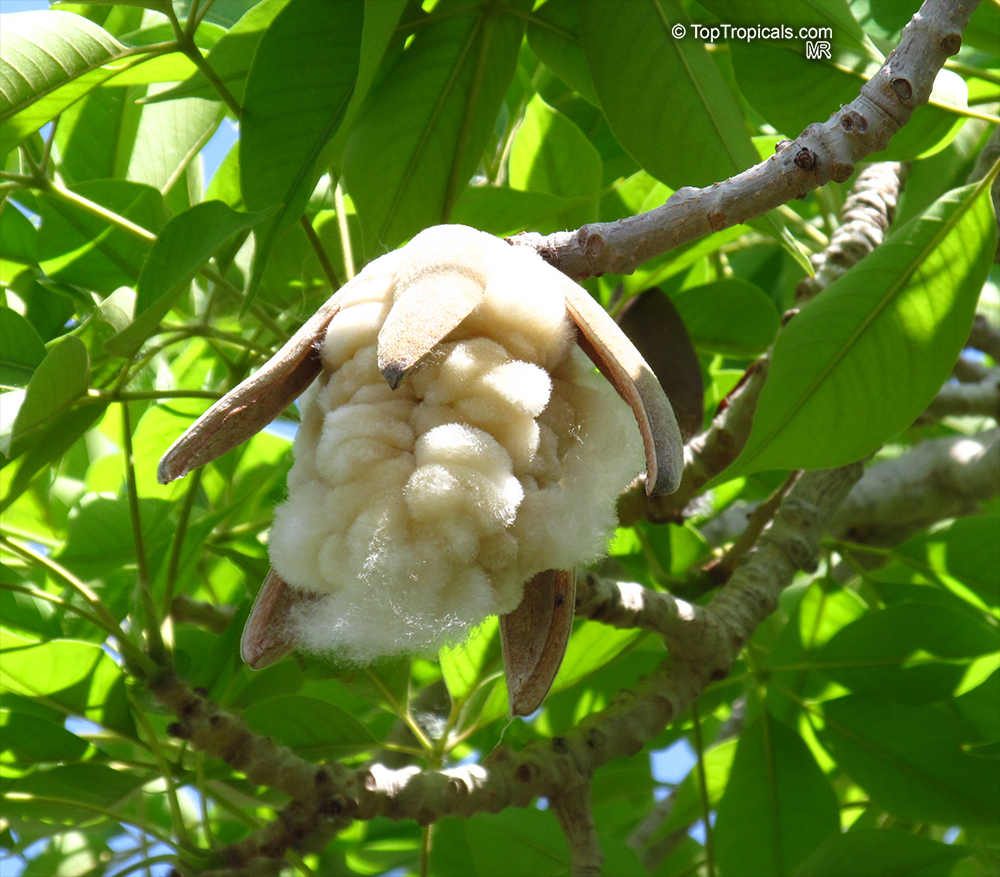
The nectar-rich blossoms attract birds, bees, and other pollinators and are followed by woody capsules filled with silky fibers surrounding the seeds, traditionally used for stuffing pillows and cushions. Its lightweight yet durable timber is widely used for furniture, canoes, and other wood products, while the tree also holds cultural significance in parts of South and Southeast Asia. Bombax ceiba grows best in full sun and well-drained soil with regular moisture while becoming drought tolerant after establishment. Hardy in USDA Zones 9b-11, it is widely planted as a specimen, shade, and avenue tree. Older literature often refers to this species as Bombax malabaricum or Salmalia malabarica, both of which are now regarded as synonyms of Bombax ceiba.
Similar plants: Bombax ceiba (Kapok tree)
Recommended Fertilizer: SUNSHINE Megaflor - Bloom Nutrition Booster