Vaccinium macrocarpon (Large Cranberry)

Botanical names: Vaccinium macrocarpon, Oxycoccus macrocarpus
Common names: Large Cranberry, American Cranberry, Bearberry
Family: Ericaceae
Origin: North America
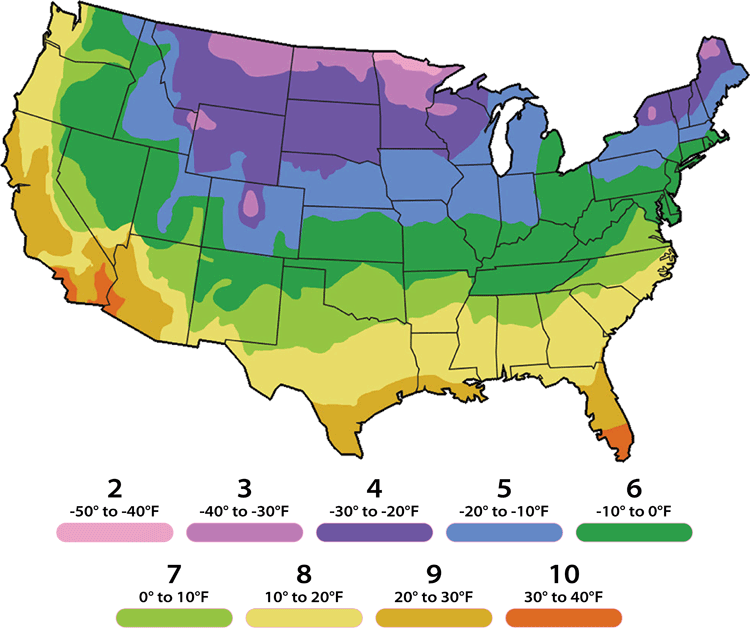
USDA Zone: 2-7
 Plant form: Small
 Mature height: 2-5 ft

 Sun exposure: Full sun or bright light indoor; semi-shade
 Cold tolerance: Tolerates light freezing to about 30°F for short periods (mature plants). Young plants must be protected.
 Watering: Keep soil moist
 Flower color: Pink
 Suitable for: Outdoors in the suitable USDA zone; small gardens, containers, and indoor growing
 Ethnomedical: Ethnomedical plant, traditionally used in folk or indigenous medicine
Vaccinium macrocarpon, commonly known as Large Cranberry, is a native plant to North America. It is a low-growing shrub growing to a mature height of 2 to 5 ft, and spreads to 3-4 ft wide. It has attractive, small, glossy dark green leaves and fuchsia-pink flowers in spring. It bears bright red cranberries that mature in fall. This small, evergreen shrub can be used both as an edible food crop and as a beautiful ornamental ground cover in semi-shade or full sun. It thrives in acidic soils with good drainage and a pH of 4.0 to 5.2. The soil should be kept moist, yet well drained. It is cold hardy in USDA Zone 2-7.
Cranberries are very healthy and nutrient-rich fruits that are very versatile in cooking. They are rich in vitamin C, fiber and antioxidants, as well as other essential vitamins and minerals such as manganese and vitamin E. They can be eaten fresh or cooked, and made into juices, jams, and other products. The dried fruit can last up to a year and can be used in many recipes, such as sauces, smoothies, or even salads. In addition, cranberries have many health benefits and are linked to reducing urinary tract infections, and aiding digestion, as well as being anti-inflammatory and antioxidant.
Similar plants: Vaccinium macrocarpon (Large Cranberry)


