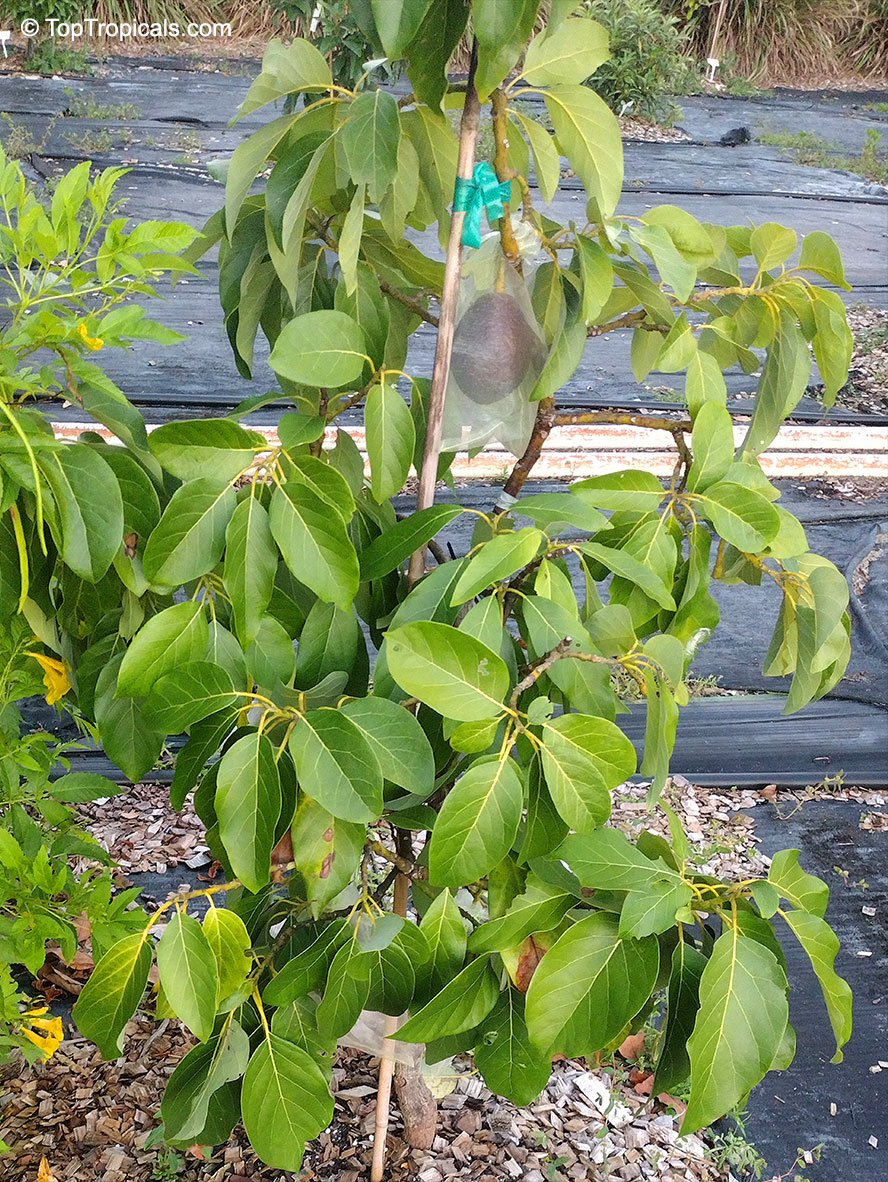
Persea americana 'U-La-La' (Avocado)
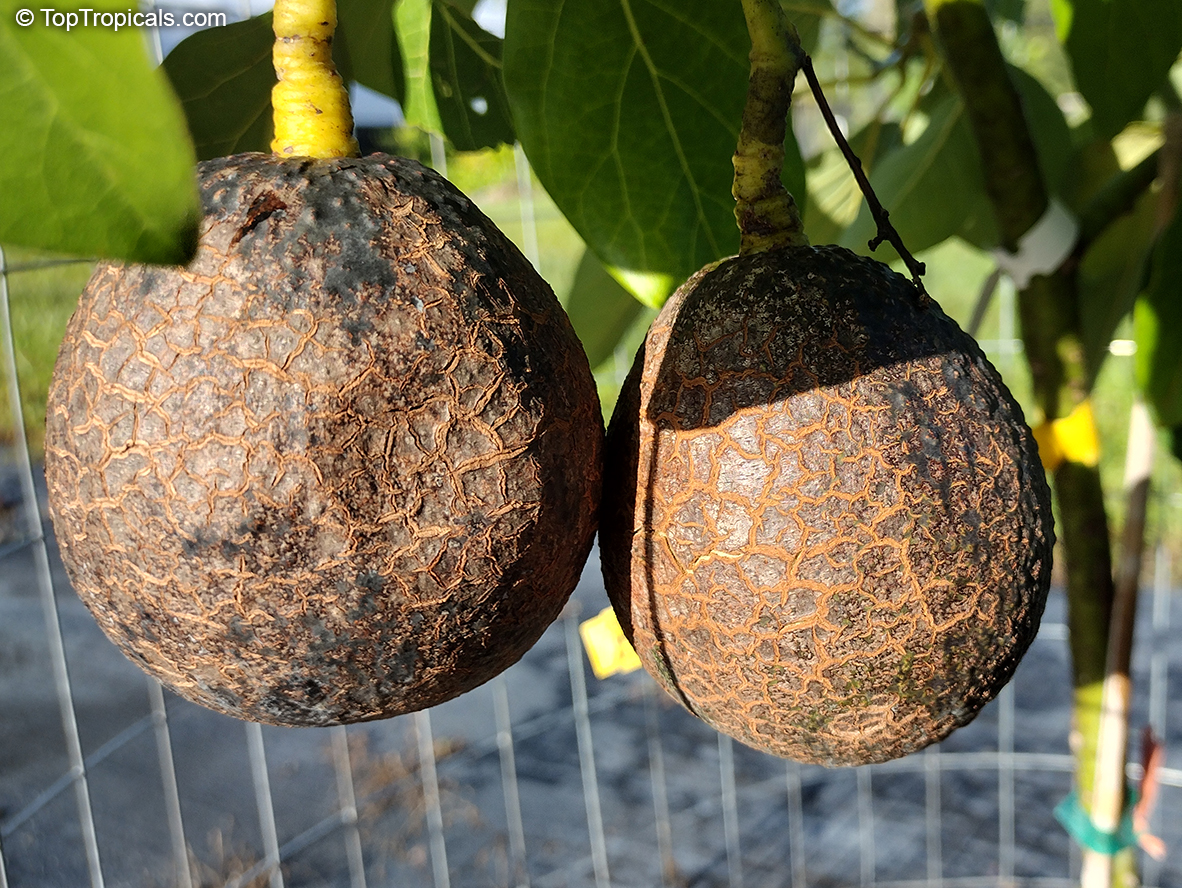
Botanical names: Persea americana, Persea gratissima
Common names: Avocado, Alligator Pear, Aguacate, Abacate
Cultivar: U-La-La
Family: Lauraceae
Origin: Southern Mexico
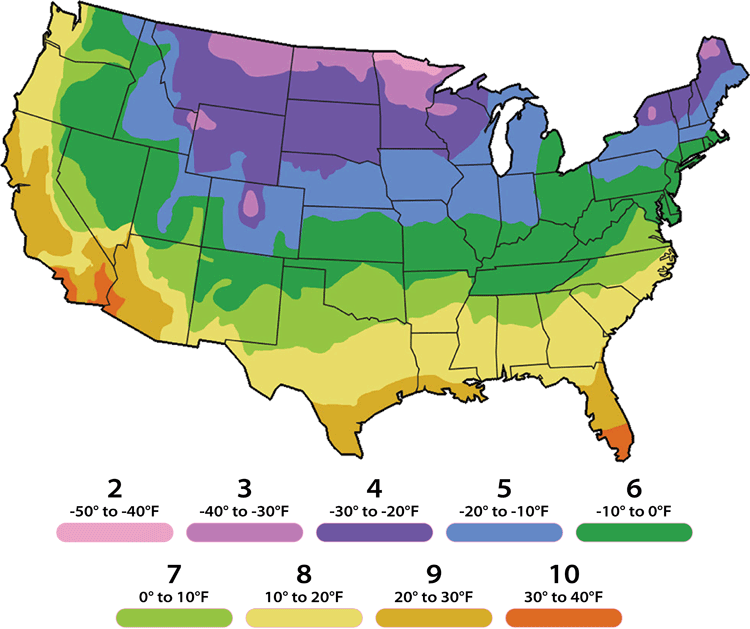
USDA Zone: 9a-11
Cold tolerance: 20°F


Persea americana, the avocado, is an evergreen fruit tree native to southern Mexico and Central America, cultivated for thousands of years and now grown throughout tropical and subtropical regions worldwide. Belonging to the laurel family, it develops into a medium to large tree with a dense canopy of glossy green leaves, reaching 20 to 60 feet depending on climate and rootstock, and remaining productive for decades.
Fruits vary widely in size, shape, skin texture, and color - from smooth green to rough dark-purple - depending on the cultivar. The flesh is rich in healthy oils and prized for its smooth buttery texture. The species is also notable for its unusual flowering biology, with flowers opening in two phases that promote cross-pollination between complementary types.
Cultivars derived from Mexican, Guatemalan, and West Indian genetic backgrounds show considerable variation in fruit quality, harvest season, and cold tolerance. The hardiest Mexican-type selections may survive temperatures near 20F when mature, while many West Indian types sustain damage below 30F. Avocado grows best in full sun with well-drained soil and regular moisture; it is sensitive to prolonged waterlogging. Generally suited to USDA Zones 9b-11. See more about avocado:
Avocado varieties chart.
Avocado variety guide: Snack or Guacamole?
Growing avocadoes in Florida
The Magic of the Avocado
Persea americana 'U-La-La', also known as 'Ooh La La' and marketed by some nurseries as 'Super Hass', is an avocado selection believed to have originated in Louisiana as a chance seedling of the well-known Hass avocado. The original tree reportedly received the name 'Ooh La La' from its owner, while 'Super Hass' was later adopted in nursery trade.
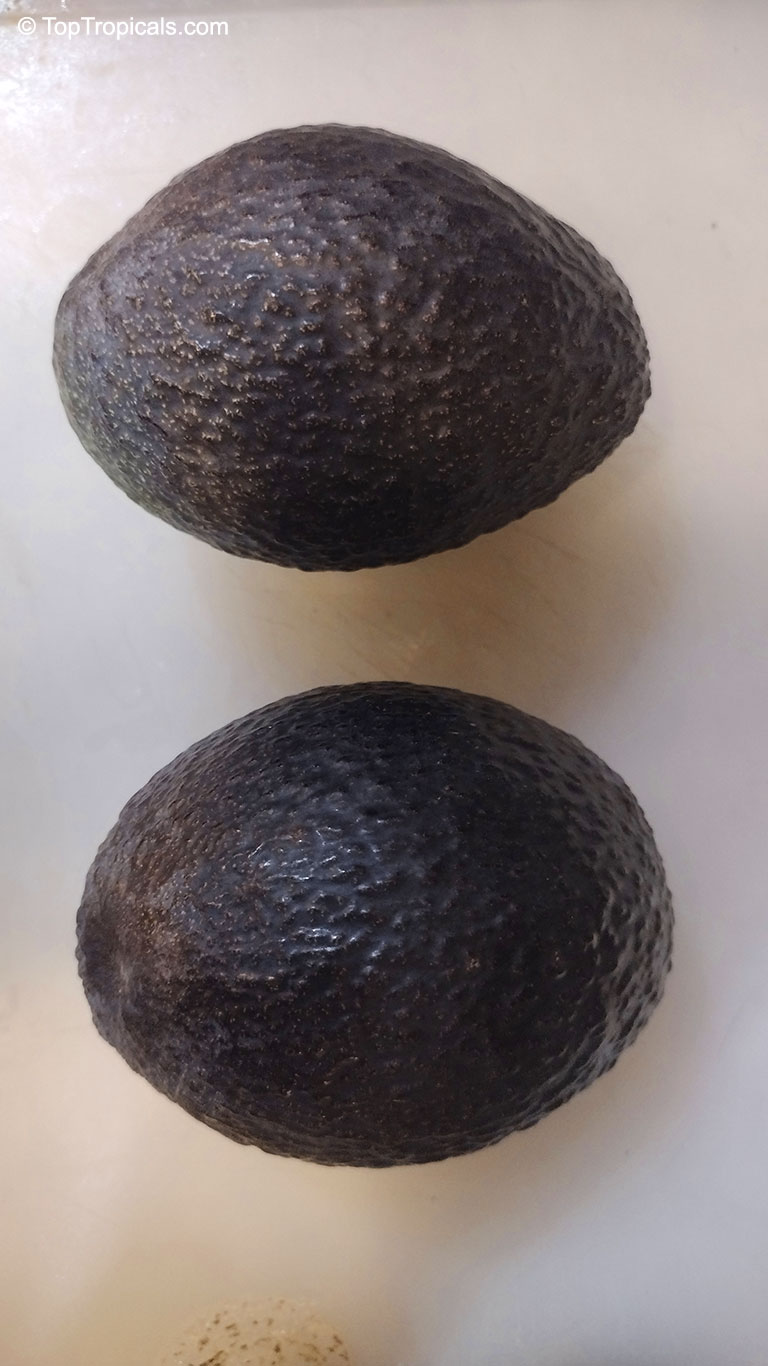
This evergreen tree develops a dense canopy of glossy green leaves and produces dark-skinned fruits with smooth texture, a very small seed, and a high proportion of edible flesh. The flavor is often described as rich and nutty, reminiscent of Hass, though detailed evaluations remain limited.
The cultivar grows best in full sun and well-drained soil with regular moisture during establishment. Like other avocados, it benefits from protection from prolonged waterlogging and severe frost. Suited to USDA Zones 9a-11, it stands out for its notable cold tolerance: established trees have been reported to withstand brief temperature drops to 18F without significant damage - well below the thresholds normally associated with Hass. Observations from Florida growers support this hardiness, although no comprehensive cold-hardiness trials have been published. As a fruiting tree, it combines ornamental appeal with productive yields and is best planted in the ground where ample root space is available.
Taxonomic and historical status. 'U-La-La' does not appear to be formally registered and remains poorly documented in academic and horticultural literature. Most available information derives from nursery descriptions, collector networks, and grower observations rather than formal cultivar documentation.
Related cultivars: Persea americana 'U-La-La' (Avocado)
- Persea americana ''Bernecker''
- Persea americana ''Brogdon''
- Persea americana ''Catalina''
- Persea americana ''Choquette''
- Persea americana ''Day''
- Persea americana ''Fantastic''
- Persea americana ''Fuerte''
- Persea americana ''Hardee Red''
- Persea americana ''Joey''
- Persea americana ''Marcus Pumpkin''
Similar plants: Persea americana 'U-La-La' (Avocado)