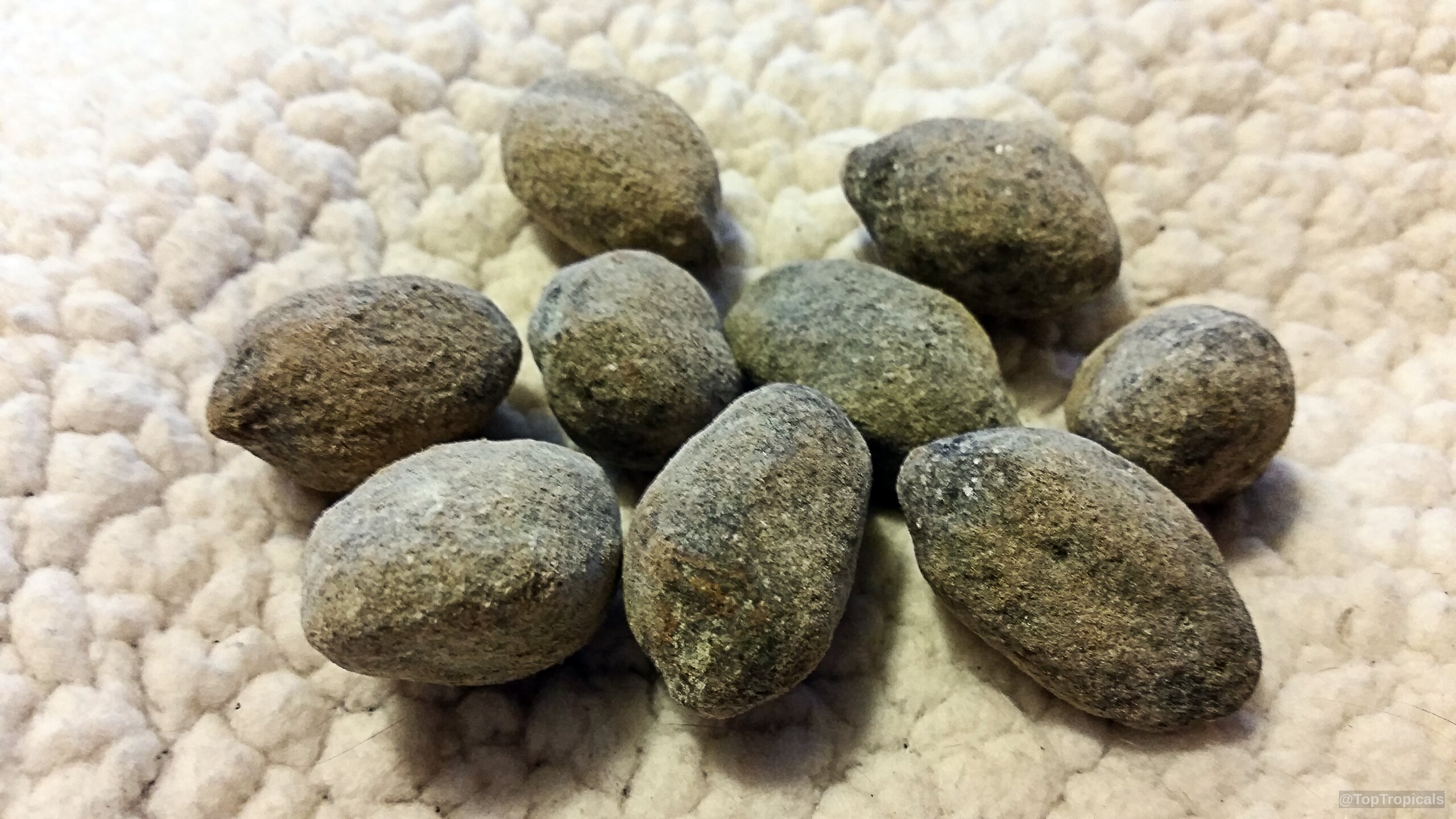
Parinari curatellifolia (Mupundu)
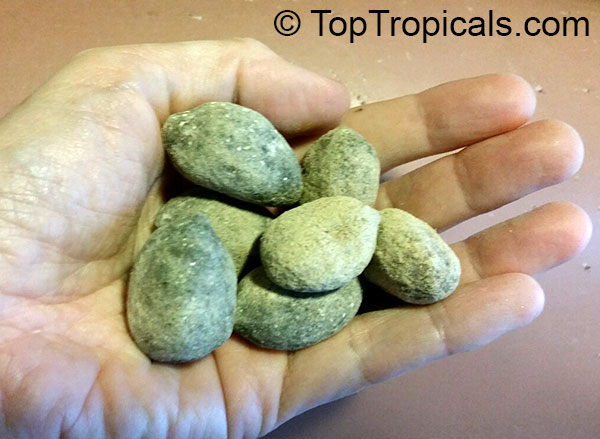
Botanical name: Parinari curatellifolia
Common names: Mupundu, Mobola Plum, Parinari
Family: Chrysobalanaceae
Origin: West Africa
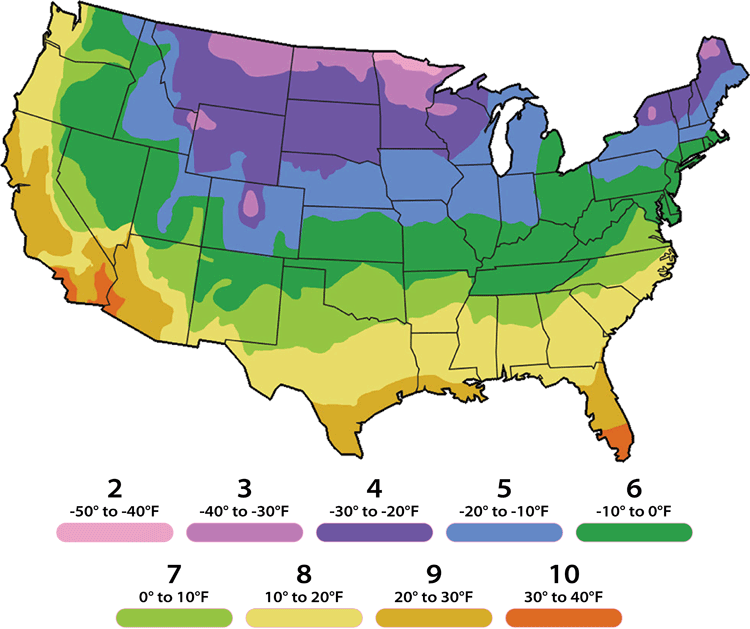
USDA Zone: 10-12
 Plant form: Large tree
 Mature height: 20 ft or more
 Sun exposure: Full sun or bright light indoor
 Cold tolerance: Frost sensitive. Protect from freezing.
 Watering: Moderate
 Suitable for: Outdoors in the suitable USDA zone; large gardens
 Ethnomedical: Ethnomedical plant, traditionally used in folk or indigenous medicine
Parinari curatellifolia is an evergreen tropical tree of Africa, found in various kinds of deciduous woodland most frequently in poorly drained areas and inland at moderate altitudes. It is also known as Mupundu or Mobola Plum after the fruit, which is considered tasty and causes the tree to be spared when woodland is cleared for cultivation.
It grows in the Guinea Savanna region of West Africa from Senegal across to Chad and then in seasonal woodland across the Equator through Kenya and the eastern side of the continent in deciduous Miombo woodland inland to Zambia and Zimbabwe.
A traditional food plant in Africa, this little-known fruit has potential to improve nutrition, boost food security, foster rural development and support sustainable landcare. The main value of the tree is the delicious fruit, which appears early in the dry season and can be harvested over 3 or more months. It is used a snack and the kernel has a high oil content. The crushed pulp of the fruit is an ingredient in drinks and since it ferments well, is often used to make alcoholic drinks as well.