Hibiscus cannabinus (Kenaf)
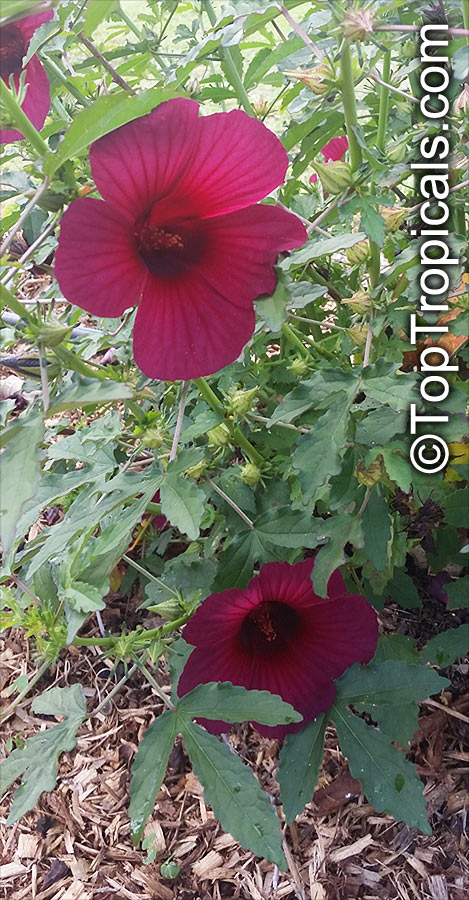
Botanical name: Hibiscus cannabinus
Common names: Kenaf, Java Jute
Family: Malvaceae
Origin: Africa
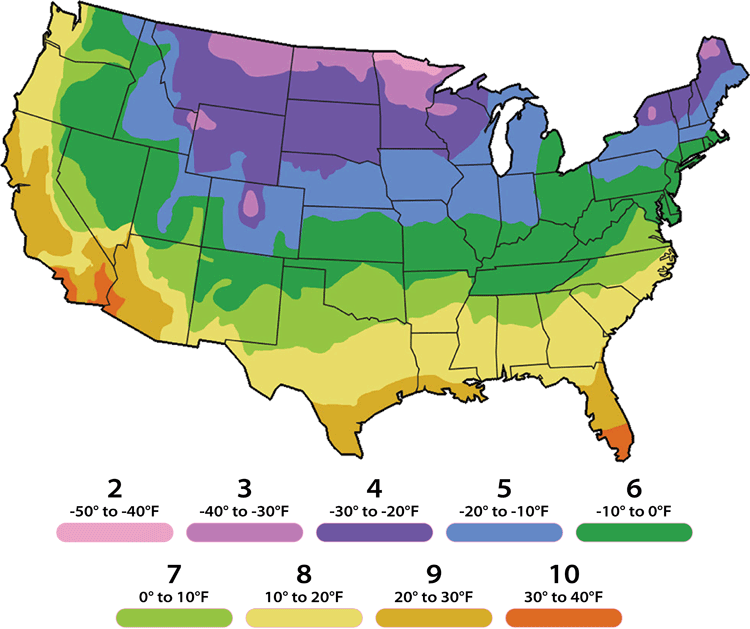
USDA Zone: 9-11
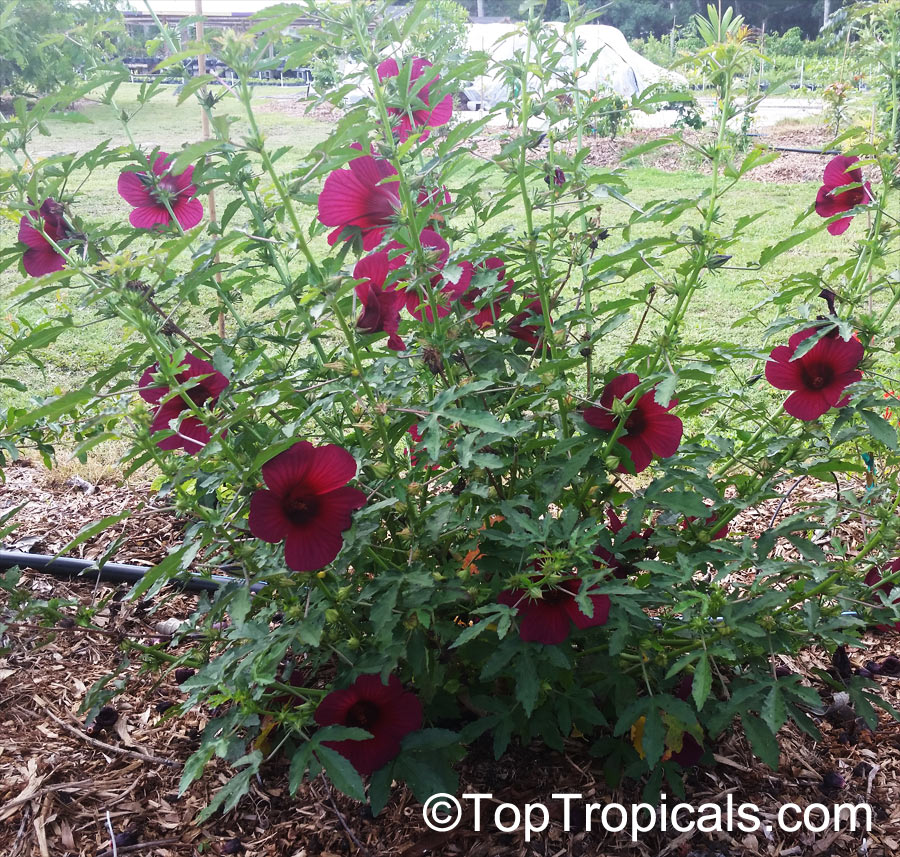
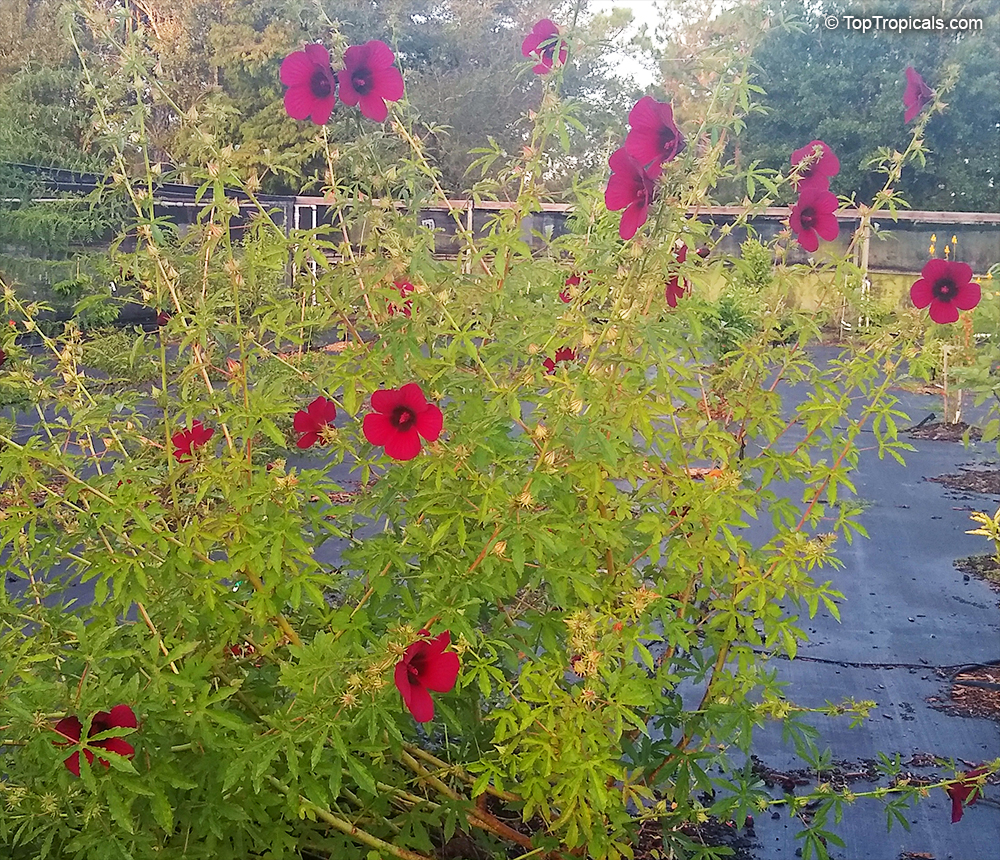
 Plant form: Large bush
 Mature height: 5-10 ft
 Sun exposure: Semi-shade
 Cold tolerance: Tolerates light freezing to about 30°F for short periods (mature plants). Young plants must be protected.
 Watering: Moderate

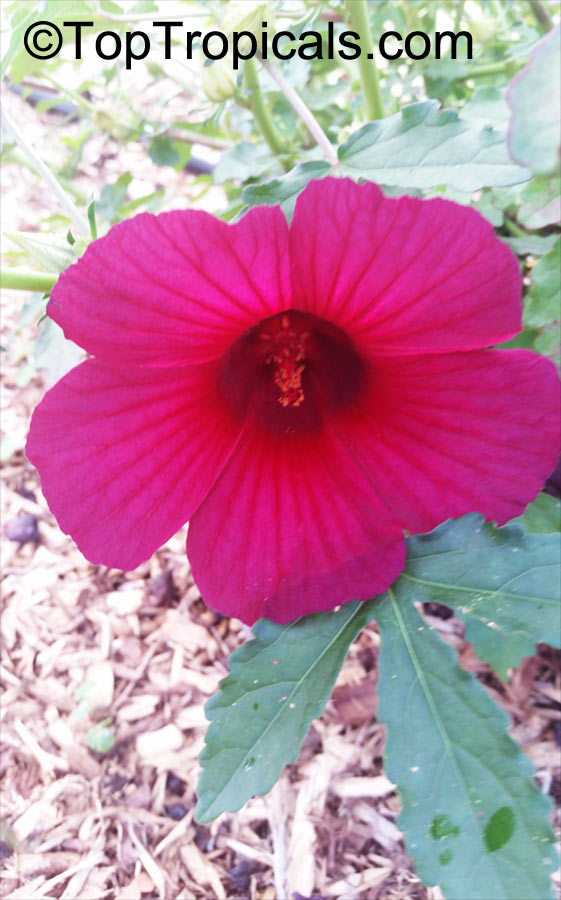
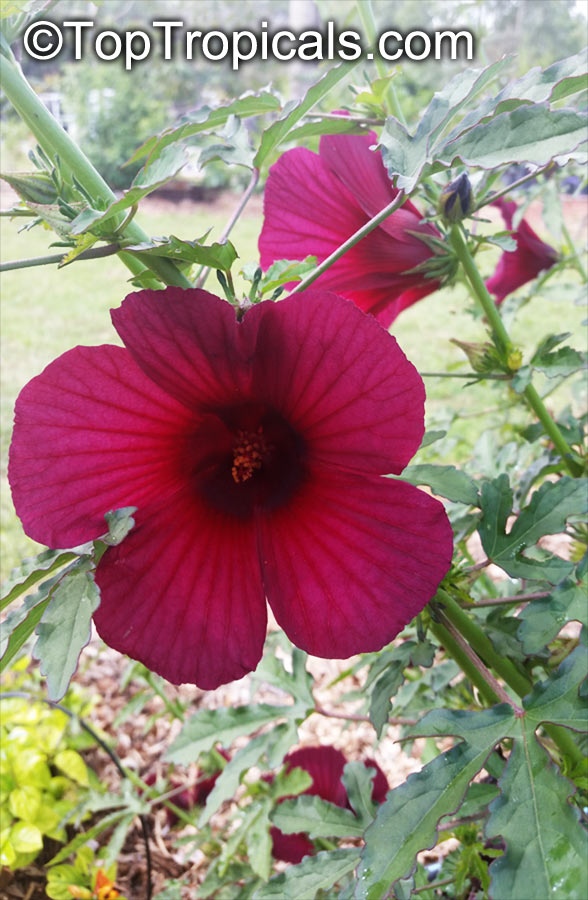
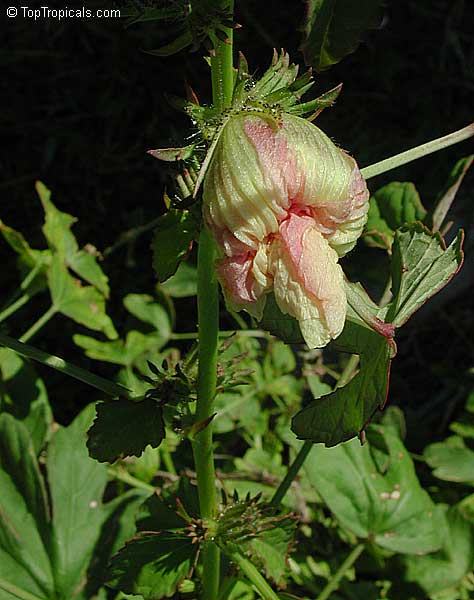
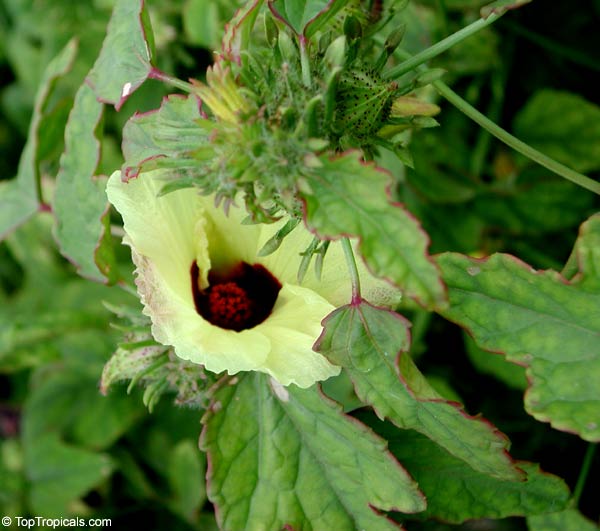
 Flower color: White and off-white; red, crimson, vinous; yellow, orange
 Suitable for: Outdoors in the suitable USDA zone; small gardens, containers, and indoor growing
 Ethnomedical: Ethnomedical plant, traditionally used in folk or indigenous medicine
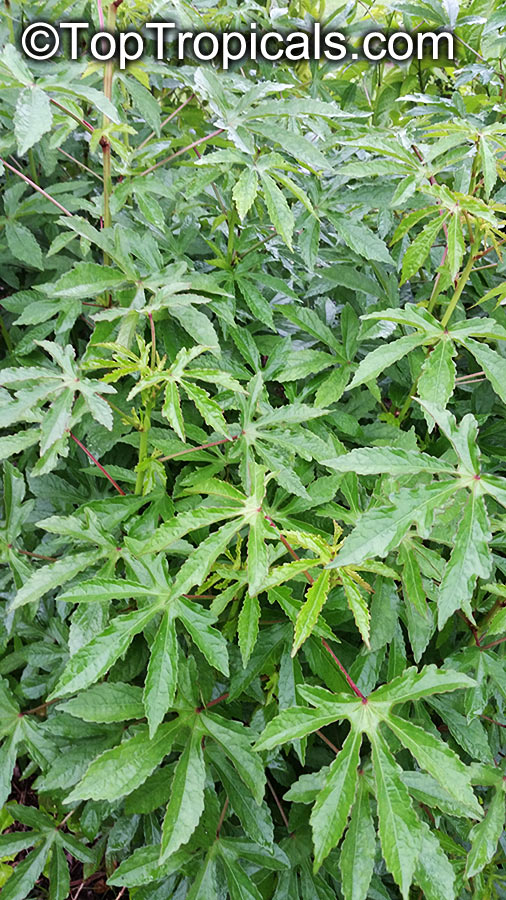
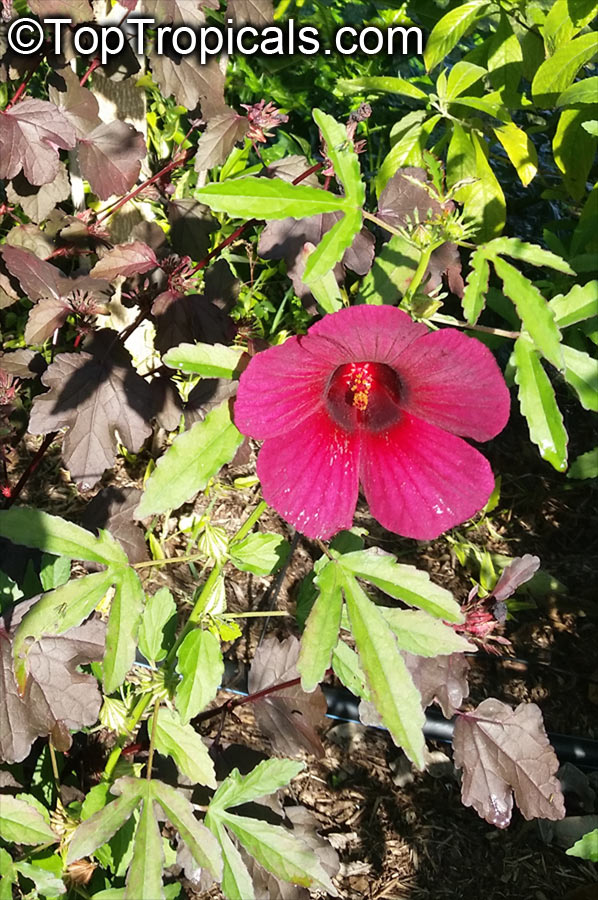
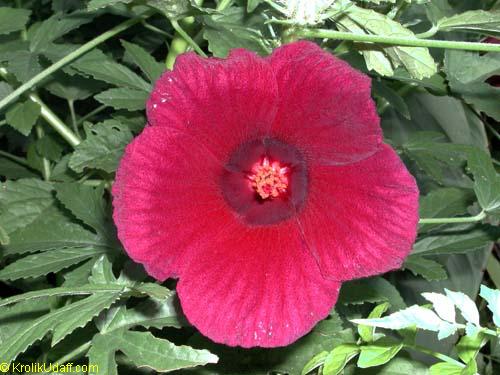
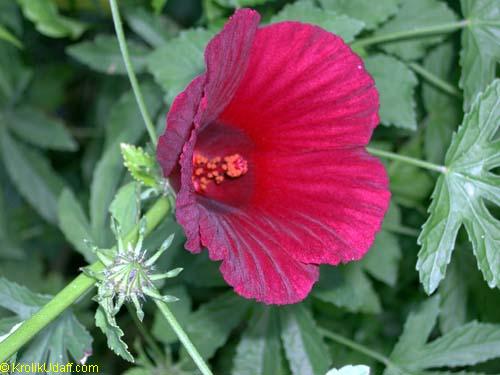
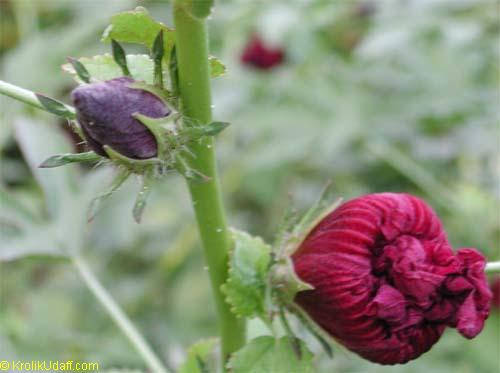
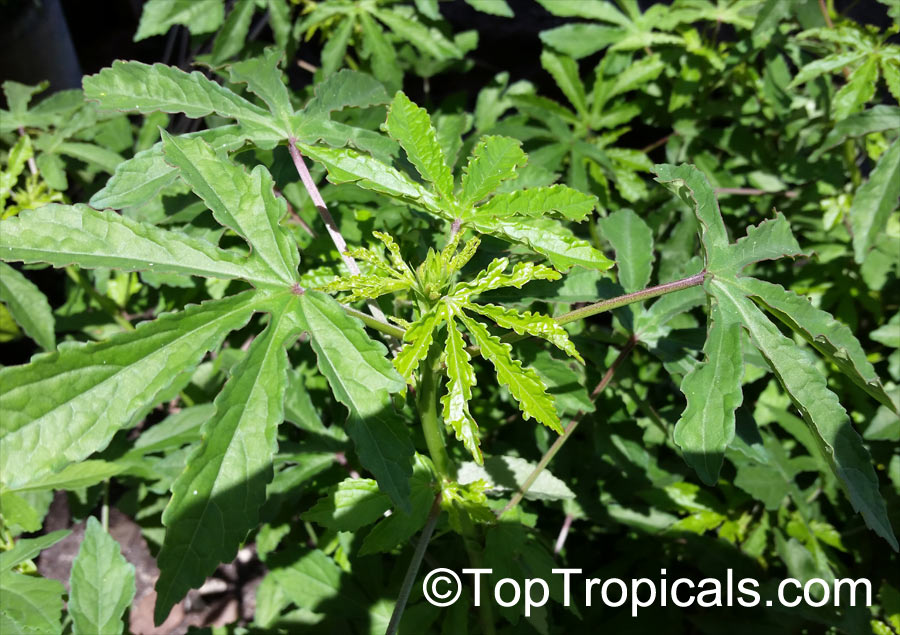
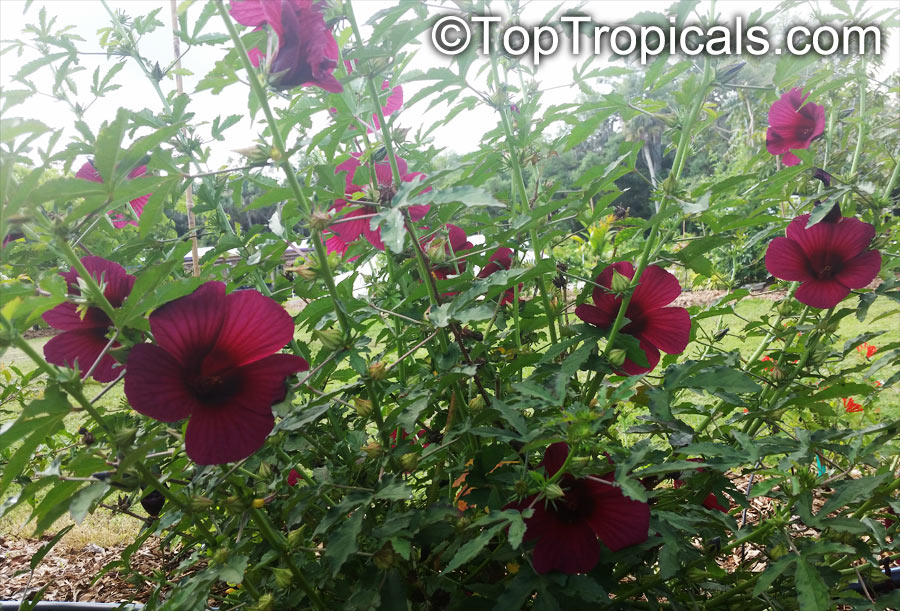
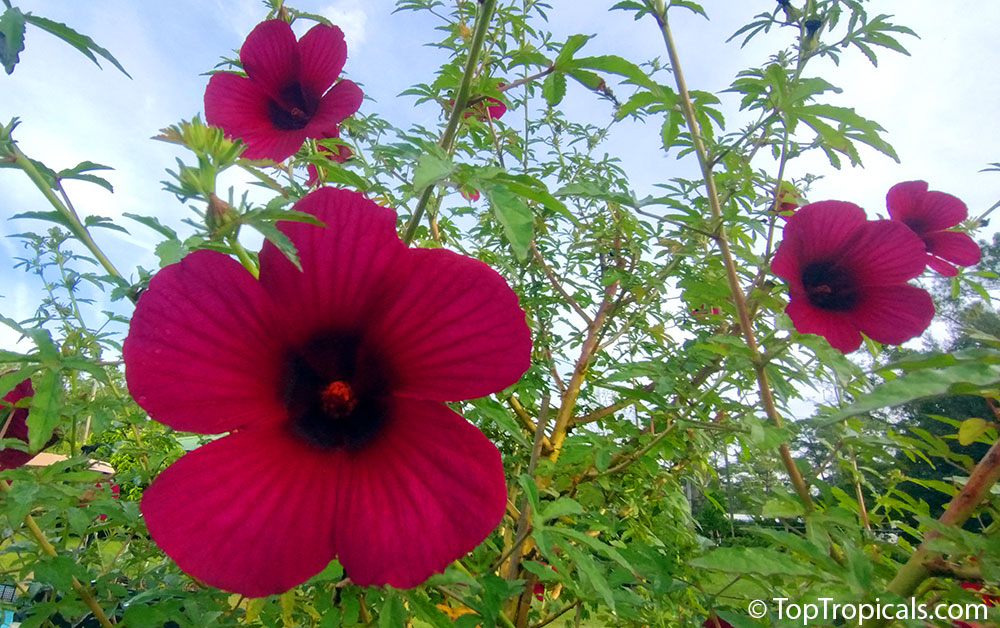
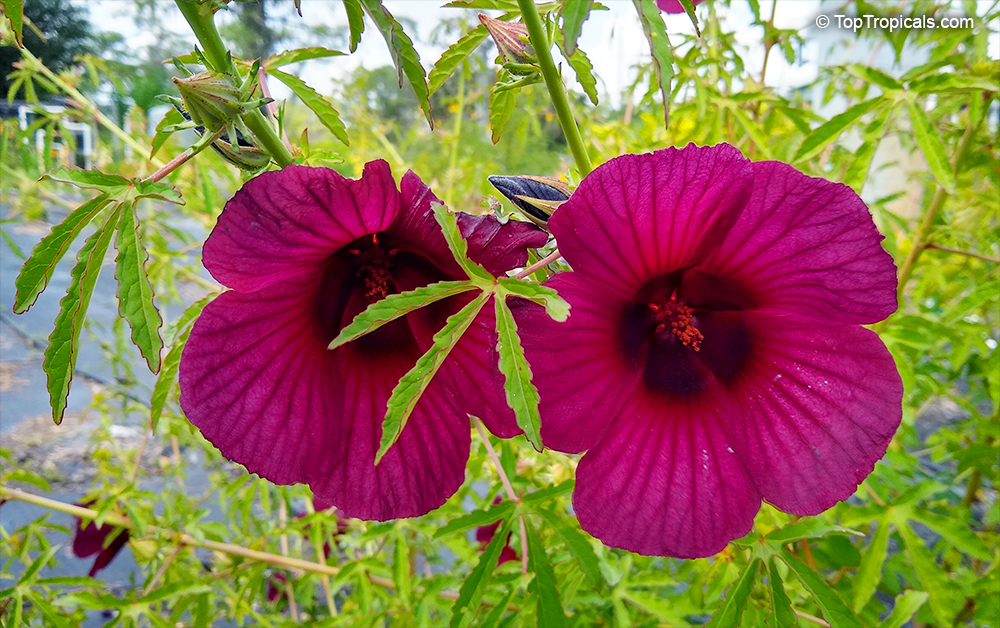
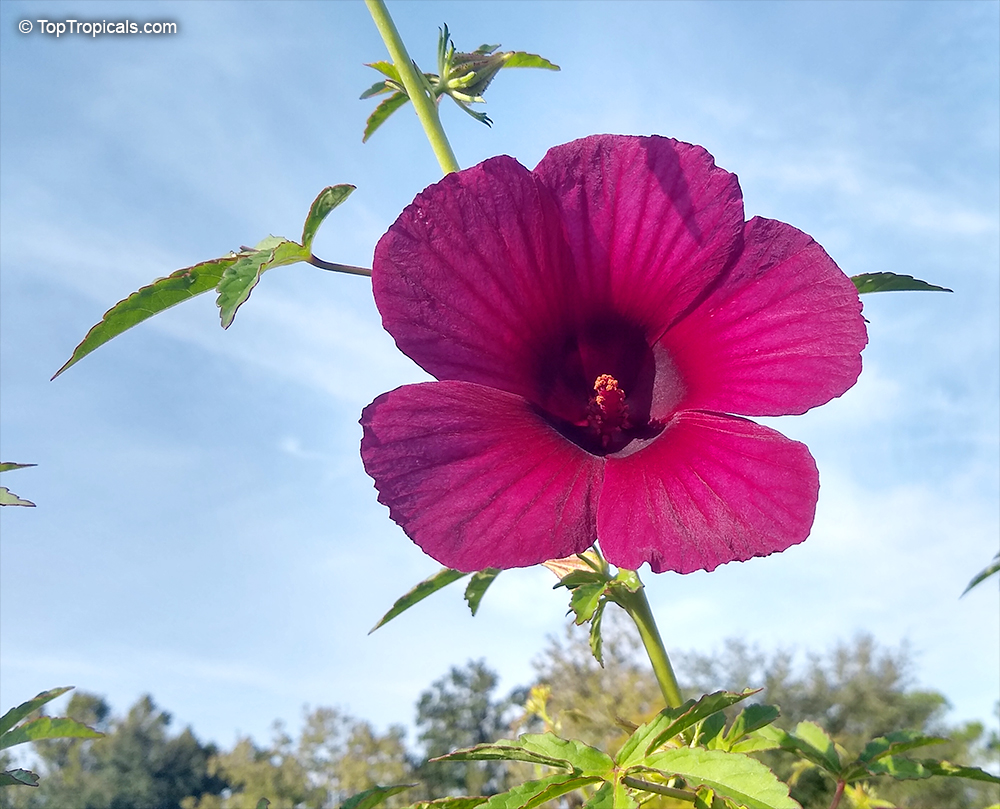
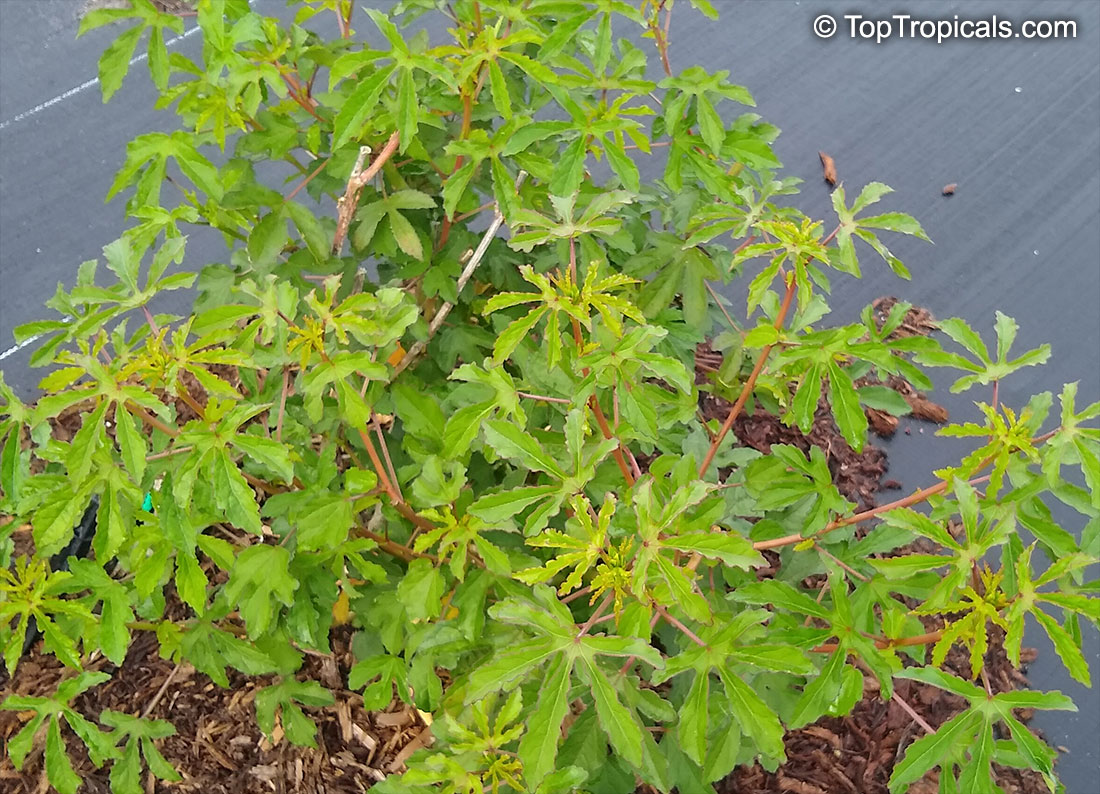
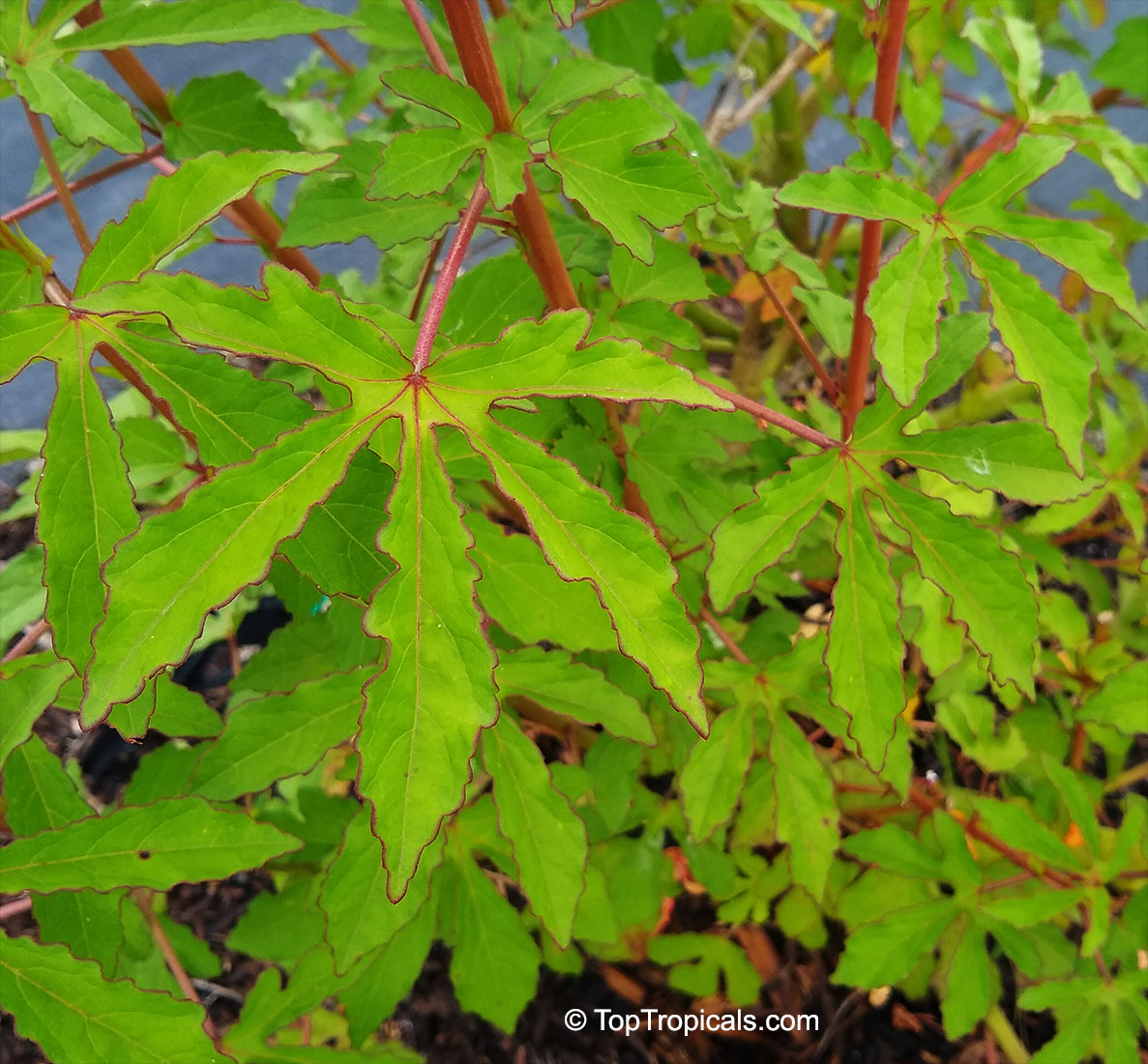
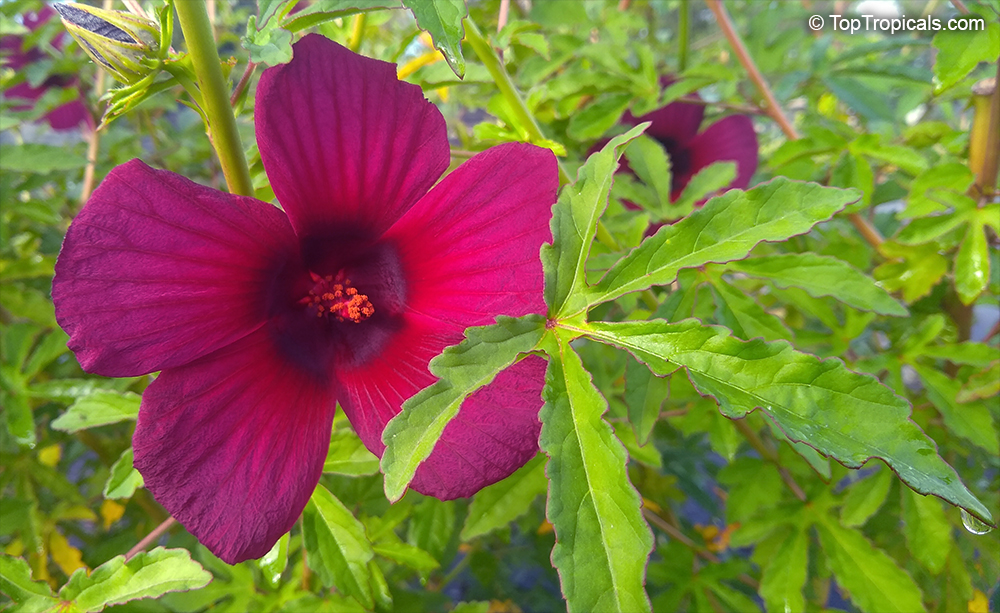
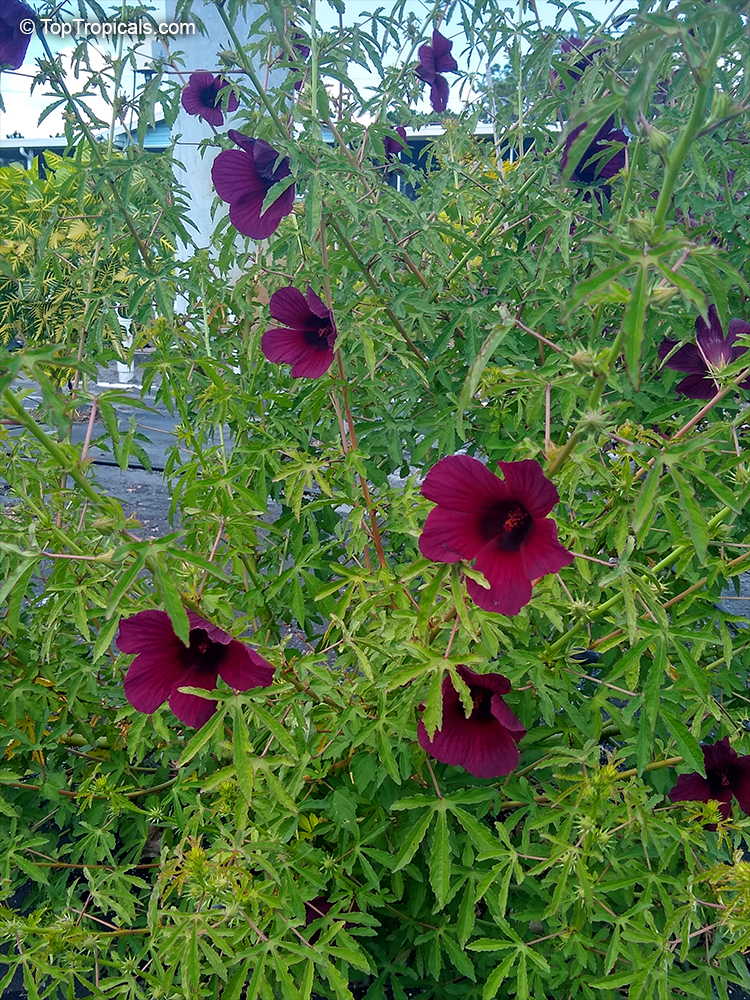
Hibiscus cannabinus grows beautiful palmate leaves. It produces very beautiful dark red, almost purple flowers. The common name applies to the fibre obtained from this plant.The leaves and roots are edible, and they are used along with the seeds in herbal medicine for the treatment of coughs.Similar species - Hibiscus furcellatus.
Kenaf seeds yield an edible vegetable oil.
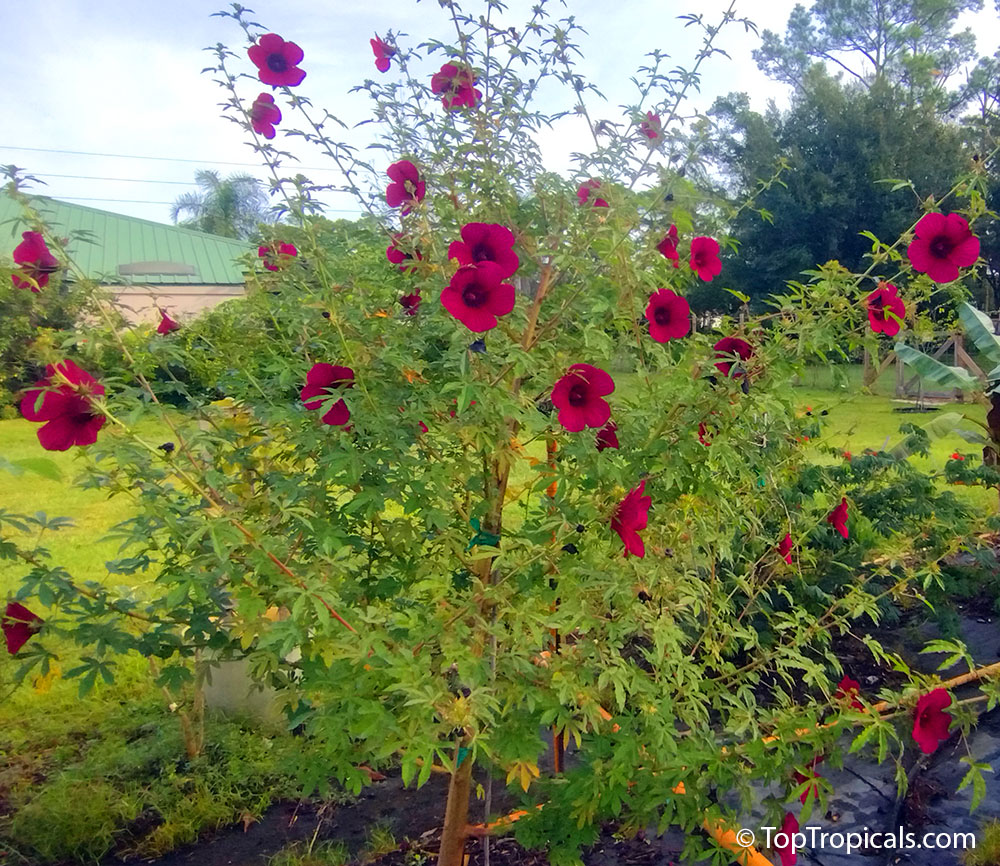
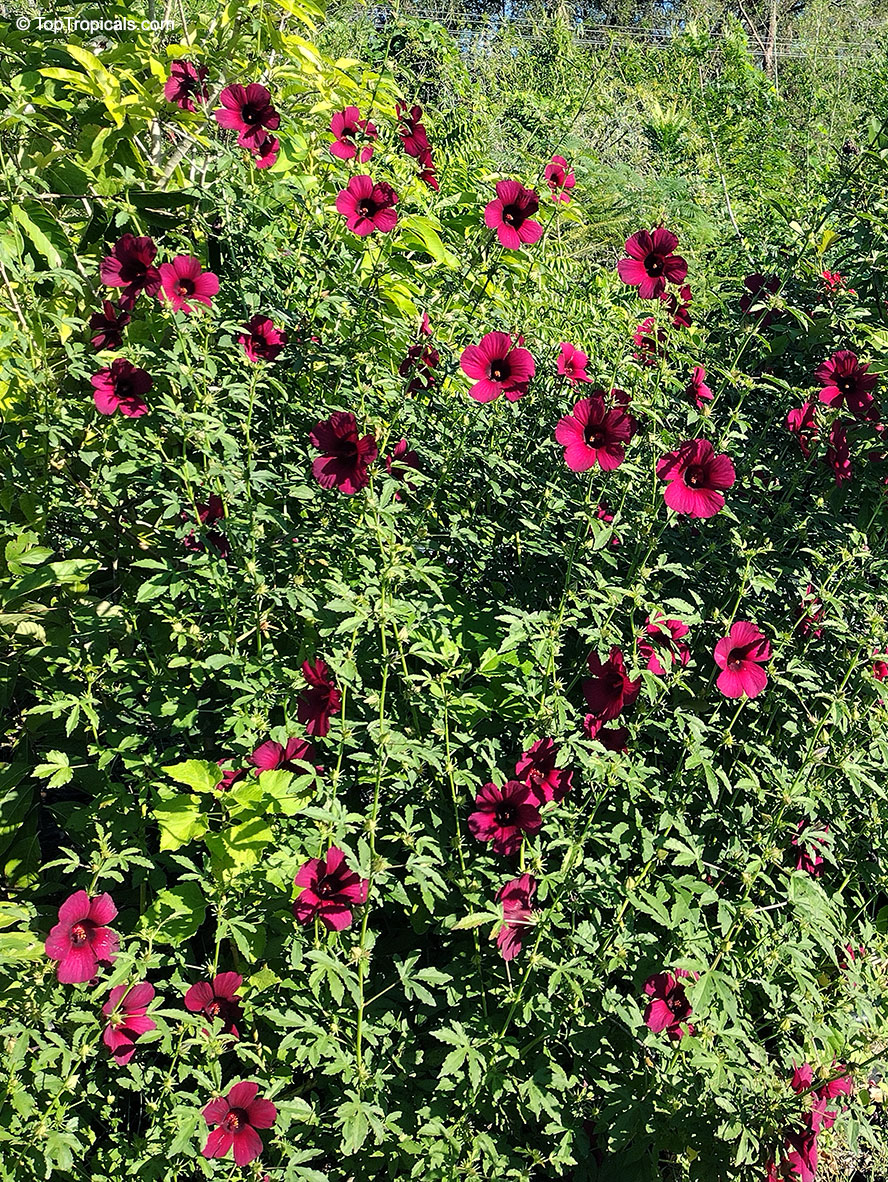
Very fast growing, forms a large bush in one season. Tolerates dry conditions. Grow your edible landscape in no time!
With proper care and protection, this plant can provide a striking display of color and texture in the garden year after year.
Trimming is beneficial to keep a compact and bushy shape.
This species is often confused with H. furcellatus and sometimes offered in trade under that name.
Learn more about edible hibiscus: Most useful Hibiscus plants.
Similar plants: Hibiscus cannabinus (Kenaf)
- Abelmoschus esculentus (Okra)
- Abelmoschus moschatus (Musk Mallow)
- Alyogyne hakeifolia (Red-centred Hibiscus)
- Alyogyne huegelii (Blue Hibiscus)
- Hibiscus acetosella (African Rosemallow)
- Hibiscus arnottianus (Hawaiian White Hibiscus)
- Hibiscus coccineus (Scarlet Hibiscus)
- Hibiscus El Capitolio Group ''Bloody Mary'' (Bloody Mary Hibiscus)
- Hibiscus El Capitolio Group ''Tequila Sunrise'' (Tequila Sunrise Hibiscus)
- Hibiscus elatus (Mahoe)

With proper care and protection, this plant can provide a striking display of color and texture in the garden year after year.
This species is often confused with H. furcellatus and sometimes offered in trade under that name.
Learn more about edible hibiscus: Most useful Hibiscus plants.
Recommended Fertilizer: SUNSHINE Megaflor - Bloom Nutrition Booster