Ficus superba (Sea Fig)

Botanical name: Ficus superba
Common name: Sea Fig
Family: Moraceae
Origin: Southeast Asia
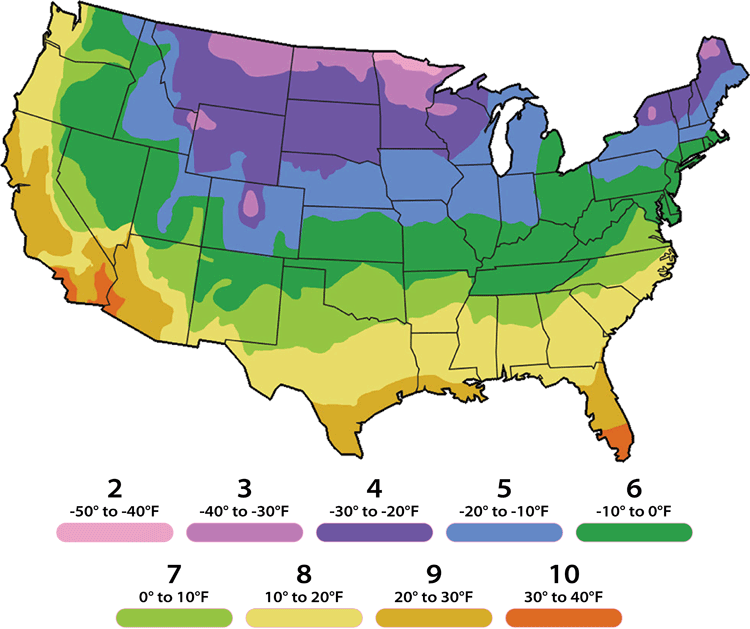
USDA Zone: 10-11

 Plant form: Large tree; suitable for bonsai
 Mature height: 20 ft or more
 Sun exposure: Full sun or bright light indoor; semi-shade
 Cold tolerance: Frost sensitive. Protect from freezing.
 Watering: Regular
 Suitable for: Outdoors in the suitable USDA zone; large gardens
Ficus superba, sometimes called Sea Fig, is a large evergreen to briefly deciduous tree in the Moraceae family, native across tropical and subtropical Asia to northern Australia and parts of the western Pacific. It commonly develops a broad spreading crown and may reach 50-100 ft (15-30 m) or more under favorable conditions. The smooth, elliptic to oblong leaves are carried on slender twigs. Rounded figs may be produced abundantly on twigs and older branches, sometimes forming dense clusters, and vary in color from pale green or creamy white to pinkish, reddish, purple, or darker shades depending on maturity and form. Like other figs, its flowers are hidden inside the syconium and are pollinated by specialized fig wasps.
Ficus superba grows best in full sun to light shade and fertile, well-drained soil with regular moisture, but established trees tolerate seasonal dry periods. It is primarily suited to USDA Zones 10-11 and should be protected from frost when young. Because of its eventual size and vigorous root system, it needs ample space and is best suited to parks, large tropical gardens, and spacious landscapes. Young plants can be container-grown but eventually become too large for ordinary indoor cultivation.
Similar plants: Ficus superba (Sea Fig)
- Ficus abutilifolia (Large-leaved Rock Fig)
- Ficus altissima (Council Tree)
- Ficus aspera (Variegated Clown Fig)
- Ficus auriculata (Elephant ear fig tree)
- Ficus benghalensis (Banyan Tree)
- Ficus benjamina (Benjamin Fig)
- Ficus brusii (Highland breadfruit)
- Ficus capensis (Broom Cluster fig)
- Ficus carica (Fig Tree)
- Ficus citrifolia (Shortleaf Fig)
