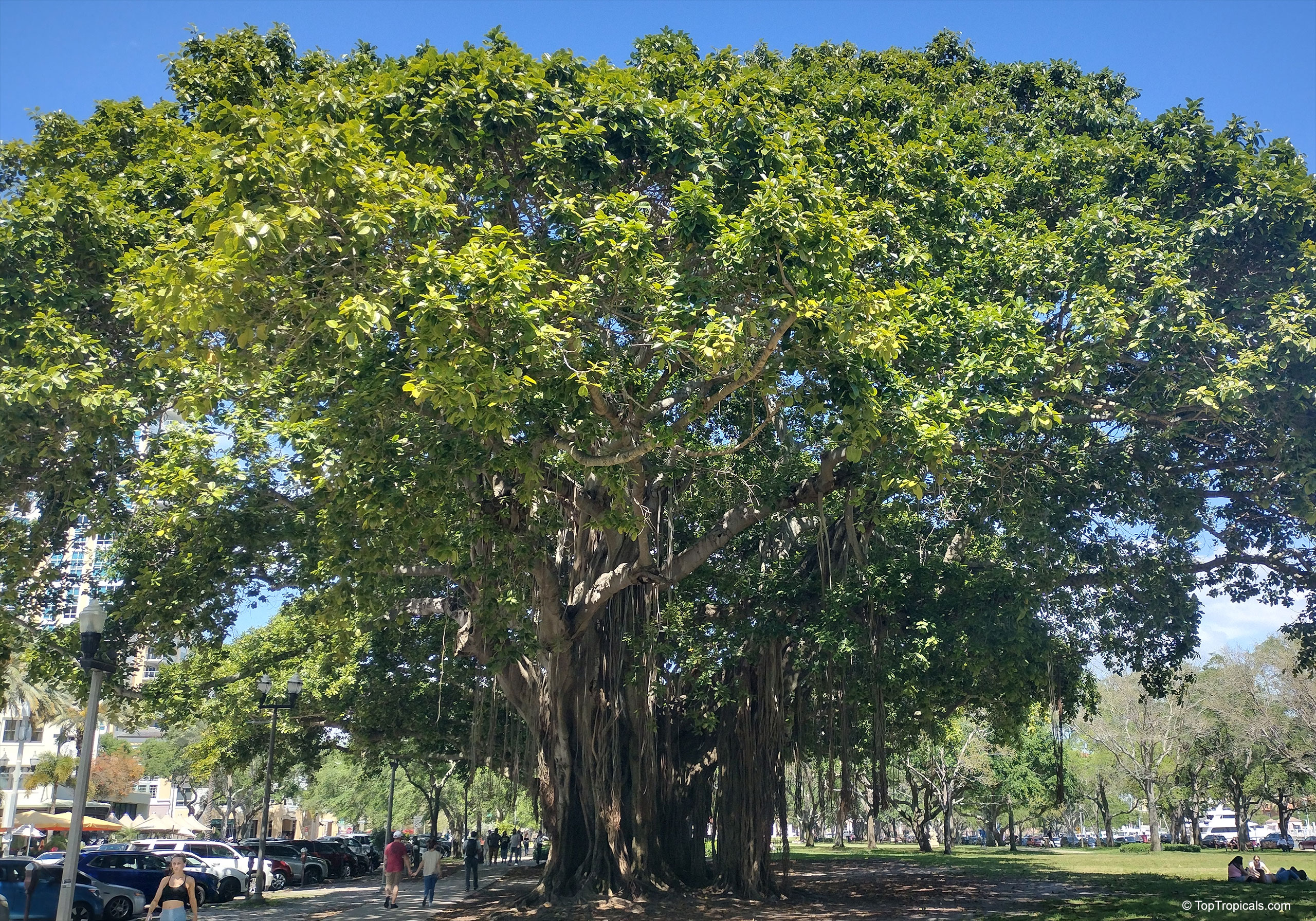
Ficus benghalensis (Banyan Tree)
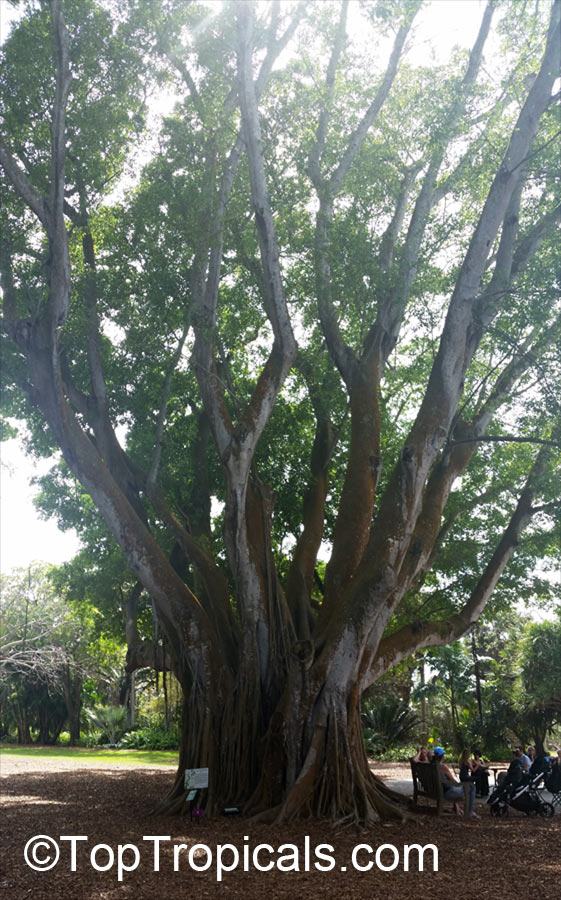
Botanical names: Ficus benghalensis, Ficus indica
Common name: Banyan Tree
Family: Moraceae
Origin: South Asia
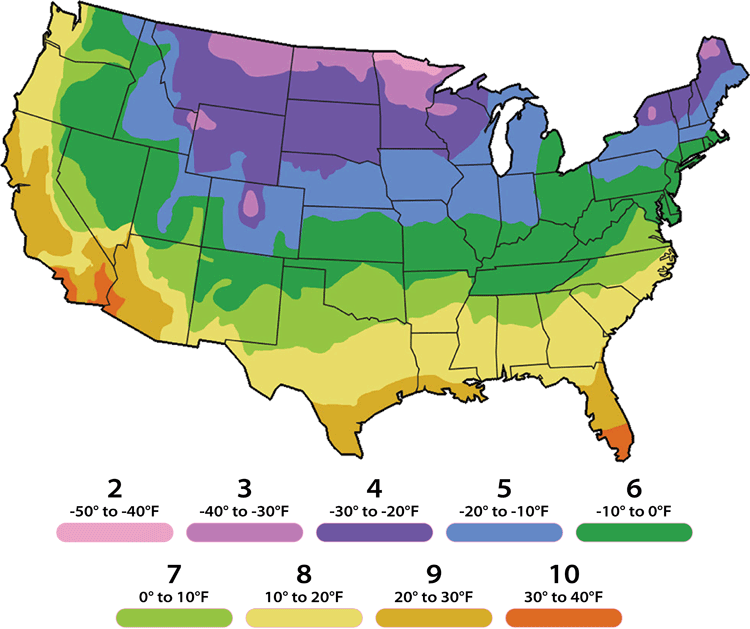
USDA Zone: 10b-11
 Plant form: Large tree
 Mature height: 20 ft or more
 Sun exposure: Full sun or bright light indoor; semi-shade
 Cold tolerance: Frost sensitive. Protect from freezing.
 Watering: Moderate
 Suitable for: Outdoors in the suitable USDA zone; large gardens
 Ethnomedical: Ethnomedical plant, traditionally used in folk or indigenous medicine
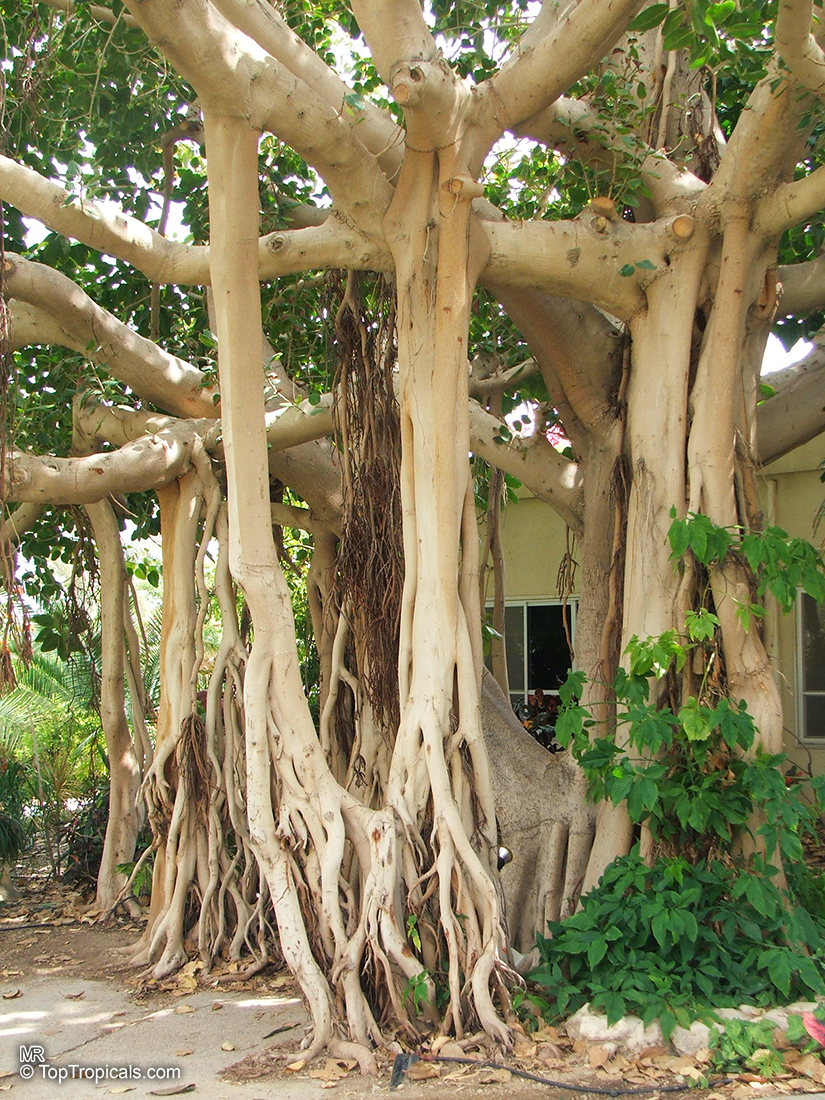
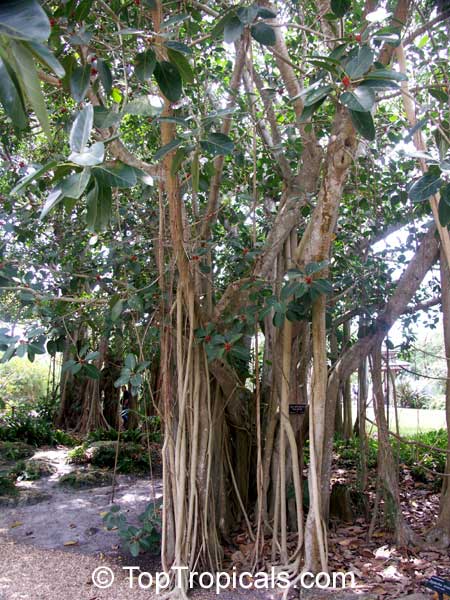
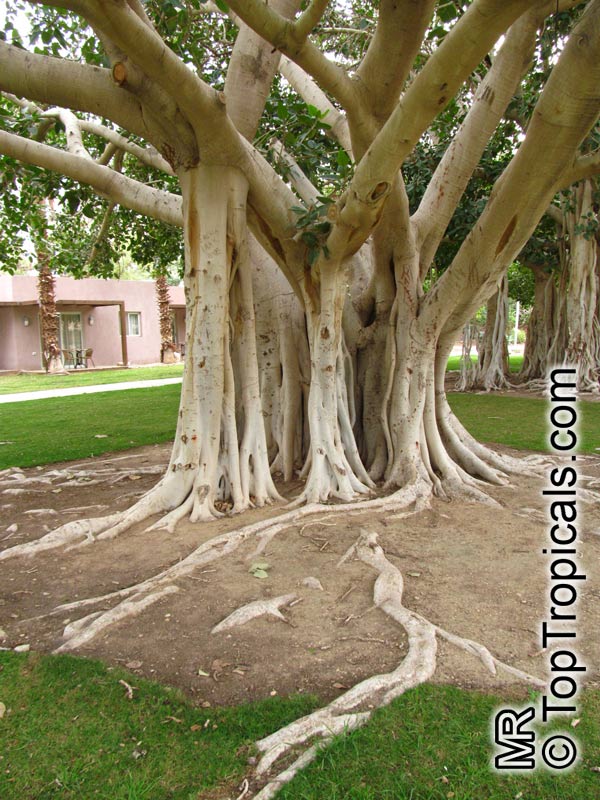
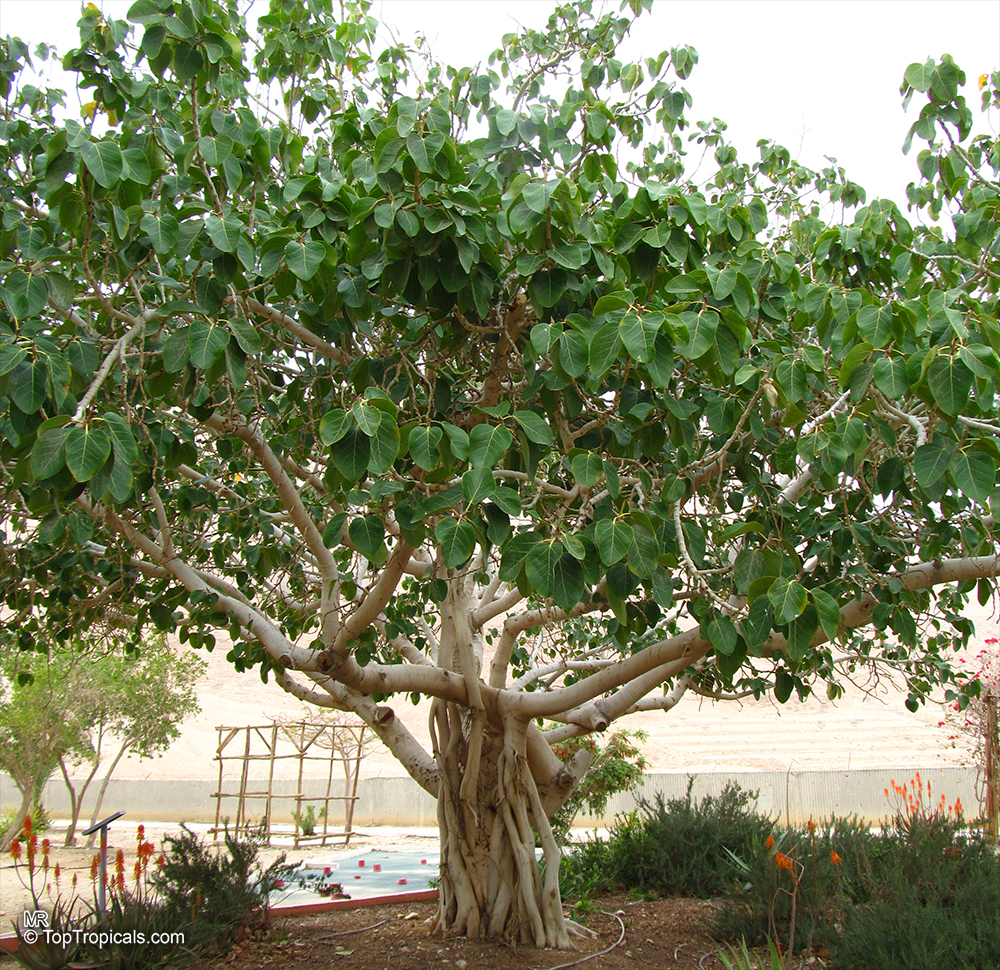
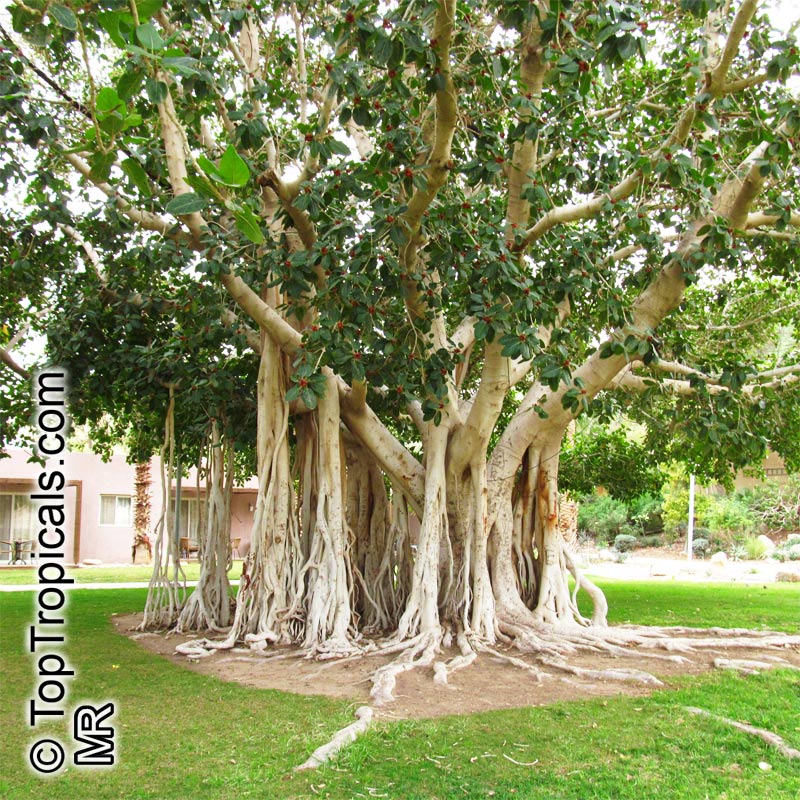
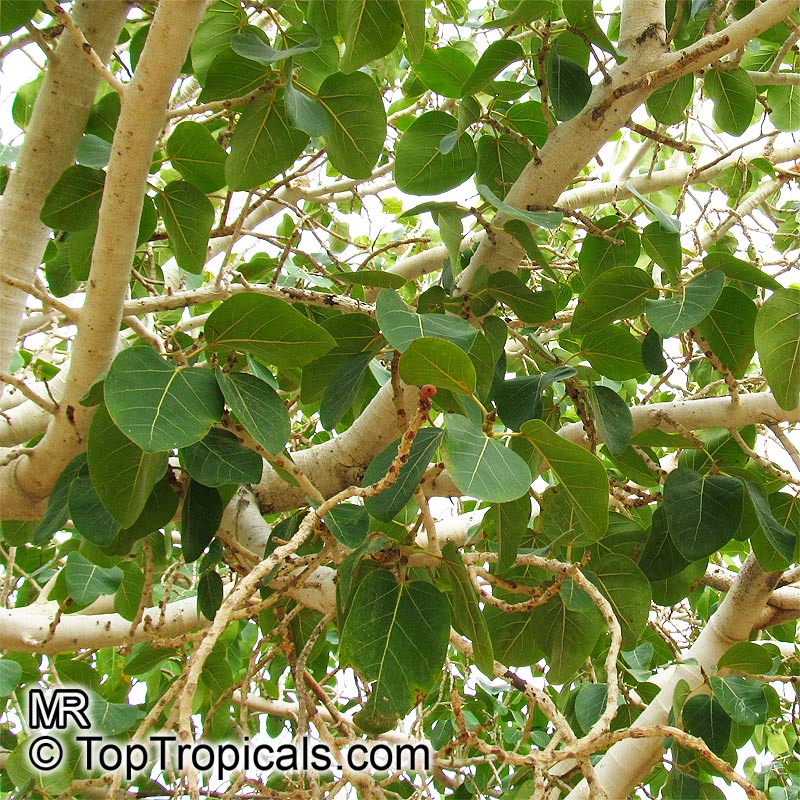
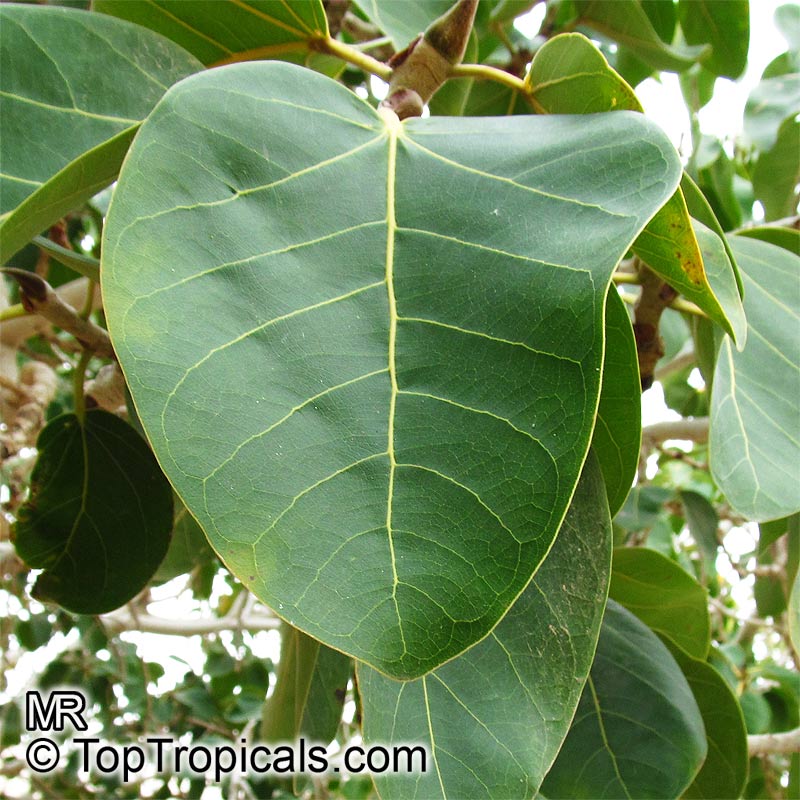
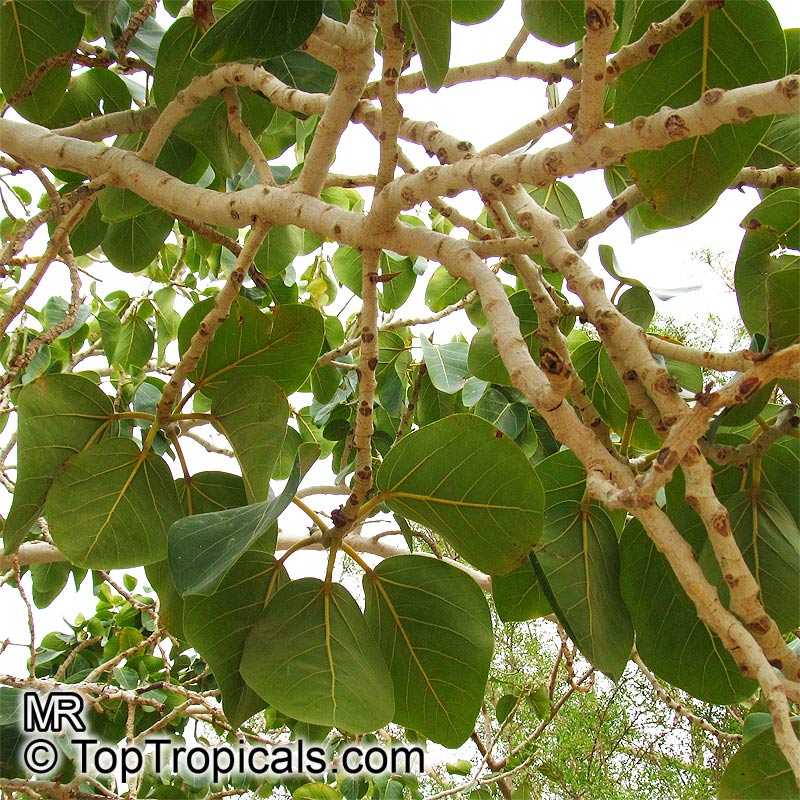
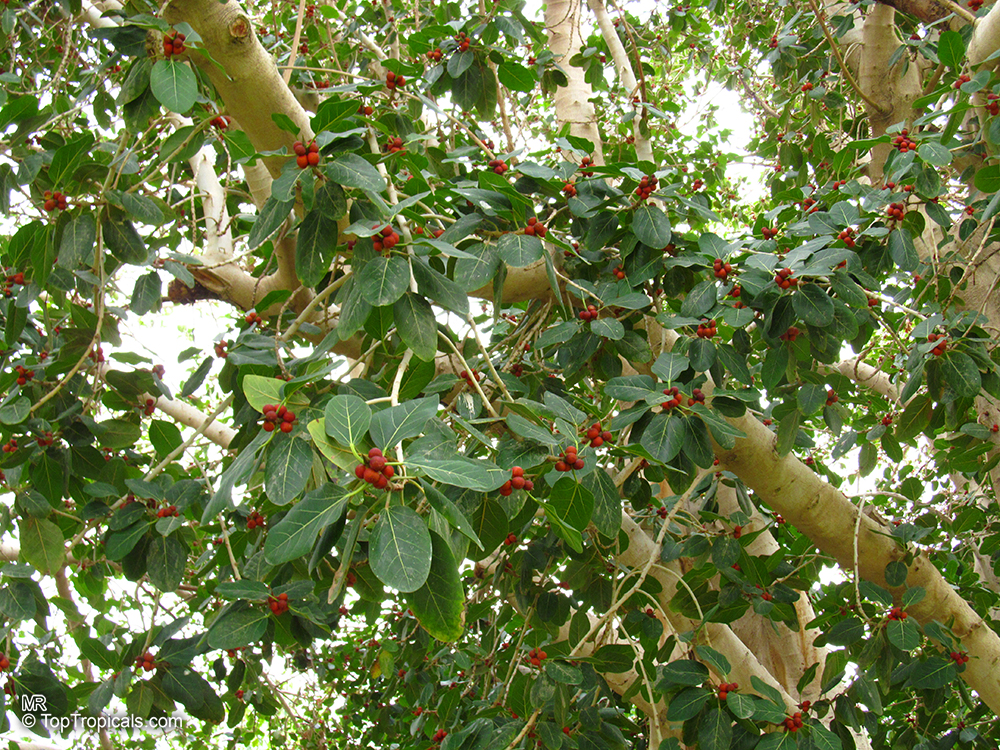
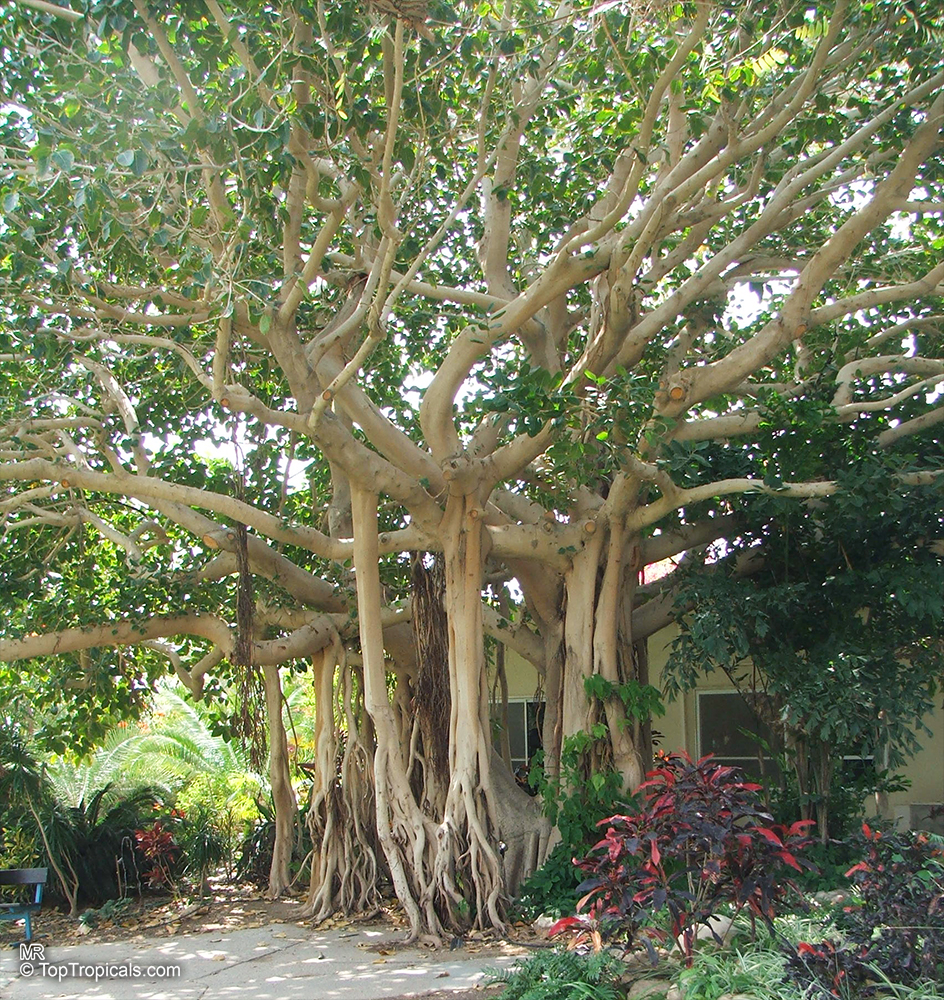
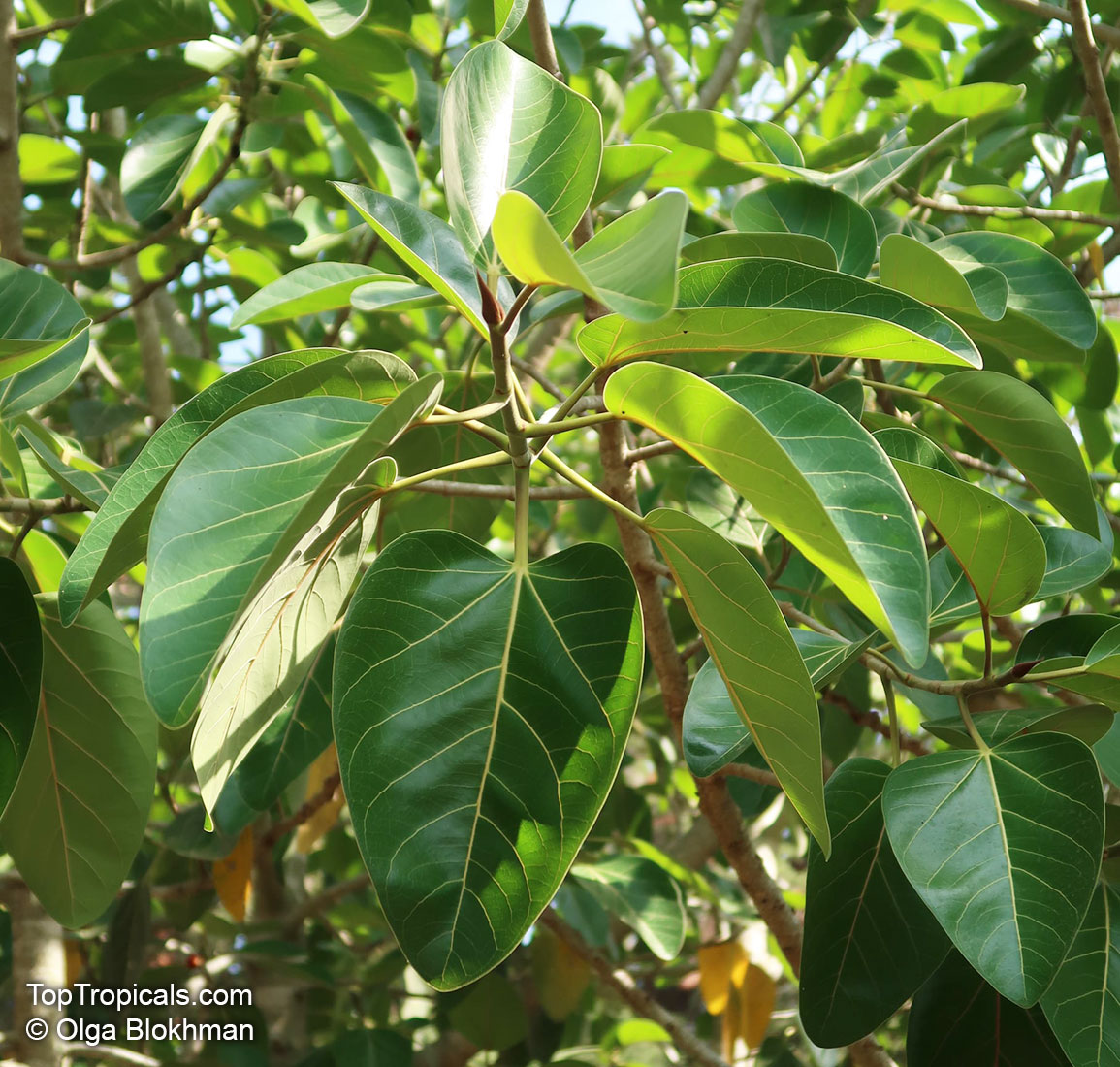
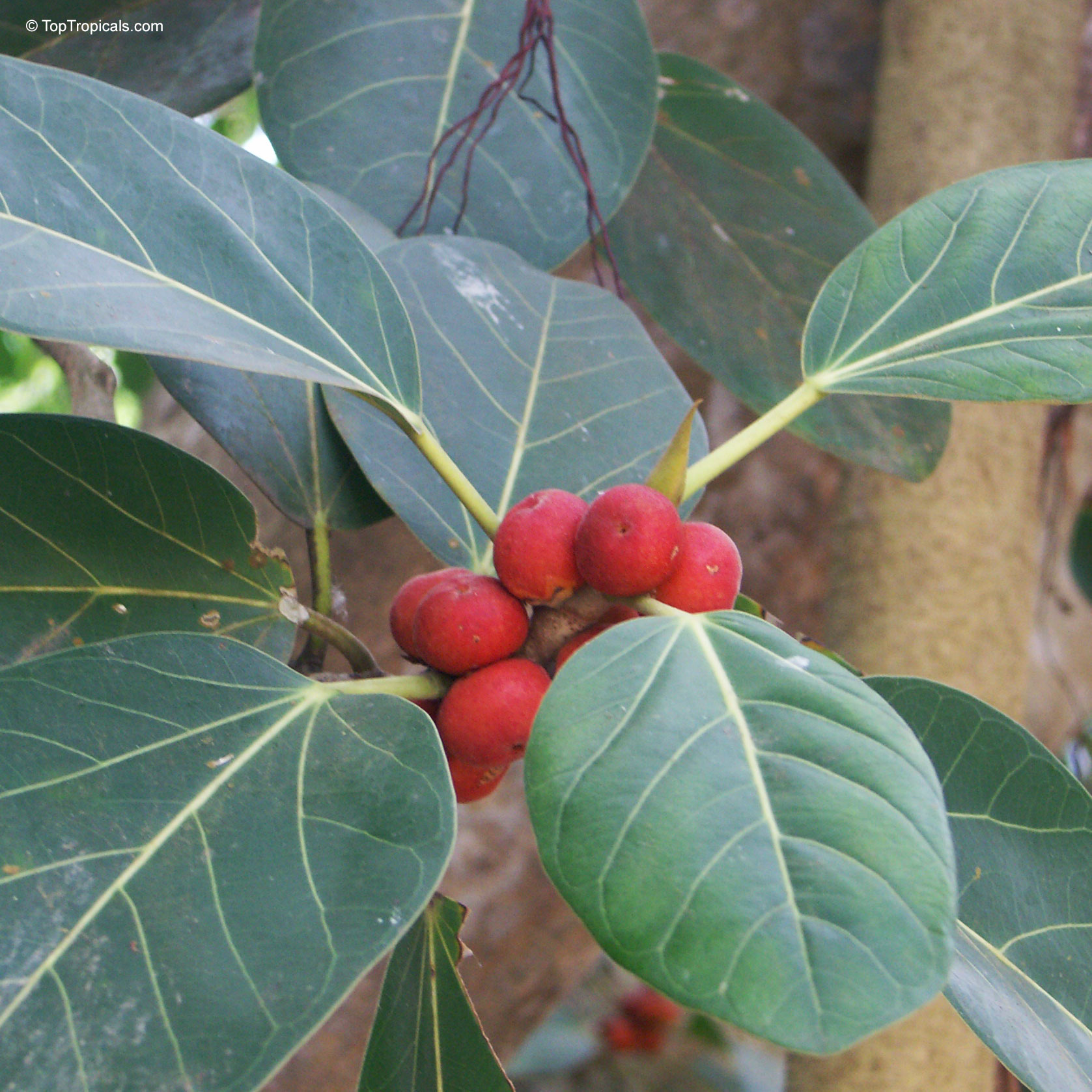
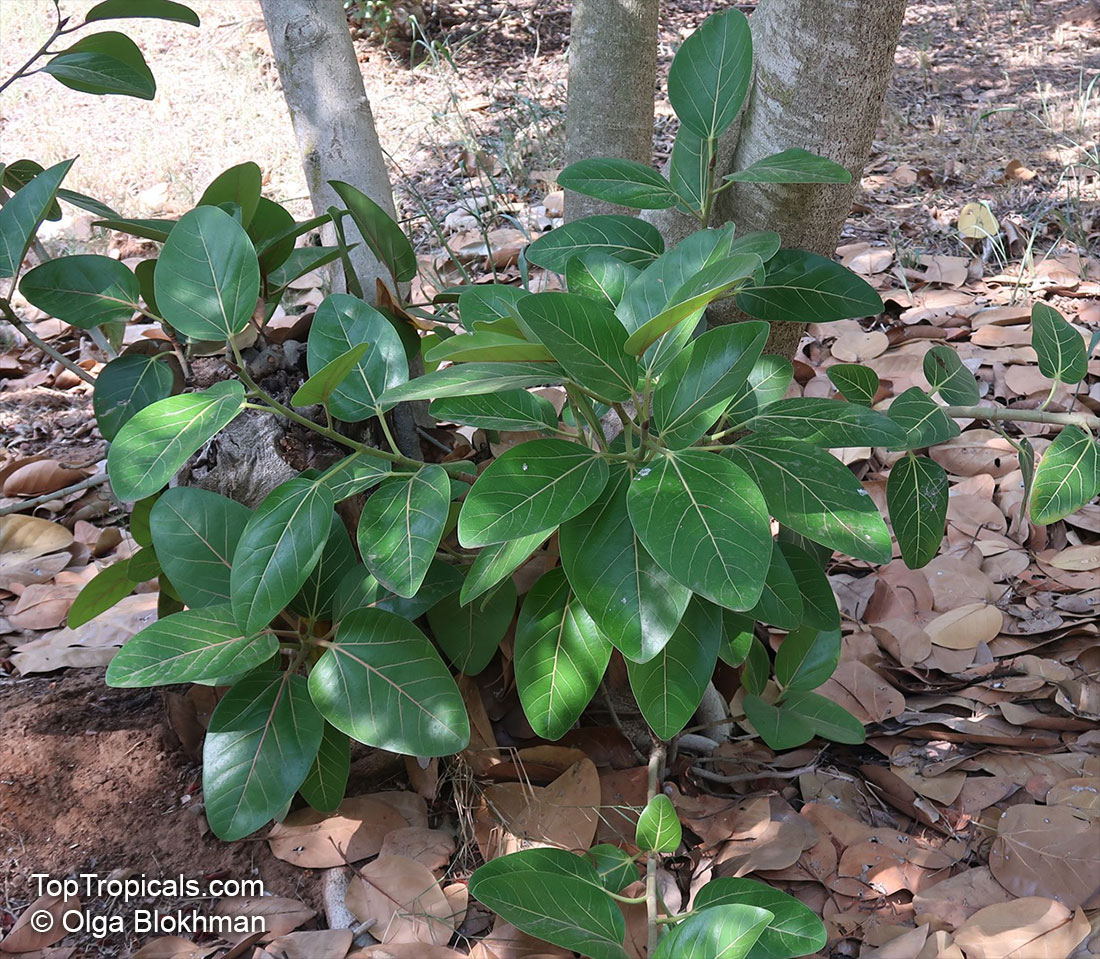
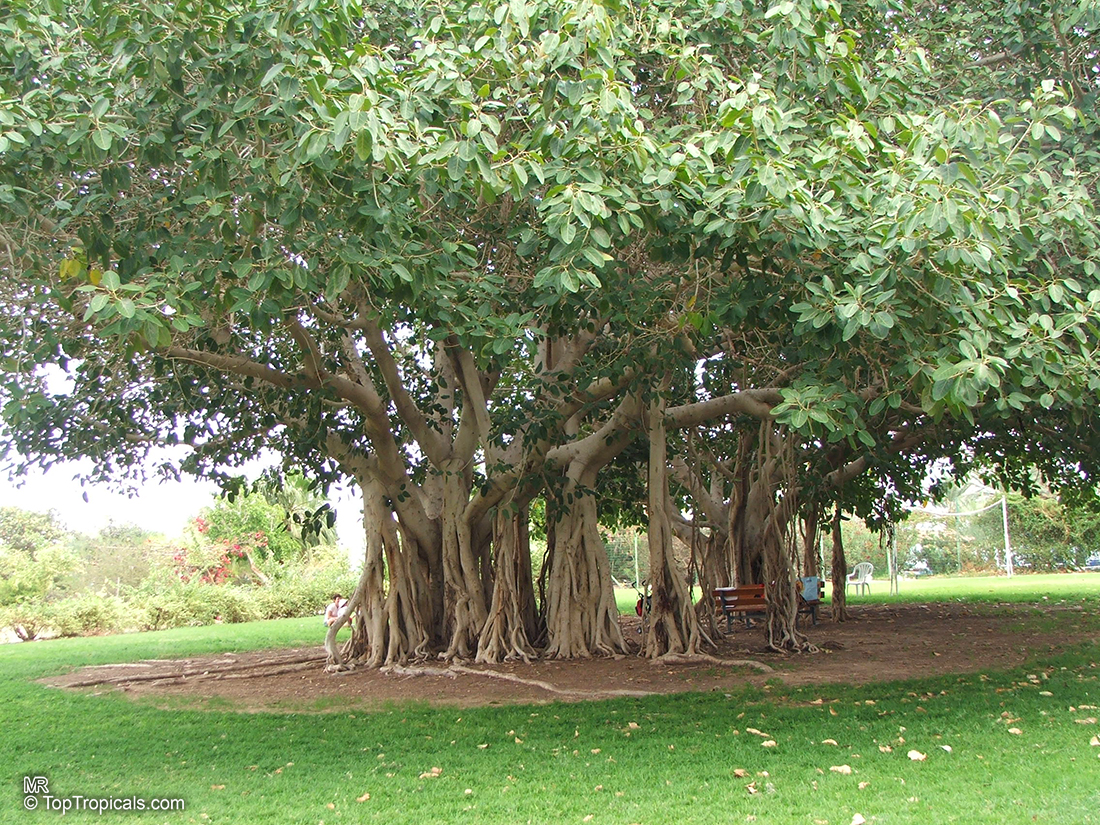
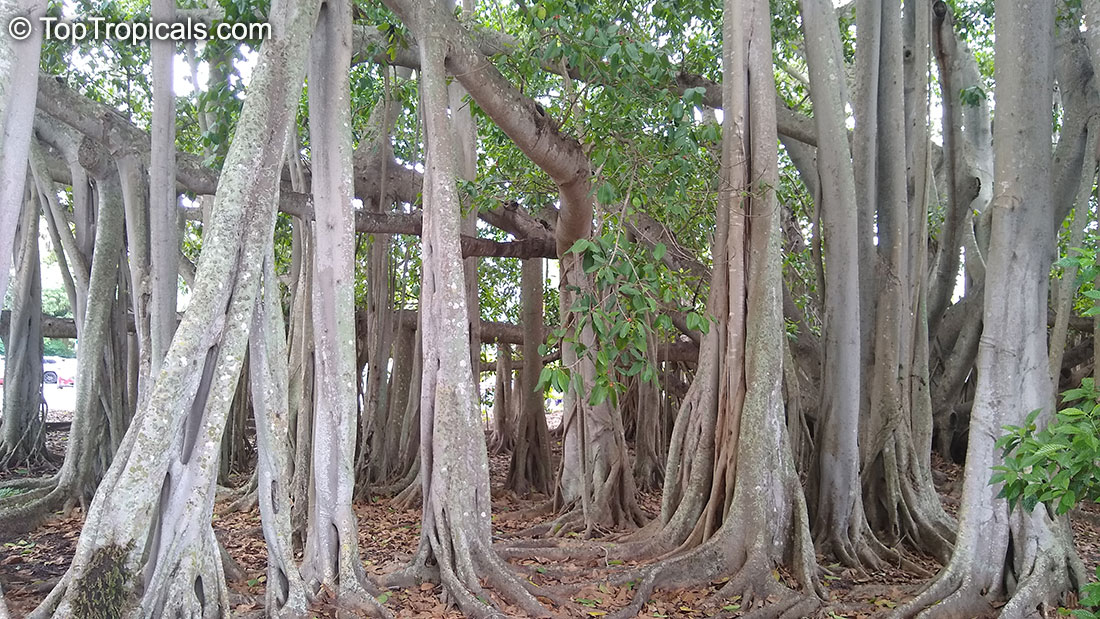
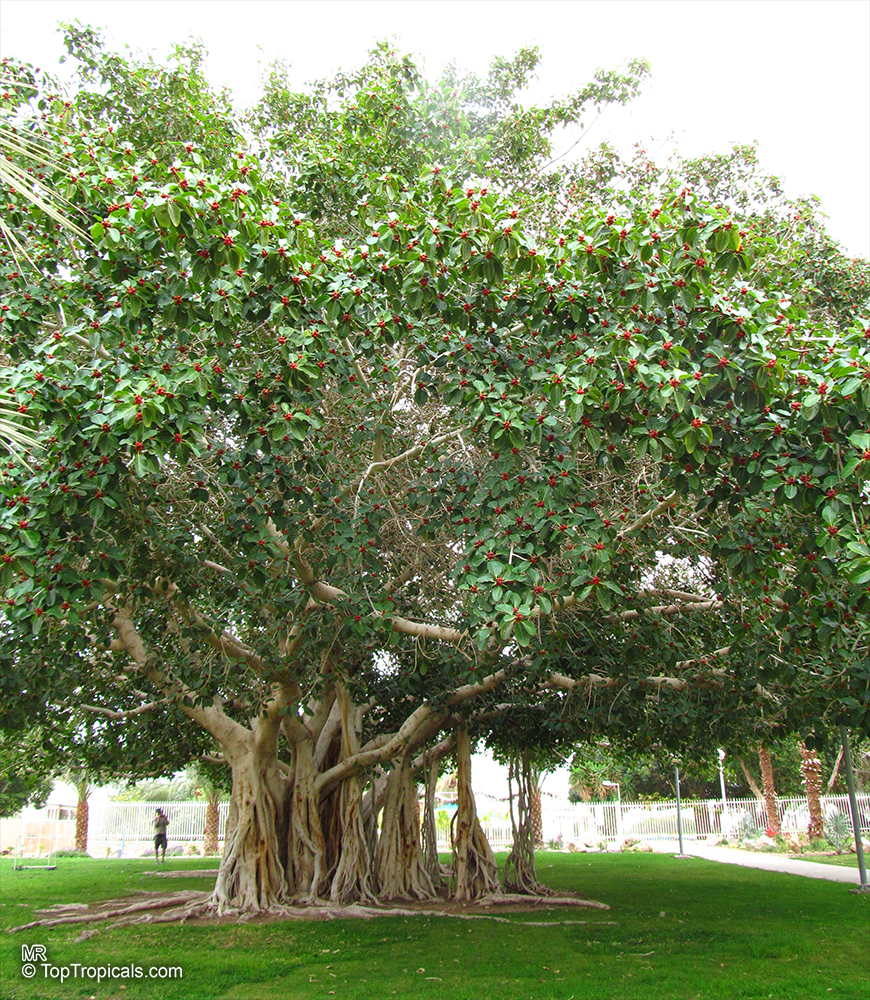
Ficus benghalensis, commonly known as Banyan Tree or Indian Banyan, is a massive evergreen tree in the Moraceae family native to the Indian subcontinent. Renowned as India's national tree, it is one of the largest canopy-forming trees in the world. Mature specimens produce numerous aerial roots that descend from the branches, eventually thickening into pillar-like trunks that support the expanding crown. Over time, a single tree can spread across several acres, creating the appearance of an entire grove. Its large, leathery leaves and impressive architecture make it one of the most iconic tropical trees.
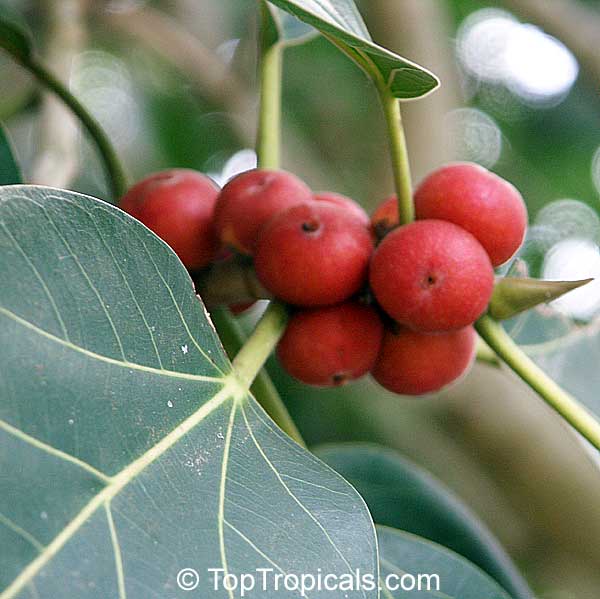
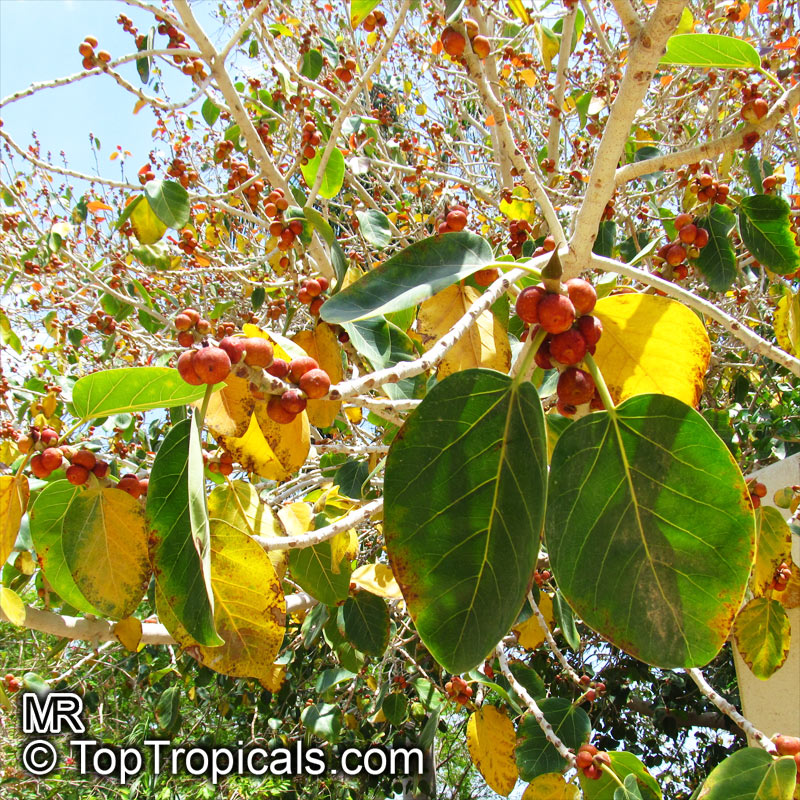
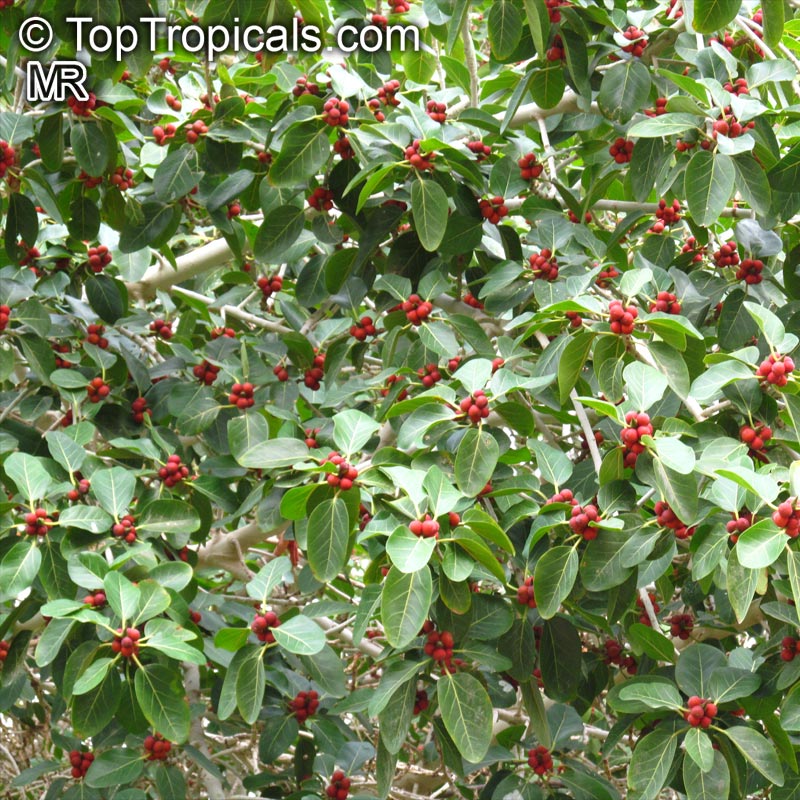
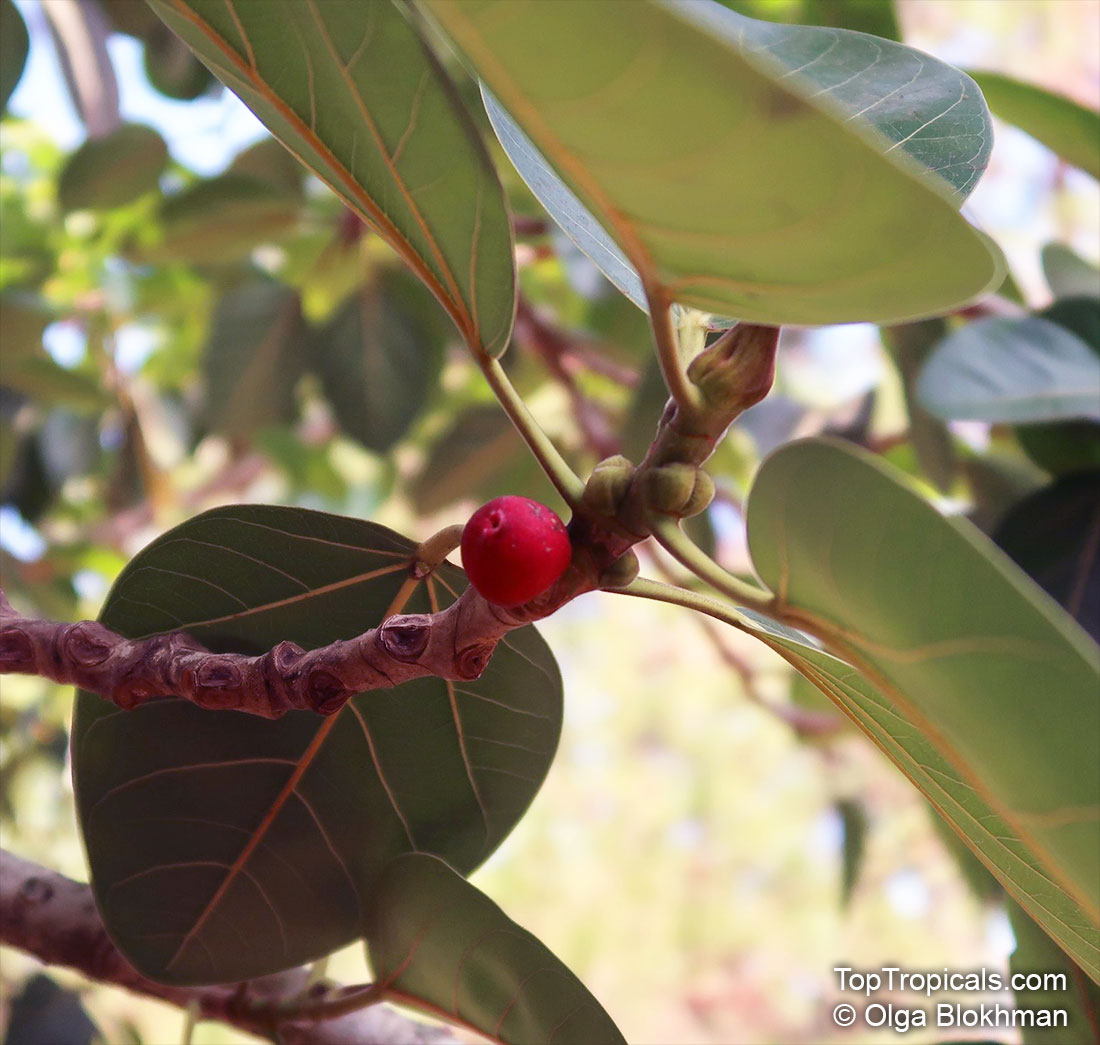
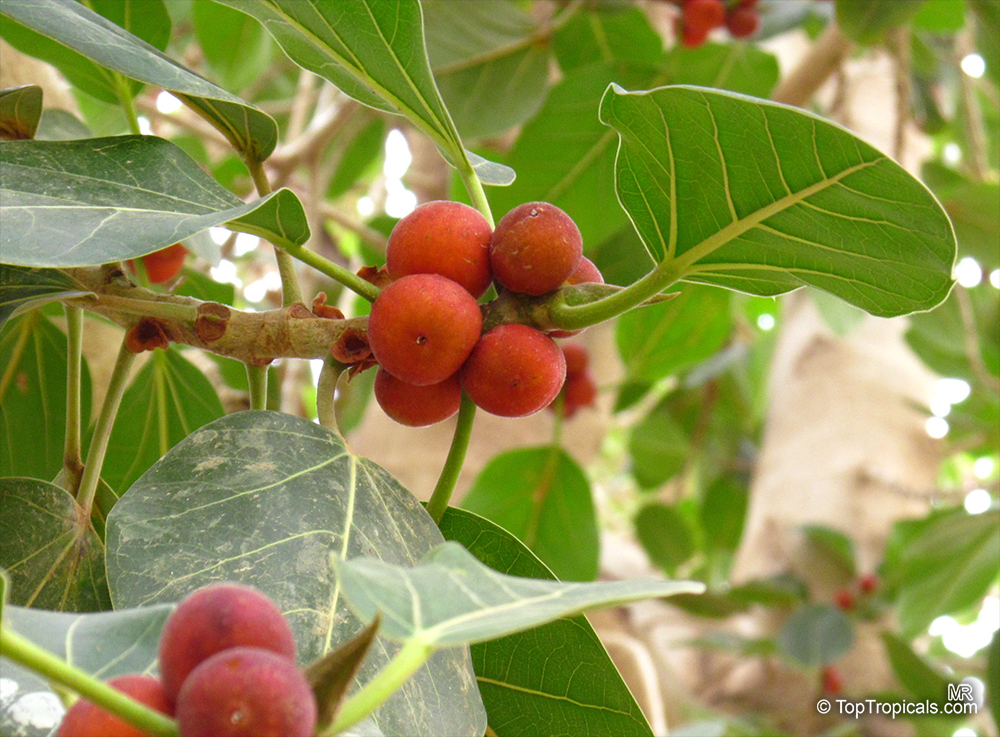
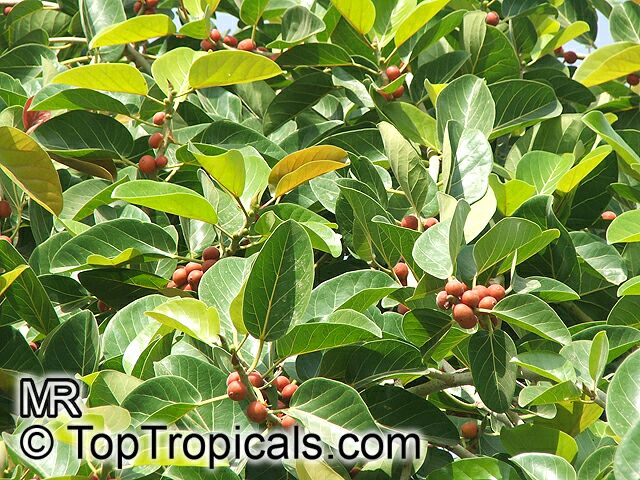
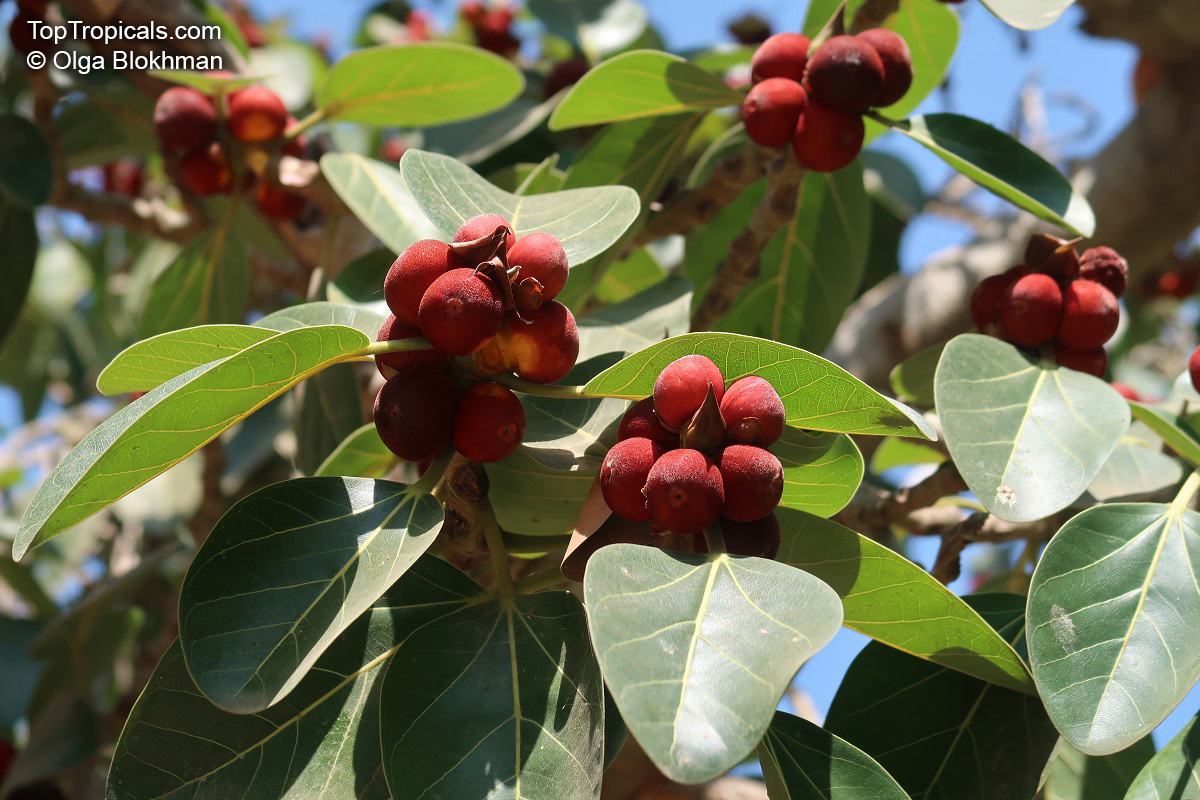
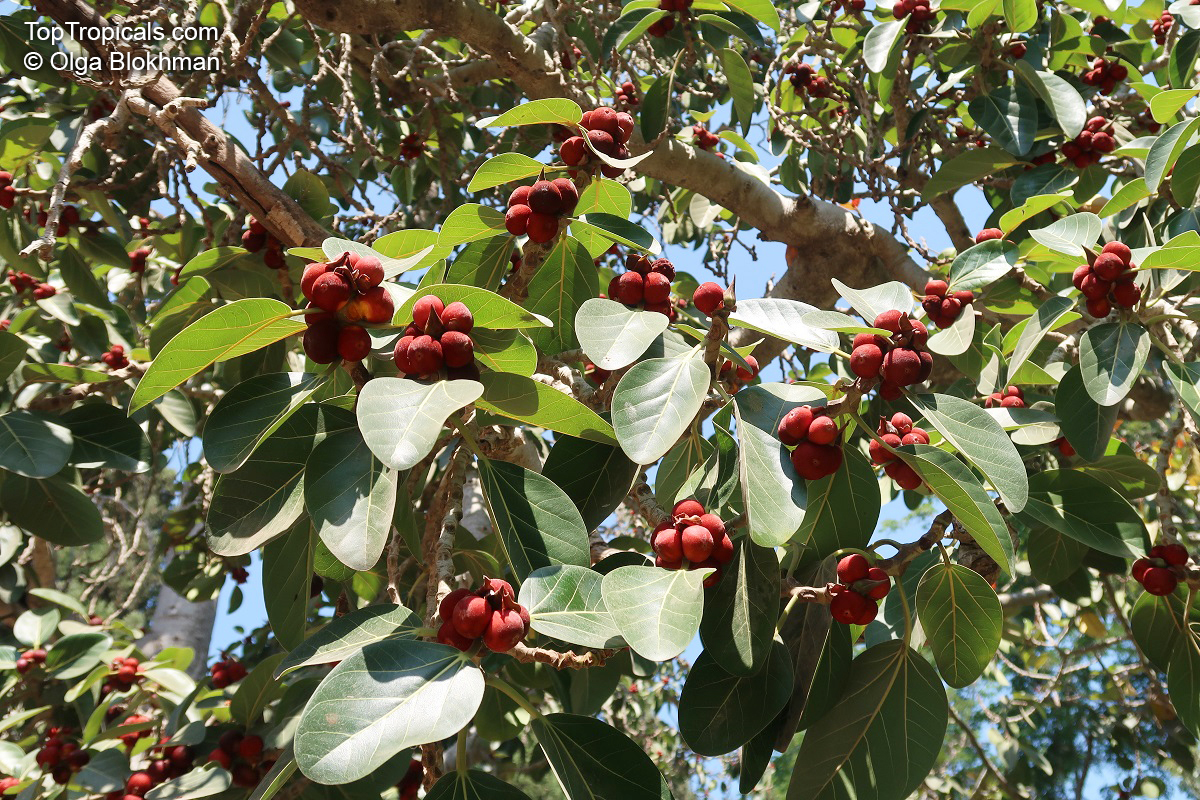
Small fig-like fruits ripen from green to red and provide an important food source for birds and other wildlife. Ficus benghalensis grows best in full sun and fertile, well-drained soil with regular moisture, although established trees tolerate seasonal drought. Hardy in USDA Zones 10-12, it is widely planted as a shade and landscape tree in tropical and subtropical regions, while young plants are also popular as container specimens and bonsai subjects. Revered for centuries in Hinduism and Buddhism, the banyan symbolizes longevity, strength, and shelter, and many ancient trees remain important cultural and community landmarks.
Similar plants: Ficus benghalensis (Banyan Tree)
- Ficus abutilifolia (Large-leaved Rock Fig)
- Ficus altissima (Council Tree)
- Ficus aspera (Variegated Clown Fig)
- Ficus auriculata (Elephant ear fig tree)
- Ficus benjamina (Benjamin Fig)
- Ficus brusii (Highland breadfruit)
- Ficus capensis (Broom Cluster fig)
- Ficus carica (Fig Tree)
- Ficus citrifolia (Shortleaf Fig)
- Ficus cordata subsp. salicifolia (Willow-leafed fig)