Ficus - Plant Encyclopedia Results
| Number of plants found: 51 | Next | 
|
Go to page: | 1 | 2 | 3 | 4 | 5 | Last |
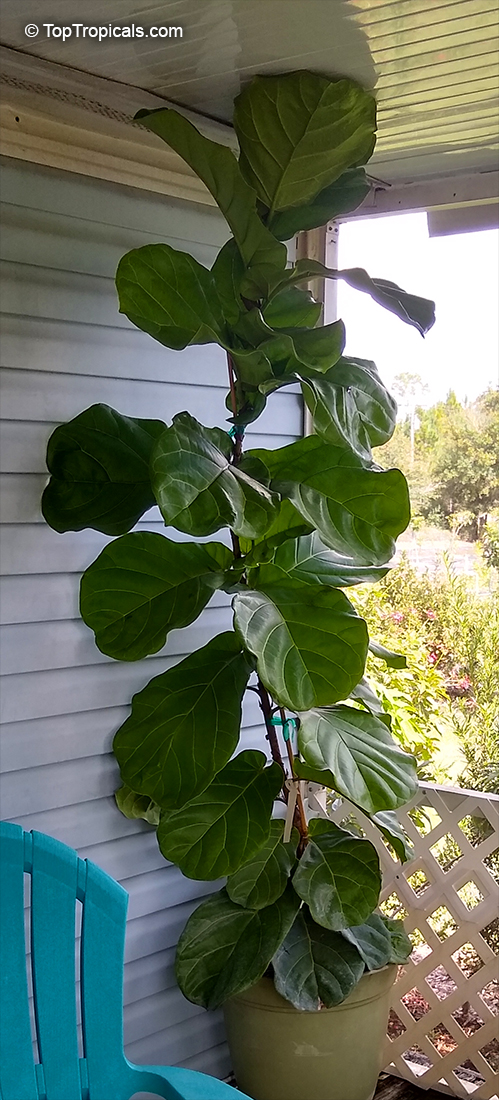
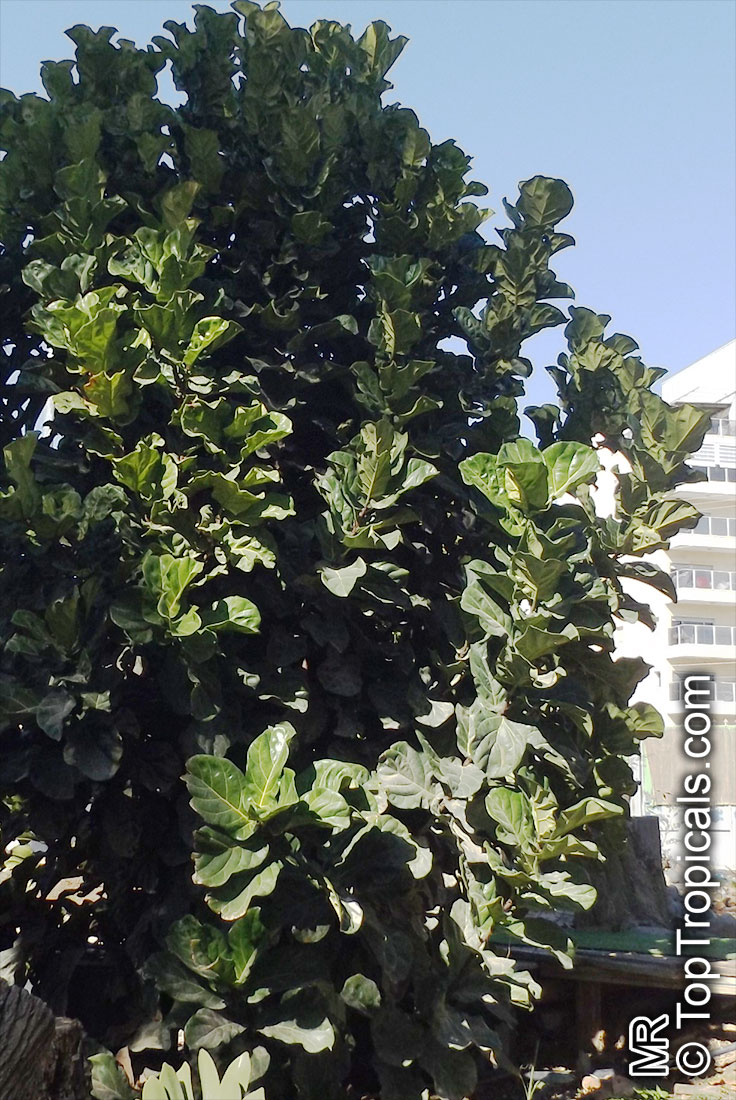
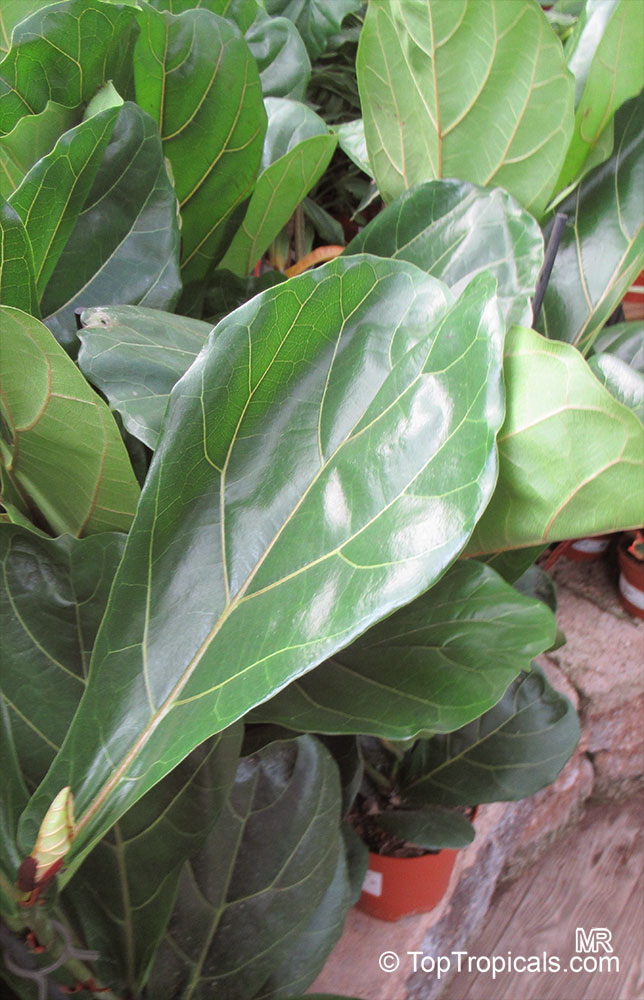
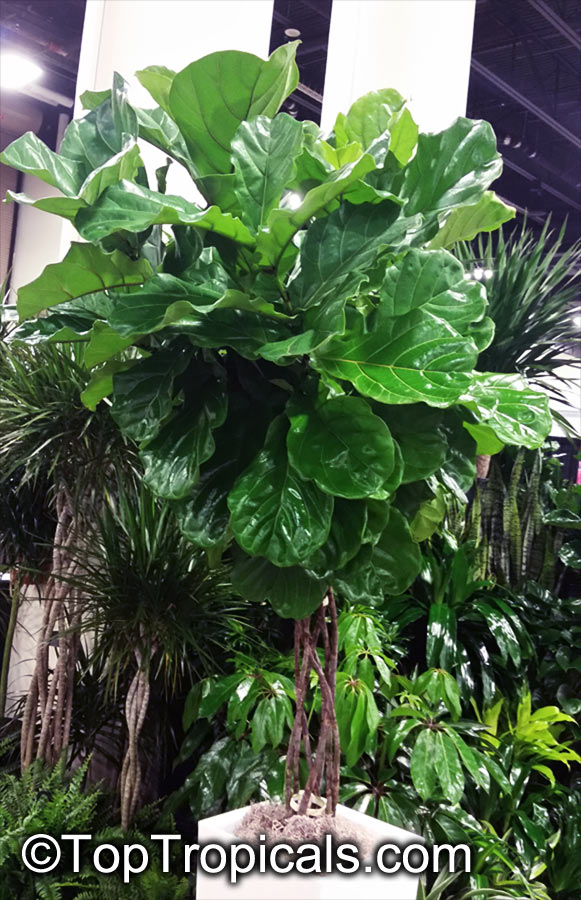
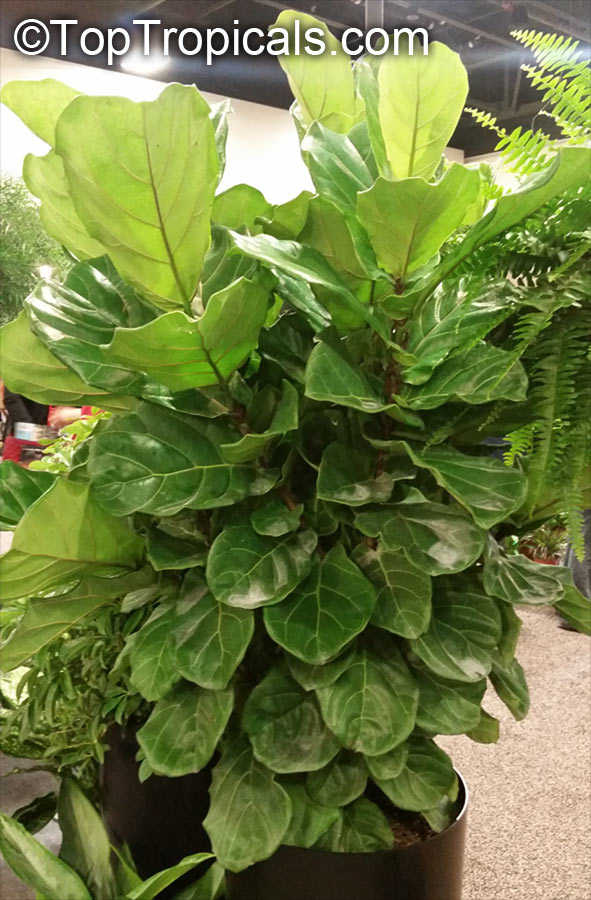
Botanical name: Ficus lyrata
Common name: Fiddle-Leaf Ficus
Family: Moraceae
Origin: Tropical Africa
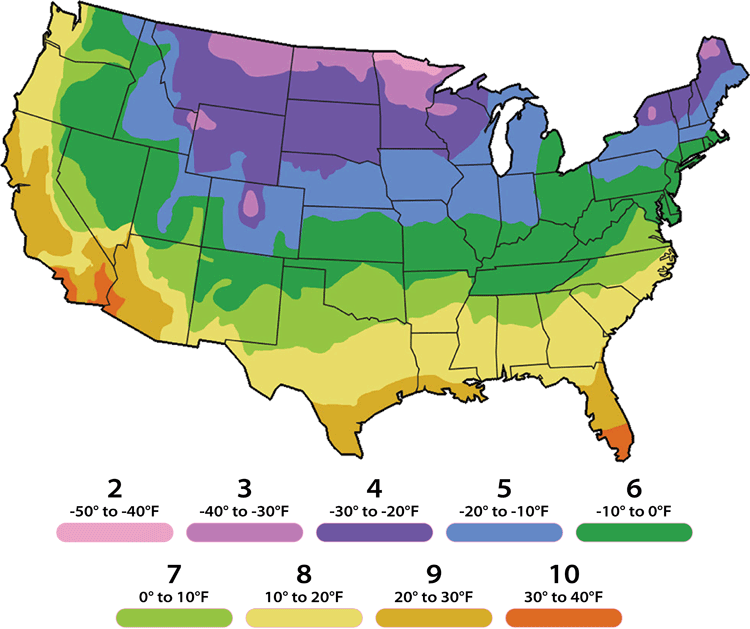
USDA Zone: 10-12


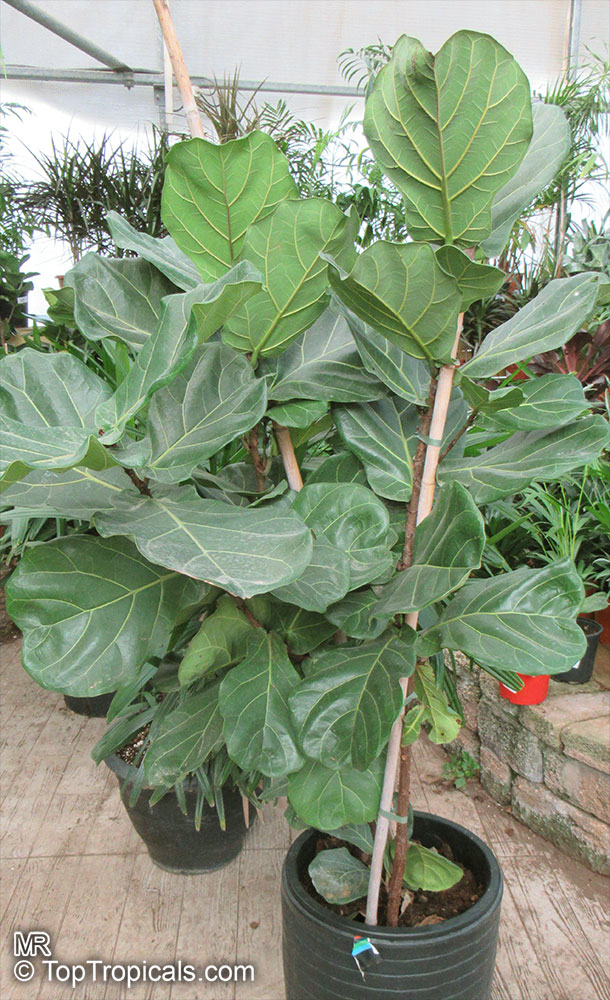
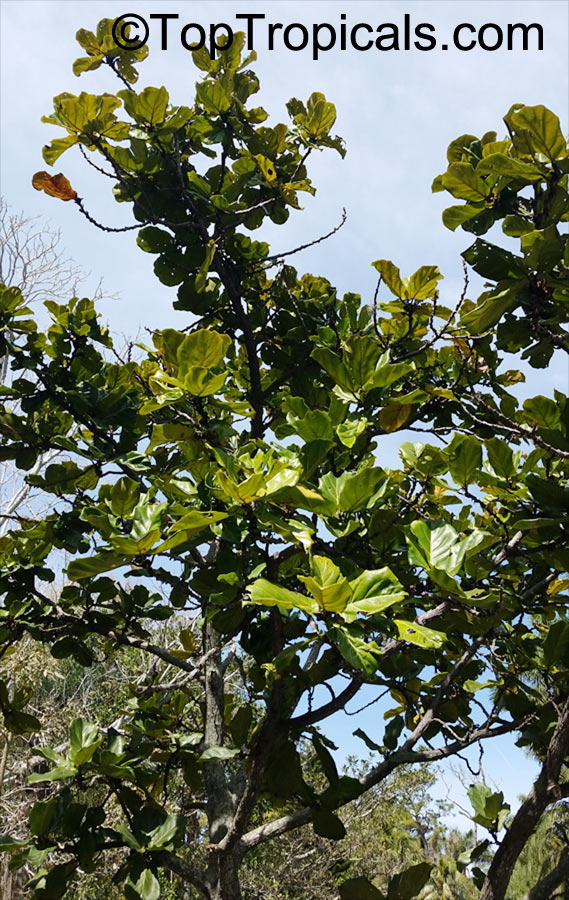
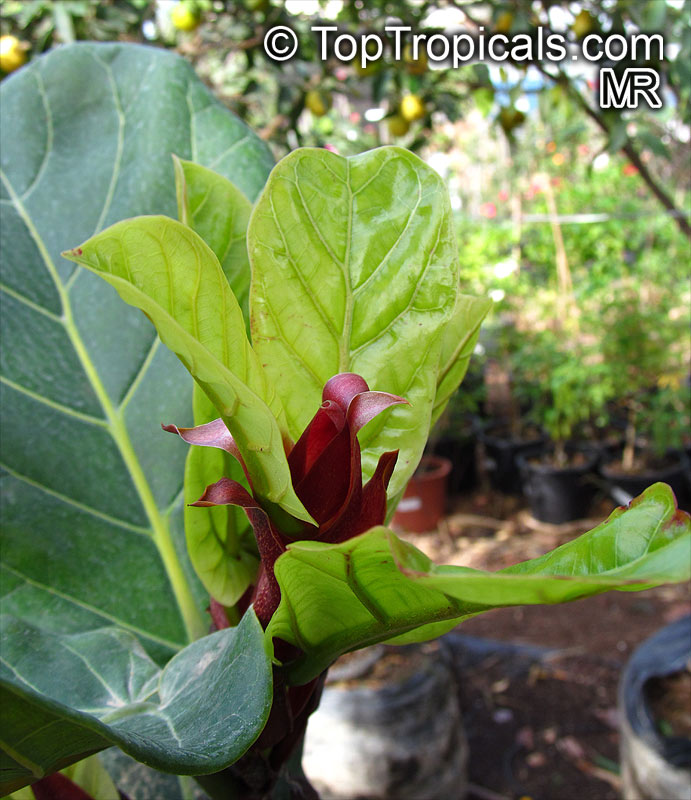
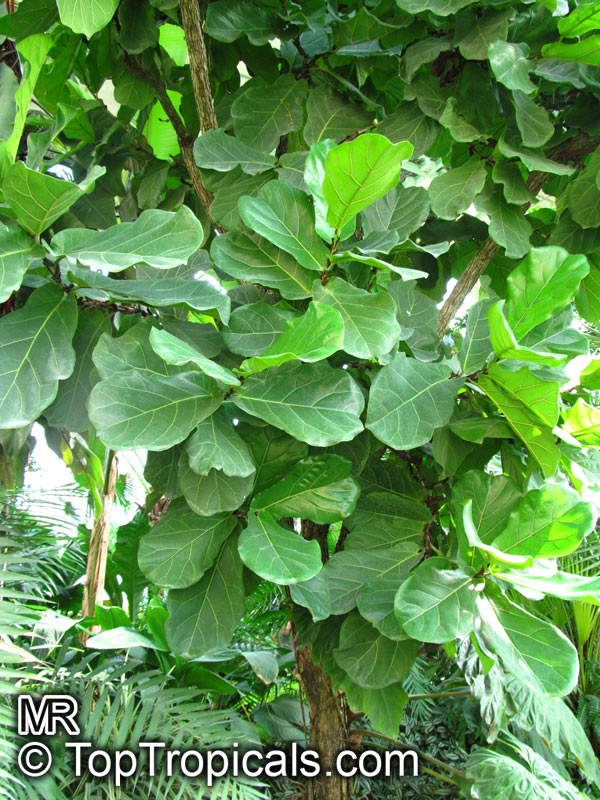
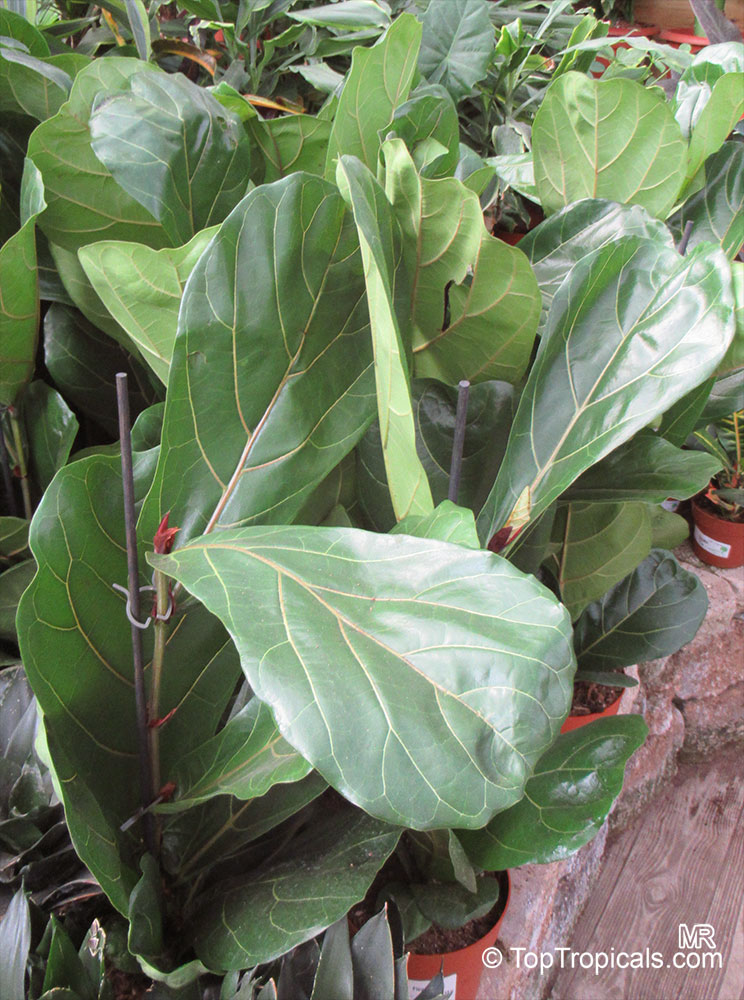
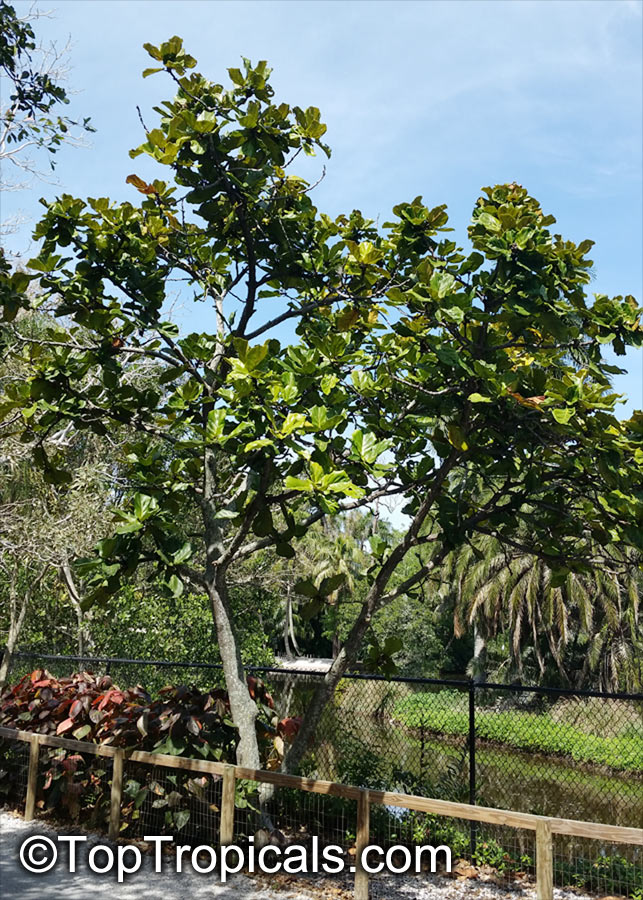
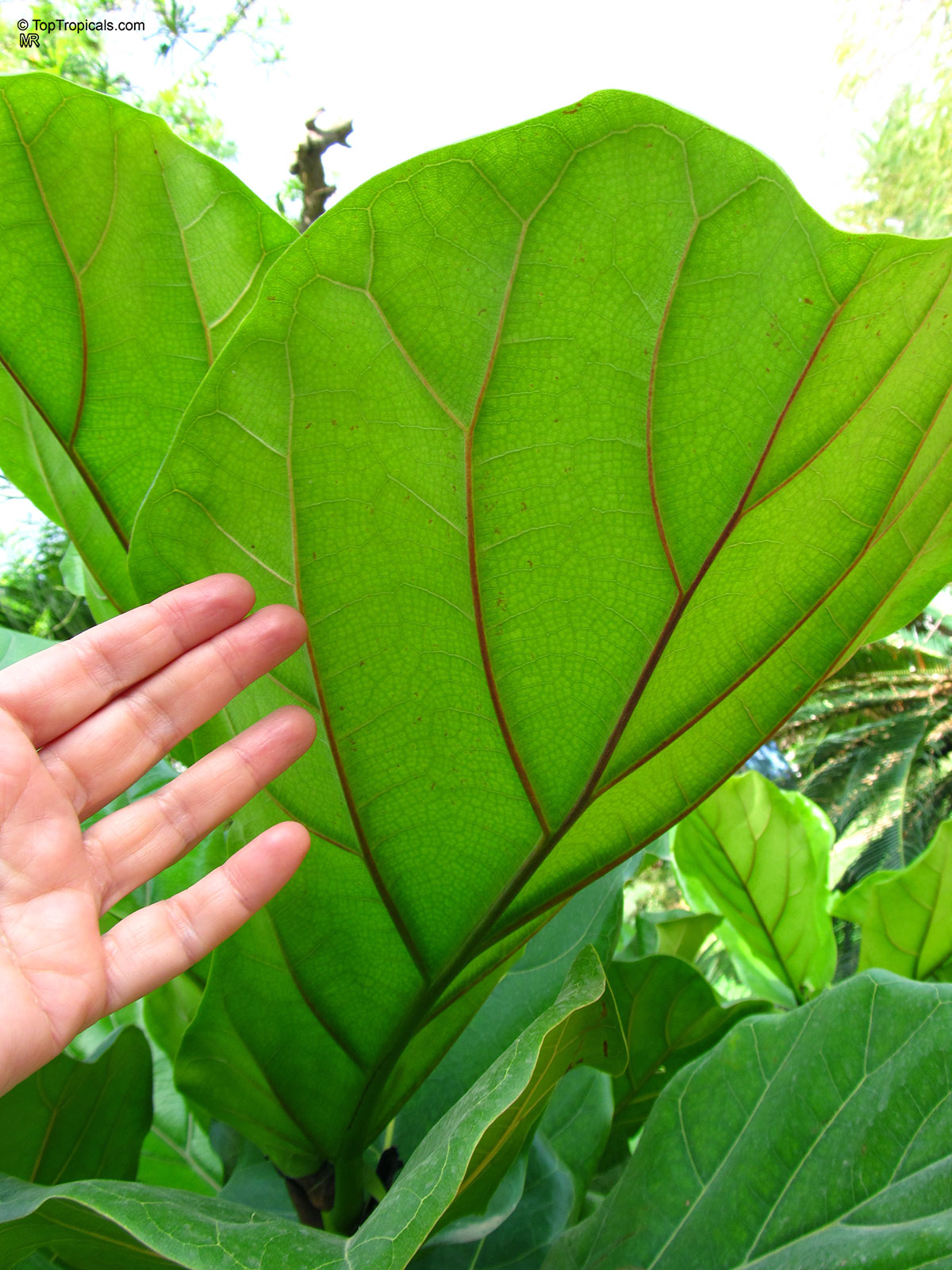
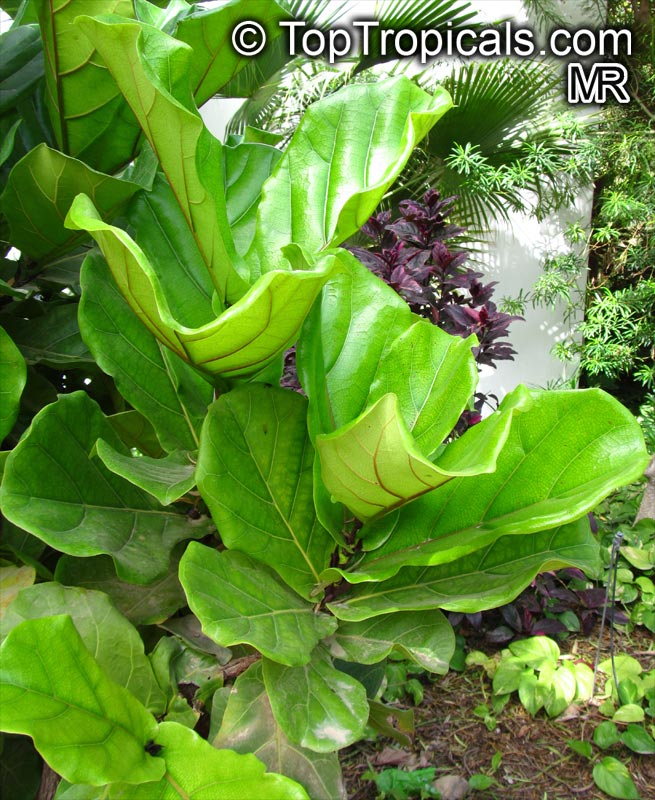
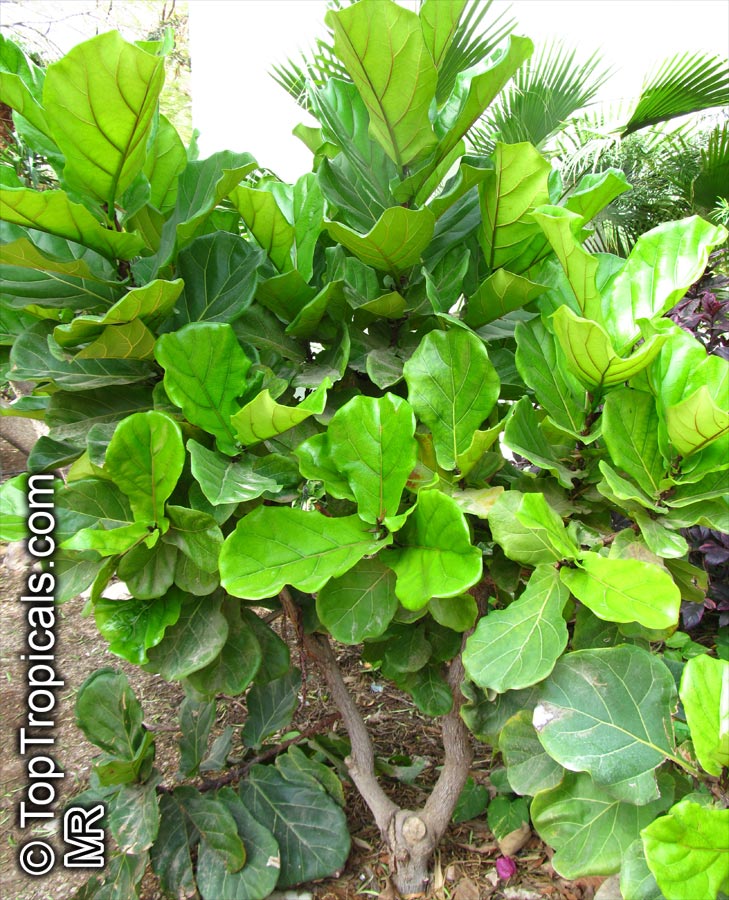
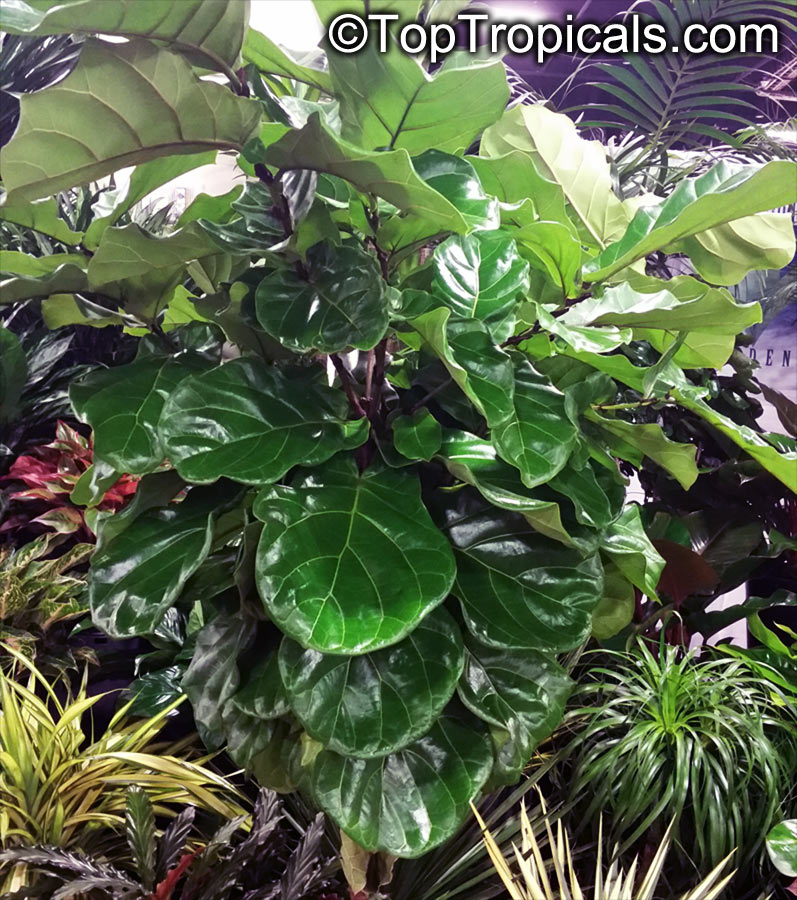
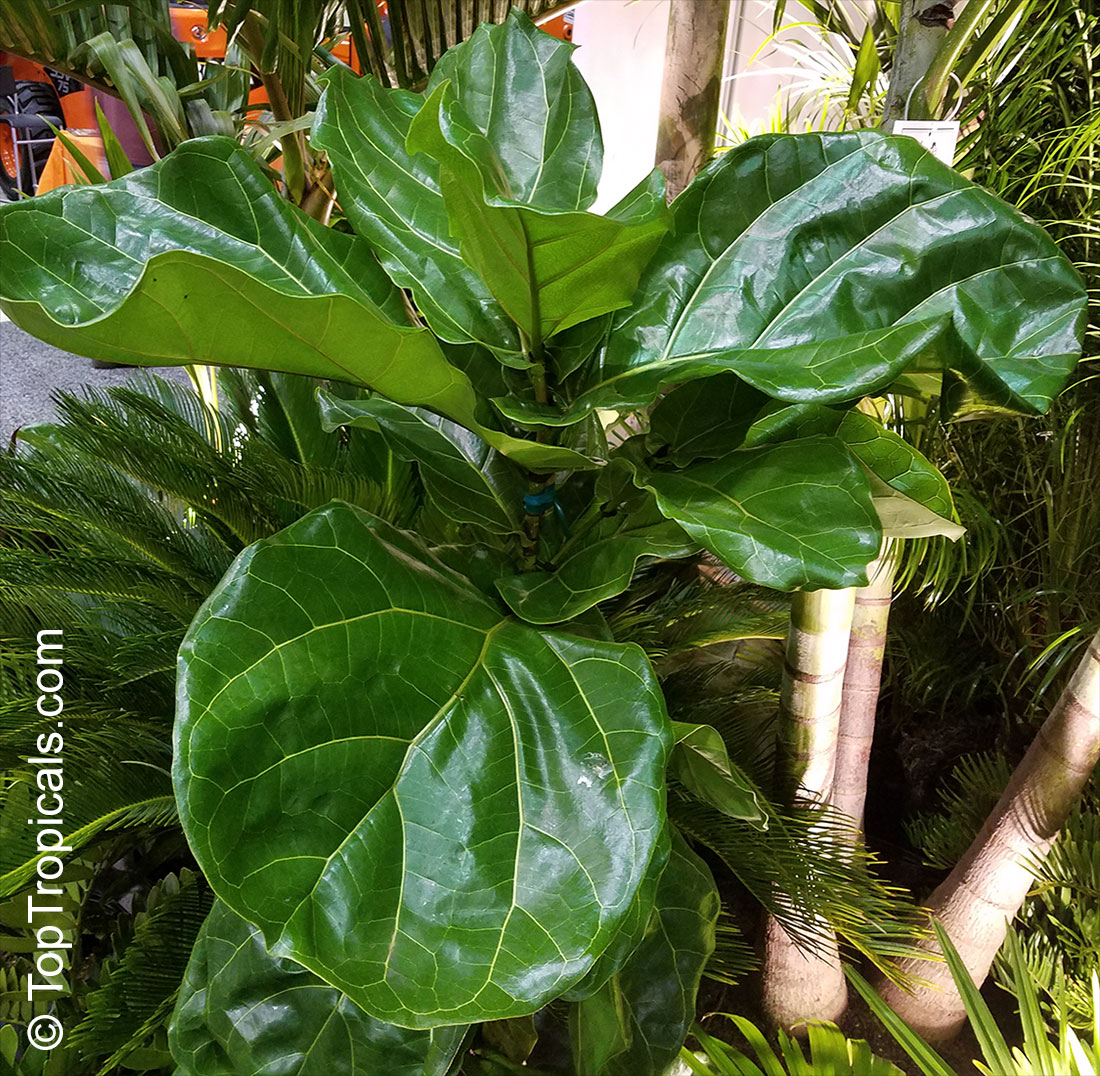
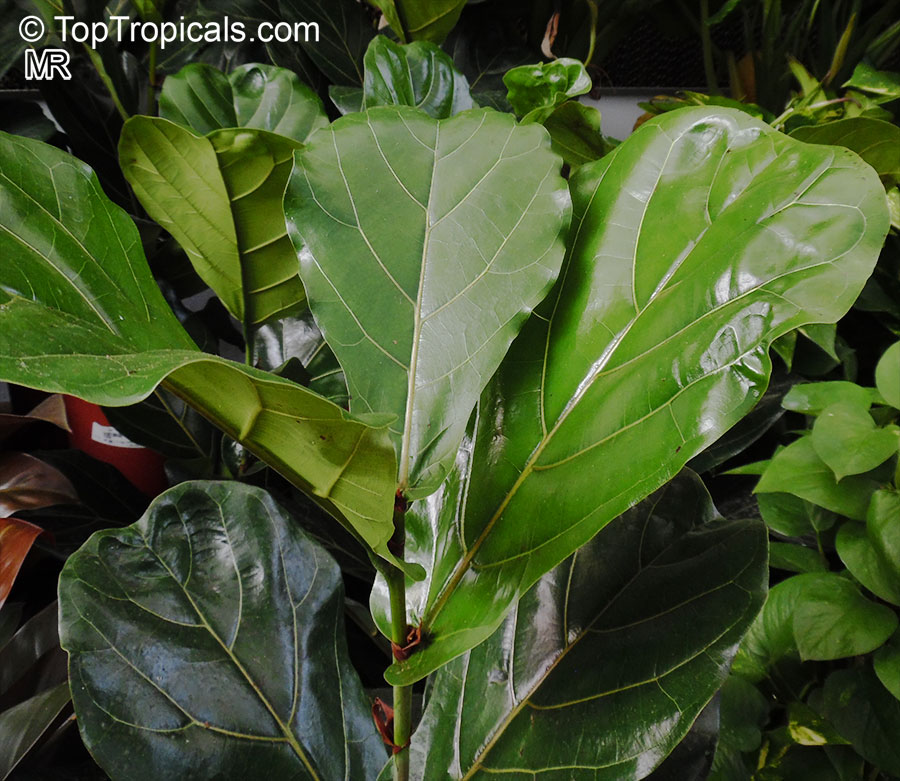
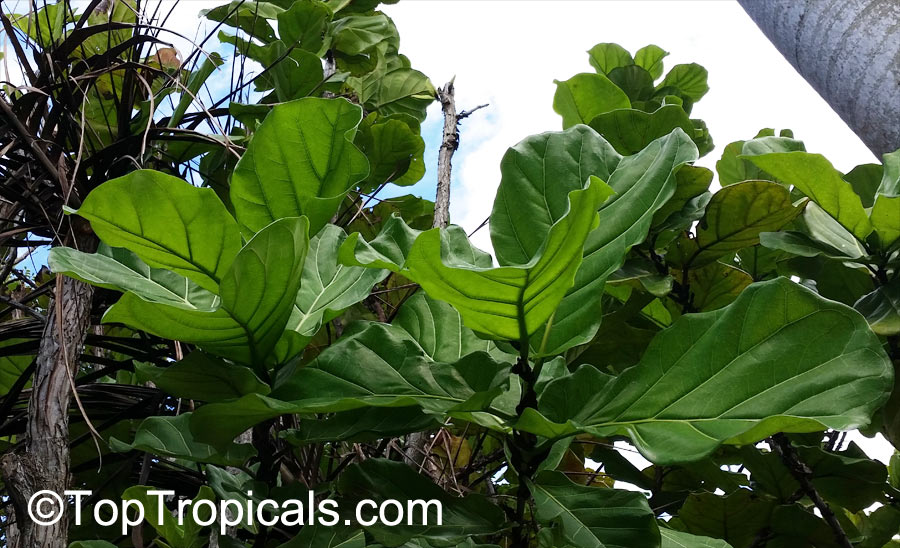
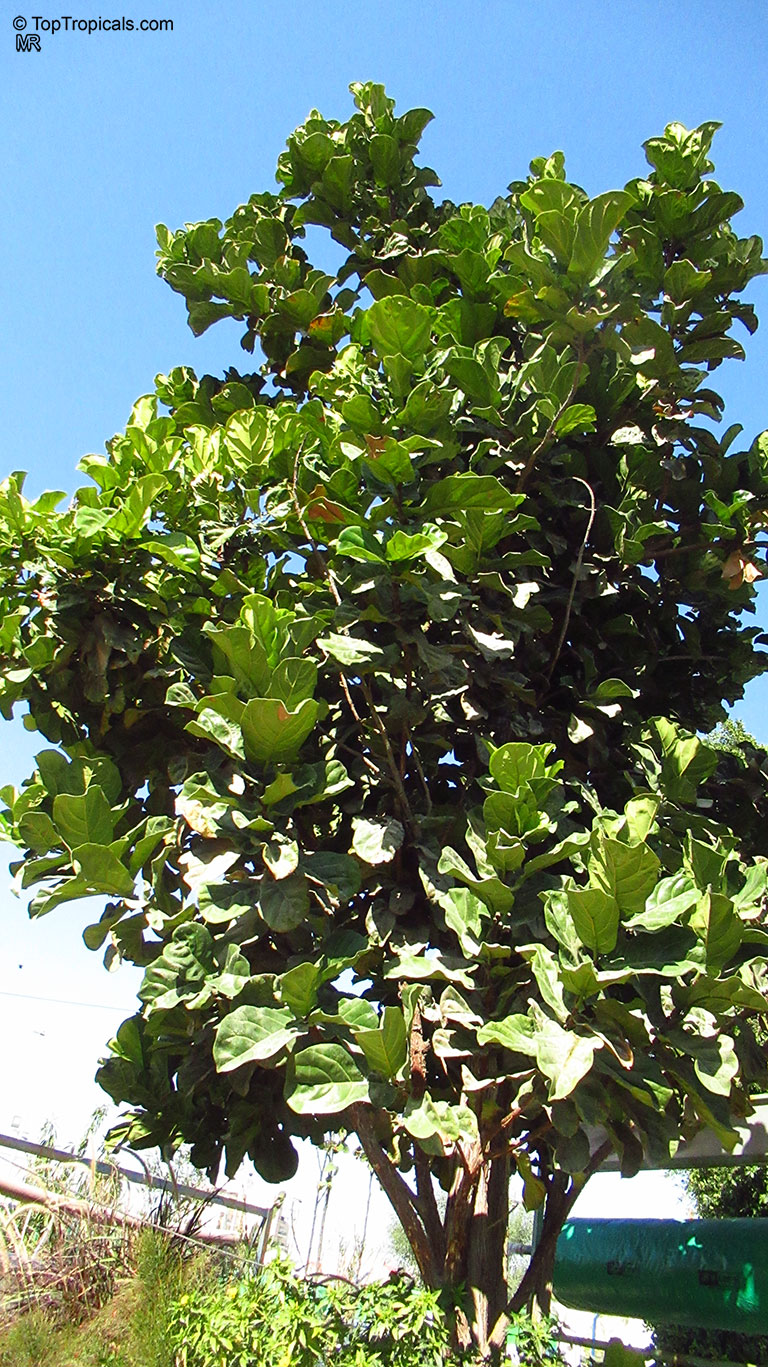
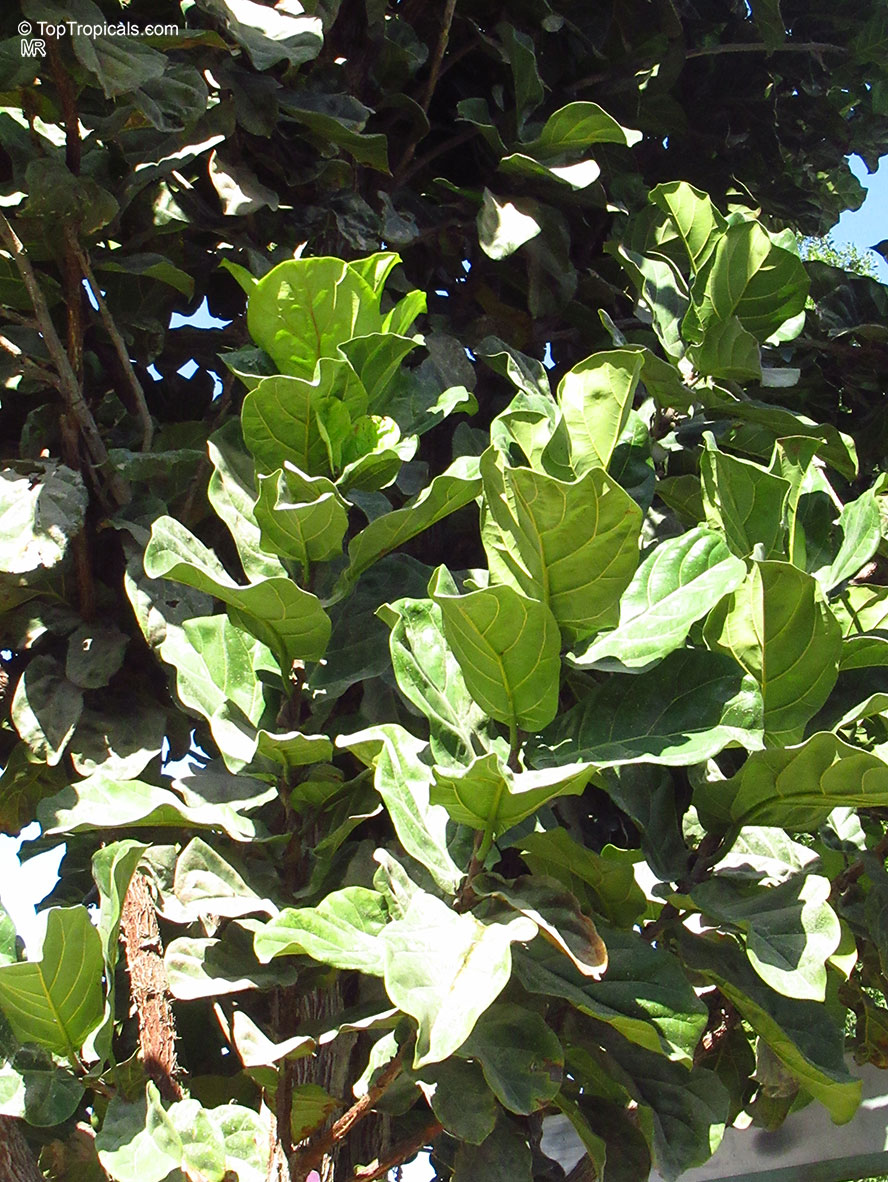
Ficus lyrata (Fiddle Leaf Ficus) is a big tree that grows taller than 20 ft. It is native to Tropical Africa and it is cold hardy in USDA Zone 10-12. This common houseplant is drought-tolerant and doesn't need frequent watering. It loves the sun and will naturally grow to its best with full sun. Even in full sun, the Ficus lyrata needs protection from the scorching hot afternoon sun. It can also be grown in containers and can be grown as a specimen or used to create a living screen.
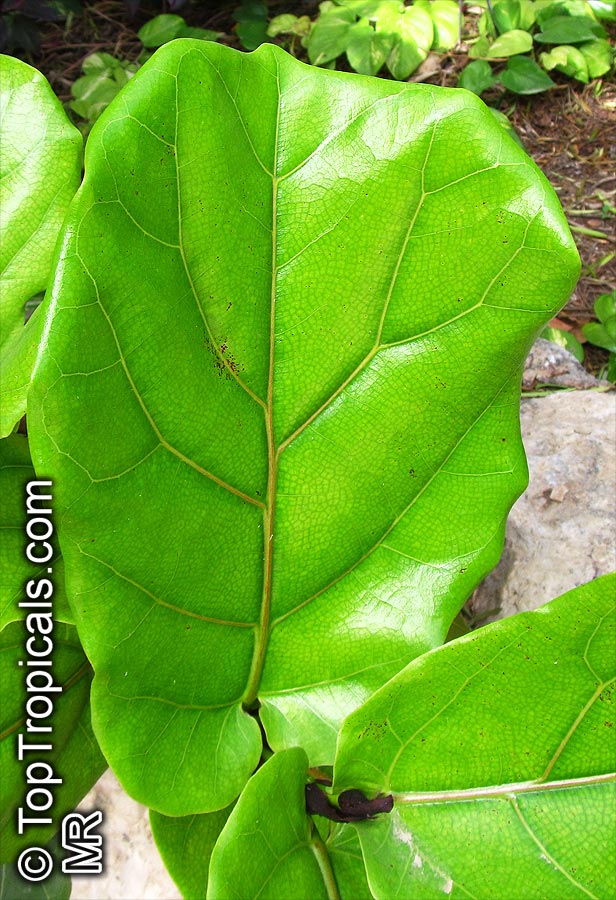
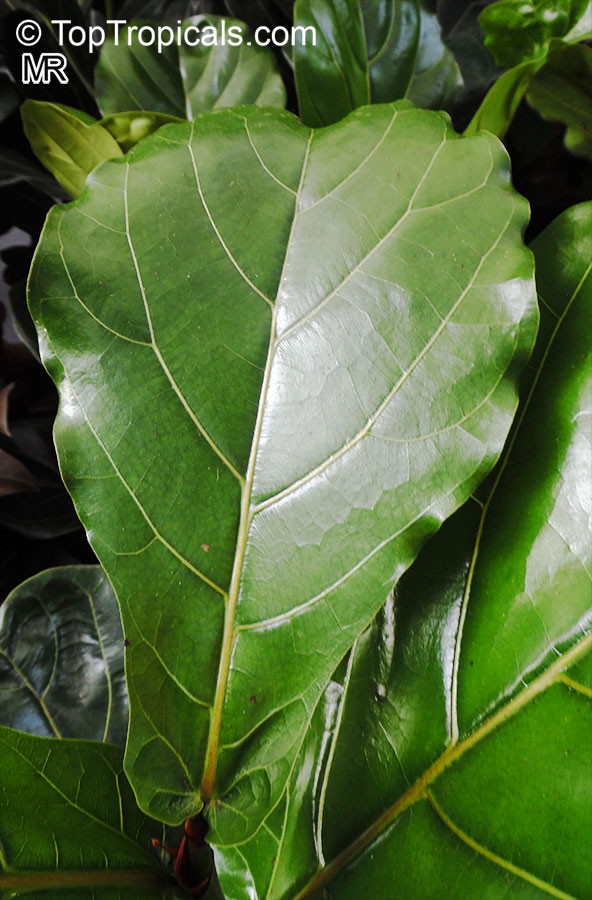
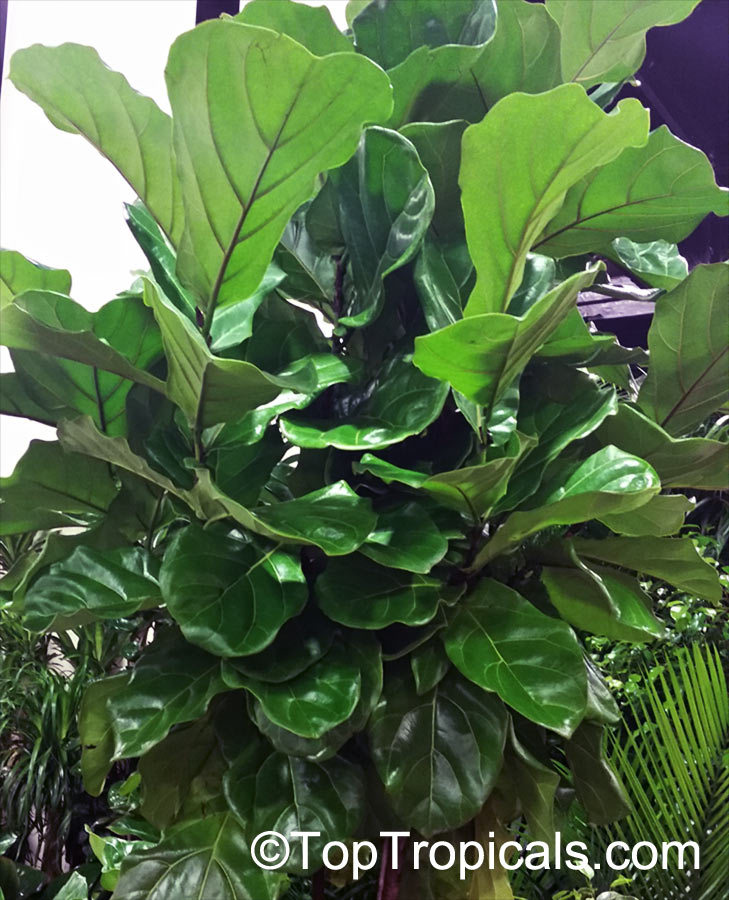
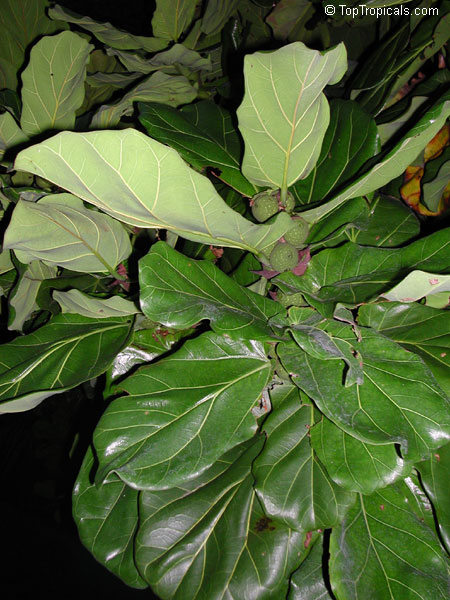
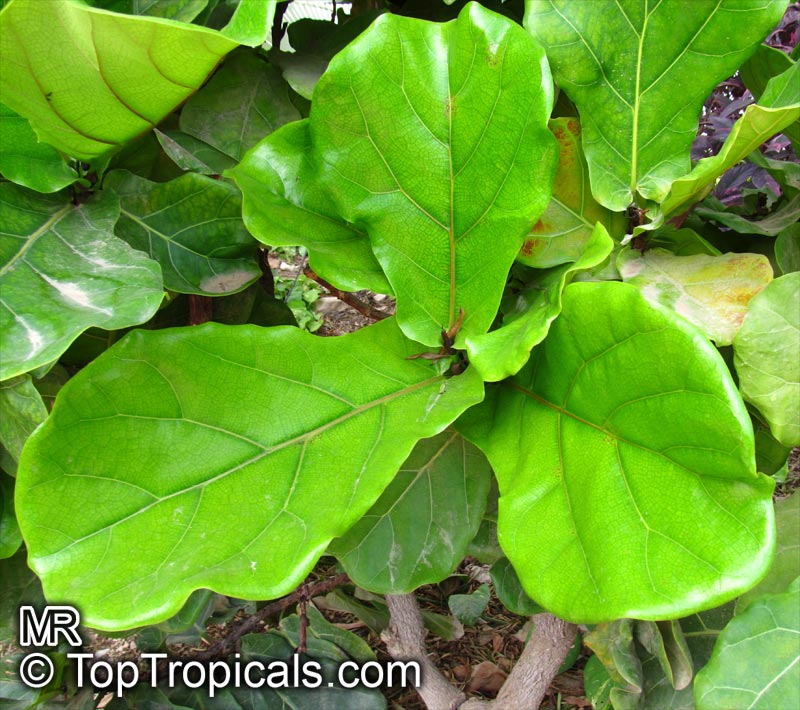
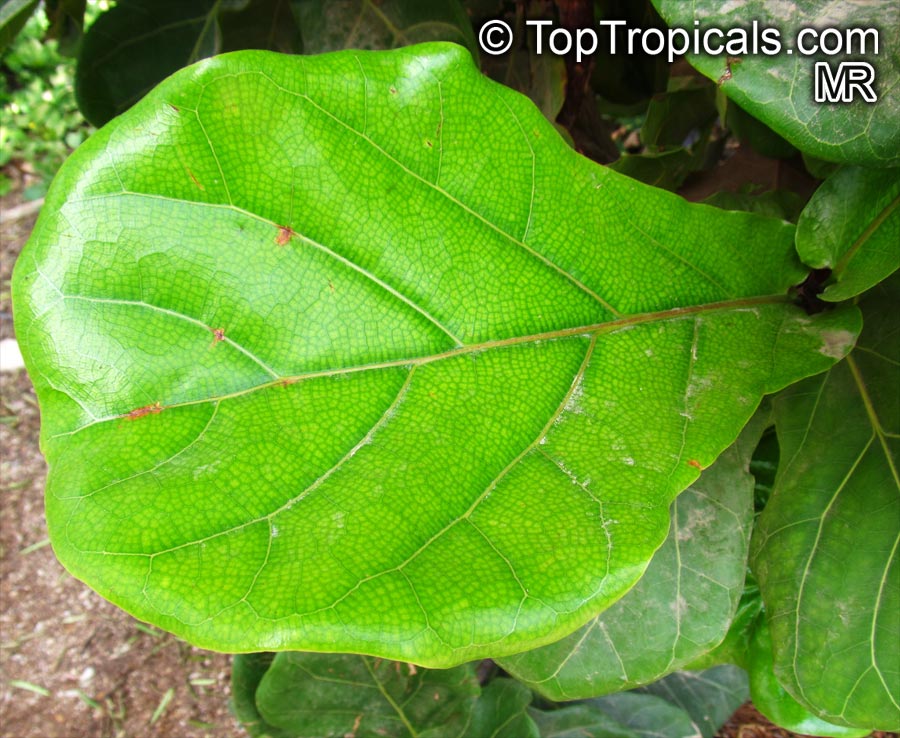
The thick, leathery leaves of the Ficus lyrata are what give it its common name, the Fiddle Leaf Ficus. These leaves are yellow-green and have prominent veins running through them. The greenish-white fruits are also uncommon to most houseplants and are an interesting addition to the plant.
Ficus lyrata is a lovely plant for growing indoors and even outdoors in warmer climates. It's a great way to create a tropical environment in the home or landscape. Grown in full sun, it will enjoy the warmth but requires regular water during the summer months. It can tolerate occasional dry spells and does not need much fertilization or pruning. Outdoors, it will also thrive in a seaside climate as it is a salt tolerant plant. In cold regions, it is best to plant in a pot and bring it indoors over winter.
Overall, Ficus lyrata is an interesting and attractive plant that is great for anyone looking to add a tropical touch to their home. It can be grown indoors or outdoors and will bring a unique, ornamental foliage to the environment. It is also an easy to maintain plant that only requires moderate maintenance and care.
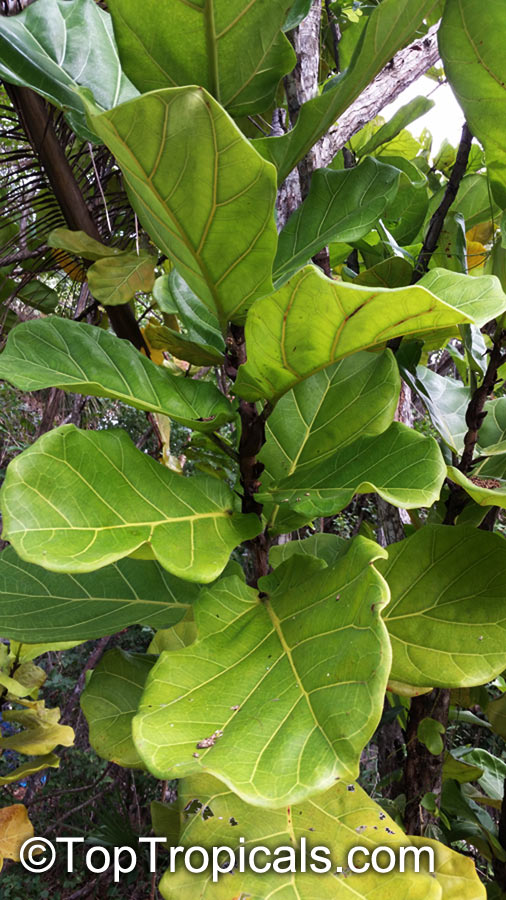
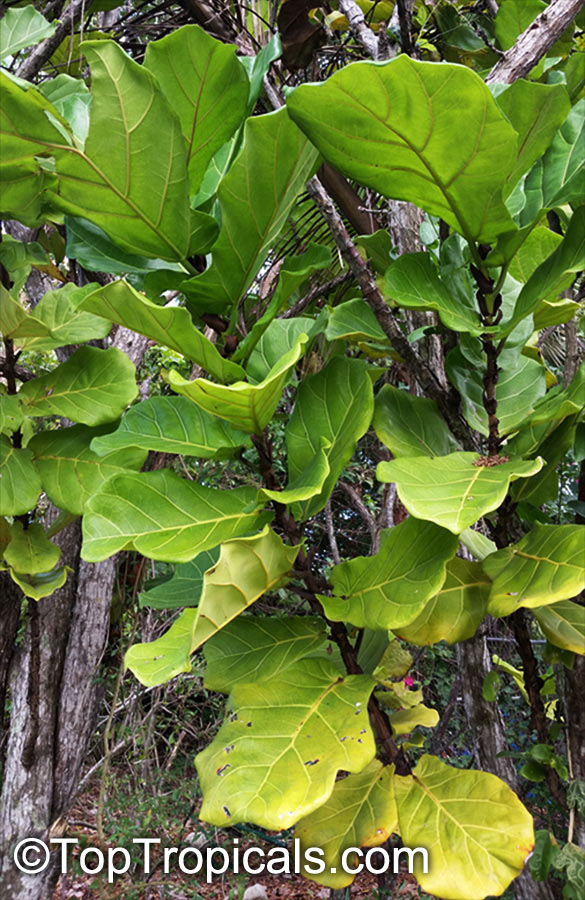

Botanical names: Ficus mysorensis, Ficus drupacea var. pubescens
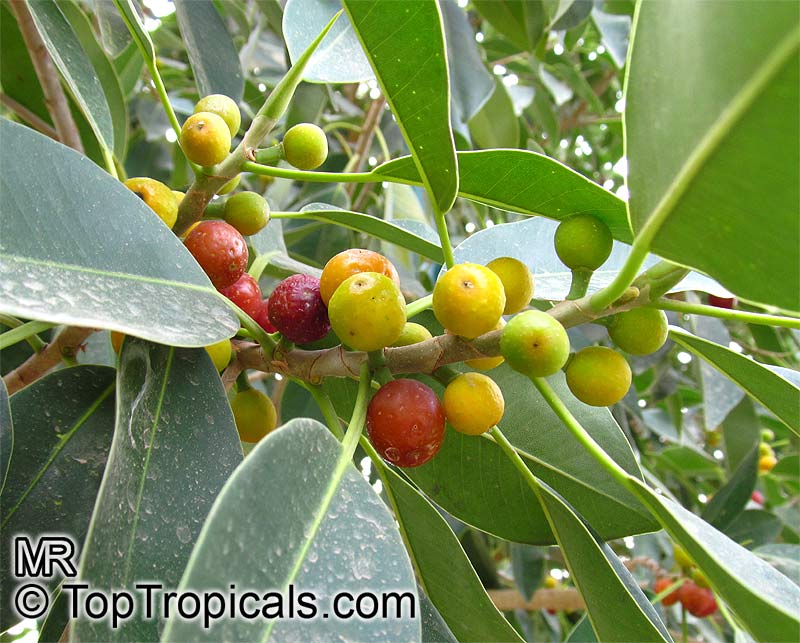
Common name: Yellow-Berry Ficus
Family: Moraceae
Origin: India
USDA Zone: 10-11


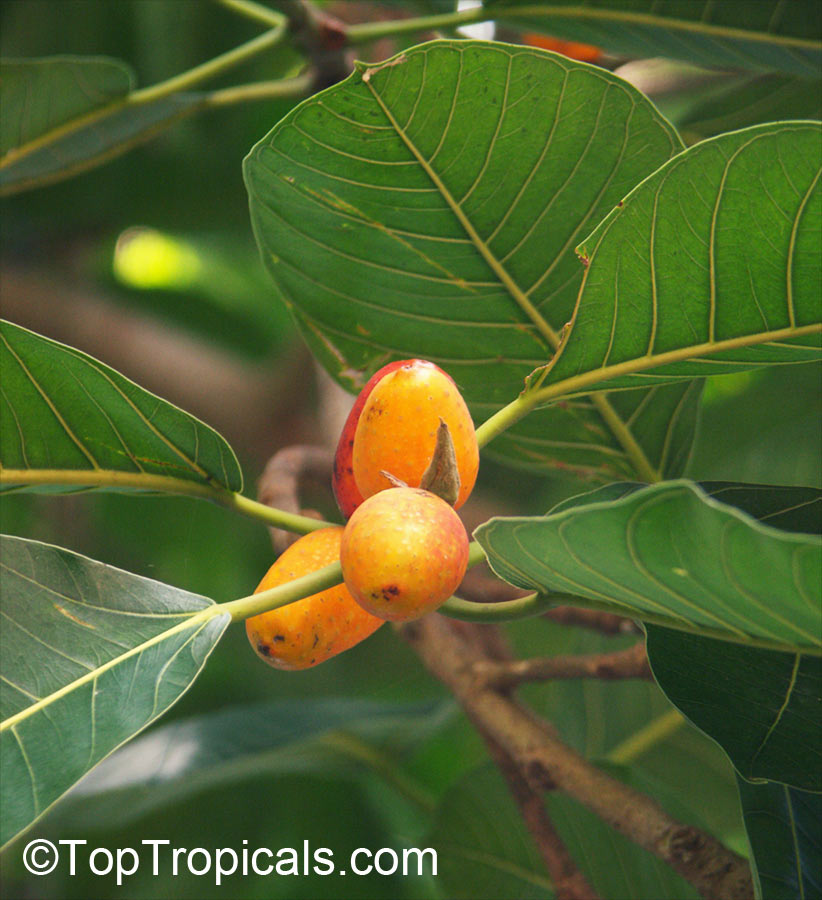
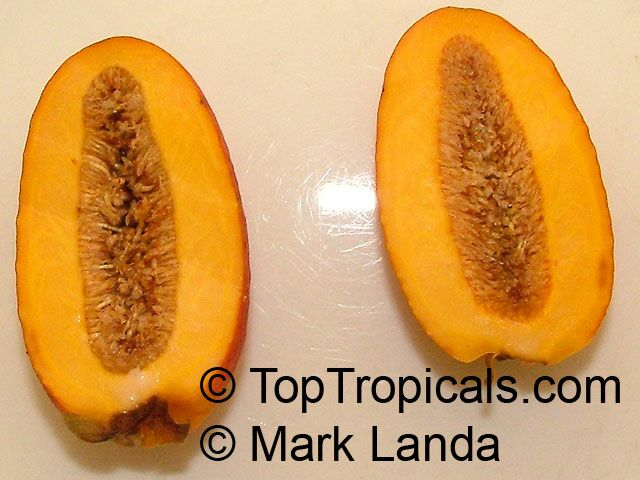
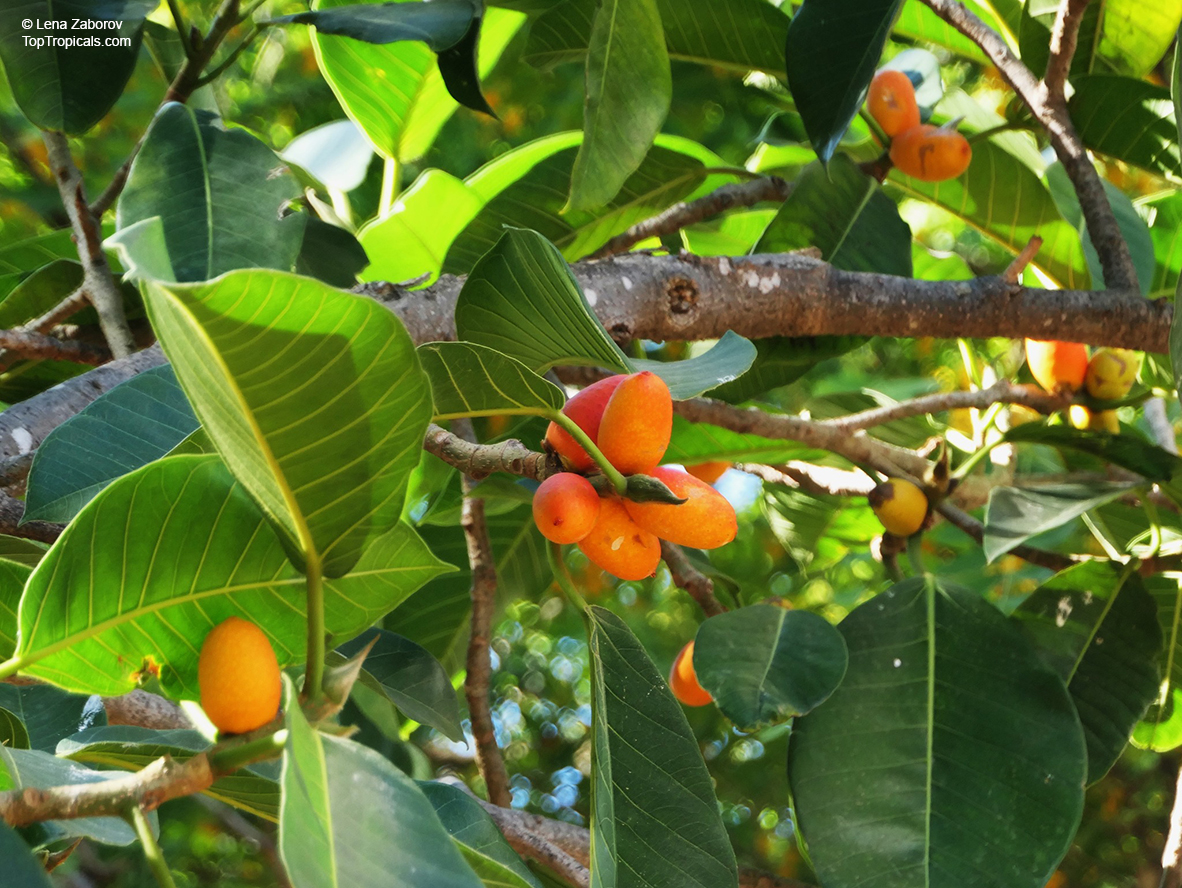
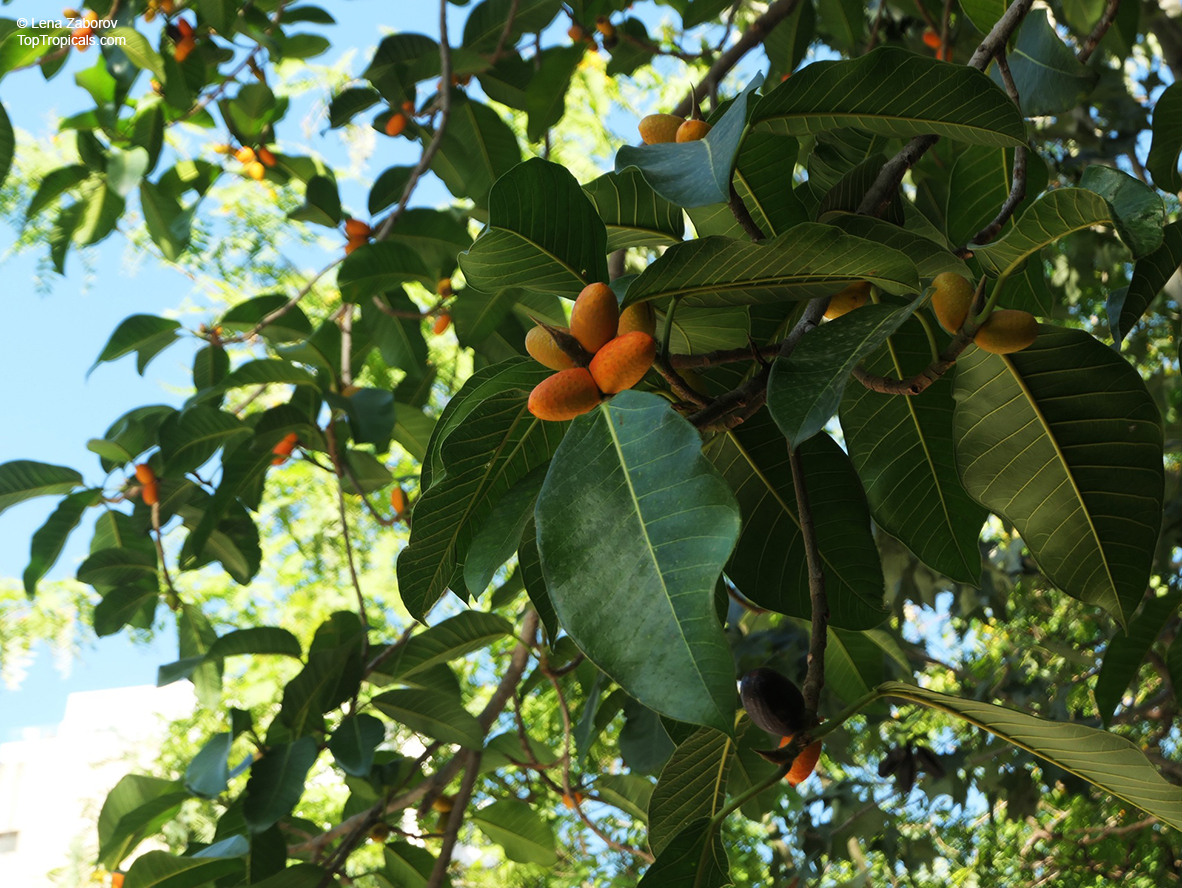
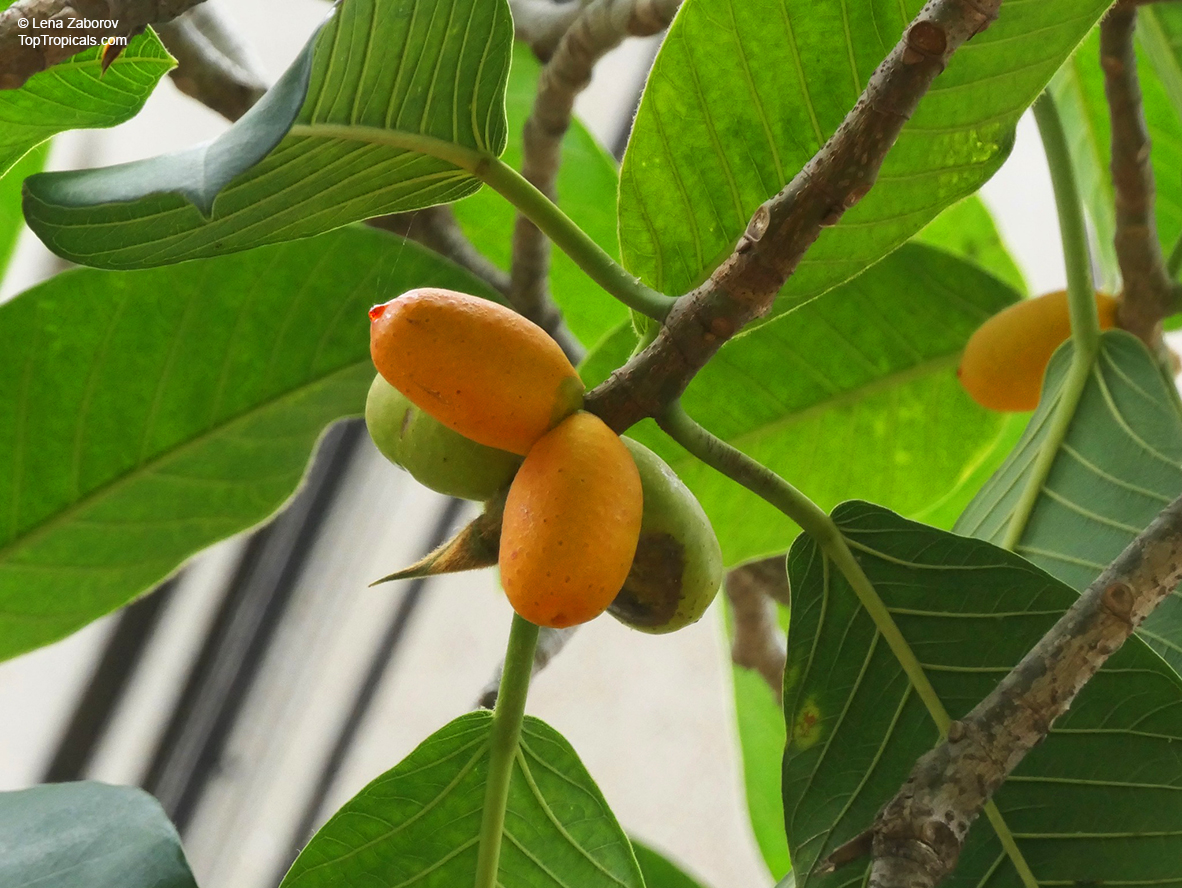
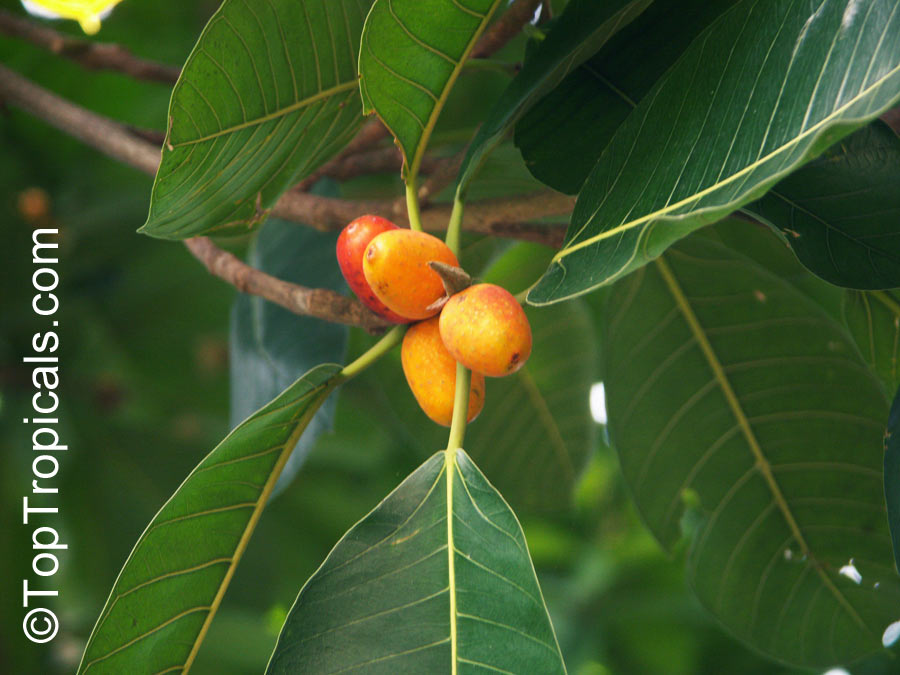
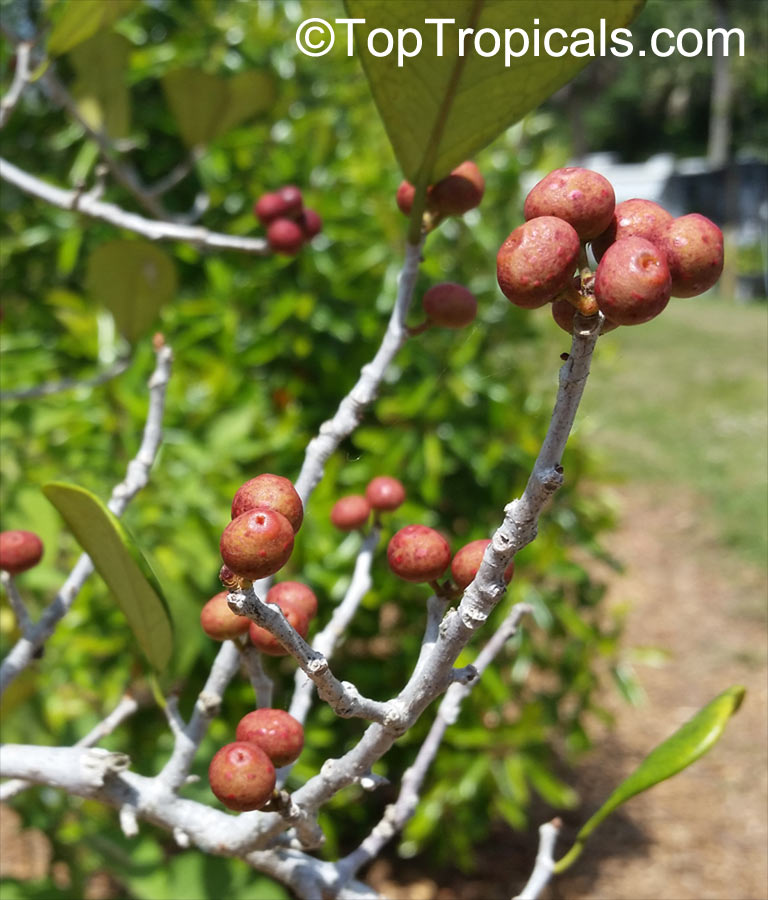
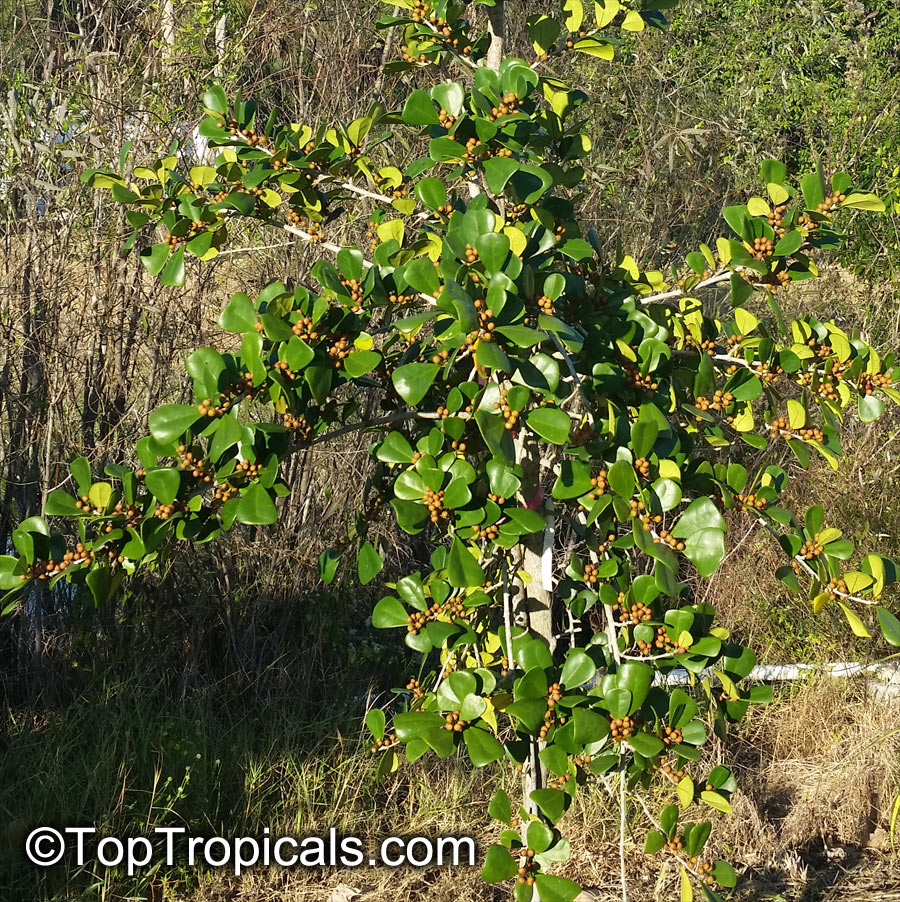
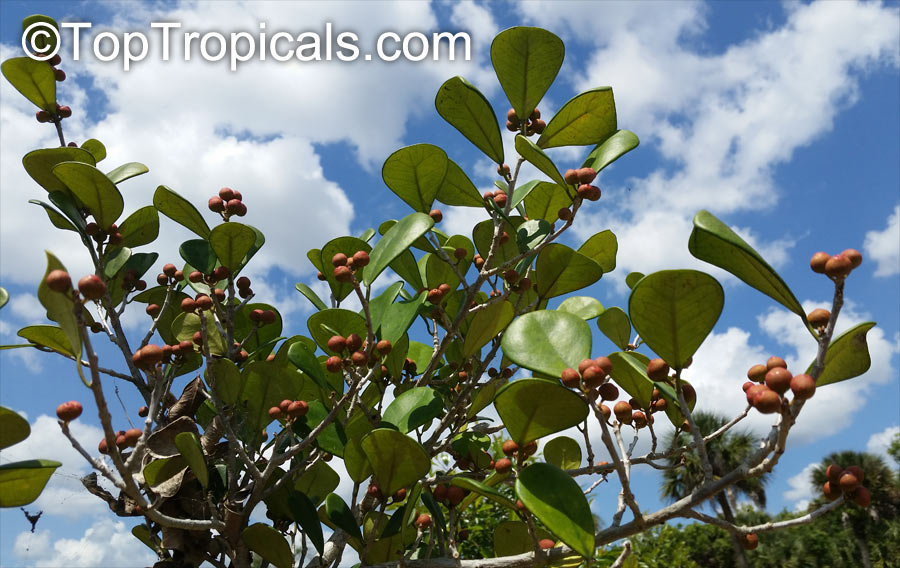
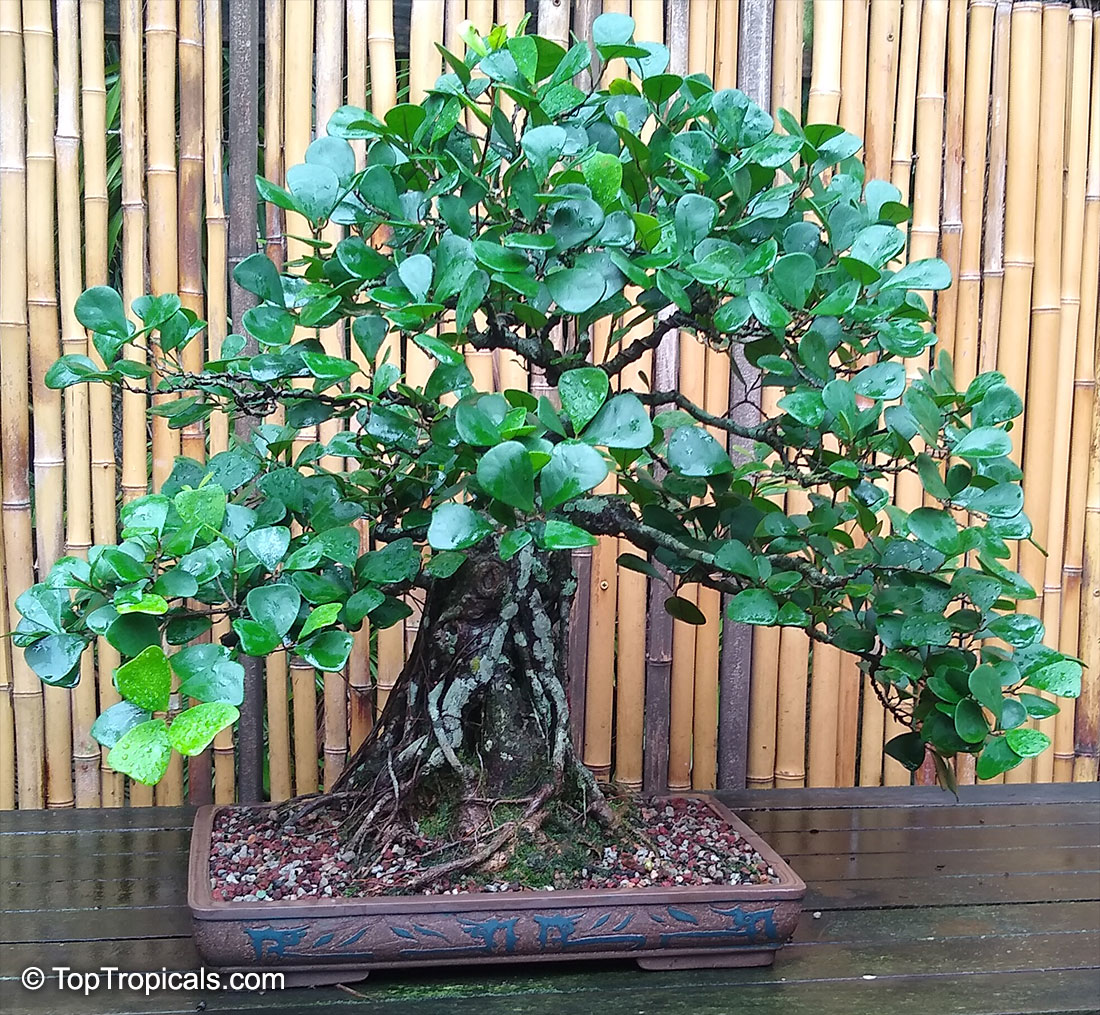
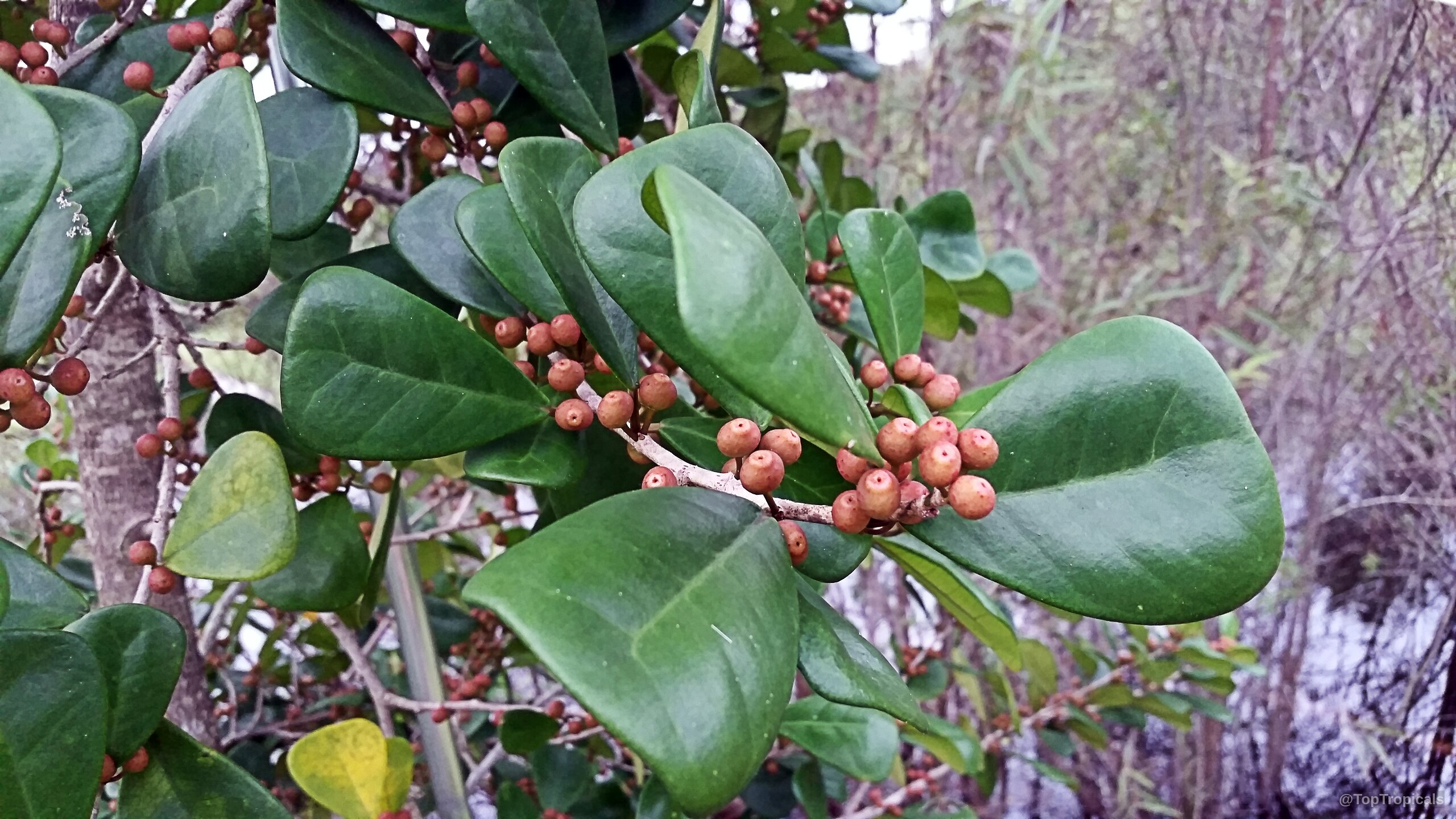
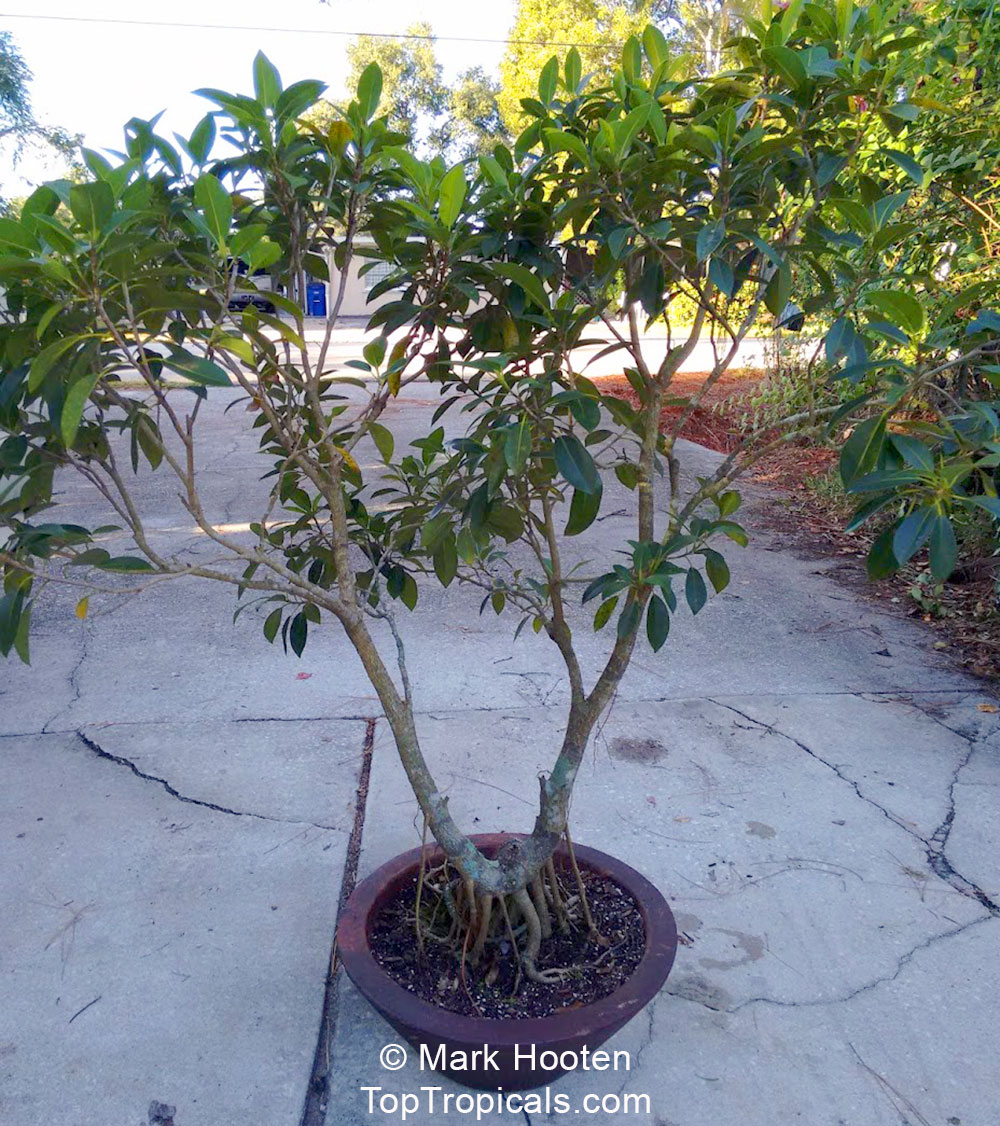
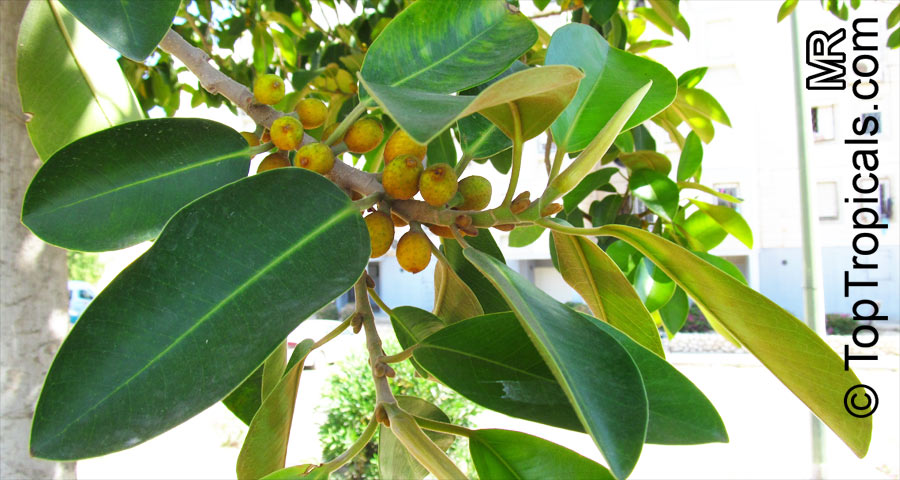
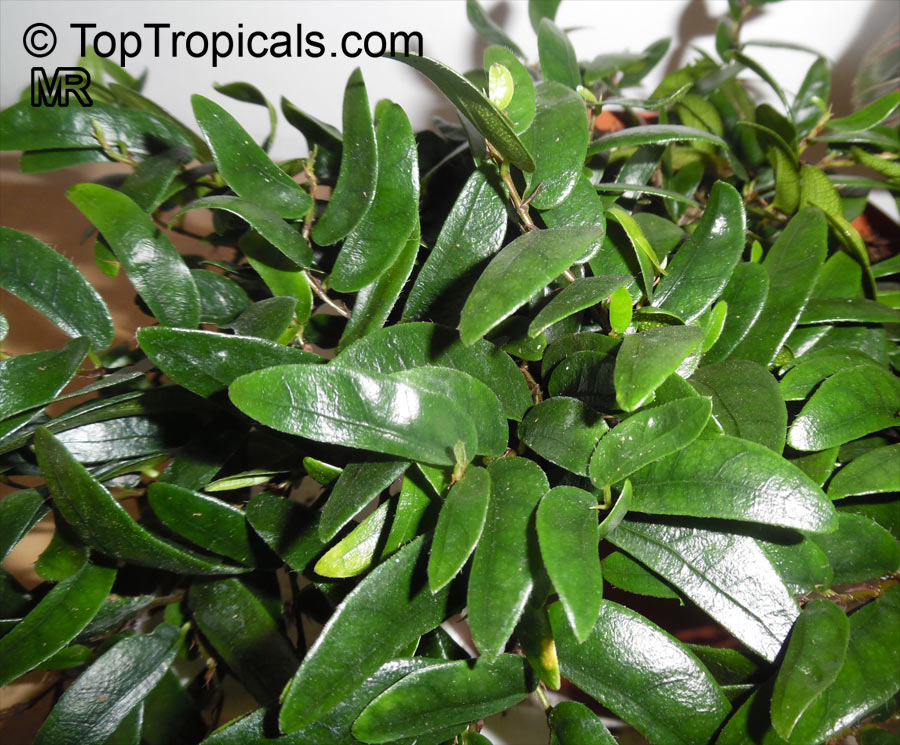
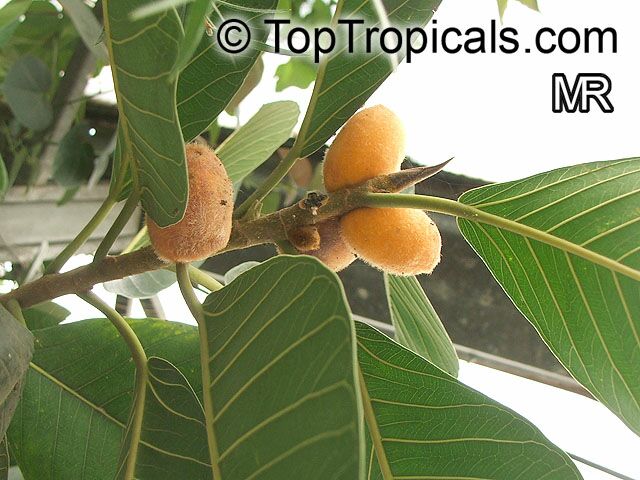
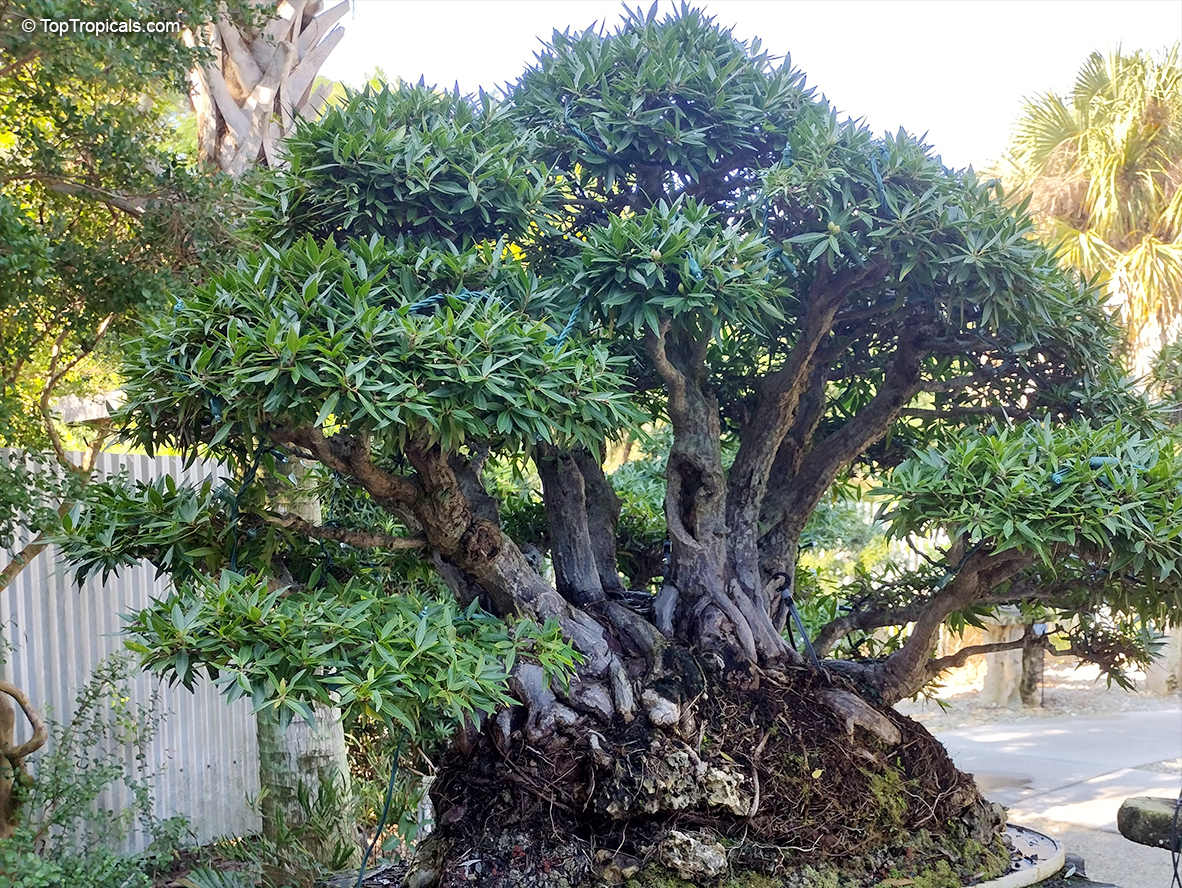
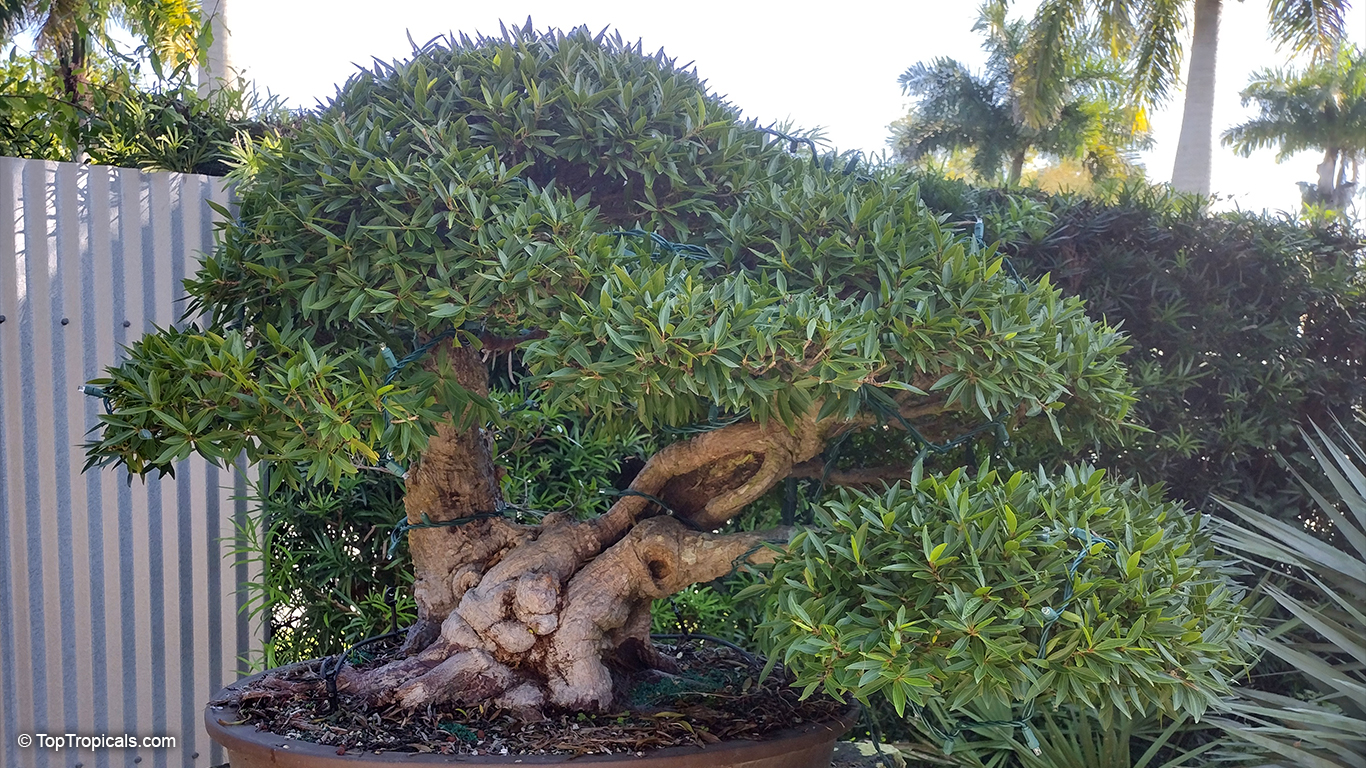
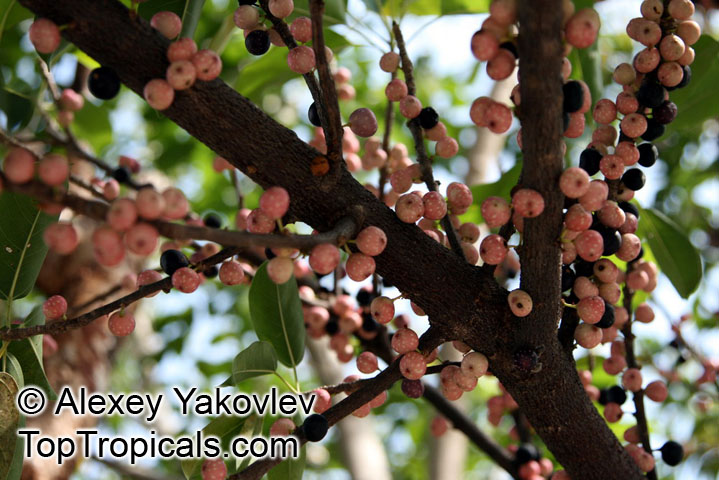
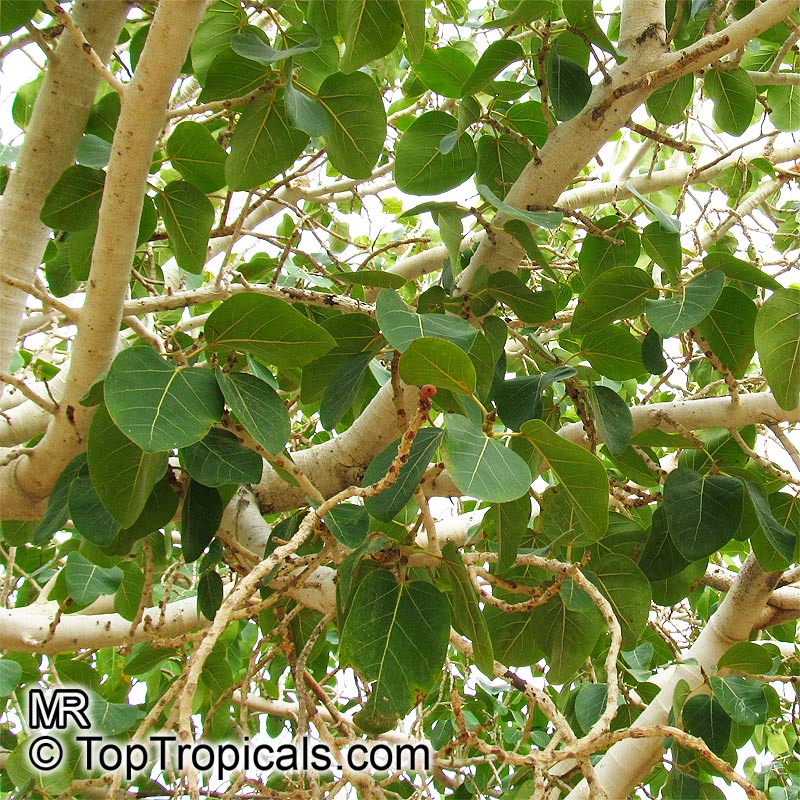
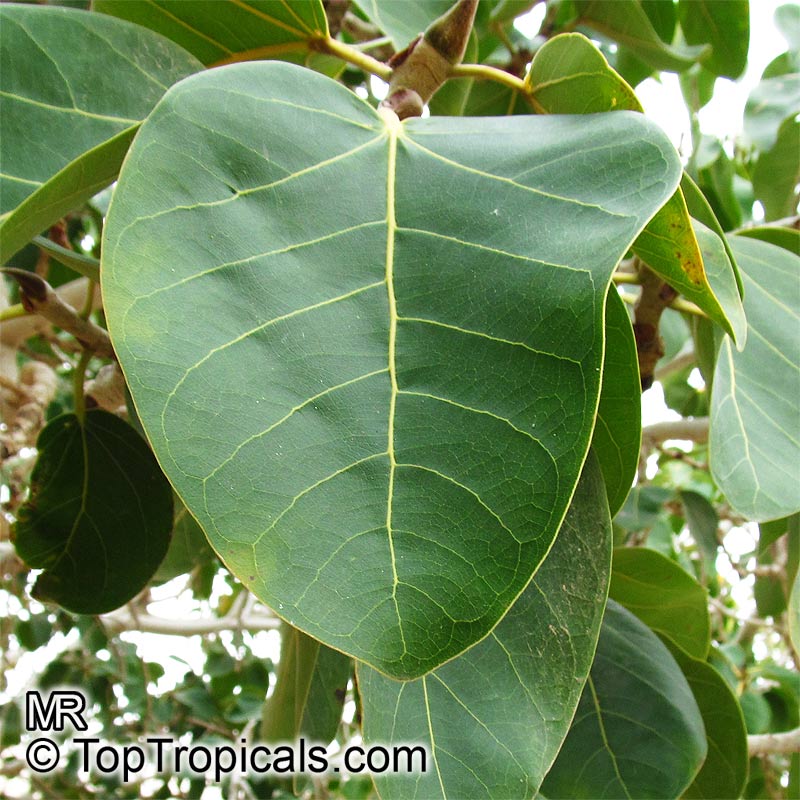
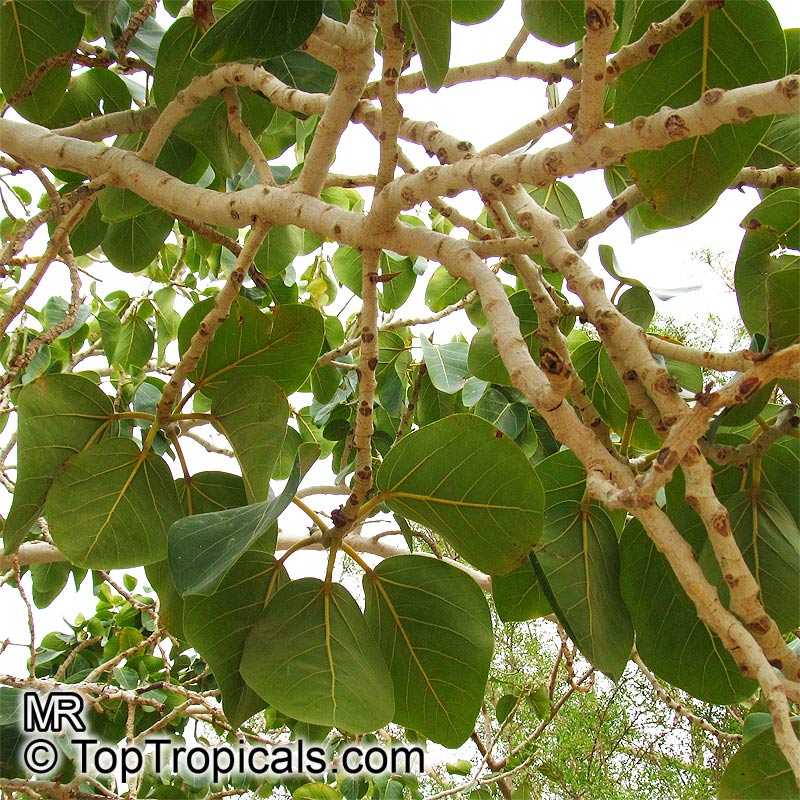
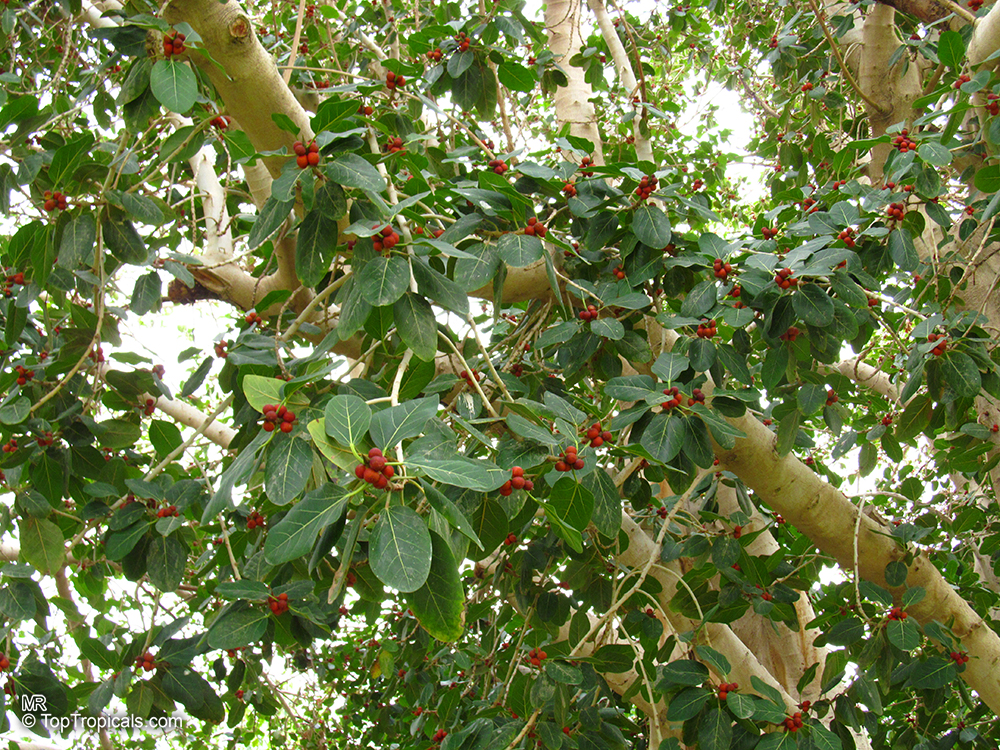
Ficus mysorensis is a species of fig tree native to India. Growing up to a height of 20 feet or more, with a slowly spreading globose crown, the tree makes for a beautiful bonsai. Its small leaves, round shape, and aerial roots give it an old-tree look and character.
Ficus mysorensis prefer full sun and good air circulation. Place the tree in an area that receives plenty of bright but indirect light, as too much direct light may cause the leaves to burn. It can also be grown in a pot, even in cold regions due to its root hardiness, though it is important to protect the tree from extreme cold temperatures. When planting it in a pot, choose a slightly bigger one than usual to provide room for the tree to grow roots. Soil should be lightweight and well-draining, such as bonsai mix or well-draining potting mix. During the summer, the tree should be given adequate water to prevent the soil from drying out. Misting the foliage regularly is also beneficial. Reduce watering during the colder months to the minimum, just enough to keep the soil moist but not soggy. Fertilizer should be used sparingly but regularly, as too much can damage the root system. Trim the roots to keep it contained, and prune the growth in midsummer.

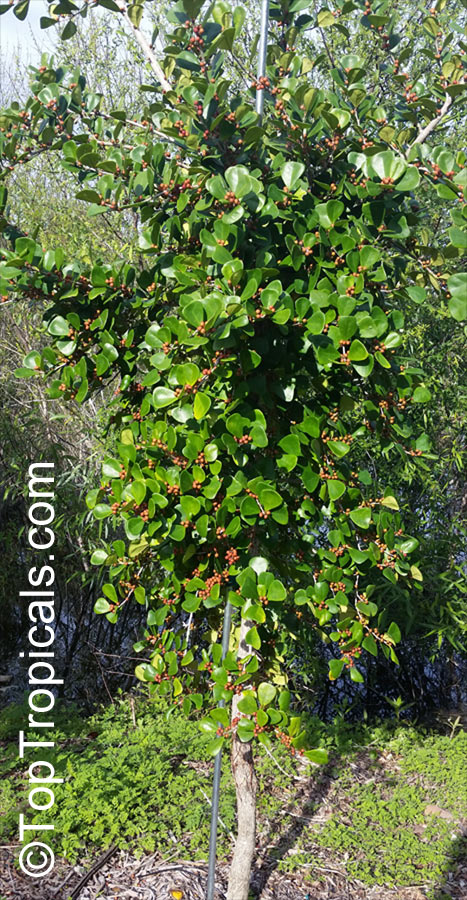
Botanical names: Ficus natalensis subsp. leprieurii, Ficus triangularis
Common names: Triangle Ficus, Triangle Leaf Fig Tree
Family: Moraceae
Origin: South Africa
USDA Zone: 10-11
Cold tolerance: 35°F


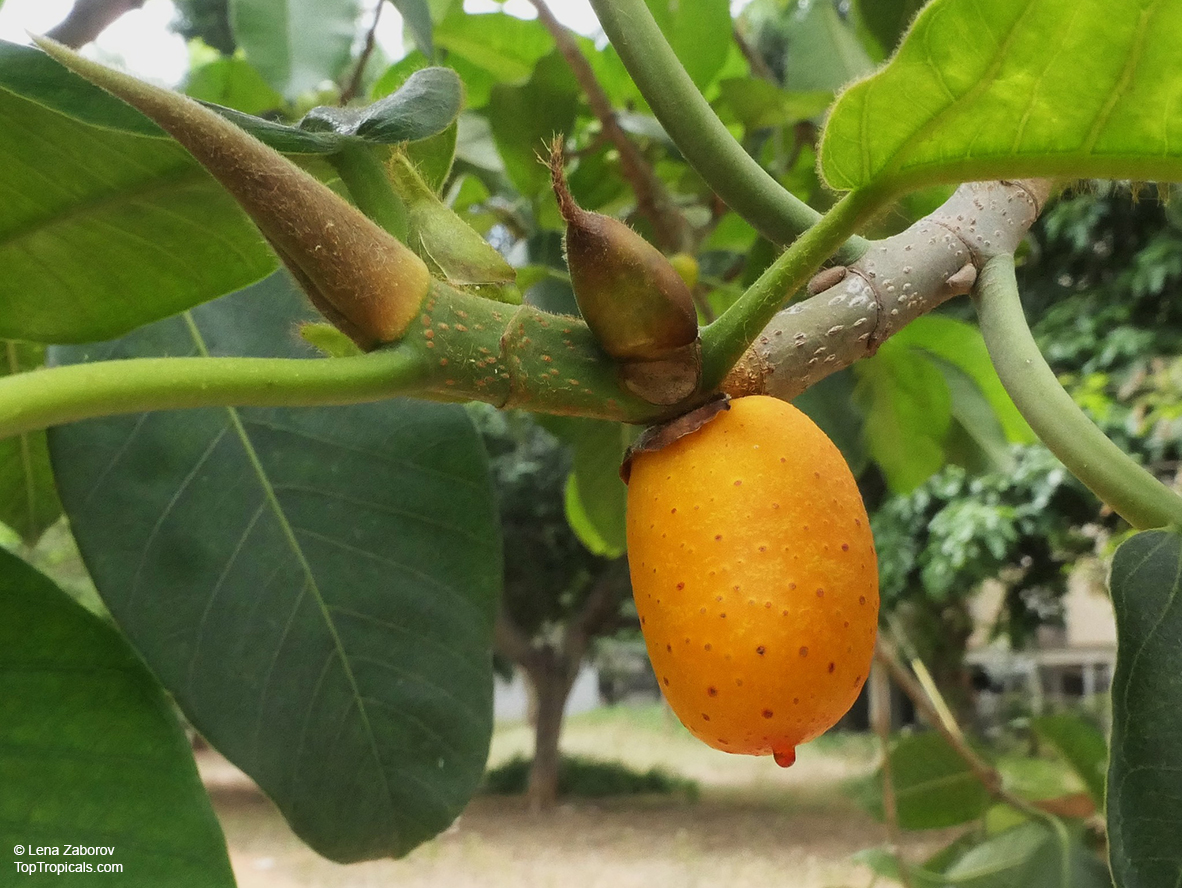
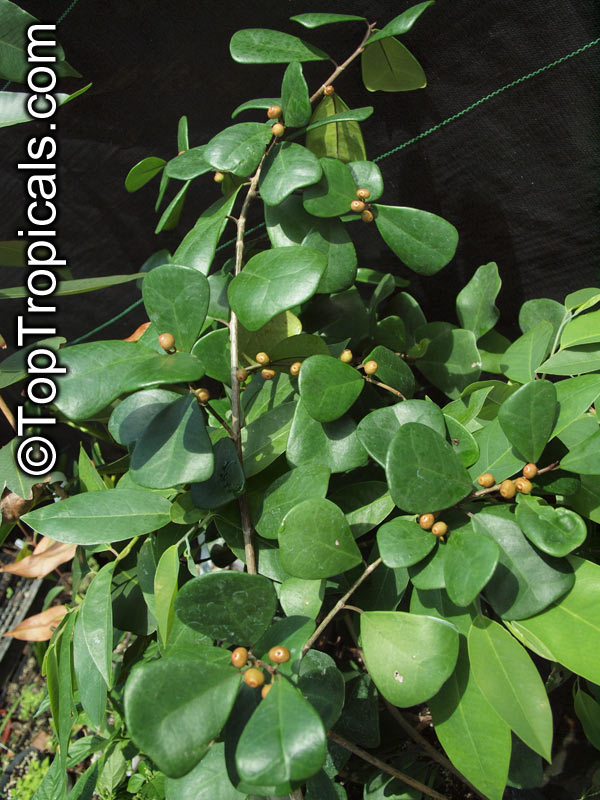
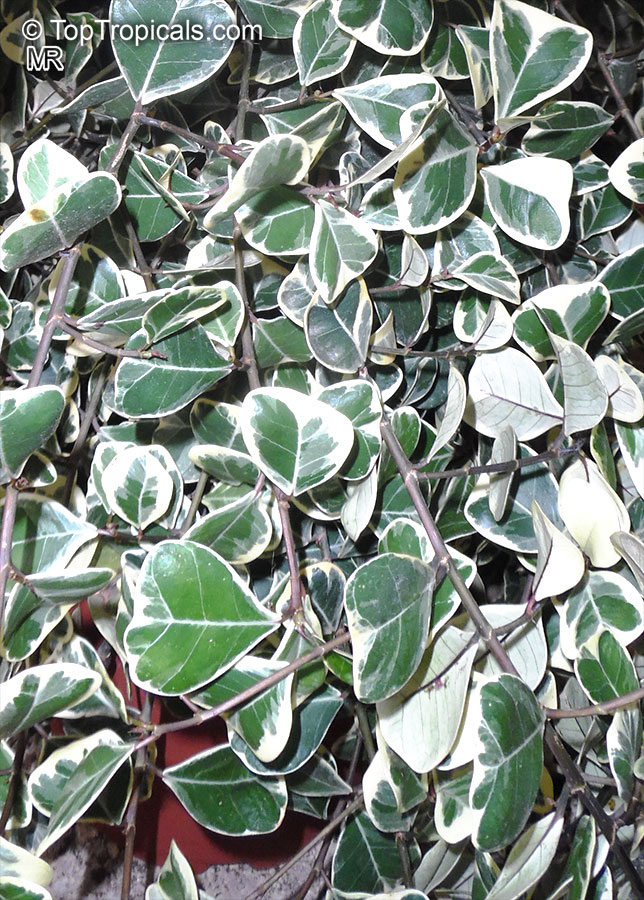
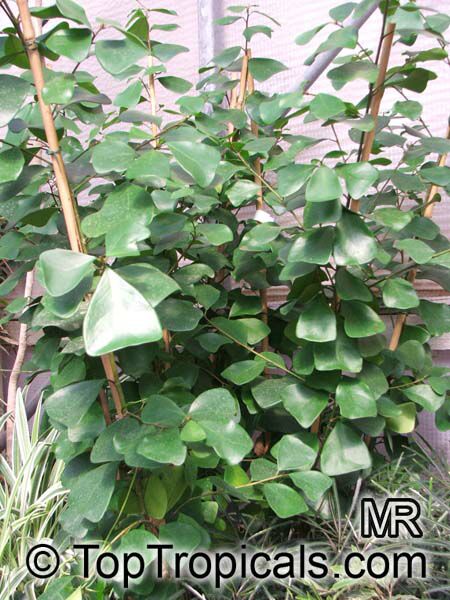
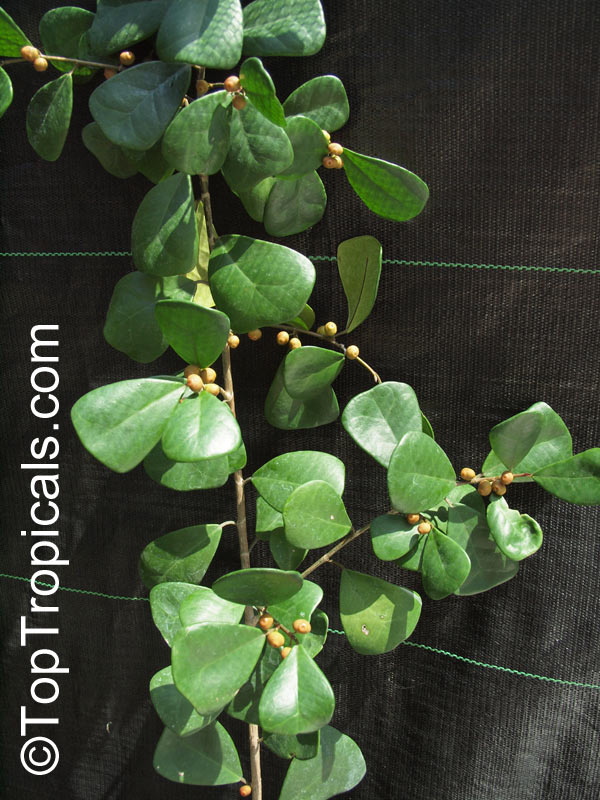
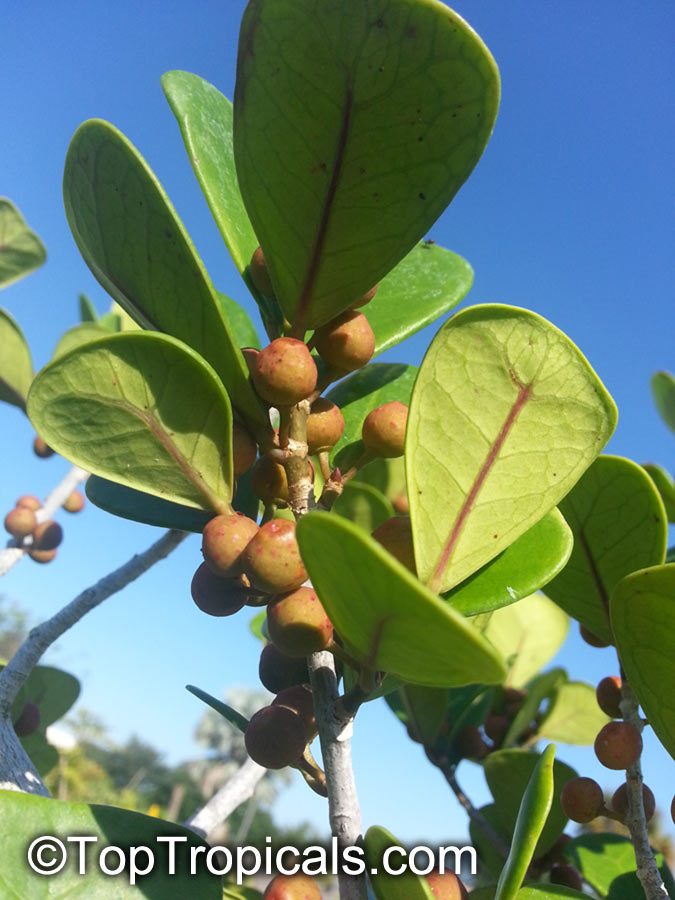
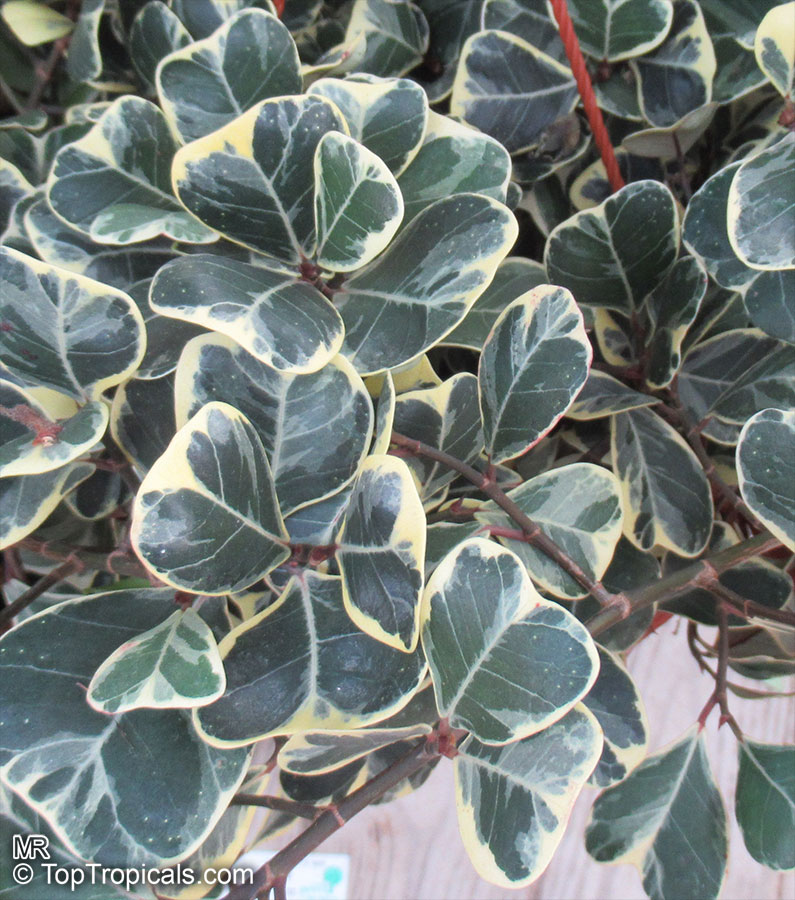
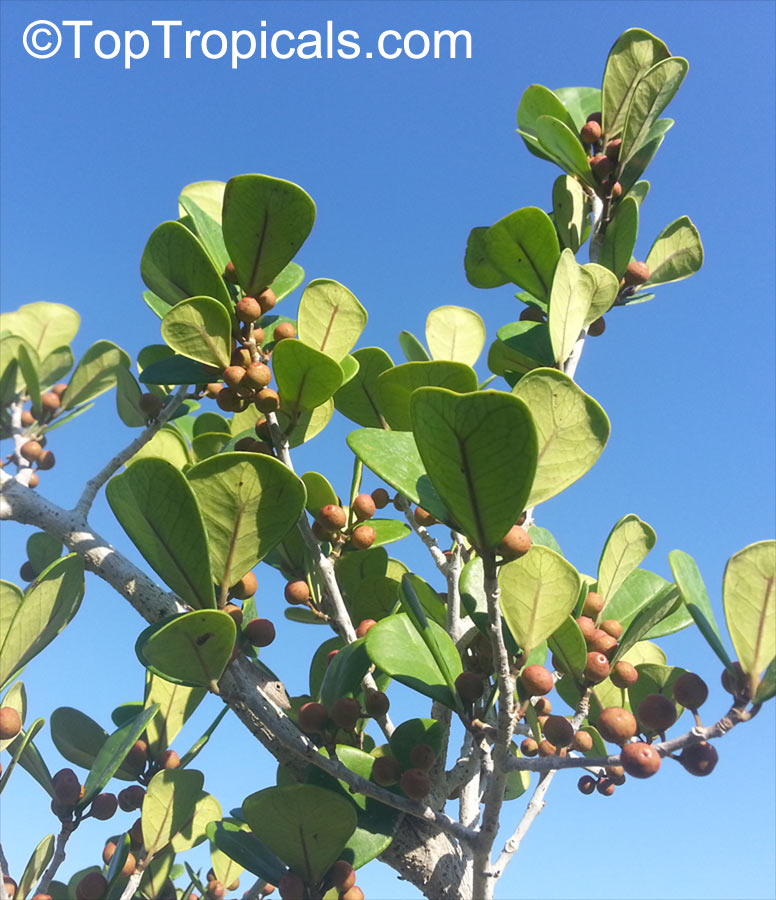
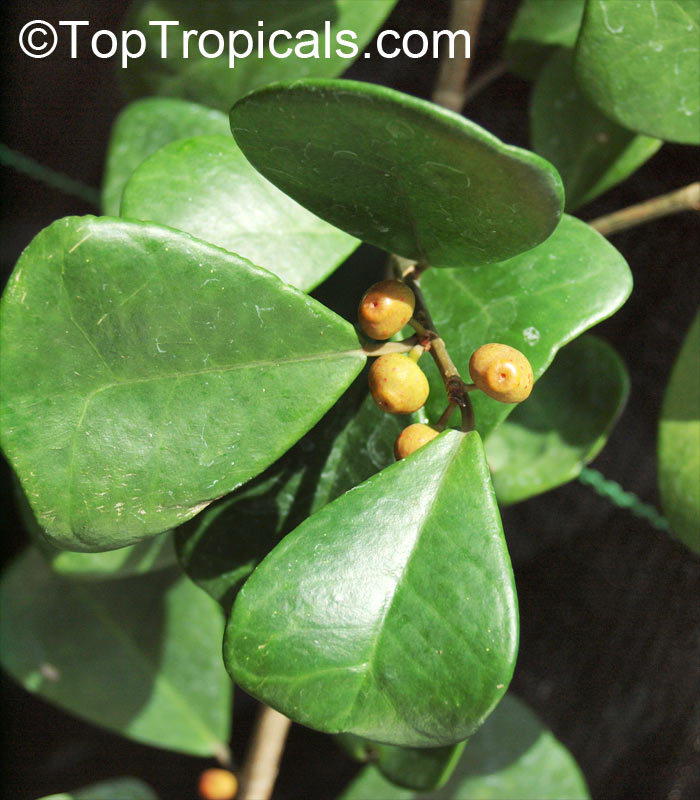
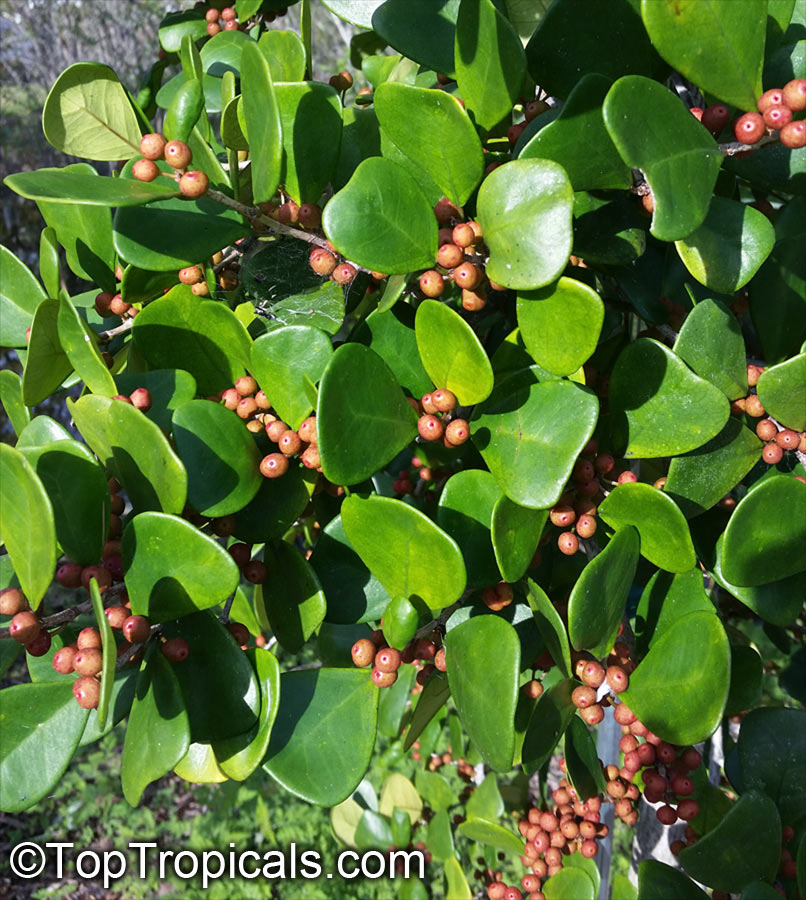
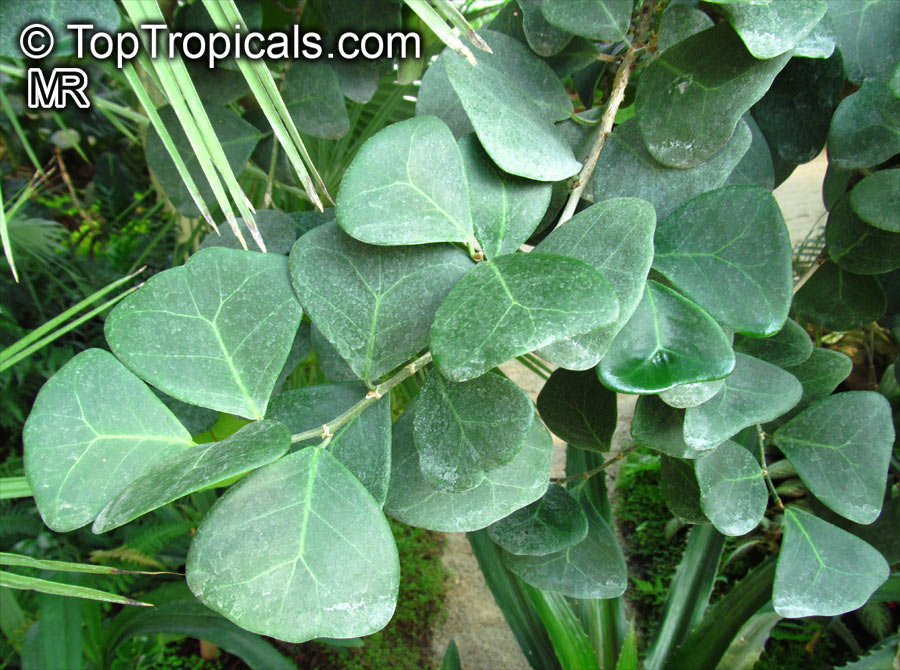
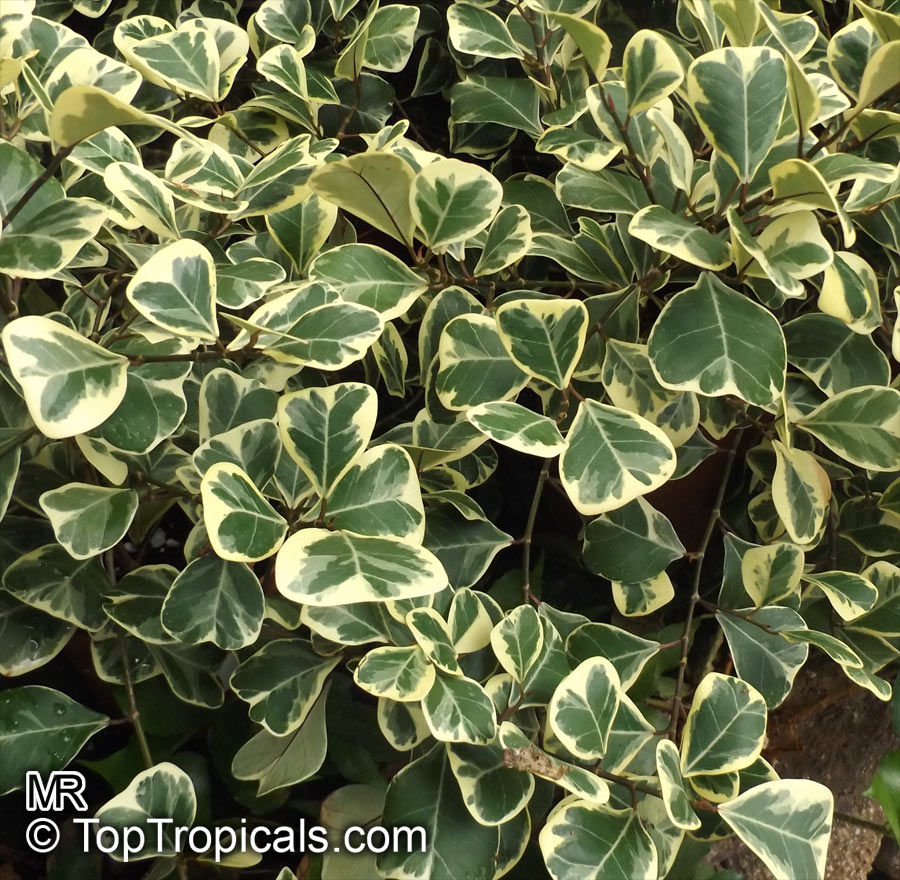
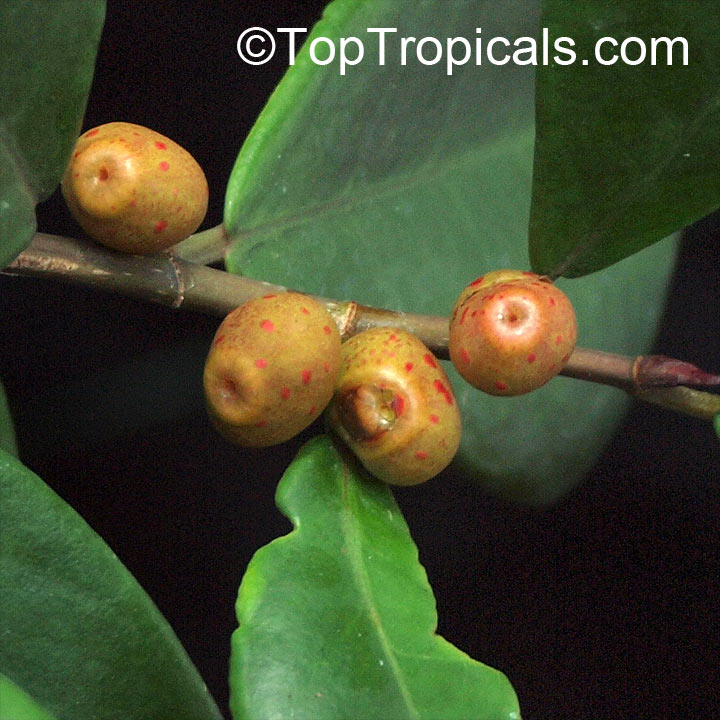
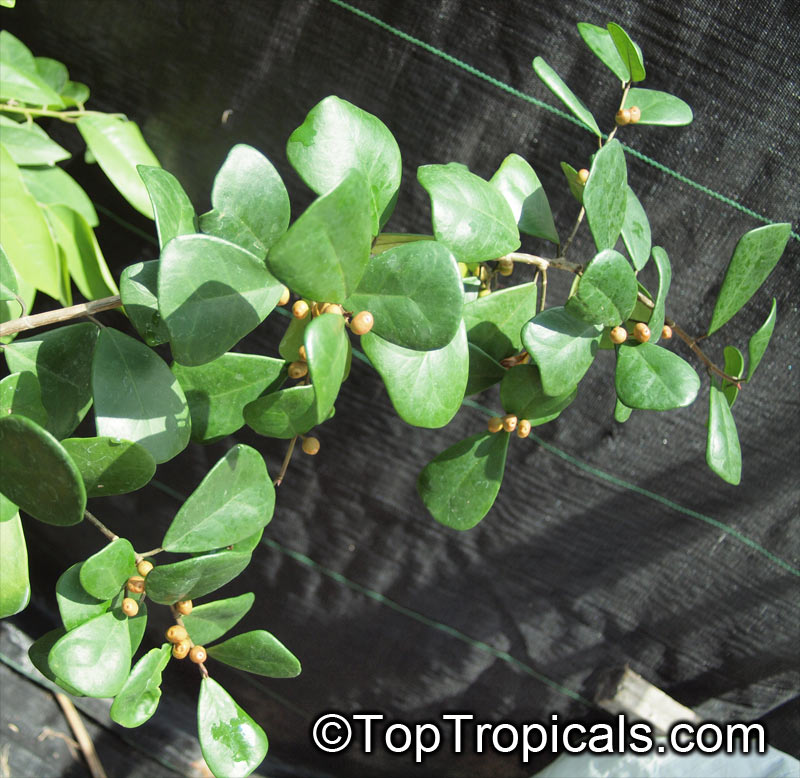
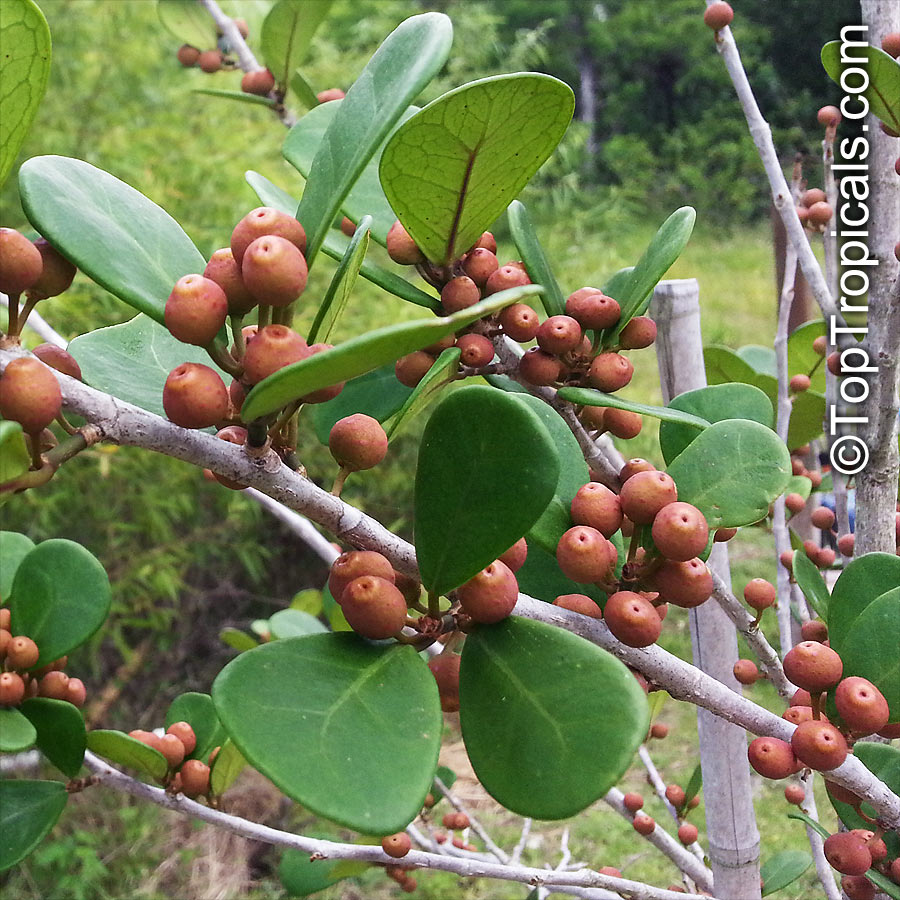
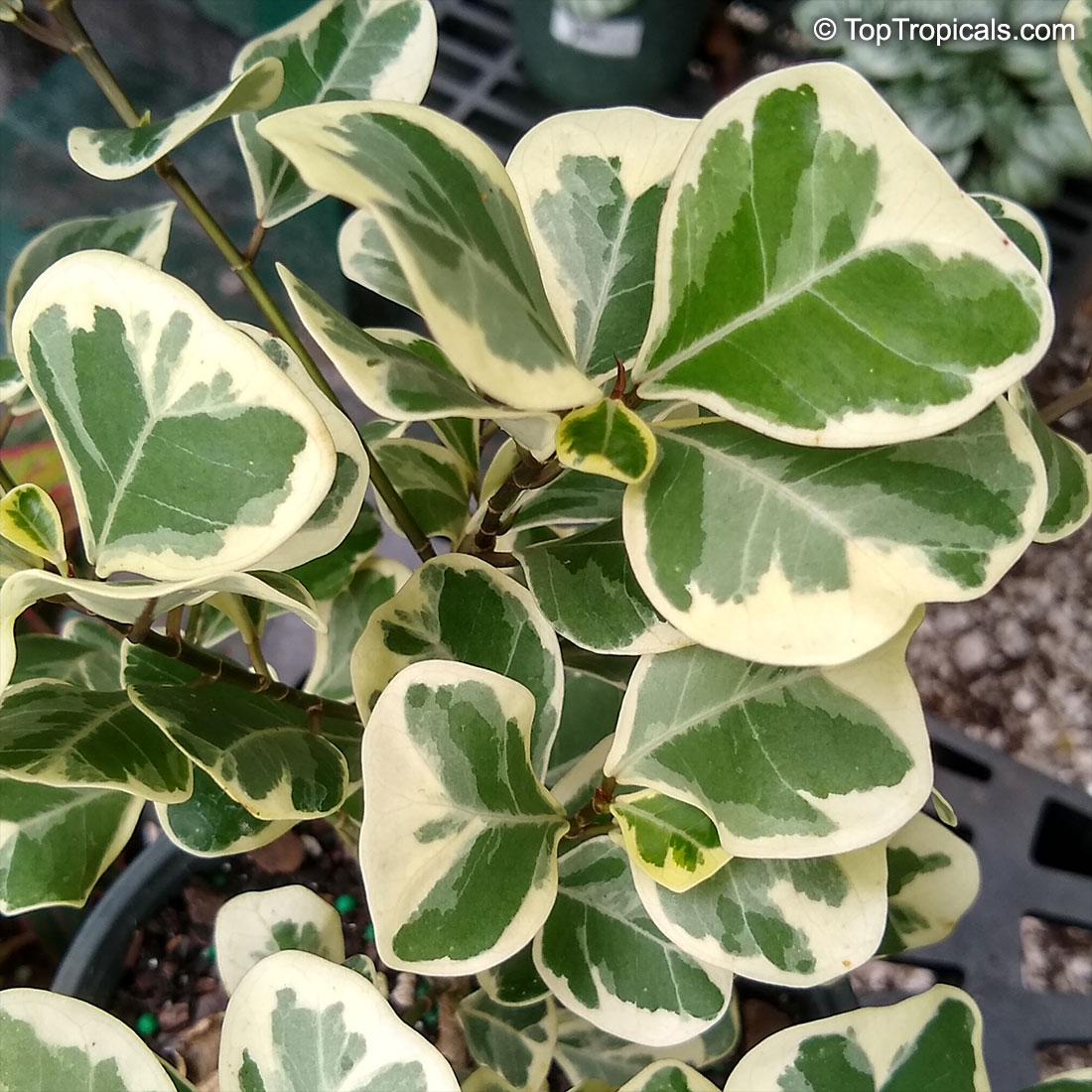
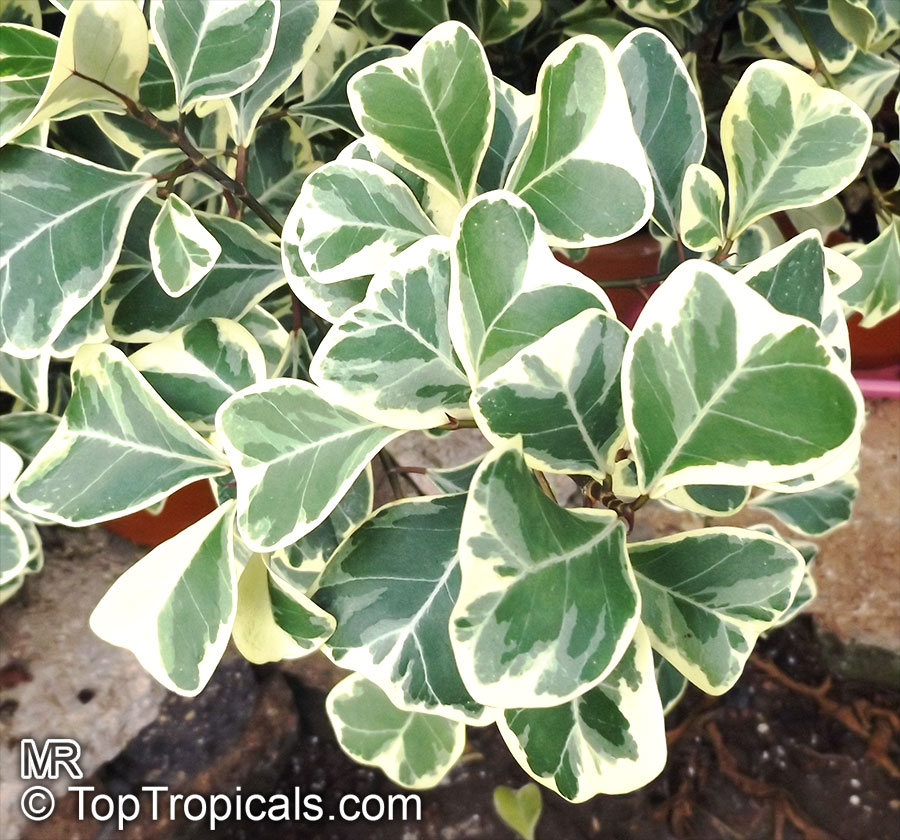
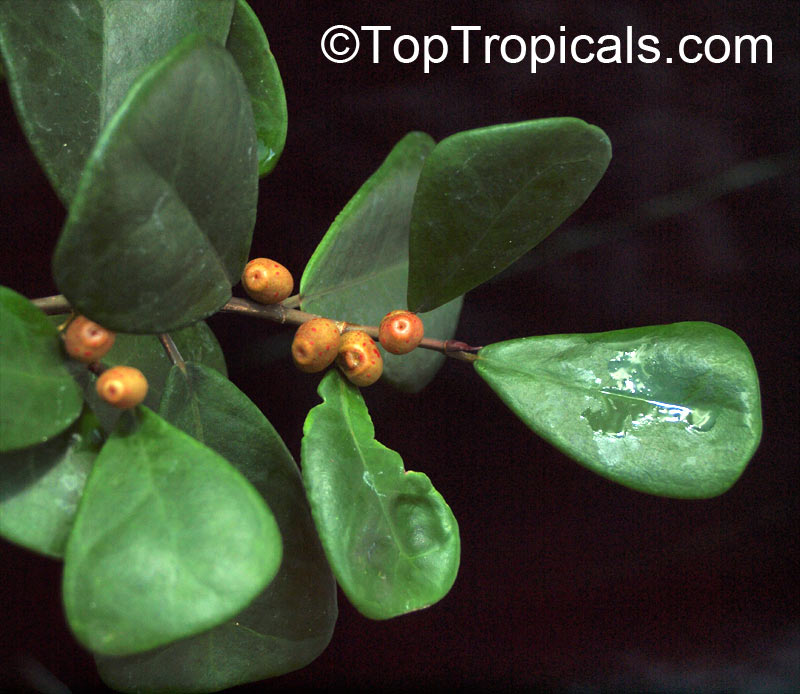
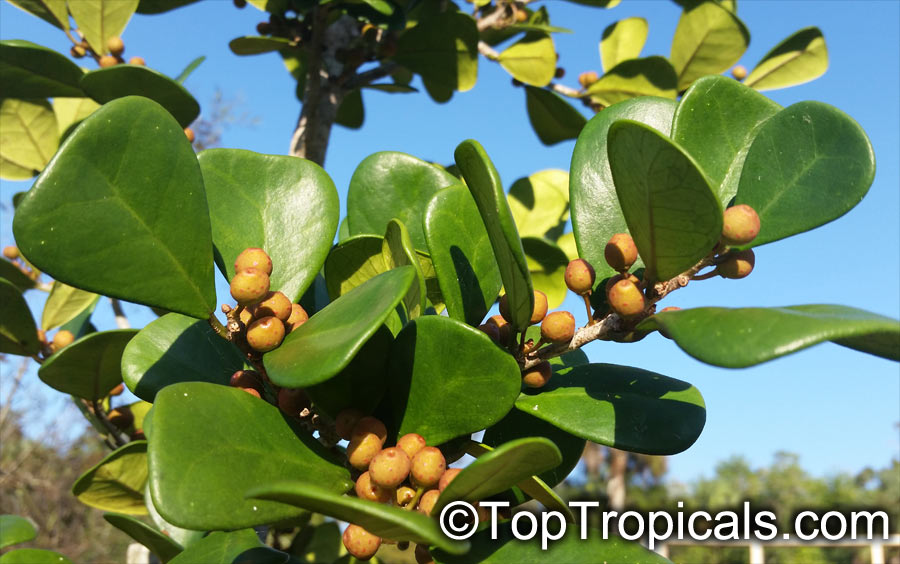
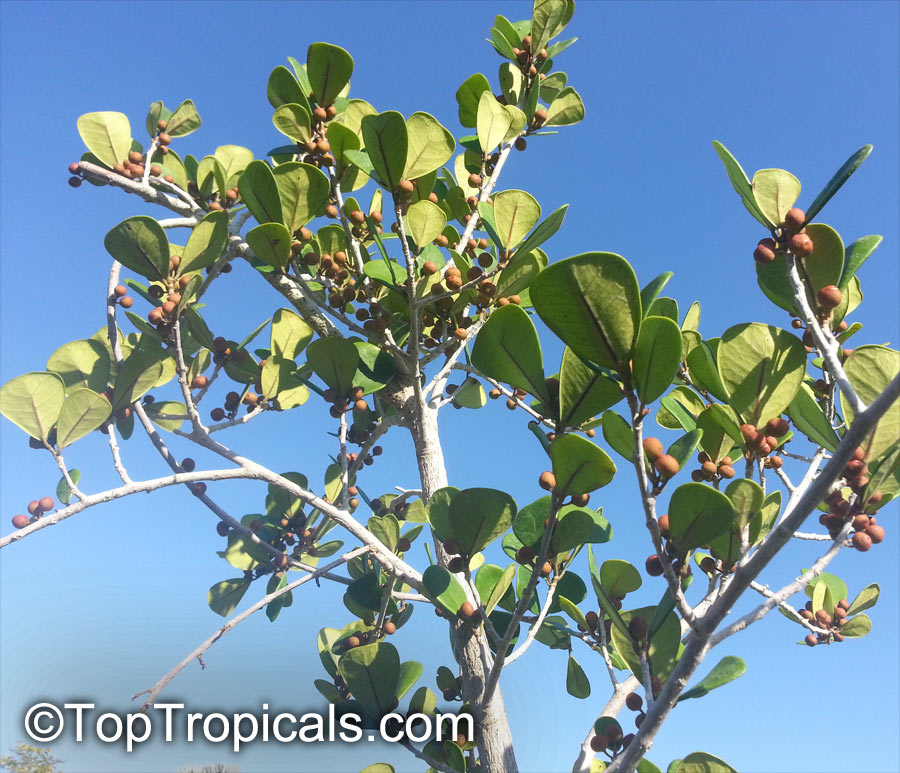
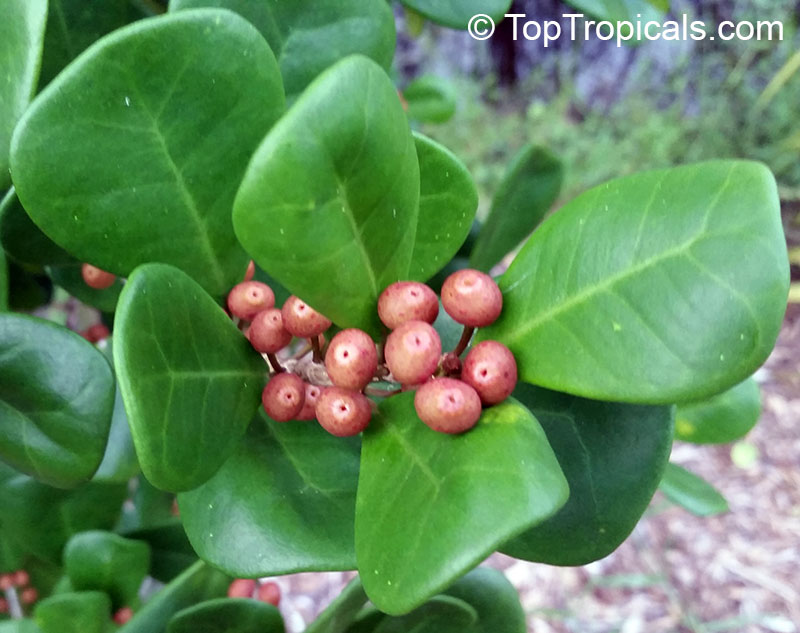
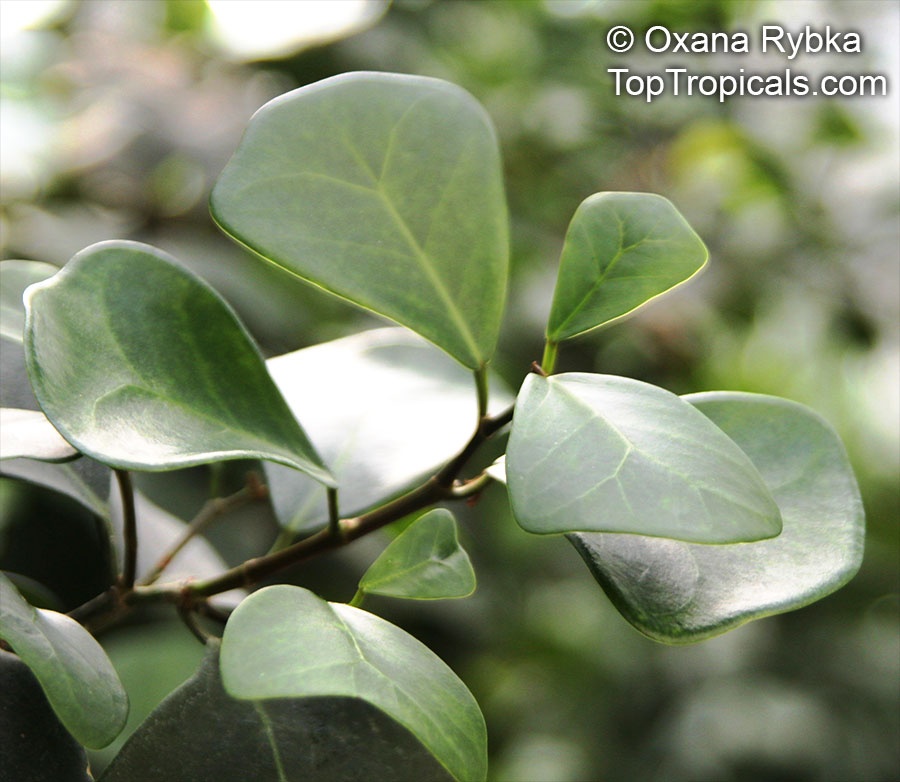
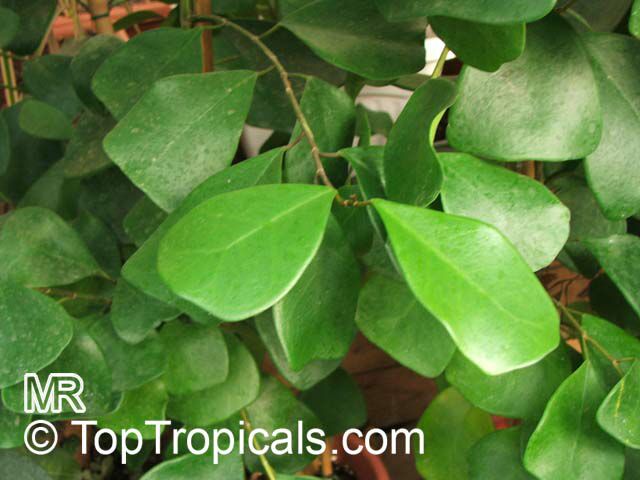
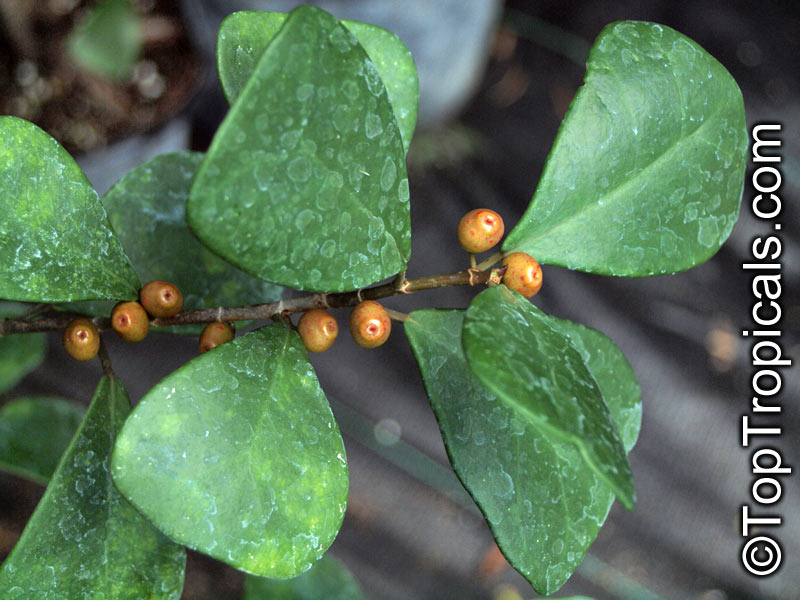
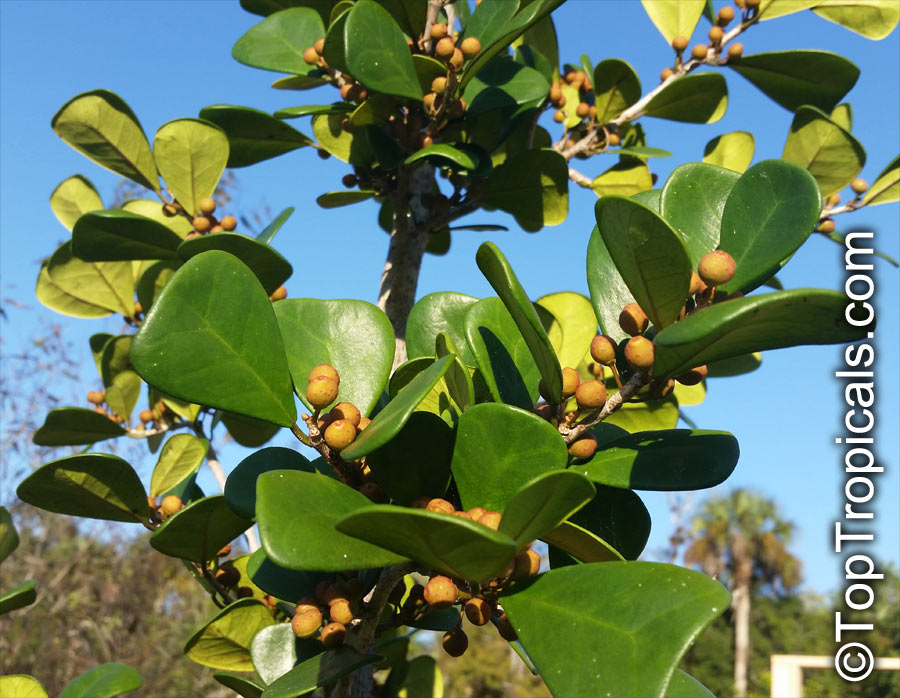
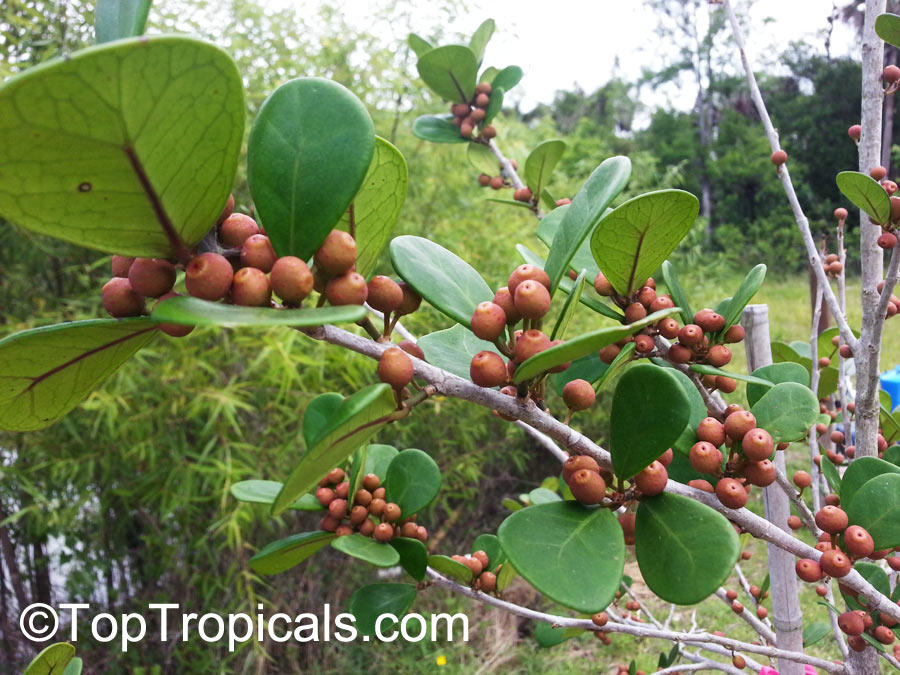
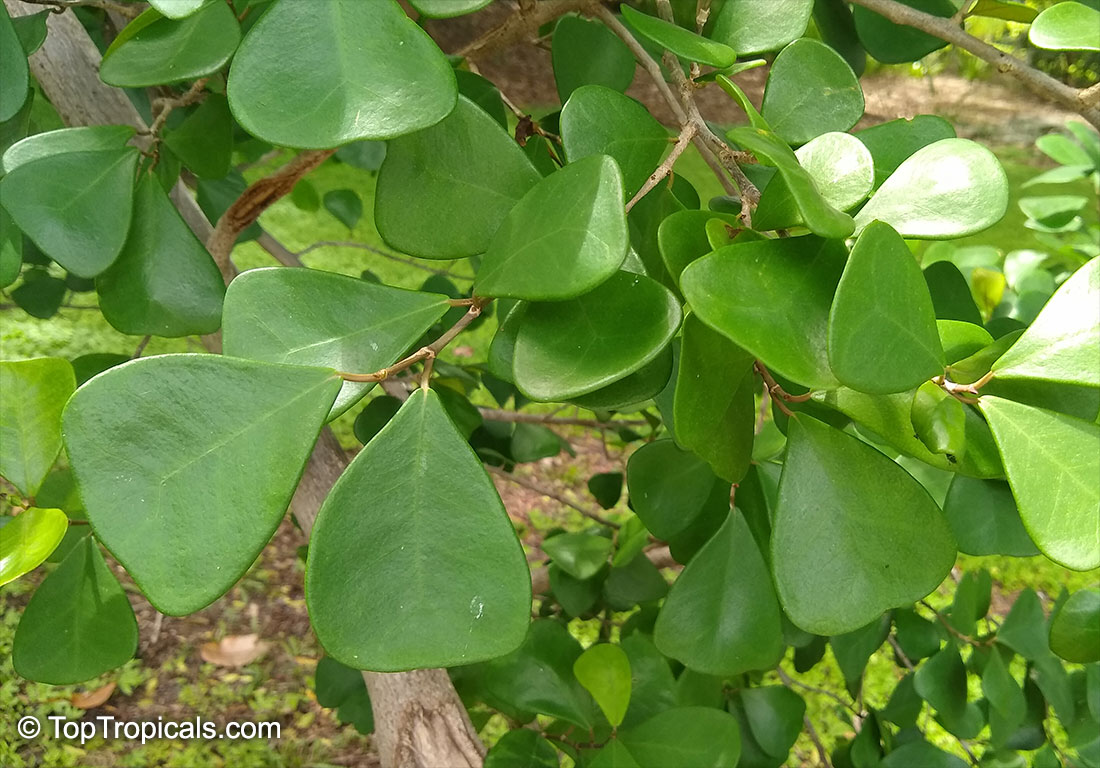
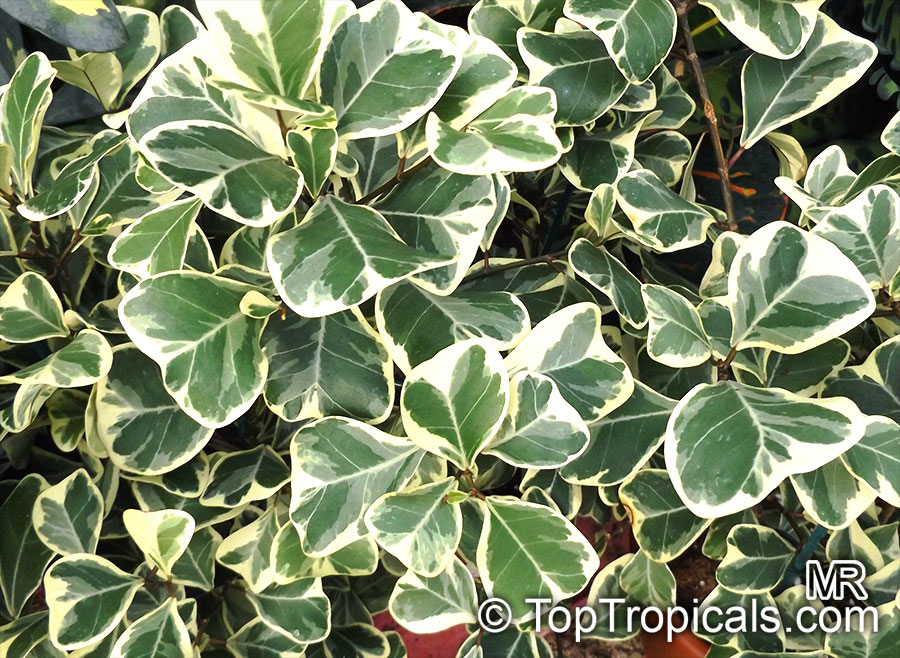
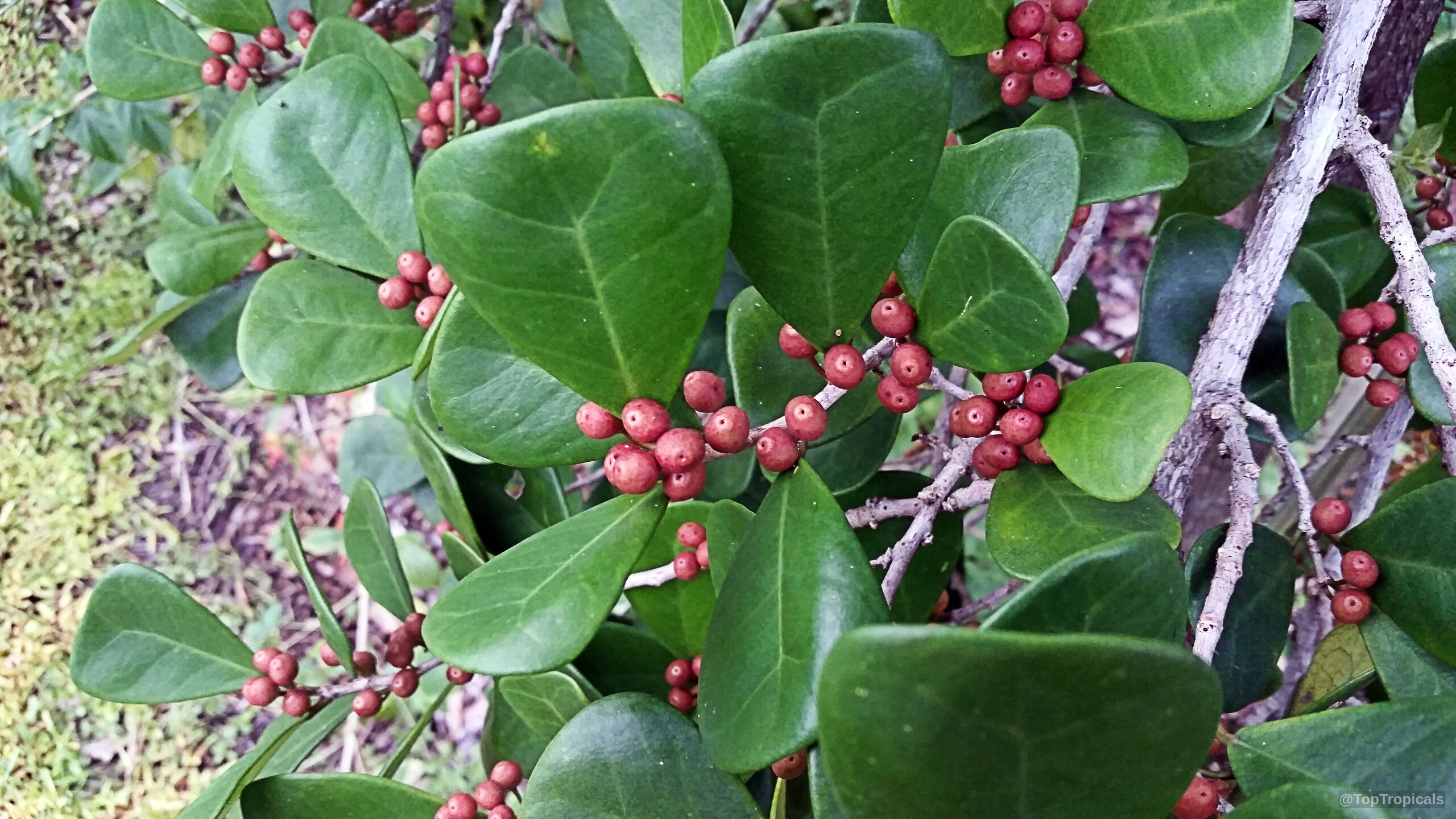
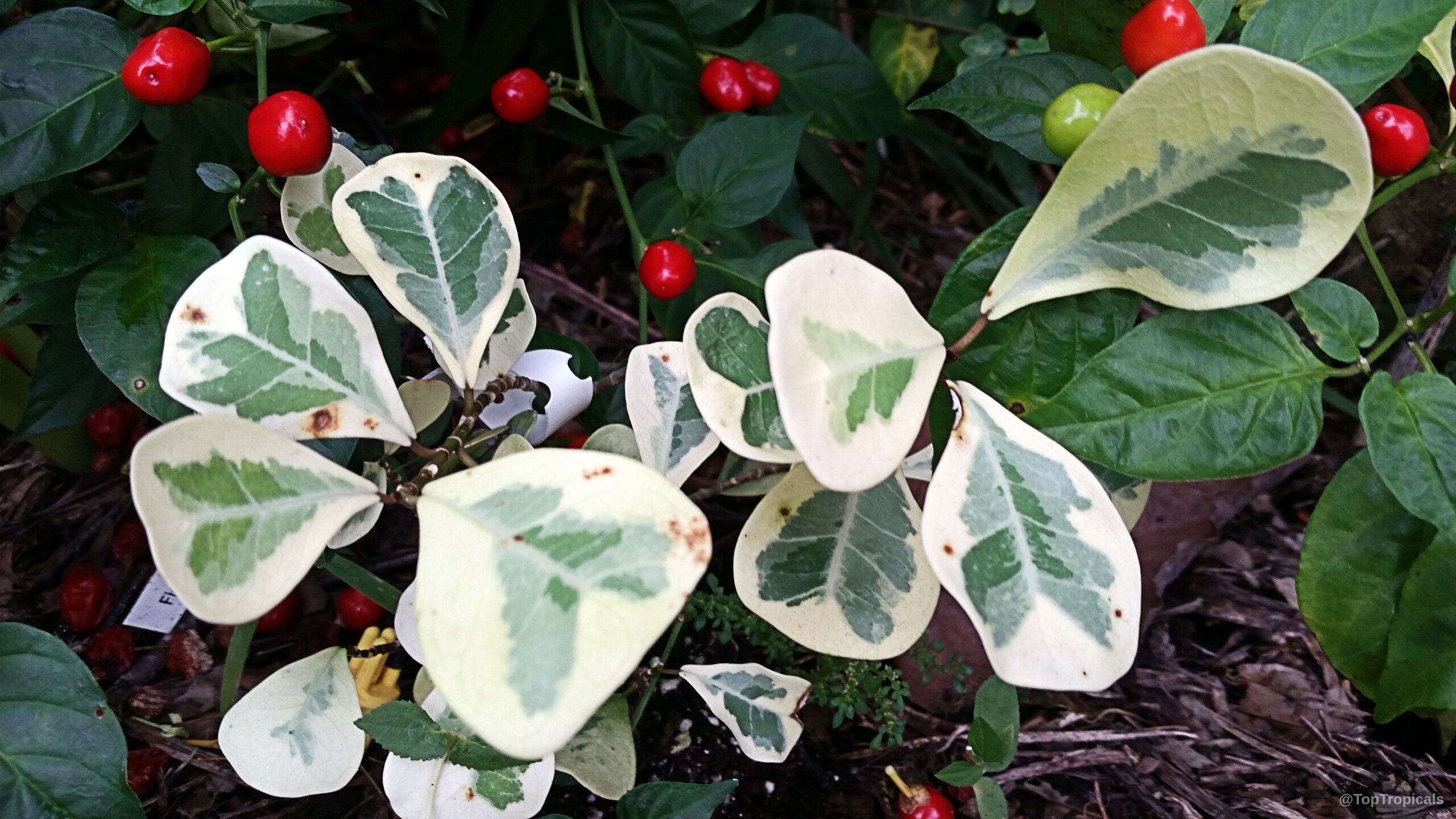
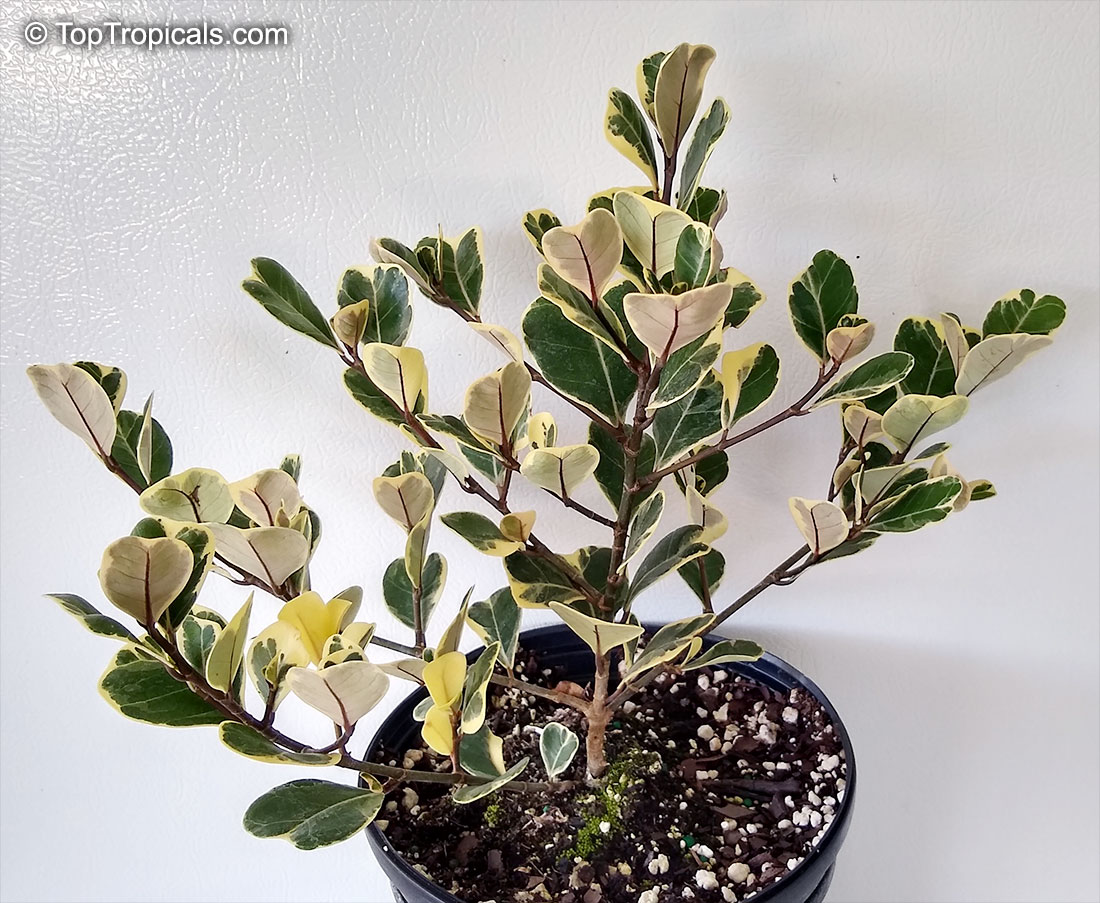
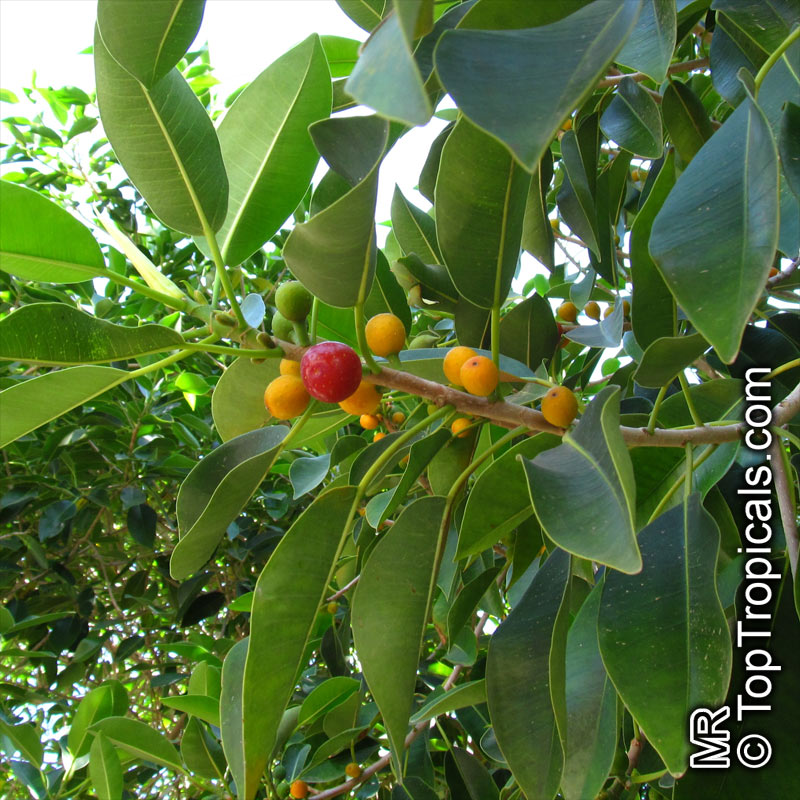
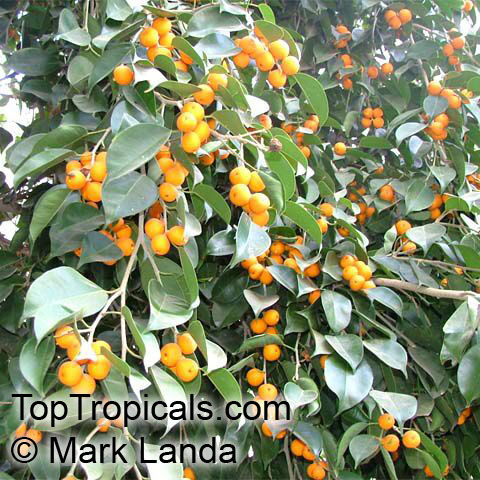
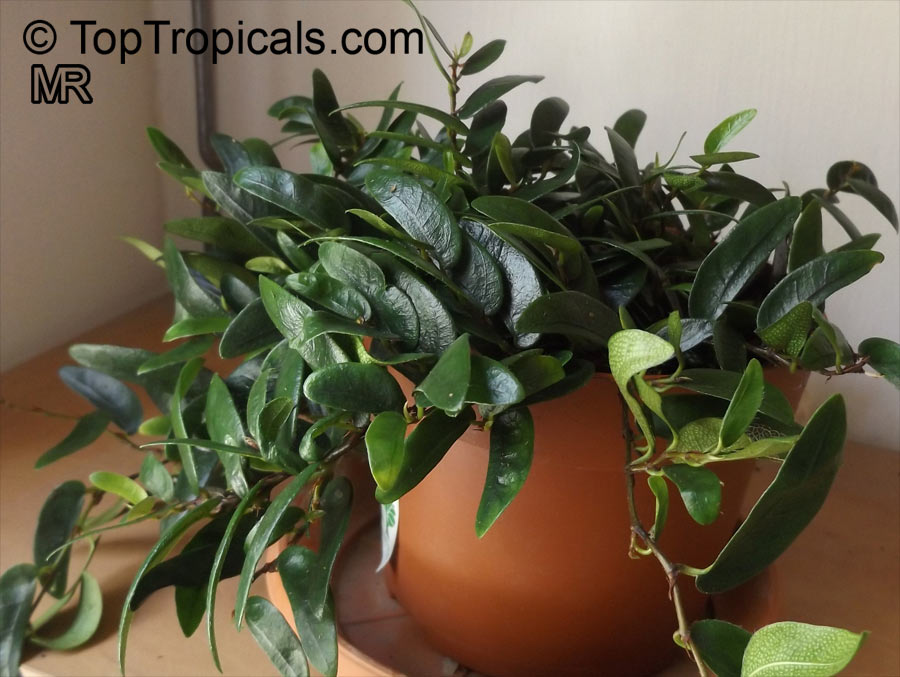
Ficus triangularis has unique triangular, thick, bright green leaves. May be grown in a container as a specimen plant, trained into a small tree, or trimmed into a shrub or hedge. It produces small yellow figs that are eaten by birds. Closely related to Ficus deltoidea with similar leaf shape and fruit.
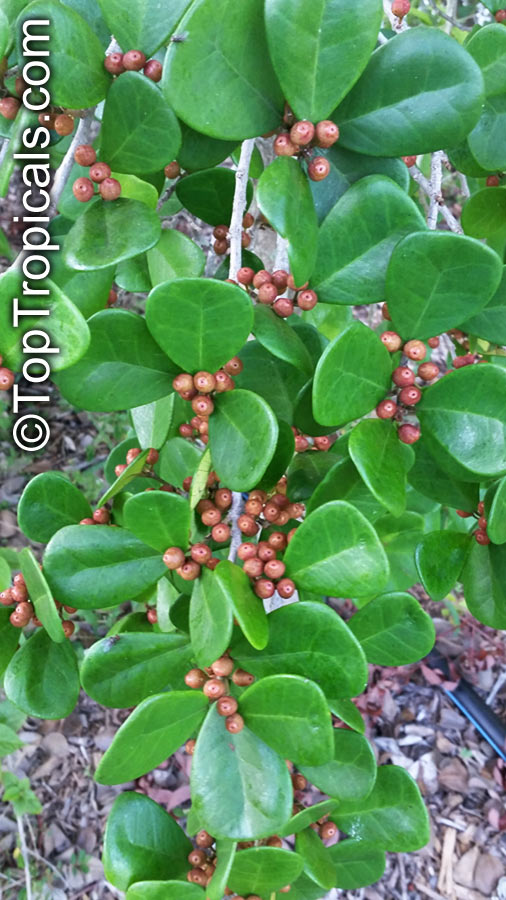
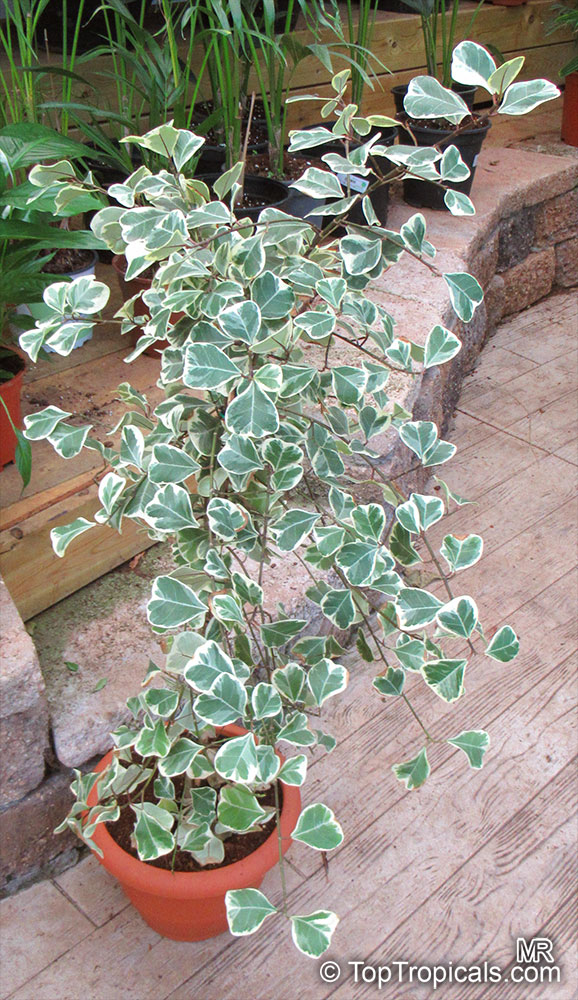
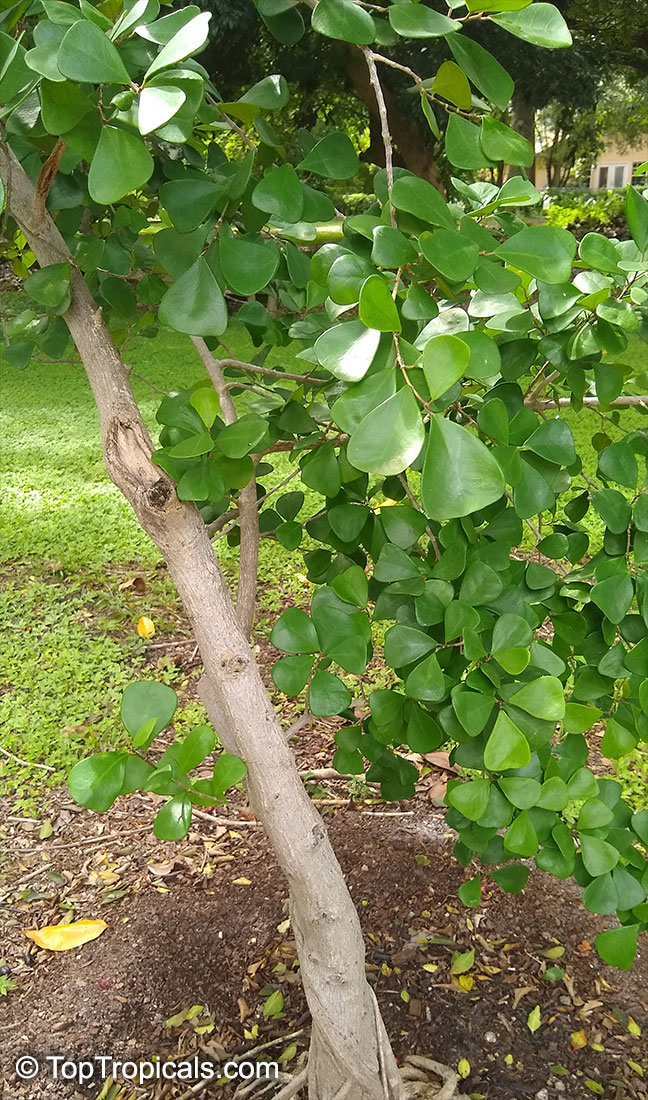




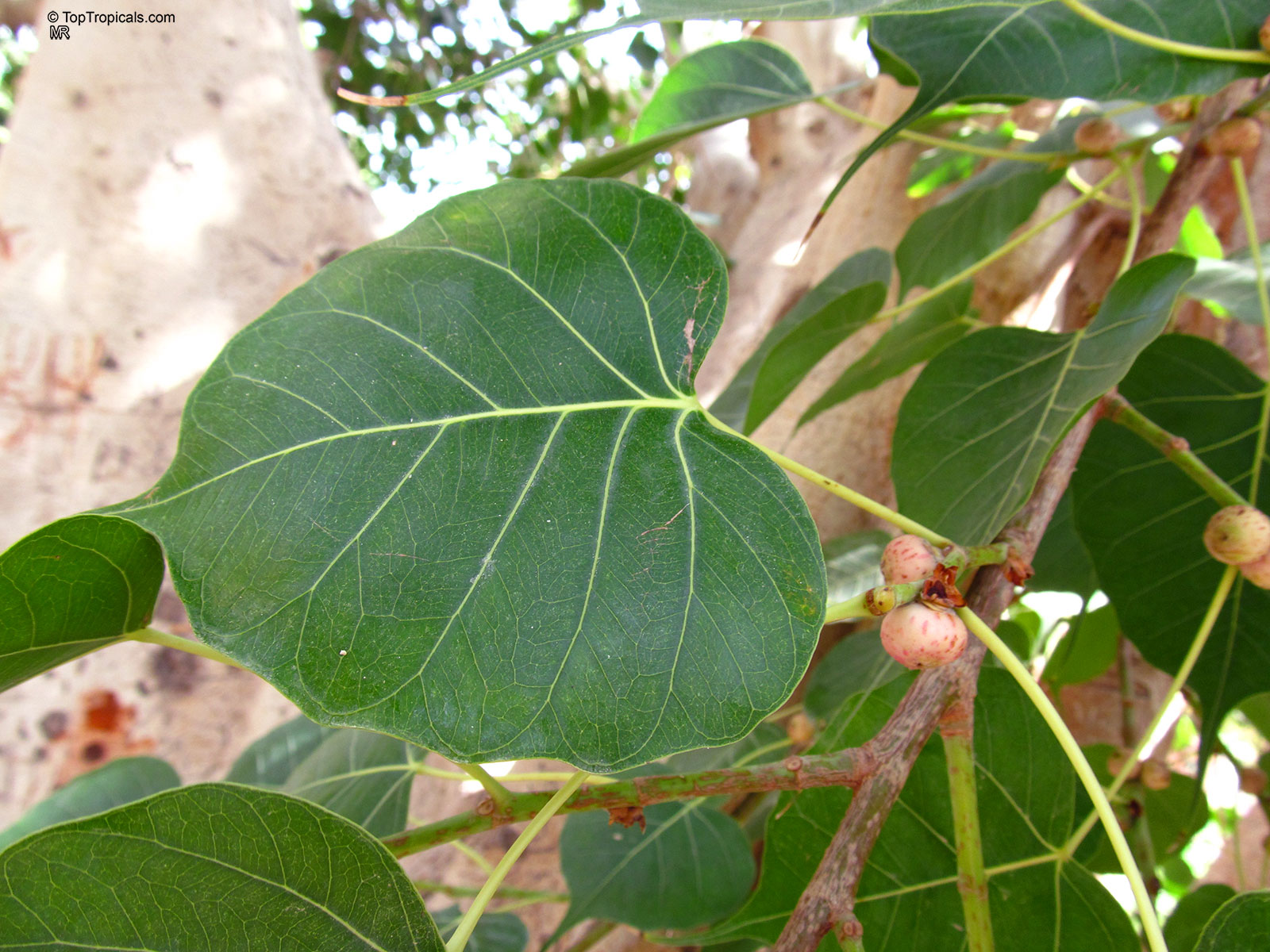
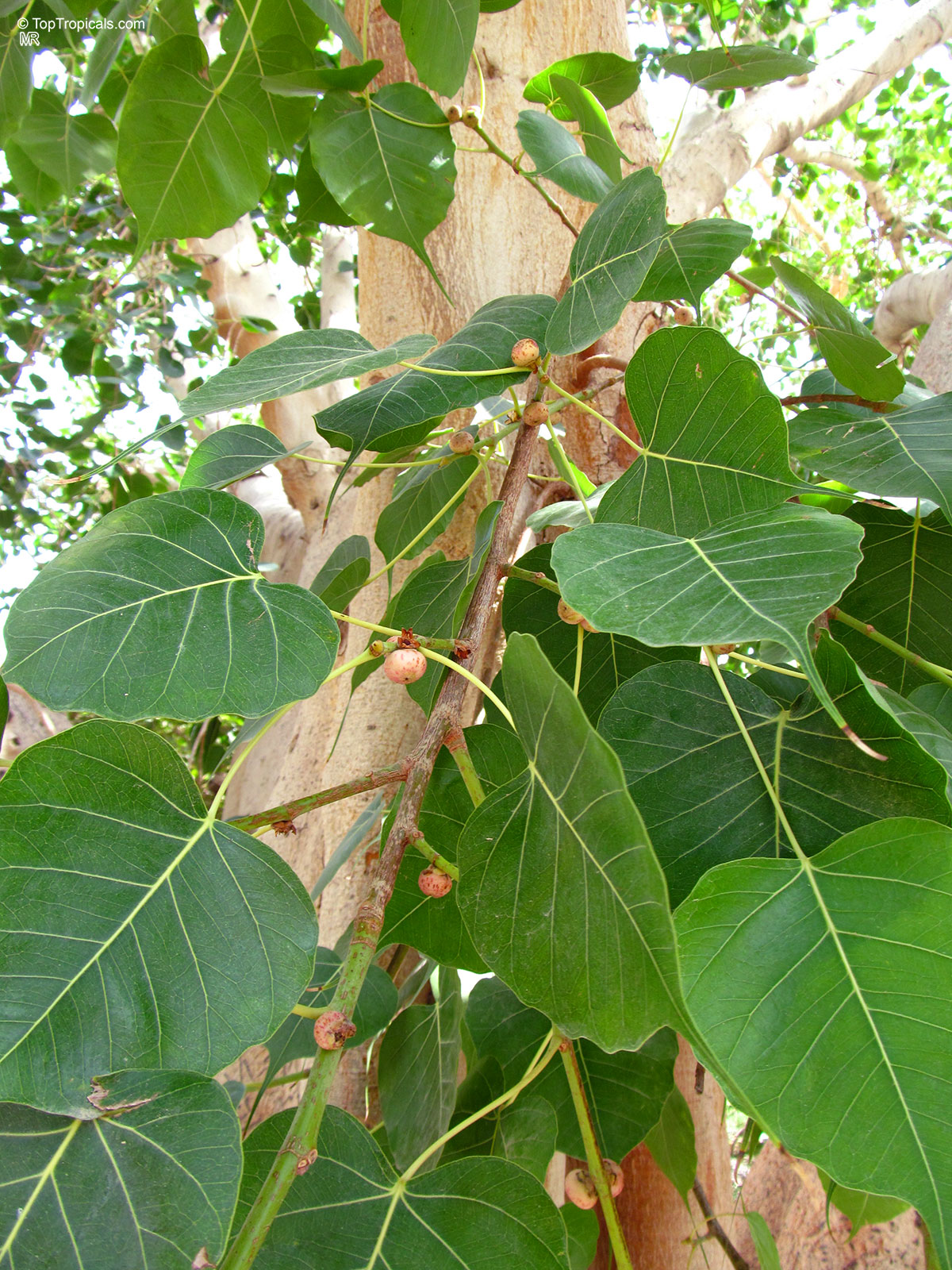
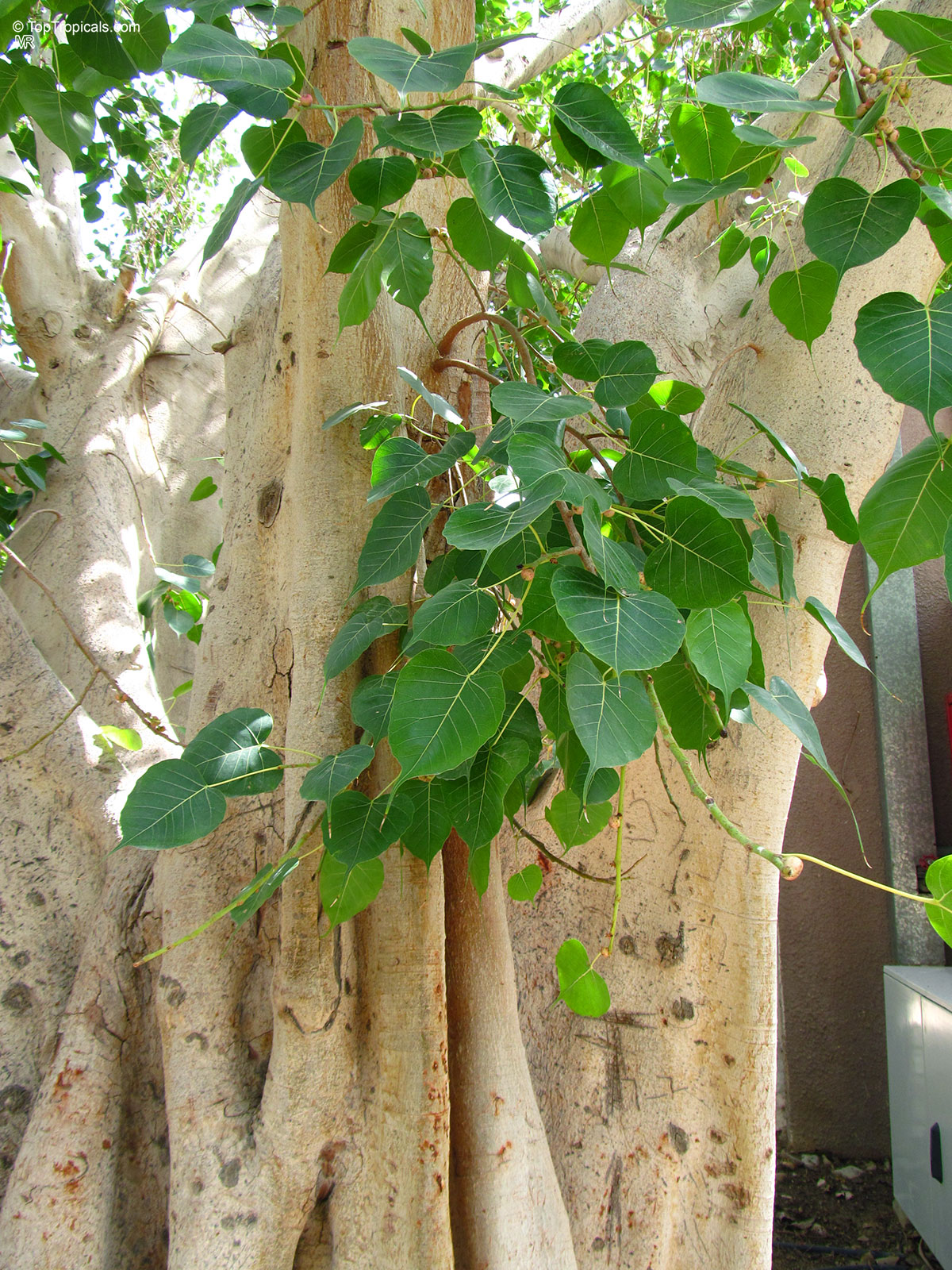
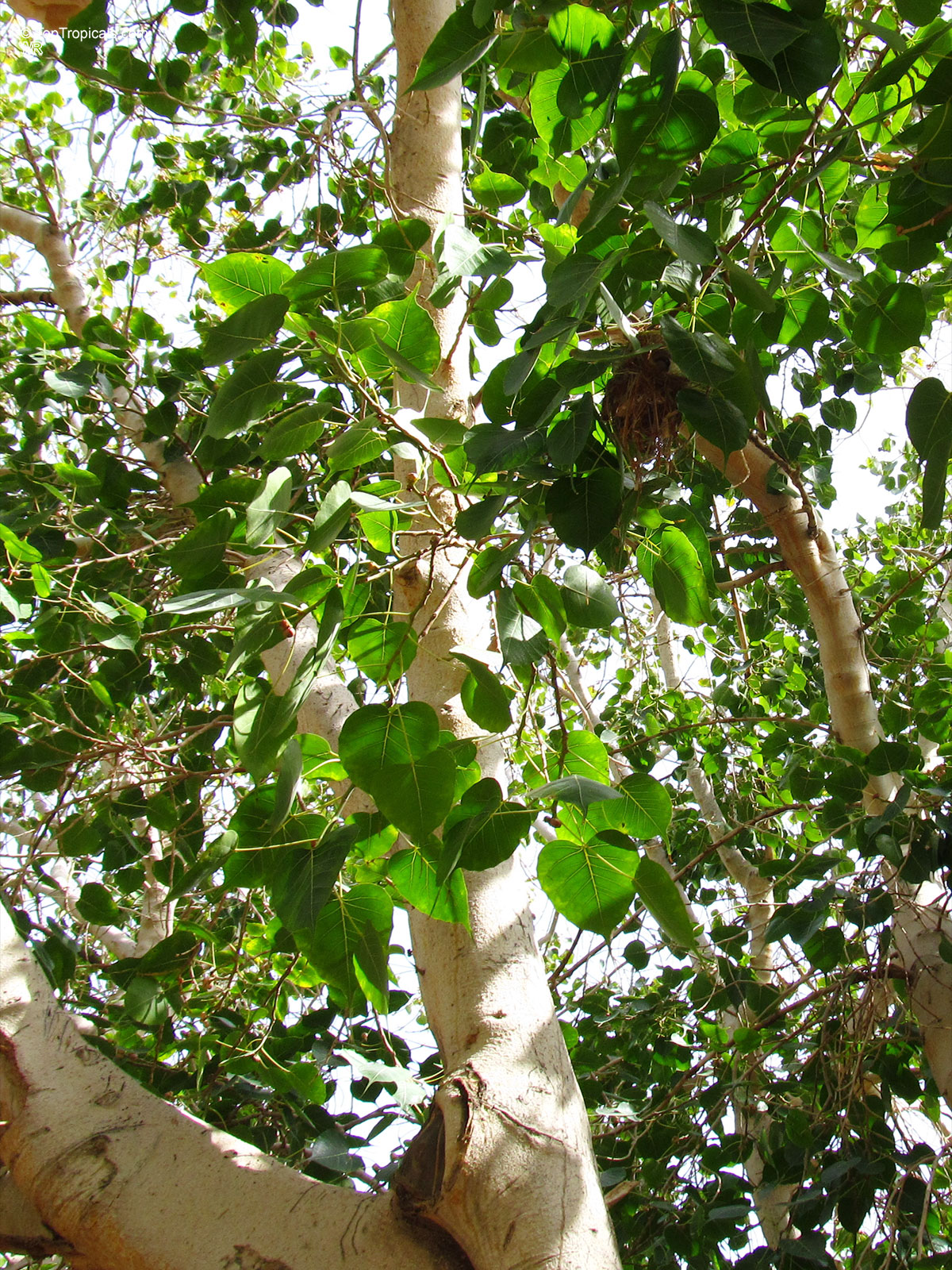
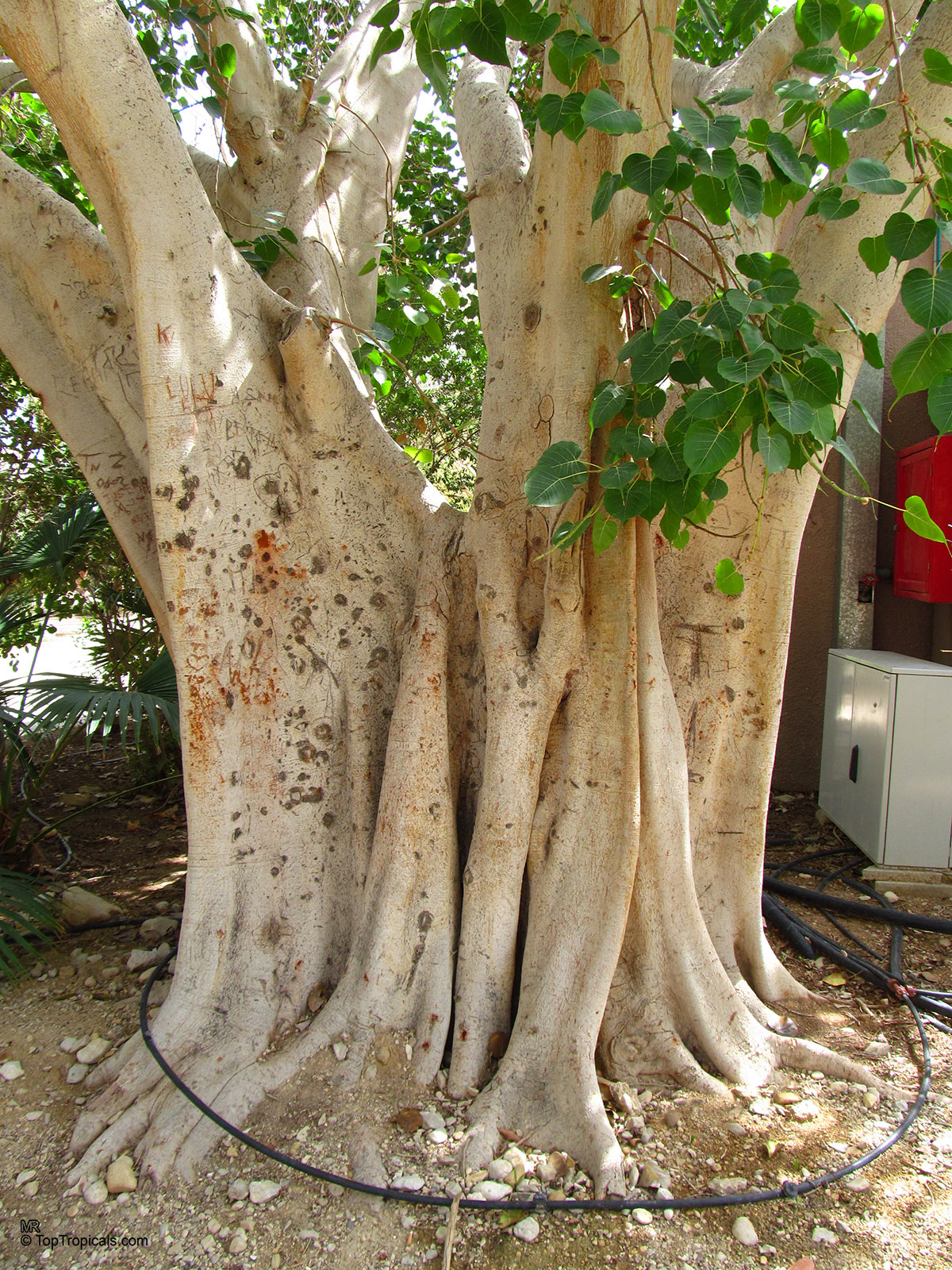
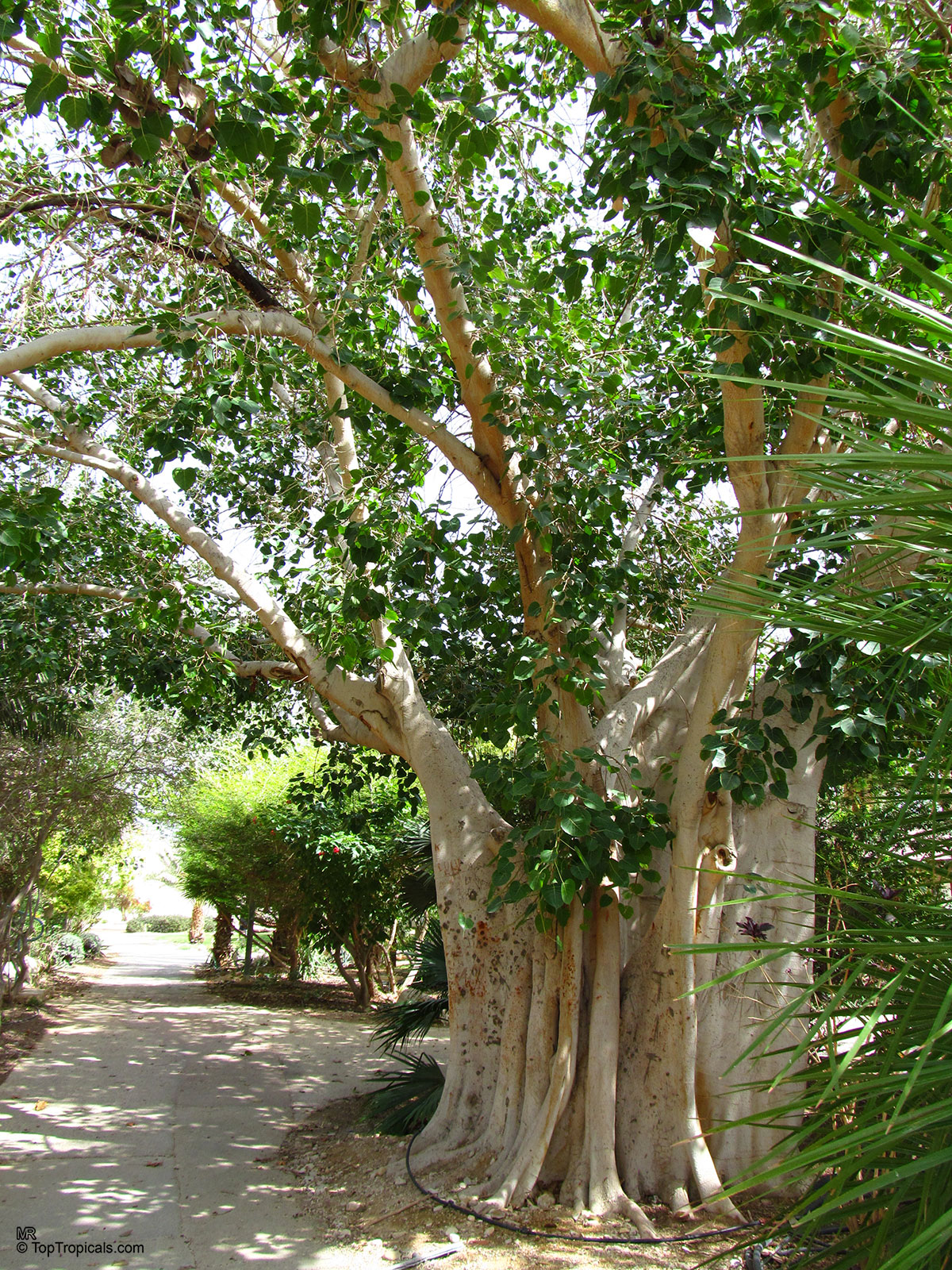
Botanical name: Ficus religiosa
Common names: Bo-Tree, Sacred Ficus, Peepal Tree
Family: Moraceae
Origin: India and Asia
USDA Zone: 9-11


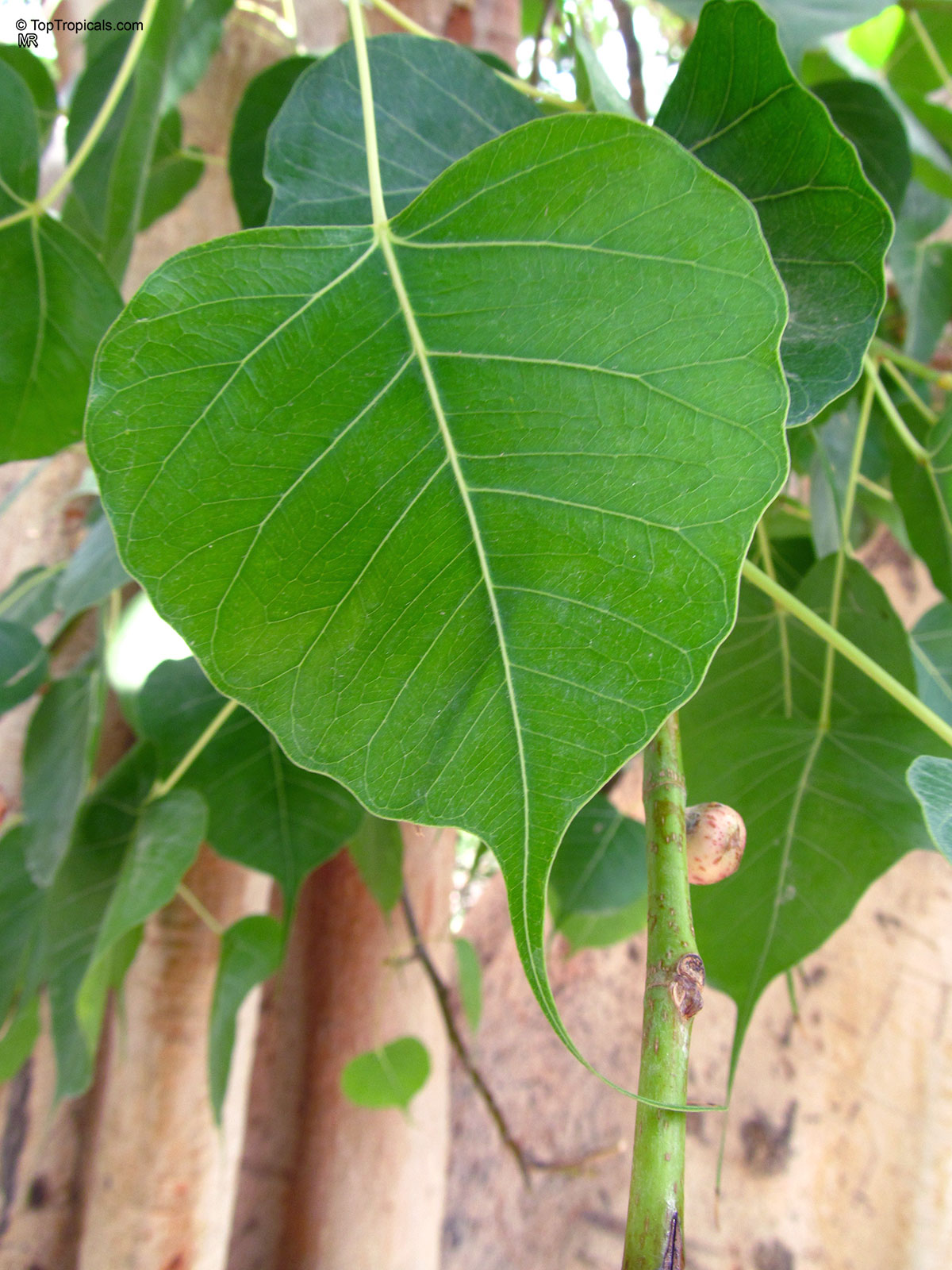
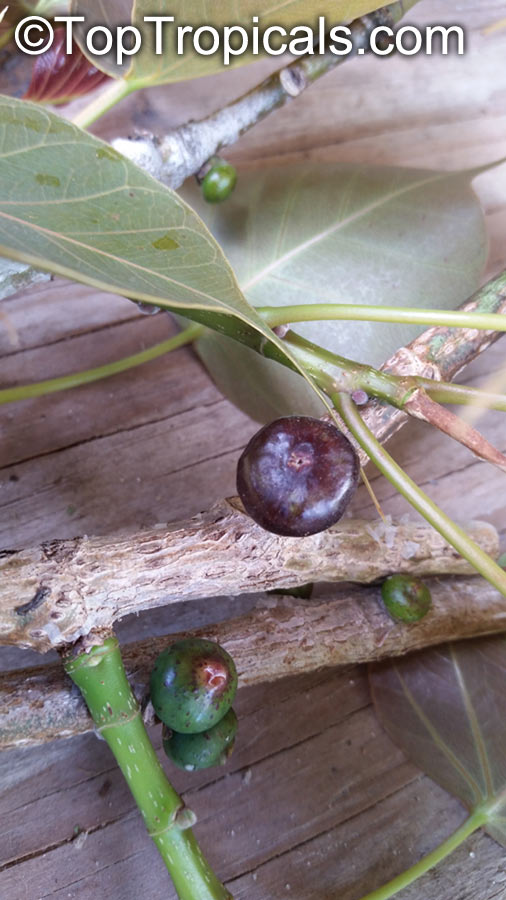
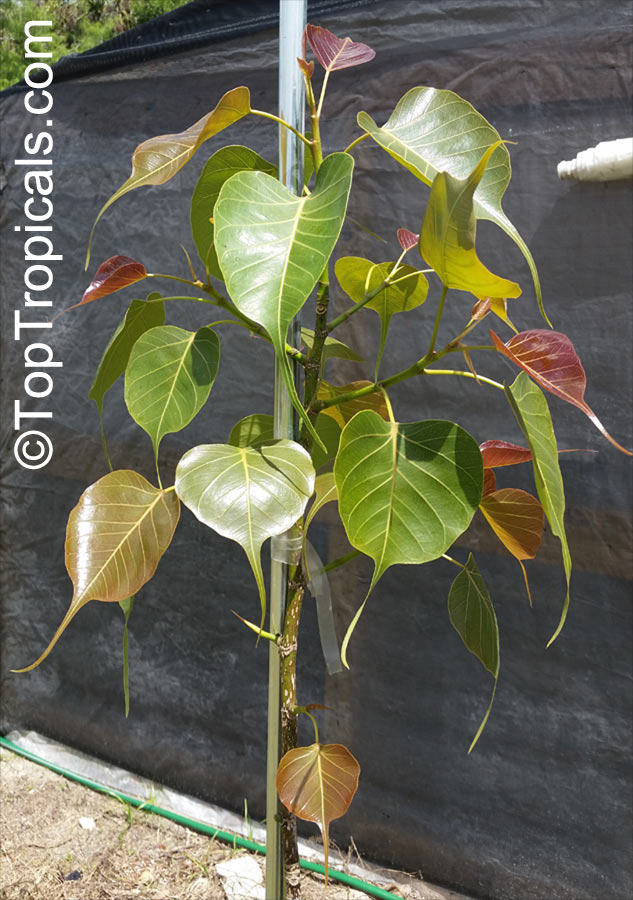
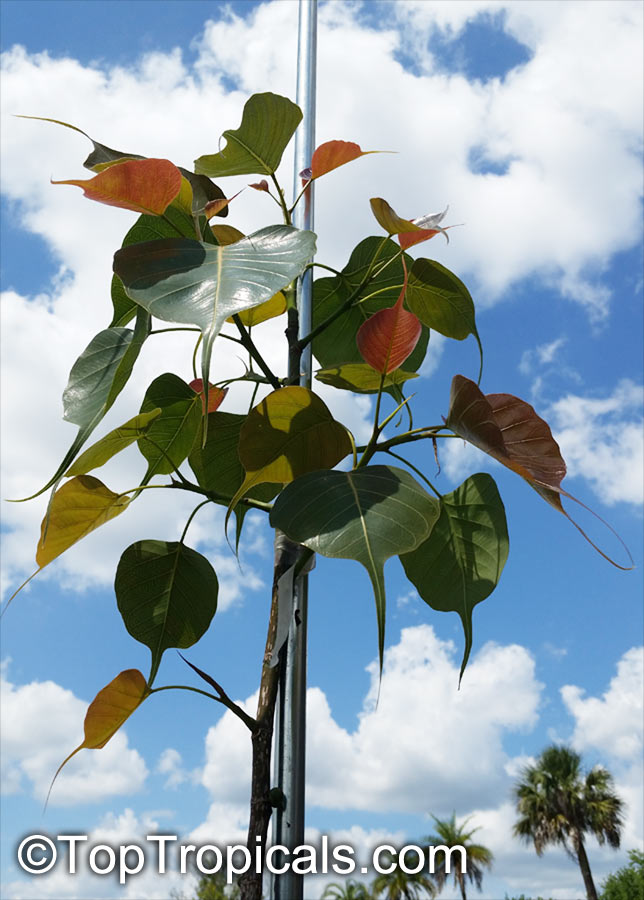
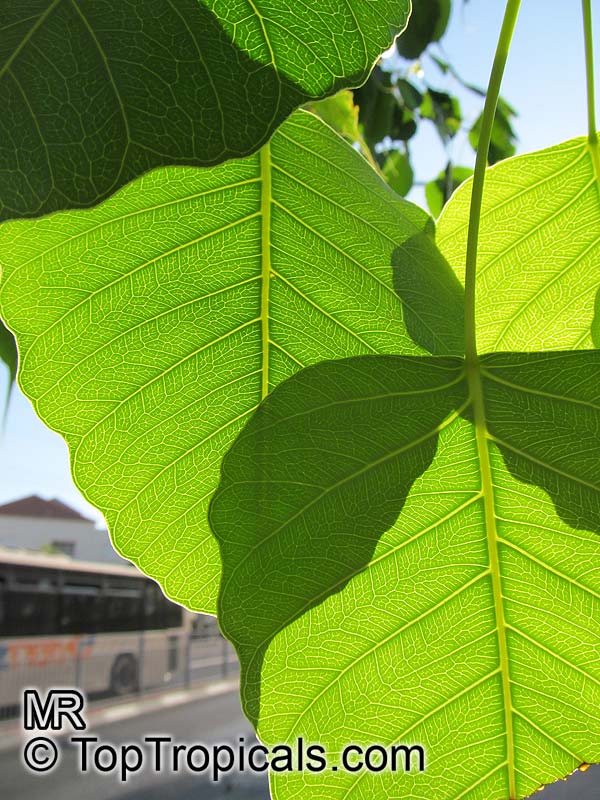
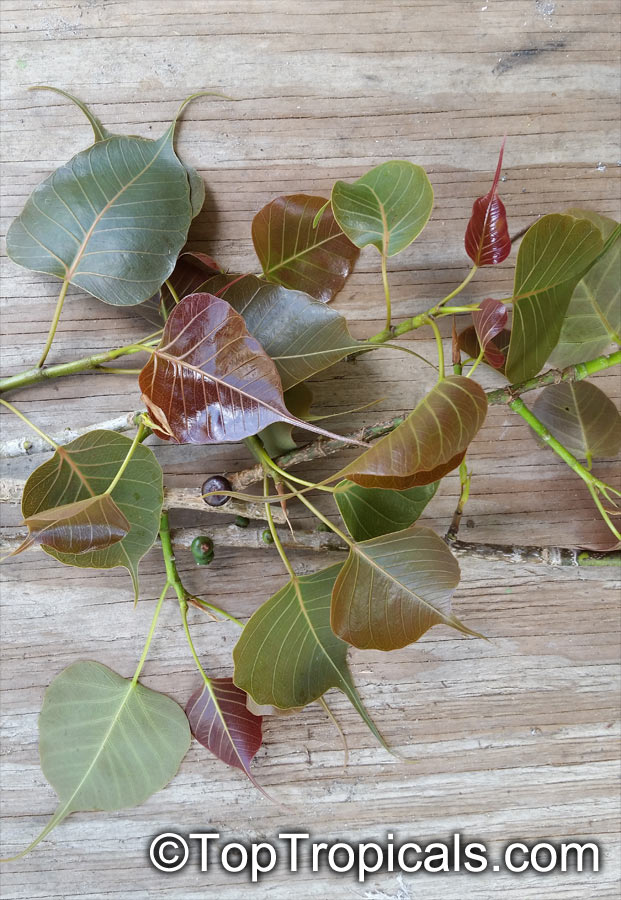
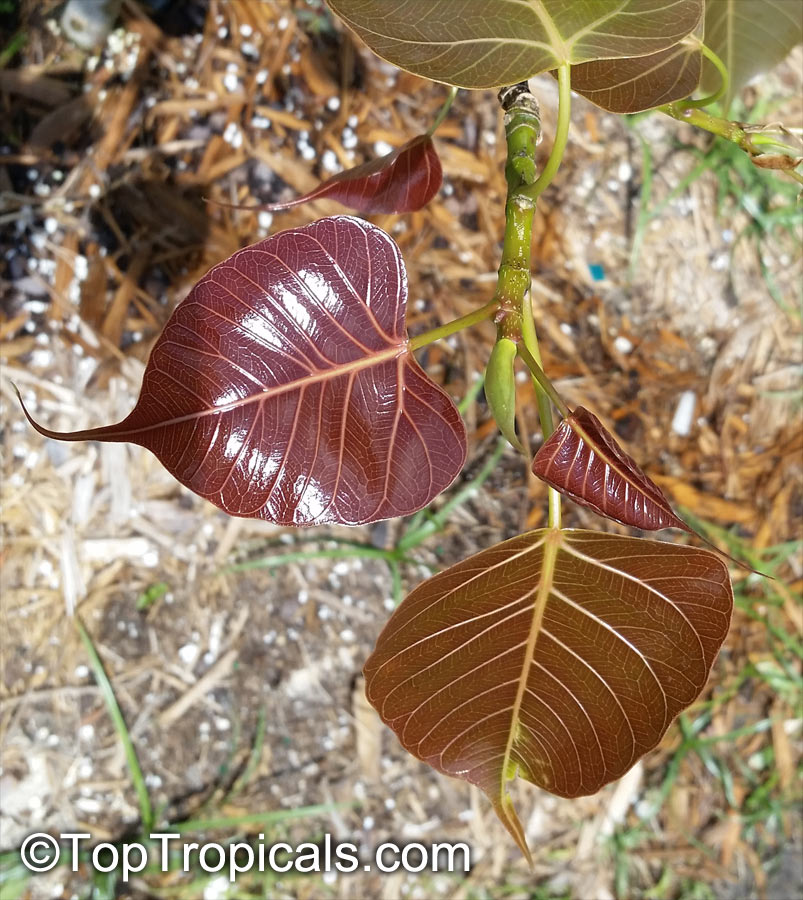
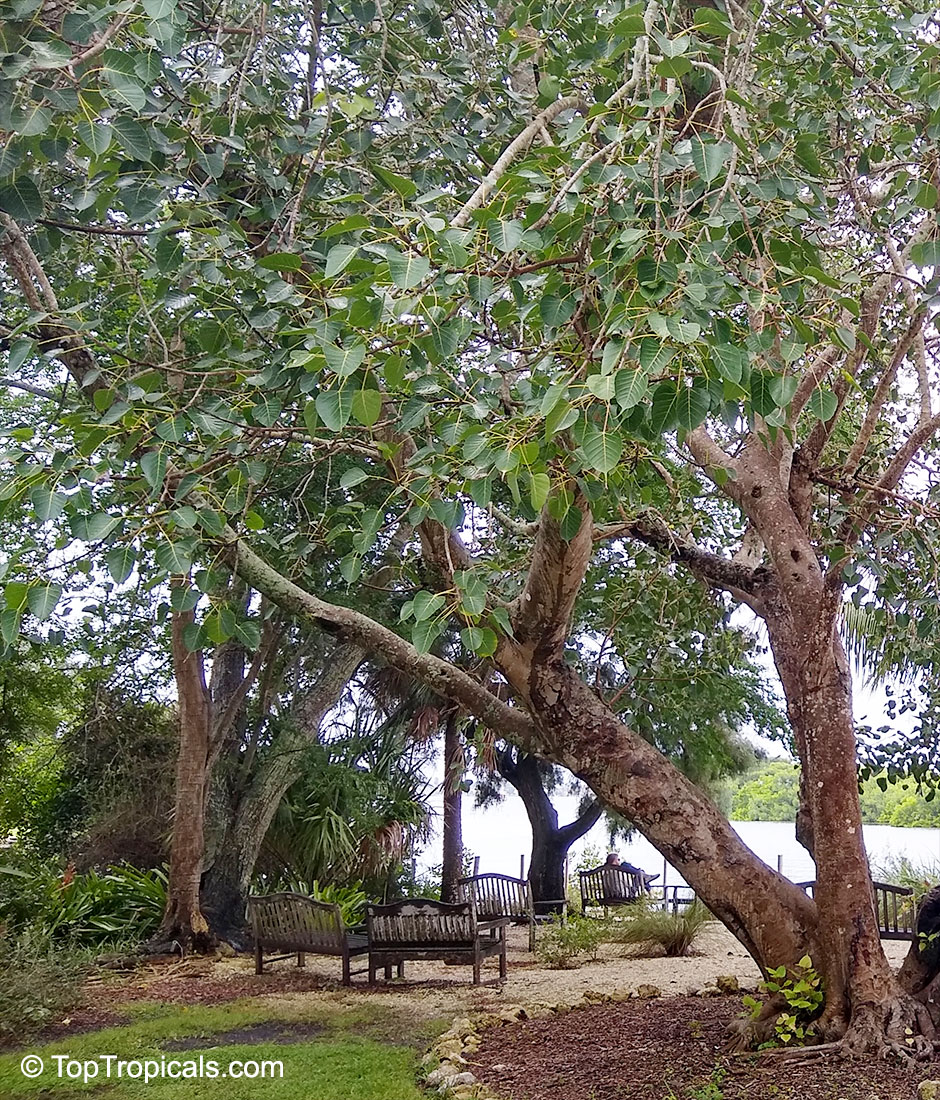
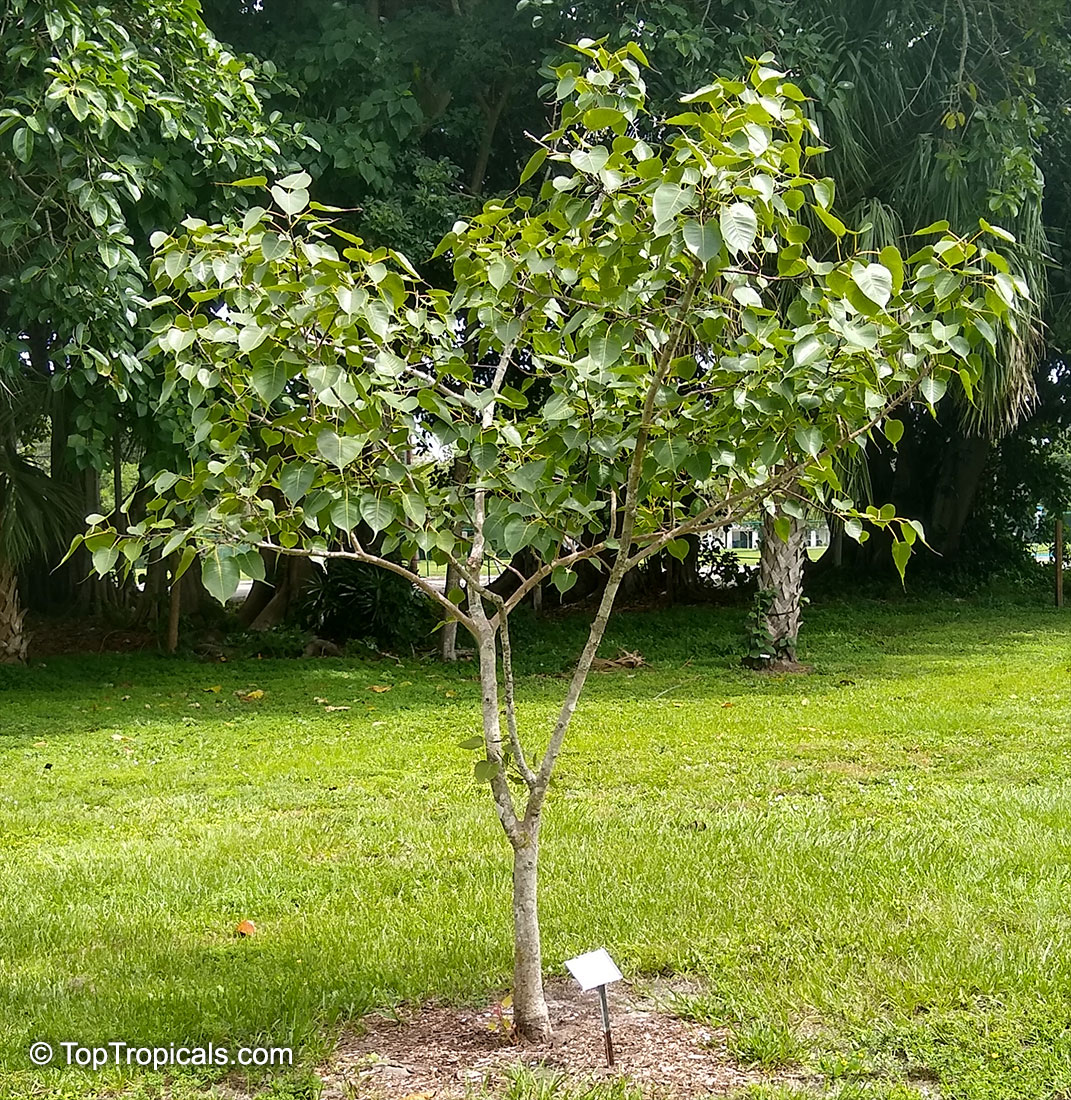
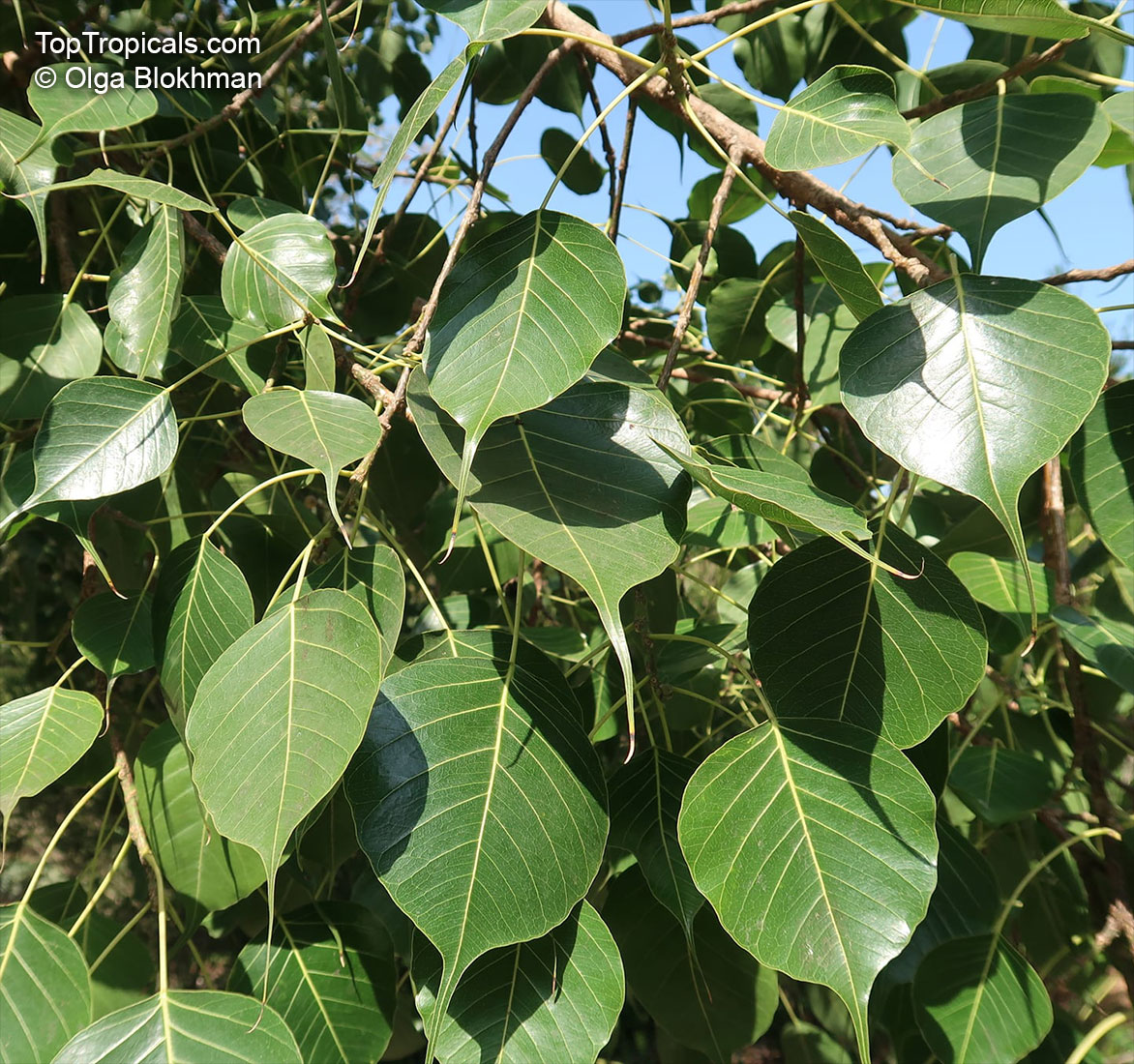
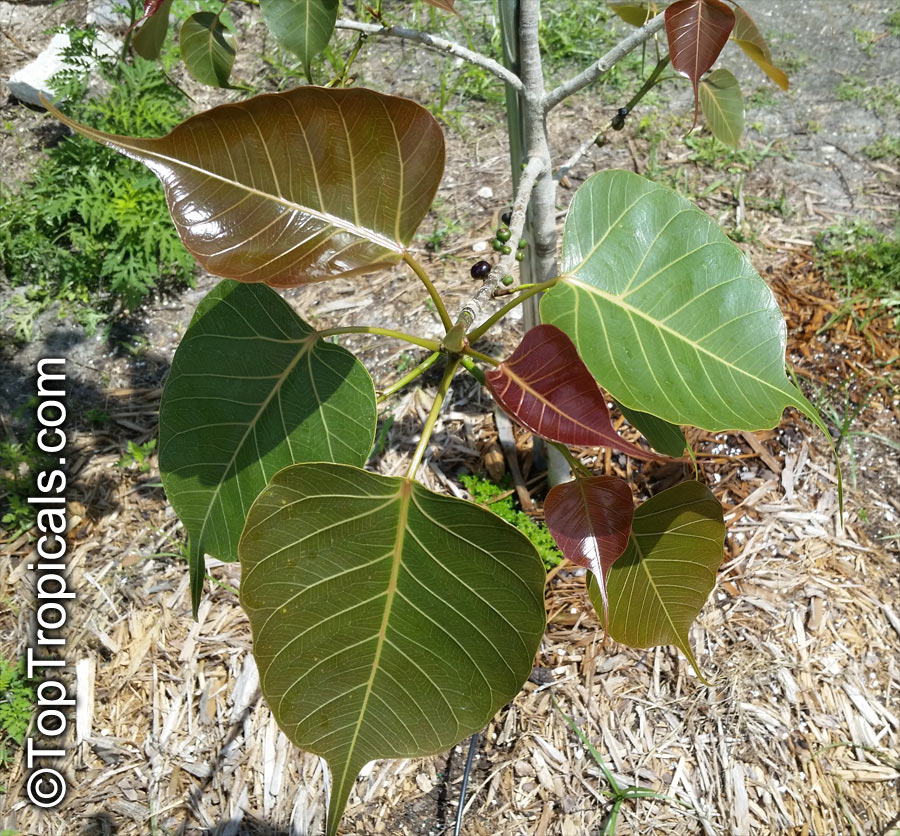
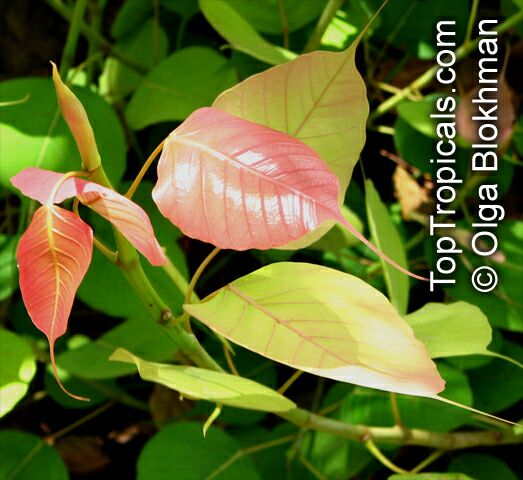
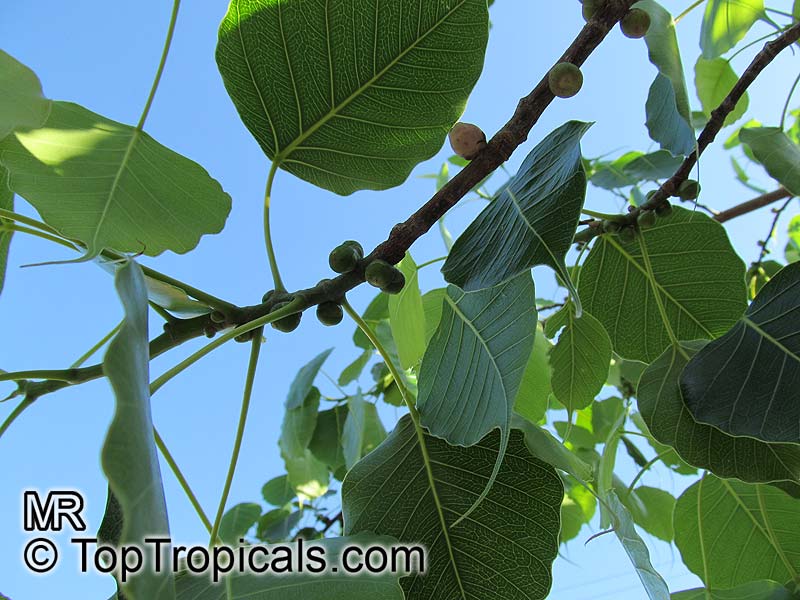
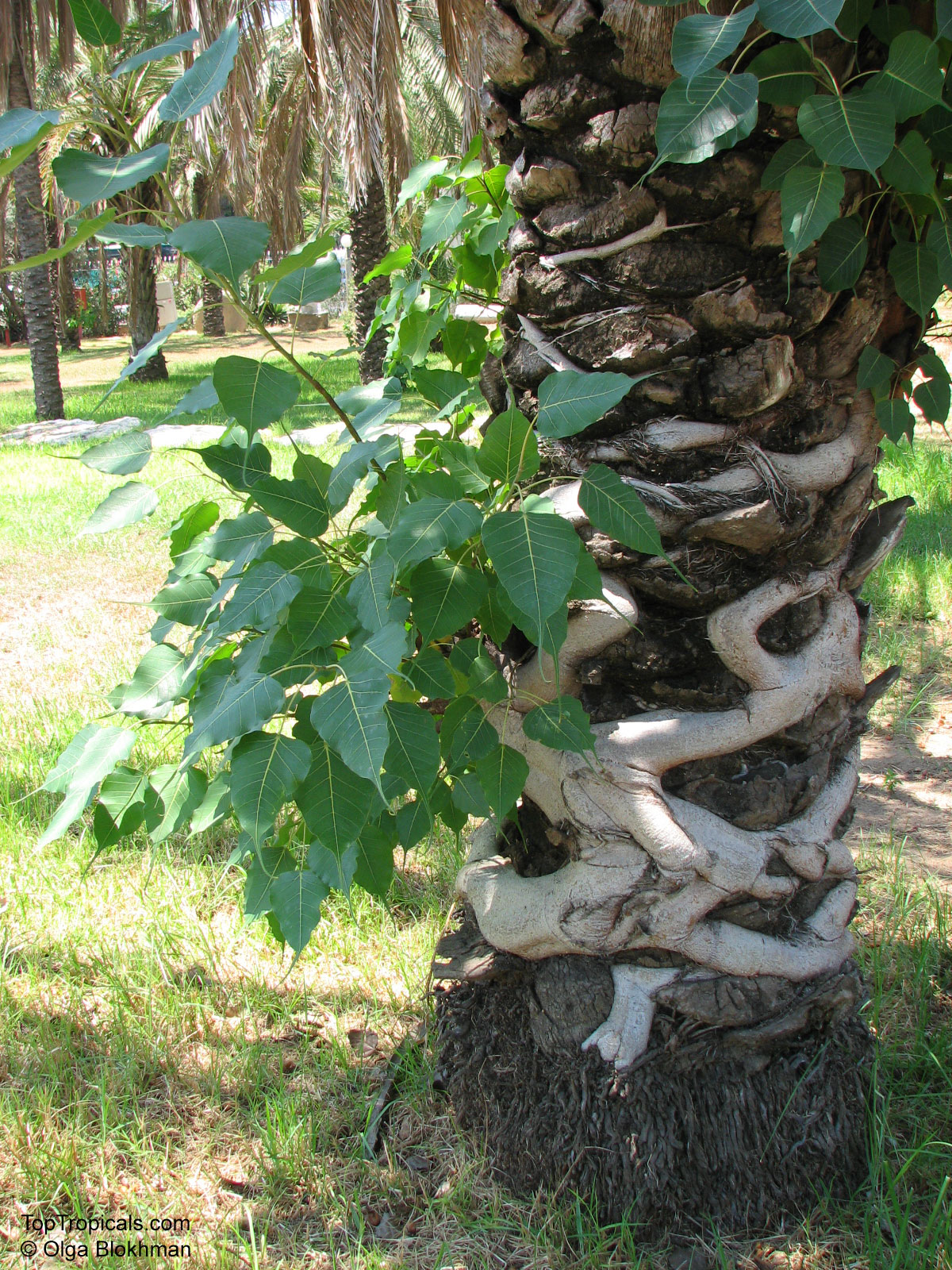
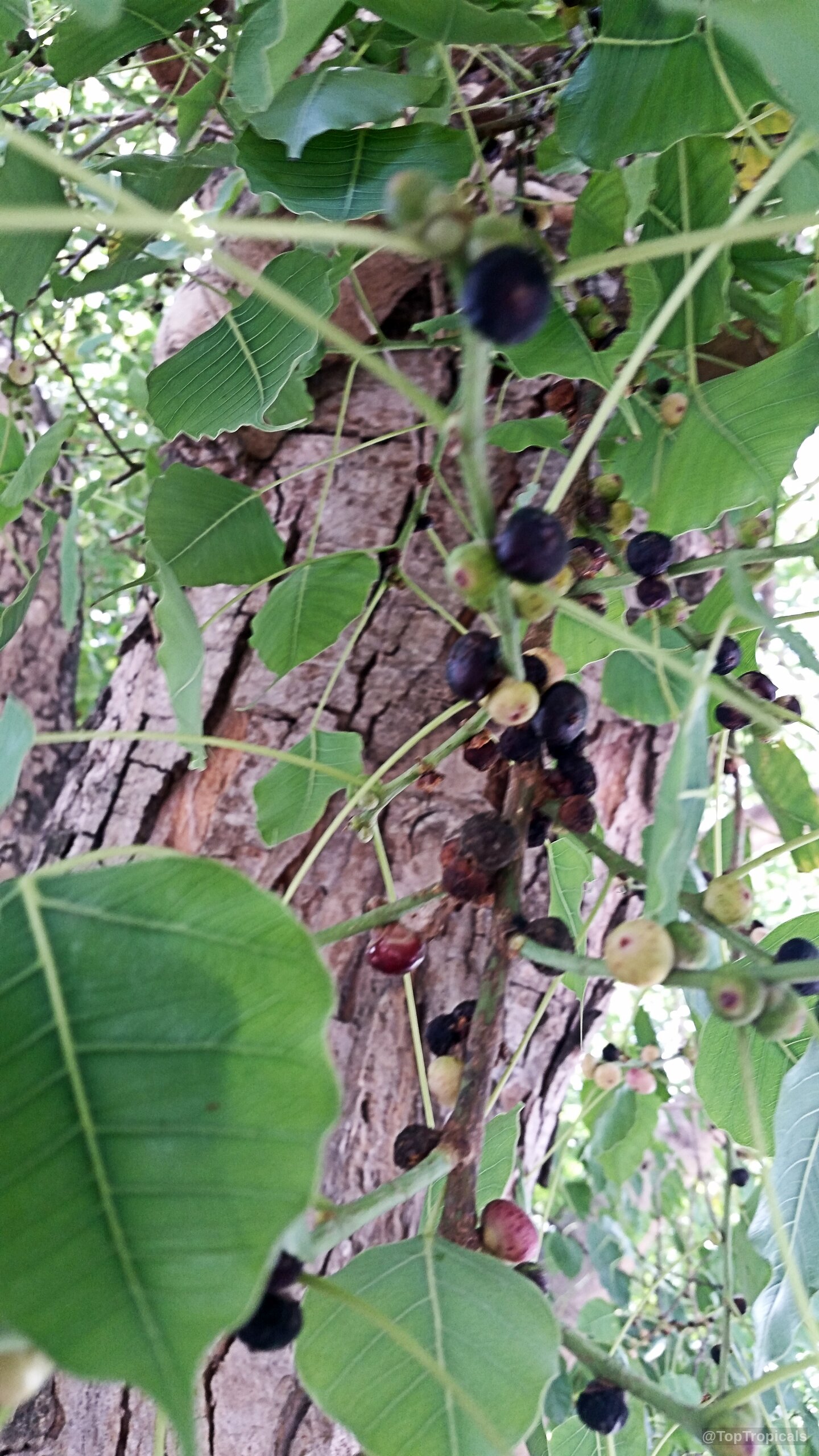
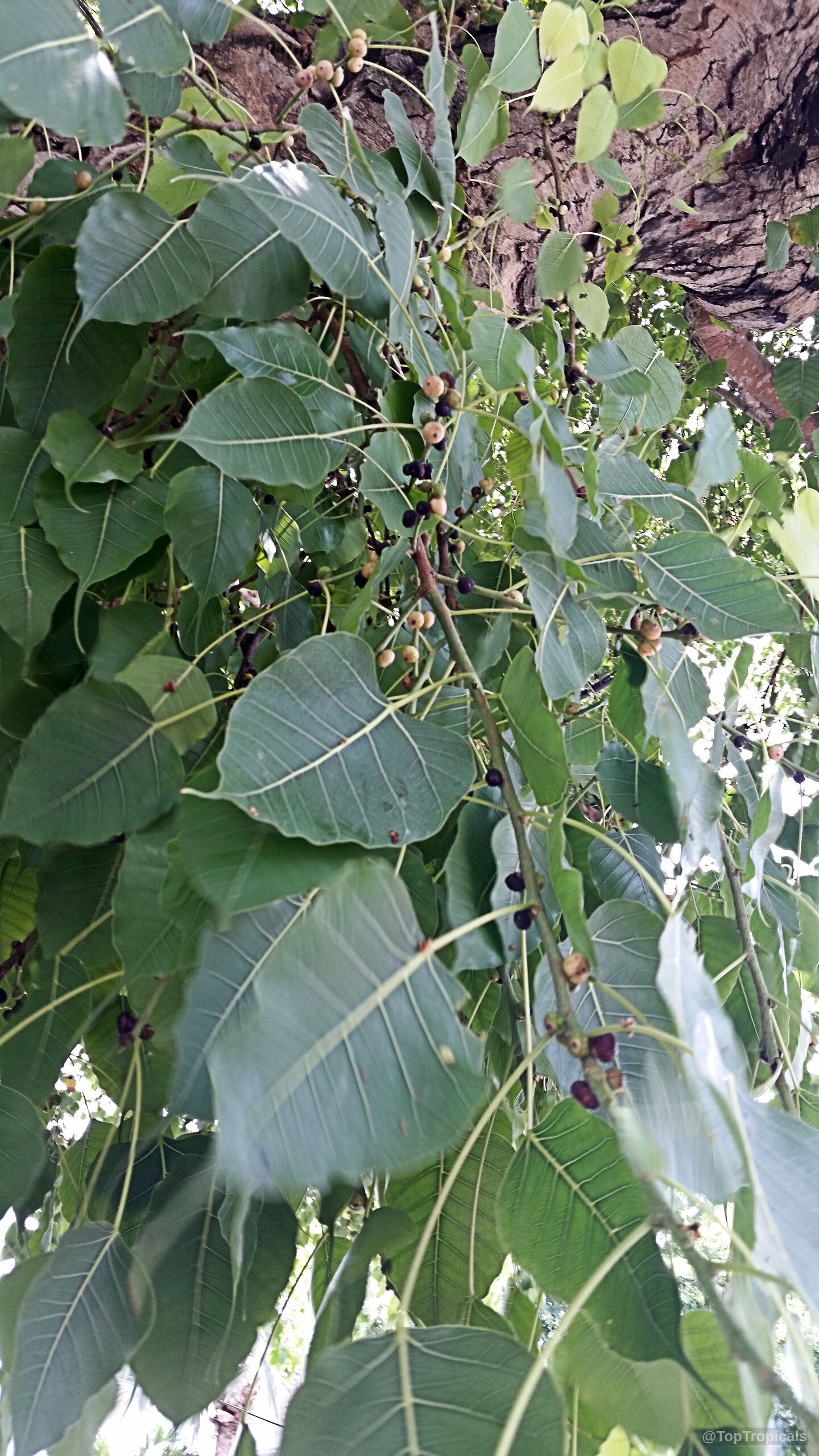
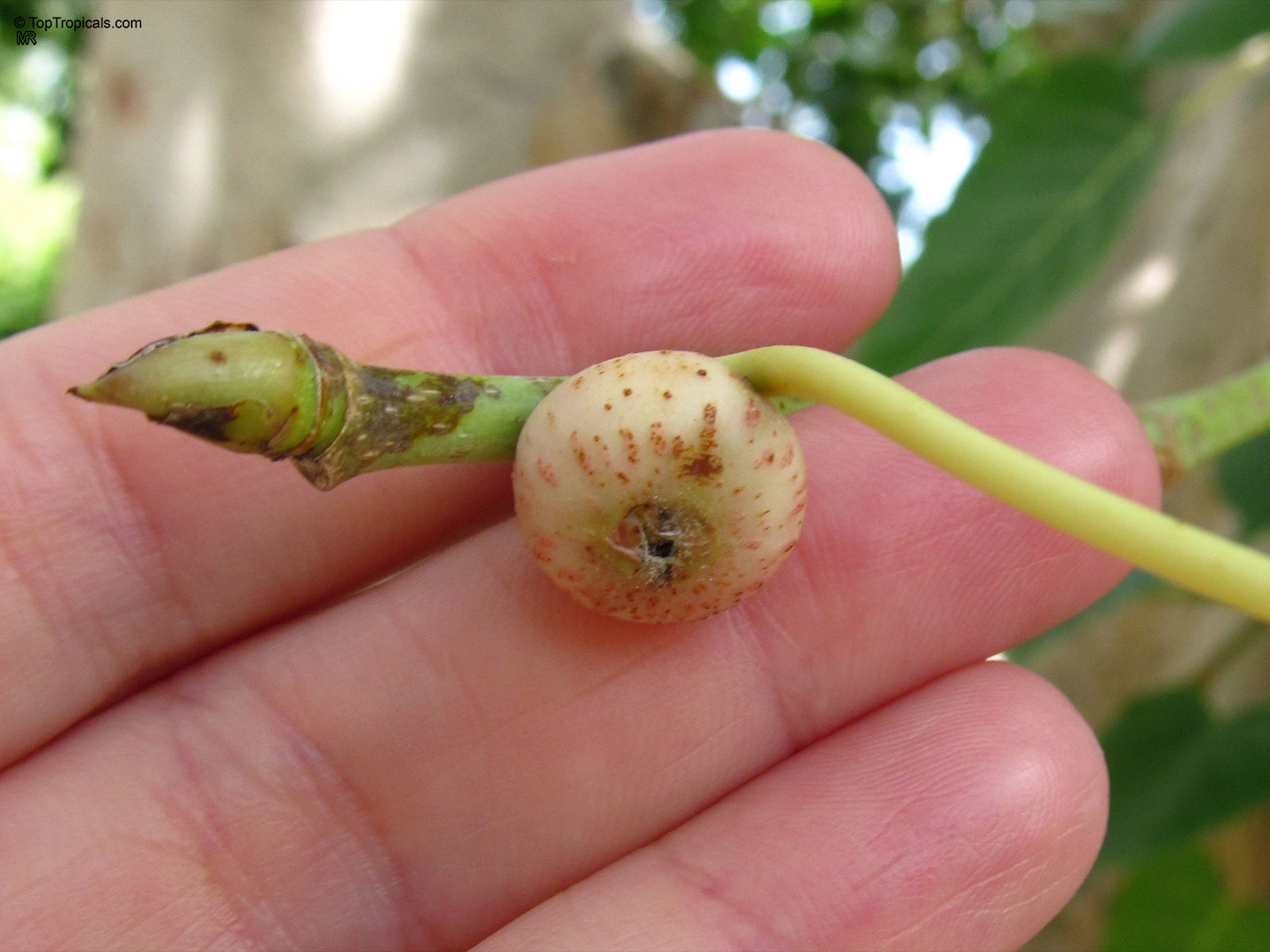
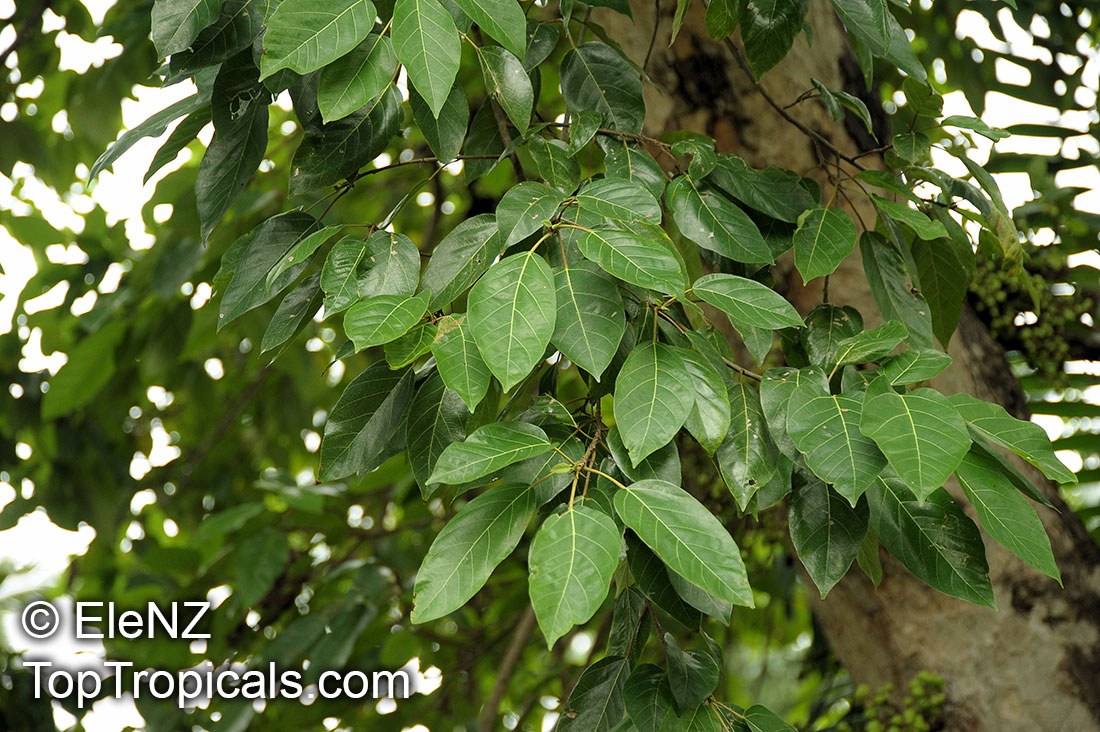
Bo-Tree, Sacred Ficus. This large deciduous tree is sacred to the Hindus and Buddhists, under which Budda received enlightenment. This fast growing tree usually begins as an epiphytem (air plant, grows on trees) but develops roots to support its height of ninety plus feet. The Bo-Tree has purple figs and is different from other species, because of its slender, long leaf tip.
Can be grown as bonsai.


Botanical name: Ficus petiolaris
Common names: Rock Fig, Rock Ficus, Texcalamate, Lava Fig
Family: Moraceae
Origin: Mexico
USDA Zone: 9-11


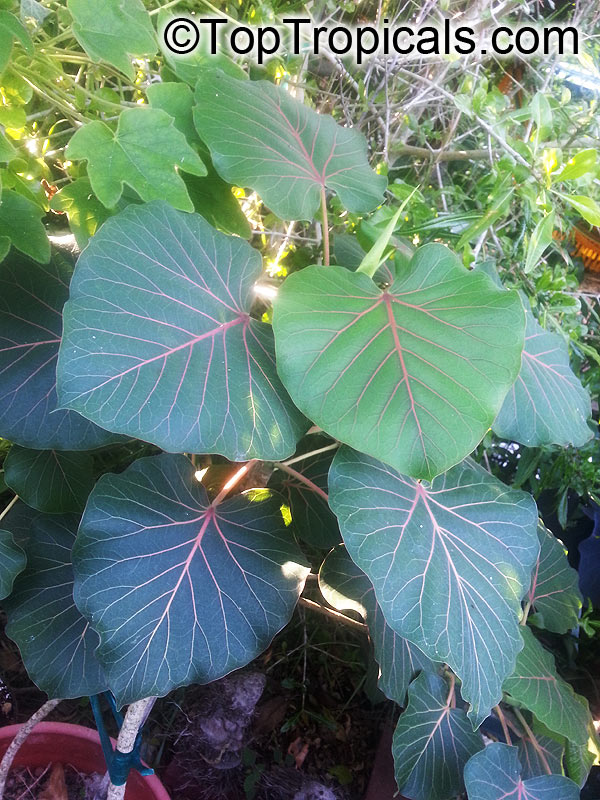
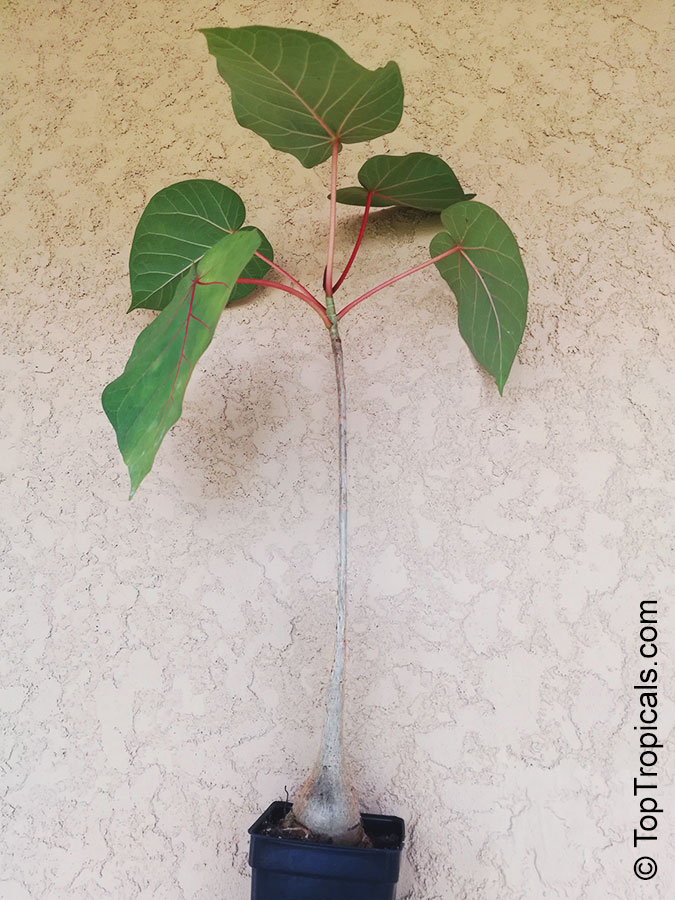
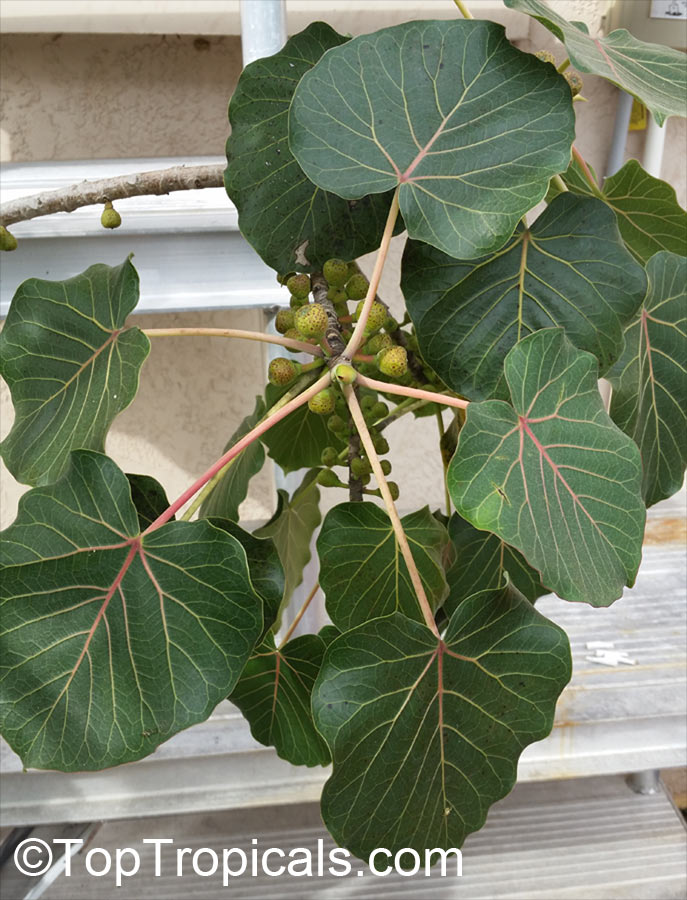
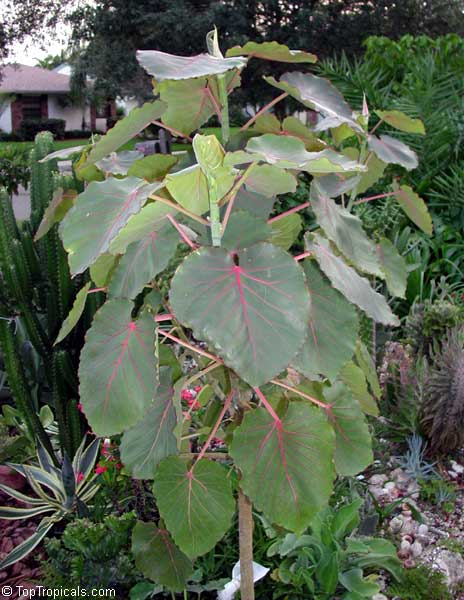
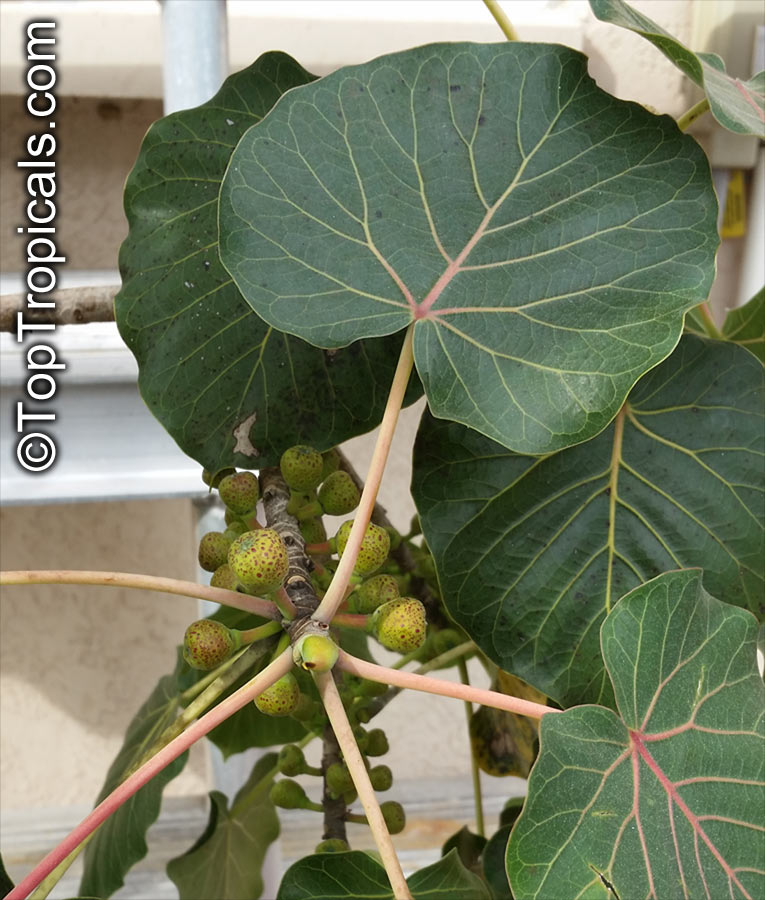
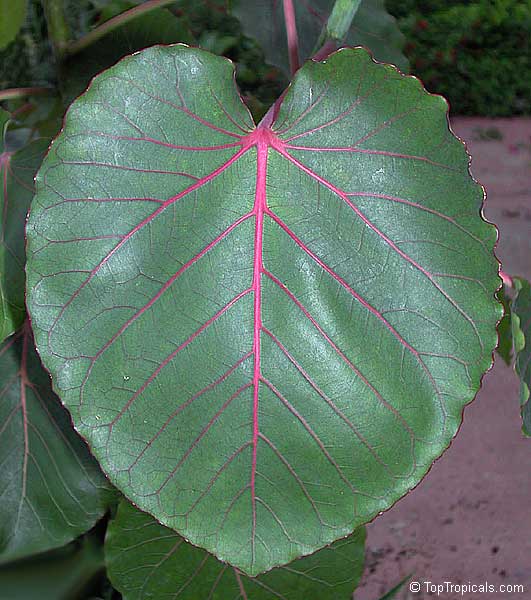
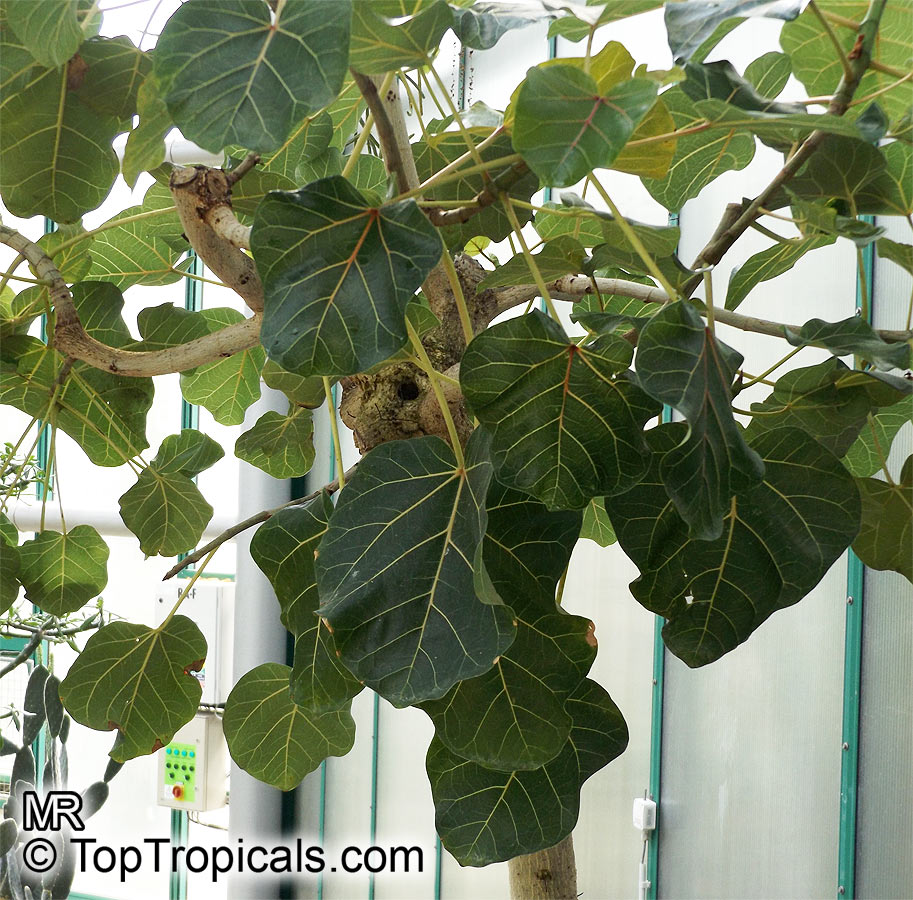
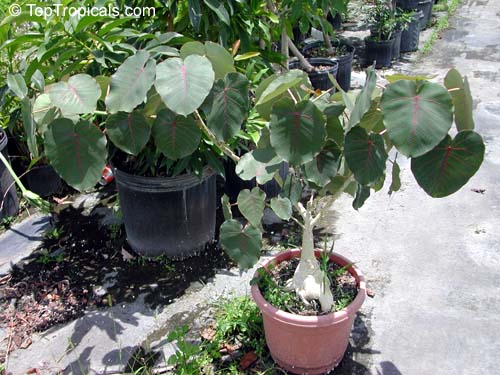
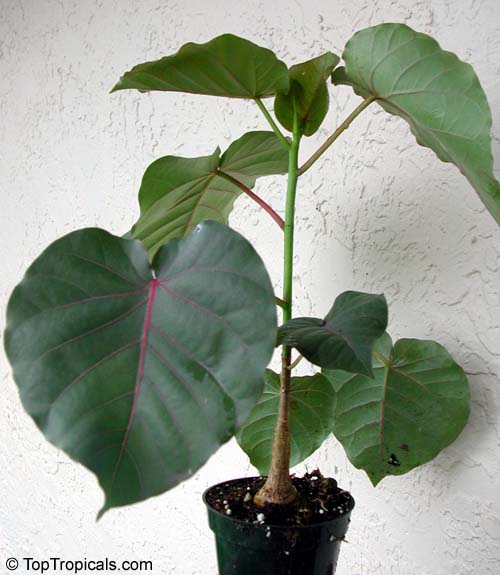
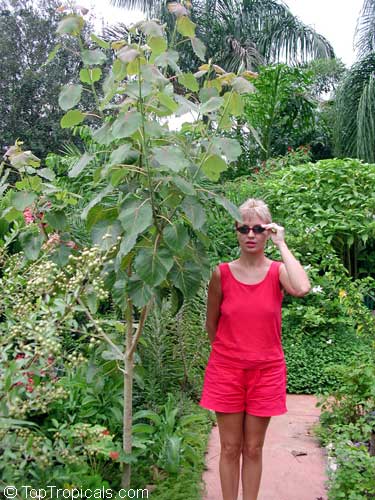
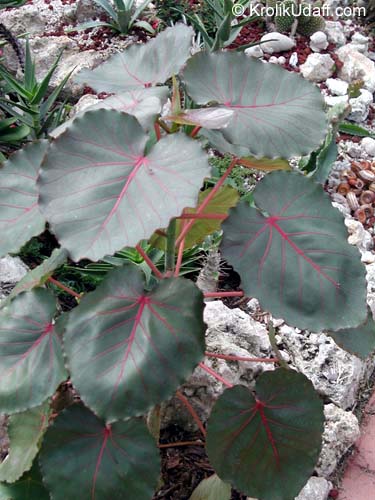
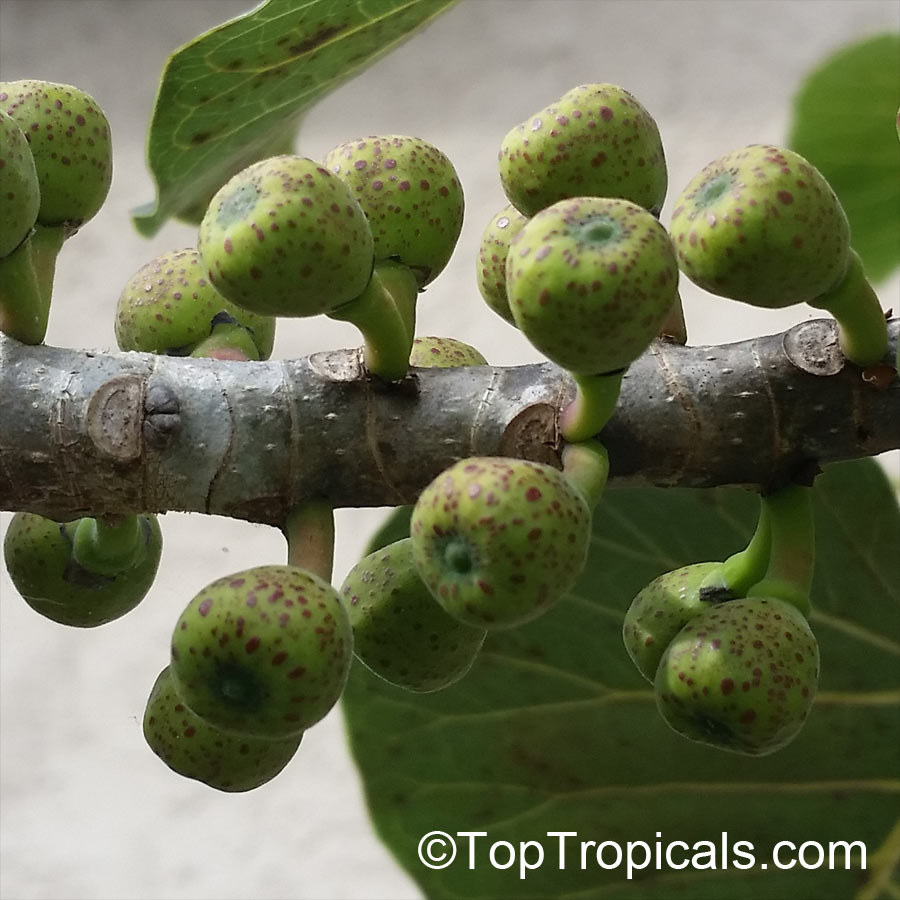
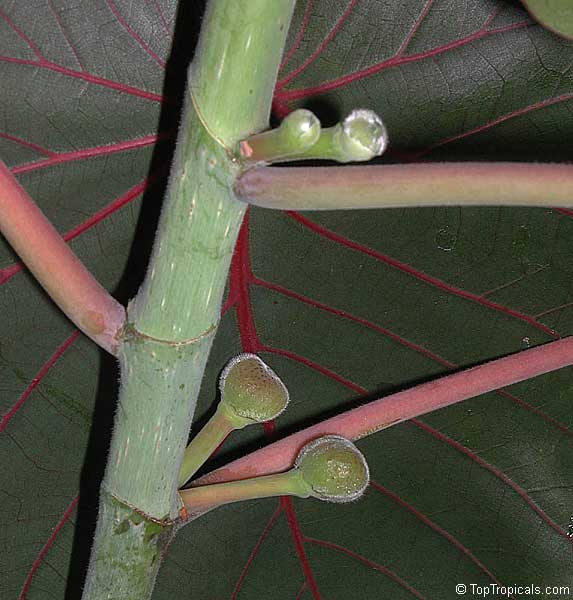
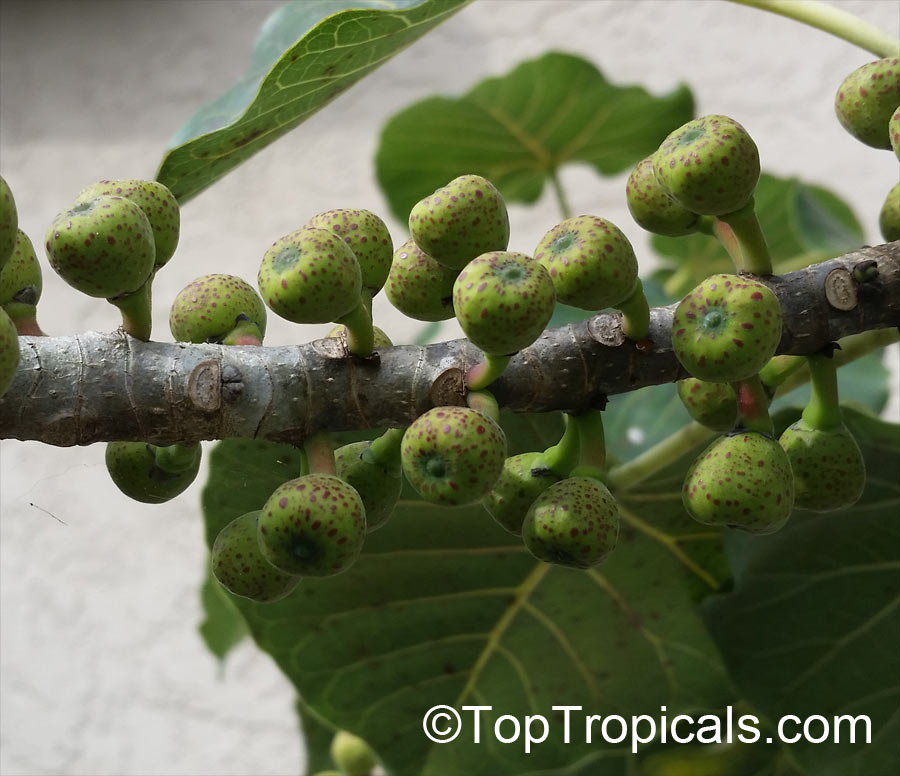
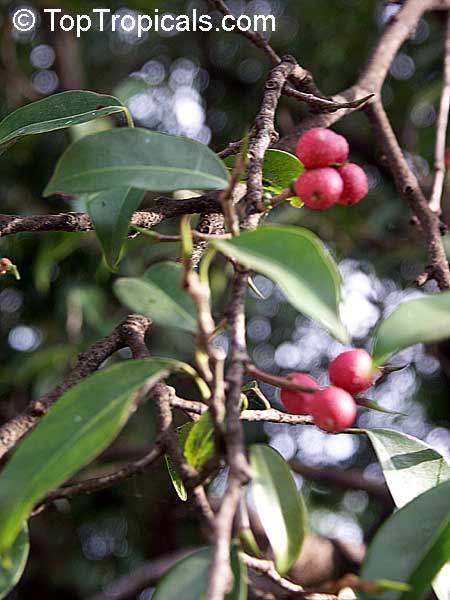
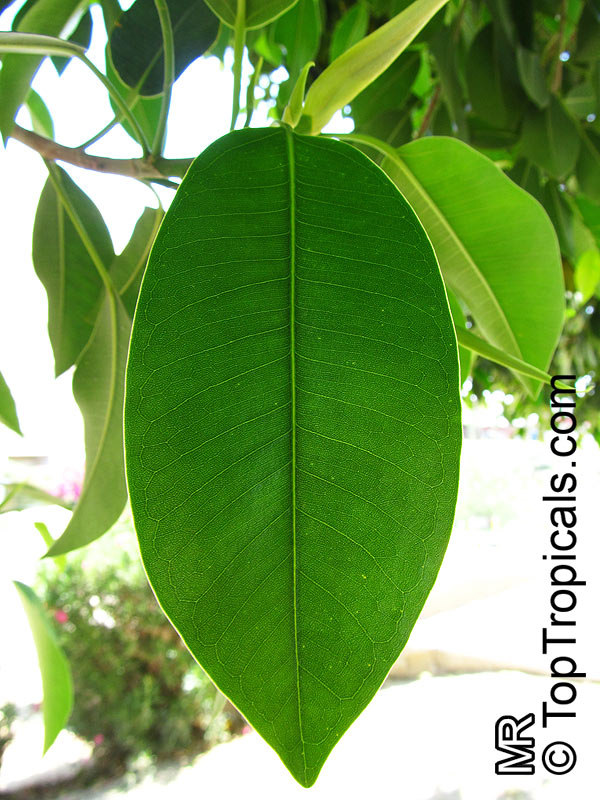
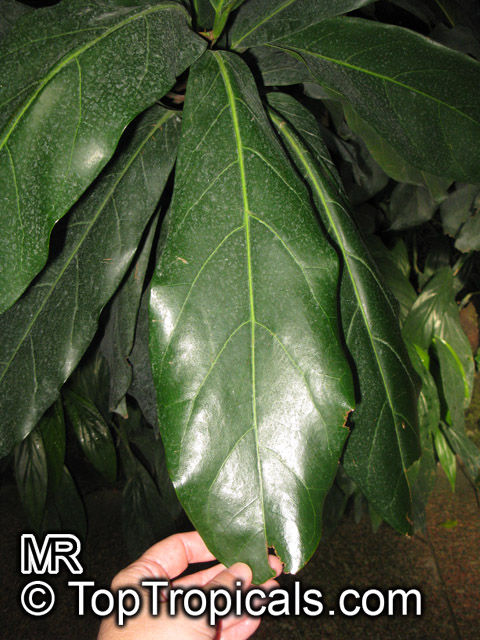
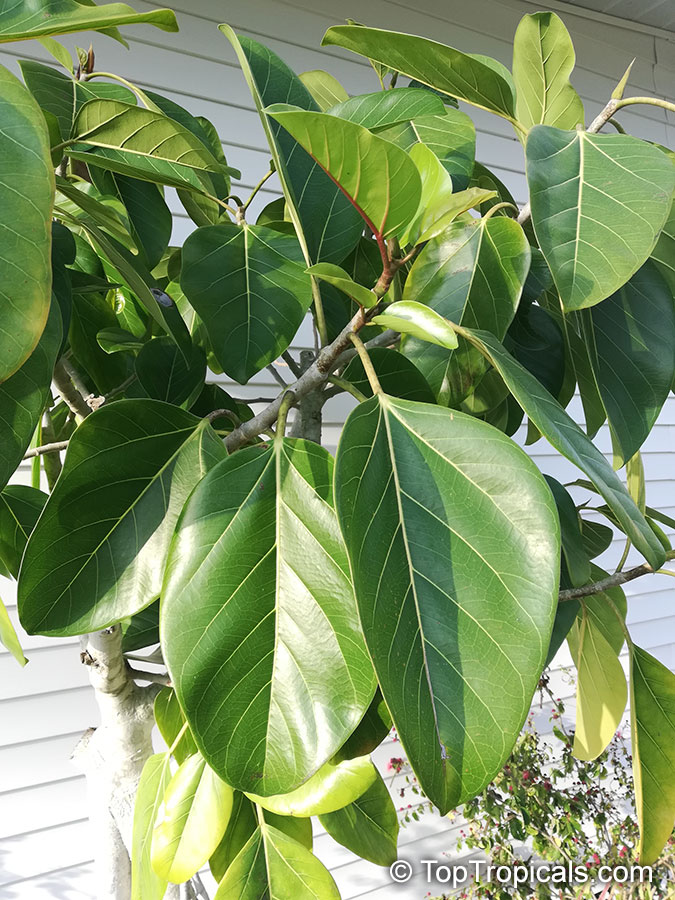
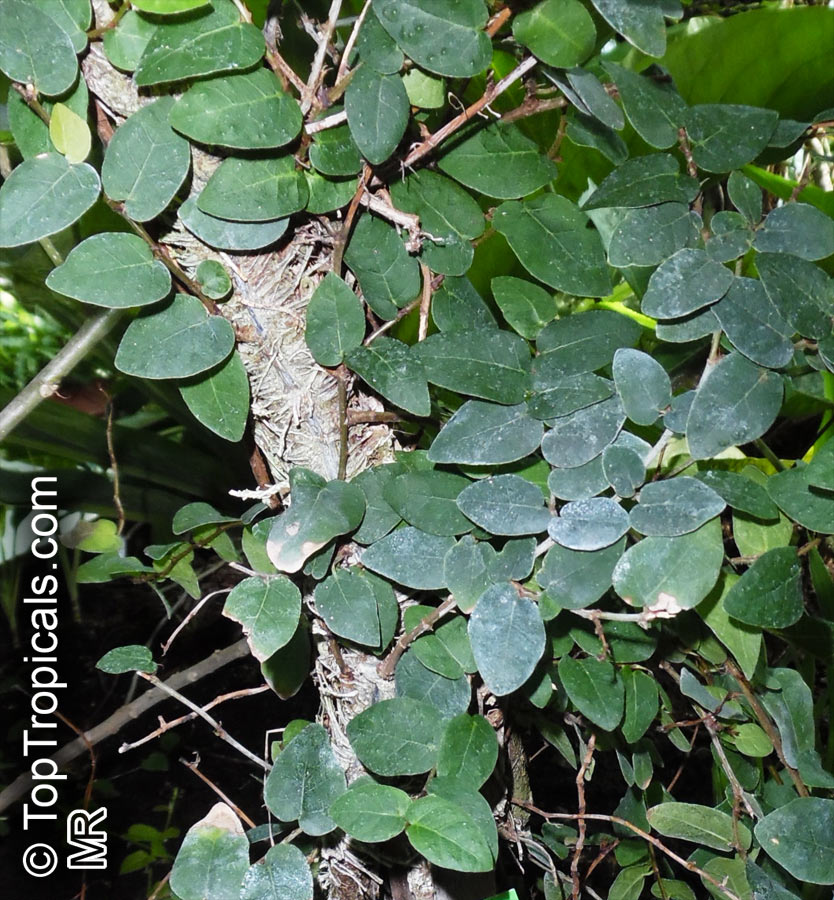
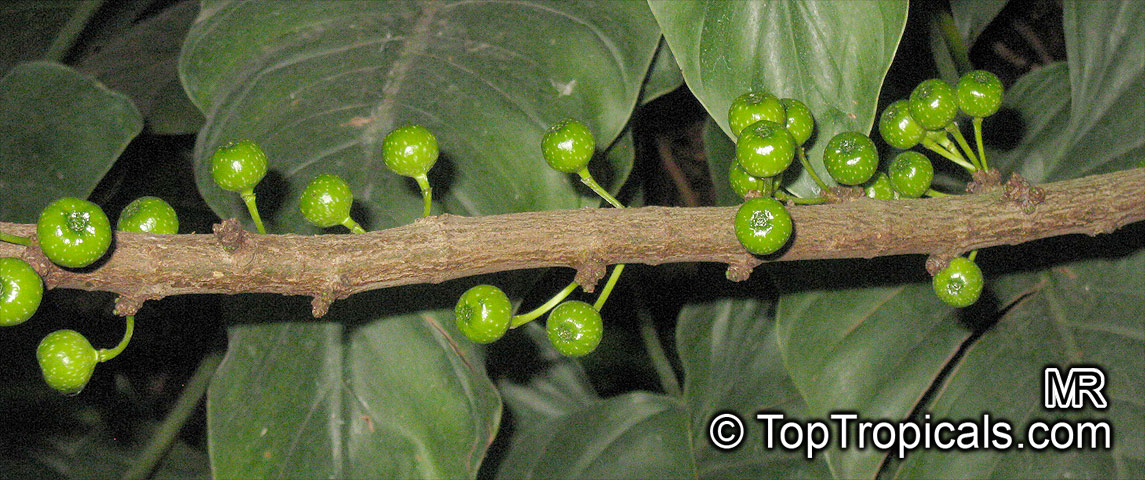
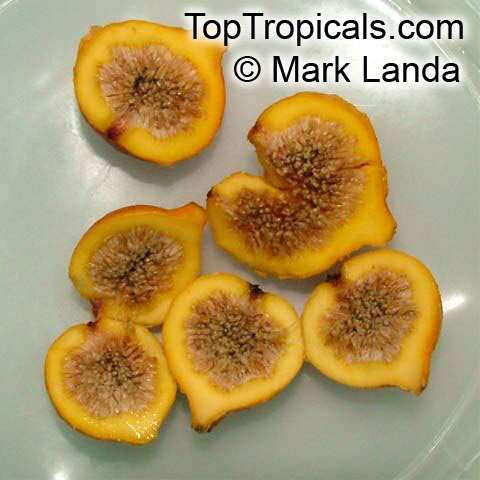
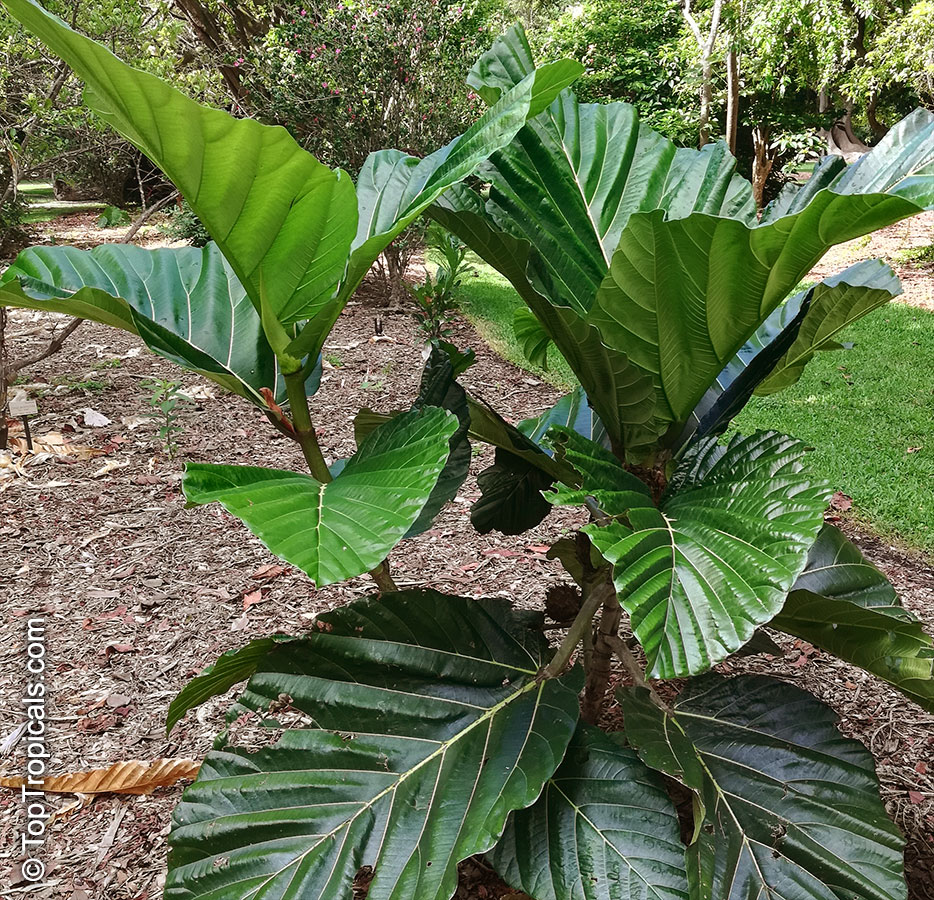
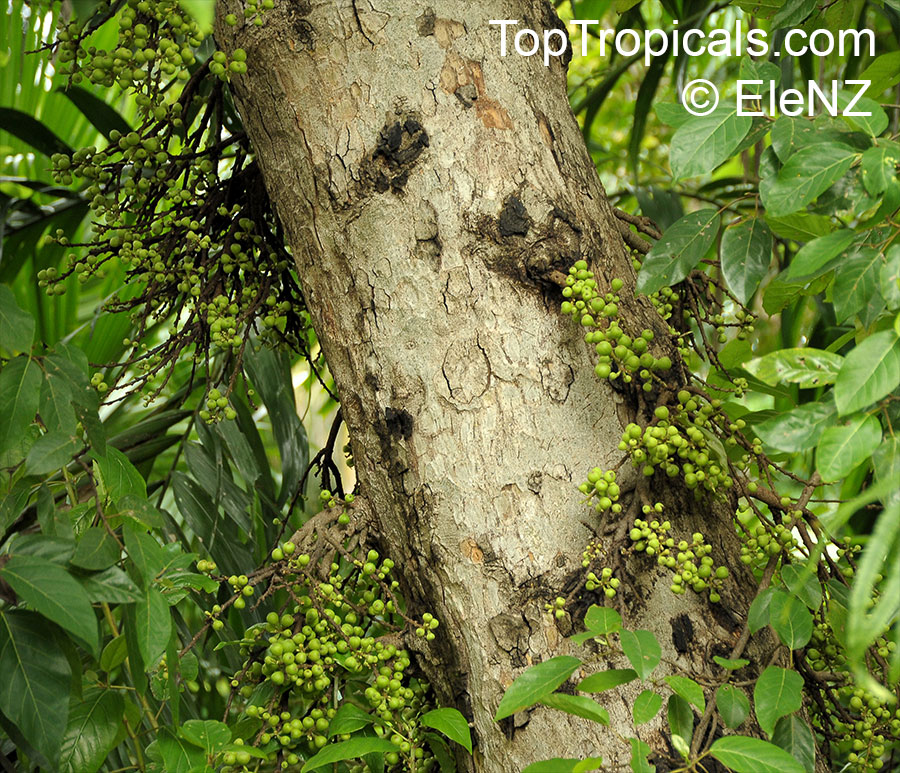
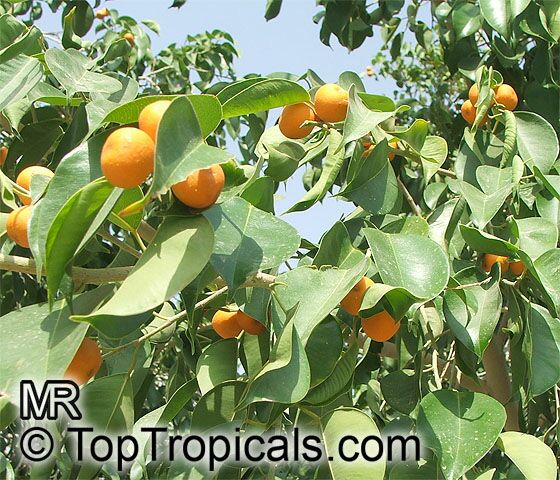
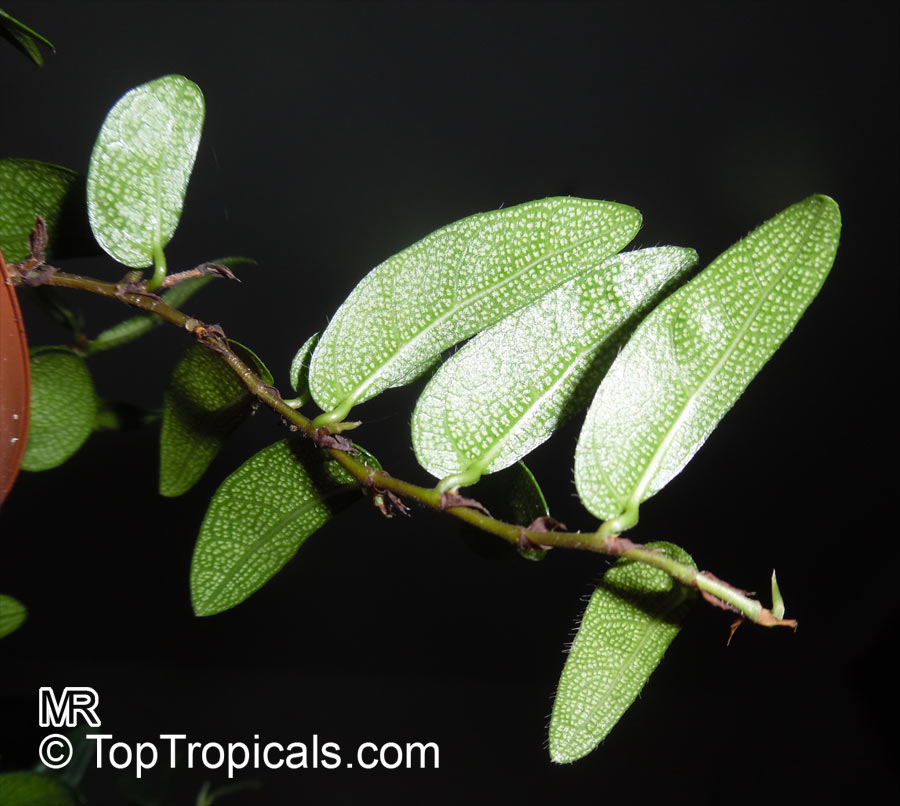
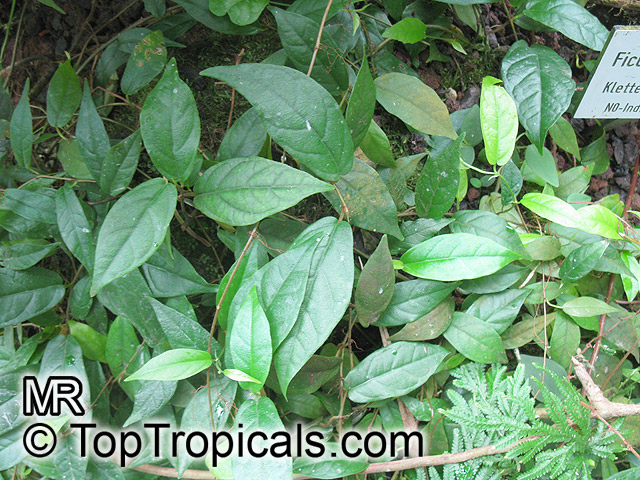
Very showy velvet leaves with purple veins. Forms a caudex, good for bonsai. If planted in ground, grows in a small tree. The more water you give this plant the bigger it will grow and vice versa.

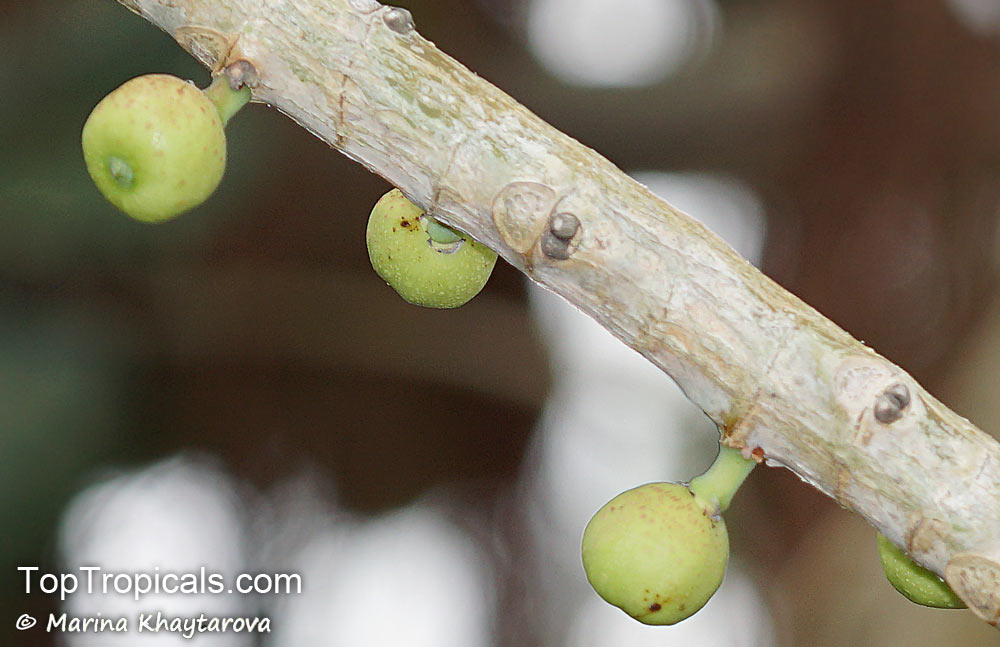
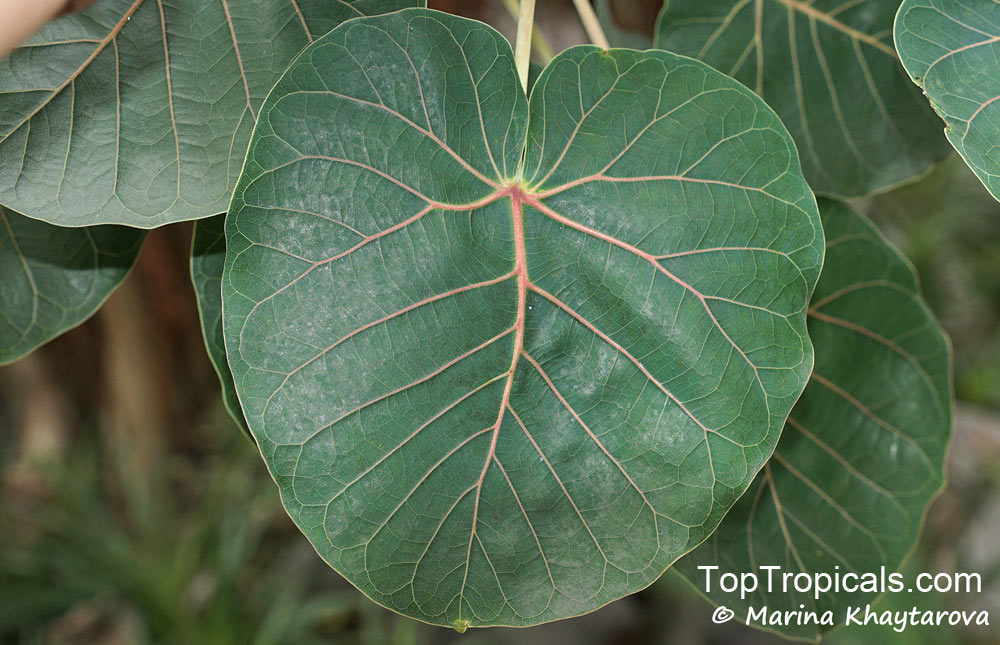
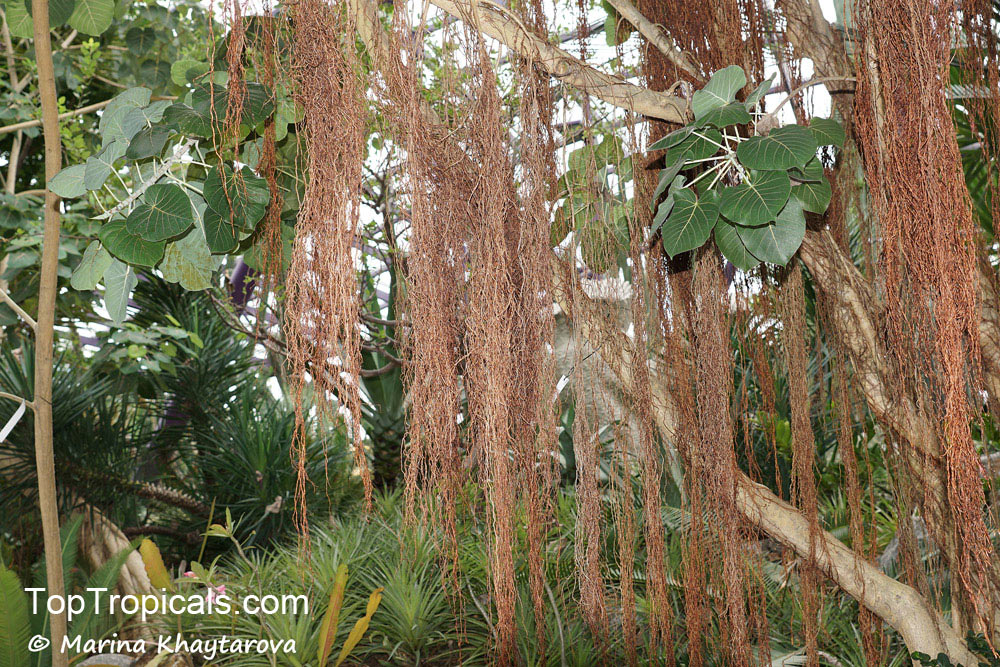
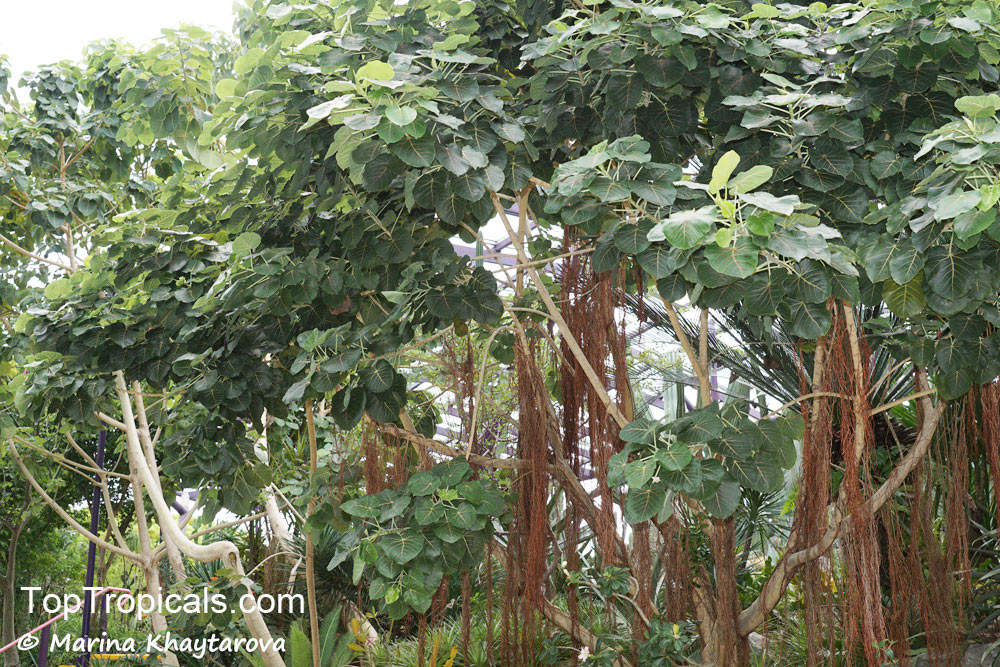
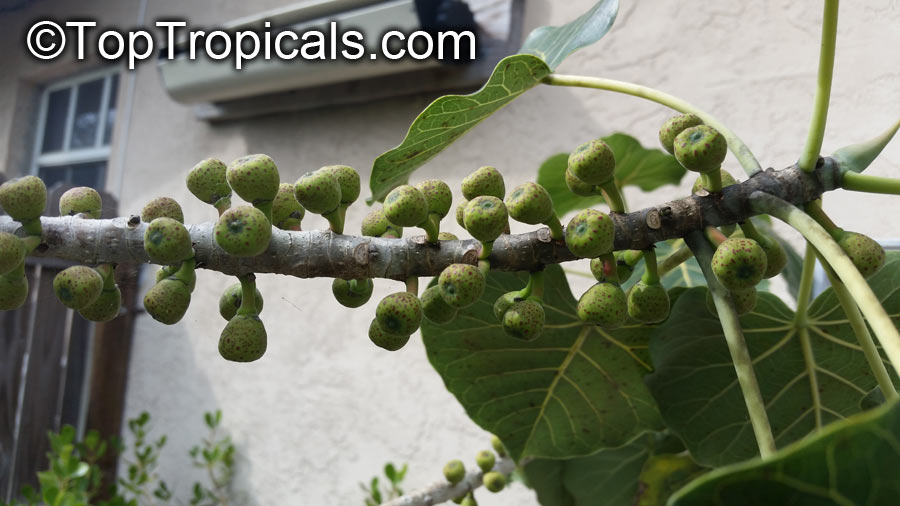
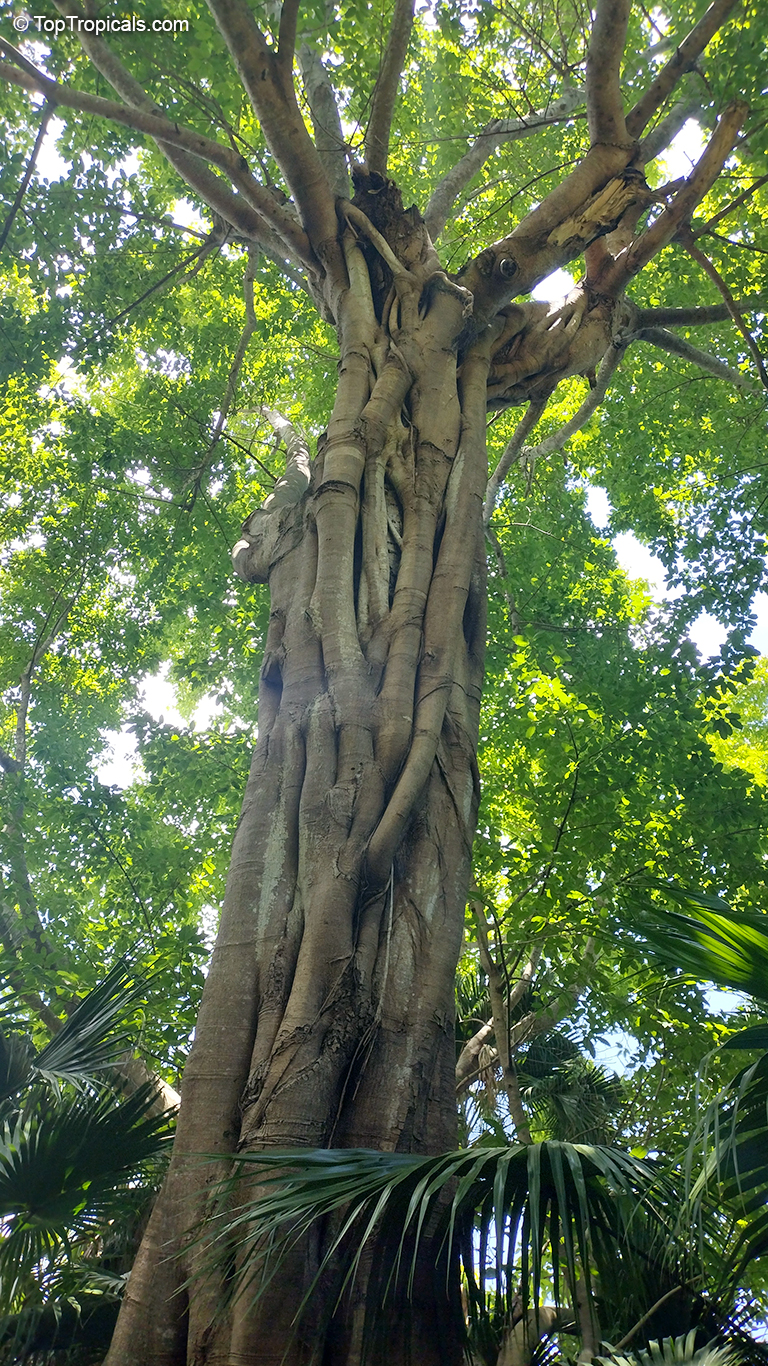

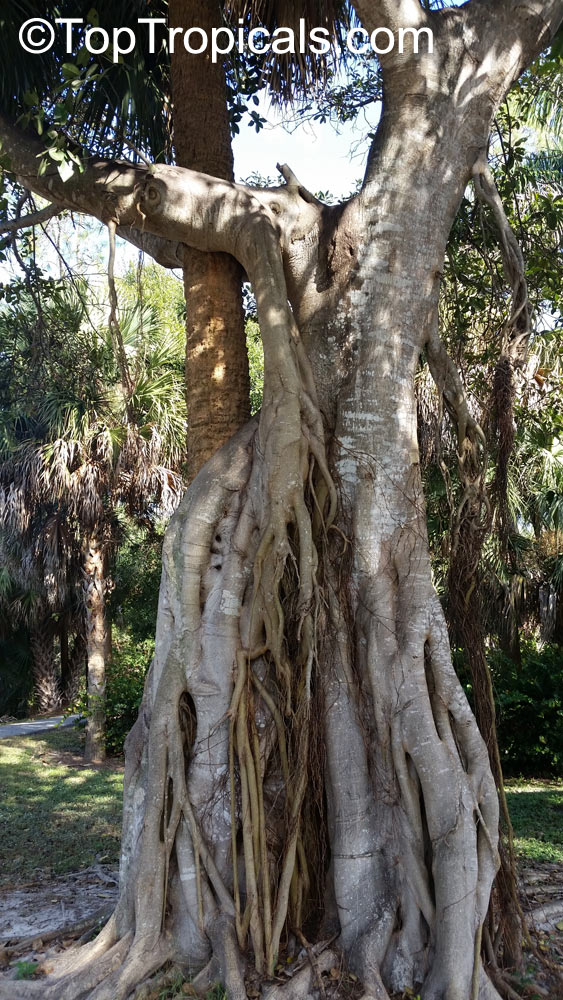
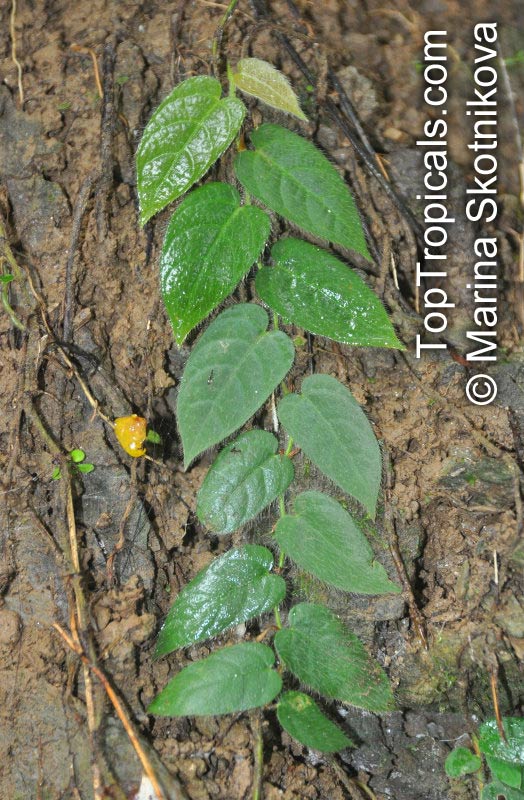
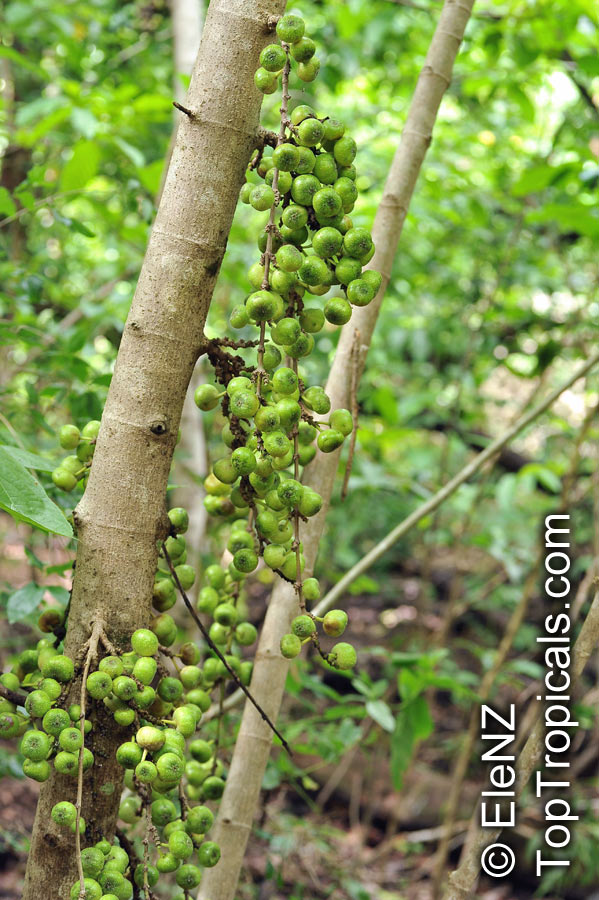
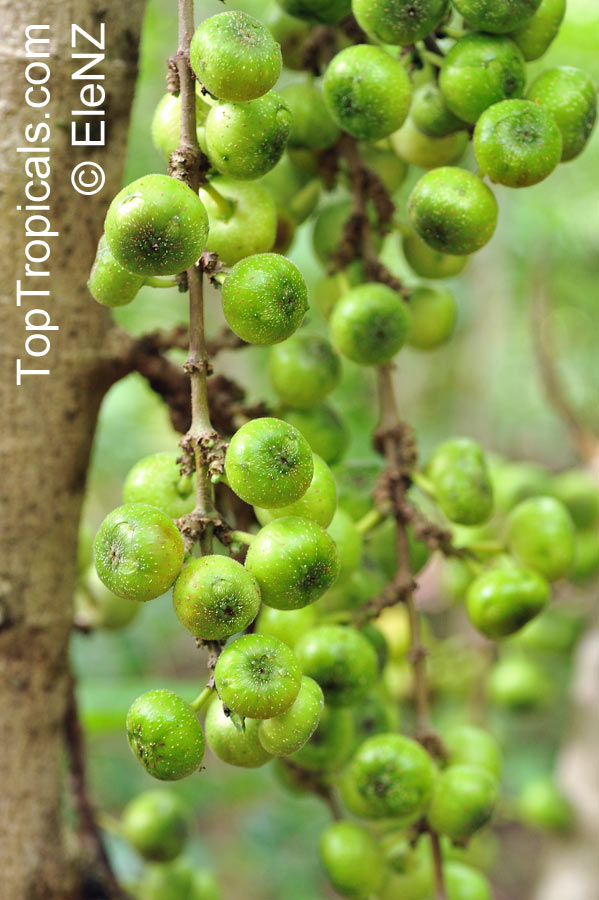

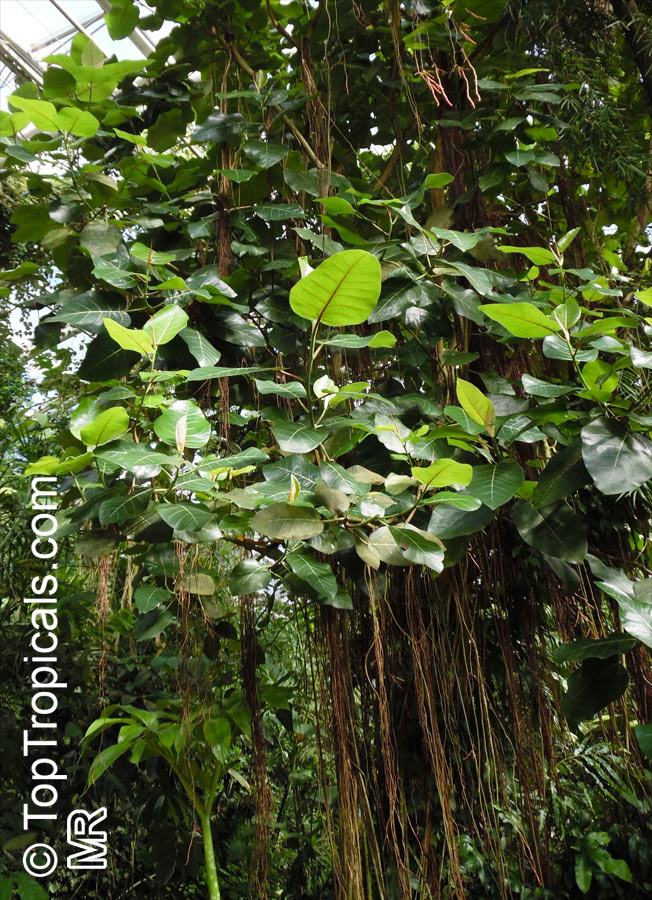
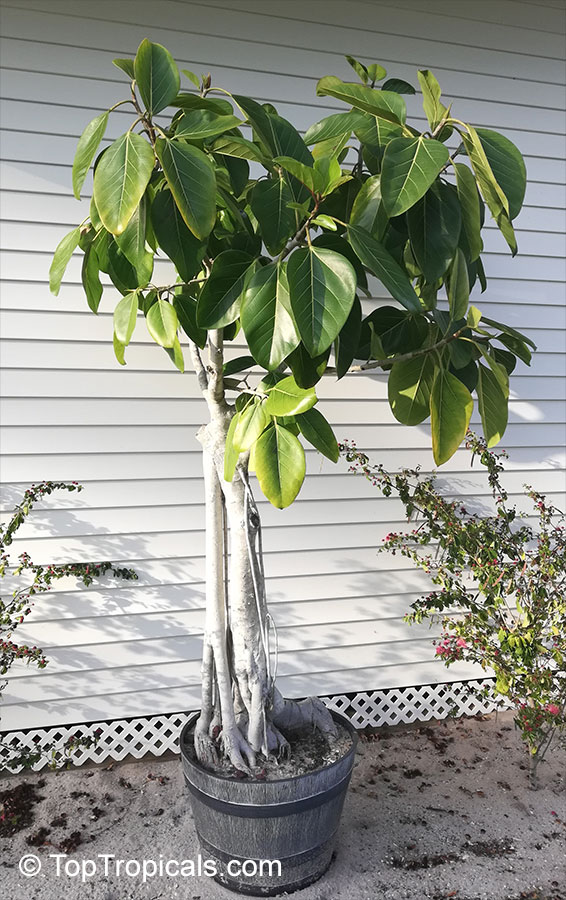
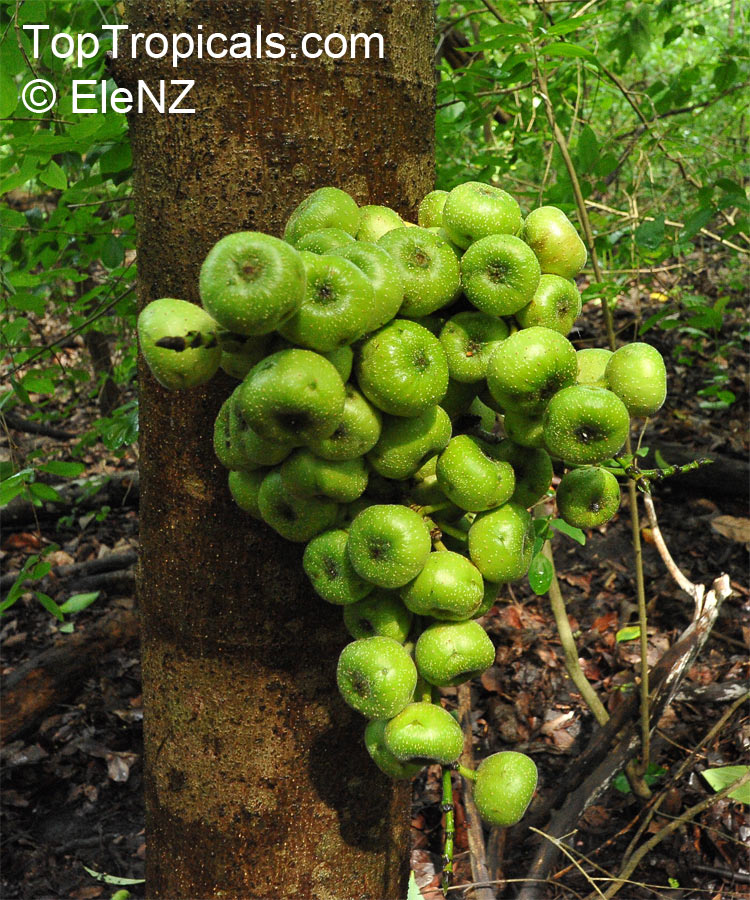
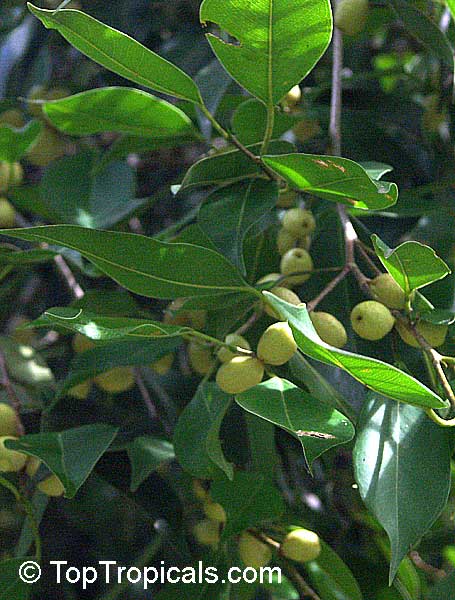
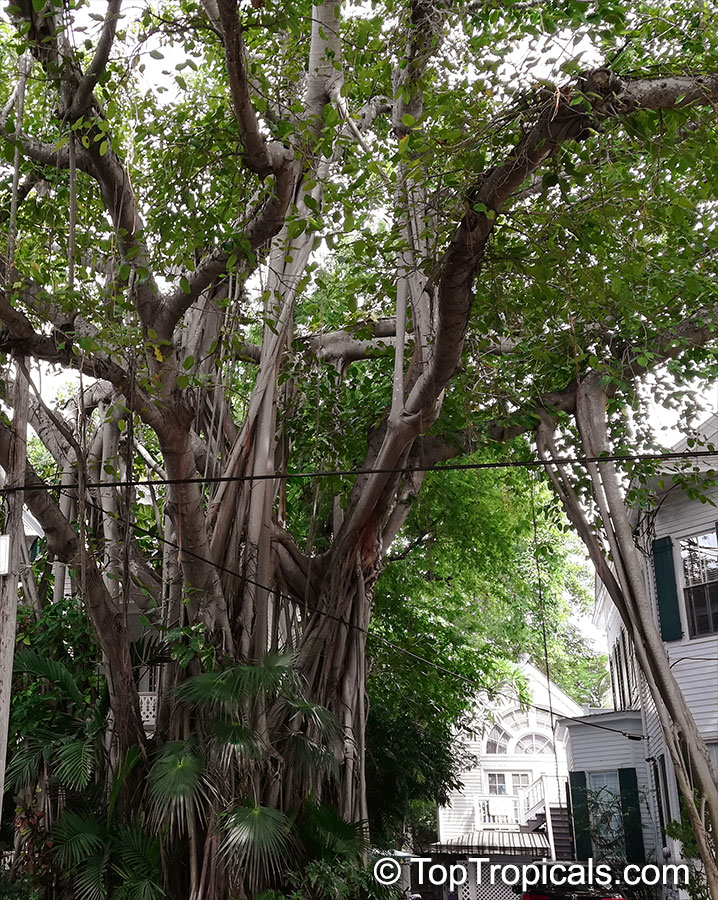
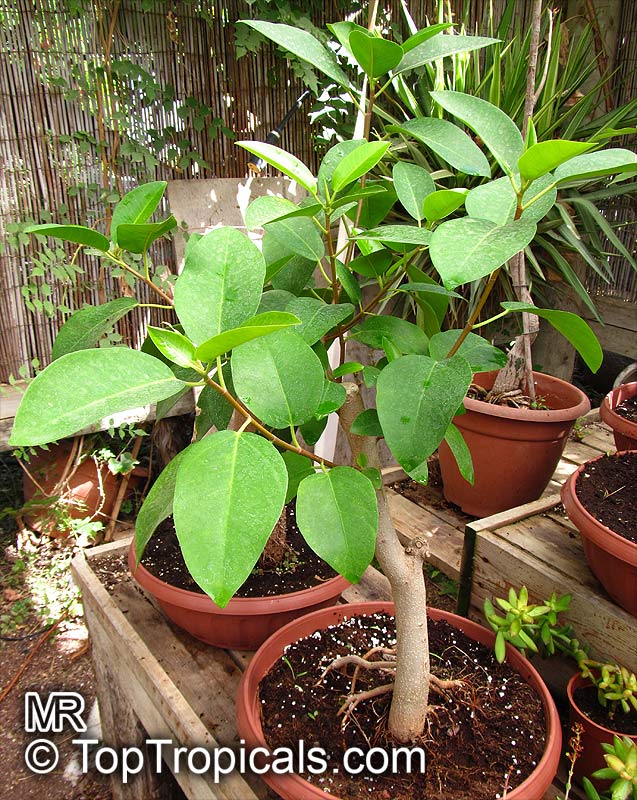

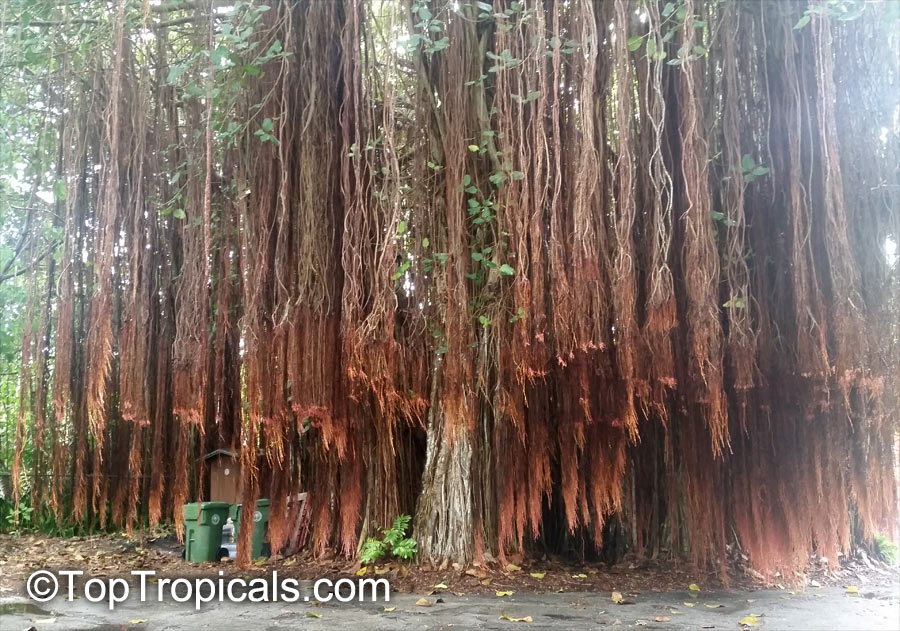
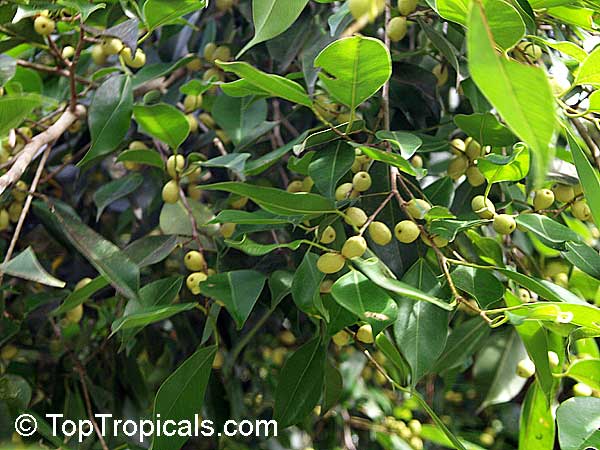
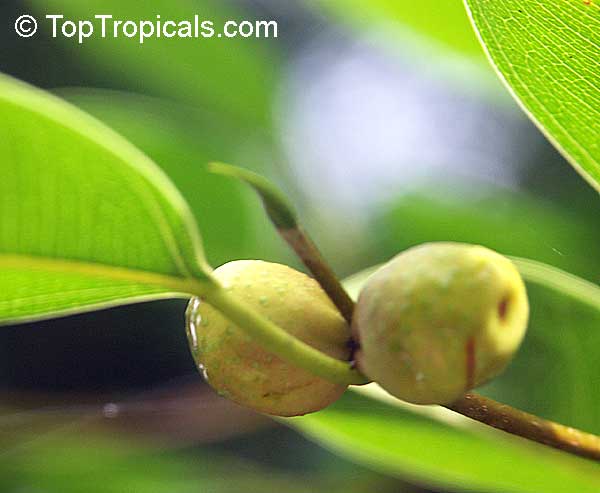
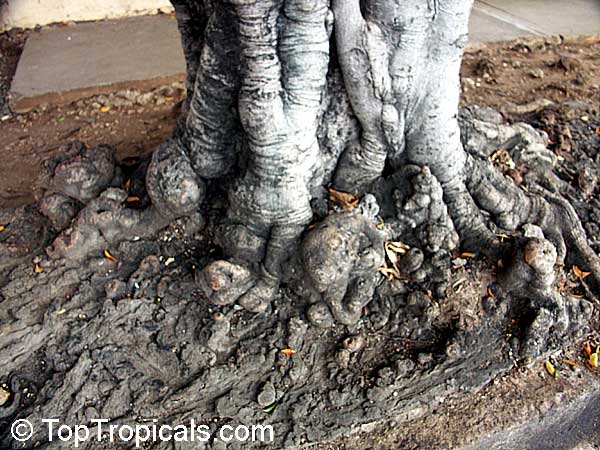

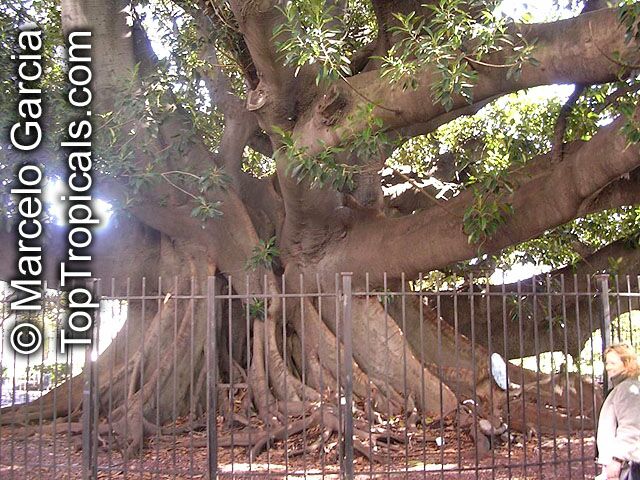
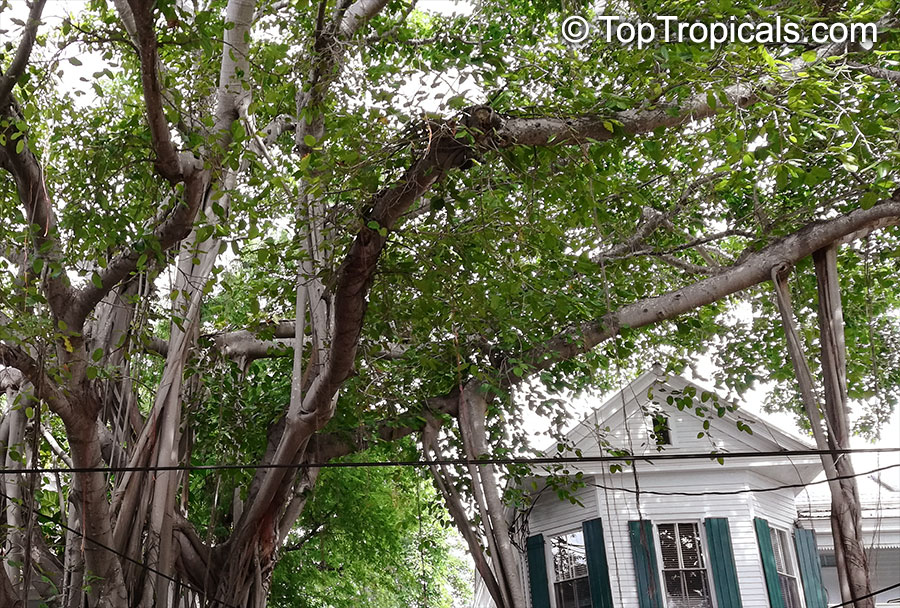
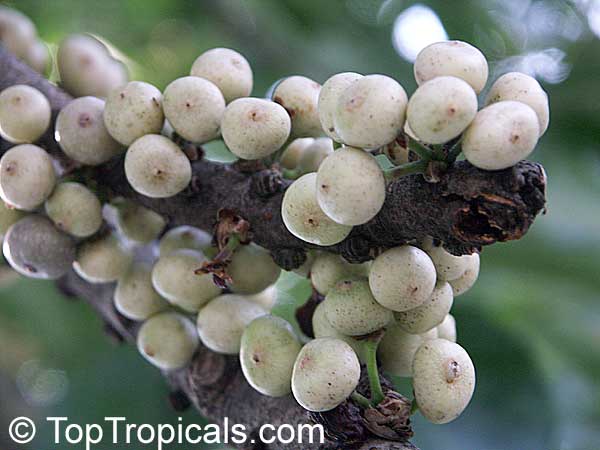
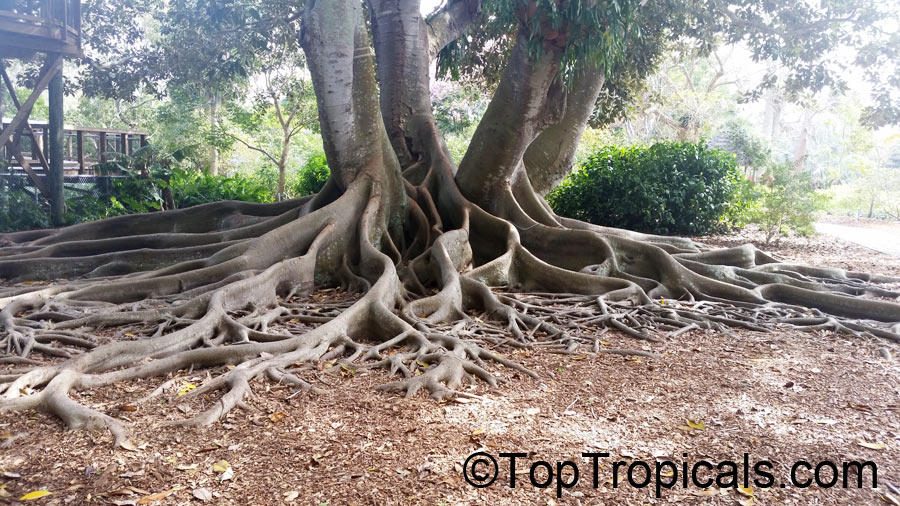
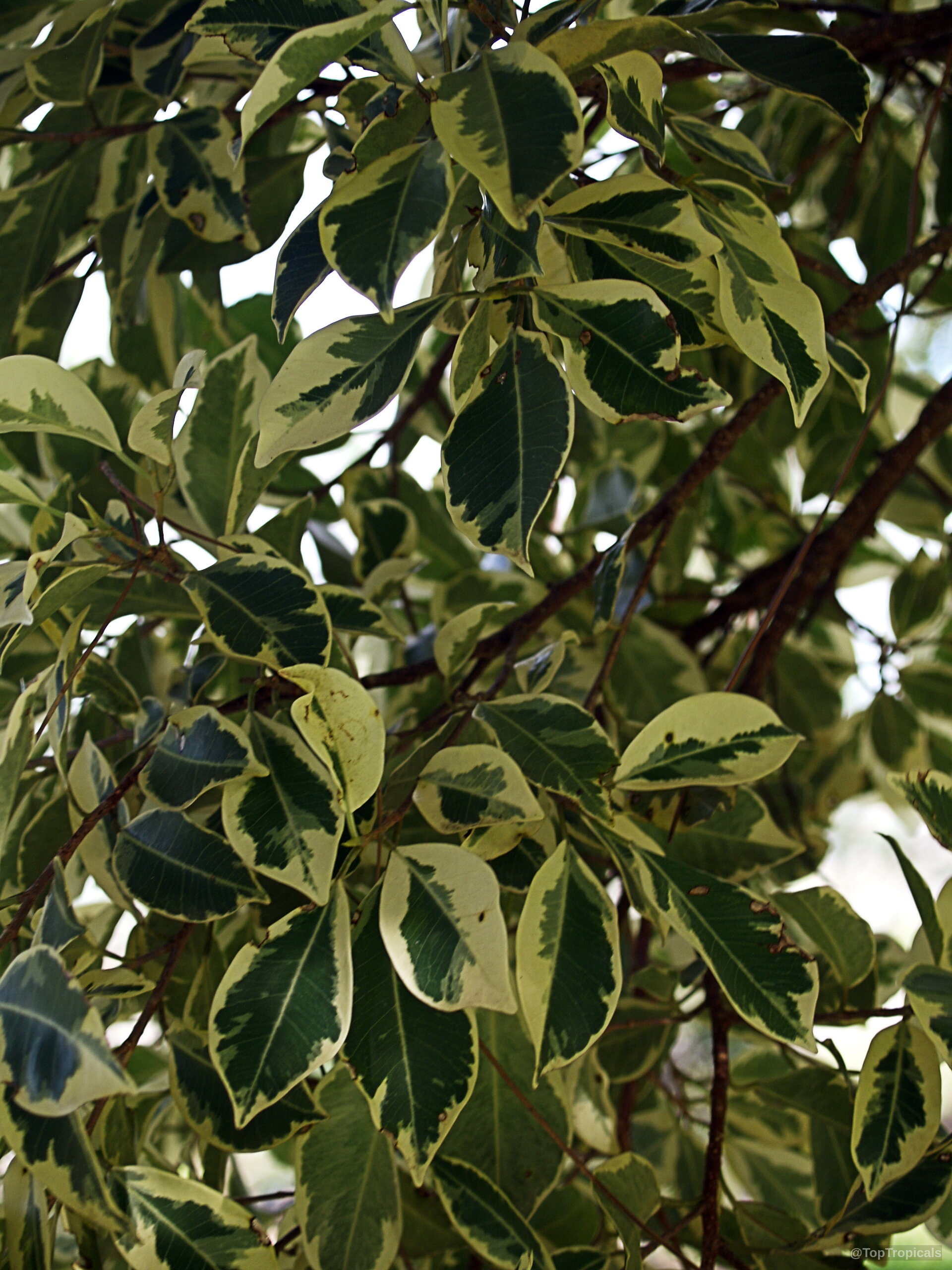
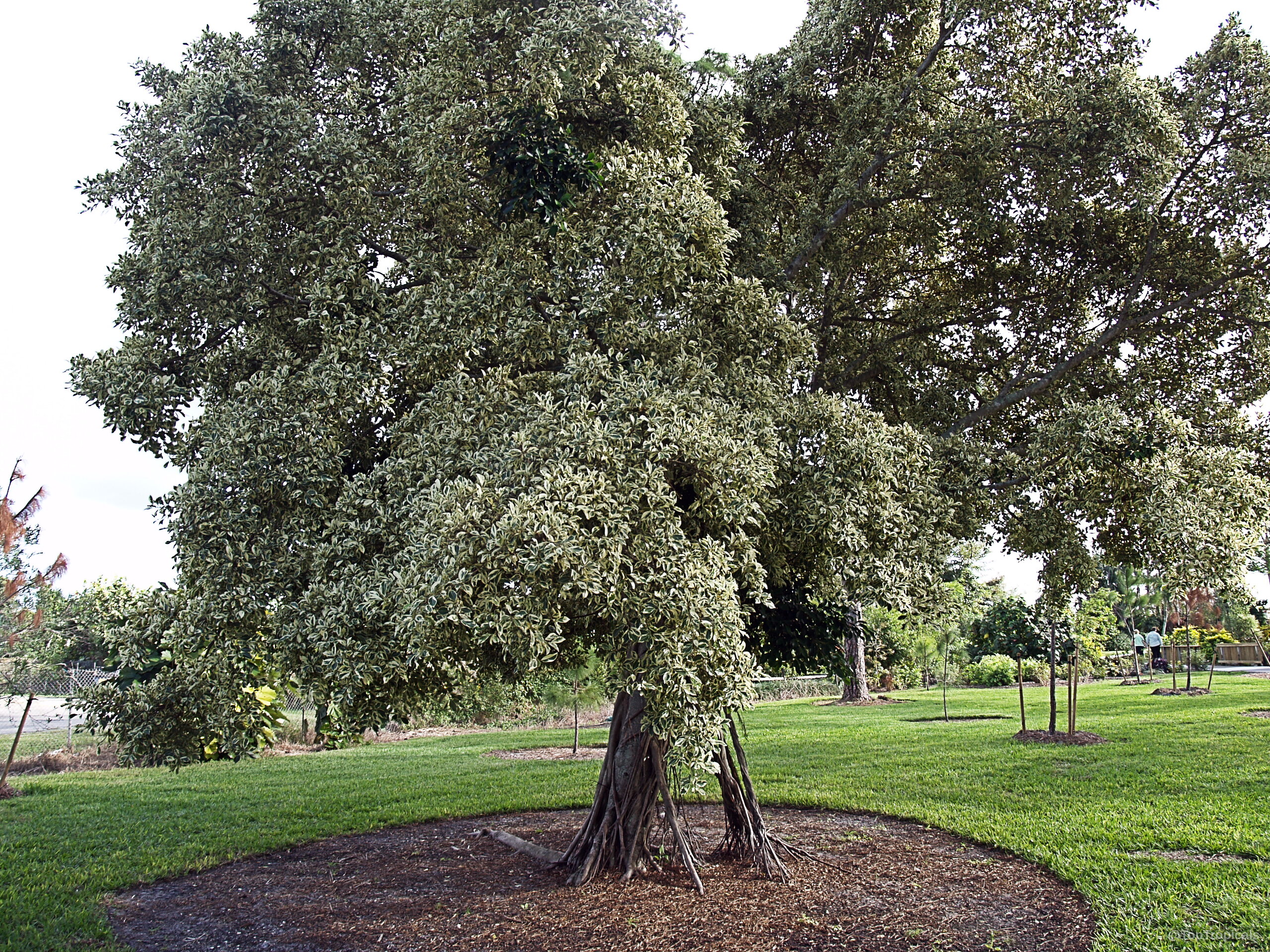
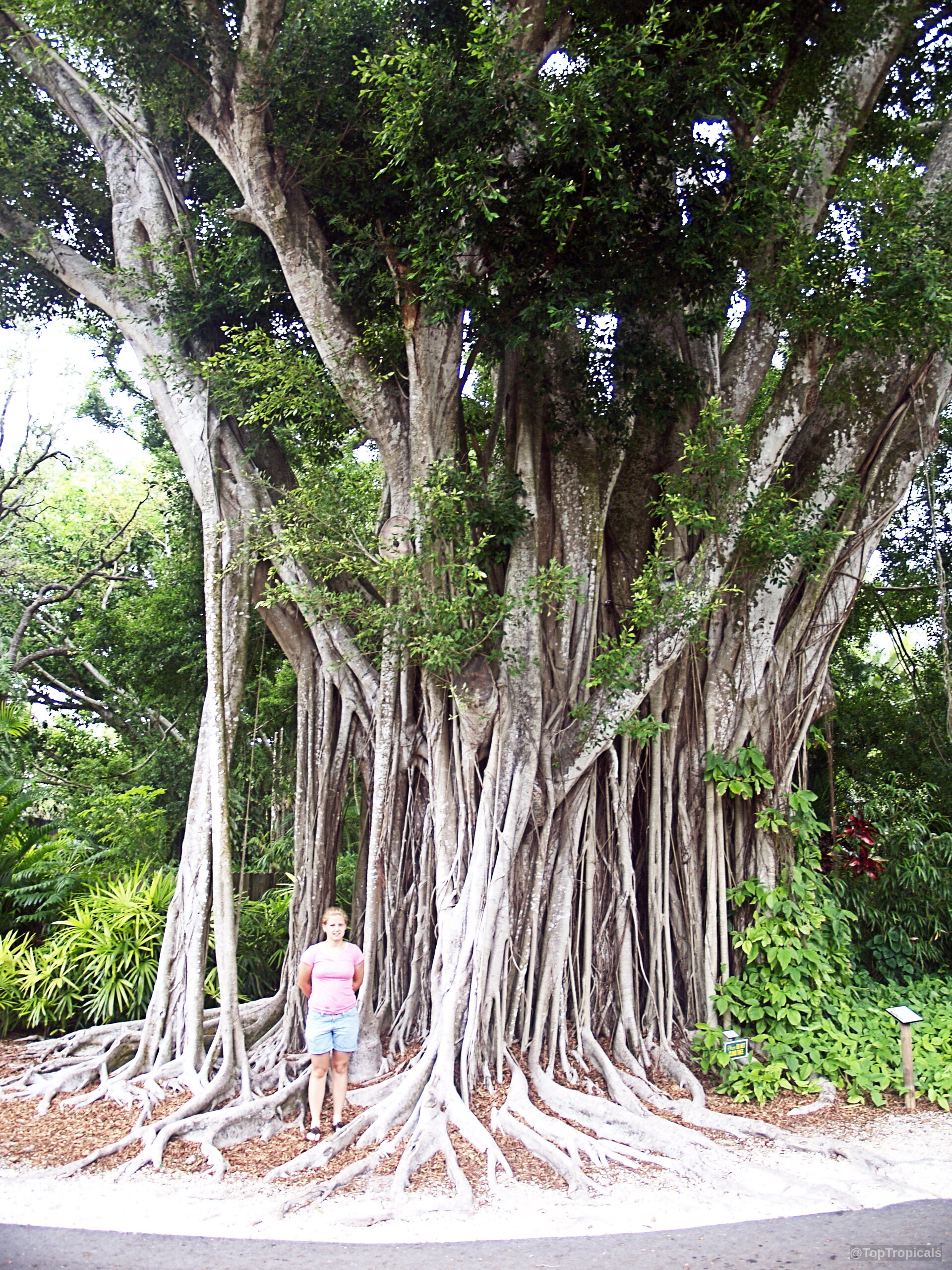

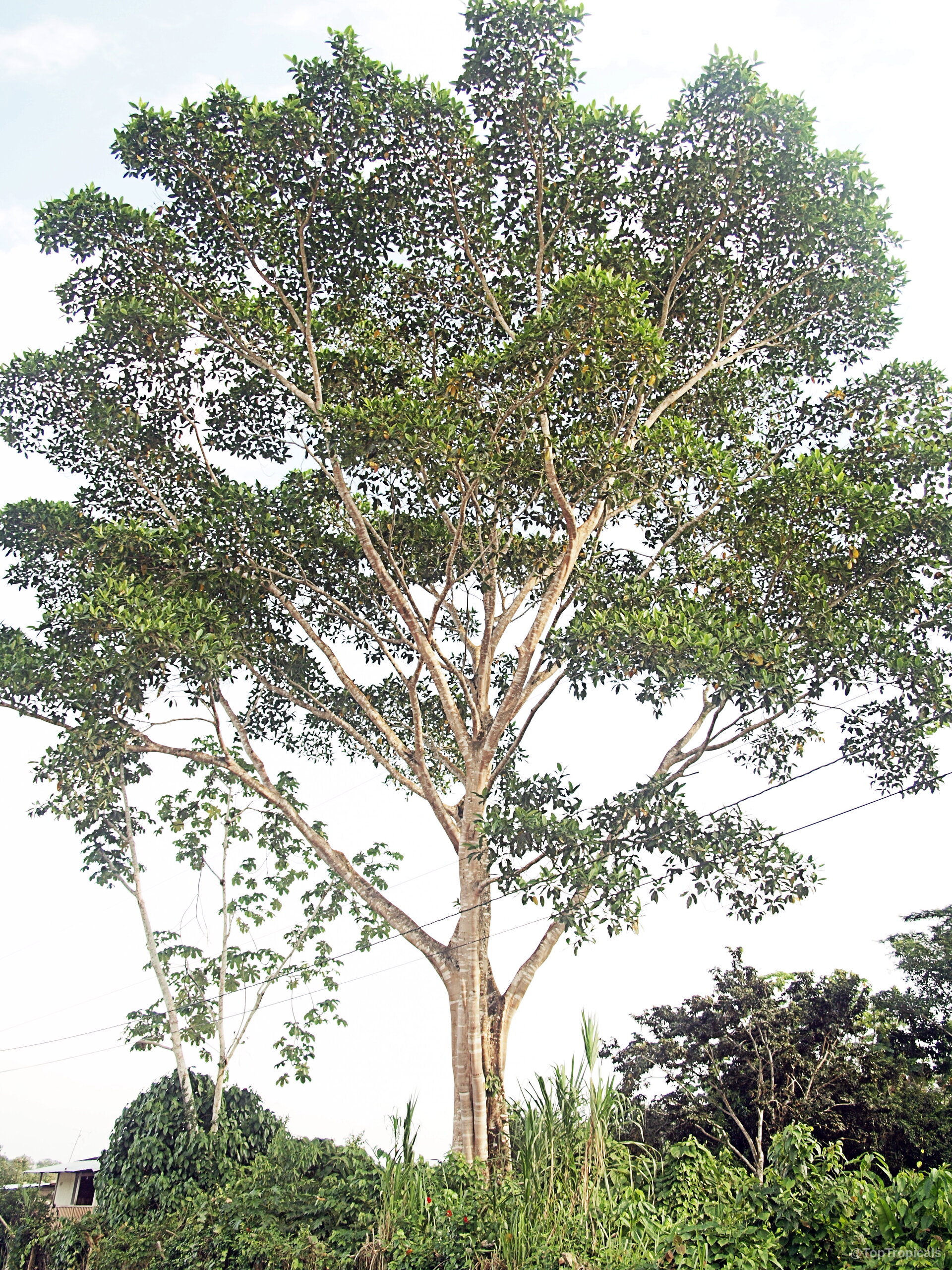
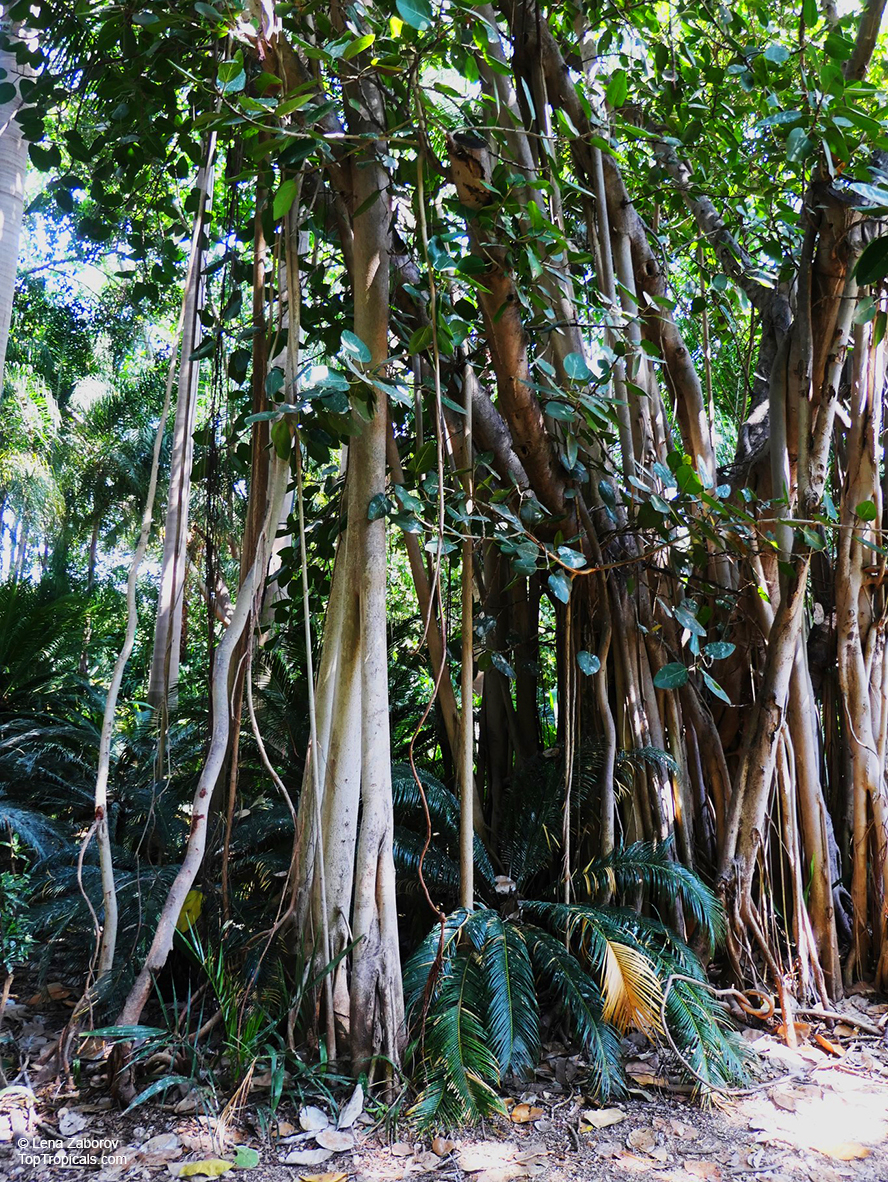
One of the most famous specimens of this tree is the Curtain Fig Tree of the Atherton Tableland, near Cairns, a popular tourist attraction.
Recommended Fertilizer: SUNSHINE Robusta - Rapid Growth Booster
Last one
Botanical name: Ficus abutilifolia
Common names: Large-leaved Rock Fig, Rock Wild Fig
Family: Moraceae
Origin: Africa
USDA Zone: 9-10


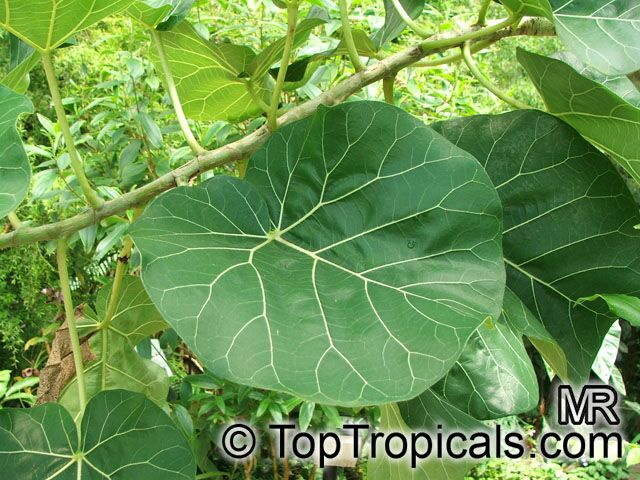
The Ficus abutilifolia, or Large-leaved Rock Fig, is a native of the African savanna and woodlands, often taking root and growing on the rocks. It is a deciduous plant and can reach a height of 10 to 20 ft, with an especially beautiful ornamental foliage. Its caudex (swollen and potentially branched underground stem) can be used for bonsai as well.
In terms of its care, it's best not to overwater it, as these plants like only moderate water in normal humid conditions. Generally, Ficus abutilifolia prefers full sun and semi-shade and grows best in USDA Zone 9 to 11.
The Large-leaved Rock Fig is not only an attractive ornamental tree, but also has been used in traditional African medicine. It is known to be an ethnomedical plant, or one that is traditionally used for its healing benefits.
For those living in colder climates, Ficus abutilifolia can be grown in pots indoors or outdoors, but it's best to keep them in a sheltered area during the winter and to ensure that they get some sun. During the summer months, it is best to move the pot outdoors and ensure that it gets enough water, but not too much. With the right care, the Large-leaved Rock Fig can thrive.

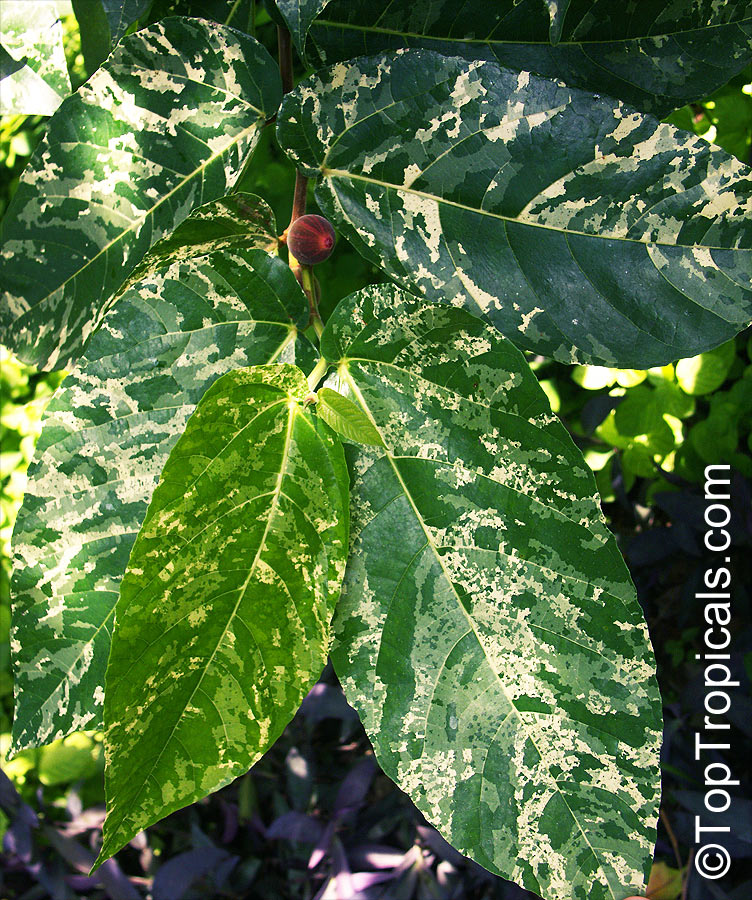
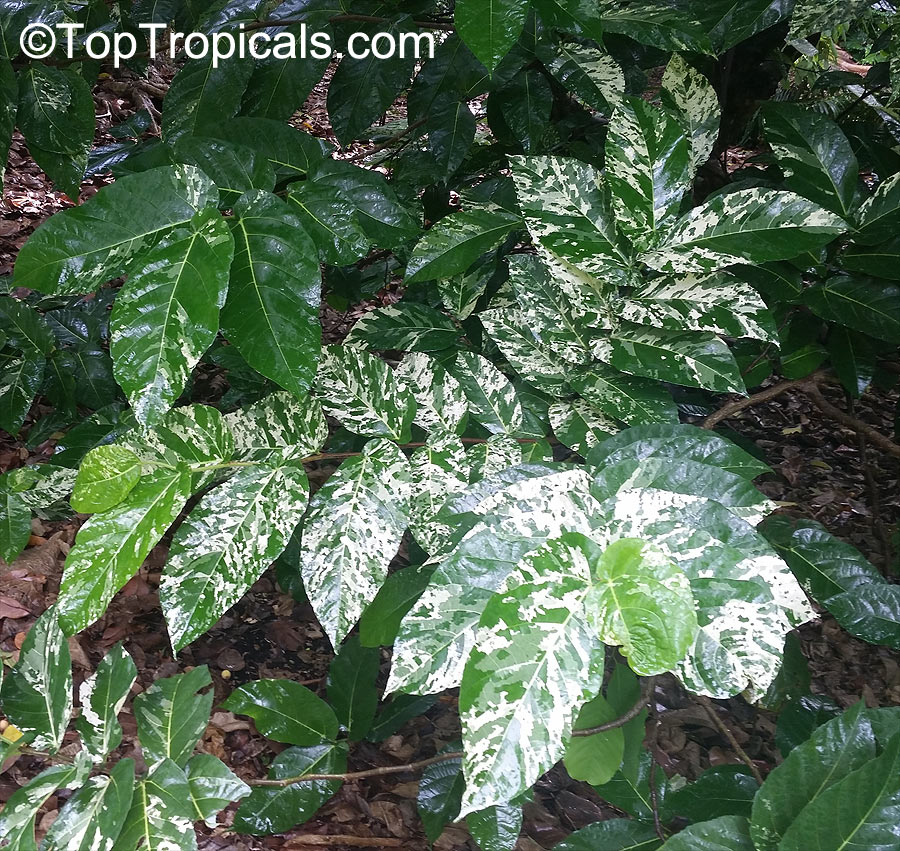
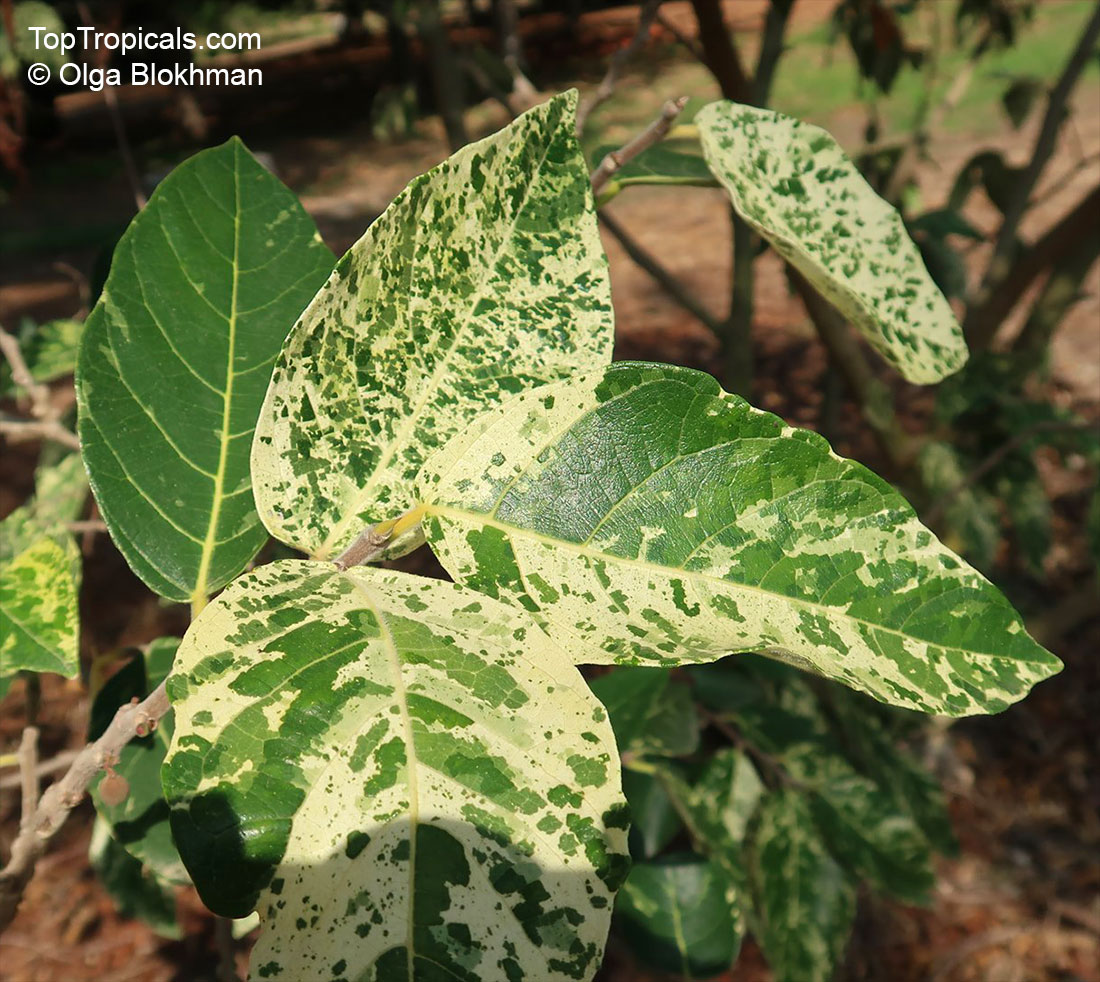
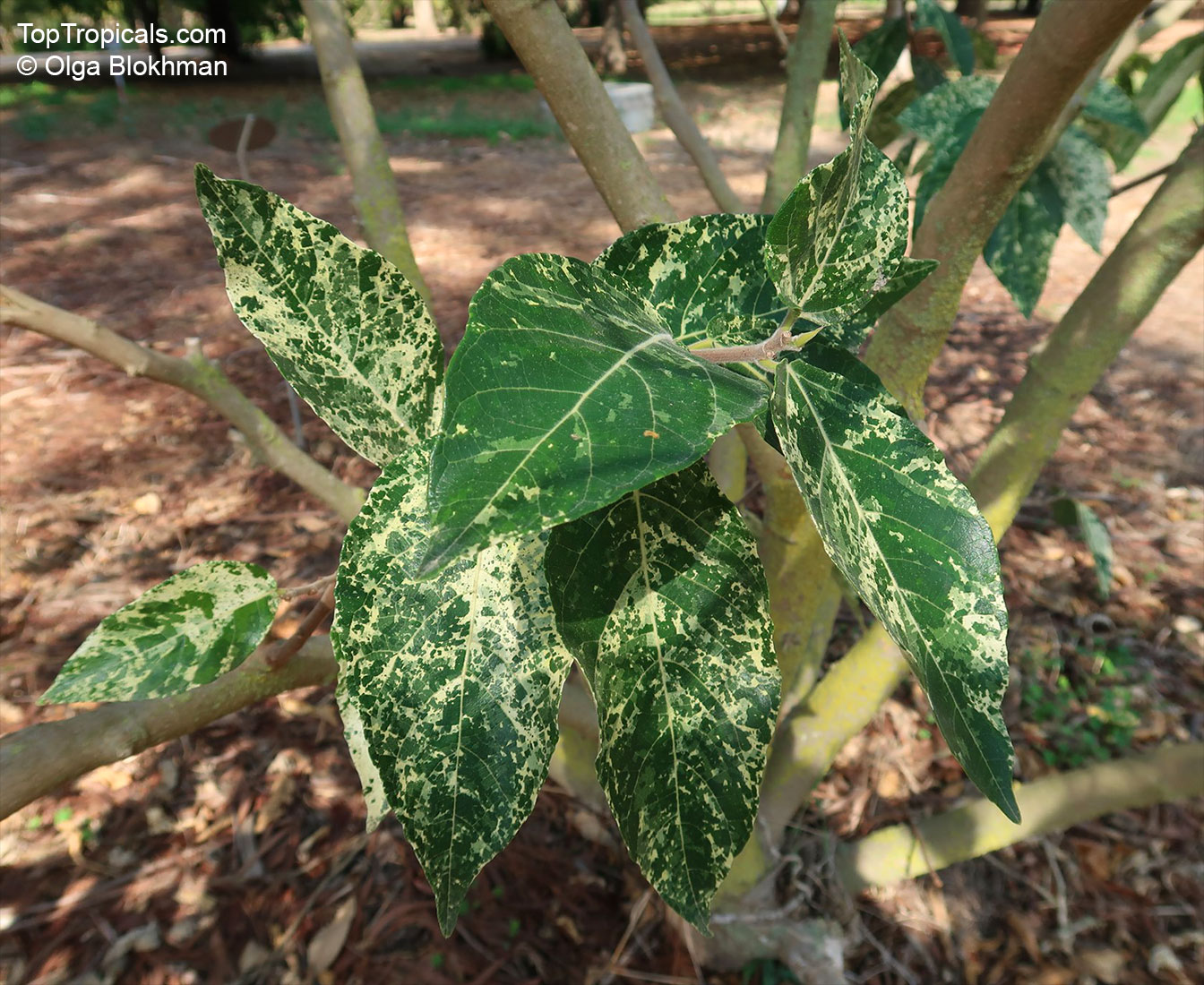
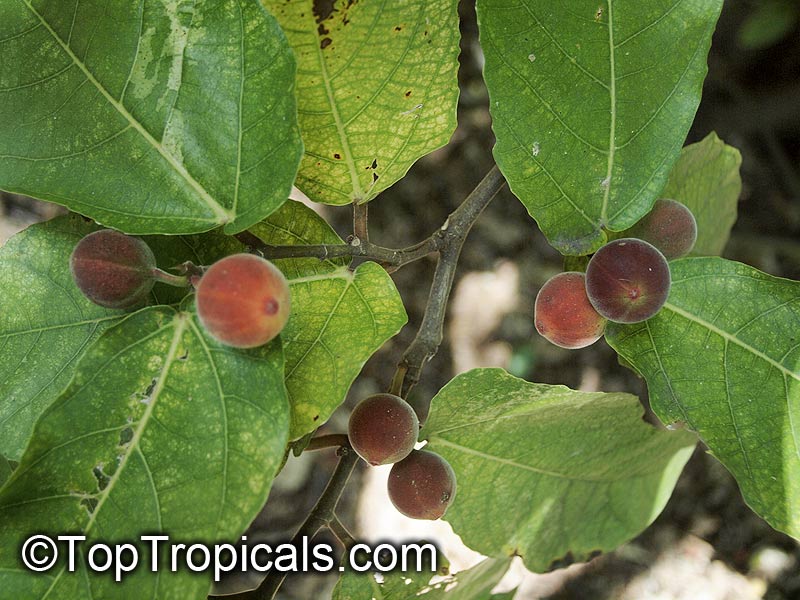
Botanical name: Ficus aspera
Common names: Variegated Clown Fig, Mosaic Fig
Family: Moraceae
Origin: South Pacific
USDA Zone: 9-10
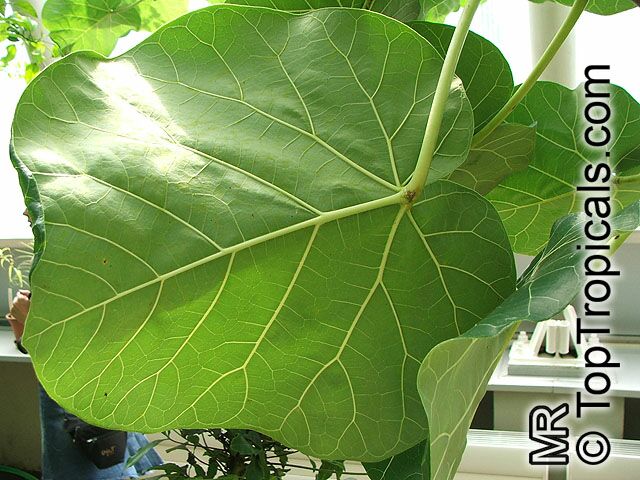
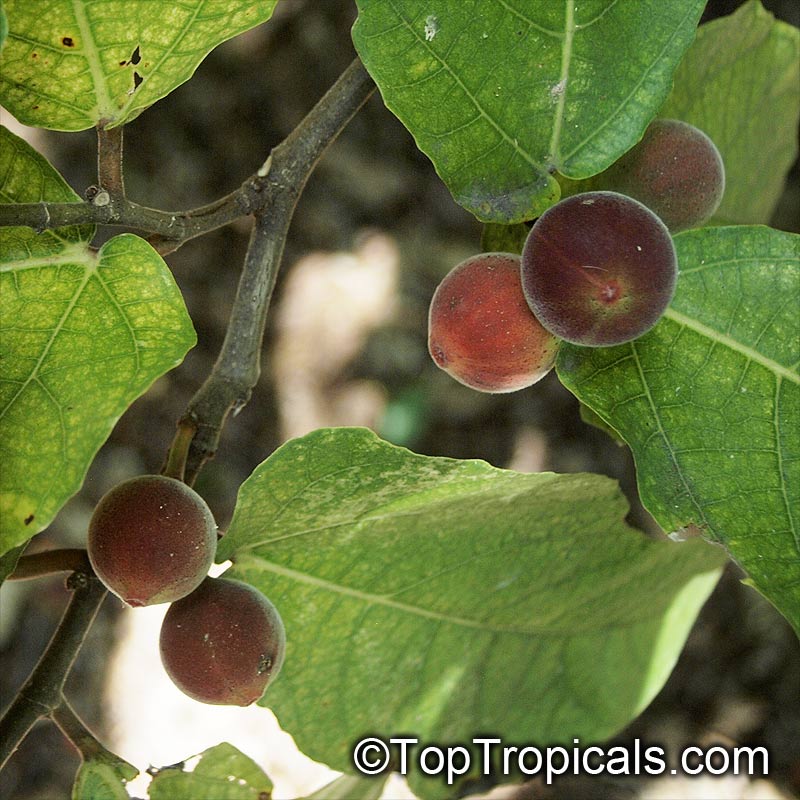
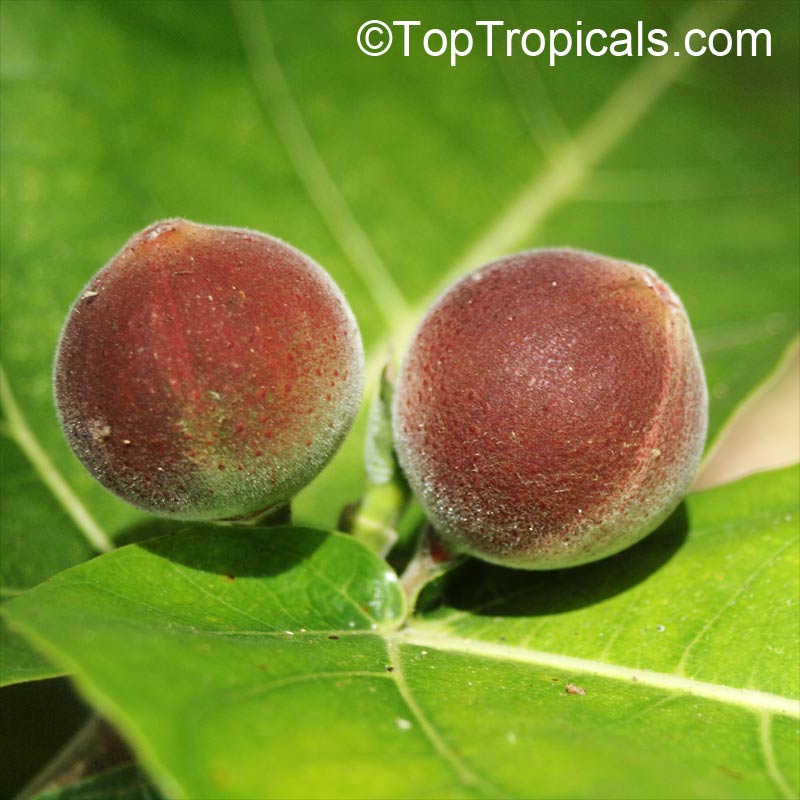
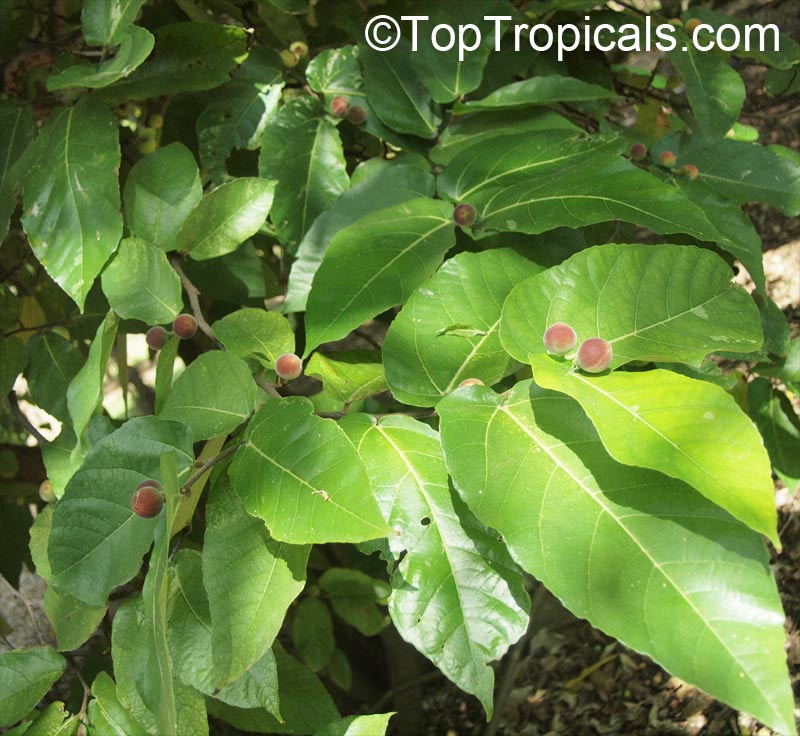
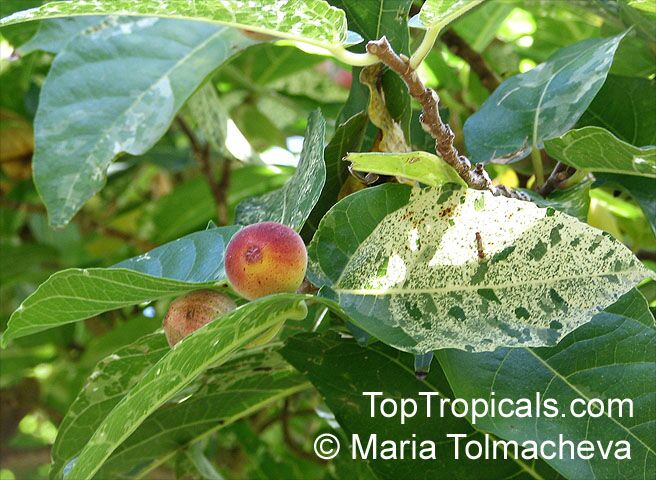
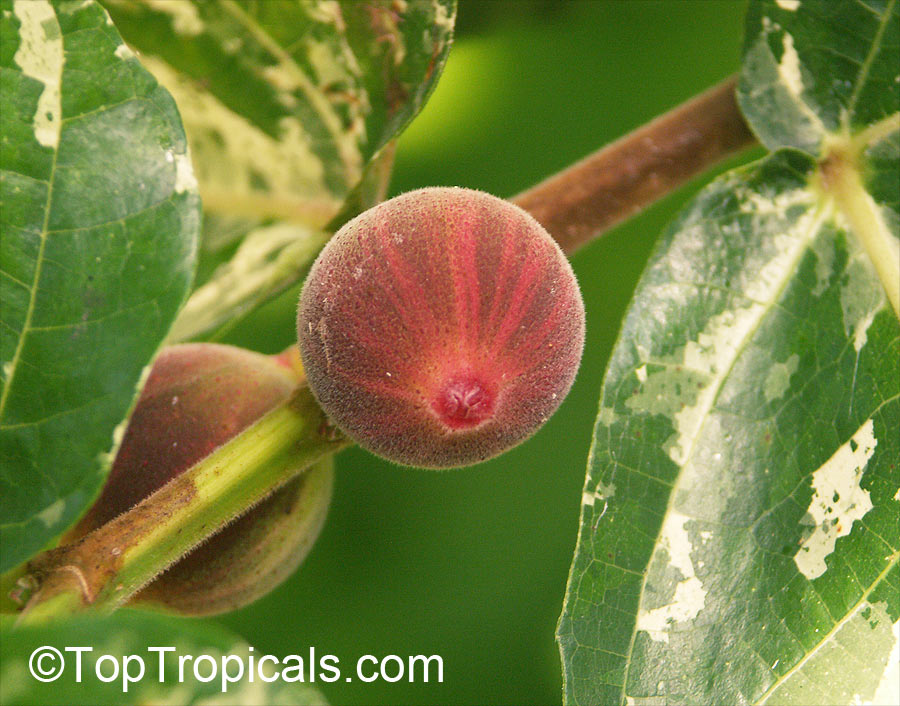
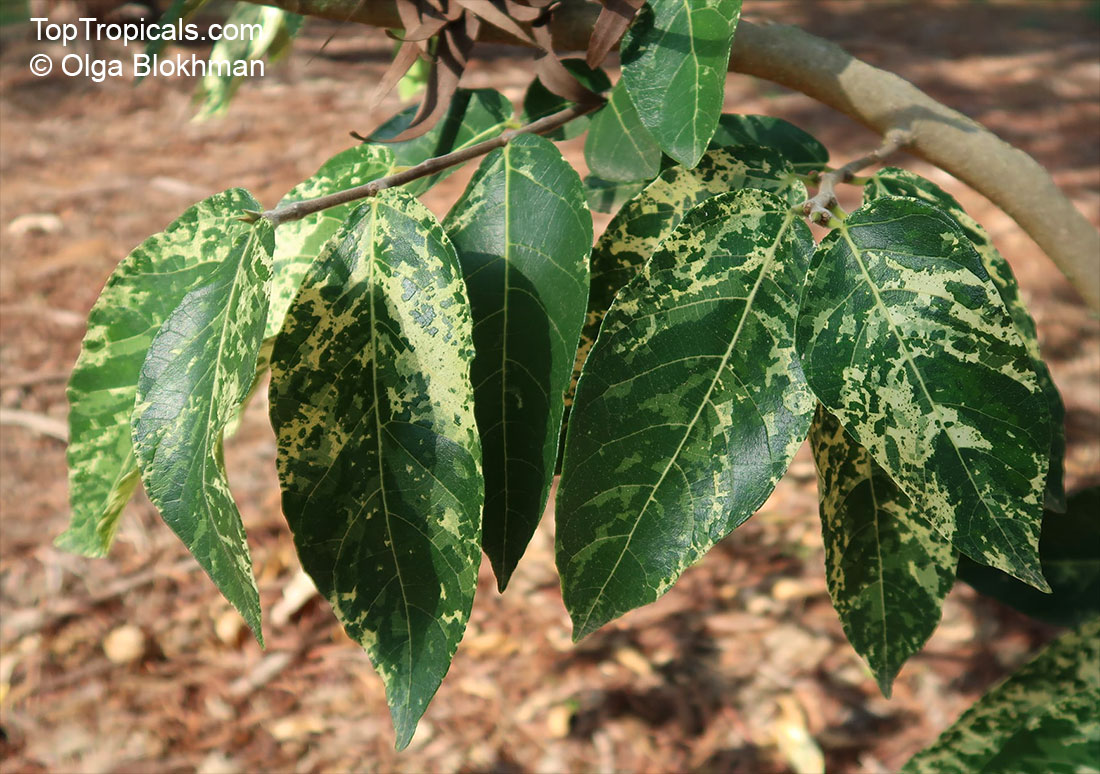
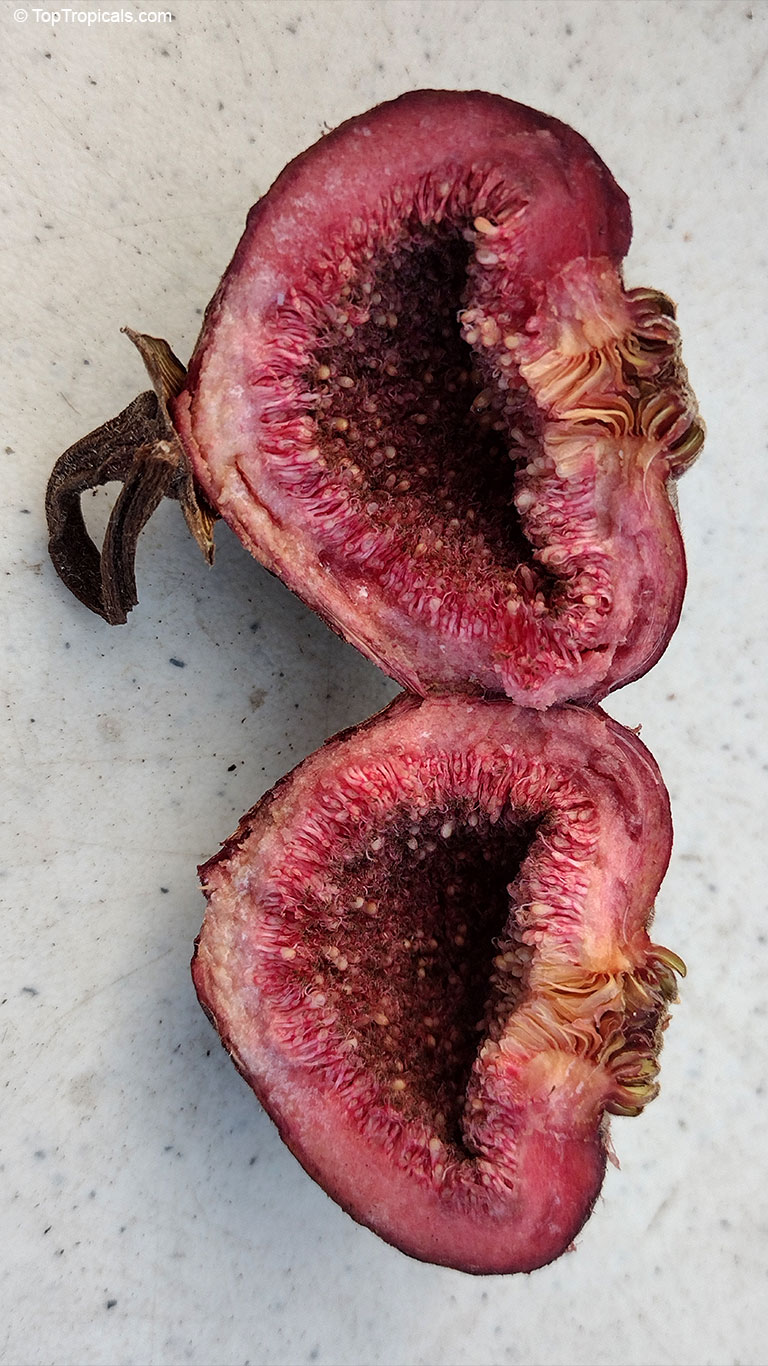
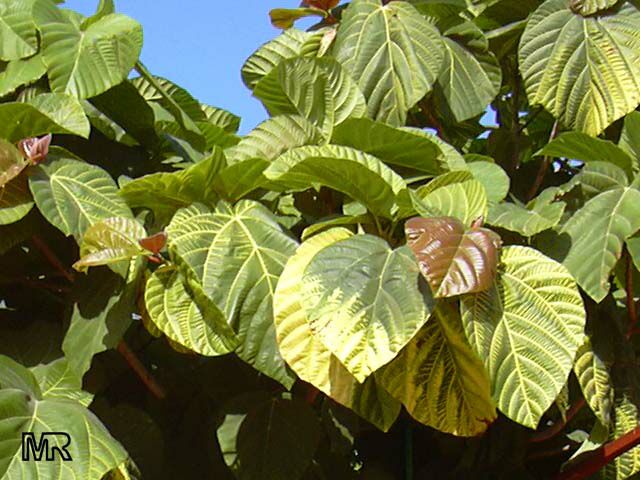
The foliage is 8 to 12 inches in length, cordate to rhomboid in shape, and sometimes coarsely toothed on the margins. The leaves have white and gray-green blotches on a dark green background.
This Ficus requires heat and humidity, and detests cold and drafts. Plant which need at least a few hours a day of solar light in a pretty bright place, although avoiding direct sunlight, which could damage the foliage.


Botanical names: Ficus auriculata, Ficus roxburghii
Common names: Elephant ear fig tree, Giant Indian Fig
Family: Moraceae
Origin: India
USDA Zone: 9-11

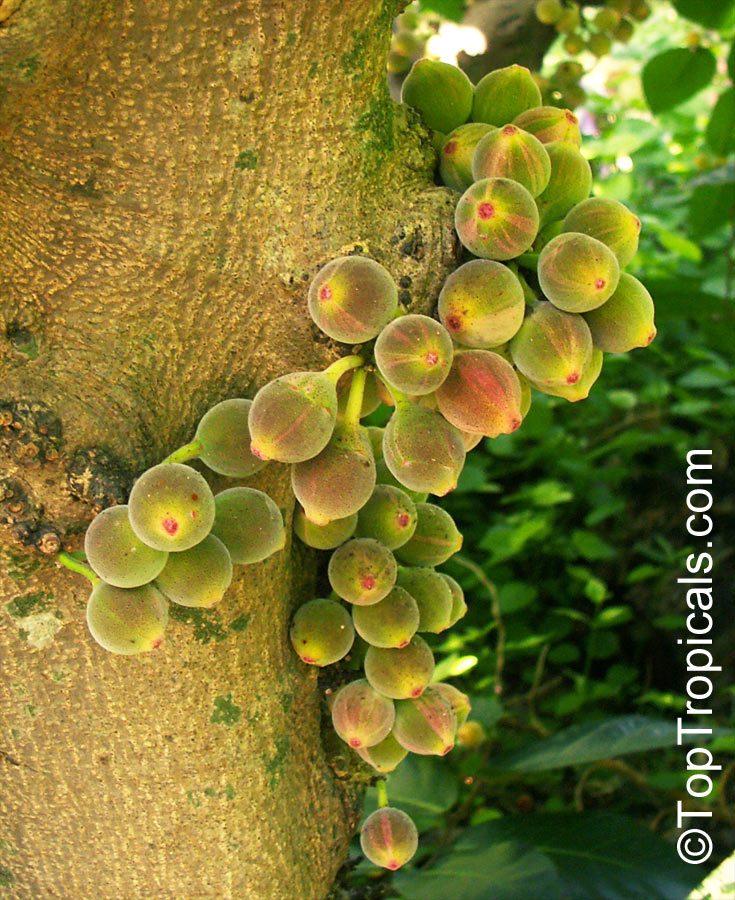
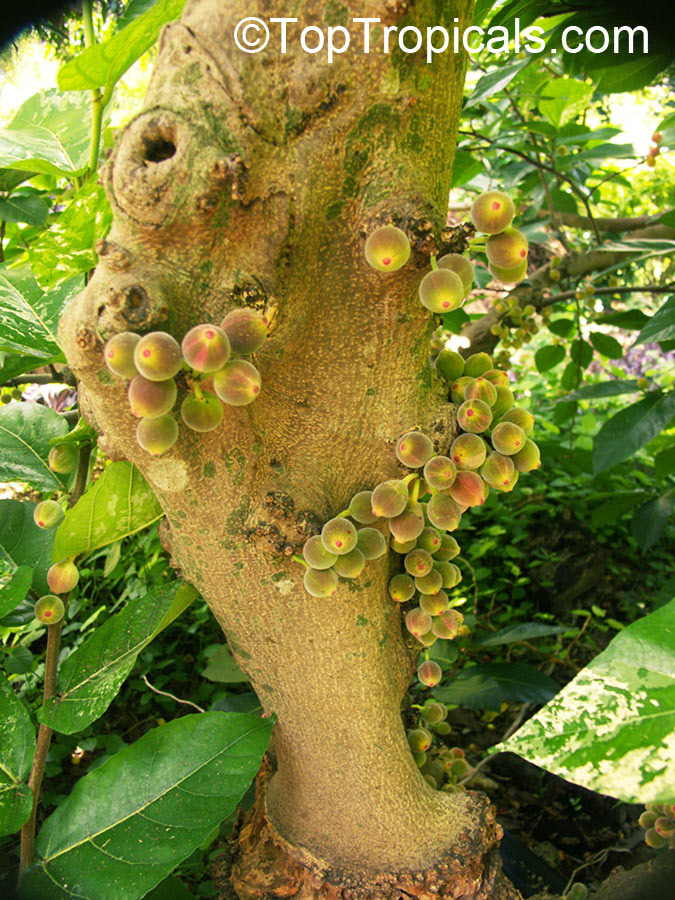
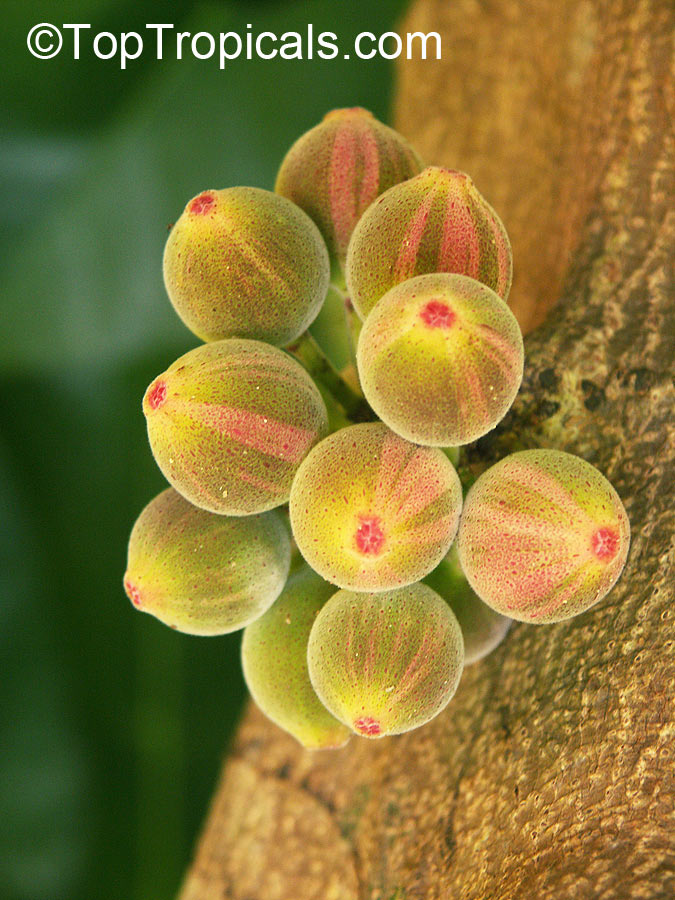
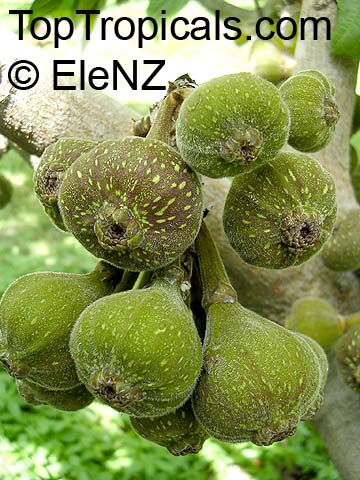
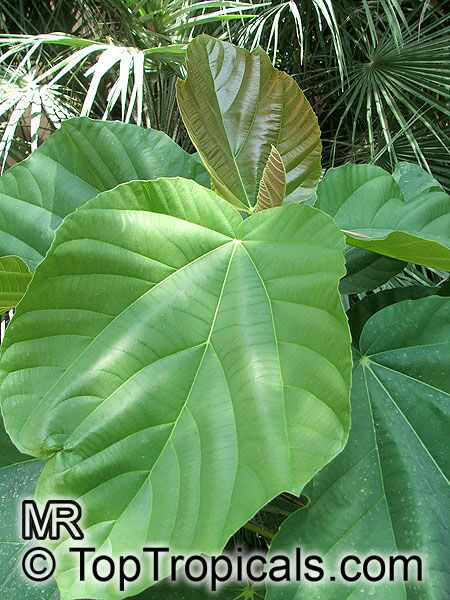
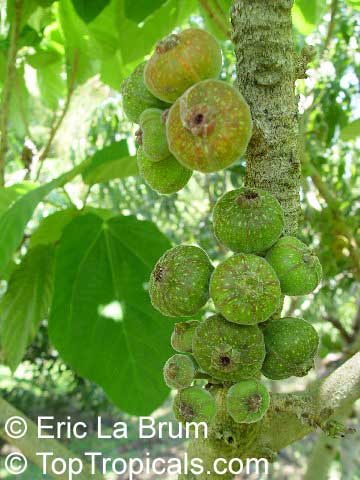
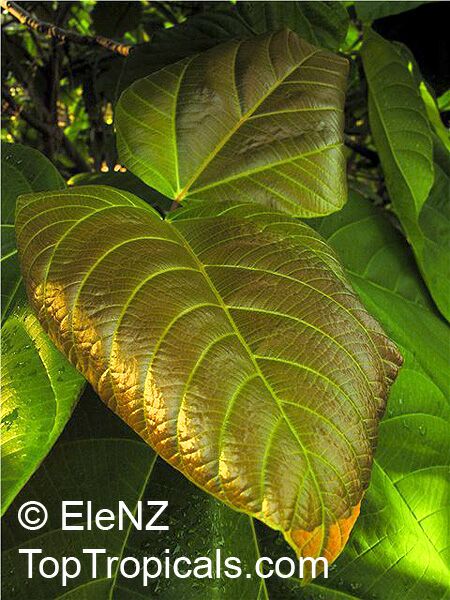
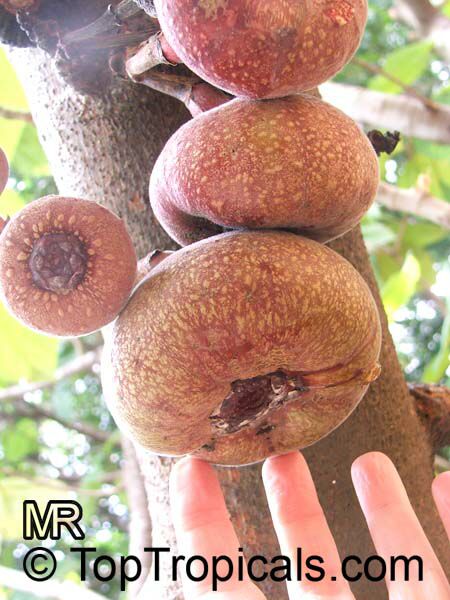
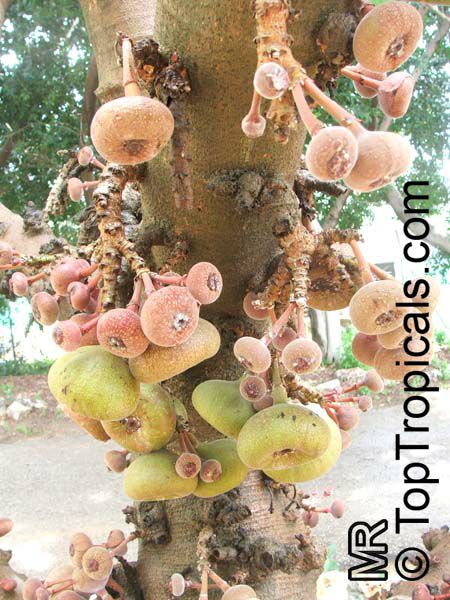
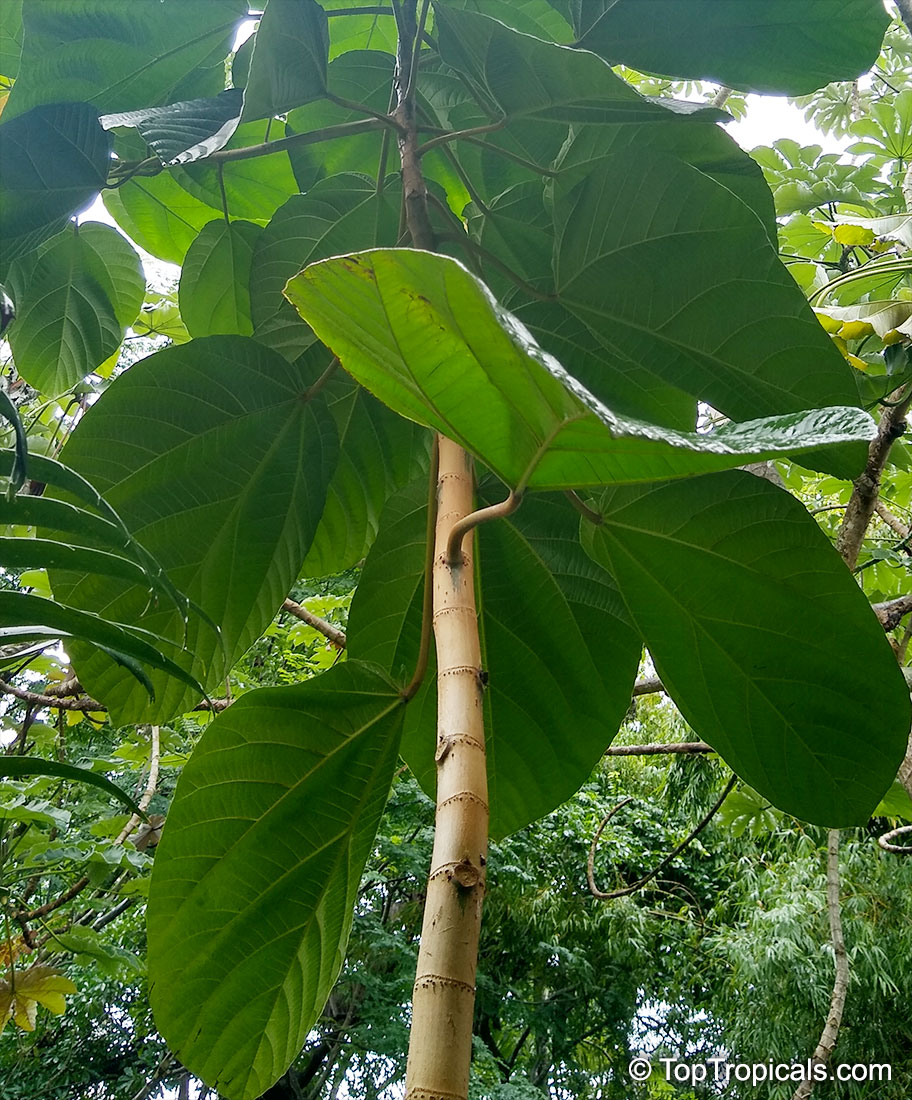
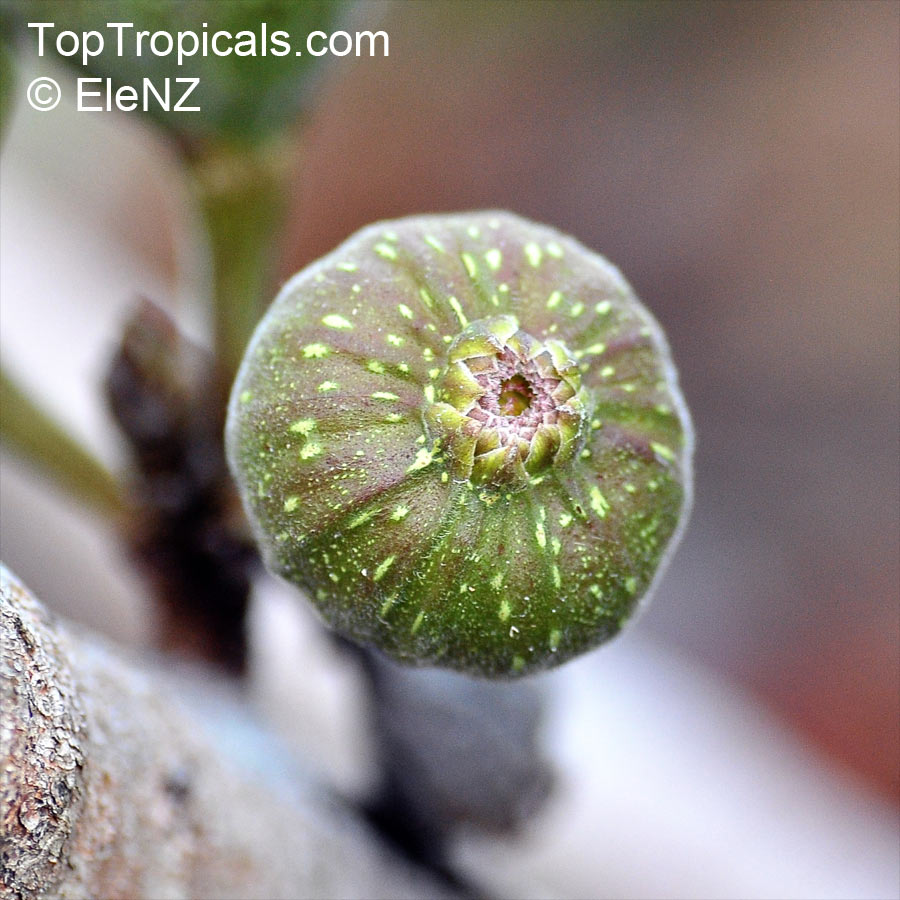
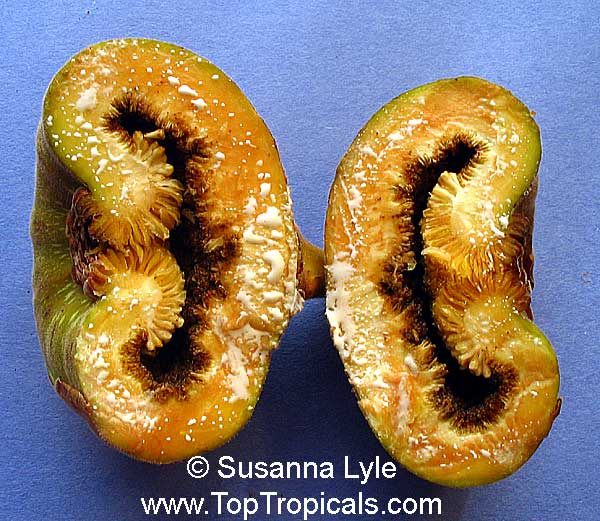
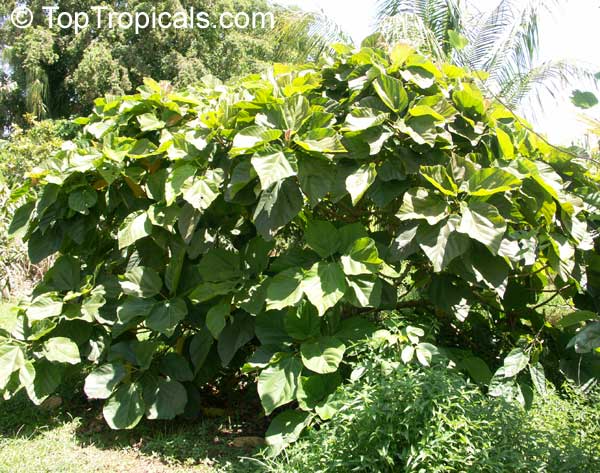
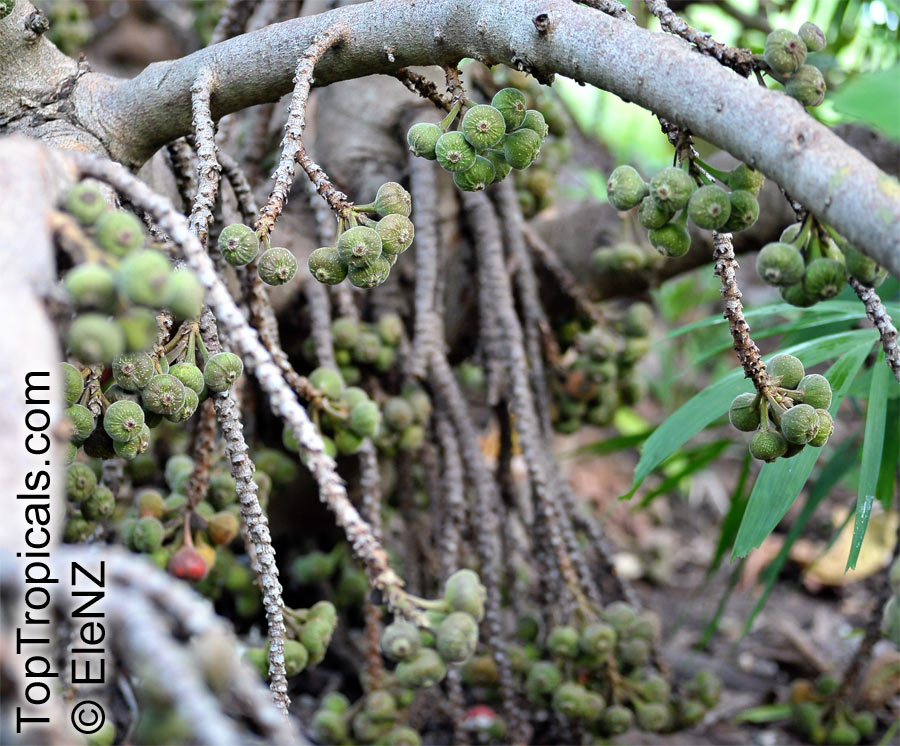
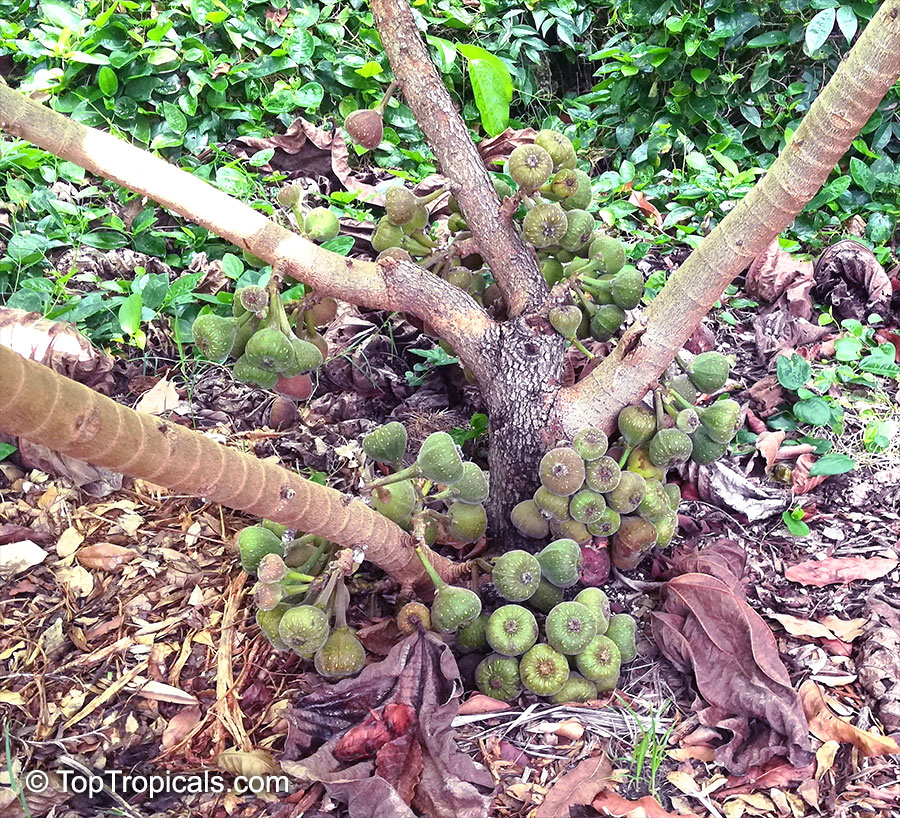
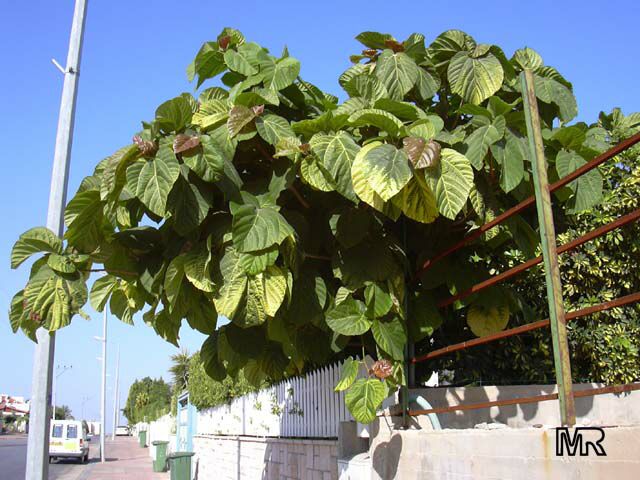
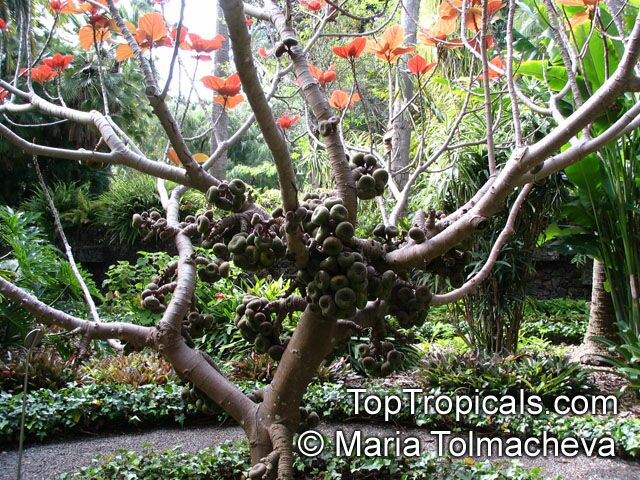
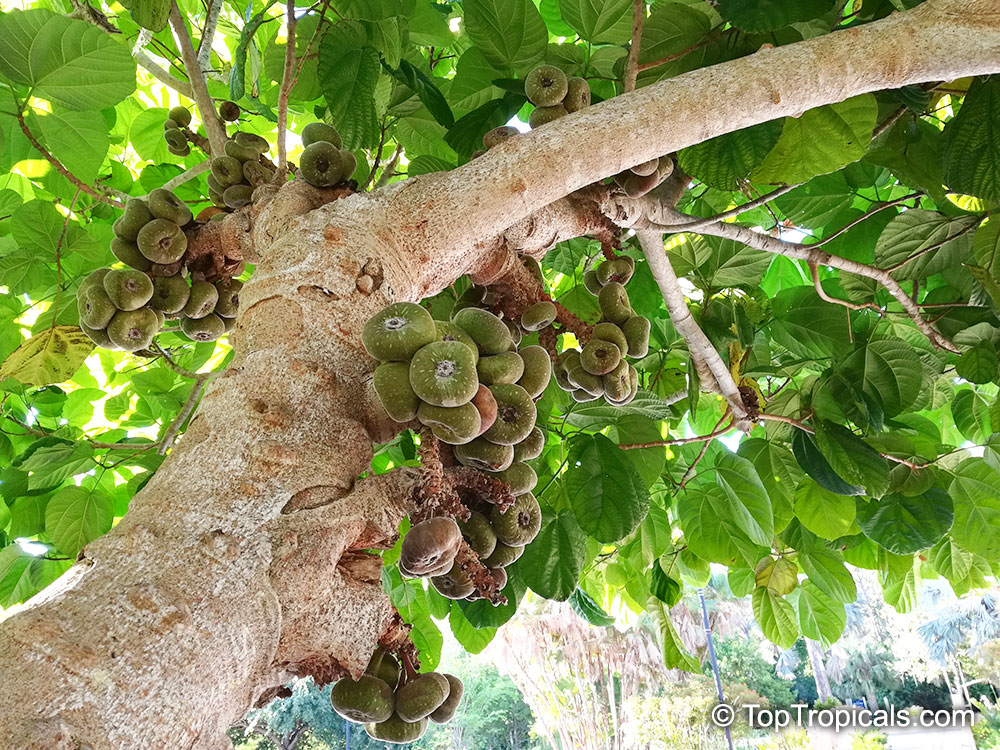
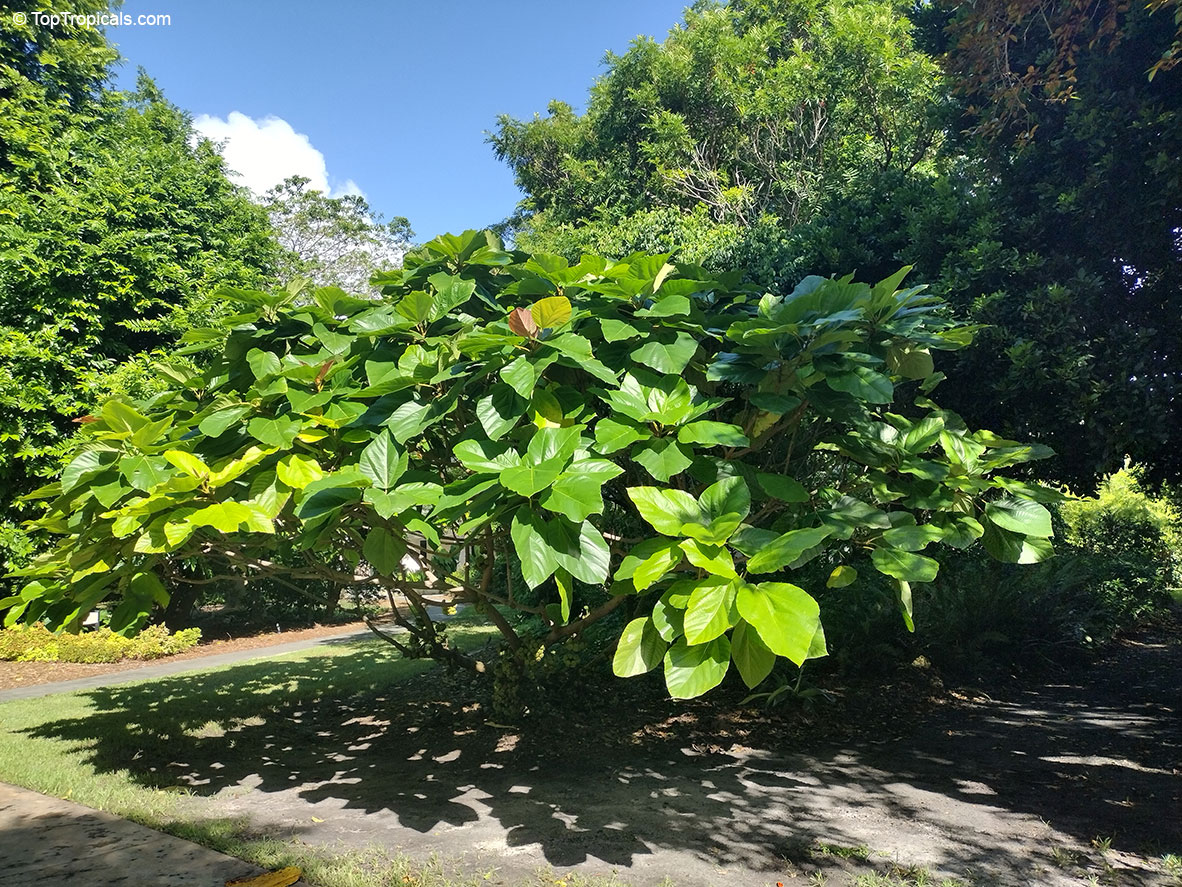
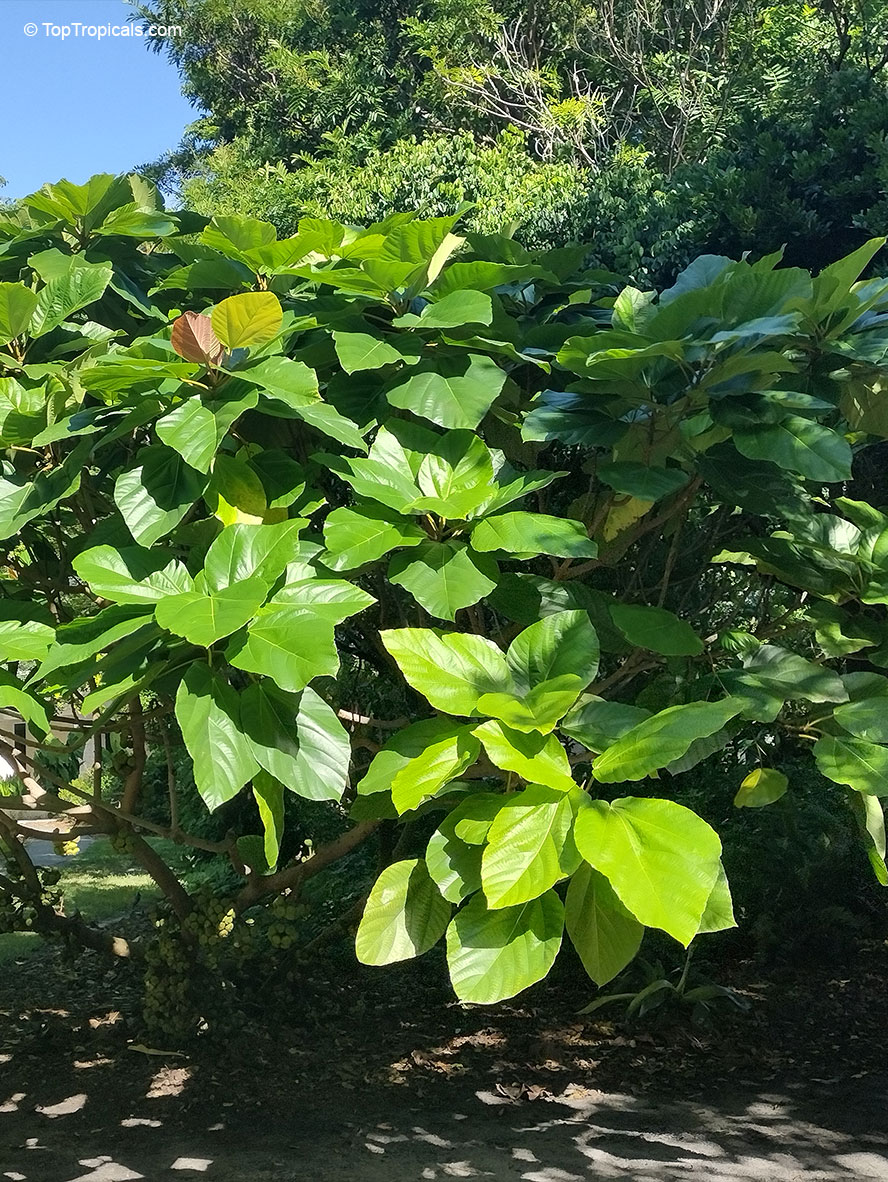
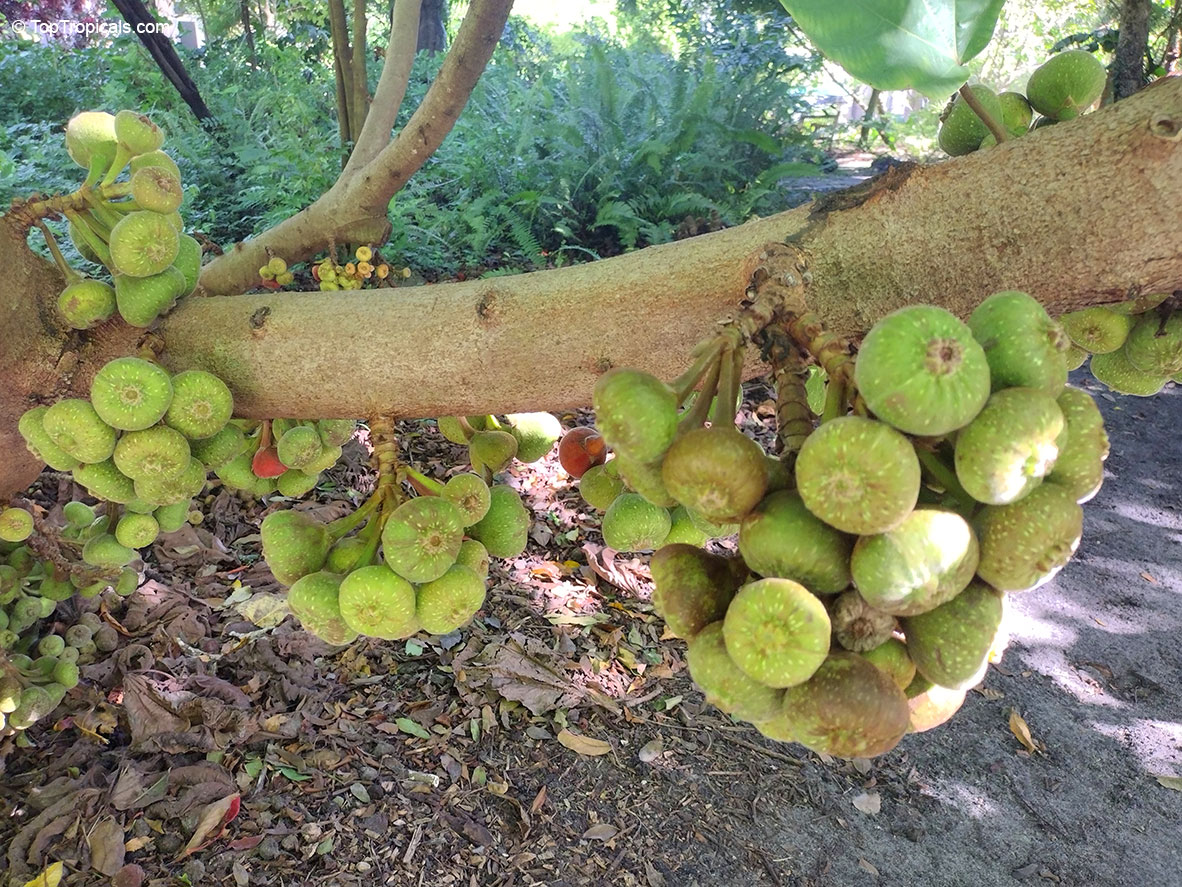
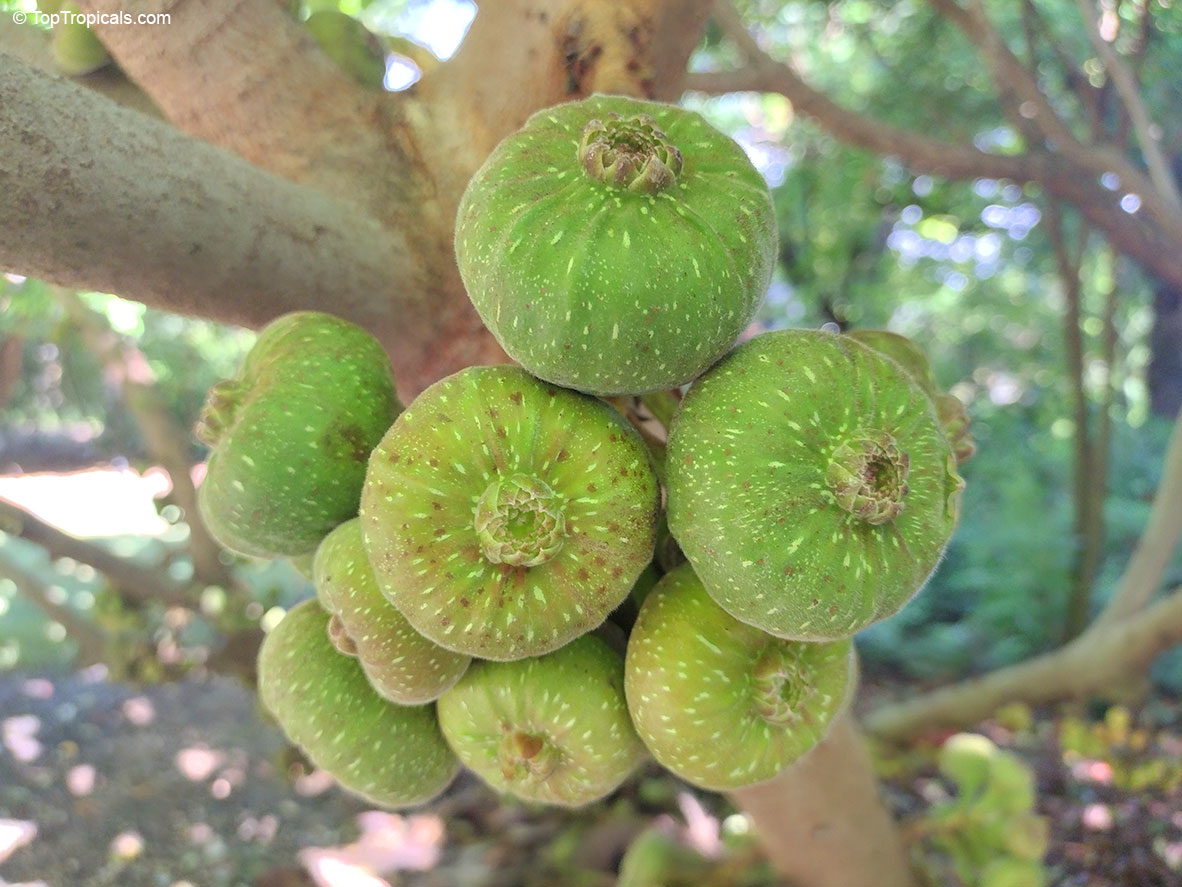
The Elephant ear fig tree, scientifically known as Ficus auriculata, is an attractive legume that grows 20-30 feet tall and features unusual royal purple flowers. The tree's fruits are harvested for their sweet flavor and are commonly consumed by humans. In addition to its culinary uses, the tree is known for its medicinal properties, and its oil is used in herbal remedies.
This small tree prefers full sun to semi-shade and requires regular watering, but is otherwise easy to grow and is often used as an ornamental due to its spectacular foliage. It is also salt-tolerant, making it ideal for seaside locations. While it grows best in USDA Zone 9-11, it can be grown in a pot as long as the water and soil are kept moist.
The fruits of the elephant ear fig tree are not only delicious, but also offer several health benefits. Rich in dietary fibers, antioxidants, and essential vitamins, they can be eaten raw or used in recipes such as jellies, jams, and juices. Even the leaves of the tree contain vitamins and minerals and can be used to make tea. This small tree can produce up to 2000 fruits a year, making it a great addition to any garden.



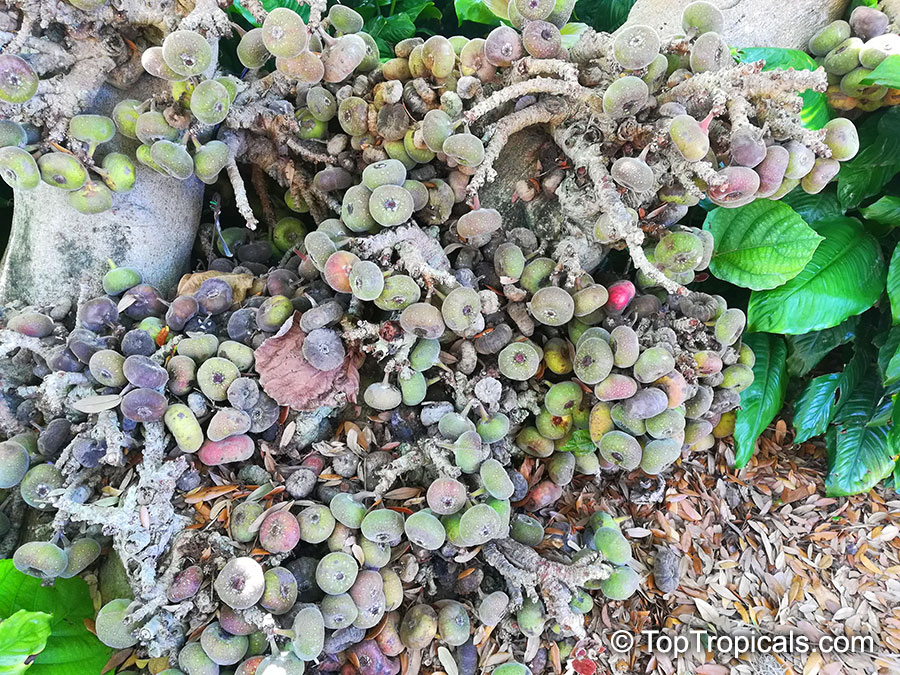
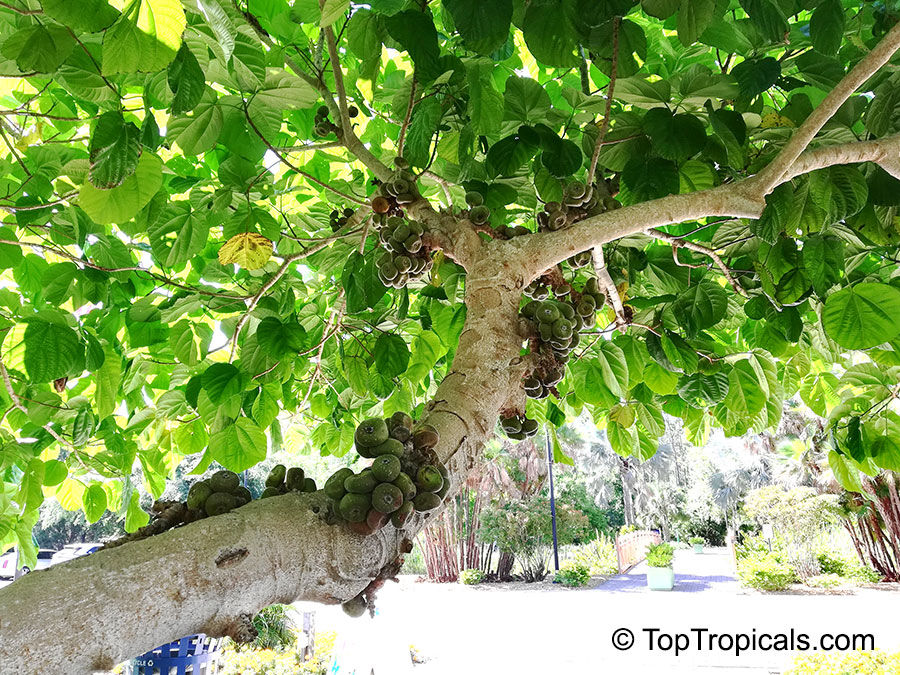
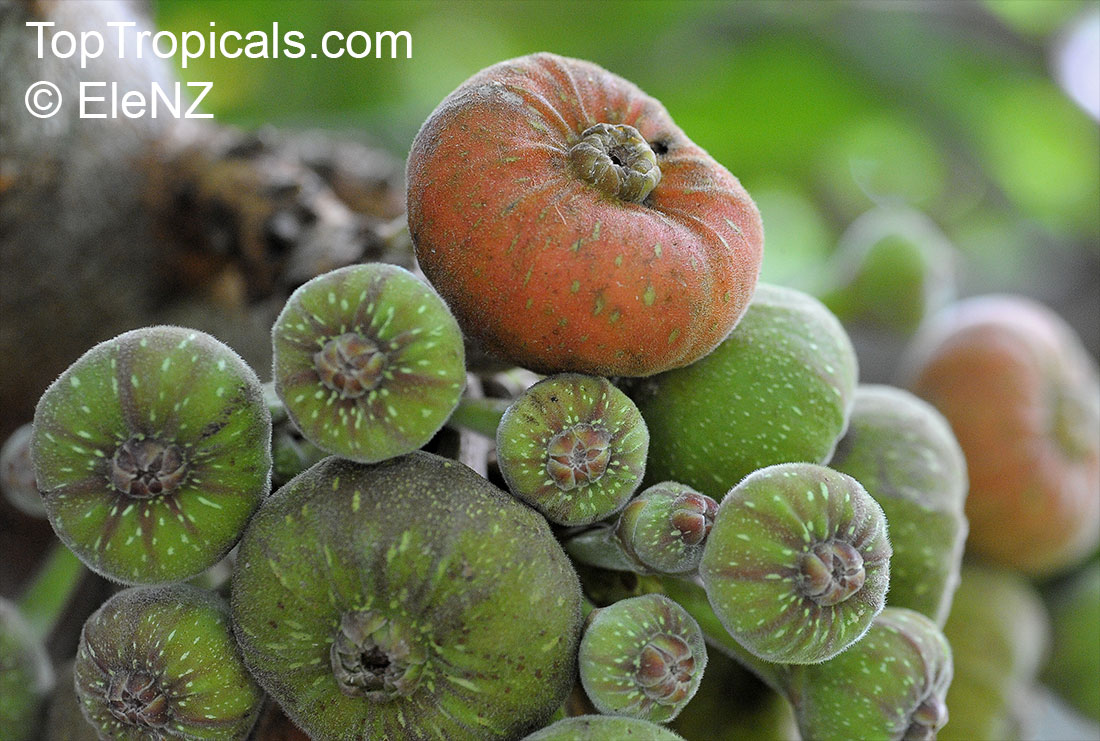
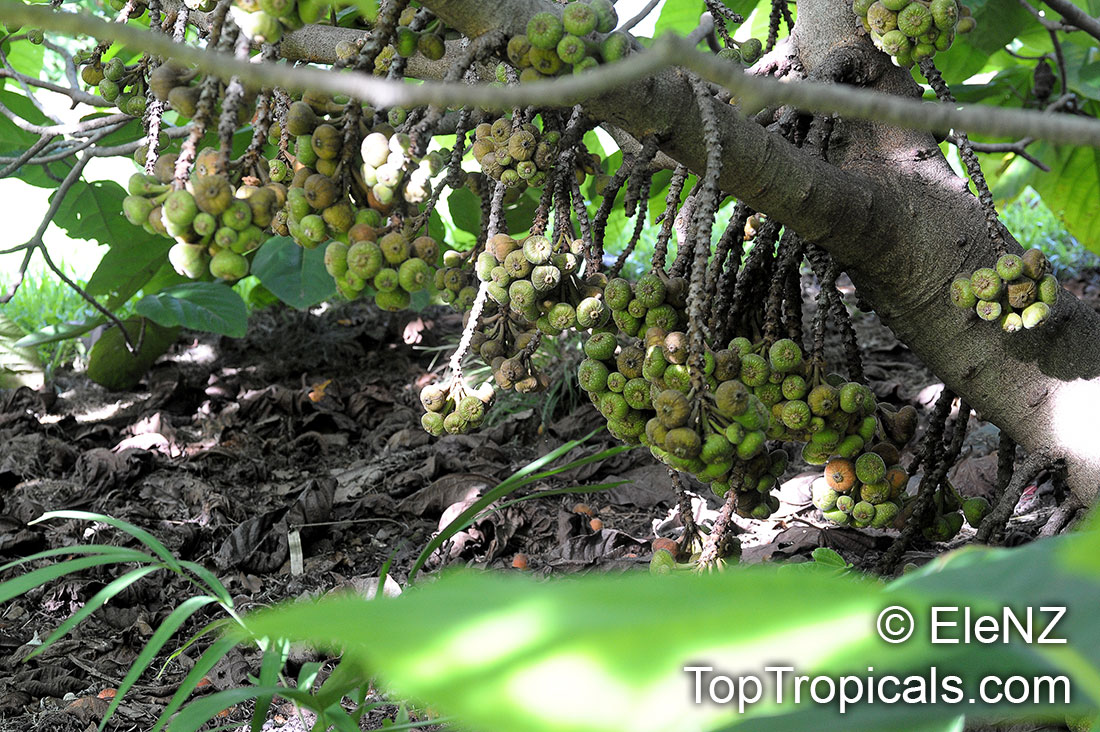
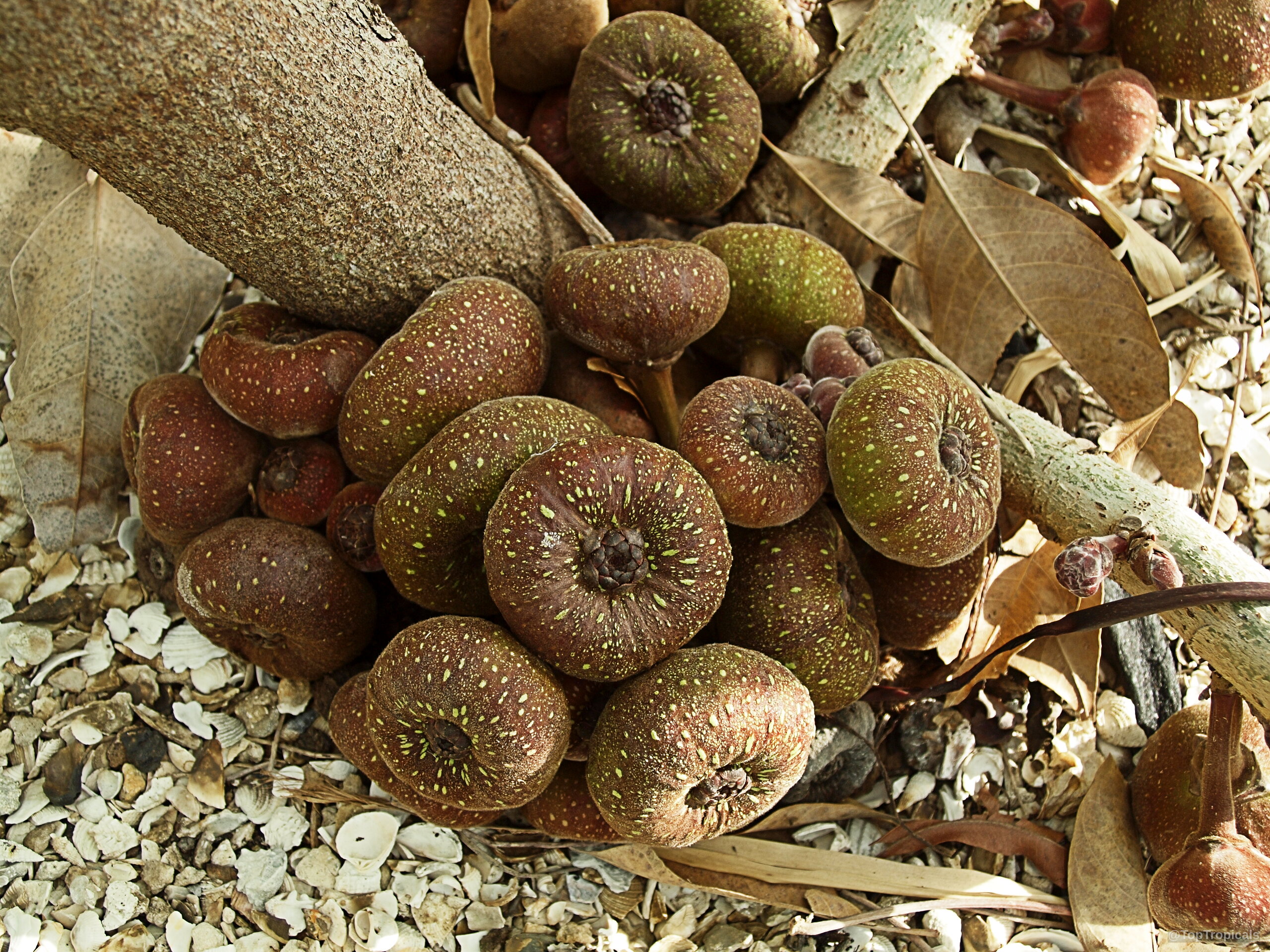
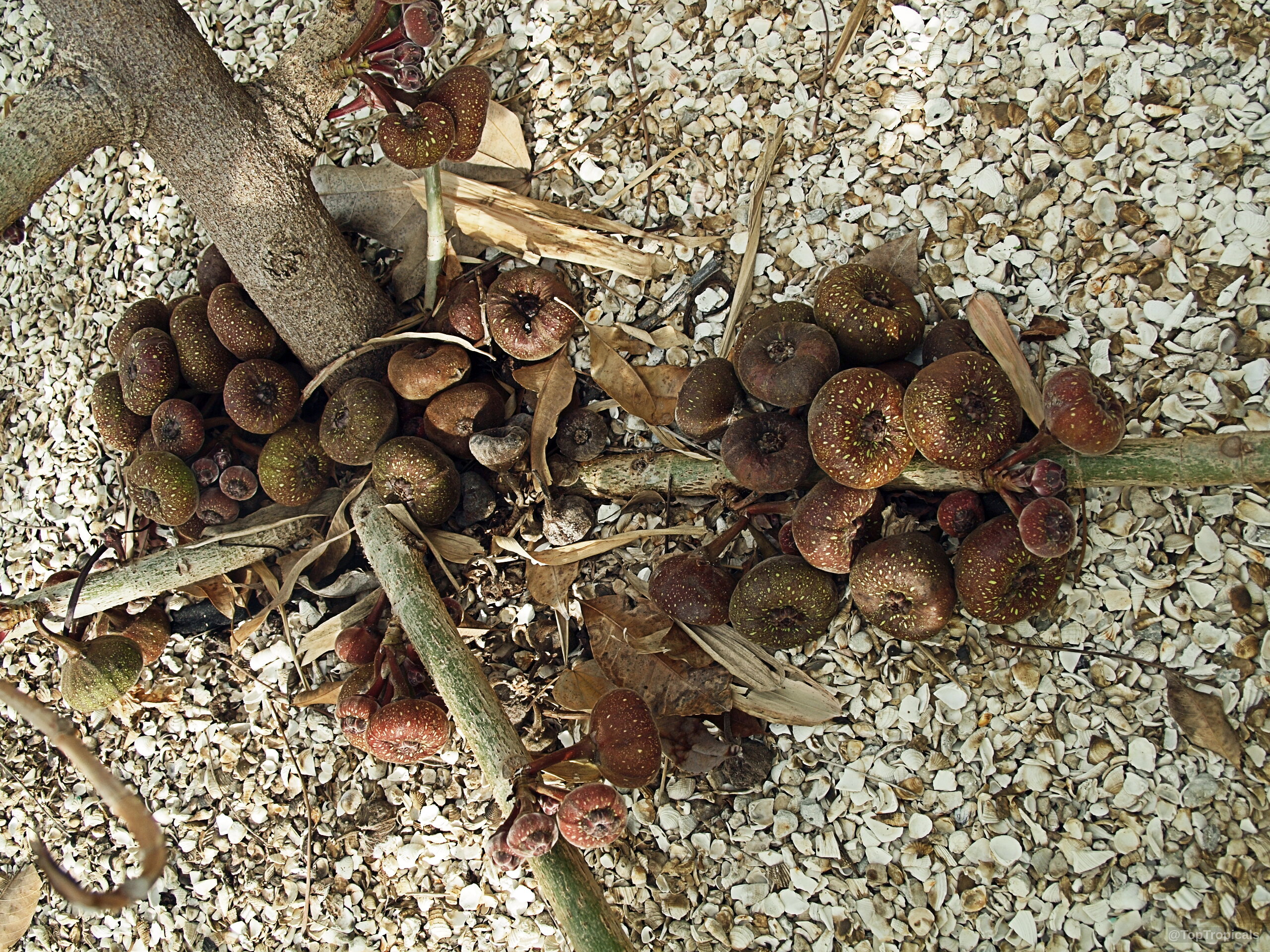
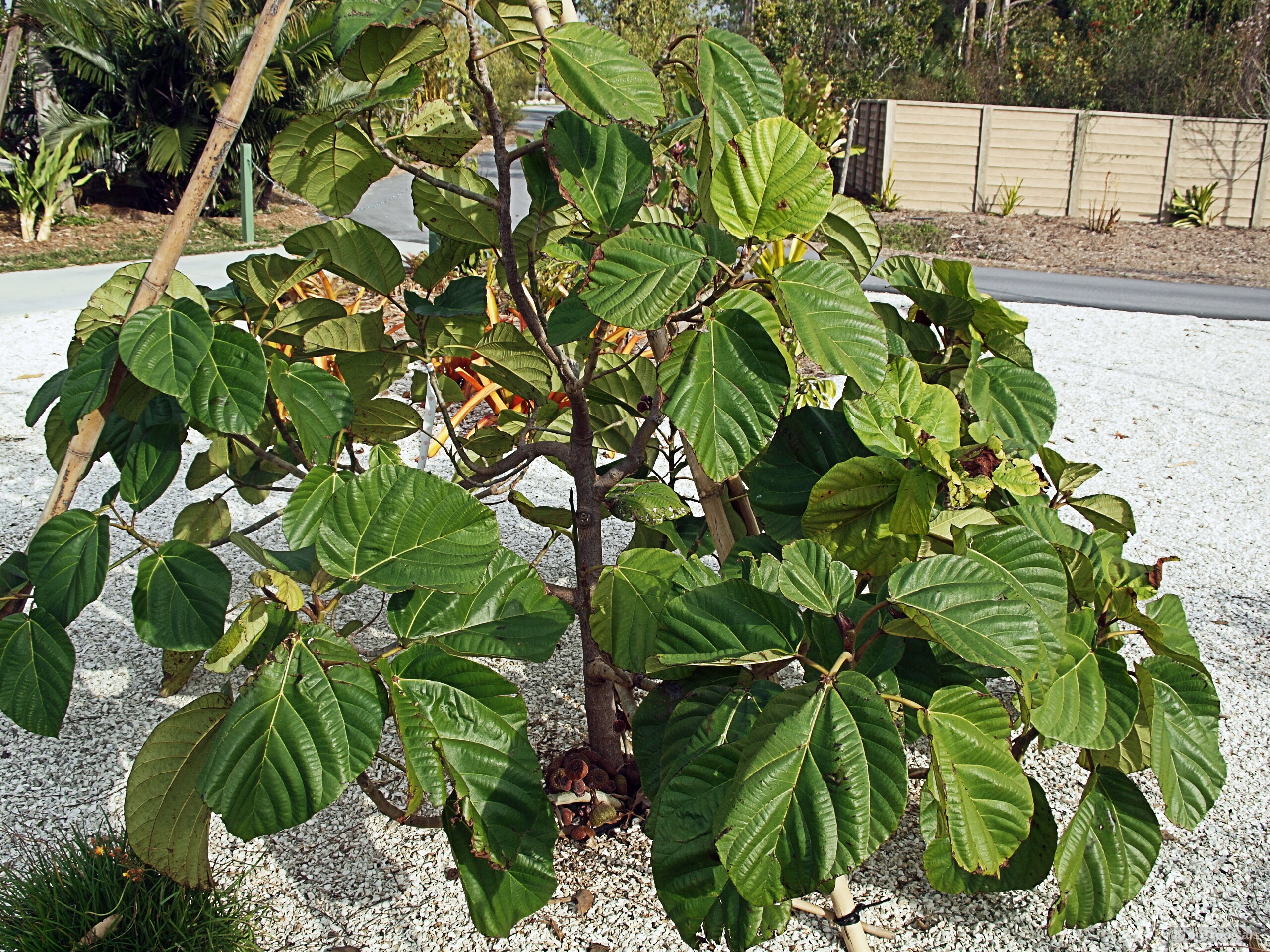
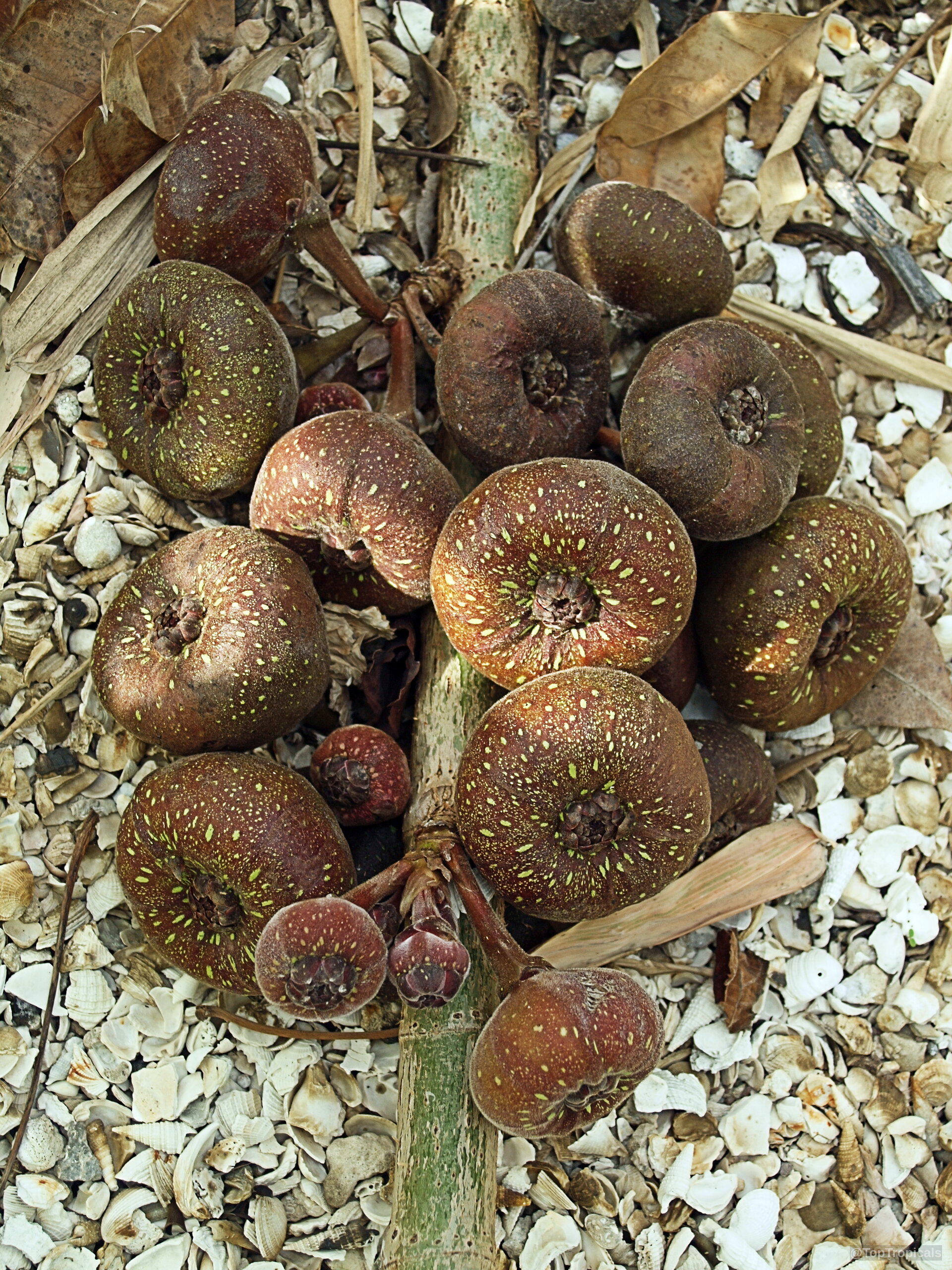
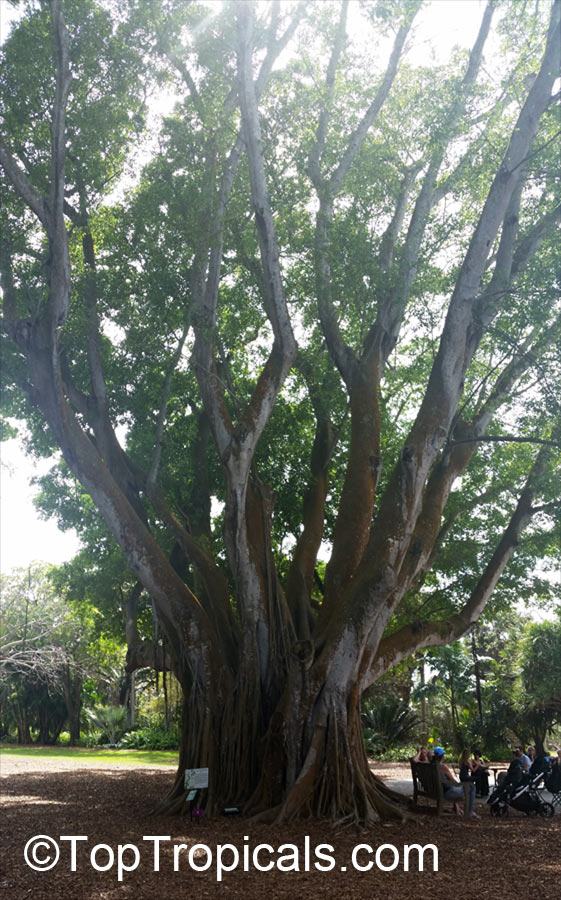
Botanical names: Ficus benghalensis, Ficus indica
Common name: Banyan Tree
Family: Moraceae
Origin: South Asia
USDA Zone: 10b-11
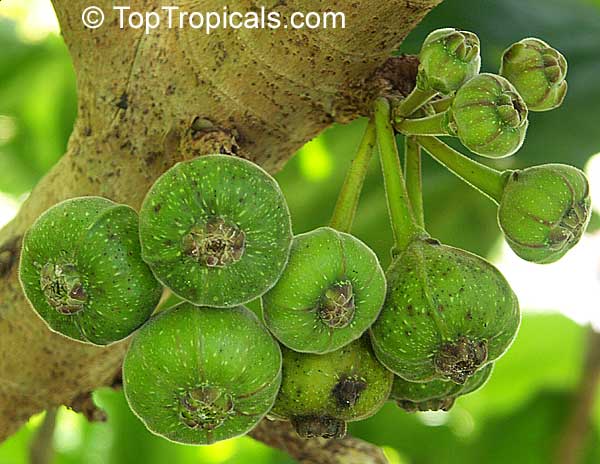
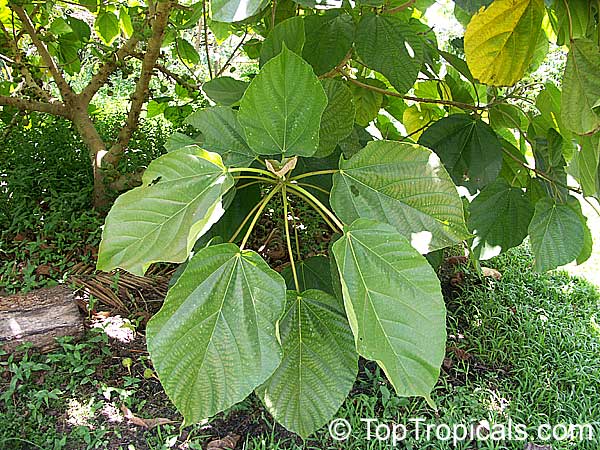
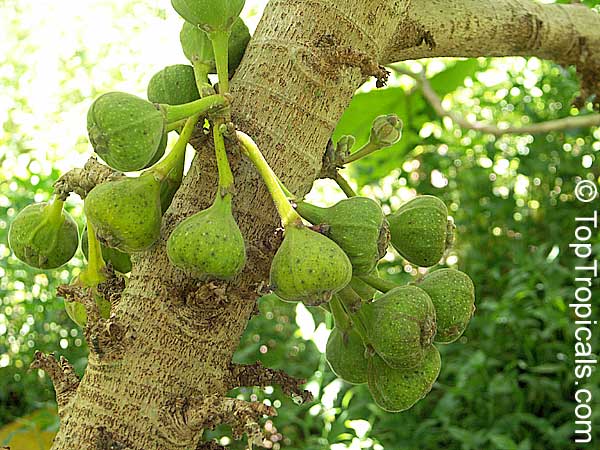
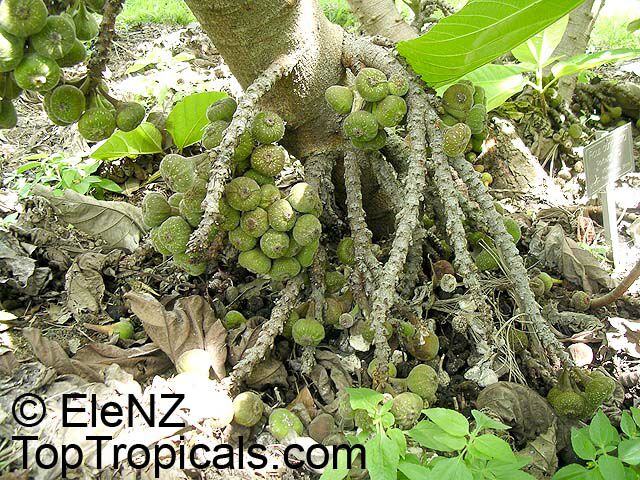
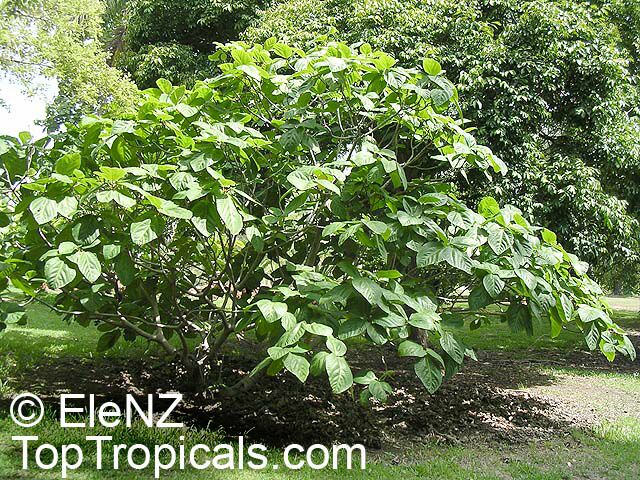
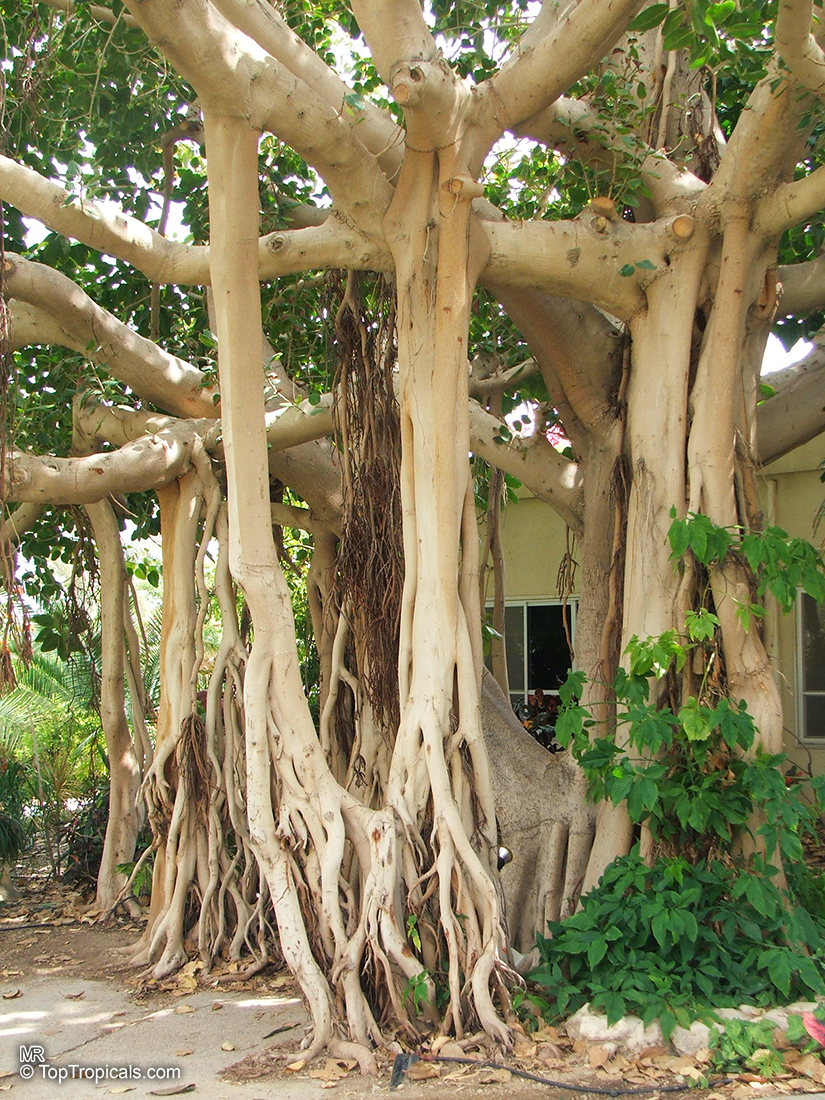
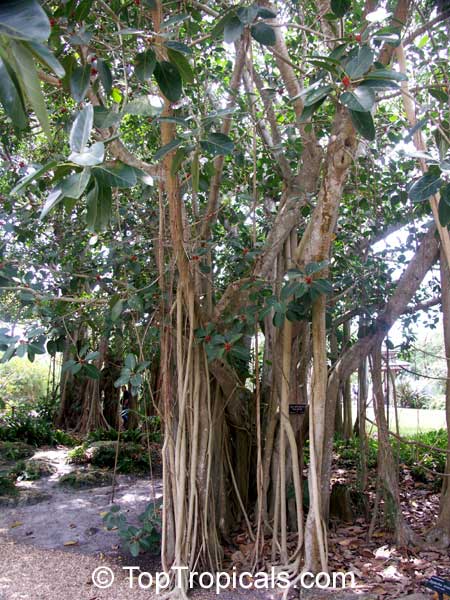
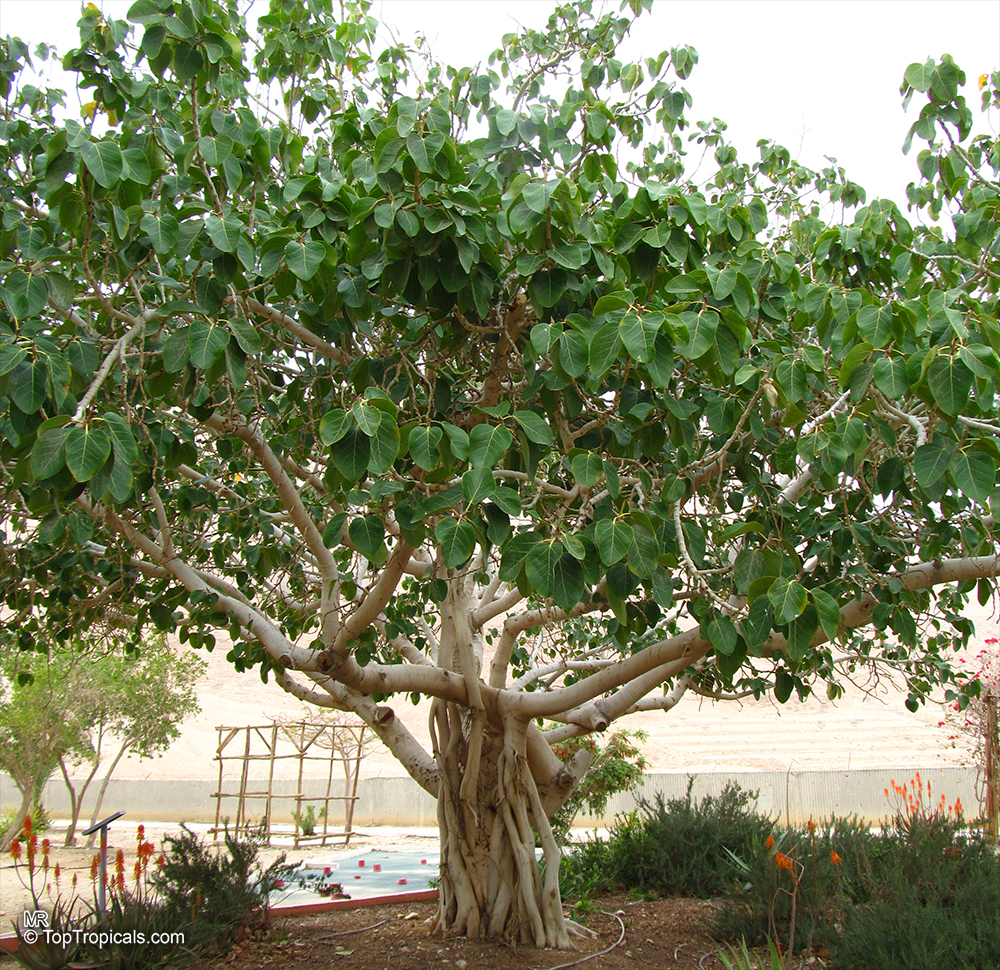
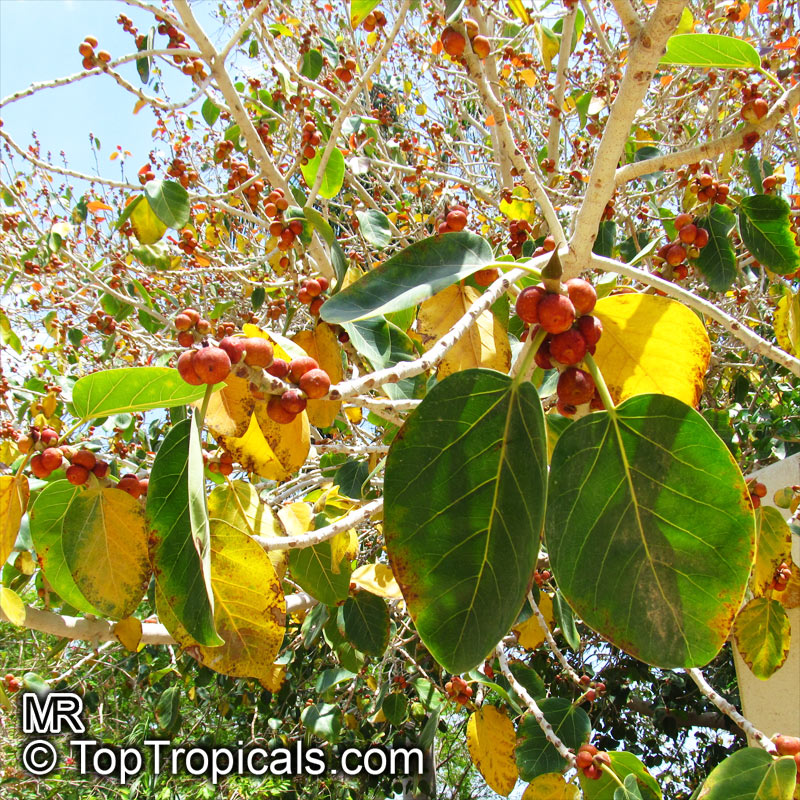
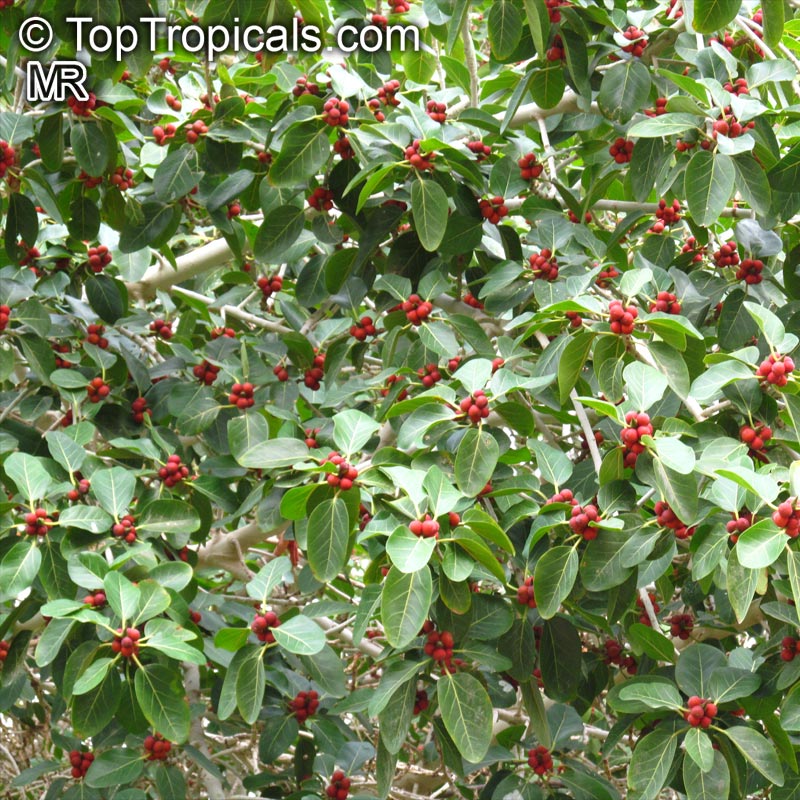
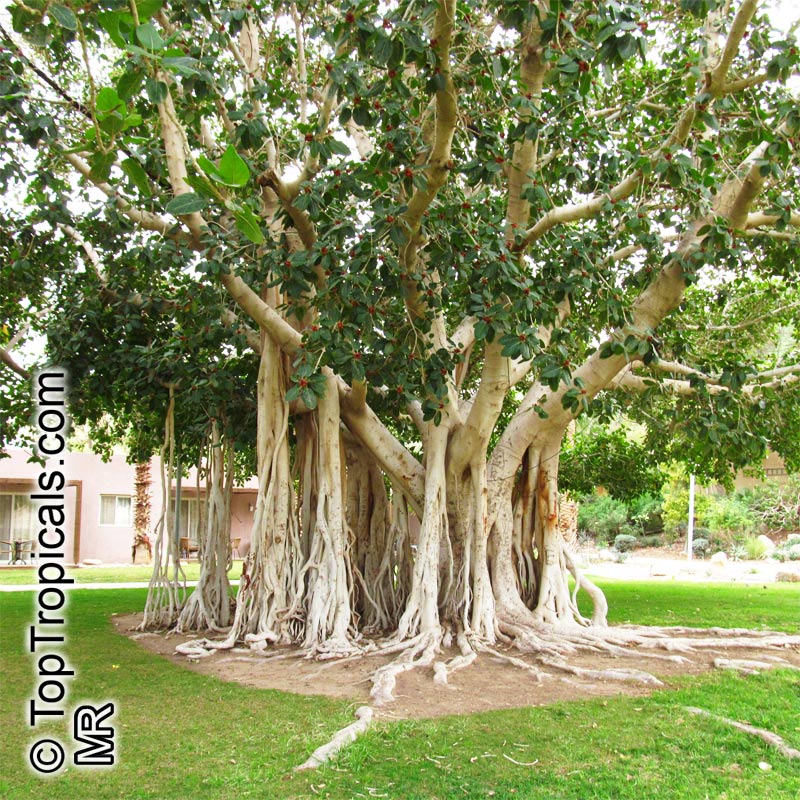
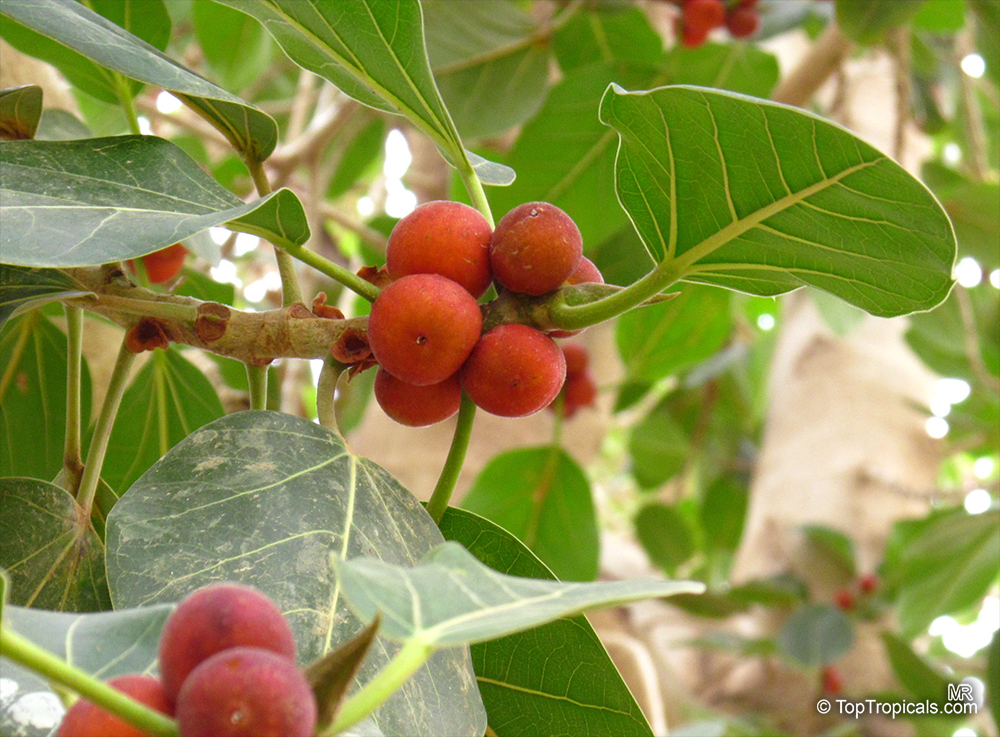
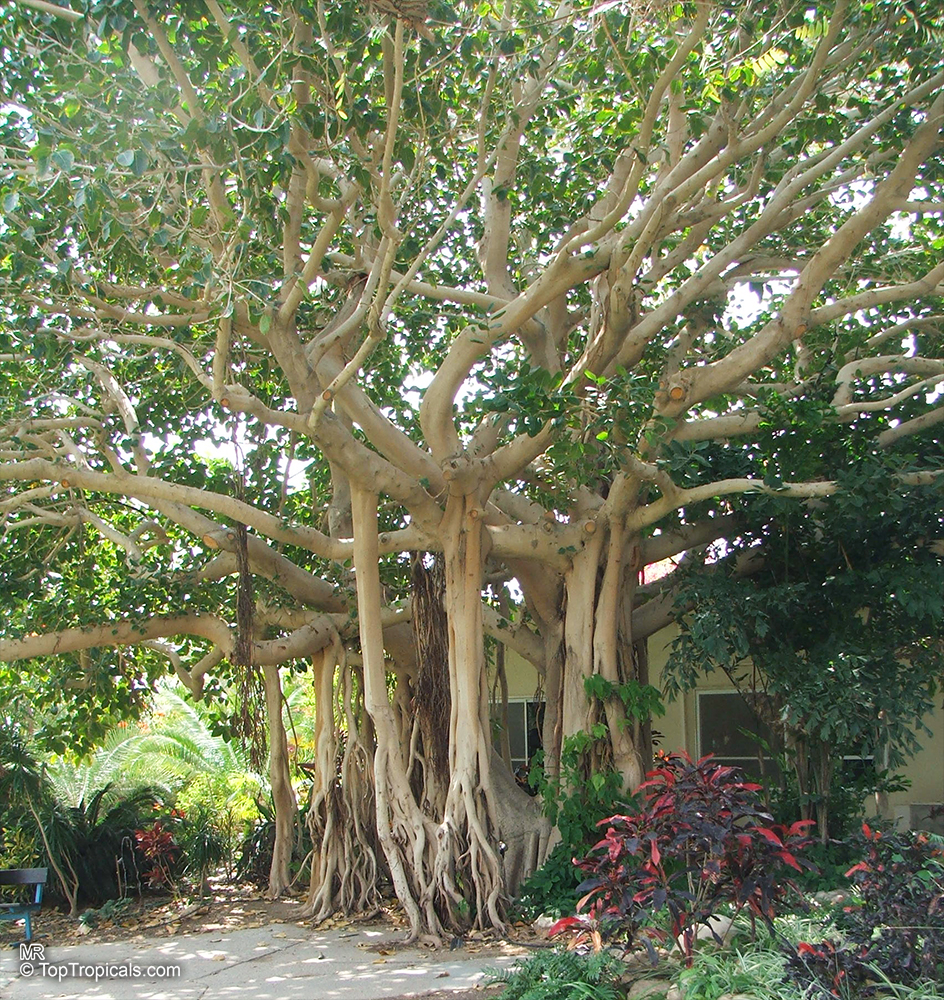
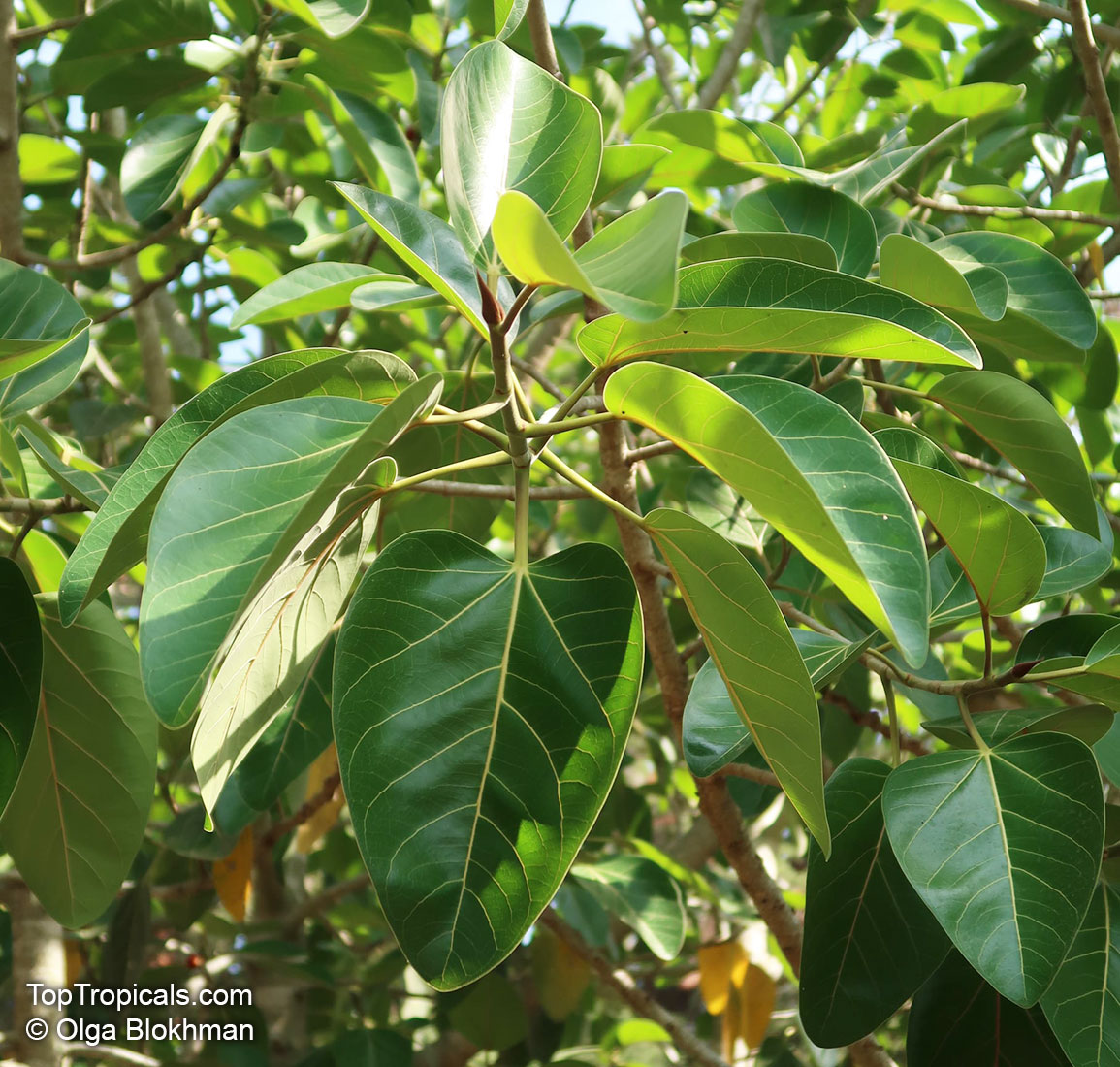
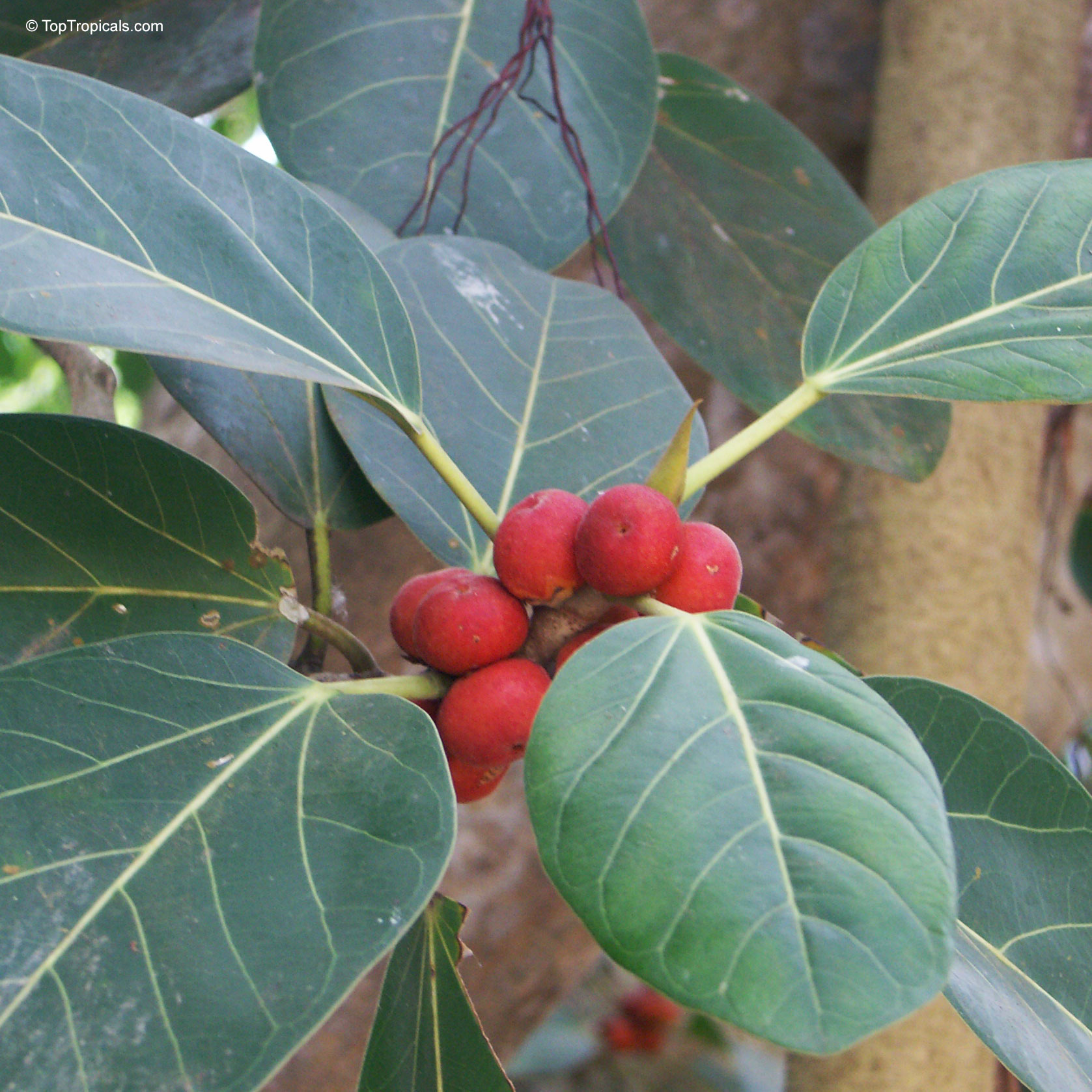
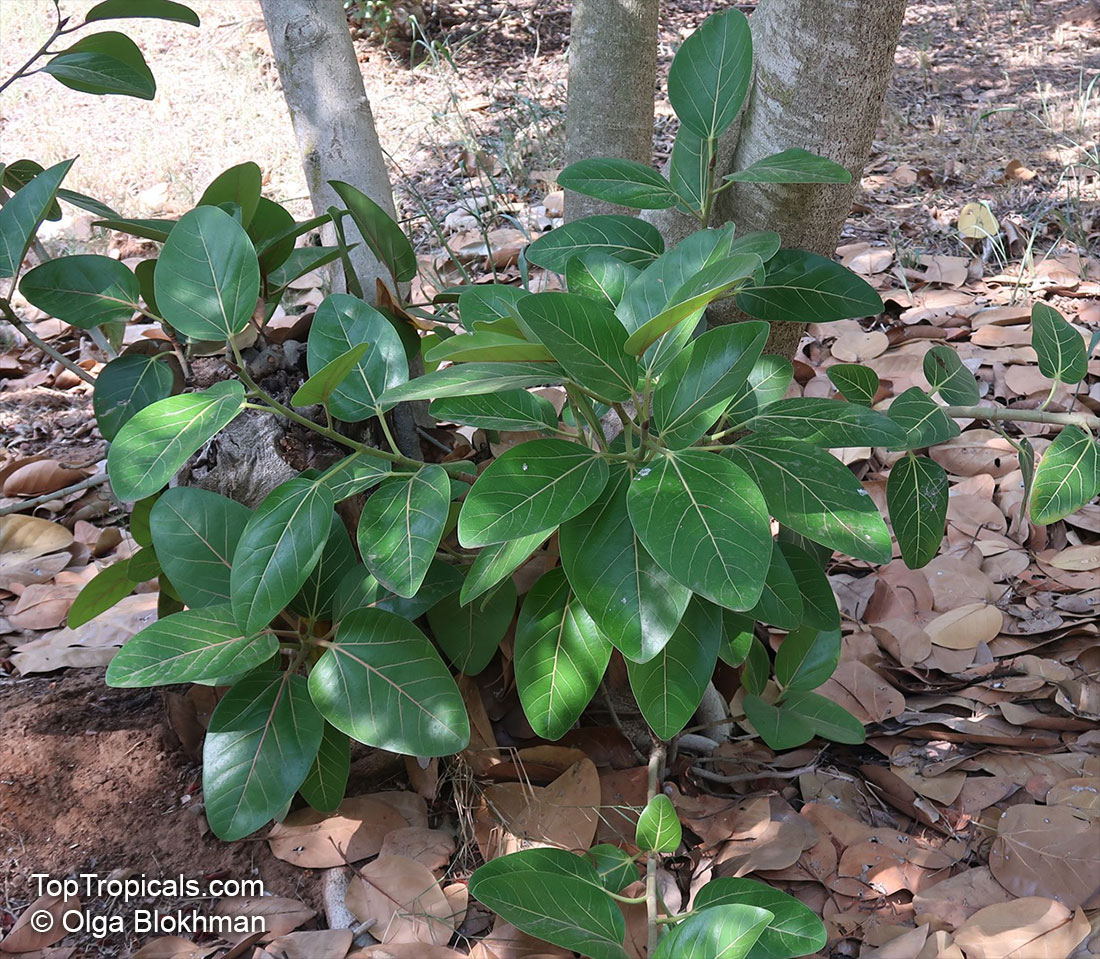
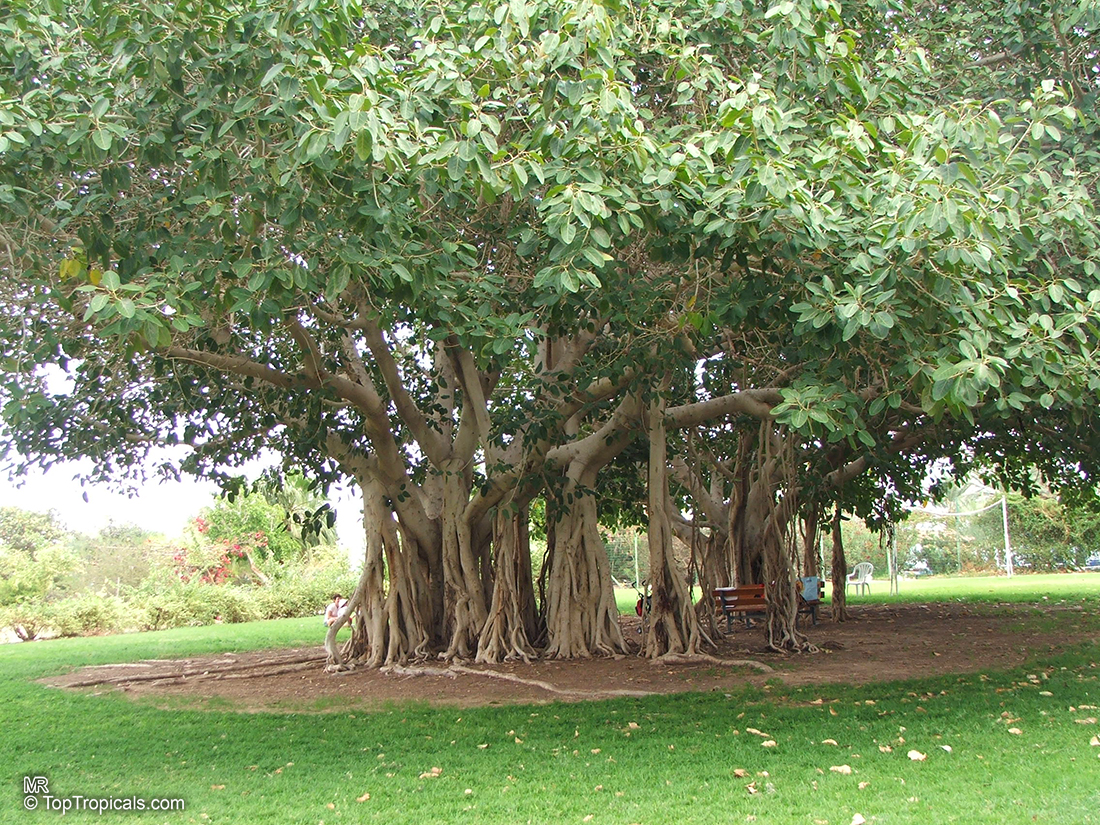
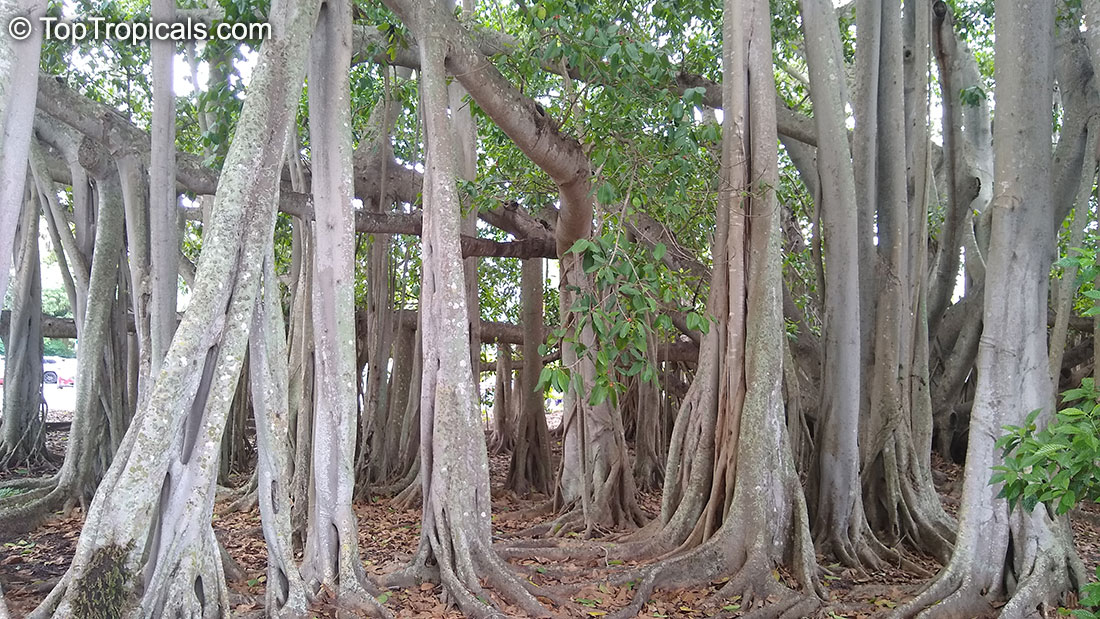
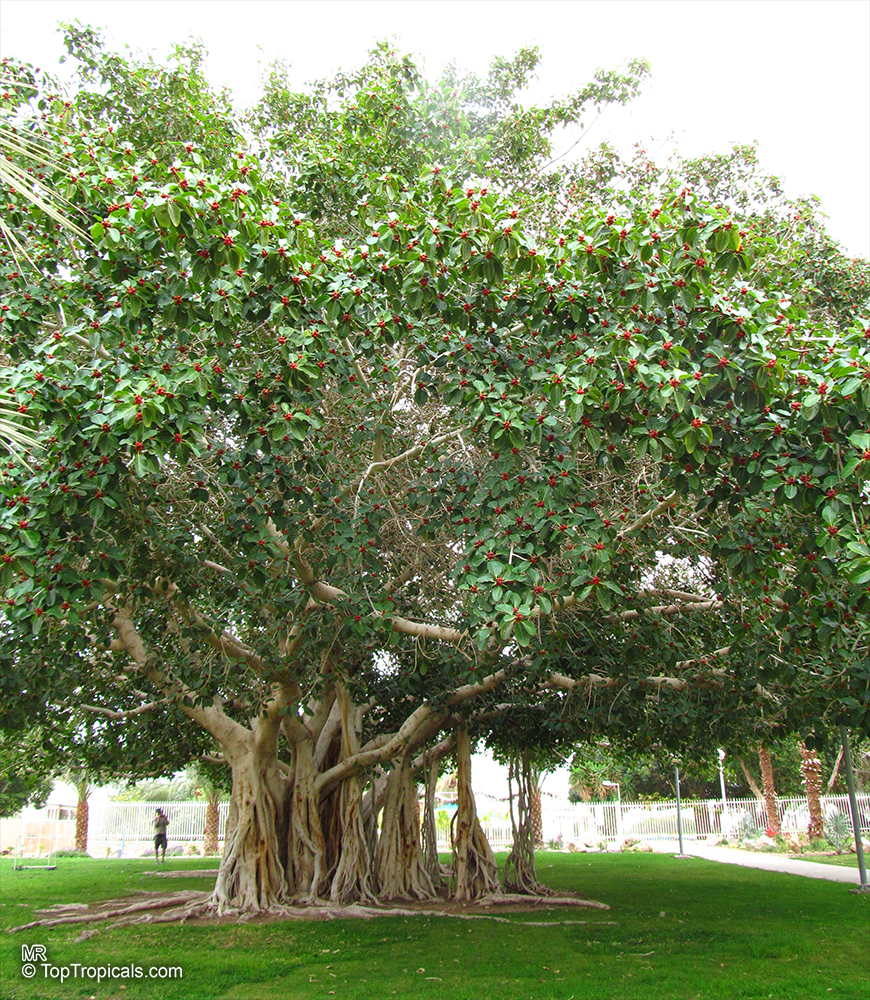
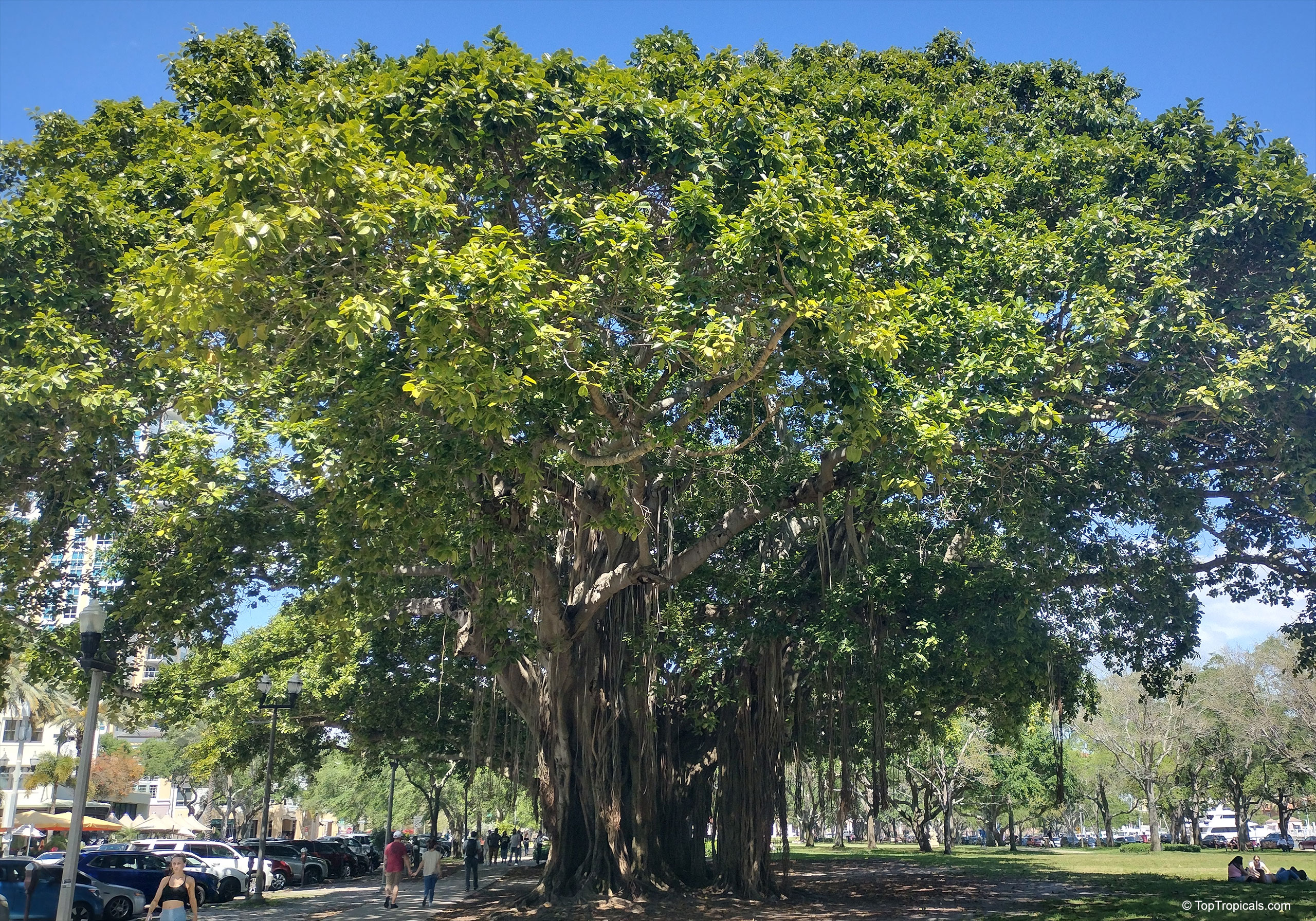
Ficus benghalensis, commonly known as Banyan Tree or Indian Banyan, is a massive evergreen tree in the Moraceae family native to the Indian subcontinent. Renowned as India's national tree, it is one of the largest canopy-forming trees in the world. Mature specimens produce numerous aerial roots that descend from the branches, eventually thickening into pillar-like trunks that support the expanding crown. Over time, a single tree can spread across several acres, creating the appearance of an entire grove. Its large, leathery leaves and impressive architecture make it one of the most iconic tropical trees.
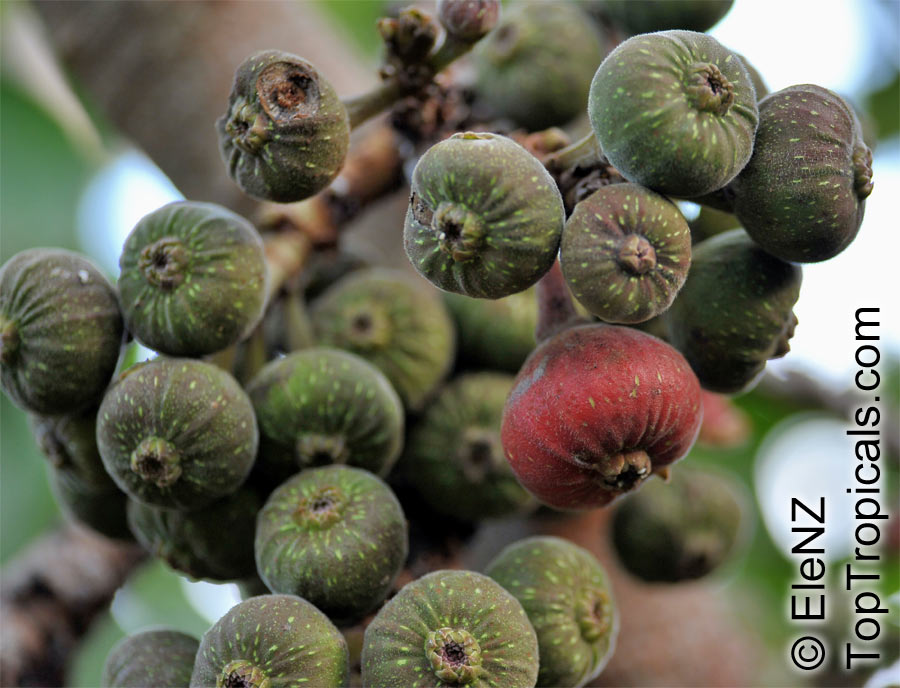
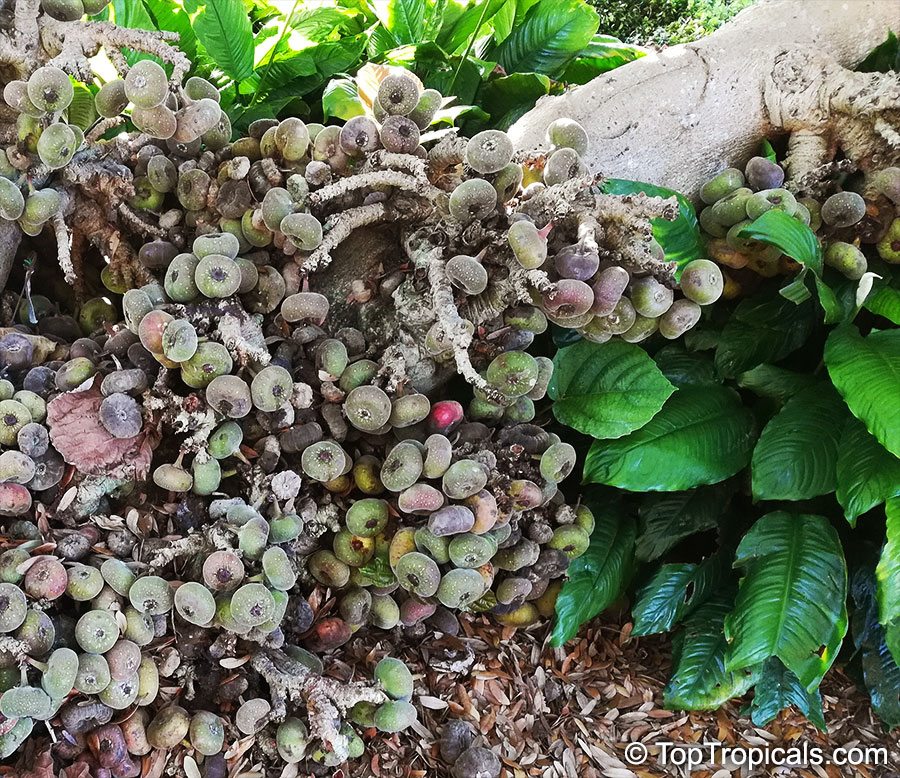
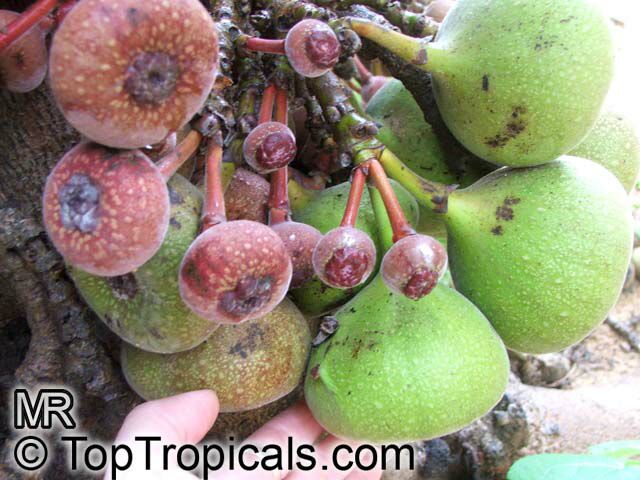
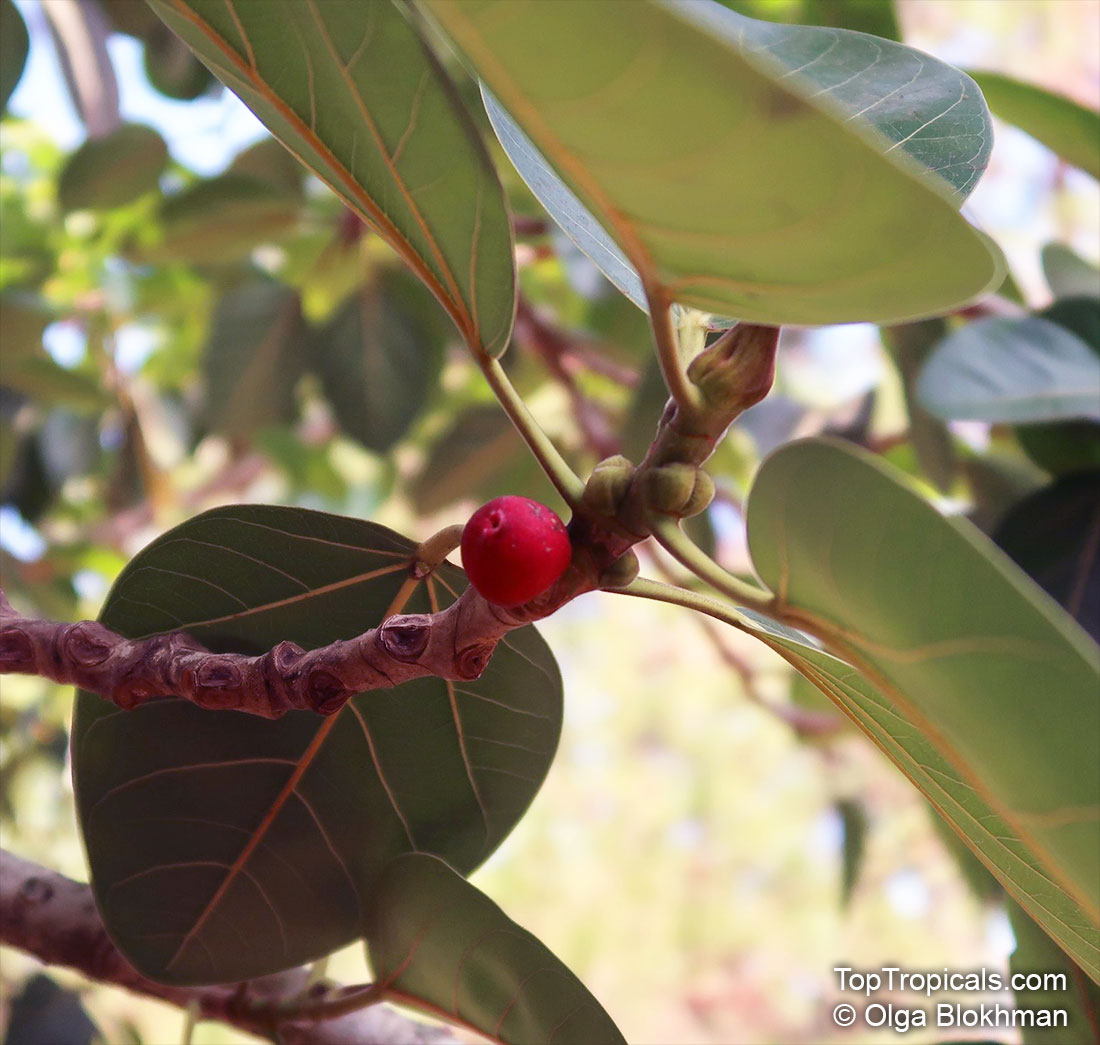
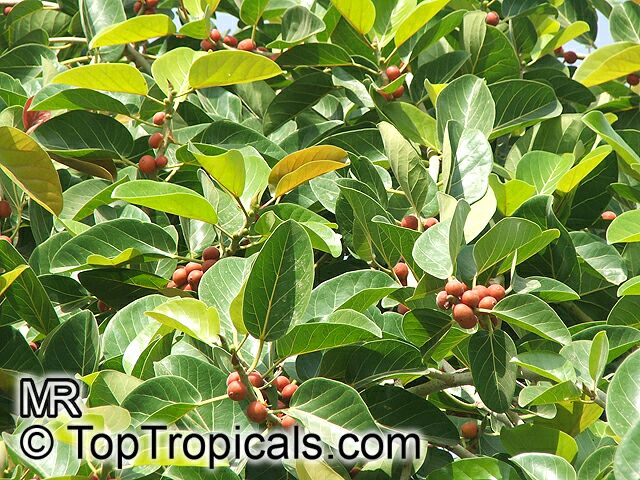
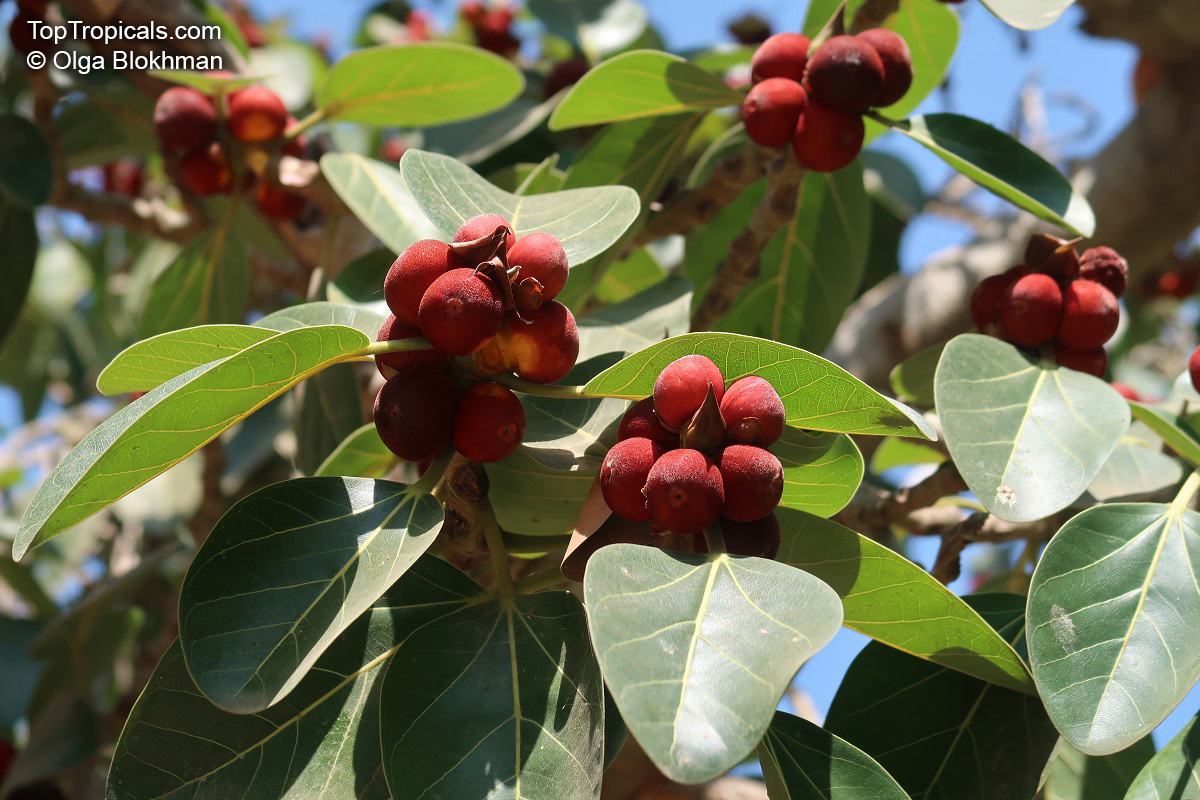
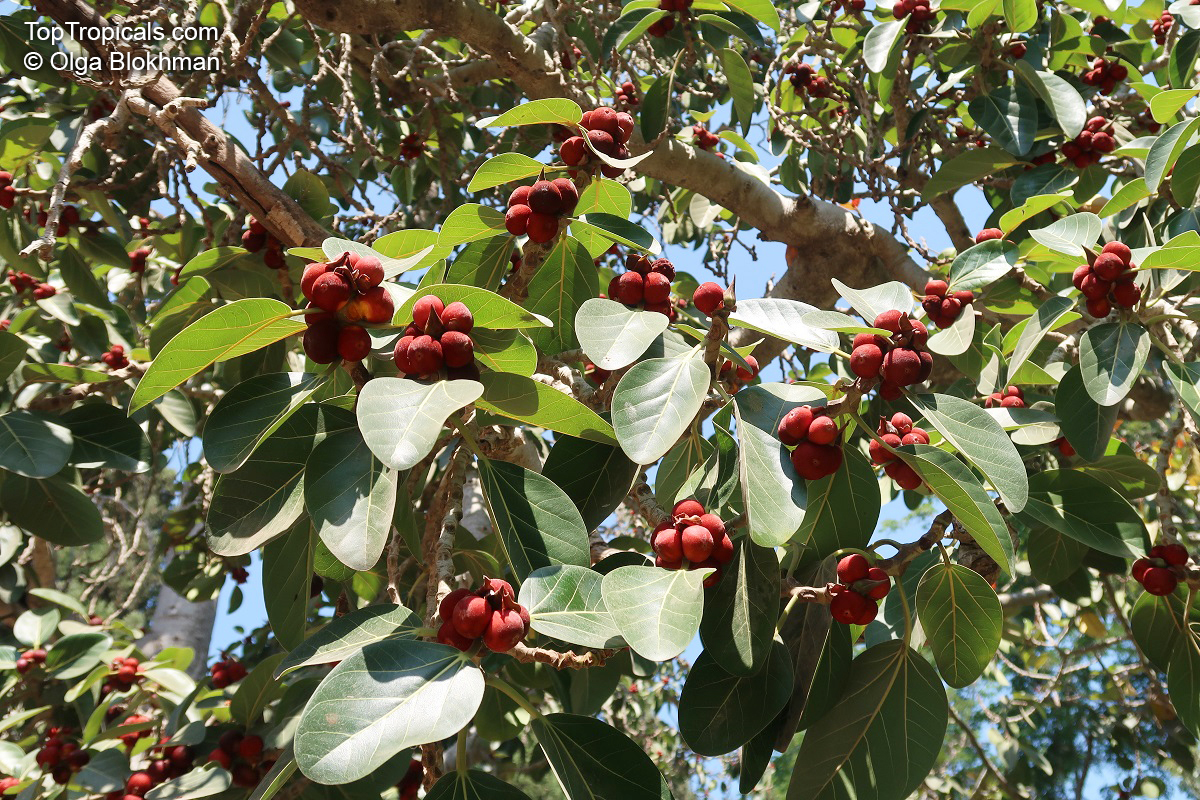
Small fig-like fruits ripen from green to red and provide an important food source for birds and other wildlife. Ficus benghalensis grows best in full sun and fertile, well-drained soil with regular moisture, although established trees tolerate seasonal drought. Hardy in USDA Zones 10-12, it is widely planted as a shade and landscape tree in tropical and subtropical regions, while young plants are also popular as container specimens and bonsai subjects. Revered for centuries in Hinduism and Buddhism, the banyan symbolizes longevity, strength, and shelter, and many ancient trees remain important cultural and community landmarks.


| Next | |
Use link to repeat this search:
https://toptropicals.com/cgi-bin/garden_catalog/cat.cgi?find=Ficus&search_op=and&keyword_op=and&language=e&number=10
&no_change_lang=1&user=tt&sale=1&first=0