Brachychiton discolor (Lacebark Kurrajong)
Botanical names: Brachychiton discolor, Brachychiton paradoxus var. discolor
Common names: Lacebark Kurrajong, Pink Flame Tree
Family: Malvaceae
Subfamily: Sterculioideae
Origin: South-Eastern Queensland
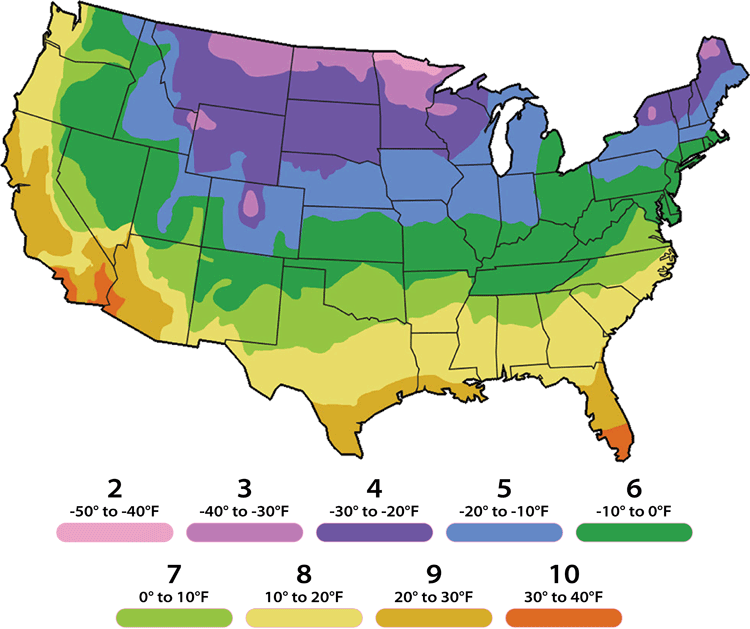
USDA Zone: 9-11

 Plant form: Small tree; suitable for bonsai
 Mature height: 10-20 ft
 Sun exposure: Full sun or bright light indoor
 Cold tolerance: Frost sensitive. Protect from freezing.
 Watering: Moderate
 Flower color: Pink
 Suitable for: Outdoors in the suitable USDA zone; small gardens, containers, and indoor growing
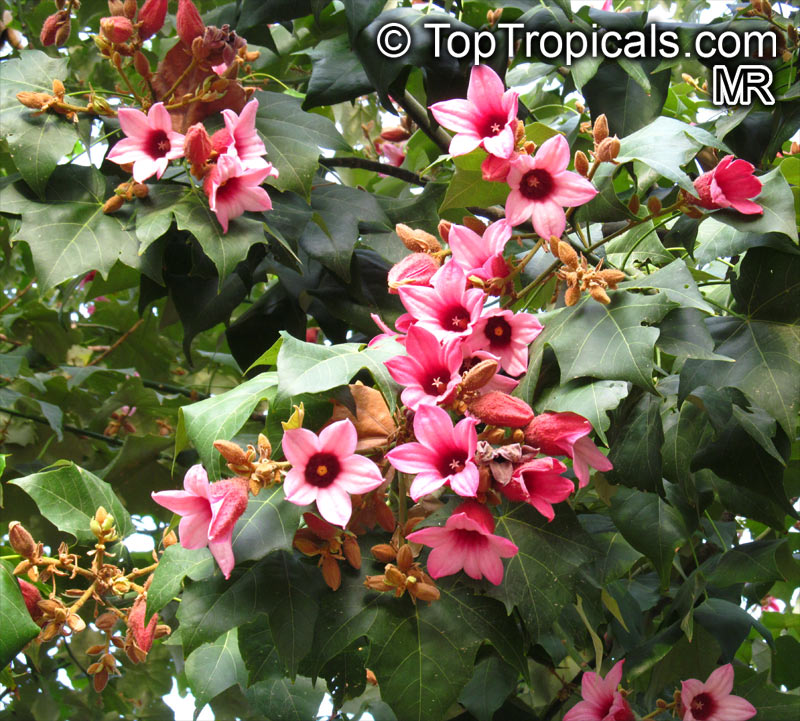
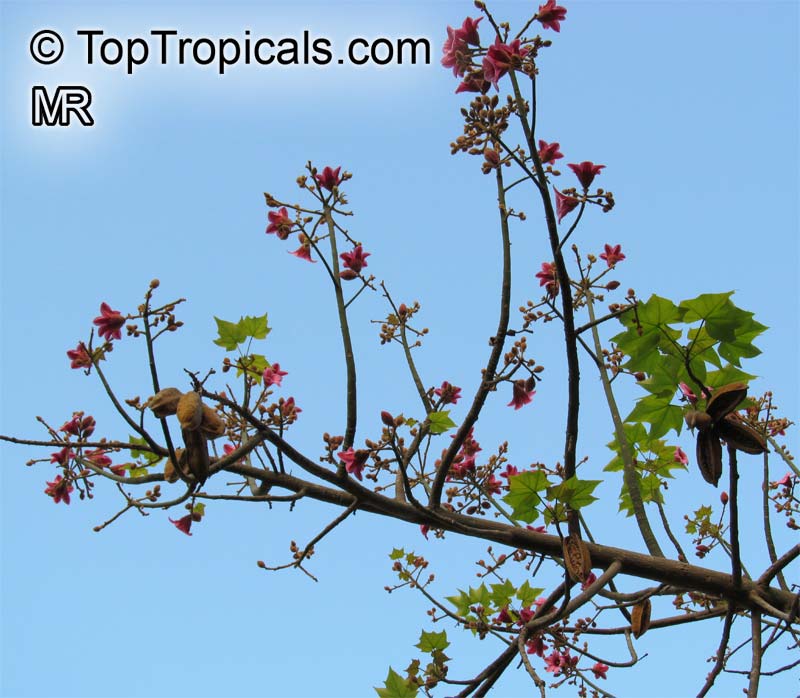
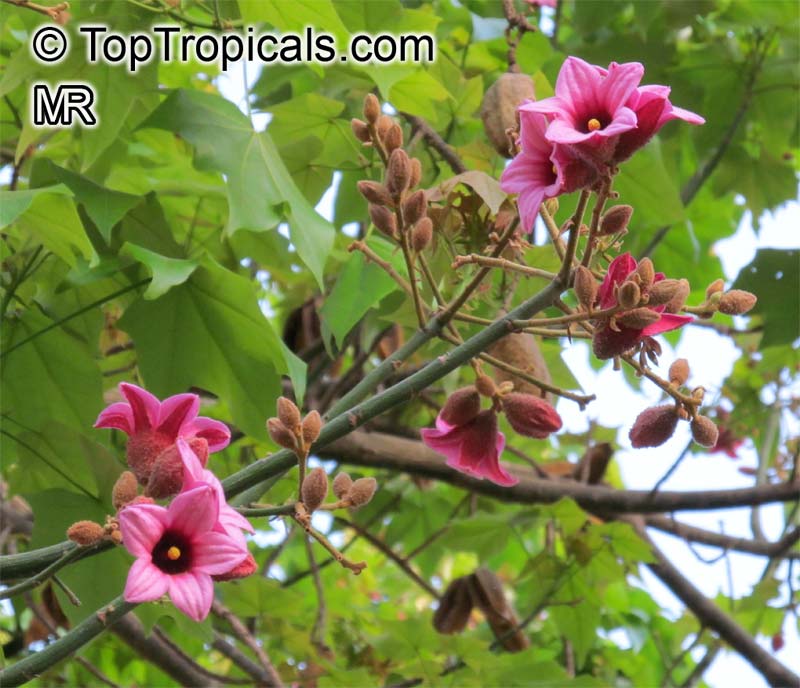
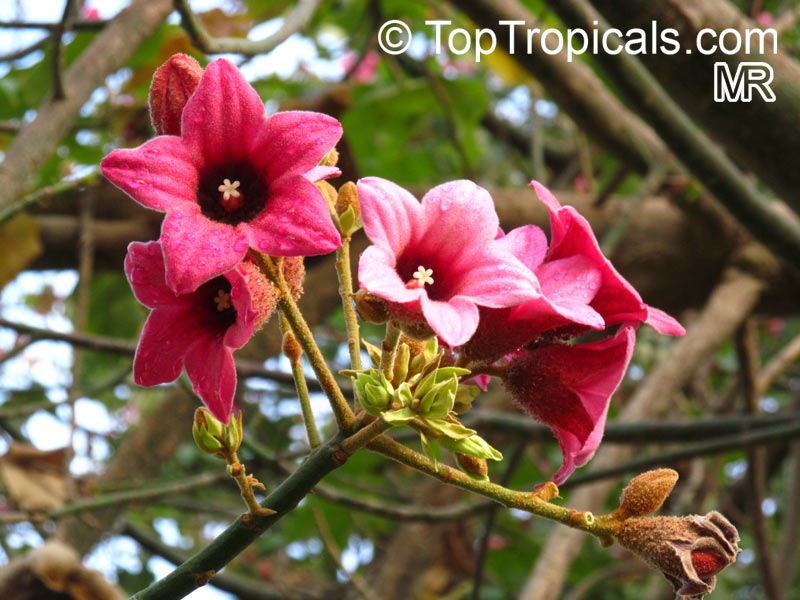
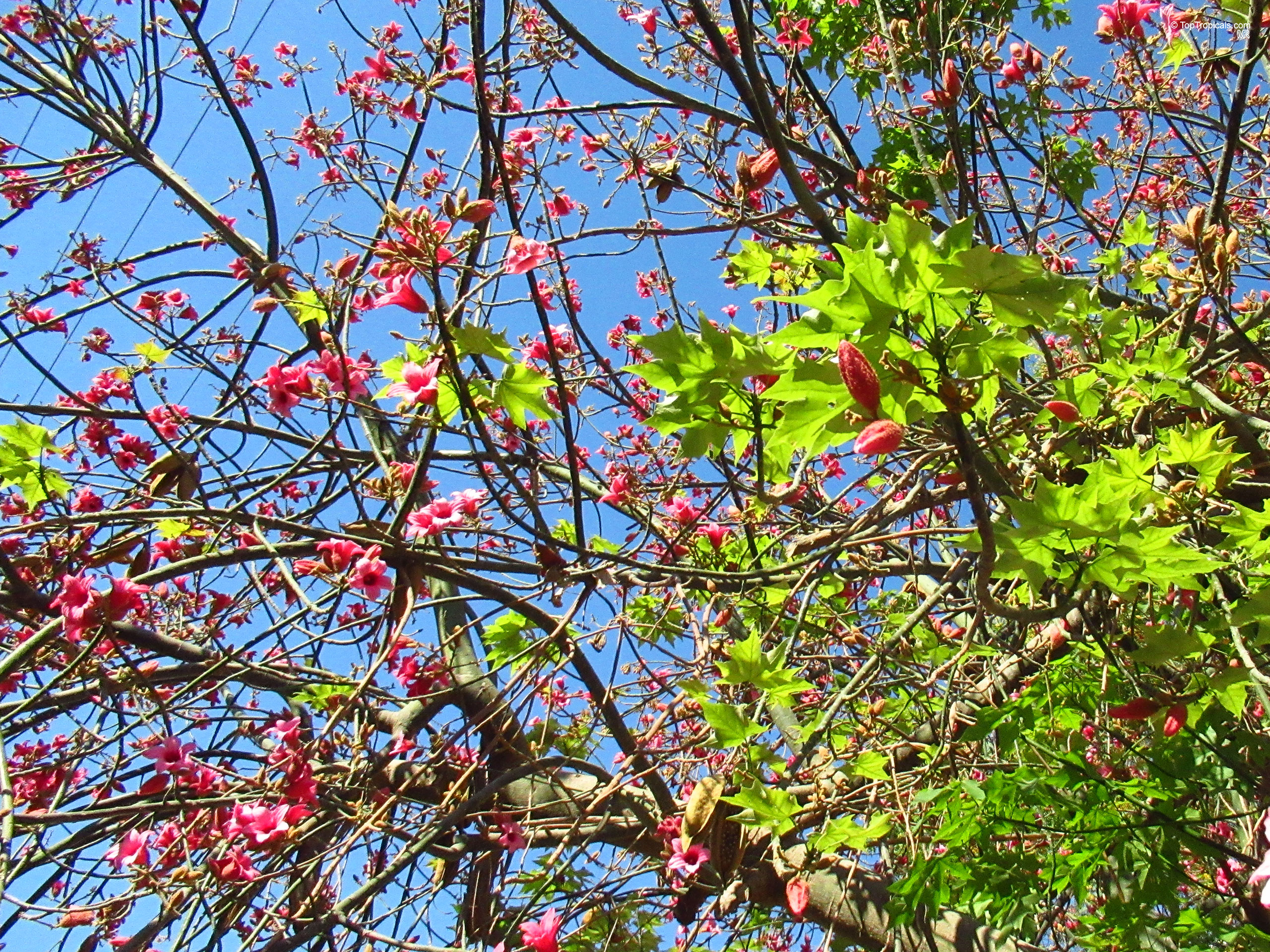
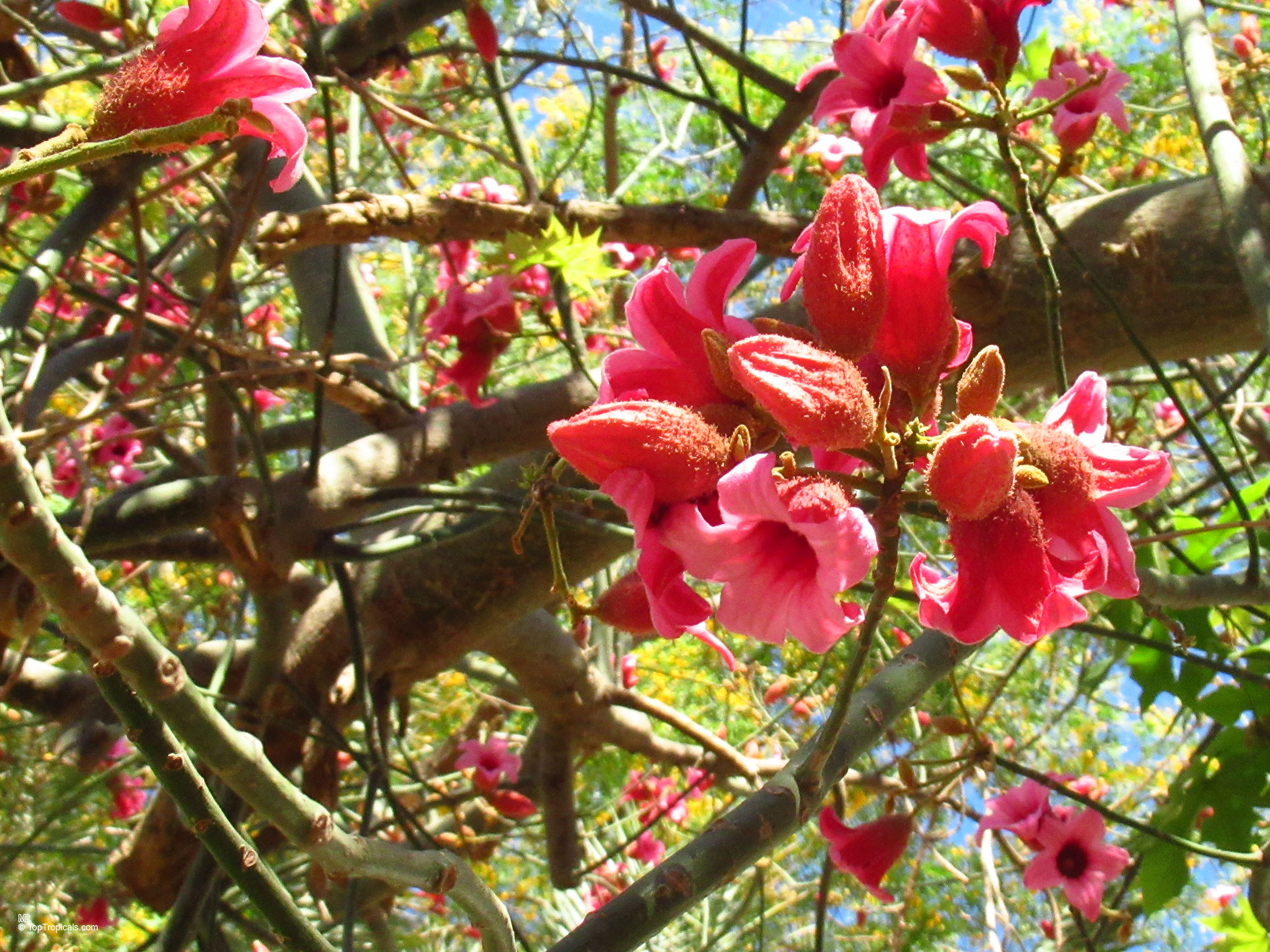
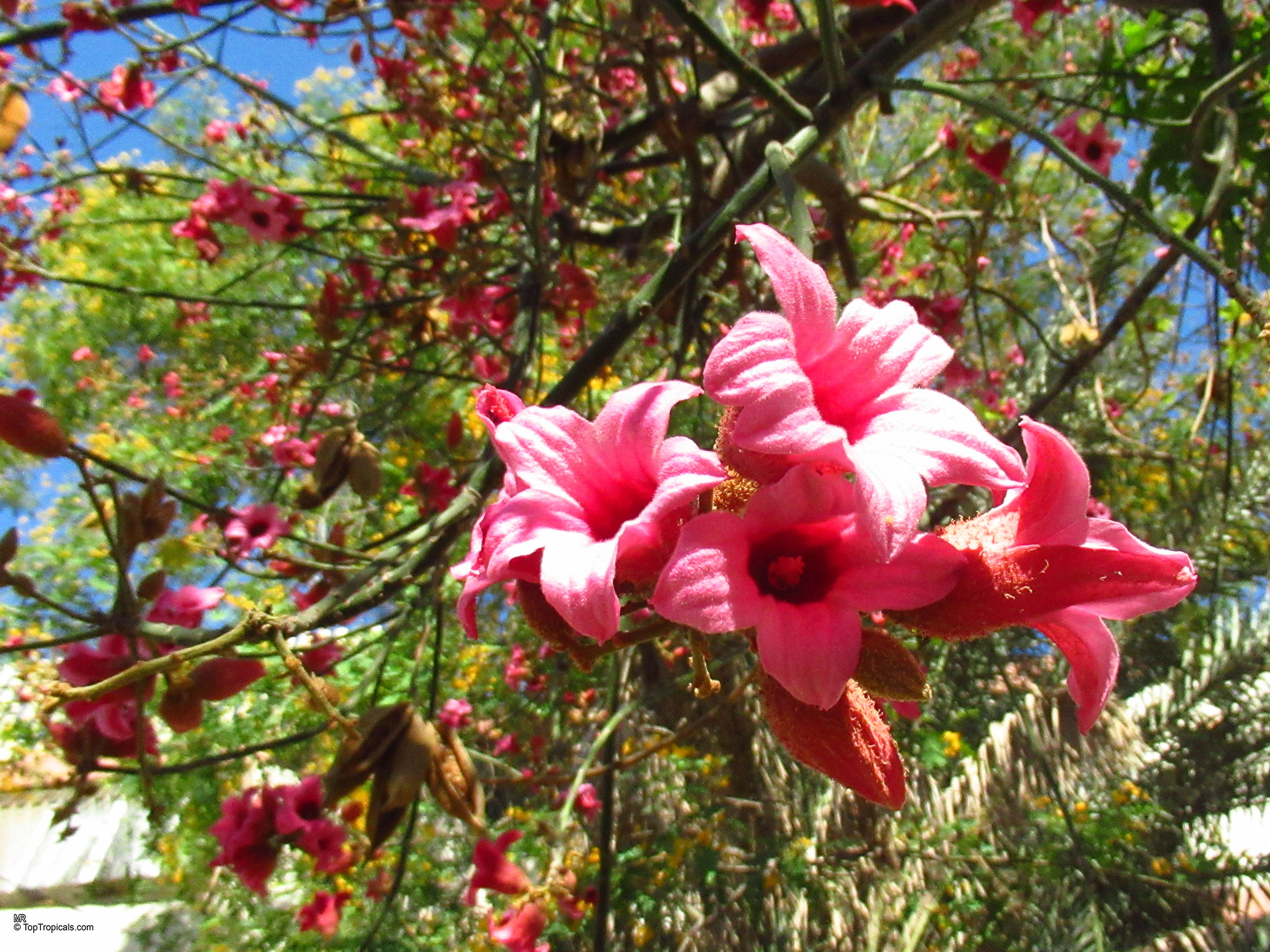
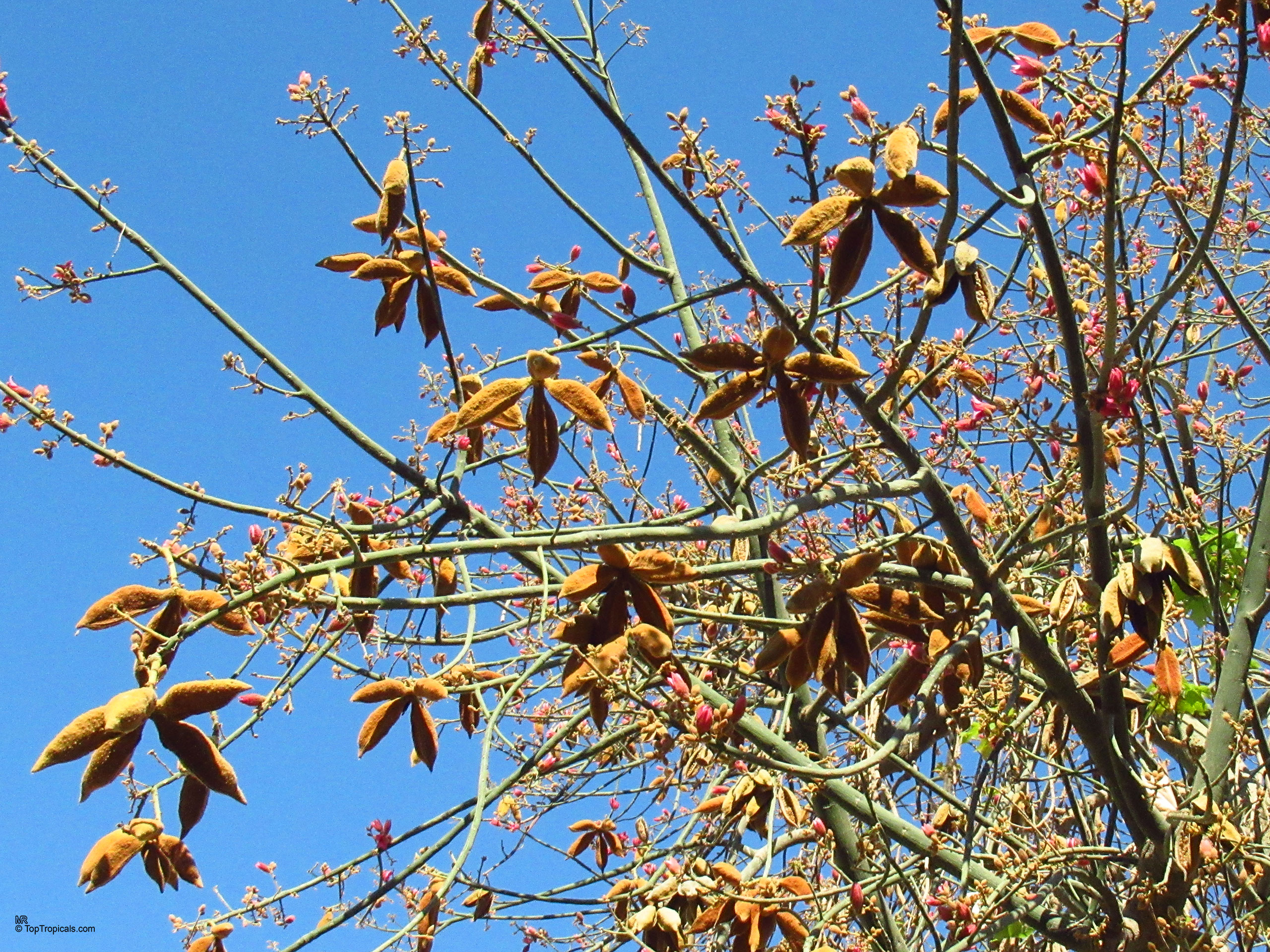
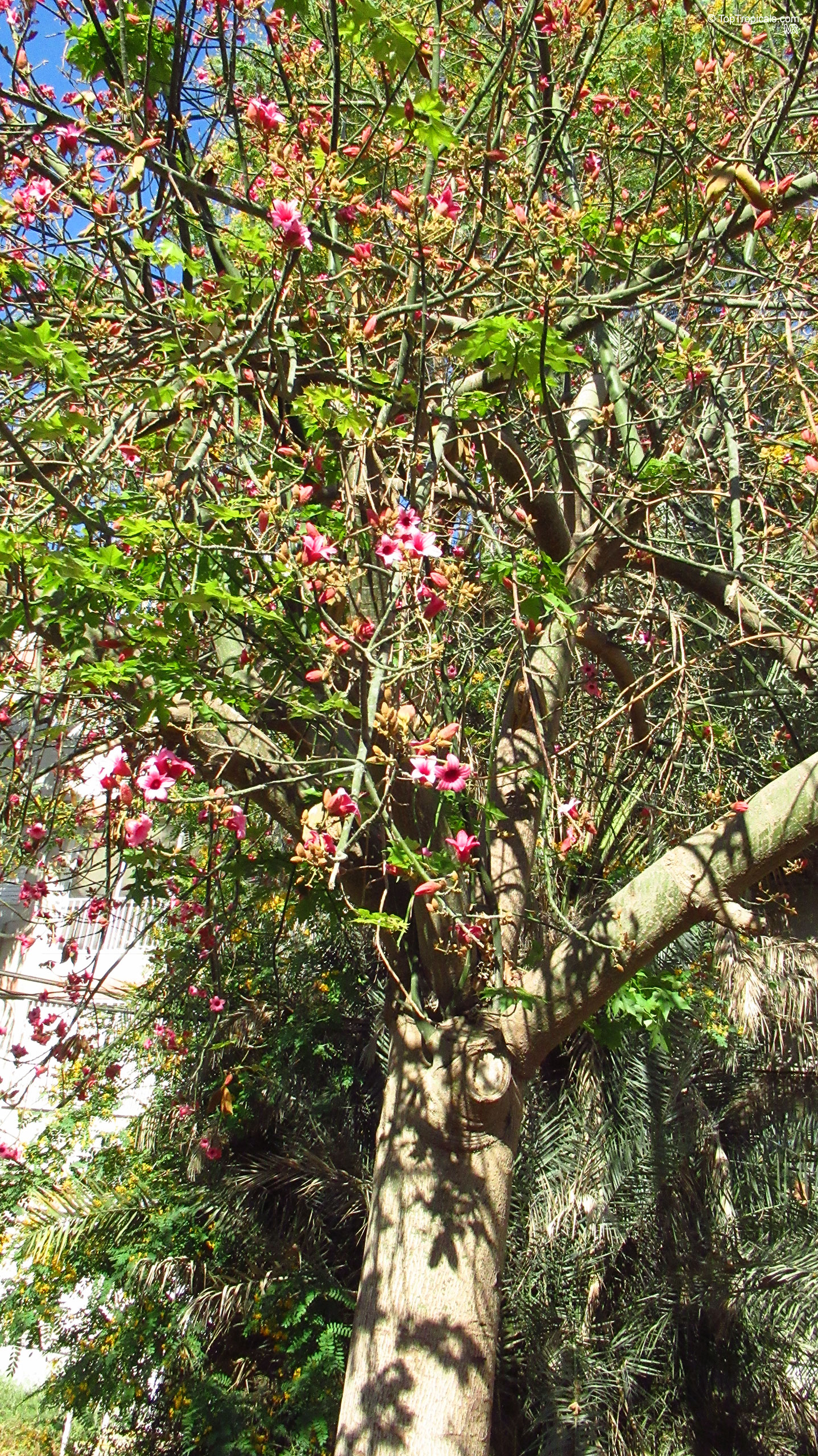
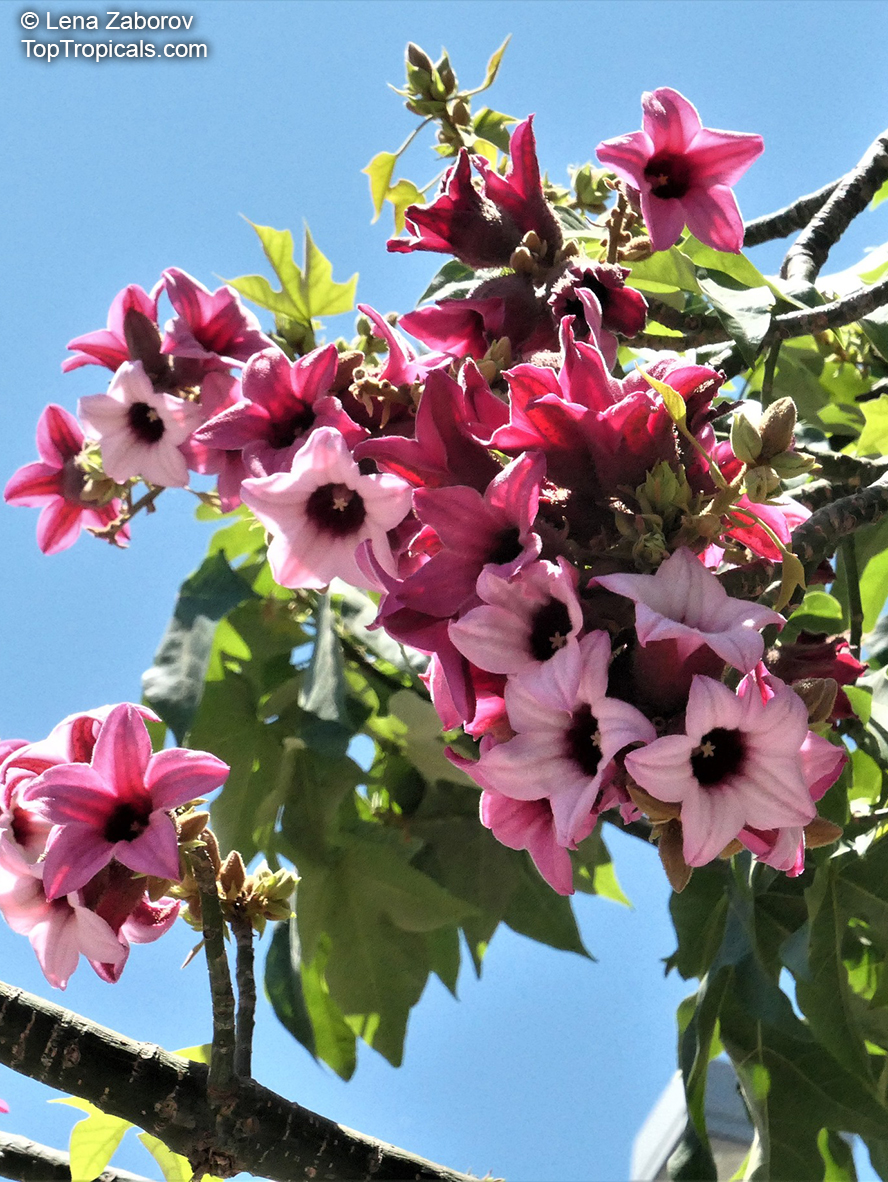
Brachychiton discolor, commonly known as the Lacebark Tree or Pink Kurrajong, is a striking deciduous tree native to eastern Australia. It is best known for its spectacular display of soft pink, bell-shaped flowers that cover the branches when the tree is leafless, creating one of the most memorable floral displays among Australian trees. Mature specimens typically reach 30-50 feet in height and develop a broad canopy supported by a sturdy trunk.
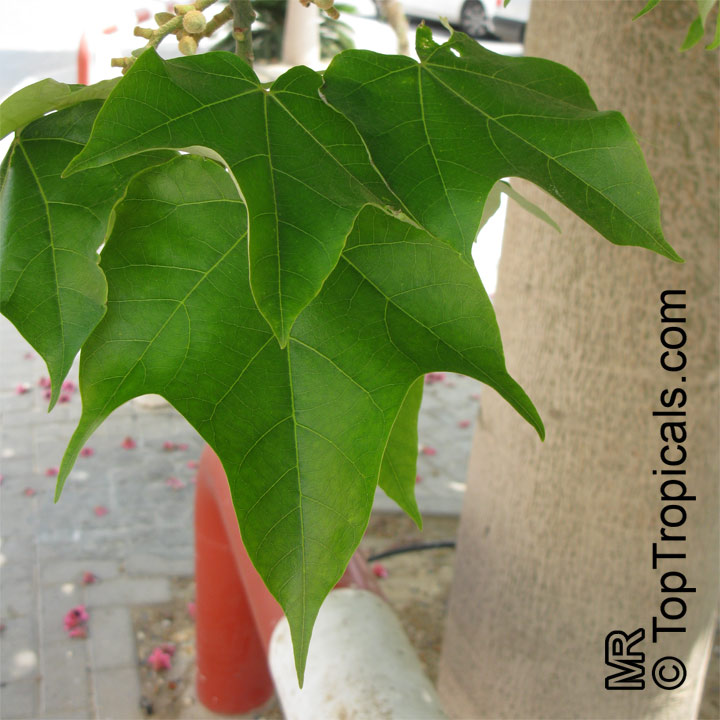
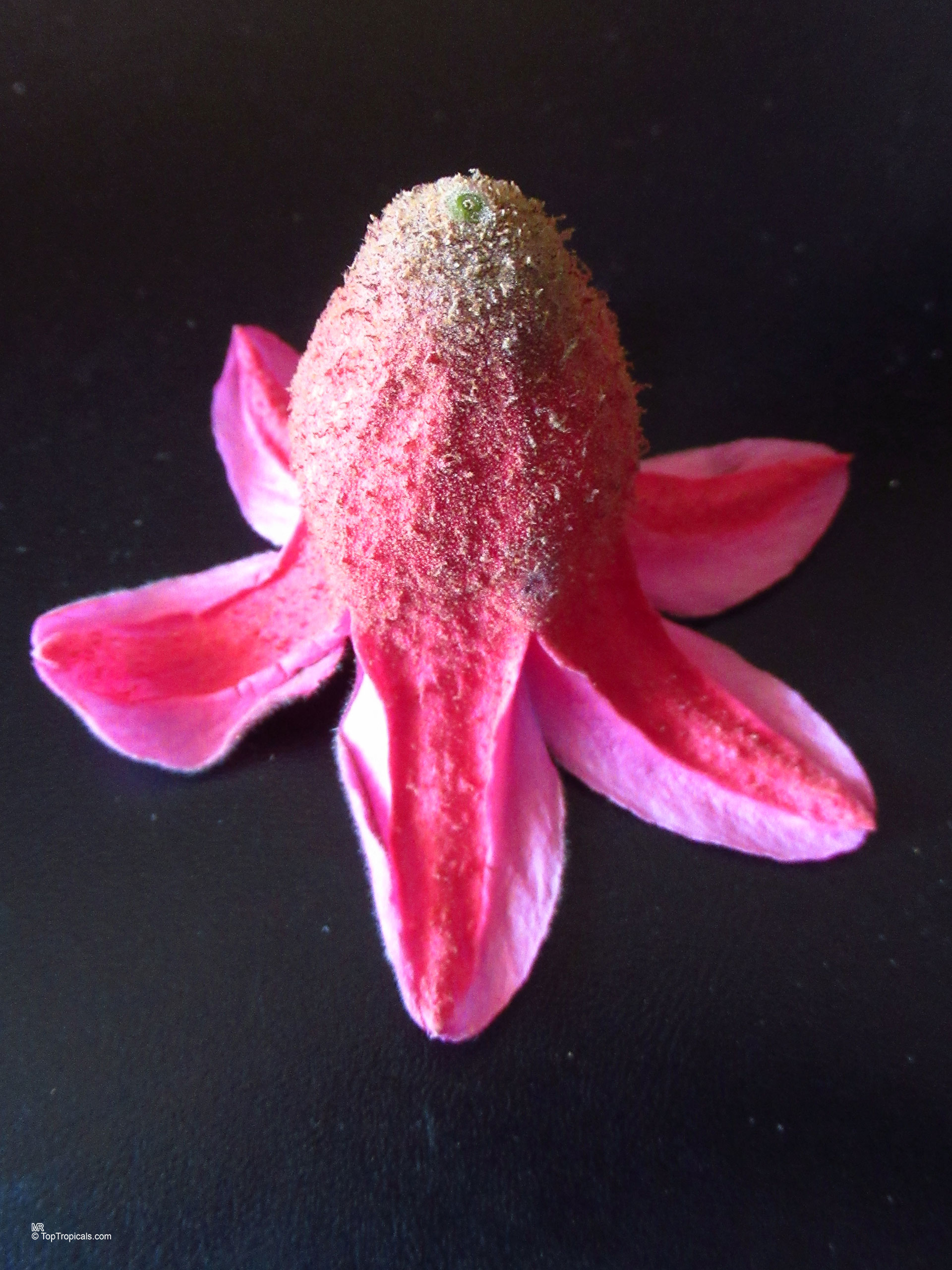
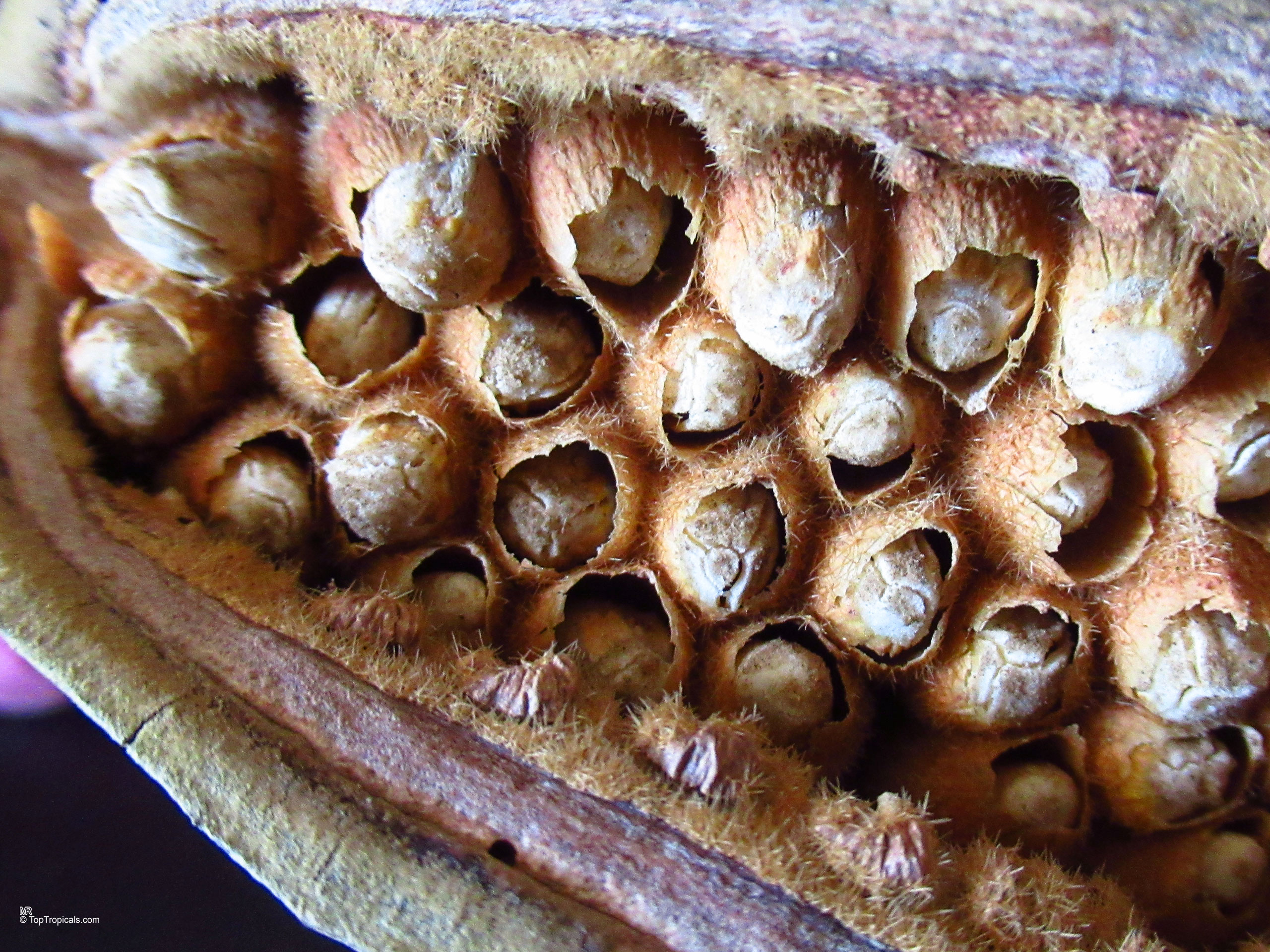
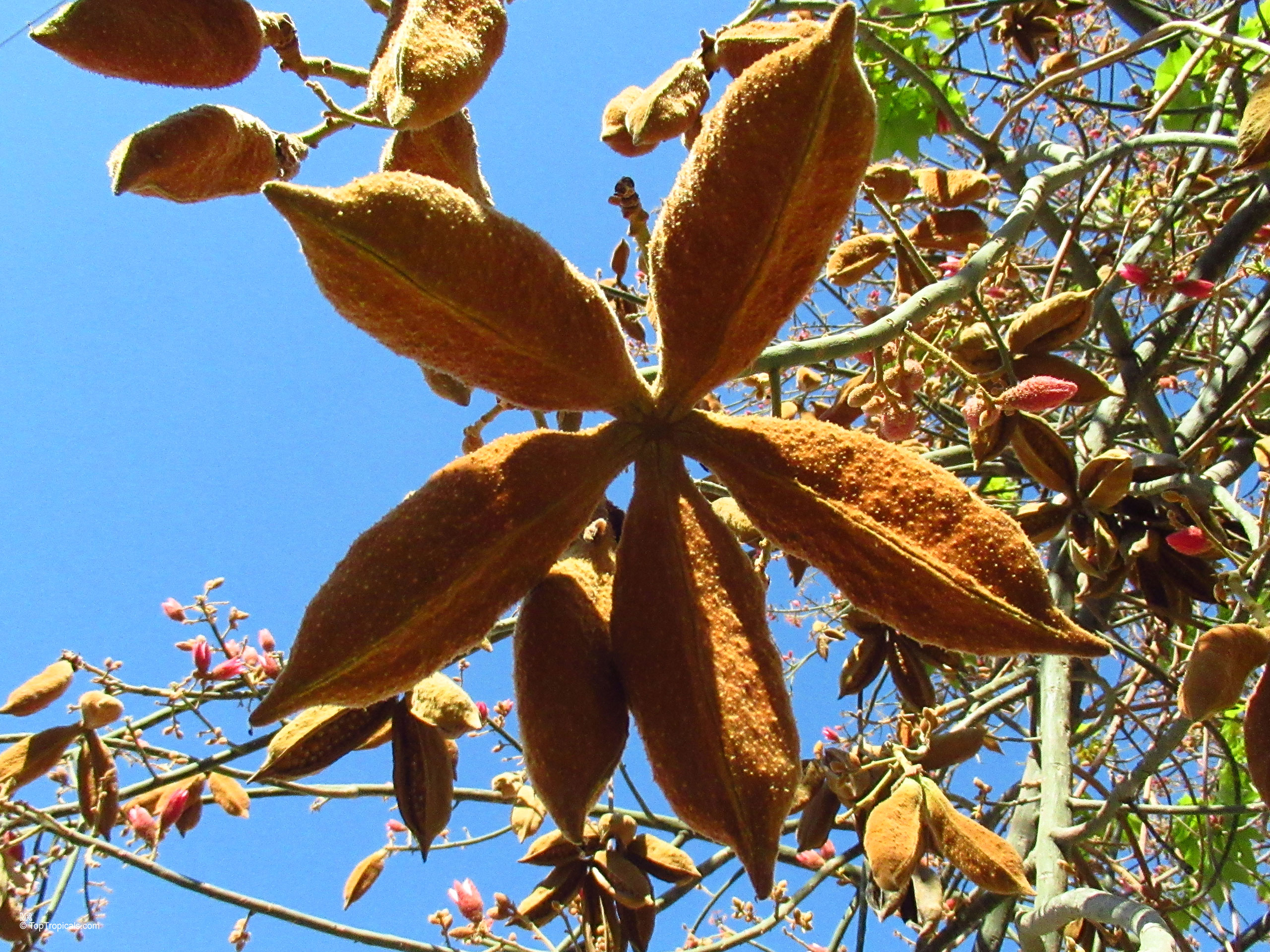
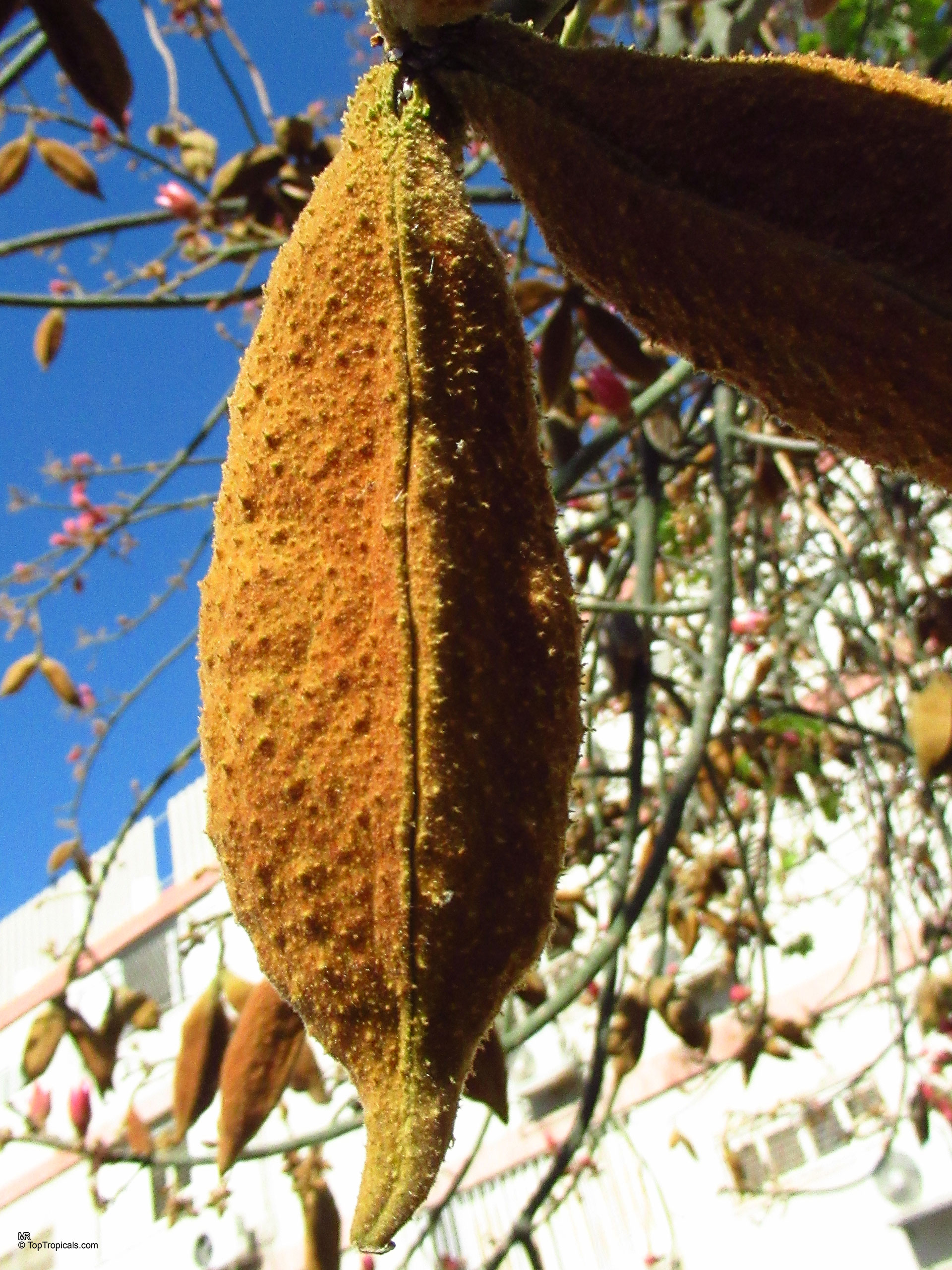
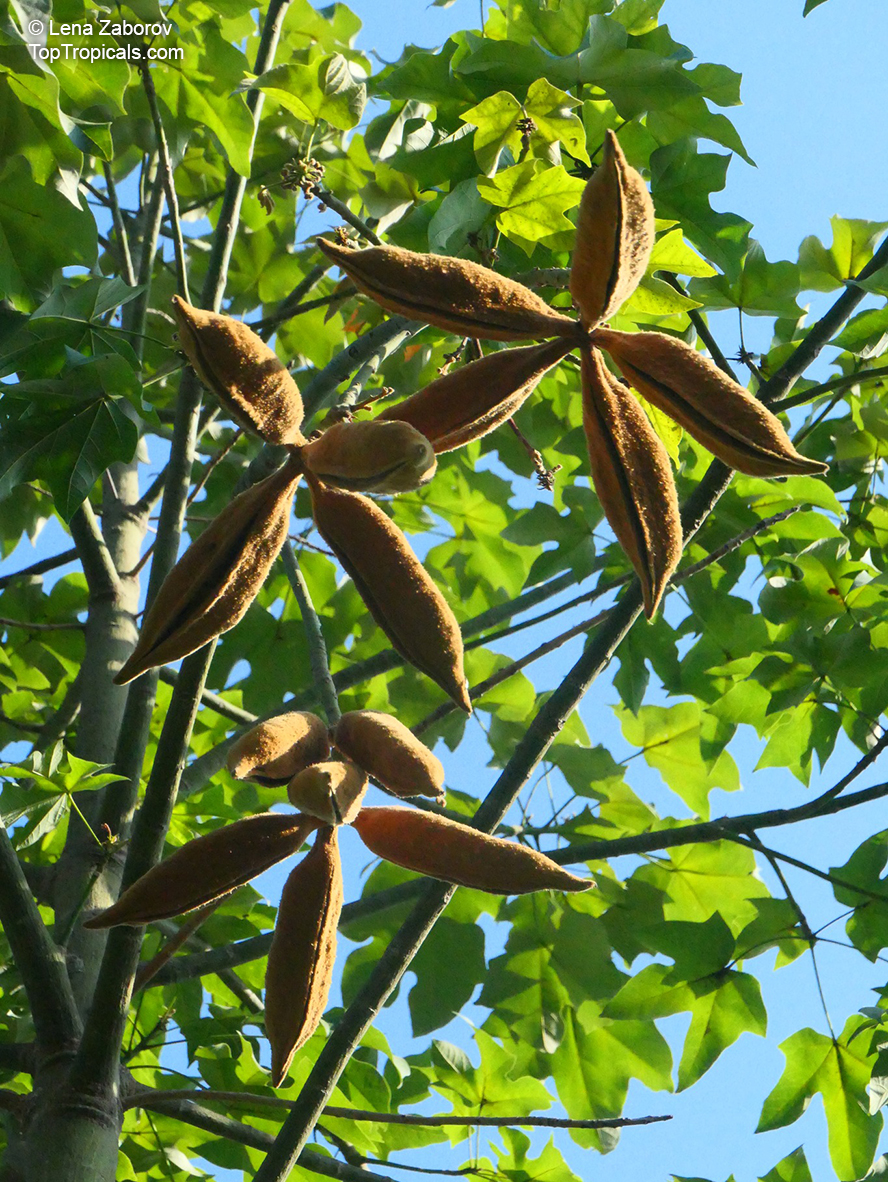
The large leaves are dark green above and densely covered with pale felt-like hairs beneath, giving the foliage a distinctive silvery appearance when stirred by the wind. The bell-shaped flowers are especially distinctive because their outer and inner surfaces differ dramatically in both color and texture. The exterior is densely covered with pinkish felt-like hairs, while the interior is smooth, silky, and much paler, creating a striking two-toned effect reflected in the species name discolor. Flowering usually occurs from late spring into summer, followed by woody seed pods containing bright yellow seeds surrounded by irritating hairs. The species is well adapted to drought once established and performs best in full sun and well-drained soil. Suitable for USDA Zones 9b-11, Brachychiton discolor is valued as an ornamental shade tree and can tolerate periods of heat, dryness, and poor soils better than many flowering trees of comparable size.
Similar plants: Brachychiton discolor (Lacebark Kurrajong)
- Brachychiton acerifolius (Flame Tree)
- Brachychiton australis (Broad Leaved Bottletree)
- Brachychiton bidwillii (Little Kurrajong)
- Brachychiton megaphyllus (Giant-leaved Kurrajong )
- Brachychiton paradoxus (Red Kurrajong)
- Brachychiton populneus (Bottle Tree)
- Brachychiton rupestris (Queensland Bottle Tree)
- Brachychiton sp. (Bottle Tree)