Vachellia xanthophloea (Fever tree )
Botanical names: Vachellia xanthophloea, Acacia xanthophloea
Common name: Fever tree
Family: Fabaceae
Subfamily: Mimosoideae
Origin: South Africa
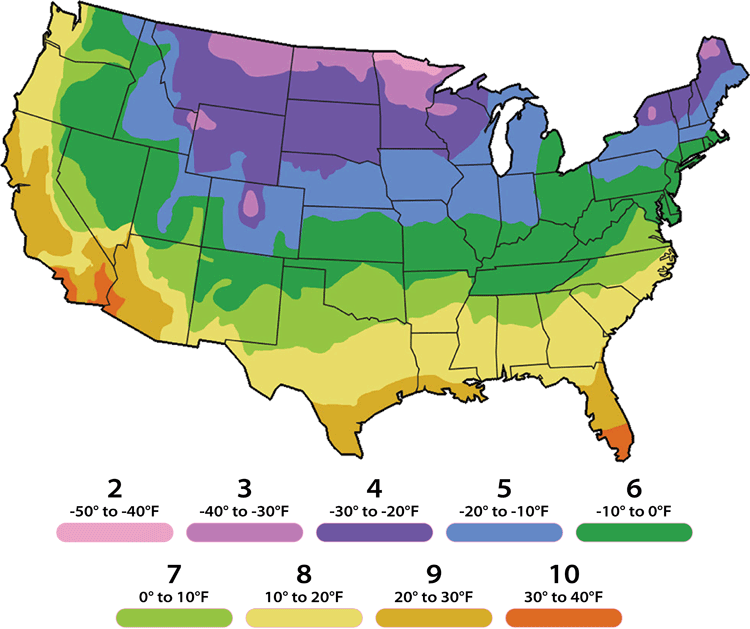
USDA Zone: 9-12


 Plant form: Large or medium tree; suitable for bonsai
 Mature height: 20 ft or more
 Sun exposure: Full sun or bright light indoor
 Cold tolerance: Frost sensitive. Protect from freezing.
 Watering: Moderate
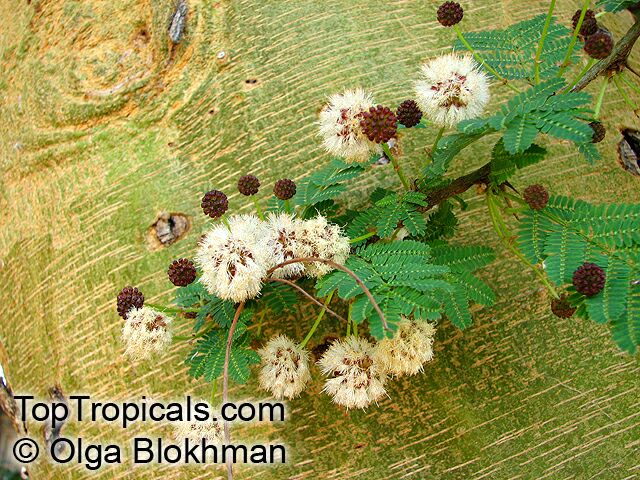
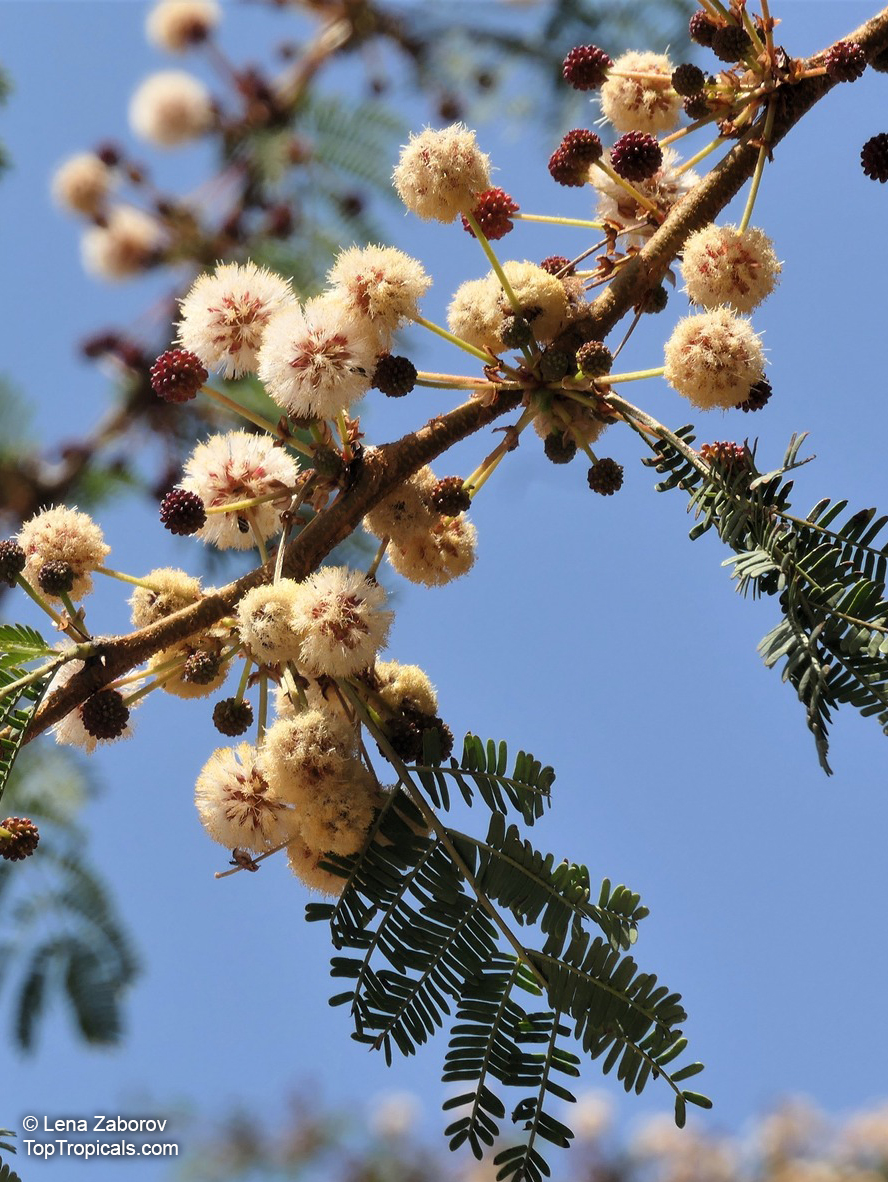
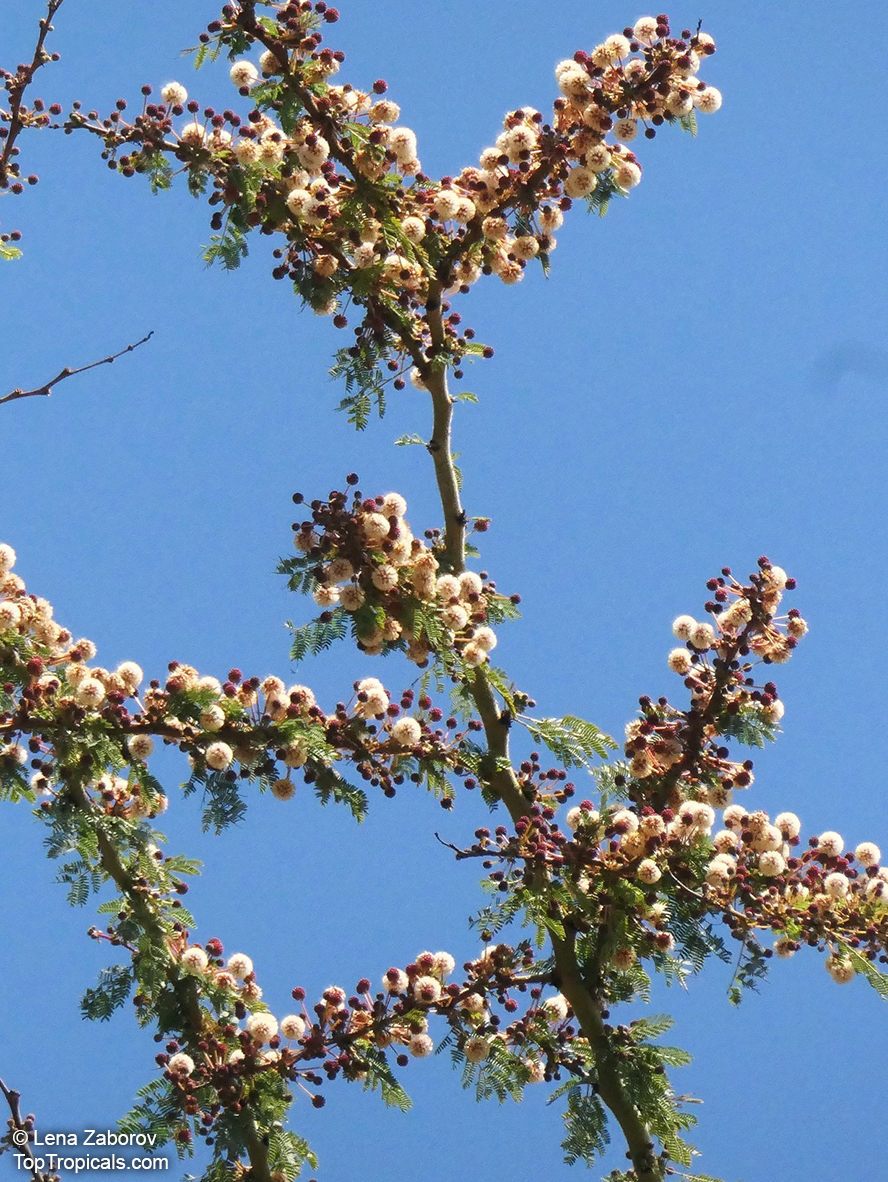
 Flower color: White and off-white
 Suitable for: Outdoors in the suitable USDA zone; large gardens
 Thorns: Thorny or spiny
 Flood tolerance: High
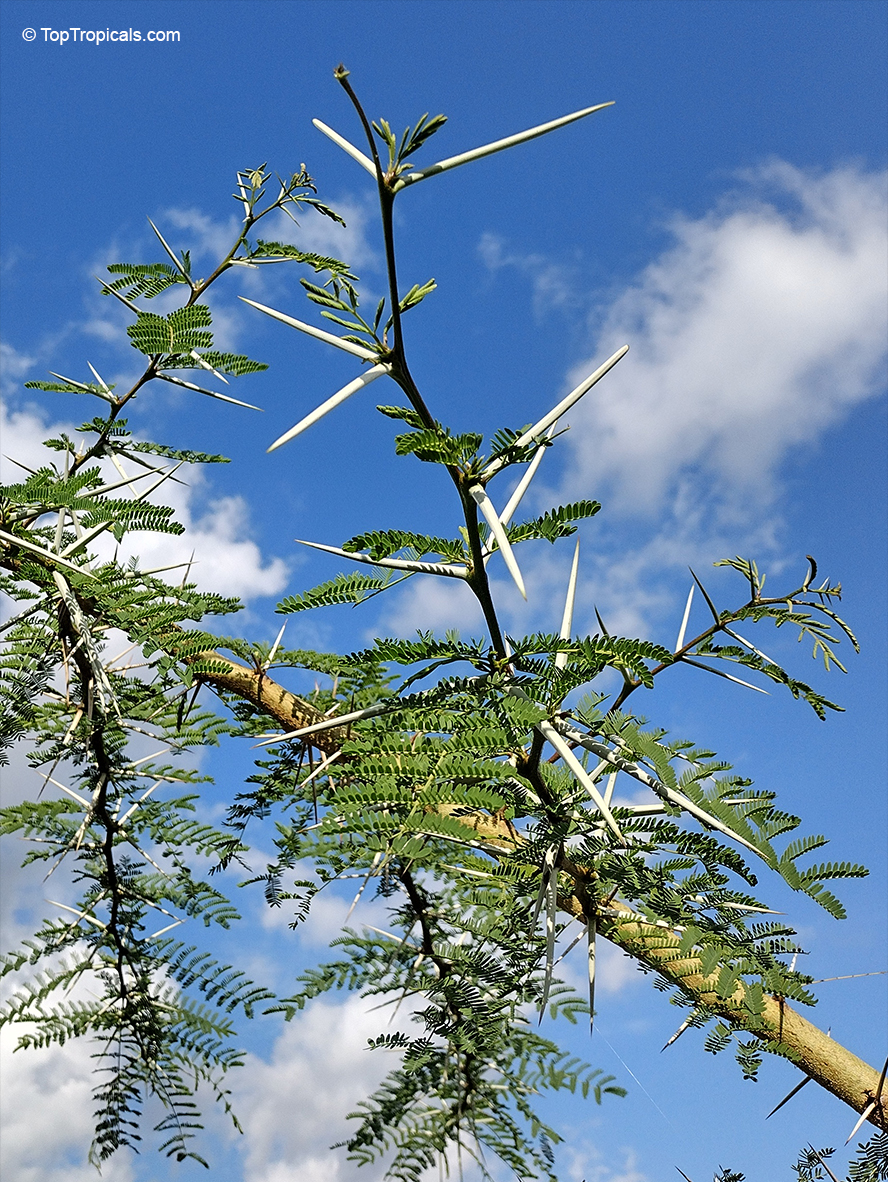
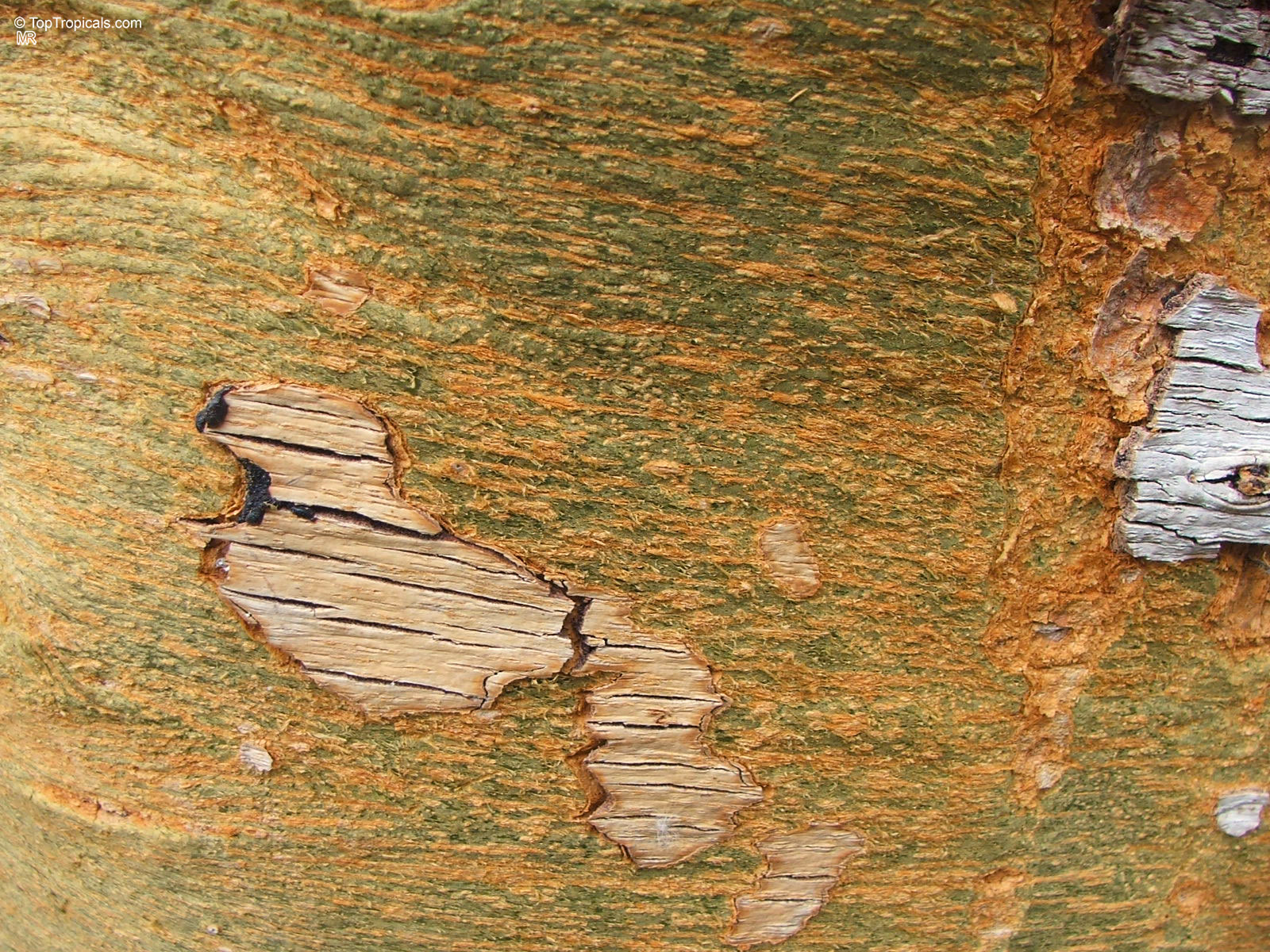
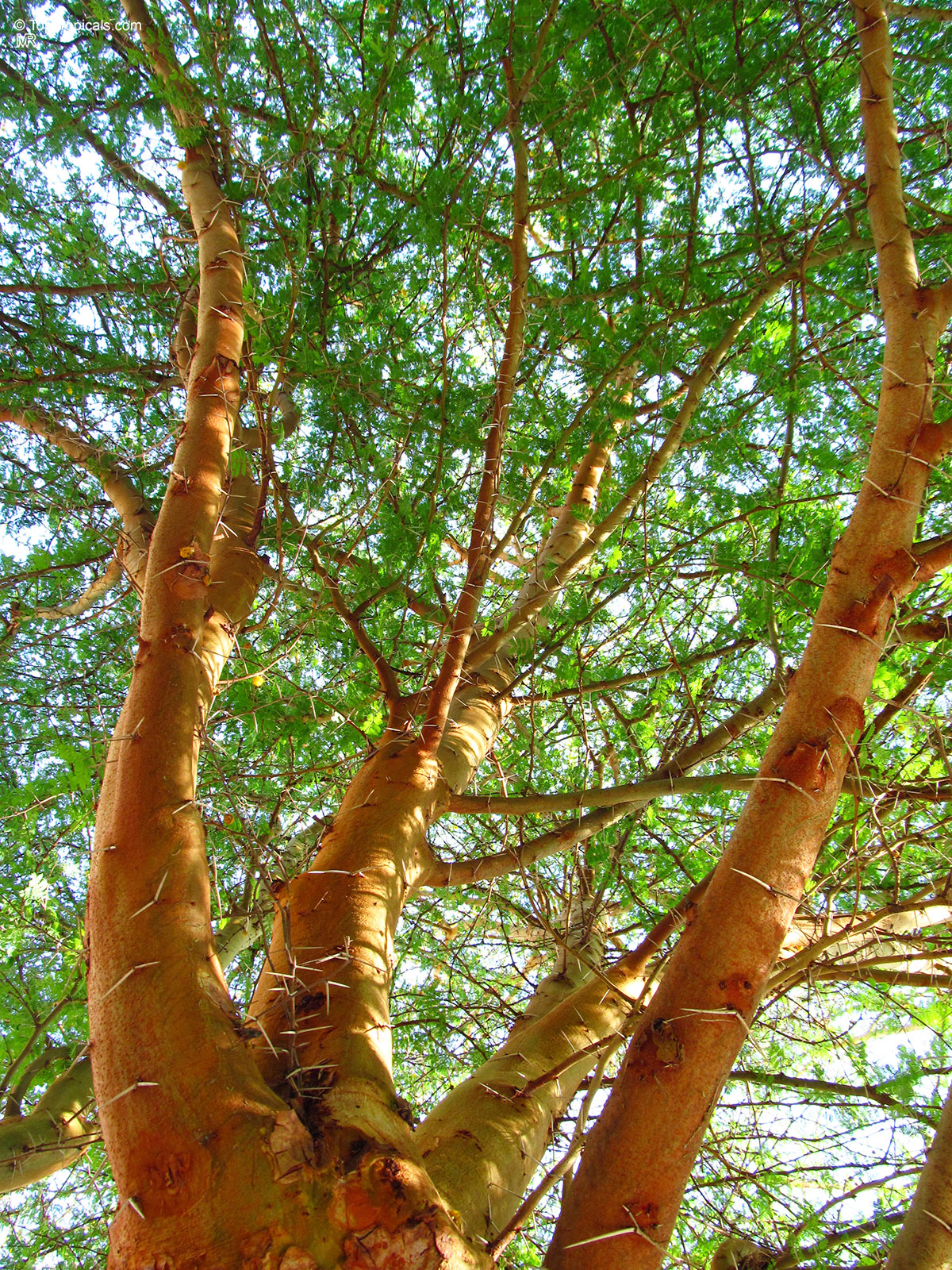
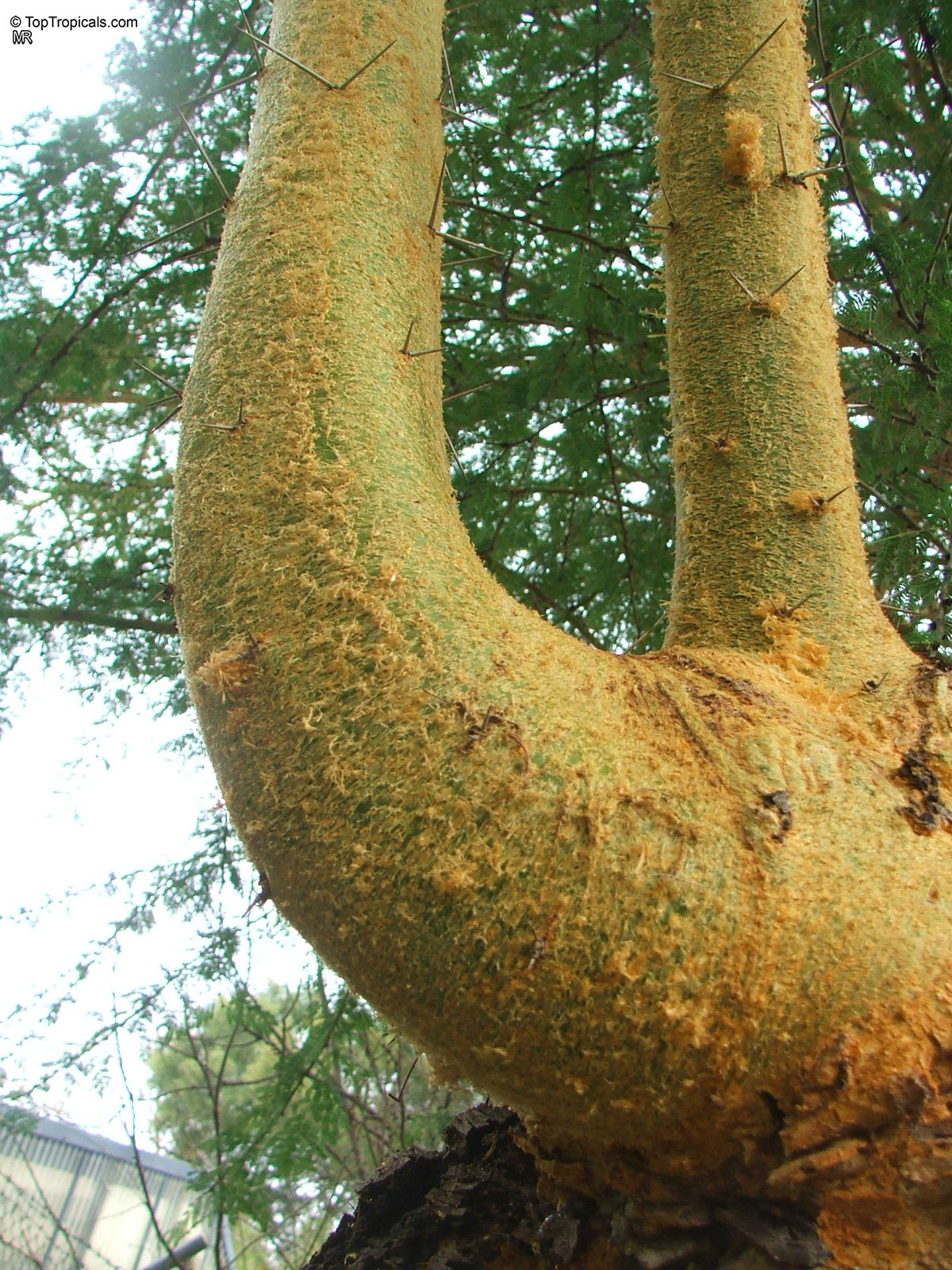
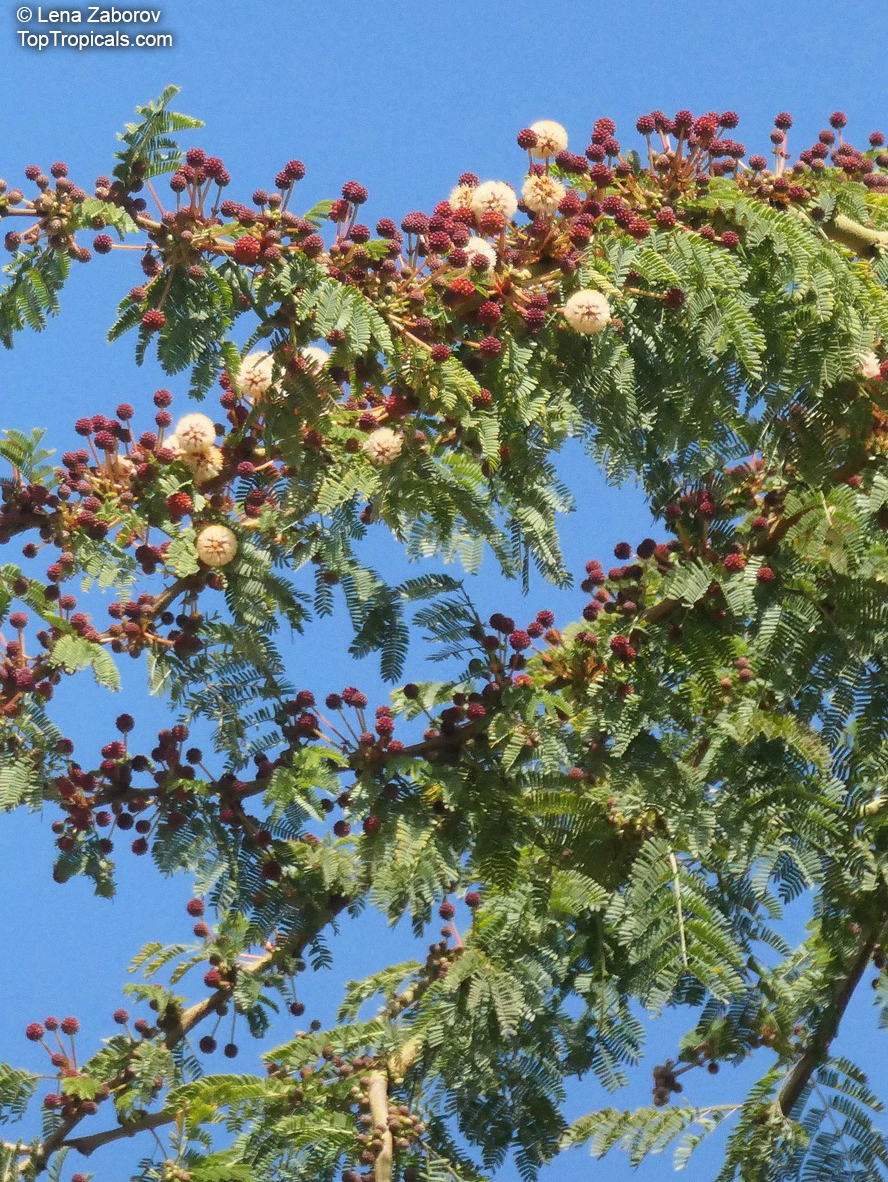
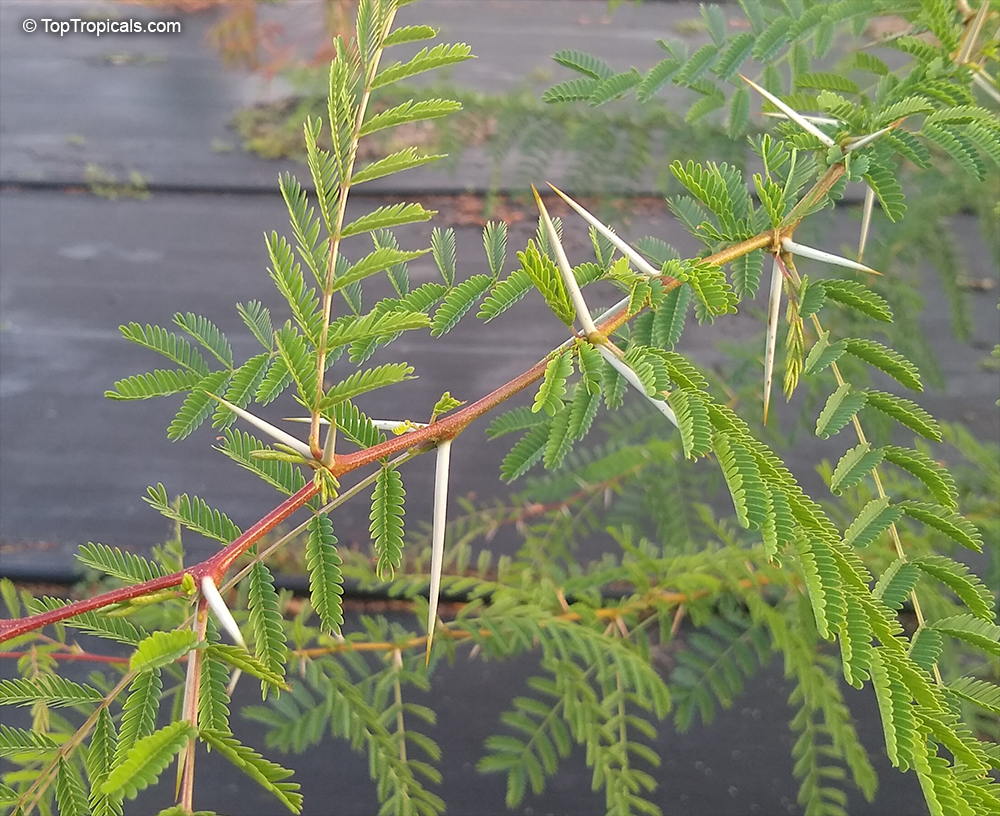
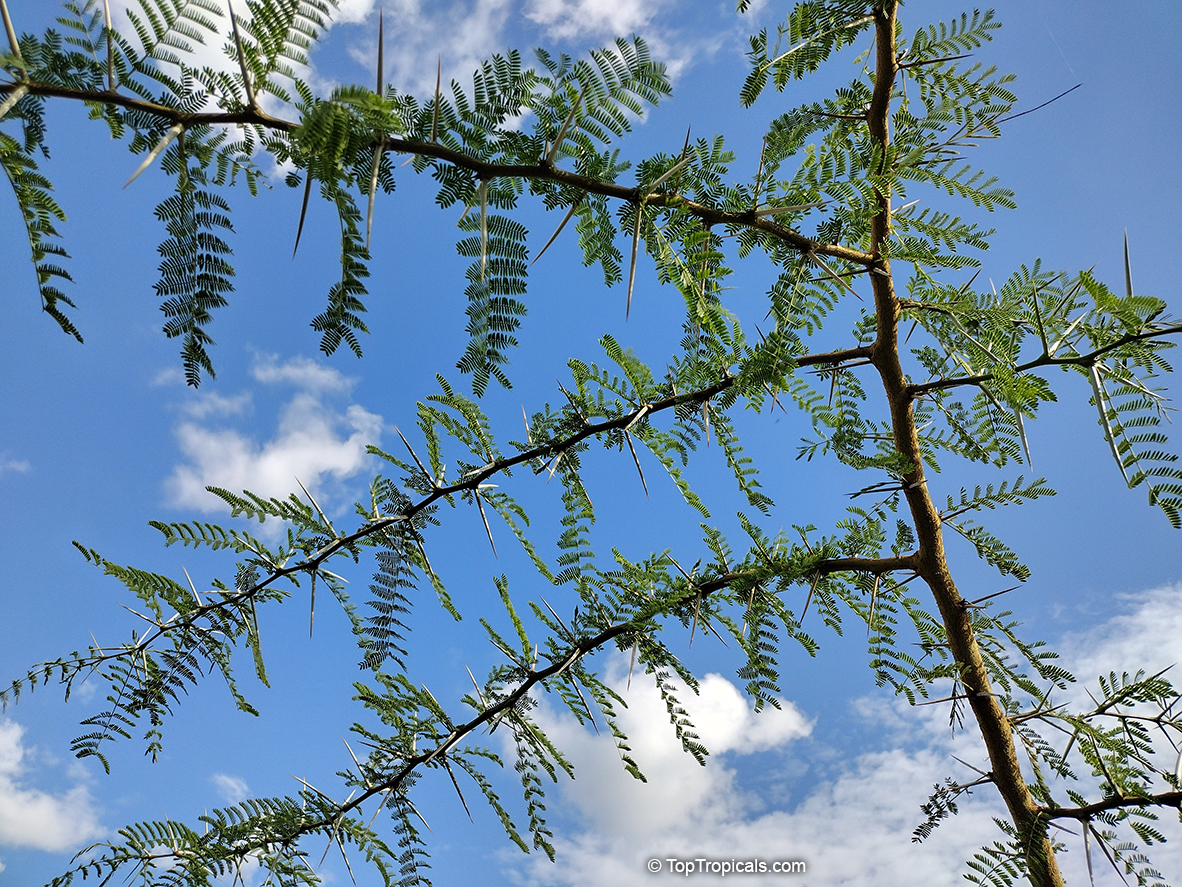
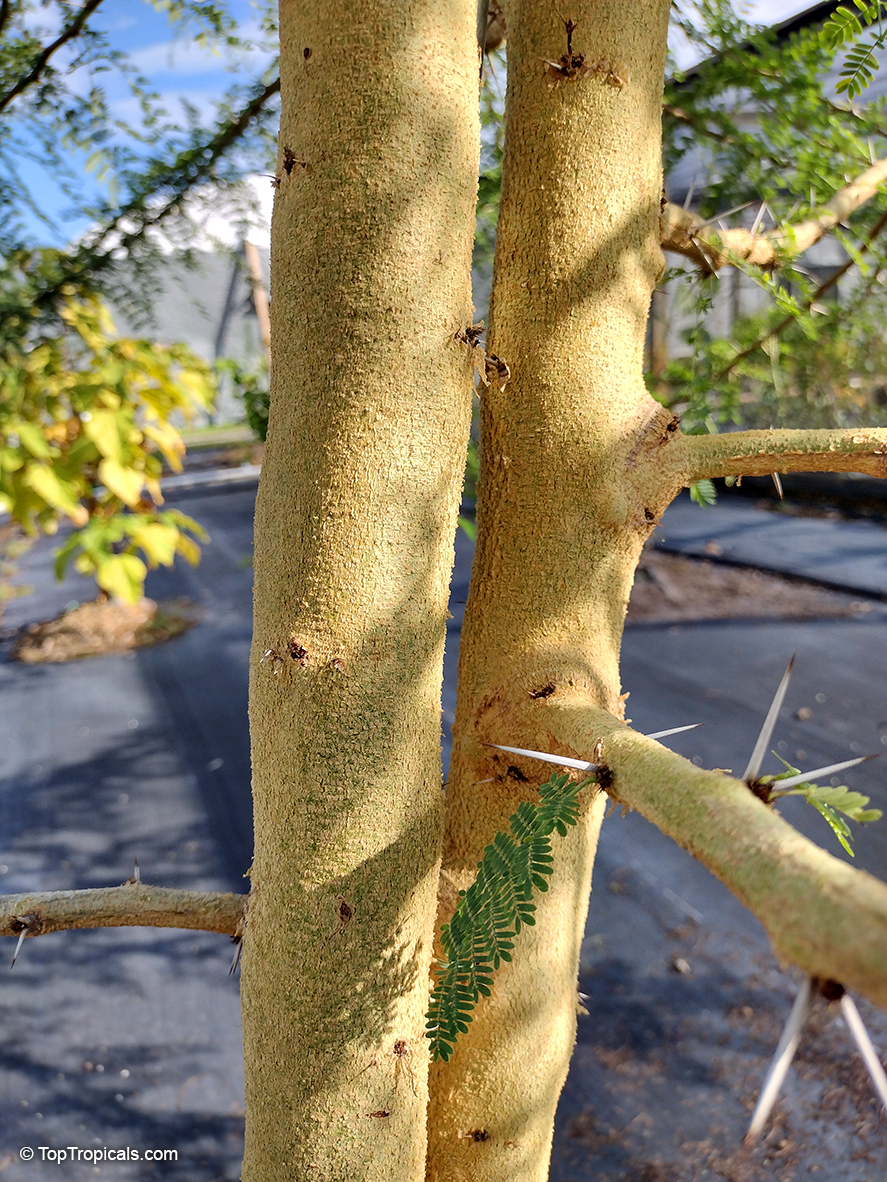
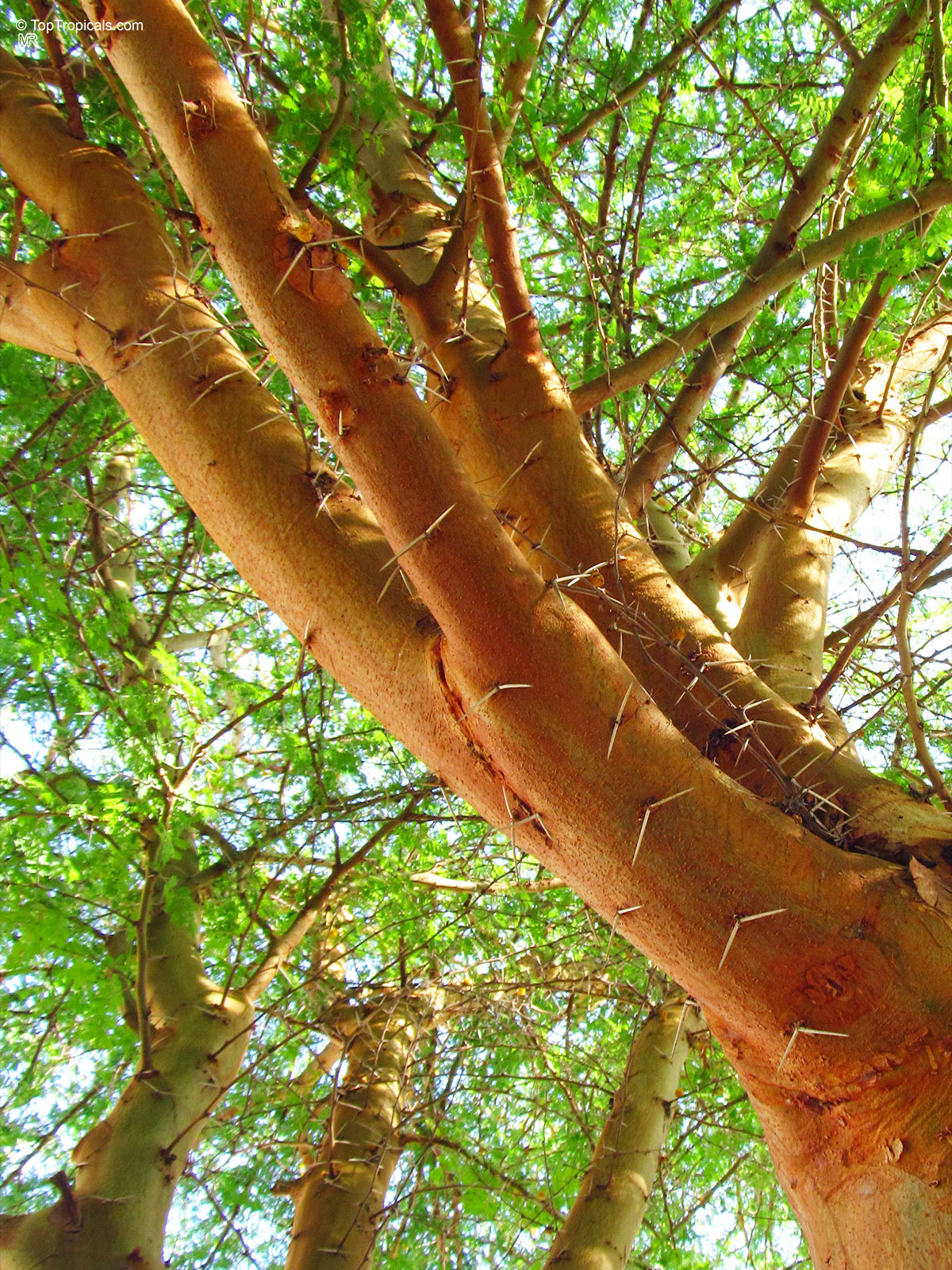
The fever tree is an attractive, semi-deciduous to deciduous tree approximately 15 to 25 meters tall and has an open, rounded to spreading or flattish crown which is sparsely foliated. The characteristic, almost luminous, lime green to greenish-yellow bark is smooth, slightly flaking, and coated in a yellow powdery substance. If the powdery surface is rubbed away with the finger it will reveal a green bark beneath. It has a slender to spreading, sparse, roundish crown of feathery foliage. The thorns are long, straight and paired.
This species occurs in groups in low-lying swampy areas. Because its range coincides with regions where malaria is prevalent, it is called "Fever Tree."
Similar plants: Vachellia xanthophloea (Fever tree )
- Vachellia cornigera (Bullhorn Acacia)
- Vachellia farnesiana (Yellow Mimosa)
- Vachellia karroo (Sweet Thorn)
- Vachellia oviedoensis (Acacia)
- Vachellia sieberiana (Paperbark Thorn)
- Vachellia sphaerocephala (Bulls-Horn Acacia)
- Vachellia tortuosa (Twisted Acacia)
- Acacia adoxa (Acacia)
- Acacia auriculiformis (Darwin Black Wattle)
- Acacia baileyana ''Purpurea'' (Purple Fernleaf Acacia)